Are These The Best?
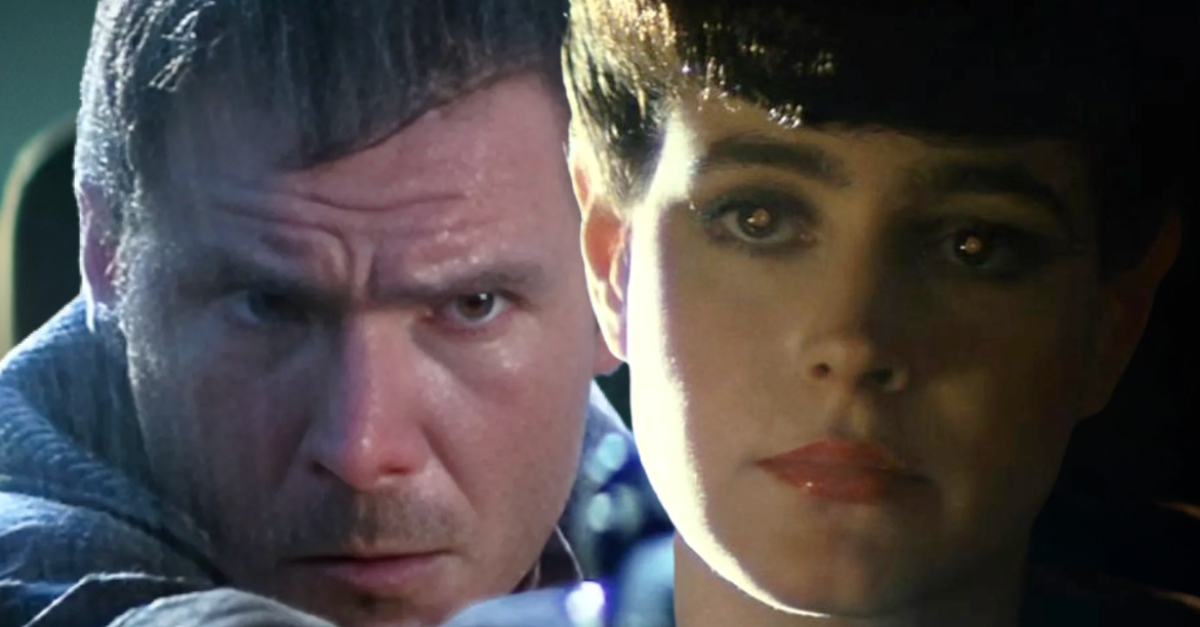
Sci-fi fans love to argue, and this ranking is basically fuel for the fire. Recently, Empire magazine updated its list of the greatest sci-fi movies ever made—and when all was said and done, Blade Runner ended up standing at number one.
How do you feel about that? And what about the rest of their official Top 25? Did they get it very right…or very wrong?
25: Solaris (1972)
Directed by Andrei Tarkovsky, this is where the list immediately tests your patience (in a good way). Solaris isn’t about spectacle, it’s about memory, grief, and identity. It’s slow, heavy, and not for everyone, but if it clicks, it really sticks.
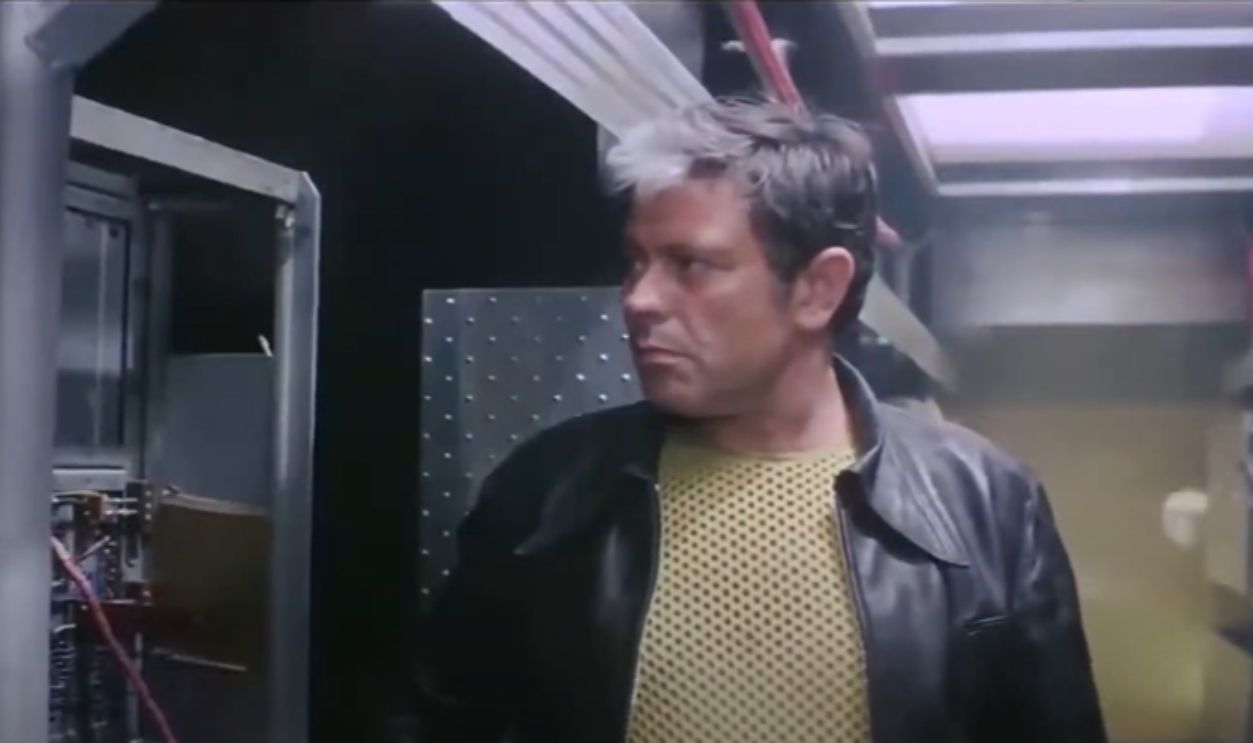 Screenshot from Solaris, Mosfilm (1972)
24: Planet of the Apes (1968)
Directed by Franklin J. Schaffner, this one earns its place for that ending alone, but it’s more than just a twist. Planet of the Apes mixes sci-fi with sharp social commentary, and somehow still feels relevant all these years later.
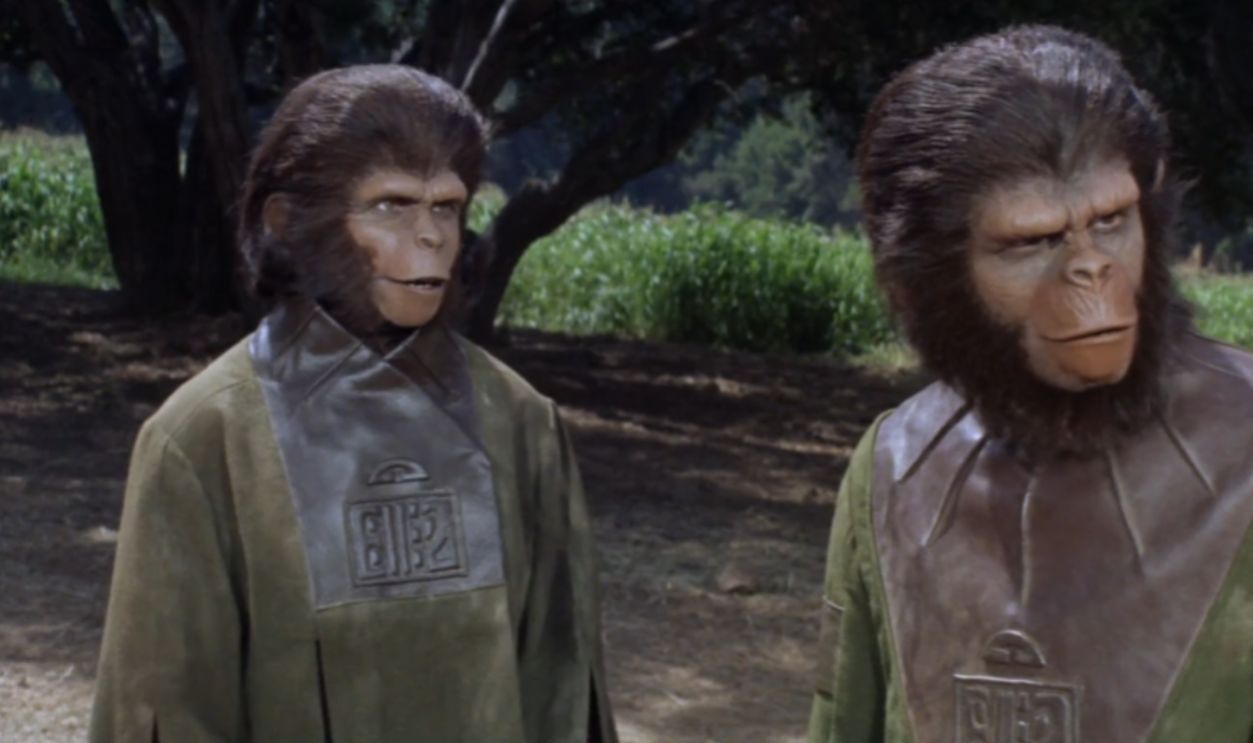 Screenshot from Planet Of The Apes, 20th Century Fox (1968)
23: Guardians of the Galaxy (2014)
James Gunn is the first modern blockbuster director to show up here, and this one might raise eyebrows. Guardians of the Galaxy leans into humor, but it also nails character and emotion in a way a lot of sci-fi doesn’t.
And yeah, some people are definitely going to argue this is ranked way too high.
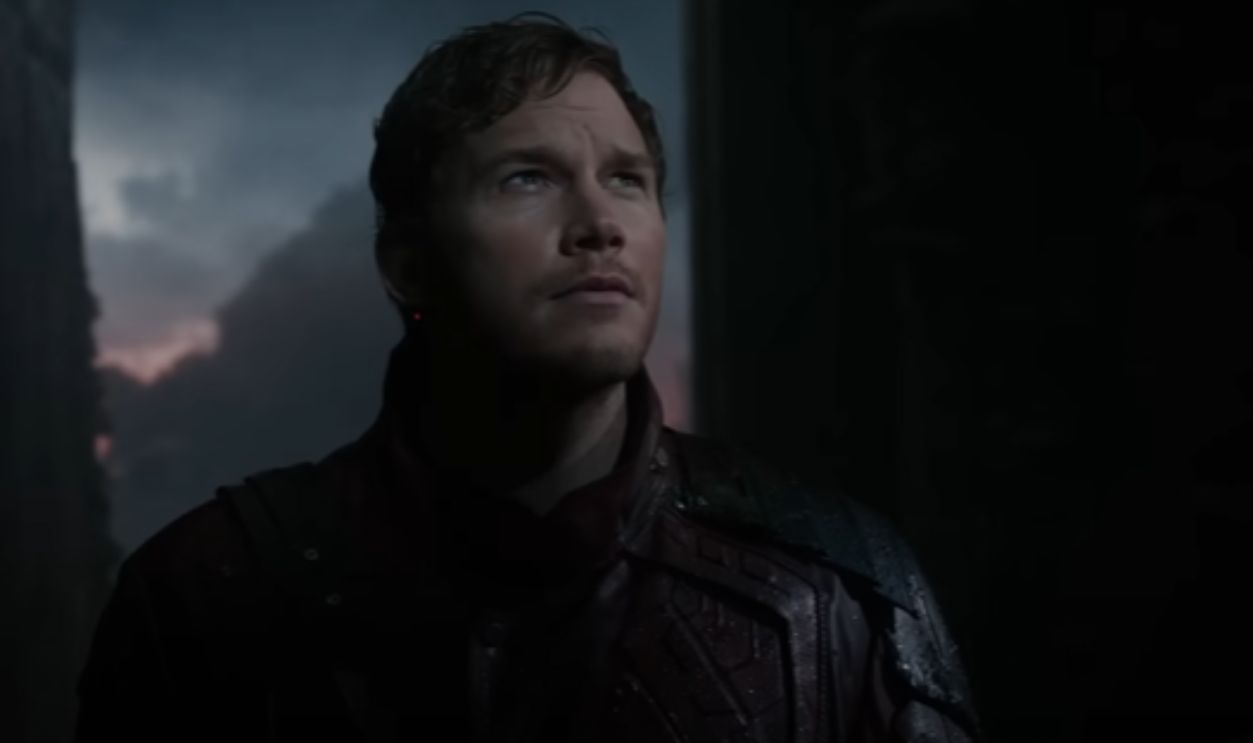 Screenshot from Guardians of the Galaxy, Walt Disney Studios Motion Pictures (2014)
22: Jurassic Park (1993)
Steven Spielberg makes his first appearance (and it won’t be his last). Jurassic Park isn’t just about dinosaurs, it’s about tension, pacing, and knowing exactly when to hold back. The fact that it still looks this good is honestly kind of ridiculous.
 Screenshot from Jurassic Park, Universal Pictures (1993)
21: Interstellar (2014)
Christopher Nolan enters the list for the first time here, and like most Nolan films, Interstellar splits the room. Some call it a masterpiece, others think it gets too emotional.
And depending on who you ask, this might either belong way higher…or not here at all.
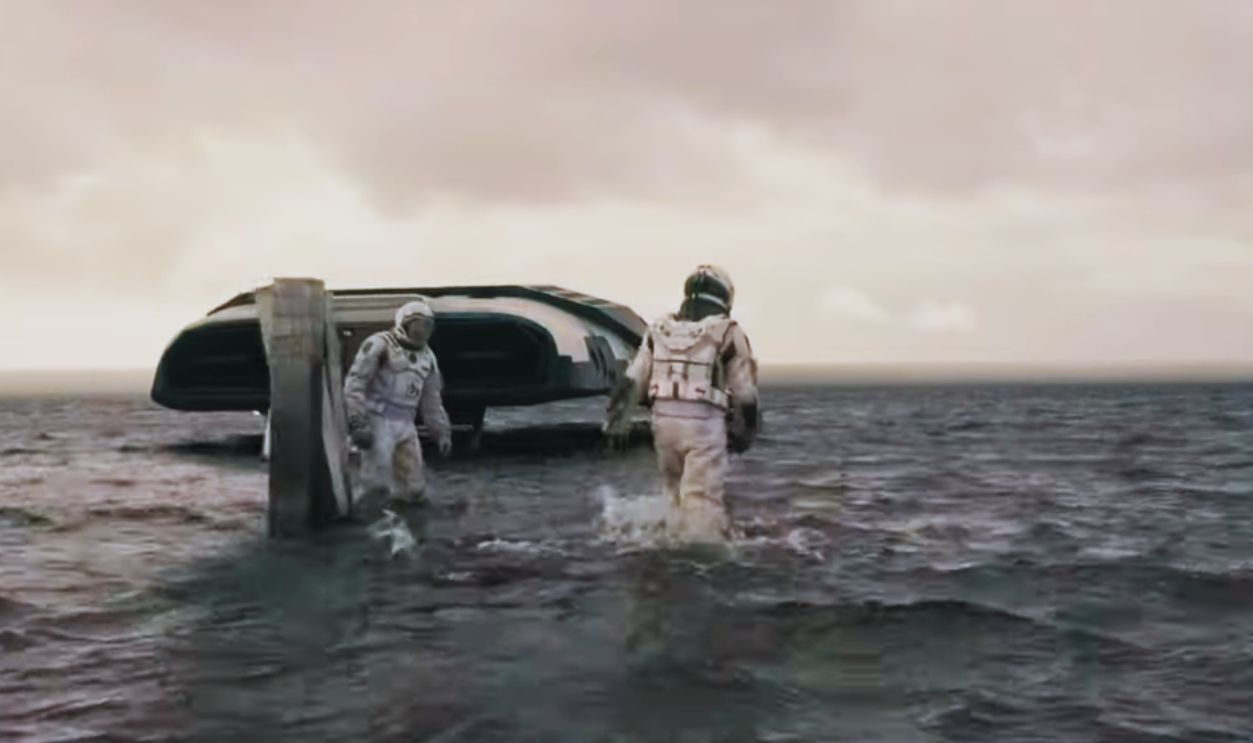 Screenshot from Interstellar, Paramount Pictures (2014)
20: RoboCop (1987)
Directed by Paul Verhoeven, RoboCop is way smarter than it first appears. Underneath all the action is a pretty biting satire about corporations, media, and identity. Also…it’s a lot more intense than people remember.
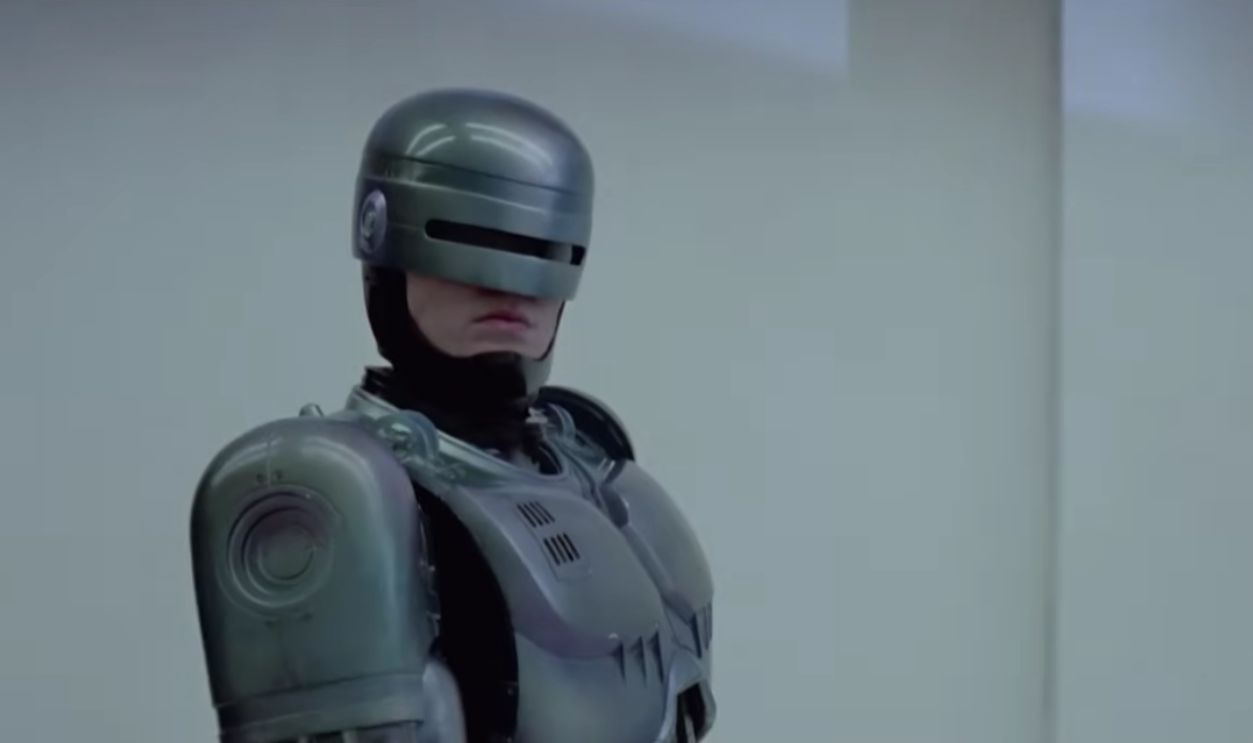 Screenshot from RoboCop, Orion Pictures (1987)
19: Metropolis (1927)
Directed by Fritz Lang, this is basically the blueprint for futuristic sci-fi. Massive cities, class divides, humans vs. machines—you’ve seen it all before, and it probably started here. The fact it still holds up visually is kind of wild.
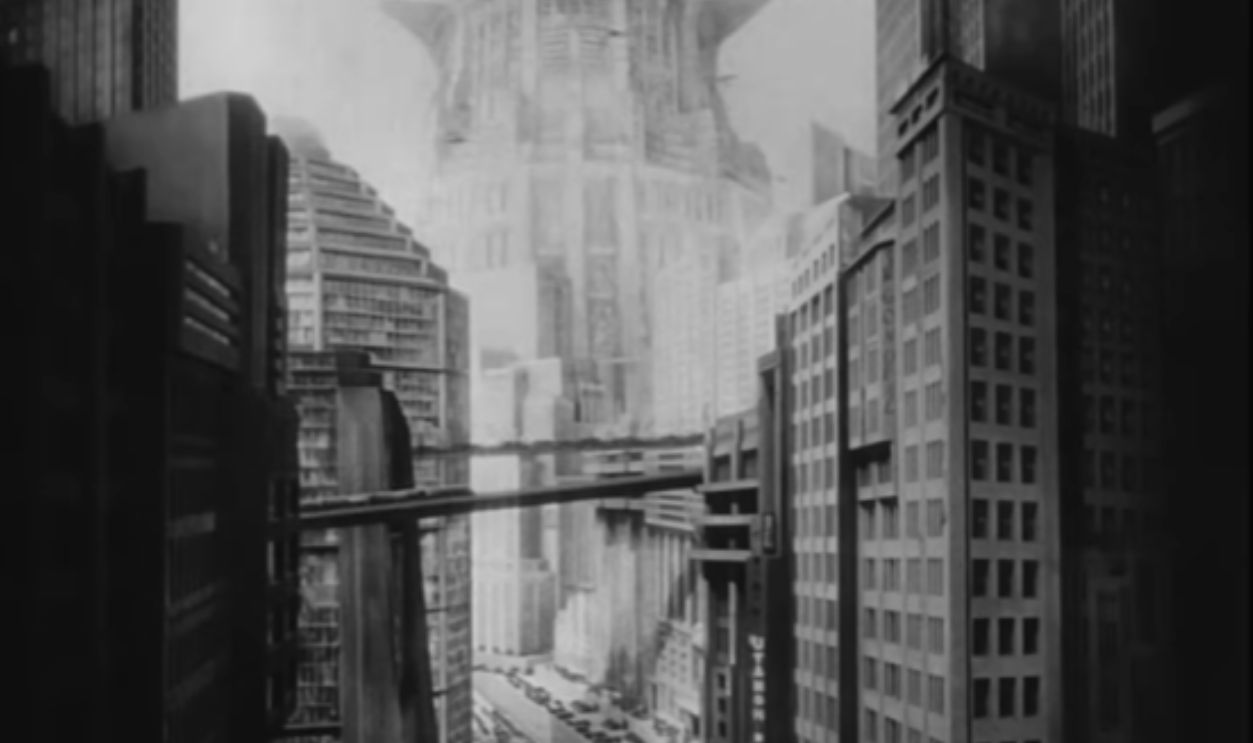 Screenshot from Metropolis, Universum Film AG (UFA) (1927)
18: Ex Machina (2015)
Alex Garland keeps things small here, but the ideas are massive. Ex Machina is quiet, tense, and uncomfortable in the best way. It doesn’t need scale, it just slowly gets under your skin and stays there.
 Screenshot from Ex Machina, A24 (2014)
17: Looper (2012)
Rian Johnson shows up with one of the tighter time travel stories on the list. Looper avoids getting lost in its own rules by focusing on character and consequences. It’s smart without feeling like it’s trying too hard.
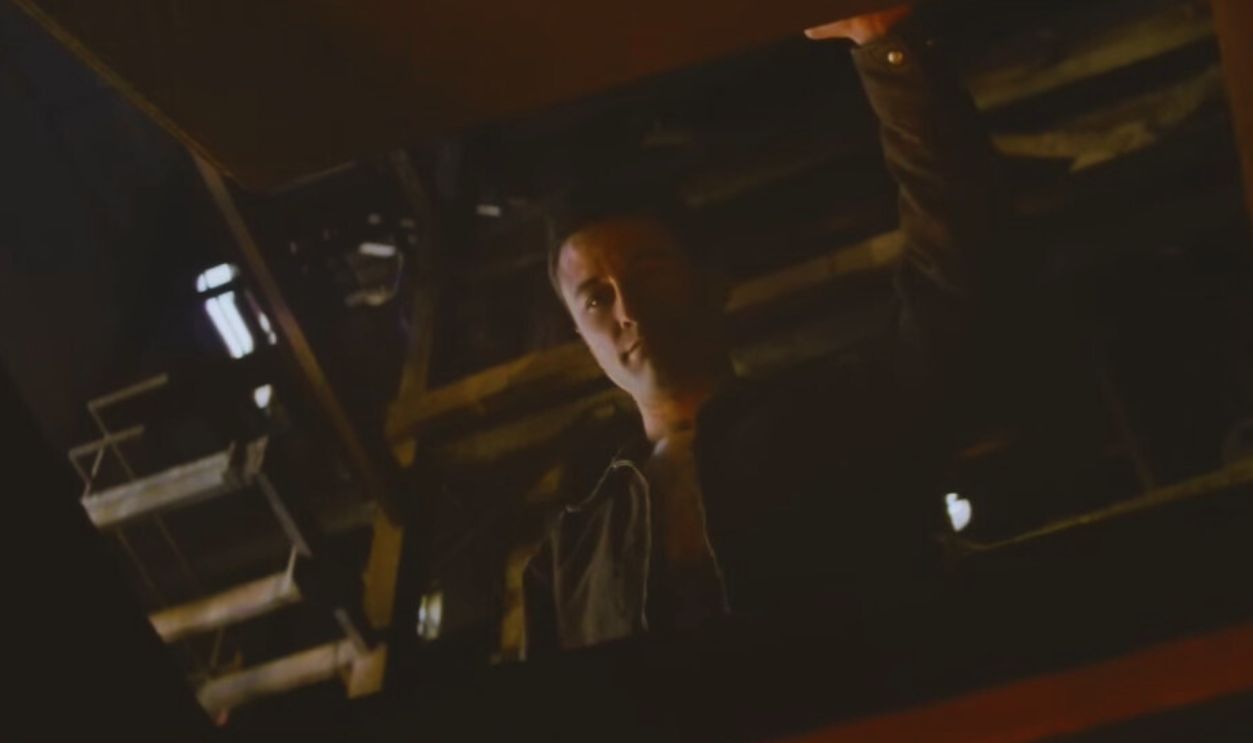 Screenshot from Looper, TriStar Pictures (2012)
16: Moon (2009)
Duncan Jones delivers one of the smallest films on the list, and that’s exactly why it works. Moon strips everything down to performance and concept, proving you don’t need a huge budget to make great sci-fi.
 Screenshot from Moon, Sony Pictures (2009)
15: Close Encounters of the Third Kind (1977)
Spielberg shows up again here, and this time he leans into wonder instead of fear. Close Encounters is all about obsession and curiosity. It’s slower than most alien films, but that sense of awe is what makes it memorable.
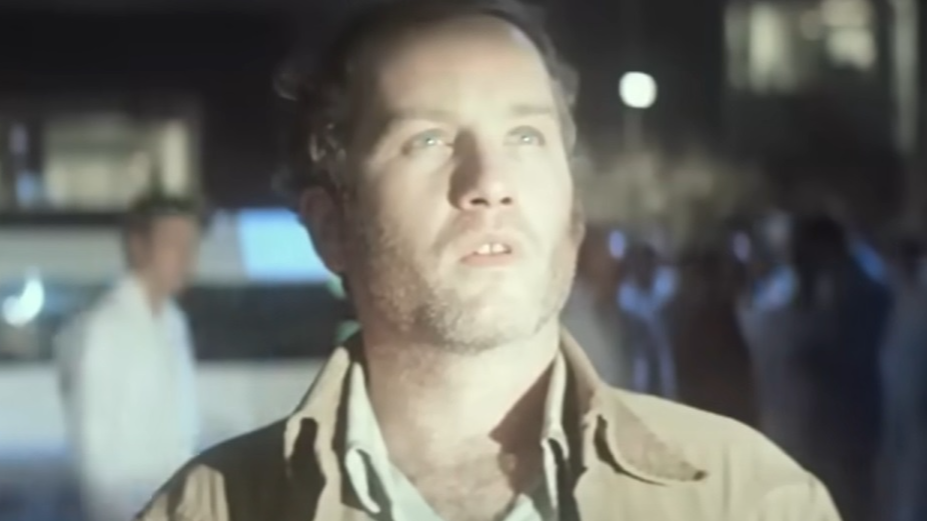 Screenshot from Close Encounters of the Third Kind, Columbia Pictures(1977)
14: The Terminator (1984)
James Cameron makes his first appearance, and you already know he’ll be back. The Terminator is lean, relentless, and genuinely feels dangerous. No wasted time, no overcomplication, just pure tension.
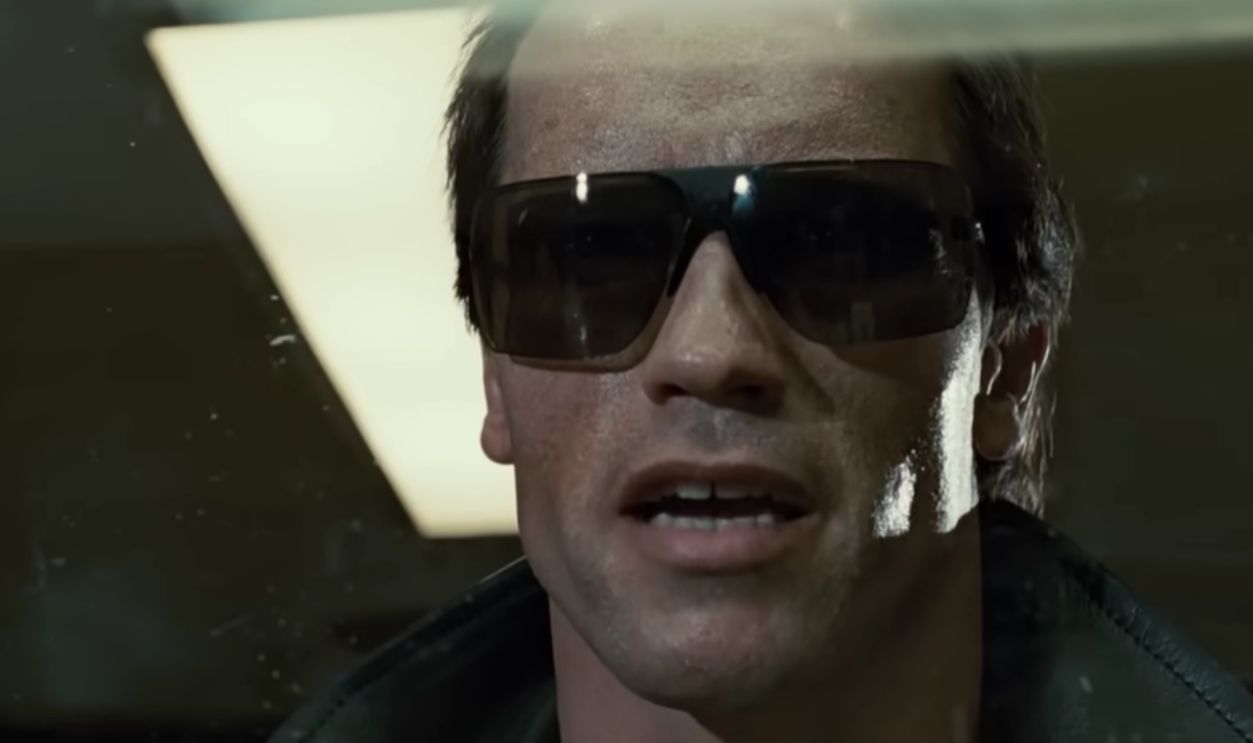 Screenshot from The Terminator, Orion Pictures (1984)
13: Arrival (2016)
Denis Villeneuve finally shows up, and if you’re wondering why this is his only entry (spoiler alert), you’re definitely not alone. Arrival flips the alien invasion formula by focusing on language and communication. It’s thoughtful, emotional, and gets better the more you think about it.
 Screenshot from Arrival, Paramount Pictures (2016)
12: Inception (2010)
Here’s Nolan again. Inception took a complicated idea and somehow turned it into a massive blockbuster. Some people think it’s overrated, others love it, but everyone remembers that ending.
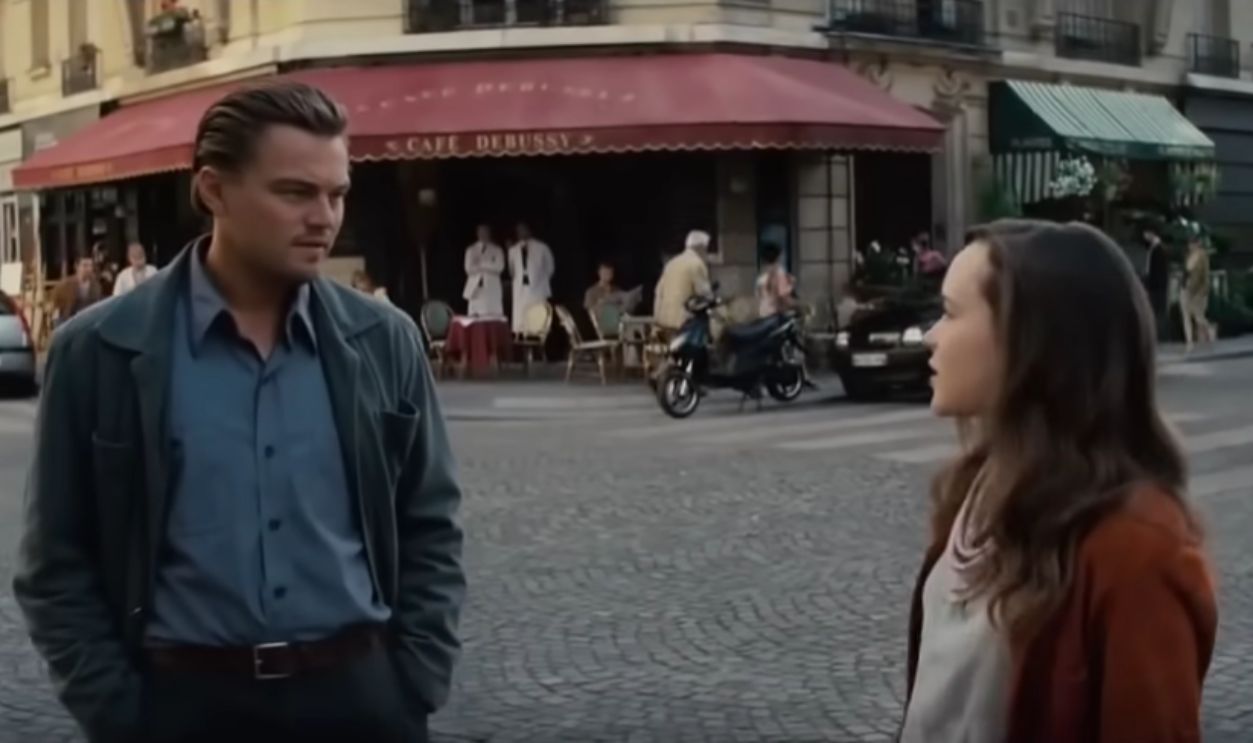 Screenshot from Inception, Warner Bros. Pictures (2010)
11: The Thing (1982)
John Carpenter’s masterpiece of paranoia. The Thing never lets you feel safe, and that’s the whole point. Add in some of the best practical effects ever put on screen, and it’s easy to see why it ranks this high.
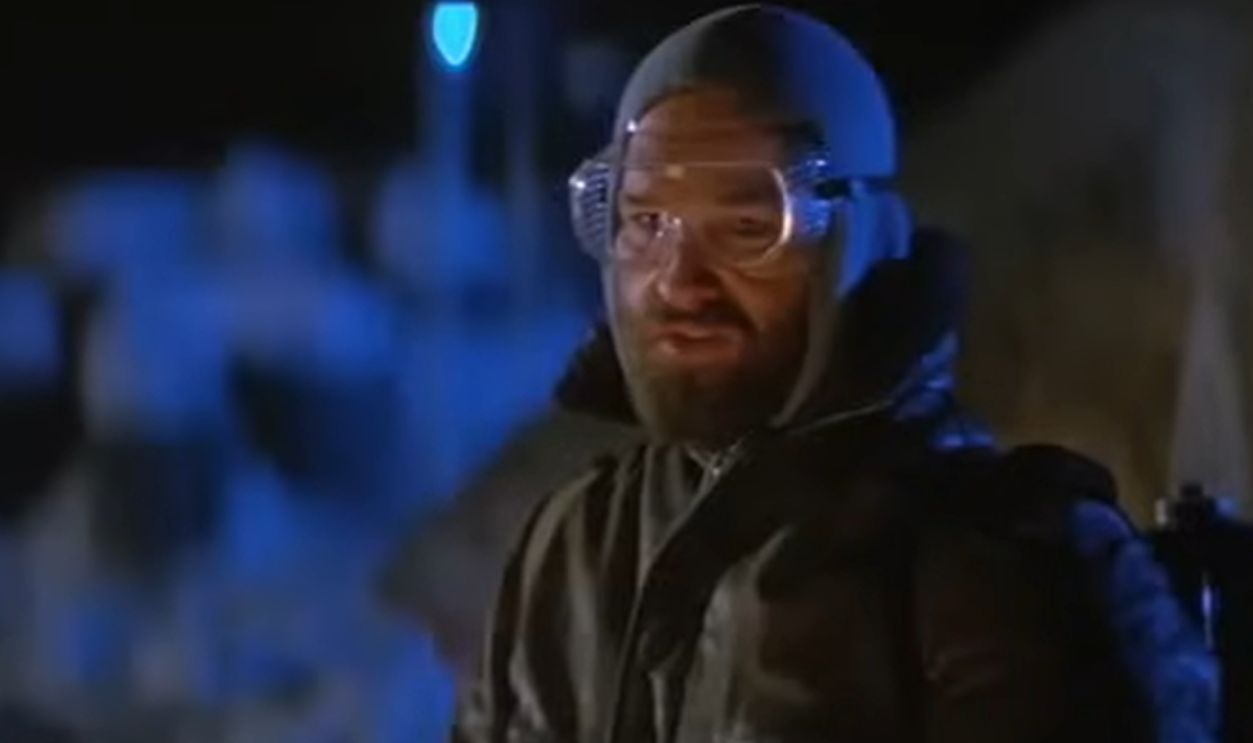 Screenshot from The Thing, Universal Pictures (1982)
10: E.T. the Extra-Terrestrial (1982)
Spielberg shows up for the third time, and this one might be his most emotional. E.T. isn’t about big ideas, it’s about connection, and that’s exactly why it still lands.
 Screenshot from E.T. the Extra-Terrestrial, Universal Pictures (1982)
9: Aliens (1986)
And here’s James Cameron again, this time going bigger. Aliens shifts from horror to action, which shouldn’t work, but somehow does. Some fans will even argue it’s better than Alien… which tells you everything.
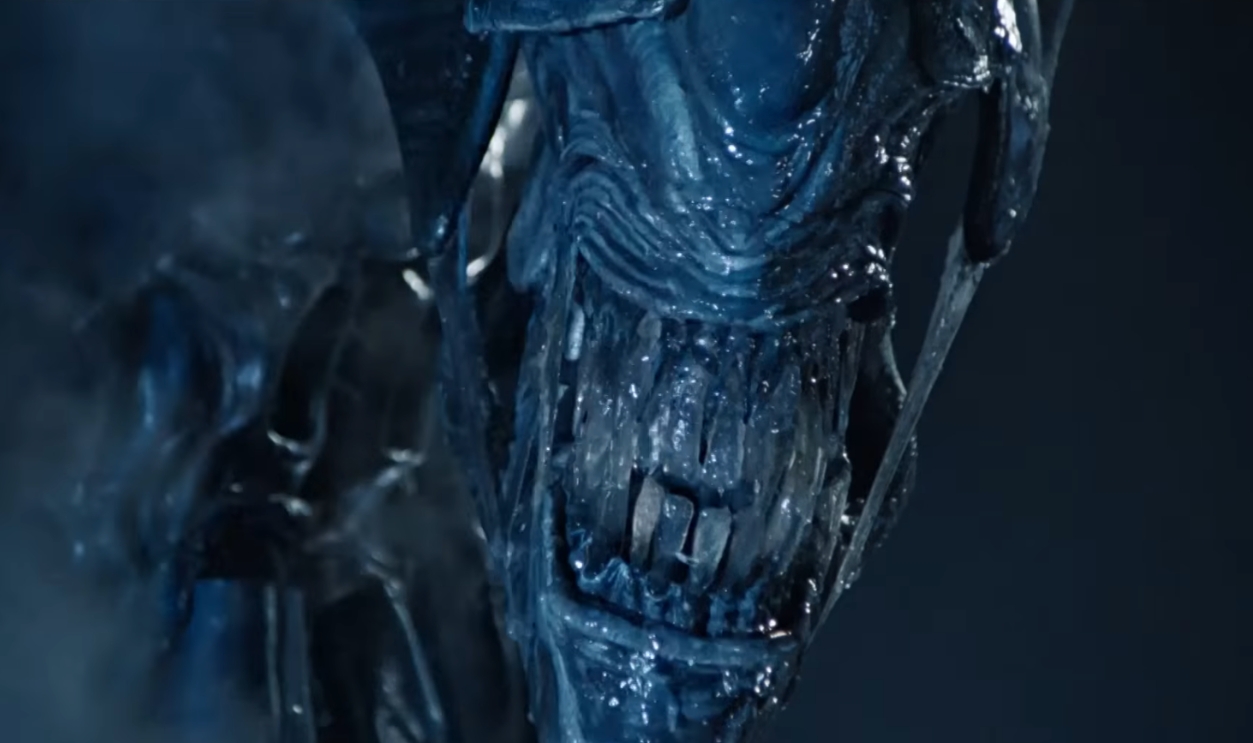 Screenshot from Aliens, 20th Century Fox (1986)
8: Back to the Future (1985)
Robert Zemeckis shows up with what might be the most rewatchable movie on the list. Back to the Future doesn’t overthink its concept, it just executes it perfectly. That balance of humor, pacing, and story is harder than it looks.
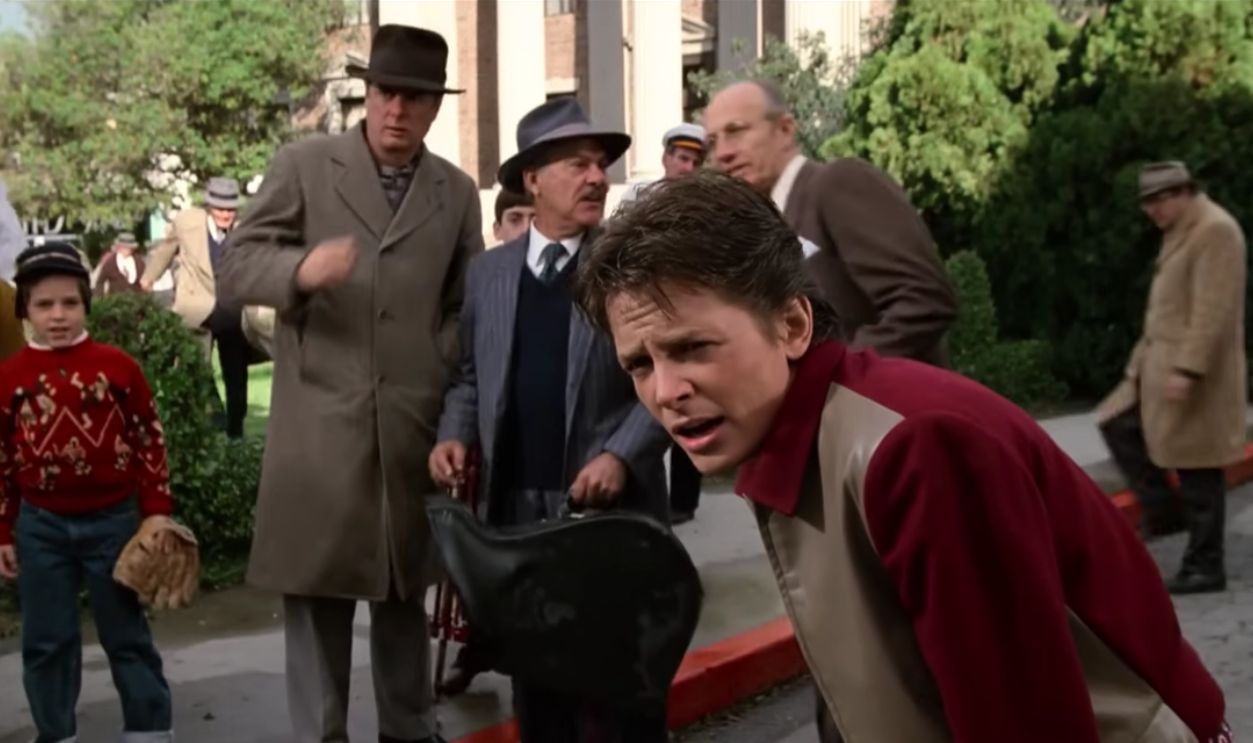 Screenshot from Back to the Future, Universal Pictures (1985)
7: Terminator 2: Judgment Day (1991)
And there’s Cameron again—third time on the list. T2 doesn’t just improve on the original, it expands everything: scale, emotion, and groundbreaking effects. This is how you do a sequel.
 Screenshot from Terminator 2: Judgment Day, TriStar Pictures (1991)
6: Star Wars (1977)
George Lucas changed everything with this one. Star Wars didn’t just redefine sci-fi, it basically created the modern blockbuster. You could argue it belongs even higher just based on impact alone.
 Screenshot from Star Wars, Twentieth Century-Fox (1977)
5: 2001: A Space Odyssey (1968)
Stanley Kubrick finally shows up, and this might be the most shocking placement on the list. Not that it’s here—but that it’s this low. 2001 isn’t just a great sci-fi film, it’s one of the greatest films ever made, full stop.
So what four movies are really ahead of it?
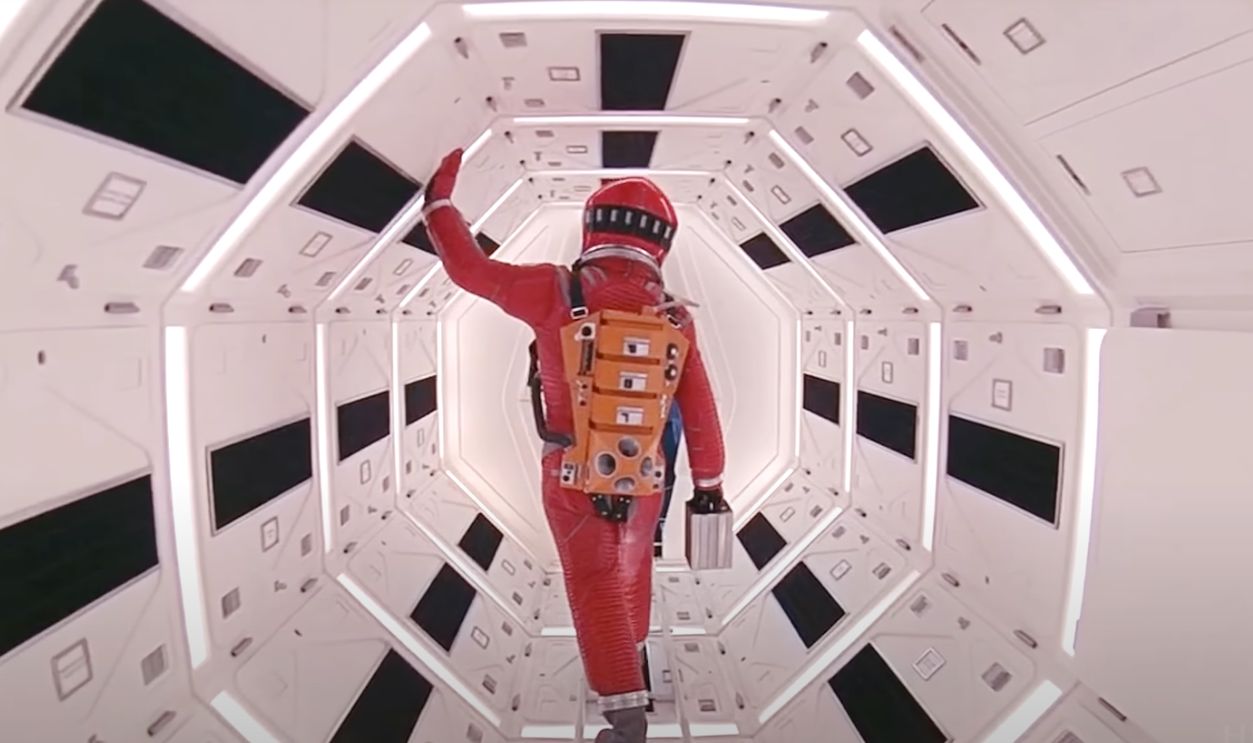 Screenshot from 2001: A Space Odyssey, Metro-Goldwyn-Mayer (MGM) (1968)
4: The Matrix (1999)
The Wachowskis completely changed the game with this one. The Matrix blended philosophy, action, and groundbreaking visuals into something that still feels fresh. It’s not just influential…it’s everywhere.
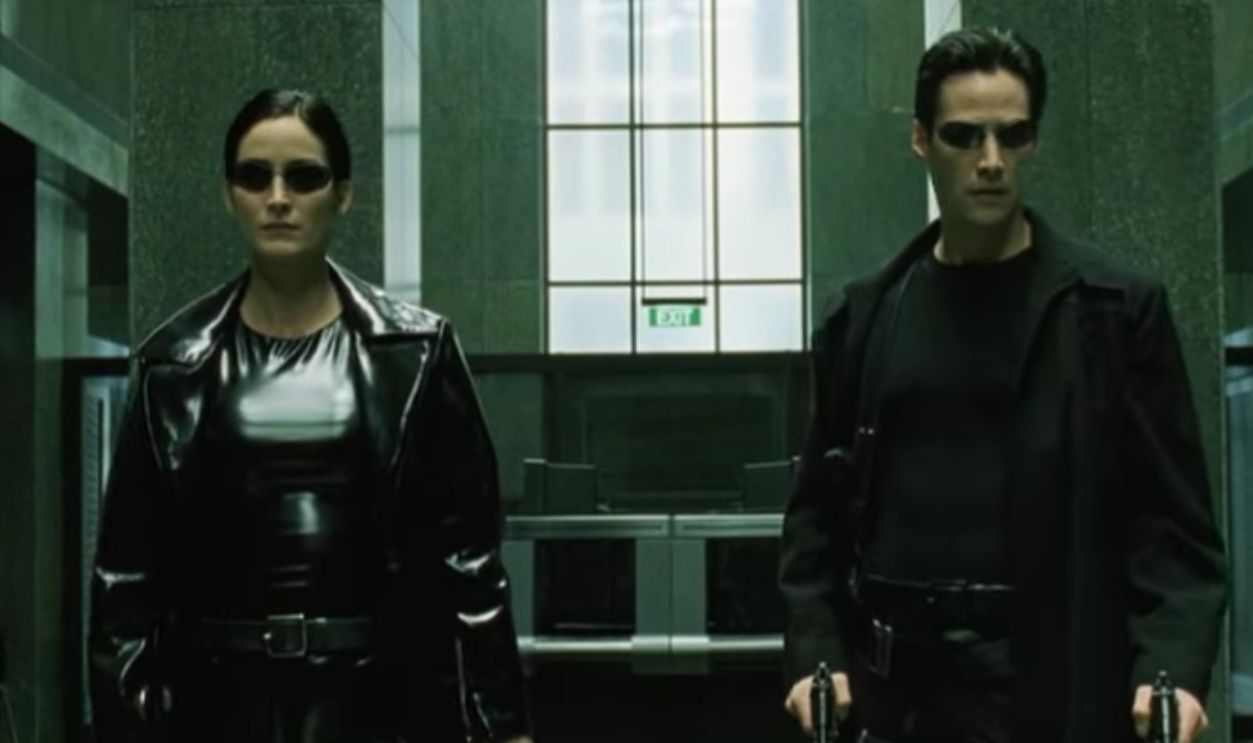 Screenshot from The Matrix, Warner Bros. Pictures (1999)
3: The Empire Strikes Back (1980)
Directed by Irvin Kershner, The Empire Strikes Back takes Star Wars in a darker direction… and most fans would argue it’s the best one. Bigger stakes, deeper story, and one of the most famous twists in movie history.
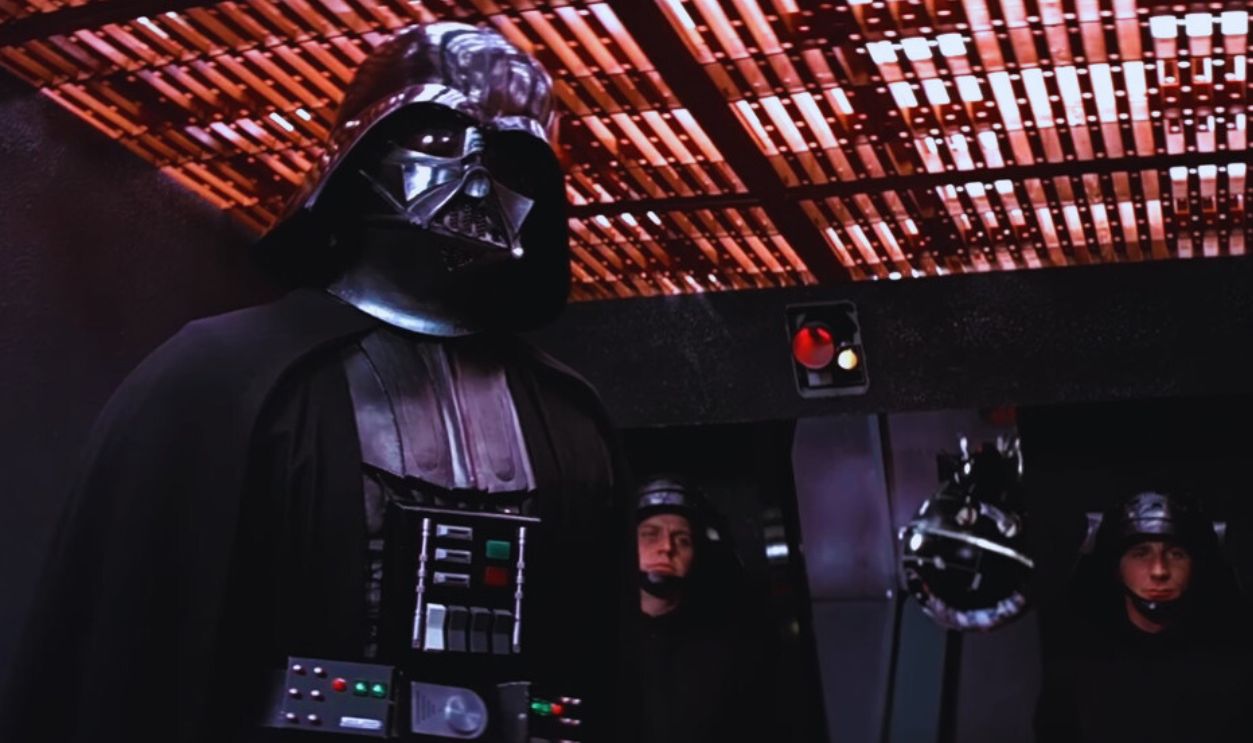 Screenshot from Star Wars: Episode V – The Empire Strikes Back, Lucasfilm (1980)
2: Alien (1979)
Ridley Scott shows up for the first time, and sets the tone immediately. Alien is tight, terrifying, and still feels ahead of its time. You could easily argue this should be number one.
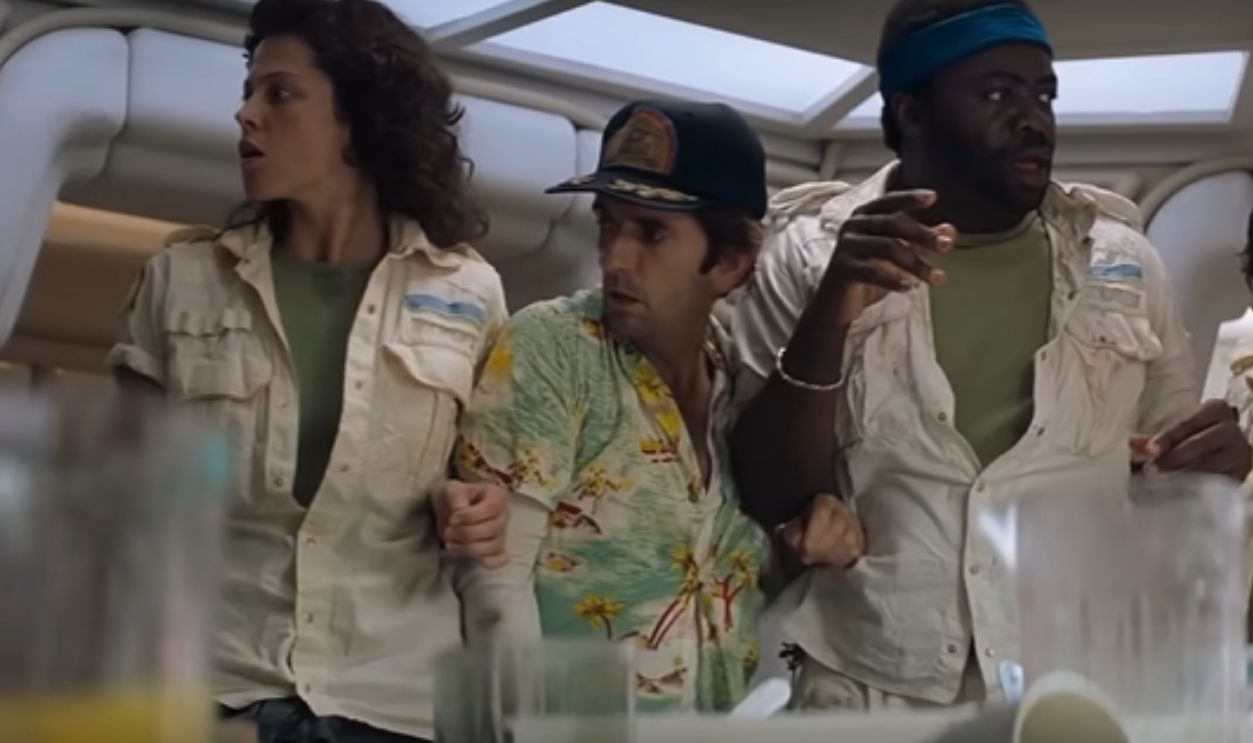 Screenshot from Alien, 20th Century Fox(1979)
1: Blade Runner (1982)
And here’s Ridley Scott again—taking the top spot. Blade Runner wasn’t even fully appreciated when it came out, but over time it’s become the blueprint for modern sci-fi. The real question is… does it deserve to beat everything else on this list?
 Screenshot from Blade Runner, Warner Bros. (1982)
So…Do You Agree?
It’s a stacked list, but there are definitely some placements that will get people talking. Is Blade Runner really number one? Is 2001 way too low? What do you think of it all?
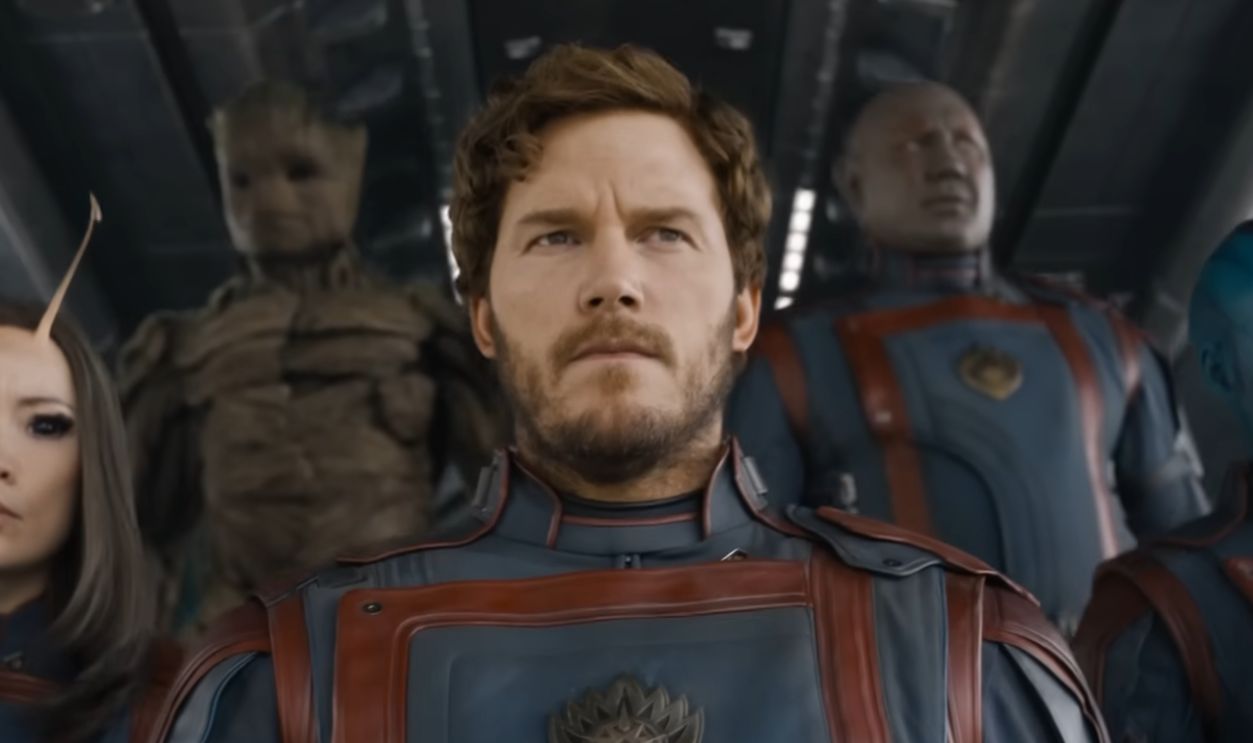 Screenshot from Guardians of the Galaxy, Walt Disney Studios Motion Pictures (2014)
You Might Also Like:
The Best Books That Still Haven’t Been Made Into Movies
27 Movies That Prove The Original Is Always Better Than The Remake
The Best And Worst Movie From Every Major Franchise—According To Critics And Audiences
Sources: 1