The 1980s Made Action Heroes Larger Than Life
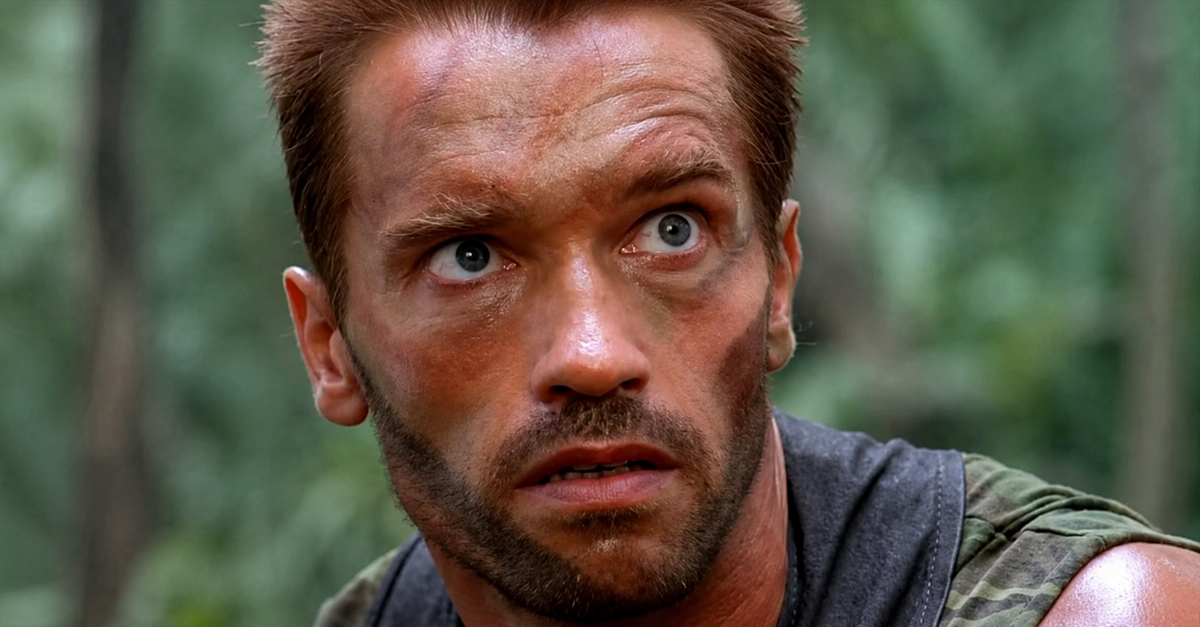
Action movies got bigger, louder, and considerably more muscular during the 1980s. Arnold Schwarzenegger, Sylvester Stallone, and Chuck Norris helped make the hard-bodied hero a Hollywood staple, while stars like Bruce Willis eventually proved there was another way to play tough. With so many legends competing for the screen, picking one ultimate hero is harder than it sounds.
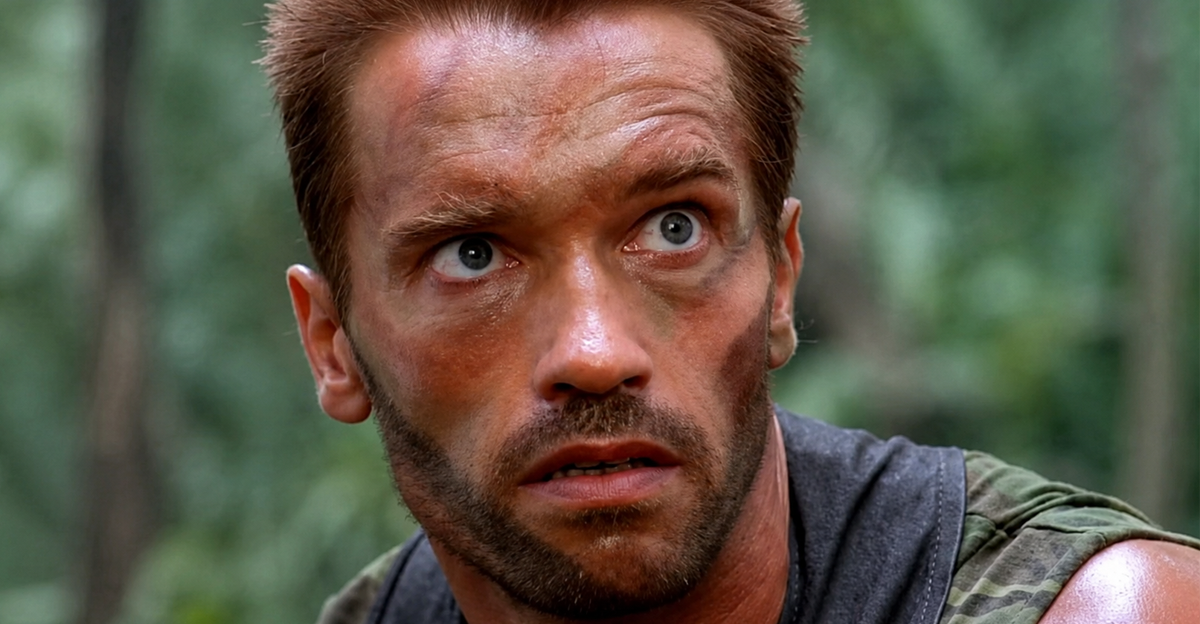 Screenshot from Predator, 20th Century Fox (1987)
Arnold Schwarzenegger Looked Built For The Genre
Schwarzenegger entered the decade with something few actors could match: the physique of a seven-time Mr. Olympia champion. Conan the Barbarian in 1982 turned that extraordinary build into a major screen asset, followed by Conan the Destroyer two years later. Hollywood had found a leading man who genuinely looked like he had stepped out of a fantasy illustration.
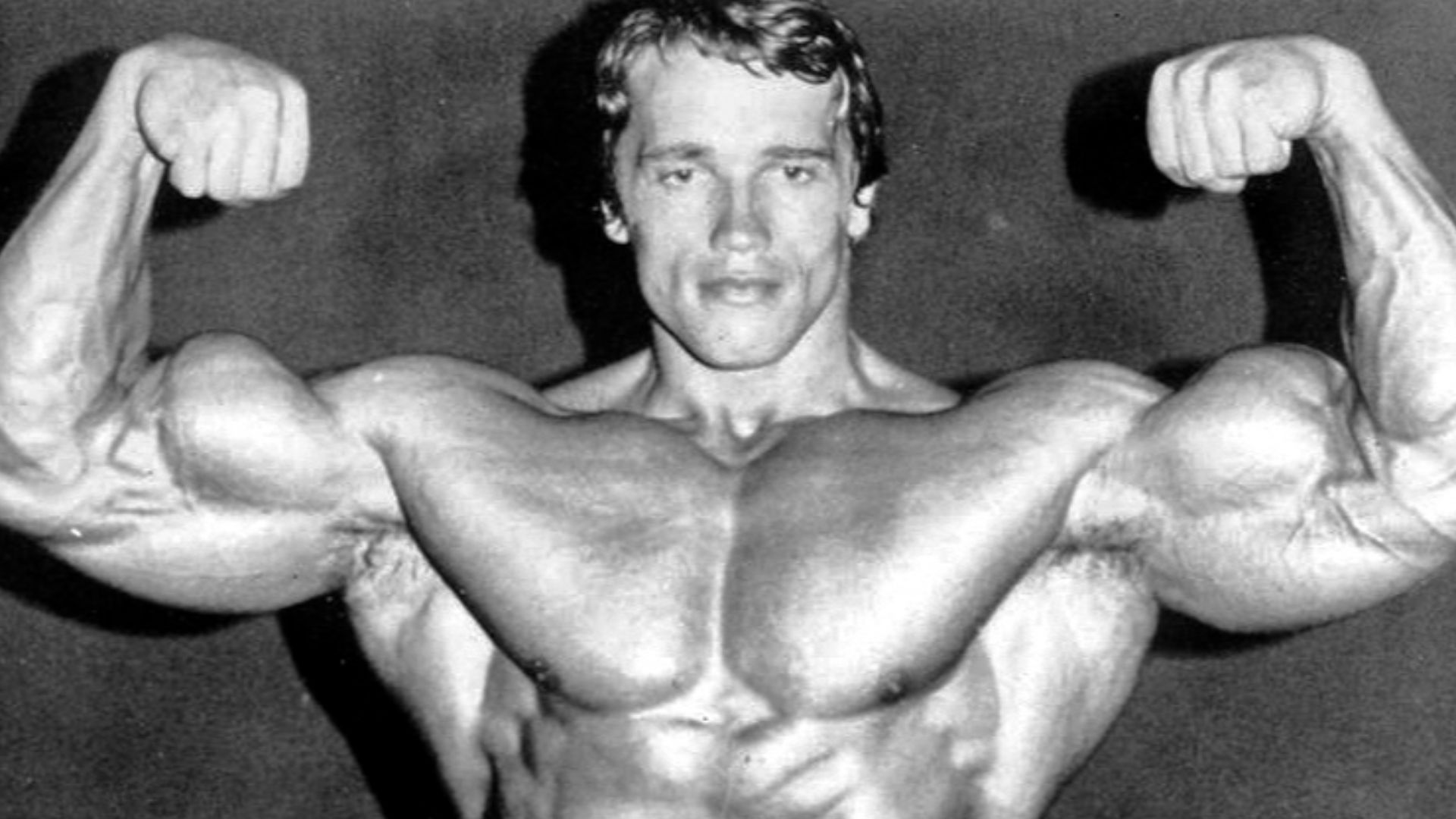 Madison Square Garden Center, Wikimedia Commons
The Terminator Changed Everything
The Terminator transformed Schwarzenegger from an imposing leading man into an unmistakable movie icon. James Cameron originally met him while considering him for the heroic role of Kyle Reese, but Schwarzenegger ultimately became the seemingly unstoppable cyborg instead. The relatively modest 1984 production became a major hit and pushed its star into another level of fame.
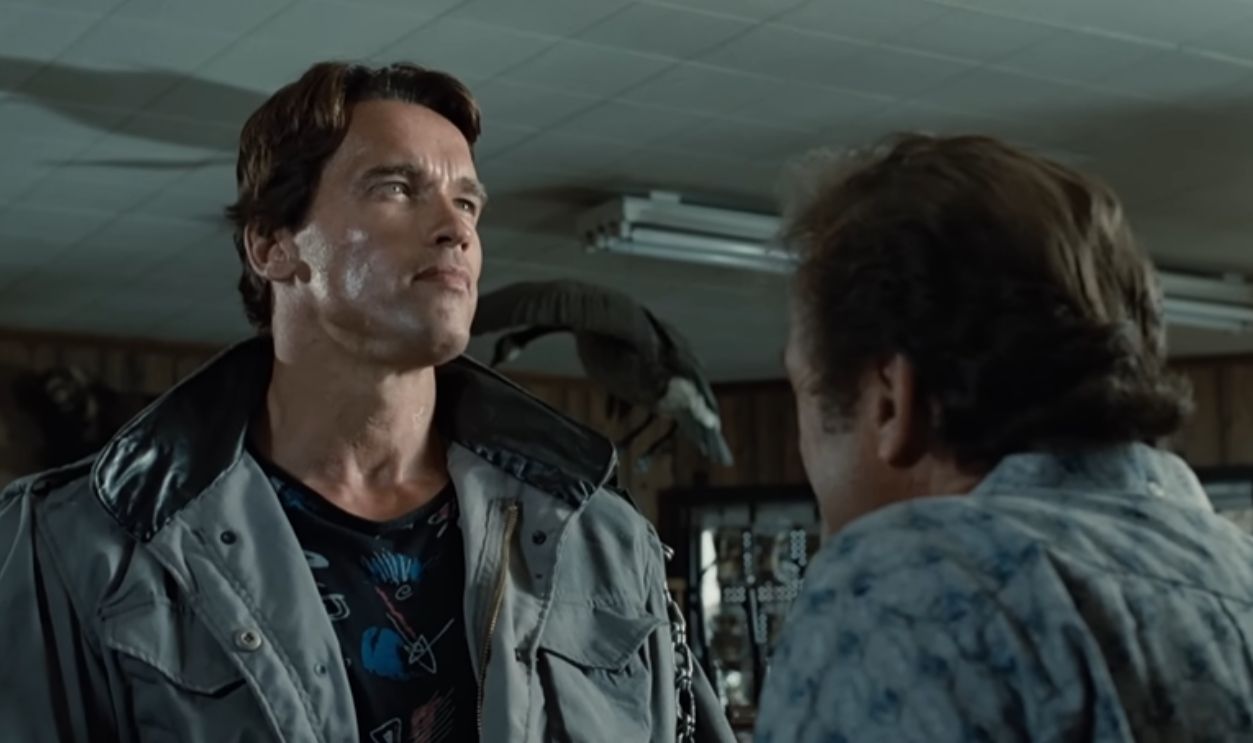 Screenshot from The Terminator, Orion Pictures (1984)
Commando And Predator Made Him The Hero
Playing the villain had worked, but Schwarzenegger quickly proved he could be the guy audiences rooted for too. Commando arrived in 1985, followed by Predator and The Running Man in 1987, giving him a remarkable run of instantly recognizable action roles. By Twins in 1988, he was famous enough to start making fun of the oversized image that had made him a star.
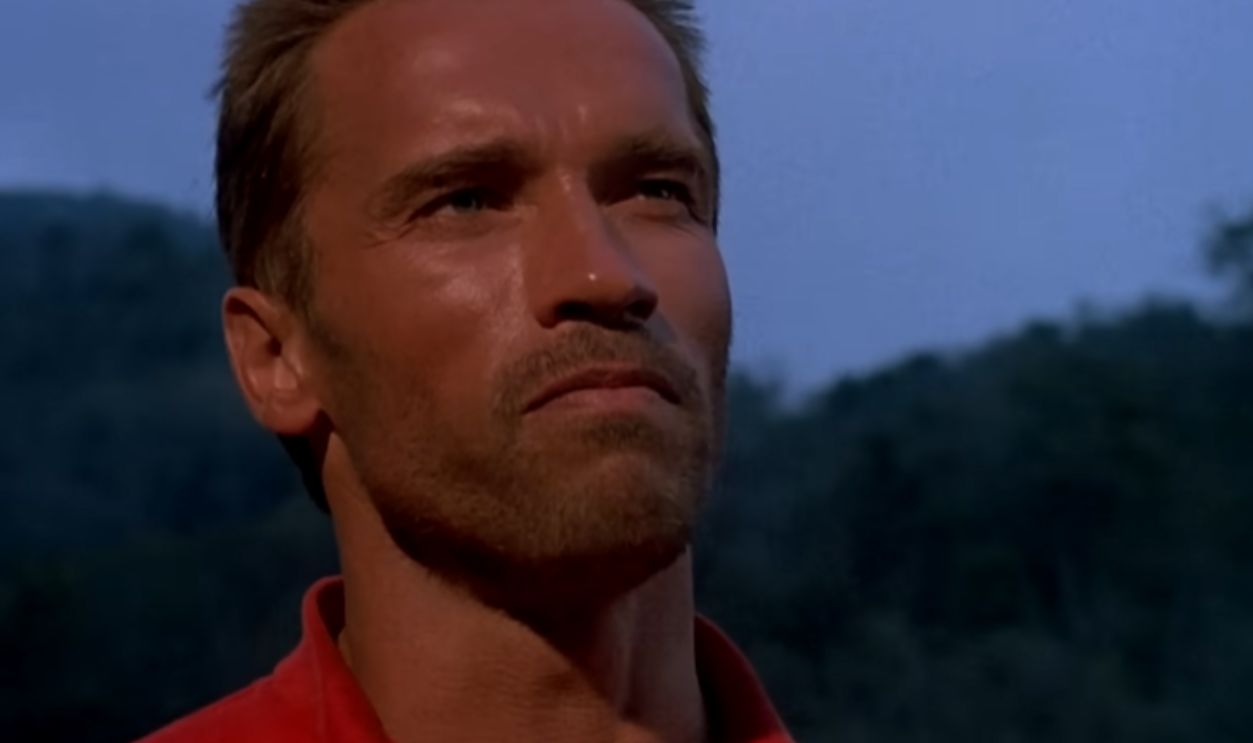 Screenshot from Predator, 20th Century Fox (1987)
Sylvester Stallone Already Had Rocky
Stallone entered the 1980s with an advantage over nearly everyone else on this list. He had already written and starred in the Oscar-winning Rocky, then kept the character going with Rocky III in 1982. That same year, he introduced audiences to another character who would become even more closely associated with action cinema.
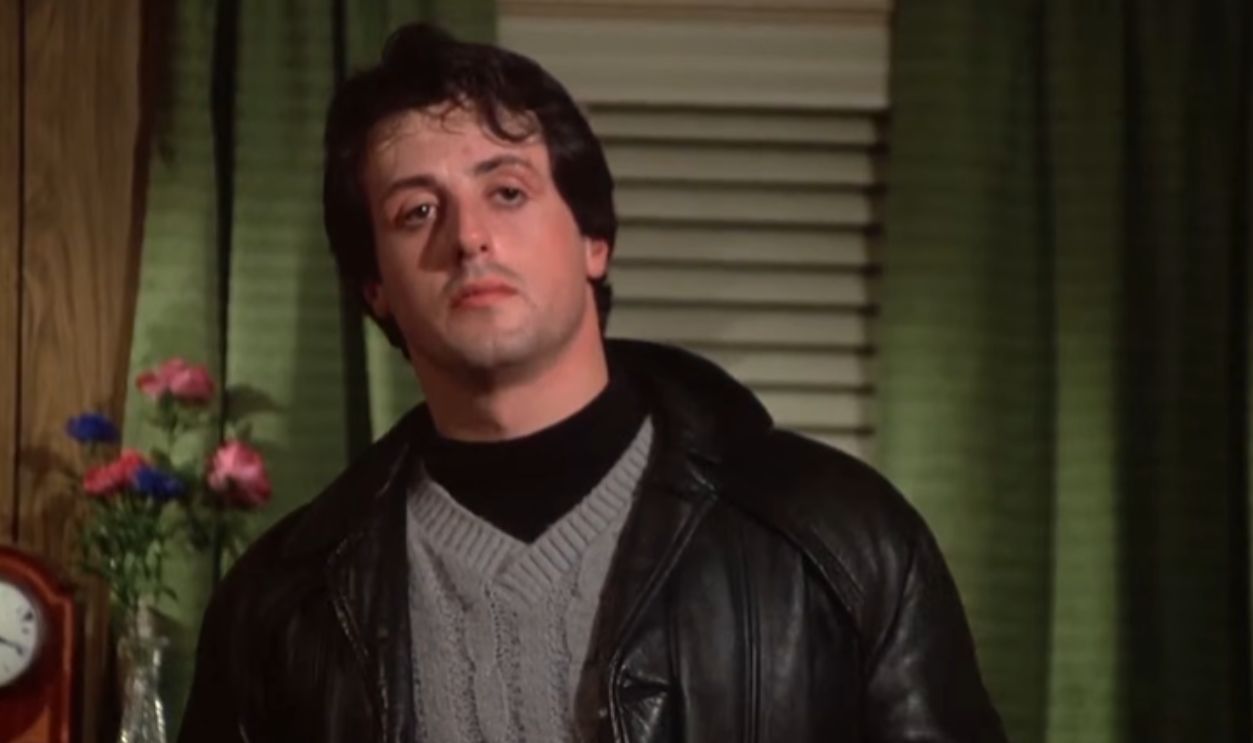 Screenshot from Rocky, United Artists (1976)
First Blood Gave Rambo Real Depth
The first Rambo movie was not the nonstop spectacle people sometimes remember. First Blood presented John Rambo as a troubled Vietnam veteran whose confrontation with small-town authorities spirals disastrously out of control. Stallone co-wrote the screenplay, giving audiences a hero who was frighteningly capable but also wounded and vulnerable.
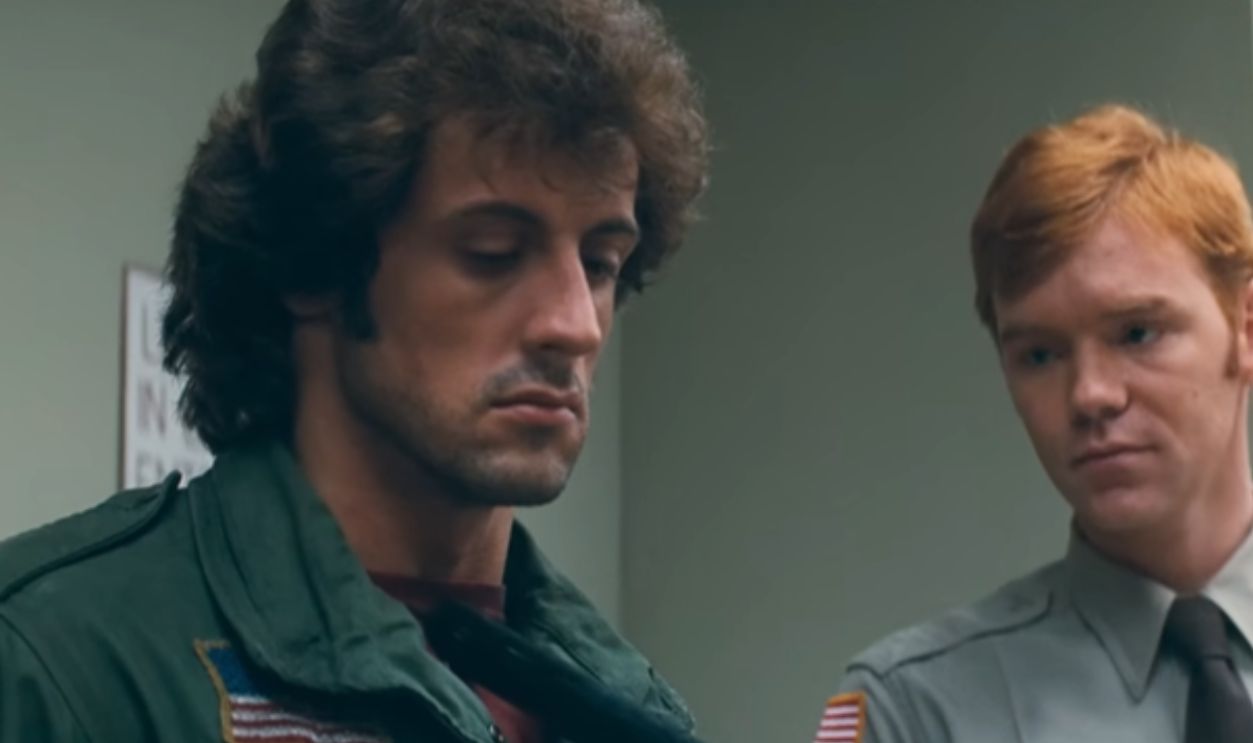 Screenshot from First Blood, Orion Pictures (1982)
Rambo Became A 1980s Symbol
Everything changed with Rambo: First Blood Part II in 1985. The sequel turned the more conflicted character of the first film into a straightforward action hero sent back into Vietnam, and its success cemented Rambo as one of the decade's defining pop-culture figures. Even President Ronald Reagan publicly referenced the movie after the Beirut hostage crisis.
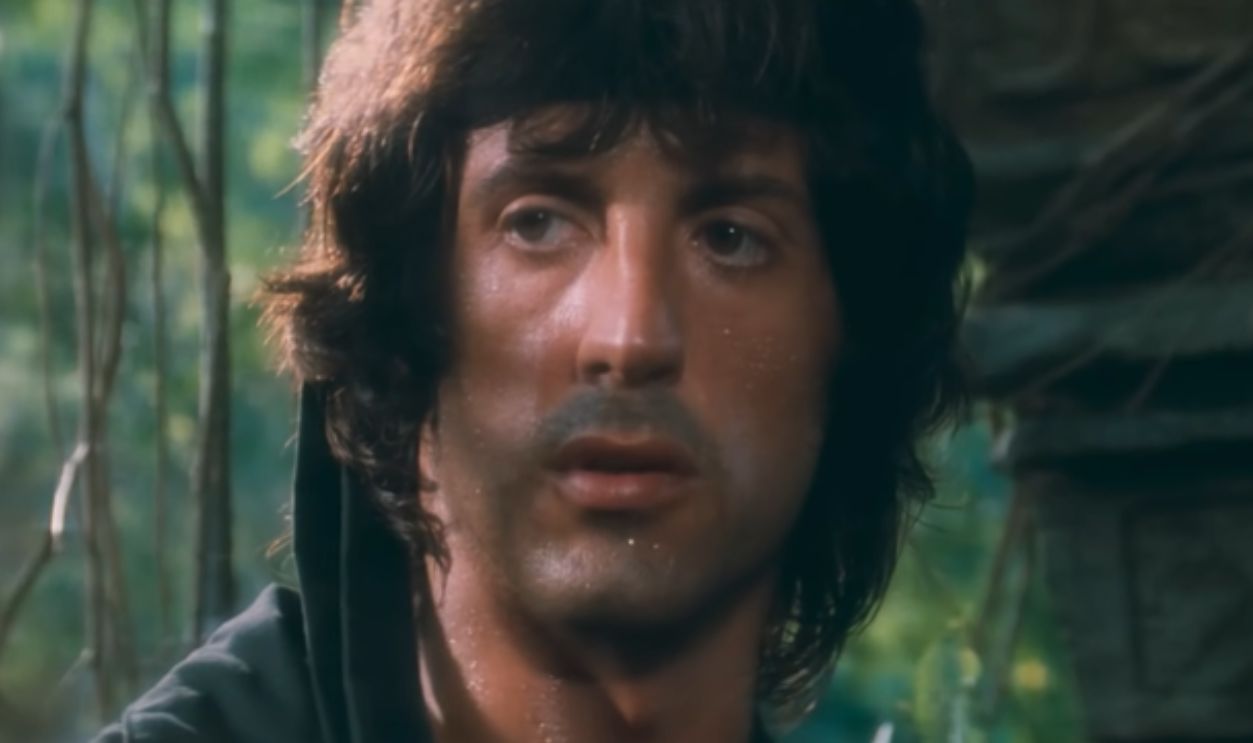 Screenshot from Rambo: First Blood Part II, TriStar Pictures (1985)
Rocky IV Made Stallone Feel Unstoppable
Stallone somehow released Rocky IV during that same enormous year. The film sent Rocky Balboa against Dolph Lundgren's imposing Ivan Drago, while Rambo: First Blood Part II had already put Stallone at the center of another major franchise. Few stars could claim two characters as recognizable as Rocky and Rambo at the same time.
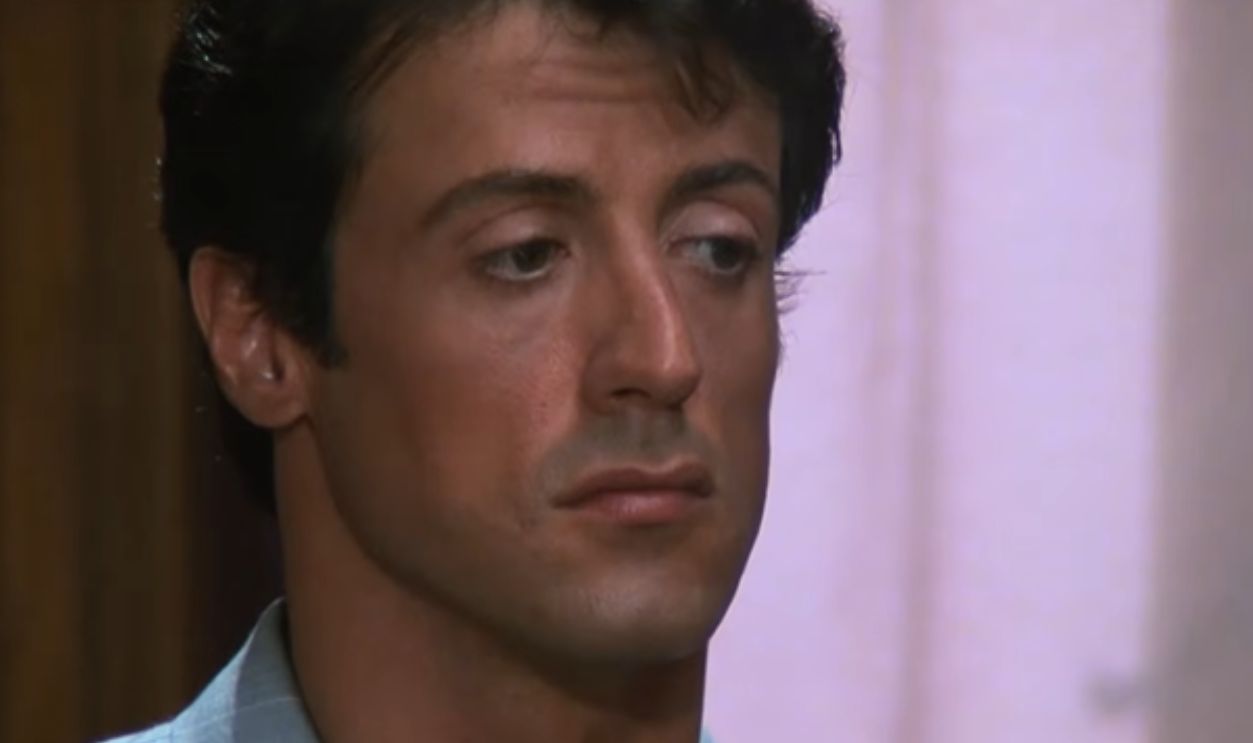 Screenshot from Rocky IV, United Artists (1985)
Bruce Willis Broke The Muscle-Bound Formula
By 1988, audiences had spent years watching heroes who looked capable of bending steel with their hands. Then Moonlighting star Bruce Willis showed up in Die Hard as New York cop John McClane, despite being an unproven movie draw. Instead of trying to outmuscle Schwarzenegger and Stallone, Willis made the ordinary-looking hero exciting again.
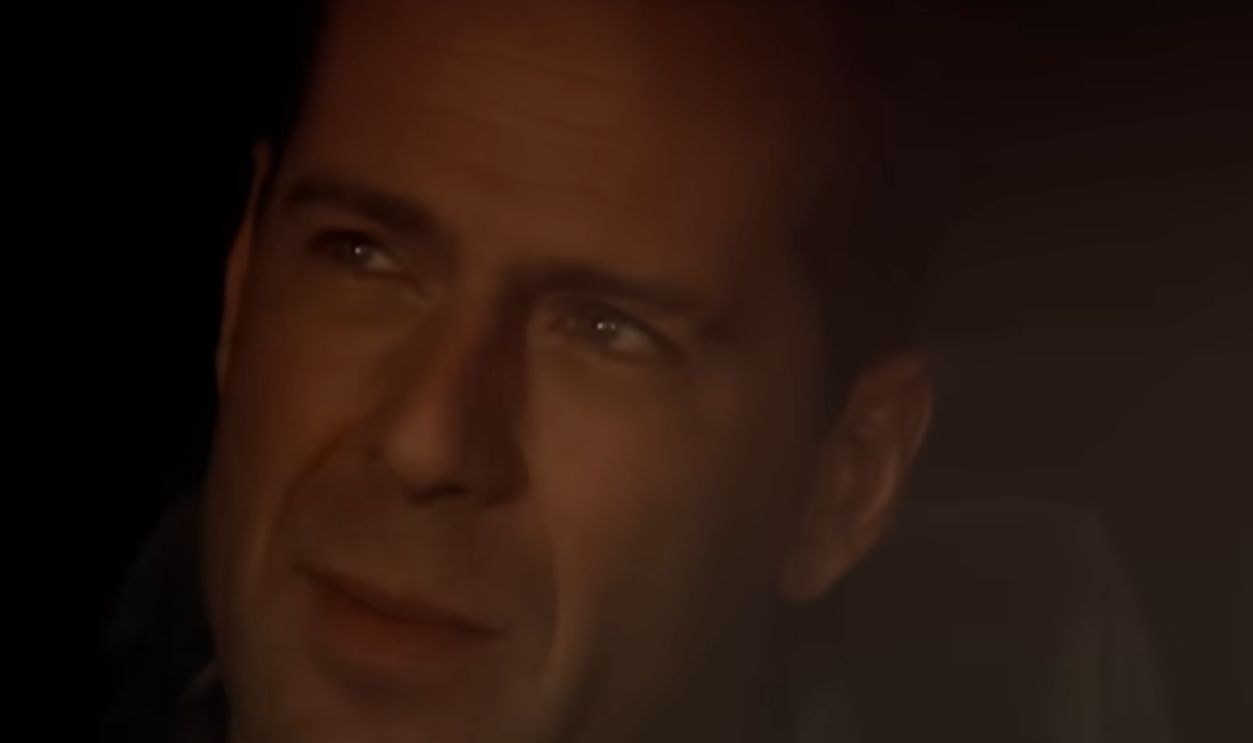 Screenshot from Die Hard, 20th Century Fox (1988)
Die Hard Let The Hero Hurt
John McClane was resourceful, sarcastic, scared, exhausted, and frequently in serious trouble. That vulnerability separated him sharply from many of the seemingly indestructible heroes surrounding him in 1980s action movies. Die Hard became so influential that the BFI has described it as the quintessential action film of its era.
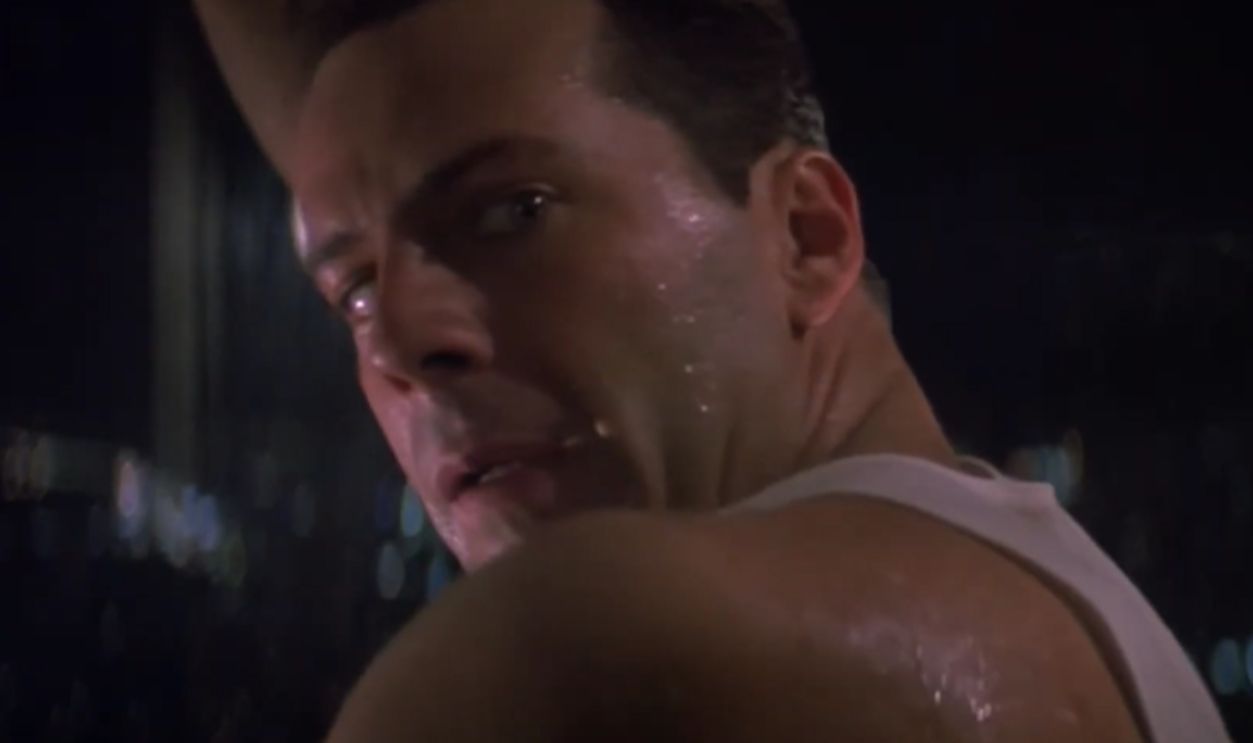 Screenshot from Die Hard, 20th Century Fox (1988)
Chuck Norris Had The Real-Life Credentials
Chuck Norris did not need Hollywood to teach him how to look convincing in a fight. He began studying martial arts while serving in the U.S. Air Force and eventually built a successful competitive and teaching career before becoming a movie star. By the 1980s, that background gave his screen persona an authenticity audiences immediately understood.
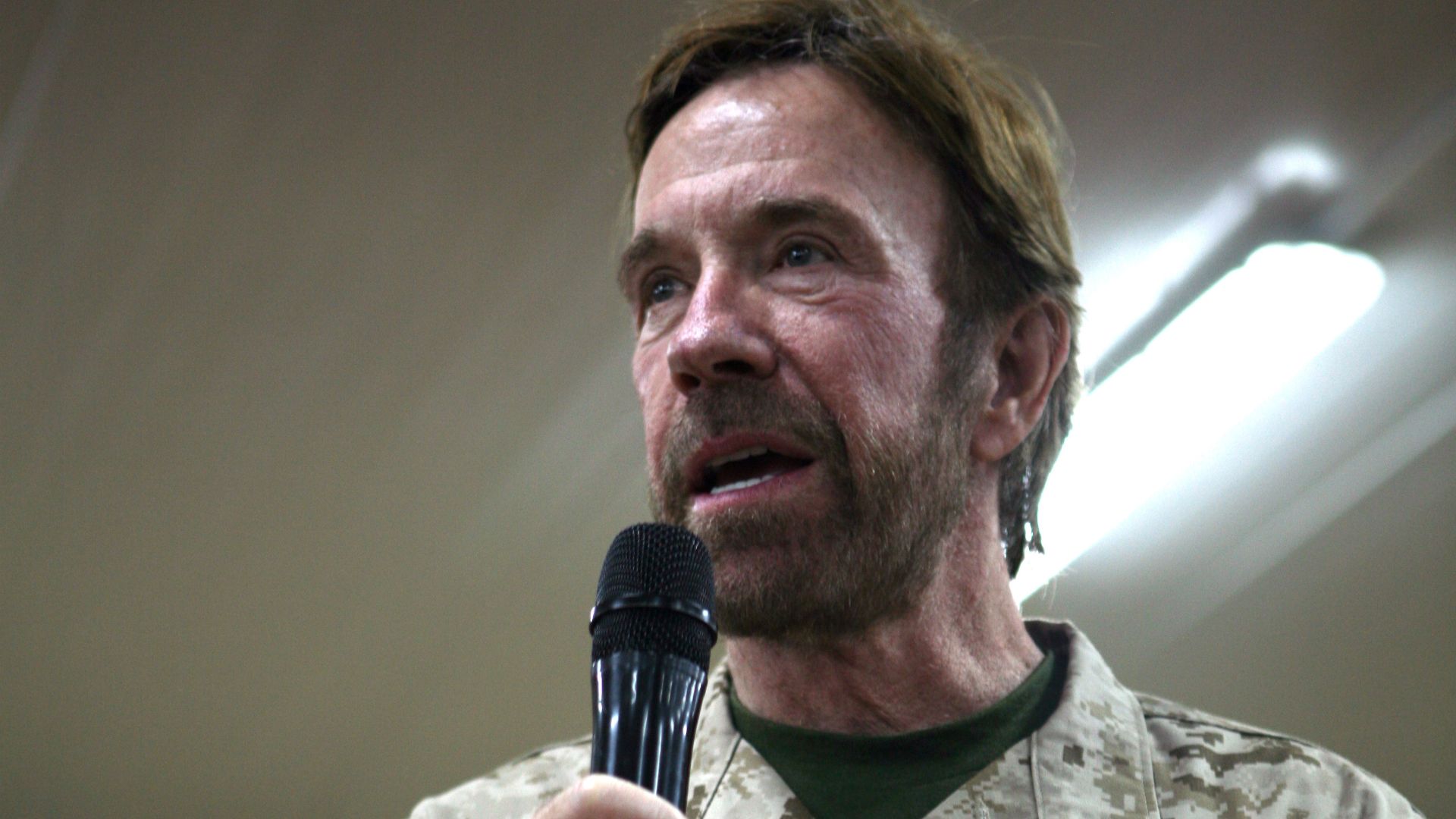 Slick-o-bot, Wikimedia Commons
Cannon Turned Norris Into A One-Man Army
The decade gave Norris an almost relentless run of action vehicles. Missing in Action arrived in 1984, followed by Code of Silence and Invasion U.S.A. in 1985, and The Delta Force in 1986. Norris later said his Missing in Action movies had been particularly popular with action fans, and they remain closely tied to his 1980s image.
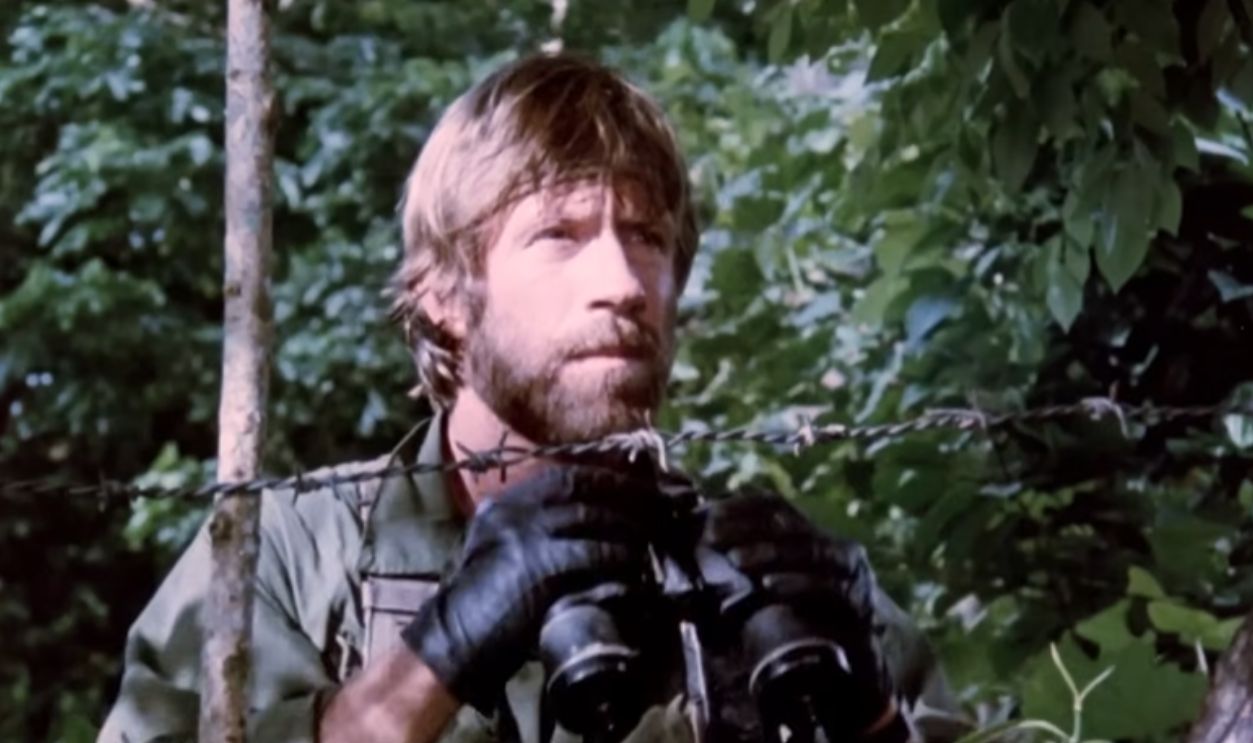 Screenshot from Missing in Action, The Cannon Group (1984)
Jean-Claude Van Damme Arrived Like A Human Special Effect
Jean-Claude Van Damme had studied Shotokan karate, weightlifting, and even ballet before moving to Los Angeles to chase movie stardom. His unusual combination of flexibility, muscle, and explosive kicks immediately separated him from the heavier action stars already dominating screens. After years of smaller opportunities, Bloodsport finally gave him the showcase he needed in 1988.
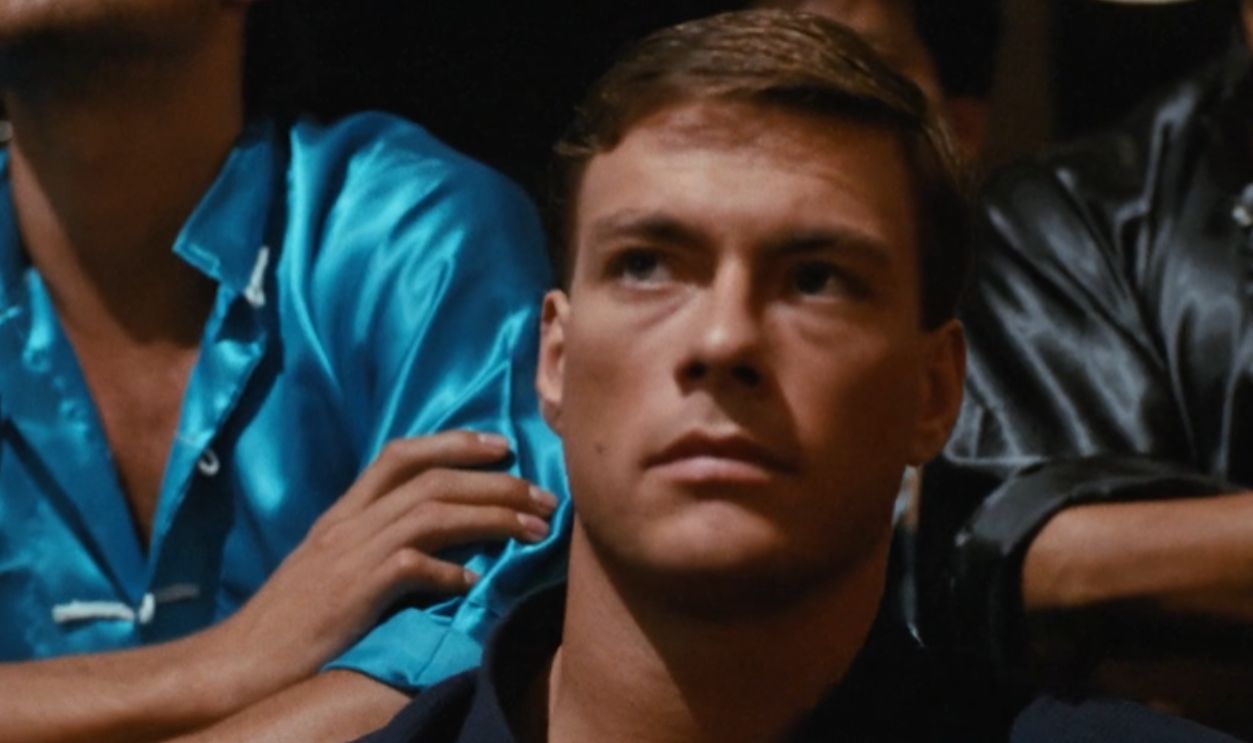 Screenshot from Bloodsport, Warner Bros. (1988)
Bloodsport Made The Kicks The Star
Bloodsport did more than establish Van Damme's signature moves. The American Film Institute credits the movie's success with helping revive interest in martial-arts films in the United States and launching Van Damme's career. He arrived too late to dominate the entire decade, but the next generation of action stars had clearly entered the building.
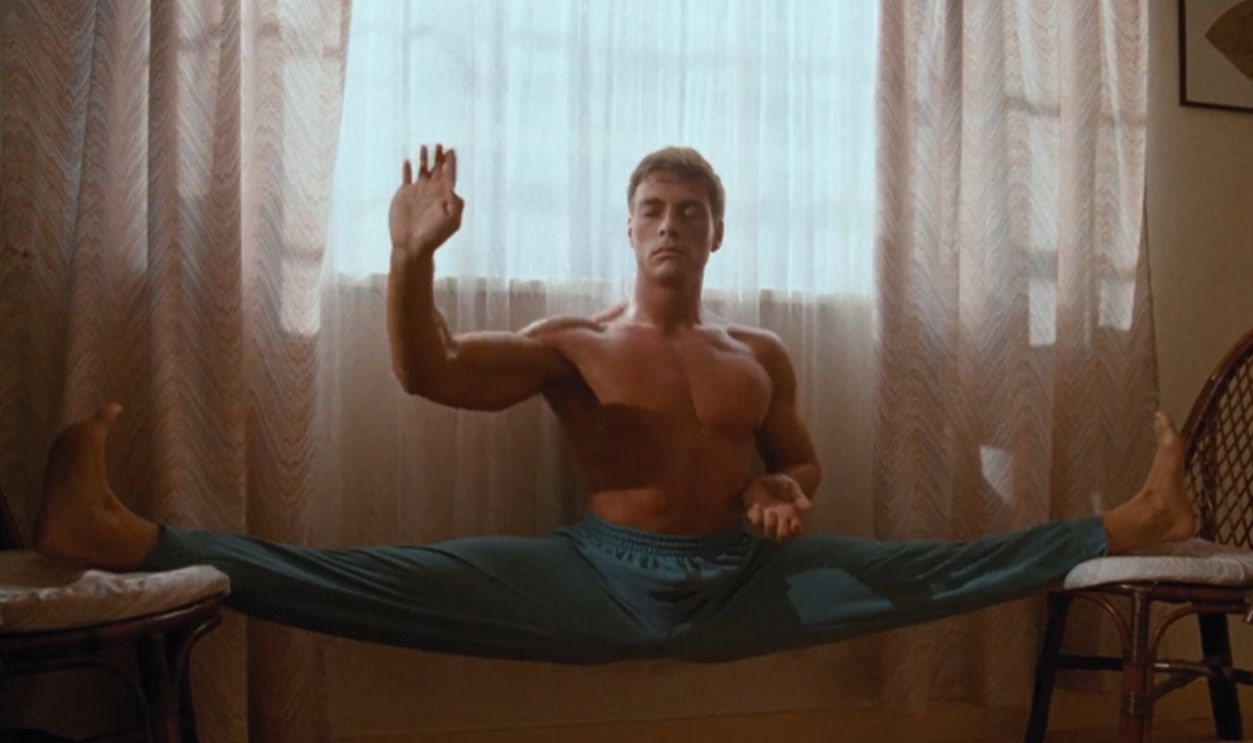 Screenshot from Bloodsport, Warner Bros. (1988)
Steven Seagal Entered Even Later
Another martial artist suddenly appeared near the decade's finish line. Steven Seagal was virtually unknown when Warner Bros. built Above the Law around him in 1988, after executives had reportedly been impressed by a demonstration of his aikido skills. Unlike the bodybuilding giants, Seagal presented himself as a calm martial-arts specialist who rarely appeared physically overwhelmed.
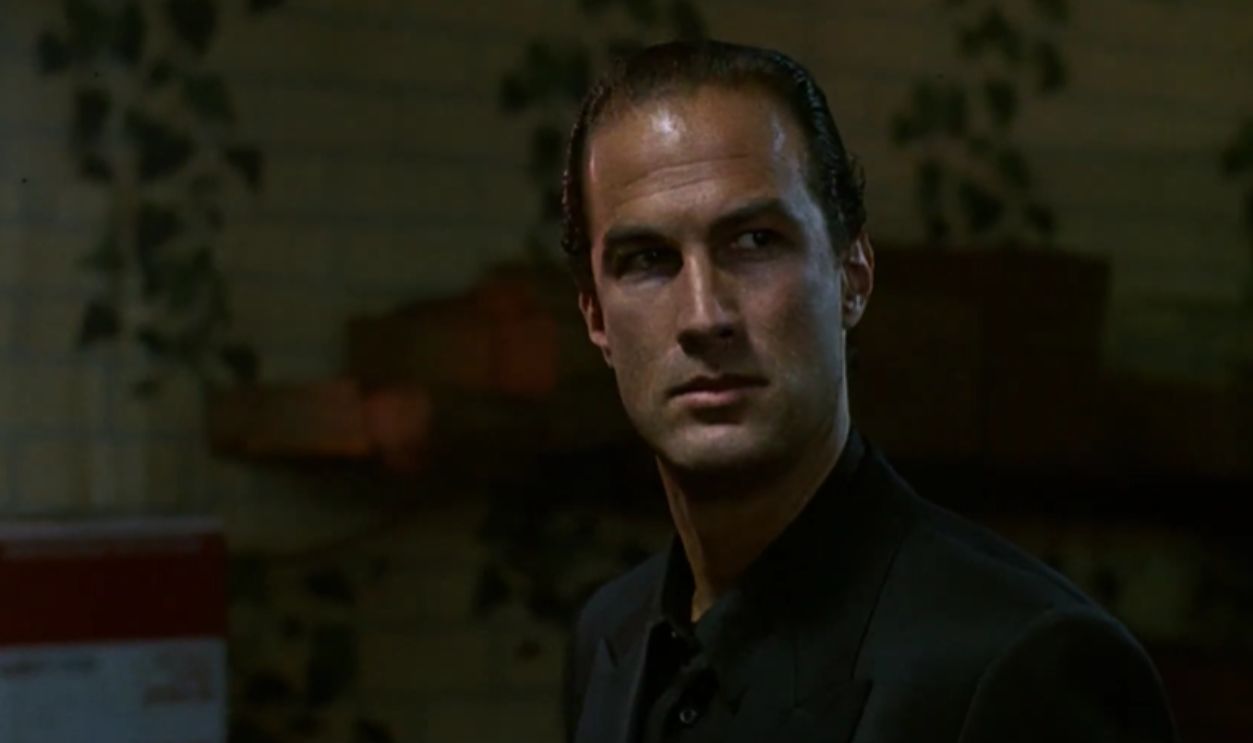 Screenshot from Above the Law, Warner Bros. (1988)
Aikido Made Seagal Look Different
Seagal's background included extensive martial-arts training in Japan, with aikido becoming especially central to his public image. His screen fights leaned heavily on throws, locks, and sudden bursts of control rather than Van Damme's flashy kicks or Schwarzenegger's brute force. He would become much bigger in the early 1990s, which keeps him from seriously challenging for the 1980s crown.
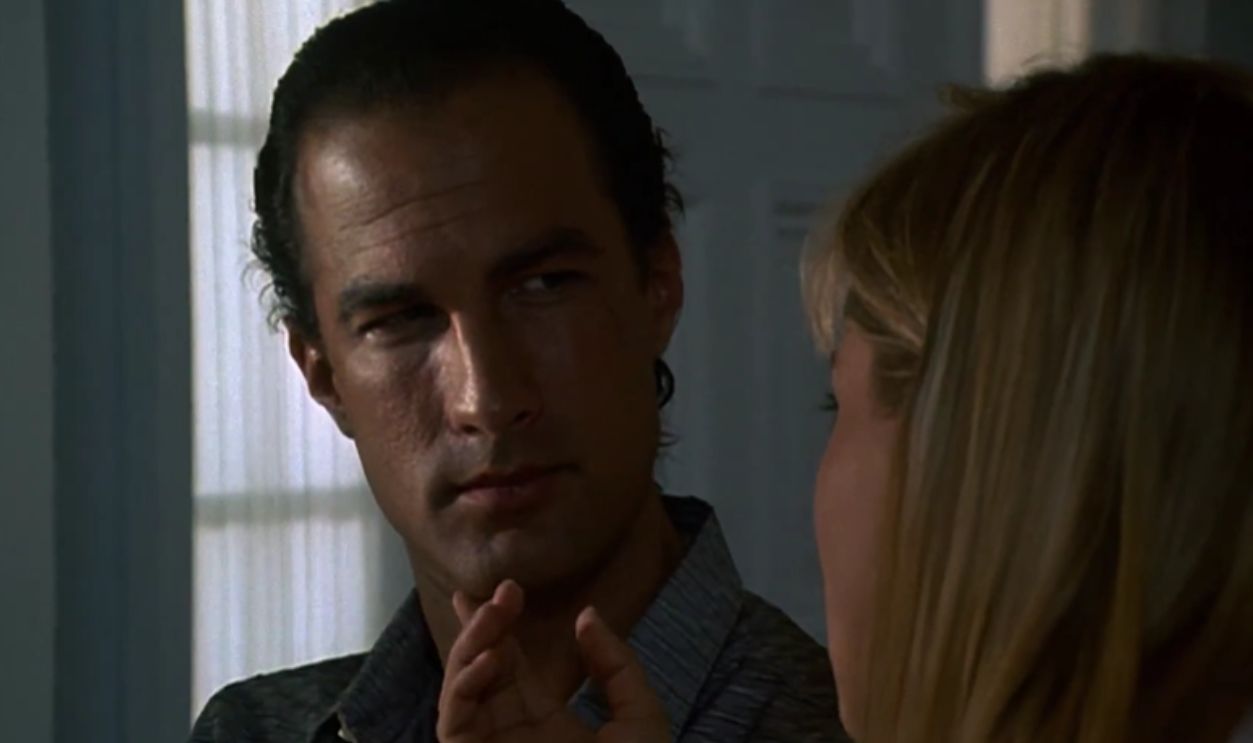 Screenshot from Above the Law, Warner Bros. (1988)
Harrison Ford Made Adventure Tough
Not every 1980s action hero needed enormous muscles or martial-arts credentials. Harrison Ford made Indiana Jones one of the decade's great adventure icons through Raiders of the Lost Ark, Temple of Doom, and The Last Crusade. The trilogy became one of the major box-office successes of the decade while giving audiences a hero who could take a beating and keep moving.
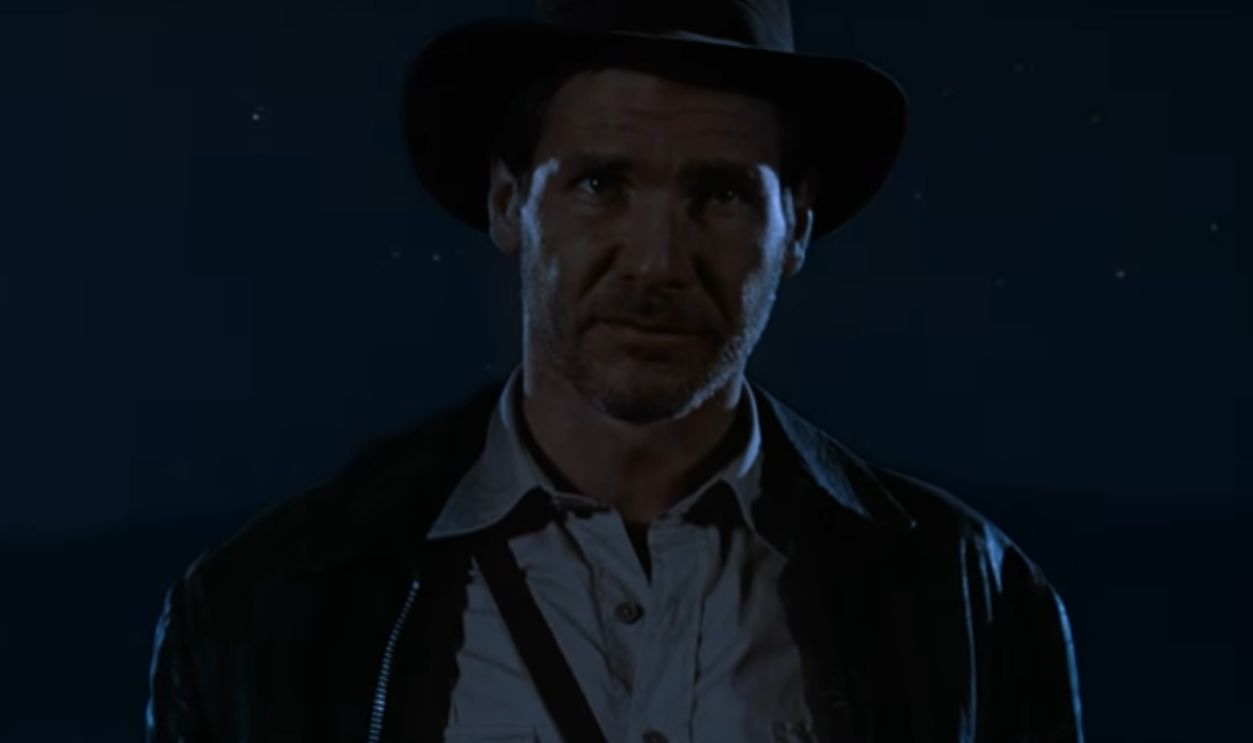 Screenshot from Indiana Jones and the Temple of Doom, Paramount Pictures (1984)
Indiana Jones Won By Barely Surviving
Indiana Jones never seemed invincible, which was exactly the point. He got dirty, made mistakes, improvised his way out of trouble, and frequently survived through stubbornness rather than overwhelming strength. Ford's understated approach to movie heroism helped make the character feel human even when the adventures around him became spectacular.
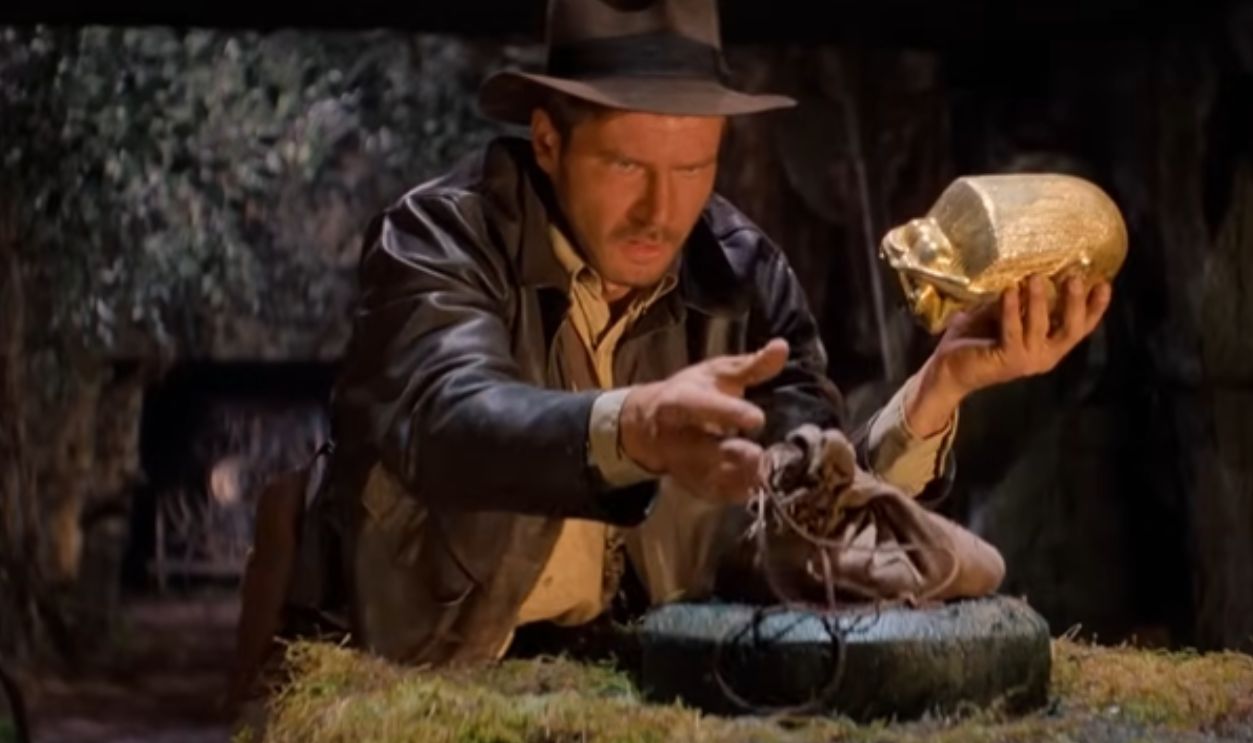 Screenshot from Indiana Jones and the Raiders of the Lost Ark, Paramount Pictures (1981)
Mel Gibson Brought Wasteland Fury
Mel Gibson began the decade racing across a very different kind of action landscape. Mad Max 2, released internationally as The Road Warrior, presented Max as a damaged drifter navigating George Miller's post-apocalyptic wasteland. Its stripped-down storytelling and extraordinary vehicle stunts helped establish a style that would influence action cinema far beyond Australia.
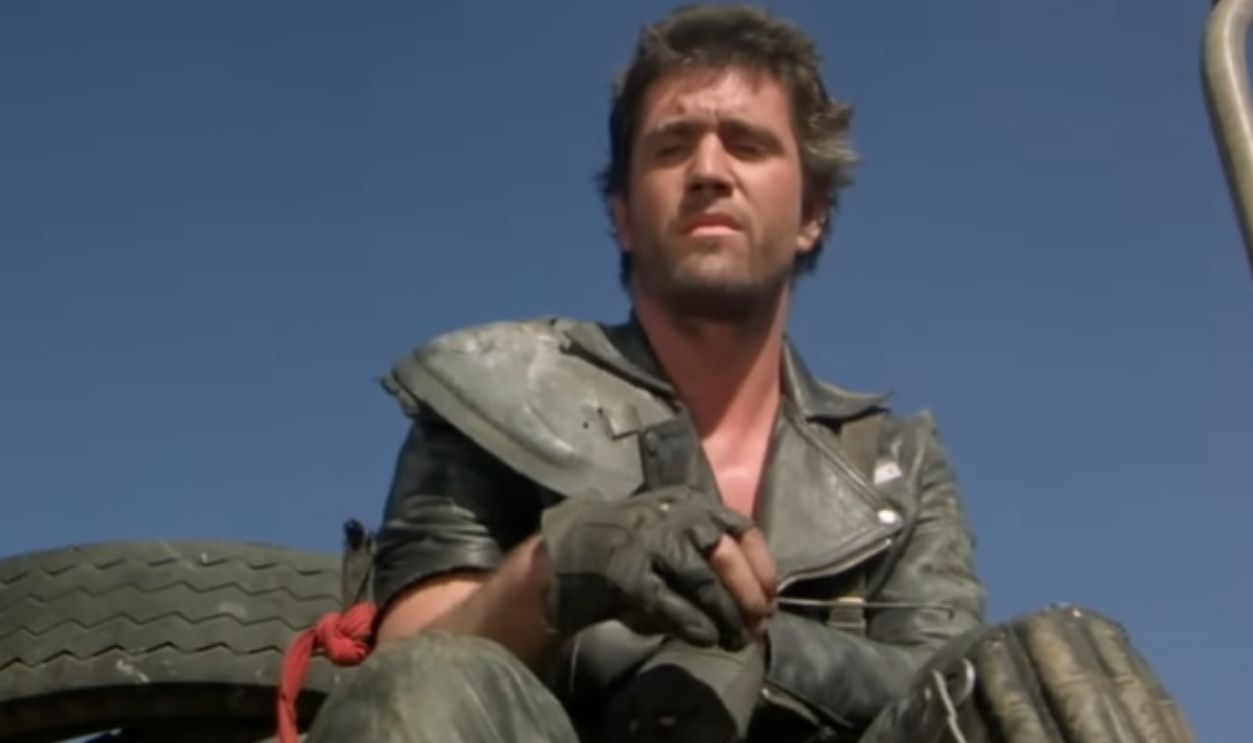 Screenshot from Mad Max 2: The Road Warrior, Warner Bros. (1981)
Lethal Weapon Gave Gibson A New Kind Of Hero
Gibson reinvented himself again as volatile LAPD detective Martin Riggs in 1987's Lethal Weapon. Pairing the reckless loner with Danny Glover's family-oriented Roger Murtaugh gave the movie a character dynamic that was just as important as its action. Their partnership proved strong enough to produce Lethal Weapon 2 before the decade was over.
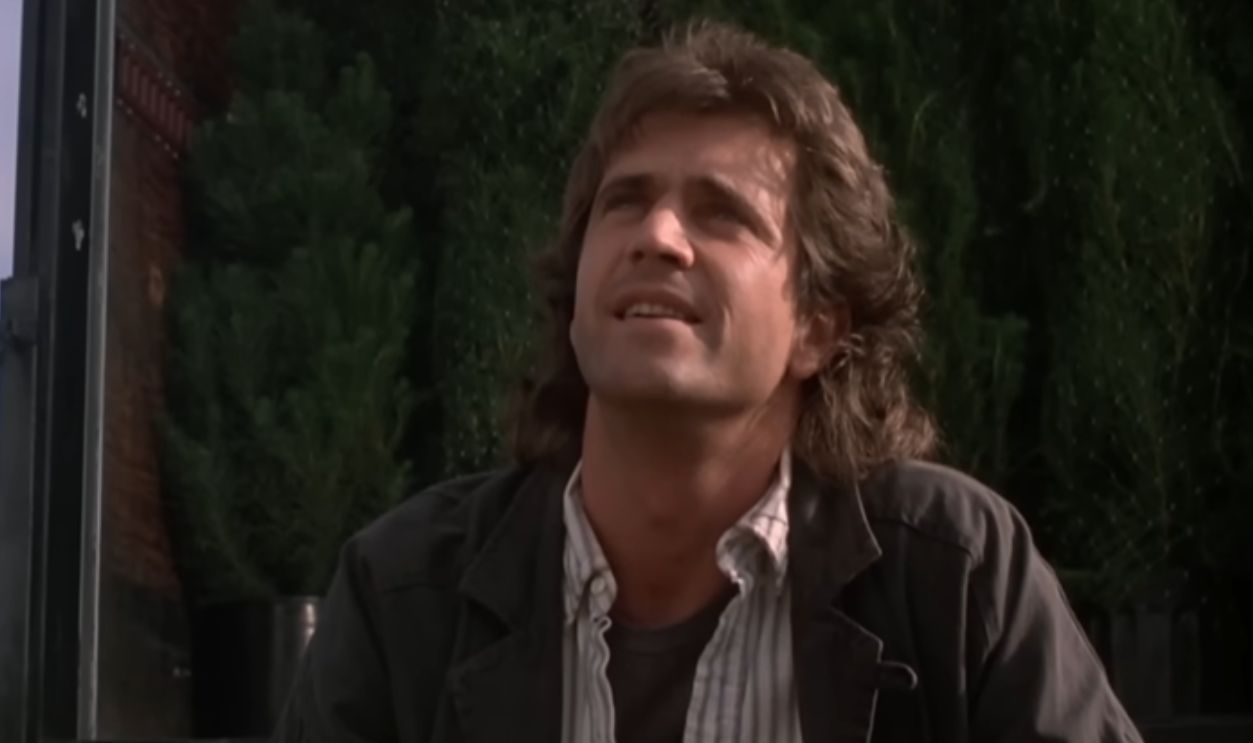 Screenshot from Lethal Weapon, Warner Bros. (1987)
Kurt Russell Made Cynicism Look Tough
Kurt Russell never needed to be the biggest guy in the room to command an action movie. His eyepatched Snake Plissken in 1981's Escape from New York became one of cinema's most recognizable antiheroes, while The Thing gave him another memorably tough John Carpenter role the following year. Russell specialized in heroes who looked like they would rather be anywhere else.
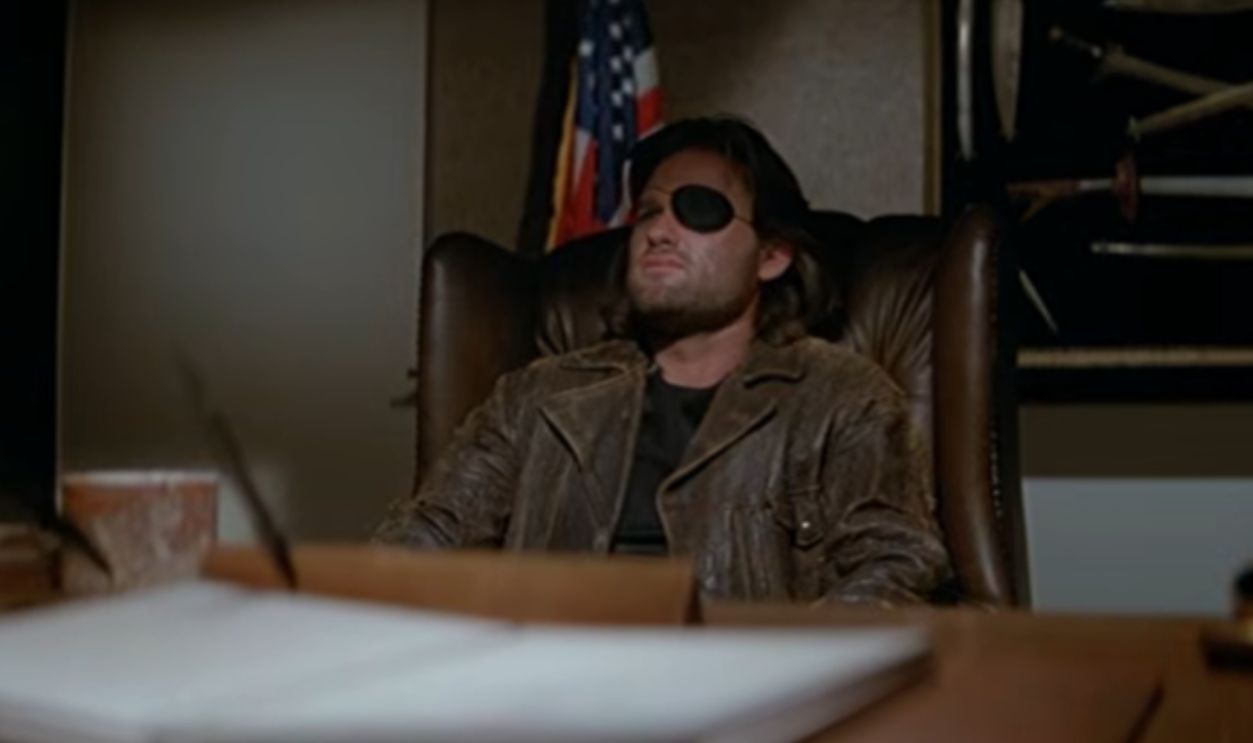 Screenshot from Escape from New York, AVCO Embassy Pictures (1981)
Snake Plissken Became A Cult Benchmark
Snake is a former soldier turned criminal who is forced into Manhattan to rescue the U.S. president, and his contempt for authority is central to his appeal. Russell later played with that macho image in John Carpenter's much more comedic Big Trouble in Little China. Few 1980s stars could move between straight-faced toughness and self-parody as comfortably as he did.
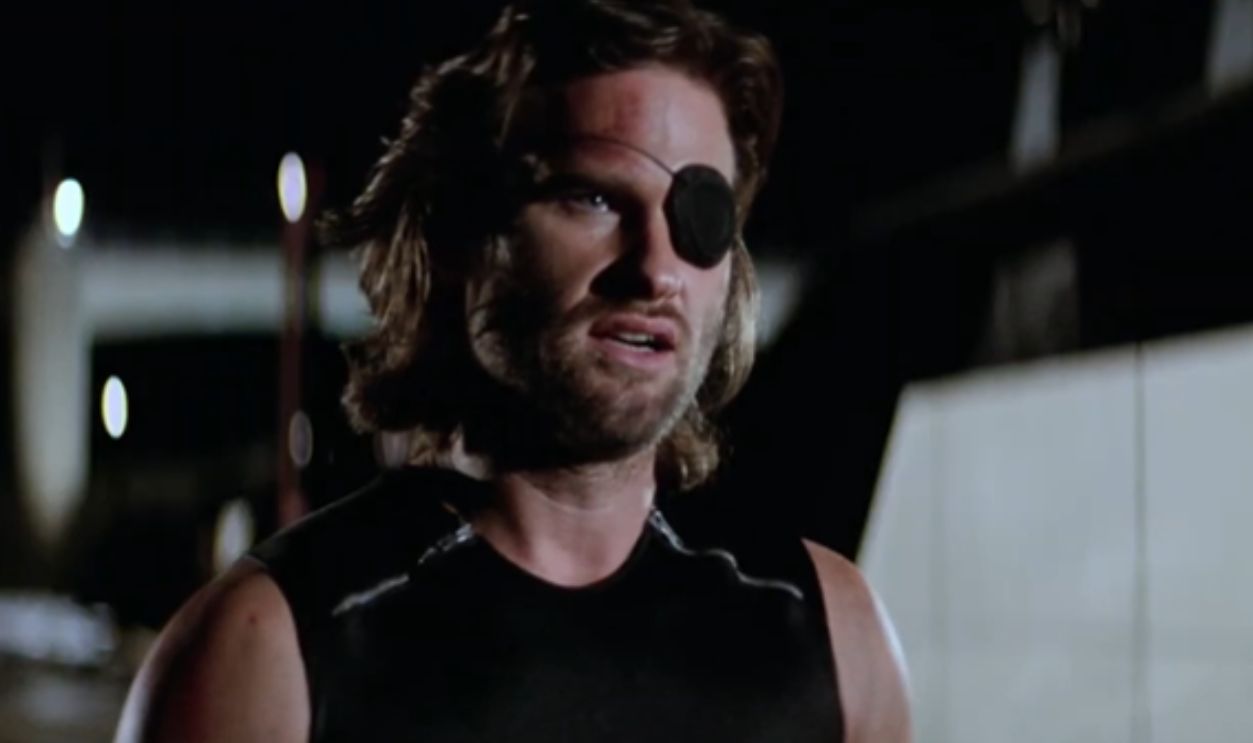 Screenshot from Escape from New York, AVCO Embassy Pictures (1981)
Sigourney Weaver Changed The Conversation
Any list devoted only to the decade's muscle-bound men would leave out one of its most important action performances. Sigourney Weaver had already introduced Ellen Ripley in 1979's Alien, but James Cameron's Aliens pushed the character squarely into action territory in 1986. Weaver proved every bit as compelling an action star as the decade's biggest male heroes.
 Screenshot from Alien, 20th Century Fox (1979)
Aliens Put Ripley In The Main Event
Ripley fights because she has to, not because the movie treats toughness as her entire personality. Her determination to protect Newt gives the spectacle an emotional center, while the film eventually places her in one of the decade's most memorable action climaxes. Weaver's Oscar-nominated performance helped turn Ripley from a survivor into a full-fledged action icon.
 Screenshot from Alien, 20th Century Fox (1979)
Jackie Chan Was Doing The Dangerous Stuff For Real
While Hollywood built its action stars around carefully cultivated personas, Jackie Chan was pushing physical filmmaking in another direction. The director, star, and stunt performer made 1985's Police Story into a showcase for acrobatics, comedy, fight choreography, and extraordinarily ambitious stunt work. Criterion credits the film with making Chan a worldwide icon of daredevil action spectacle.
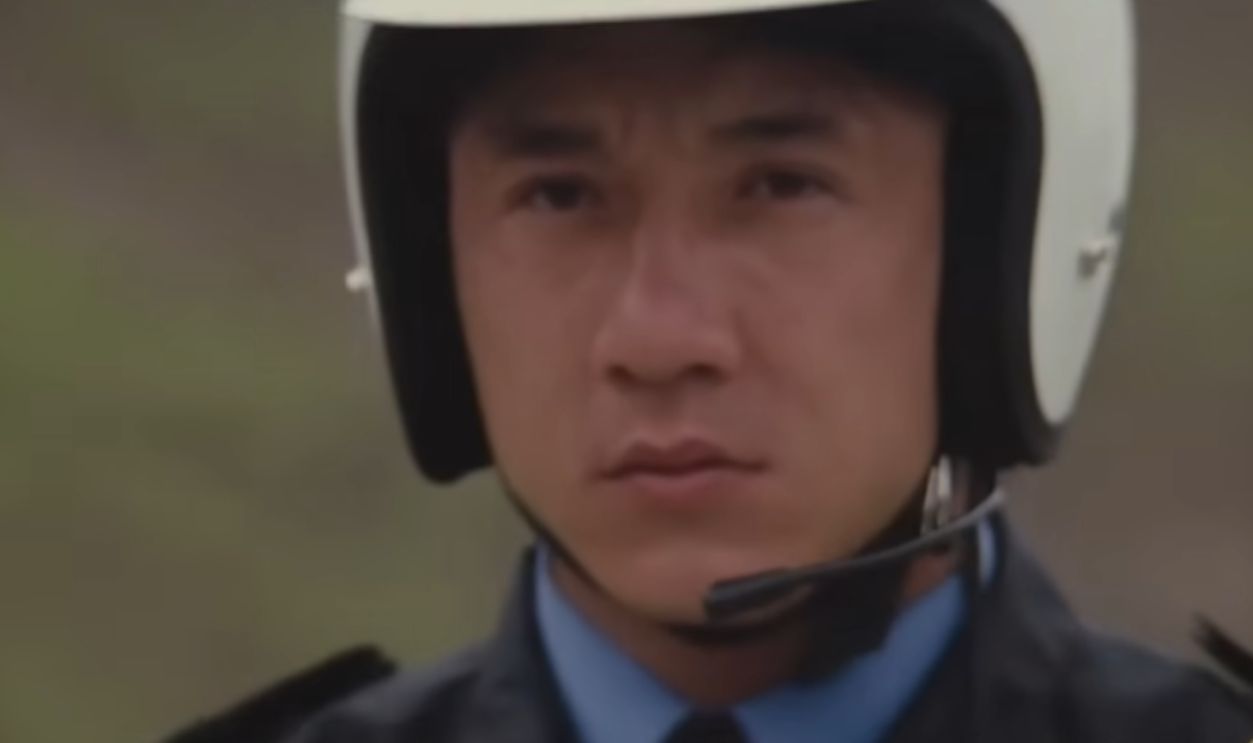 Screenshot from Police Story, Golden Harvest (1985)
Police Story Raised The Stunt Bar
The famous shopping-mall sequence alone sends Chan and his stunt team crashing through an astonishing amount of glass. Yet Chan's willingness to look frightened, hurt, or ridiculous made the action more exciting rather than less heroic. Police Story and its 1988 sequel helped establish a standard that filmmakers in Hong Kong and Hollywood would spend years chasing.
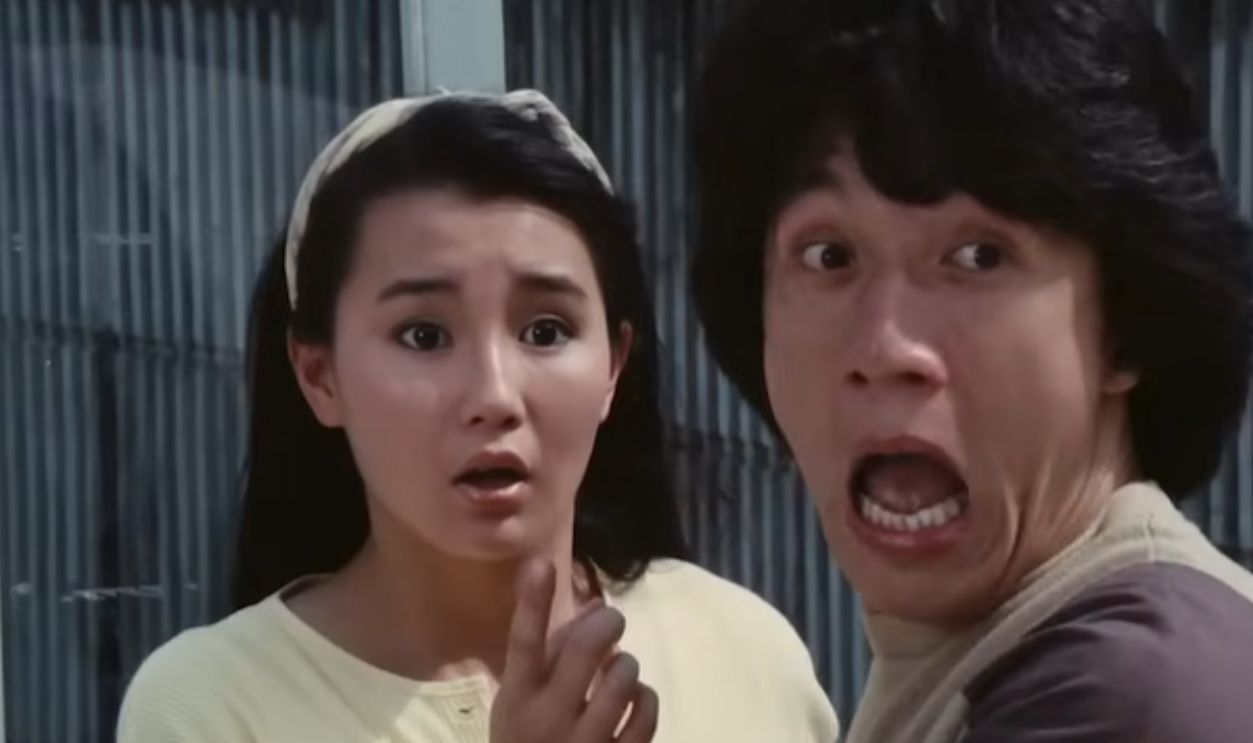 Screenshot from Police Story, Golden Harvest (1985)
Dolph Lundgren Looked Like The Final Boss
Dolph Lundgren went from studying chemical engineering to becoming one of the most intimidating faces in action cinema. Playing Soviet boxer Ivan Drago in Rocky IV changed his life almost instantly, something Lundgren himself has openly acknowledged. Roles in movies including Masters of the Universe in 1987 and Red Scorpion in 1988 soon positioned him as another towering physical presence of the era.
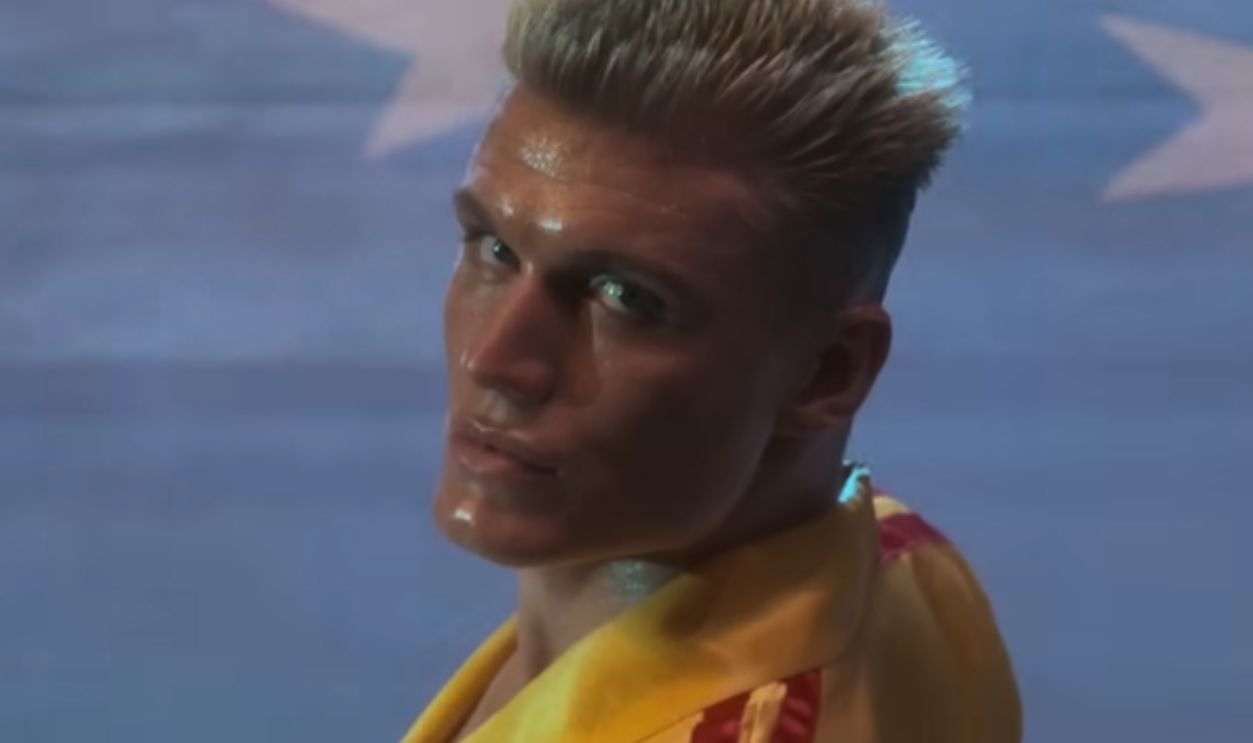 Screenshot from Rocky IV, United Artists (1985)
Carl Weathers Could Stand Beside Anyone
Former NFL linebacker Carl Weathers already had Apollo Creed when the decade began, but he kept adding to his action credentials. After appearing in the first four Rocky films, he joined Schwarzenegger's formidable team in Predator and then became the leading man of Action Jackson in 1988. With his athletic background and effortless screen confidence, Weathers could share a frame with the decade's biggest stars without disappearing beside them.
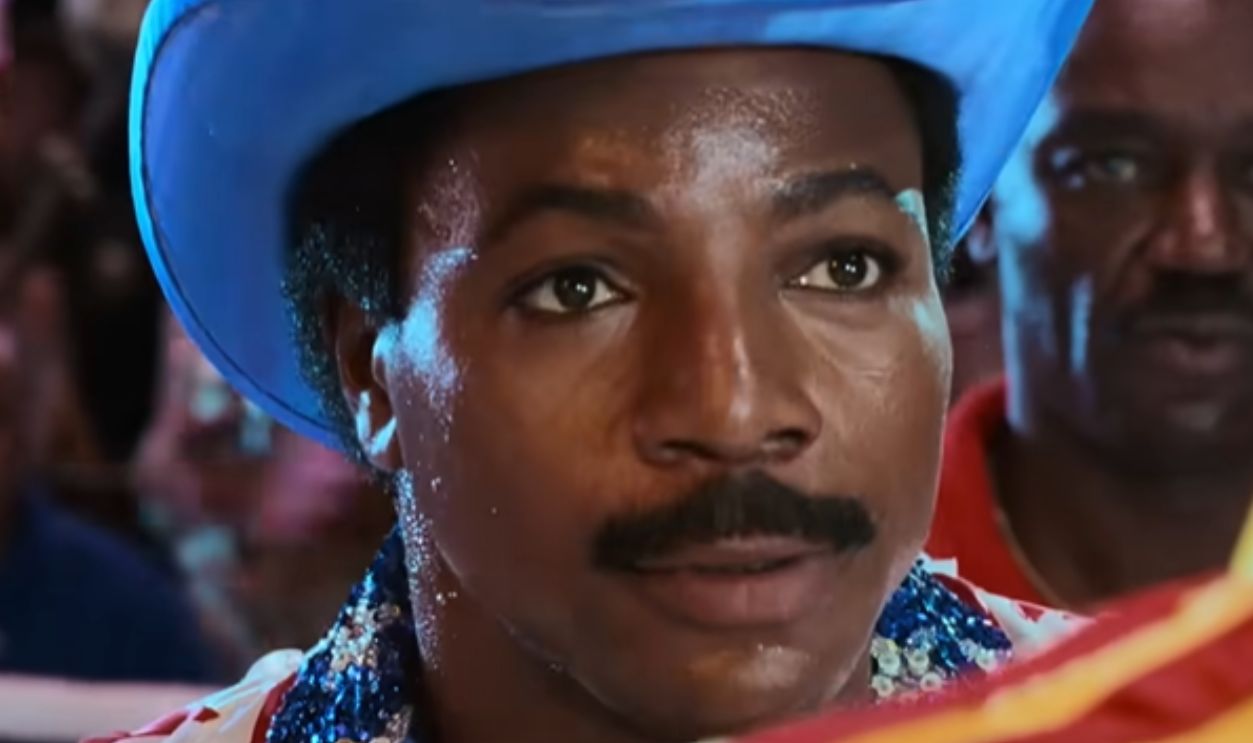 Screenshot from Rocky IV, United Artists (1985)
Arnold Schwarzenegger Takes The Crown
Stallone had two legendary franchises, Willis reinvented the everyday action hero, Weaver broadened what an action star could look like, and Chan may have been the decade's most astonishing physical performer. But judging the entire 1980s on iconic roles, physical presence, consistency, and pure action-movie identity gives Schwarzenegger the narrowest of victories. From Conan and The Terminator to Commando, Predator, and The Running Man, nobody embodied the larger-than-life 1980s action star quite as completely.
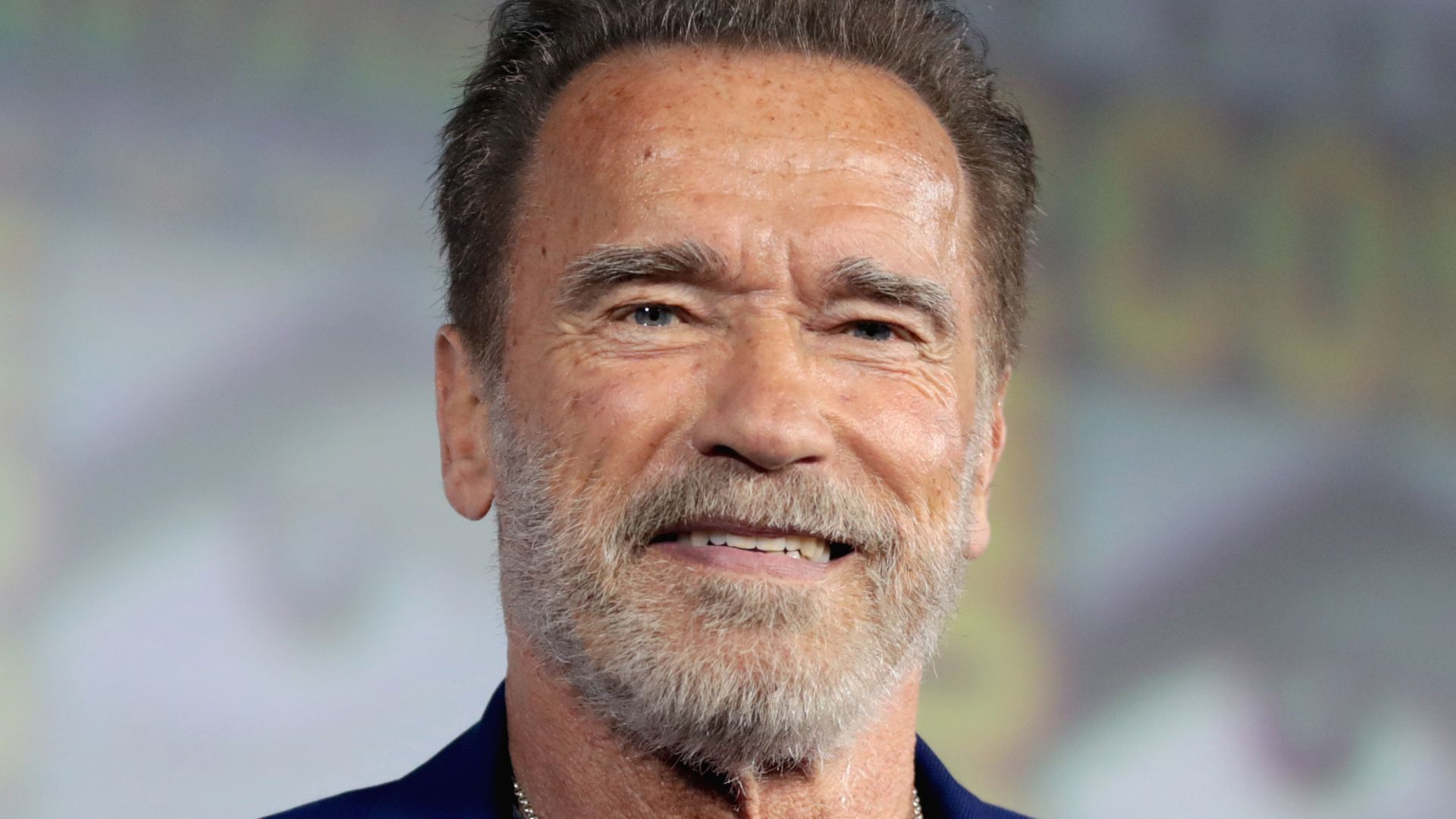 Gage Skidmore, Wikimedia Commons
You May Also Like:
Female Action Stars Of The 1970s Who Were Cooler Than The Men Around Them
Blunt Force Facts About Steven Seagal, The Most Dangerous Man In Hollywood
Sly Stallone Vs. Arnold Schwarzenegger: Who Was The Ultimate 80s Action Star?
Sources: 1, 2, 3, 4, 5, 6, 7, 8, 9, 10, 11, 12, 13, 14, 15, 16, 17, 18, 19, 20, 21, 22, 23