From Lenny To Something Much Bigger
For millions of TV viewers, Michael McKean will always be Lenny Kosnowski, the lovable goofball who wandered into Laverne & Shirley wearing a jacket with an enormous “L” on it. But stopping there misses one of Hollywood’s strangest—and most impressive—career stories.
Comedy Was There From The Beginning
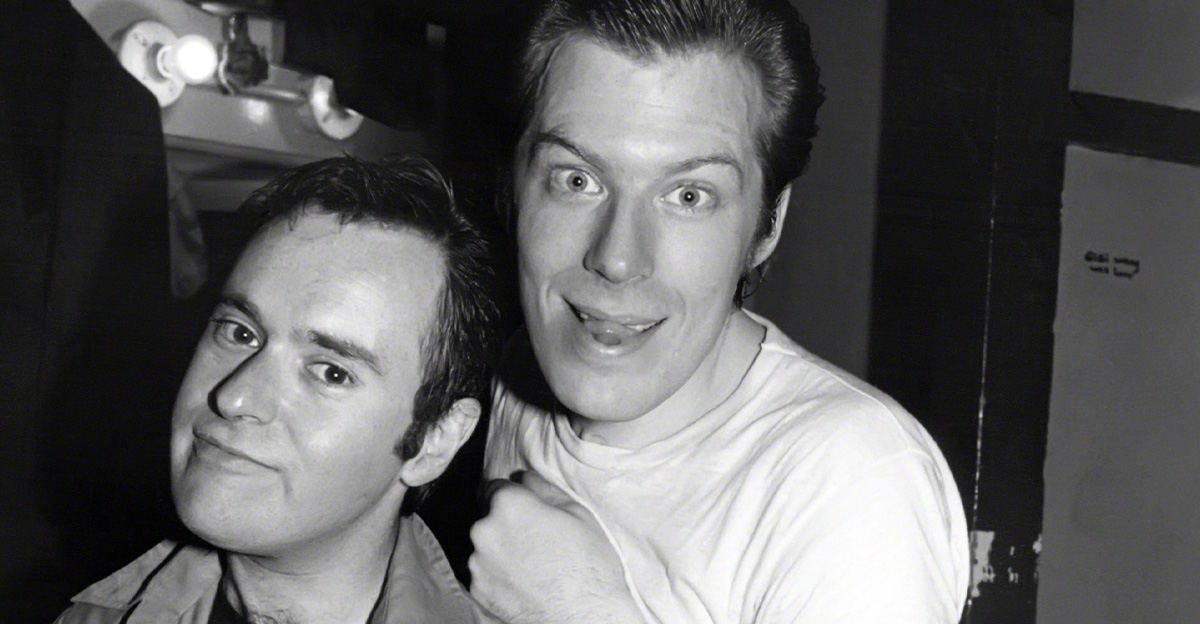
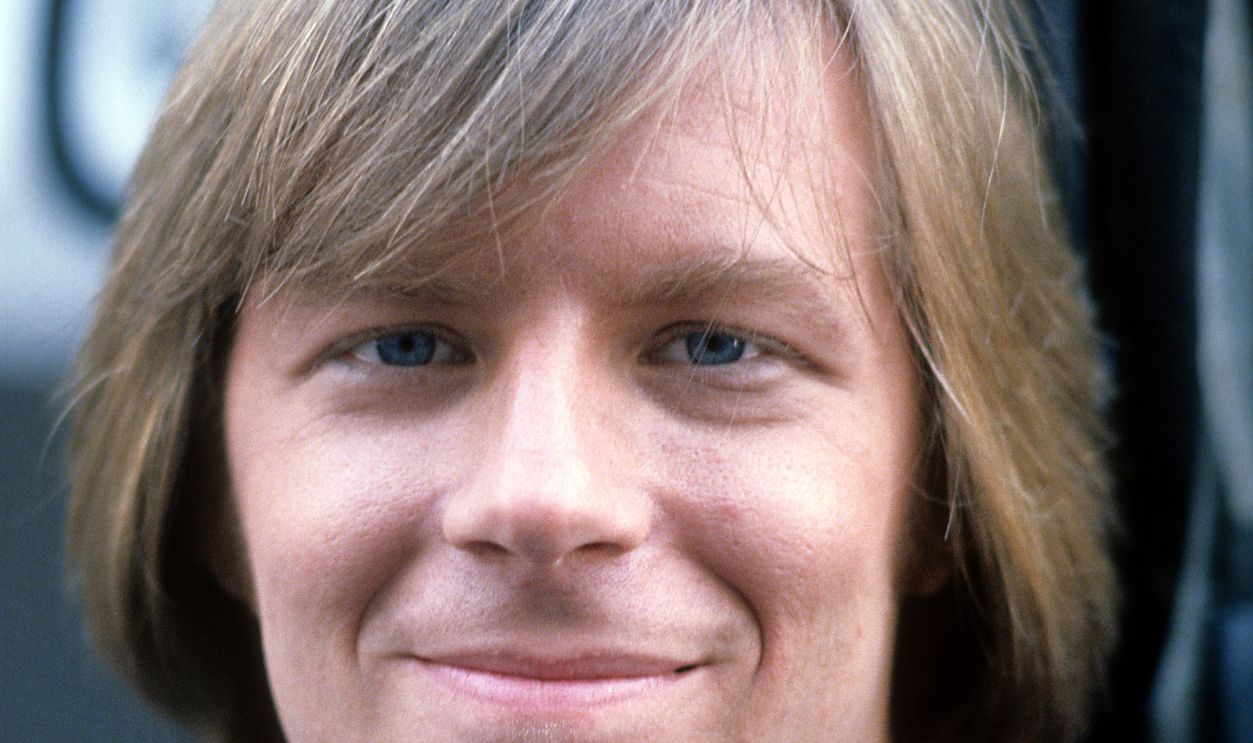
Born in New York City in 1947, McKean discovered performing while he was still young. He eventually studied drama at Carnegie Mellon University, where he met another future comedy legend, David Lander. That friendship would soon give both men the characters that changed their lives.
 Michael Ochs Archives, Getty Images
Meet Lenny And Squiggy
McKean and Lander originally developed Lenny and Squiggy while performing comedy together. The characters were odd, overconfident, and hilariously clueless. They had their own voices, rhythms, and strange little world long before television audiences ever saw them stroll through Laverne and Shirley’s apartment door.
Laverne & Shirley Changed Everything
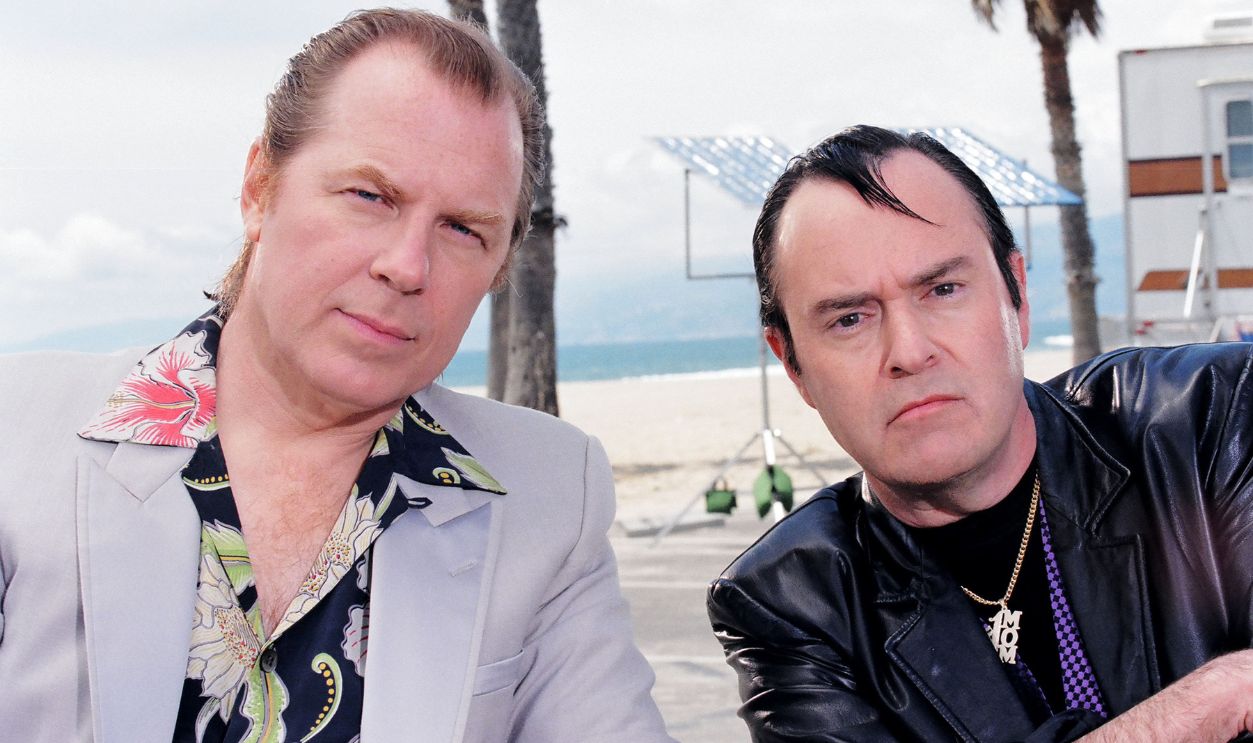
When Laverne & Shirley debuted in 1976, Penny Marshall and Cindy Williams were the stars. It didn’t take long, however, for Lenny and Squiggy to become fan favorites. McKean and Lander could enter a scene for a few minutes and somehow walk away with the biggest laughs.
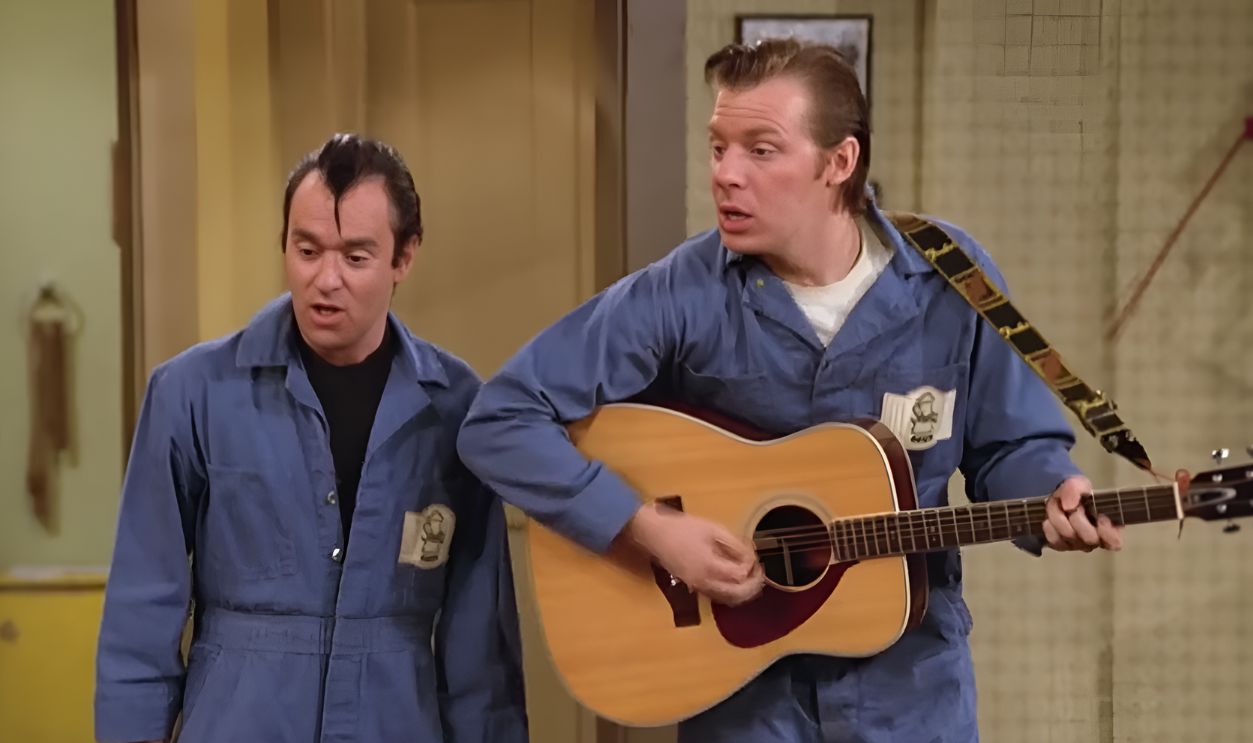 Screenshot from Laverne & Shirley, ABC (1976–1983), Modified
Lenny Was Lovably Ridiculous
Lenny wasn’t exactly sophisticated. He was loud, awkward, endlessly confident, and rarely aware of how strange he appeared. McKean made him memorable by treating the character seriously. Lenny never seemed to realize he was the joke, which made his ridiculous behavior even funnier.
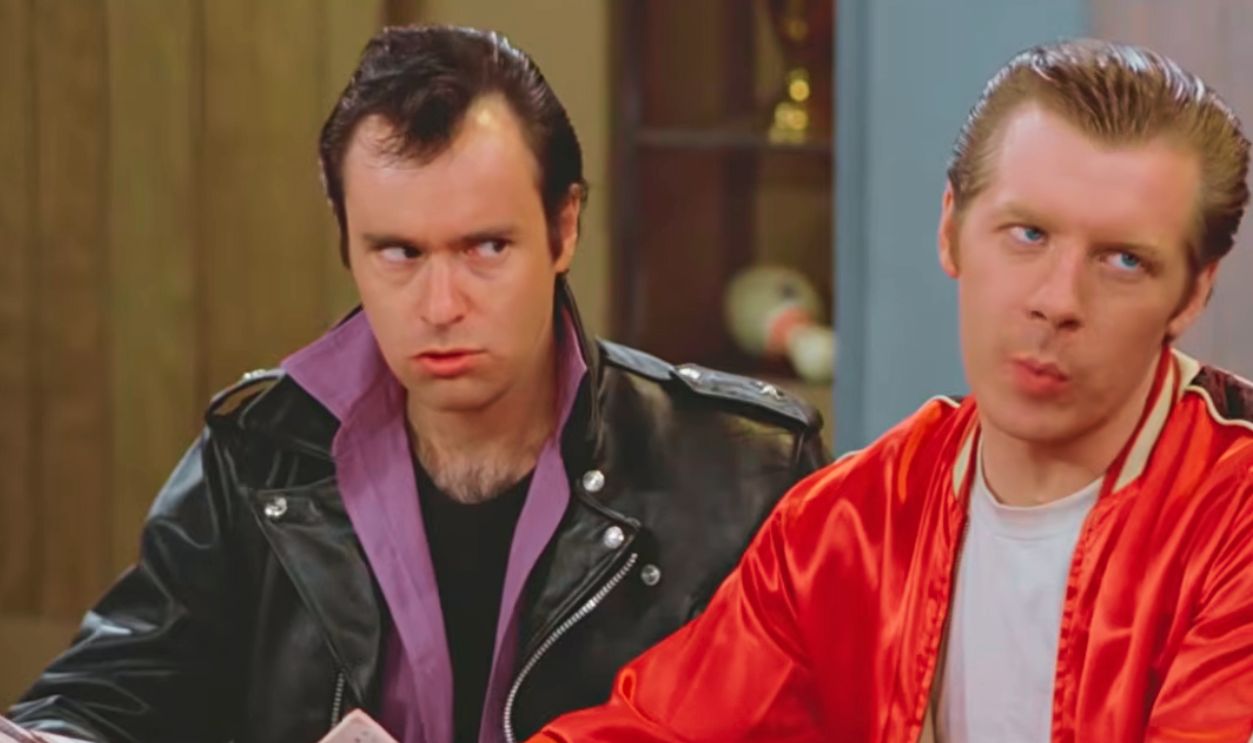 Screenshot from Laverne & Shirley, ABC (1976–1983)
That Jacket Became Television History
Lenny’s signature outfit included a jacket with a large “L” sewn onto it, an instantly recognizable piece of sitcom costuming. The look helped turn him into a cartoonish figure, but McKean always gave Lenny enough warmth to keep him from becoming merely a walking punchline.
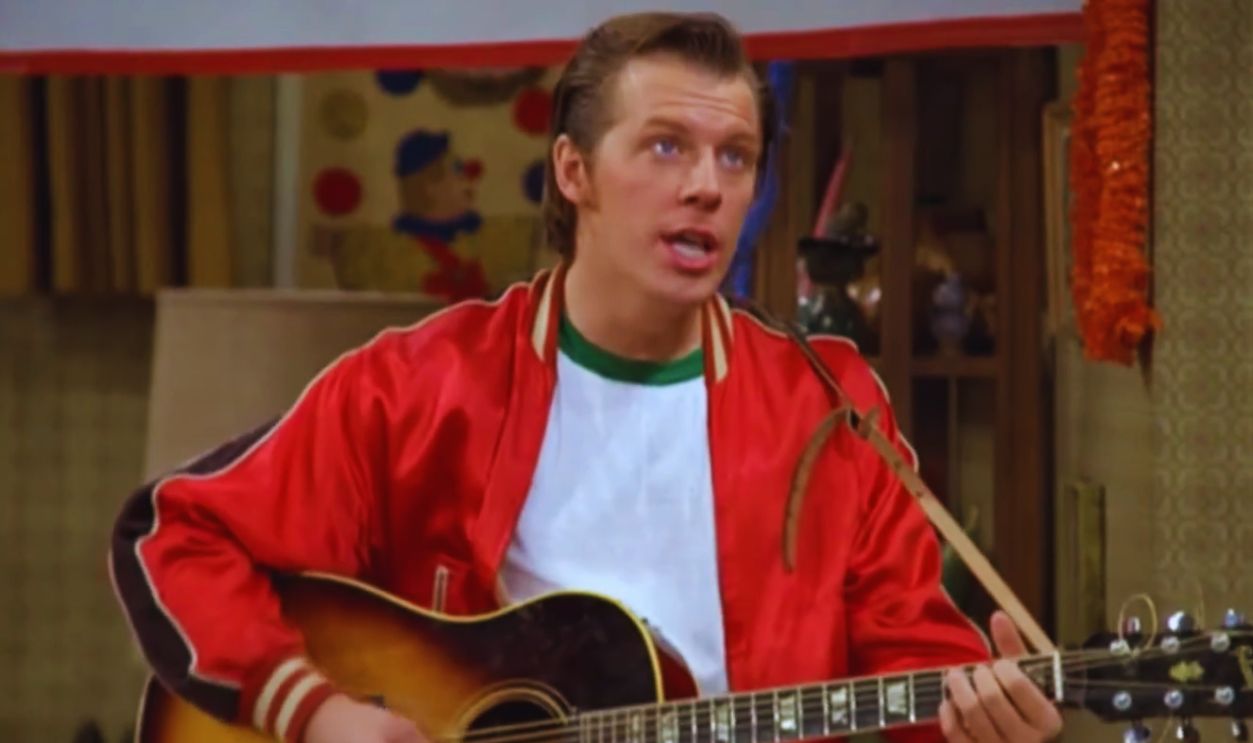 Screenshot from Laverne & Shirley, ABC (1976–1983)
McKean Wanted More
There was one problem with becoming famous as Lenny: everybody suddenly expected Michael McKean to be Lenny forever. Hollywood loves putting successful actors into neat little boxes. McKean, however, spent much of the rest of his career proving just how badly that box underestimated him.
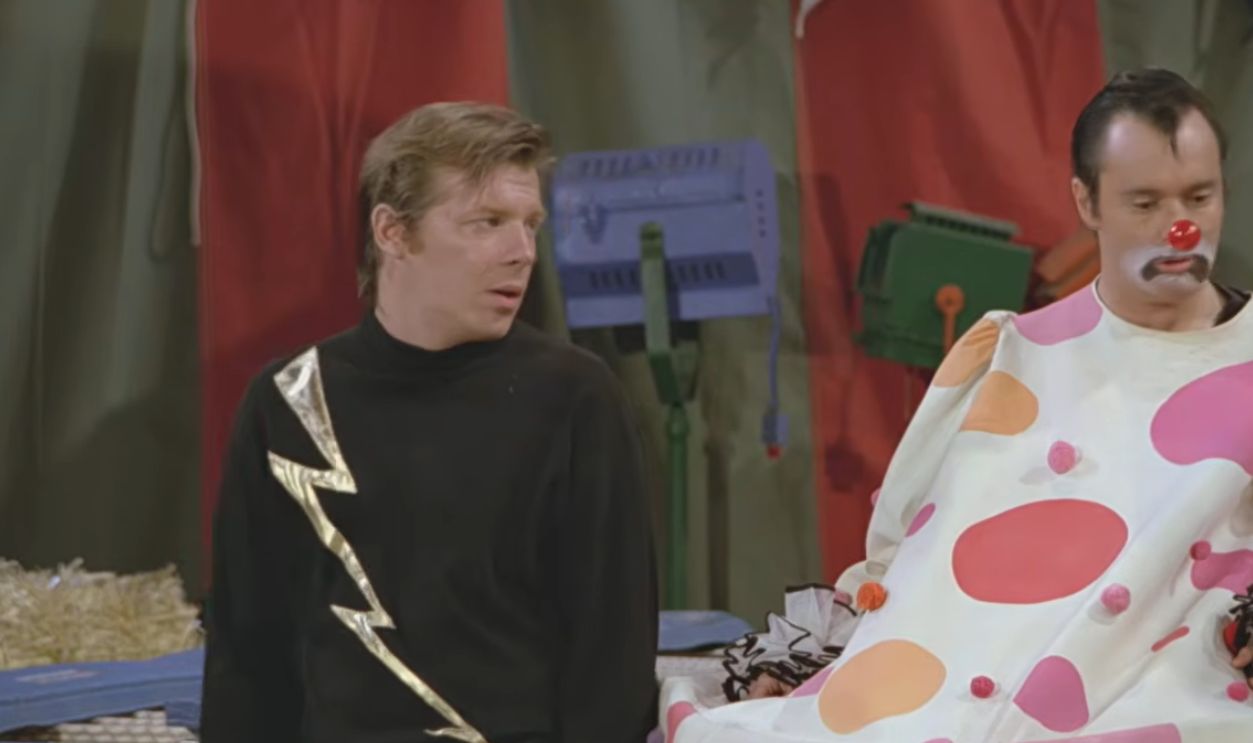 Screenshot from Laverne & Shirley, ABC (1976–1983)
Leaving Milwaukee Behind
After Laverne & Shirley ended in 1983, McKean faced the same challenge that confronts many sitcom stars. Could audiences accept him without his famous character? His next major project provided an answer—and introduced an entirely different comedy persona that became nearly as iconic.
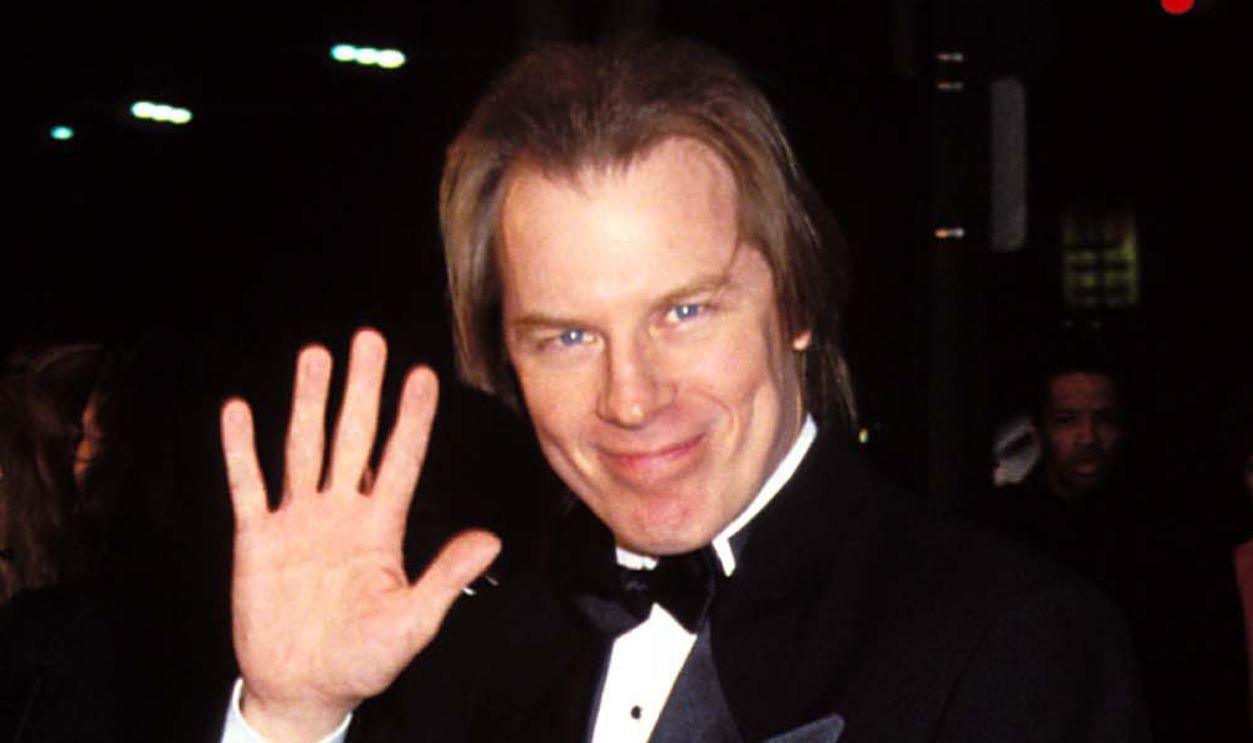
Enter Spinal Tap
In 1984, McKean appeared as David St. Hubbins in This Is Spinal Tap. The mockumentary followed an aging British rock band stumbling from one disaster to another. McKean traded Lenny’s goofy Milwaukee accent for flowing rock-star hair, painfully sincere lyrics, and wonderfully misplaced confidence.
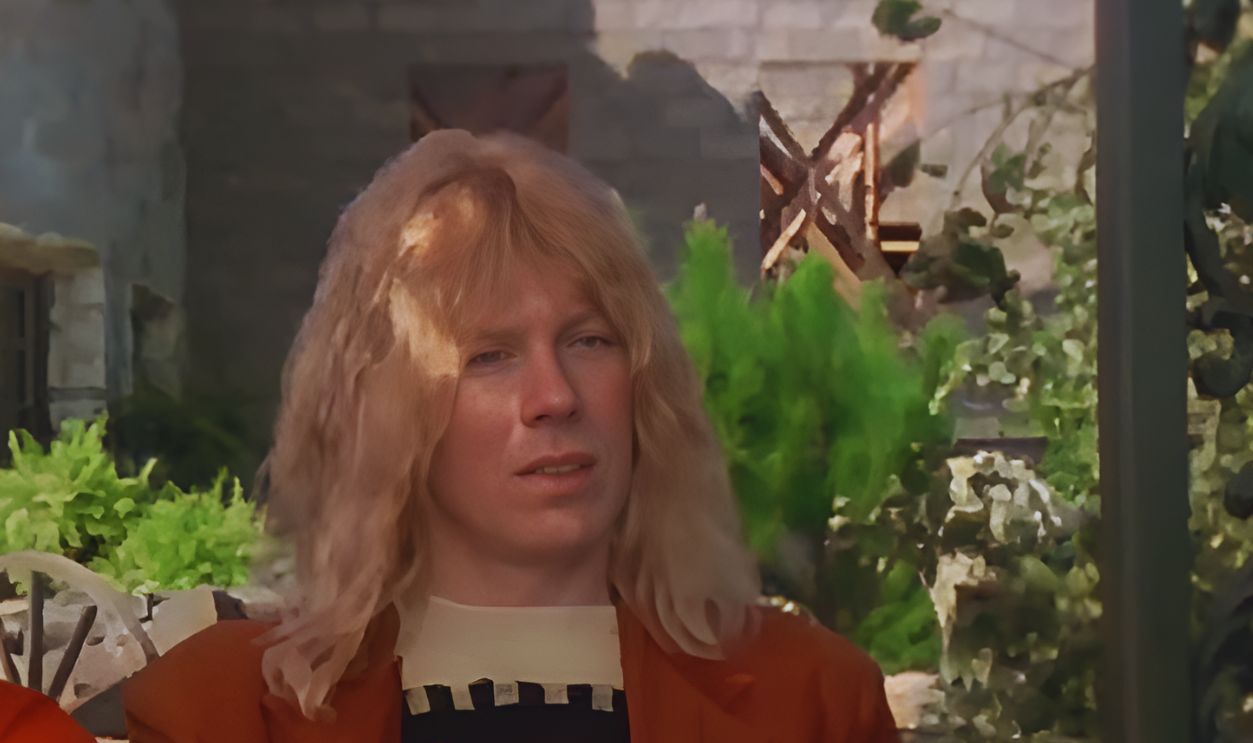 Screenshot from This Is Spinal Tap, Embassy Pictures (1984), Modified
David St. Hubbins Felt Weirdly Real
The brilliance of Spinal Tap was that nobody played the joke too broadly. McKean’s David truly believed Spinal Tap mattered. That commitment made the band’s collapsing career hilarious. McKean once again proved that his best comedy often came from characters who had absolutely no idea they were funny.
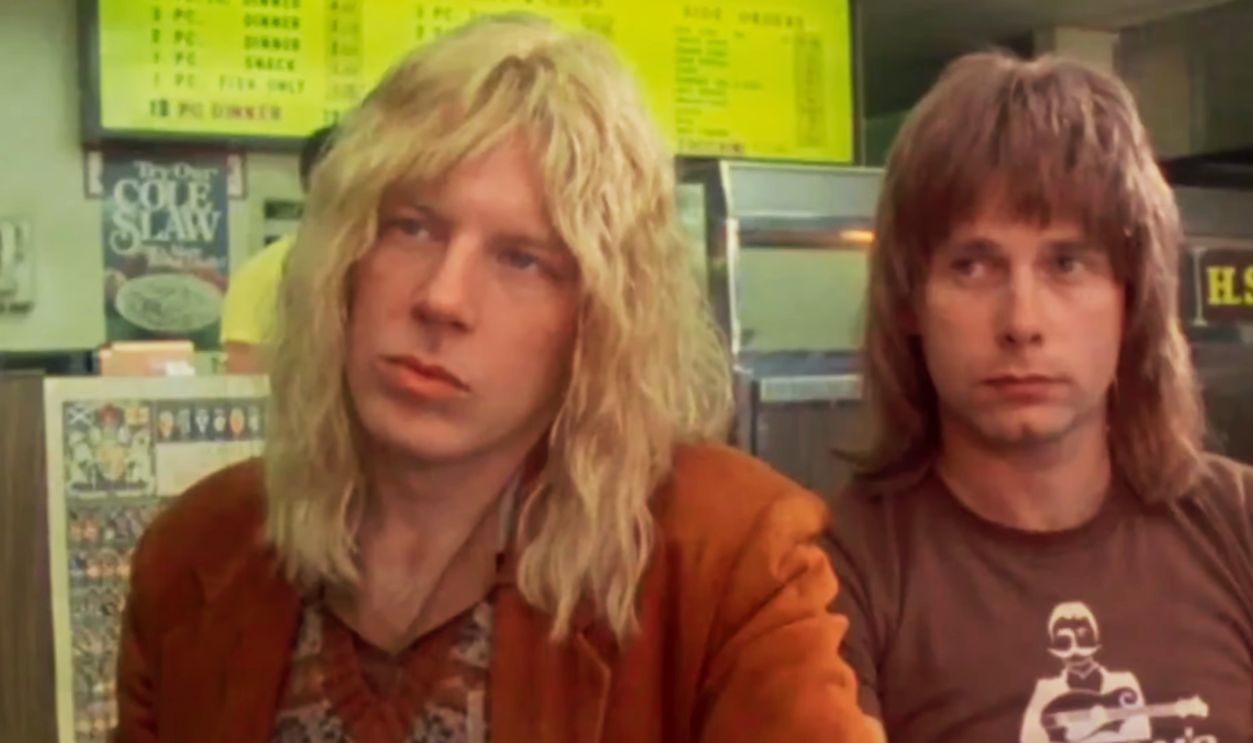 Screenshot from This Is Spinal Tap, Embassy Pictures (1984)
He Was More Than An Actor
McKean didn’t simply pretend to be a musician. He genuinely was one. Alongside Christopher Guest and Harry Shearer, he helped create Spinal Tap’s songs and performances. The fictional band became so convincing that its members eventually performed real concerts for enthusiastic audiences.
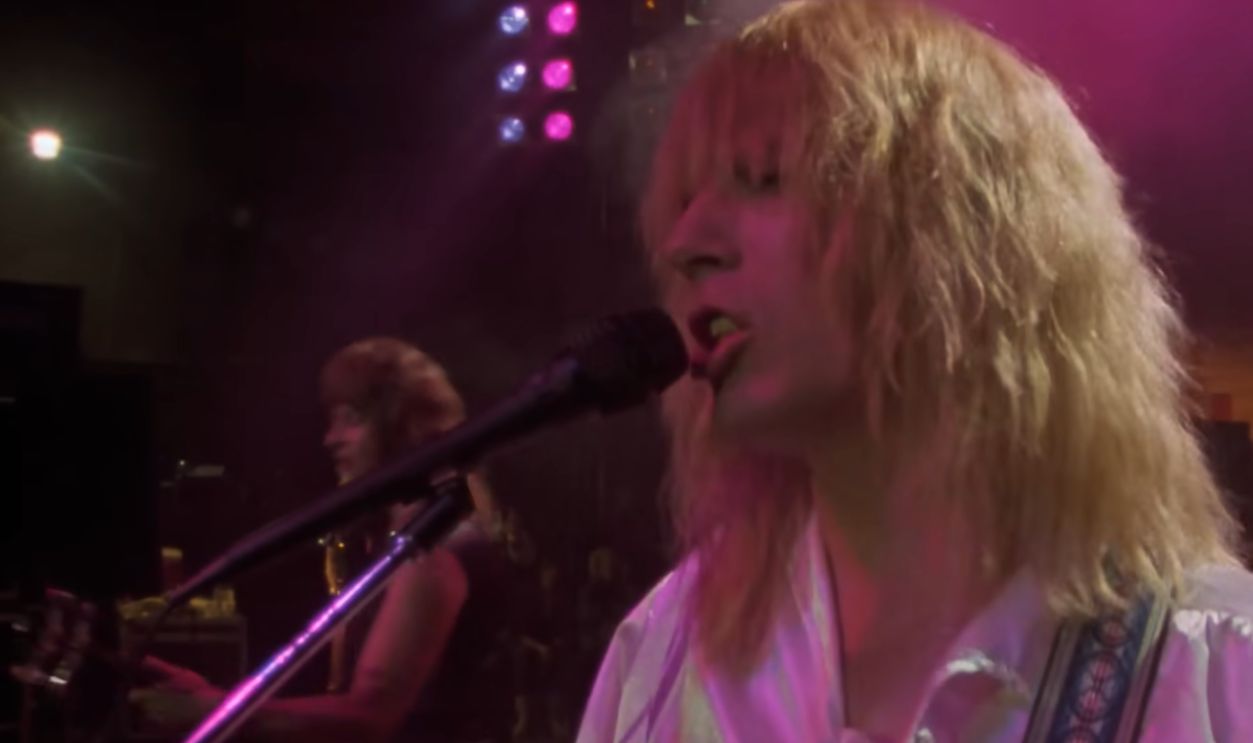 Screenshot from This Is Spinal Tap, Embassy Pictures (1984)
Suddenly He Was Everywhere
Through the 1980s and 1990s, McKean became one of those actors audiences recognized even when they couldn’t immediately remember his name. He moved easily between television, movies, comedy, drama, voice acting, and stage work, seemingly appearing wherever an unusual character actor was needed.
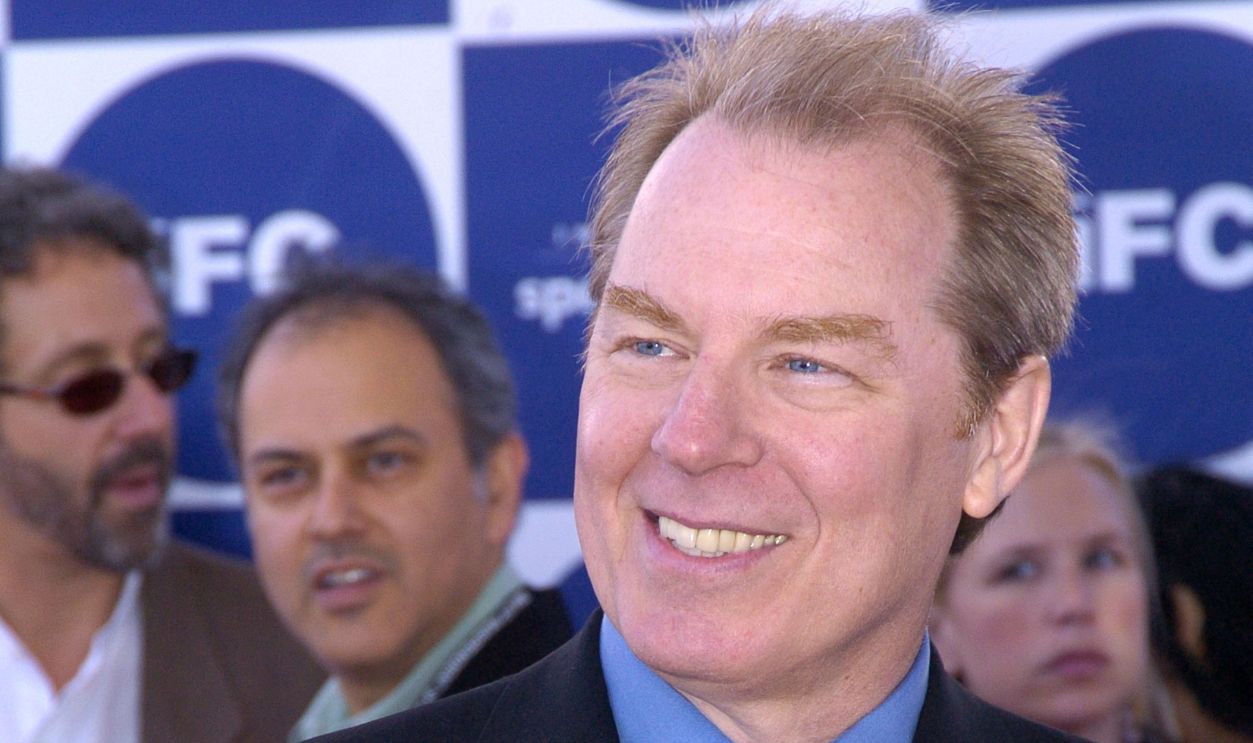
He Joined Saturday Night Live
McKean added another unusual chapter when he joined the cast of Saturday Night Live in the 1990s. Remarkably, he had already hosted the show years earlier. His time as a cast member further demonstrated something his career kept proving: he was never particularly interested in following the standard Hollywood route.
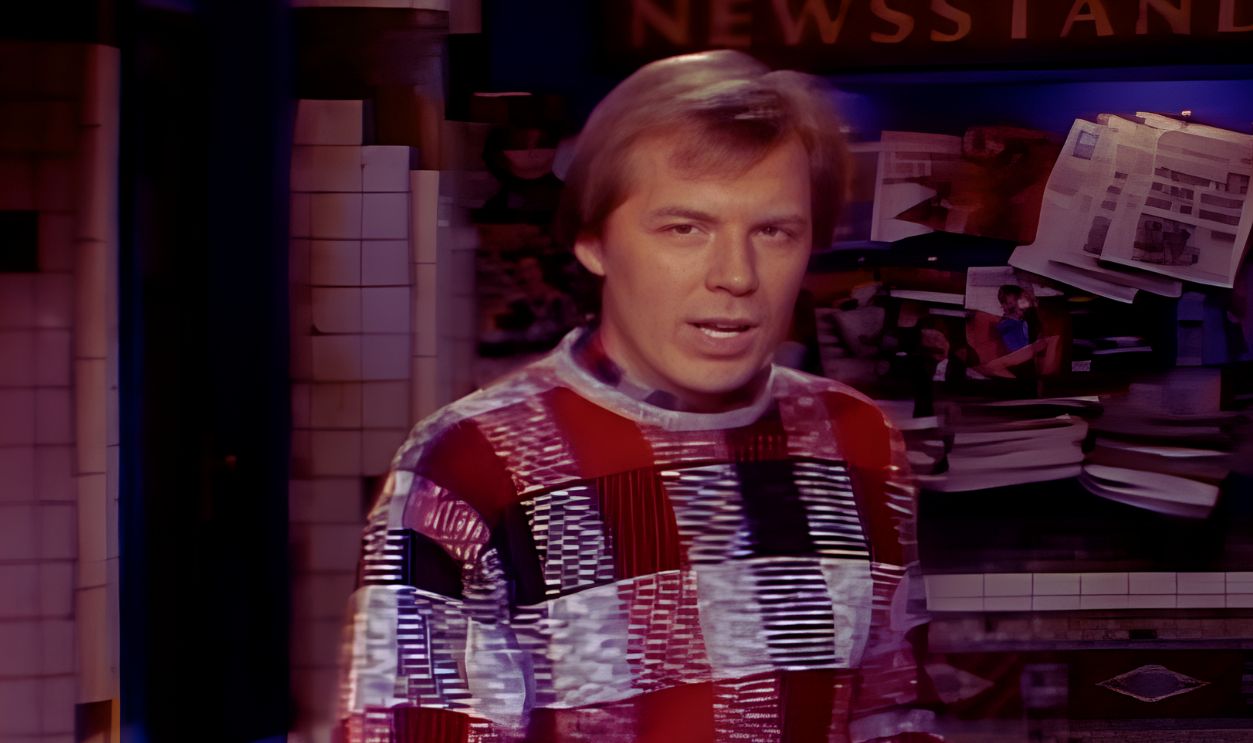 Screenshot from Saturday Night Live, NBC (1975–), Modified
He Could Play The Straight Man Too
Although McKean became famous playing outrageous personalities, directors gradually discovered how effective he could be when doing almost nothing. His dry delivery and slightly skeptical expression made him a terrific straight man, especially when surrounded by characters behaving much more ridiculously than he was.
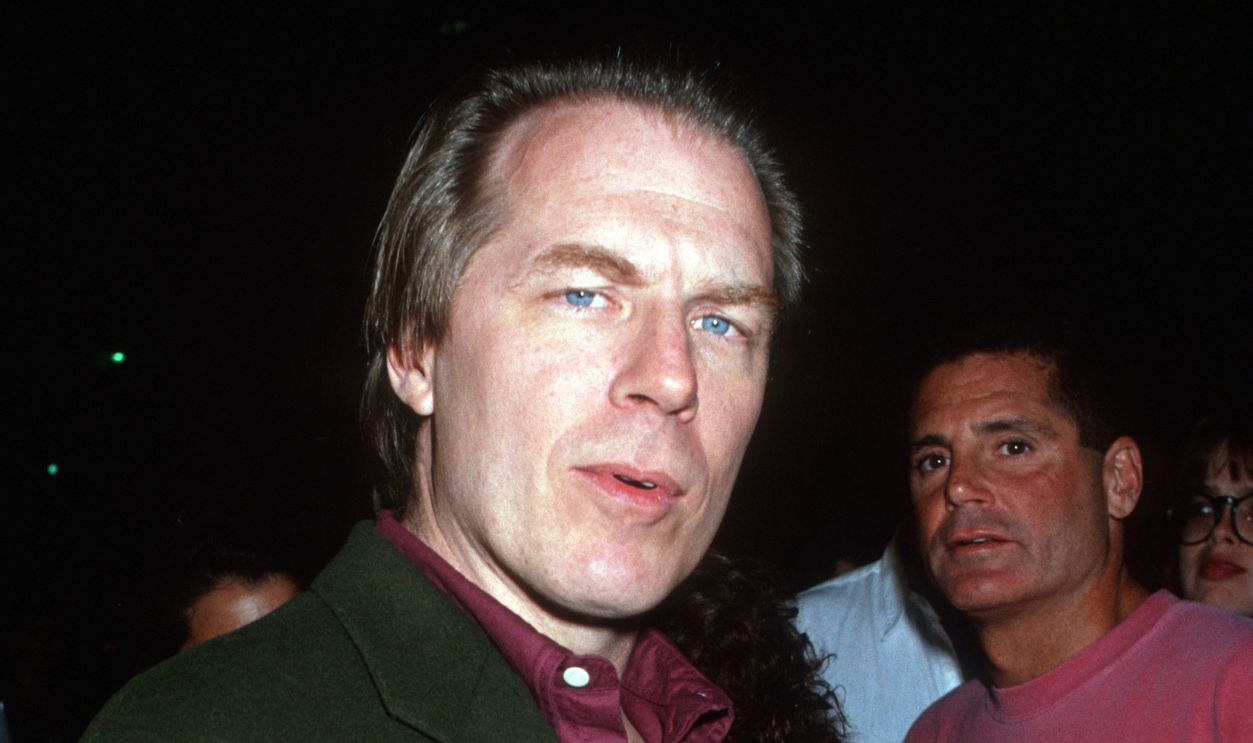 Ron Galella, Ltd., Getty Images
Christopher Guest Became A Perfect Partner
McKean later became a familiar face in Christopher Guest’s largely improvised comedies. These movies allowed actors to build wonderfully specific characters without relying on conventional punchlines. For someone with McKean’s combination of musical ability, improvisational skill, and character work, the format was practically designed for him.
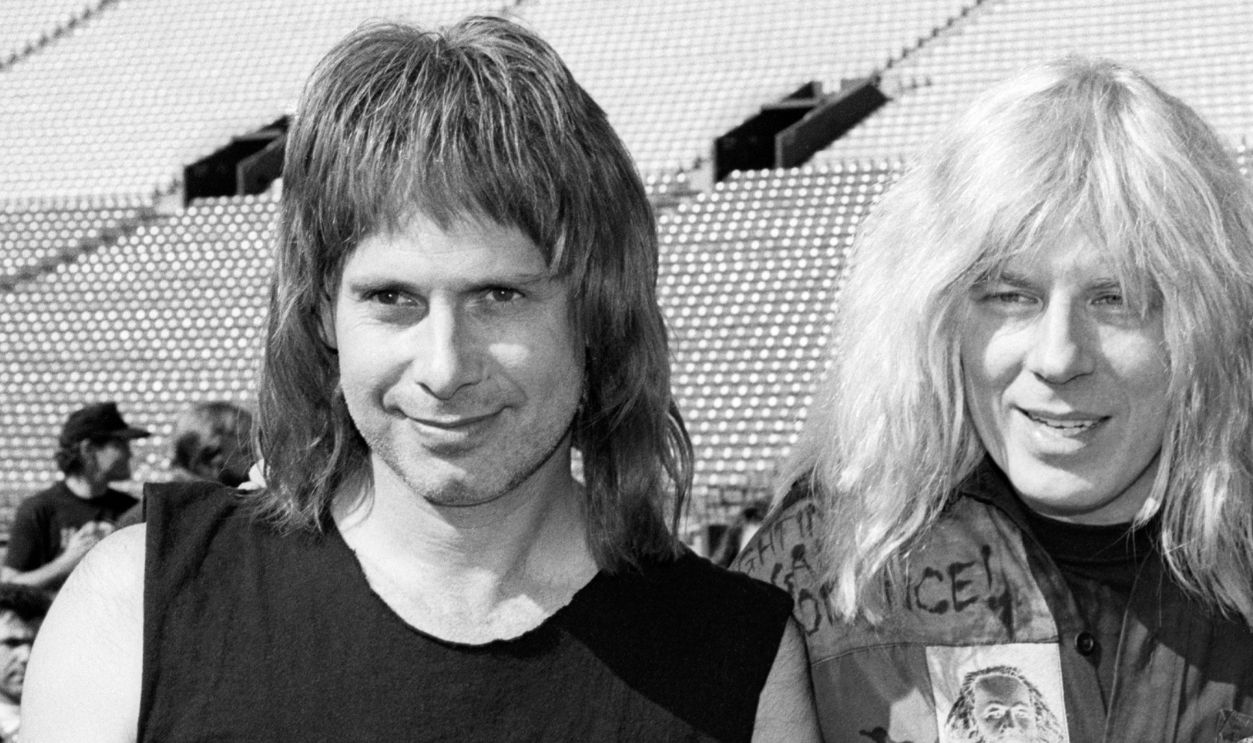
Best In Show Showed Another Side
In Best in Show, McKean played Stefan Vanderhoof opposite John Michael Higgins. Their characters were funny without becoming cruel caricatures, and McKean approached the role with the same sincerity he brought to his best work. Once again, his restraint made the comedy land harder.
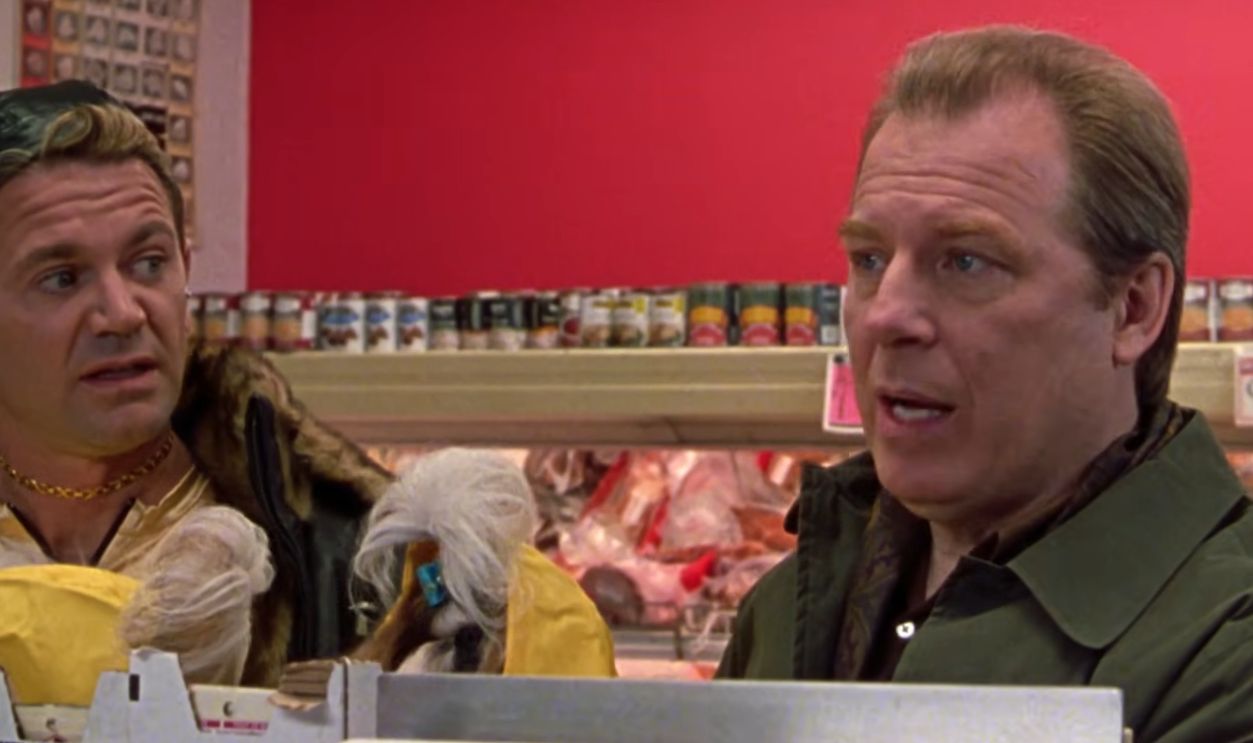 Screenshot from Best in Show, Warner Bros. Pictures (2000)
Then Came A Mighty Wind
A Mighty Wind returned McKean to musical comedy, this time through the world of folk music. He played Jerry Palter, one-third of the Folksmen alongside Christopher Guest and Harry Shearer. The trio somehow managed to make deliberately old-fashioned folk songs both hilarious and genuinely catchy.
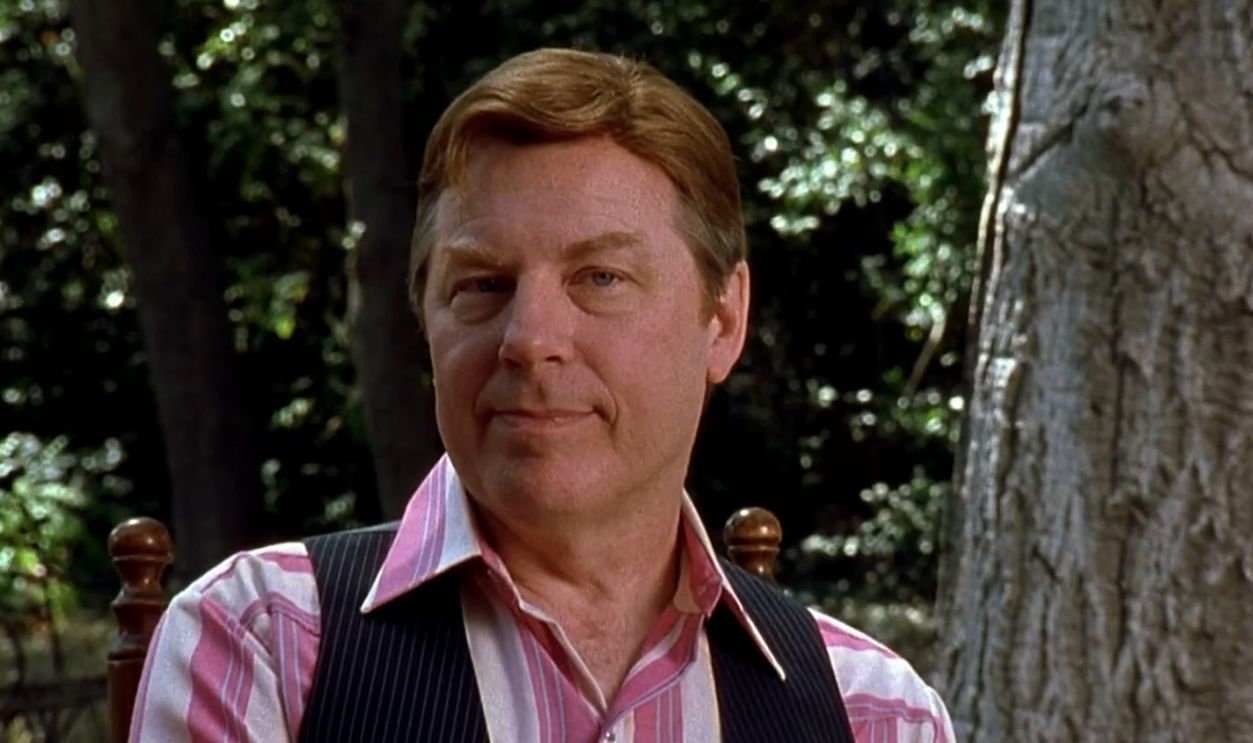 Screenshot from A Mighty Wind, Warner Bros. Pictures (2003)
His Musical Talent Was No Joke
McKean’s music career eventually produced serious recognition. He and his wife, actress Annette O’Toole, co-wrote “A Kiss at the End of the Rainbow” for A Mighty Wind. The song earned an Academy Award nomination, proving that McKean’s musical abilities extended far beyond comedy.
 Catie Lazarus, the Employee of the Month show, Wikimedia Commons
Broadway Became Another Home
Television and movies never completely defined McKean. He also built an extensive stage career, appearing in major Broadway productions and tackling everything from comedy to serious drama. For anyone who still pictured Lenny whenever McKean appeared, his theatrical work provided another reminder of his remarkable range.
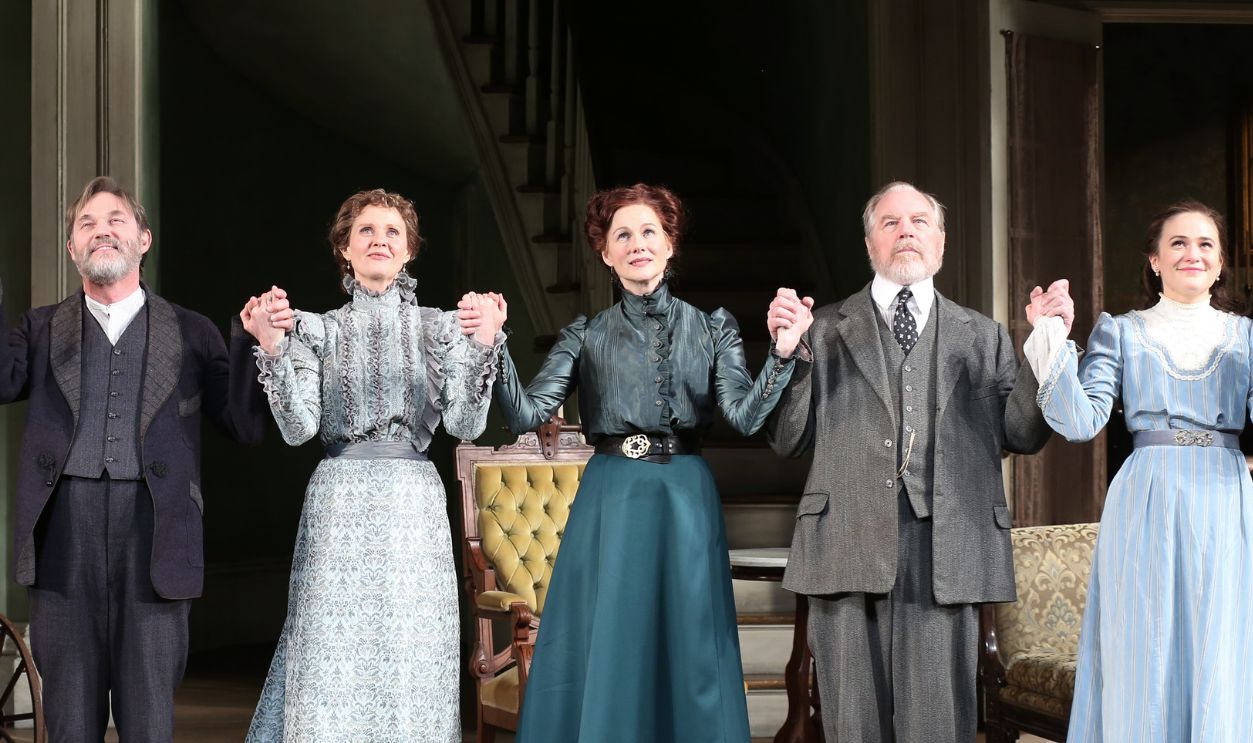
He Never Needed To Be The Star
One of McKean’s smartest career choices was accepting that a great supporting role could be better than a mediocre starring one. He became the actor filmmakers called when they needed someone memorable, specific, and believable—even when the character only appeared for part of the story.
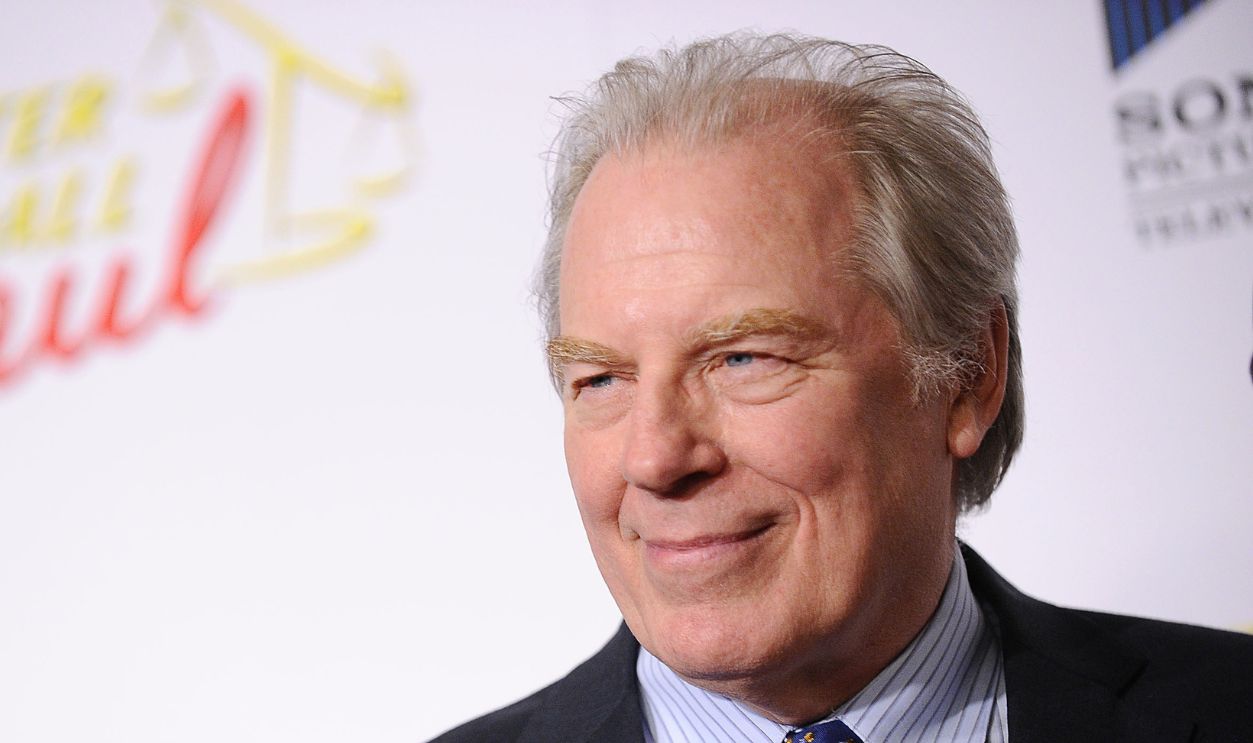
Then Better Call Saul Happened
Just when it seemed McKean had already experienced every possible version of a successful career, Better Call Saul arrived. He was cast as Chuck McGill, the brilliant, troubled older brother of Jimmy McGill, the man who would eventually become Saul Goodman. Suddenly, everything changed again.
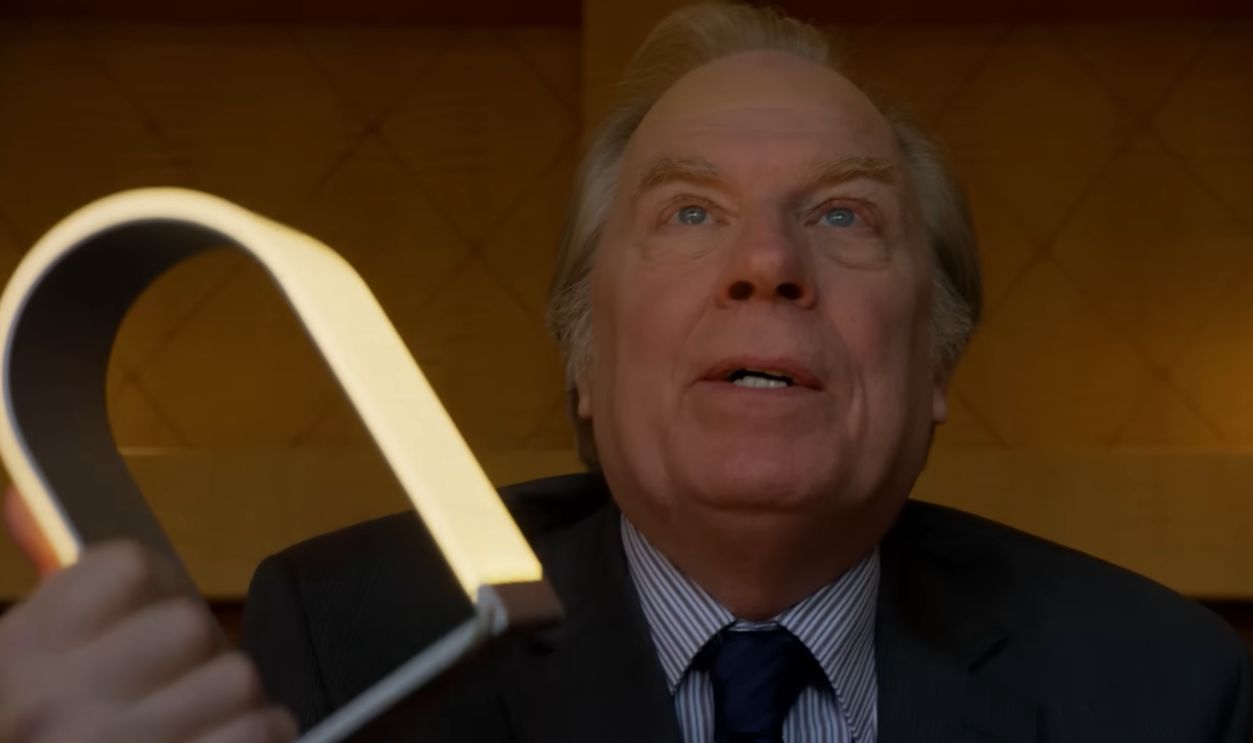 Screenshot from Better Call Saul, AMC (2015–2022)
Chuck Was Nothing Like Lenny
Chuck McGill was controlled, articulate, proud, and deeply complicated. He was also struggling with an unusual condition involving his belief that electromagnetic fields caused him physical harm. McKean played the character without winking at the audience, making Chuck frustrating, sympathetic, intimidating, and heartbreaking all at once.
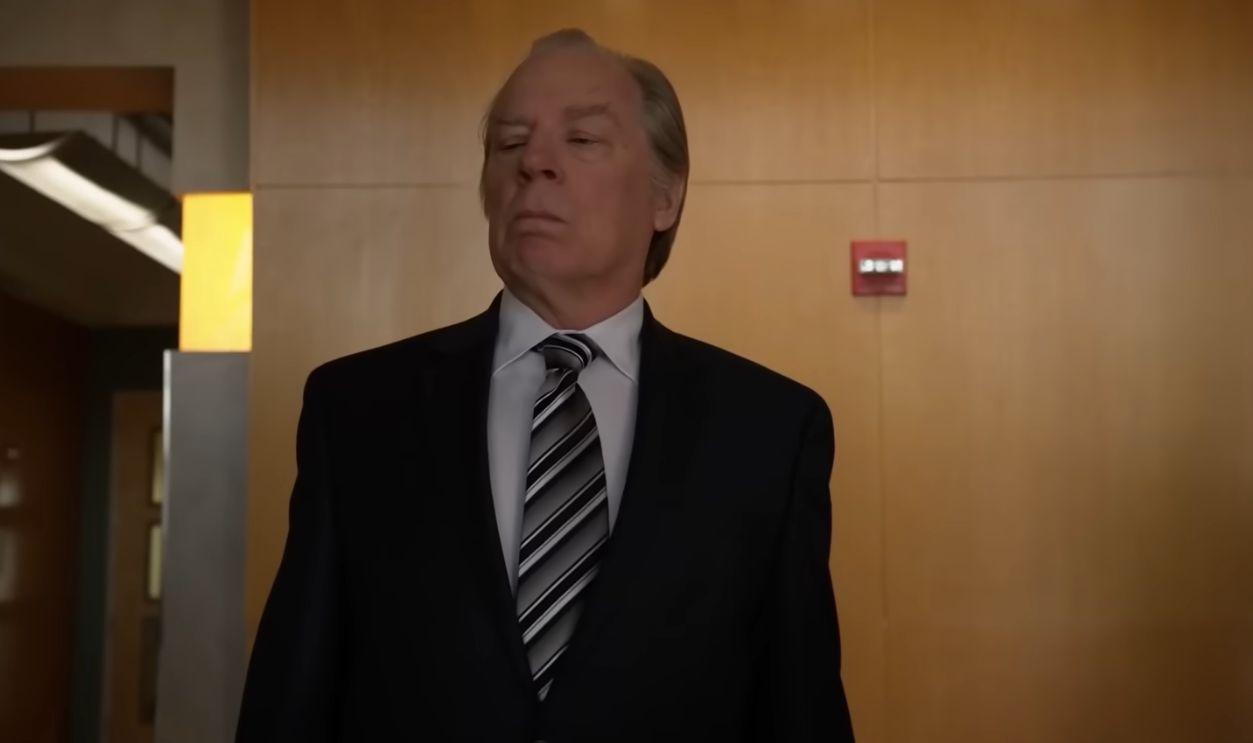 Screenshot from Better Call Saul, AMC (2015–2022)
The Brothers Became The Heart Of The Show
The relationship between Chuck and Jimmy turned into one of Better Call Saul’s defining stories. Chuck loved his brother, but he also deeply distrusted him. McKean and Bob Odenkirk created a relationship filled with jealousy, affection, disappointment, resentment, and years of emotional baggage.
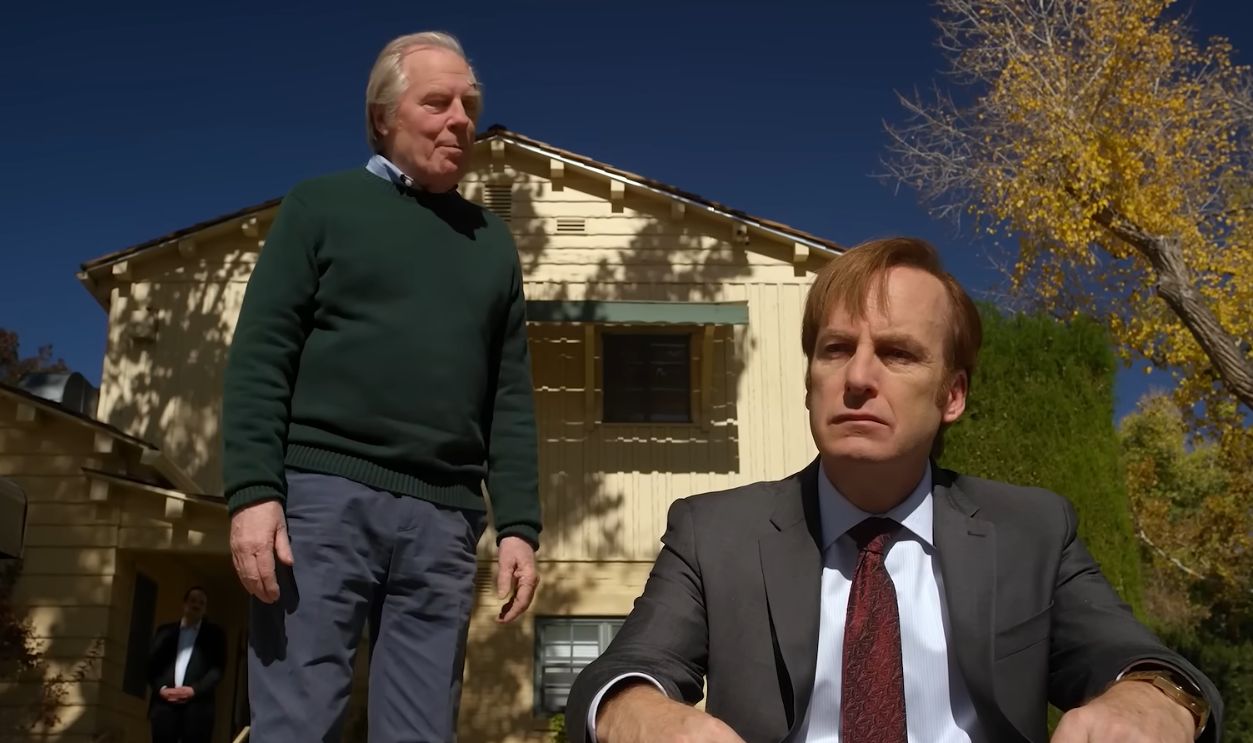 Screenshot from Better Call Saul, AMC (2015–2022)
One Courtroom Scene Changed Everything
McKean’s performance reached a peak during Chuck’s explosive courtroom breakdown in the episode “Chicanery.” Years of controlled frustration suddenly poured out of the character. Viewers who remembered McKean only as the goofy guy from Laverne & Shirley were reminded just how powerful a dramatic actor he could be.
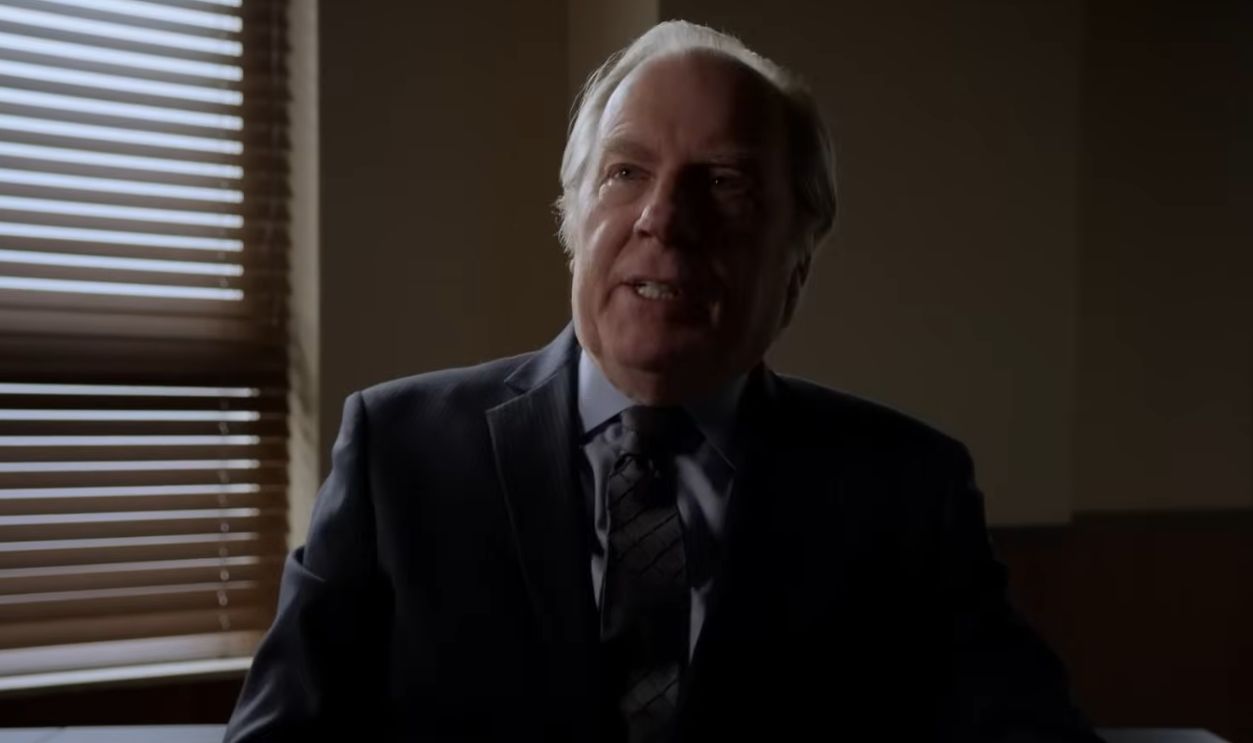 Screenshot from Better Call Saul, AMC (2015–2022)
A Whole New Generation Discovered Him
For younger viewers, something funny happened: Michael McKean wasn’t Lenny anymore. He was Chuck McGill. Some fans discovering his earlier career were shocked to learn that the severe, brilliant lawyer from Better Call Saul had once spent years playing one of television’s silliest characters.
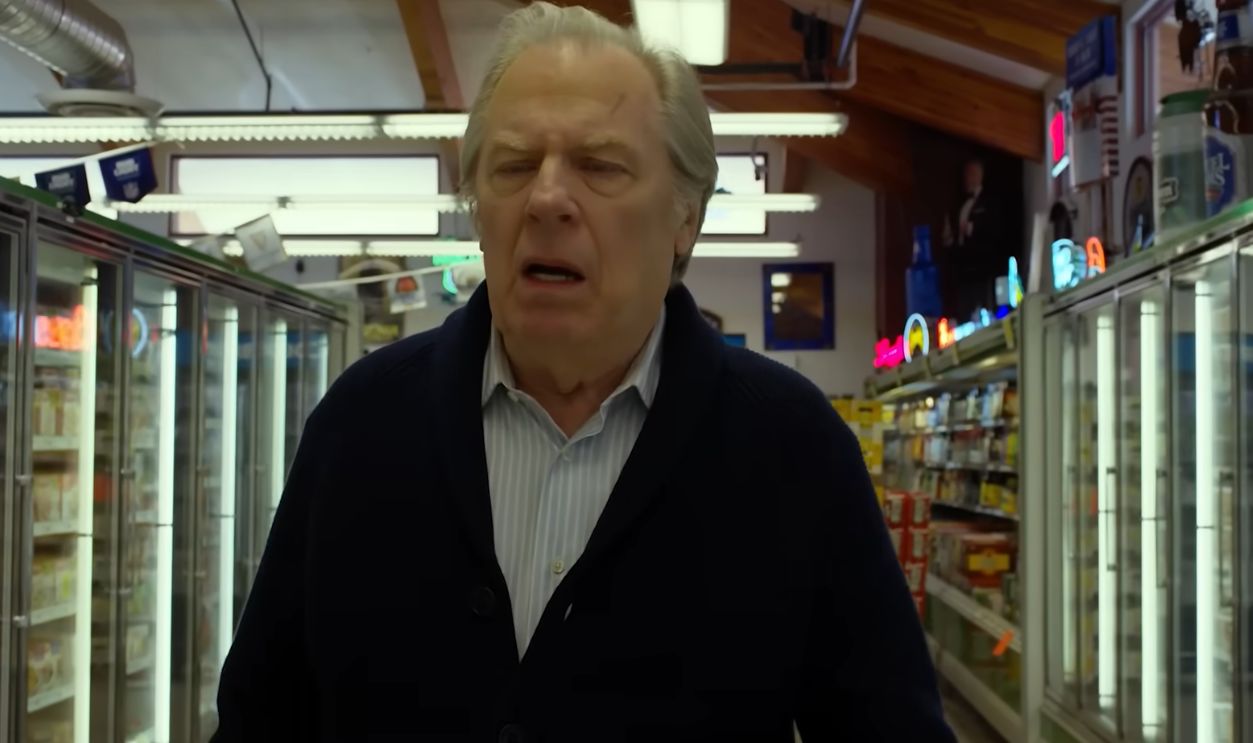 Screenshot from Better Call Saul, AMC (2015–2022)
That Is The Real Second Act
Hollywood second acts usually involve one comeback role. McKean’s story is stranger. He kept reinventing himself again and again—as a sitcom character, mock-rock star, improvisational comedian, songwriter, Broadway performer, supporting actor, and finally the dramatic center of one of television’s most acclaimed series.
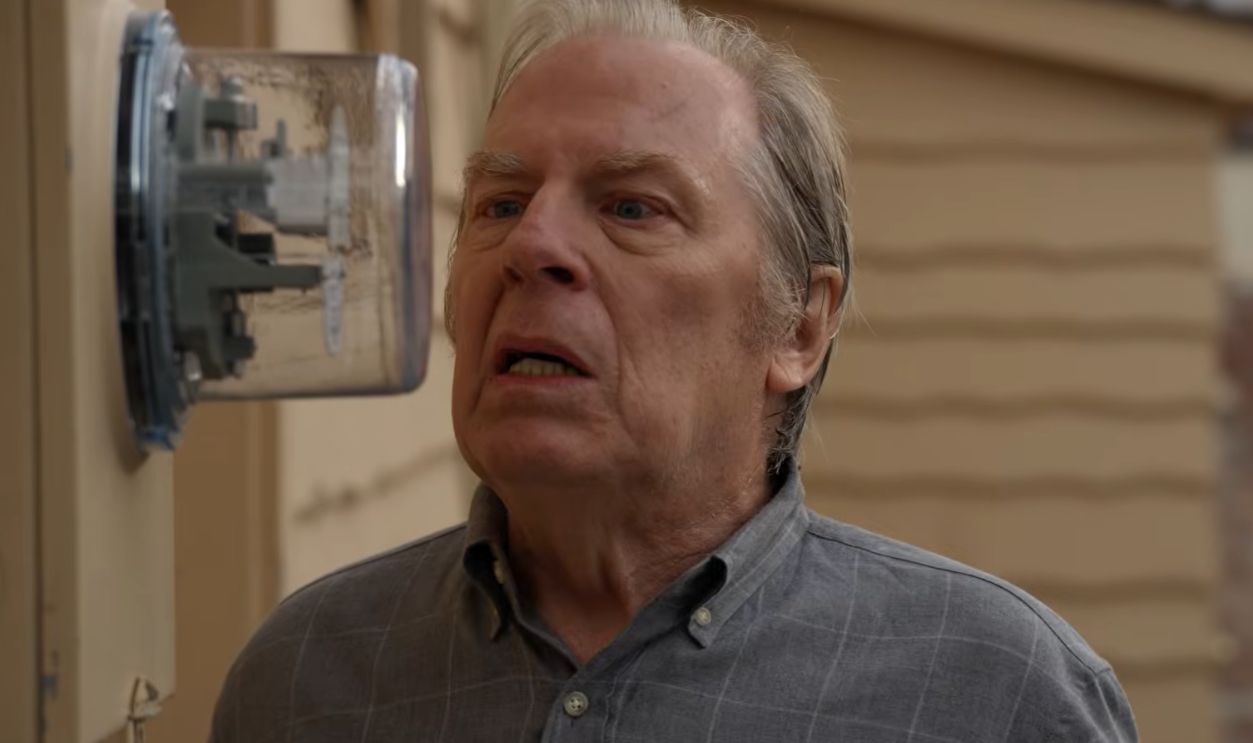 Screenshot from Better Call Saul, AMC (2015–2022)
He Never Really Abandoned Comedy
Even after proving himself dramatically, McKean continued appearing in comedies, television series, films, and stage productions. That willingness to bounce between genres has become his career trademark. He doesn’t seem particularly interested in protecting an image, which may be exactly why his career has remained so interesting.
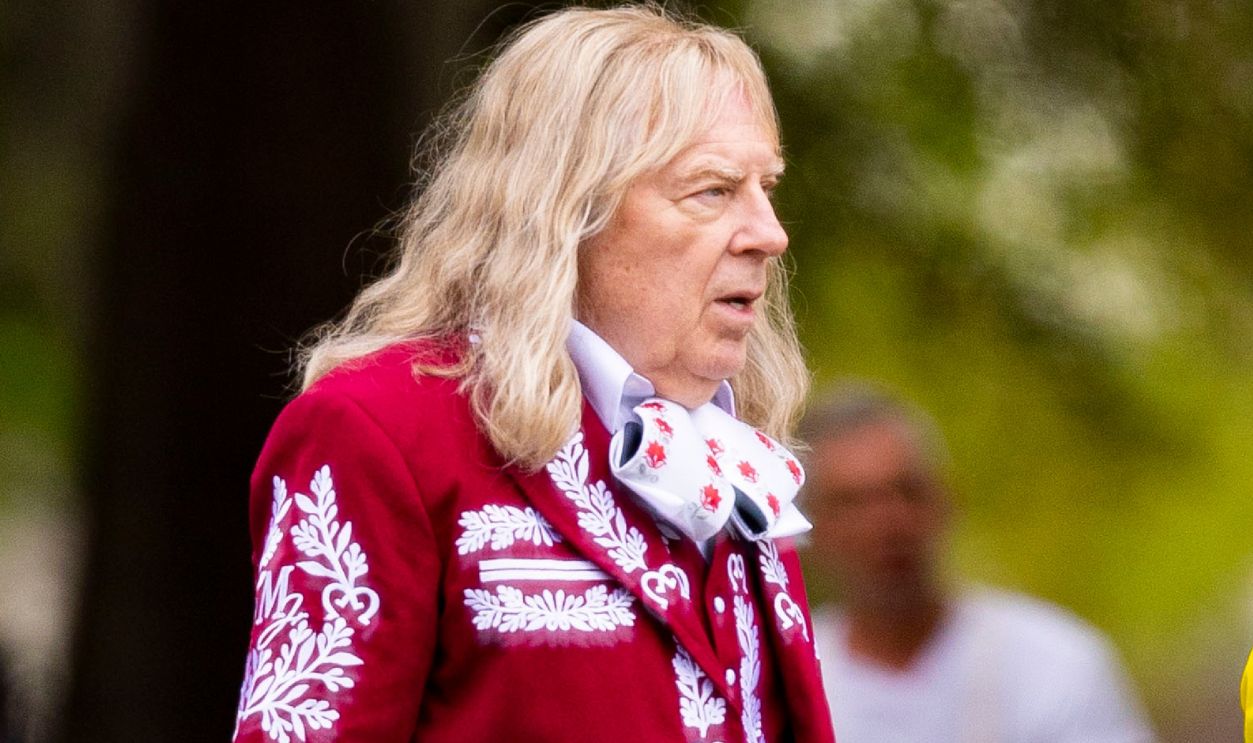
So, Do You Still Think Of Him As Lenny?
There’s nothing wrong with remembering Michael McKean as Lenny Kosnowski. Lenny was hilarious, memorable, and an important piece of classic television. But McKean’s career ultimately became something far bigger: proof that being typecast doesn’t have to be permanent when an actor keeps finding new ways to surprise us.
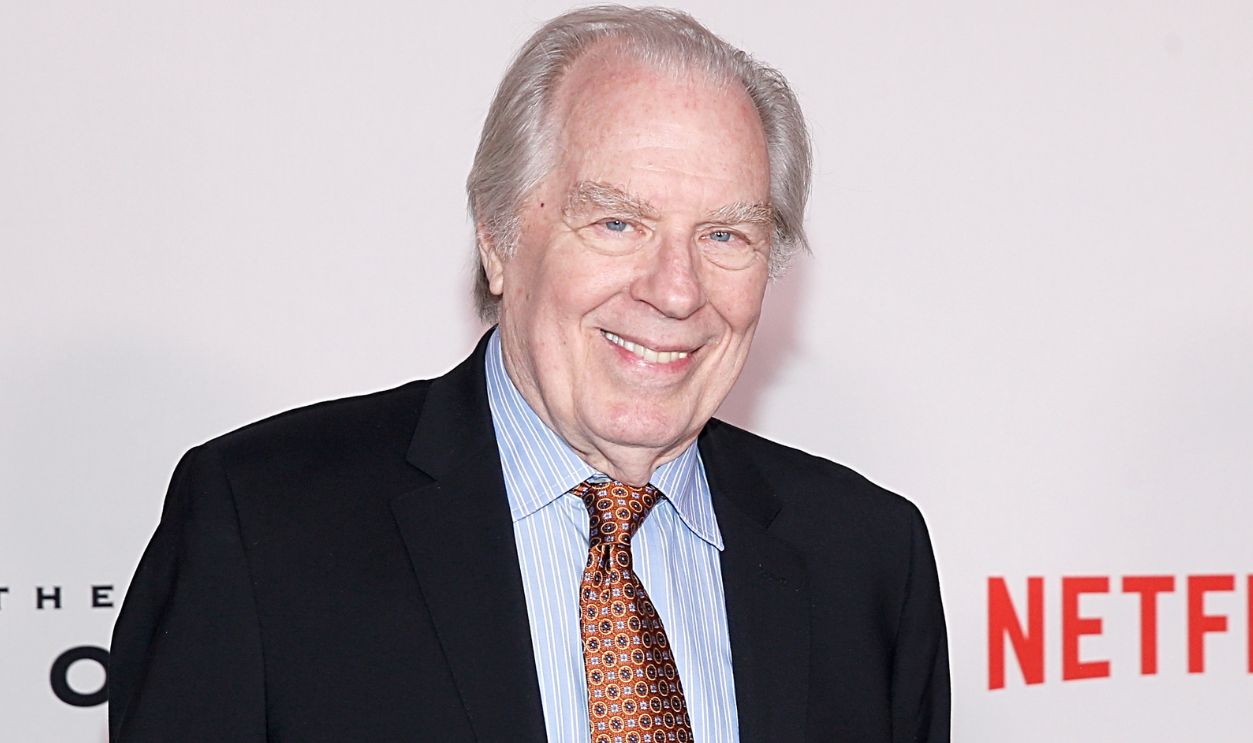
You May Also Like:
The Most Overlooked Albums Of The 2000s—Do You Remember Any Of These Records?
Sources: 1, 2, 3