The Records That Slipped Through The Cracks
The 2000s gave us some enormous albums, but that also meant plenty of great records got pushed to the sidelines. From forgotten pop experiments to ambitious rock records, these albums deserve another listen.
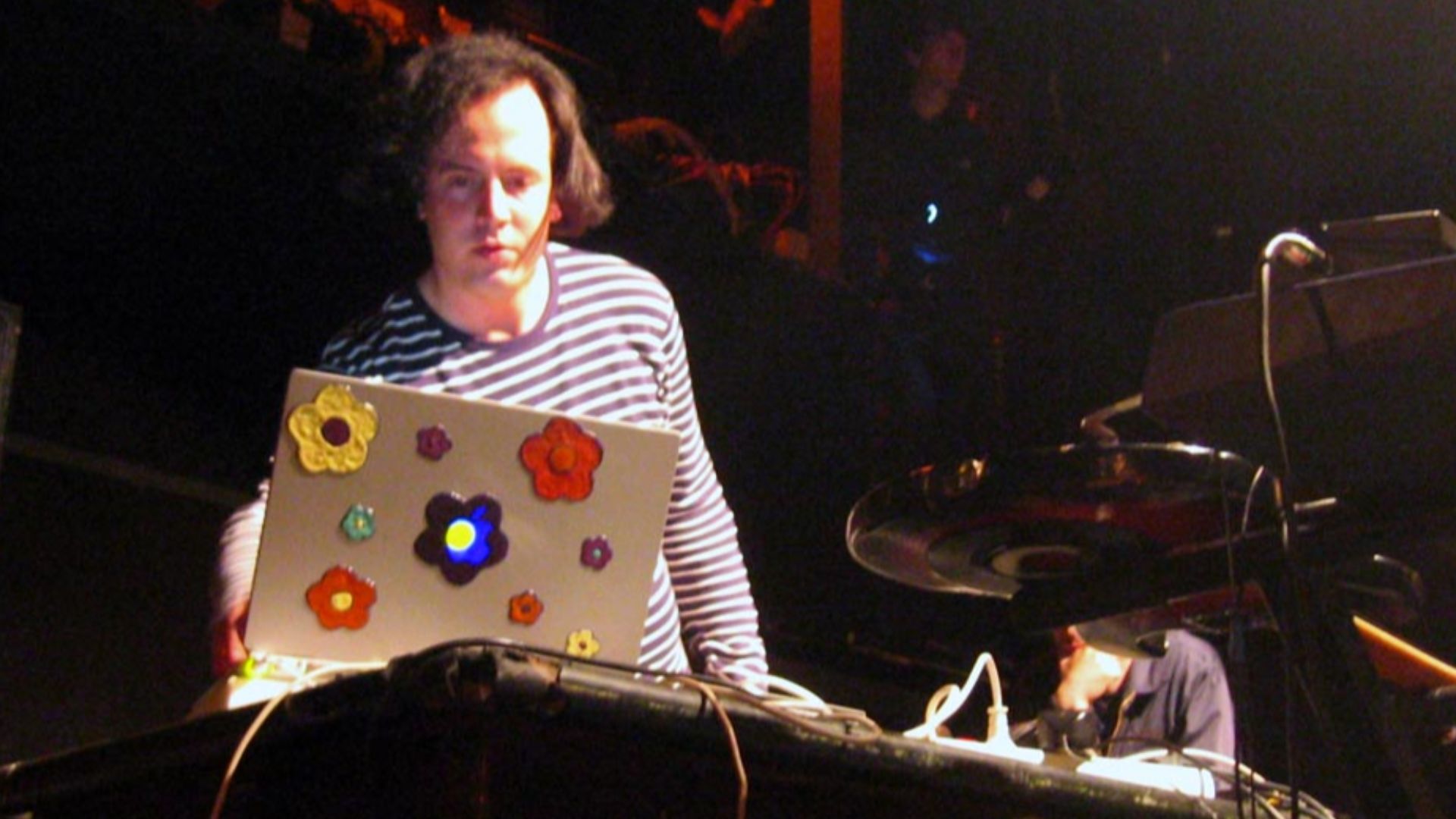
Ulrich Schnauss - A Strangely Isolated Place
Ulrich Schnauss found a beautiful middle ground between electronic music and shoegaze on A Strangely Isolated Place. Tracks like "On My Own" and "Clear Day" surround pulsing beats with enormous washes of synths and fuzzy guitar textures. In 2003, that combination wasn't exactly fashionable, but it now sounds surprisingly forward-thinking, especially considering how thoroughly shoegaze would return to favor years later.
 Noelani Malley, Wikimedia Commons
Nine Inch Nails - Things Falling Apart
This one isn't technically a conventional studio album. Things Falling Apart is a remix companion to The Fragile, and that probably helped it disappear between Nine Inch Nails' better-known releases. Trent Reznor and various collaborators tear familiar material apart on tracks like "Slipping Away" and "The Wretched," while "The Great Collapse," "10 Miles High," and a Gary Numan cover give dedicated fans some extra reasons to dig deeper.
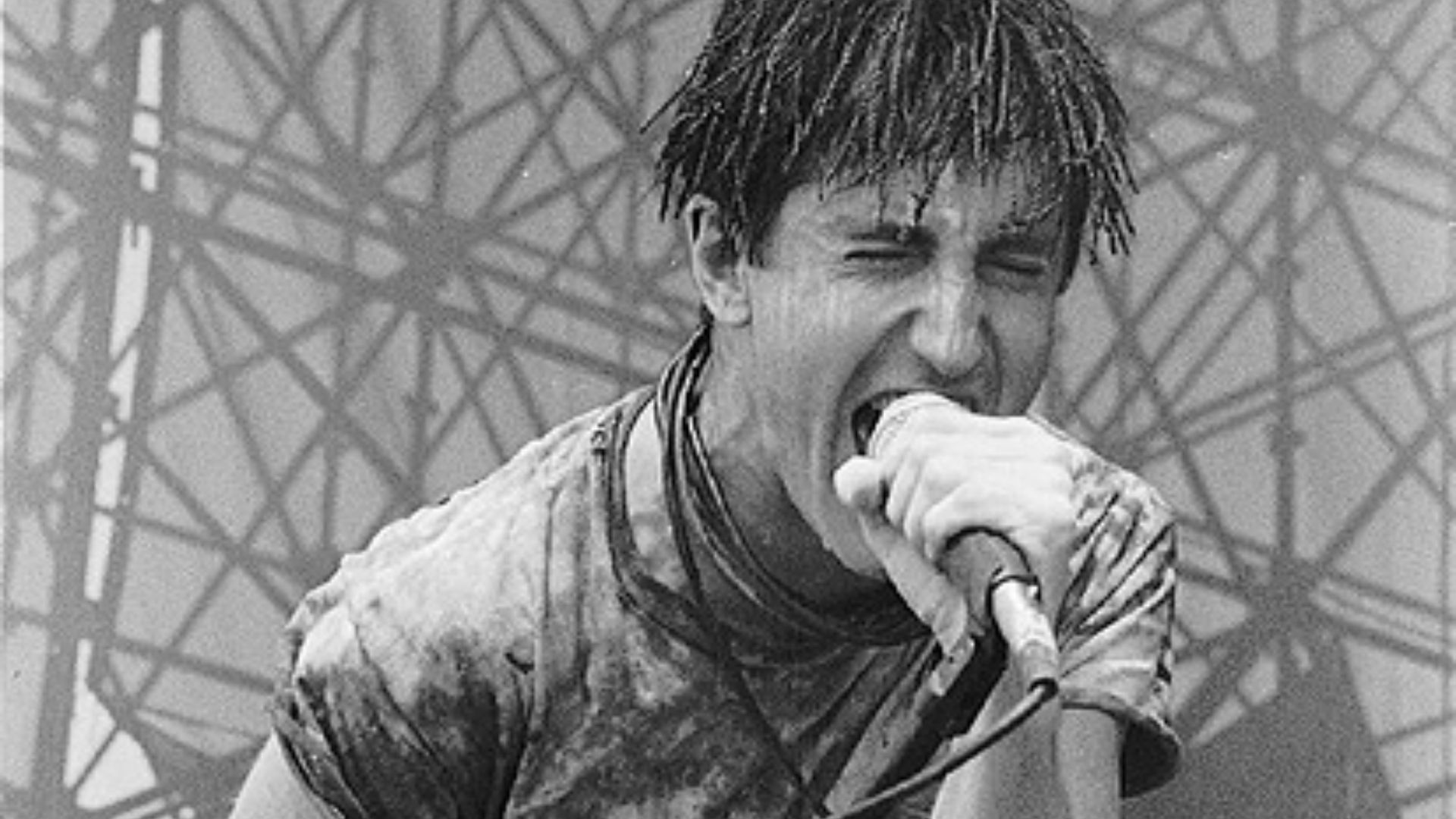 Rik Goldman, Wikimedia Commons
Oasis - Familiar To Millions
Oasis had already lived through their biggest cultural moment by the time Familiar To Millions arrived, which makes this live record easy to overlook. Recorded primarily at Wembley Stadium in 2000, it captures a rougher, more battle-worn version of the band tackling "Wonderwall," "Champagne Supernova," "Go Let It Out," and plenty of other favorites. It's less pristine than peak-era Oasis, but that messiness gives it character.
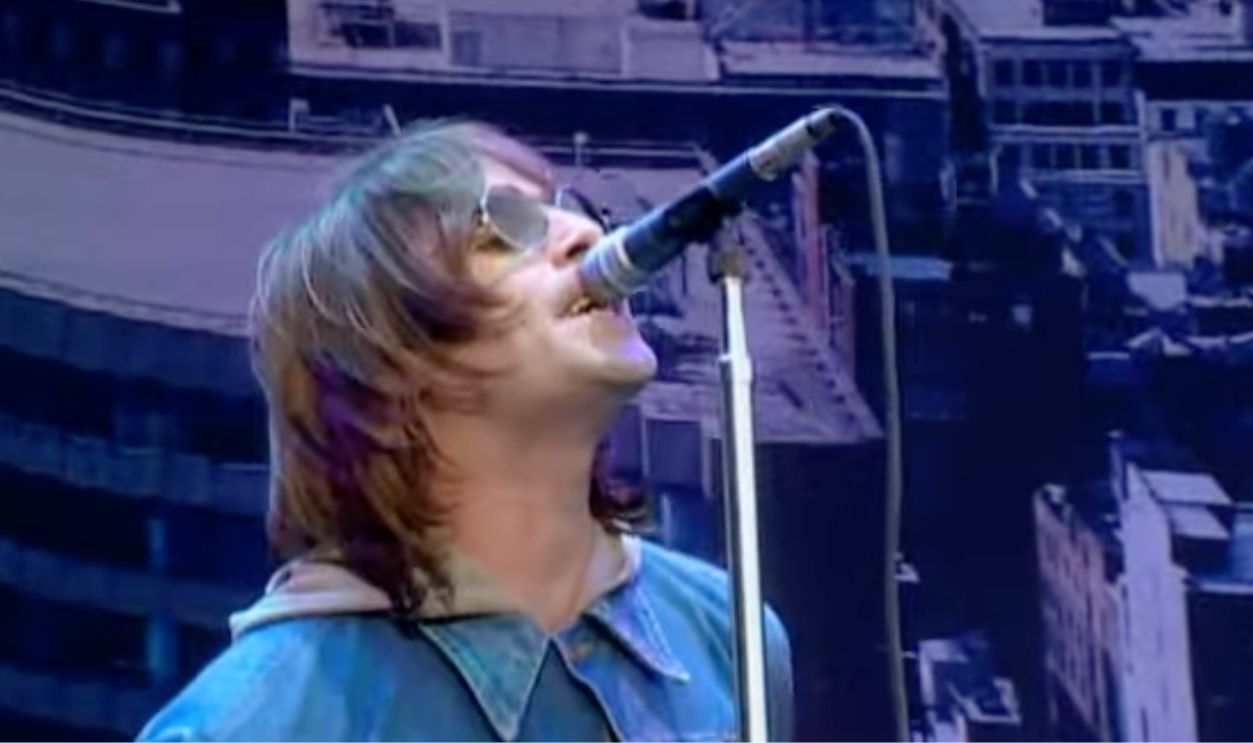 Screenshot from Familiar to Millions, Big Brother Recordings (2000)
Spice Girls - Forever
By 2000, the Spice Girls were operating without Geri Halliwell and moving away from the bright pop that had made them global superstars. Forever leaned heavily into contemporary R&B, with Rodney Jerkins among the producers helping shape songs like "Holler". The album didn't generate the same excitement as Spice or Spiceworld, but its slicker, more mature sound makes it an interesting snapshot of turn-of-the-millennium pop.
 Screenshot from Forever, Virgin Records (2000)
Our Lady Peace - Spiritual Machines
Our Lady Peace got surprisingly ambitious with Spiritual Machines. Inspired by futurist Ray Kurzweil's book The Age of Spiritual Machines, the album explores technology, humanity, and what might happen as the line between the two becomes increasingly blurry. Songs like "In Repair" keep the band's alternative-rock hooks intact, but the concept gives the record considerably more depth than a typical post-grunge release.
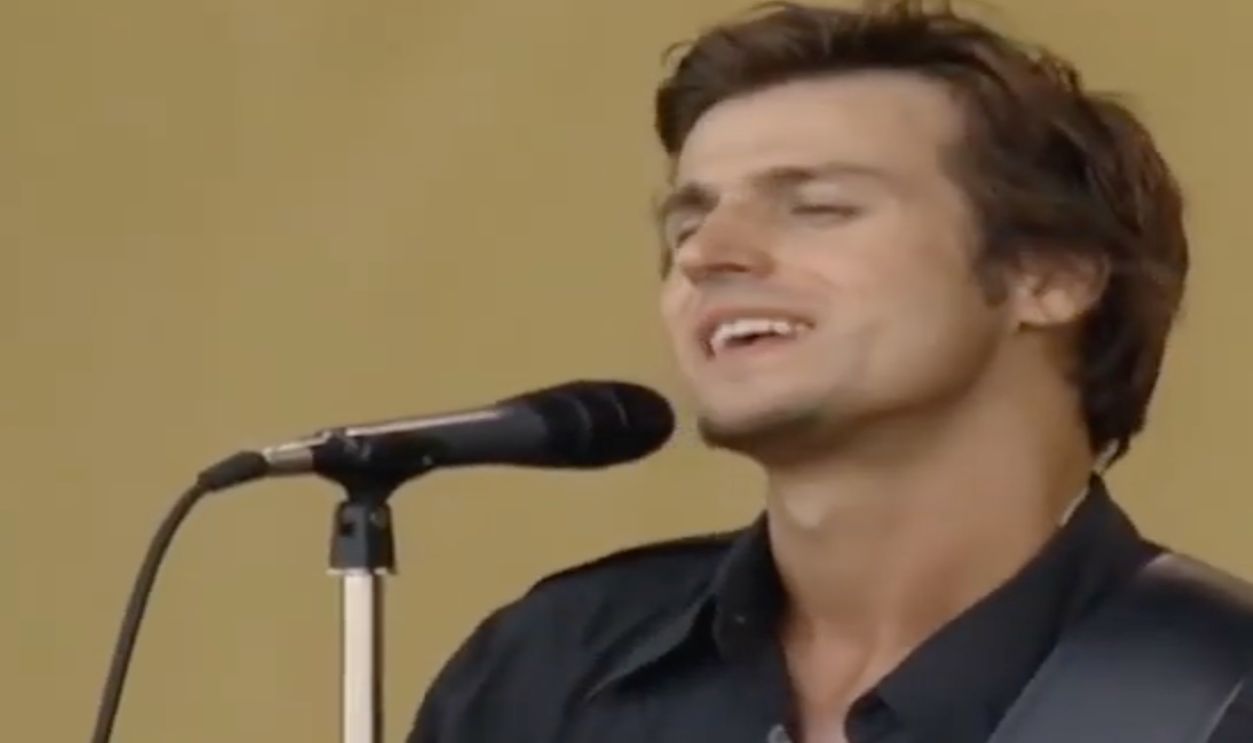 Screenshot from Spiritual Machines, Columbia Records (2000)
Poe - Haunted
Poe's Haunted deserved a much larger audience. The album is connected to her brother Mark Z. Danielewski's novel House of Leaves and also incorporates material connected to their late father, giving the whole record an eerie autobiographical quality. "Control," "Haunted," and "Hey Pretty" move through alternative rock, electronics, pop, and spoken-word elements without settling neatly into one category. That unpredictability is still its biggest strength.
 Screenshot from Haunted, Atlantic Records (2000)
Deftones - White Pony
Calling White Pony forgotten would be a stretch among Deftones fans, but it can still get overlooked in broader conversations about the biggest albums of the early 2000s. The band pushed beyond straightforward nu metal with atmospheric tracks like "Digital Bath," the crushing "Elite," and the Maynard James Keenan collaboration "Passenger". "Change (In the House of Flies)" showed just how effectively beauty and heaviness could coexist.
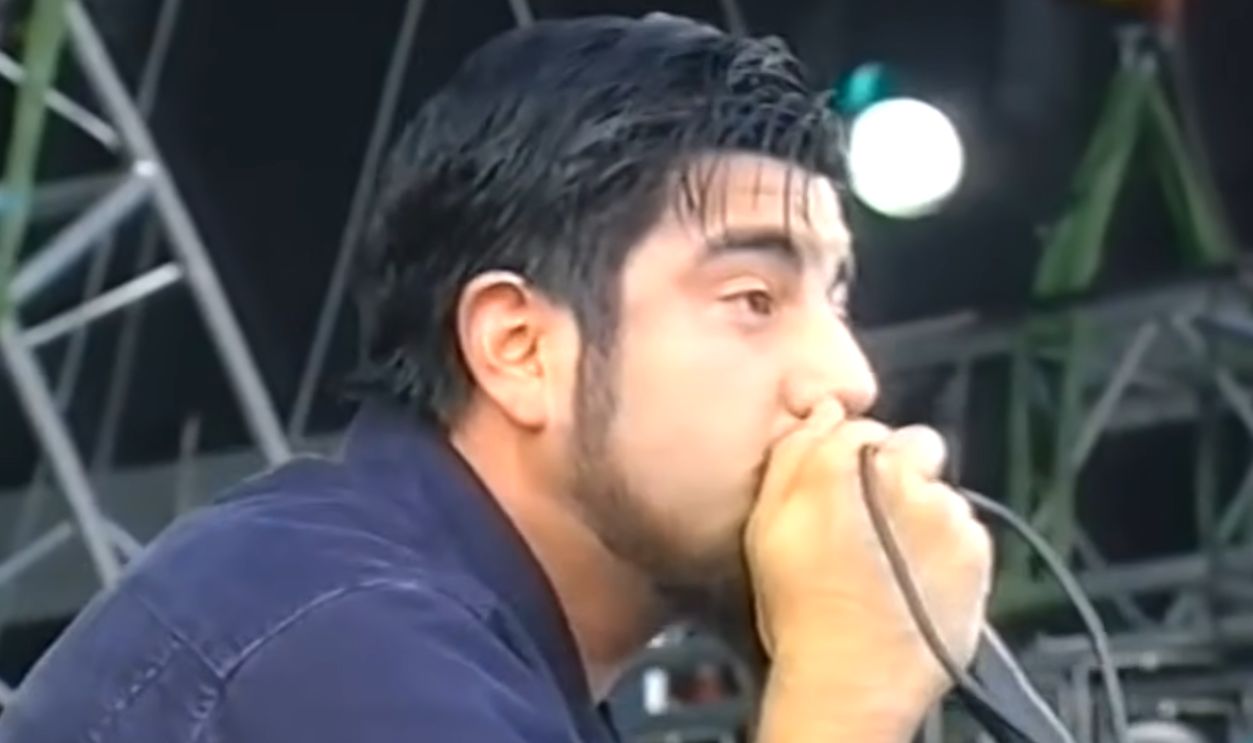 Screenshot from White Pony, Maverick Records (2000)
Kelis - Tasty
"Milkshake" became such a massive cultural moment that it practically swallowed the album surrounding it. That's unfortunate because Tasty has far more to offer. Kelis moved between futuristic pop, R&B, funk, and laid-back soul with help from producers including The Neptunes, Dallas Austin, Raphael Saadiq, Rockwilder, and André 3000. "Trick Me," "Millionaire," and "Glow" demonstrate how versatile the record really is.
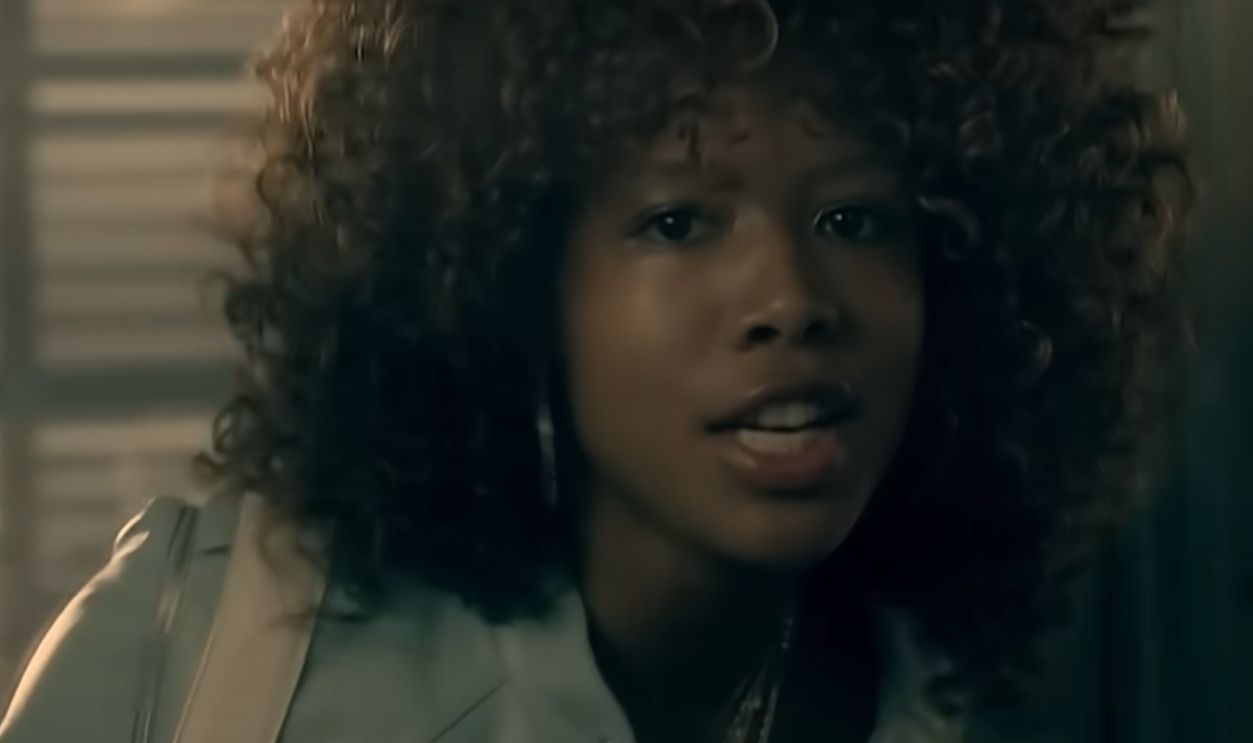 Screenshot from Milkshake, Star Trak Entertainment (2003)
Mýa - Fear Of Flying
Mýa's second album arrived during an extremely crowded period for R&B, which may explain why the full record doesn't get discussed as often as its biggest singles. "Case of the Ex (Whatcha Gonna Do)" became the obvious standout, but Fear of Flying also includes "Best of Me," "Free," and the Lisa "Left Eye" Lopes collaboration "Takin' Me Over". It showed Mýa moving toward a more mature sound without completely abandoning polished pop.
 Screenshot from Fear of Flying, Interscope Records (2000)
The Smashing Pumpkins - MACHINA / The Machines Of God
Released as the original Smashing Pumpkins lineup was nearing its end, MACHINA / The Machines of God had a difficult job following the band's celebrated 1990s run. Jimmy Chamberlin was back on drums, and songs like "The Everlasting Gaze," "Stand Inside Your Love," and "Try, Try, Try" brought some serious guitar weight. Its dense production and sprawling ideas divided listeners, but there's plenty worth revisiting.
 Screenshot from MACHINA / The Machines of God, Virgin Records (2000)
Lou Reed - Ecstasy
Lou Reed wasn't interested in chasing whatever rock bands were doing in 2000. Ecstasy instead found him returning to uncomfortable subjects like desire, relationships, family, obsession, and aging. The record can be abrasive and sprawling, but that's hardly unusual for Reed. Songs such as "Paranoia Key of E" and "Ecstasy" capture an artist who still had plenty to say decades into his career.
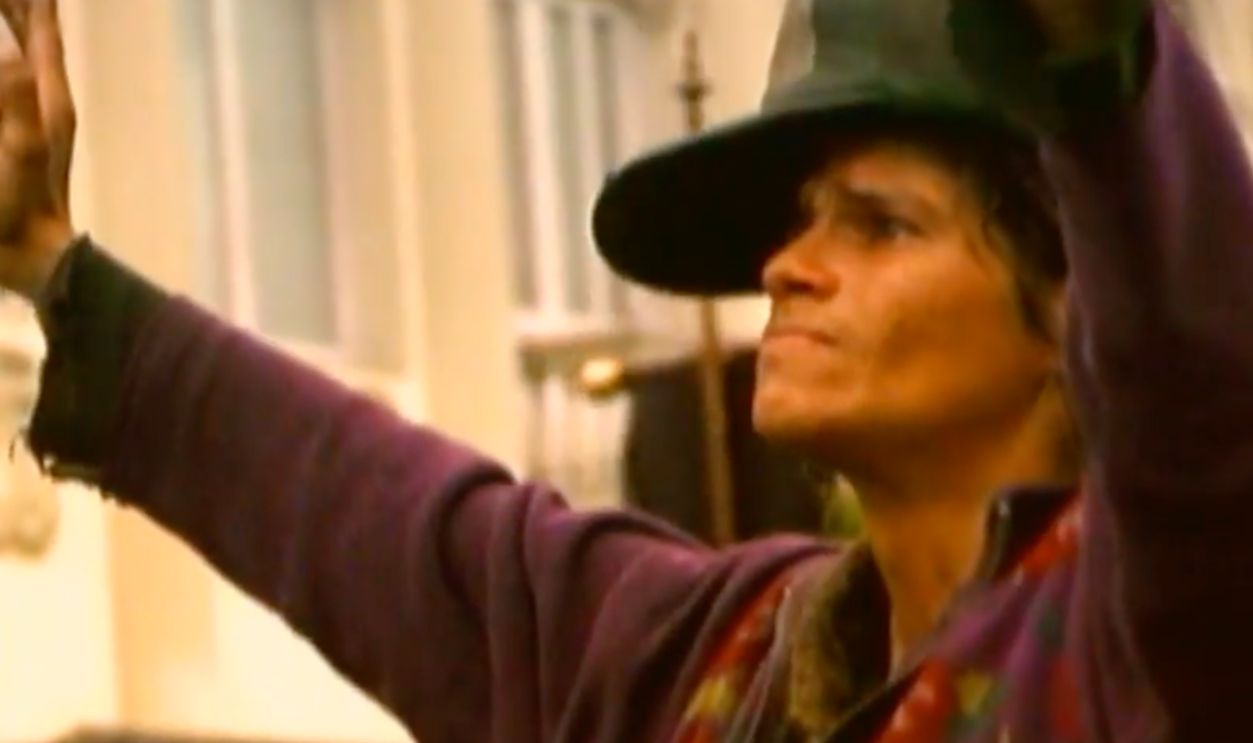 Screenshot from Ecstasy, Reprise Records (2000)
The Cure - Bloodflowers
The Cure entered the new millennium by returning to the dark, expansive atmosphere that had defined some of their most beloved work. Bloodflowers isn't built around obvious pop singles, which probably hurt its visibility, but songs like "Out of This World," "Maybe Someday," and "The Last Day of Summer" reward patience. It's a brooding, reflective Cure album that sounds more concerned with aging and loss than chasing radio play.
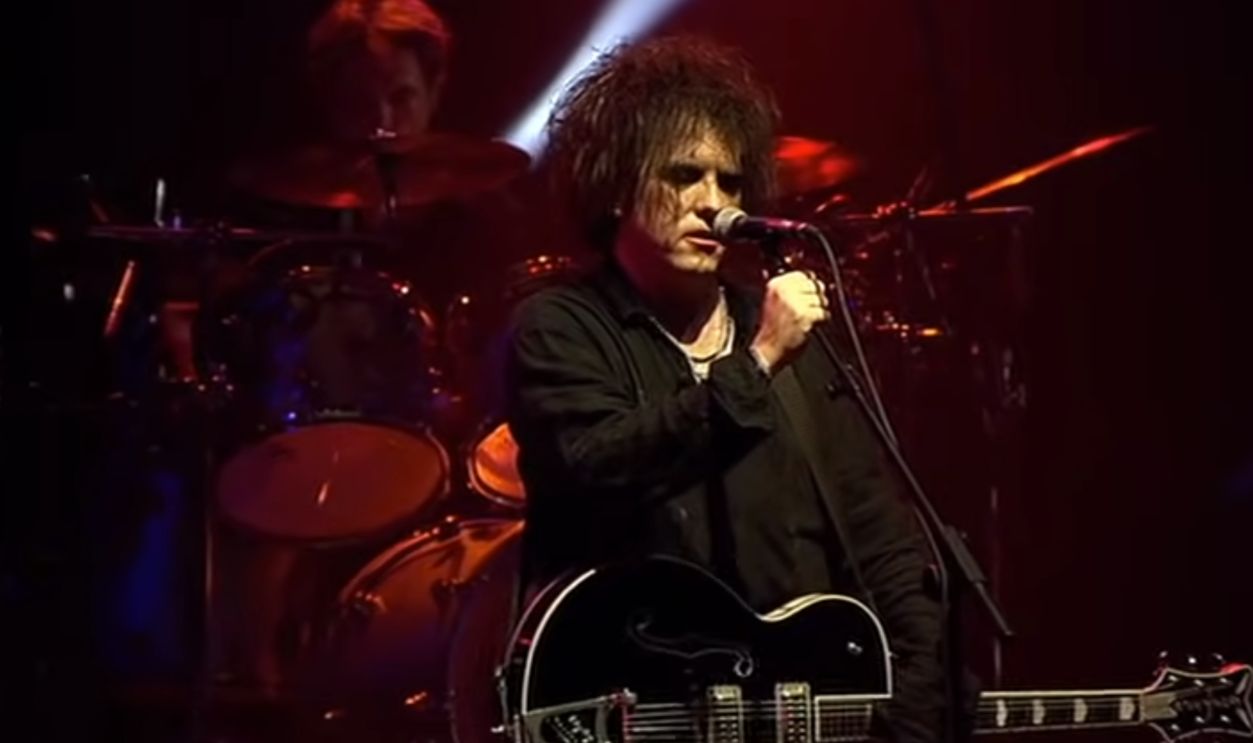 Screenshot from Bloodflowers, Fiction Records (2000)
Green Day - Warning:
Warning: sits in an awkward place between Green Day's 1990s pop-punk dominance and the massive comeback of American Idiot. Instead of repeating Dookie, the band experimented with acoustic guitars, harmonica, folkier arrangements, and even music-hall influences. "Minority," "Waiting," and "Macy's Day Parade" contain some of Billie Joe Armstrong's sharpest melodies, yet the album rarely gets the attention those surrounding records receive.
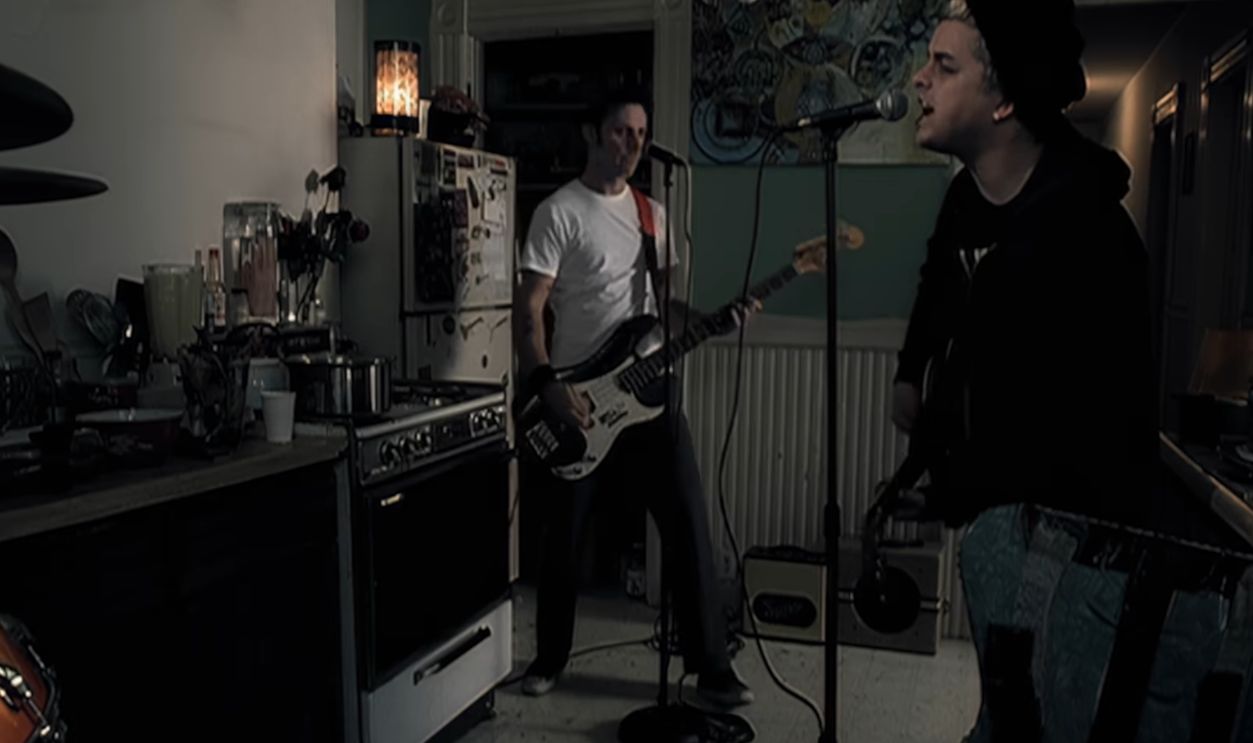 Screenshot from Warning, Reprise Records (2000)
Kylie Minogue - Light Years
Before Fever turned Kylie Minogue into a major American pop presence again, Light Years had already completed an important reinvention. The album embraced glossy disco and dance-pop without sounding embarrassed about either one. "Spinning Around," "On a Night Like This," and the Robbie Williams duet "Kids" helped return Kylie to straightforward pop after her more experimental 1990s period, setting up what came next.
 Screenshot from Light Years, Parlophone Records (2000)
Amerie - Because I Love It
Amerie should've had a much bigger moment with Because I Love It. The album was released internationally in 2007 but never received a standard US release, despite following two successful albums. "Take Control" mixes clipped funk with Amerie's distinctive vocals, while "Gotta Work," "Crush," and "Paint Me Over" reveal a record packed with energy. It's exactly the kind of album that fell victim to industry circumstances rather than a lack of strong material.
 Screenshot from Because I Love It, Columbia Records (2007)
The Dismemberment Plan - Change
The title was accurate. On Change, The Dismemberment Plan pulled back from some of the frantic energy that defined their earlier records and became more introspective. "Time Bomb" is the obvious centerpiece, while "Face of the Earth" gradually opens into something much bigger than its restrained beginning suggests. The result wasn't as immediately explosive, but its cohesion and emotional maturity have given it plenty of staying power.
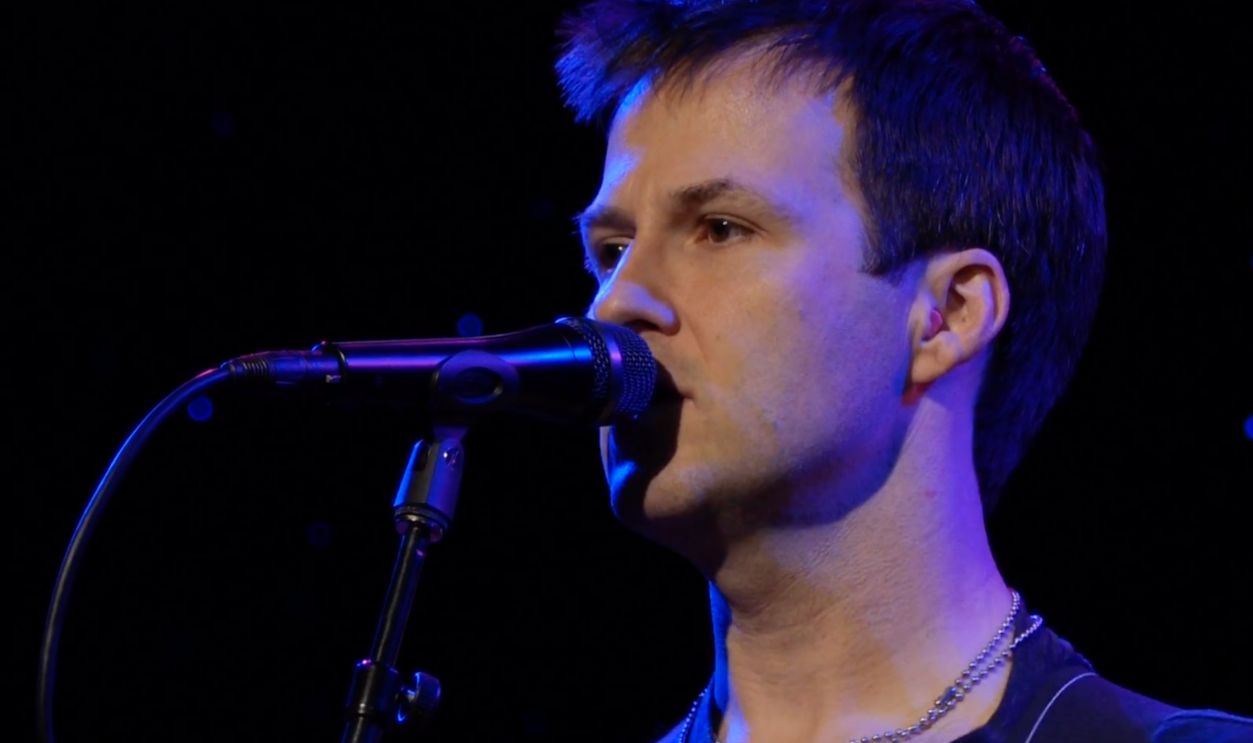 Screenshot from Change, DeSoto Records (2001)
Okkervil River - Black Sheep Boy
Inspired by Tim Hardin's song "Black Sheep Boy," Okkervil River used the idea as the foundation for a loose concept album full of damaged relationships, outsiders, and emotional desperation. Will Sheff sounds barely able to contain himself on "For Real," while tracks like "Black" and "A King and a Queen" reveal a quieter side. It's literate indie rock that isn't afraid to get messy when the story demands it.
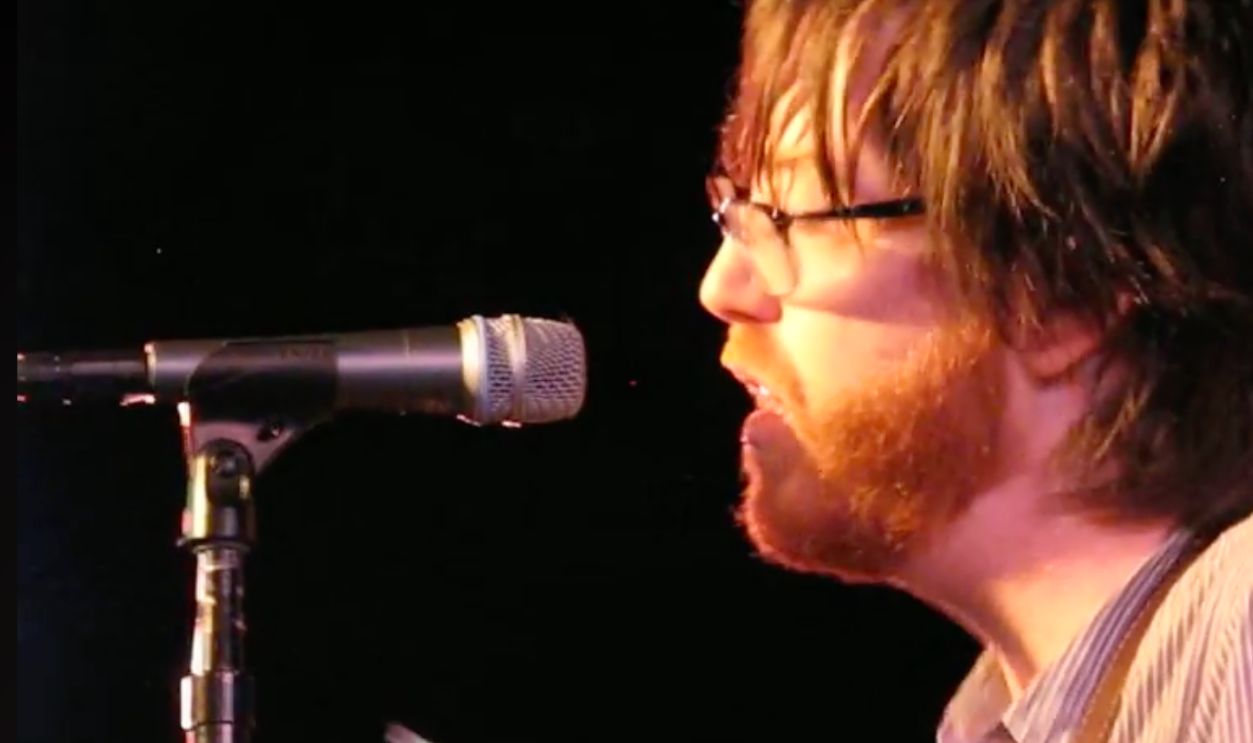 Screenshot from Black Sheep Boy, Jagjaguwar (2005)
Radiohead - Hail To The Thief
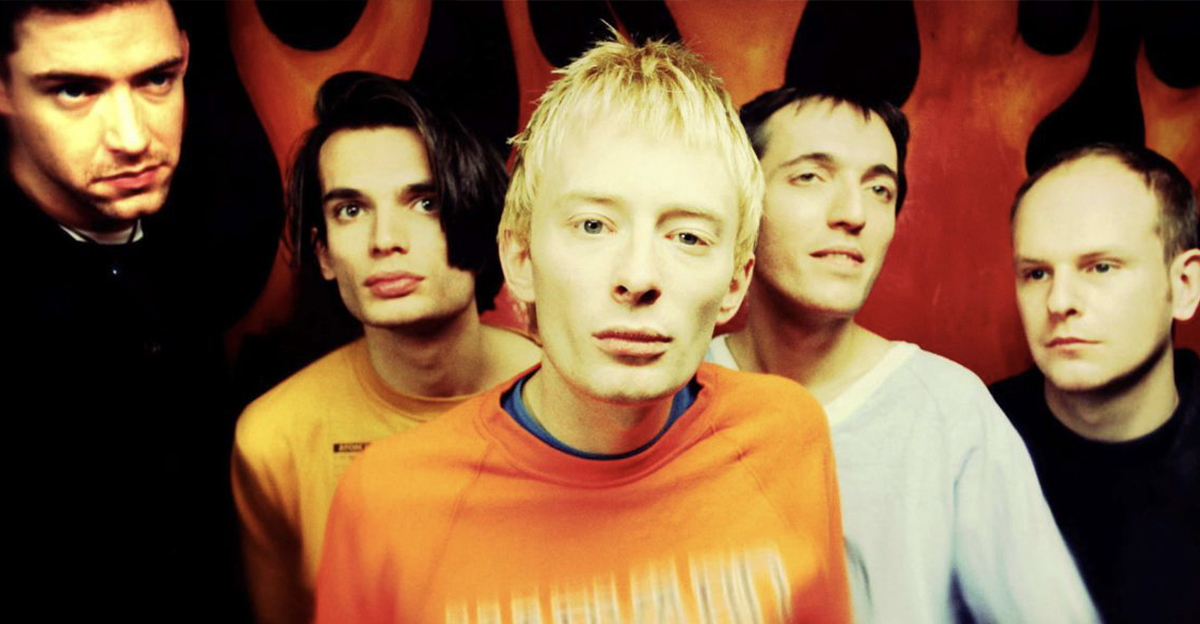
It's hard for any Radiohead album to seem truly forgotten, but Hail to the Thief has the misfortune of sitting close to OK Computer, Kid A, and In Rainbows. The record brought guitars back into clearer focus without abandoning the electronic experimentation of the previous few years. "2 + 2 = 5," "There There," and "A Wolf at the Door" make a strong case that this era deserves more attention.
 Screenshot from Hail to the Thief, Parlophone Records (2003)
System Of A Down - Hypnotize
Released only months after Mezmerize, Hypnotize sometimes feels like the less-discussed half of System of a Down's enormous 2005 burst of creativity. That's strange considering it contains "Dreaming," "Hypnotize," "Holy Mountains," and "Lonely Day". Serj Tankian and Daron Malakian trade vocals throughout a record that jumps between furious metal, political commentary, bizarre humor, and unexpectedly beautiful melodies without slowing down.
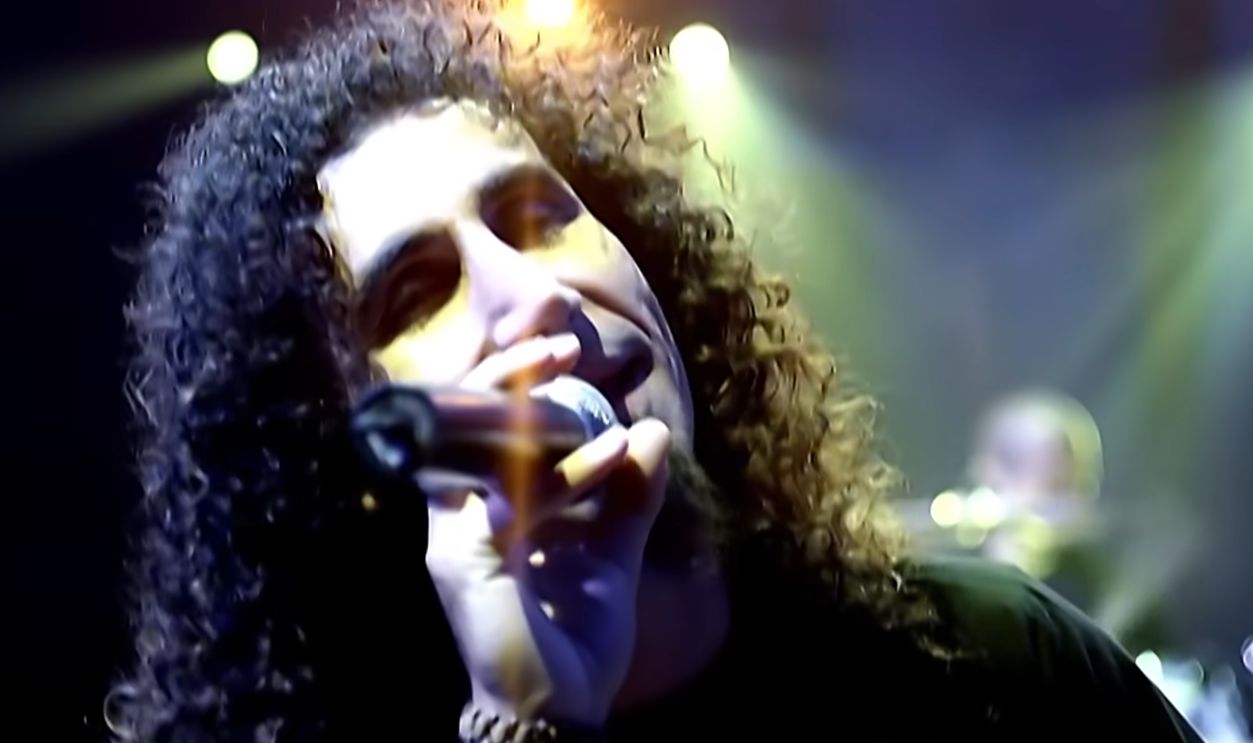 Screenshot from Hypnotize, Columbia Records (2005)
Death Cab For Cutie - Narrow Stairs
Following the polished breakthrough of Plans, Death Cab for Cutie deliberately made something darker and more muscular. Narrow Stairs opens with "Bixby Canyon Bridge," while "I Will Possess Your Heart" spends several minutes building its bass-driven tension before Ben Gibbard even begins singing. The album isn't as immediately comforting as the band's biggest work, but its uneasiness gives it a personality that deserves another look.
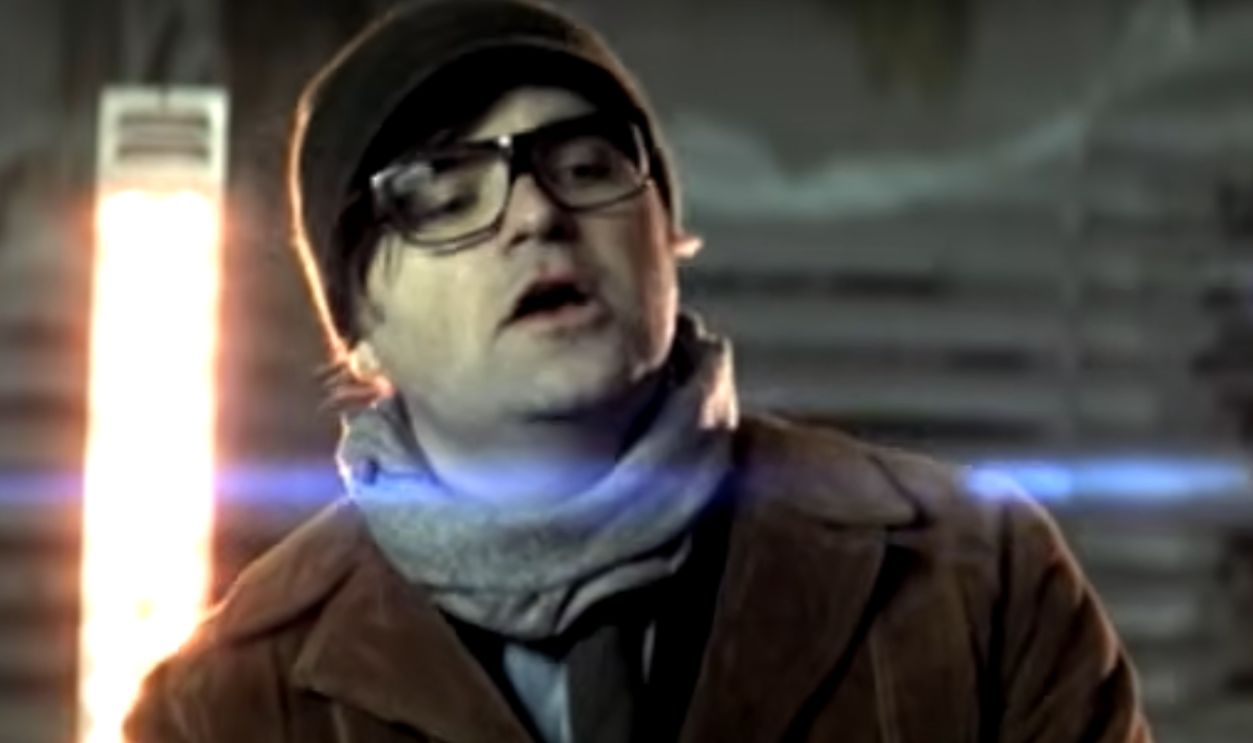 Screenshot from Narrow Stairs, Atlantic Records (2008)
You May Also Like:
Pop Hits That Make Us Wish We Could Go Back To The 2000s
Let’s Be Honest: The 2000s Was The Best Era For Animated TV