When After-School Cartoons Quietly Took Over Our Personalities
There’s a reason so many adults can still quote cartoon dialogue from memory. The 2000s weren’t just a strong decade for animated TV—they were a creative explosion where writers, artists, and networks stopped playing it safe and started trusting kids (and adults) to handle smarter jokes, bigger emotions, and stranger ideas. These shows didn’t talk down to their audiences. They grew with them, shaped their humor, and quietly became cultural cornerstones.
From absurdist comedies to surprisingly emotional coming-of-age stories, animated TV in the 2000s hit a balance that hasn’t quite been replicated since.
 RubyKiller67S, Wikimedia Commons
SpongeBob SquarePants
This show rewired an entire generation’s sense of humor. What started as a cheerful cartoon about a sponge flipping burgers evolved into one of the most endlessly quotable series of all time. The early seasons in particular mastered surreal comedy that worked just as well for adults as it did for kids, which is why SpongeBob memes are still everywhere decades later.
 Screenshot from SpongeBob SquarePants, Nickelodeon (1999–present)
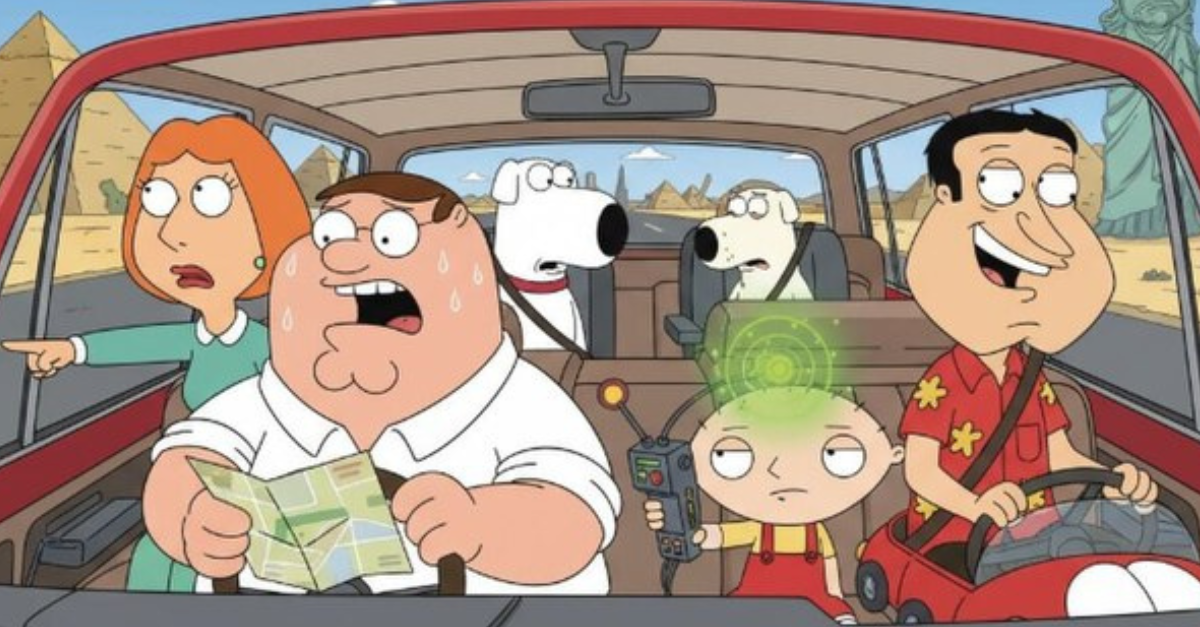
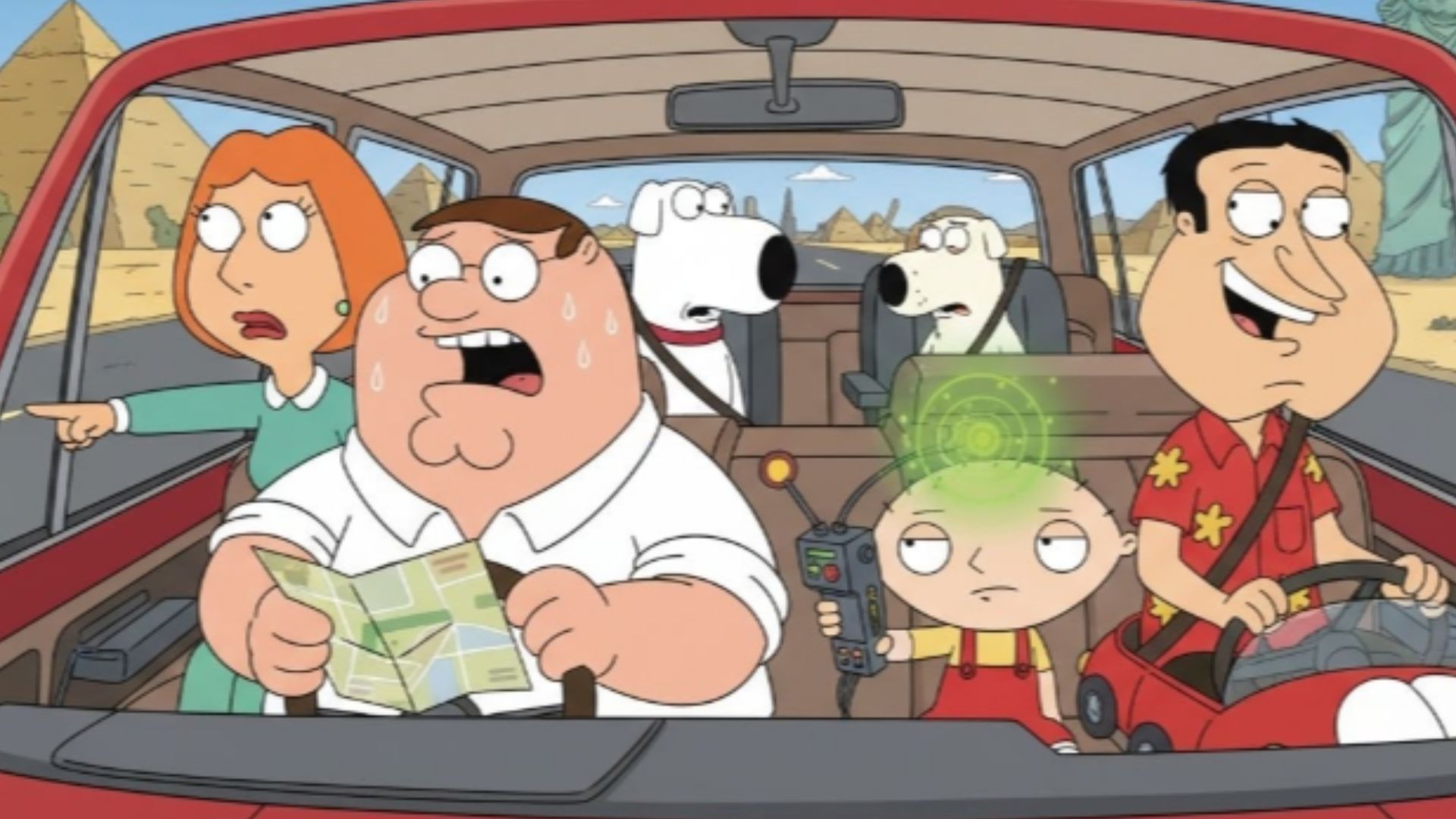
Family Guy
Animated TV in the 2000s wasn’t afraid to push boundaries, and Family Guy sprinted past them. The show’s rapid-fire cutaway humor, pop culture obsession, and willingness to offend basically changed what adult animation looked like on network television. Love it or hate it, its influence is undeniable.
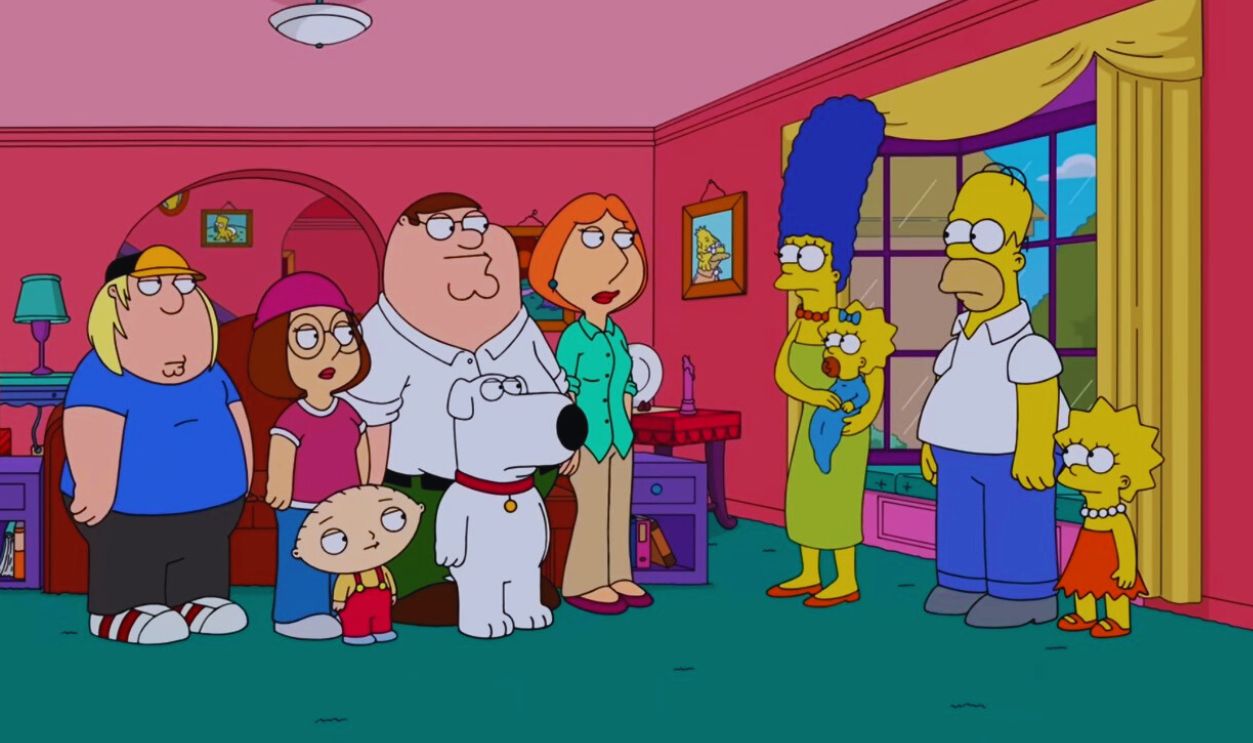 Screenshot from Family Guy, Fox Broadcasting Company (1999–present)
Teen Titans
This series proved superhero cartoons didn’t have to be either goofy or grim—they could be both. Teen Titans balanced slapstick humor with surprisingly heavy emotional arcs, tackling themes like identity, loss, and loyalty in a way that stuck with viewers long after the credits rolled.
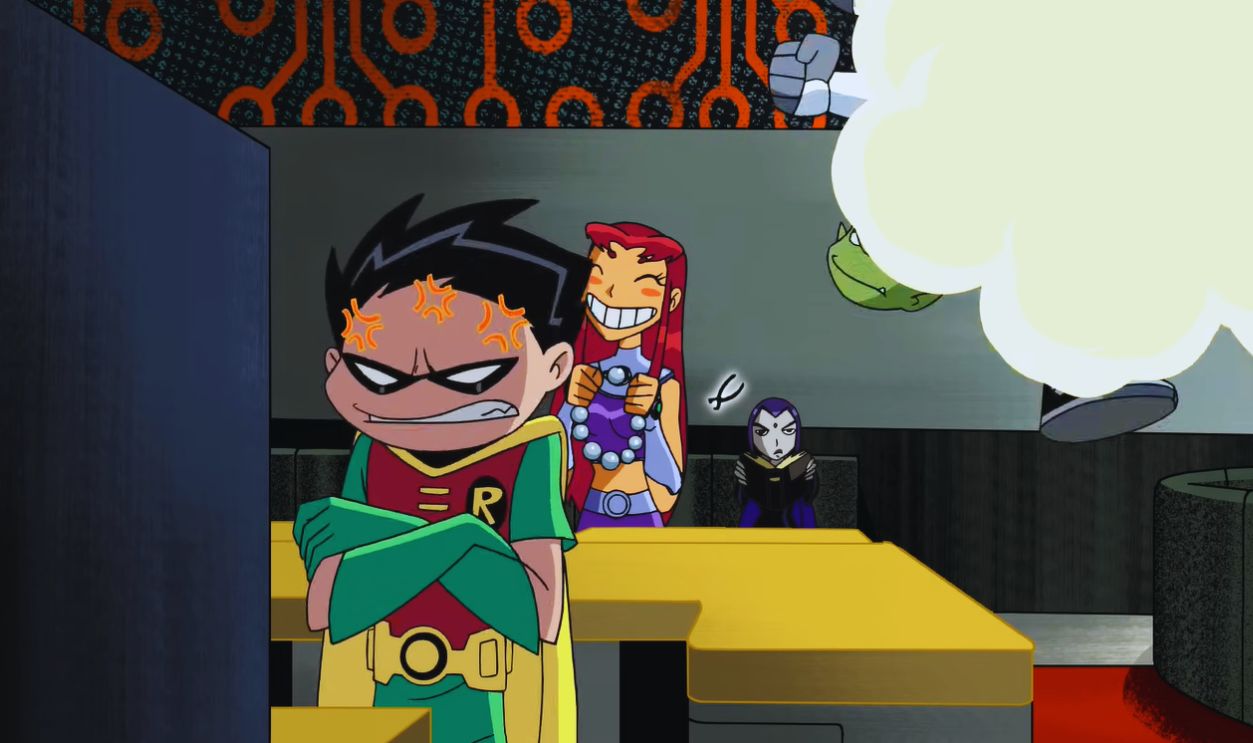 Screenshot from Teen Titans, Warner Bros. Television (2003–2006)
Phineas and Ferb
Few shows understood optimism quite like Phineas and Ferb. Every episode followed a familiar structure, yet it never got boring thanks to sharp writing, genuinely great music, and characters who felt endlessly rewatchable. It made imagination feel limitless—and summer feel infinite.
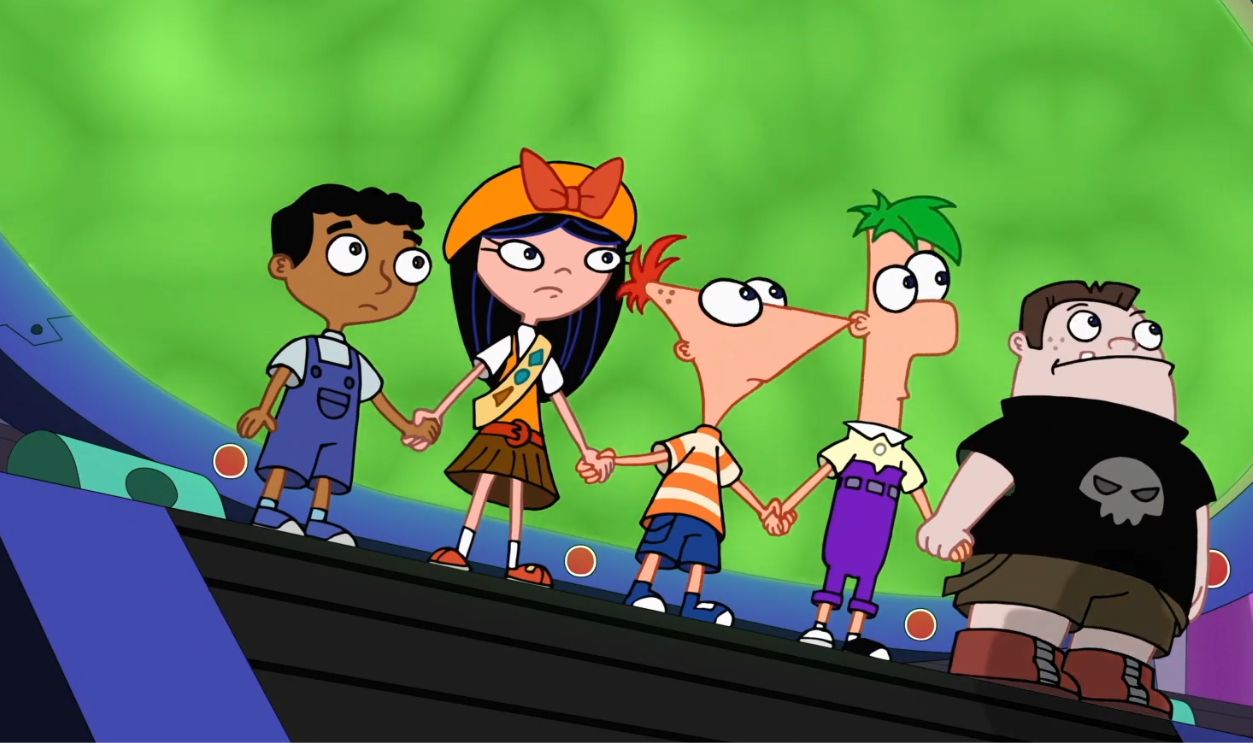 Screenshot from Phineas and Ferb, Walt Disney Television Animation (2007–2015)
Codename: Kids Next Door
This was childhood logic turned into a fully realized spy universe. Codename: Kids Next Door treated playground politics like global warfare, creating a world that felt wildly creative while still being deeply relatable to anyone who had ever been a kid.
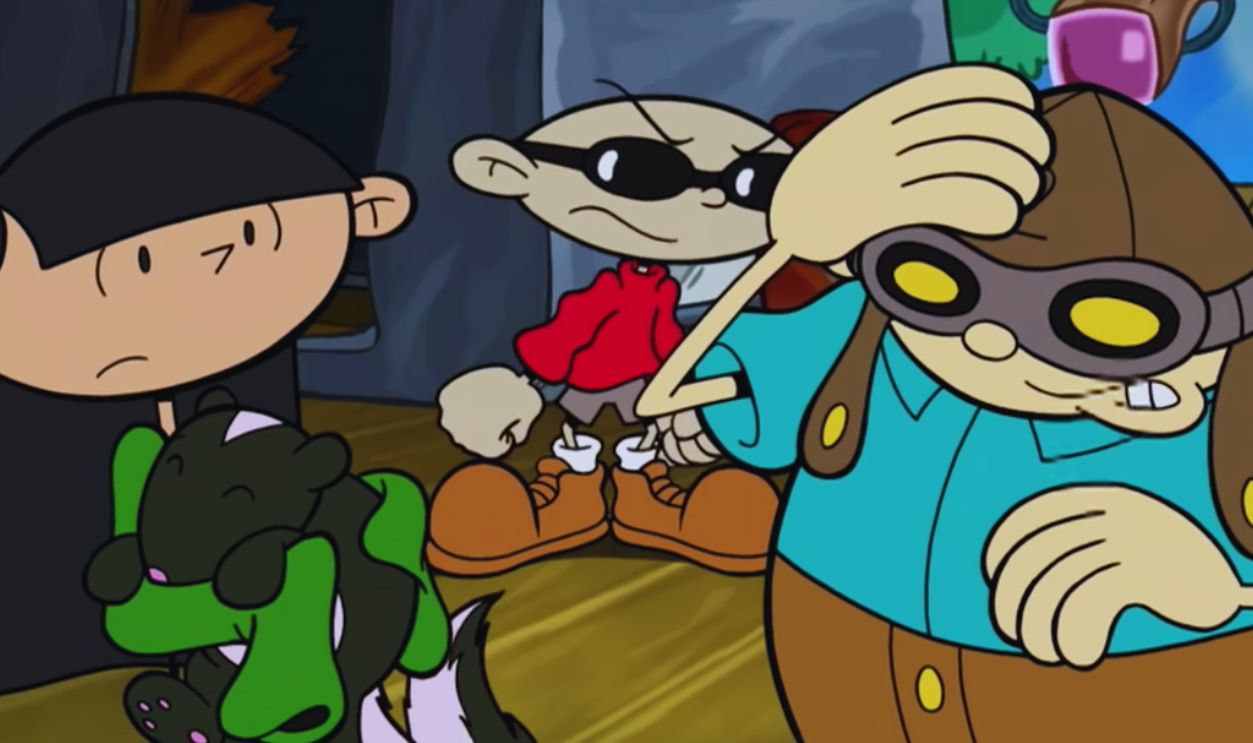 Screenshot from Codename: Kids Next Door, Warner Bros. Television (2002–2008)
Kim Possible
Kim Possible walked so future action heroines could run. It blended globe-trotting spy adventures with high school awkwardness, proving you could save the world and still stress about homework. She wasn’t just cool—she was aspirational.
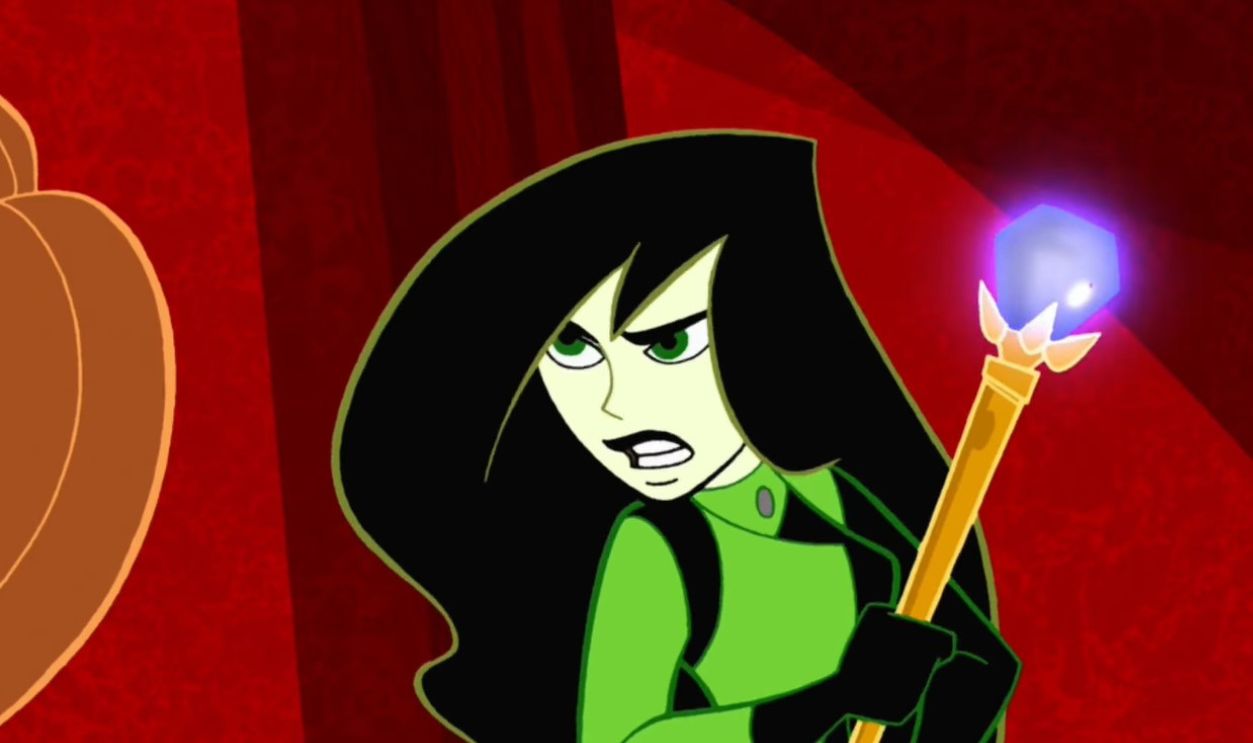 Screenshot from Kim Possible, Disney Channel (2002–2007)
The Fairly OddParents
Fast, loud, chaotic, and packed with jokes that flew over kids’ heads, The Fairly OddParents thrived on pure cartoon energy. Its wish-based storytelling allowed for endless creativity, while its emotional core kept the chaos grounded.
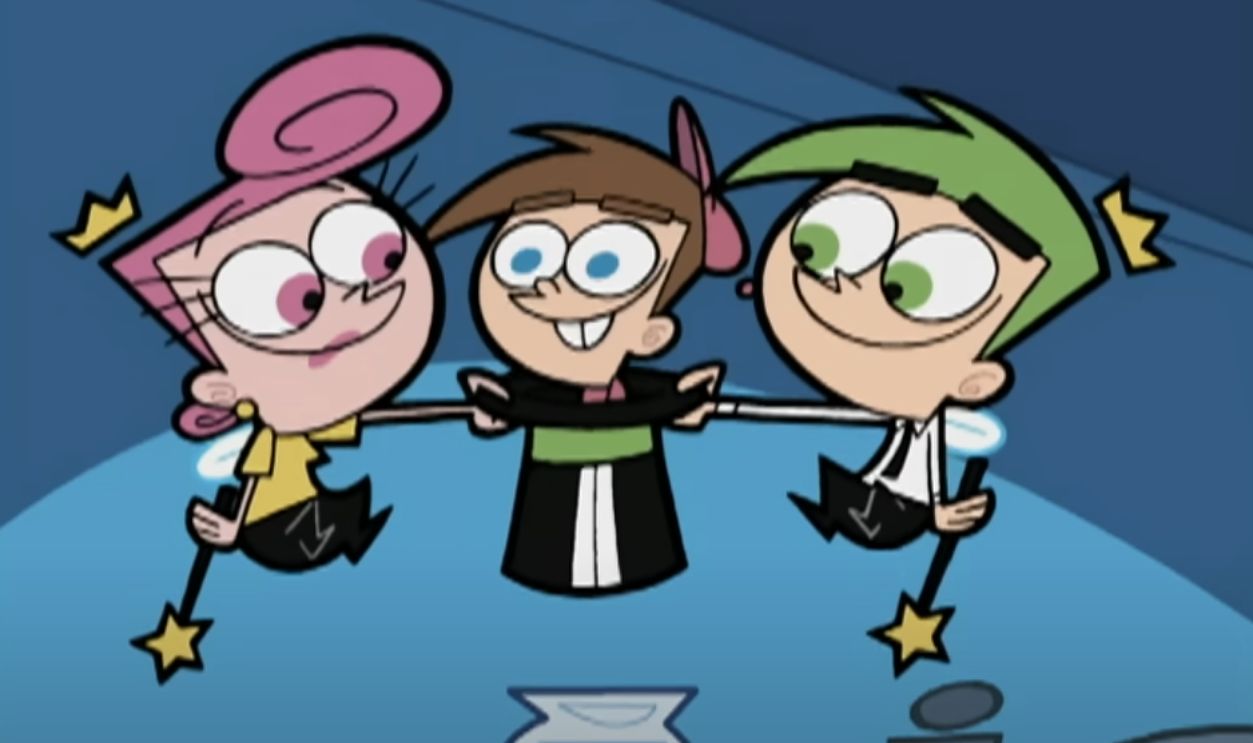 Screenshot from The Fairly OddParents, Nickelodeon (2001–2017)
As Told By Ginger
This show didn’t rush childhood—it sat in the awkwardness. As Told by Ginger explored friendships, insecurity, and growing pains with a level of honesty that felt rare for animated TV. It trusted its audience to handle nuance, and that trust paid off.
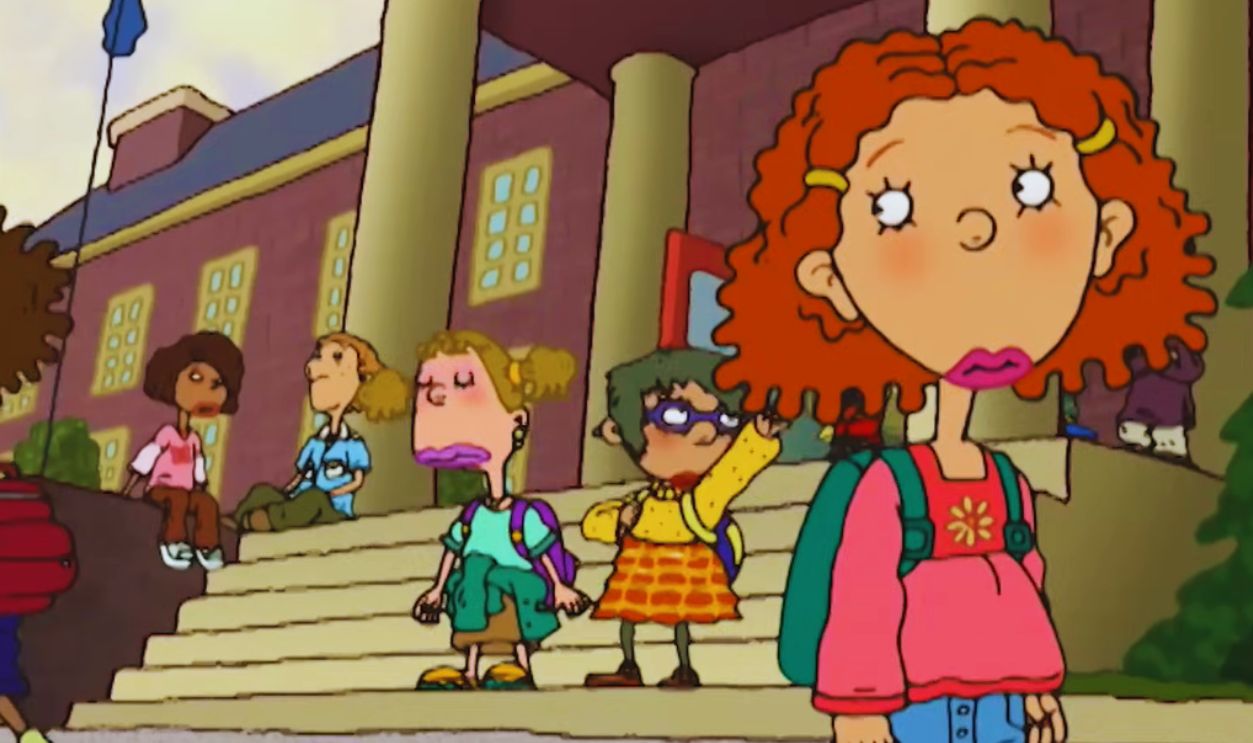 Screenshot from As Told by Ginger, Nickelodeon (2000–2006)
My Life As A Teenage Robot
Jenny was a superhero, a robot, and a teen just trying to fit in—which made her instantly relatable. My Life as a Teenage Robot mixed bold animation with heartfelt storytelling, carving out a space that felt both futuristic and emotionally grounded.
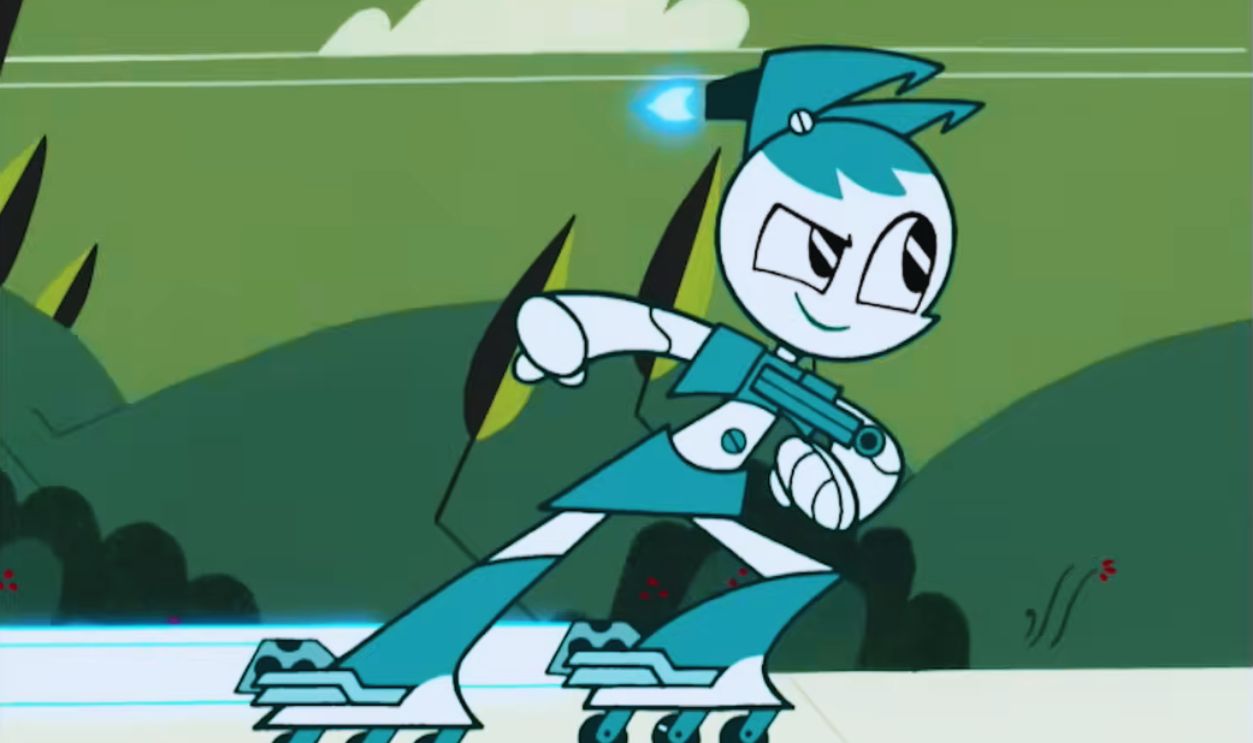 Screenshot from My Life as a Teenage Robot, Nickelodeon (2003–2009)
Invader Zim
This show was weird, dark, loud, and unapologetically unhinged—and that’s exactly why it lasted. Invader Zim didn’t care about mass appeal; it cared about being unforgettable, and it succeeded spectacularly.
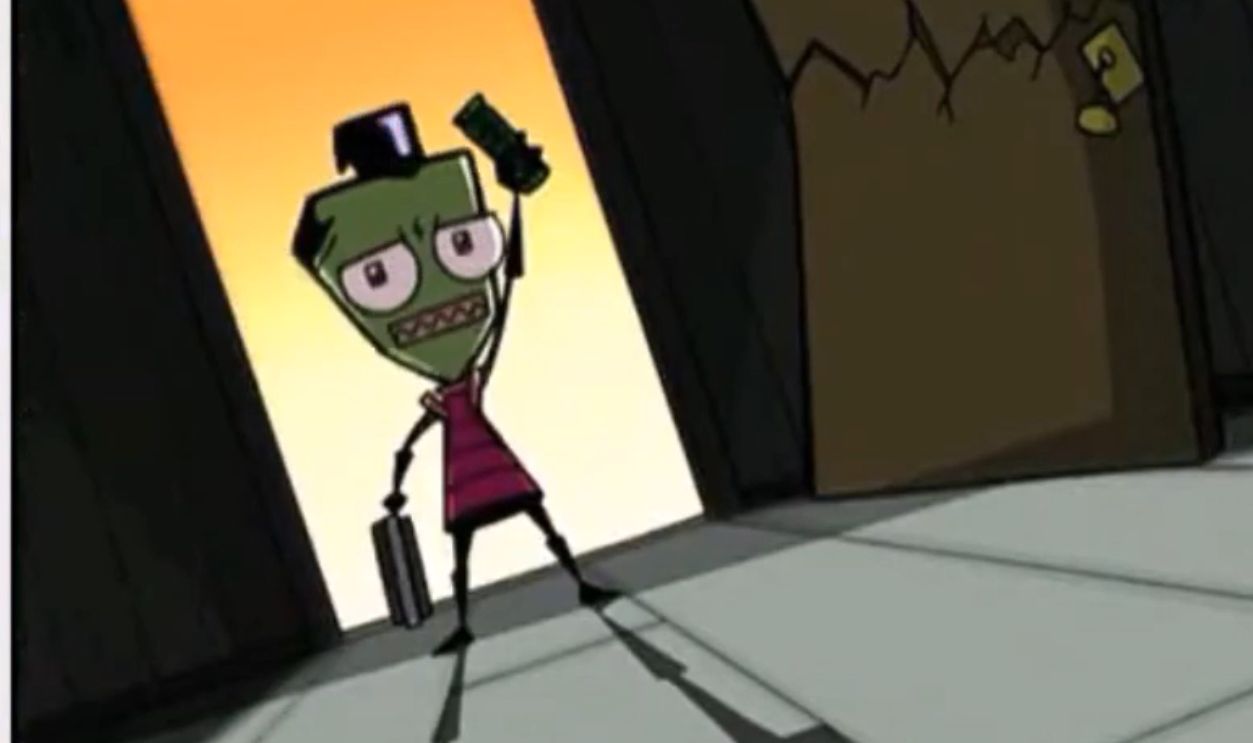 Screenshot from Invader Zim, Nickelodeon
What’s New, Scooby-Doo?
Updating a classic is risky, but What’s New, Scooby-Doo? nailed it. The familiar mystery formula stayed intact, while the updated animation and tone made it feel fresh for a new generation without losing its charm.
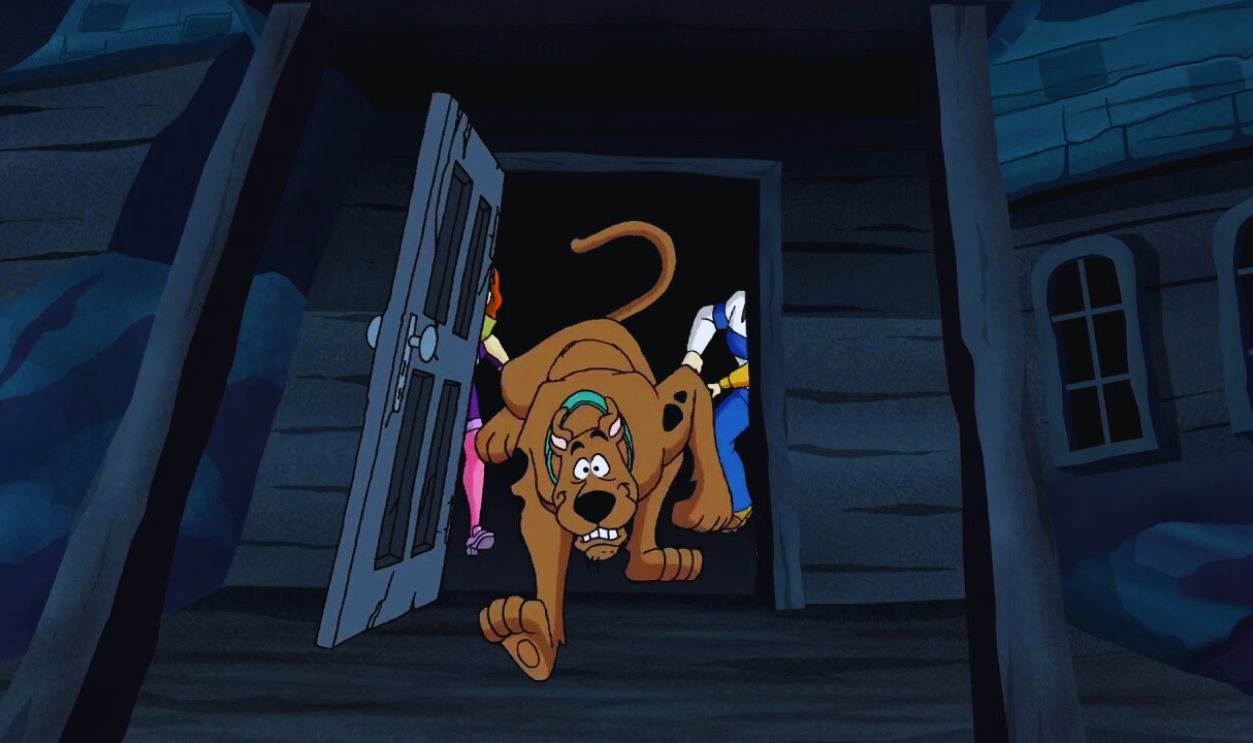 Screenshot from What’s New, Scooby-Doo?, Warner Bros. Television (2002–2006)
The Proud Family
This show blended family sitcom energy with cartoon exaggeration, creating something warm, funny, and culturally specific without being exclusionary. The Proud Family felt lived-in, like peeking into a household that existed just offscreen.
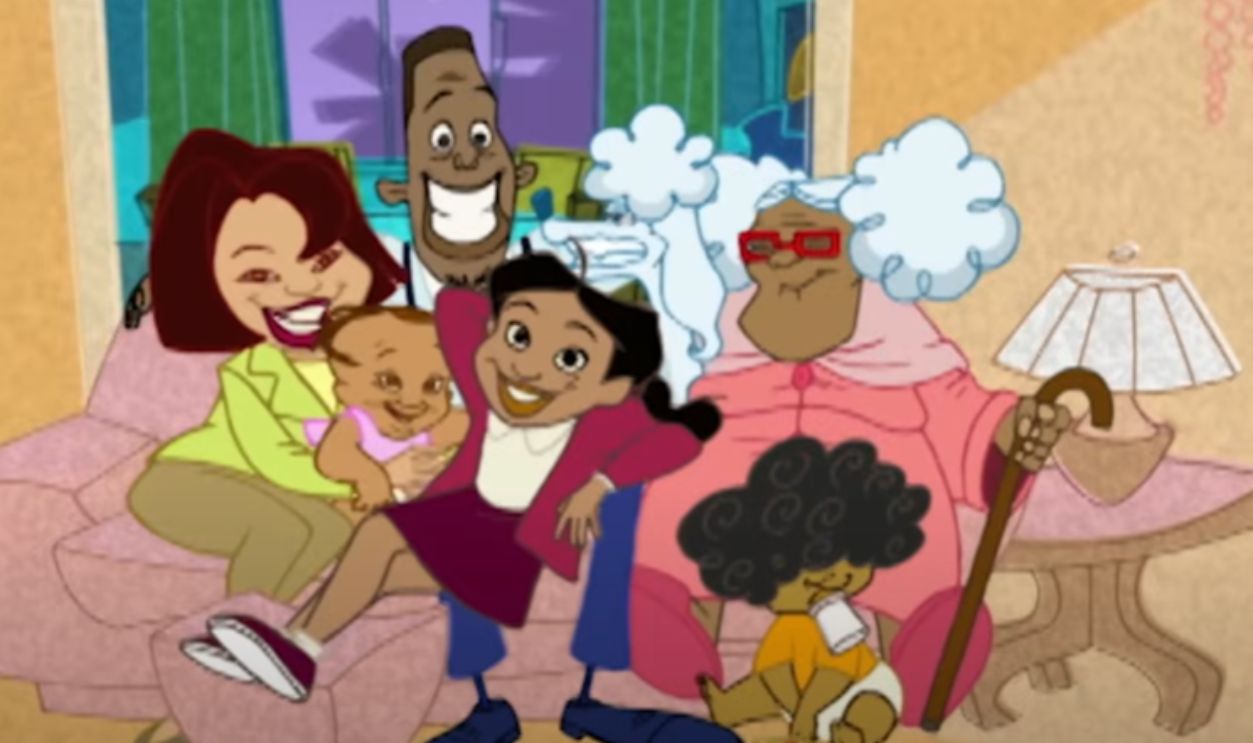 Screenshot from The Proud Family, Disney Channel (2001–2005)
The Grim Adventures Of Billy & Mandy
Turning the Grim Reaper into a permanent side character shouldn’t have worked—but it absolutely did. The Grim Adventures of Billy & Mandy leaned into dark humor and absurdism, becoming one of the boldest comedies of the decade.
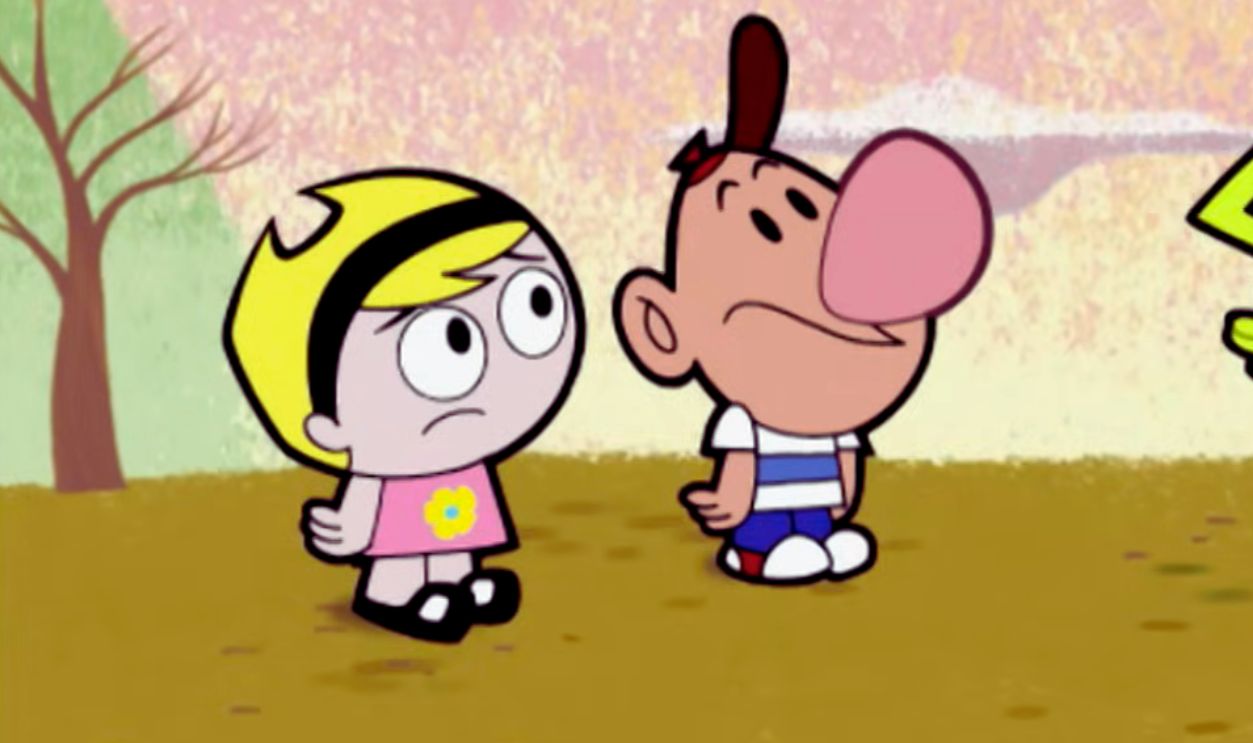 Screenshot from The Grim Adventures of Billy & Mandy, Cartoon Network
Star Wars: Clone Wars
This series proved animated TV could handle epic storytelling. Star Wars: Clone Wars delivered cinematic action in short bursts, expanding the universe while adding emotional depth that elevated the entire franchise.
 Screenshot from Star Wars: Clone Wars, Lucasfilm Ltd. (2003–2005)
Teacher’s Pet
Sometimes the charm was in the simplicity. Teacher’s Pet thrived on clever dialogue and relatable classroom humor, showing that animated TV didn’t need high stakes to be memorable.
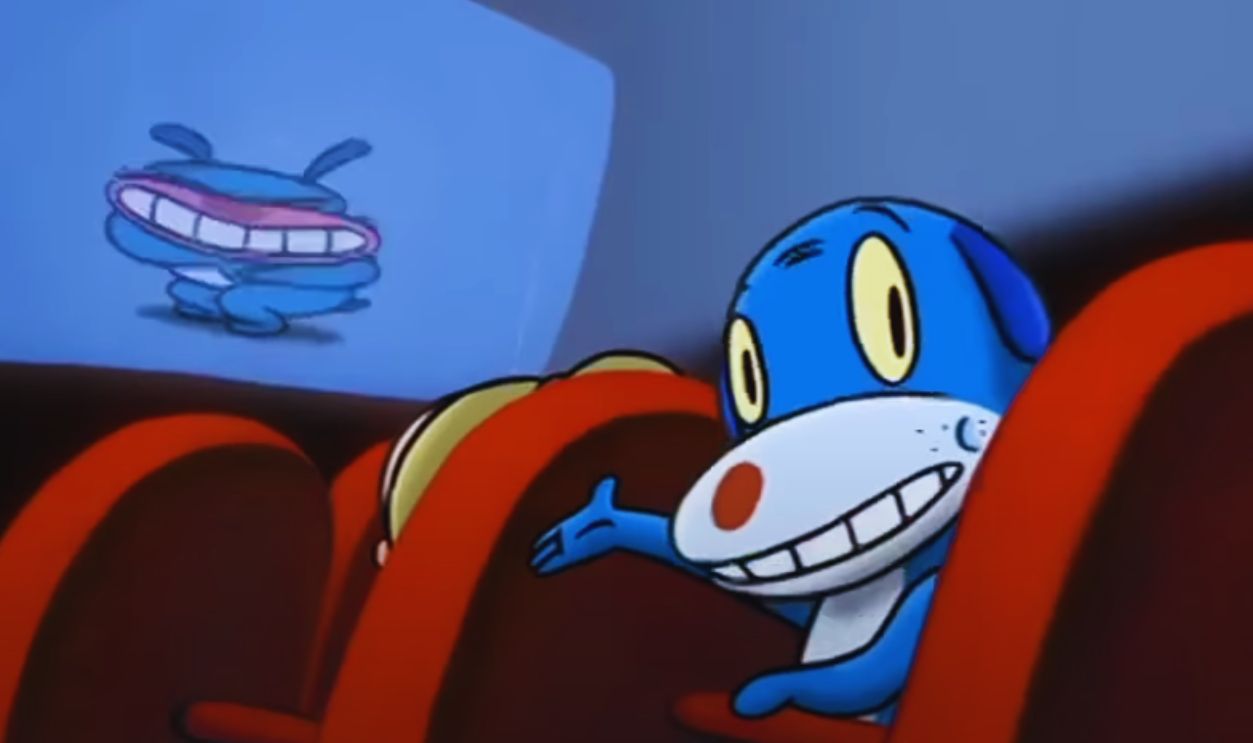 Screenshot from Teacher’s Pet, Disney Channel (2000–2002)
Aqua Teen Hunger Force
Adult animation in the 2000s got truly experimental here. Aqua Teen Hunger Force rejected traditional storytelling altogether, embracing chaos and absurdity in a way that redefined late-night cartoons.
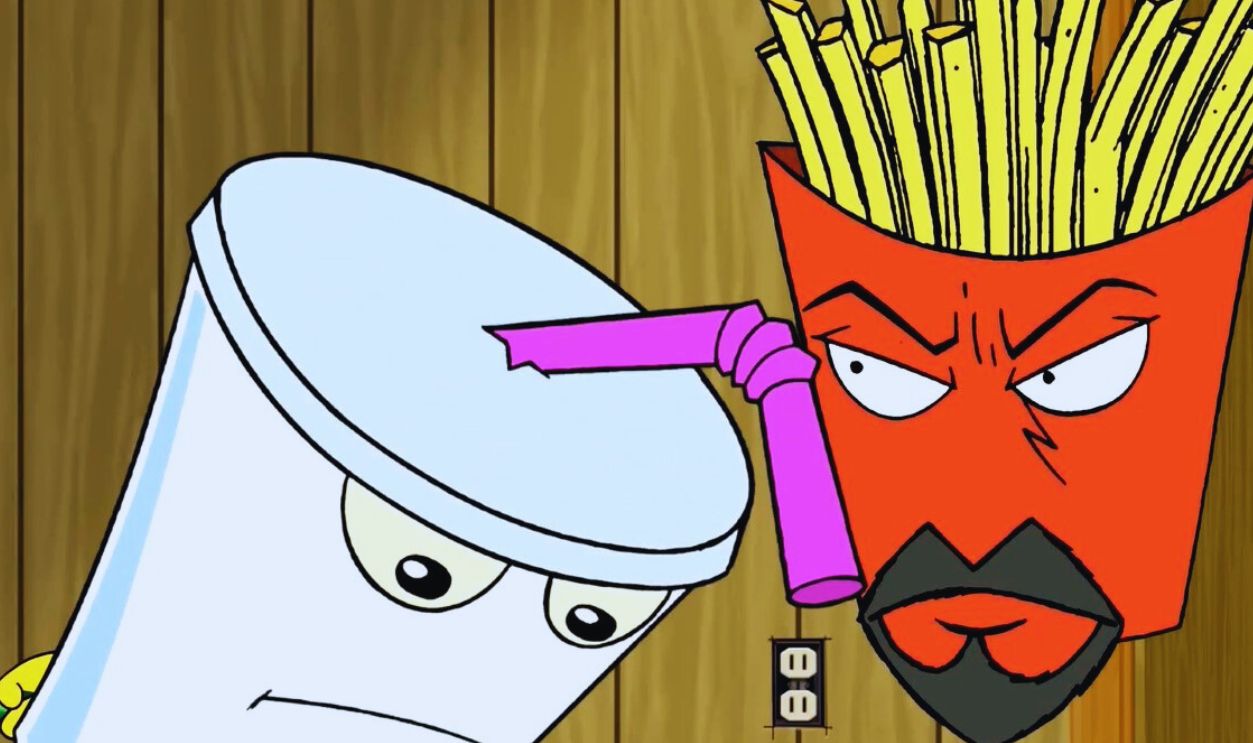 Screenshot from Aqua Teen Hunger Force, Adult Swim (2000–2015)
Ed, Edd n Eddy
Few shows captured childhood schemes better than this one. Ed, Edd n Eddy turned small desires into big disasters, wrapping slapstick comedy around surprisingly sharp observations about friendship and desperation.
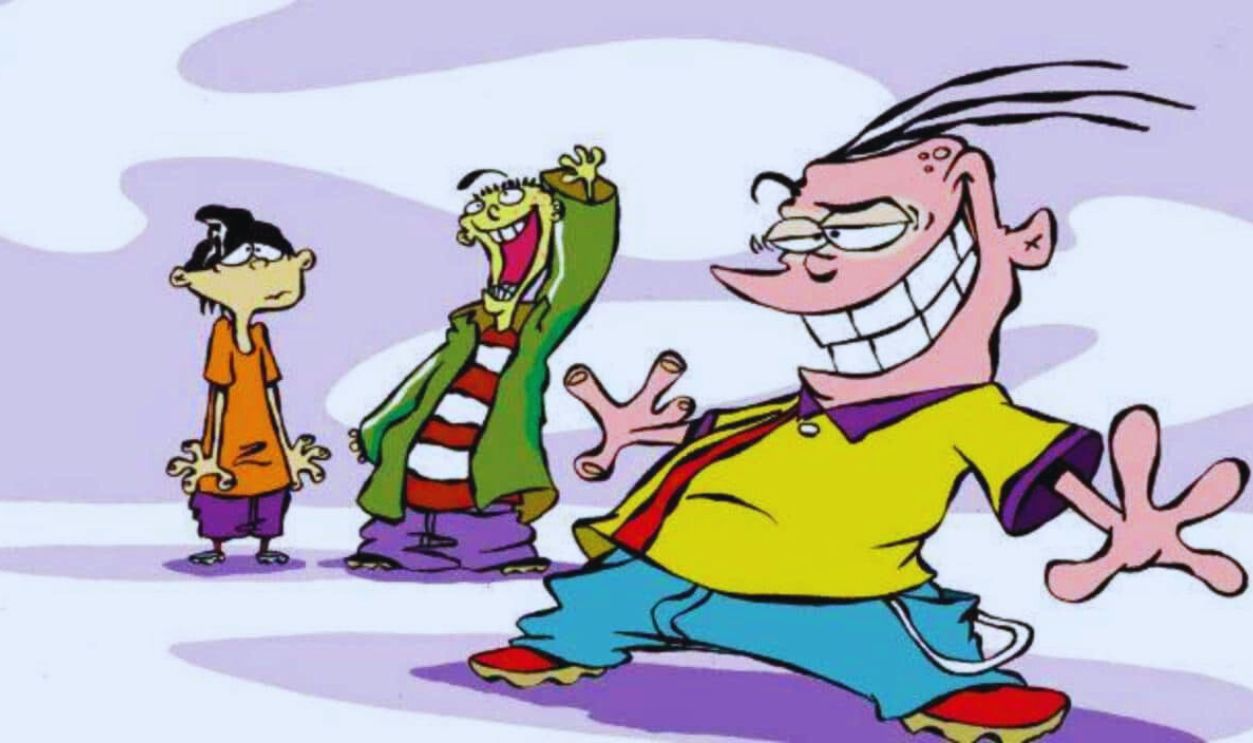 Screenshot from Ed, Edd n Eddy, Warner Bros. Television (1999–2009)
CatDog
Yes, it was ridiculous—but that was the point. CatDog leaned fully into cartoon absurdity, delivering slapstick humor that felt perfectly at home in the anything-goes energy of the early 2000s.
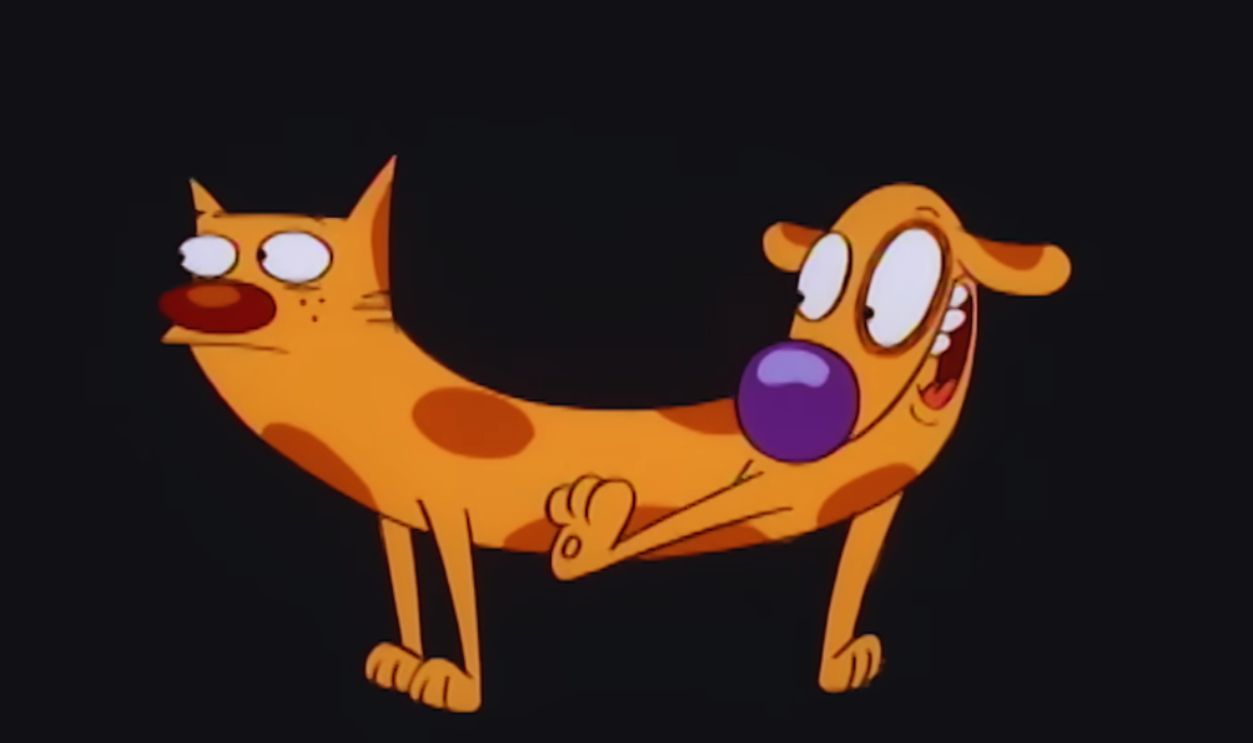 Screenshot from CatDog, Nickelodeon (1998–2005)
Rocket Power
Extreme sports, beach culture, and childhood independence defined Rocket Power. It captured the era’s obsession with freedom and rebellion, wrapped in sun-soaked animation and laid-back storytelling.
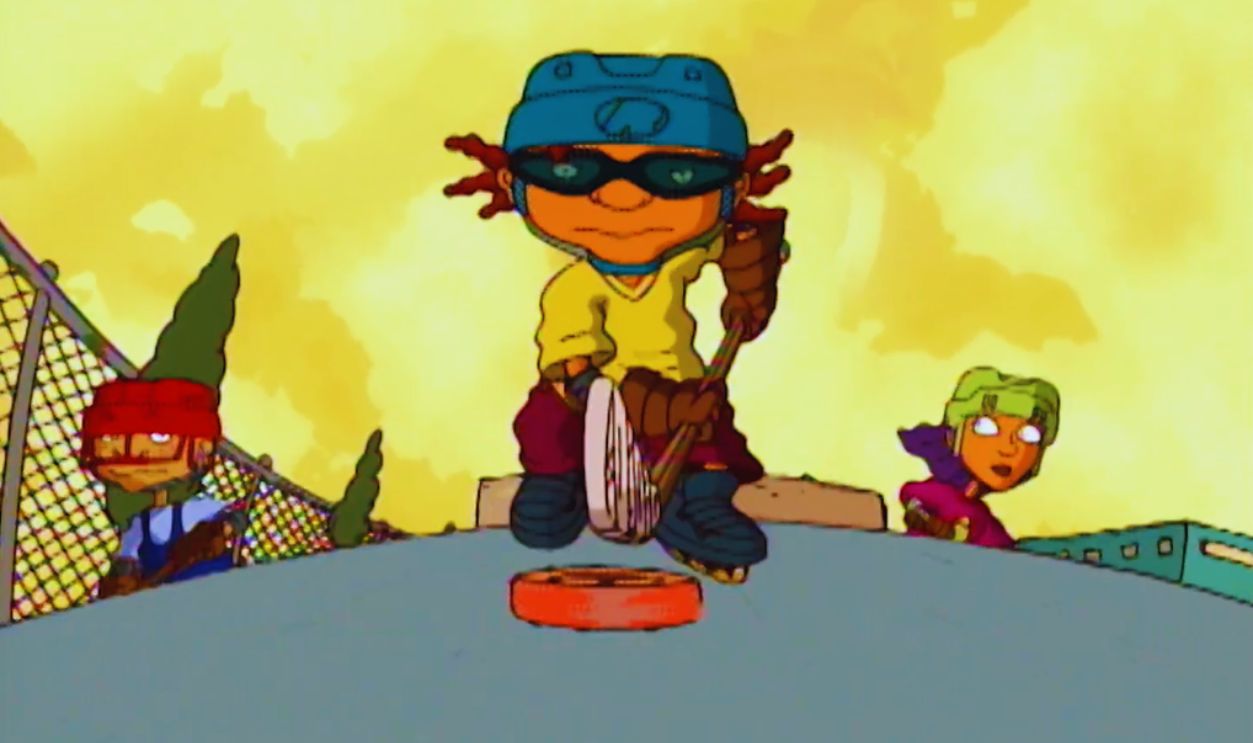 Screenshot from Rocket Power, Nickelodeon (1999–2004)
Johnny Bravo
The character was outrageous, but the humor was sharp. Johnny Bravo played with parody and self-awareness, often turning its own lead into the punchline, which made it far smarter than it first appeared.
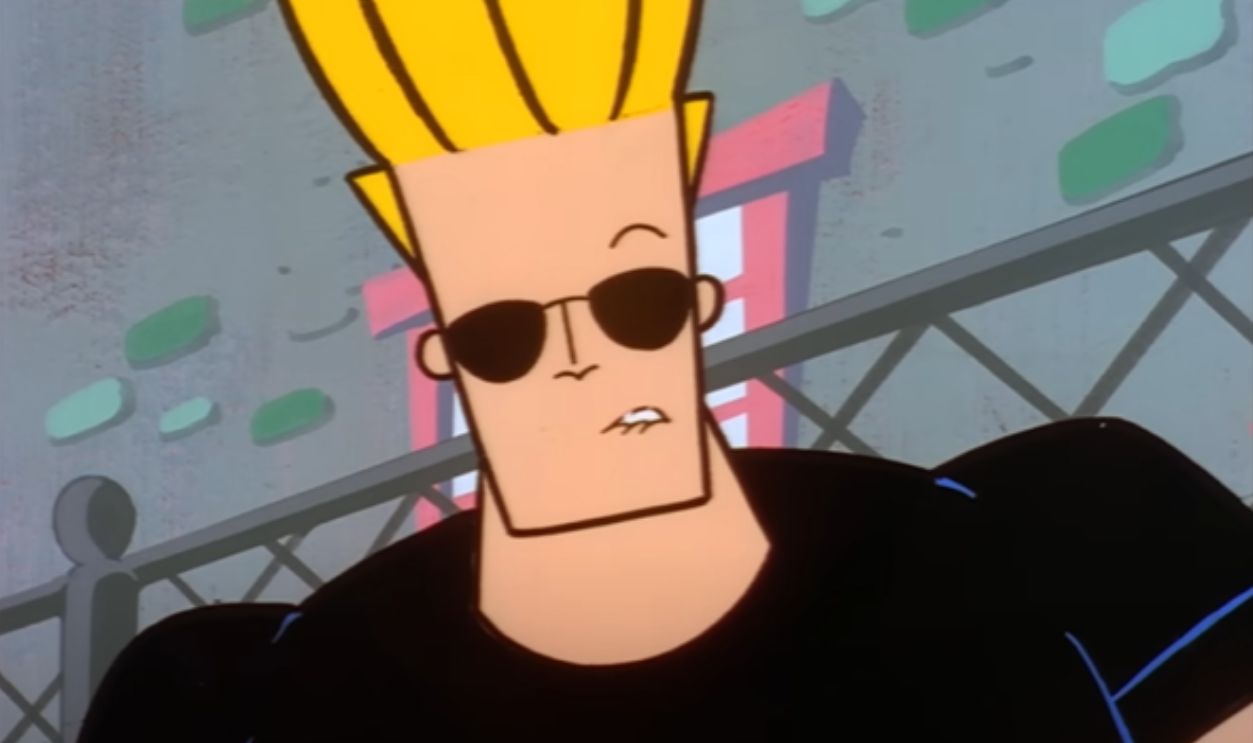 Warner Bros. Television Distribution, Johnny Bravo (1997-2004)
The Wild Thornberrys
Adventure felt boundless in this series. The Wild Thornberrys turned wildlife documentaries into family storytelling, sparking curiosity about the world while grounding its adventures in emotional growth.
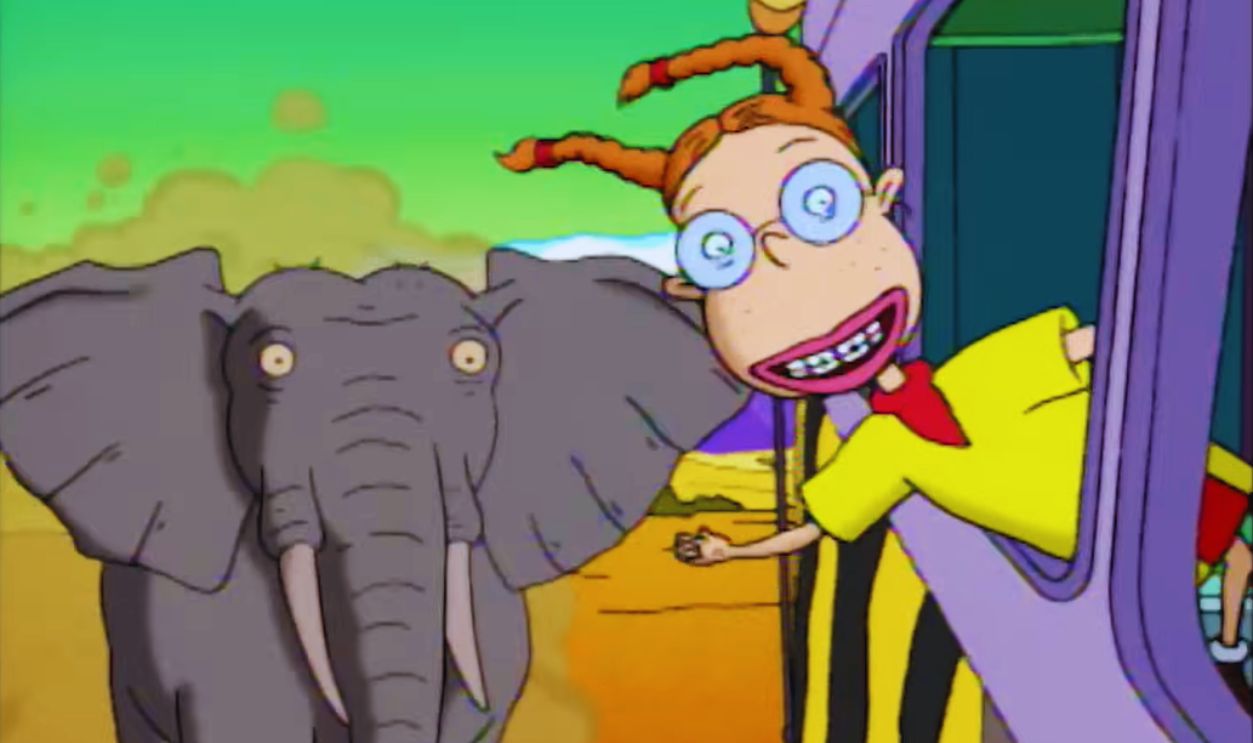 Screenshot from The Wild Thornberrys, Nickelodeon (1998–2004)
You May Also Like:
Everybody survived, but they still cringed at these awkward celebrity interview moments.
TV Moments That Defined The Early Days Of The Internet
The Most Snubbed TV Shows At The Emmys
Source: 1