When TV Met The Dial-Up Tone
Before social media timelines, streaming platforms, or viral TikToks, there was television—slowly realizing the internet was becoming a thing it could no longer ignore. In the late ’90s and early 2000s, TV shows didn’t just reference the web; they reacted to it with confusion, excitement, fear, and more than a little cringe. These moments captured a world learning how digital life worked in real time. From sitcom jokes about email to live broadcasts melting down over viral fame, these are the TV moments that helped define the internet’s earliest cultural footprint.
The First Time “You’ve Got Mail” Became A Punchline
When characters started reacting to AOL’s iconic “You’ve Got Mail” notification, the internet officially entered pop culture. Sitcoms treated email like a magical new frontier—exciting, mysterious, and slightly terrifying. The phrase became shorthand for modern romance, workplace drama, and accidental oversharing, cementing email as a social force rather than just a tech novelty.
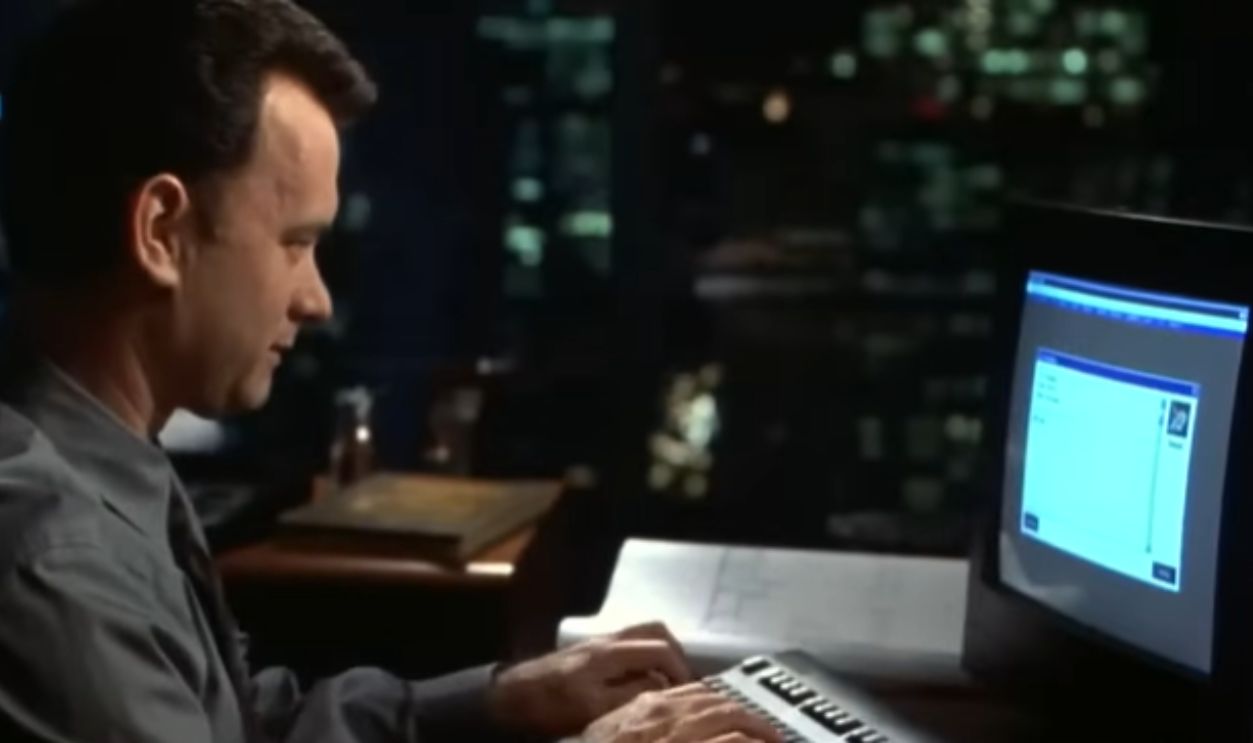 Screenshot from You've Got Mail, Warner Bros. Pictures (1998)
Friends Explains the Internet to the Masses
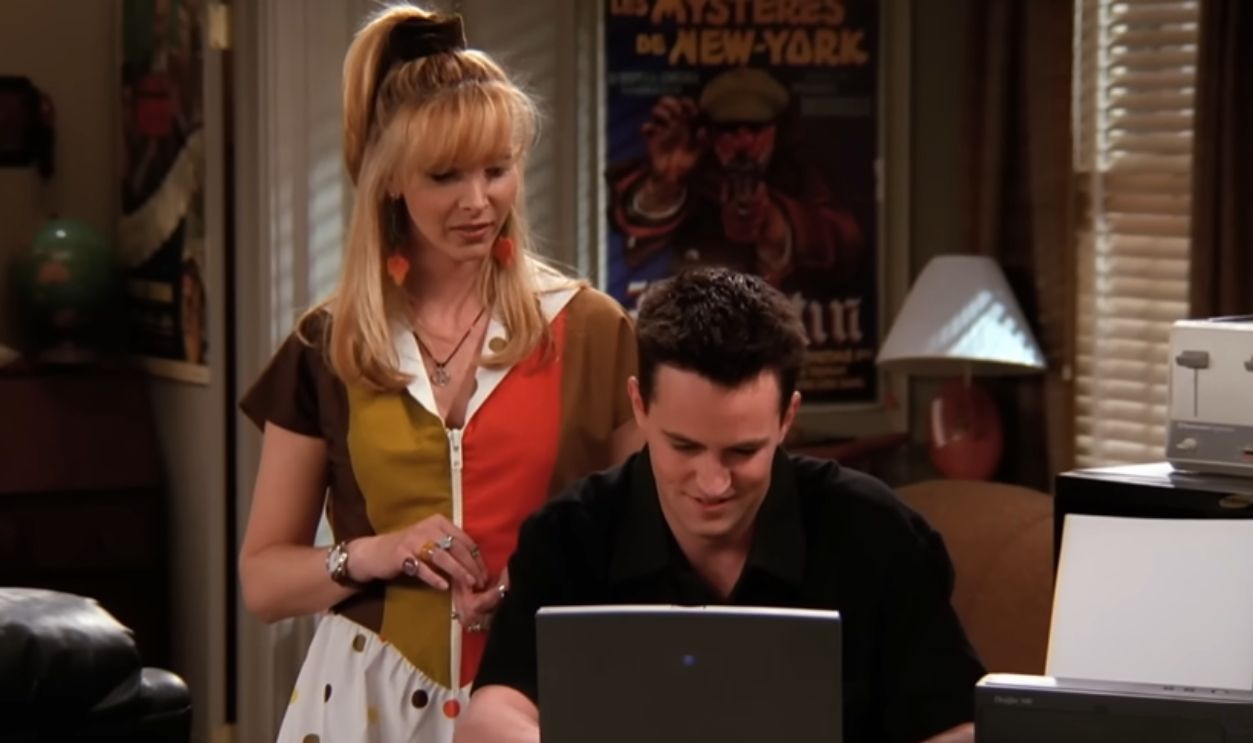
“Friends” did more than entertain—it educated. Episodes featuring chat rooms, email flirting, and online dating walked millions of viewers through internet basics. Watching Ross or Joey misunderstand online etiquette mirrored real-life confusion, making the web feel accessible and relatable to audiences still figuring out how to log on.
 Screenshot from Friends, Warner Bros. Television Distribution (1994–2004)
The X-Files Warns Us About Digital Surveillance
Long before data privacy became a mainstream concern, The X-Files was already paranoid about it. The show leaned into government databases, hacked emails, and shadowy digital footprints, shaping early internet fears. It planted the idea that once you were online, someone was always watching.
 Screenshot from X-Files, 20th Century Fox (1993–2002)
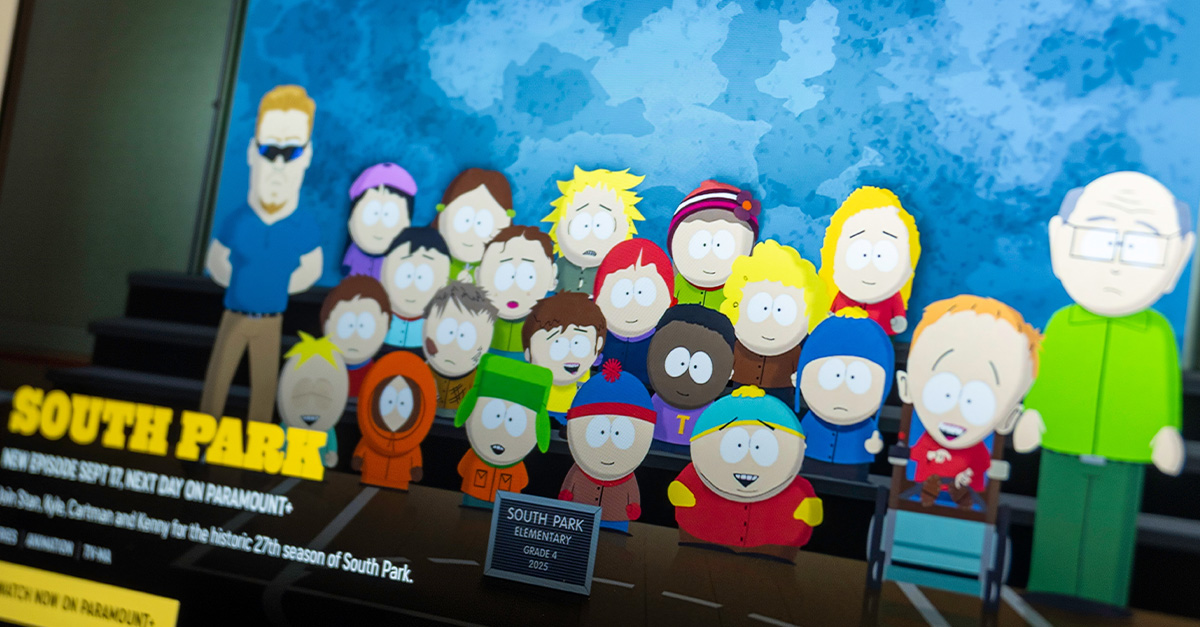
South Park Discovers The Power Of Going Viral
When South Park debuted online clips and episodes, it became one of the first shows to truly embrace internet distribution. Fans sharing episodes via early websites and message boards proved that TV didn’t have to live solely on cable. The show’s success foreshadowed the streaming revolution years before Netflix entered the chat.
 Screenshot from South Park, Comedy Central (1997–present)
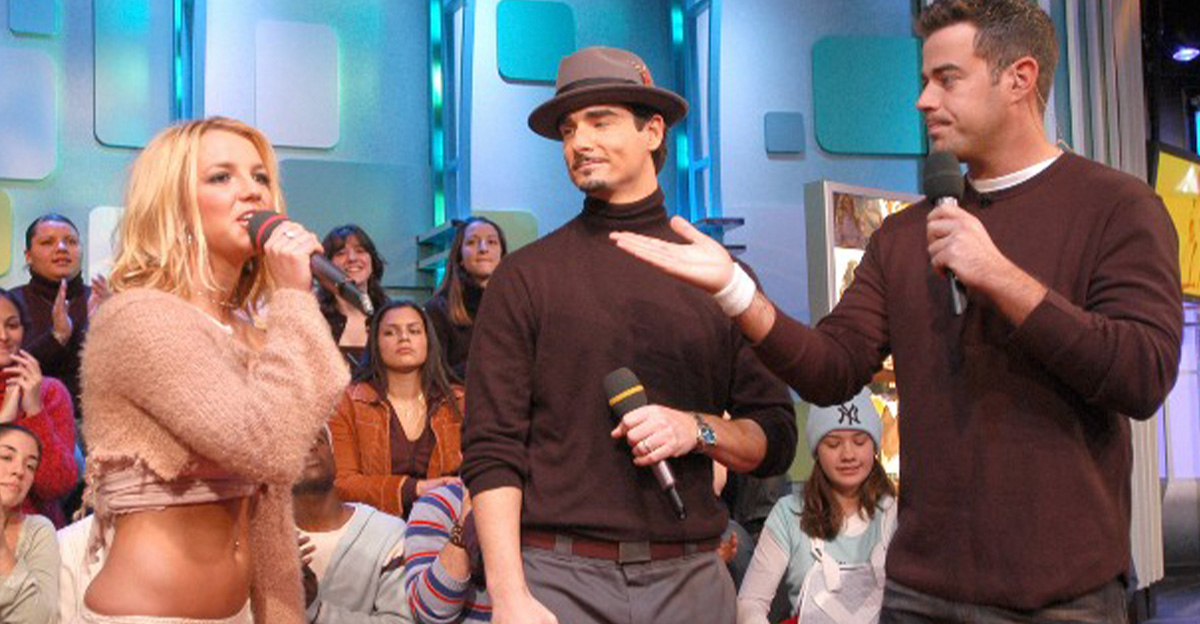
MTV’s TRL Becomes An Online-Offline Hybrid
“Total Request Live” thrived on fan participation, and the internet supercharged it. Online voting, fan forums, and instant celebrity updates turned TRL into a daily digital ritual. It showed how television could merge seamlessly with internet culture—and how fandoms could organize online with astonishing speed.
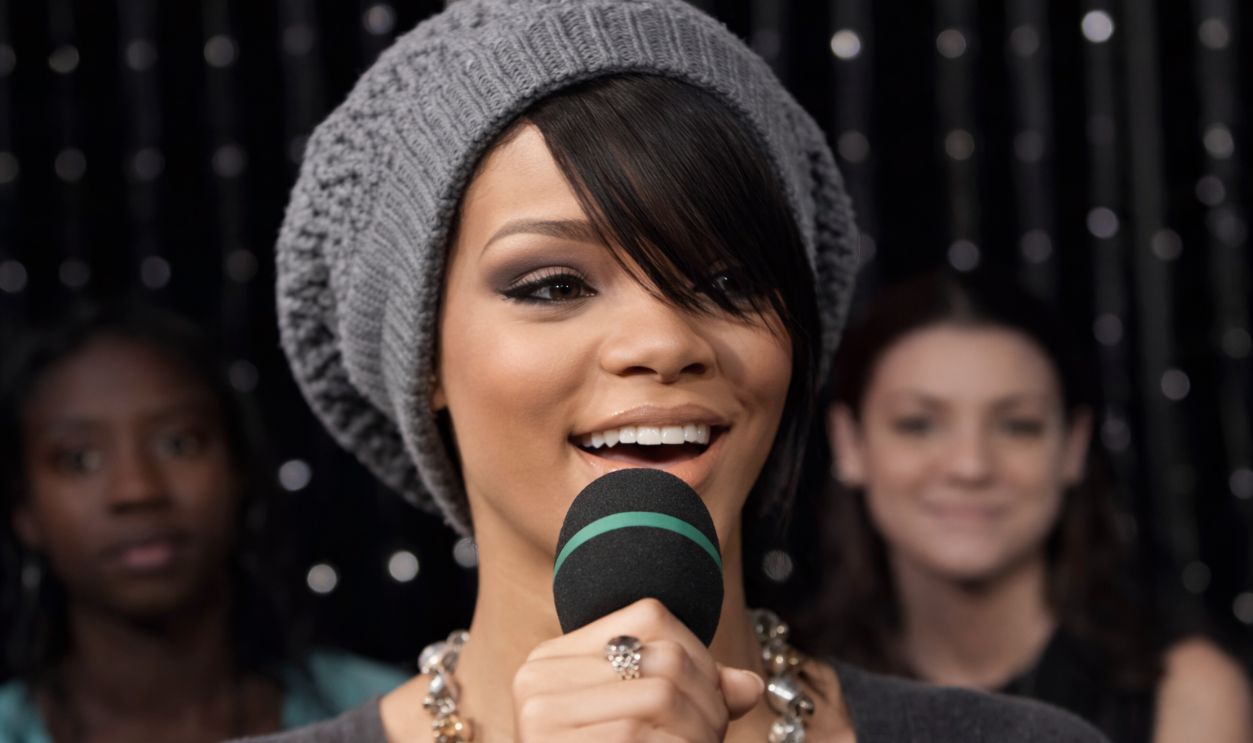 Screenshot from Total Request Live, MTV (1998–2008)
The Simpsons Predicts Internet Life (Again)
Once more proving its uncanny foresight, The Simpsons tackled internet addiction, online fame, and digital misinformation long before they were everyday problems. Episodes featuring Homer going viral or Lisa navigating online communities felt absurd at the time—but now play like eerie prophecy.
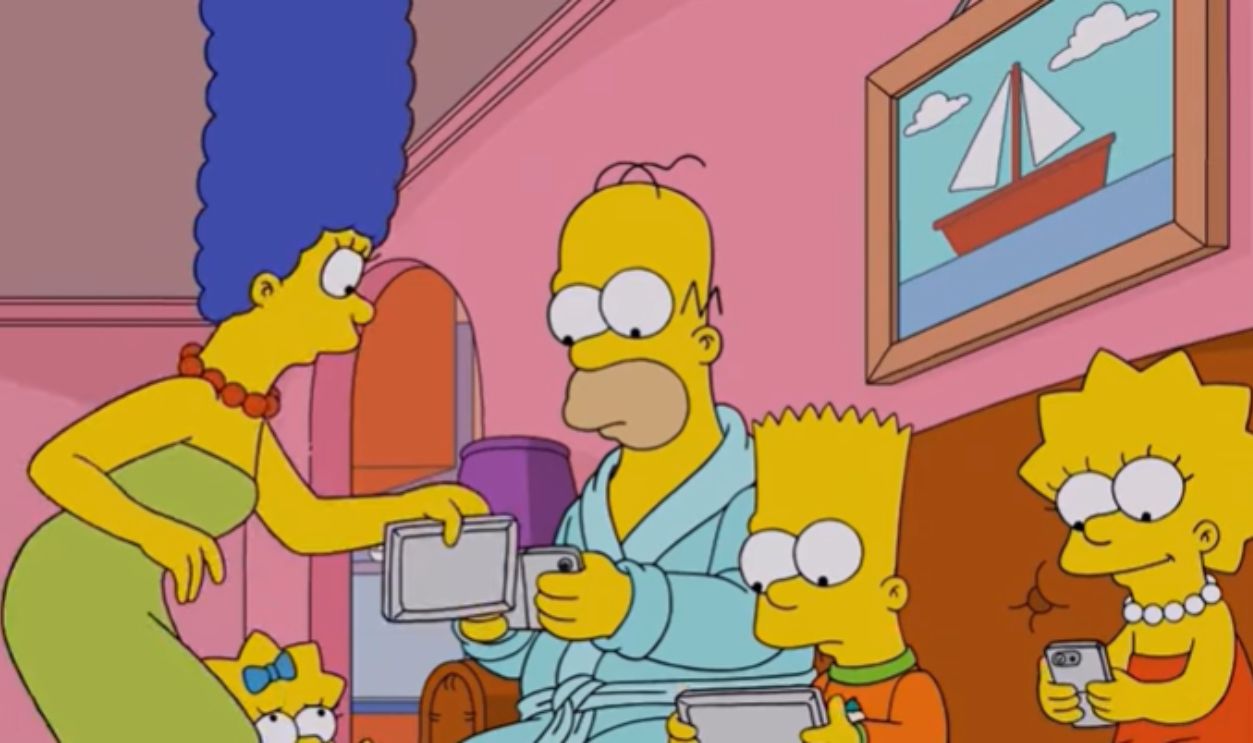 Screenshot from The Simpsons, 20th Century Fox (1989–present)
Late-Night Hosts Discover Email Jokes
Jay Leno and David Letterman discovering audience emails was a small moment with big implications. Reading viewer messages on-air created a new kind of interaction, one that felt immediate and personal. Suddenly, the audience wasn’t just watching—they were participating.
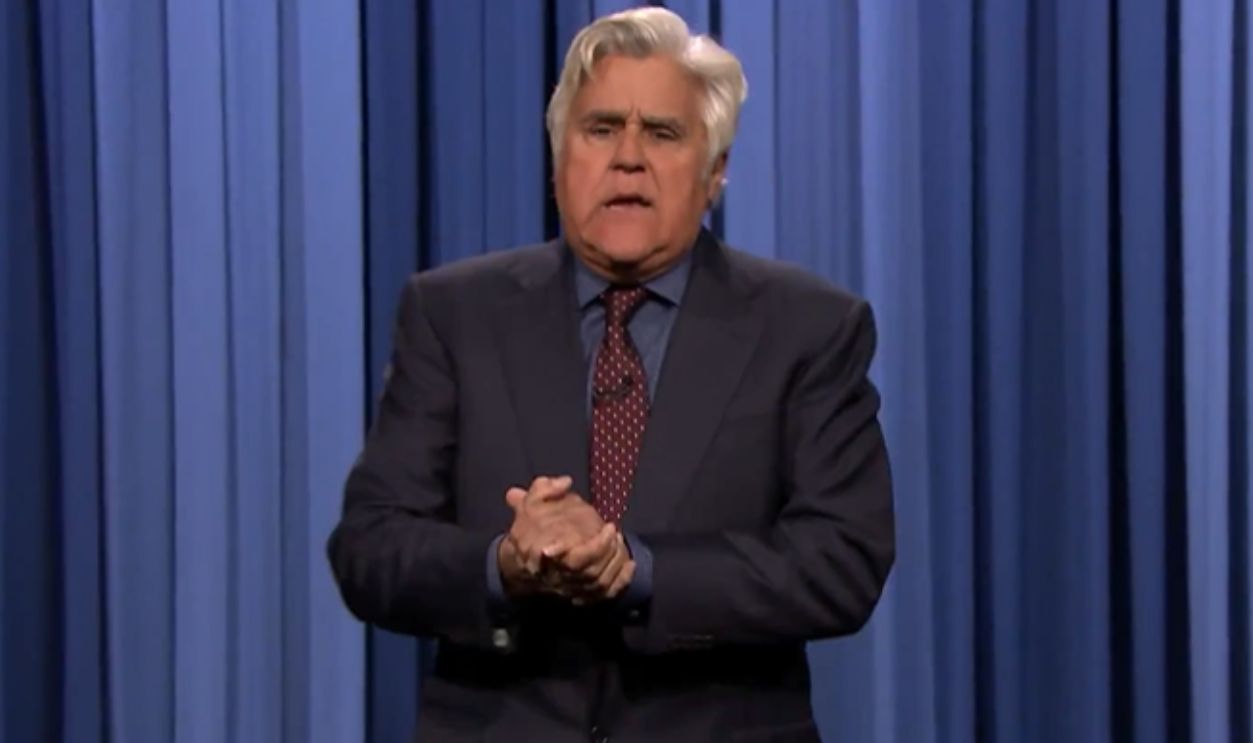 Screenshot from Tonight Show, NBC (1954–present)
Survivor Fans Form The First Online Fandom Armies
“Survivor” wasn’t just a reality show—it was an internet event. Message boards lit up with theories, alliances, and spoilers. This was one of the first times TV fans collectively dissected episodes online, laying the groundwork for modern fandom culture.
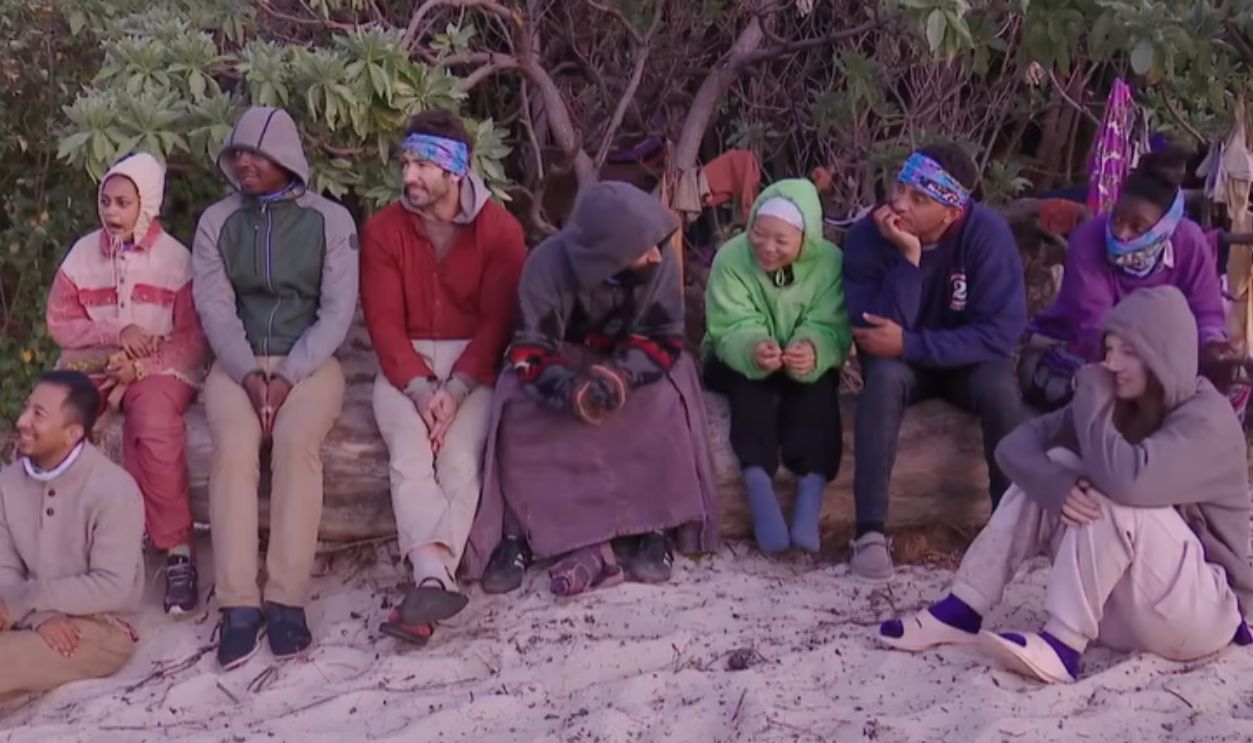 Screenshot from Survivor, CBS (2000–present)
Buffy The Vampire Slayer Builds Online Communities
“Buffy” didn’t just have fans—it had forums. The show inspired intense online discussion, fan fiction, and episode breakdowns. It demonstrated how the internet could turn TV shows into ongoing conversations rather than once-a-week experiences.
 Screenshot from Buffy The Vampire Slayer, 20th Century Fox Television (1997–2002)
The Blair Witch Aftershock Hits Television
While technically a film, The Blair Witch Project’s internet marketing spilled heavily into TV coverage. News shows debated its authenticity, and late-night hosts joked about viewers being “tricked” by the web. It was one of the first times TV acknowledged the internet’s ability to blur reality.
 Screenshot from The Blair Witch Project, Artisan Entertainment (1999)
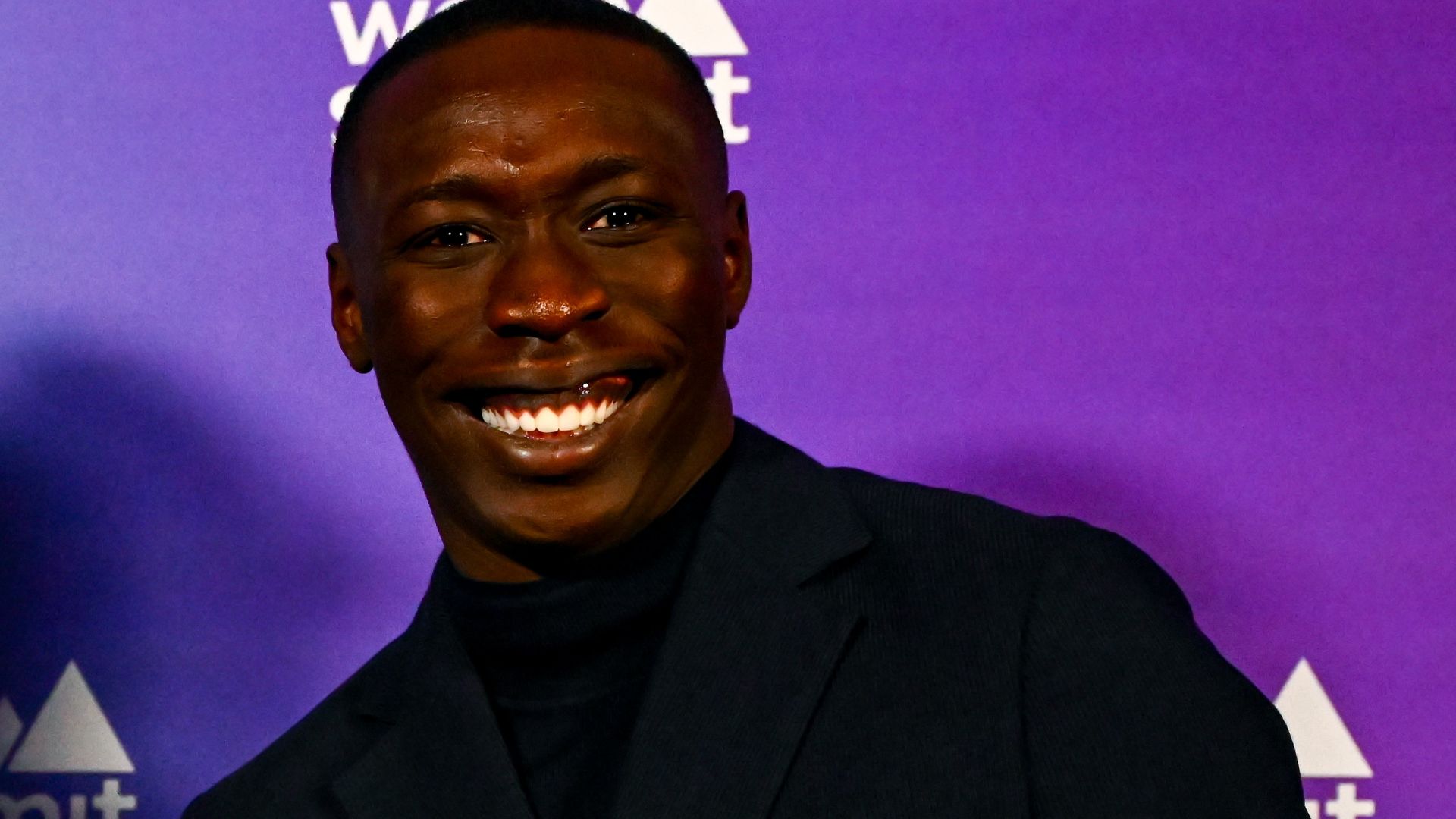
The First Time A TV Star Got Famous Online
When TV personalities started gaining fame because of internet clips—rather than network promotion—it changed everything. News programs struggled to explain how someone could be “famous online,” revealing how unprepared traditional media was for digital stardom.
Reality TV Learns About Online Backlash
Early reality shows like Big Brother and American Idol were stunned by internet criticism. Contestants emerged to find fan sites, hate pages, and memes about them. TV realized the audience wasn’t passive anymore—and it never would be again.
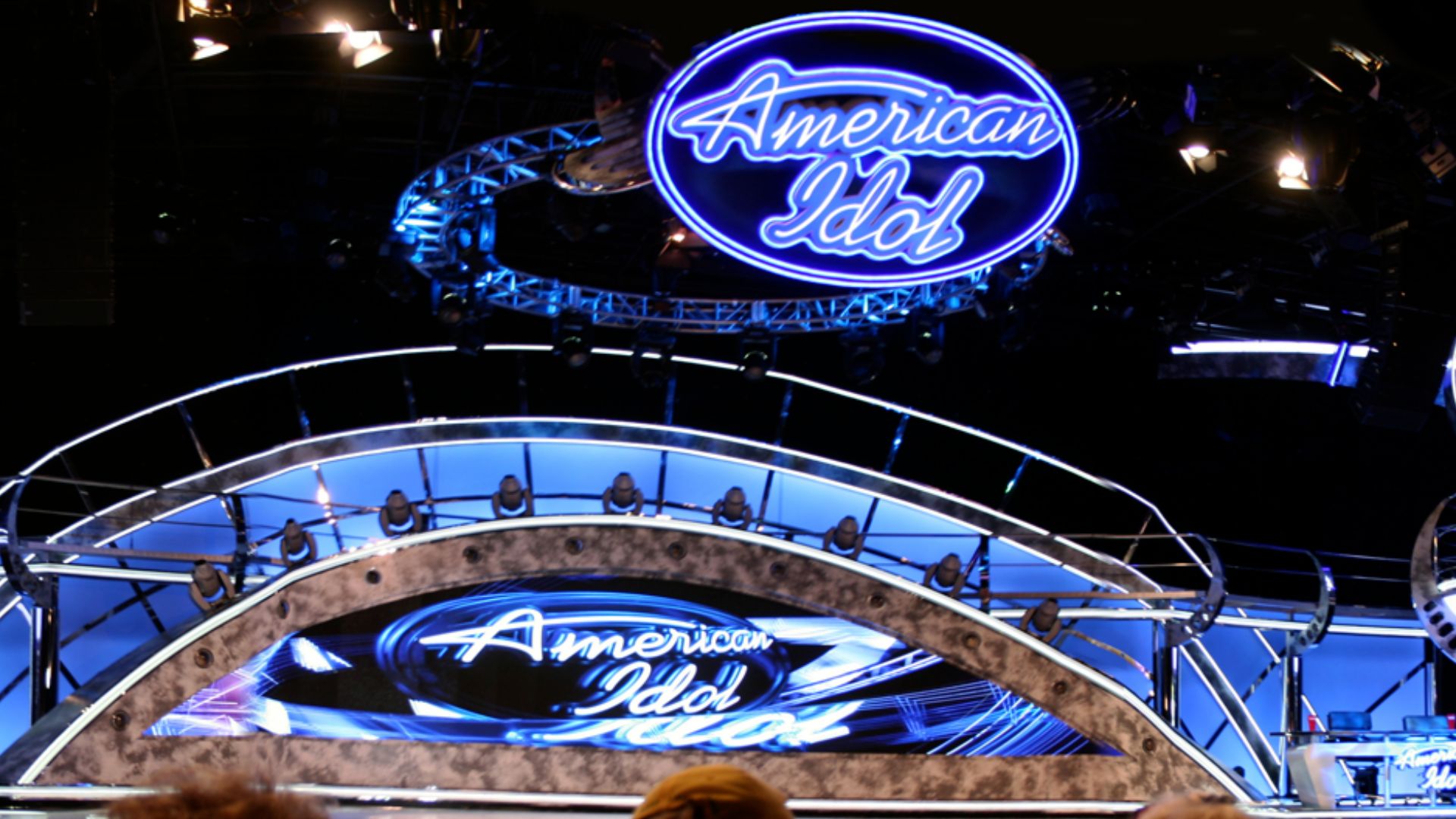 RadioFan (talk), Wikimedia Commons
The Daily Show Embraces Internet Clips
Jon Stewart’s The Daily Show was perfectly suited for online sharing. Segments spread rapidly through early video sites and email chains. This proved that political humor could thrive beyond TV schedules—and reach younger, internet-savvy audiences.
 Screenshot from The Daily Show, Comedy Central (1996–present)
News Anchors Struggle to Explain “The Web”
Few moments are more charming than watching serious news anchors awkwardly describe websites and URLs. These broadcasts captured a generational shift in real time, as trusted voices tried—and often failed—to sound digitally fluent.

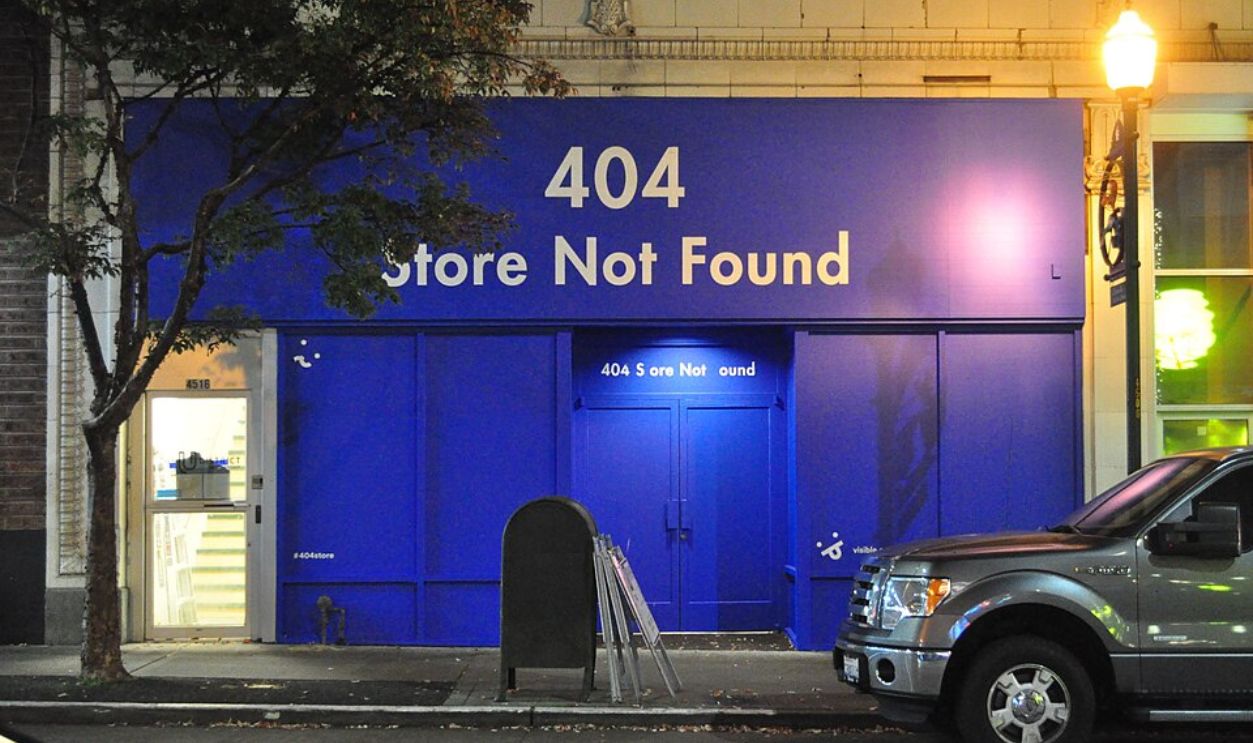
The First Live TV Internet Meltdown
Whether it was a website crashing after being mentioned on-air or a live vote system failing, early internet-TV integrations were messy. These glitches made one thing clear: the internet was powerful, unpredictable, and already shaping broadcast decisions.
 Joe Mabel, CC BY-SA 4.0, Wikimedia Commons
American Idol Turns Online Buzz Into Ratings Gold
“American Idol” thrived on internet chatter. Fan sites, voting campaigns, and early social buzz fueled massive ratings. It was proof that online engagement could directly translate into television success.
 Screenshot from American Idol, Fox (2002–2016)
Saturday Night Live Discovers Replayability
Sketches that once vanished after airing suddenly lived forever online. Early viral SNL clips gave sketches second lives and turned comedians into internet stars. TV comedy was no longer disposable—it was shareable.
 Screenshot from Saturday Night Live, NBC (1975–present)
Cartoon Network Experiments With Web Content
Networks like Cartoon Network dipped into online-exclusive shorts and games tied to TV shows. It was an early test of transmedia storytelling and a sign that younger audiences expected content beyond the television screen.
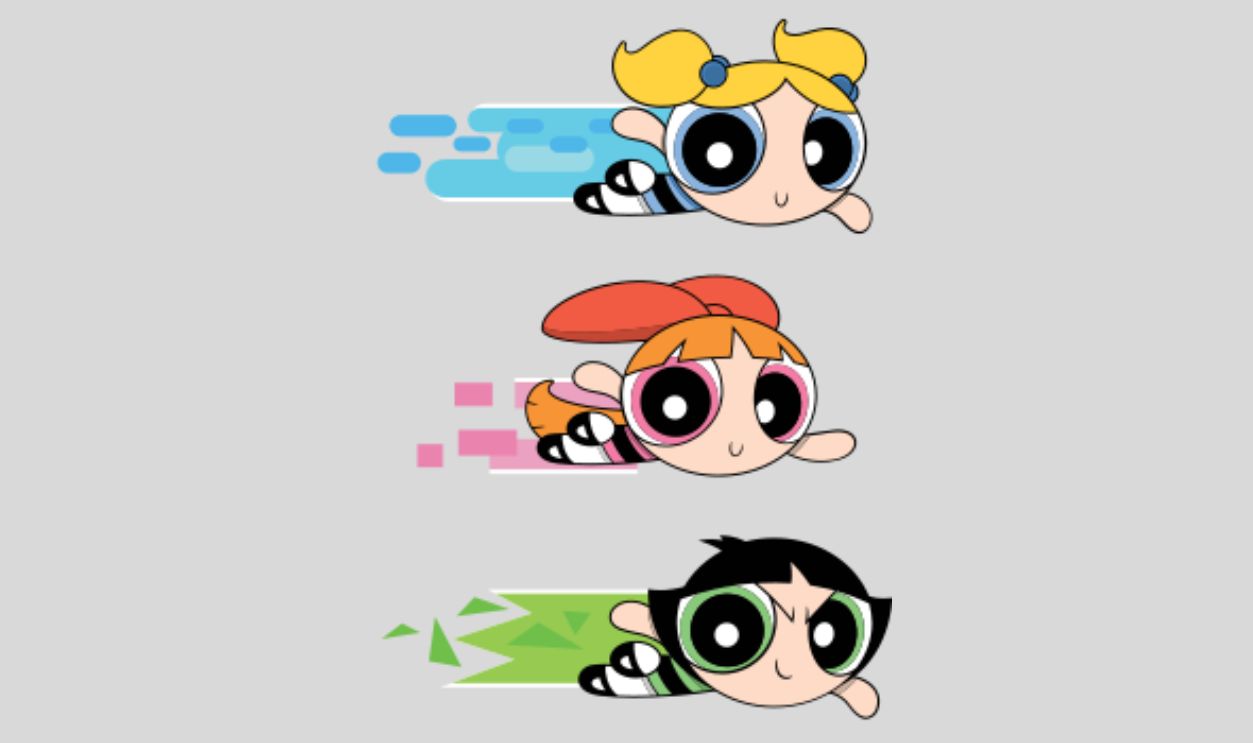 Cartoon Network, CC BY-SA 2.0, Wikimedia Commons
The Rise Of The “Internet Episode”
Shows began writing episodes about the internet—chat rooms, online scams, digital secrets. These storylines reflected real anxieties and curiosities, making TV a mirror for society’s evolving relationship with technology.
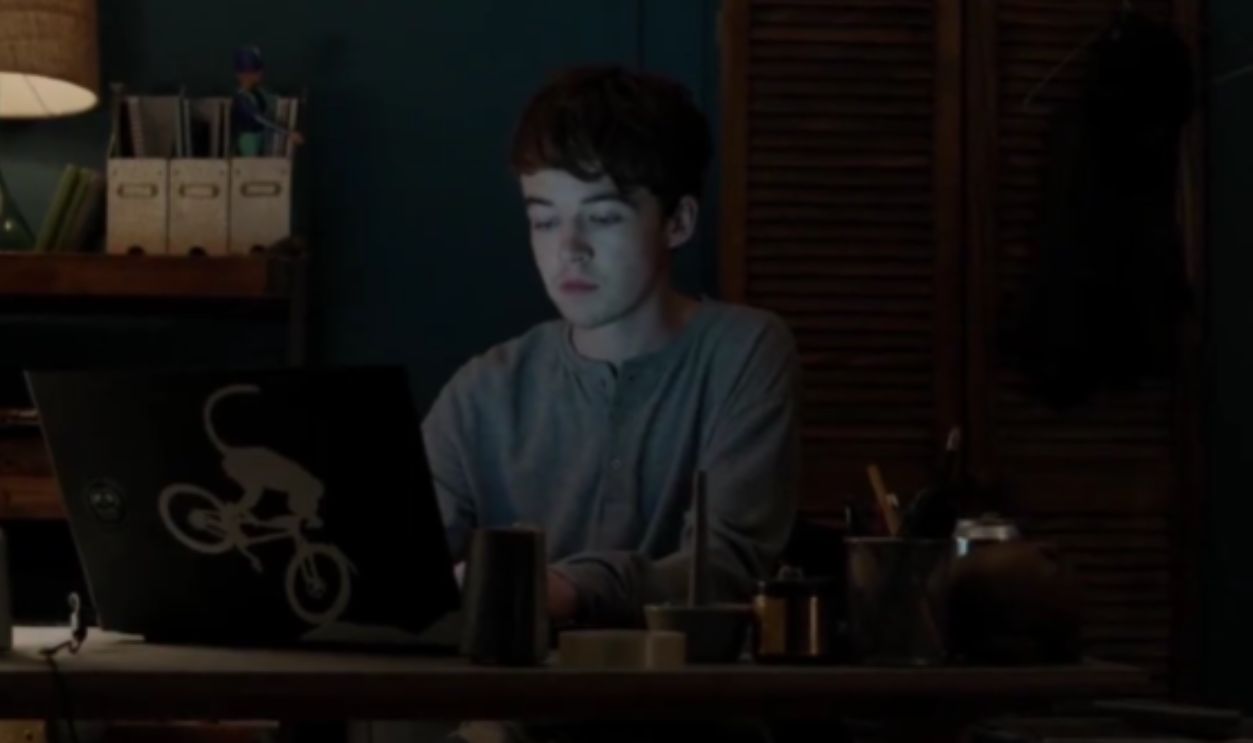 Screenshot from Black Mirror, Netflix, (2016–present)
Live TV Discovers Online Polls
Instant online polls let viewers influence shows in real time. Though primitive, these experiments hinted at interactive entertainment and made audiences feel empowered in ways traditional TV never had.
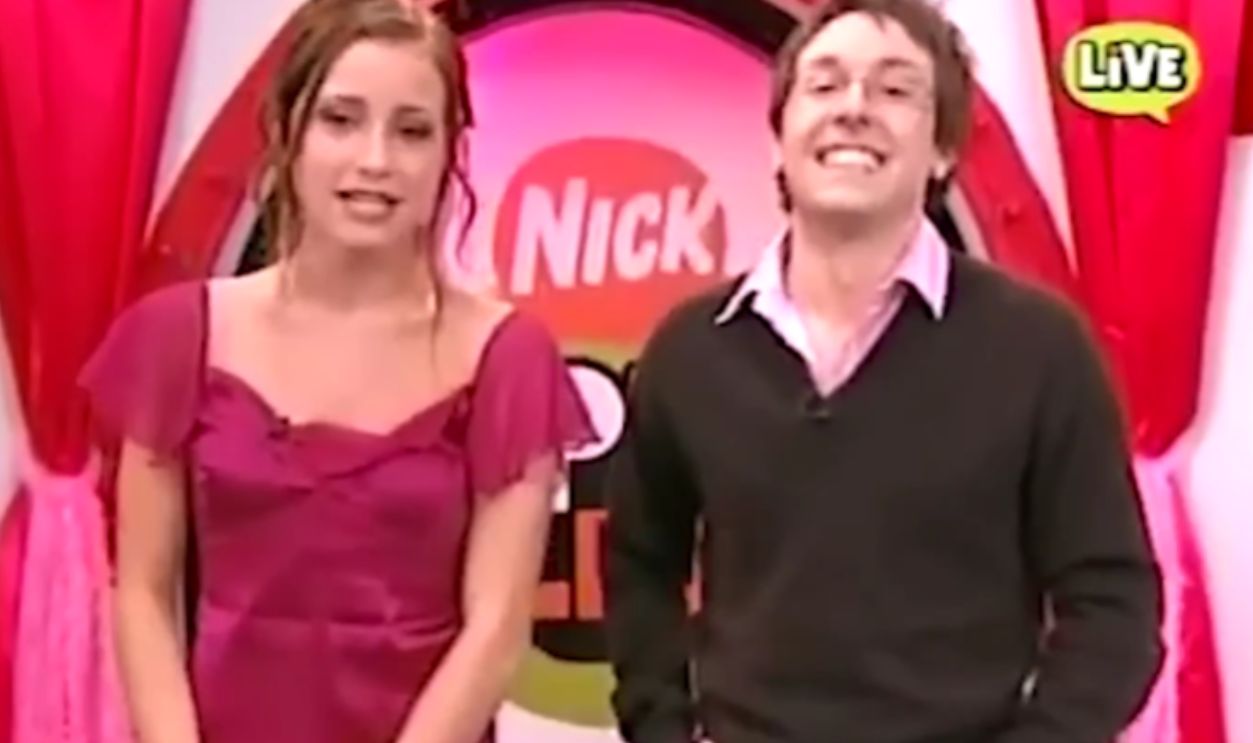 Screenshot from U-Pick Live, Nickelodeon (2002–2005)
The First Meme Crosses Onto Television
When TV shows started referencing internet memes—however awkwardly—it marked a cultural crossover point. The internet wasn’t just influencing TV; it was shaping its humor.
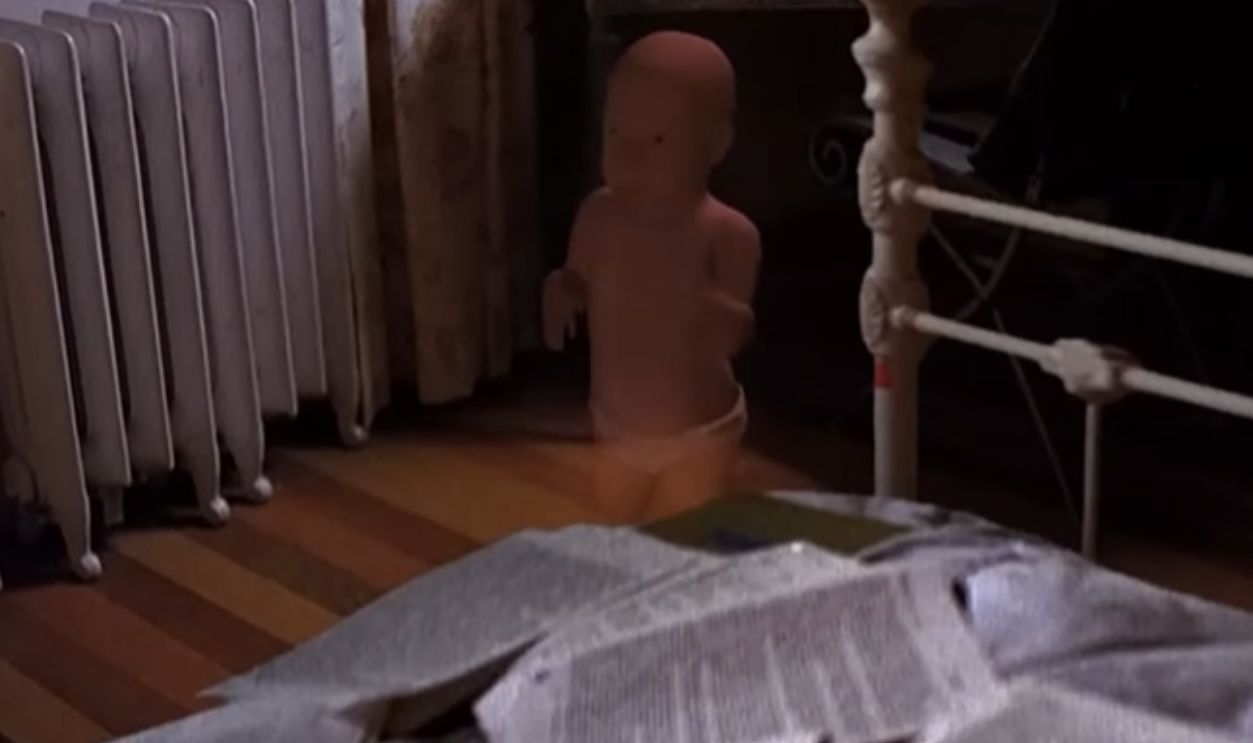 Screenshot from Ally McBeal, Fox (1997–2002)
Soap Operas Meet Online Spoilers
Soap fans were among the earliest spoiler communities. TV networks quickly realized that once fans went online, secrets were impossible to keep. Appointment viewing was officially under threat.
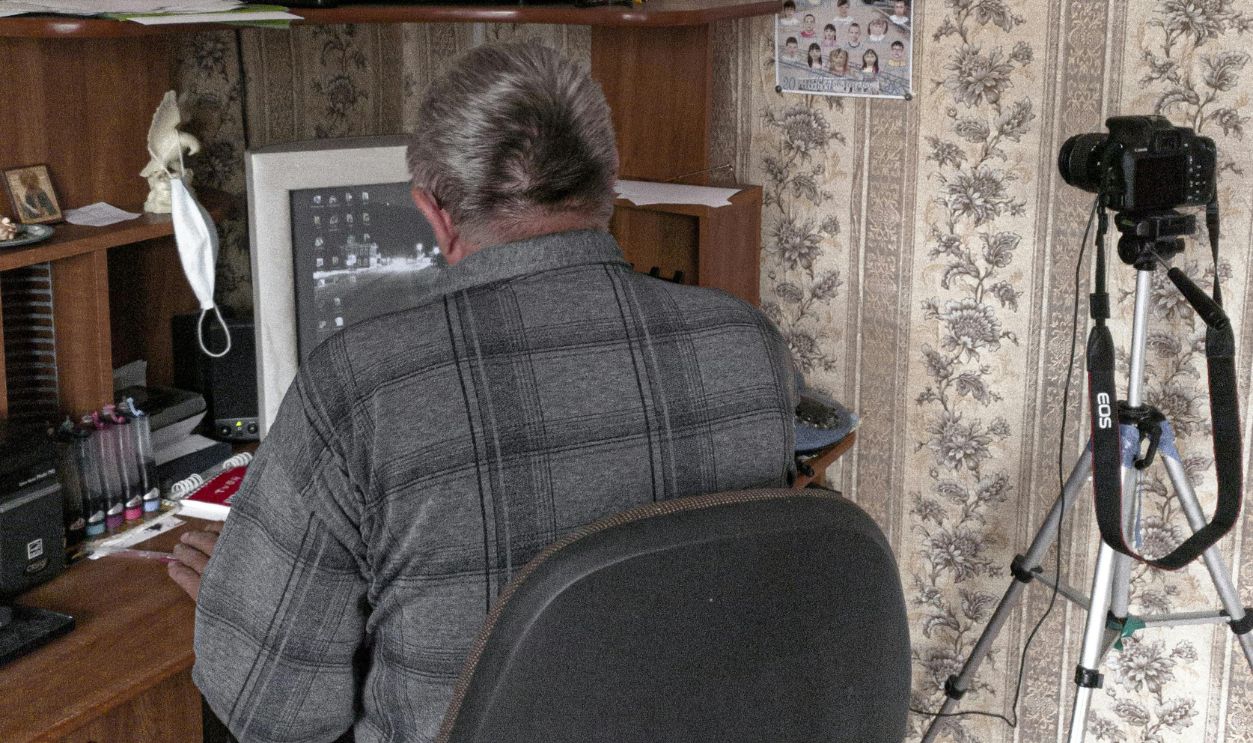
Tech Segments Become Must-Watch TV
Shows dedicated entire segments to explaining websites, search engines, and online trends. These moments feel quaint now, but they helped normalize the internet for millions of viewers.
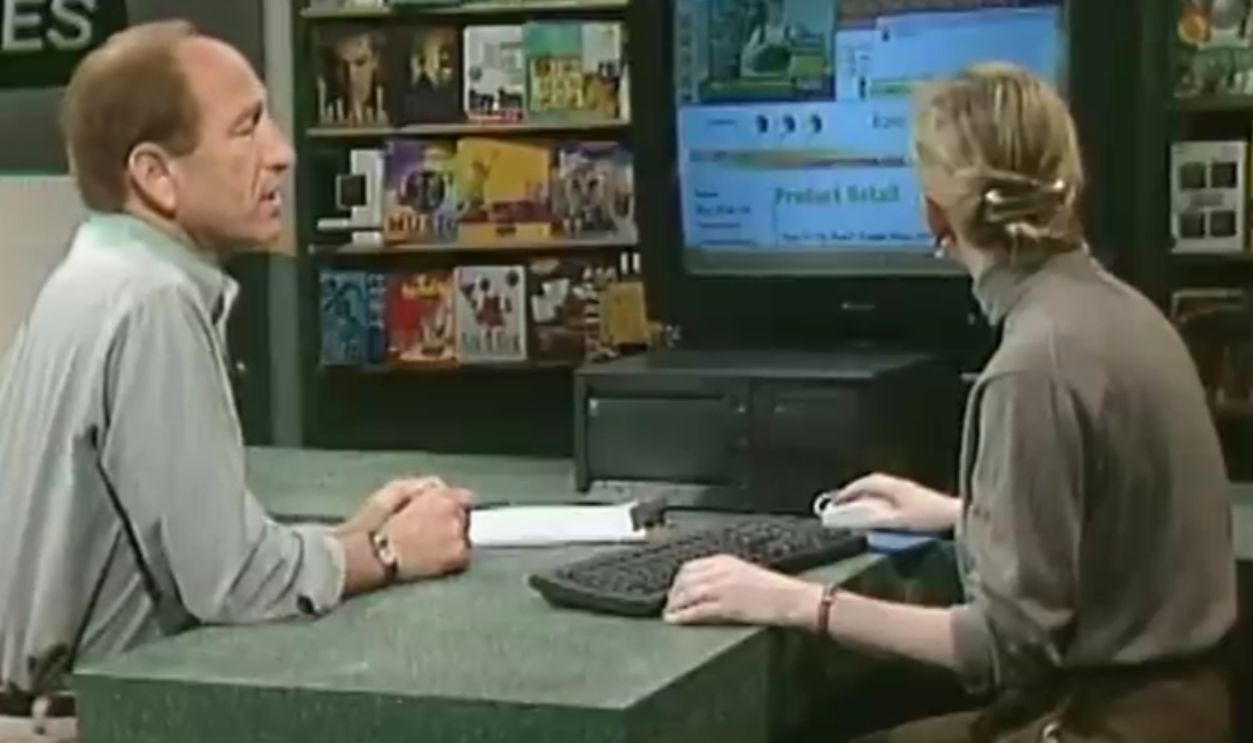 Screenshot from Computer Chronicles, PBS (1984–2002)
The First Time A Show Acknowledged Piracy
As episodes appeared online illegally, TV shows began addressing piracy—sometimes jokingly, sometimes angrily. It was an early acknowledgment that control over content was slipping away.
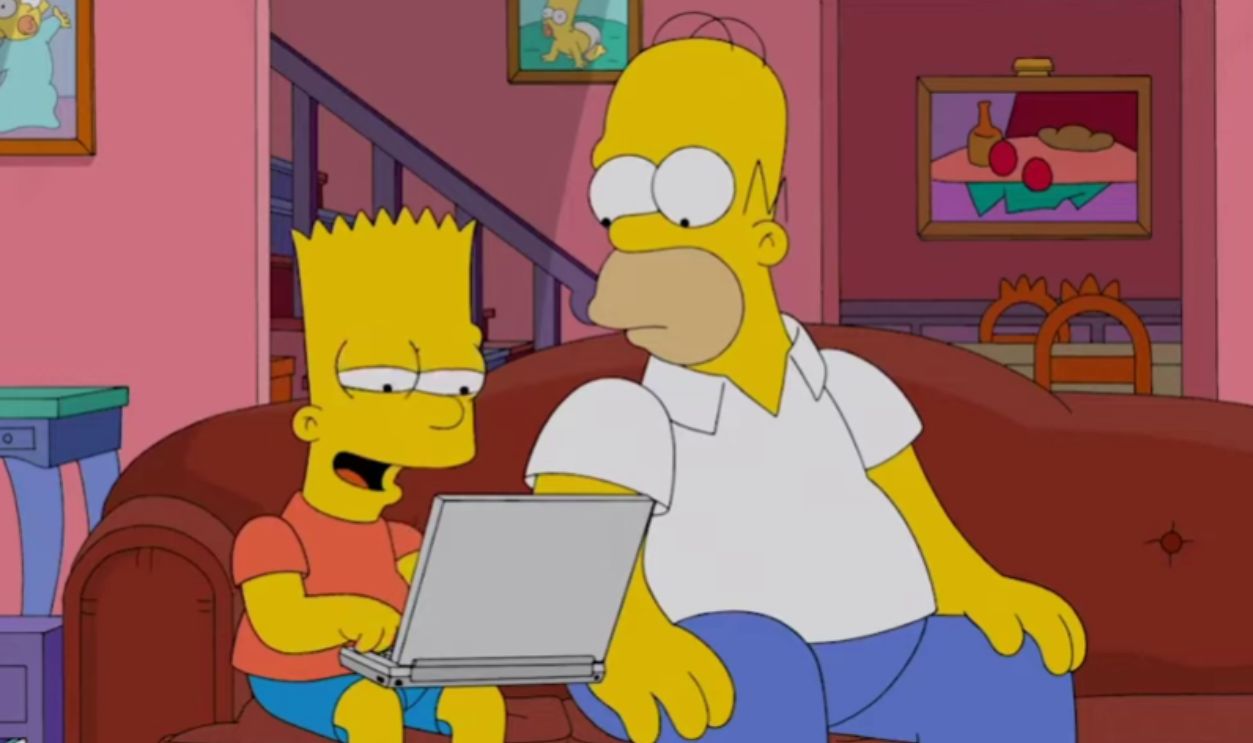 Screenshot from The Simpsons, 20th Century Fox (1989–present)
When TV Realized the Internet Wasn’t Going Away
By the early 2000s, the tone shifted. The internet stopped being a novelty and started being a necessity. TV no longer asked if the web mattered—it asked how to survive alongside it.
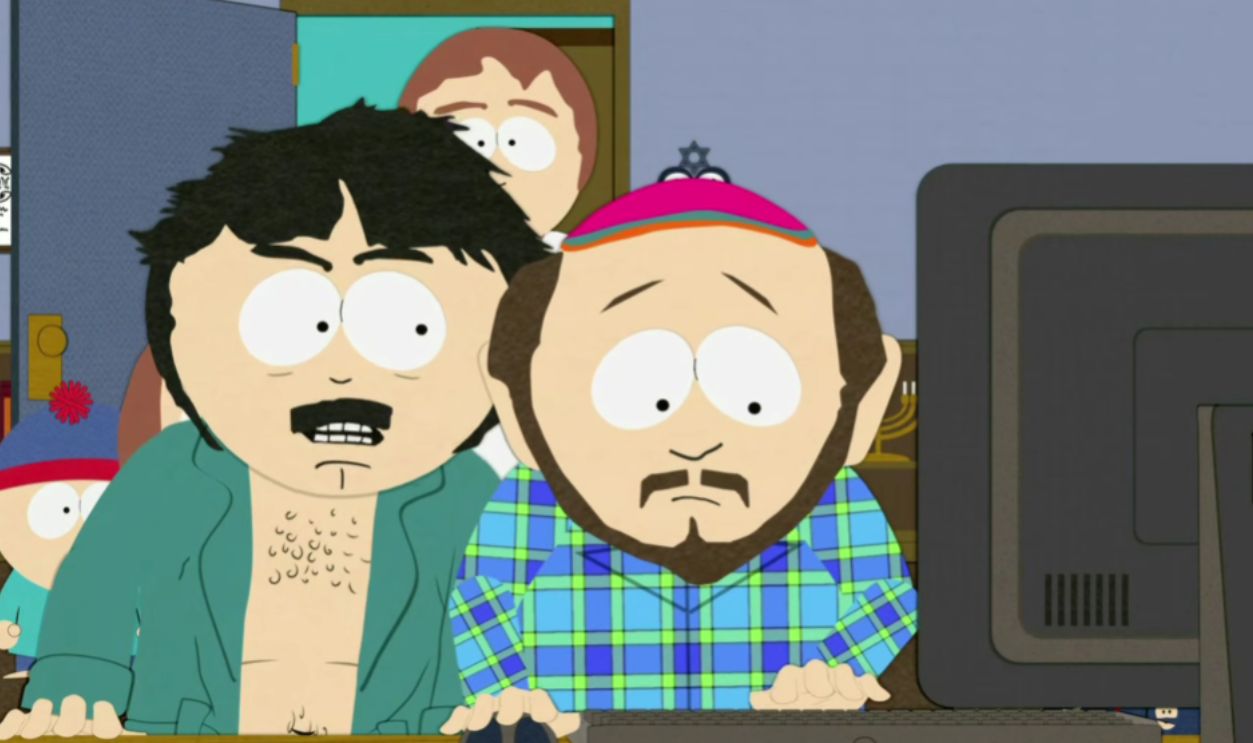 Screenshot from South Park, Comedy Central (1997–present)
From Dial-Up to Dominance
The early days of the internet were messy, awkward, and endlessly fascinating—and television captured all of it. These moments weren’t just about technology; they were about people adapting to a new way of communicating, sharing, and connecting. Looking back, it’s clear that TV didn’t just document the internet’s rise—it helped introduce it to the world, one confused joke and glitchy experiment at a time.
 DANIELA HERNANDEZ, Wikimedia Commons
You May Also Like:
It's A Wonderful Life Isn't The Movie People Think It Is
Iconic Scenes That Took Place In Real Locations You Can Still Visit
Times That American Cinema Butchered A Beautiful Foreign Film