A Holiday Film That Isn’t
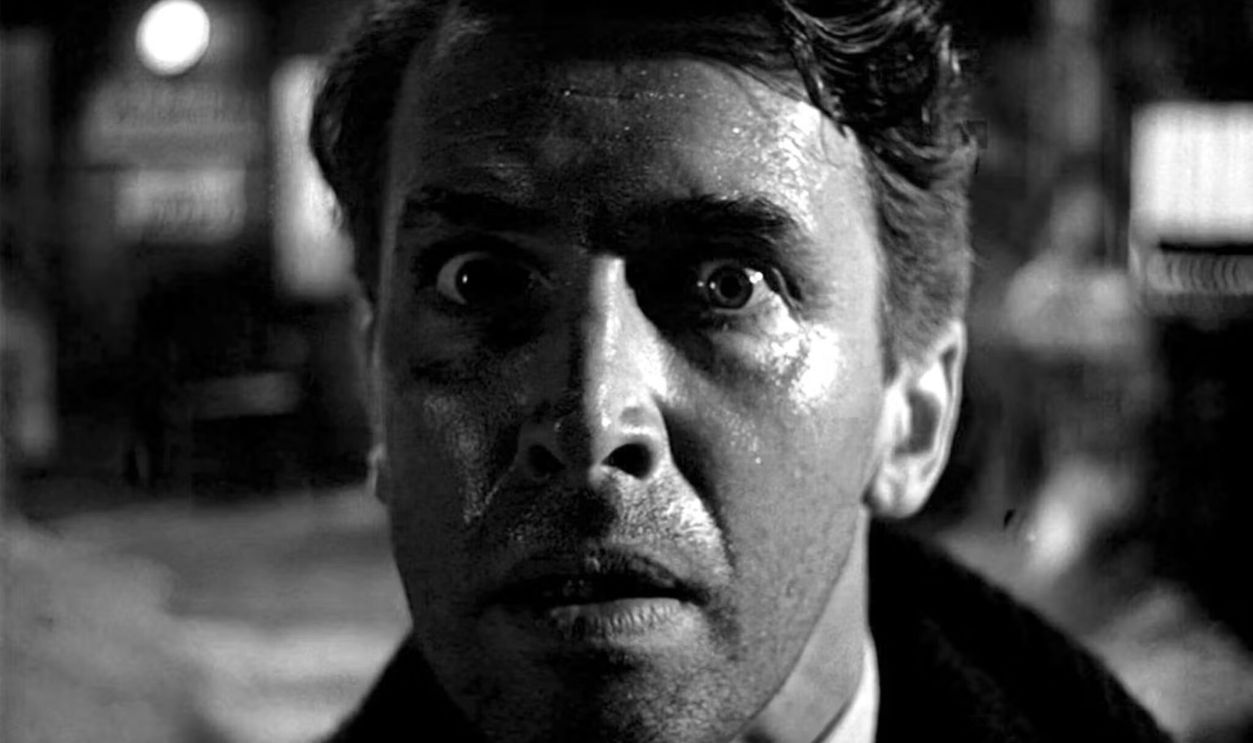
Most people know It’s a Wonderful Life as a happy Christmas movie. But that’s not really what it is. The film opens with a man in trouble, not joy. There are no lights, no carols—just quiet prayers for someone who’s about to give up.
It Started With A Card
The film was inspired by a short story titled The Greatest Gift, written by Philip Van Doren Stern. He couldn’t find a publisher, so he printed it as a Christmas card and mailed it to friends. One copy reached a producer, and that’s how it found its way to Capra.
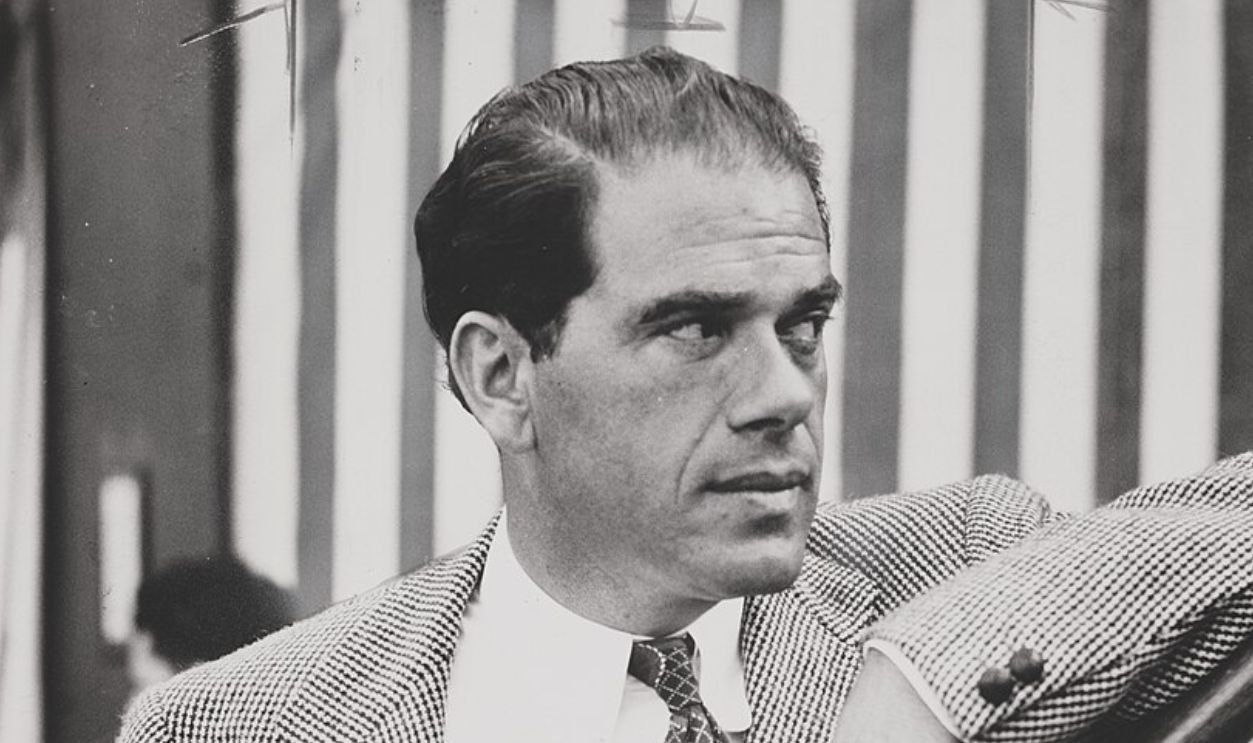 NYWT&S staff photographer, Wikimedia Commons
Capra’s Real Reason
Frank Capra directed the film after returning from WWII. He wanted to tell a story about an ordinary person who mattered. He didn’t plan for it to be a Christmas film. The focus was always on hope, purpose, and the quiet strength in everyday life.
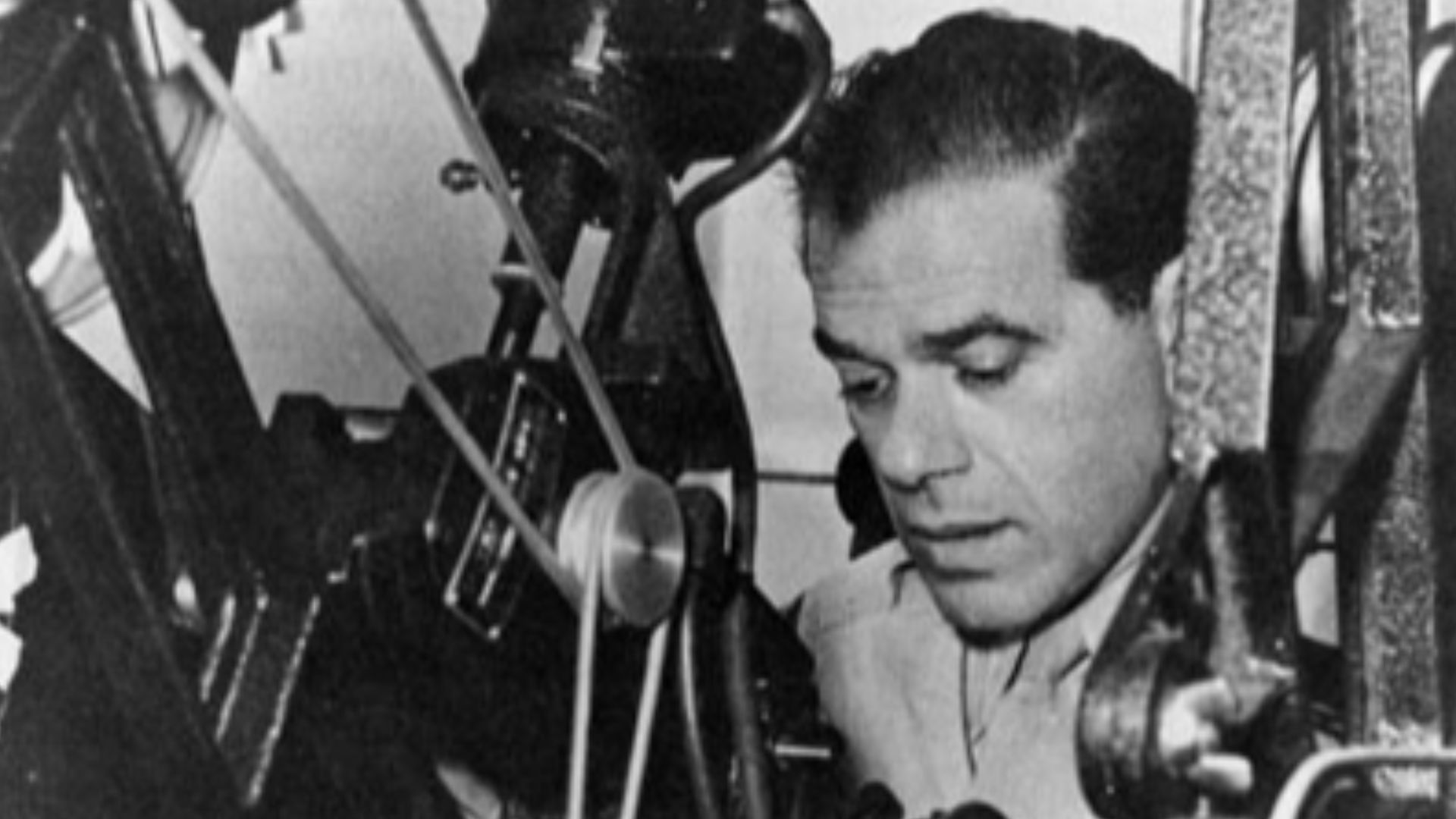 Unknown authorUnknown author, Wikimedia Commons
It Begins On A Snowy Bridge
In the first shot of the film, George Bailey stands alone by the water on Christmas Eve. He’s thinking about ending his life. Before anything else happens, the film takes us back in time to show us how he got there. Everything starts in a small town called Bedford Falls.
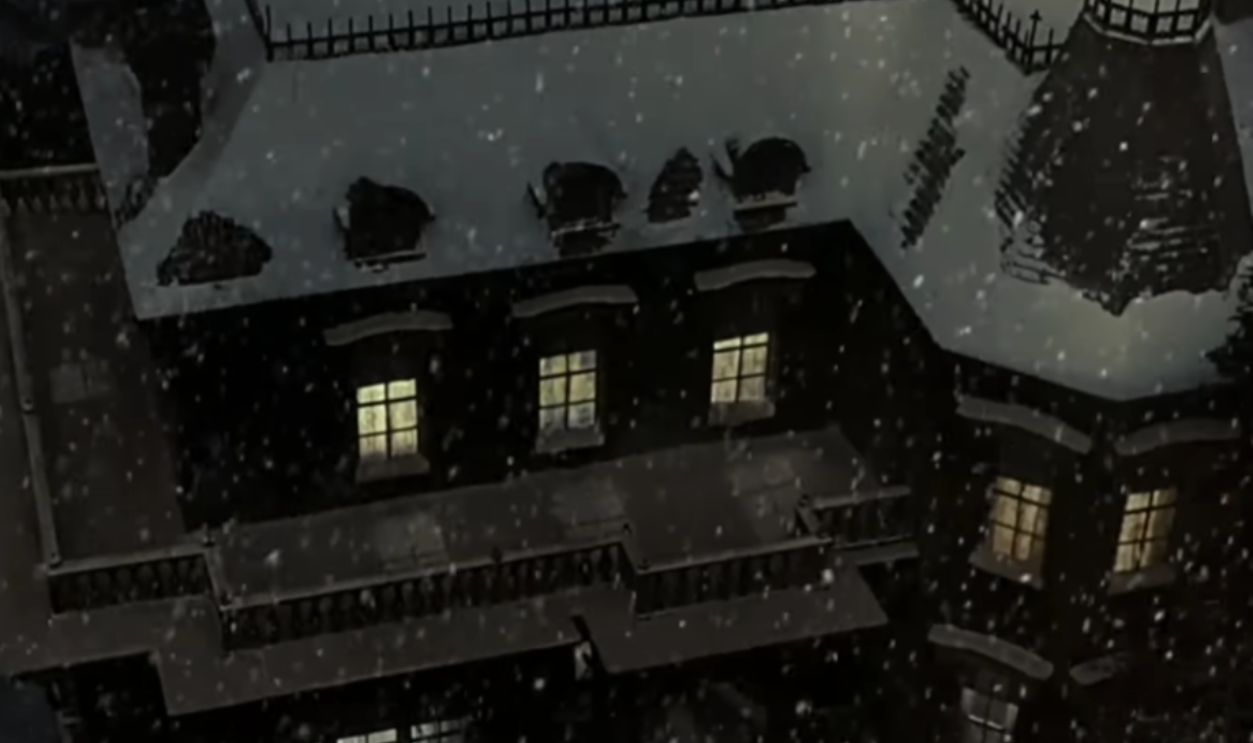 Screenshot from It’s a Wonderful Life, RKO Radio Pictures (1946)
He Almost Got Out
As a boy, George dreamed of traveling the world. He talked about building bridges and tall buildings. But life kept pulling him back. His father died, the family business needed him, and he stayed behind while others moved forward.
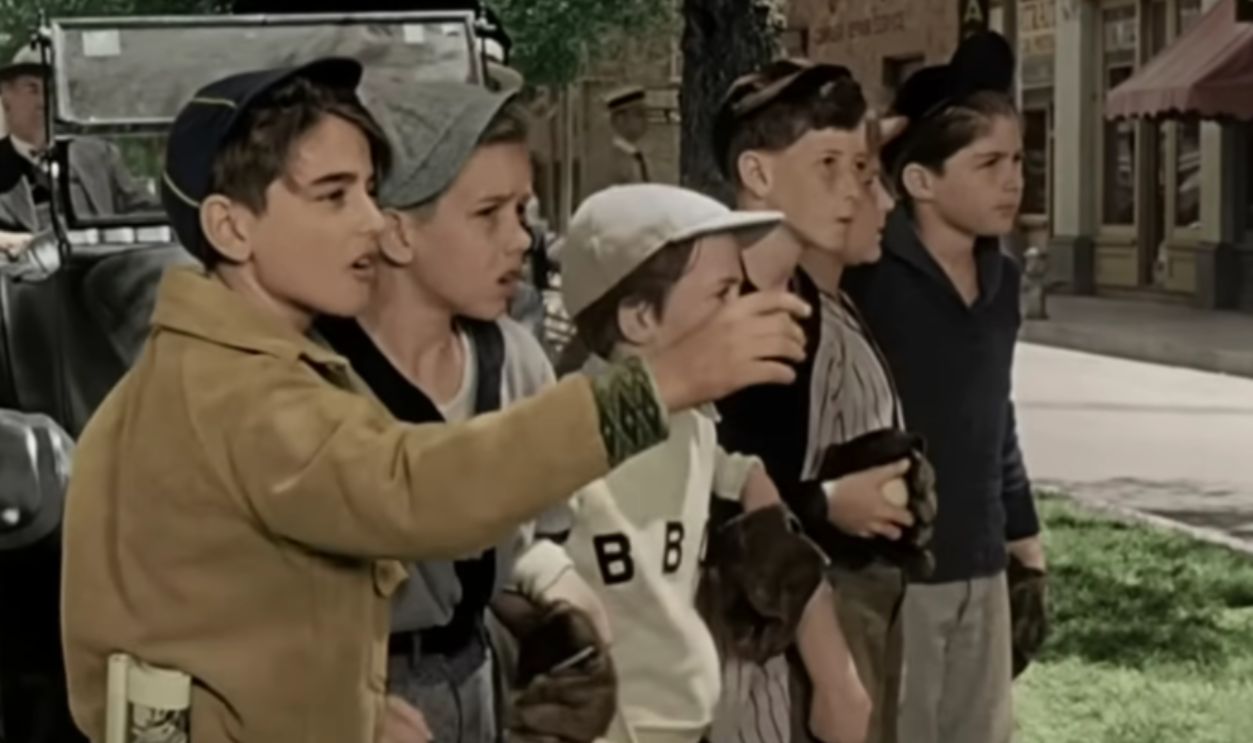 Screenshot from It’s a Wonderful Life, RKO Radio Pictures (1946)
A Heavy Kind Of Hero
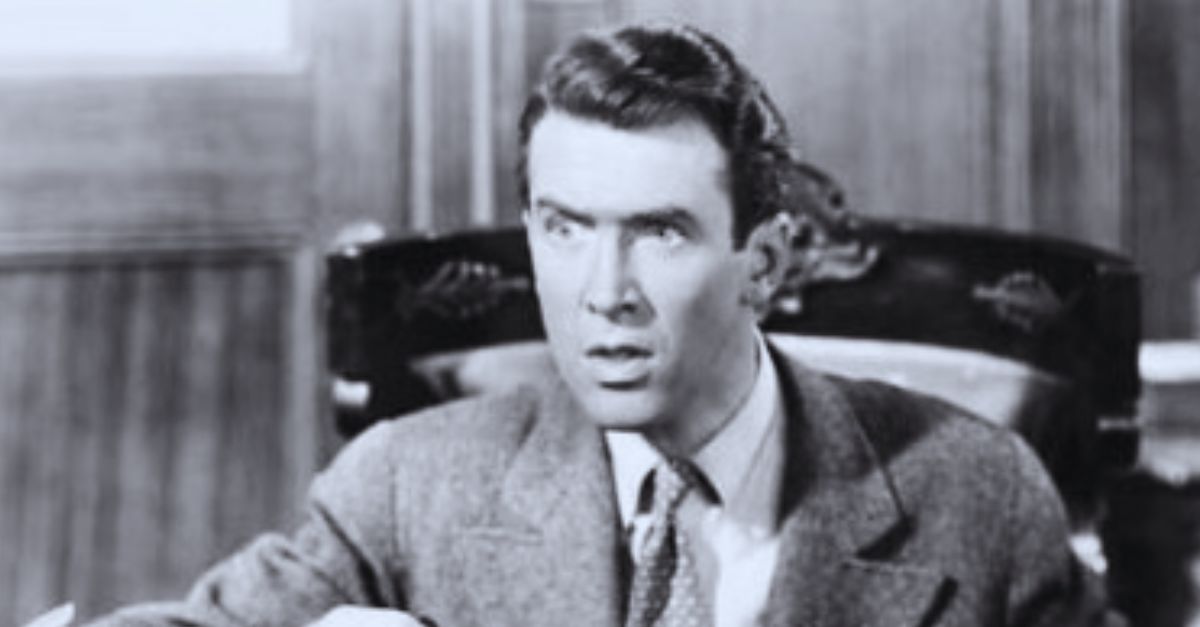
James Stewart had served in WWII before making this film. That real-life experience shaped his performance. His version of George doesn’t feel like acting. He looks like someone carrying years of unspoken worry, even when he smiles.
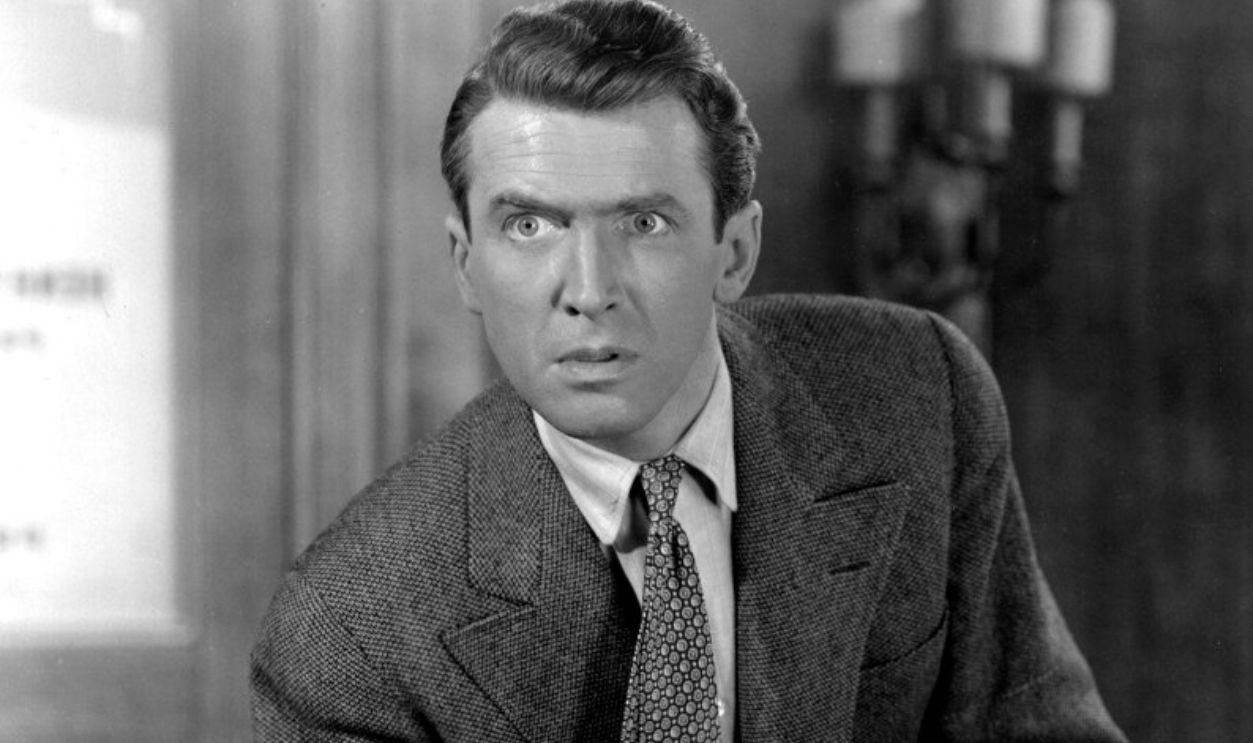 Liberty Films, Wikimedia Commons
The Girl From Home
Mary always liked George, even as kids. She’s kind, calm, and strong. When they get married, she doesn’t chase big dreams—she builds a steady home. Donna Reed plays her with warmth that makes every scene feel more grounded and real.
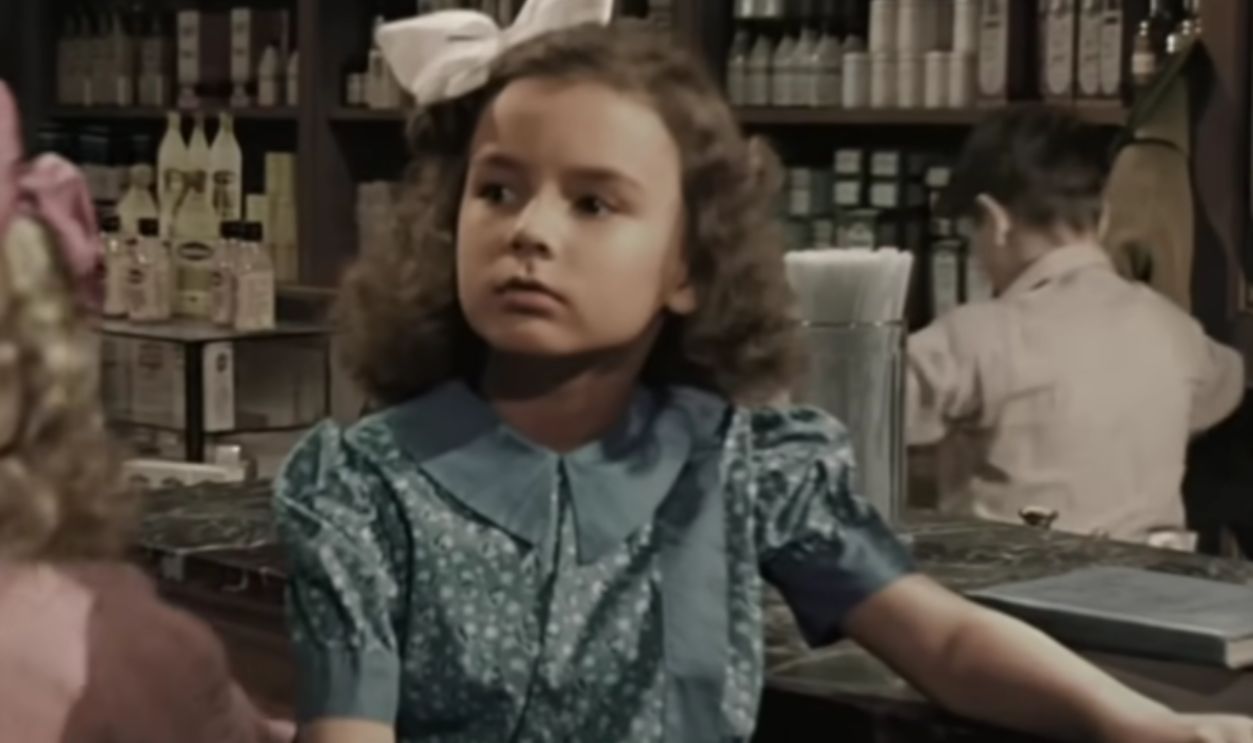 Screenshot from It’s a Wonderful Life, RKO Radio Pictures (1946)
Love In A Crisis
Right after their wedding, there’s a bank panic. George and Mary use their honeymoon money to keep people from losing everything. They live in an old house, raise four kids, and work with what they have. It’s not fancy, but it’s full of love.
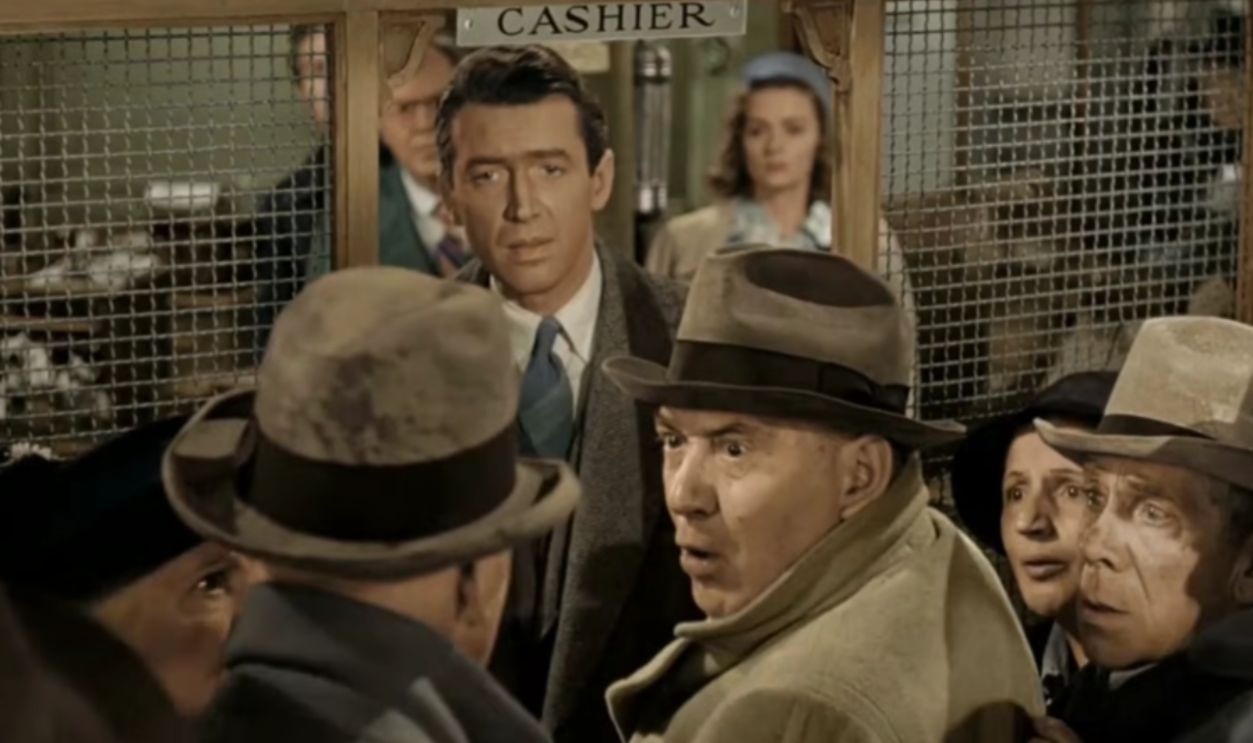 Screenshot from It’s a Wonderful Life, RKO Radio Pictures (1946)
The Man Who Owned Everything
Mr. Potter is the richest man in town. He wants to control the building and loan too. He’s cold and calm, never loud, and always watching. Lionel Barrymore plays him like someone who doesn’t need to threaten—he just waits for people to fail.
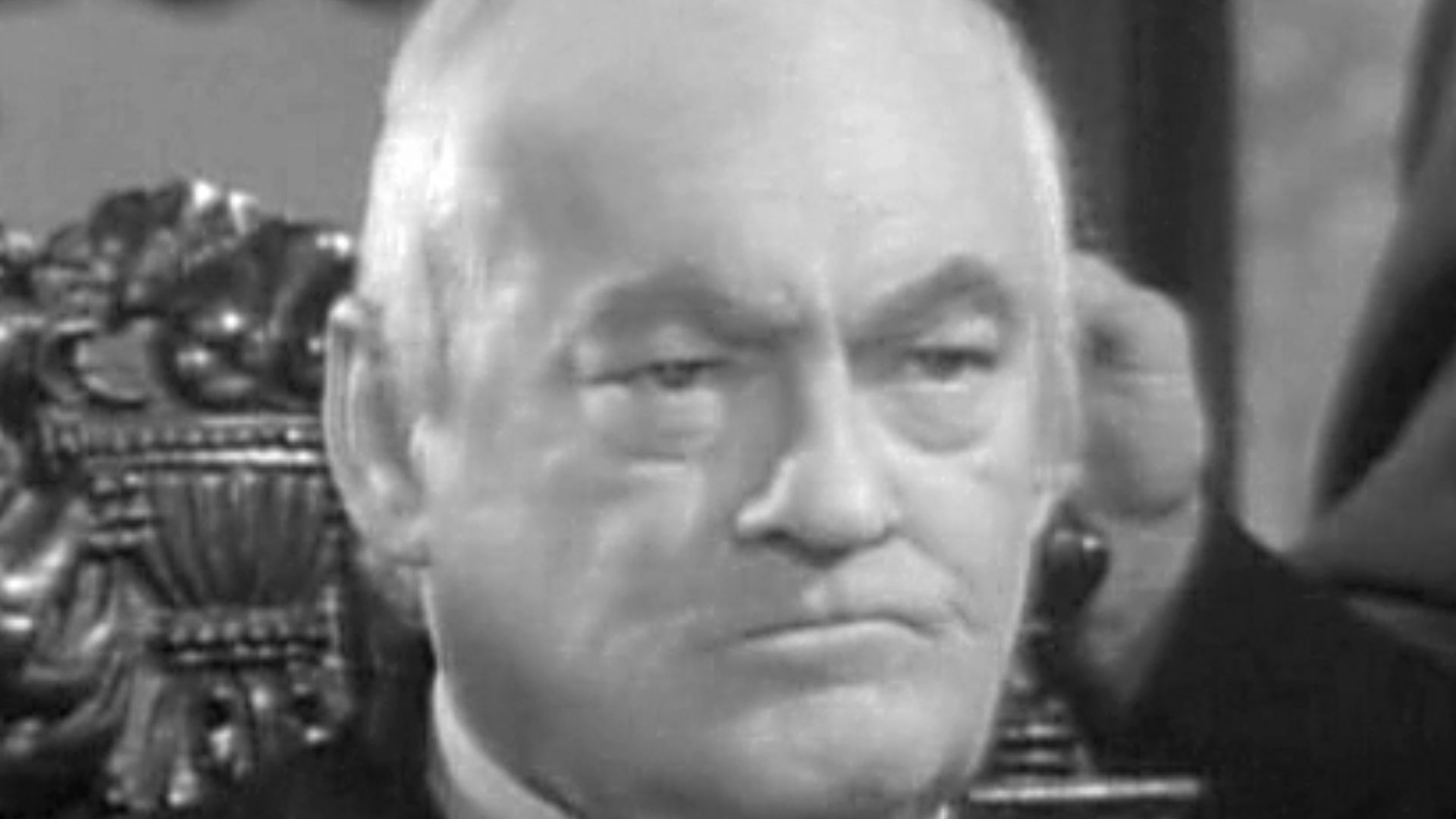 Liberty Films, Wikimedia Commons
Everyone Else Moved On
As the years pass, George watches others succeed. His brother becomes a war hero. Friends move to big cities. George stays behind, fixing problems and helping others. He feels stuck, like his own dreams never got started.
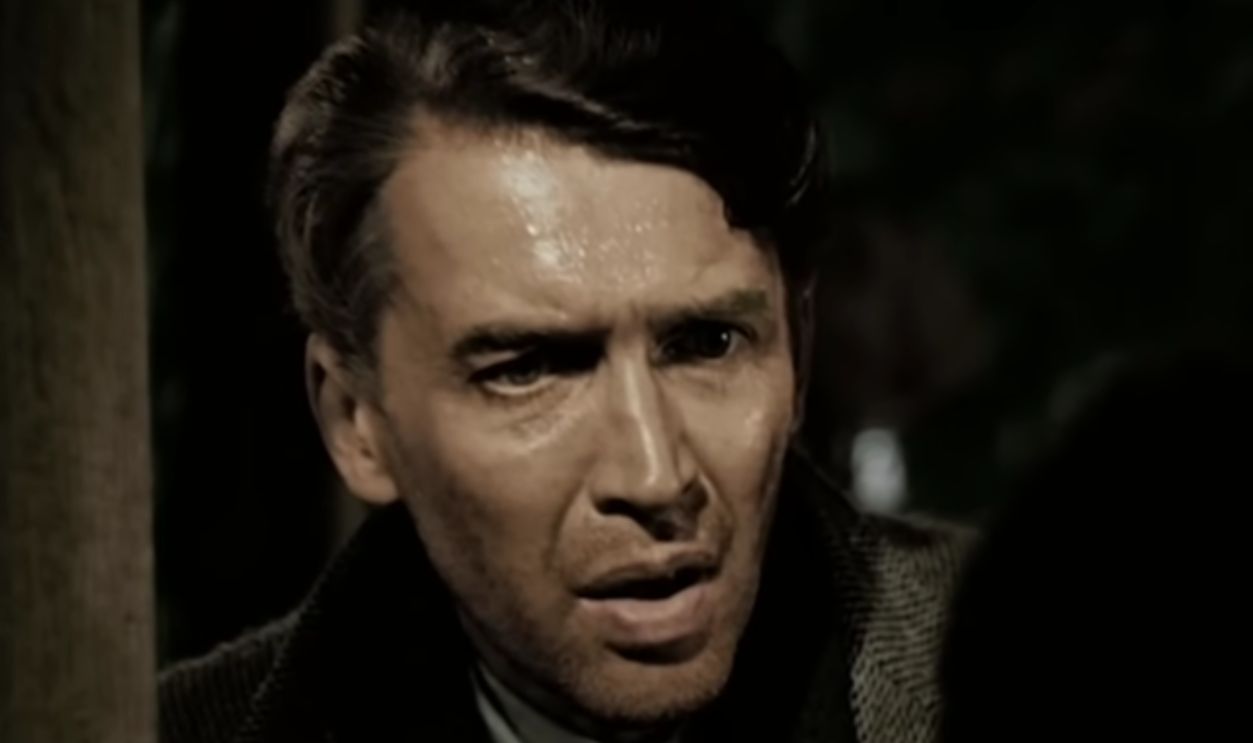 Screenshot from It’s a Wonderful Life, RKO Radio Pictures (1946)
One Slip Changes Everything
One day, George’s uncle misplaced a large deposit. The money is gone, and George might be blamed. If he can’t fix it, the business could close. He tries to stay calm, but the pressure builds fast, and no one seems able to help.
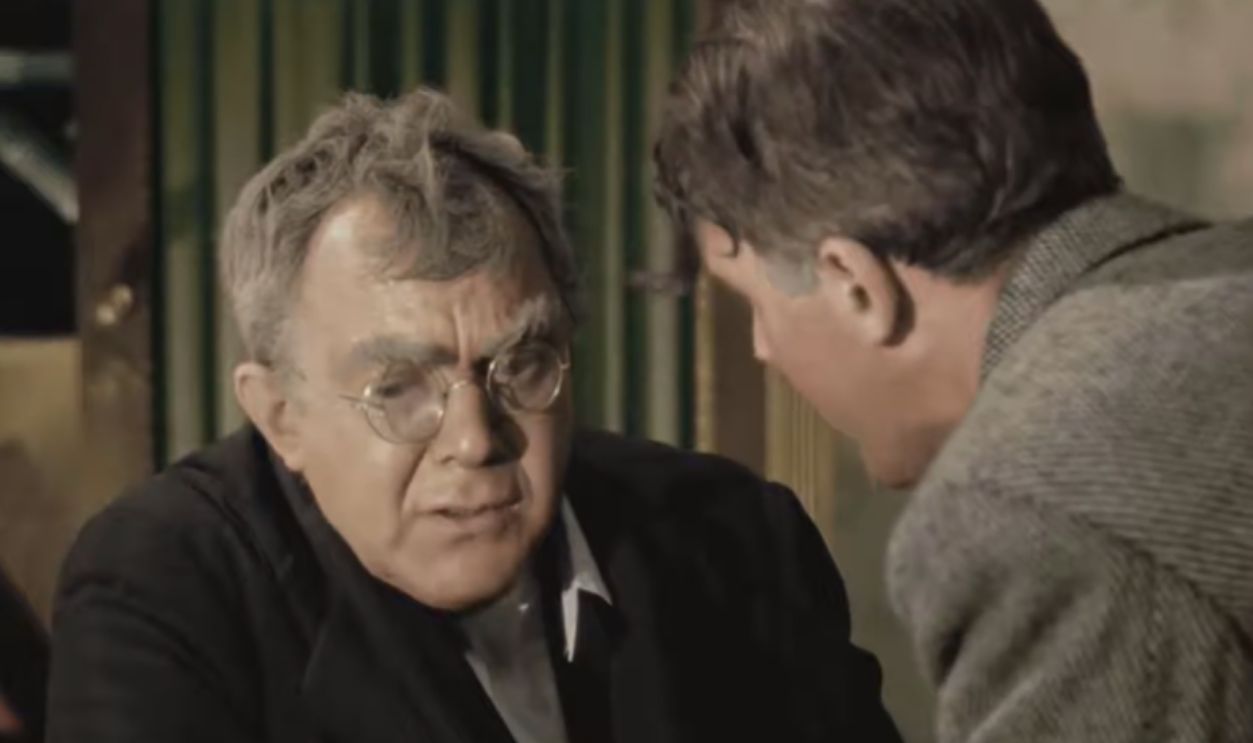 Screenshot from It’s a Wonderful Life, RKO Radio Pictures (1946)
Maybe They’d Be Better Off
George walks through town feeling like a failure. He sees his work falling apart and believes he’s let everyone down. In that moment, it seems like the people he’s helped would have been fine without him—and maybe even happier.
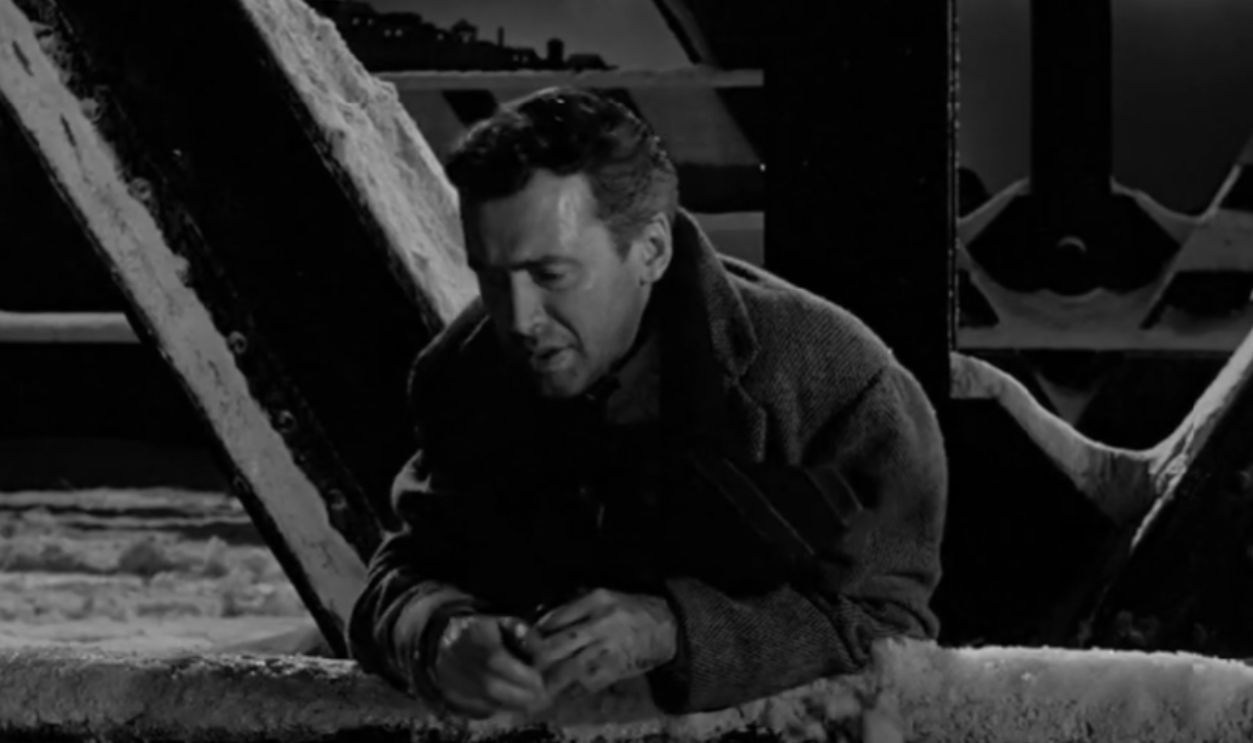 Screenshot from It’s a Wonderful Life, RKO Radio Pictures (1946)
An Angel Steps In
Just as George is ready to jump, an angel named Clarence shows up. He’s quiet and a little awkward. Played by Henry Travers, Clarence doesn’t perform miracles. He just listens and offers a strange idea: What if George had never been born?
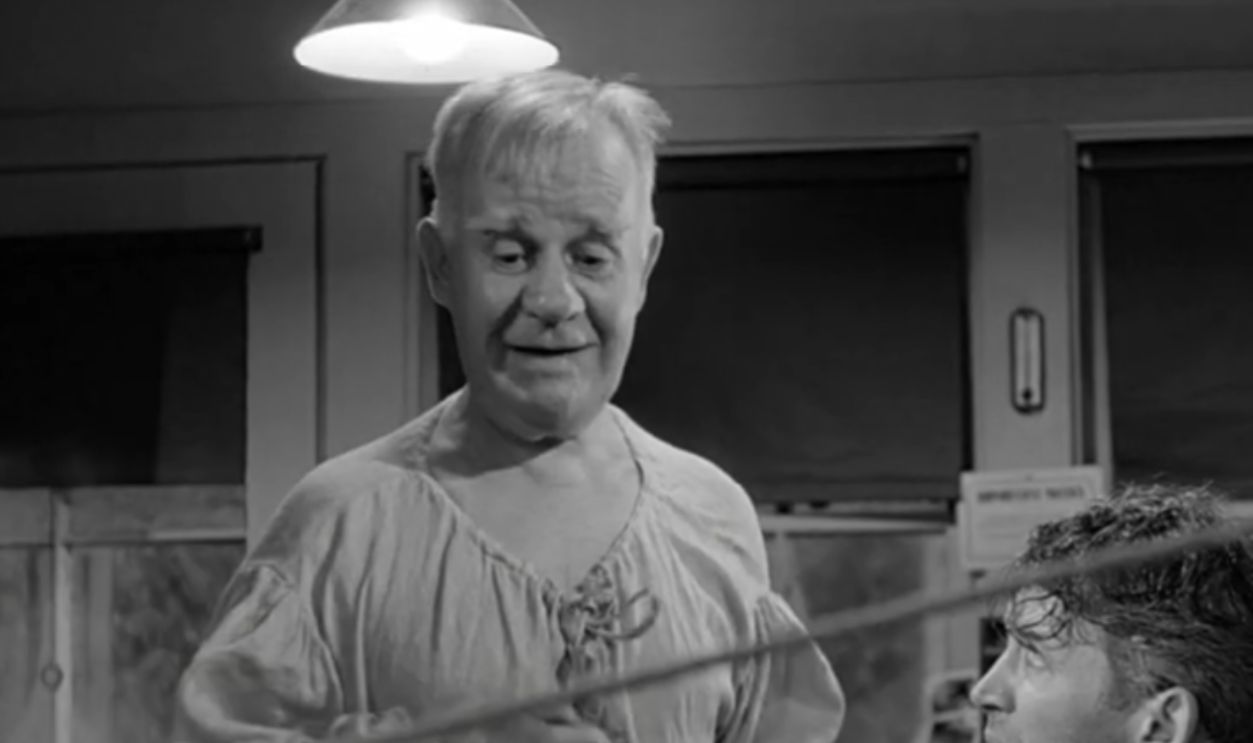 Screenshot from It’s a Wonderful Life, RKO Radio Pictures (1946)
A Town Without George
In this new world, George never existed. The town is colder and rougher. It’s called Pottersville now. Without George, people lost homes, dreams, and support. The town still stands—but it doesn’t feel like home anymore.
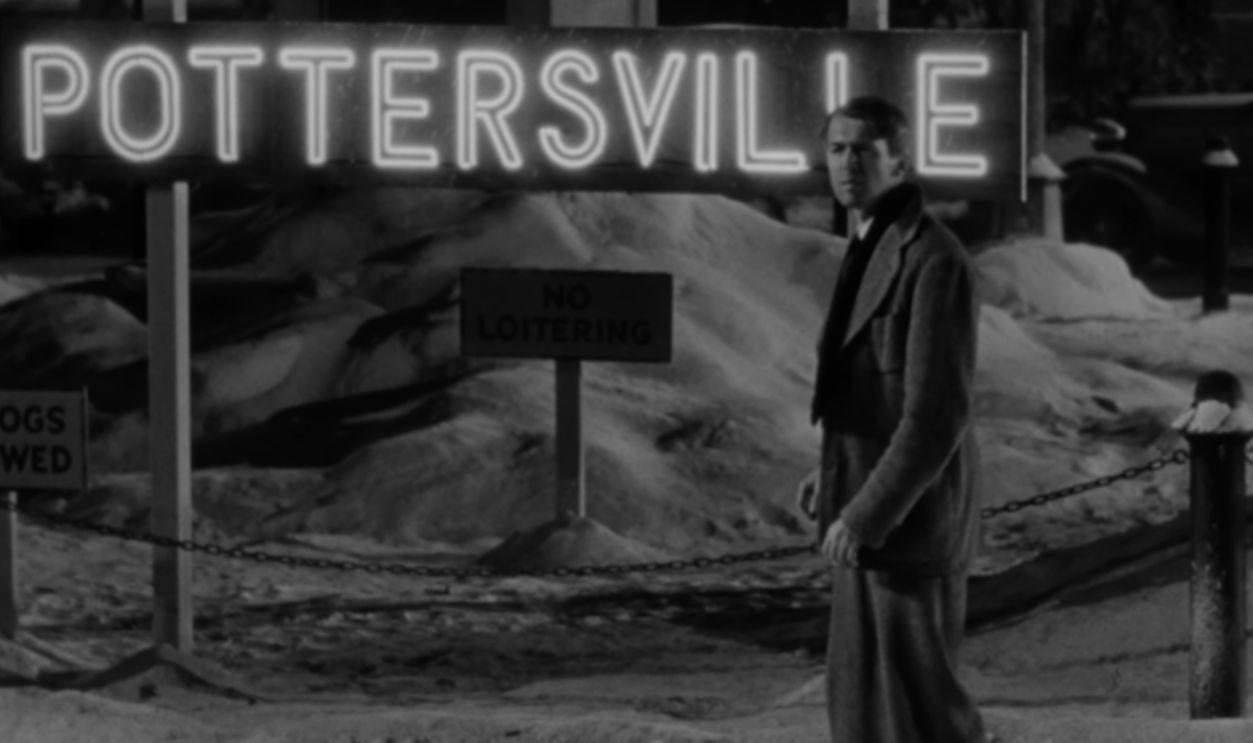 Screenshot from It’s a Wonderful Life, RKO Radio Pictures (1946)
He Meant More Than He Knew
The people he saved, the lives he touched—they were all changed by his presence. He didn’t become famous or rich. But his choices made things better for the people around him. That’s what Clarence wanted him to understand.
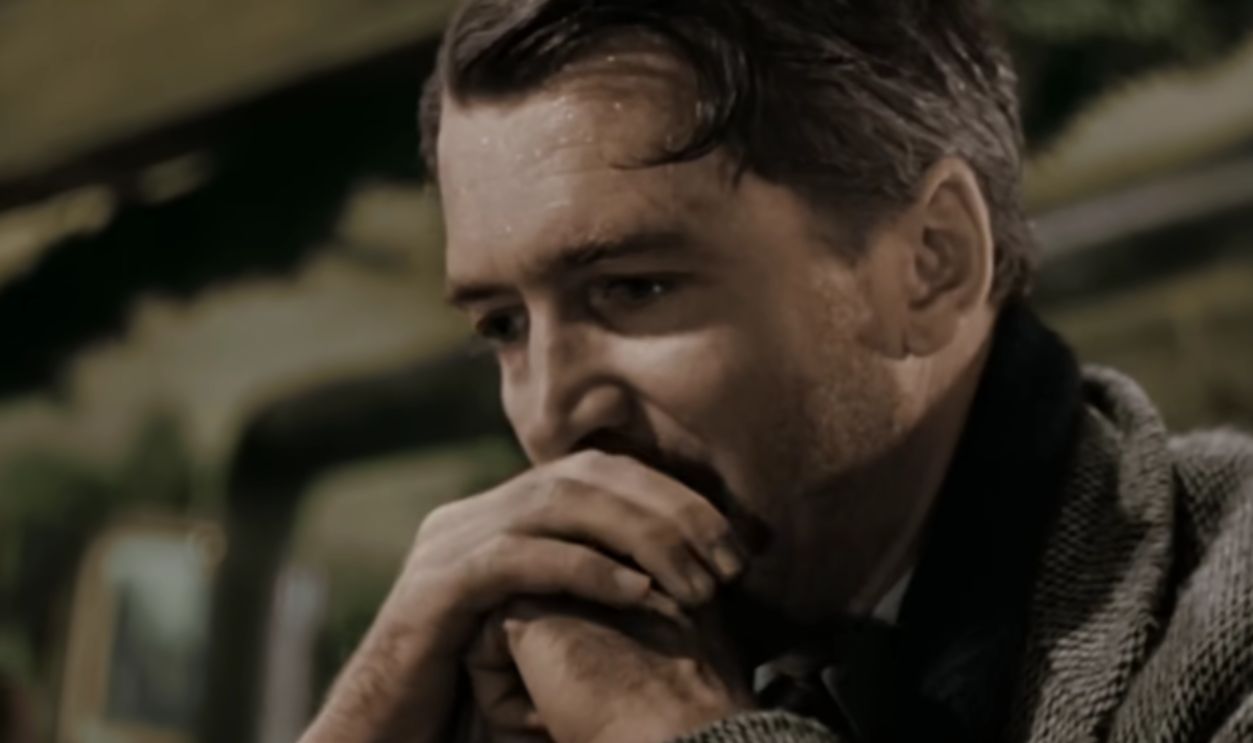 Screenshot from It’s a Wonderful Life, RKO Radio Pictures (1946)
Home Hits Different Now
After seeing what the world looks like without him, George begs for his life back. Nothing about his situation has changed (he’s still in trouble), but now he understands what he means to others. He runs home, grateful just to be alive.
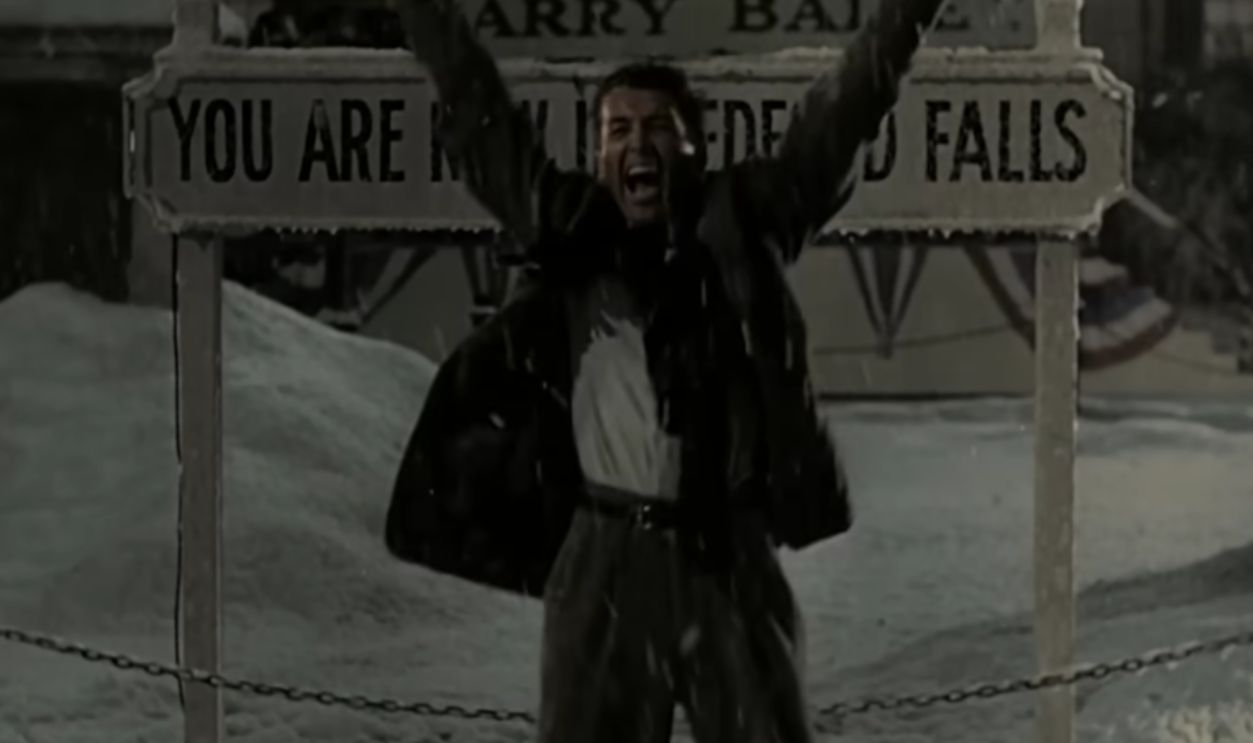 Screenshot from It’s a Wonderful Life, RKO Radio Pictures (1946)
They Show Up For Him
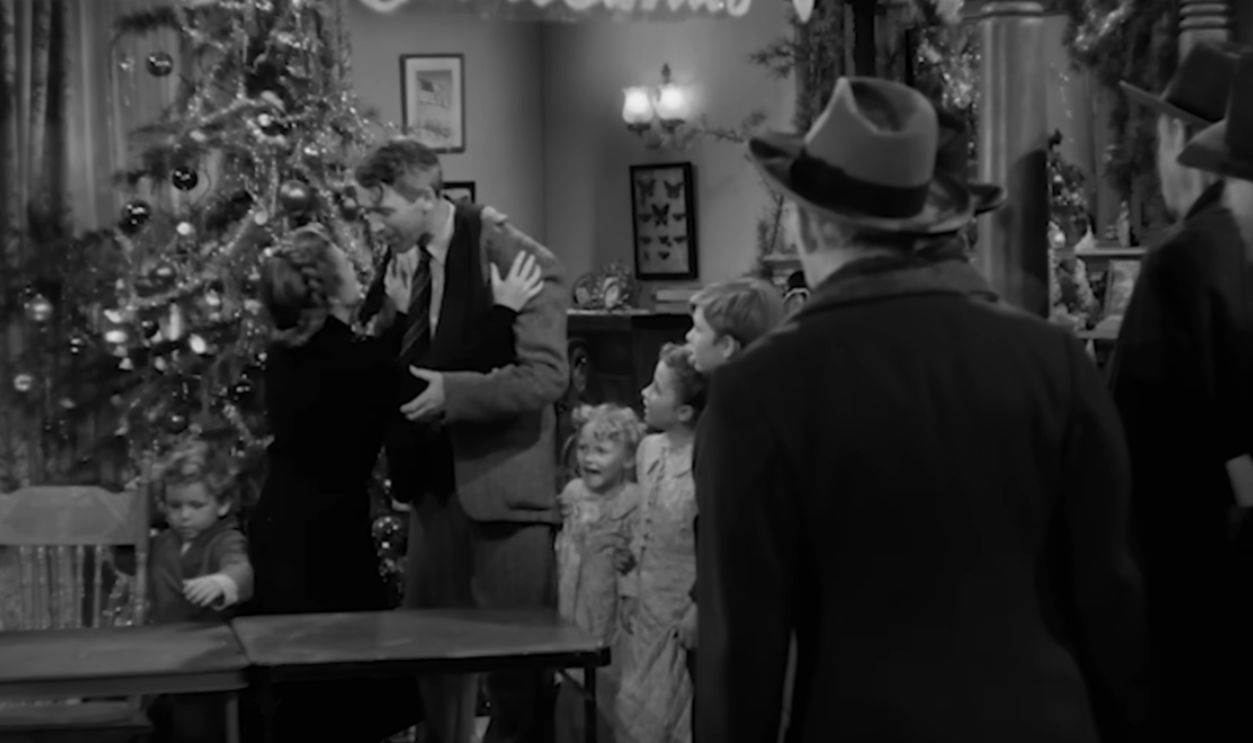
George returns to find his friends and neighbors filling his house. They bring money to cover the missing deposit. No one asks questions. They just help. It’s not a miracle. It’s a quiet thank-you for all the years George helped them first.
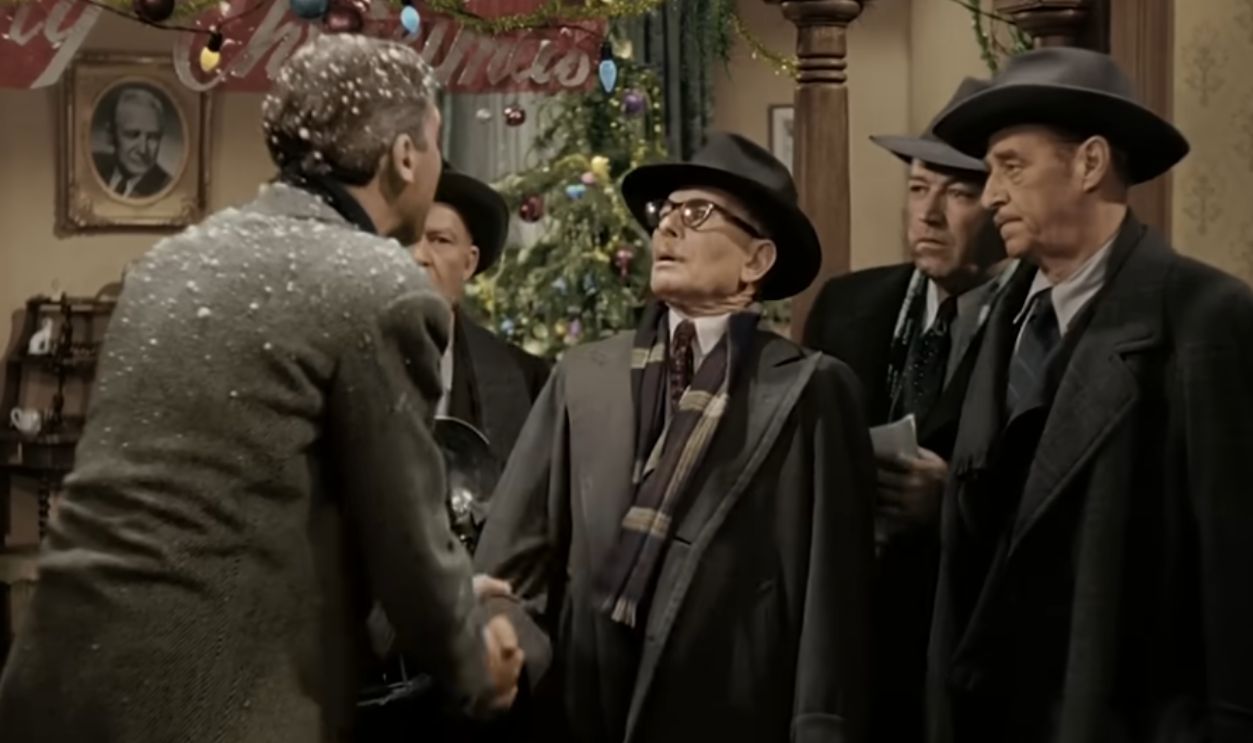 Screenshot from It’s a Wonderful Life, RKO Radio Pictures (1946)
Not A Christmas Song
At the very end, everyone sings Auld Lang Syne. It’s not a Christmas carol. It’s a song about memory and friendship. The moment feels warm and emotional, but it’s not about the season. It’s about people showing up for each other when it matters most.
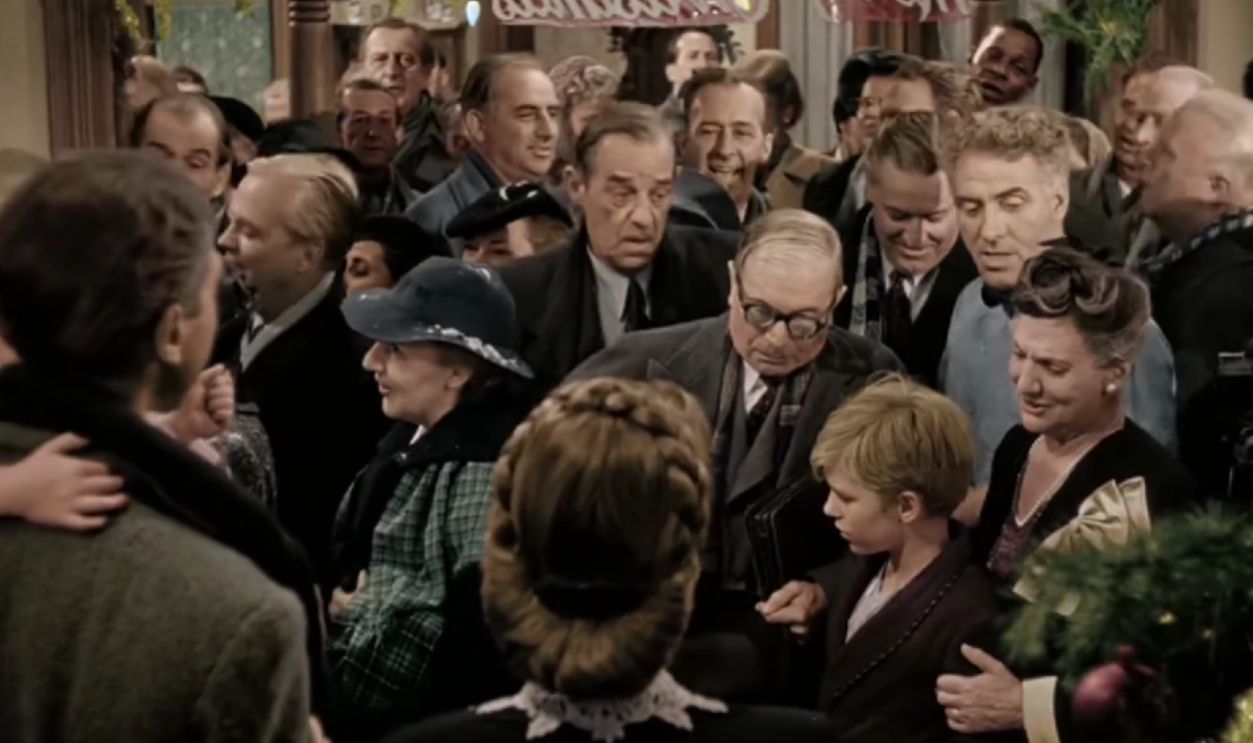 Screenshot from It’s a Wonderful Life, RKO Radio Pictures (1946)
Nobody Watched It First
When It’s a Wonderful Life was first released in 1946, it wasn’t seen as a Christmas film. It opened in December, but it didn’t do well at the box office. For years, it faded into the background, nearly forgotten by audiences.

TV Made It Seasonal
In the 1970s, this film entered the public domain. That meant TV stations could air it without paying. They started showing it every December. Families watched it together, year after year. Slowly, the movie became tied to Christmas, mostly because that’s when people saw it.

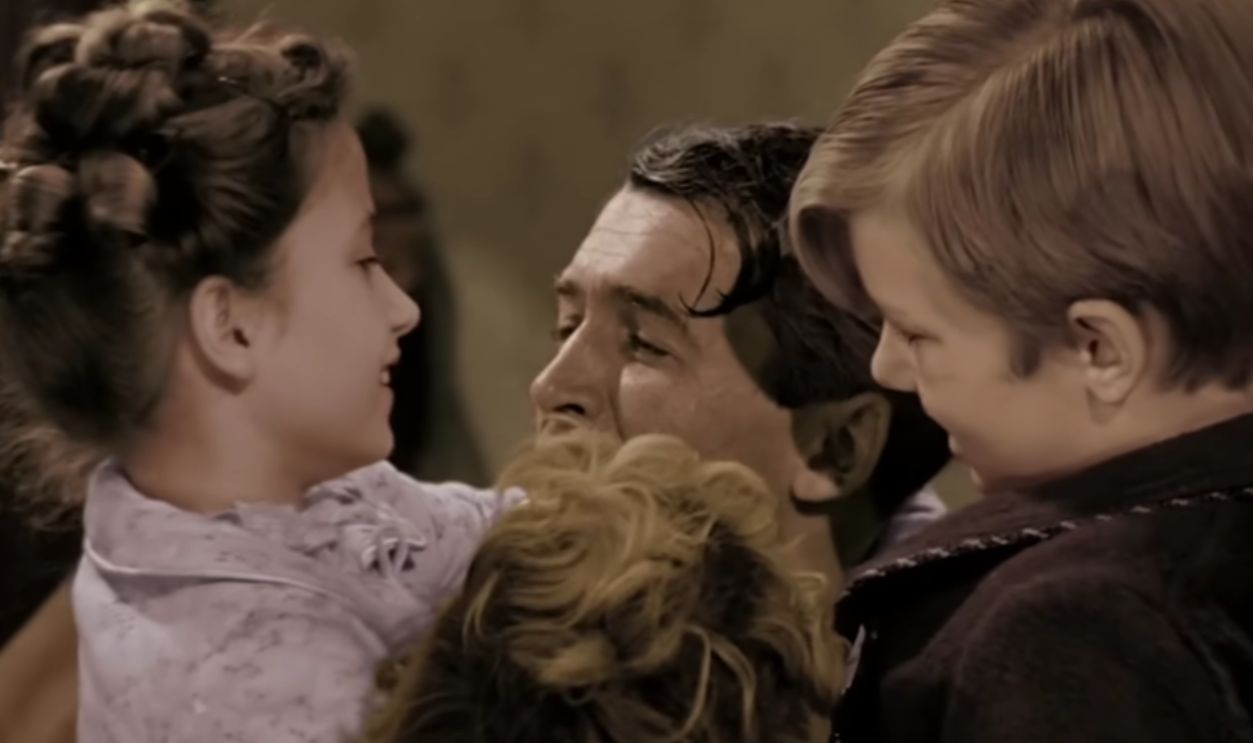
It’s Not About The Tree
Only the final scenes take place on Christmas Eve. Most of the film shows other times in George’s life, starting from his childhood to the years of quiet struggle. The heart of the story is about choices, sacrifice, and unseen impact. It’s not built around a holiday.
 Screenshot from It’s a Wonderful Life, RKO Radio Pictures (1946)
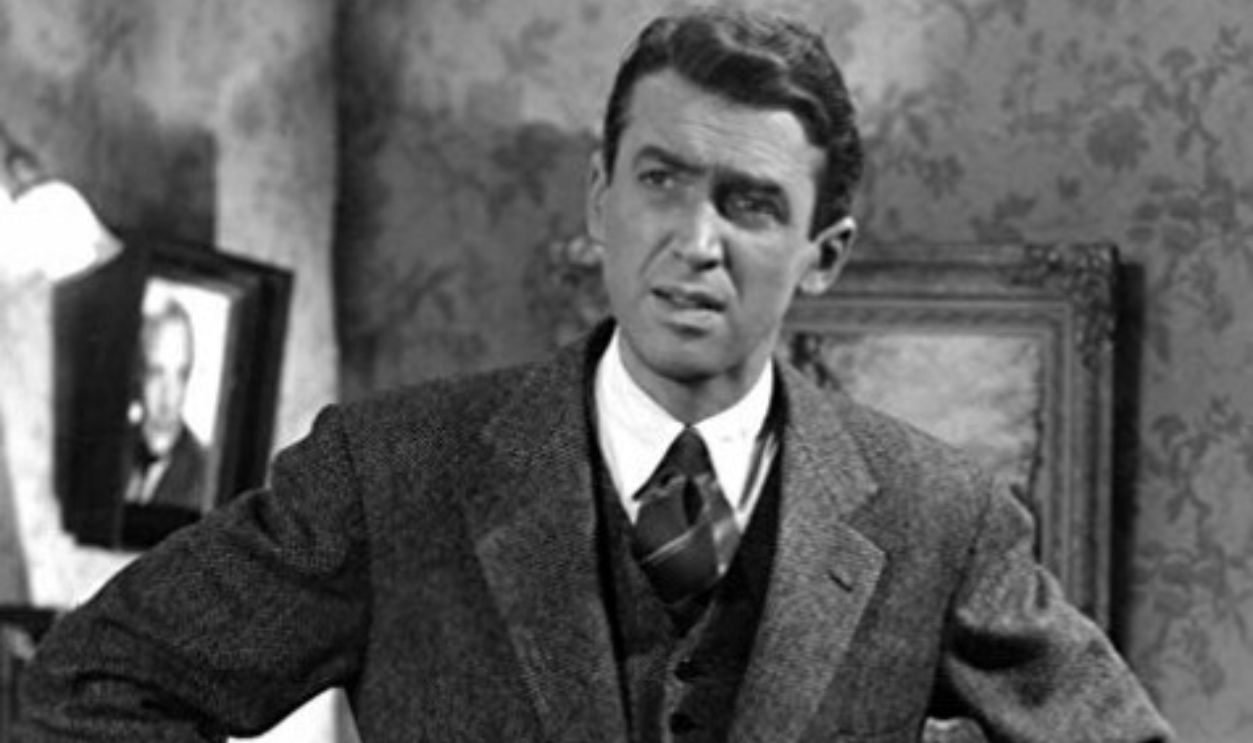
They Forget The Hard Part
What sticks with viewers is the joyful final scene. But they often forget how much came before it—the regrets and pressure. George almost ends his life. The ending only feels hopeful because the rest of the film gives it emotional weight.
 Joseph Walker, Joseph Biroc, Wikimedia Commons
Saved By Kindness
There are no magical fixes. George doesn’t win the lottery. His life doesn’t suddenly change. What saves him is community—the people he quietly helped over the years. That kind of ending feels rare because it’s simple, honest, and deeply human.
 Screenshot from It’s a Wonderful Life, RKO Radio Pictures (1946)
Bigger Than Christmas
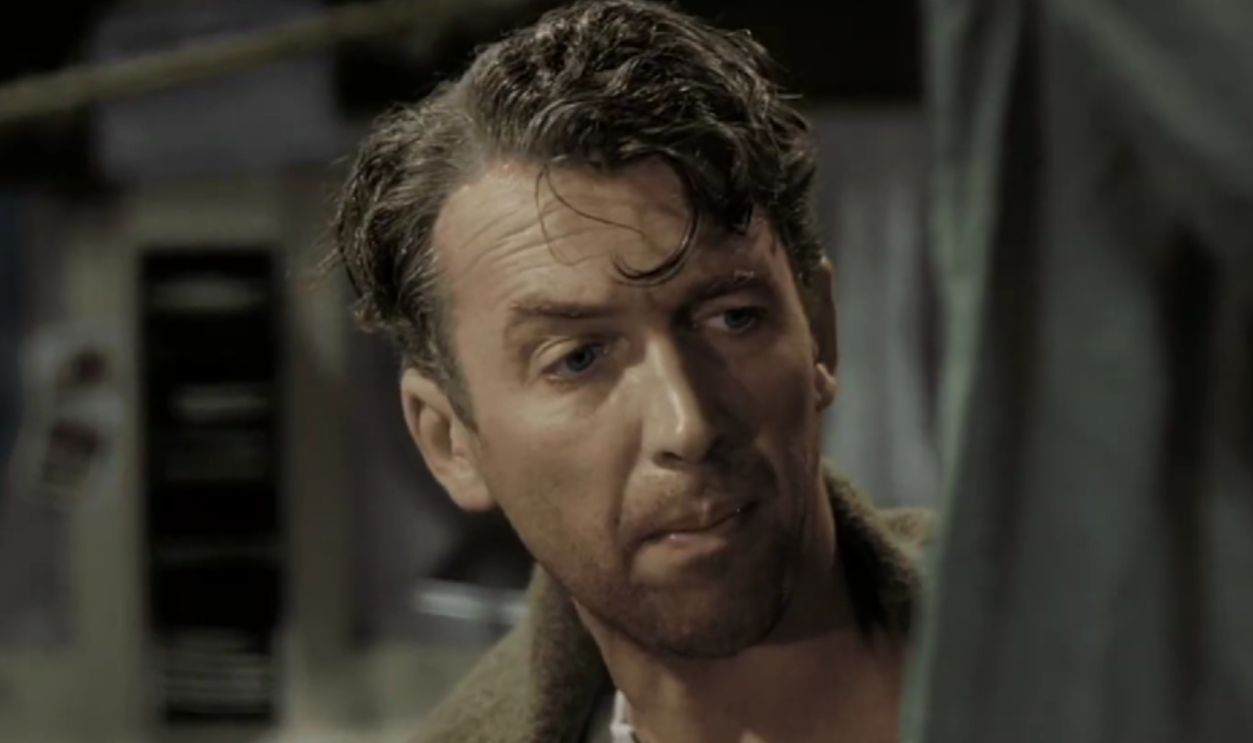
The film isn’t about snow or trees or presents. It’s about how one life, without fame or wealth, can quietly shape everything around it. That’s a message that fits any time of year. The calendar doesn’t matter. What matters is how we treat each other.
 Screenshot from It’s a Wonderful Life, RKO Radio Pictures (1946)
What Really Makes It Wonderful
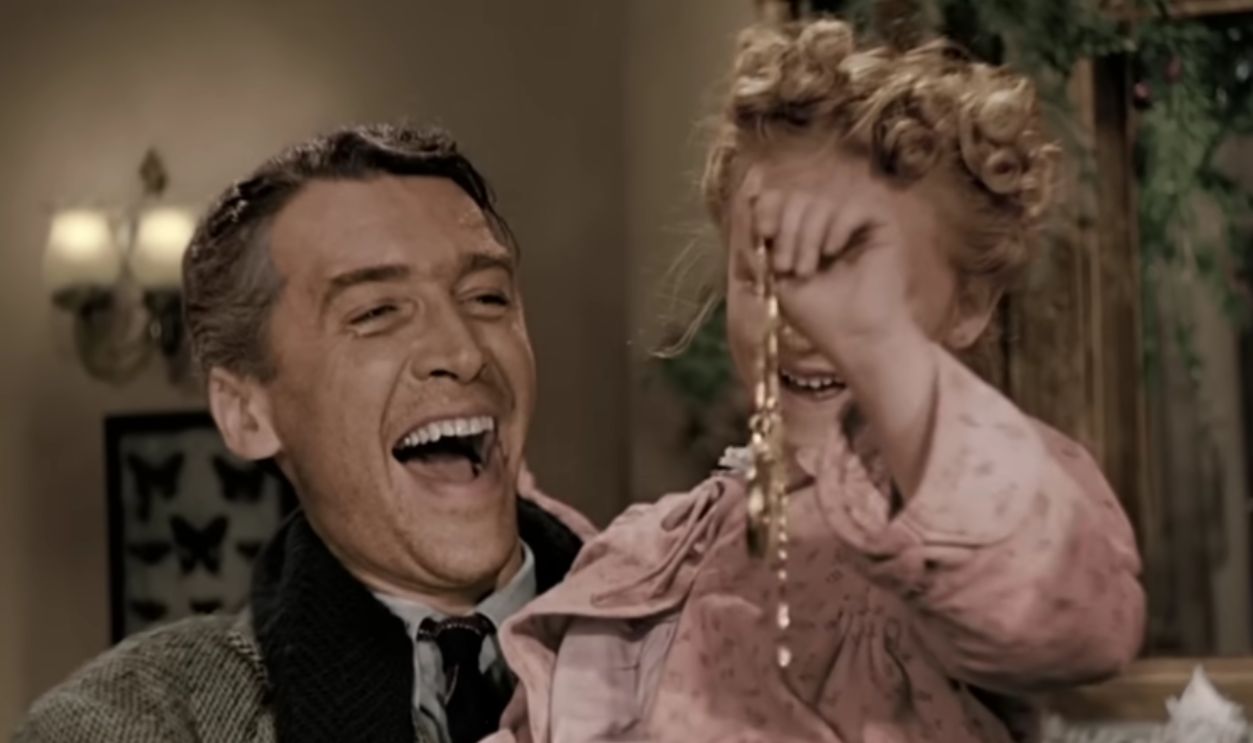
Yes, there’s snow at the end. Yes, there’s a tree in the corner. But the real gift of It’s a Wonderful Life has nothing to do with the season. It’s a reminder that even the quietest life can leave behind something lasting.
 Screenshot from It’s a Wonderful Life, RKO Radio Pictures (1946)