A Feud That Lasted Decades
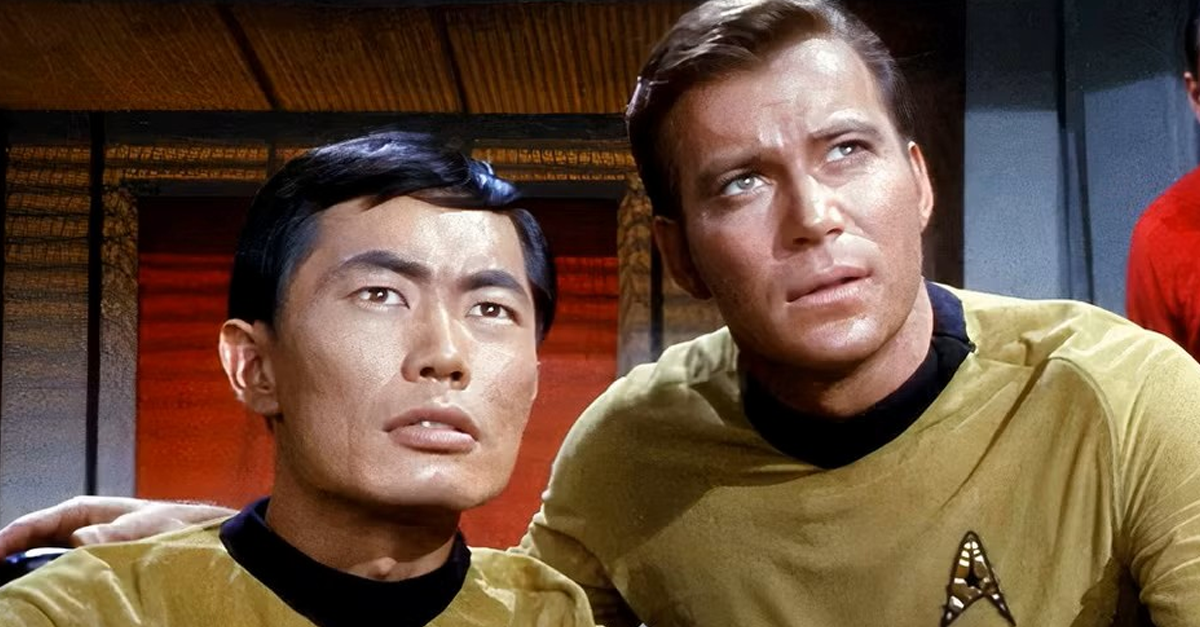
William Shatner and George Takei spent years exploring the galaxy together on Star Trek, but their real-life relationship was anything but friendly. What began as alleged clashes over egos and screen time became a decades-long feud filled with public insults, accusations of sabotage, and a bitter argument over a wedding invitation. Even as Star Trek celebrated its 60th anniversary, the two actors were still at odds.
How did Captain Kirk and Mr. Sulu become such bitter rivals?
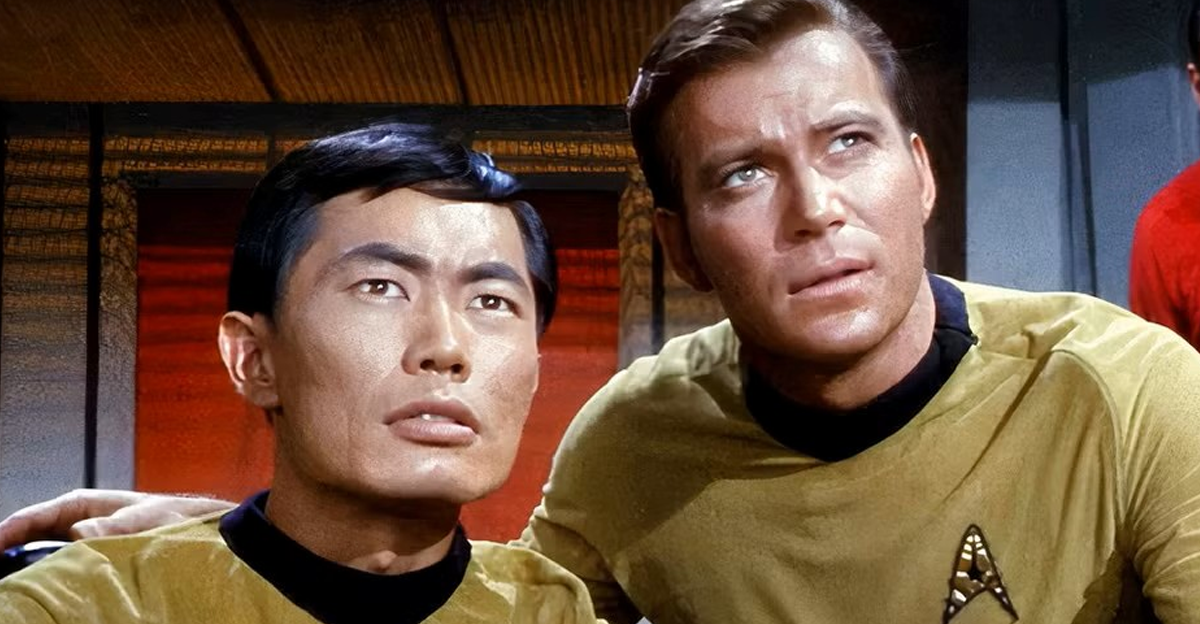 Screenshot from Star Trek: The Original Series, NBC (1966–1969)
It Started Aboard The Enterprise
When Star Trek premiered in 1966, Shatner played Captain James T. Kirk, while Takei portrayed helmsman Hikaru Sulu. Their characters were part of a crew dedicated to cooperation and exploring strange new worlds. Behind the scenes, however, Takei would later describe a working environment that was far less harmonious than the one audiences saw onscreen.
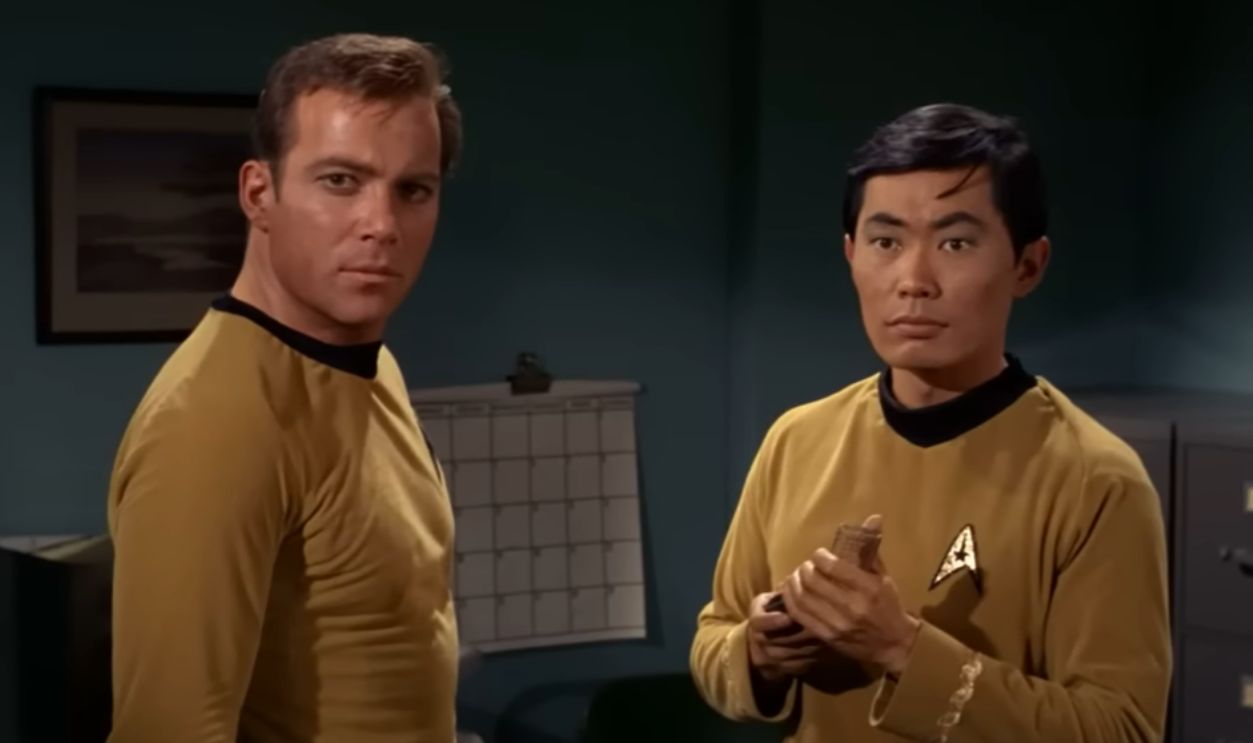 Screenshot from Star Trek: The Original Series, Paramount (1966-1969)
Shatner Was The Biggest Star
Shatner was the show's leading man, with Leonard Nimoy's Spock and DeForest Kelley's Dr. McCoy forming its central trio. Supporting performers like Takei, Nichelle Nichols, and James Doohan had considerably smaller roles. Takei later claimed that Shatner's position as the star contributed to behavior he found difficult and self-centered.
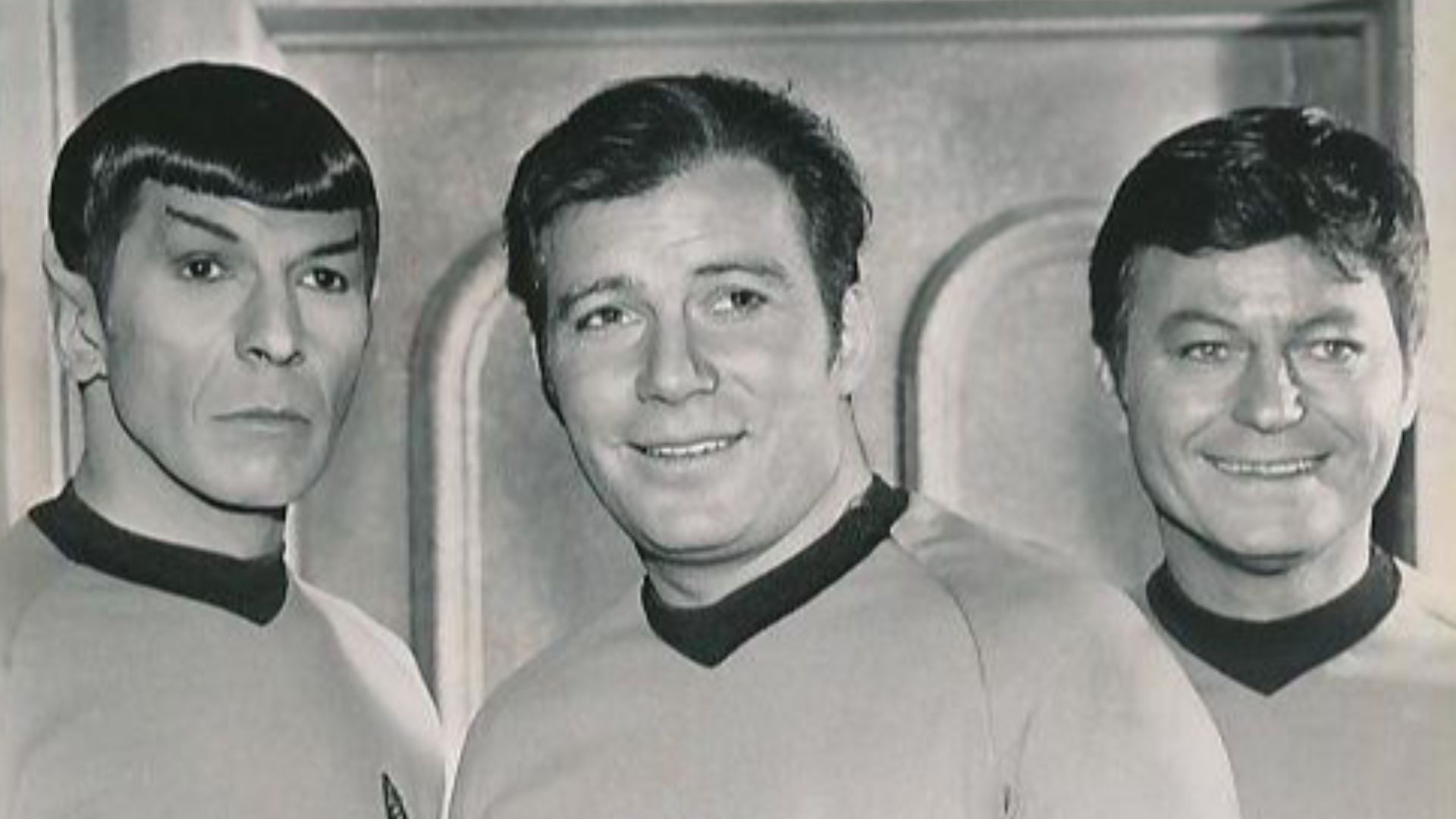 original author: Paramount Television; cropped by: Rlevente, Wikimedia Commons
Takei Thought Shatner Had An Ego Problem
According to Takei, Shatner was overly concerned with being the center of attention and didn't always appreciate his fellow performers. He described the leading man as someone who wanted others to defer to him, an attitude Takei believed damaged the cast's camaraderie. Shatner has disputed this characterization, leaving two very different accounts of what happened on set.
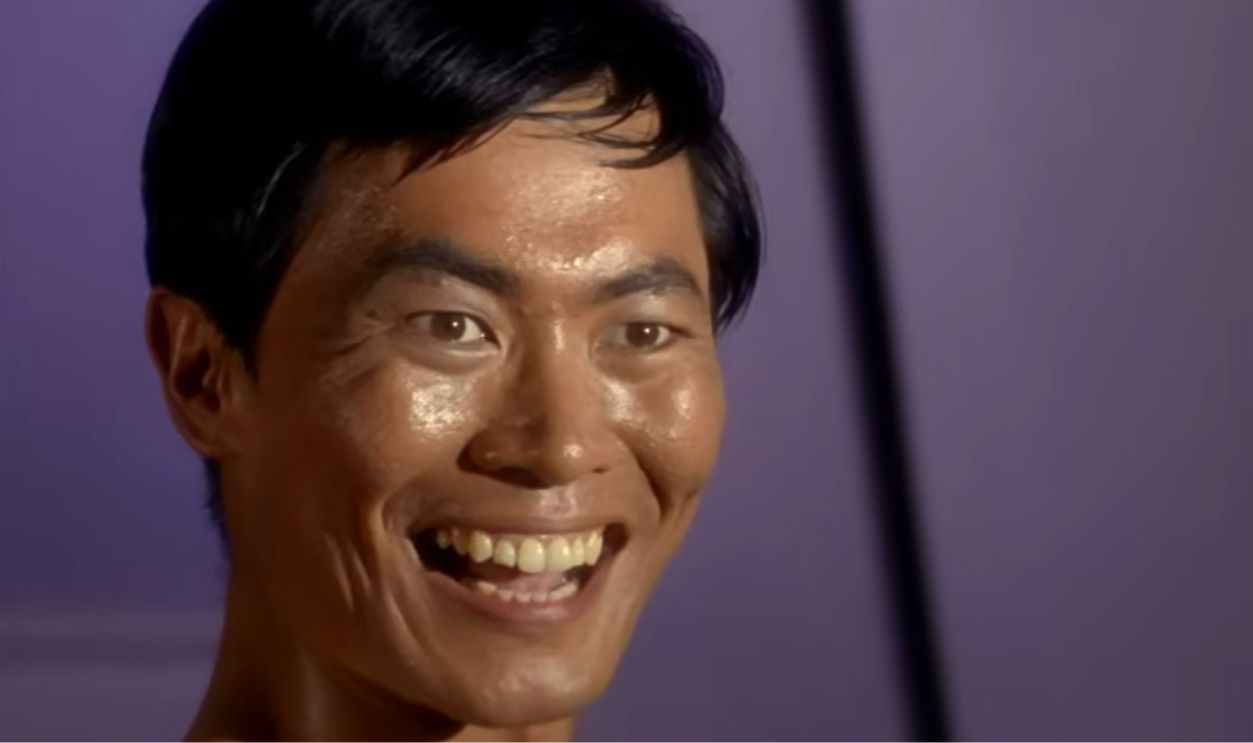 Screenshot from Star Trek: The Original Series, Paramount (1966-1969)
Shatner Had A Different Explanation
Shatner has repeatedly said that he barely knew Takei during their years on Star Trek. He has pointed to Takei's smaller role and limited time on set as reasons they never developed a close relationship. From Shatner's perspective, the intensity of Takei's later criticism seemed particularly difficult to understand given how little they supposedly interacted.
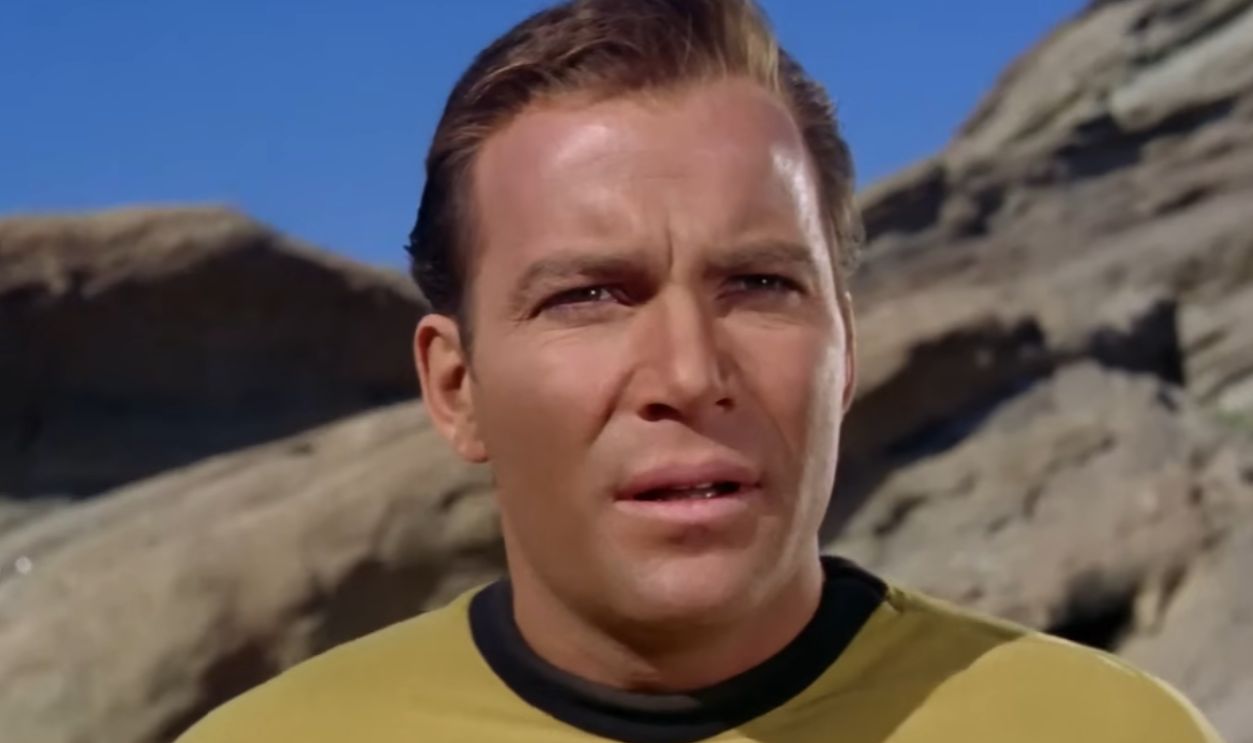 Screenshot from Star Trek: The Original Series, Paramount (1966-1969)
The Other Cast Members Had Complaints Too
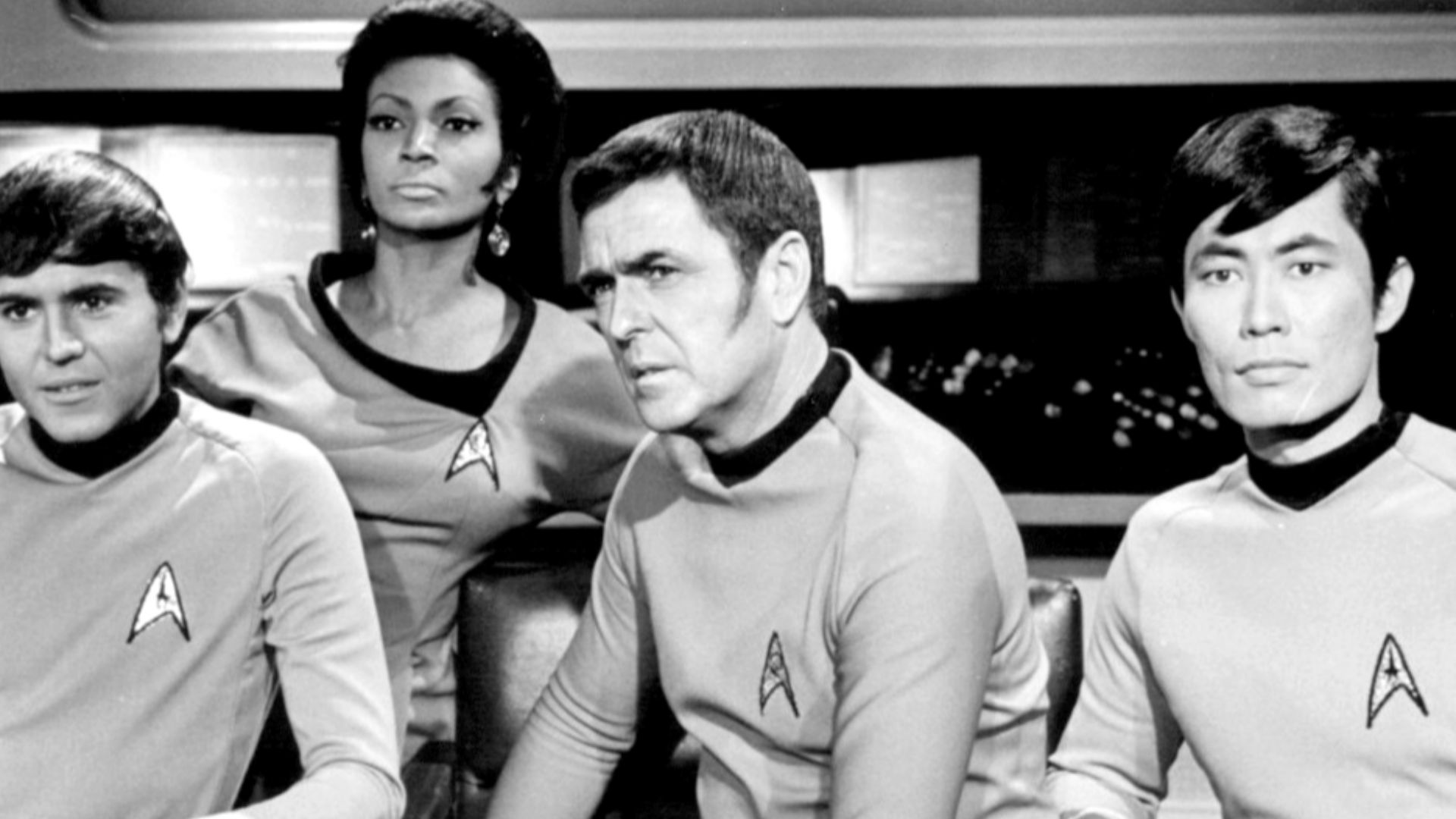
Takei wasn't the only original Star Trek performer to express frustration with Shatner. James Doohan, who played Scotty, also criticized his former co-star, while other cast members have described tensions during production. Their accounts suggest Takei's complaints weren't entirely isolated, although the extent of Shatner's responsibility remains disputed.
 NBC Television, Wikimedia Commons
The Movies Revived Old Tensions
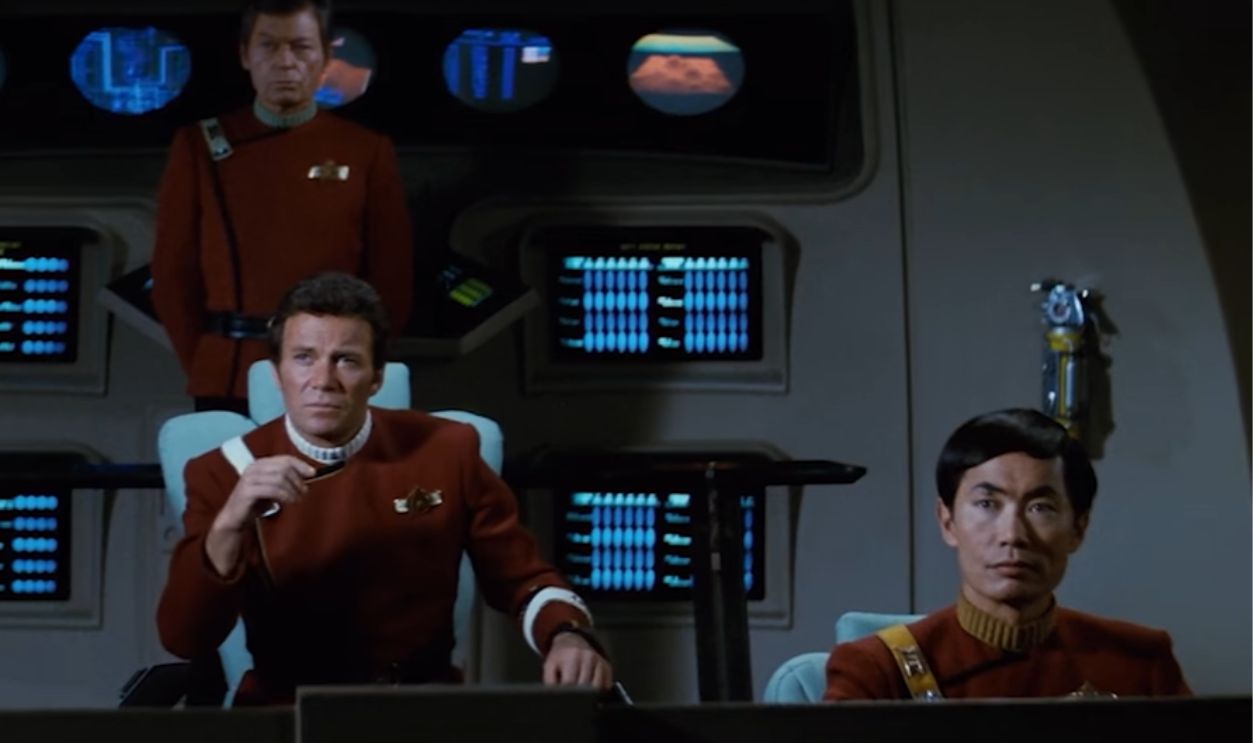
NBC canceled Star Trek in 1969, but its popularity in syndication eventually brought the cast back together for feature films. During production of Star Trek II: The Wrath of Khan in 1982, Takei hoped his character would receive a significant promotion. Instead, a scene intended to establish Sulu's advancement was removed from the finished movie, creating another source of resentment.
 Screenshot from Star Trek II: The Wrath of Khan, Paramount (1982)
Takei Accused Shatner Of Sabotage
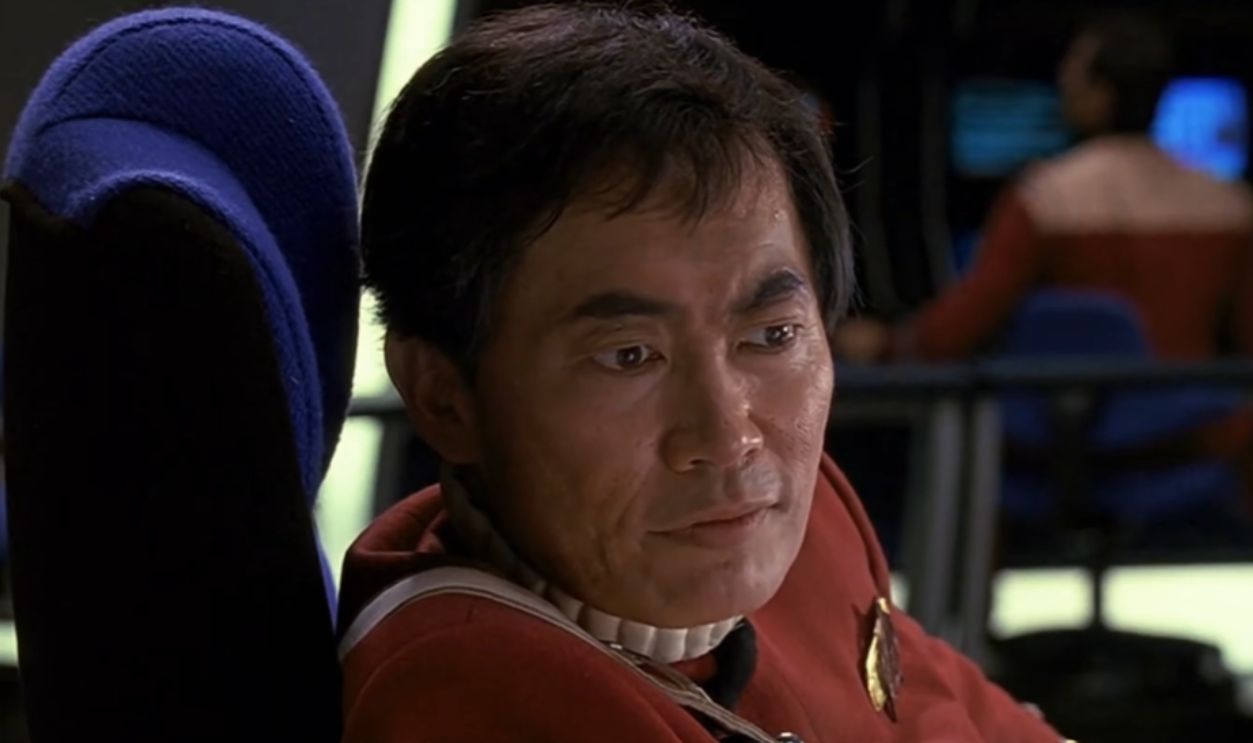
Takei later alleged that Shatner deliberately delivered his lines poorly during the promotion scene, contributing to its removal. However, that accusation has never been conclusively established, and editing or creative considerations could also explain why the scene was cut. Sulu eventually became captain of the USS Excelsior in 1991's Star Trek VI: The Undiscovered Country, but Takei's complaints about the earlier incident persisted.
 Screenshot from Star Trek VI: The Undiscovered Country, Paramount (1991)
Their Disagreements Became Public
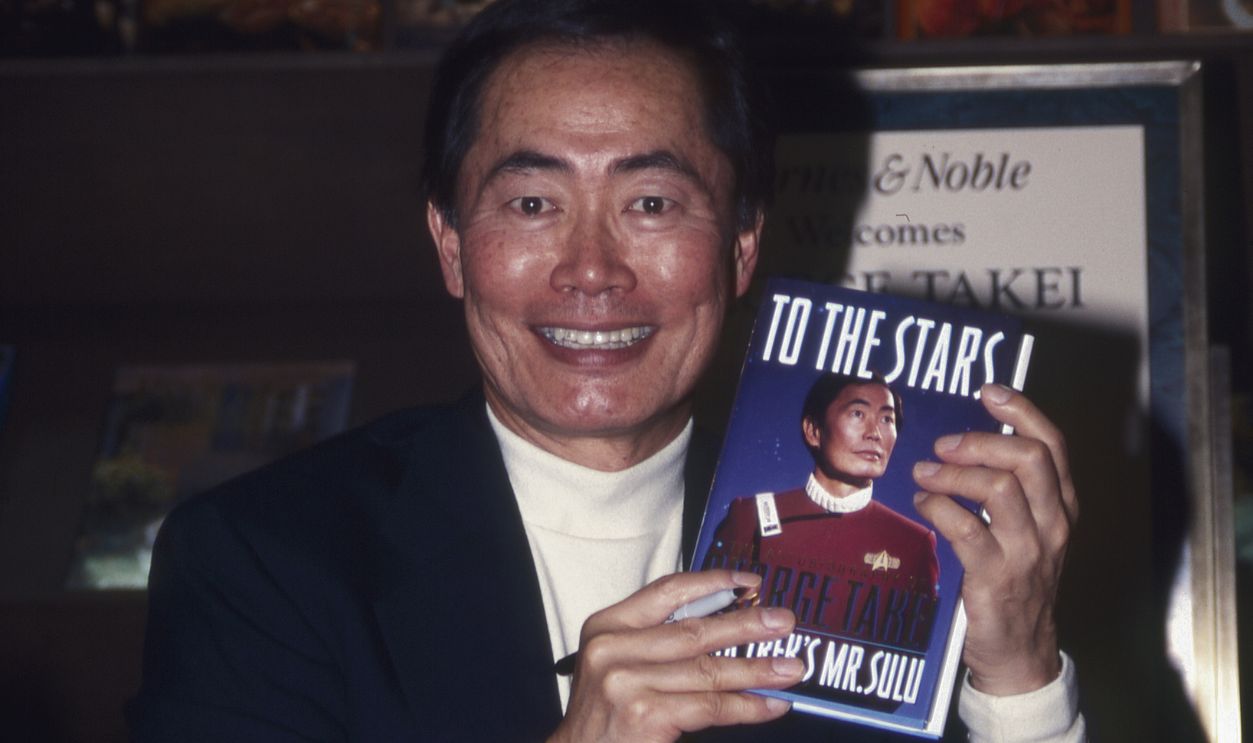
By the 1990s, the conflict was becoming part of Star Trek's behind-the-scenes history. Takei discussed his frustrations in his 1994 autobiography, To the Stars, while Shatner offered his own interpretations of the relationships among the original cast. Instead of producing a shared account of their experiences, the competing recollections helped turn their disagreement into an enduring celebrity feud.
Then Came A Very Personal Occasion
In September 2008, Takei married his longtime partner Brad Altman in Los Angeles. The ceremony was an important milestone for the couple, who had been together for more than two decades. Nearly 200 guests attended the celebration, including some familiar faces from Star Trek, but one famous former castmate was conspicuously absent.
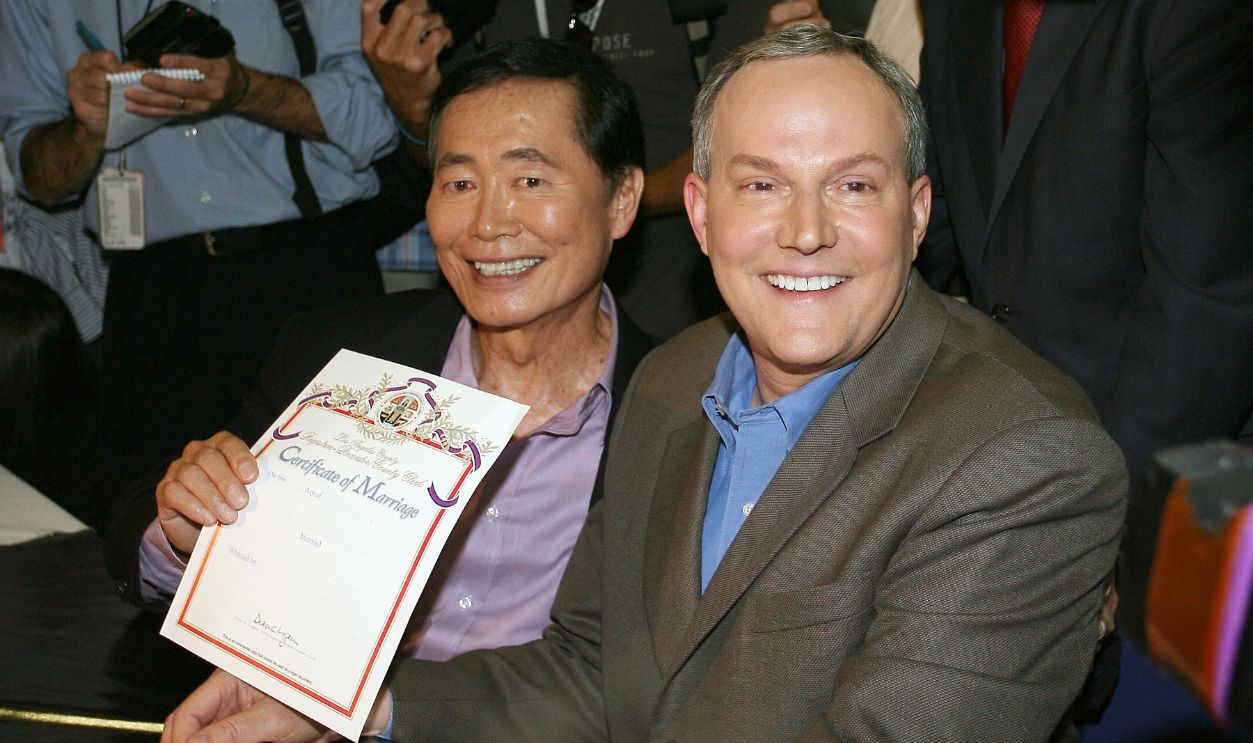
Two Star Trek Stars Had Special Roles
Walter Koenig, who played Pavel Chekov, served as Takei's best man, while Nichelle Nichols, known for portraying Uhura, took the role of best lady. Takei later recalled that Nichols specifically preferred that title over the more traditional matron of honor. Their involvement demonstrated the close friendships Takei said he had maintained with several members of the original cast.
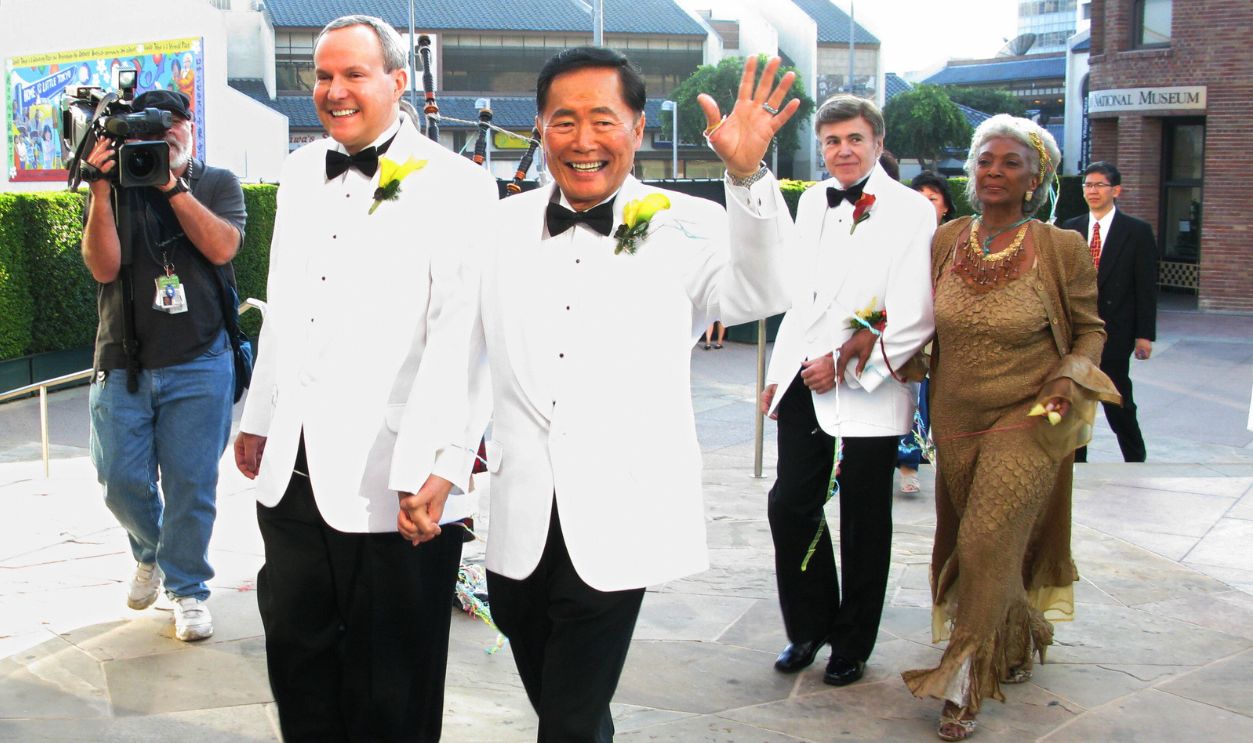
But Captain Kirk Wasn't There
Shatner didn't attend the wedding, and his absence soon became one of the most widely discussed episodes in their feud. In October 2008, he released a video claiming that Takei had failed to invite him to the celebration. Shatner interpreted the apparent exclusion as evidence that Takei continued to harbor resentment toward him.
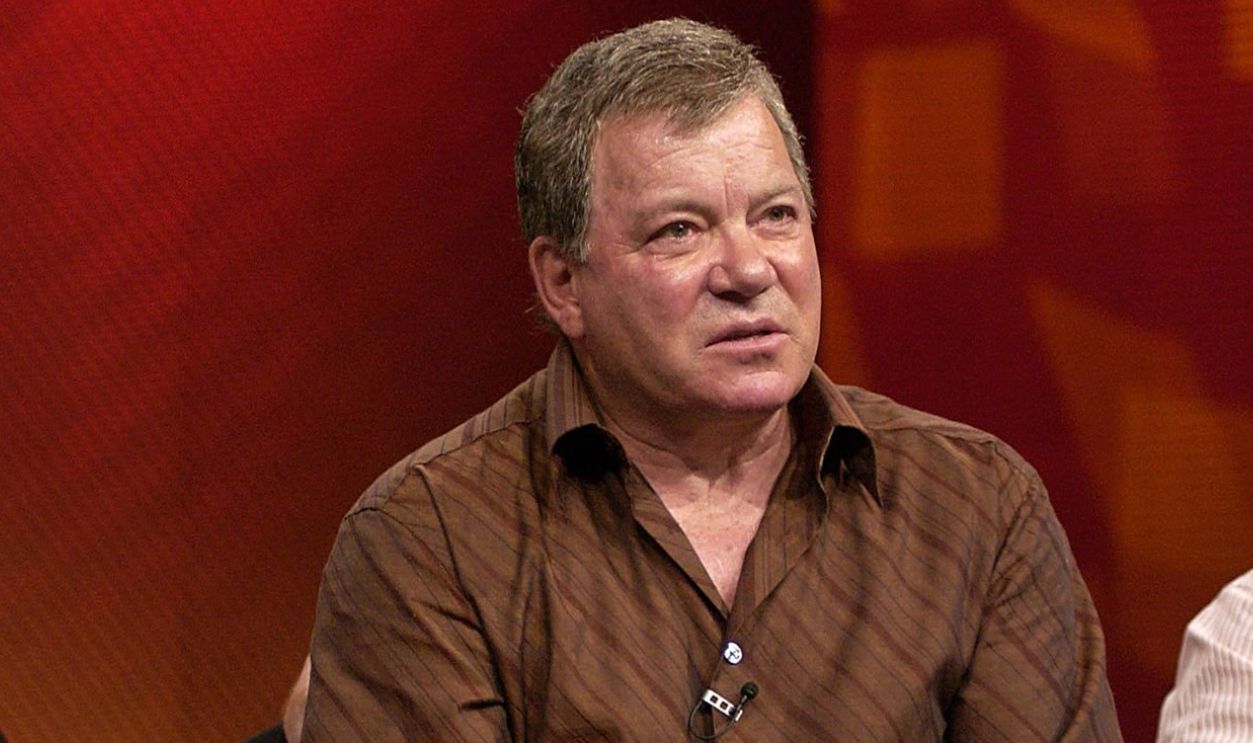 Jean-Paul Aussenard, Getty Images
Takei Insisted He Had Been Invited
Takei and Altman publicly disputed Shatner's version of events, maintaining that an invitation had indeed been sent. They said Shatner never responded, leaving the couple with the impression that he had chosen not to attend. The two accounts couldn't be reconciled, and there was no independent confirmation that Shatner had actually received the invitation.
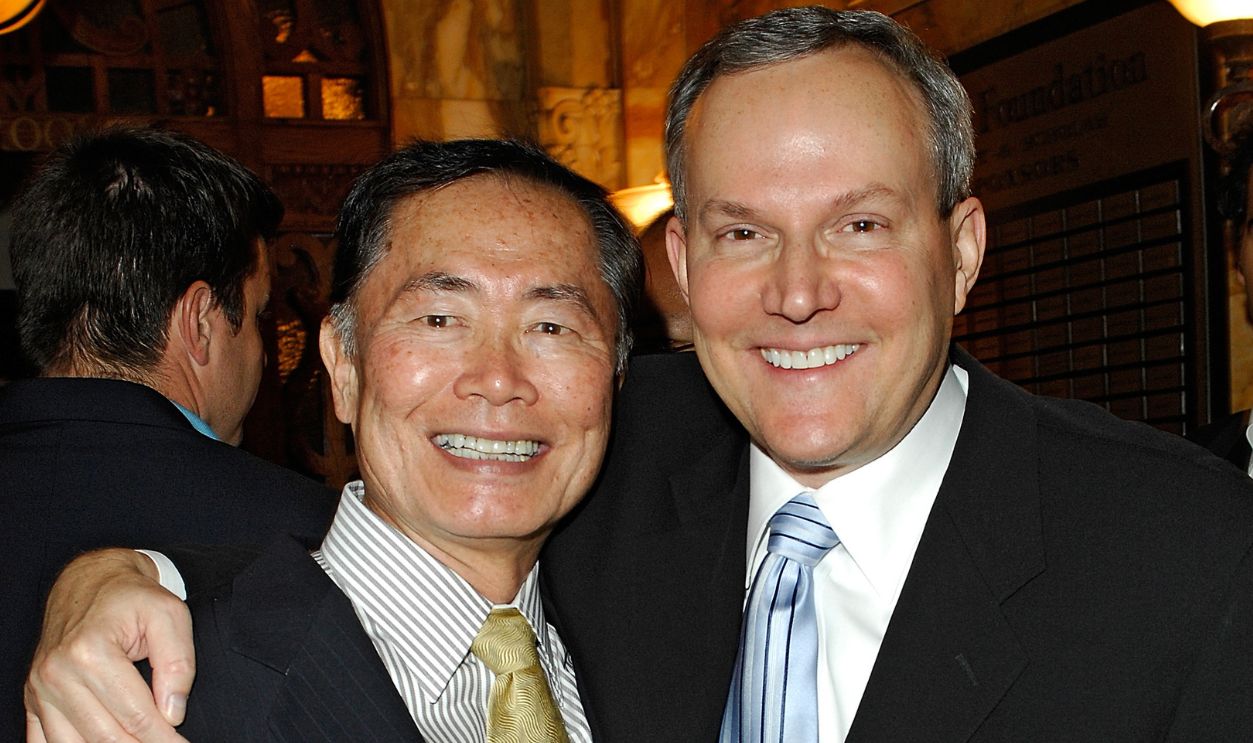
The Wedding Dispute Turned Ugly
Rather than simply expressing disappointment, Shatner made increasingly personal comments about Takei. In his October video, he suggested that his former colleague had a deeply troubling fixation on him and used the word "psychosis" while discussing the dispute. Those remarks were personal insults rather than any legitimate medical assessment, and they escalated what had begun as a disagreement over a wedding invitation.
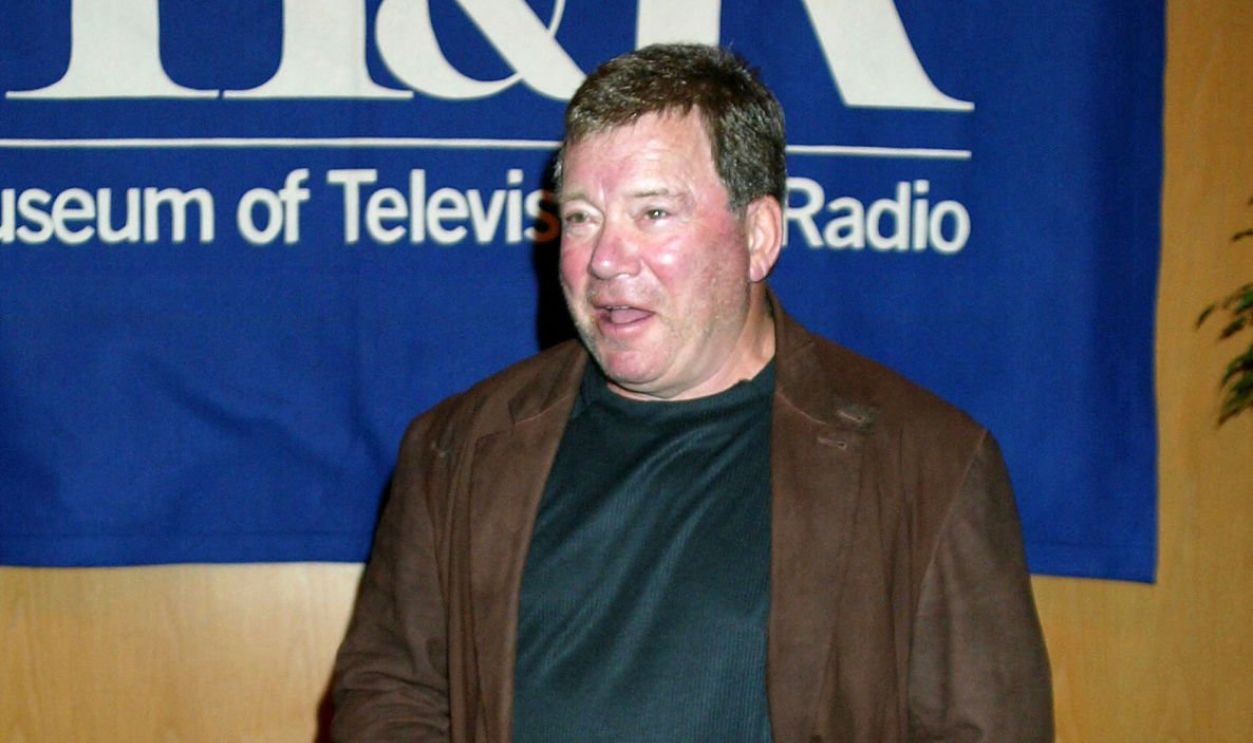 J. Emilio Flores, Getty Images
Shatner Questioned Takei's Motives
Shatner also questioned why Takei seemed to hold such strong feelings about someone he insisted he barely knew. He portrayed himself as confused by the hostility and suggested that Takei's resentment had little connection to their actual working relationship. Takei, however, continued to maintain that his criticism was rooted in genuine experiences during their years together.
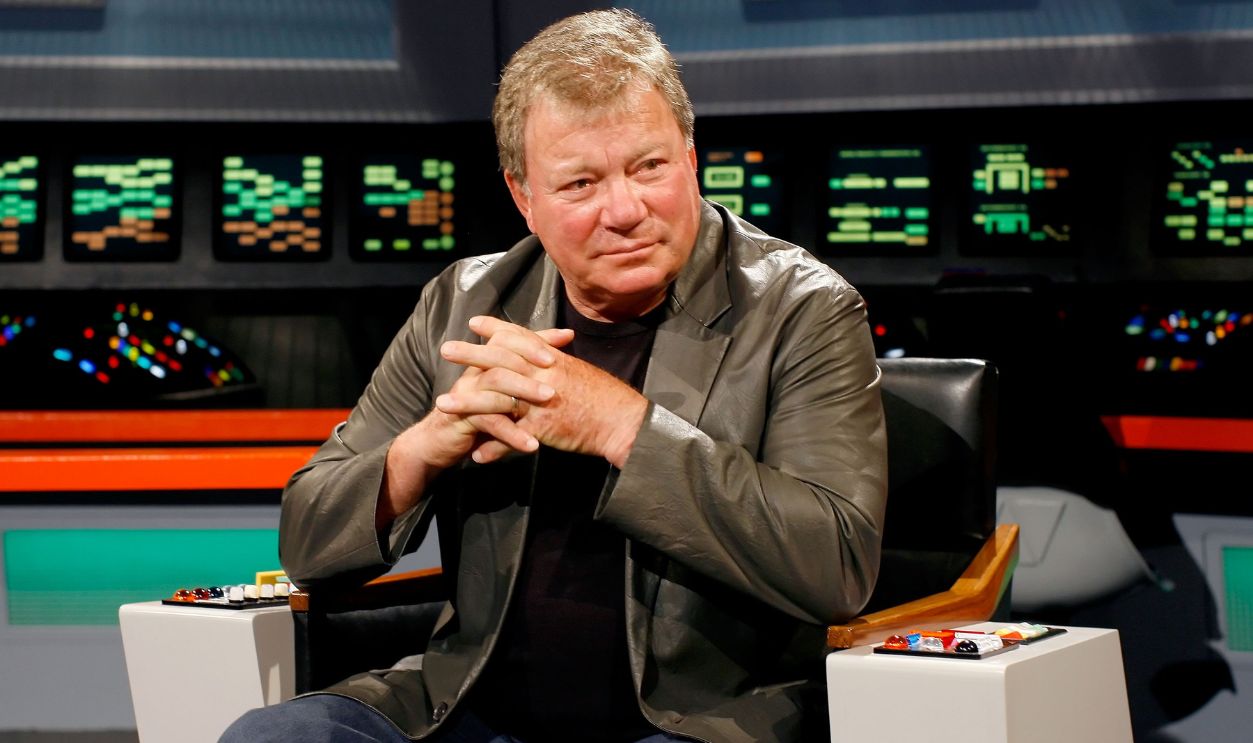 Christopher Polk, Getty Images
Takei Had His Own Theory
Takei rejected the suggestion that he had deliberately snubbed Shatner and stood by his account of the invitation. He also questioned whether Shatner was using the controversy to attract attention to his television projects, including Shatner's celebrity interview show Raw Nerve. That was Takei's interpretation of Shatner's motives, not an independently established fact, and the two men never publicly resolved the wedding dispute.
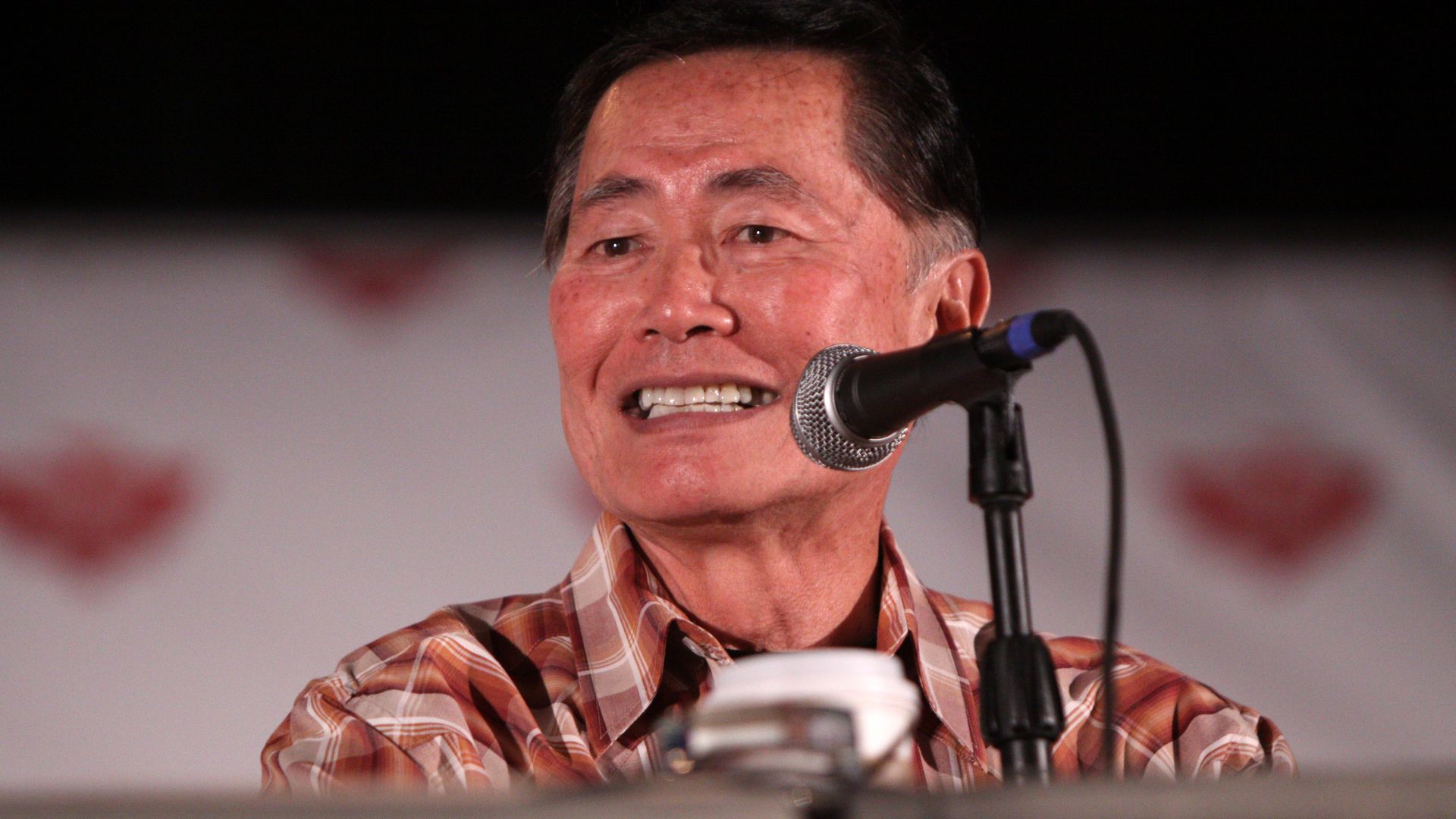 Gage Skidmore from Peoria, AZ, United States of America, Wikimedia Commons
Even Shatner Couldn't Let It Go
The wedding controversy became a recurring reference point whenever either actor discussed their relationship. Shatner maintained that he had been excluded, while Takei continued to insist that an invitation had been sent. What might have remained a private misunderstanding instead became one of the most recognizable examples of their ongoing animosity.
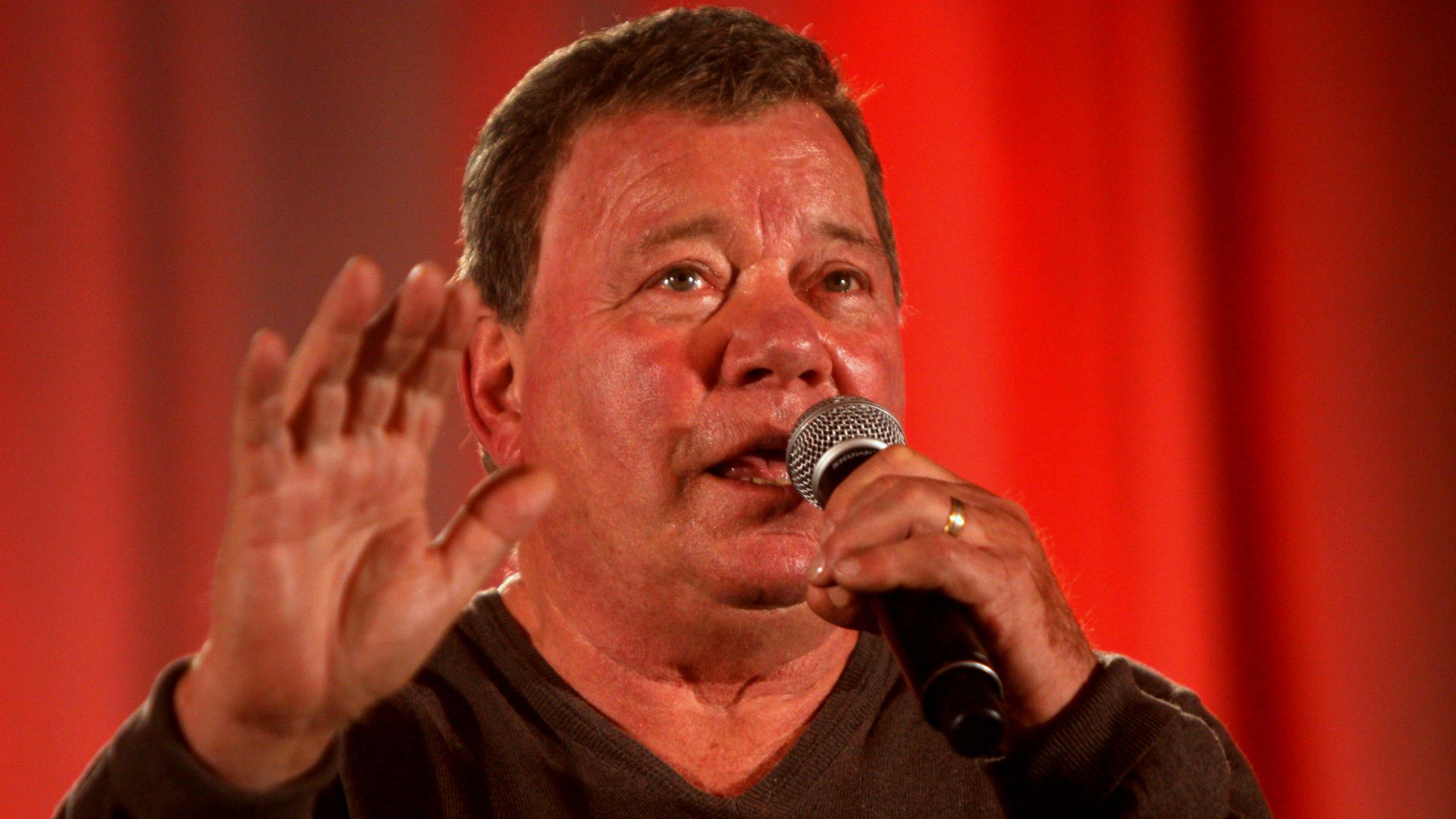 Gage Skidmore from Peoria, AZ, United States of America, Wikimedia Commons
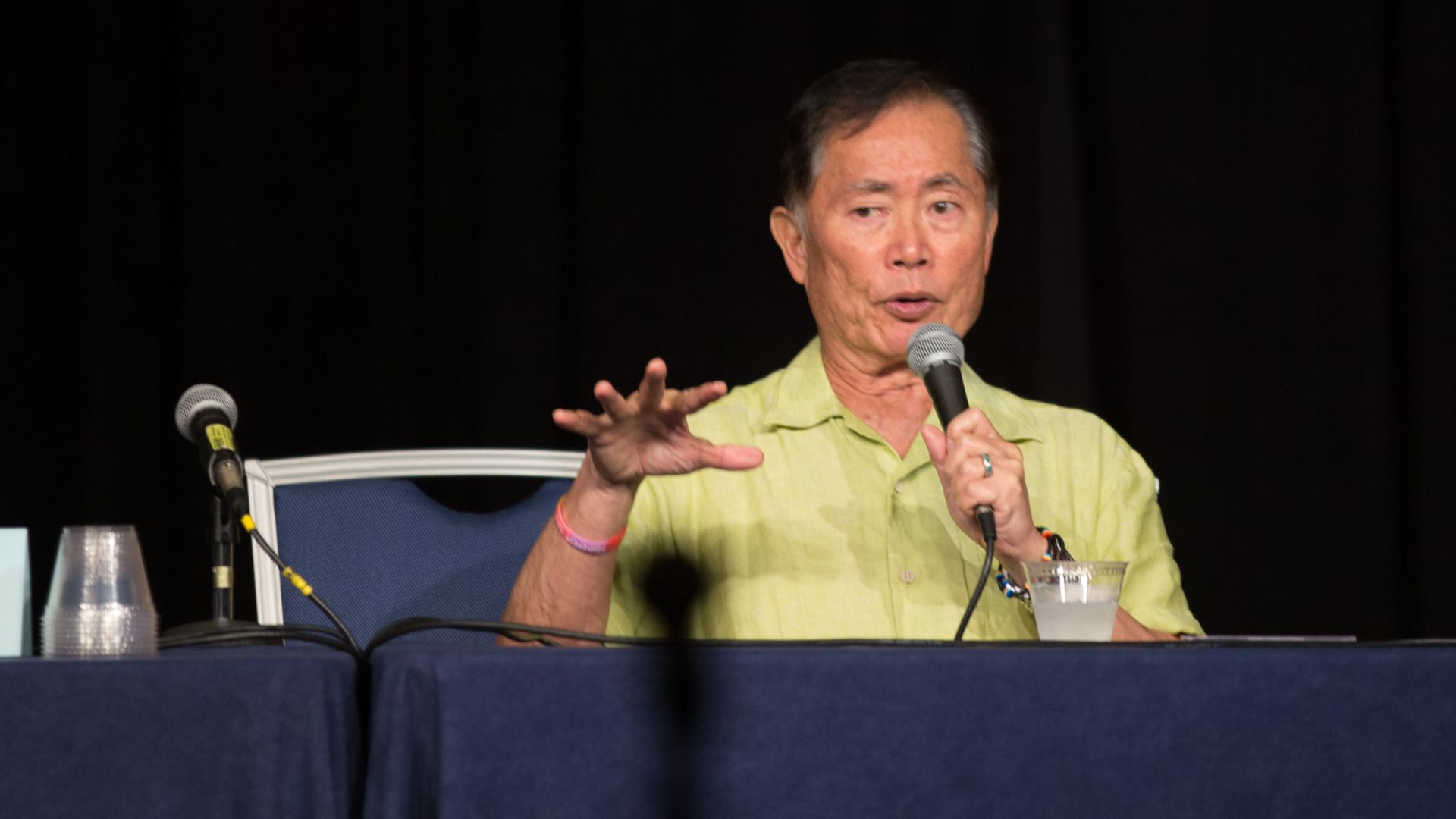
Takei Called Shatner Self-Centered
Years after the wedding, Takei was still publicly criticizing Shatner's behavior on the original series. In interviews, he described Shatner as self-centered and suggested that the actor struggled to share the spotlight with his colleagues. These were familiar complaints from Takei, but the continuing public exchanges showed that neither side had found a way to put the past behind them.
 Terry Robinson, Wikimedia Commons
Then Shatner Actually Went Into Space
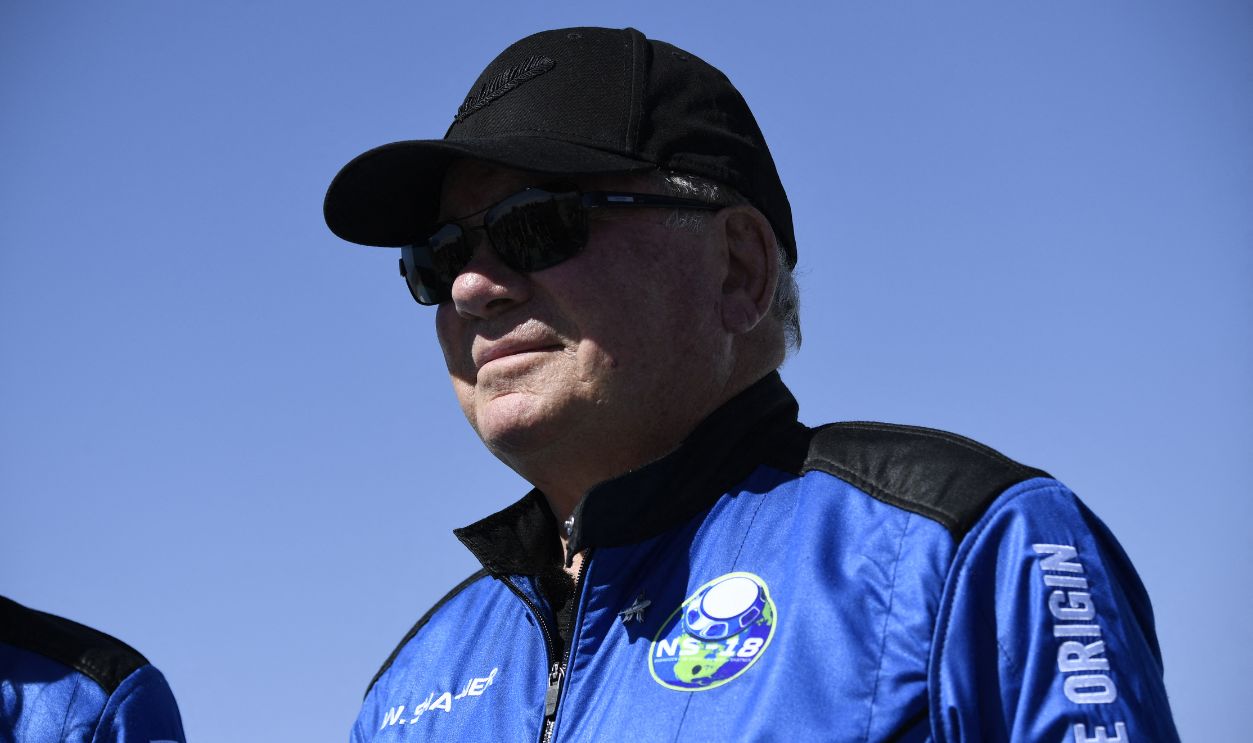
In October 2021, Shatner traveled aboard a Blue Origin spacecraft at the age of 90. The brief journey made him the oldest person to have traveled into space at that time, creating an extraordinary real-life moment for the actor who had played Captain Kirk. Shatner was visibly emotional afterward, describing the experience as profoundly moving.
 PATRICK T. FALLON, Getty Images
Takei Had A Brutal Response
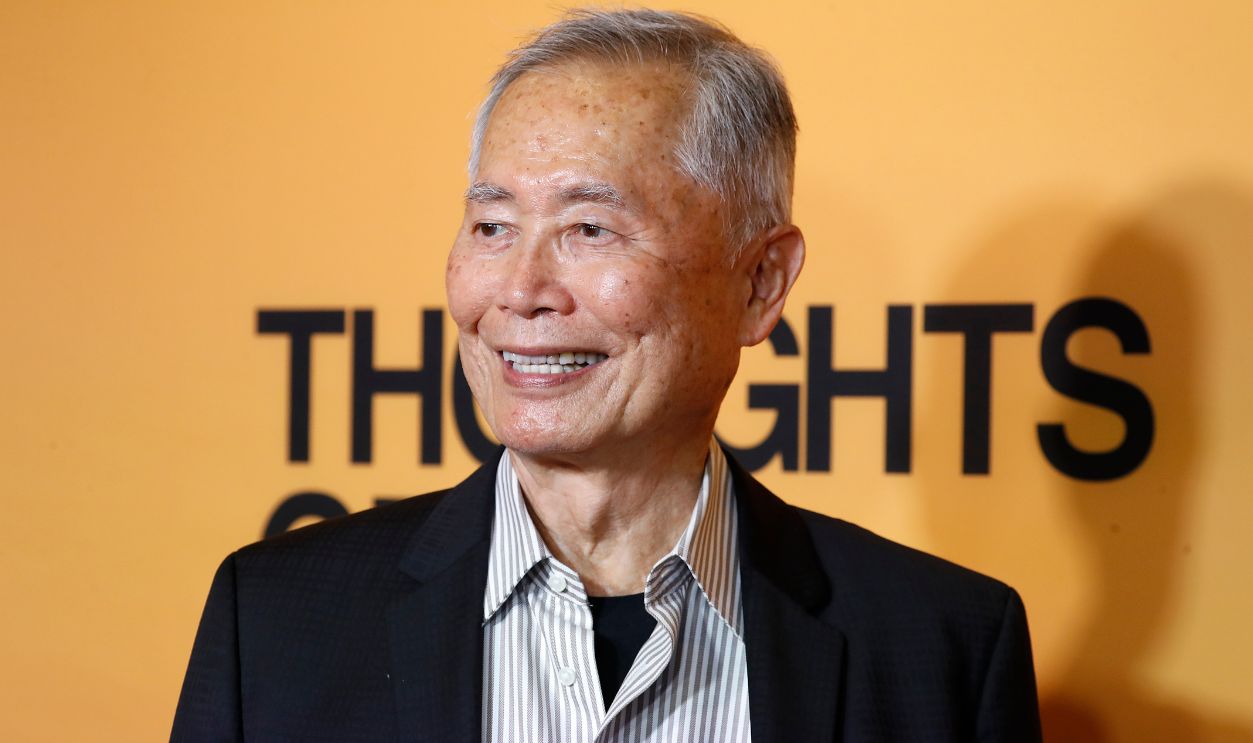
Rather than congratulating his former co-star, Takei made dismissive remarks about Shatner's journey. He called Shatner a "guinea pig" and suggested his age made him a useful subject for studying the effects of spaceflight on the human body. Takei also questioned his former colleague's physical fitness, transforming a widely celebrated achievement into another public exchange of insults.
Shatner Accused His Castmates Of Bitterness
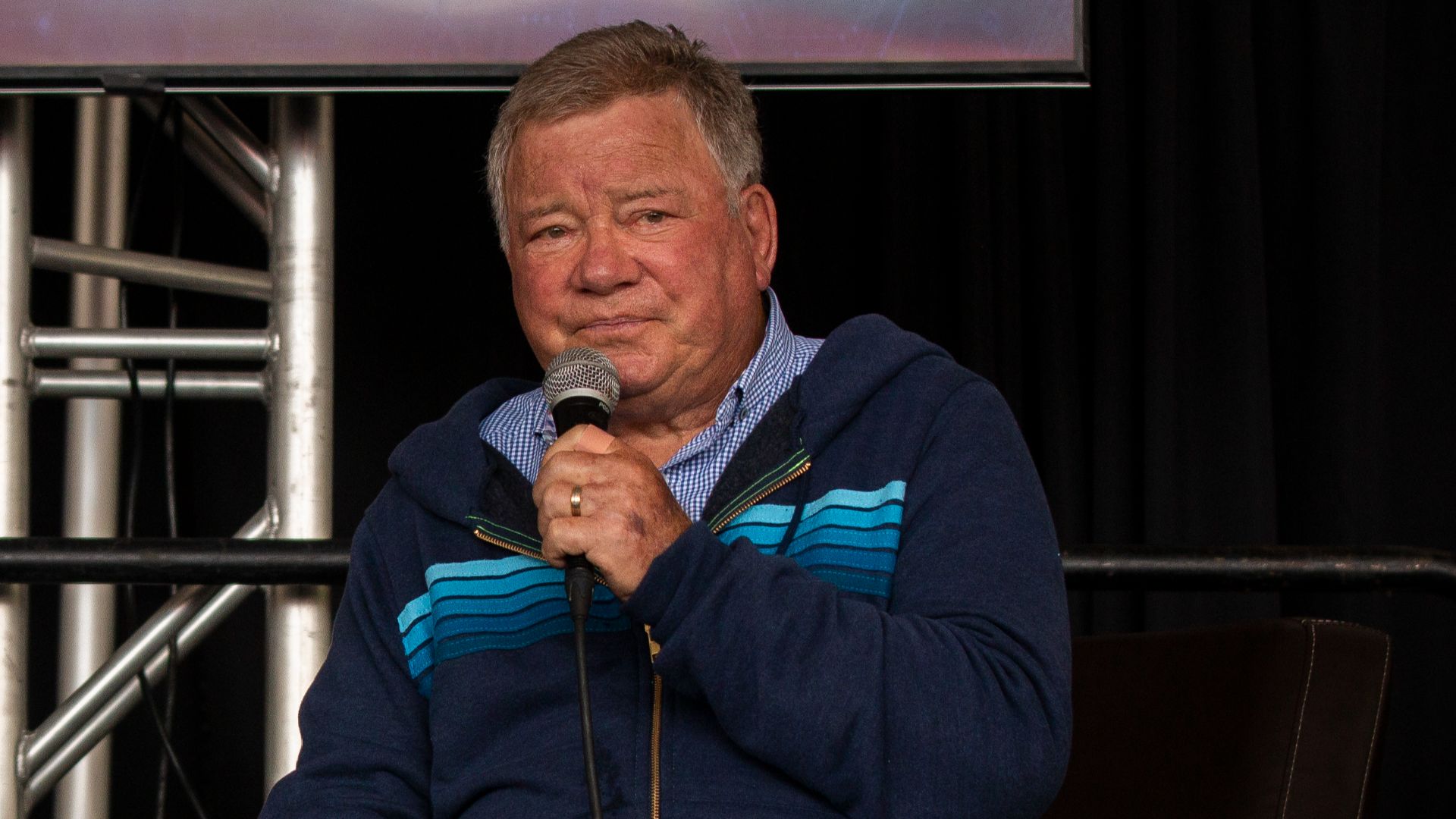
In November 2022, Shatner addressed his former colleagues' criticism during an interview with The Times of London. He suggested they were continuing to discuss old grievances to generate publicity and singled out Takei as particularly persistent. Shatner portrayed the decades of criticism as evidence of resentment rather than proof that he had mistreated his castmates.
 Sgt. Adeline Witherspoon, Wikimedia Commons
Takei Fired Back With Another Insult
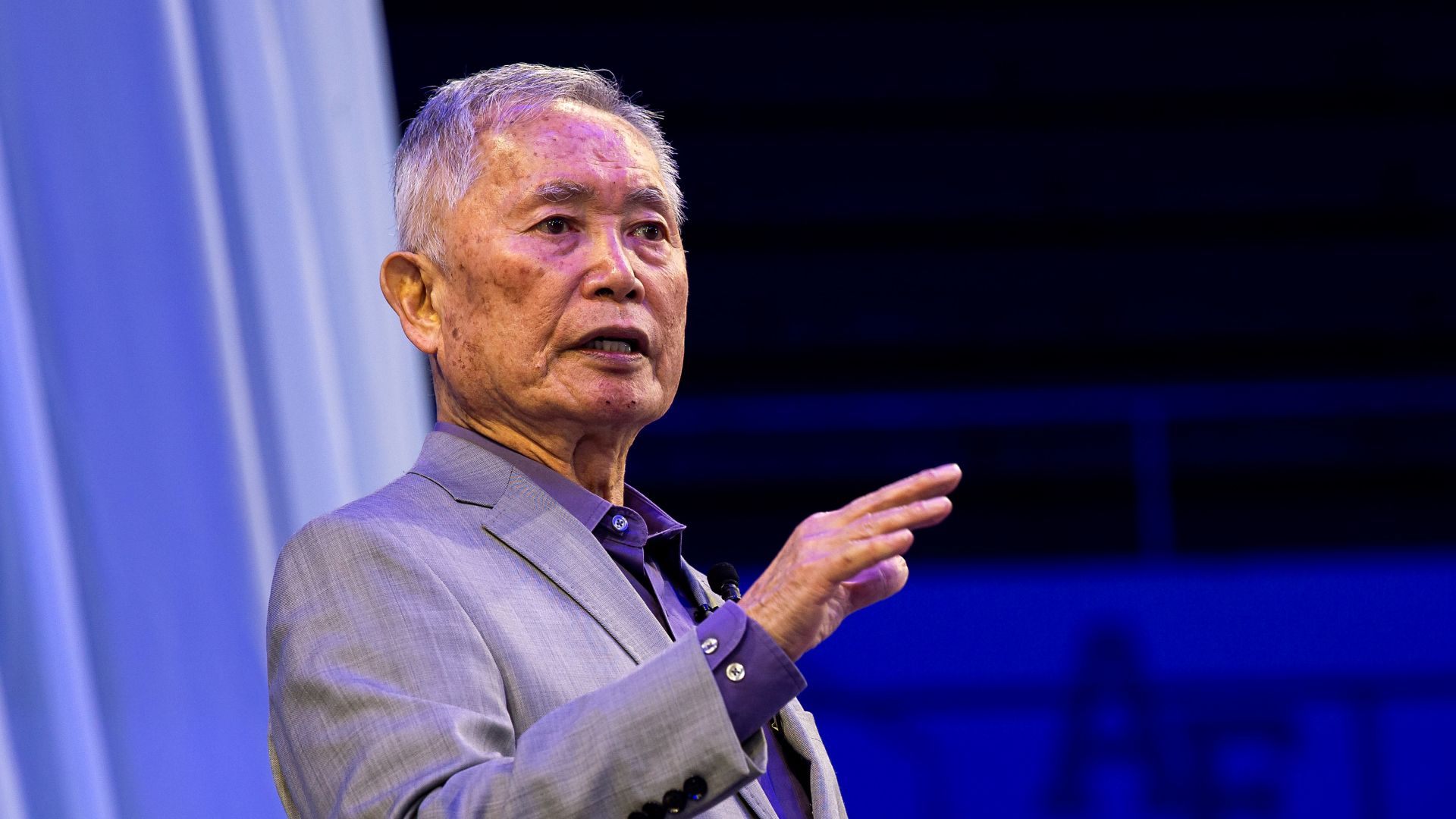
Later that month, Takei responded during an interview with The Guardian, describing Shatner as a "prima donna" on the original Star Trek set. He claimed the other cast members had enjoyed genuine camaraderie, with Shatner being the notable exception. The accusation was another example of Takei's longstanding view that the show's leading man had made life difficult for his colleagues.
 Trevor Cokley, Wikimedia Commons
He Called Shatner A Cantankerous Old Man
Takei's November 2022 interview also included another pointed description of his former co-star. He called Shatner a "cantankerous old man" and suggested that he had no interest in participating in further arguments. Yet even as Takei tried to distance himself from the controversy, his choice of words generated fresh headlines about their rivalry.
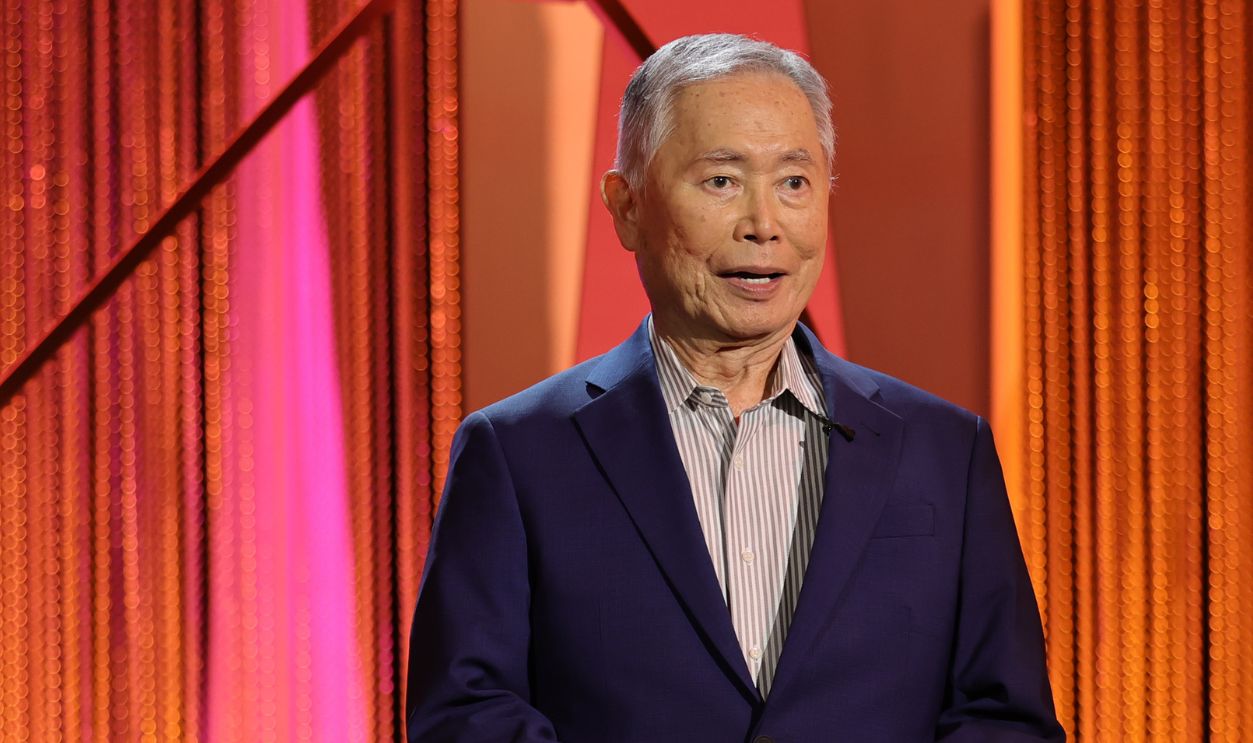
Takei Said He Was Finished Discussing Him
During a December 2022 appearance on The Graham Norton Show, Takei expressed frustration at repeatedly being asked about Shatner. He told Norton that he wanted this to be the last time he discussed their longstanding disagreement. It was a notable declaration from someone who had spent years speaking publicly about the relationship, although it didn't mean the controversy itself was finished.
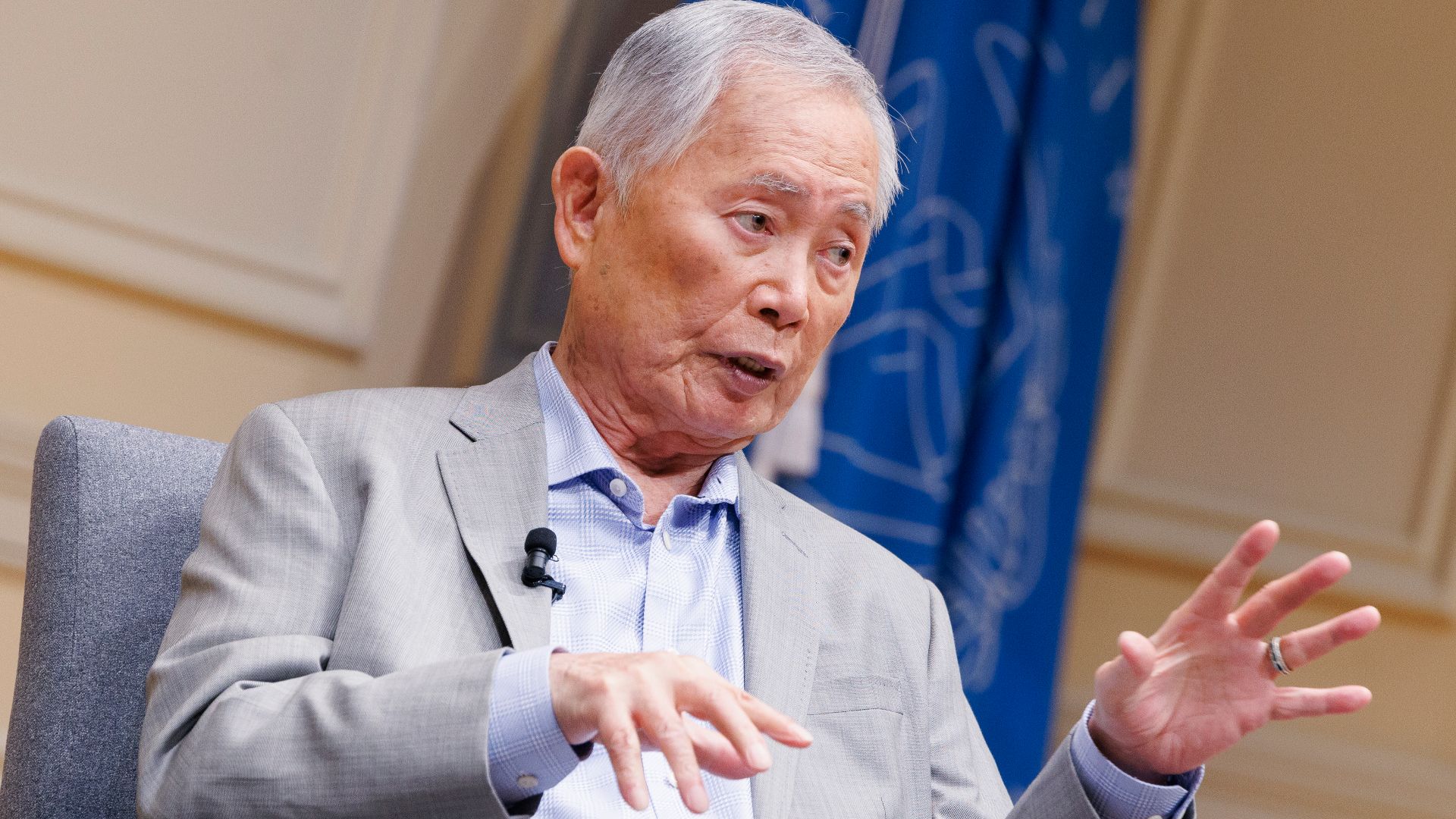 Library of Congress Life, Wikimedia Commons
The Feud Still Hadn't Entirely Disappeared
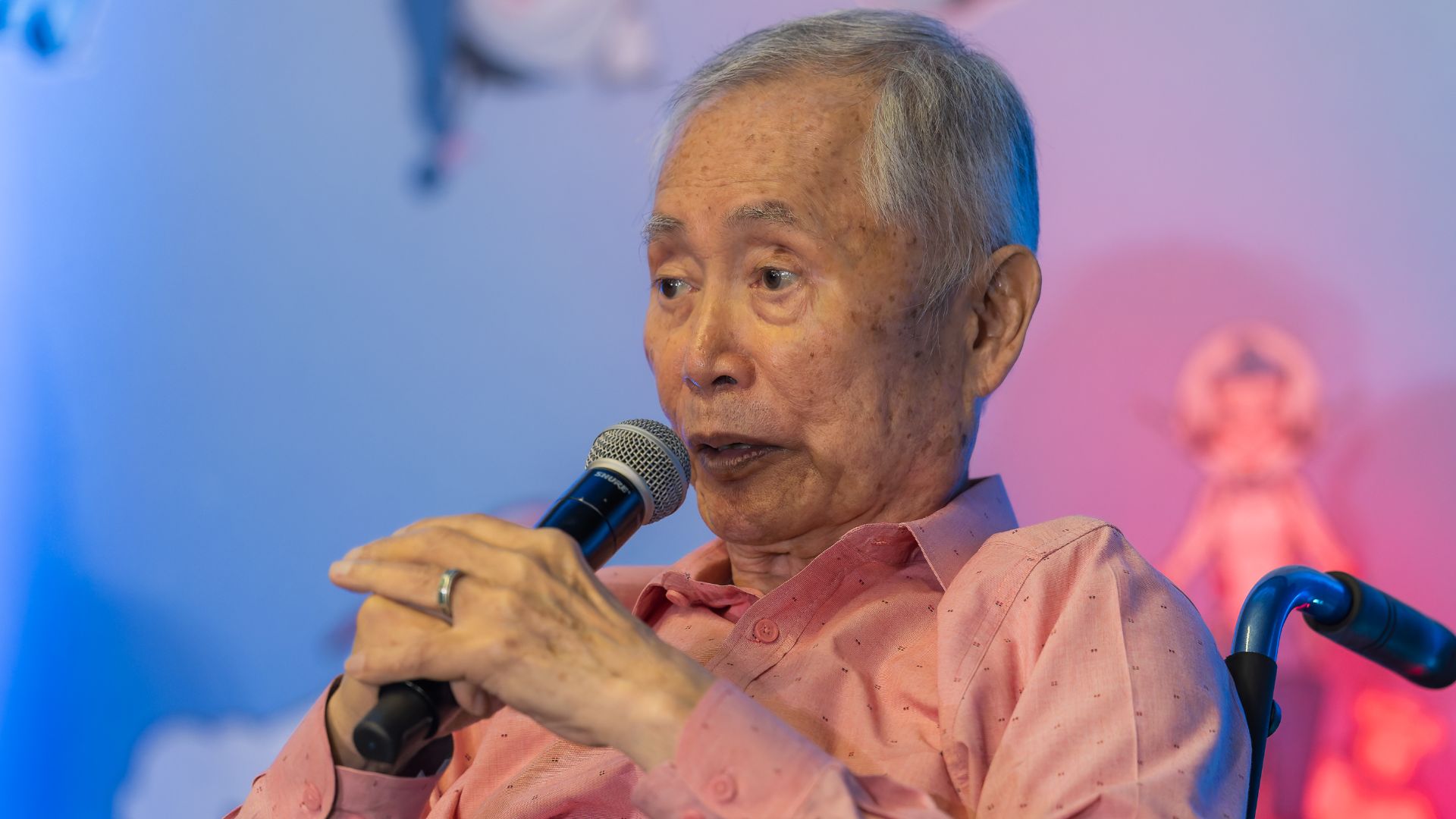
In February 2026, Takei participated in another interview with The Guardian and made a lighthearted comparison involving Shatner. Discussing his own experience on a zero-gravity flight, he joked that he had spent two minutes longer weightless than his former co-star. The remark was considerably less hostile than some of his earlier comments, but it showed that Shatner could still become part of the conversation.
 John Manard, Wikimedia Commons
Star Trek Reached Its 60th Anniversary
In 2026, the original Star Trek celebrated six decades since its September 1966 premiere. Both Shatner and Takei participated in separate AARP interviews reflecting on the franchise's extraordinary longevity and its impact on generations of viewers. Although the two men expressed similar appreciation for the show's legacy, their remarks weren't evidence of a personal reconciliation.
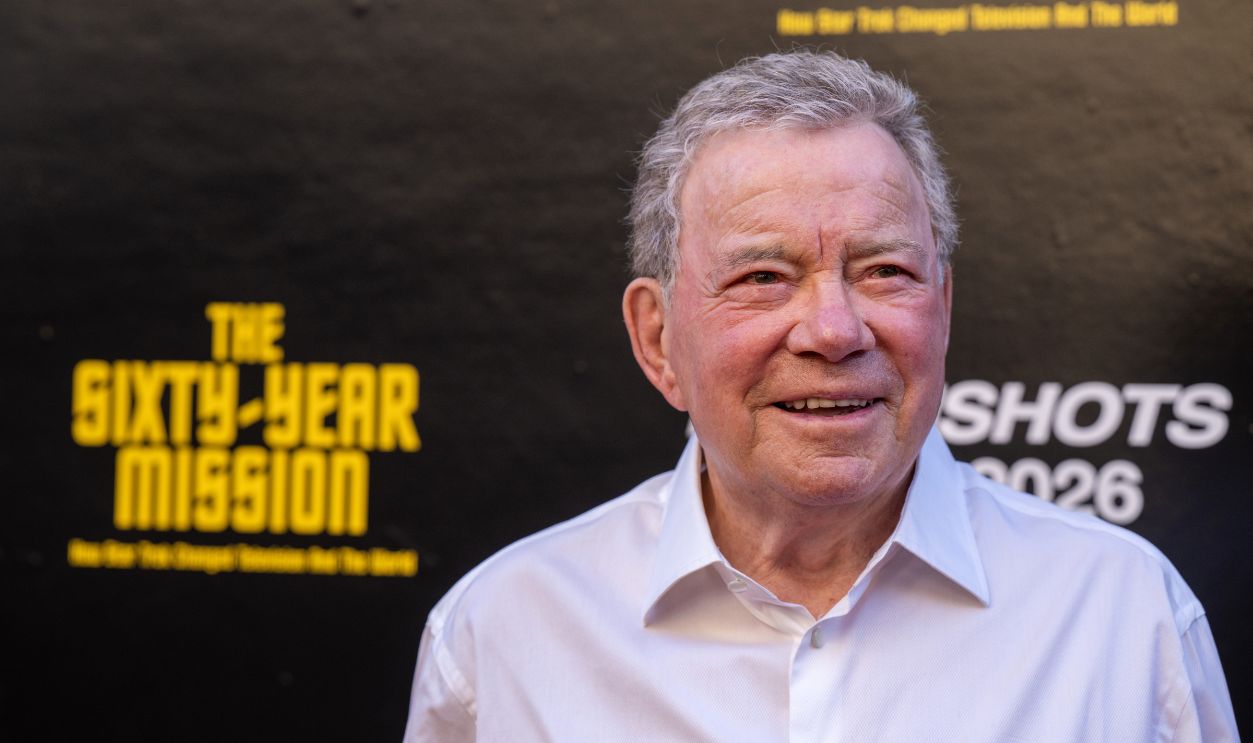
Shatner Was Still Revisiting The Past
During the 60th anniversary celebrations in September 2026, Shatner again addressed his difficult relationship with Takei and Walter Koenig. In comments reported by USA Today and subsequently discussed by CinemaBlend, he questioned why his former colleagues had spent so many years criticizing him. Shatner insisted that he hadn't treated them harshly, demonstrating how differently the surviving cast members continued to remember their shared history.
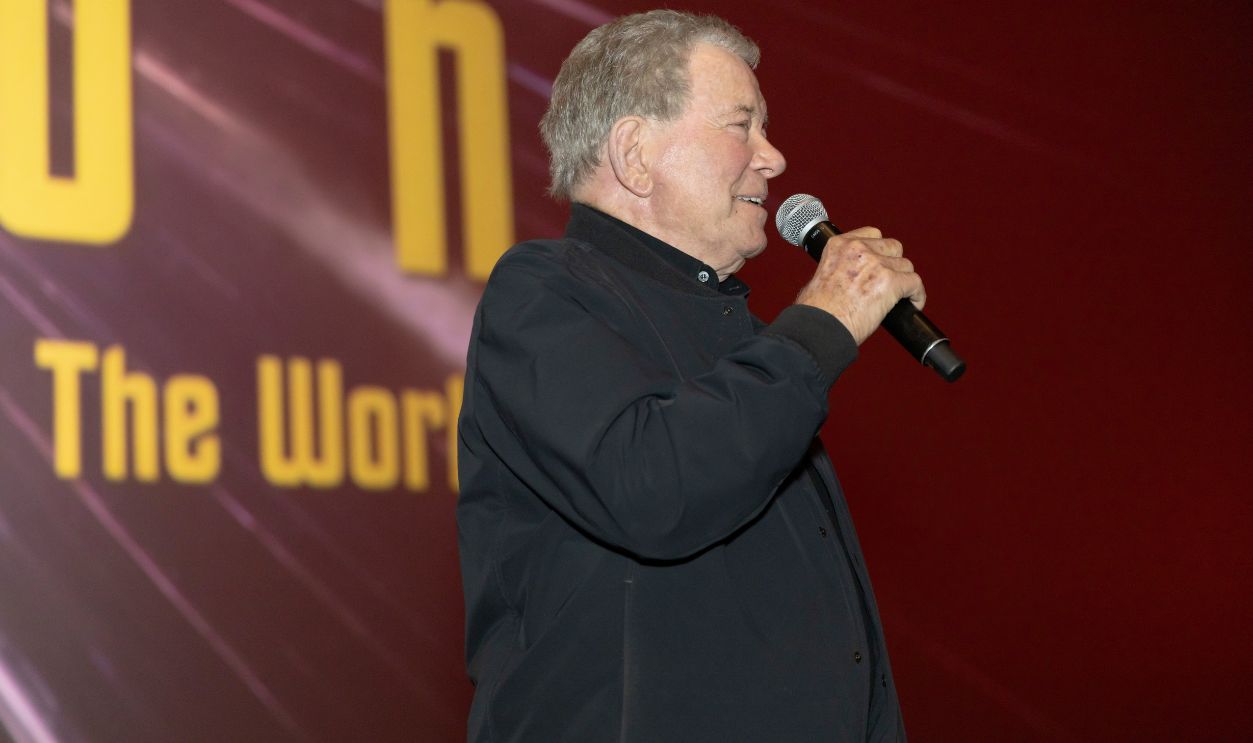
A Feud That Outlasted The Original Mission
Six decades after Star Trek first brought them together, Shatner and Takei still hadn't publicly settled their differences. Their dispute involved competing memories of the set, accusations about a deleted movie scene, harsh personal insults, and a wedding invitation that became a surprisingly bitter controversy. Neither actor's version explains every disputed incident, and no public reconciliation has been confirmed. For two men who helped make a television show about cooperation and understanding, it's a remarkable legacy of disagreement.
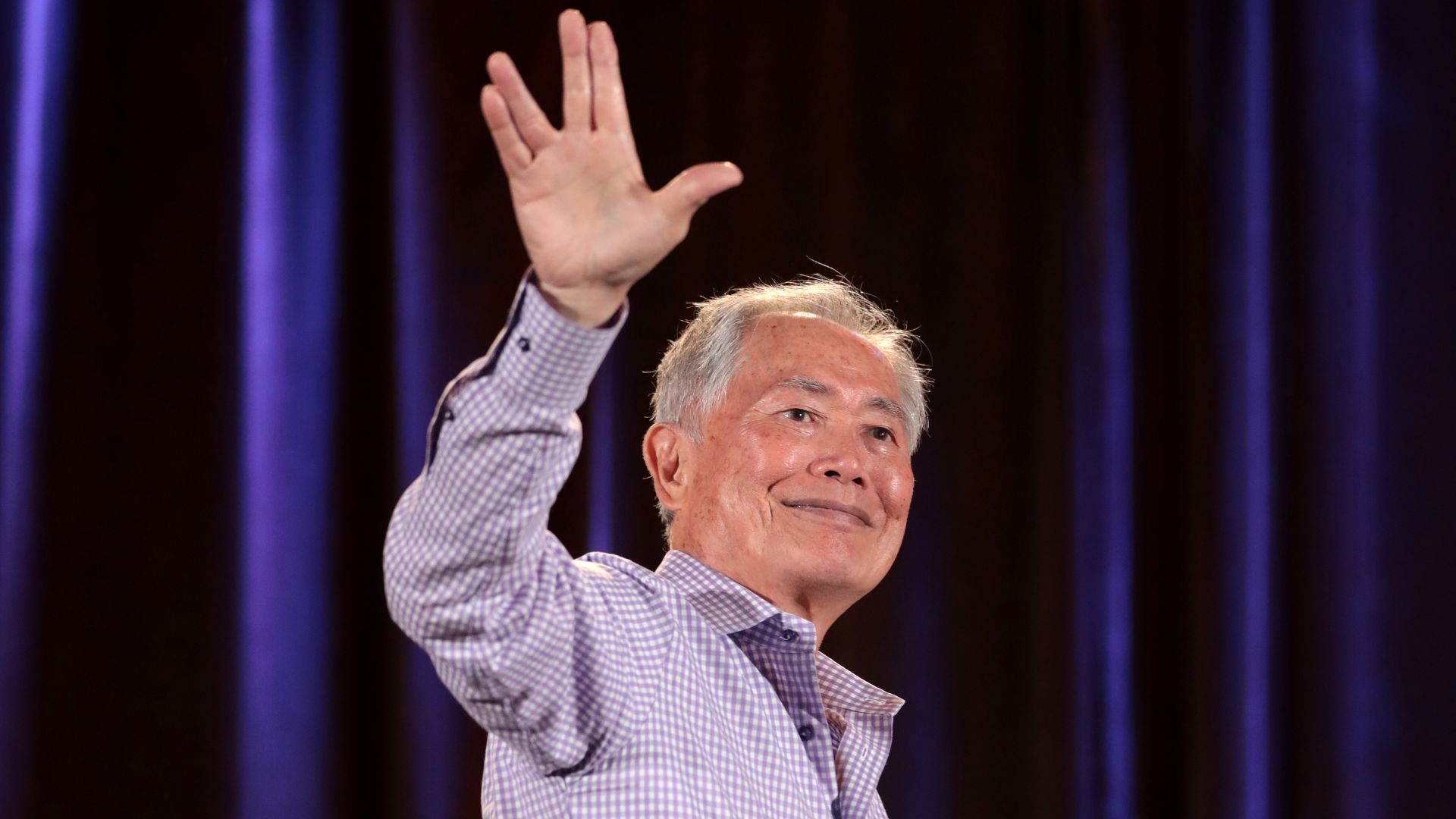 Gage Skidmore from Peoria, AZ, United States of America, Wikimedia Commons
You May Also Like:
Why Leonard Nimoy's Life Was So Much More Than Mr. Spock
Classic TV Best Friends Who Were Anything But Friendly Offscreen
Gene Wilder and Richard Pryor Had Perfect On-Screen Chemistry—And Plenty of Off-Screen Tension