They Didn't Just Get Nominated
The 1980s produced plenty of Oscar winners everyone still talks about, but the decade's awards history is much stranger once you move beyond the usual classics. Some of these movies won Best Picture, major acting prizes, or handfuls of trophies, yet now seem to live in the shadow of films they actually beat.
 ABC Photo Archives / Getty Images
Melvin And Howard Somehow Won Twice
Jonathan Demme's Melvin and Howard arrived in 1980 with an oddball story inspired by Melvin Dummar's claim that Howard Hughes had left him part of his fortune. Mary Steenburgen won Best Supporting Actress, while Bo Goldman won for the original screenplay. It went home with two Oscars even though the film is now discussed far less often than many of its losing competitors.
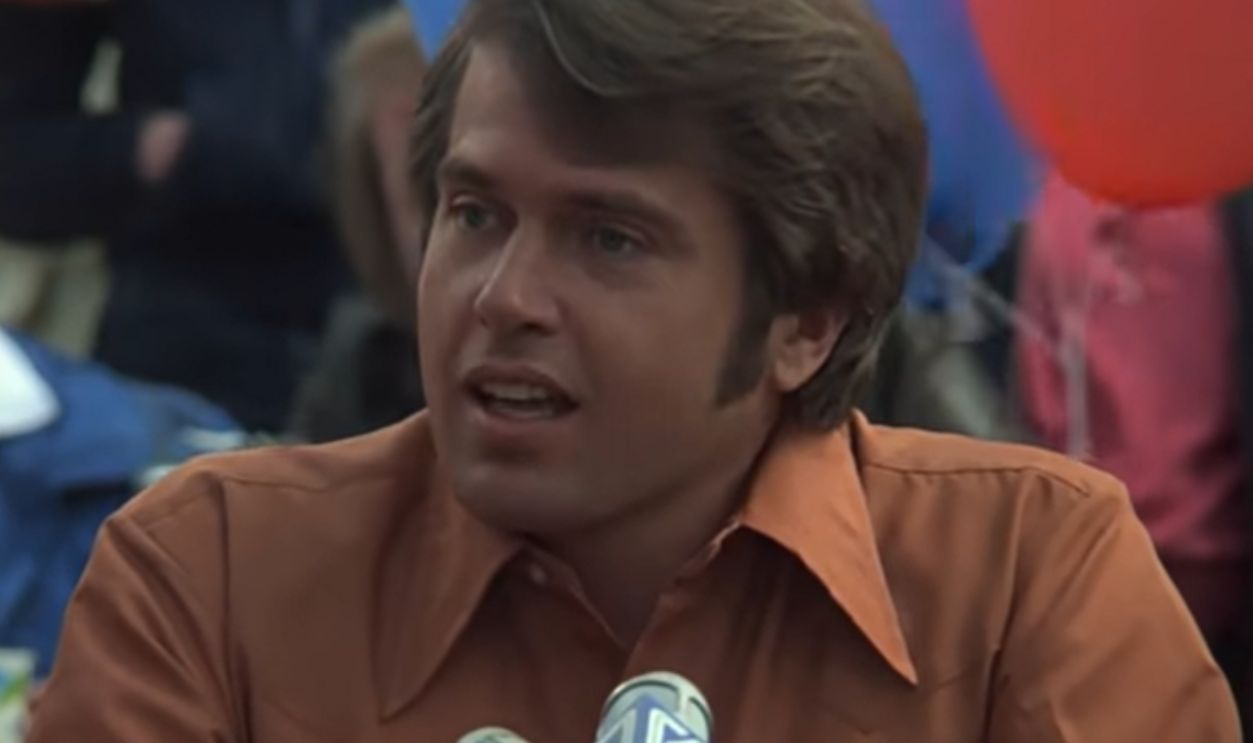 Screenshot from Melvin and Howard, Universal Pictures (1980)
Tess Took Home Three Oscars
Roman Polanski's lavish adaptation of Thomas Hardy's Tess of the d'Urbervilles received six nominations at the 1981 ceremony. It won for cinematography, art direction, and costume design, making it one of the year's substantial technical winners. Today, the three-hour period drama sits far outside the usual conversation about defining movies of the early 1980s.
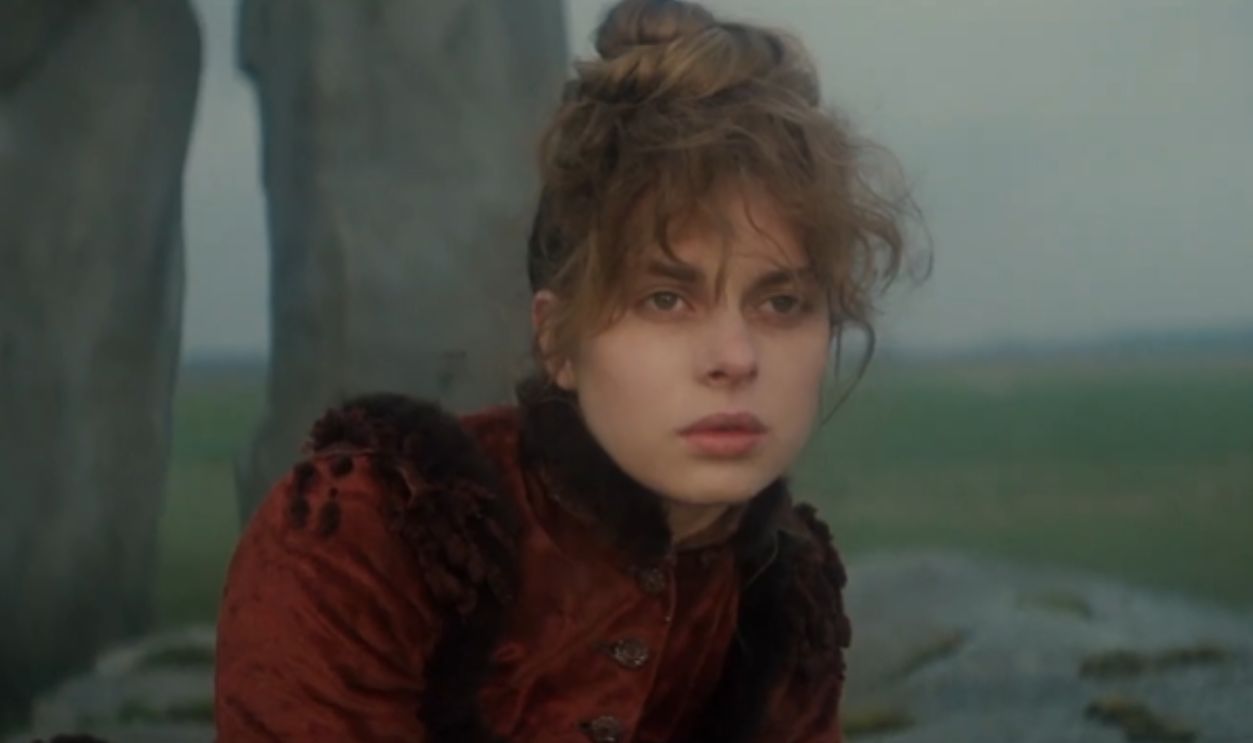 Screenshot from Tess, Columbia Pictures (1979)
Ordinary People Beat Raging Bull
Robert Redford's directorial debut was hardly a minor winner. Ordinary People took Best Picture, Best Director, Best Supporting Actor for Timothy Hutton, and adapted screenplay. Its reputation has nevertheless spent decades under the enormous shadow of Raging Bull, the movie it defeated for Best Picture.
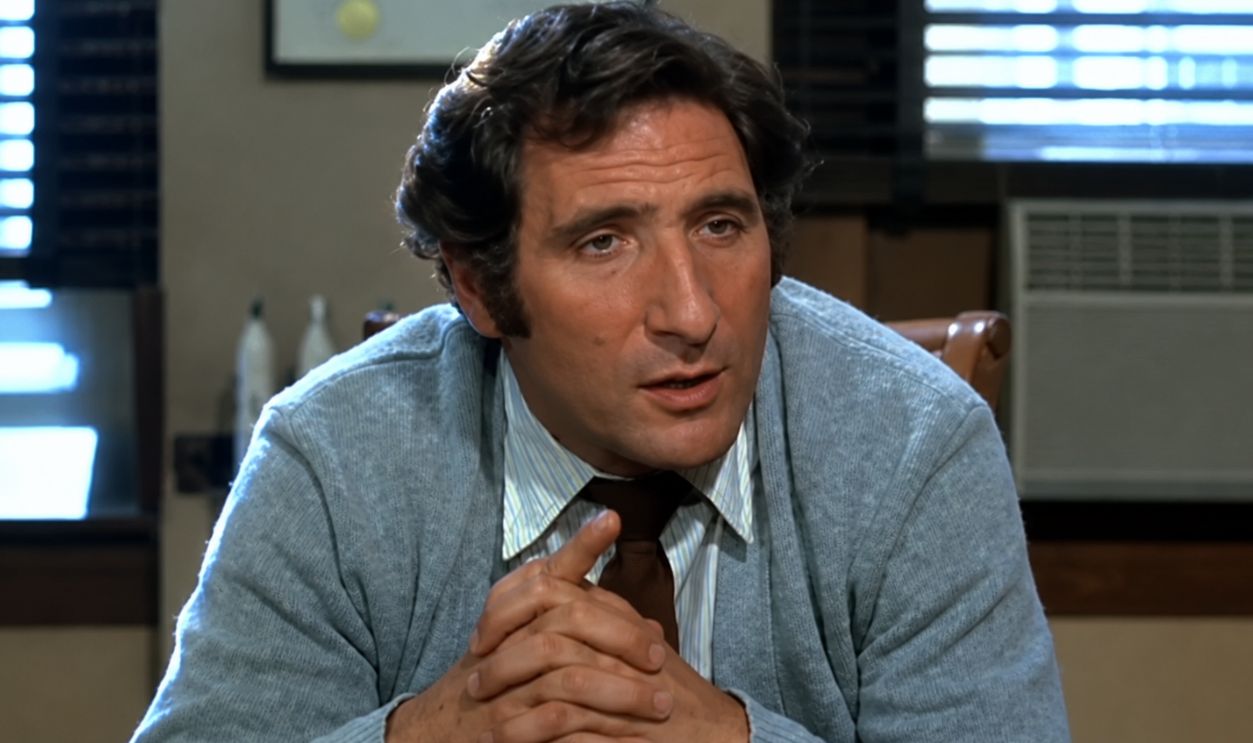 Screenshot from Ordinary People, Paramount Pictures (1980), Enhanced
Chariots Of Fire Actually Won Best Picture
The slow-motion runners and Vangelis theme remain recognizable, but many casual movie fans would probably be surprised to remember that Chariots of Fire won Best Picture. It collected four Oscars altogether, including screenplay, costume design, and original score. TCM notes that the project had once looked almost hopeless, with unknown leads and a story financiers considered dated.
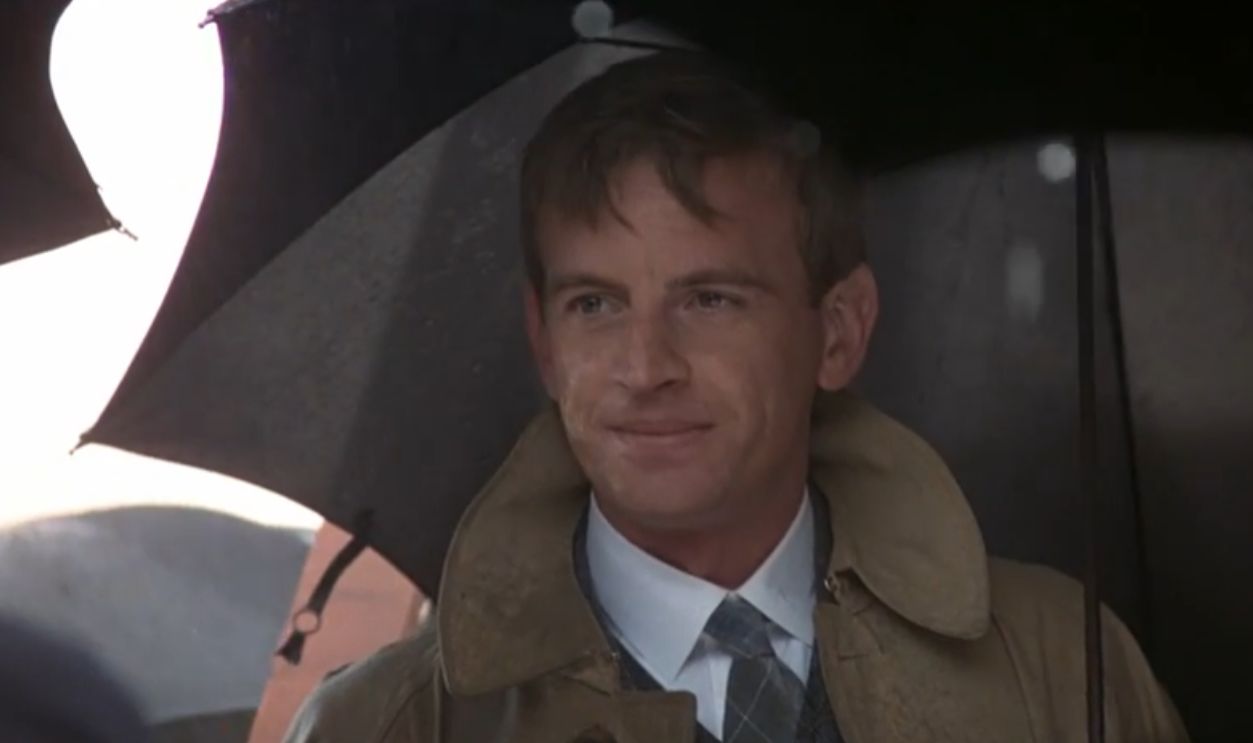 Screenshot from Chariots of Fire, Warner Bros. (1981)
Arthur Was An Oscar Movie
Dudley Moore's wealthy comic disaster Arthur Bach feels more like the star of a beloved studio comedy than an awards-season heavyweight. Yet John Gielgud won Best Supporting Actor for playing Arthur's devastatingly dry butler Hobson, while the title song won Best Original Song. The movie received four nominations in total.
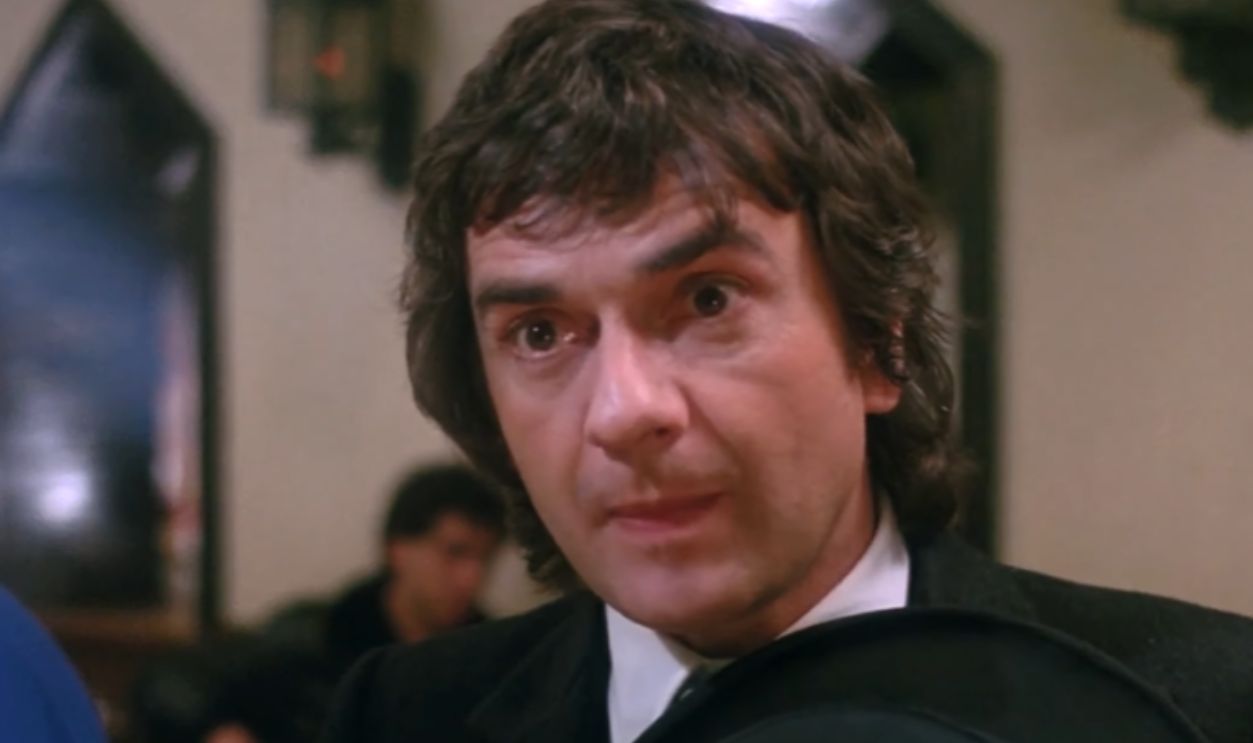 Screenshot from Arthur, Warner Bros. (1981)
Reds Won Warren Beatty Best Director
Reds was once treated as one of the great prestige projects of its moment. Warren Beatty's sprawling historical drama received 12 nominations and won three Oscars, including directing for Beatty, cinematography for Vittorio Storaro, and Supporting Actress for Maureen Stapleton. Its enormous scale has not translated into the kind of modern cultural presence enjoyed by many far less decorated movies from 1981.
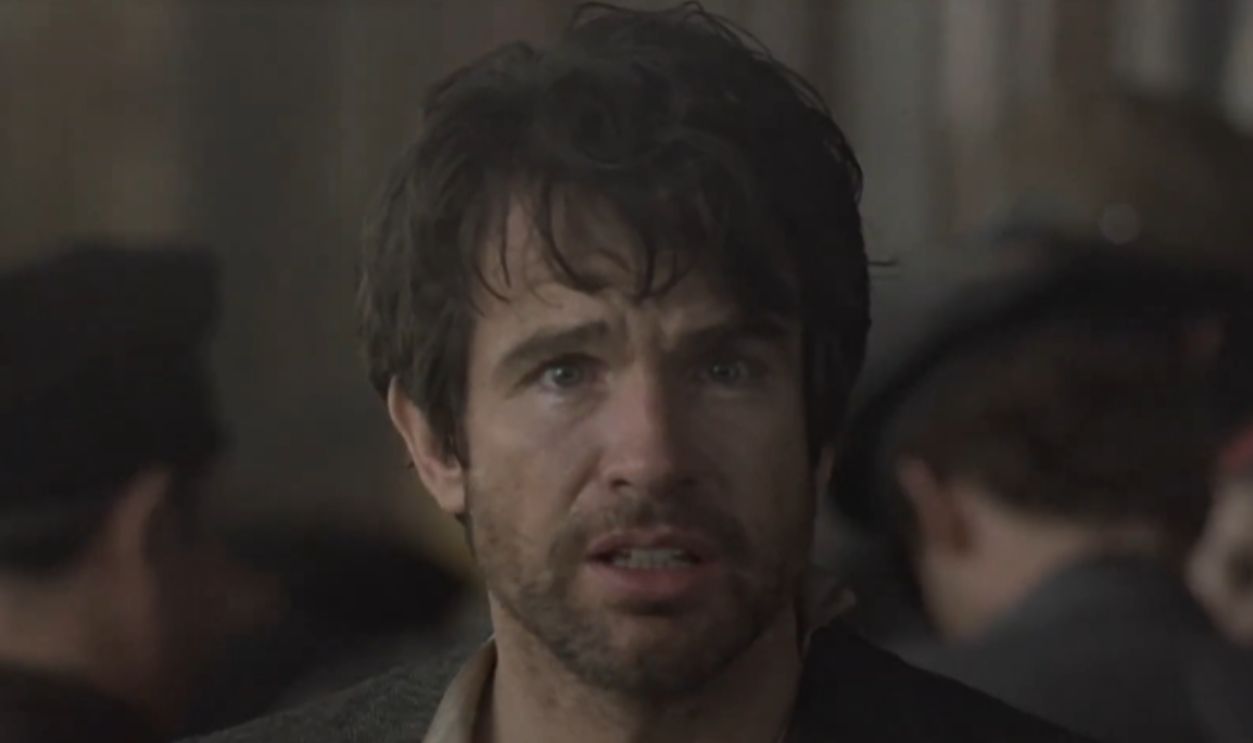 Screenshot from Reds, Paramount Pictures (1981)
Quest For Fire Won The Makeup Oscar
Quest for Fire is a prehistoric adventure built around characters living thousands of years before recorded history. The Academy recognized Sarah Monzani and Michèle Burke for the movie's makeup work, making it the category's winner at the 1983 ceremony. A movie once technically impressive enough to beat Gandhi for makeup rarely enters ordinary Oscar conversations anymore.
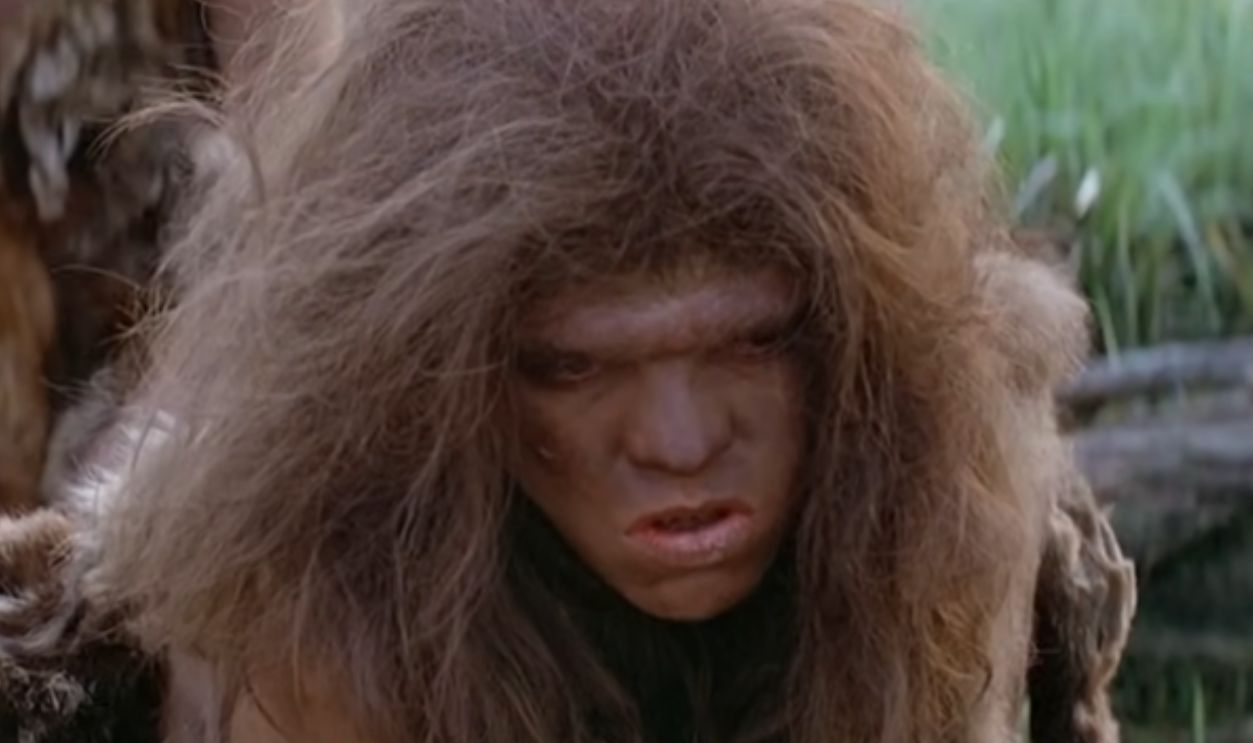 Screenshot from Quest for Fire, 20th Century Studios (1981)
Victor/Victoria Was Nominated Seven Times
Blake Edwards built Victor/Victoria around Julie Andrews, James Garner, Robert Preston, and Lesley Ann Warren. The comedy received seven Oscar nominations, with Henry Mancini and Leslie Bricusse winning for the film's music. Three members of the cast were nominated, which makes its relative absence from modern awards nostalgia especially striking.
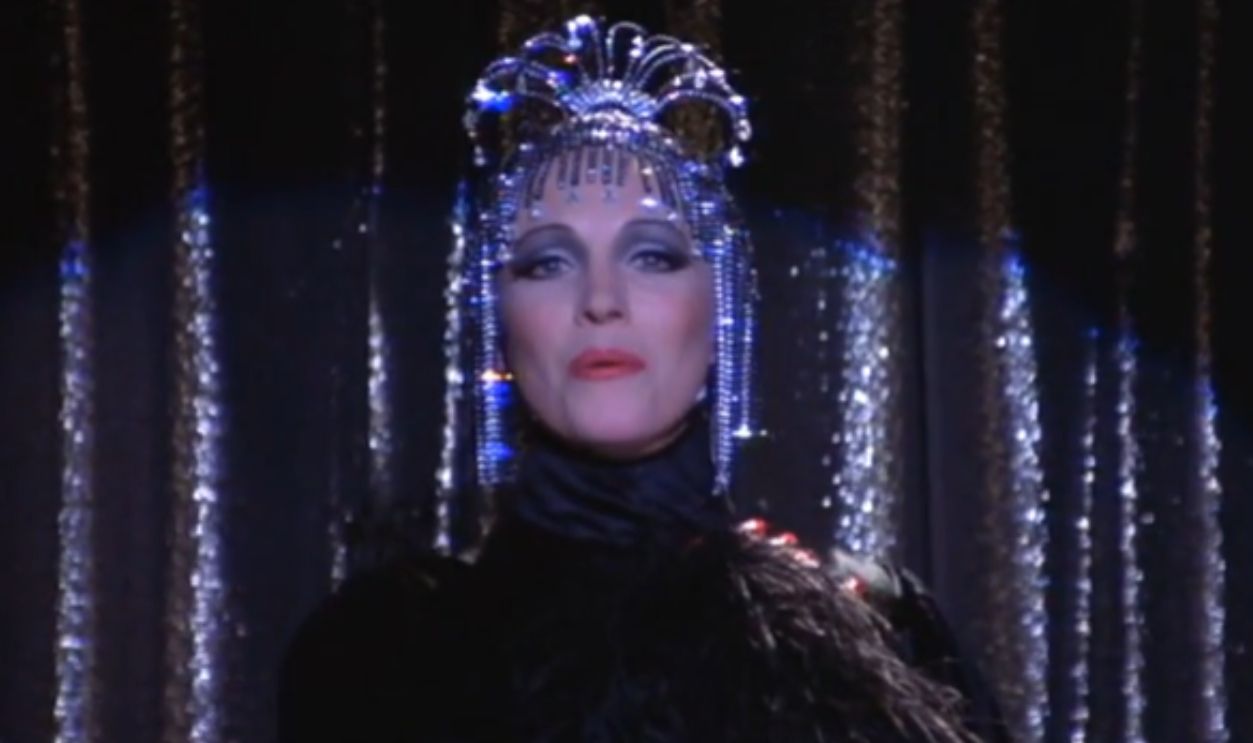 Screenshot from Victor/Victoria, MGM (1982)
Tender Mercies Gave Robert Duvall His Oscar
Robert Duvall had already accumulated three acting nominations before Tender Mercies finally brought him a win. He played Mac Sledge, a down-on-his-luck country singer trying to rebuild his life in rural Texas. The film also won Horton Foote the original-screenplay Oscar, yet it now feels much quieter than most movies capable of producing both a Best Actor and screenplay victory.
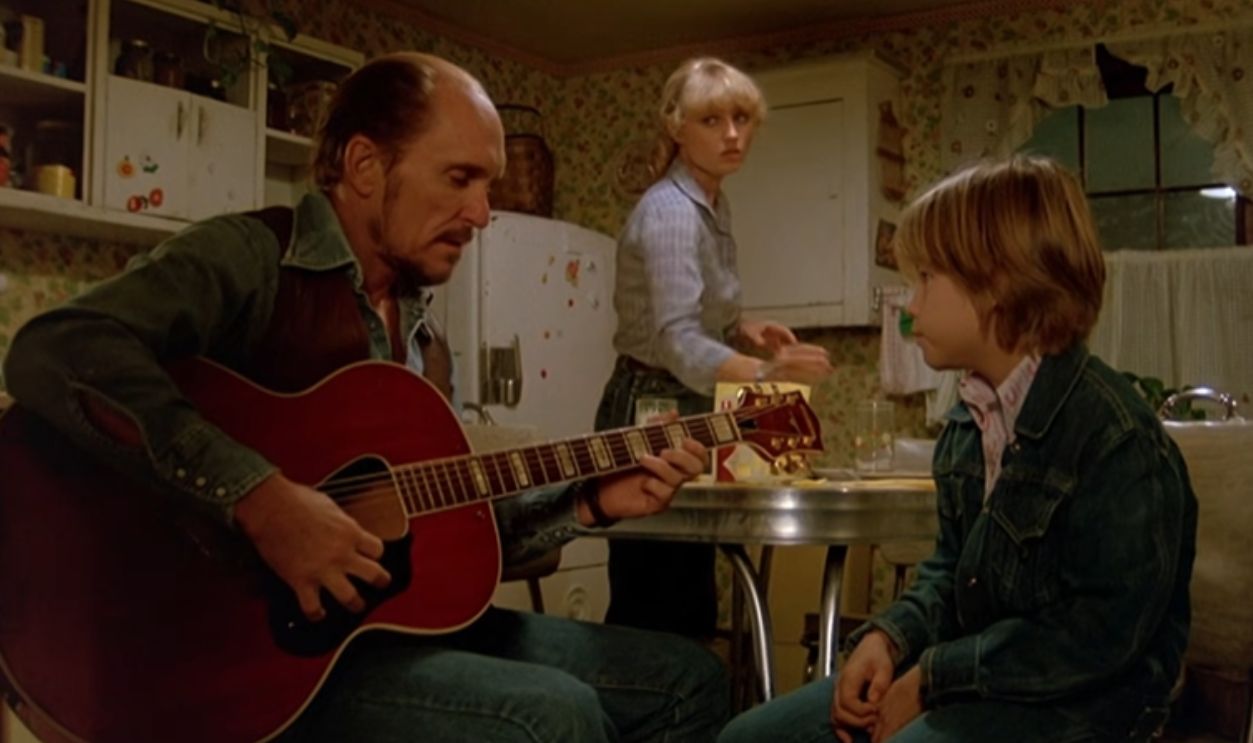 Screenshot from Tender Mercies, Universal Pictures (1983)
Fanny And Alexander Won Four
Ingmar Bergman's Fanny and Alexander was anything but a small achievement at the Oscars. The Swedish production won four awards, including Foreign Language Film, cinematography, costume design, and art direction. Bergman conceived the film as a grand summation of his career, but its length and international origins have helped keep it outside the casual 1980s movie canon.
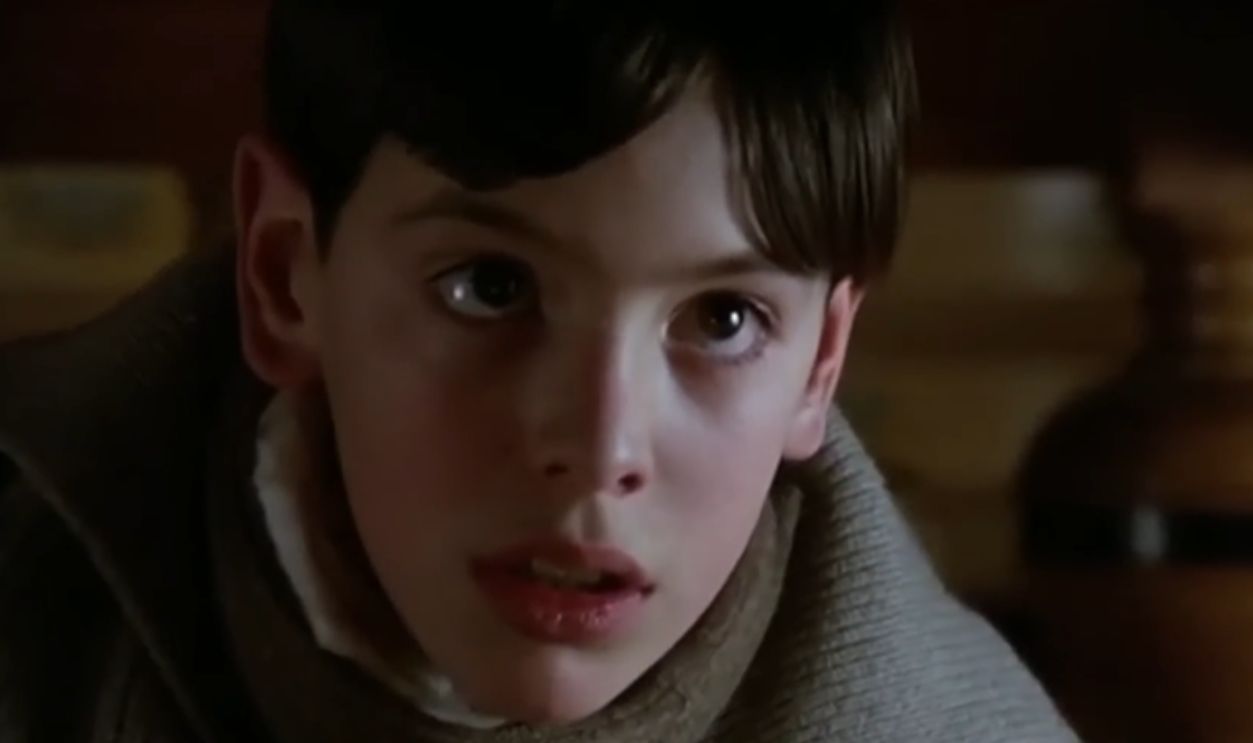 Screenshot from Fanny and Alexander, Embassy Pictures (1982)
The Right Stuff Won Four Oscars Too
Philip Kaufman's The Right Stuff chronicled test pilots and America's early astronaut program with an enormous ensemble and sprawling running time. It won four Oscars for editing, original score, sound, and sound-effects editing. TCM has described it as one of the decade's more underappreciated films, despite the Academy clearly taking it very seriously.
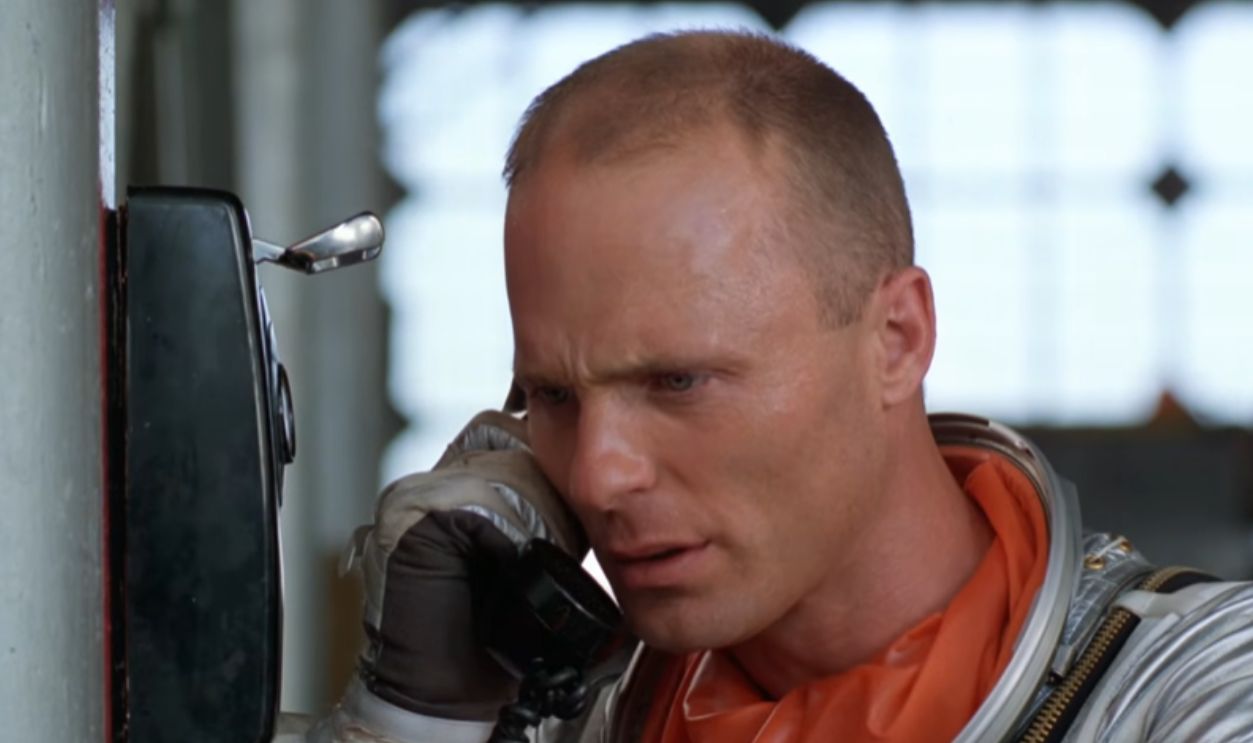 Screenshot from The Right Stuff, Warner Bros. (1983)
Linda Hunt Won For The Year Of Living Dangerously
Peter Weir's The Year of Living Dangerously starred Mel Gibson and Sigourney Weaver, but Linda Hunt walked away with the Oscar. Hunt won Best Supporting Actress for playing photographer Billy Kwan. It remains one of the more distinctive acting victories of the decade, attached to a movie that receives far less attention now than Weir's later hits.
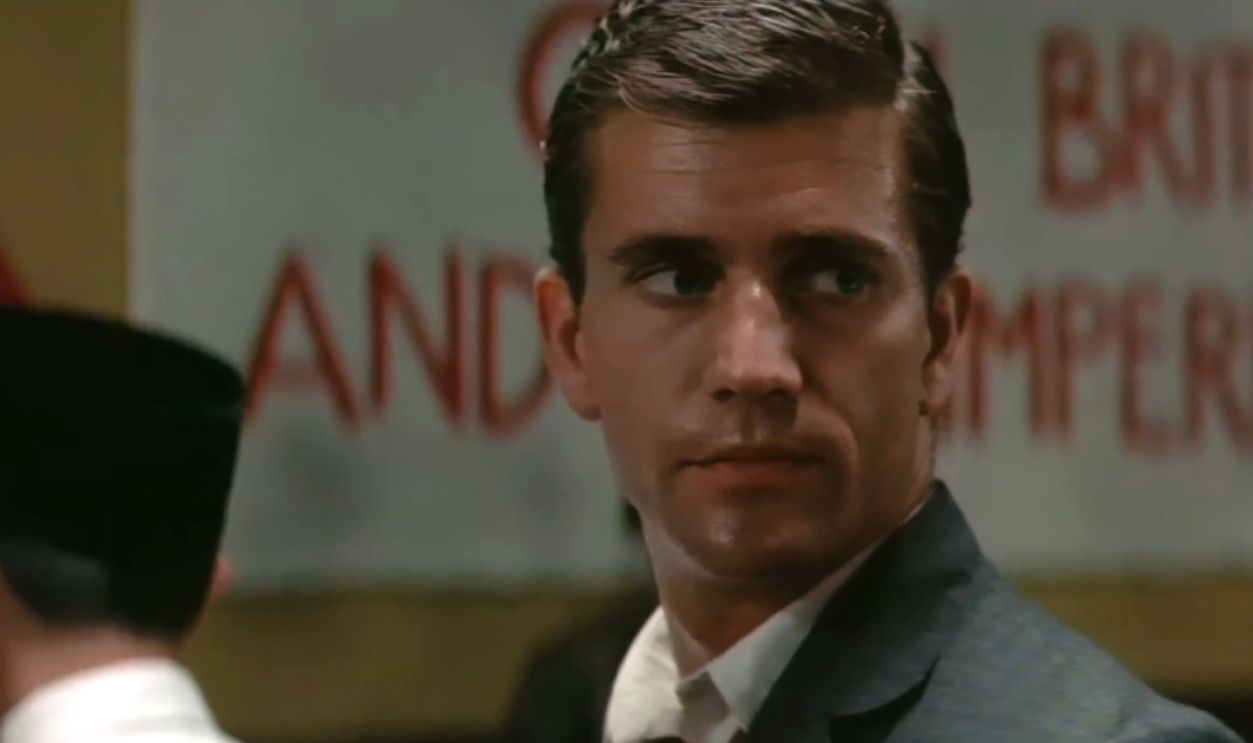 Screenshot from The Year of Living Dangerously, MGM (1982)
Places In The Heart Gave Sally Field Oscar Number Two
People often remember Sally Field's famously misquoted acceptance speech better than the movie that inspired it. Places in the Heart won Field her second Best Actress Oscar, while writer-director Robert Benton won for the original screenplay. The Depression-era drama had seven nominations altogether.
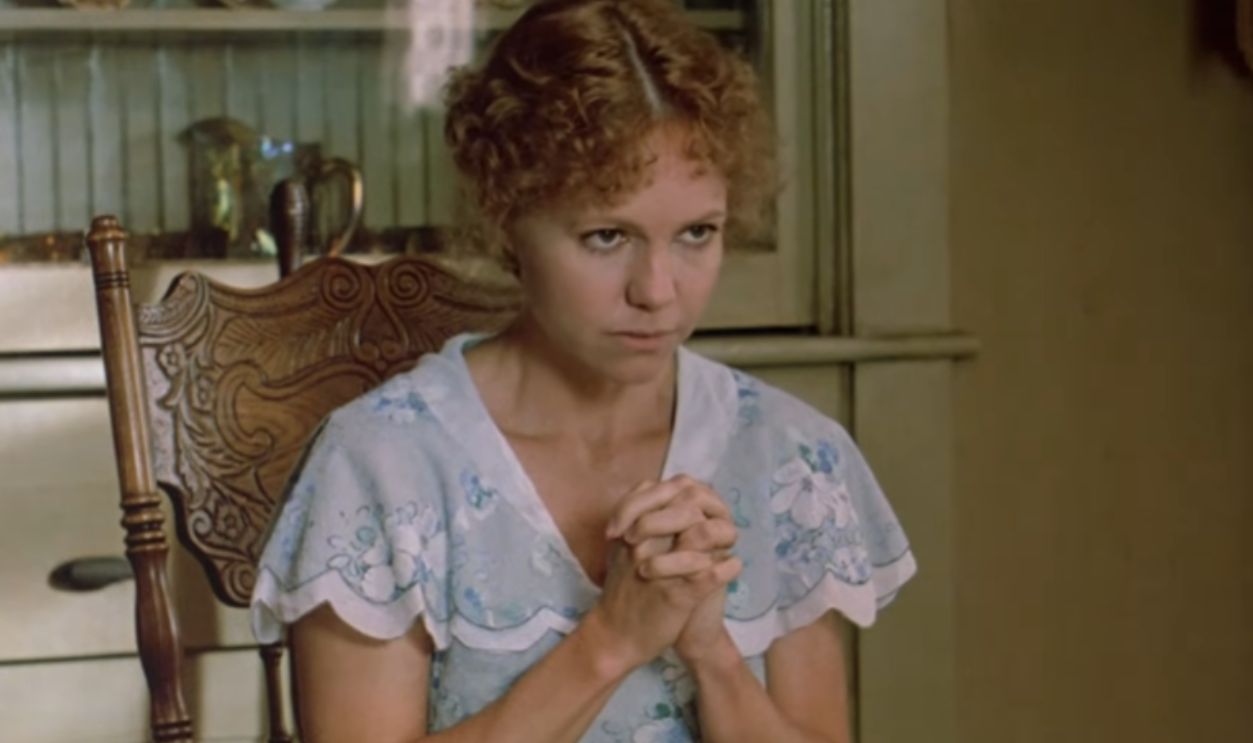 Screenshot from Places in the Heart, Sony Pictures (1984)
A Passage To India Had Eleven Nominations
David Lean returned to large-scale filmmaking with A Passage to India, adapted from E.M. Forster's novel. The picture received a remarkable 11 Academy Award nominations and won two, for Peggy Ashcroft's supporting performance and Maurice Jarre's score. For what was effectively Lean's final cinematic epic, its modern profile is surprisingly muted.
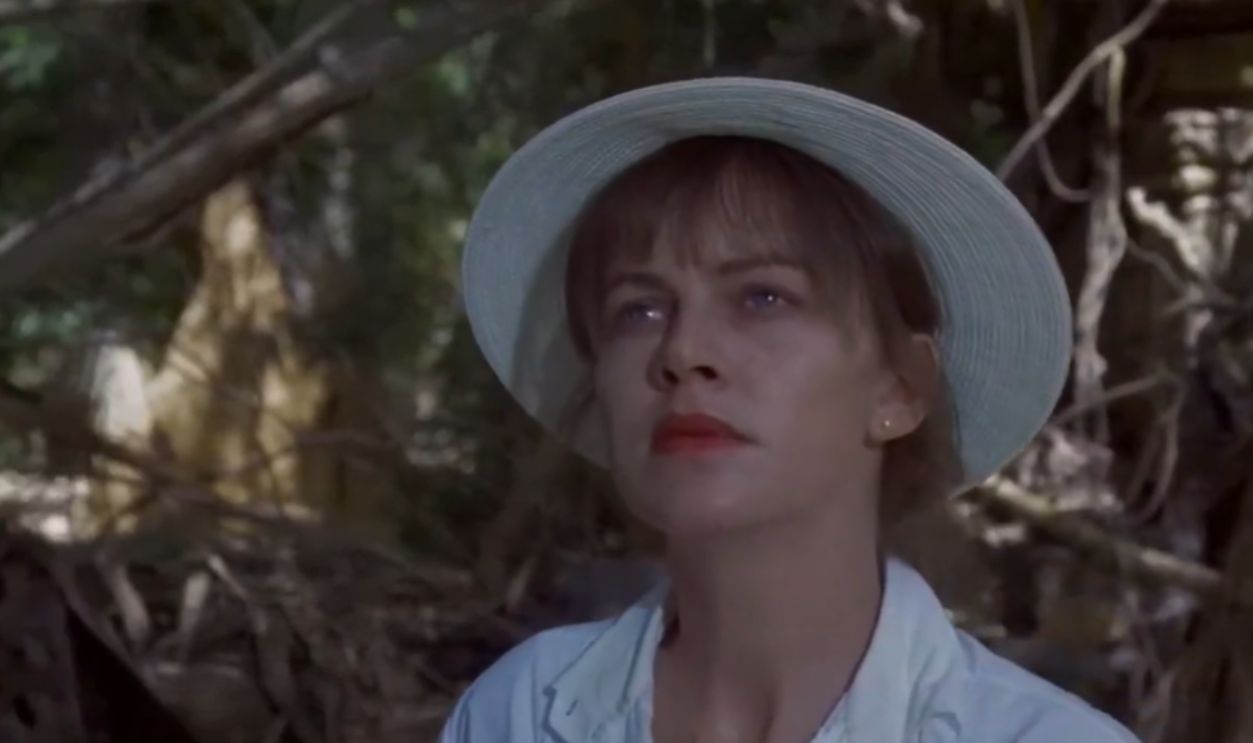 Screenshot from A Passage to India, Sony Pictures (1984)
The Killing Fields Won Three Oscars
Roland Joffé's The Killing Fields told the story of journalist Sydney Schanberg and Cambodian reporter Dith Pran. Haing S. Ngor won Best Supporting Actor, while the film also won for cinematography and editing. It was nominated for Best Picture and four additional awards, making it one of 1984's most heavily honored dramas.
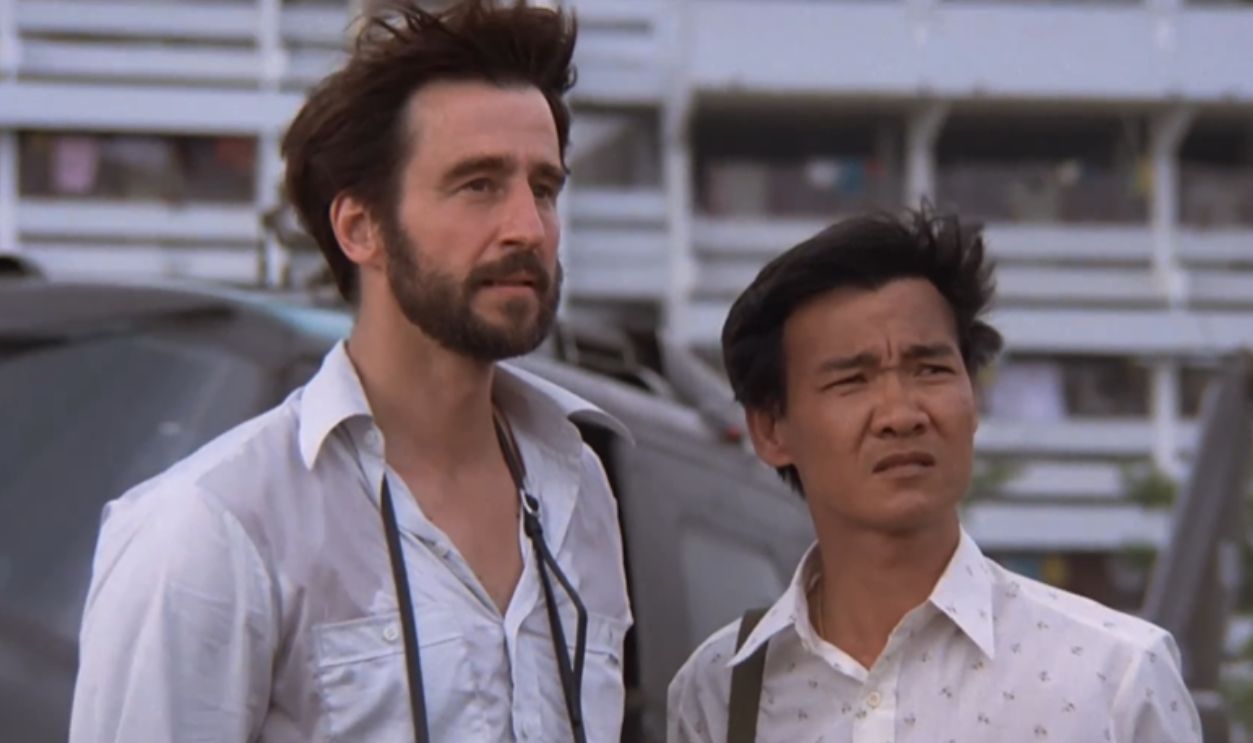 Screenshot from The Killing Fields, Warner Bros. (1984)
The Times Of Harvey Milk Won Best Documentary
Long before later screen portrayals of Harvey Milk, filmmakers Rob Epstein and Richard Schmiechen made The Times of Harvey Milk. The documentary won the Academy Award for Documentary Feature at the 1985 ceremony. Despite the Oscar, its later reputation has often been overshadowed by the dramatized versions of the same historical period.
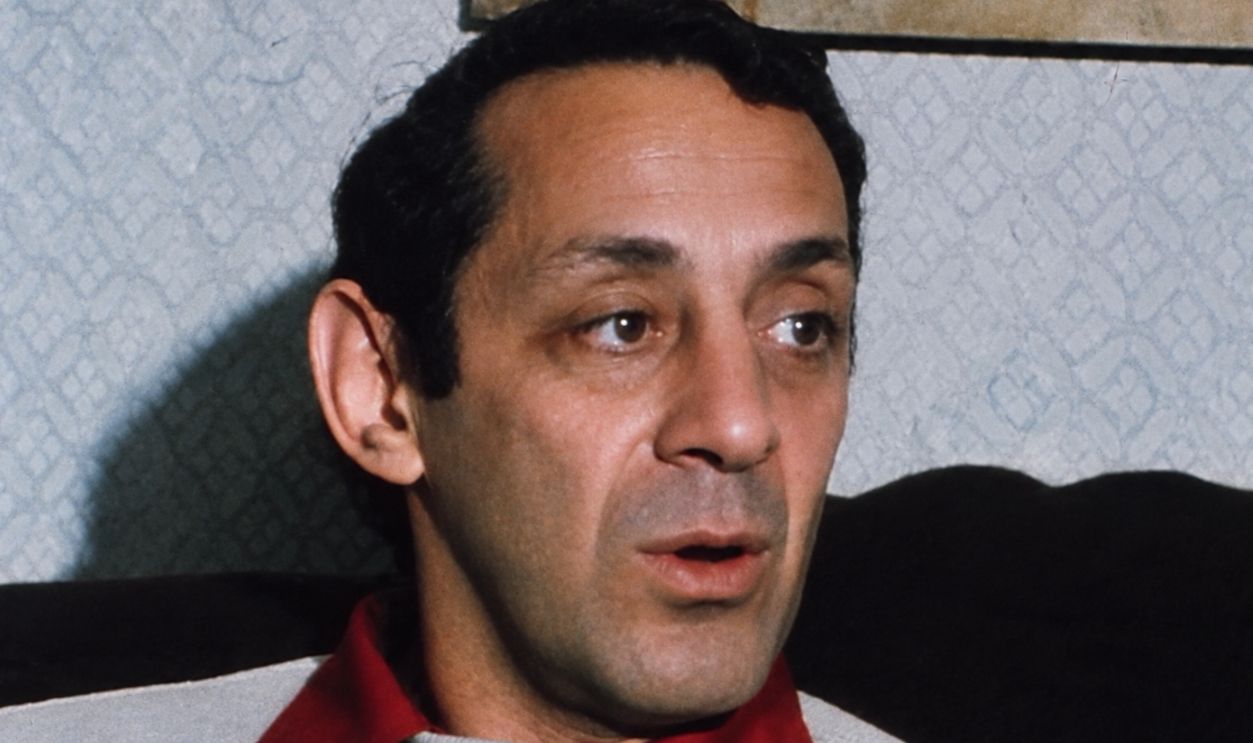 Screenshot from The Times of Harvey Milk, Cinecom (1984), Enhanced
Geraldine Page Finally Won For The Trip To Bountiful
Geraldine Page had been nominated repeatedly before playing Carrie Watts in The Trip to Bountiful. Her performance finally earned her Best Actress on her eighth acting nomination. TCM described the victory as the long-awaited climax of one of the screen's most acclaimed careers, yet the quiet Texas drama itself is rarely grouped with the decade's obvious classics.
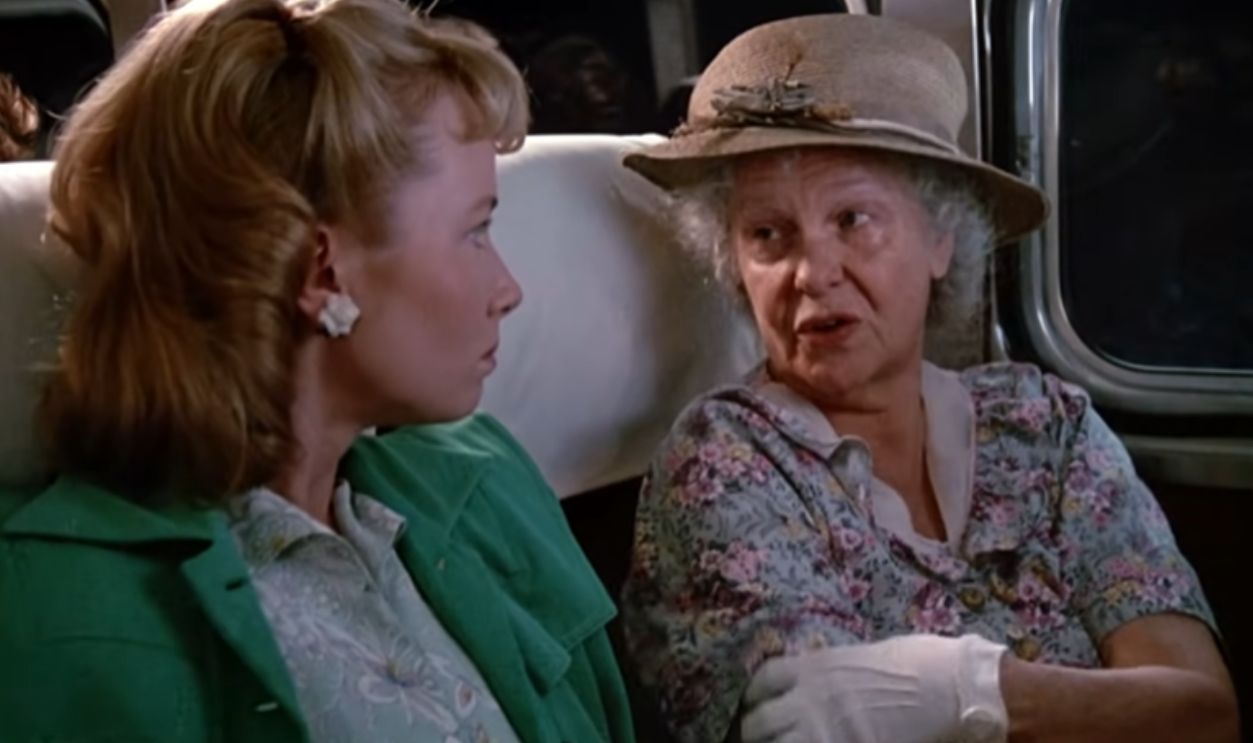 Screenshot from The Trip to Bountiful, Island Pictures (1985)
Prizzi's Honor Had Eight Nominations
John Huston's dark comedy reunited a legendary director with the kind of offbeat material that had always suited him. Prizzi's Honor earned eight Academy Award nominations, including Best Picture, Director, and Actor for Jack Nicholson. Anjelica Huston won Supporting Actress, making John Huston the rare filmmaker to direct both his father and his daughter to Oscars.
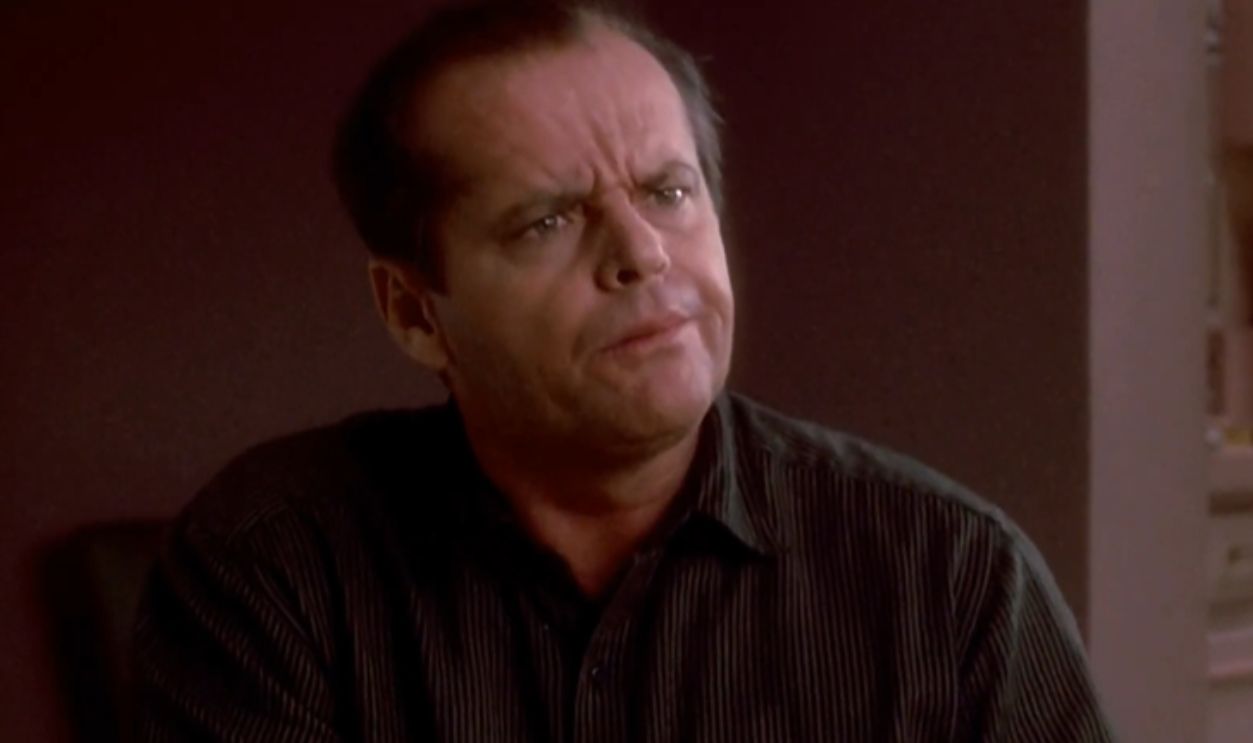 Screenshot from Prizzi's Honor, 20th Century Studios (1985)
Cocoon Won Don Ameche An Oscar
Ron Howard's Cocoon was one of the summer hits of 1985, pairing science fiction with an ensemble of veteran performers. Don Ameche won Best Supporting Actor, while the movie also won for visual effects. A film that once drew huge audiences and two Oscar victories now tends to surface mainly when people revisit the careers of its remarkable older cast.
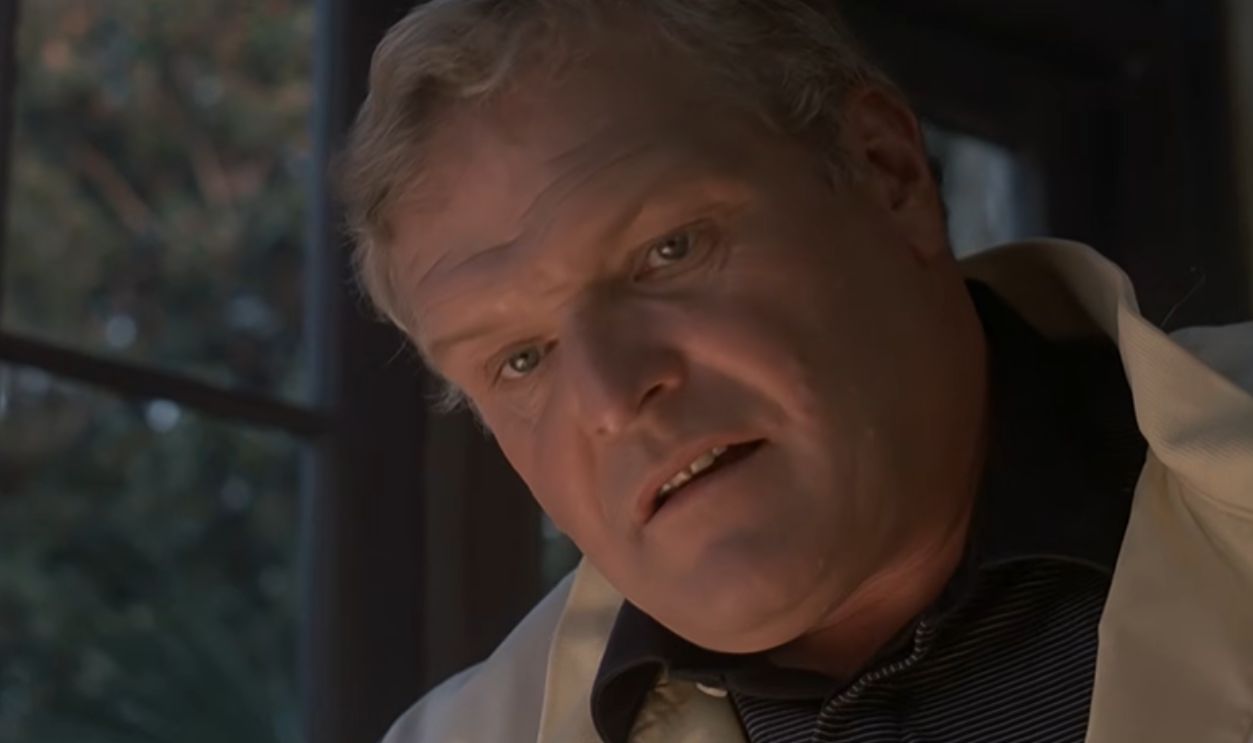 Screenshot from Cocoon, 20th Century Studios (1985)
Kiss Of The Spider Woman Made William Hurt Best Actor
Kiss of the Spider Woman looked like an unlikely Academy favorite when it was made as an independent production in Brazil. It received four major nominations, including Best Picture and Director, and William Hurt won Best Actor. The victory came during a remarkable run in which Hurt became one of the Academy's favorite leading men.
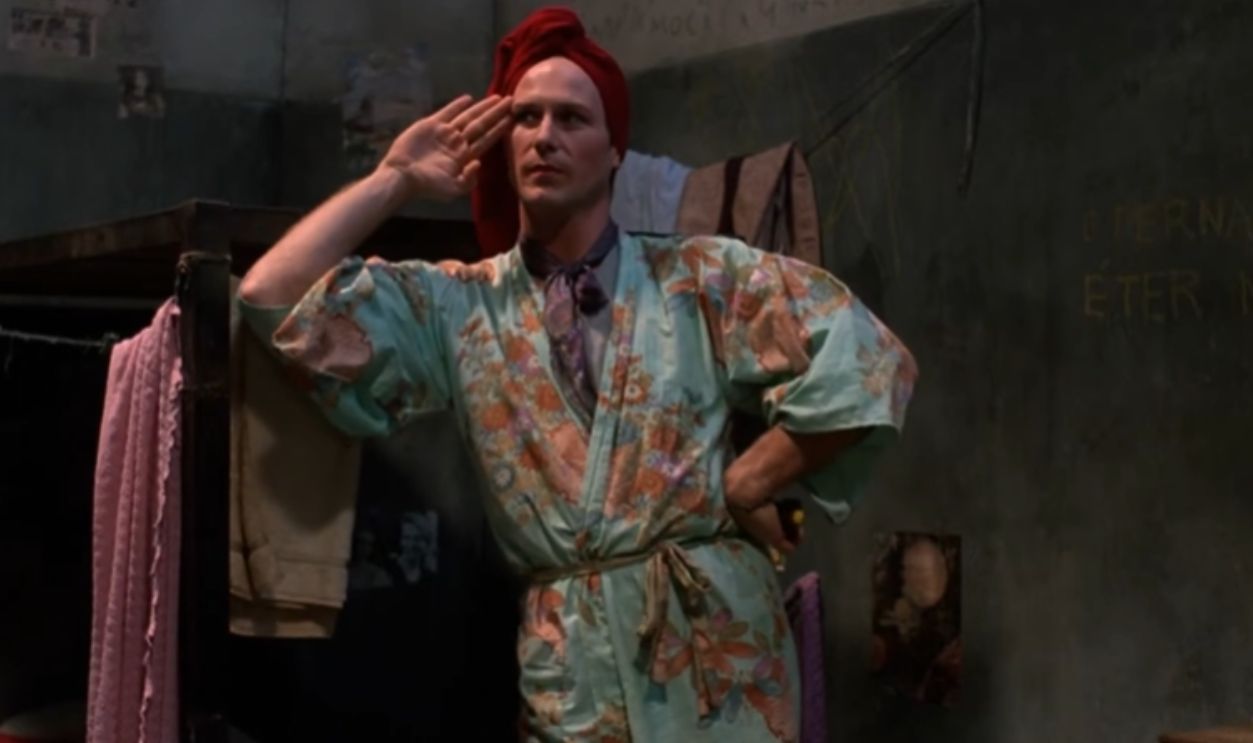 Screenshot from Kiss of the Spider Woman, Island Alive (1985)
The Mission Won For Its Images, Not Its Famous Score
Many people who remember The Mission remember Ennio Morricone's music first. Ironically, Morricone did not win the Oscar for it. The film's sole victory came in cinematography for Chris Menges, who had also won the same category two years earlier for The Killing Fields.
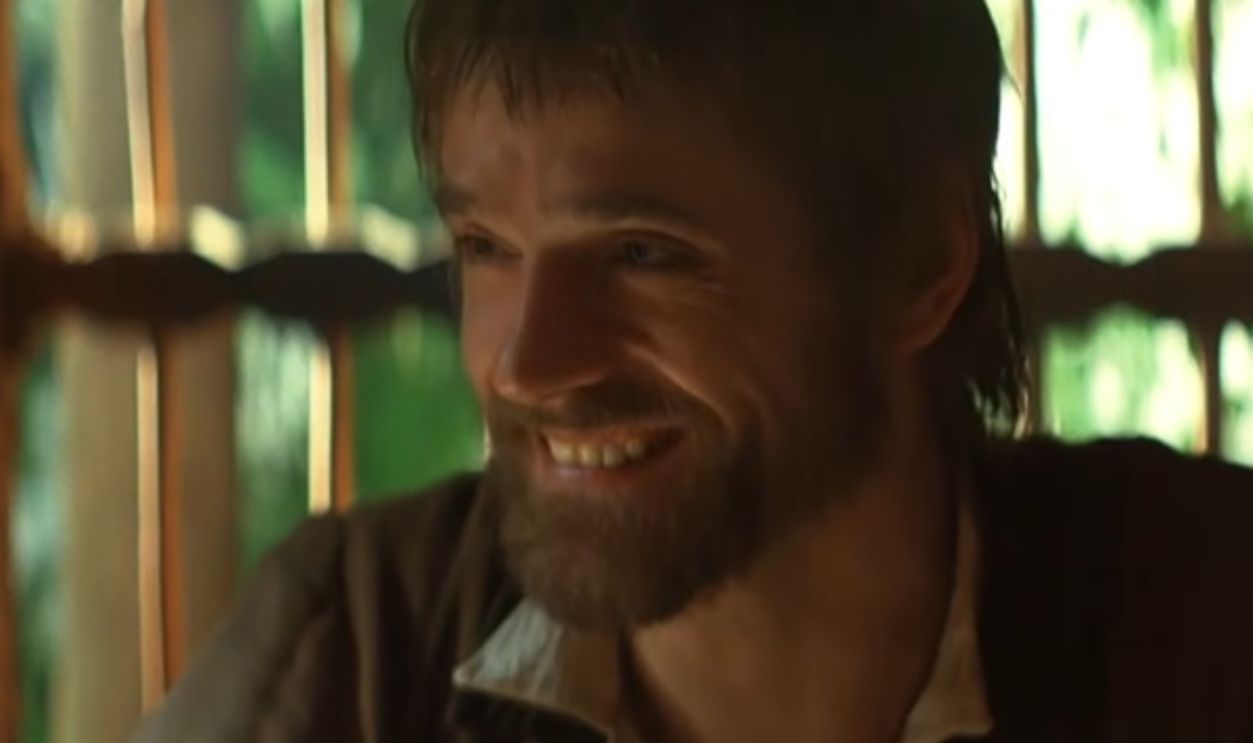 Screenshot from The Mission, Warner Bros. (1986)
Children Of A Lesser God Made Oscar History
Marlee Matlin made her film debut in Children of a Lesser God and won Best Actress. At 21, she became the youngest Best Actress winner at the time and the first deaf performer to win an Academy Award. The film itself received five nominations, including Best Picture, yet is now far less familiar than the historic accomplishment it produced.
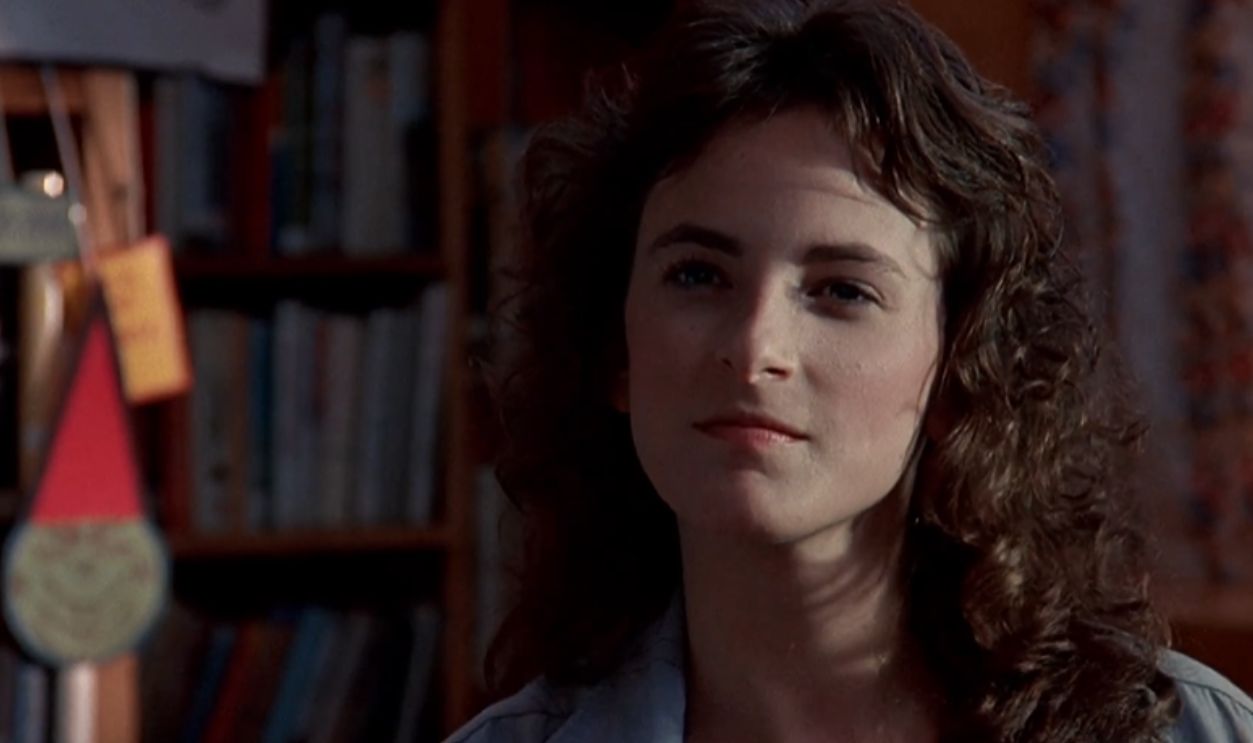 Screenshot from Children of a Lesser God, Paramount Pictures (1986)
A Room With A View Won Three Oscars
Merchant Ivory's A Room with a View helped turn the company's refined literary adaptations into genuine mainstream successes. The movie received eight nominations and won adapted screenplay, costume design, and art direction. It also featured early major film work from Helena Bonham Carter and Daniel Day-Lewis.
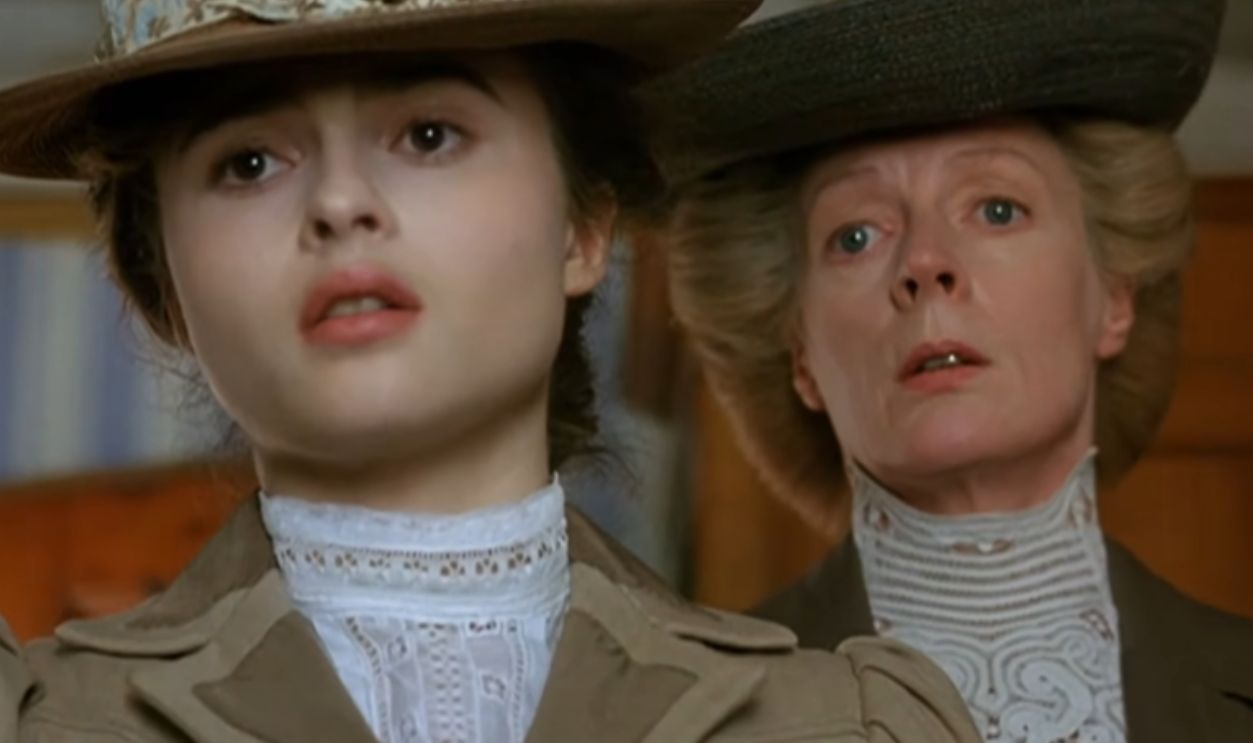 Screenshot from A Room with a View, Curzon Film Distributors (1985)
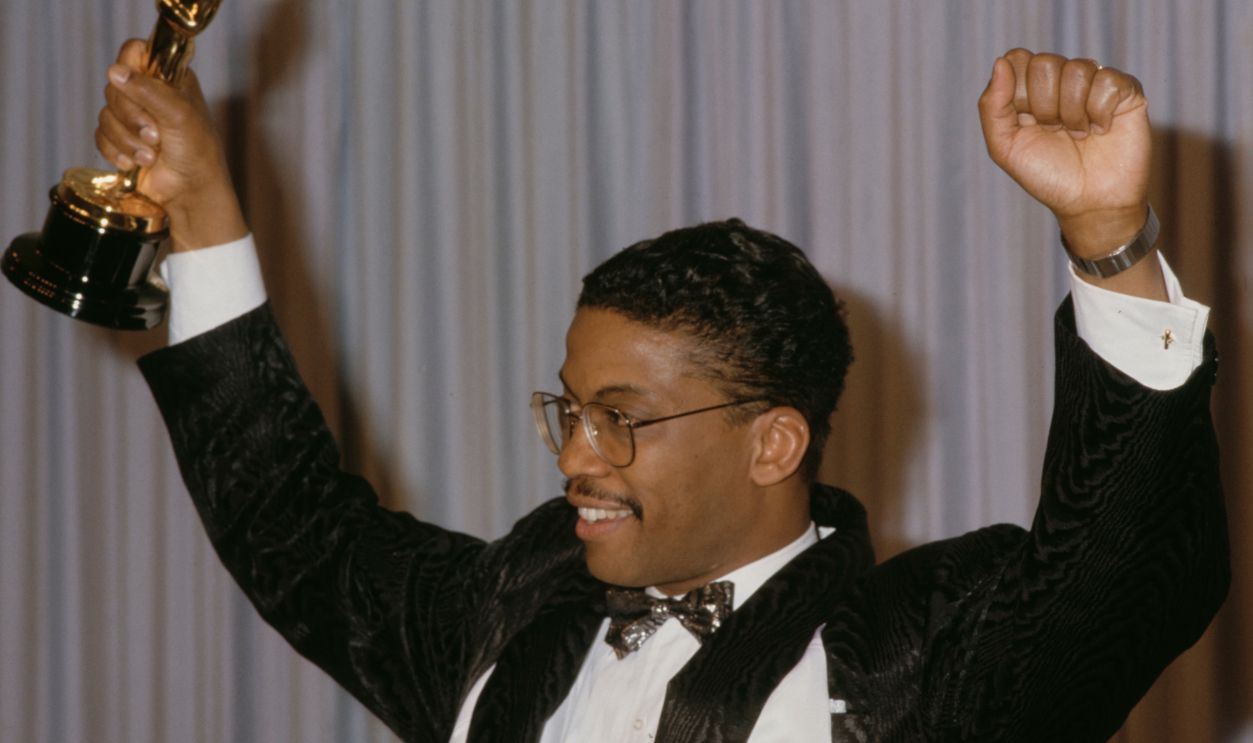
Round Midnight Gave Herbie Hancock An Oscar
Bertrand Tavernier's 'Round Midnight cast real-life jazz great Dexter Gordon as a fictional musician struggling through life in Paris. Gordon was nominated for Best Actor, an extraordinary achievement for someone better known as a musician than a screen performer. Herbie Hancock won the film's only Oscar for its original score.
Babette's Feast Made Danish Oscar History
Babette's Feast tells the deceptively simple story of a remarkable meal prepared in a remote Danish community. It won the Academy Award for Foreign Language Film in 1988, becoming the first Danish movie to win the category. The film remains beloved among cinephiles and food-film devotees, but sits well outside mainstream 1980s nostalgia.
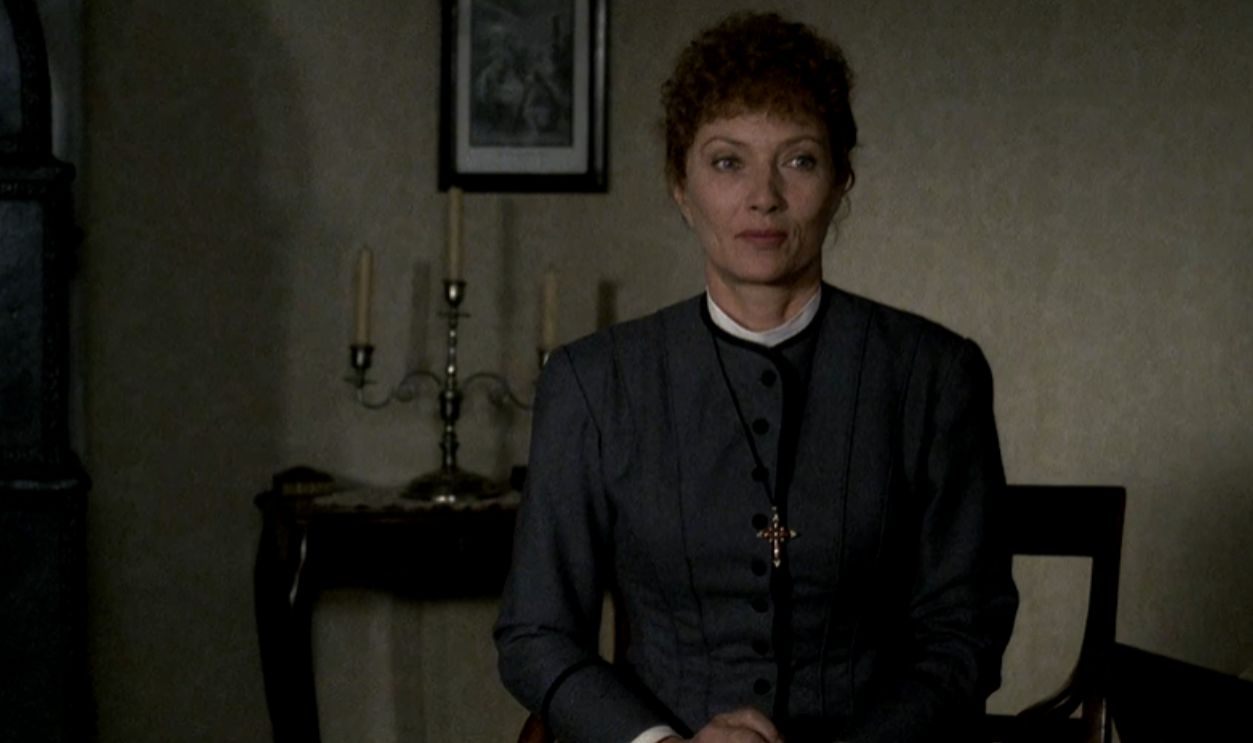 Screenshot from Babette's Feast, Orion Classics (1987)
Innerspace Was An Oscar Winner
Joe Dante's Innerspace followed a miniaturized test pilot accidentally injected into another man's body. The science-fiction comedy starred Dennis Quaid, Martin Short, and Meg Ryan and earned exactly one Academy Award nomination. It won that nomination, taking the Oscar for visual effects over Predator.
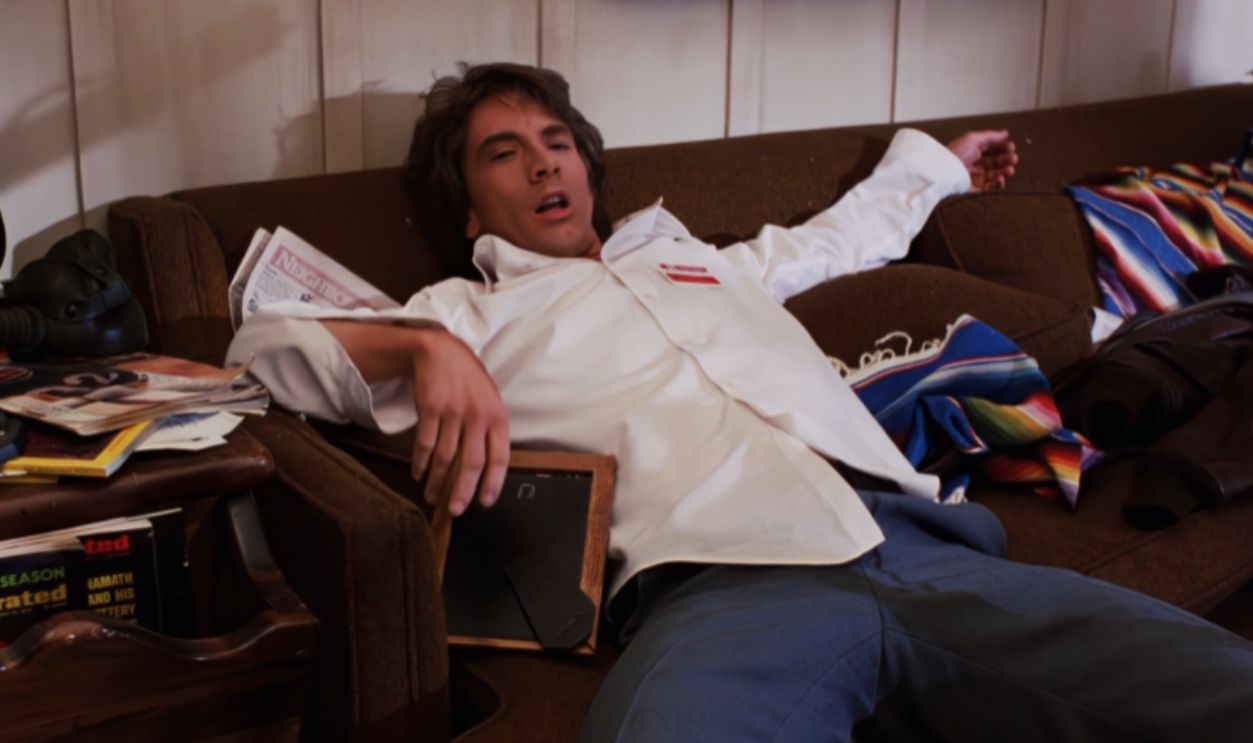 Screenshot from Innerspace, Warner Bros. (1987)
The Last Emperor Swept Everything
Bernardo Bertolucci's The Last Emperor did not merely win Best Picture. It went nine-for-nine at the Oscars, winning every category in which it was nominated, including Director, cinematography, editing, score, costume design, and adapted screenplay. Few Best Picture champions have swept so completely and then become so relatively absent from casual discussions of their decade.
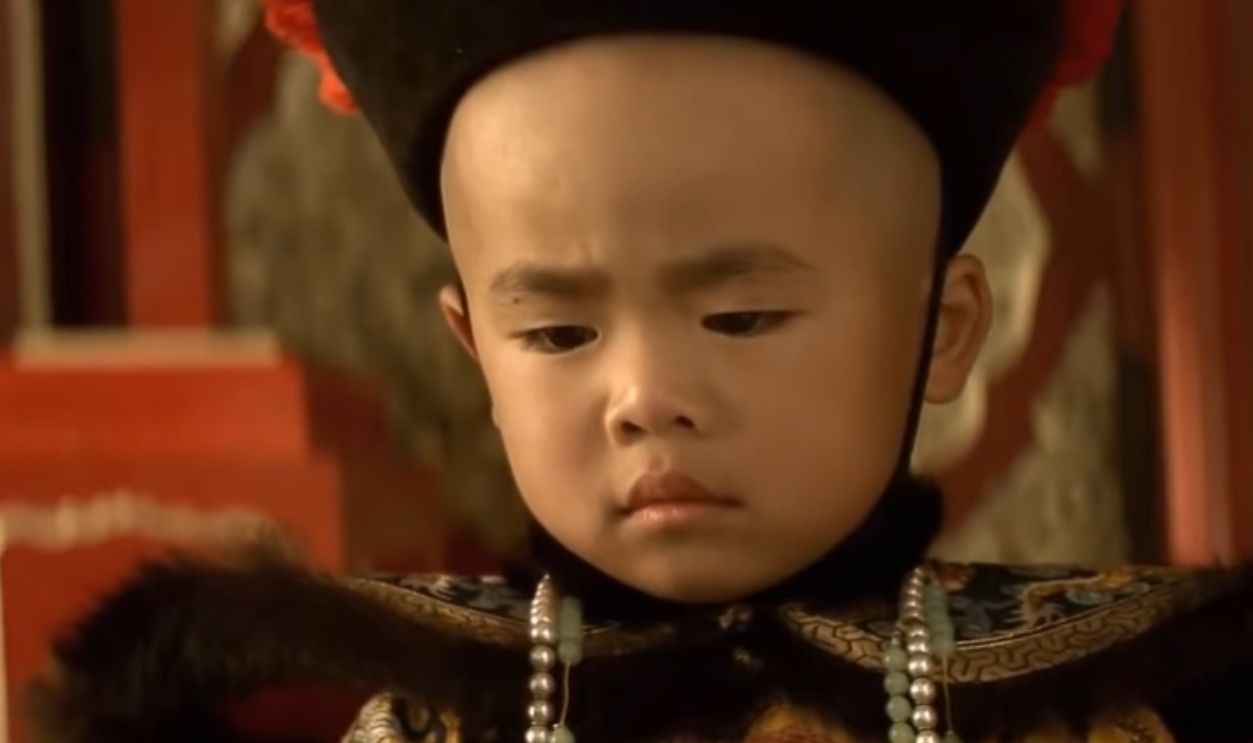 Screenshot from The Last Emperor, Columbia Pictures (1987)
Geena Davis Won For The Accidental Tourist
Lawrence Kasdan's The Accidental Tourist received four Oscar nominations, including Best Picture. Geena Davis won Best Supporting Actress for playing Muriel, the unconventional woman who disrupts travel writer Macon Leary's carefully controlled life. The film's awards pedigree can feel surprising now because it rarely appears beside the more frequently revisited hits of 1988.
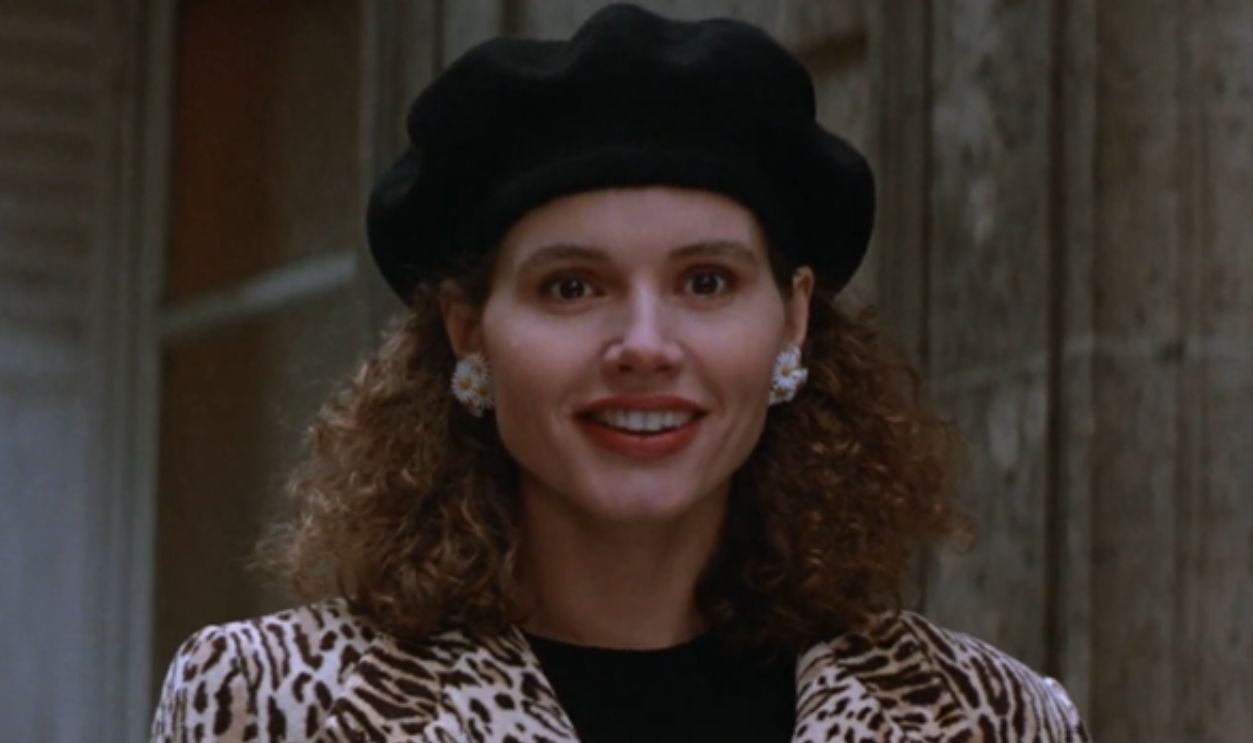 Screenshot from The Accidental Tourist, Warner Bros. (1988)
The Milagro Beanfield War Beat Rain Man For Score
Robert Redford's The Milagro Beanfield War was not a major commercial hit. Yet Dave Grusin's music won Best Original Score at the 1989 ceremony, defeating scores for Rain Man, The Accidental Tourist, Dangerous Liaisons, and Gorillas in the Mist. TCM later described the movie as a magical-realist populist fable whose original release never found a large audience.
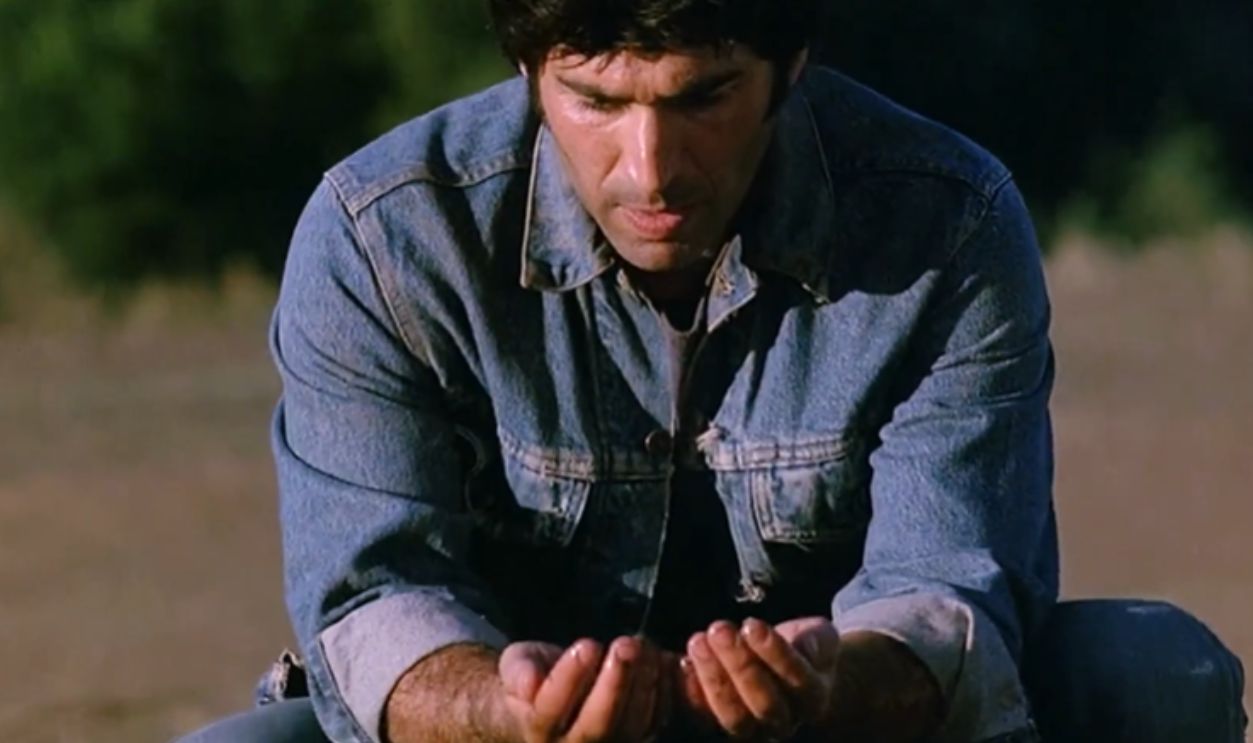 Screenshot from The Milagro Beanfield War, Universal Pictures (1988)
Henry V Quietly Won An Oscar Too
Kenneth Branagh made his feature-directing debut with the 1989 adaptation of Henry V, bringing Shakespeare back to movie screens with a darker approach than Laurence Olivier's famous version. Branagh was nominated for both Best Actor and Best Director. Neither nomination won, but Phyllis Dalton did take home the Oscar for the film's costume design, giving this once-prestigious Shakespeare adaptation a place among the decade's winners.
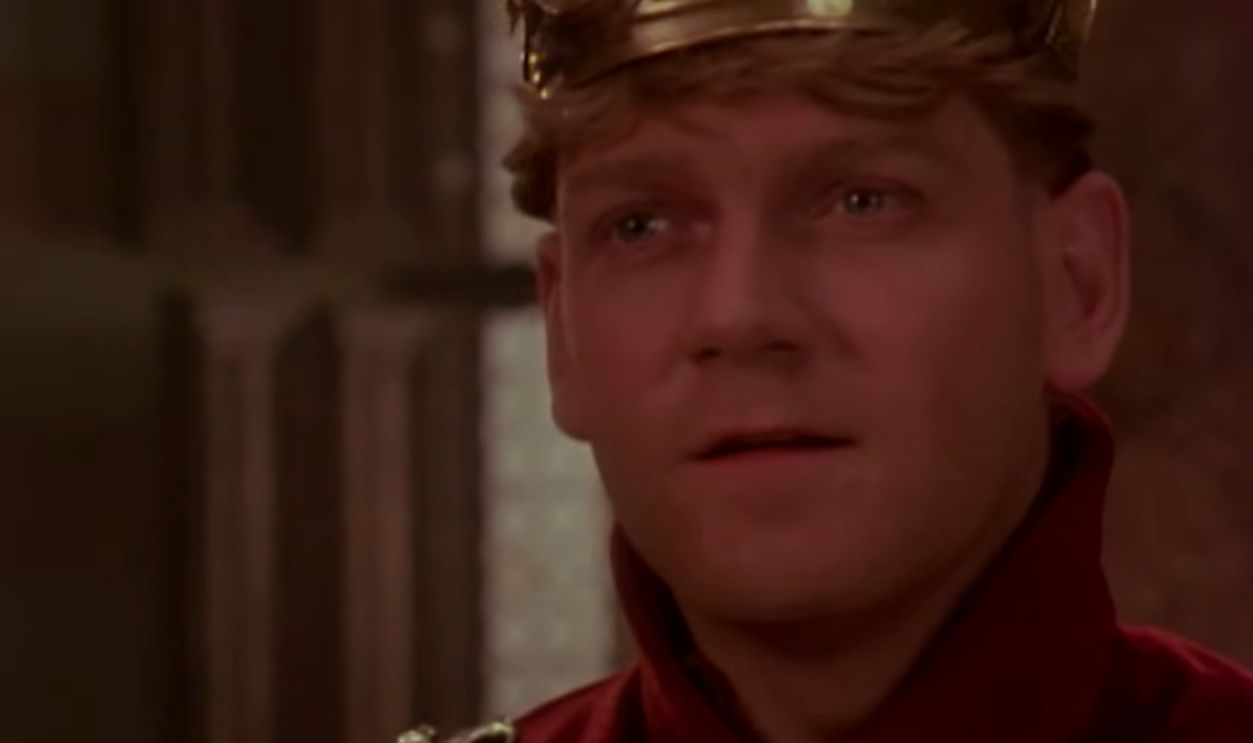 Screenshot from Henry V, MGM (1989)
You May Also Like:
50-Year-Old Movies That We'd Still Rather See Than What They Put In Theaters Today
Sources: 1, 2, 3, 4, 5, 6, 7, 8, 9, 10, 11, 12, 13, 14, 15, 16, 17, 18, 19, 20, 21, 22, 23, 24, 25, 26, 27, 28, 29, 30, 31, 32, 33, 34