A vacation she never came home from
Carol Wayne could get a laugh out of Johnny Carson before she’d even finished a sentence. Millions knew her face, her voice, and exactly what kind of trouble she brought to his sketches. Then came a trip to Mexico—and a final few days that people are still trying to piece together.
You probably remember her
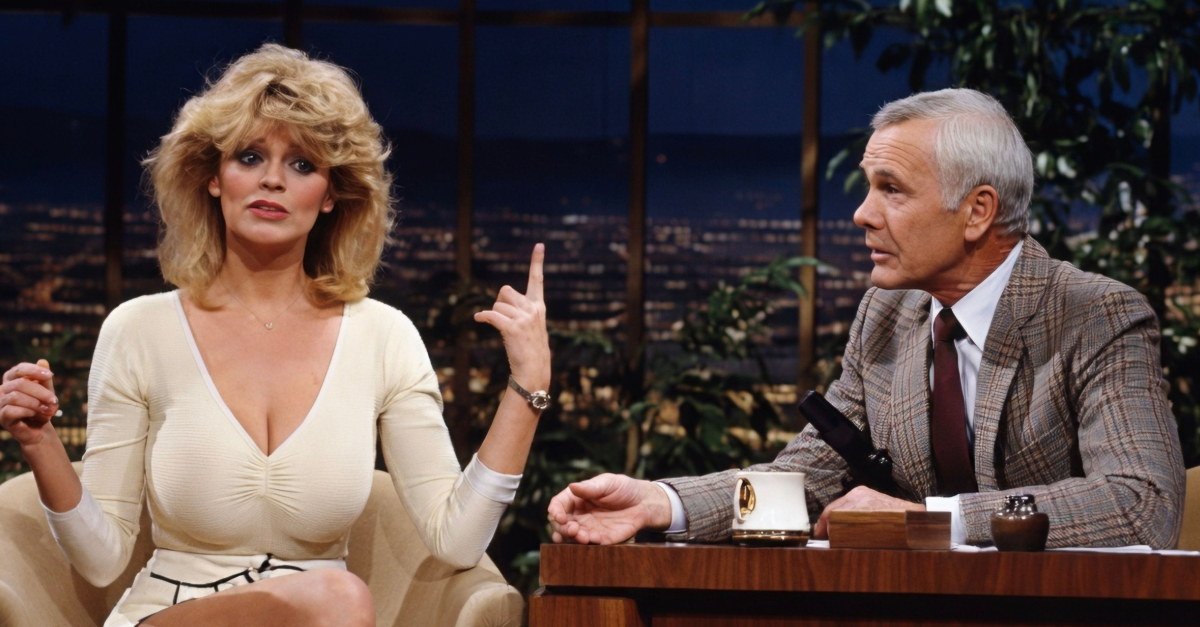
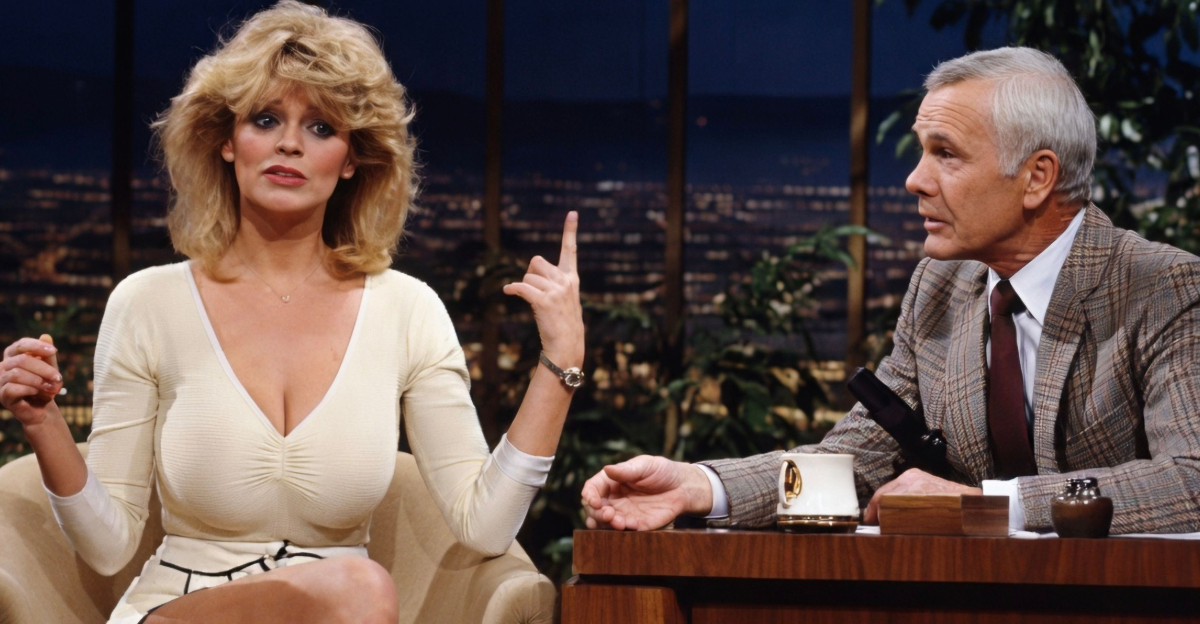
If you watched “The Tonight Show” during the 1970s, you probably remember the Matinee Lady. Wayne was the wide-eyed blonde beside Carson’s Art Fern, a ridiculous television host whose movie introductions somehow turned into sales pitches, questionable directions, and jokes that barely slipped past the censors.
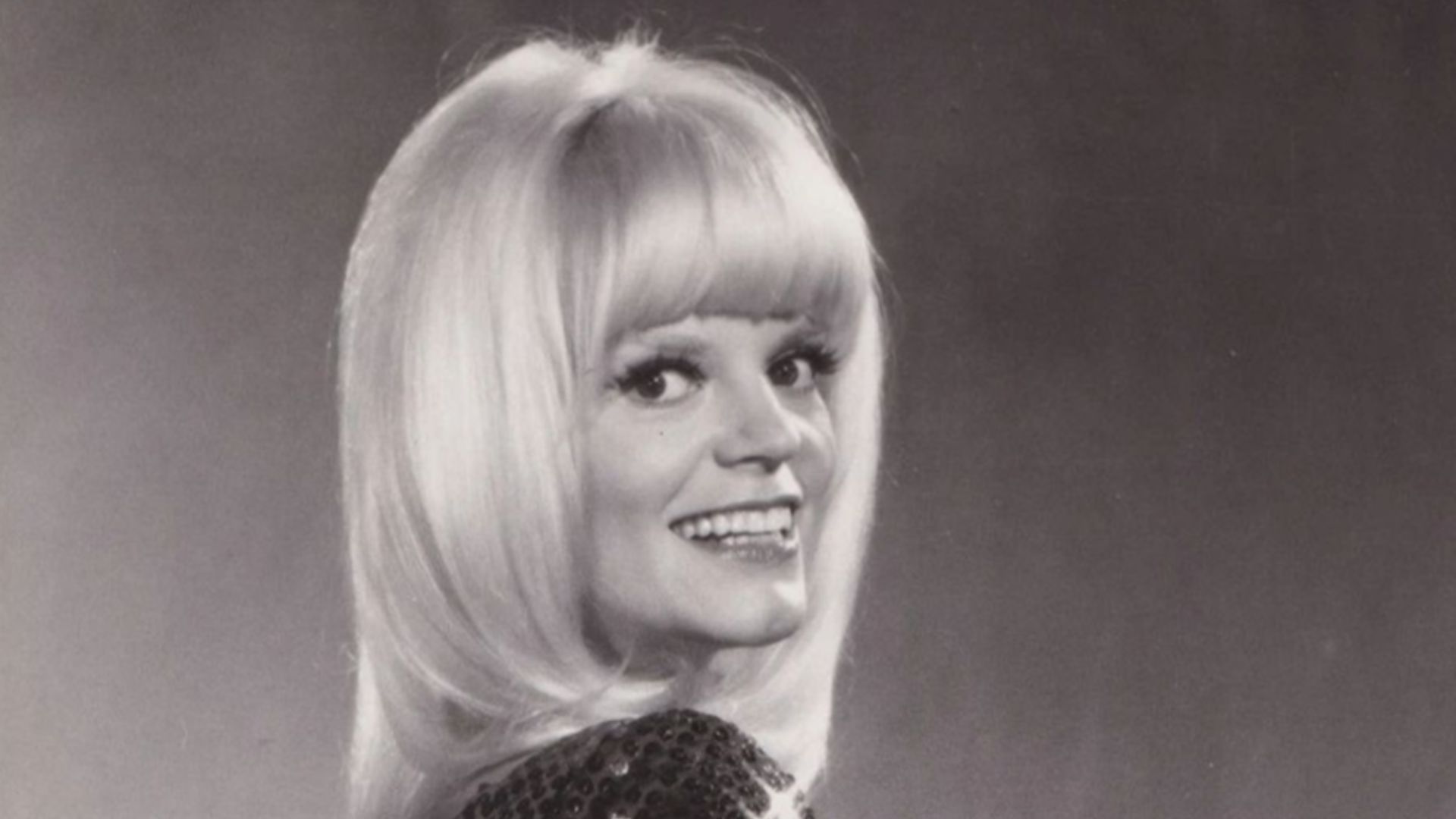 NBC Television, Wikimedia Commons
Looking confused took real timing
Carson did plenty of talking, but Wayne knew how to make a reaction count. A puzzled expression or an innocent answer could give him everything he needed. Her character seemed to miss the joke. Wayne’s timing was a big part of why the audience didn’t.
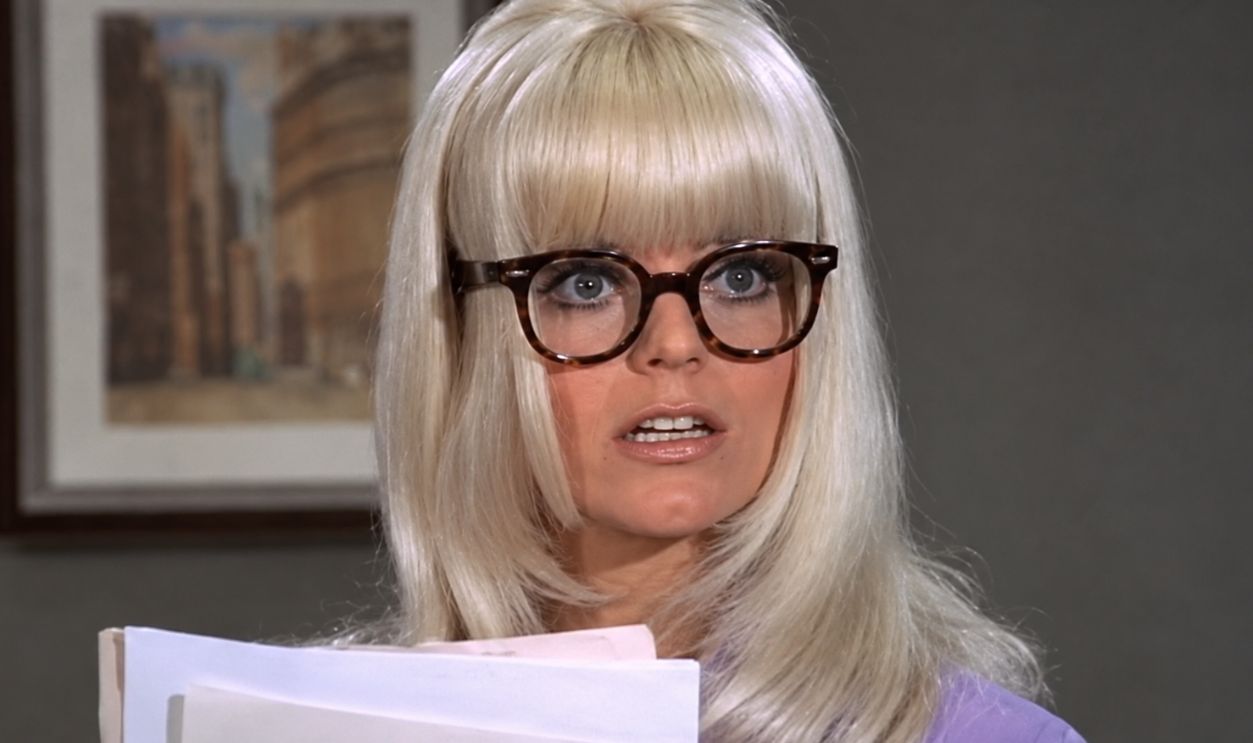 Screenshot from Love, American Style, Paramount Television (1969–1974), Enhanced
Her first career was on ice
Long before those late-night appearances, Wayne performed with her younger sister, Nina, in the Ice Capades. The Chicago sisters toured as a skating act while still teenagers. By the time television viewers discovered Carol, she had already spent years performing for paying audiences.
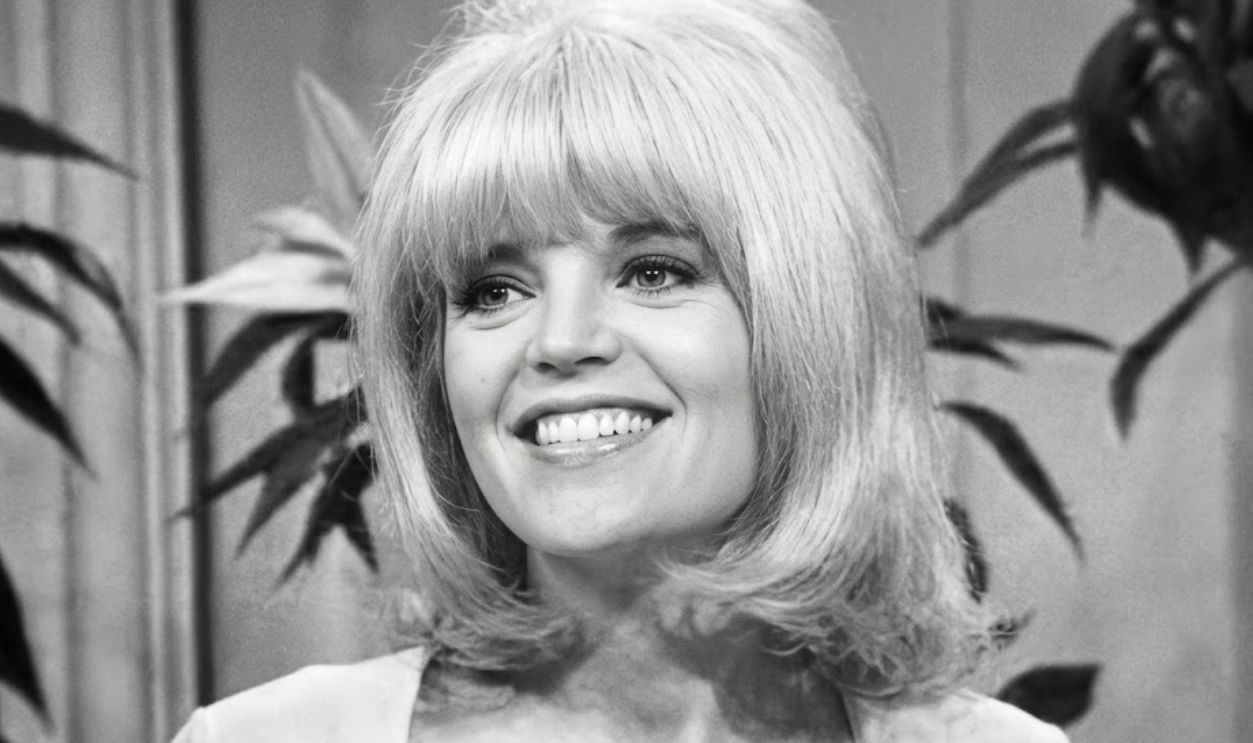 Screenshot from The Tonight Show Starring Johnny Carson, NBC (1962–1992), Enhanced
An injury changed the plan
Wayne later recalled a serious skating fall that left her with a lasting knee scar. She returned to finish the tour, but the sisters’ skating career eventually ended. They found work as Las Vegas showgirls, then started pursuing opportunities in Hollywood. Another career was taking shape.
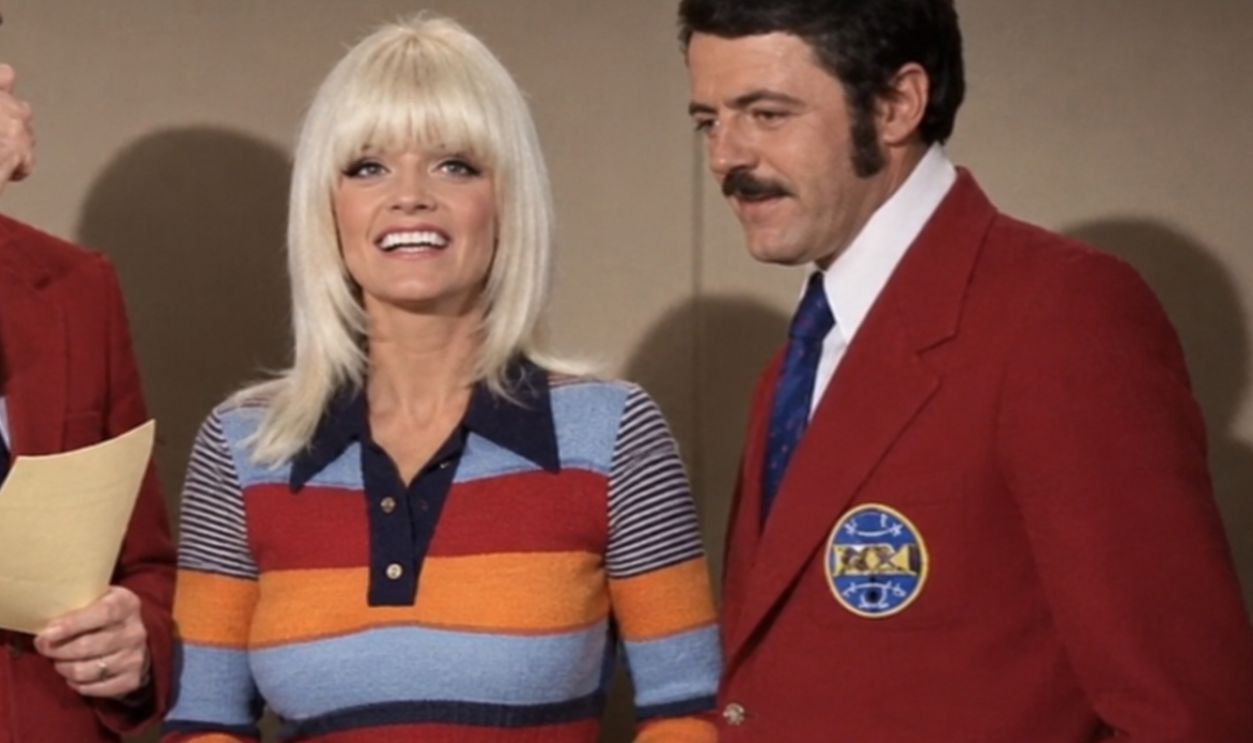 Screenshot from Love, American Style, Paramount Television (1969–1974), Enhanced
Hollywood kept finding work for her
Wayne appeared in “Bewitched,” “I Dream of Jeannie,” and “I Spy,” along with the Peter Sellers comedy “The Party.” Her credits also included “Scavenger Hunt” and “Savannah Smiles.” You could recognize her from several places without necessarily knowing the name attached to that familiar face.
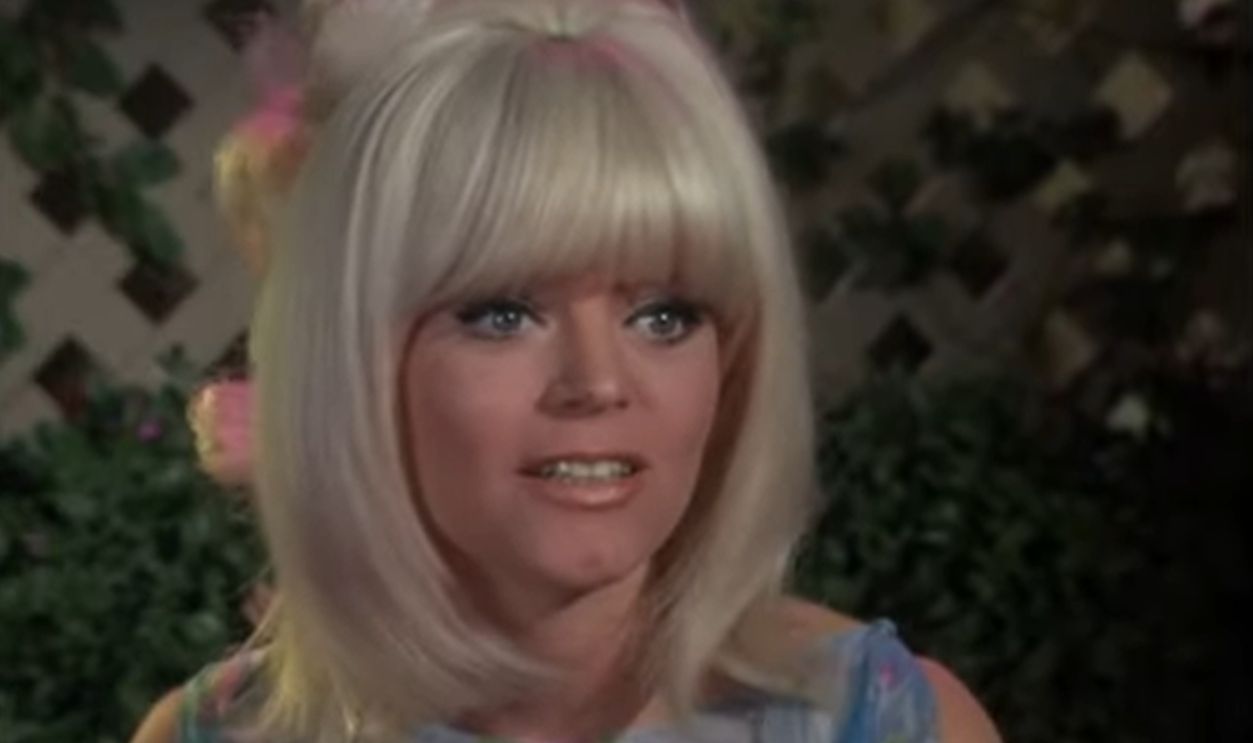 Screenshot from I Dream of Jeannie, Screen Gems (1965–1970)
She was on the game shows, too
Carson wasn’t her only television employer. Wayne appeared on “Hollywood Squares” and was a regular panelist on “Celebrity Sweepstakes.” Between comedy appearances and game shows, she became one of those performers who seemed to turn up everywhere. Staying that visible, however, required the bookings to keep coming.
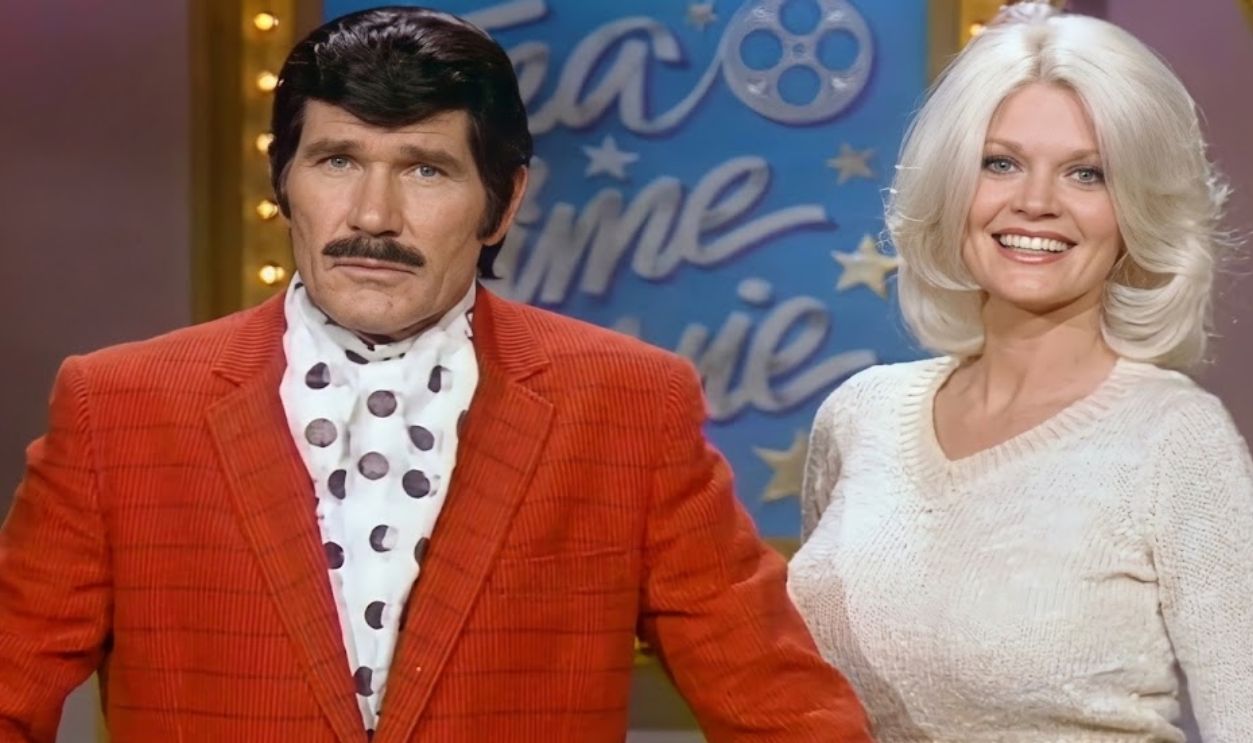 Screenshot from The Tonight Show Starring Johnny Carson, NBC (1962–1992), Enhanced
There was more to her than the character
Away from the Matinee Lady routine, Wayne had interests viewers might not have expected. She discussed gardening and growing bonsai trees with Carson, and also talked about breeding Andalusian horses. The woman playing his easily confused assistant had considerably more going on than the sketches suggested.
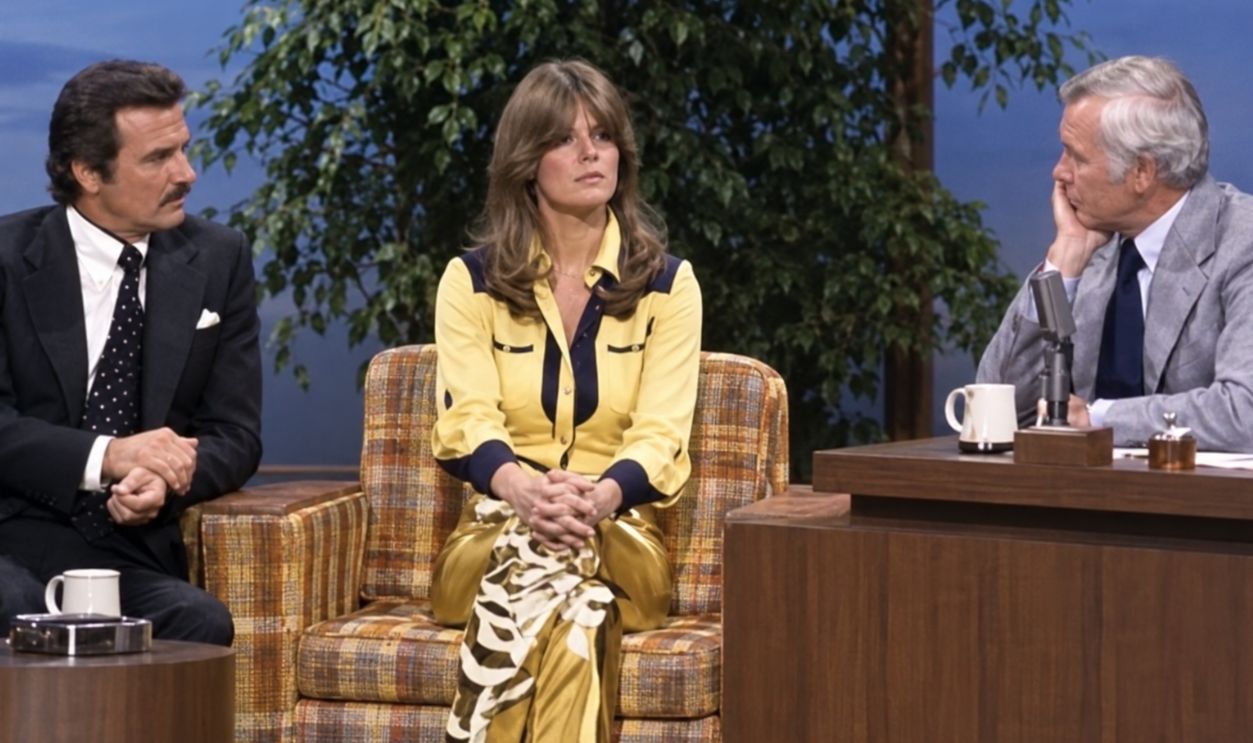 Screenshot from The Tonight Show Starring Johnny Carson, NBC (1962–1992), Enhanced
Thirty minutes disappeared
In September 1980, “The Tonight Show” shortened from 90 minutes to an hour. There was less room for recurring sketches, and Wayne’s appearances became less frequent. For Carson, the shorter format was something he wanted. For a performer depending on those appearances, it meant fewer opportunities to work.
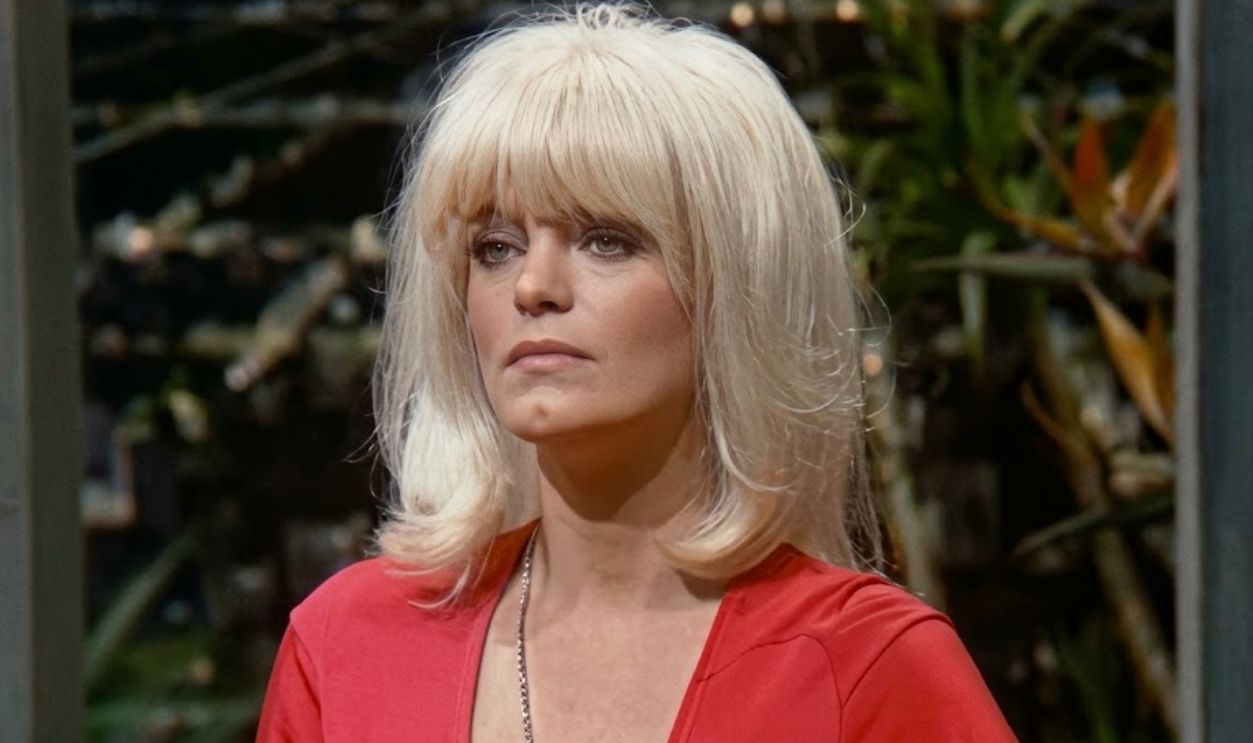 Screenshot from The Tonight Show Starring Johnny Carson, NBC (1962–1992), Enhanced
A familiar face with serious money problems
By 1984, Wayne had filed for bankruptcy. That same year, she appeared in Playboy. Viewers might still remember her as a fixture beside one of television’s biggest stars, but recognition wasn’t paying all her bills. Her public profile and her financial situation told very different stories.
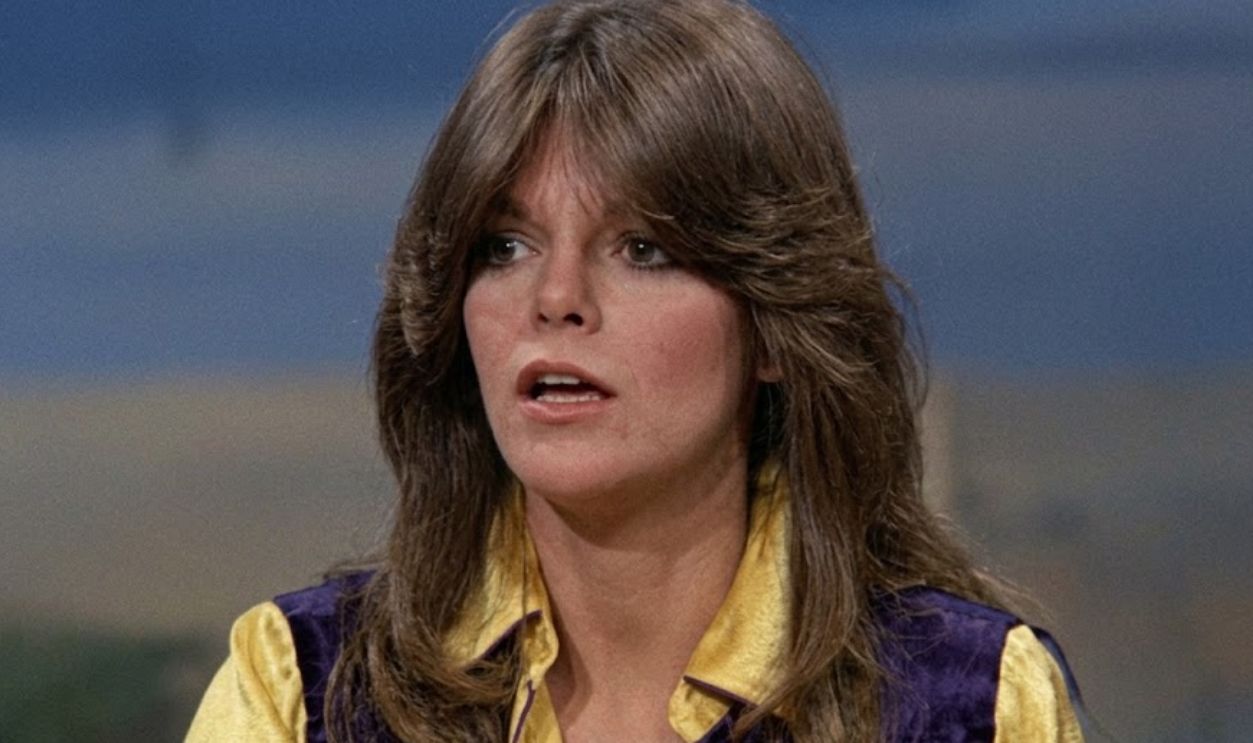 Screenshot from The Tonight Show Starring Johnny Carson, NBC (1962–1992), Enhanced
Three marriages and a son
Wayne had been married three times, including marriages to photographer Barry Feinstein and television producer Burt Sugarman. She and Feinstein had a son, Alex, who was living with his father when she went to Mexico. Behind the familiar television character was a mother with a family.
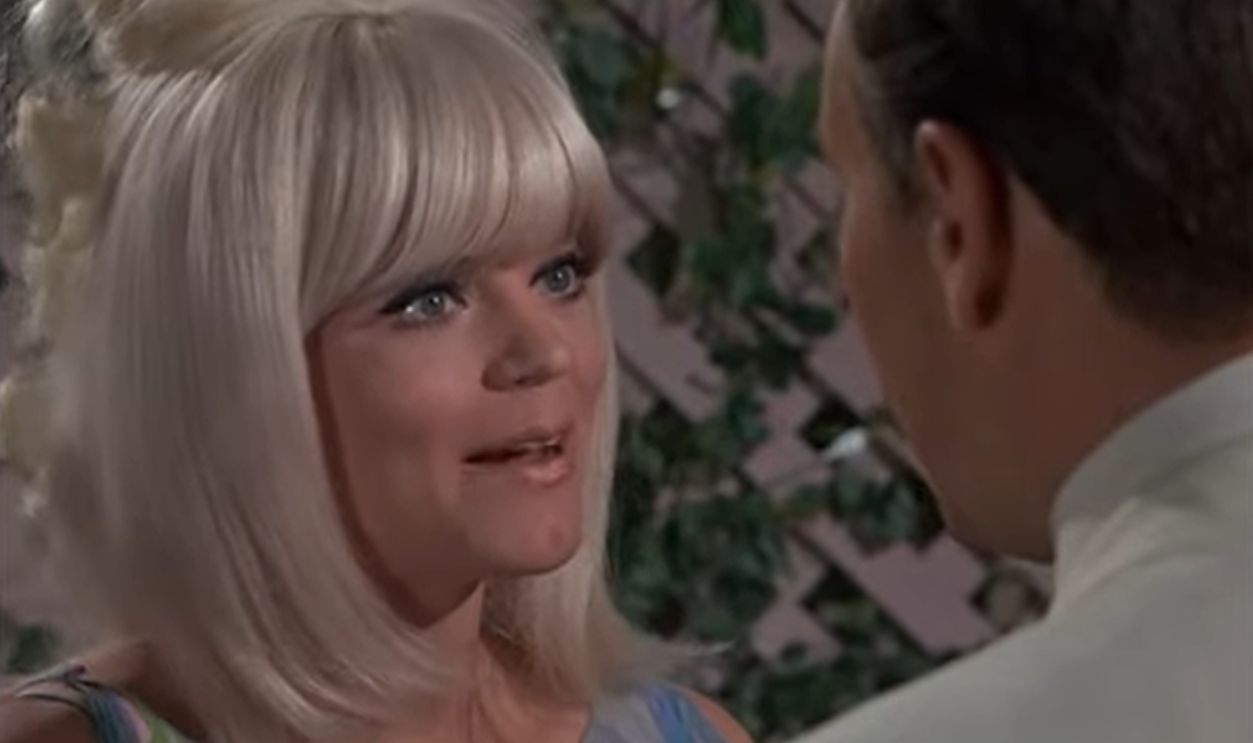 Screenshot from I Dream of Jeannie, Screen Gems (1965–1970)
“Heartbreakers” offered something different
One of her final films gave her a chance to show another side of herself. In Bobby Roth’s “Heartbreakers,” Wayne played Candy, a model involved with an artist played by Peter Coyote. The role gave her emotional material that the Carson sketches rarely offered.
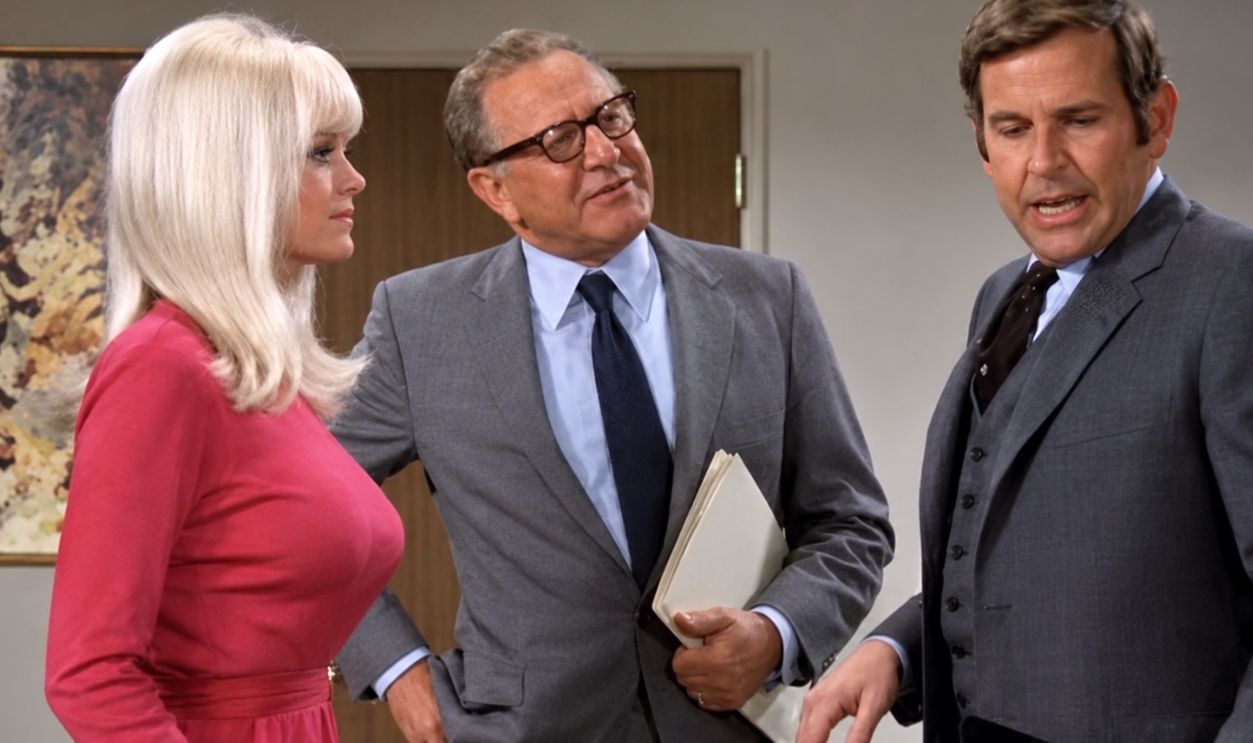 Screenshot from Love, American Style, Paramount Television (1969–1974), Enhanced
Someone finally looked past the image
Roger Ebert praised Wayne’s performance, writing that it “pulls the whole movie together.” He singled out a scene in which Candy talks openly about her hopes and disappointments. His review appeared in September 1985. By then, Wayne’s chance to build on that performance was already gone.
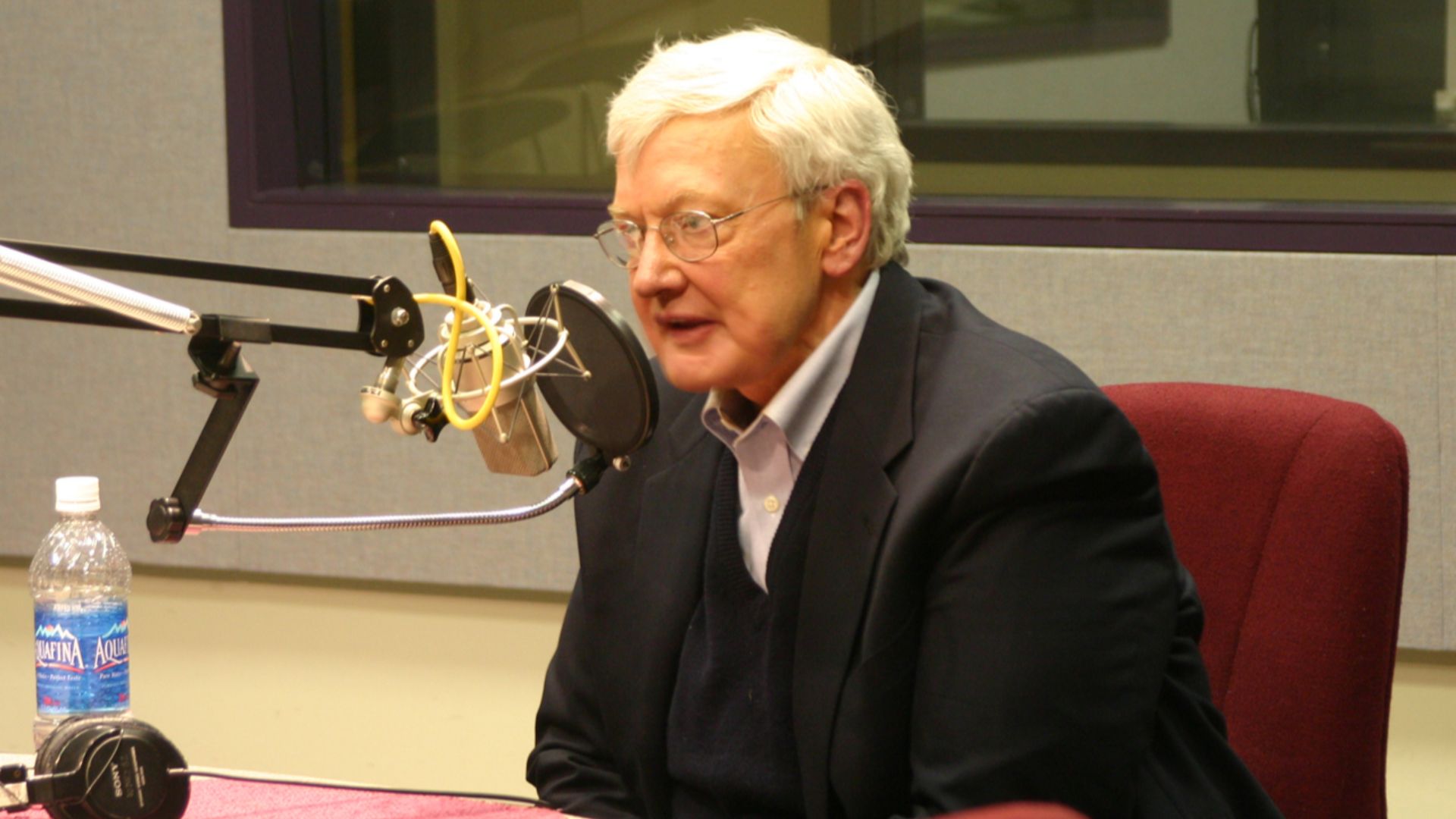 Sound Opinions, Wikimedia Commons
A few days in Mexico
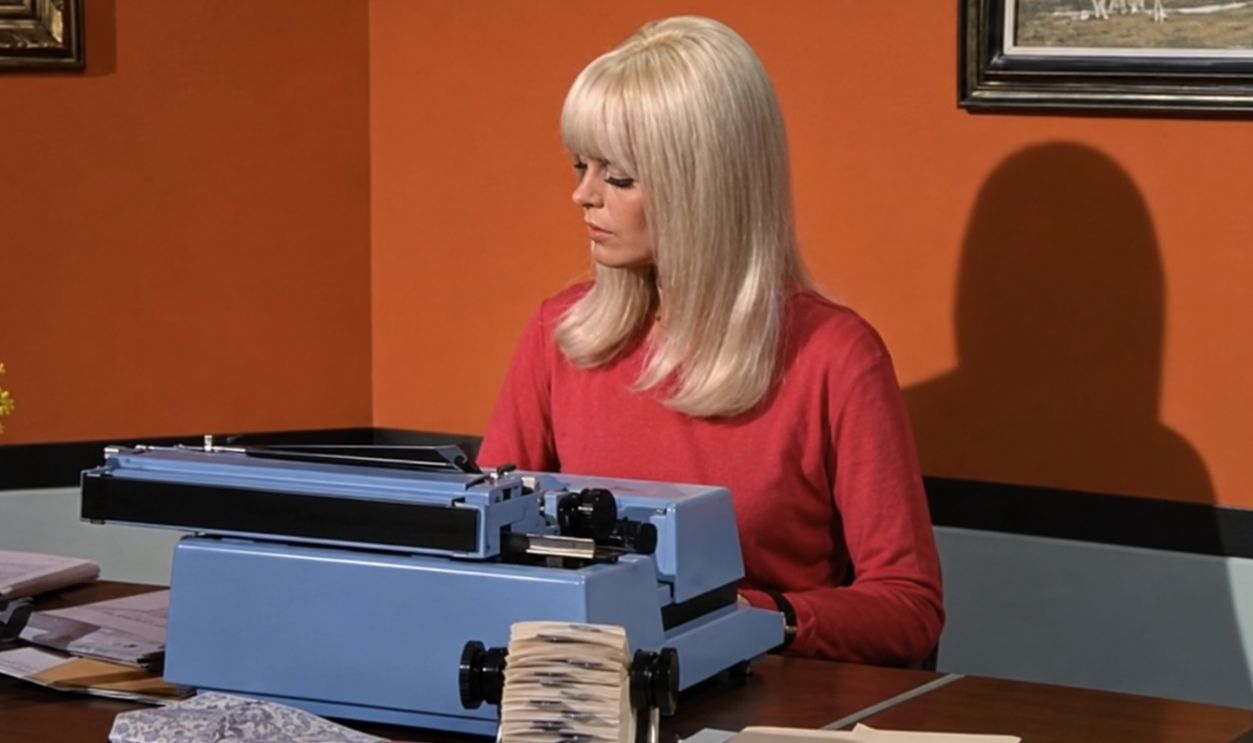
In January 1985, Wayne traveled to Manzanillo, on Mexico’s Pacific coast. Accounts place her at the Las Hadas resort with a companion named Edward Durston. Feinstein described it afterward as a short vacation with friends. Wayne was 42, and she was supposed to be coming home.
 Screenshot from Love, American Style, Paramount Television (1969–1974), Enhanced
The man traveling with her
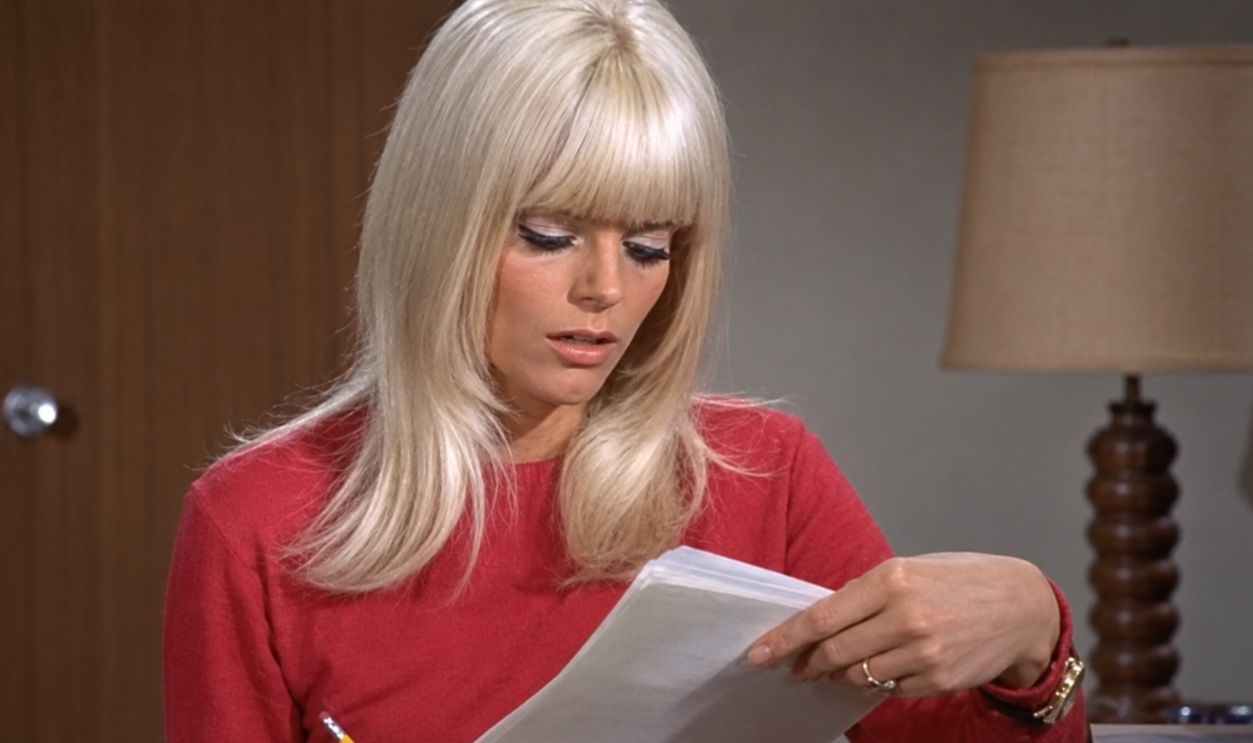
Later accounts describe Durston as a Los Angeles car salesman. Their precise relationship is less clear: he is variously called a friend, companion, or boyfriend. He became central to the story because he was traveling with Wayne before she vanished—and reportedly departed Mexico without her.
 Screenshot from Love, American Style, Paramount Television (1969–1974), Enhanced
An argument and a walk
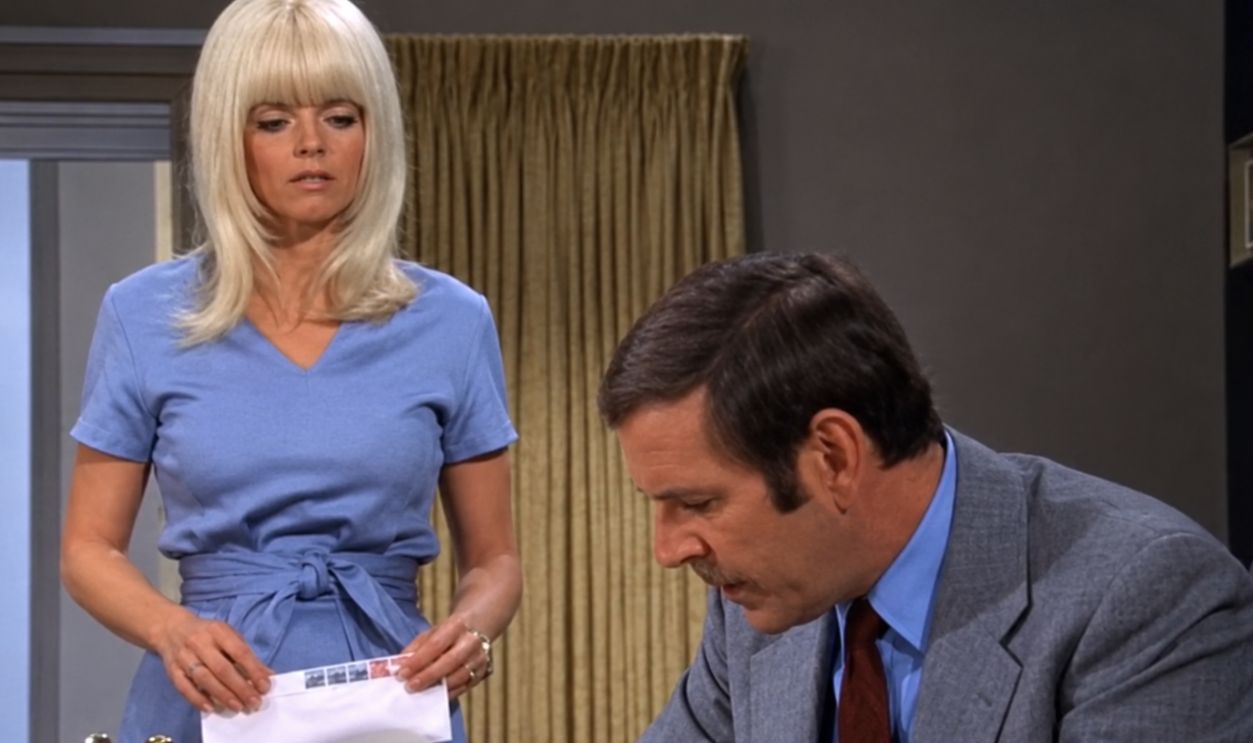
Retellings of the trip describe an argument over their arrangements before returning home. Wayne reportedly left to walk along the beach. The accounts disagree over missed flights and hotel changes, making the exact sequence difficult to establish. Even the circumstances of that final disagreement became muddled.
 Screenshot from Love, American Style, Paramount Television (1969–1974), Enhanced
Her luggage went to the airport
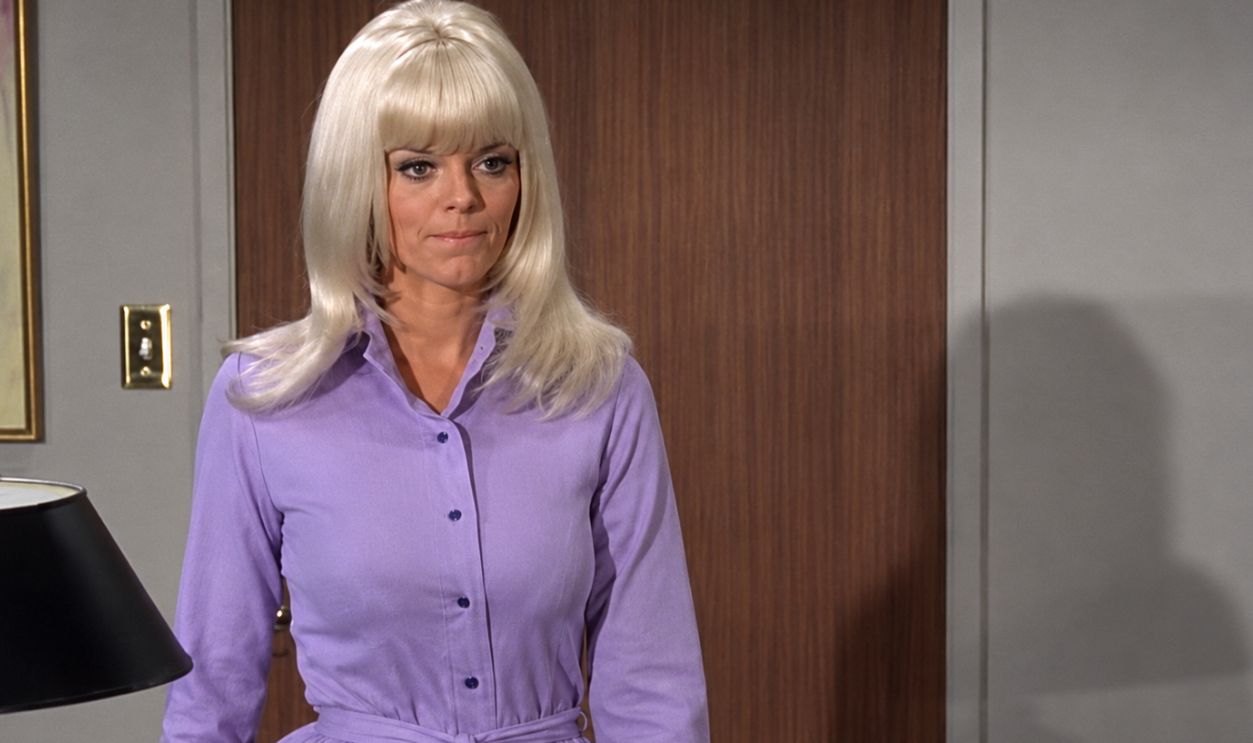
According to later accounts, Durston left Mexico without Wayne, leaving her luggage at the airport with a message that she would collect it. She never arrived to claim it. Those bags became one of the most unsettling details in a trip that had gone badly wrong.
 Screenshot from Love, American Style, Paramount Television (1969–1974), Enhanced
The timeline doesn’t quite match
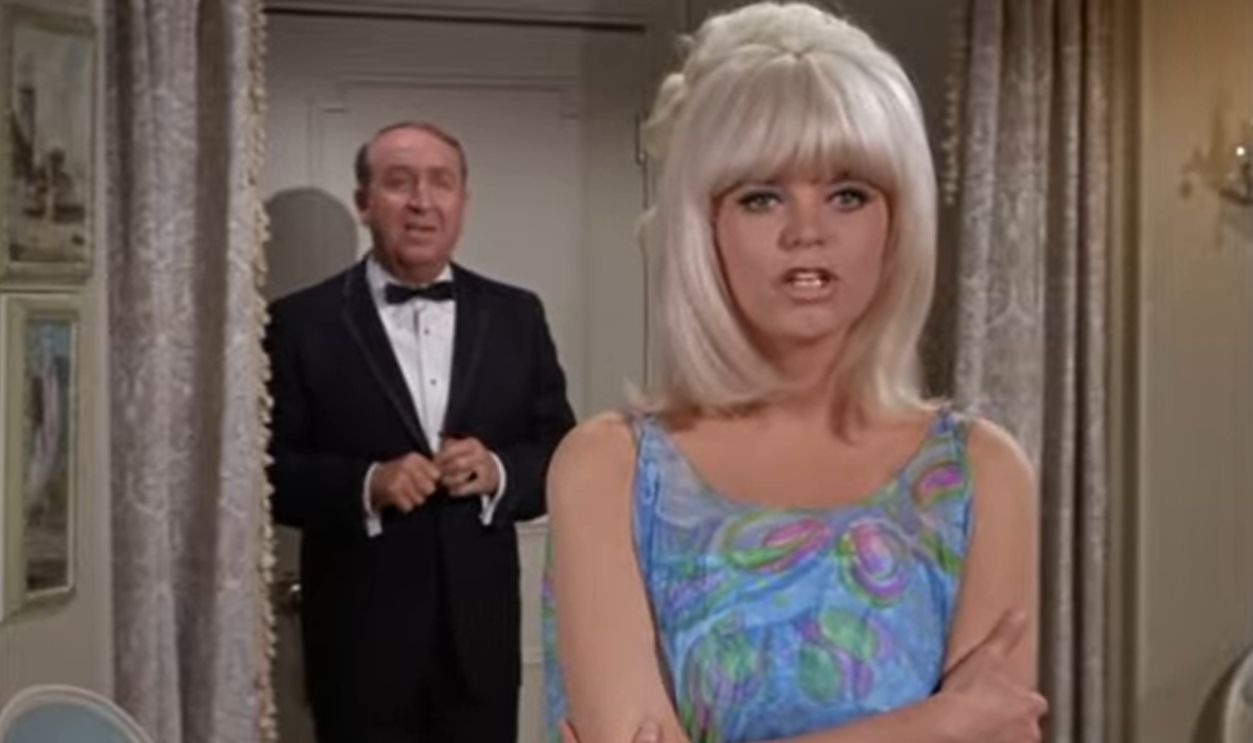
Many later versions place the argument and disappearance on January 10. But Feinstein told UPI that friends last saw Wayne on the beach around 7 a.m. on Friday, January 11. That discrepancy matters. The familiar account of her final evening isn’t a completely settled timeline.
 Screenshot from I Dream of Jeannie, Screen Gems (1965–1970)
Sunday brought the discovery
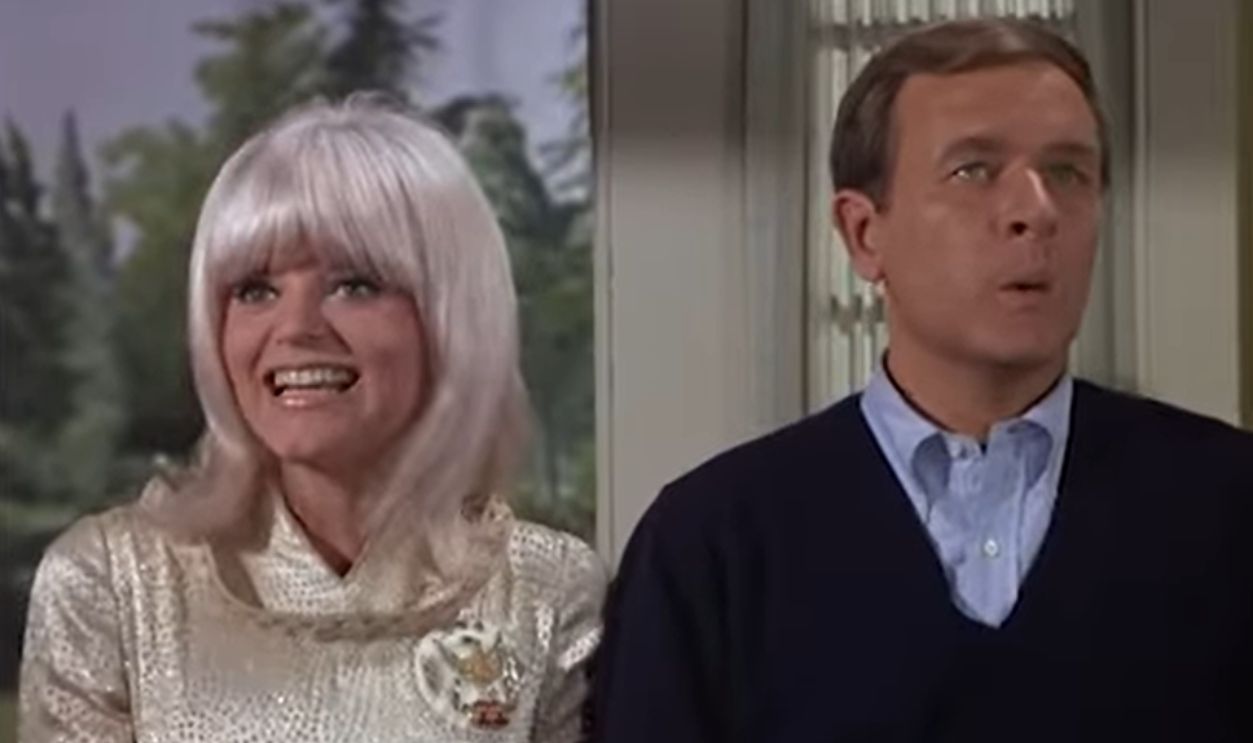
On Sunday, January 13, Wayne’s body was found floating in Santiago Bay, near Manzanillo. Officials put the discovery at approximately 2 p.m. She had been found, but there was no eyewitness explanation in the initial reporting for how her vacation had ended in the water.
 Screenshot from I Dream of Jeannie, Screen Gems (1965–1970)
Fully clothed in shallow water
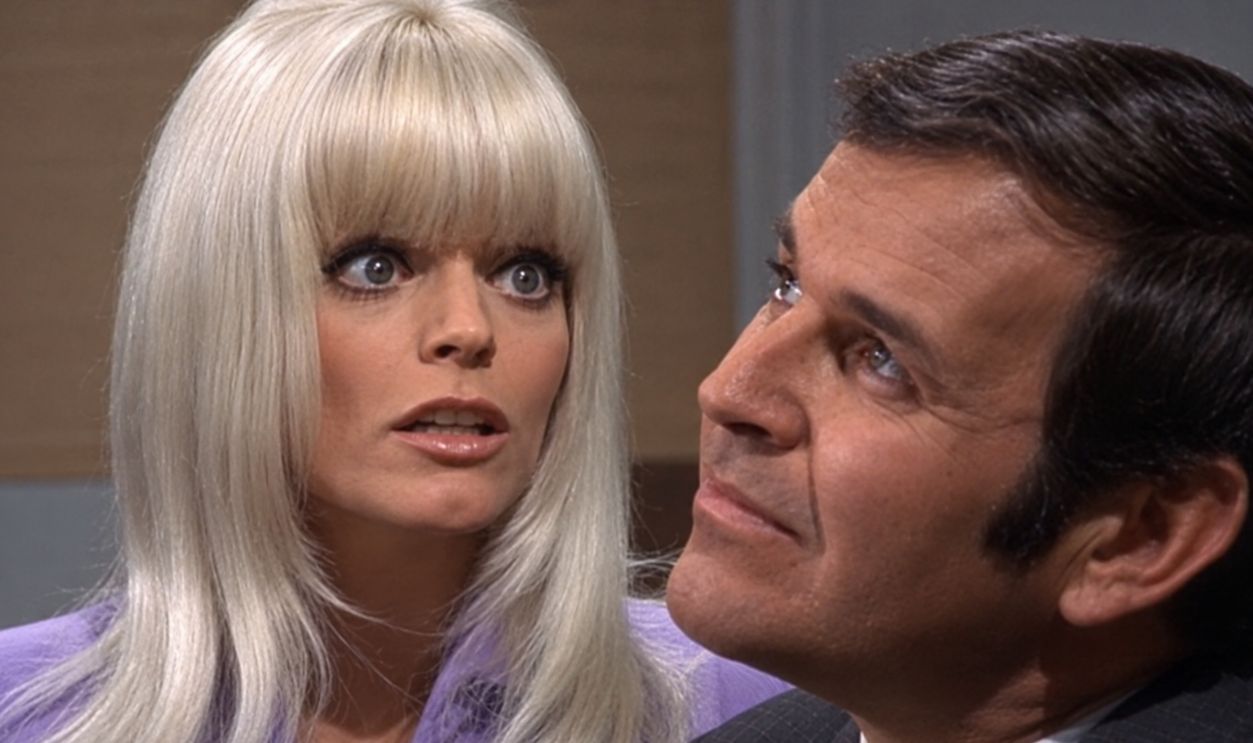
Later accounts describe Wayne as fully clothed, floating in shallow water, with no obvious cuts or abrasions. Those details helped fuel the questions surrounding her passing. They also have limits: the place where a body is discovered doesn’t necessarily establish where or how someone entered the water.
 Screenshot from Love, American Style, Paramount Television (1969–1974), Enhanced
She couldn’t swim
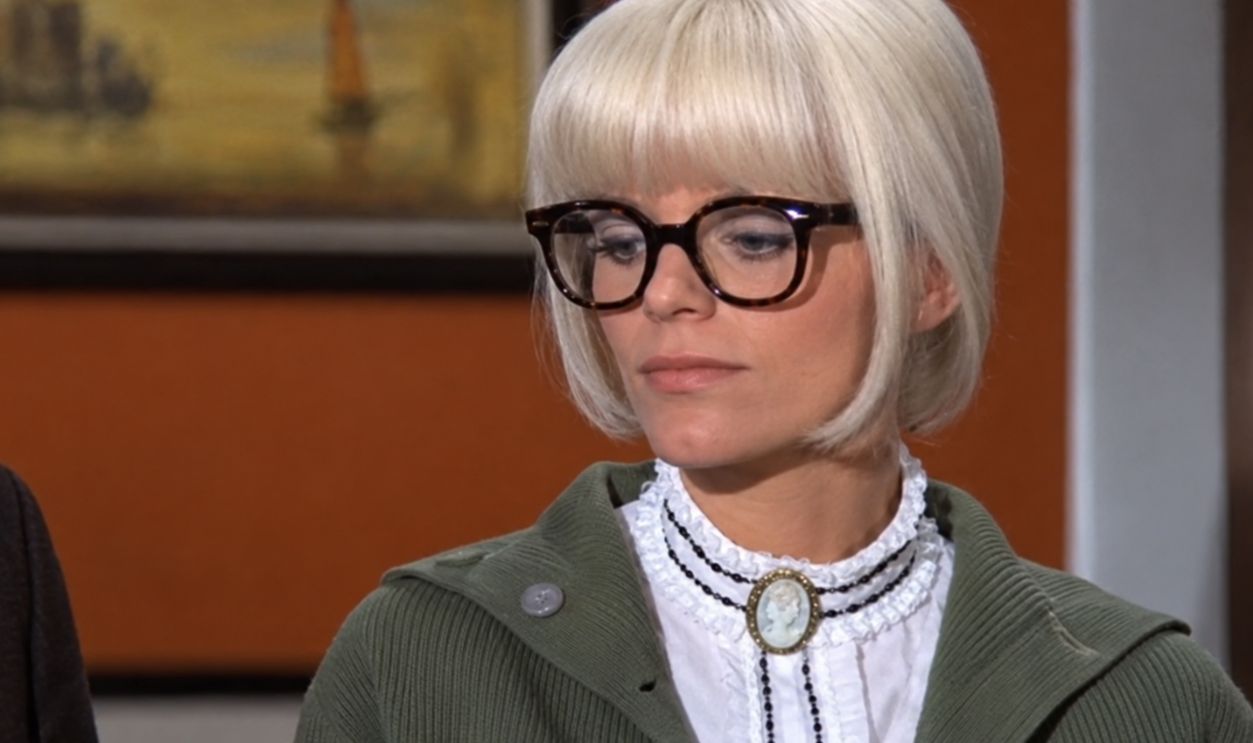
Feinstein told reporters that Wayne did not know how to swim. Later stories often describe her as terrified of water, but his contemporary account said she wasn’t afraid of it. That distinction matters when assessing the suggestion that she would never have approached the bay voluntarily.
 Screenshot from Love, American Style, Paramount Television (1969–1974), Enhanced
The official answer was an accident
The autopsy found drowning, and Mexican authorities classified her passing as accidental. Later accounts also report negative tests for alcohol and other substances. There was an official explanation, even though the available accounts of her movements did not provide a complete picture of how it happened.
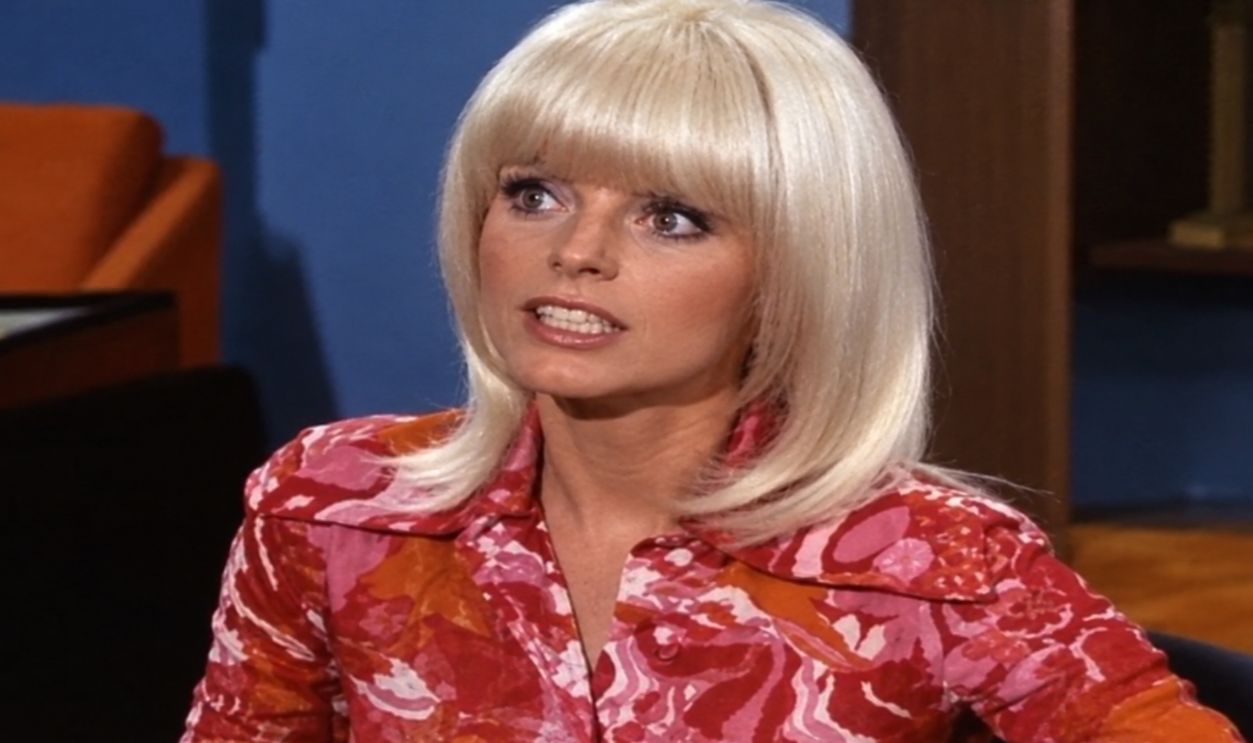 Screenshot from Love, American Style, Paramount Television (1969–1974), Enhanced
Feinstein accepted the findings
Feinstein accepted the autopsy’s accident finding and authorized cremation, according to the Los Angeles Times. He also remembered her warmly in comments to UPI: “She was funny, she was smart.” His response is an important part of a story often retold entirely through suspicion.
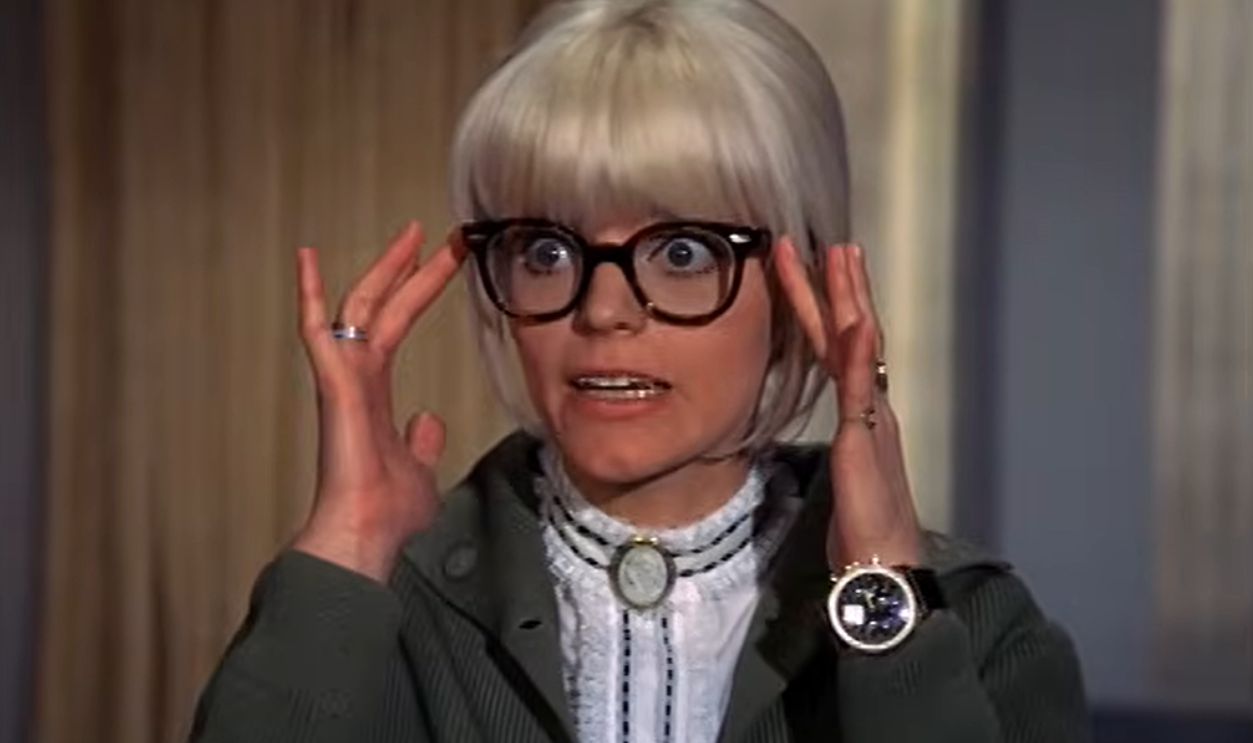 Screenshot from Love, American Style, Paramount Television (1969–1974), Enhanced
Another famous family’s tragedy
Later accounts connected Durston to Diane Linkletter, the 20-year-old daughter of television personality Art Linkletter. An Edward Durston was with Diane before her fatal fall from her apartment in October 1969. More than 15 years later, the name appeared again in accounts of Wayne’s final trip.
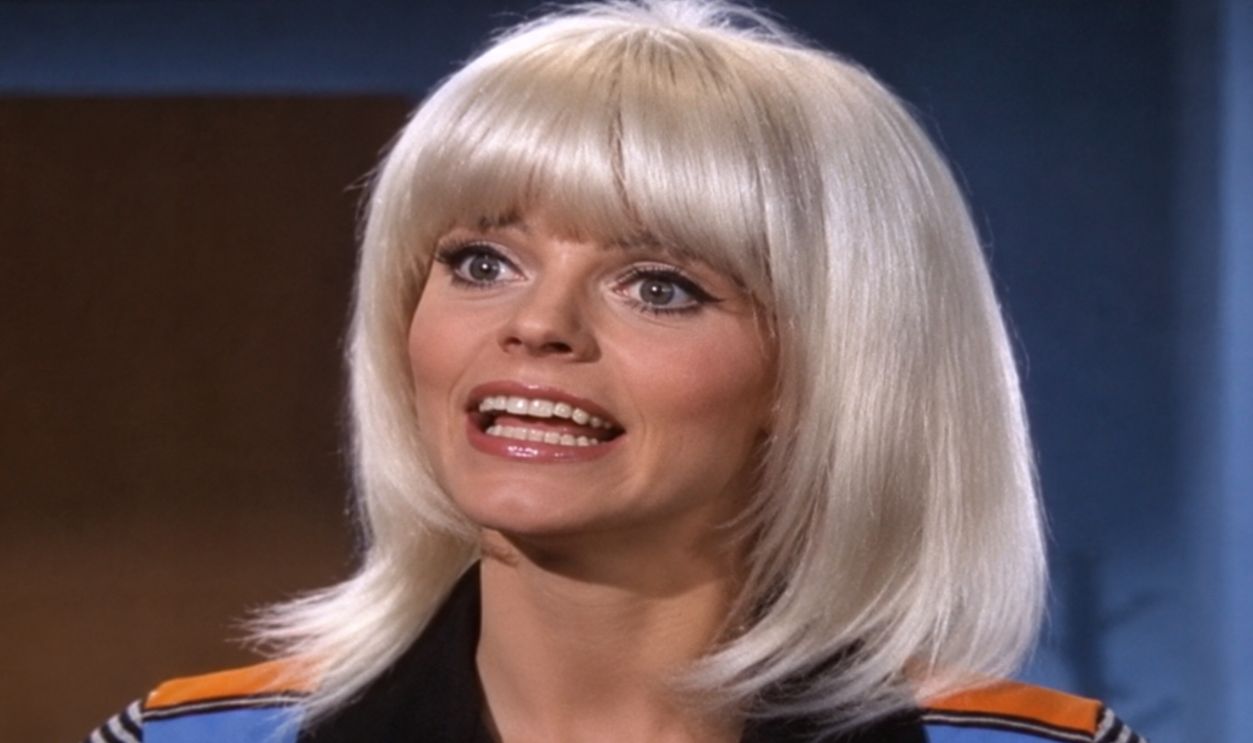 Screenshot from Love, American Style, Paramount Television (1969–1974), Enhanced
A disturbing connection has its limits
The Linkletter connection gave the story another troubling detail, but it did not establish that Durston harmed Wayne. Accounts of Diane’s case report that investigators found no evidence of foul play. Putting the two tragedies beside each other raises questions; it doesn’t supply the answers.
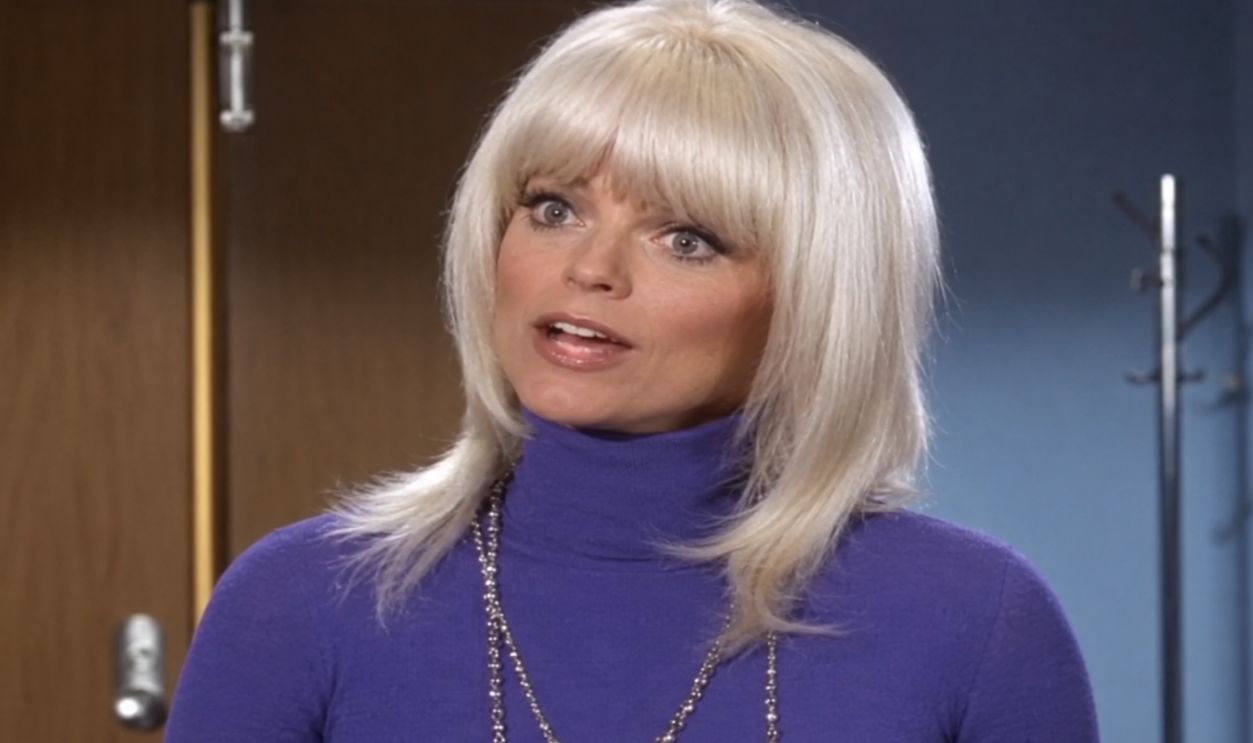 Screenshot from Love, American Style, Paramount Television (1969–1974), Enhanced
The missing part of the story
Authorities ruled it an accident, and Feinstein accepted that finding. But the accounts of Wayne’s final movements still don’t line up neatly. Somewhere between a reported walk on the beach, luggage left at an airport, and the discovery in Santiago Bay, the public account loses track of her.
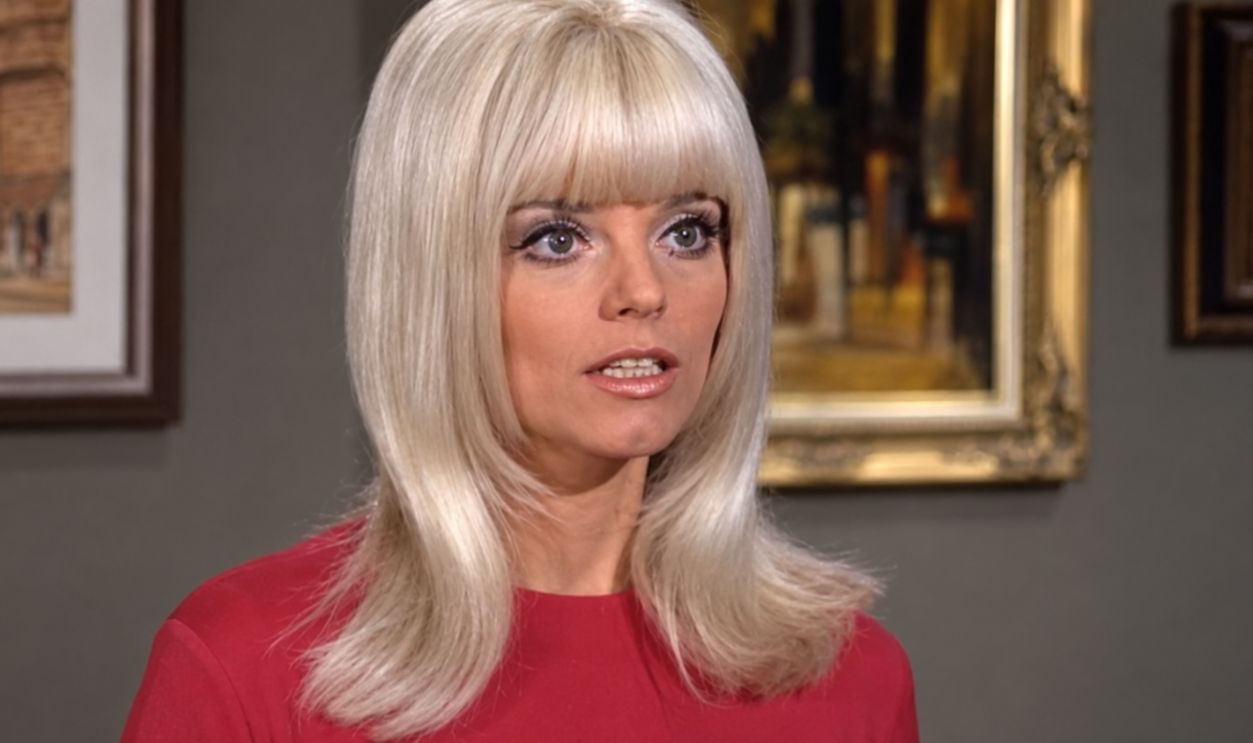 Screenshot from Love, American Style, Paramount Television (1969–1974), Enhanced
You Might Also Like: