A Comedy Pairing That Looked Effortless
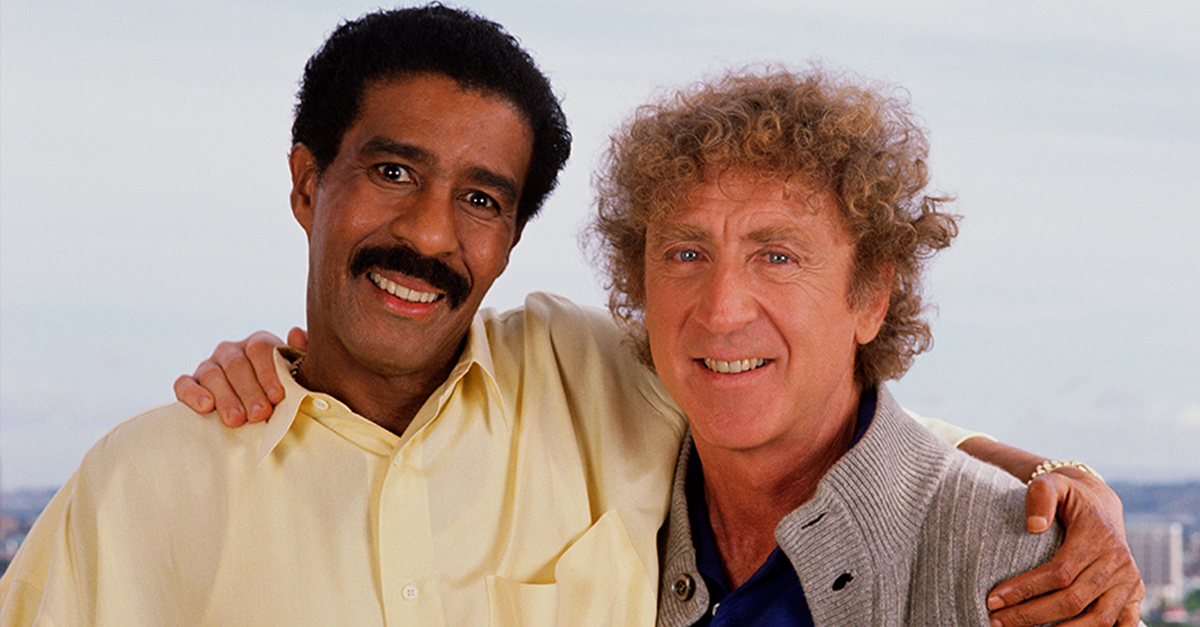
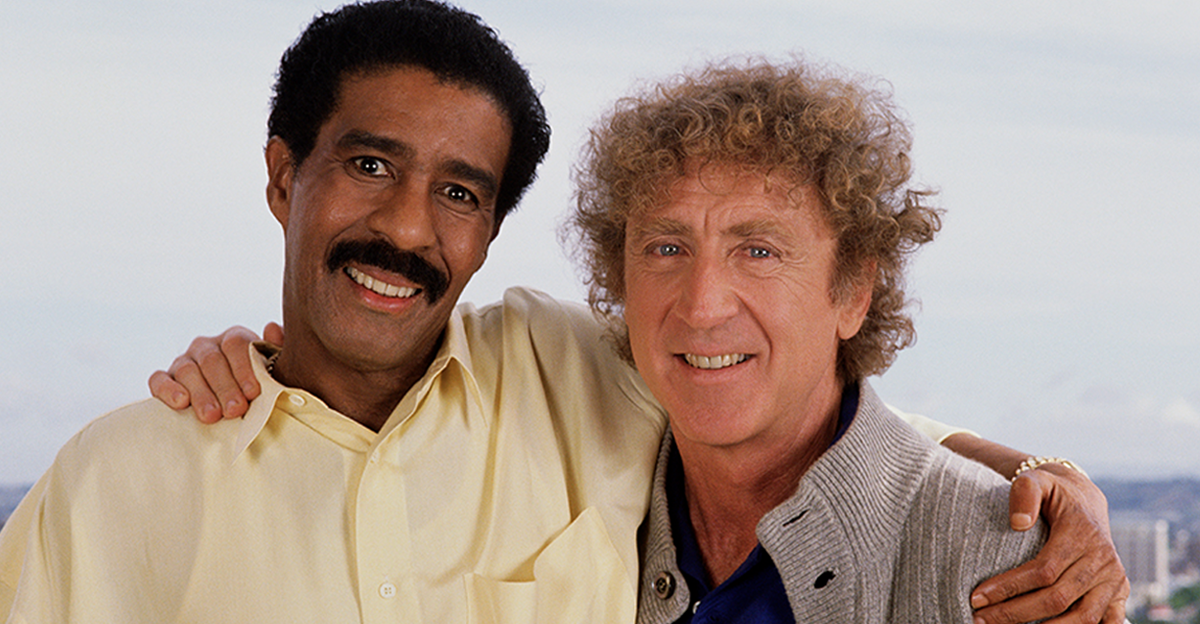
Gene Wilder and Richard Pryor became one of Hollywood’s most beloved comedy teams thanks to their effortless on-screen chemistry. Wilder brought nervous charm and perfect timing, while Pryor added sharp wit and unpredictable energy. Audiences assumed that kind of connection came from a close friendship. In reality, their relationship off camera was far more complicated.
Their Partnership Started On Silver Streak
Their first film together was Silver Streak, released in 1976. The movie starred Wilder as George Caldwell, a mild-mannered book editor pulled into murder, romance, and danger aboard a train. Pryor entered later as Grover Muldoon, a fast-talking car thief who helps George survive the mess. Once the two shared scenes, the movie found a new comic rhythm.
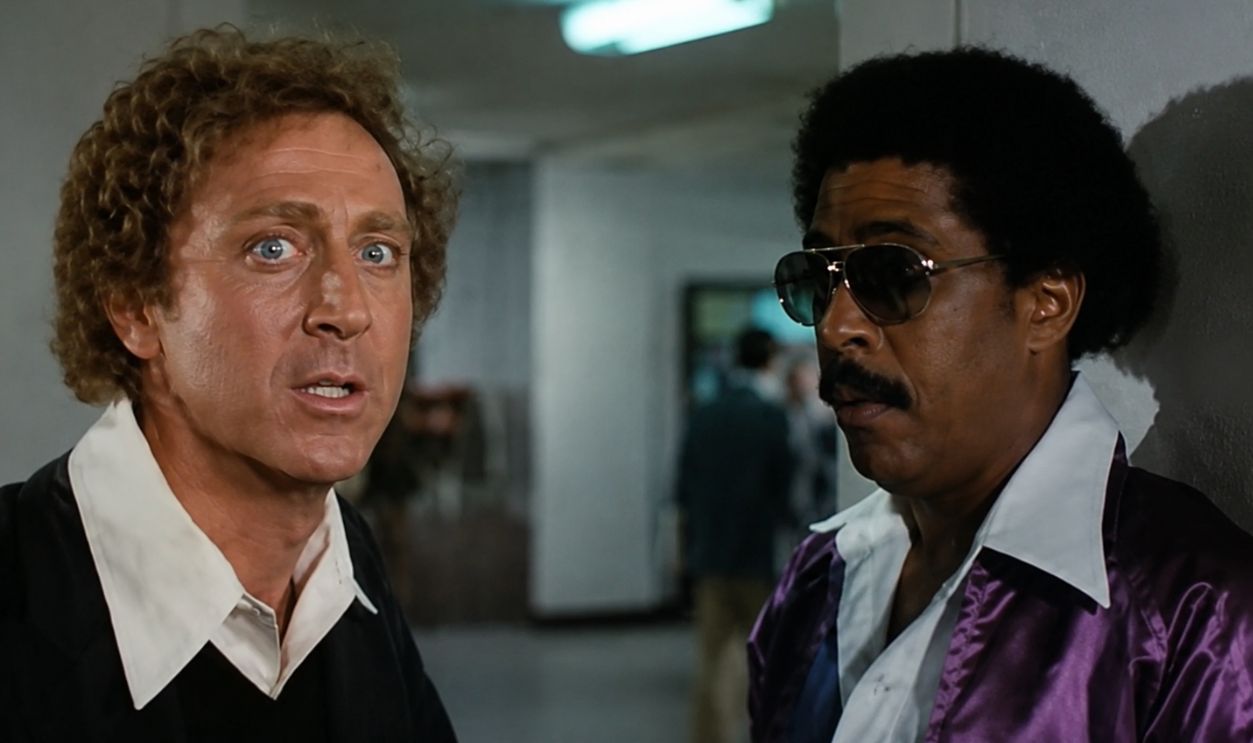 Screenshot from Silver Streak, The Walt Disney Company (1976), enhanced
Pryor Changed The Energy Instantly
Before Pryor appeared, Silver Streak leaned heavily on mystery, romance, and Wilder’s anxious charm. When Pryor arrived, the pace snapped into something sharper and funnier. His character challenged Wilder’s character instead of simply helping him. That push-and-pull became the heart of their screen partnership.
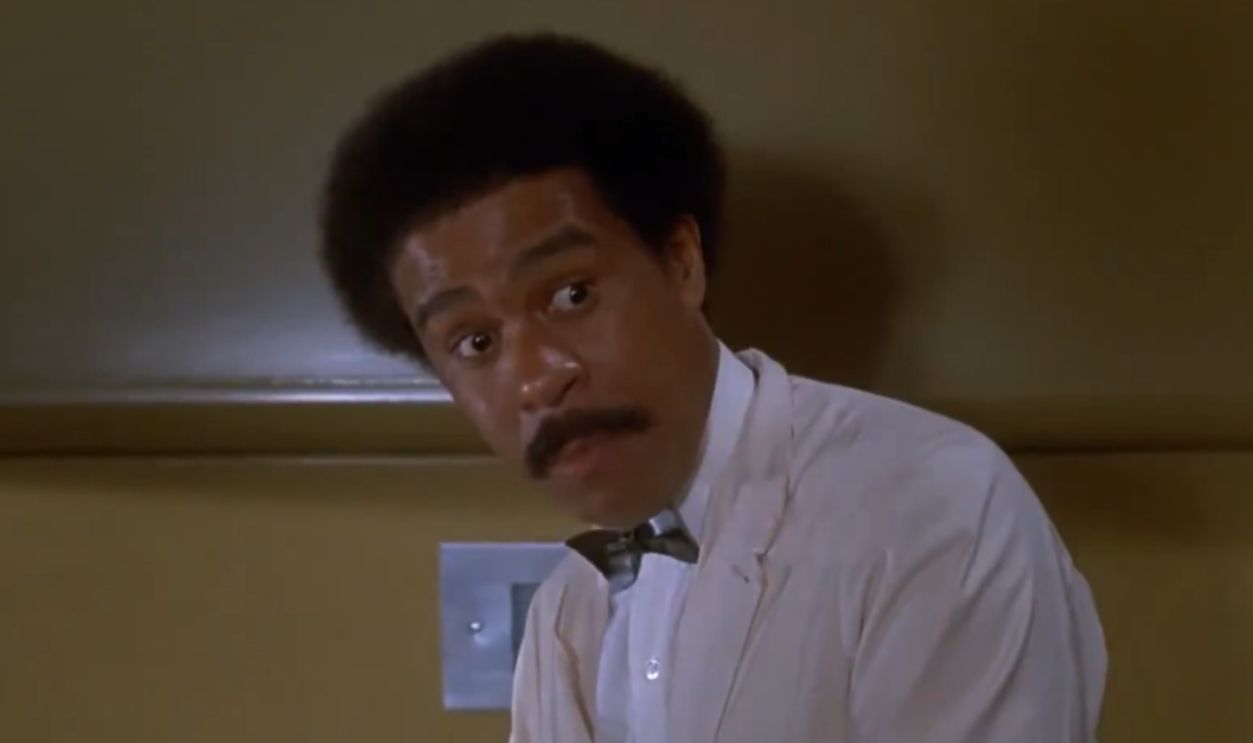 Screenshot from Silver Streak, The Walt Disney Company (1976)
Wilder Knew Pryor Was The Right Choice
Wilder later wrote that he believed the controversial disguise sequence in Silver Streak could only work if Richard Pryor was involved. Pryor’s presence gave the scene a counterpoint that challenged the joke from inside the movie. The sequence remains uncomfortable by modern standards, but the collaboration showed how Pryor could redirect risky material. It also proved Wilder understood Pryor’s value before they were officially a famous duo.
The Chemistry Was Built On Contrast
Their comedy worked because they did not seem alike. Wilder often played the frightened innocent who tried to stay polite while everything fell apart. Pryor often played the sharper realist who could see disaster coming before anyone else. The laugh usually came from watching both men panic in completely different languages.
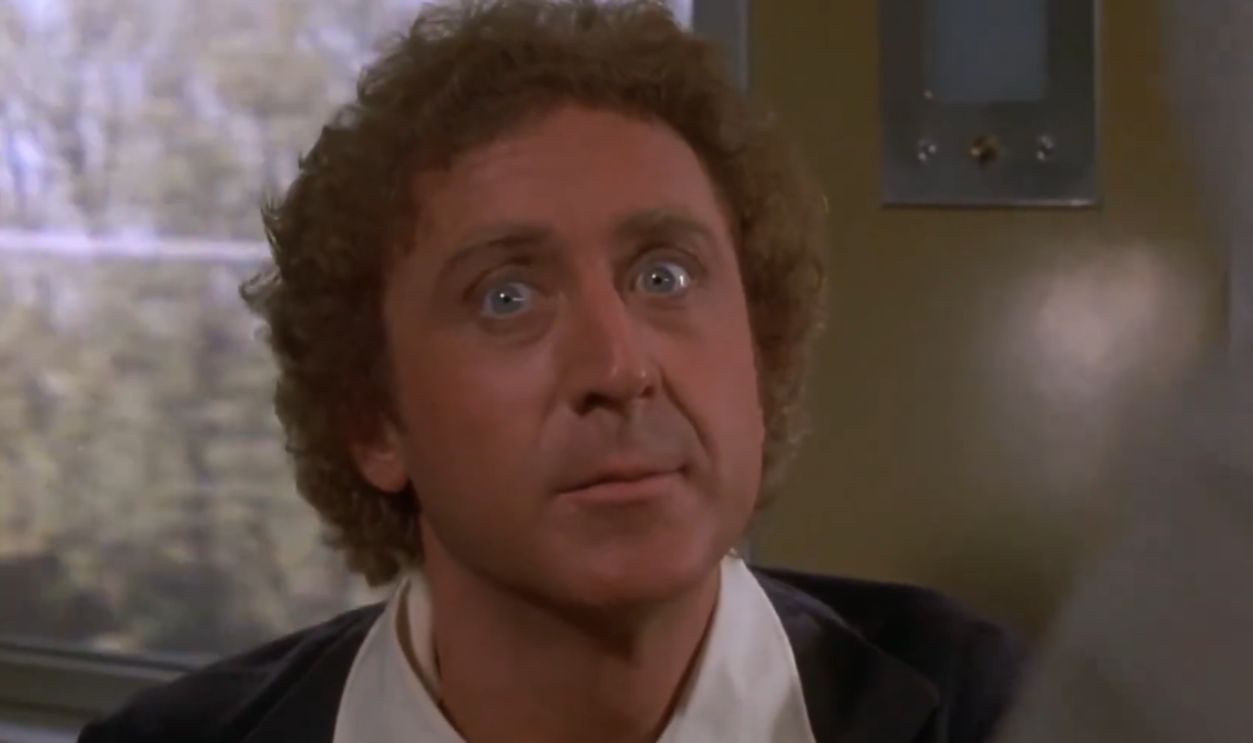 Screenshot from Silver Streak, The Walt Disney Company (1976)
They Were Not A Traditional Double Act
Wilder and Pryor were often compared to classic comedy teams, but they did not have the same off-screen partnership as many old-school duos. They didn't build a nightclub act together like Dean Martin and Jerry Lewis or tour as a pair like Abbott and Costello. Their magic happened mainly when a film put them in the same frame. That made their chemistry feel both real and strangely mysterious.
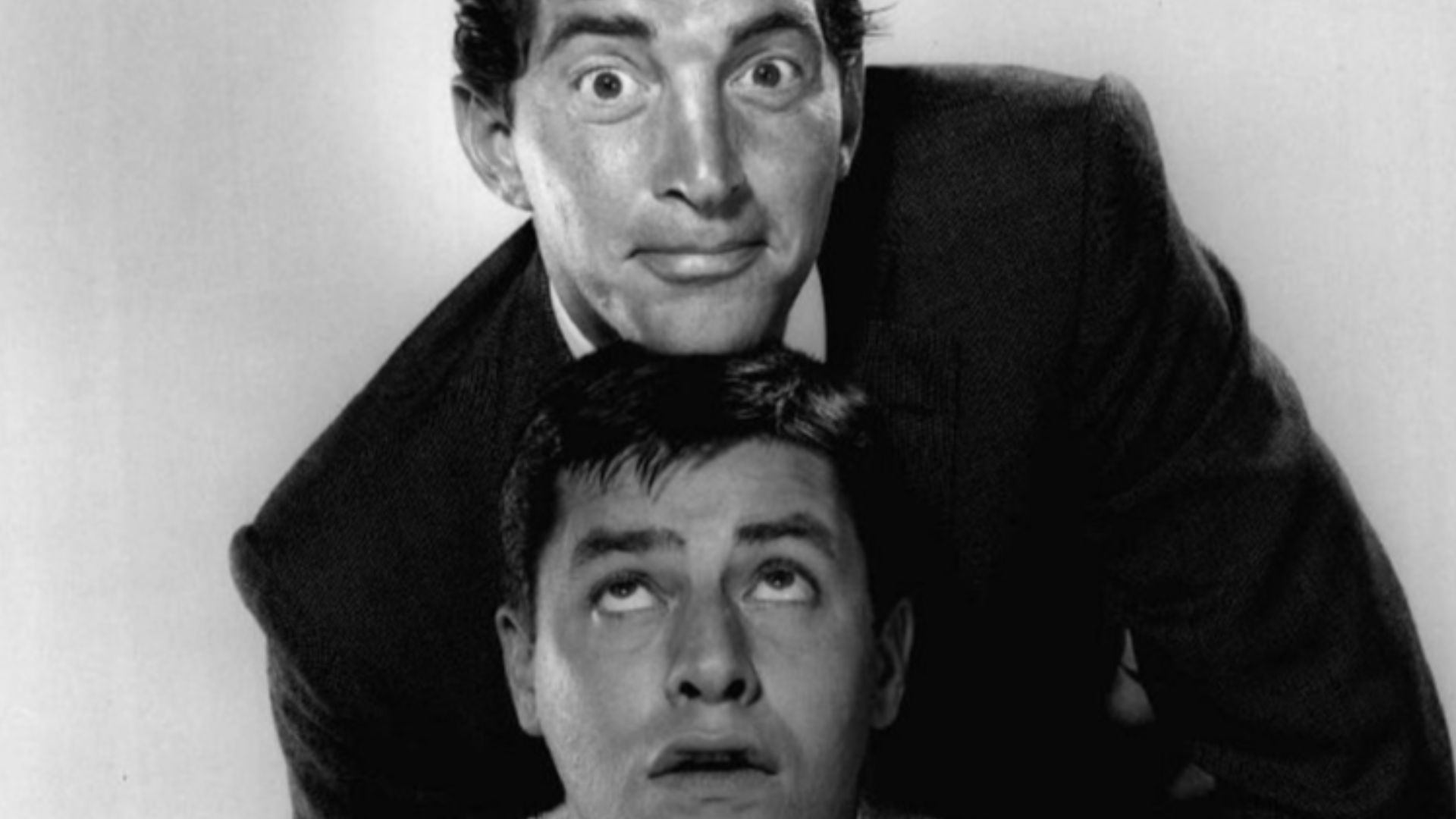 The Ettinger Company, Hollywood (public relations), Wikimedia Commons
Stir Crazy Made Them Box Office Gold
Their biggest hit together was Stir Crazy, released in 1980. Sidney Poitier directed the film, which cast Wilder and Pryor as two unemployed friends framed for a bank robbery. The movie became a major commercial success and grossed more than $100 million domestically. For a comedy led by two mismatched buddies, that was a huge result.
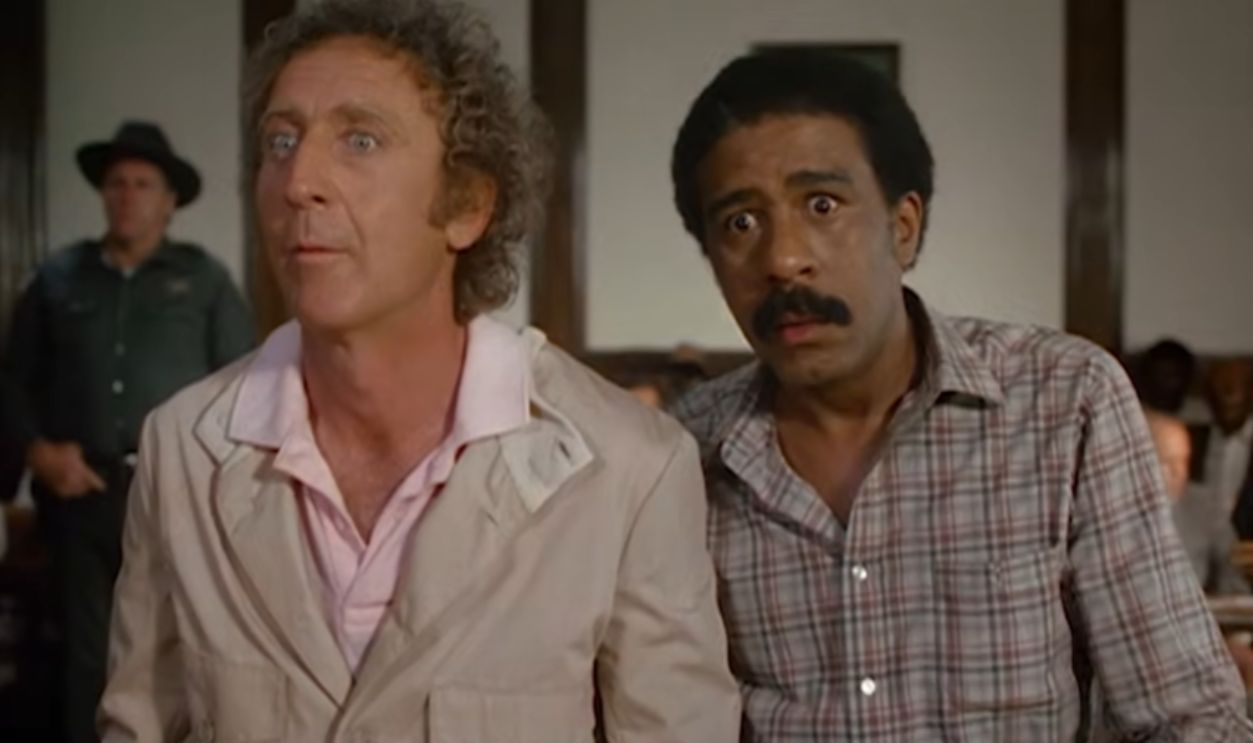 Screenshot from Stir Crazy, Sony Pictures Entertainment (1980)
Sidney Poitier Gave Them Room
Poitier was already a screen legend when he directed Stir Crazy. His direction kept the movie moving through prison gags, rodeo scenes, and buddy-comedy chaos. Wilder and Pryor played men trapped in an absurd nightmare, but they never lost their human warmth. That balance helped make the film their defining collaboration.
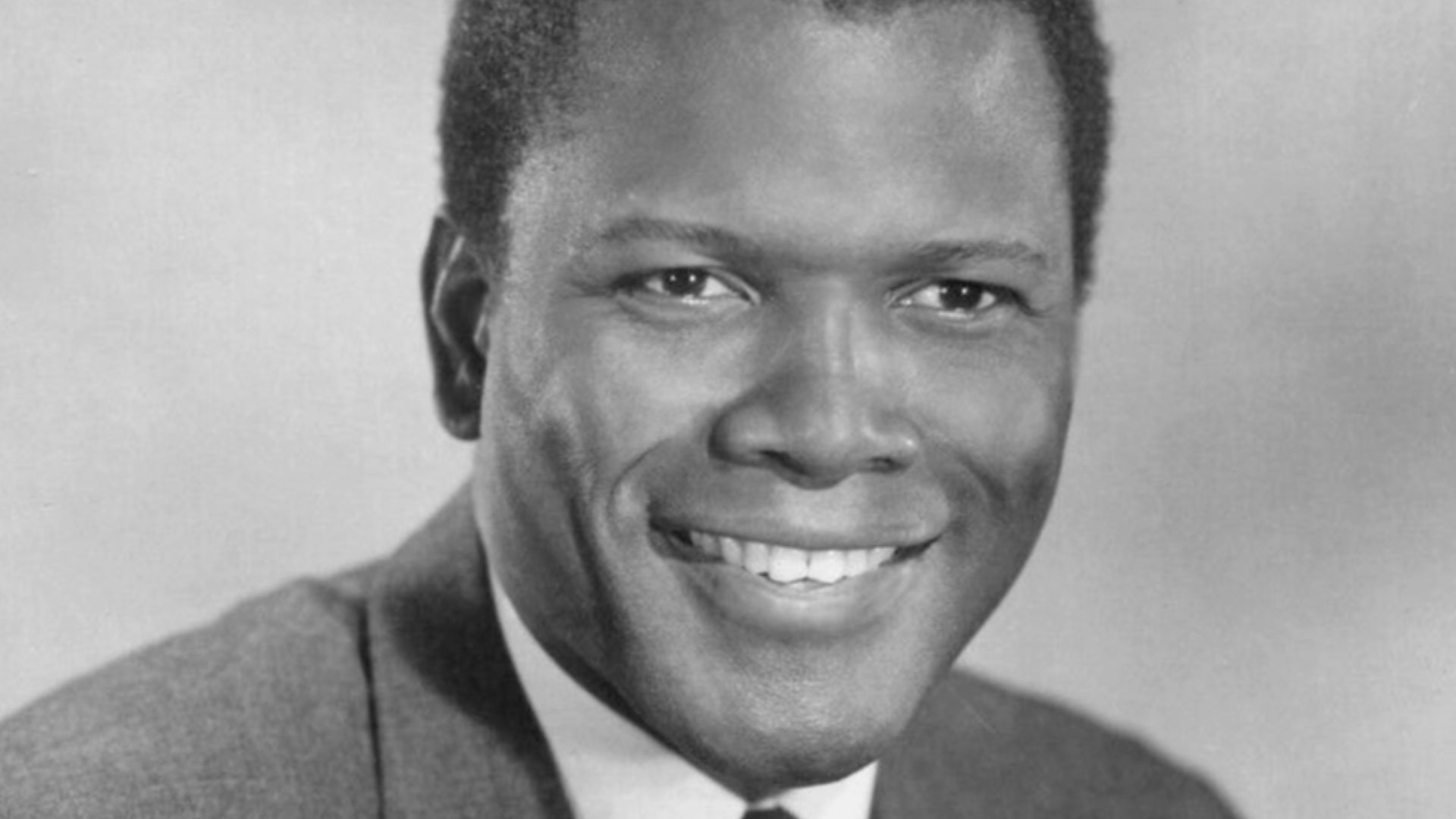 Unknown photographer, Wikimedia Commons
Pryor’s Life Was Already Turbulent
Pryor’s off-screen life was much more complicated than his movie persona suggested. He had long struggled with substance abuse, and in 1980 he was badly burned in a widely reported substance-misuse-related incident. The event happened during the same period that Stir Crazy was being made and promoted. Pryor later folded painful personal experiences into his stand-up, which was part of what made him so fearless.
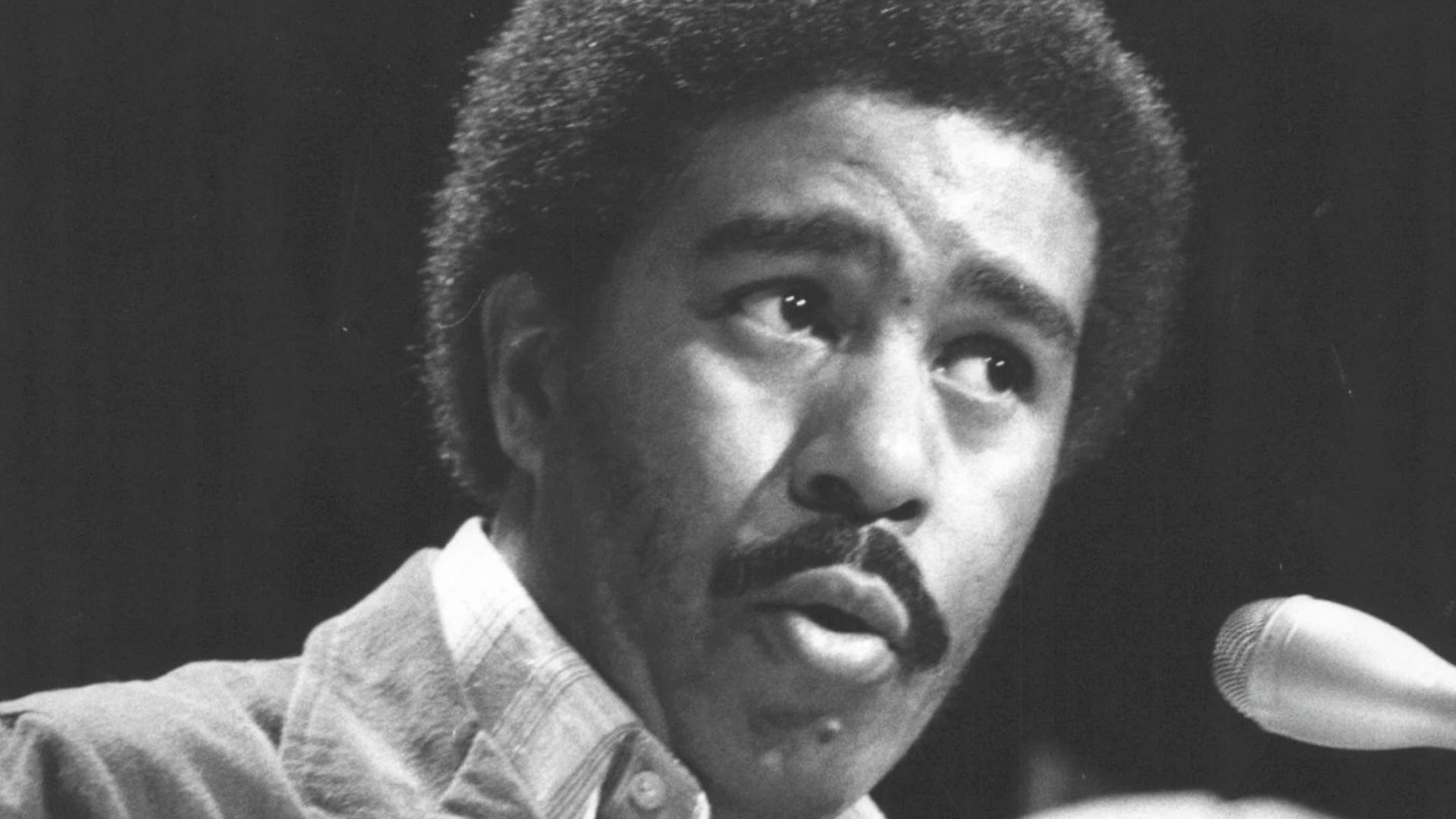 NBC Television, Wikimedia Commons
Wilder Preferred A Quieter World
Wilder’s public image was gentler and more controlled. He had built his career through films like The Producers, Willy Wonka & the Chocolate Factory, Blazing Saddles, and Young Frankenstein. He was funny, but his comedy often came from restraint, vulnerability, and sudden explosions of feeling. That difference made him a brilliant partner for Pryor, but not necessarily an easy off-screen match.
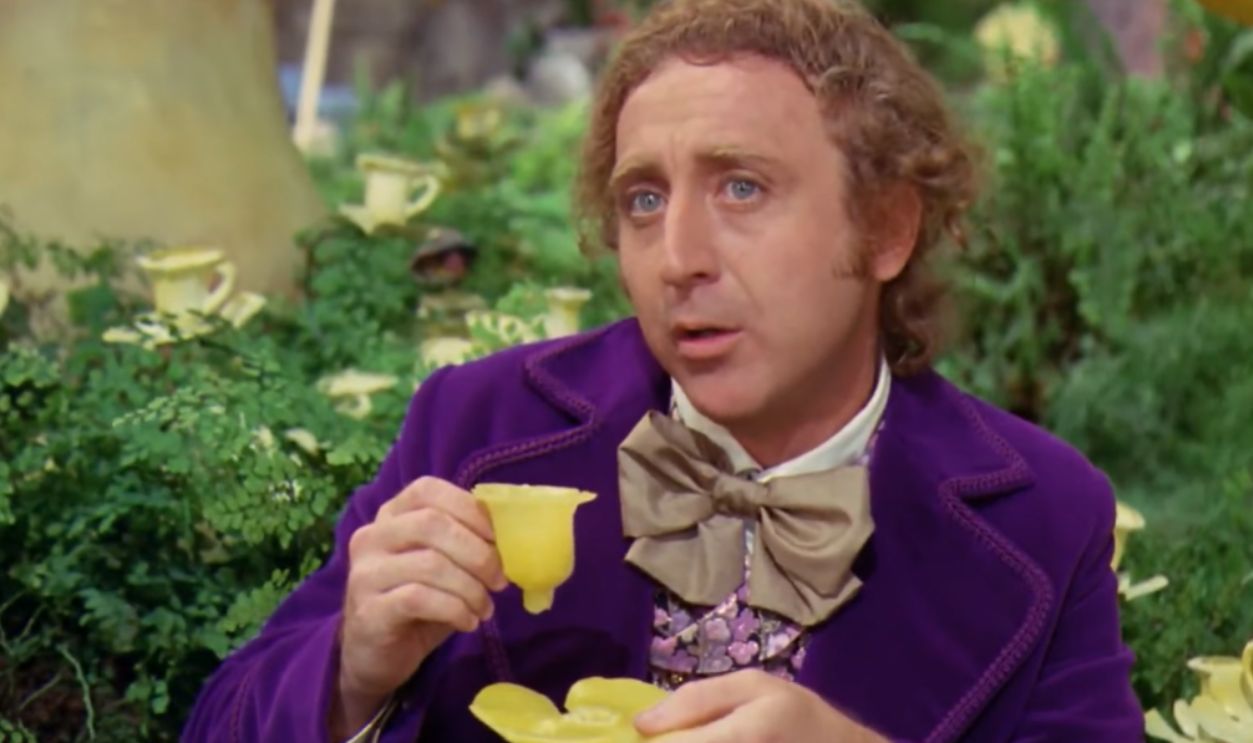 Screenshot from Willy Wonka & the Chocolate Factory, Warner Bros. Discovery (1971)
The Friendship Was Mostly Professional
Fans often assumed Wilder and Pryor were close friends away from the set. Public accounts from interviews and later biographies suggest their relationship was mostly professional. They respected each other’s talent, but they did not appear to spend much private time together. The warmth audiences saw was real on camera, but it did not become a deep everyday friendship.
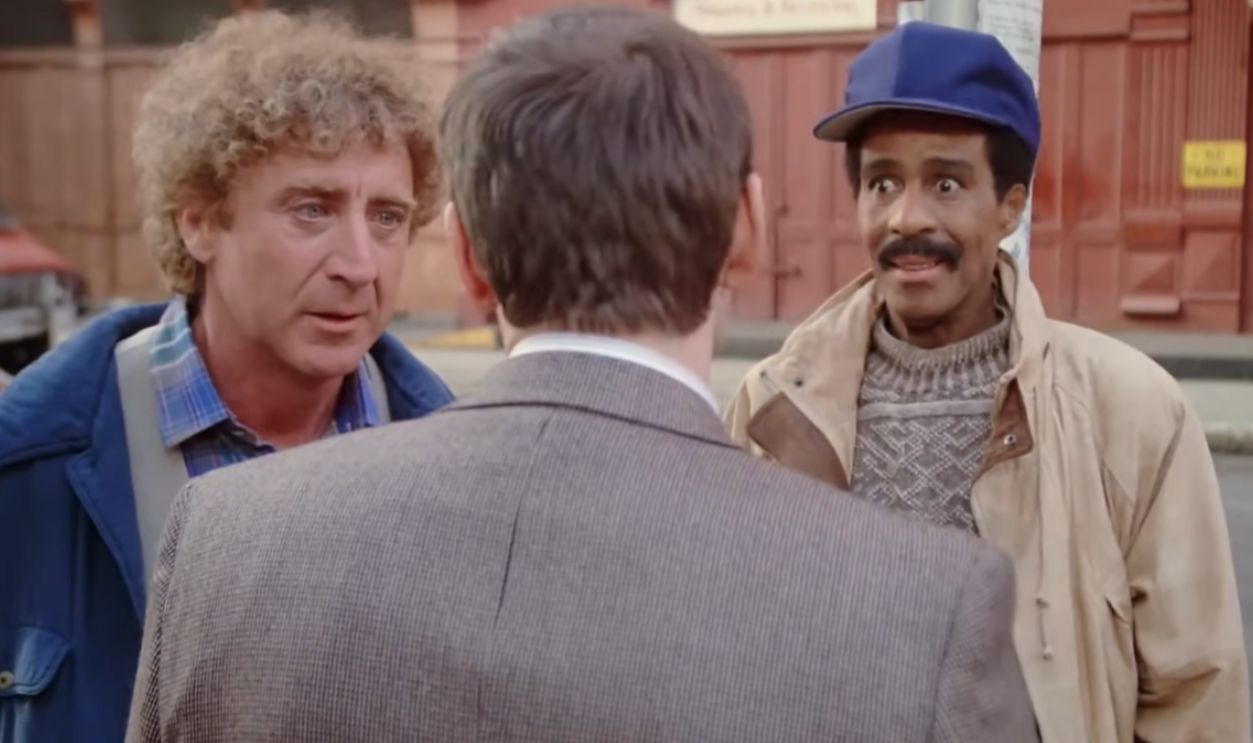 Screenshot from See No Evil, Hear No Evil, Sony Pictures Entertainment (1989)
Wilder Spoke Honestly About The Gap
In a 1991 appearance on The Dick Cavett Show, Wilder discussed his chemistry with Pryor while promoting their final film together. He described their screen connection as unusually strong and instinctive. At the same time, he acknowledged that the bond did not translate into the same kind of off-screen closeness. That honesty made their partnership even more fascinating.
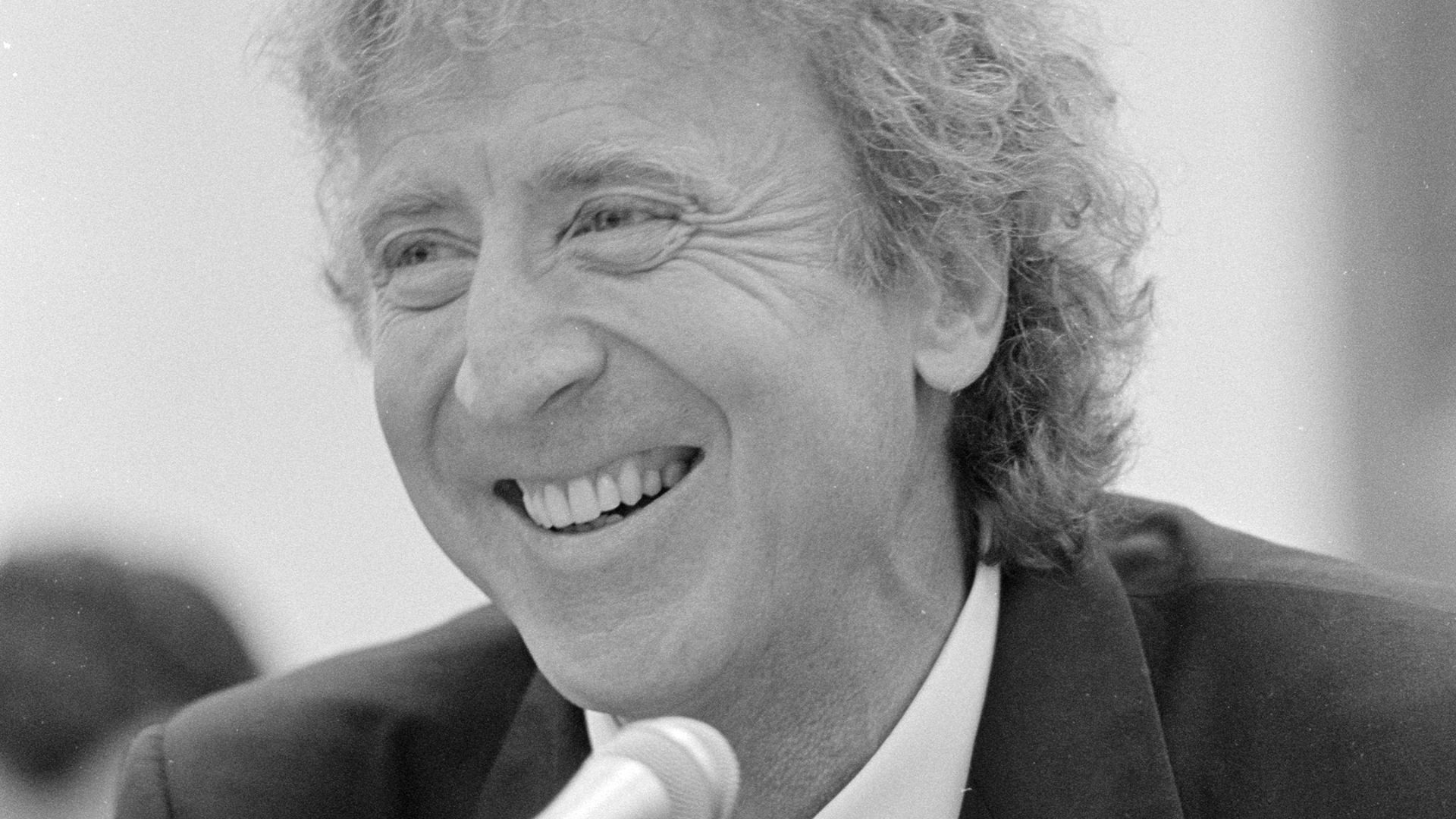 Maureen Keating, Wikimedia Commons
Pryor Respected Wilder’s Talent
Pryor’s family and colleagues have also described respect between the two men. Pryor was not known for hiding his feelings, so admiration from him carried weight. Wilder’s steadiness gave Pryor something solid to react against. Pryor’s unpredictability gave Wilder something alive and dangerous to play with.
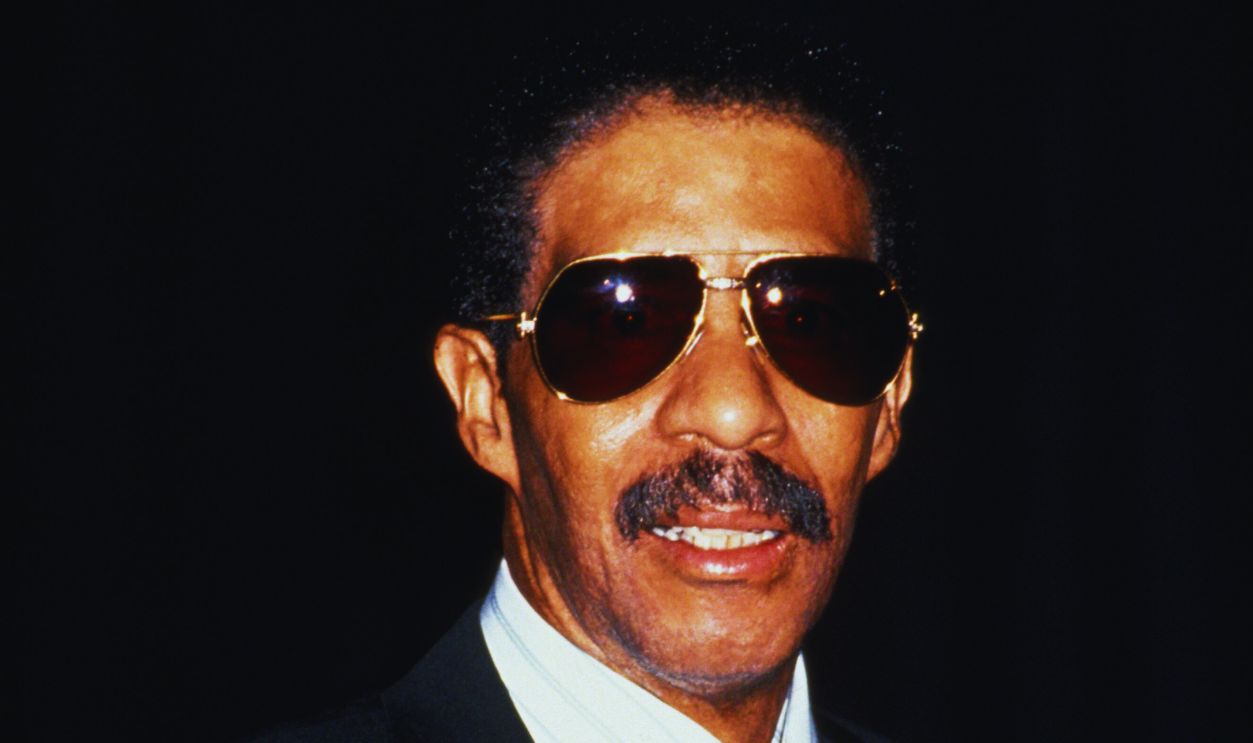
Their Best Scenes Feel Like Arguments
Many of their funniest moments play like escalating disagreements. Wilder’s characters try to explain, apologize, or reason their way out of trouble. Pryor’s characters cut through the nonsense and say what the audience is already thinking. That rhythm made their scenes feel spontaneous even when the story around them was carefully structured.
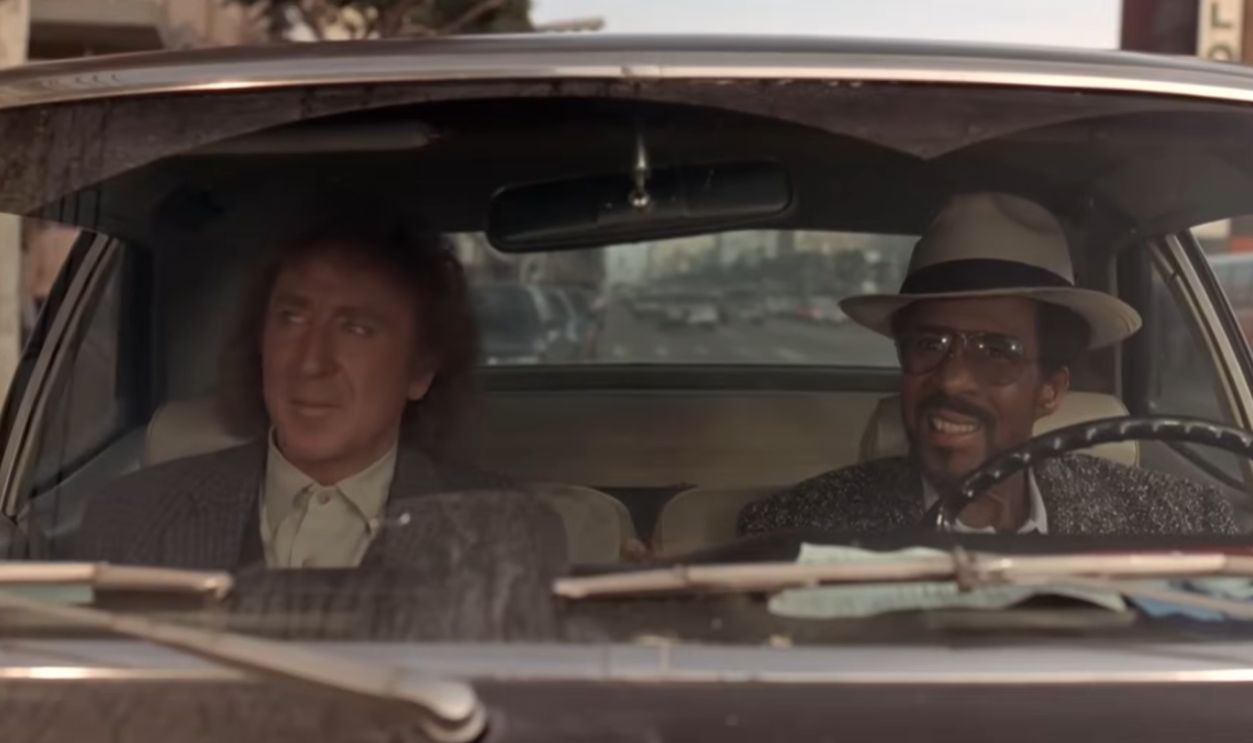 Screenshot from Another You, Sony Pictures Entertainment (1991)
See No Evil, Hear No Evil Reunited Them
They reunited again for See No Evil, Hear No Evil in 1989. Wilder played Dave, a deaf man, while Pryor played Wally, a blind man. The two characters become witnesses to a murder and are forced to work together while everyone misunderstands them. The premise gave the actors another physical-comedy setup built around trust and confusion.
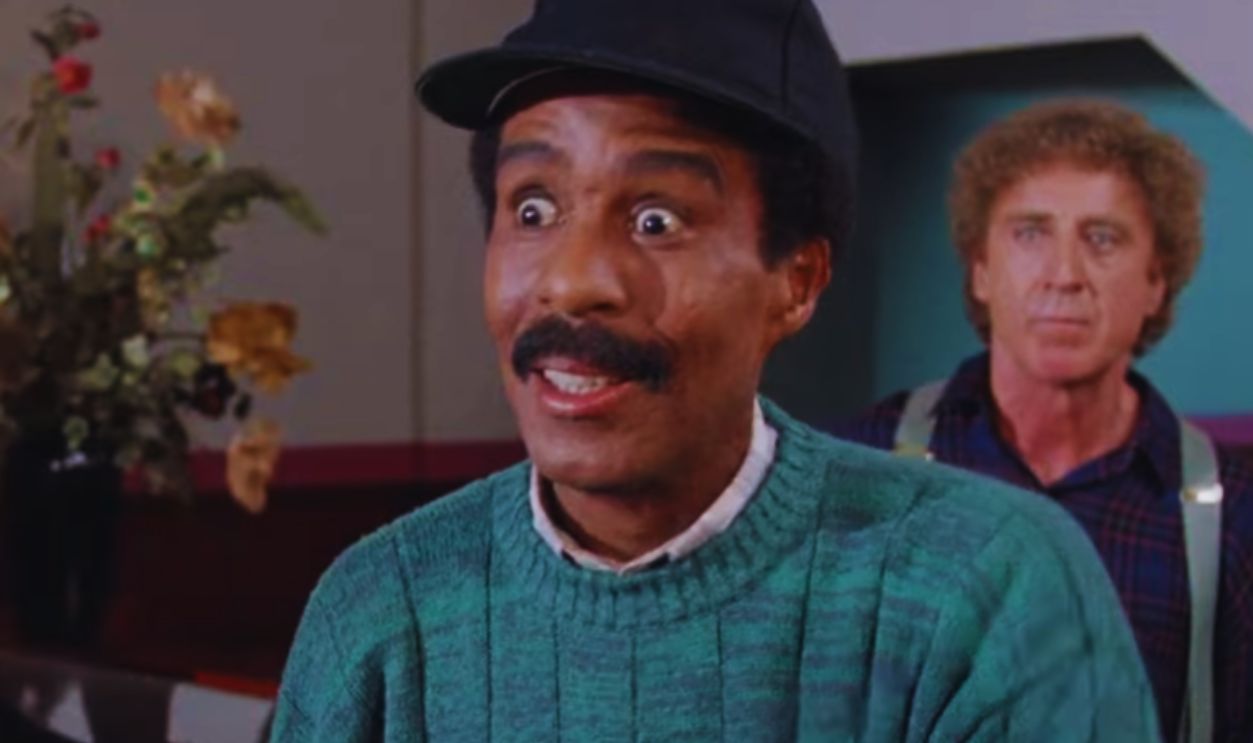 Screenshot from See No Evil, Hear No Evil, Sony Pictures Entertainment (1989)
Wilder Took The Role Seriously
Wilder worked with the New York League for the Hard of Hearing while preparing for See No Evil, Hear No Evil. He wanted his performance to have more care than a simple gag-driven portrayal. That preparation also connected him with Karen Webb, a lip-reading coach he later married. Even in a broad comedy, Wilder was trying to ground the character.
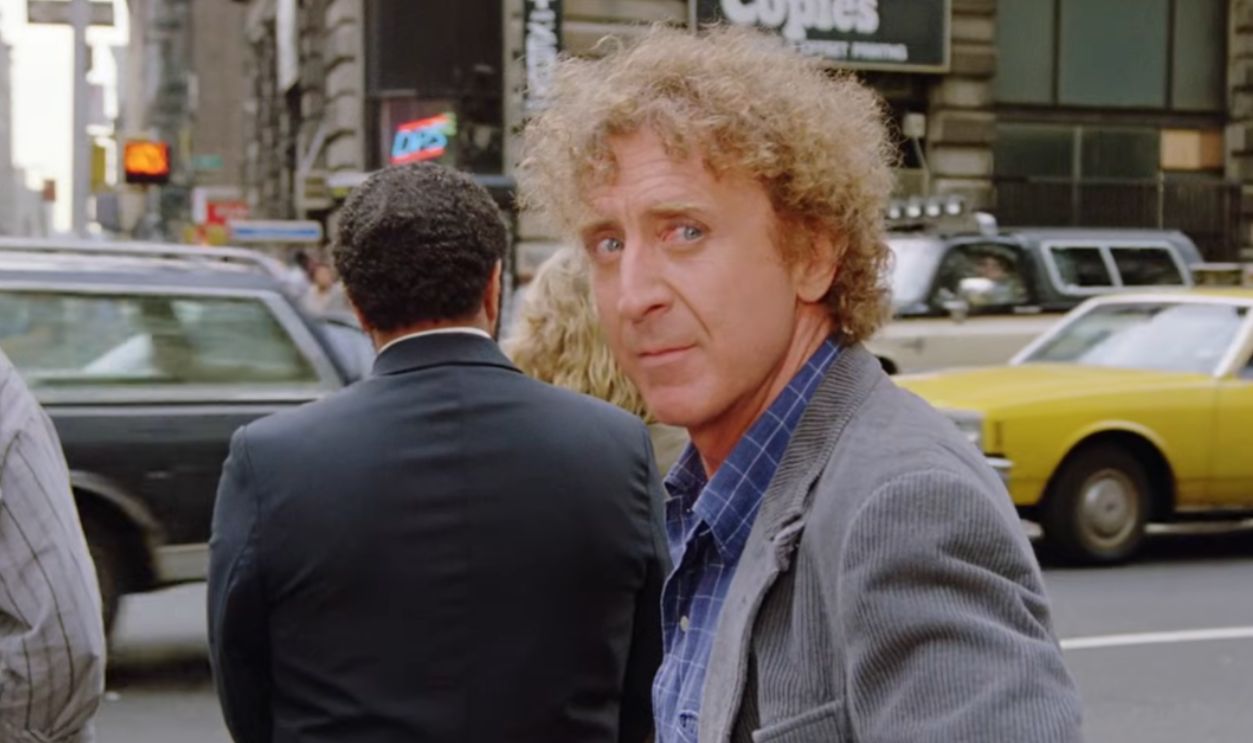 Screenshot from See No Evil, Hear No Evil, Sony Pictures Entertainment (1989)
Critics Were Mixed, But Audiences Came
See No Evil, Hear No Evil received mixed to negative reviews from many critics. Some reviewers praised Wilder and Pryor while criticizing the script and the broader comedy. Still, the film performed well enough at the box office to show that audiences still liked seeing them together. By then, the duo itself had become the selling point.
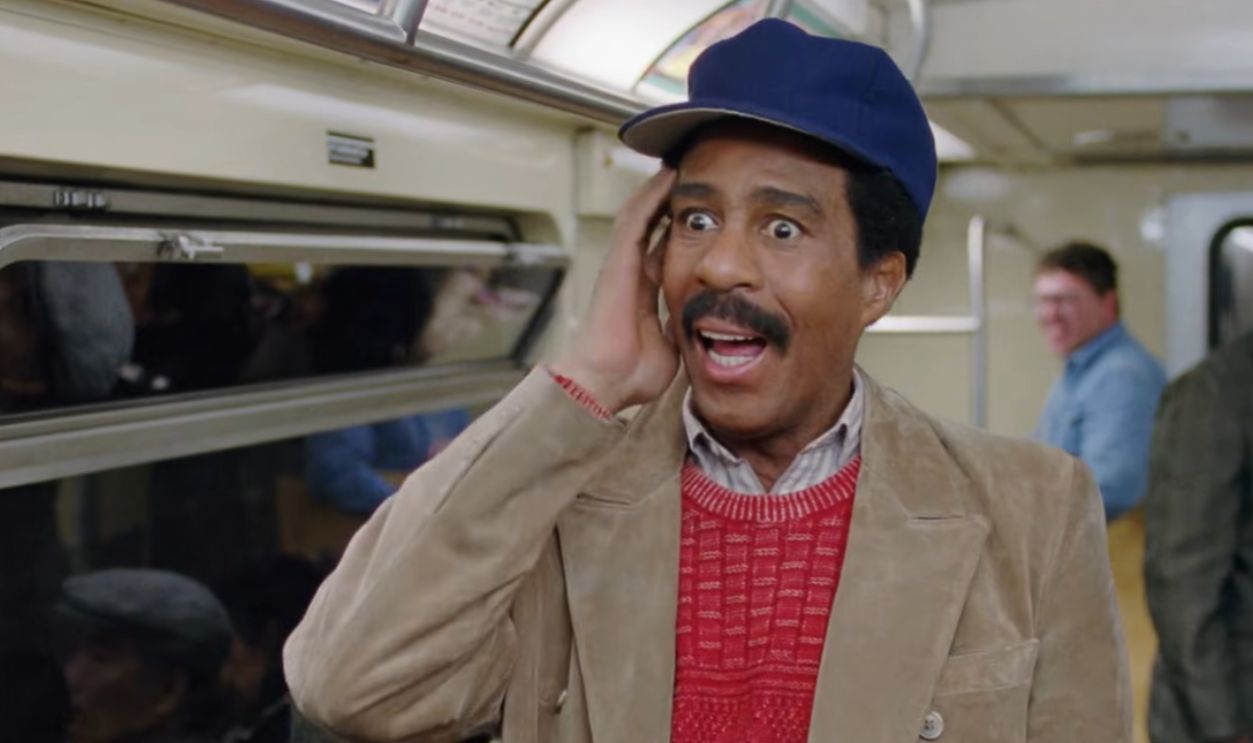 Screenshot from See No Evil, Hear No Evil, Sony Pictures Entertainment (1989)
Their Timing Survived Weak Material
Not every Wilder-Pryor movie was considered great. In fact, critics often argued that the actors were better than the scripts they were given. That is part of why their partnership has lasted in pop culture memory. Viewers remember the spark between them more than the mechanics of every plot.
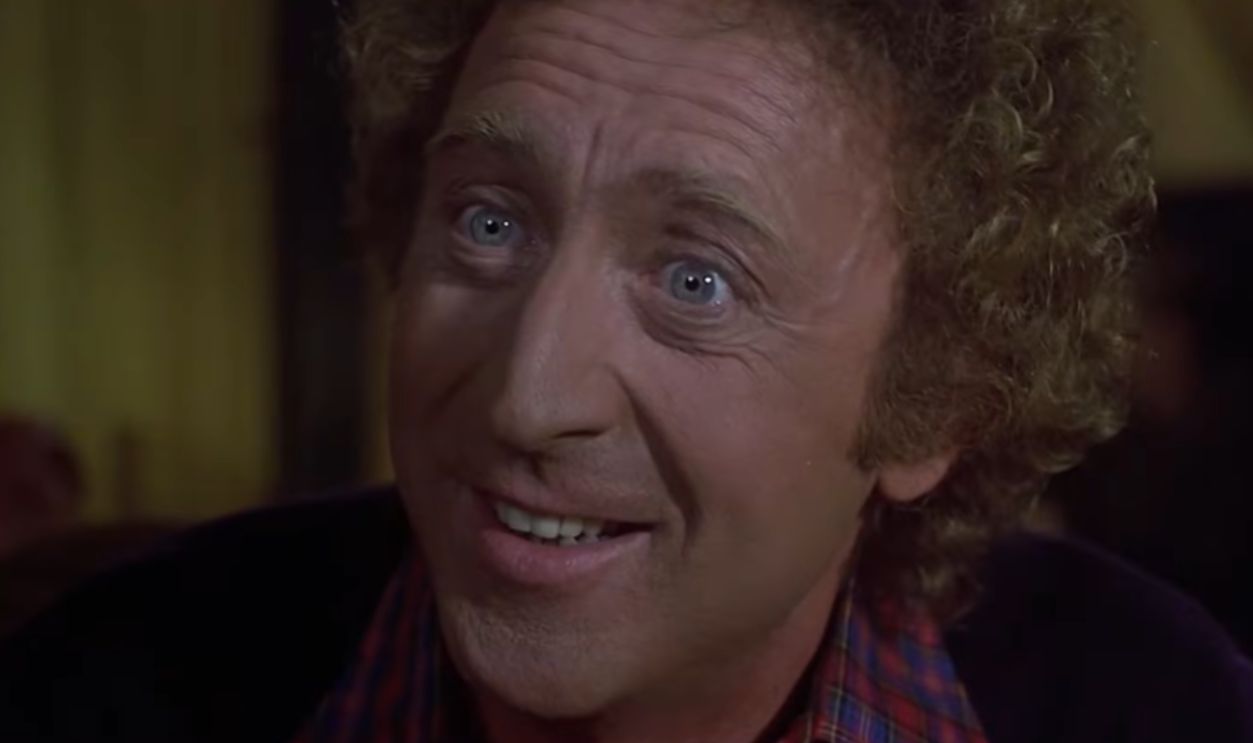 Screenshot from Stir Crazy, Sony Pictures Entertainment (1980)
Another You Was Their Final Film
Their fourth and final film together was Another You, released in 1991. The movie starred Pryor as a con man and Wilder as a psychiatric patient mistaken for a missing millionaire. It was not a critical or commercial success. It also became Wilder’s final theatrical film appearance and one of Pryor’s last leading film roles.
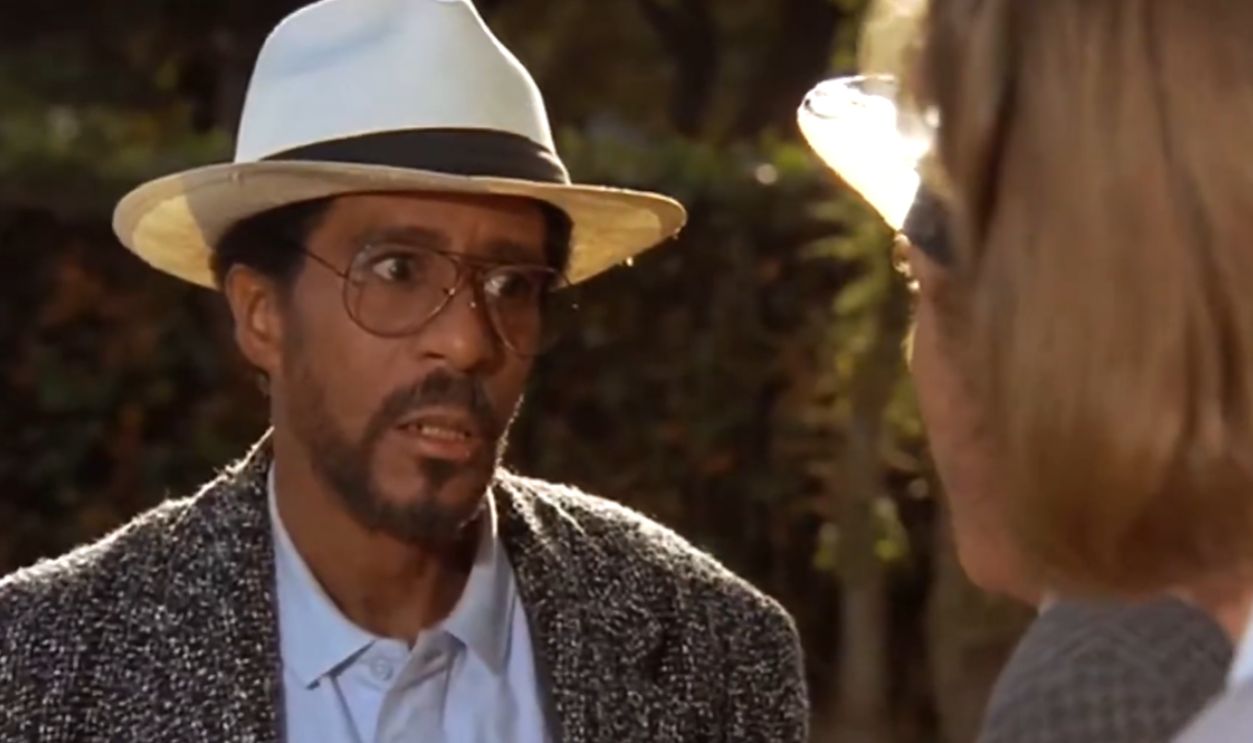 Screenshot from Another You, Sony Pictures Entertainment (1991)
Pryor’s Health Had Changed Everything
By the time of Another You, Pryor’s health had visibly declined. He had been diagnosed with multiple sclerosis in 1986. The disease affected his movement and later limited his ability to perform. Seeing him beside Wilder again gave the film a bittersweet quality, even when the comedy struggled.
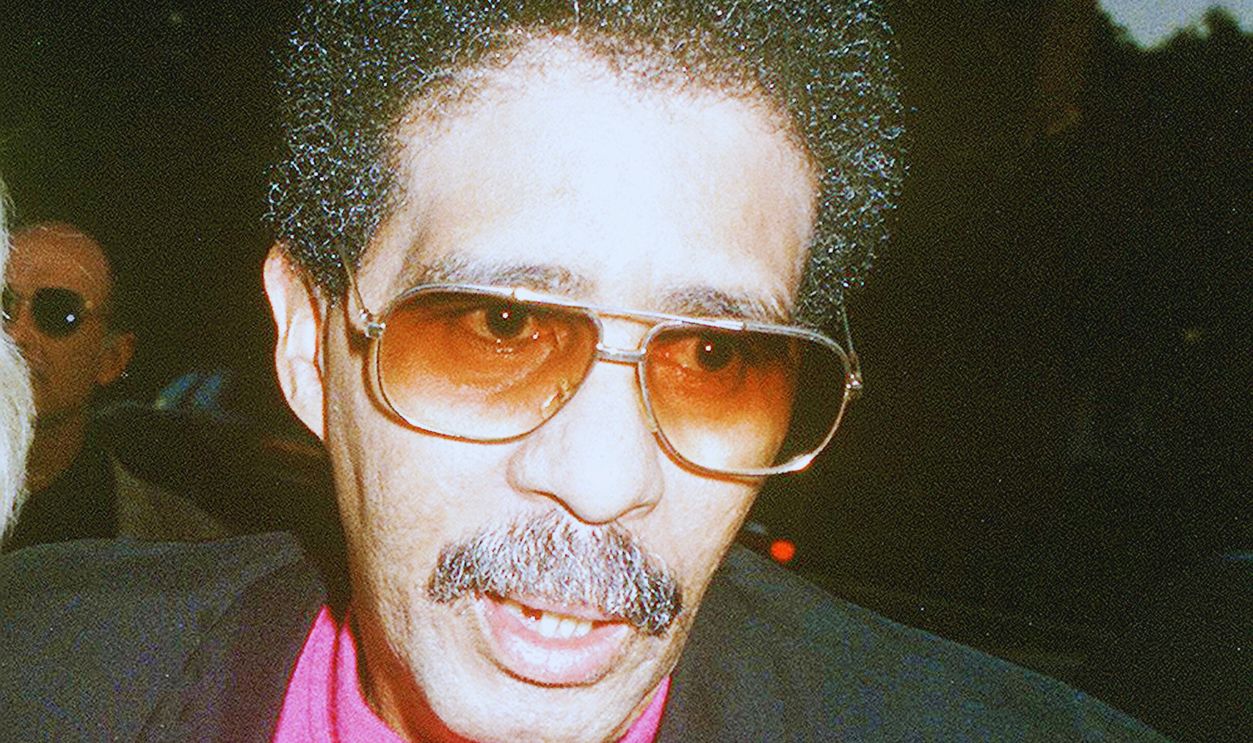
The Ending Felt Uneven
Another You did not give the partnership the triumphant farewell fans might have wanted. Critics found the film weak, and audiences did not respond the way they had to Stir Crazy. Still, it stands as the closing chapter of a collaboration that had stretched across 15 years. Their last movie was messy, but their history still mattered.
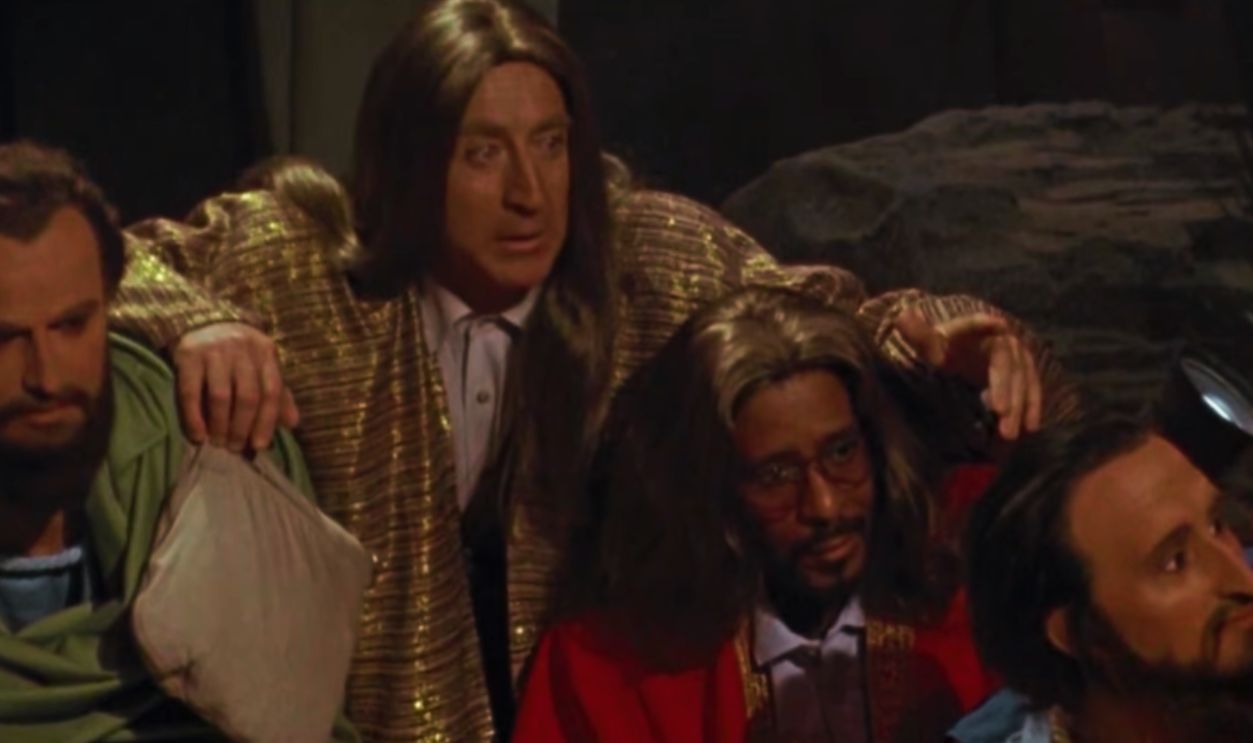 Screenshot from Another You, Sony Pictures Entertainment (1991)
Their Tension Was Part Of The Story
The off-screen distance between Wilder and Pryor does not erase their achievement. It actually makes the achievement more interesting. They did not need to be best friends to create one of comedy’s most watchable screen relationships. Sometimes professional respect, timing, and contrast are enough.
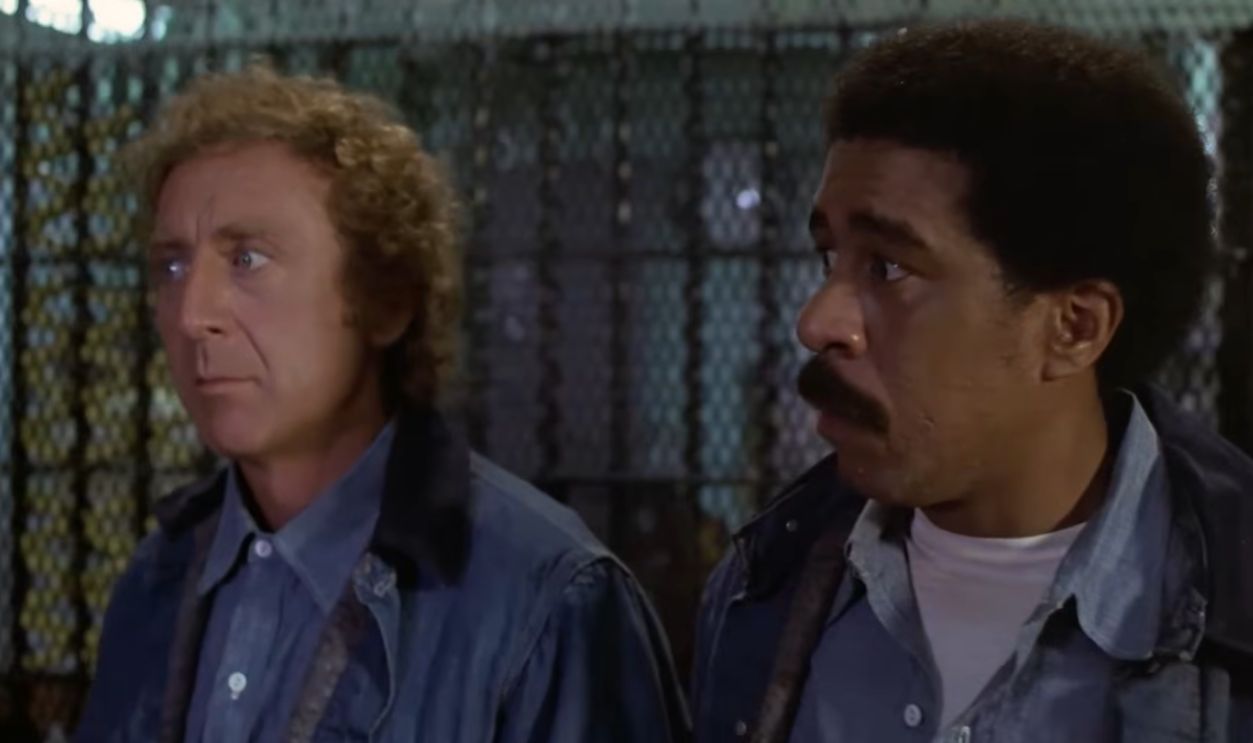 Screenshot from Stir Crazy, Sony Pictures Entertainment (1980)
They Reflected Two Different Americas
Wilder and Pryor also brought different cultural energies to their films. Wilder often represented nervous middle-class politeness under pressure. Pryor brought a sharper awareness of race, danger, survival, and social absurdity. Their pairing allowed mainstream comedies to carry more tension than they first appeared to have.
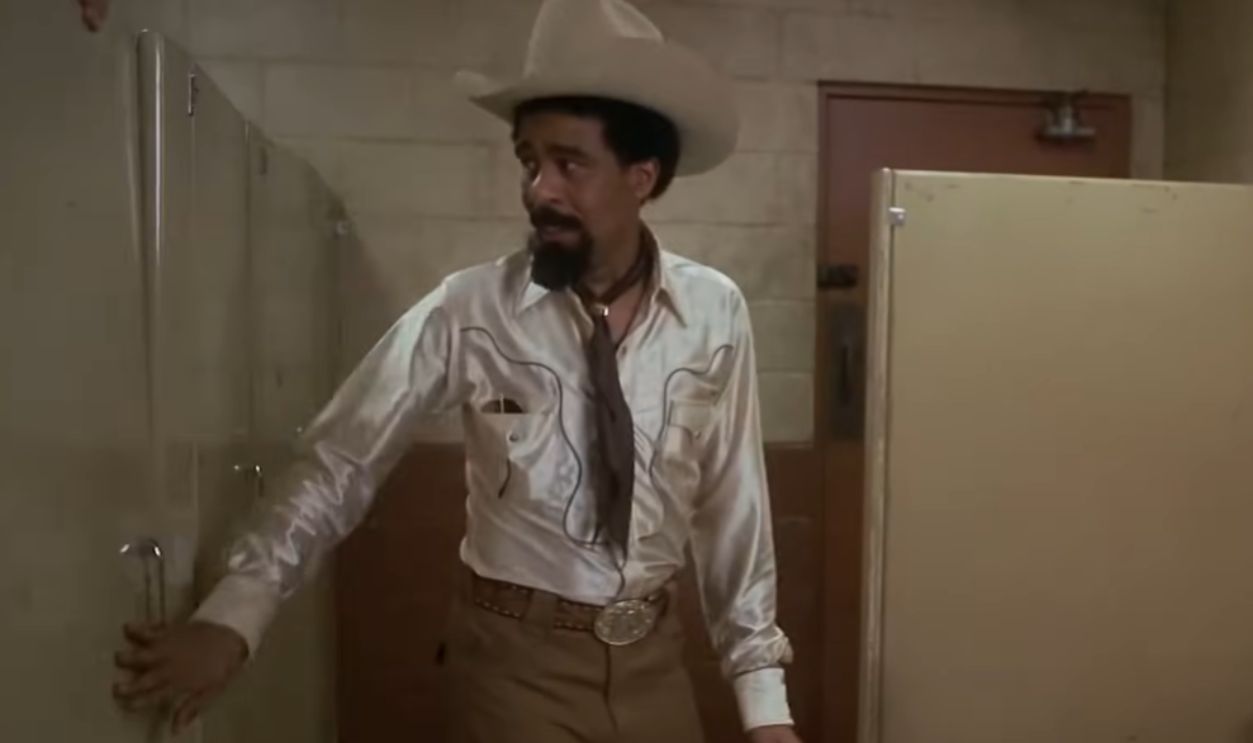 Screenshot from Stir Crazy, Sony Pictures Entertainment (1980)
Pryor Made Wilder Looser
Wilder was already a brilliant comic actor before Pryor entered the picture. Yet Pryor’s improvisational style pushed him into a looser and more reactive space. Wilder had to listen closely, adjust quickly, and let surprise into the scene. That made their shared moments feel less polished and more alive.
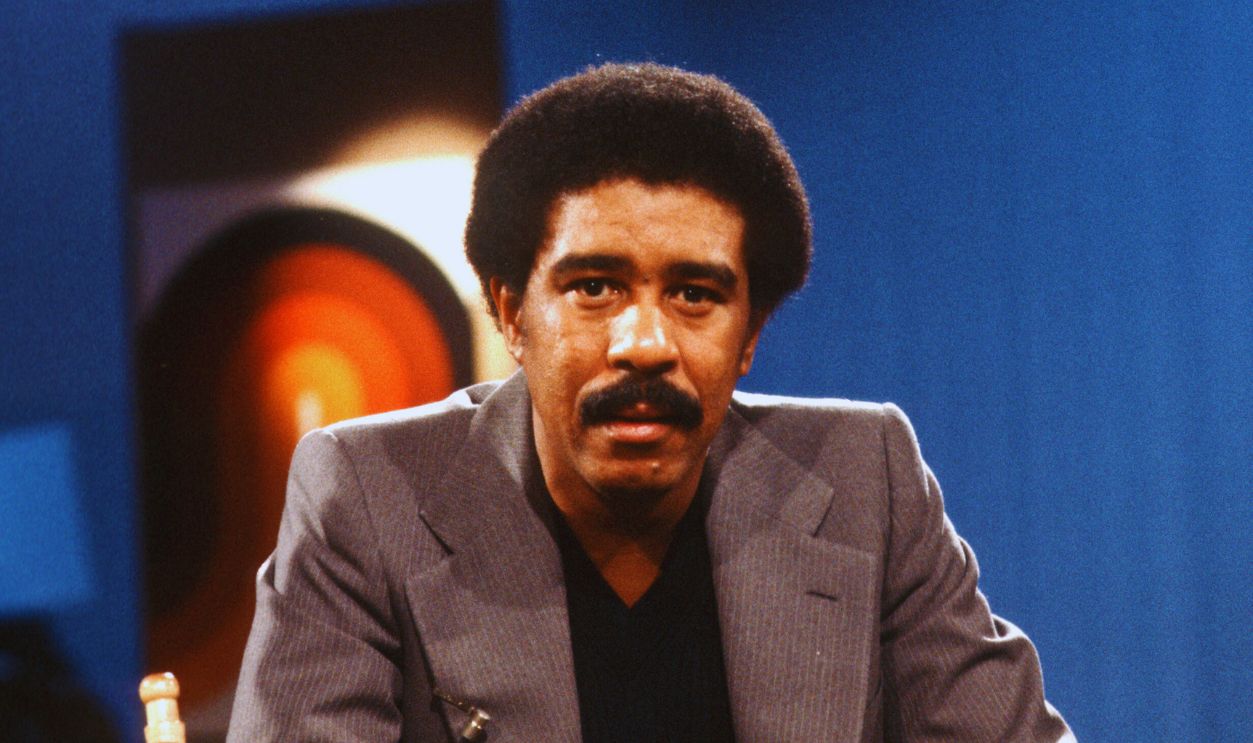
Wilder Gave Pryor Structure
Pryor could be explosive, but Wilder gave their scenes a steady comic frame. His anxious sincerity made Pryor’s sharpness land harder. He could absorb Pryor’s chaos without disappearing inside it. That is why their best scenes feel balanced instead of competitive.
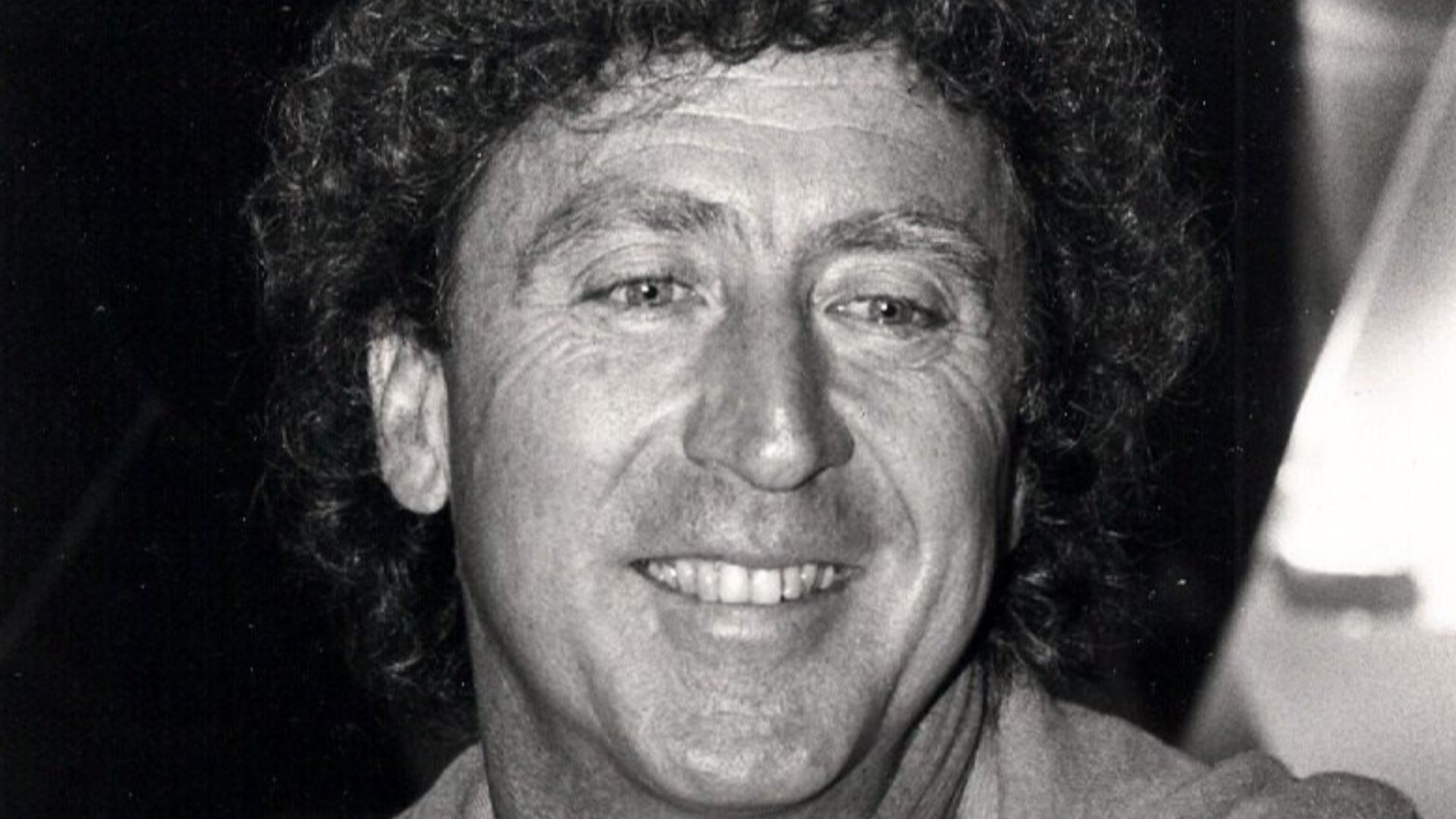
The Camera Loved Their Contradictions
On paper, they should not have looked like an obvious match. One was gentle, precise, and almost fragile in his comic persona. The other was raw, fast, and emotionally volcanic. On screen, those contradictions became the whole point.
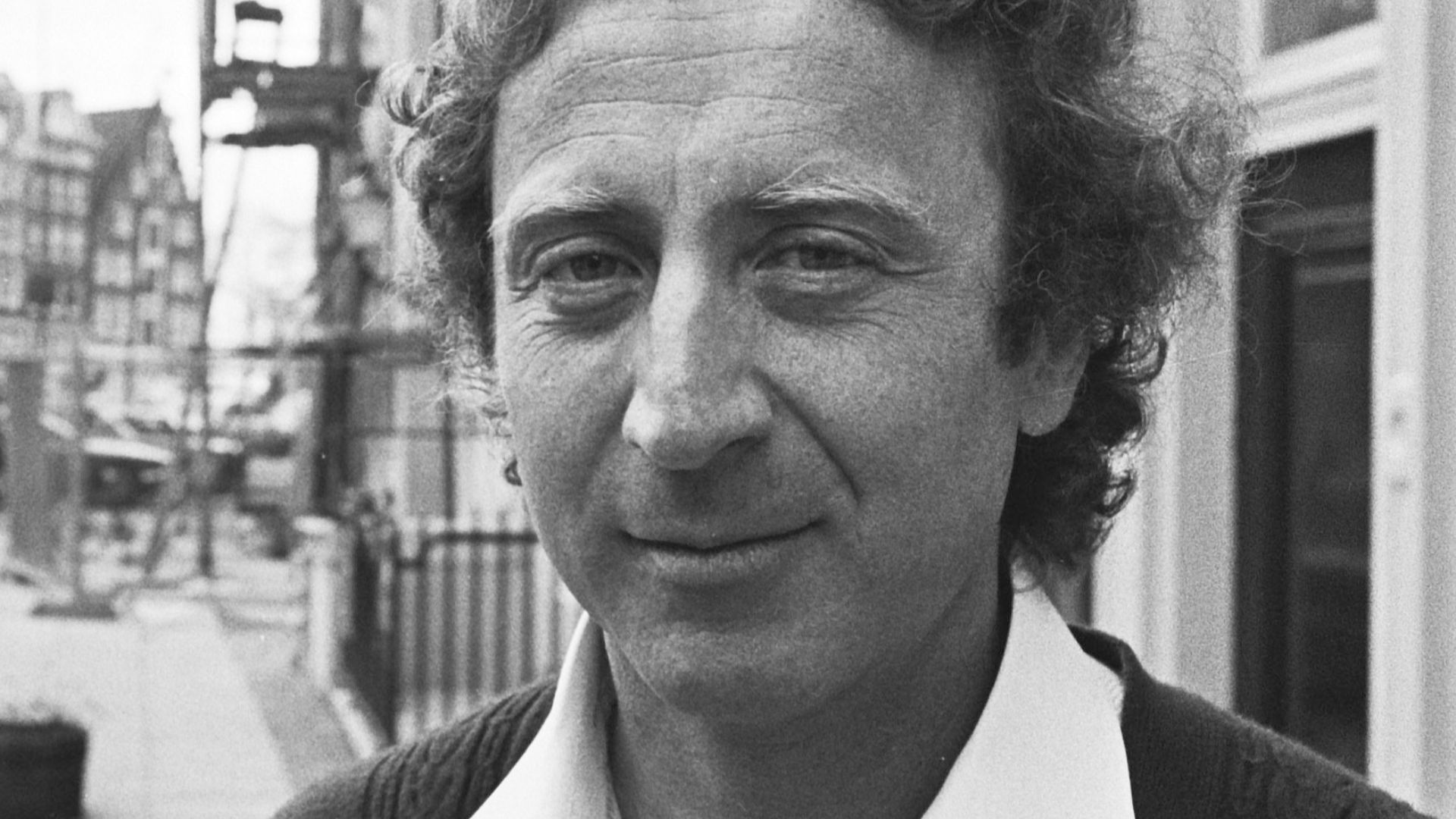 Hans Peters for Anefo, Wikimedia Commons
Their Legacy Is Complicated And Enduring
Gene Wilder and Richard Pryor made four films together, and only some of them fully worked as movies. Yet their chemistry remains the reason people still talk about them decades later. Their off-screen tension reminds us that Hollywood magic does not always come from simple friendship. Sometimes it comes from two very different artists meeting in the exact right place, at the exact right time.
You May Also Like:
How Ernest Borgnine Built One of Hollywood's Longest Careers