The Glamour Concealed A Harder Story
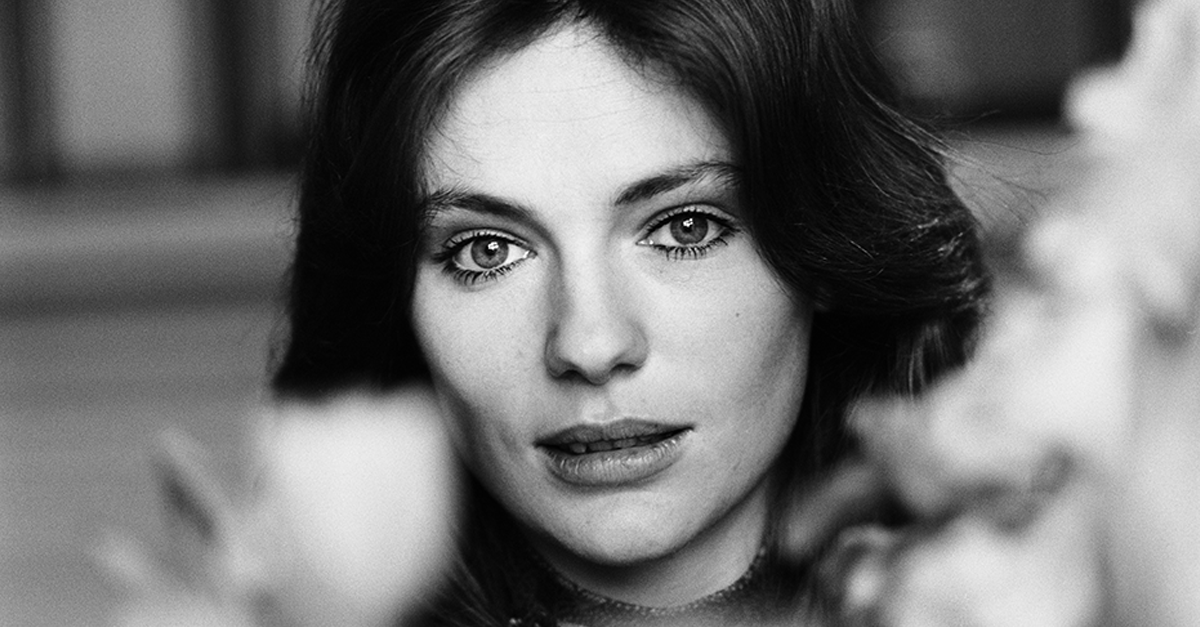
Jacqueline Bisset became one of the 1970s’ most recognizable stars, appearing opposite Steve McQueen, Frank Sinatra, and Nick Nolte. Her beauty opened Hollywood’s doors, but it also made filmmakers underestimate her talent. Behind the glamorous image was an anxious childhood, decades of family responsibility, difficult relationships, and a constant struggle to be taken seriously.
Her Childhood Spanned Two Cultures
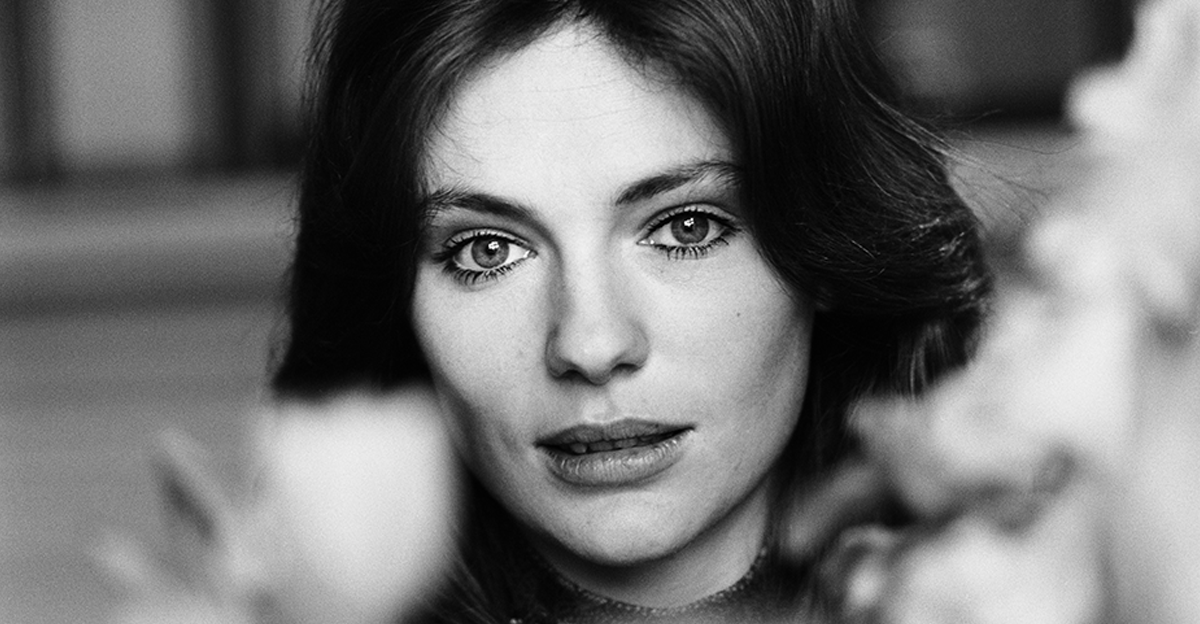
Winifred Jacqueline Fraser Bisset was born in Weybridge, England, on September 13, 1944. Her father was a doctor, while her French mother had trained as a lawyer before becoming a homemaker. Bisset attended the Lycée Français in London and grew up comfortable moving between British and French culture.
Books Filled Her Family Home
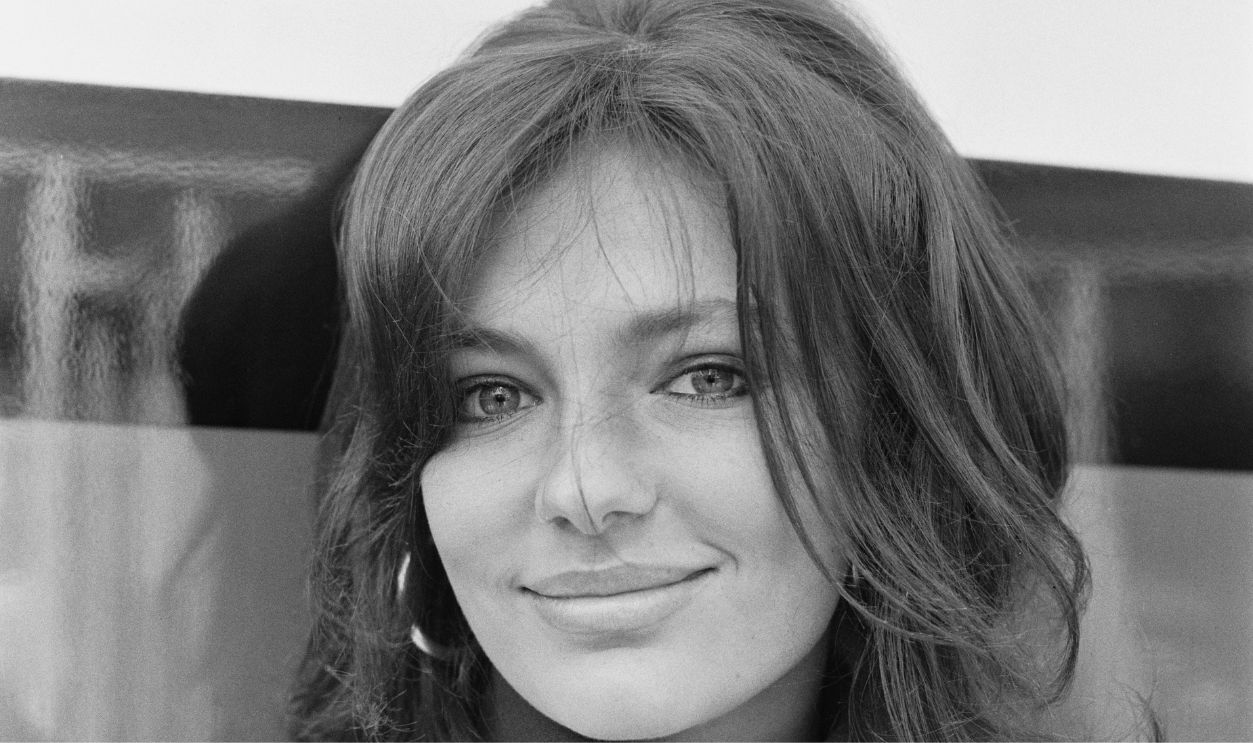
Bisset did not grow up immersed in movies or popular entertainment. Her parents did not own a television, but their home was packed with books, newspapers, furniture, and art. She has described her education as strict and emphasized that she was not spoiled.
Ballet Became Her Refuge
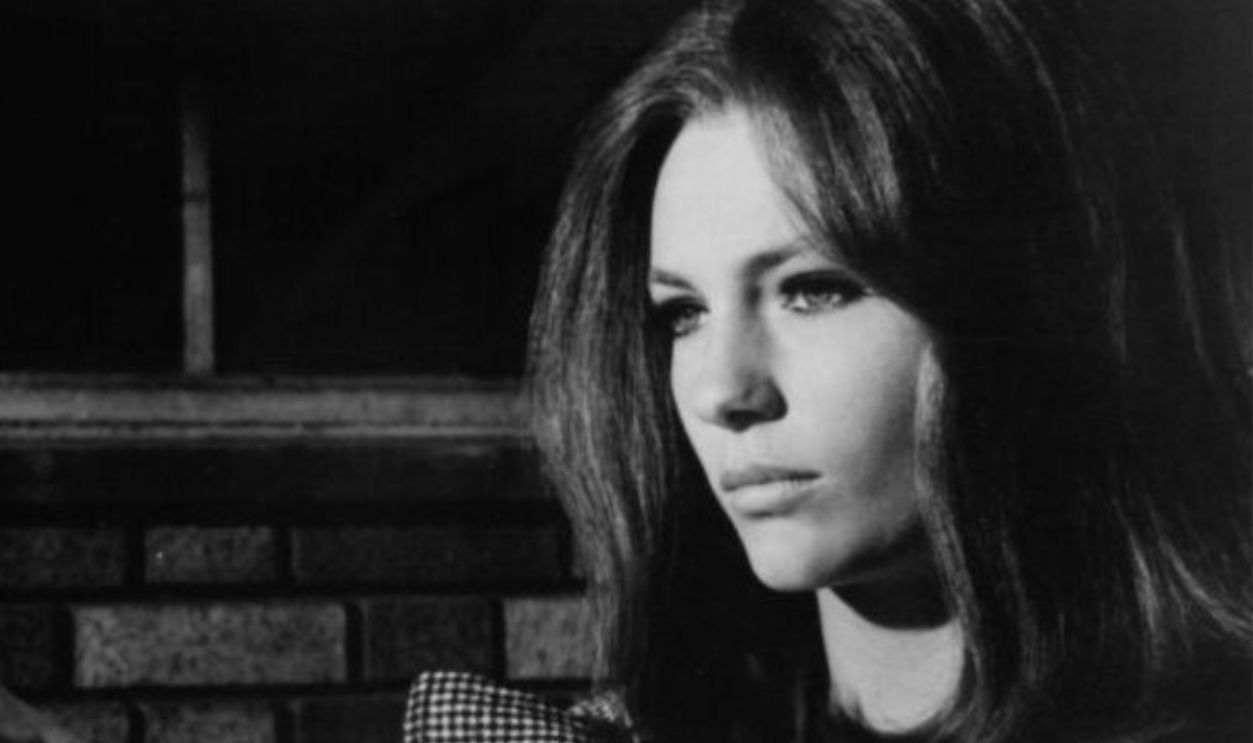
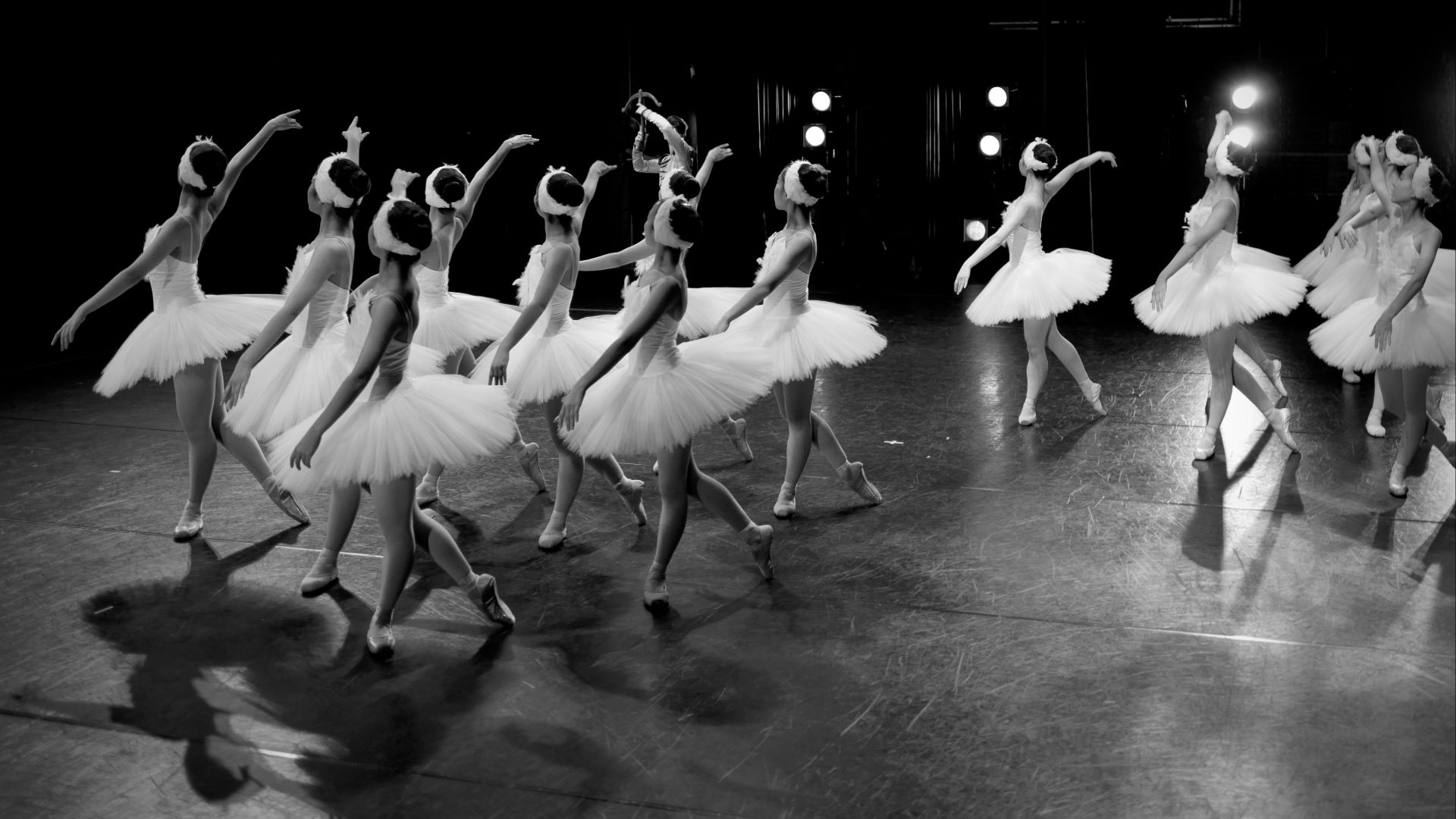
As a child, Bisset struggled with anxiety and low self-esteem. She later recalled that dancing was one of the few things that made her feel truly happy and free. Ballet became an important source of comfort during her early years.
Her Mother Became Seriously Ill
Bisset’s home life changed when her mother developed multiple sclerosis during Bisset’s teenage years. She assumed considerable responsibility and would remain involved in her mother’s care for decades. The experience forced her to develop independence while other teenagers were still discovering themselves.
She Paid For Her Own Training
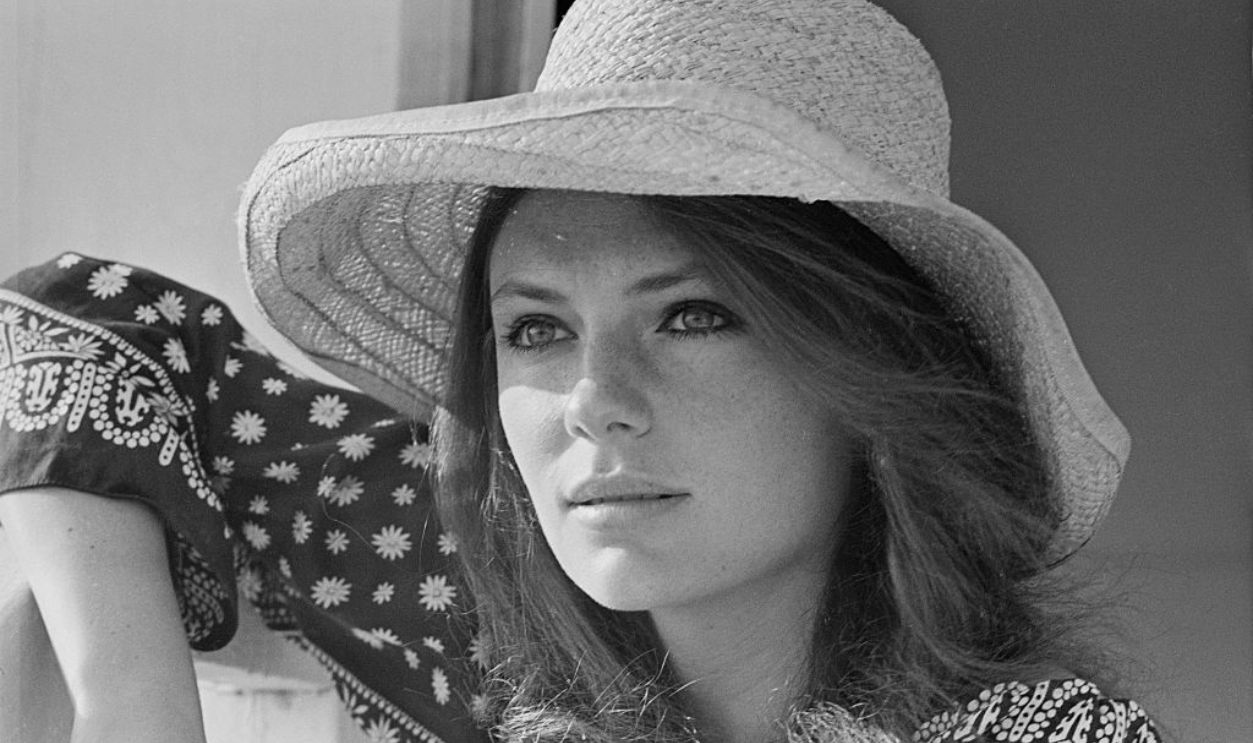
Acting lessons required money, so Bisset began working as a fashion model to pay for them. She also worked as a waitress before her film career became established. Her path into acting was therefore practical and self-financed, rather than the result of a luxurious show-business upbringing.
Small Parts Slowly Opened Doors
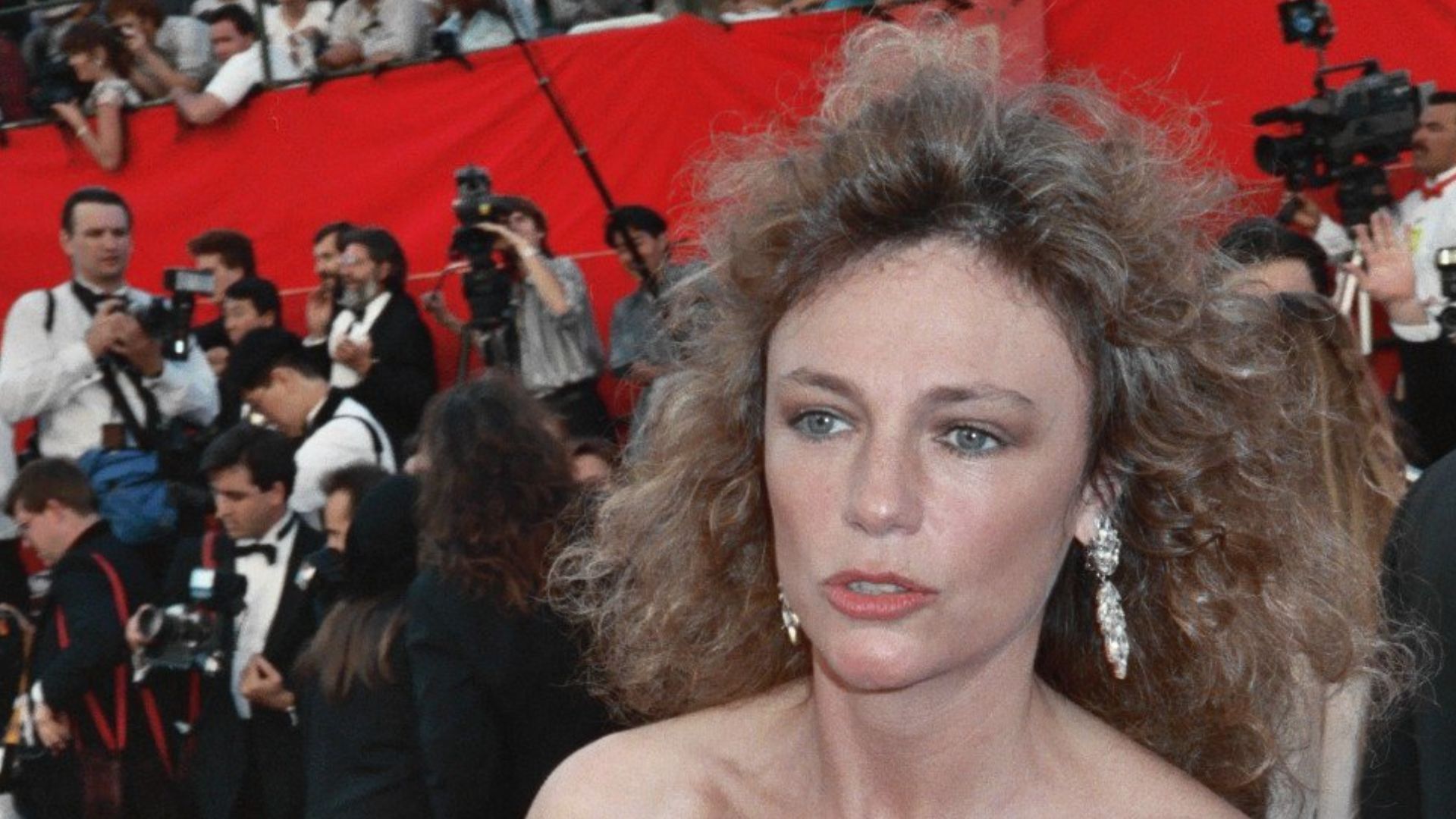
Bisset appeared as an uncredited extra in the 1965 comedy The Knack...and How to Get It. Roles in Cul-de-Sac, Casino Royale, and Two for the Road followed. These appearances were modest, but they gave her valuable experience and placed her near established filmmakers and performers.

Everything Changed In 1968
Bisset’s career accelerated dramatically with The Sweet Ride, The Detective, and Bullitt. Her performance in The Sweet Ride earned her a Golden Globe nomination as a promising newcomer. By the end of the year, she was working beside Frank Sinatra and Steve McQueen.
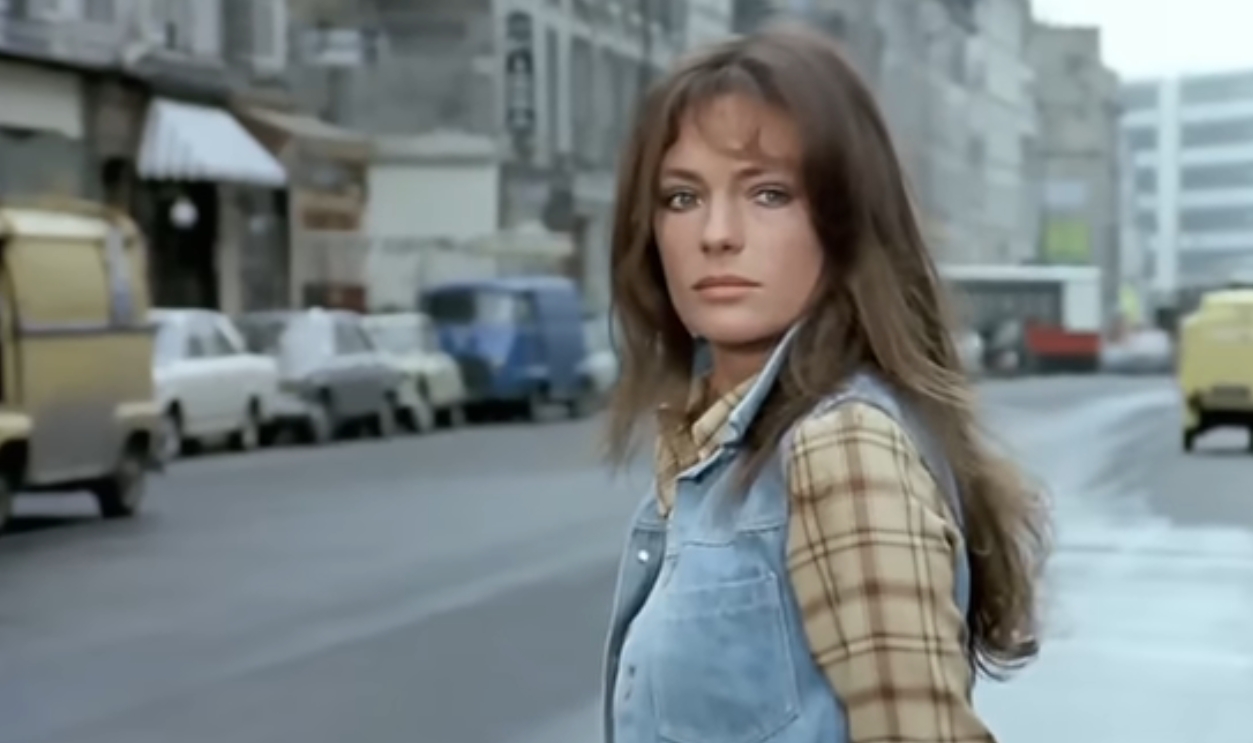 Screenshot from Bullitt, Warner Bros (1968)
Bullitt Made Her Instantly Recognizable
In Bullitt, Bisset played Cathy, the girlfriend of McQueen’s San Francisco detective. She remembered McQueen as charming, occasionally moody, and patient when she had to drive with the famous racing enthusiast beside her. The movie brought enormous visibility, although Bisset later acknowledged that it did not give her a particularly demanding acting role.
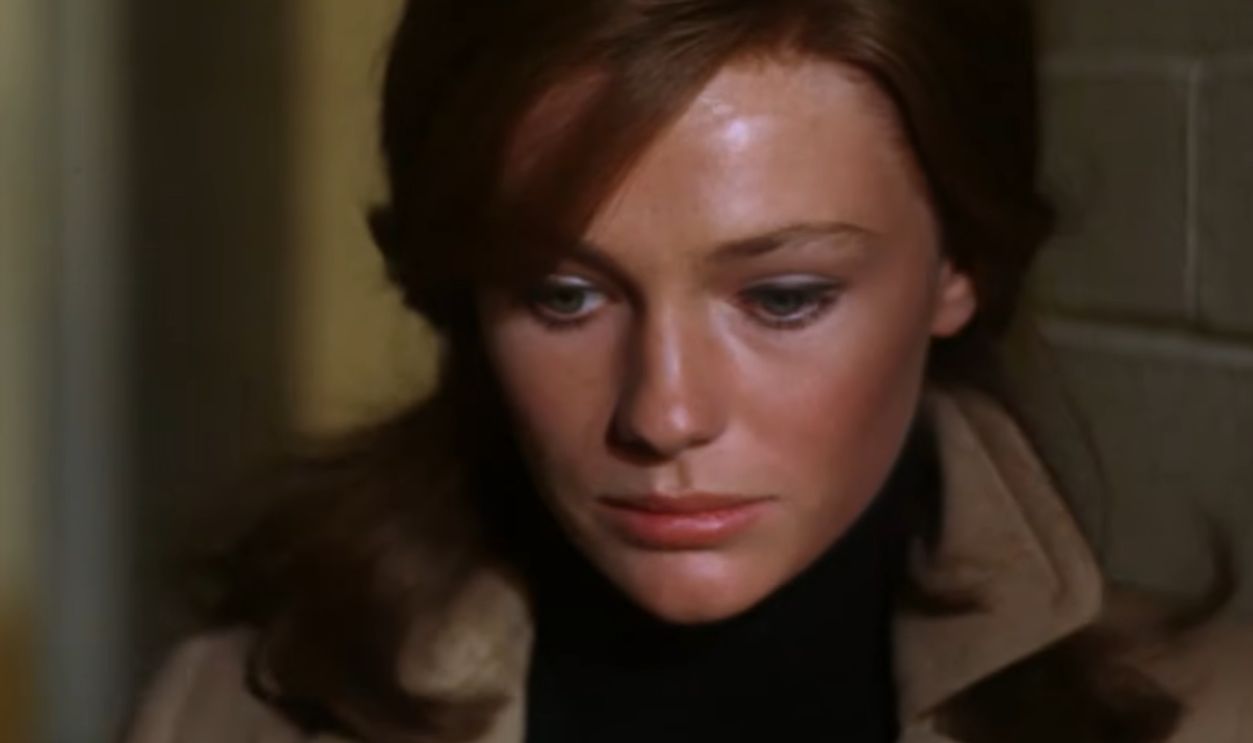 Screenshot from Bullitt, Warner Bros (1968)
Stardom Did Not Guarantee Satisfaction
Large American productions raised Bisset’s profile, but they frequently offered her less substance than she wanted. She came to believe that many of her later independent films provided more interesting characters than her early blockbusters. Fame arrived quickly, while creative fulfillment proved much harder to secure.
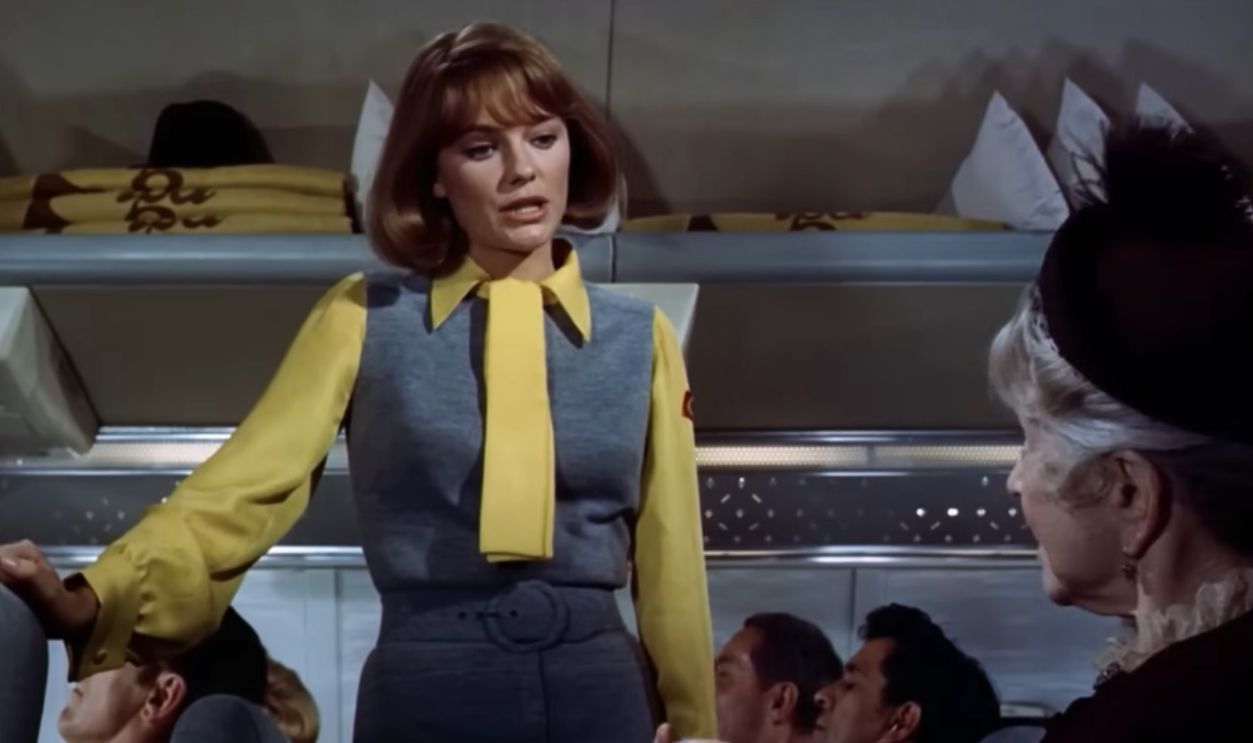 Screenshot from Airport, Universal Pictures (1970)
Airport Carried Her Into A New Decade
Bisset played Gwen Meighen in the 1970 disaster drama Airport. The production placed her in another prominent Hollywood ensemble after Bullitt and The Detective. With several major releases behind her, Bisset entered the 1970s as an internationally recognized leading lady.
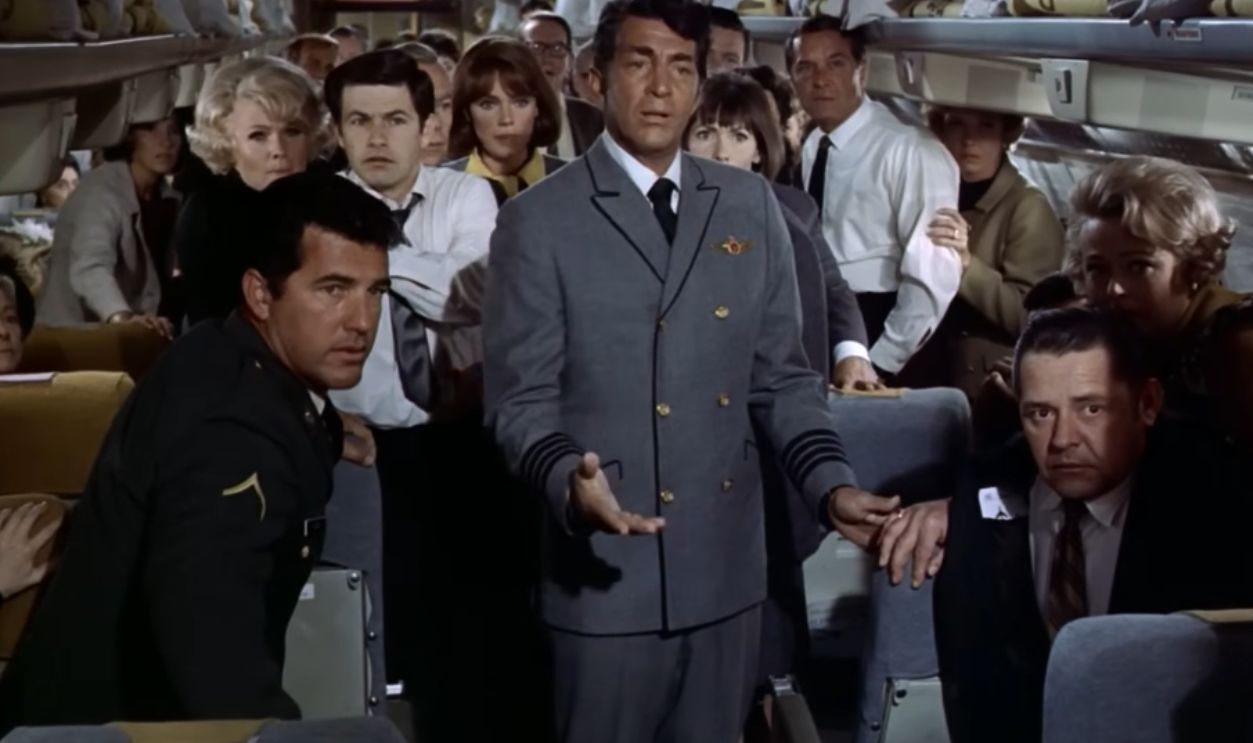 Screenshot from Airport, Universal Pictures (1970)
European Cinema Offered Something Different
Bisset resisted becoming trapped in one corner of the film industry. She worked across American, British, French, and Italian productions, moving between commercial pictures and filmmaker-driven projects. That international flexibility allowed her to pursue characters that were not entirely defined by glamour.
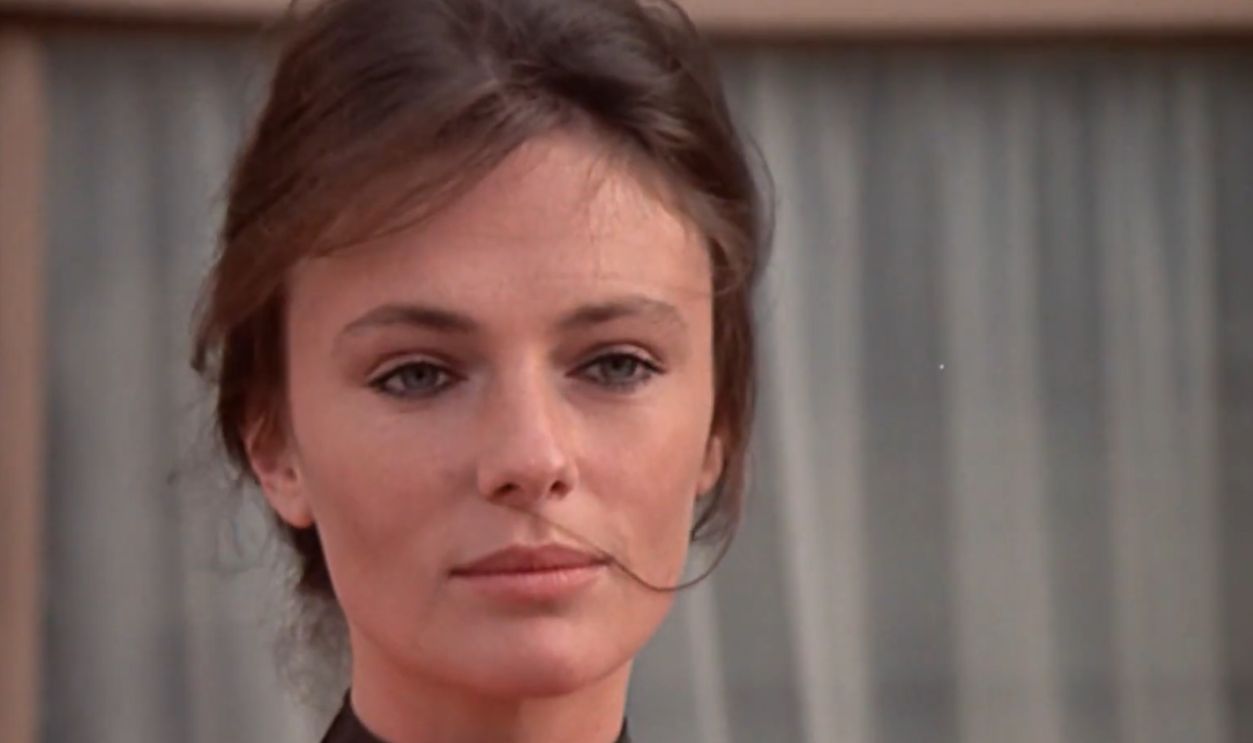 Screenshot from Day for Night, Warner Bros. (1973)
Day For Night Deepened Her Reputation
François Truffaut cast Bisset in his 1973 film Day for Night, a drama about the complicated process of making a movie. Bisset played an actress navigating emotional upheaval while attempting to finish a production. The role placed her inside one of the decade’s most celebrated films about filmmaking itself.
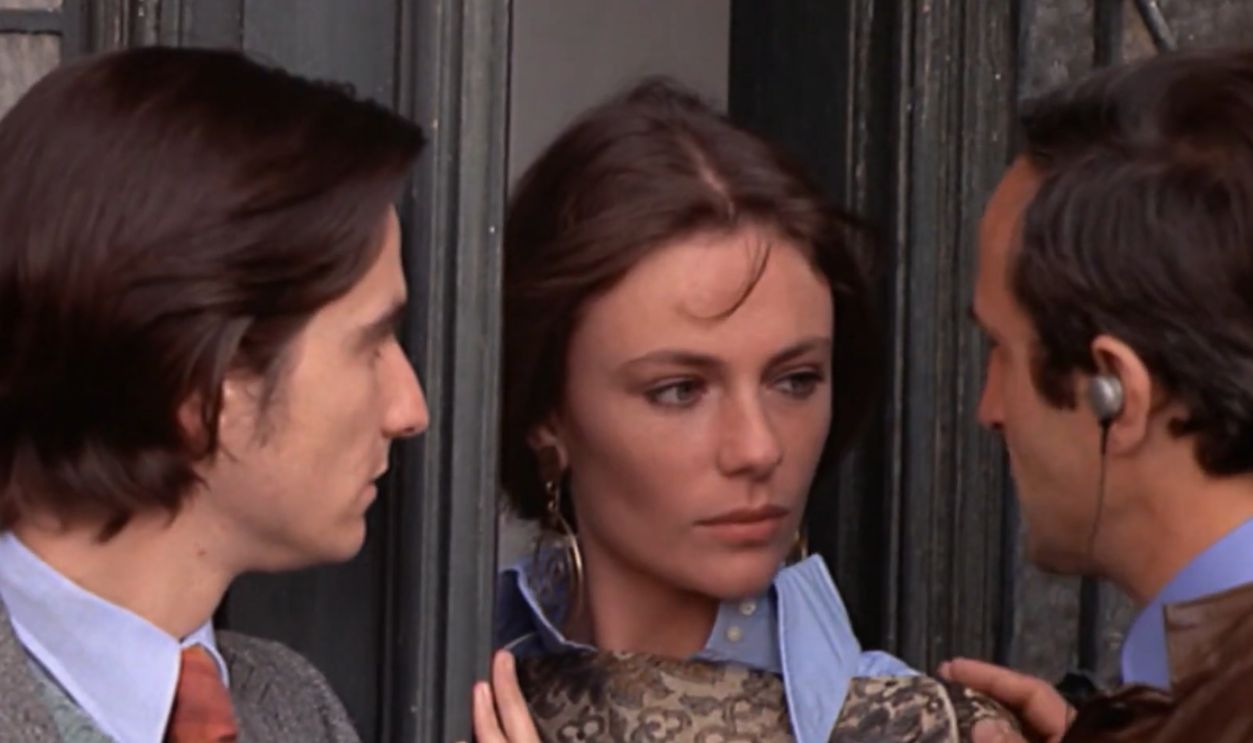 Screenshot from Day for Night, Warner Bros. (1973)
She Boarded The Orient Express
Bisset joined an extraordinary ensemble for 1974’s Murder on the Orient Express. She played Countess Andrenyi alongside Albert Finney, Ingrid Bergman, Lauren Bacall, Sean Connery, and several other major stars. The elegant mystery strengthened her position as a performer who could move comfortably between European and Hollywood productions.
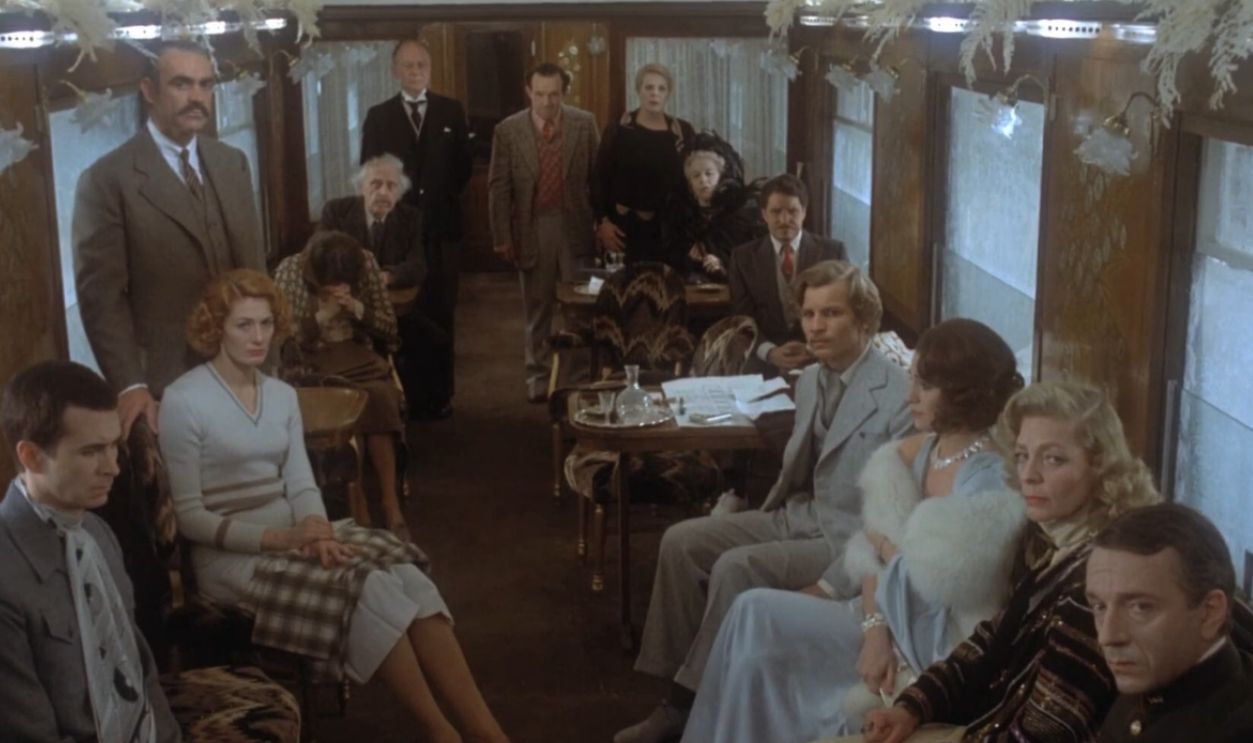 Screenshot from Murder on the Orient Express, Paramount Pictures (1974)
The Deep Became A Real Ordeal
The 1977 adventure The Deep delivered one of Bisset’s most famous roles, but filming it was frightening. A childhood dunking incident had left her fearful of water, yet she performed several underwater sequences because her stunt double looked noticeably different. During one difficult scene, Bisset genuinely feared she was drowning while the crew initially thought she was acting.
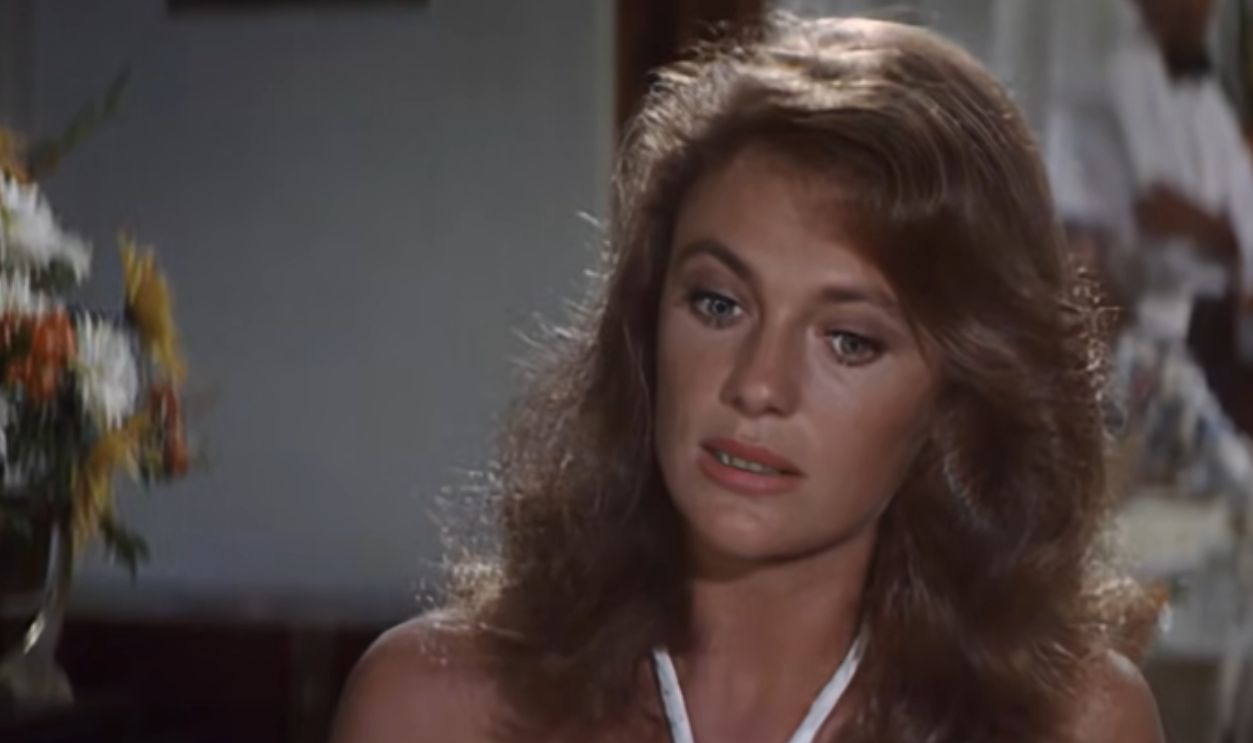 Screenshot from The Deep, Columbia Pictures (1977)
One Shirt Overshadowed Her Performance
The promotional campaign for The Deep focused heavily on footage of Bisset swimming in a wet white T-shirt. Producer Peter Guber famously credited that image with helping the film make money. Bisset was furious that a revealing costume became more important to the public conversation than her performance or the physical risks she had taken.
 Screenshot from The Deep, Columbia Pictures (1977)
She Never Saw Herself As A Bombshell
The actress presented as a symbol of international beauty did not share Hollywood’s certainty about her appearance. Bisset has said she was insecure and never truly considered herself a beautiful woman. She found greater confidence in meaningful human connections than in hair, makeup, photographs, or publicity.
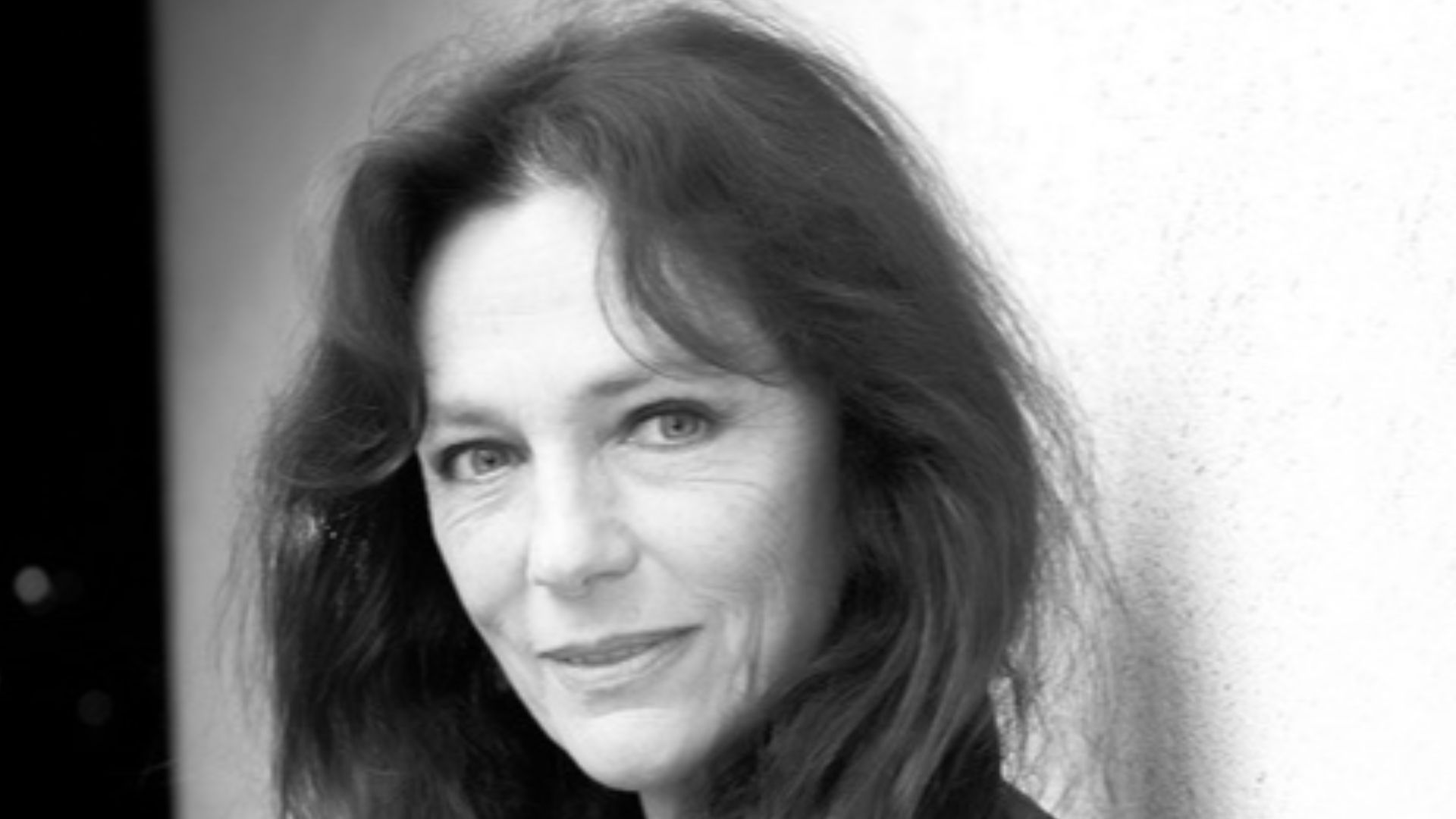 Andrey Lunin at https://www.flickr.com/photos/16458073@N03/, Wikimedia Commons
Directors Could Reduce Her To A Type
Bisset has spoken candidly about filmmakers who imposed their own limited ideas of women on her characters. When her input was ignored, she felt that the performance could become a generic female role rather than a specific person. Her struggle was not simply finding work, but finding directors willing to see beyond her appearance.
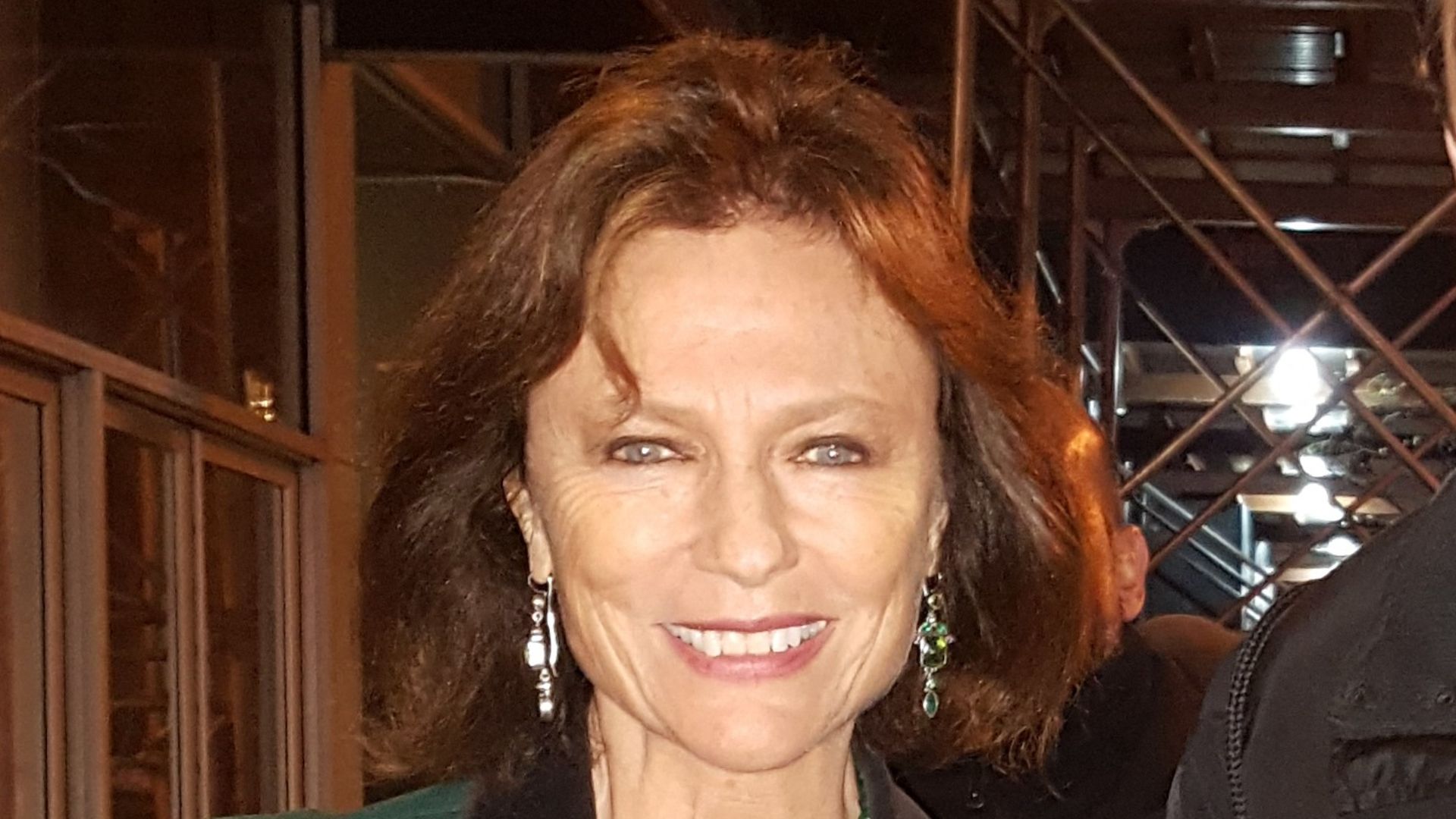
She Continued Proving Her Range
Bisset earned another Golden Globe nomination for the 1978 comedy Who Is Killing the Great Chefs of Europe? She later starred with Candice Bergen in George Cukor’s Rich and Famous. These performances allowed her to explore comedy, friendship, professional ambition, and emotional conflict far removed from the image created by The Deep.
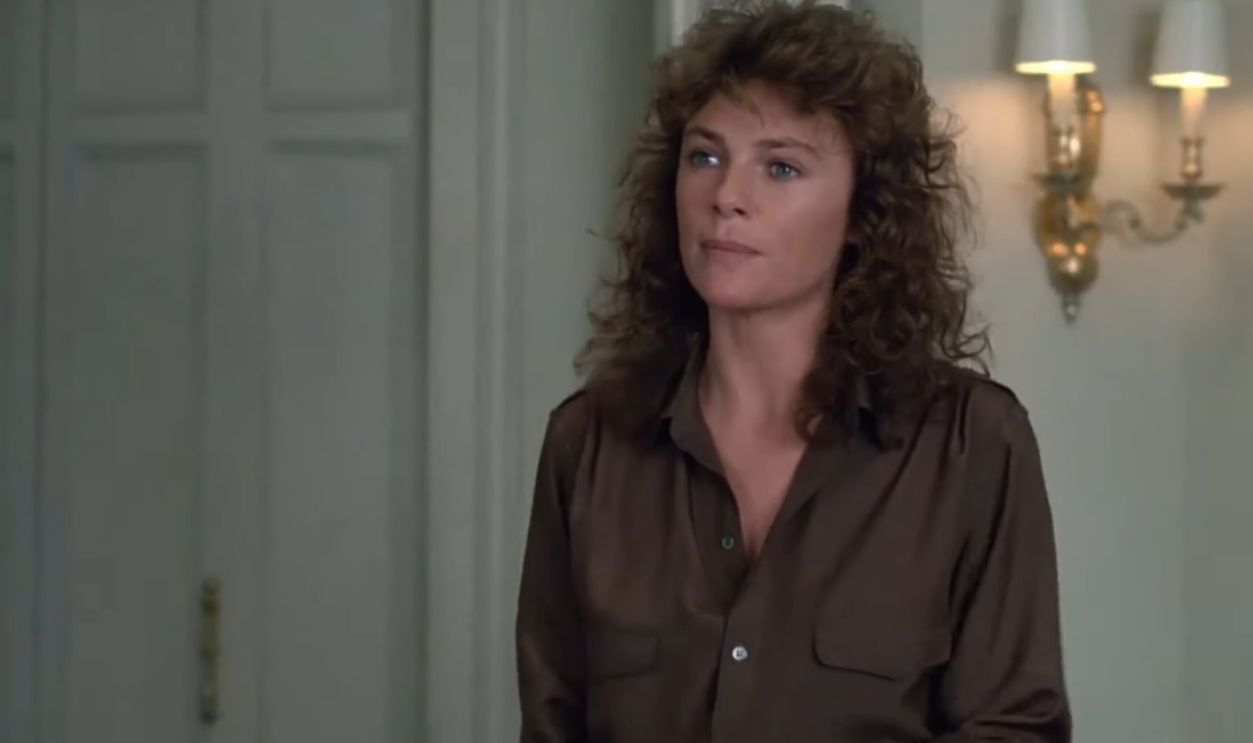 Screenshot from Rich and Famous, United Artists (1981)
Serious Roles Brought New Respect
John Huston cast Bisset opposite Albert Finney in the 1984 drama Under the Volcano. Her performance earned a Golden Globe nomination for supporting actress. Later work in La Cérémonie and the television miniseries Joan of Arc further demonstrated that her career extended far beyond her 1970s screen-siren reputation.
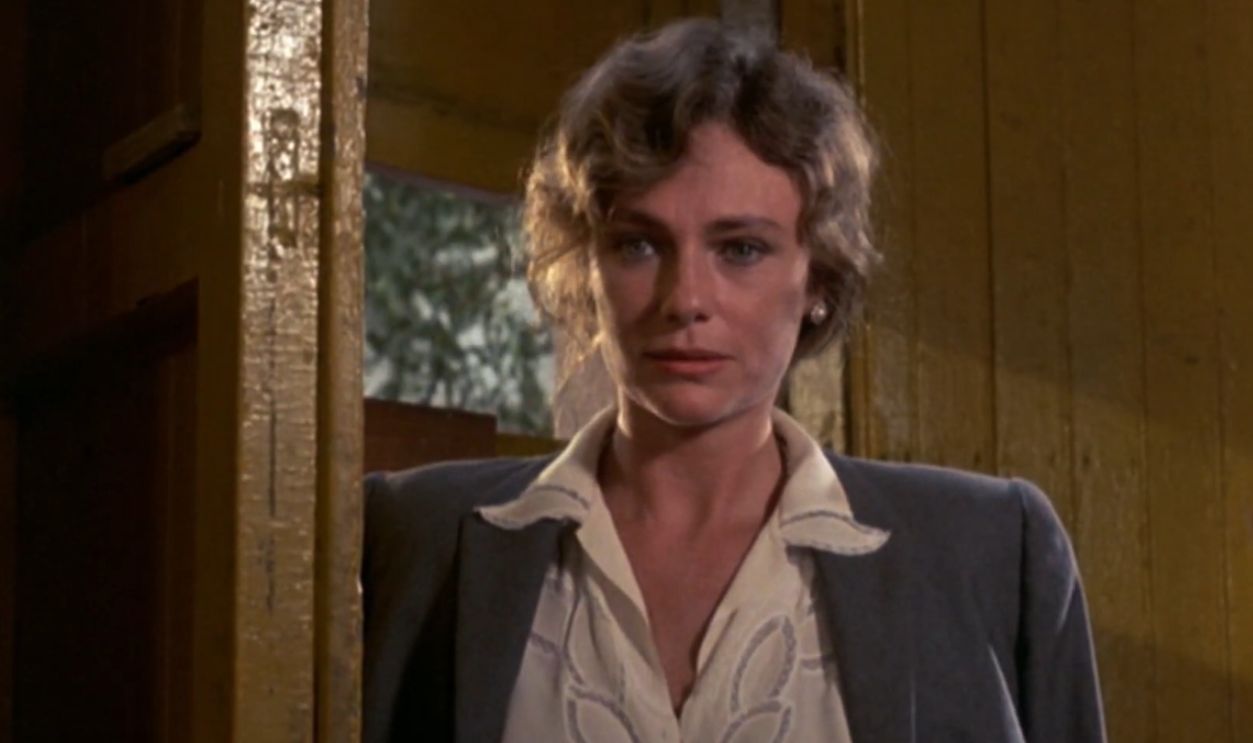 Screenshot from Under the Volcano, Universal Pictures (1984)
Family Responsibility Never Disappeared
Bisset’s mother eventually developed dementia and lived with the condition for approximately 35 years. Bisset’s experience helped her connect personally with the subject of the 2018 film Head Full of Honey. While audiences associated her with premieres and exotic locations, much of her private life had been shaped by long-term illness and caregiving.
 Screenshot from Head Full of Honey, Warner Bros. Pictures (2018)
Love Arrived Without A Wedding
Bisset had several lengthy relationships but never married. Her partners included actor Michael Sarrazin, businessman Victor Drai, dancer Alexander Godunov, actor Vincent Perez, and martial artist Emin Boztepe. She viewed these relationships as serious commitments even without marriage certificates.
 Andrey Lunin at https://www.flickr.com/photos/16458073@N03/, Wikimedia Commons
Her Relationships Followed A Pattern
Bisset has said she experienced three relationships lasting approximately seven years and another lasting 14 years. Marriage was sometimes discussed, but she and her partners rarely wanted it at the same moment. Her independence attracted her to an unconventional life, yet she has also acknowledged that intimacy could leave her feeling confined.
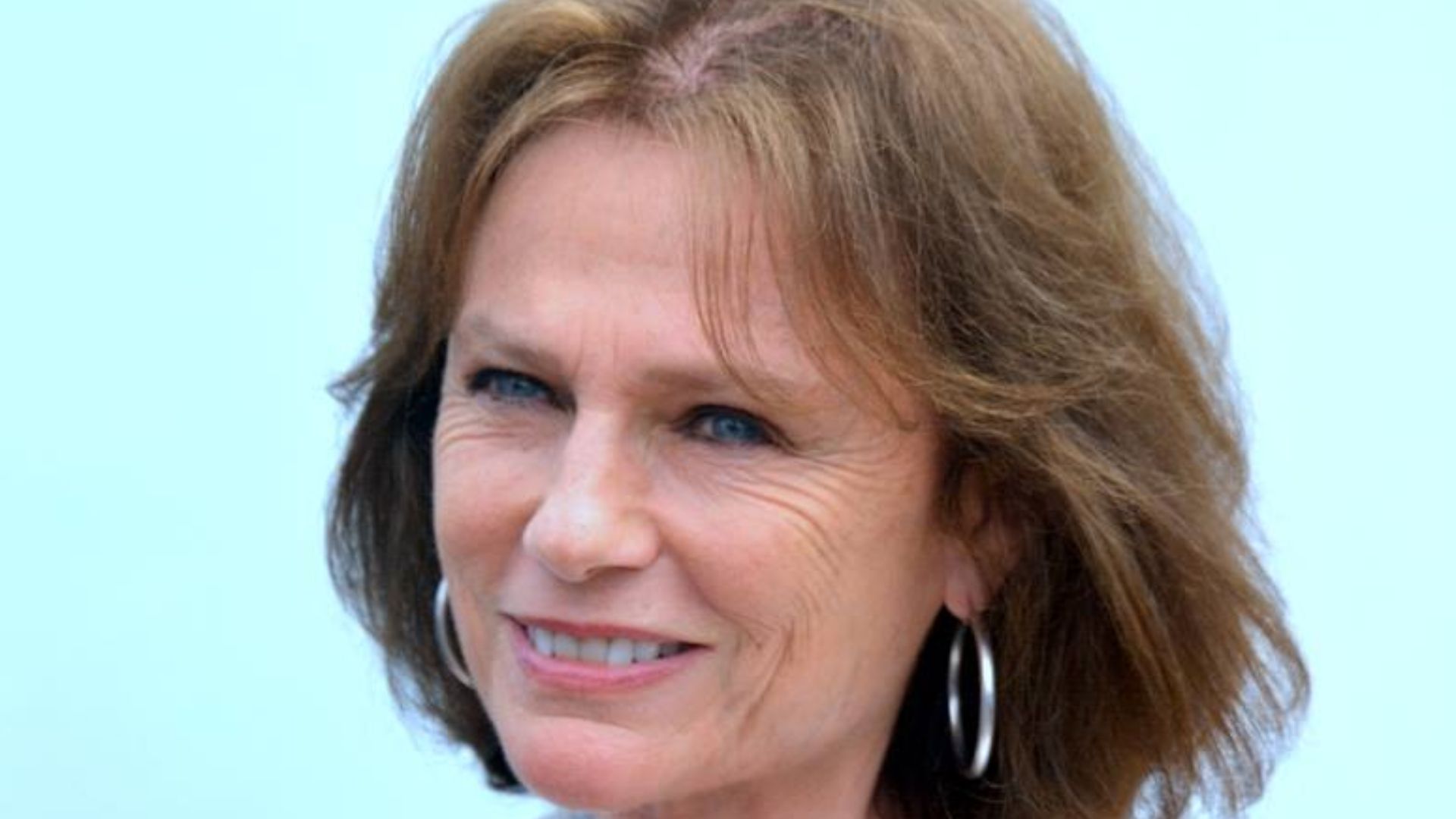 Georges Biard, Wikimedia Commons
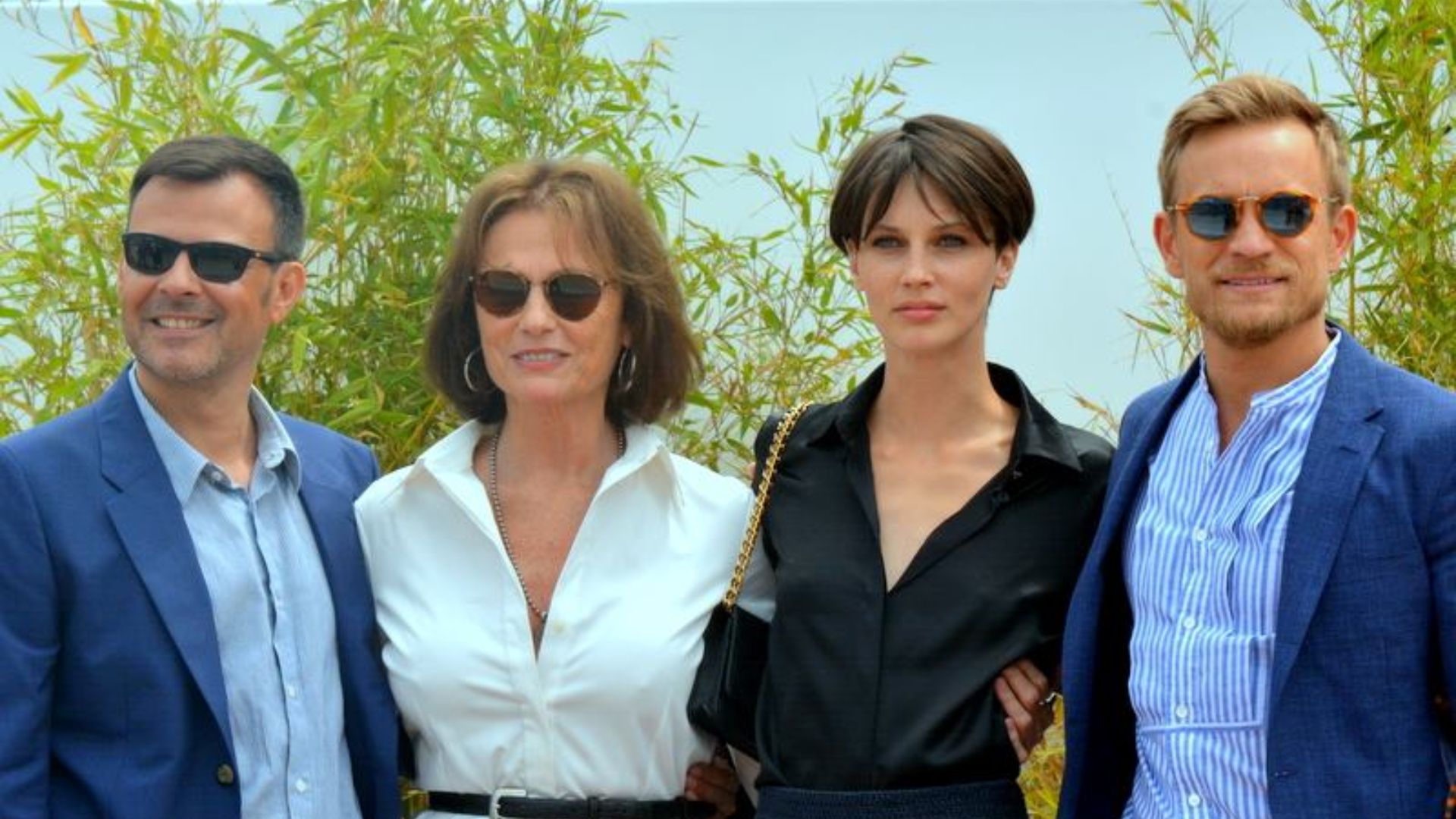
She Chose Complicated Men
Bisset once described the men in her life as interesting but difficult. She disclosed that two of her relationships involved partners struggling with alcoholism, creating situations she found overwhelming. Rather than describing the breakups as angry battles, she said she eventually removed herself when the emotional pressure became too great.
 Georges Biard, Wikimedia Commons
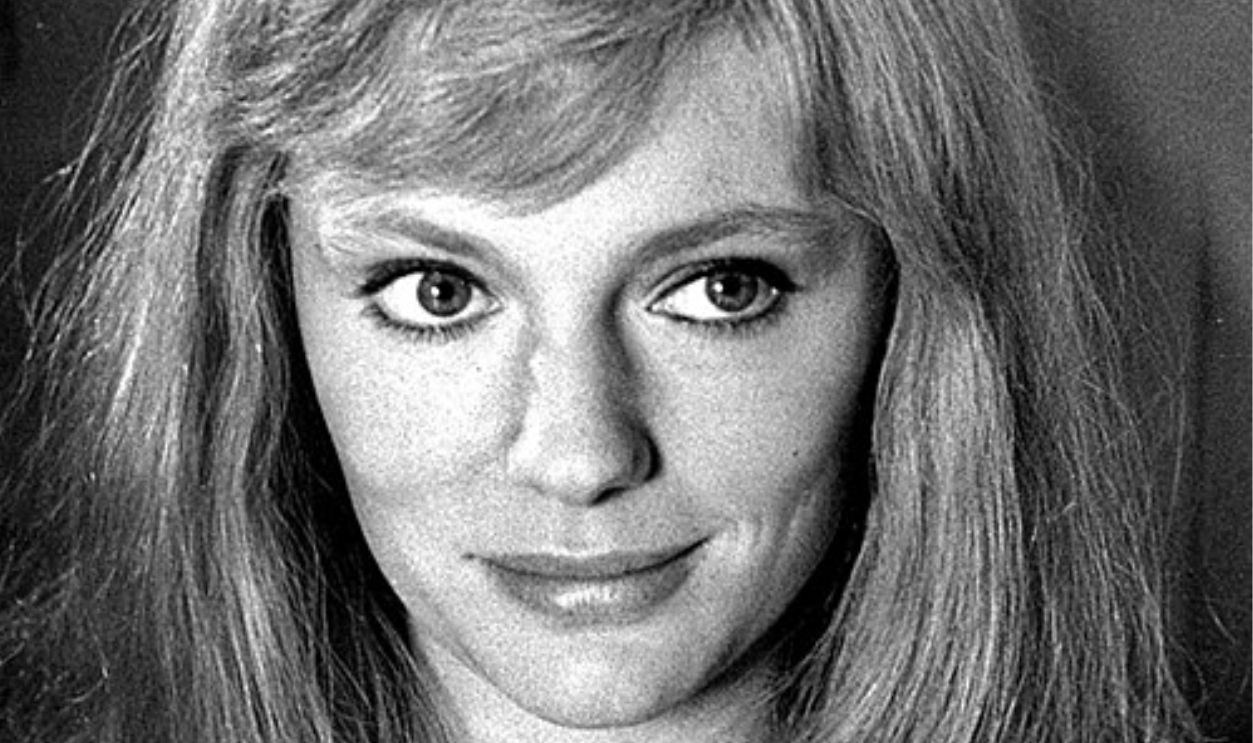
Different Cultures Shaped Her Life
Bisset’s major relationships connected her with French Canadian, French Moroccan, Russian, Swiss, and Turkish backgrounds. She has said that absorbing these different cultures enriched her life. Her unconventional romantic history therefore became another extension of the international identity that defined her career.
 20th Century Fox, Wikimedia Commons
Recognition Finally Arrived
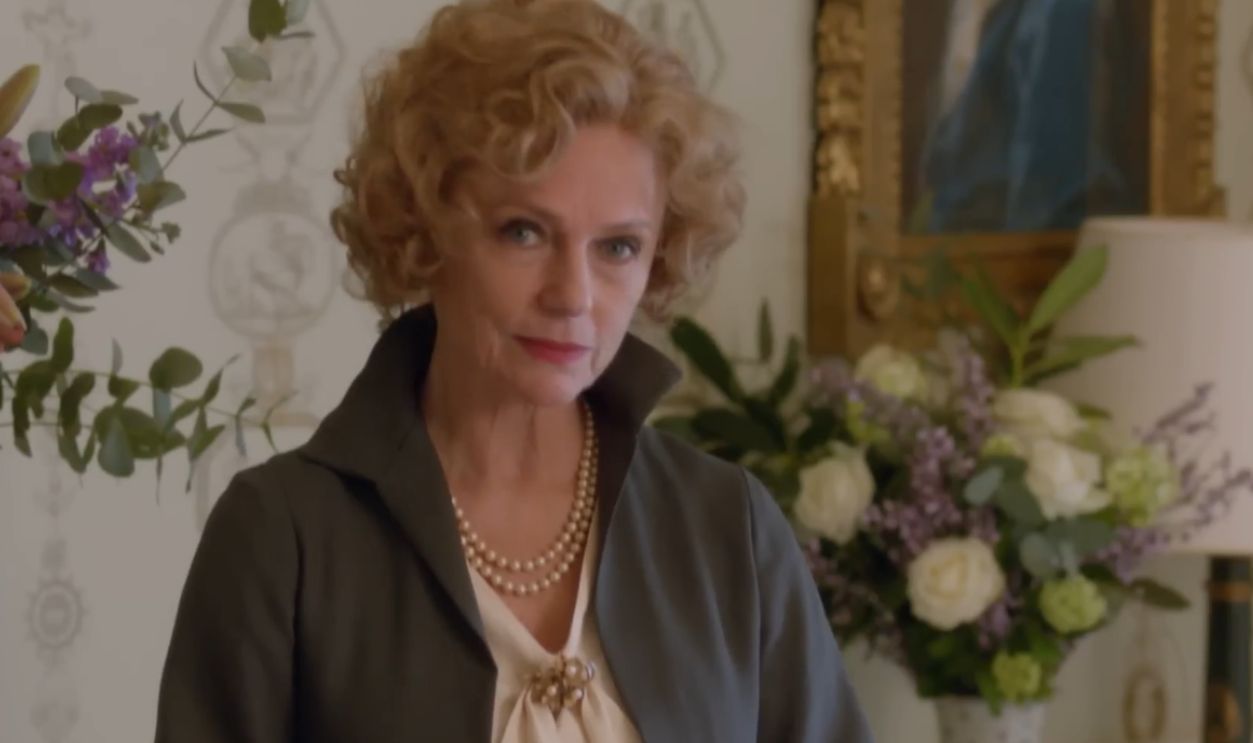
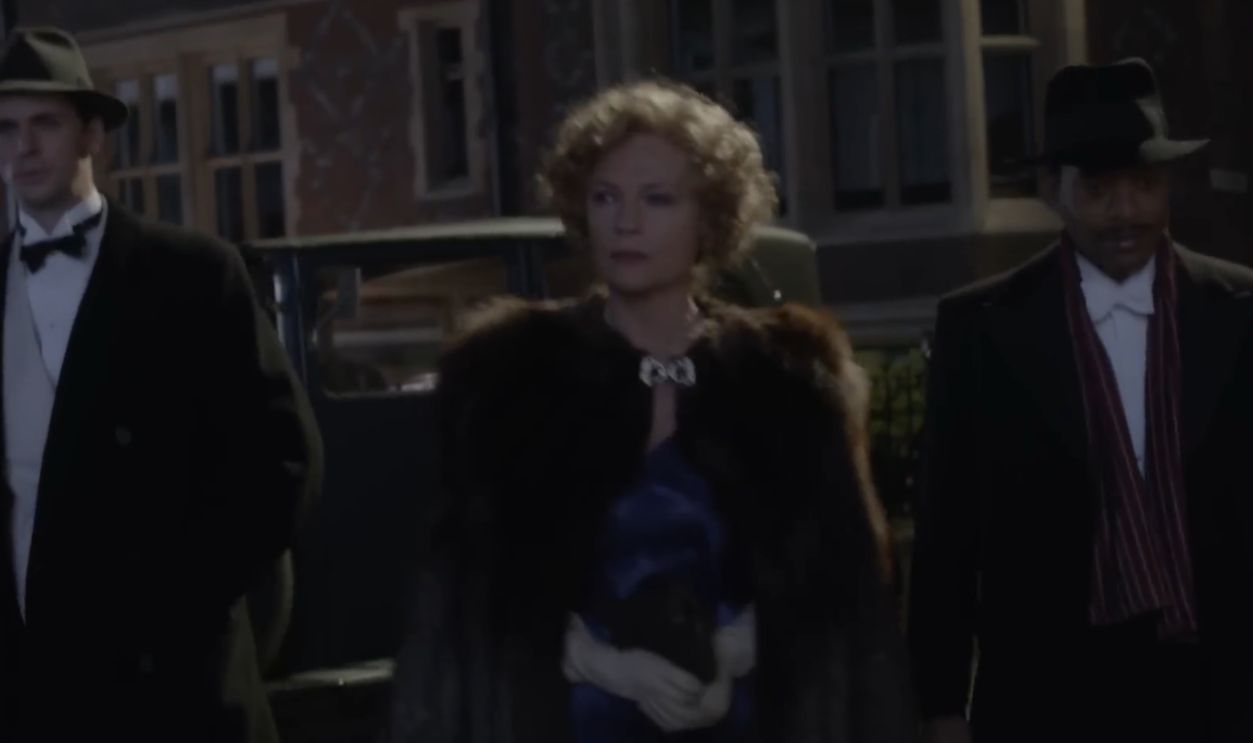
In 2014, Bisset won her first Golden Globe for the BBC miniseries Dancing on the Edge. The victory came after nearly five decades of acting and four previous Golden Globe nominations. Her emotional, unpredictable acceptance speech went viral, particularly after she suggested that forgiveness was the finest beauty treatment.
 Screenshot from Dancing on the Edge, BBC Two (2013)
She Still Travels Without An Entourage
At 81, Bisset traveled alone from Los Angeles to Spain in 2026 to receive the Saraqusta Film Festival’s Golden Dragon career award. She explained that she had never employed a secretary or personal assistant and handled her travel arrangements herself. Even a lost suitcase became her own problem to solve, far removed from the pampered existence often associated with Hollywood veterans.
 Screenshot from Dancing on the Edge, BBC Two (2013)
Her Definition Of Success Remained Simple
Bisset continued acting in the 2025 Western Long Shadows and said she was still searching for complex, challenging characters in 2026. She has defined success through health, quiet, books, nature, and closeness to people she loves rather than celebrity. Hollywood remembered the wet T-shirt and glamorous photographs, but Bisset built her life around endurance, work, responsibility, and independence.
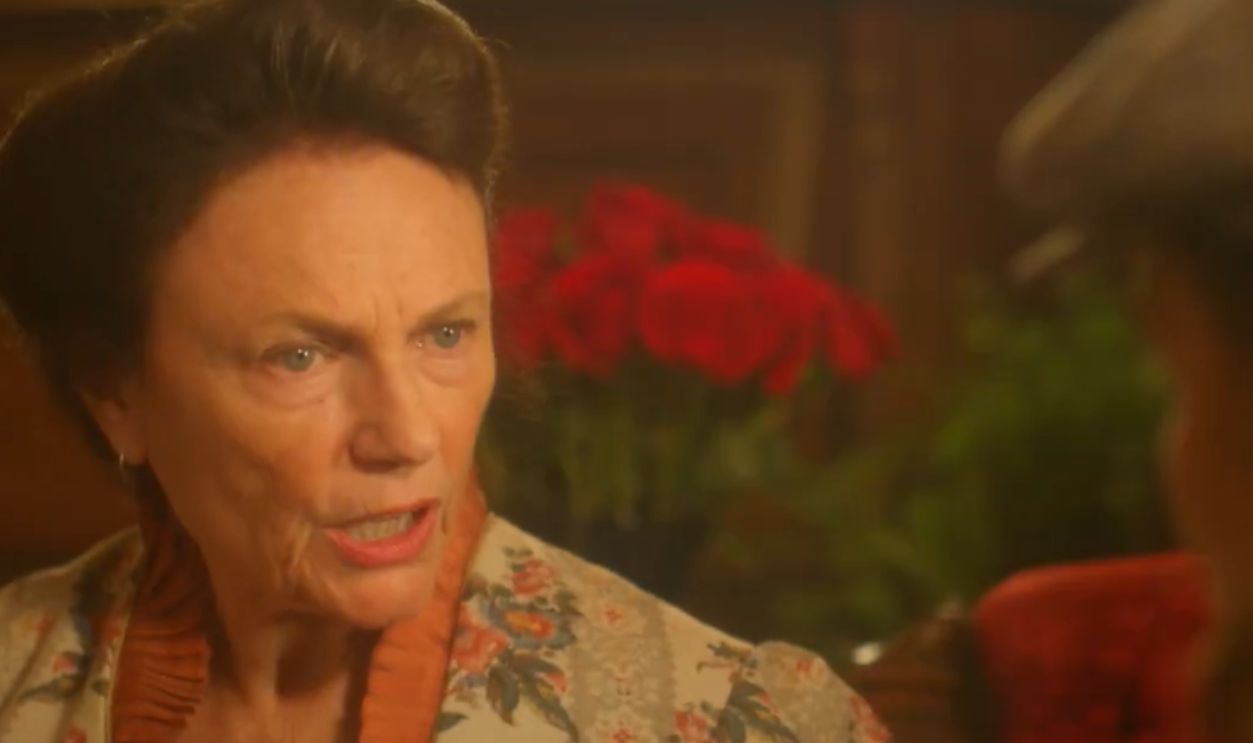 Screenshot from Long Shadows, Quiver Distribution (2025)
You May Also Like:
Barbara Bach Became One Of The 1970s’ Most Iconic Bond Girls—But Her Toughest Battle Began Offscreen
Ursula Andress Became An Overnight Icon In A White Bikini—Then Quietly Turned Away From Fame