Everybody Knew The Voice
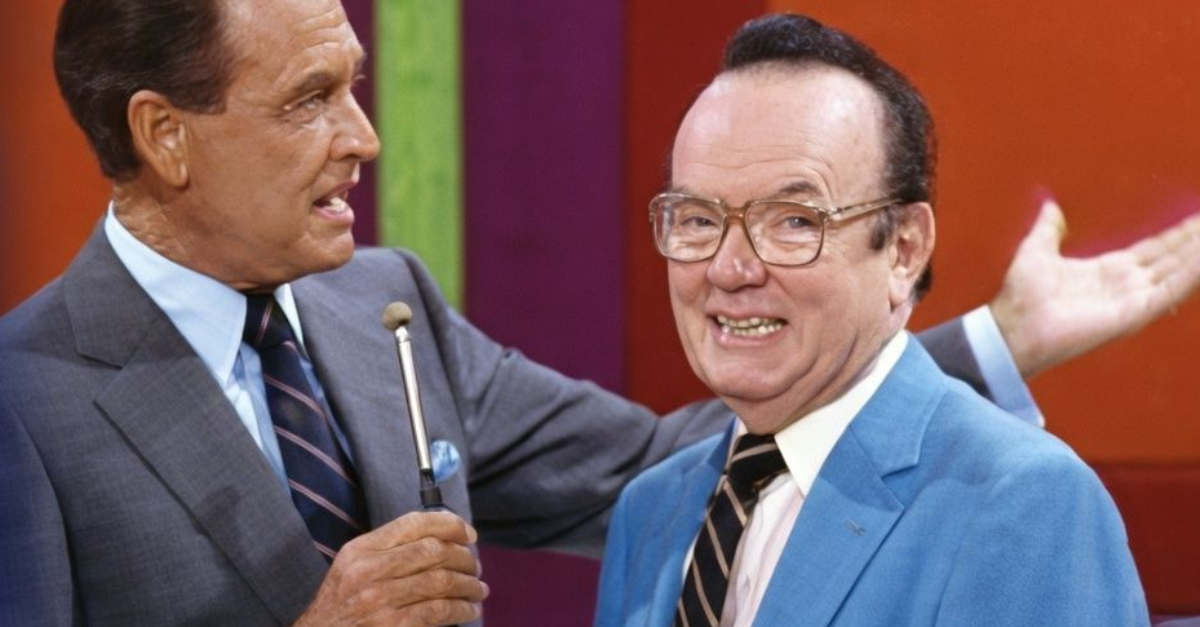
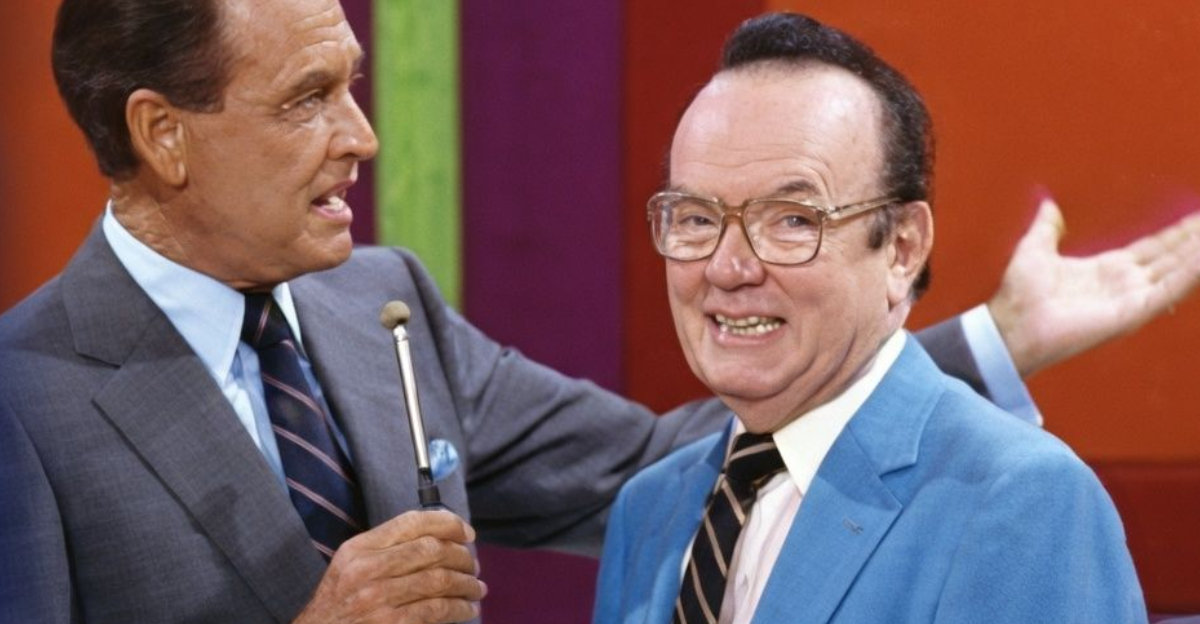
If you watched The Price Is Right anytime between 1972 and 1985, you knew Johnny Olson’s voice. That iconic booming voice could turn an ordinary contestant’s name into the greatest news anyone had ever received.
Yet when Olson stepped away from the microphone, he became someone television audiences would hardly have recognized at all.
He Came From A Very Different World
Johnny Leonard Olson was born in 1910, the youngest of 11 children raised on his Norwegian parents’ dairy farm outside Windom, Minnesota. Long before Hollywood studios, flashing lights, and brand-new living-room sets, there were cows, chores, and a farmhouse where being heard over ten siblings probably qualified as early voice training.
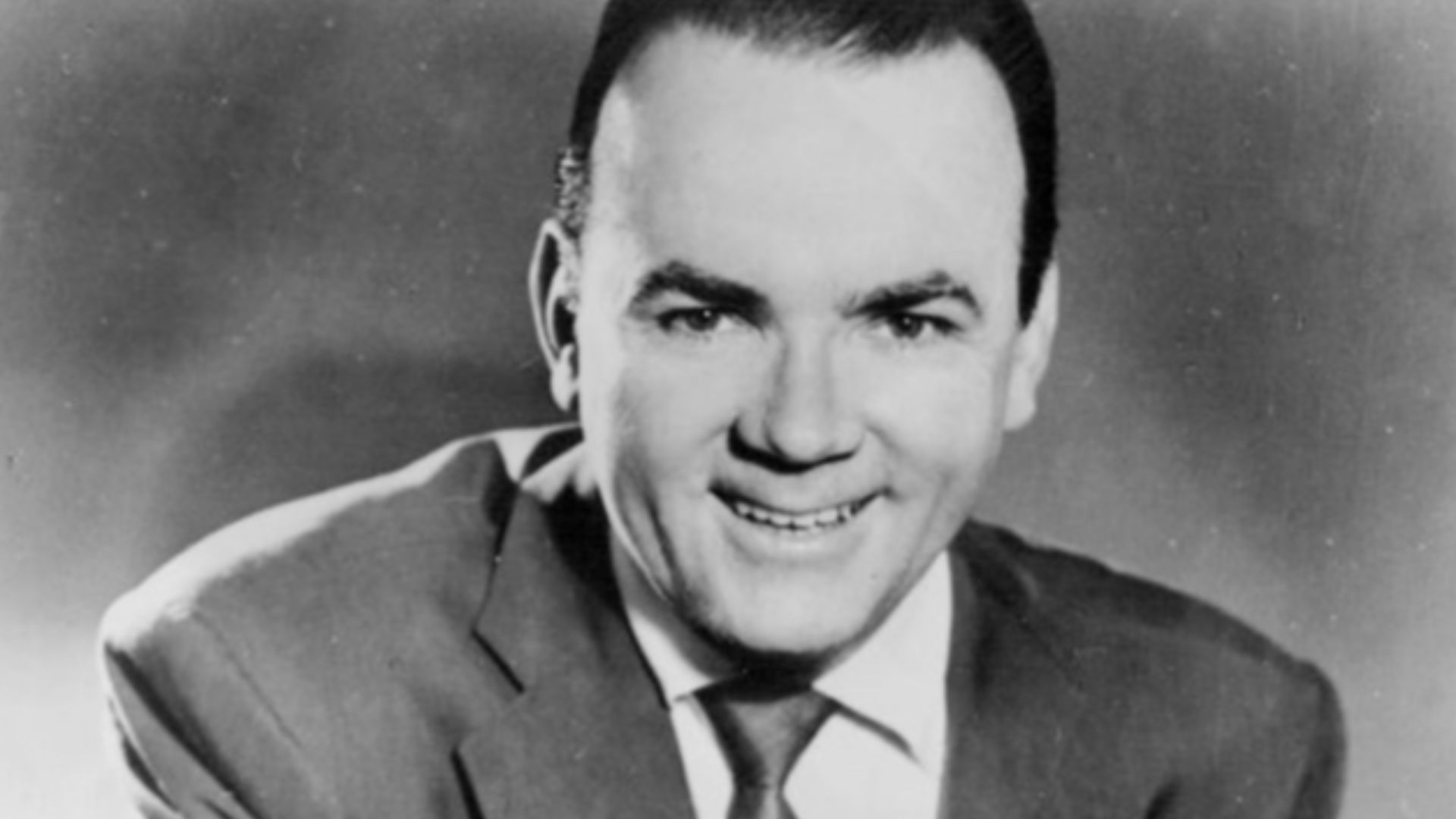 ABC Television, Wikimedia Commons
His Mother Helped Create That Voice
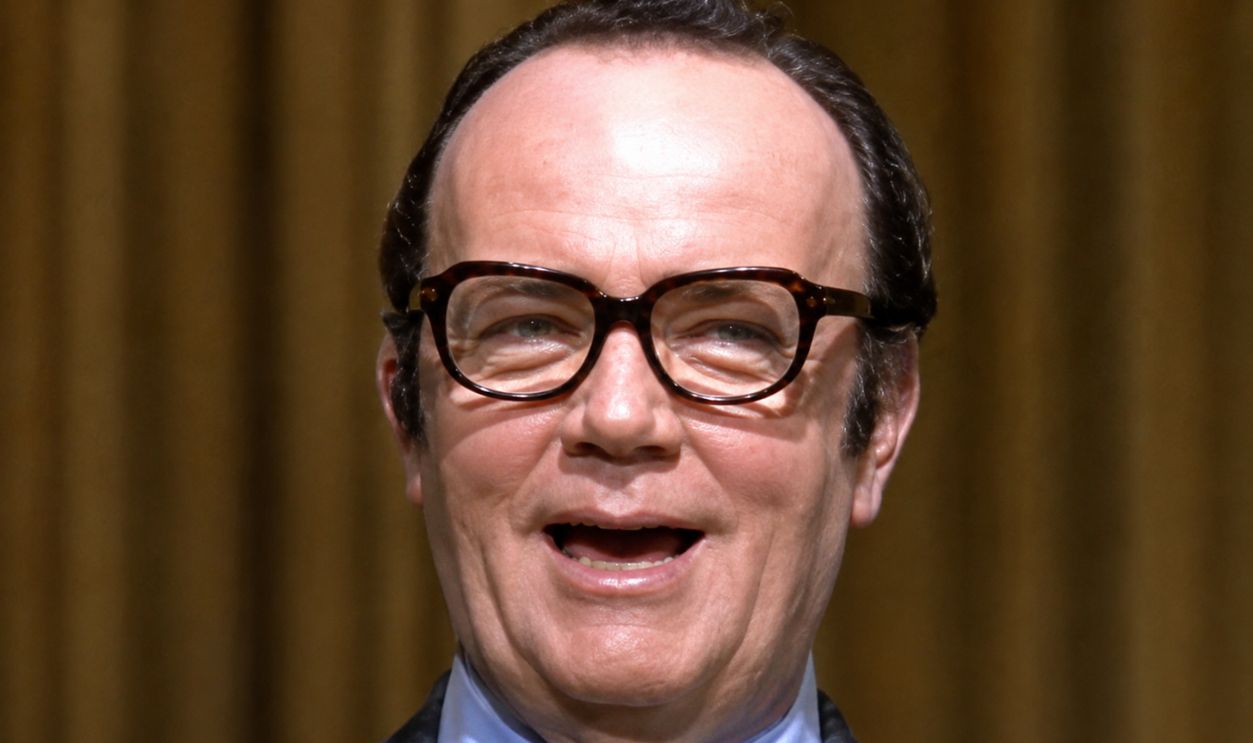
Olson later credited his mother, Hannah, with shaping the voice millions would recognize. She had difficulty hearing and understanding English, so she regularly told young Johnny to speak up. He certainly did. What began as a son making himself understood eventually became a voice capable of cutting through music, applause, and screaming game-show contestants.
 Screenshot from The Price Is Right, CBS (1972–), Modified
His First Broadcast Wasn’t Exactly Legal
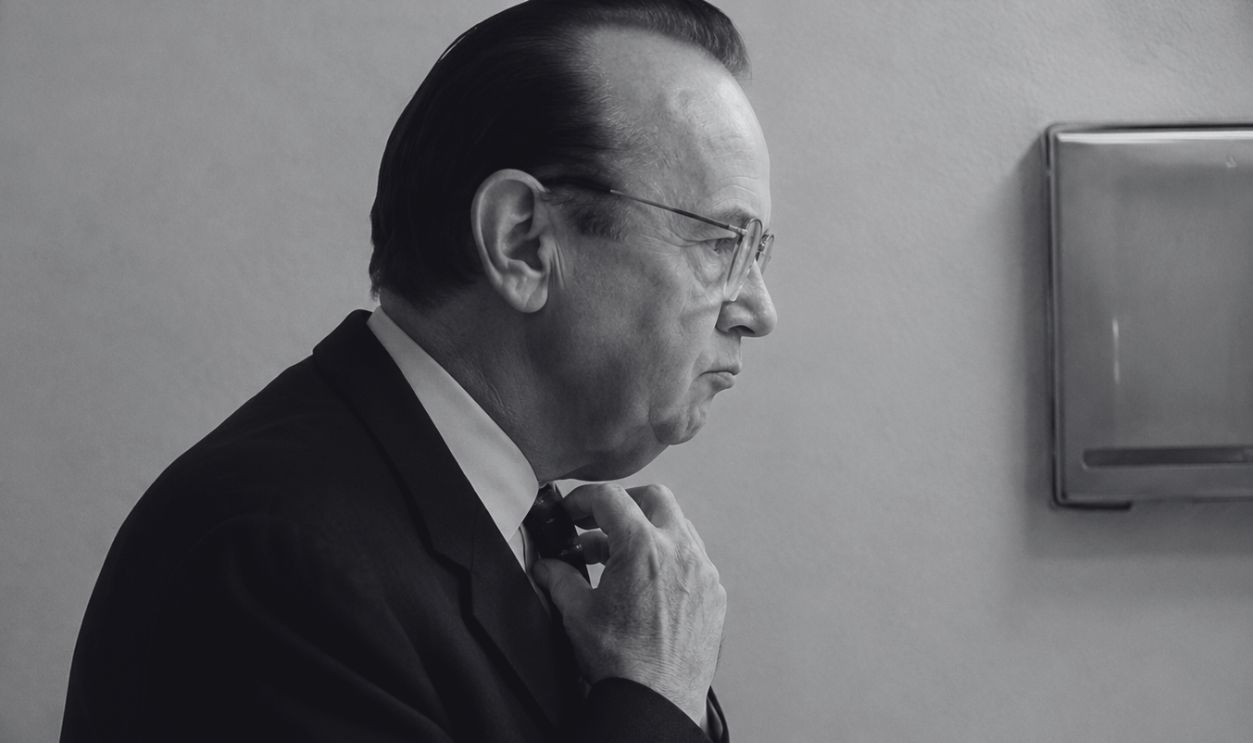
At 14, Olson sang into a homemade transmitter assembled in a local electrical repair shop. The signal was apparently strong enough to interfere with radio reception for miles, prompting a visit from a federal official. Johnny’s broadcasting career had barely started, and he was already attracting government attention. That is one way to know you have range.
 Screenshot from The Price Is Right, CBS (1972–), Modified
Meet “The Buttermilk Kid”
After high school, Olson worked as an unpaid singer at a tiny Wisconsin radio station operating out of a farmhouse. He called himself “The Buttermilk Kid,” which sounds less like the future voice of American television and more like someone about to challenge you to a very wholesome duel. Still, it got him behind a microphone.

He Became A One-Man Radio Station
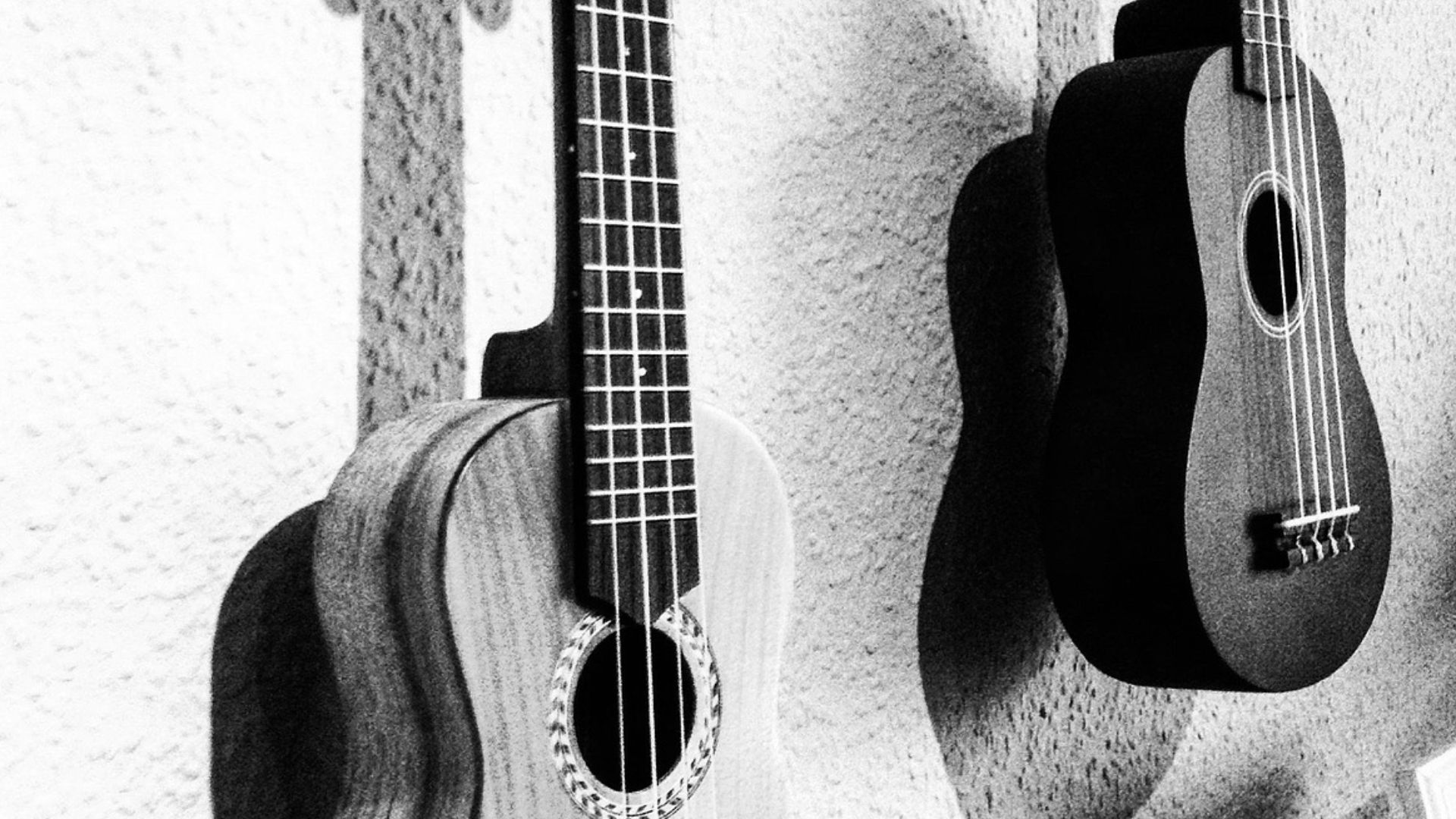
Still in his teens, Olson was offered $25 a week to manage KGDA in Mitchell, South Dakota. “Manage” was apparently another word for doing absolutely everything. He sang, read news, delivered farm reports, sold advertising, wrote sketches, played characters, covered sports, and accompanied himself on the ukulele and banjo. No pressure, Johnny.
When Nobody Appeared, He Interviewed Himself
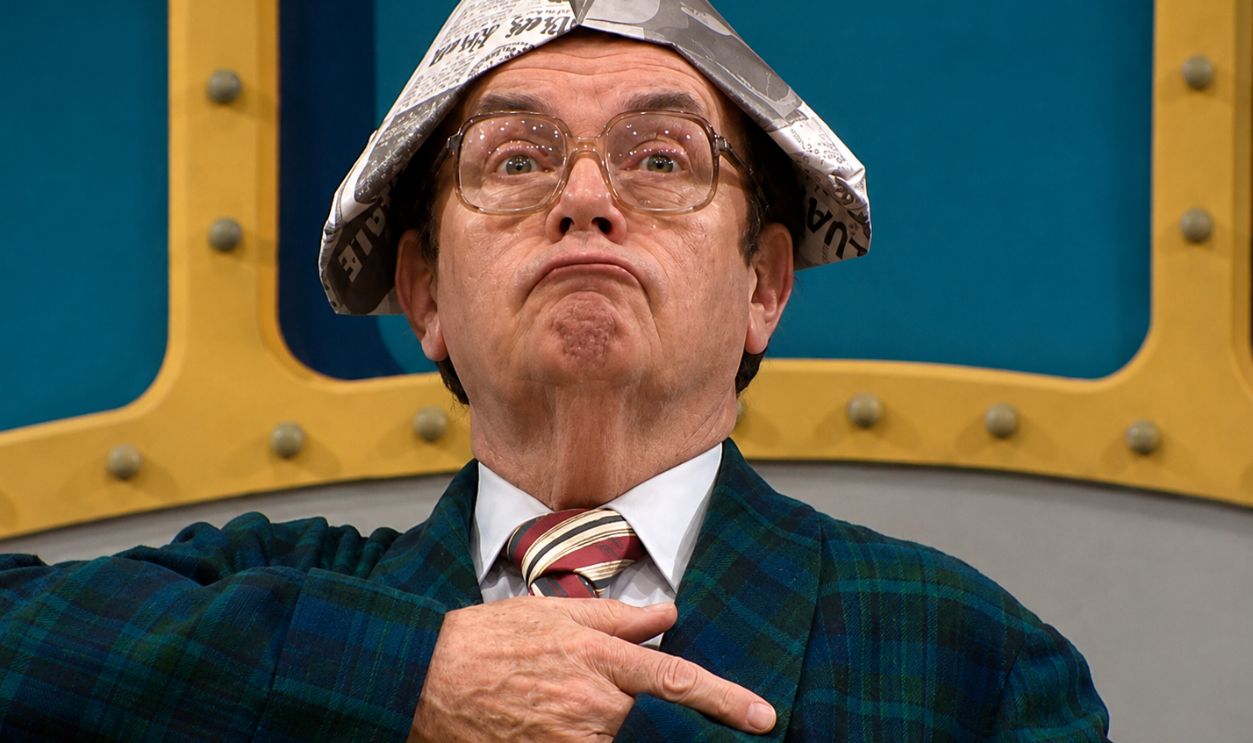
During one bitterly cold outdoor broadcast in Milwaukee, Olson discovered that almost nobody had shown up to be interviewed. Many broadcasters would have panicked. Johnny simply changed voices and interviewed himself. Years before television turned him into the perfect supporting player, he had already learned the most important lesson in live broadcasting: keep talking.
 Screenshot from The Price Is Right, CBS (1972–), Modified
He Nearly Chose A Different Career
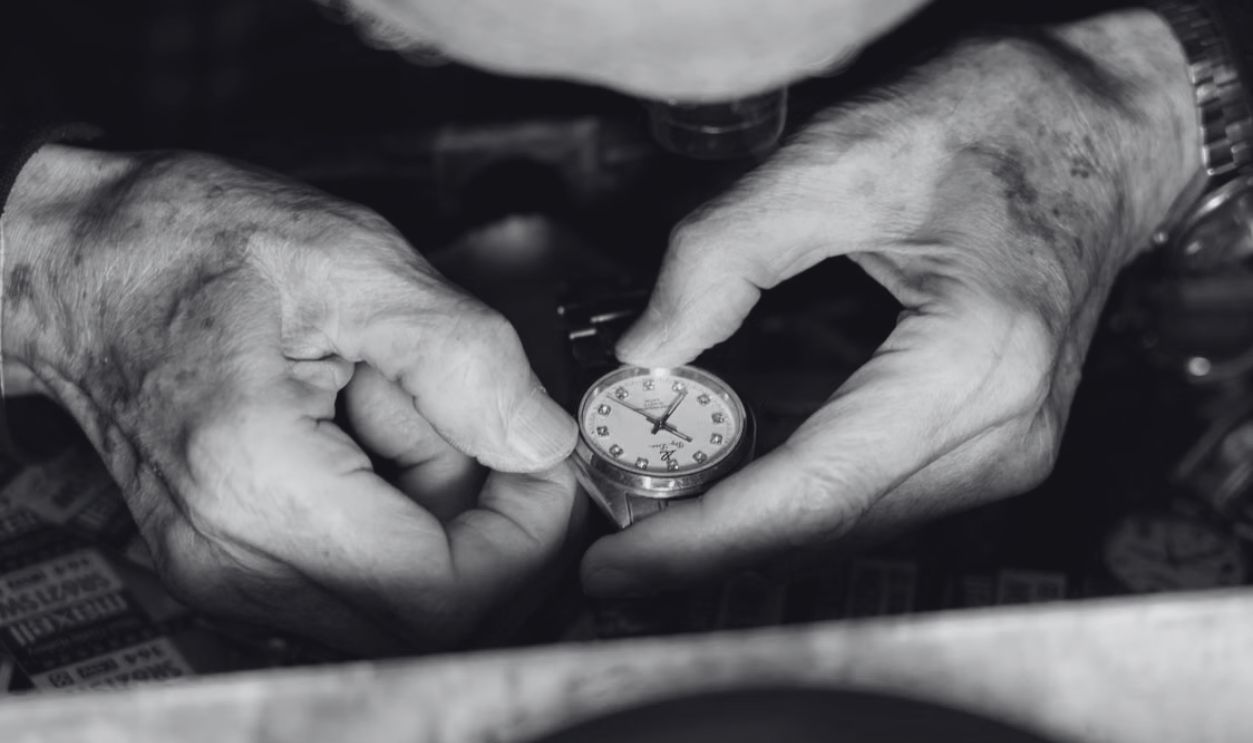
Olson briefly studied pharmacy and at one point considered taking a job repairing watches at his brother-in-law’s jewelry store. Had he made either choice, American television might have sounded very different. Somewhere, an alternate-universe pharmacist is still shouting, “Mrs. Thompson, come on down! Your prescription is ready!”
Then Penny Entered The Story
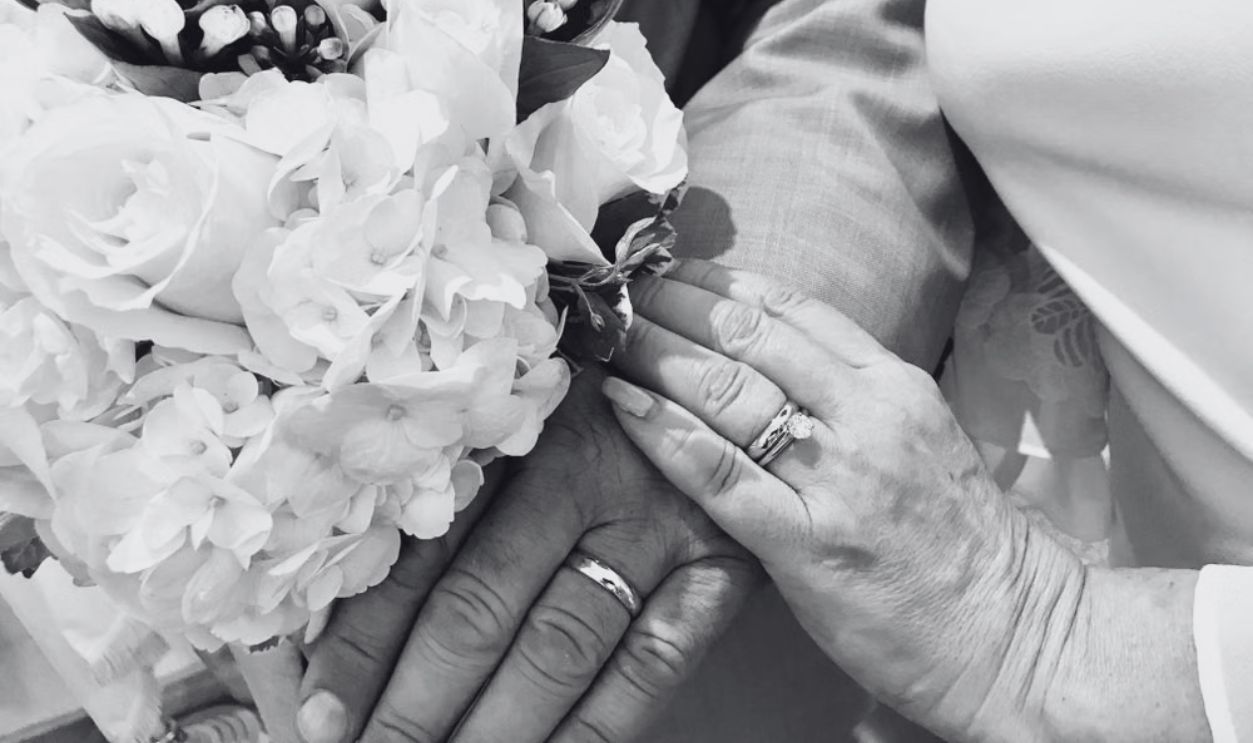
In 1938, Olson and his Rhythm Rascals performed at a dance in Iola, Wisconsin. There he met schoolteacher Penelope “Penny” Powers. Johnny offered to drive her home, apparently unaware that she lived 60 miles away. By the end of that drive, something had begun. They married the following year.
Penny Was Never Just “The Announcer’s Wife”
Penny could sing, dance, perform, produce, and work a microphone herself. As Johnny’s career grew, she became his co-host, vocalist, creative partner, and occasional associate producer. On Ladies Be Seated, she developed stunts, found contestants, and arranged prizes, earning the nickname “Million Dollar Penny.” Johnny had found his perfect partner on and off the air.
 Screenshot from The Price Is Right, CBS (1972–), Modified
A Mistake Helped Get Him To New York
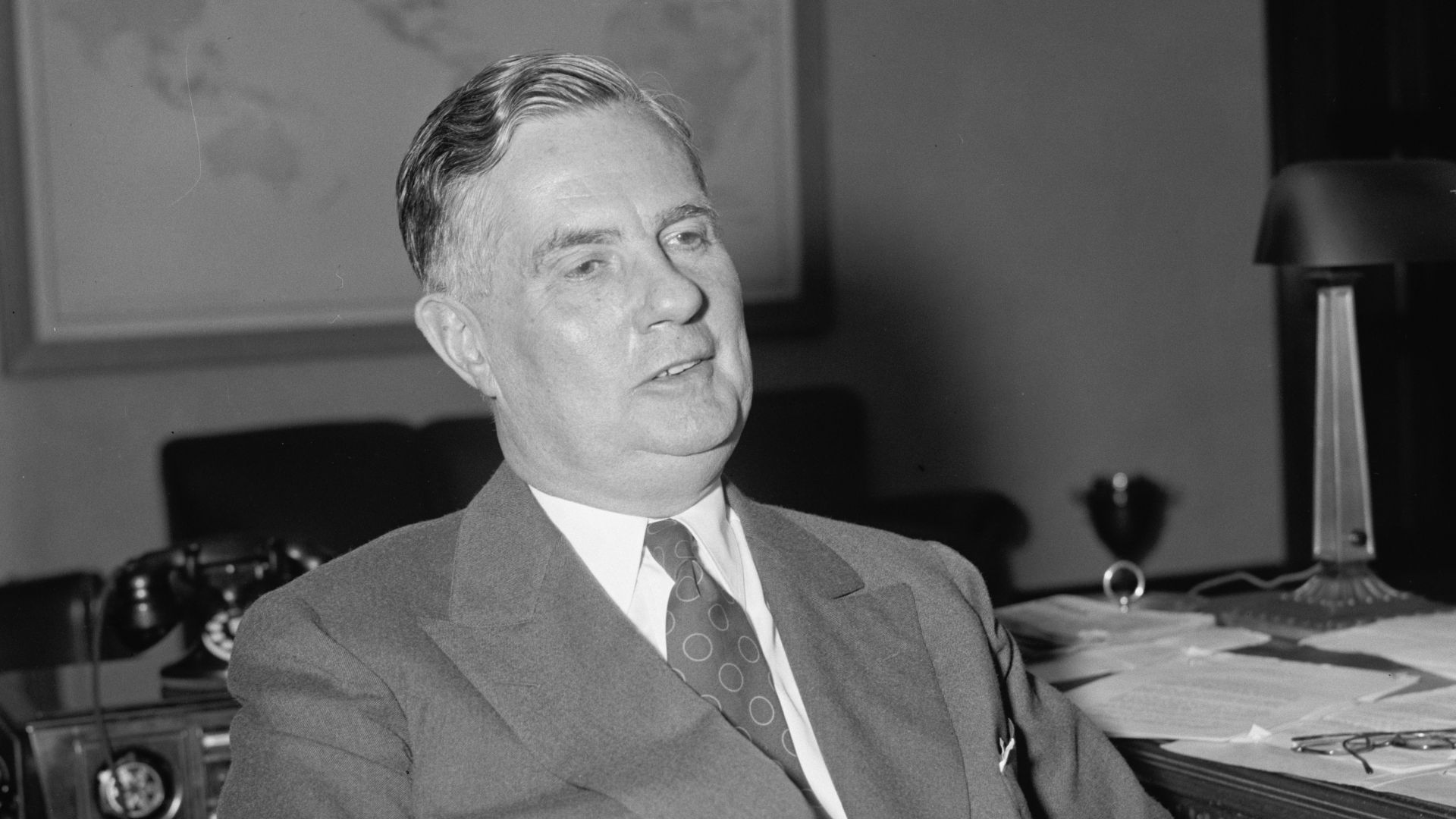
After arriving in New York in 1944, Olson visited Blue Network owner Edward Noble, hoping the executive remembered a letter Johnny had sent. Noble did remember a letter, but apparently confused Olson with another Wisconsin broadcaster. Johnny was hired anyway. Sometimes the big break arrives because of talent. Sometimes someone remembers the wrong guy. Take the meeting either way.
 Harris & Ewing, photographer, Wikimedia Commons
“Ladies Be Seated”
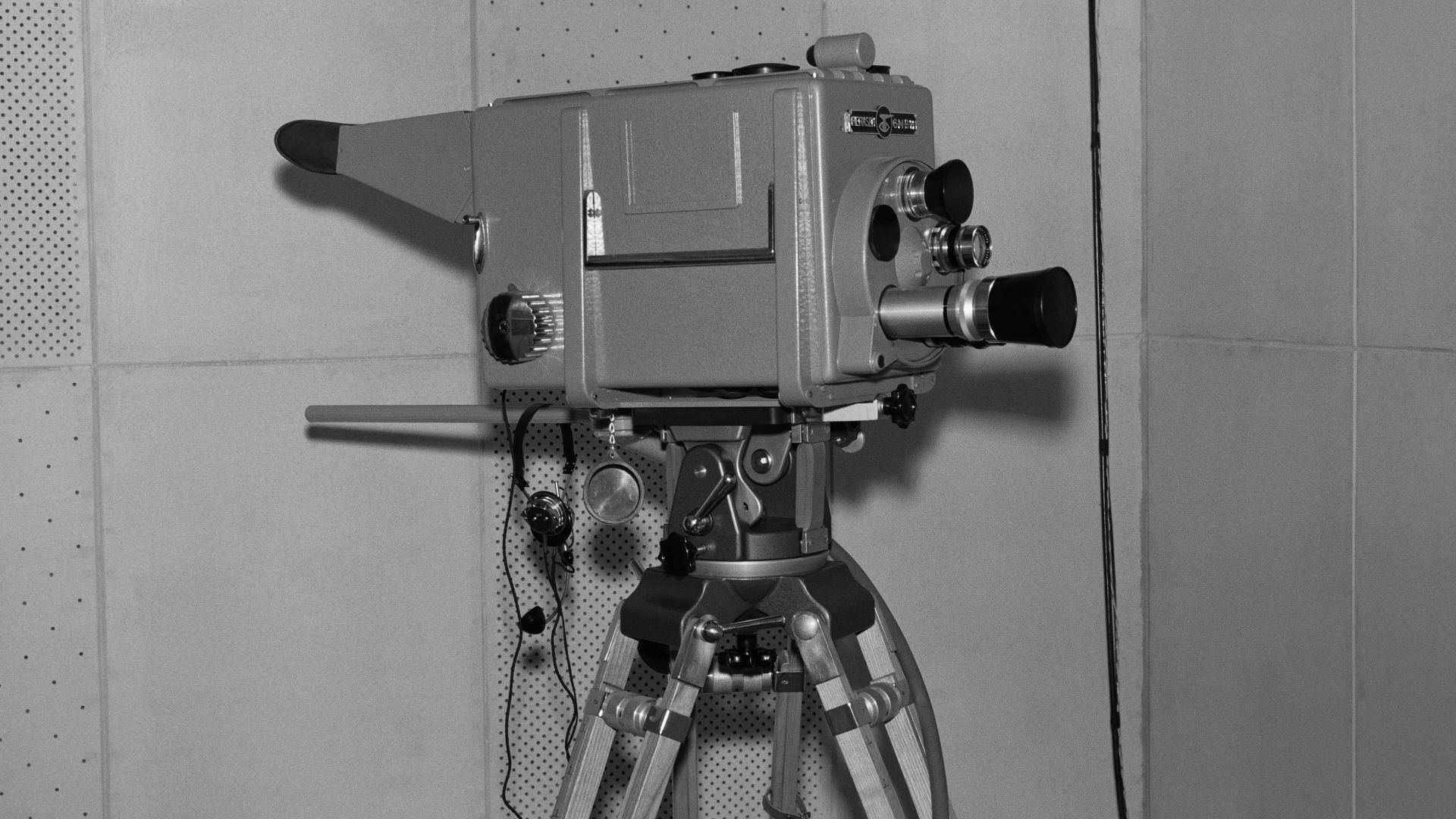
Johnny and Penny took over the radio audience-participation program Ladies Be Seated in 1944. The show mixed music, interviews, games, stunts, and unpredictable guests. In the mid-40s, the Olsons even took Ladies Be Seated into the still-experimental world of television, putting Johnny in front of TV cameras when the medium itself was barely getting started.
 Archives of the Finnish Broadcasting Company Yle, Wikimedia Commons
Television Before Most People Owned One
Olson became a genuine early-television pioneer. He hosted Doorway to Fame, Johnny Olson’s Rumpus Room, and the children’s program Kids and Company. These were not polished productions with decades of TV experience behind them. Everyone was learning as they went, usually live, with no helpful edit button waiting nearby.
 Screenshot from Kids and Company, DuMont Television Network (1951-1953)
“Johnny Olson’s Rumpus Room”
Before American Bandstand, Olson was already hosting a lively music program filled with teenagers dancing around the studio. At its peak, Johnny Olson’s Rumpus Room reportedly had a six-week wait for tickets. The man later remembered for standing behind a podium had once been right in the middle of the rumpus.
 Screenshot from Kids and Company, DuMont Television Network (1951-1953)
He Was Originally The Star
For much of Olson’s early career, he was not the anonymous announcer introducing someone else. He was the host. He interviewed guests, sang, performed comedy, managed audiences, and carried entire programs. Slowly, however, producers discovered that the man who could host almost anything might be even more valuable as the voice holding everything together.
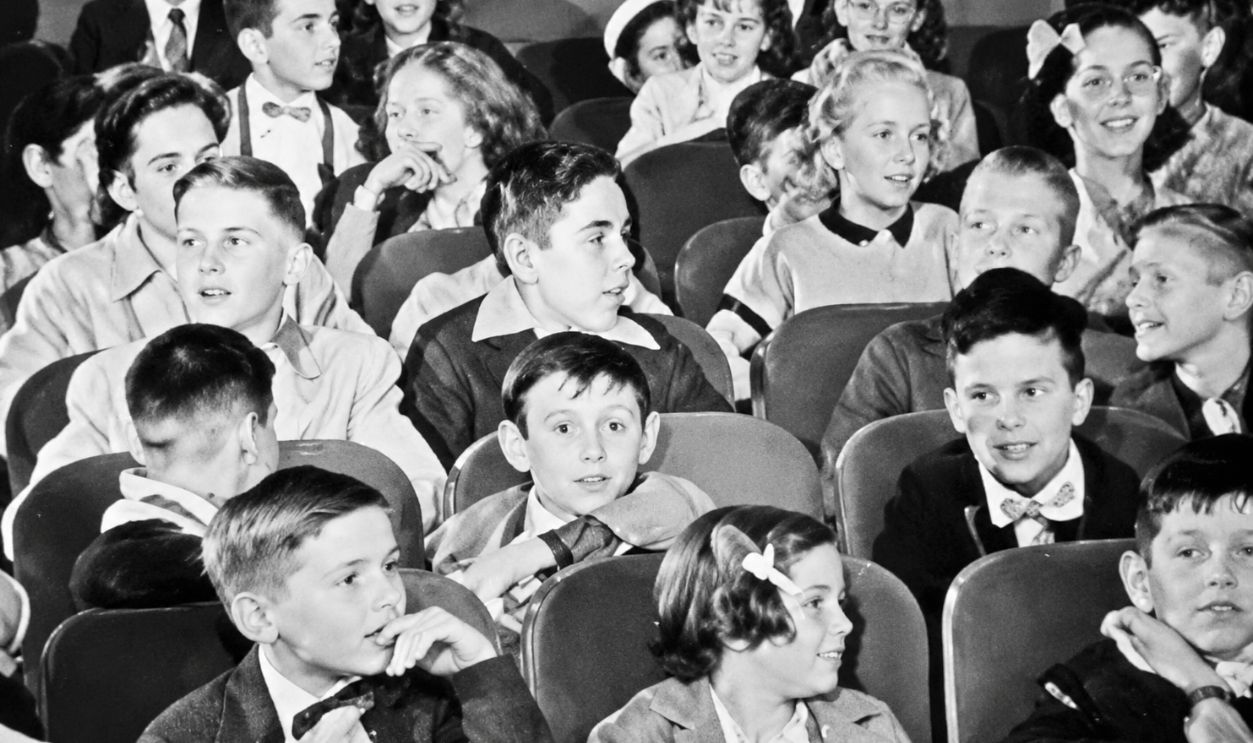 Screenshot from Kids and Company, DuMont Television Network (1951-1953)
He Knew How To Rescue Nervous People
Olson developed a reputation for calming frightened contestants and getting ordinary audience members to speak naturally. He called the skill “making good talk.” That experience mattered. He understood how intimidating a studio could feel, because he remembered the first time he had been forced to fill several unscripted minutes and ended up describing the piano and the walls.
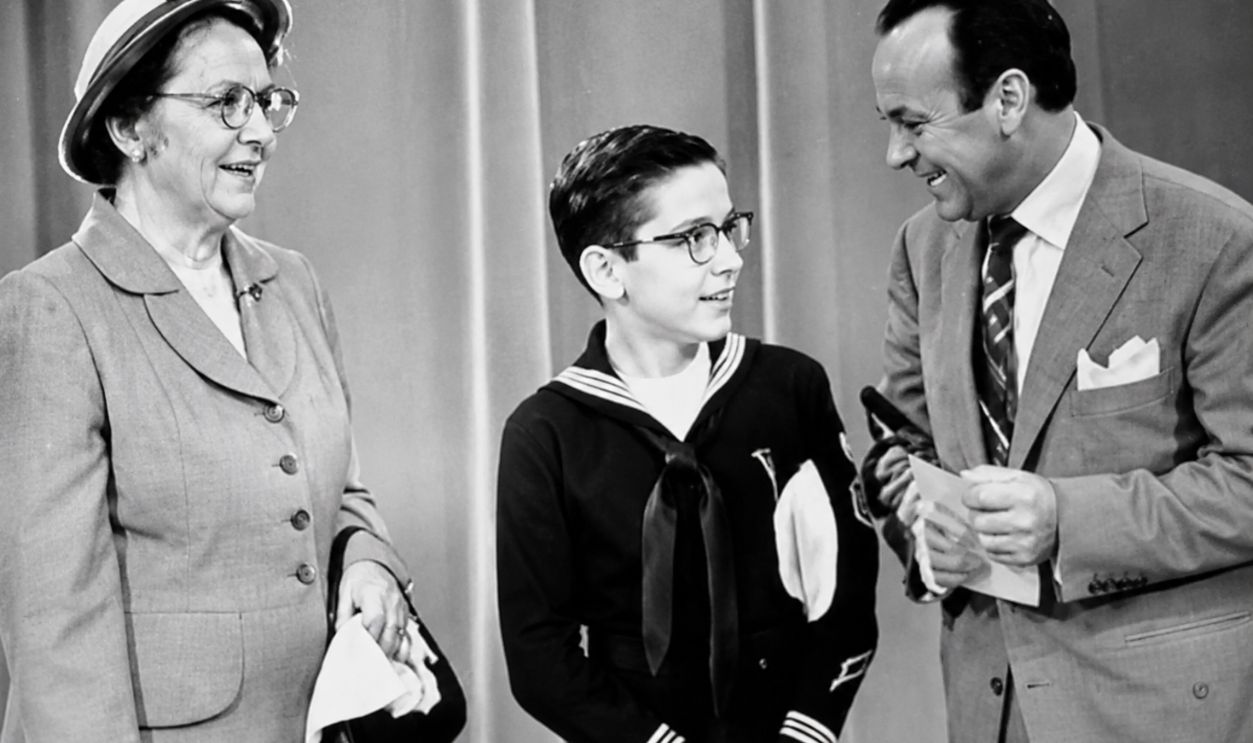 Screenshot from Kids and Company, DuMont Television Network (1951-1953)
Goodson And Todman Changed Everything
A radio pilot connected Olson with producers Mark Goodson and Bill Todman. Their company would eventually create many of America’s most successful game shows, and producers repeatedly chose Johnny to announce them. He did not merely land another job. He entered the television factory that would keep his voice in American living rooms for decades.
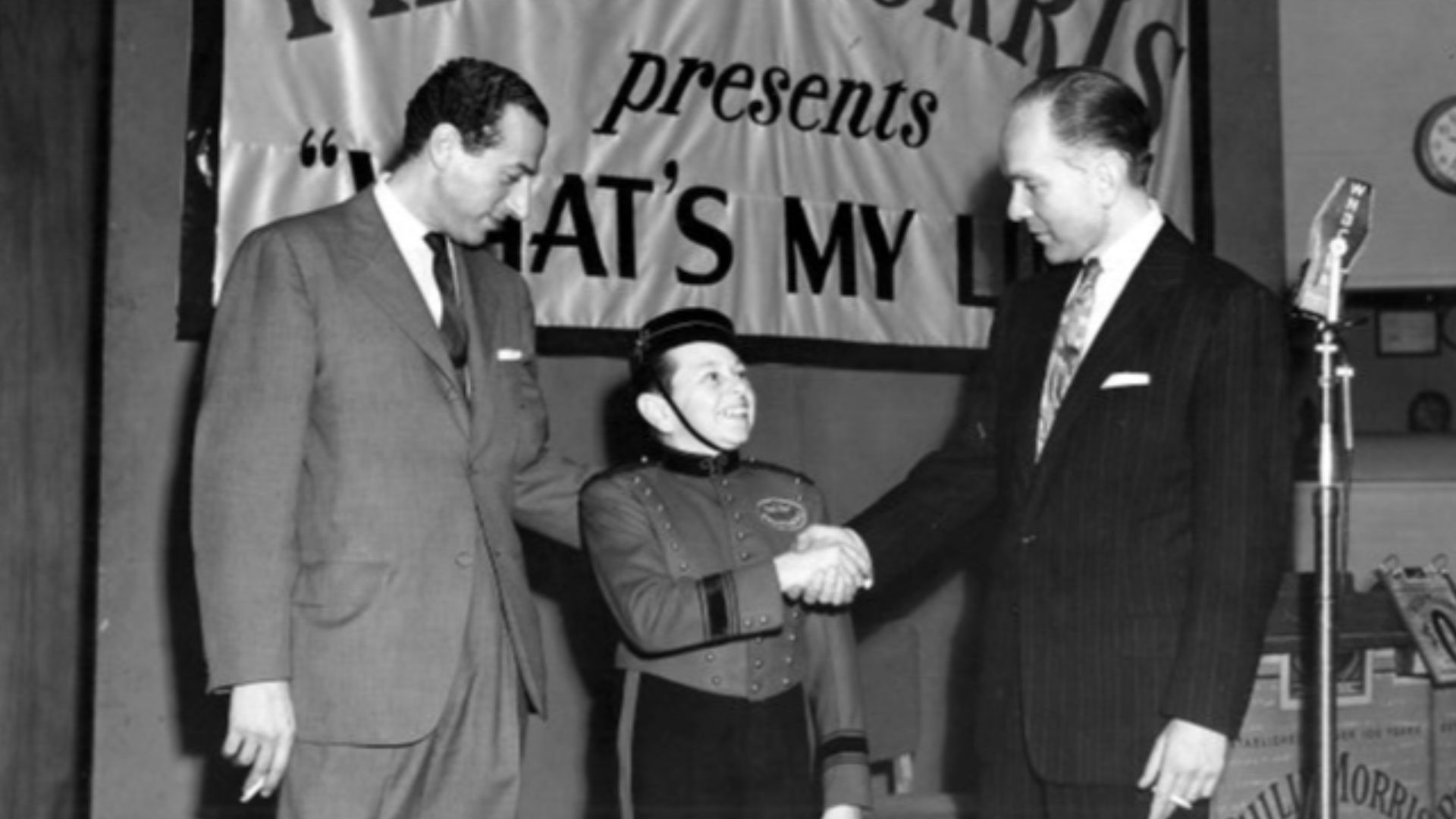 Benjamin Sonnenberg for Phillip Morris, the show's sponsor., Wikimedia Commons
The Voice Of Game-Show America
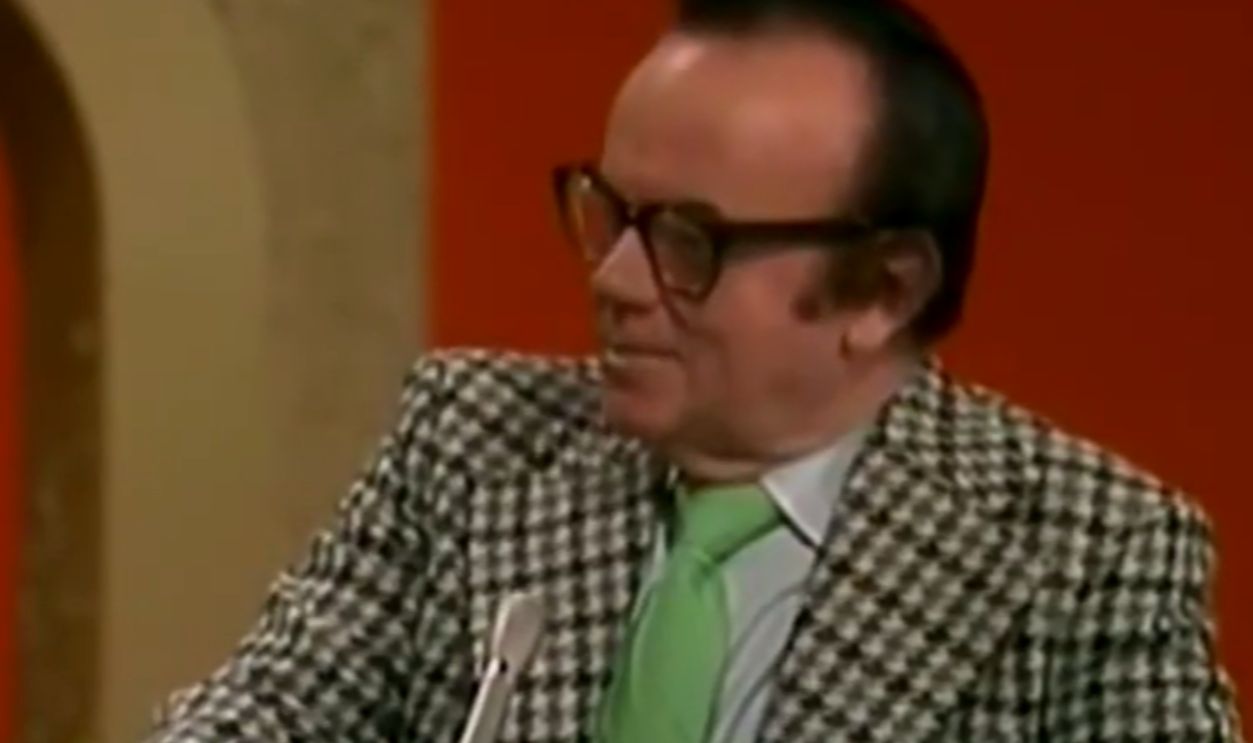
Olson announced more than 30 audience-participation programs. His credits included What’s My Line?, I’ve Got a Secret, To Tell the Truth, and The Match Game. Even viewers who never watched The Price Is Right may have heard Johnny without realizing that the same endlessly cheerful man seemed to work everywhere.
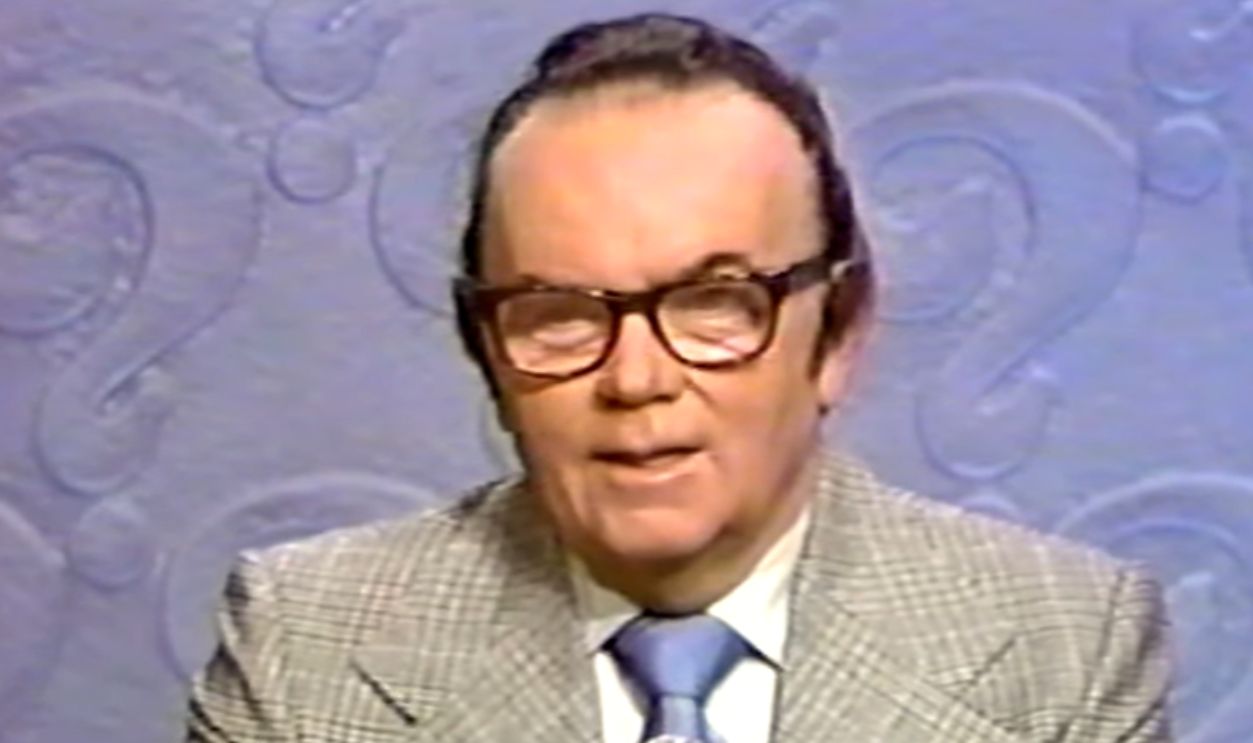 Screenshot from What’s My Line?, CBS (1950-1967)
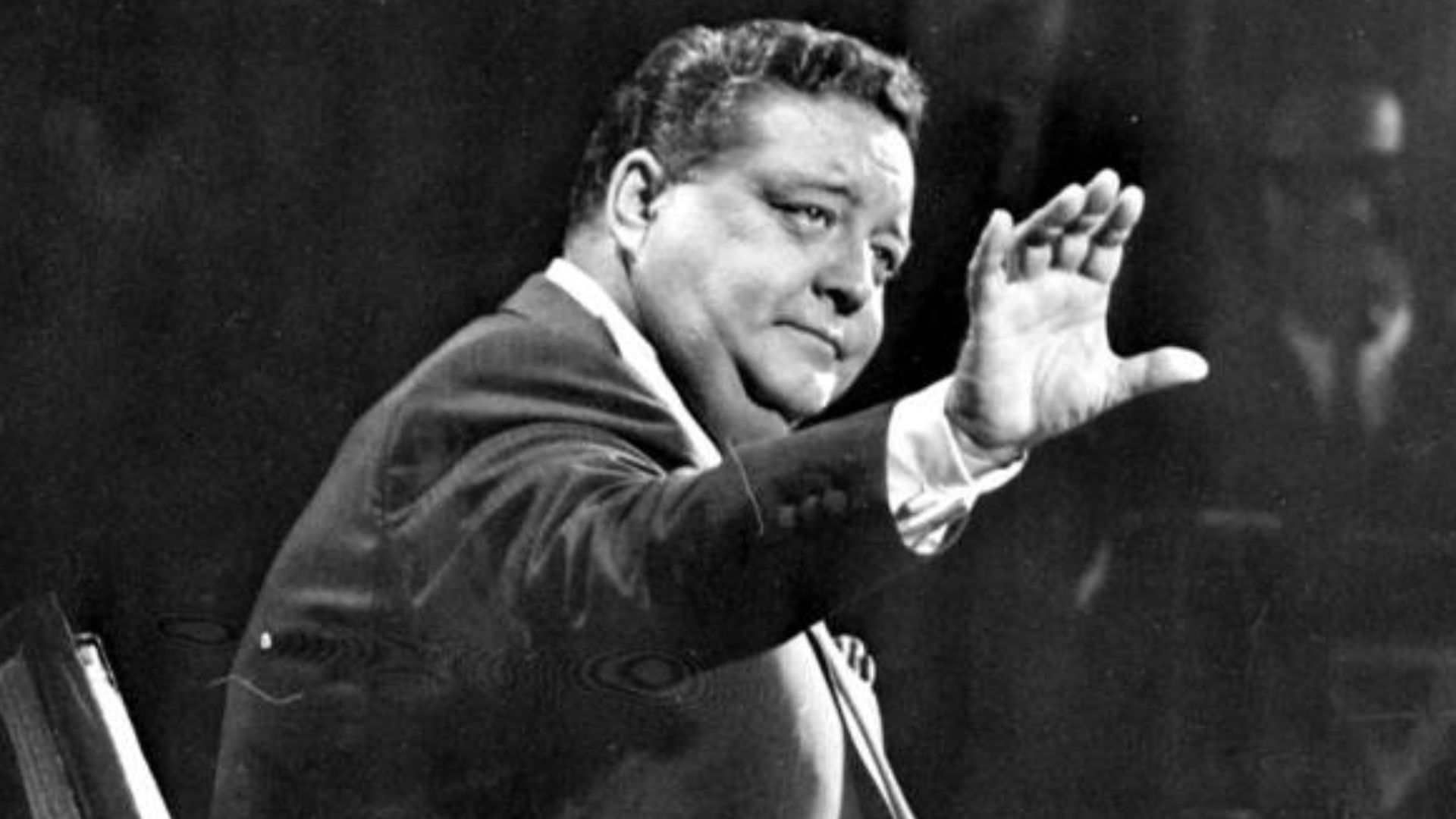
“The Jackie Gleason Show”
Jackie Gleason trusted Olson enough to use him on his television programs and specials for years. Johnny’s voice famously opened The Jackie Gleason Show from Miami Beach, and he reportedly made hundreds of flights connected with Gleason’s productions. While other people dreamed of show business, Johnny spent a large portion of it looking for his gate.
 Unknown authorUnknown author, Wikimedia Commons
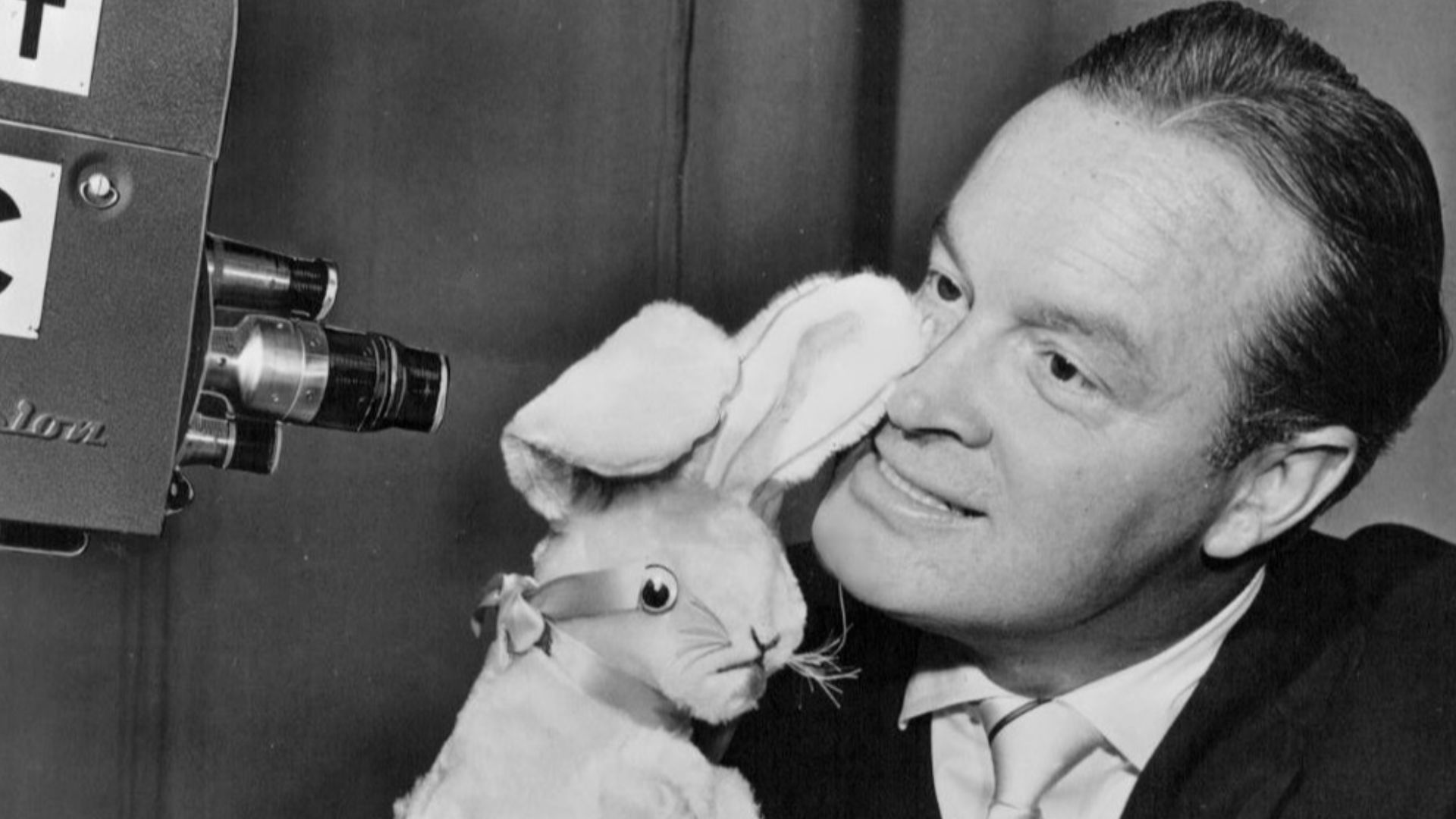
He Knew How To Work Around Stars
Olson’s years as a host taught him something many supporting performers never learn: when to jump in and when to disappear. He could add a joke, feed a straight line, or step back and let the star have the moment. That judgment helped him work successfully with strong personalities including Gleason, Bob Hope, Johnny Carson, and eventually Bob Barker.
 NBC Television, Wikimedia Commons
Then Came “The Price Is Right”
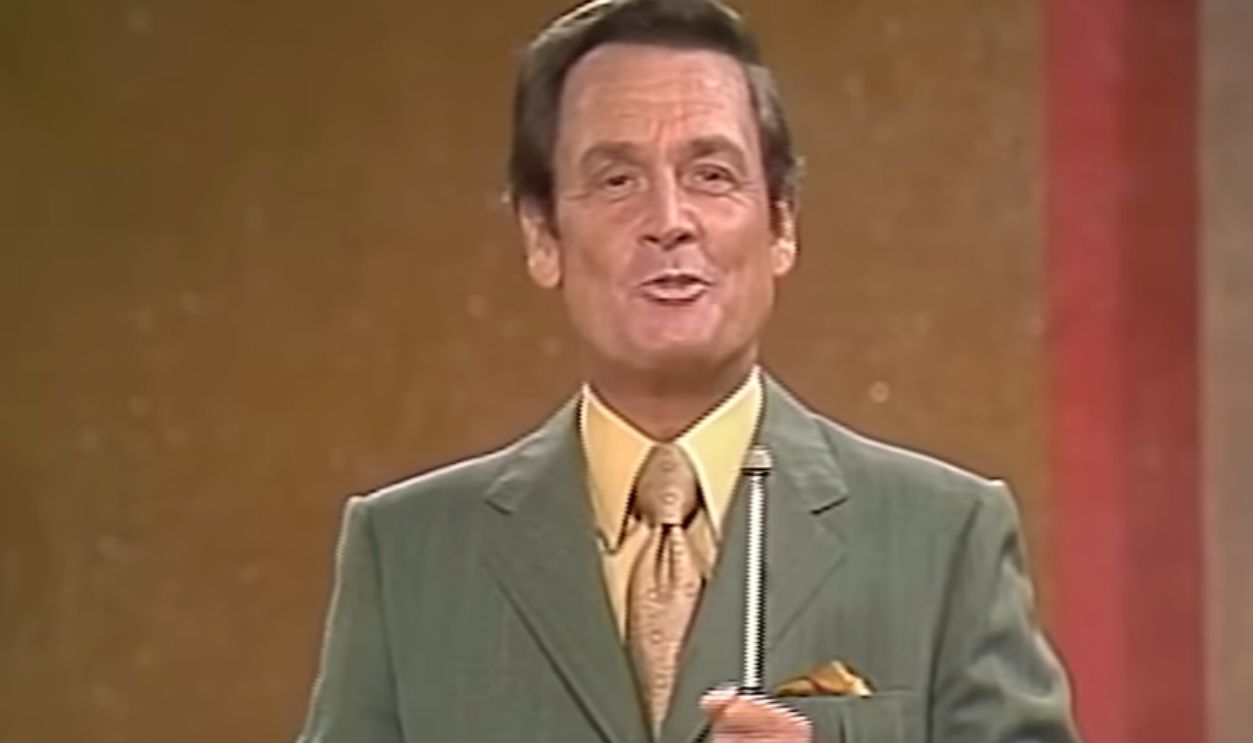
In 1972, Olson moved back to Los Angeles for CBS’s revival of The Price Is Right. Bob Barker was the host, Janice Pennington and Anitra Ford presented the prizes, and Johnny supplied the voice. It looked like another announcing assignment. Instead, it became the role that would define the rest of his life.
 Screenshot from The Price Is Right, CBS (1972–)
The First Audience Was Surprisingly Quiet
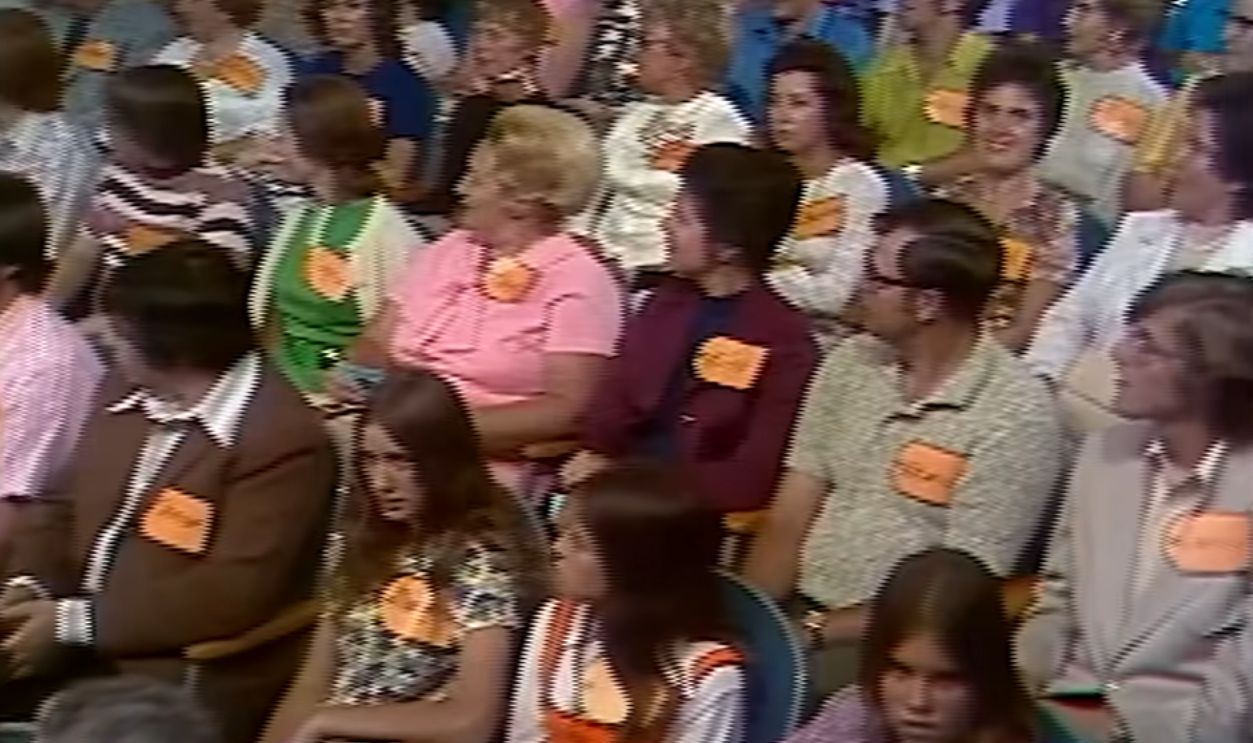
The first episode aired on September 4, 1972, and the audience was not yet the screaming crowd viewers would later expect. Olson initially called four names and told each person to stand before finally inviting the group to “come on down.” The contestants stood. The audience barely reacted. Clearly, something was missing
. Screenshot from The Price Is Right, CBS (1972–)
Three Words Changed The Show
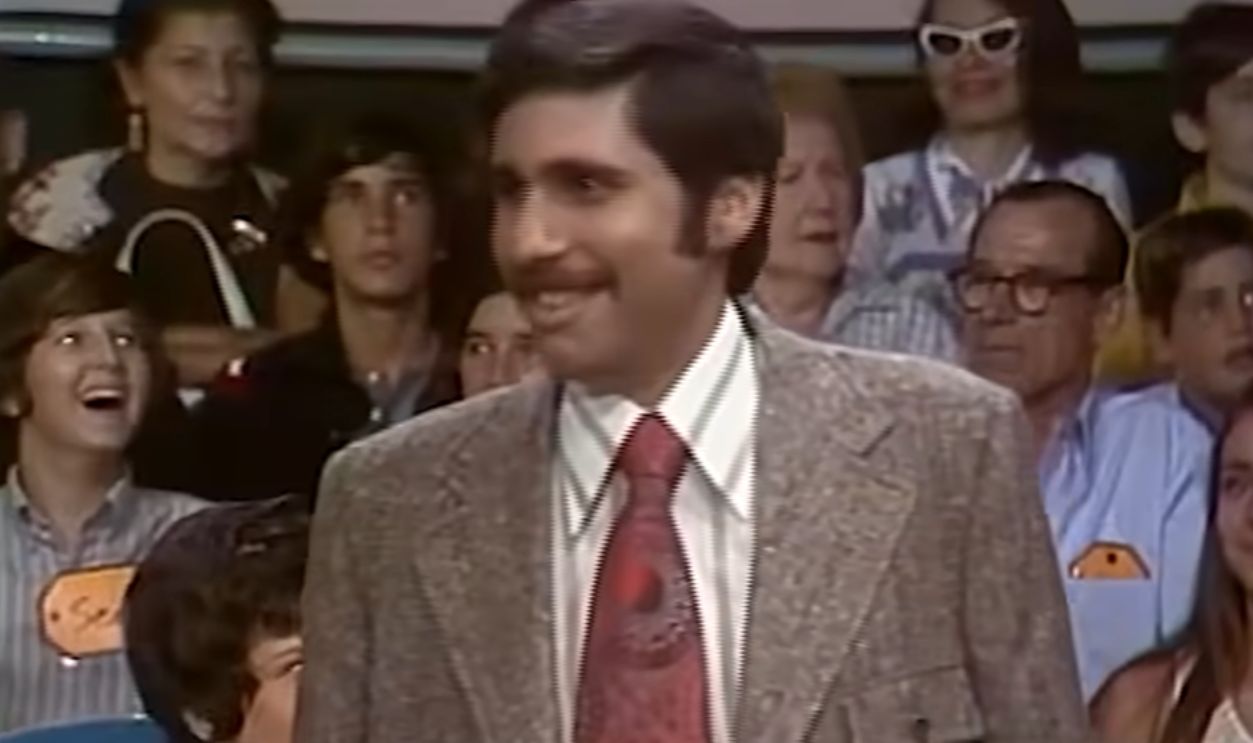
After roughly three weeks, the producers simplified the process. Olson called a name and immediately delivered the invitation: “Come on down!” Bob Barker later said the words had merely appeared in the script, but Olson’s interpretation made them work. Johnny did not need to invent the phrase. He turned it into an event.
 Screenshot from The Price Is Right, CBS (1972–)
He Made Every Name Sound Important
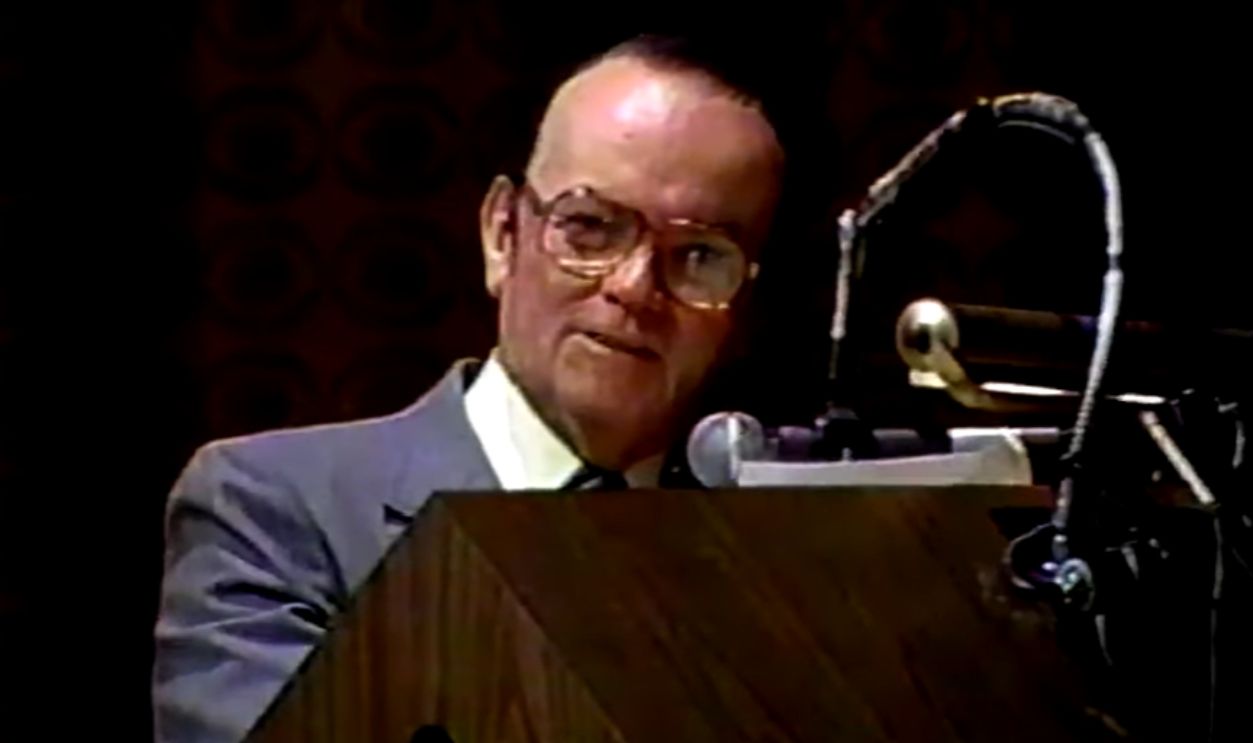
Olson could have been calling Mary Smith from row seven, but he announced her like she had just won the presidency, landed on the moon, and discovered a new refrigerator behind Door Number Two. His voice told contestants that this was their moment. Judging by the sprinting, hugging, jumping, and occasional loss of balance, they believed him.
 Screenshot from The Price Is Right, CBS (1972–), Modified
“Come On Down!” Escaped The Show
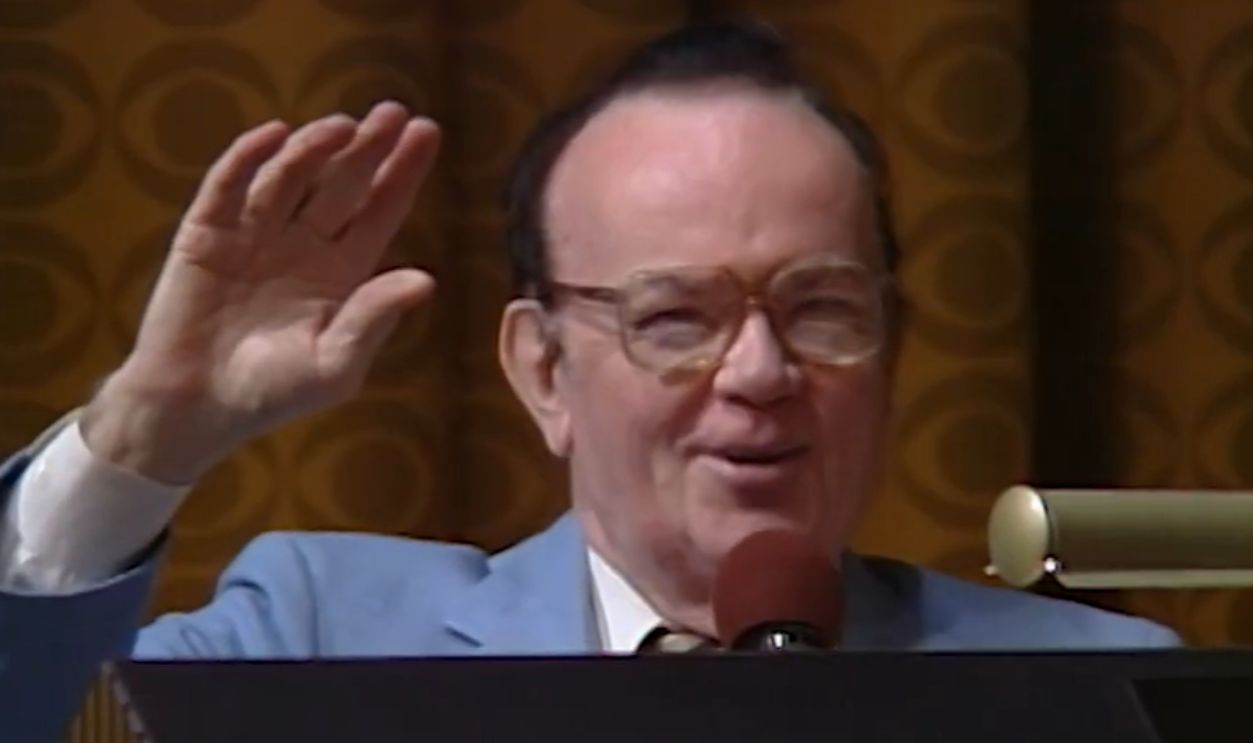
The phrase became so familiar that comedians borrowed it, viewers repeated it, and strangers greeted Olson with it wherever he went. According to The Price Is Right director Marc Breslow, Olson eventually accepted being known as “the come-on-down man.” After decades in broadcasting, three little words had finally made the voice famous.
 Screenshot from The Price Is Right, CBS (1972–)
He Was Much More Than The Announcer
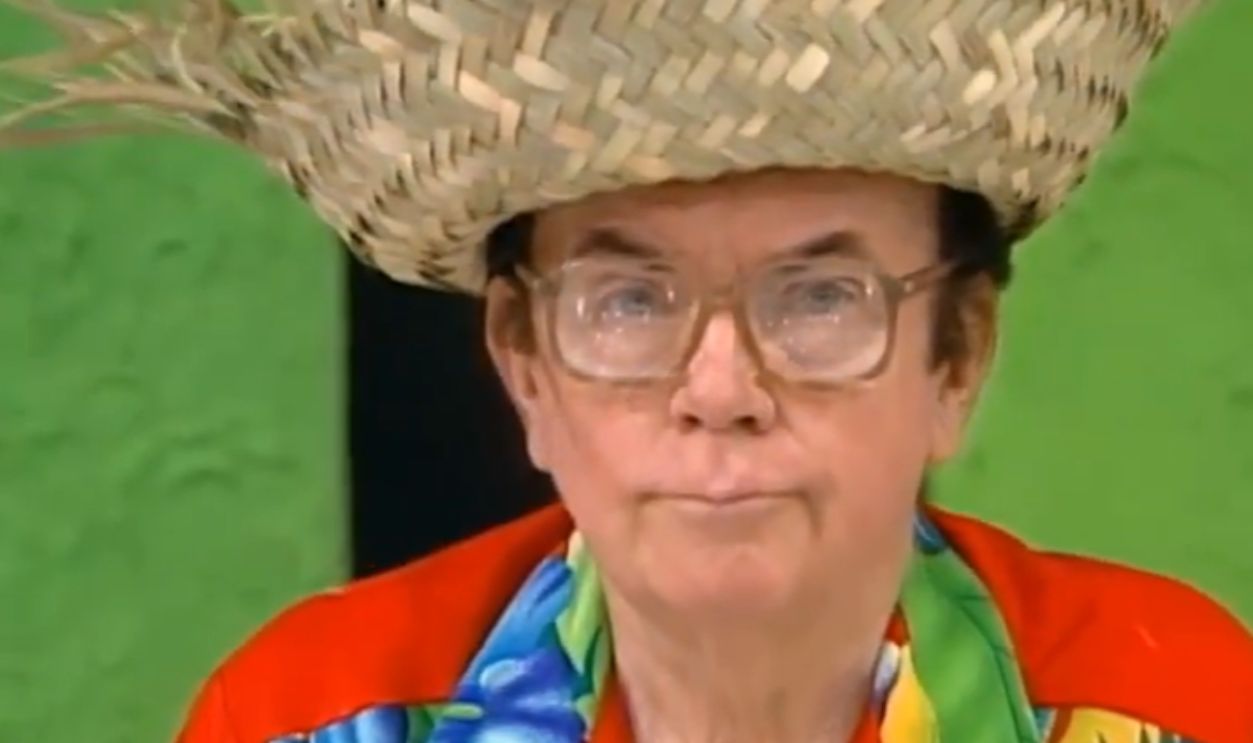
Johnny read prize descriptions, introduced Barker, called contestants, appeared in sketches, ad-libbed transitions, and kept the studio moving. He carefully marked his scripts for pronunciation, rhythm, emphasis, and pace. The delivery sounded effortless because Olson had put considerable effort into making sure viewers never heard the work.
 Screenshot from The Price Is Right, CBS (1972–)
He Could Sell Absolutely Anything
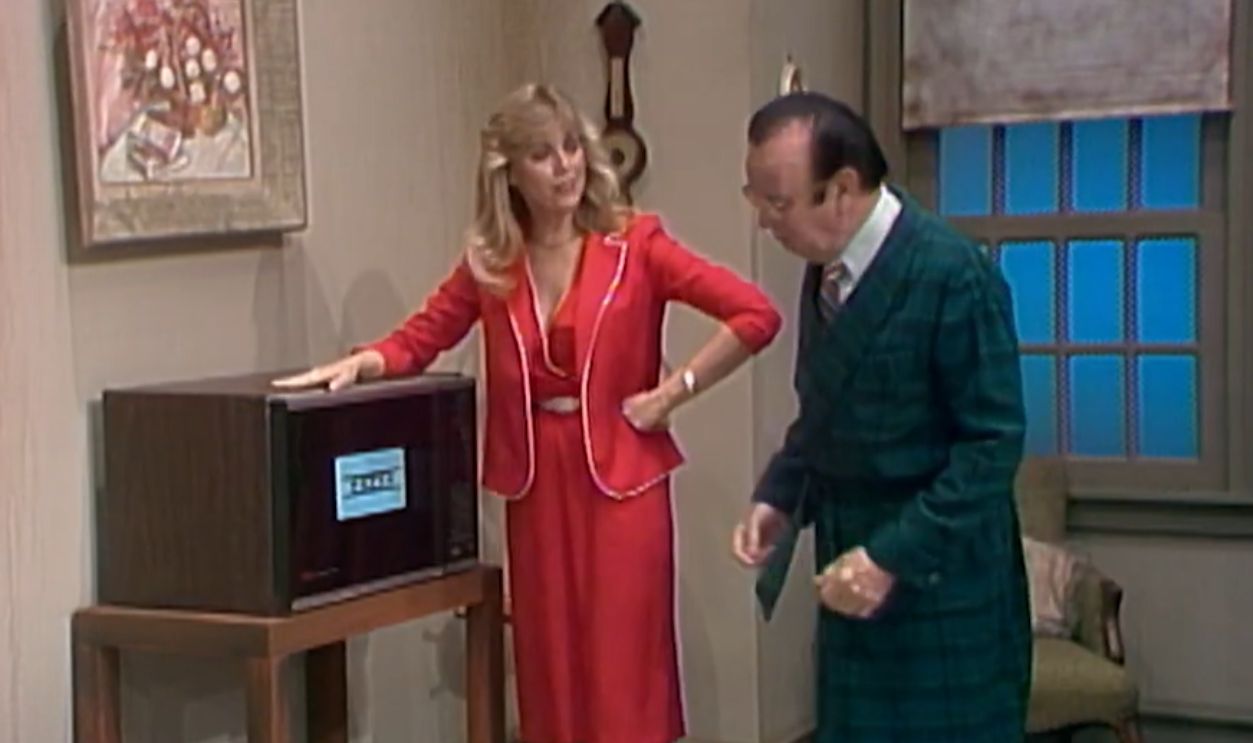
A dining-room set, a camper, a jar of vitamins, or a new washer and dryer all received the full Johnny Olson treatment. His voice carried an almost audible smile, and he could make an ordinary household appliance sound as though civilization had been waiting centuries for it. Somewhere, a 1978 dishwasher is still feeling unusually confident.
 Screenshot from The Price Is Right, CBS (1972–)
He Turned Warm-Ups Into A Performance
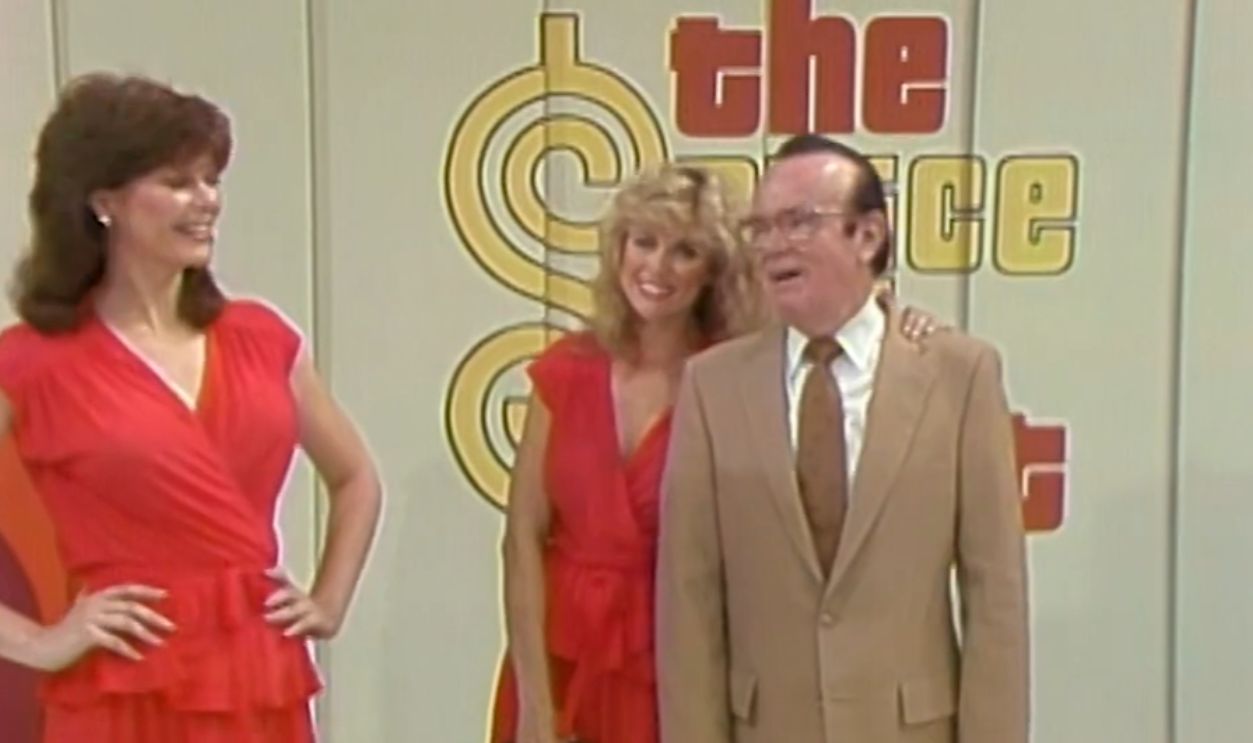
Before taping, Olson worked the audience himself. He joked, answered questions, ran through the aisles, and raised the room’s energy until people were ready to cheer for almost anything. Audience warm-ups already existed, but Johnny elevated them into a specialty important enough to list on his business card.
 Screenshot from The Price Is Right, CBS (1972–)
He Started Before People Entered The Building
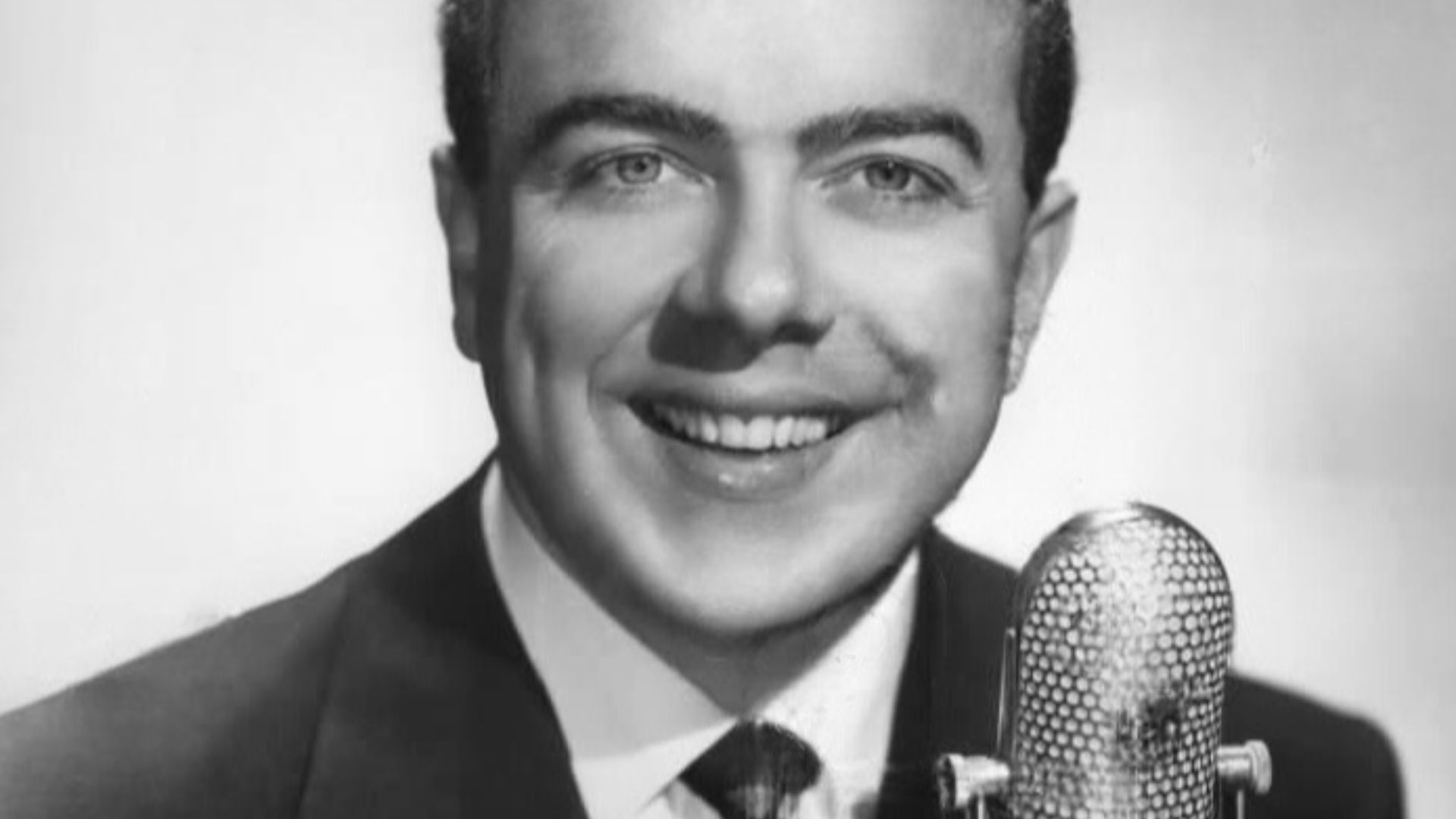
Fellow announcer Jay Stewart once saw Olson outside NBC’s New York studios on a freezing day, chatting with people waiting in line. Johnny was warming up the audience before the audience had even made it indoors. Most performers saved their energy for the camera. Olson apparently considered the sidewalk part of the studio.
Johnny Became Part Of The Fun
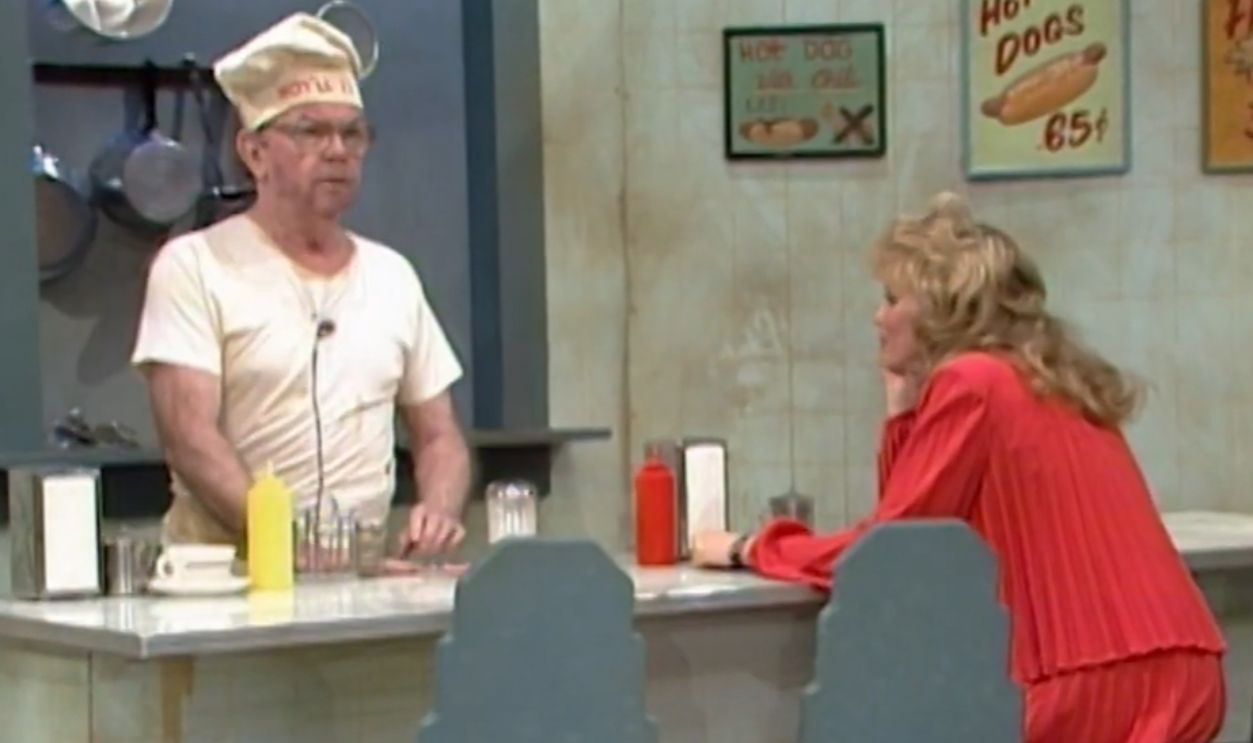
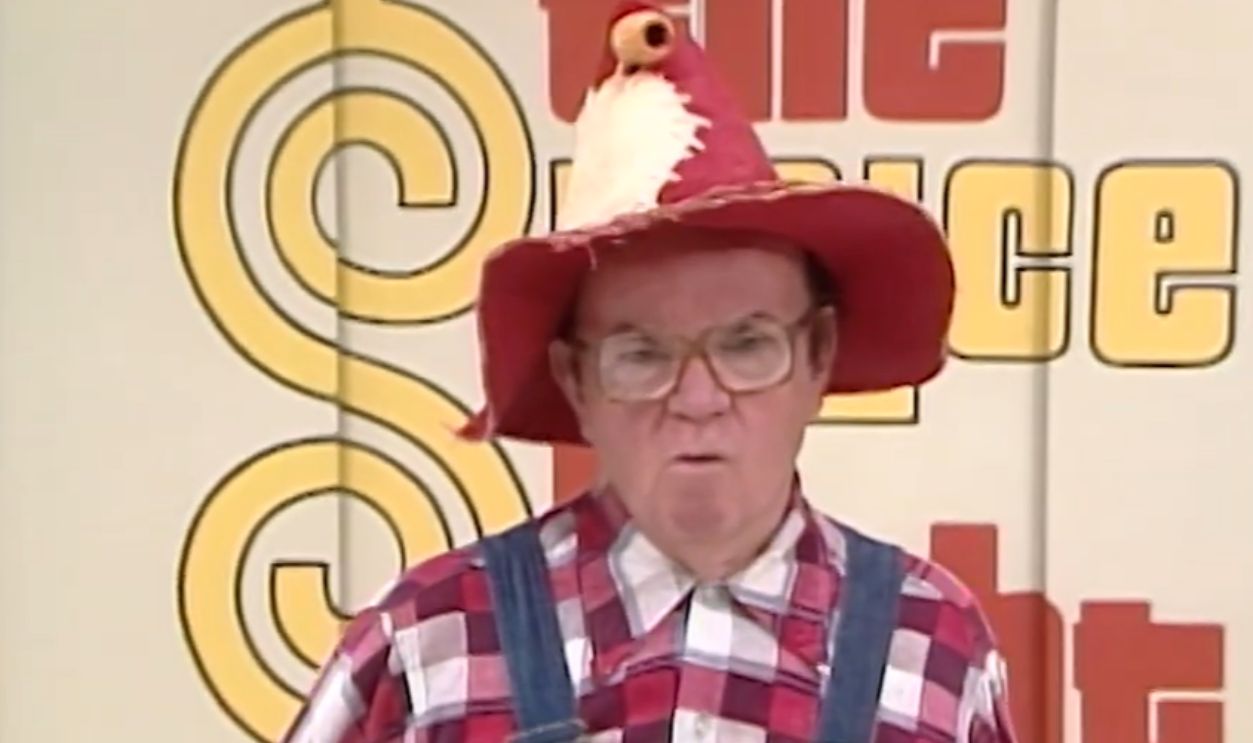
Bob Barker gave Olson more on-camera involvement than many television announcers received. Johnny appeared in elaborate Showcase sketches playing characters with names such as Captain Quirk, Sam Spaced, and Errol Olson. He had spent years becoming television’s most recognizable unseen voice, then happily wandered onstage wearing whatever ridiculous costume the writers handed him.
 Screenshot from The Price Is Right, CBS (1972–)
Offstage, He Was Almost The Opposite
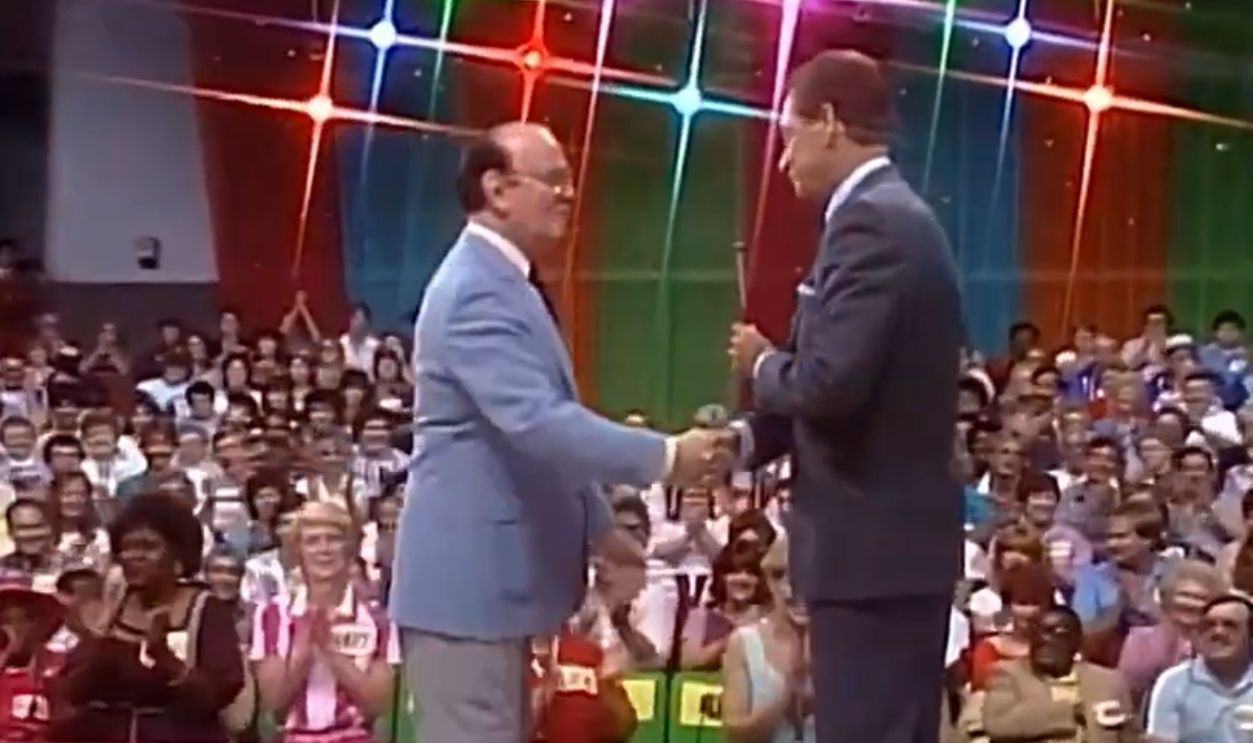
The booming, playful showman was reportedly shy and unassuming away from the studio. He took pride in his work but did not behave like a celebrity. He valued friendships with crew members, pages, technicians, and fellow performers. Television gave him a voice large enough to fill a room, but apparently not a matching ego.
 Screenshot from The Price Is Right, CBS (1972–)
He Made Time For Young Announcers
Aspiring announcer Rich Fields once asked Olson how he could someday get Johnny’s job. Olson invited the teenager onstage, handed him the microphone, and let him try calling a contestant. Fields would eventually become The Price Is Right announcer himself. Johnny could have dismissed the kid. Instead, he gave him a moment he never forgot.
 Gshistorian, Wikimedia Commons
Penny Remained The Center Of His Life
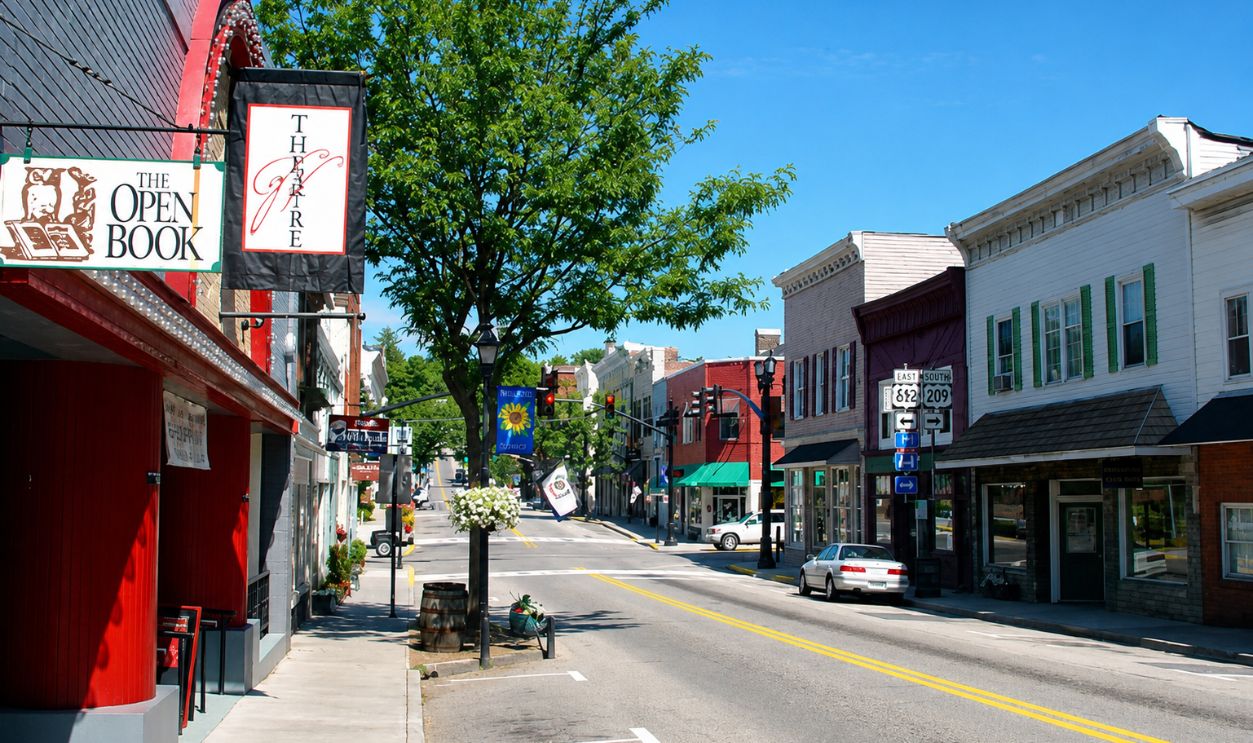
As Johnny’s work increasingly kept him in Los Angeles, he and Penny maintained their home in Lewisburg, West Virginia. Olson regularly flew across the country to spend his days off with her. The man who sounded as though he lived permanently inside a television studio was constantly trying to get back to the woman who had been beside him before most Americans owned a television.
 MarkMcCain, Wikimedia Commons, Enhanced
Their Marriage Lasted 46 Years
Johnny and Penny never had children, but they built a life filled with broadcasting, music, travel, poodles, and an extraordinary shared history. She had watched him become a local radio favorite, a television host, an announcer, and finally one of the most familiar voices in America. Through every version of Johnny Olson, Penny had been there.
 Screenshot from Match Game, CBS (1973-1990)
He Never Missed A Taping
According to his Los Angeles Times obituary, Olson never missed a taping of The Price Is Right. That record becomes even more remarkable when you consider the flights, the workload, and the number of programs he handled. Johnny treated reliability like part of the performance. When the red light came on, that voice was there.
 Screenshot from The Price Is Right, CBS (1972–)
His Final Week Followed The Same Routine
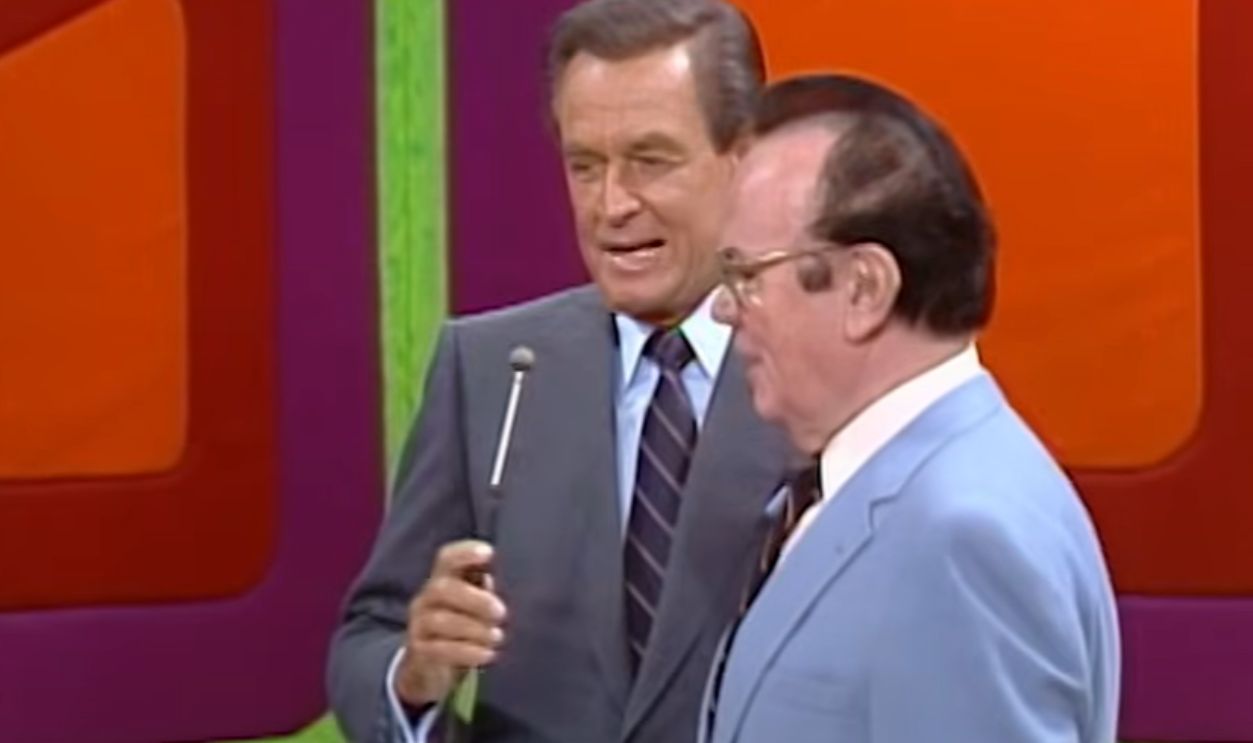
Olson taped The Price Is Right on October 2, 1985, then headed to the airport and flew to West Virginia to see Penny. After returning to Los Angeles on October 6, he suffered a stroke and was hospitalized. Even during his final week, Johnny had followed the schedule that had defined his later years: studio, airport, Penny, airport, studio.
 Screenshot from The Price Is Right, CBS (1972–)
Studio 33 Went Quiet
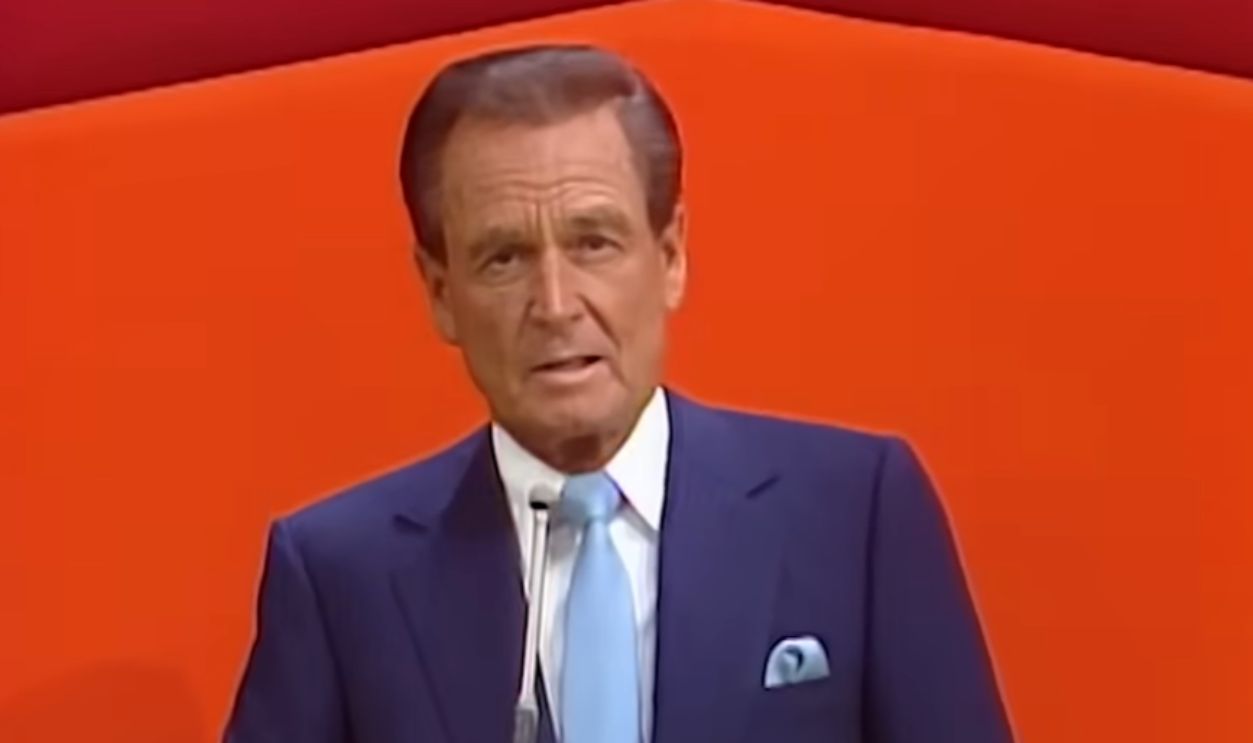
When the crew learned Olson was in the hospital, production stopped for the week. Johnny passed away on October 12, 1985, at 75. Director Marc Breslow said there was not a single person at CBS who did not love him. For once, the people inside Studio 33 had no idea how to continue without that voice.
 Screenshot from The Price Is Right, CBS (1972–)
They Had To Study Old Episodes
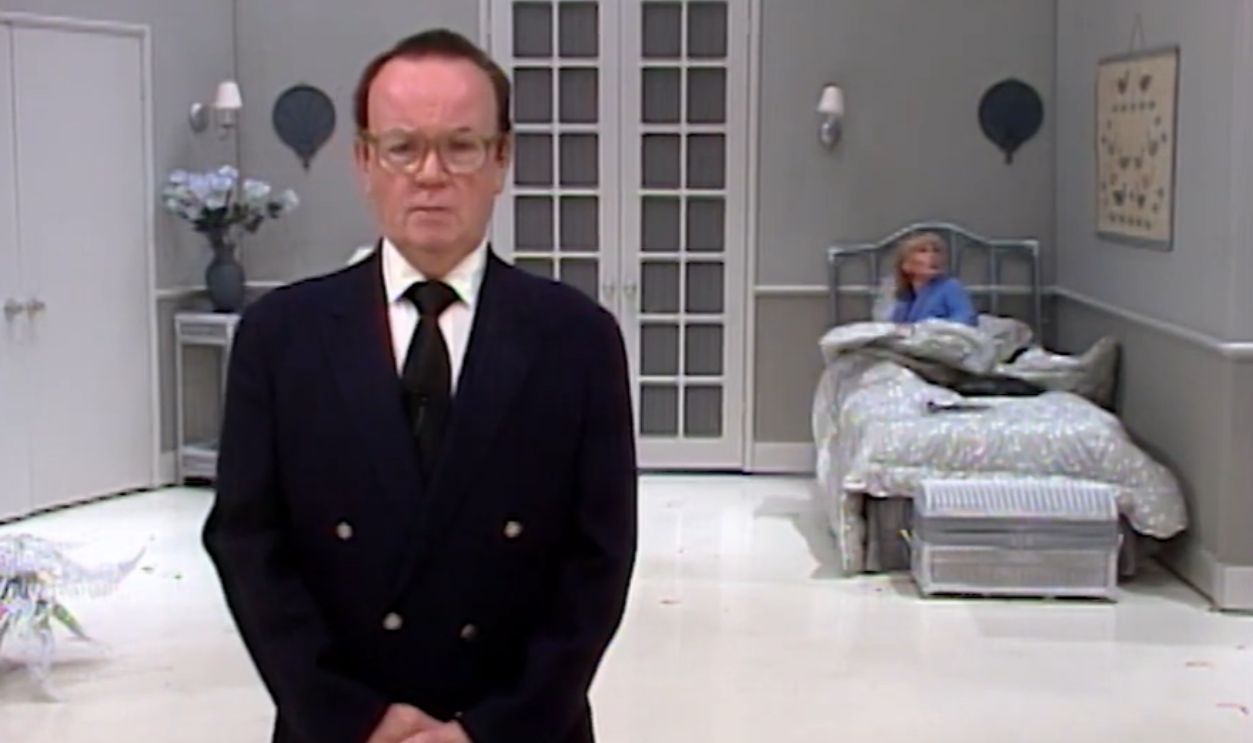
Producer Frank Wayne later recalled reviewing previous episodes to write down the transitional lines Olson had been ad-libbing for 13 years. Johnny had made those moments sound so natural that nobody had bothered to create a complete record of them. Only after he was gone did the staff fully realize how much of the show lived inside his instincts.
 Screenshot from The Price Is Right, CBS (1972–)
Bob Barker Said Goodbye
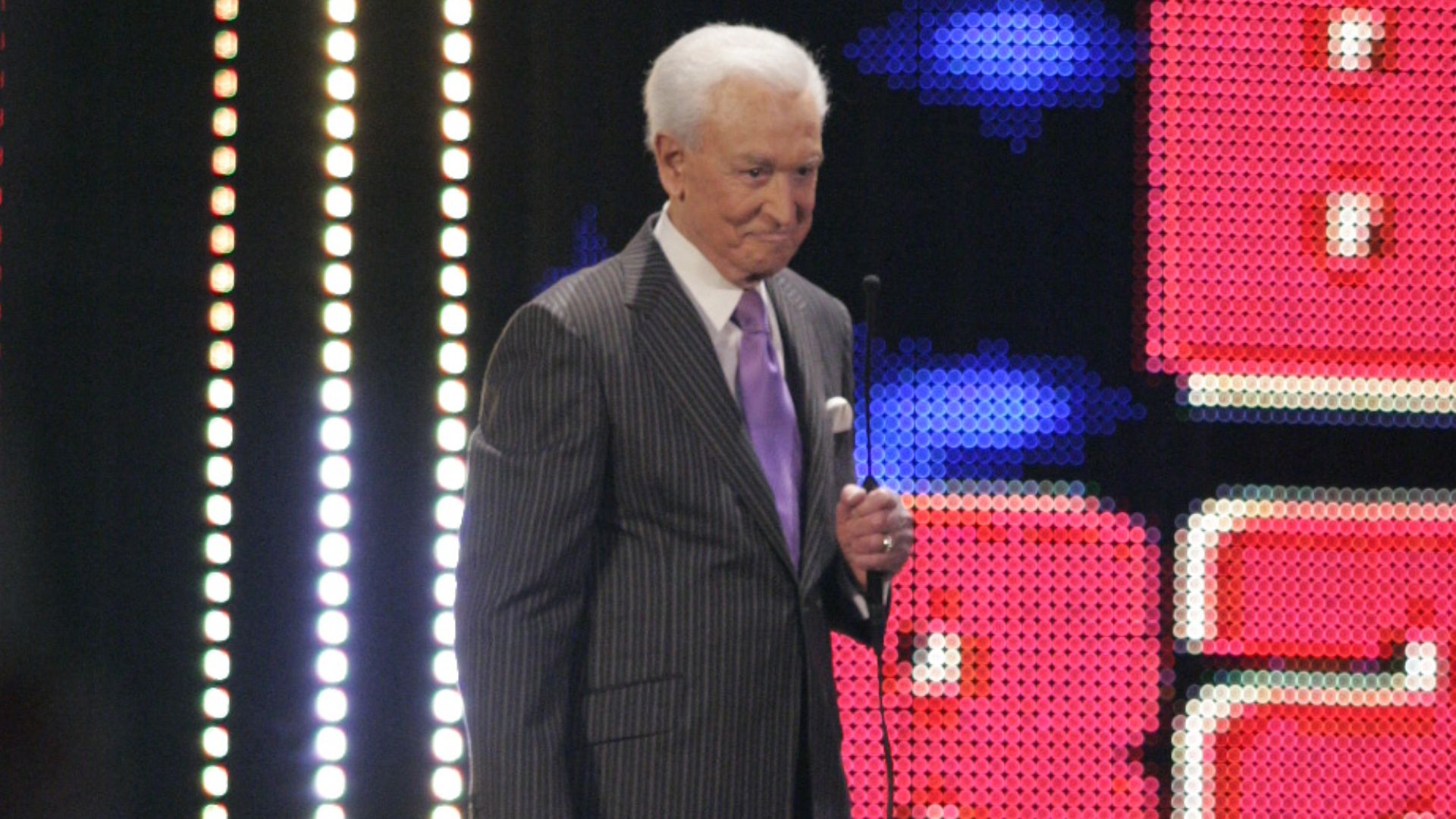
Barker recorded a brief tribute informing viewers that the show had lost its good friend. Because episodes were taped in advance, Olson continued to be heard on television after his passing. For several weeks, contestants kept hearing that familiar invitation, even though the man delivering it would never return to the studio.
 Iaksge (talk), Wikimedia Commons
The Man Behind The Voice
Johnny Olson spent more than five decades learning how to make other people feel like stars. He introduced hosts, welcomed contestants, calmed audiences, sold prizes, rescued live broadcasts, and made three ordinary words part of American television.
Millions knew the voice. The people who worked beside him knew something even better: the quiet, generous man standing behind the microphone.
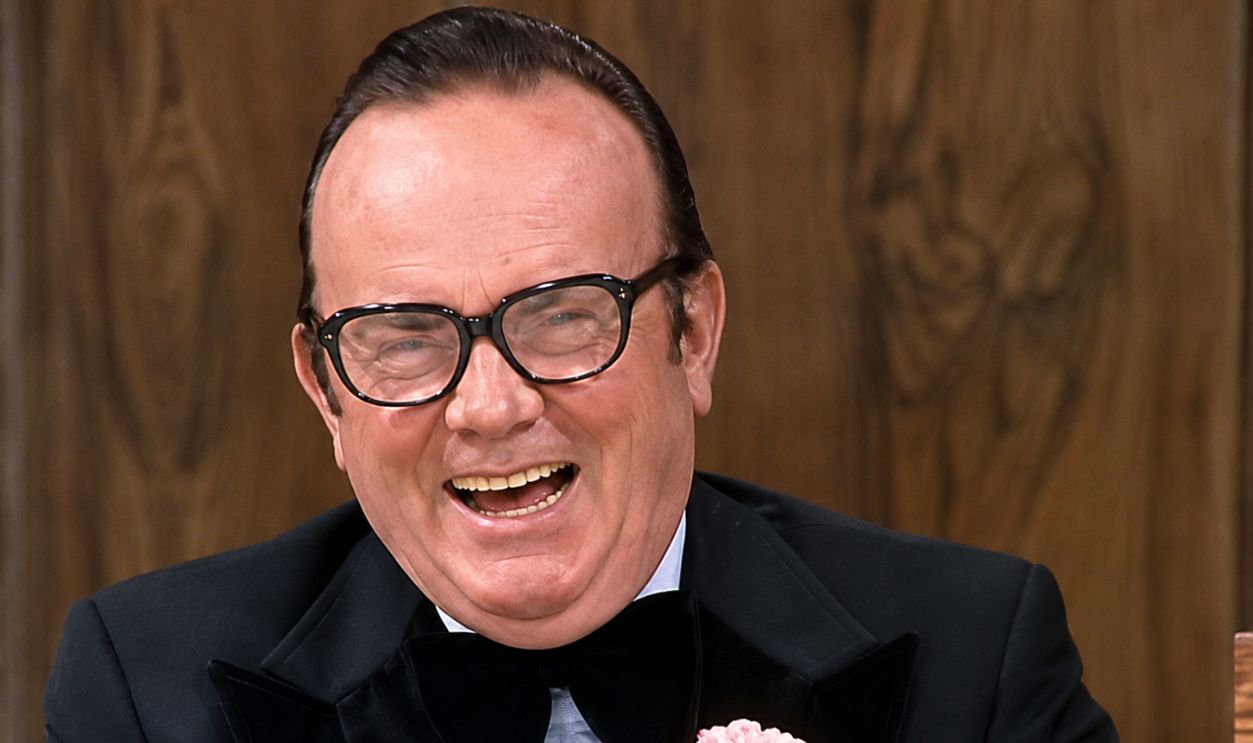 Screenshot from The Price Is Right, CBS (1972–)
You Might Also Like:
Jack Soo Made Barney Miller Unforgettable With A Comedy Style No One Else Had
How Adam-12 Star Martin Milner Became The Face Of Everyday Television Policing