He Made The Badge Feel Human.
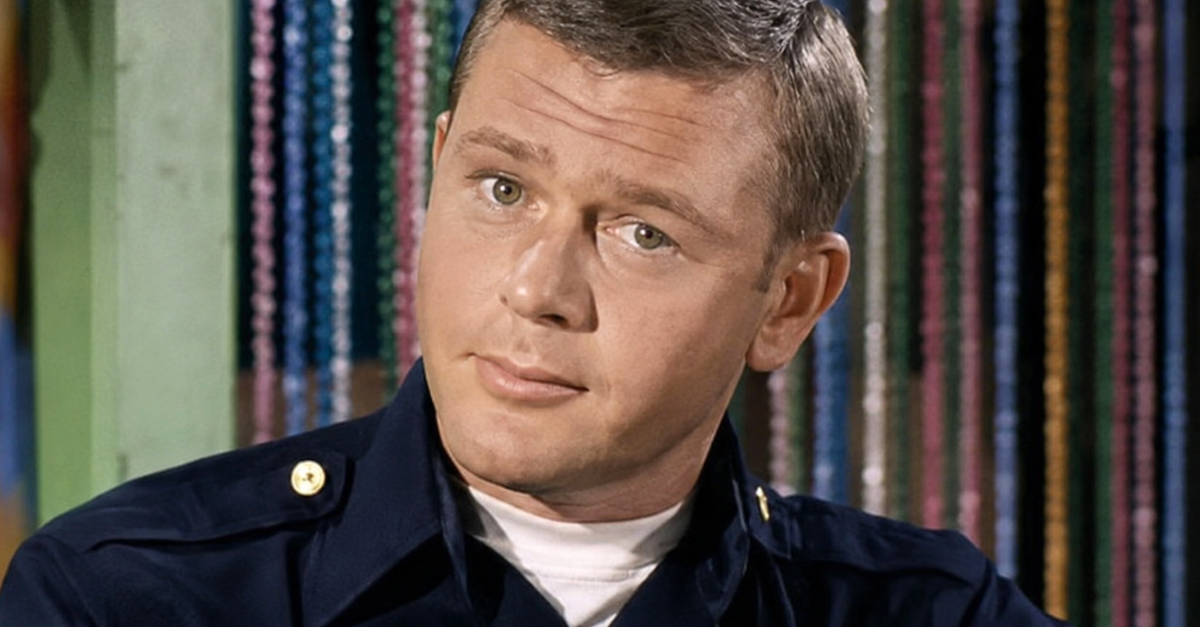
As veteran patrol officer Pete Malloy, Martin Milner showed viewers that police work involved routine calls, careful judgment, paperwork, conversation, and patience alongside moments of genuine danger. Over seven seasons, Adam-12 turned his calm professionalism into one of television’s most familiar images of an ordinary officer doing an extraordinary job.
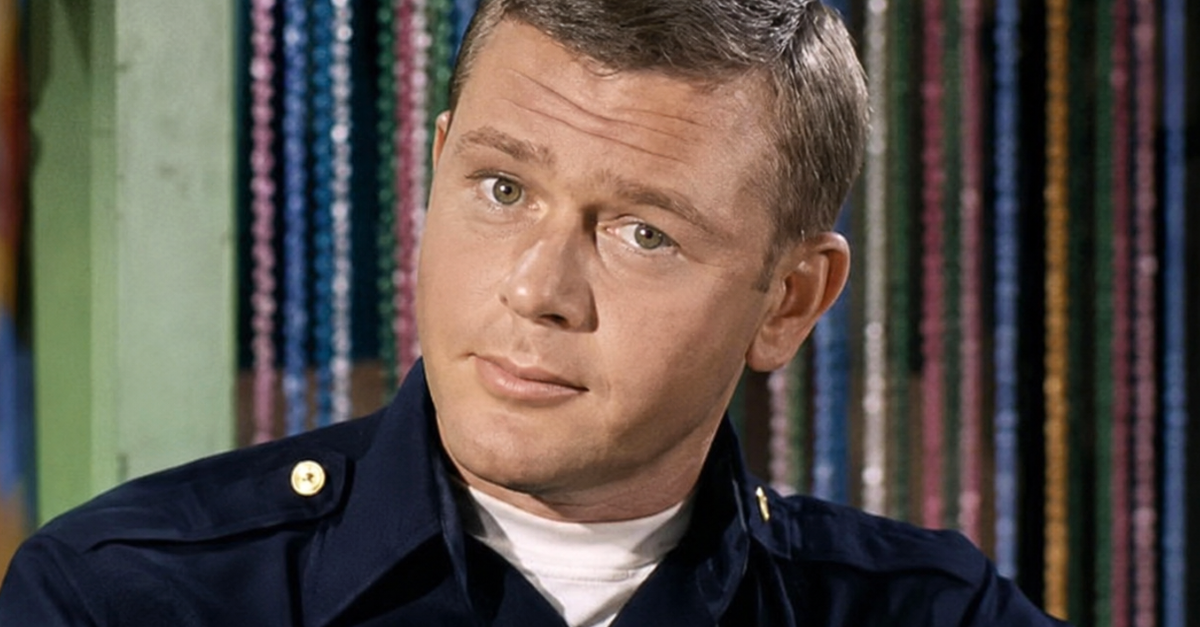
He Was Already A Television Star
Martin Milner had already achieved national fame as Tod Stiles on Route 66, which ran from 1960 to 1964. That ambitious drama filmed across the country and followed young men encountering different communities and personal crises on the road. Milner entered Adam-12 with years of experience carrying a demanding location-based series. Viewers already trusted his sincere, understated screen presence.
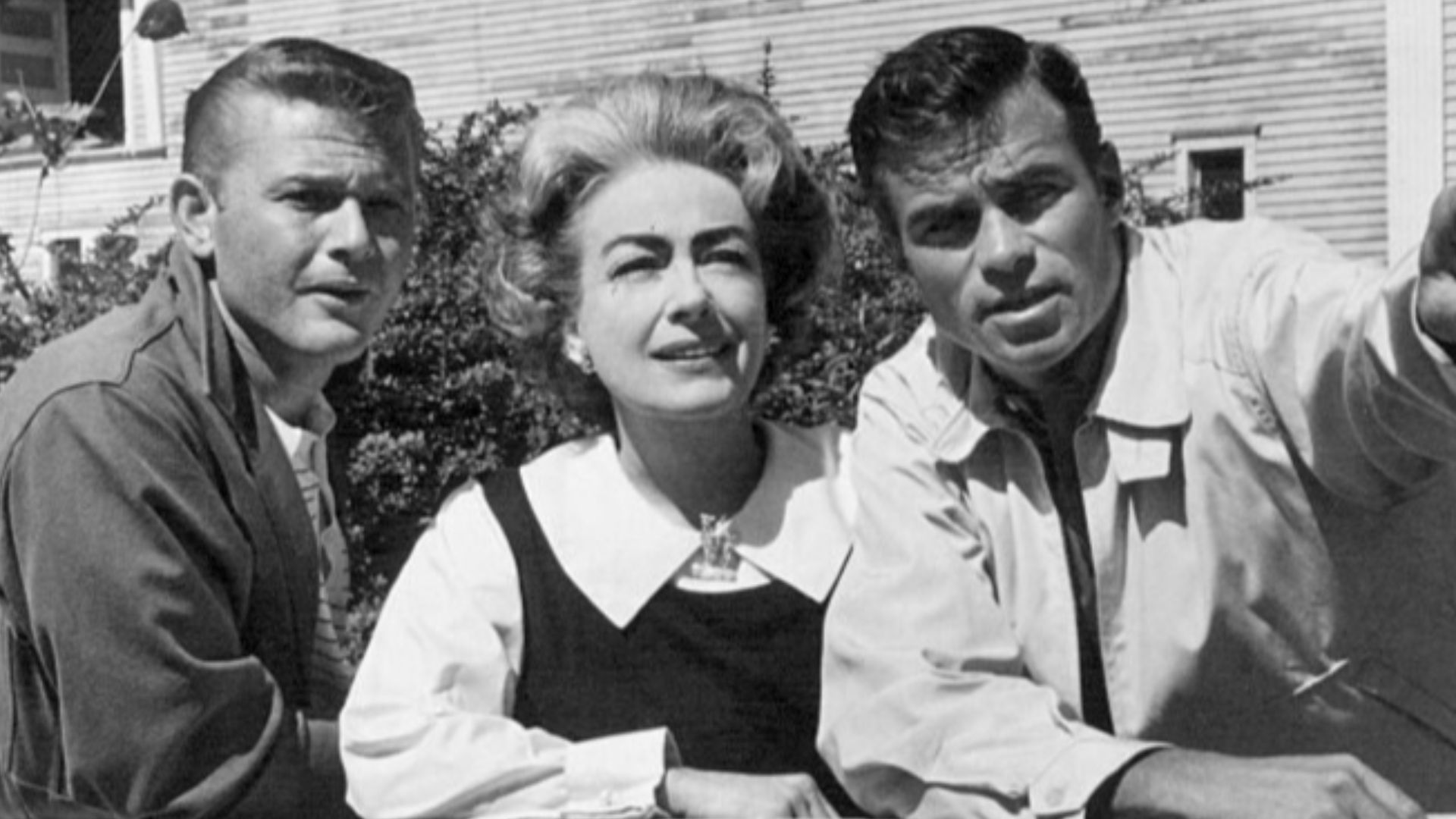 Pat McDermott Public Relations, Wikimedia Commons
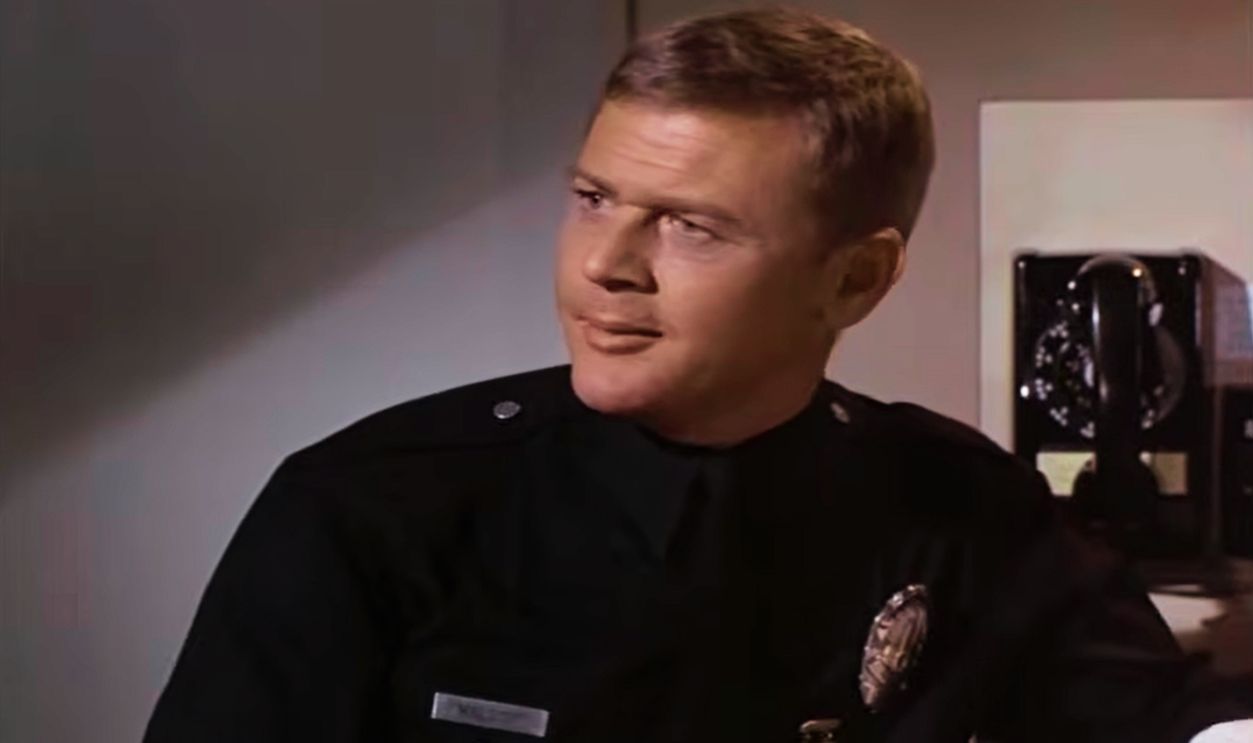
Pete Malloy Was A Working Patrol Officer
Malloy was not a celebrated detective, police chief, or rule-breaking supercop. He was a seven-year LAPD veteran assigned to a black-and-white patrol car with rookie Jim Reed. The series followed their daily calls through Los Angeles rather than building every story around a sensational master criminal. That ordinary assignment became the key to Milner’s lasting authority.
 Screenshot from Adam-12, NBC (1968–1975)
The Premiere Nearly Sent Malloy Home
In the series premiere, Malloy was preparing to leave the department after the death of his previous partner. He agreed to remain long enough to guide Reed through his probationary period. That decision immediately established him as experienced, wounded, and responsible for someone else’s safety. Milner made the character’s continued service feel like a moral commitment rather than a convenient plot device.
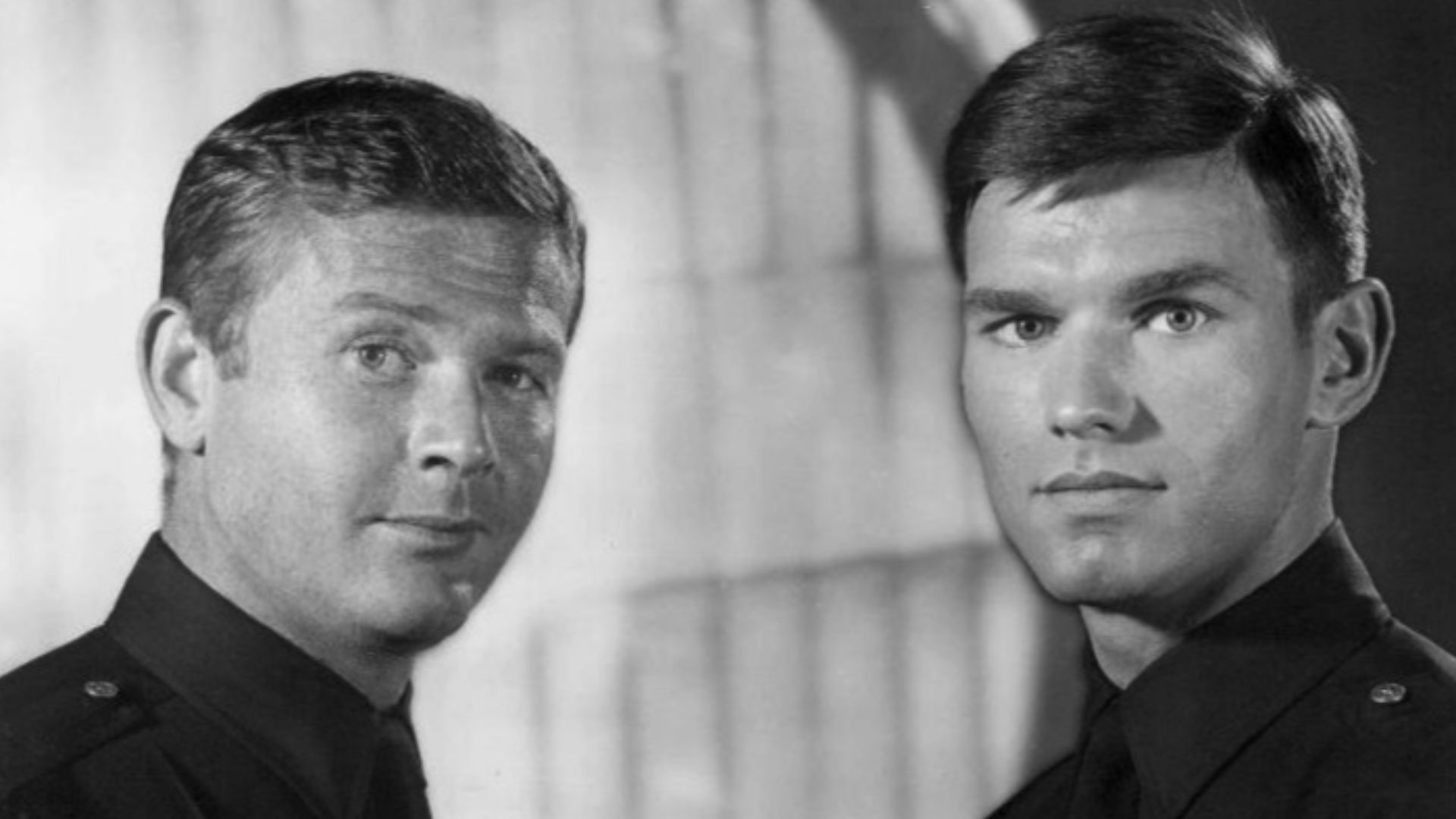 Universal Television, Wikimedia Commons
He Became Television’s Field Training Officer
Reed arrived enthusiastic but inexperienced, giving Malloy the responsibility of turning classroom knowledge into street judgment. Milner played the mentoring role without making Pete smug or needlessly harsh. He corrected Reed, watched him closely, and gradually allowed him more independence. Their partnership gave viewers a practical education in how experience is passed from one officer to another.
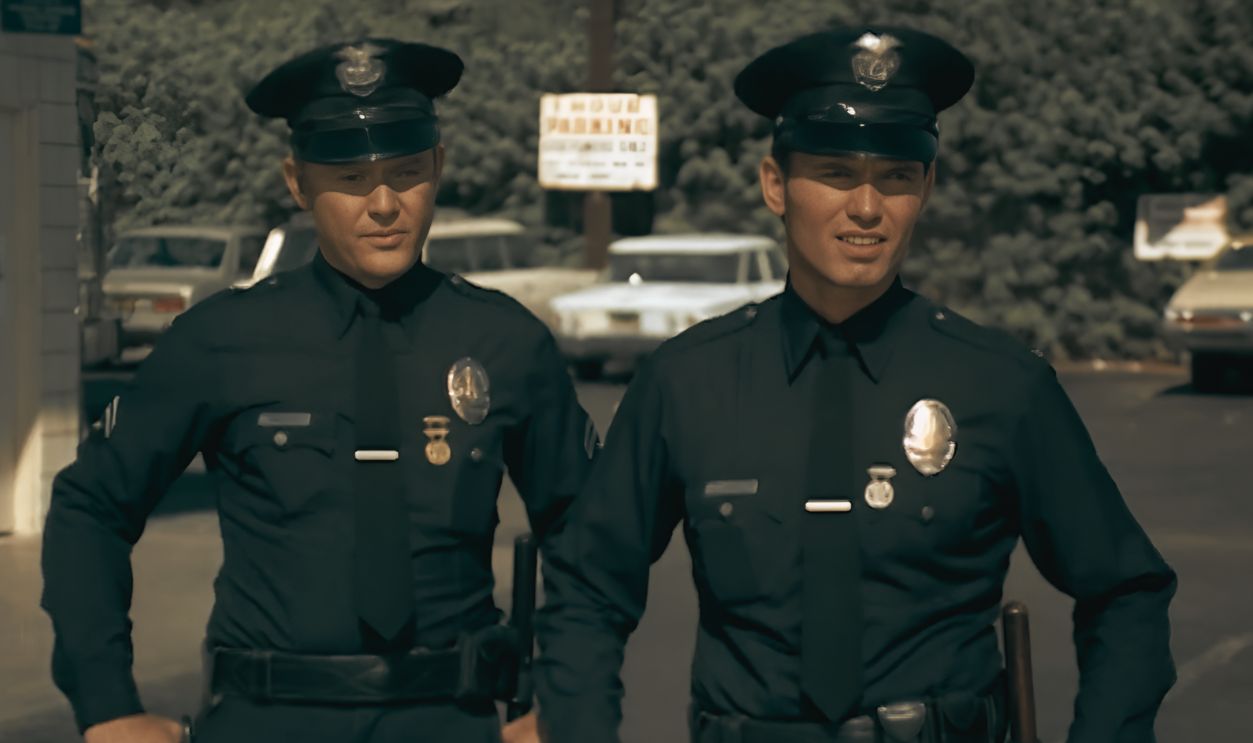 Screenshot from Adam-12, NBC (1968–1975), Modified
Kent McCord Created The Perfect Contrast
Kent McCord’s Jim Reed was younger, newly married, and still learning how unpredictable patrol work could be. Milner’s Malloy was steadier, more private, and far less likely to react before understanding the situation. Their differences created tension without turning the men into enemies. McCord later remembered Milner as both a close friend and one of the industry’s genuinely great people.
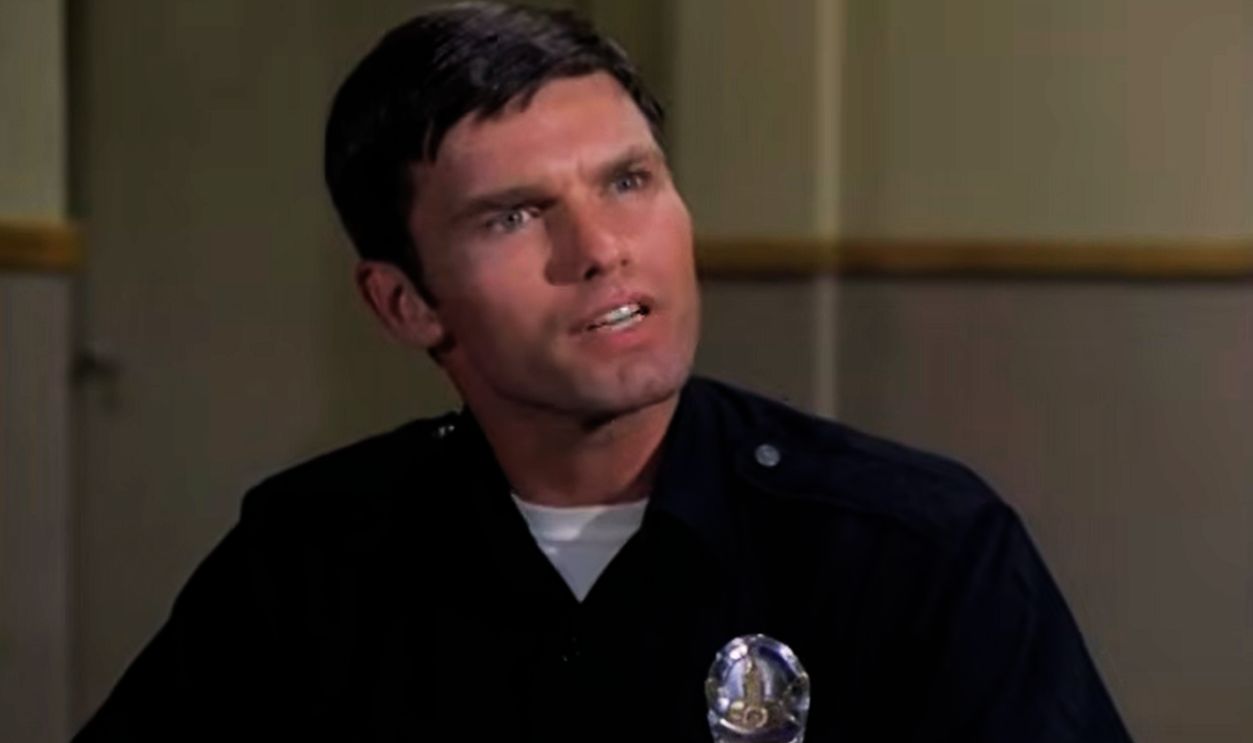 Screenshot from Adam-12, NBC (1968–1975)
The Friendship Never Felt Manufactured
Malloy and Reed spent long stretches sitting beside each other in a patrol car, which required believable chemistry even when little action was happening. Milner could communicate familiarity through a glance, a pause, or a dry response to Reed’s enthusiasm. Their relationship gradually shifted from teacher and rookie to equal partners. The warmth beneath their professional discipline made the patrol unit feel like a real team.
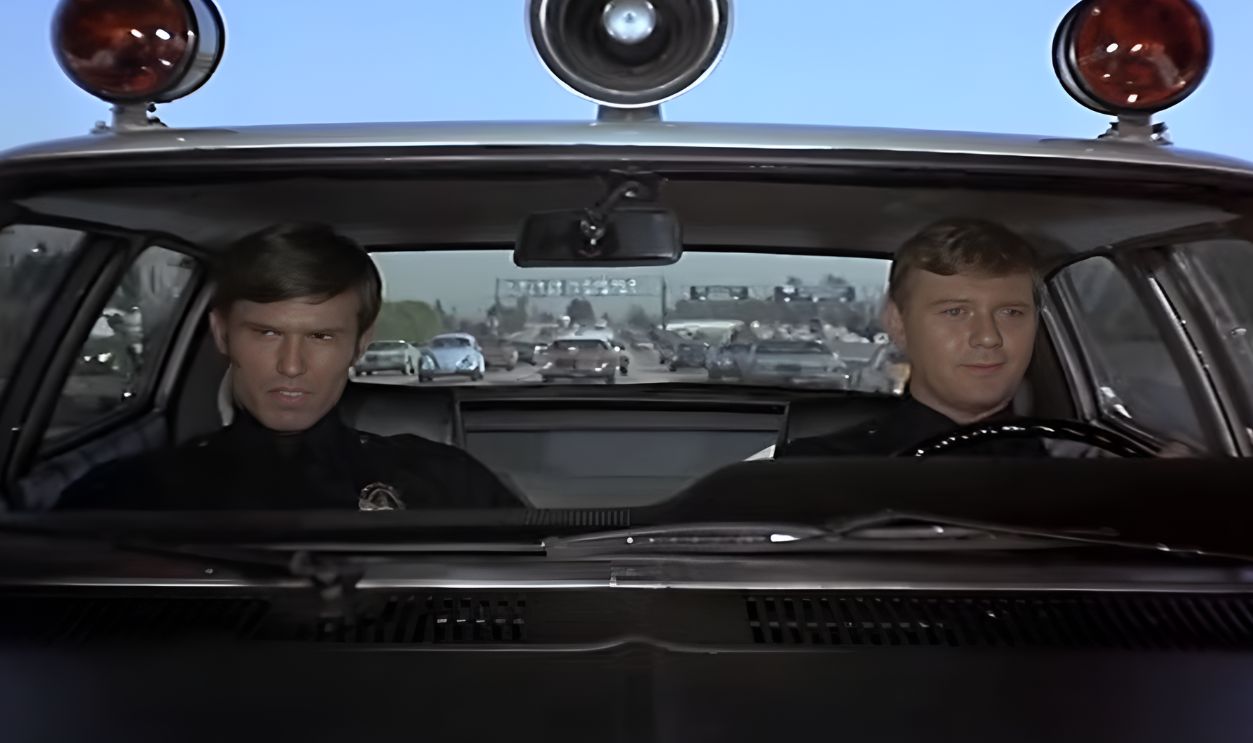 Screenshot from Adam-12, NBC (1968–1975), Modified
He Looked Like An Officer You Might Meet
Milner possessed wholesome good looks, but he did not appear excessively polished or physically superhuman. In uniform, he looked mature, alert, and comfortably ordinary. That quality allowed viewers to imagine Malloy working in their own neighborhood rather than existing only in television fantasy. Contemporary obituaries repeatedly connected Milner’s approachable appearance with the popularity of his best-known series.
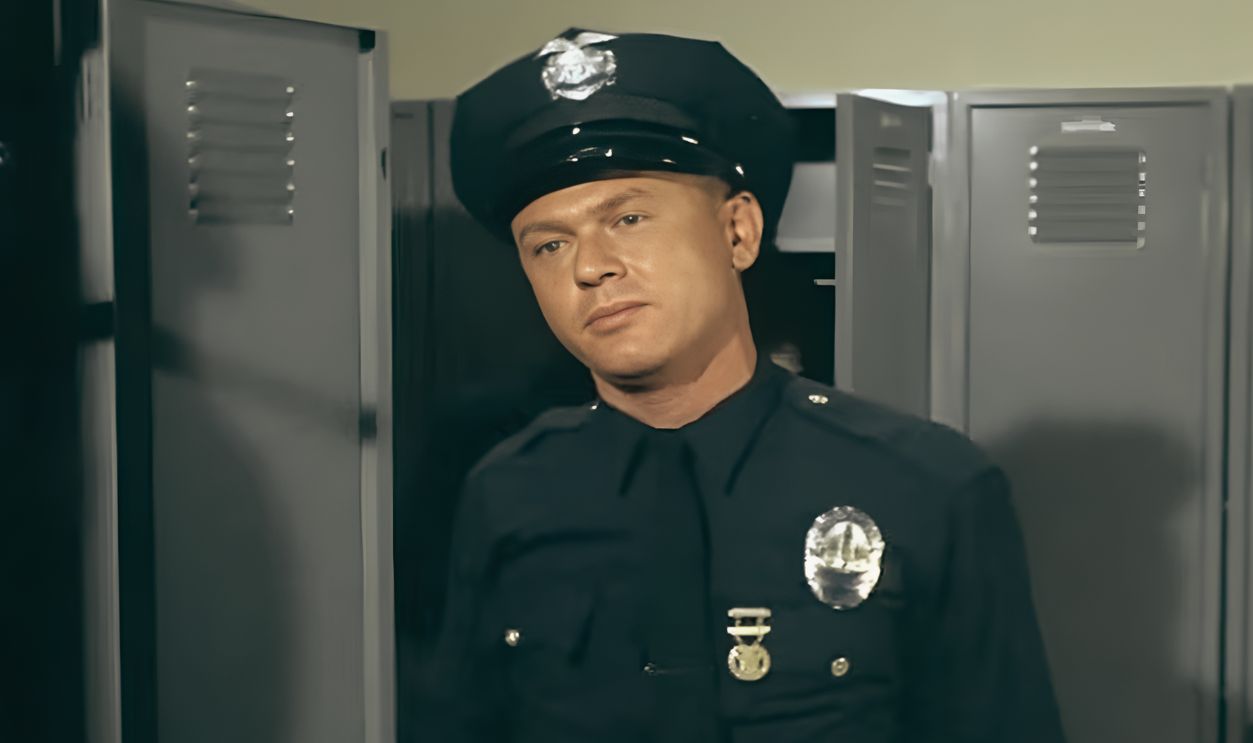 Screenshot from Adam-12, NBC (1968–1975), Modified
His Calmness Became The Main Attraction
Malloy rarely turned every disagreement into a shouting match. Milner used a level voice and measured reactions to suggest an officer assessing risks before acting. That restraint made sudden danger more effective because viewers understood that Pete did not panic easily. His composure became a more convincing sign of courage than constant aggression.
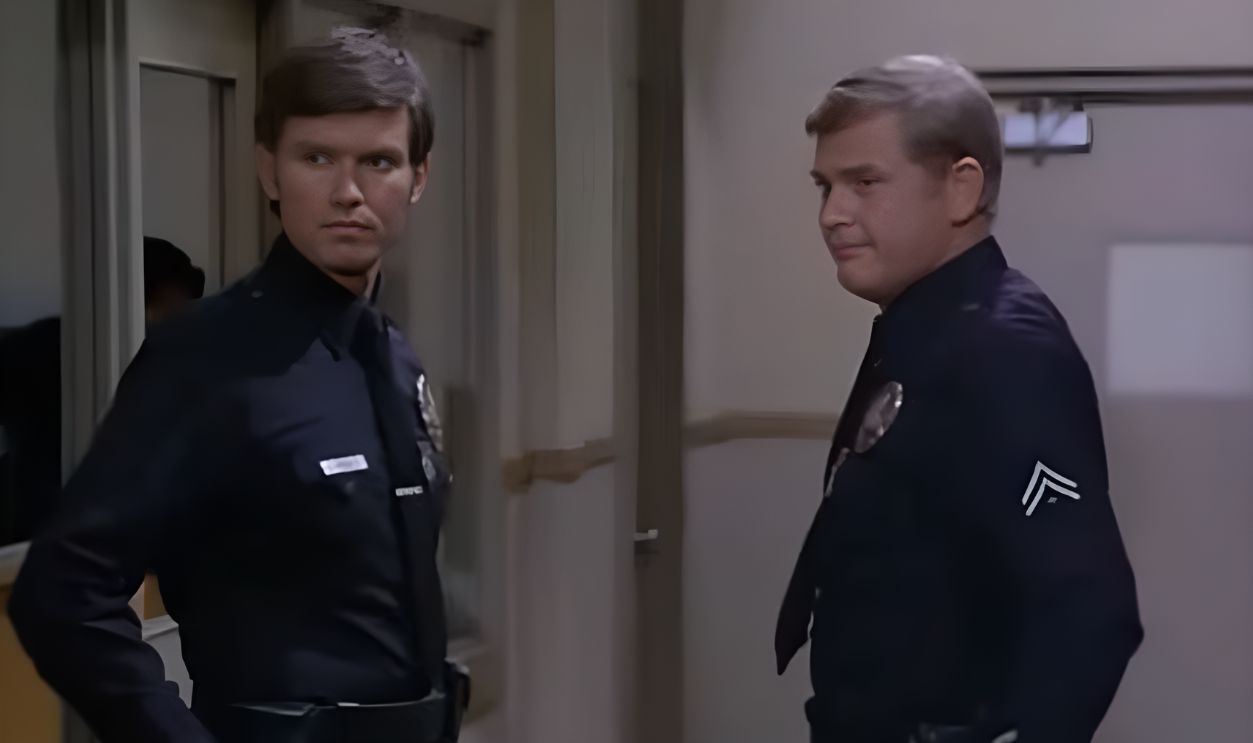 Screenshot from Adam-12, NBC (1968–1975), Modified
Jack Webb Wanted Workmanlike Policing
Executive producer Jack Webb had built Dragnet around procedure, professional language, and the daily labor behind law enforcement. His approach rejected the idea that every police story required nonstop shootouts. Television Academy accounts describe Webb’s goal as turning the camera toward officers simply going about their working lives. Milner’s unfussy performance was ideally suited to that philosophy.
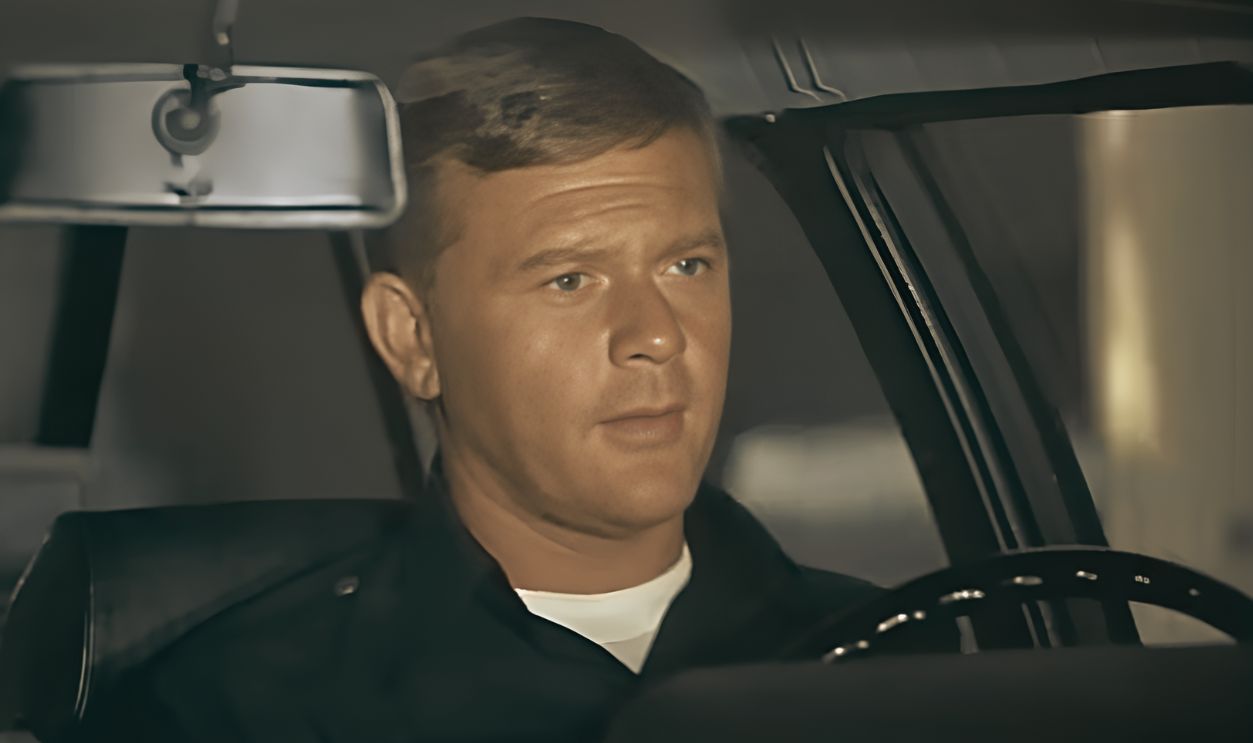 Screenshot from Adam-12, NBC (1968–1975), Modified
The Show Focused On Patrol Work
Dragnet usually followed investigators after a serious crime had occurred. Adam-12 shifted the attention to uniformed officers responding first to whatever came over the radio. Malloy and Reed handled accidents, thefts, disturbances, frightened children, domestic trouble, and suspicious behavior. Milner showed that being first on the scene required flexibility more often than glamour.
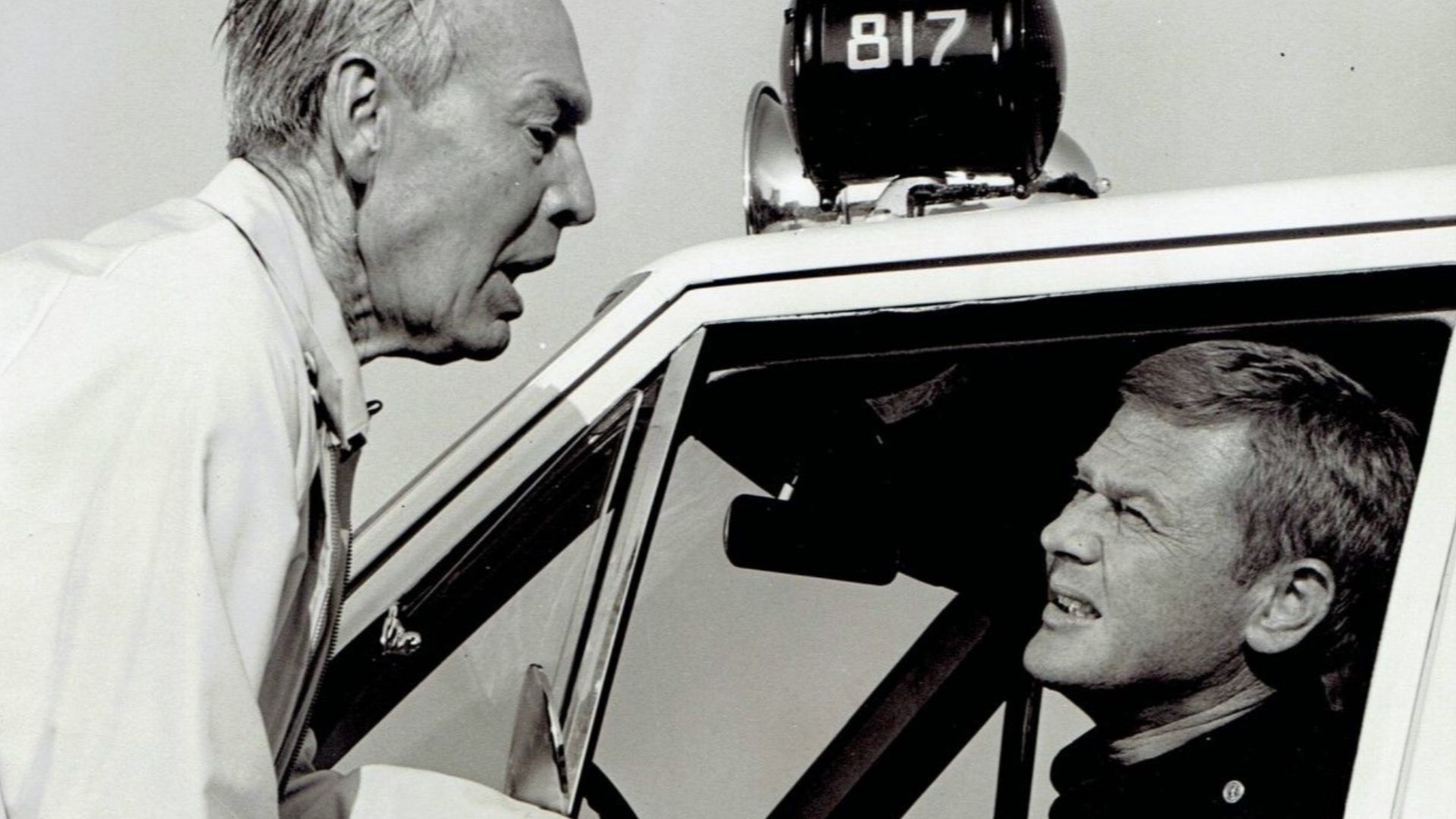 unknown (NBC), Wikimedia Commons
The Radio Call Became Instantly Familiar
The title came from the patrol unit’s call sign, 1-Adam-12. “Adam” indicated a two-officer unit, while the remaining numbers identified its assigned area and car. The dispatcher’s calls created an immediate sense that another routine shift could turn serious at any moment. The phrase became so culturally recognizable that the LAPD later activated a real 1-Adam-12 unit in acknowledgement of the show’s history.
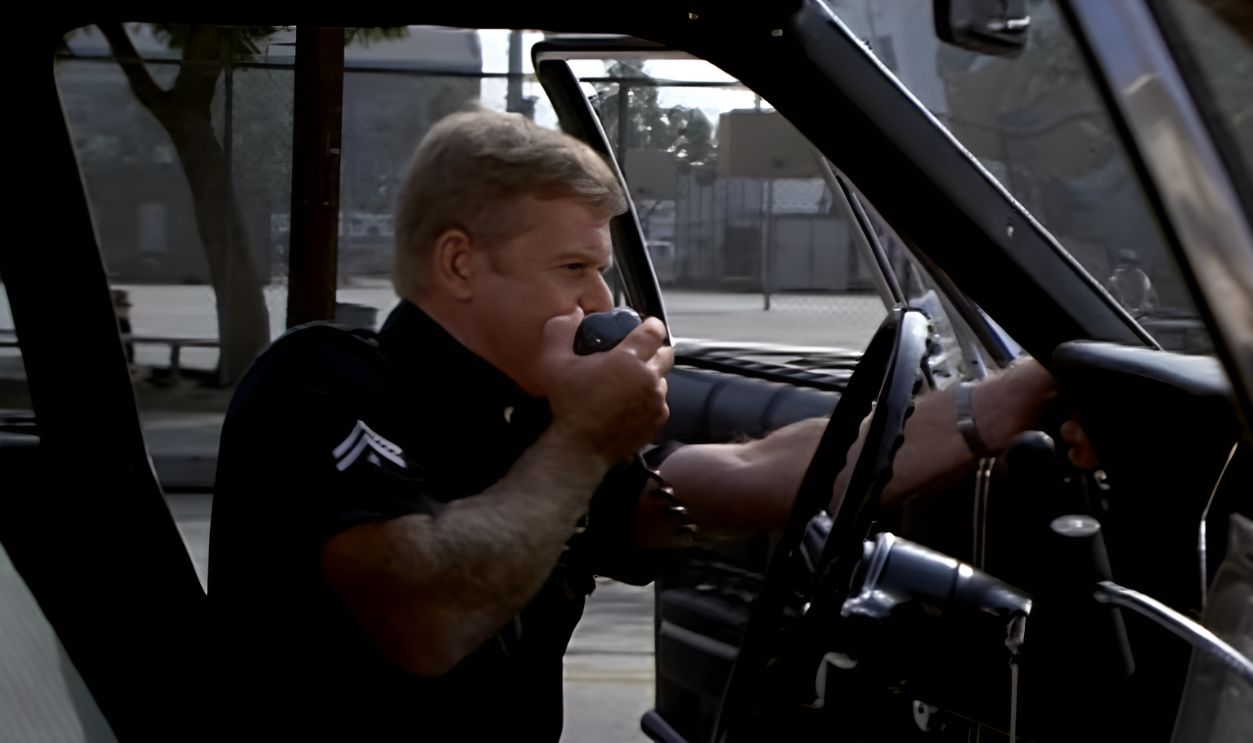 Screenshot from Adam-12, NBC (1968–1975), Modified
Real Los Angeles Gave Him Credibility
The program placed Malloy and Reed on recognizable Los Angeles streets rather than confining them to an anonymous studio city. Driving between calls allowed the series to present neighborhoods, businesses, traffic, and ordinary residents as part of the job. Milner appeared comfortable inside that changing environment. He did not look like a star visiting the streets because he looked like an officer assigned to them.
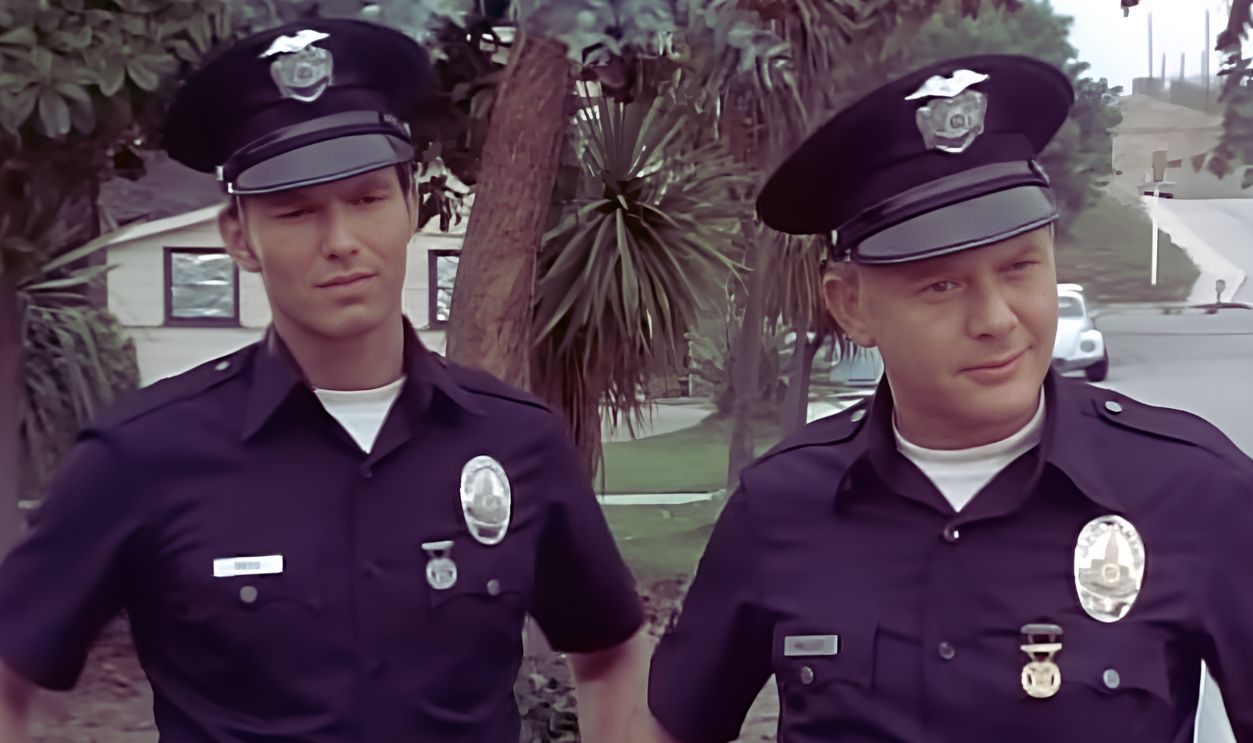 Screenshot from Adam-12, NBC (1968–1975), Modified
The Patrol Car Became His Office
Much of Malloy’s working life unfolded inside the police cruiser. The confined space allowed Milner and McCord to discuss calls, tease each other, and reveal small personal details between emergencies. It also emphasized how much patrol officers relied on their partners during long shifts. The black-and-white car became almost as recognizable as either actor.
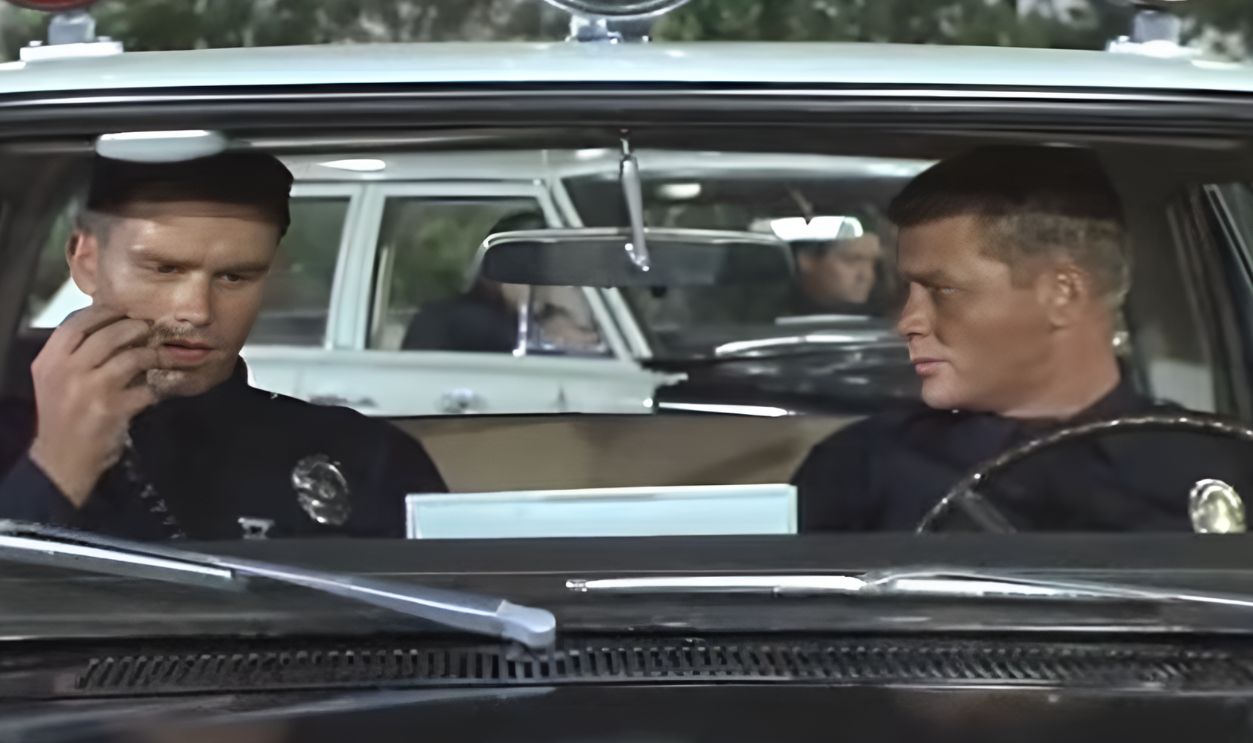 Screenshot from Adam-12, NBC (1968–1975), Modified
Accuracy Was Taken Seriously
The production used police advisers to help the actors follow authentic procedures and habits. McCord recalled being reminded to put on his uniform hat when leaving the car, even though both stars disliked wearing it. He also said departments around the country received 16-millimeter prints and used the series for training. The attention to detail helped Milner’s ordinary movements look professionally ingrained.
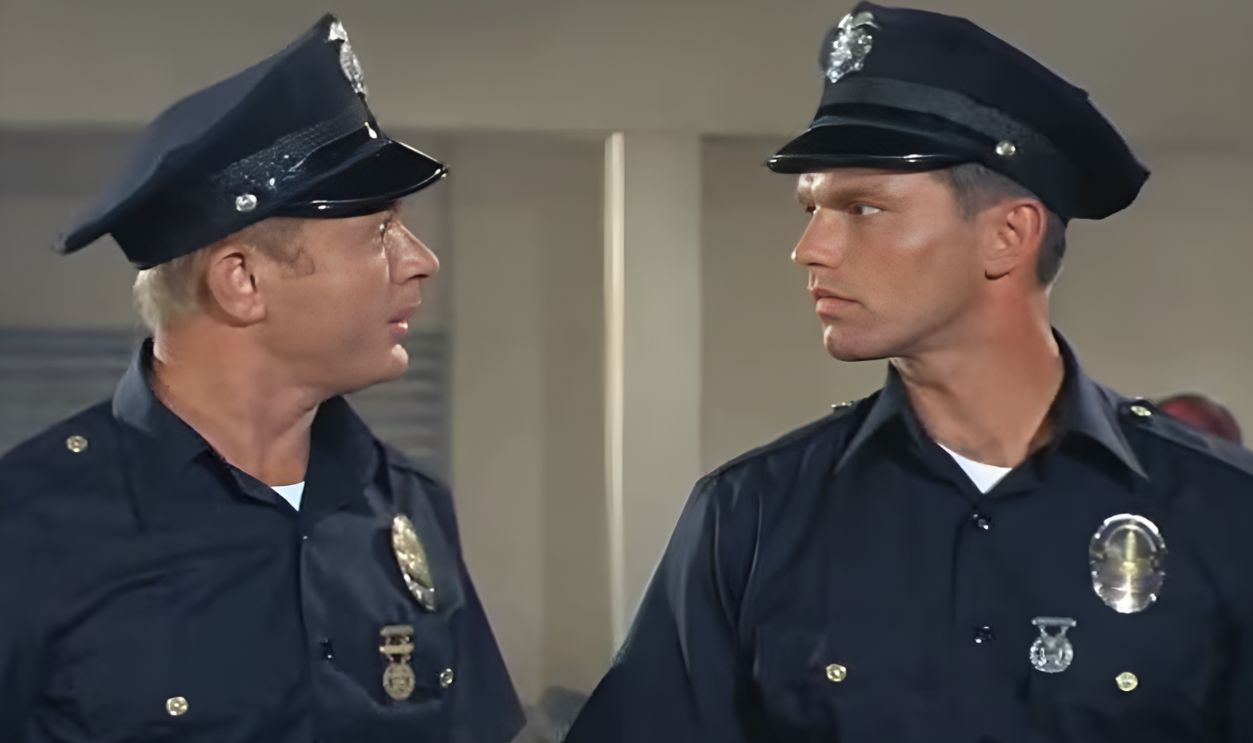 Screenshot from Adam-12, NBC (1968–1975), Modified
Webb Warned Them About The Responsibility
Before production began, Webb told Milner and McCord that portraying officers placed them within a very small and closely watched fraternity. According to McCord, Webb warned them not to embarrass the police or themselves. The instruction reflected how seriously the production treated its public image. Milner responded by making Malloy disciplined without becoming stiff or artificial.
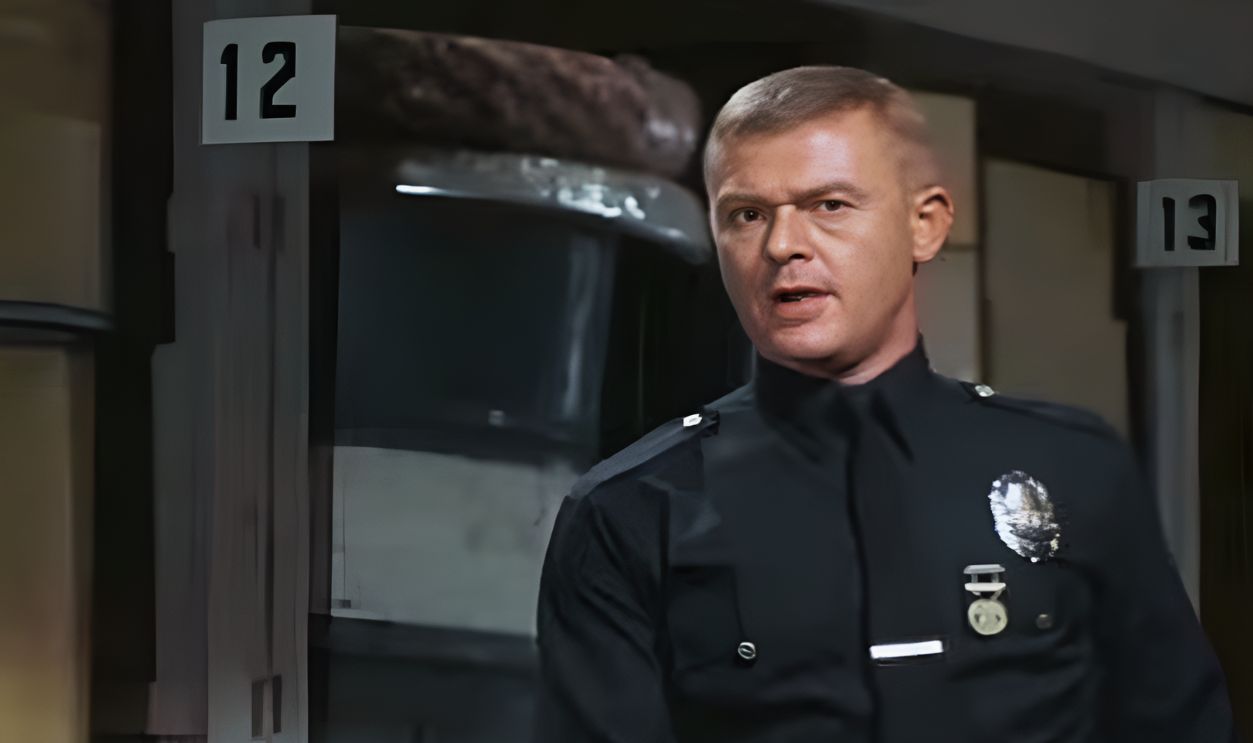 Screenshot from Adam-12, NBC (1968–1975), Modified
Real Officers Watched Closely
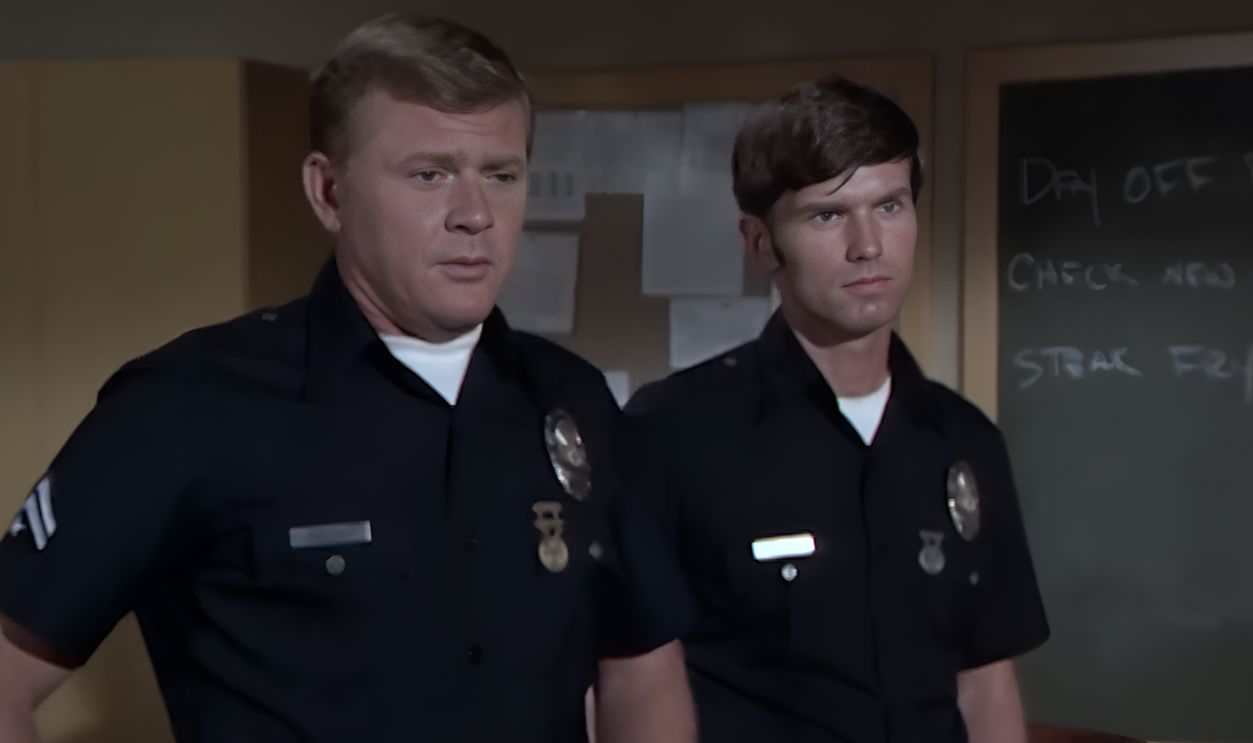
McCord recalled that working officers approached the actors after the show had been airing for several months. They said they liked the series but joked that Malloy and Reed were making the job harder because real officers had to live up to their image. The remark captured how strongly Milner’s professionalism resonated. Pete Malloy had become both entertainment and an unofficial public standard.
 Screenshot from Adam-12, NBC (1968–1975), Modified
Children Saw Police Differently
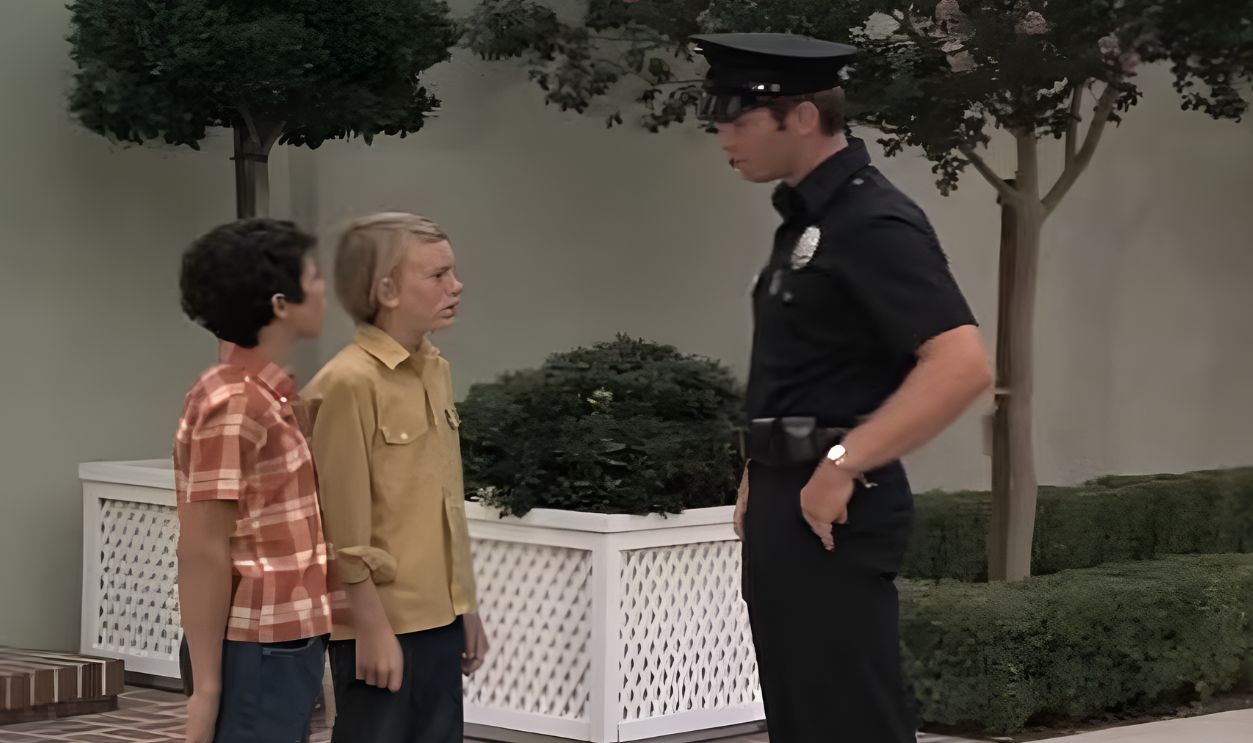
McCord also remembered an officer saying he could notice a difference in how children approached police before and after Adam-12. The series had not been designed specifically for young viewers, yet it became especially popular with them. Milner’s calm and approachable manner helped make a uniformed officer seem less distant. For many children, Pete Malloy was their first sustained image of everyday policing.
 Screenshot from Adam-12, NBC (1968–1975), Modified
The Cases Were Small Until They Were Not
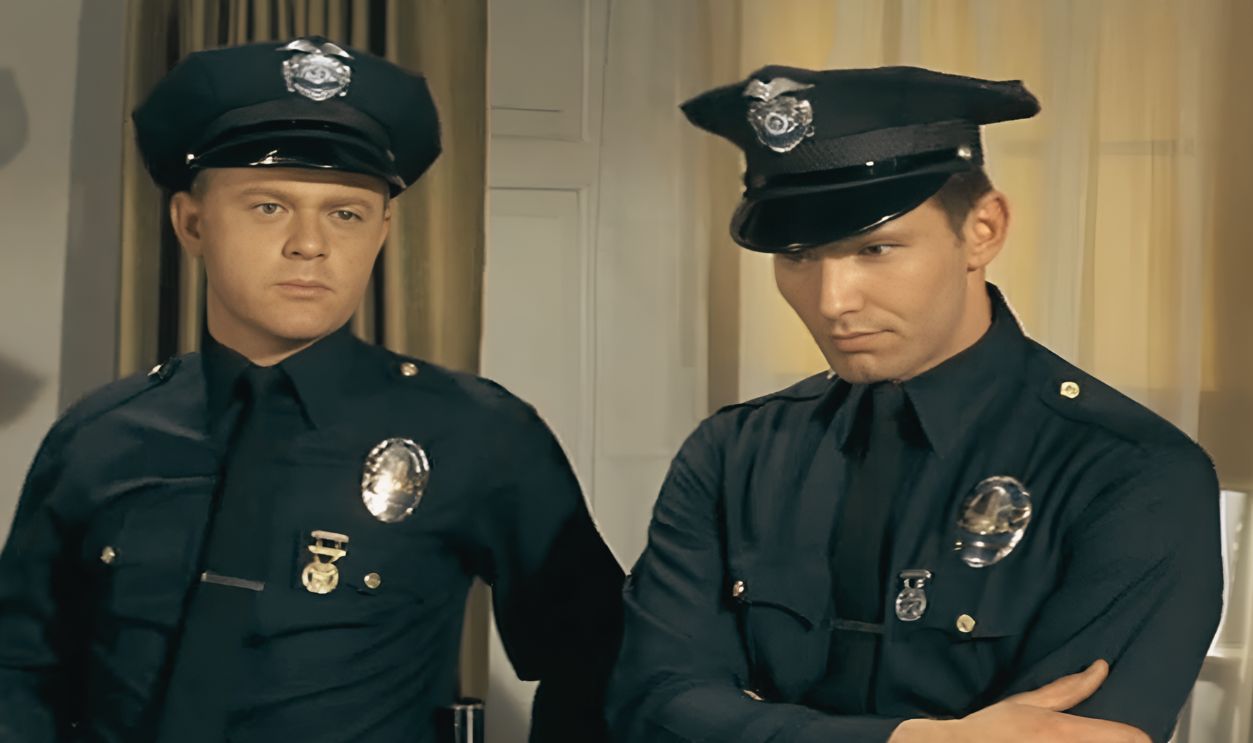
A shift might begin with a missing bicycle, a noise complaint, or an injured animal. Another radio call could suddenly place Malloy and Reed in a robbery, pursuit, or violent confrontation. That mixture reflected the uncertainty built into patrol work. Milner’s steady performance connected the quiet calls and dangerous ones without making either feel unimportant.
 Screenshot from Adam-12, NBC (1968–1975), Modified
He Treated Ordinary People Seriously
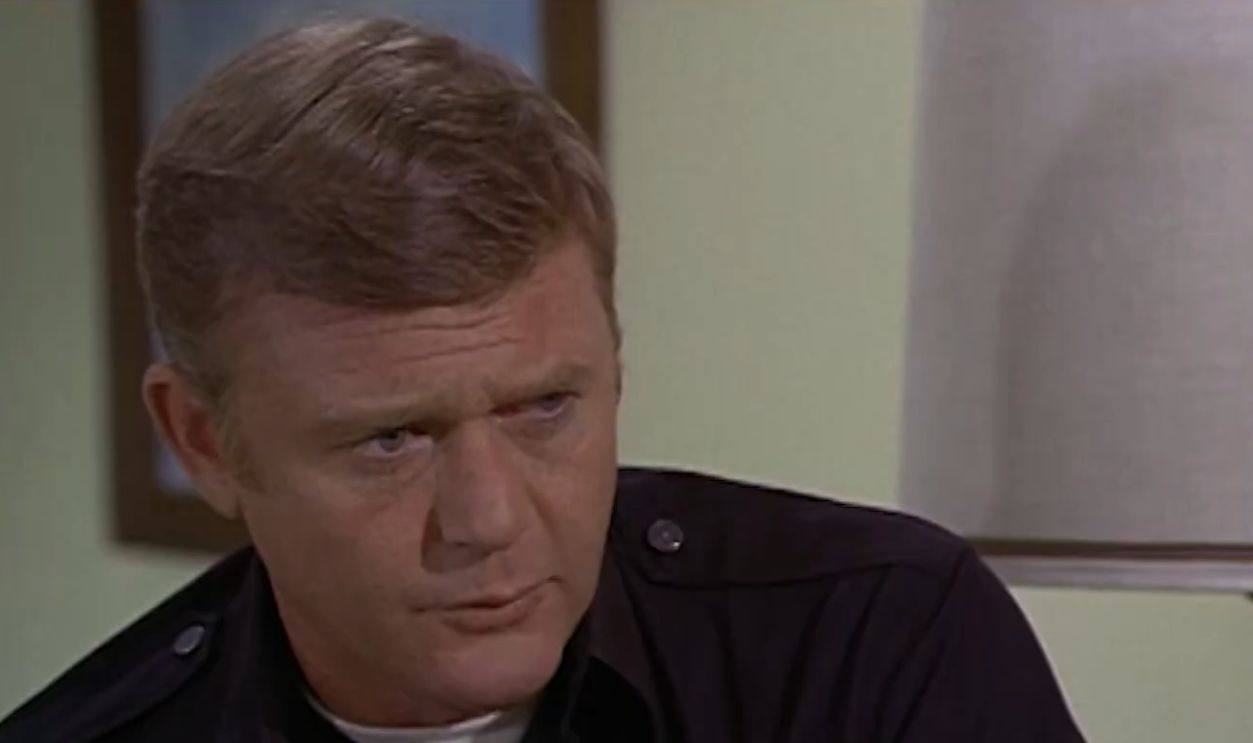
Malloy did not reserve his attention only for major victims or dramatic criminals. He spoke with confused motorists, worried parents, shopkeepers, teenagers, and people whose problems might appear minor from outside. Milner’s listening gave those encounters dignity. The character’s authority depended partly on taking the public seriously before expecting the public to trust him.
 Screenshot from Adam-12, NBC (1968–1975), Modified
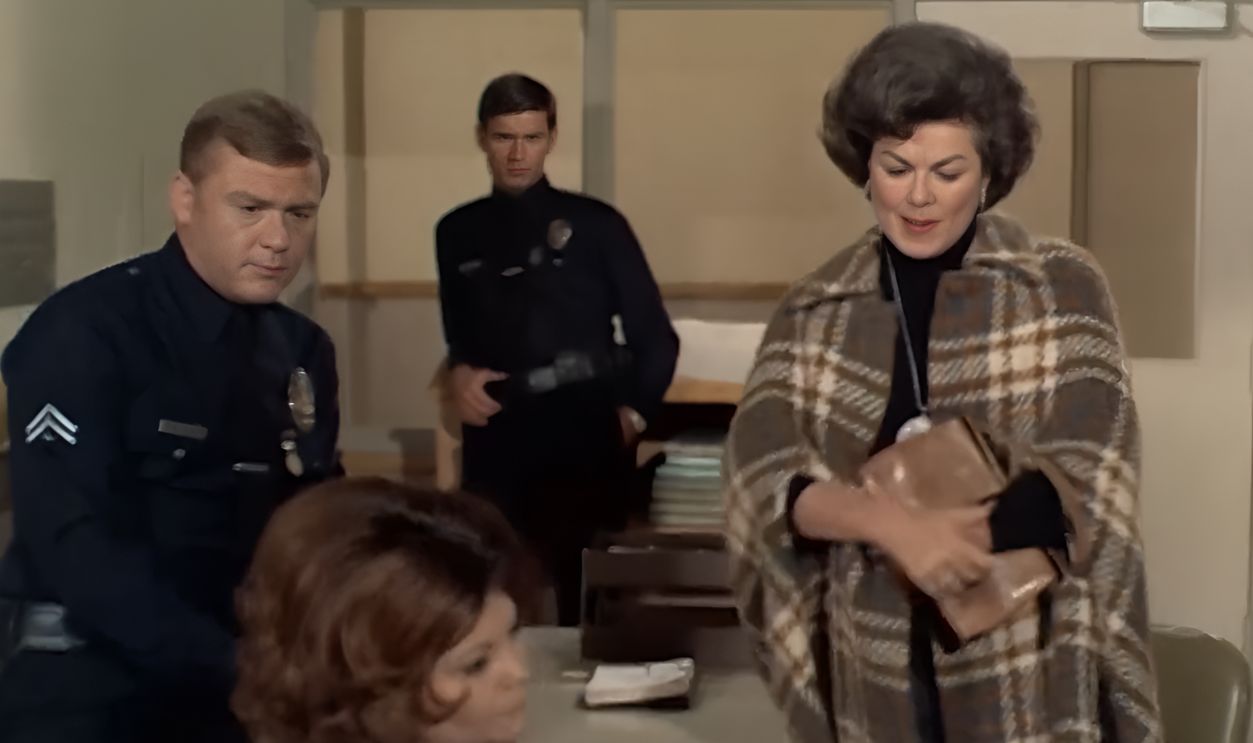
He Could Enforce Rules Without Enjoying Power
Milner rarely played Malloy as a man thrilled by his ability to order people around. Pete could be firm, but his goal was usually to calm a situation and complete the call safely. That distinction prevented him from becoming a swaggering television enforcer. He looked like someone performing a duty rather than feeding an ego.
 Screenshot from Adam-12, NBC (1968–1975), Modified
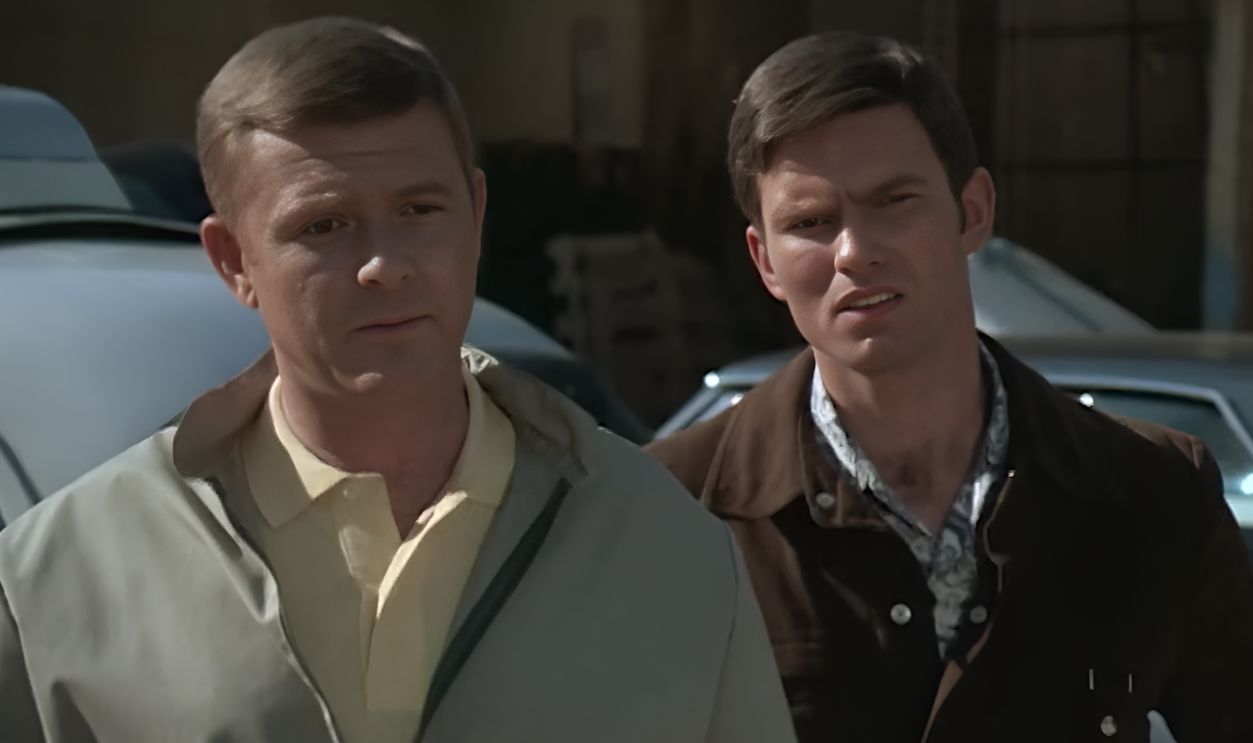
The Half-Hour Format Kept Things Direct
Episodes generally ran for roughly half an hour, giving the program little time for elaborate personal melodrama. Stories moved quickly from briefing to patrol calls and their immediate consequences. Milner adapted by revealing Malloy through behavior instead of lengthy speeches. Small professional decisions gradually built a complete character across the series.
 Screenshot from Adam-12, NBC (1968–1975), Modified
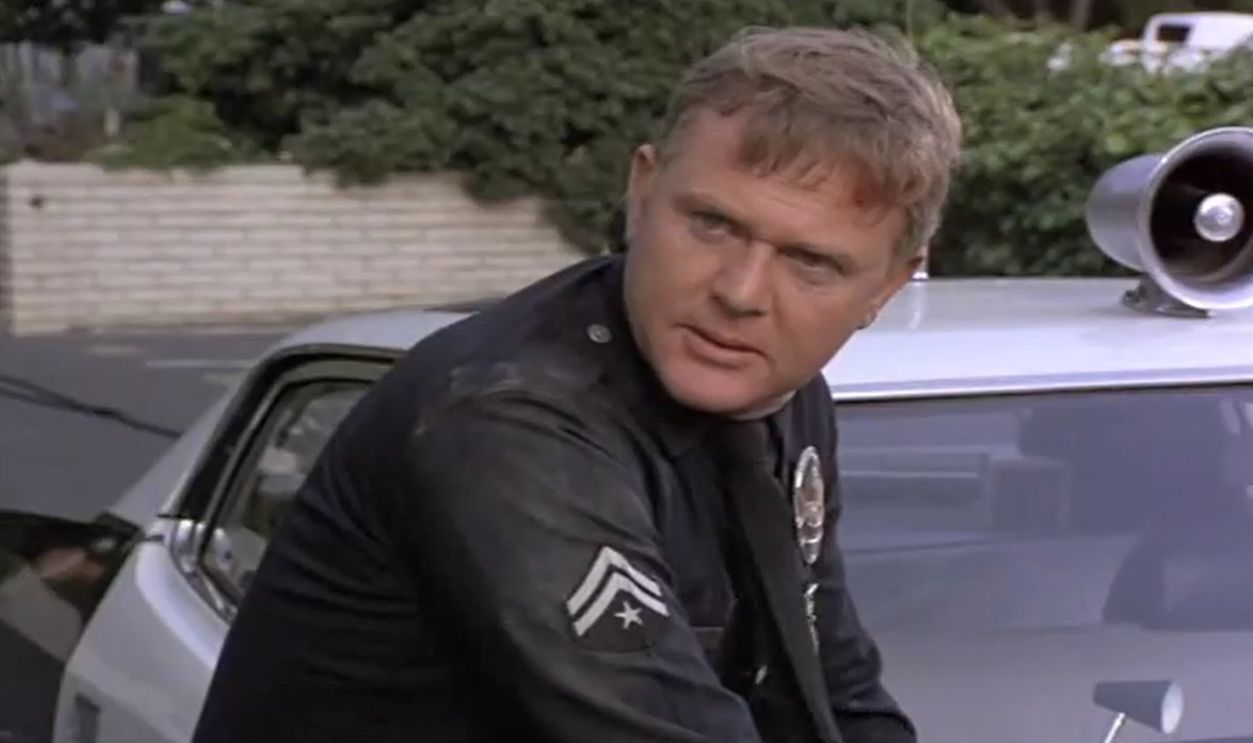
He Made Procedure Feel Dramatic
Calling for assistance, approaching a vehicle, checking a building, or separating people during an argument could become the center of a scene. Milner’s focus communicated that routine procedure mattered because mistakes could have consequences. The tension came from watching trained officers make decisions under uncertainty. Adam-12 showed that realism did not have to mean dullness.
 Screenshot from Adam-12, NBC (1968–1975)
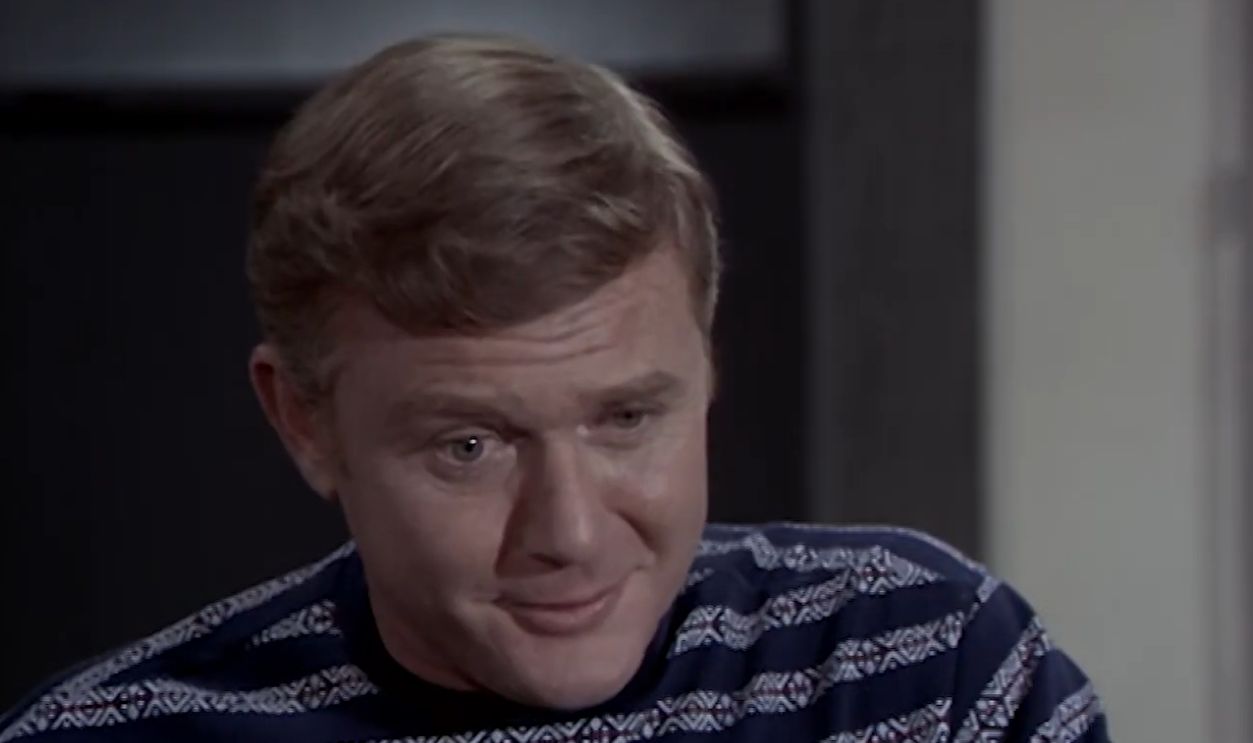
The Series Outlasted A Turbulent Era
Adam-12 premiered in September 1968, a period of widespread conflict and public mistrust surrounding American institutions. It continued through 1975 for seven seasons and approximately 175 episodes. That long run meant Malloy remained on television through major social changes and arguments about policing. Milner’s steadiness offered viewers an ideal of public service during a deeply unsettled period.
 Screenshot from Adam-12, NBC (1968–1975)
Malloy Grew Without Becoming Unrecognizable
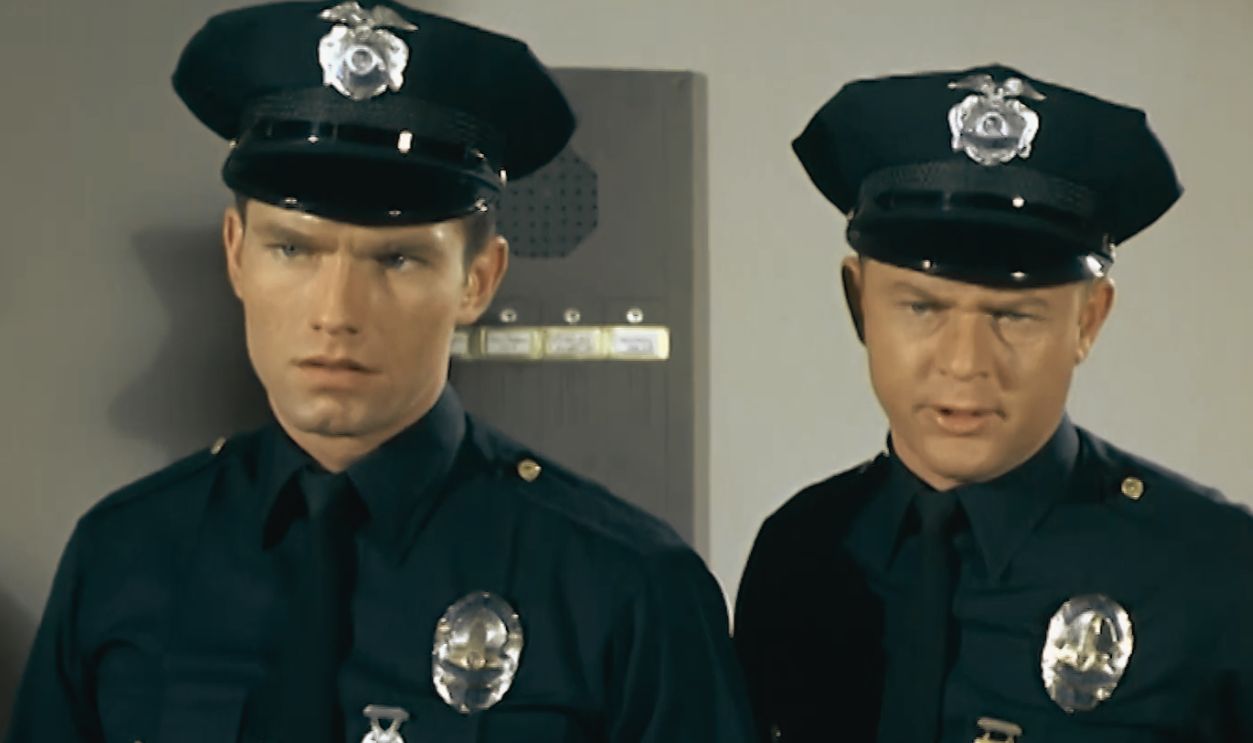
As Reed gained experience, Malloy no longer needed to supervise every decision. Later stories allowed Pete to consider promotion and take on greater leadership responsibilities. The character matured while retaining the patience and professionalism viewers expected. Milner made advancement feel like the natural reward for years of dependable service.
 Screenshot from Adam-12, NBC (1968–1975), Modified
The Show Influenced Real Career Choices
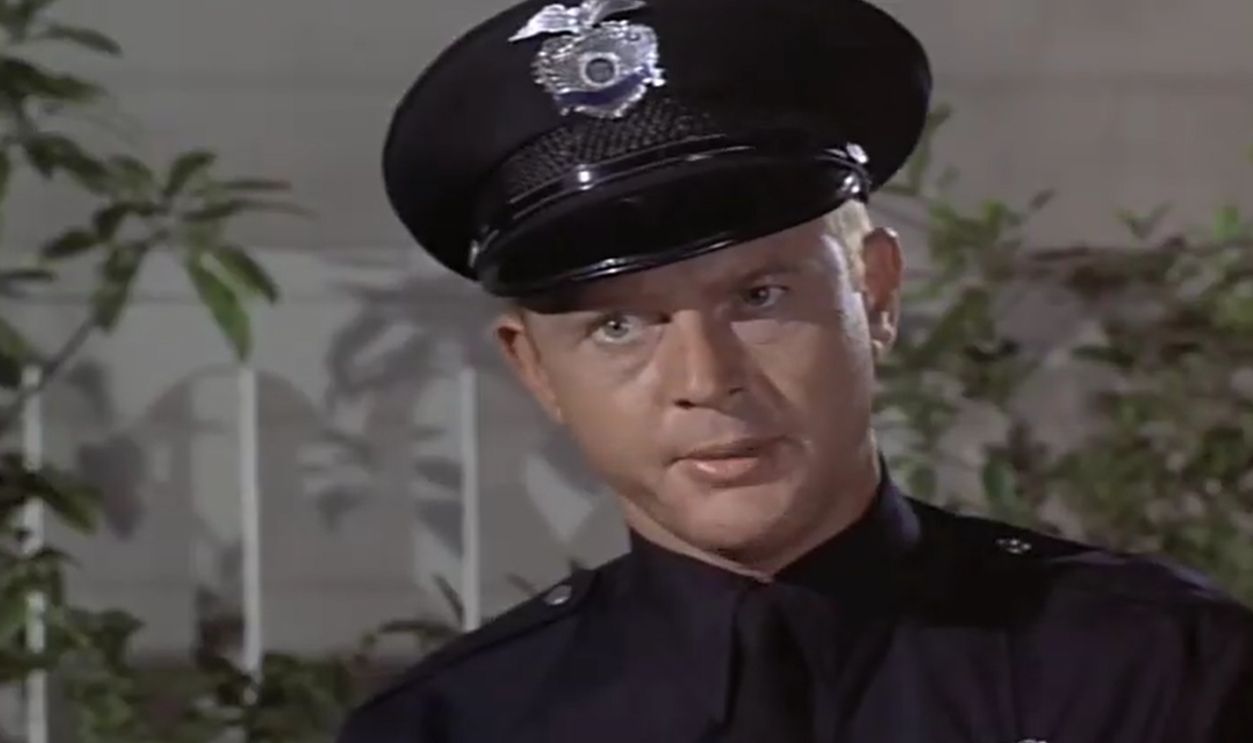
When the LAPD honored Milner after his death, the department stated that Adam-12 had inspired many people to become Los Angeles police officers. The tribute included period uniforms, equipment, and a black-and-white patrol car associated with the show’s era. That response demonstrated that Milner’s performance had reached far beyond ratings or nostalgia. Pete Malloy had become a model some viewers chose to follow into real life.
 Screenshot from Adam-12, NBC (1968–1975), Modified
Route 66 Helped Prepare Him
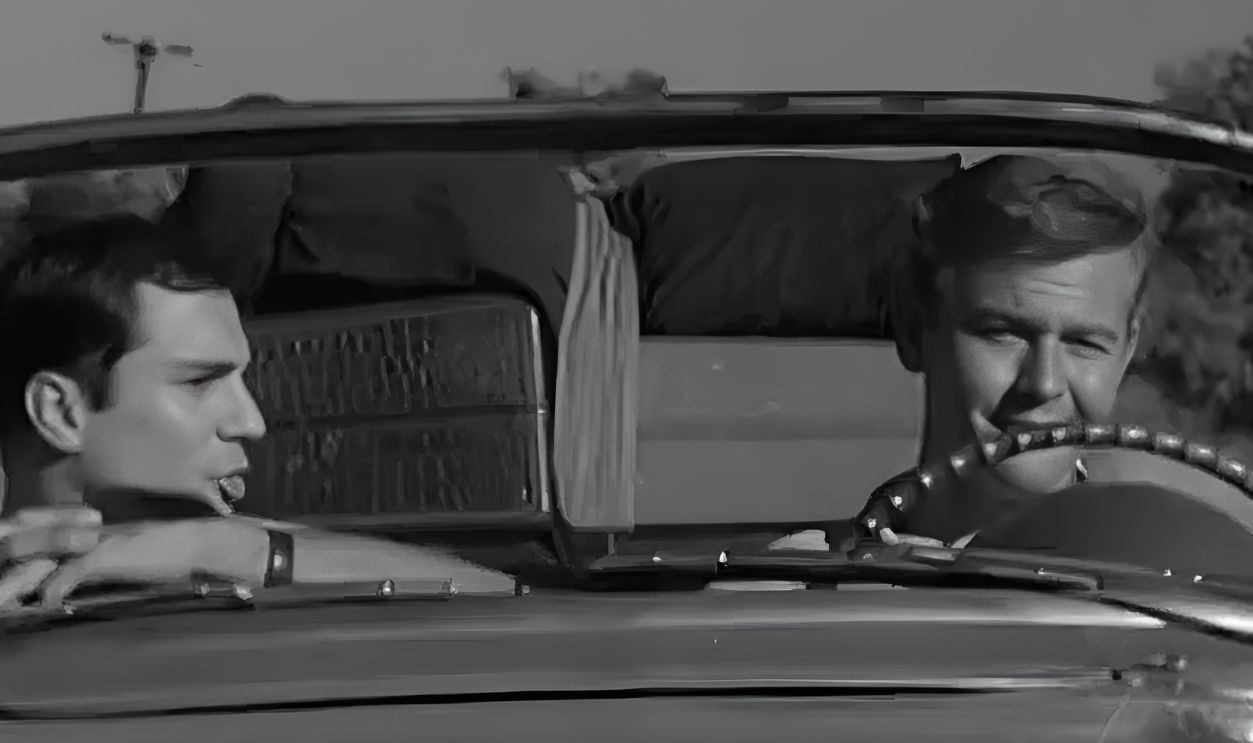
On Route 66, Milner had spent years performing on location and interacting with new characters in changing communities. That experience taught him how to remain the stable center of an episodic series while new stories and guest actors revolved around him. Adam-12 used the same basic strength in a more structured professional setting. Tod Stiles traveled toward the unknown, while Pete Malloy answered it over the radio.
 Screenshot from Route 66, CBS (1960–1964), Modified
He Made Partnership Look Essential
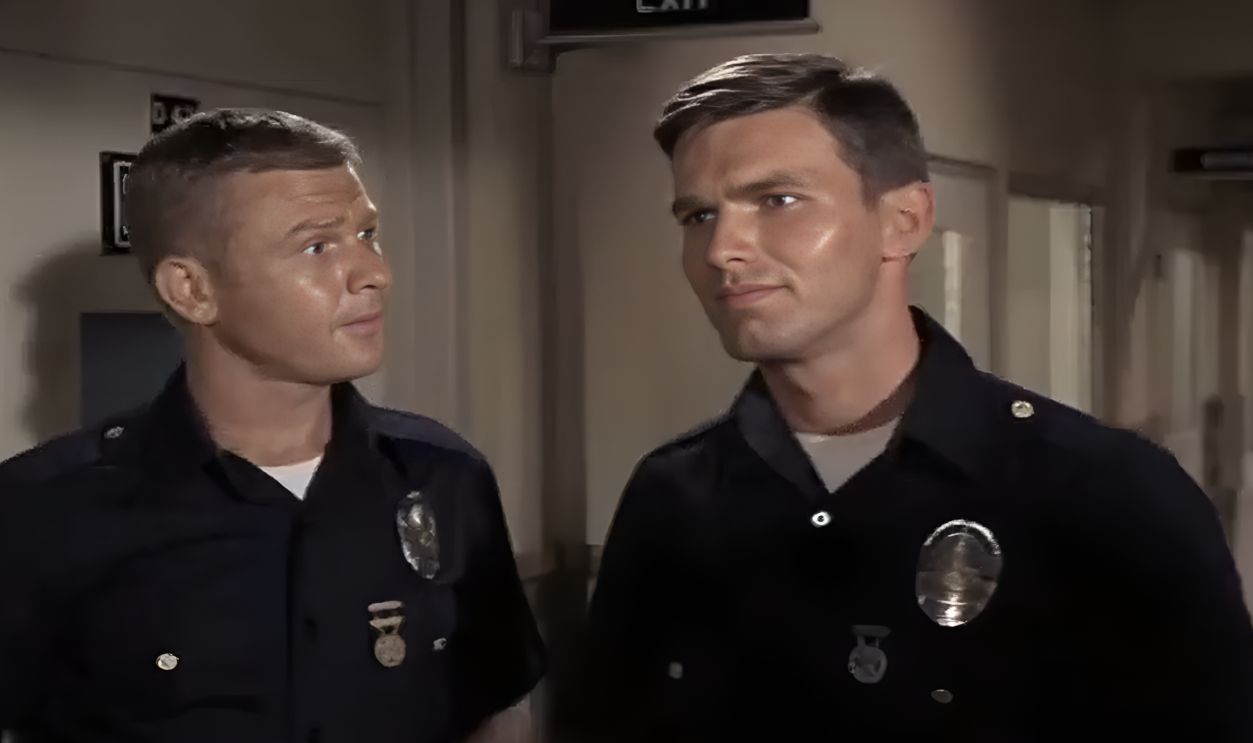
Although Milner became the public face of everyday policing, he never played Malloy as a lone hero. Pete relied on Reed, dispatchers, supervisors, detectives, emergency personnel, and other patrol units. The series repeatedly emphasized coordination rather than individual glory. Milner’s willingness to share authority made the institution around Malloy feel larger and more credible.
 Screenshot from Adam-12, NBC (1968–1975), Modified
Pete Malloy Became His Defining Role
Milner enjoyed a long career that included films, guest appearances, and another major television success in Route 66. Yet obituaries and official tributes consistently identified Adam-12 as one of the two roles that defined him. Malloy captured his greatest strengths: sincerity, restraint, decency, and quiet command. He became the face of everyday television policing because he made professionalism look more compelling than showmanship.
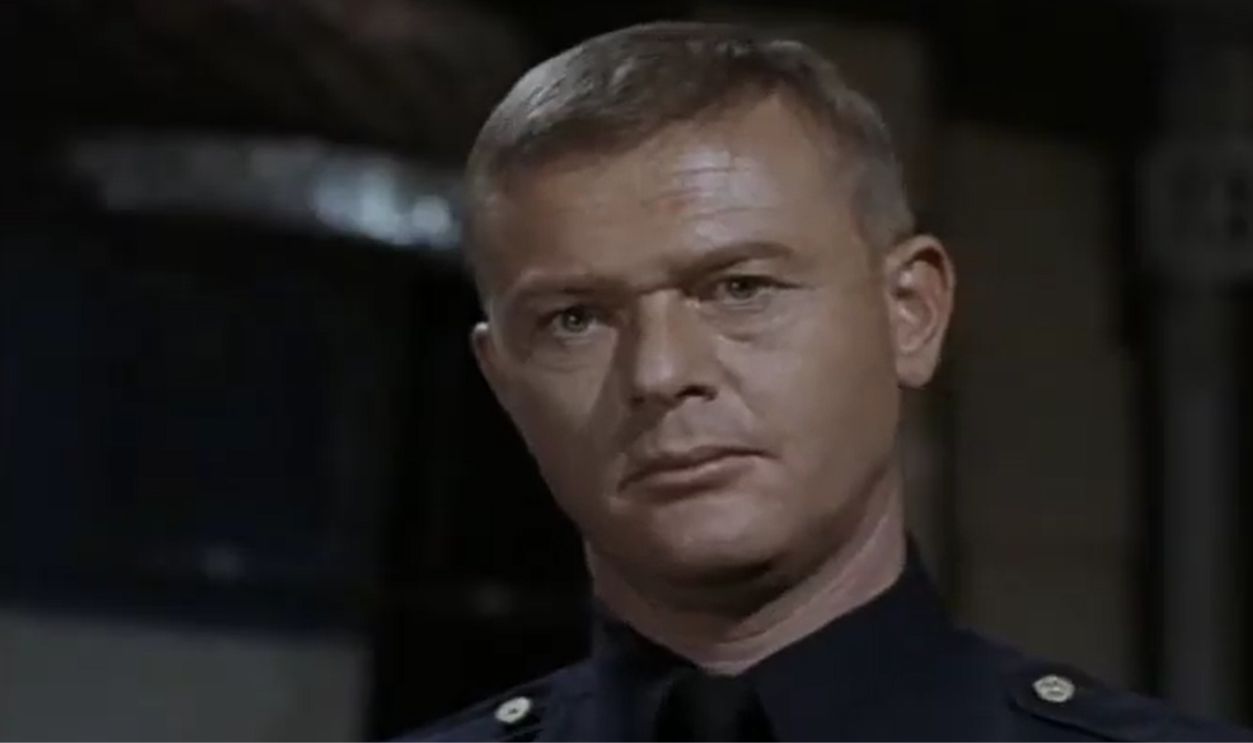 Screenshot from Adam-12, NBC (1968–1975)
You May Also Like:
The Best Detective Shows Ever Made
TV Shows From The 1970s That No One Remembers—Seriously, Do You Remember Even 5 Of These Shows?
Forgotten One-Season TV Shows From The 1980s—Do You Remember Any Of These Shows?
Sources: 1, 2, 3, 4, 5, 6, 7, 8, 9, 10, 11, 12, 13, 14, 15, 16, 17