From Oddball to Heartthrob
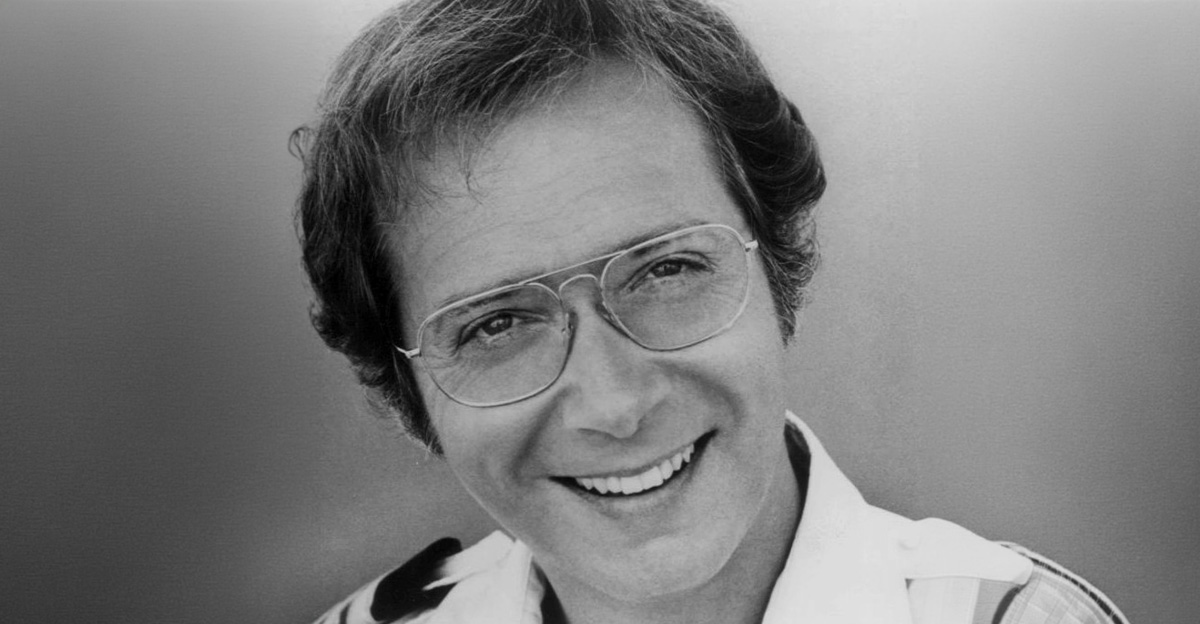
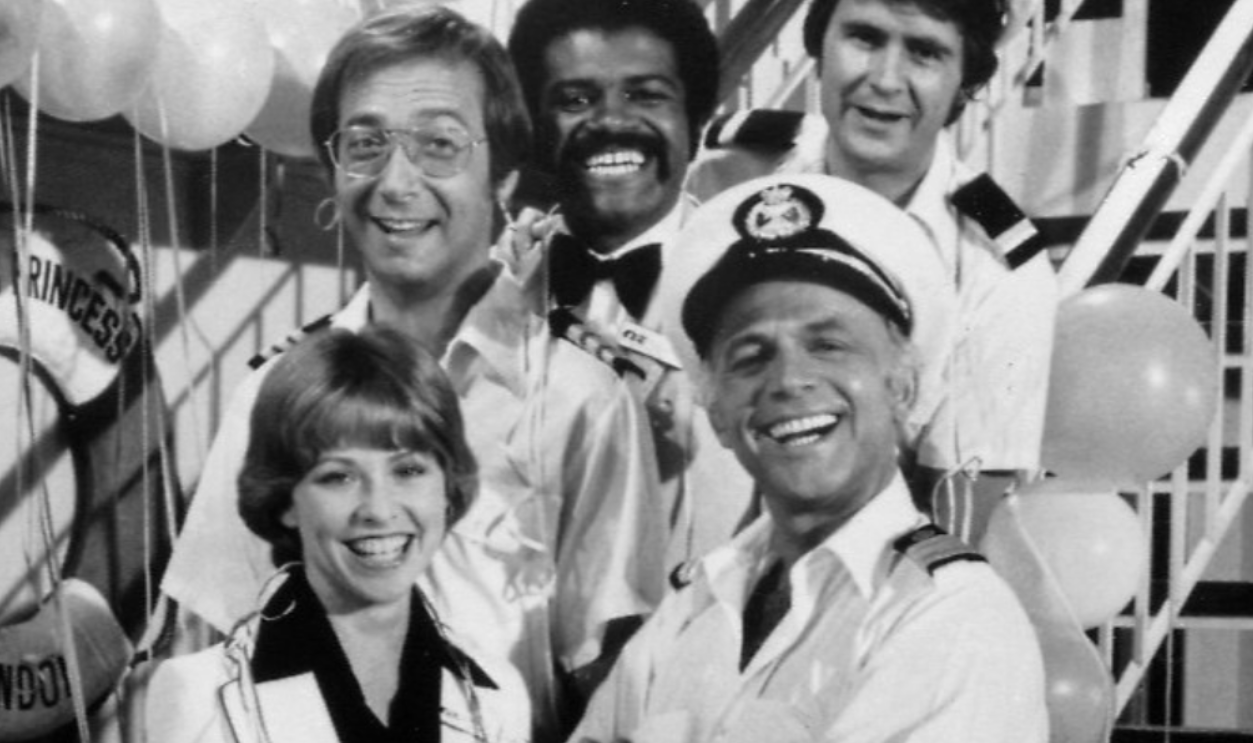
From eccentric spies to fussy zwarlocks, Bernie Kopell spent years becoming one of television’s most dependable comic faces. Then The Love Boat handed him a white jackaet, a ship full of singles, and a surprising new identity: Dr. Adam Bricker, the resident physician who rarely missed a chance to flirt.
 ABC Television, Public Domain, via Wikimedia Commons
A Brooklyn Beginning
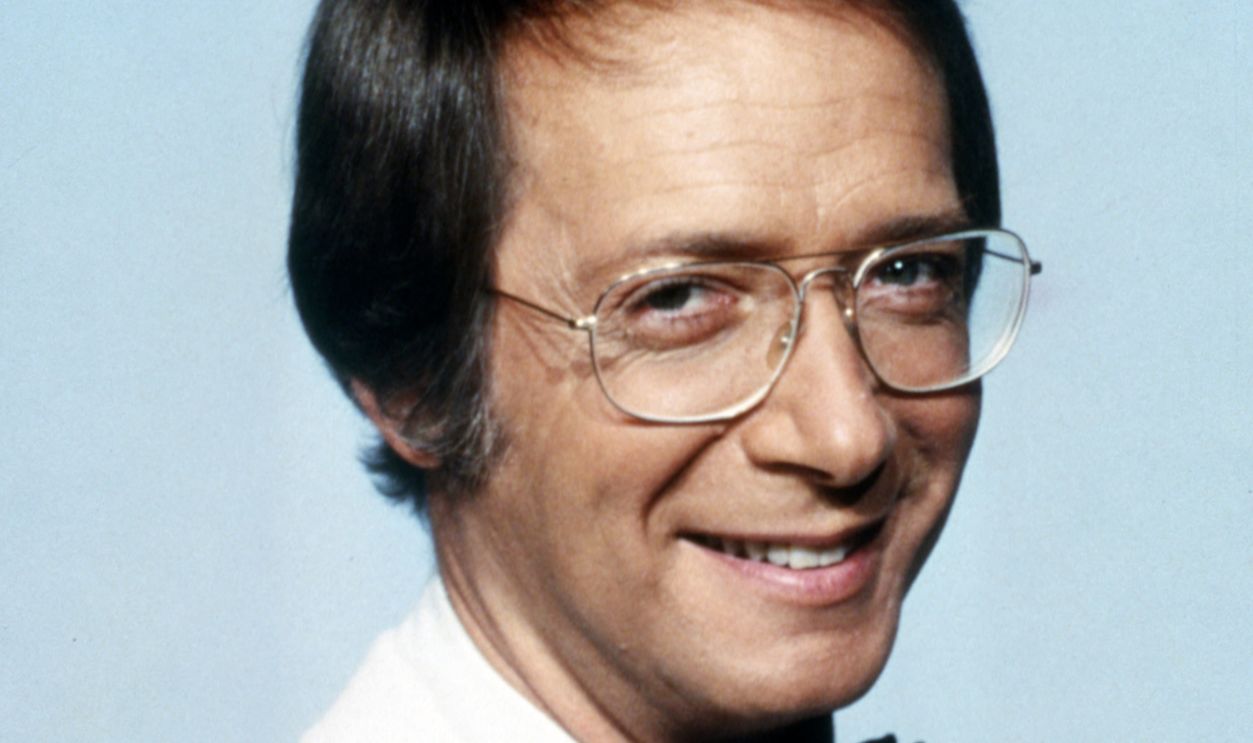
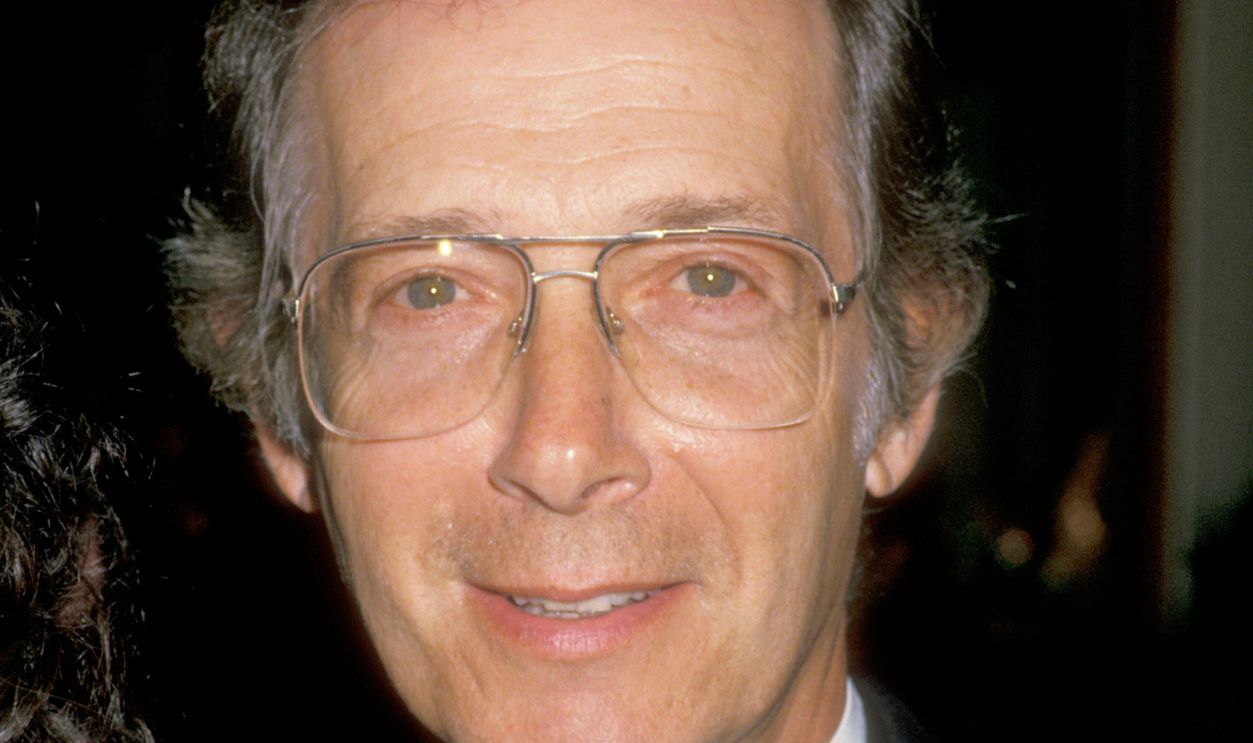
Bernie Kopell’s story started far from Hollywood glamour. Born in Brooklyn in 1933, he grew up in New York and attended Erasmus Hall High School. He later studied dramatic arts at New York University, giving the future sitcom regular a serious foundation before the funny voices took over.
 Michael Ochs Archives, Getty Images
Training Before the Punchlines
Kopell graduated from NYU in 1955 with a fine-arts degree, but television stardom was hardly waiting outside the classroom. His training gave him range, yet his career would depend just as much on timing, persistence, and a knack for making even tiny supporting characters instantly memorable.
Life in the Navy
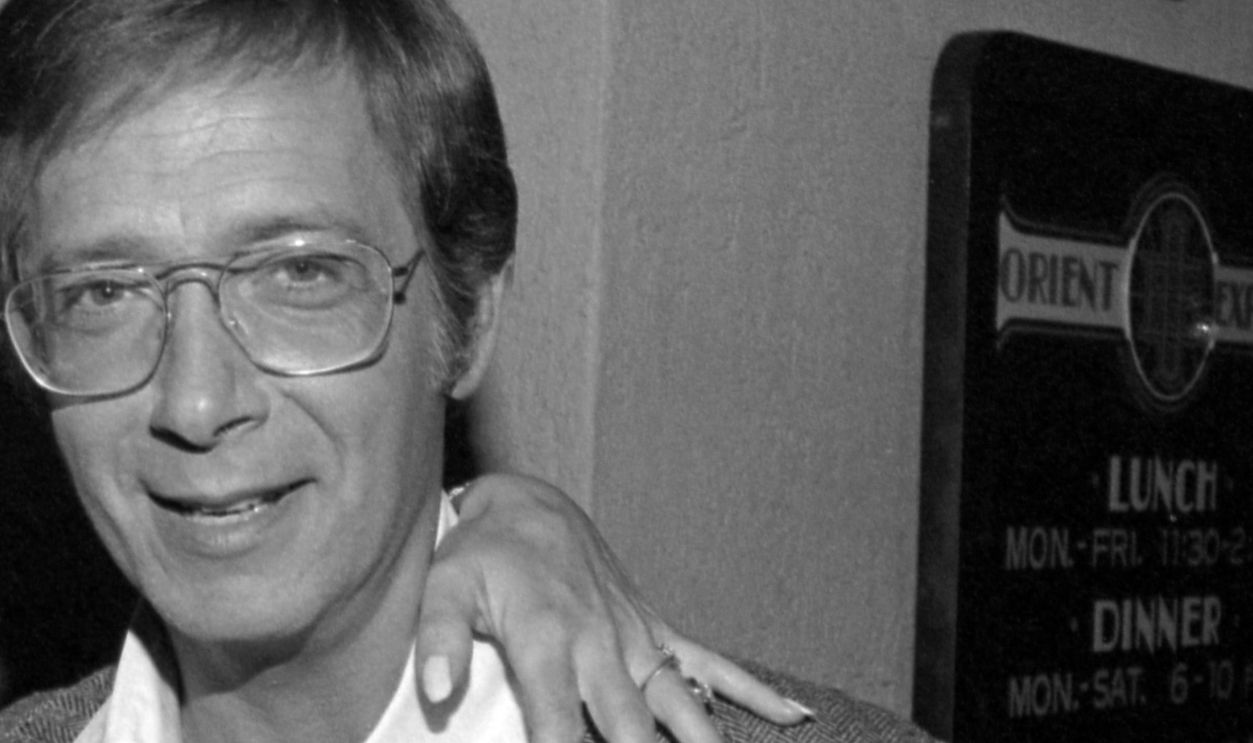
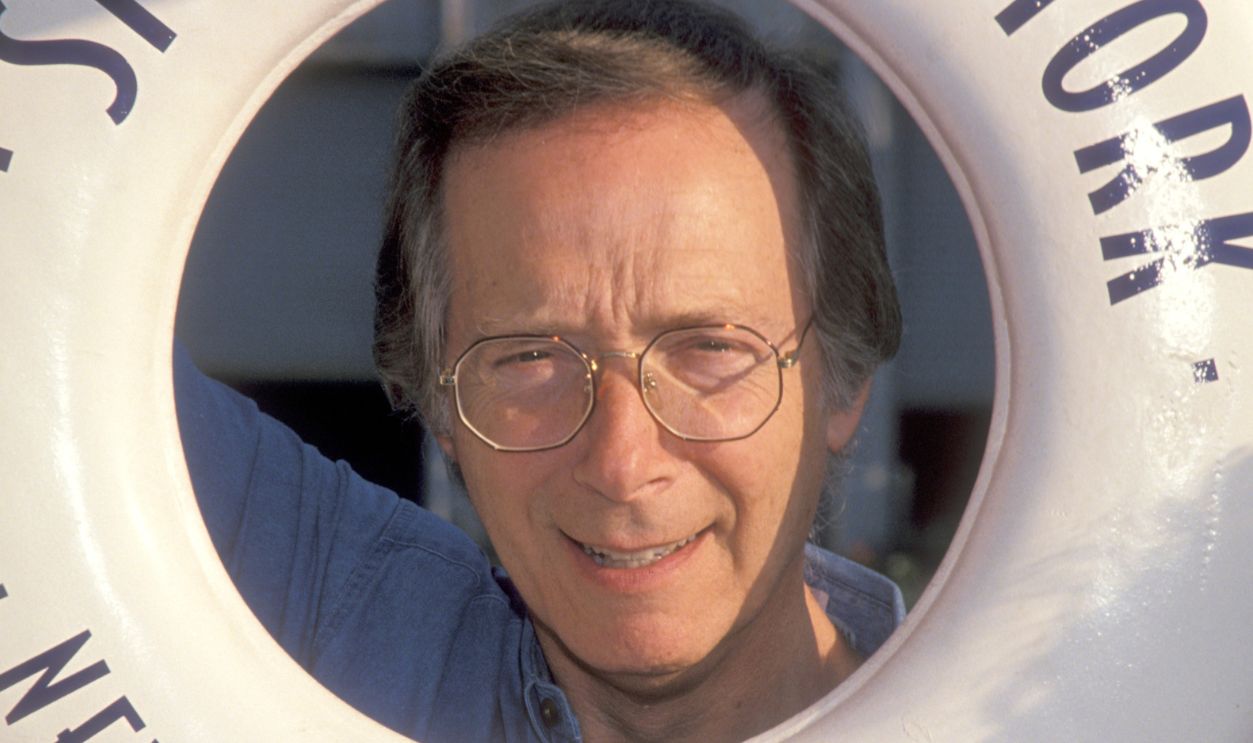
Before Hollywood, Kopell served in the U.S. Navy. He worked as a librarian at Naval Air Station Norfolk and later served aboard the battleship USS Iowa. The experience also took him overseas, years before The Love Boat would turn international travel into part of his television job.
 ABC Television, Wikimedia Commons
Hollywood Wasn't Waiting
After military service, Kopell headed west to Los Angeles. The acting work did not arrive immediately. He drove a taxi and even tried selling vacuum cleaners while chasing auditions, the kind of unglamorous survival jobs that make his later life aboard a luxury cruise ship seem especially funny.
Dialects Opened the Door
His first substantial television break came on the daytime drama The Brighter Day, where his gift for dialects helped him land a role as a Cuban heavy named Pablo. It was an early clue about Hollywood’s first idea of Bernie Kopell: give him an accent and let him get weird.
Becoming Television's Utility Player
Throughout the early 1960s, Kopell bounced around television in guest roles, appearing on shows ranging from The Alfred Hitchcock Hour to My Favorite Martian. He was becoming exactly the sort of actor producers love: reliable, distinctive, and able to walk into an episode and create a character fast.
 Screenshot from Get Smart, NBC (1965–1969)
Get Smart Changed Everything
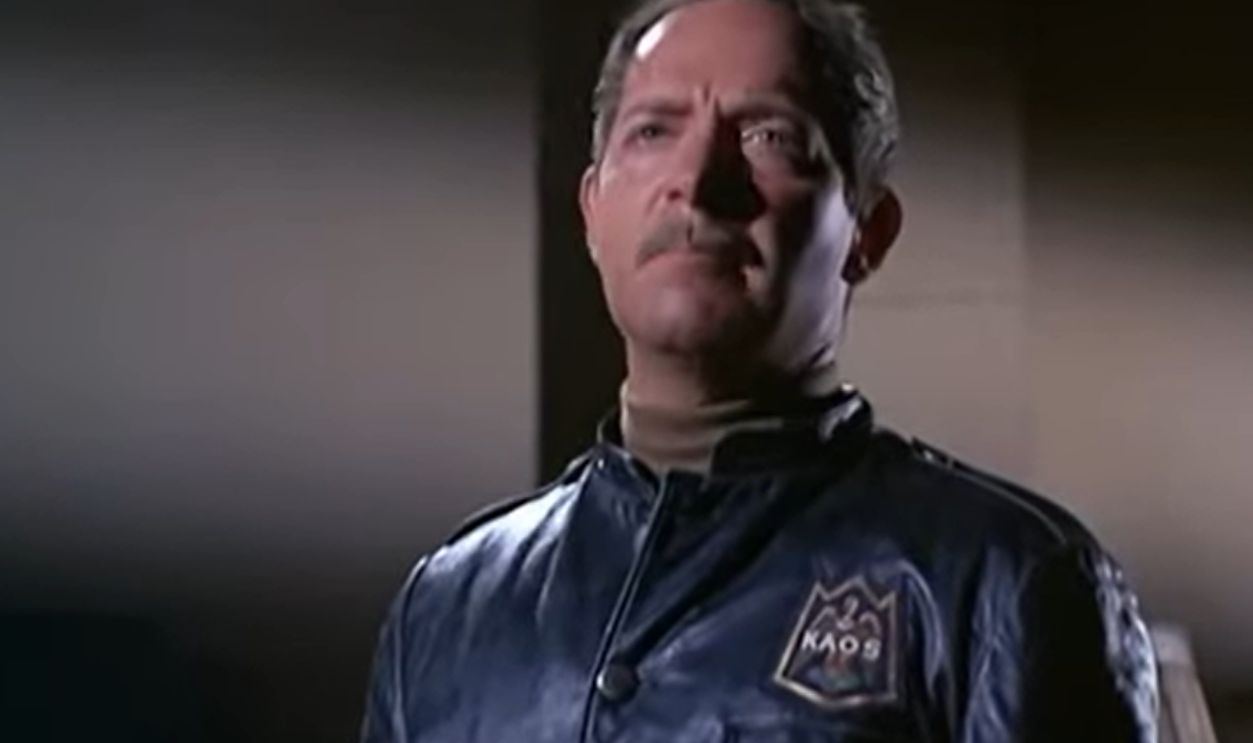
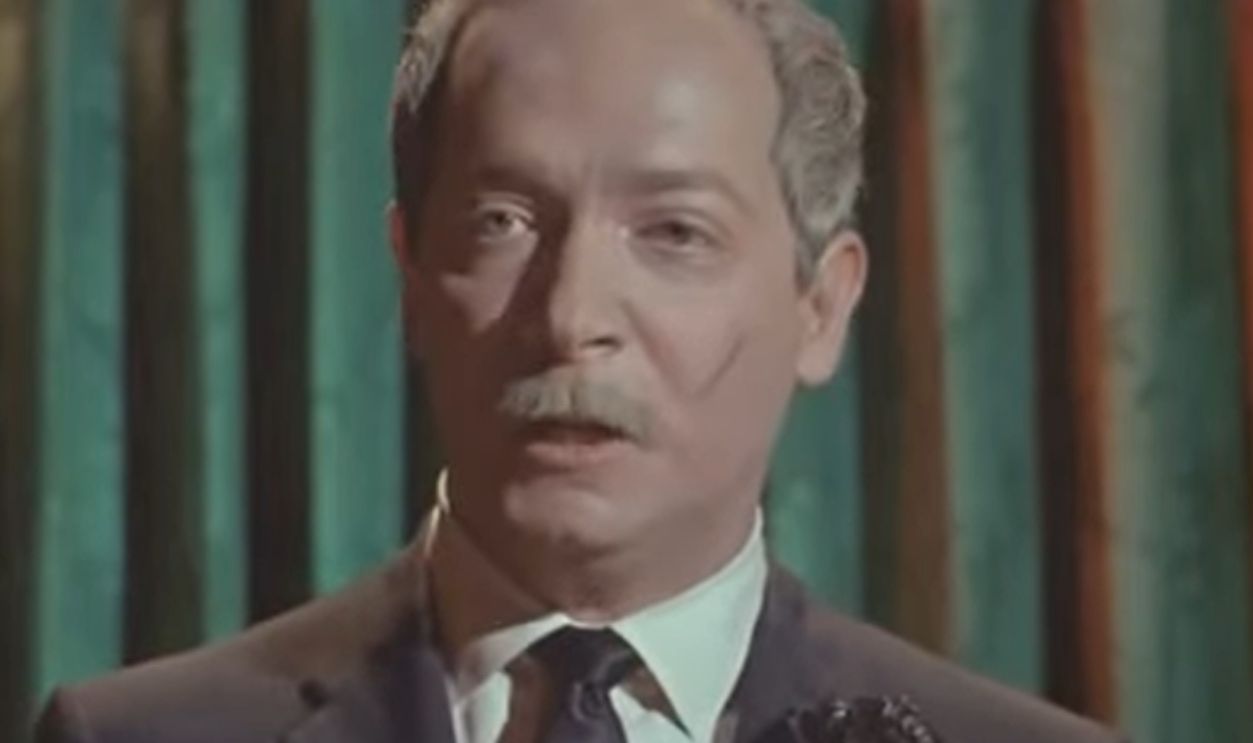
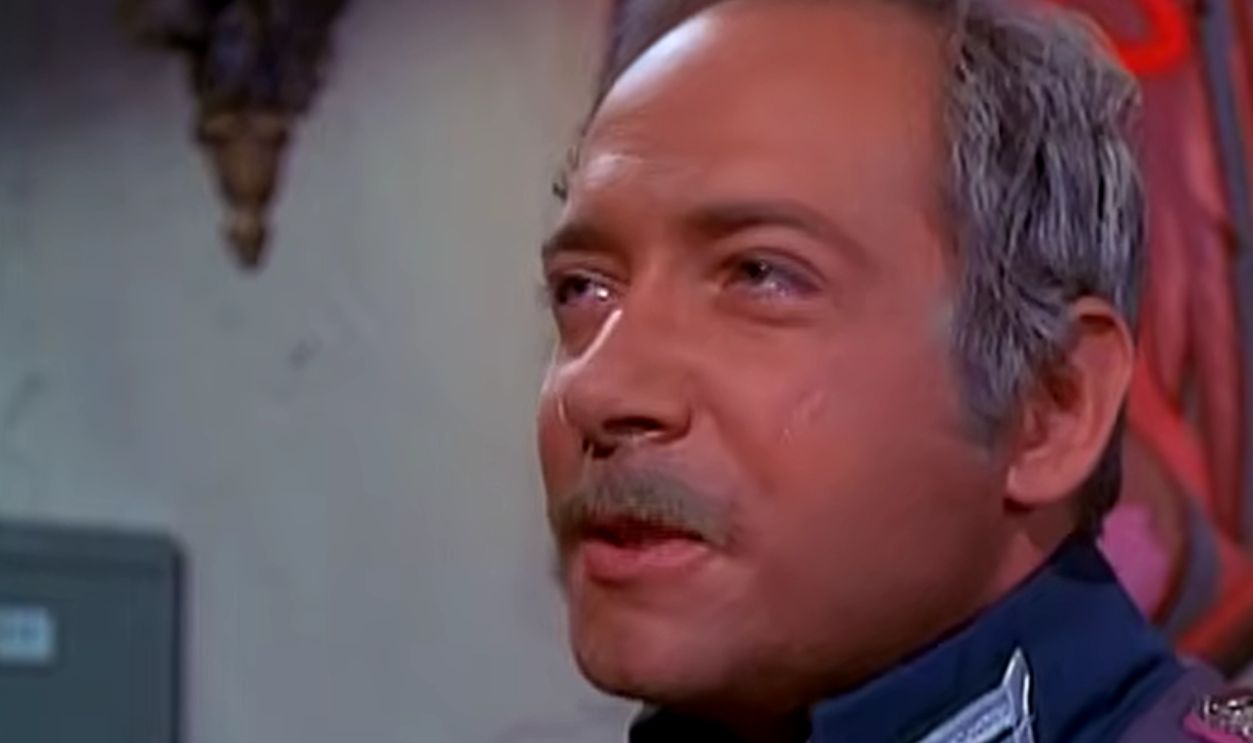
A major turning point came with Get Smart. Kopell was cast as Siegfried, a delightfully ridiculous KAOS villain who became a recurring headache for Don Adams’ Maxwell Smart. Suddenly, Kopell was not just another guest actor. He had created a character viewers actually waited to see again.
 Screenshot from Get Smart, NBC (1965–1969)
Siegfried Was Gloriously Too Much
Siegfried worked because Kopell never played him halfway. The accent was huge, the expressions were bigger, and the character could be threatening and completely silly in the same breath. In a series built on spy-movie parody, Kopell understood that commitment made the nonsense even funnier.
 Screenshot from Get Smart, NBC (1965–1969)
A Perfect Partner in Shtarker
His scenes with King Moody’s Shtarker became a running comedy within the show. Siegfried might imagine himself a terrifying mastermind, but his elaborate plans rarely survived contact with reality. Kopell’s straight-faced seriousness made the character’s incompetence feel even more absurd—and much more lovable.
That Girl Showed Another Side
At roughly the same time, Kopell showed another side on That Girl, playing recurring character Jerry Bauman. Working in a more conventional sitcom world helped prove he was not simply “the German-accent guy.” He could shift rhythms, support a star, and make smaller moments land.
 Screenshot from Bewitched, ABC (1964–1972)
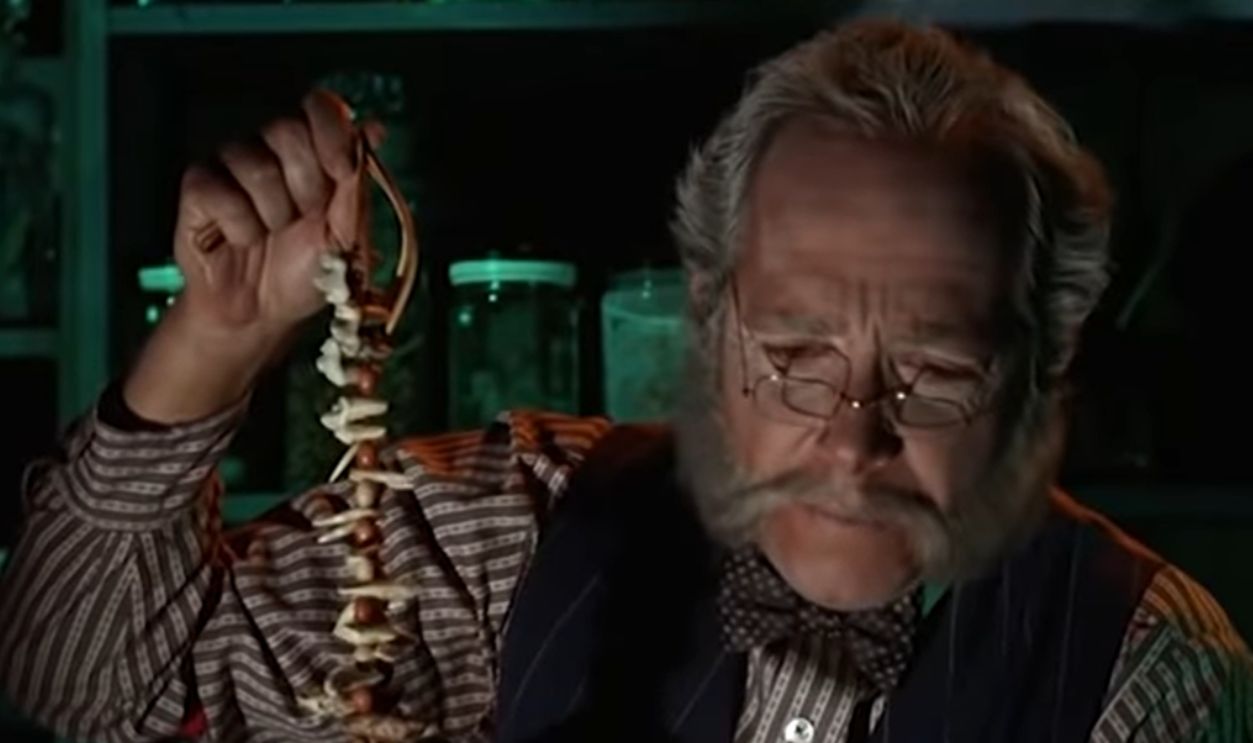
Bewitched Let Him Shape-Shift
Bewitched was another perfect playground. Kopell appeared in several different roles across the series, including magical and eccentric characters that fit neatly into the show’s supernatural chaos. Rather than being tied to one persona, he became the familiar face producers could reinvent whenever they needed him.
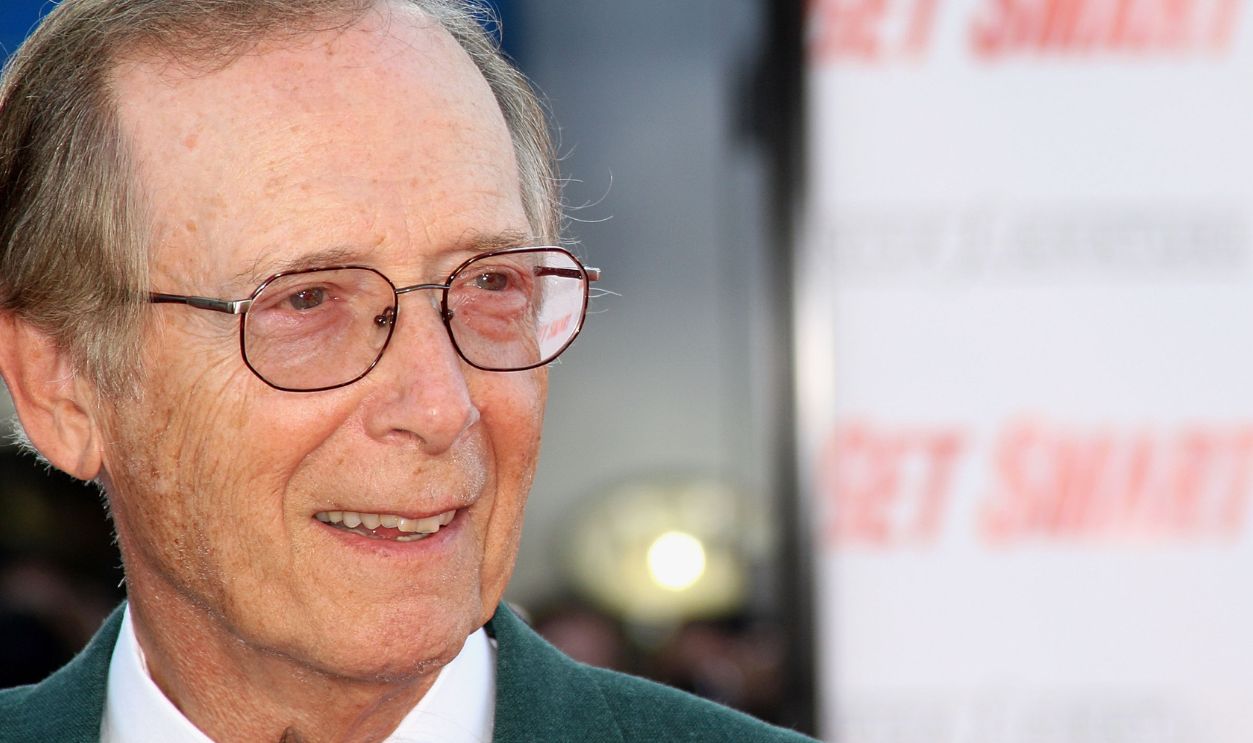 Frederick M. Brown, Getty Images
The Doris Day Show Kept Him Busy
On The Doris Day Show, Kopell played Louie Pallucci, adding yet another recurring sitcom character to his résumé. By this point, his career had a clear pattern: he was everywhere, he was funny, and he was usually hired to be more colorful than the people around him.
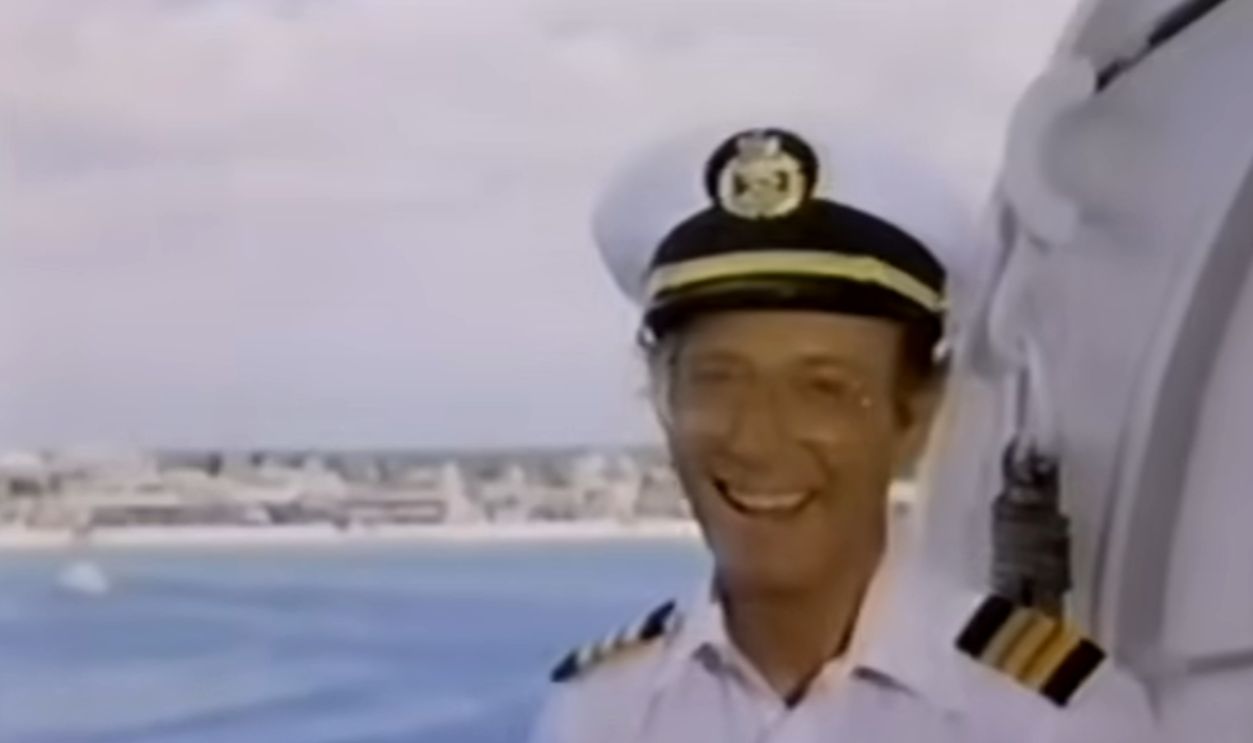 Screenshot from The Love Boat, ABC (1977–1986)
Mel Brooks Called Again
Kopell even turned up as Alan-a-Dale in Mel Brooks’ short-lived Robin Hood spoof When Things Were Rotten. The series did not last, but the role made sense for an actor who had already mastered exaggerated comedy. If a show needed someone cheerfully strange, Kopell was an easy call.
 ABC Television, Wikimedia Commons
Building a Career One Role at a Time
He also picked up film work, including an uncredited appearance in Bound for Glory. None of these parts transformed him into a movie star, but they kept broadening his experience. By the mid-1970s, Kopell had built a career the hard way: role by role, accent by accent.
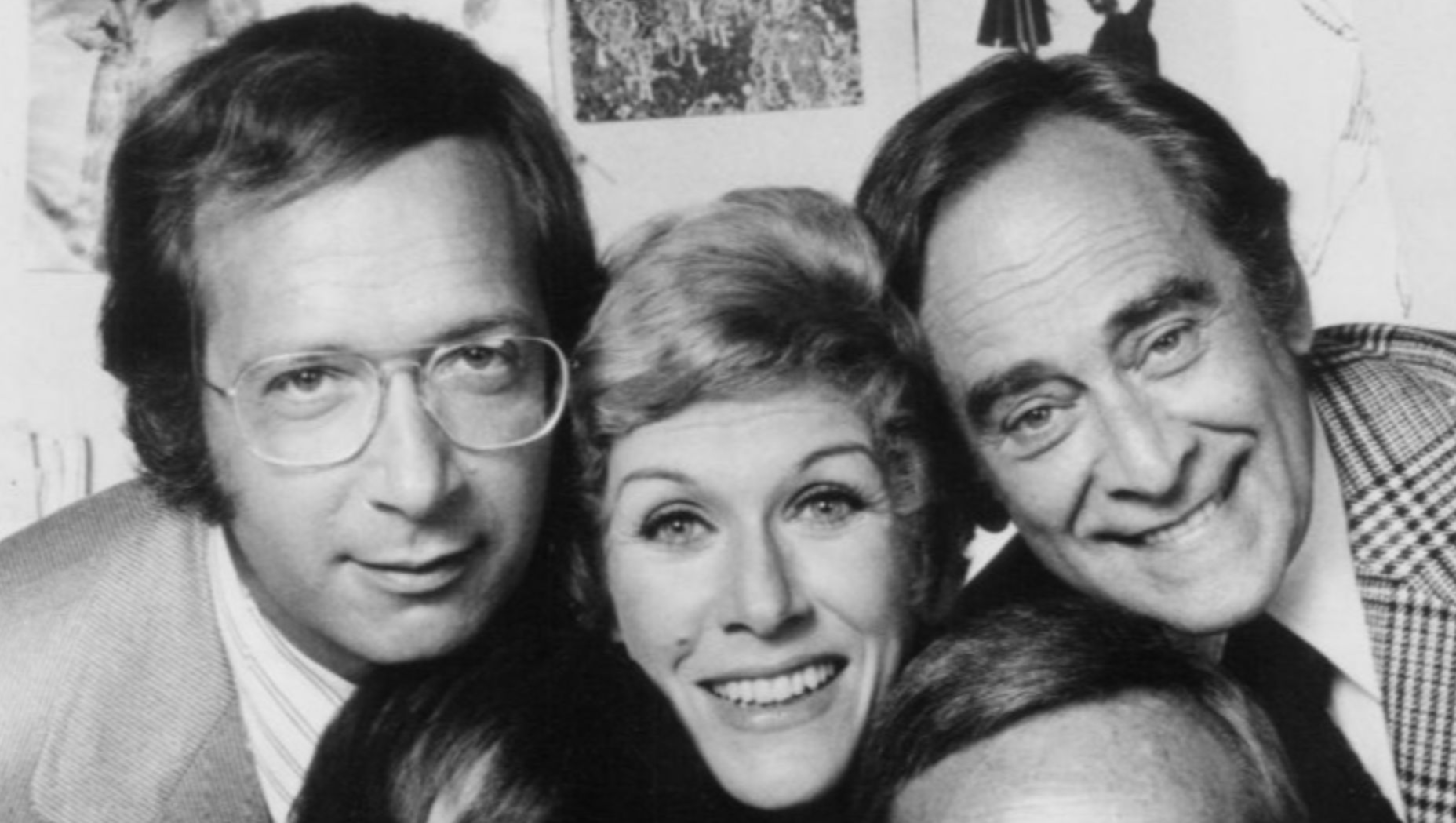 Screen Gems, Wikimedia Commons
Then The Love Boat Arrived
Then came The Love Boat. The project developed through a series of television movies before becoming the weekly ABC hit. Kopell appeared as the ship’s doctor, and the job eventually turned into the role that would define him: Dr. Adam “Doc” Bricker.
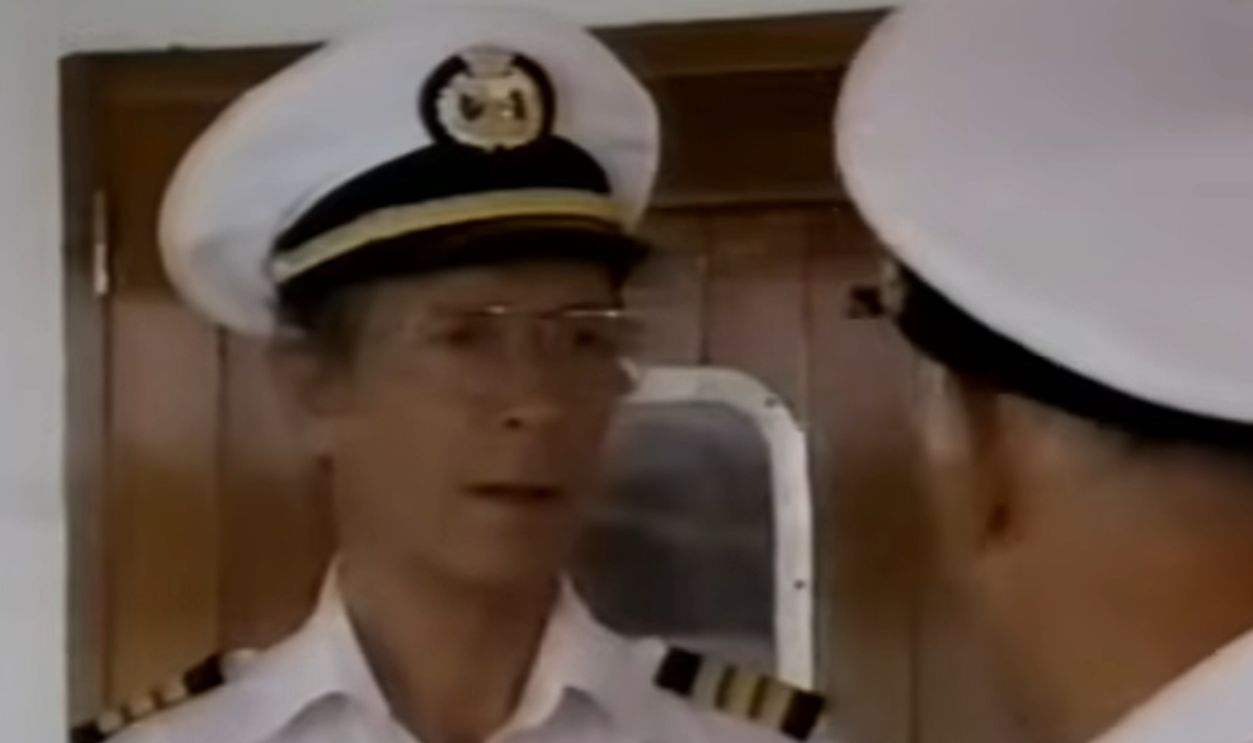 Screenshot from The Love Boat, ABC (1977–1986)
Doc Bricker Got a Cheeky Name
Even Doc’s last name had a very Bernie Kopell origin story. Kopell later recalled that director Hy Averback joked the woman-chasing doctor was “a bit of a pricker.” Kopell suggested changing the first letter, and “Bricker” was born. Somehow, the cheeky name fit perfectly.
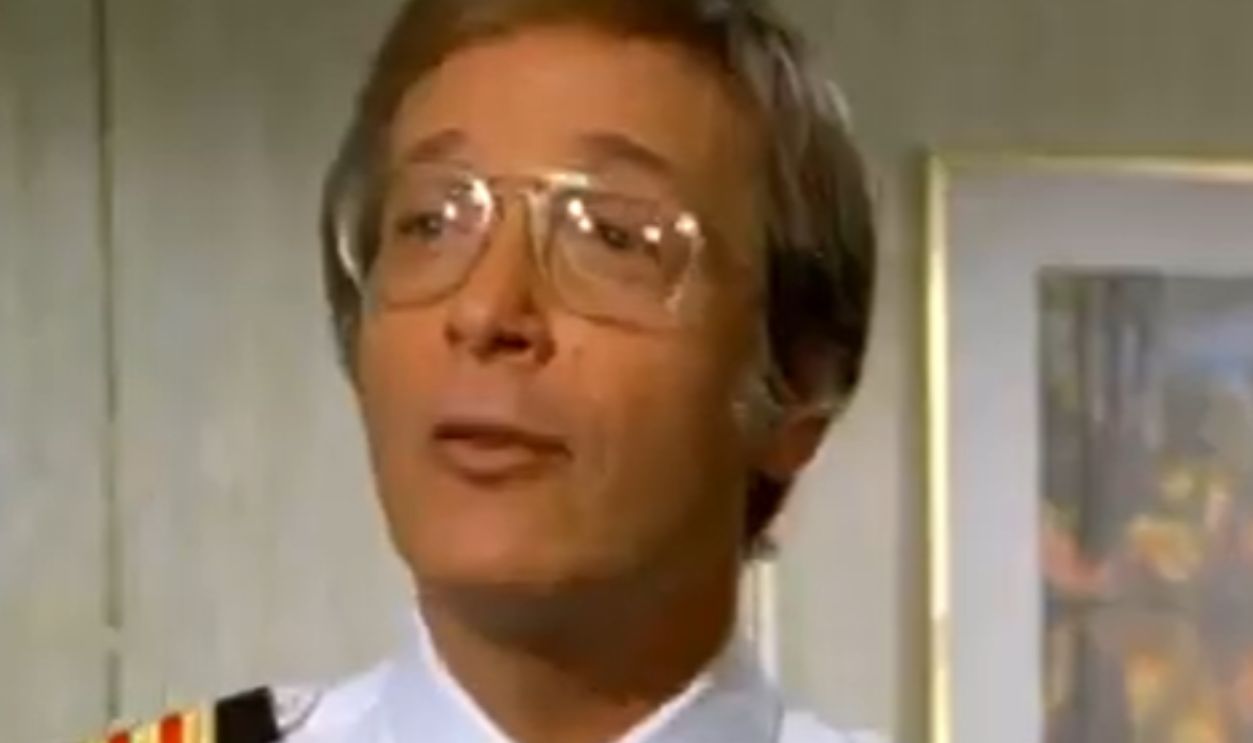 Screenshot from The Love Boat, ABC (1977–1986)
Suddenly, He Was the Ladies' Man
The biggest surprise was what Hollywood suddenly wanted from him. After years of playing wild-eyed characters, strange villains, and comic oddballs, Kopell was now the suave guy. Doc was witty, confident, romantic, and constantly surrounded by beautiful passengers. Kopell understandably enjoyed the upgrade.
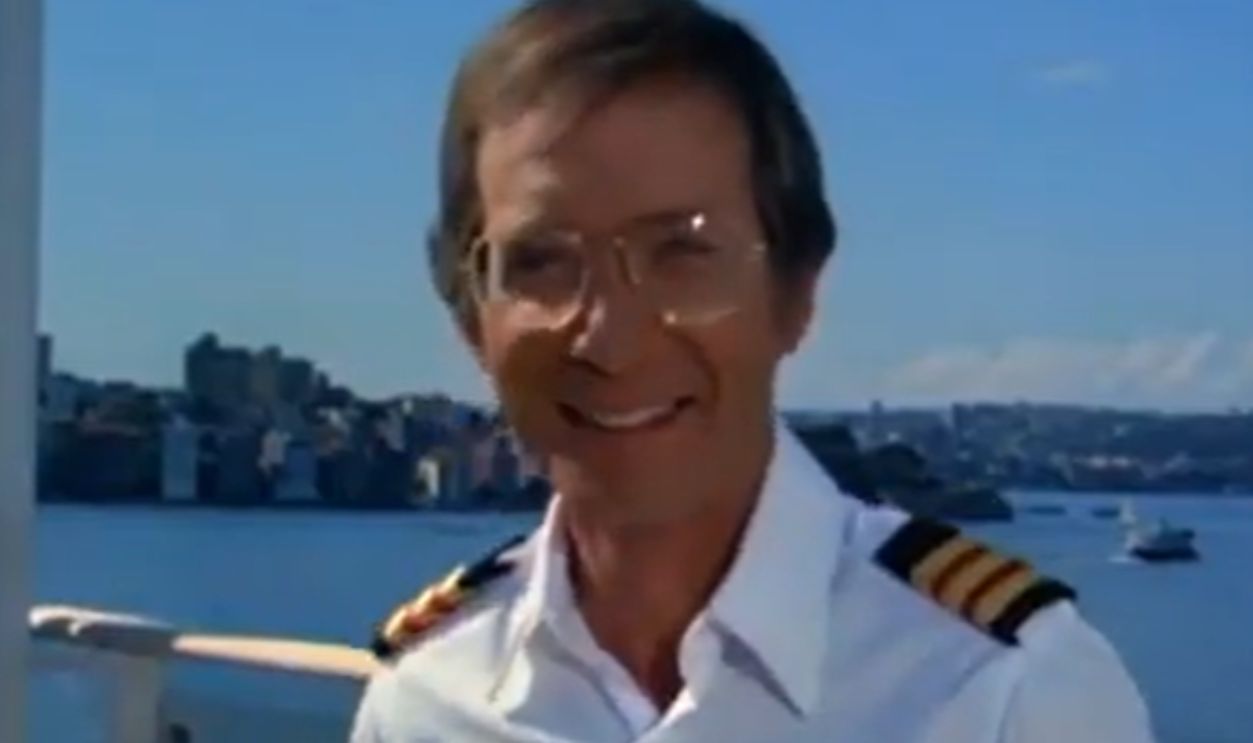 Screenshot from The Love Boat, ABC (1977–1986)
He Made Smooth Funny
Kopell did not abandon comedy to play Doc; he simply turned it in a different direction. Bricker could flirt shamelessly, offer advice, or become the subject of a joke without losing his charm. The performance worked because Kopell knew exactly when to be smooth and when to look ridiculous.

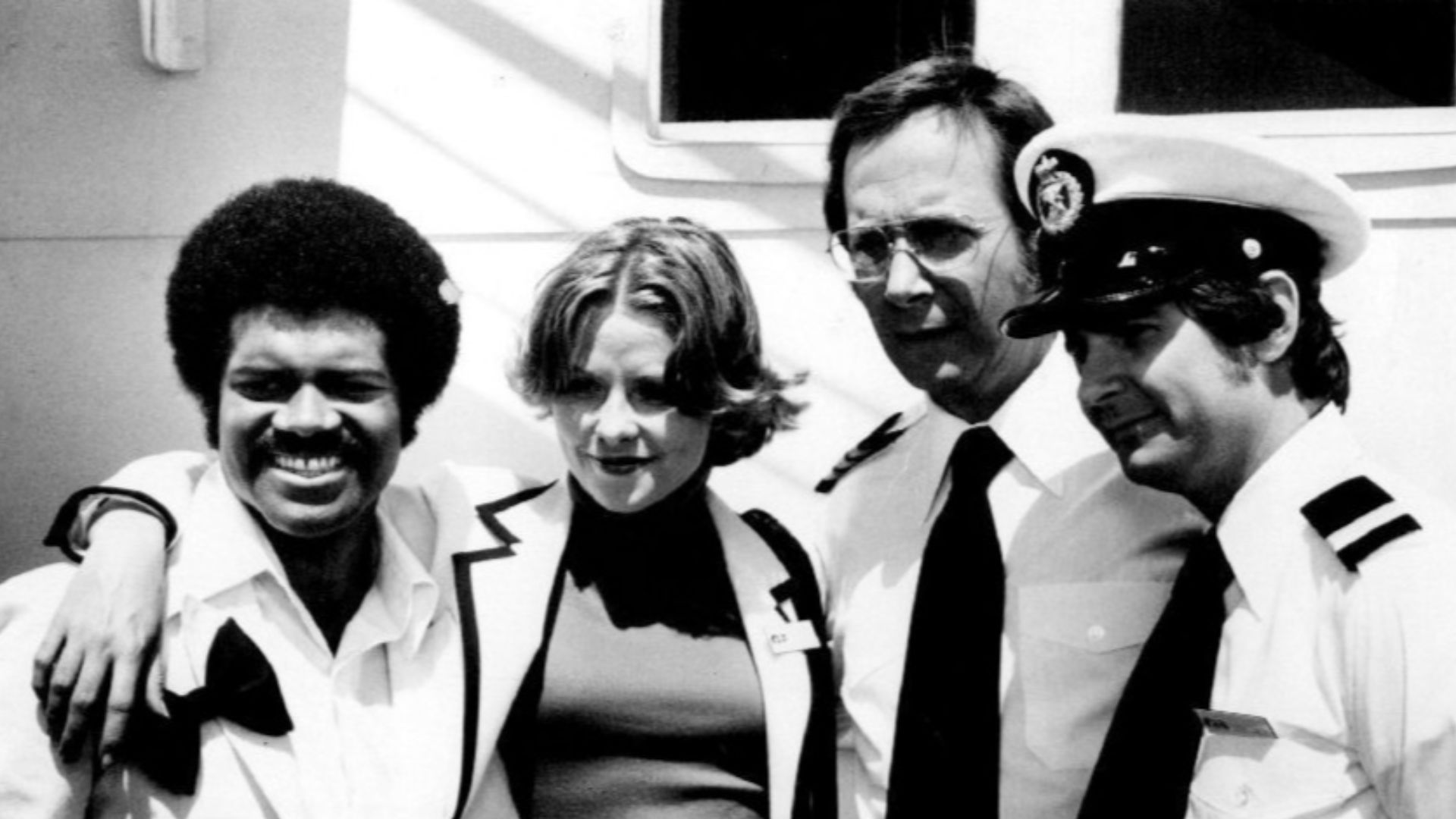
The Crew Became a TV Family
The regular cast gave the show its cozy center. Gavin MacLeod, Ted Lange, Fred Grandy, Lauren Tewes, and Kopell created a crew viewers could return to every week, even as passengers changed. Doc became the mischievous friend in that television family—the guy most likely to spot romance first.
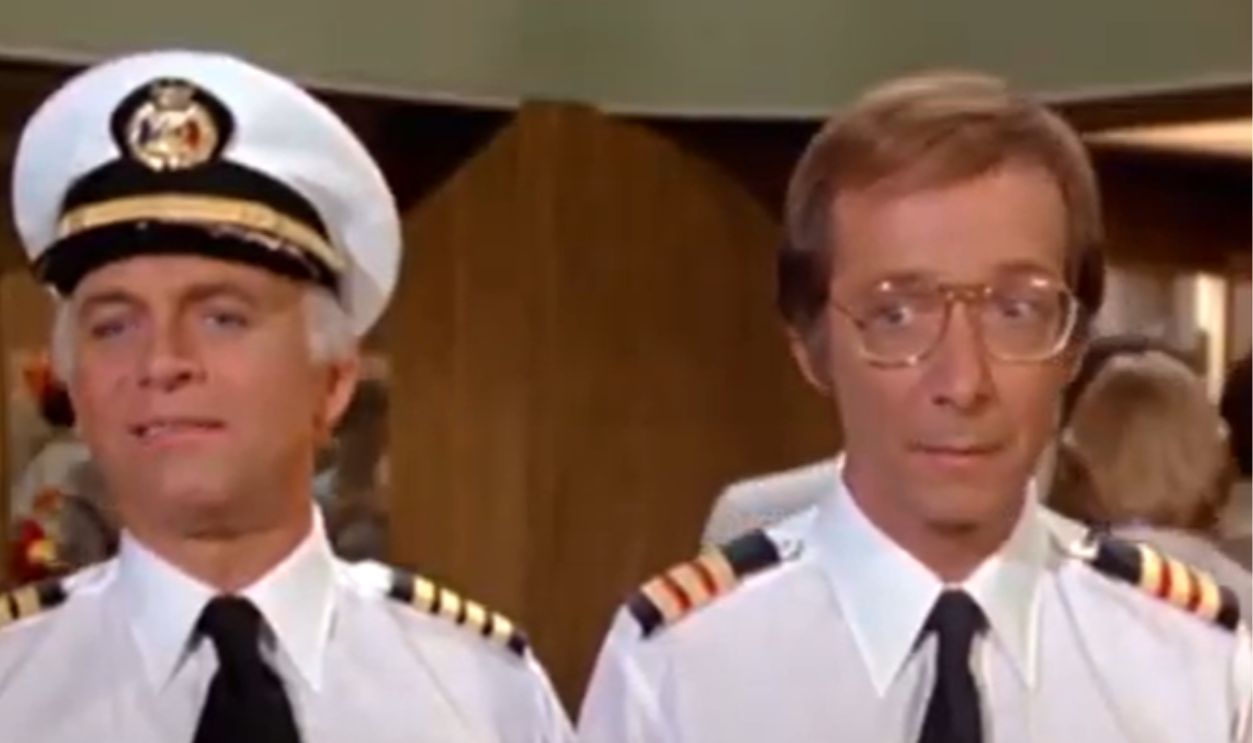 Screenshot from The Love Boat, ABC (1977–1986)
Every Week Brought New Stars
The revolving guest cast kept things fresh. Kopell later remembered working with stars such as Eva Marie Saint, Shirley Jones, and Debbie Reynolds, and that constant parade was part of the show’s appeal. One week could feel like a sitcom; the next could feel like a celebrity convention at sea.
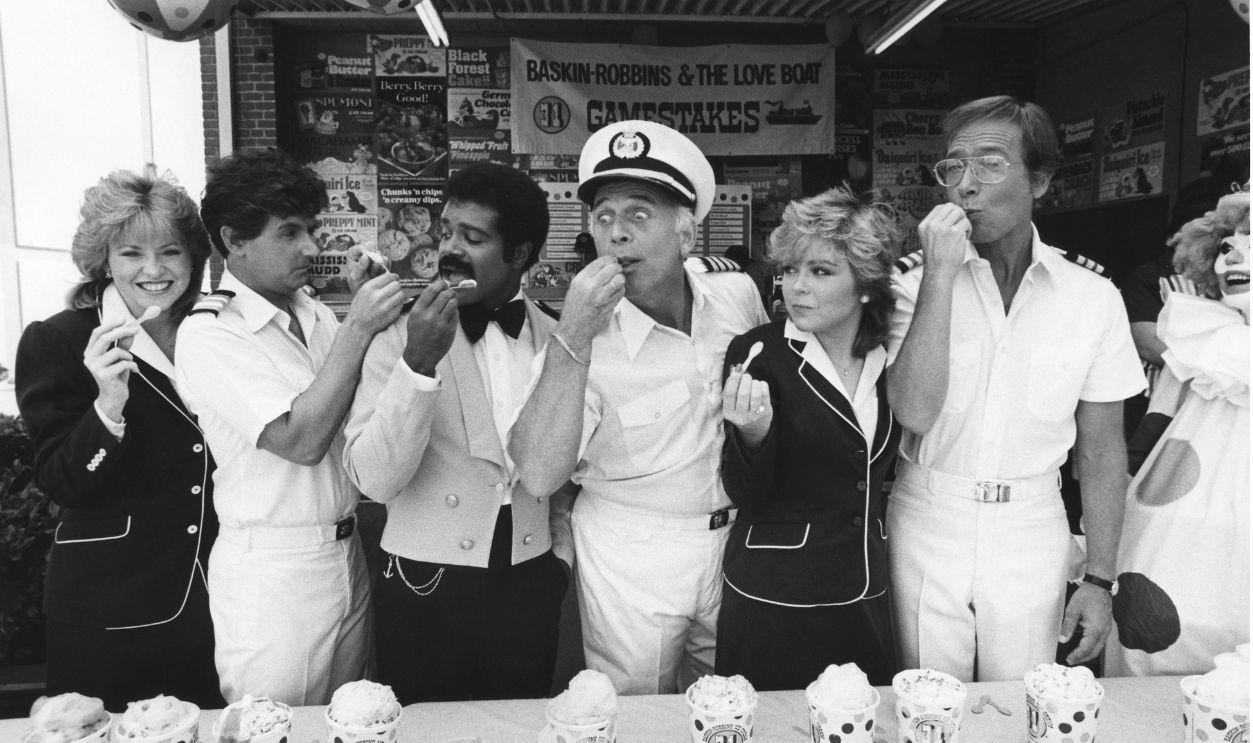 Joan Adlen Photography, Getty Images
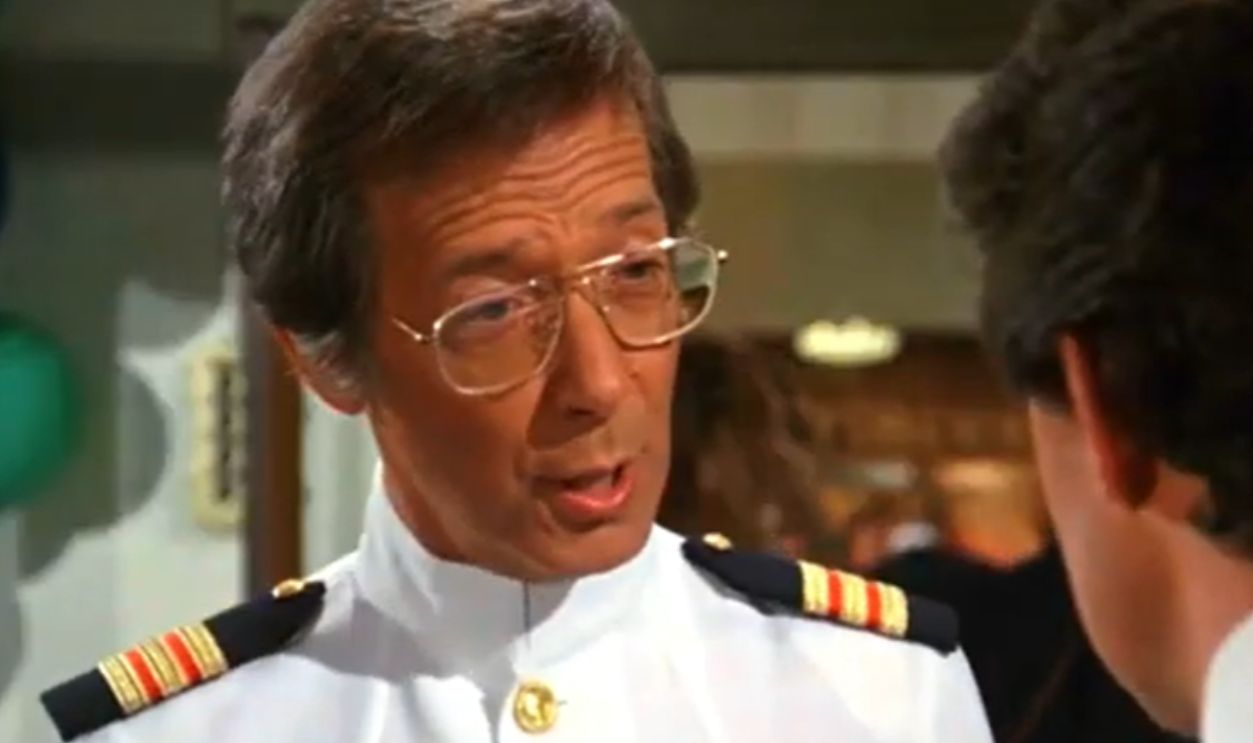
Doc Borrowed From Bernie
Writers even borrowed from Kopell’s real life. His interest in exercise helped inspire Doc’s own fitness habits, including jumping rope. It was a small detail, but it helped make Bricker feel less like a stock television doctor and more like a character with an actual off-duty life.
 Screenshot from The Love Boat, ABC (1977–1986)
He Also Helped Write the Show
Kopell also contributed behind the scenes. He wrote material for The Love Boat, including a story with costar Fred Grandy that featured Scatman Crothers. For an actor who had spent years popping into other people’s shows, helping shape stories on his own hit series was another career milestone.
 ABC Television, Wikimedia Commons
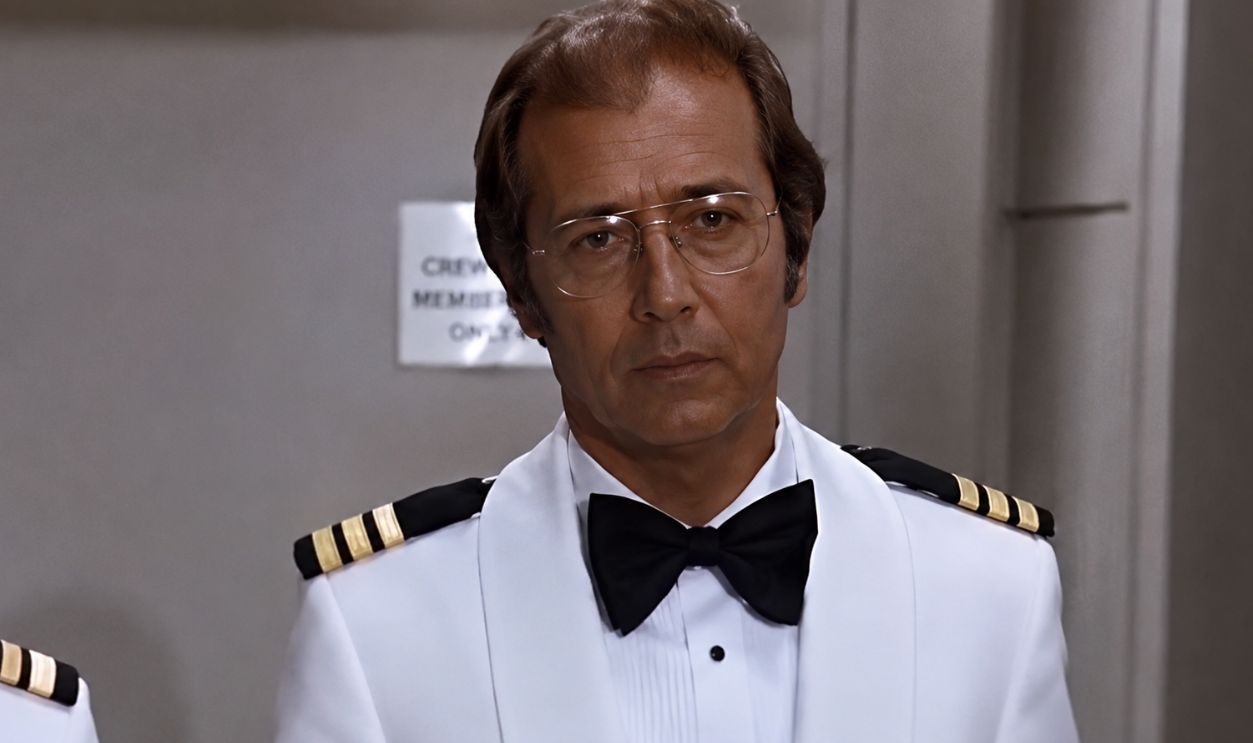
He Finally Found a Long-Term Home
The Love Boat stayed on television for years, and Kopell remained aboard throughout the regular series. The role brought steady work and something his earlier career had rarely offered: stability. The lifelong character actor had finally found a television home roomy enough for him to settle in.
 Screenshot from The Love Boat, ABC (1977–1986), Modified
He Learned to Play With His Image
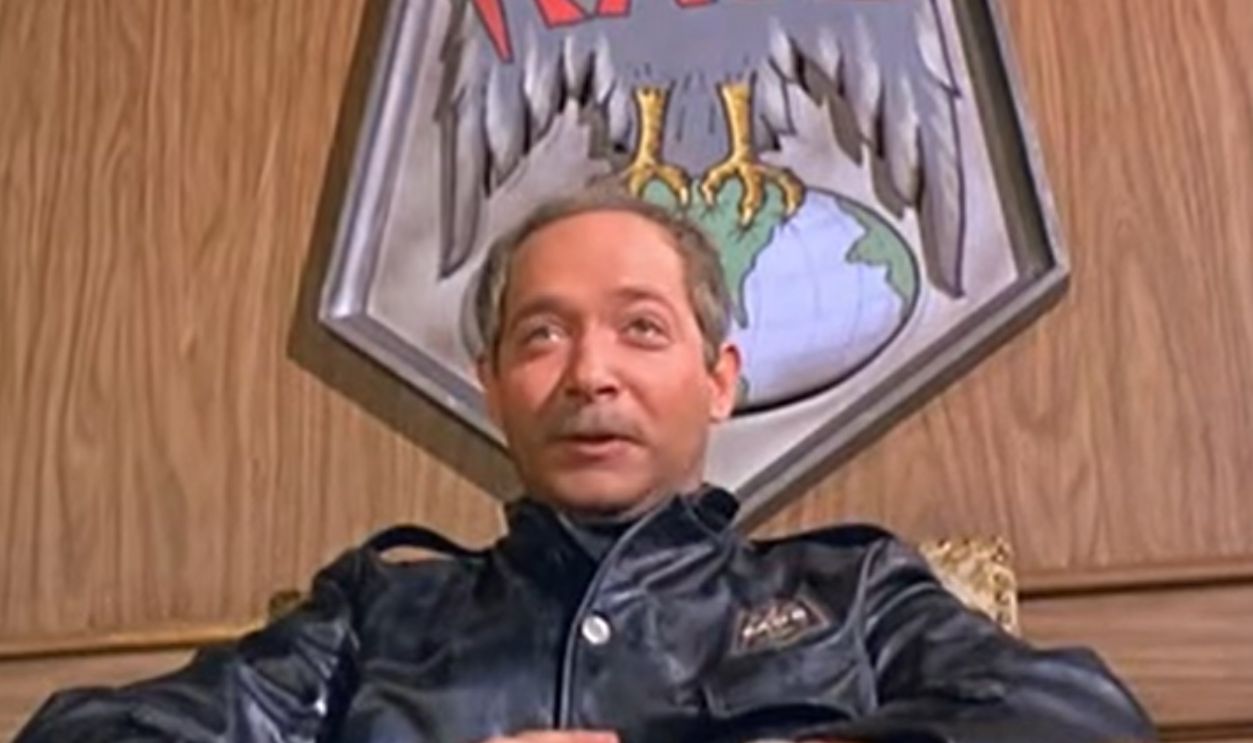
After the cruise ended, Kopell was too closely associated with Doc to completely escape him—and he wisely had fun with that. He reprised Bricker in reunion projects, returned to Siegfried in Get Smart revivals, and appeared in later shows that often played with his familiar television persona.
 Screenshot from Get Smart, NBC (1965–1969)
He Never Really Stopped Working
More importantly, his career kept stretching into his 90s. Later credits included Scrubs, Monk, My Name Is Earl, Hawaii Five-0, B Positive, and The Lincoln Lawyer, among many others. For an actor who started out scrambling for guest parts, that kind of longevity is its own Hollywood success story.
 Albert L. Ortega, Getty Images
The Oddball Who Became the Doctor
Bernie Kopell’s career is a reminder that typecasting can sometimes lead somewhere surprising. The man once hired to be the strange guy in the corner became television’s smooth-talking ship doctor—and stayed memorable for both. Decades later, Siegfried and Doc Bricker still feel like two great jokes played by one very game actor.
You May Also Like:
Popular Britbox Miniseries That Are Great From Start To Finish