The Man Behind The Red Coat
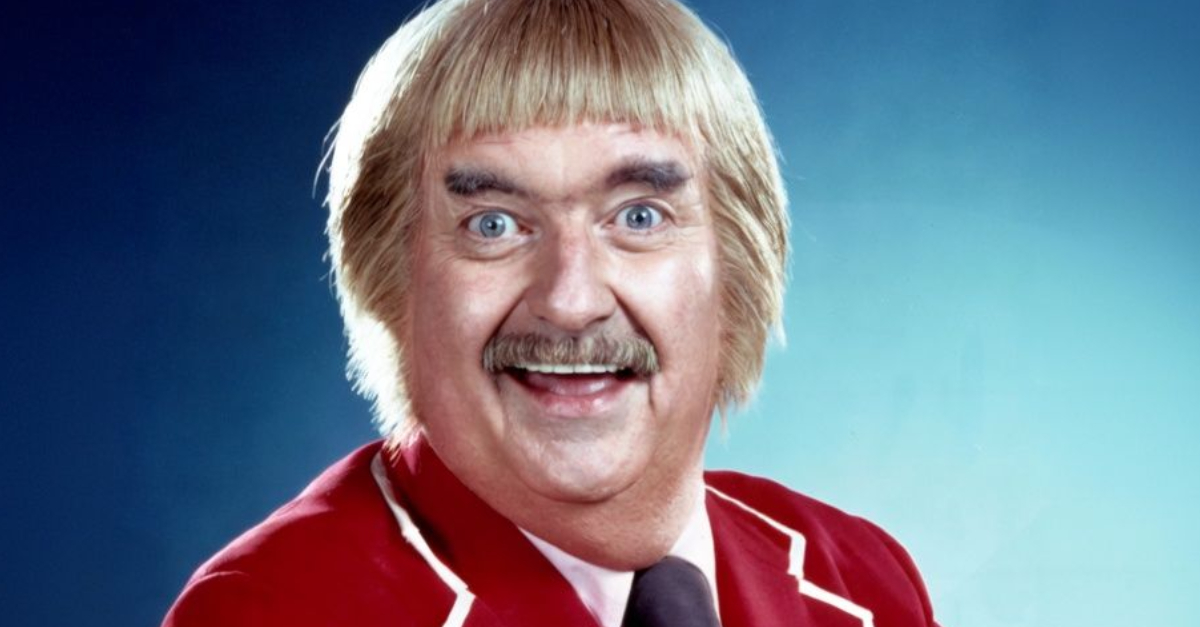
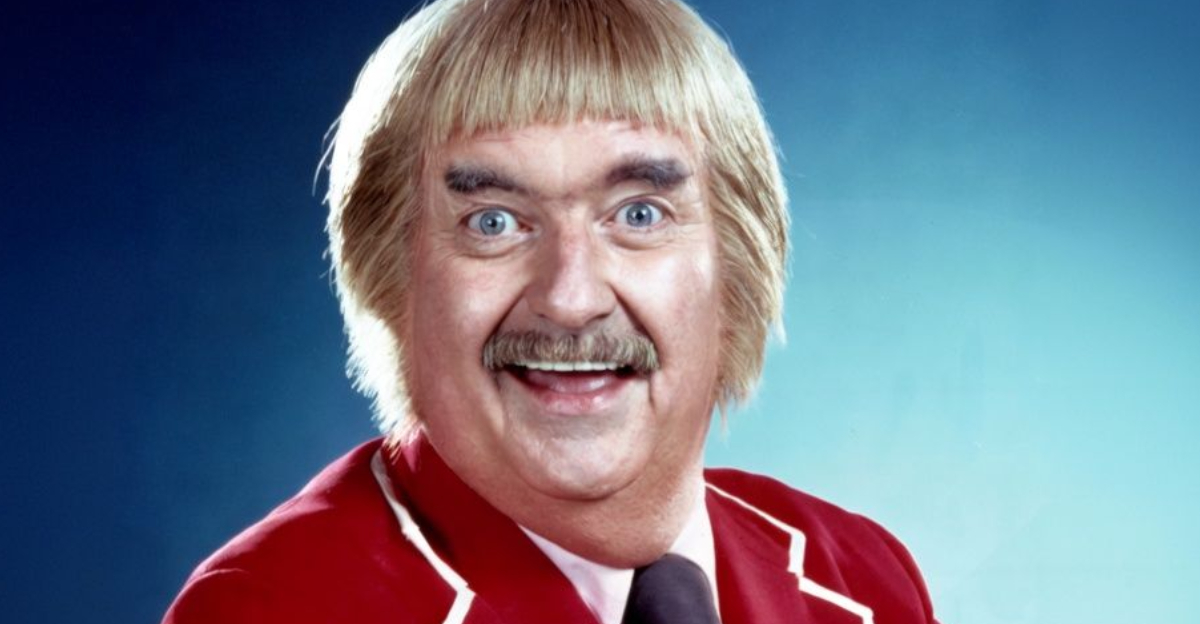
For nearly 30 years, Captain Kangaroo made television feel like the safest place a child could be. Bob Keeshan was patient, gentle and almost impossible to imagine anywhere beyond the bright little world he created each morning.
But the man behind the red coat had spent years keeping parts of himself out of sight. And the closer you look, the less simple that comforting smile becomes.
 Michael Ochs Archives, Getty Images
The Safest Room On Television
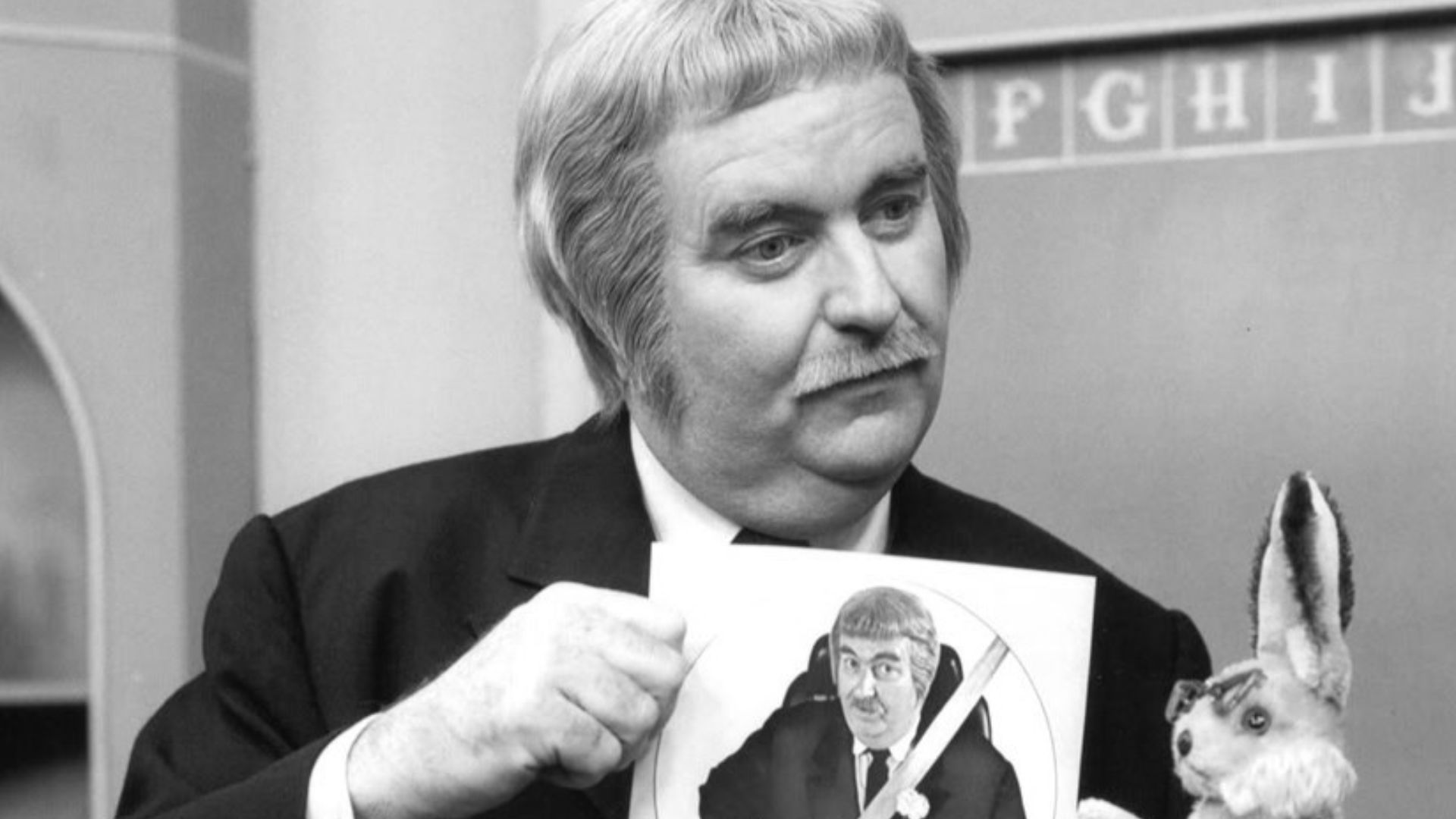
When Captain Kangaroo premiered in 1955, children’s television was still figuring out what it wanted to be. Keeshan offered stories, music, puppets and gentle jokes inside the Treasure House. For generations of children, it became the closest thing morning television had to a warm blanket.
 CBS Television, Wikimedia Commons
The Grandfather Was Only 28
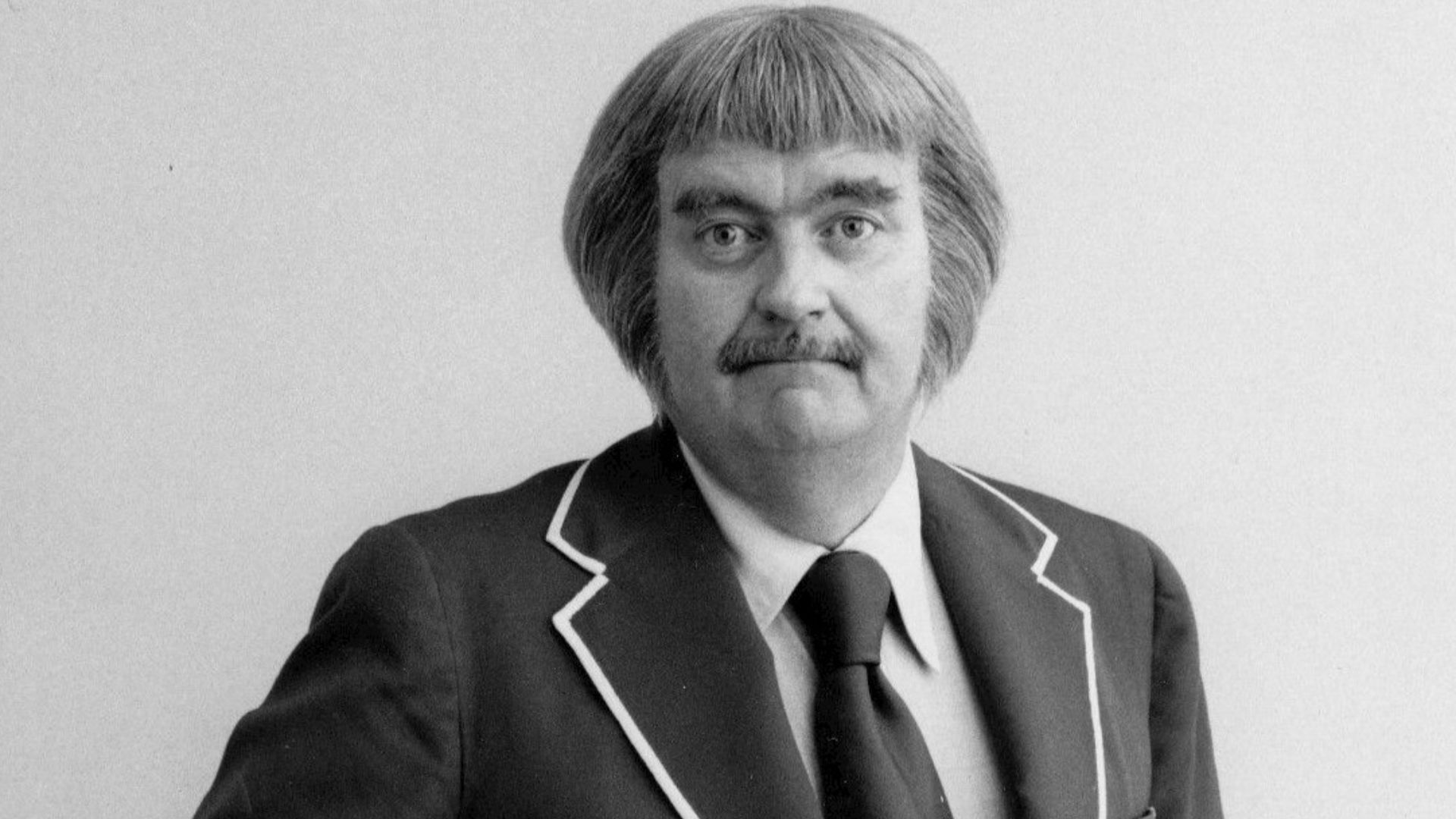
Captain Kangaroo seemed old enough to have known every child’s grandparents personally. Yet Keeshan was only 28 when the program began. He deliberately created an older character inspired by the warm relationship between grandparents and children. Apparently, the grandfatherly wisdom arrived well before the grandfatherly age.
 CBS Television Uploaded by We hope at en.wikipedia, Wikimedia Commons
His Childhood Changed In An Instant
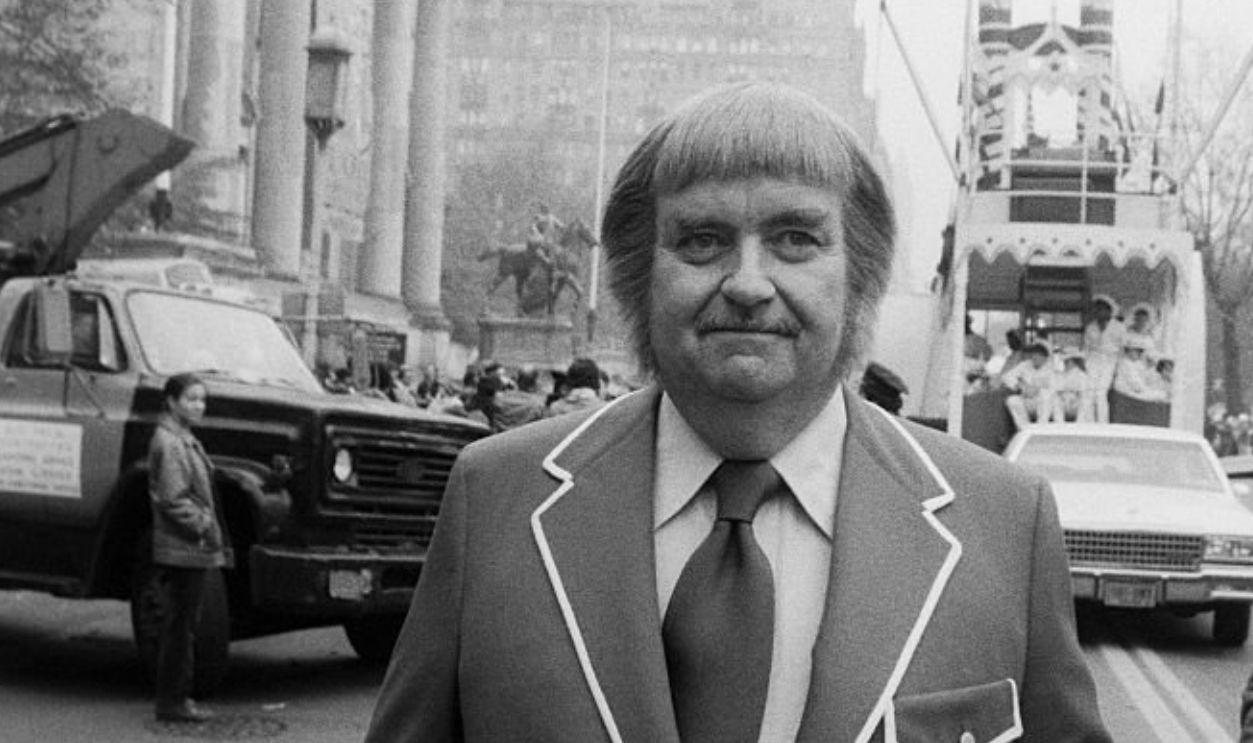
Keeshan was 15 when his mother died after suffering a coronary thrombosis in 1943. Decades later, he admitted, “I don’t think I ever got over her death.” It was an enormous loss that remained largely invisible beneath the calmest face on children’s television.
The Famous War Story Was Never True
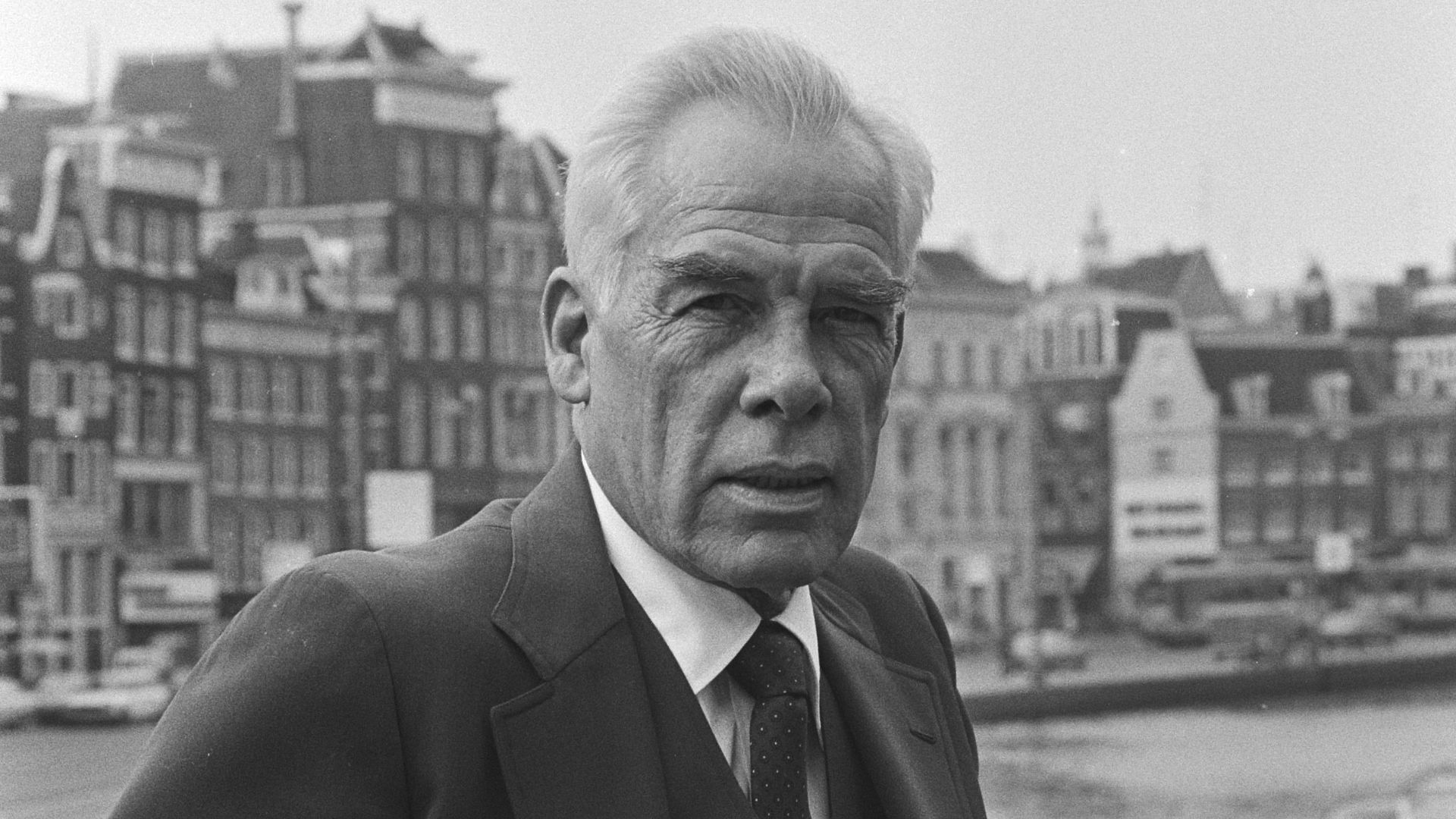
A persistent legend claimed Keeshan fought beside actor Lee Marvin at Iwo Jima and received extraordinary military honors. Keeshan did enlist in the Marine Corps Reserve, but World War II ended while he was still in the United States. Captain Kangaroo’s real story was interesting enough without adding several battles.
 Hans van Dijk for Anefo, Wikimedia Commons
Television Found Him Early
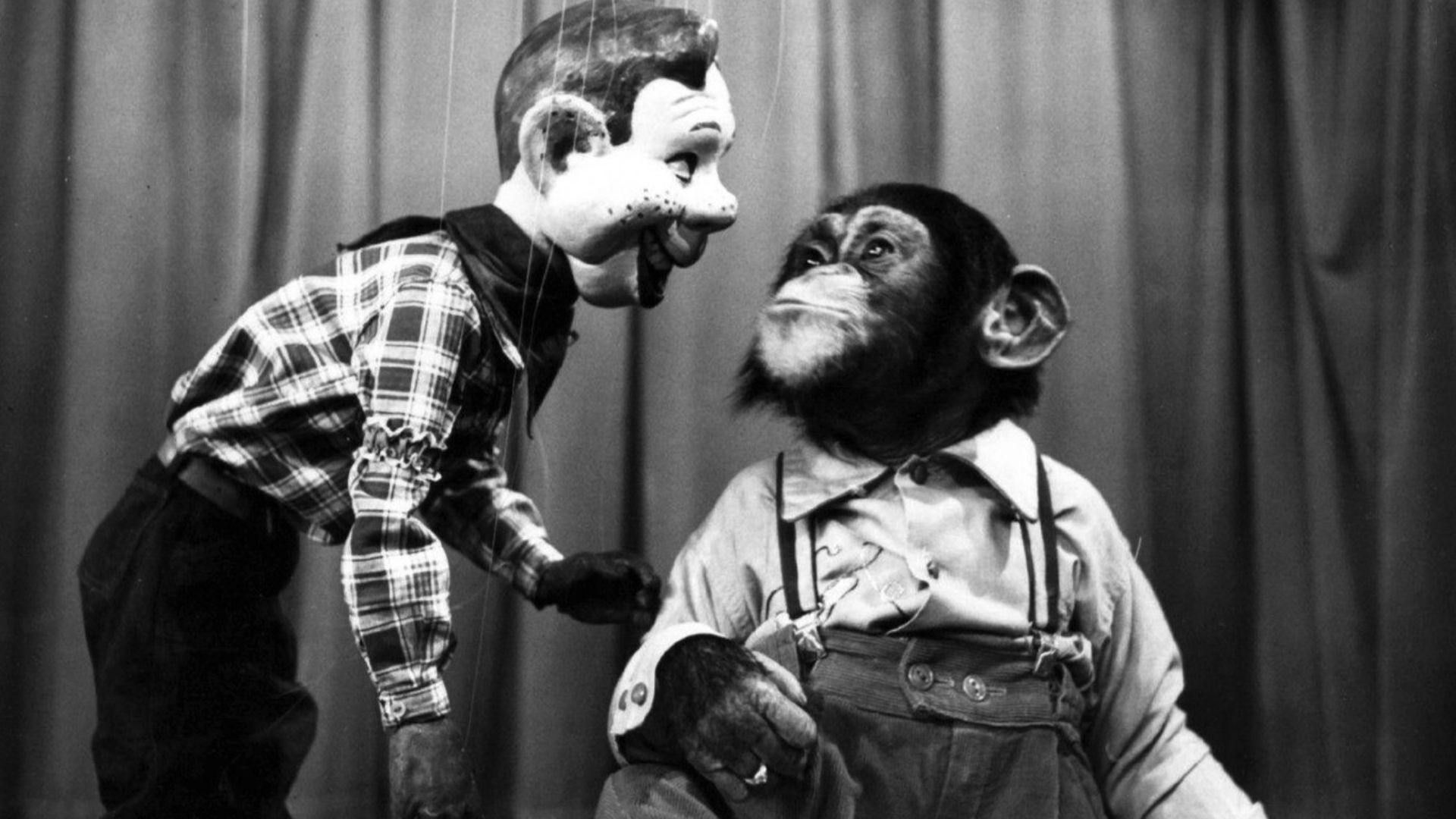
Keeshan worked as an NBC page while still attending high school. After his military service, he returned to NBC and eventually became an assistant on the program that developed into The Howdy Doody Show. Early television apparently let people figure out their careers while already broadcasting.
 NBC Television, Wikimedia Commons
Before The Captain, There Was Clarabell
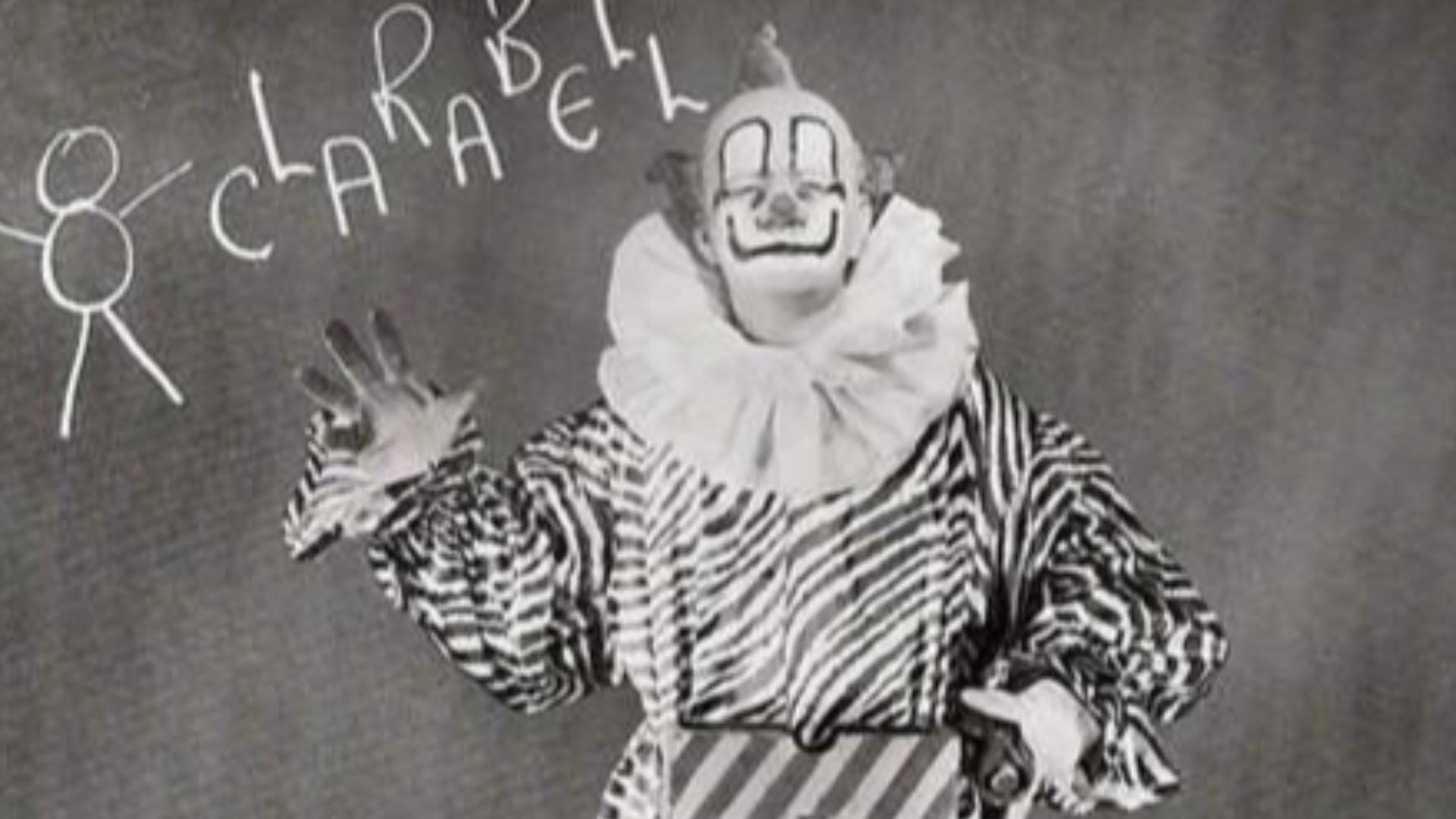
Keeshan became the original Clarabell the Clown, a silent troublemaker who communicated through horns, sprayed seltzer and regularly annoyed Buffalo Bob Smith. Clarabell could not speak, but the role taught Keeshan how closely children watched—and how quickly they noticed when adults underestimated them.
 Poll Parrot Shoes., Wikimedia Commons
Christmas Came With A Firing
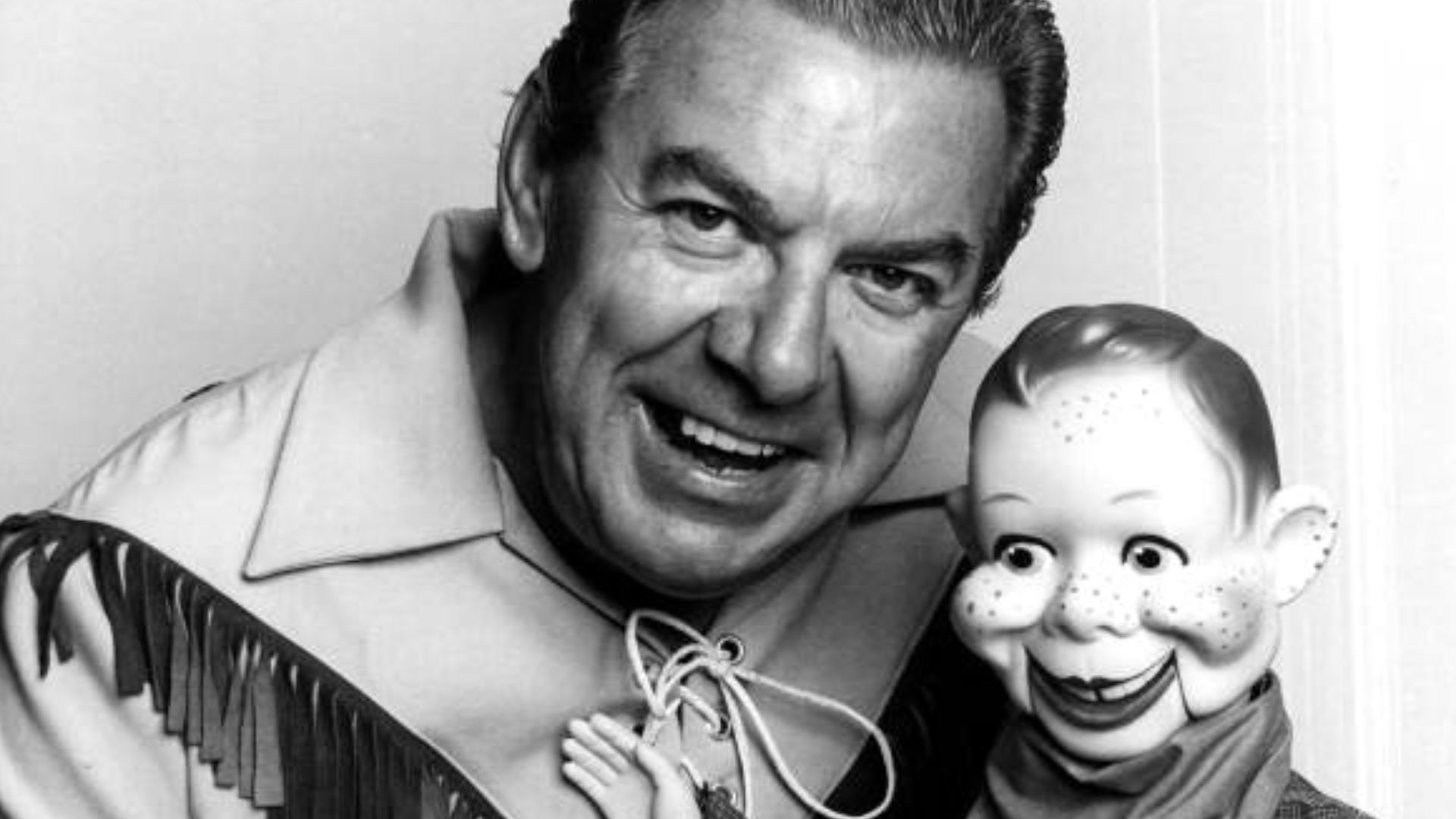
In late 1952, Keeshan and several colleagues were dismissed after a dispute involving representation and working conditions. The split badly damaged his relationship with Buffalo Bob, whom Keeshan had admired. But he left with lessons he would eventually build an entire program around.
 Roy Erickson, Wikimedia Commons
The Captain Did Not Appear Overnight
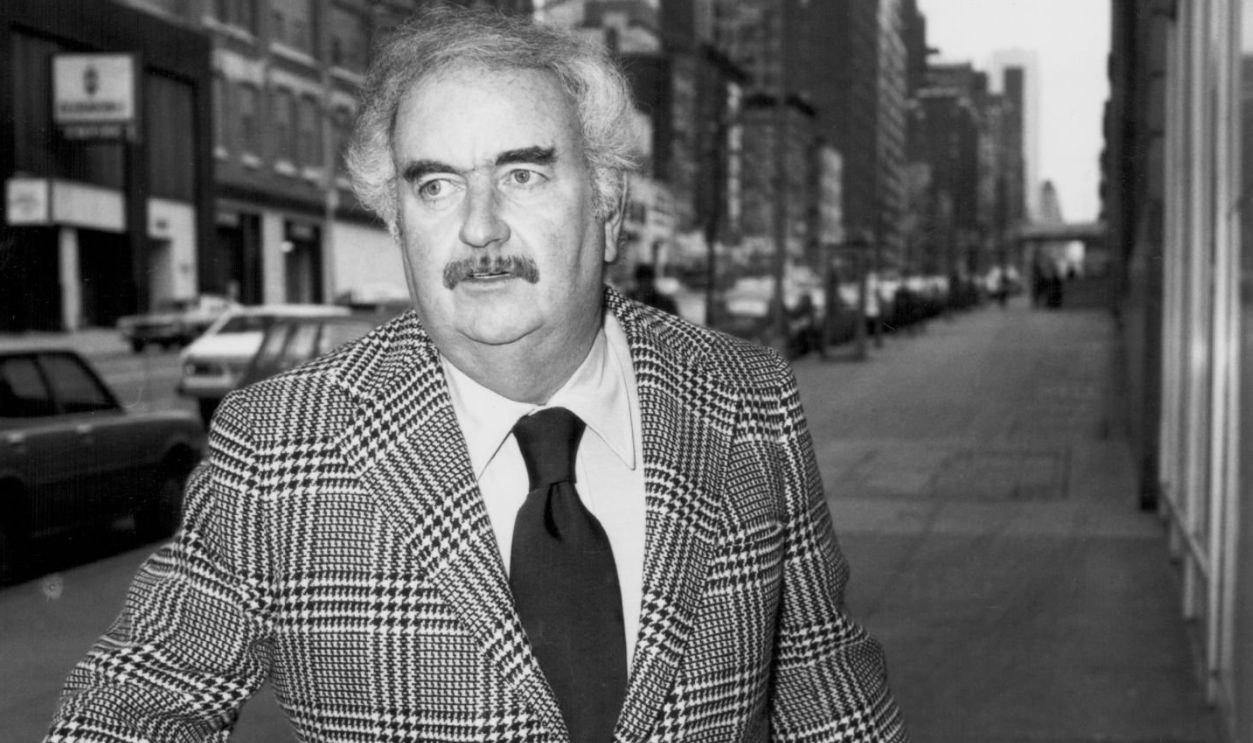
Keeshan next played Corny the Clown on Time for Fun and a grandfatherly toymaker on Tinker’s Workshop. Tinker became a clear early version of Captain Kangaroo. The famous character was not a lucky costume Keeshan stumbled into—he had been carefully working toward him for years.
He Turned The Hurt Into A Blueprint
Keeshan decided children should never be talked down to. His new program would not treat them like a noisy crowd requiring constant distraction. Everything would be built around one child sitting at home, watching alone and expecting the adult on-screen to take that relationship seriously.
No Peanut Gallery Allowed
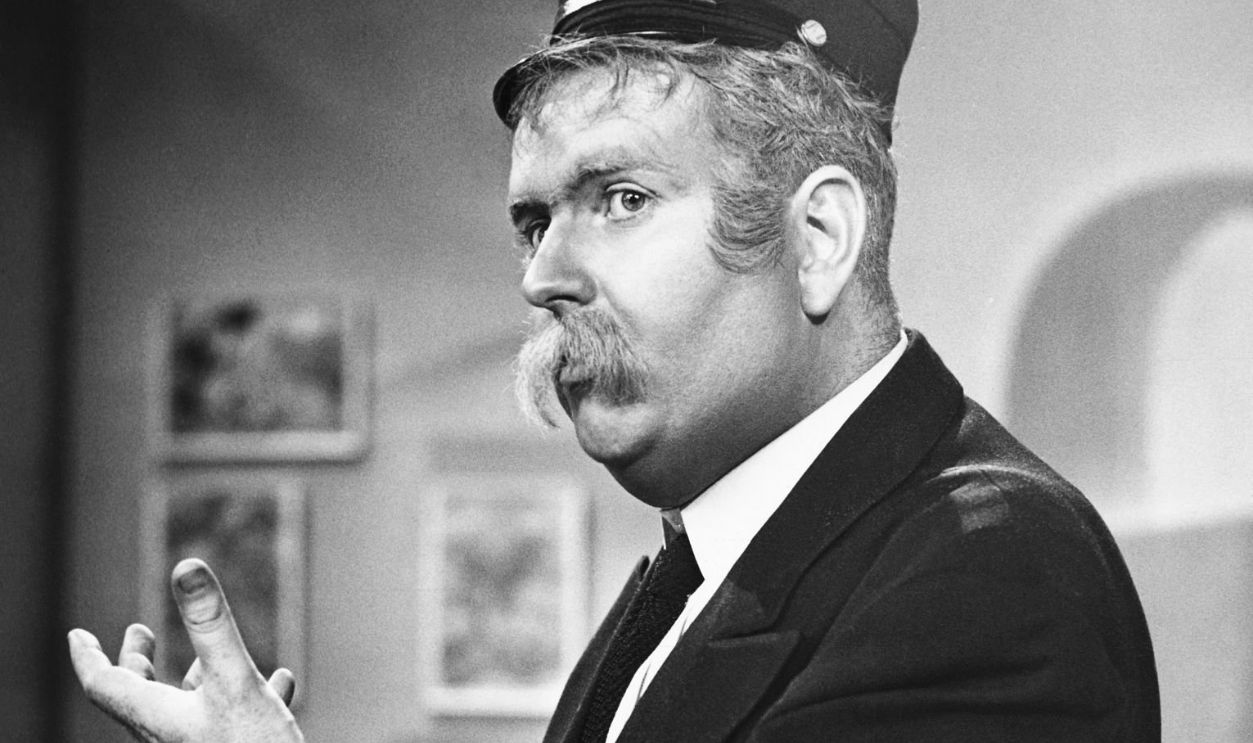
Unlike Howdy Doody, Captain Kangaroo had no studio audience filled with cheering children. Keeshan believed an audience would make viewers at home feel like outsiders watching somebody else have all the fun. Instead, he looked into the camera and spoke as though only one child was there.
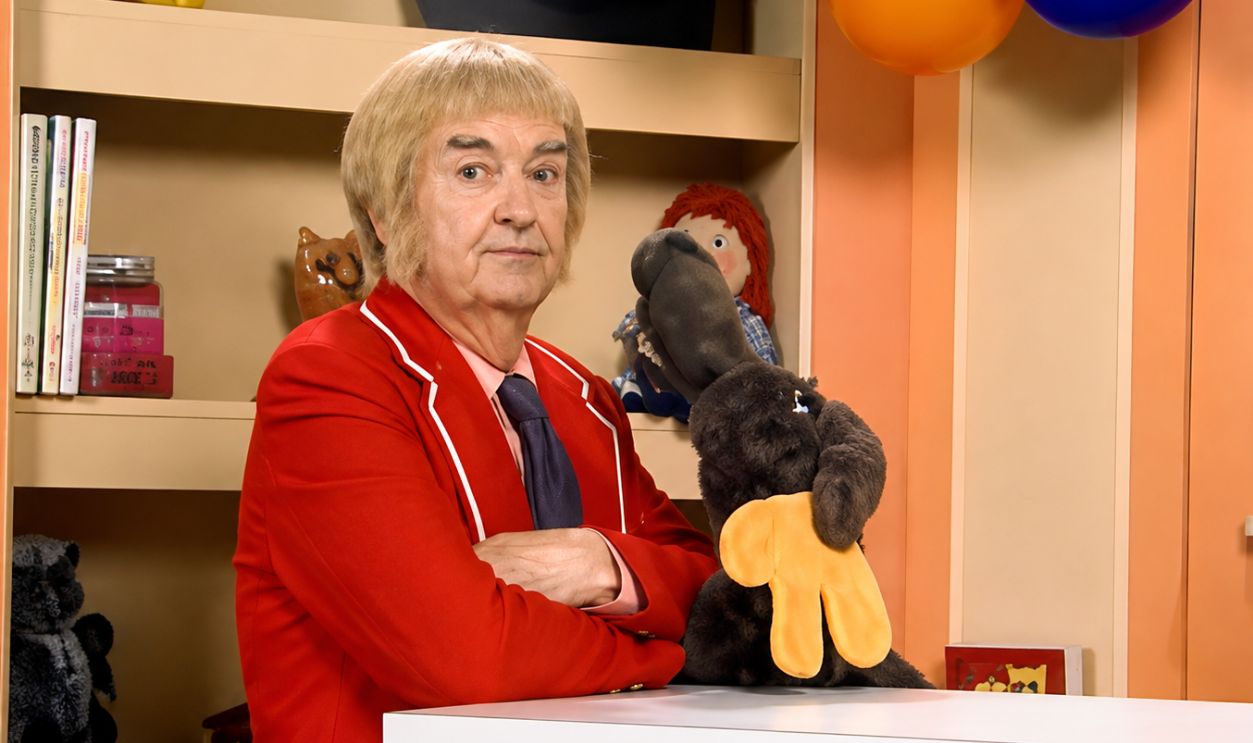 Screenshot from Captain Kangaroo, CBS (1955-1984)
Children Deserved More Than Noise
Keeshan described his creation as a program for children who were intelligent and “potentially of good taste.” That sounds obvious now, but plenty of children’s television was built around noise and sales pitches. Keeshan wanted every young viewer to feel unique, important and genuinely included.
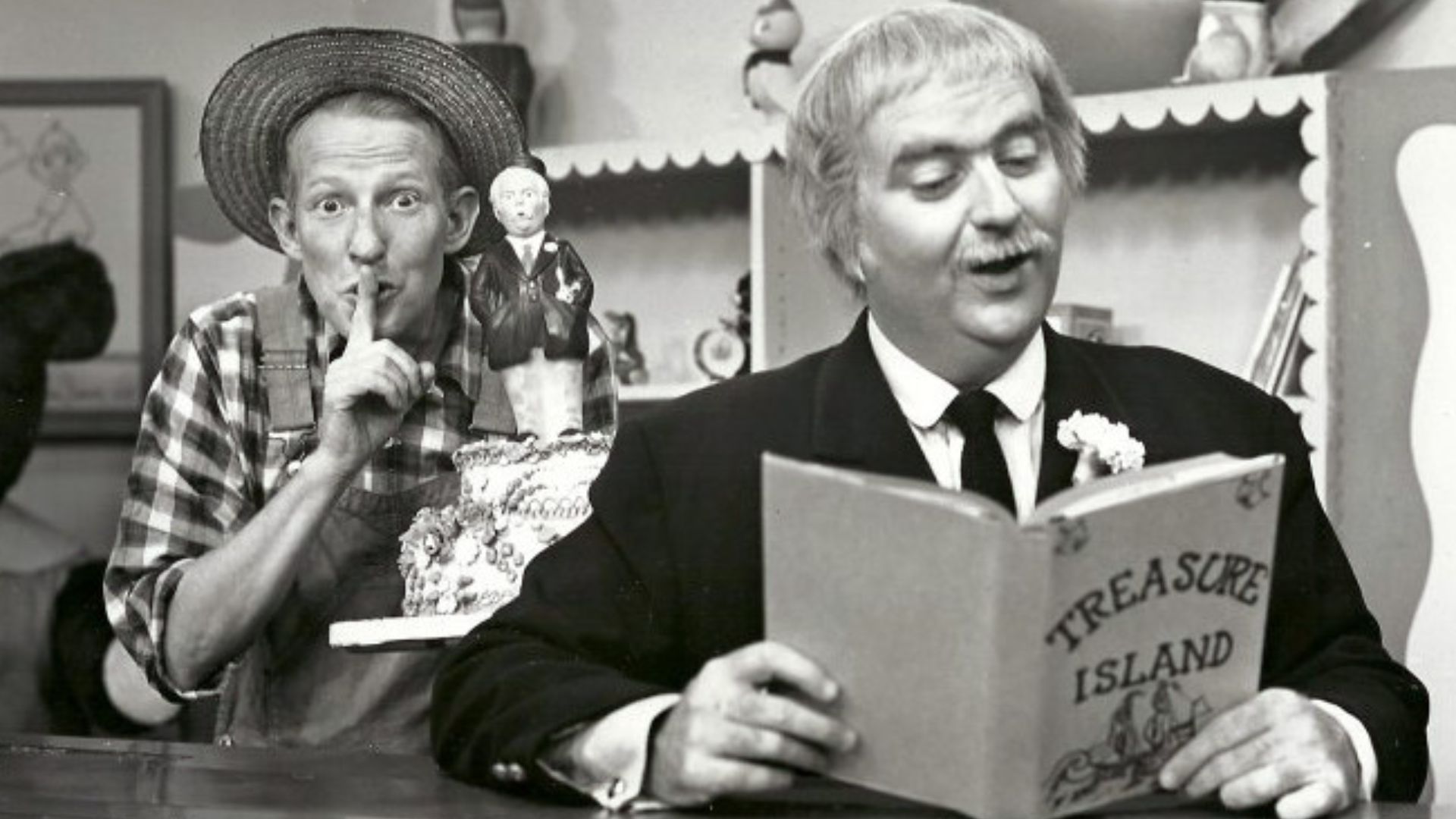 CBS Television, Wikimedia Commons
The Captain Caught The 4:20 Train
For years, Keeshan left his Long Island home on the 4:20 a.m. train to Manhattan. His family remembered the commute as a nearly unbreakable routine, with Keeshan rarely missing a train or broadcast. Captain Kangaroo may have moved slowly, but Bob Keeshan’s alarm clock certainly did not.
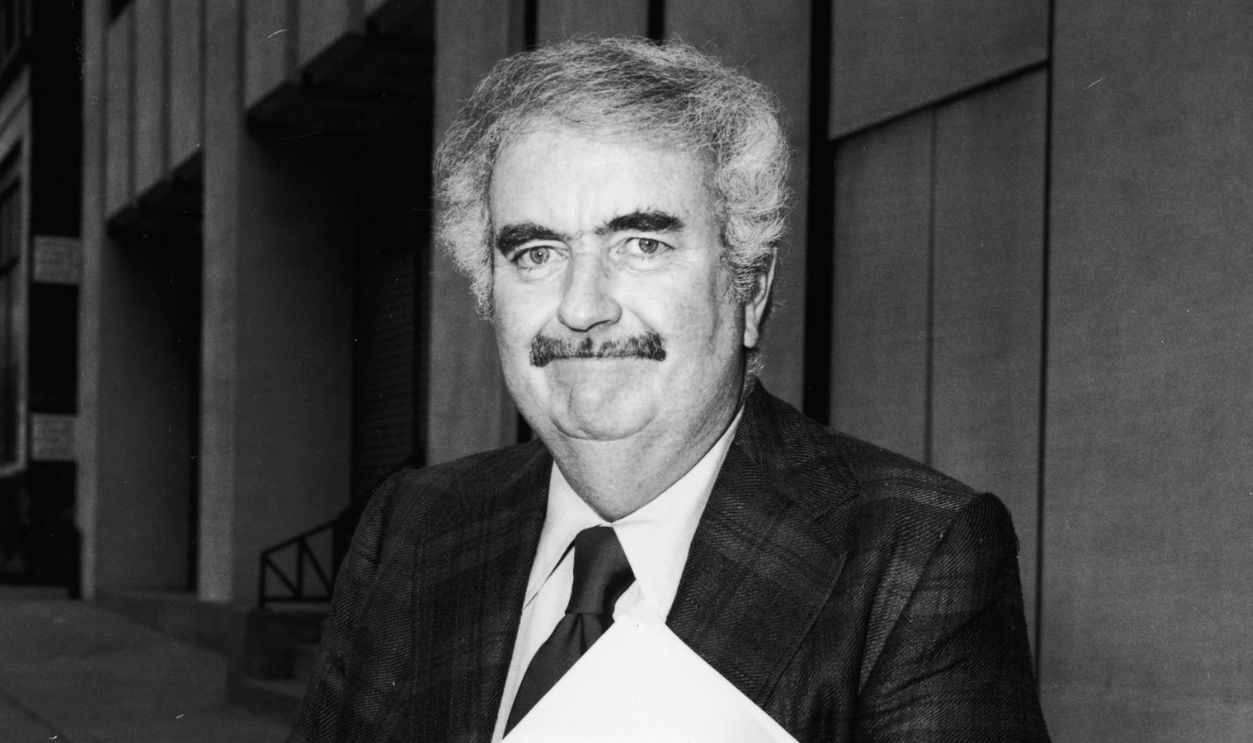 Fotos International, Getty Images
Then He Walked Into Live Television
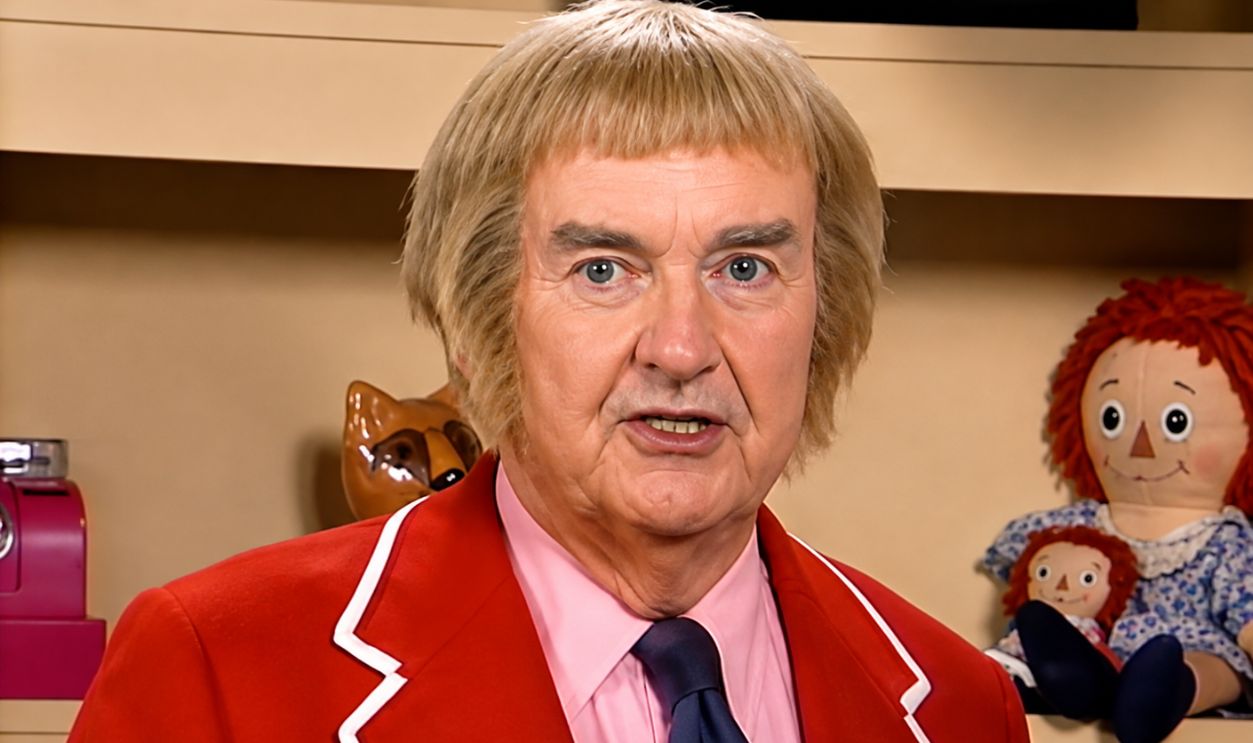
During the program’s first four years, Eastern and Central viewers watched Captain Kangaroo live, while Western audiences received same-day kinescope recordings. That gentle, unhurried performance therefore came with very little safety net. Keeshan had to create calm television each morning while knowing almost anything could go wrong.
 Screenshot from Captain Kangaroo, CBS (1955-1984)
Even The Cartoons Had To Behave
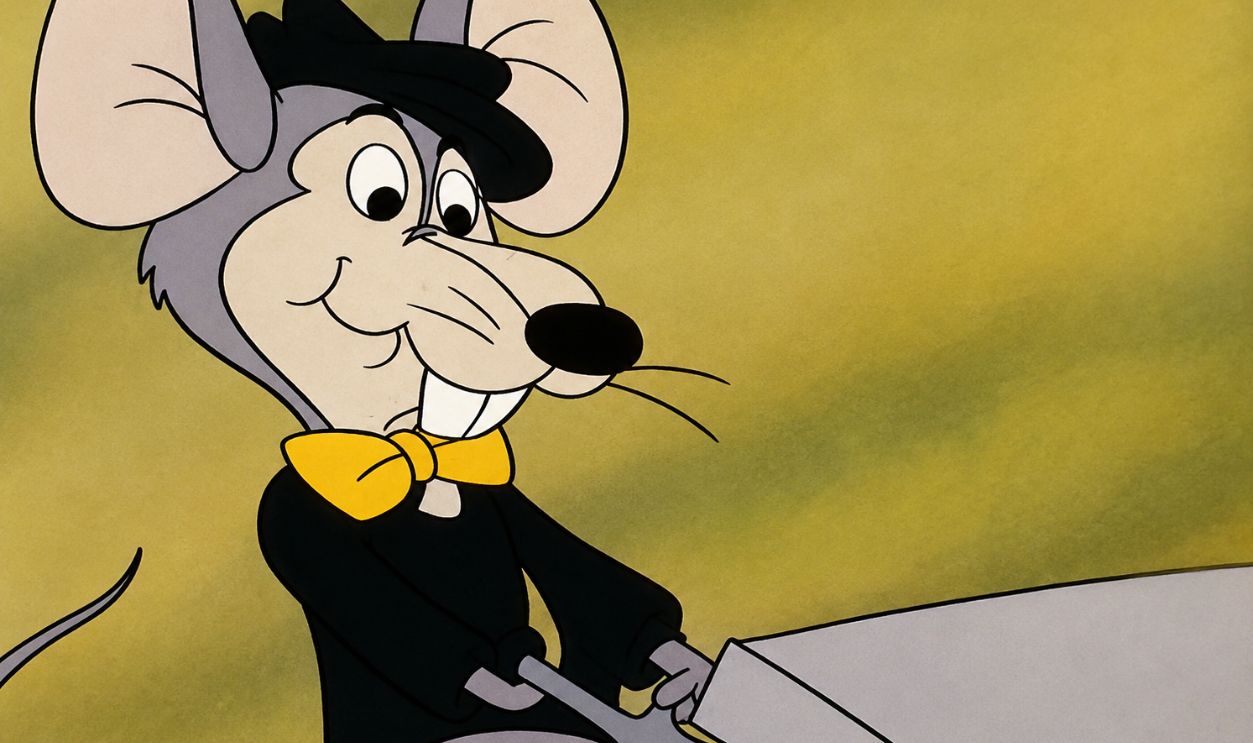
Keeshan reviewed cartoons used on the program and removed racist, antisemitic and cruel imagery. In 1958, he publicly criticized children’s television for remaining filled with prejudice, bigotry and animal cruelty. The Treasure House had rules—and some were decades ahead of much of the industry.
 Screenshot from Captain Kangaroo, CBS (1955-1984)
His Advertising Record Was More Complicated
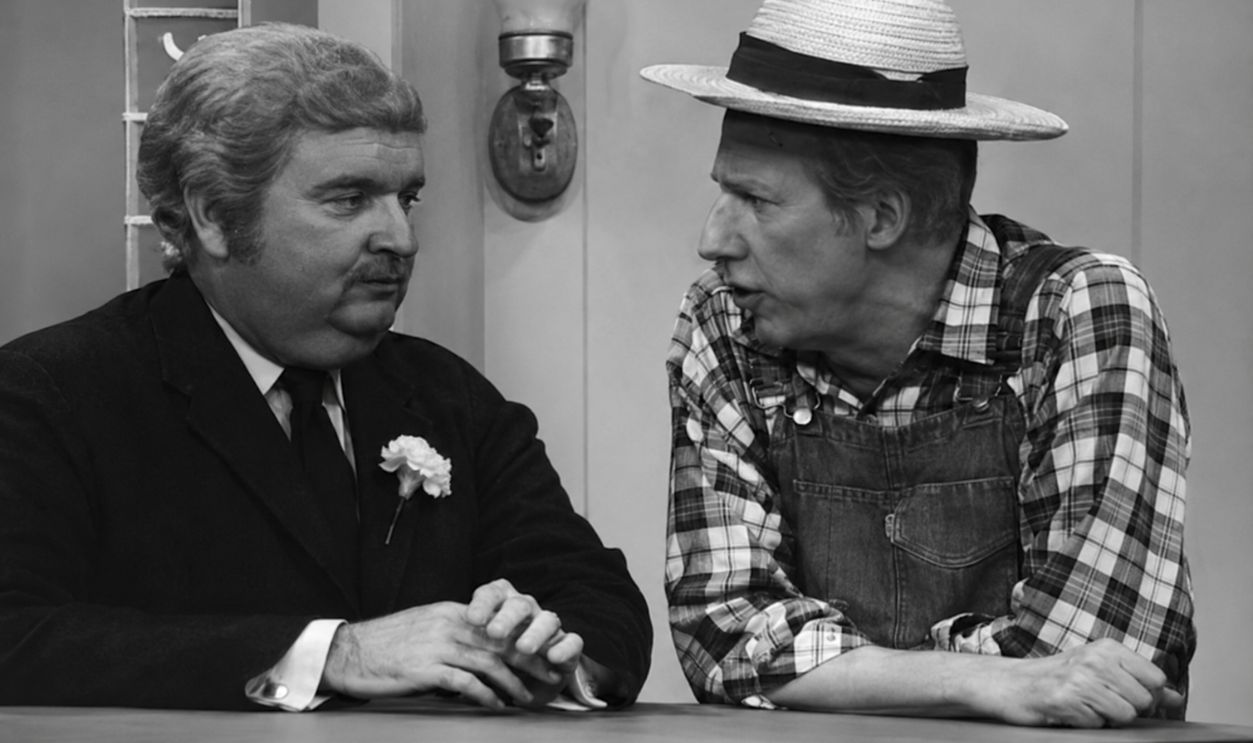
Keeshan later became a fierce critic of marketing that exploited children, but he had personally promoted Schwinn bicycles on the program. After a 1971 Federal Trade Commission staff report recommended against hosts delivering such pitches, the show shifted the promotions to a character called Mr. Schwinn Dealer.
 Screenshot from Captain Kangaroo, CBS (1955-1984)
The Calm Required Serious Work
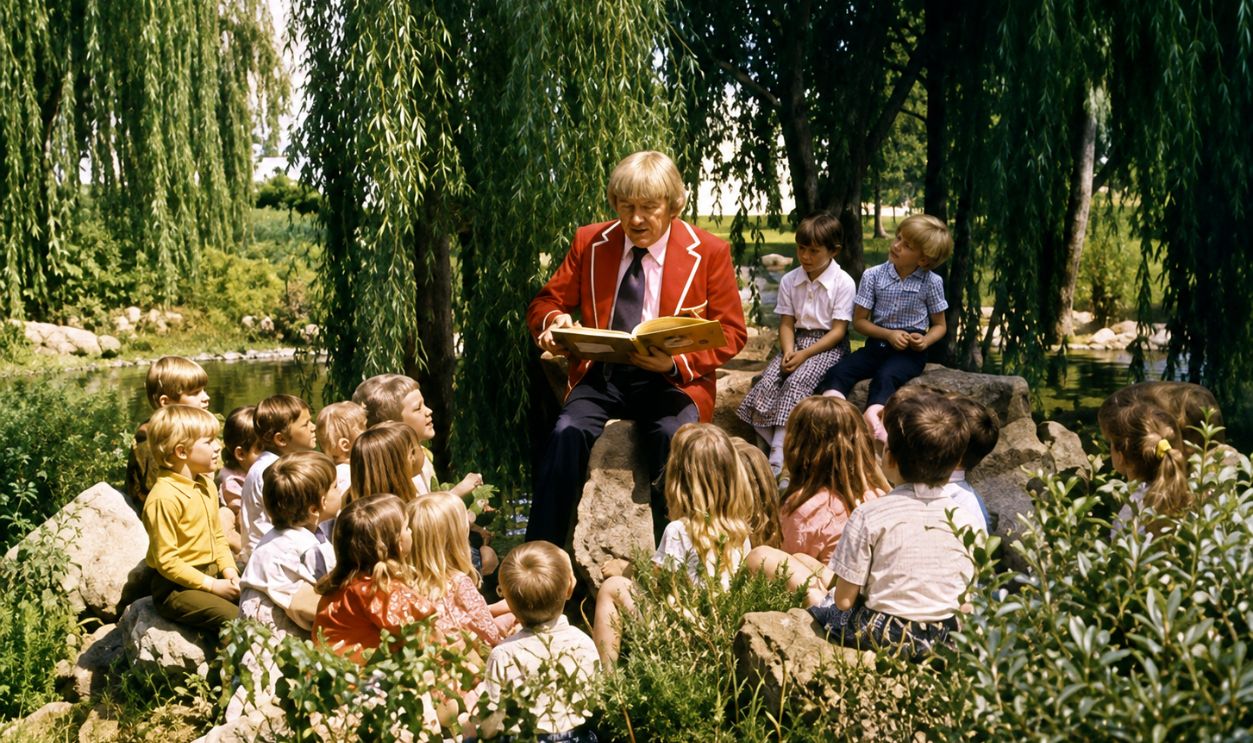
The program’s relaxed feeling was carefully constructed. Stories had to be chosen, music planned, puppets performed and every joke pitched to preschool viewers without driving their parents from the room. The calm was not evidence that nobody was trying hard. It was evidence that Keeshan knew exactly how hard they had to try.
 Screenshot from Captain Kangaroo, CBS (1955-1984)
Fame Went Into The Closet
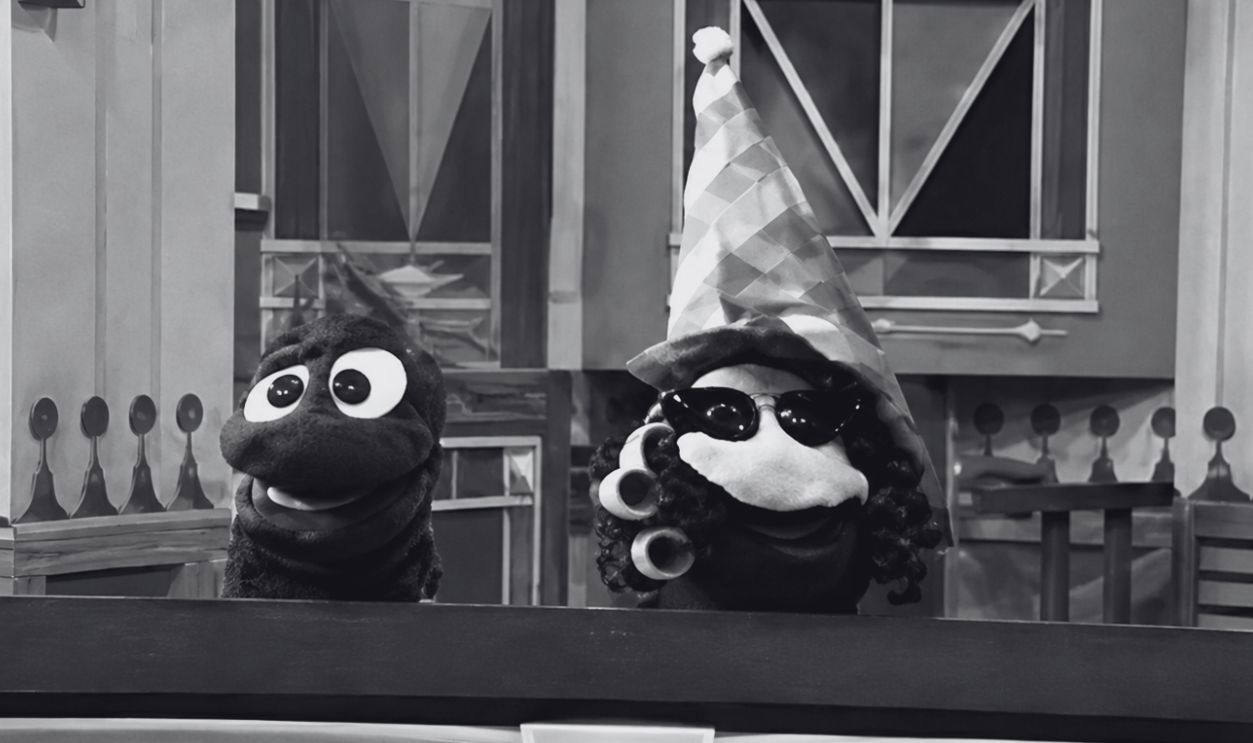
The series ultimately won six Emmy Awards and three Peabody Awards, yet Keeshan kept its trophies out of sight, stored in closets. His children remembered little discussion of ratings, television politics or celebrity. While millions of families watched Captain Kangaroo each morning, the Keeshan household carried on as though nothing unusual had happened.
 Screenshot from Captain Kangaroo, CBS (1955-1984)
His Children Nearly Missed The Captain
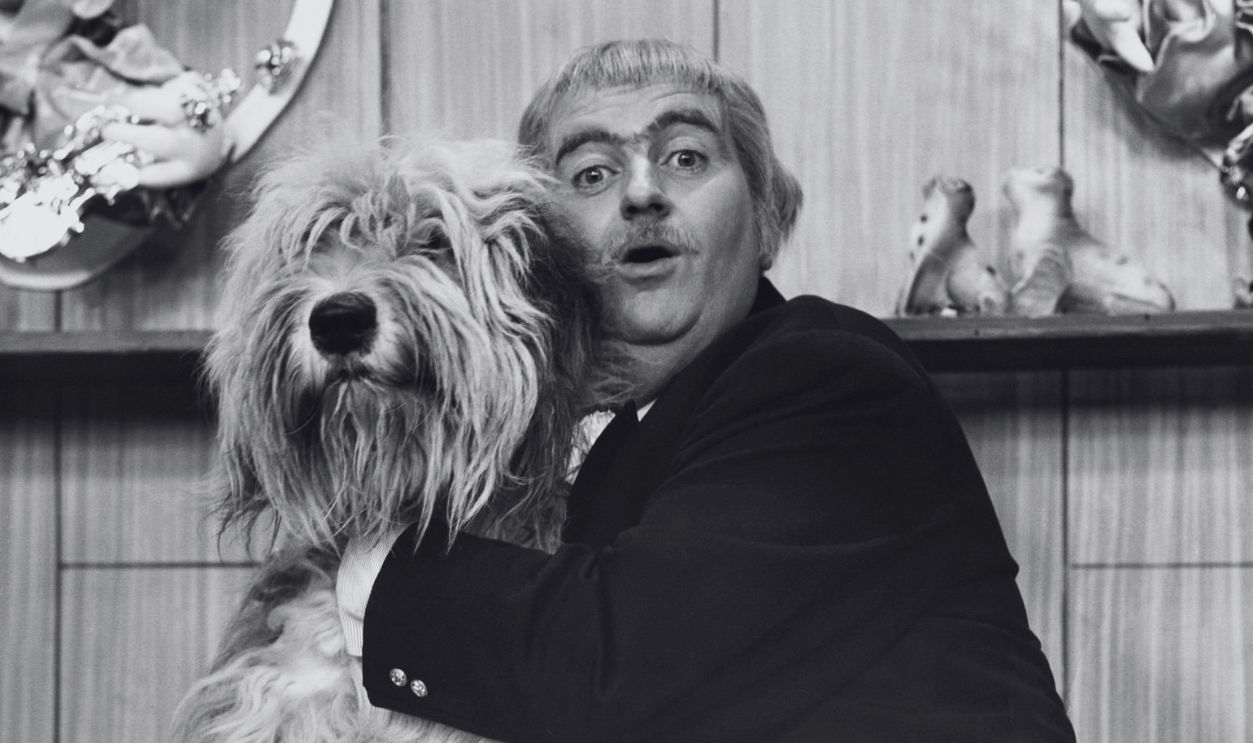
Keeshan kept his public and private lives so separate that his young children did not completely connect their father with the television character. After attending a Captain Kangaroo event at Radio City Music Hall, they met their out-of-costume father backstage and told him he had just missed Captain Kangaroo.
 John Springer Collection, Getty Images
He Was Just Dad At Home
Keeshan’s daughters remembered a surprisingly ordinary childhood. They attended school, fed the dog, completed their chores and took out the trash. Being related to Captain Kangaroo earned nobody special treatment. Their parents wanted them raised as normal children—not supporting characters in their father’s television career.
![Title: Captain Kangaroo
Creator(s): Gotfryd, Bernard, photographer
Date Created/Published: [ca. 1970]
Medium: 1 photograph : color transparency ; 35mm (slide format)
Reproduction Number: LC-DIG-gtfy-07410 (digital file from original)
Rights Advisory: No k](https://www.factinate.com/storage/app/media/theshot/2026/8/2/1785664269c4bedd92402a6c7bb03f121a92a450ef6d822d9e.jpg) Gotfryd, Bernard, photographer, Wikimedia Commons
Gotfryd, Bernard, photographer, Wikimedia Commons
The School Board Elected A Clown
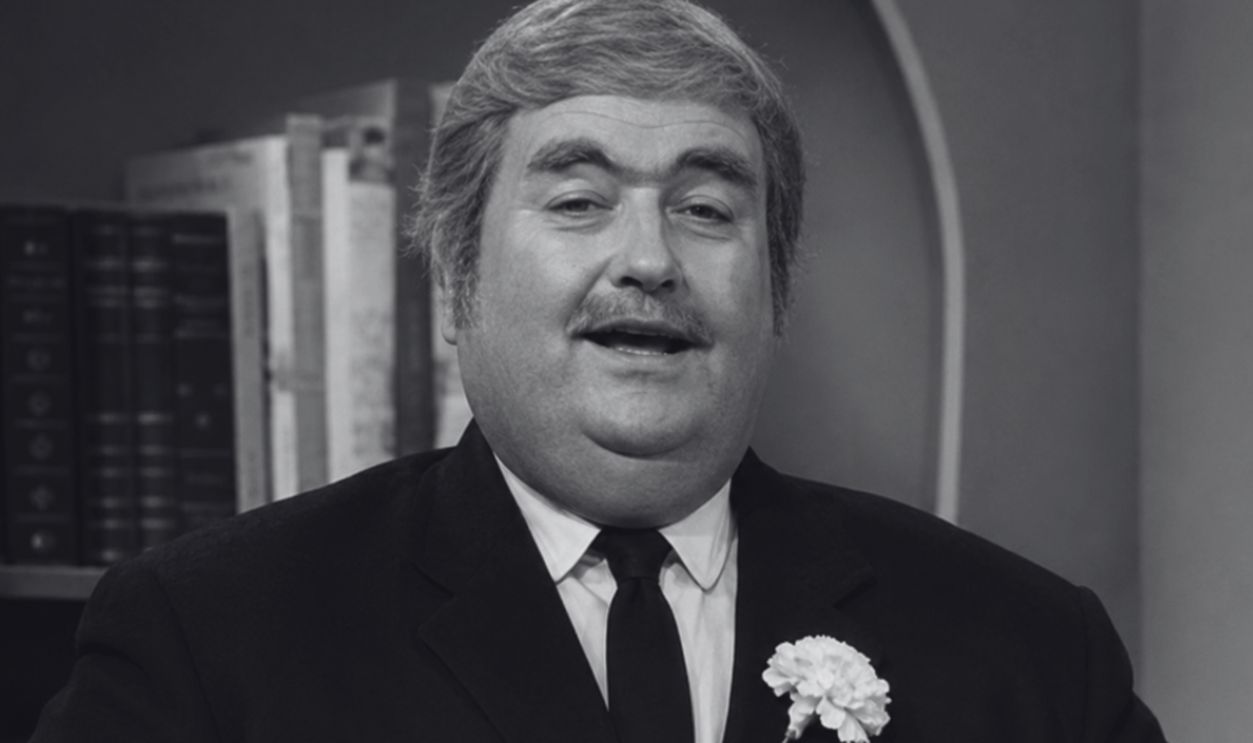
Keeshan sought a seat on his local school board because the district was growing and needed to prepare for thousands of new children. He won by six votes, prompting one distressed resident to announce that the community had elected a clown. Technically, the man was completely correct.
 Screenshot from Captain Kangaroo, CBS (1955-1984)
His Heart Nearly Gave Out
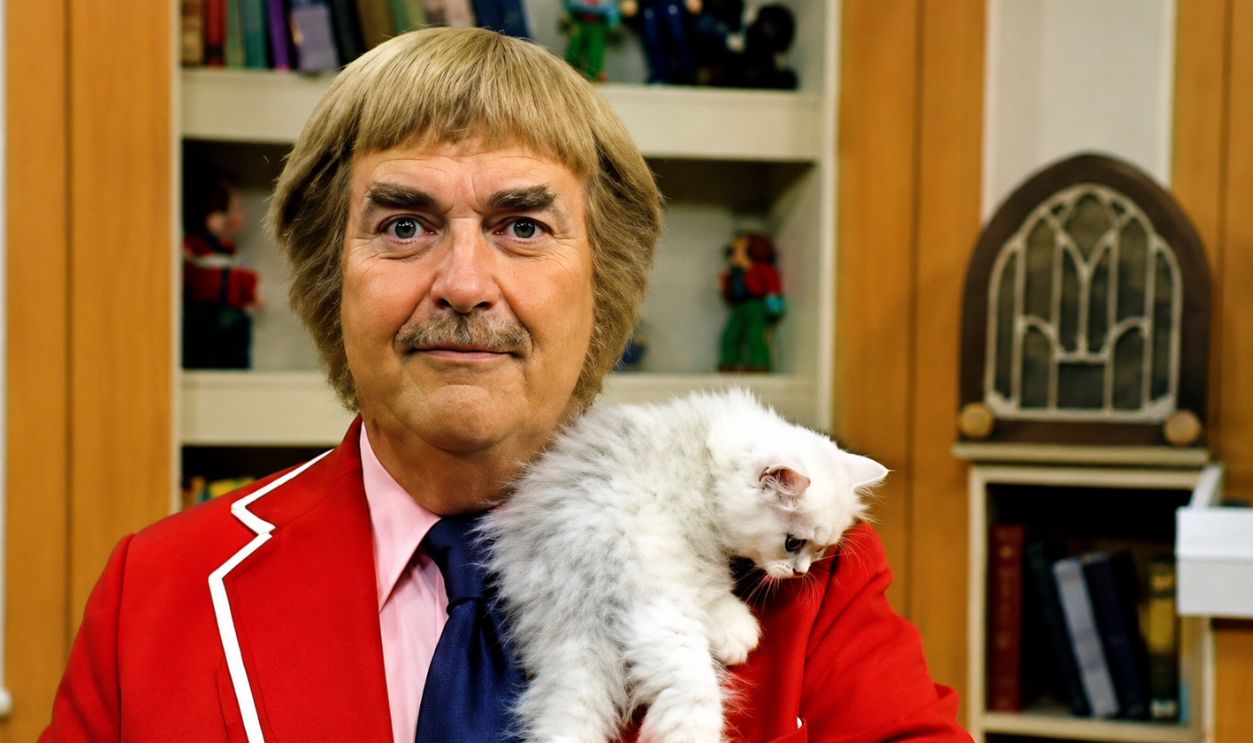
In 1981, Keeshan suffered a severe heart attack shortly after arriving in Toronto to receive an award for his service to children. He survived, and six years later underwent triple-bypass surgery. The health crises revealed how much strain could exist beneath a man famous for never appearing rattled.
 Screenshot from Captain Kangaroo, CBS (1955-1984)
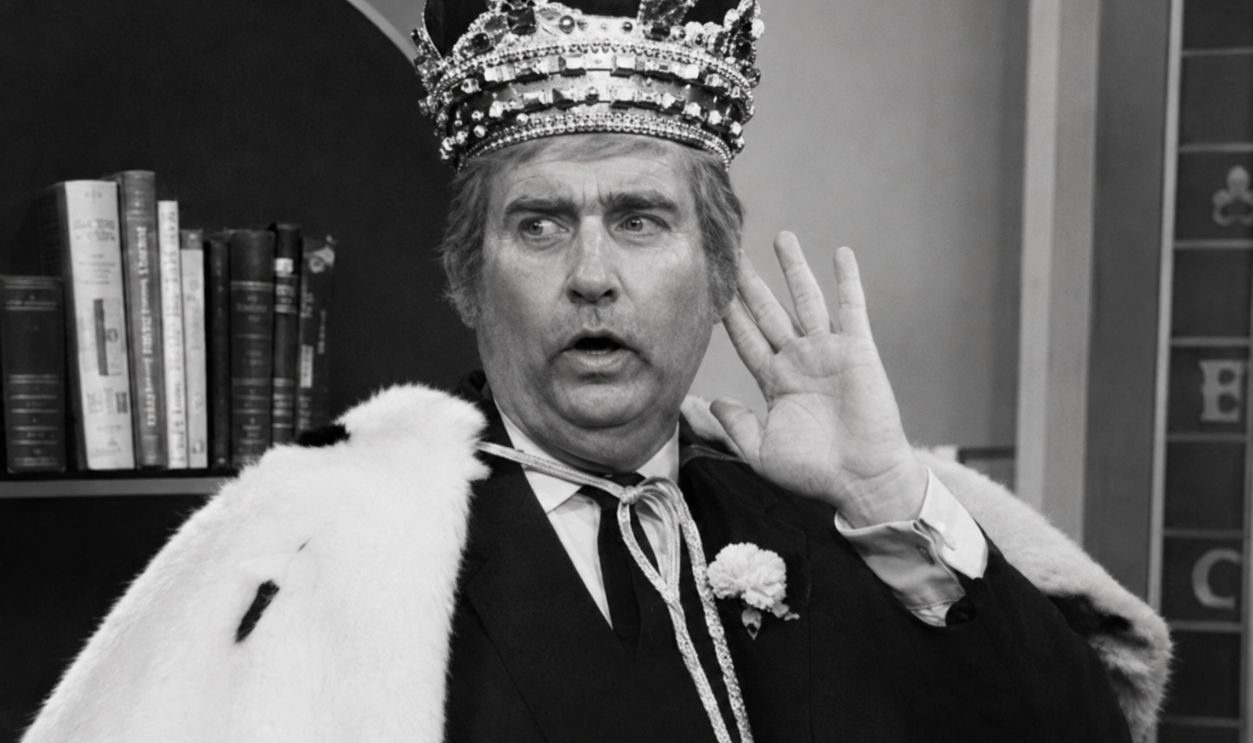
CBS Began Shrinking His World
CBS shortened Captain Kangaroo, moved it to increasingly early time slots and eventually pushed it to weekends as the network expanded its morning news programming. After decades spent making young viewers feel important, Keeshan watched CBS decide those viewers were no longer important enough for weekday mornings.
 Screenshot from Captain Kangaroo, CBS (1955-1984)
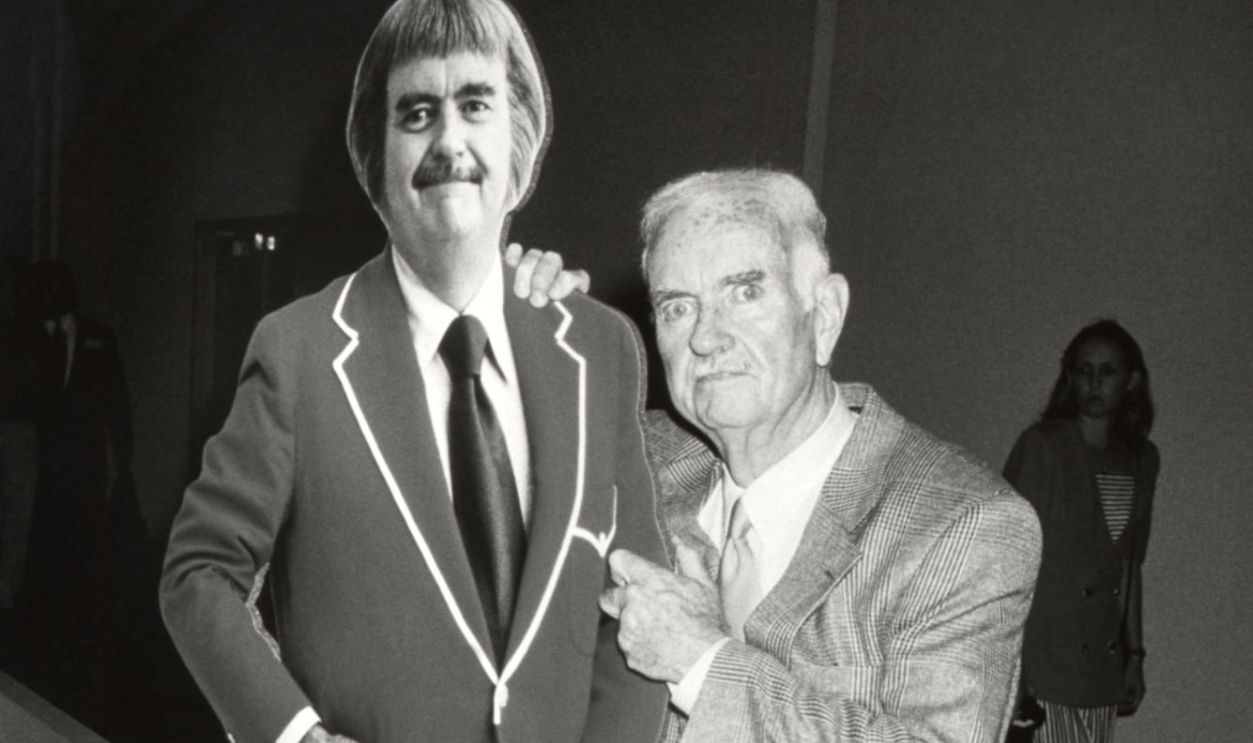
Congress Asked Where He Had Gone
During a 1983 congressional hearing, Al Gore told Keeshan that he no longer saw Captain Kangaroo and asked when it aired. Keeshan explained that after 27 years of weekday broadcasts, CBS had moved the show to weekends—usually at 6 or 7 in the morning.
The Network Had Cut Almost Half
Keeshan also revealed that the production budget had been reduced by roughly 40%, cutting the number of newly created programs from 52 to 26. When Gore asked who had cut his budget, Keeshan dryly answered, “The man who pays me.” Captain Kangaroo was polite. Bob Keeshan understood exactly what was happening.
 CBS Television, Wikimedia Commons
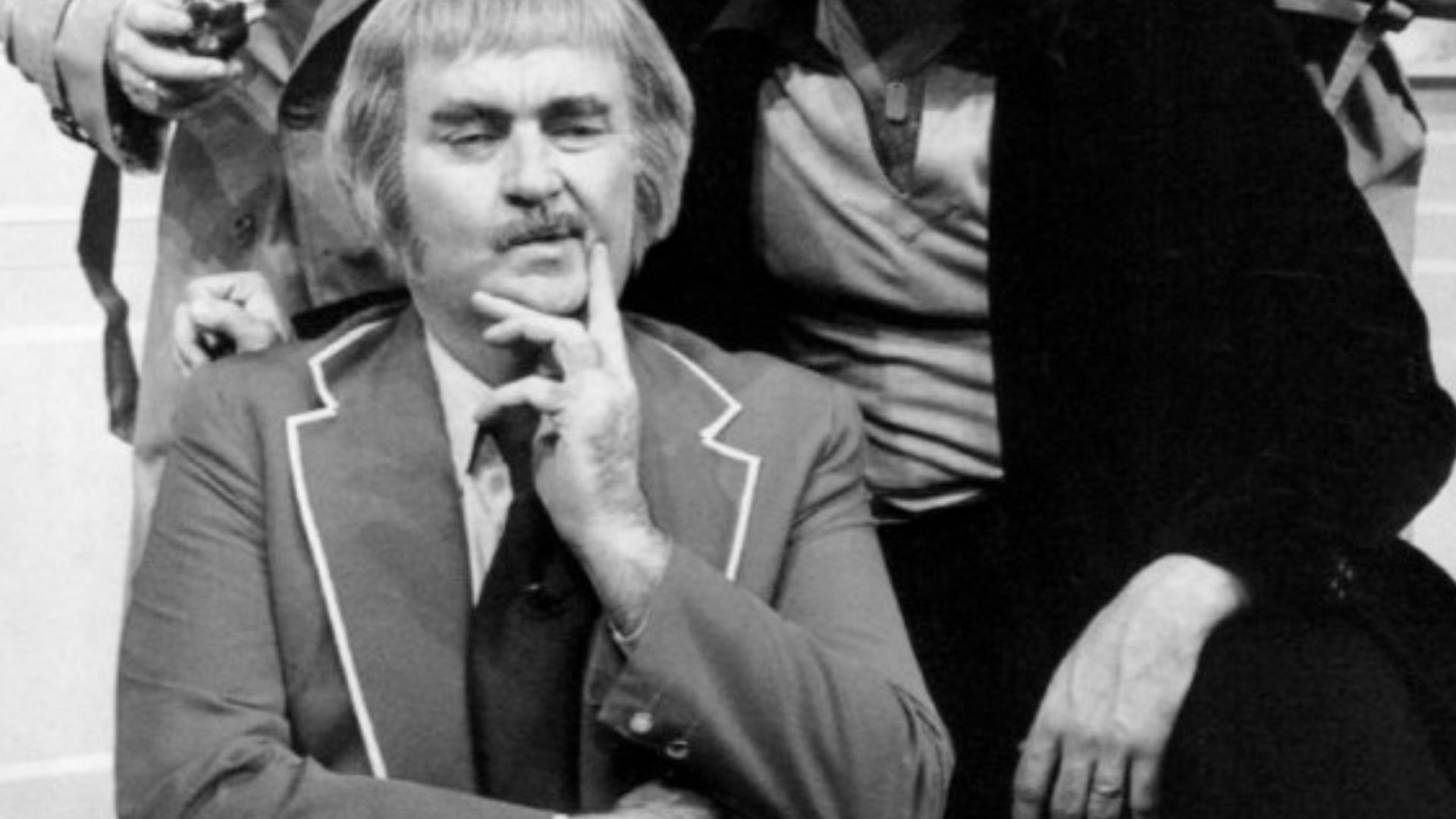
He Called Children The Silent Minority
Keeshan argued that quality children’s programming could not survive if profit was the only standard. Young children could not vote or clearly demand better treatment. He called them television’s “silent minority”—an audience unable to express its needs and almost powerless against the adults deciding what it would watch.
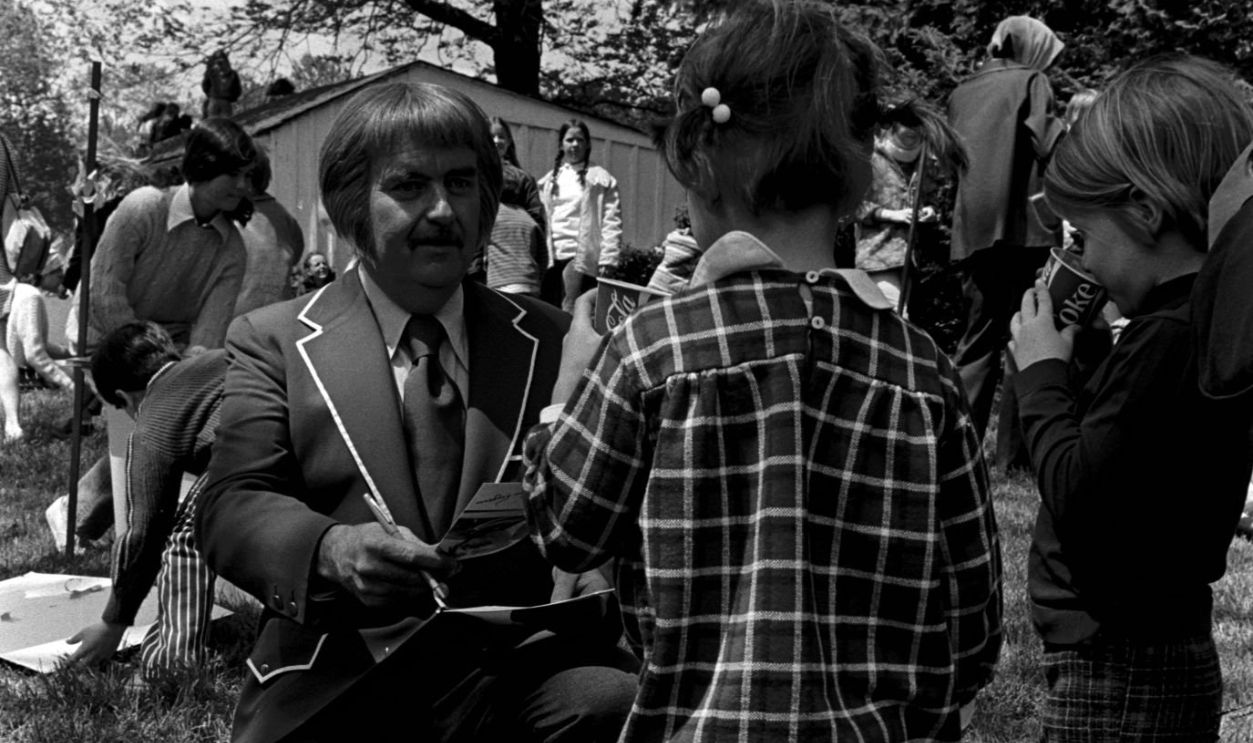
He Left Before The Big Anniversary
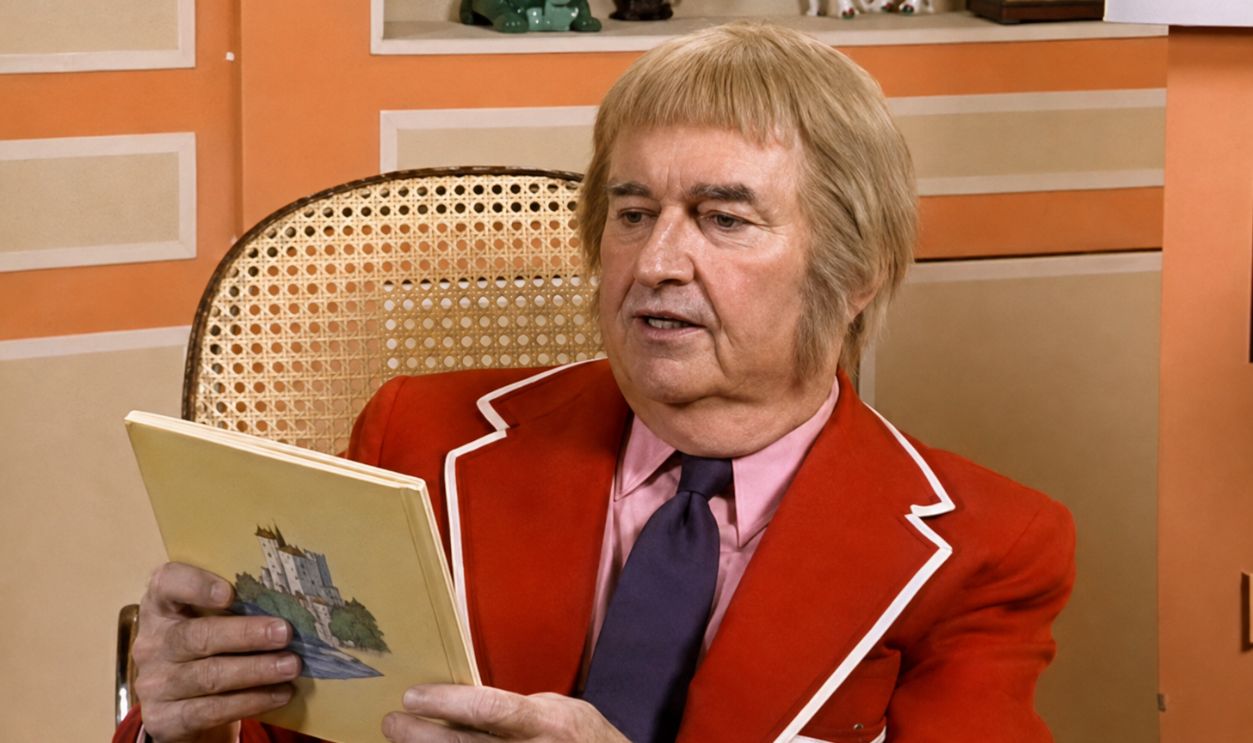
When Keeshan’s CBS contract ended in December 1984, he declined to continue, bringing the network run to a close just short of its 30th anniversary. There was no enormous farewell season worthy of its place in television history. The Captain simply received less time, fewer mornings and finally no weekday home.
 Screenshot from Captain Kangaroo, CBS (1955-1984)
Retirement Lasted About Five Minutes
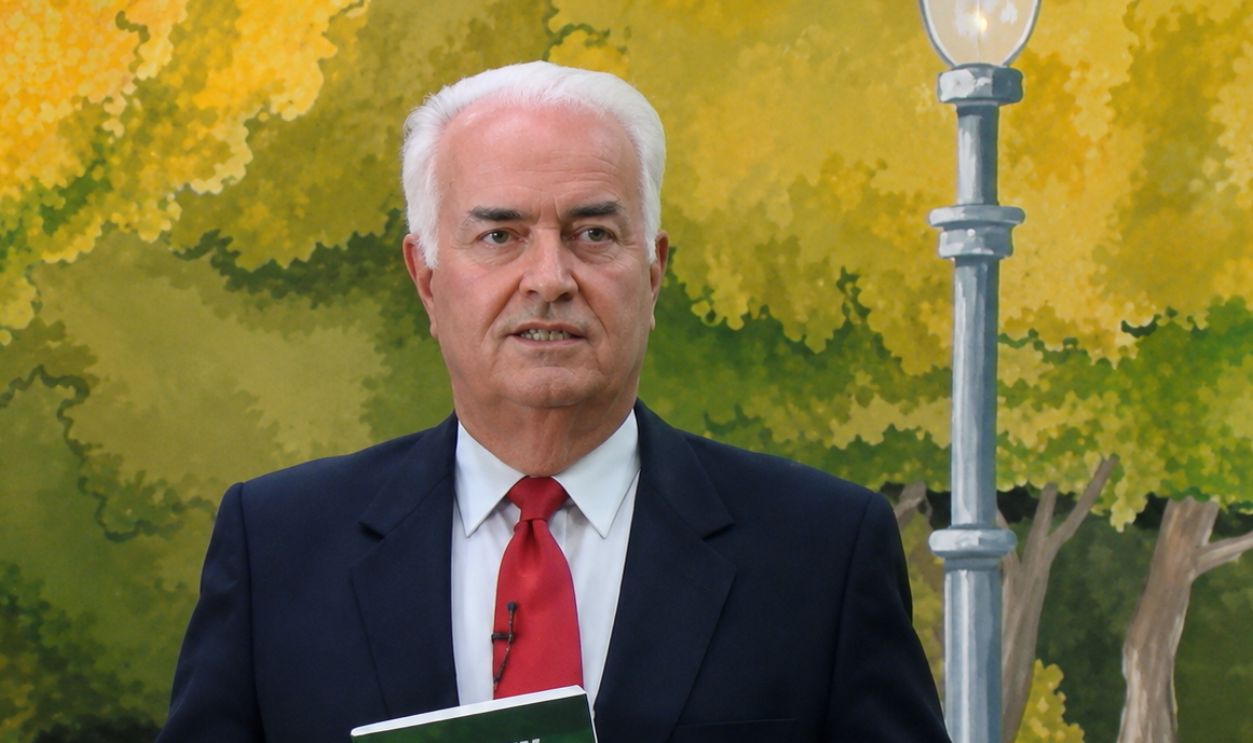
In 1985, Keeshan began hosting CBS Storybreak, introducing animated versions of children’s books and encouraging viewers to find the originals. He had left the Treasure House, but not the mission behind it. Apparently, retirement becomes difficult when an entire generation still expects you to recommend its reading material.
 Screenshot from CBS Storybreak, CBS (1985-1989)
The Captain Returned
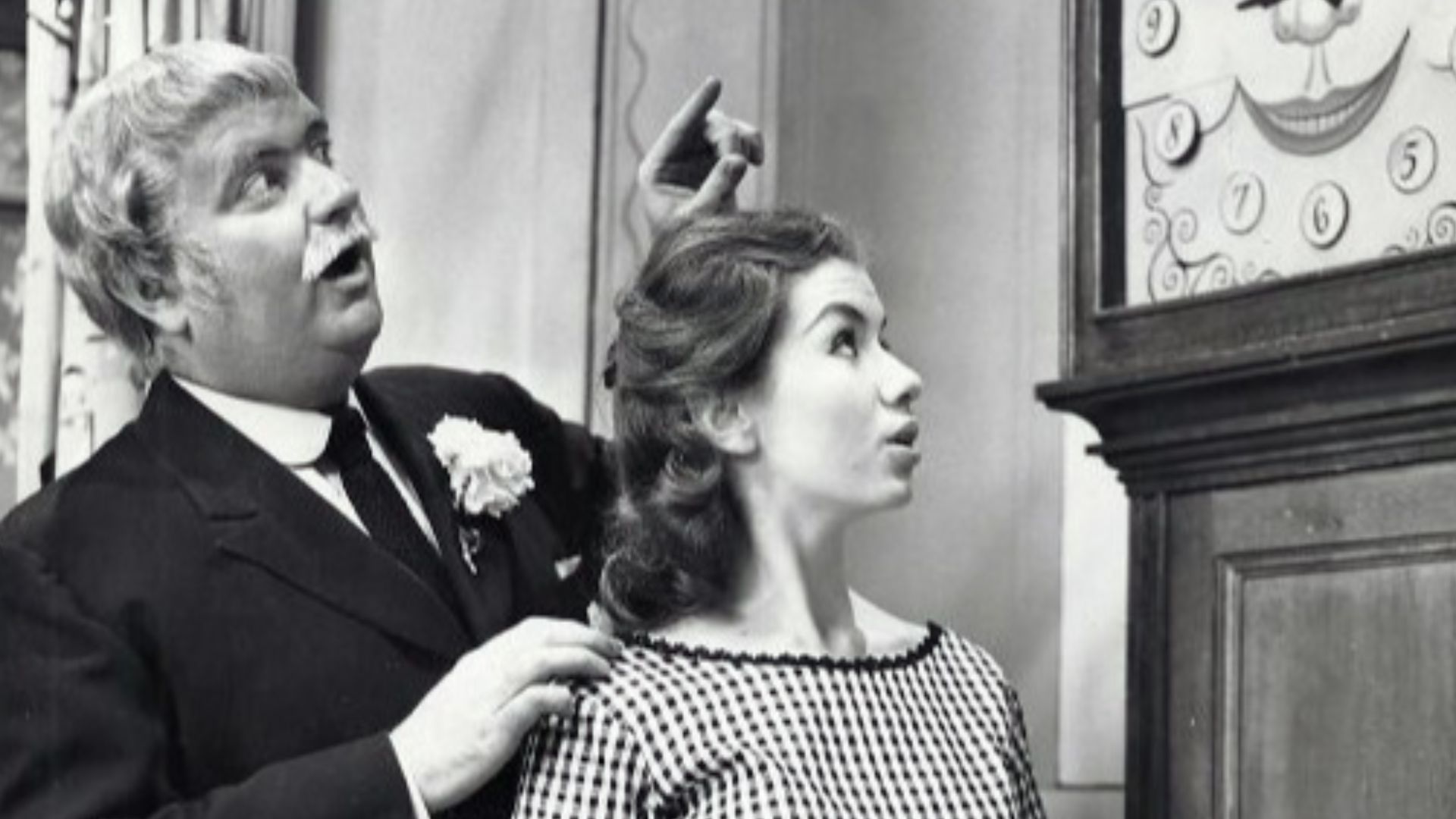
Keeshan’s CBS departure did not permanently end Captain Kangaroo. In 1986, the character returned on public television in a version combining older episodes with newly produced material. The program continued on public television for another six years, giving the Captain one more long morning with his audience.
 CBS Television, Wikimedia Commons
He Built Childcare Instead
In 1987, Keeshan helped launch Corporate Family Solutions with former Tennessee governor Lamar Alexander and Marguerite Sallee. The company operated workplace childcare centers. Even away from television, Keeshan kept returning to the same question: What did adults owe children, and why were so many pretending not to hear it?
 Unknown author, Wikimedia Commons
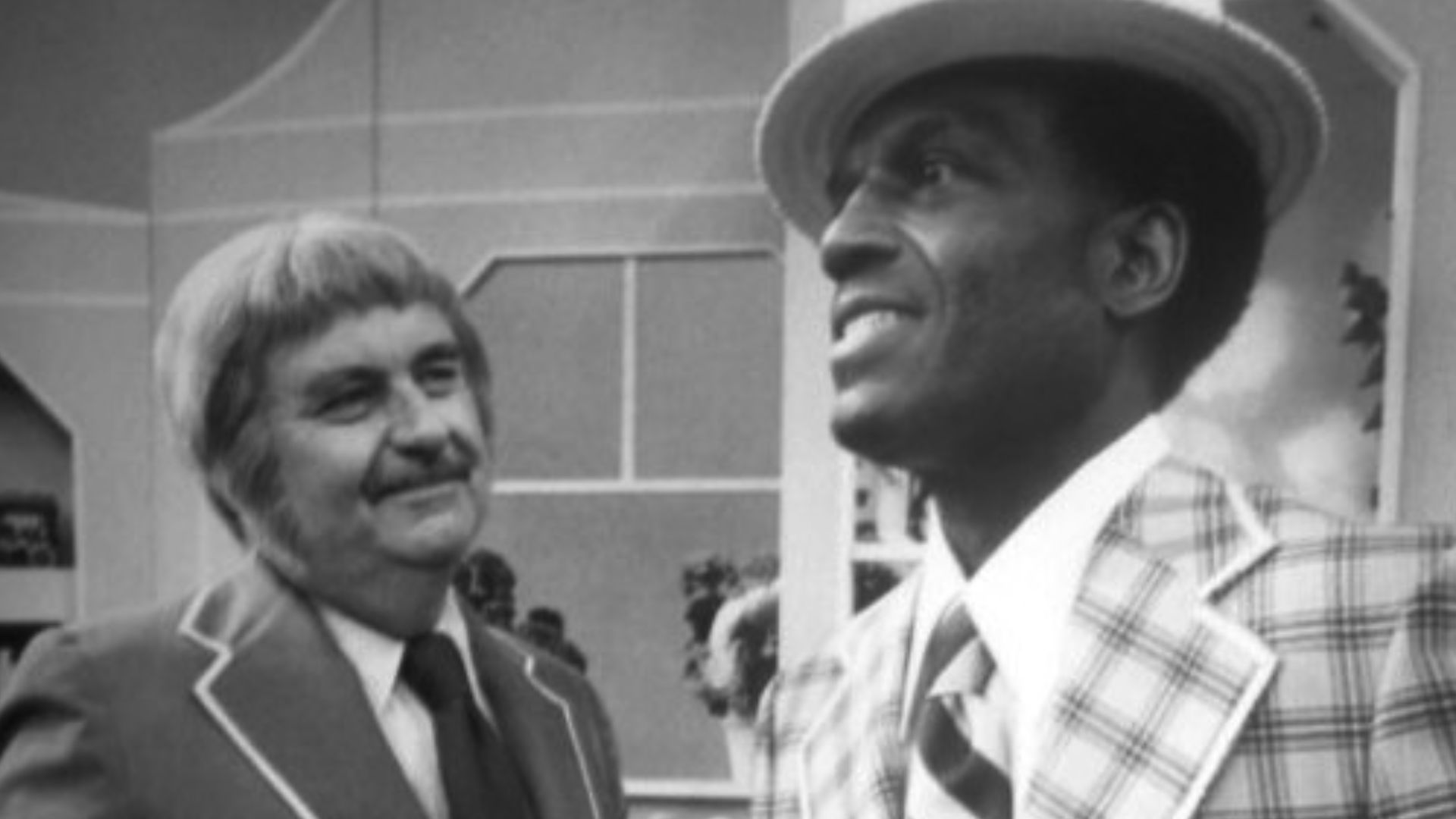
He Reportedly Lost Control Of His Captain
According to later accounts, Keeshan hoped to create another version of Captain Kangaroo during the 90s and had interested sponsors and stations. However, ICM, which then controlled the rights, reportedly would not authorize his proposal. The man who created Captain Kangaroo was unable to launch his own revival.
 CBS Uploaded by We hope at en.wikipedia, Wikimedia Commons
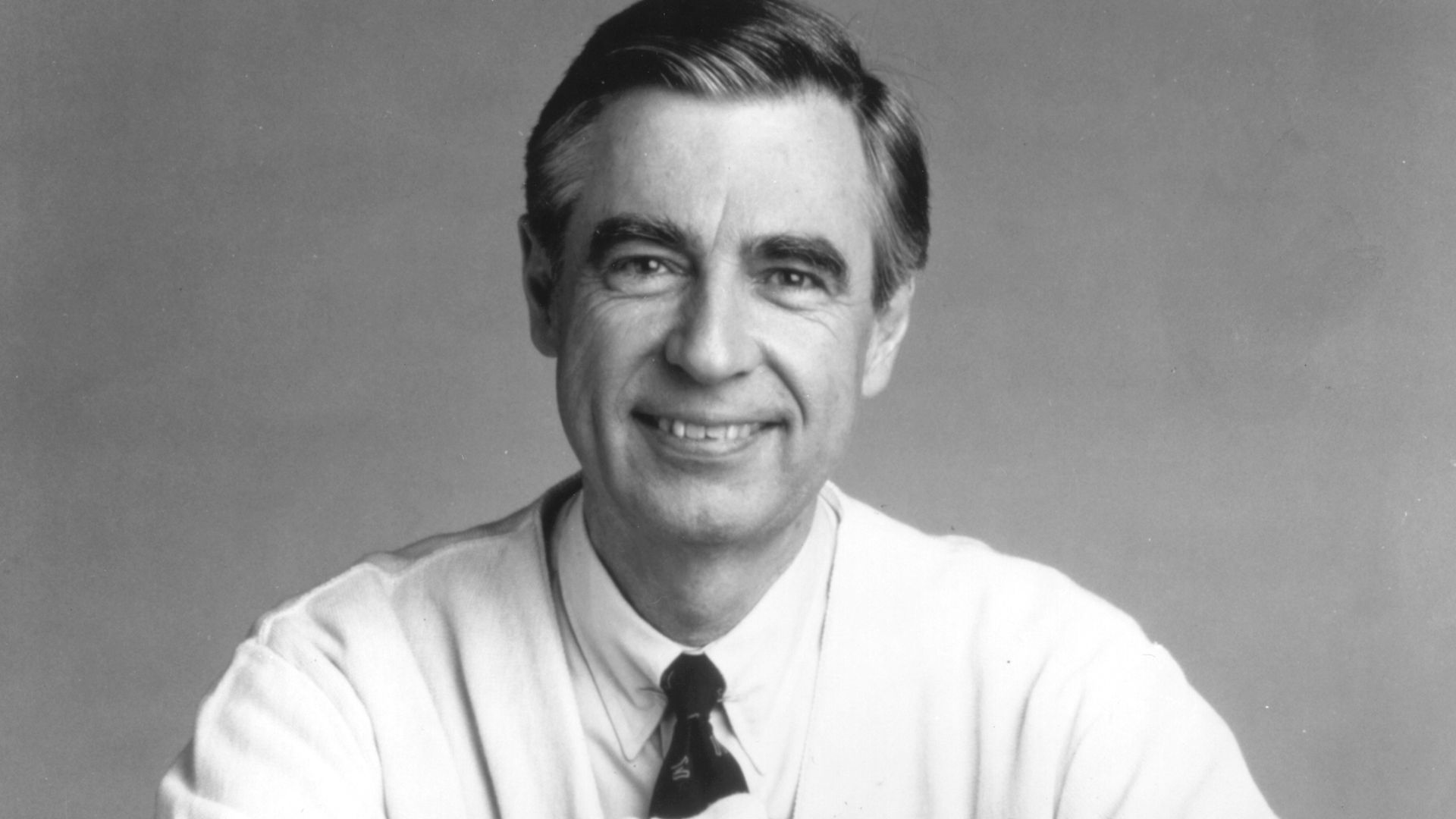
Fred Rogers Understood Him
Keeshan and Fred Rogers became close friends and shared remarkably similar beliefs about respecting young viewers. Every New Year’s Day, one would telephone the other. Apparently, two of television’s gentlest men still needed an annual opportunity to discuss everything the rest of the industry was getting wrong.
 Walt Seng; Distributed by PBS, Wikimedia Commons
Home Remained The Place He Protected
Keeshan and his wife, Jeanne, raised three children and deliberately kept home separate from celebrity. He explained that privacy gave his children and grandchildren the opportunity to live conventional lives. Captain Kangaroo belonged to millions of families. Bob Keeshan still wanted one part of himself reserved for his own.
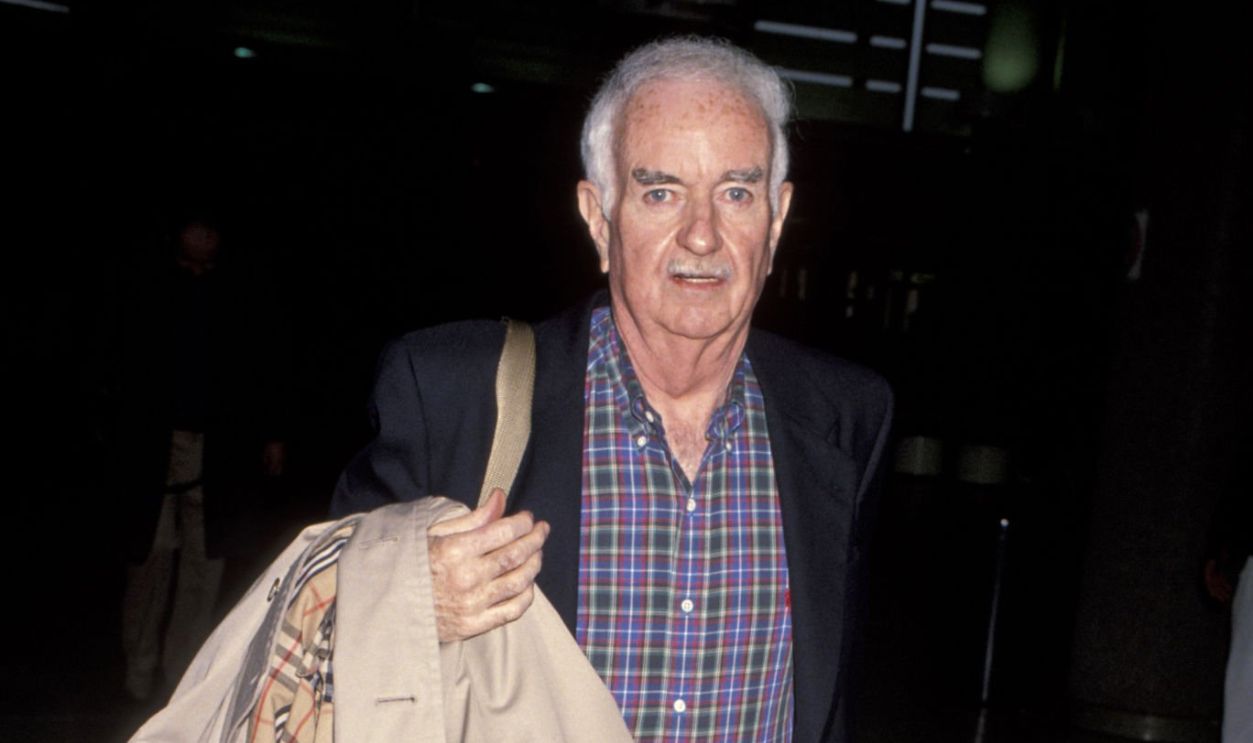
The Captain Made It To Everest
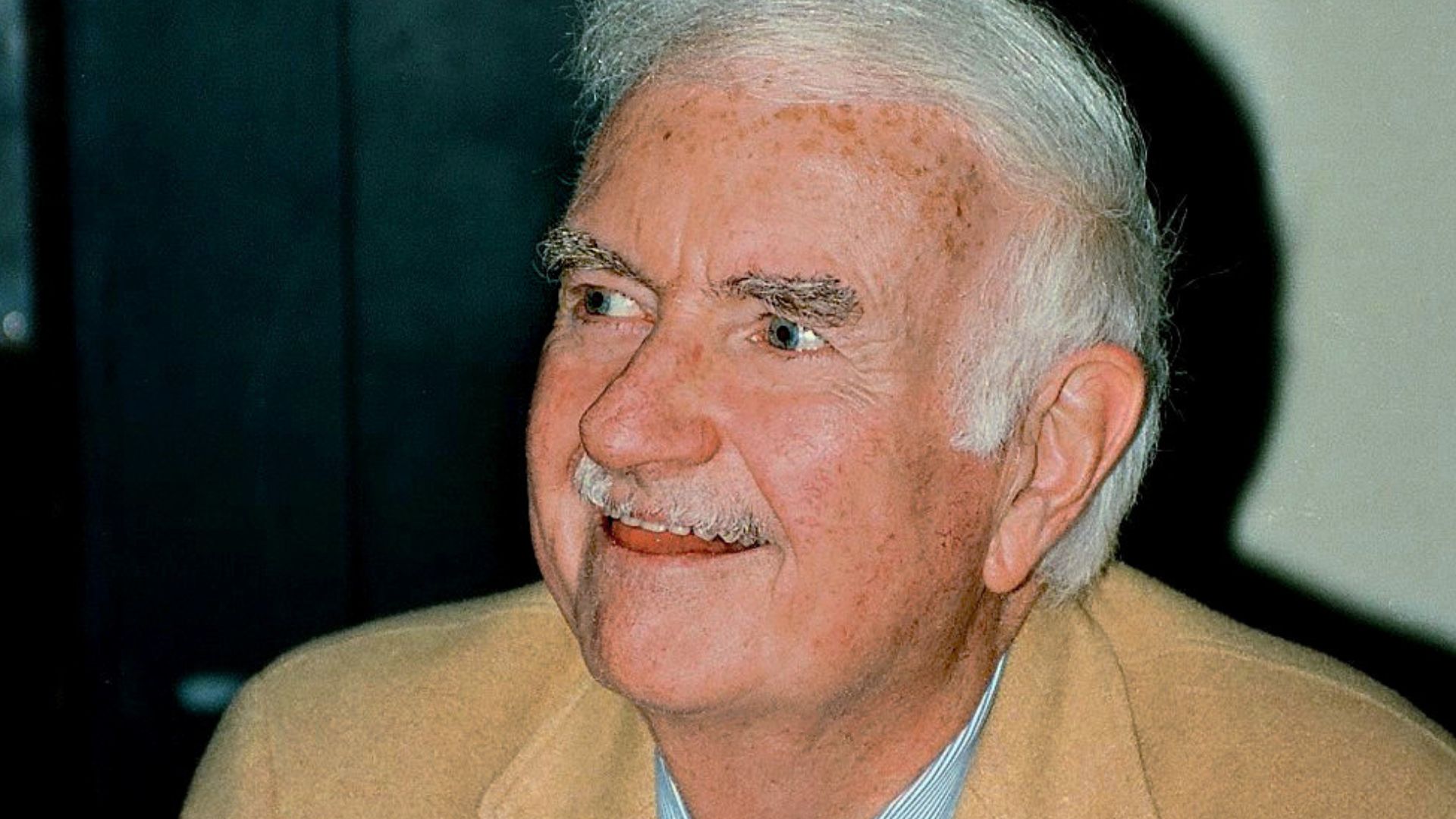
Keeshan died in January 2004 at 76. Four months later, his grandson Britton reached the summit of Mount Everest while completing the highest mountain on every continent. He carried photographs of his grandfather and left one at the summit. Captain Kangaroo had finally travelled far beyond the Treasure House.
 John Mathew Smith & www.celebrity-photos.com from Laurel Maryland, USA, Wikimedia Commons
The Smile Was Not An Act
Bob Keeshan was private, disciplined and considerably more solemn than the character viewers believed they knew. But that does not mean Captain Kangaroo was false. The warmth was real—it was created by a man who understood loss and disappointment, then worked incredibly hard to make television feel safe for everyone else.
You Might Also Like: