The Lost Laugh Track
Ask someone to name a great comedy from the 70s and you will probably hear Blazing Saddles, Animal House, Young Frankenstein or something involving Monty Python.
Those are classics for a reason. But the decade also produced dozens of funny movies that somehow slipped through the cracks. Some starred enormous names. Others influenced comedies that came later. Yet mention them today and even serious movie fans may need a minute. How many do you remember?
“The Big Bus” (1976)
Four years before Airplane!, this disaster-movie spoof put a collection of ridiculous passengers aboard Cyclops, an enormous nuclear-powered bus making its first nonstop trip from New York to Denver. The bus has 32 wheels, a bowling alley and a swimming pool. Somehow, Hollywood made this movie and then collectively forgot that it happened.
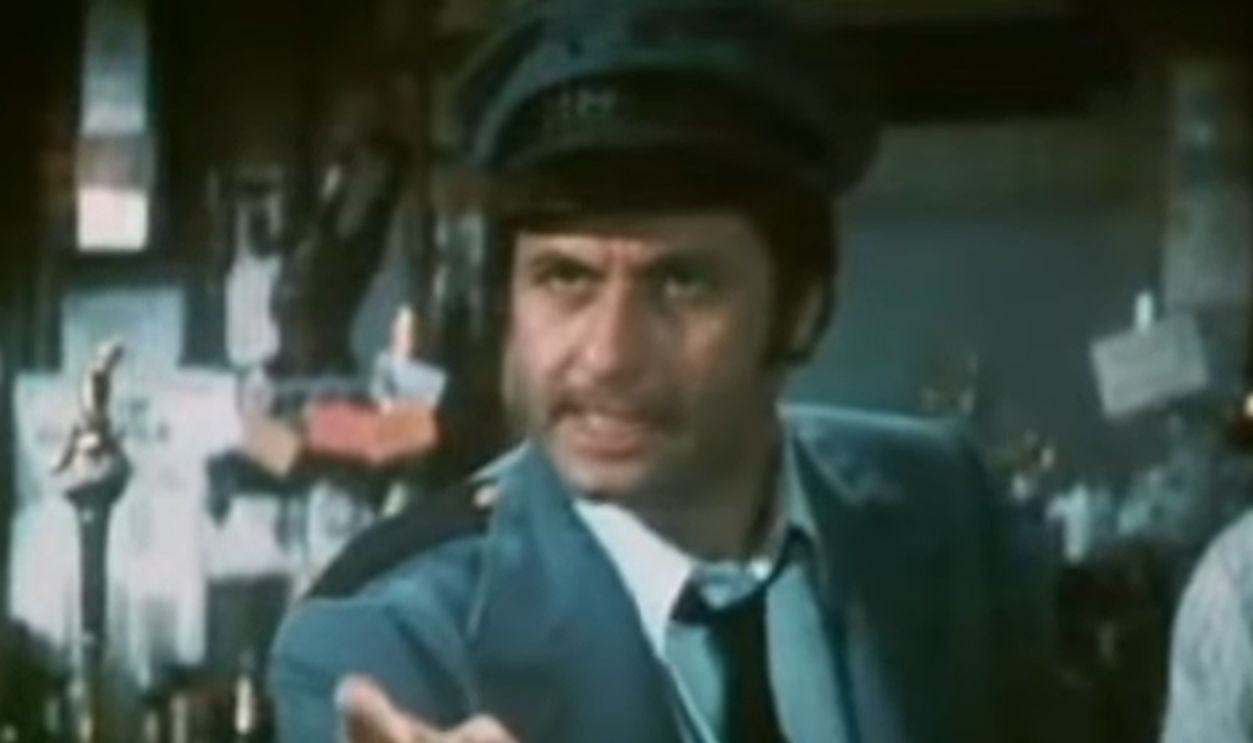 Screenshot from The Big Bus, Paramount Pictures (1976)
“The Out-of-Towners” (1970)
Jack Lemmon and Sandy Dennis play an Ohio couple whose seemingly simple trip to New York becomes a nonstop parade of a diverted flight, missing luggage, terrible weather and urban misery. Written by Neil Simon, it is basically every travel nightmare you have ever had—except someone was smart enough to put Jack Lemmon in the middle of it.
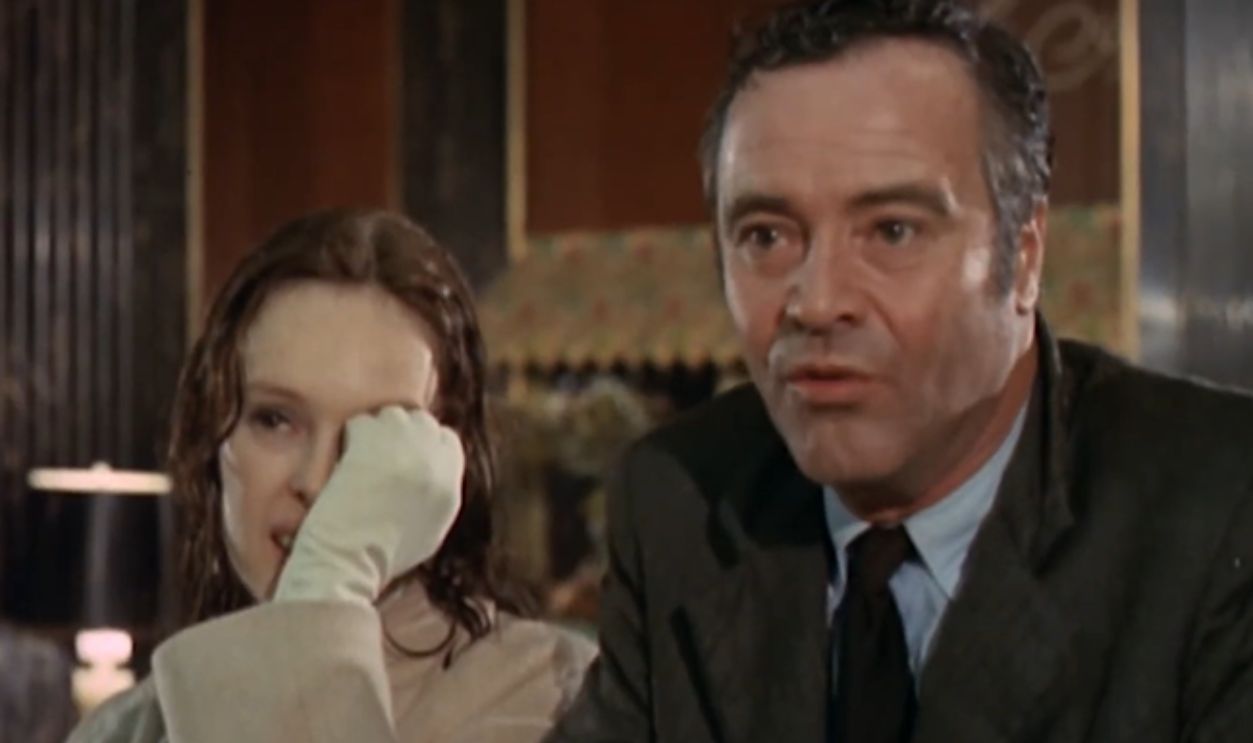 Screenshot from The Out of Towners, Paramount Pictures (1970)
“The In-Laws” (1979)
Alan Arkin plays a cautious dentist who meets his daughter’s future father-in-law, played by Peter Falk. Within hours, Falk has dragged him into car chases, international espionage and one increasingly unbelievable story about giant flies. Arkin’s exhausted disbelief and Falk’s complete confidence make this one of the funniest comedy pairings of the entire decade.
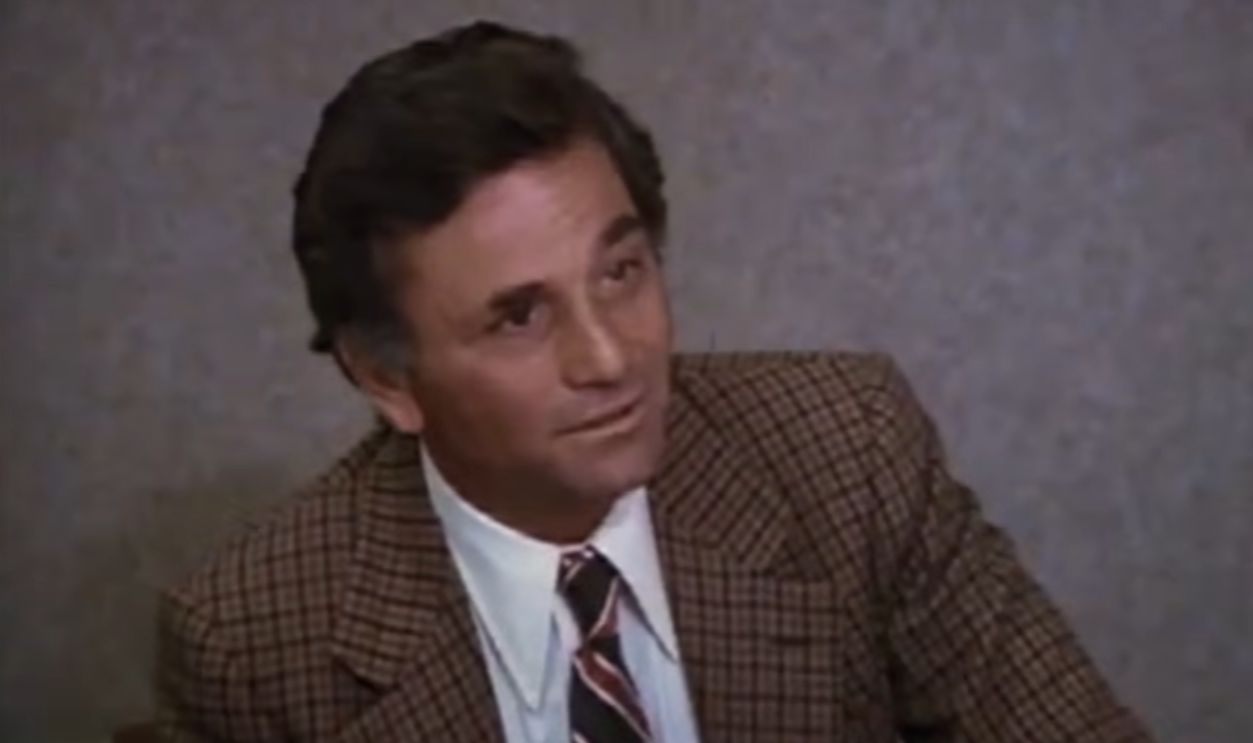 Screenshot from The In-Laws, Warner Bros. Pictures (1979)
“Cold Turkey” (1971)
A tobacco company offers $25 million to any town that can get every resident to quit smoking for 30 days, assuming nobody could possibly do it. Dick Van Dyke rallies one struggling Iowa community to accept the challenge. The result is a town full of increasingly desperate people discovering that civic pride definitely has its limits.
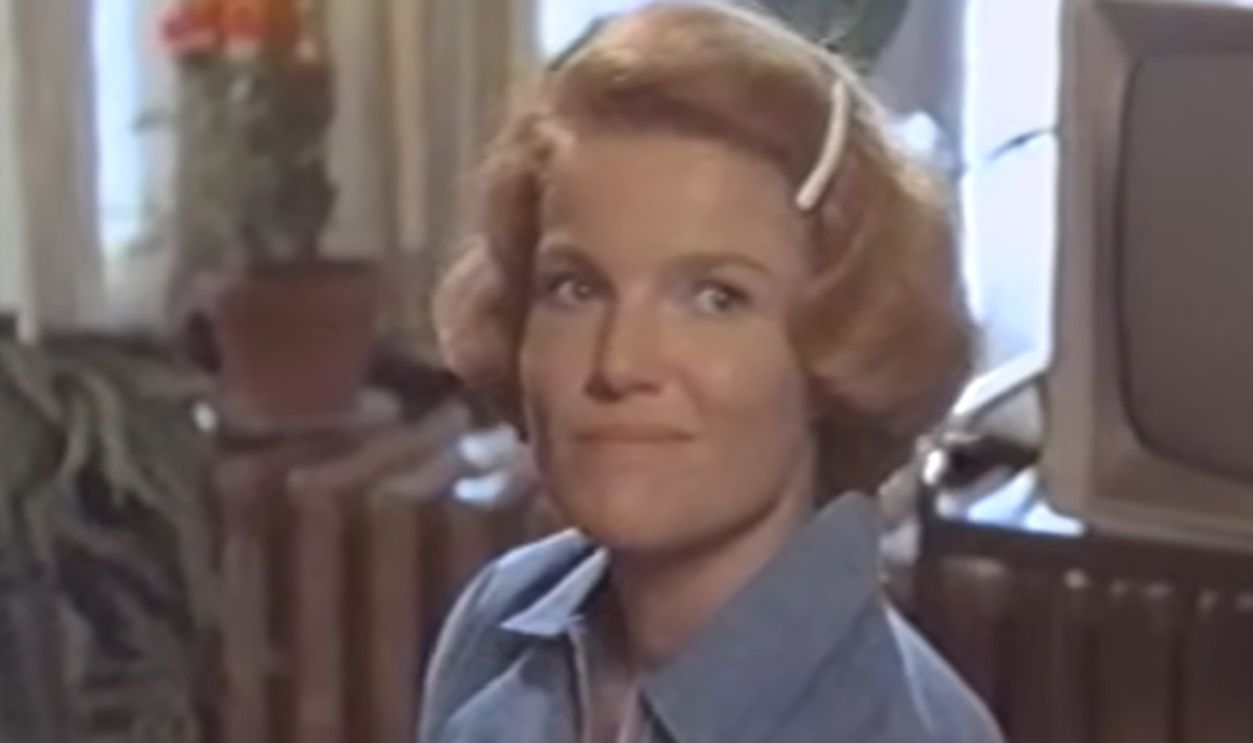 Screenshot from Cold Turkey, United Artists (1971)
“Car Wash” (1976)
Most people remember the song. Far fewer remember the movie it came from. Set during one very eventful day at a Los Angeles car wash, the film follows employees, customers and assorted oddballs drifting in and out of each other’s lives. Richard Pryor and George Carlin both appear, although neither is part of the movie’s central ensemble.
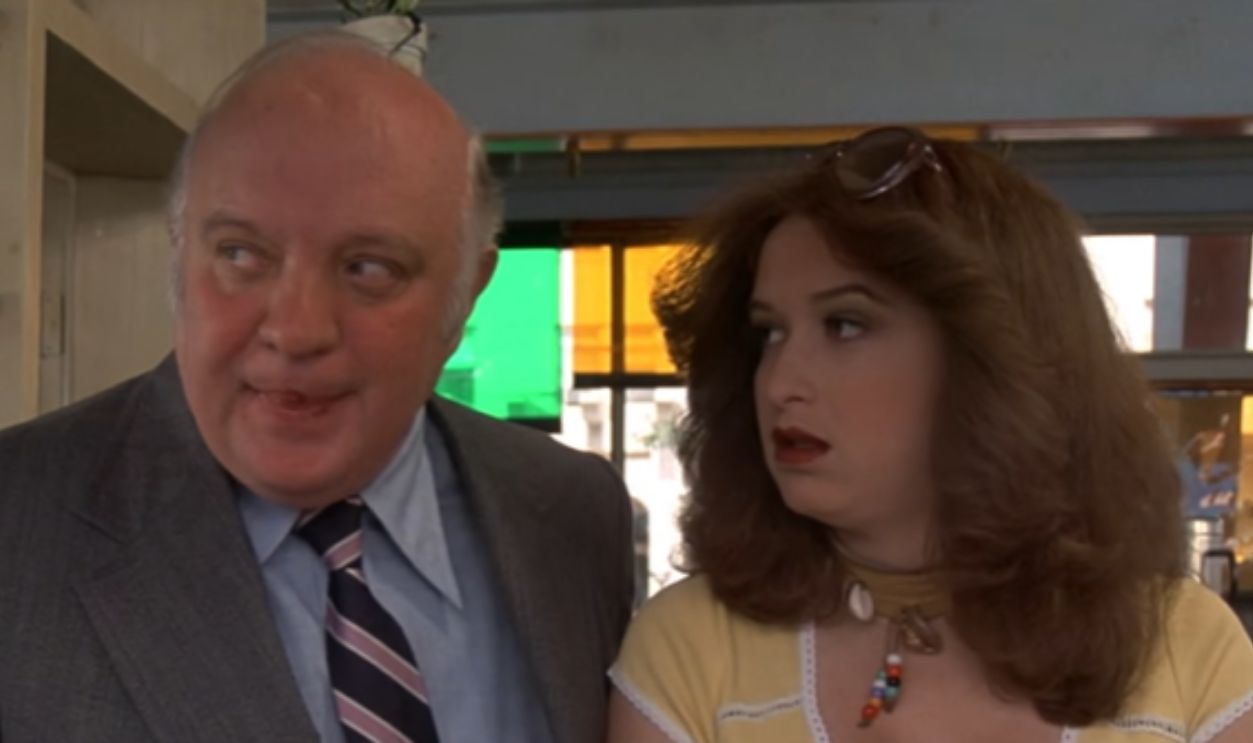 Screenshot from Car Wash, Universal Pictures (1976)
“A New Leaf” (1971)
Walter Matthau is a wealthy bachelor who burns through his fortune and decides the easiest solution is marrying a rich woman and becoming her heir very quickly. Unfortunately for his plan, the woman is played by Elaine May, who is so clumsy, brilliant and completely lovable that even he begins questioning the arrangement.
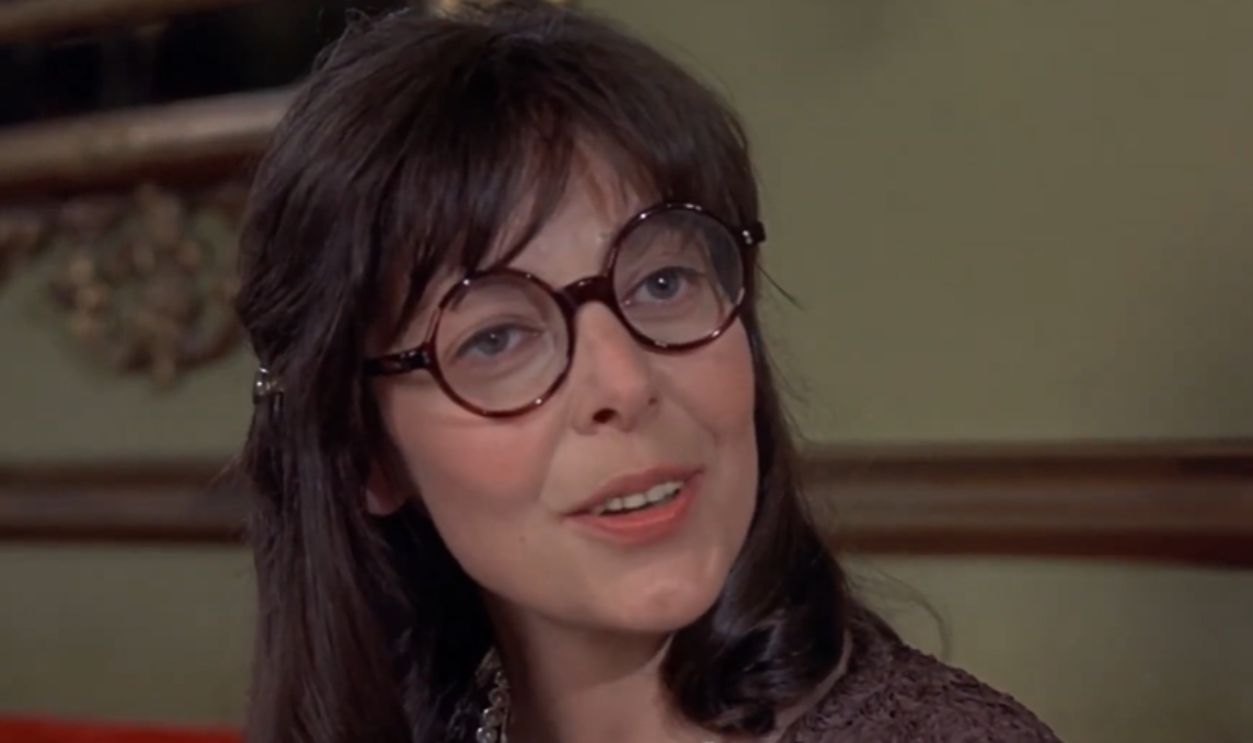 Screenshot from A New Leaf, Paramount Pictures (1971)
“Fun With Dick And Jane” (1977)
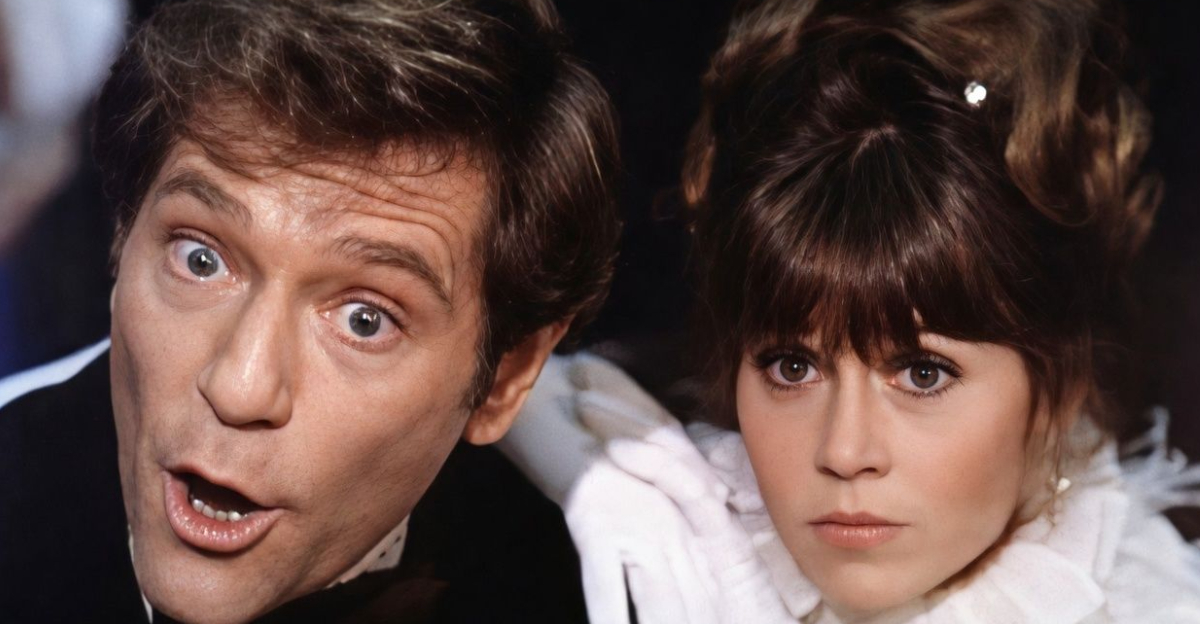
George Segal and Jane Fonda play a comfortable suburban couple who lose their income and begin robbing people to maintain their lifestyle. Their unfinished swimming pool and newly repossessed lawn are only the beginning. This is Segal’s first appearance here, but it definitely will not be his last.
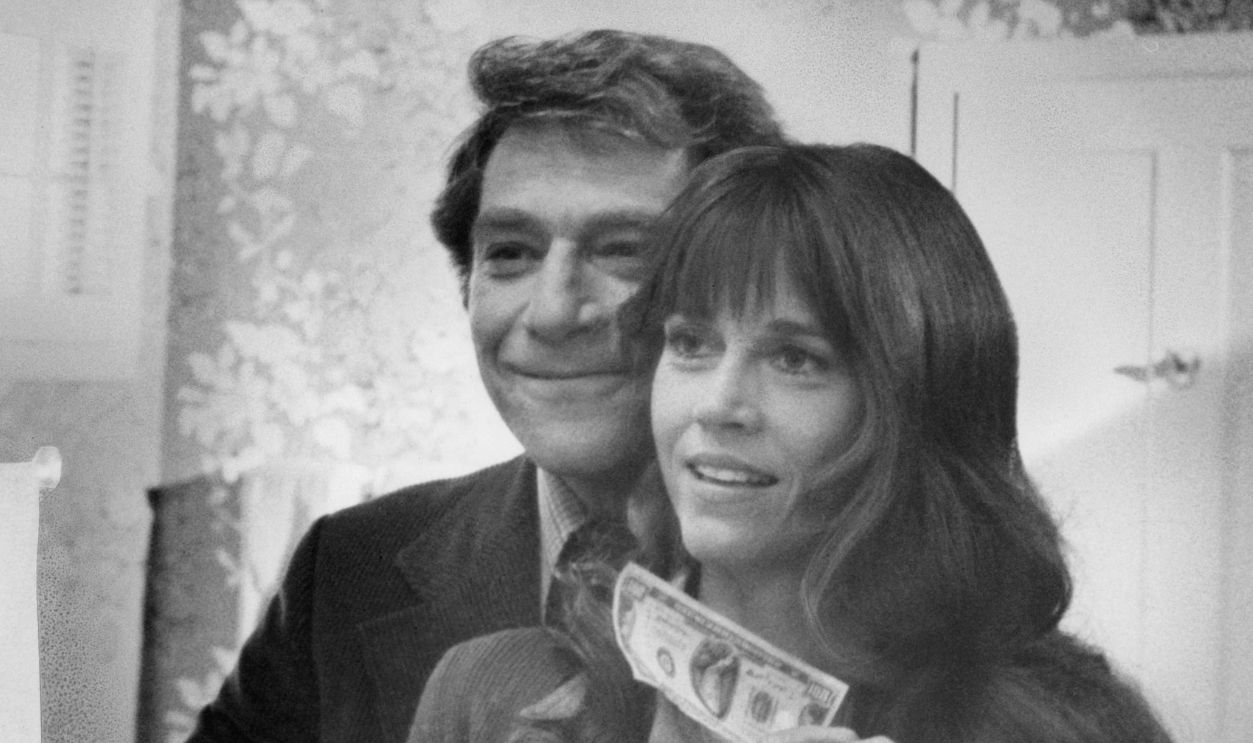 Michael Ochs Archives, Getty Images
“The Tall Blond Man With One Black Shoe” (1972)
A completely innocent orchestra musician is randomly selected at an airport and identified as a dangerous secret agent. Rival French intelligence officers begin following his every move, interpreting every ordinary action as part of some brilliant plan. Pierre Richard barely understands anything happening around him, which only convinces everyone that he must be a genius.
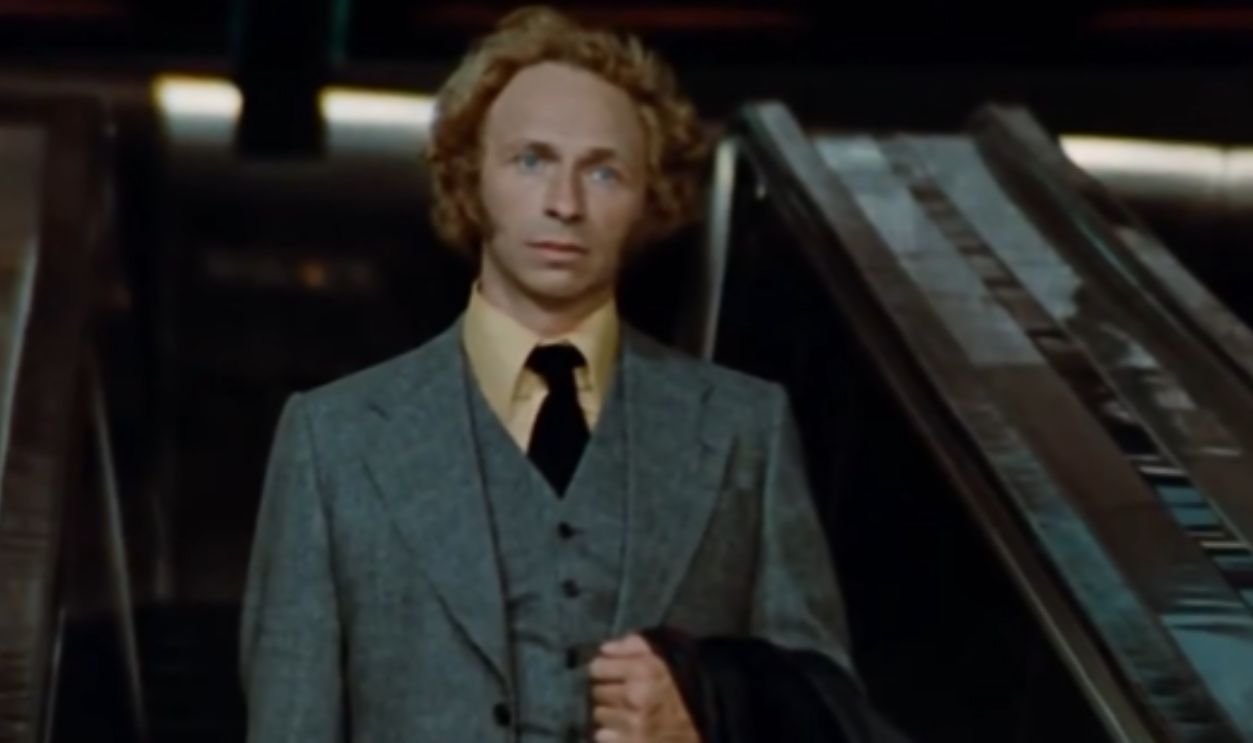 Screenshot from The Tall Blond Man With One Black Shoe, Gaumont Distribution (1972)
“The Prisoner Of Second Avenue” (1975)
Jack Lemmon returns—and once again, Neil Simon has decided to make him absolutely miserable. Lemmon and Anne Bancroft play a New York couple being slowly defeated by noisy neighbours, extreme heat, job loss and an apartment that seems personally determined to finish them off. Think Death of a Salesman, except everyone has better punchlines.
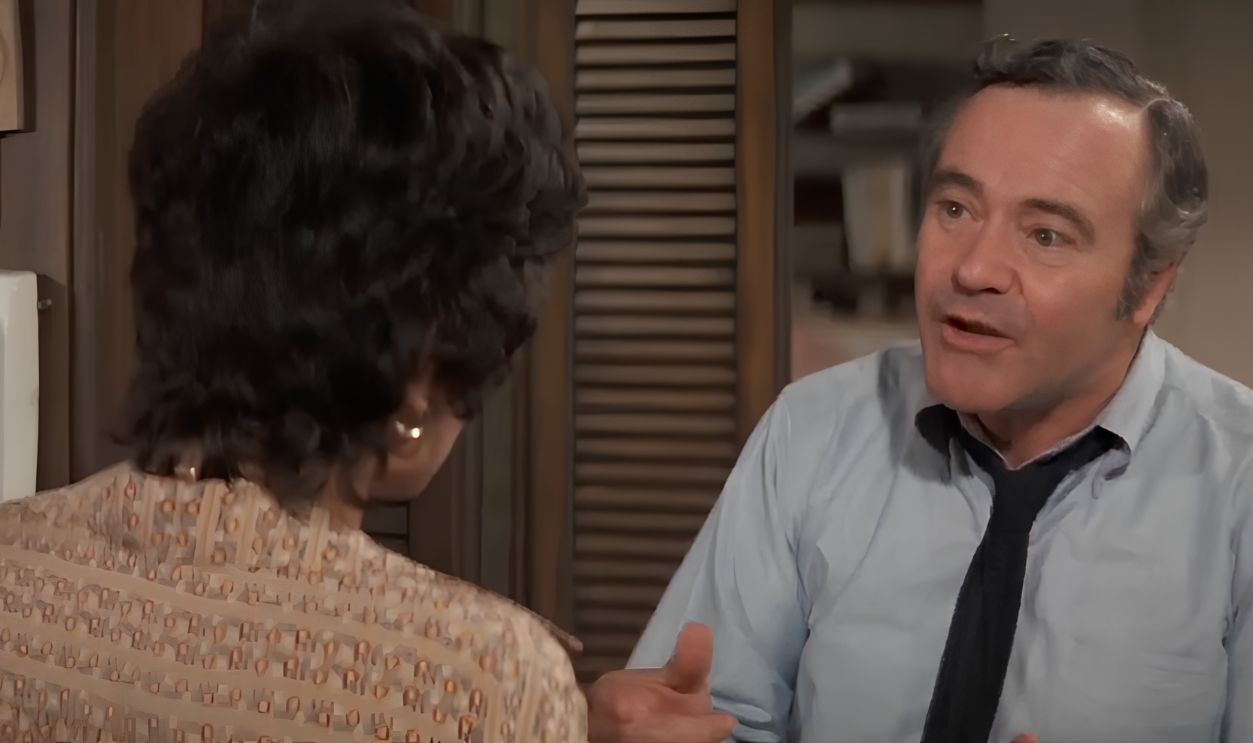 Screenshot from The Prisoner of Second Avenue, Warner Bros. Discovery (1975)
“The Heartbreak Kid” (1972)
Charles Grodin gets married, begins regretting it almost immediately and falls for Cybill Shepherd while still on his honeymoon. Elaine May directs every awkward pause and selfish decision perfectly. Somehow, the worse Grodin’s character behaves, the harder it becomes to look away—and the funnier his increasingly desperate explanations become.
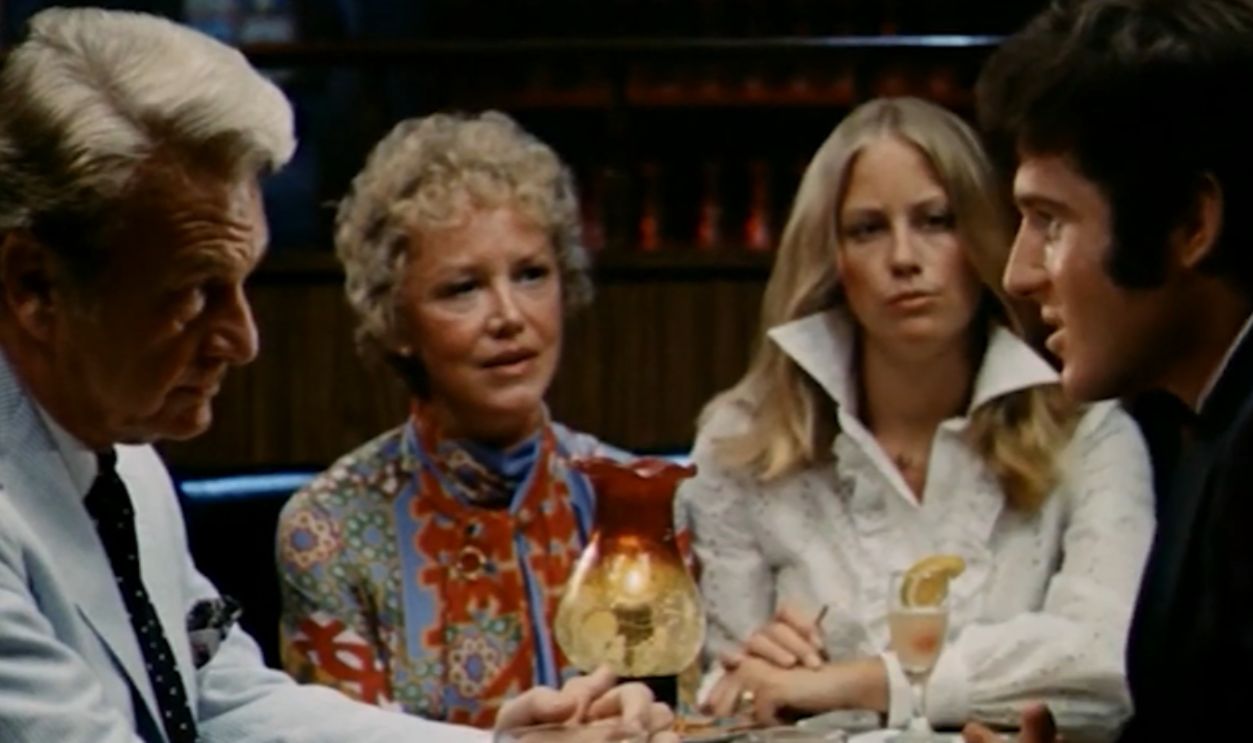 Screenshot from The Heartbreak Kid, 20th Century Fox (1972)
“Start The Revolution Without Me” (1970)
Gene Wilder and Donald Sutherland each play two roles in this wonderfully ridiculous French Revolution comedy about two sets of twins who were accidentally switched at birth. One pair grows up wealthy, the other poor, and all four eventually collide with Marie Antoinette, palace conspiracies and a revolution nobody seems remotely prepared to handle.
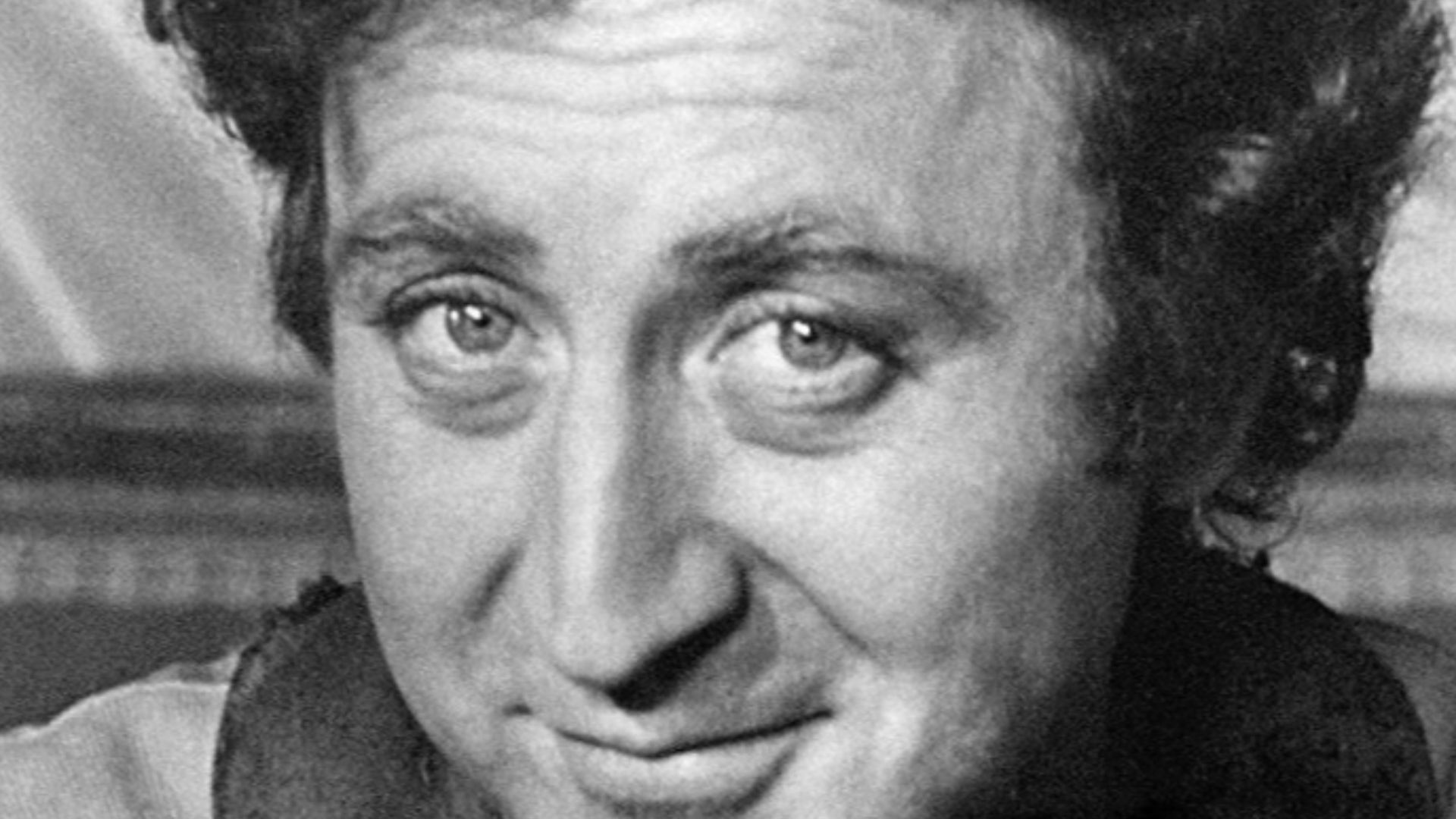 Warner Brothers/Tandem Production, Wikimedia Commons
“The Late Show” (1977)
Art Carney plays an aging private detective who reluctantly teams up with Lily Tomlin’s eccentric client to investigate a missing cat and a much larger mystery in Los Angeles. Their chemistry is the entire movie: he is tired, traditional and permanently annoyed; she talks faster than he can possibly process. Somehow, both of them think the other is the problem.
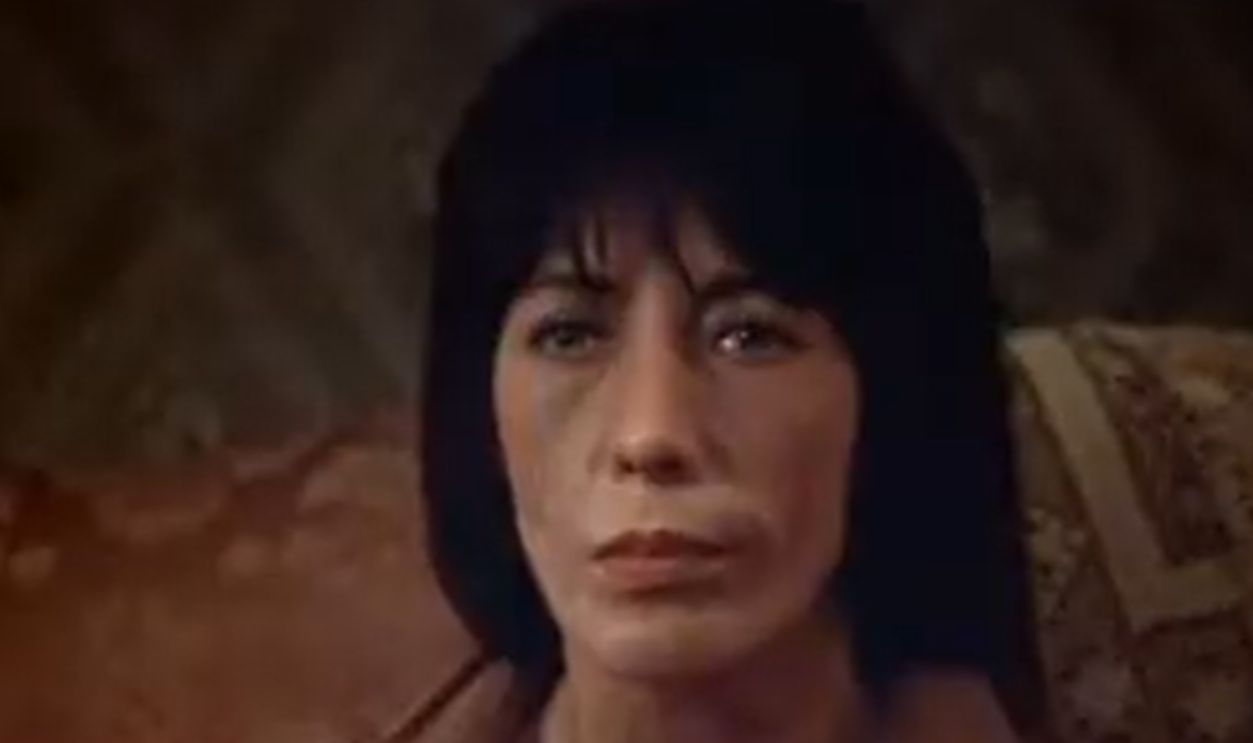 Screenshot from The Late Show, Warner Bros. Pictures (1977)
“The Hot Rock” (1972)
George Segal returns, this time joining Robert Redford and a gang of increasingly frustrated thieves who keep stealing the same enormous diamond, only to lose it and have to steal it again. The first robbery is not the problem. It is robberies two, three and four that really begin cutting into the profit margin.
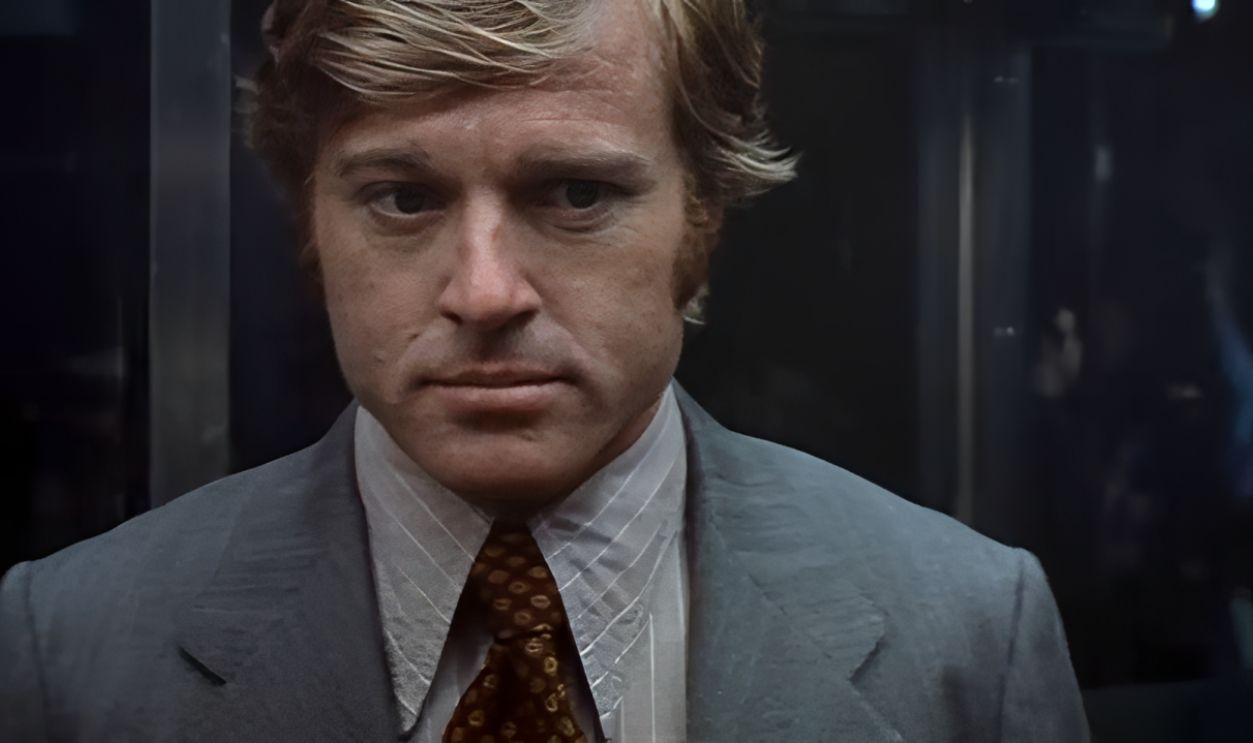 Screenshot from The Hot Rock, 20th Century Fox (1972)
“Smile” (1975)
Bruce Dern trades his usual menacing roles for a surprisingly gentle performance in this sharp satire about a small-town beauty pageant. Behind the smiles, hairspray and rehearsed sincerity, practically every adult involved seems to be having some kind of personal crisis. Melanie Griffith, Colleen Camp and Annette O’Toole appear among the young contestants.
 Screenshot from Smile,United Artists (1975)
“The Ritz” (1976)
Jack Weston hides from his dangerous brother-in-law inside a Manhattan bathhouse, then spends the rest of the movie desperately pretending he belongs there. Rita Moreno storms through the film as a wildly confident singer who believes a Broadway producer has finally discovered her. The whole thing operates at full farce speed and rarely stops for air.
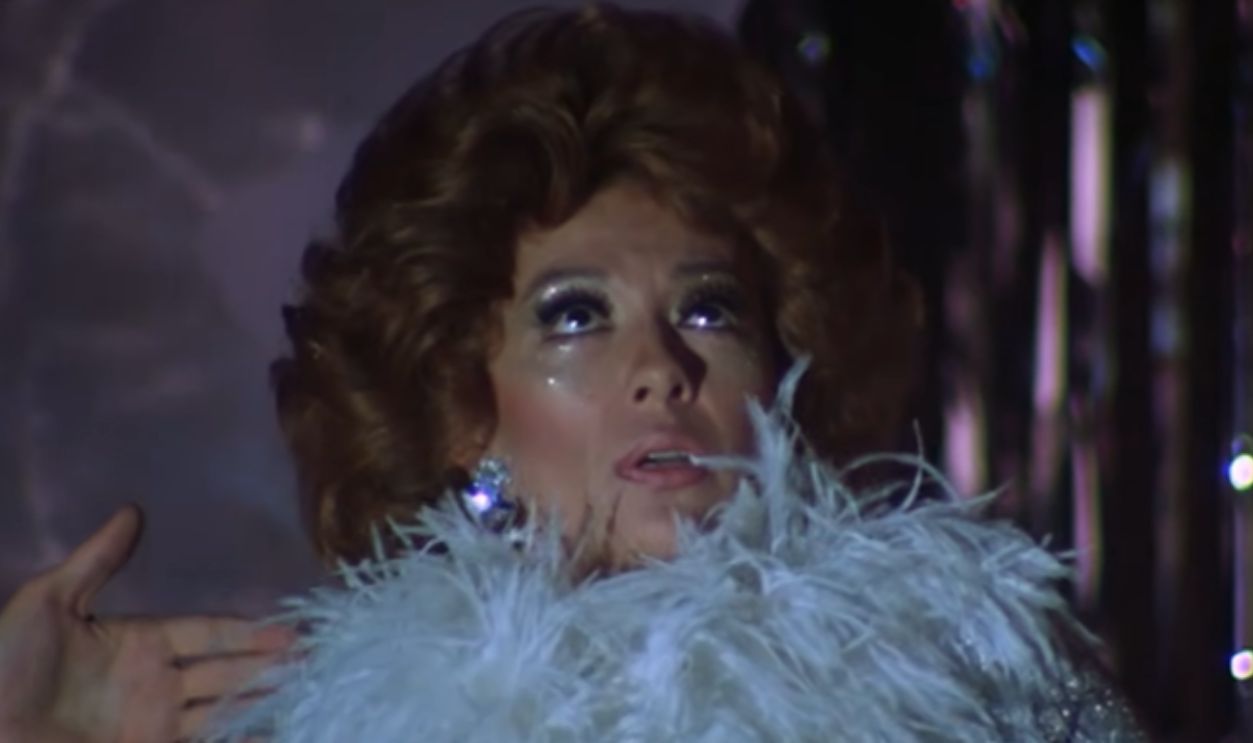 Screenshot from The Ritz, Warner Bros. Pictures (1976)
“Going In Style” (1979)
Art Carney is back, although this time his partners are George Burns and Lee Strasberg. The three play elderly friends tired of spending their days sitting on a park bench, so they decide to rob a bank. The premise sounds broad, but the original is smaller, sadder and far more human than the 2017 remake. It is also very funny.
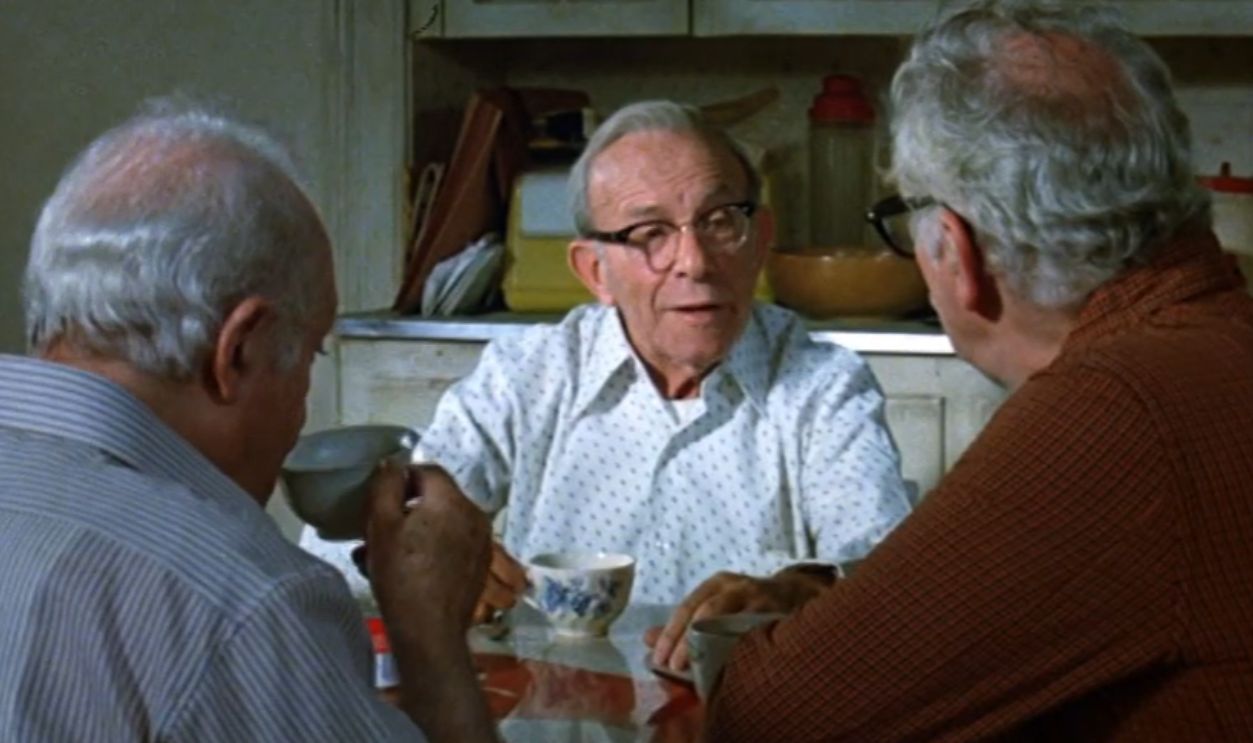 Screenshot from Going In Style, Warner Bros. Pictures (1979)
“Where’s Poppa?” (1970)
George Segal returns once again as a lawyer whose attempts to build a life are constantly destroyed by his wildly overbearing mother, played with absolutely no shame by Ruth Gordon. Carl Reiner directed this wonderfully twisted comedy, which also features Ron Leibman, Trish Van Devere and a young Rob Reiner.
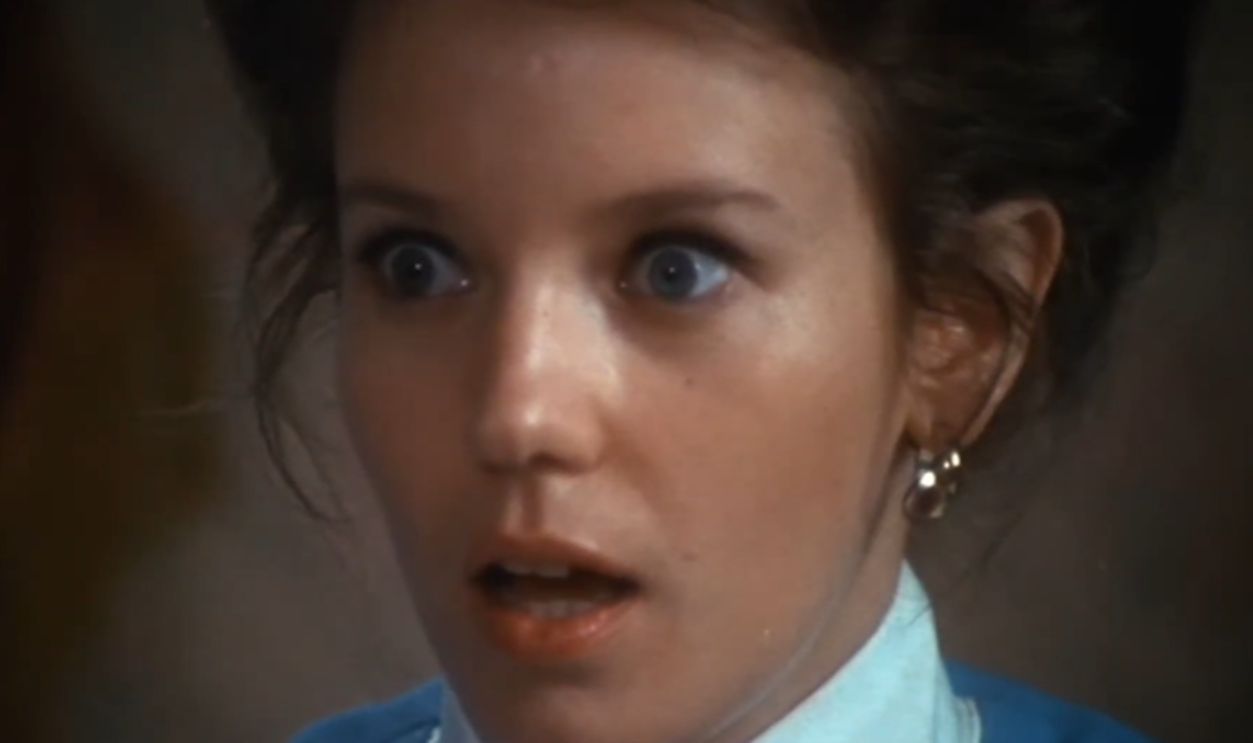 Screenshot from Where’s Poppa, United Artists (1970)
“Who Is Killing The Great Chefs Of Europe?” (1978)
By this point, George Segal should probably have received his own parking space on the list. He joins Jacqueline Bisset and Robert Morley in a mystery involving famous chefs being eliminated in ways inspired by their signature dishes. It is elegant, absurd and filled with enough elaborate food to make every modern cooking competition look slightly underfunded.
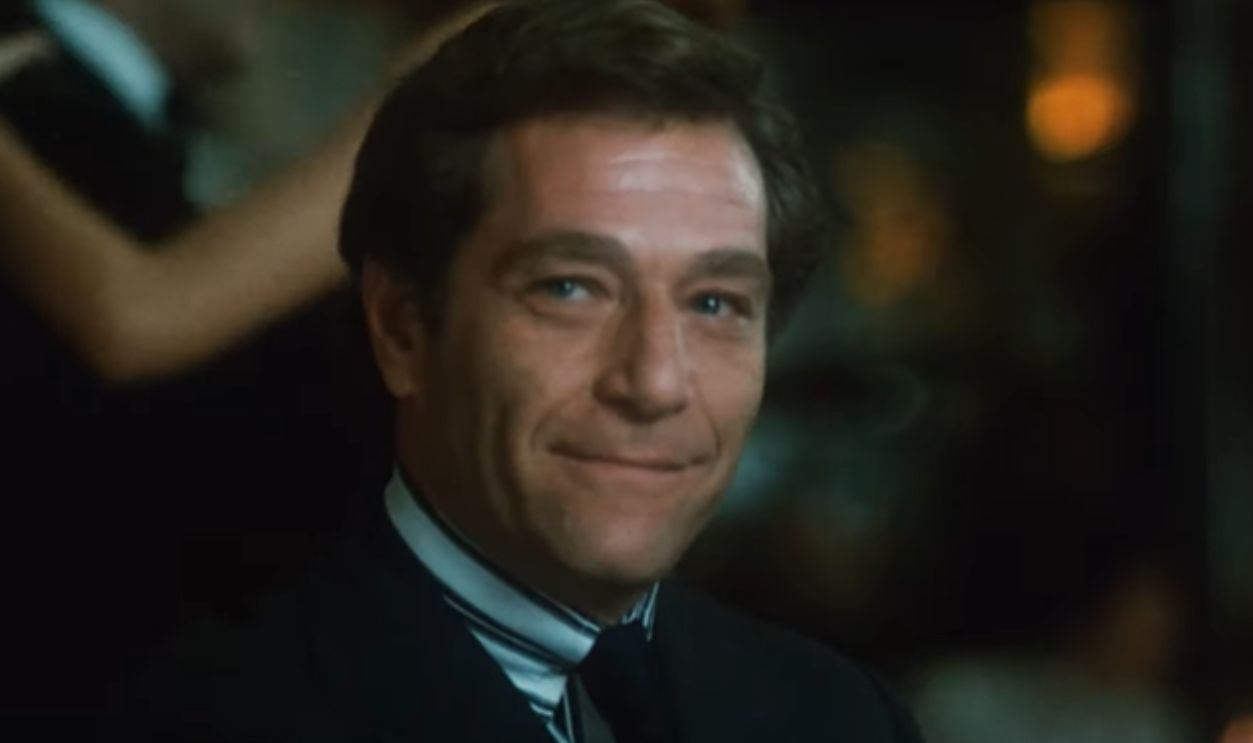 Screenshot from Who Is Killing The Great Chefs Of Europe?, Warner Bros. Pictures (1978)
“Hearts Of The West” (1975)
Alan Arkin returns, although this time he is the one creating the chaos. Jeff Bridges plays an aspiring Western novelist who travels to Nevada for a correspondence course and somehow ends up performing in low-budget cowboy movies. Arkin nearly steals the film as a frantic director who treats every terrible production like Gone with the Wind.
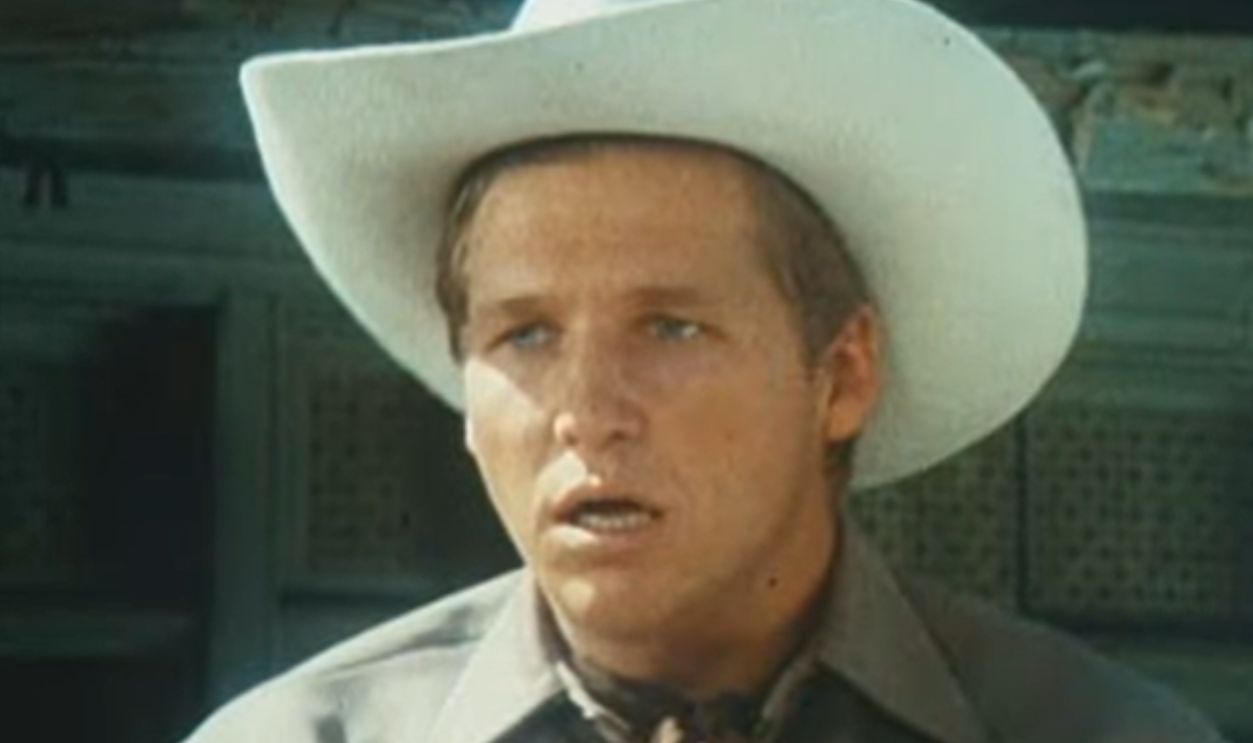 Screenshot from Hearts Of The West, United Artists (1975)
“The End” (1978)
Burt Reynolds directed and starred in this very dark comedy about a Los Angeles real-estate promoter who receives terrible medical news and becomes obsessed with controlling how his story finishes. Dom DeLuise arrives halfway through and turns an already strange movie into something completely unhinged. It is difficult material, but Reynolds keeps finding the joke hiding inside it.
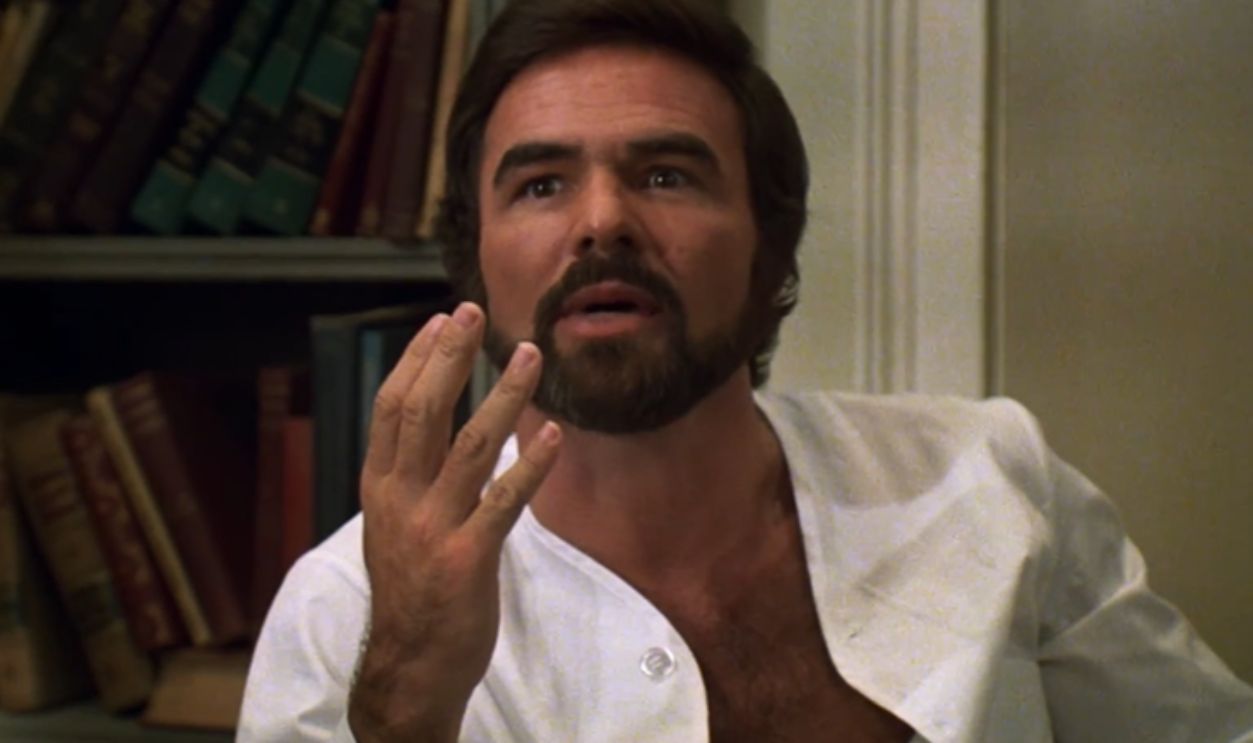 Screenshot from The End, Paramount Pictures (1978)
“The Mad Adventures Of Rabbi Jacob” (1973)
Louis de Funès plays a loud, intolerant French businessman who becomes tangled in an international crime and is forced to disguise himself as a beloved rabbi. What follows is a blur of disguises, chases, mistaken identities and spectacular physical comedy. It became a major European favourite, yet many North American viewers have never seen it.
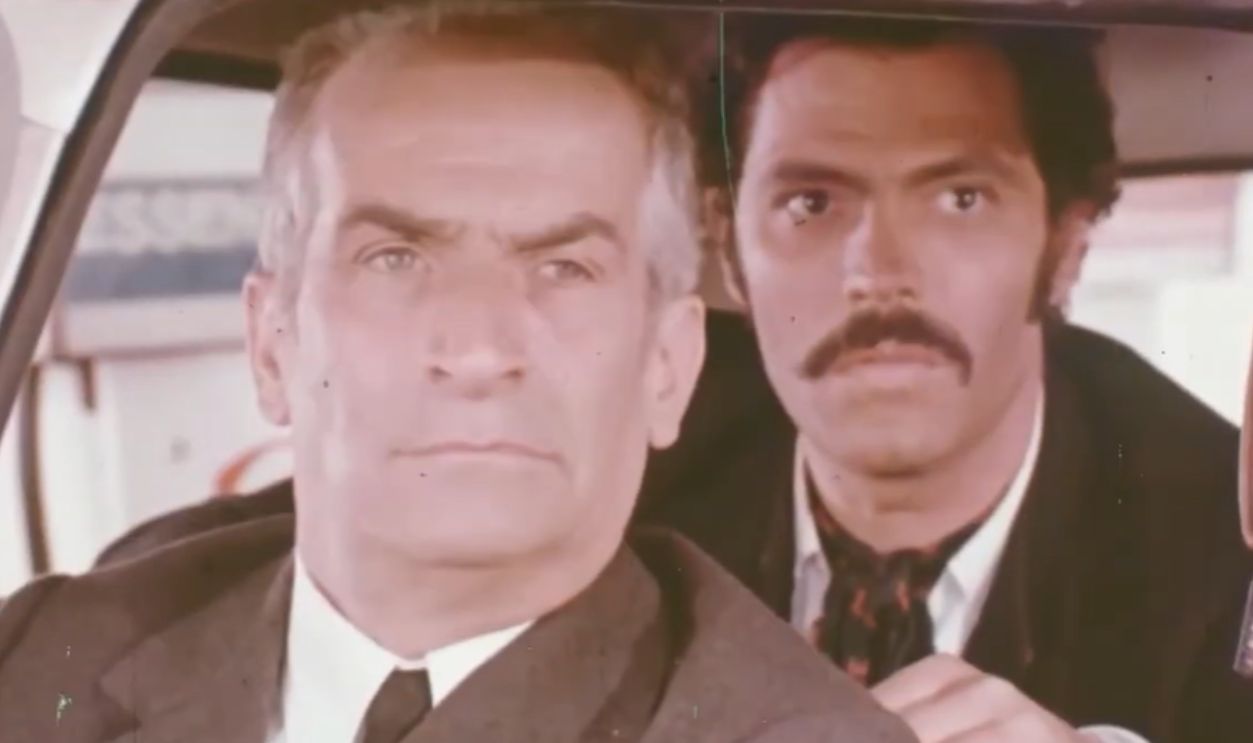 Screenshot from The Mad Adventures Of Rabbi Jacob, 20th Century Fox (1973)
“The Hospital” (1971)
George C. Scott plays an exhausted doctor trying to hold together a chaotic Manhattan hospital while patients and staff suffer a series of increasingly suspicious medical disasters. Paddy Chayefsky’s script turns bureaucracy, incompetence and institutional madness into a savage comedy that probably feels a little too familiar to anyone working in healthcare.
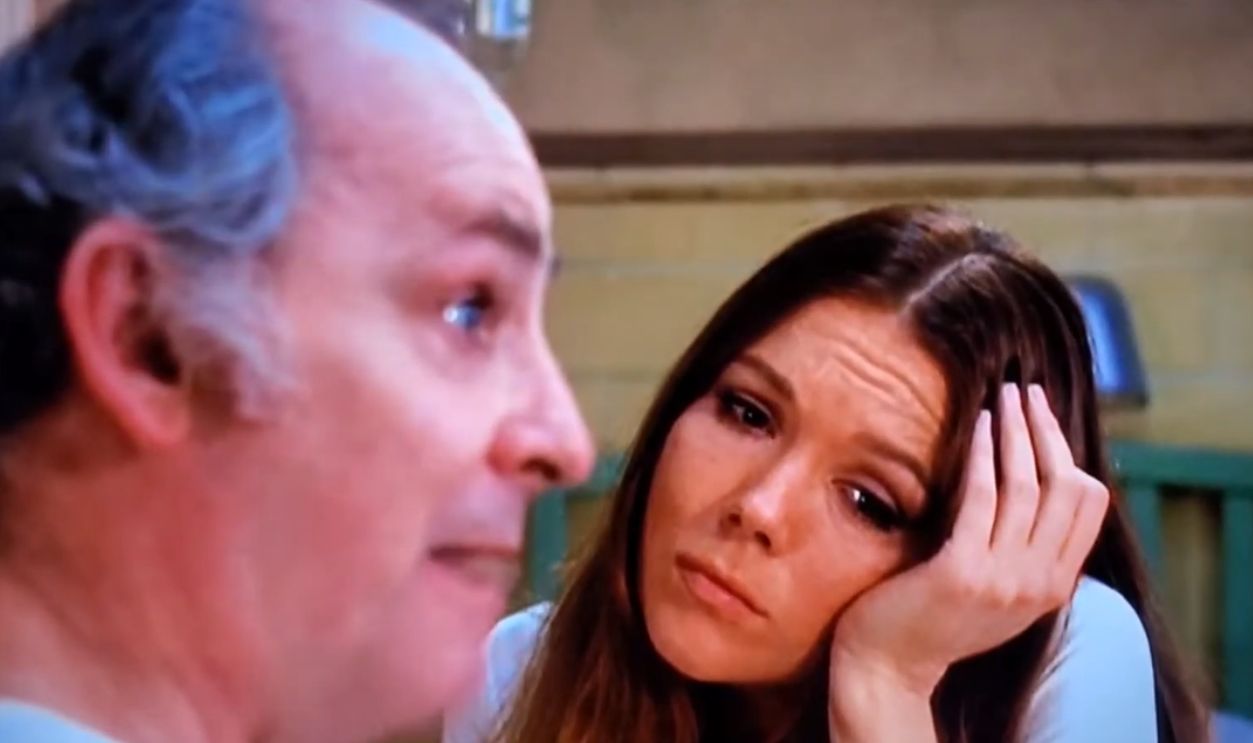 Screenshot from The Hospital, United Artists (1971)
“Slither” (1973)
Fresh from The Godfather, James Caan could have made practically anything. He chose this peculiar road comedy about a recently released prisoner and former football player following a dying friend’s clues to a hidden fortune. Sally Kellerman and Peter Boyle join the chase in a movie that seems to be wandering aimlessly until you realize that wandering is the whole point.
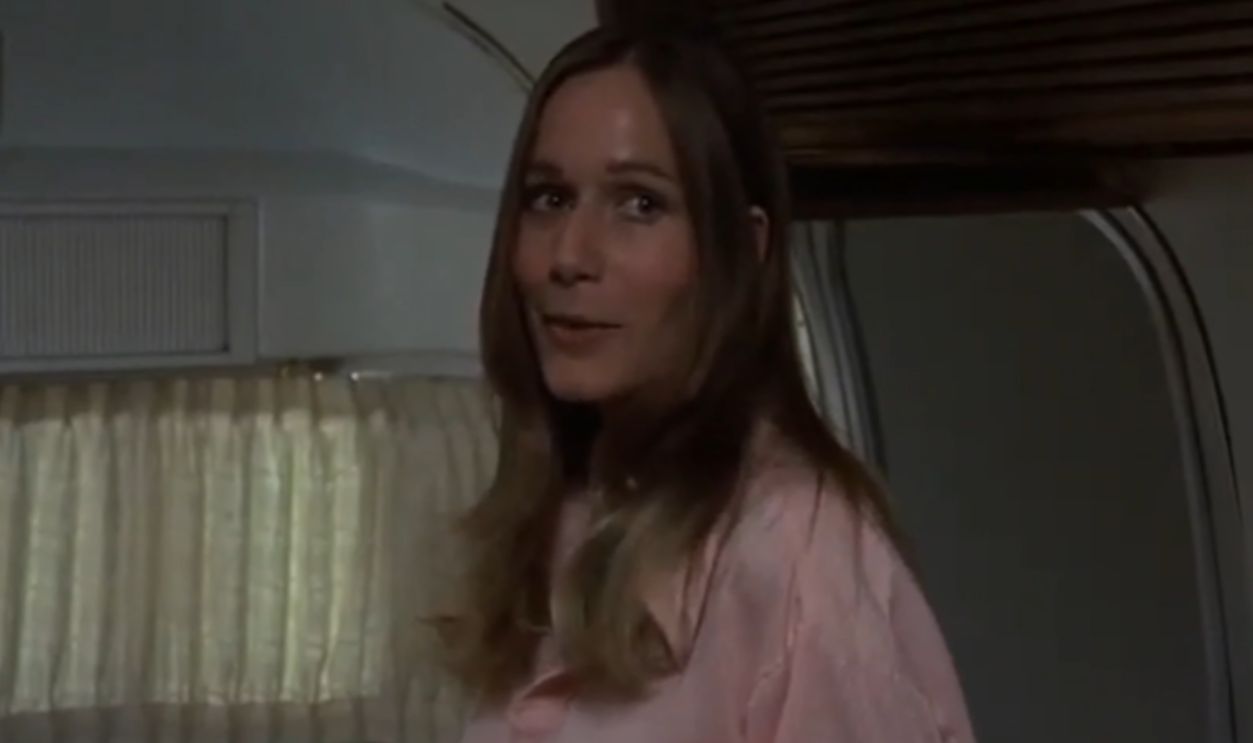 Screenshot from Slithe, MGM (1973)
“The Twelve Chairs” (1970)
Before Mel Brooks made Blazing Saddles and Young Frankenstein, he sent Ron Moody and Frank Langella racing through 1920s Soviet Russia in search of jewels hidden inside one of 12 missing chairs. It is smaller and less polished than Brooks’ later classics, but the wonderfully ridiculous mind behind them is already impossible to miss.
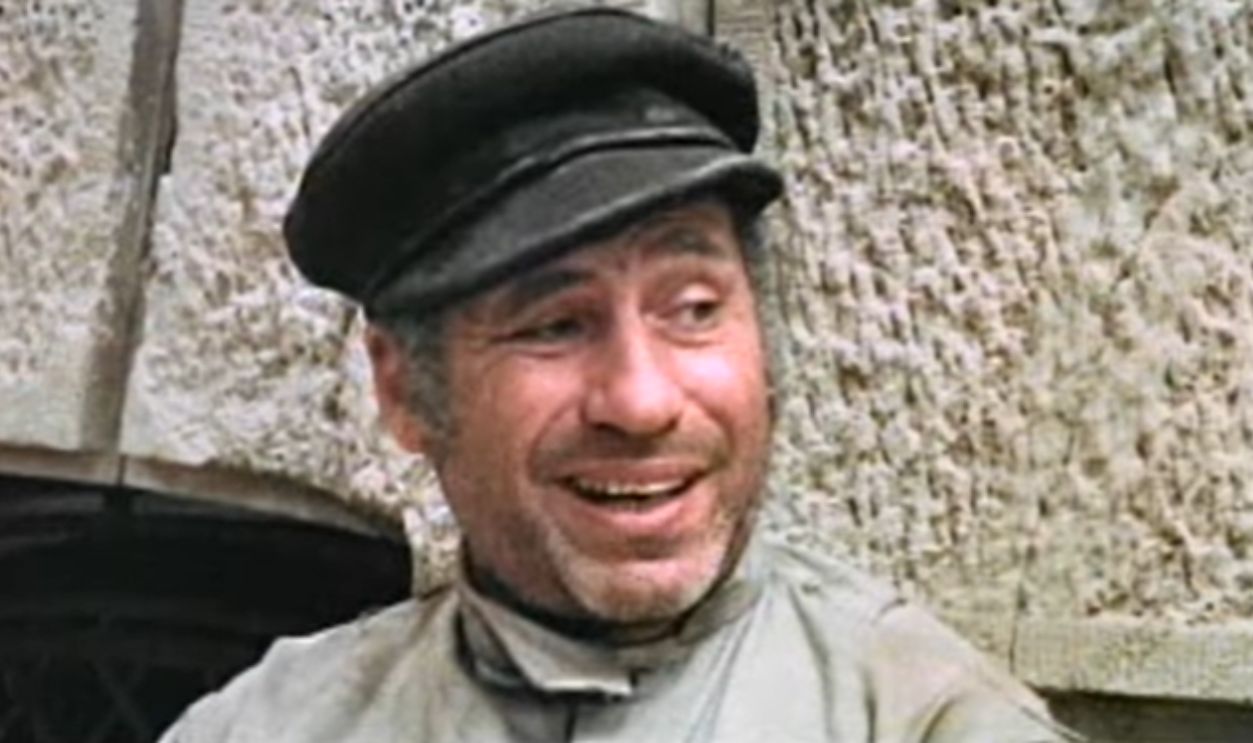 Screenshot from The Twelve Chairs, Universal Marion Corporation (1970)
“Real Life” (1979)
Albert Brooks made his feature directing debut with this mockumentary about a filmmaker attempting to capture an ordinary family’s everyday existence. Naturally, the cameras immediately begin destroying everything they were supposed to observe. Decades before reality television became unavoidable, Brooks already seemed to understand exactly where the whole experiment was headed.
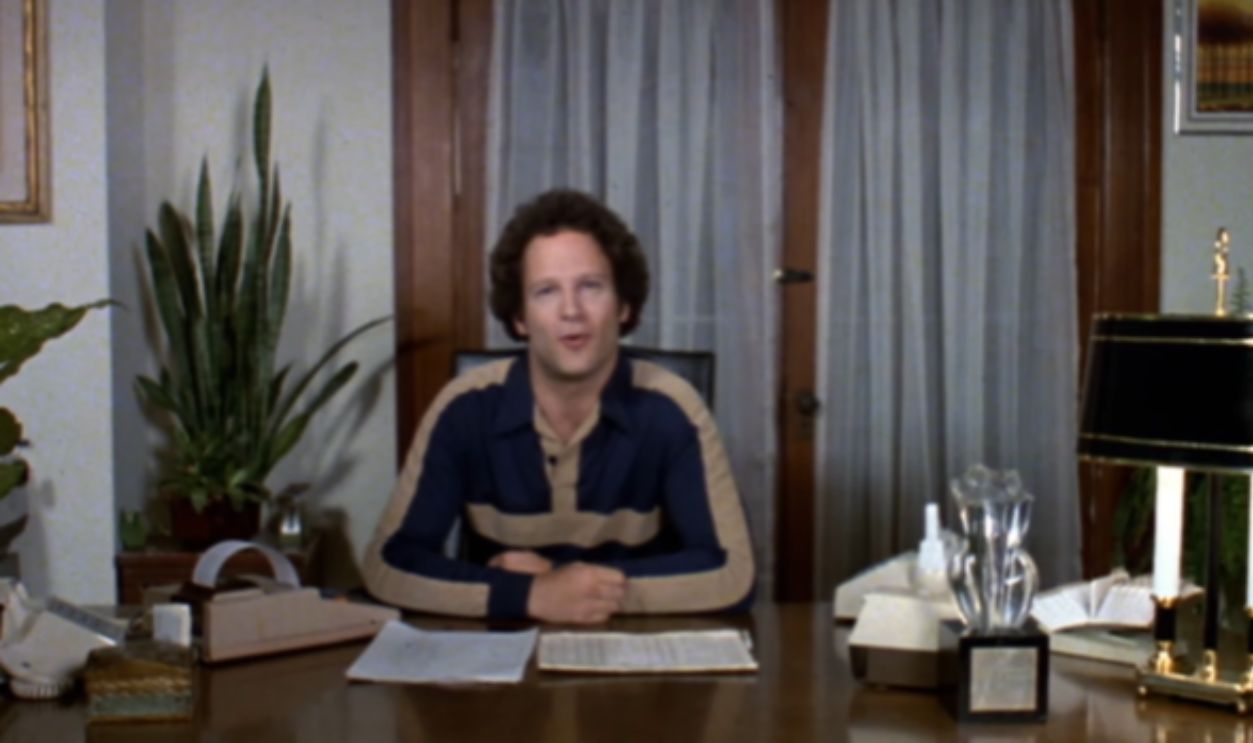 Screenshot from Real Life, Paramount Pictures (1979)
You Might Also Like:
Funny Steve Martin Quotes That Still Ring True
The Best Movie Endings Ever Made