Not Every Follow-up Became A Classic.
Studios rushed to capitalize on surprise hits, creating second chapters that were big releases at the time but have since faded from popular memory. These forgotten sequels revisited famous characters, expanded successful franchises, and occasionally took stories in surprising new directions that deserve another look.
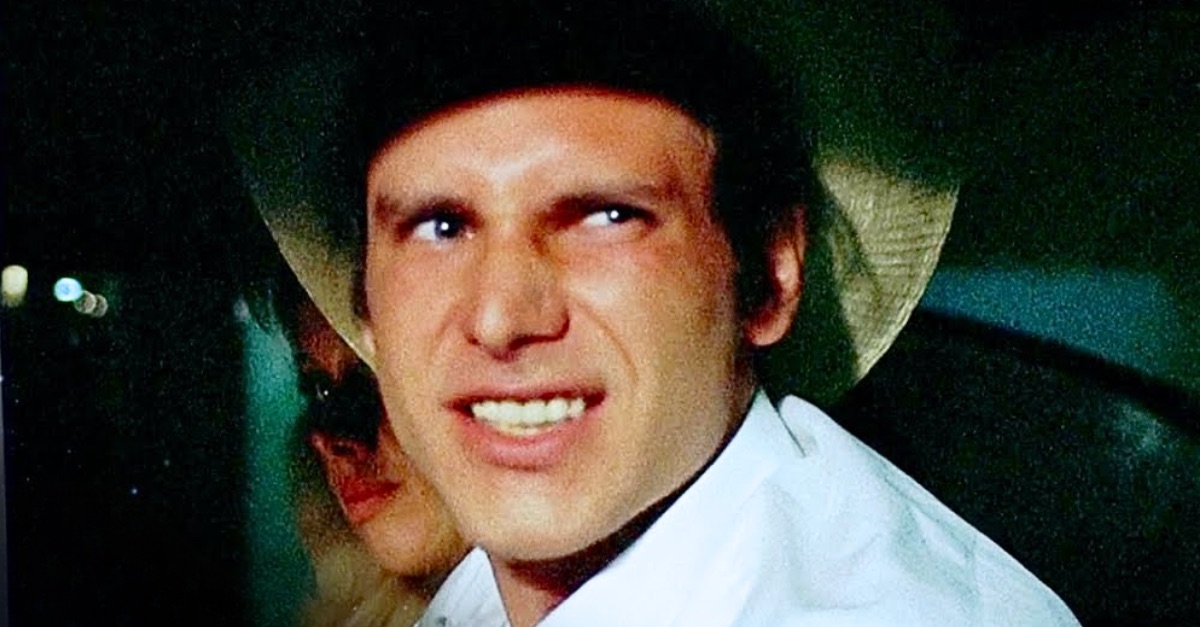
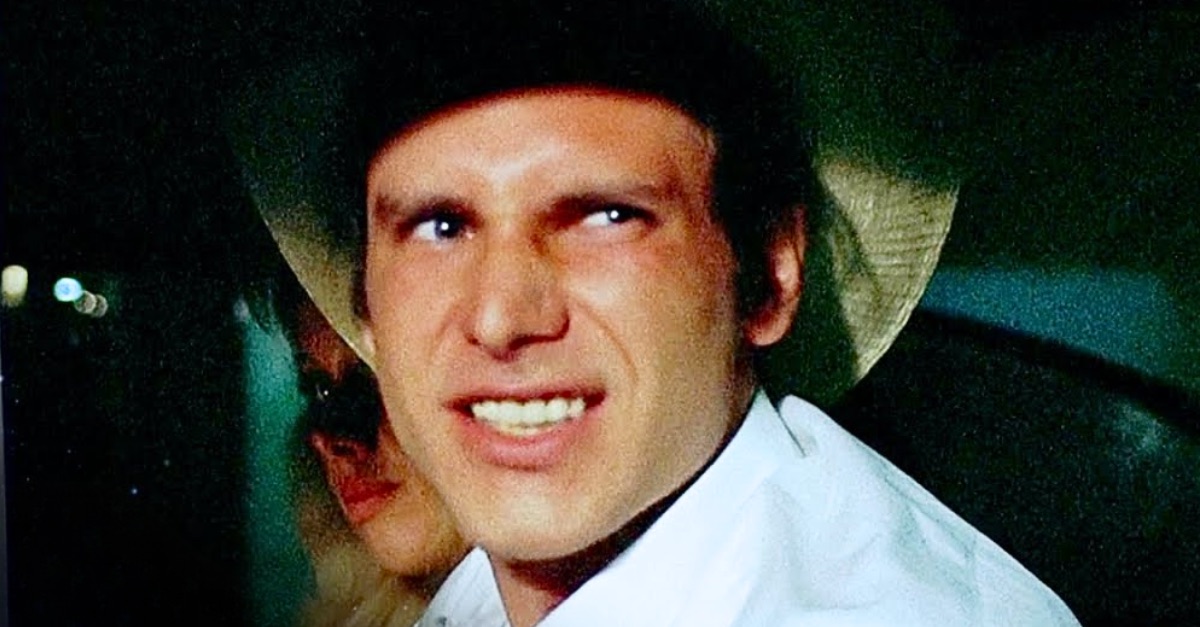 American Graffiti, Universal Pictures
Popeye Doyle Returned
Winning five Academy Awards did not stop The French Connection from getting a sequel in 1975. Gene Hackman reprised his Oscar-winning role as Detective Jimmy "Popeye" Doyle, this time traveling to Marseille to continue hunting drug kingpin Alain Charnier. John Frankenheimer directed instead of William Friedkin, and the sequel has gradually slipped into the shadow of the original.
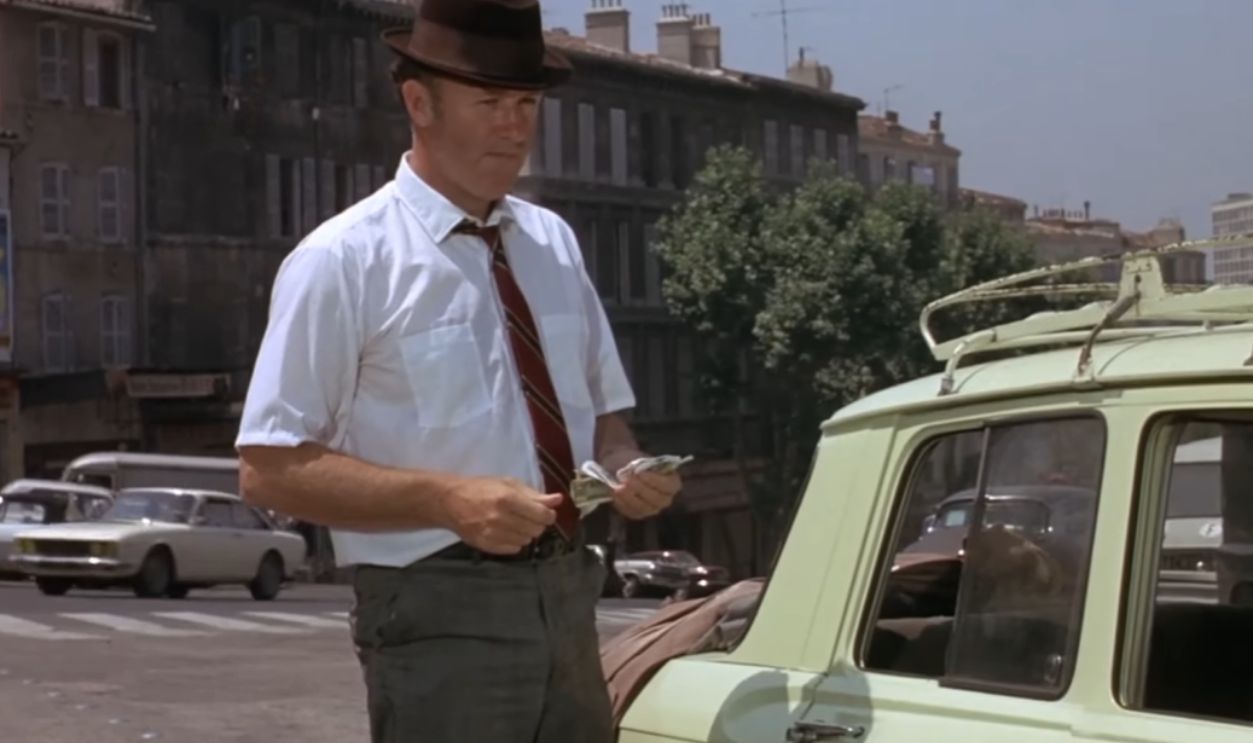 Screenshot from The French Connection II, 20th Century Fox (1975)
American Graffiti's Forgotten Follow Up
George Lucas changed filmmaking forever with American Graffiti, but its sequel barely made a ripple. Released in 1979, More American Graffiti revisited the same characters during different New Year's Eves throughout the turbulent 1960s. Much of the original cast returned, yet audiences never embraced the film the way they had its nostalgic predecessor.
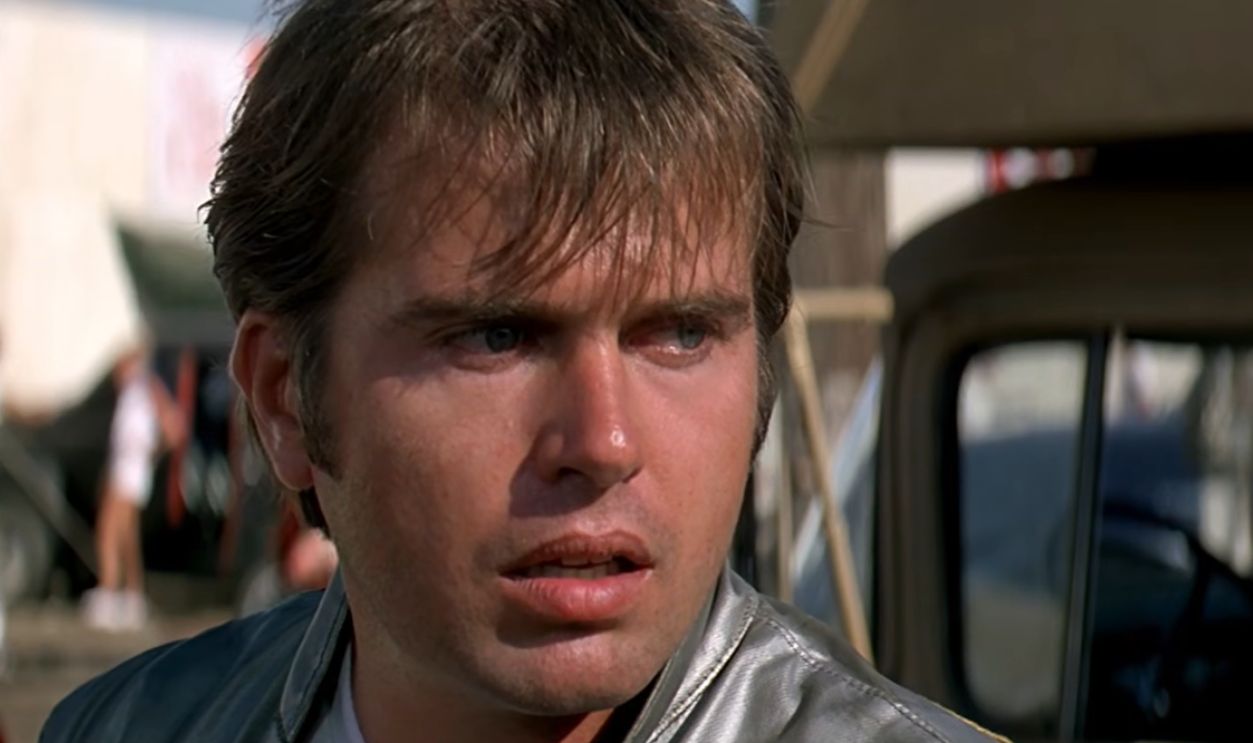 Screenshot from More American Graffiti, Universal Pictures (1979)
The Sting Tried Again
Winning seven Academy Awards made The Sting one of the biggest films of 1973, but its sequel has been almost completely forgotten. The Sting II arrived with an entirely new cast led by Jackie Gleason and Mac Davis, making it feel very different from the original. Audiences never warmed to the follow-up, leaving it as one of Hollywood's least-remembered sequel attempts to an Oscar-winning classic.
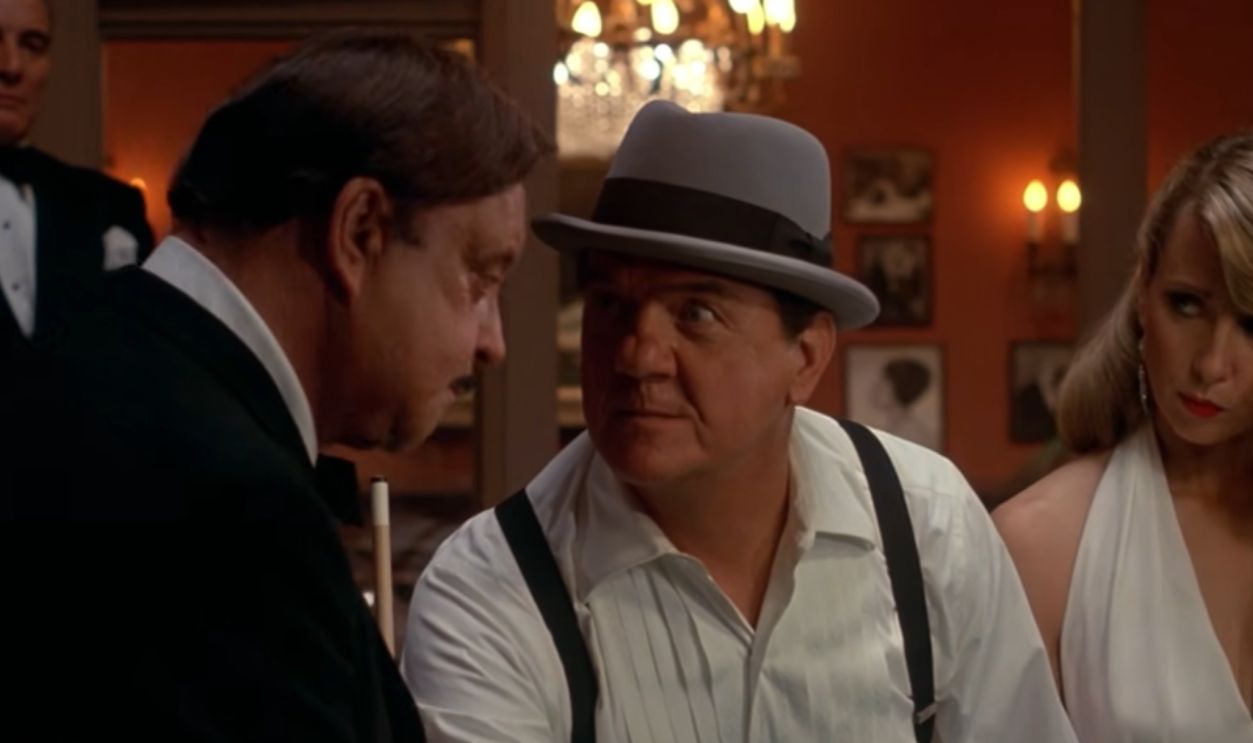 Screenshot from The Sting II, Universal Pictures(1983)
Beneath The Planet Of The Apes
The massive success of 1968's Planet of the Apes made a sequel inevitable, and Beneath the Planet of the Apes arrived just two years later. Charlton Heston returned briefly while James Franciscus took over as the new lead exploring the mysterious ape-ruled world. The film became a box office success despite mixed reviews, but today it is often overshadowed by both the original and the modern reboot series.
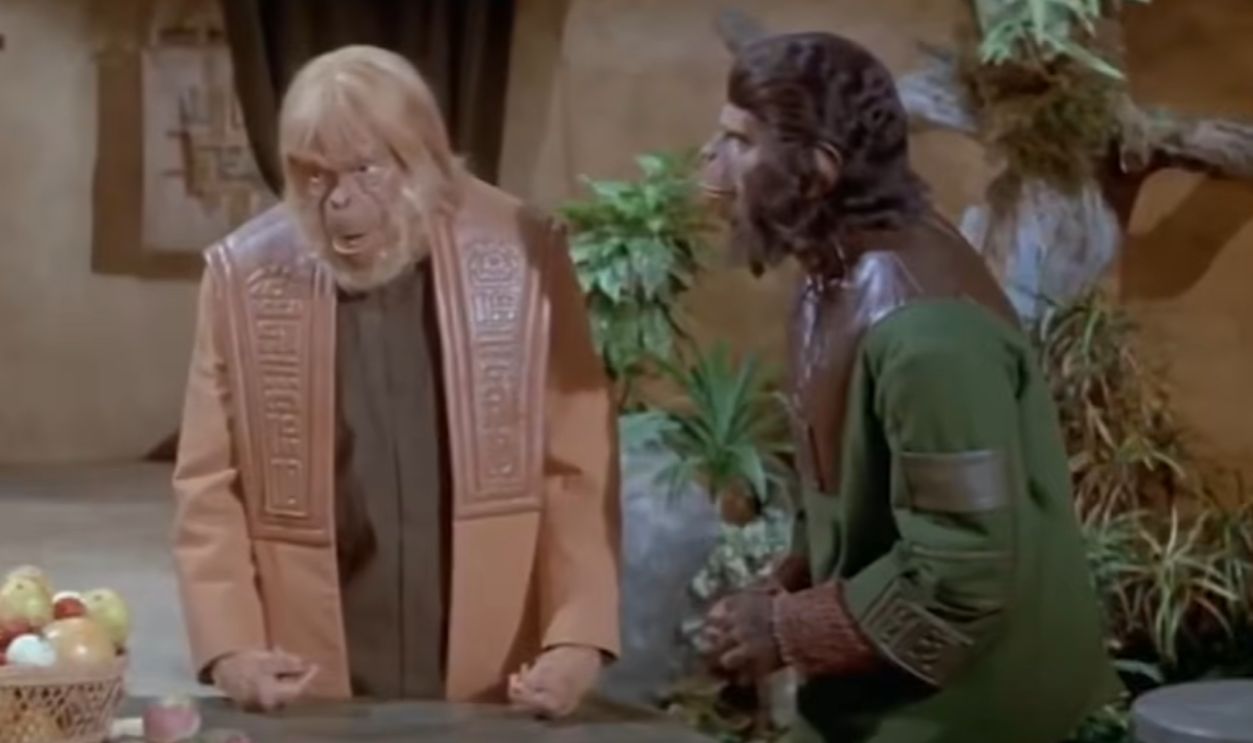 Screenshot from Beneath The Planet Of The Apes, 20th Century Fox (1970)
Shaft's Biggest Case
Richard Roundtree returned as private detective John Shaft in Shaft's Big Score! just one year after the original made him a cultural icon. Director Gordon Parks also came back, delivering bigger action scenes that included one of the era's most memorable helicopter chases. While the first Shaft remains essential viewing, this sequel is rarely discussed outside fans of 1970s crime cinema.
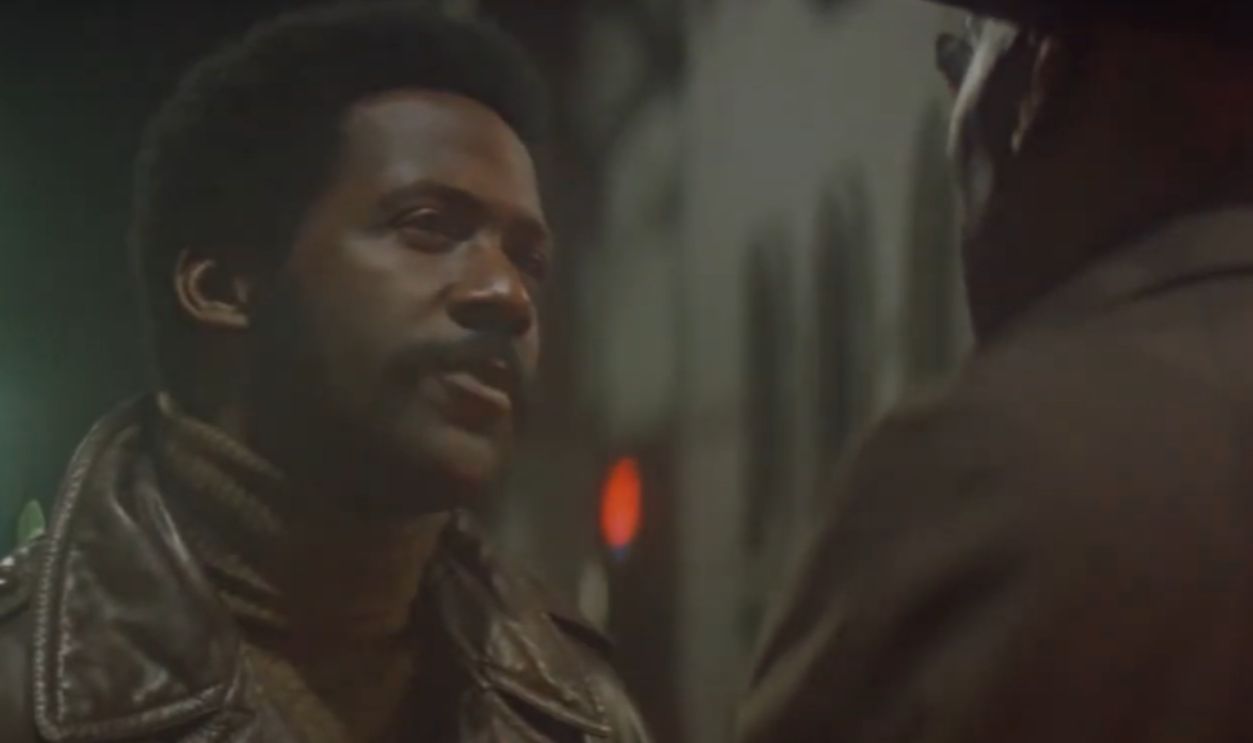 Screenshot from Shaft's Big Score!, Metro-Goldwyn-Mayer (1972)
Jaws Came Back To Shore
Steven Spielberg's Jaws became the first true summer blockbuster, and Universal wasted little time producing a sequel. Jaws 2 reunited Roy Scheider with another deadly shark threatening the beaches of Amity Island. While it became one of the highest-grossing films of 1978, it has always lived in the enormous shadow of Spielberg's original masterpiece.
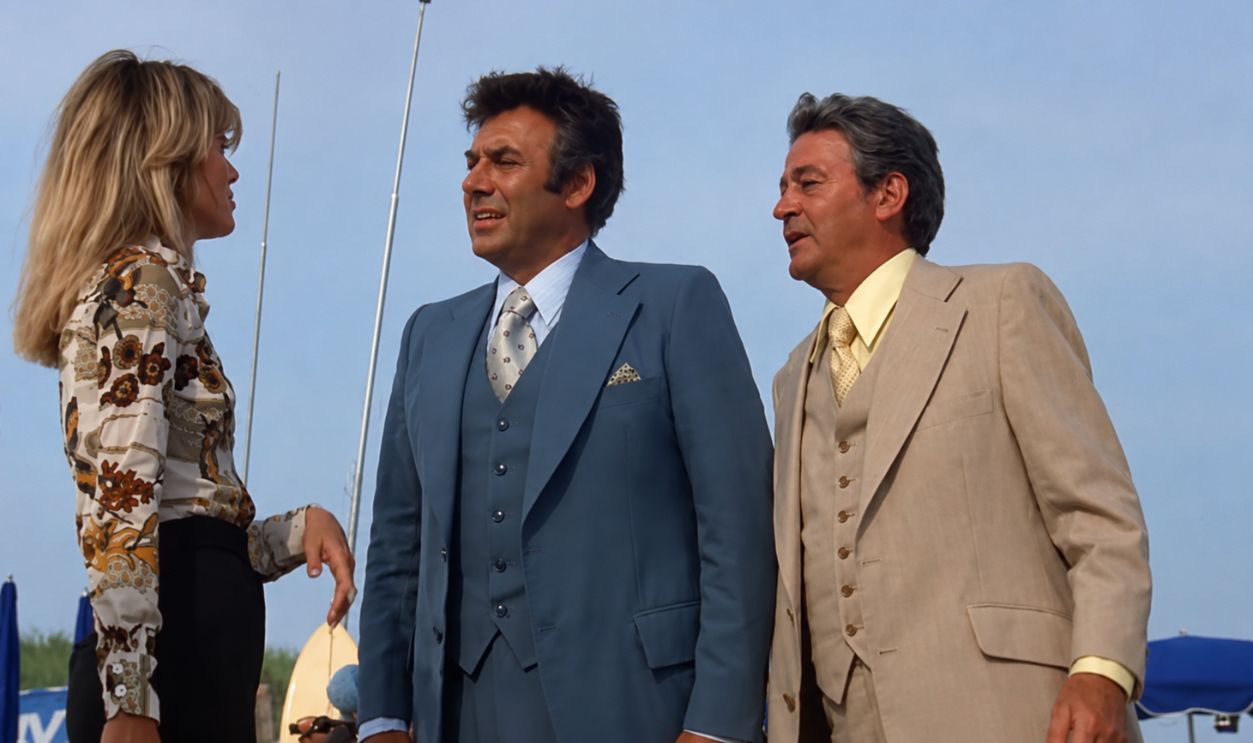 Screenshot from Jaws 2, Universal Pictures (1978), Enhanced
Ben Followed A Horror Classic
Most movie fans remember the creepy rat movie Willard, but far fewer remember its sequel, Ben. Released in 1972, the film continued the story of the intelligent rat while introducing a new young protagonist. It is perhaps remembered most today for Michael Jackson's hit song "Ben," which became a No. 1 single and earned an Academy Award nomination.
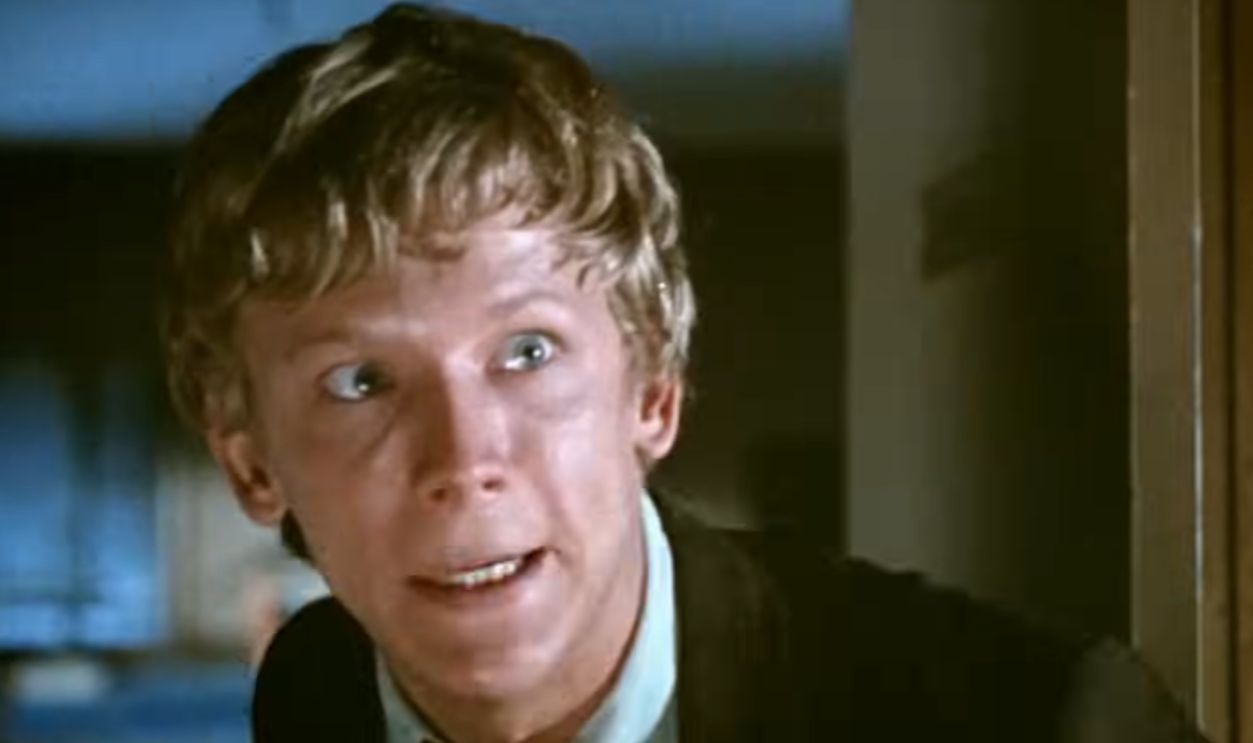 Screenshot from Ben, Cinerama Releasing Corporation (1972)
Walking Tall Continued
The true story-inspired hit Walking Tall was popular enough to launch Walking Tall Part 2 in 1975. Bo Svenson replaced Joe Don Baker as Tennessee sheriff Buford Pusser, continuing the lawman's fight against organized crime and corruption. Although the original became a classic, its sequels rarely receive the same attention today.
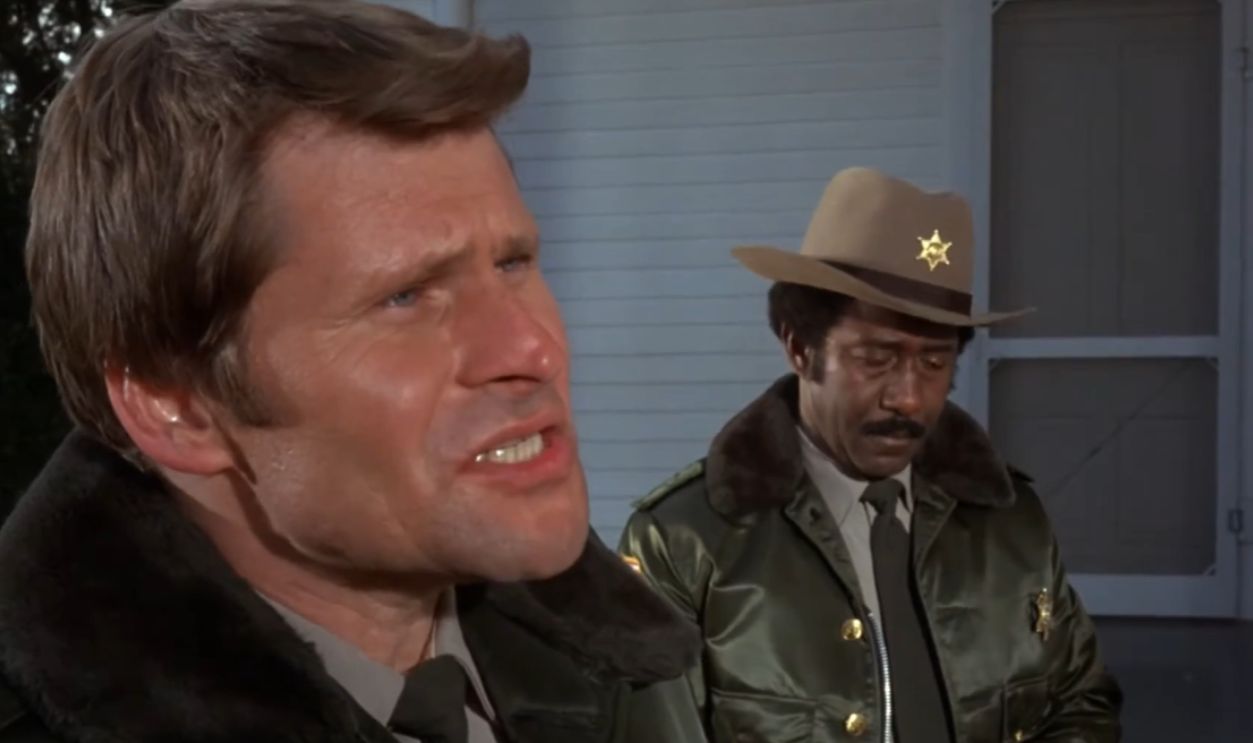 Screenshot from Walking Tall Part II, American International Pictures (1975)
Magnum Force Expanded Dirty Harry
Clint Eastwood returned as Inspector Harry Callahan in Magnum Force two years after Dirty Harry became a sensation. Instead of chasing a single serial killer, Harry confronted a group of rogue police officers who believed criminals should simply be executed. The sequel performed well and helped establish Dirty Harry as a franchise, but it is often eclipsed by the groundbreaking first film.
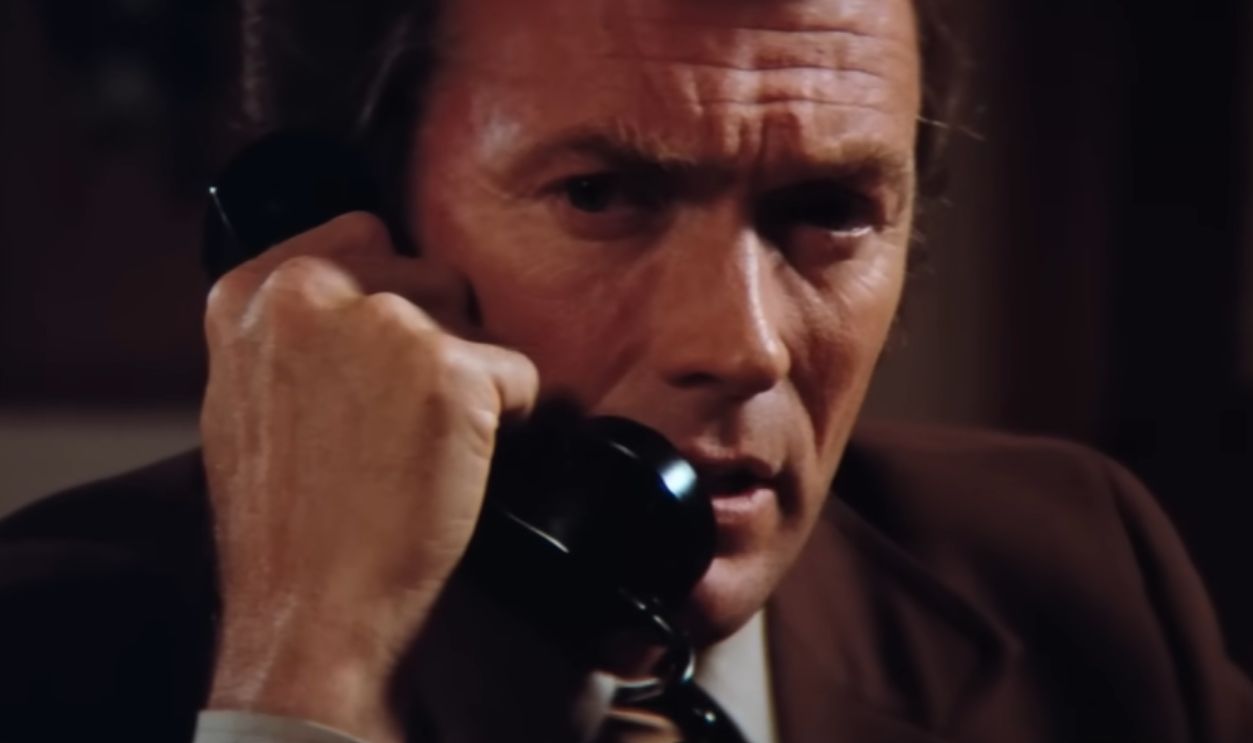 Screenshot from Magnum Force, Warner Bros. Pictures (1973)
The Bad News Bears Stayed In The Game
The scrappy little baseball team returned in The Bad News Bears in Breaking Training in 1977. This time, the Bears traveled to Texas to compete against tougher opponents while trying to reunite with their former coach. Walter Matthau did not return, and although the sequel performed respectably, it has never enjoyed the lasting popularity of the original.
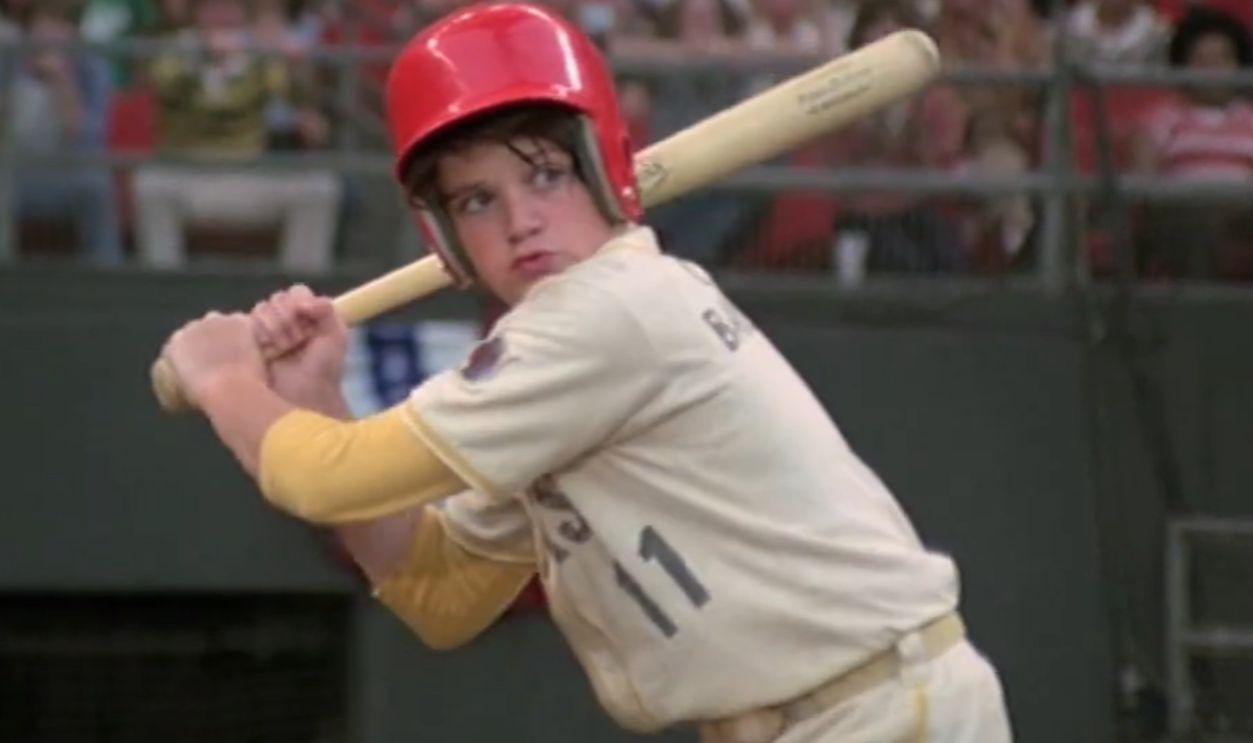 Screenshot from The Bad News Bears in Breaking Training, Paramount Pictures (1977)
Damien's Story Continued
The Omen terrified audiences in 1976, making a sequel inevitable. Damien: Omen II followed the Antichrist as a teenager beginning to understand his terrifying destiny while those around him uncovered the truth. The movie earned solid box office returns, but it is often overlooked compared to the chilling impact of the first film.
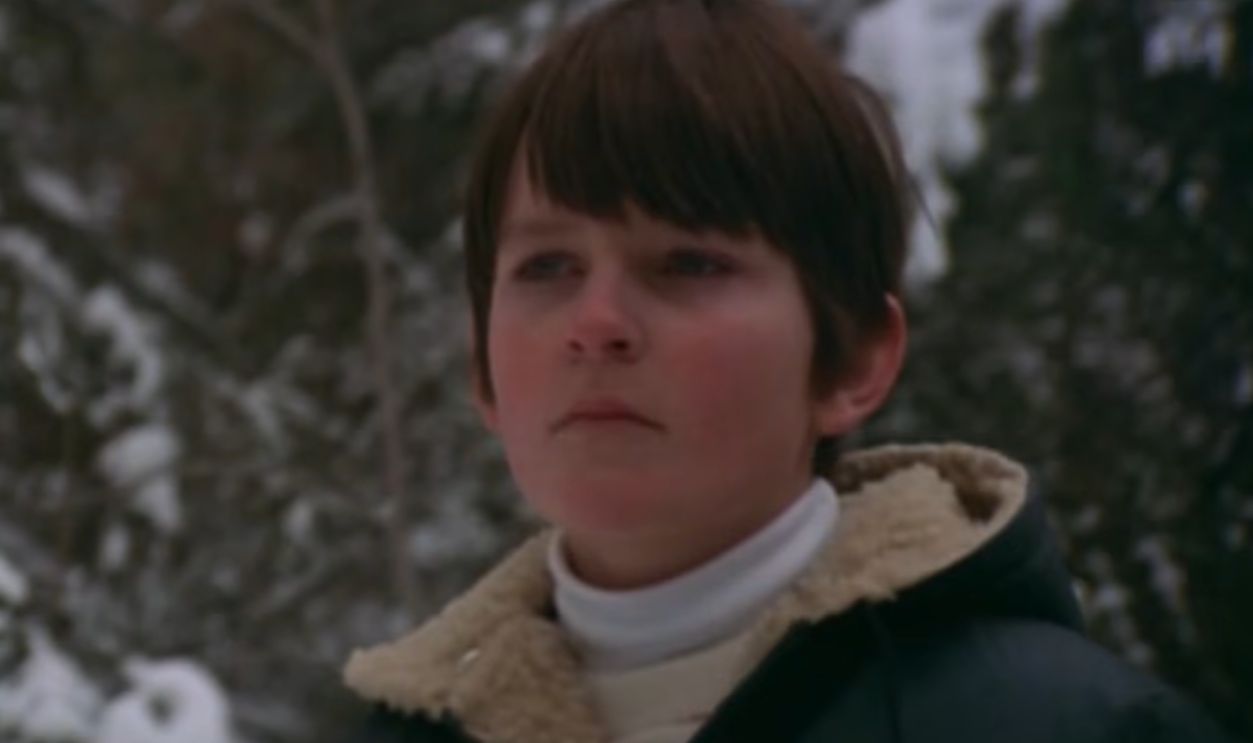 Screenshot from Damien: Omen II, Twentieth Century Fox (1978)
Dr. Phibes Rose Again
Vincent Price returned as the elegant but deadly doctor in Dr. Phibes Rises Again in 1972. The sequel moved the action from England to Egypt as the vengeful physician searched for the legendary River of Life. Horror fans continue to appreciate Price's performance, but the sequel never achieved the cult reputation of the original film.
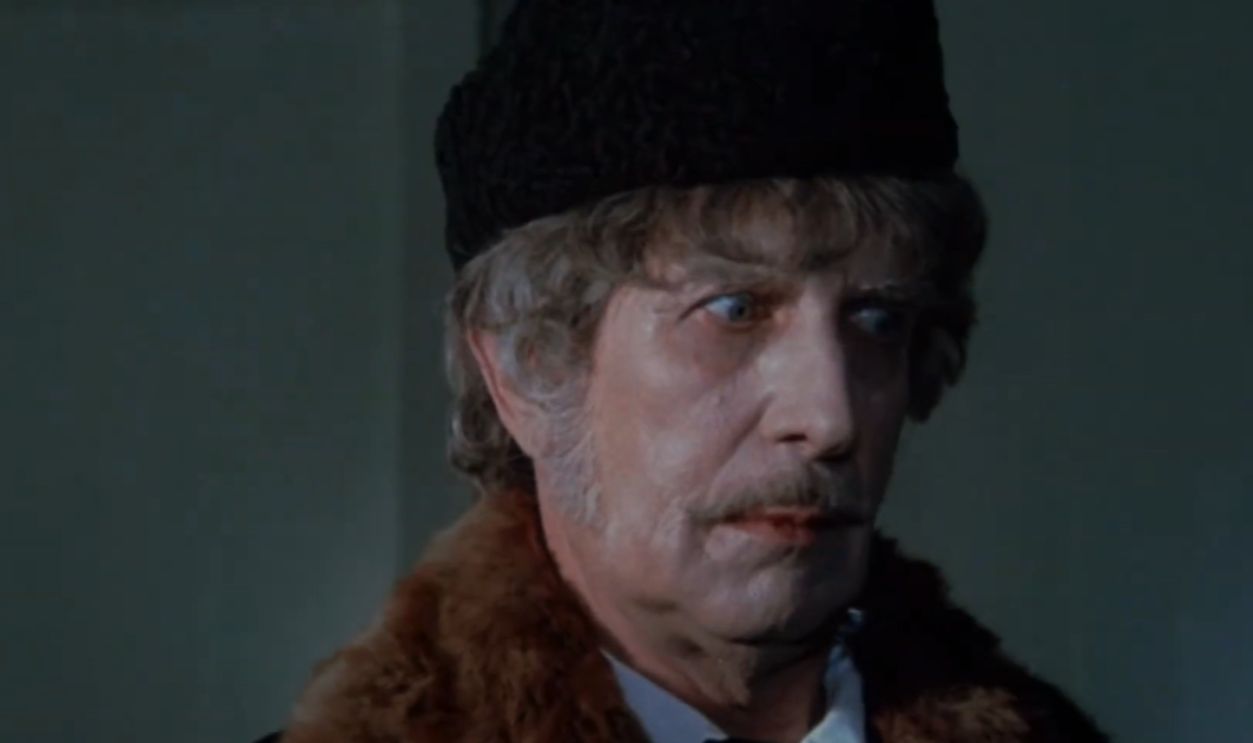 Screenshot from Dr. Phibes Rises Again, American International Pictures(1972)
Cleopatra Jones Went International
After Cleopatra Jones became a hit in 1973, Tamara Dobson returned in Cleopatra Jones and the Casino of Gold. This time the glamorous federal agent traveled to Hong Kong to battle an international drug syndicate. The larger scope made for an entertaining adventure, but it remains one of the most overlooked sequels from the blaxploitation era.
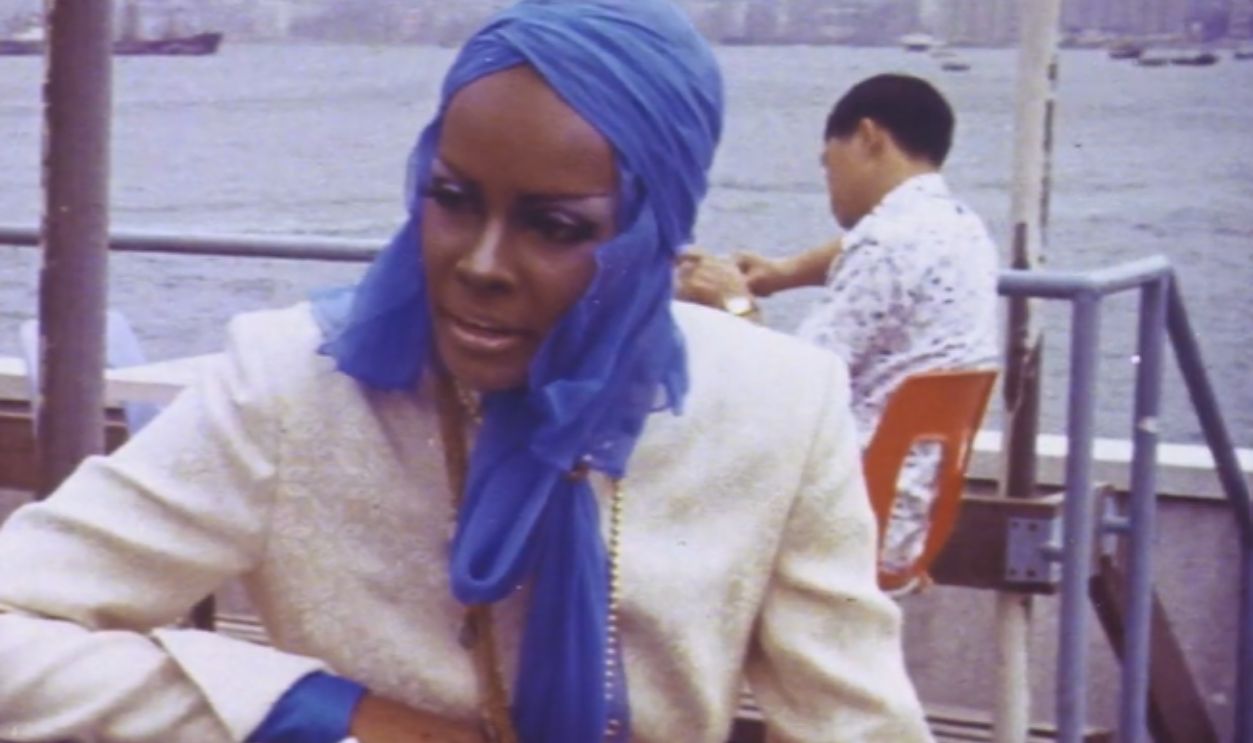 Screenshot from Cleopatra Jones and the Casino of Gold, Warner Bros. (1975)
Airport Kept Flying
Disaster movies ruled the 1970s, and Airport quickly became one of the genre's biggest franchises. Airport 1975 introduced an entirely new airborne crisis featuring Charlton Heston, Karen Black, and Gloria Swanson. It was a commercial success that led to even more sequels, yet many viewers today forget just how huge the series once was.
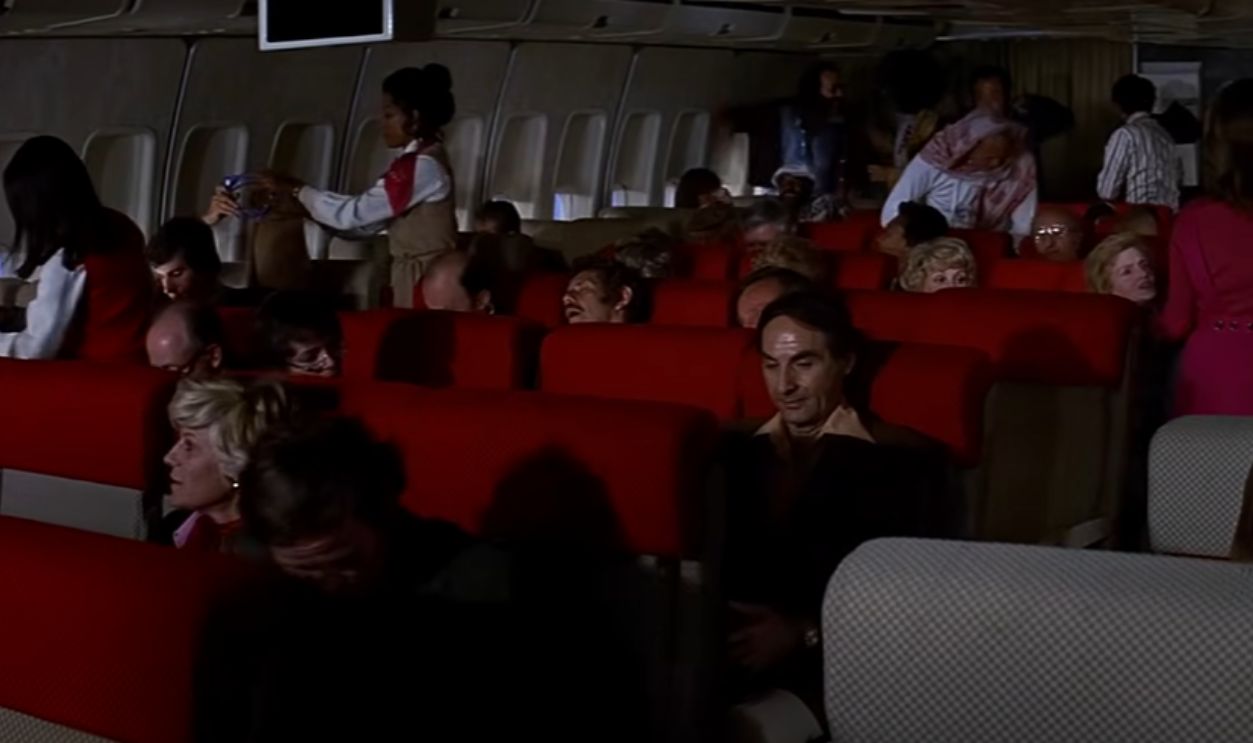 Screenshot from Airport 1975, Universal Pictures (1974)
Billy Jack Rode Again
Tom Laughlin struck box office gold with Billy Jack, and he quickly returned with The Trial of Billy Jack in 1974. The sequel expanded the story with bigger social and political themes while once again centering on Billy's fight against corruption. Although it became one of the year's highest-grossing films, it has largely disappeared from modern conversations about 1970s cinema.
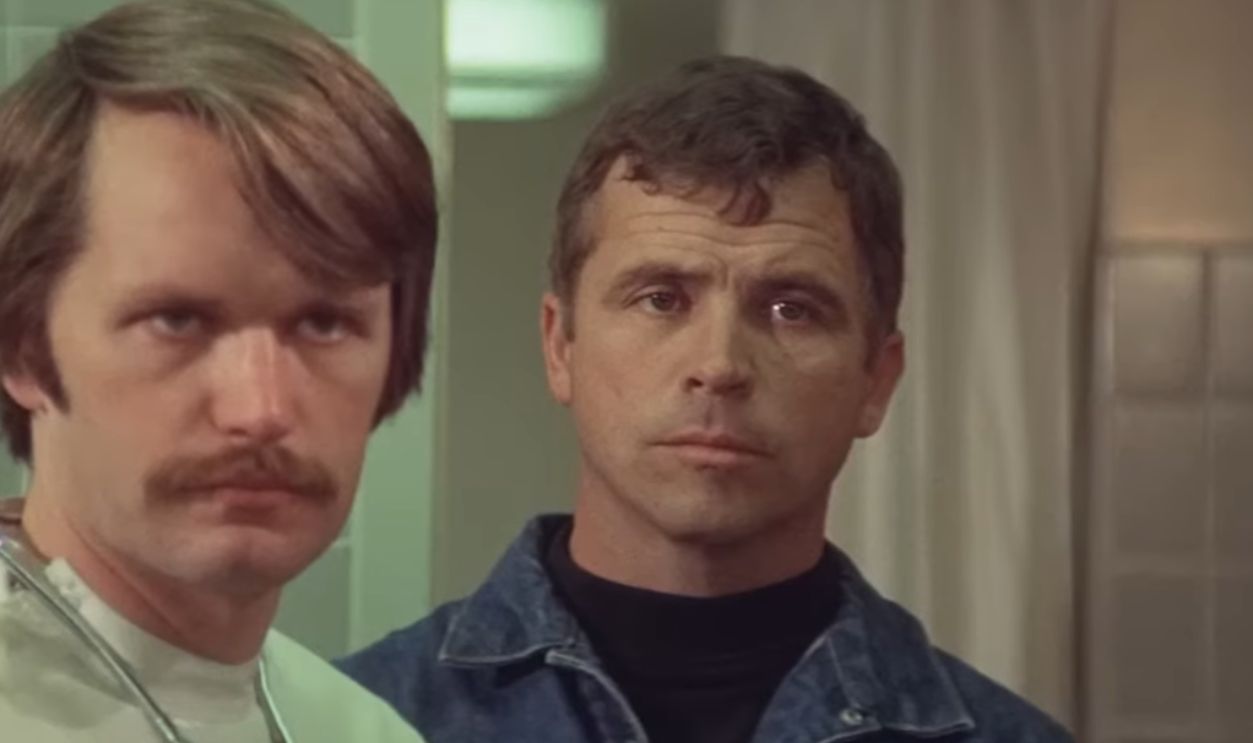 Screenshot from The Trial of Billy Jack, Taylor-Laughlin Distribution (1974)
The Poseidon Adventure Had Another Voyage
Disaster movies dominated the decade, so it was only a matter of time before The Poseidon Adventure received a sequel. Released in 1979, Beyond the Poseidon Adventure imagined a salvage crew boarding the overturned ocean liner after the events of the first film. Despite featuring stars like Michael Caine, Sally Field, and Telly Savalas, the sequel failed to capture the excitement of its predecessor.
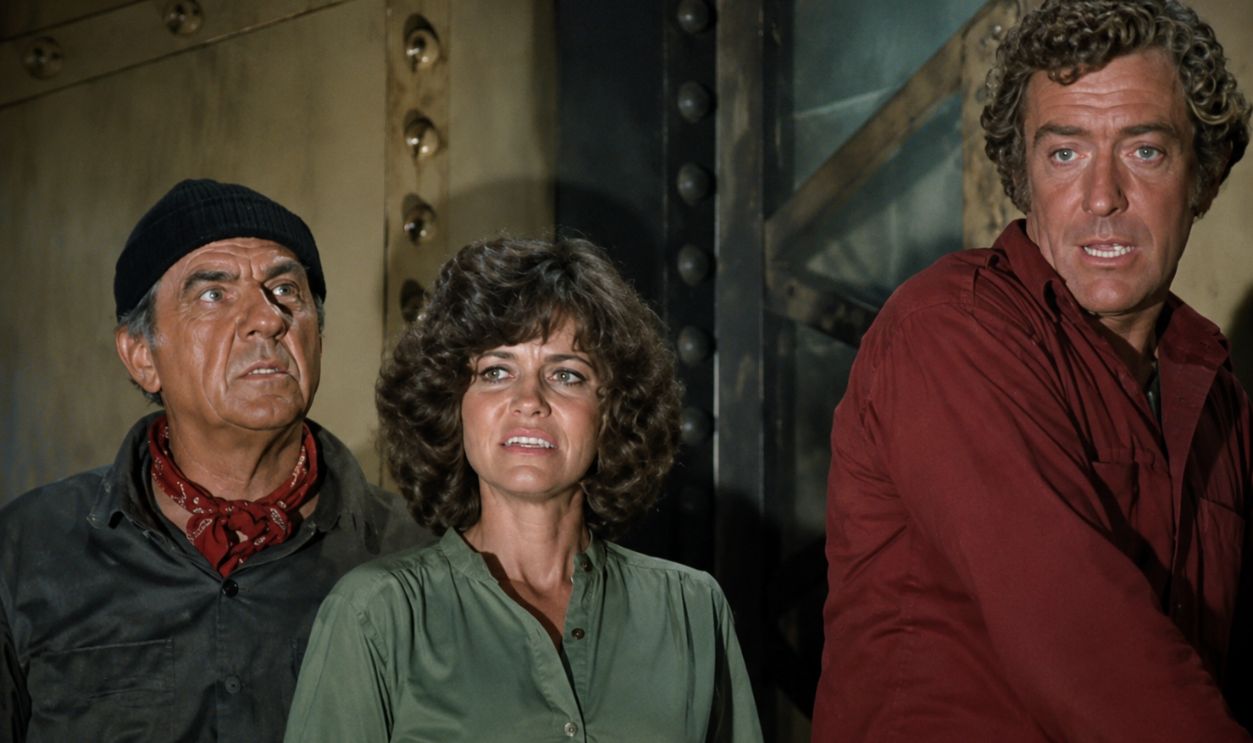 Screenshot from Beyond the Poseidon Adventure, Warner Bros. Pictures (1979), Enhanced
The Car Chase Continued
Burt Reynolds returned for another moonshine-fueled adventure in Gator, the sequel to 1973's White Lightning. This time, Reynolds also stepped behind the camera as director while reprising his role as Gator McKlusky. Despite starring one of the biggest movie stars of the decade, Gator has become one of the more forgotten action sequels of the 1970s.
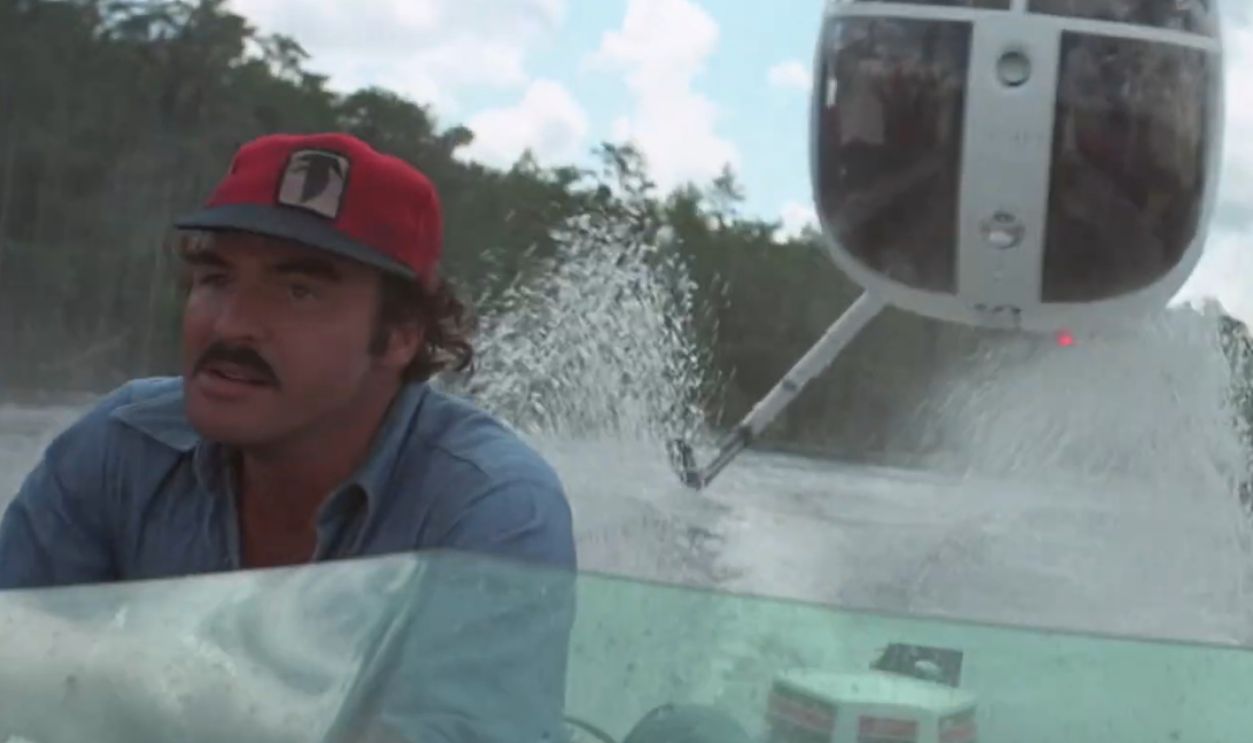 Screenshot from Gator, United Artists (1976)
Return To Witch Mountain
Disney revisited one of its biggest live-action hits with Return from Witch Mountain in 1978. Bette Davis joined the cast as a wealthy villain who wanted to exploit the siblings' supernatural powers for her own gain. While the original remains a family favorite, the sequel has largely faded from public memory despite its impressive cast.
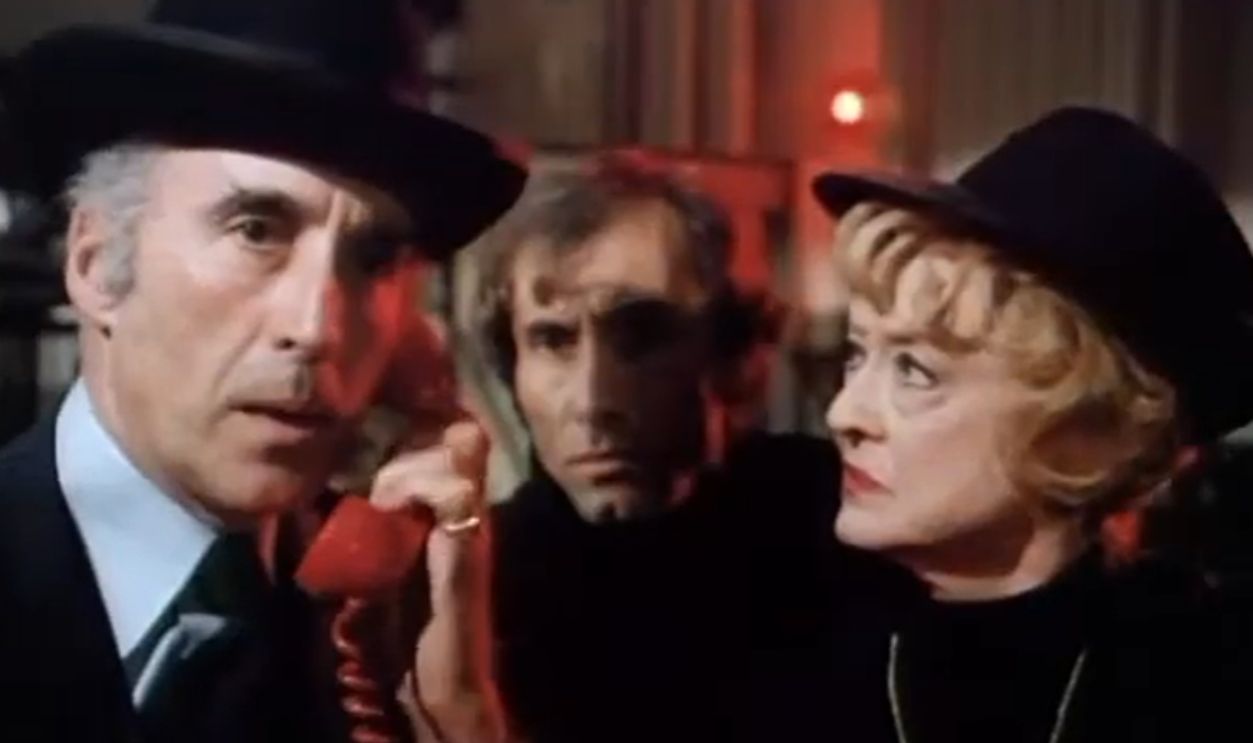 Screenshot from Return from Witch Mountain, Buena Vista Distribution (1978)
Herbie Hit The Road Again
Volkswagen's favorite Beetle was one of Disney's biggest stars of the decade. Herbie Rides Again followed the lovable car as he helped save an elderly woman's home from a greedy developer. It was a box office success that kept the franchise alive, but it is often overlooked compared to the original The Love Bug.
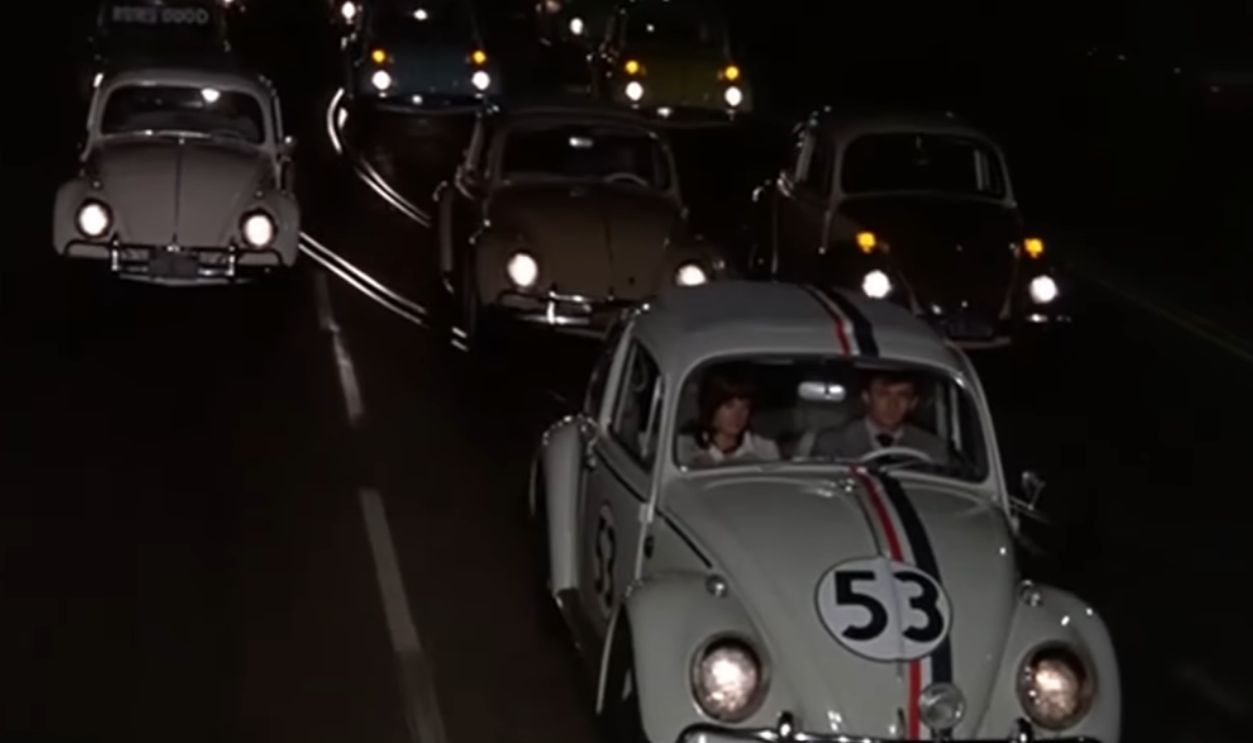 Screenshot from Herbie Rides Again, Buena Vista Distribution (1974)
Benji Found Another Adventure
The lovable canine hero returned in For the Love of Benji in 1977. This time, Benji traveled to Greece, where he became tangled in an international espionage plot while trying to rescue two kidnapped children. Although families embraced the film upon release, it has become one of the more forgotten family sequels of the era.
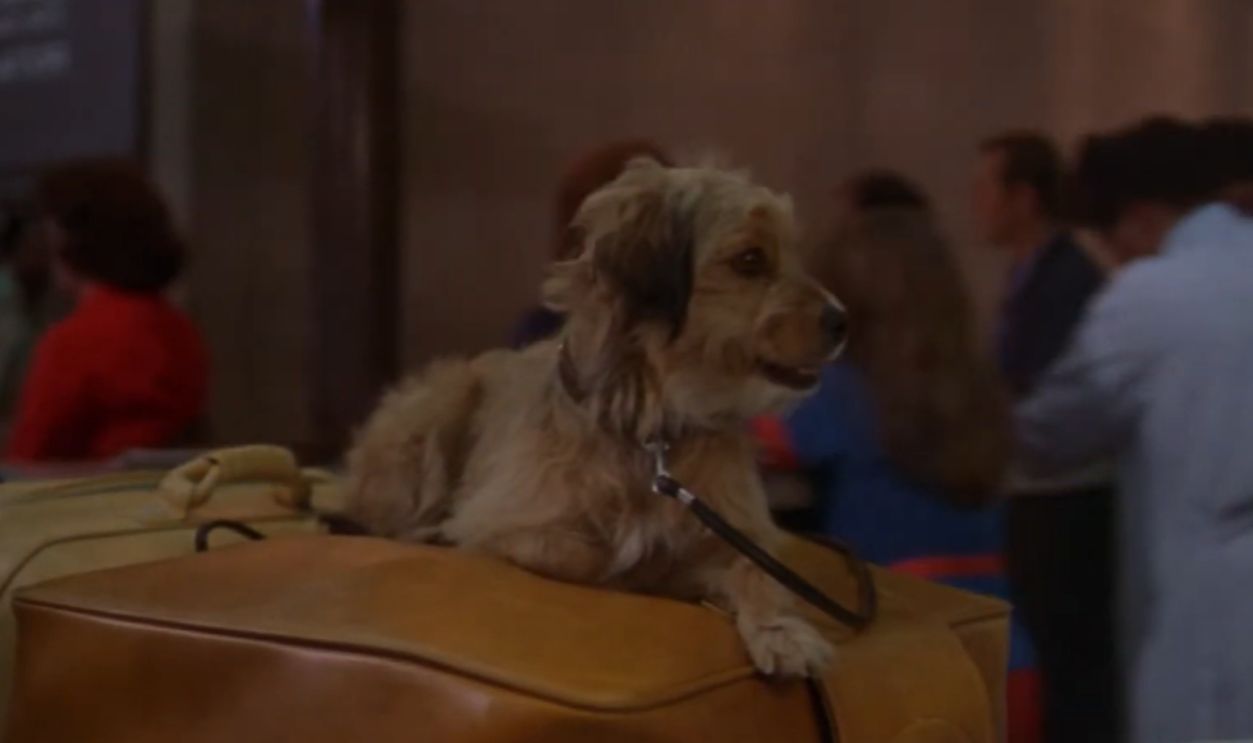 Screenshot from For the Love of Benji, Mulberry Square Releasing (1977)
Scream Blacula Scream
The surprise success of Blacula quickly led to another vampire tale in 1973. Scream Blacula Scream brought William Marshall back as the tragic vampire, this time facing voodoo magic and supernatural rivals. The sequel remains an important entry in blaxploitation horror, but it rarely receives the attention given to its predecessor.
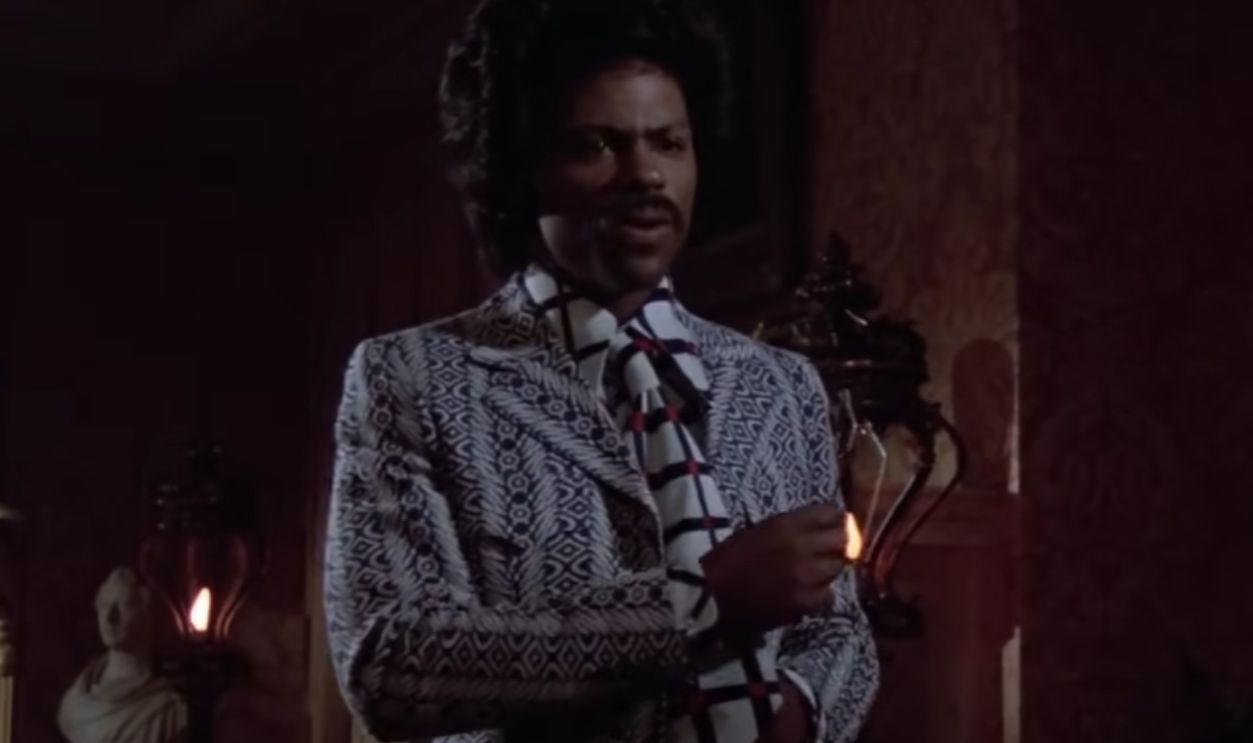 Screenshot from Scream Blacula Scream, American International Pictures (1973)
Super Fly Took Off Again
Super Fly became one of the defining films of the blaxploitation movement, so a sequel was almost guaranteed. Super Fly T.N.T. sent Youngblood Priest to Rome, where he became involved in an international revolution rather than the drug trade. The dramatic change in direction left audiences divided, and the sequel has since slipped into relative obscurity.
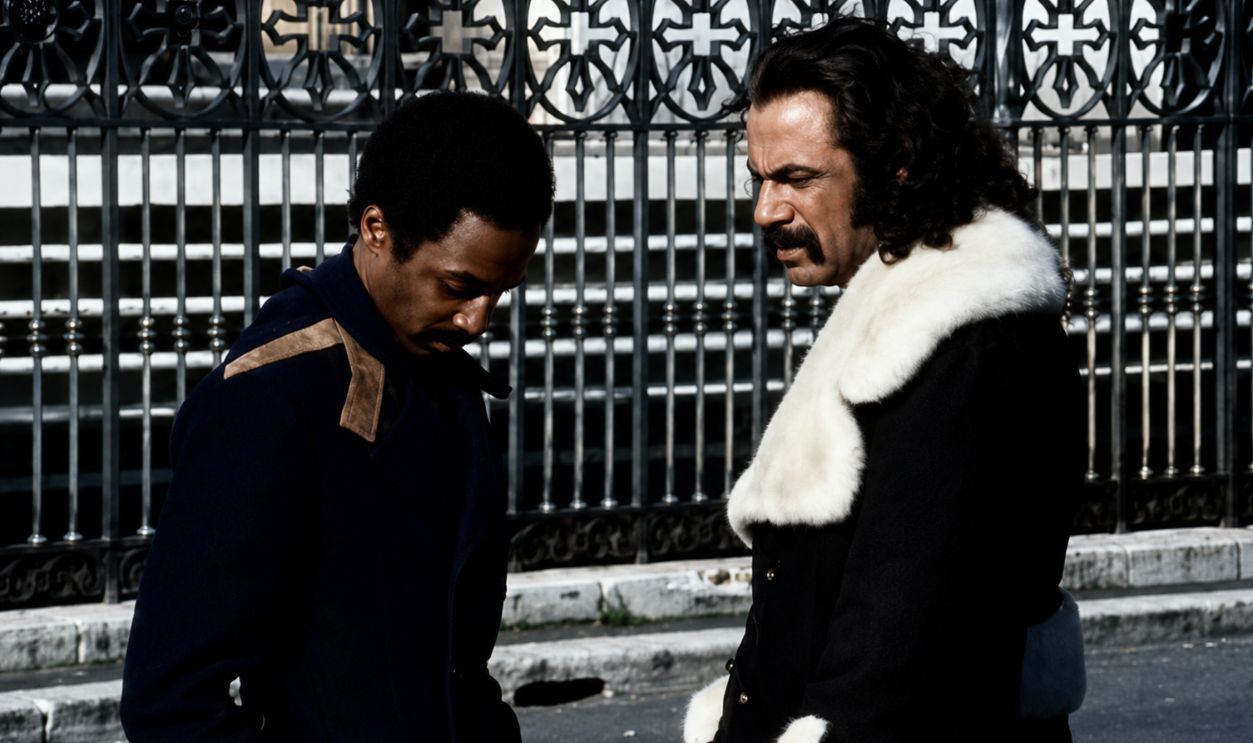 Screenshot from Super Fly T.N.T., Paramount Pictures (1973), Enhanced
They Called Mister Tibbs Again
Sidney Poitier reprised his famous role as Virgil Tibbs in They Call Me Mister Tibbs! in 1970. Instead of solving another Southern murder, Tibbs investigated the killing of a prostitute while balancing family life in San Francisco. Although it launched its own trilogy, the sequel is often forgotten next to the Oscar-winning In the Heat of the Night.
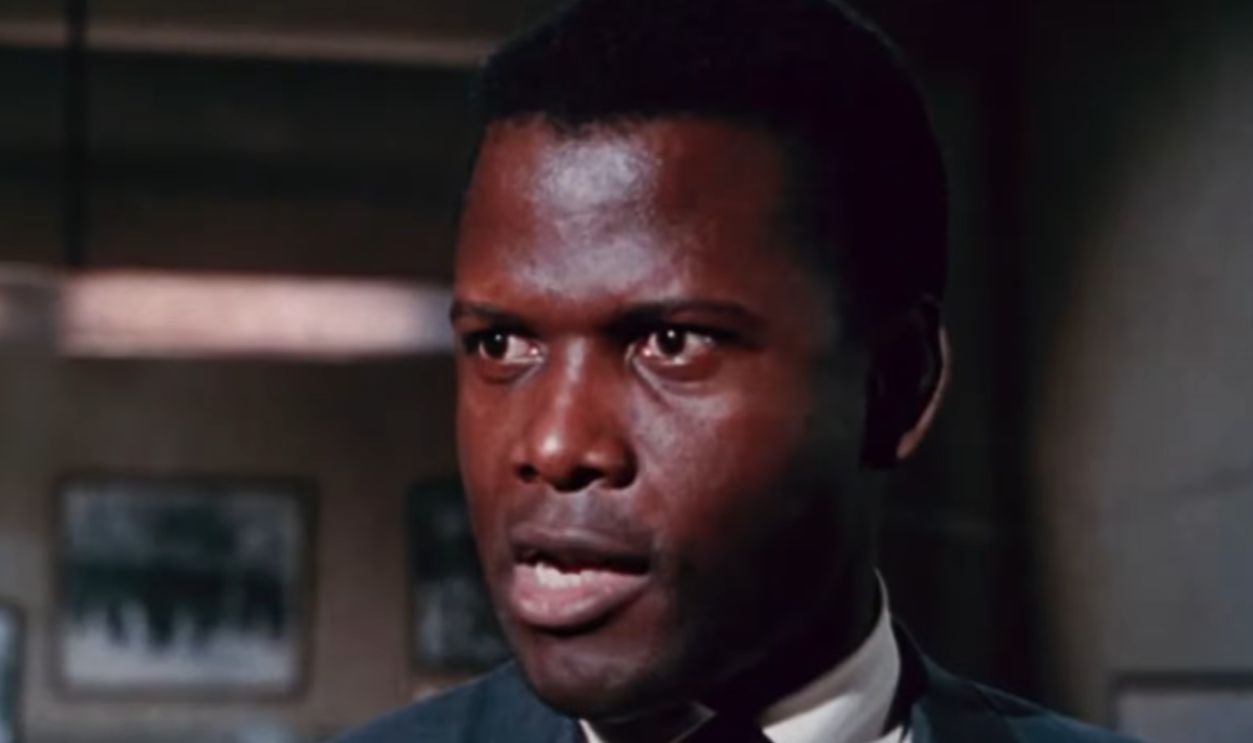 Screenshot from They Call Me Mister Tibbs!, United Artists (1970)
Rooster Cogburn Rode Once More
John Wayne returned as the one-eyed marshal Rooster Cogburn in 1975, six years after winning an Academy Award for True Grit. This time he shared the screen with Katharine Hepburn, creating an unusual Western pairing that drew plenty of attention. Despite its star power, the sequel has never reached the legendary status of the original film.
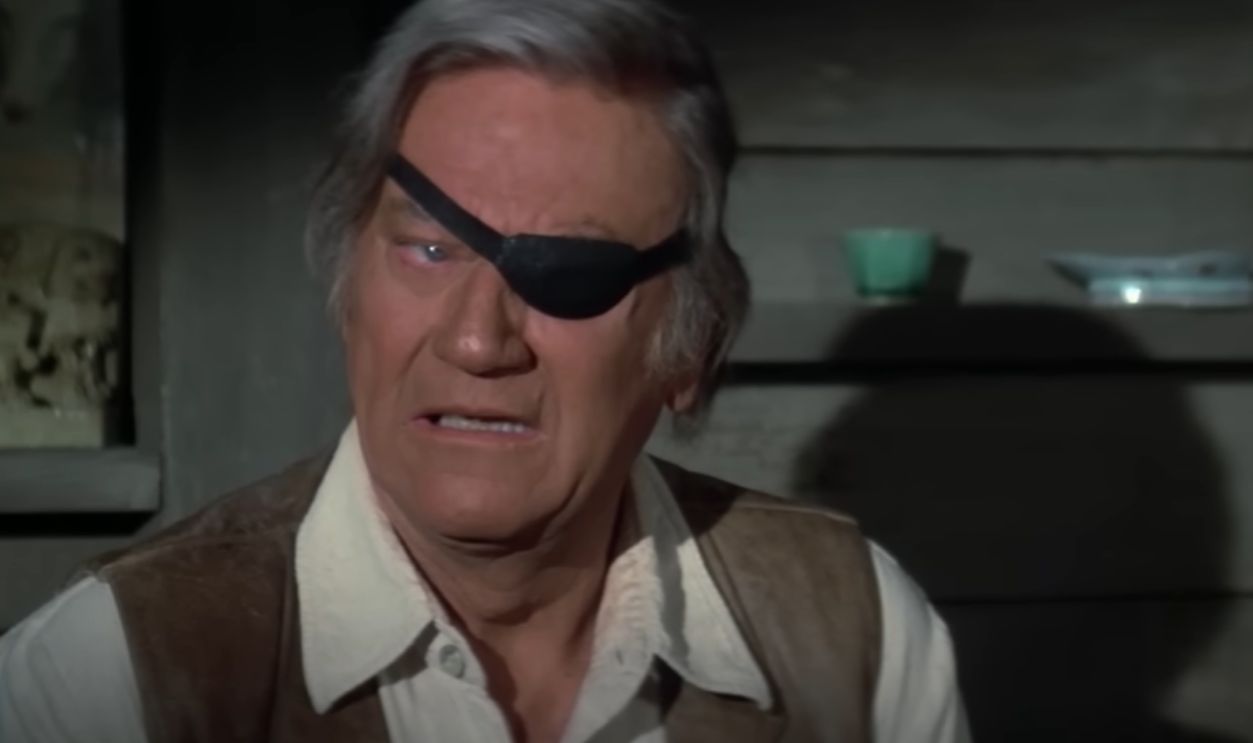 Screenshot from Rooster Cogburn, Universal Pictures (1975)
The Pink Panther Kept Prowling
Peter Sellers returned as the accident-prone Inspector Clouseau in The Return of the Pink Panther after sitting out one installment of the series. His comeback restored much of the franchise's popularity and led to several more sequels. Even so, this chapter is often overshadowed by the original Pink Panther and The Pink Panther Strikes Again.
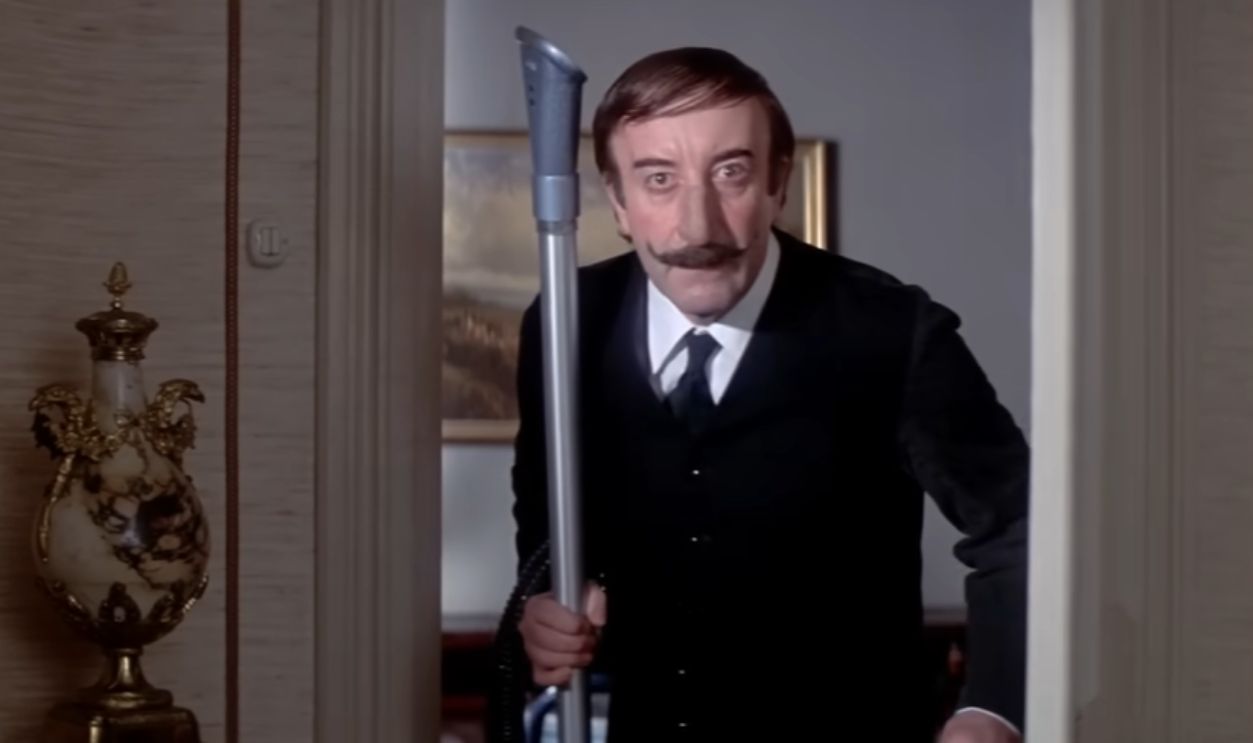 Screenshot from The Return of the Pink Panther, United Artists (1975)
Airport Took Another Flight
Disaster movies remained wildly popular throughout the decade, helping Airport '77 become the third film in the long-running series. The story centered on a luxury airliner that crashed into the ocean after being hijacked, forcing passengers to fight for survival underwater. Although it was another commercial hit, it is rarely remembered outside fans of classic disaster films.
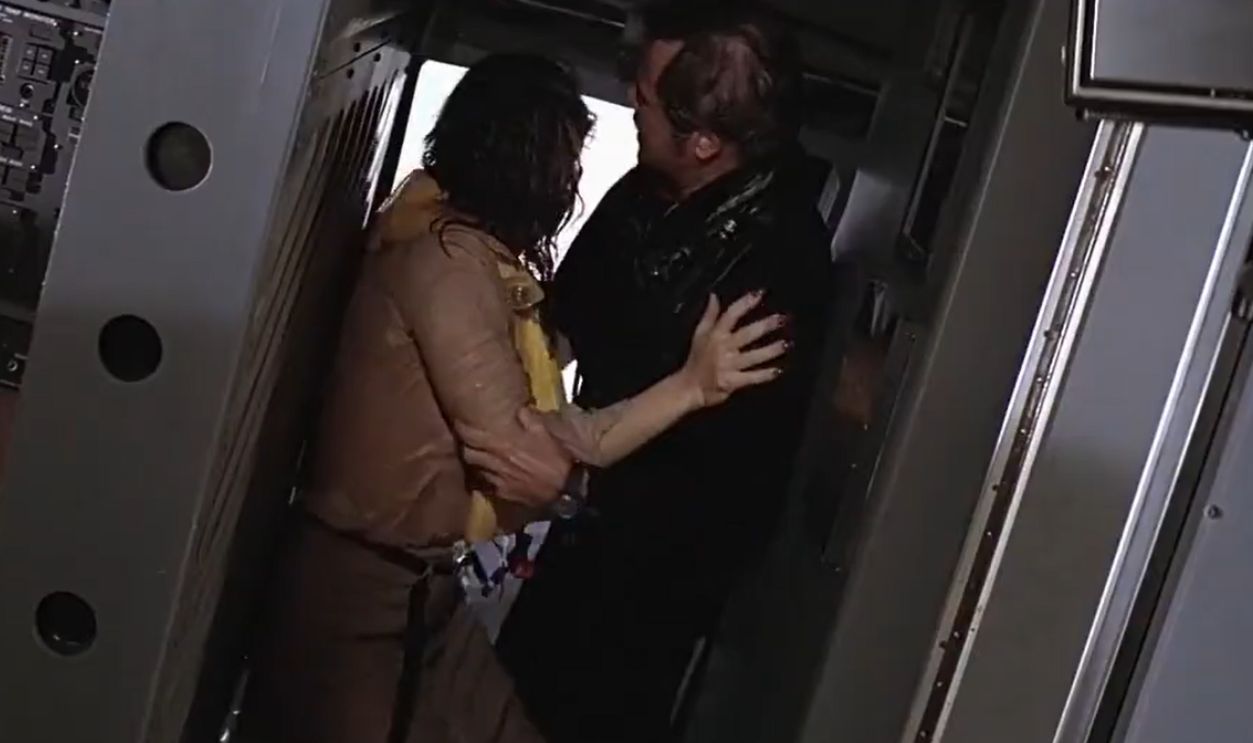 Screenshot from Airport '77, Universal Pictures (1977)
Sequels Were Everywhere
By the end of the 1970s, Hollywood had fully embraced the idea that successful movies could become long-running franchises. While only a handful of sequels became enduring classics, many others quietly disappeared despite respectable box office performances and recognizable stars. Revisiting these forgotten follow-ups offers a fascinating snapshot of an era when studios were still figuring out the sequel formula that dominates Hollywood today.
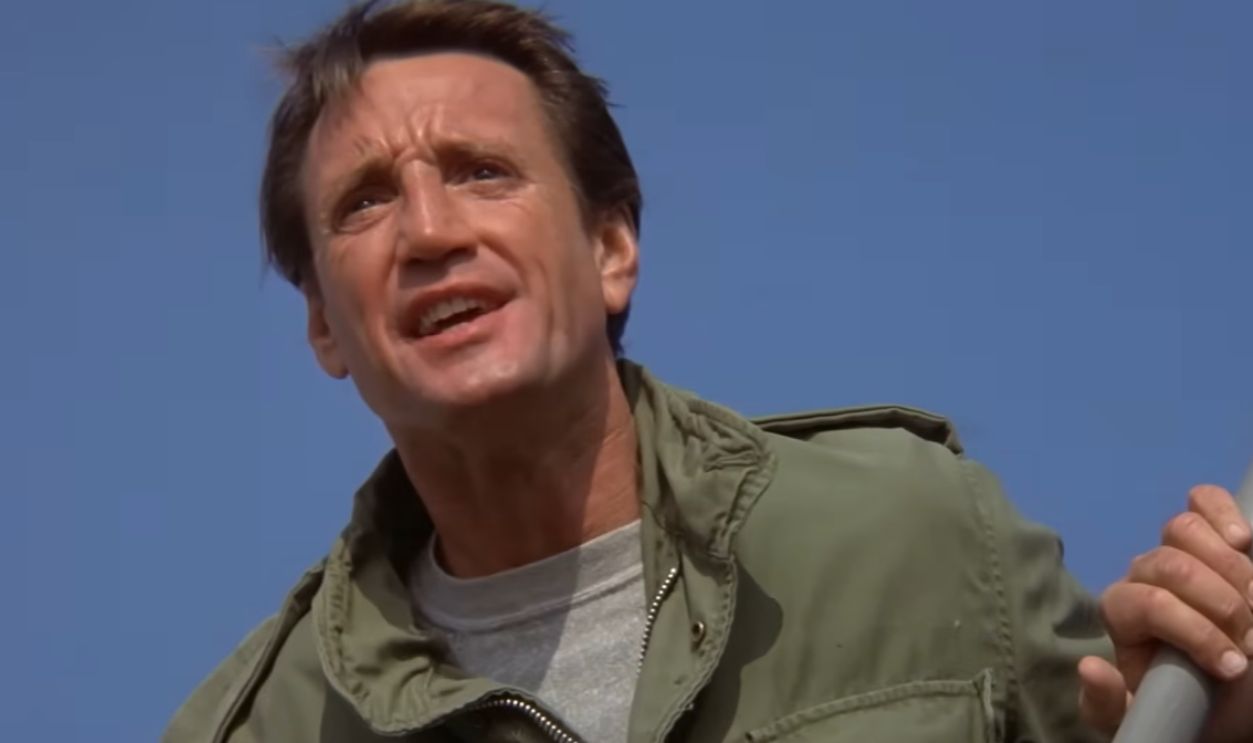 Screenshot from Jaws 2, Universal Pictures (1978)
You May Also Like:
Movie Sequels Hollywood Wanted To Make, But The Stars Refused To Return
Sequels That Were Better Than the Original
Movie Sequels That Never Happened
Sources 1, 2, 3, 4, 5, 6, 7, 8, 9, 10, 11, 12, 13, 14, 15, 16, 17, 18, 19, 20, 21, 22, 23, 24, 25, 26