When TV Was Basically A Talent Show, A Concert, And A Comedy Club At Once
Before streaming trained everyone to skip intros and abandon a show after eight seconds, variety television asked viewers to sit still and enjoy a little bit of everything. One minute there was a jazz singer, the next a sketch comedian, then a magician, then a Broadway number, then someone’s uncle doing a dance routine. It sounds chaotic now, but in the 1960s, this was prime-time gold.
The Ed Sullivan Show (1948–1971)
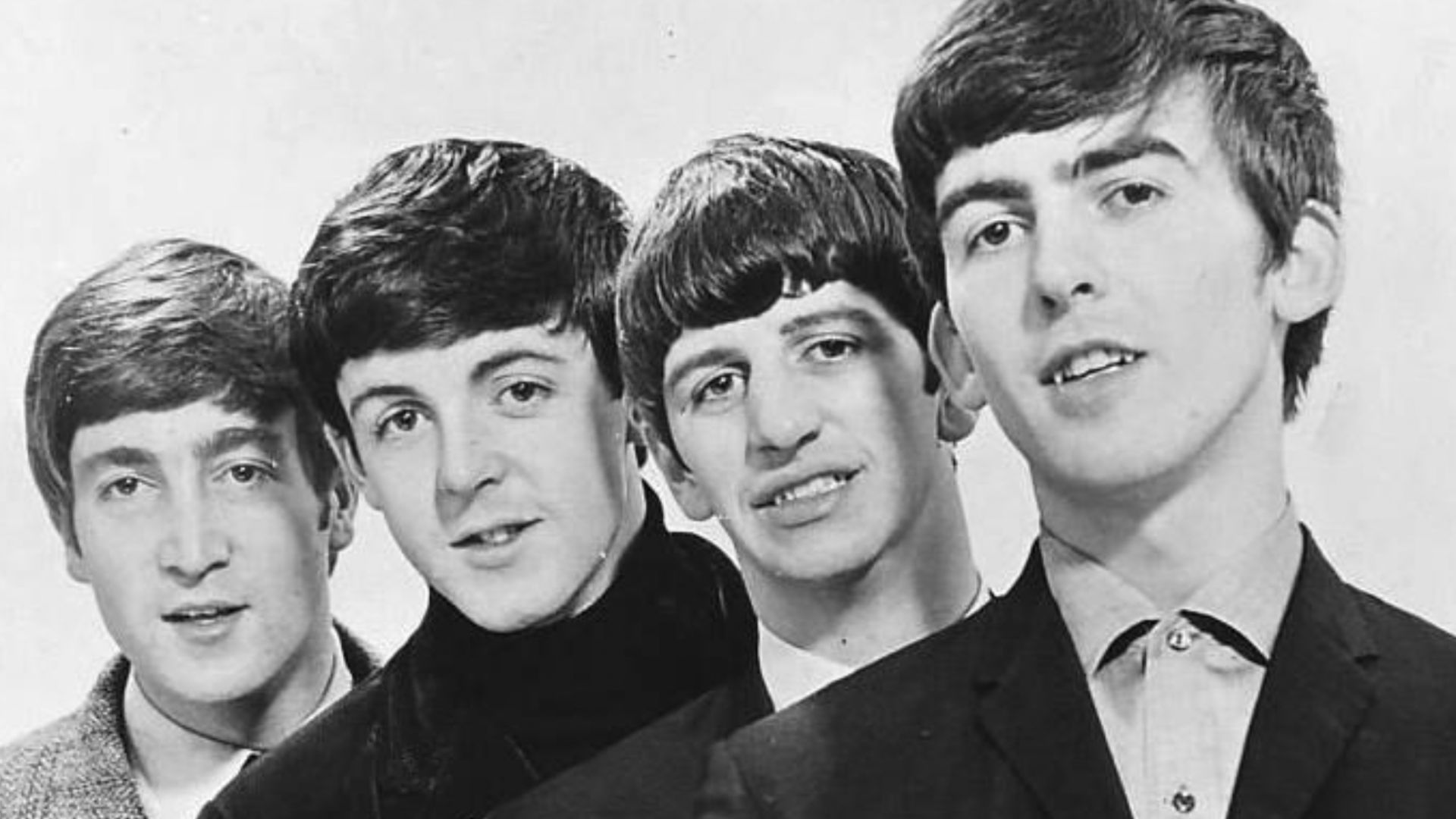
The Ed Sullivan Show was less a normal TV series than a national living room. Sullivan introduced audiences to comedians, opera singers, Broadway stars, animal acts, rock bands, and The Beatles, sometimes all in the same general universe of television. Gen Z might wonder why everyone waited through plate spinners for one band, but that suspense was part of the ritual.
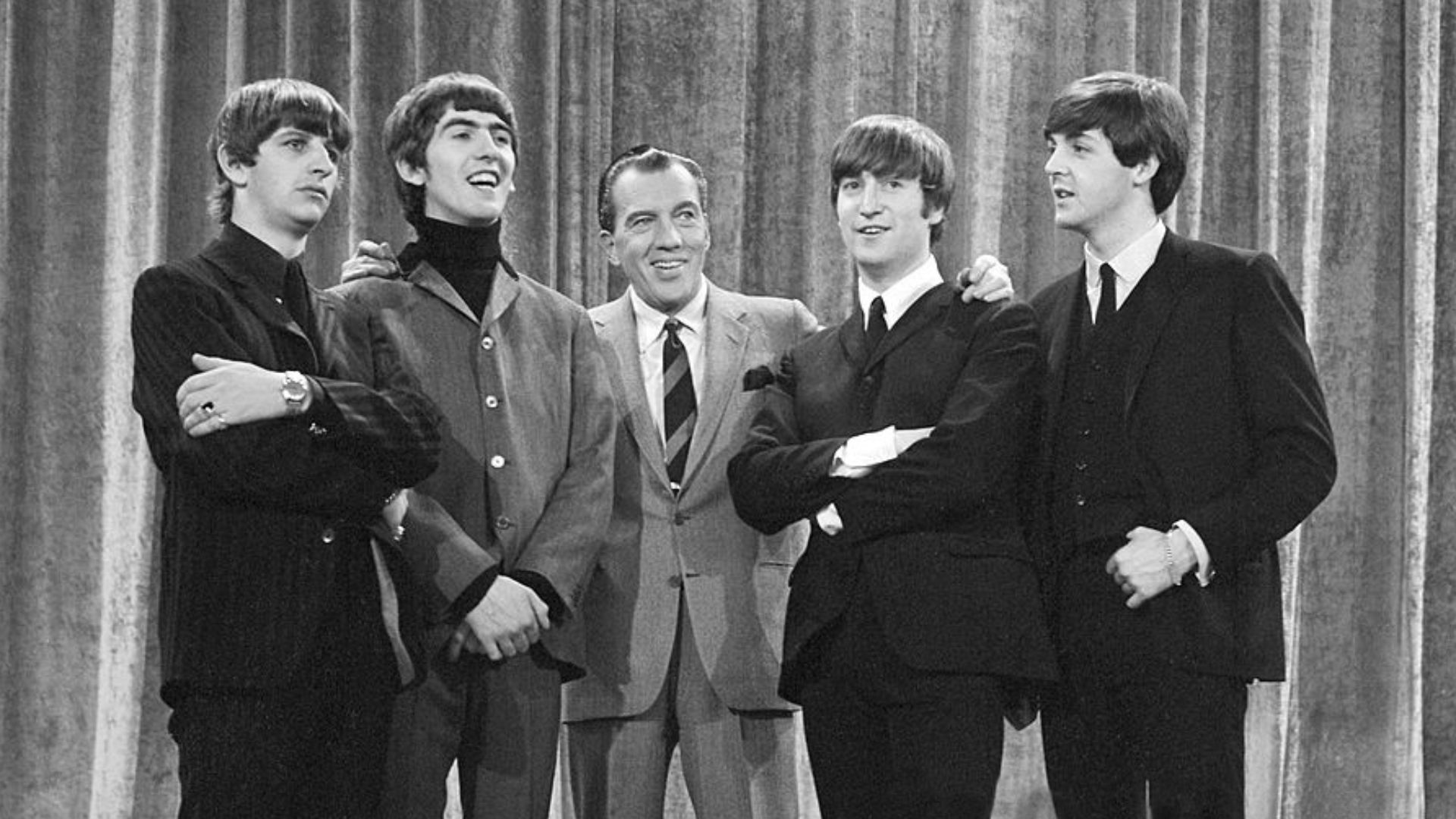 CBS Television, Wikimedia Commons
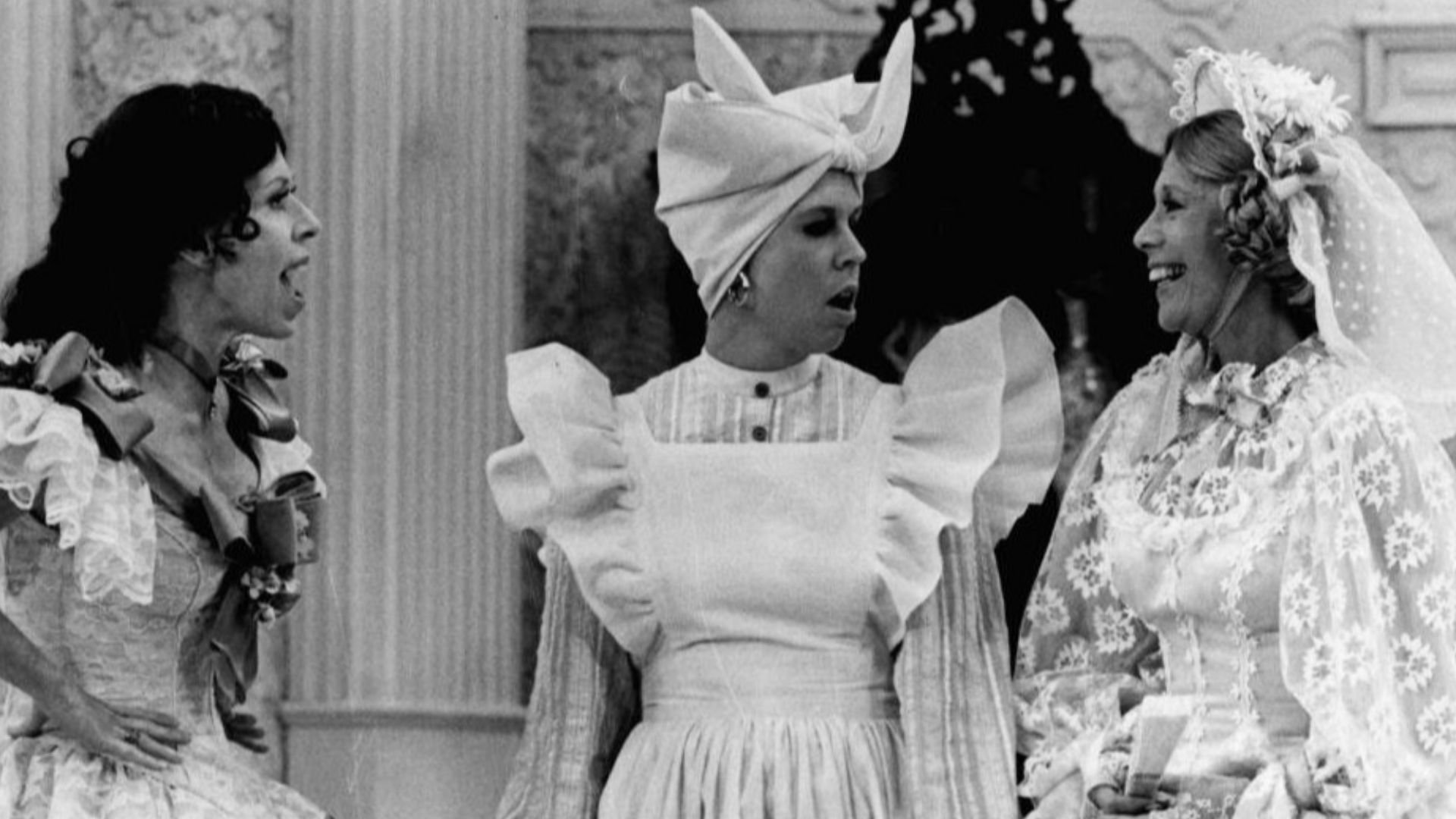
The Carol Burnett Show (1967–1978)
The Carol Burnett Show had sketch comedy, musical numbers, celebrity guests, movie parodies, and the kind of ensemble chemistry most modern shows would kill for. Burnett could be glamorous one minute and completely ridiculous the next. For younger viewers used to short clips, the sketches might feel long, but the timing was usually worth the wait.
 CBS Television, Wikimedia Commons
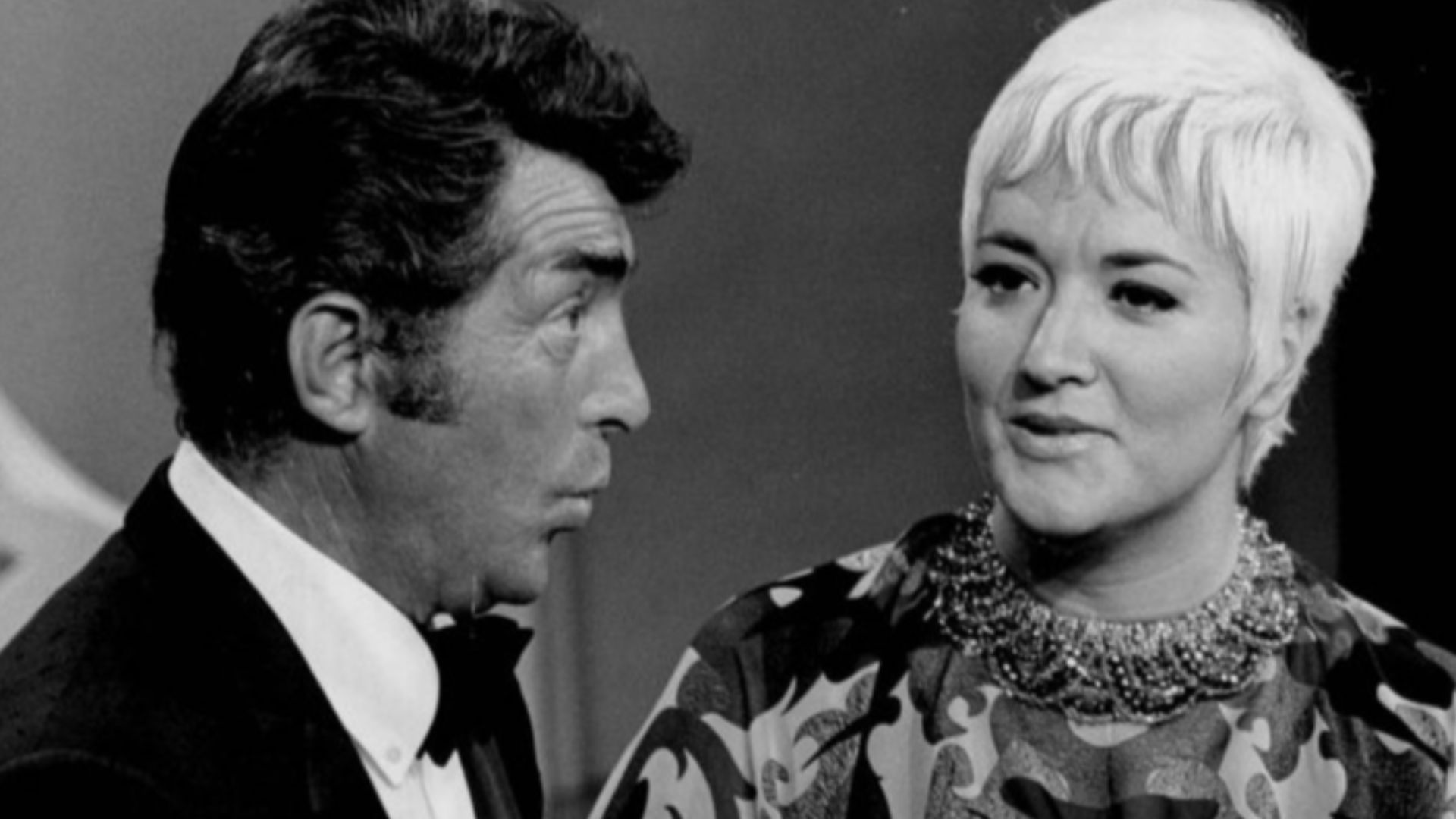
The Dean Martin Show (1965–1974)
Dean Martin hosted like a man who had wandered onto television from a very comfortable lounge and saw no reason to hurry. The show mixed music, comedy, guest stars, and effortless celebrity banter. Its relaxed pace was the entire charm, though modern viewers might mistake that looseness for everyone forgetting they were on live television.
 NBC Television, Wikimedia Commons
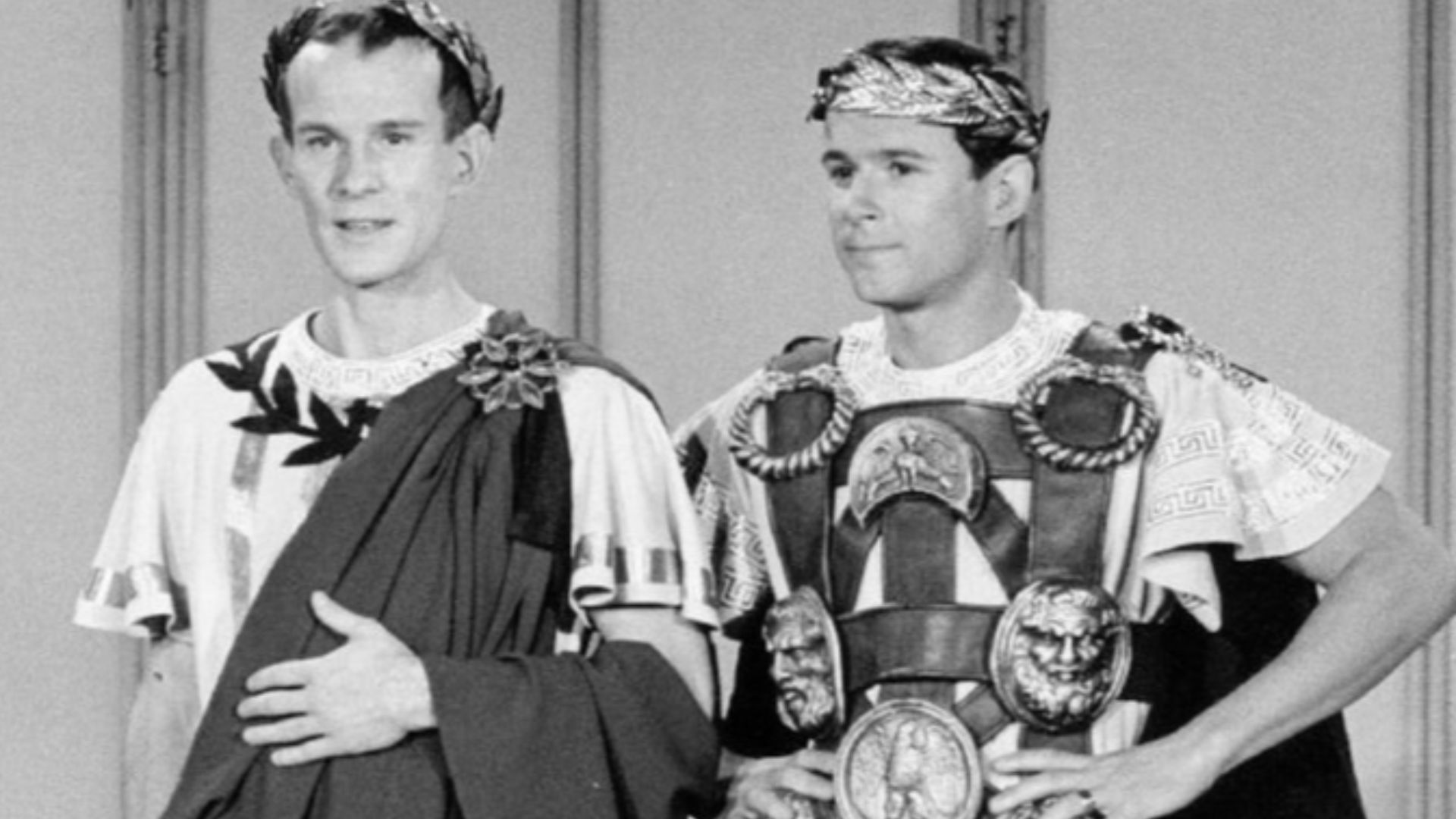
The Smothers Brothers Comedy Hour (1967–1969)
The Smothers Brothers Comedy Hour looked like a variety show, but it kept poking at politics, censorship, war, and generational conflict. That made it both hugely popular and extremely controversial. It mixed folk music, comedy, satire, and awkward network tension, which is basically the 1960s in one hour of television.
 CBS Television, Wikimedia Commons
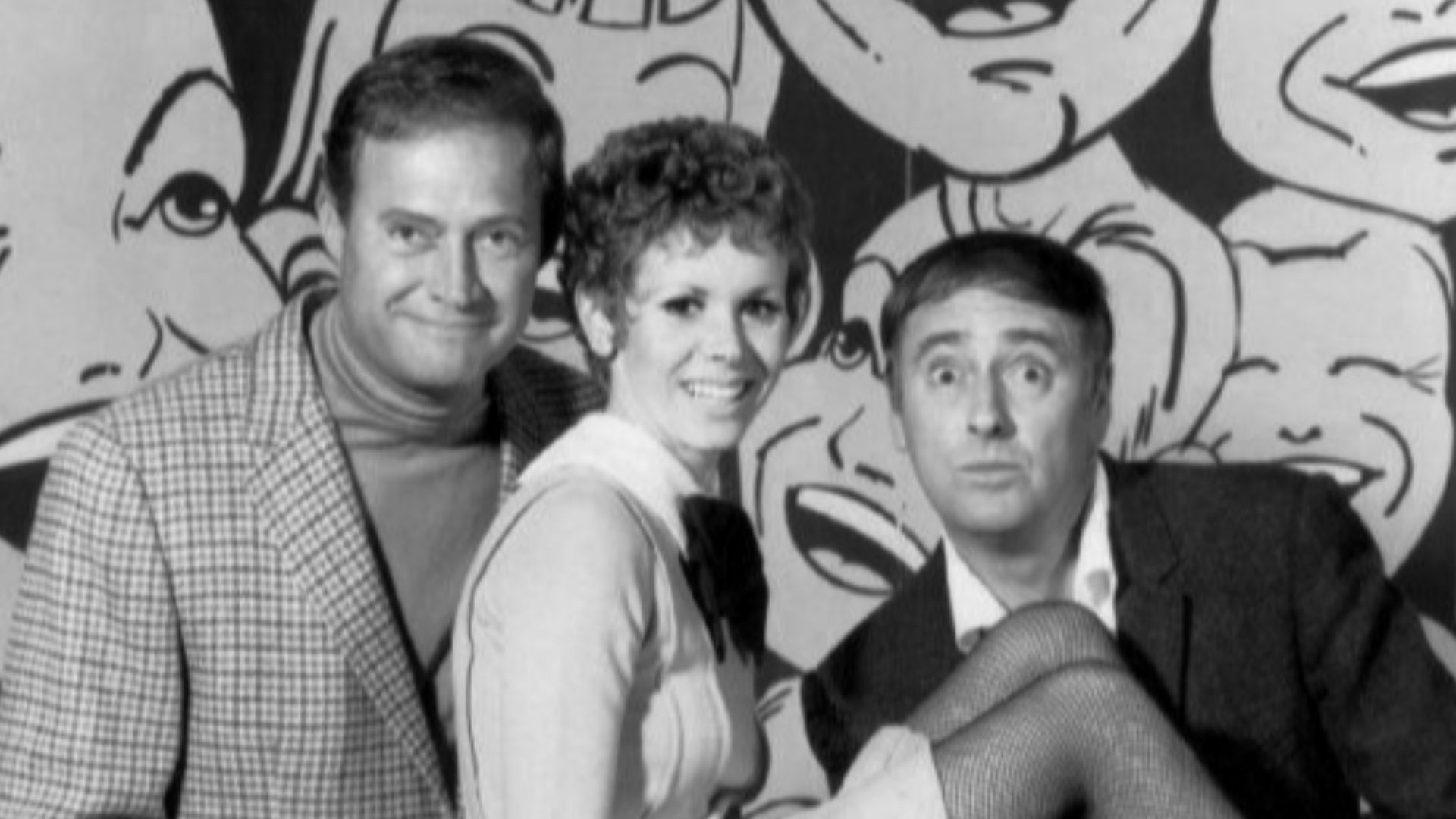
Rowan & Martin’s Laugh-In (1968–1973)
Laugh-In was built for viewers with fast eyes and strange senses of humor. Jokes flew by quickly, catchphrases piled up, and psychedelic visuals made the whole thing feel like television had fallen into a paint can. It was chaotic by design, which makes it oddly modern, even if half the references now need footnotes.
 NBC Television, Wikimedia Commons
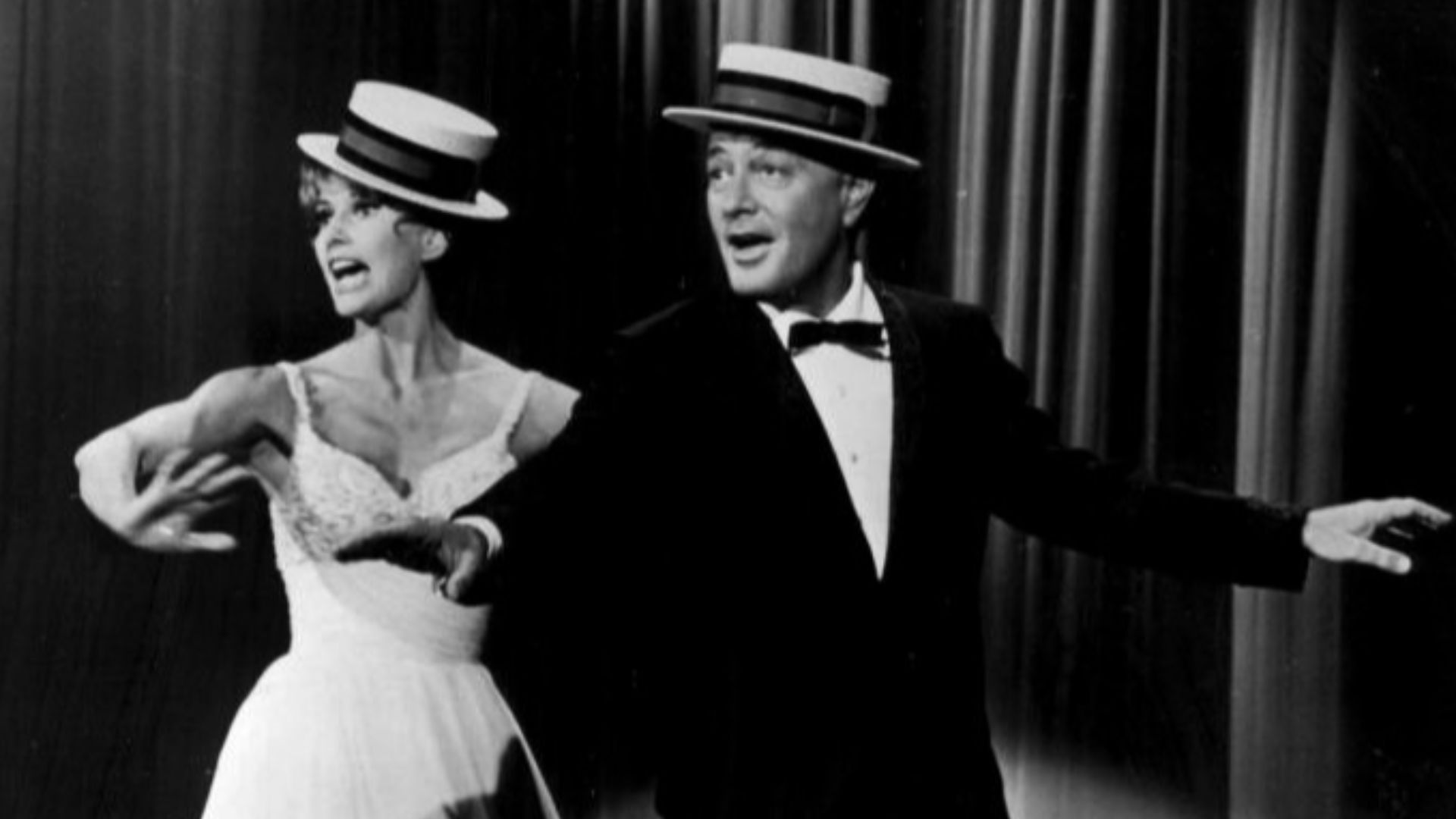
The Hollywood Palace (1964–1970)
The Hollywood Palace worked like a weekly show-business grab bag. Instead of one permanent host, it used rotating celebrity hosts to introduce singers, comedians, dancers, magicians, and specialty performers. One week might feel elegant, the next completely bizarre. That unpredictability made it fun, even if today’s viewers would probably demand a tighter theme.
 ABC Television, Wikimedia Commons
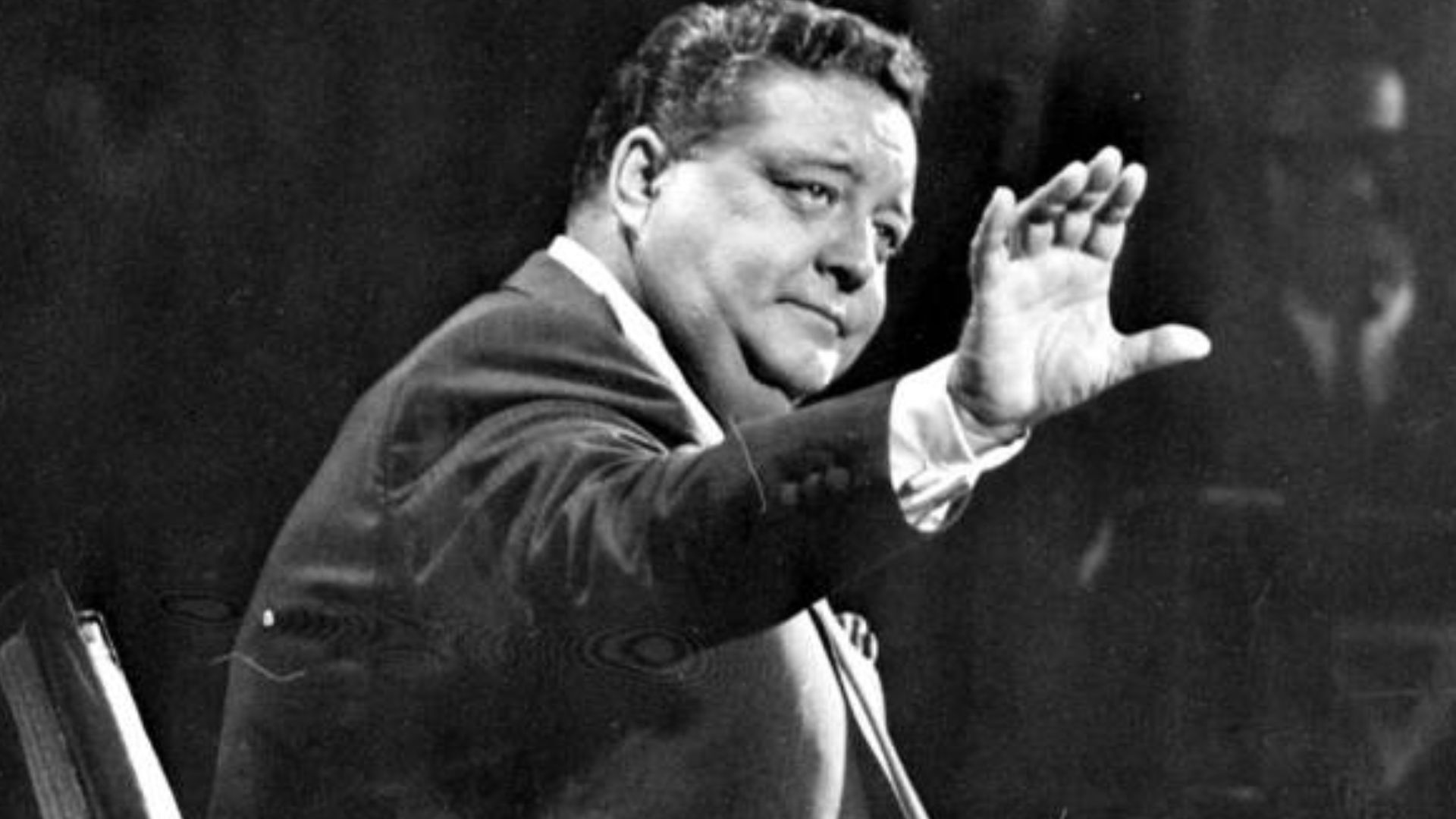
The Jackie Gleason Show (1962–1970)
Jackie Gleason brought back the old-school variety tradition with sketches, music, dancing, guest stars, and occasional returns to characters audiences already loved. The show had a big, brassy, nightclub feeling that belonged to an earlier entertainment world. Younger viewers might be stunned by how much applause could follow someone simply walking onstage.
 Unknown authorUnknown author, Wikimedia Commons
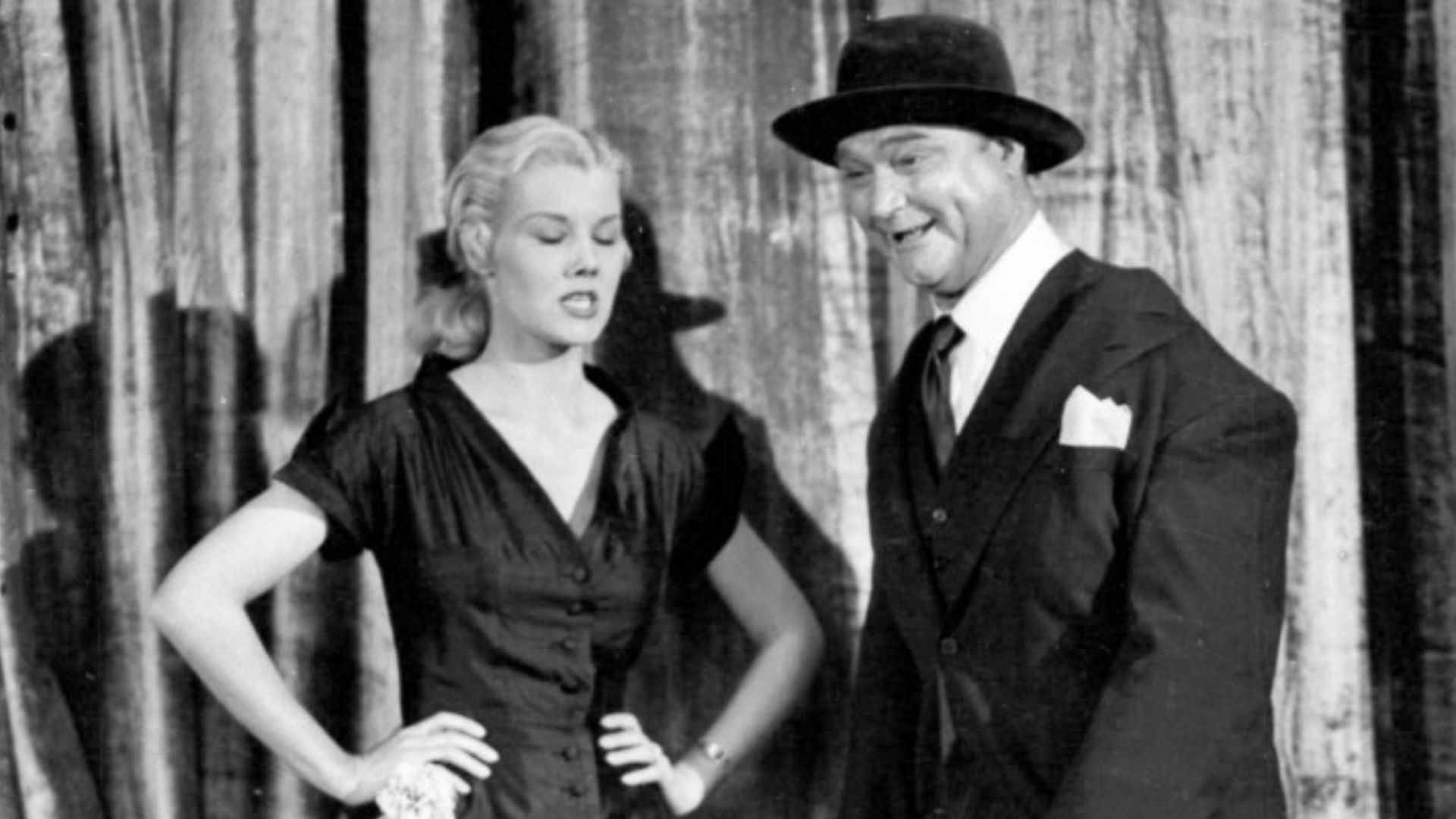
The Red Skelton Hour (1951–1971)
Red Skelton built his show around characters, pantomime, broad comedy, sketches, music, and guest appearances. His humor could be silly, sentimental, and extremely old-fashioned, sometimes all at once. Audiences loved his warmth, but Gen Z might need a few minutes to adjust to comedy that pauses for actual heart.
 Globe Photos, Wikimedia Commons
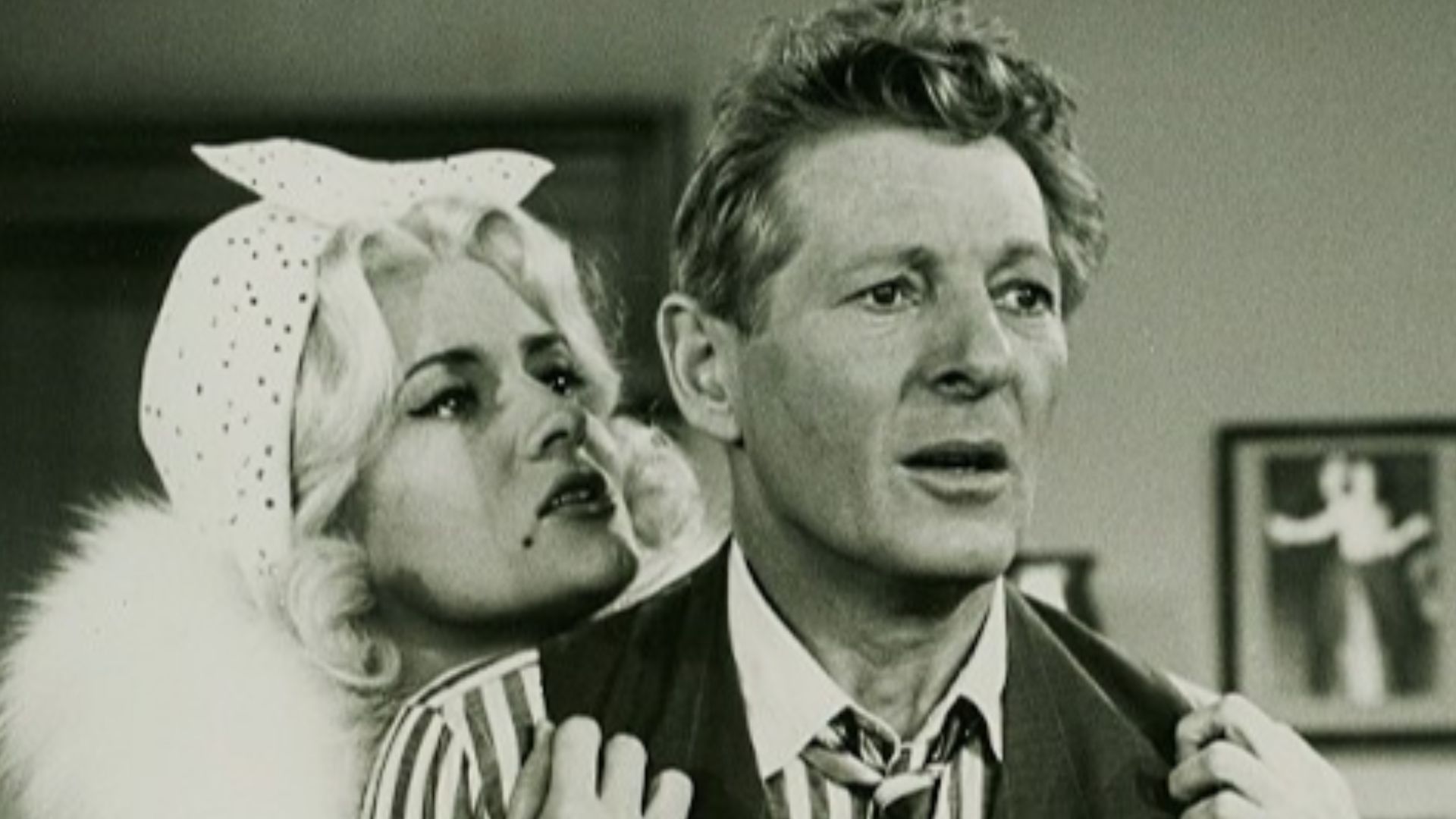
The Danny Kaye Show (1963–1967)
Danny Kaye made variety television look polished without losing its goofy side. He sang, danced, did impressions, handled comedy sketches, and welcomed major guest stars with real theatrical skill. The show felt classy but playful, like a Broadway performer had been given a weekly playground and invited famous friends to join in.
 unknown (CBS-TV), Wikimedia Commons
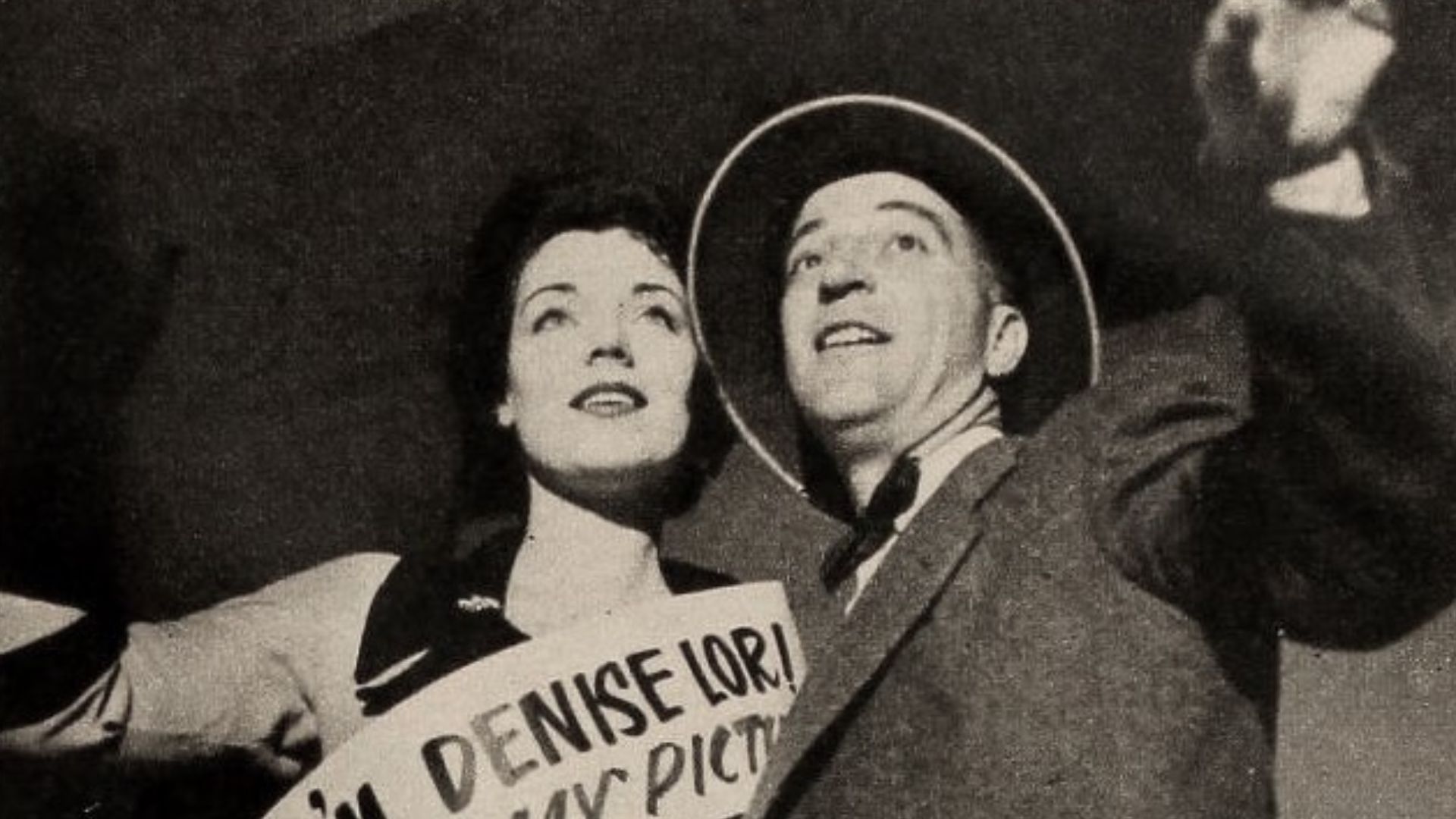
The Garry Moore Show (1958–1964)
The Garry Moore Show was a classic variety mix of sketches, music, comedy, and celebrity guests, but its biggest legacy may be Carol Burnett. The show gave Burnett room to show off her comic gifts before she became a variety legend herself. It was gentle, polished television from an era that trusted charm.
 Photographer not credited, Wikimedia Commons
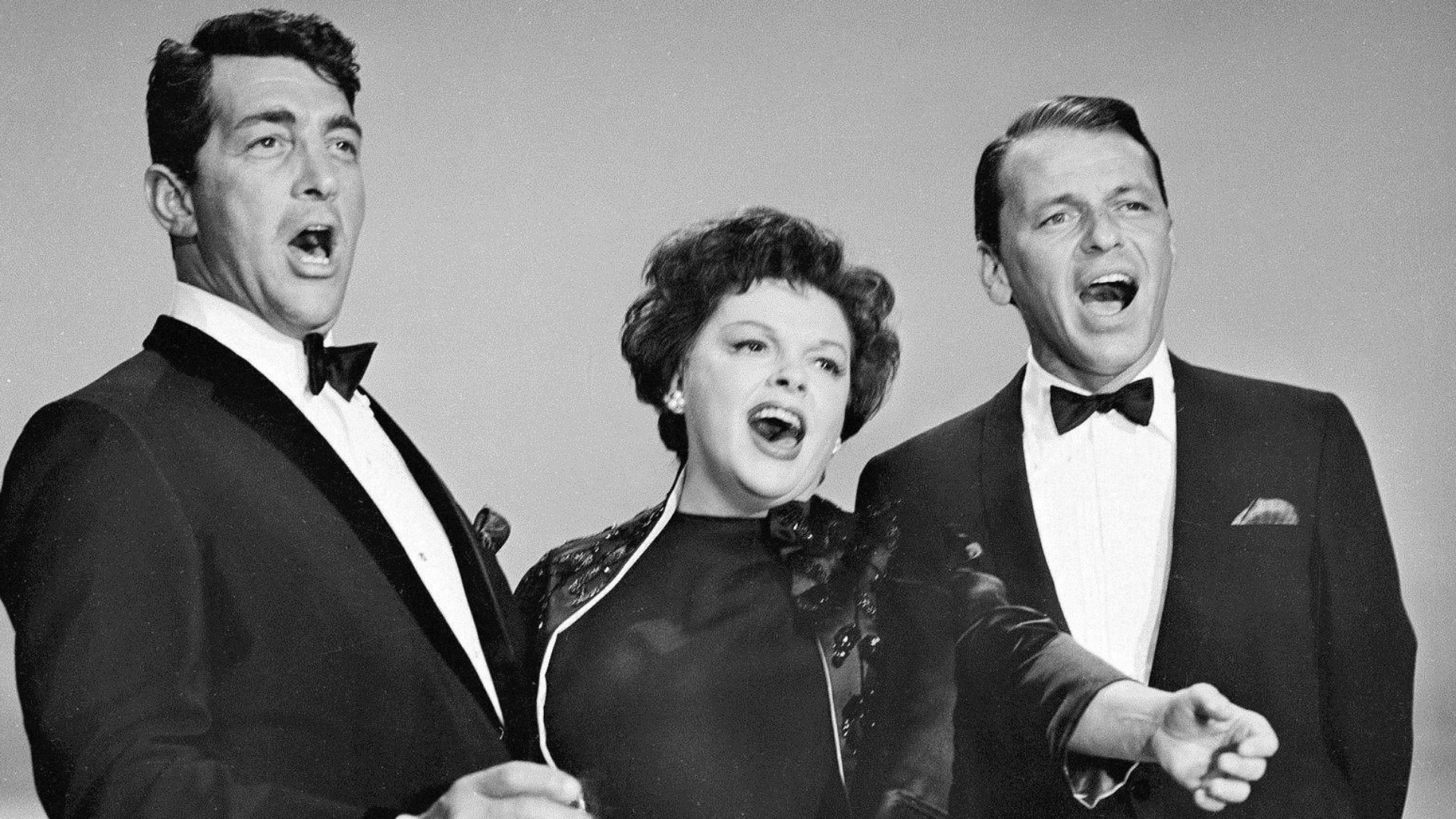
The Judy Garland Show (1963–1964)
The Judy Garland Show lasted only one season, but it has a long afterlife because Garland herself was such a powerful presence. The format mixed musical performances, guest stars, and attempts at variety-show structure, though the best moments were often just Garland singing. Sometimes television history comes down to one performer refusing to be forgettable.
 CBS Television, Wikimedia Commons
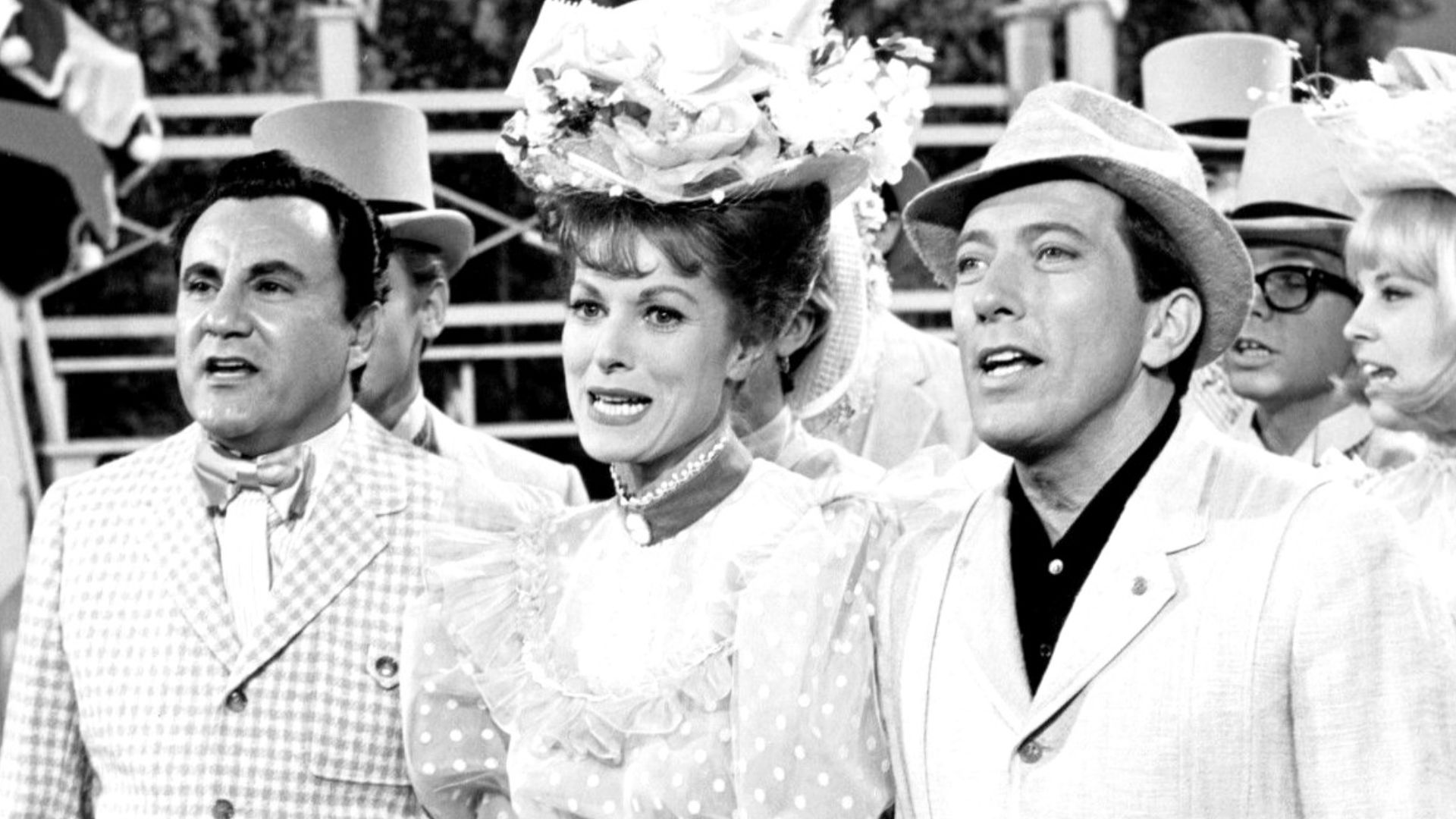
The Andy Williams Show (1962–1971)
The Andy Williams Show was smooth, musical, and extremely comfortable. Williams welcomed singers, comedians, dancers, and recurring guests in a style that felt more like a friendly evening than a frantic performance showcase. It was the kind of show parents trusted, grandparents loved, and kids tolerated until something weird happened.
 CBS Television, Wikimedia Commons
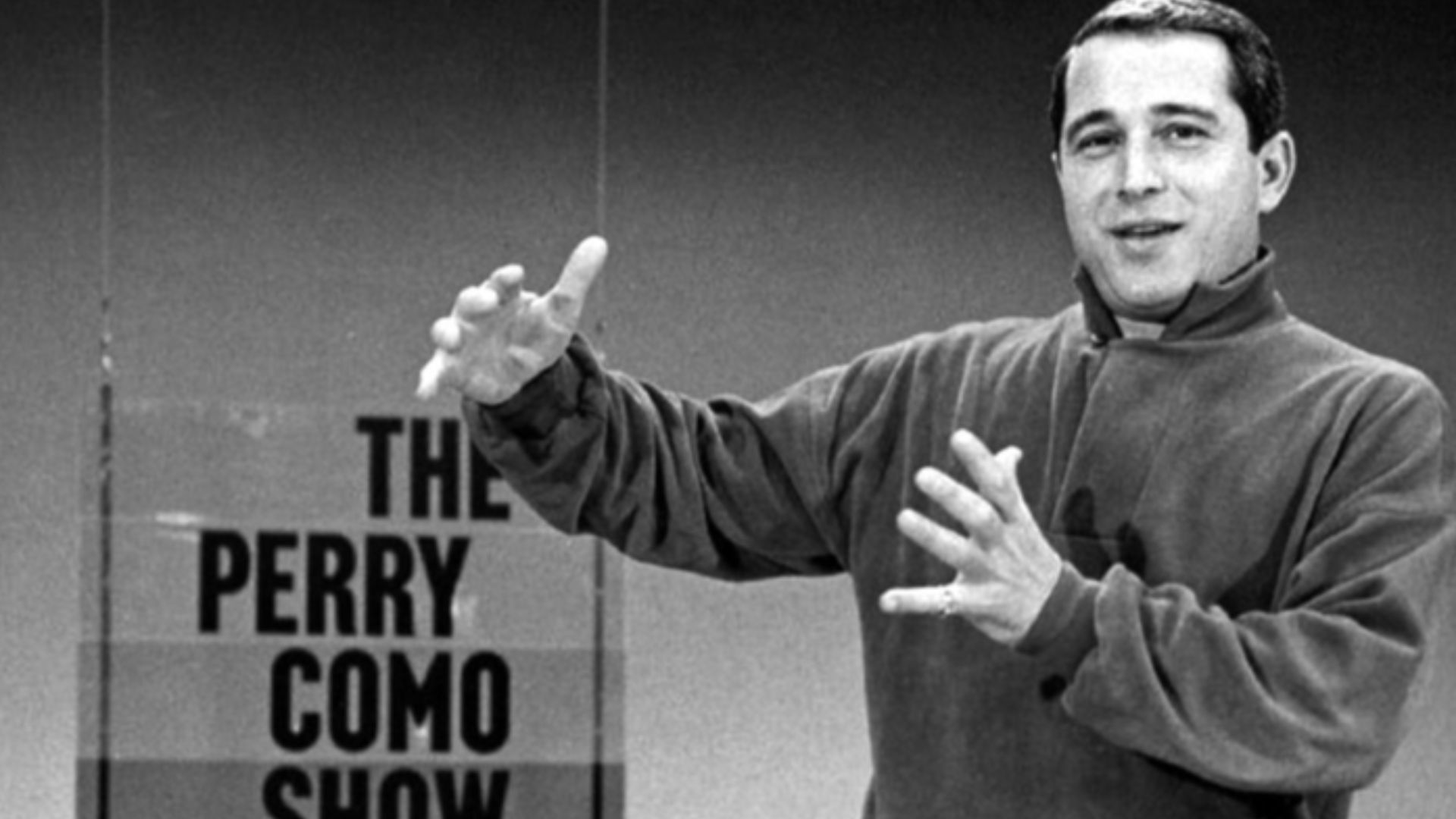
The Perry Como Show / Perry Como’s Kraft Music Hall (1955–1967)
Perry Como’s television presence was famously relaxed, almost aggressively calm. His shows blended popular music, comedy, celebrity guests, and easygoing charm in a way that made viewers feel like nothing bad could happen for the next hour. Modern audiences might call it slow TV, but millions found that softness comforting.
 NBC Television, Wikimedia Commons
The Bell Telephone Hour (1959–1968)
The Bell Telephone Hour was the fancy cousin of 1960s variety television. Instead of just comedy bits and pop guests, it featured opera, classical music, ballet, Broadway performers, and major entertainers. It gave network audiences a polished arts showcase, which is noble, impressive, and probably a tough sell between TikToks.
The Kraft Music Hall (1967–1971)
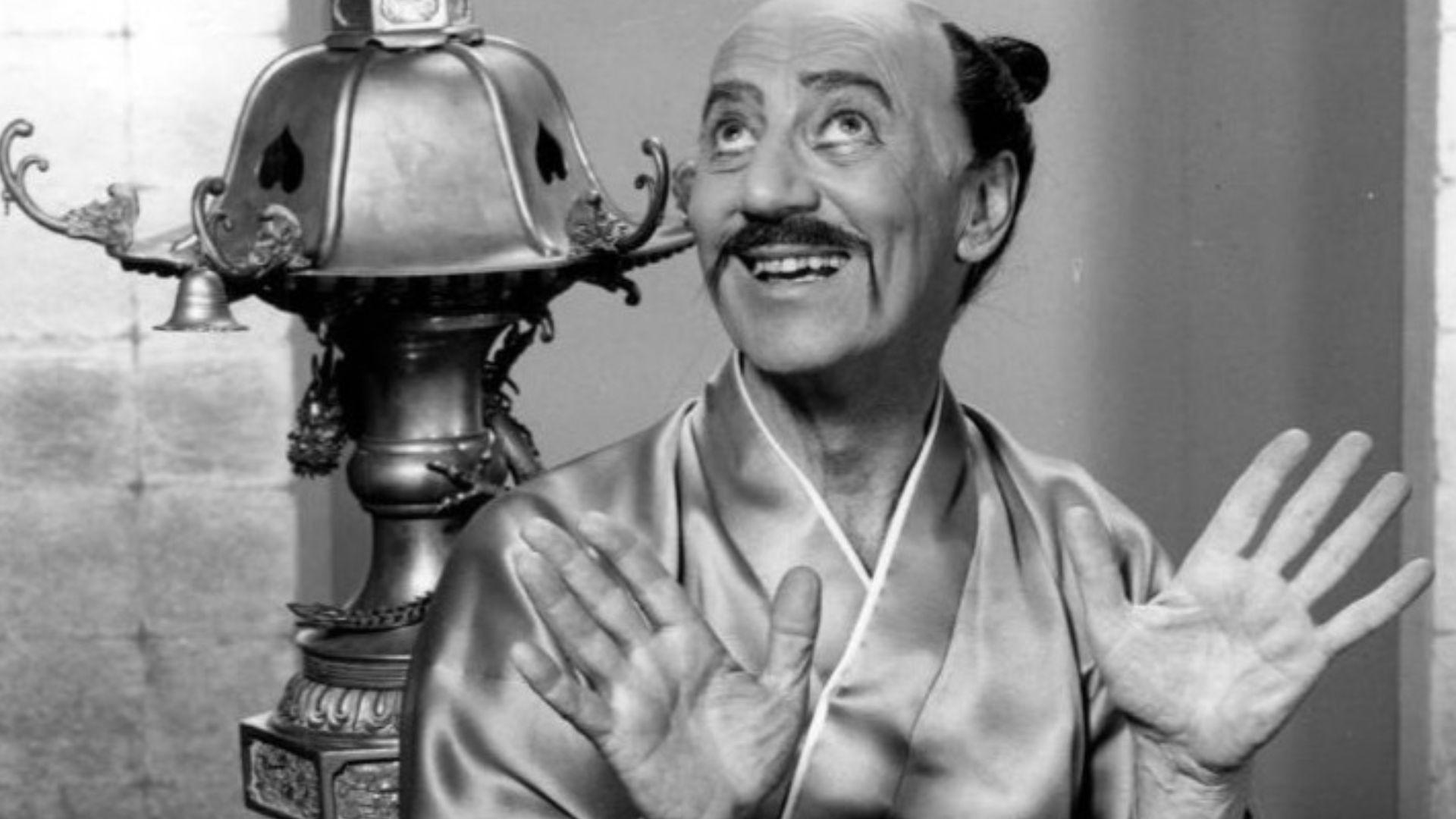
After Perry Como’s long association with the format, The Kraft Music Hall continued as a rotating-host variety showcase. The show leaned into music, comedy, and celebrity appearances, keeping the old variety model alive as television tastes started changing. It still had the anything-goes feeling of a stage show squeezed into prime time.
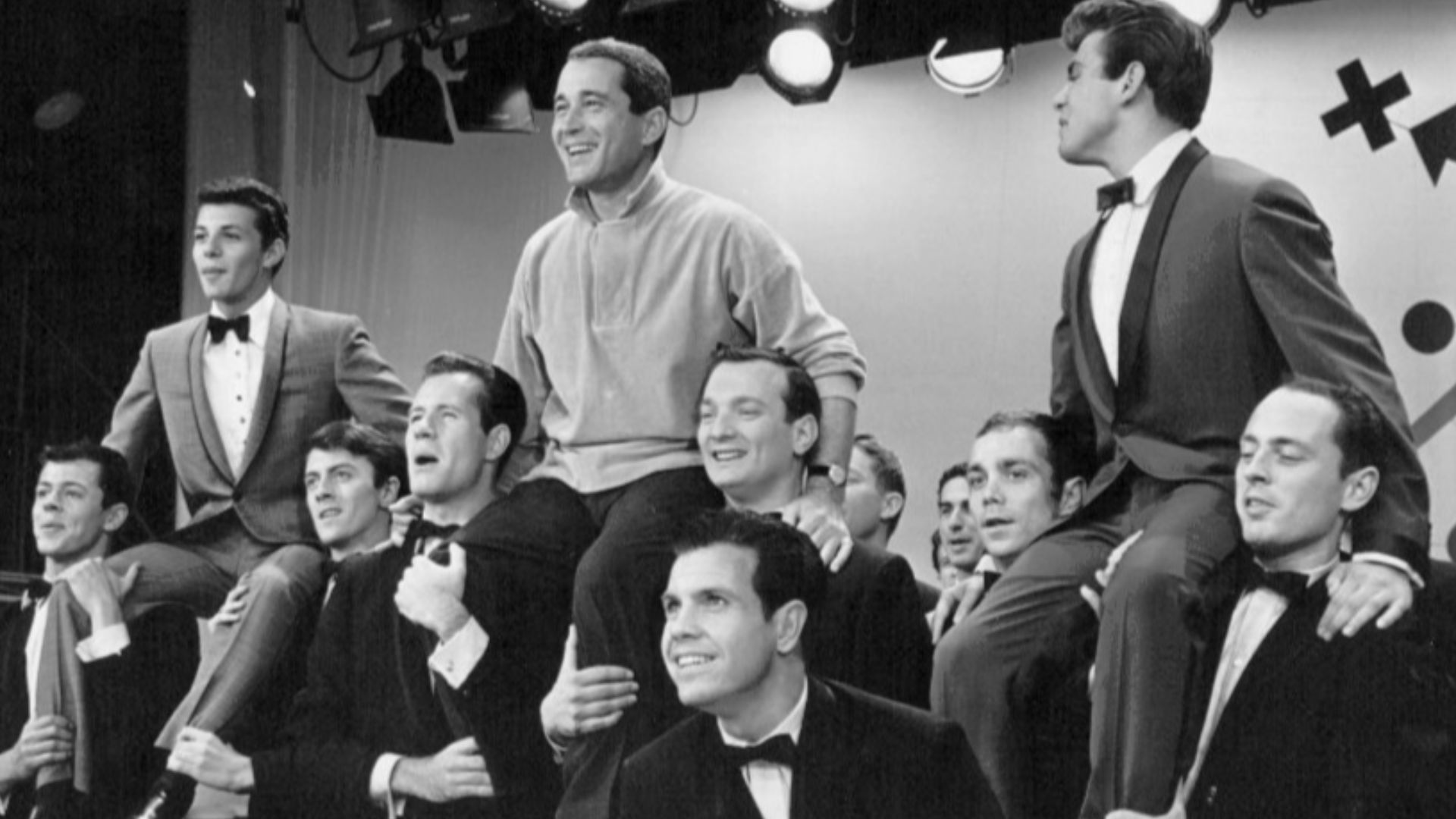 Photo by Friedman-Abeles, New York, Wikimedia Commons
The Jimmy Dean Show (1963–1966)
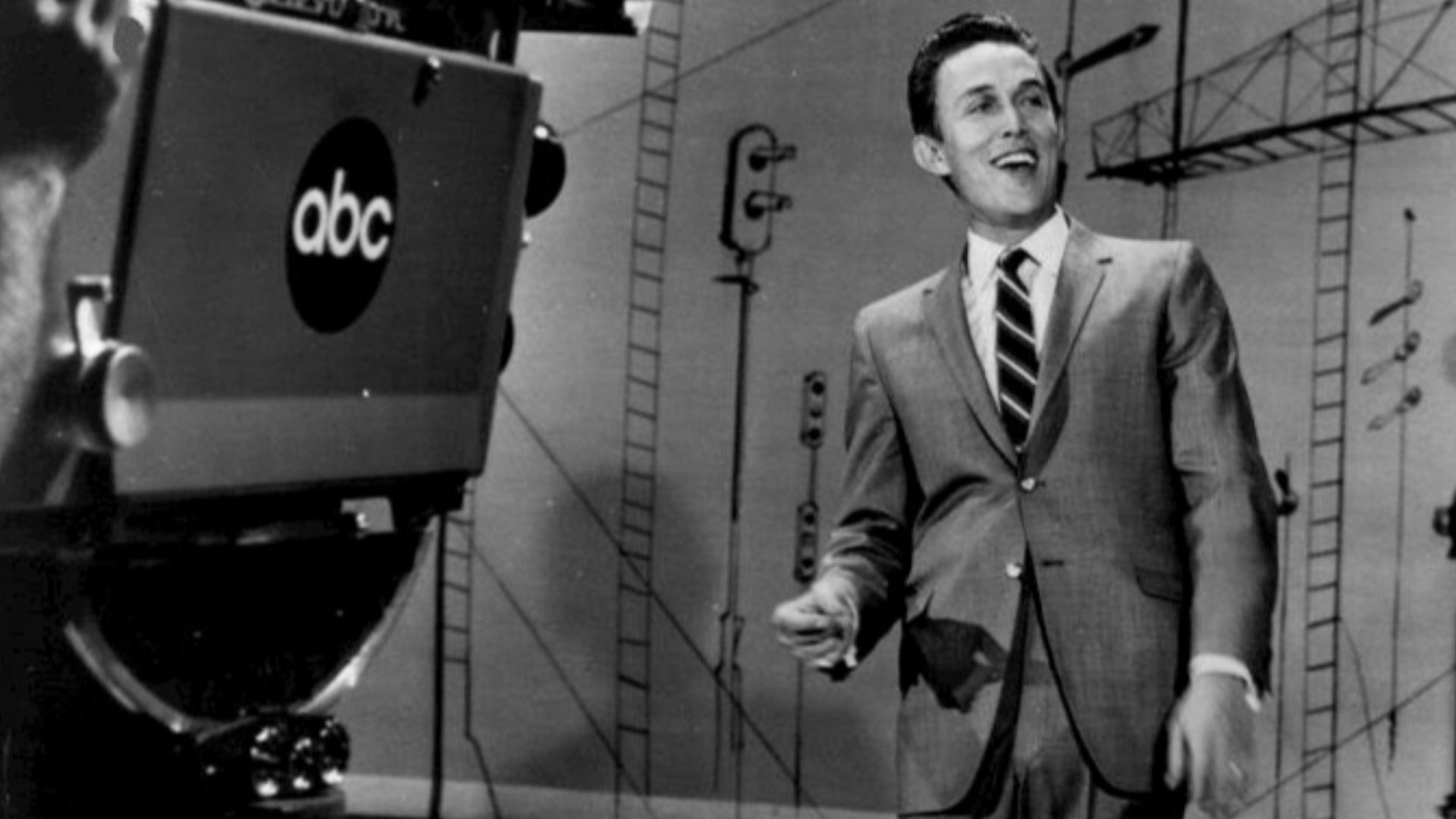
Jimmy Dean brought country warmth to network variety television, mixing musical guests, comedy, and recurring performers. The show is also remembered for giving Rowlf the Dog, performed by Jim Henson, a major early television showcase. Imagine tuning in for country music and accidentally witnessing Muppet history before anyone called it that.
 ABC Television, Wikimedia Commons
The Roger Miller Show (1966)
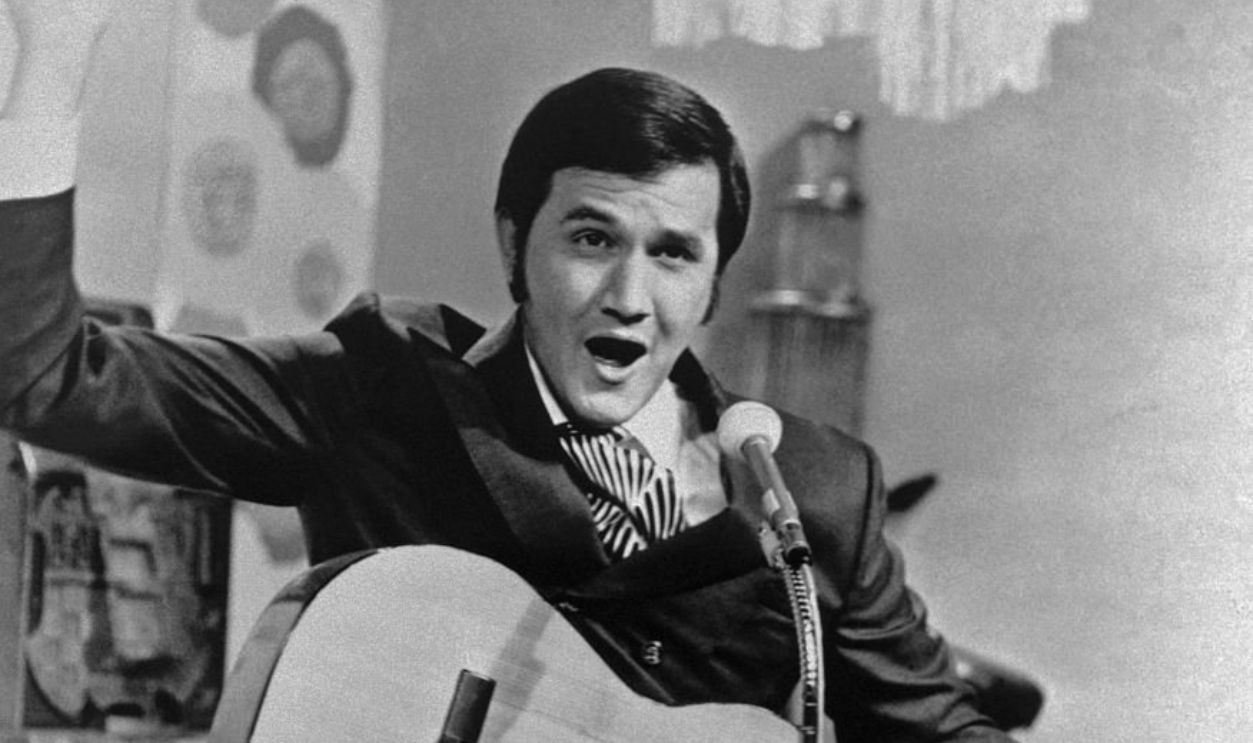
The Roger Miller Show was short-lived, but it made sense on paper. Miller had wit, musical talent, and the kind of offbeat personality variety television loved. His songs already sounded like tiny comedy sketches with melodies attached, so a music-and-comedy series built around him was almost too logical to last.
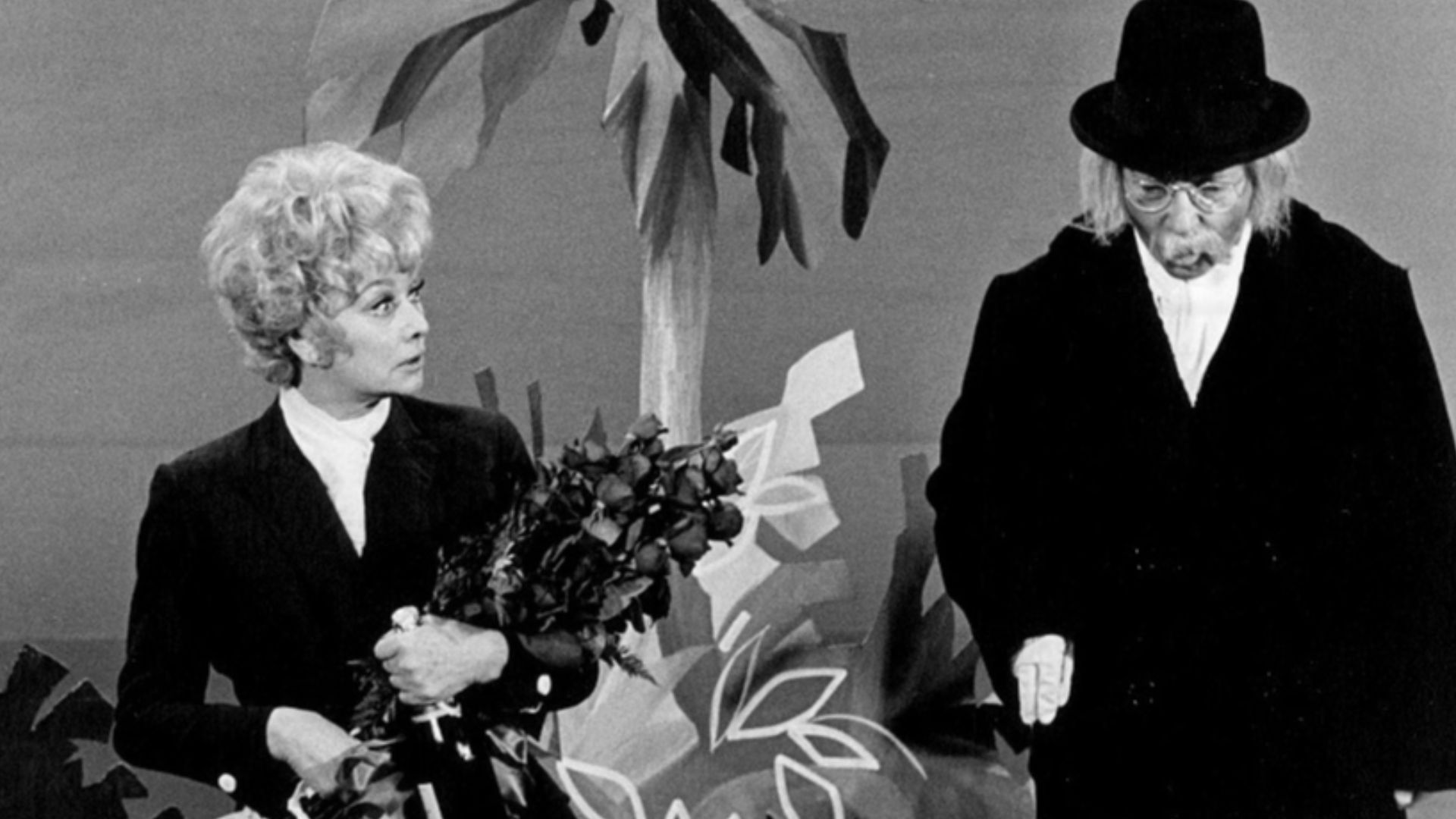
The Glen Campbell Goodtime Hour (1969–1972)
The Glen Campbell Goodtime Hour arrived near the end of the decade and helped bridge country, pop, and mainstream variety television. Campbell had musical credibility, easy charm, and access to major guests. The show felt friendly and polished, like someone had moved Nashville into a prime-time living room.
 CBS Television, Wikimedia Commons
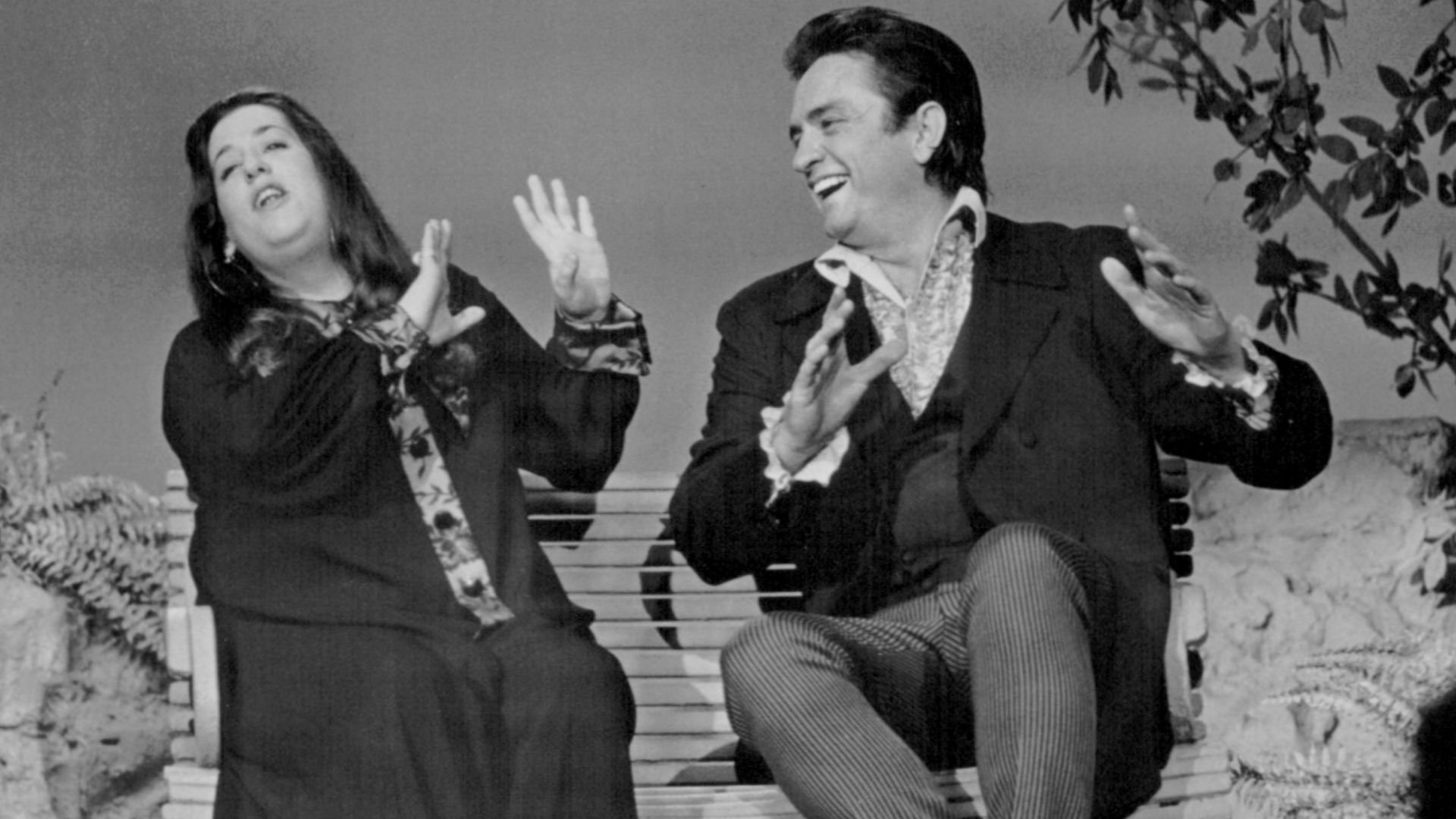
The Johnny Cash Show (1969–1971)
The Johnny Cash Show had a cooler edge than many variety programs because Cash’s musical world was so broad. He welcomed country, folk, gospel, blues, rock, and major counterculture voices onto the stage. It felt less like a random variety hour and more like a weekly argument for American music.
 ABC Television., Wikimedia Commons
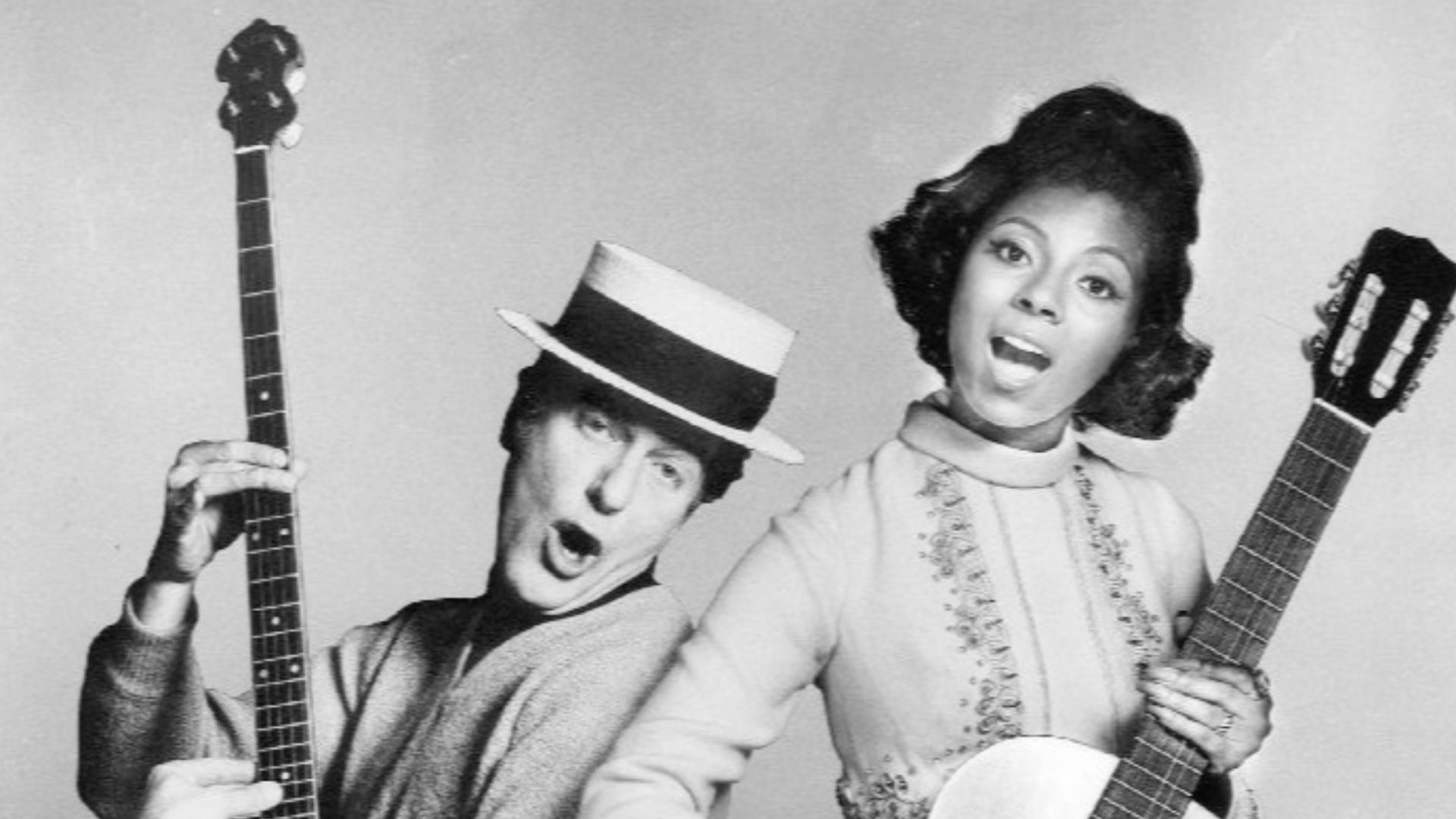
The Leslie Uggams Show (1969)
The Leslie Uggams Show was historically important as a network variety vehicle led by a Black female performer during an era when that was still far too rare. Uggams brought singing, comedy, and elegance to the format. The show did not last long, but its existence still matters.
 CBS Television, Wikimedia Commons
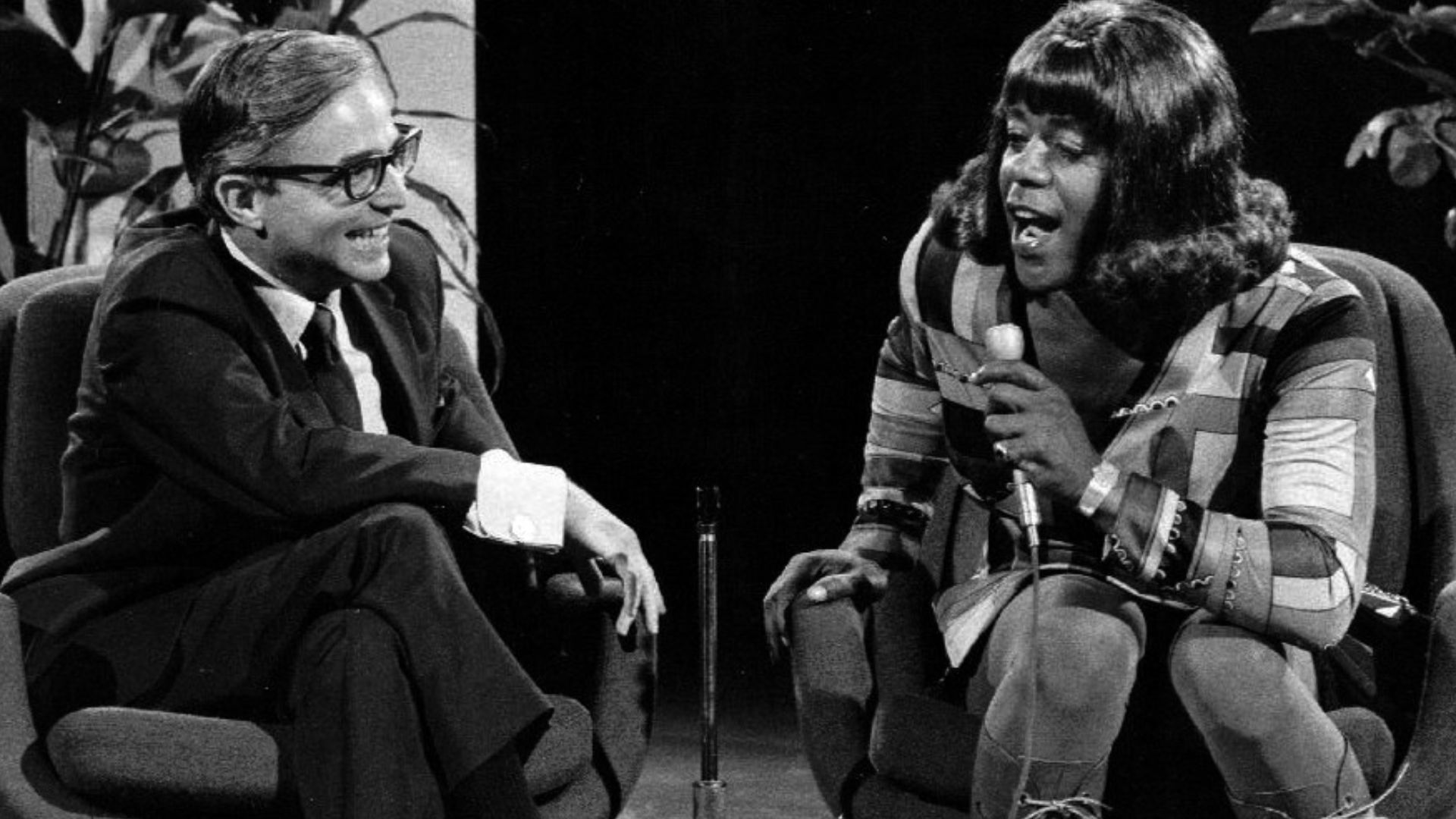
Flip Wilson’s 1960s Variety Appearances
The Flip Wilson Show technically began in 1970, so it sits just outside a strict 1960s list. But Wilson’s many 1960s variety appearances helped build the star power that made his own series possible. By the decade’s end, television was clearly ready for a different kind of variety-show host.
 NBC Television., Wikimedia Commons
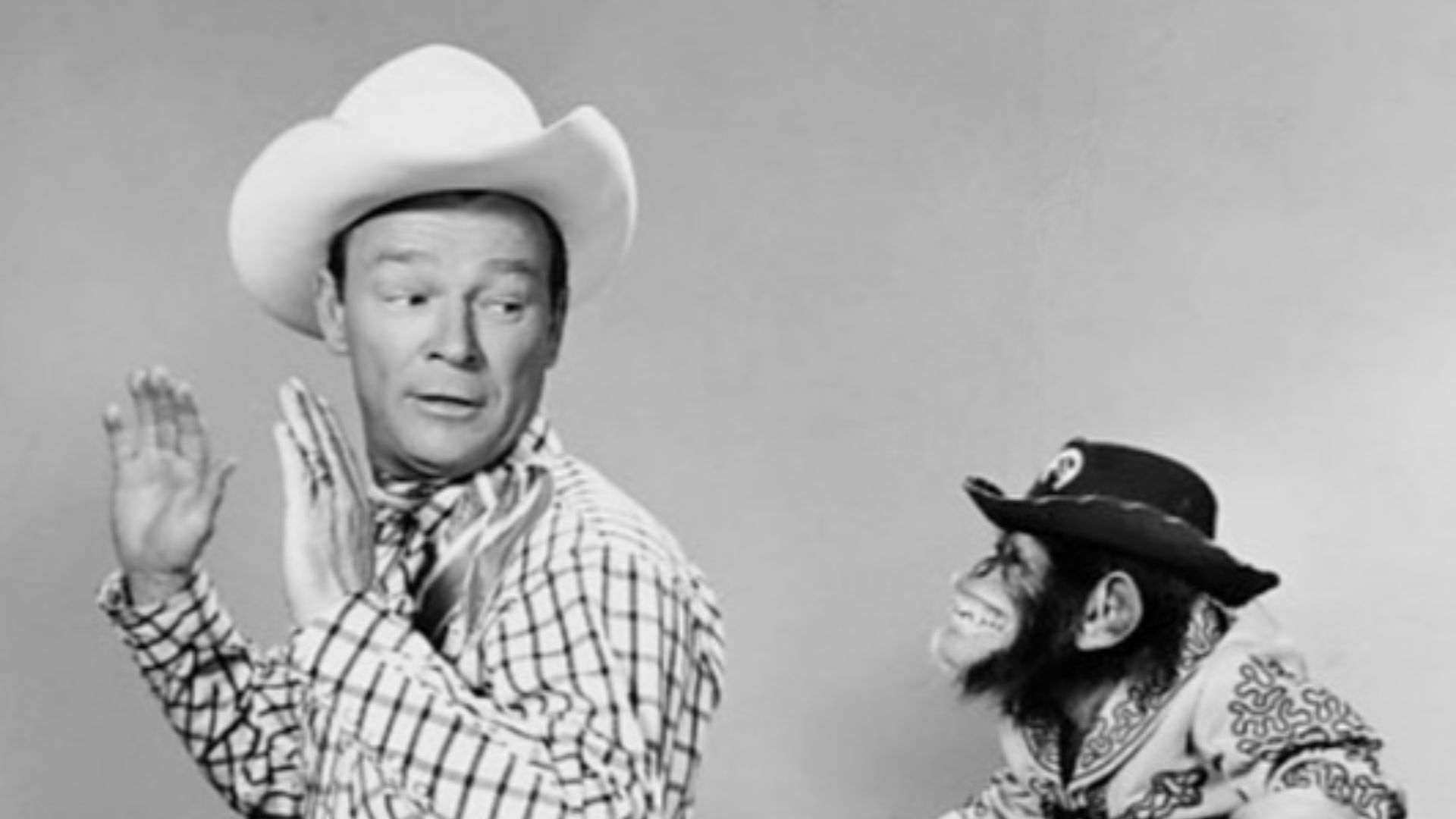
The Dinah Shore Chevy Show (1956–1963)
Dinah Shore’s Sunday-night variety show carried old-school glamour into the early 1960s. It featured music, comedy, dancing, and major celebrity guests, all wrapped in a polished network package. Shore made hosting look gracious and effortless, which is probably why the show felt less like chaos and more like a weekly event.
 NBC Television, Wikimedia Commons
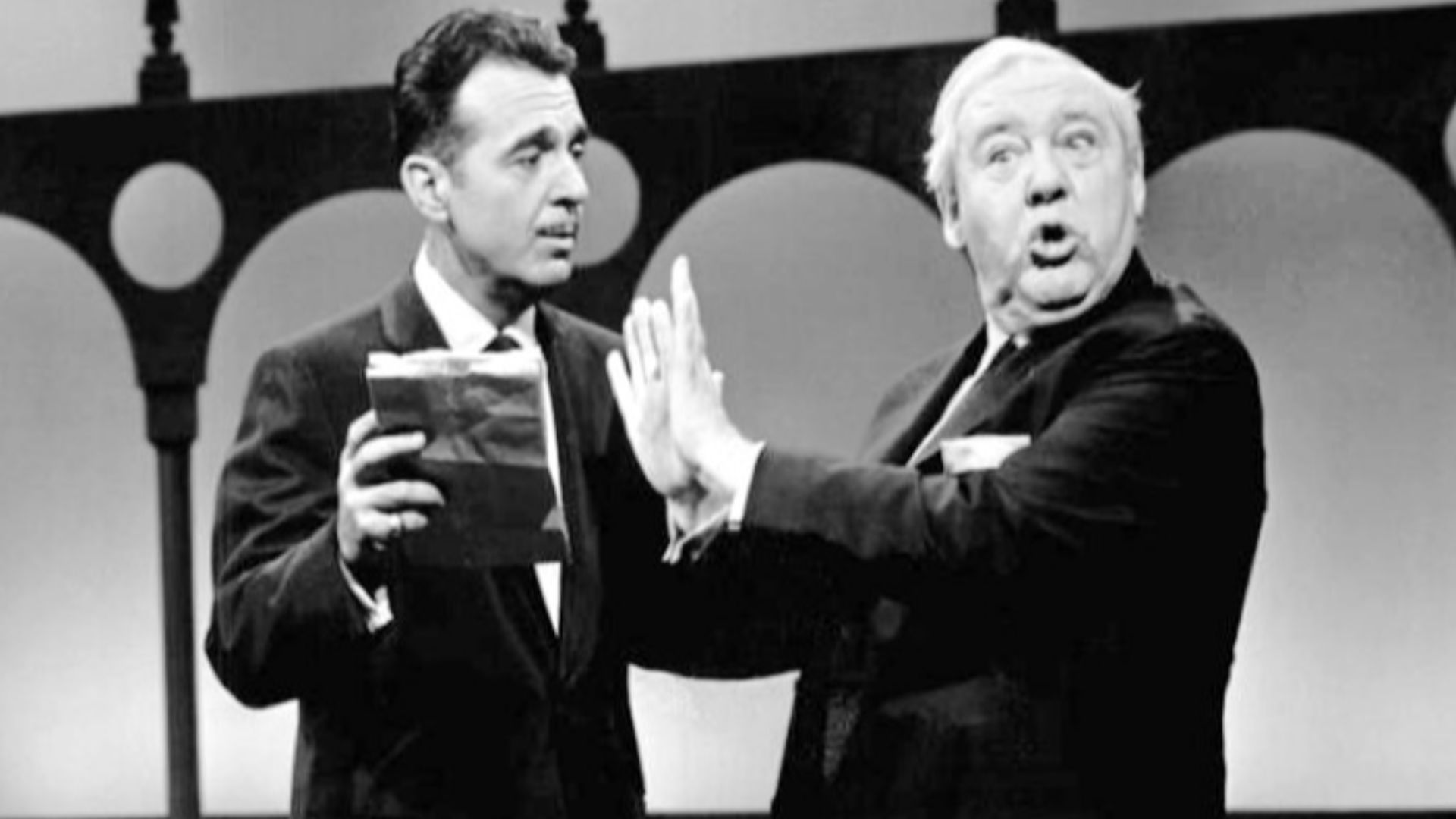
The Tennessee Ernie Ford Show (1956–1961)
The Tennessee Ernie Ford Show brought country, gospel, comedy, and guest performers into prime-time variety television. Ford’s booming voice and easy personality made the show feel warm and familiar. It belonged to the first wave of TV variety, when a host with a signature voice could carry an entire evening.
The Entertainers (1964–1965)
The Entertainers was an ambitious variety show with Carol Burnett, Bob Newhart, and Caterina Valente among its core stars. That lineup sounds incredible now, but the series did not last long. Still, it captured the era’s belief that one program could juggle stand-up, sketches, songs, and international glamour.
 CBS Television, Wikimedia Commons
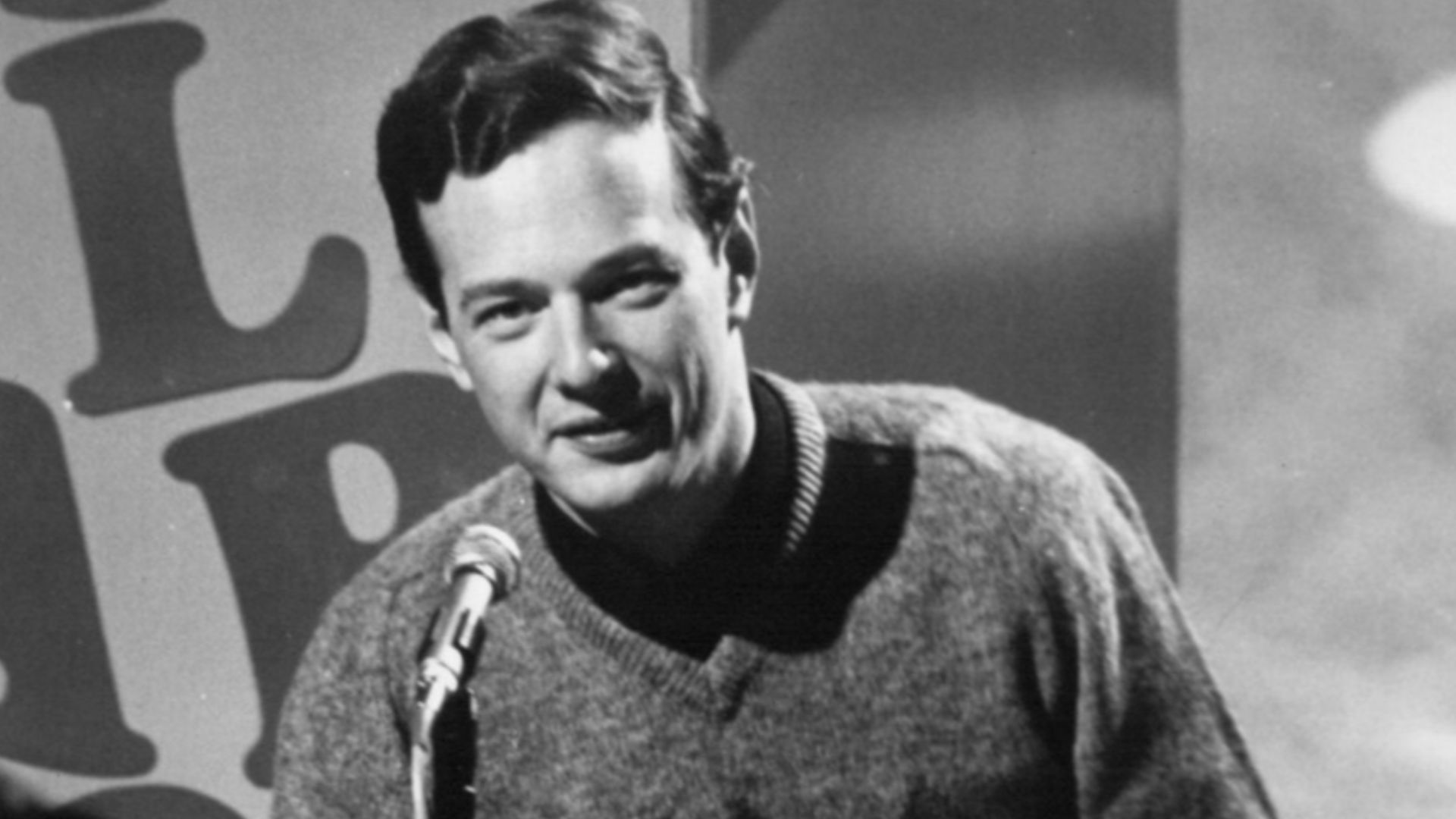
Hullabaloo (1965–1966)
Hullabaloo was television trying very hard to look young, hip, and plugged into the pop explosion. It featured rock, Motown, British Invasion acts, dancers, and energetic hosts, all packaged for a youth audience. Compared to older variety shows, it felt louder, brighter, and much more likely to cause parental confusion.
 NBC Television, Wikimedia Commons
Shindig! (1964–1966)
Shindig! helped bring rock and pop directly into American homes at a time when youth music was becoming impossible to ignore. The show featured British Invasion bands, soul singers, American rock acts, dancers, and teen idols. It was a weekly reminder that television could chase teenagers instead of just their parents.
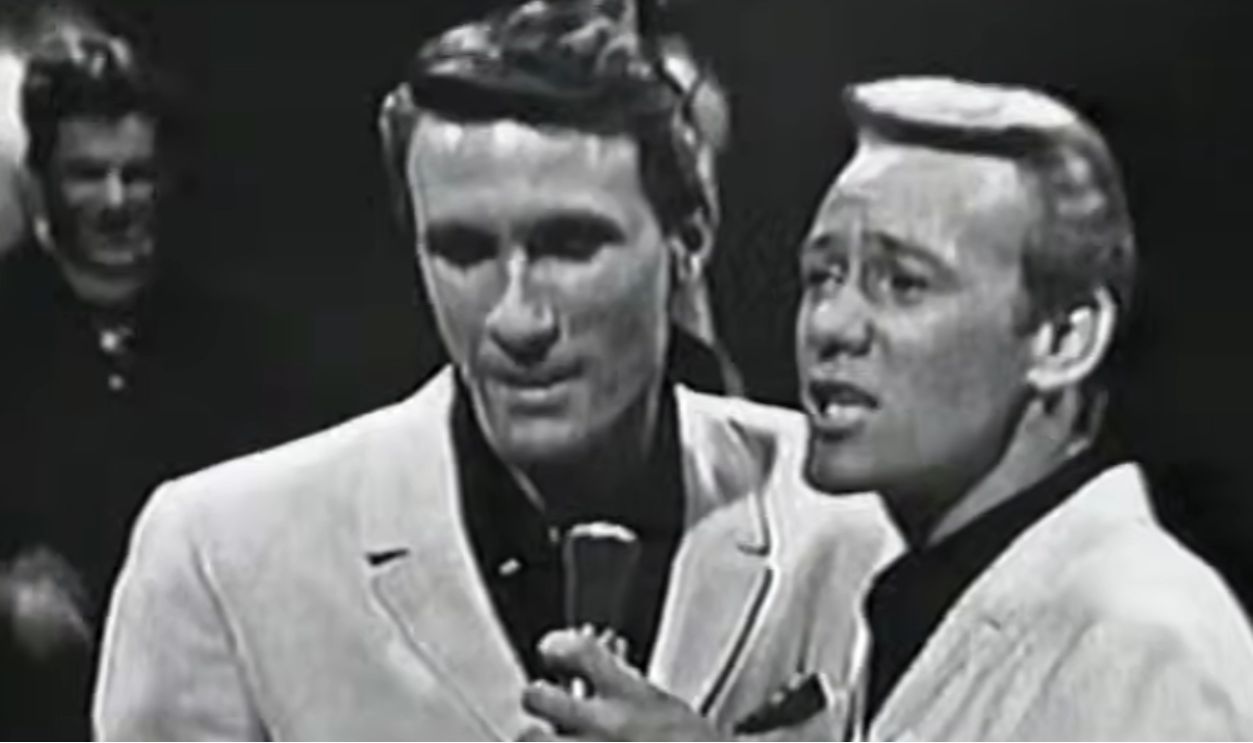 Screenshot from Shindig!, ABC (1964–1966)
The Steve Allen Playhouse (1962–1964)
Steve Allen had already helped shape late-night television, and The Steve Allen Playhouse let him keep experimenting with sketches, music, interviews, celebrity guests, and improvisational comedy. Allen always seemed happiest when things felt a little loose. His humor was clever, strange, and very much built for viewers willing to follow the bit.
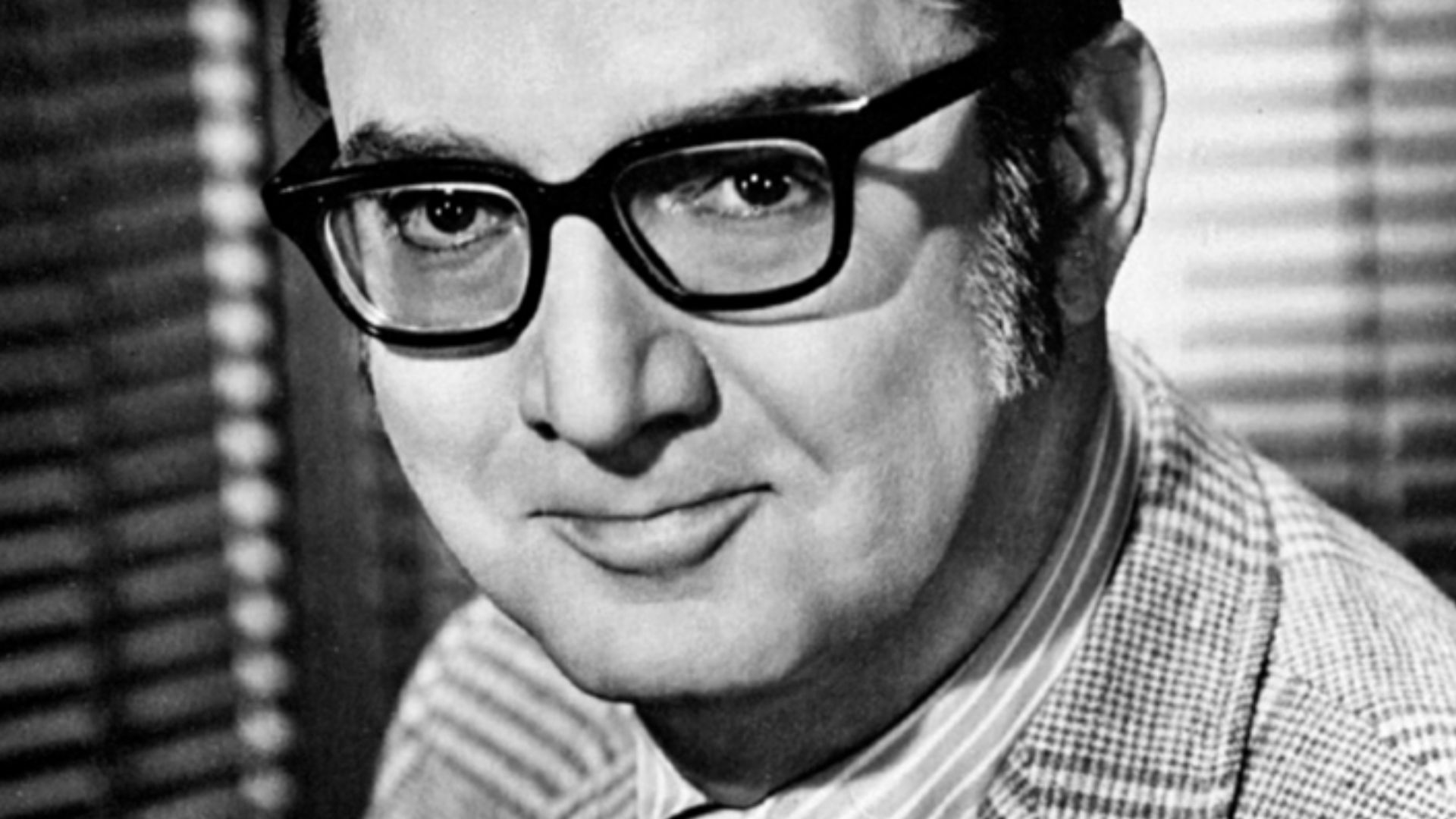
The Jerry Lewis Show (1967–1969)
Jerry Lewis brought his massive comic personality to this NBC variety series, mixing sketches, musical numbers, celebrity guests, and physical comedy. The show gave him a regular TV platform after years of movie fame. It could be loud and uneven, but subtlety was never really the point of Jerry Lewis.
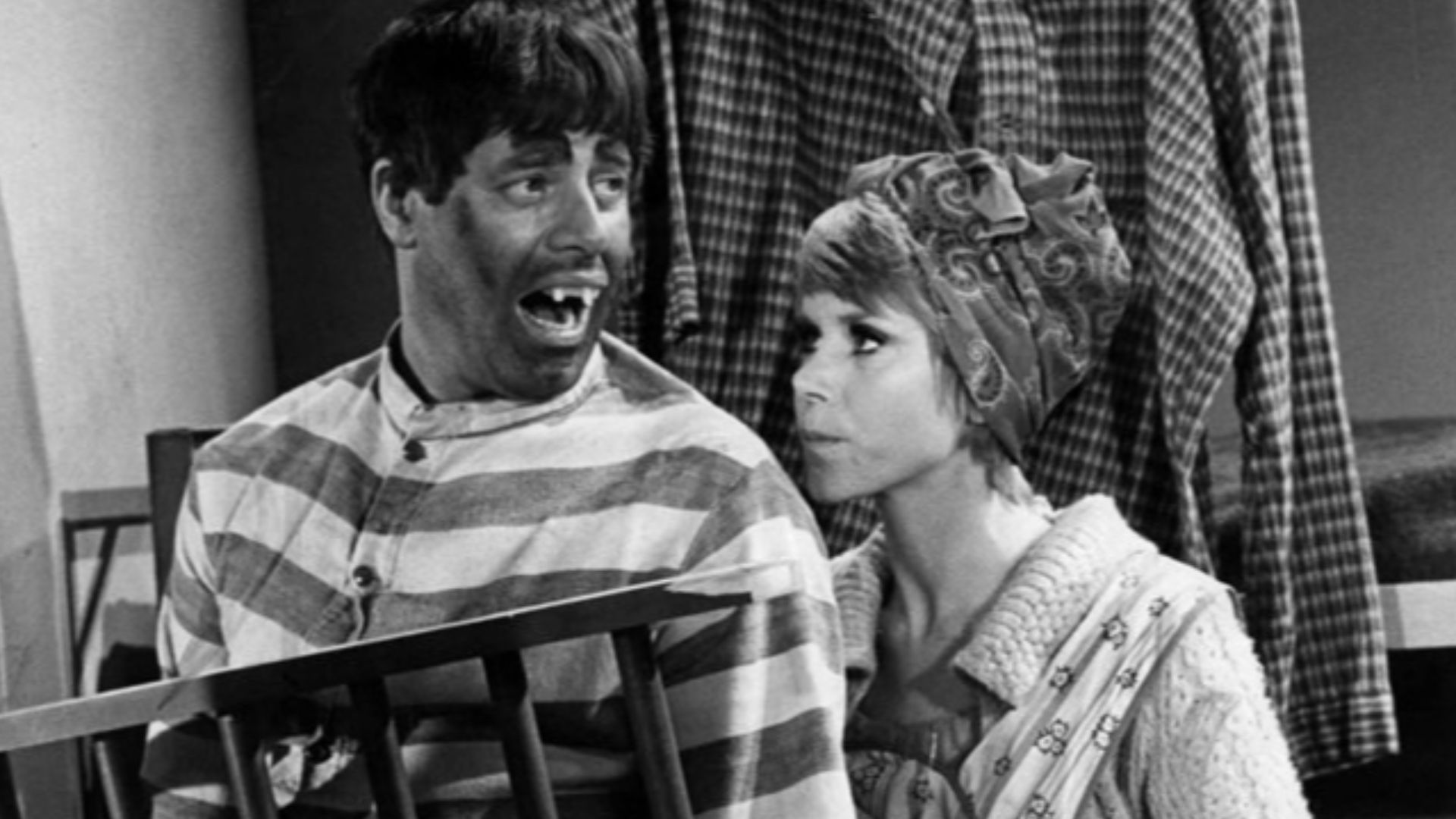 NBC Television, Wikimedia Commons
The Jonathan Winters Show (1967–1969)
Jonathan Winters was one of those performers who could make a simple setup feel unstable in the best way. His variety show leaned into sketches, music, guests, and, most importantly, his improvisational characters. You watched partly to see what he planned and partly to see what his brain might invent mid-sentence.
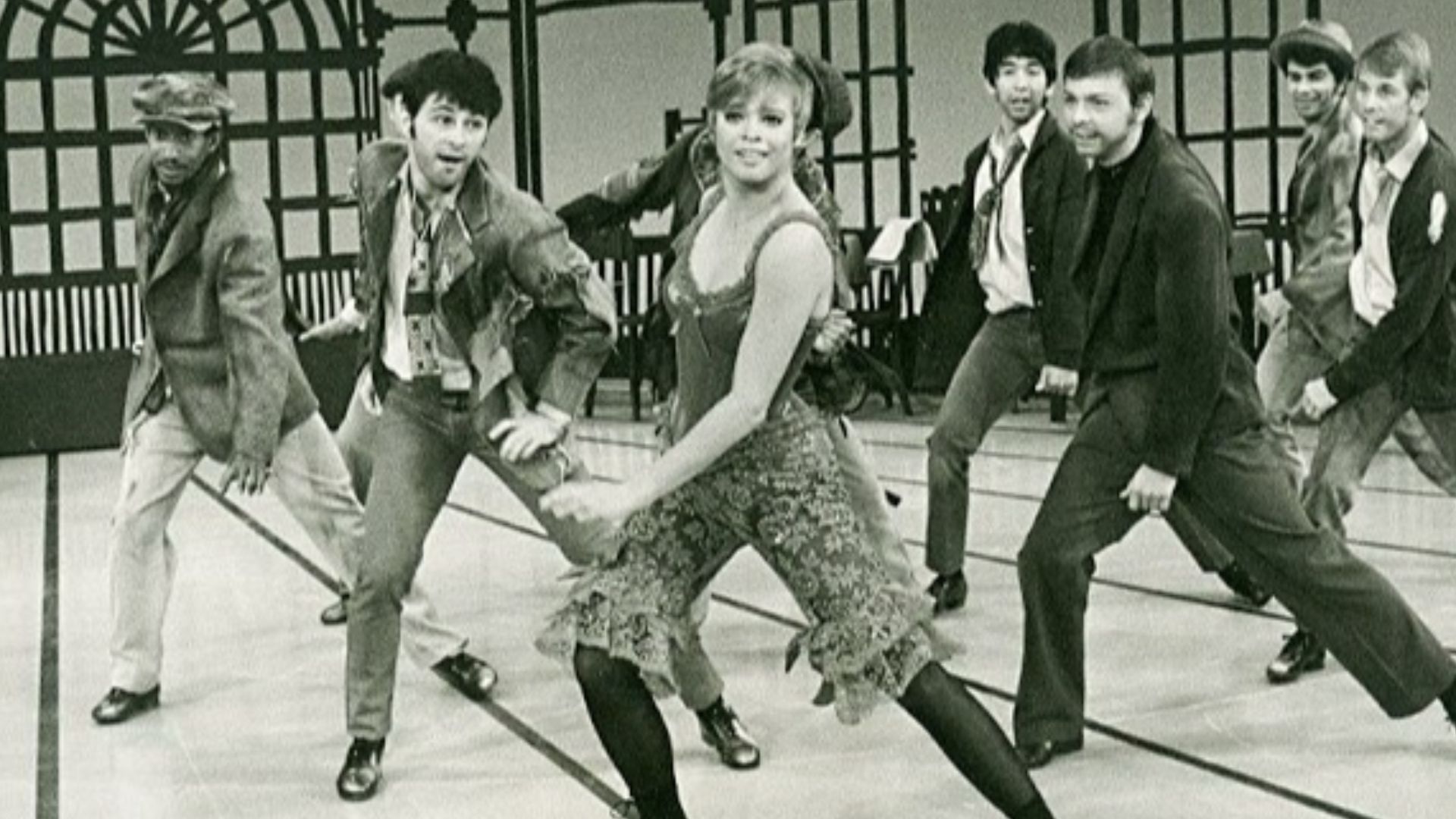 unknown (CBS-TV), Wikimedia Commons
The Don Ho Show (1968–1969)
The Don Ho Show brought Hawaiian lounge style to daytime television, mixing music, comedy, guest performers, and Ho’s relaxed charm. It was less frantic than many prime-time variety shows, but that was part of the appeal. It felt like television had briefly put on a lei and ordered something fruity.
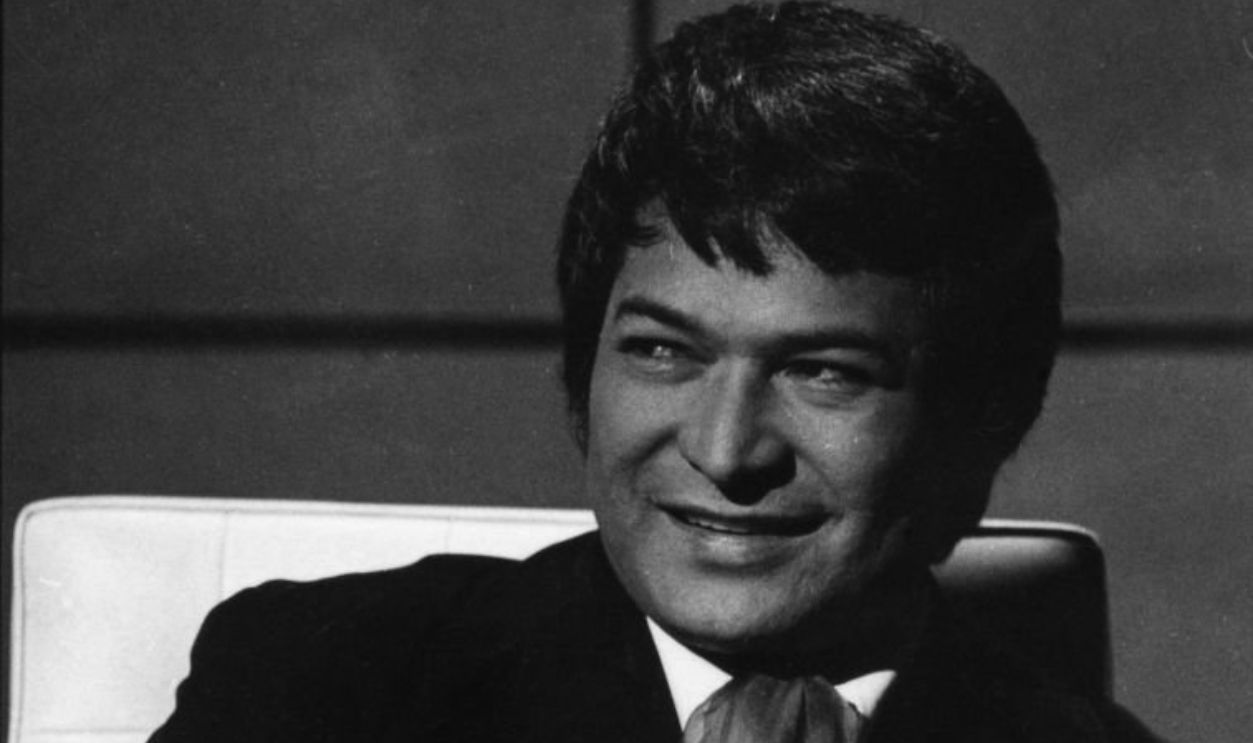 Donaldson Collection, Getty Images
You May Also Like:
50s Sitcoms That Were Surprisingly Ahead Of Their Time
Movie Villains From The 1960s Who Were Too Strange To Forget—Are They Just As Scary Today?