Television Was Experimenting
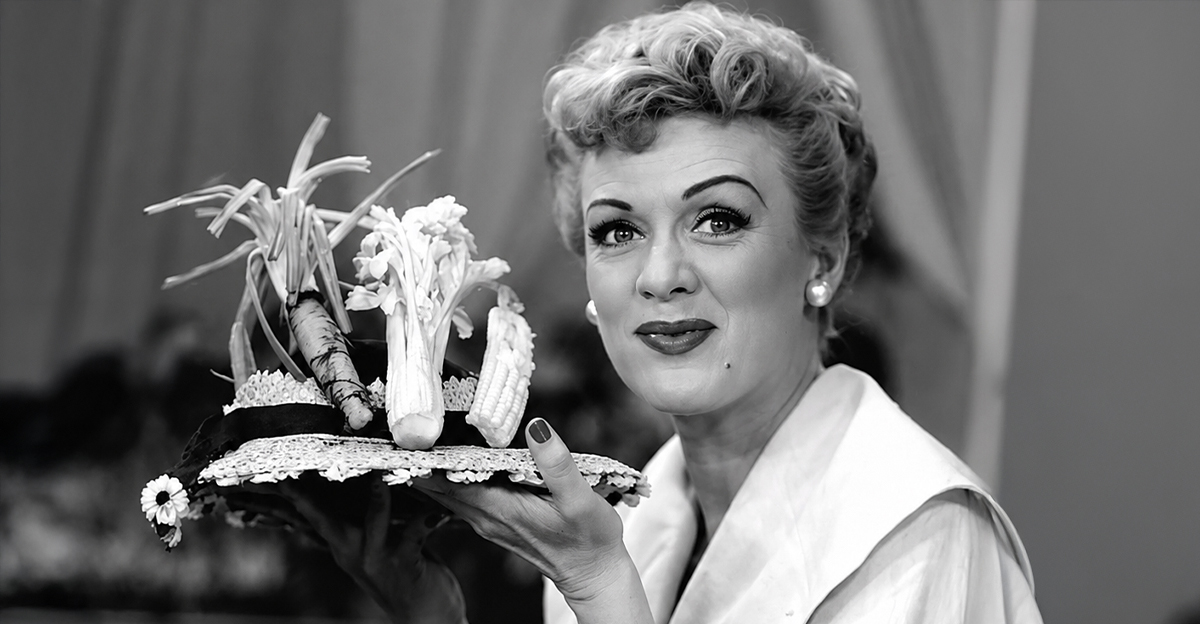
The 1950s sitcom is remembered as a world of obedient children, immaculate kitchens, and fathers dispensing wisdom. That television certainly existed, but so did working women, ethnic families, struggling blue-collar couples, unconventional marriages, and surprisingly self-aware comedy. Early television was often much more experimental than nostalgia suggests. (Above: Eve Arden in Our Miss Brooks)
 CBS Television, Wikimedia Commons
The Goldbergs
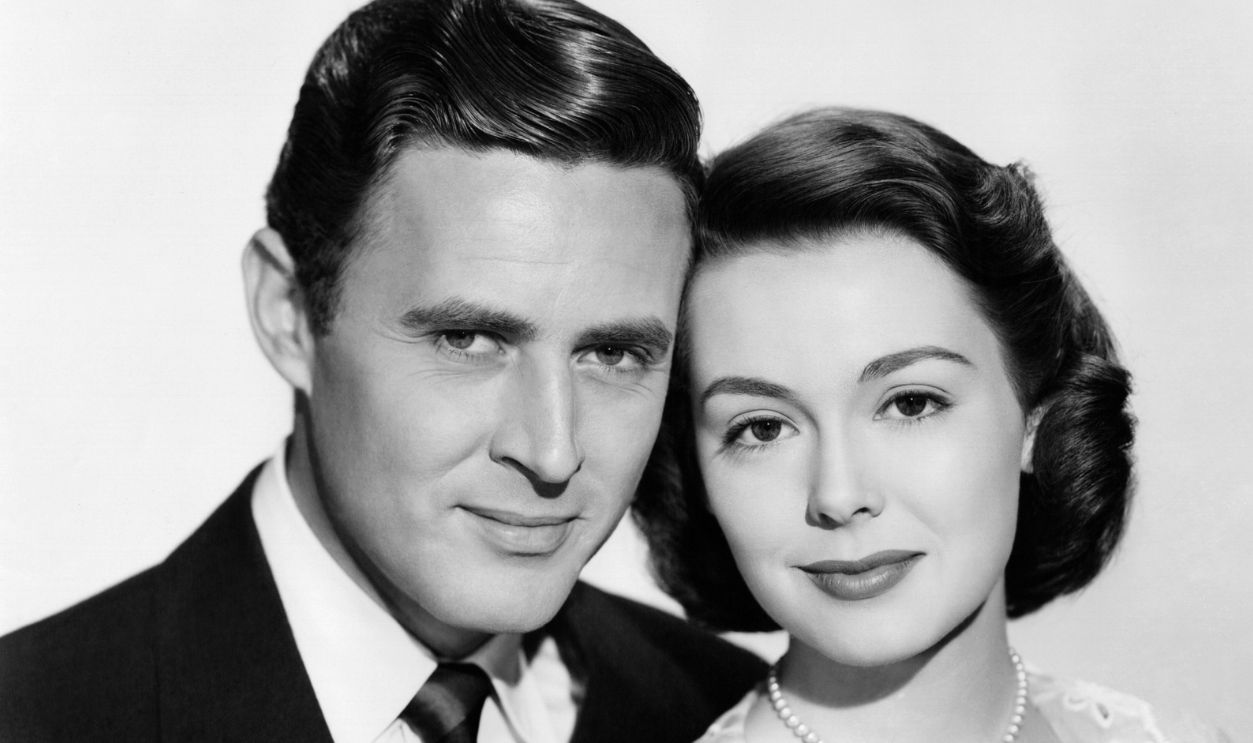
Gertrude Berg had already created Molly Goldberg for radio before bringing the Jewish family comedy to television in 1949. Berg wasn't merely its star. She was a writer, producer, and formidable creative force at a time when women rarely wielded such authority, making The Goldbergs a remarkable early television achievement.
 De Carvalho Collection, Getty Images
The Life Of Riley
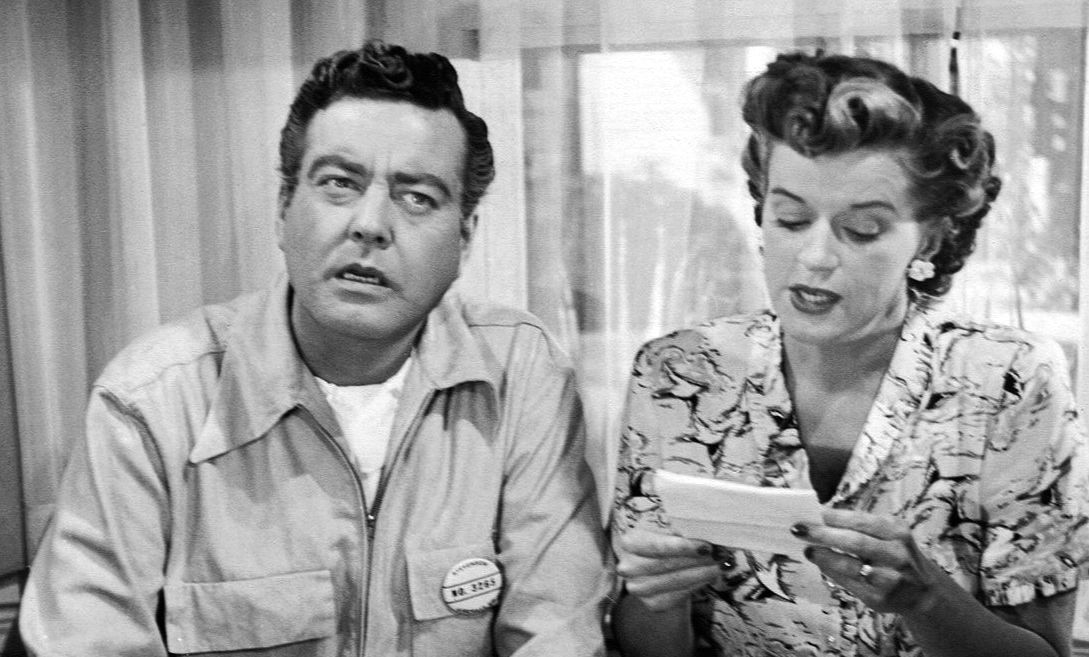
Forget the spacious suburban homes associated with 1950s television. The Life of Riley centered on airplane riveter Chester A. Riley, played most memorably by William Bendix, and his working-class family. Its money worries, workplace frustrations, and perpetually exasperated breadwinner helped establish the blue-collar sitcom decades before Archie Bunker.
 NBC Television, Wikimedia Commons
Beulah
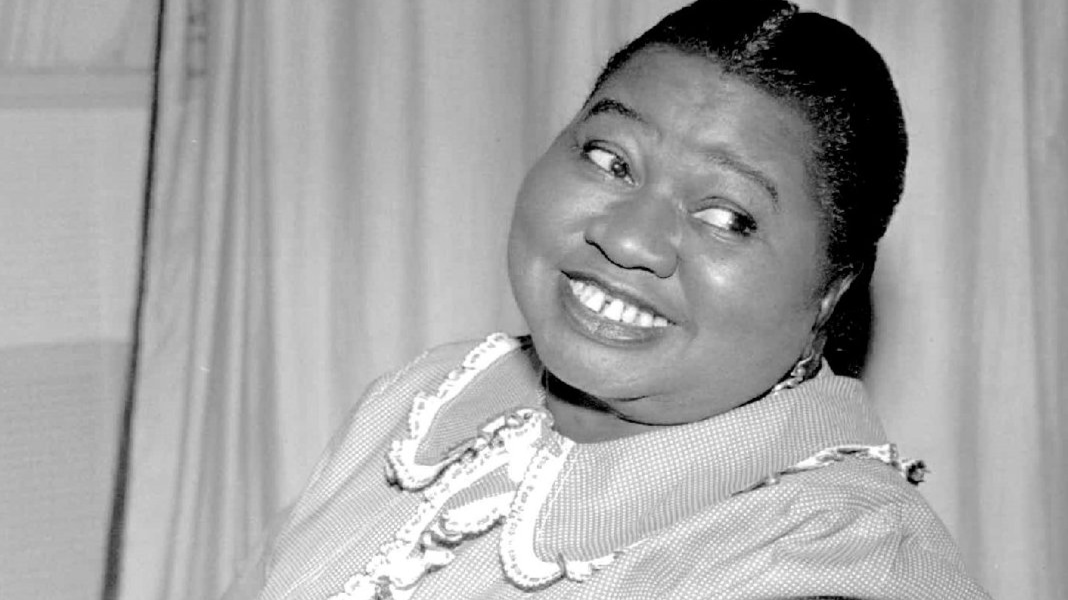
Beulah deserves discussion for both its breakthrough and its shortcomings. Ethel Waters became the first African American to star in a nationally broadcast weekly television series, later succeeded by Louise Beavers. Yet Beulah remained a domestic servant, illustrating how early television could break one racial barrier while reinforcing another.
The George Burns And Gracie Allen Show
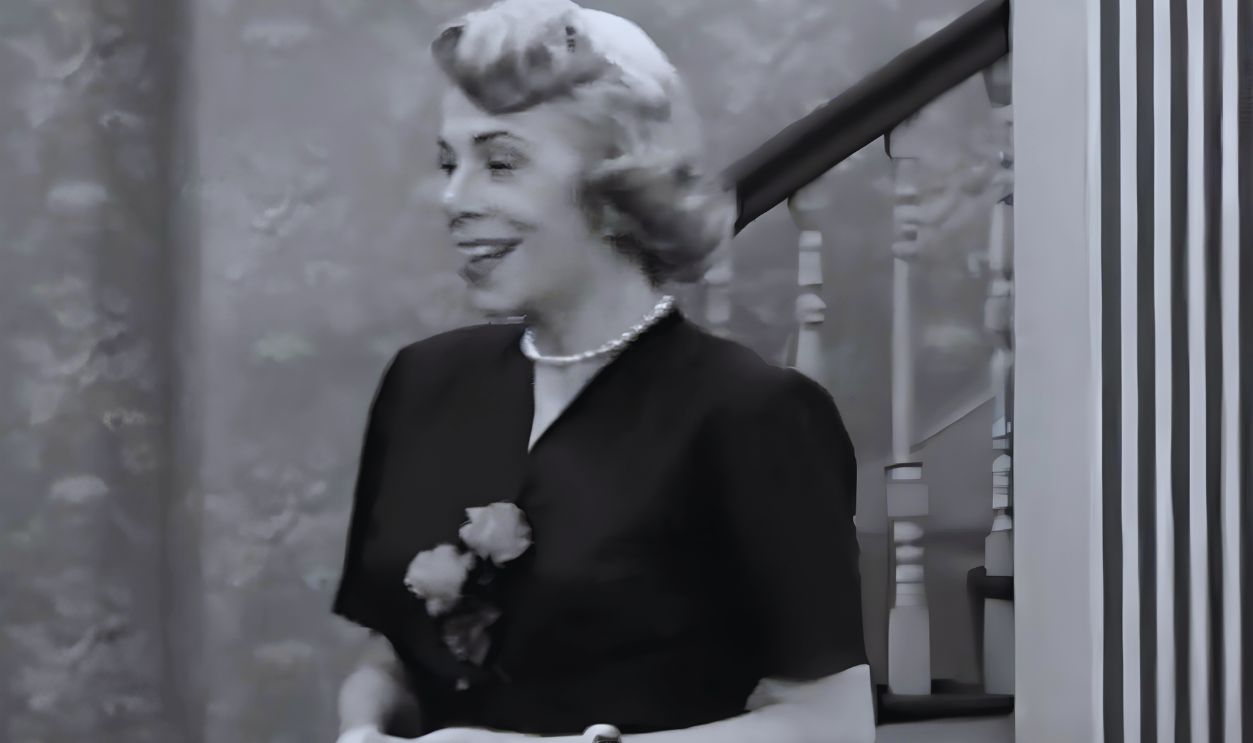
George Burns and Gracie Allen essentially invited viewers into a fictionalized version of their own lives. The series portrayed a working show-business marriage and gleefully demolished the fourth wall, with Burns commenting directly on events. Its mixture of domestic sitcom and self-aware comedy feels surprisingly modern today.
 Screenshot from The George Burns and Gracie Allen Show, Paramount Global (1950-1958)
The Hank McCune Show
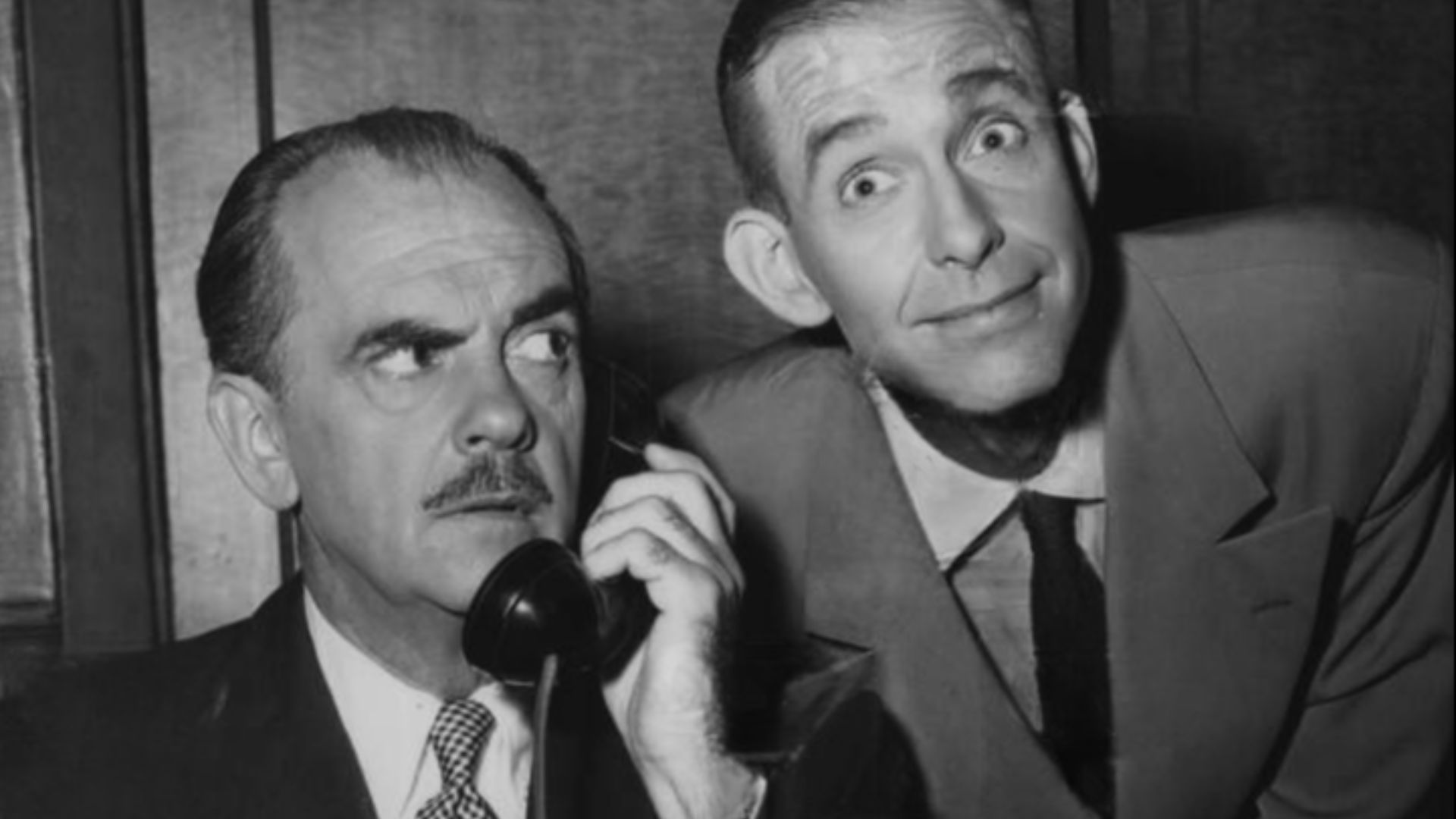
Few people remember The Hank McCune Show, but nearly everyone recognizes one of its innovations. The short-lived 1950 comedy is credited as the first nationally televised American sitcom to use a recorded laugh track. Whether audiences love or despise canned laughter, television comedy would never sound quite the same again.
 NBC Television, Wikimedia Commons
Amos ’N’ Andy
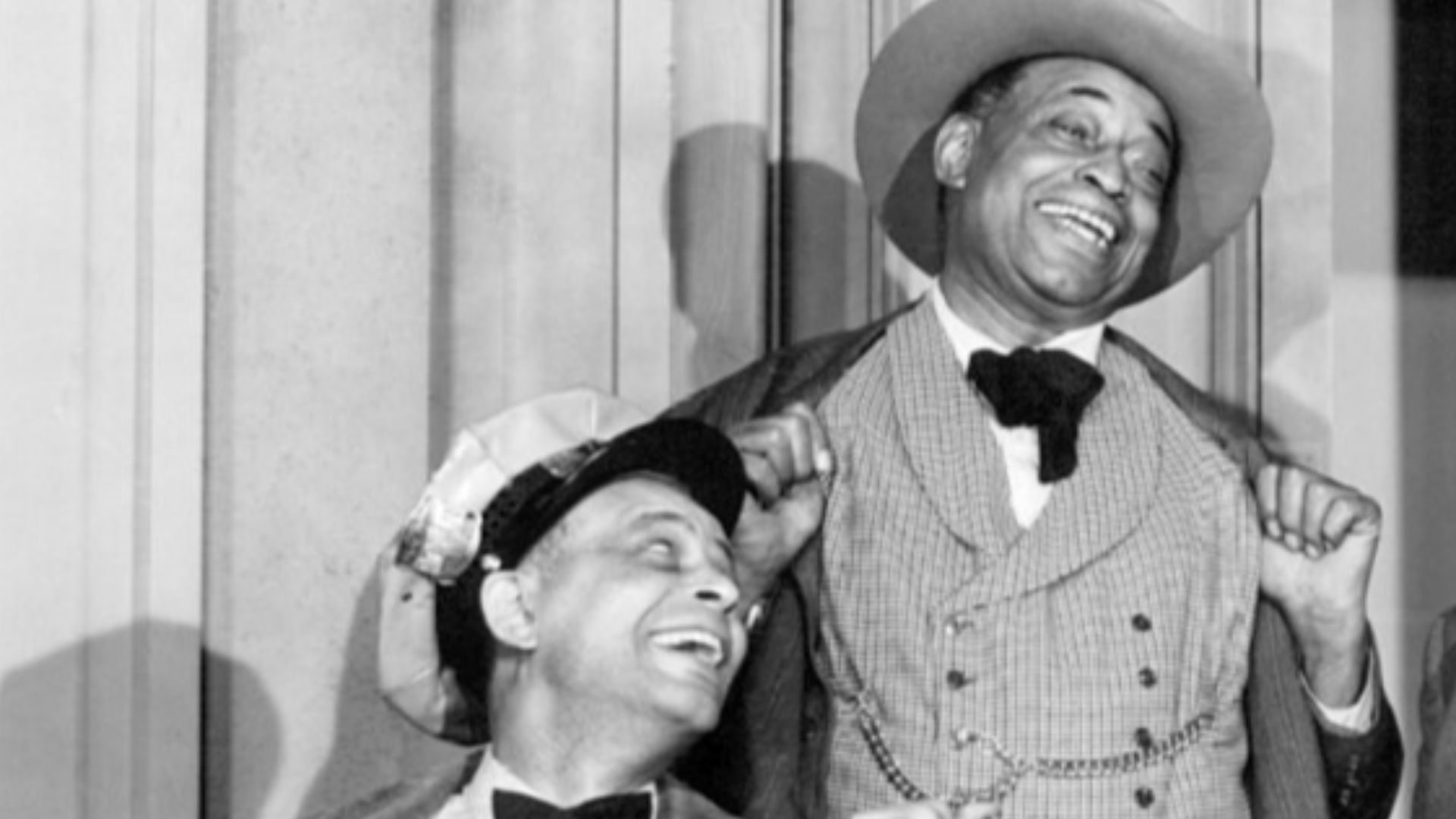
The television version of Amos ’N’ Andy featured an all-Black cast, with characters who included professionals and business owners, an extraordinary rarity in early network television. Yet the NAACP strongly criticized its racial stereotypes. Its contradictory legacy demonstrates that representation alone doesn't necessarily equal progress.
 Sponsor Publications page 4, Wikimedia Commons
I Love Lucy
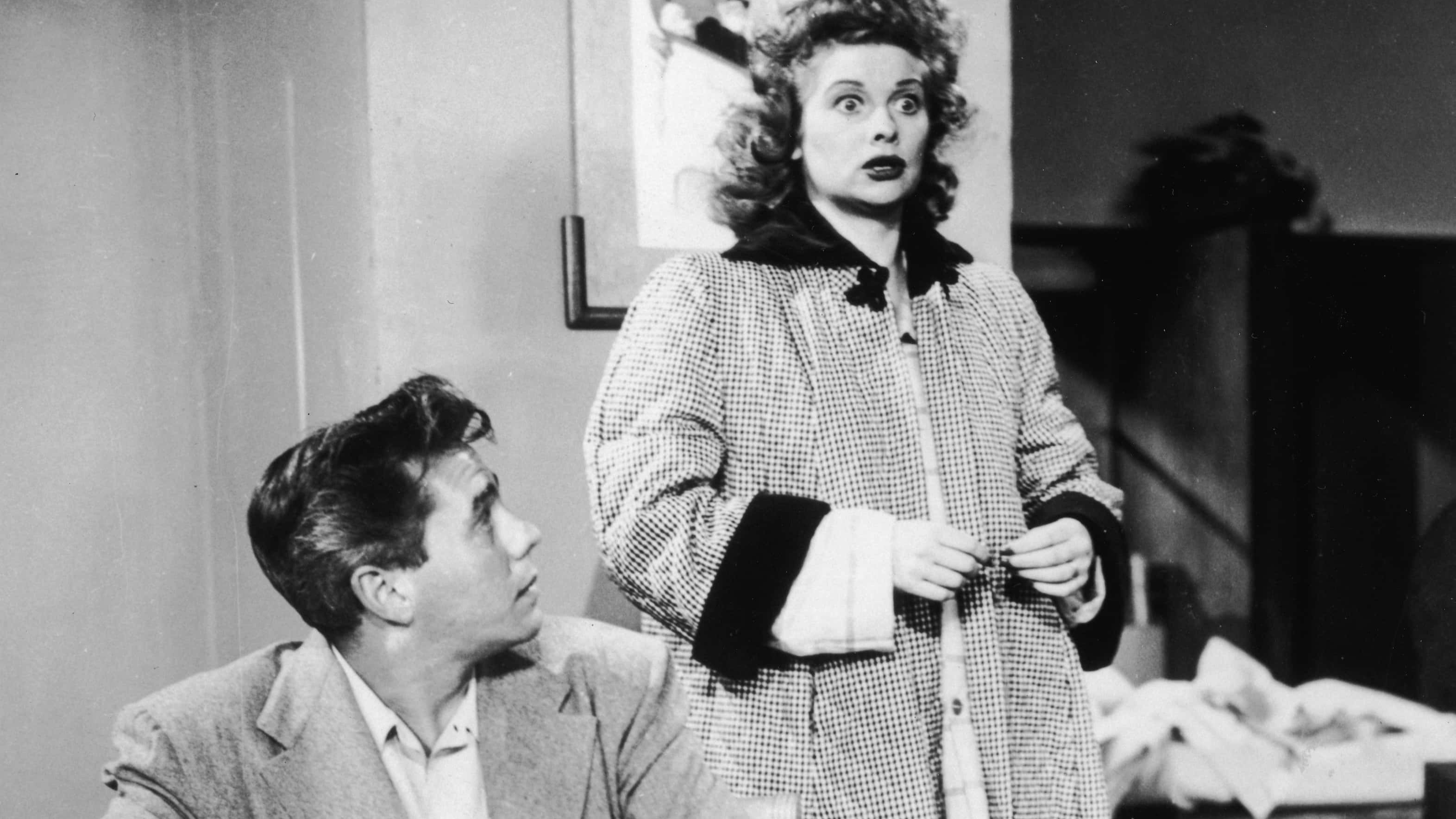
Lucille Ball and Desi Arnaz didn't simply create a great sitcom. They helped engineer modern television. I Love Lucy used multiple cameras, a live studio audience, and high-quality film, helping make reruns practical. It also placed a Cuban-American man at the center of America's most popular television marriage.
Life With Elizabeth
Before The Mary Tyler Moore Show, Betty White was already helping run the show. She starred in Life with Elizabeth while working through Bandy Productions, the company she co-founded. White's early creative independence makes her later longevity even more impressive, especially in an industry overwhelmingly controlled by men.
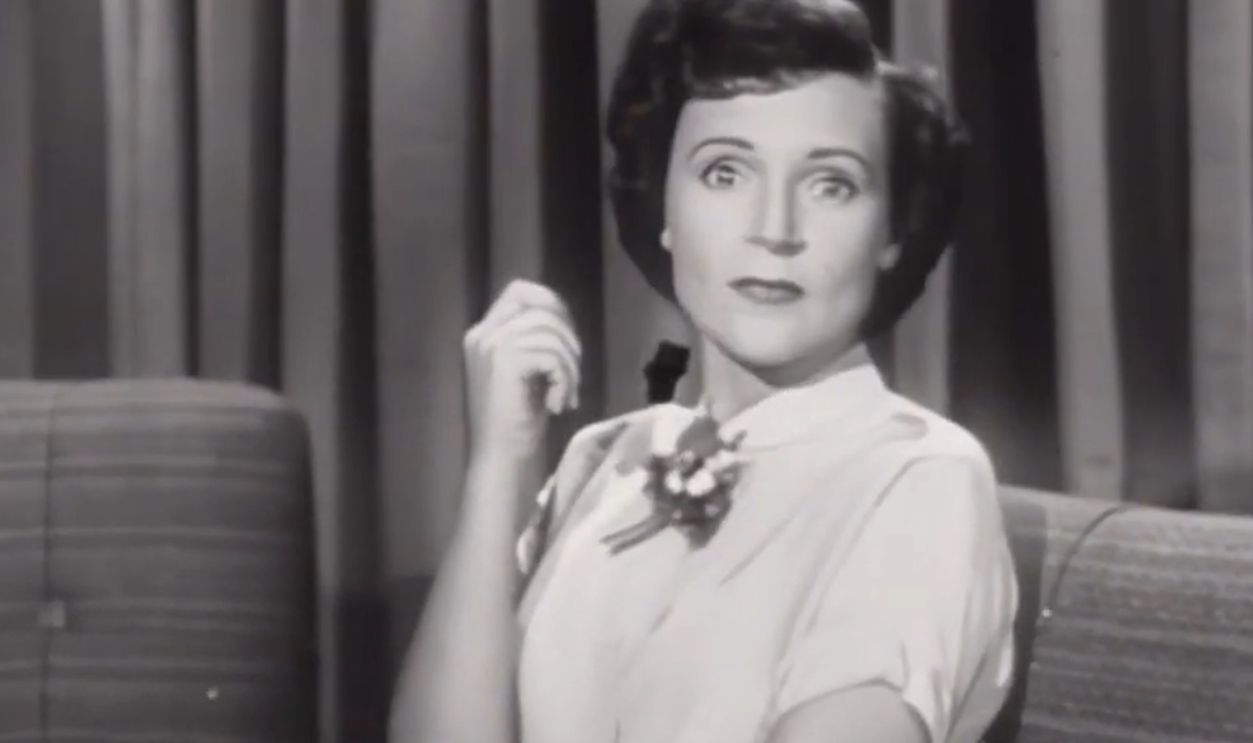 Screenshot from Life with Elizabeth, Syndicated television (1952–1955)
Our Miss Brooks
Eve Arden's Connie Brooks was unmarried, employed, sarcastic, intelligent, and usually the sharpest person in the room. Although romance remained part of the formula, Our Miss Brooks centered its comedy on a working woman's professional life. Arden's wonderfully dry schoolteacher hardly fits the stereotype of the submissive 1950s sitcom heroine.
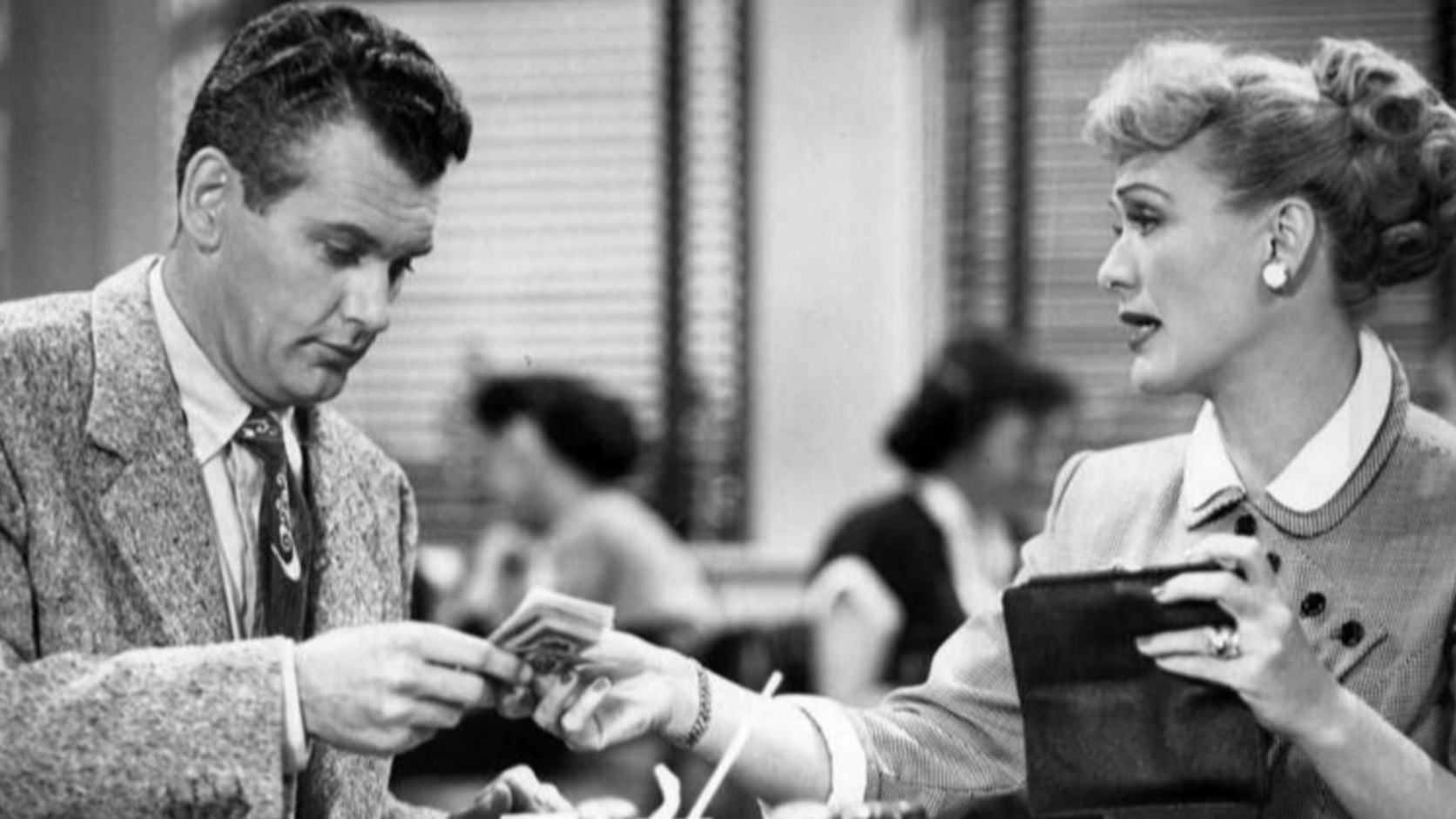 CBS Television, Wikimedia Commons
The Adventures Of Ozzie And Harriet
Reality television was decades away, but The Adventures of Ozzie and Harriet blurred fiction and real family life in fascinating ways. Ozzie and Harriet Nelson played versions of themselves alongside sons David and Ricky, turning their actual family into an enduring television institution that ran well into the 1960s.
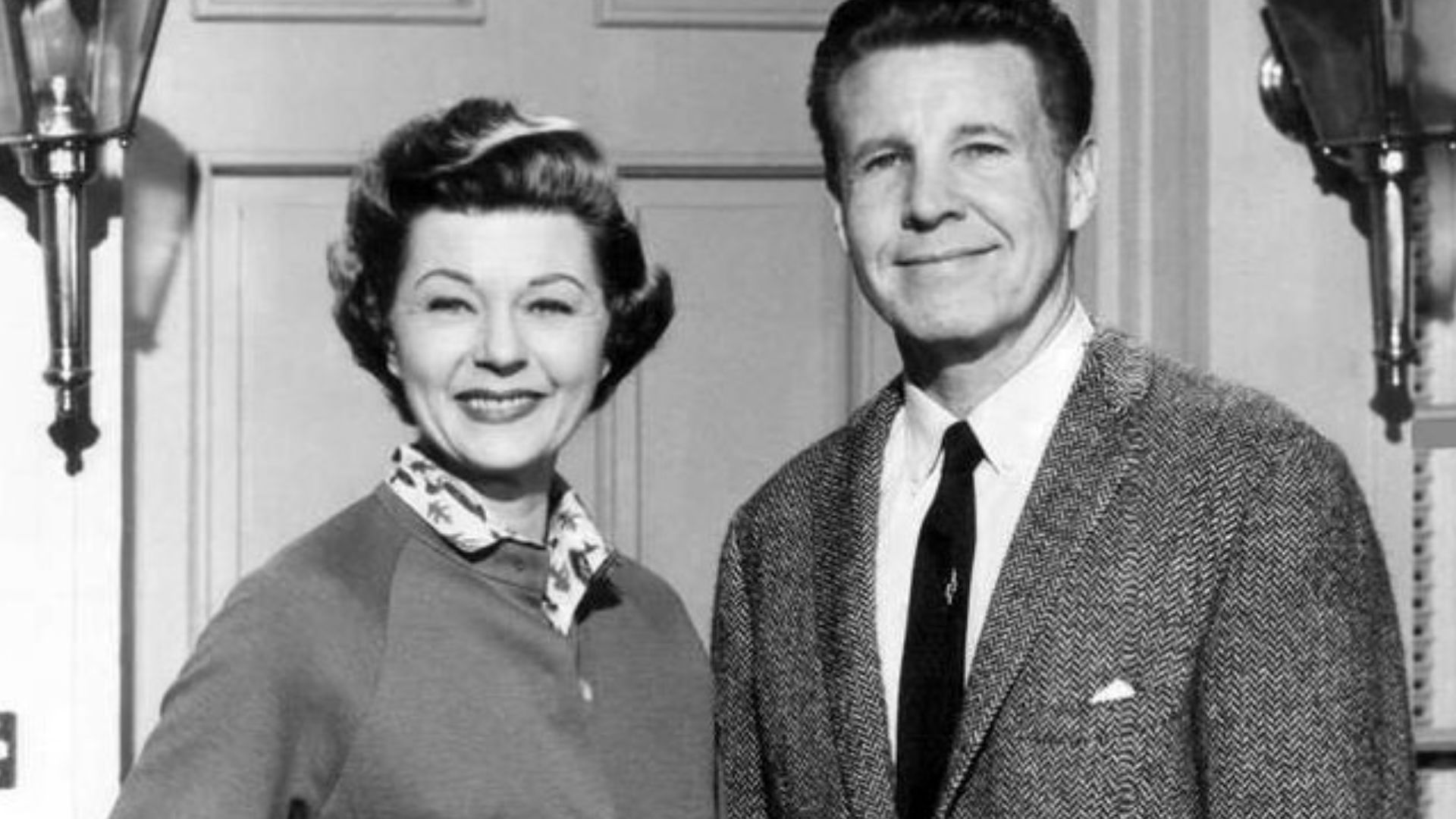 ABC Television, Wikimedia Commons
I Married Joan
Joan Davis played another rambunctious sitcom wife who stubbornly refused to remain quietly in the background. I Married Joan inevitably drew comparisons with I Love Lucy, but its very existence demonstrates something often forgotten about early television: female-driven physical comedy wasn't confined to Lucille Ball.
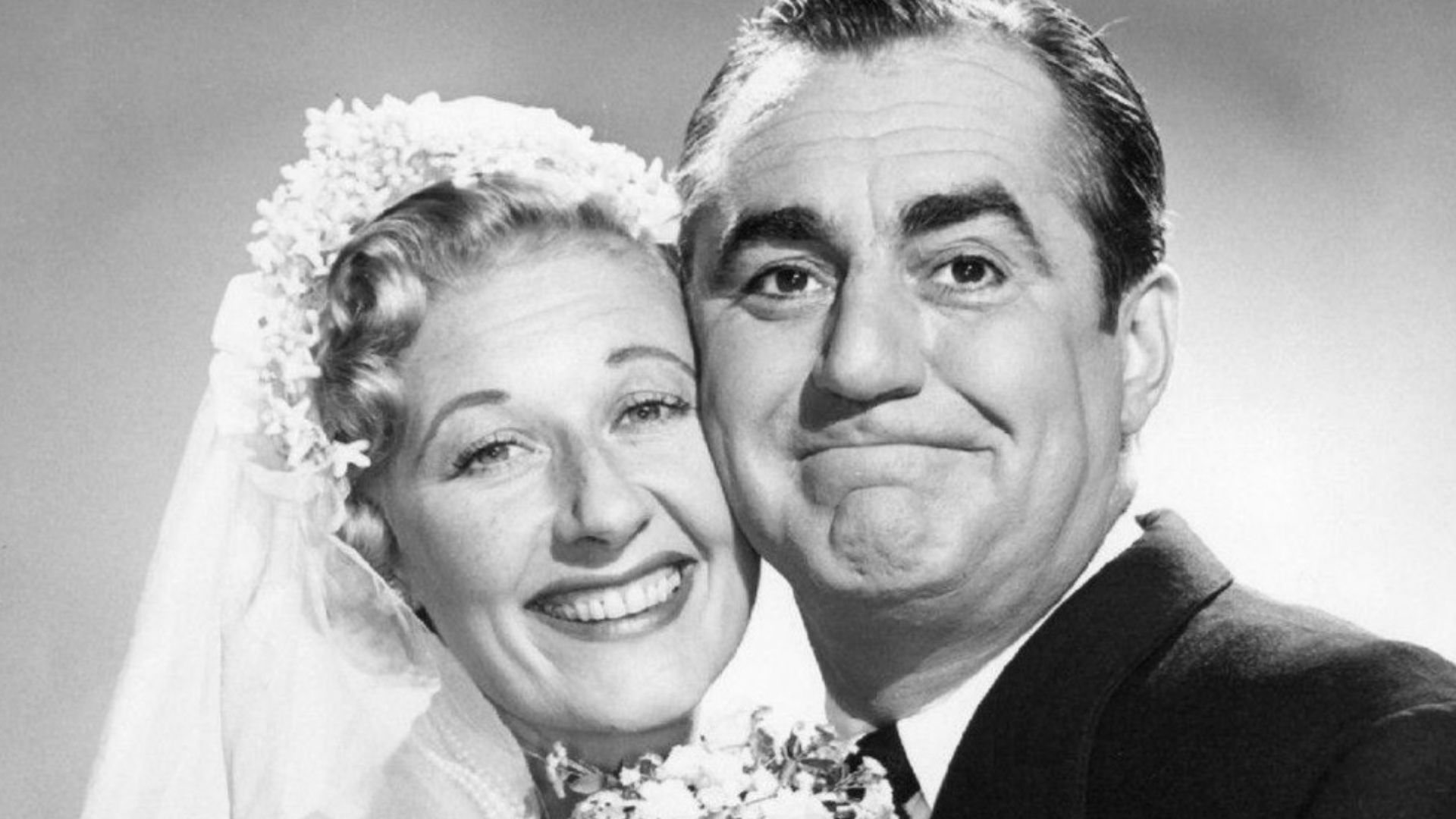 NBC Television, Wikimedia Commons
Make Room For Daddy
Danny Thomas played a successful entertainer struggling to balance career and family life, a setup that would remain useful for generations of sitcoms. More importantly, Make Room for Daddy, later The Danny Thomas Show, eventually became the launching pad for The Andy Griffith Show, creating an important television family tree.
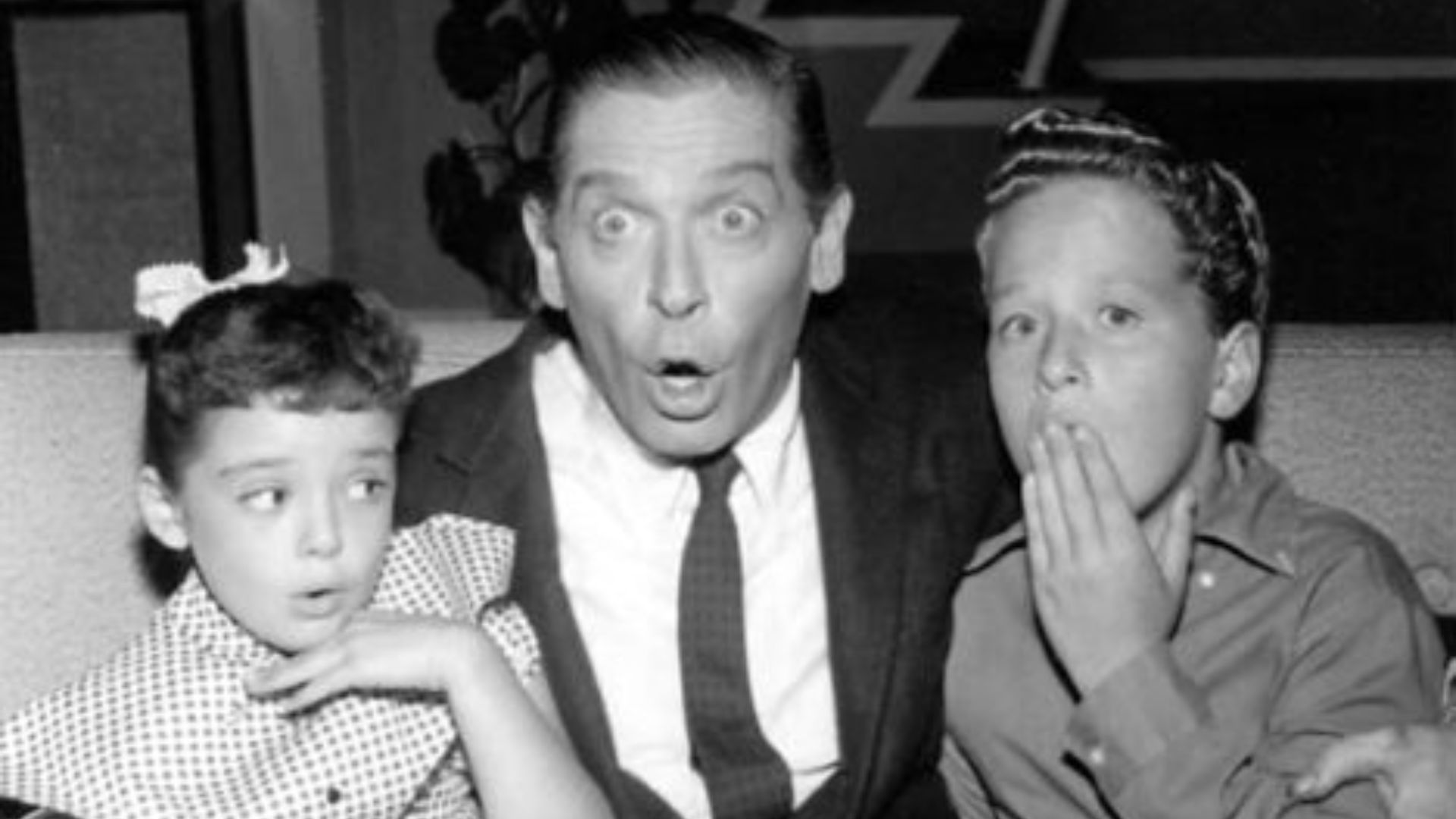 CBS Television, Wikimedia Commons
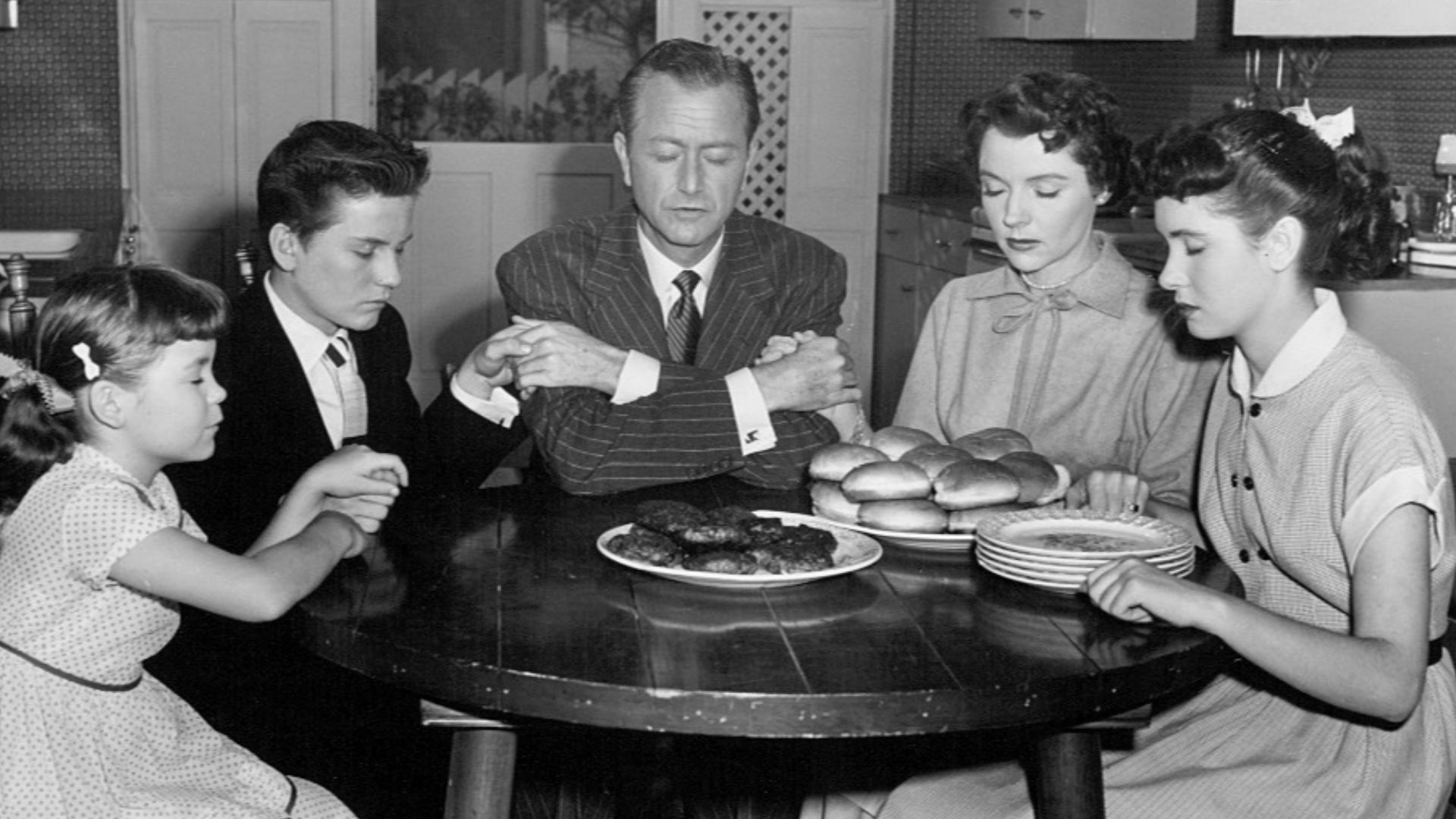
Father Knows Best
Its title has become shorthand for supposedly conformist 1950s television, but Father Knows Best was more complicated than its reputation. The original radio show's title actually contained a question mark, suggesting uncertainty about paternal authority. Television removed it, helping create an idealized suburban family image that later sitcoms would repeatedly challenge.
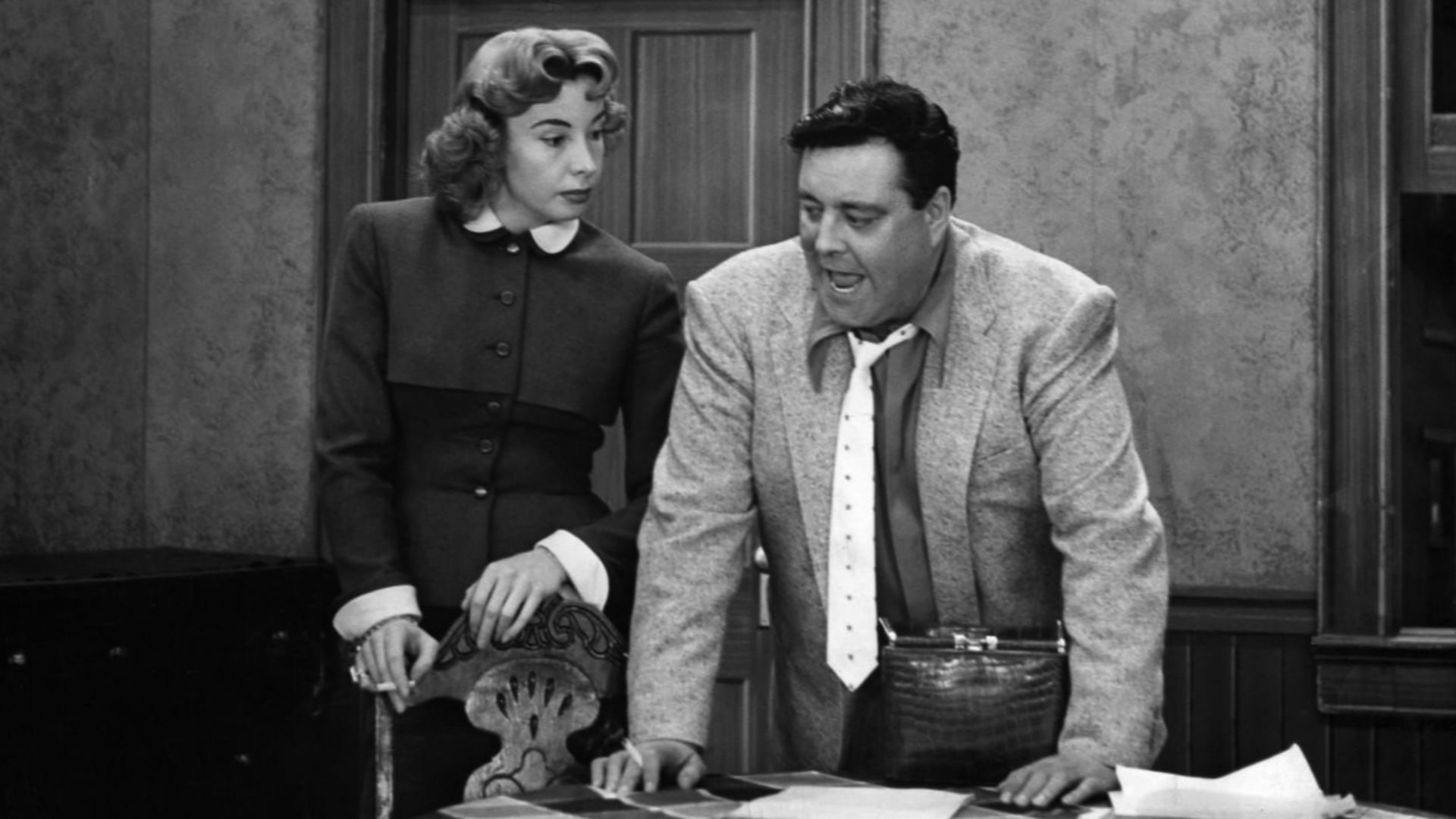
The Honeymooners
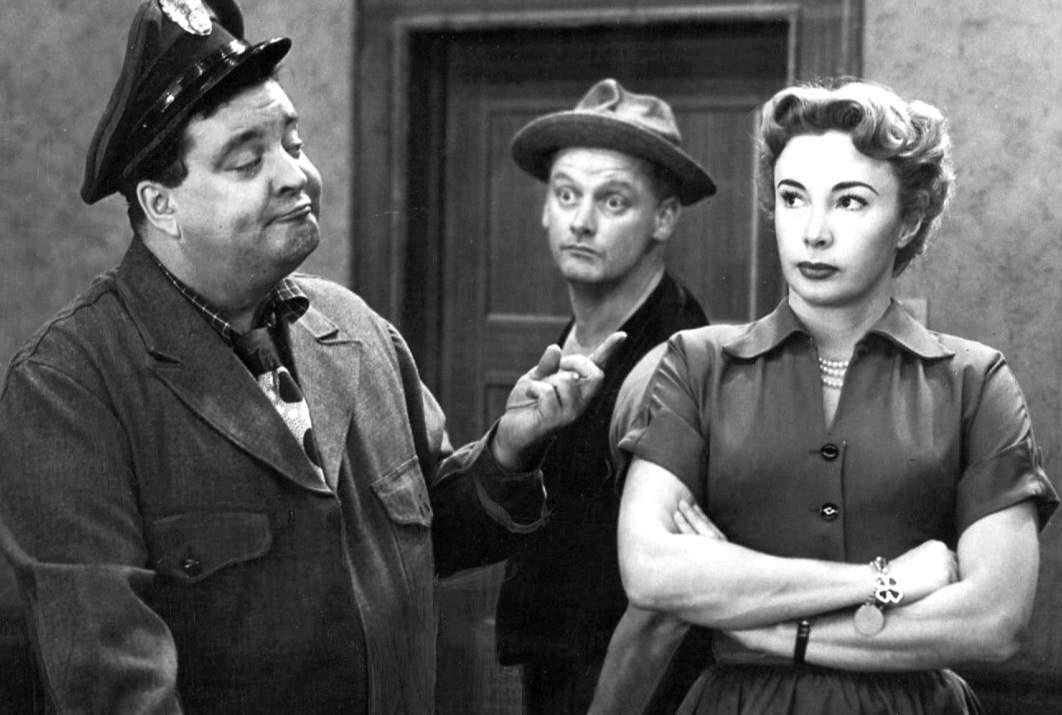
Ralph and Alice Kramden weren't living the suburban dream. They were a childless, financially struggling Brooklyn couple whose cramped apartment and arguments stood apart from television's increasingly comfortable middle-class families. Audrey Meadows' Alice was frequently smarter than Jackie Gleason's blustering Ralph, puncturing his grandiose schemes with devastating precision.
 CBS Television, Wikimedia Commons
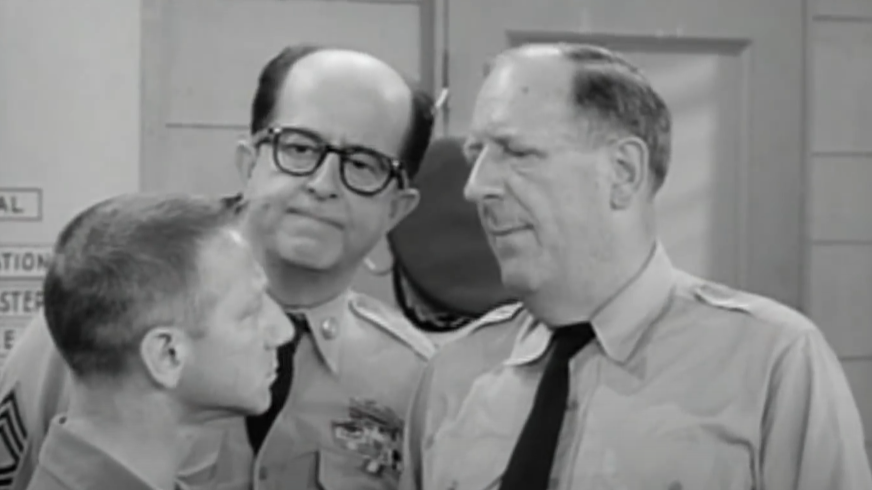
The Phil Silvers Show
Long before workplace comedies such as Taxi, Cheers, and The Office, The Phil Silvers Show demonstrated how beautifully a sitcom could function without centering on domestic life. Phil Silvers' scheming Sergeant Bilko turned an Army motor pool into a comic universe driven by hustles, personalities, and workplace relationships.
 Screenshot from The Phil Silvers Show, CBS (1955–1959)
The People's Choice
A young Jackie Cooper starred as city councilman Socrates “Sock” Miller in The People's Choice, but the show's strangest innovation belonged to Cleo, his Basset Hound. Viewers could hear Cleo's thoughts through a voice-over, anticipating the talking and thinking animals that would become a durable television-comedy gimmick.
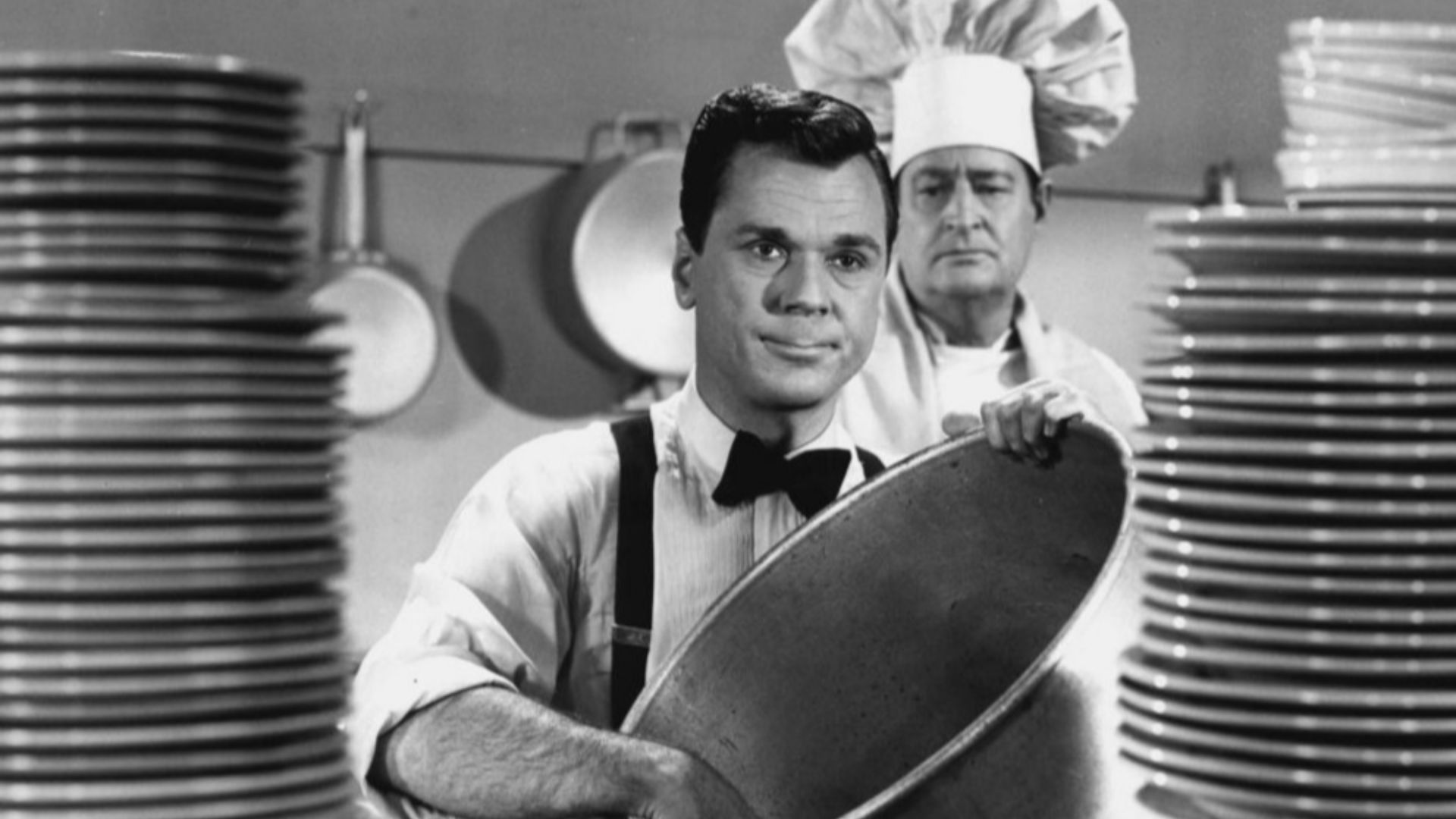
The Bob Cummings Show
Bob Cummings played photographer Bob Collins, an unmarried Hollywood bachelor surrounded by models and romantic possibilities. That alone separated The Bob Cummings Show from domestic comedies built around marriage and children. Its sophisticated show-business setting anticipated the increasingly adult-oriented sitcoms that followed during the 1960s.
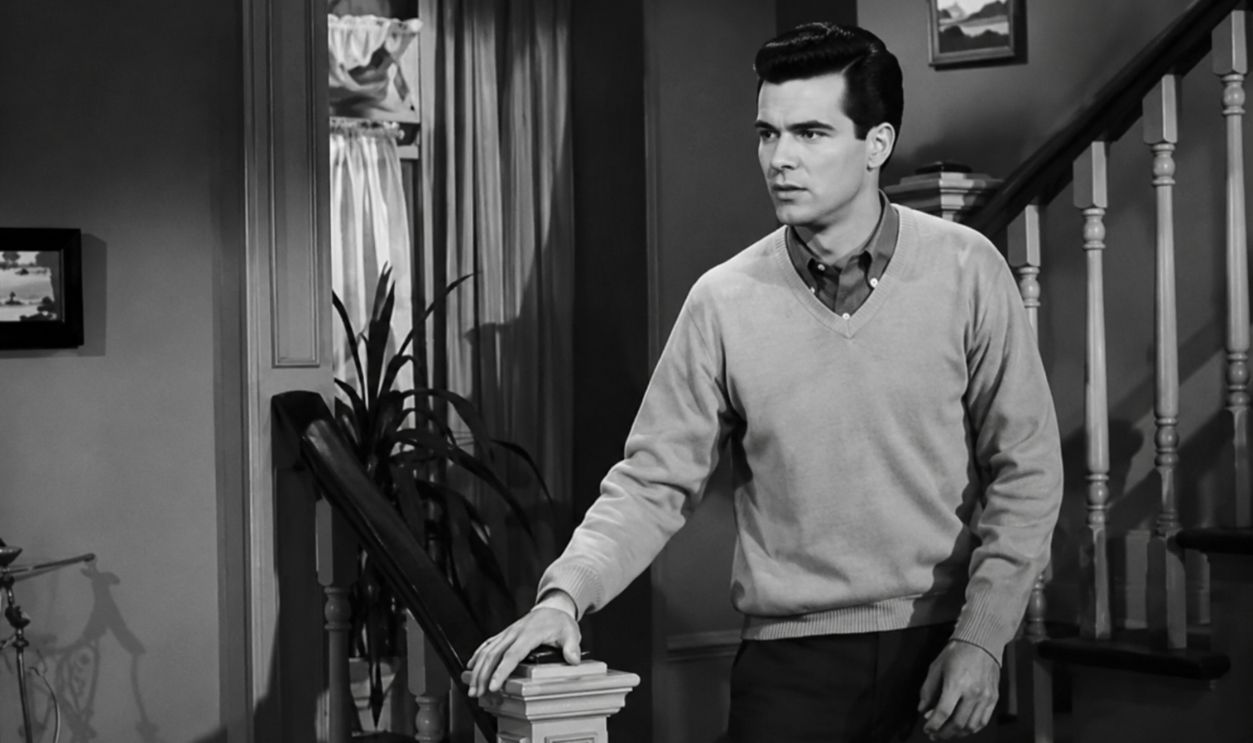 Screenshot from The Bob Cummings Show, NBC (1955-1959)
The Real McCoys
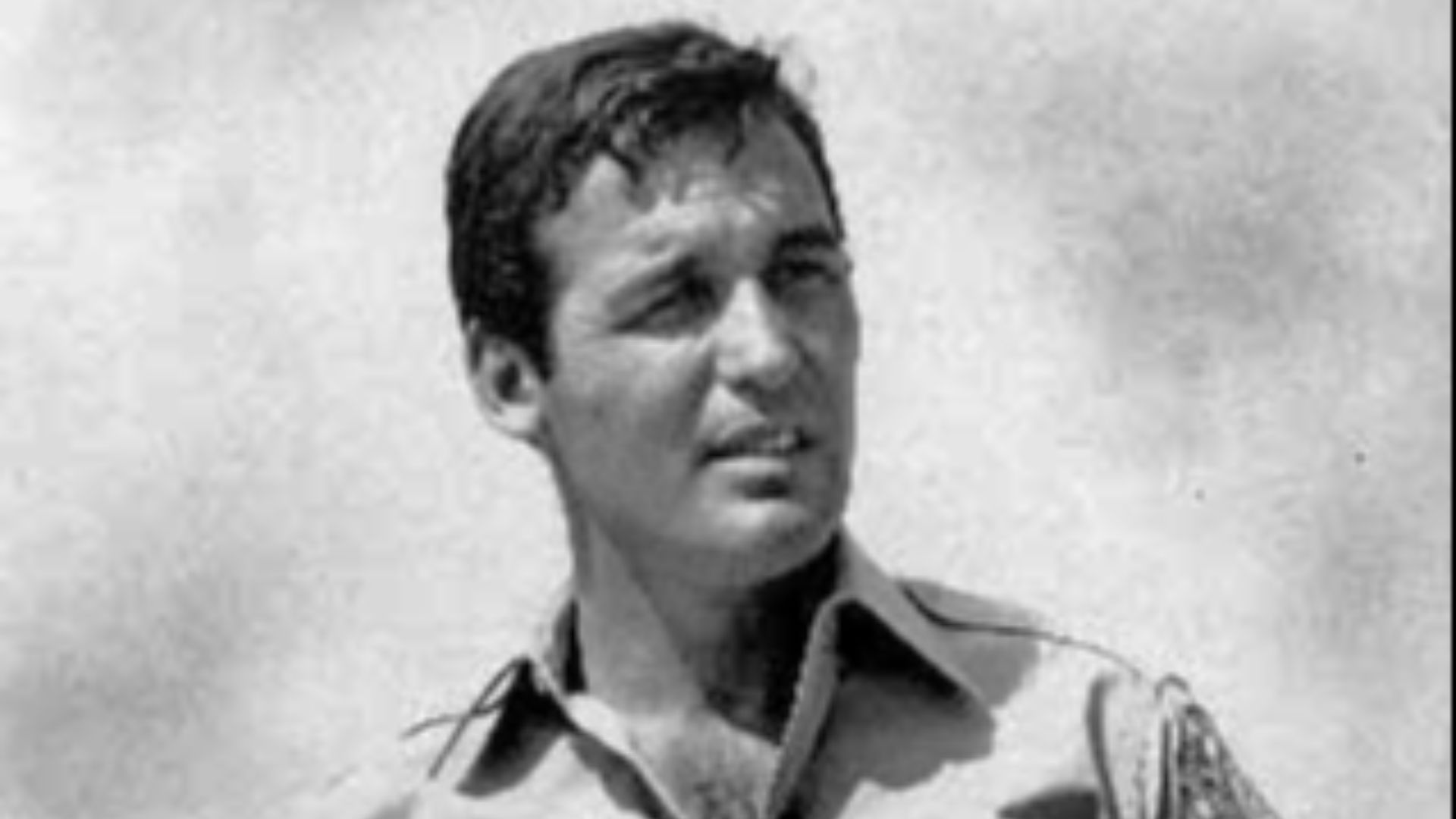
Before The Beverly Hillbillies and Green Acres made rural characters sitcom staples, The Real McCoys brought a West Virginia farming family to California. Walter Brennan's Grandpa Amos could be stubborn and old-fashioned, but the clash between rural traditions and modern California gave the series an unusually distinctive cultural perspective.
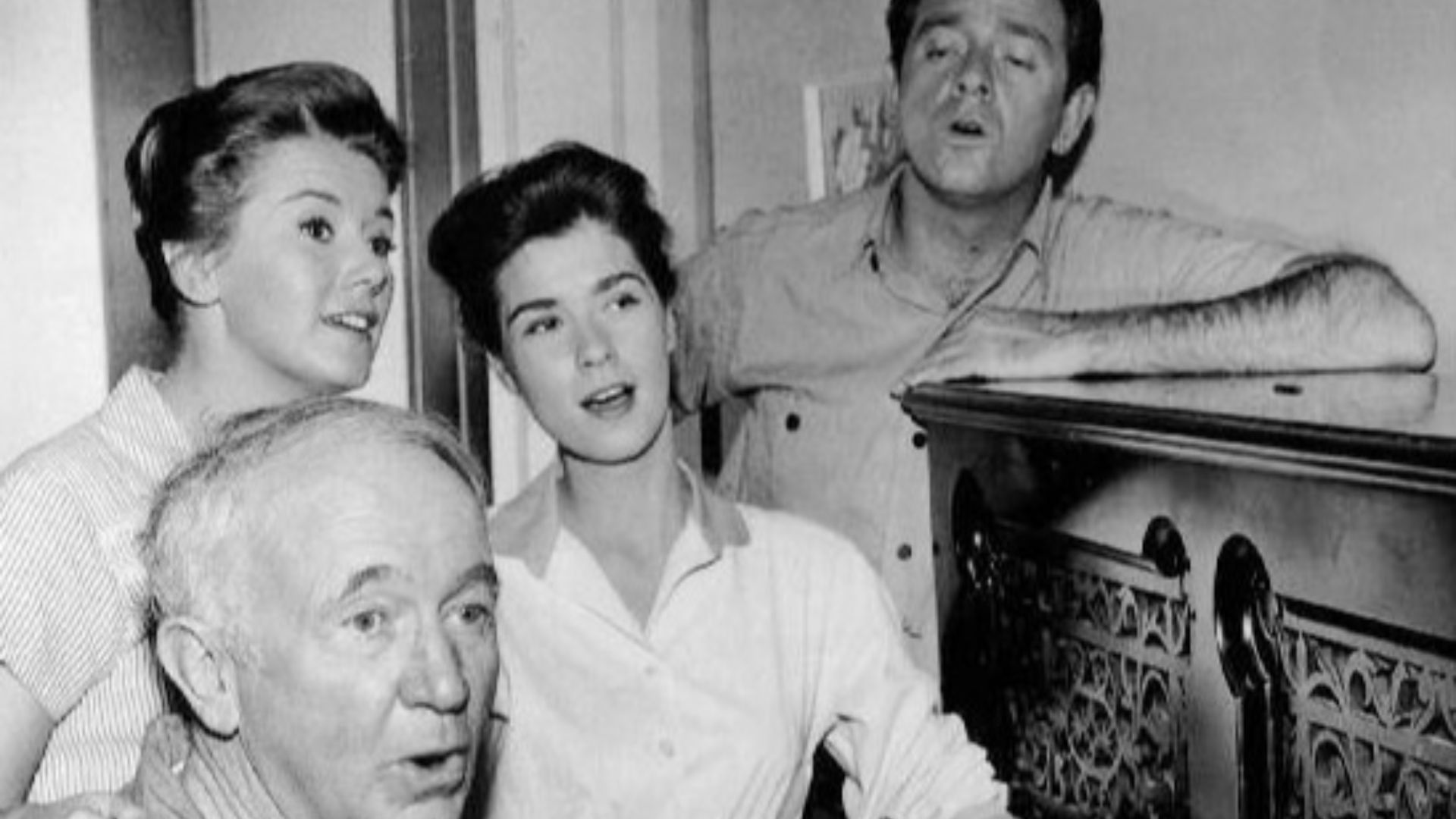 ABC Television, Wikimedia Commons
Leave It To Beaver
The Cleavers became symbols of idealized suburban America, yet Leave It to Beaver did something deceptively innovative: it frequently treated childhood as its primary point of view. Instead of children merely generating problems for adults, episodes explored Beaver's misunderstandings, fears, friendships, and social embarrassments with unusual sympathy.
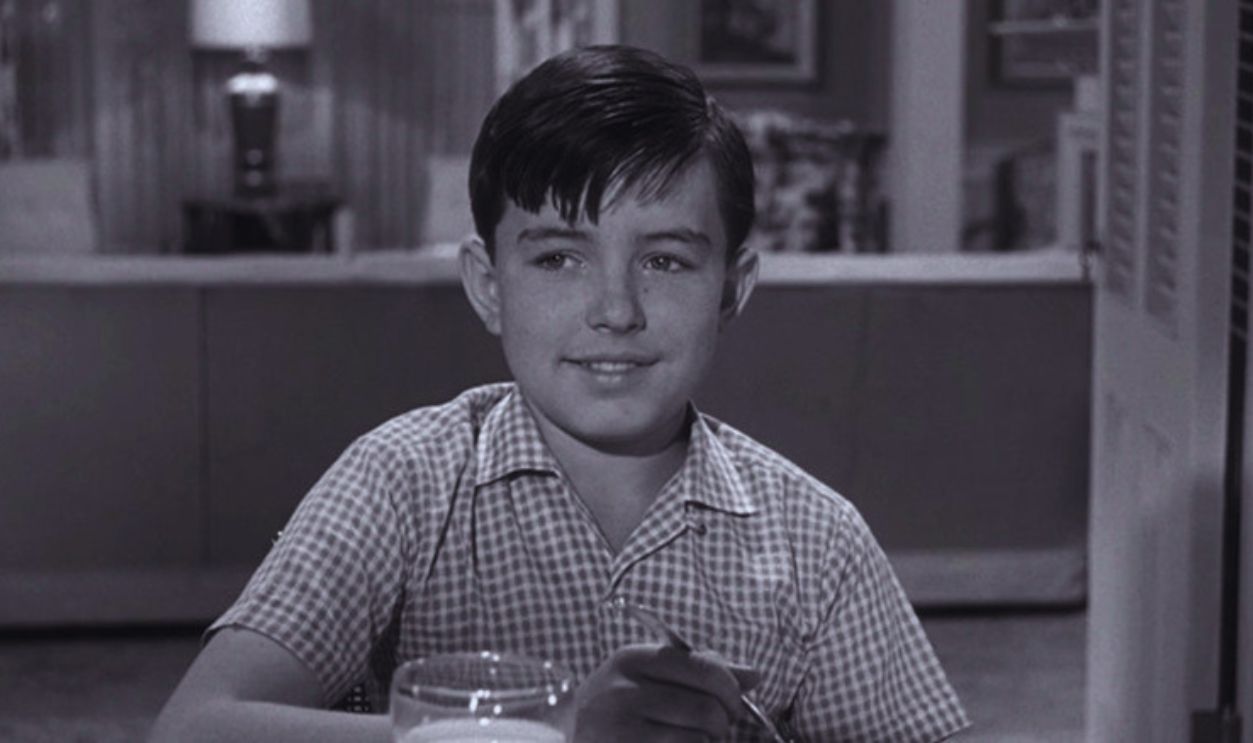 Screenshot from Leave It to Beaver, Universal Television (1957–1963)
The Donna Reed Show
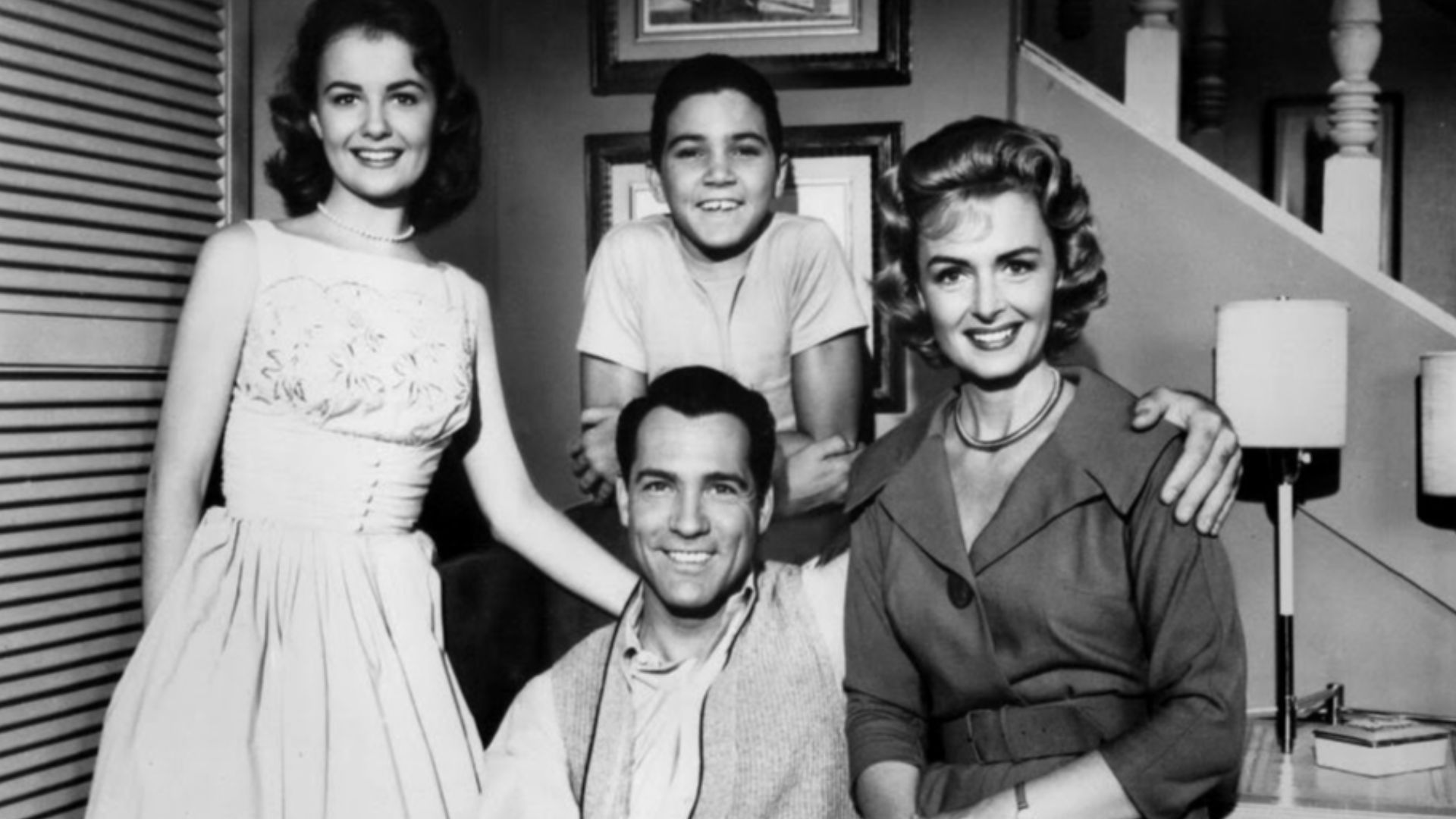
Donna Stone looked like the quintessential television homemaker, but The Donna Reed Show increasingly allowed its heroine an identity beyond serving her husband and children. Reed was also far more powerful behind the scenes than her character suggested, participating in the production of the series through the company she shared with husband Tony Owen.
Bachelor Father
John Forsythe's Bentley Gregg was an affluent unmarried attorney suddenly responsible for raising his orphaned teenage niece, Kelly. Bachelor Father therefore rejected the standard mother-father-children configuration entirely. Its unconventional household anticipated the alternative sitcom families that became increasingly common during the 1960s and beyond.
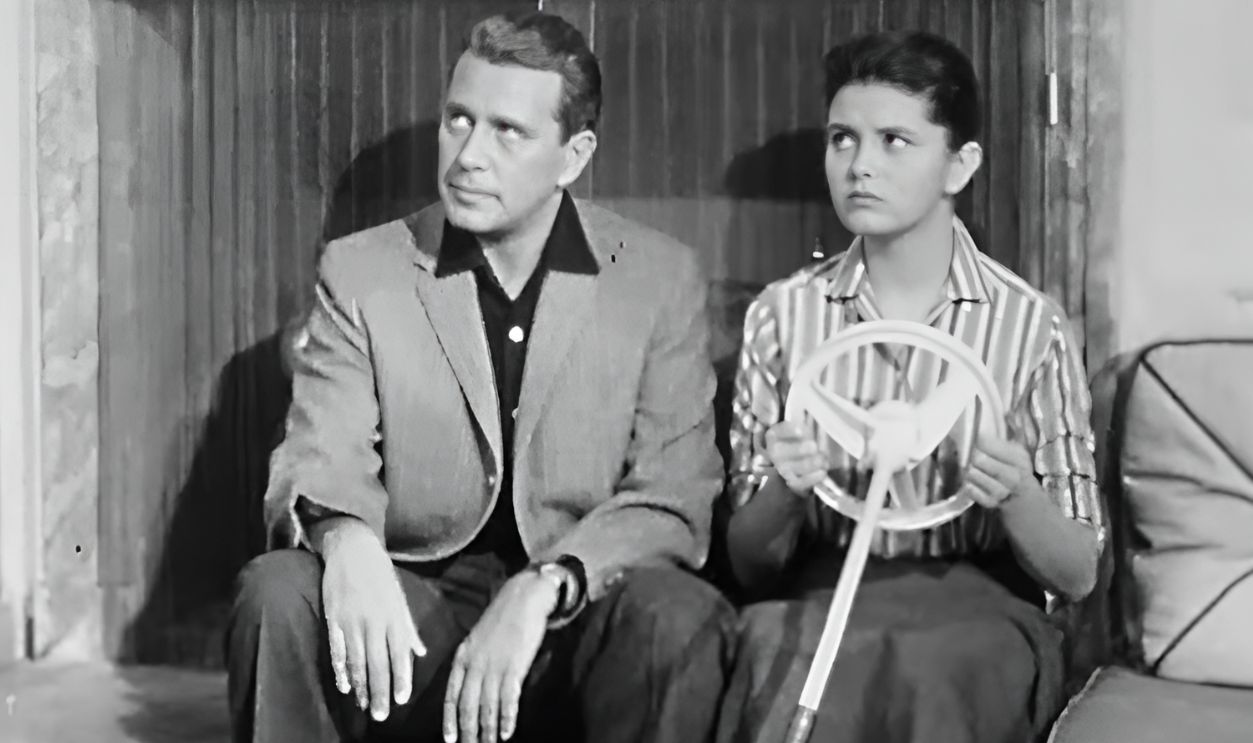 Screenshot from Bachelor Father, CBS (1957–1962)
The Many Loves Of Dobie Gillis
Premiering in 1959, The Many Loves of Dobie Gillis placed teenagers and young adults much closer to the center of sitcom life. Dwayne Hickman's Dobie even addressed viewers directly, while Bob Denver's beatnik Maynard G. Krebs became an early television embodiment of youth counterculture before the 1960s truly arrived.
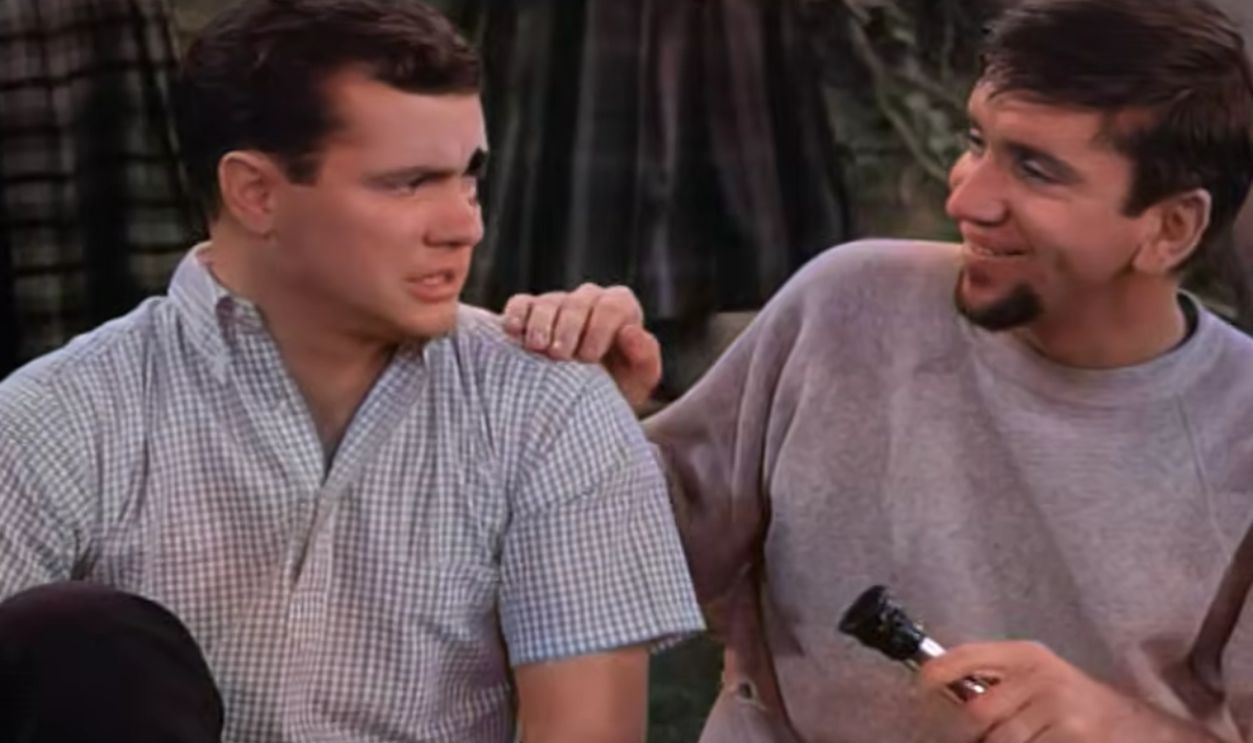 Screenshot from The Many Loves of Dobie Gillis, CBS (1959-1963)
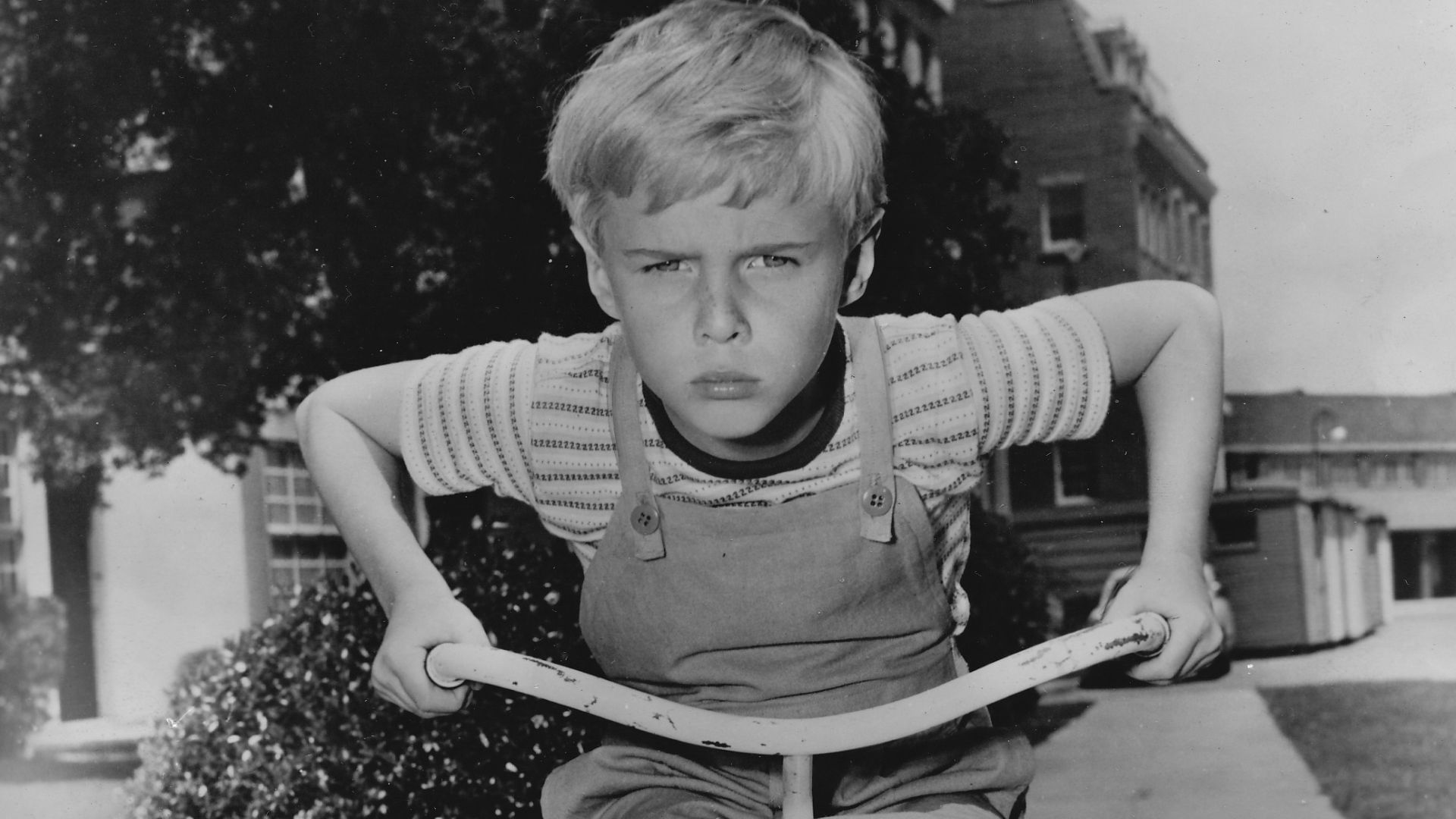
Dennis The Menace
Also arriving in 1959, Dennis the Menace adapted Hank Ketcham's comic-strip troublemaker for television. Rather than presenting childhood solely through adult expectations, the series built comedy around Dennis Mitchell's innocent logic and his disastrous effect on neighbor George Wilson, another formula television would endlessly recycle.
They Weren't All Conformists
Look past the pearls and station wagons and the decade becomes much harder to dismiss. These programs experimented with working women, Black casts, Jewish families, Latino leads, blue-collar households, bachelors raising children, show-business couples, teenage perspectives, and direct addresses to viewers, even while remaining products of their era.
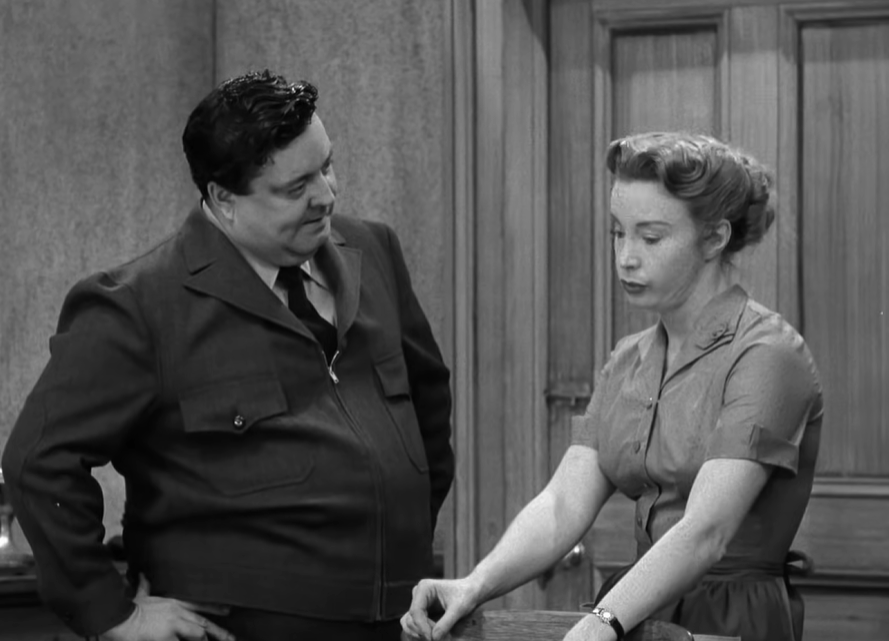 Screenshot from The Honeymooners, CBS (1955-1956)
The Blueprint Survived
The 1950s didn't perfect the sitcom. They created its toolbox. Multi-camera production, workplace ensembles, family conflict, unconventional households, self-aware humor, spin-offs, reruns, and character-driven storytelling all developed rapidly during television's formative years. Modern sitcoms may look different, but their ancestors are often hiding in plain sight.
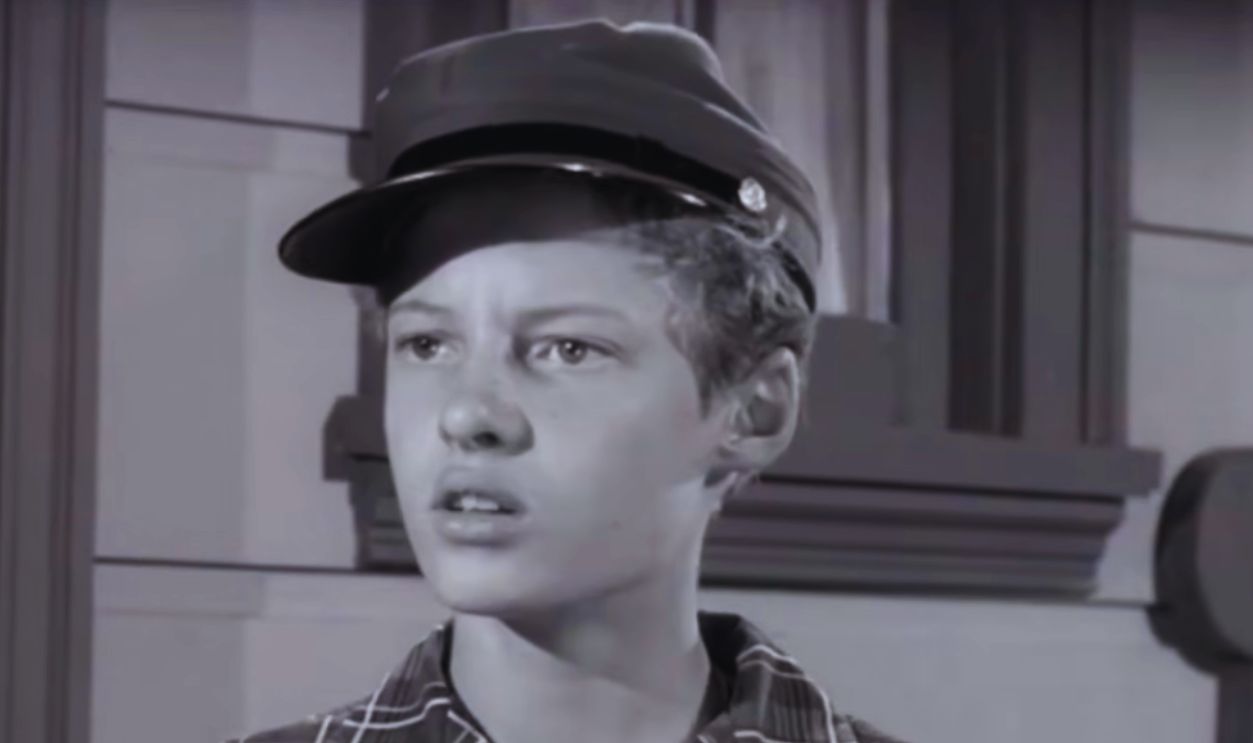 Screenshot from Leave It to Beaver, Universal Television (1957–1963)
You May Also Like:
Behind The Scenes Of I Love Lucy
The remarkable career of Richard Crenna before and after The Real McCoys