Everybody Climbed Aboard
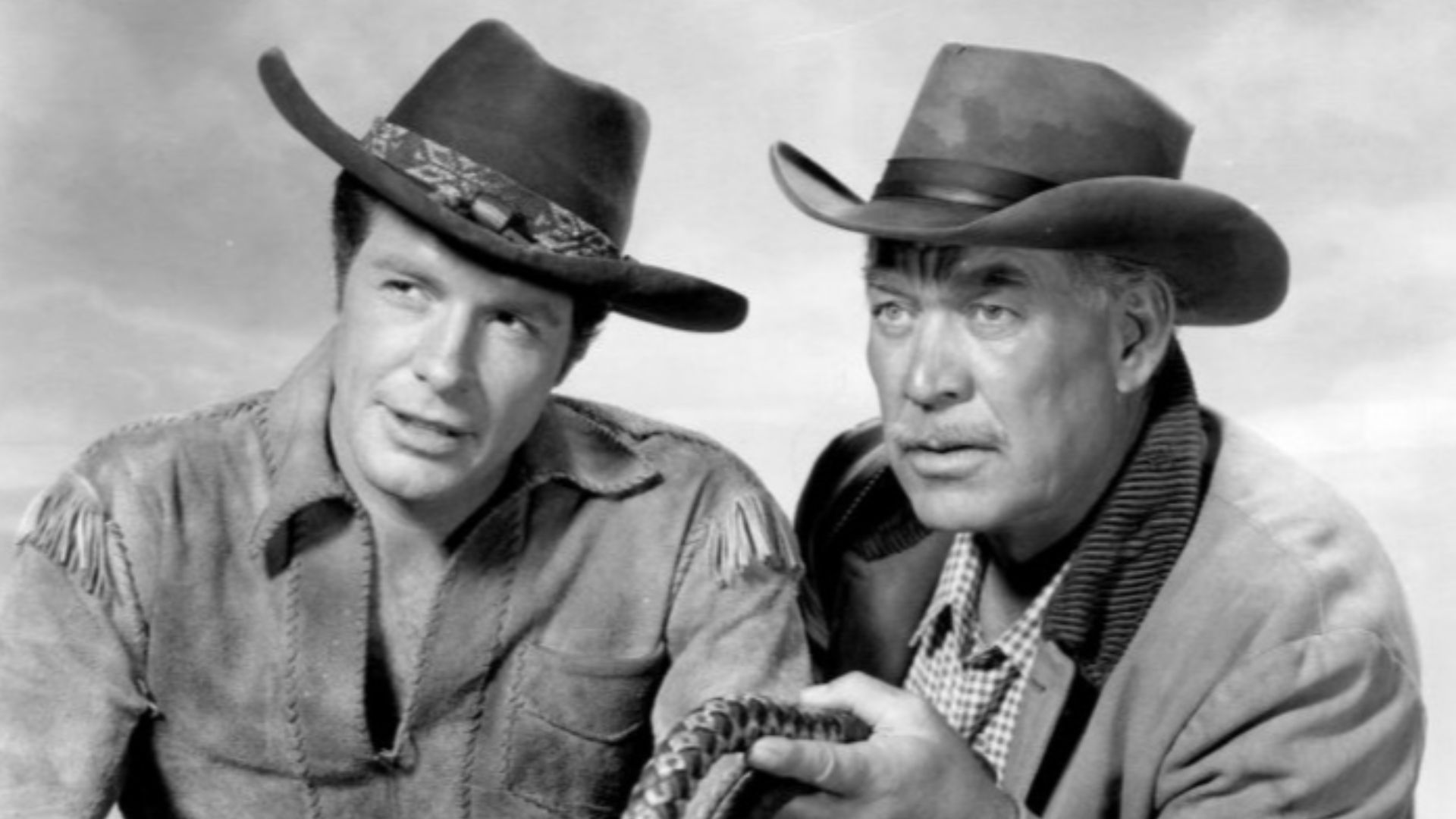
Few television series could match Wagon Train for sheer star power. Its anthology-like format allowed a different passenger to dominate almost every week, attracting Oscar winners, movie icons, future TV legends, and rising stars. Across eight seasons and 284 episodes, seemingly everybody headed west eventually.
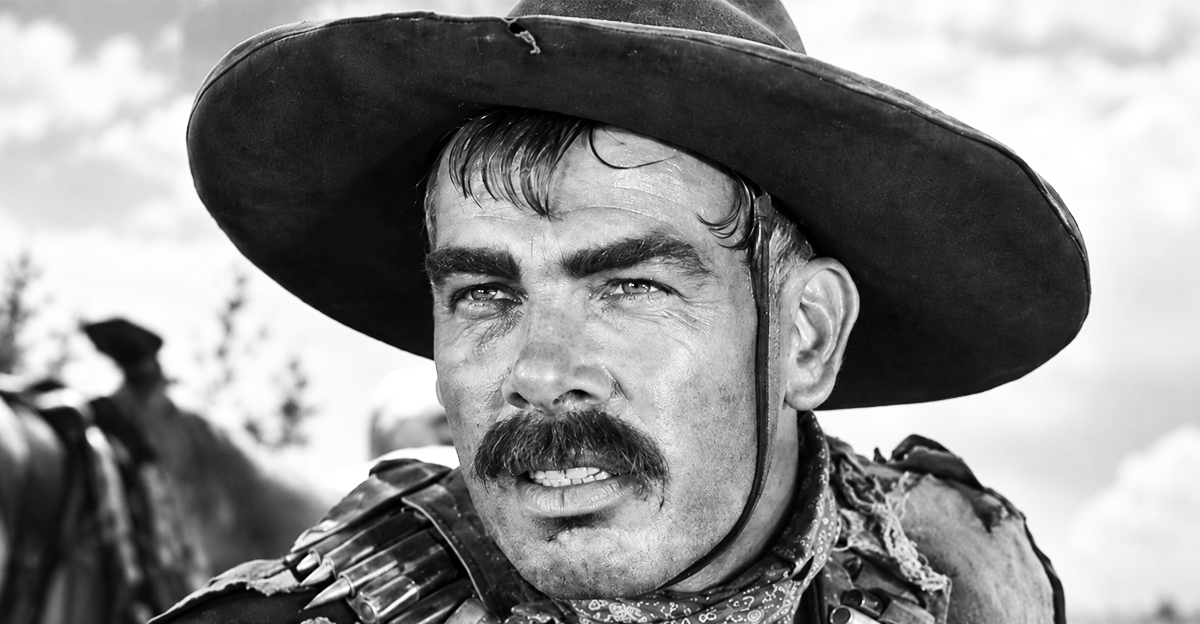 Screenshot of Lee Marvin in 'Wagon Train', episode
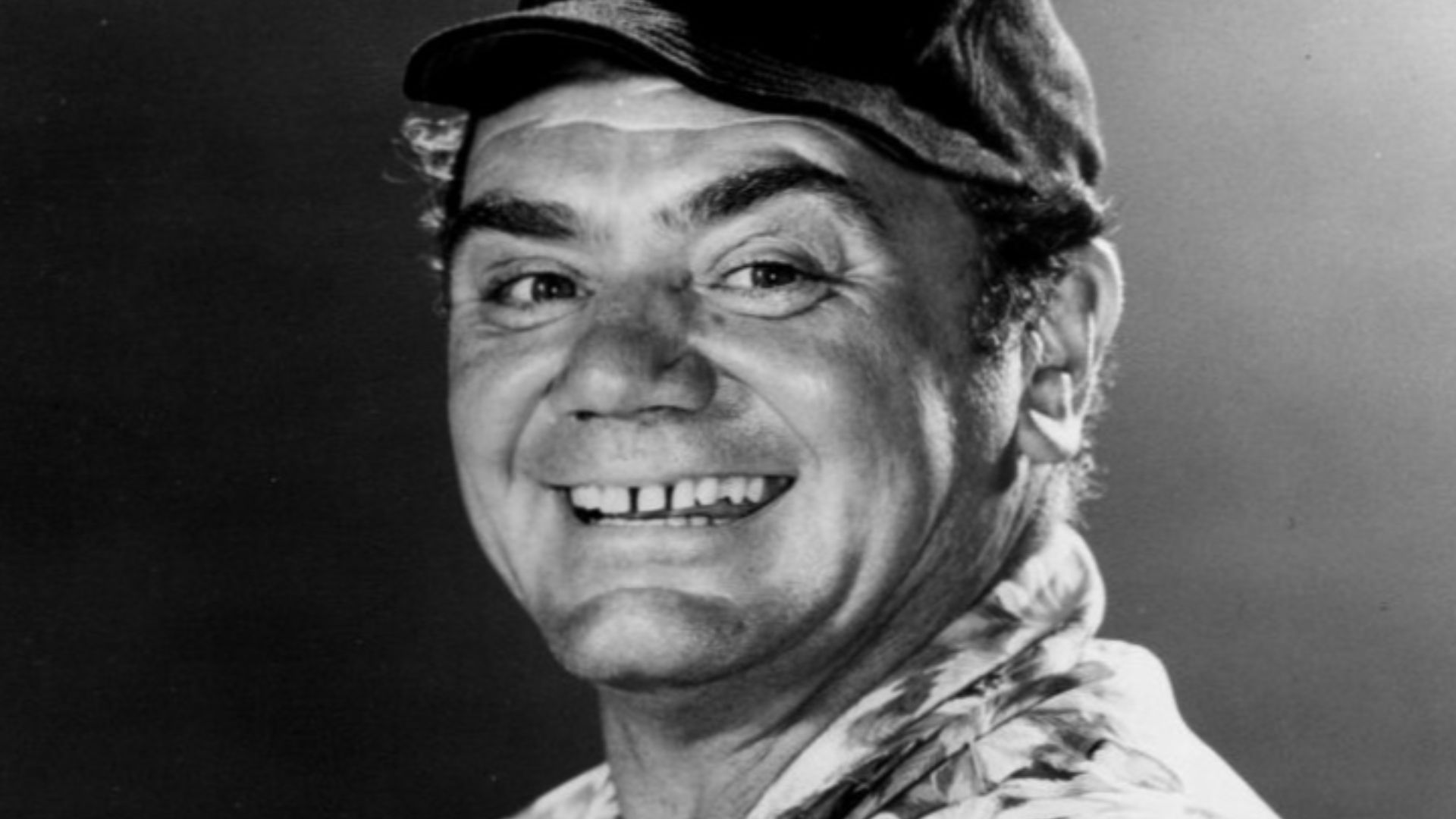
Ernest Borgnine
The series started out swinging for the fences. Oscar winner Ernest Borgnine starred as washed-up boxer Willy Moran in the premiere, “The Willy Moran Story,” airing September 18, 1957. Borgnine had already won an Academy Award for Marty (1955), making him an exceptionally prestigious guest for a brand-new Western.
Ricardo Montalbán
Ricardo Montalbán appeared immediately afterward in “The Jean LeBec Story,” airing September 25, 1957. Long before Fantasy Island made him Mr. Roarke, Montalbán had built a substantial movie career including On an Island with You (1948) and Across the Wide Missouri (1951).
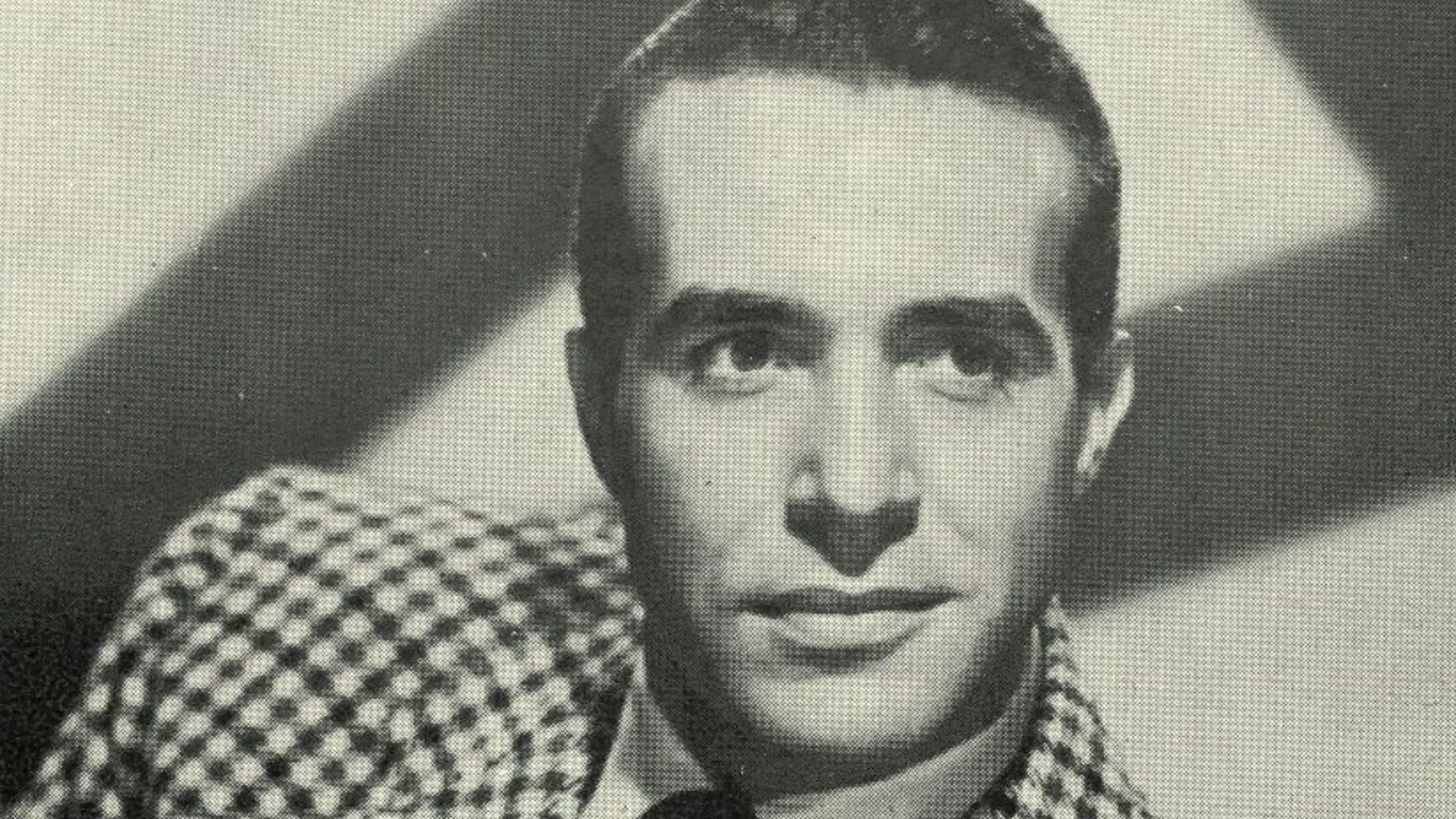 Asociación Nacional de Actores, Wikimedia Commons
Carolyn Jones
Before becoming Morticia Addams, Carolyn Jones appeared in the October 2, 1957 episode “The John Cameron Story.” Already seen in films including The Seven Year Itch (1955) and Invasion of the Body Snatchers (1956), Jones would return to Wagon Train several more times.
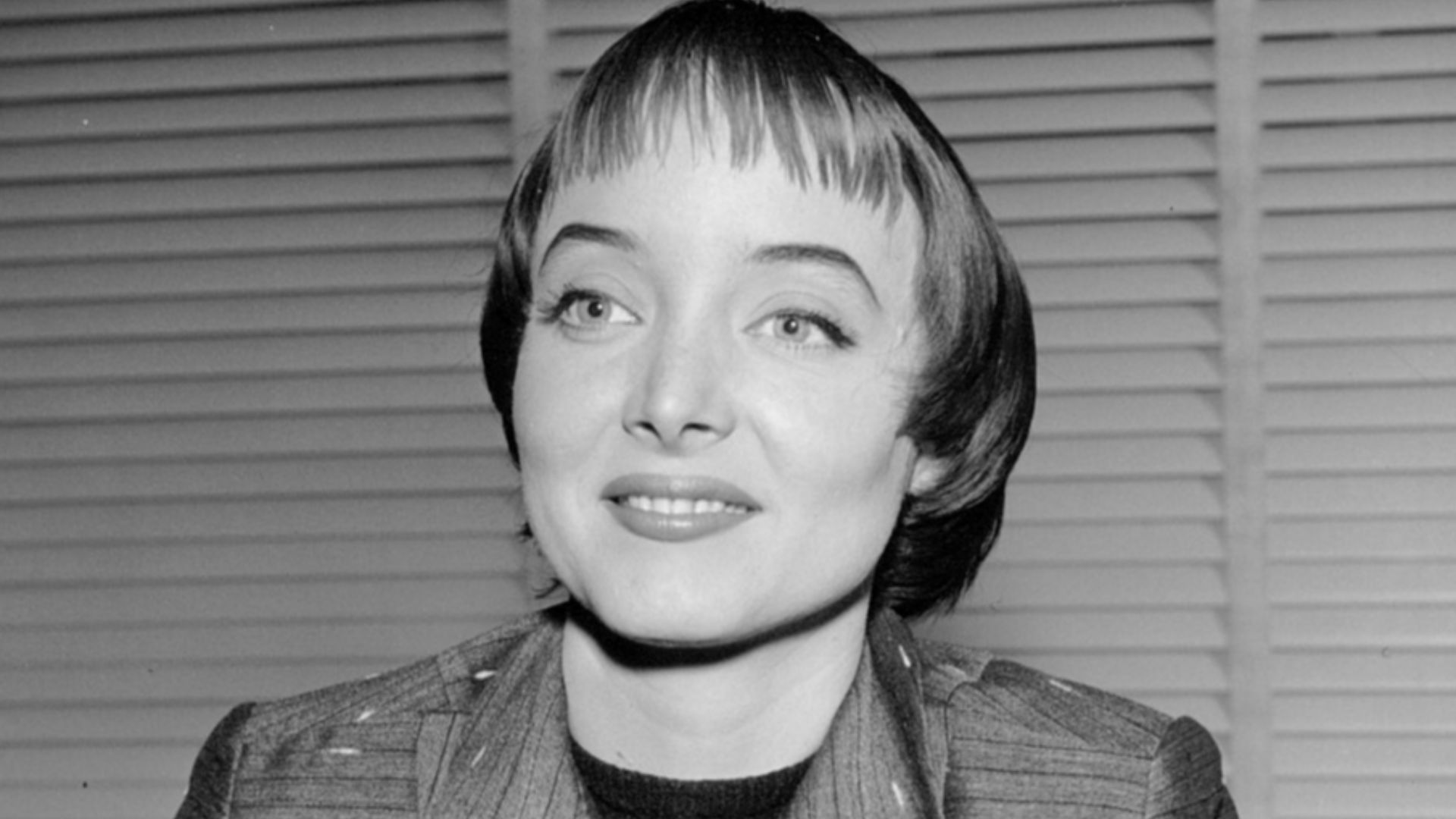 CBS Television, Wikimedia Commons
Shelley Winters
Two-time future Oscar winner Shelley Winters headlined “The Ruth Owens Story,” which aired October 9, 1957. Winters was already an established Hollywood star thanks to movies including A Place in the Sun (1951). Her character, Ruth Owens, was trying to escape a troubled past while heading west.
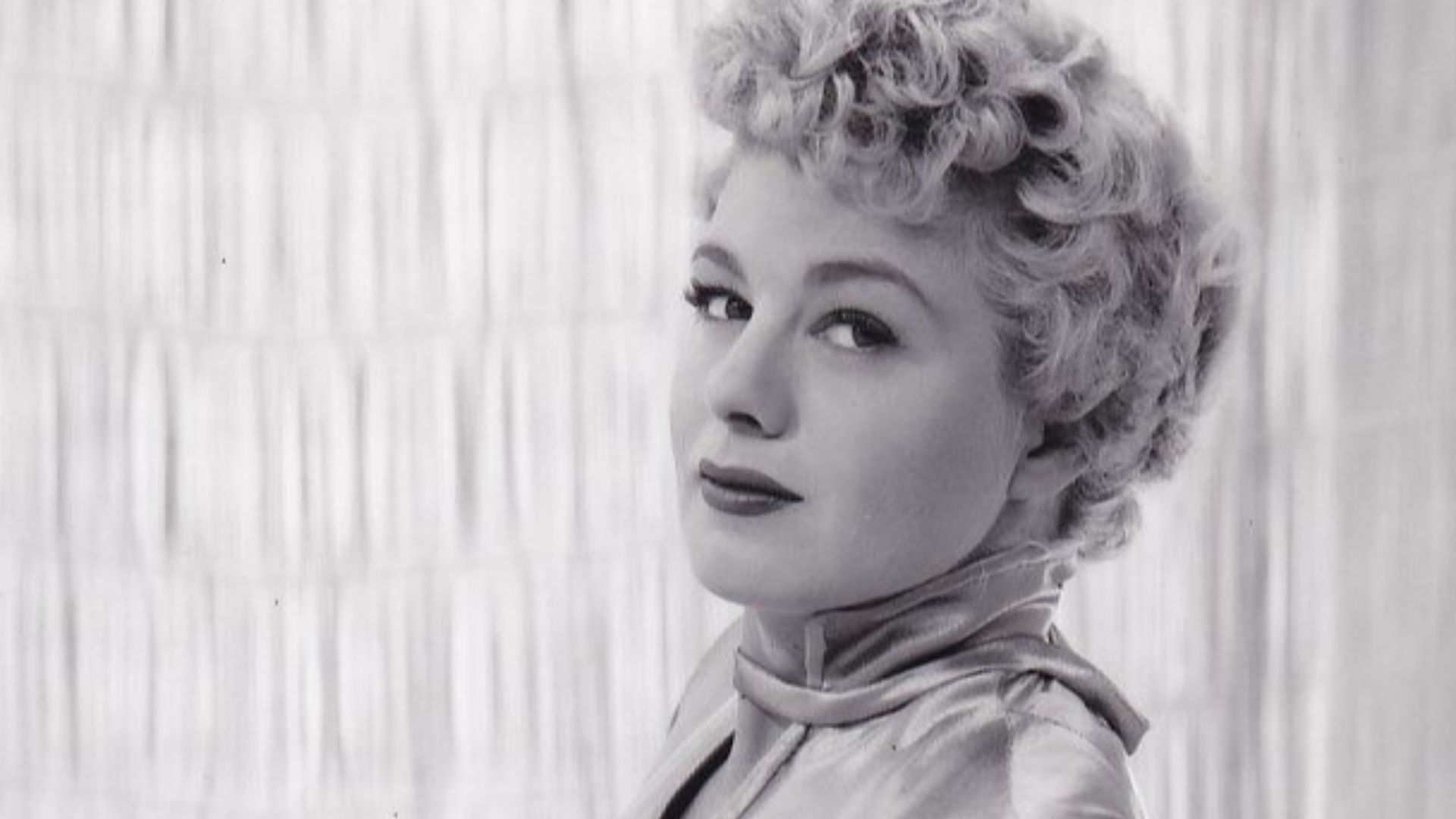 Engstead, John, Wikimedia Commons
Dean Stockwell
Sharing “The Ruth Owens Story” with Winters was Dean Stockwell, already a veteran despite being only in his early 20s. Stockwell had been a prominent child actor in films including Anchors Aweigh (1945) and The Boy with Green Hair (1948), decades before Quantum Leap.
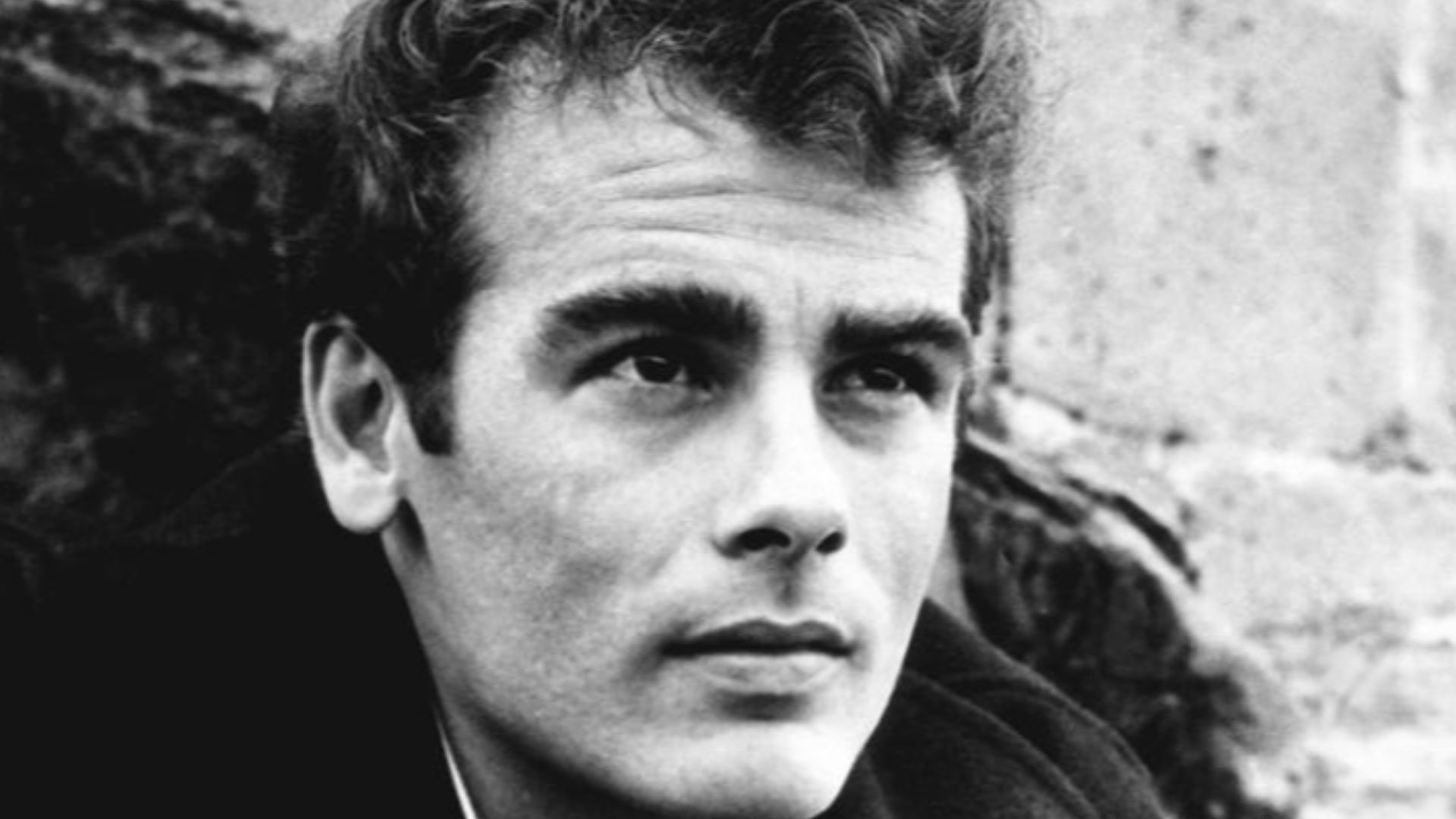 Cinemascope, Wikimedia Commons
Sterling Hayden
Sterling Hayden brought genuine big-screen Western credentials to “The Les Rand Story” on October 16, 1957. The towering actor had already appeared in The Asphalt Jungle (1950), Johnny Guitar (1954), and Stanley Kubrick's The Killing (1956), making him another unusually substantial first-season guest.
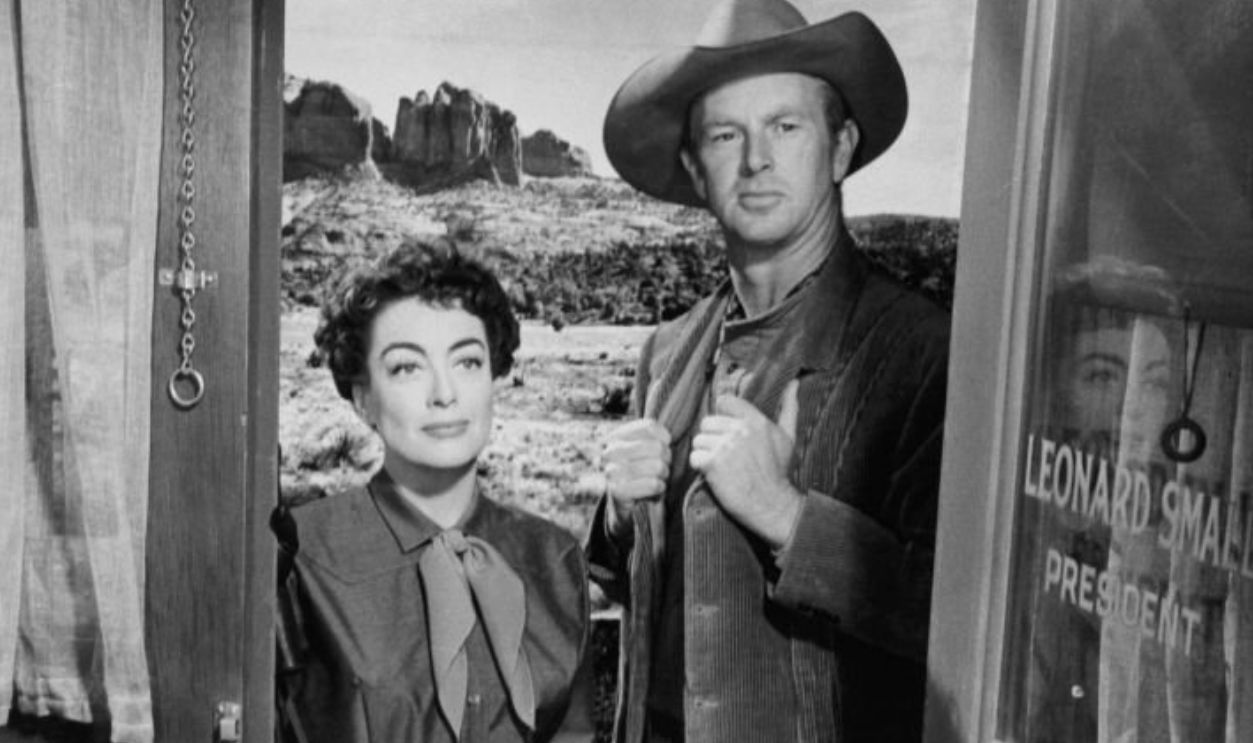
Mercedes McCambridge
Academy Award winner Mercedes McCambridge starred in “The Emily Rossiter Story,” airing October 30, 1957. She had won her Oscar for All the King's Men (1949) and later became unforgettable in Giant (1956). Susan Oliver and John Dehner also appeared in the episode.
 Unknown authorUnknown author, Wikimedia Commons
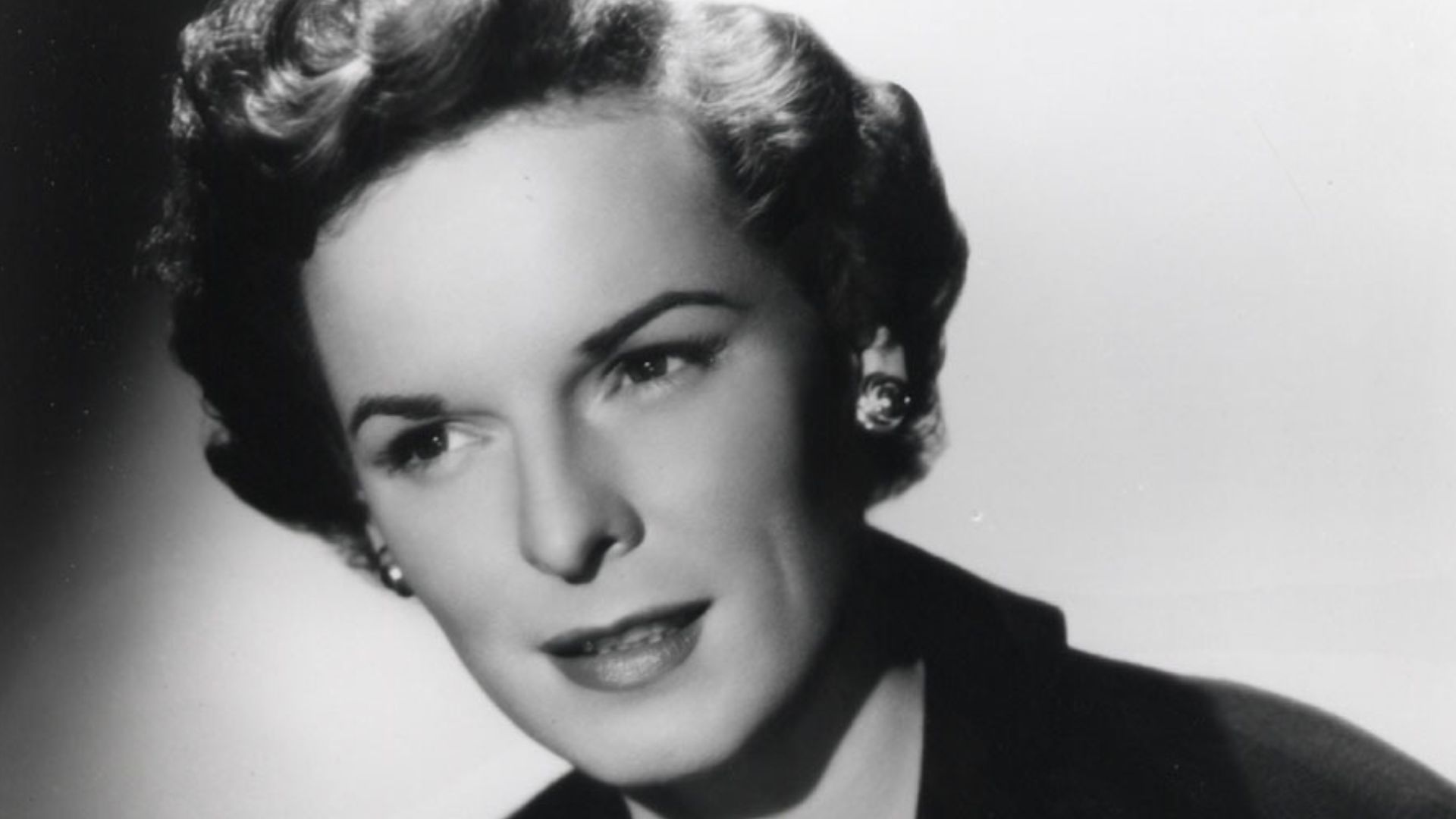
Eddie Albert
Future Green Acres star Eddie Albert took the title role in “The John Darro Story” on November 6, 1957. Albert was already a respected movie actor and had received an Oscar nomination for Roman Holiday (1953). Edgar Buchanan was among the episode's other familiar faces.
 Unknown authorUnknown author, Wikimedia Commons
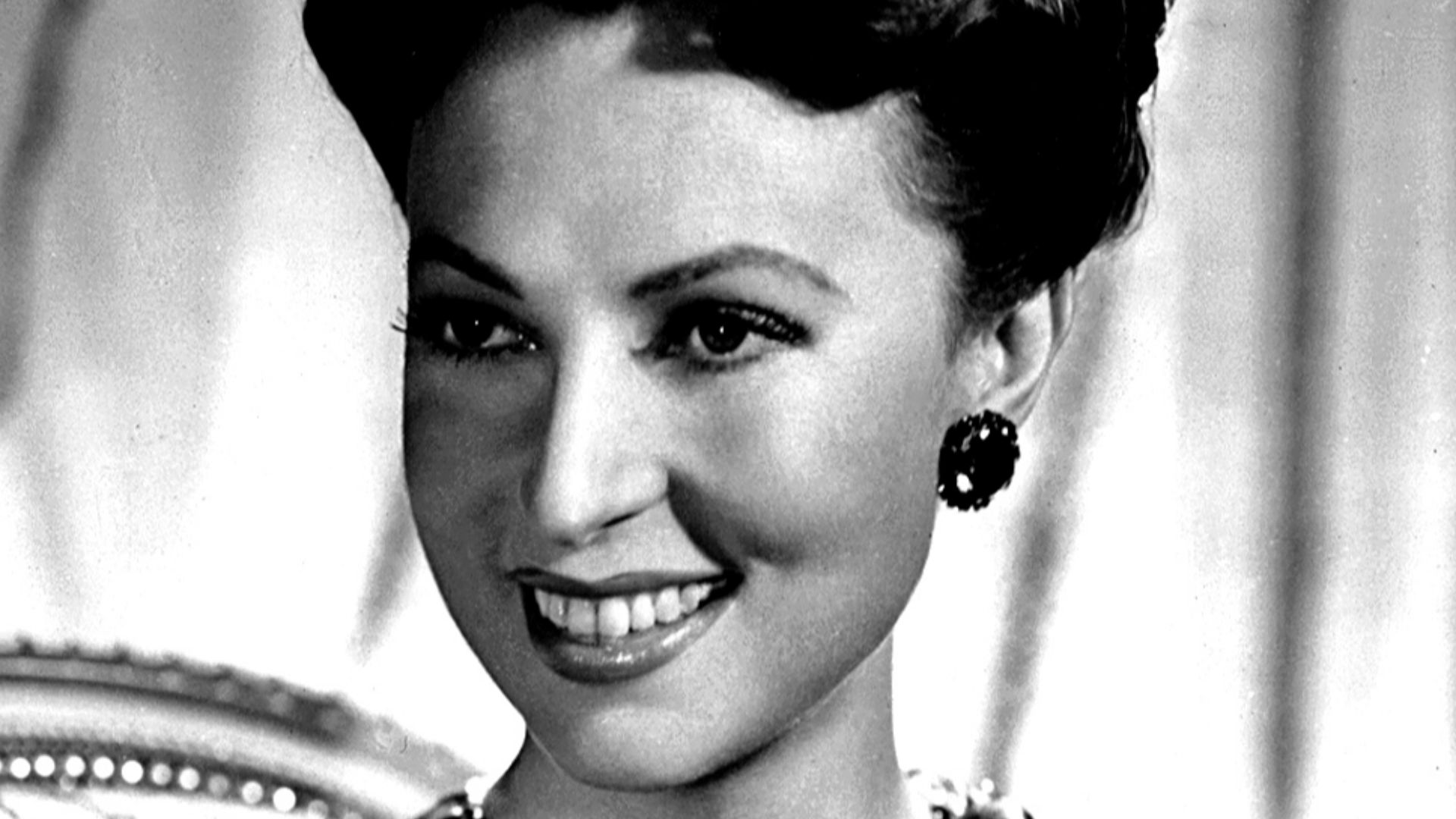
Agnes Moorehead
Before becoming Endora on Bewitched, Agnes Moorehead headlined “The Mary Halstead Story” on November 20, 1957. Her formidable résumé already included Citizen Kane (1941), The Magnificent Ambersons (1942), and Johnny Belinda (1948), along with multiple Academy Award nominations.
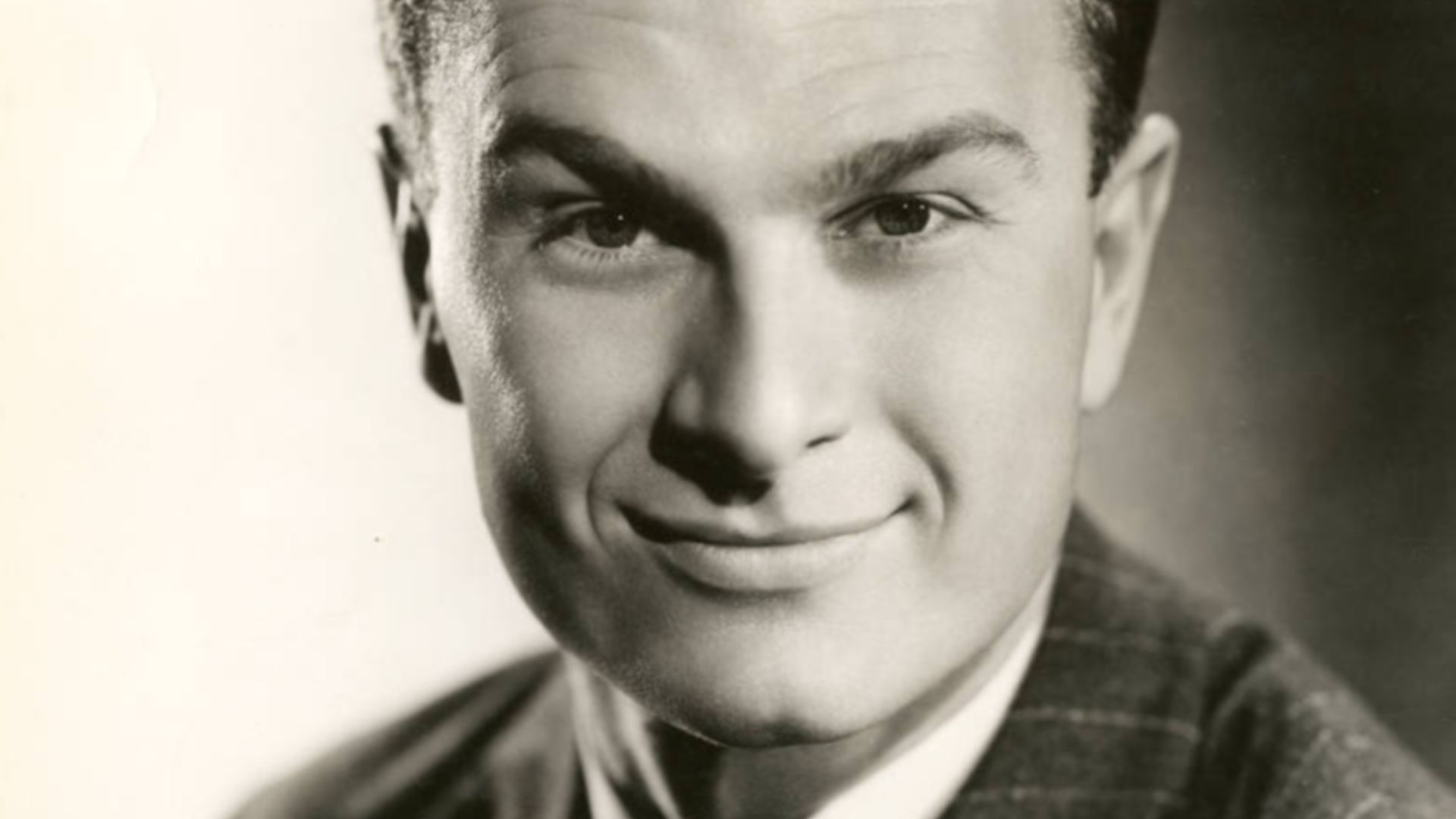
Dan Duryea
One of Hollywood's great screen heavies, Dan Duryea appeared as Cliff Grundy in “The Cliff Grundy Story” on Christmas Day 1957. Audiences knew his wonderfully unpleasant screen persona from films such as The Woman in the Window (1944) and Scarlet Street (1945).
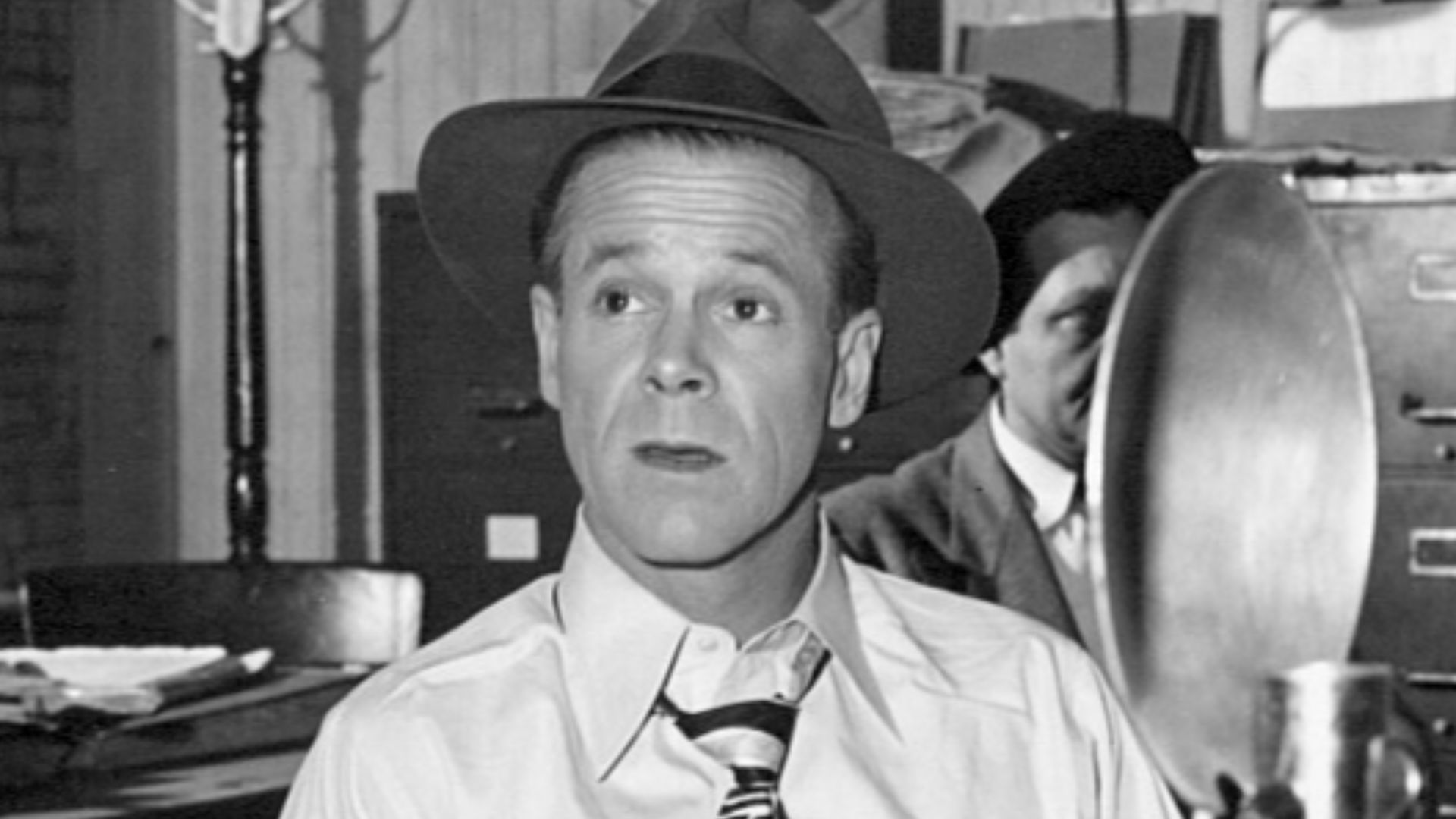 J. Walter Thompson, ad agency for Ford Motor Company, the show's sponsor, Wikimedia Commons
Keenan Wynn
Keenan Wynn became Luke O'Malley in “The Luke O'Malley Story,” broadcast January 1, 1958. The prolific character actor had already accumulated an enormous film résumé, including Annie Get Your Gun (1950) and Kiss Me Kate (1953), and would remain busy for decades afterward.
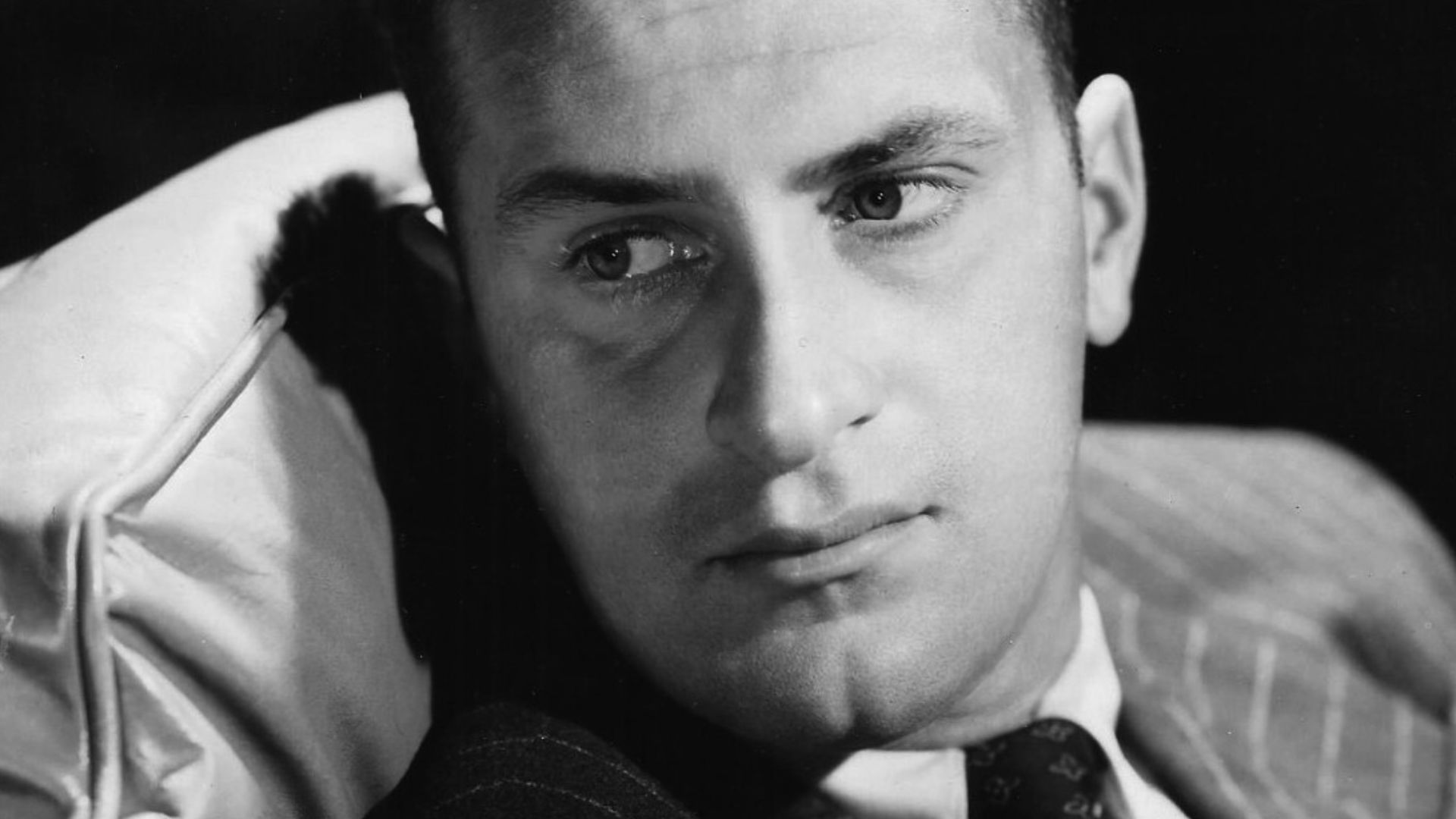
Lee Van Cleef
Before Sergio Leone turned him into an international Western icon, Lee Van Cleef appeared in “The Jesse Cowan Story” on January 8, 1958. He was still years away from For a Few Dollars More (1965) and The Good, the Bad and the Ugly (1966).
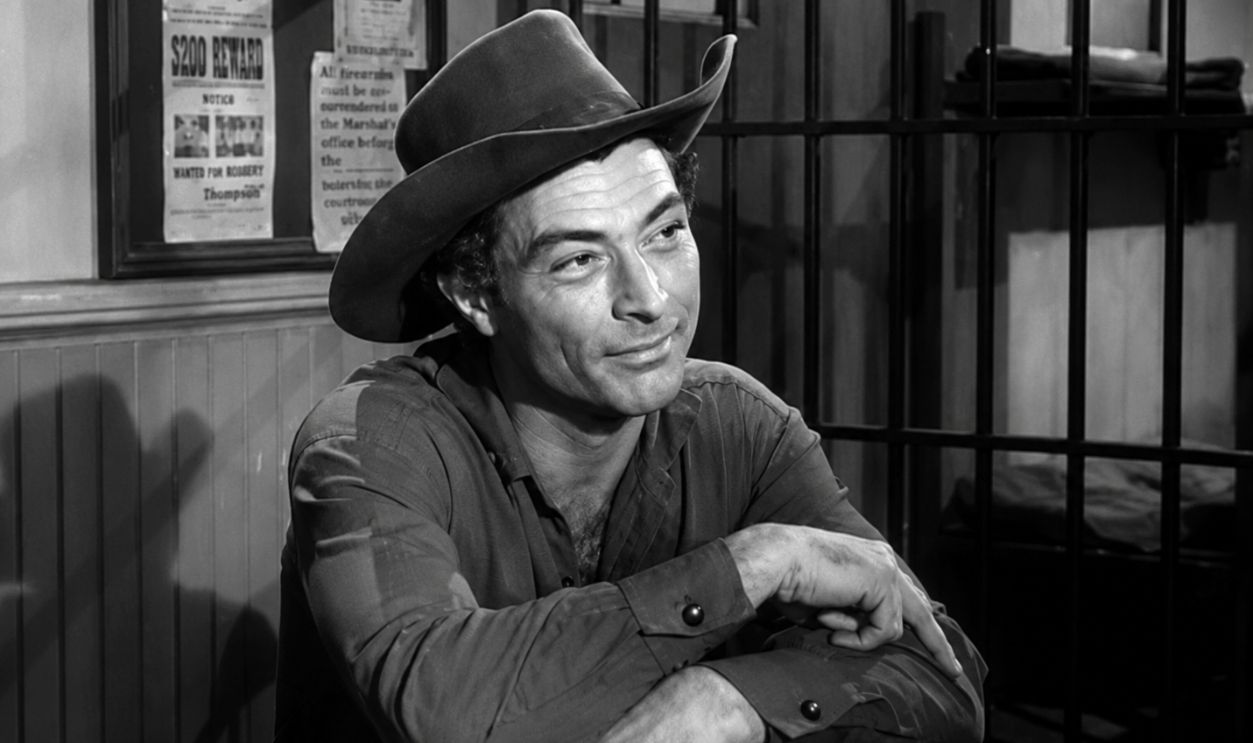 Albert C. Gannaway, Wikimedia Commons, Enhanced
James Whitmore
James Whitmore guest-starred in “The Gabe Carswell Story” on January 15, 1958. The respected actor had already earned an Academy Award nomination for Battleground (1949) and appeared in The Asphalt Jungle (1950). His long career would eventually bring him another Oscar nomination decades later.
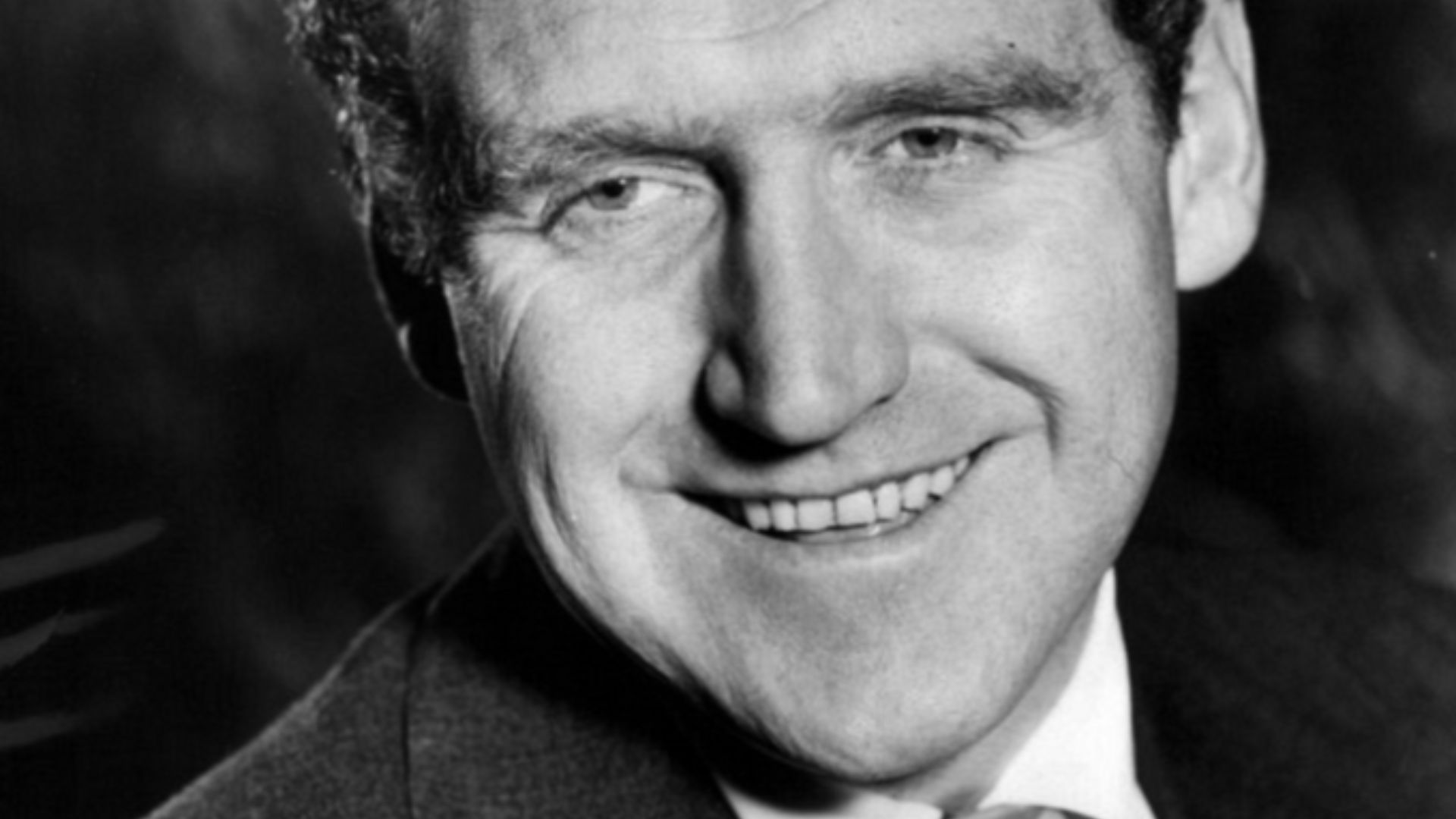
Lou Costello
Lou Costello made one of his final television appearances without longtime partner Bud Abbott in “The Tobias Jones Story,” airing October 22, 1958. Costello played a stowaway whose drinking leaves him vulnerable to a murder accusation. He died less than five months later, aged only 52.
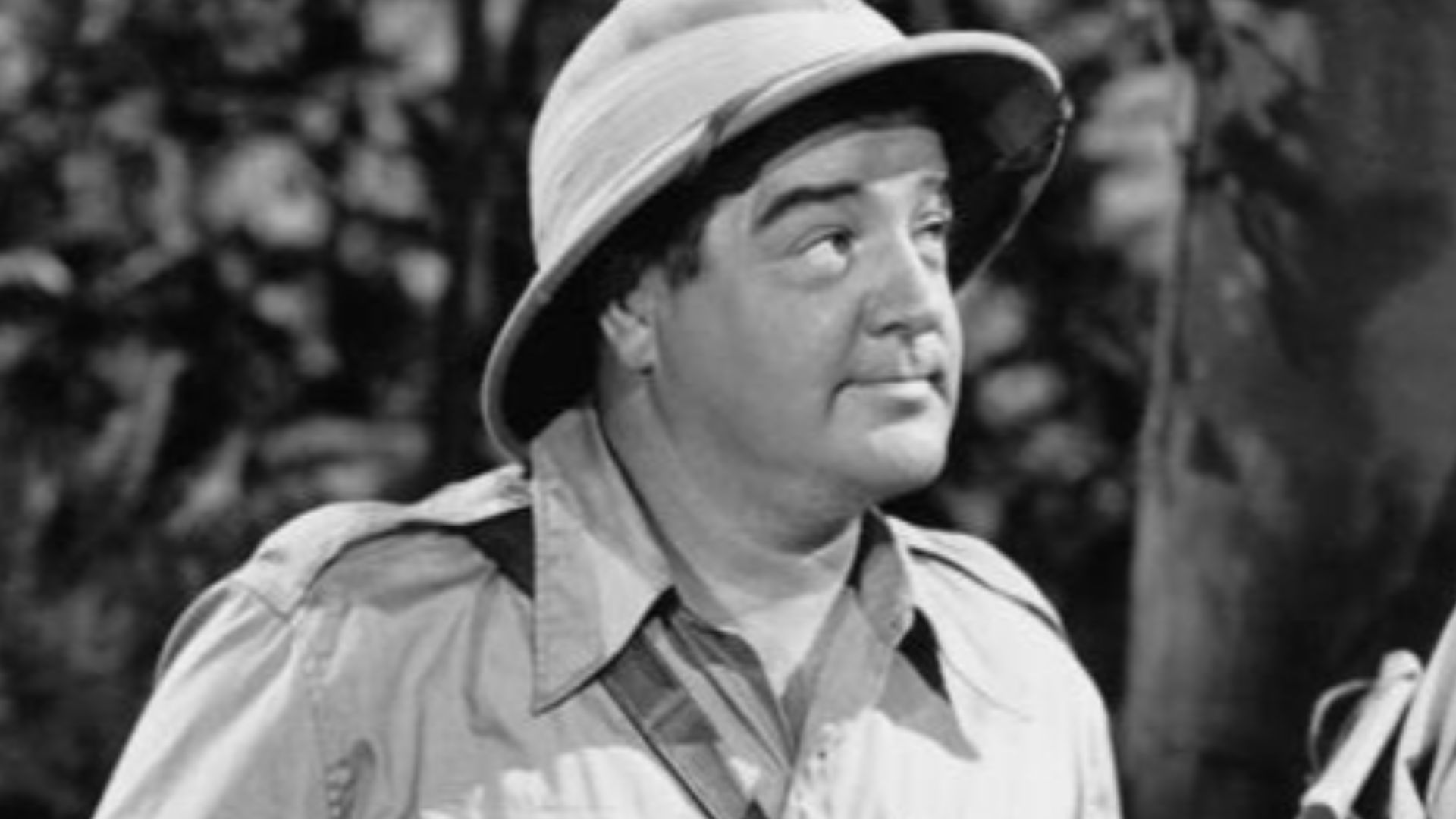 film screenshot, Wikimedia Commons
Jane Wyman
Academy Award winner Jane Wyman starred in “The Doctor Willoughby Story,” airing November 12, 1958. Wyman had won Best Actress for Johnny Belinda (1948) and starred in Douglas Sirk's Magnificent Obsession (1954) and All That Heaven Allows (1955), years before her television comeback on Falcon Crest.
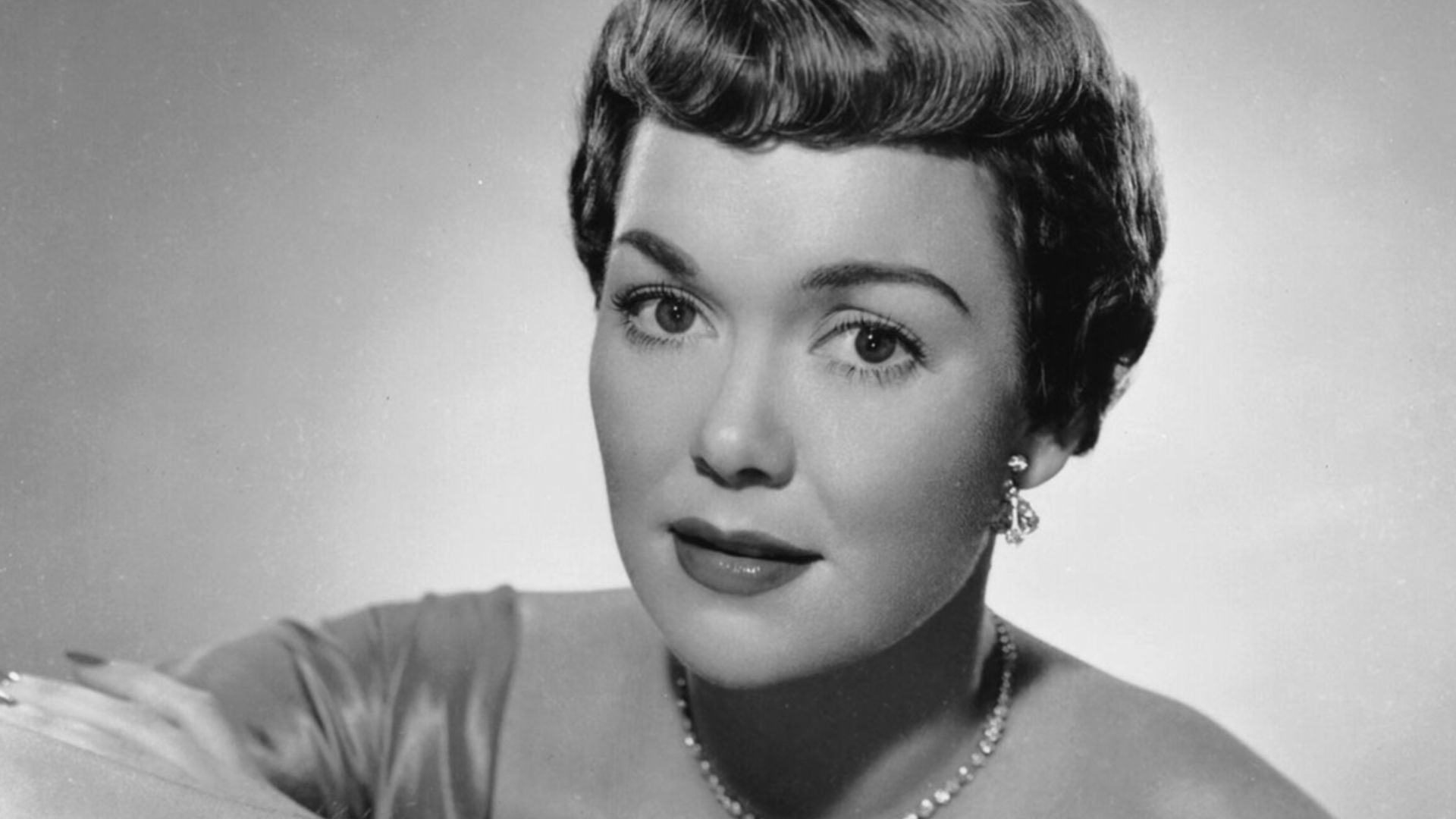 Studio Publicity, Wikimedia Commons
Sessue Hayakawa
Sessue Hayakawa appeared in “The Sakae Ito Story” on December 3, 1958. One of Hollywood's earliest Asian stars, Hayakawa had recently reached another career peak playing Colonel Saito opposite Alec Guinness and William Holden in The Bridge on the River Kwai (1957), earning an Oscar nomination.
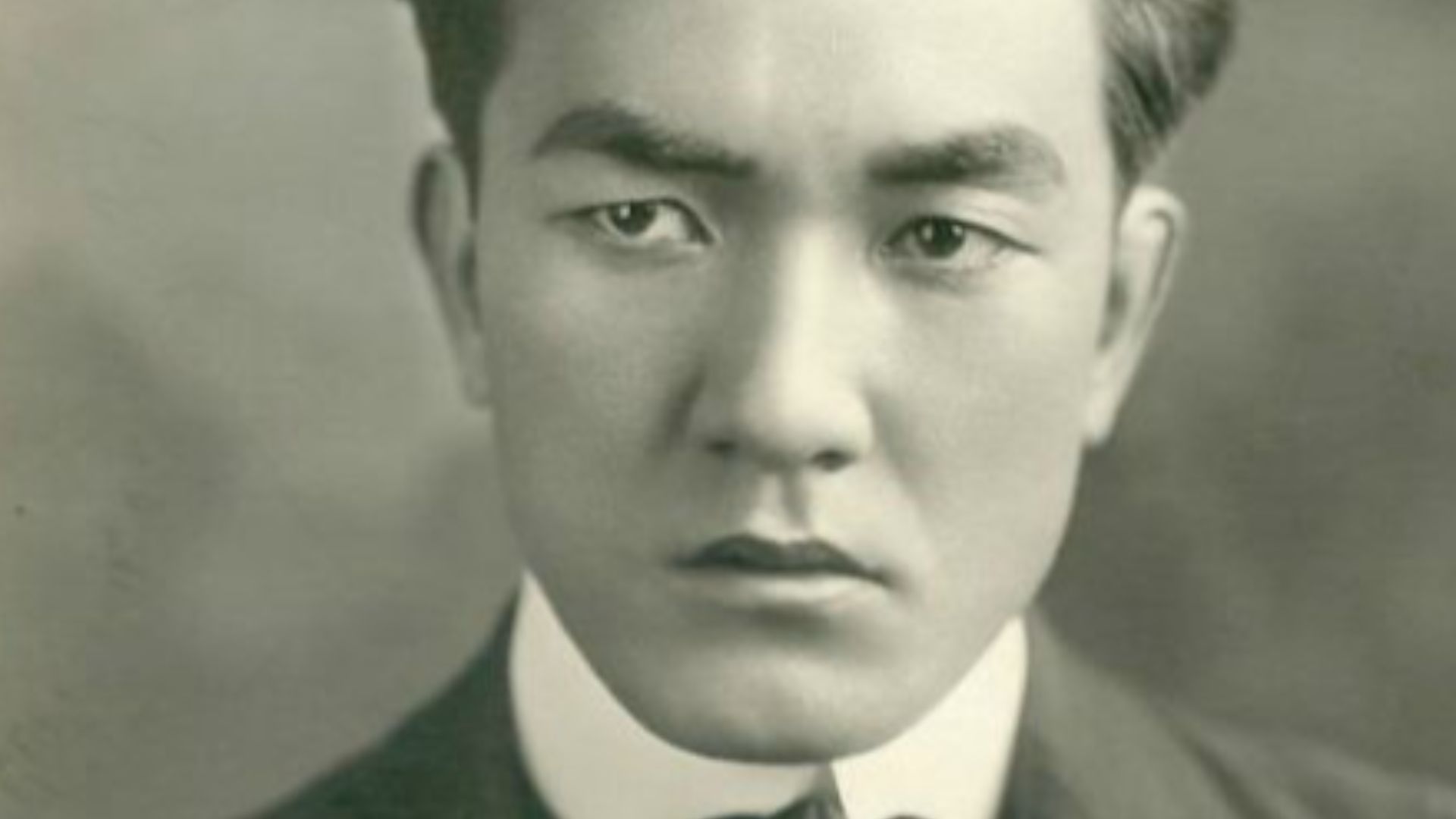 Albert Witzel, Wikimedia Commons
Bette Davis
Bette Davis first boarded the train as Ella Lindstrom in “The Ella Lindstrom Story,” airing February 4, 1959. Already a two-time Oscar winner and one of Hollywood's defining actresses, Davis played a widowed mother facing the daunting responsibility of taking her seven children west.
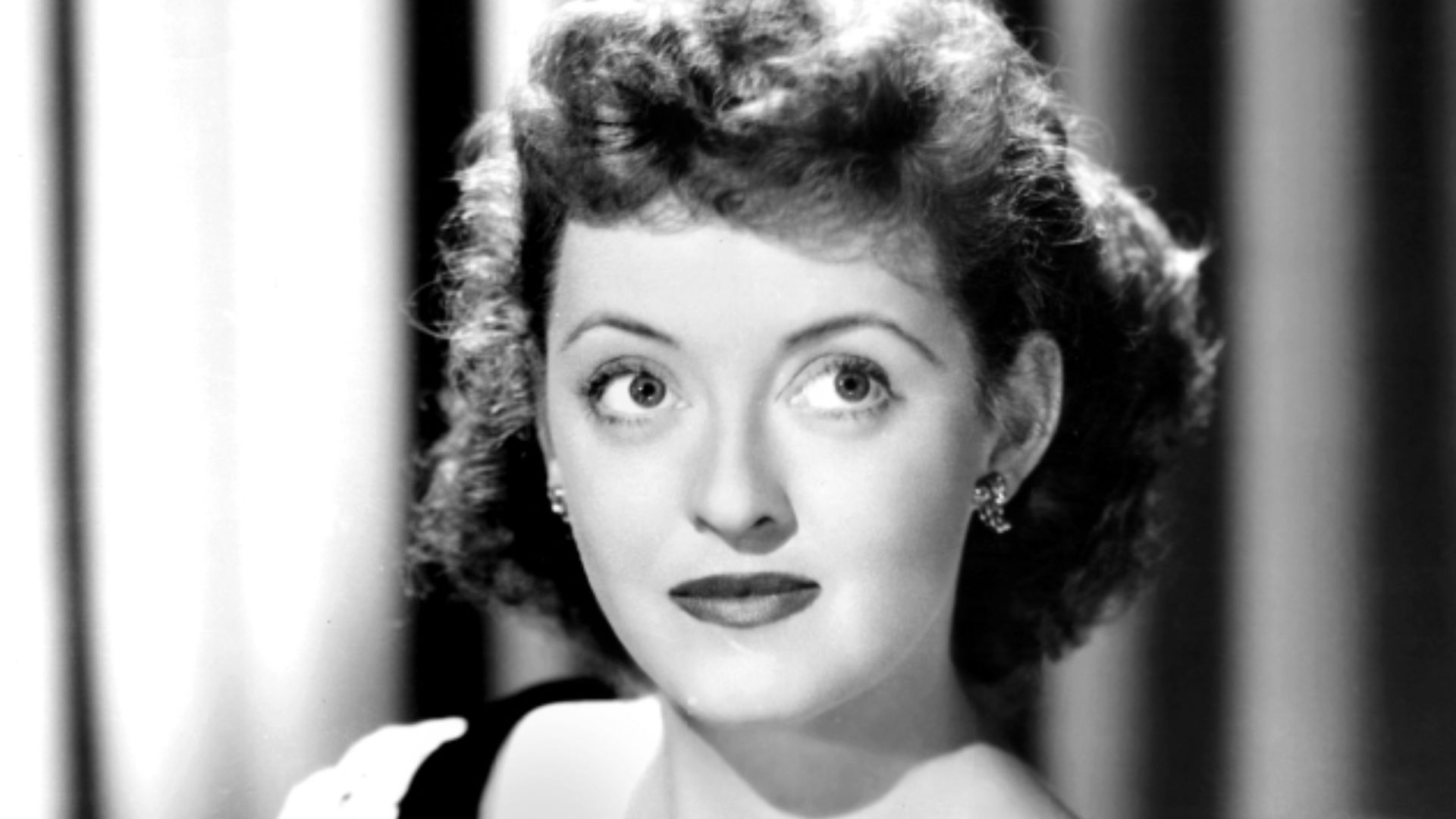 Studio Publicity, Wikimedia Commons
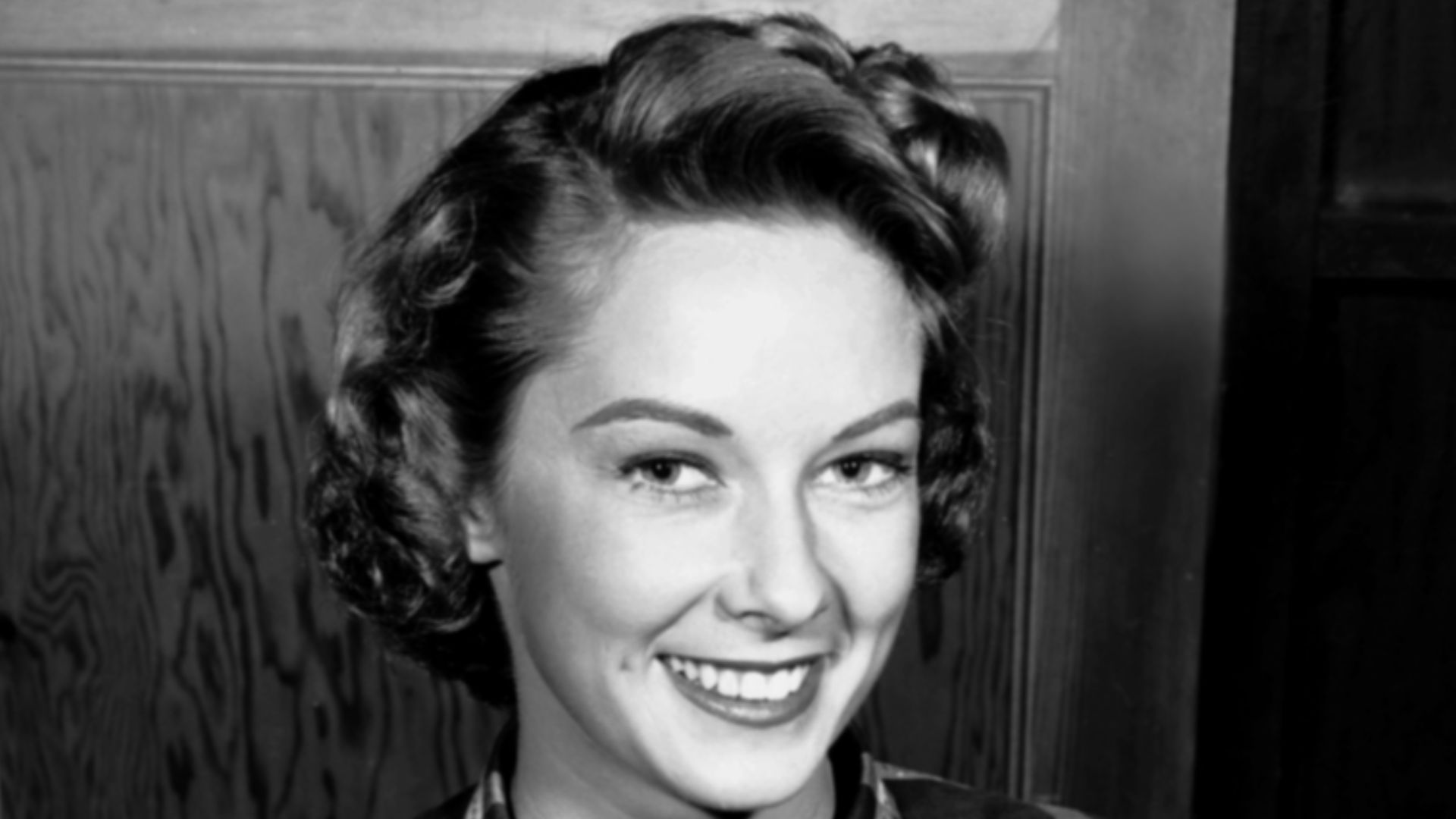
Vera Miles
John Ford and Alfred Hitchcock favorite Vera Miles appeared as Sister Rita on March 25, 1959. “The Sister Rita Story” followed three nuns traveling to establish a mission school. Miles was between The Searchers (1956) and her later roles in Psycho (1960) and The Man Who Shot Liberty Valance (1962).
 Studio Publicity, Wikimedia Commons
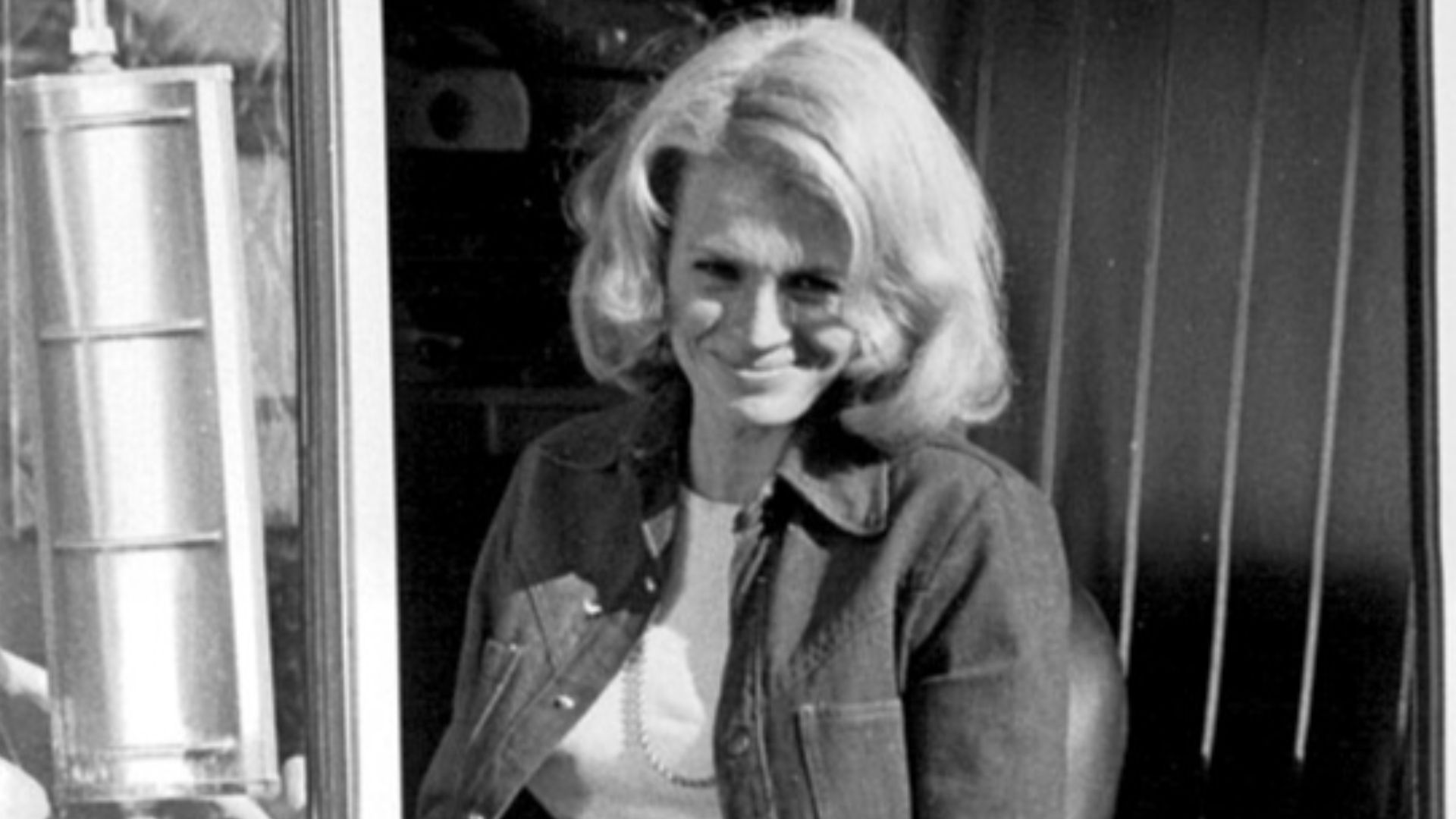
Angie Dickinson
Angie Dickinson played the title character in “The Clara Duncan Story,” airing April 22, 1959. Her movie breakthrough in Rio Bravo (1959) arrived that same year. Dickinson's Clara traveled west searching for her missing fiancé, whose painting might expose a deadly crime.
 NBC Television, Wikimedia Commons
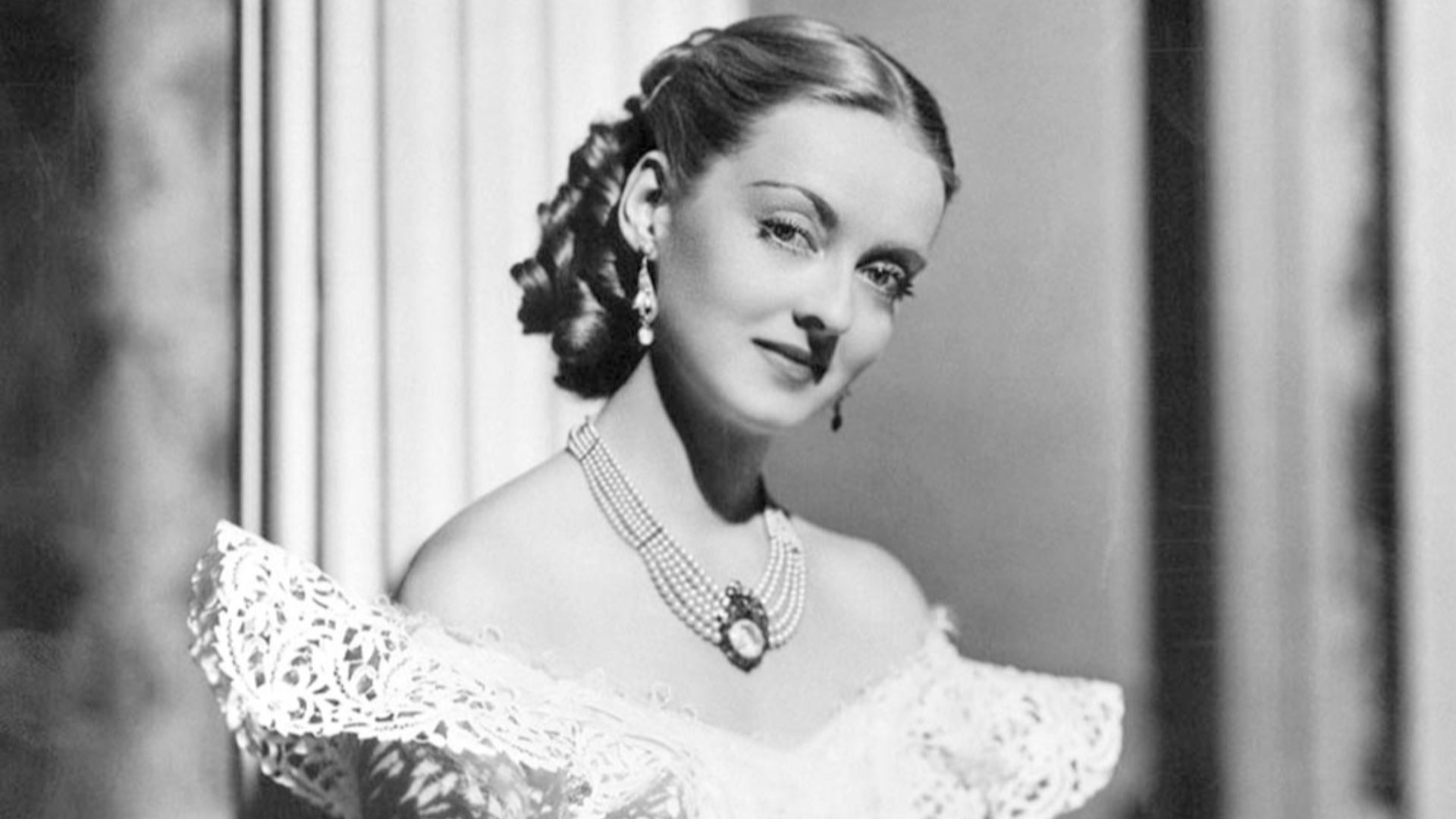
Bette Davis Returned
Davis wasn't finished. She returned as Elizabeth McQueeny in “The Elizabeth McQueeny Story” on October 28, 1959. This time she played a woman transporting young women west under questionable circumstances. Remarkably, the Hollywood legend would eventually make a third completely separate appearance on the series.
 Photoplay Publishing Company; Warner Bros., Wikimedia Commons
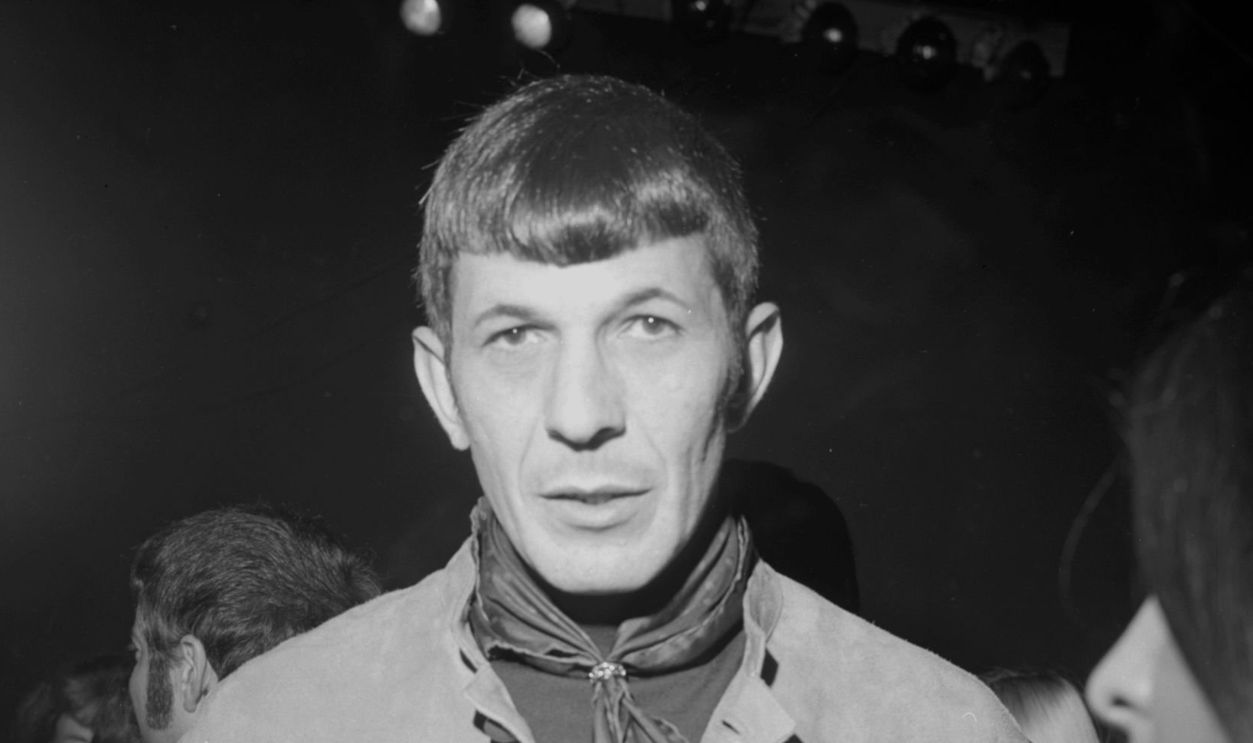
Leonard Nimoy
Long before Spock, Leonard Nimoy appeared alongside Ernest Borgnine in “The Estaban Zamora Story,” airing October 21, 1959. Nimoy played Bernabe Zamora. His Wagon Train appearance came seven years before Star Trek premiered and provides one of the show's best “wait, is that really him?” moments.
 Michael Ochs Archives, Getty Images
Peter Lorre
Nobody sounded quite like Peter Lorre, and Wagon Train put that unmistakable presence to work in “The Alexander Portlass Story” on March 16, 1960. Lorre's Portlass kidnaps Flint to help search for Montezuma's treasure. His classics already included M (1931) and Casablanca (1942).
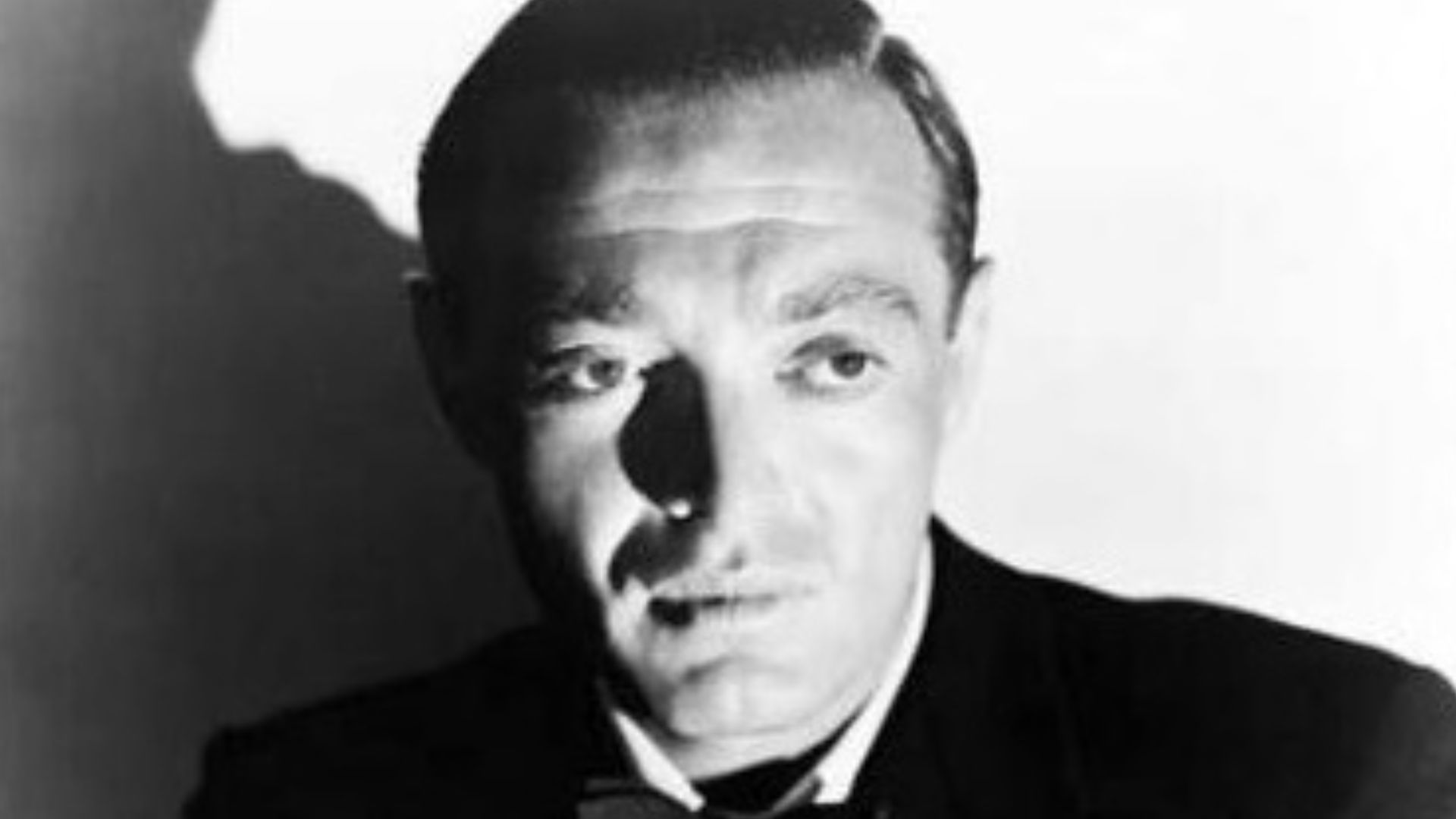 Unknown authorUnknown author, Wikimedia Commons
Charles Laughton
Charles Laughton starred as the imperious British Colonel Albert Farnsworth on October 12, 1960. “The Albert Farnsworth Story” arrived nearly three decades after Laughton won an Oscar for The Private Life of Henry VIII (1933), and just two years before his final film, Advise & Consent (1962).
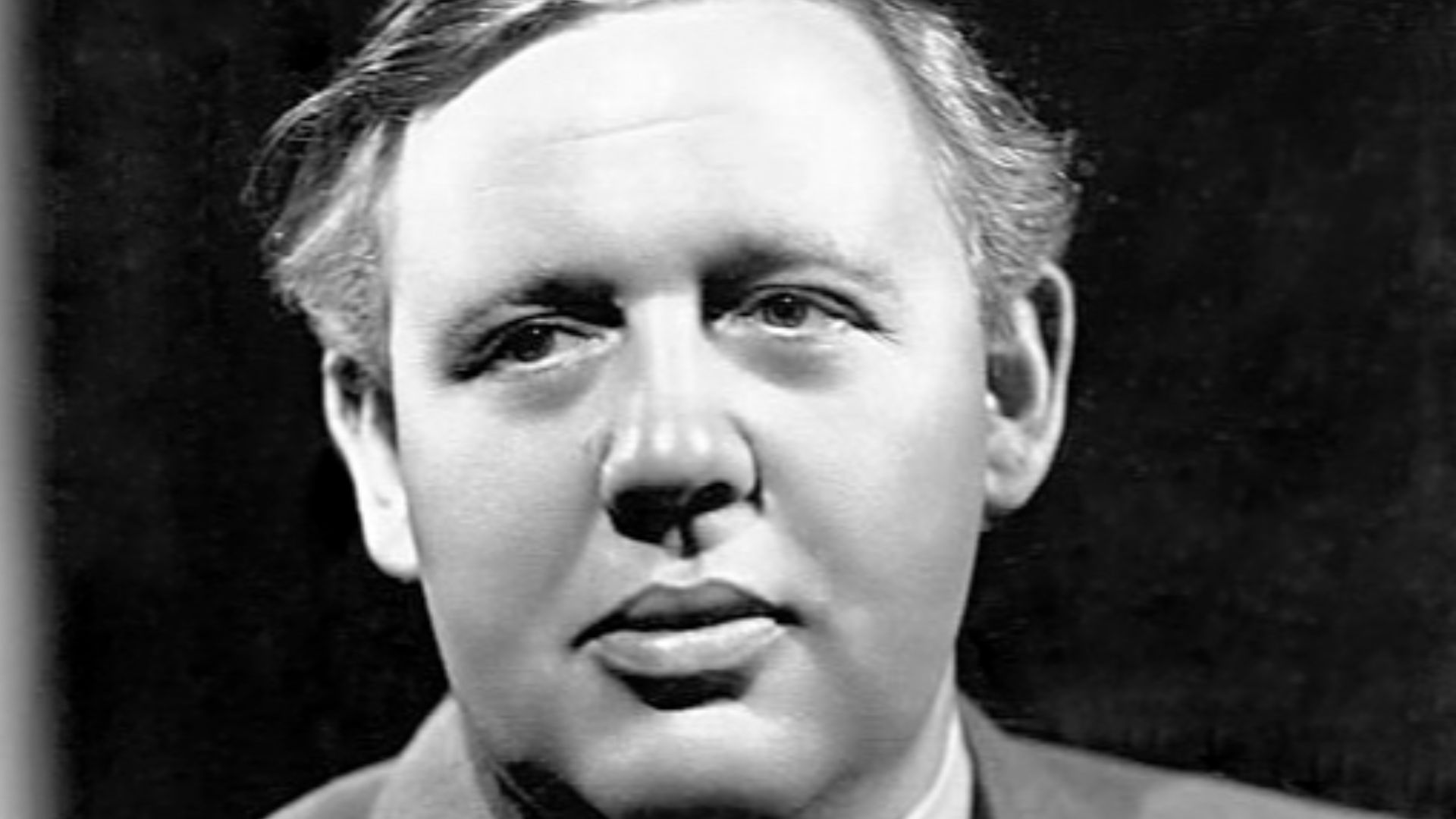 Clarence Sinclair Bull, Wikimedia Commons
Lee Marvin
Lee Marvin was still several years away from his Oscar-winning performance in Cat Ballou (1965) when he appeared in “The Jose Morales Story” on October 26, 1960. He played a bandit leader forced into an uneasy alliance when a greater threat puts opposing groups in danger.
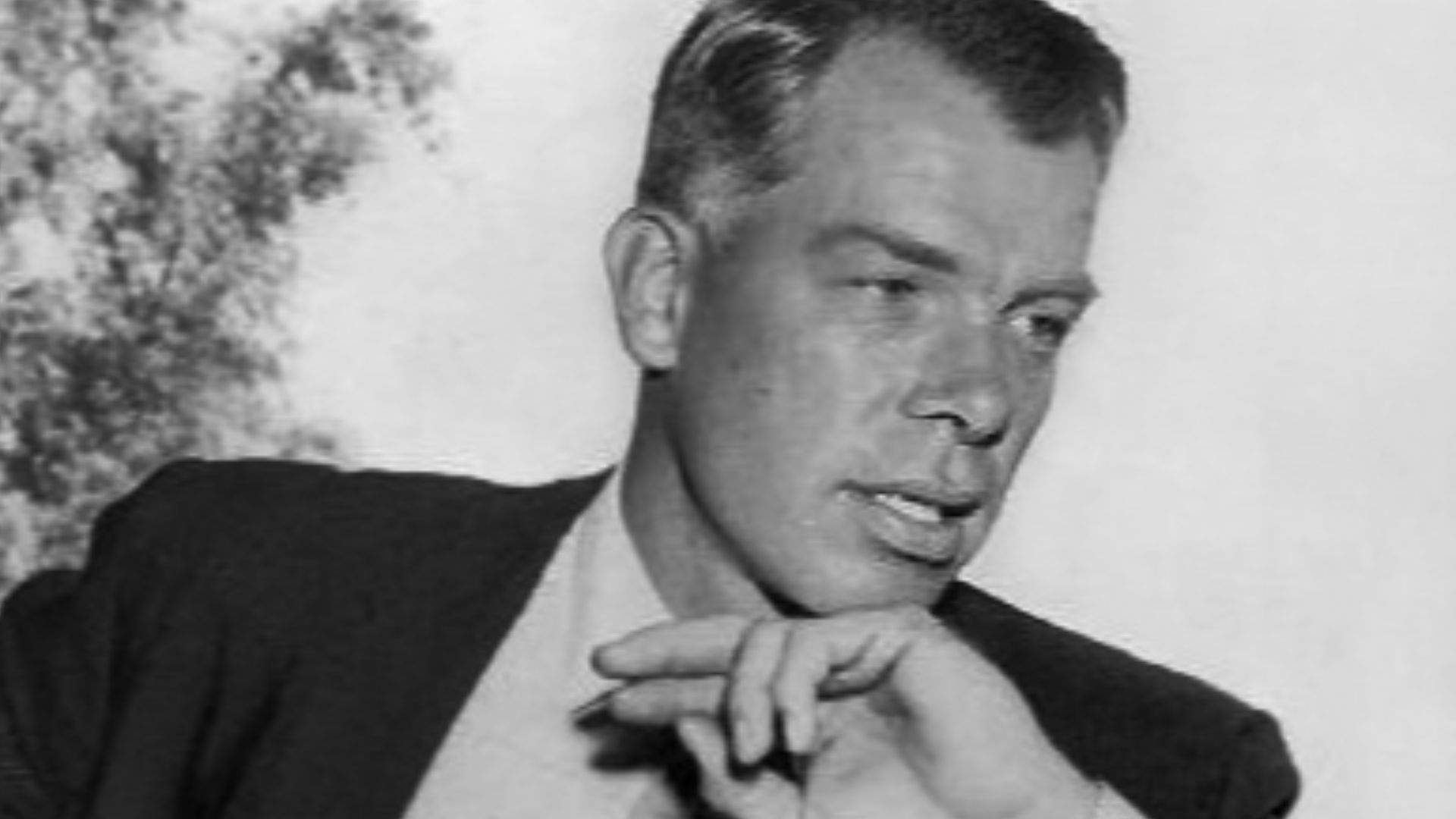 NBC Television, Wikimedia Commons
Anne Baxter
Oscar winner Anne Baxter starred as a determined frontier woman in “The Kitty Angel Story,” airing January 7, 1959. Baxter was already famous for The Razor’s Edge (1946), which earned her an Academy Award, and All About Eve (1950), while The Ten Commandments (1956) had recently introduced her to another generation of moviegoers.
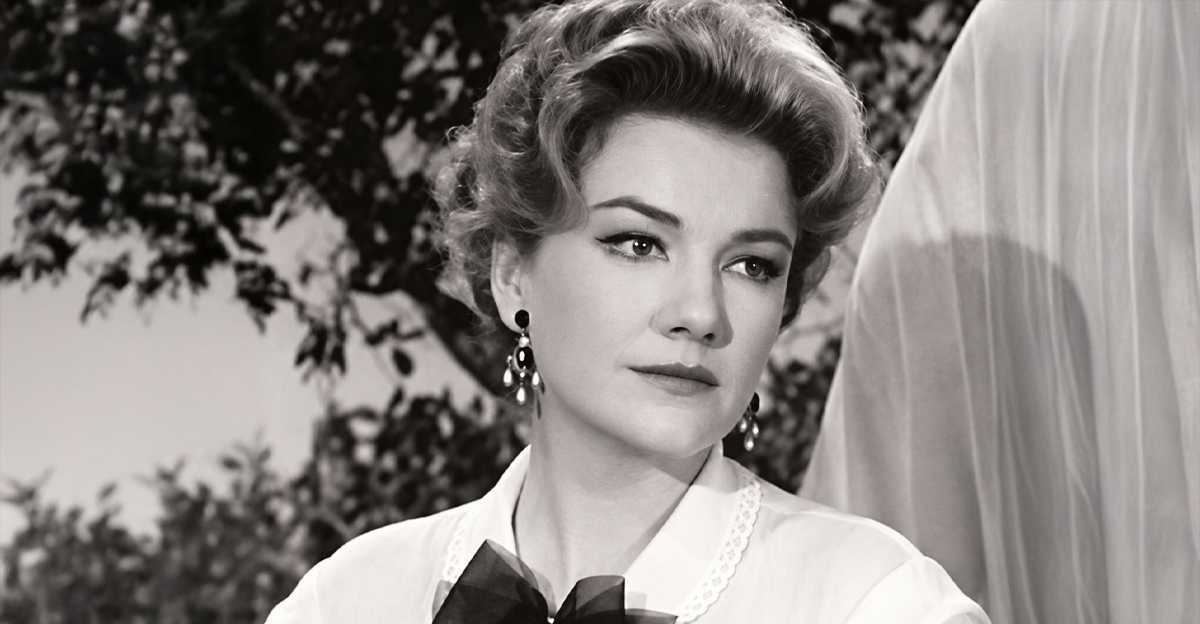 Screenshot of Anne Baxter in 'Wagon Train' episode
Barbara Stanwyck
Barbara Stanwyck took command as Maud Frazer in “The Maud Frazer Story,” airing October 11, 1961. Her character leads her wagon train after its men are killed. Stanwyck's formidable film résumé included Double Indemnity (1944), Stella Dallas (1937), and Ball of Fire (1941).
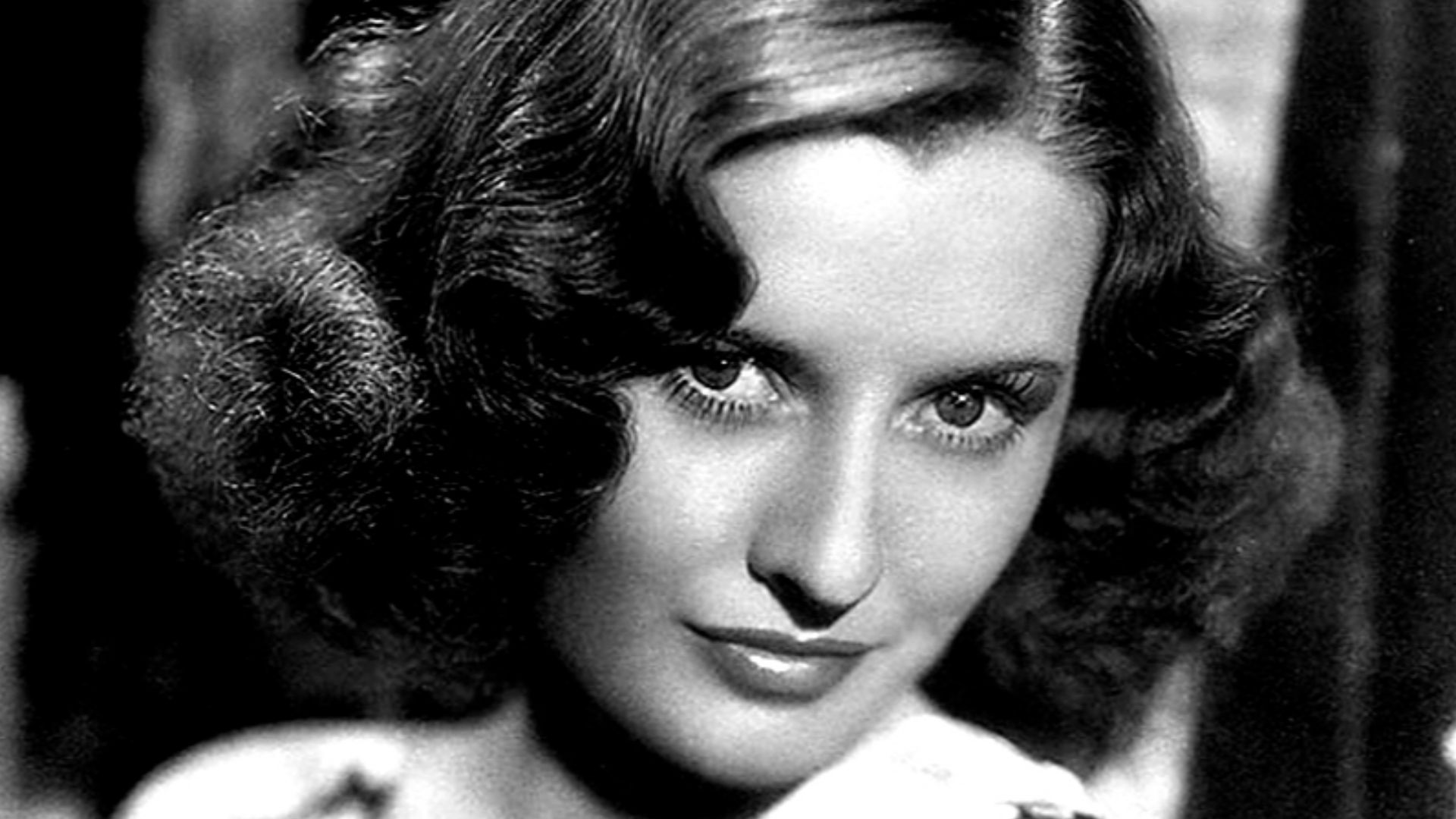 Unknown photographer, Wikimedia Commons
Joseph Cotten
Joseph Cotten opened the fifth season as flamboyant frontier scout Dan Brady in “The Captain Dan Brady Story,” airing September 27, 1961. Cotten brought considerable prestige from Citizen Kane (1941), The Magnificent Ambersons (1942), and The Third Man (1949).
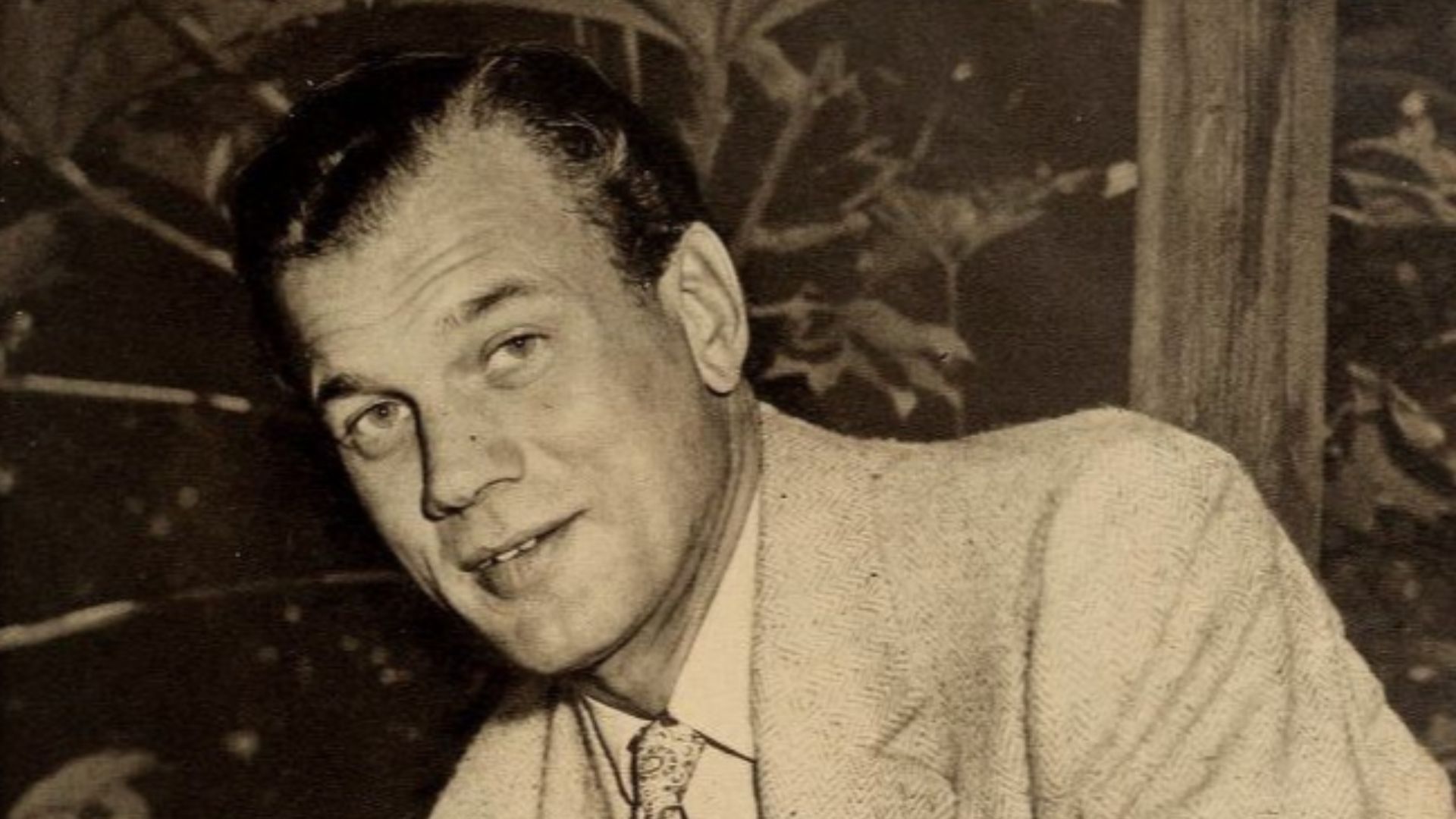 Dell Publishing, 1944, Wikimedia Commons
Franchot Tone
Former MGM leading man Franchot Tone starred in “The Malachi Hobart Story” on January 24, 1962. Tone had been Oscar-nominated for Mutiny on the Bounty (1935) and appeared opposite some of Hollywood's greatest actresses. Future The Beverly Hillbillies star Irene Ryan joined him in the episode.
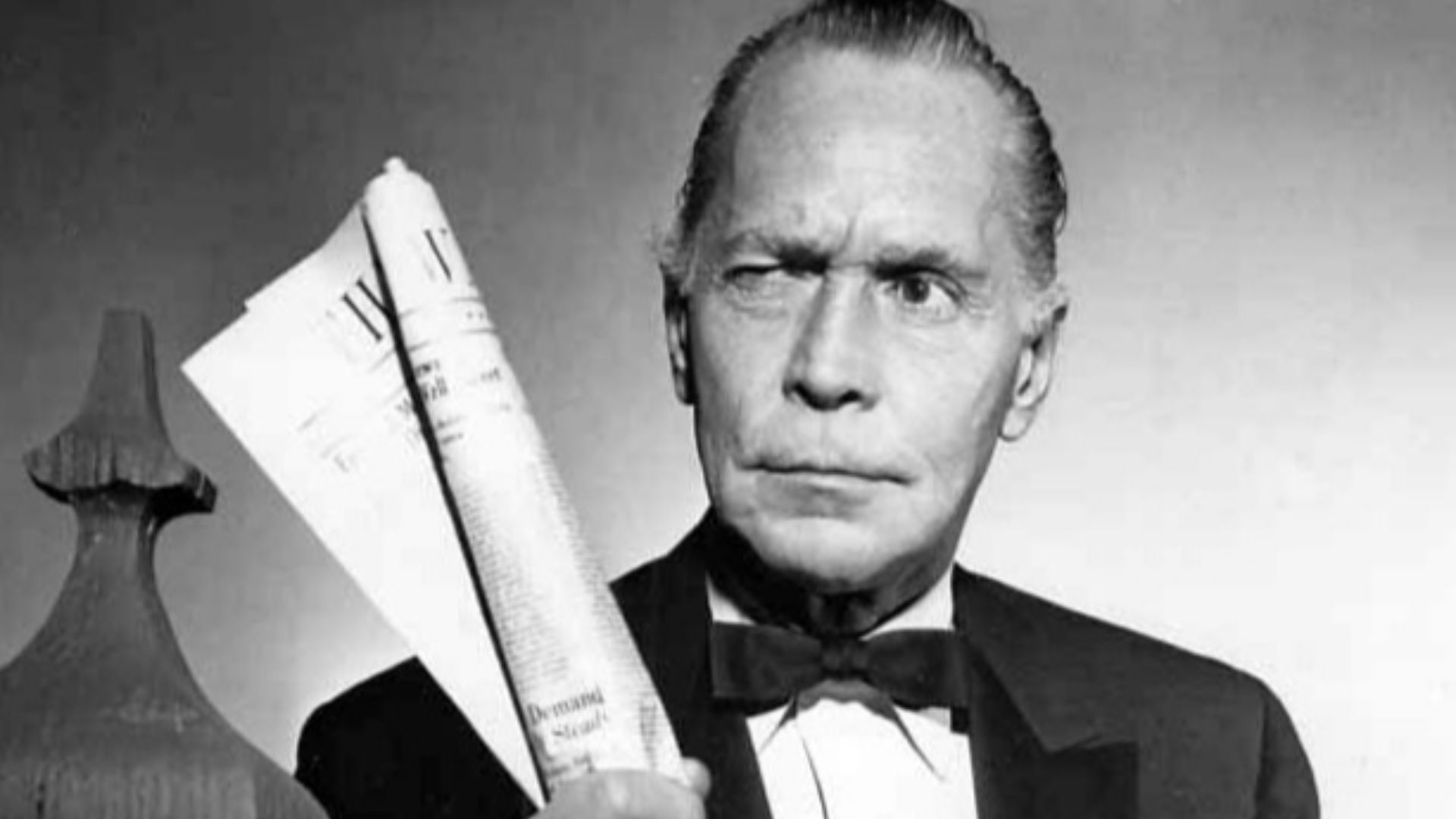 CBS Television, Wikimedia Commons
Jane Wyatt
Long before becoming Spock's mother on Star Trek, Jane Wyatt was already beloved as Margaret Anderson on Father Knows Best. She appeared as Heather Mahoney in “The Heather Mahoney Story,” the fifth-season finale broadcast June 13, 1962, with Chris Hale developing an interest in her society matron.
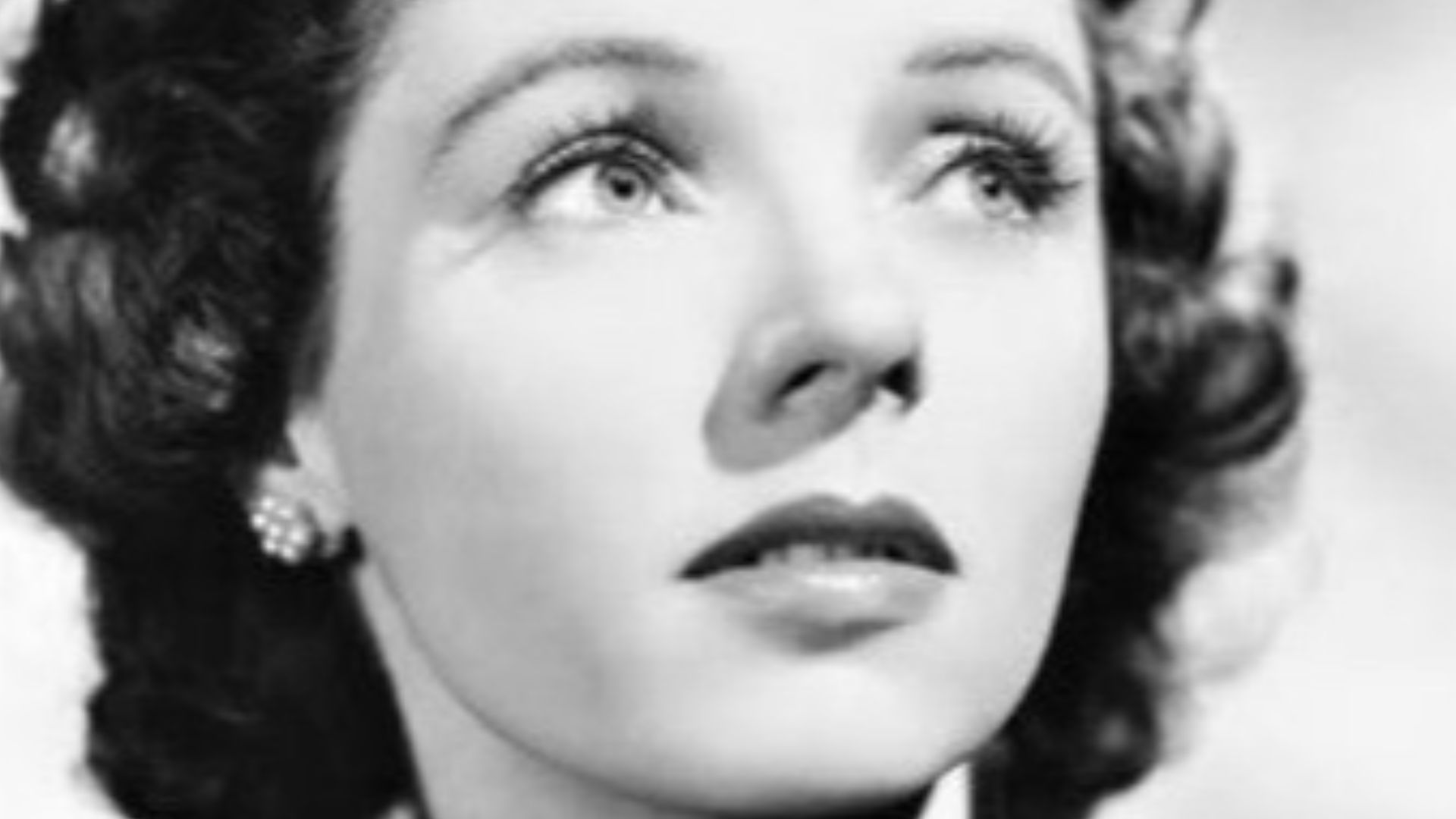 Unknown authorUnknown author, Wikimedia Commons
Robert Ryan
One of classic Hollywood's finest dramatic actors, Robert Ryan appeared in “The John Bernard Story” on November 21, 1962. Ryan's movie career stretched from Crossfire (1947), which earned him an Oscar nomination, through noirs and Westerns including The Naked Spur (1953). Beau Bridges also appeared.
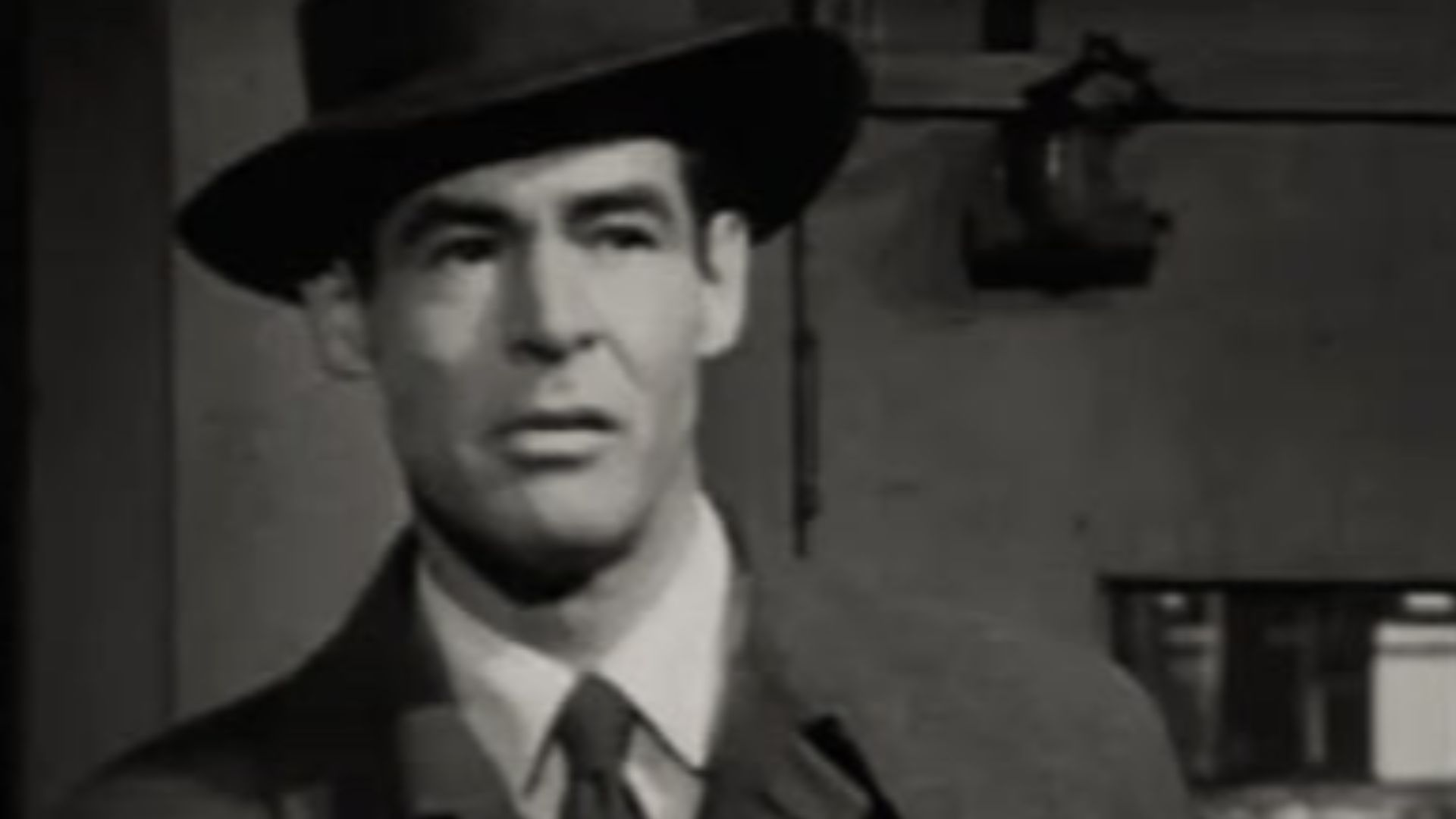 film trailer screenshot (RKO Pictures), Wikimedia Commons
Peter Fonda
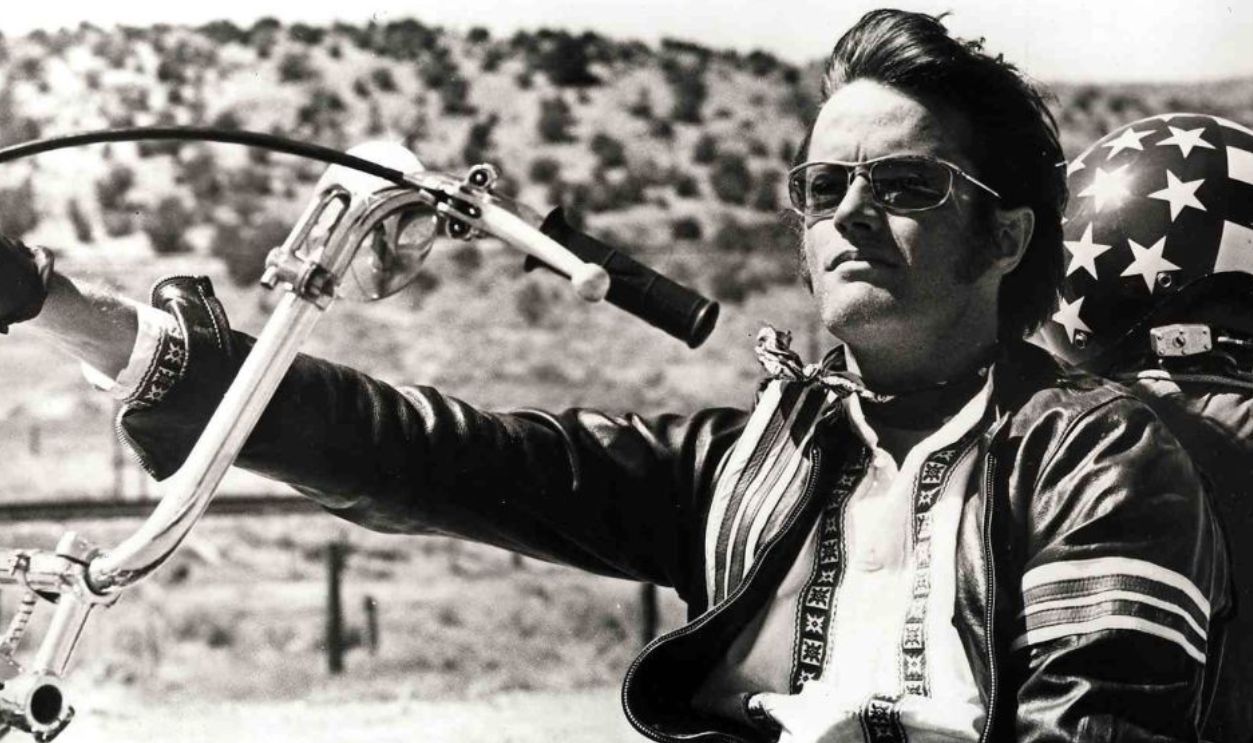
Before becoming a counterculture icon with Easy Rider (1969), Peter Fonda appeared in “The Orly French Story,” broadcast December 12, 1962. The son of Henry Fonda was then at the beginning of his screen career, making this a particularly fun appearance for viewers who know what came later.
Art Linkletter
Television personality Art Linkletter stepped into dramatic territory as the title character of “The Sam Darland Story,” airing December 26, 1962. Linkletter was far better known for programs such as House Party and People Are Funny. Nancy Reagan, credited under her professional name Nancy Davis, also appeared in the episode.
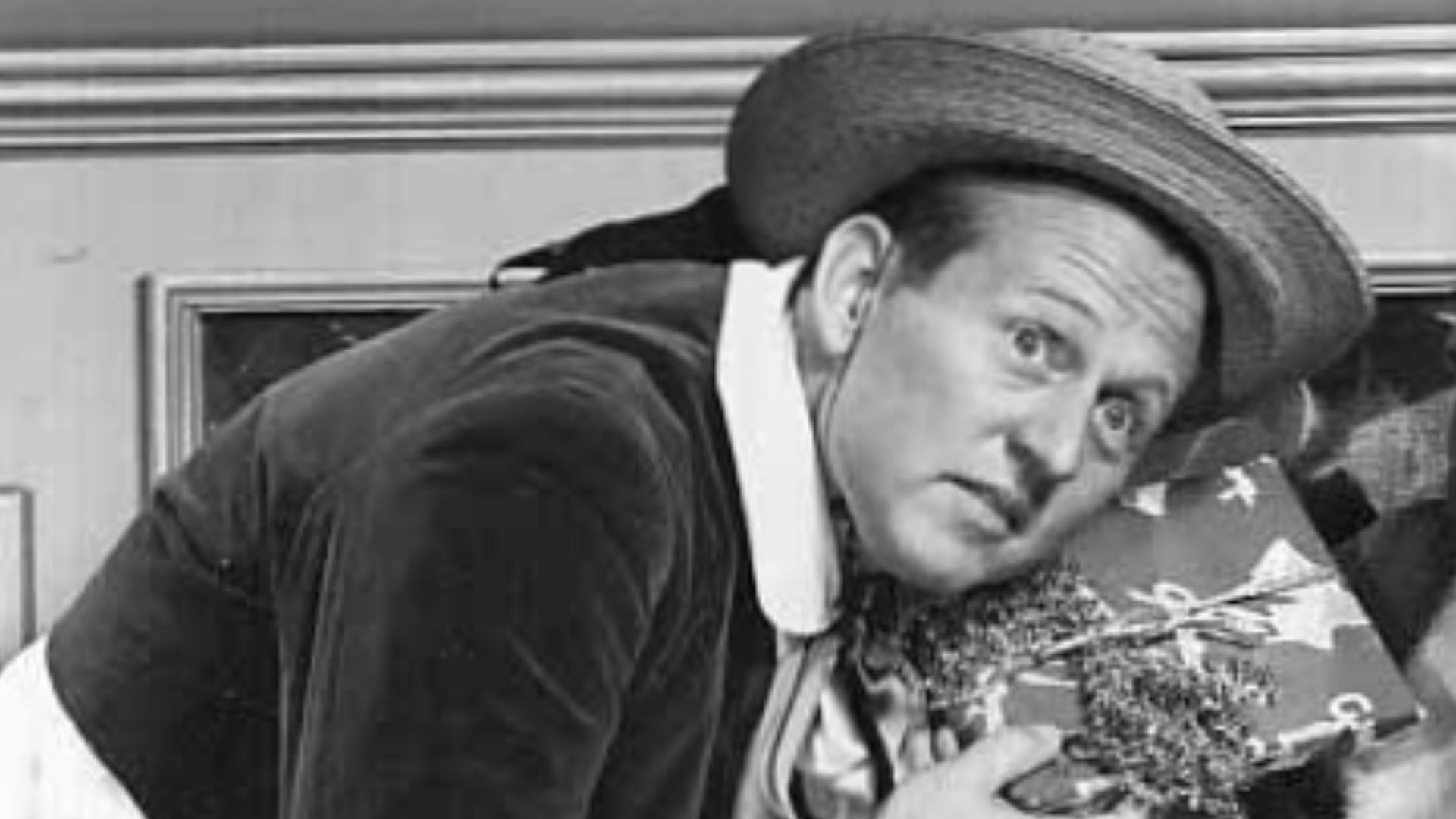 National Broadcasting Company, Wikimedia Commons
Barbara Stanwyck Returned
Stanwyck returned for the 90-minute color episode “The Molly Kincaid Story” on September 16, 1963. She played Kate Crawley, while Carolyn Jones portrayed Molly and Fabian appeared as Rome. The episode launched Wagon Train's ambitious seventh season, when the series expanded its running time.
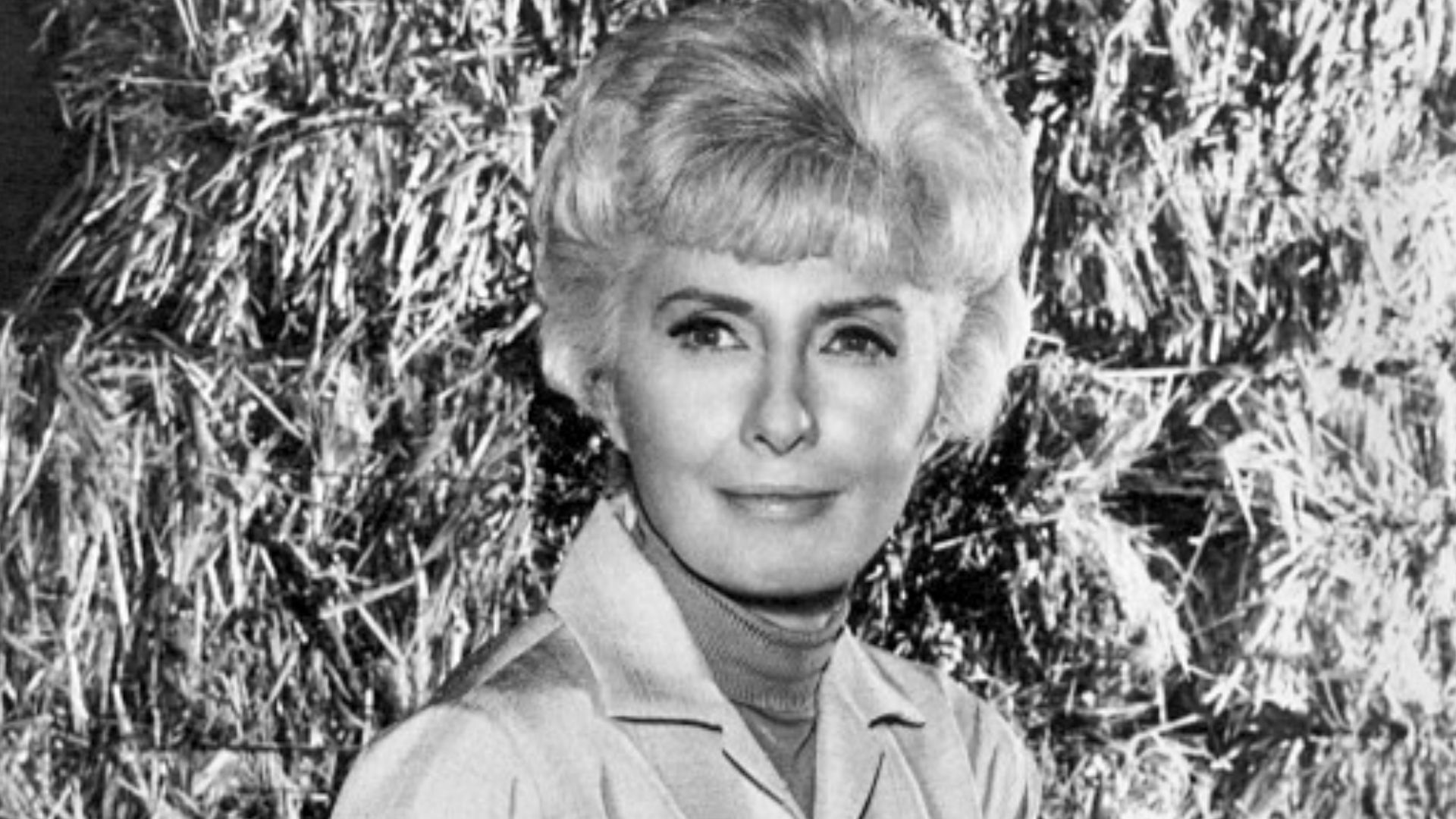 ABC Television, Wikimedia Commons
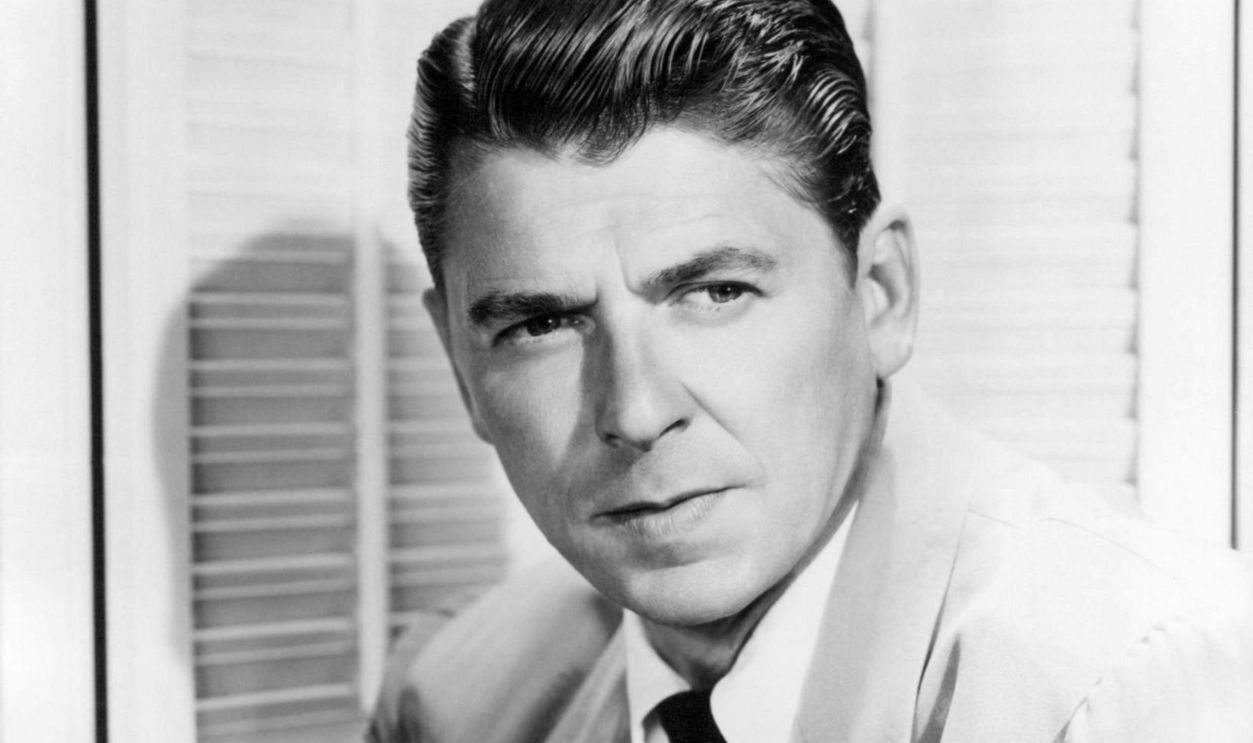
Ronald Reagan
Reagan also came back, starring in “The Fort Pierce Story” on September 23, 1963. He played an Army captain opposite Ann Blyth. His second Wagon Train appearance came only three years before his election as governor of California transformed him from former movie star into a major political figure.
 Silver Screen Collection, Getty Images
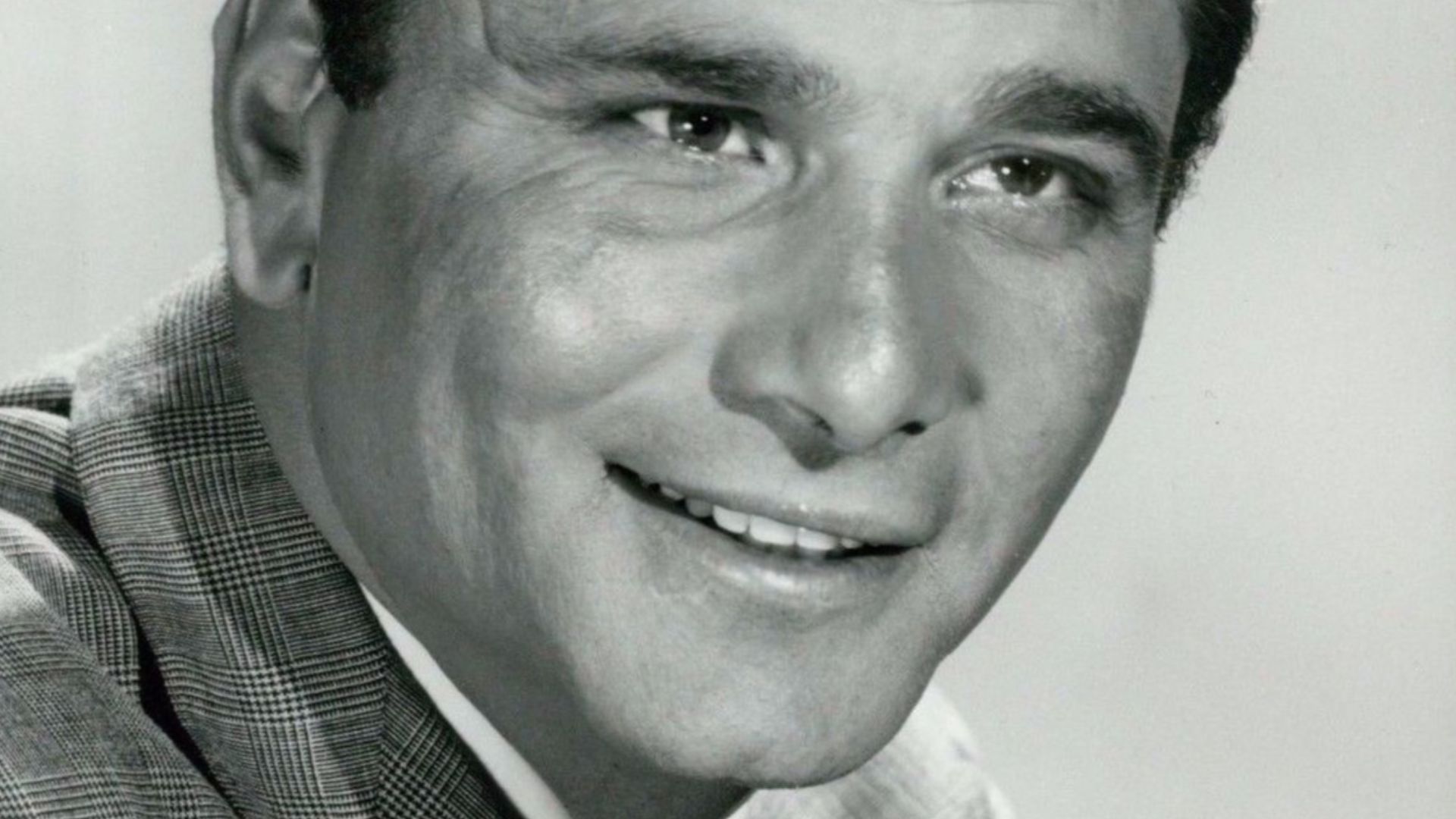
Peter Falk
Eight years before Columbo became his signature television role, Peter Falk starred as railroad tycoon Gus Morgan in “The Gus Morgan Story,” airing September 30, 1963. Falk was already a two-time Academy Award nominee, for Murder, Inc. (1960) and Pocketful of Miracles (1961).
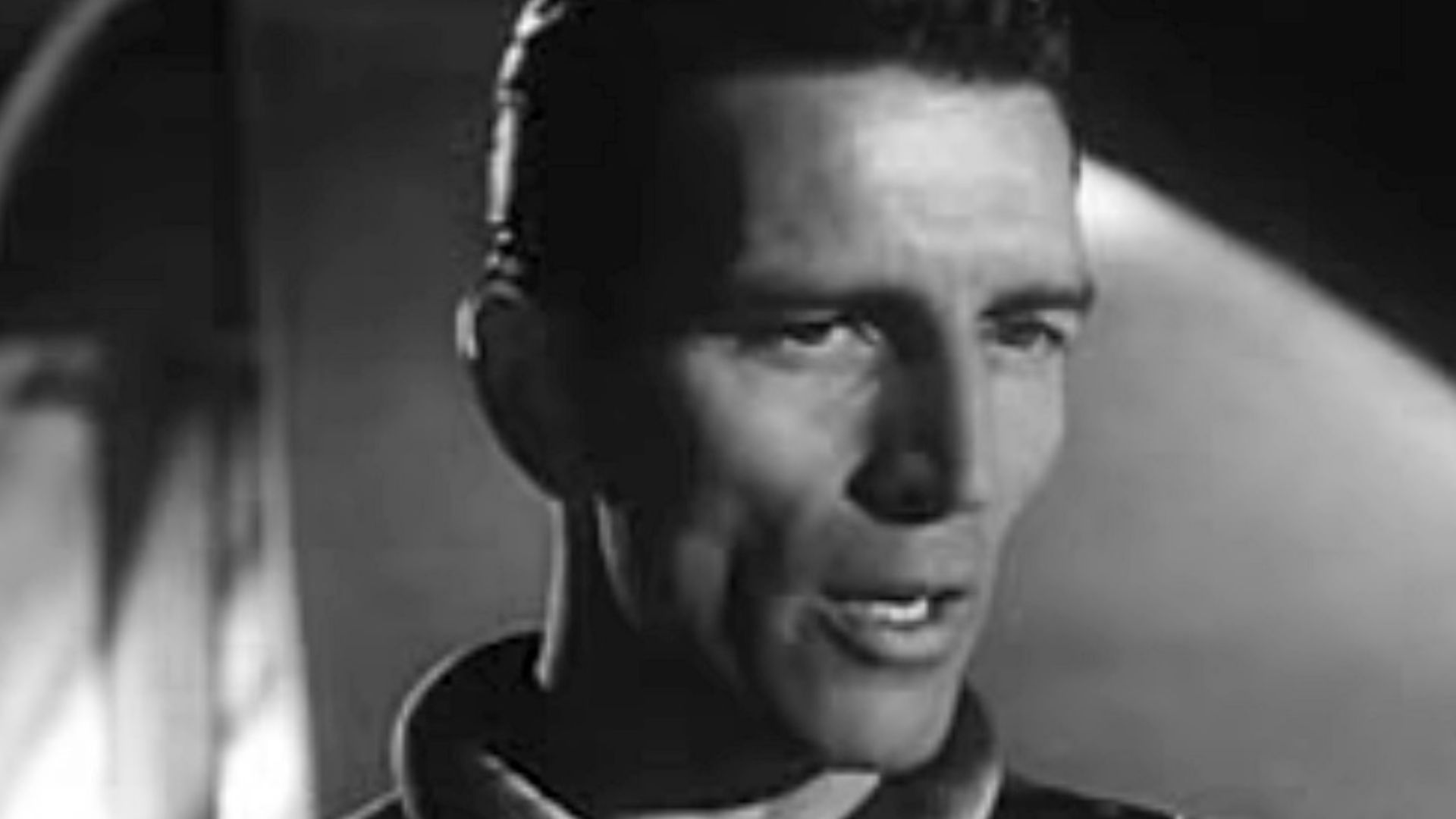
Michael Rennie
Michael Rennie, forever remembered as Klaatu in The Day the Earth Stood Still (1951), starred as British journalist Robert Harrison Clarke on October 14, 1963. His character accompanies an American surveying party and confronts the realities of frontier violence. Brian Keith also guest-starred.
 20th Century Fox, Wikimedia Commons
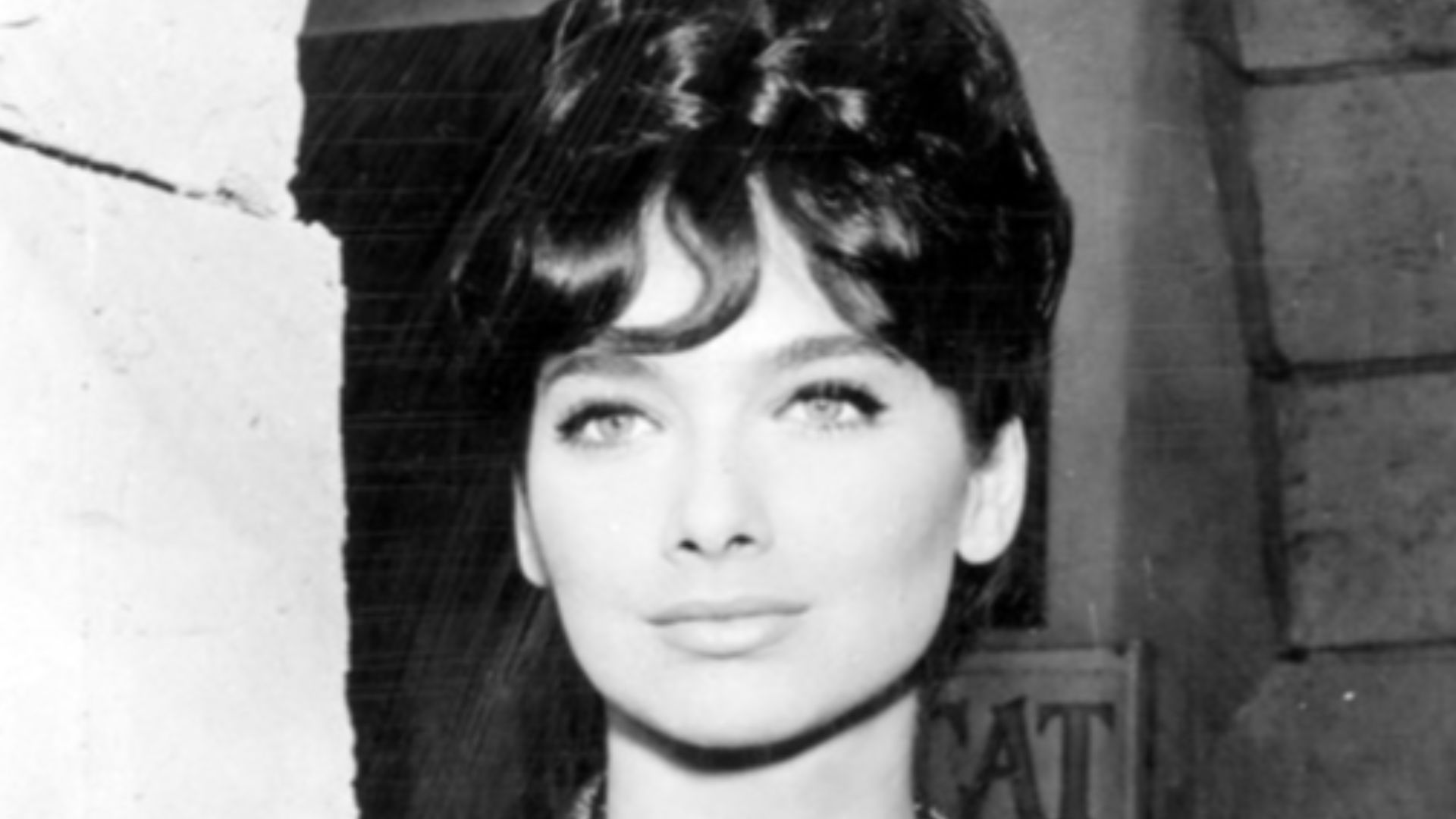
Suzanne Pleshette
Suzanne Pleshette played Myra Marshall in “The Myra Marshall Story,” broadcast October 21, 1963. She was already recognizable from Alfred Hitchcock's The Birds (1963), but her greatest television fame still lay ahead as Emily Hartley on The Bob Newhart Show.
 ABC Television, Wikimedia Commons
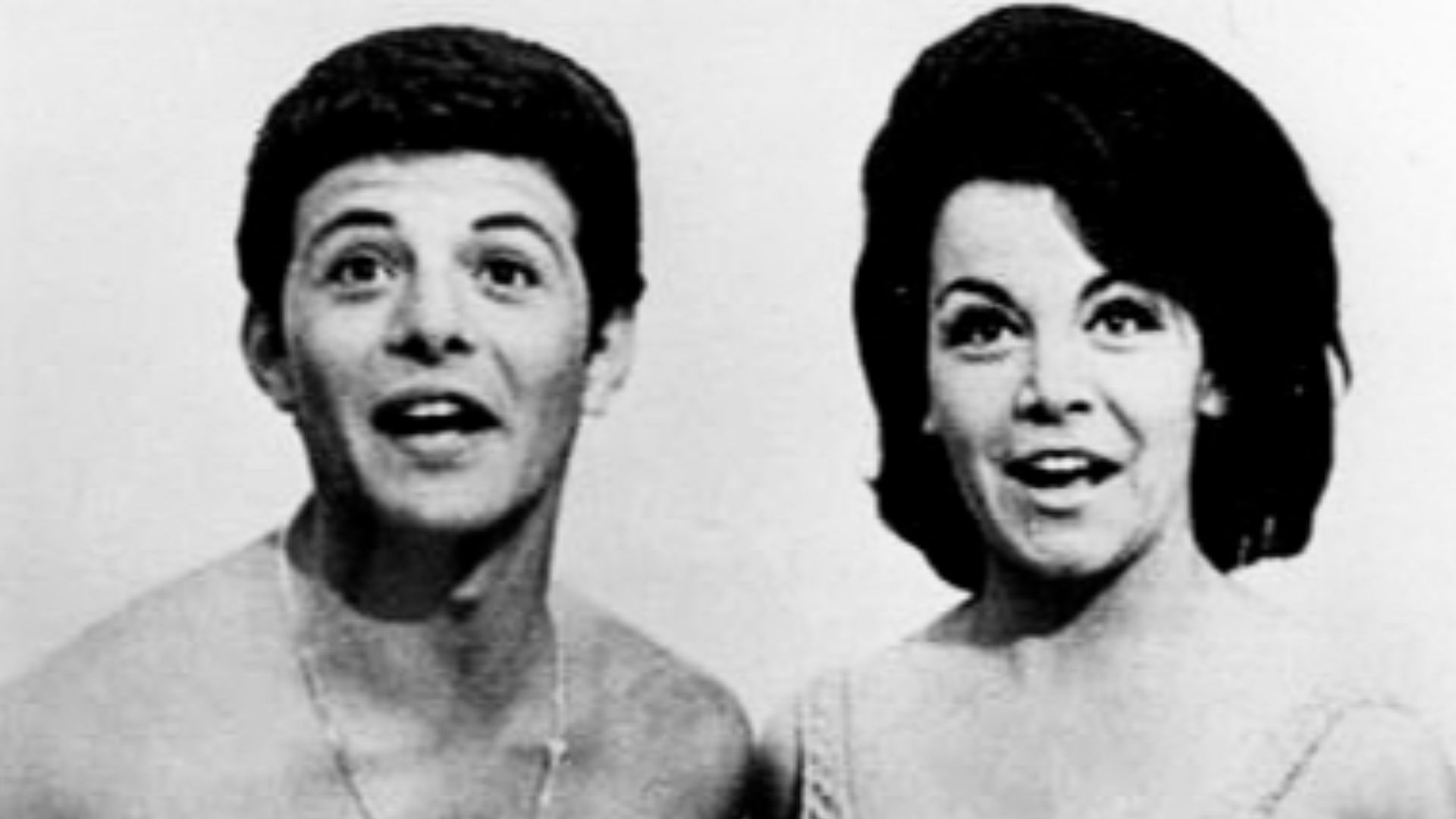
Annette Funicello
Former Mouseketeer Annette Funicello headed west in “The Sam Pulaski Story,” airing November 4, 1963. She played Rose Pulaski shortly before the beach movies made her one of the decade's most recognizable young stars, beginning with Beach Party (1963) opposite Frankie Avalon.
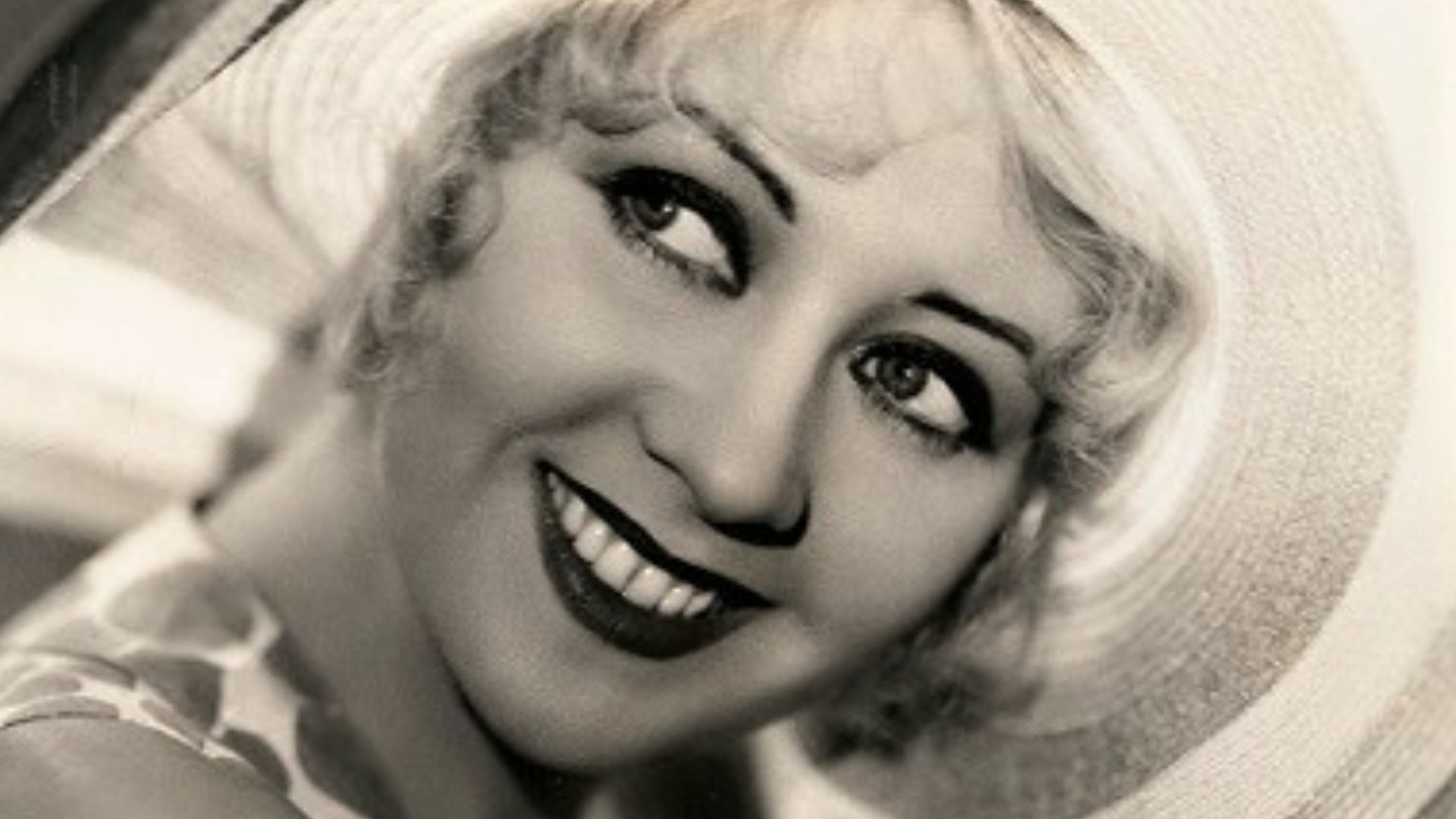
Joan Blondell
Hollywood veteran Joan Blondell appeared in “The Bleecker Story” on December 9, 1963. Her career stretched all the way back to pre-Code favorites such as Gold Diggers of 1933 (1933), and she would remain active through films including The Cincinnati Kid (1965) and Opening Night (1977).
 Elmer Fryer (1898-1944), Wikimedia Commons
James Caan
A very young James Caan appeared as Paul in “The Echo Pass Story,” broadcast January 3, 1965. He was still years away from Sonny Corleone in The Godfather (1972). Jack Lord, Diane Brewster, and Susan Seaforth Hayes were also among the episode's unusually strong guest cast.
![Collectie / Archief : Fotocollectie Anefo
Reportage / Serie : [ onbekend ]
Beschrijving : Persconferentie i.v.m. film](https://www.factinate.com/storage/app/media/theshot/2026/9/17/178961860869d1a7dd4cc42cb37061caa568870c76940e4ad3.jpg) Hans Peters for Anefo, Wikimedia Commons
Hans Peters for Anefo, Wikimedia Commons
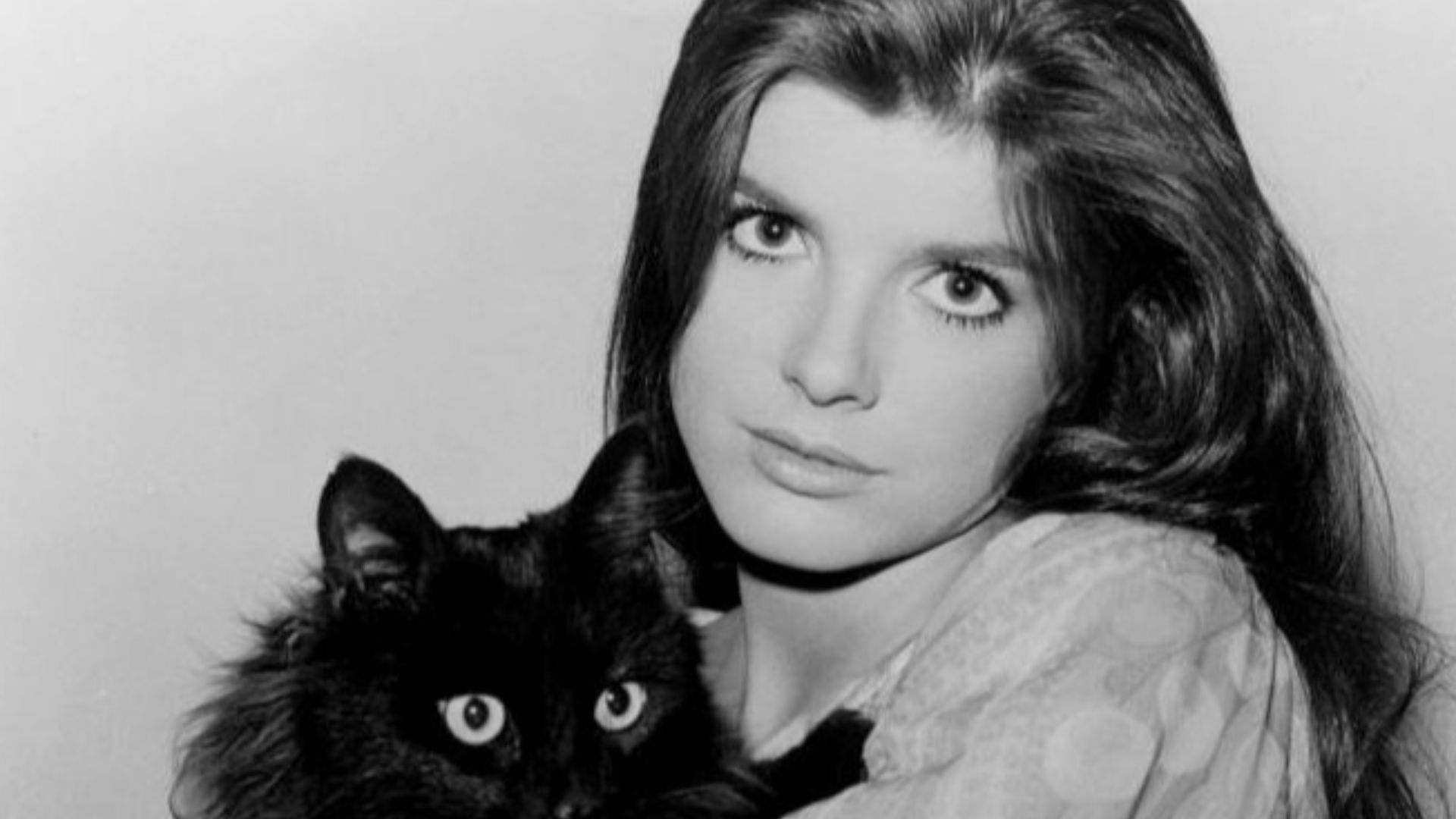
Katharine Ross
Katharine Ross starred as Bonnie Brooke on February 21, 1965, near the end of Wagon Train's run. Her breakthrough movie roles were still ahead, including Elaine Robinson in The Graduate (1967) and Etta Place in Butch Cassidy and the Sundance Kid (1969).
 Unknown authorUnknown author, Wikimedia Commons
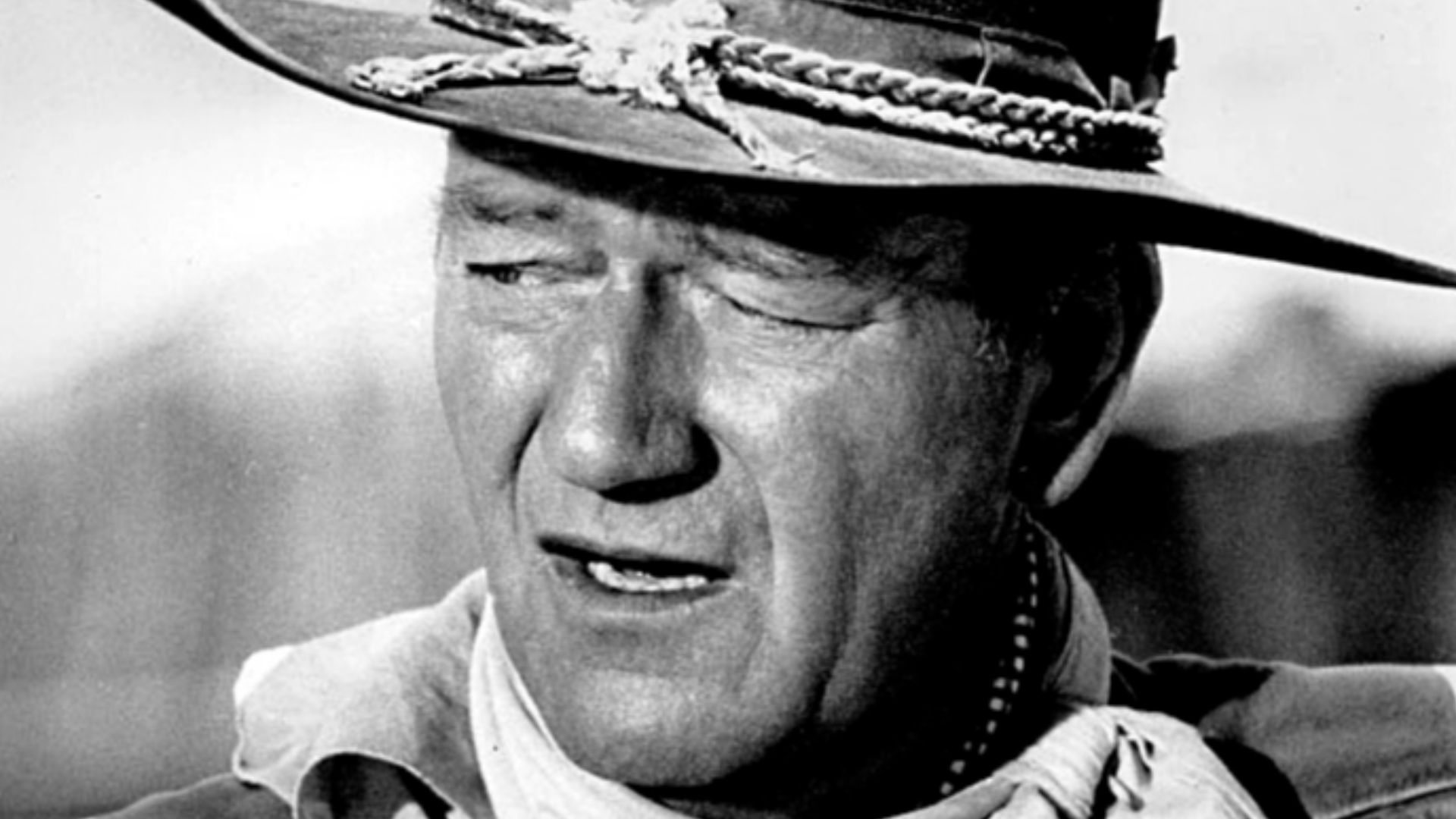
Then There Was John Wayne
John Wayne deserves the final reveal even though his appearance actually came much earlier. In John Ford's “The Colter Craven Story,” aired November 23, 1960, Wayne briefly appeared as General William Tecumseh Sherman, billed under the pseudonym “Michael Morris.” It remains an extraordinary piece of television trivia.
 20th Century Fox, Wikimedia Commons
You May Also Like:
These Actors Appeared In Nearly Every TV Western Of The 1950s And 60s—How Many Do You Remember?
Actresses Who Appeared In The Most Westerns—How Many Do You Remember?