A Disastrous First Attempt
From 1988 to 1995, Empty Nest entertained television audiences with the adventures of a widowed doctor and his grown daughters. However, the beloved sitcom underwent a dramatic transformation before it became a hit. Its original incarnation starred Rita Moreno, who later remembered the experience as one of the most embarrassing of her career. Almost everything about that initial production would have to change.
 The Golden Girls, NBC (1985-1992)
It Started With The Golden Girls
By 1987, The Golden Girls had established itself as a successful NBC sitcom. Creator Susan Harris decided to develop another comedy set in the same Miami neighborhood, but with an entirely different family at its center. Rather than building a series around one of the existing characters, Harris wanted to introduce viewers to some new neighbors.
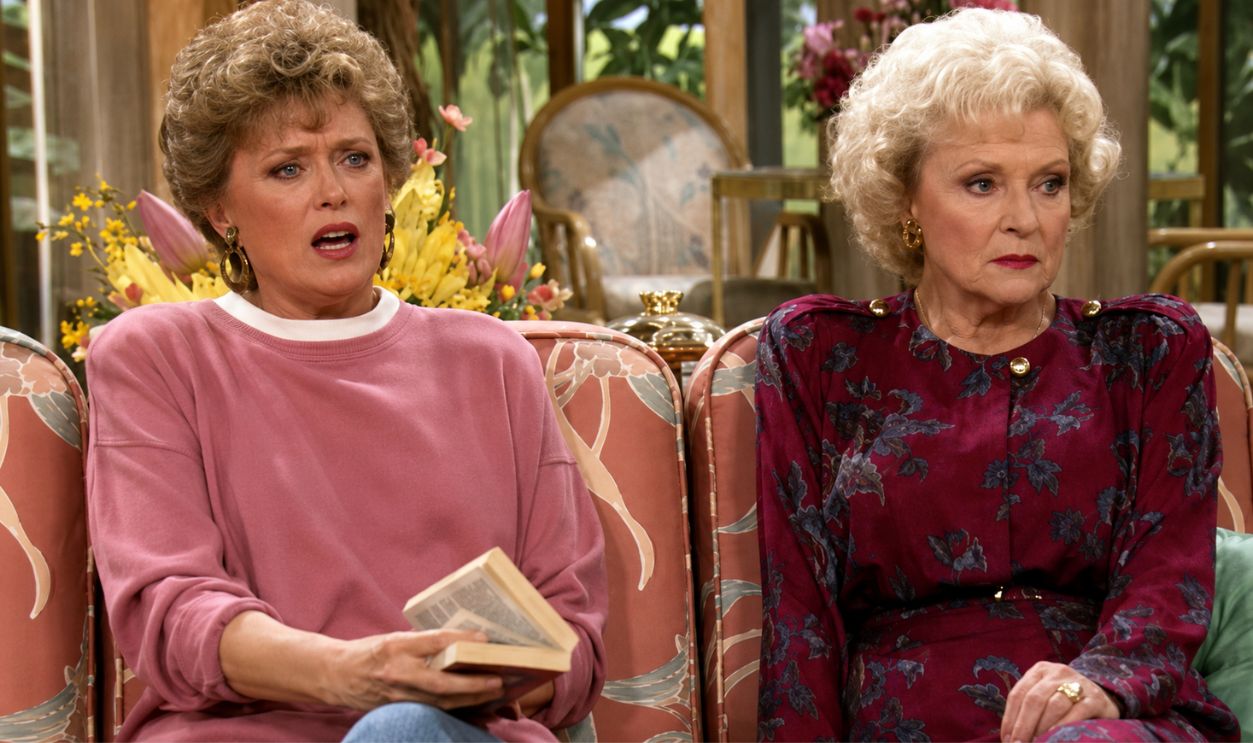 Screenshot from The Golden Girls, NBC (1985–1992)
A Different Kind Of Family Comedy
The proposed sitcom explored what happens when parents suddenly find themselves living without their children. Harris envisioned a married couple struggling to adjust to the emotional and practical consequences of their newly quiet household. It was a natural extension of the mature relationships and later-life experiences that The Golden Girls explored.
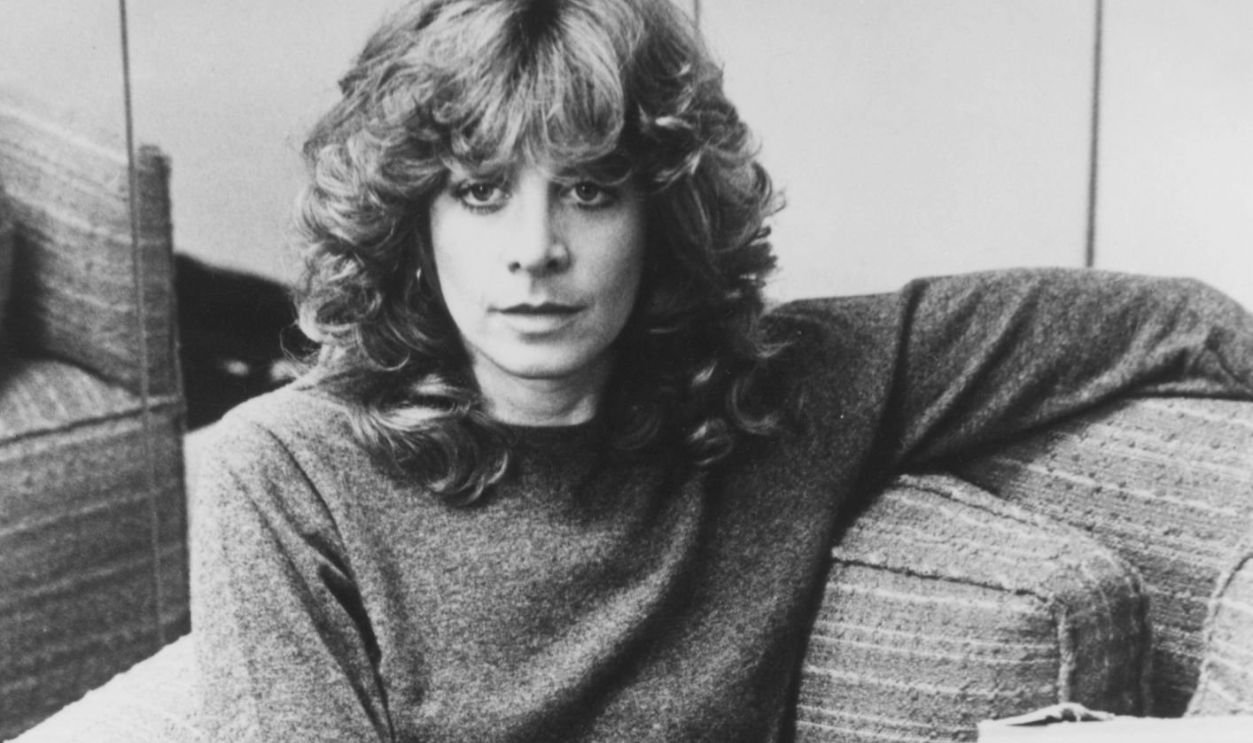
NBC Had A Clever Plan
Rather than introducing the series independently, NBC used an episode of The Golden Girls to showcase the new characters. This approach is known in the television industry as a backdoor pilot. Ideally, audiences would become sufficiently invested in the new family to follow them into their own weekly series.
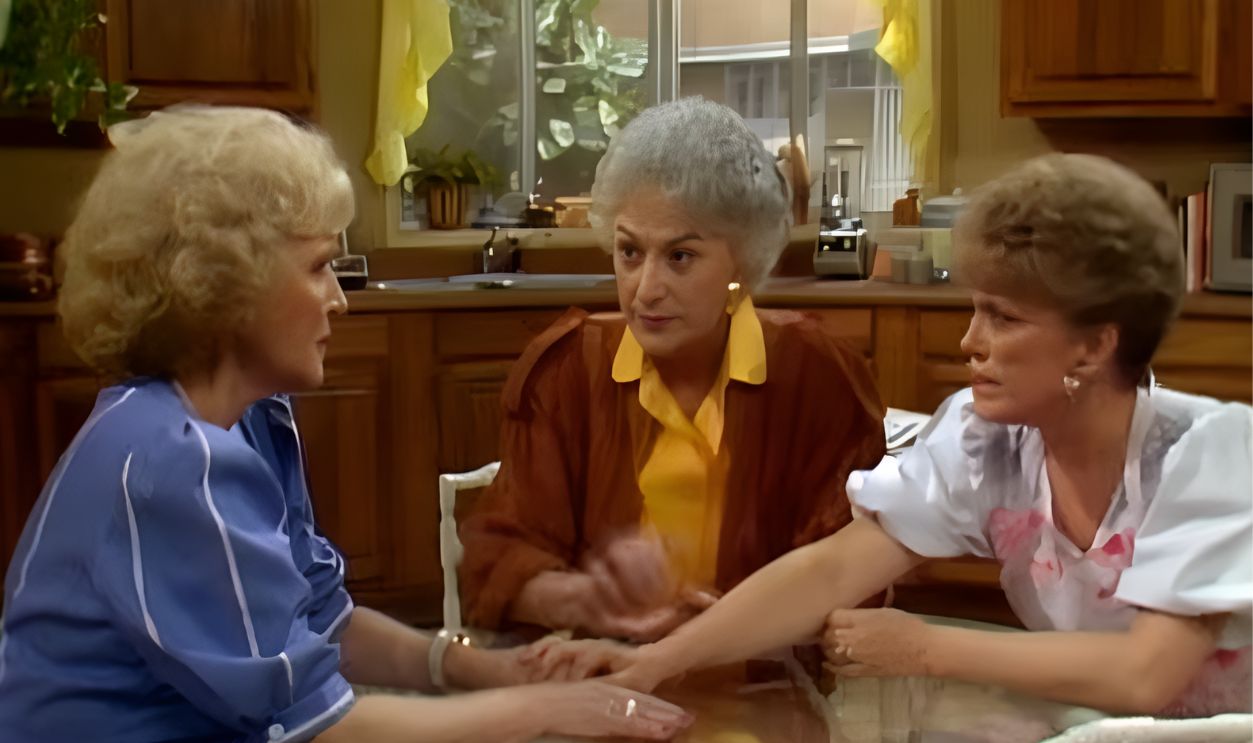 Screenshot from The Golden Girls, NBC (1985–1992), Modified
Enter Rita Moreno
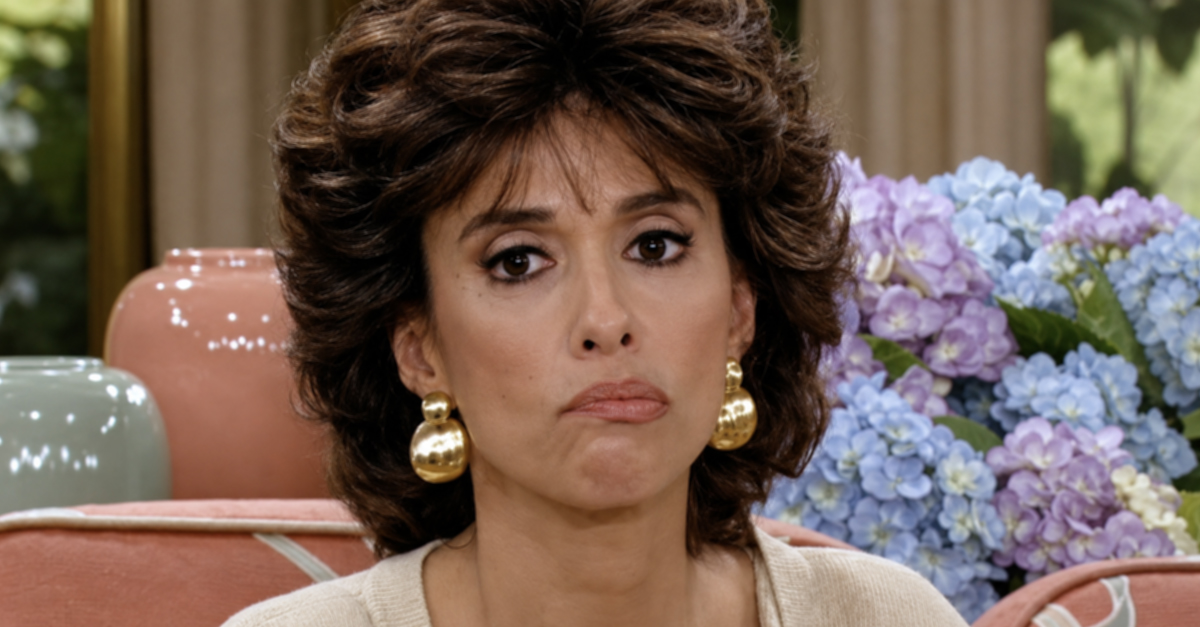
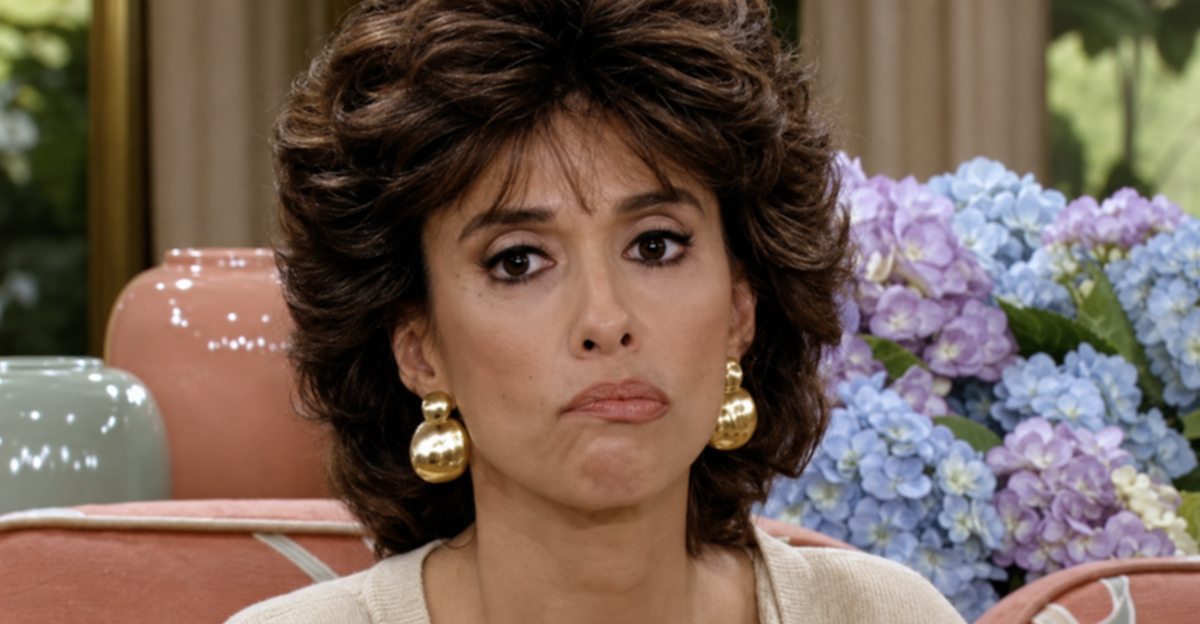
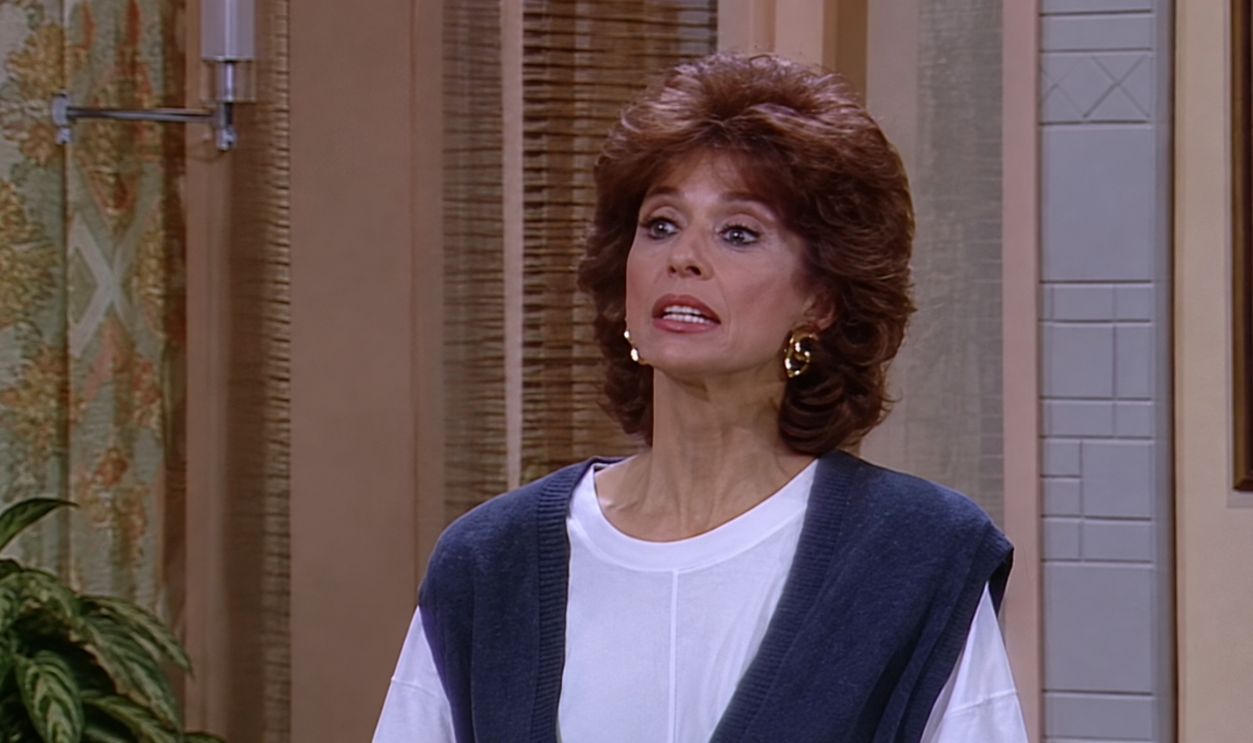
Rita Moreno was recruited to play Renee Corliss, a woman struggling with loneliness after her children had grown up and left home. Moreno was hardly a newcomer to the entertainment industry. She had won an Academy Award for West Side Story and enjoyed a substantial television career that included several years on the children's educational program The Electric Company.
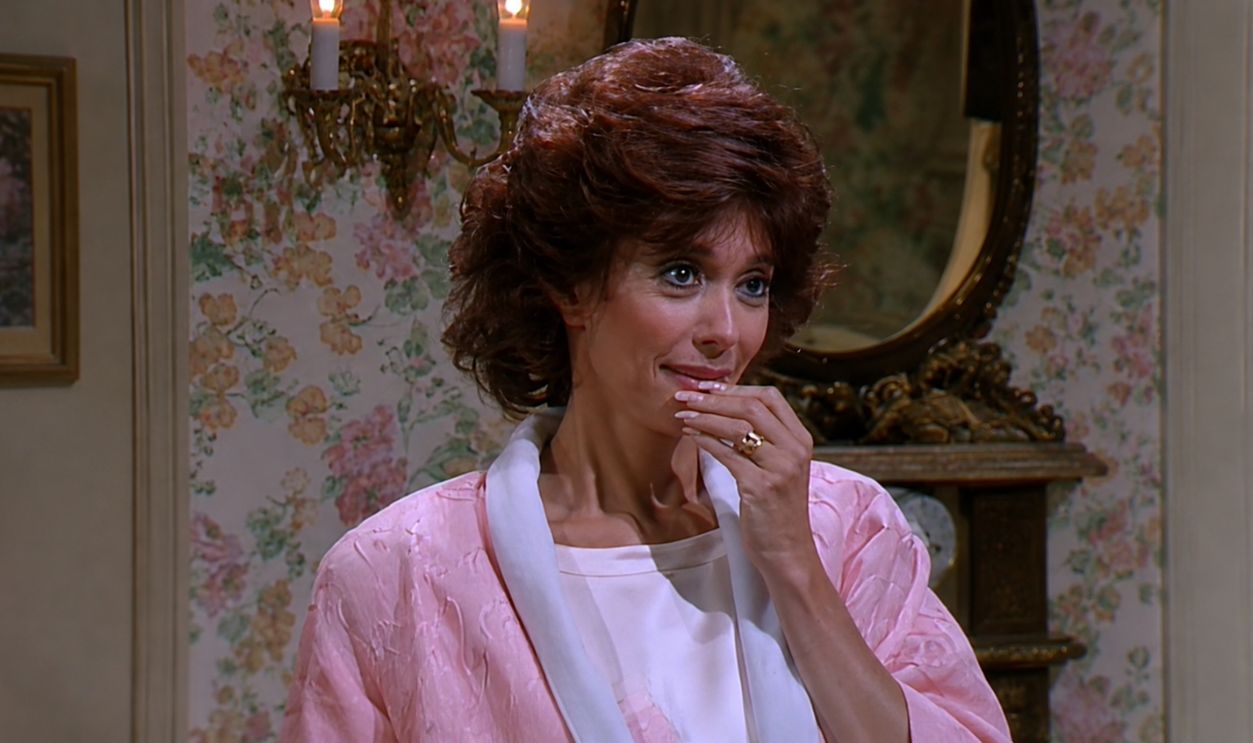 Screenshot from The Golden Girls, NBC (1985–1992), Enhanced
Meet The Corlisses
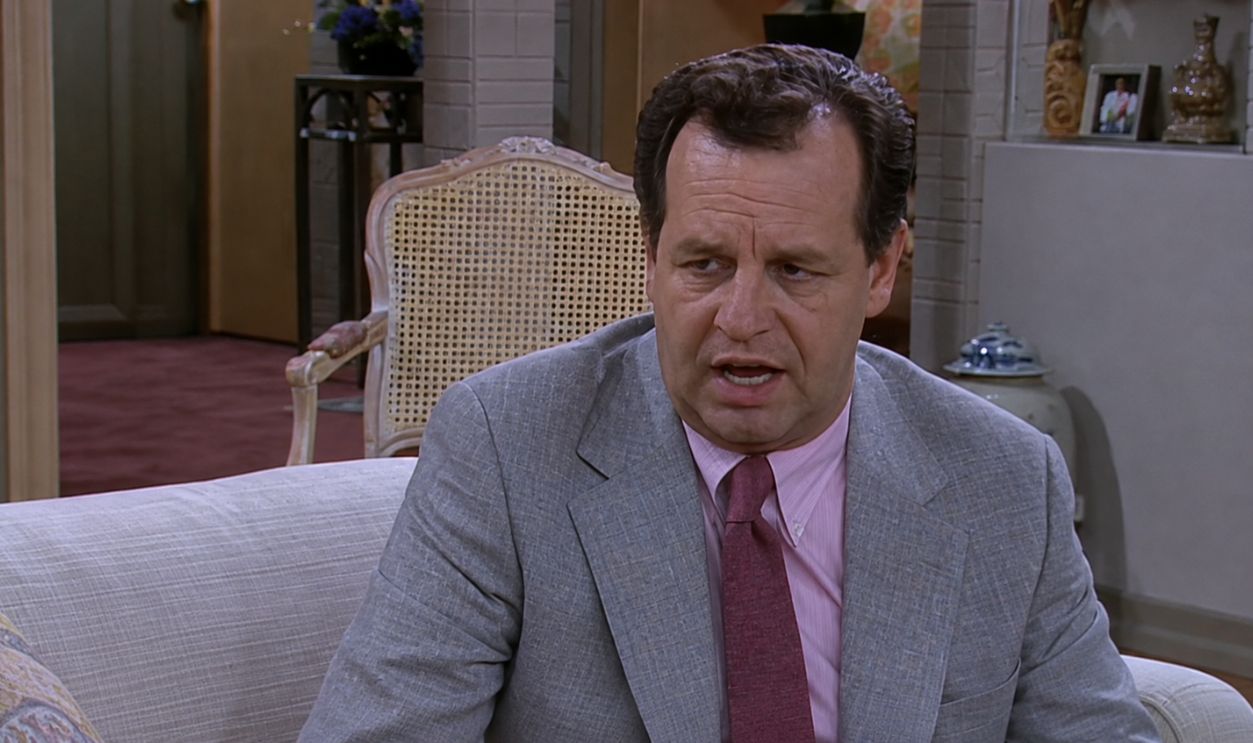
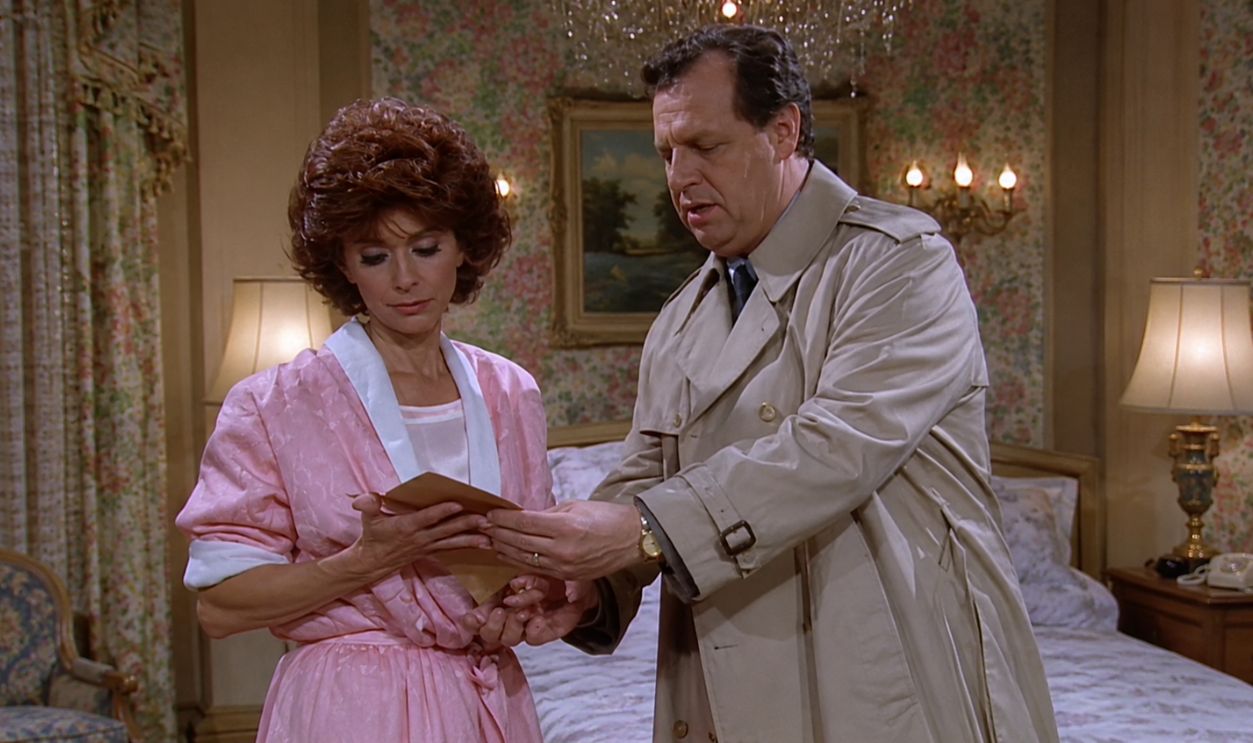
Actor Paul Dooley played Renee's husband, George Corliss, a physician whose professional responsibilities frequently distracted him from his marriage. Jane Harnick appeared as their daughter, Jenny, who had gone away to college. The departure of their children exposed problems in George and Renee's relationship that they could no longer easily ignore.
 Screenshot from The Golden Girls, NBC (1985–1992), Enhanced
The House Was Suddenly Too Quiet
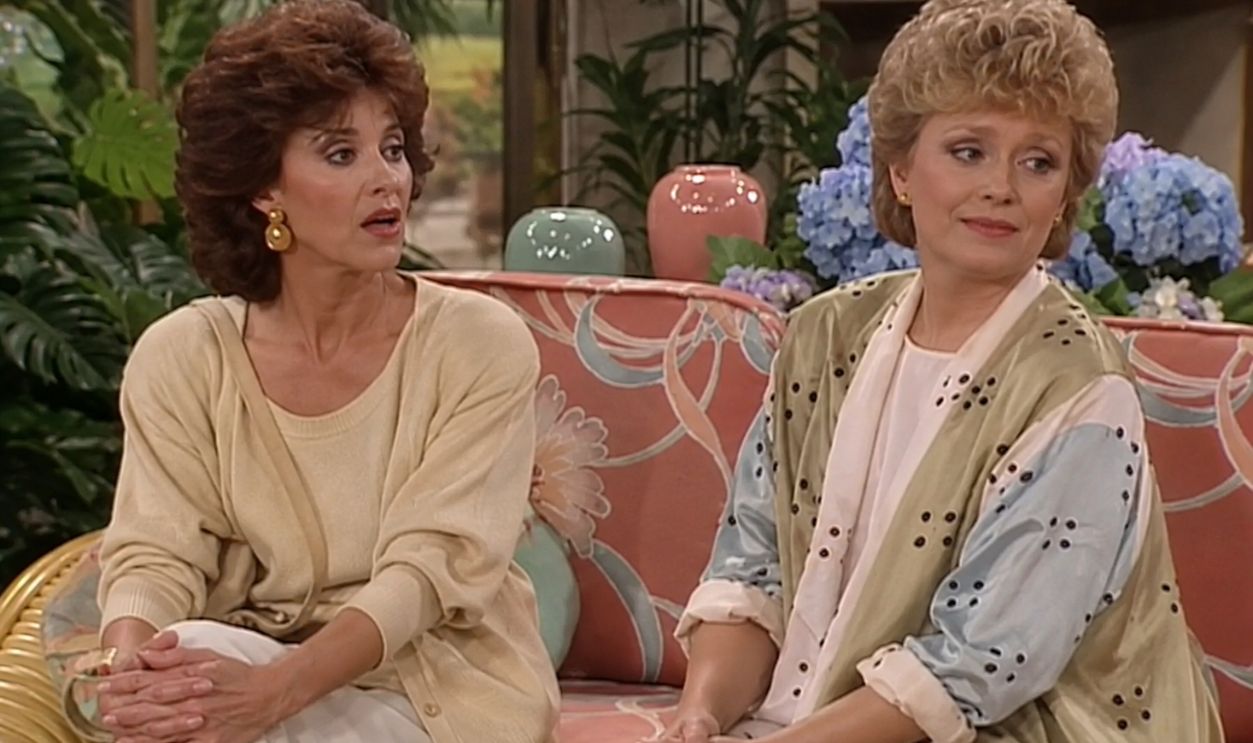
In the original pilot, Renee confided in her neighbors about her increasingly lonely existence. The Golden Girls encouraged her to discuss her feelings with George, but getting his attention proved difficult. Between his professional obligations and other family distractions, George seemed oblivious to his wife's unhappiness.
 Screenshot from The Golden Girls, NBC (1985–1992), Enhanced
An Eccentric Extended Family
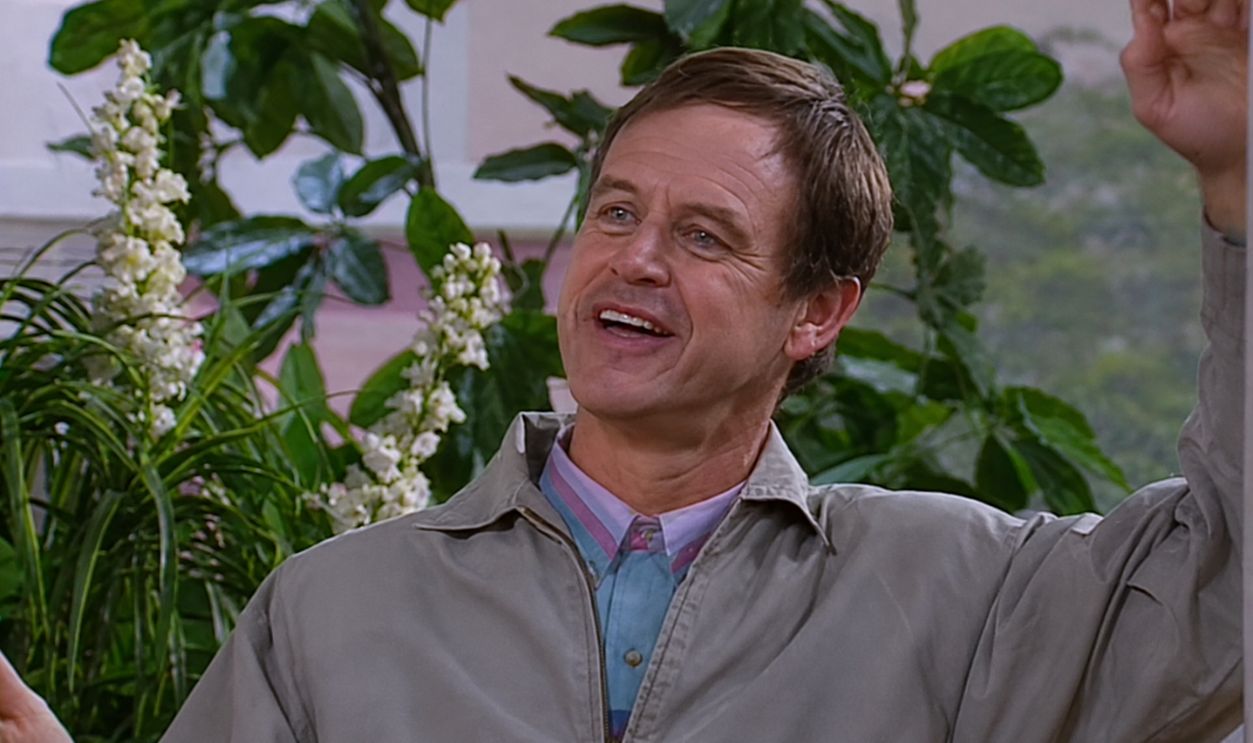
The Corlisses were surrounded by several peculiar supporting characters, including Chuck, played by Geoffrey Lewis. Chuck had multiple personalities, a condition the writers attempted to use as a recurring source of comedy. Unfortunately, the character would become another example of the pilot's considerable creative problems.
 Screenshot from The Golden Girls, NBC (1985–1992), Enhanced
A Familiar Face From Commercials
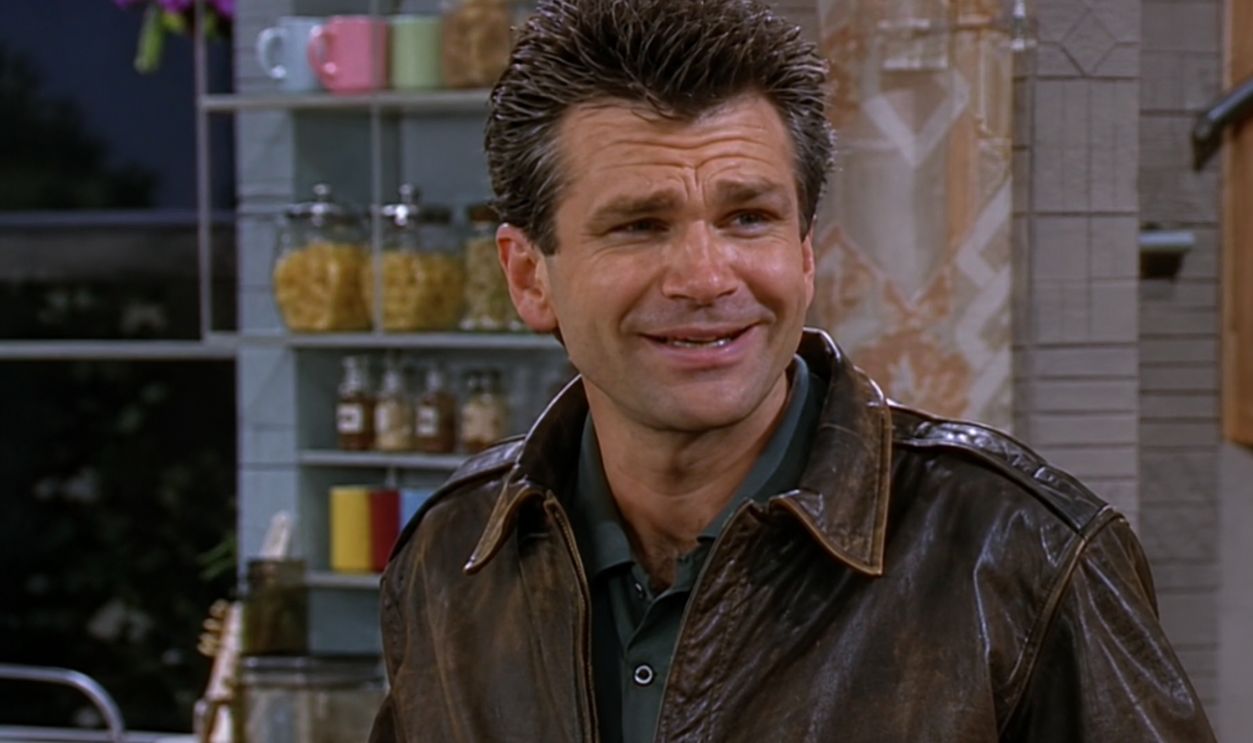
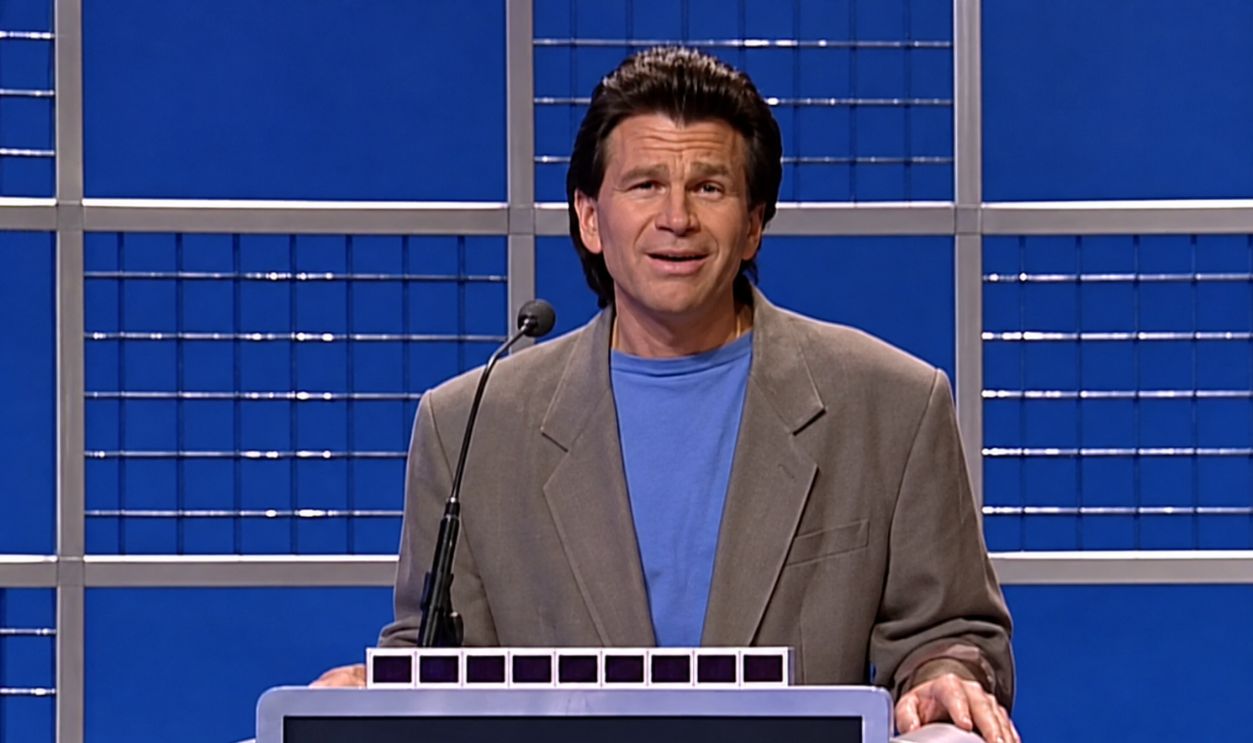
Another supporting character was Oliver, an irritating neighbor played by David Leisure. Television viewers were already familiar with Leisure through his appearances as Joe Isuzu, the comically dishonest automobile salesman featured in Isuzu commercials. Unlike most of his fellow cast members, Leisure would eventually have another opportunity to make the sitcom work.
 Screenshot from The Golden Girls, NBC (1985–1992), Enhanced
Too Many Characters And Too Little Time
Looking back on the production, Leisure explained that introducing so many unfamiliar characters within an existing sitcom presented considerable challenges. The writers needed to establish personalities, relationships, and a new household without completely abandoning The Golden Girls. There simply wasn't much room to develop everyone, and Leisure remembered the production being difficult as a result.
 Screenshot from The Golden Girls, NBC (1985–1992), Enhanced
The Creator Fell Ill
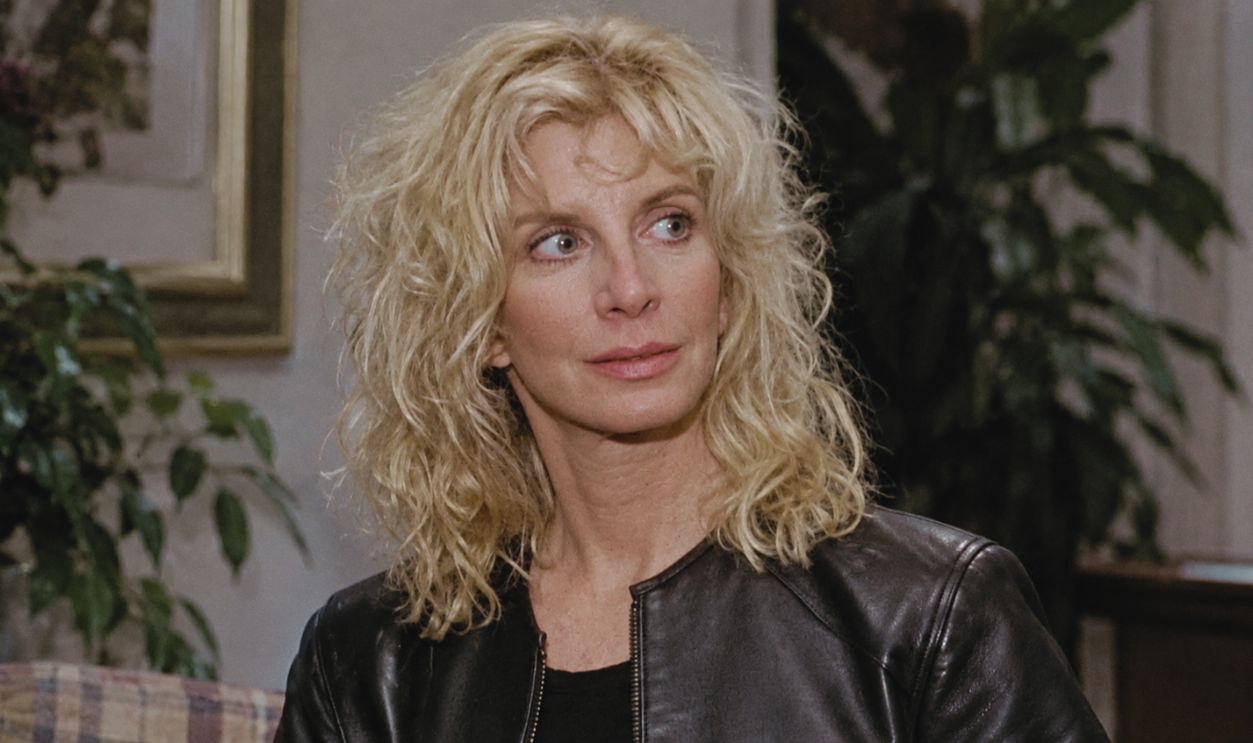
According to Moreno, one of the biggest problems emerged when Susan Harris became ill during the week of production. The script required substantial work, but its creator was unavailable to oversee the necessary revisions. Other writers attempted to repair the material, resulting in an increasingly frustrating situation for Moreno.
 William Vasta, Wikimedia Commons, Enhanced
Her Character Kept Changing
Moreno recalled that the writers repeatedly altered Renee's personality and attitudes throughout rehearsals. Every new interpretation required the actress to reconsider how she was supposed to deliver her dialogue. Instead of becoming increasingly comfortable with her character, Moreno found herself struggling to establish who Renee was supposed to be.
 Screenshot from The Golden Girls, NBC (1985–1992), Enhanced
She Couldn't Remember Her First Line
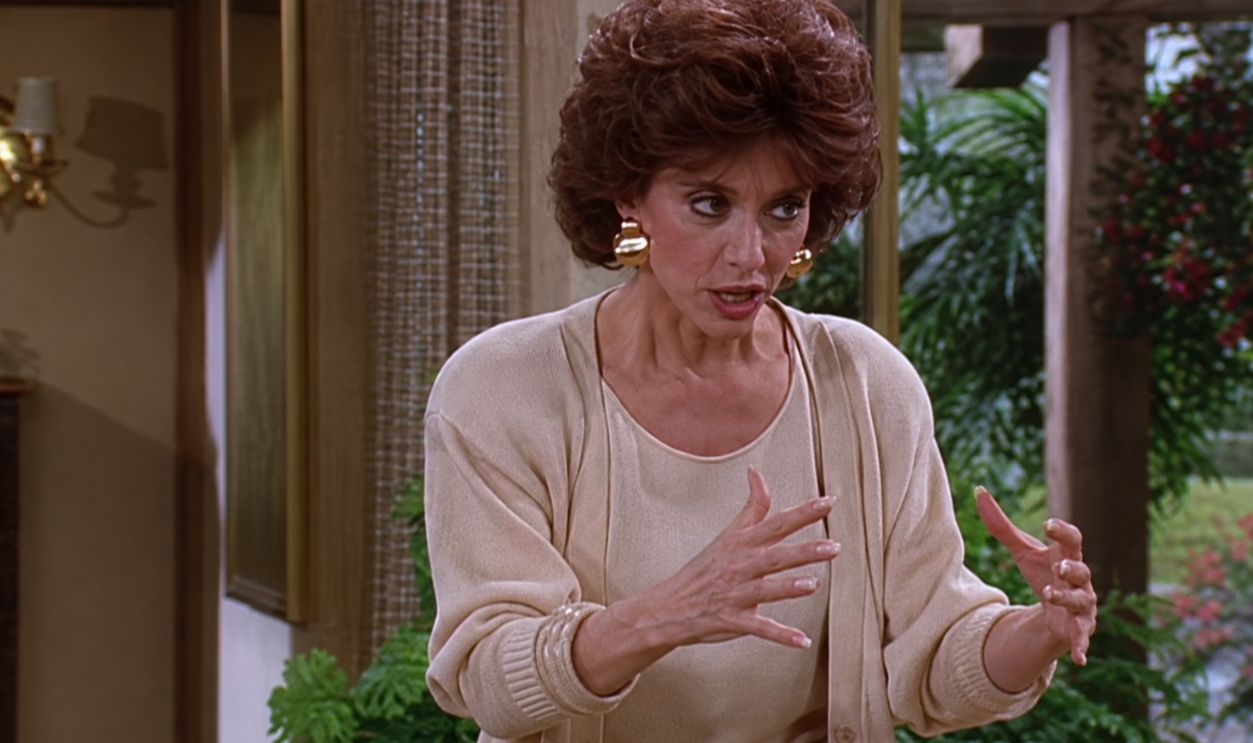
By the time the performers appeared before a studio audience, Moreno was having difficulty remembering her opening dialogue. She attributed the problem to the constant changes in her character rather than simply forgetting her lines. For an accomplished actress with decades of professional experience, the situation was profoundly humiliating.
 Screenshot from The Golden Girls, NBC (1985–1992), Enhanced
The Taping Became An Ordeal
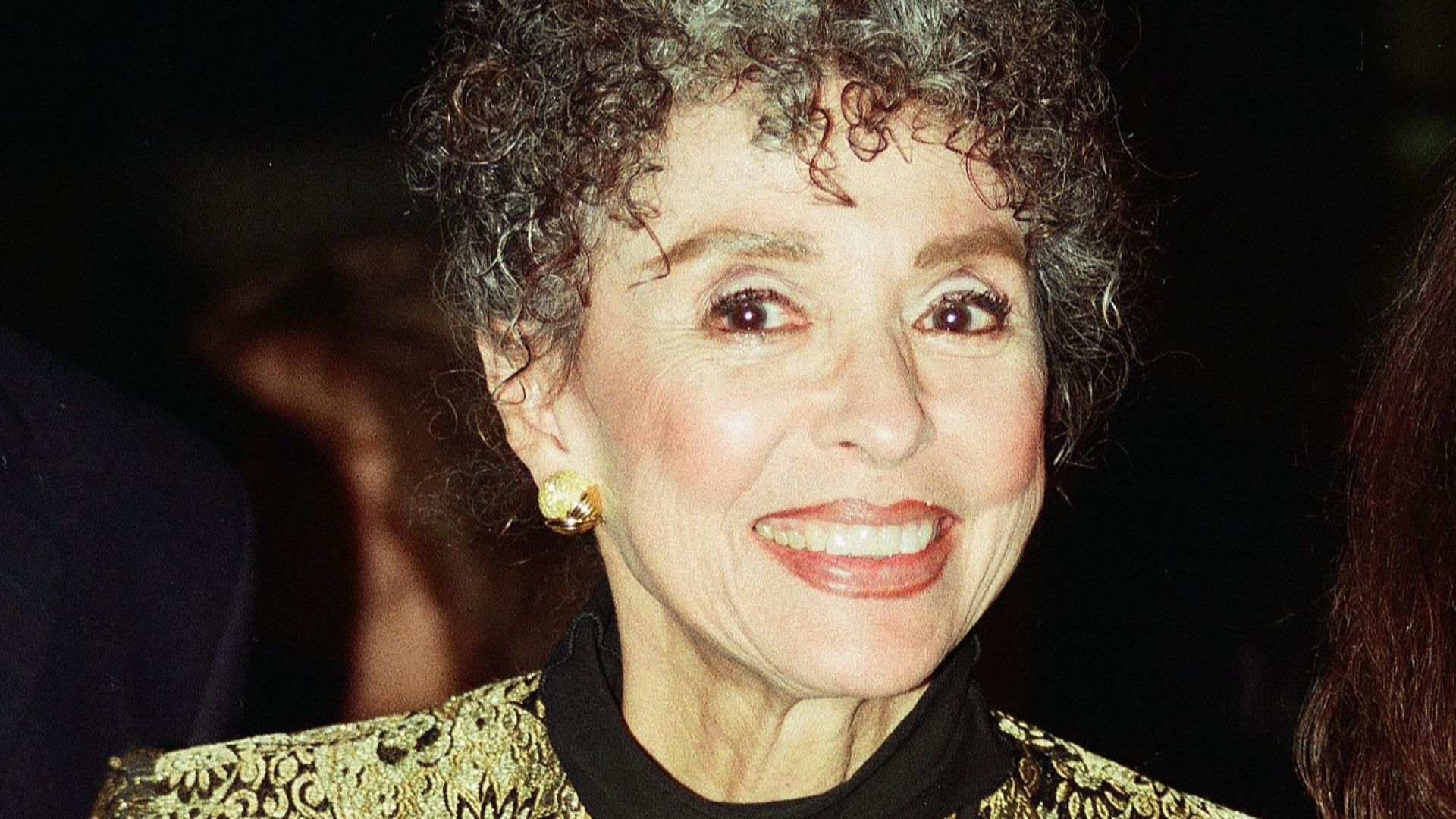
In a 2000 interview with the Television Academy, Moreno estimated that the performers went through approximately 15 takes in front of the audience. She remembered the experience with considerable embarrassment. Her account illustrates just how difficult performing comedy can become when actors are still struggling to understand the material.
 John Mathew Smith & www.celebrity-photos.com from Laurel Maryland, USA, Wikimedia Commons
Moreno Didn't Mince Words
When Moreno discussed the production years later, she described it as a "very, very bad show." She was remarkably candid about the difficulties she encountered and the unsuccessful attempts to improve the script. Her criticism was particularly striking considering what the television series eventually became.
 Stephen Shugerman, Getty Images
She Wasn't The Only One Having Problems
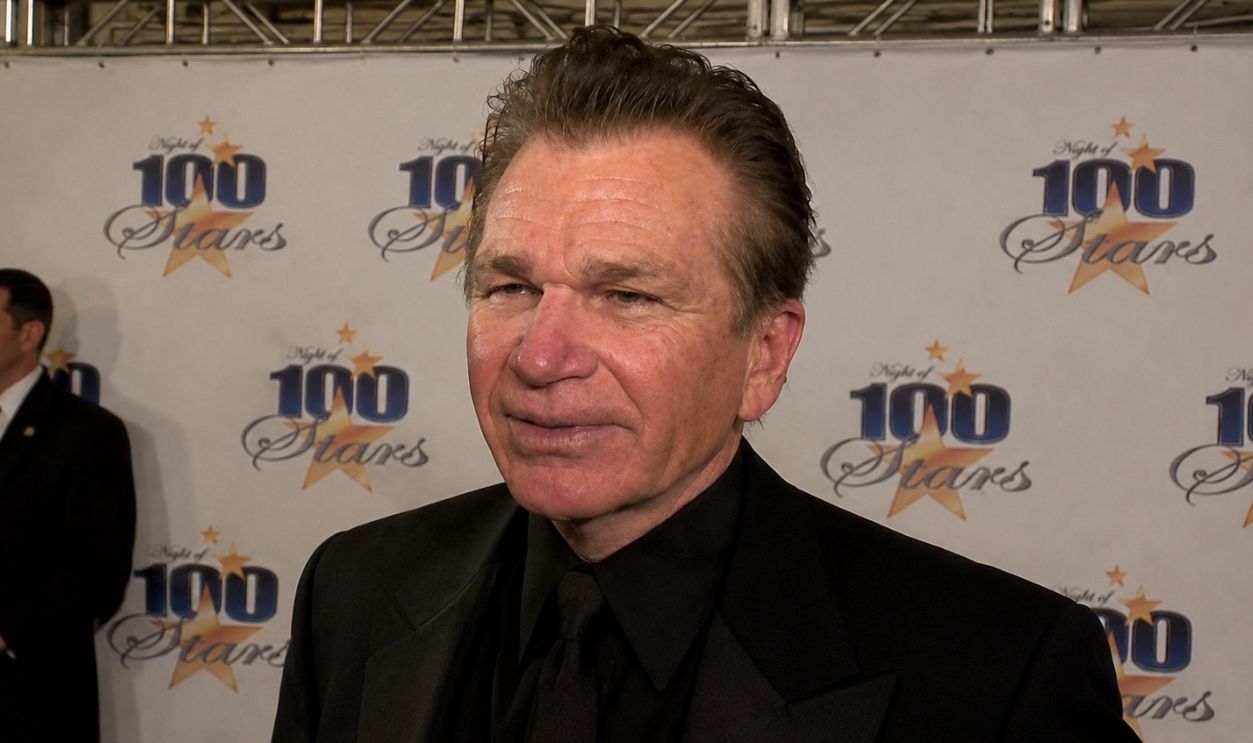
In a separate interview with Empty Nest Online, Leisure recalled that director Jay Sandrich and Golden Girls star Bea Arthur were unhappy during the production. Interestingly, he remembered Moreno conducting herself graciously despite the circumstances. He also admitted that his own excitement about working with the cast had affected his performance.
 RealTVfilms, CC BY-SA 3.0, Wikimedia Commons, Enhanced
Even The Director Had To Intervene
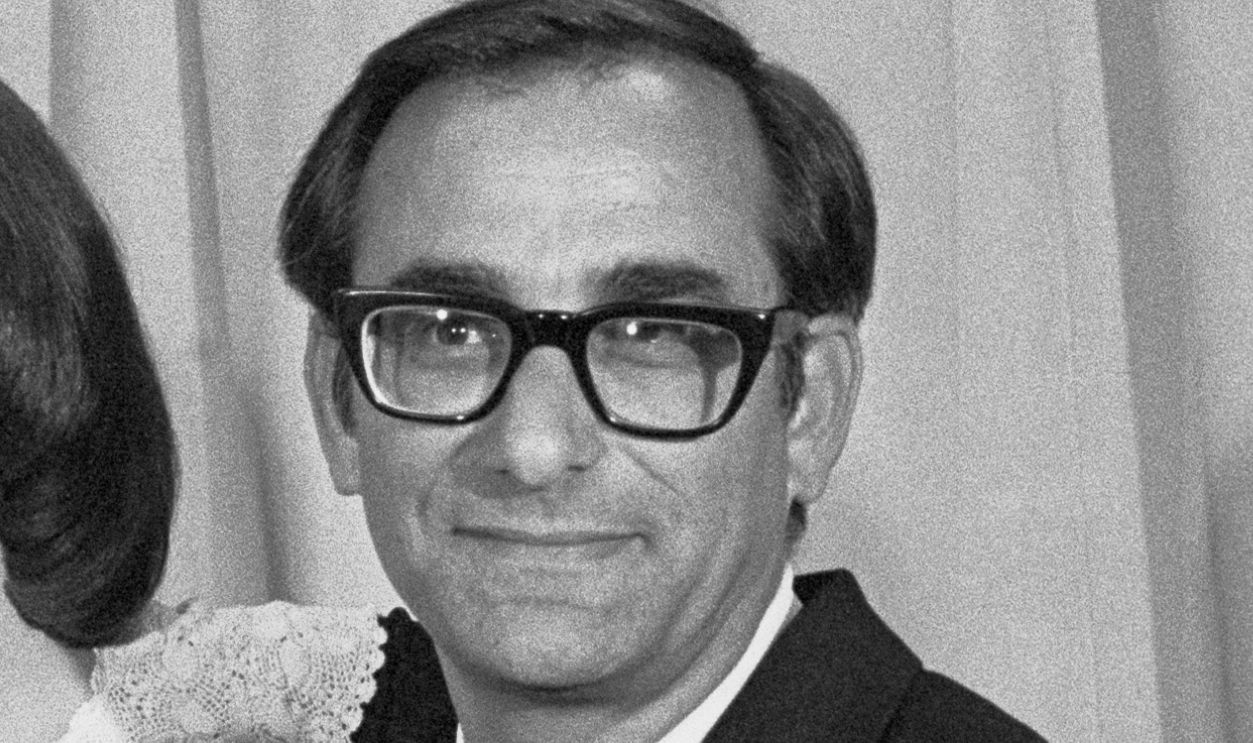
Leisure remembered making an excessively energetic entrance during the taping. Sandrich personally approached him on the set and instructed him to tone down his performance. Leisure was thrilled to be working alongside such established performers, but his enthusiasm needed to be adjusted to suit the scene.
The Unfortunate Episode Finally Aired
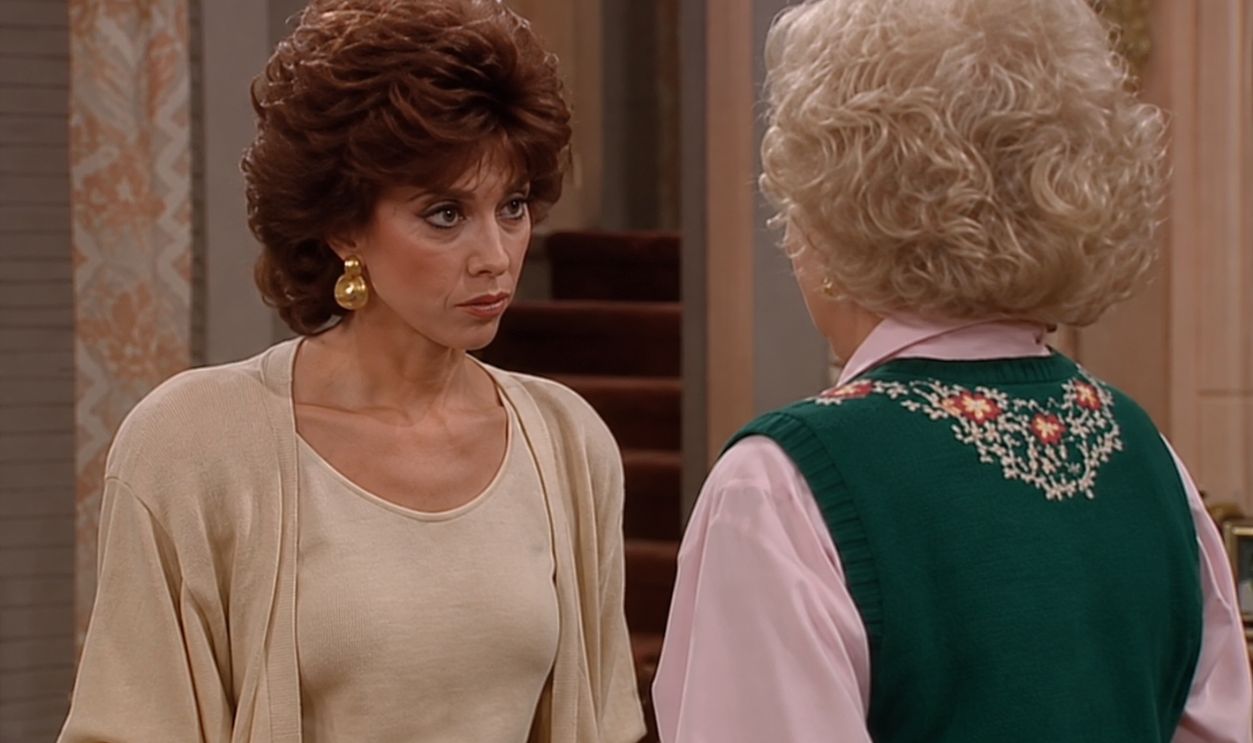
NBC broadcast the episode, appropriately titled "Empty Nests," on May 16, 1987. Written by Harris and directed by Sandrich, it served as the second-season finale of The Golden Girls. Although the episode introduced audiences to the Corlisses, their proposed series never materialized in its original form.
 Screenshot from The Golden Girls, NBC (1985–1992), Enhanced
Susan Harris Recognized A Bigger Problem
Beyond the troublesome production, Harris had reservations about the premise itself. According to a 1995 Los Angeles Times retrospective, she worried that the married couple's ongoing disagreements would make the series excessively dependent on domestic complaints. The solution involved fundamentally reconsidering the family at the center of the comedy.
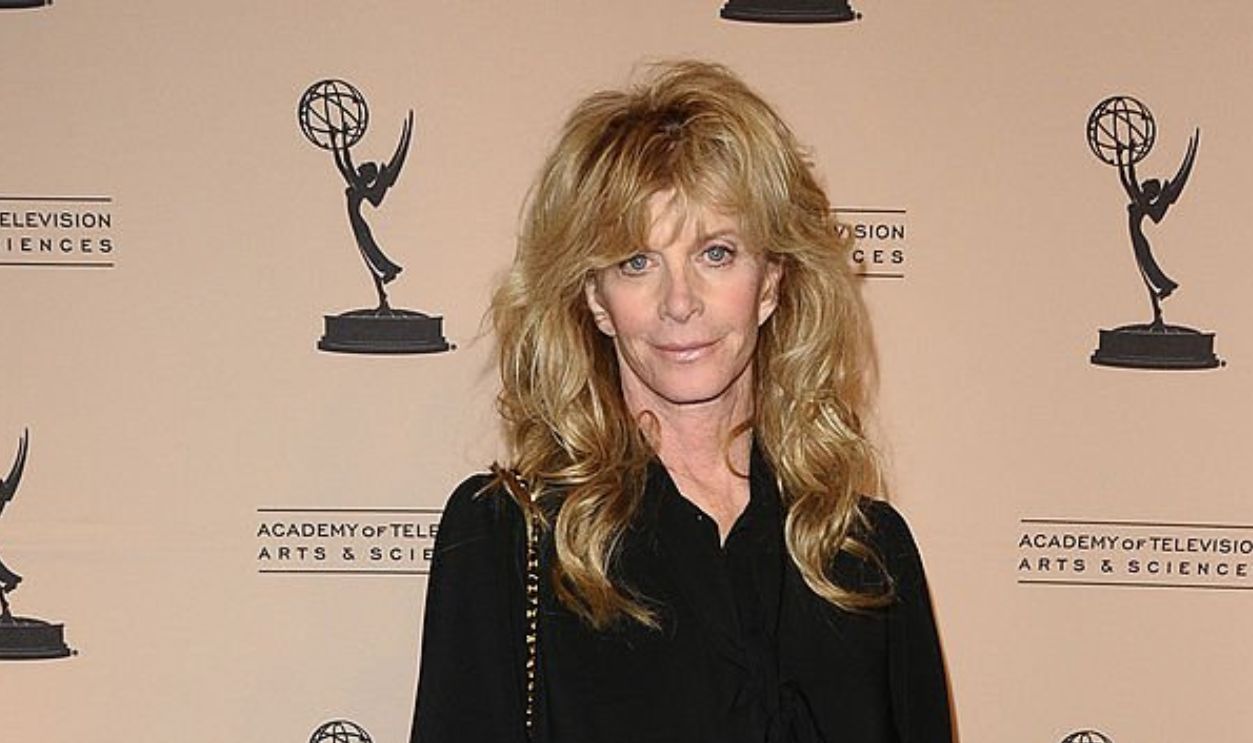
The Marriage Disappeared
Harris abandoned the original married couple and developed a new central character named Harry Weston. Like George Corliss, Harry was a doctor, but he was also a widower attempting to rebuild his personal life. This change introduced opportunities to explore grief, dating, parenthood, and the challenges of starting over.
 Screenshot from The Golden Girls, NBC (1985–1992), Enhanced
An Old Collaborator Returned
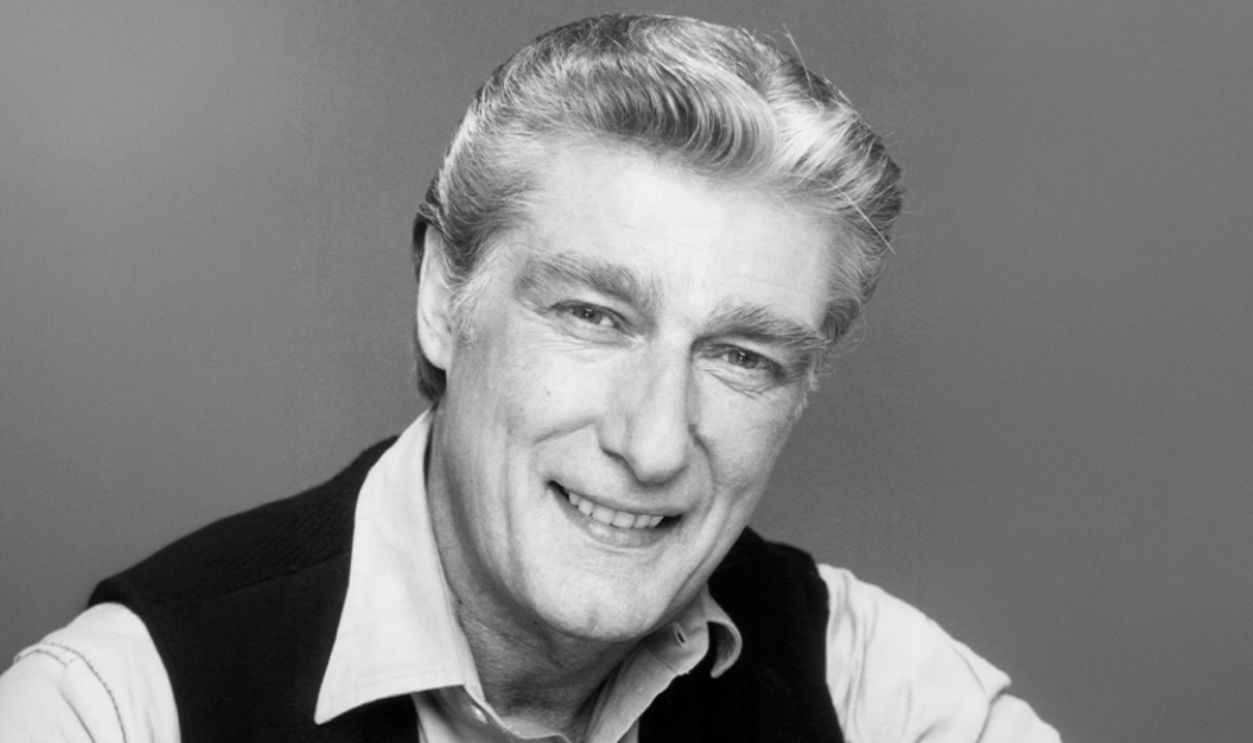
Richard Mulligan was cast as Harry, bringing with him considerable experience working with Harris. He had previously played the eccentric Burt Campbell on her unconventional sitcom Soap, earning an Emmy Award in 1980. Empty Nest gave him another opportunity to demonstrate his comedic abilities through a very different character.
 Fotos International, Getty Images
The Children Came Back
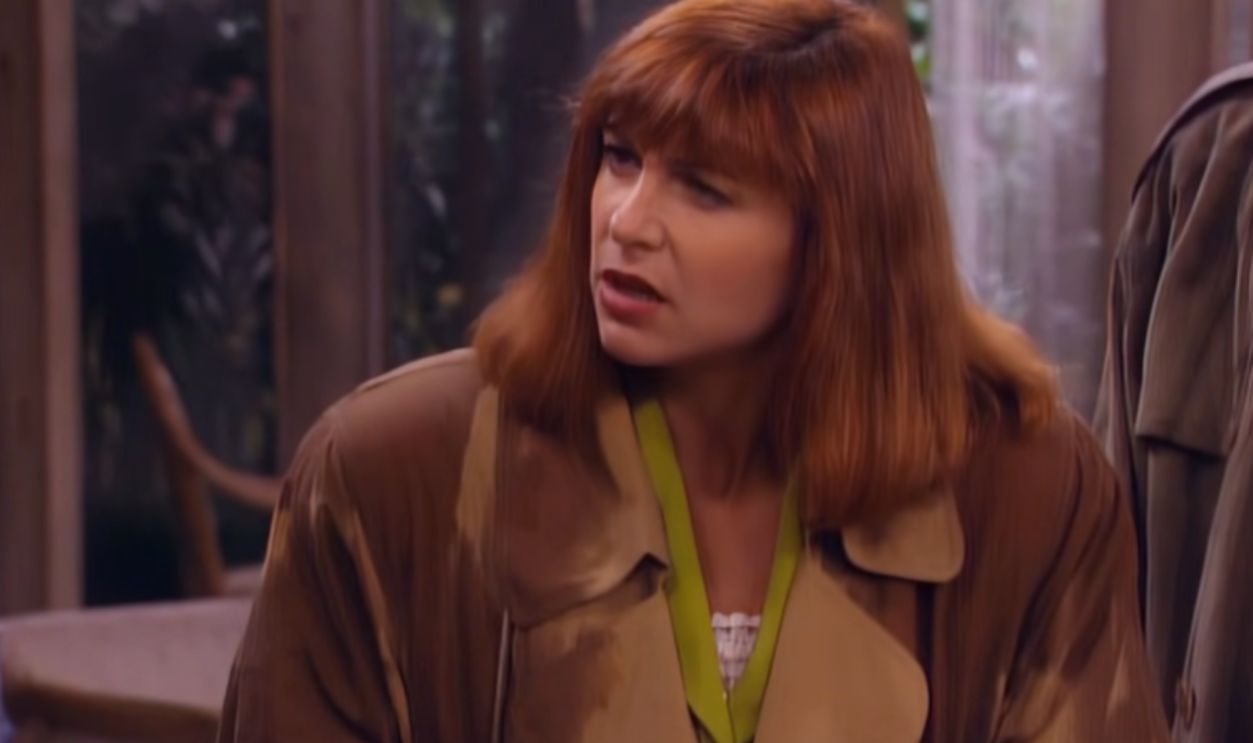
Harris also reconsidered the role of the family's adult children. Rather than concentrating exclusively on the loneliness parents experience after their children leave, the revised sitcom explored what happens when those children return. Harry's daughters gradually made his household considerably more crowded than the show's title suggested.
 Screenshot from The Golden Girls, NBC (1985–1992), Enhanced
Two Daughters Couldn't Be More Different
Dinah Manoff played Carol Weston, an anxious divorcée whose complicated personal life frequently required her father's attention. Kristy McNichol portrayed Barbara, a police officer with a distinctly different personality. Their sibling rivalry and competing demands provided Harry with plenty of problems to solve outside his medical practice.
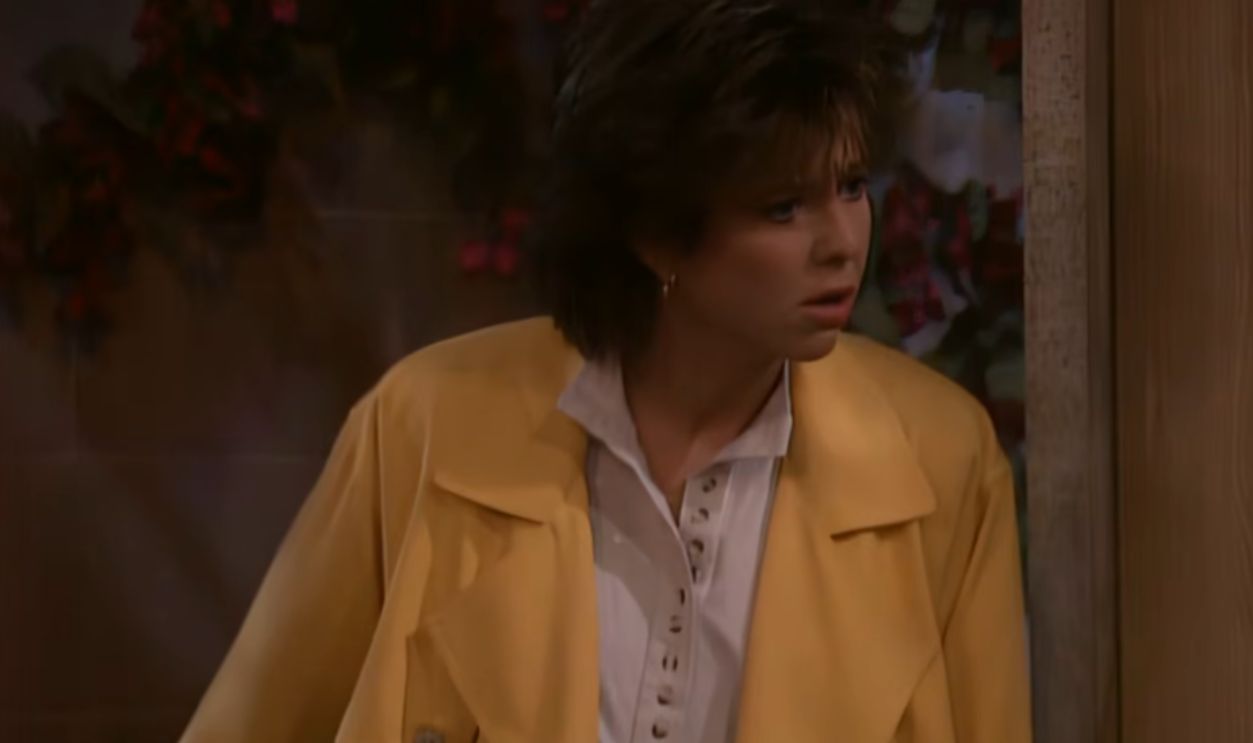 Screenshot from The Golden Girls, NBC (1985–1992), Enhanced
One Actor Survived The Overhaul
Remarkably, David Leisure was the only member of the original pilot's cast to become a regular on the revised series. His character received a new name, Charley Dietz, and worked aboard a cruise ship. Charley's intrusive visits and obnoxious behavior became recurring sources of comedy in the Weston household.
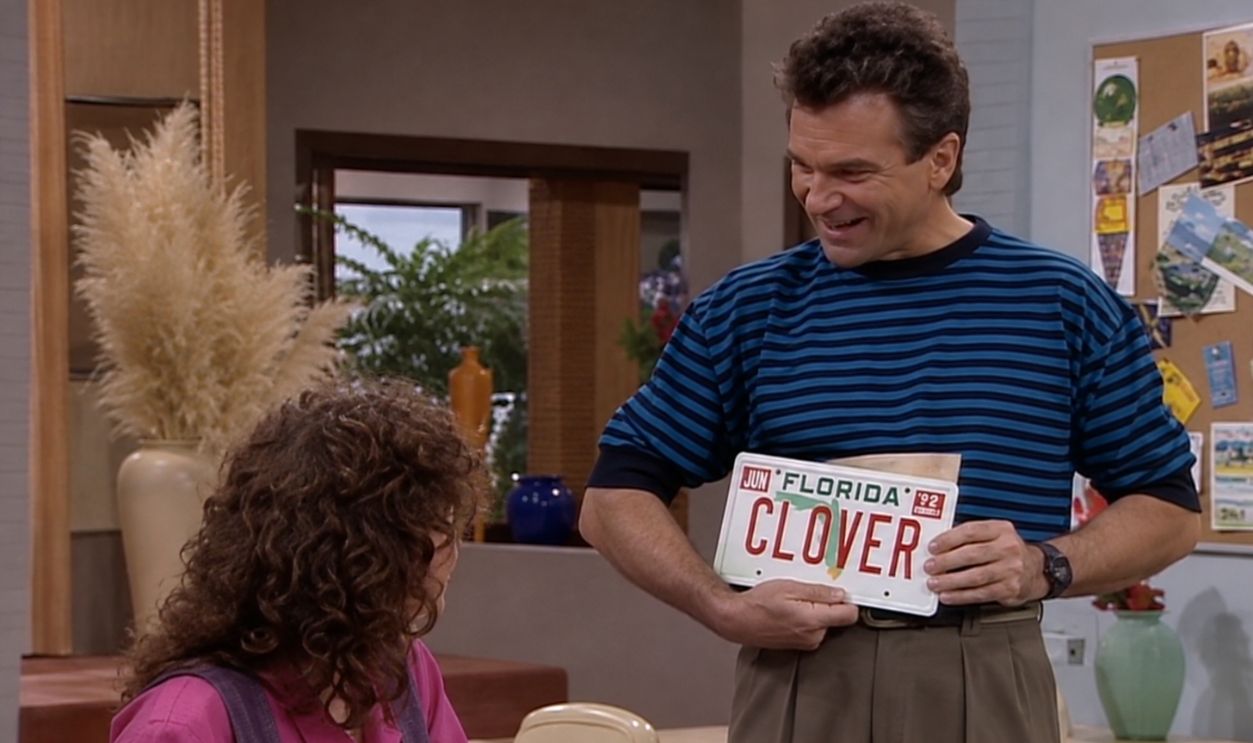 Screenshot from Empty Nest, NBC (1988-1995), Enhanced
Harry Had Problems At Work Too
The new series expanded beyond Harry's domestic adventures by regularly featuring his professional life. Park Overall played his outspoken Southern nurse, Laverne, whose personality contrasted amusingly with her employer's. The medical setting provided additional story possibilities that weren't dependent on Harry's relationships with his daughters.
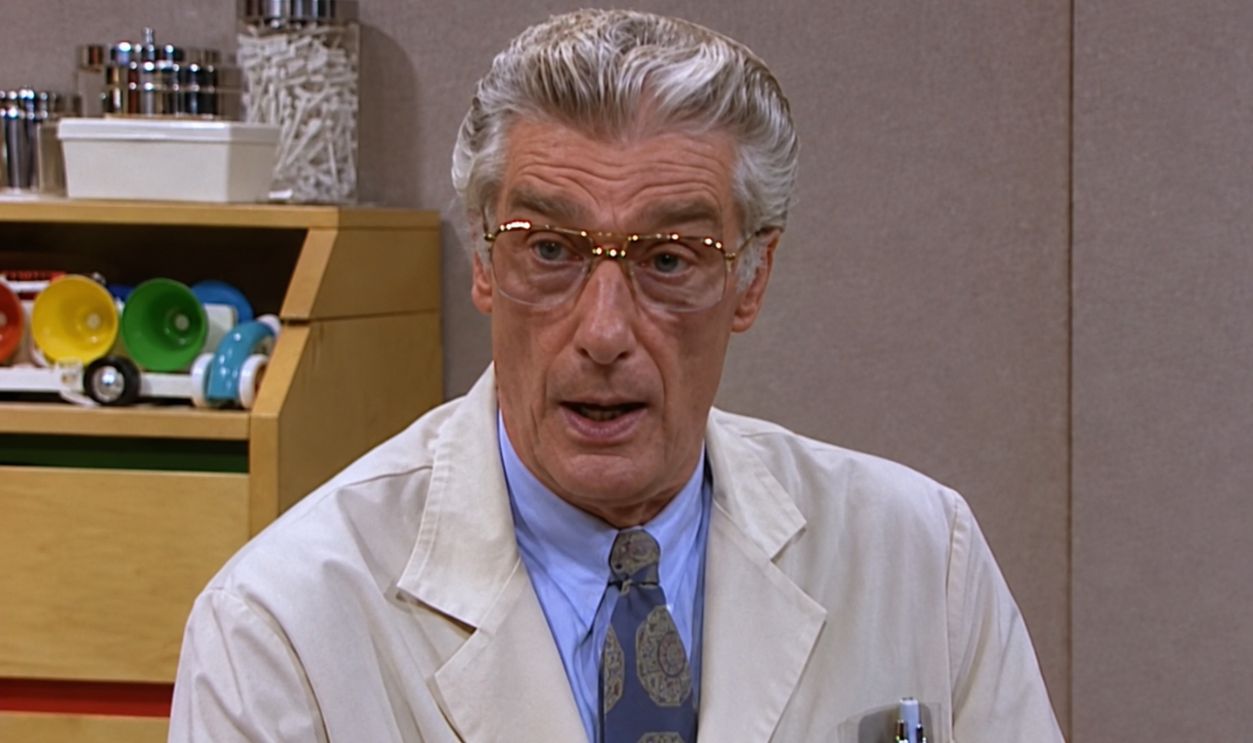 Screenshot from Empty Nest, NBC (1988-1995), Enhanced
A Four-Legged Scene Stealer
One of the most memorable additions to the revised sitcom was Harry's enormous dog, Dreyfuss. Played by a canine performer named Bear, Dreyfuss became a prominent member of the show's ensemble. His companionship also helped establish Harry's home life as something warmer and more entertaining than a straightforward portrait of loneliness.
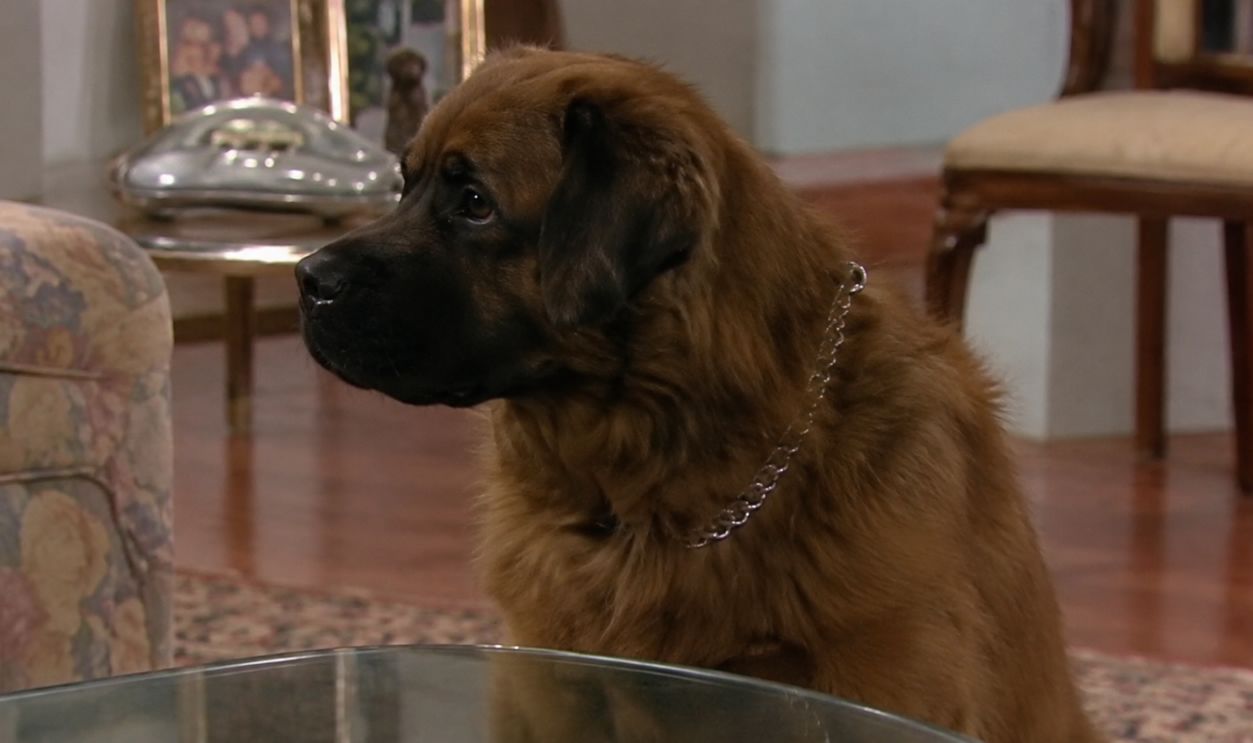 Screenshot from Empty Nest, NBC (1988-1995), Enhanced
The Second Pilot Was A Different Story
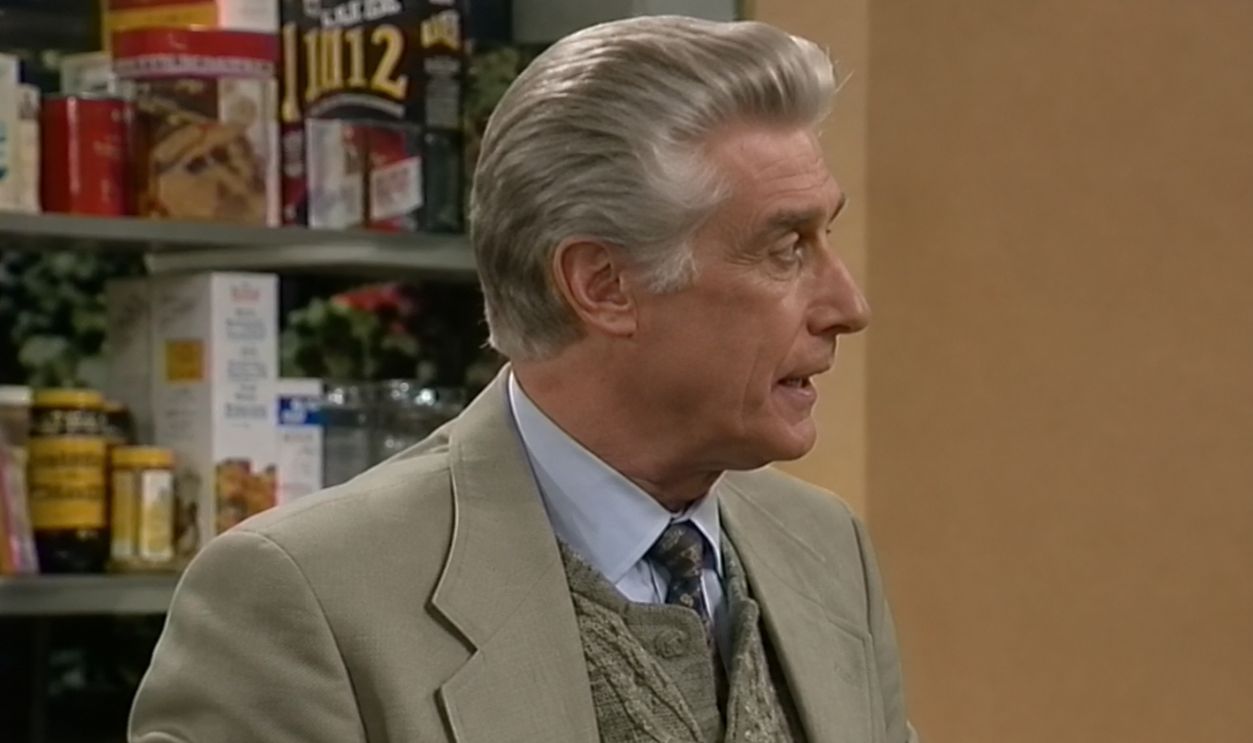
The reinvented Empty Nest premiered on October 8, 1988, with Harris once again writing the introductory episode and Sandrich directing. This time, the central storyline involved a female medical colleague who wanted Harry to marry her. The situation established his difficulty moving forward romantically while still mourning his late wife.
 Screenshot from Empty Nest (1988-1995), Enhanced
Critics Welcomed The New Family
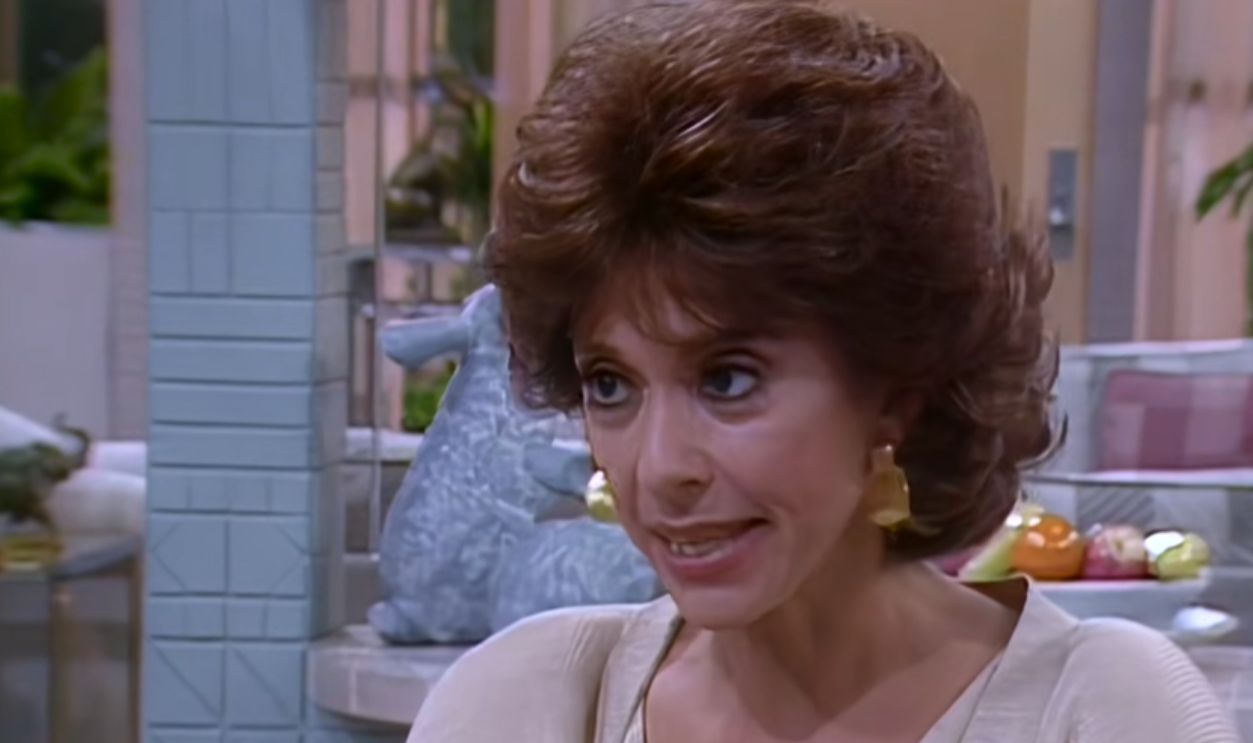
The second attempt received an encouraging response from television critics. Both the Los Angeles Times and The Washington Post published favorable reviews when the series premiered, praising its comedic potential. The difficult production Moreno remembered had given way to a considerably more promising television property.
 Screenshot from Empty Nest, NBC (1988-1995), Enhanced
NBC Found Another Saturday Night Hit
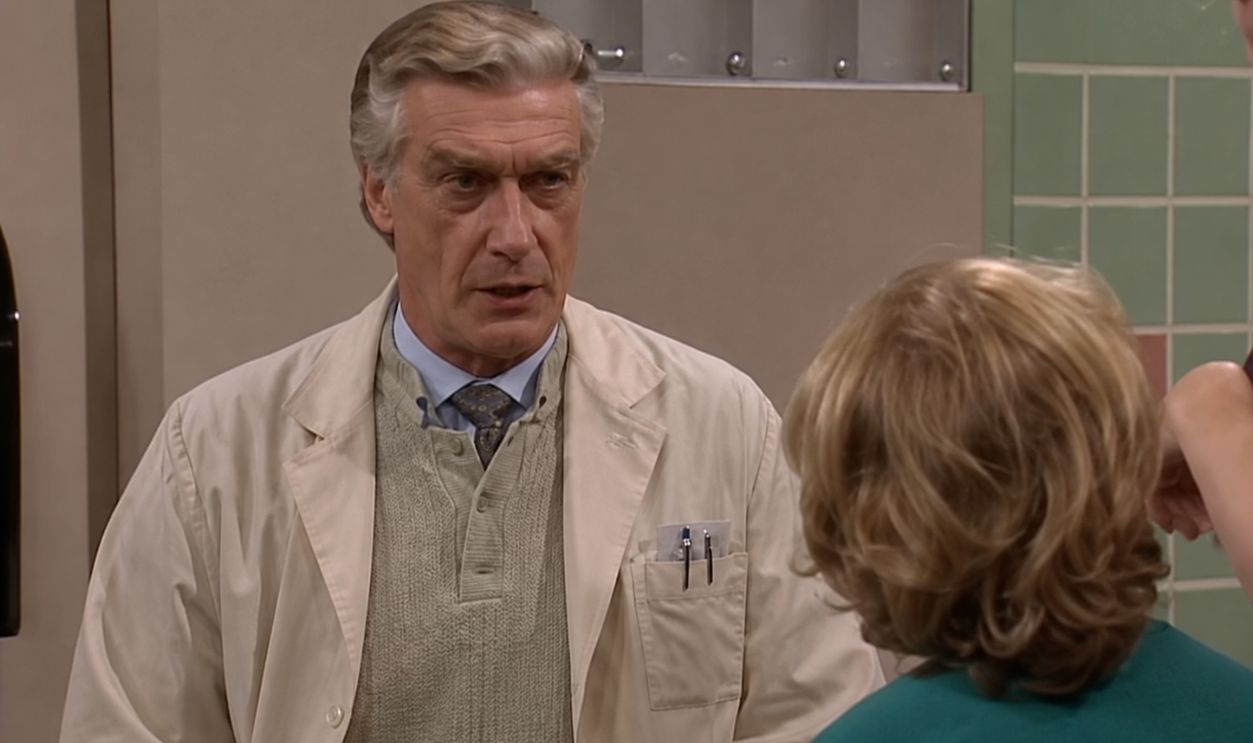
NBC scheduled Empty Nest immediately after The Golden Girls on Saturday evenings, giving the new series a valuable opportunity to attract viewers. By February 1989, the Los Angeles Times reported that the sitcom was regularly ranking among the ten most-watched prime-time programs. The Television Academy notes that it remained a top-ten series throughout its first three seasons.
 Screenshot from Empty Nest, NBC (1988-1995), Enhanced
Mulligan Beat Some Formidable Competition
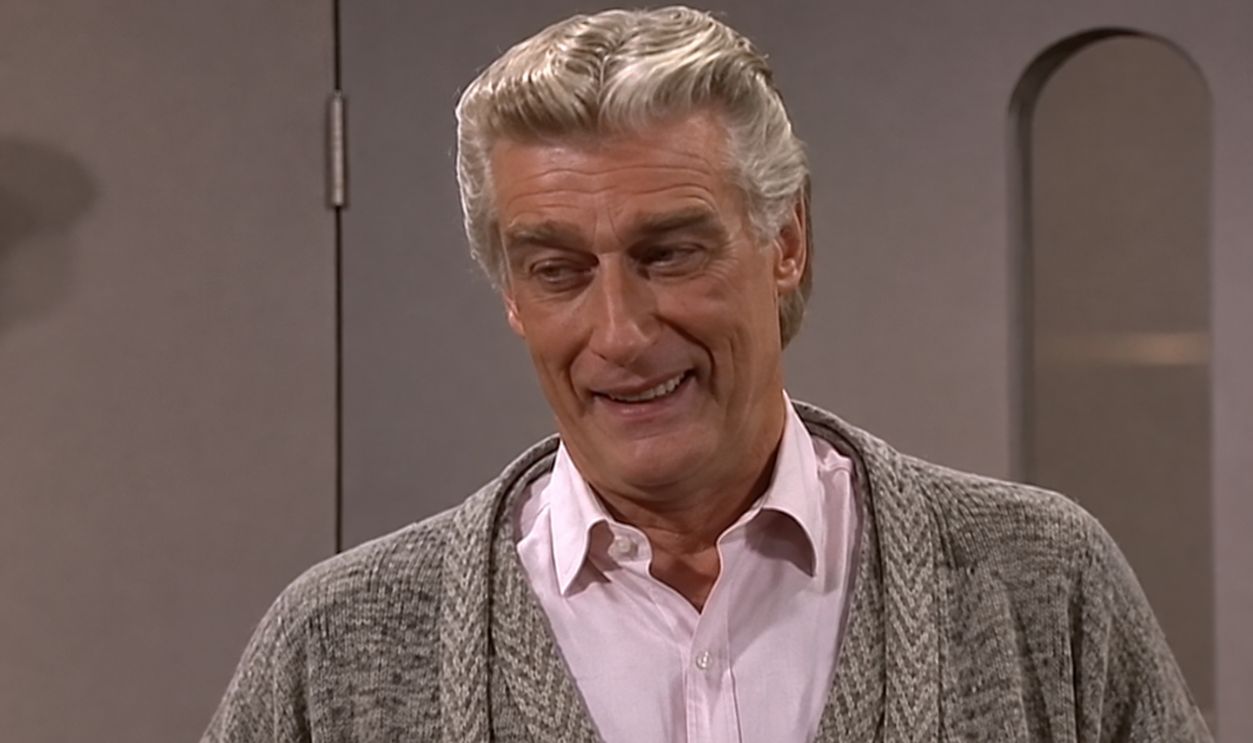
In 1989, Mulligan received the Emmy for Outstanding Lead Actor in a Comedy Series for his performance as Harry Weston. His fellow nominees included Michael J. Fox, Ted Danson, John Goodman, Fred Savage, and Dan Conner actor John Goodman was among the impressive competition. Mulligan subsequently received two additional Emmy nominations for playing Harry.
 Screenshot from Empty Nest, NBC (1988-1995), Enhanced
The Golden Girls Connection Endured
Despite the extensive changes, Empty Nest maintained its connection to The Golden Girls through character appearances and the shared Miami neighborhood. Eventually, Estelle Getty joined the cast as Sophia Petrillo after the cancellation of The Golden Palace. Sophia became a regular presence during the final two seasons of Empty Nest.
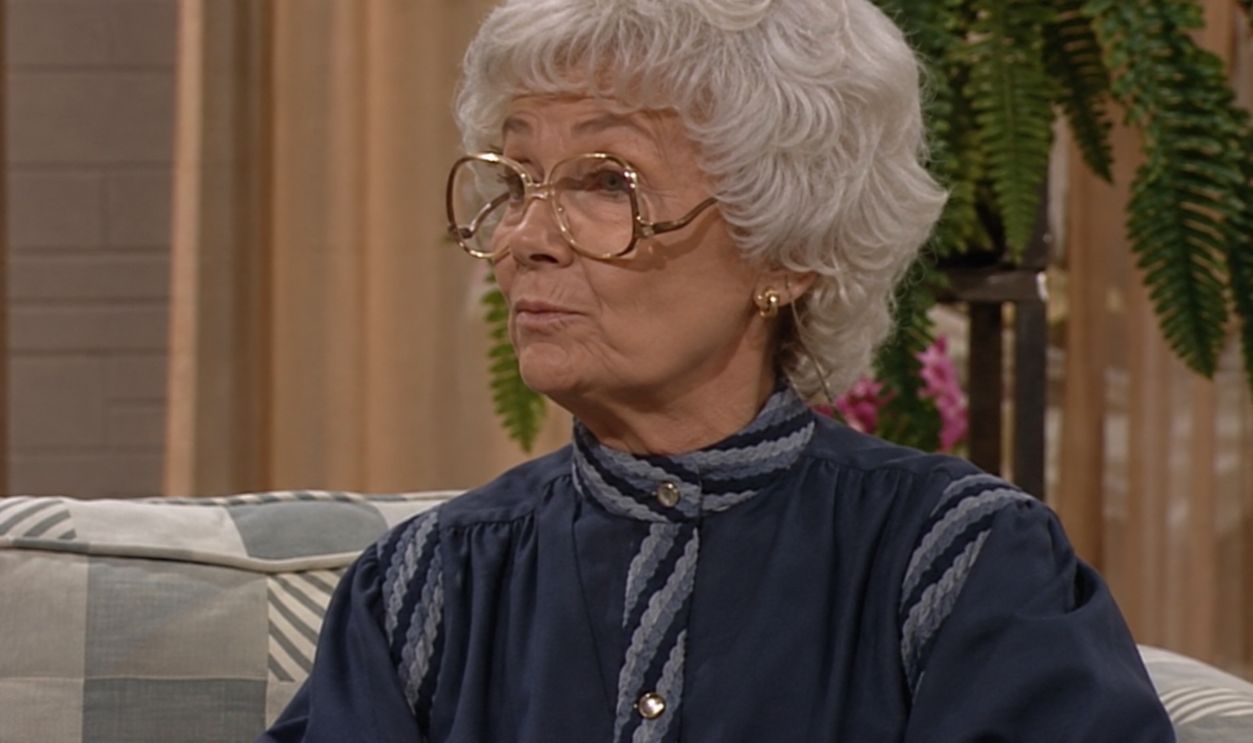 Screenshot from Empty Nest, NBC (1988-1995), Enhanced
A Failure That Became A Success
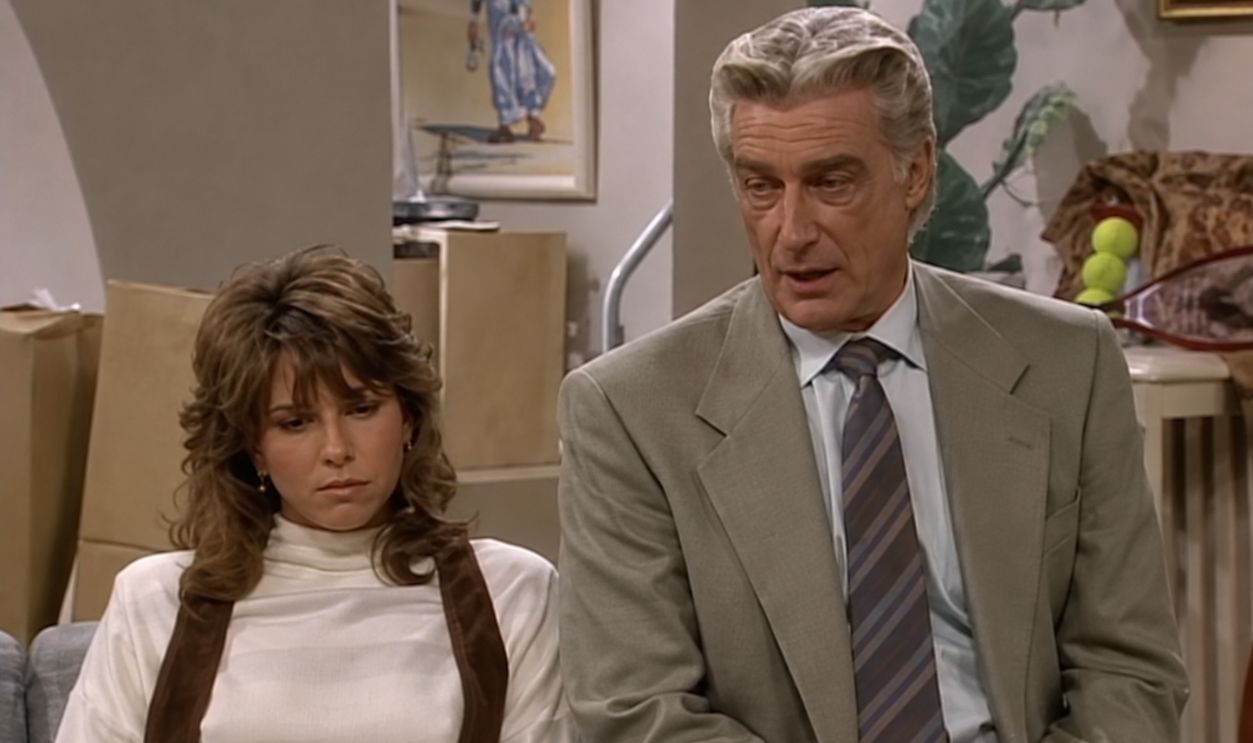
Empty Nest ultimately produced 170 episodes across seven seasons, concluding its run in 1995. Its longevity was a remarkable achievement considering the difficulties surrounding its earliest incarnation. Moreno's unfortunate experience remains a fascinating chapter in television history and a reminder that even a successful sitcom can begin with a spectacularly unsuccessful pilot.
 Screenshot from Empty Nest, NBC (1988-1995), Enhanced
You May Also Like:
How Golden Girls Star Rue McClanahan Completely Reinvented Herself On Television