Anything Could Happen
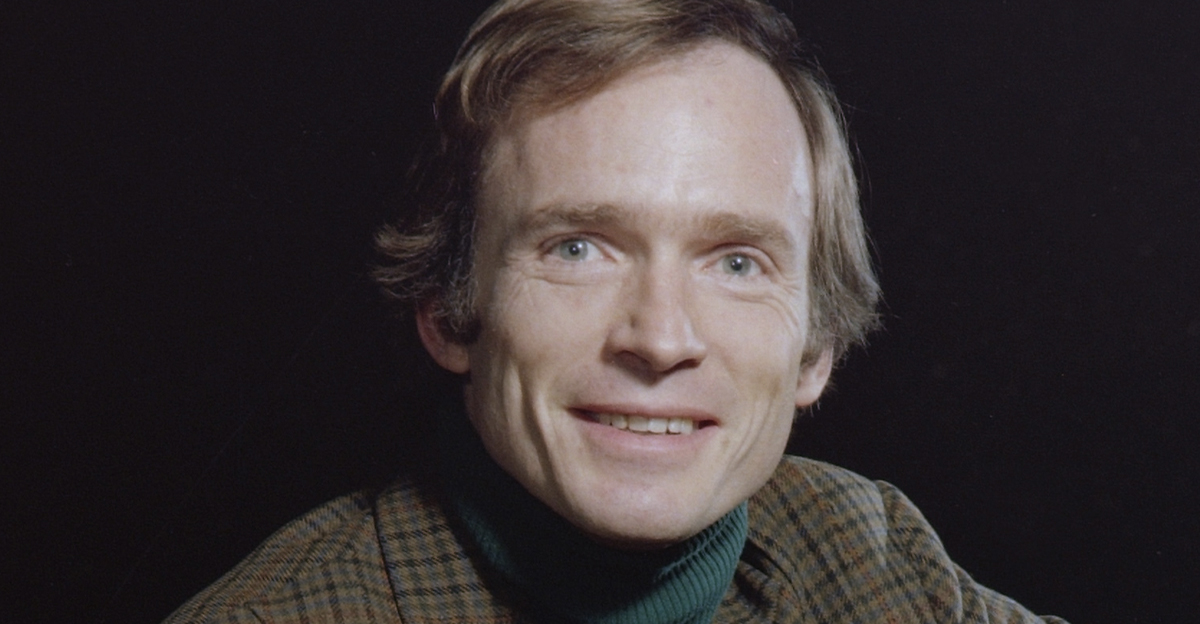
In the 1970s, Dick Cavett offered something very different from Johnny Carson's celebrity-friendly late-night television. His guests included Hollywood legends, rock stars, politicians, and intellectuals, but the conversations didn't always go according to plan. Some guests stormed off, others argued bitterly, and a few seemed determined to wreck the show altogether. Cavett's willingness to let uncomfortable conversations unfold produced some of the most extraordinary moments in television history.
 Photo by Bachrach/Getty Images
A Nebraska Kid With Ambitions
Born in Gibbon, Nebraska, in 1936, Dick Cavett developed an early fascination with comedy, magic, and show business. After attending Yale University, he moved to New York and pursued a career in entertainment. His sharp wit eventually brought him into contact with television host Jack Paar, who hired him as a writer. Cavett subsequently wrote for Johnny Carson, unknowingly preparing himself to become one of Carson's most unusual competitors.
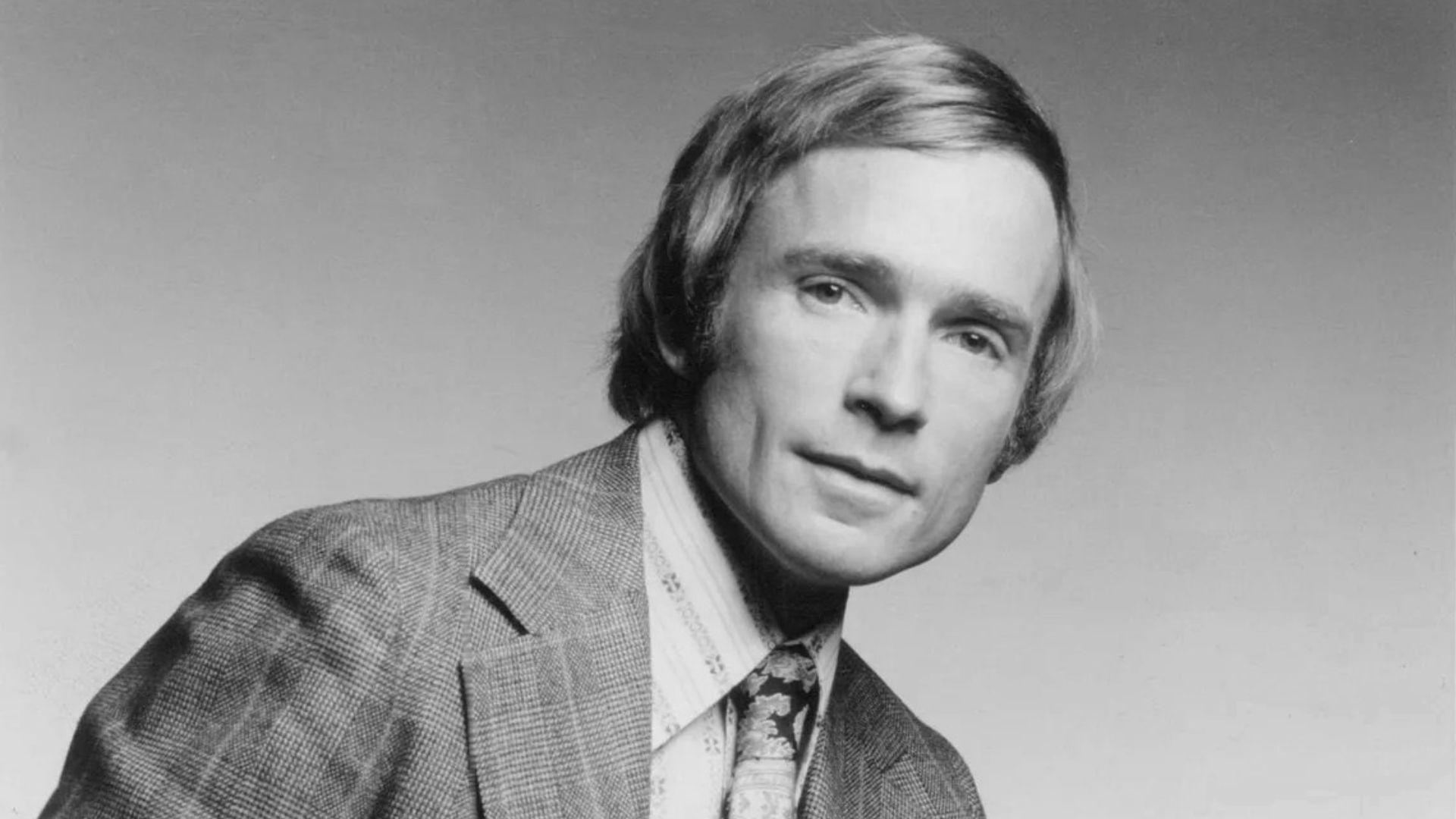 ABC Television, Wikimedia Commons
He Became A Talk Show Host
Cavett's first television talk show, This Morning, debuted on ABC in March 1968. Unlike conventional daytime programs, it featured lengthy conversations about politics, culture, and controversial social issues. Cavett's understated manner and intellectual curiosity set him apart from more flamboyant television personalities. The program eventually led to a prime-time version in 1969, setting the stage for his move into late-night television.
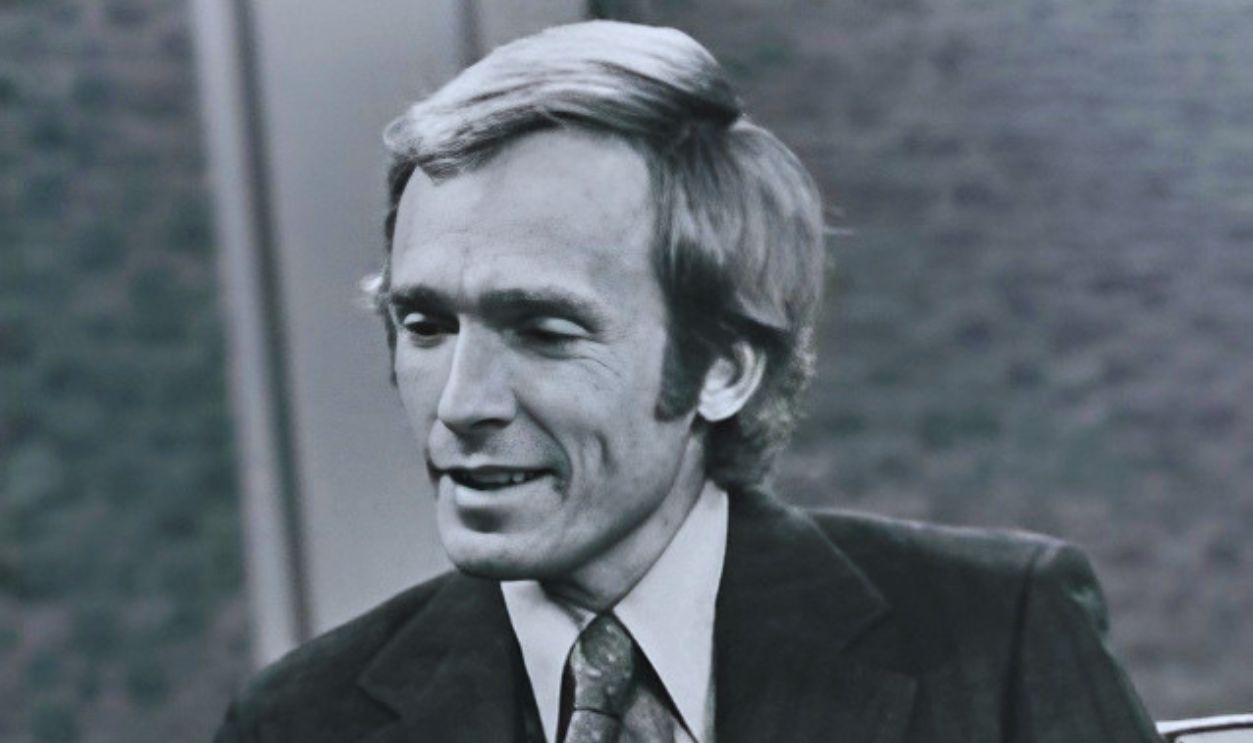 ABC Television, Wikimedia Commons
He Took On Johnny Carson
In December 1969, ABC launched Cavett's late-night program opposite NBC's enormously successful The Tonight Show Starring Johnny Carson. Cavett couldn't match Carson's ratings, but he attracted a loyal audience that appreciated his more conversational approach. Instead of relying entirely on jokes and promotional appearances, Cavett encouraged guests to discuss politics, literature, and personal experiences. His willingness to explore uncomfortable subjects soon became the show's defining characteristic.
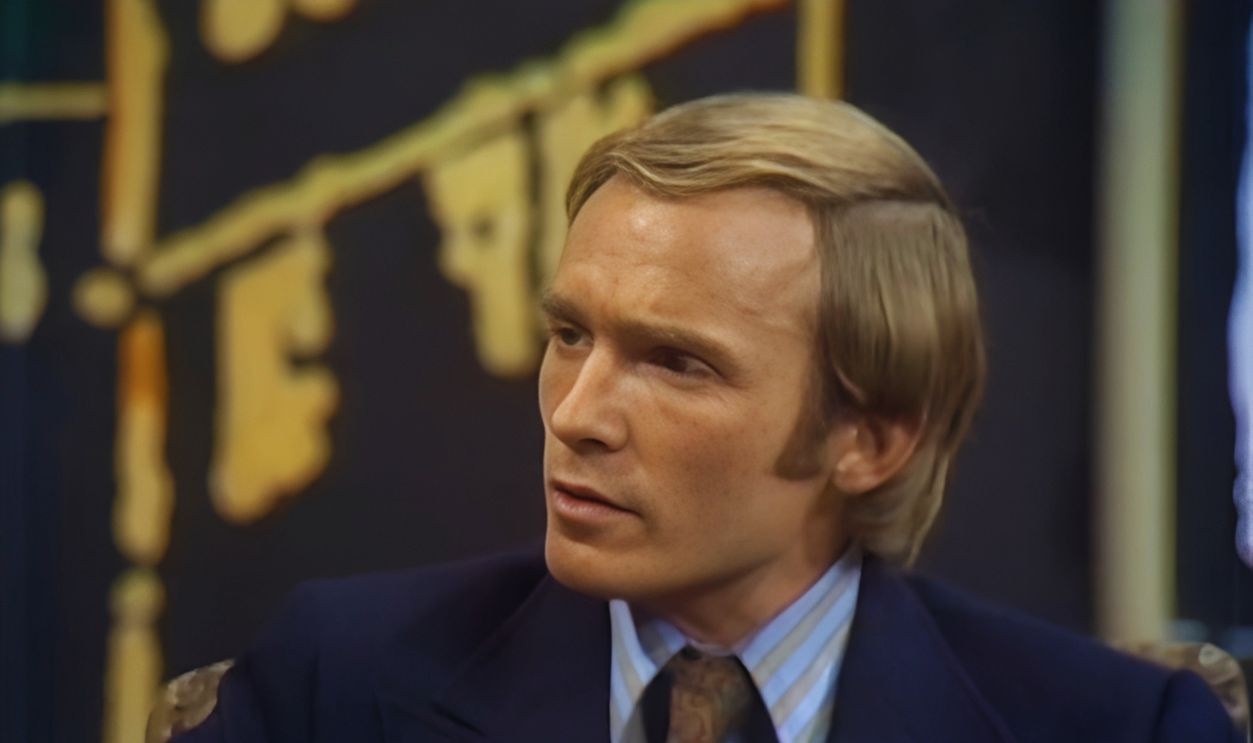 Screenshot from The Dick Cavett Show, ABC (1968–1986)
Hollywood's Legends Came Calling
Cavett's guest list became extraordinary. Groucho Marx, Bette Davis, Katharine Hepburn, Orson Welles, Alfred Hitchcock, and Marlon Brando all appeared, often discussing subjects they rarely addressed elsewhere. Rock musicians and political activists received similarly generous airtime. Cavett sometimes devoted an entire episode to one guest, allowing conversations to develop naturally. But that freedom also meant he couldn't always predict what would happen next.
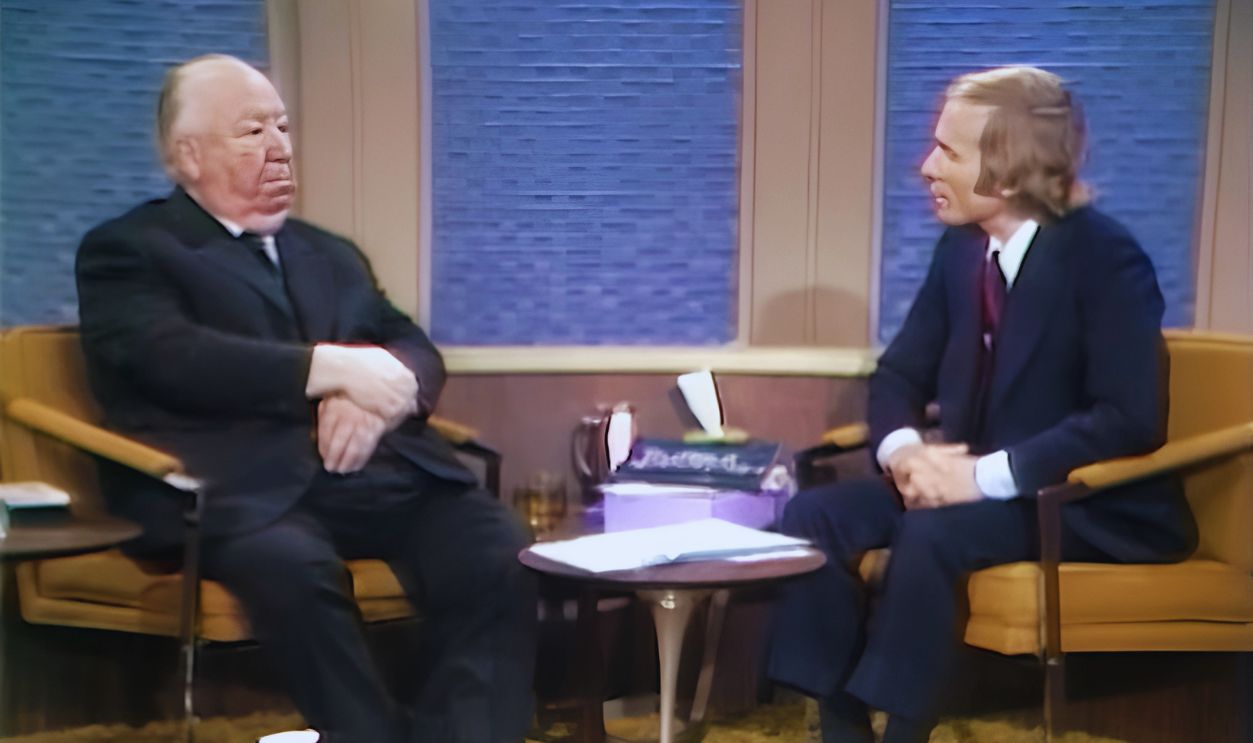 Screenshot from The Dick Cavett Show, ABC (1968–1986)
He Refused To Play Safe
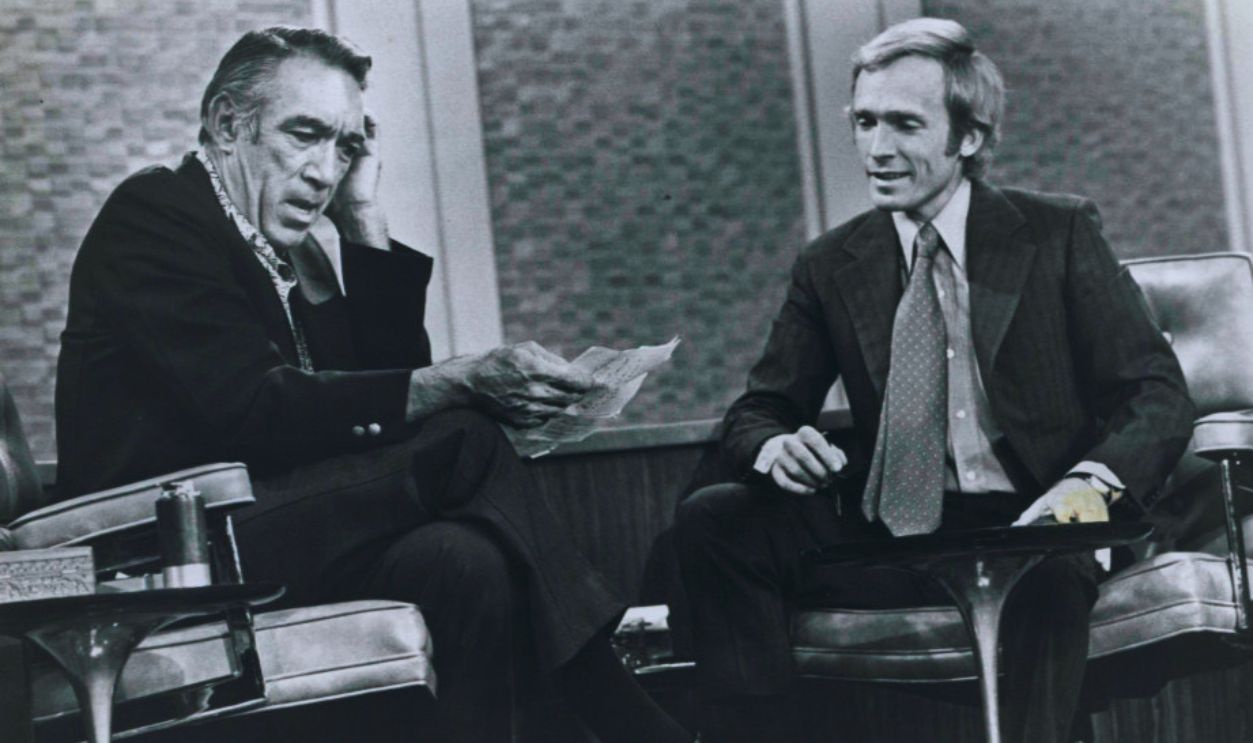
The program emerged during an era of enormous cultural upheaval. The Vietnam War, civil rights, feminism, and changing attitudes toward sexuality divided Americans, and Cavett frequently brought those disagreements into the studio. He rarely approached interviews as confrontations, but he wasn't afraid to ask difficult questions. Sometimes the most explosive moments happened when guests began arguing with each other rather than with their host.
 ABC Television, Wikimedia Commons
Christine Jorgensen Walked Out
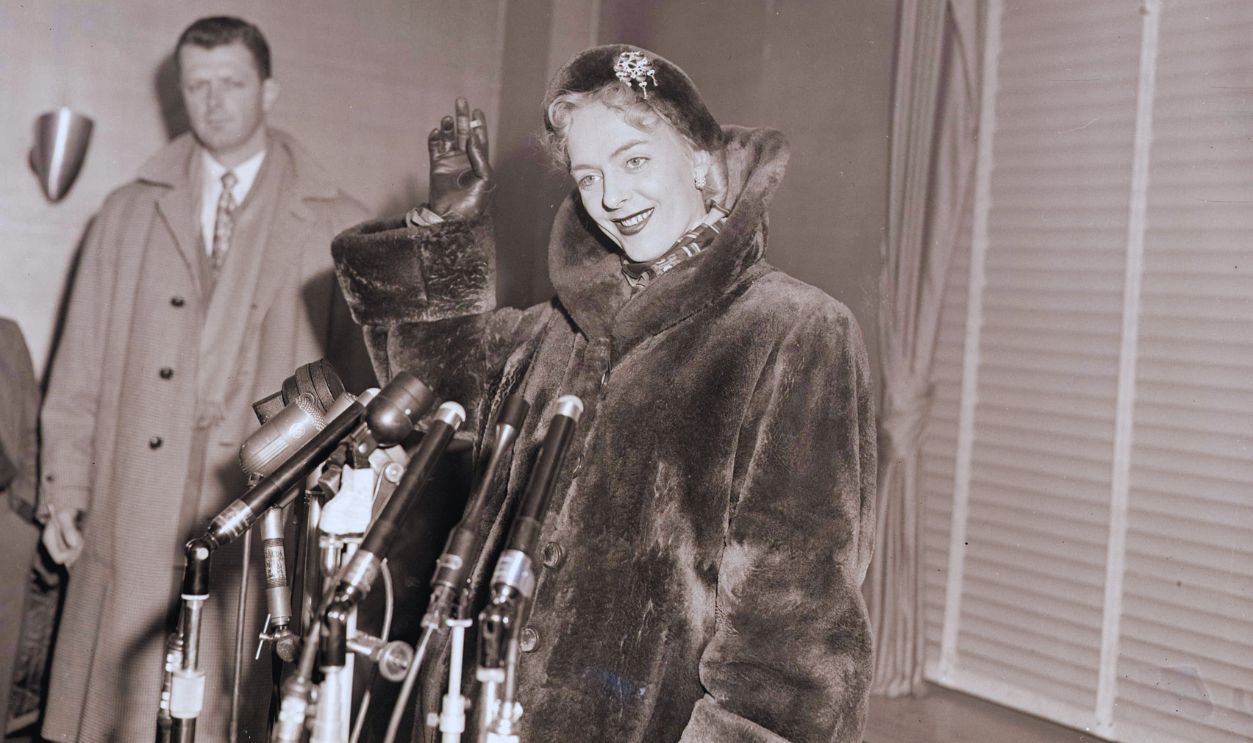
One of Cavett's earliest controversies occurred on March 27, 1968, when Christine Jorgensen, a pioneering transgender public figure, appeared on his daytime program. Cavett asked about her romantic life, prompting Jorgensen to leave the interview. With his only scheduled guest gone, Cavett was forced to continue the broadcast alone, explaining that he hadn't intended to offend her. It was an early warning that even his seemingly gentle interviewing style could produce unexpected confrontations.
Hendrix Defended His Anthem
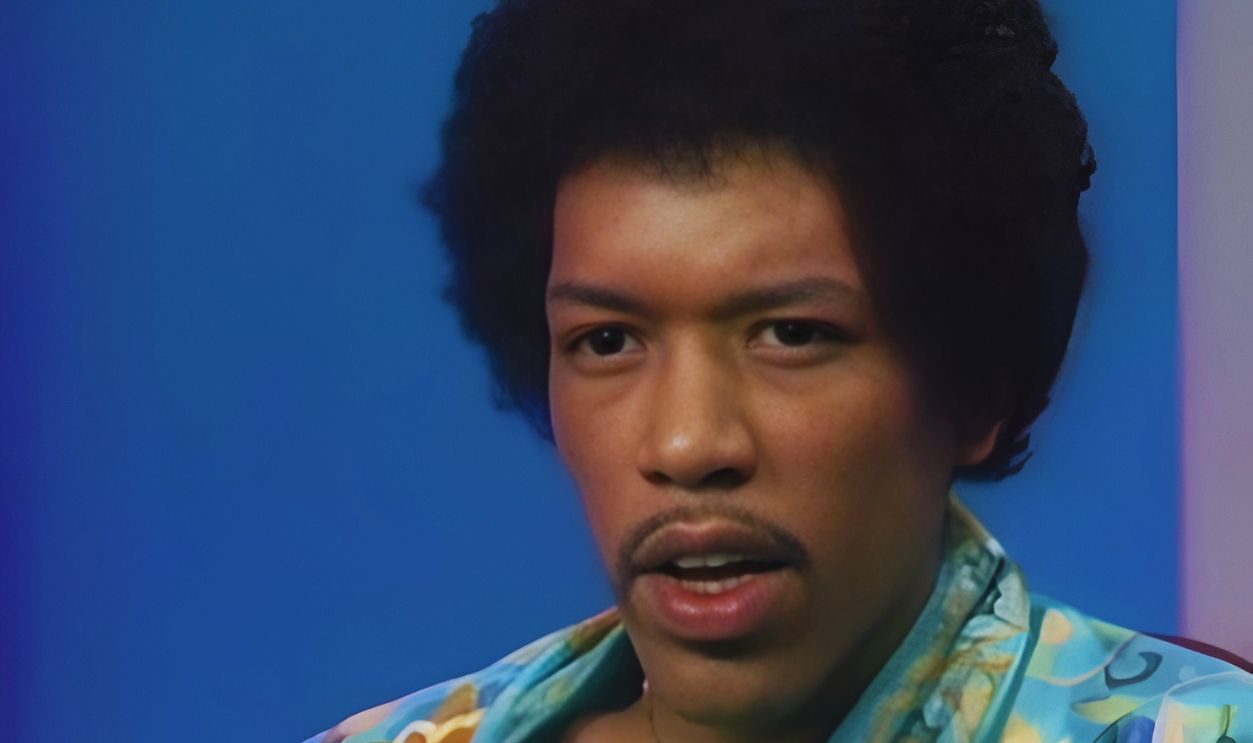
In September 1969, Jimi Hendrix appeared shortly after his controversial performance of "The Star-Spangled Banner" at Woodstock. Cavett described Hendrix's electric-guitar interpretation as unorthodox, but the musician challenged that characterization, insisting there was nothing improper about his version. Hendrix's response drew applause and offered a revealing glimpse of the cultural divide surrounding his music. The exchange became one of Cavett's most enduring rock interviews.
 Screenshot from The Dick Cavett Show, ABC (1968–1986)
Hugh Hefner Faced Feminists
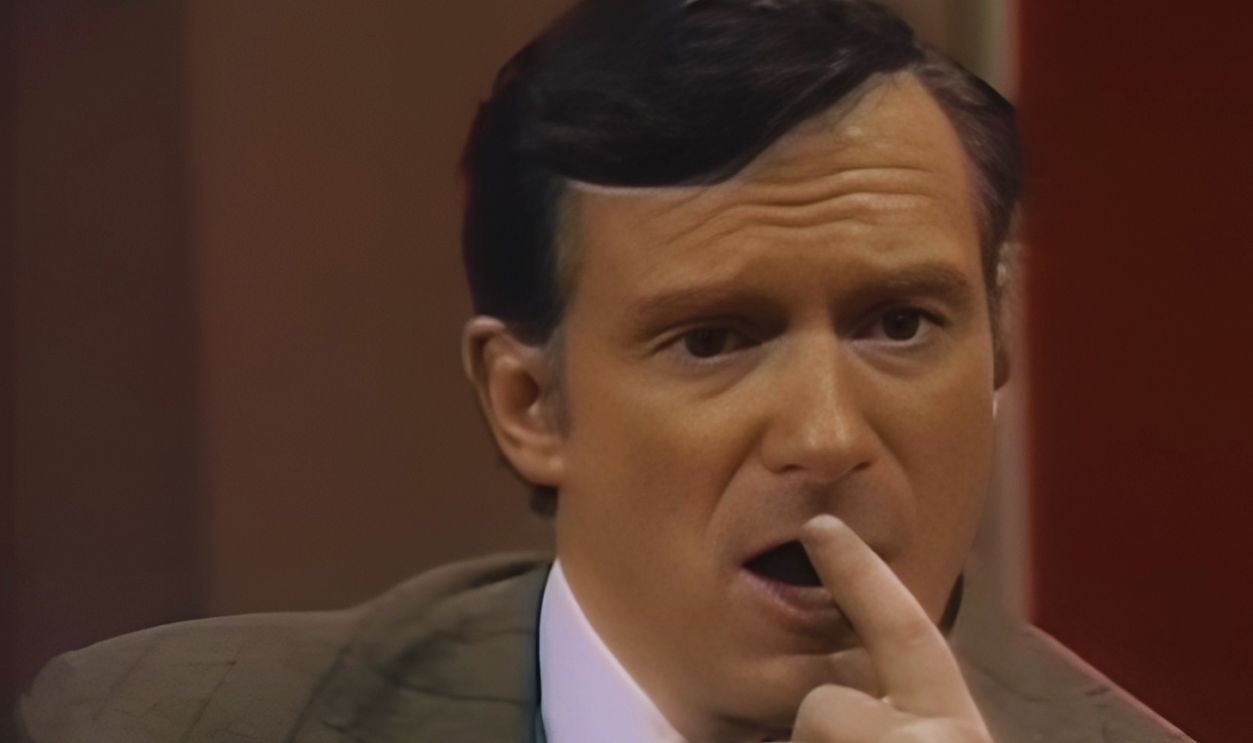
On March 26, 1970, Playboy magazine founder Hugh Hefner found himself debating feminist writers Susan Brownmiller and Sally Kempton. The women challenged his magazine's portrayal of women, while Hefner attempted to defend its philosophy. The atmosphere became even more confrontational when two protesters attempted to approach the stage while shouting insults and had to be removed from the studio.
 Screenshot from The Dick Cavett Show, ABC (1968–1986)
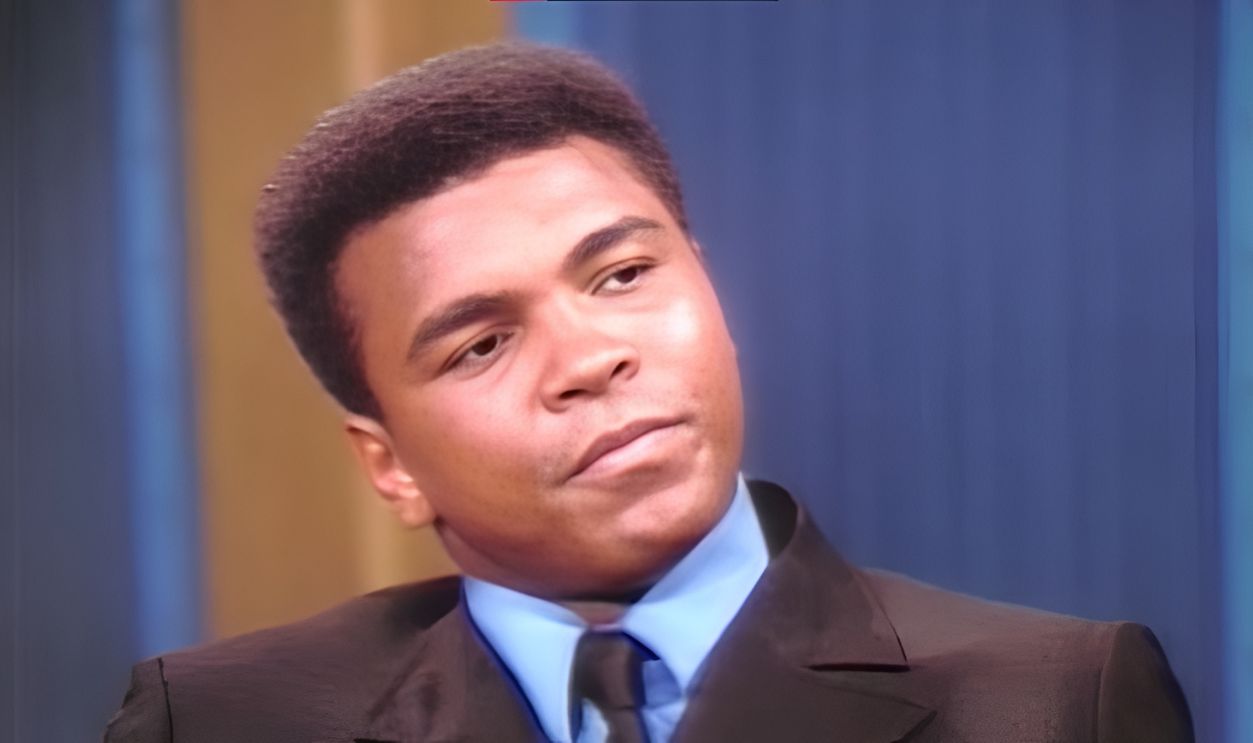
Muhammad Ali Discussed His Exile
In 1970, Muhammad Ali was still living with the professional consequences of his refusal to be inducted into the US Army. His opposition to the Vietnam War and outspoken views on racial inequality made him a particularly compelling television guest. Cavett provided a forum in which Ali could discuss subjects extending far beyond his accomplishments in the boxing ring.
 Screenshot from The Dick Cavett Show, ABC (1968–1986)
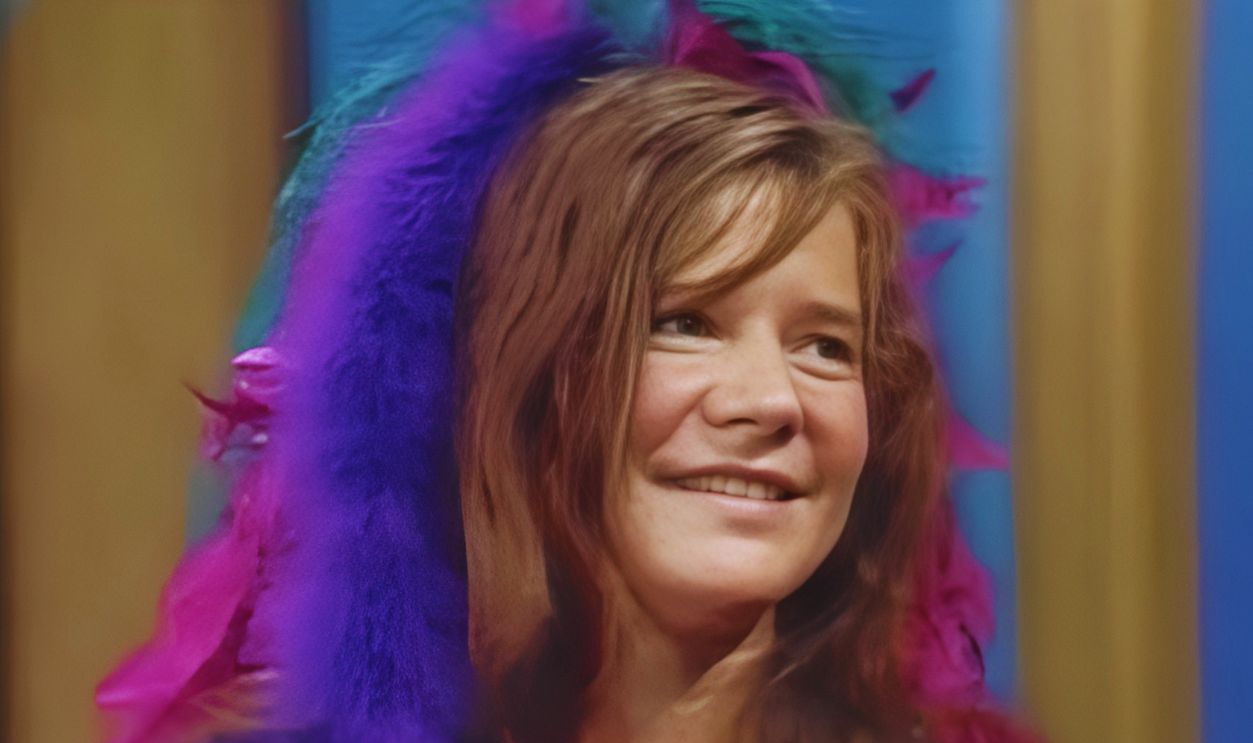
Janis Joplin Met Raquel Welch
On June 25, 1970, Janis Joplin appeared alongside actress Raquel Welch, Douglas Fairbanks Jr., and broadcaster Chet Huntley. The unlikely combination brought together dramatically different generations and styles of celebrity. Joplin's uninhibited personality contrasted with the more polished Hollywood atmosphere surrounding her fellow guests. The episode was a fascinating snapshot of a changing entertainment industry, with rock musicians increasingly sharing television stages with established movie stars.
 Screenshot from The Dick Cavett Show, ABC (1968–1986)
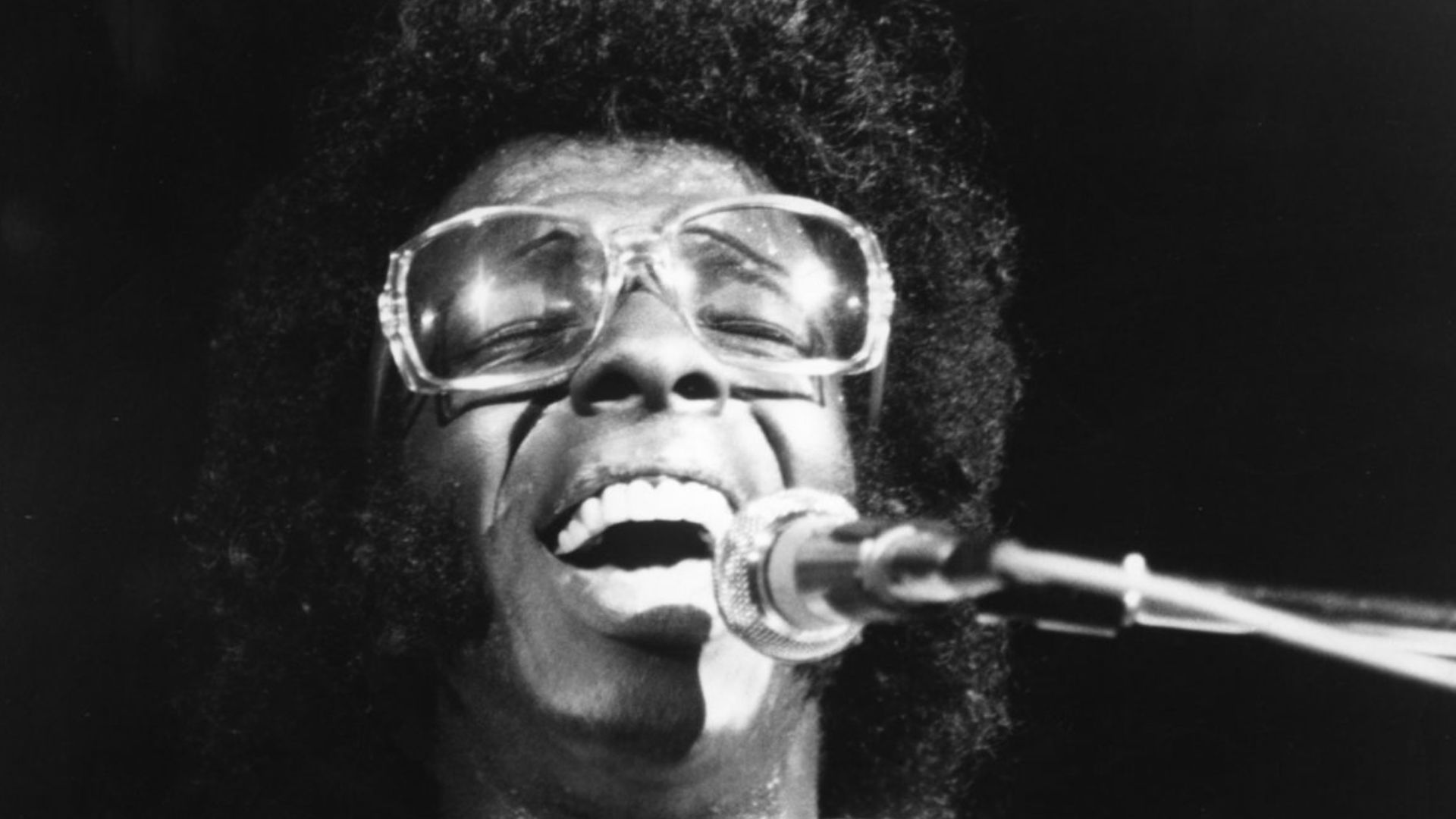
Sly Stone Kept Everyone Guessing
On July 13, 1970, Sly and the Family Stone appeared on Cavett's program alongside actress Debbie Reynolds, tennis champion Pancho Gonzales, and Oklahoma senator Fred Harris and his wife. The extraordinary combination of guests demonstrated Cavett's willingness to bring together personalities from entirely different worlds. The appearance was subsequently included in a DVD collection celebrating the show's most memorable rock music performances.
 Hillel Italie, Wikimedia Commons
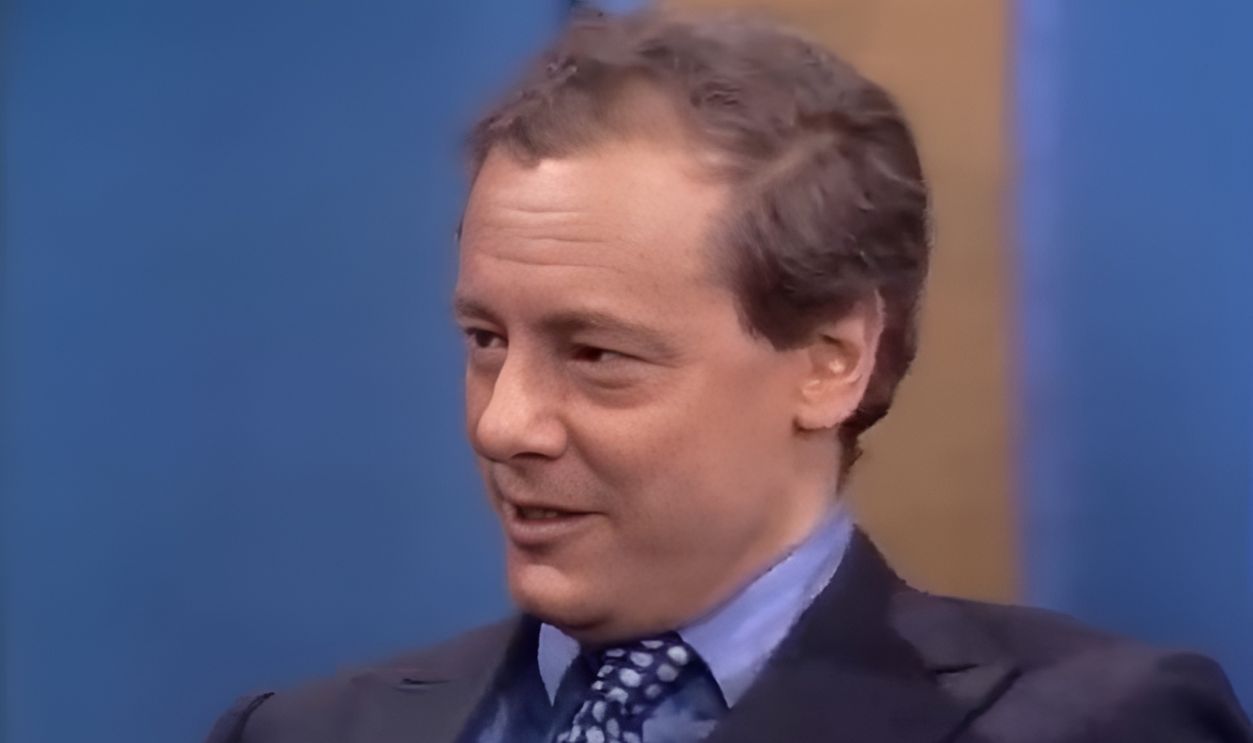
A Comedian Challenged A Critic
During a 1970 appearance, comedian Mort Sahl and notoriously severe theater critic John Simon became embroiled in a bitter disagreement. Simon claimed that Sahl had threatened to punch him during a commercial break. Cavett found himself presiding over an increasingly hostile dispute between two men renowned for their sharp tongues and willingness to offend.
 Screenshot from The Dick Cavett Show, ABC (1968–1986)
Three Actors Hijacked Everything
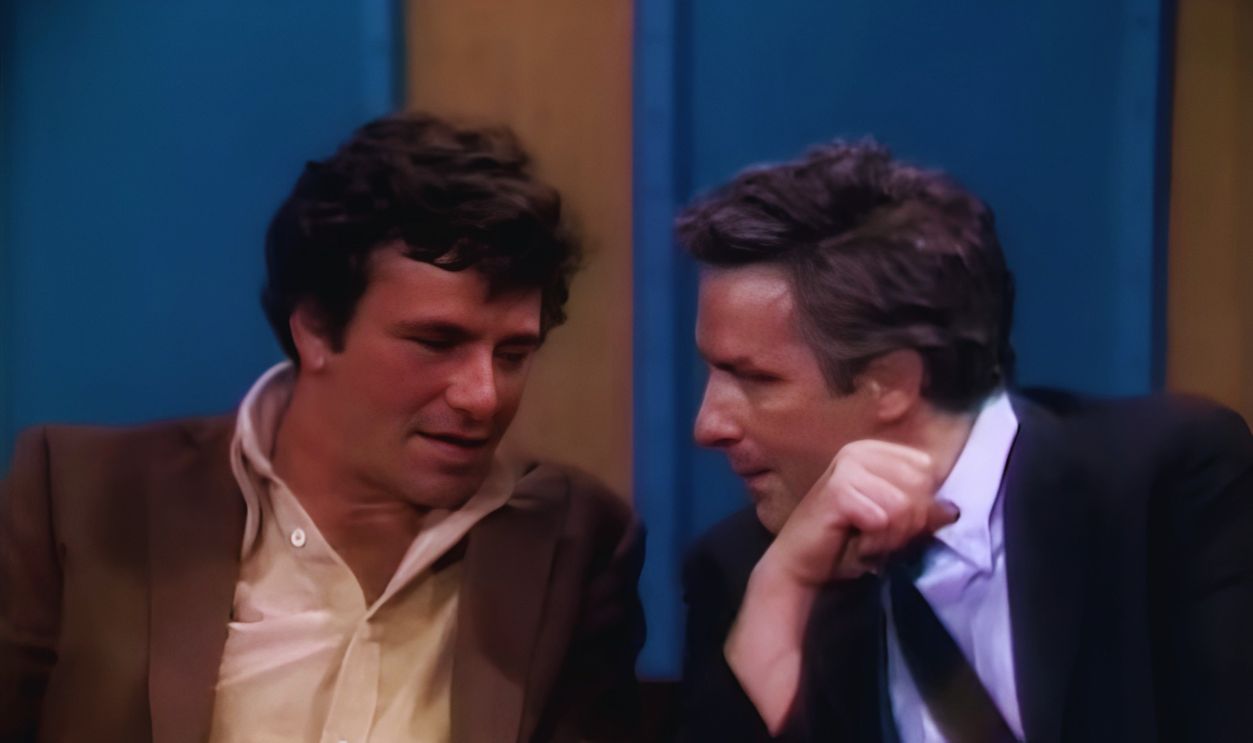
In September 1970, director John Cassavetes appeared with Peter Falk and Ben Gazzara to promote their film Husbands (1970). Having been drinking beforehand, the three men smoked, sprawled around the studio, interrupted questions, and deliberately frustrated Cavett's attempts to interview them. The host briefly walked off before returning to the chaos. Cavett later recalled being completely unprepared for their behavior.
 Screenshot from The Dick Cavett Show, ABC (1968–1986)
A Governor Stormed Off
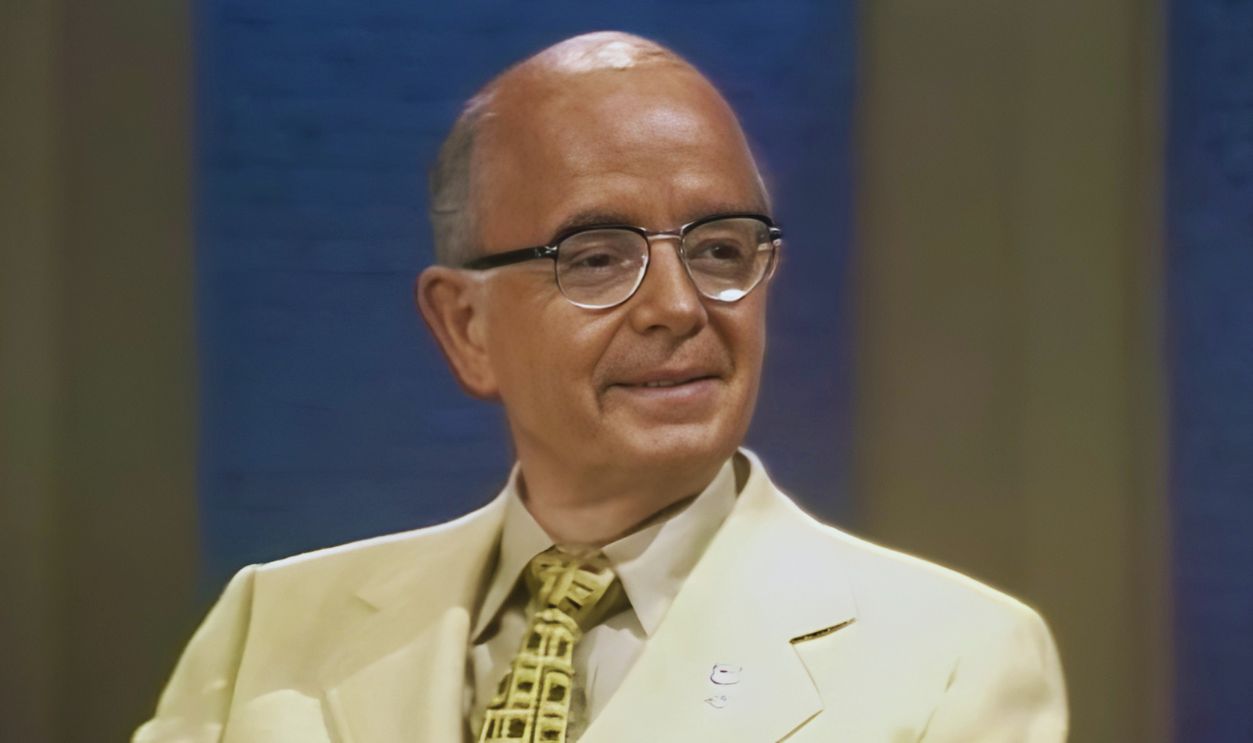
On December 18, 1970, Georgia governor Lester Maddox appeared alongside former football star Jim Brown and writer Truman Capote. Maddox, an outspoken segregationist, became increasingly defensive as the conversation turned toward race issues. When Cavett appeared to characterize Maddox's supporters as prejudiced, the governor angrily walked off the set. The confrontation became one of the show's most famous moments and later helped inspire Randy Newman's controversial song "Rednecks."
 Screenshot from The Dick Cavett Show, ABC (1968–1986)
Vietnam Veterans Faced Off
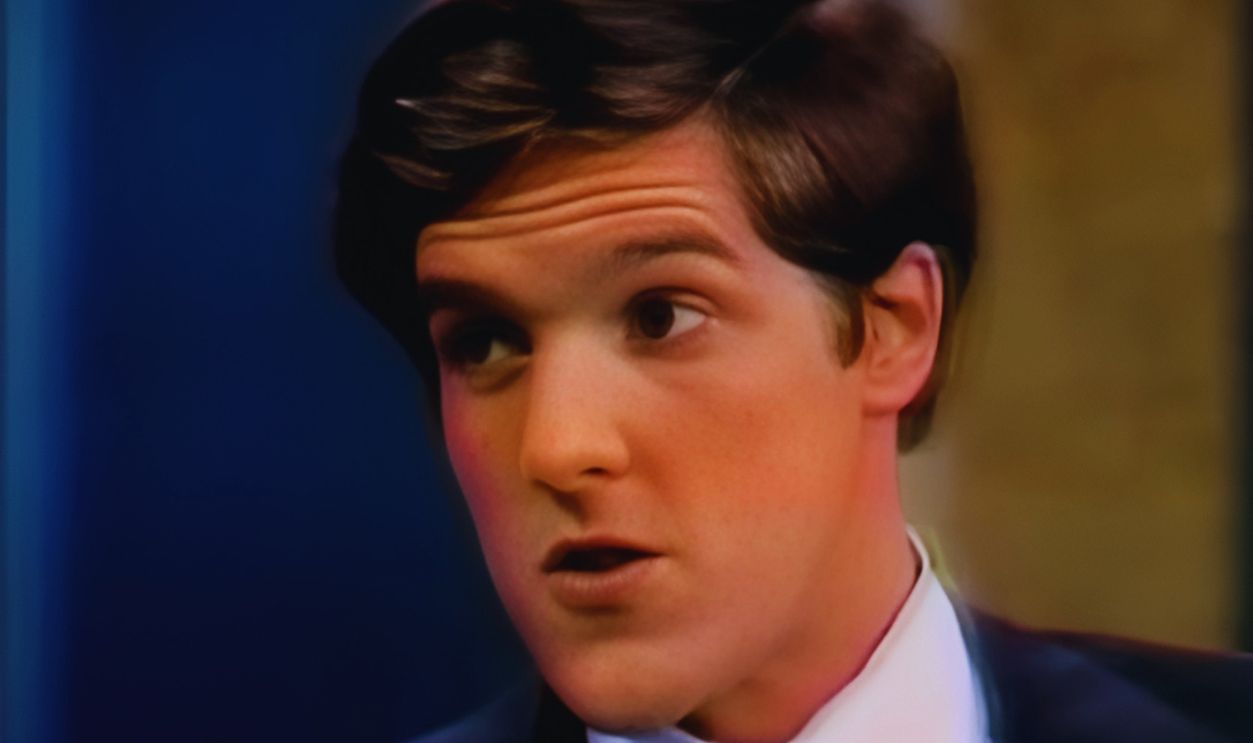
In June 1971, Cavett hosted a debate between Vietnam veterans John Kerry and John O'Neill, who represented sharply opposing positions on the war. Kerry had become a prominent antiwar spokesman, while O'Neill challenged his arguments and defended the American overseas effort. Their exchange demonstrated how deeply Vietnam had divided the country. The program also attracted attention from President Richard Nixon's White House, which regarded Cavett's coverage of the war with hostility.
 Screenshot from The Dick Cavett Show, ABC (1968–1986)
Lennon Discussed The Beatles
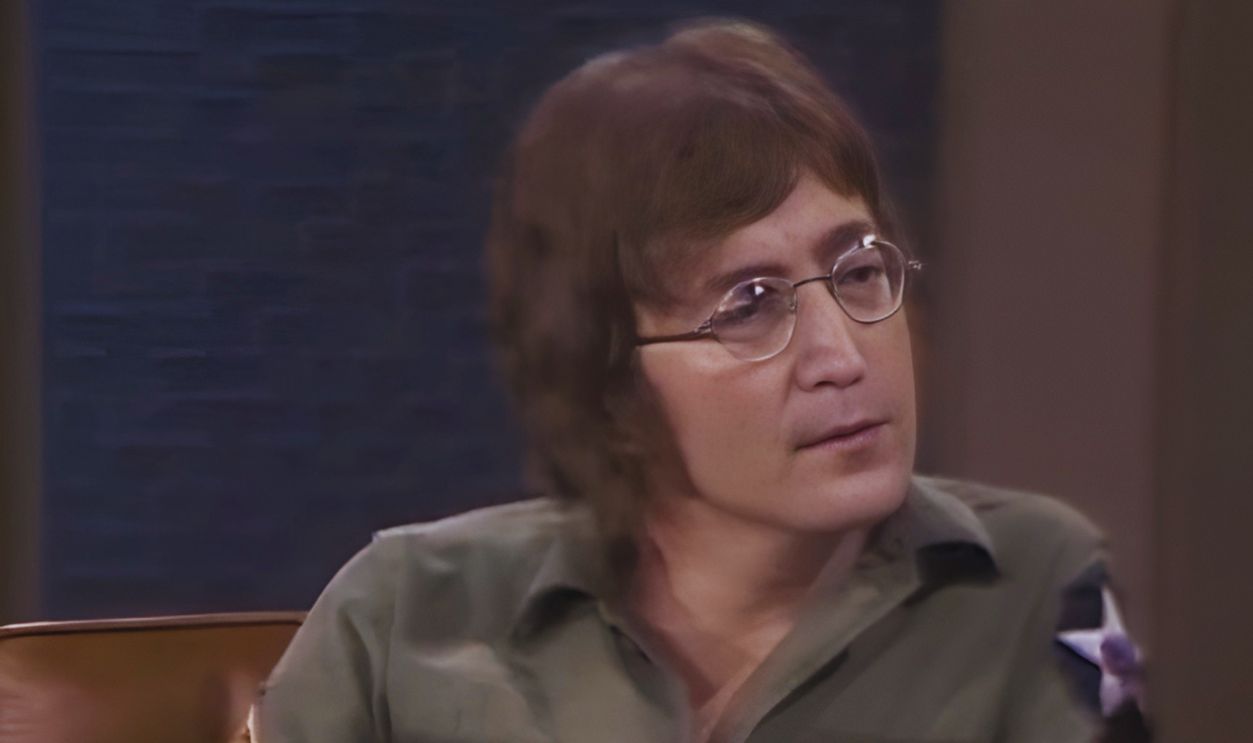
In September 1971, John Lennon and Yoko Ono appeared for an extended interview, giving Cavett an opportunity to explore the breakup of the Beatles and the couple's political activism. Lennon was candid about his former bandmates and his changing artistic priorities. Their outspoken views on social issues made the appearance more politically charged than a conventional music interview. Cavett's sympathetic approach helped create one of Lennon's most revealing American television appearances.
 Screenshot from The Dick Cavett Show, ABC (1968–1986)
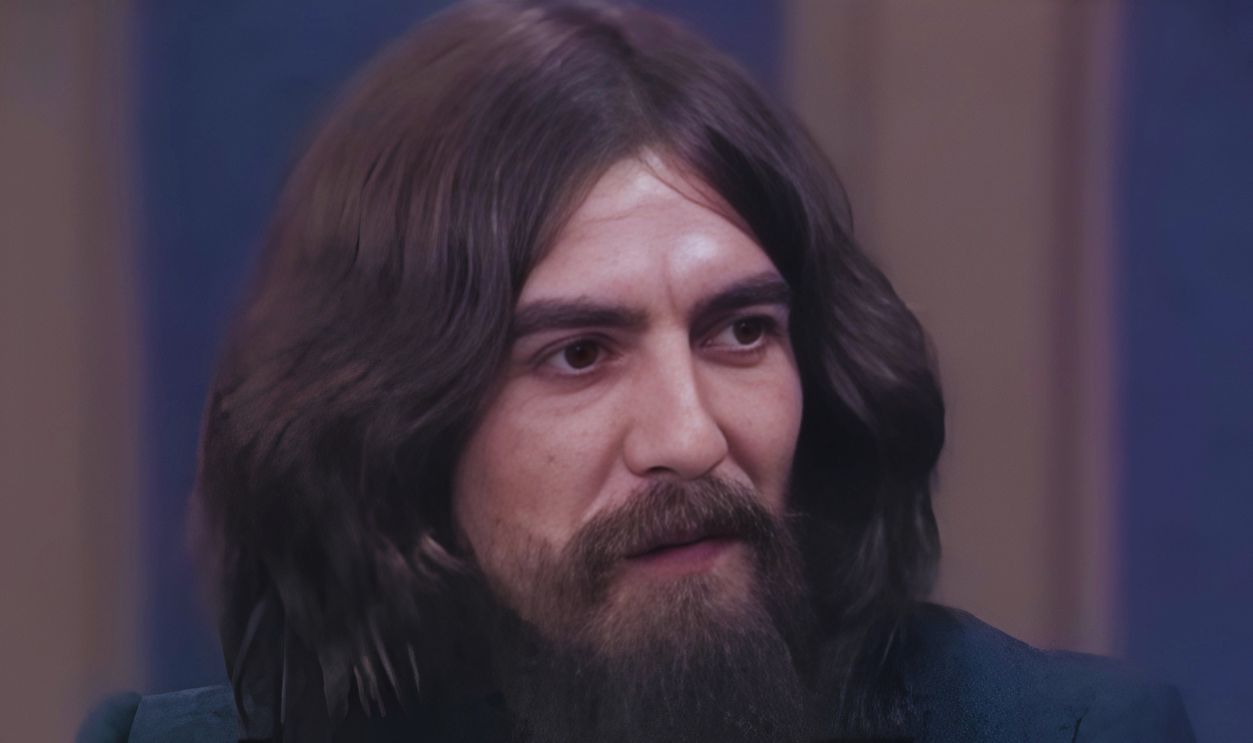
George Harrison Challenged Expectations
On November 23, 1971, former Beatle George Harrison appeared alongside Indian musician Ravi Shankar. Rather than focusing exclusively on his Beatles fame, Harrison discussed his spiritual interests and his involvement with Indian music. The conversation reflected a broader cultural debate about Western celebrity, religion, and Eastern traditions. Cavett's willingness to devote substantial airtime to such subjects was unusual for American late-night television, particularly when the guests included one of the world's most famous rock stars.
 Screenshot from The Dick Cavett Show, ABC (1968–1986)
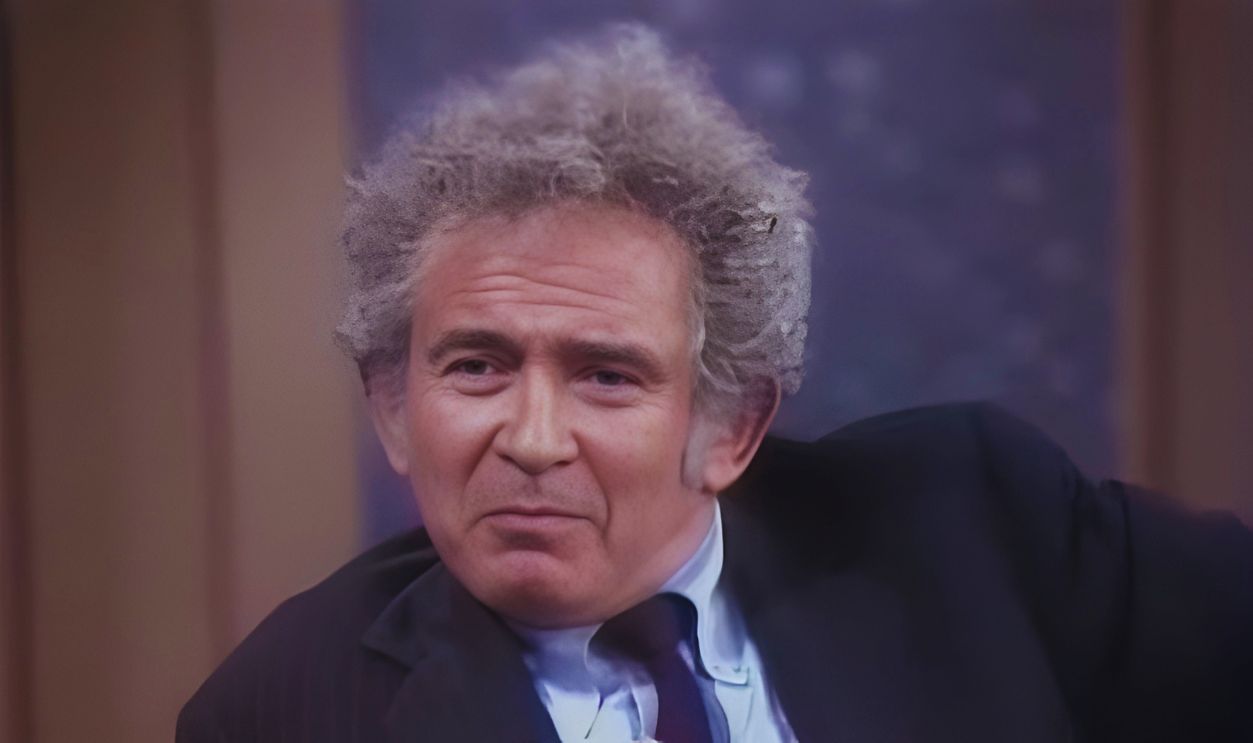
Norman Mailer Lost Control
On December 1, 1971, novelist Norman Mailer appeared alongside writer Gore Vidal and journalist Janet Flanner. Mailer was already furious about Vidal's published criticism of him, and the two reportedly had a physical altercation backstage. Once the cameras rolled, the hostility continued. Mailer insulted Vidal and challenged Cavett, who responded with increasingly sharp remarks. Flanner eventually expressed her disgust with the entire spectacle. The episode became perhaps the show's most celebrated intellectual brawl.
 Screenshot from The Dick Cavett Show, ABC (1968–1986)
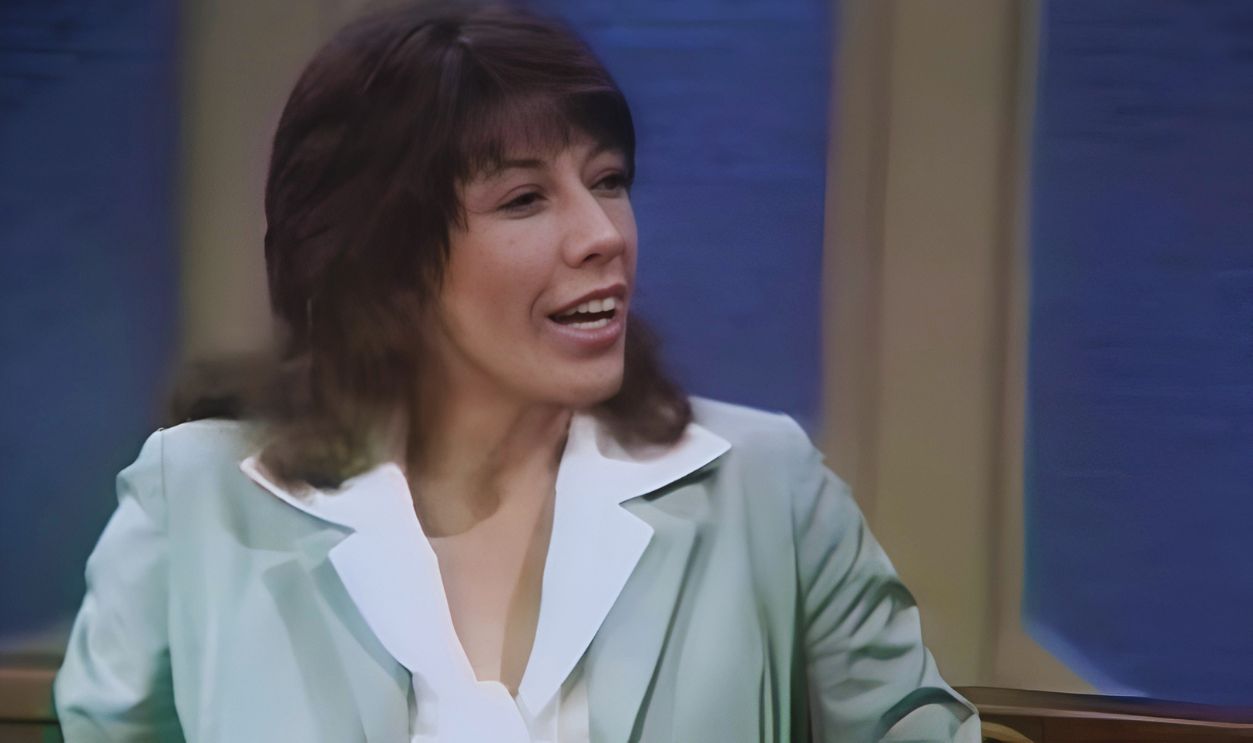
Lily Tomlin Walked Away
During an episode broadcast on March 31, 1972, actor Chad Everett included his wife alongside his horses and dogs when describing the animals he owned. When Cavett questioned the remark, Everett compounded the offense by describing his wife as the most beautiful animal he owned. Fellow guest Lily Tomlin was so offended that she walked off the set, creating one of the show's most memorable confrontations over gender roles.
 Screenshot from The Dick Cavett Show, ABC (1968–1986)
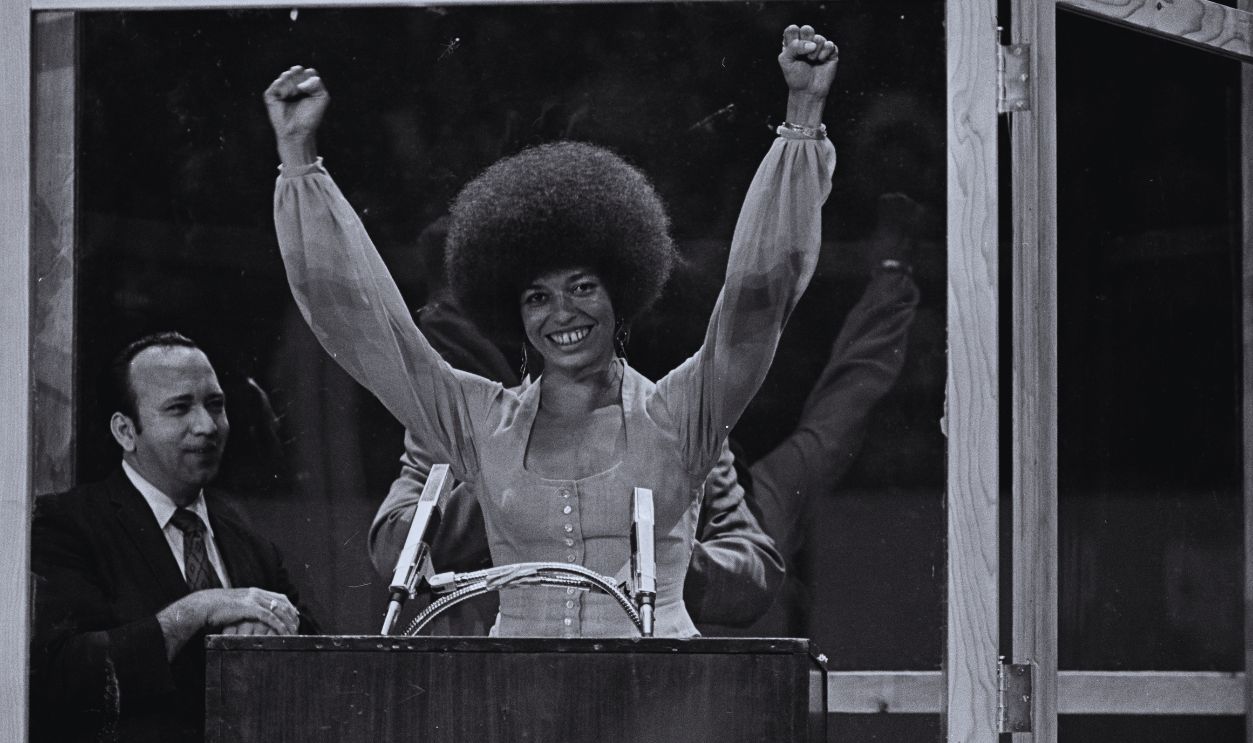
Angela Davis Refused ABC's Terms
In June 1972, political activist Angela Davis was slated to appear on Cavett's program. However, ABC insisted on adding a conservative commentator to provide an opposing viewpoint, suggesting William F. Buckley Jr. or William Rusher. Davis refused to participate under those conditions, and the appearance was canceled. Although the interview never aired, the dispute showed how contentious political programming had gotten and how network executives sometimes intervened in Cavett's editorial decisions.
 Bill Andrews for the Daily World, Wikimedia Commons
George Wallace Faced Questions
In 1973, Alabama governor George Wallace appeared on Cavett's program after an attempt on his life the previous year that had left him paralyzed. Wallace's history as a segregationist and his presidential ambitions made him one of America's most controversial political figures. His appearance demonstrated Cavett's willingness to provide airtime to deeply divisive political personalities.
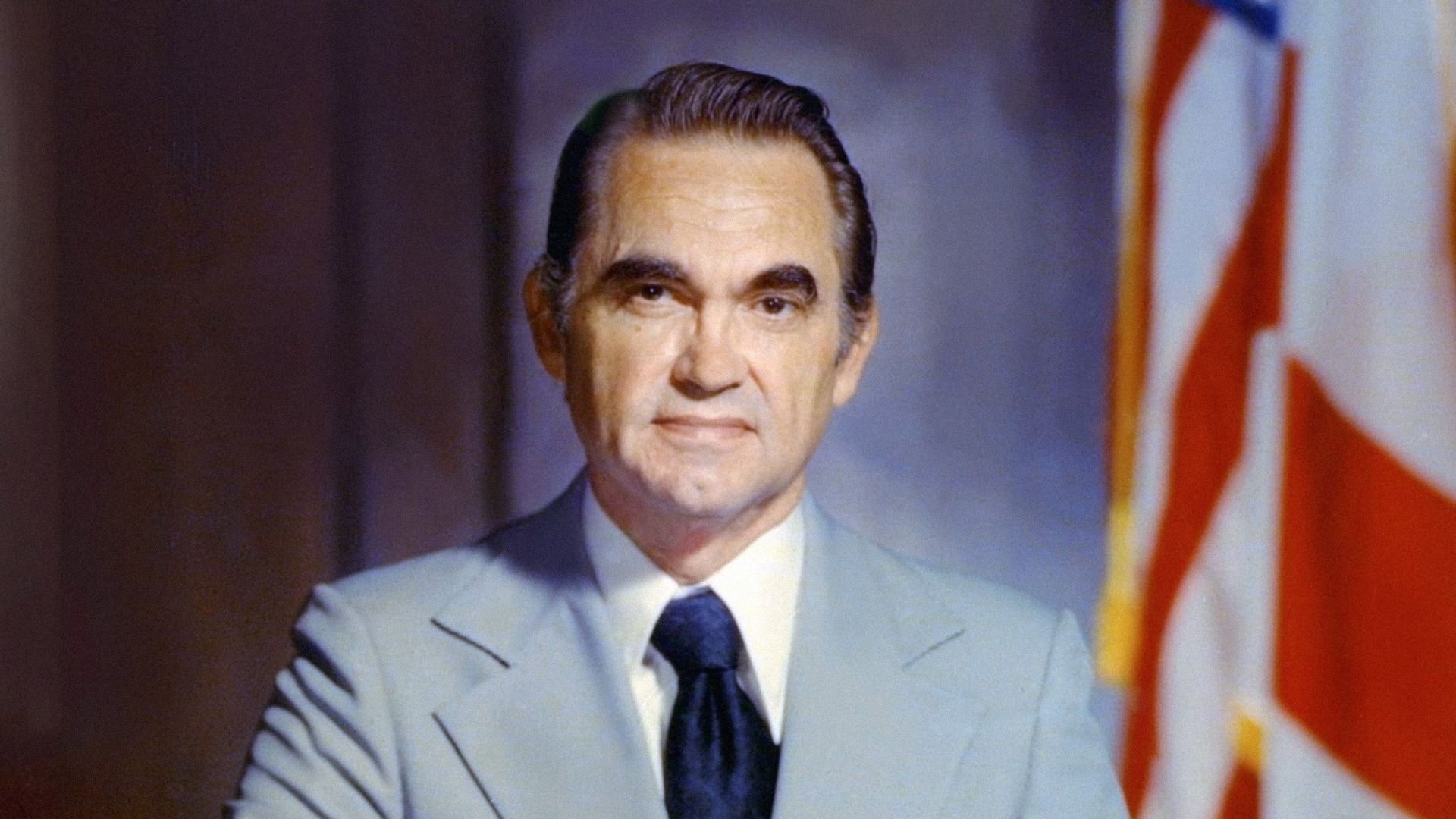 Louis Fabian Bachrach Jr., Wikimedia Commons
Marlon Brando Had An Agenda
On June 12, 1973, Marlon Brando appeared with Native American representatives to discuss Indigenous rights, months after refusing his Academy Award for The Godfather (1972). Brando was determined to focus on political grievances rather than his movie career. The evening became even more notorious afterward, when he punched photographer Ron Galella outside the studio, breaking his jaw. The incident turned an already unusual celebrity interview into a Hollywood uproar.
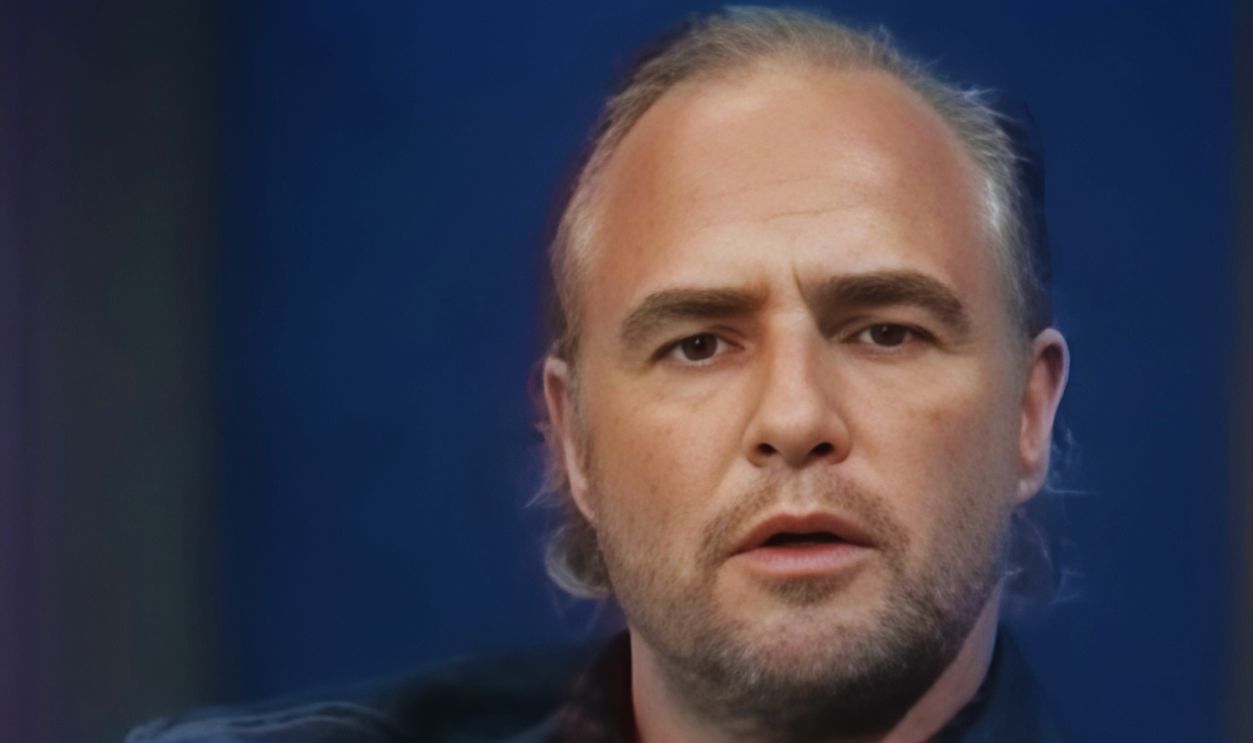 Screenshot from The Dick Cavett Show, ABC (1968–1986)
Watergate Reached The Studio
As the Watergate scandal engulfed President Nixon in 1973, Cavett devoted considerable airtime to the unfolding political crisis. On August 7, he welcomed senators Howard Baker, Daniel Inouye, Herman Talmadge, and Lowell Weicker, all members of the Senate Watergate Committee. Cavett's willingness to examine the scandal in depth distinguished his program from more conventional late-night entertainment.
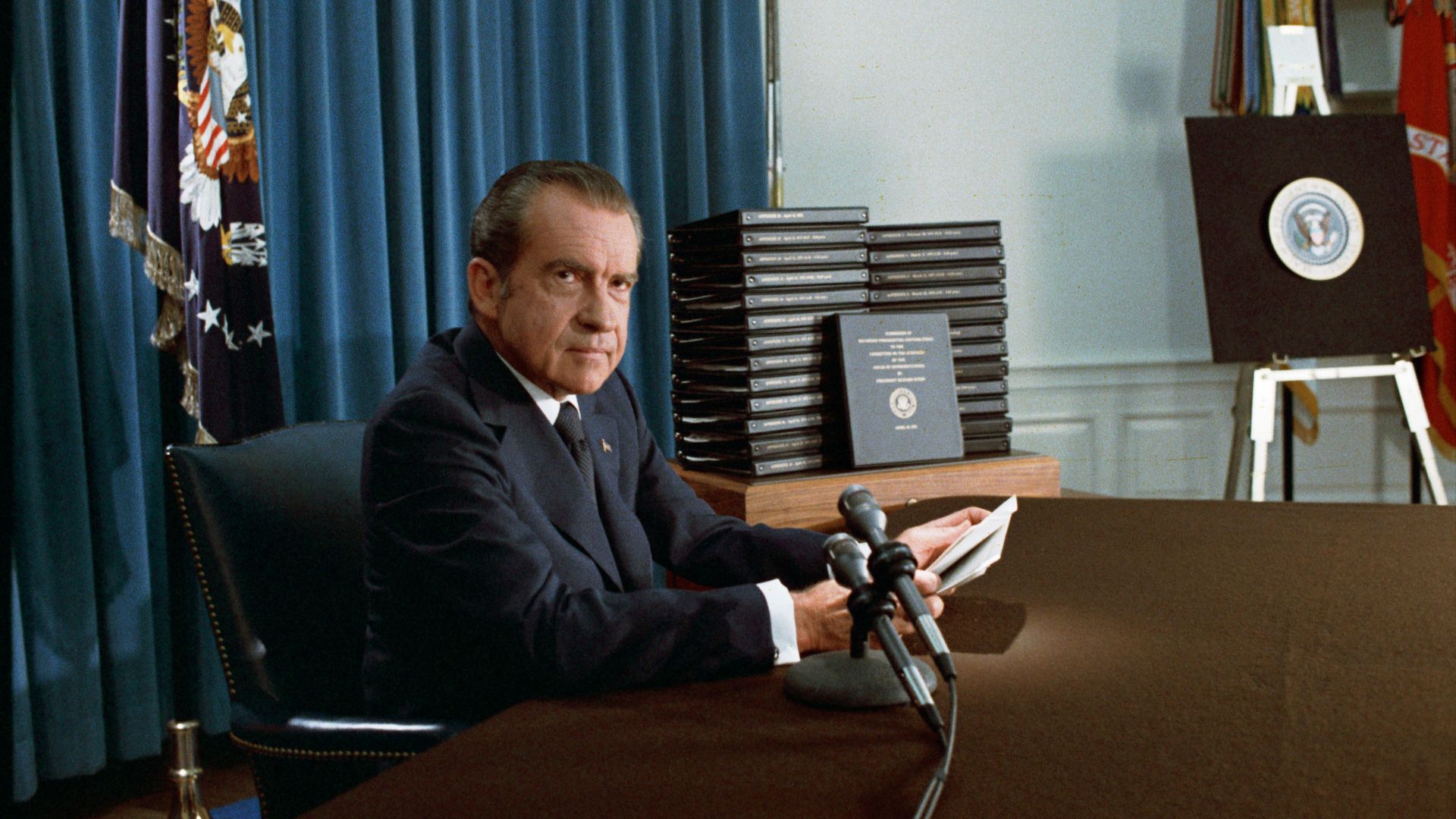 National Archives & Records Administration, Wikimedia Commons
ABC Refused To Broadcast
In 1974, Cavett recorded a program featuring four members of the Chicago Seven: Abbie Hoffman, Jerry Rubin, Tom Hayden, and Rennie Davis. Their association with antiwar protests and the chaotic 1968 Democratic National Convention made them controversial guests. ABC at first refused to broadcast the program. It eventually aired with an additional segment presenting a conservative response, illustrating the tensions between Cavett's editorial independence and network management.
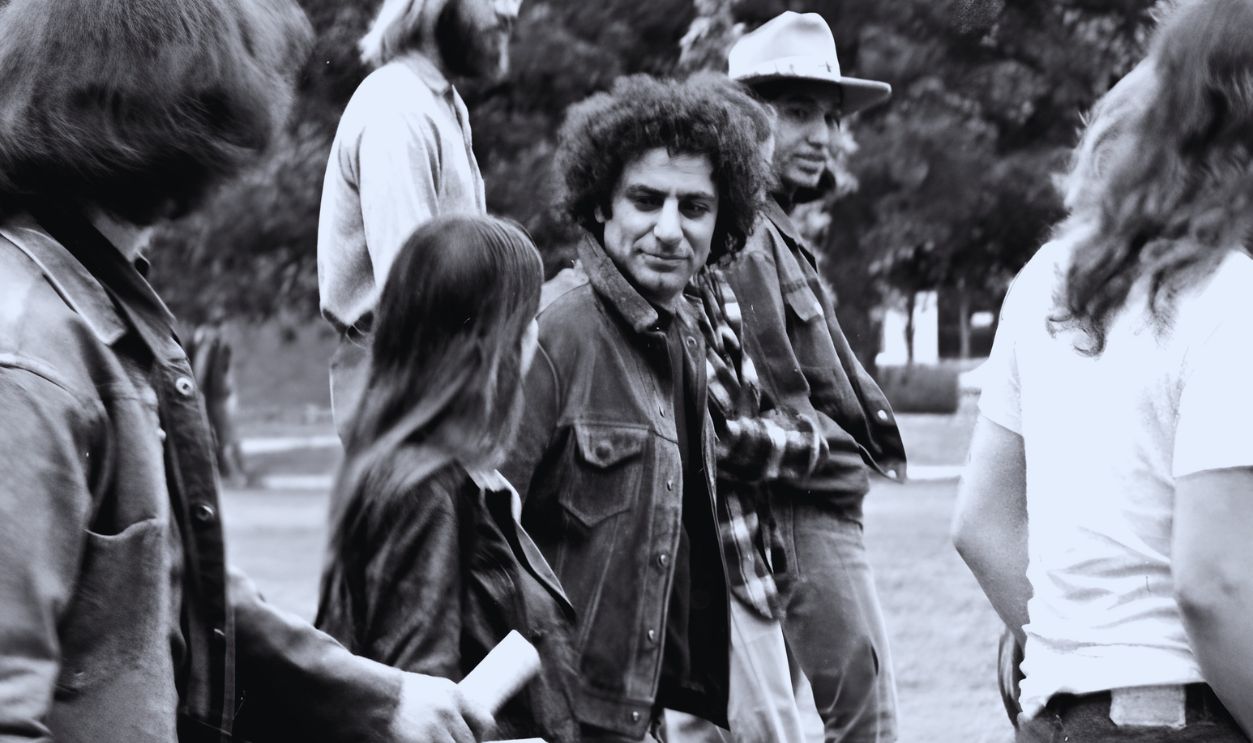 Richard O. Barry, Wikimedia Commons
David Bowie Seemed Unsettled
On December 5, 1974, David Bowie appeared on Cavett's program during his increasingly troubled American period. Looking thin and visibly nervous, Bowie performed "1984," "Young Americans," and "Footstompin'." His restless manner and unusual interview responses attracted attention, particularly in light of his later admissions about his substance use during the period. The appearance was a fascinating document of a major rock star undergoing a dramatic personal and artistic transformation.
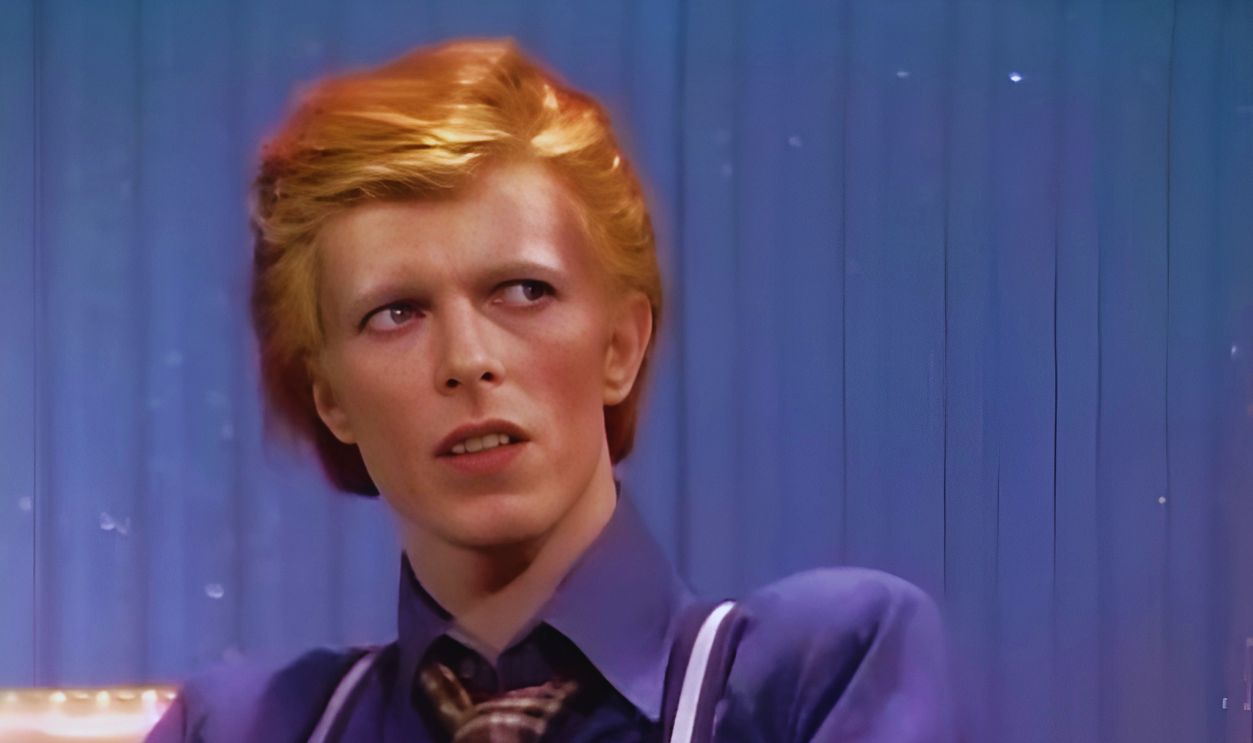 Screenshot from The Dick Cavett Show, ABC (1968–1986)
You May Also Like:
Everybody survived, but they still cringed at these awkward celebrity interview moments.