
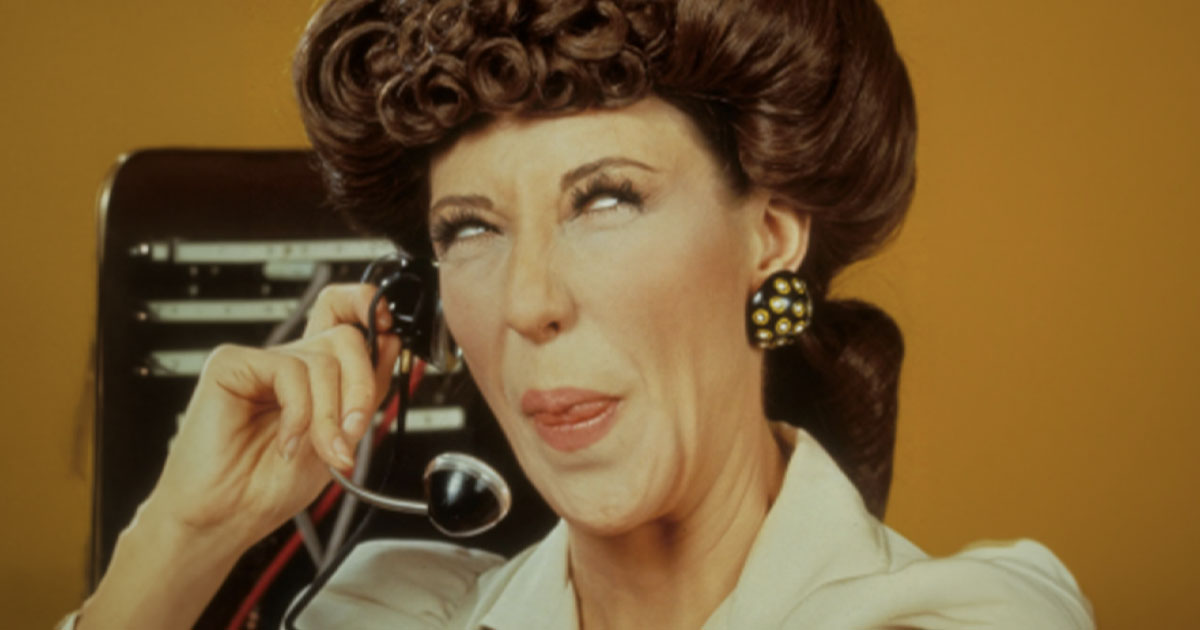
The Woman Hollywood Could Not Contain
Lily Tomlin became a television sensation by disappearing inside women whom show business normally ignored. Laugh-In made Ernestine and Edith Ann household names—but Tomlin’s funniest characters carried surprisingly sharp ideas, and one uncomfortable talk-show encounter proved that her convictions were never merely part of the act.
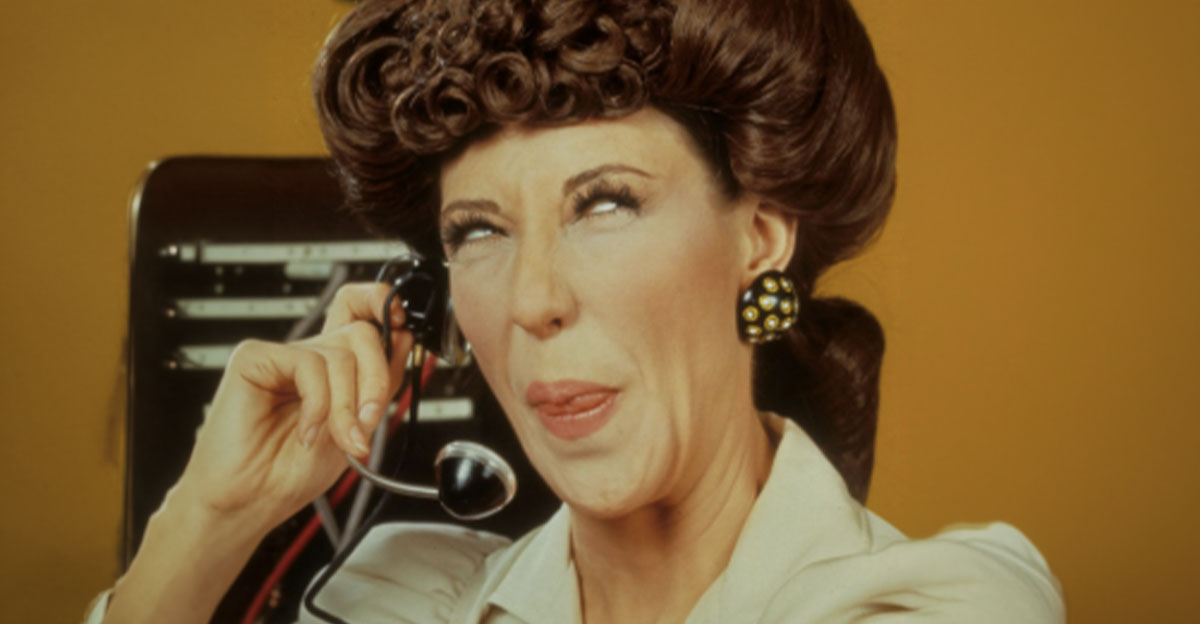 NBC, Rowan & Martin's Laugh-In (1968-1973)
She Was Born In Detroit
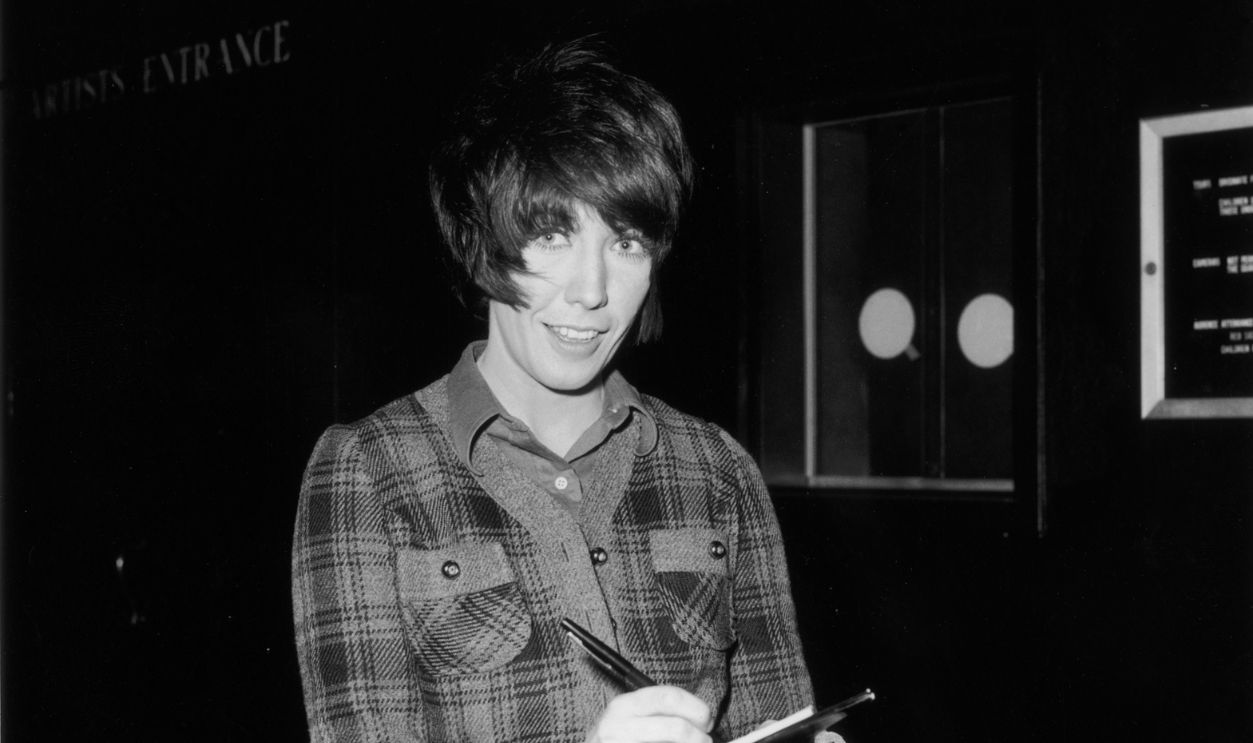
Mary Jean “Lily” Tomlin was born in Detroit, Michigan, on September 1, 1939. Her parents, Lillie Mae and Guy Tomlin, had moved north from Paducah, Kentucky, during the Great Depression. Their daughter grew up surrounded by working-class neighbors whose voices and mannerisms she quietly collected.
 Fotos International, Getty Images
Apartment Living Gave Her Material
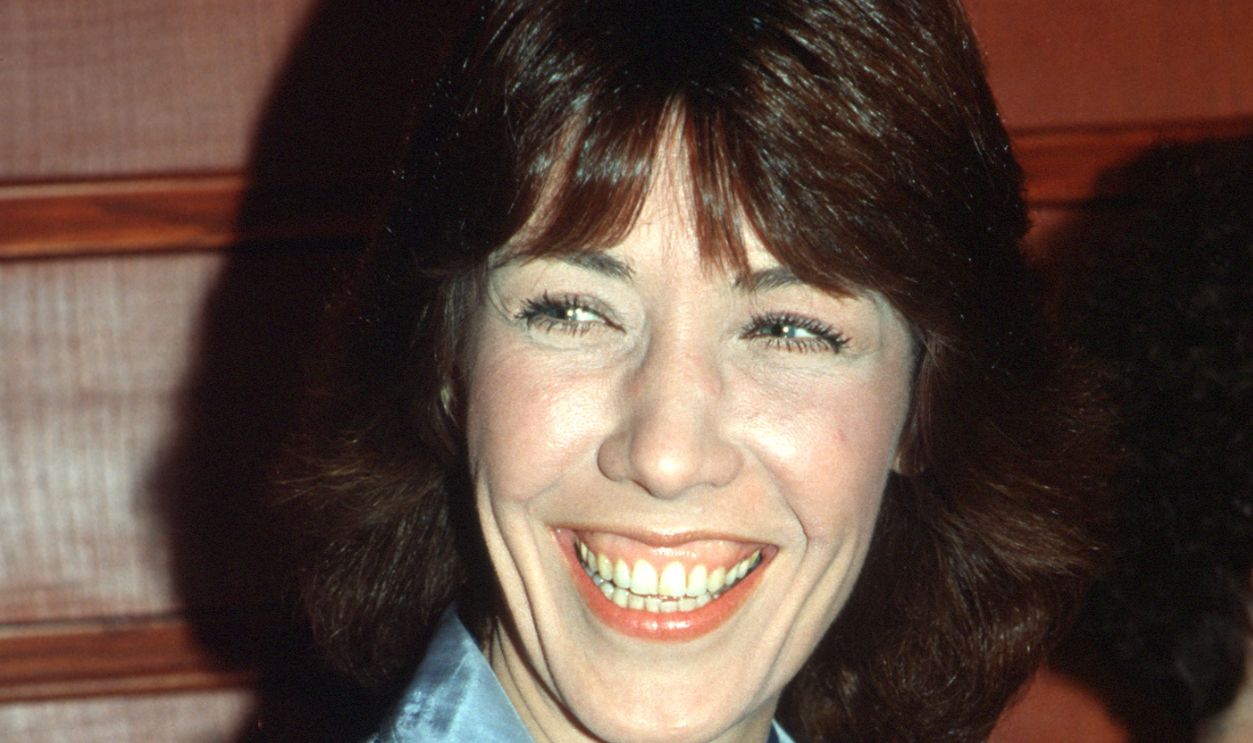
The Tomlin family lived in an apartment building filled with characters Lily found endlessly fascinating. She listened to neighbors, relatives, delivery people, and women talking in hallways. Instead of imitating glamorous movie stars, she became interested in the ordinary people Hollywood rarely considered important enough to portray.
 Michael Ochs Archives, Getty Images
She Originally Planned A Different Life
After graduating from Cass Technical High School in 1957, Tomlin entered Wayne State University intending to study medicine. An audition for a college play redirected everything. Biology gradually lost its appeal once she discovered that making an audience laugh felt considerably more exciting than examining anything under a microscope.
Comedy Clubs Were Dominated By Men
Tomlin began performing around Detroit before moving to New York during the 1960s. Female comedians were often expected to make jokes about dating, marriage, weight, or their inability to find a husband. Tomlin arrived with an entirely different idea: she would become a whole population of people.
She Refused To Be A Conventional Stand-Up
Rather than simply telling jokes as herself, Tomlin introduced carefully observed characters. Some were confident, some lonely, and some hilariously unaware of how strange they appeared. Her act resembled a one-woman neighborhood meeting—and none of the residents were particularly interested in behaving properly.
Television Slowly Began To Notice
Appearances on programs including The Merv Griffin Show, The Garry Moore Show, and The Music Scene brought Tomlin national attention. She was funny, but she did not resemble the polished female variety performer networks usually preferred. Fortunately, one chaotic television program was looking for exactly that difference.
 Los Angeles Times, Wikimedia Commons
Laugh-In Needed Something New
Rowan & Martin’s Laugh-In had premiered on NBC in January 1968 with rapid-fire jokes, political satire, dancing, psychedelic scenery, and an enormous cast. By its third season, Goldie Hawn, Arte Johnson, Ruth Buzzi, and the others were already famous. Joining that established circus could have been intimidating.
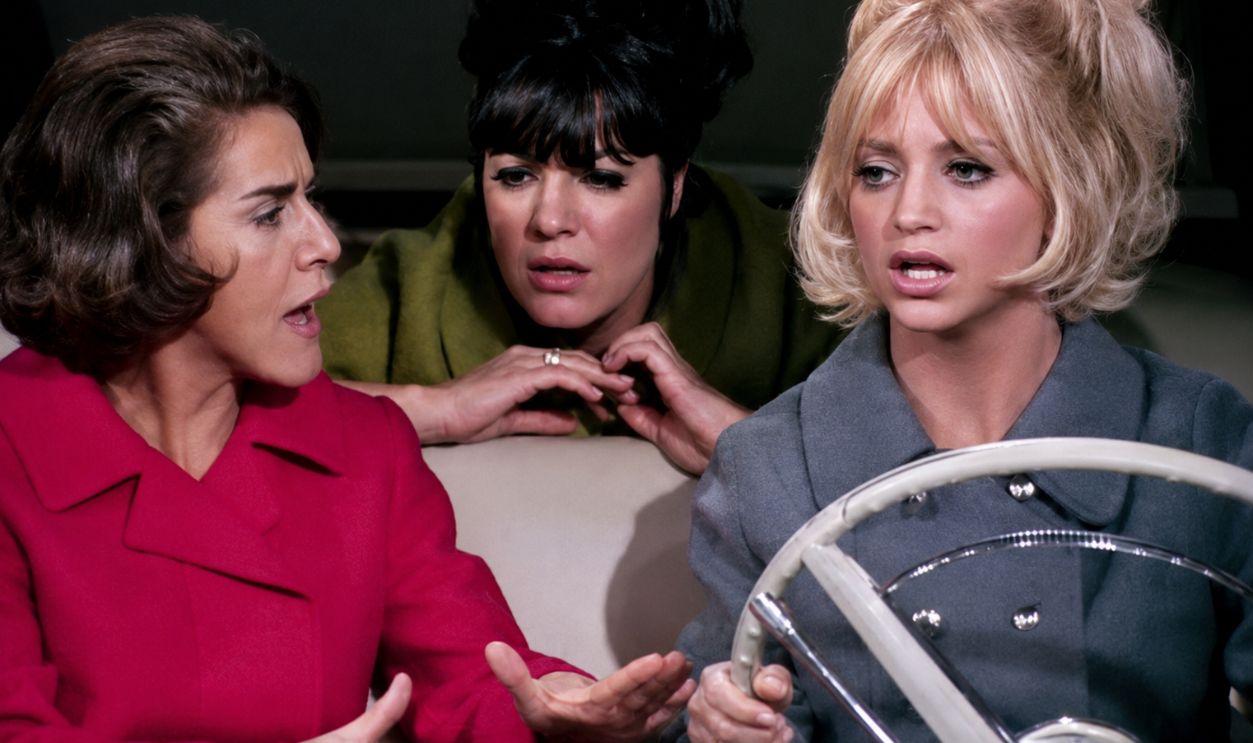 Screenshot from Rowan & Martin’s Laugh-In, NBC (1968-1973)
She Arrived With Her Own Characters
Tomlin joined Laugh-In in 1969, bringing material she had developed before the show. She was not hired merely to deliver someone else’s one-liners while wearing a short dress. She arrived with distinctive voices, physical movements, opinions, and an understanding of exactly who her characters were.
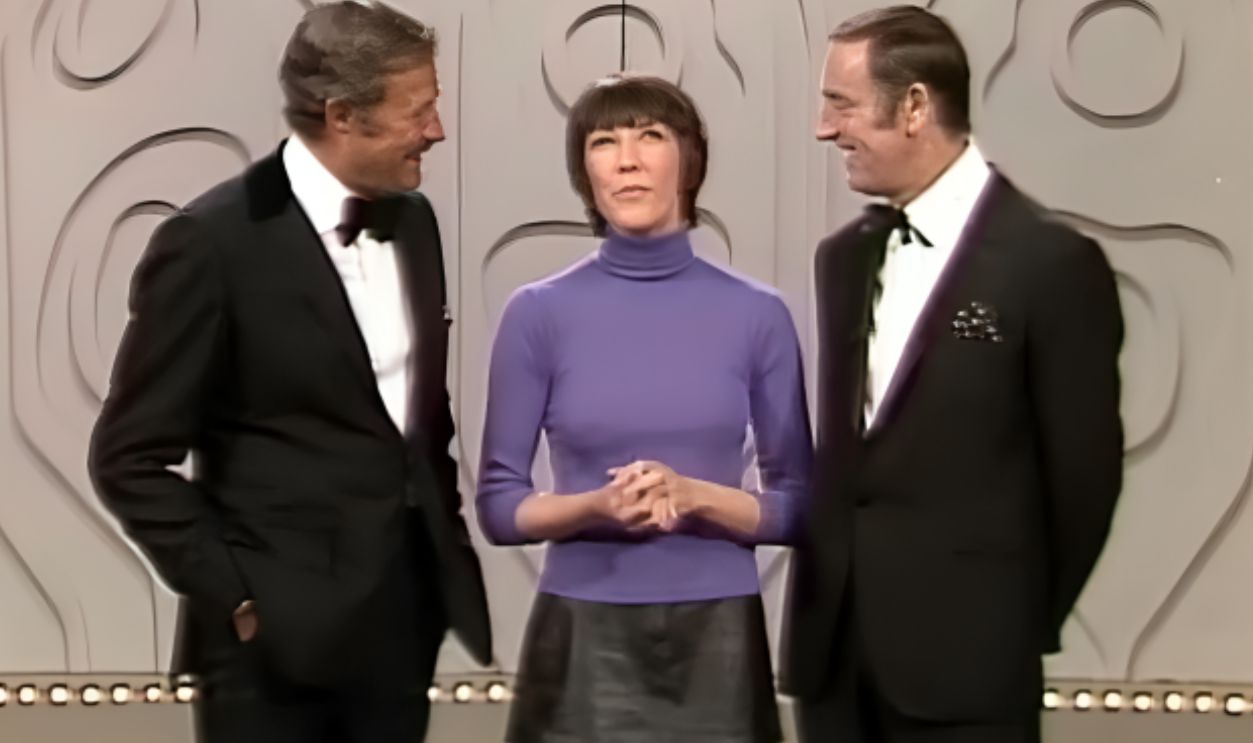 Screenshot from Rowan & Martin’s Laugh-In, NBC (1968–1973), Modified
She Would Not Perform Every Joke
Tomlin later recalled that she was already politically conscious when she joined the program. If a joke bothered her, she took it to producer George Schlatter and said she could not perform it. Schlatter allowed her to refuse—and occasionally called for Jo Anne Worley instead.
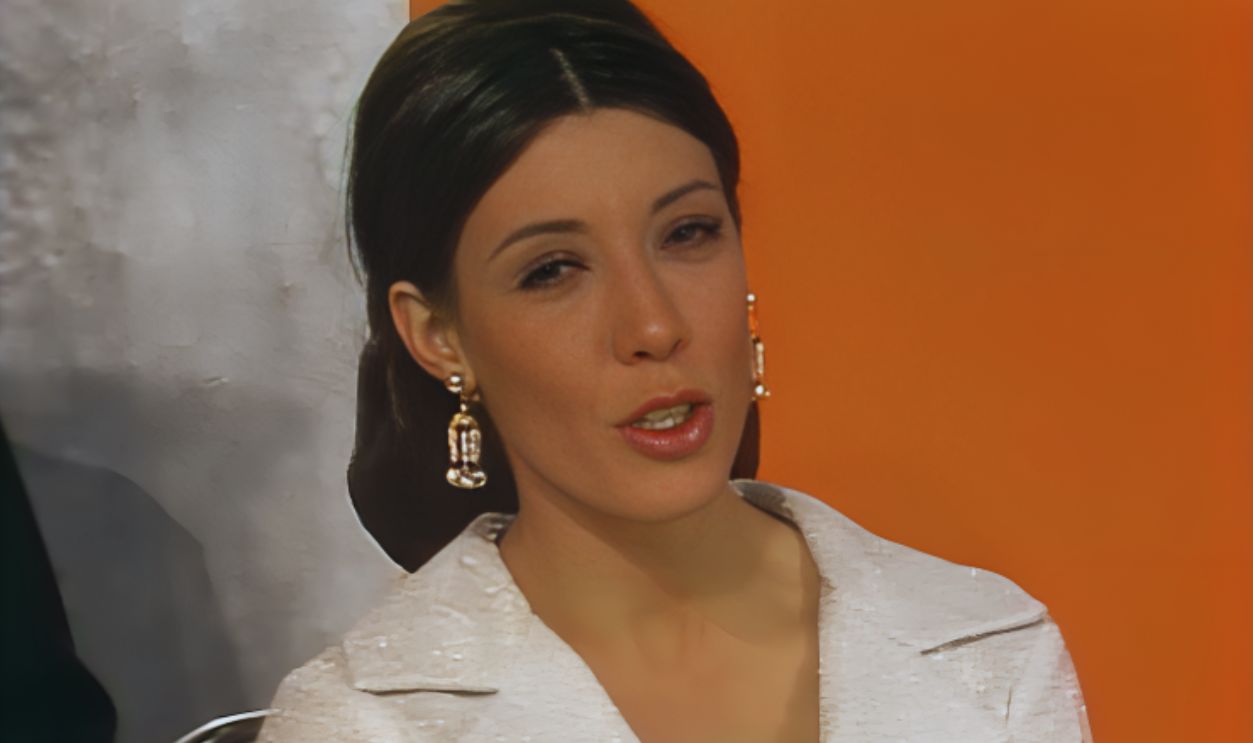 Screenshot from Rowan & Martin’s Laugh-In, NBC (1968–1973), Modified
That Freedom Mattered
The arrangement gave Tomlin unusual control for a relatively unknown female performer. She could protect her political beliefs without losing her job, while the show provided enough creative freedom for her characters to develop. Instead of forcing her into its existing formula, Laugh-In made room for Lily Tomlin.
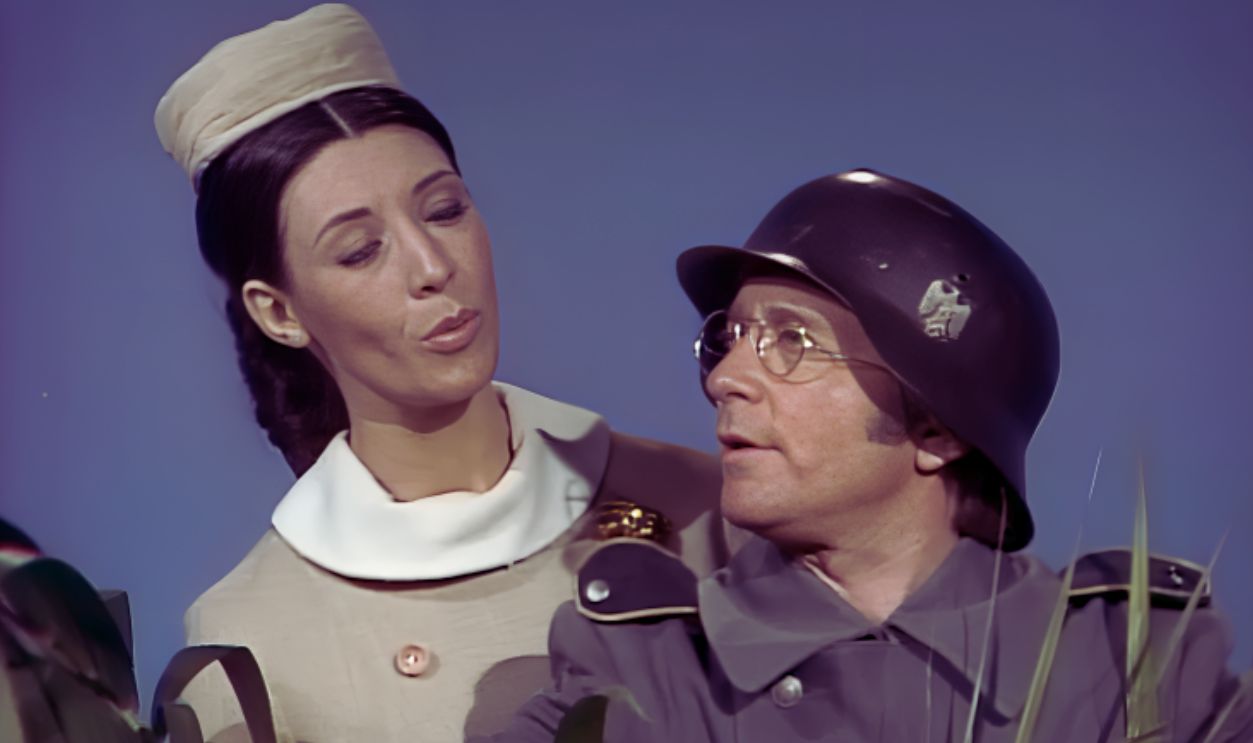 Screenshot from Rowan & Martin’s Laugh-In, NBC (1968–1973), Modified
Ernestine Picked Up The Telephone
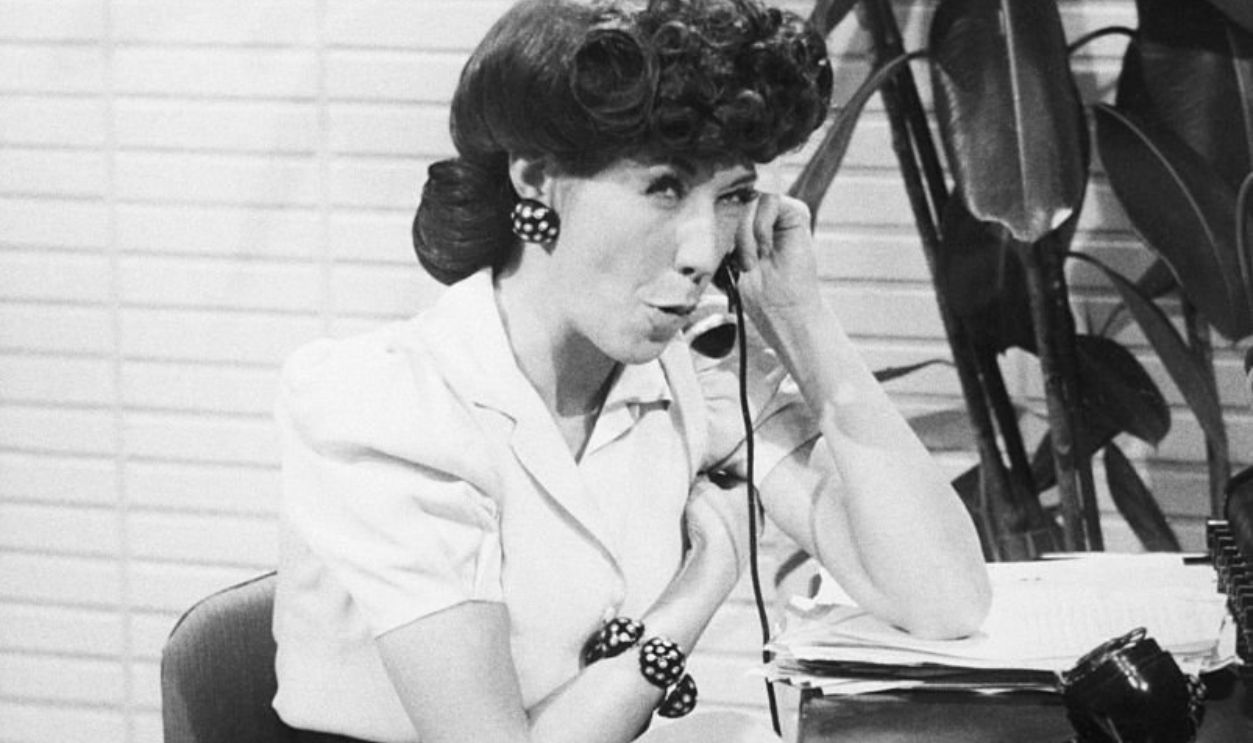
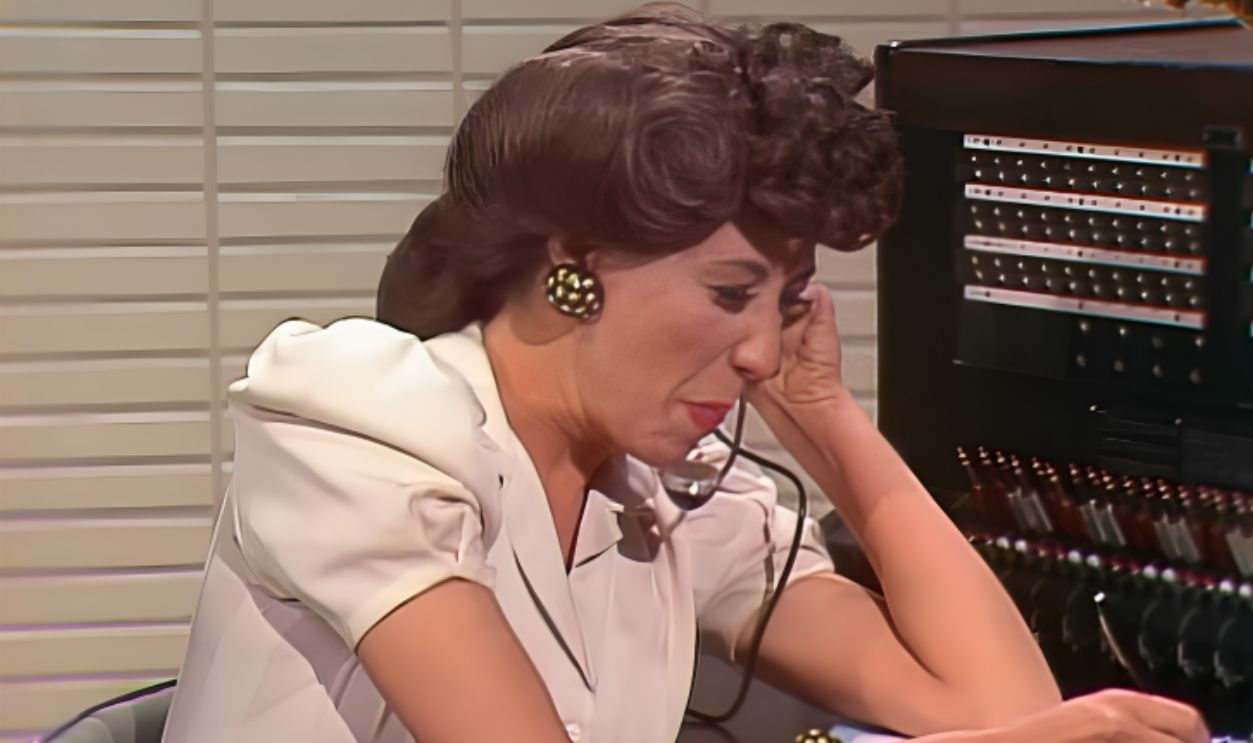
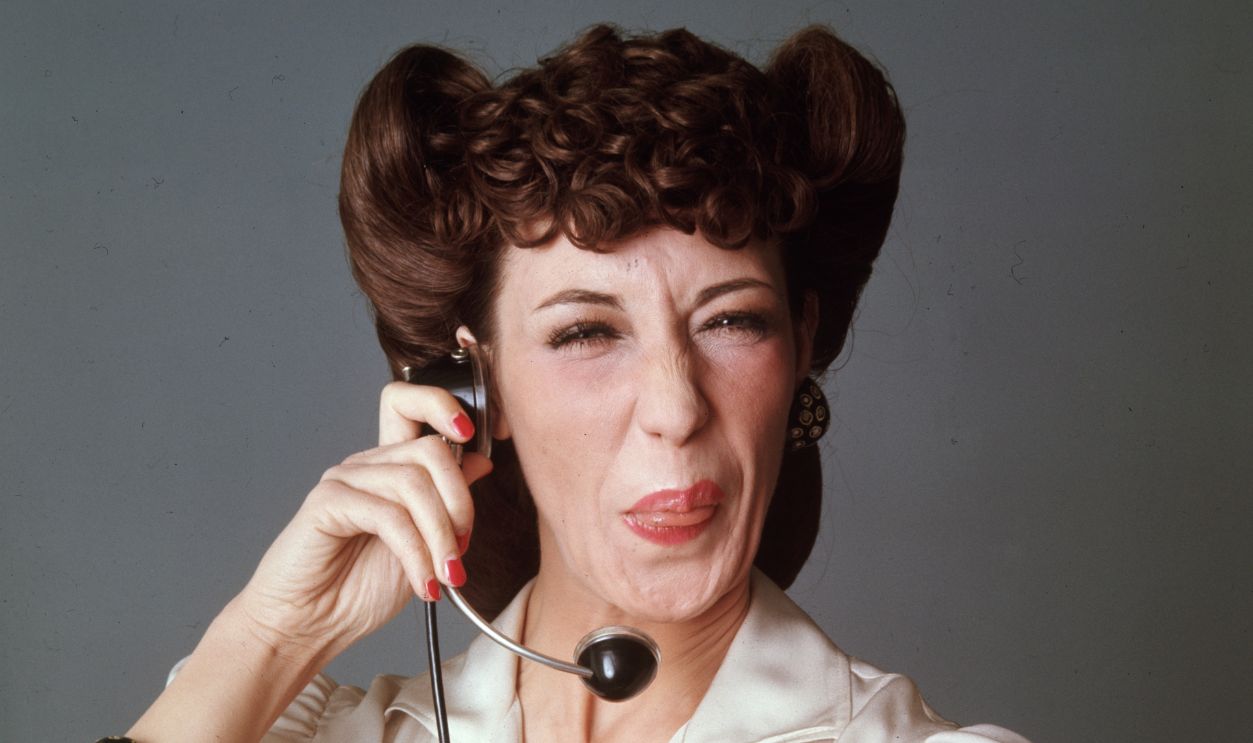
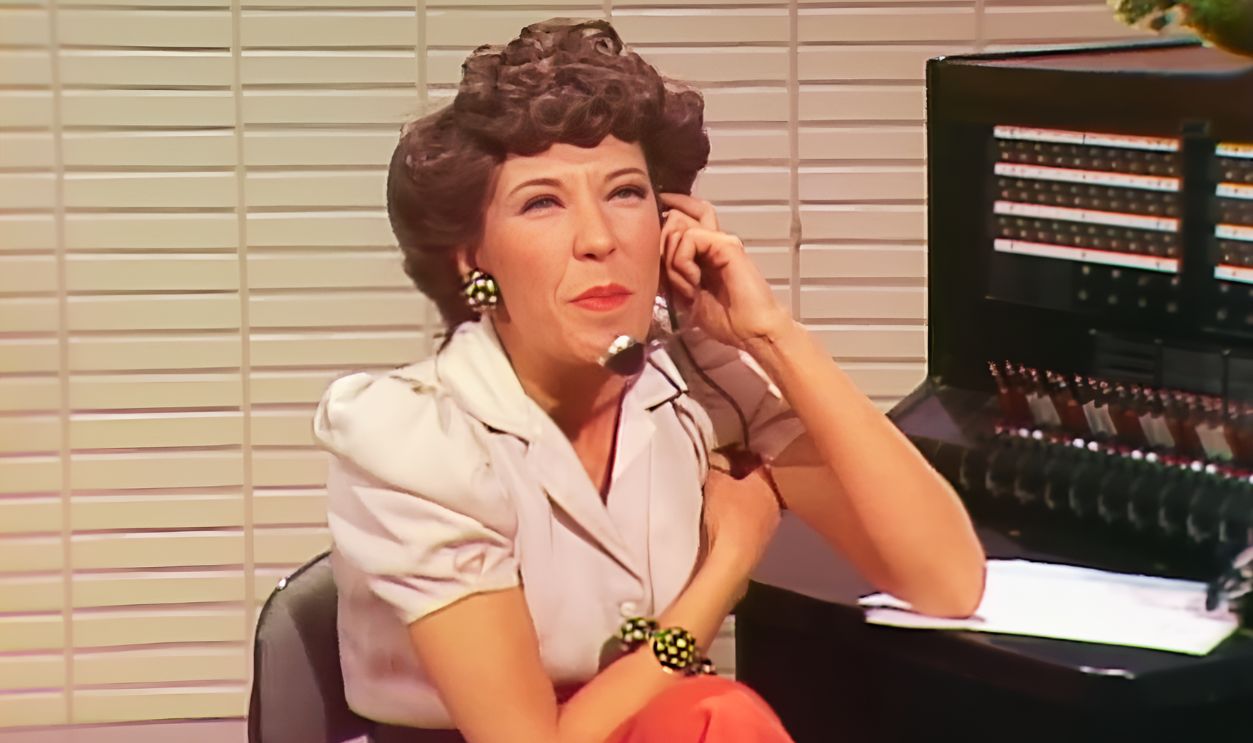
Her greatest early sensation was Ernestine, the officious telephone operator with a pinched posture, tightly arranged hair, and unforgettable snort. Ernestine treated every caller as a nuisance fortunate to receive service at all. Somehow, the smallest woman on television appeared to control the entire communications system.
The Telephone Company Inspired Her
Tomlin and writer Jim Rusk originally wanted to satirize the frustrating power of the telephone monopoly. Ernestine began as a tough Bronx operator, but Tomlin allowed her body to shape the character. Her shoulders tightened, her face contracted, and the terrifying little snort appeared almost organically.
 Screenshot from Rowan & Martin’s Laugh-In, NBC (1968–1973), Modified
“One Ringy Dingy” Became Famous
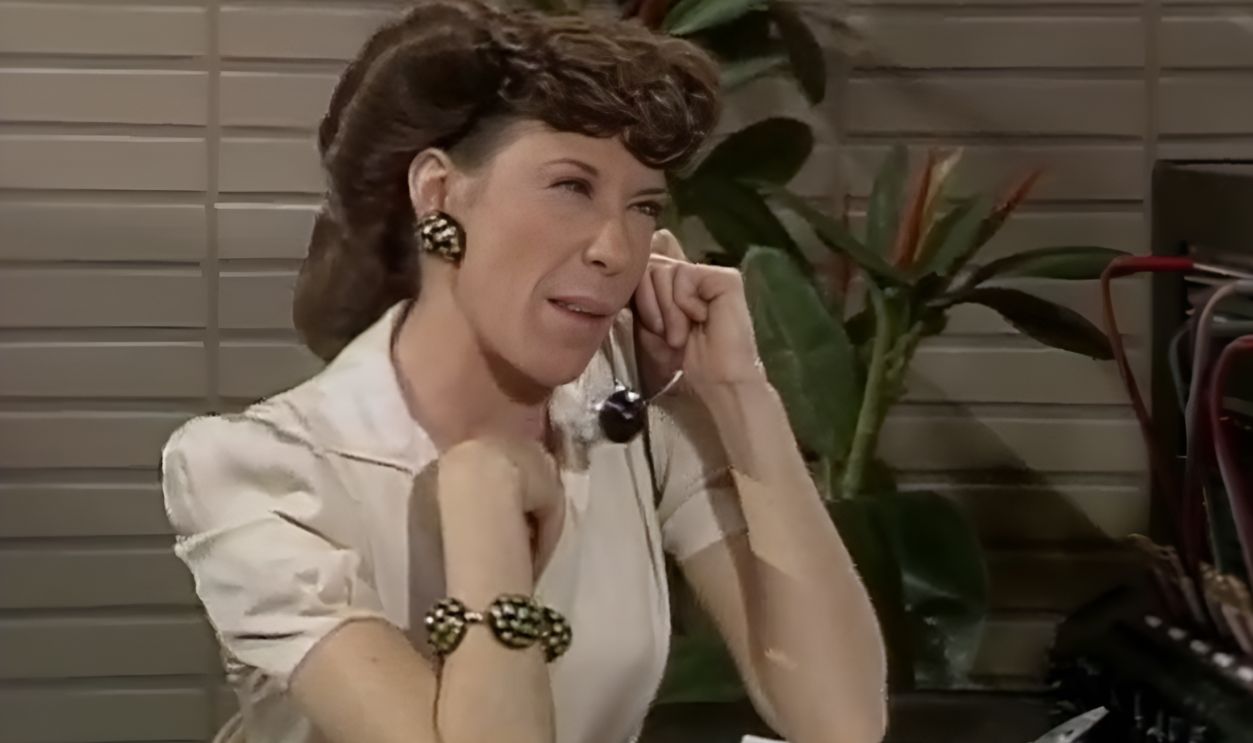
Ernestine answered calls with “one ringy dingy” and cheerfully reminded customers that the telephone company did not need to care about their complaints. She could interrupt presidents, celebrities, and helpless ordinary people with equal confidence. America had encountered bureaucratic power in sensible shoes—and recognized it immediately.
 Screenshot from Rowan & Martin’s Laugh-In, NBC (1968–1973), Modified
Ernestine Was An Unusual Television Woman
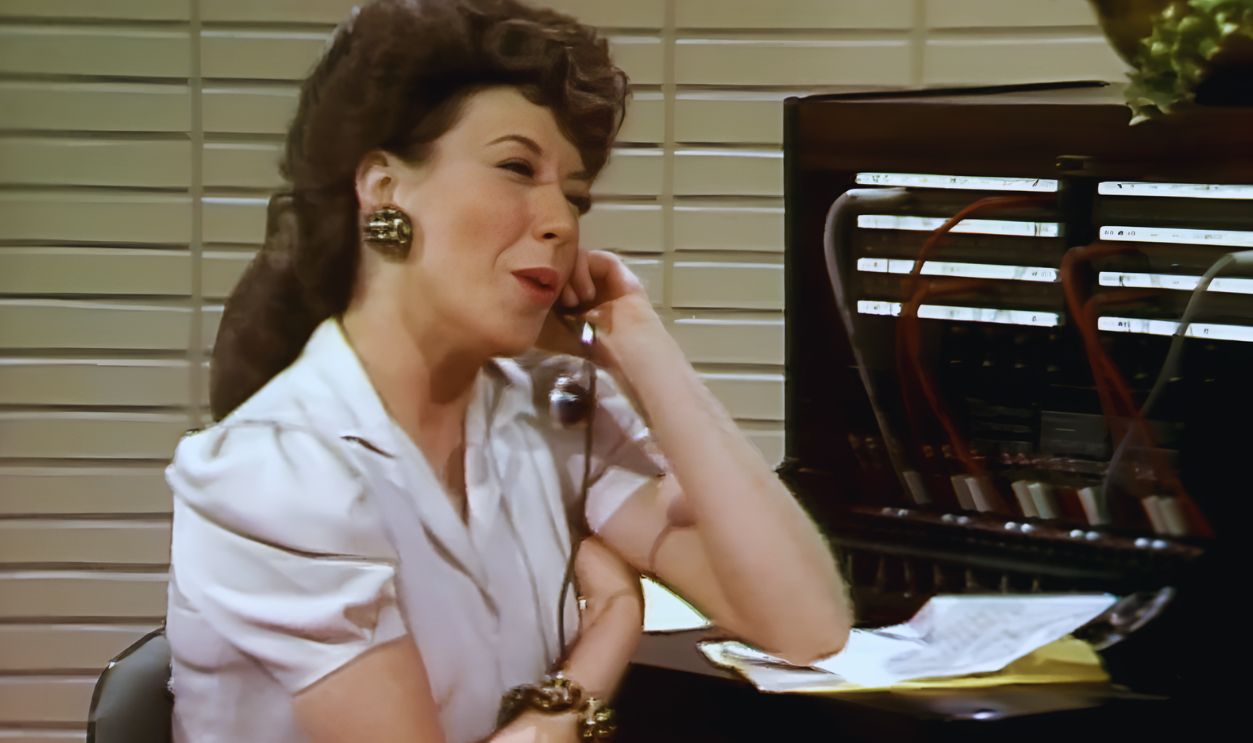
Television women were frequently expected to be pleasant, flattering, and visually appealing. Ernestine was none of those things. She was controlling, smug, intrusive, and delighted by her tiny amount of authority. Tomlin made a working woman powerful without worrying whether viewers would find her attractive.
 Screenshot from Rowan & Martin’s Laugh-In, NBC (1968–1973), Modified
Fame Arrived Overnight
Tomlin has recalled being in New York when her first major Laugh-In appearance aired. By the following morning, strangers recognized her as the program’s new performer. Ernestine had become, in Tomlin’s description, a “monster character” almost immediately—and there was no stuffing her back into the switchboard.
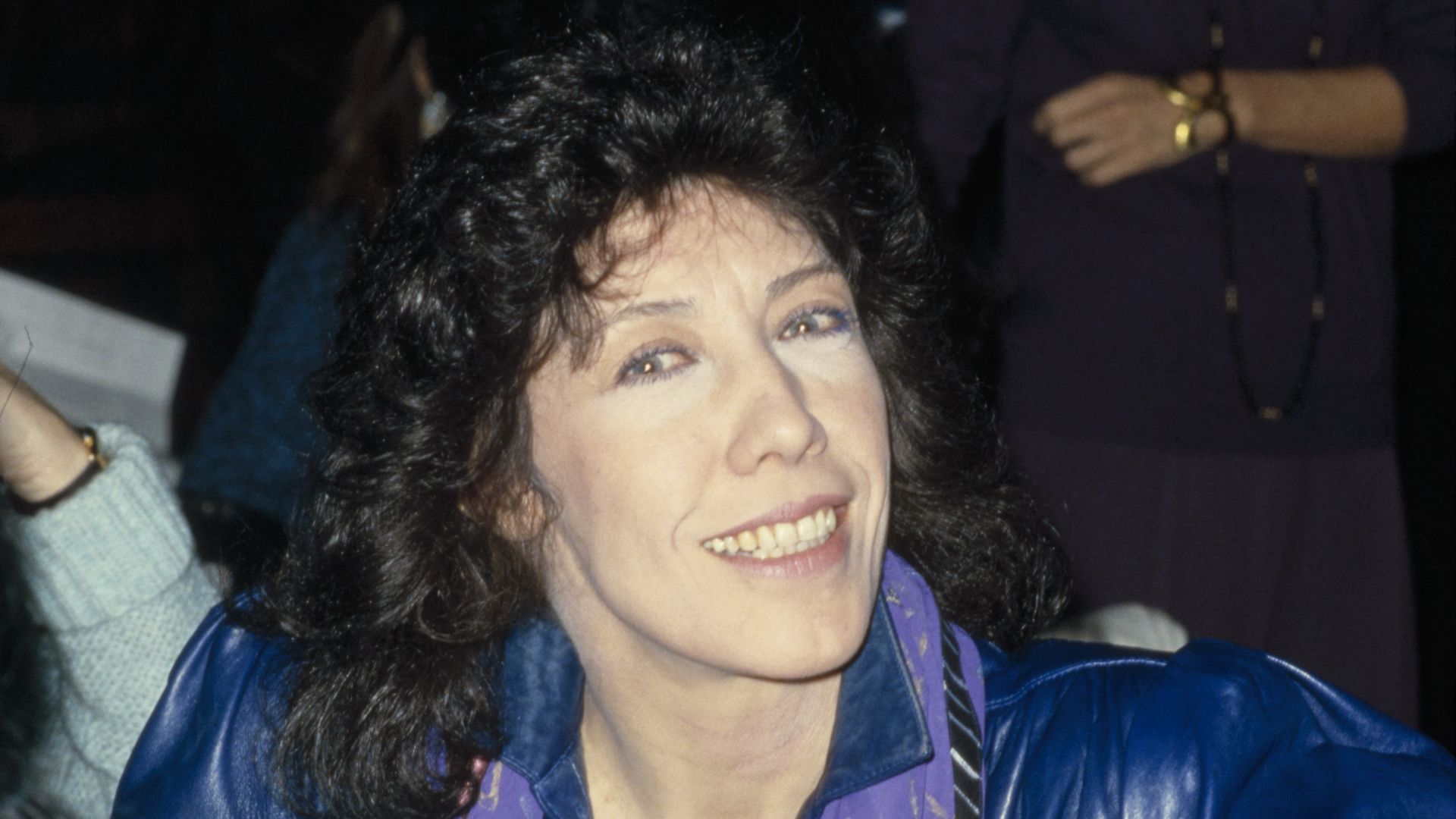 Gotfryd, Bernard, photographer, Wikimedia Commons
Even The Producer Was Amazed
Audiences reacted so enthusiastically that Ernestine quickly became one of the program’s signature attractions. Schlatter advised Tomlin to enjoy the experience because success rarely happened that dramatically more than once. After years in small clubs, she had found the character who made America stop and listen.
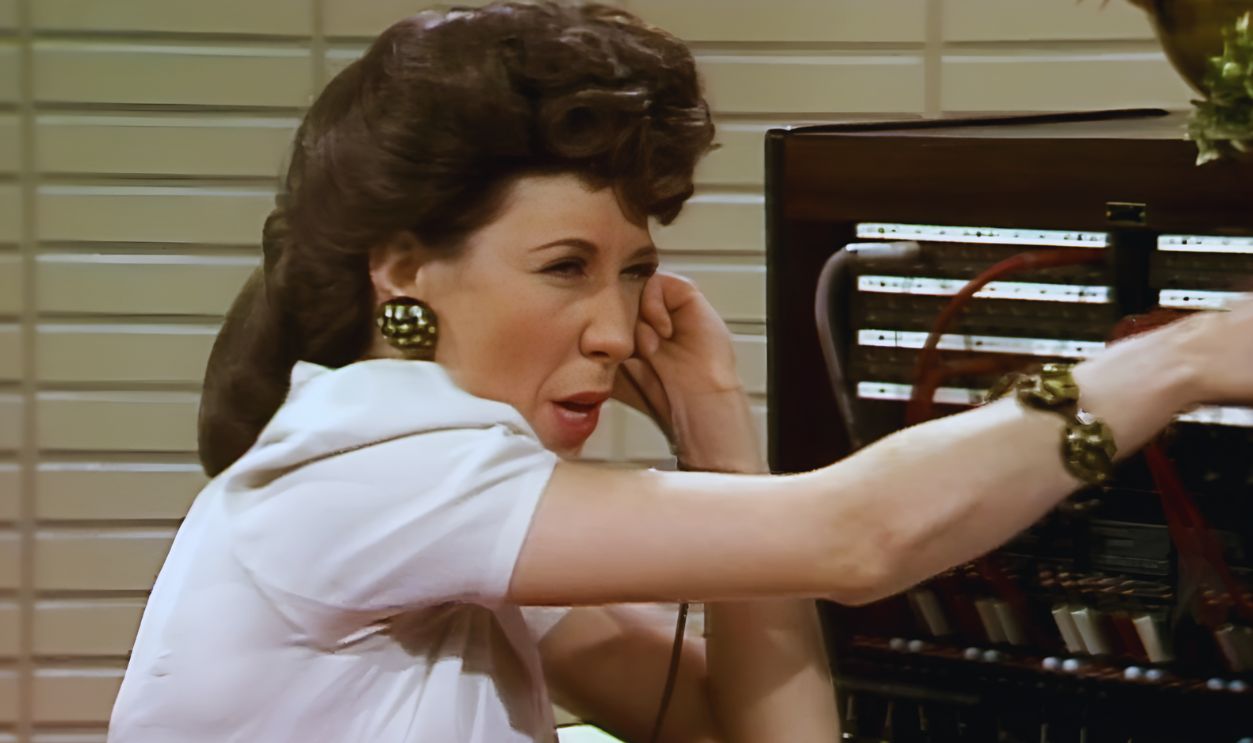 Screenshot from Rowan & Martin’s Laugh-In, NBC (1968–1973), Modified
Edith Ann Saw Through Adults
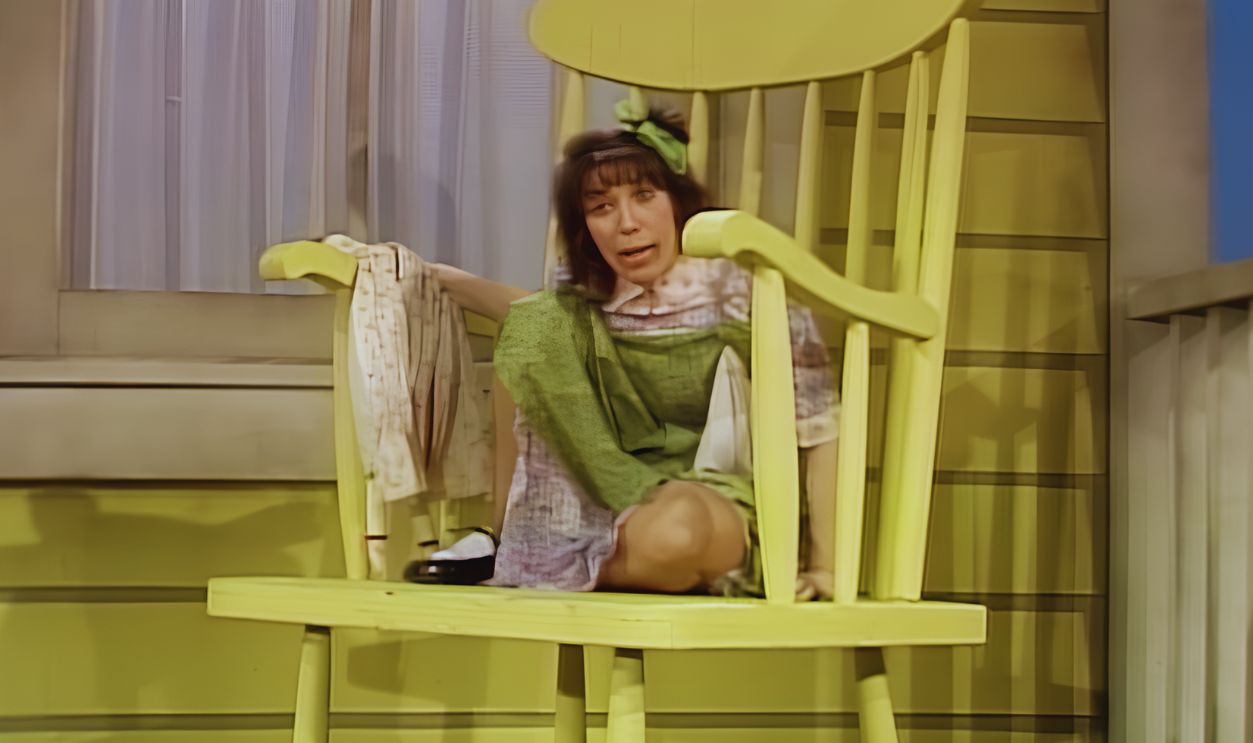
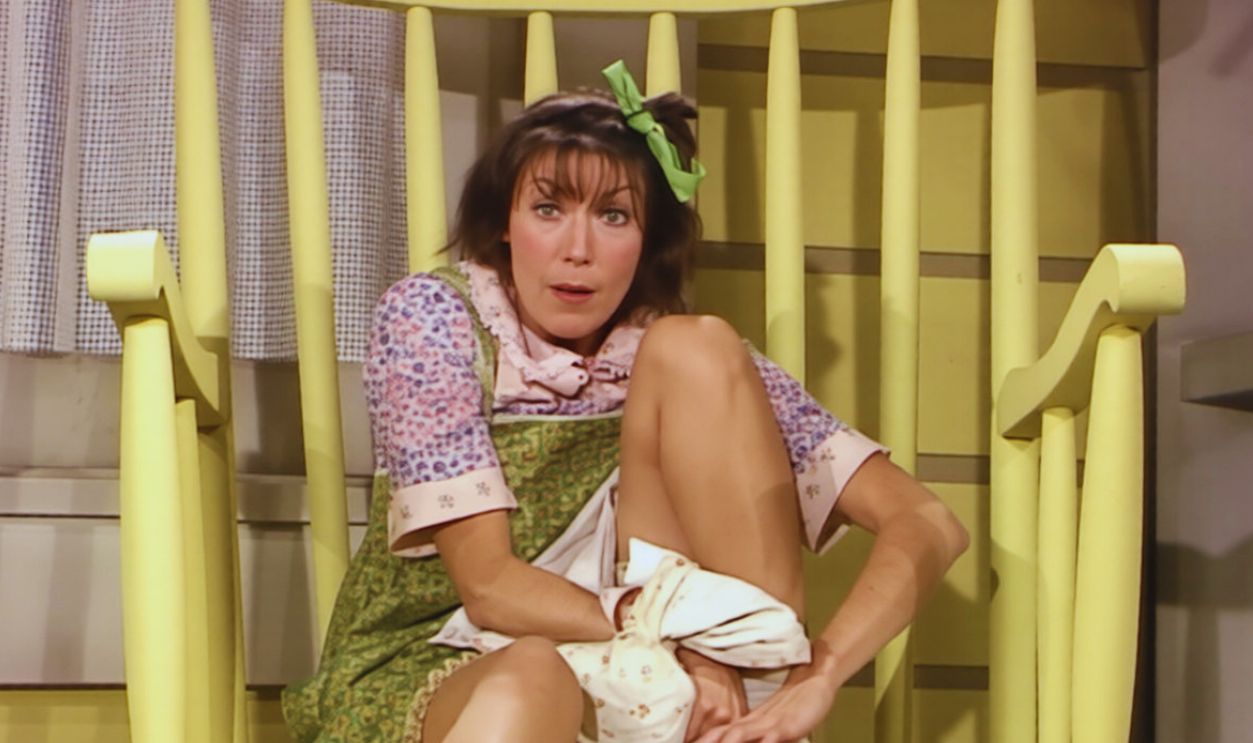
Tomlin’s other great Laugh-In creation was Edith Ann, a five-and-a-half-year-old girl seated in an enormous rocking chair. With her legs dangling above the floor, Edith shared observations about adults, family life, and the absurd rules imposed upon children—then punctuated everything with, “And that’s the truth.”
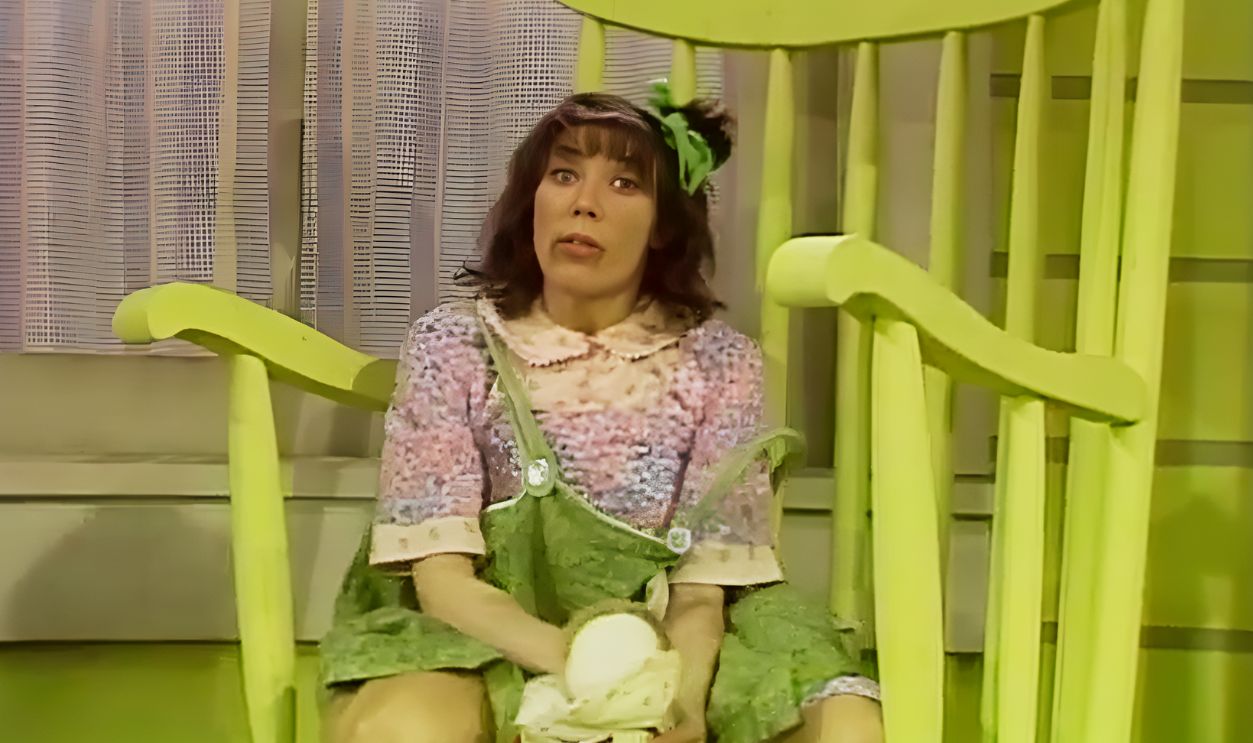 Screenshot from Rowan & Martin’s Laugh-In, NBC (1968–1973), Modified
The Giant Chair Completed The Illusion
Tomlin did not require elaborate camera effects to become a child. The oversized chair made her body appear tiny, while her voice, posture, and restless movements completed the transformation. Edith was adorable, but she was never merely cute. She understood far more than the adults surrounding her suspected.
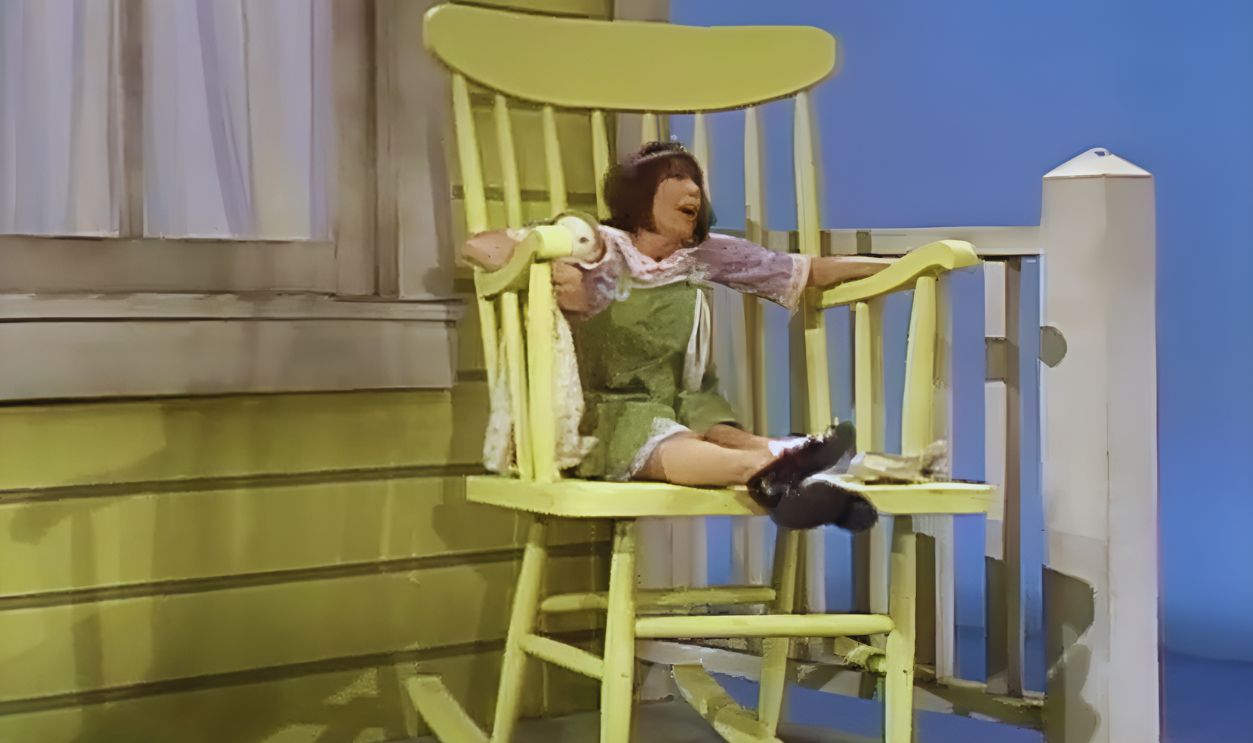 Screenshot from Rowan & Martin’s Laugh-In, NBC (1968–1973), Modified
Edith Ann Questioned Authority
Through Edith, Tomlin could challenge adult hypocrisy while appearing completely innocent. The child noticed contradictions, asked inconvenient questions, and refused to accept explanations simply because a grown-up had delivered them. She was small enough to be dismissed—and smart enough to make that dismissal look foolish.
 Screenshot from Rowan & Martin’s Laugh-In, NBC (1968–1973), Modified
Her Women Were Not Decorative
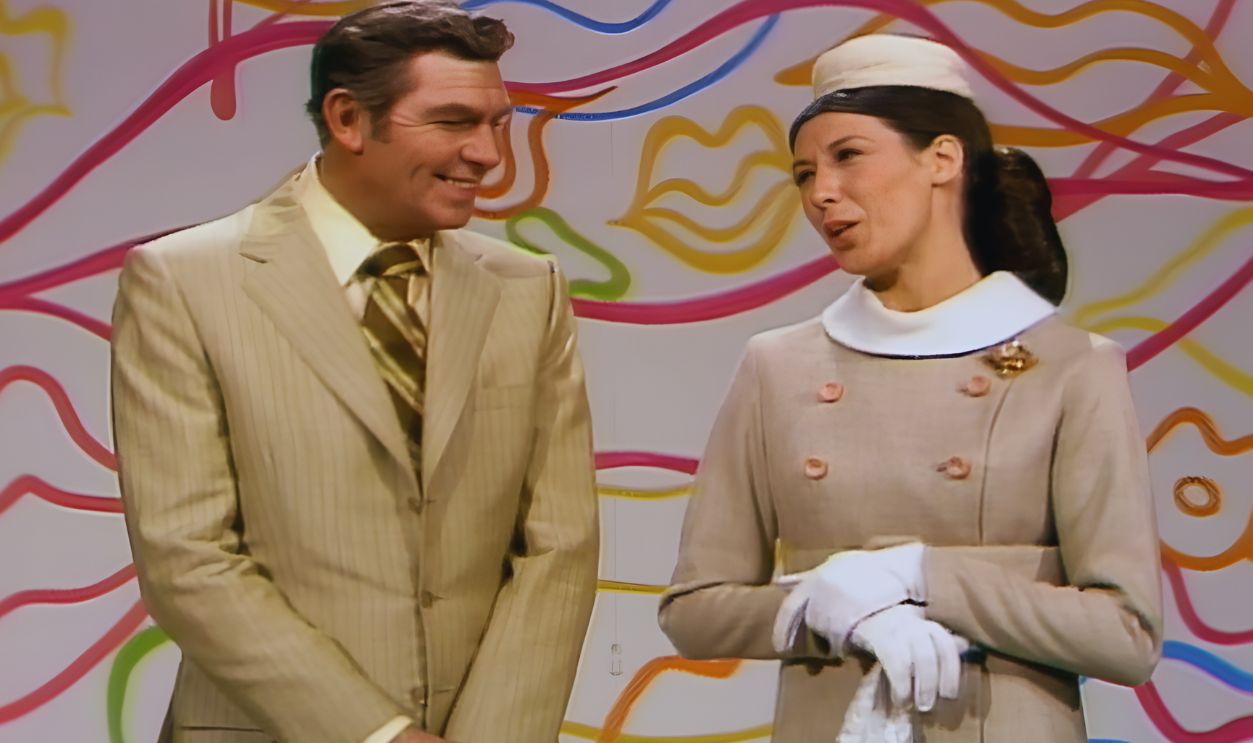
Tomlin also portrayed women such as the socially superior Tasteful Lady, the grim Consumer Advocate Lady, and Lucille, who described an uncontrollable habit of eating rubber objects. These characters were vain, peculiar, troubled, and wonderfully specific. None existed merely to smile beside the male stars.
 Screenshot from Rowan & Martin’s Laugh-In, NBC (1968–1973), Modified
Lucille Made Strangeness Sympathetic
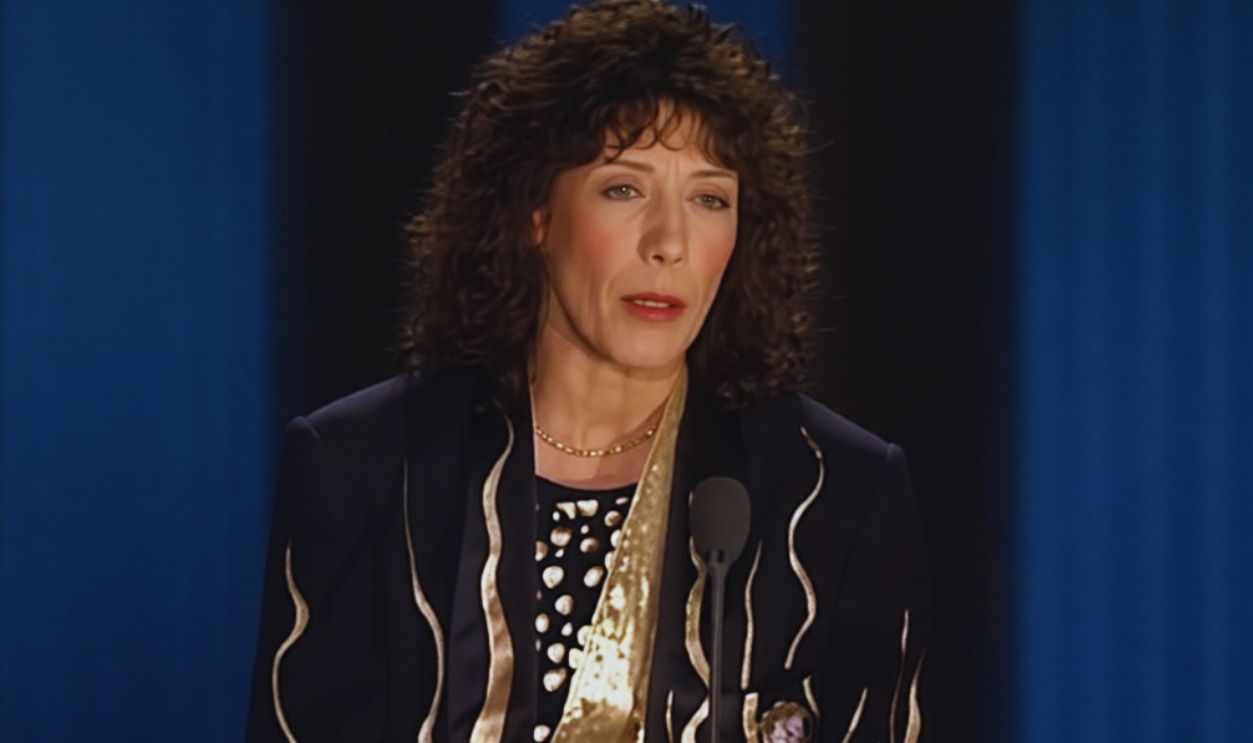
Lucille the Rubber Freak described progressing from chewing pencil erasers to devouring increasingly alarming household items. The premise was ridiculous, yet Tomlin performed it with the emotional seriousness of a personal confession. She could make audiences laugh at someone’s strangeness while also encouraging them to recognize the person underneath it.
 Screenshot from Rowan & Martin’s Laugh-In, NBC (1968–1973), Modified
She Found Freedom Behind The Faces
Tomlin later described playing her Laugh-In characters as liberating. Becoming someone else allowed her to express thoughts that might have sounded confrontational coming directly from an ambitious young woman. Ernestine could attack corporate arrogance, while Edith could expose adult foolishness without ever delivering a lecture.
 Screenshot from Rowan & Martin’s Laugh-In, NBC (1968–1973), Modified
Her Comedy Had A Feminist Edge
Tomlin’s characters did not announce themselves as feminist statements, but they challenged the narrow roles offered to women. They could be difficult, intelligent, aging, working-class, sexually complicated, or completely uninterested in male approval. Being funny did not require them to become fantasy girlfriends first.
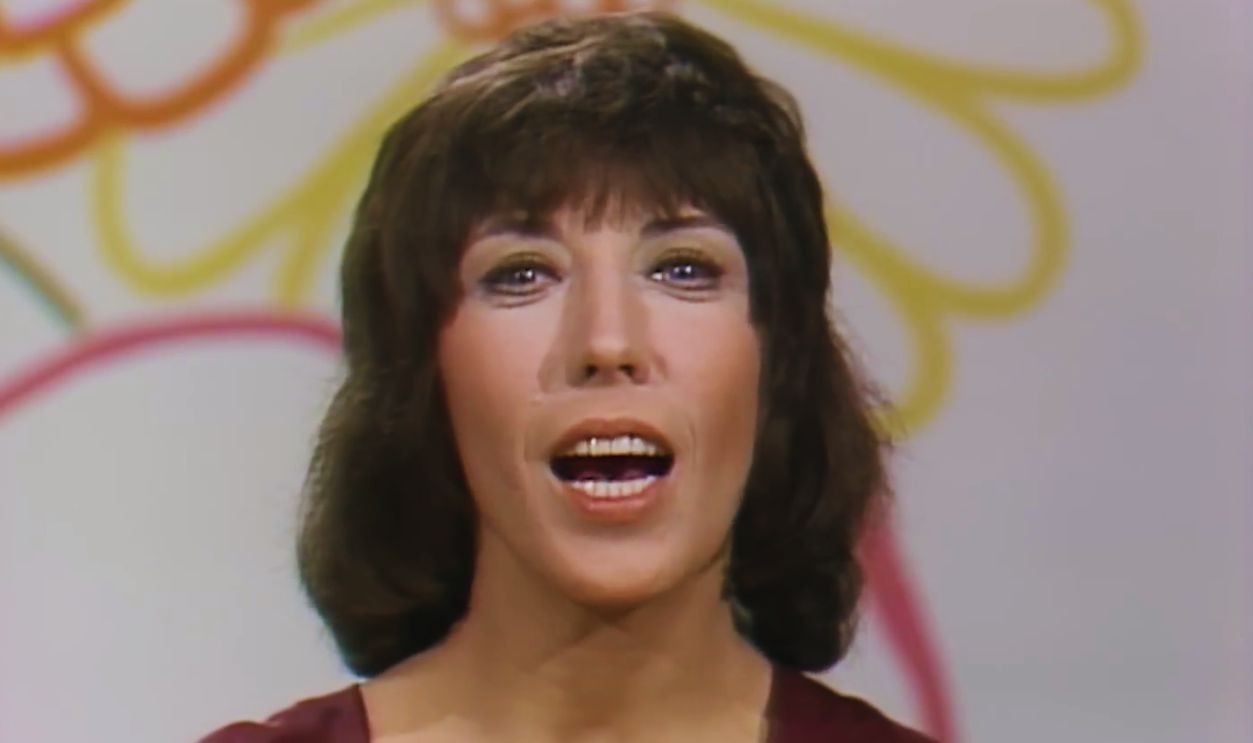 Screenshot from Rowan & Martin’s Laugh-In, NBC (1968–1973)
She Was Not Afraid To Look Ridiculous
Many actresses were warned to protect their beauty, but Tomlin twisted her face, altered her posture, wore unflattering costumes, and vanished inside older or eccentric women. She understood that looking glamorous was only one form of power. Making an audience recognize someone it normally ignored could be much more interesting.
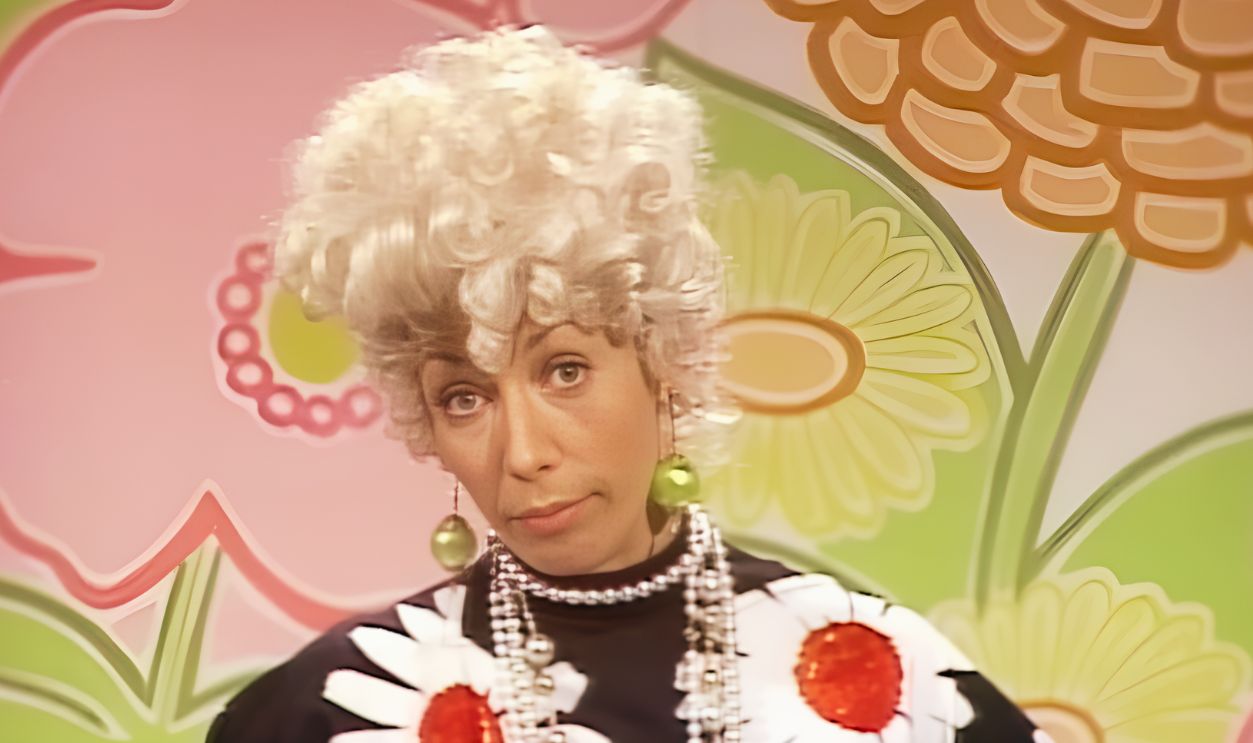 Screenshot from Rowan & Martin’s Laugh-In, NBC (1968–1973)
Success Followed Her Beyond Television
Her 1971 Ernestine album, This Is a Recording, became a major success and earned the Grammy for Best Comedy Recording. Tomlin was the first solo woman to win the category. A telephone operator created to mock corporate indifference had carried her straight into recording history.
She Left Before Laugh-In Ended
Tomlin remained with the program through its final season, which concluded in 1973, but she was already building something larger. Television specials allowed longer sketches, while recordings and live performances gave her greater control. Laugh-In had introduced the characters; Tomlin intended to decide where they went next.
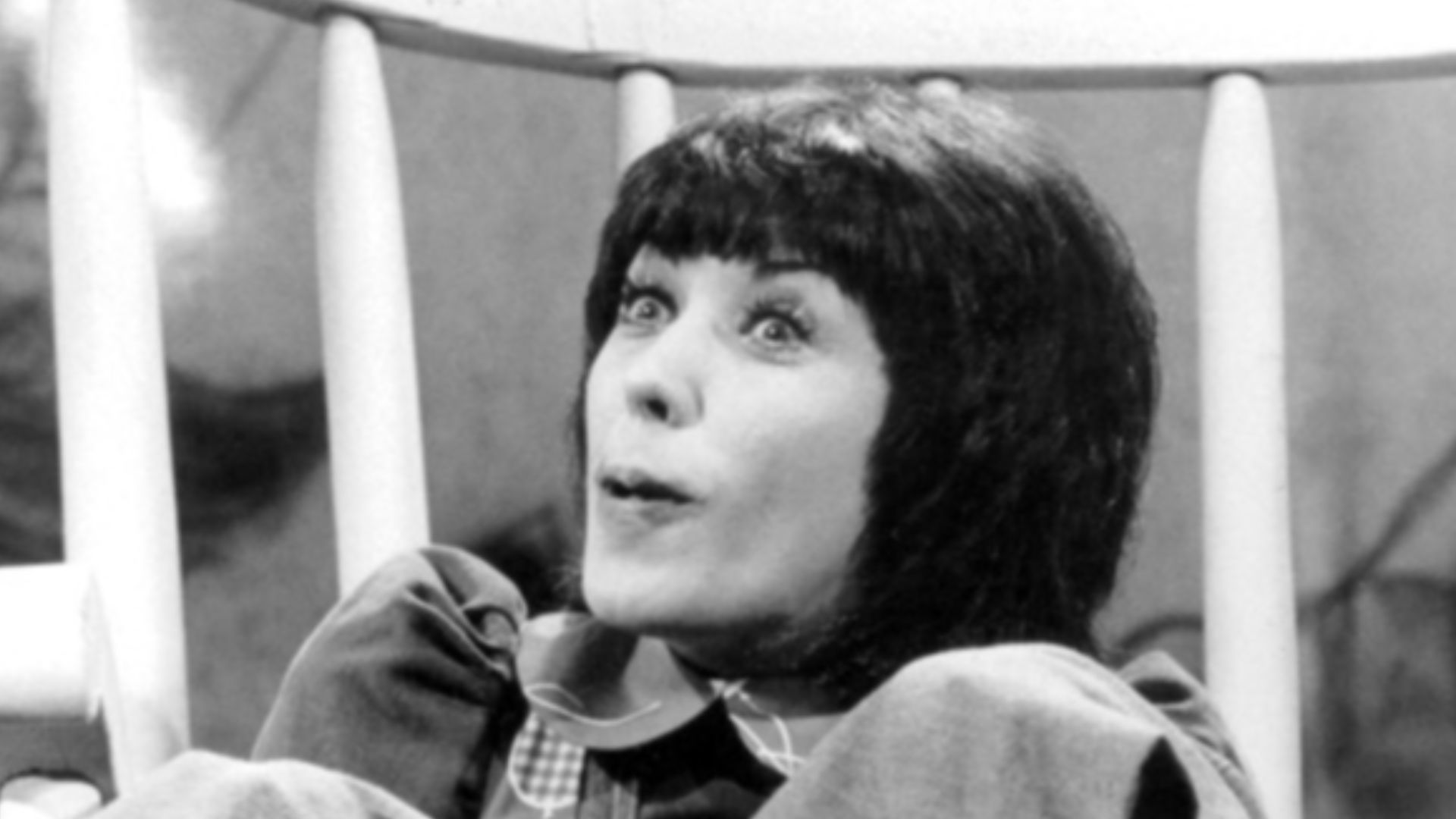 ABC Television, Wikimedia Commons
Jane Wagner Changed Her Work And Life
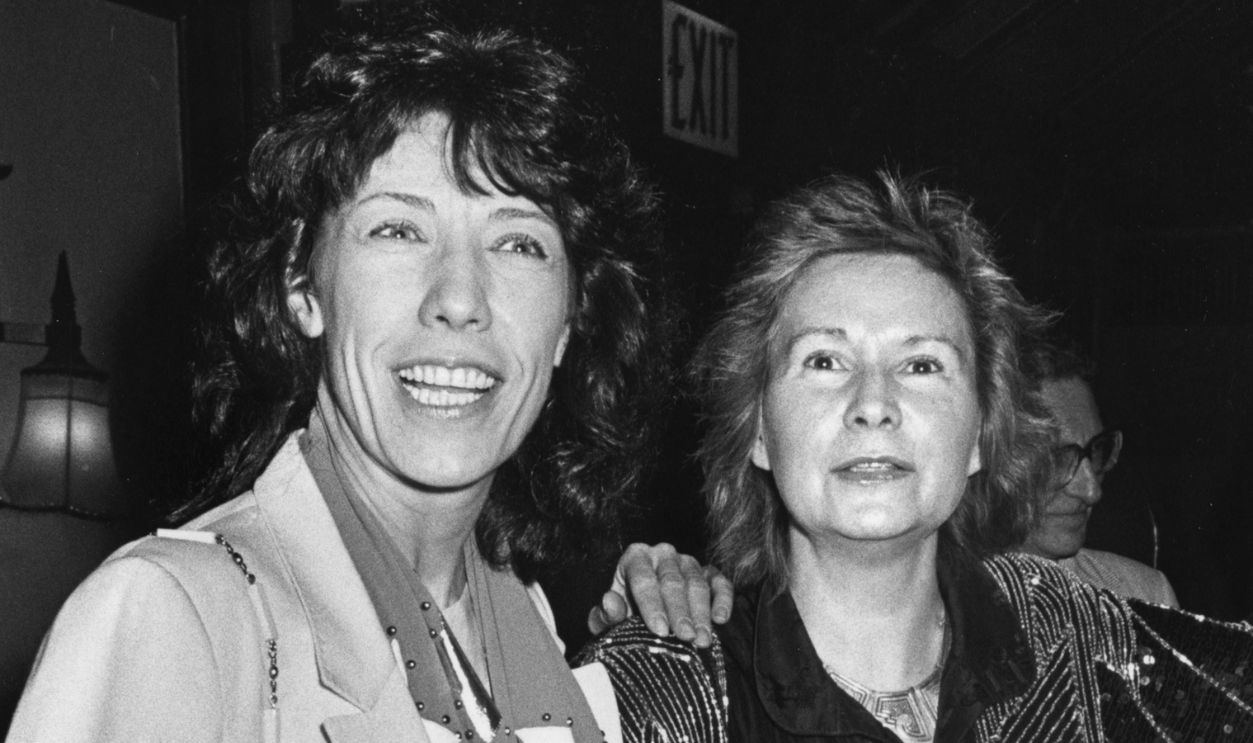
Tomlin contacted writer Jane Wagner after seeing Wagner’s acclaimed television film J.T. They met in 1971 and quickly formed both a personal relationship and a creative partnership. Wagner’s writing helped Tomlin’s characters move beyond brief punchlines into fuller stories about identity, loneliness, prejudice, and human connection.
She Would Not Sell Ernestine Back
Tomlin reportedly rejected a lucrative offer to use Ernestine in advertising for AT&T. The decision made perfect artistic sense: Ernestine had been created to ridicule the telephone company’s monopoly power. Turning her into its cheerful salesperson would have made the joke collapse faster than a badly connected long-distance call.
 Screenshot from Rowan & Martin’s Laugh-In, NBC (1968–1973), Modified
Nashville Revealed A Dramatic Actress
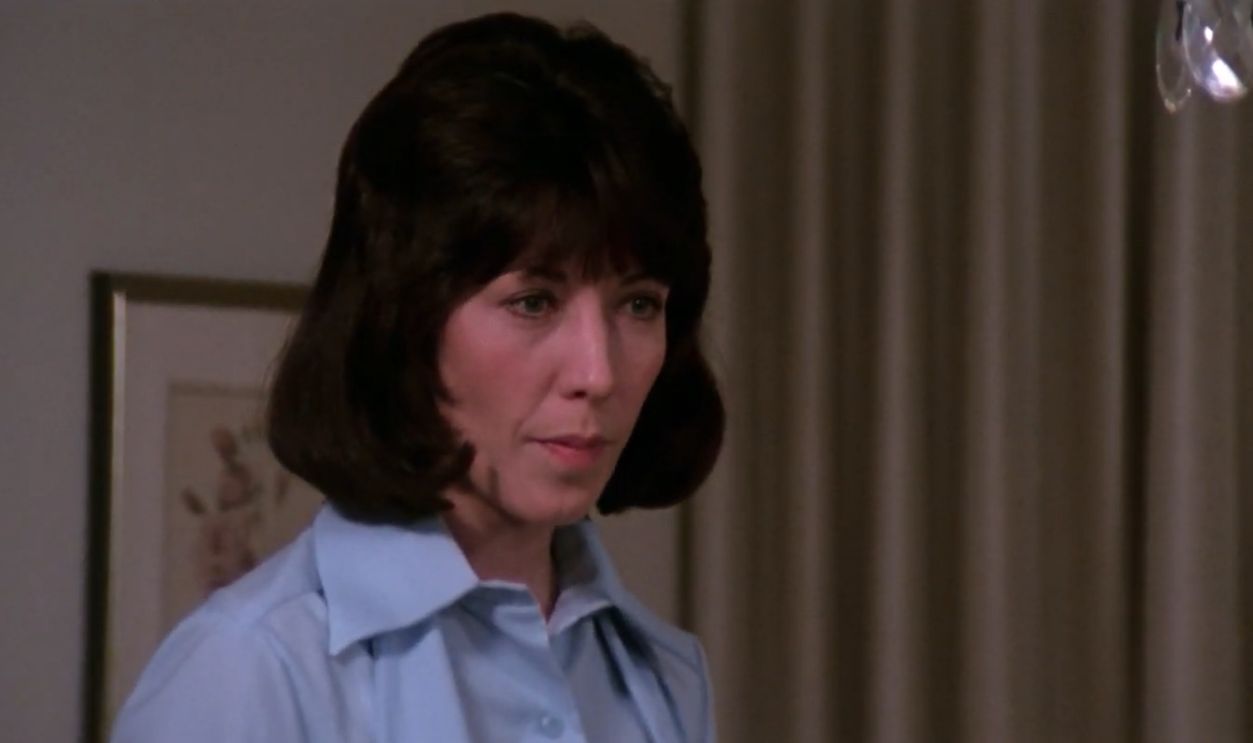
Robert Altman cast Tomlin as Linnea Reese in his 1975 ensemble film Nashville. She played a gospel singer and mother of two deaf children with quiet emotional restraint. Her first major movie performance earned an Academy Award nomination—and demolished the idea that she belonged only in sketch comedy.
 Screenshot from Nashville, Paramount Pictures (1975)
Time Offered A Complicated Bargain
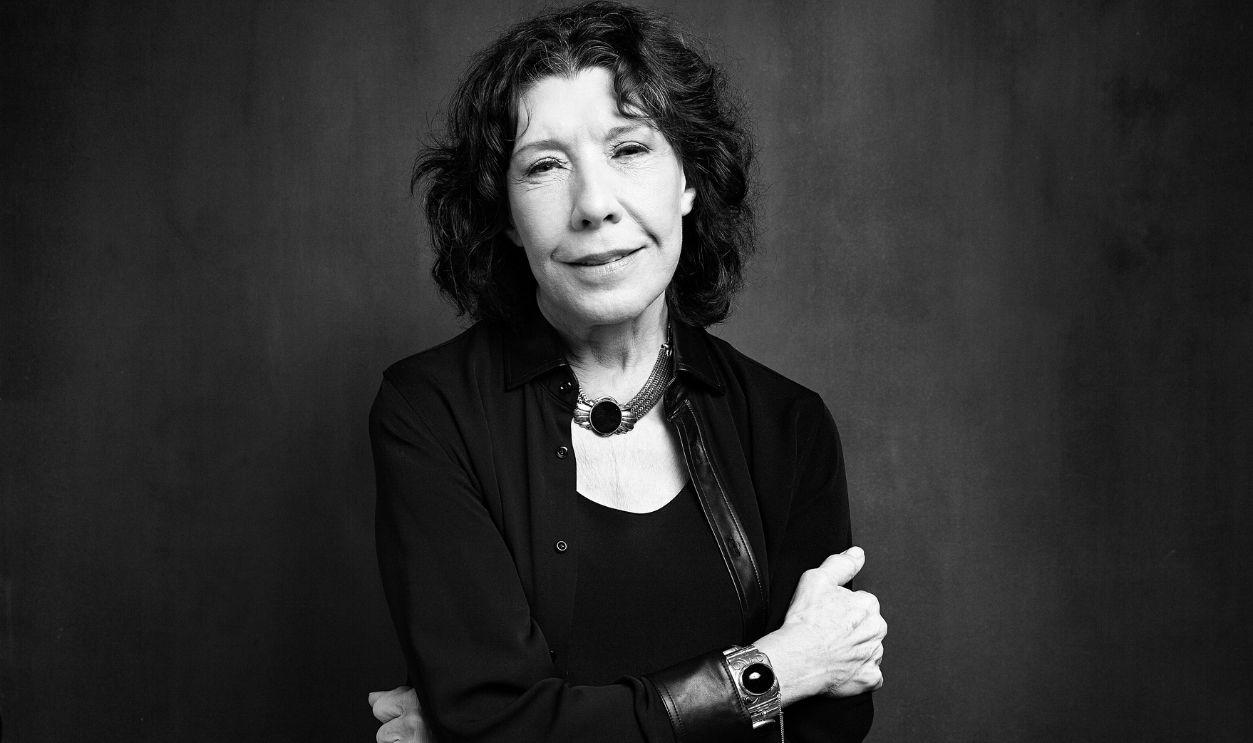
In 1975, Tomlin said her publicist told her that Time would place her on its cover if she publicly came out as gay. She declined. Tomlin did not want her private life turned into a promotional condition, nor did she want recognition for her work replaced by a single marketable label.
 The Washington Post, Getty Images
She Rejected Their Terms
Tomlin later explained that she wanted to be acknowledged for her performance, not introduced as “the gay celebrity.” She eventually appeared on Time’s cover in 1977 as the “New Queen of Comedy.” This time, the recognition came because of her work—precisely as she had insisted.
![Comedienne Lily Tomlin smiles after receiving her Kennedy Center Honors medallion at a dinner hosted by U.S. Secretary of State John Kerry at the U.S. Department of State in Washington, D.C., on December 6, 2014. [State Department photo/ Public Domain]](https://www.factinate.com/storage/app/media/theshot/2026/9/3/17884328675d4ae952d2b5a6d89719990a51df722f037a68a3.jpg) U.S. Department of State, Wikimedia Commons
U.S. Department of State, Wikimedia Commons
Broadway Let Her Break More Rules
Tomlin’s 1977 Broadway production Appearing Nitely earned her a special Tony Award. In 1985, she opened in Wagner’s The Search for Signs of Intelligent Life in the Universe, playing numerous women across class and social boundaries. The performance earned her the Tony for Best Actress in a Play.
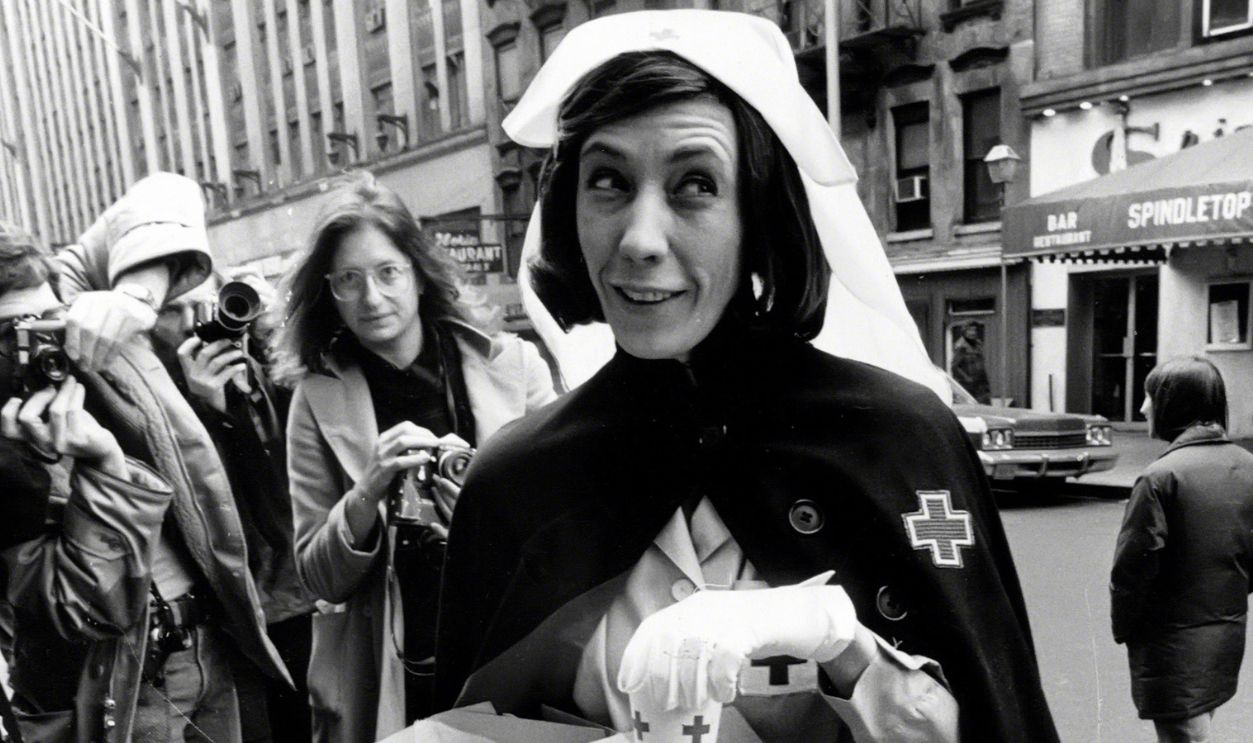
9 To 5 Made Sexism The Villain
In the 1980 comedy 9 to 5, Tomlin played Violet Newstead, an experienced office worker repeatedly overlooked while less capable men advanced. Alongside Jane Fonda and Dolly Parton, she turned workplace discrimination into a crowd-pleasing revenge fantasy. The message was serious; fortunately, the revenge was extremely entertaining.
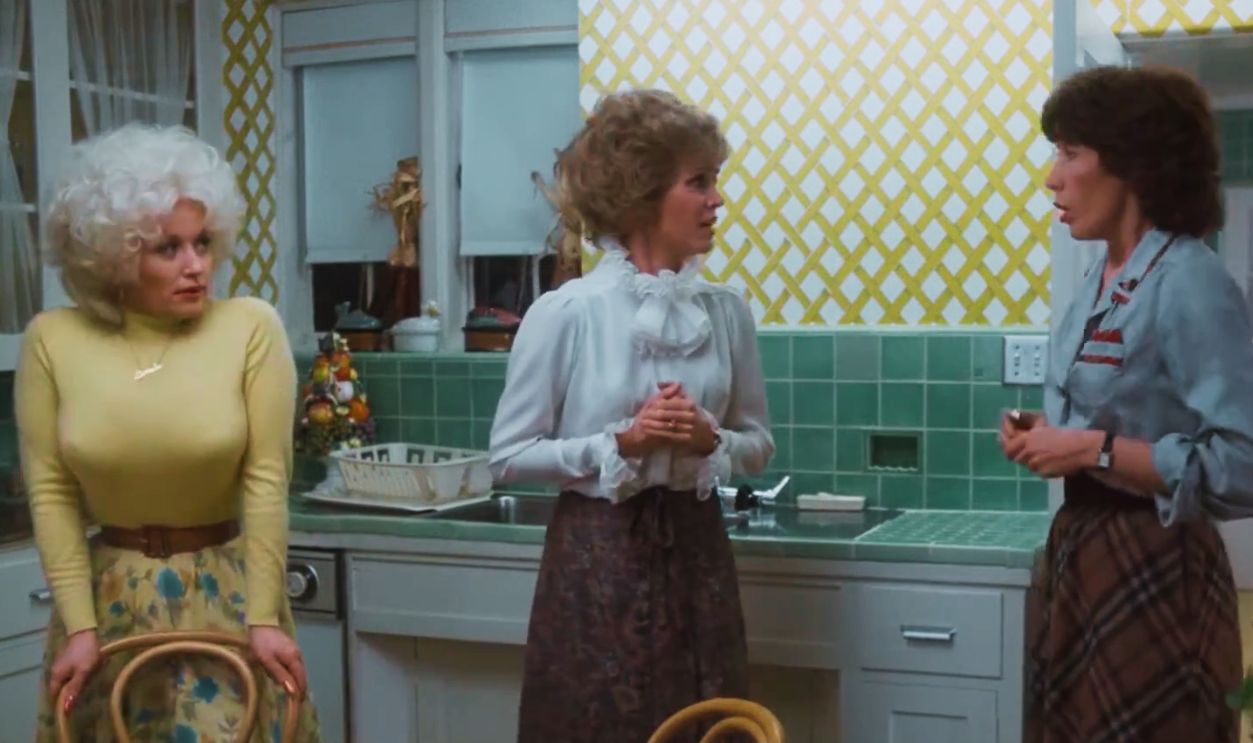 Screenshot from 9 to 5, 20th Century Fox (1980)
She Kept Redefining Herself
Tomlin later played an eccentric artist in Grace and Frankie, voiced fearless teacher Ms. Frizzle in The Magic School Bus, and portrayed characters of different ages, classes, and genders. Hollywood never found one convenient box for her because she kept climbing out and turning the cardboard into material.
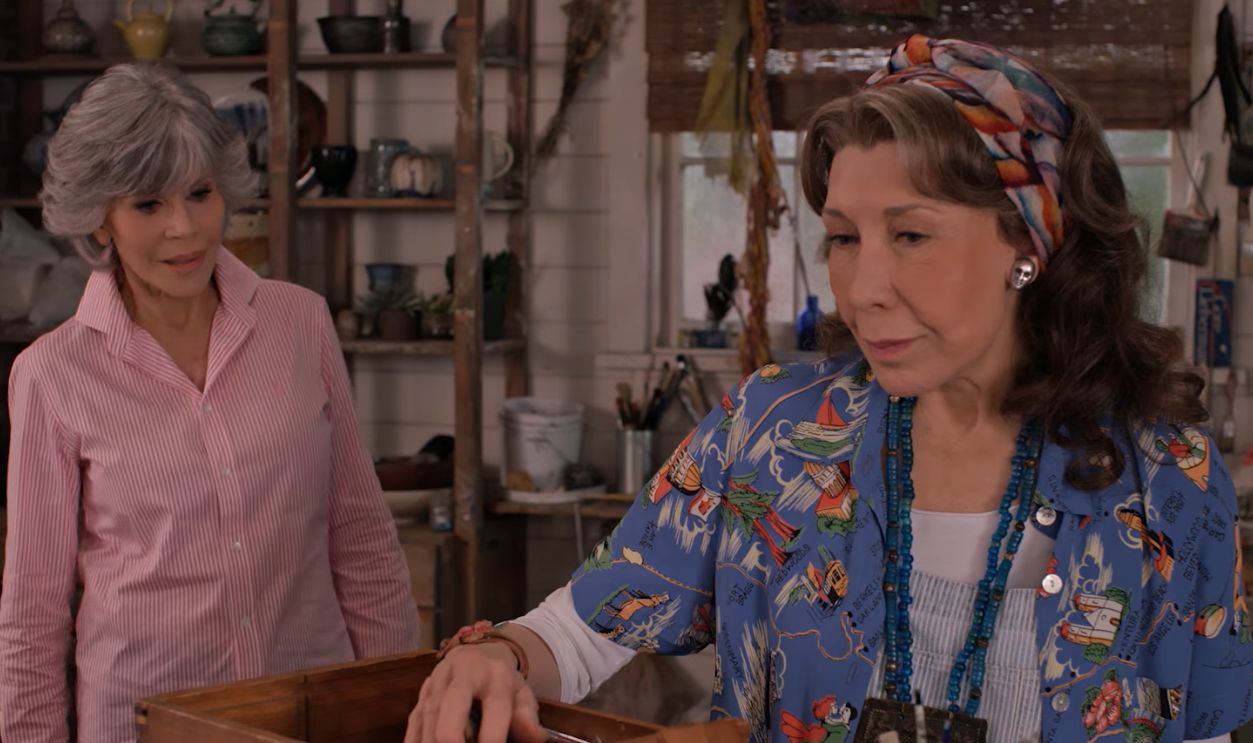 Screenshot from Grace and Frankie, Netflix (2015–2022)
Her Activism Extended Beyond Performances
Tomlin supported the Equal Rights Amendment, women political candidates including Bella Abzug and Ann Richards, LGBTQ+ rights, environmental causes, and organizations helping women experiencing homelessness. Her feminism was not invented for a publicity campaign. It appeared repeatedly in the work she chose and the causes she supported.
 Ted Eytan, CC BY-SA 2.0, Wikimedia Commons
One Talk Show Put Those Beliefs To The Test
During a 1972 appearance on The Dick Cavett Show, Tomlin shared the program with Medical Center star Chad Everett. The conversation initially seemed playful. Yet a discussion about animals and relationships gradually moved into territory that Tomlin could not dismiss as harmless television chatter.
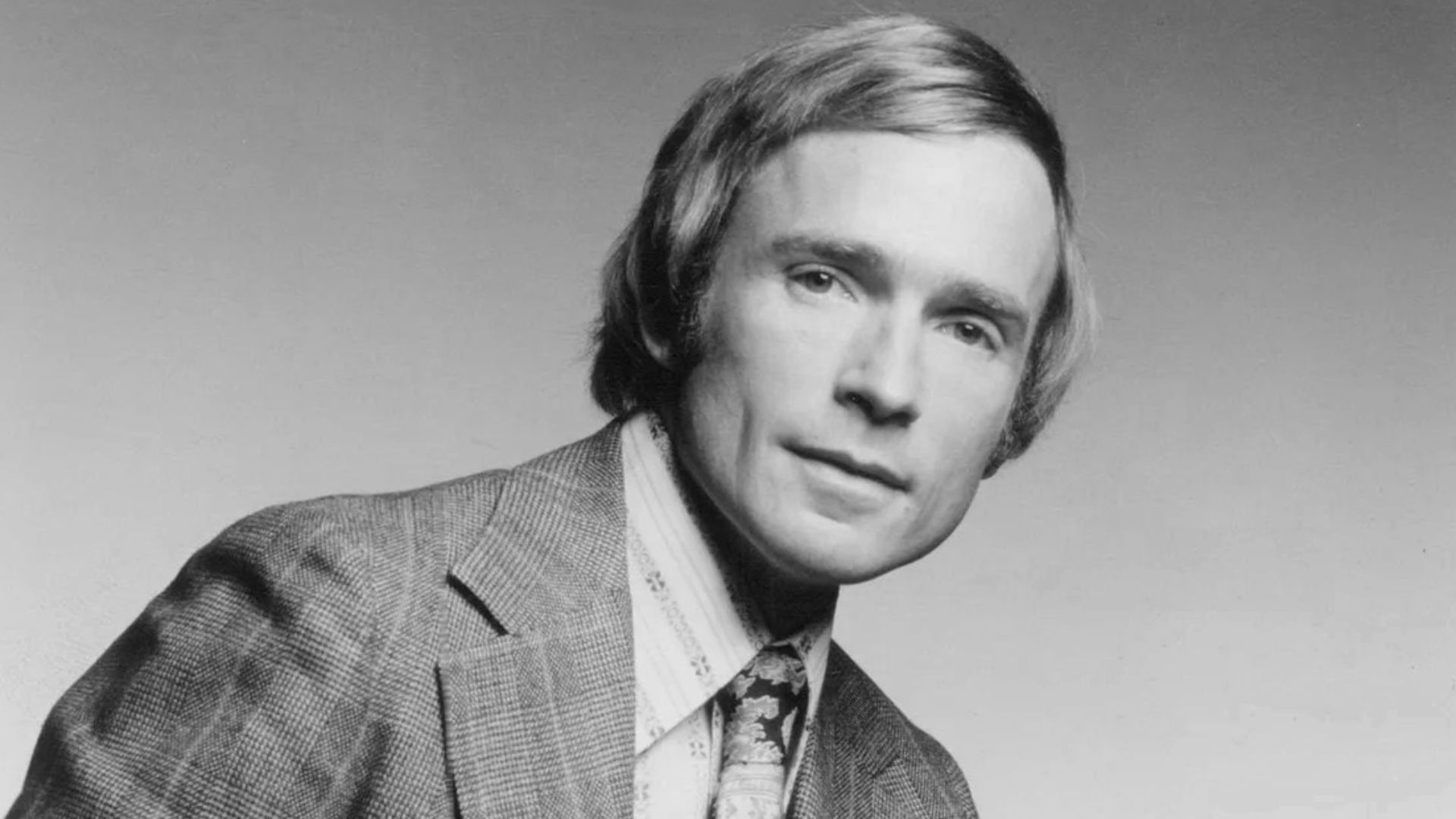 ABC Television, Wikimedia Commons
Chad Everett Made A Startling Remark
Everett referred to his wife, actress Shelby Grant, as “the most beautiful animal I own.” Tomlin immediately focused on the crucial word and asked, “You own?” Everett attempted to explain the relationship, but the idea of describing a wife as owned property clearly disturbed her.
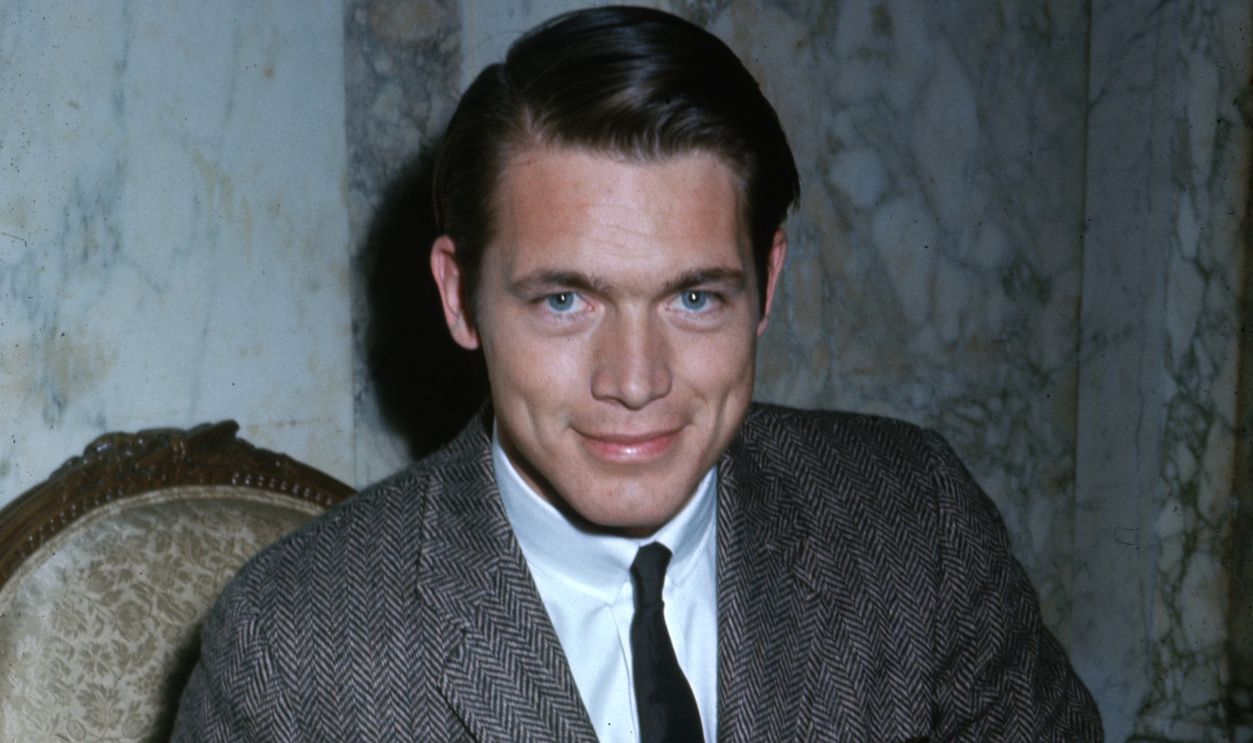
Tomlin Did Not Turn It Into A Routine
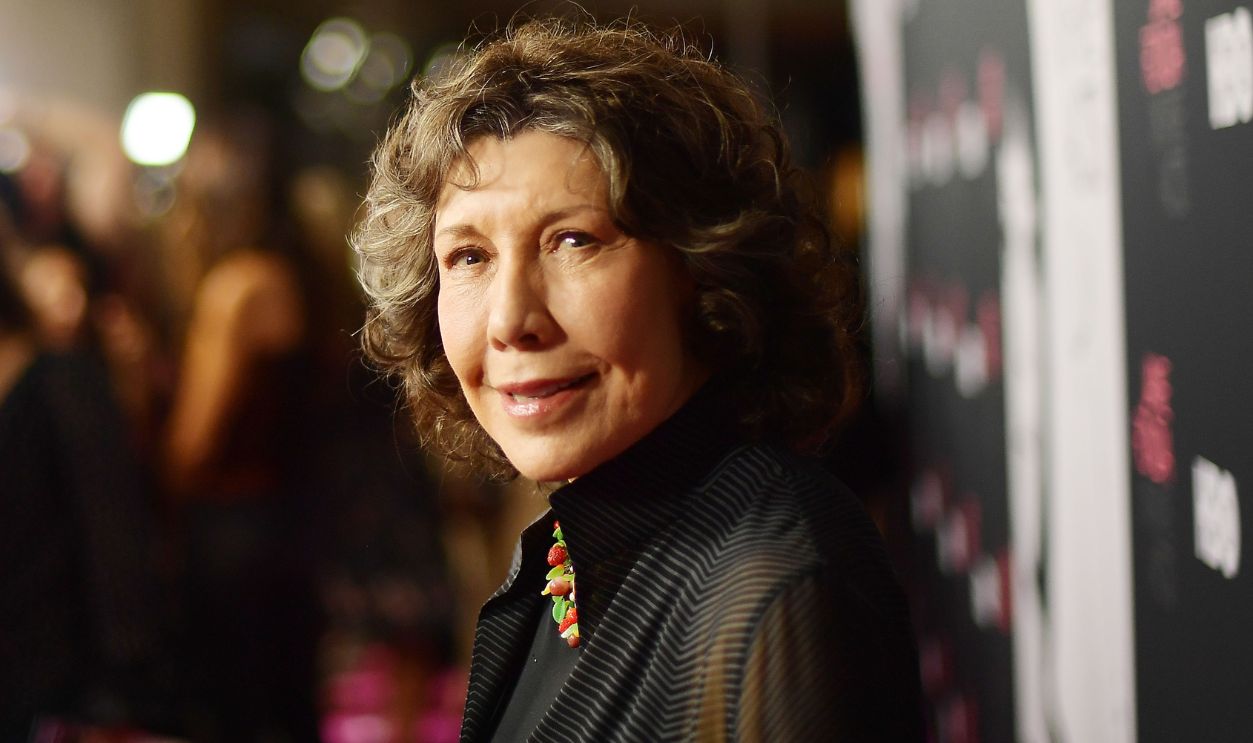
She could have answered with a clever impersonation, transformed the discomfort into a punchline, or politely remained seated until the commercial break. Instead, Tomlin quietly announced that she had to leave. She stood, thanked Cavett, and walked away from the conversation.
 Matt Winkelmeyer, Getty Images
The Conversation Became Even More Awkward
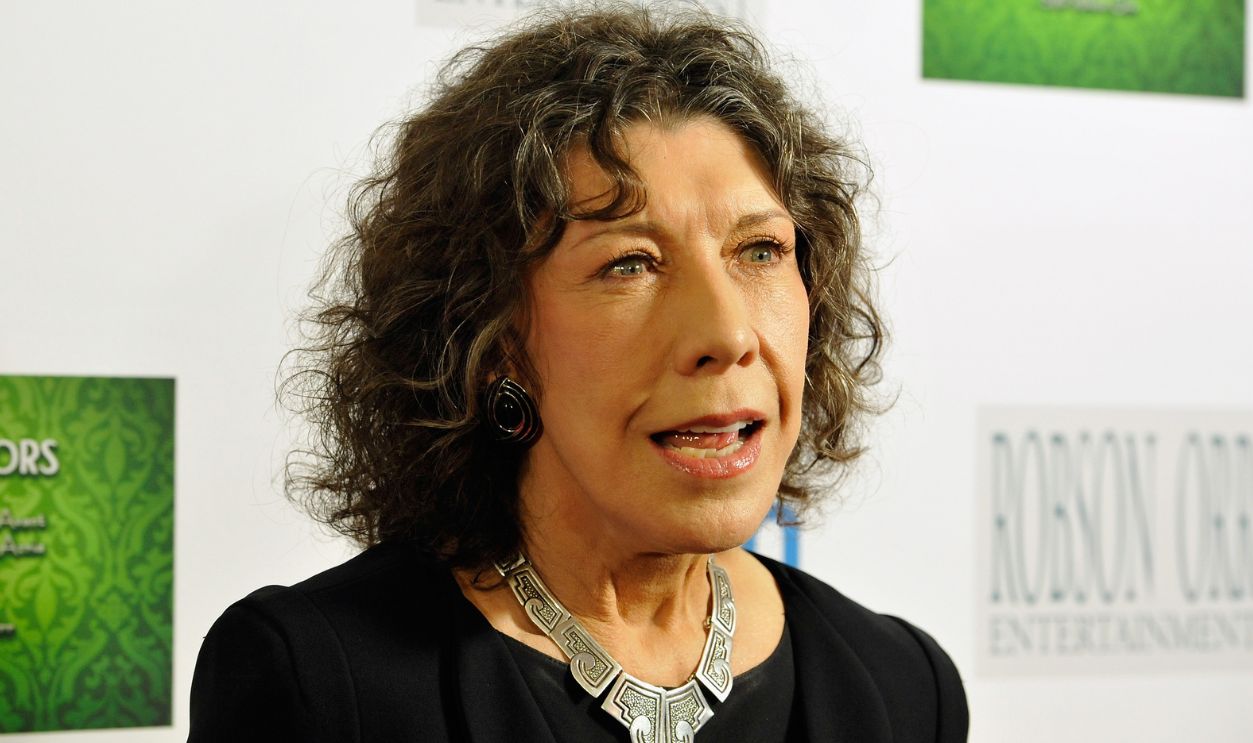
After Tomlin departed, Everett said that his wife owned him as well and was happy being cared for by a man. He appeared unsettled by the walkout, while Cavett tried to steady the interview. Tomlin’s empty seat had suddenly become the most powerful object on the set.
 Michael Tullberg, Getty Images
She Refused The Role She Was Given
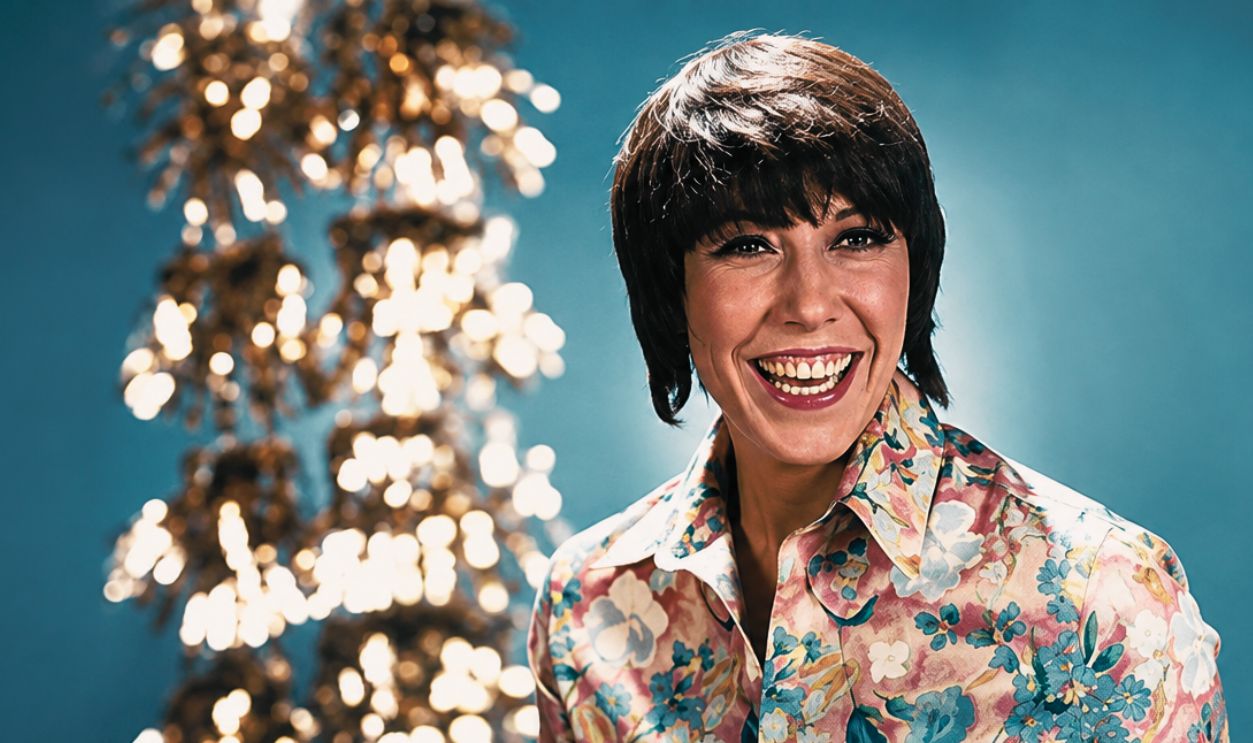
The moment endured because Tomlin did not shout, deliver a speech, or wait for permission. A television program expected her to remain agreeable while another guest described ownership as romance. She rejected that expectation, rose from the couch, and left—proving that Lily Tomlin’s boldest feminist character had always been herself.
 NBC Television, Wikimedia Commons, Enhanced
You May Also Like:
Sources: 1, 2, 3, 4, 5, 6, 7, 8
.jpg)
