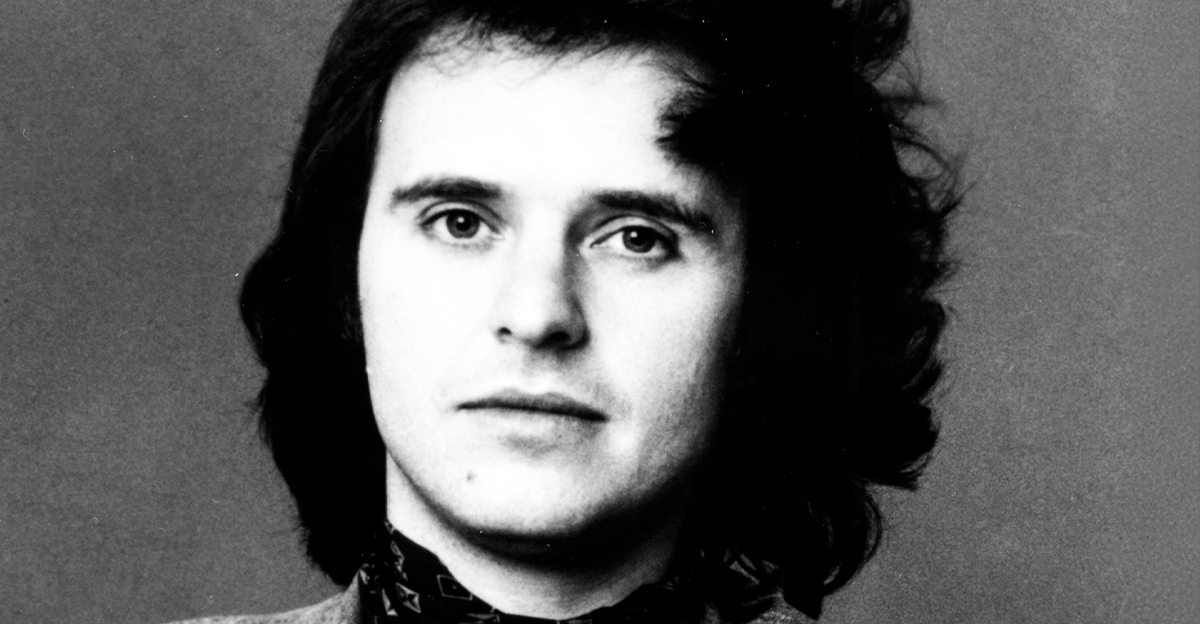
A Hollywood Star With A Political Voice
Jane Fonda was already a major Hollywood star by the late 1960s. She had earned critical acclaim through films such as They Shoot Horses, Don't They? and was becoming one of the most recognizable actresses in America. At the same time, she was increasingly drawn toward political activism and social causes.
 Verhoeff, Bert / Anefo, Wikimedia Commons
Finding A Cause Beyond The Screen
Fonda has often said that learning about the Vietnam War changed her outlook on politics and public life. She became involved in anti-war activism as opposition to the conflict grew across the United States. Her celebrity status gave her a powerful platform that she chose to use publicly and frequently.
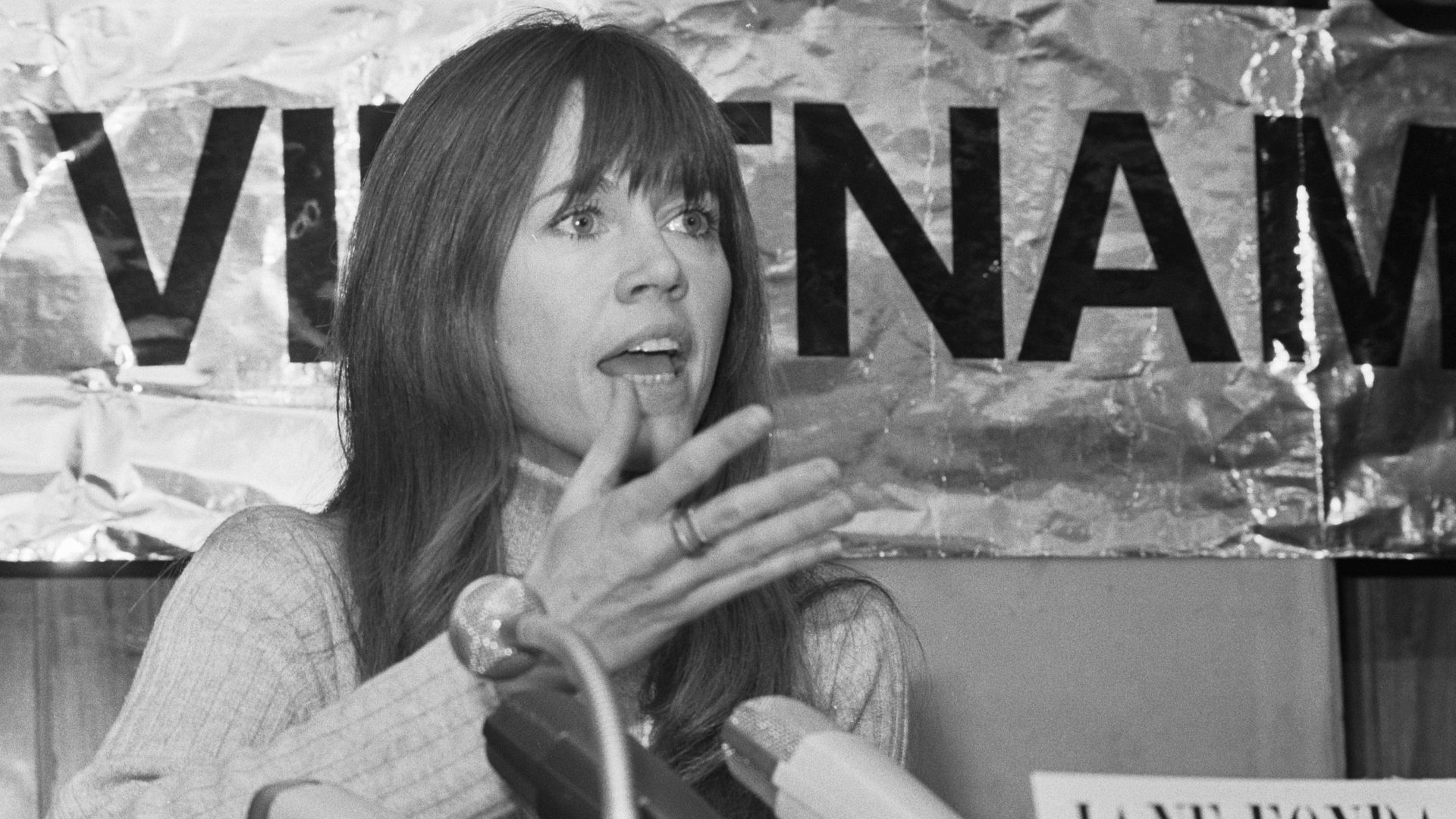 Mieremet, Rob / Anefo, Wikimedia Commons
Speaking Out Against The Vietnam War
As the war continued, Fonda became one of its most vocal celebrity critics. She appeared at rallies, spoke on college campuses, and joined anti-war organizations. Her activism quickly became as widely discussed as her acting career.
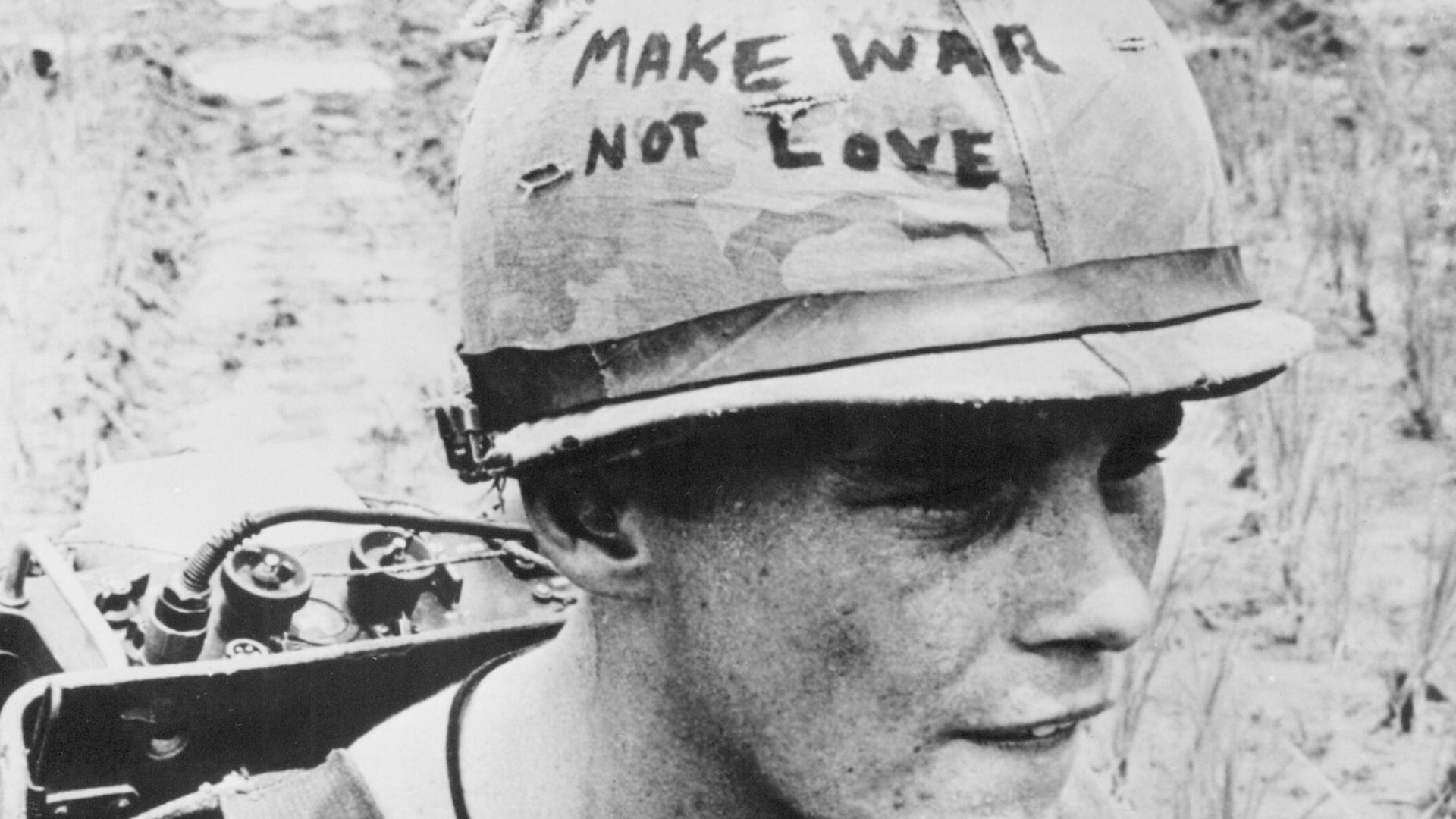
A Divisive Public Figure Emerges
Many Americans admired Fonda for taking a stand on a controversial issue. Others believed entertainers should stay out of politics altogether. The divide surrounding her activism grew sharper as she became more outspoken.
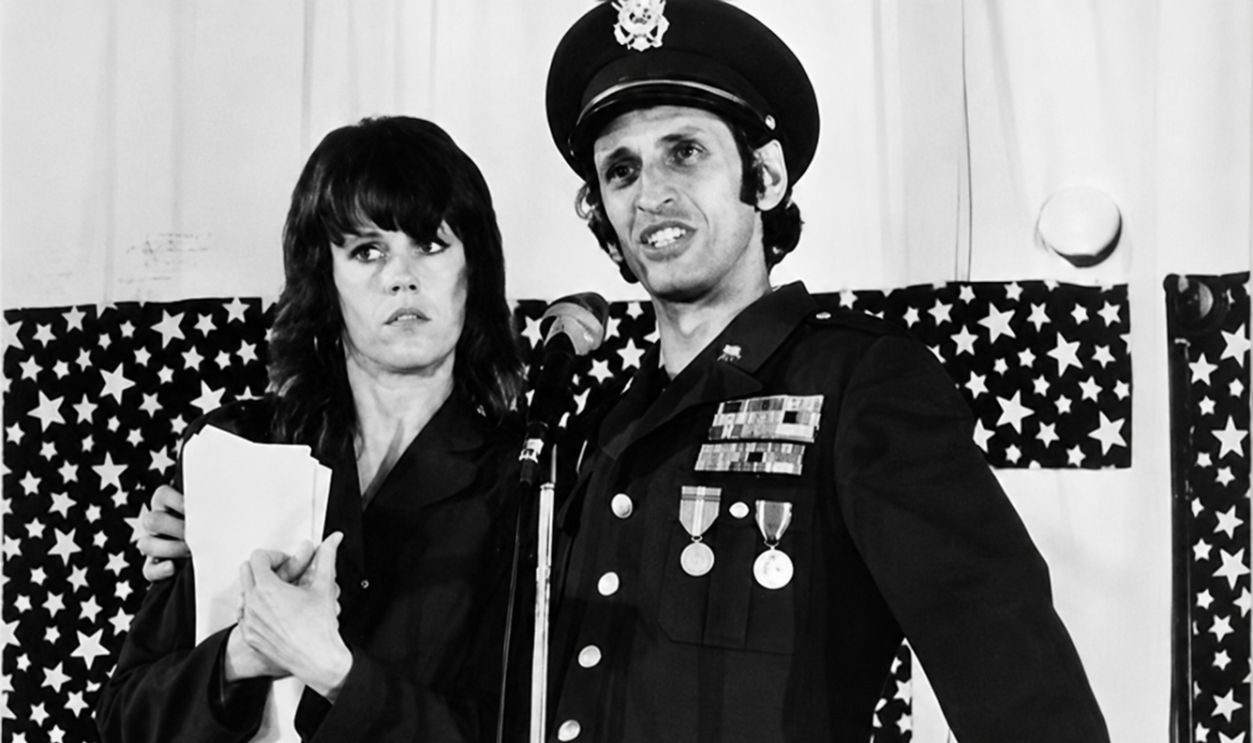 Unknown author, CC BY-SA 3.0, Wikimedia Commons, Modified
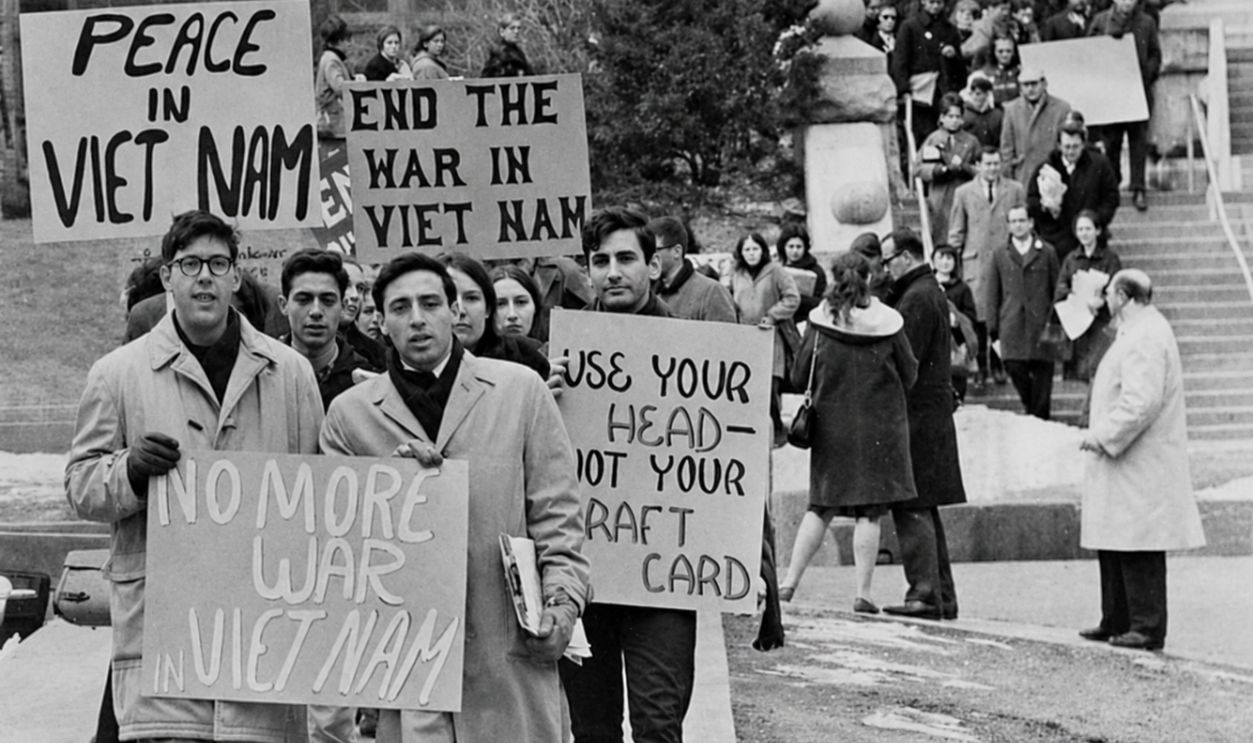
The Anti-War Movement Gains Momentum
By the early 1970s, opposition to the Vietnam War had become a major national movement. Protesters questioned both the war's purpose and its human cost. Fonda emerged as one of the movement's most visible celebrity participants.
 uwdigitalcollections, CC BY 2.0, Wikimedia Commons, Modified
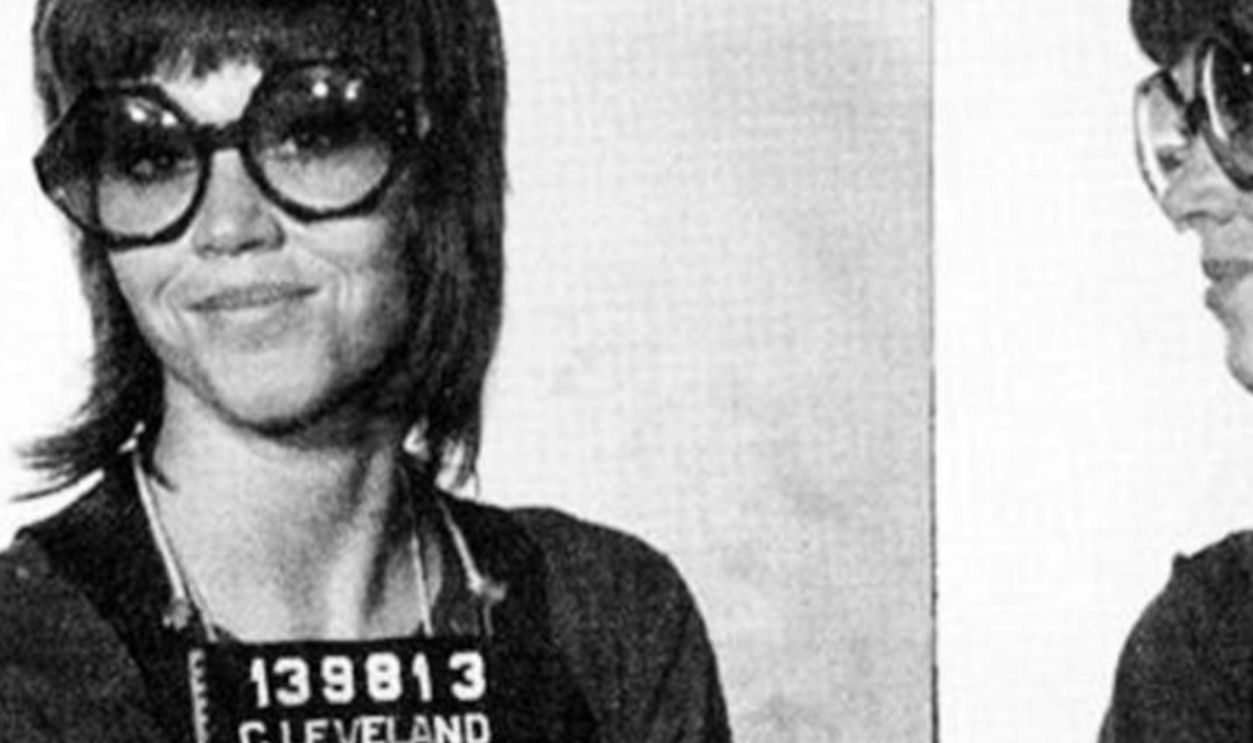
An Arrest That Drew National Attention
In 1970, Fonda was arrested at Cleveland Hopkins International Airport after authorities found pills in her luggage. The pills were later identified as vitamins rather than illegal drugs. Her mugshot from the incident became one of the most recognizable images associated with anti-war activism.
Using Fame As A Political Tool
Unlike some celebrities who occasionally endorsed causes, Fonda embraced activism as a major part of her public identity. She frequently spoke to the media about the war and government policy. This approach made her a lightning rod for criticism and praise alike.
 William S. Murphy, CC BY 4.0, Wikimedia Commons, Modified
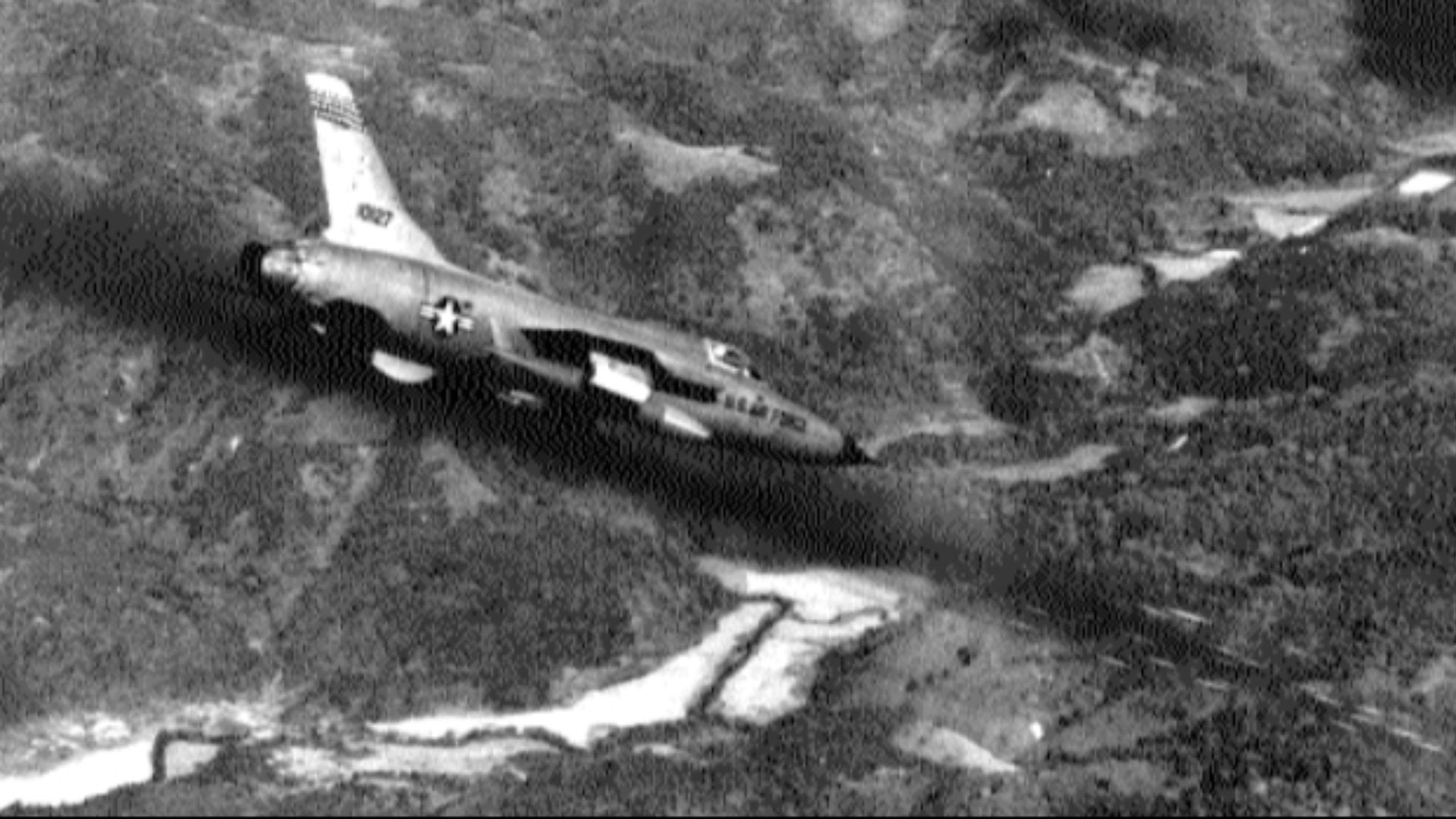
The Road To Hanoi
In 1972, Fonda accepted an invitation to visit North Vietnam. She said her goal was to witness conditions there firsthand and draw attention to the effects of American bombing campaigns. The trip would become the most controversial episode of her public life.
Arriving In Enemy Territory
The visit took place while the Vietnam War was still ongoing. For many Americans, North Vietnam was the nation's wartime enemy. Fonda's decision to travel there immediately sparked outrage among critics.
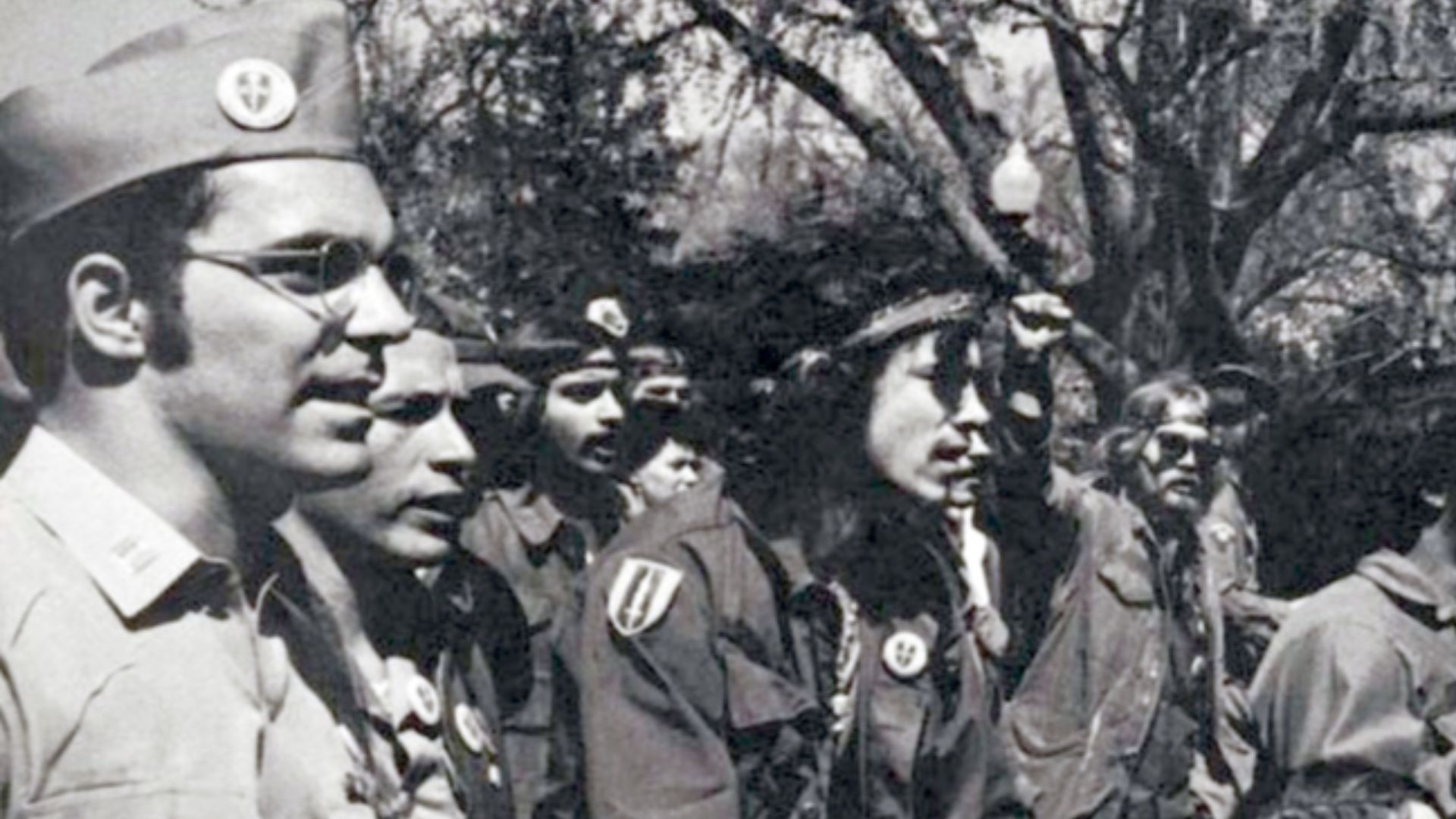 Unknown authorUnknown author, Wikimedia Commons
Touring North Vietnam
During her stay, Fonda toured hospitals, schools, villages, and other sites affected by the conflict. She spoke publicly about the destruction she witnessed and criticized American military actions. Supporters viewed the trip as an act of conscience, while opponents saw it very differently.
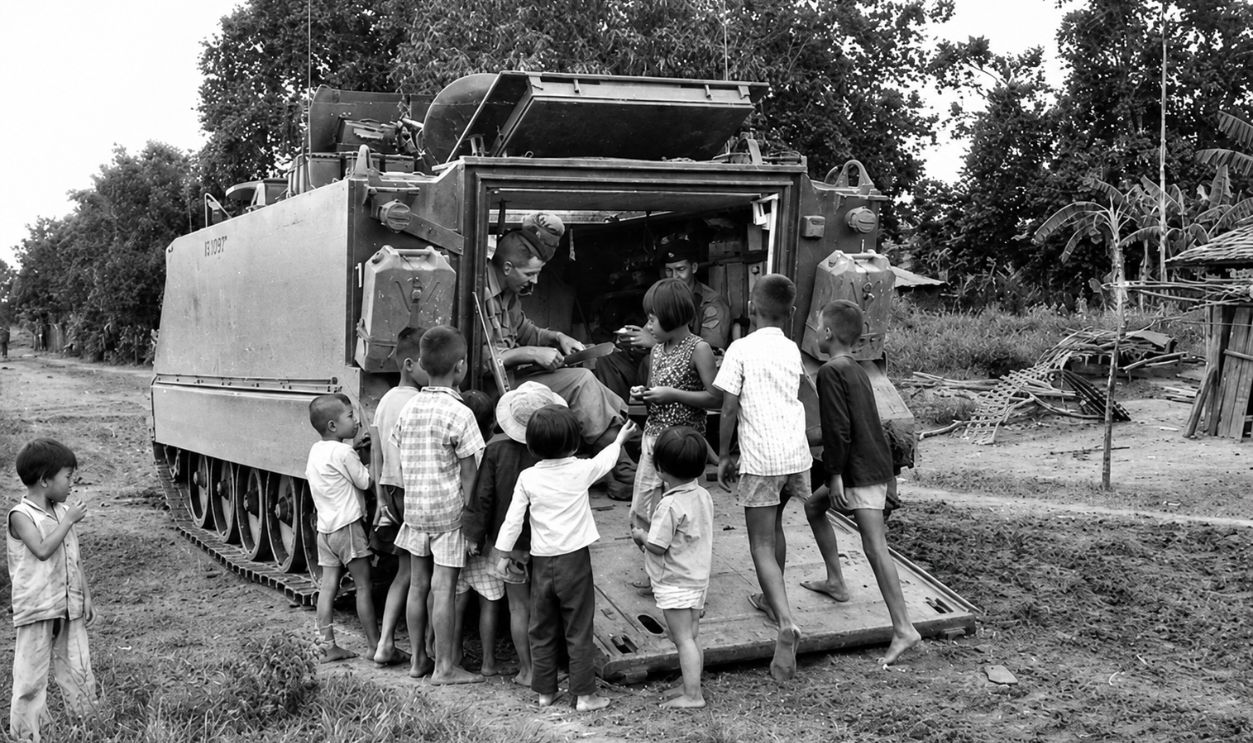 Dunne, Bryan Rupert, CC0, Wikimedia Commons, Modified
The Radio Broadcasts That Fueled Backlash
While in Hanoi, Fonda appeared on radio programs that were broadcast from North Vietnam. During these appearances, she criticized U.S. military policy and urged American pilots to reconsider their participation in the war. These broadcasts intensified the controversy surrounding her visit.
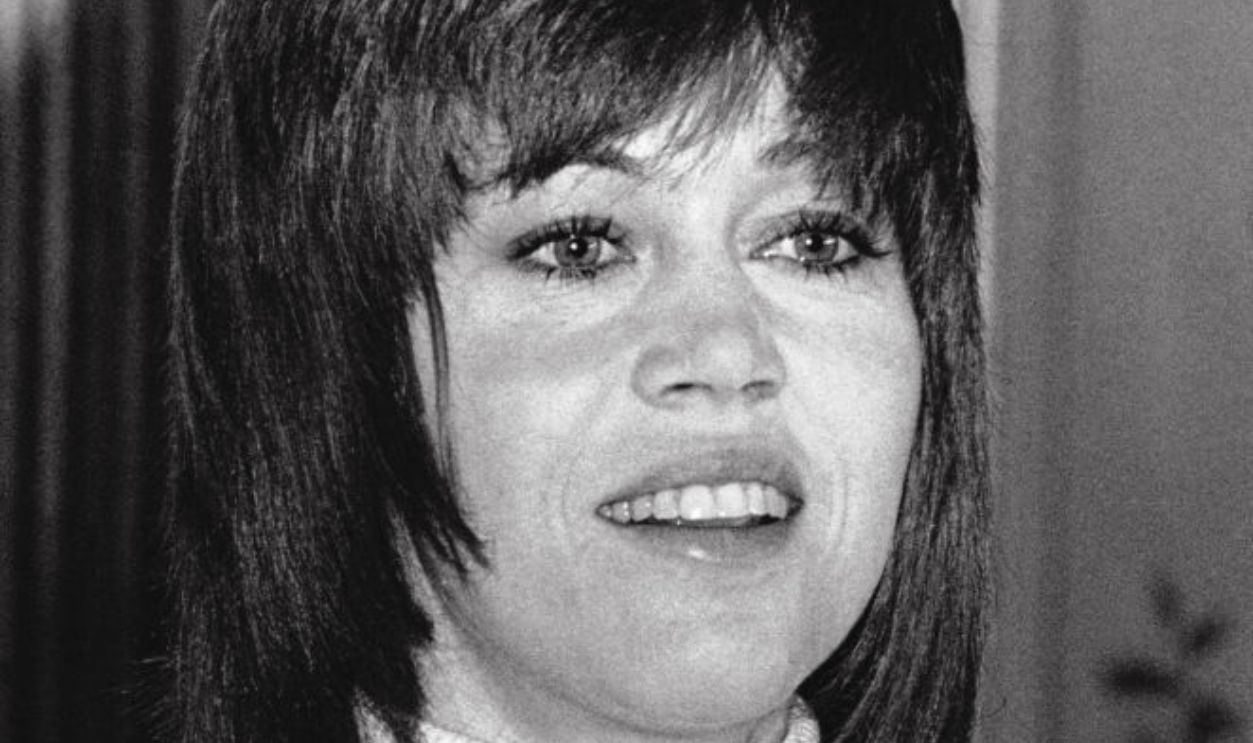 Richard FRIEMAN-PHELPS, Getty Images
One Photograph Changes Everything
The image most associated with the trip showed Fonda seated on a North Vietnamese anti-aircraft gun. The photograph quickly circulated around the world. It became one of the defining images of celebrity activism during the Vietnam War era.
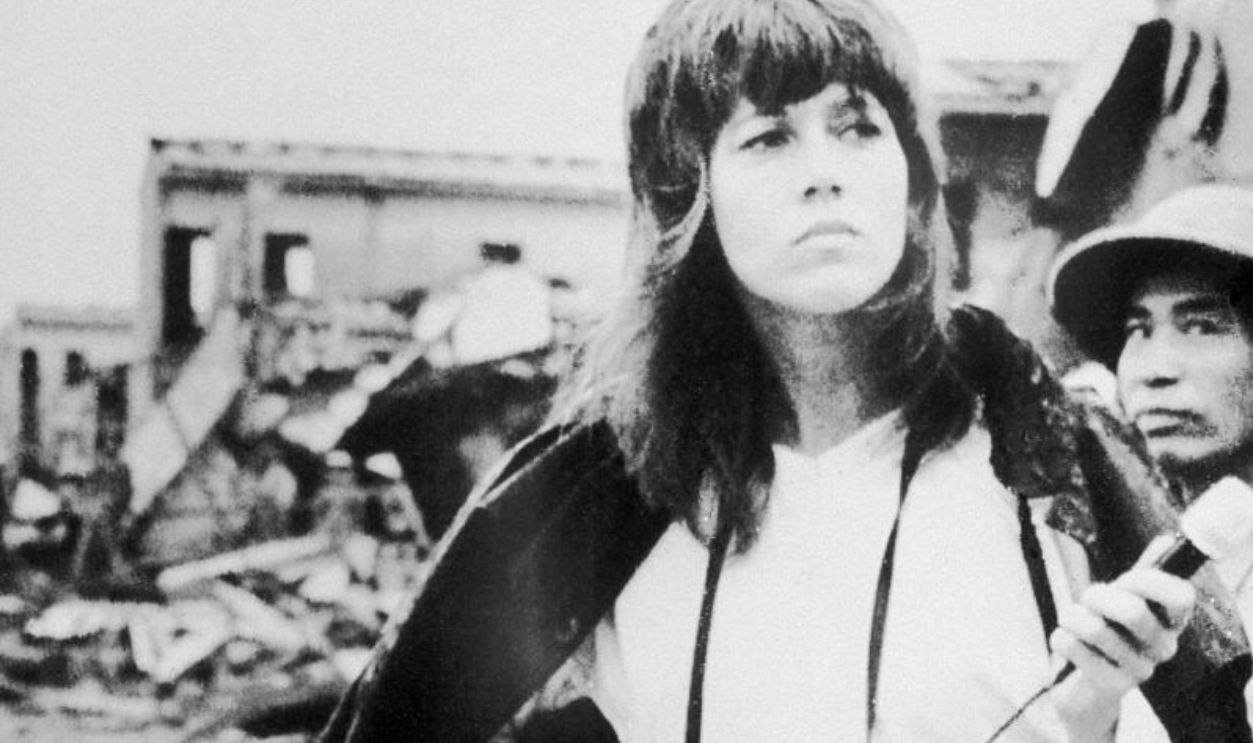
The Birth Of “Hanoi Jane”
The photograph triggered enormous public outrage in the United States. Critics argued that the image appeared to show support for forces fighting American troops. It was during this period that the nickname “Hanoi Jane” became attached to Fonda.
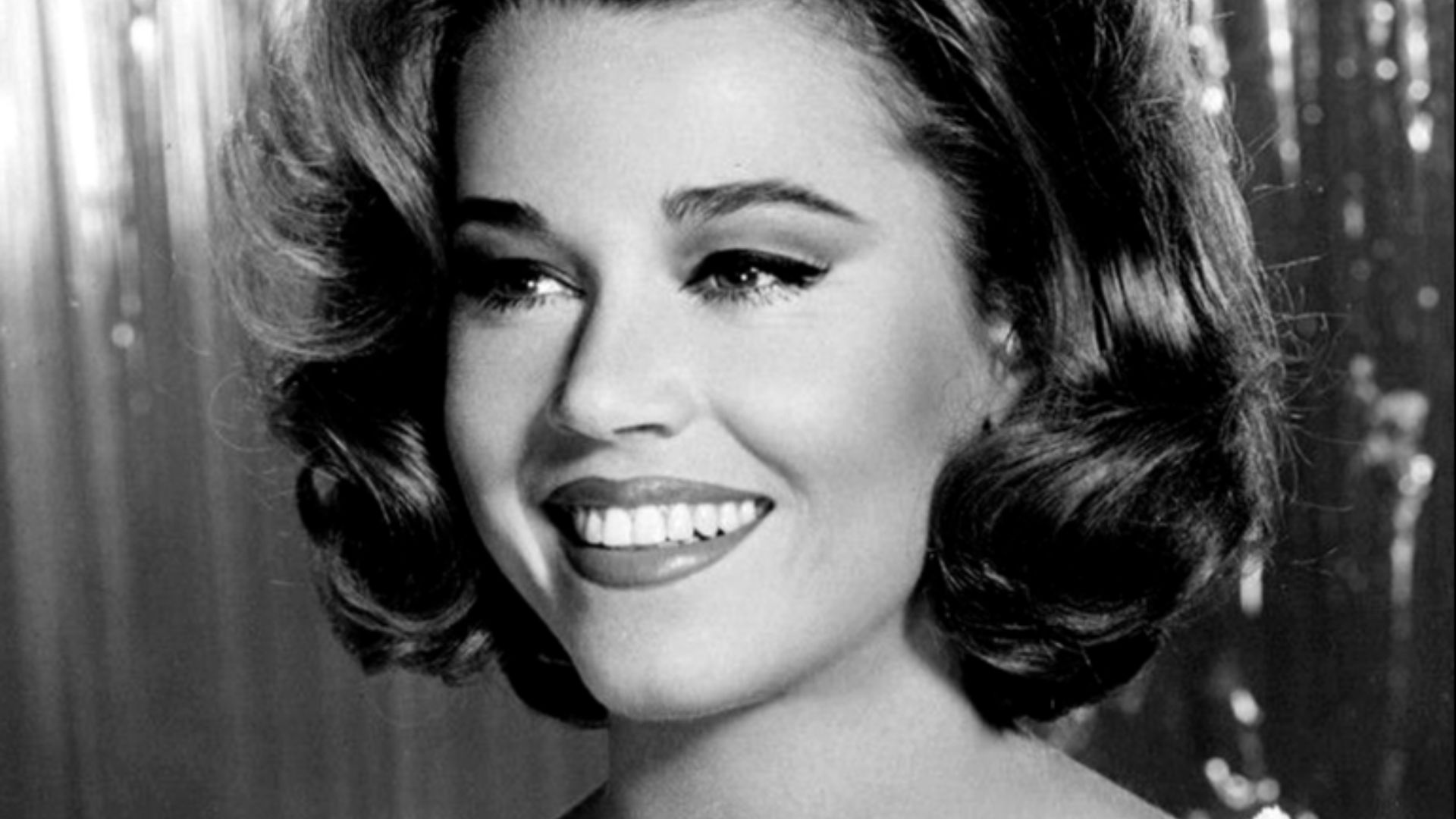 Unstated photographer, Wikimedia Commons
Veterans React With Anger
Many veterans viewed the photograph as deeply offensive. Some believed it symbolized a betrayal of American service members fighting overseas. The resentment created by the image would persist for decades.

A Reputation That Followed Her
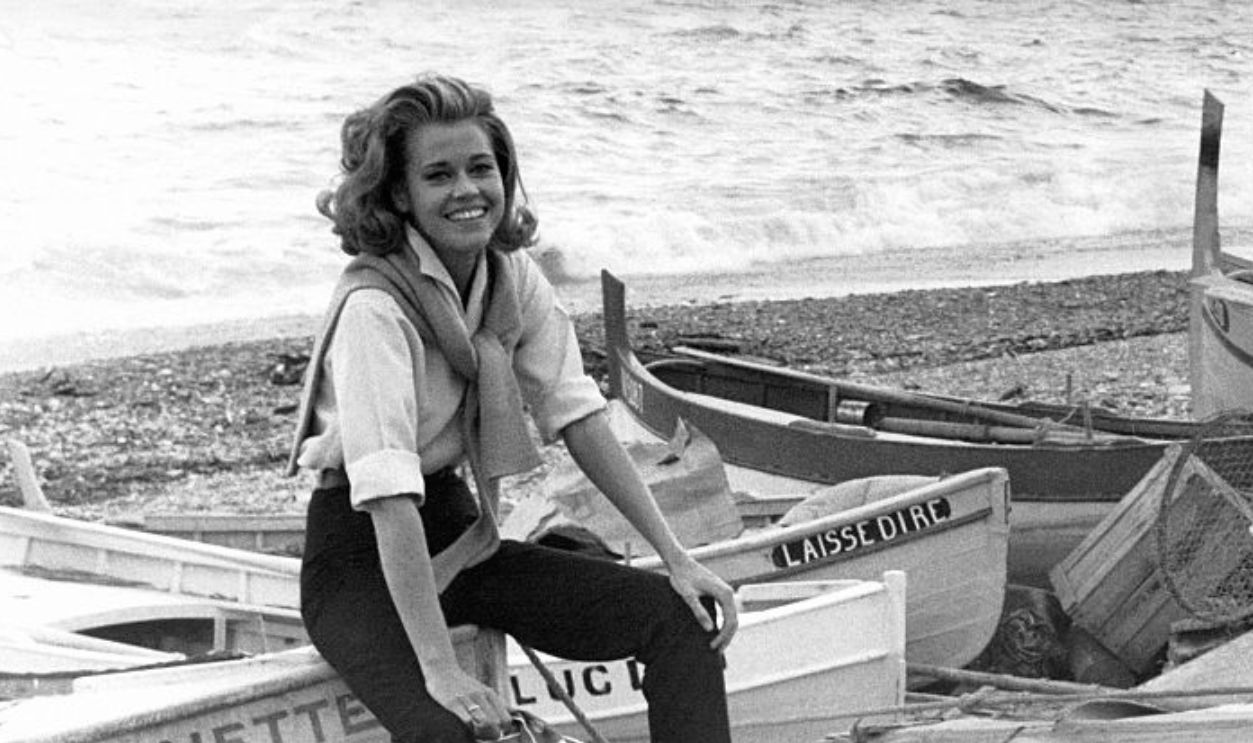
The controversy did not disappear when the war ended. Even as Fonda continued to build a successful acting career, the nickname remained part of public discussions about her. For critics, the Hanoi trip overshadowed many of her accomplishments.
 REPORTERS ASSOCIES, Getty Images
Separating Activism From Patriotism
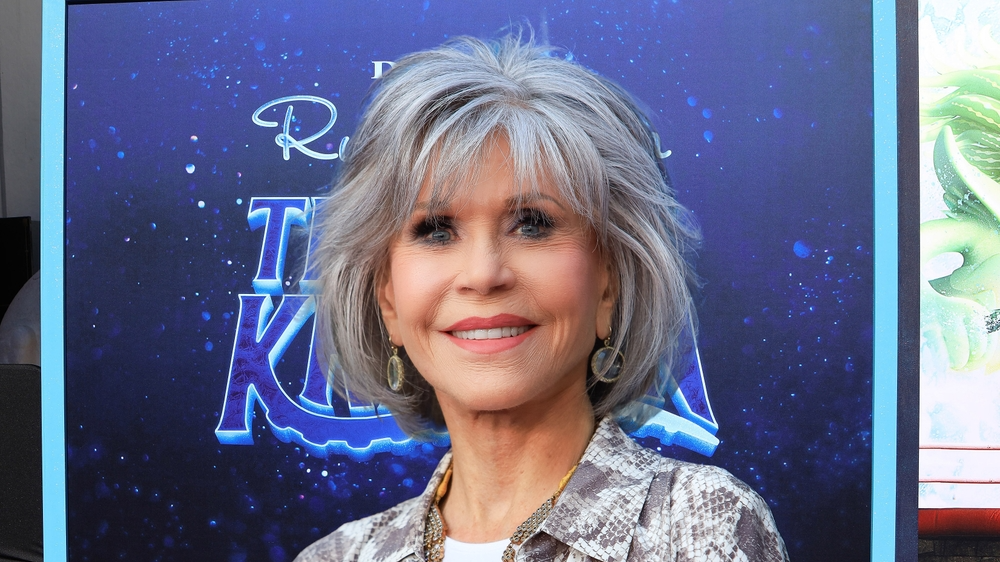
Supporters argued that opposing a war was not the same as opposing the troops who served in it. Critics rejected that distinction and viewed her actions as harmful to American interests. The debate became part of a larger national argument about dissent during wartime.
Rumors And Misinformation Spread
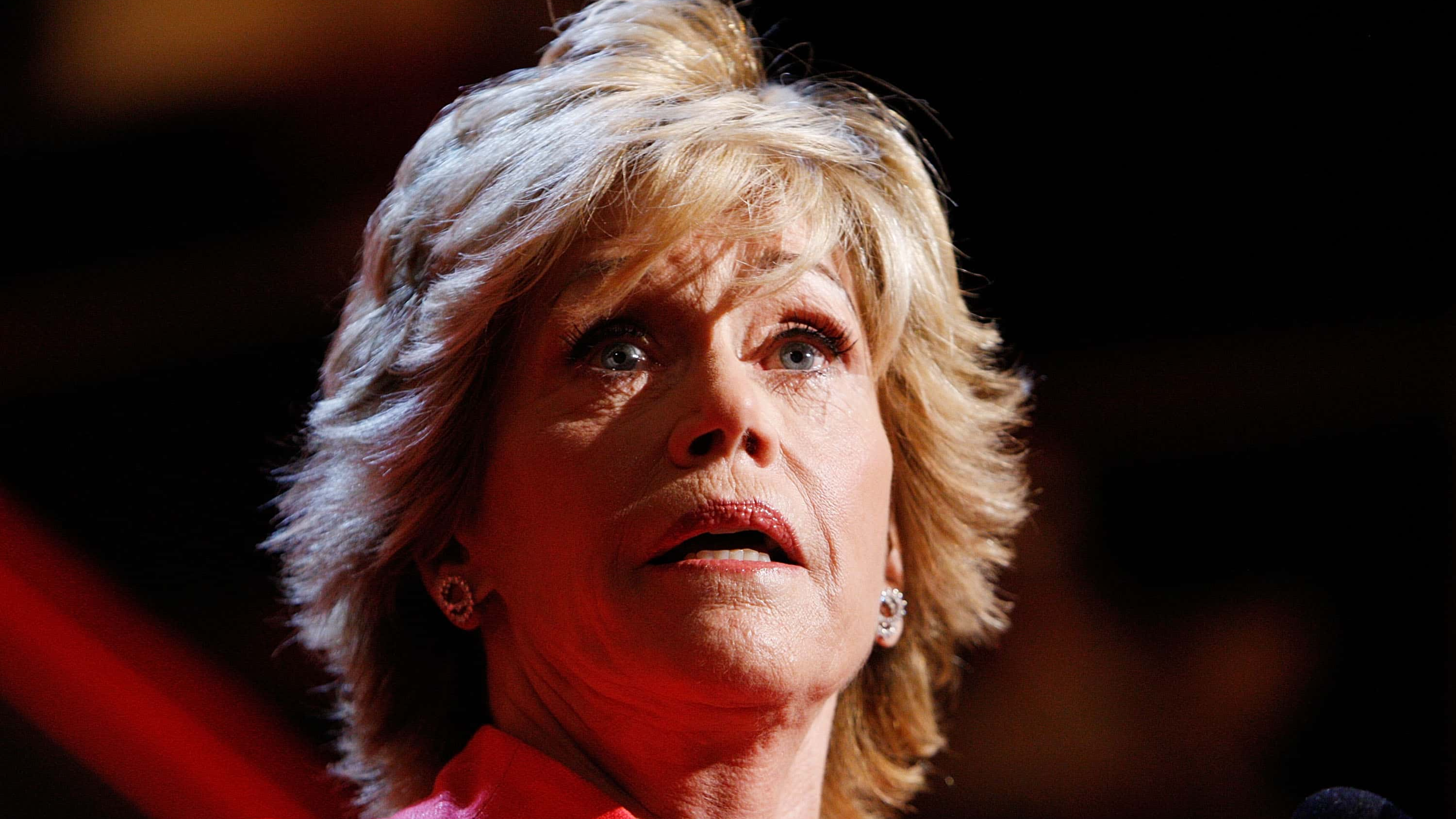
Over the years, several dramatic stories circulated online about Fonda's actions in Vietnam. Some of the most widely shared claims were later shown to be false or unsupported. Historians and journalists have repeatedly debunked a number of these persistent rumors.
Fonda Defends Her Intentions
Fonda has consistently maintained that her goal was to help end the war. She argued that she believed American leaders were misleading the public about what was happening in Vietnam. She has continued to defend the broader purpose of her activism even while acknowledging mistakes.
 Kingkongphoto & www.celebrity-photos.com from Laurel Maryland, USA, Wikimedia Commons
Regret Over A Defining Image
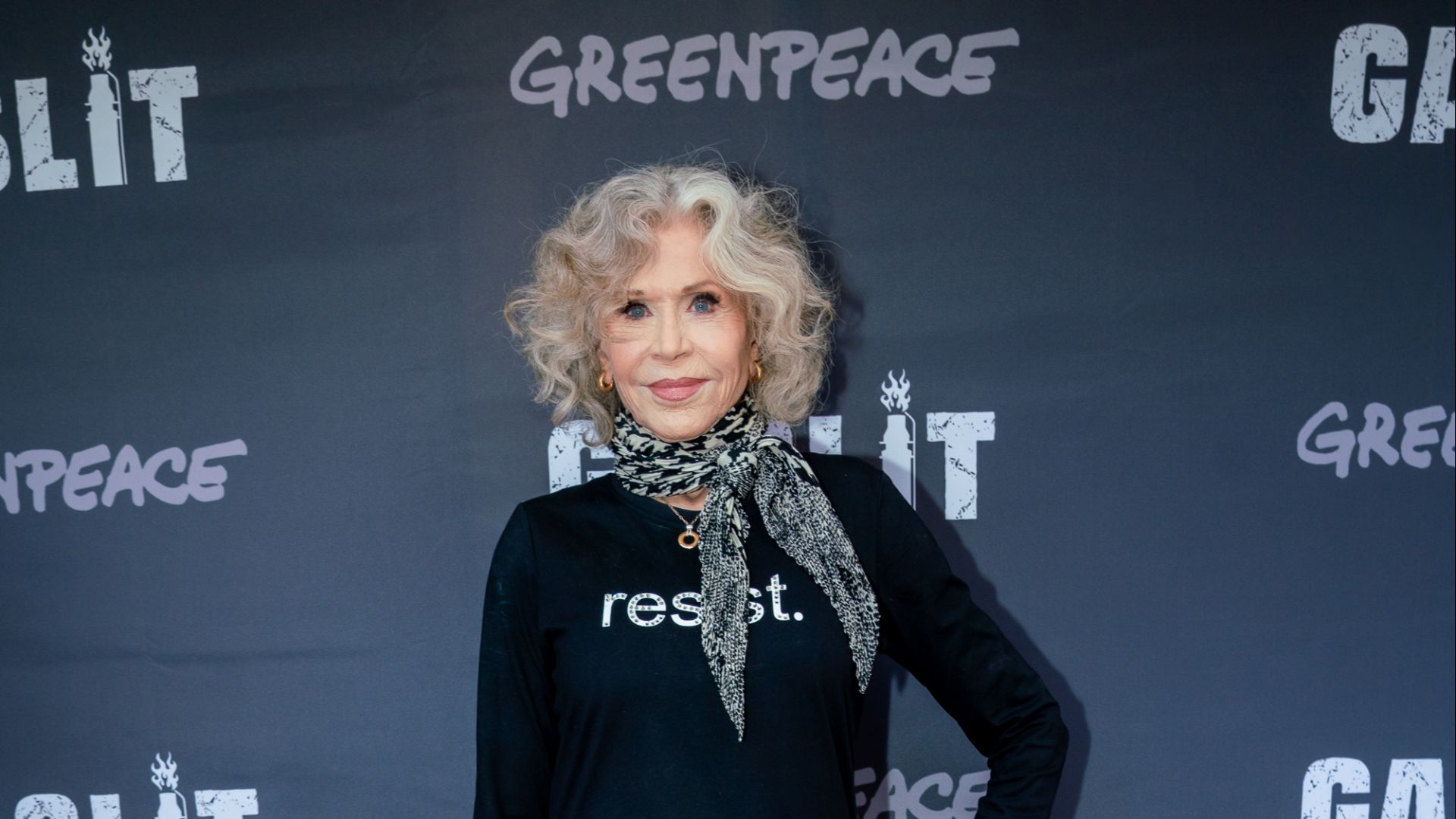
Although she defended much of her anti-war work, Fonda repeatedly expressed regret about the anti-aircraft gun photograph. She has called it one of the worst mistakes of her life. She said the image hurt veterans and created understandable anger.
 Colleen Sturtevant, Wikimedia Commons
Public Apologies Through The Years
Fonda has apologized multiple times for the photograph and the pain it caused. However, she has generally stopped short of apologizing for her entire trip to North Vietnam. That distinction has remained a source of debate among critics and supporters.
Returning To Hollywood Success
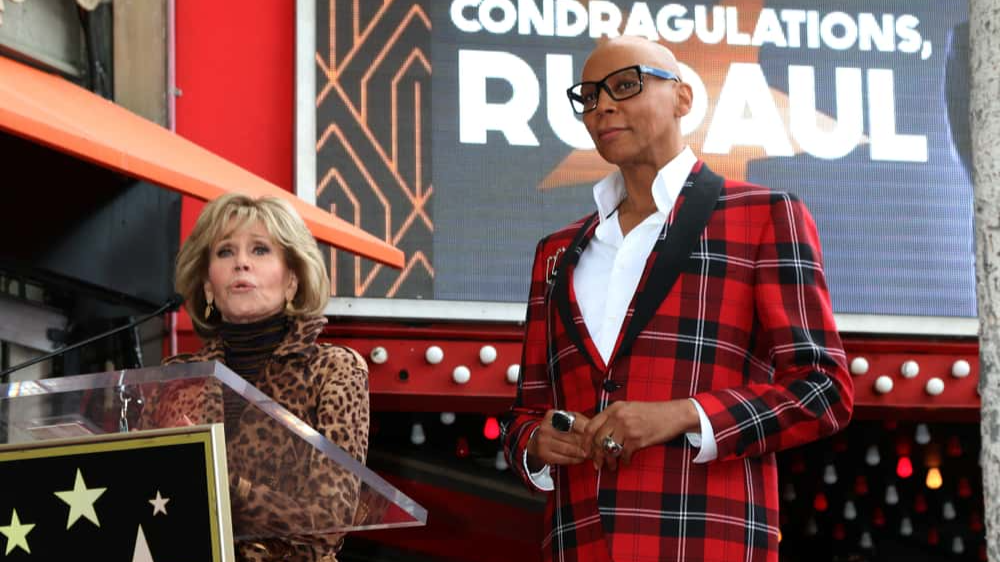
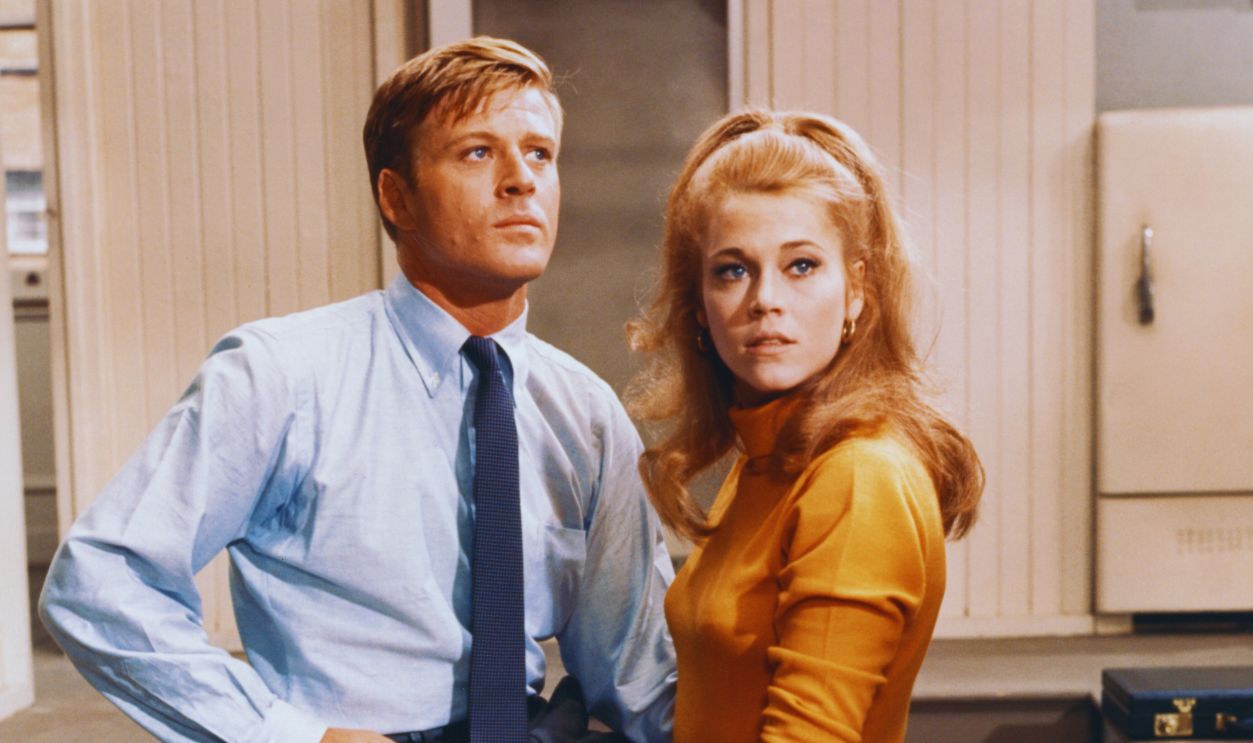
Despite the controversy, Fonda's acting career remained strong. She won Academy Awards and starred in successful films throughout the 1970s and beyond. Her professional achievements continued alongside her political activism.
 Sunset Boulevard, Getty Images
Activism Beyond Vietnam
Fonda's activism did not end with the Vietnam War. Over the decades, she supported causes involving women's rights, environmental issues, civil rights, and social justice. Her willingness to engage politically remained a defining feature of her public image.
 Paul Schultz, Wikimedia Commons
An Enduring Cultural Flashpoint
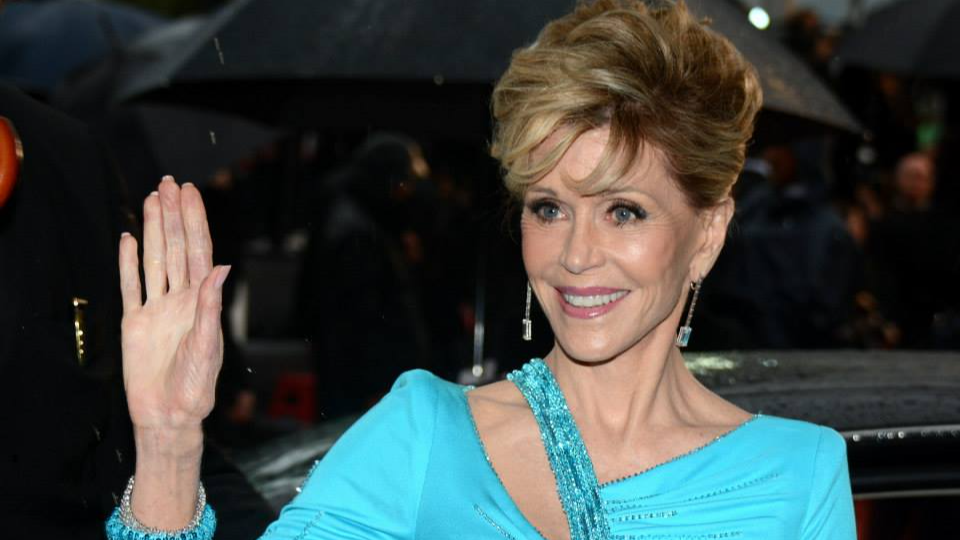
Few celebrity controversies from the 1970s have lasted as long as the debate surrounding “Hanoi Jane.” The episode continues to generate strong opinions across political and generational lines. It remains one of the most famous examples of celebrity activism in American history.
 Georges Biard, CC BY-SA 3.0, Wikimedia Commons
The Vietnam War’s Lingering Wounds
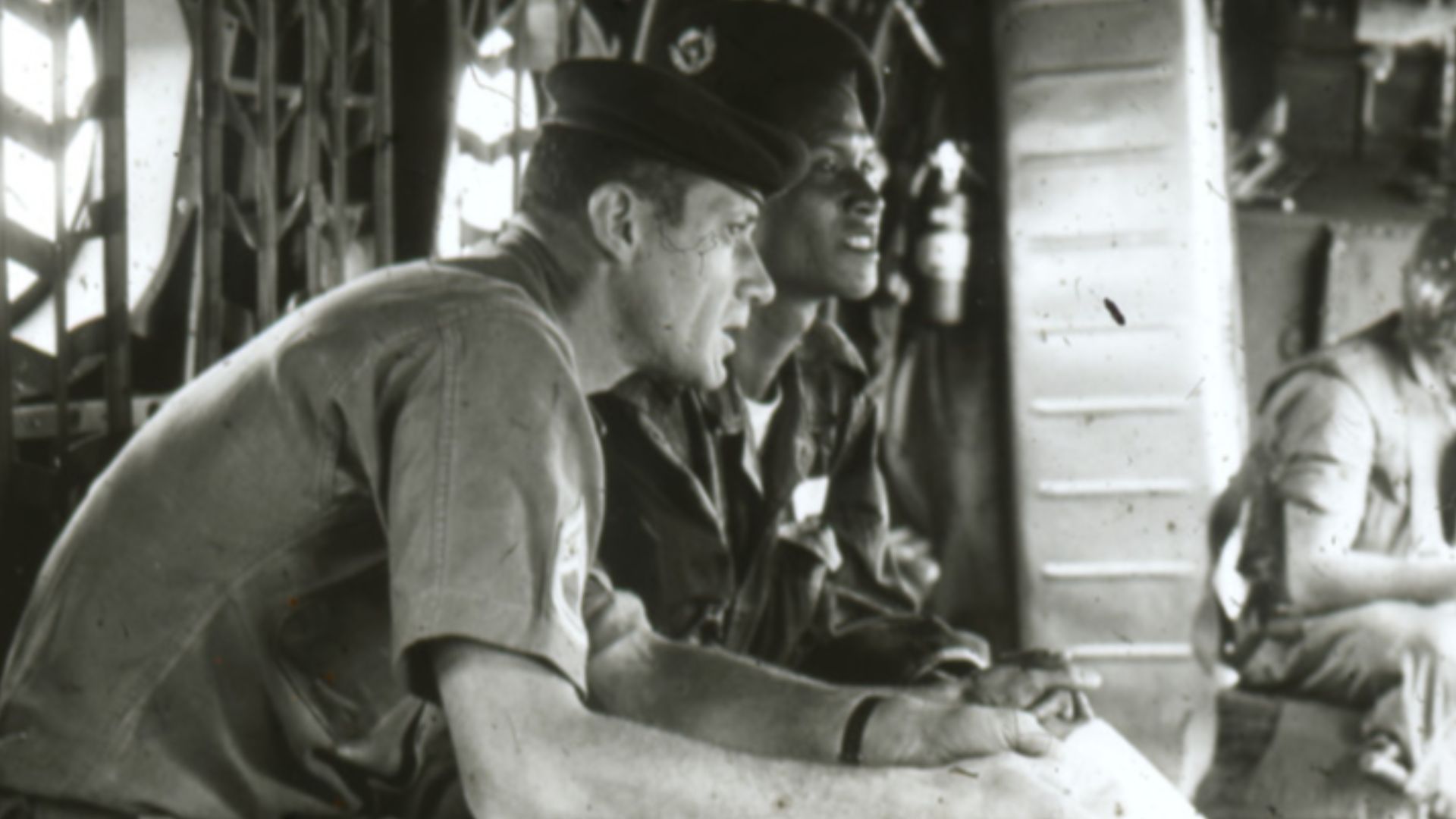
Part of the controversy's longevity stems from the lasting emotional impact of the Vietnam War itself. For many Americans, the conflict remains a painful chapter in national history. Fonda's visit became intertwined with those broader memories and emotions.
 Archives Branch, USMC History Division, Wikimedia Commons
New Generations Discover The Story
Documentaries, interviews, and retrospectives have introduced younger audiences to the controversy. Many viewers encounter the story through discussions about activism, celebrity influence, and political dissent. The debate continues to evolve as historical perspectives change.
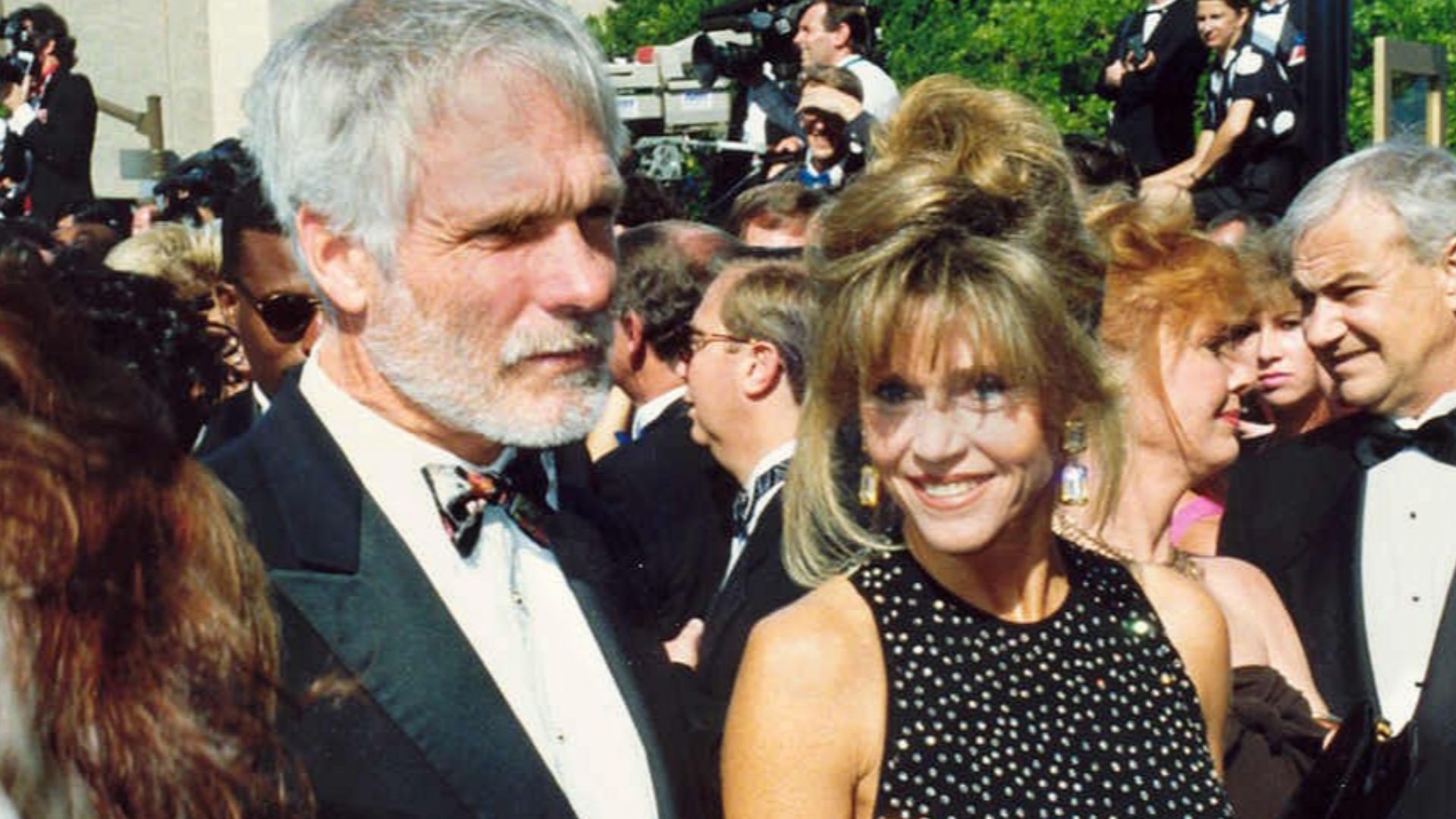
Recognition And Renewed Debate
Even recent efforts to honor Fonda's activism have sometimes reignited old disputes. Public recognition of her environmental work has occasionally been met with criticism from those who still object to her actions during the Vietnam era. The controversy remains unusually durable more than fifty years later.
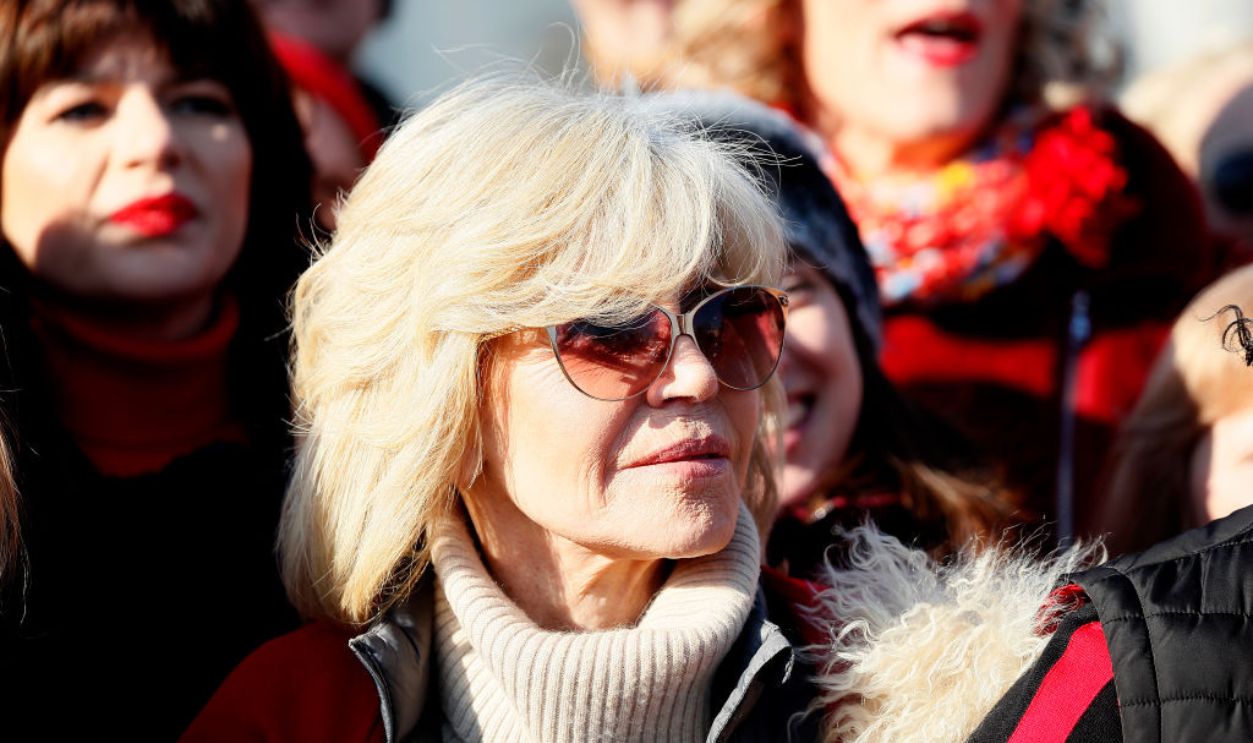
A Legacy Defined By More Than One Moment
Jane Fonda's life includes award-winning performances, bestselling fitness programs, and decades of activism. Yet for many people, the 1972 Hanoi trip remains the first event that comes to mind. It is a reminder of how a single image can shape a public legacy for generations.
 Gabriel Hutchinson, Wikimedia Commons
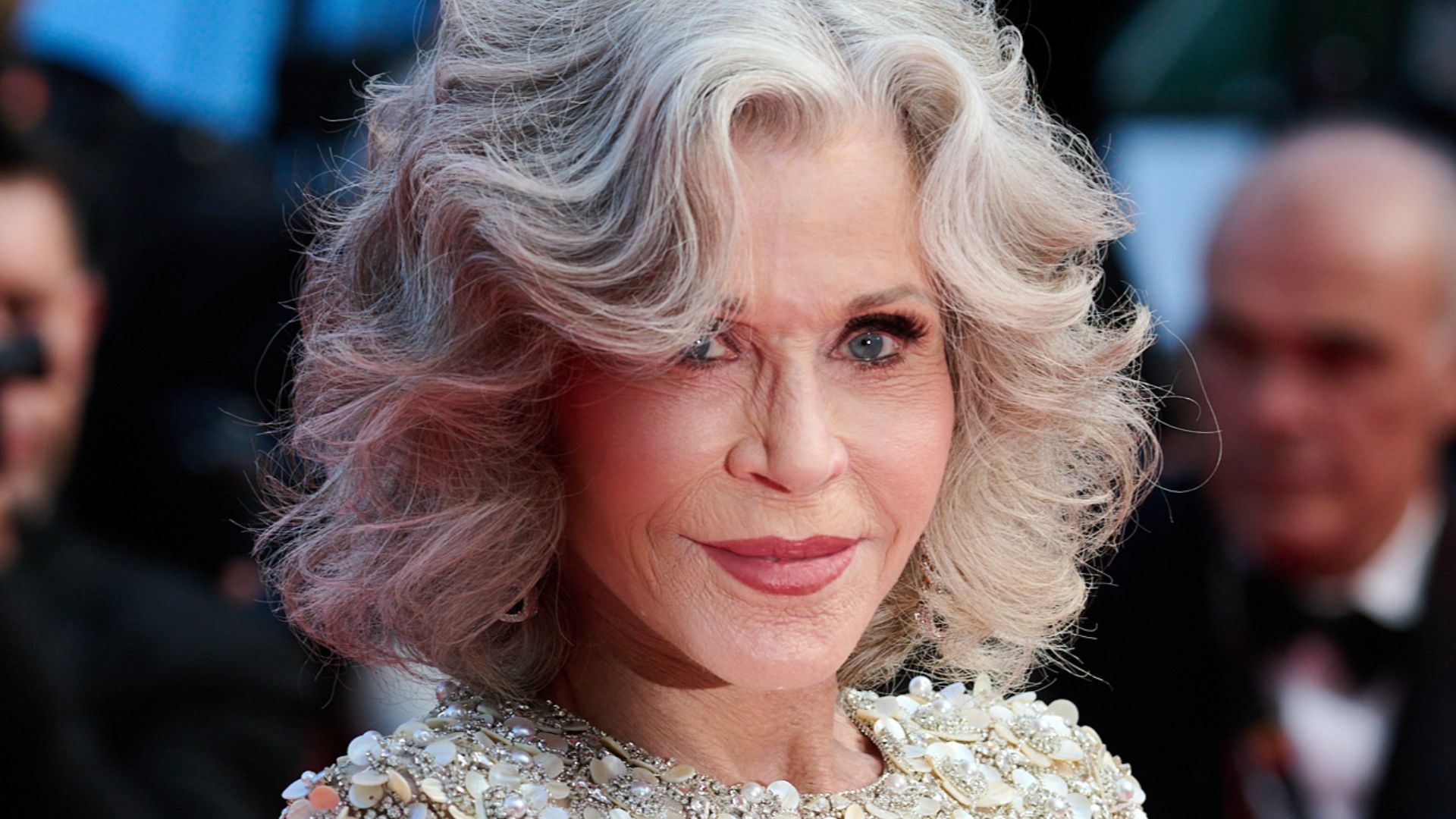
Why The “Hanoi Jane” Label Still Endures
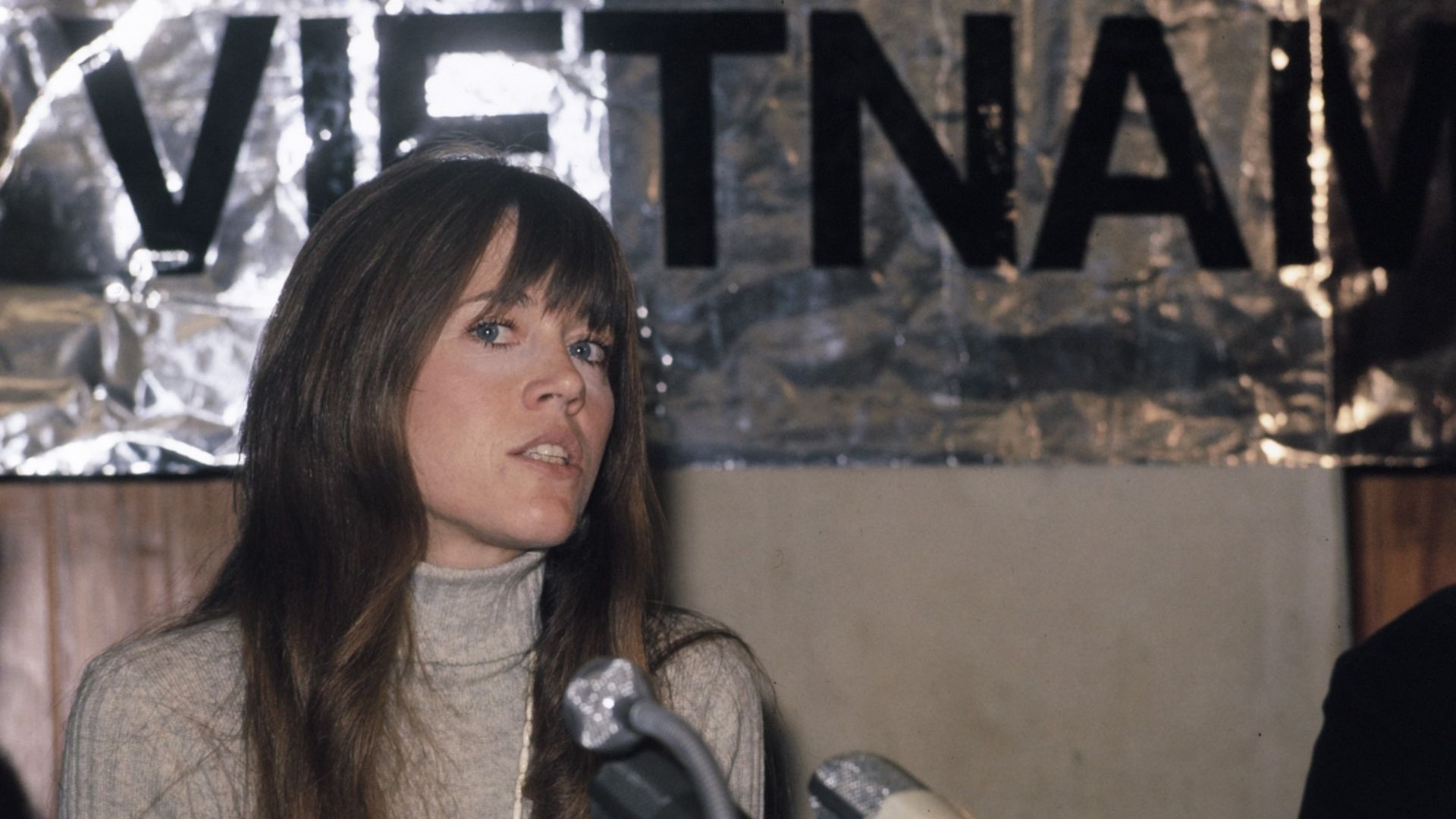
The nickname emerged from one of the most divisive periods in modern American history. It reflected anger over a controversial wartime visit and a photograph that became symbolic far beyond its original context. More than five decades later, the story remains a powerful example of the risks and consequences that can accompany celebrity activism.
 Mieremet, Rob / Anefo, Wikimedia Commons
You May Also Like:
Famous People You Didn't Know Served In Vietnam
Actresses Who Everyone Was In Love With In The 70s