Hollywood's Sweethearts Had Some Serious Leverage
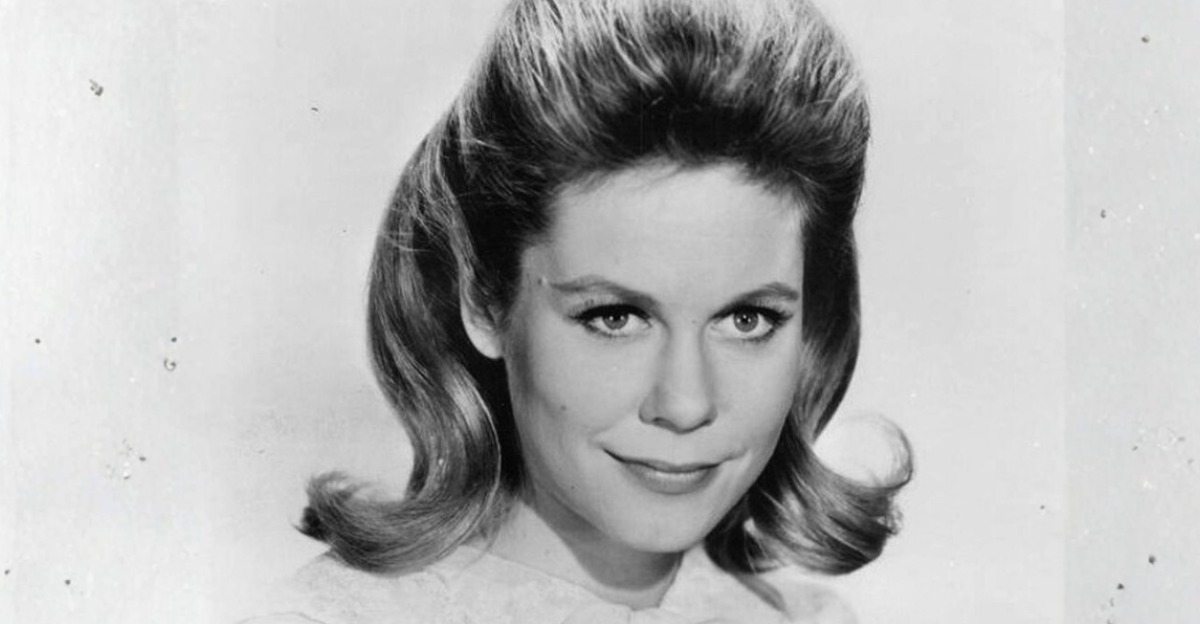
The 1960s loved portraying women as devoted wives, glamorous girlfriends, and patient mothers. Behind those familiar characters, however, actresses were negotiating contracts, fighting stereotypes, directing productions, and challenging powerful institutions. Hollywood's leading ladies were often considerably more influential than their screen personas suggested.
 ABC Television, Wikimedia Commons
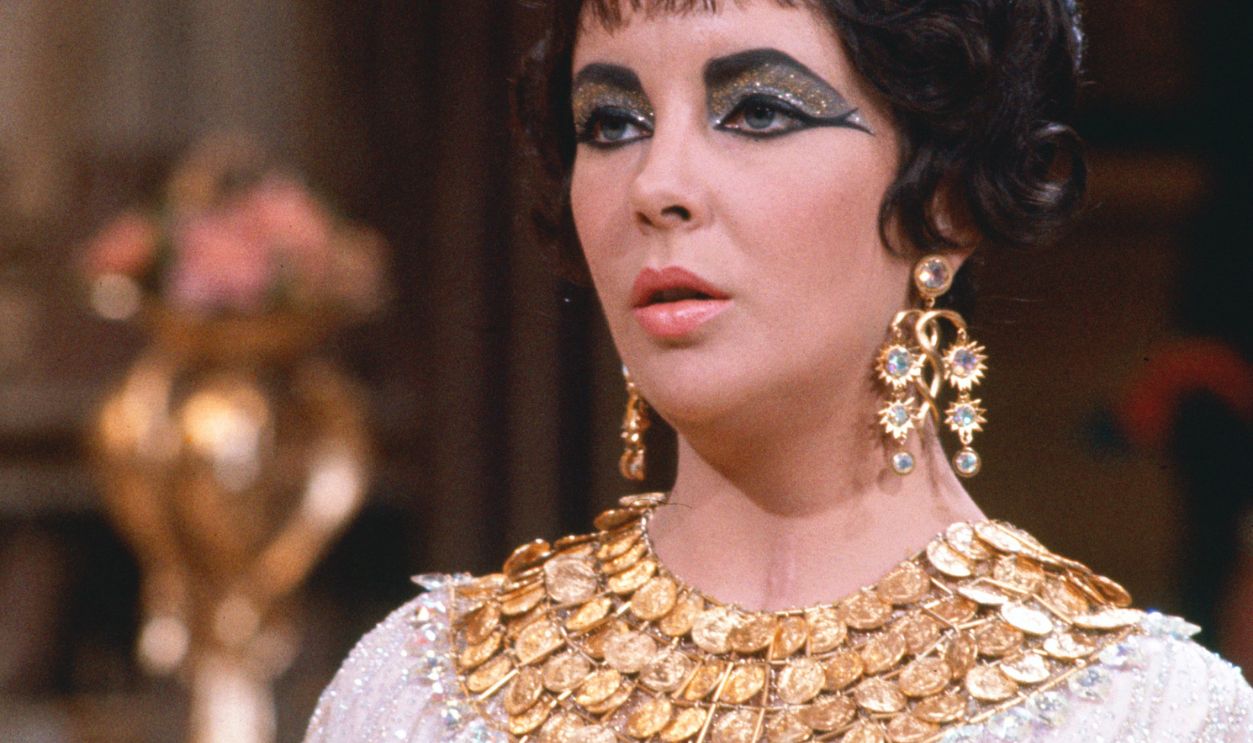
Elizabeth Taylor Made Hollywood Pay Attention
Playing a queen in Cleopatra was impressive, but Taylor's real power showed up in her contract. She secured $1 million plus a percentage of the film's gross, helping shift bargaining power from studios toward major stars.
 Silver Screen Collection, Getty Images
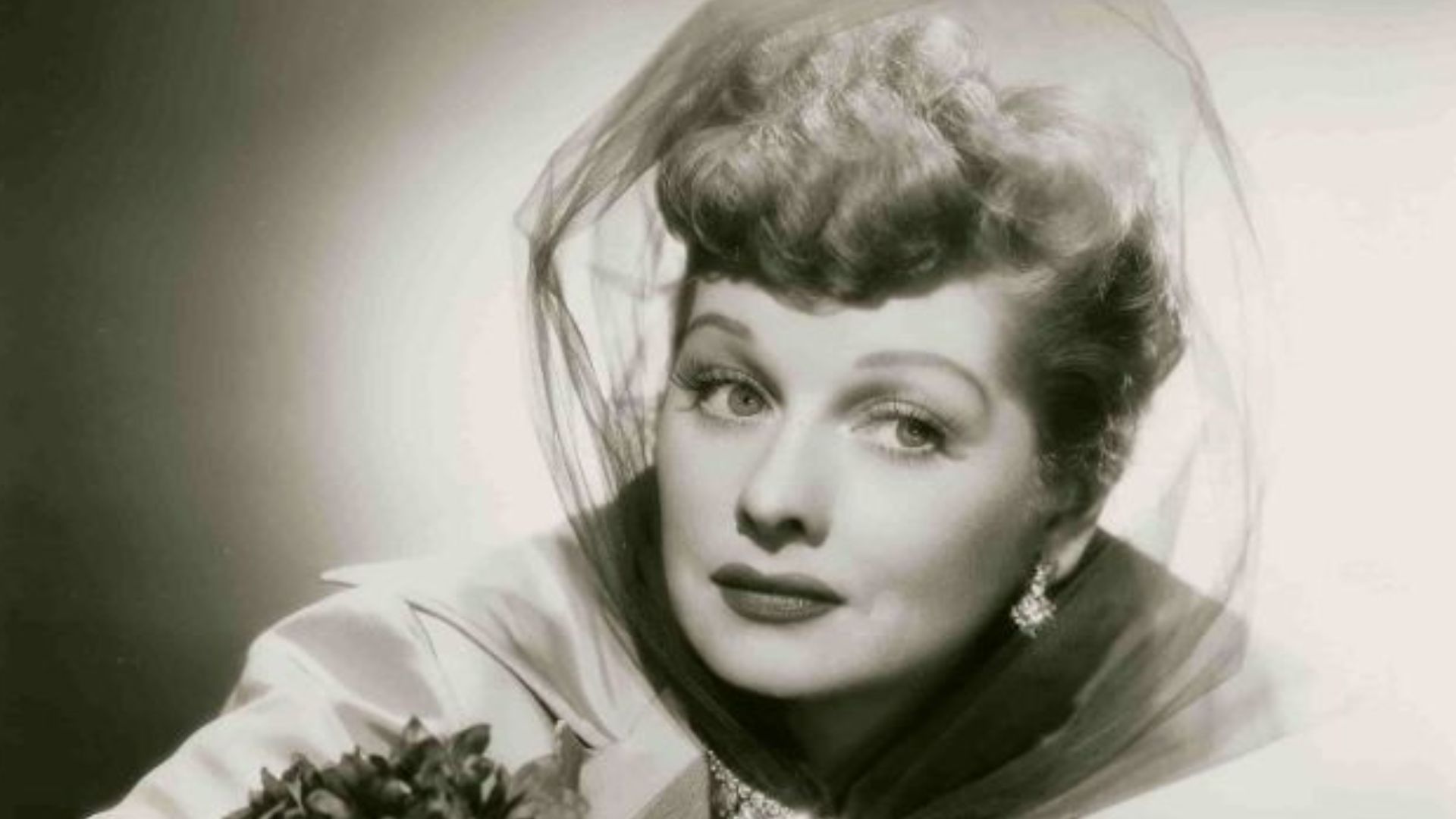
Lucille Ball Ran The Studio
Audiences knew Ball as television's favorite troublemaker, but in 1962 she bought Desi Arnaz's stake in Desilu and became its president. Under her leadership, the studio backed Star Trek and Mission: Impossible. She helped decide what Americans watched.
 Whitey Schafer, Wikimedia Commons
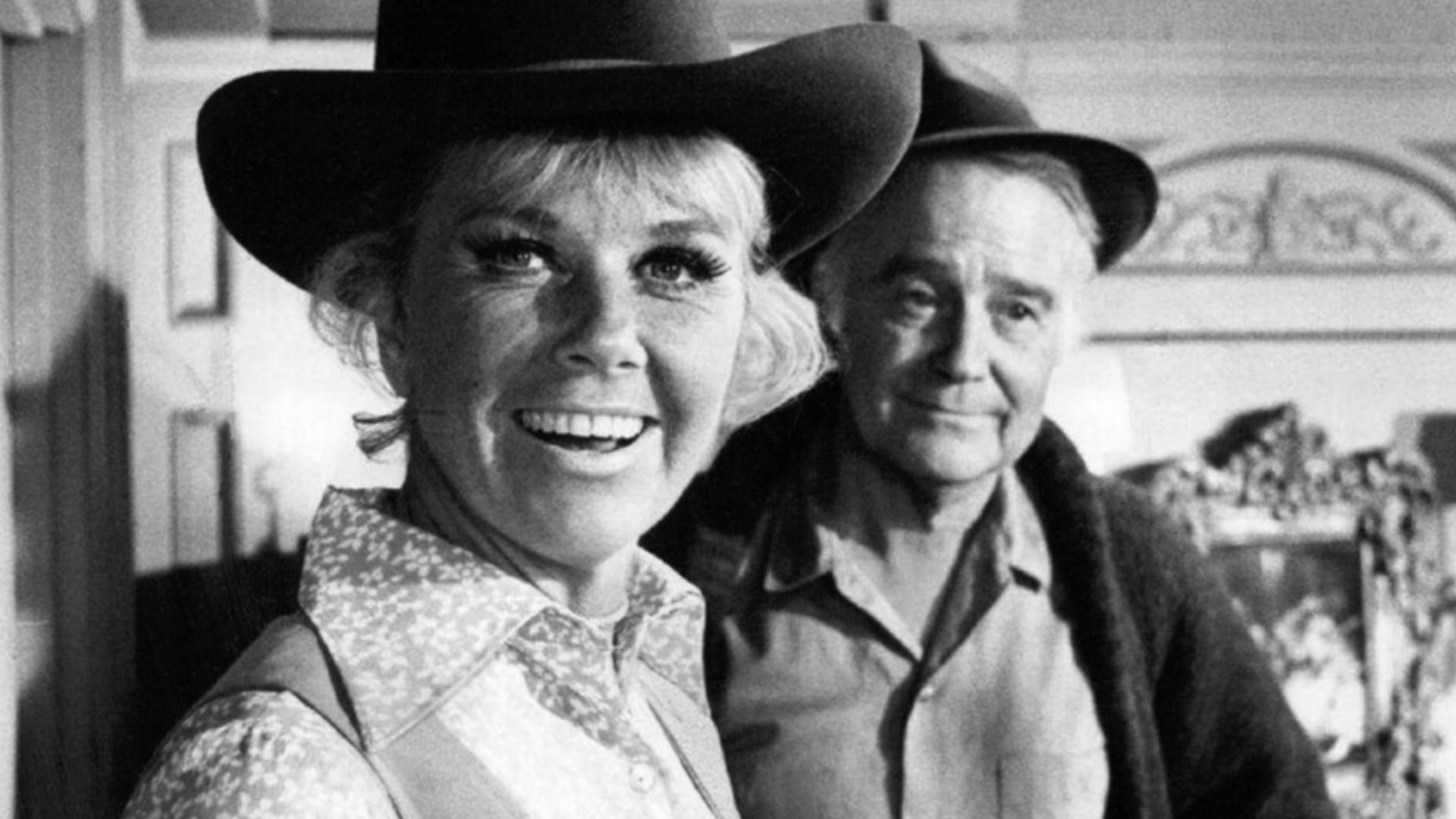
Doris Day Took Charge Of An Unwanted Show
Day discovered in 1968 that her late husband had committed her to a sitcom without telling her. Facing serious financial problems, she proceeded with The Doris Day Show, became co-executive producer, and helped guide its evolving format.
 CBS Television, Wikimedia Commons
Rita Moreno Refused To Be Typecast Again
Winning an Oscar for West Side Story should have opened doors. Instead, Moreno received more stereotypical offers. She refused those parts and spent seven years away from movies rather than returning to roles she found demeaning.
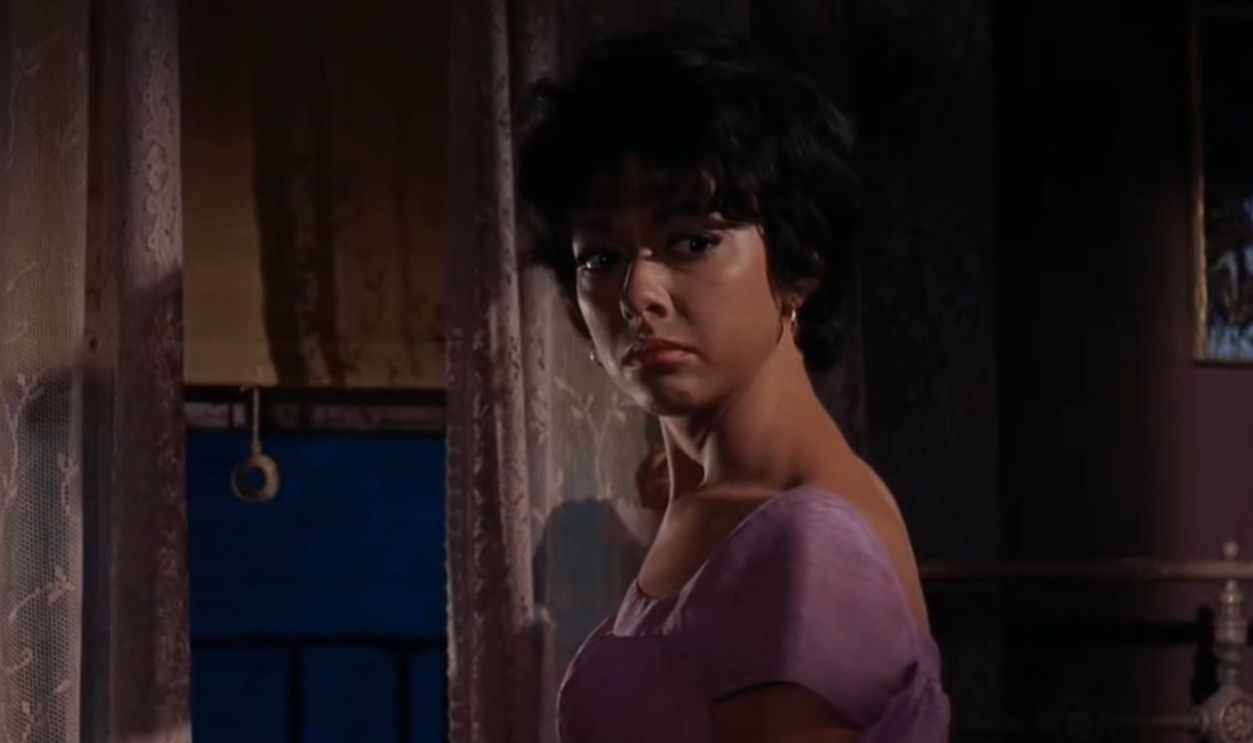 Screenshot from West Side Story (1961)
Diahann Carroll Demanded More Than A Breakthrough
As the star of Julia in 1968, Carroll played a nurse rather than a domestic worker, challenging television convention. She also publicly criticized the show's sanitized portrayal of Black life. Being a pioneer didn't mean she stopped demanding better.
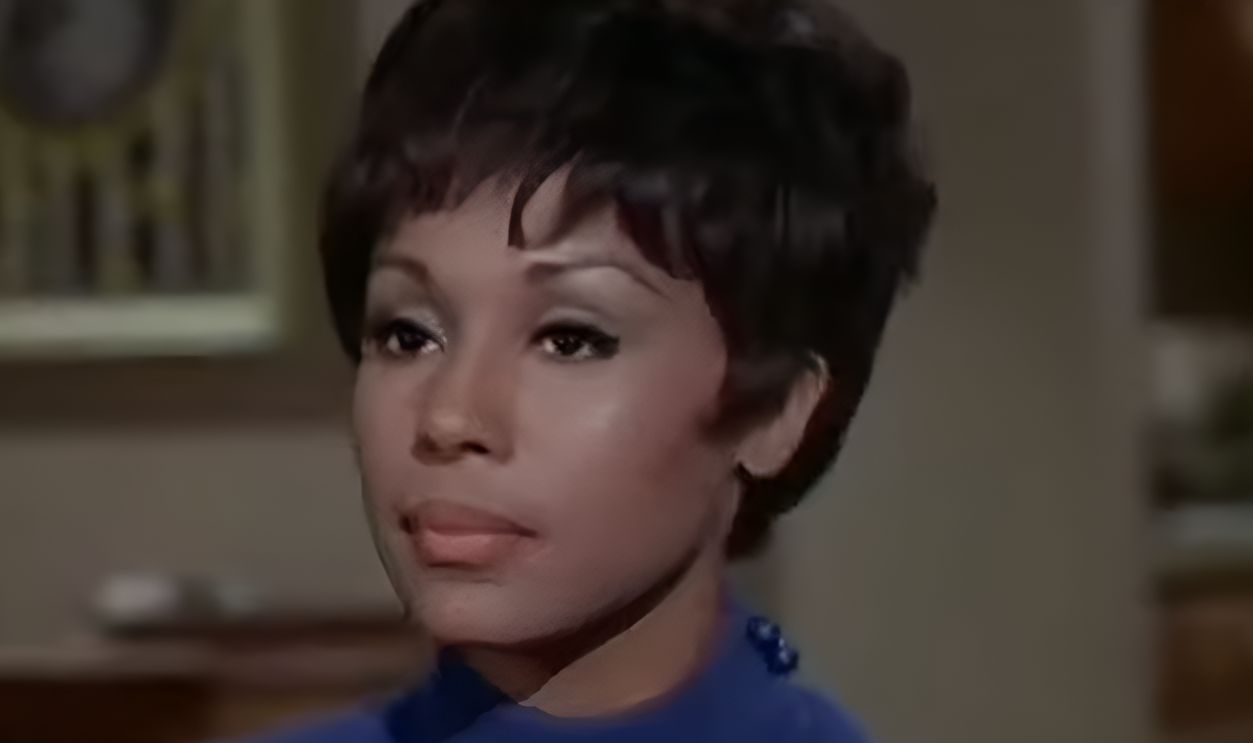 Screenshot from Julia, NBC (1968–1971), Enhanced
Cicely Tyson Would Rather Turn Down The Check
Tyson broke ground on East Side/West Side in 1963, wearing her natural hair onscreen. She also rejected demeaning, one-dimensional roles, even when they promised valuable work. Her influence came partly from what she refused to portray.
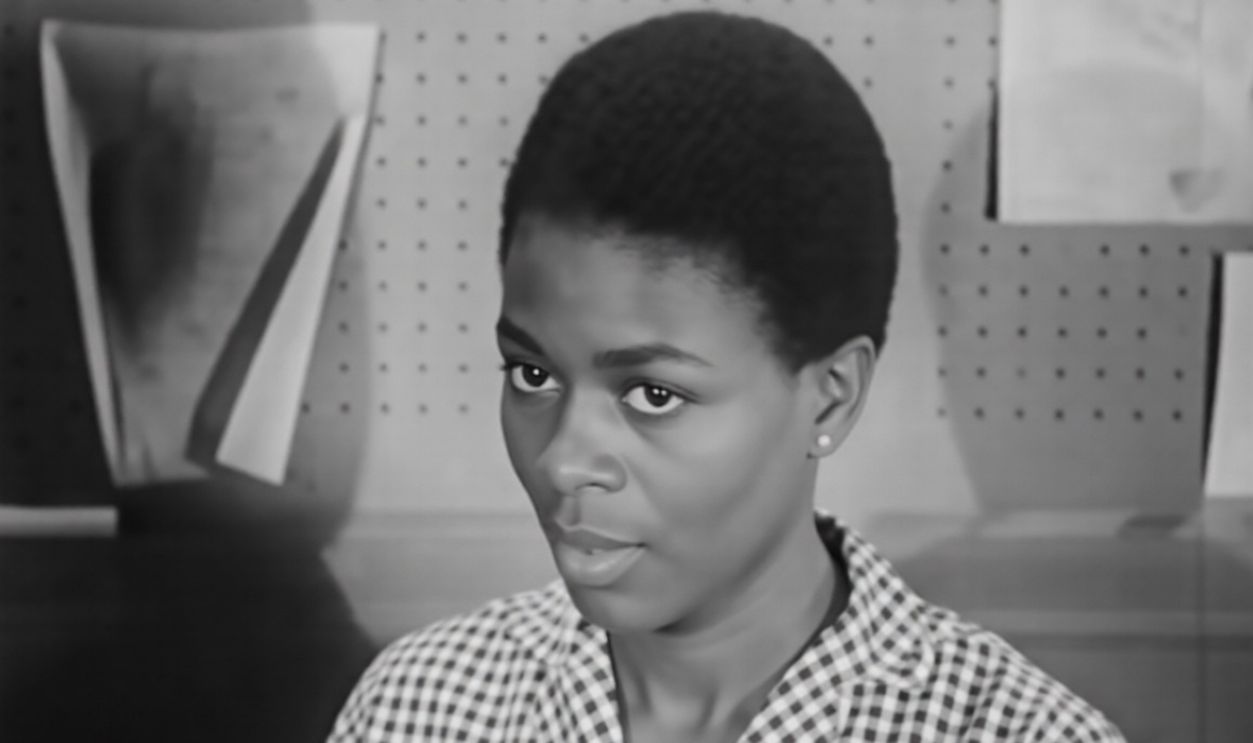 Screenshot from East Side/West Side, CBS (1963–1964), Enhanced
Eartha Kitt Challenged The White House
Kitt commanded the stage and played Catwoman on Batman, but she didn't keep her opinions quiet. At a 1968 White House luncheon, she criticized the Vietnam War. The resulting backlash damaged her American career.
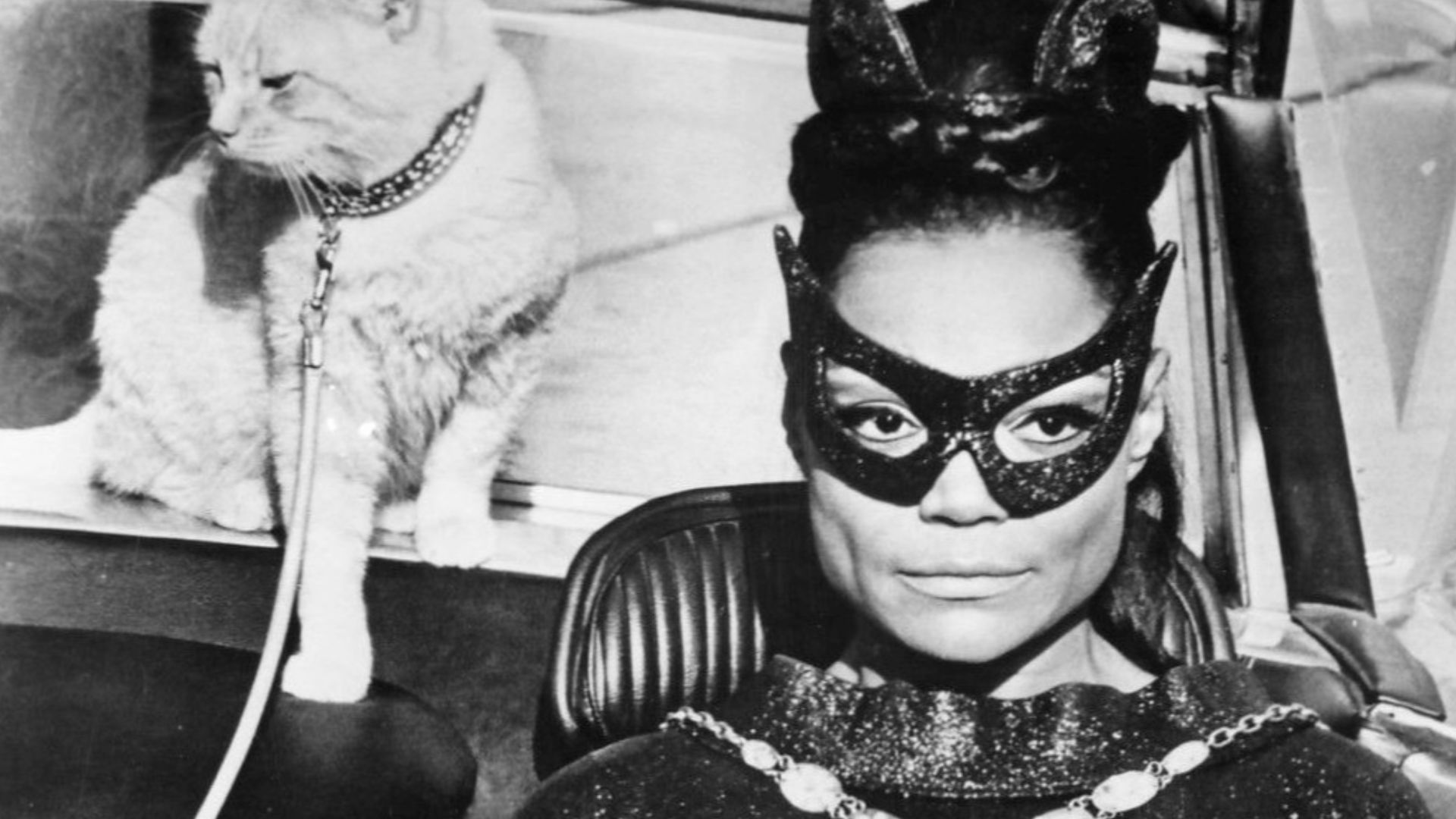 ABC Television, Wikimedia Commons
Barbra Streisand Negotiated Creative Freedom
Before Funny Girl reached theaters in 1968, Streisand had secured an unusually favorable television deal. Following My Name Is Barbra, CBS granted her artistic control over subsequent specials. Hollywood's supposedly fresh discovery already possessed considerable creative authority.
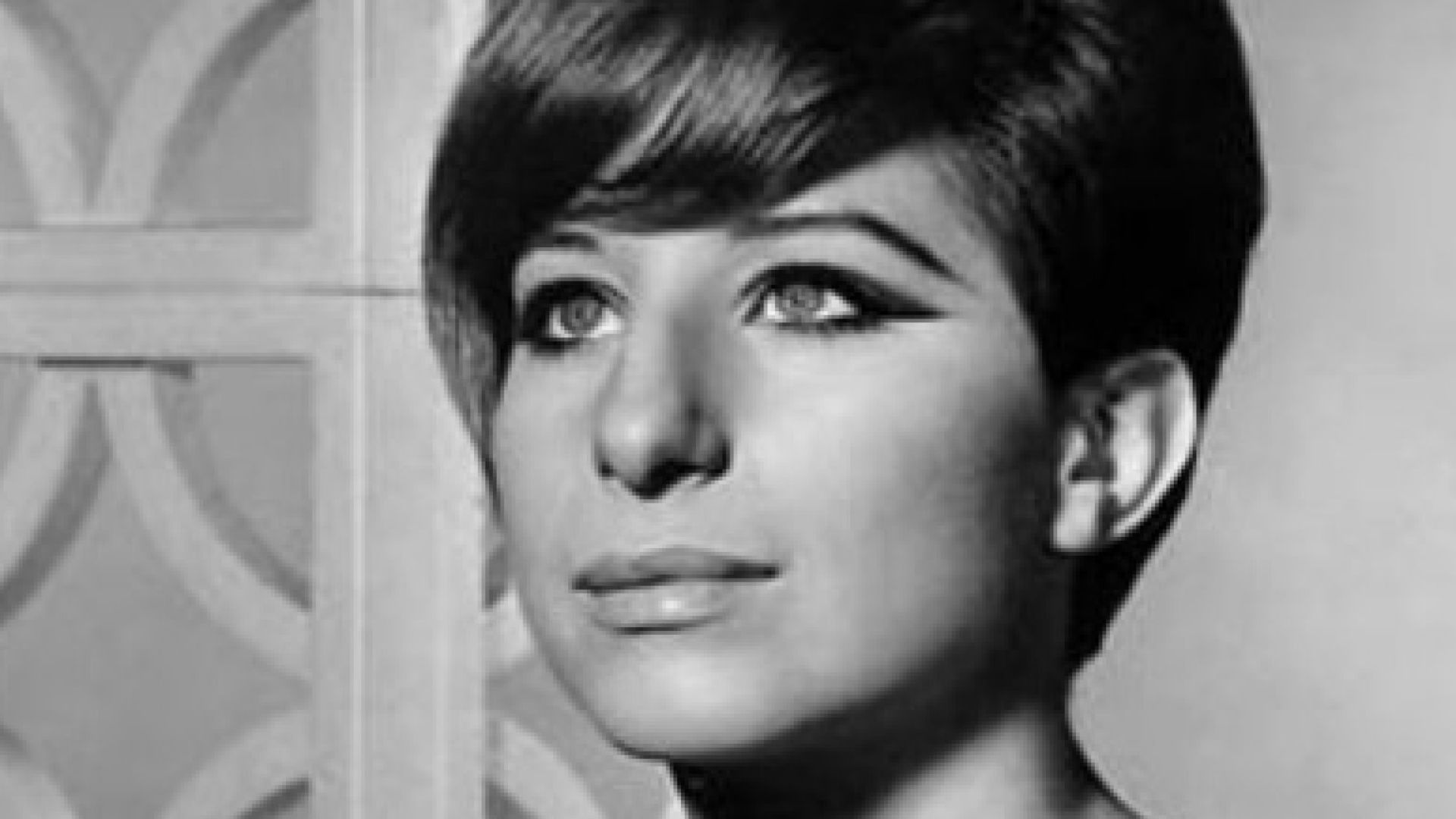 CBS Television, Wikimedia Commons
Kim Novak Walked Away From The Machine
Columbia Pictures wanted to remake Novak, even changing her name. She resisted the studio's preferred identity and increasingly disliked the scripts offered. In 1966, she left Hollywood for painting and life surrounded by animals.
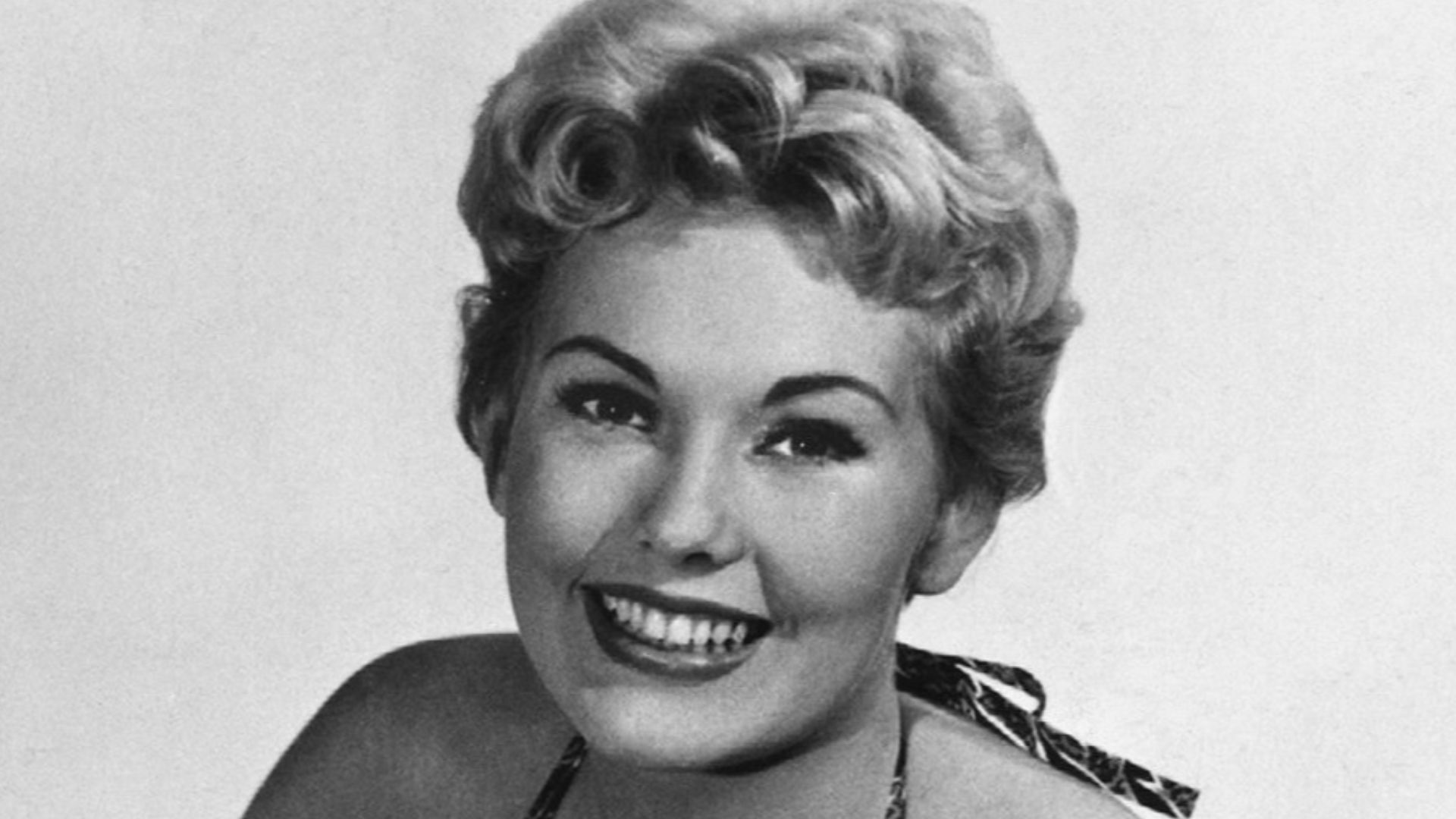 Unknown authorUnknown author, Wikimedia Commons
Carol Burnett Found The Button CBS Forgot
Burnett's CBS contract let her demand 30 one-hour variety shows. Near the deadline, she exercised that option despite executives preferring a sitcom. The Carol Burnett Show premiered in 1967 and lasted 11 seasons. The network had underestimated her.
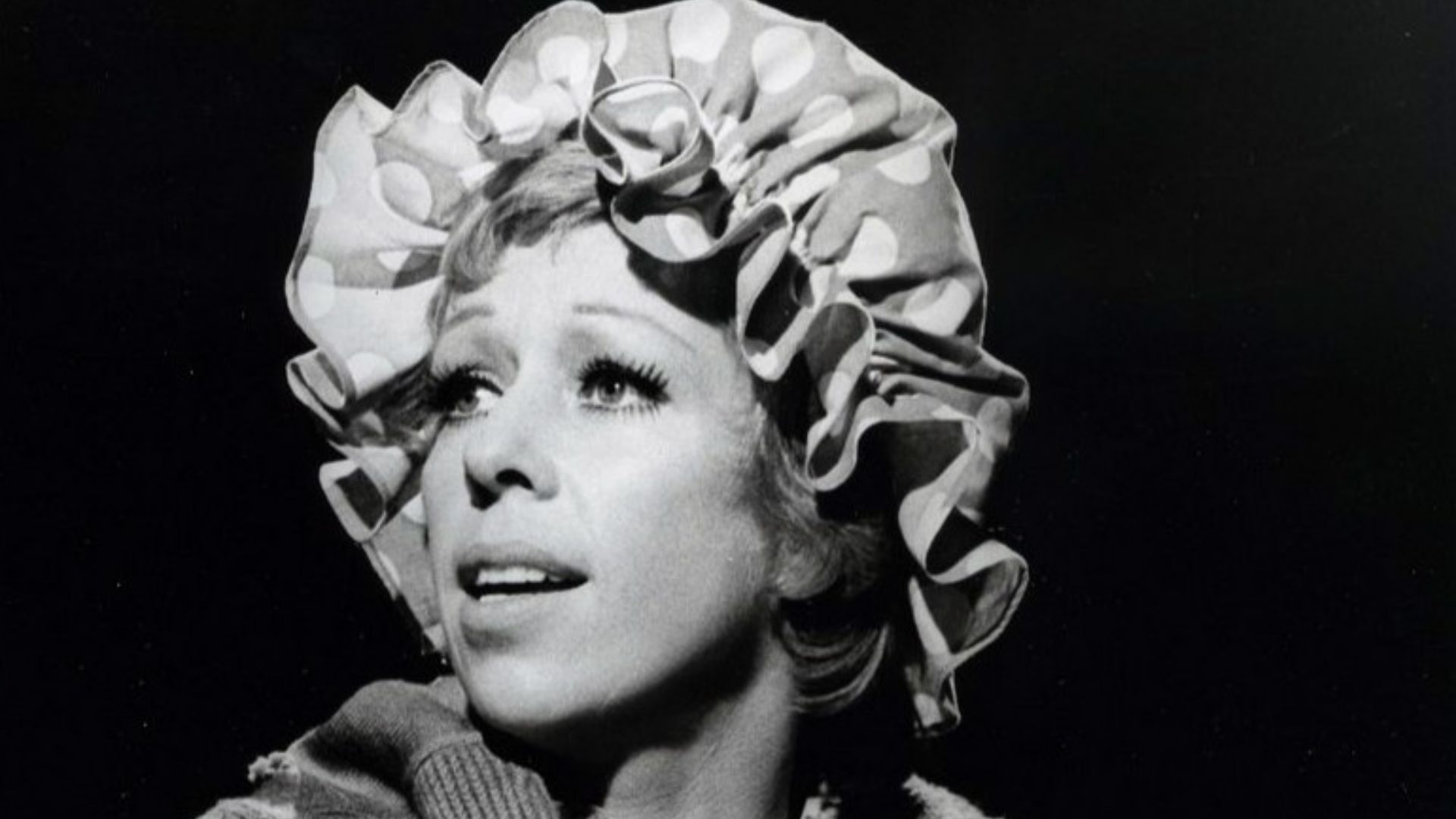 CBS Television, Wikimedia Commons
Mary Tyler Moore Put Her Foot Down
Playing Laura Petrie on The Dick Van Dyke Show, Moore refused to vacuum in dresses and heels. She insisted on capri pants instead. Sponsors worried, but the trousers stayed, making television domestic life more realistic.
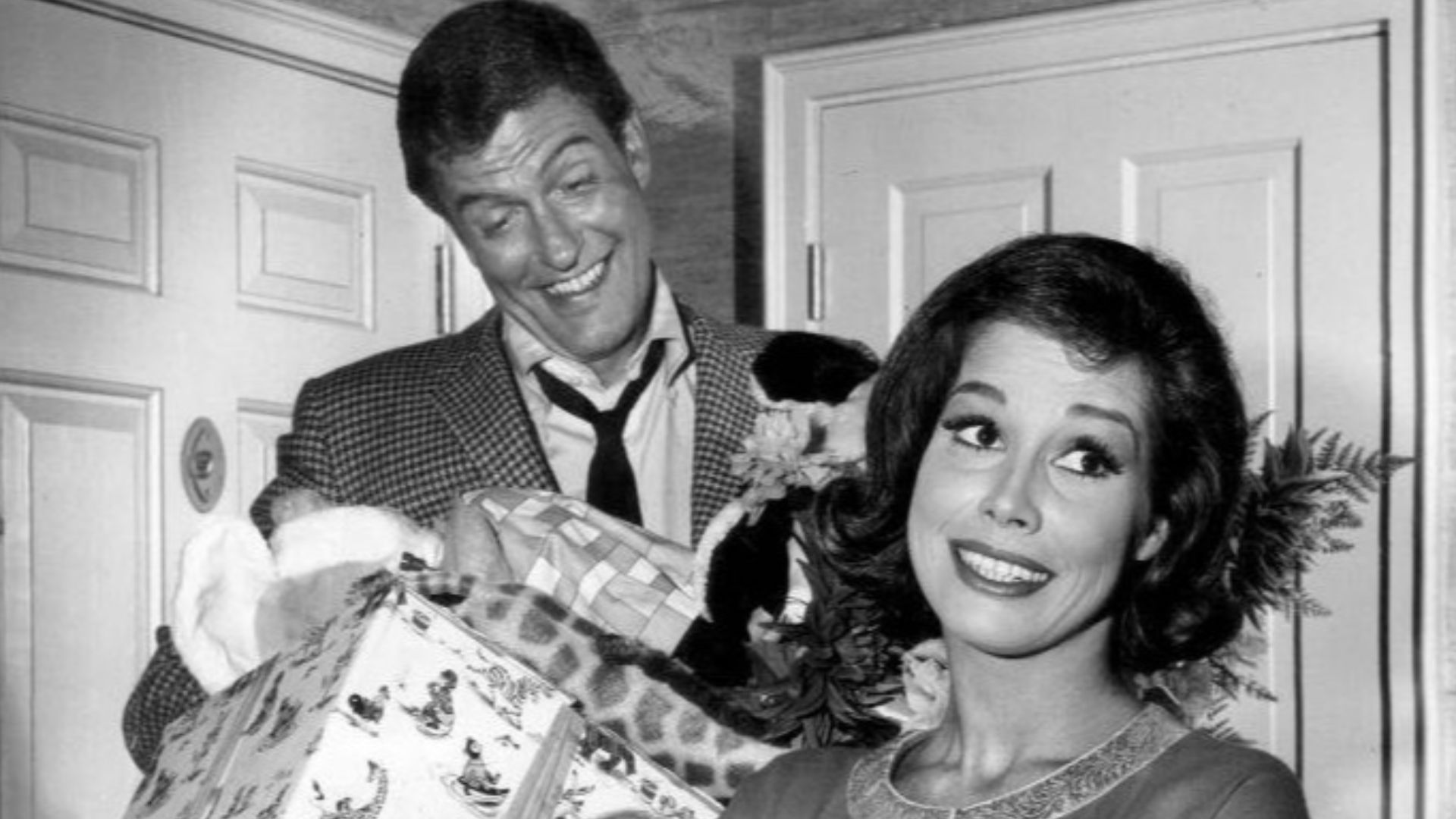 CBS Television, Wikimedia Commons
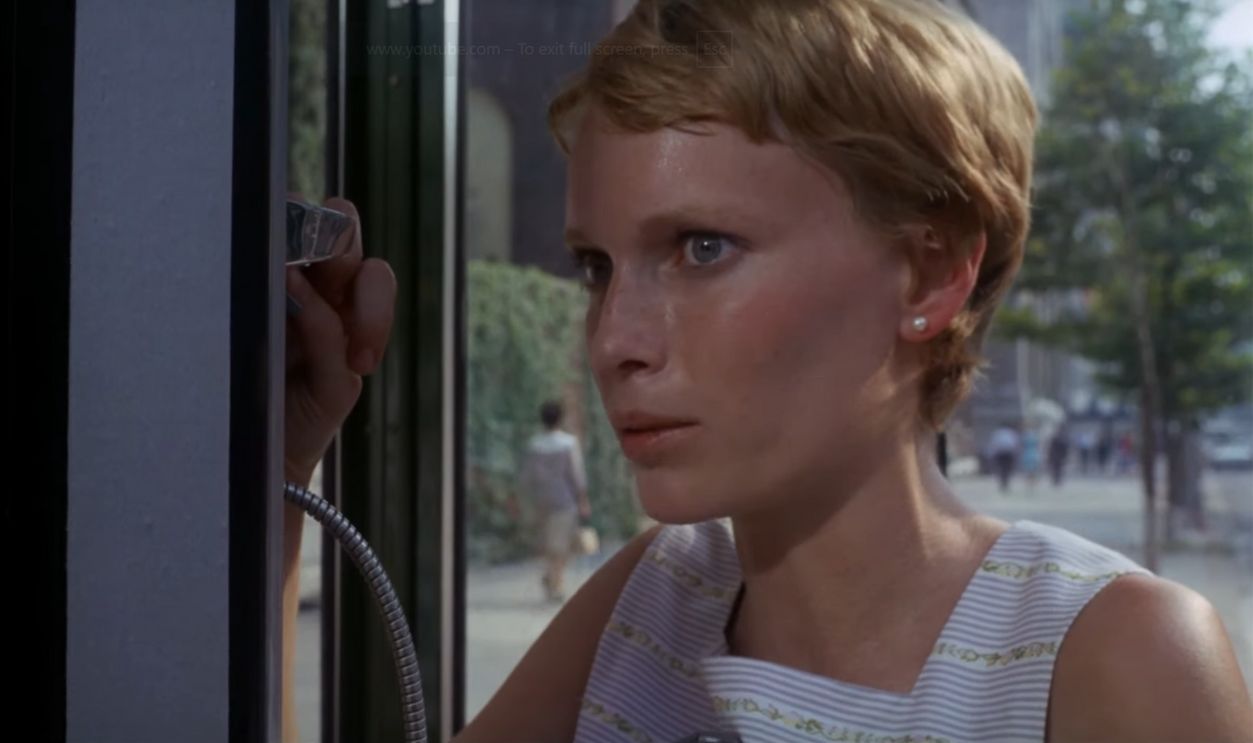
Mia Farrow Chose Her Movie Over An Ultimatum
While shooting Rosemary's Baby, Farrow faced pressure from Frank Sinatra to leave and appear in his film The Detective. She insisted on finishing the thriller. Sinatra's lawyer subsequently delivered separation news on set.
 Screenshot from Rosemary’s Baby, Paramount Pictures (1968)
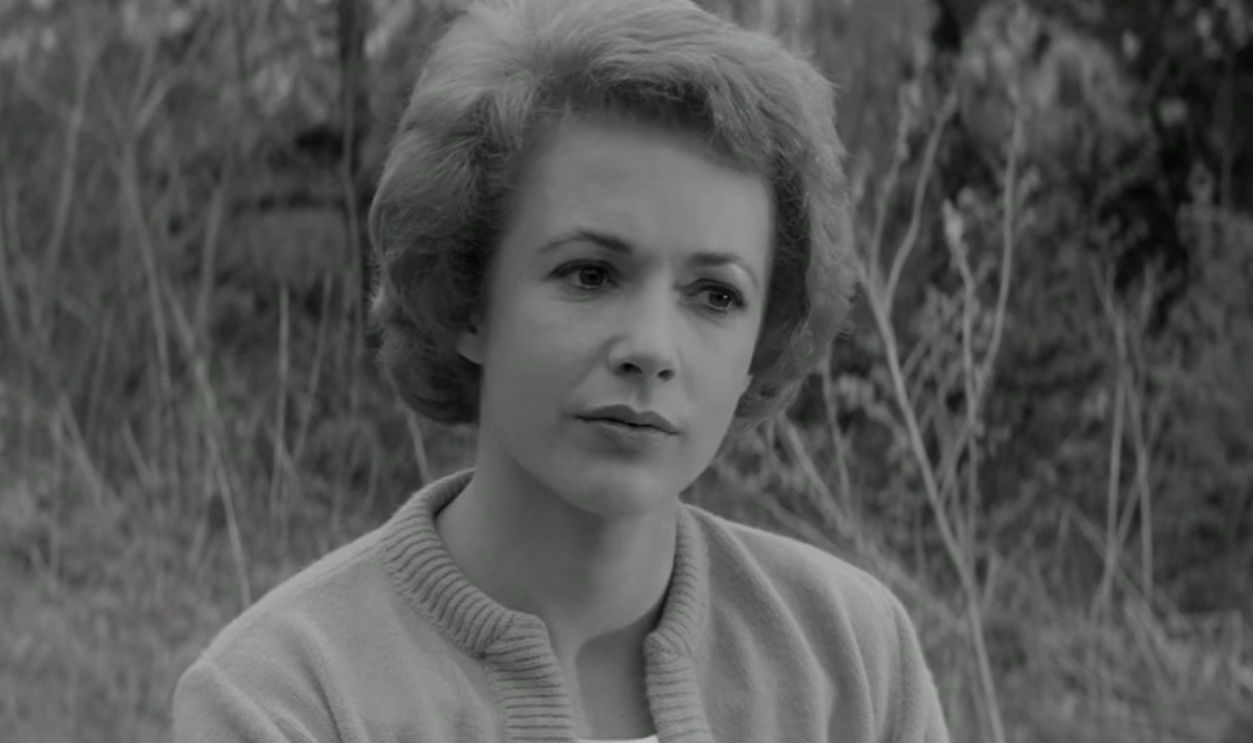
Piper Laurie Refused The Parts She Hated
Laurie escaped a restrictive Universal contract before earning an Oscar nomination for The Hustler in 1961. She then spent 15 years away from movies, raising her daughter and pursuing sculpture rather than settling for insubstantial roles.
 Screenshot from The Hustler, 20th Century Fox (1961)
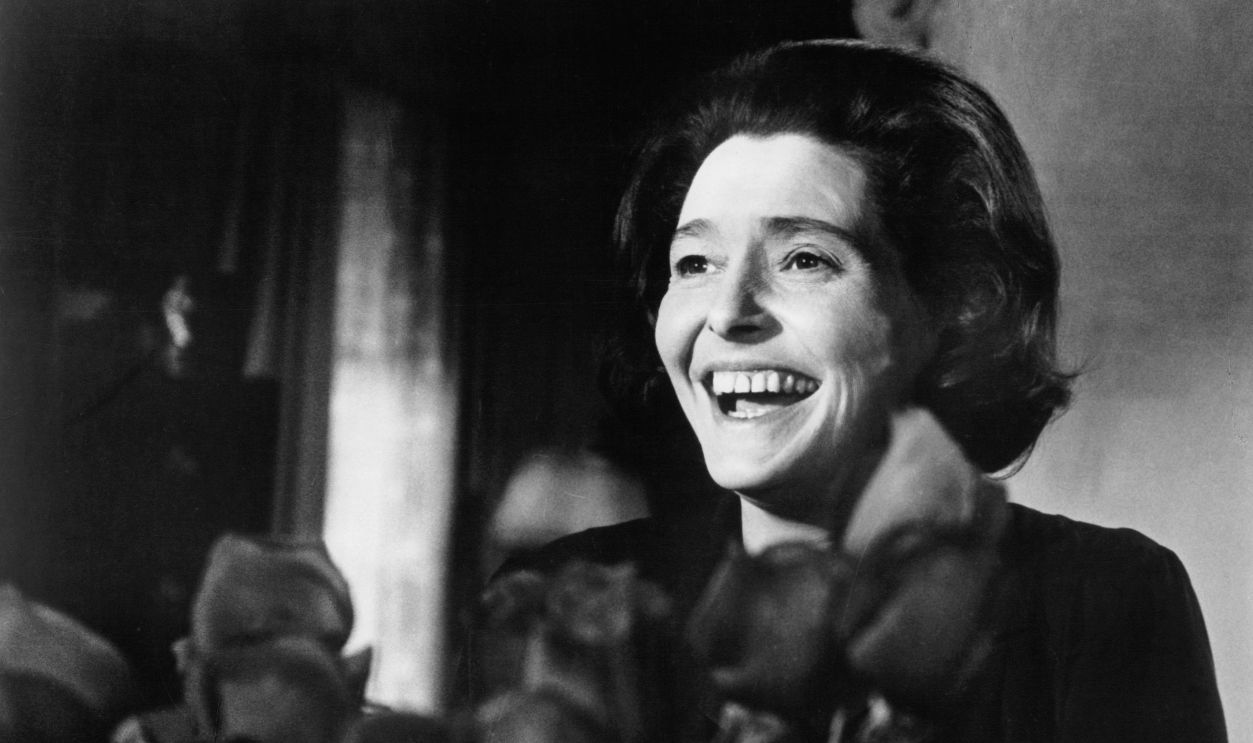
Patricia Neal Fought Her Way Back
After devastating strokes in 1965, Neal had to relearn fundamental skills. She returned to movies in 1968's The Subject Was Roses, earning another Oscar nomination. Her determination was something no publicity department could manufacture.
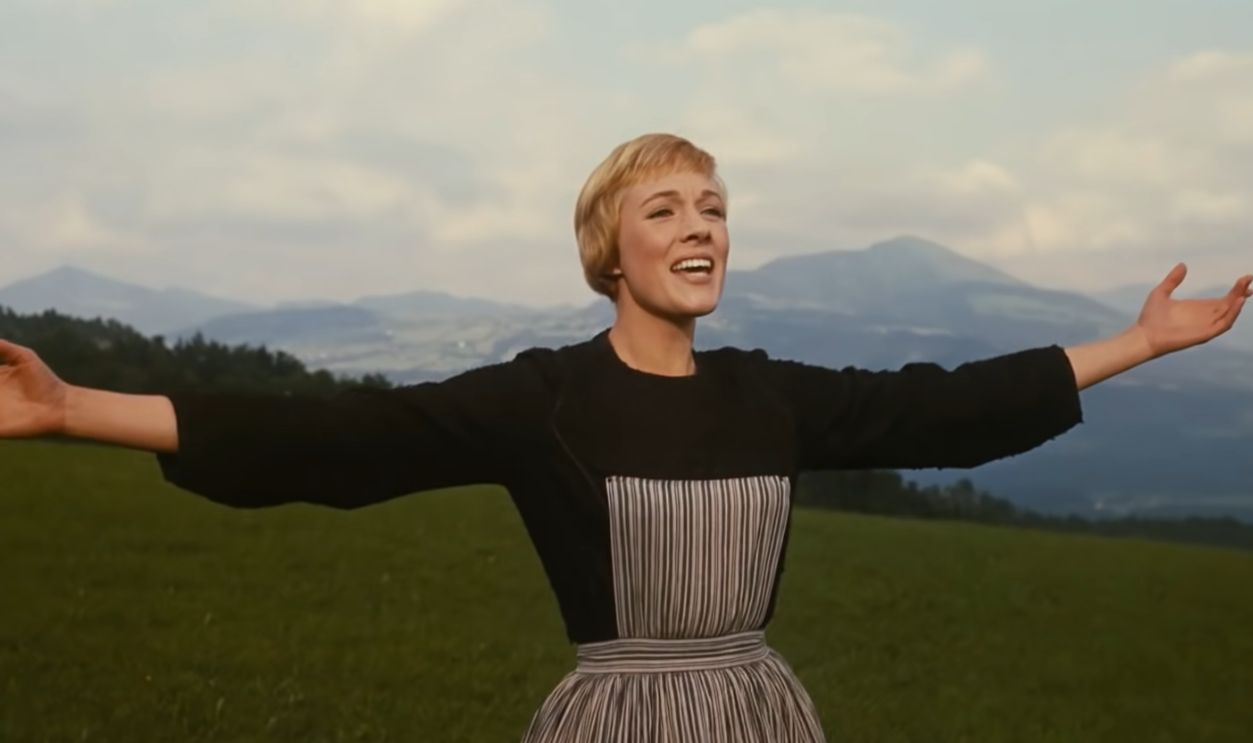
Julie Andrews Was Nobody's Automatic Nanny
Andrews became famous for Mary Poppins and The Sound of Music, but she didn't unquestioningly accept wholesome musicals. Worried the latter would be excessively sentimental, she discussed her reservations with director Robert Wise before accepting.
 Screenshot from The Sound of Music, 20th Century Fox (1965)
Jane Fonda Changed What Her Stardom Meant
After playing the glamorous heroine of Barbarella, Fonda took on They Shoot Horses, Don't They? in 1969. The dramatic role challenged her established image. Political activism also transformed her understanding of how celebrity could serve a purpose.
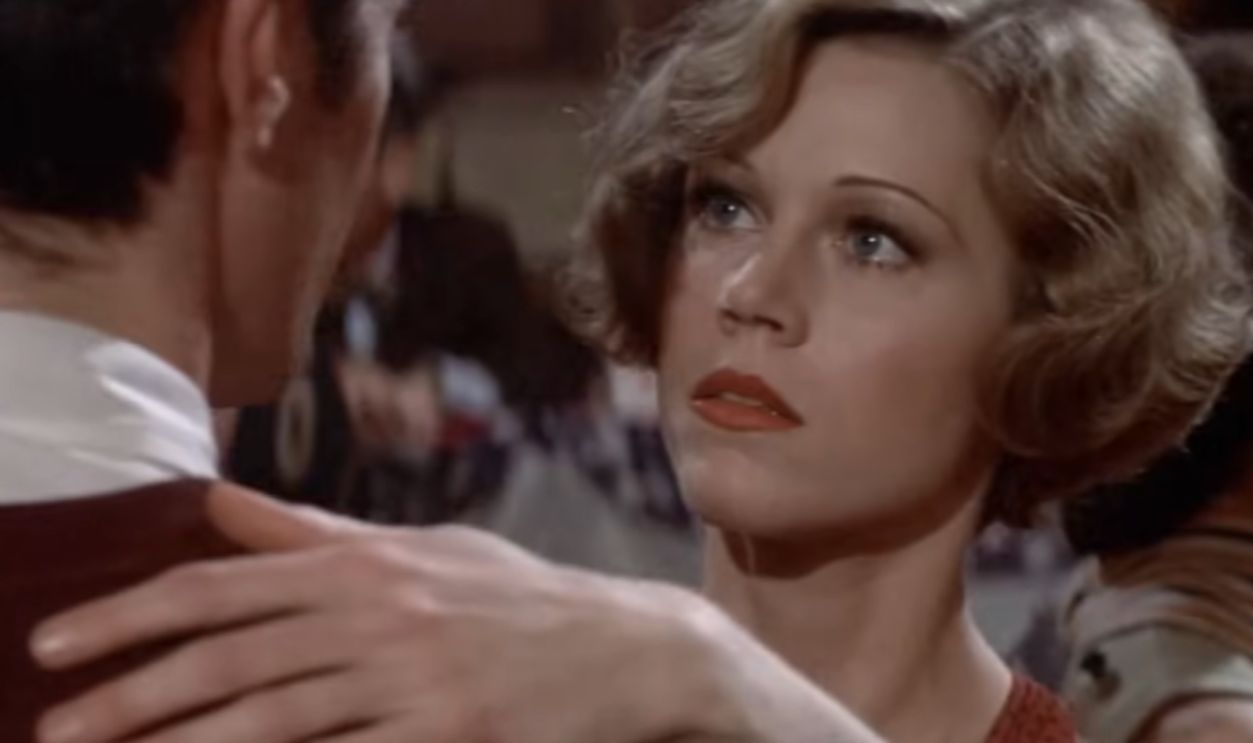 Screenshot from They Shoot Horses, Don't They?, ABC Pictures (1969)
Sophia Loren Proved Glamour Wasn't Her Limit
After Hollywood pictures, Loren returned to Italy for Two Women, playing a widowed mother despite being only 25. The demanding role won her the Best Actress Oscar, proving her ability extended far beyond glamorous love interests.
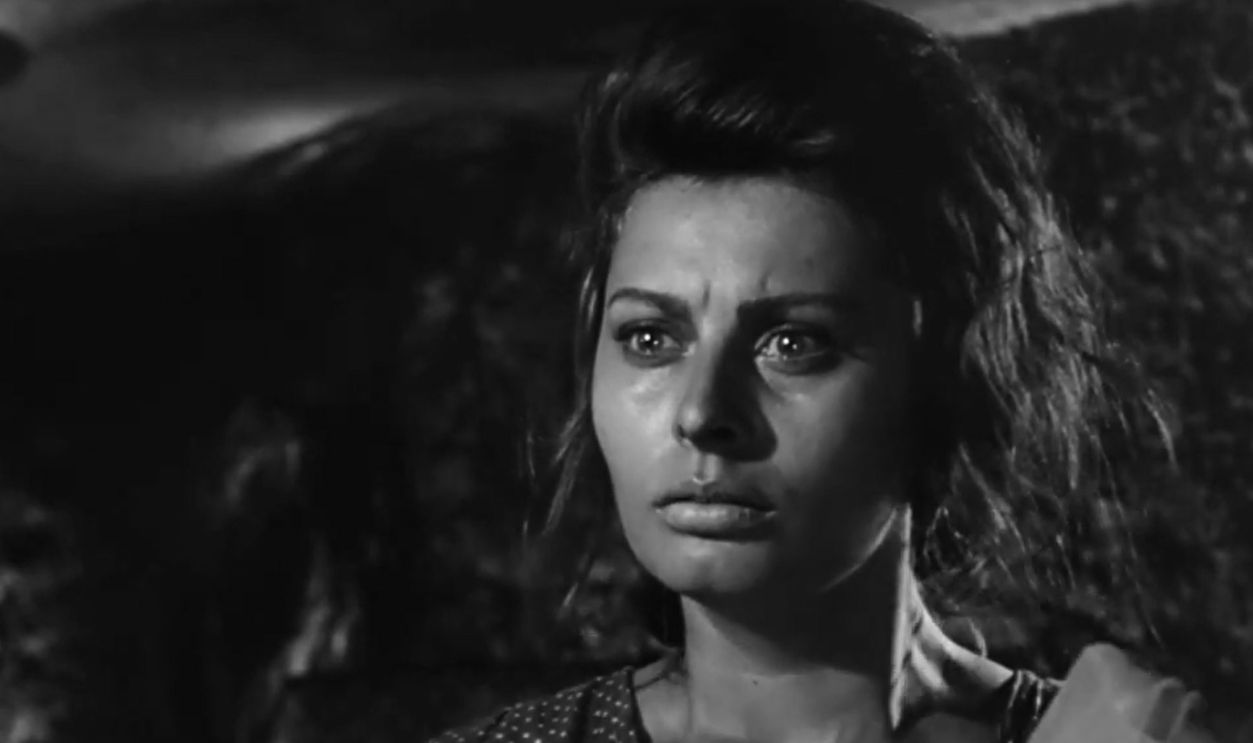 Screenshot from Two Women, Titanus (1960)
Ruby Dee Put Her Celebrity To Work
Dee starred in 1961's A Raisin in the Sun, then helped lead the 1963 March on Washington alongside Ossie Davis. She saw acting and civil rights activism as connected, extending her influence well beyond film sets.
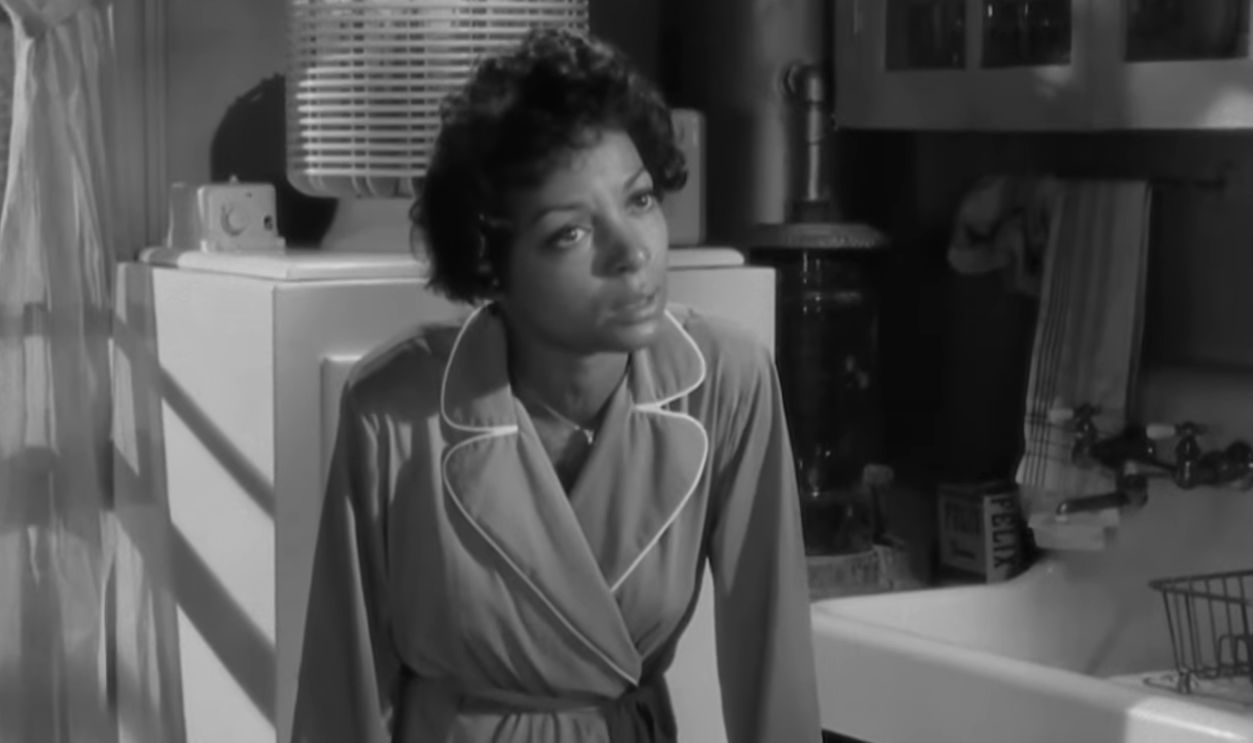 Screenshot from A Raisin in the Sun, Columbia Pictures (1961)
Joan Crawford Was Also A Corporate Director
Crawford returned triumphantly in 1962's What Ever Happened to Baby Jane? Away from acting, she'd joined Pepsi-Cola's board after the 1959 death of husband Alfred Steele, a company executive. Her power extended into the boardroom.
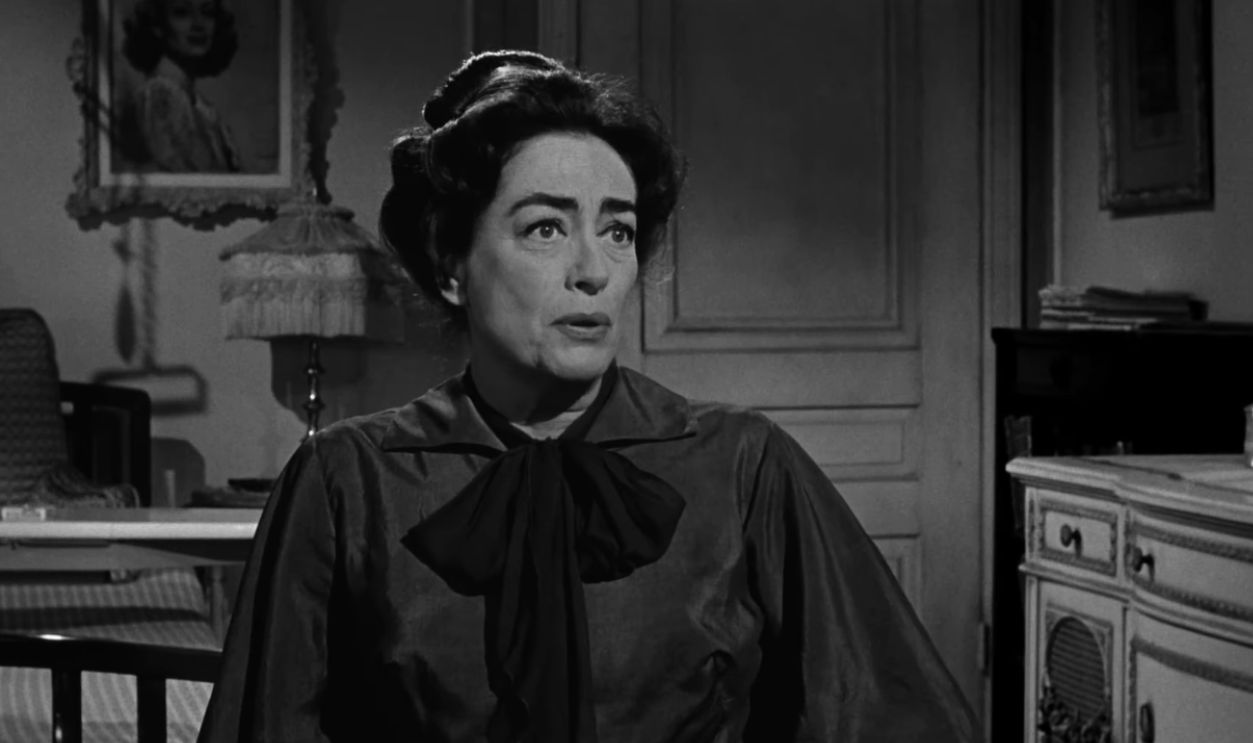 Screenshot from What Ever Happened to Baby Jane?, Warner Bros. Pictures (1962)
Claudia Cardinale Refused Hollywood's Golden Handcuffs
After appearing in The Pink Panther and The Professionals, Cardinale refused an exclusive Hollywood studio contract. She preferred accepting individual projects while continuing European films. That decision preserved her freedom to choose where and with whom she worked.
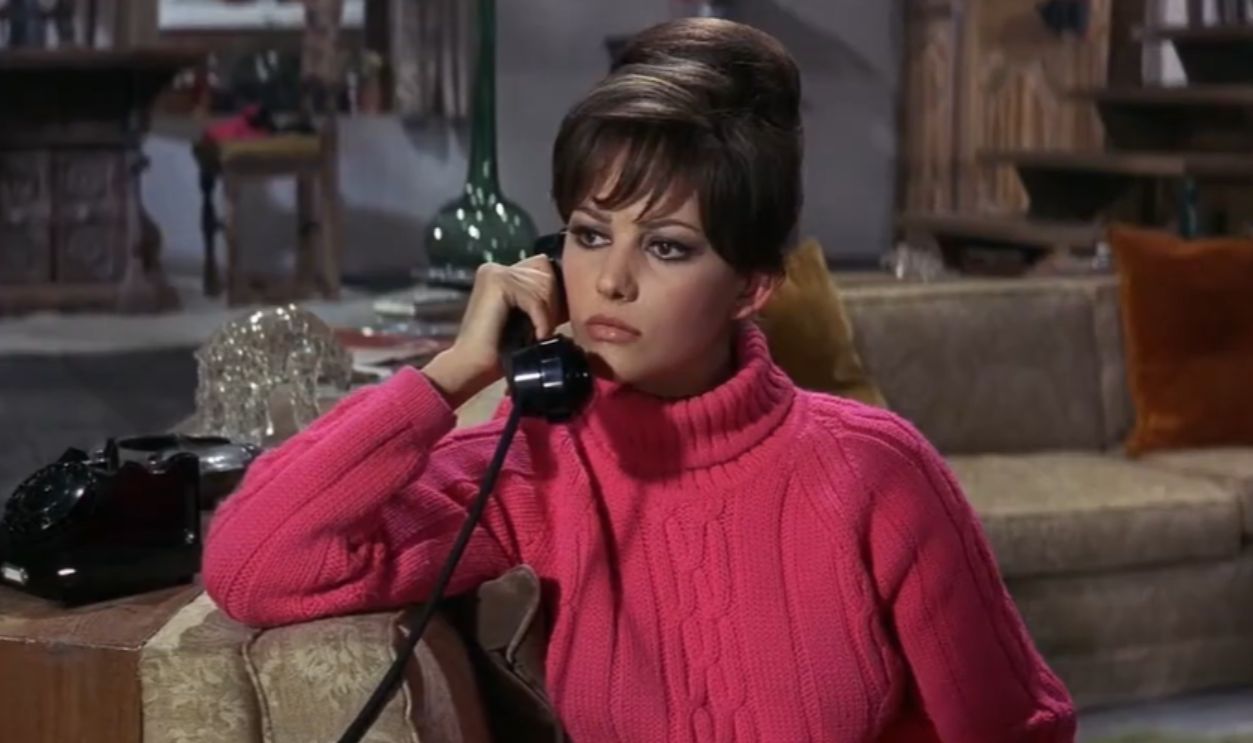 Screenshot from The Pink Panther, United Artists (1963)
Bette Davis Negotiated A Stake In Her Comeback
With roles dwindling, Davis agreed to What Ever Happened to Baby Jane? alongside Joan Crawford. Both accepted reduced upfront salaries for shares of the profits. The successful thriller revitalized their careers and rewarded a calculated gamble.
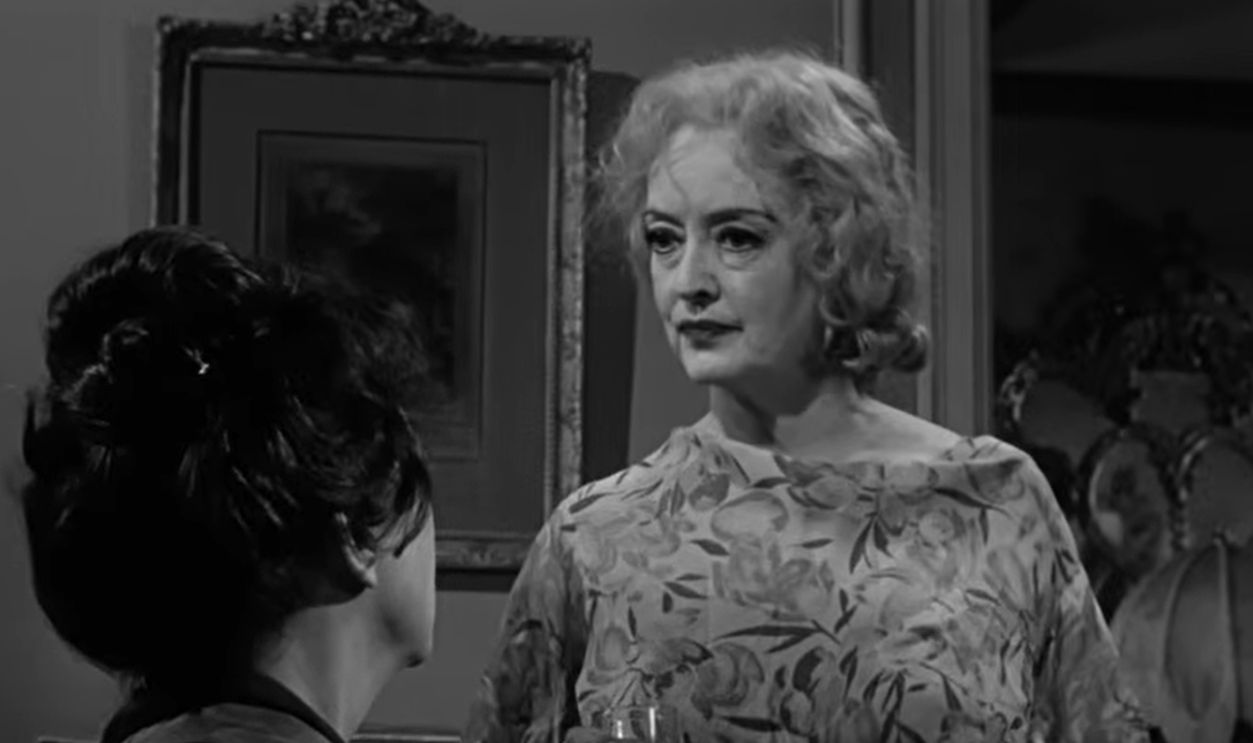 Screenshot from What Ever Happened to Baby Jane?, Warner Bros. Pictures (1962)
Tippi Hedren Fought To Escape Hitchcock
After The Birds and Marnie, Hedren said she resisted Alfred Hitchcock's unwanted advances and sought release from his contract. She later described how his control over incoming offers restricted her career. Resistance carried a professional cost.
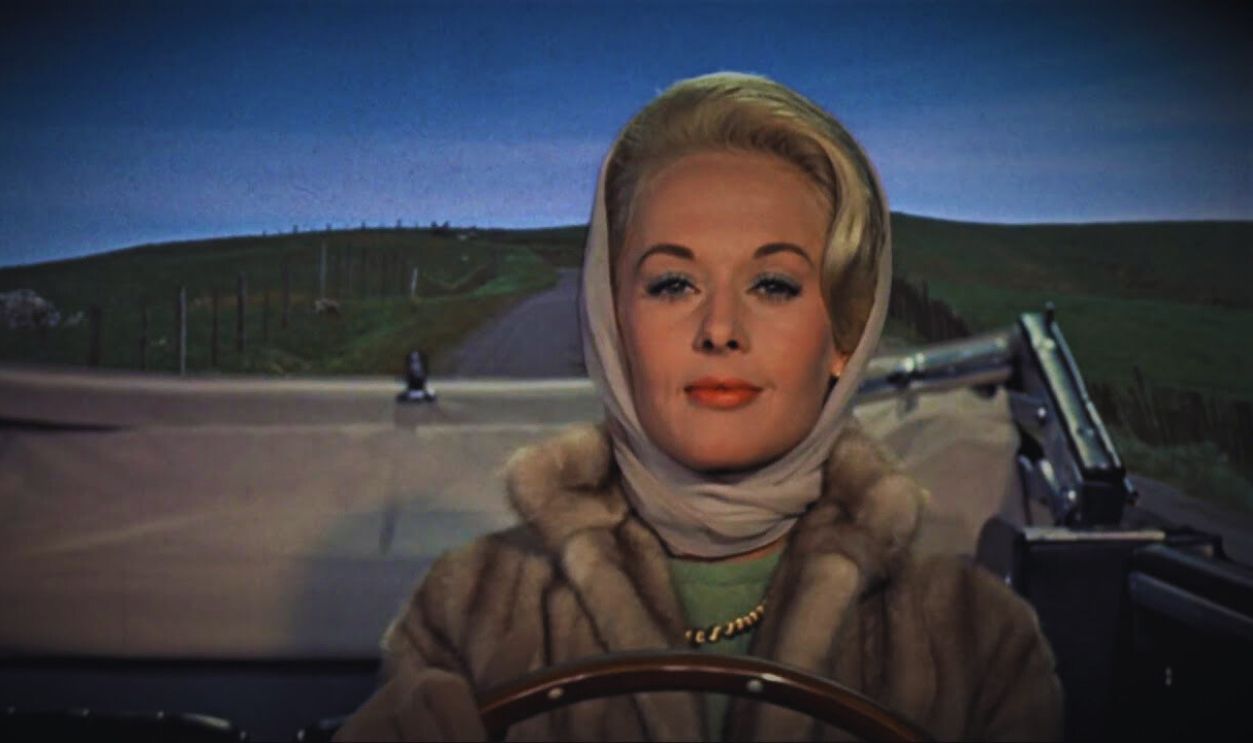 Screenshot from The Birds, Universal Pictures (1963)
Ida Lupino Was Directing Everyone Else
Lupino was already an established actress when she moved behind the camera. During the 1960s she directed network television, including The Twilight Zone. One of very few women television directors, she broke ground behind the scenes.
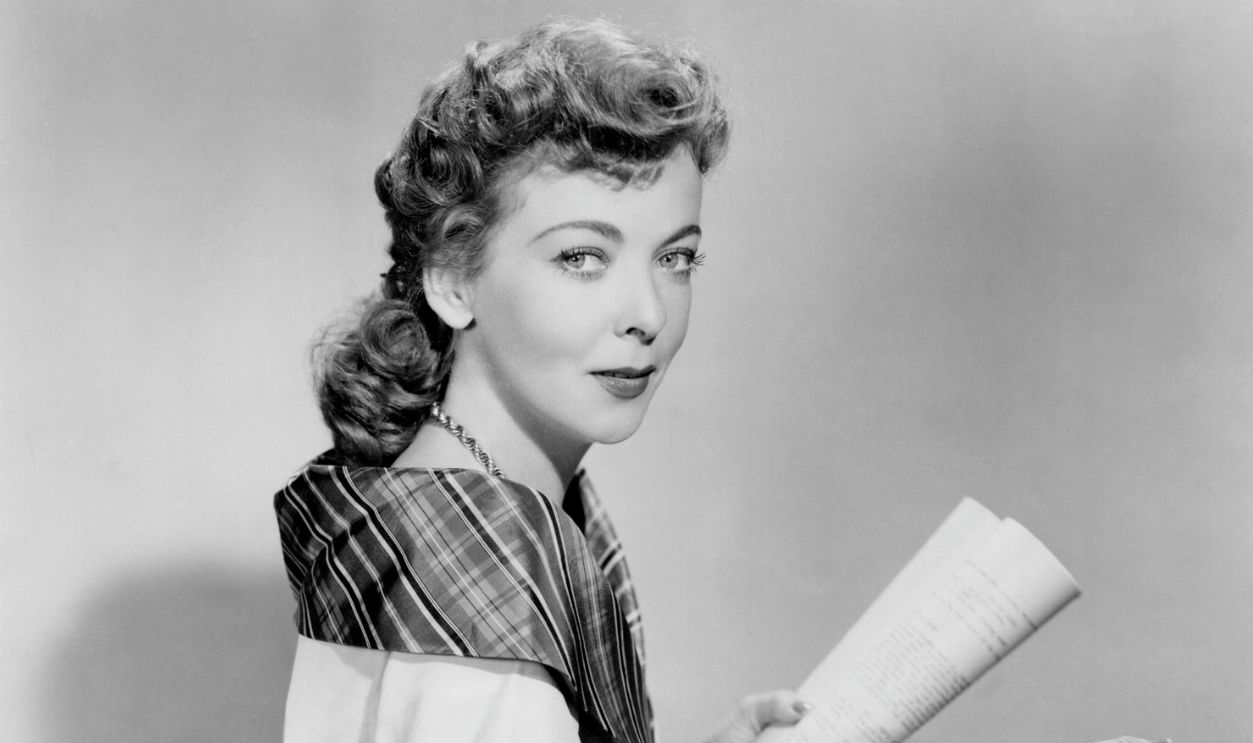 De Carvalho Collection, Getty Images
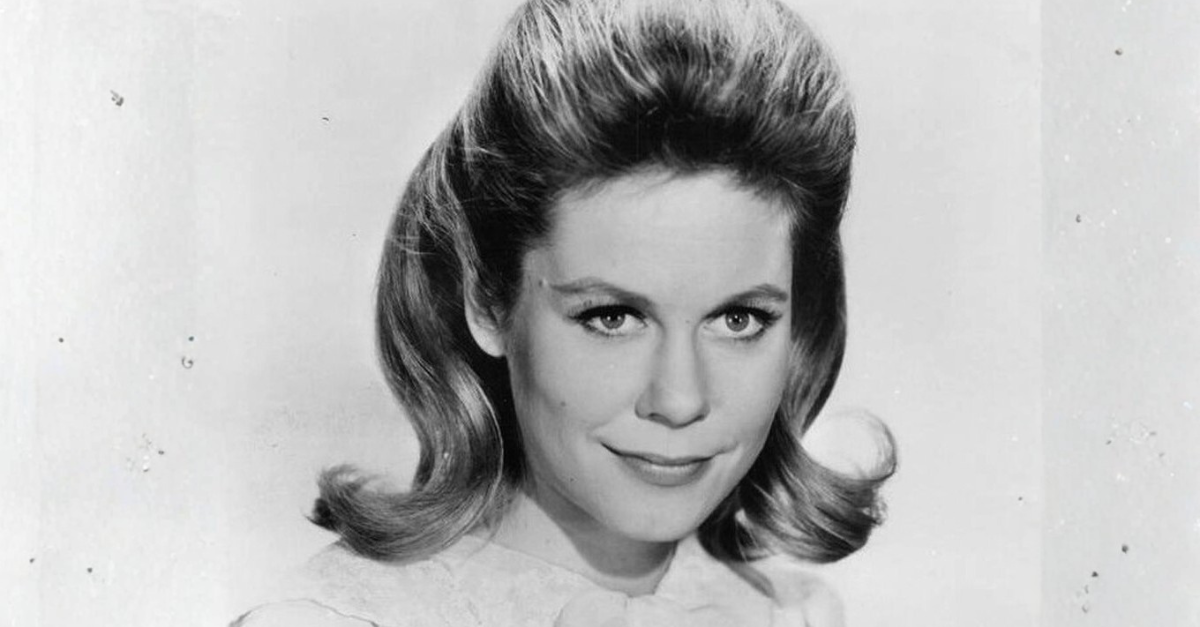
Elizabeth Montgomery Had A Piece Of The Profits
Bewitched portrayed Samantha Stephens as a housewife concealing extraordinary abilities. Montgomery's own arrangement was less restrictive: she and husband William Asher held shares of the show's profits and merchandising rights. The sitcom's star owned some of the magic.
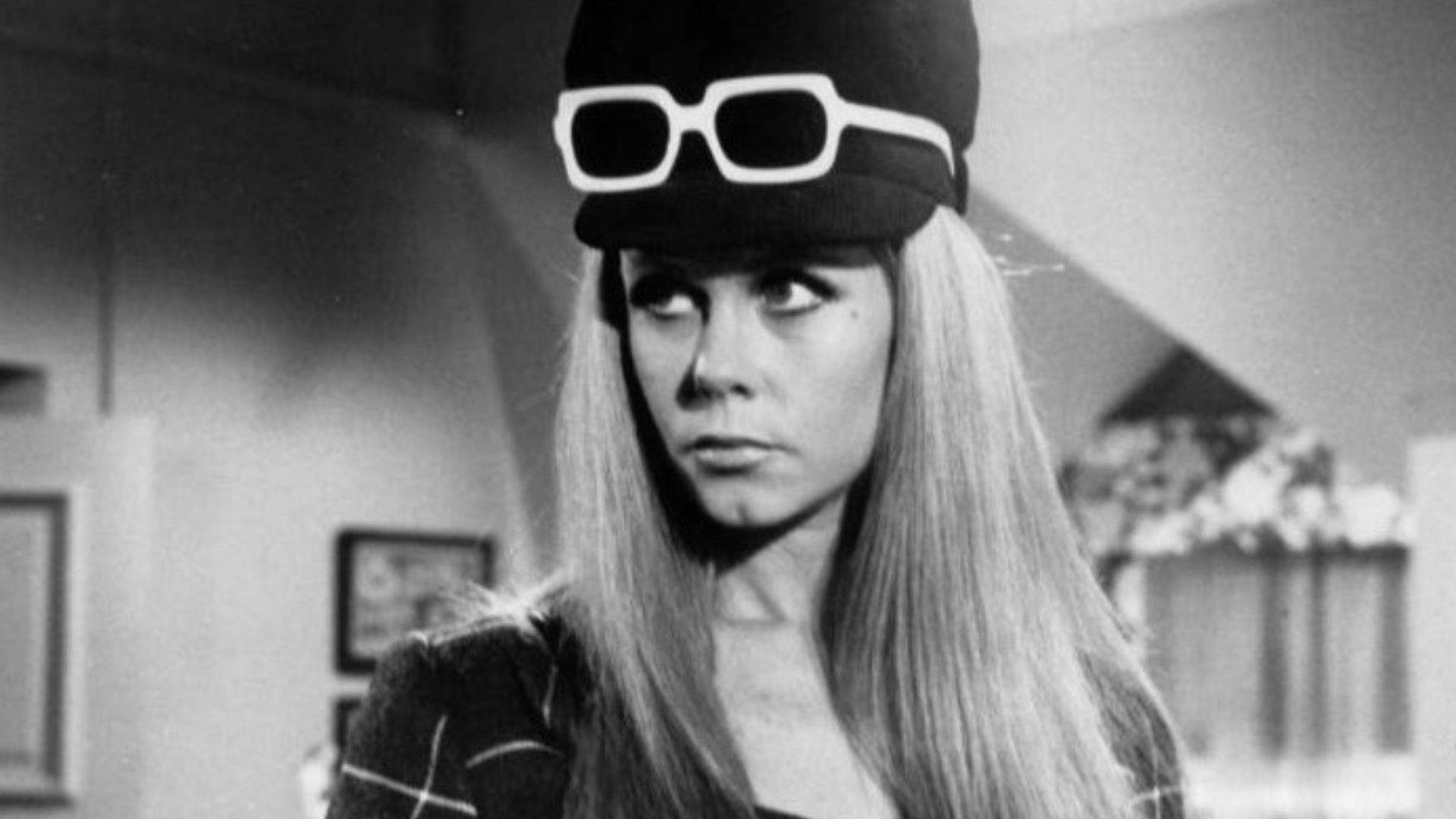 ABC Television, Wikimedia Commons
You May Also Like:
Classic Sitcom Actors Who Never Played The Star, But Were Quietly The Best Part Of Every Episode
Great Actors Who’ve Never Even Been Nominated For An Oscar
1970s Movie Stars Who Never Got Another Role As Big As Their Breakthrough
Sources: 1, 2, 3, 4, 5, 6, 7, 8, 9, 10, 11, 12, 13, 14, 15, 16, 17, 18, 19, 20, 21, 22, 23, 24