Back When Television Was Basically Cowboys, Horses, And Dusty Main Streets
There was a stretch of time when Westerns absolutely ruled television. During the 1950s and 60s, networks pumped out cowboy shows nonstop, and millions of Americans tuned in every week to watch ranchers, sheriffs, drifters, and outlaws settle problems under giant desert skies. Today, most younger viewers barely recognize these titles, which is wild considering some of them were once among the biggest shows in America.
Wagon Train
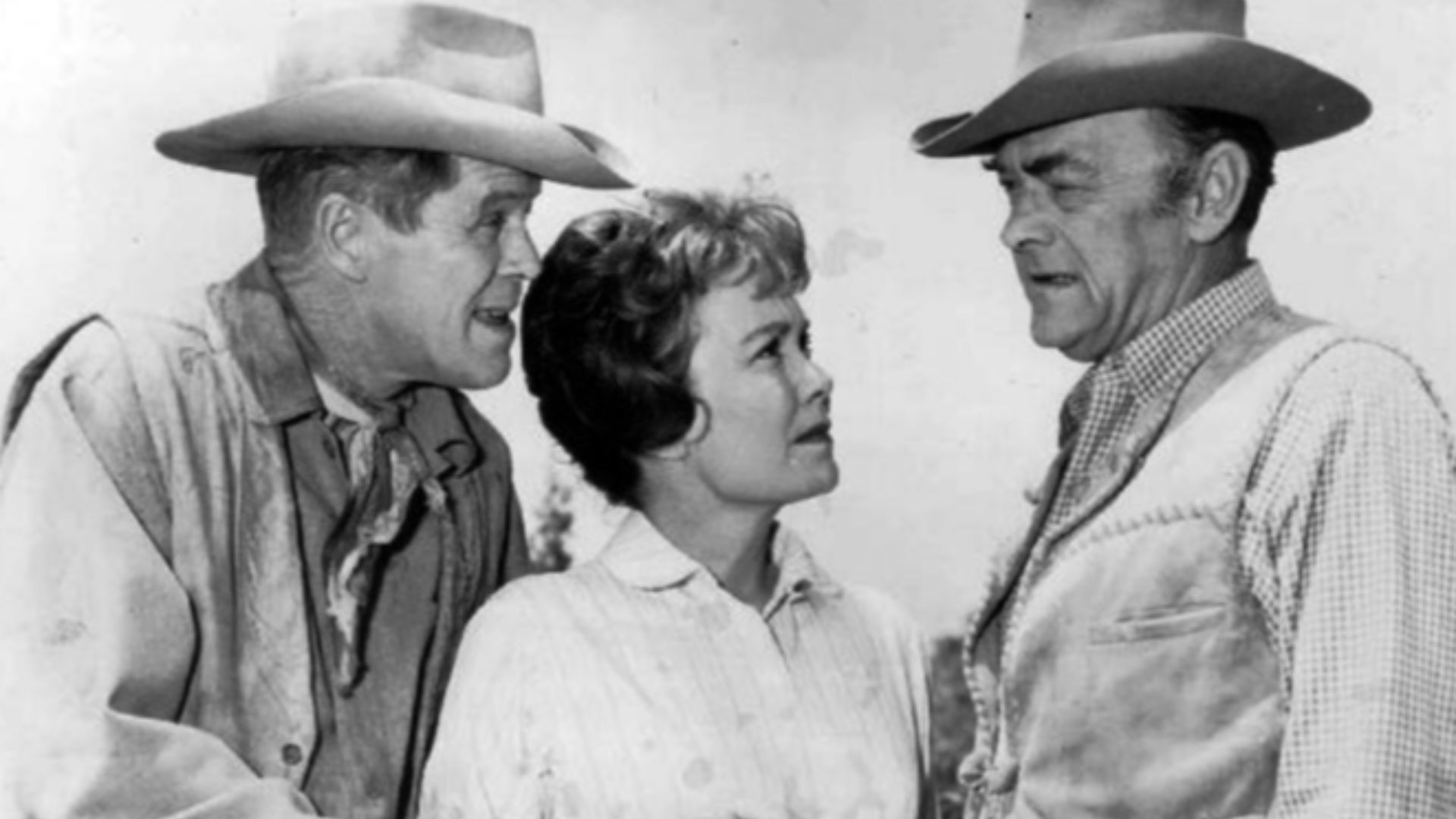
Wagon Train was basically the prestige ensemble drama of its era, except everybody traveled by covered wagon instead of luxury cars. Each week focused on different travelers heading west, which let the show constantly introduce new characters and guest stars. It ran for eight seasons and was once so popular that rival networks scrambled to copy its format.
 ABC Television, Wikimedia Commons
Maverick
James Garner made Maverick feel completely different from the tougher cowboy shows surrounding it. Bret Maverick preferred poker tables and clever scams over gunfights, usually talking his way out of danger instead of shooting. The series mixed comedy, charm, and Western action so well that it still feels surprisingly modern compared to many of its contemporaries.
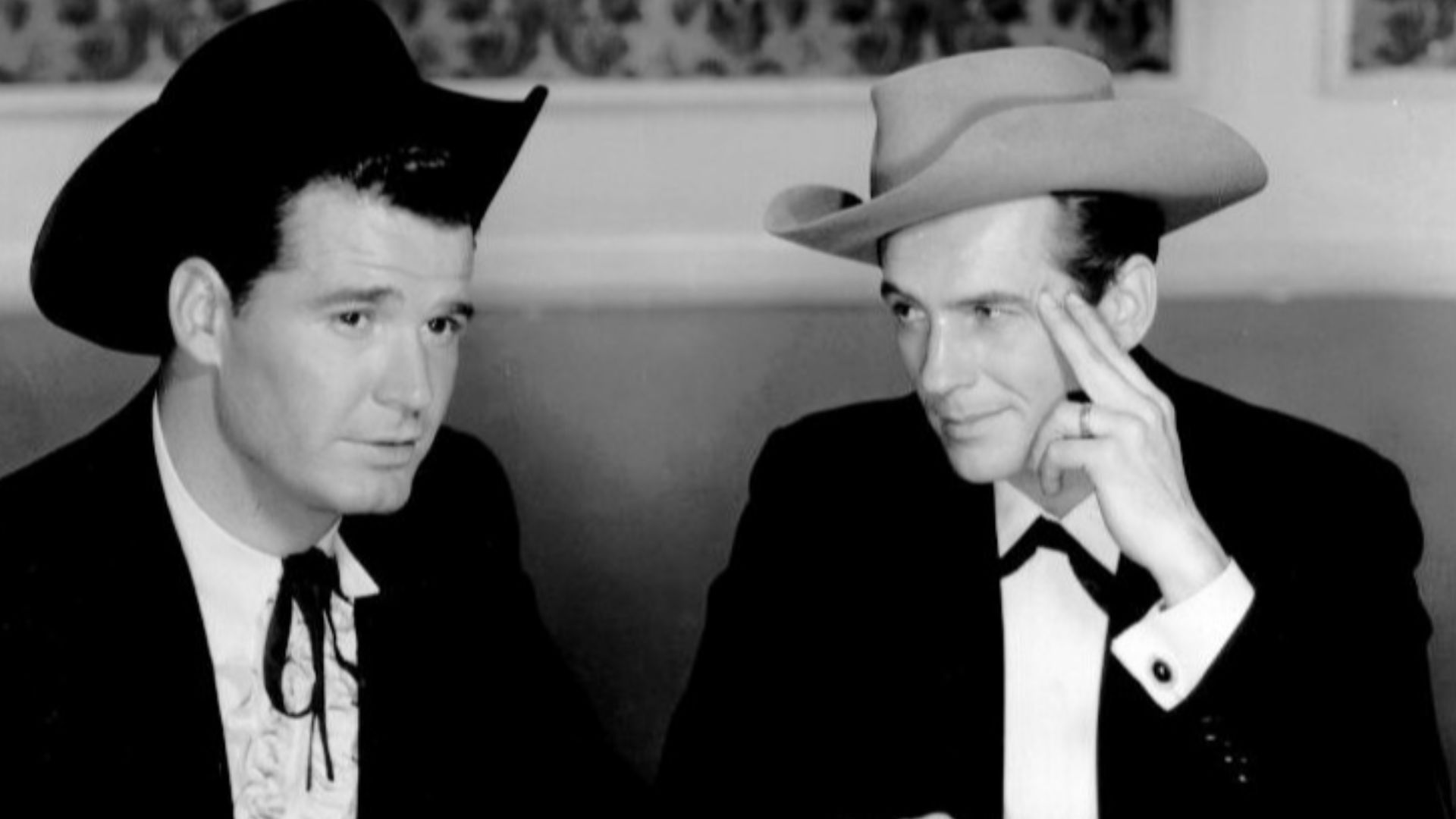 Warner Brothers Television, Wikimedia Commons
Gunsmoke
At its peak, Gunsmoke was an absolute television giant. The show followed Marshal Matt Dillon keeping order in Dodge City, but it often dealt with darker themes and morally messy situations. Running for 20 seasons, it became one of the longest-running primetime dramas ever and basically defined what TV Westerns looked like for decades.
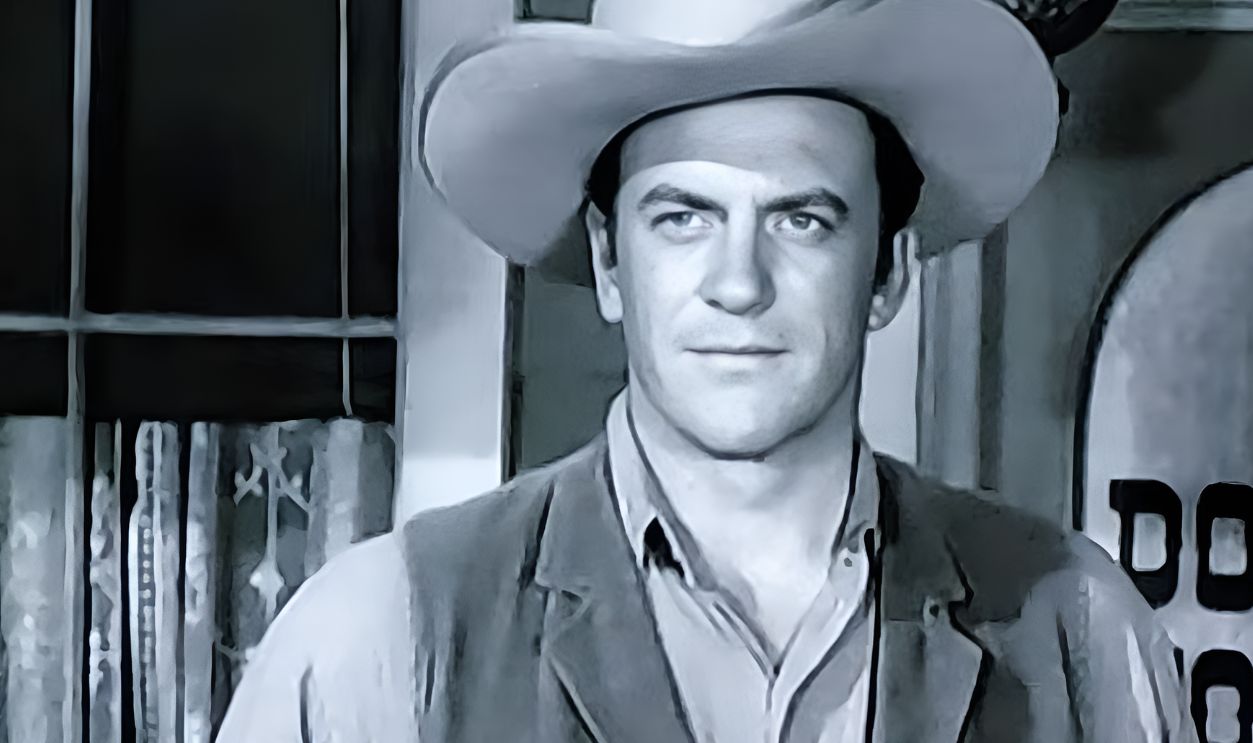 Screenshot from Gunsmoke, CBS (1955–1975), Modified
Wanted: Dead Or Alive
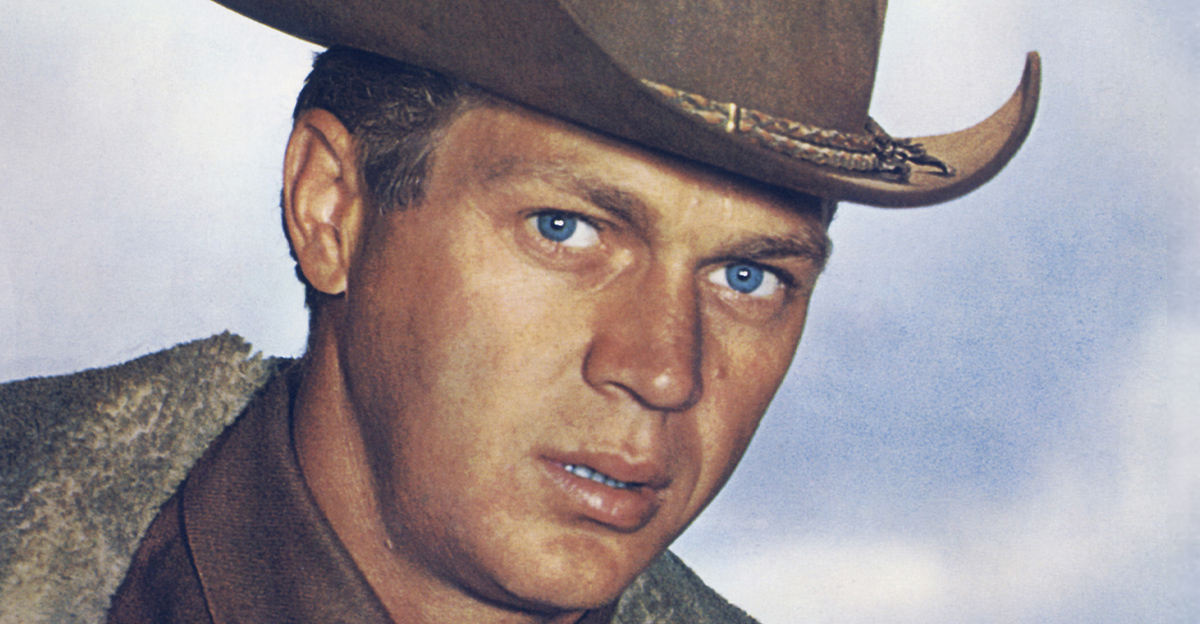
Steve McQueen became a breakout star thanks to this gritty Western about bounty hunter Josh Randall. His shortened Winchester rifle, called the Mare’s Leg, instantly became one of TV’s coolest weapons. McQueen’s effortless charisma gave the series a rougher, more rebellious vibe than most cowboy shows.
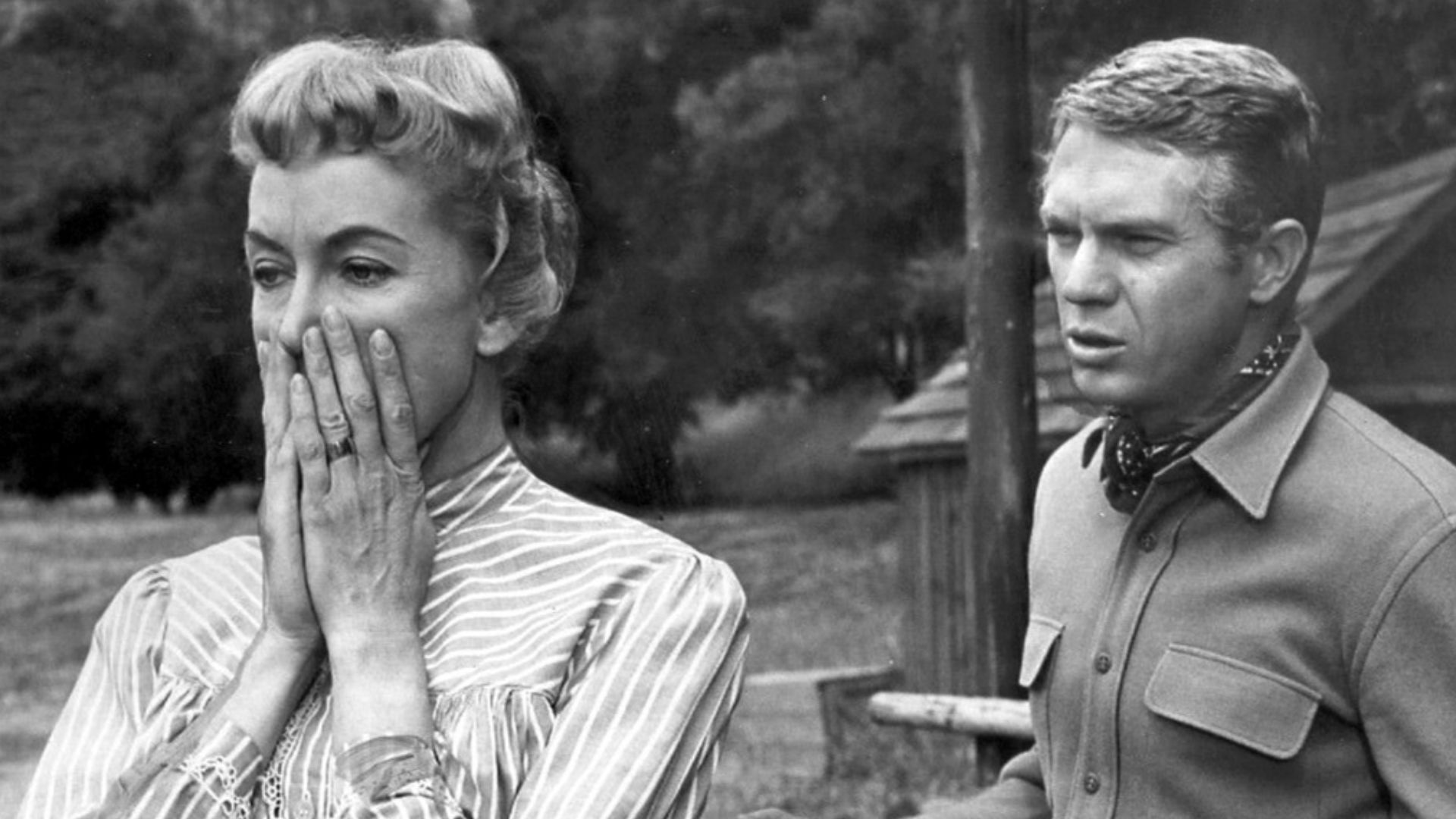 CBS Television, Wikimedia Commons
The Virginian
This NBC series looked bigger and more expensive than most television Westerns of the time. Episodes regularly ran longer than standard dramas, and the sweeping cinematography made everything feel cinematic. The mysterious lead character never even had a proper name, which somehow made him cooler to audiences watching at home.
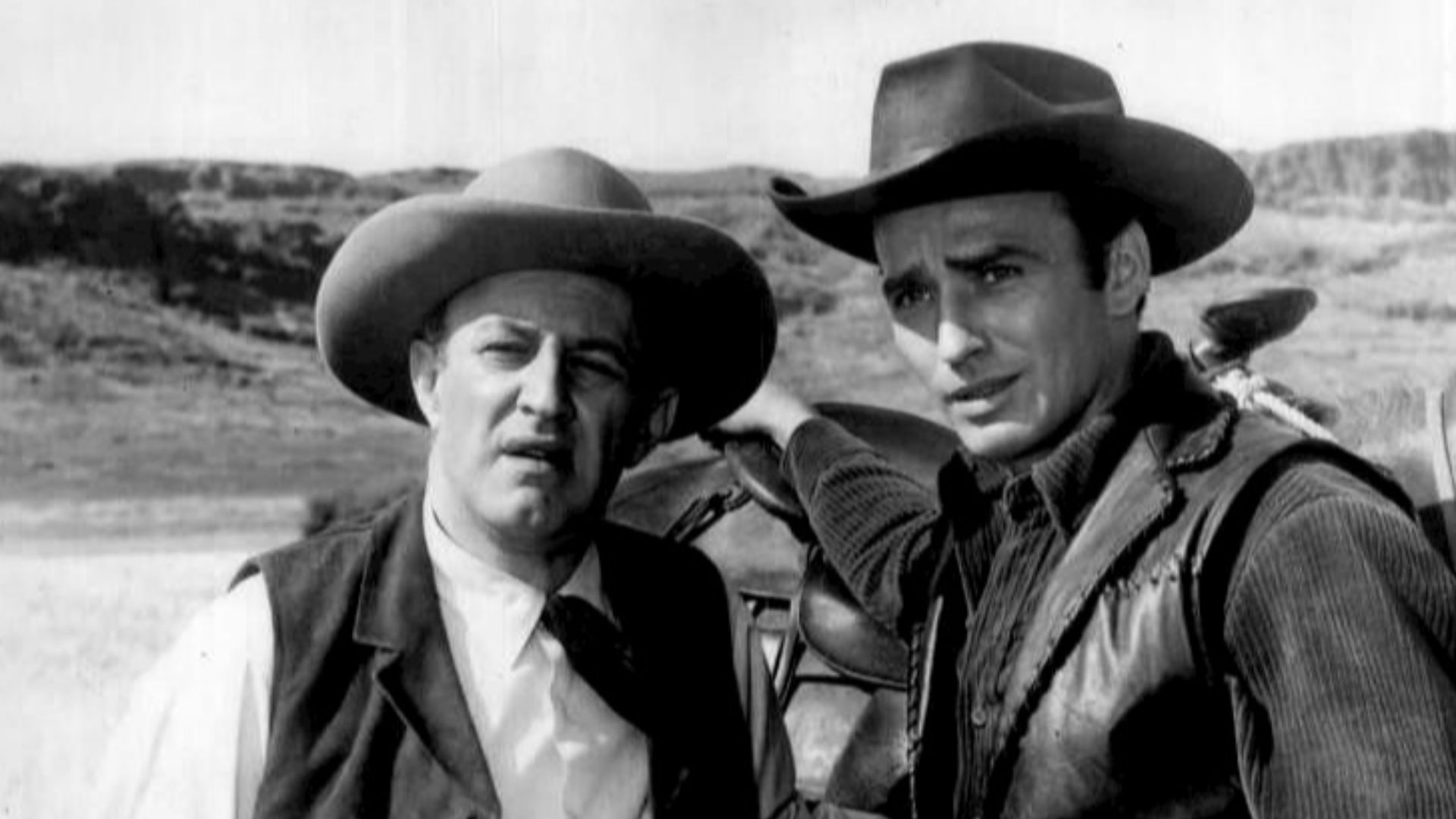 NBC Television, Wikimedia Commons
Rawhide
Before Clint Eastwood became a movie icon, he spent years on Rawhide playing Rowdy Yates. The show focused heavily on dangerous cattle drives, giving it a rougher and more physical feel than many cleaner-cut Westerns. The constant travel also helped keep storylines unpredictable and adventurous from week to week.
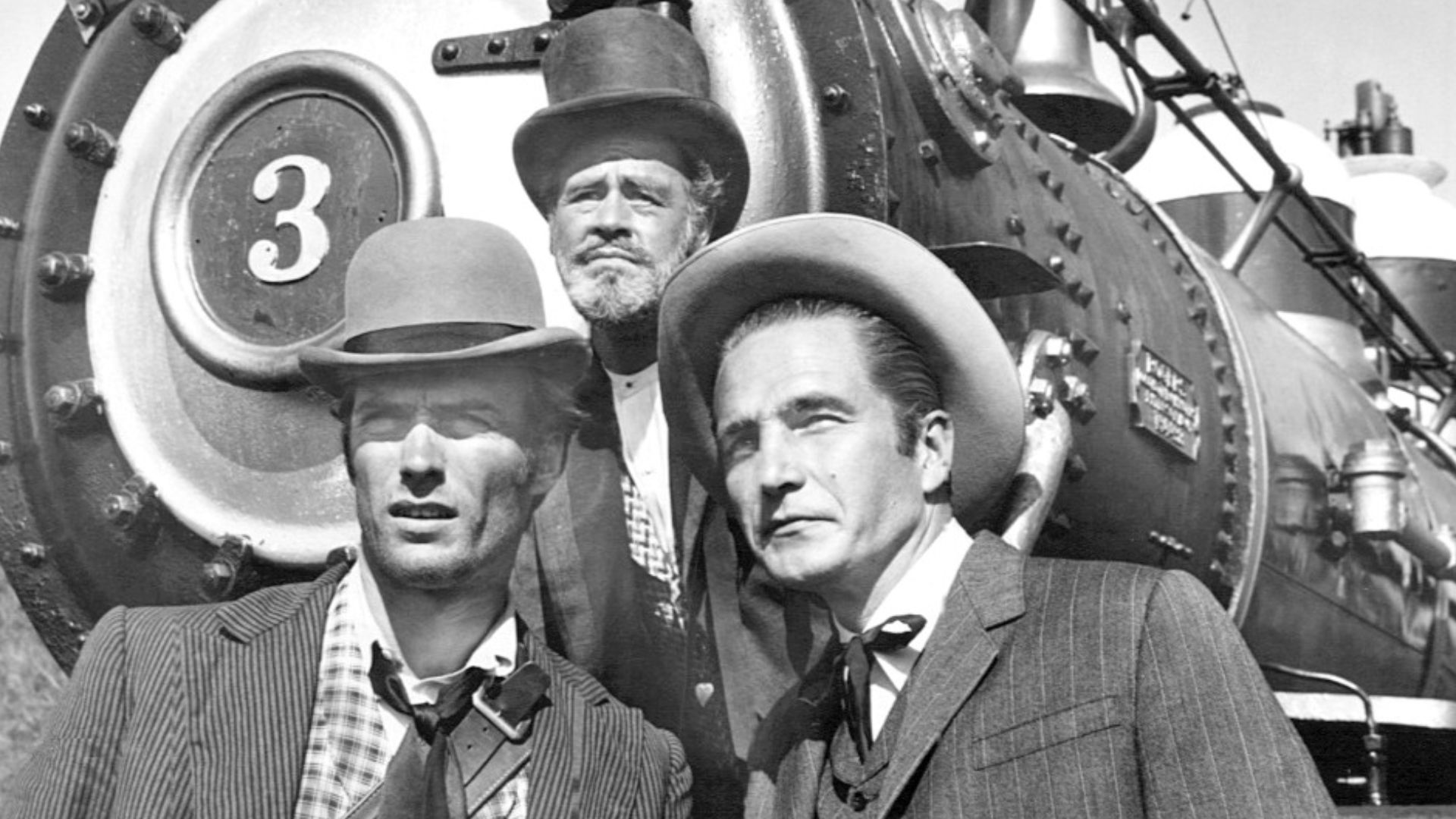 CBS Television, Wikimedia Commons
The High Chaparral
Unlike simpler cowboy shows, The High Chaparral explored cultural tensions along the Arizona border while mixing in family drama and action. The relationships between American settlers and Mexican characters gave the series more depth than many competing Westerns. It also had one of those giant theme songs impossible to forget once you heard it.
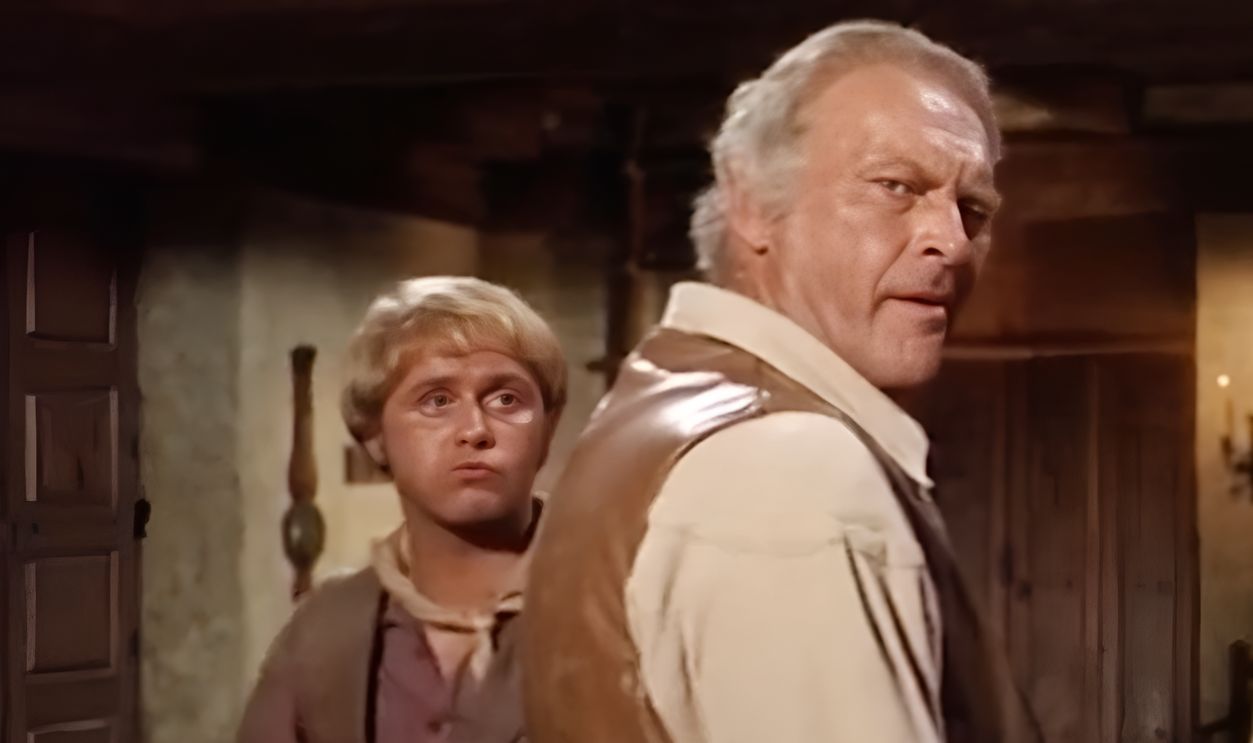 Screenshot from The High Chaparral, NBC (1967–1971), Modified
The Big Valley
Barbara Stanwyck brought major star power and authority to The Big Valley, which followed the wealthy Barkley family running a California ranch. The series mixed classic Western action with emotional conflicts and family politics, making it feel almost like a primetime soap opera on horseback.
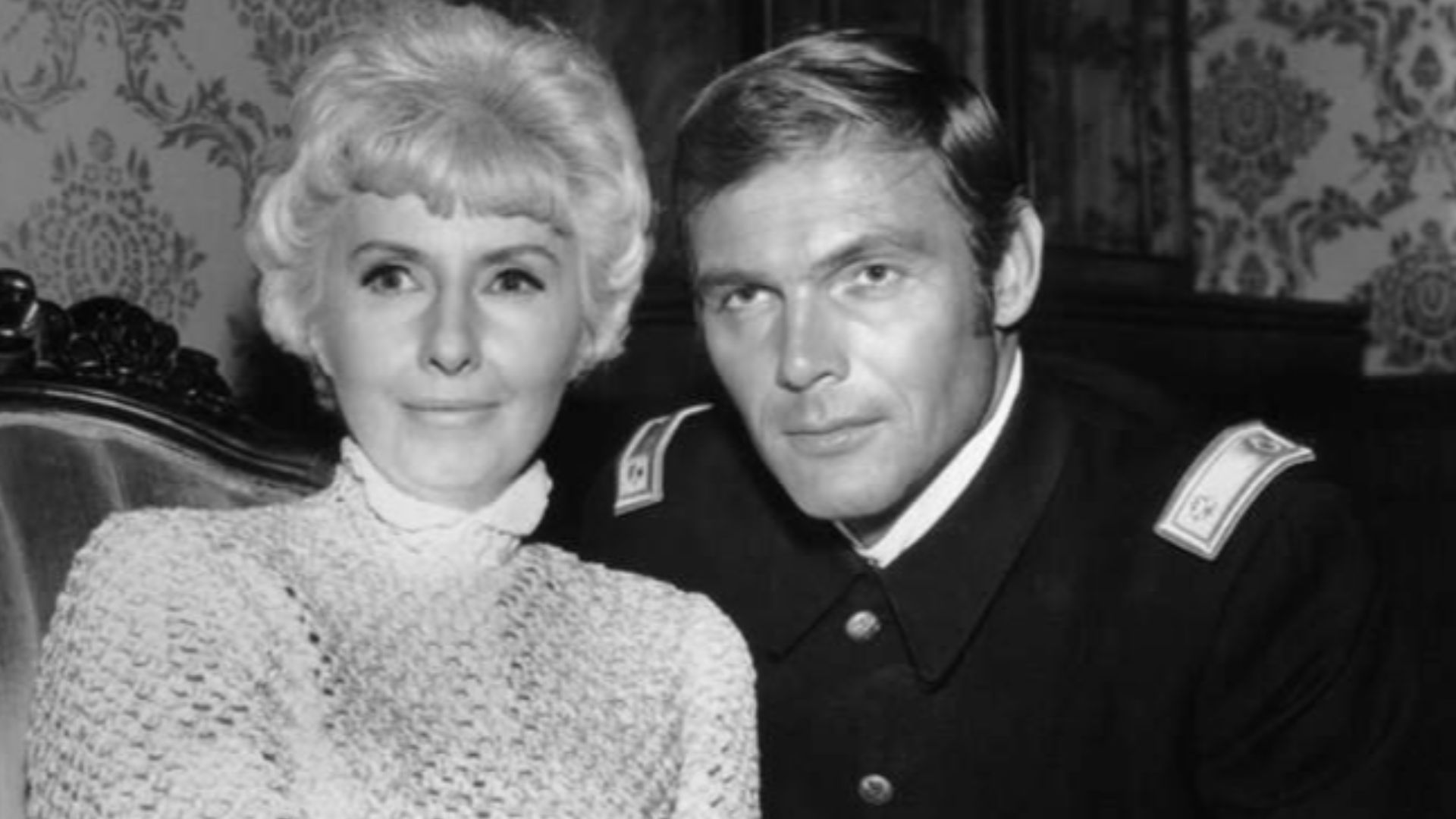 ABC Television, Wikimedia Commons
Lancer
Lancer followed two very different brothers trying to hold together their father’s ranch while constantly clashing with each other. It never became as famous as bigger Westerns of the period, but modern audiences rediscovered it after Quentin Tarantino heavily featured the series in Once Upon a Time in Hollywood.
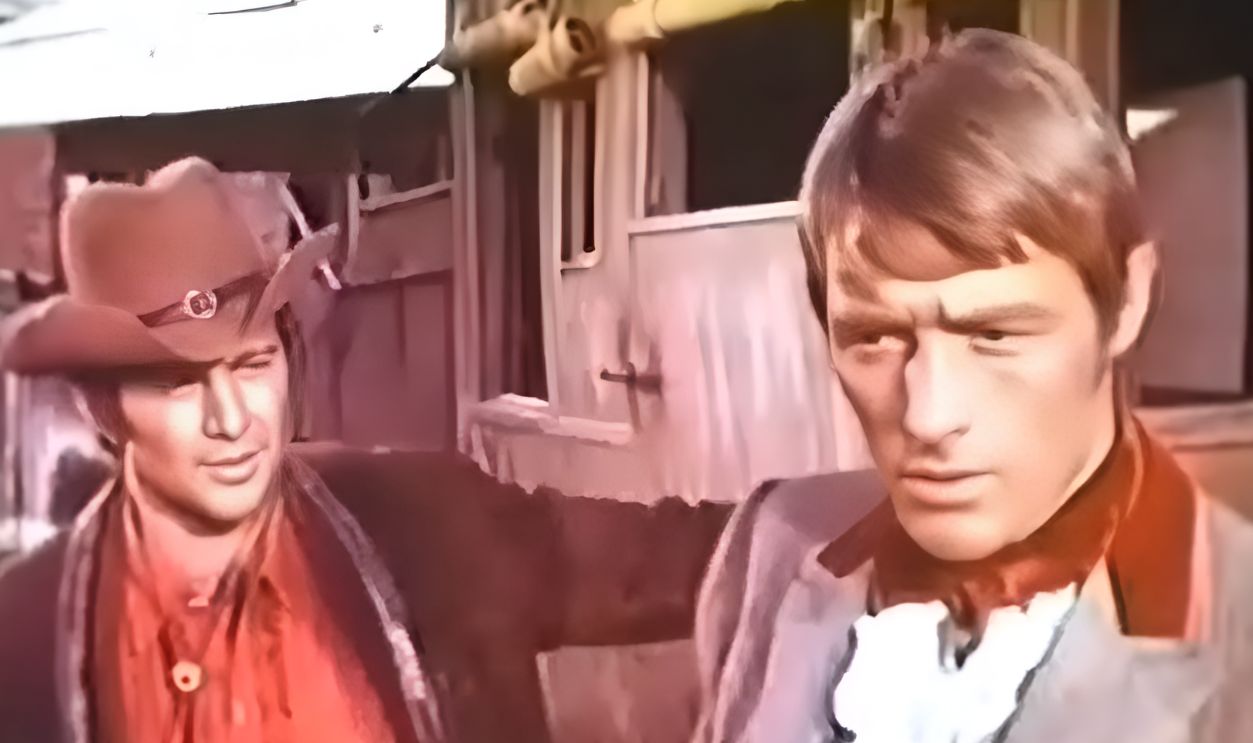 Screenshot from Lancer, CBS (1968–1970), Modified
The Wild Wild West
This show was completely insane and that was exactly why people loved it. Imagine a Western mixed with James Bond gadgets, secret societies, giant death traps, and bizarre supervillains. The weird blend of sci-fi, espionage, and cowboy action made it unlike anything else airing on television at the time.
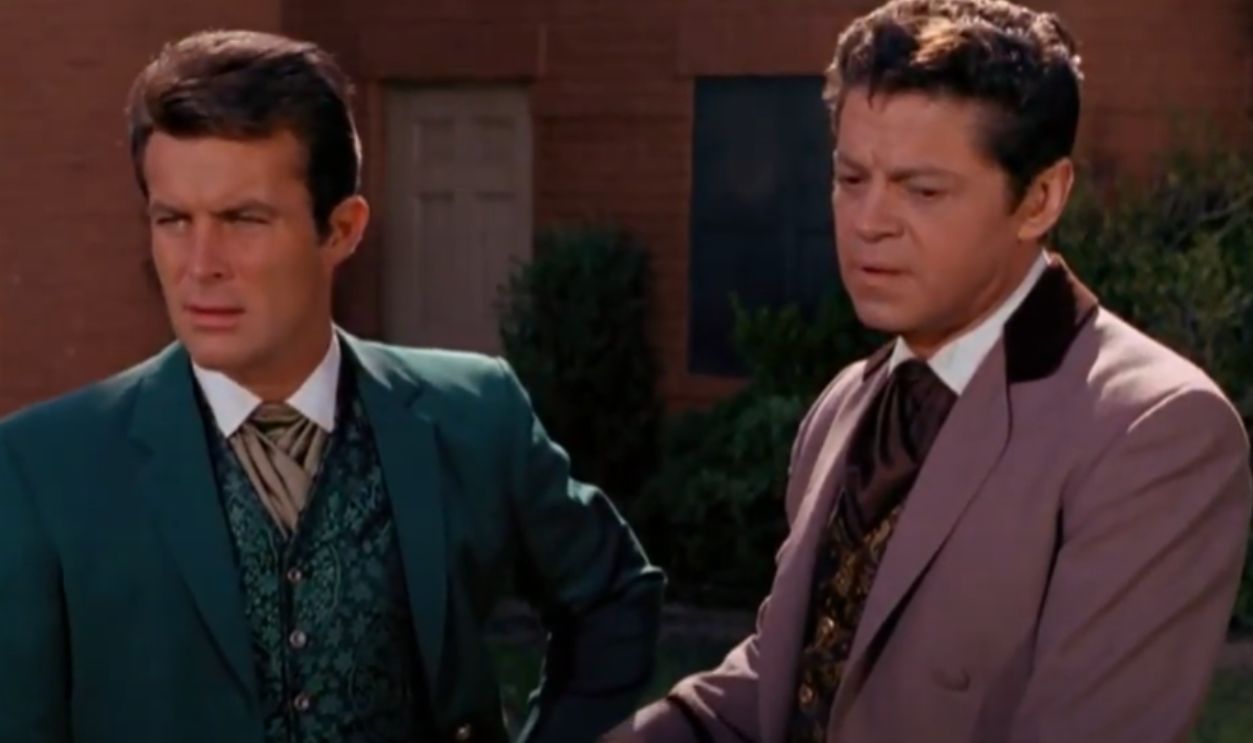 Screenshot from The Wild Wild West, CBS (1965–1969)
Kung Fu
Kung Fu took the Western formula and threw martial arts philosophy into the mix. David Carradine played a wandering Shaolin monk drifting through the American frontier while avoiding trouble whenever possible. The slow pacing and reflective tone made the series feel strangely calming compared to louder, action-heavy Westerns.
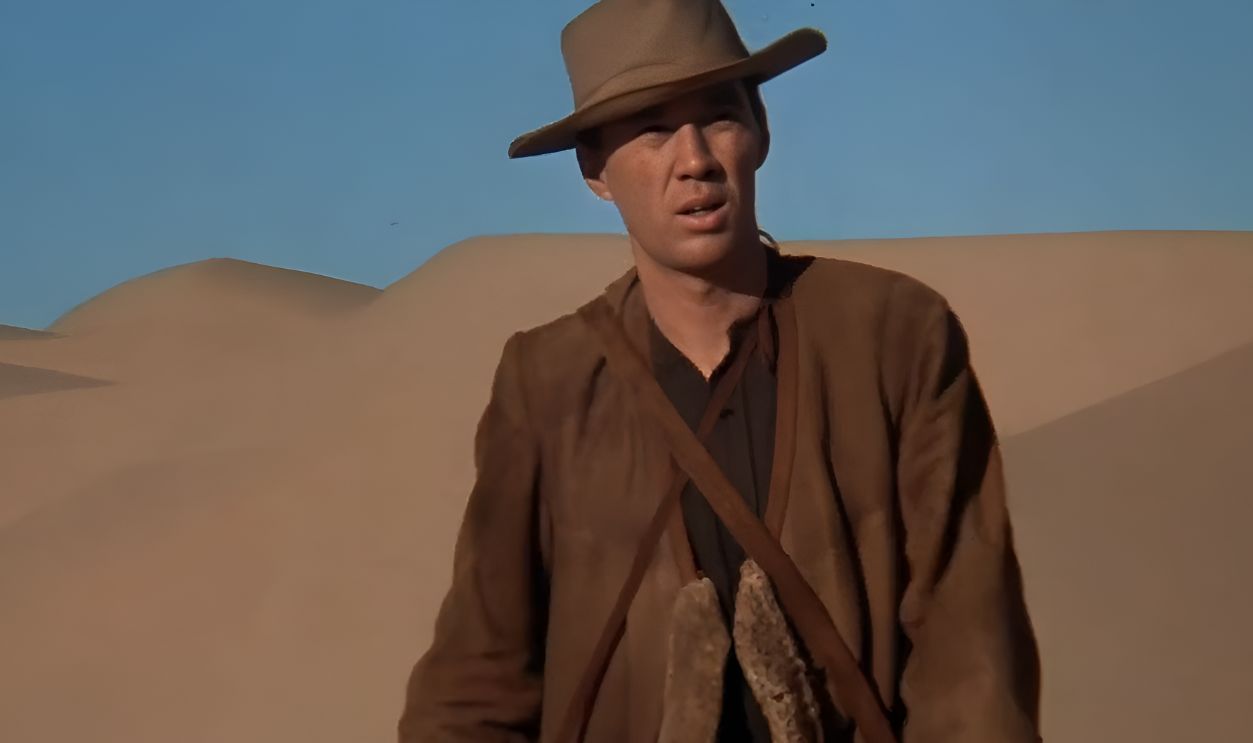 Screenshot from Kung Fu, ABC (1972–1975), Modified
The Rifleman
Chuck Connors made Lucas McCain unforgettable thanks to his customized rapid-fire rifle and commanding screen presence. But beneath the action, the show focused heavily on raising a son in a violent world. That father-son dynamic gave The Rifleman an emotional center many other Westerns lacked.
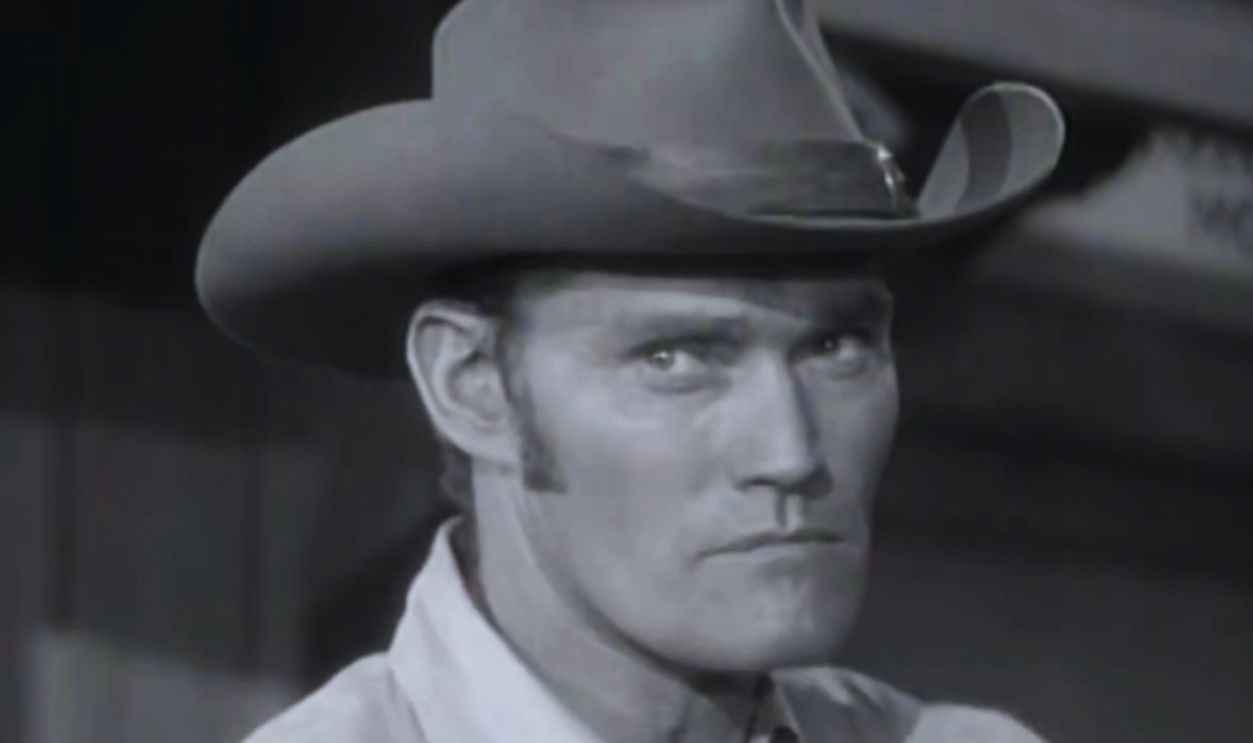 Screenshot from The Rifleman, ABC (1958-1963)
Have Gun – Will Travel
Richard Boone’s Paladin dressed in black, quoted literature, and carried himself more like a philosopher than a cowboy. Instead of rushing into gunfights, he often solved conflicts through intelligence and negotiation first. The sophisticated tone helped the show stand apart from more straightforward frontier adventures.
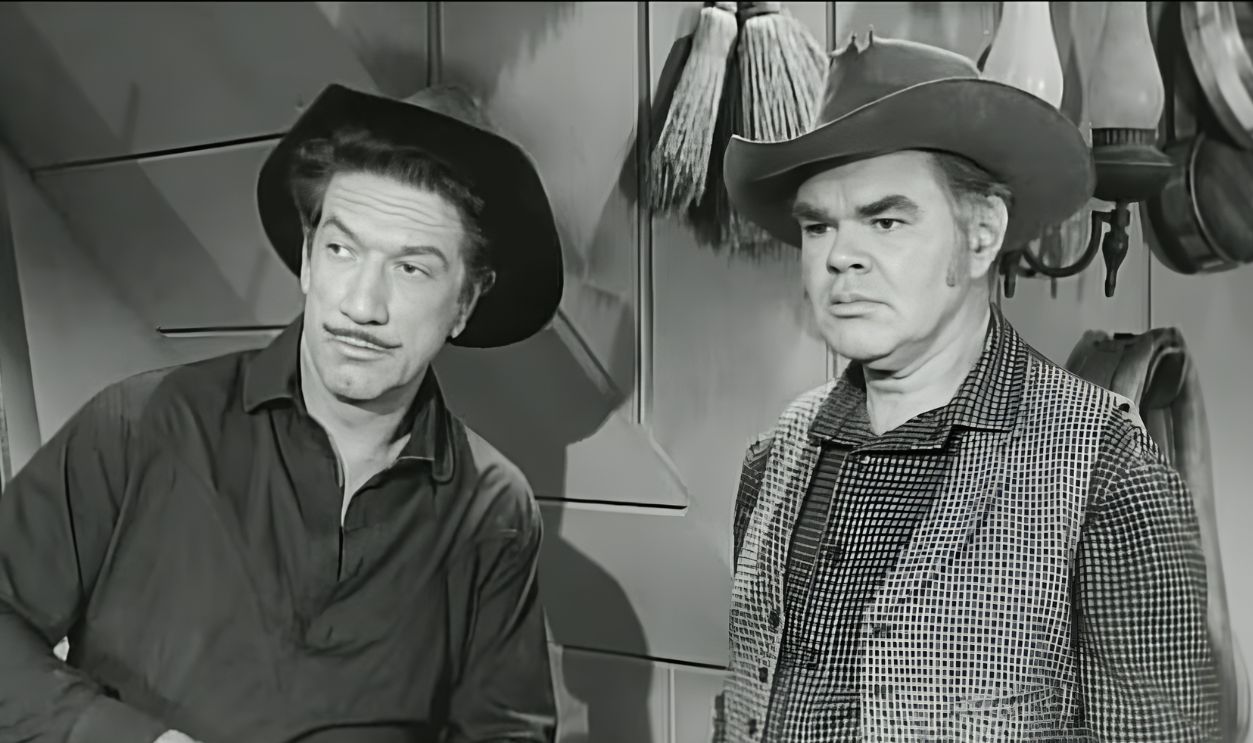 Screenshot from Have Gun – Will Travel, CBS (1957–1963), Modified
The Cisco Kid
This colorful series followed the Cisco Kid and his loyal sidekick Pancho riding through the West helping strangers and stumbling into trouble. The chemistry between the leads was the real draw, and the lighthearted tone made it especially popular with younger viewers during television’s early years.
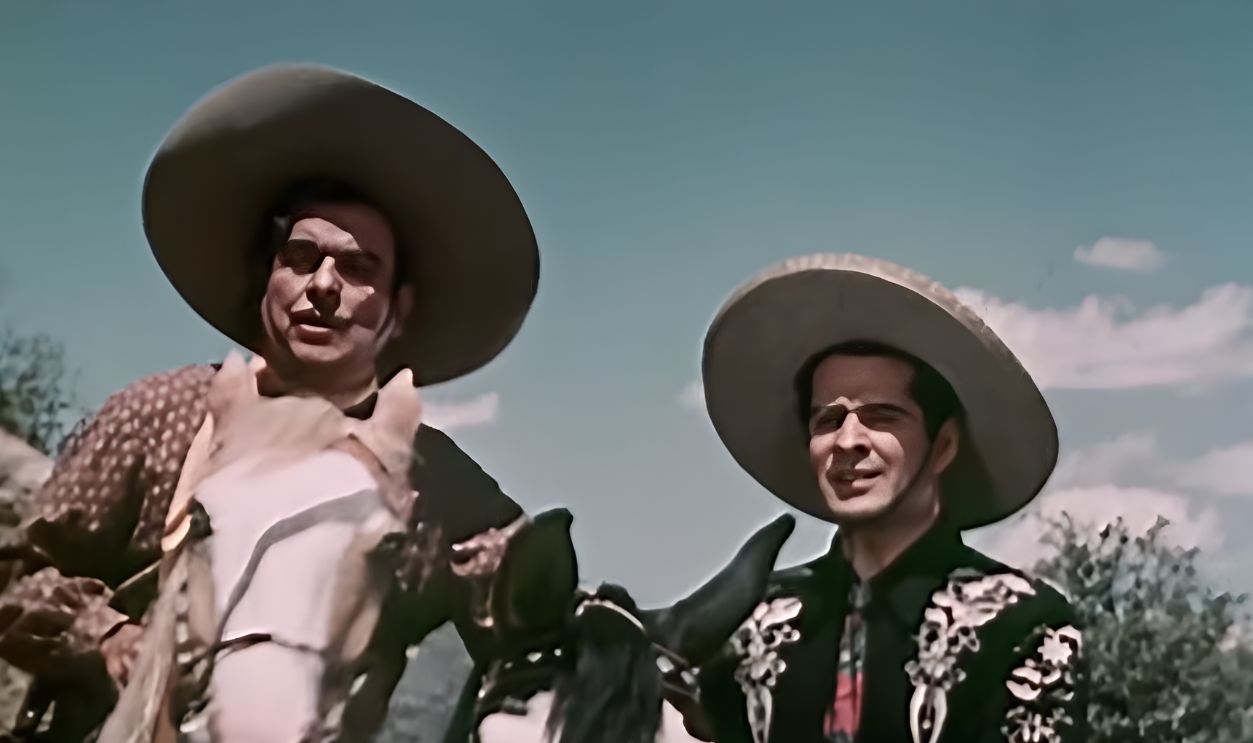 Screenshot from The Cisco Kid, Syndication (1950–1956), Modified
The Adventures Of Kit Carson
One of television’s earliest cowboy heroes, Kit Carson spent every episode battling outlaws, protecting settlers, and getting into frontier adventures. The production feels wonderfully old-school now, but kids in the 1950s absolutely loved the nonstop action and heroic storytelling.
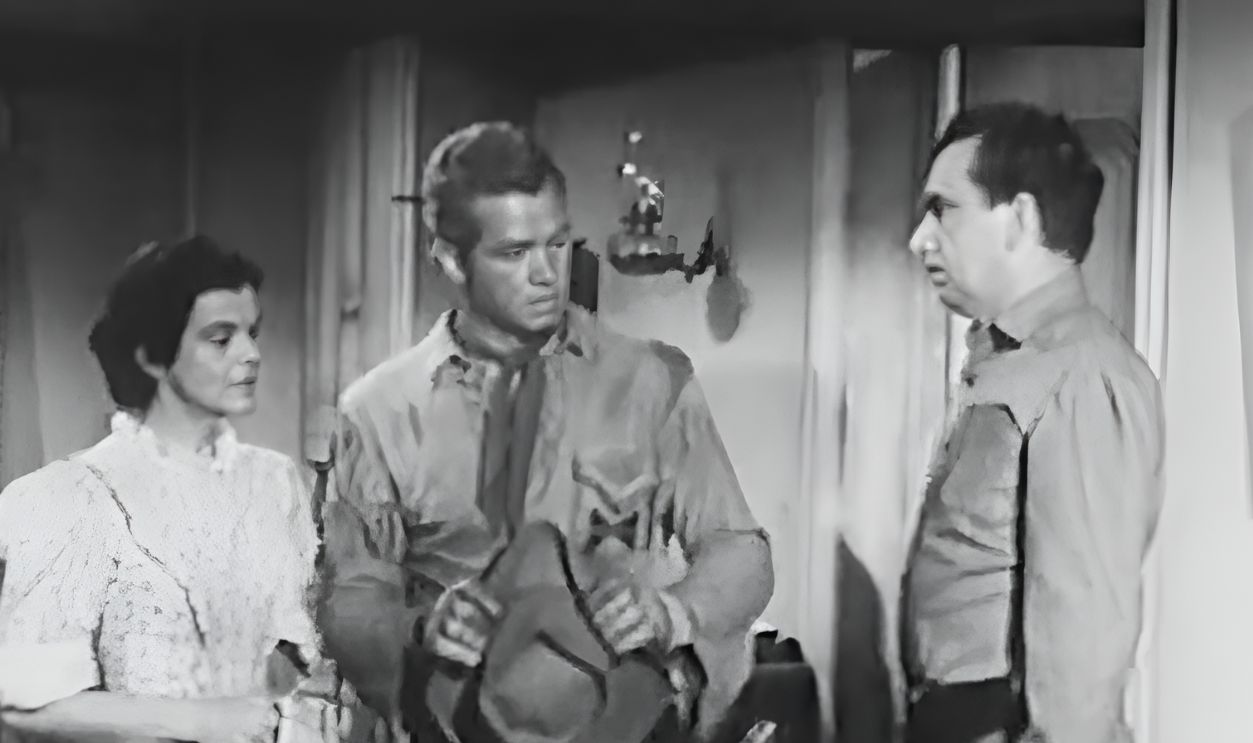 Screenshot from The Adventures of Kit Carson, Syndication (1951–1955), Modified
Hopalong Cassidy
Long before superhero franchises took over pop culture, Hopalong Cassidy was one of America’s biggest heroes. William Boyd’s clean-cut cowboy image became massively influential, inspiring toys, lunchboxes, comics, and radio programs. The series helped launch the entire television Western craze that exploded during the following decade.
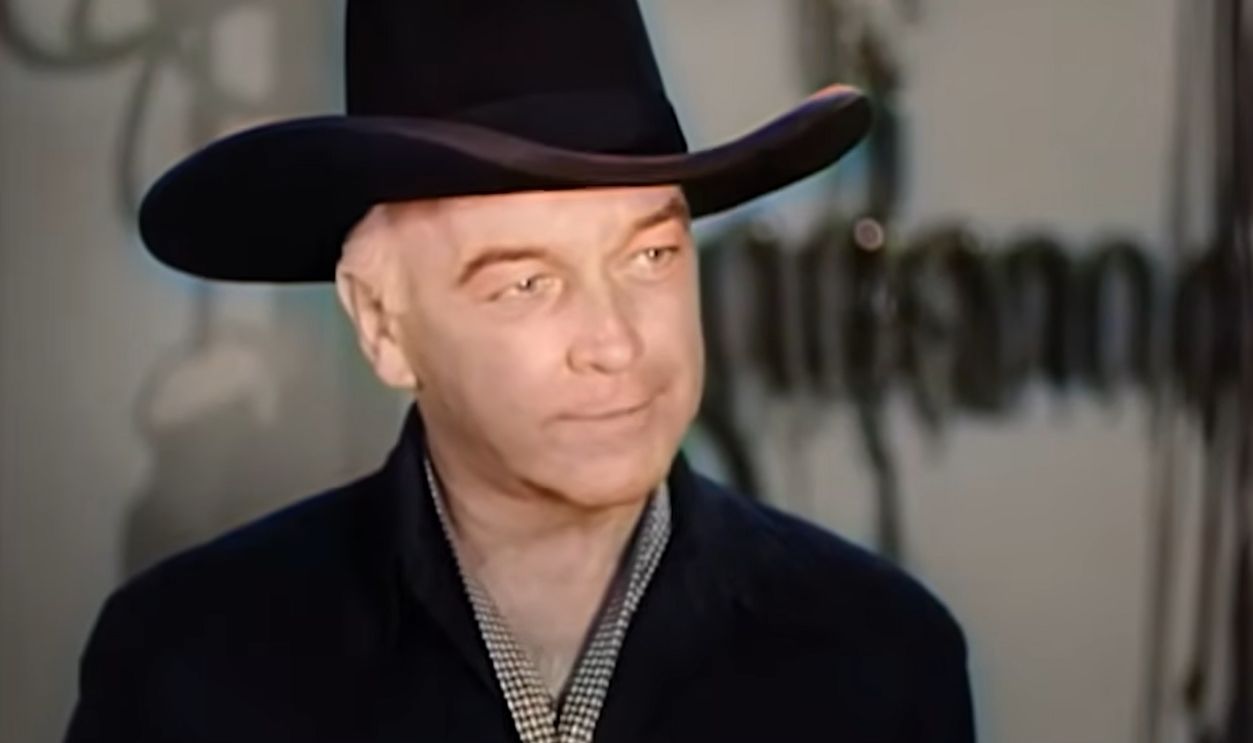 Screenshot from Hopalong Cassidy, NBC (1949–1952)
The Rebel
Backed by Johnny Cash singing the theme song, The Rebel followed a former Confederate soldier wandering through the post-Civil War South. The series had a moodier, more reflective feel than many action-focused Westerns, giving it a unique atmosphere audiences still remember.
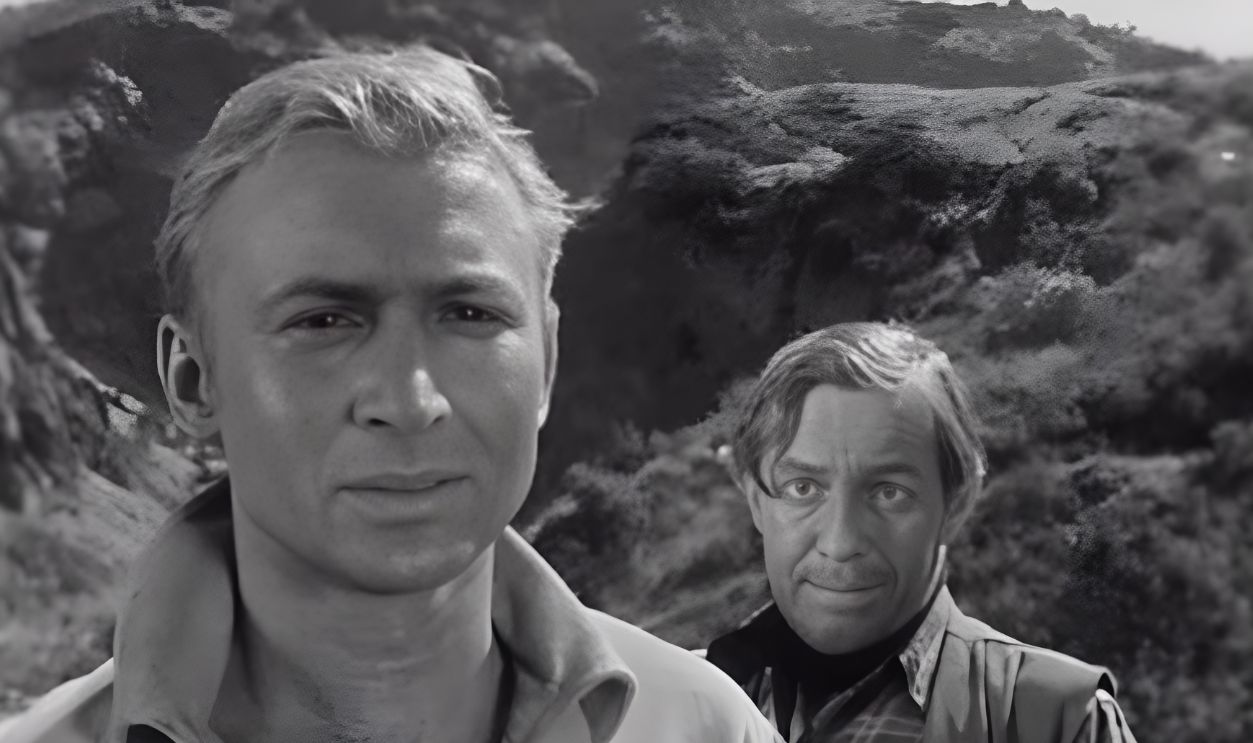 Screenshot from The Rebel, ABC (1959–1961), Modified
Bronco
Ty Hardin starred as roaming cowboy Bronco Layne, drifting from town to town getting involved in frontier conflicts and adventures. Like many Warner Bros. Westerns of the era, the series moved quickly and leaned heavily into action, fistfights, and colorful guest stars.
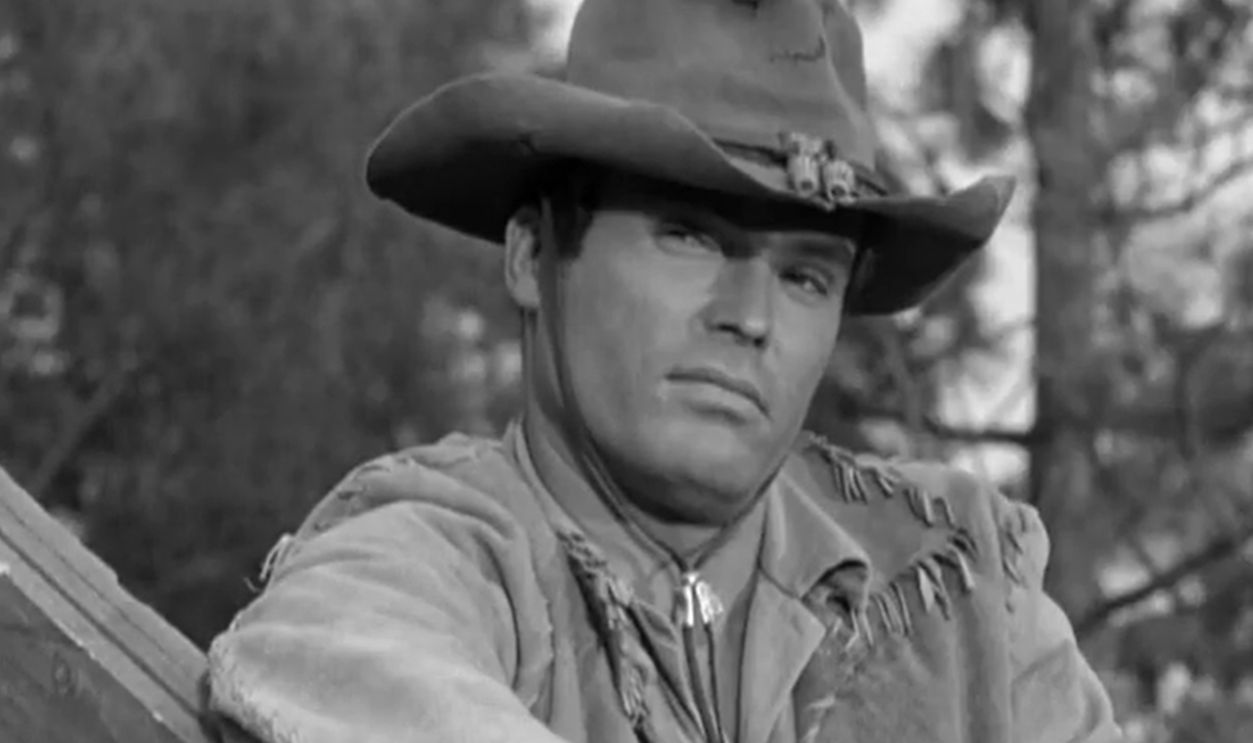 Screenshot from Bronco, ABC (1958–1962)
Sugarfoot
Instead of another fearless gunslinger, Sugarfoot gave viewers a softer and more awkward lead character. Tom Brewster was educated, polite, and usually tried avoiding violence whenever possible. That unusual approach made the series feel refreshingly different compared to tougher cowboy dramas dominating television.
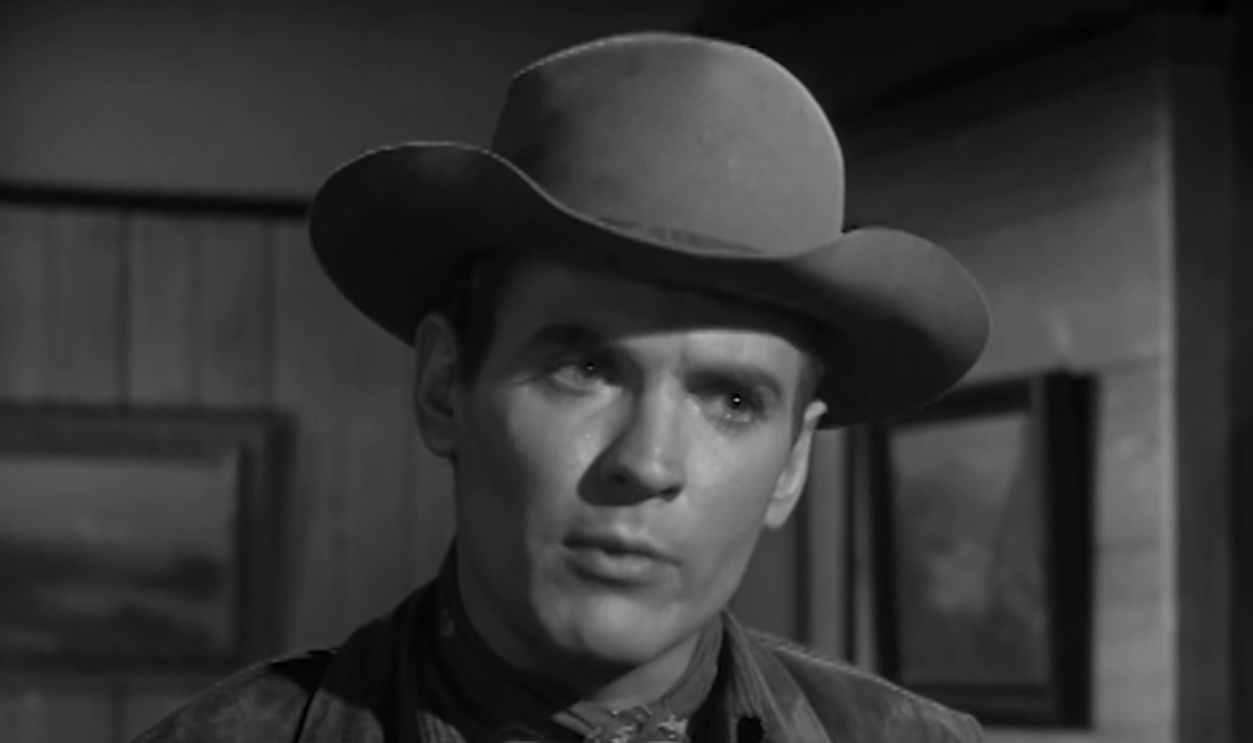 Screenshot from Sugarfoot, ABC (1957–1961)
Cheyenne
Cheyenne helped define the TV Western format before the genre fully exploded. Clint Walker’s towering presence and calm delivery made him an instantly recognizable cowboy hero. The series became enormously influential and paved the way for dozens of other Westerns that followed.
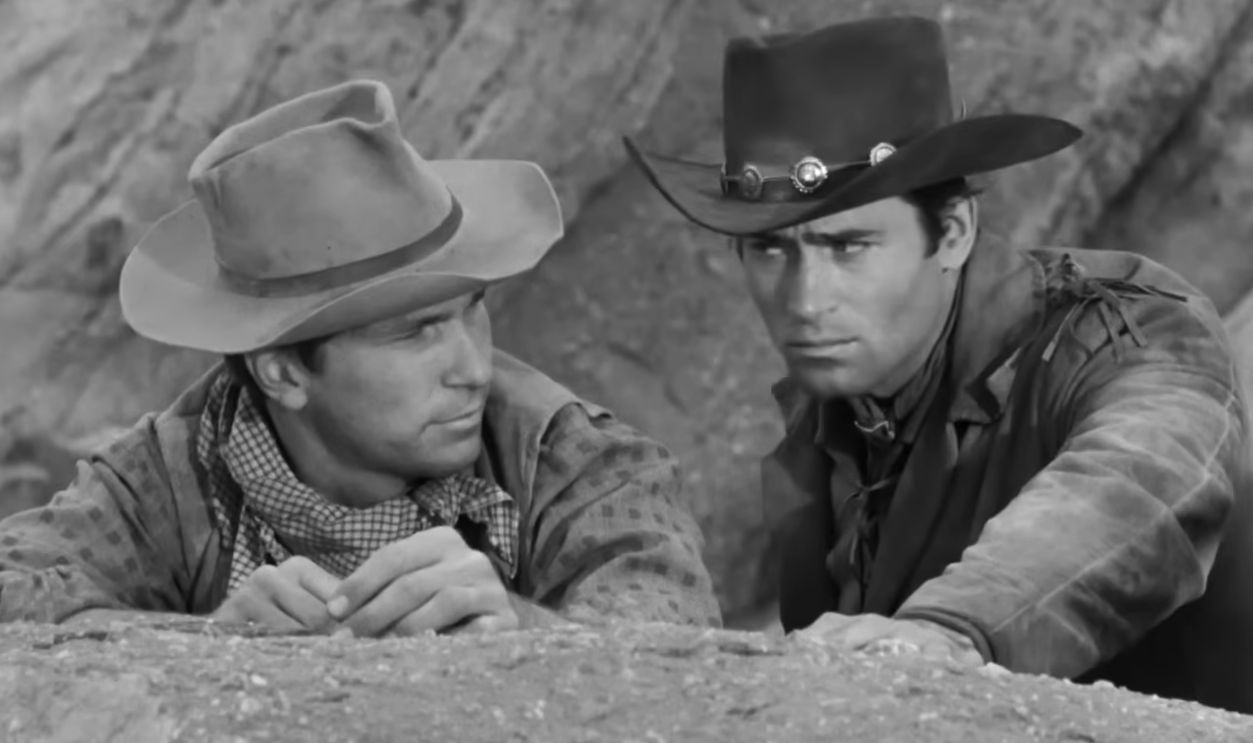 Screenshot from Cheyenne, ABC (1955–1962)
The Roy Rogers Show
Roy Rogers was basically the king of TV cowboys during the early days of television. Alongside Dale Evans and Trigger the horse, he brought music, comedy, and heroic adventures into millions of homes every week. For kids growing up back then, Roy Rogers was practically larger than life.
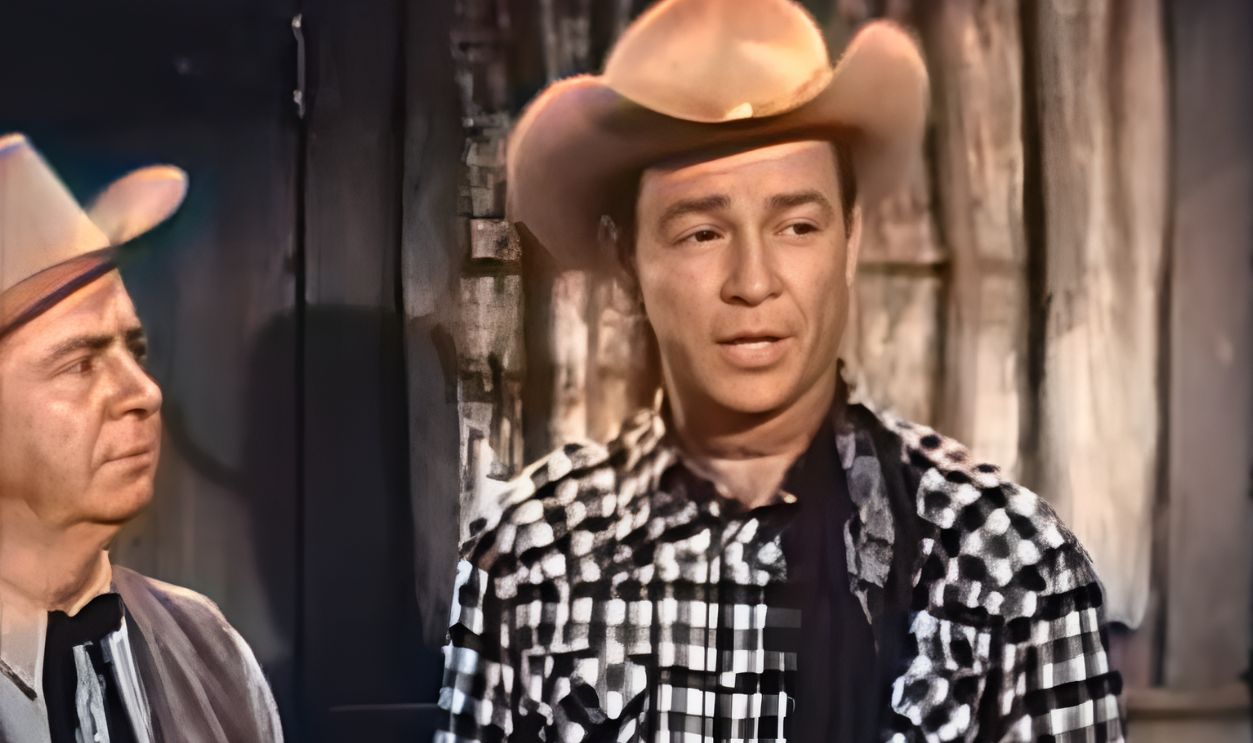 Screenshot from The Roy Rogers Show, NBC (1951–1957), Modified
The Life And Legend Of Wyatt Earp
Hugh O’Brian’s version of Wyatt Earp turned the famous lawman into one of television’s biggest frontier heroes. The series tried leaning slightly more historical than many rival shows, though audiences still got plenty of saloon brawls, gunfights, and dramatic showdowns every week.
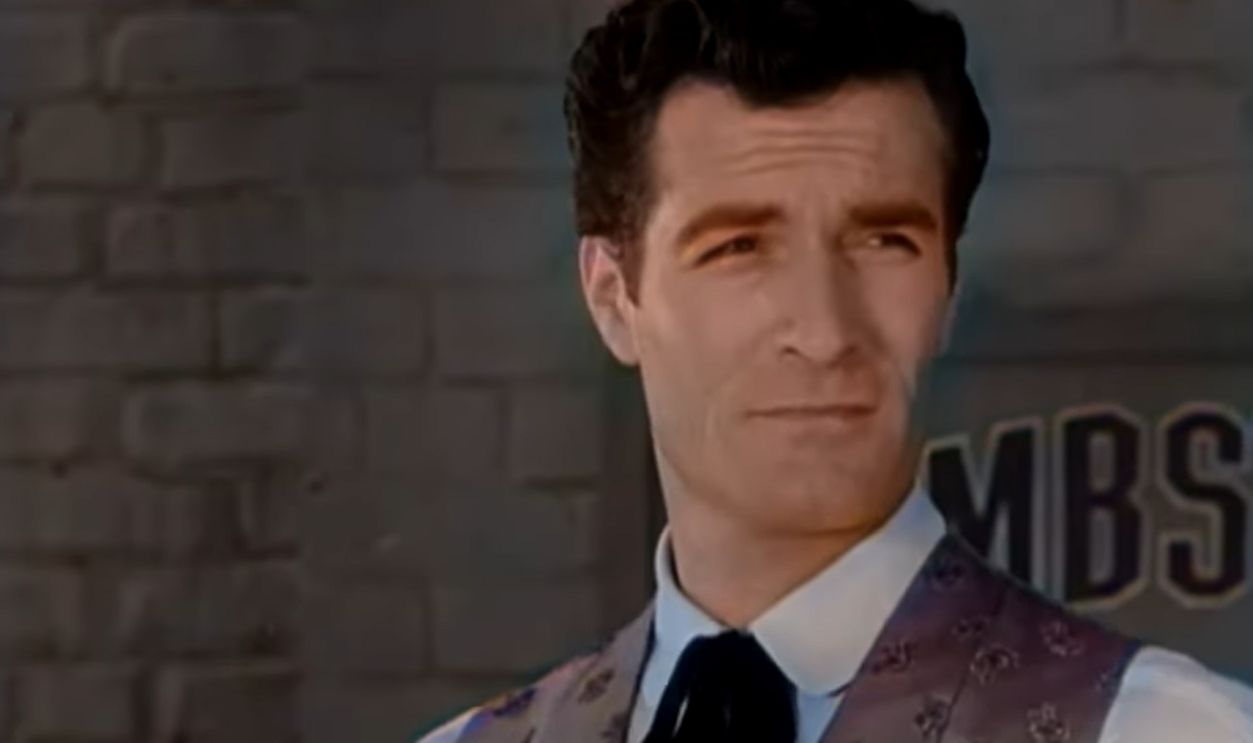 Screenshot from The Life and Legend of Wyatt Earp, ABC (1955–1961)
Bonanza
Bonanza turned the Cartwright family into household names during the 1960s. Set on the massive Ponderosa ranch, the show balanced shootouts and frontier adventures with emotional family drama. It also became one of the first major TV Westerns regularly broadcast in color, making it feel extra impressive to viewers at the time.
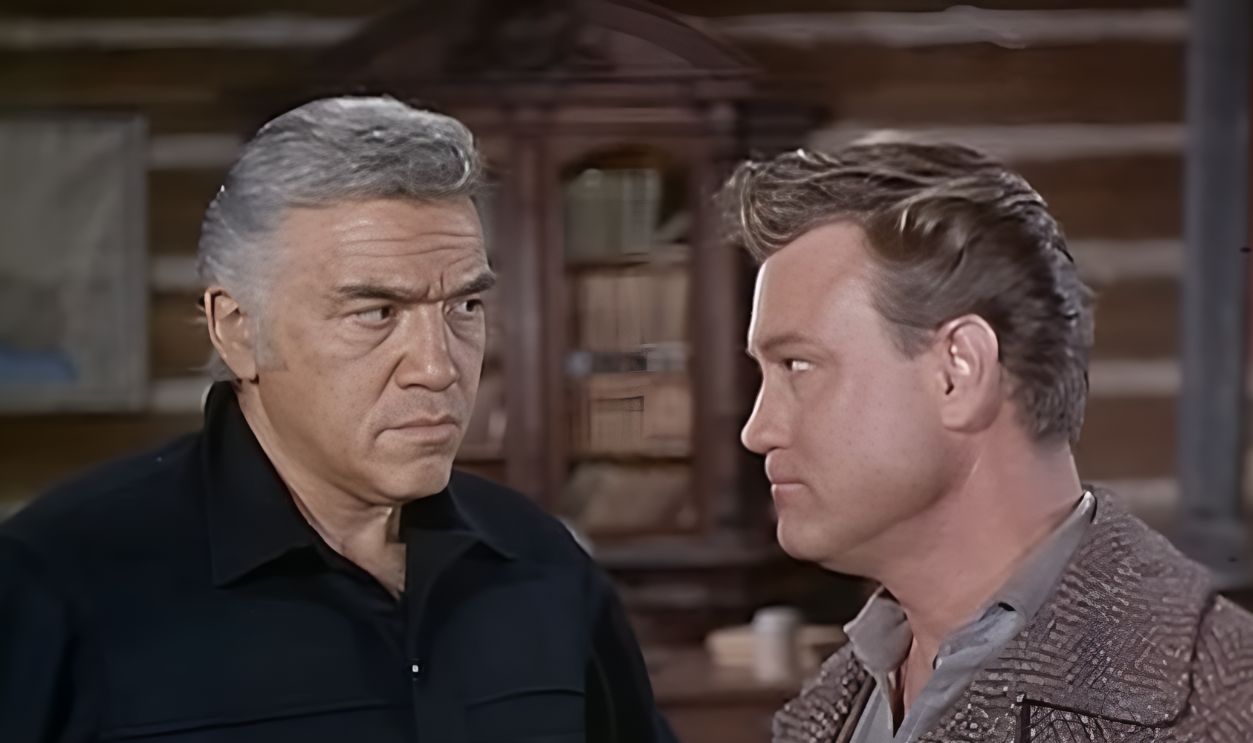 Screenshot from Bonanza, NBC (1959–1973), Modified
Tales Of Wells Fargo
This series followed Wells Fargo agent Jim Hardie protecting shipments, hunting criminals, and cleaning up frontier trouble across the West. Dale Robertson played the role with a calm confidence that made the show feel grounded and dependable instead of flashy or over-the-top.
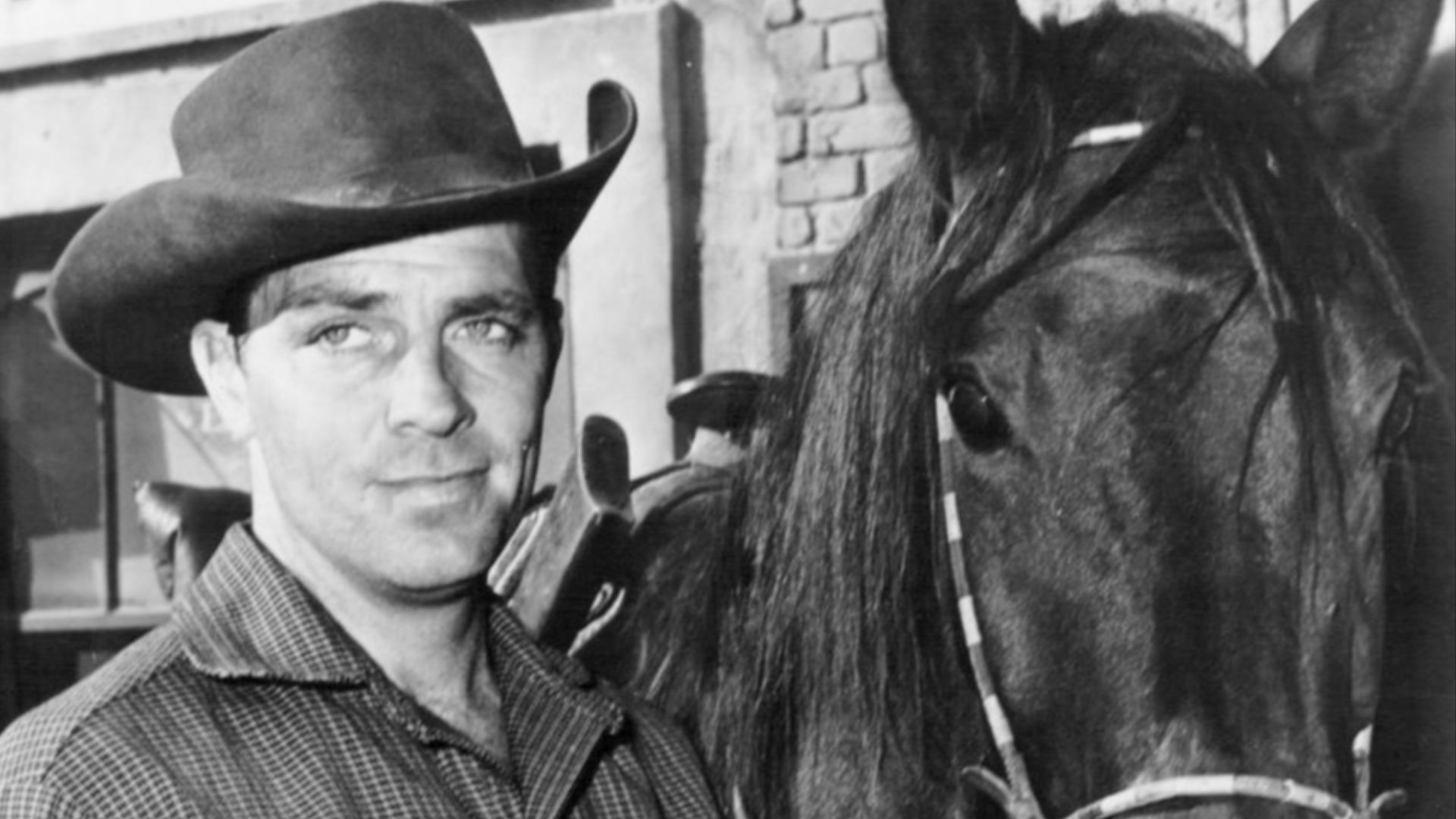 NBC Television, Wikimedia Commons
The Lone Ranger
“The Lone Ranger” was once so huge that kids everywhere recognized the mask, silver bullets, and famous catchphrase instantly. Alongside Tonto, the mysterious rider became one of television’s earliest mega-franchises. Even today, people who have never seen the show still know parts of its mythology.
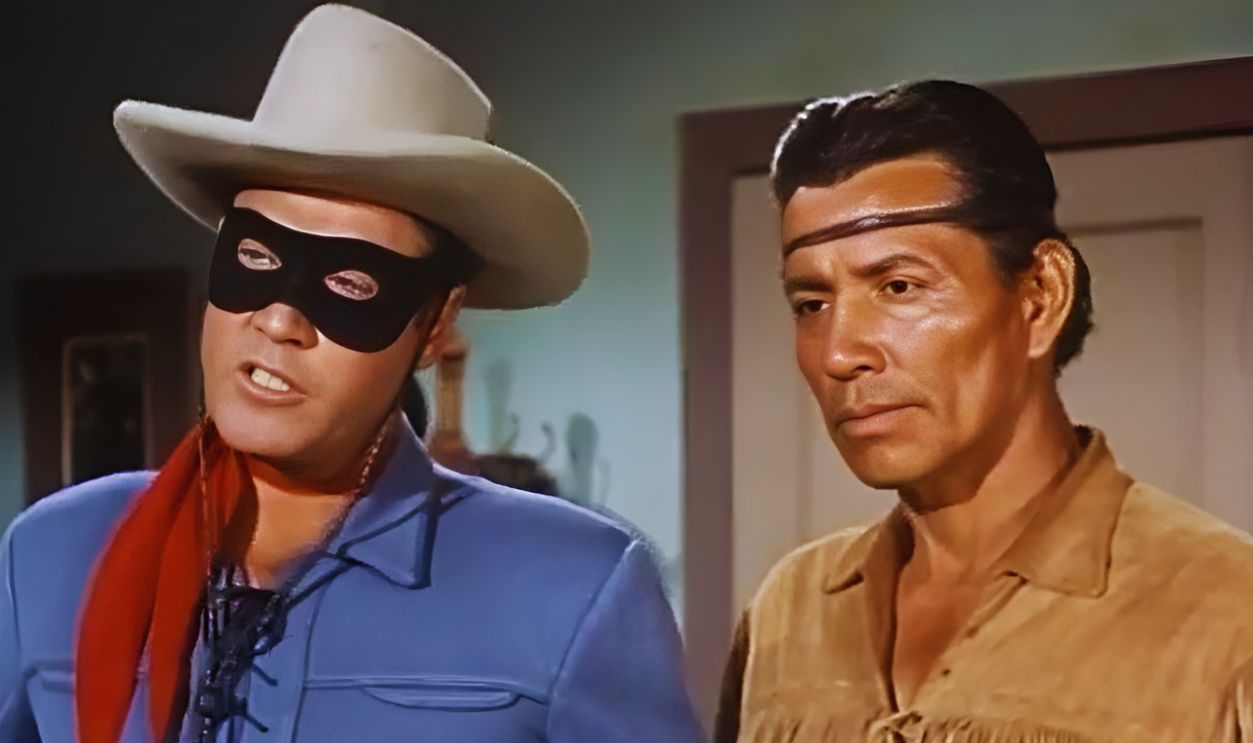 Screenshot from The Lone Ranger, ABC (1949–1957), Modified
You May Also Like:
Actual Game Shows From The 1970s That Would Never Cut It On TV Today
Forgotten One-Season TV Shows From The 1980s—Do You Remember Any Of These Shows?
12 Things Movie Westerns Get Completely Wrong About The Old West