The Old West Fact Or Fiction
What do you really know about the Old West? If you’re like most people, your answer probably comes straight from the silver screen. From The Good, the Bad and the Ugly to The Magnificent Seven, Unforgiven, and Dances With Wolves, Hollywood has spent decades crafting a dusty version of history we’ve all more or less taken at face value.
The only problem? That version isn’t exactly…accurate. Sure, they get a few things right—but a surprising number of classic Western tropes fall apart the moment you hold them up against real history. For example…
All Those Cowboy Hats
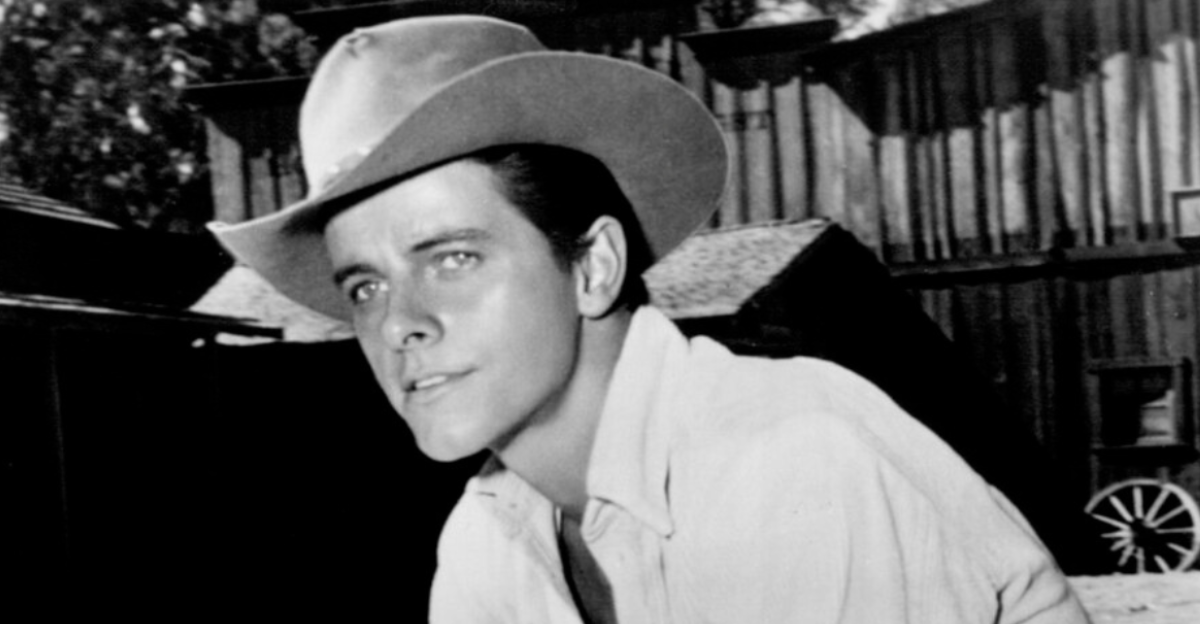
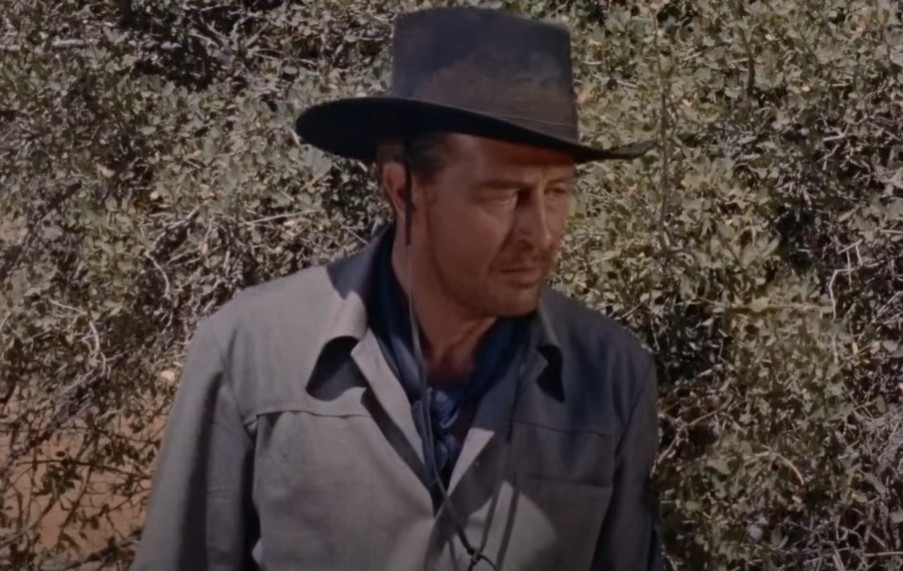
Of all the classic Western movie tropes, at least we know the cowboy hat is accurate, right? Well, it might sound crazy but...wrong! Not only did every good guy not wear a white cowboy hat and every bad guy wear a black one—as early Westerns depicted—but the cowboy hat wasn't even the most popular hat of the day.
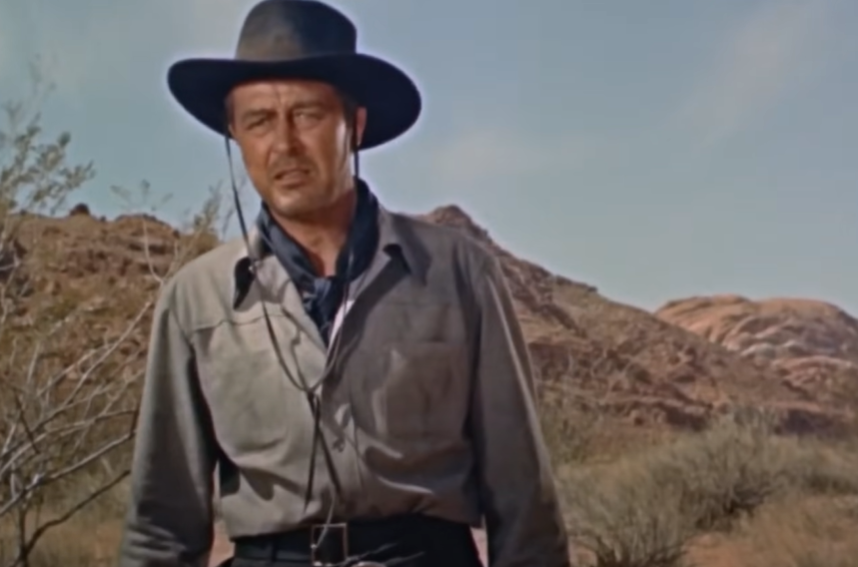 Republic Pictures, A Man Alone (1955)
All Those Cowboy Hats
Yes, the "Ten-Gallon" Stetson did gain in popularity—it was just one of many varieties of hats that folks sported back in the Old West days. Sombreros, flat caps, military caps, beaver pelt hats, and top hats could all be seen on heads around towns.
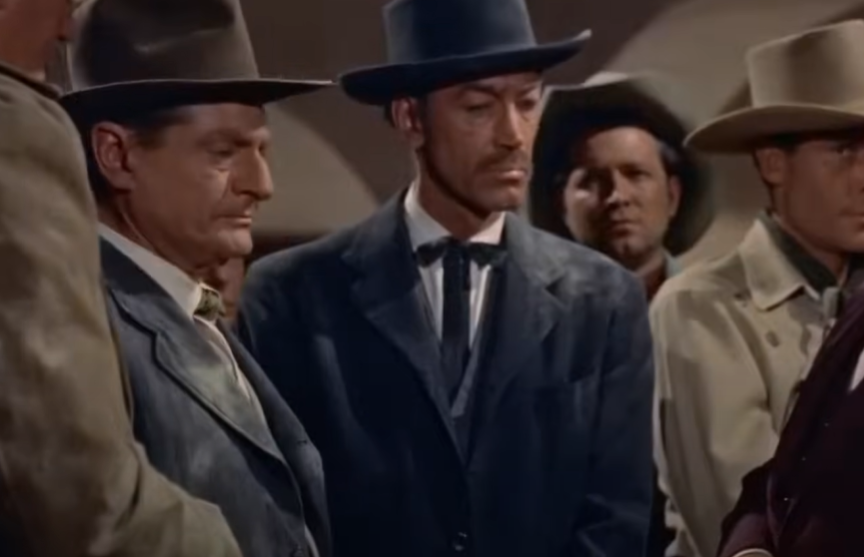 Republic Pictures, A Man Alone (1955)
All Those Cowboy Hats
But of all the head coverings of the day, it was the bowler hat (‘derby’) that was the most popular style by far. So much so that a journalist in the 1950s called the bowler hat, "the hat that won the West".
 Republic Pictures, A Man Alone (1955)
A Very Violent Time
If most movie Westerns are to be believed, the Wild West truly was wild—wildly violent. With shootouts in saloons and duels in the street, one would assume that the Old West morgues were very crowded places with folks falling like flies all over the place. But the truth is...
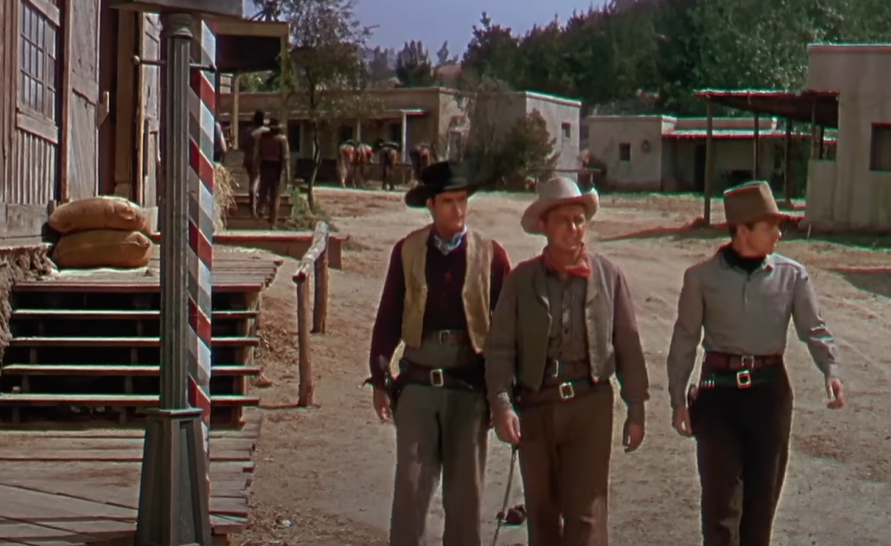 Universal, The Cimarron Kid (1952)
A Very Violent Time
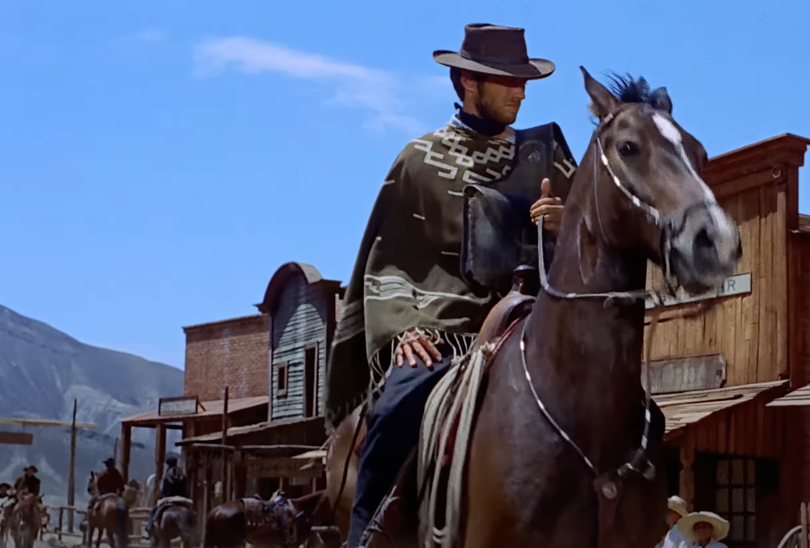
Shootouts and the like were actually kinda rare—and the homicide rate was much lower than you probably imagine. Even some of the cities most violently depicted in the movies, like Dodge City and Tombstone, had homicide rates under 1%.
If those low numbers surprise you even more considering men walked around with their weapons on their belts all the time...well, that leads us to our next one.
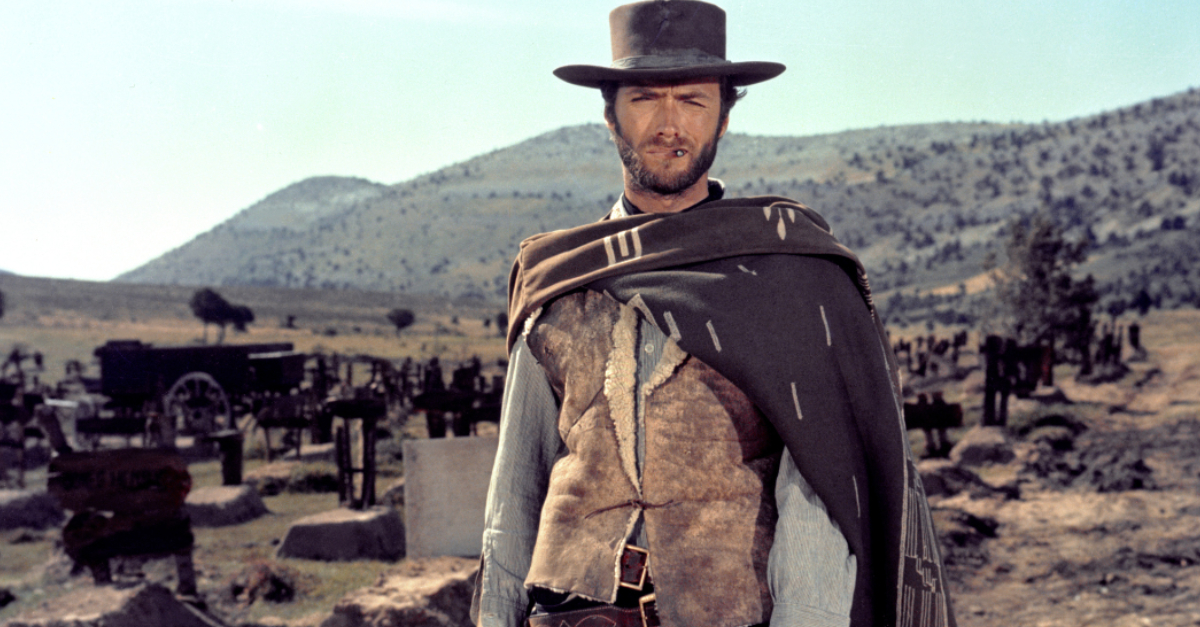
 United Artists, For a Few Dollars More (1965)
Wearing Weapons All Around Town
Along with the cowboy hat, a staple of movie Westerns is the holstered weapons on the hips of pretty much every man who strode around town. It would seem that—at least according to the movies—the filled holster was the must-have accessory of the day for almost everyone. But that actually wasn't always the case.
 Universal, The Cimarron Kid (1952)
Wearing Weapons All Around Town
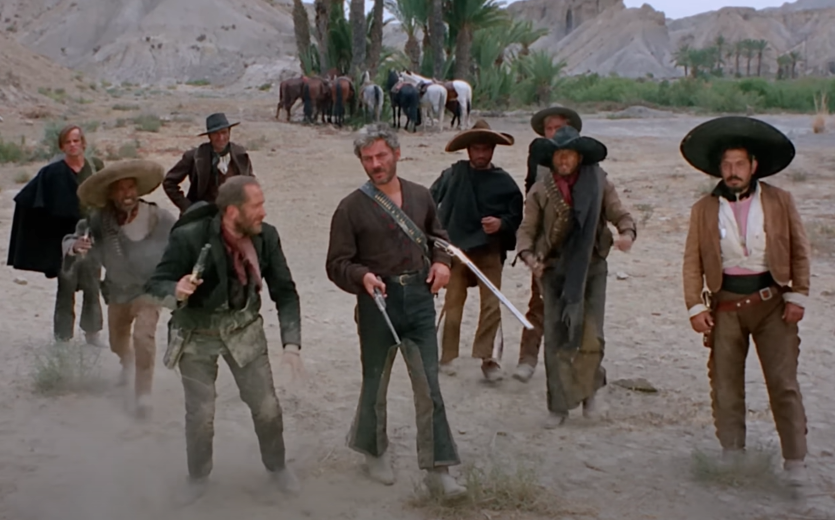
In fact, many towns in the Old West had very strict laws regarding such things and anyone who came into town had to check their weapons at the sheriff's office or the hotel upon arrival. So, while almost every man bore them, they didn't wear them as casually around town as we all were told via the movies.
 United Artists, For a Few Dollars More (1965)
Wearing Weapons All Around Town
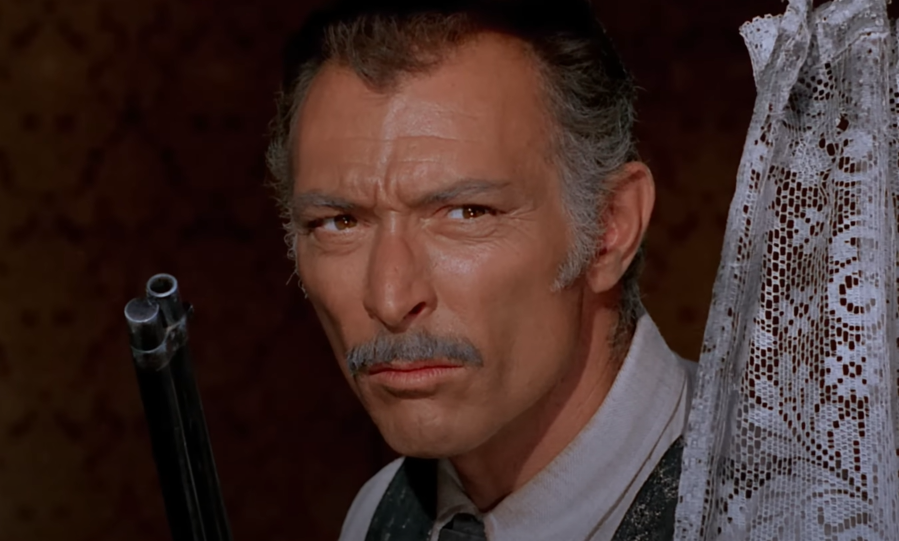
And speaking of Dodge City—it’s worth noting that in 1878, the town passed a law explicitly banning men from carrying arms within city limits, which isn’t exactly the image most Westerns like to paint.
 United Artists, For a Few Dollars More (1965)
All That Tumbleweed
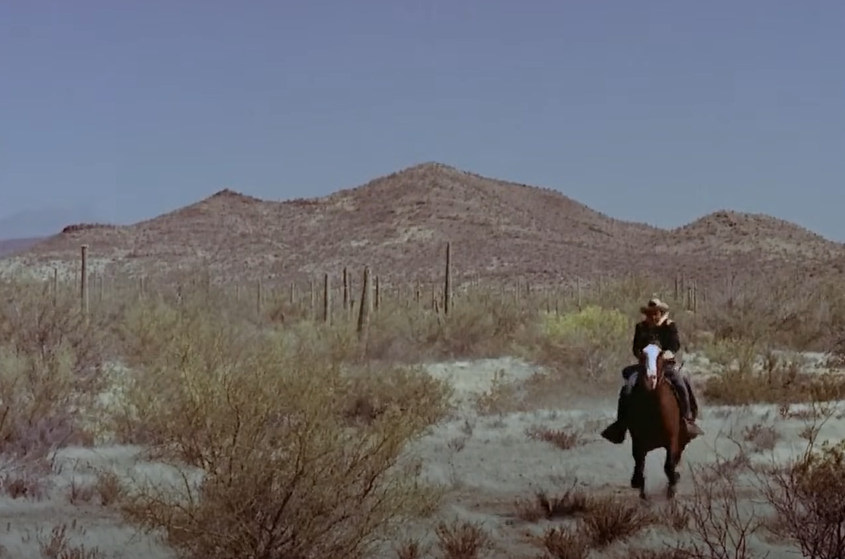
Can you name a Western movie that doesn't have at least one scene of a deserted road with tumbleweed blowing through the frame? We can't either. But why is this a problem, you ask? Well, as associated as tumbleweed is with the Old West, there's nothing Western about it. Turns out tumbleweed is actually Russian thistle and not native to America at all.
 Columbia, The Guns of Fort Petticoat (1957)
All That Tumbleweed
In fact, tumbleweed didn't even arrive in this country until the 1870s, when a shipment of flaxseed from Russia brought the invasive plants that create tumbleweeds to South Dakota. From that point, it would've taken decades for the plant to spread across the country. And given that the Old West/Wild West is generally accepted to be from about 1865 to 1895, there probably wasn't any tumbleweed blowing around—or at least not as much as many of these Western movies would have you believe.
 Columbia, The Guns of Fort Petticoat (1957)
The Clean-Shaven Cowboys
From The Magnificent Seven to John Wayne to Steve Reeves—the clean-shaven cowboy is pretty commonplace, especially in the early Westerns of the 40s and 50s. But how commonplace was an actual clean-shaven cowboy in the Old West? Let's just say....not very.
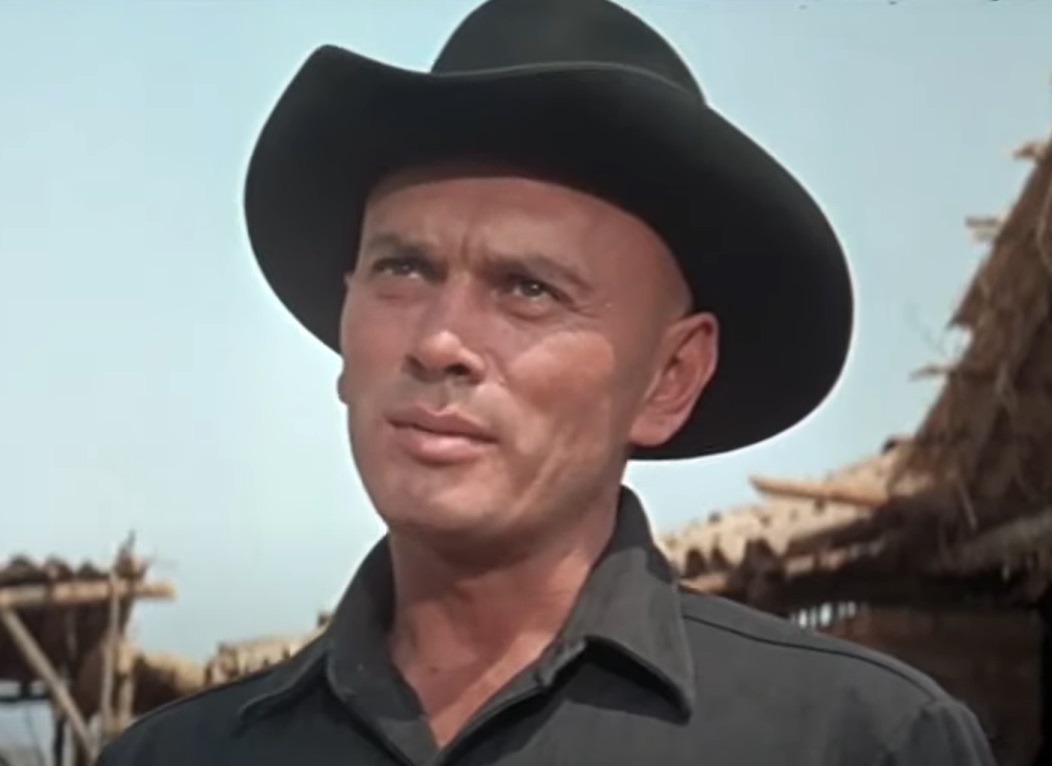 United Artists, The Magnificent Seven (1960)
The Clean-Shaven Cowboys
Which isn't to say cowboys didn't care about their hygiene and would just let themselves go—but out on the plains, during a long cattle drive, the last thing on their minds was shaving. Especially with razor blades and hot water not easy to come by—and when a nick or a cut could lead to infection.
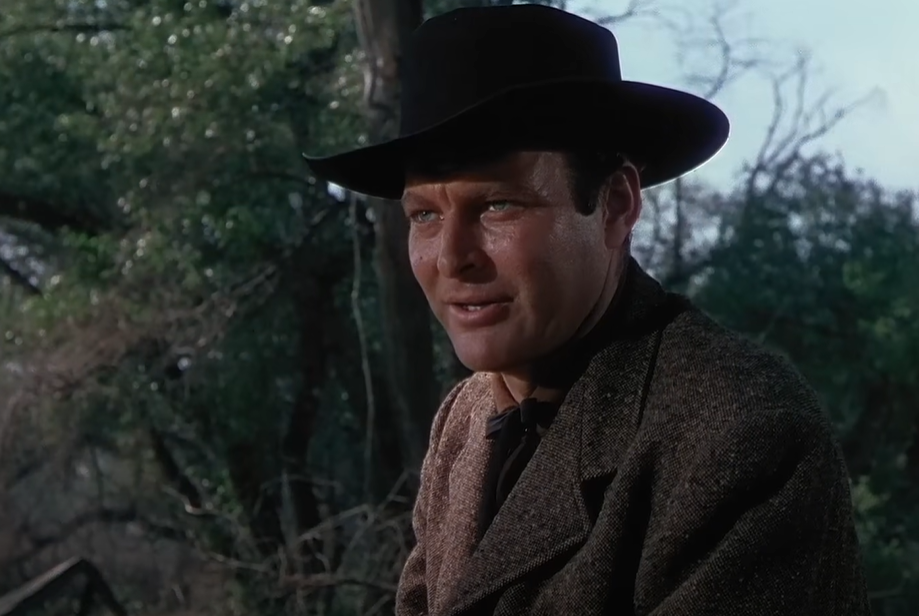 Universal, The Cimarron Kid (1952)
The Clean-Shaven Cowboys
Full beards were pretty common, if not at least a moustache and/or a goatee. However, movie-goers in the 40s and 50s preferred their stars sans facial hair—and Hollywood studios obliged.
 Selznick International Pictures, Duel in the Sun (1946)
White Cowboys
Not only were cowboys not as clean-shaven as Hollywood Westerns often present them—they also weren't as all White as the movies would have us believe either. The percentage of Black cowboys will certainly surprise anyone for whom Westerns are their only source of information about the Old West.
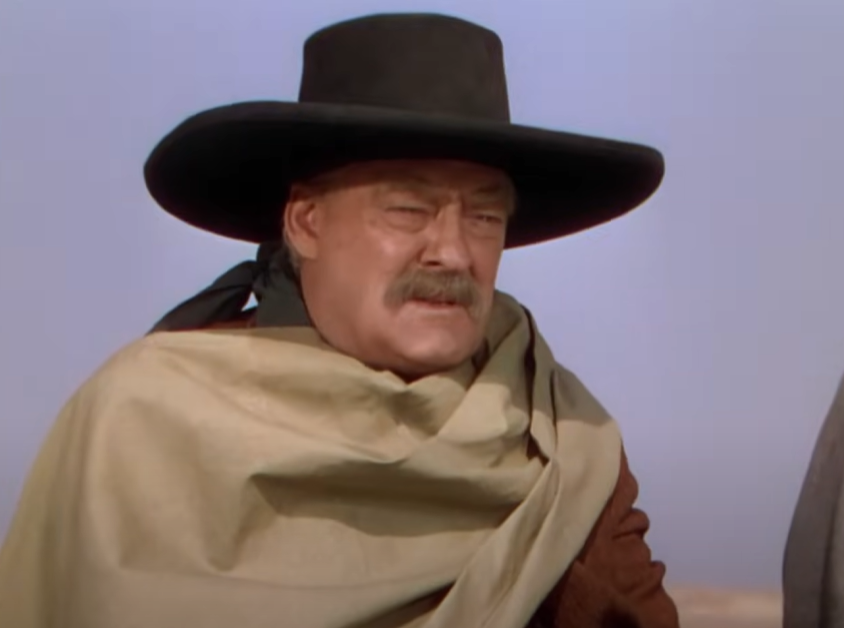 Selznick International Pictures, Duel in the Sun (1946)
White Cowboys
There weren’t just a handful of Black cowboys—far from it. Historians estimate that roughly one in four cowboys in the Old West were Black, many of them recently freed slaves carving out a living where they could. The trail wasn’t exactly a dream job, either—it was tough, dangerous work that didn’t pay much, which is precisely why it drew such a diverse crowd, including Mexican and South American cowboys.
In fact, for many Black men after the Civil War, cowboying was one of the few opportunities available—less about chasing adventure, and more about making ends meet on the open range.
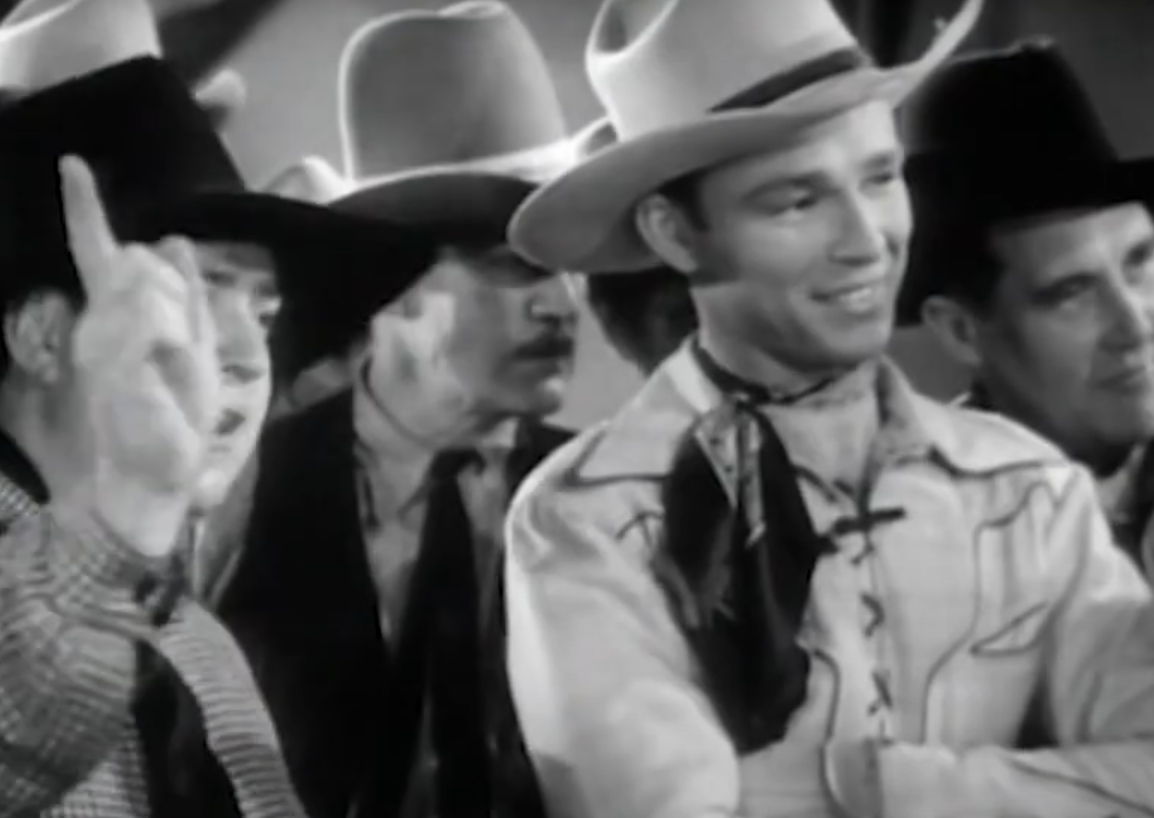 Republic Pictures, Under Western Stars (1938)
All Women Worked In The "Oldest Profession"
Not only are most Western movies dominated by men, when the women show up, they are usually women of, how shall we say..."ill repute". But while there certainly were "saloon girls" back in the Old West—it most definitely wasn't the only thing women did.
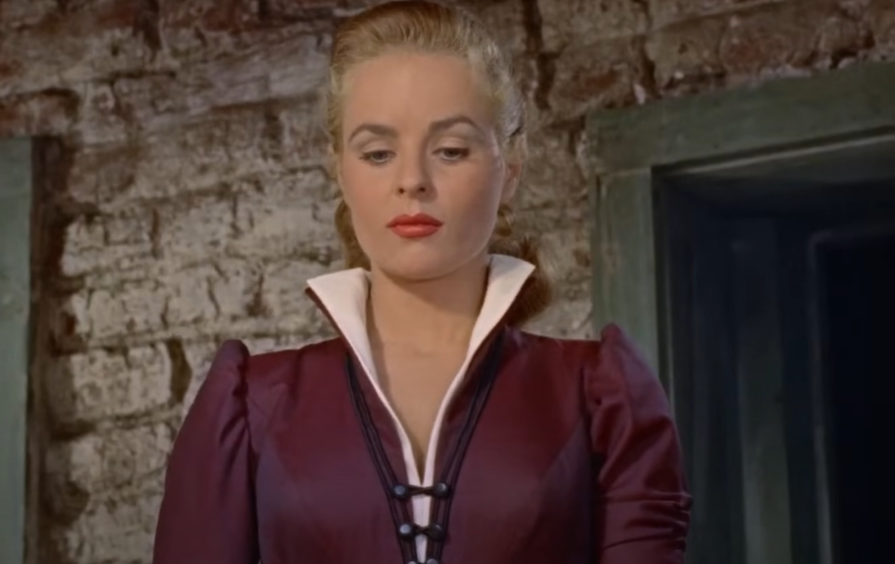 Republic Pictures, A Man Alone (1955)
All Women Worked In The "Oldest Profession"
The facts are that out West, many women found more opportunities available to them then they had in the east. Women were given the right to vote in Wyoming in 1869 and had plenty of other jobs on the frontier—with many working as physicians, for example.
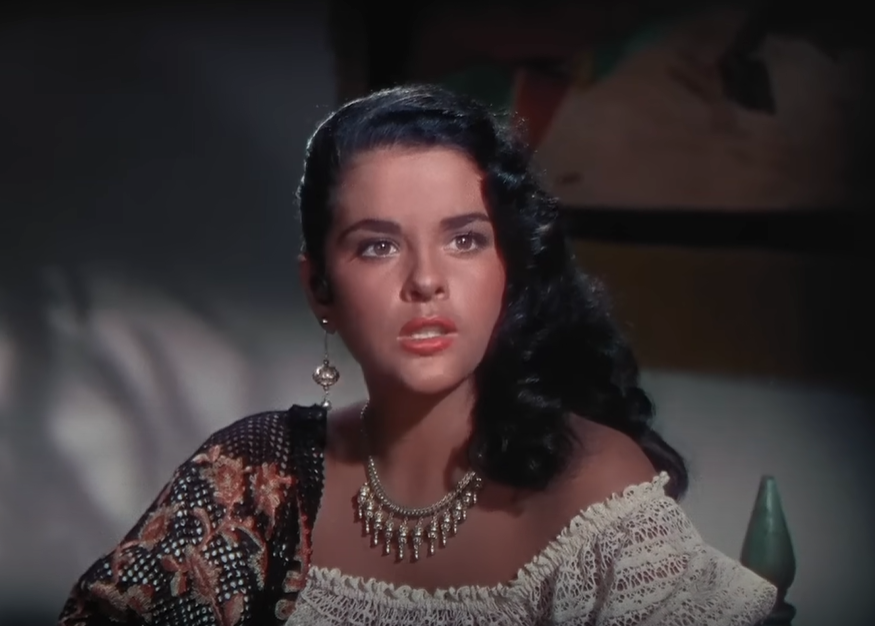 Universal, The Cimarron Kid (1952)
All Women Worked In The "Oldest Profession"
We should also point out that the women who did work as "saloon girls"—well, they made a lot of money for the day and had pretty comfortable lives outside of work (which was not easy and not always respected). And even better off were the madams, who were free and educated, and some of the richest women of the era.
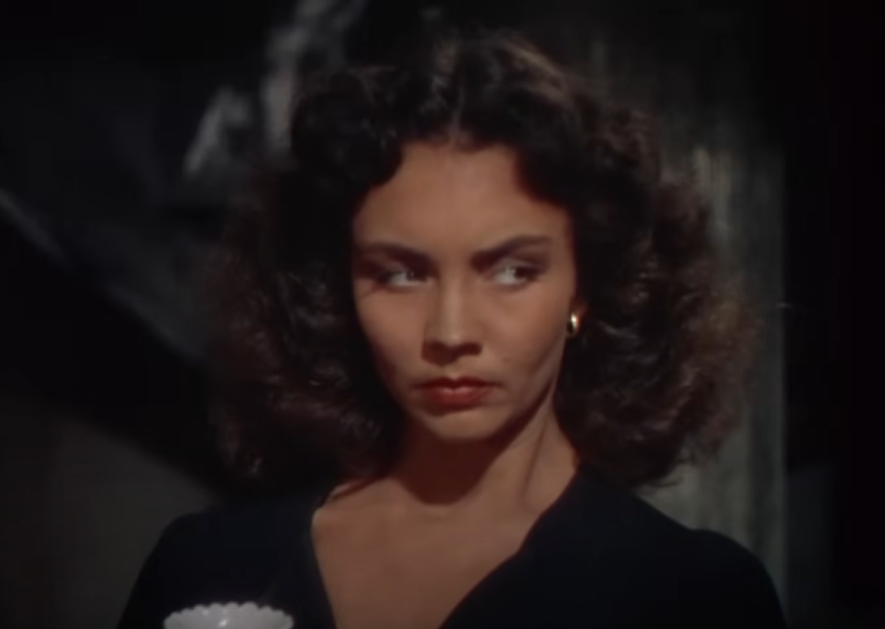 Selznick International Pictures, Duel in the Sun (1946)
Standoffs And Quick Draw Duels
They are some of the most memorable scenes in Westerns: the standoff duel in the street with the music and the intense shots of each man's eyes as they prepare to draw and fire. And of course we understand why Hollywood would love them—they make for an amazing scene in a movie. But they were definitely not happening as much in the Old West as they do in films.
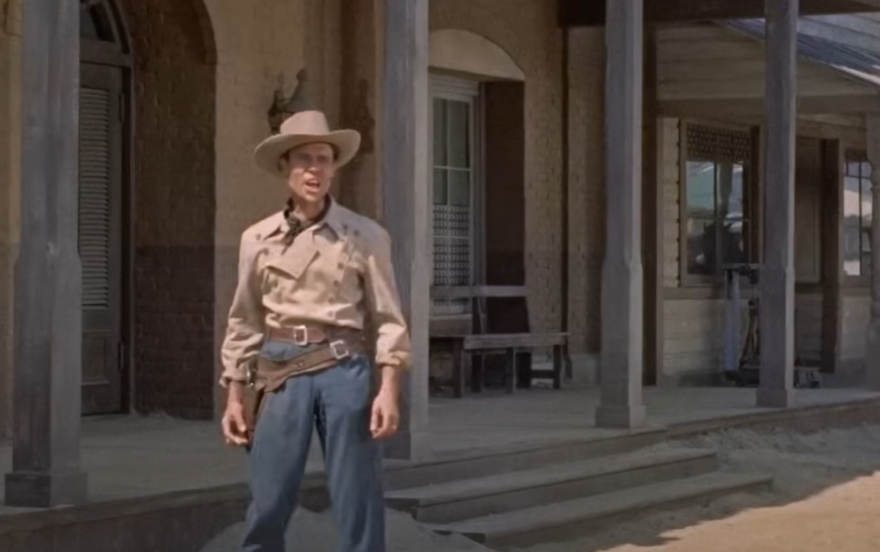 Republic Pictures, A Man Alone (1955)
Standoffs And Quick-Draw Duels
As for the iconic "quick draw" duel in the street at high noon—there are actually only two of those to be found in the historical record: Wild Bill Hickok taking down Davis Tutt in Springfield, Missouri, and Jim Courtright losing his duel to Luke Short.
 United Artists, Wild Bill (1995)
Standoffs And Quick Draw Duels
Some other notes of inaccuracy when it comes to these things: The low-slung hip holsters weren't all the rage. The truth is that most men preferred larger weapons and those low-slung holsters are kind of a Hollywood creation.
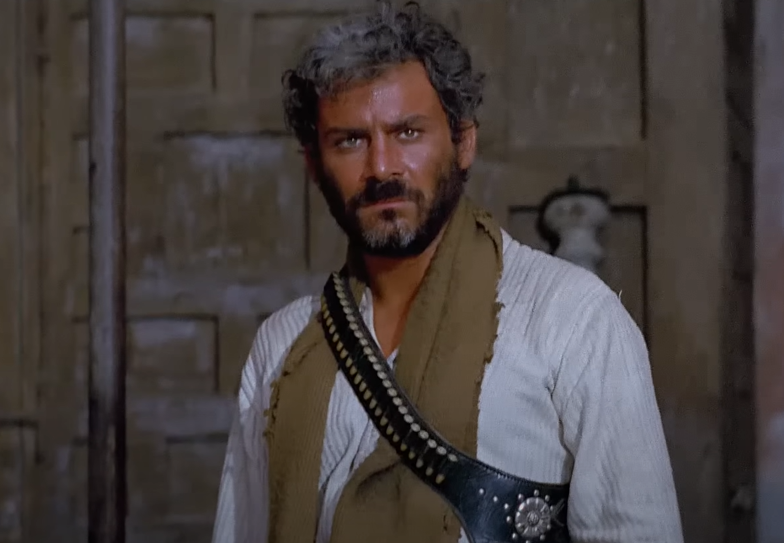 United Artists, For a Few Dollars More (1965)
Proper To Let Opponent Draw First
While shootouts and duels in the Old West were much less common than the movies would have us believe, when they did occur, they usually didn't happen like they did in the movies either. Like waiting for your opponent to draw first because—as Burt Lancaster's character in Lawman said—it's what honorable men do.
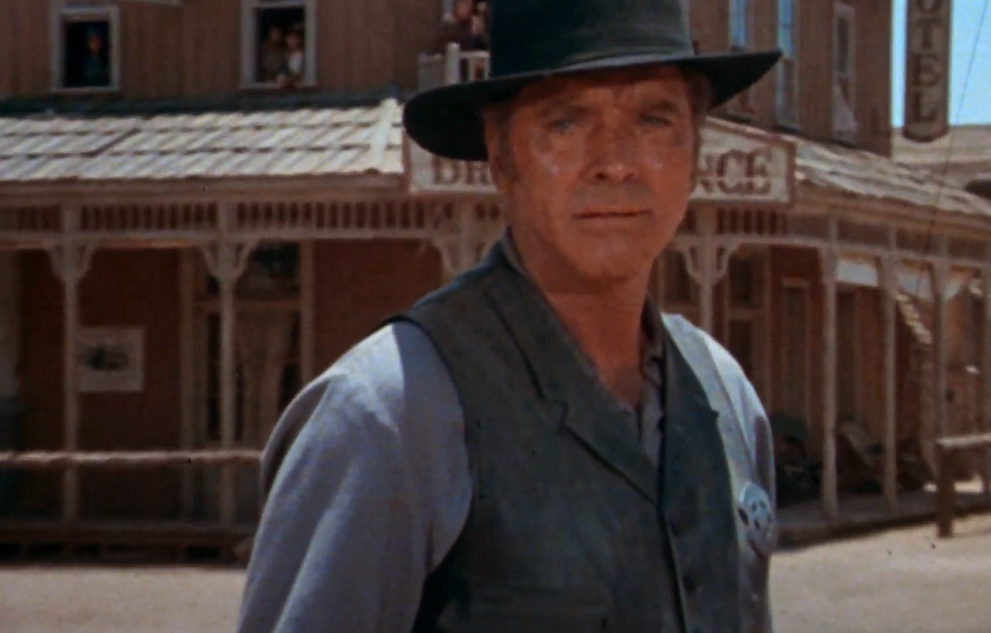
Proper To Let Opponent Draw First
There’s also no real evidence that gunfights played out with any kind of “honor” or dramatic fairness. Standing in the street, waiting to draw like some cinematic showdown? That was a great way to lose—and in the Old West, losing wasn’t exactly something you walked away from.
More often than not, these confrontations started with both men already armed and ready, not slowly reaching for holsters in a tense, choreographed standoff. In other words, the reality was far less theatrical—and a lot more dangerous.
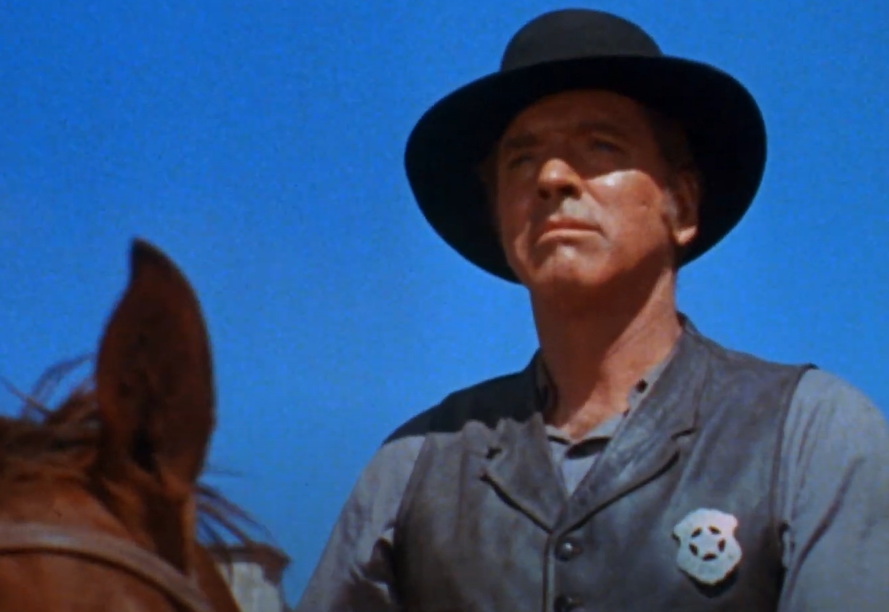
Proper To Let Opponent Draw First
Take the assistant marshal for Dodge City, Tom Nixon, who, in 1884, had some trouble with the former assistant marshal, Dave Mather. Nixon fired at Mather but missed. Well, a few days later, Mather snuck up behind Nixon and took him out. How "honorable" is that? But not only that, Mather was acquitted at trial because—although he drew first—Nixon had started the original fight.
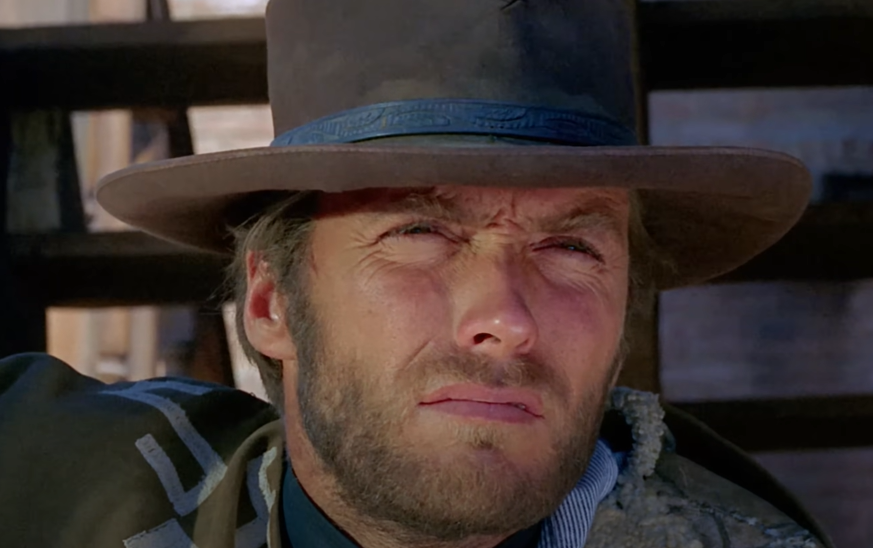 United Artists, For a Few Dollars More (1965)
All Those Bank Robberies
A bunch of masked bandits rush into a bank with weapons drawn, fill their bags with money, rush out, jump on their horses, and ride off with the loot. You can probably name at least a few Westerns with some such scene. But how often were banks actually getting robbed in the Wild West? Not that much.
 Universal, The Cimarron Kid (1952)
All Those Bank Robberies
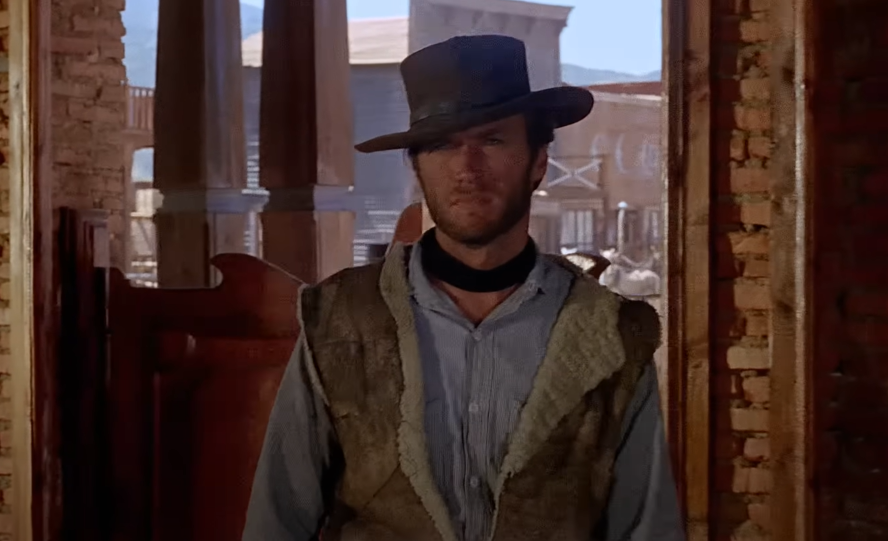
Of course, it did happen. Banks were robbed. But the numbers are a whole lot smaller than you would guess. We're talking about three or four bank robberies in a 40-year span across some 15 states.
 United Artists, For a Few Dollars More (1965)
Where Are The Camels?
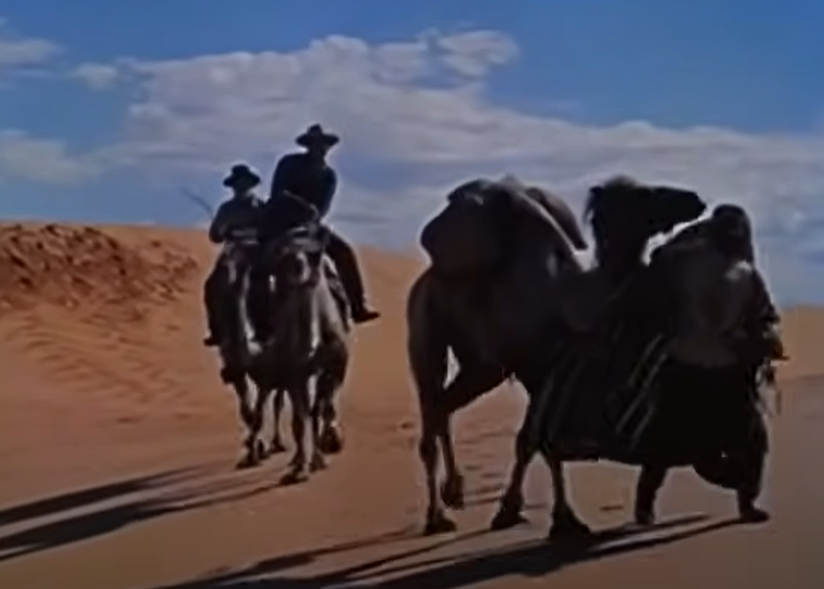
Think back on all the Westerns you've ever watched. How many camels did you see in those movies? But why are we asking you about camels when talking about the Old West? Because the Old West (the real Old West) had lots of camels.

Where Are The Camels?
In 1855, the US Congress put up $30,000 for "the purchase and importation of camels and dromedaries to be employed for military purposes". Well, those camels arrived and many thrived and even escaped and roamed and bred in the wild.
It sounds crazy to say it, but for some cowboys, camels even became their preferred ride animal.
 Edward Small Productions, Southwest Passage (1954)
The OK Corral
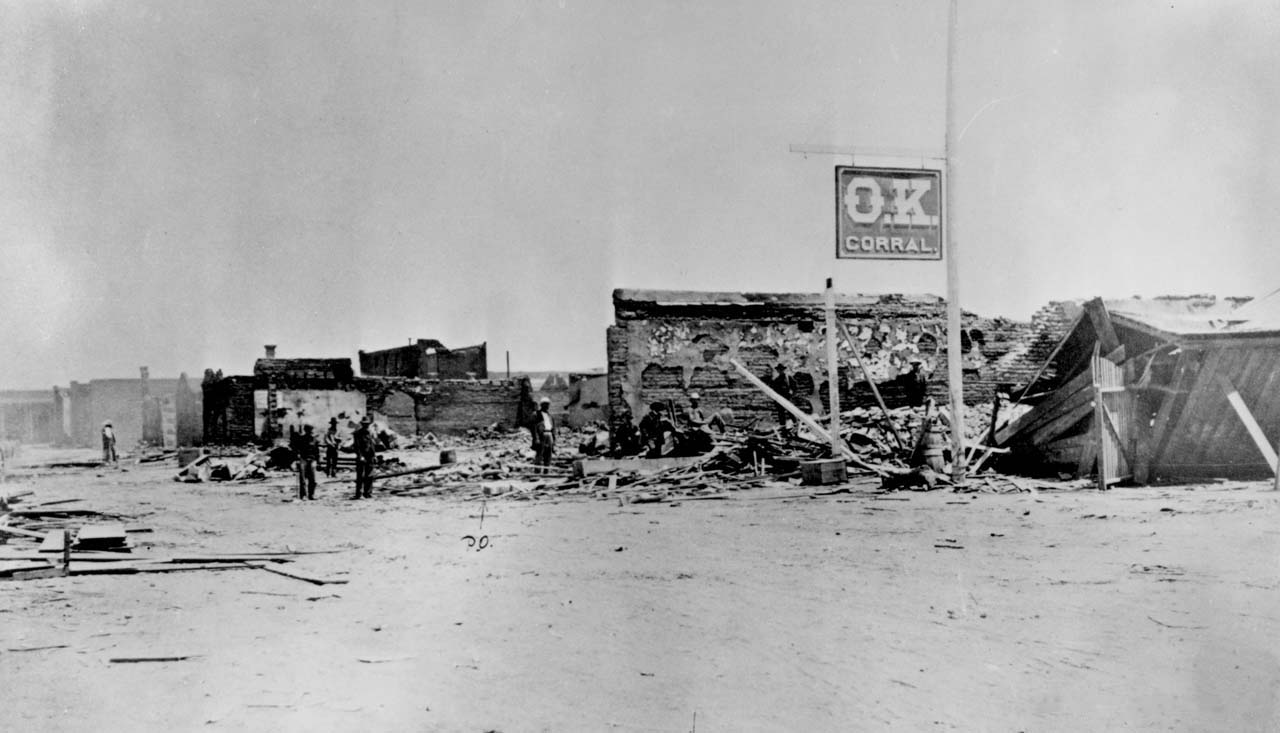
The fight between cattle rustlers and lawmen at the OK Corral is one of—if not the most famous shootouts in the history of the Wild West. But fun fact: It didn't actually take place in the OK Corral—it happened behind the Corral in a vacant lot.
It might be a technicality, but we thought it was worth mentioning. Also, the entire thing lasted about 30 seconds.
 Unknown Author, Wikimedia Commons