When The Small Screen Became The Perfect Second Act
Movie stardom used to come with an expiration date. Once the big roles dried up, Hollywood could move on frighteningly fast. But some classic stars refused to disappear. They turned to television, found entirely new characters, and sometimes became even more recognizable than they had been on the big screen.
 Silver Screen Collection/Hulton Archive/Getty Images
Barbara Stanwyck - The Big Valley
By the 1960s, Barbara Stanwyck had already spent decades playing everything from ruthless femme fatales to romantic heroines, earning four Oscar nominations along the way. As studio-era opportunities dwindled, television offered her something substantial. On The Big Valley, she became Victoria Barkley, the formidable widowed matriarch of a wealthy California ranching family. Stanwyck never played Victoria as fragile or ornamental. She rode horses, confronted villains, and commanded the Barkley household with absolute authority, winning an Emmy for the role and introducing herself to viewers who had never seen Double Indemnity.
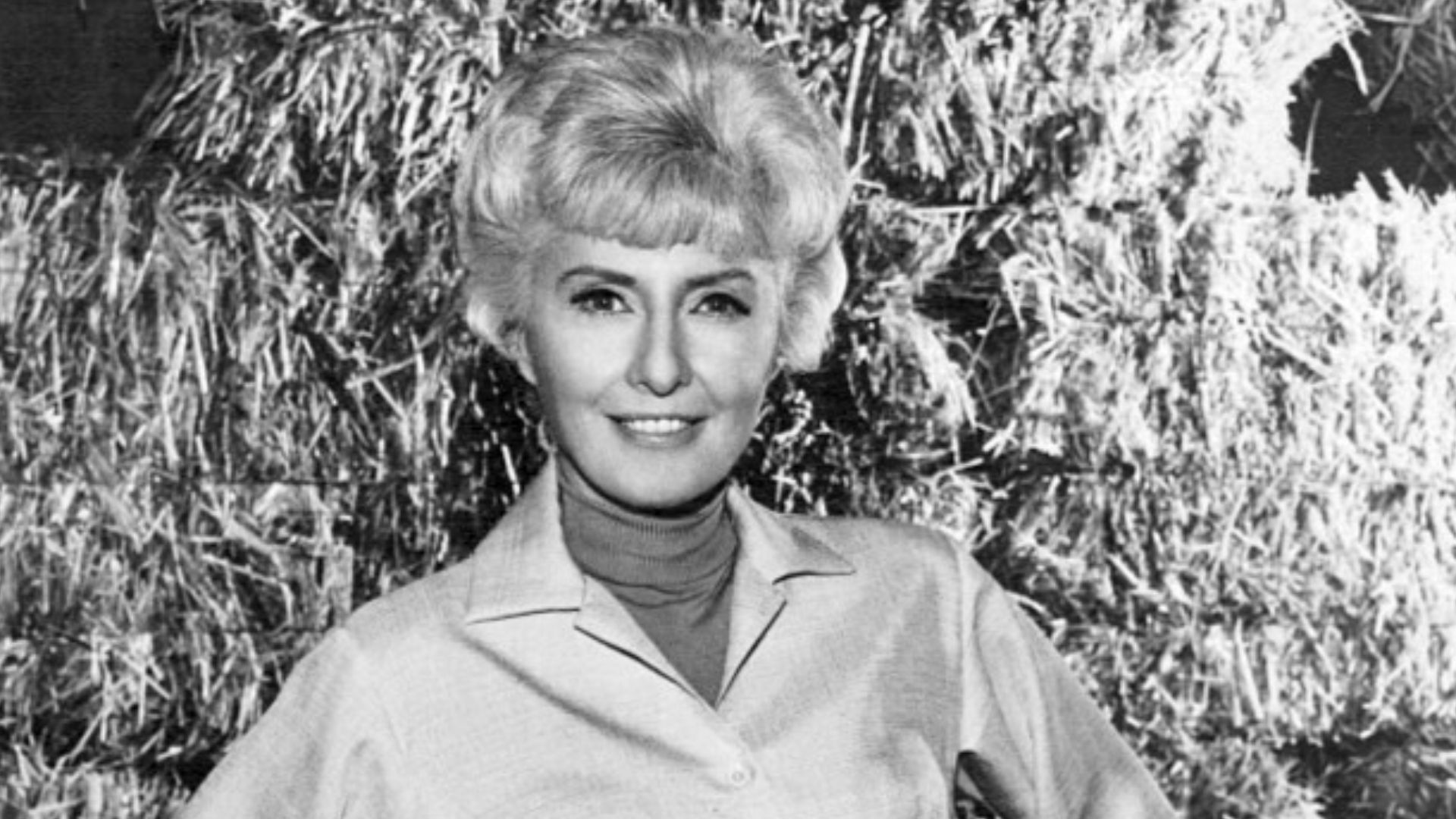 ABC Television, Wikimedia Commons
Jane Wyman - Falcon Crest
Jane Wyman had an Oscar for Johnny Belinda and major films like Magnificent Obsession behind her when television eventually gave her another defining role. In Falcon Crest, she became Angela Channing, the wealthy vineyard matriarch who could destroy a relative over breakfast and still make it home for dinner. Wyman stayed with the prime-time soap for most of its nine-season run and won a Golden Globe for the performance. Instead of asking audiences to remember her old Hollywood prestige, she gave the 1980s one of its great television power players.
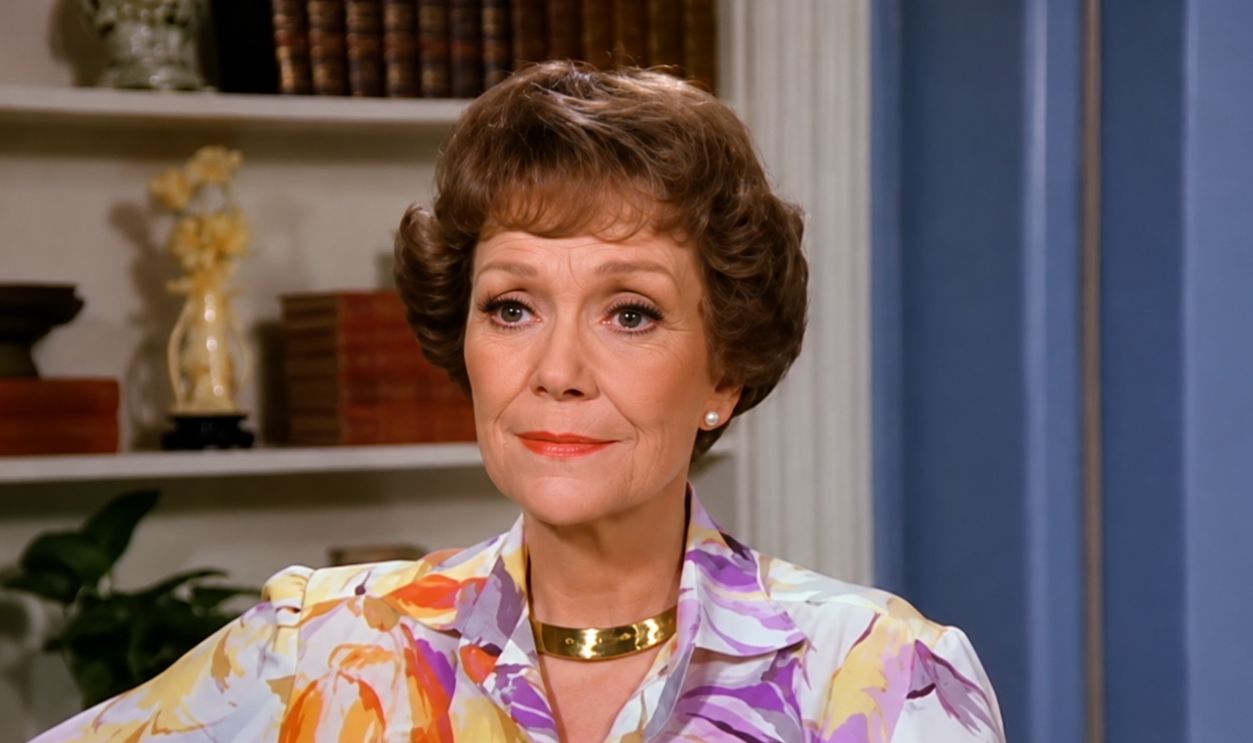 Screenshot from Falcon Crest, Lorimar-Telepictures (1981–1990), Modified
Fred MacMurray - My Three Sons
Anyone who knew Fred MacMurray from Double Indemnity might have had trouble imagining him as one of television's most dependable dads. That became exactly what happened with My Three Sons. MacMurray played widowed father Steve Douglas for more than a decade, turning his naturally relaxed screen presence into something reassuring and domestic. His film career didn't disappear completely, particularly because Disney kept him busy, but television dramatically changed his image. The man who once helped Barbara Stanwyck plot murder became the guy millions of viewers trusted to solve another household crisis.
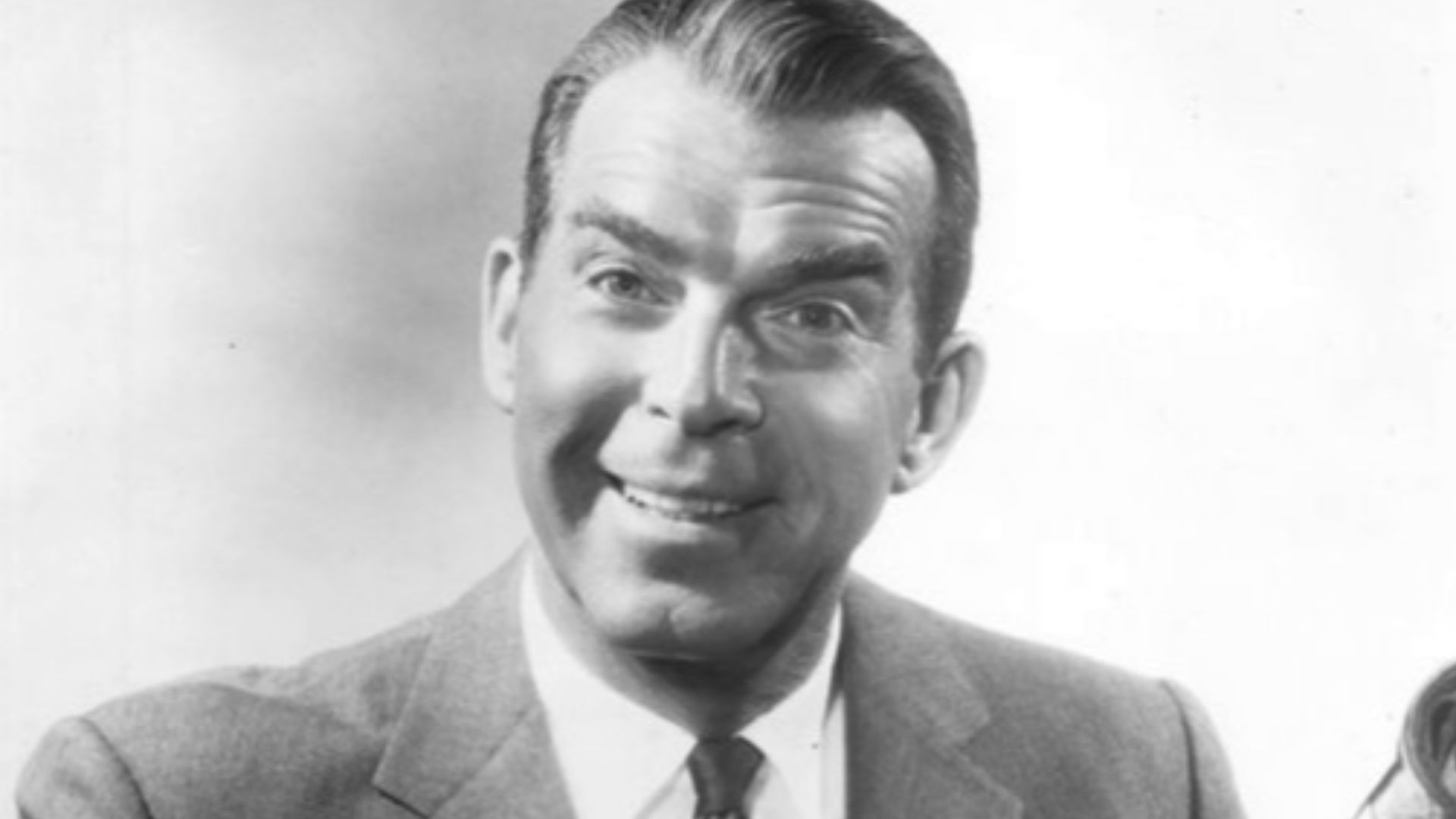 ABC Television, Wikimedia Commons
Robert Young - Father Knows Best / Marcus Welby, MD
Robert Young didn't reinvent himself on television once. He managed to do it twice. After years as an MGM movie leading man, he became Jim Anderson on Father Knows Best, establishing himself as television's calm, reassuring suburban father. Then, after that role could have permanently typecast him, he returned as the compassionate physician on Marcus Welby, MD. Young moved from romantic movie star to America's dad to America's doctor, with each new identity becoming almost as recognizable as the last.
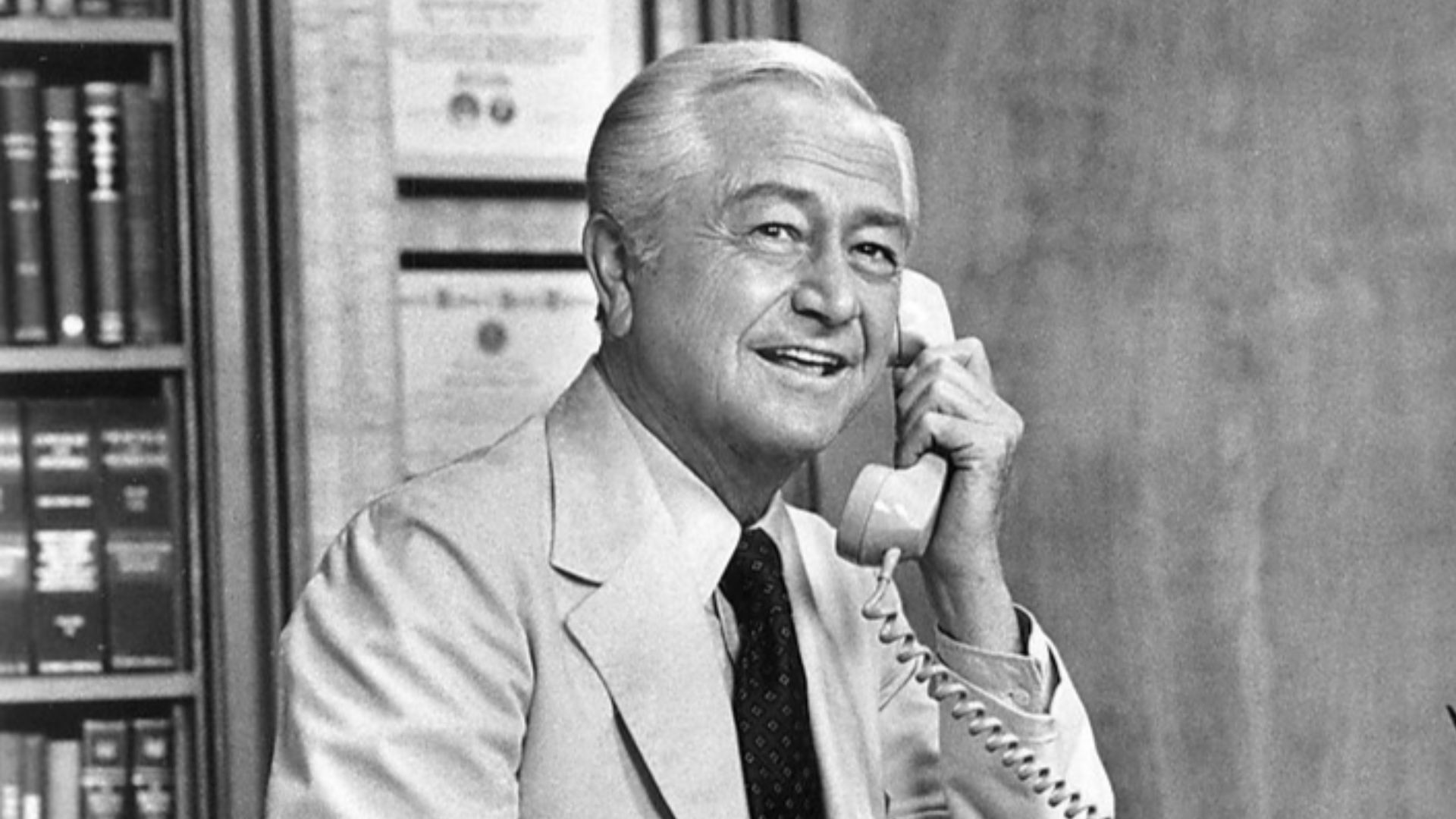 ABC Television, Wikimedia Commons
Donna Reed - The Donna Reed Show
Donna Reed had already appeared in It's a Wonderful Life and won an Oscar for From Here to Eternity, but television made her the center of her own world. The Donna Reed Show ran for eight seasons, with Reed playing Donna Stone, a smart, capable suburban mother who was considerably more central to family life than the era's sitcom stereotypes sometimes suggested. Reed also had an important role behind the camera through the production company she formed with husband Tony Owen. The result was not simply another acting job, but a level of creative ownership movie stardom rarely offered her.
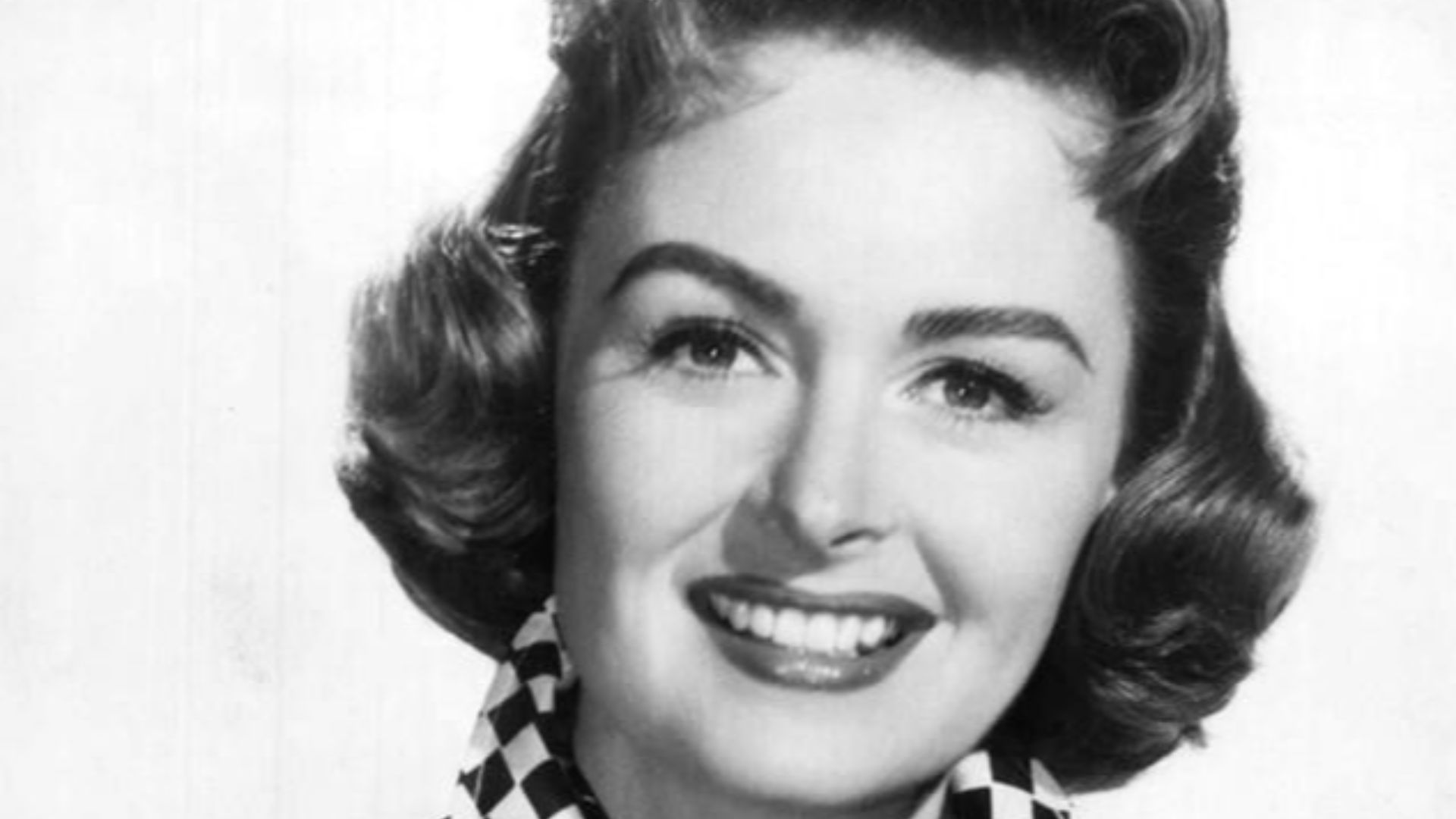 ABC Television, Wikimedia Commons
Agnes Moorehead - Bewitched
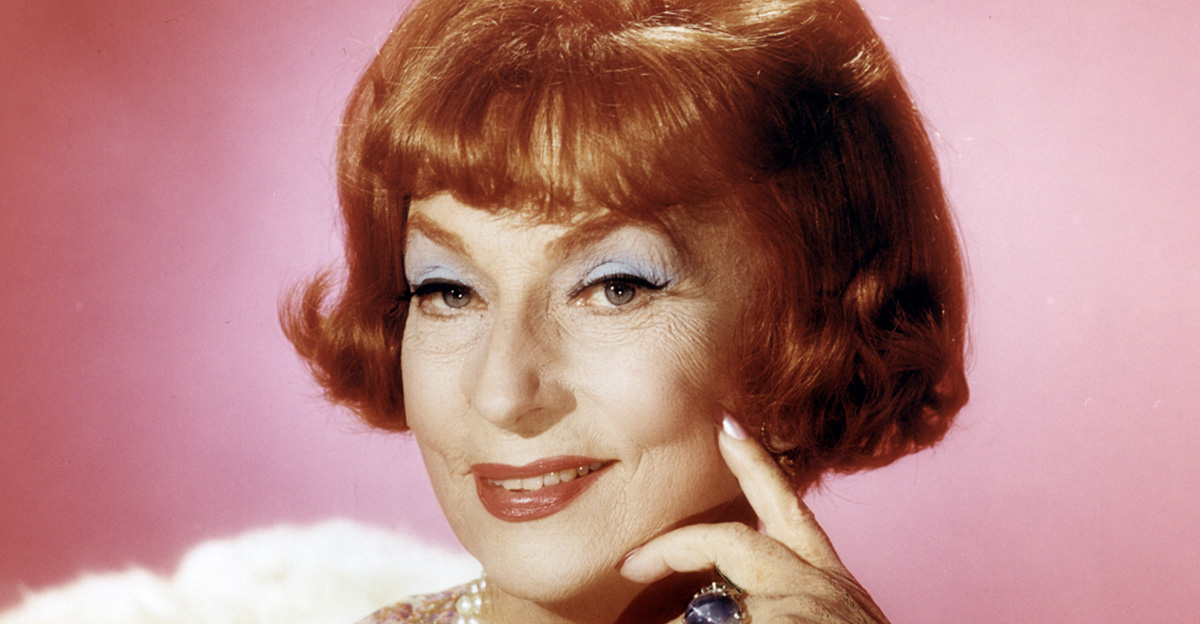
Before Bewitched, Agnes Moorehead was already one of Hollywood's great character actresses, with Citizen Kane, The Magnificent Ambersons, and several Oscar nominations to her name. Then she put on the extravagant costumes and eye shadow of Endora and became recognizable to an entirely different generation. Her disdain for mortal son-in-law Darrin, whom she rarely bothered to call by the correct name, became one of the sitcom's running pleasures. Moorehead took what could have been a broad witch caricature and made Endora glamorous, imperious, hilarious, and impossible to upstage.
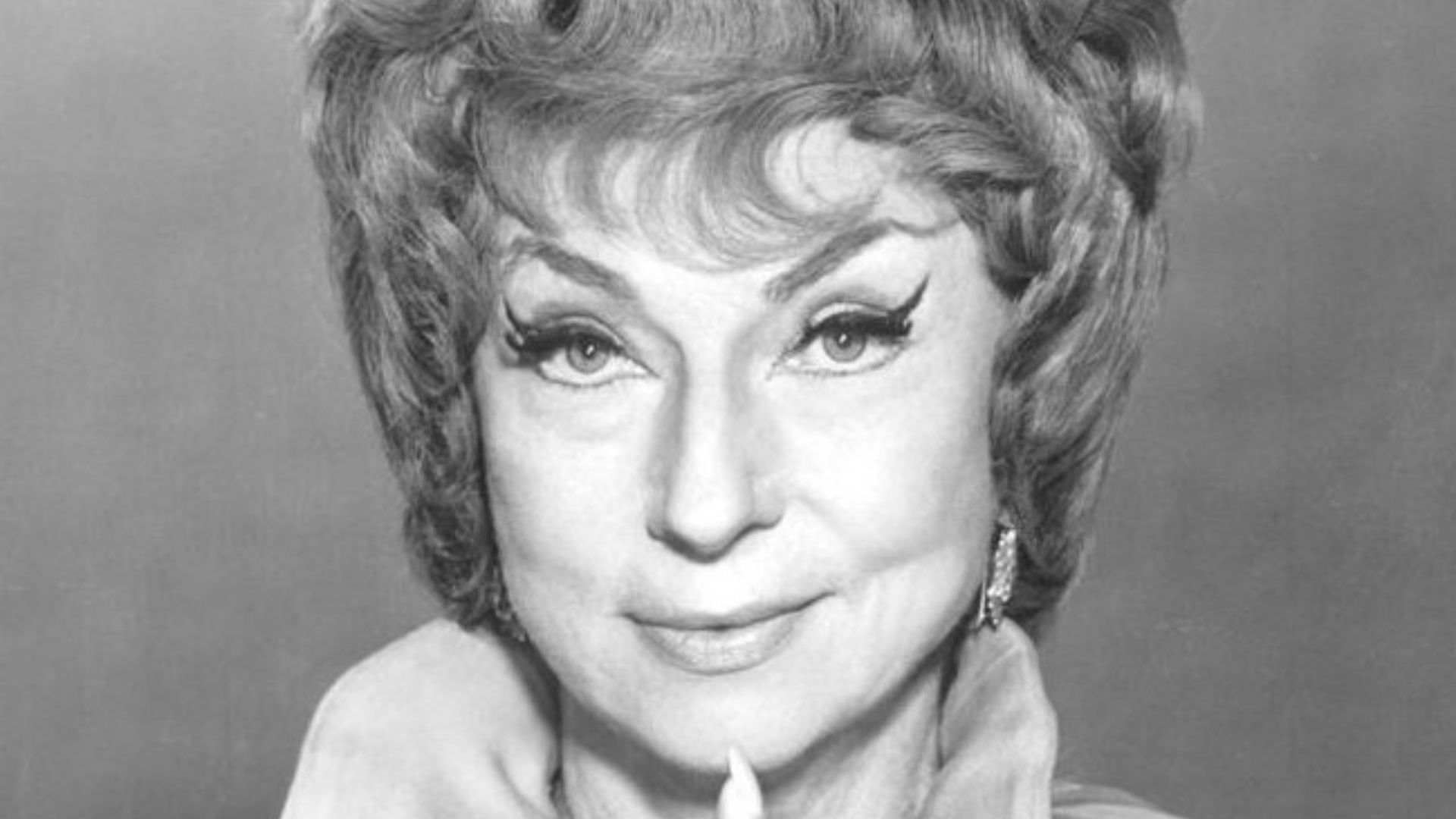 ABC Television, Wikimedia Commons
Yvonne De Carlo - The Munsters
Yvonne De Carlo had spent years being photographed as one of Hollywood's glamorous beauties, starring in Technicolor adventures, noir films, and The Ten Commandments. Then came Lily Munster. Pale makeup, a streaked wig, and a house full of monsters could have seemed like an unlikely next act, but De Carlo understood the joke perfectly. She played Lily as though being married to a Frankenstein-like husband and raising a werewolf son were completely ordinary. The role turned a fading movie career into one of the most recognizable television characters of the 1960s.
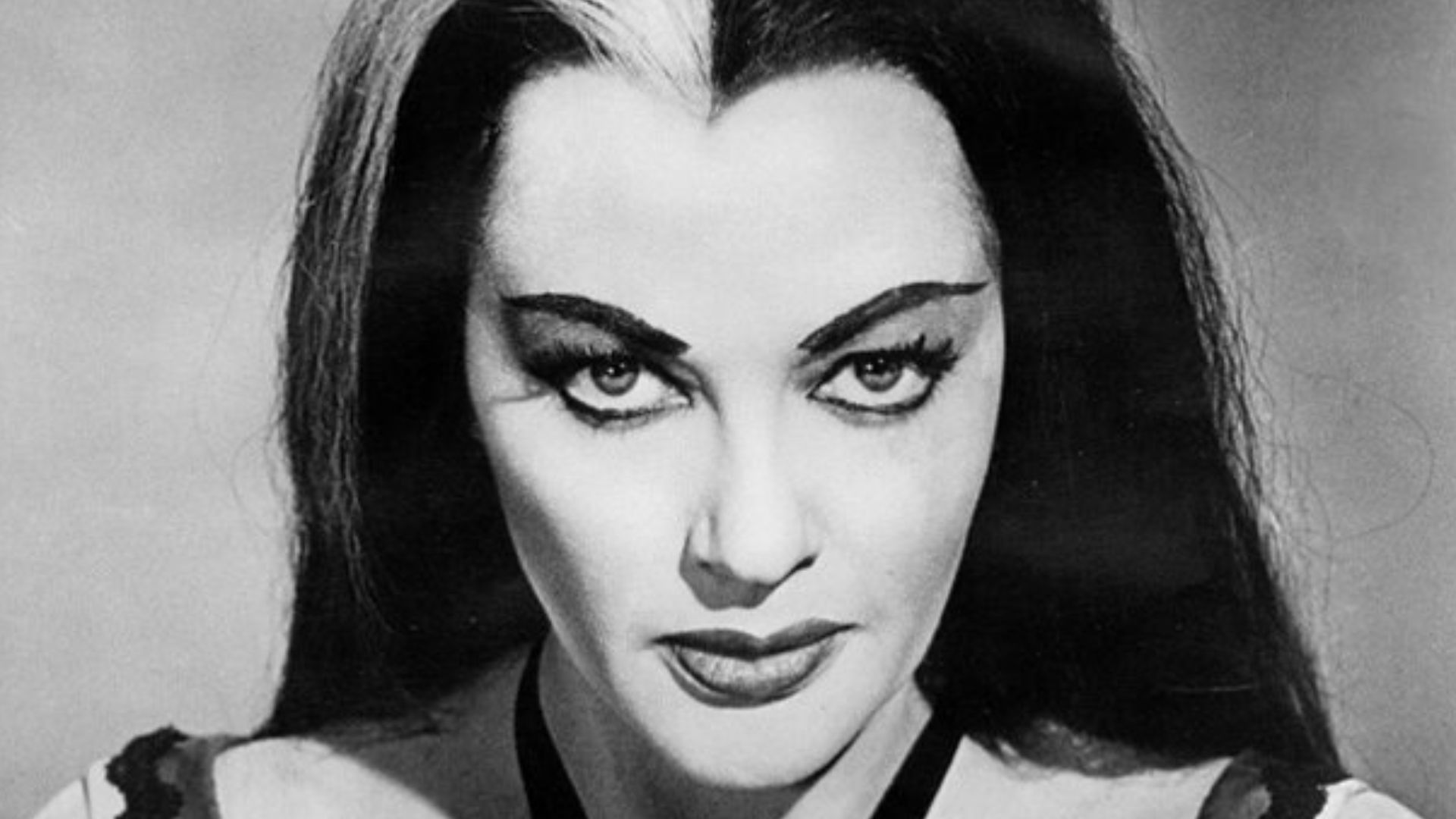 CBS Television, Wikimedia Commons
Robert Stack - The Untouchables
Robert Stack had been a Hollywood leading man for years and earned an Oscar nomination for Written on the Wind, but Eliot Ness changed his career completely. The Untouchables gave Stack a harder, colder television persona as the federal agent battling Prohibition-era gangsters in Chicago. His clipped delivery and stone-faced authority became inseparable from the series. Stack even won an Emmy for the performance. Decades later, he would pull off another television transformation as the ominous host of Unsolved Mysteries, proving that commanding a TV screen came unusually naturally to him.
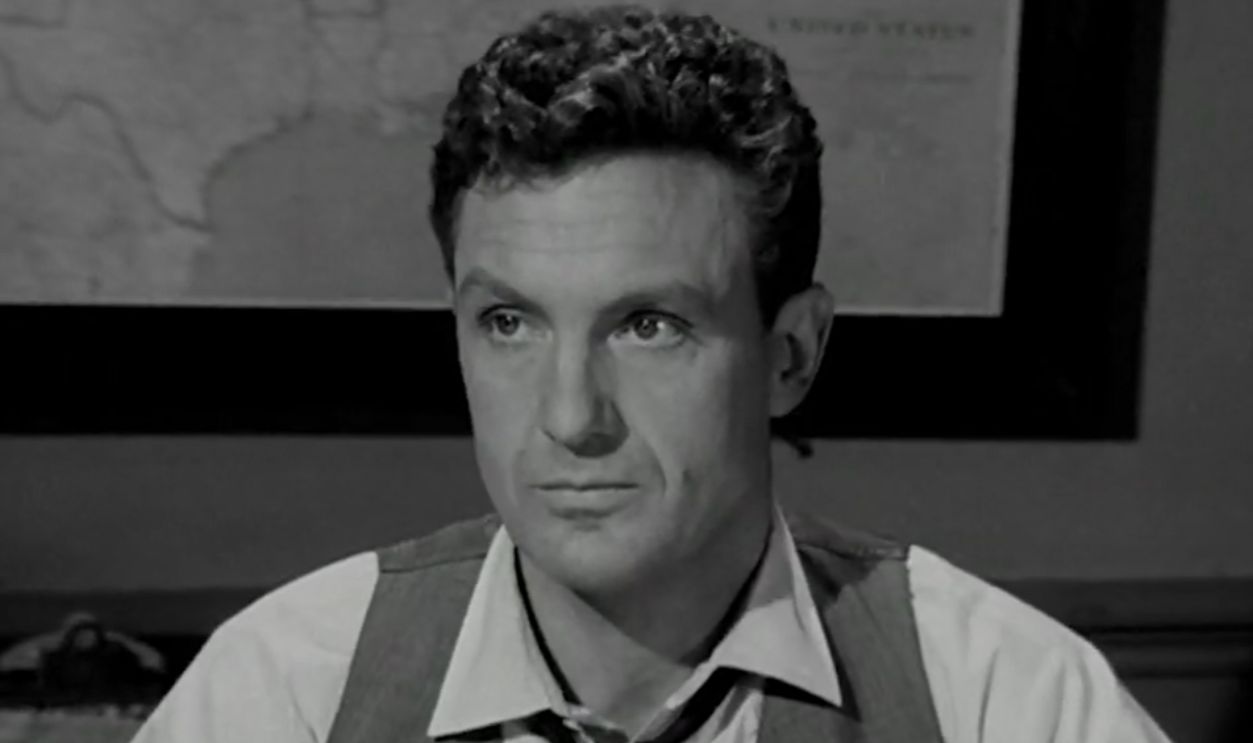 Screenshot from The Untouchables, Desilu Productions (1959–1963)
Lloyd Bridges - Sea Hunt
Lloyd Bridges had worked steadily in movies throughout the 1940s and 1950s, but Sea Hunt finally made him the unmistakable star. As former Navy diver Mike Nelson, Bridges spent four seasons plunging into underwater rescues, investigations, salvage missions, and assorted aquatic dangers. The unusual setting helped the syndicated series stand apart from the endless Westerns and crime dramas crowding television. Bridges became so strongly associated with scuba diving that Mike Nelson remained one of his signature characters long after the series ended, even though younger viewers eventually discovered an entirely different Bridges through his later comedy roles.
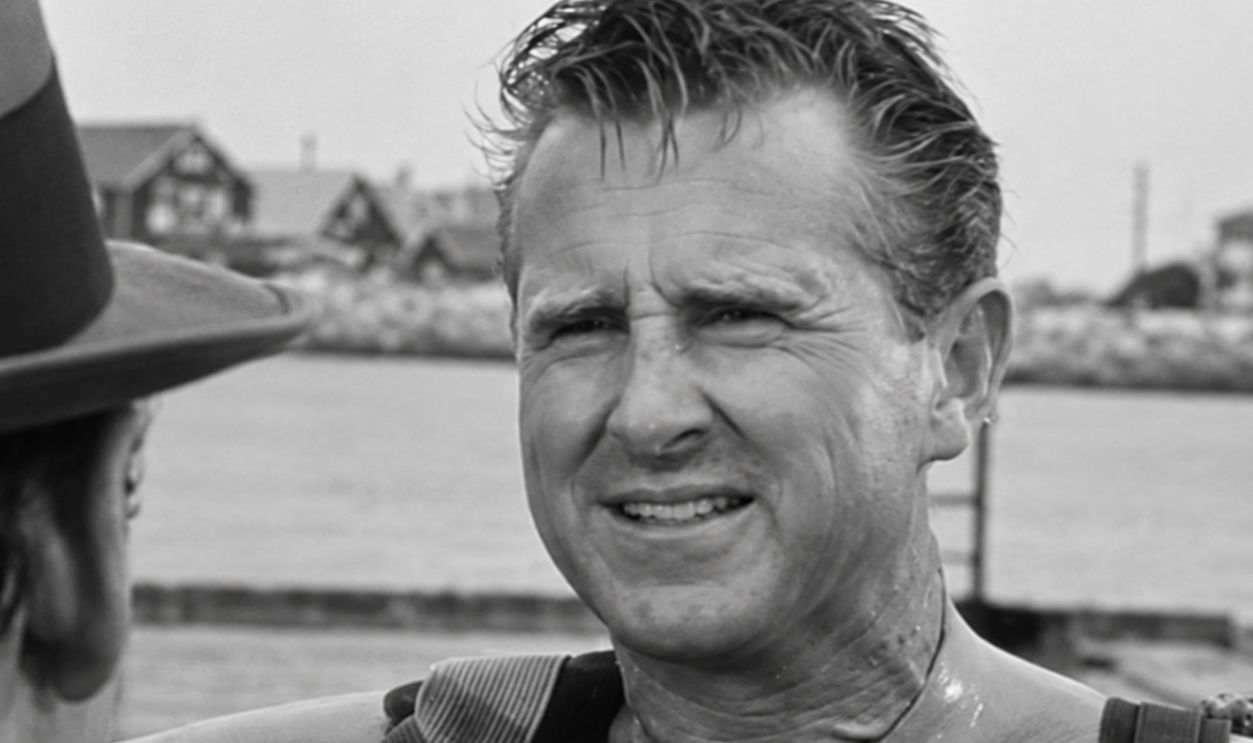 Screenshot from Sea Hunt, Ziv Television Programs (1958–1961), Modified
Broderick Crawford - Highway Patrol
Broderick Crawford had already reached one of Hollywood's highest peaks when All the King's Men earned him the Academy Award for Best Actor. Yet by the mid-1950s, his rough features and booming voice were finding an even better home on television. Highway Patrol cast him as Chief Dan Mathews, sending him speeding after criminals and barking instructions into the radio. The syndicated show became enormously popular, and Crawford's rapid-fire delivery made him instantly recognizable. An actor who had once been associated with prestigious political drama became one of early television's definitive lawmen.
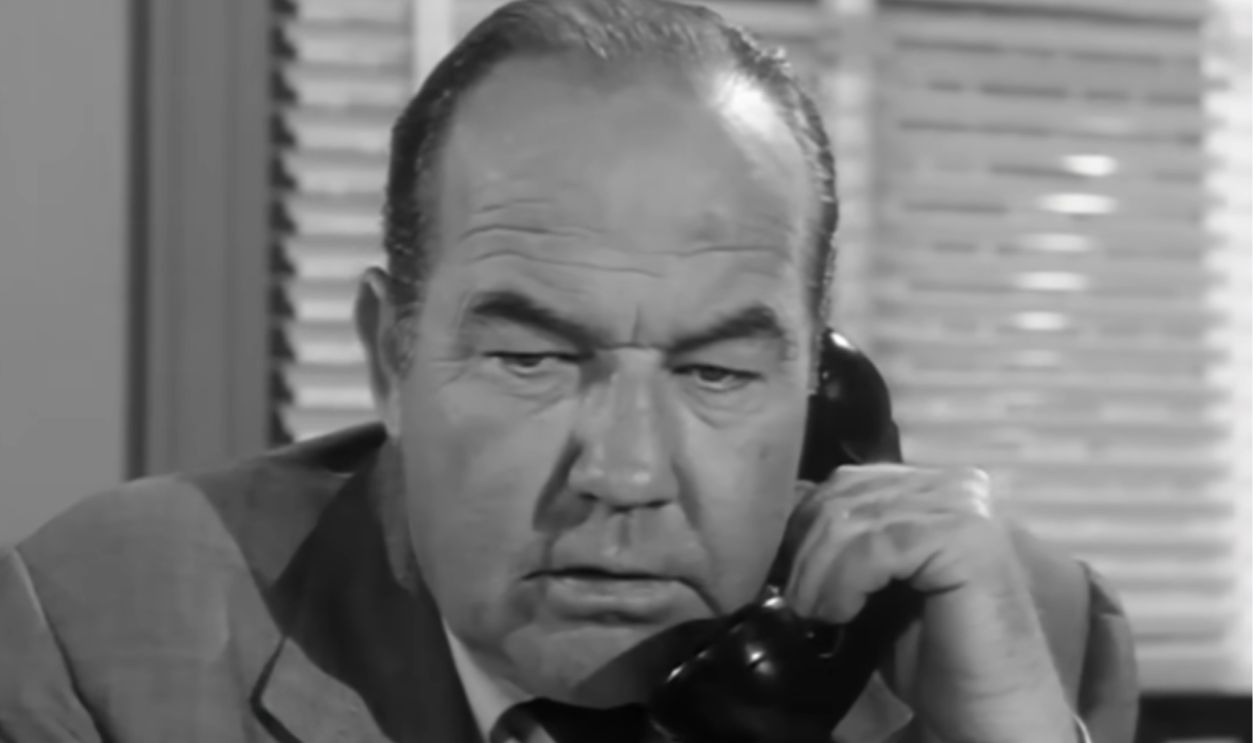 Screenshot from Highway Patrol, Ziv Television Programs (1955–1959)
Raymond Burr - Perry Mason
Movie audiences spent years watching Raymond Burr play heavies, killers, and suspicious characters in films like Raw Deal and Alfred Hitchcock's Rear Window. Television performed one of the most complete image reversals imaginable. As Perry Mason, Burr became the brilliant defense attorney viewers could trust to expose the real killer before the final commercial break. The role ran from 1957 to 1966 and earned Burr two Emmys, then returned in a long series of television movies decades later. His identification with Mason became so complete that his earlier career as a dependable movie villain can now feel like the surprising part.
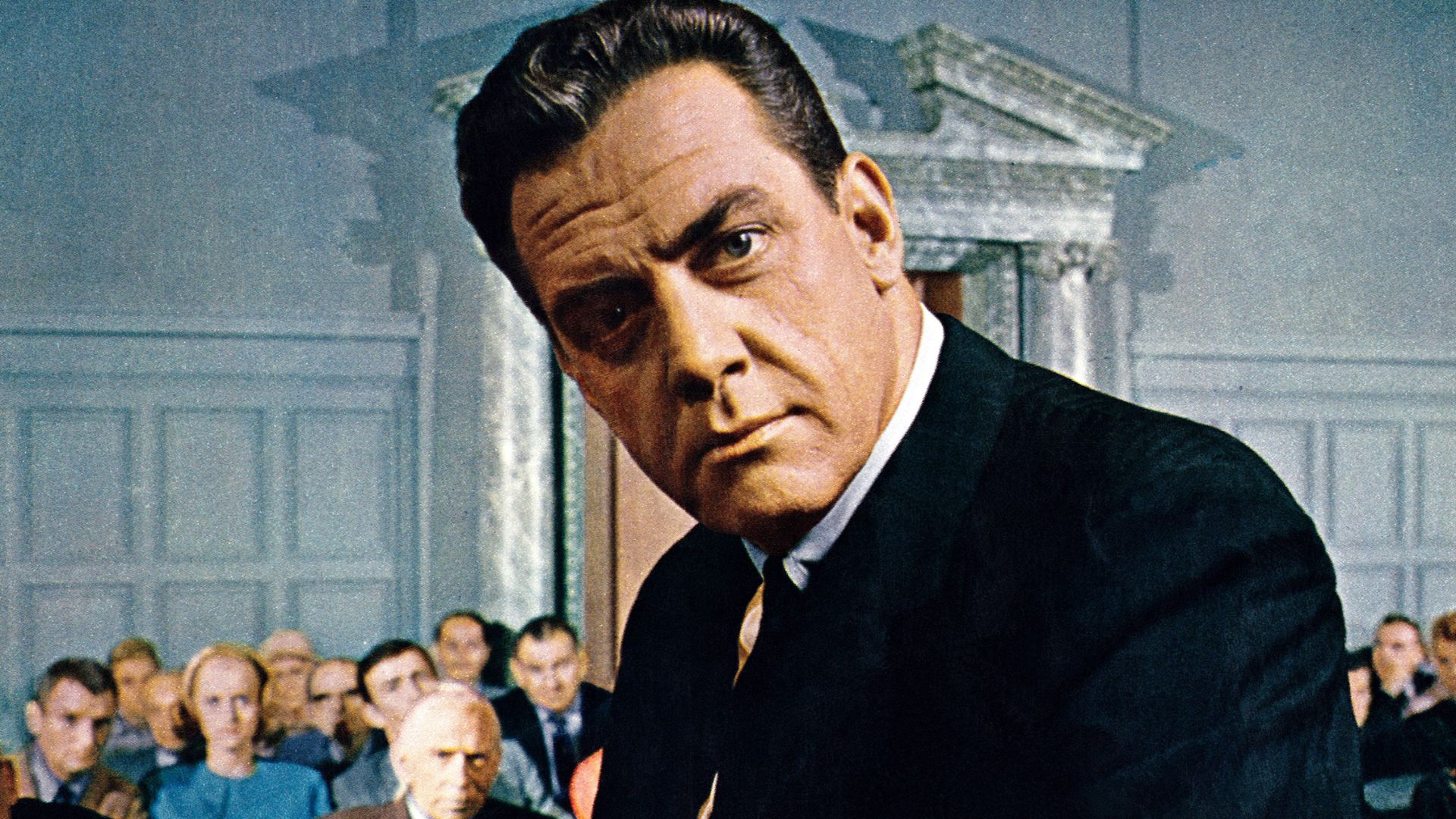 Cowles Communications, Inc.; photograph by Robert Vose, Wikimedia Commons
Buddy Ebsen - The Beverly Hillbillies / Barnaby Jones
Buddy Ebsen's Hollywood career had already included dancing, musicals, Westerns, and the famous near-miss of being the original Tin Man in The Wizard of Oz. Television finally gave him the characters that stuck. First came Jed Clampett on The Beverly Hillbillies, where his easygoing sincerity anchored one of the biggest sitcoms of the 1960s. Then, rather than settling into permanent sitcom nostalgia, Ebsen became detective Barnaby Jones in 1973. He successfully moved from lovable backwoods millionaire to serious private investigator and kept the second series going for most of the decade.
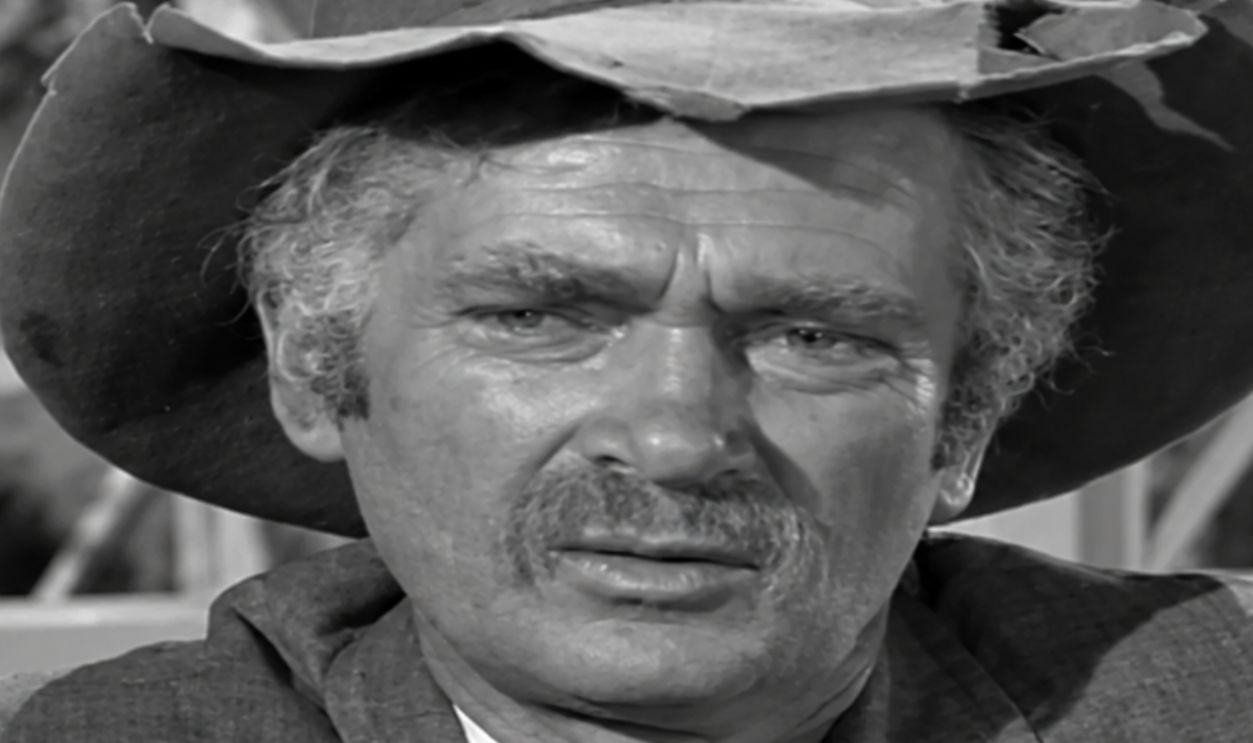 Screenshot from The Beverly Hillbillies, CBS Television Film Sales (1962–1971), Modified
George Peppard - Banacek / The A-Team
George Peppard looked destined for permanent movie stardom after playing Audrey Hepburn's handsome neighbor in Breakfast at Tiffany's. Films like The Blue Max followed, but his big-screen momentum cooled. Television turned out to be an ideal rescue. He first found success as the polished insurance investigator in Banacek, then reached an even bigger audience as cigar-chomping Colonel John "Hannibal" Smith on The A-Team. Hannibal's disguises, elaborate schemes, and delighted grin gave Peppard a much looser persona than his serious movie roles had allowed. By the 1980s, television had made him famous all over again.
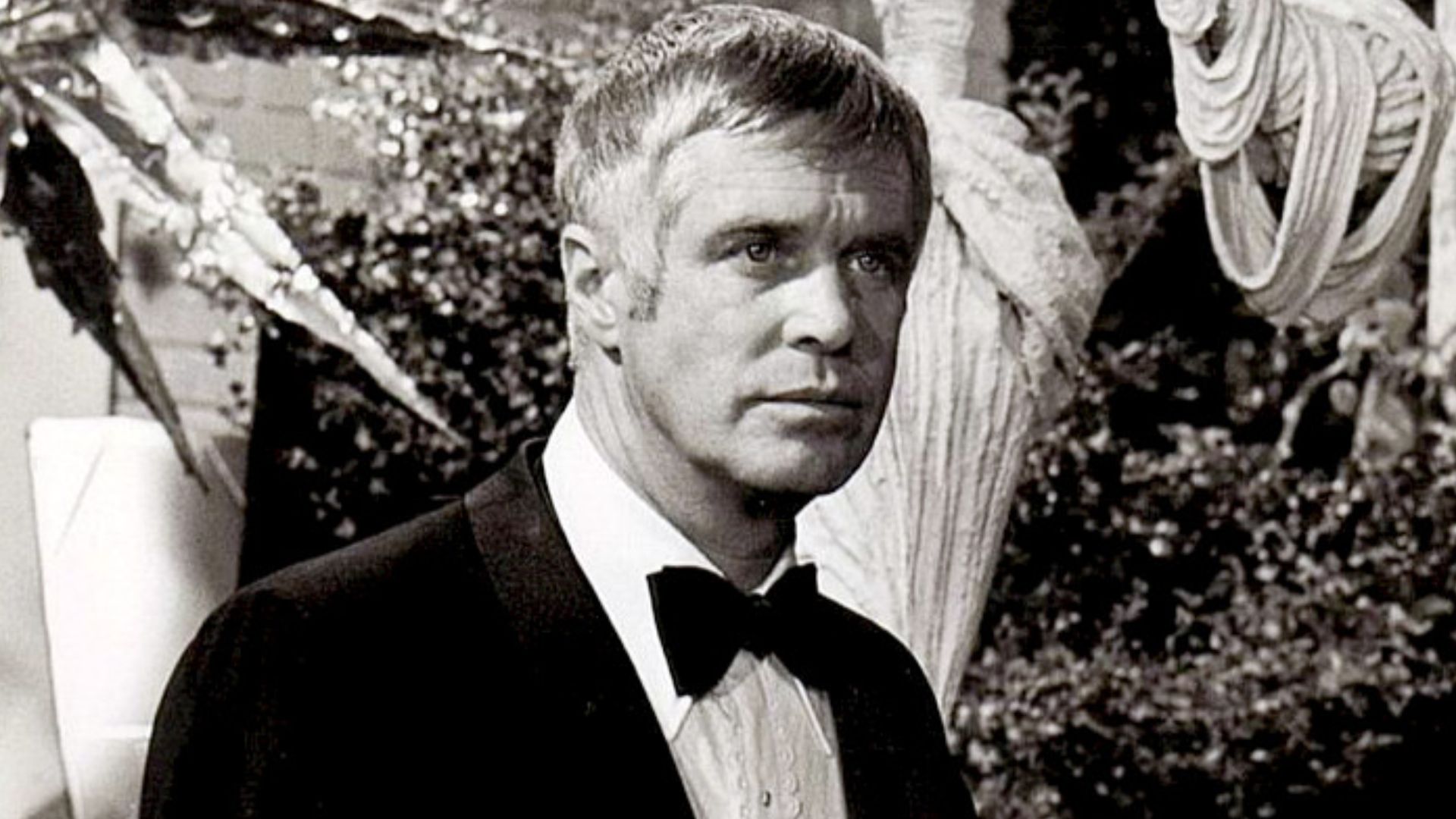 NBC Television, Wikimedia Commons
Rock Hudson - McMillan & Wife
Rock Hudson had been one of Hollywood's biggest romantic leading men, particularly through his comedies with Doris Day. By the late 1960s, though, movie tastes had changed and Hudson's box-office power was fading. NBC's McMillan & Wife gave him an elegant solution. As San Francisco police commissioner Stewart McMillan, he could combine the authority of his dramatic roles with the light romantic chemistry that had made his comedies work. The series became a reliable part of NBC's rotating Mystery Movie lineup and kept Hudson at the center of popular entertainment throughout much of the 1970s.
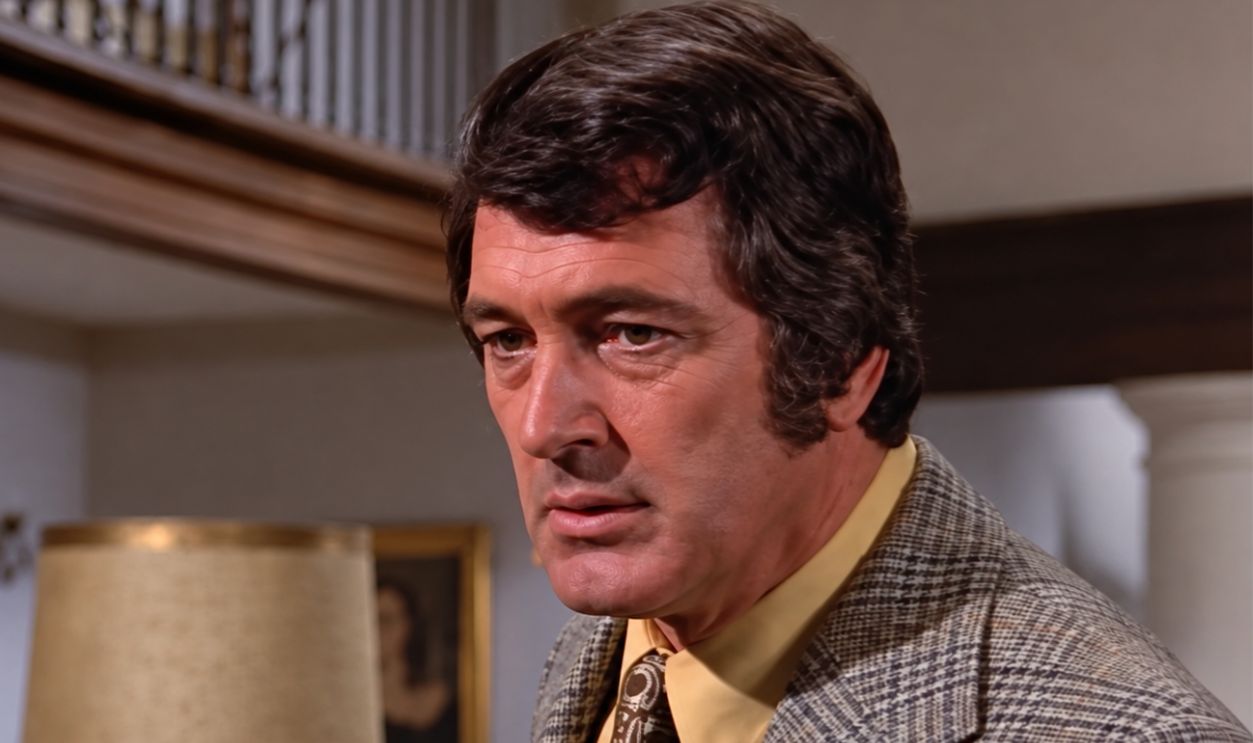 Screenshot from McMillan & Wife, Universal Television (1971–1977), Modified
Loretta Young - The Loretta Young Show
Loretta Young didn't quietly drift into television after a long film career. She arrived with enough confidence to put her own name above the title. The Oscar-winning actress left regular movie work behind and launched an anthology series in 1953, famously sweeping through a door in a different glamorous gown each week. Young often starred in the dramas herself and became a major television personality in the process, winning multiple Emmys. Her transition was especially striking because TV was still considered a lesser medium by many film stars. Young treated it like the next stage of her career rather than a consolation prize.
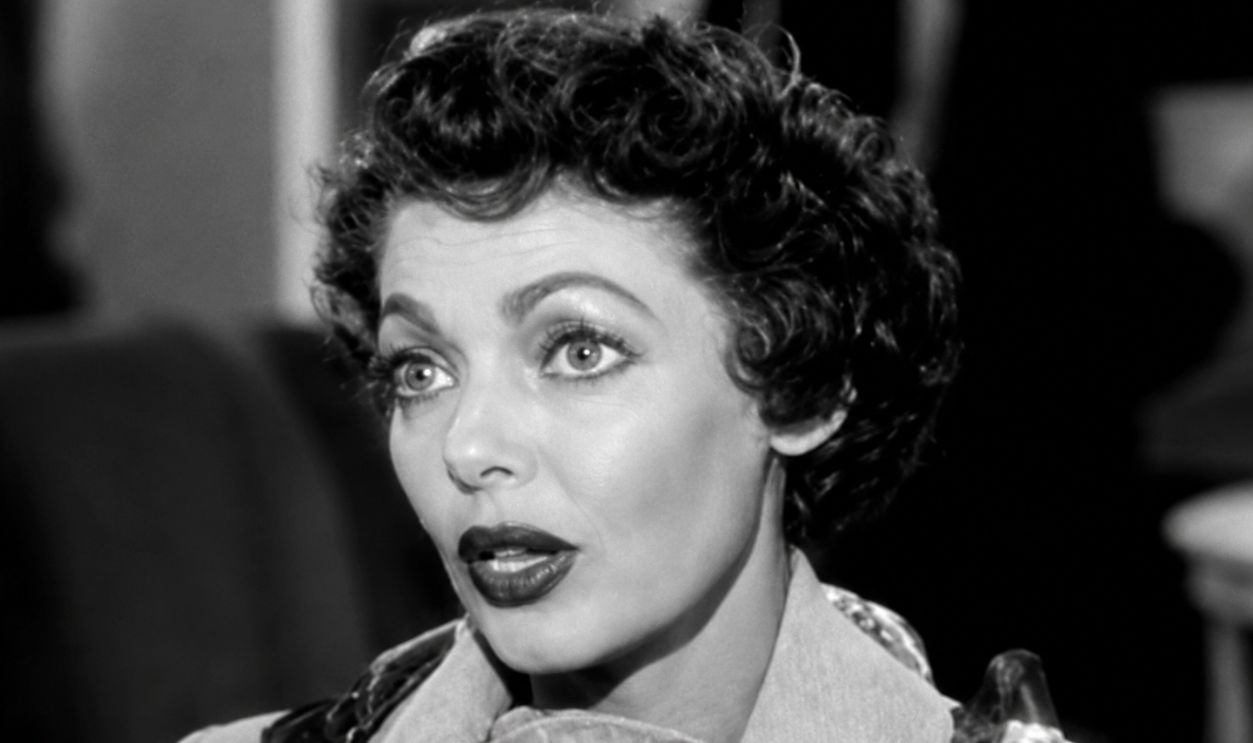 Screenshot from The Loretta Young Show, NBC Films (1953–1961), Modified
Macdonald Carey - Days Of Our Lives
Macdonald Carey had been a busy Paramount actor during the 1940s, appearing in everything from Westerns to Alfred Hitchcock's Shadow of a Doubt. By the 1960s, the steady movie work was drying up. In 1965, he accepted the role of Dr. Tom Horton on a new daytime soap called Days of Our Lives. It turned into the job that defined the rest of his life. Carey remained with the series until his death in 1994, becoming the patriarch of the Horton family and one of daytime television's most familiar faces. His recorded opening narration became inseparable from the show itself.
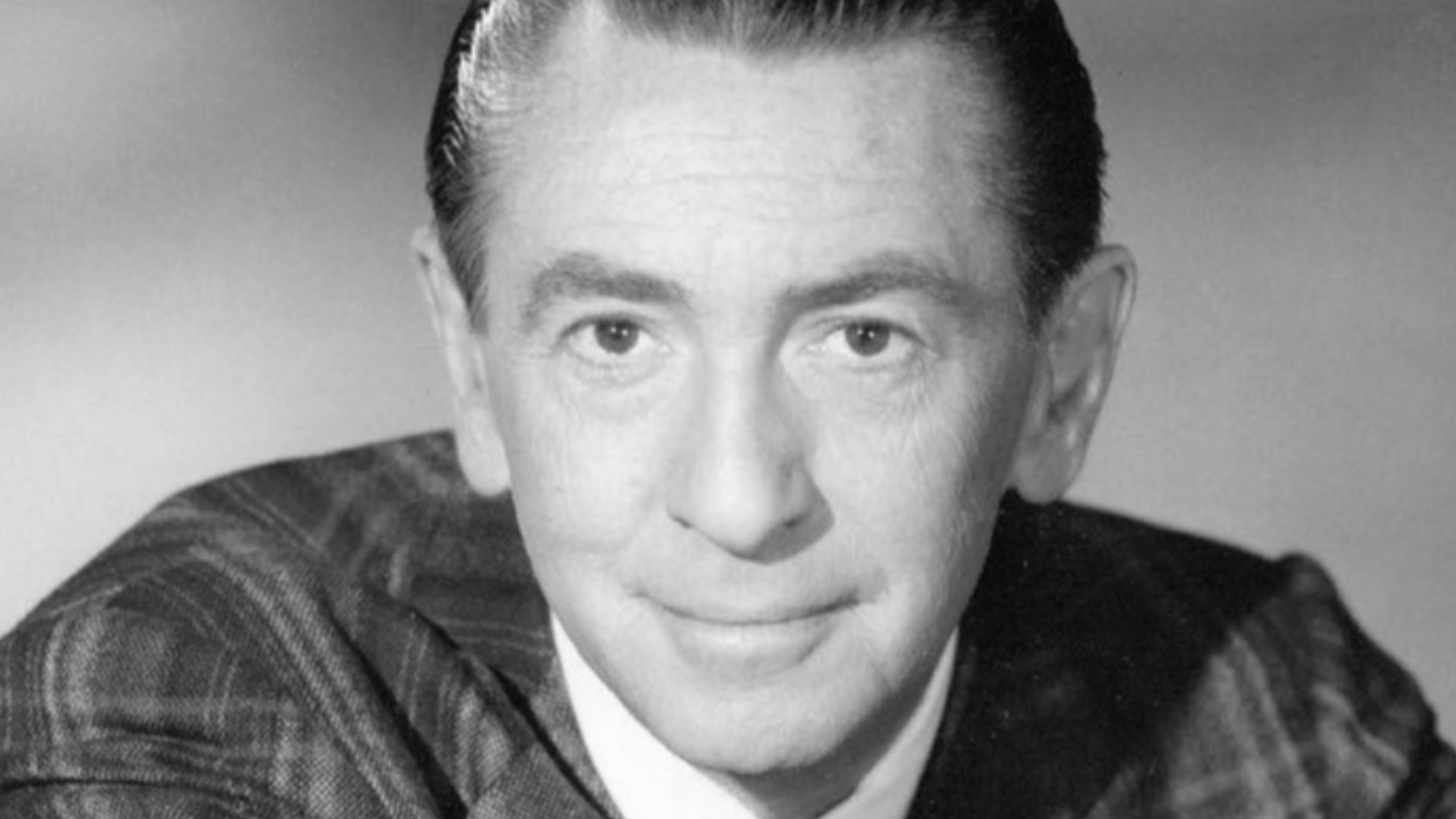 NBC Television, Wikimedia Commons
Gene Barry - Bat Masterson / Burke's Law
Gene Barry had already faced Martian invaders on the big screen in The War of the Worlds, but television discovered that his smooth sophistication could carry almost anything. In Bat Masterson, he played the Western lawman as a stylish gambler with a derby hat and walking stick rather than another dusty gunslinger. A few years later, Burke's Law made him millionaire detective Amos Burke, chauffeured to murder scenes in a Rolls-Royce. Barry found a niche that movies had never fully exploited: the hero who looked as comfortable in evening wear as he did confronting a criminal.
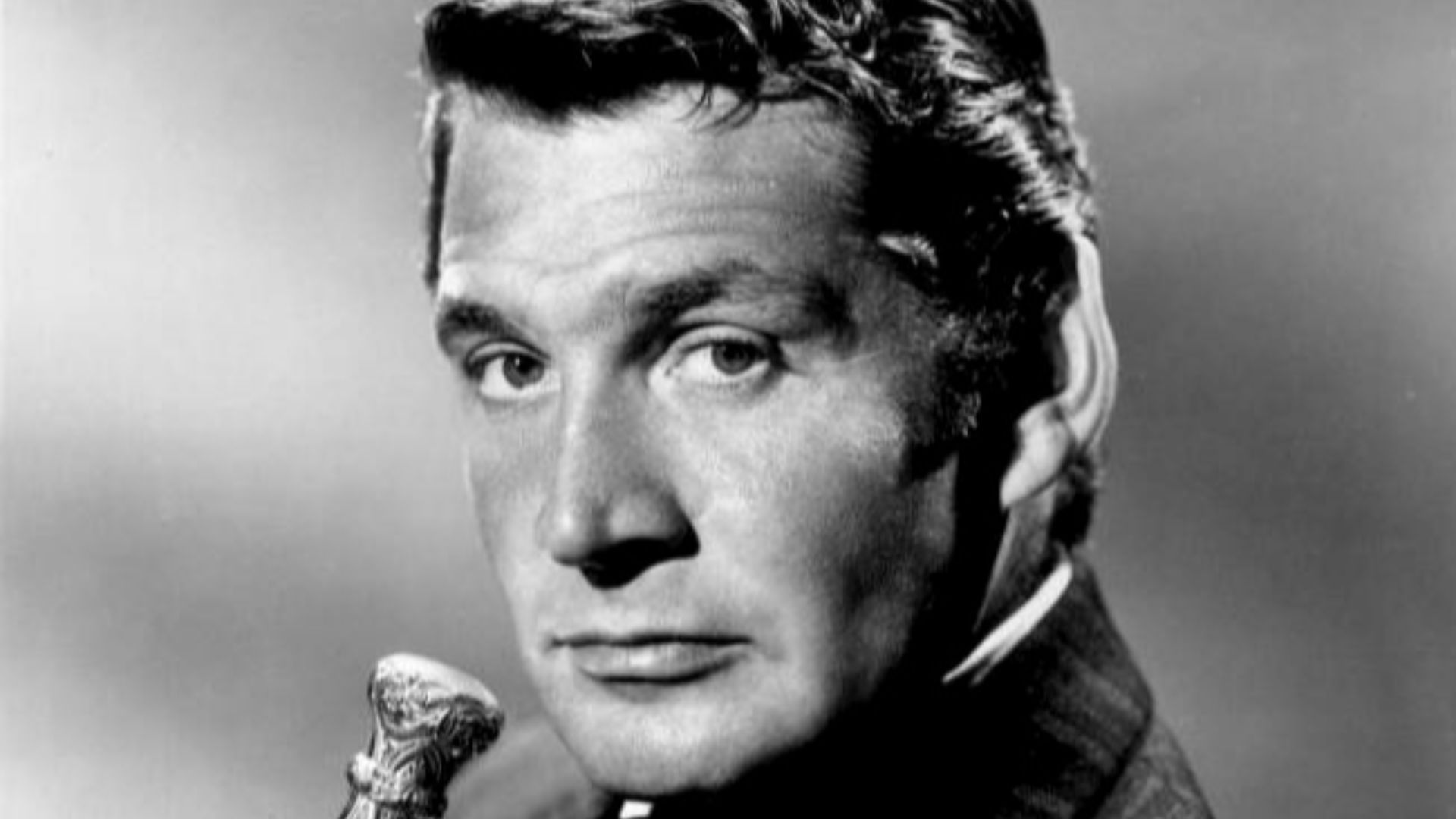 NBC Television, Wikimedia Commons
Cesar Romero - Batman
Cesar Romero had spent decades playing suave lovers, adventurers, aristocrats, and supporting characters before Batman gave him permission to go completely over the top. His Joker cackled, bounced around, launched absurd schemes, and somehow remained elegant while doing it. Romero famously wouldn't shave his mustache for the role, so the white Joker makeup simply went over it. Instead of hiding his old Hollywood polish, the performance used it as part of the joke. Amid a series full of extravagant villains, Romero's manic energy made him one of the characters viewers most looked forward to seeing return.
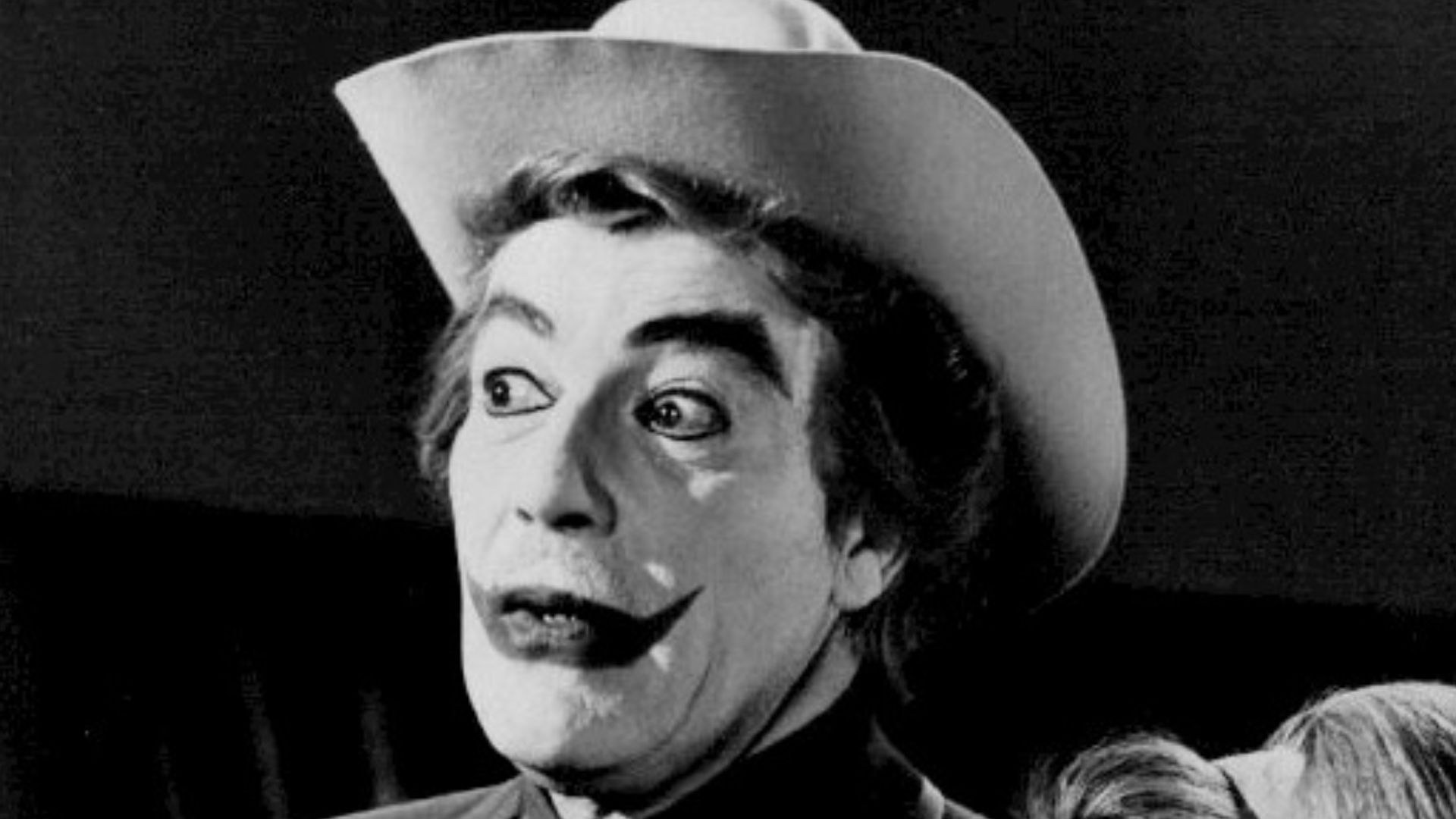 ABC Television, Wikimedia Commons
Walter Brennan - The Real McCoys
By the time Walter Brennan came to television, he had already won three Academy Awards for supporting performances, an achievement few actors could match. The Real McCoys transformed his familiar folksy persona into Grandpa Amos McCoy, the cantankerous head of a West Virginia family that relocates to California. Brennan's grumbling delivery and unmistakable voice fit sitcom television perfectly. Rather than trying to reinvent himself as something radically new, he took the character qualities movie audiences already loved and gave them enough room to breathe every week. The series lasted six seasons.
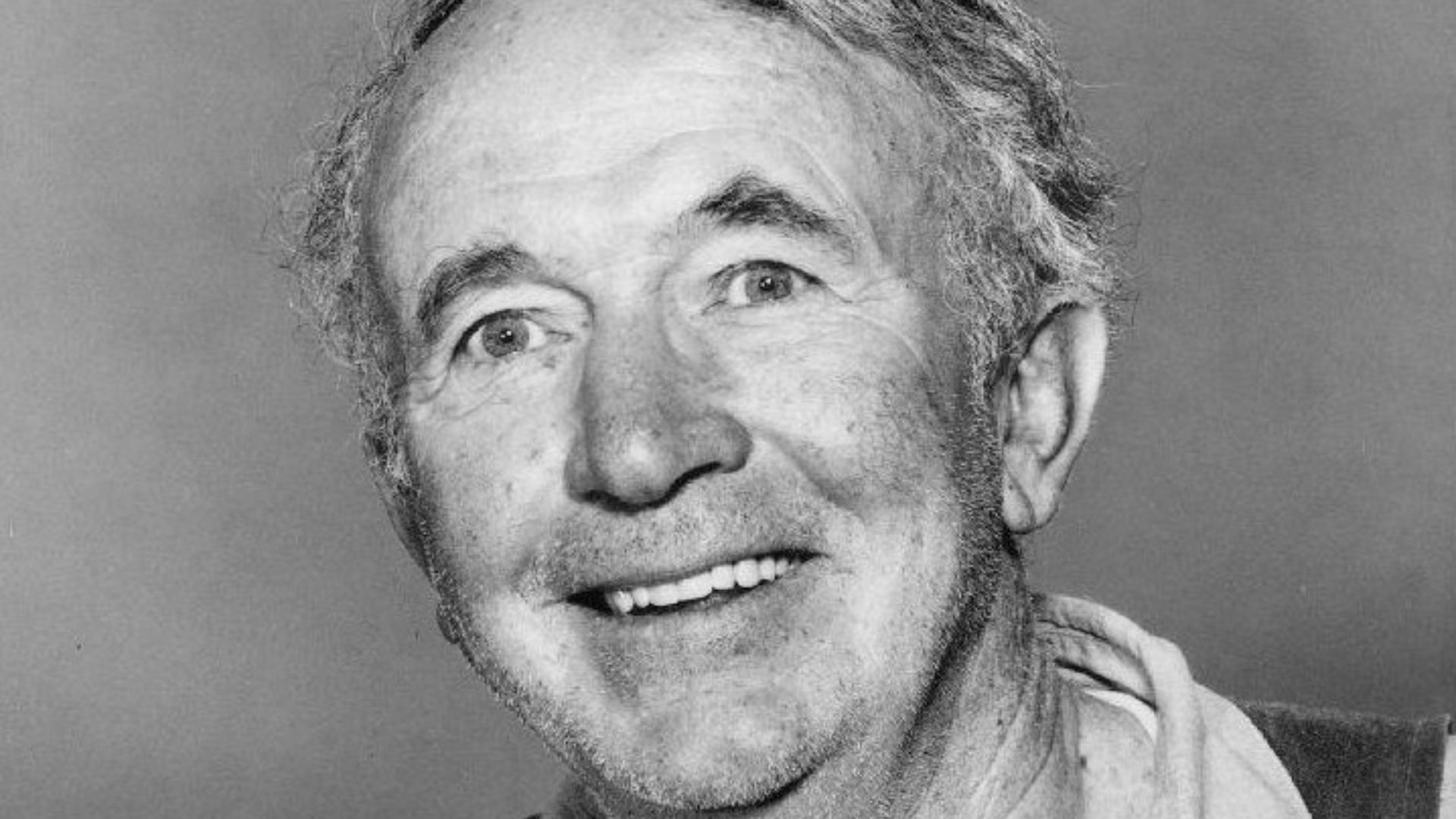 ABC Television (ABC Photo); Bath & Wiener-photographer., Wikimedia Commons
Anne Baxter - Hotel
Anne Baxter had an Oscar for The Razor's Edge, the title role in All About Eve, and major spectacles like The Ten Commandments on her résumé. By the 1980s, however, most of her work had moved to television. ABC's glossy prime-time drama Hotel offered a particularly fitting late-career showcase. After Bette Davis appeared in the pilot but couldn't continue, Baxter stepped in as Victoria Cabot, the sophisticated owner of San Francisco's St. Gregory Hotel. She brought genuine old-Hollywood authority to the Aaron Spelling production and remained an important presence on the series until her death in 1985.
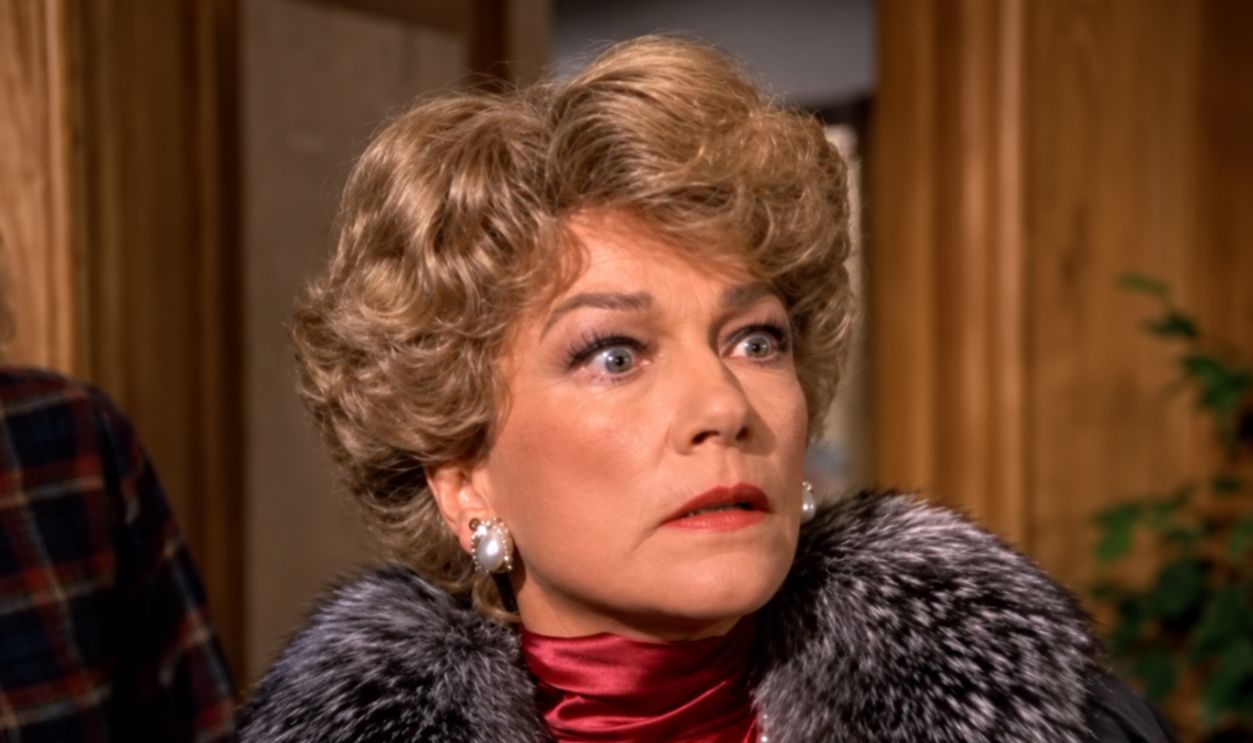 Screenshot from Hotel, Warner Bros. Television (1983–1988), Modified
Ida Lupino - Mr. Adams And Eve / Television Directing
Ida Lupino's television reinvention was much bigger than one hit role. She had been a formidable movie star in pictures like High Sierra before becoming a pioneering independent filmmaker when directing opportunities for women were almost nonexistent. Television then opened another enormous chapter. She starred opposite husband Howard Duff in Mr. Adams and Eve, but she also became an extraordinarily prolific episodic director, working on dozens of series including The Twilight Zone, The Fugitive, Bewitched, and The Untouchables. Rather than simply moving from movies to TV, Lupino used the new medium to expand what she could do behind the camera.
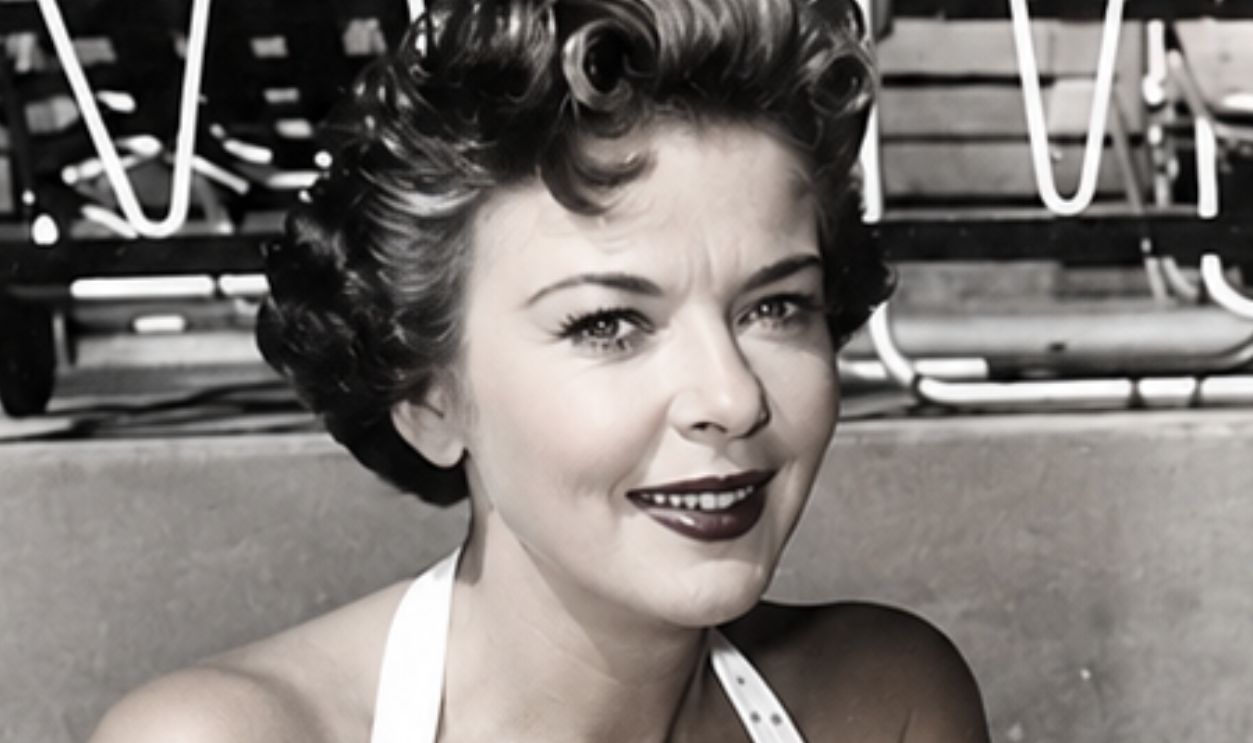 Milburn-McCarty & Associates-public relations firm, Wikimedia Commons, Modified
Dean Stockwell - Quantum Leap
Dean Stockwell's career had already lasted several lifetimes before Quantum Leap. He had been an MGM child star in the 1940s, left acting for a period, returned for acclaimed adult work, and earned an Oscar nomination for Married to the Mob. Then television handed him Al Calavicci, the cigar-smoking hologram who helped guide Scott Bakula's Sam Beckett through time. Stockwell made Al funny, flamboyant, loyal, and unexpectedly moving. He received four consecutive Emmy nominations for the role and became familiar to viewers who had no idea they were watching someone who had been making movies since childhood.
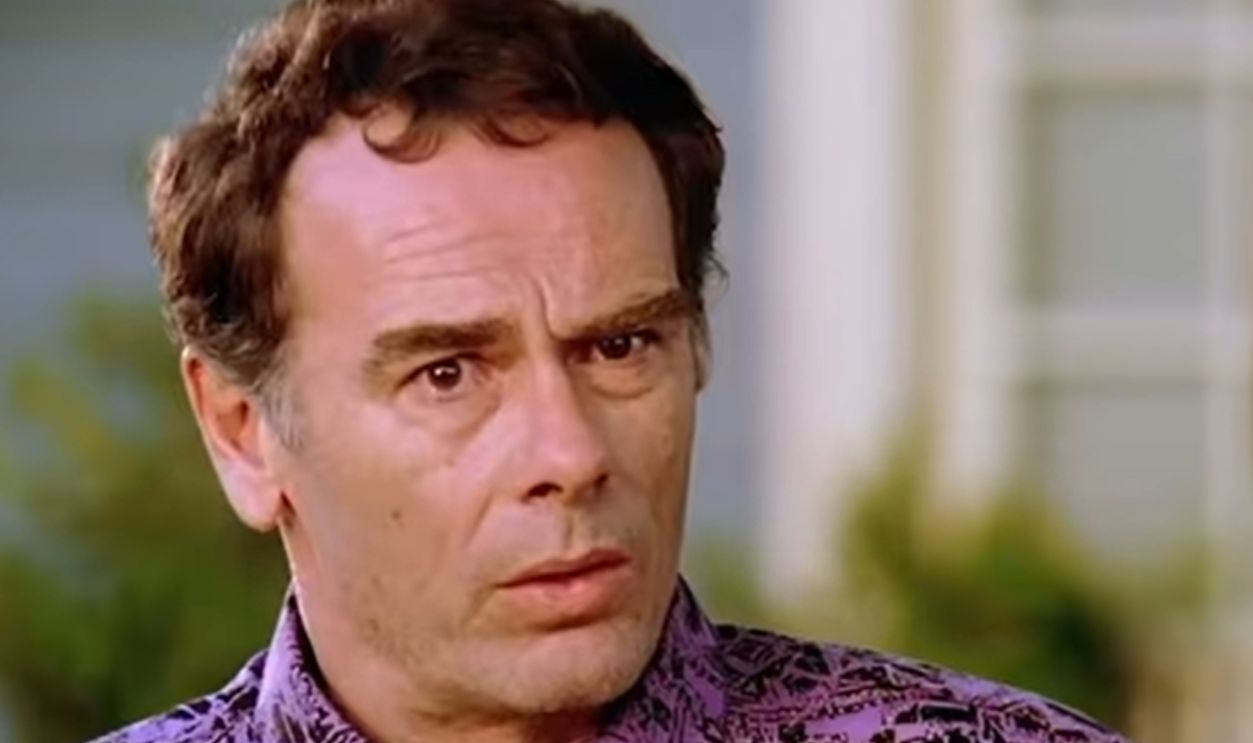 Screenshot from Quantum Leap, Universal Television (1989–1993)
George Burns - The George Burns And Gracie Allen Show
George Burns was already a veteran of vaudeville, radio, and movies when television arrived, but the new medium gave his partnership with Gracie Allen perhaps its most enduring form. Their sitcom let Burns do something unusually sophisticated for early TV: step outside the action, talk directly to viewers, and comment on the absurdity unfolding inside his own home. The format turned decades of Burns and Allen routines into something perfectly suited to television. Burns would later return to movies spectacularly with The Sunshine Boys, but his TV years had already cemented him as an entertainer who could survive practically every medium invented.
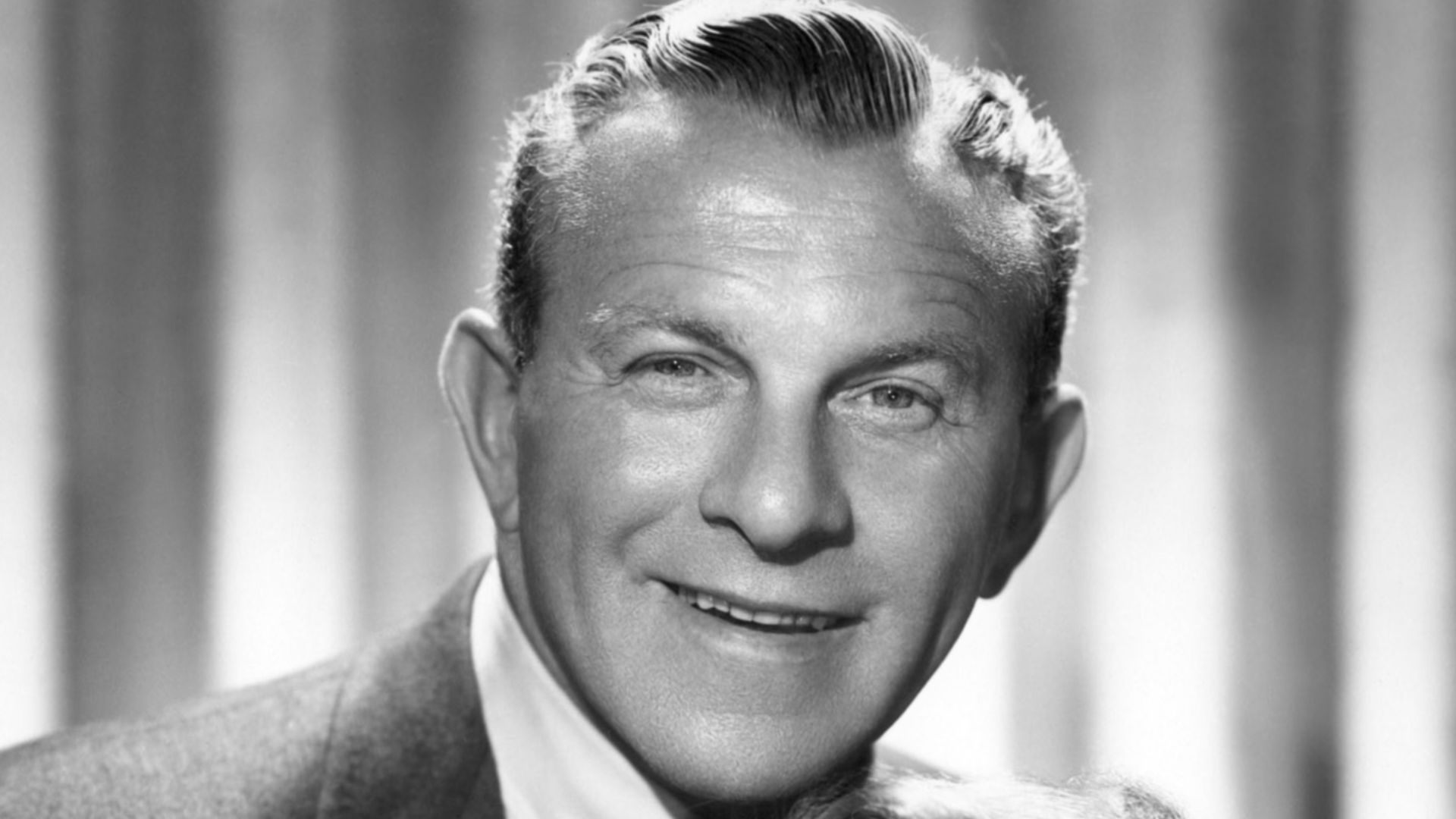 CBS Television Uploaded by We hope at en.wikipedia, Wikimedia Commons
Lucille Ball - I Love Lucy
Hollywood never quite figured out what to do with Lucille Ball. She worked constantly, became known as the "Queen of the B's," and proved herself a gifted physical comedian, but true movie superstardom kept hovering just out of reach. Television changed everything. I Love Lucy made Ball one of the most famous performers in America while giving her comic abilities room movies rarely had. Just as important, she and Desi Arnaz built Desilu into a television powerhouse. Ball eventually became the first woman to run a major TV production studio, meaning her reinvention changed far more than her own career.
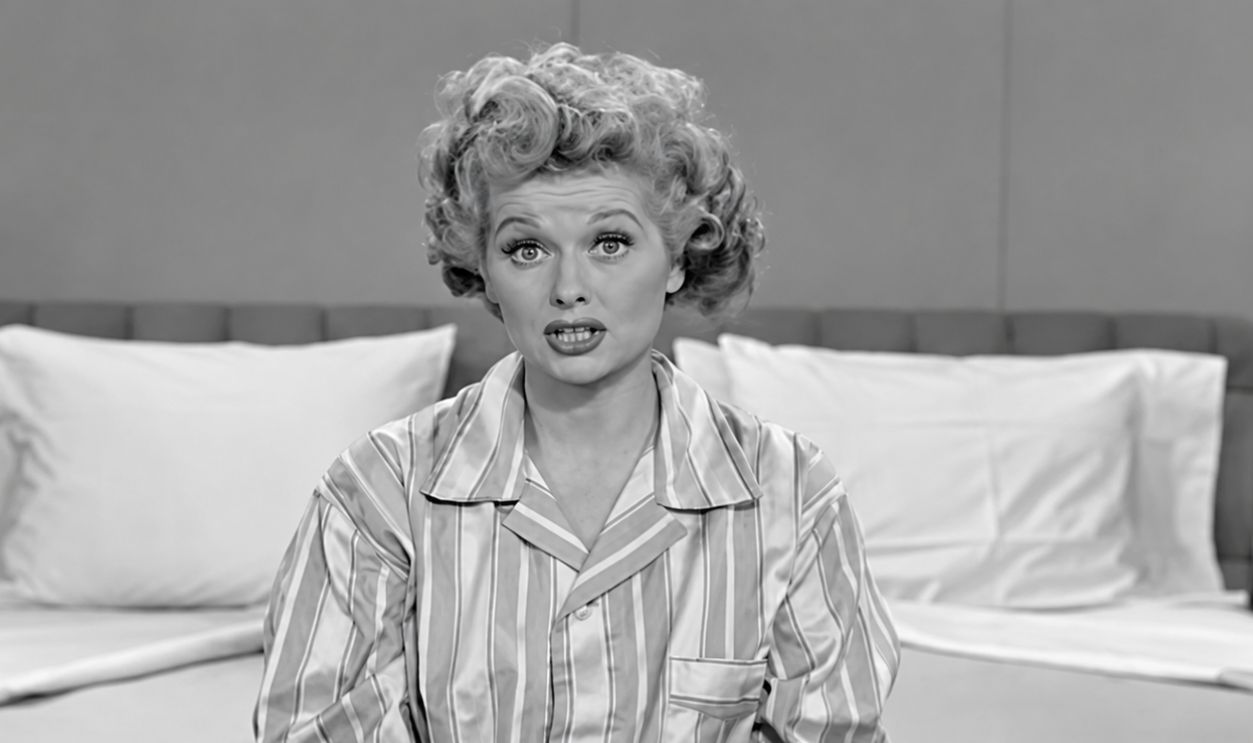 Screenshot from I Love Lucy, CBS Television Film Sales (1951–1957), Modified
Dick Powell - Four Star Playhouse / The Dick Powell Show
Dick Powell had already pulled off one startling reinvention before television came along. After years as a cheerful musical star, he transformed himself into a hard-boiled movie actor with Murder, My Sweet. Then he did it again. Powell co-founded Four Star Television and became deeply involved in producing, developing, hosting, directing, and acting in television projects. Four Star Playhouse put established movie stars into anthology stories, while The Dick Powell Show continued the format under his own name. Powell didn't merely find work on television after his movie career changed. He became one of the people helping shape the new industry.
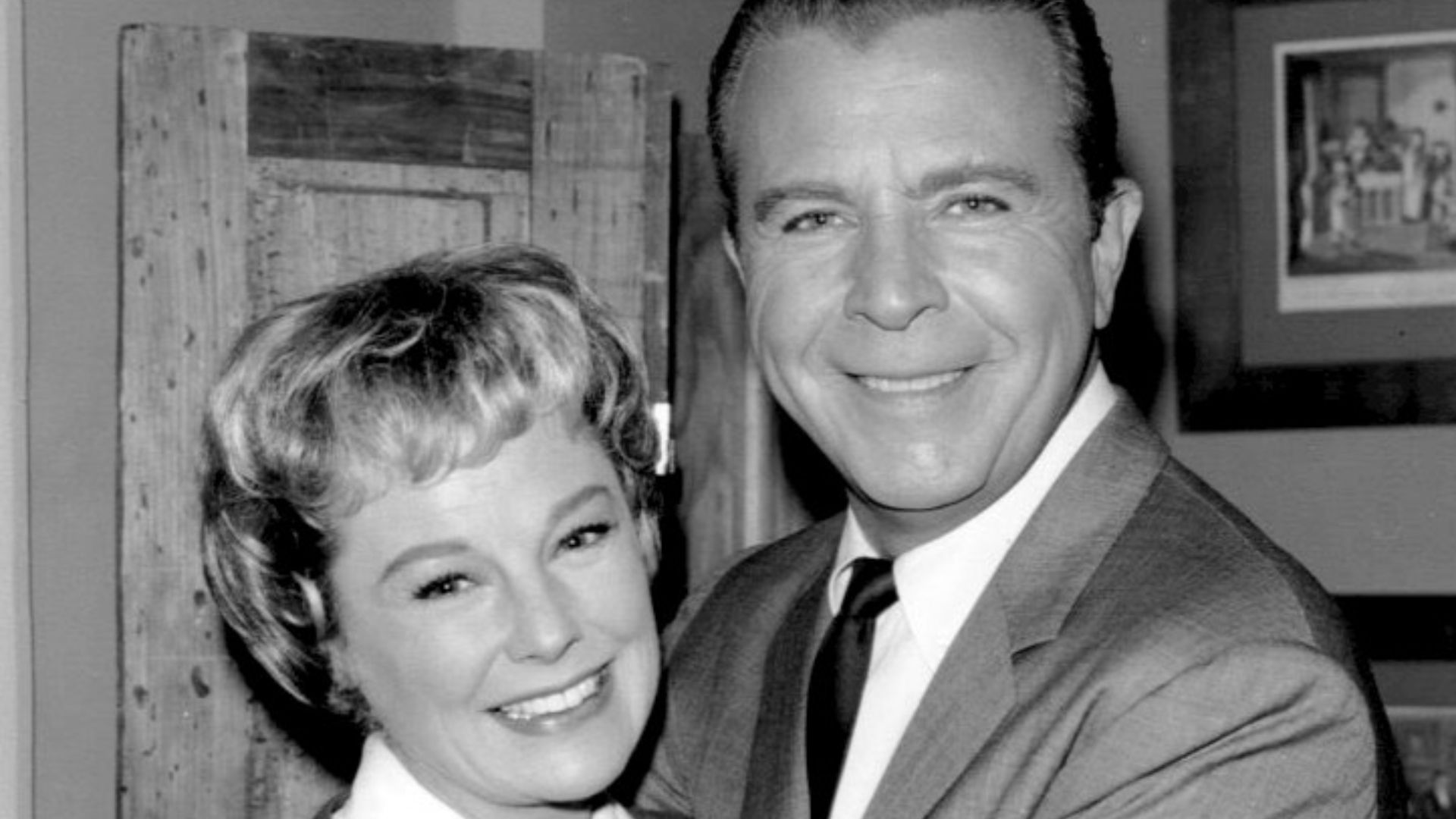 NBC Television, Wikimedia Commons
You May Also Like:
Classic Western Actresses Who Stole Scenes From The Cowboys And Deserved More Credit
Classic Hollywood Tough Guys Who Had Surprisingly Soft Second Acts
Classic TV Catchphrases From The 1960s And 1970s That Viewers Still Repeat Without Thinking