When Hollywood Toughness Started To Melt
Classic Hollywood loved a man who could stare down a room, win a fistfight, and somehow make smoking look like a competitive sport. Yet some of cinema’s hardest characters eventually discovered comedy, romance, fatherhood, and even outright silliness. Their later careers proved tough guys could contain multitudes.
Humphrey Bogart Found His Romantic Side
Humphrey Bogart built his legend playing hard-bitten detectives, gangsters, and men who trusted practically nobody. Then movies like Sabrina let audiences see something gentler. Playing an older businessman quietly falling for Audrey Hepburn, Bogart traded gunfire for longing glances without losing the coolness that made him famous.
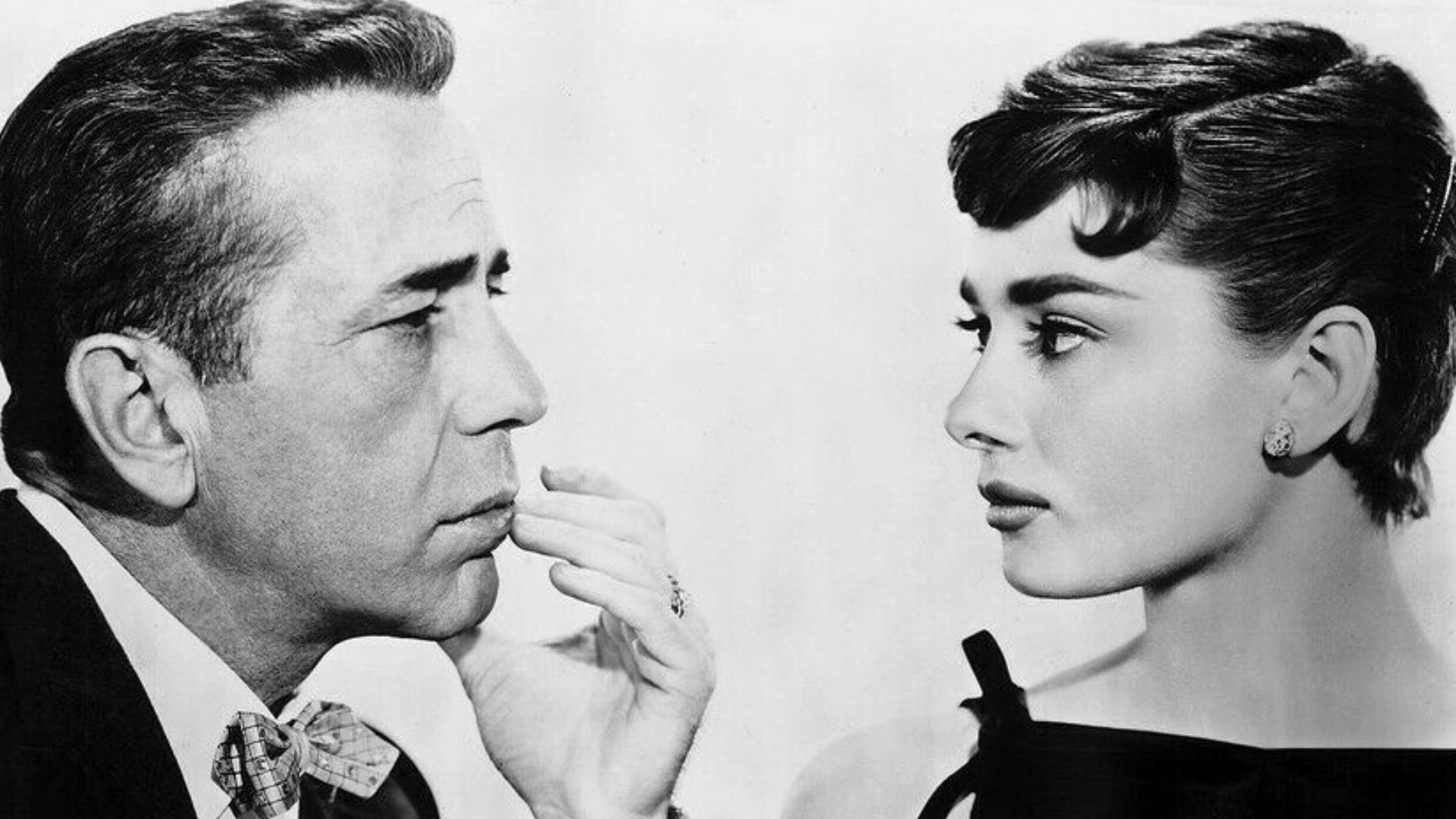 Paramount Pictures, Wikimedia Commons
Edward G. Robinson Became Heartbreakingly Vulnerable
Few actors looked more convincing barking threats than Edward G. Robinson, whose gangster performances helped define the genre. Decades later, Soylent Green gave him one of his most touching roles. His emotional farewell scene was especially powerful because audiences remembered just how intimidating Robinson once seemed.
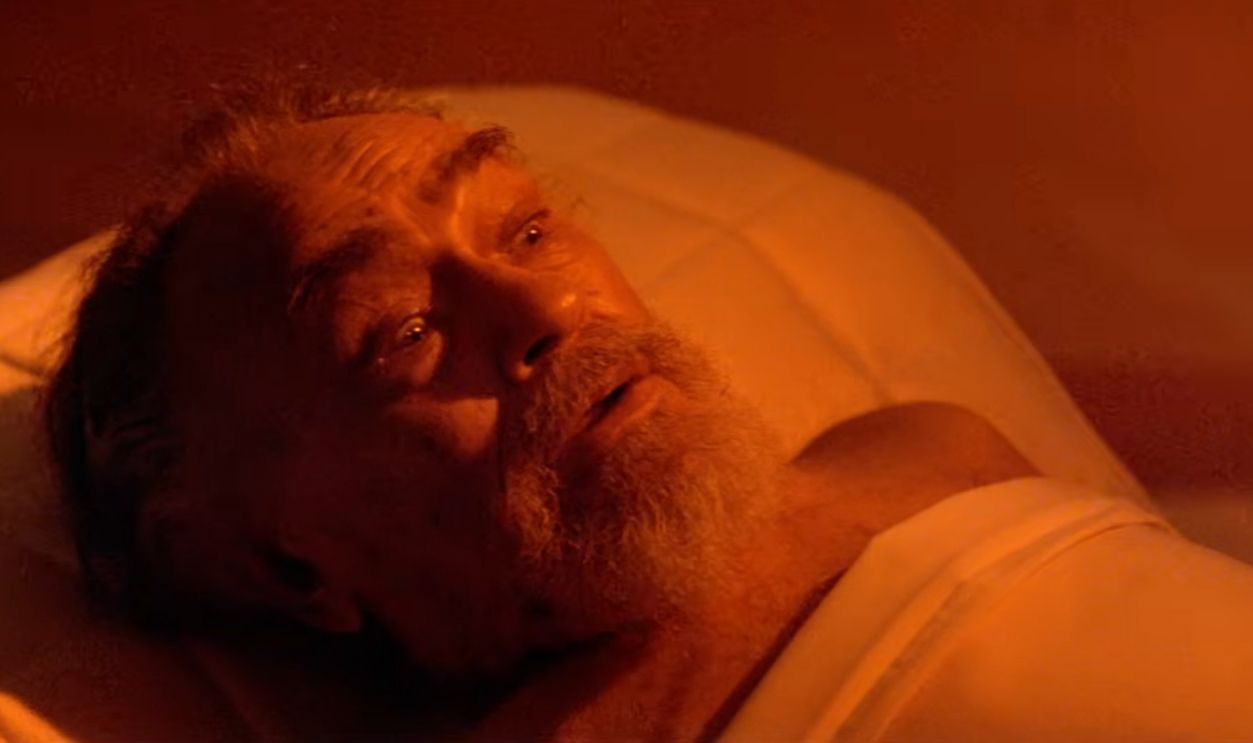 Screenshot from Soylent Green, Metro Goldwyn Mayer (1973)
Lee Marvin Actually Became A Musical Star
Lee Marvin looked like he had been born already knowing how to win a bar fight. That made Paint Your Wagon wonderfully strange. The famously gravel-voiced tough guy suddenly found himself starring in a musical, even singing “Wand’rin’ Star.” Somehow, Marvin’s rumbling performance became one of the film’s biggest charms.
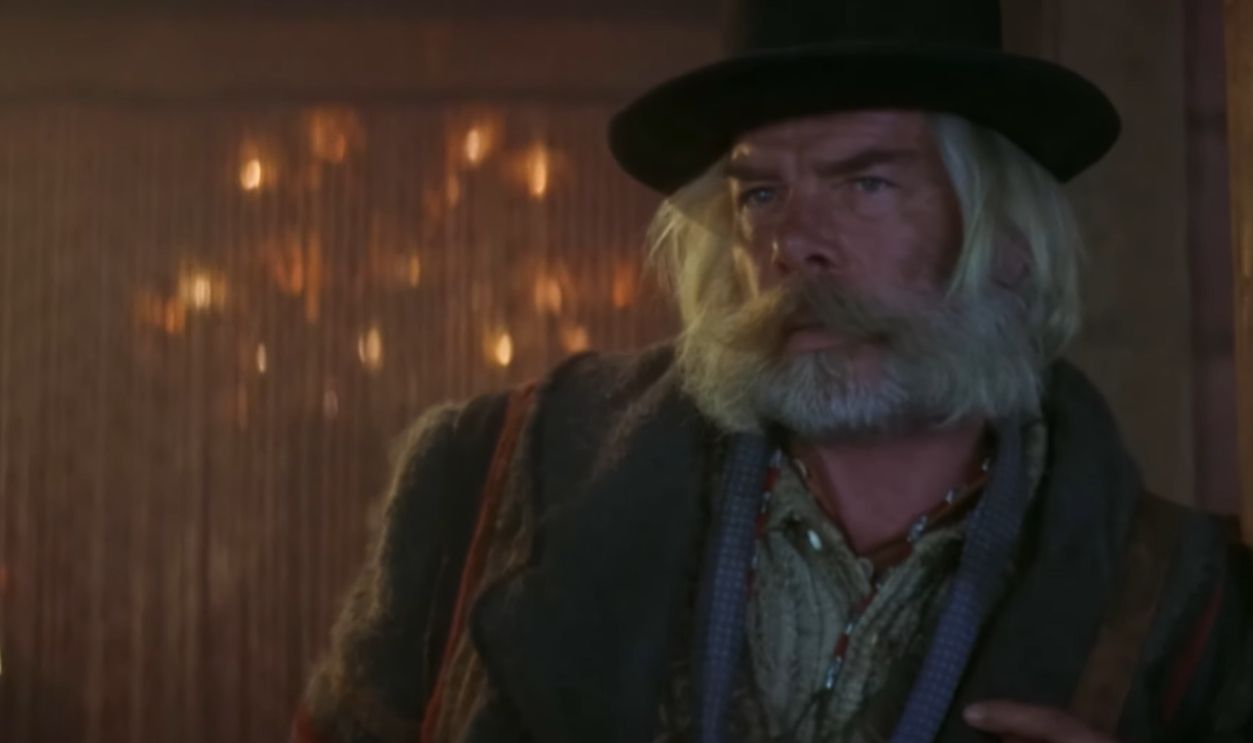 Screenshot from Paint Your Wagon, Paramount Pictures (1969)
Charles Bronson Tried Romantic Comedy
Charles Bronson spent much of the 1970s becoming Hollywood’s ultimate stone-faced avenger. Yet From Noon Till Three showed another side entirely. The movie turned Bronson into the center of an eccentric romance and comedy, allowing the famously unsmiling star to poke fun at the mythology surrounding his rugged image.
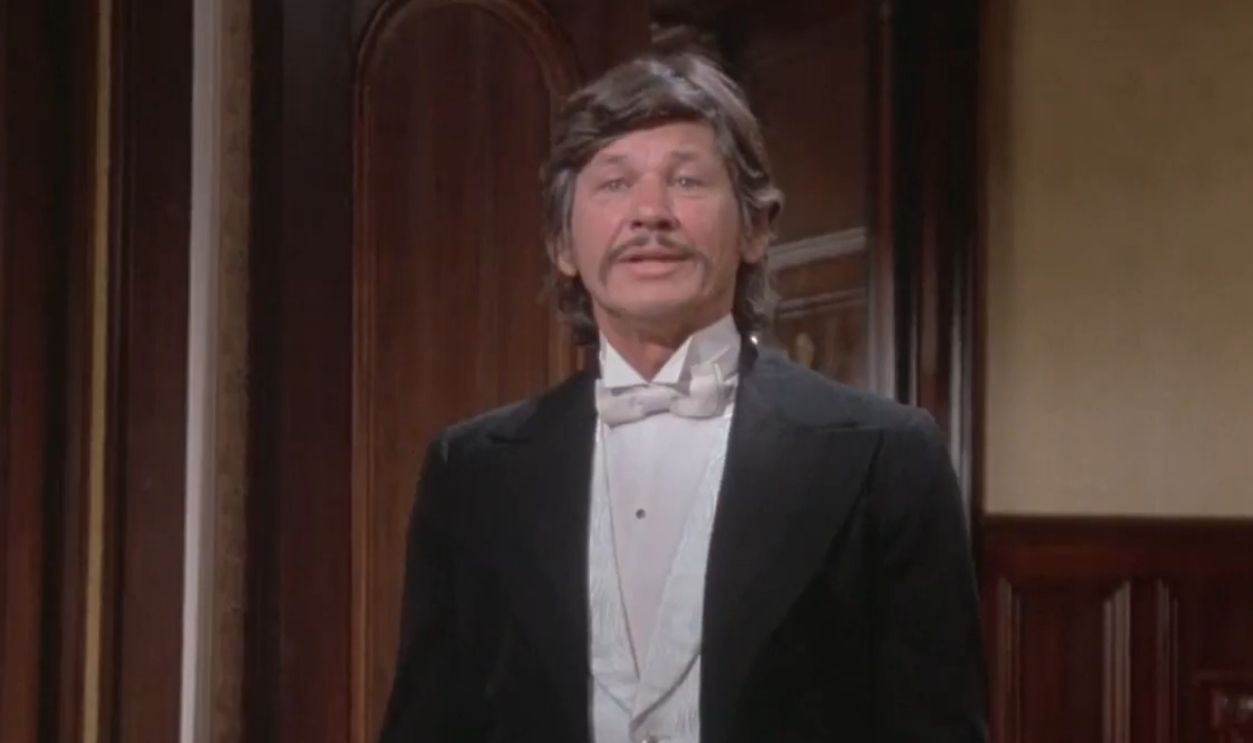 Screenshot from From Noon Till Three, United Artists (1976)
Glenn Ford Became Superman’s Dad
Glenn Ford had spent decades playing western heroes, gunfighters, cops, and complicated men with steel in their spines. Then Superman gave him one of his warmest jobs. As Jonathan Kent, Ford became the kindly father who taught young Clark that character mattered more than extraordinary physical power.
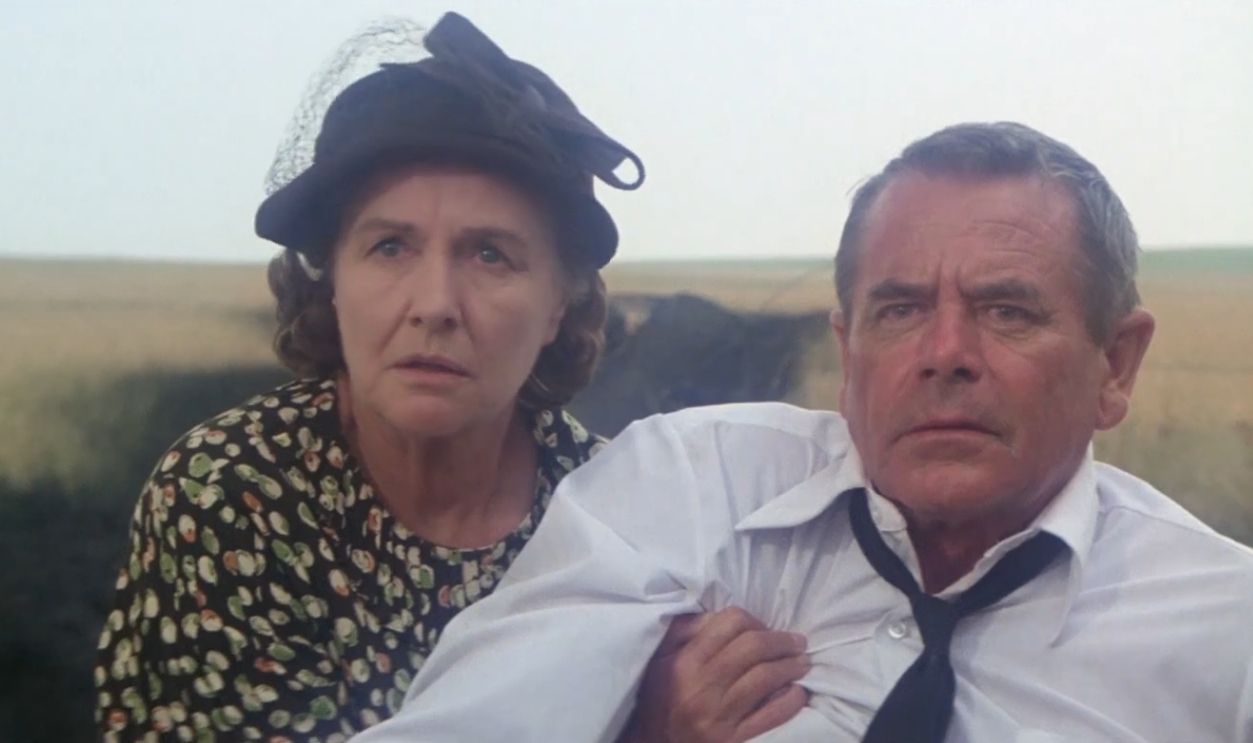 Screenshot from Superman, Warner Bros. Pictures (1978)
Robert Mitchum Settled Into Patriarch Mode
Robert Mitchum practically invented cinematic cool with his sleepy eyes and dangerous calm. Later in life, however, he increasingly played older authority figures and patriarchs. His work in The Winds of War and War and Remembrance traded noir menace for weary responsibility, showing a surprisingly reflective side of the longtime tough guy.
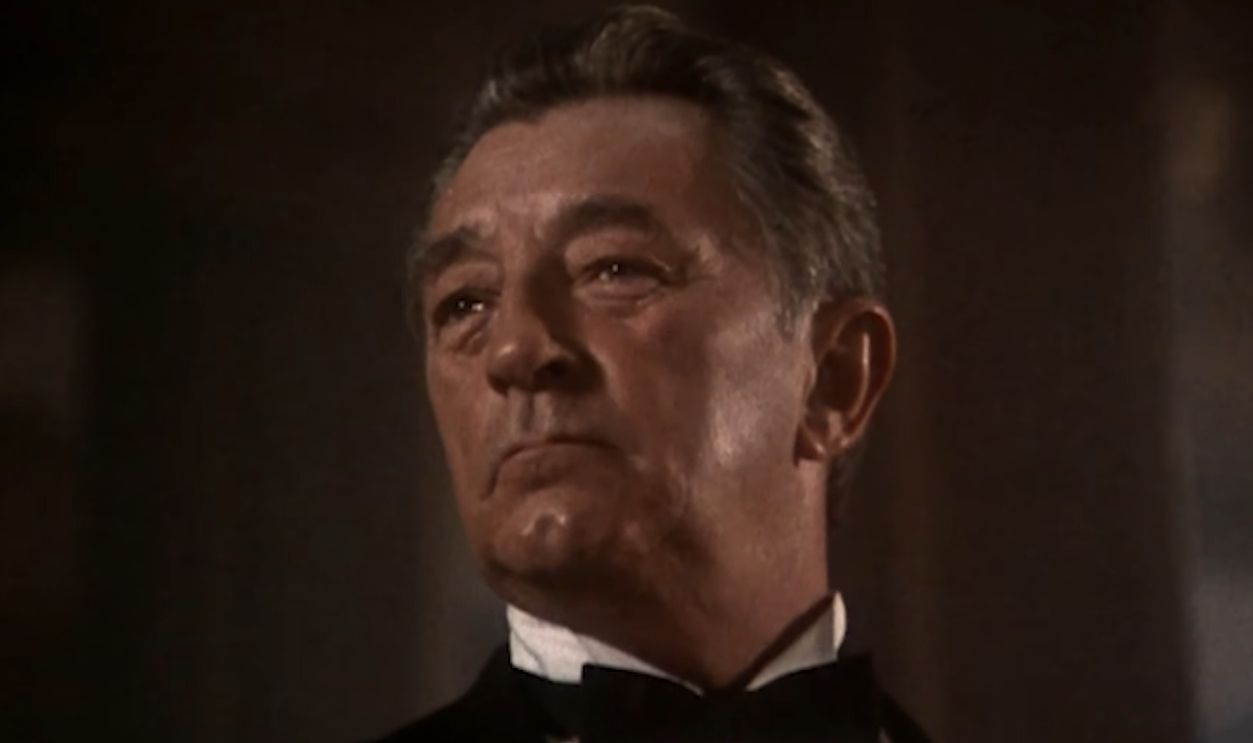 Screenshot from The Winds of War, ABC (1983)
Burt Lancaster Became Lovably Eccentric
Young Burt Lancaster was all muscles, confidence, and explosive physical energy. Older Lancaster became wonderfully unpredictable. In Local Hero, he played an eccentric oil tycoon obsessed with astronomy, while Field of Dreams gave him a beautiful final screen role as Moonlight Graham, a man quietly reflecting on roads not taken.
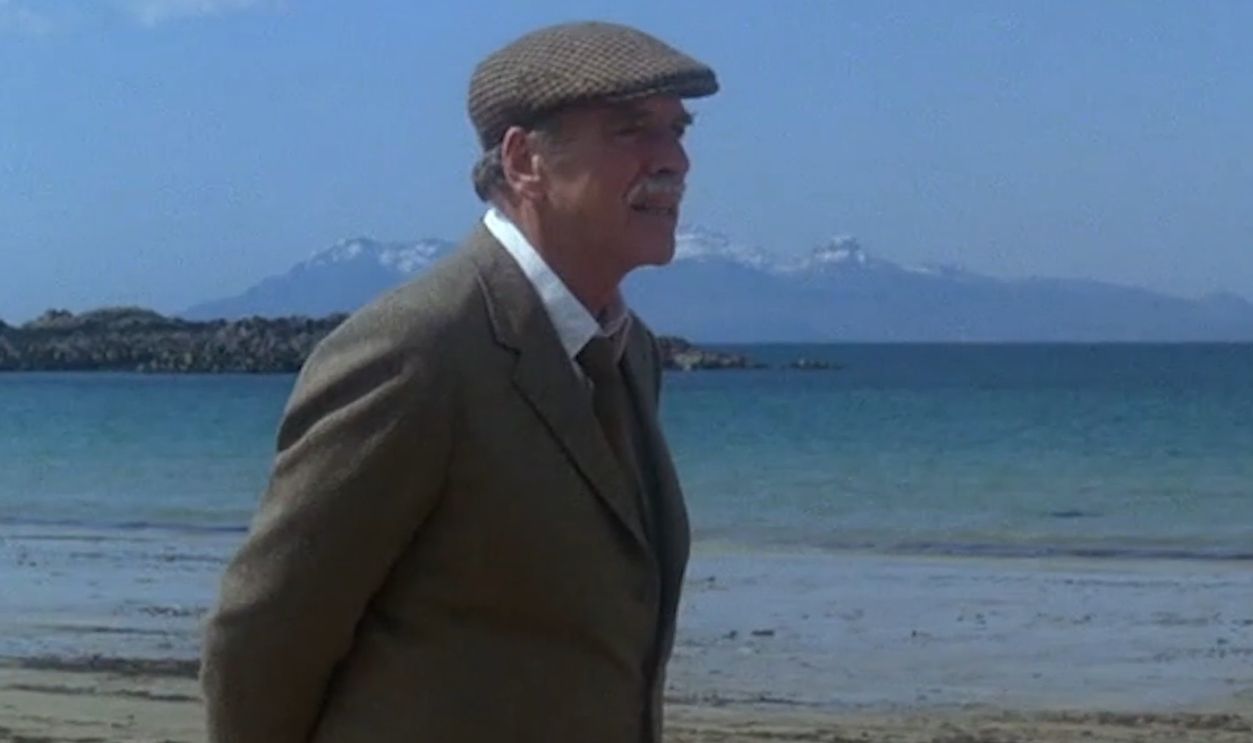 Screenshot from Local Hero, Warner Bros. Pictures (1983)
Kirk Douglas Learned To Laugh At Age
Kirk Douglas spent decades playing men who looked capable of fighting their way through practically anything. By Tough Guys in 1986, he was joking about that very reputation. Paired with Burt Lancaster as aging ex-convicts, Douglas turned macho stubbornness into comedy about getting older without surrendering your identity.
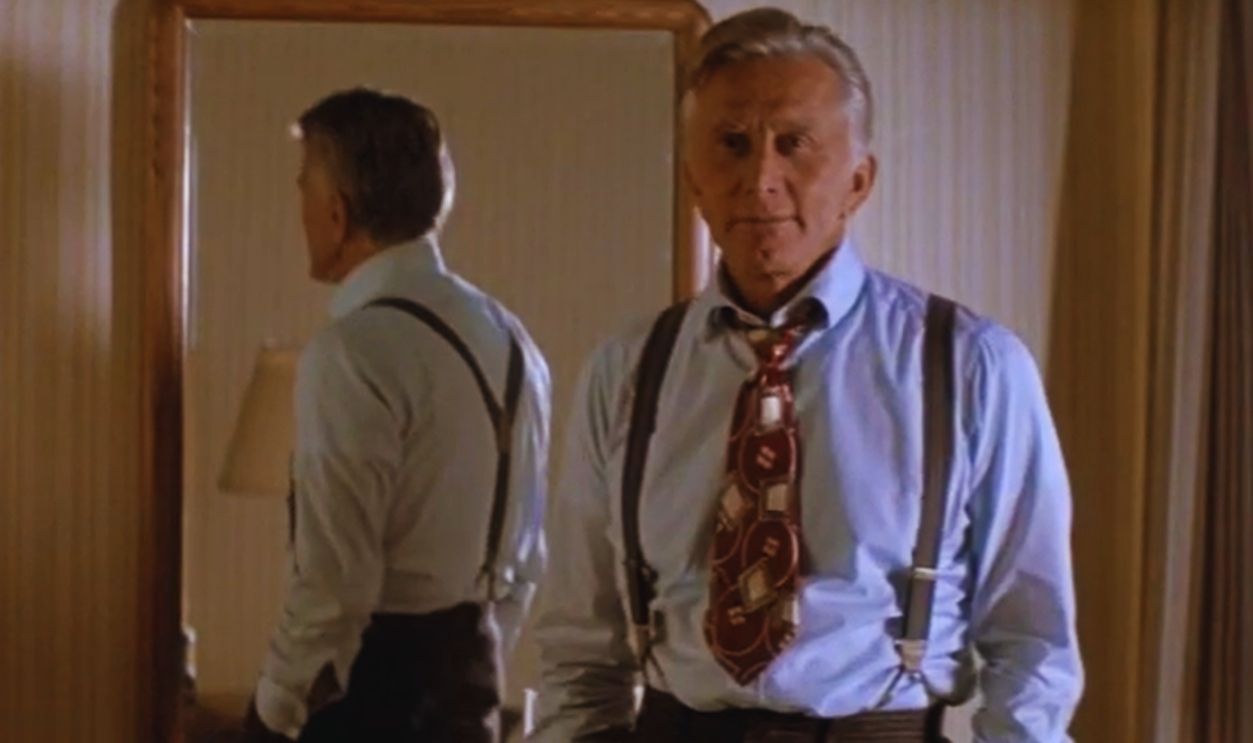 Screenshot from Tough Guys, Buena Vista Distribution Co. (1986)
Ernest Borgnine Became A Big Kid
Ernest Borgnine could be terrifying when Hollywood needed him to be. Yet his career also contained an enormous goofy streak, from McHale’s Navy to much later voice work as Mermaid Man on SpongeBob SquarePants. Hearing that unmistakable tough-guy voice coming from an elderly cartoon superhero somehow made perfect sense.
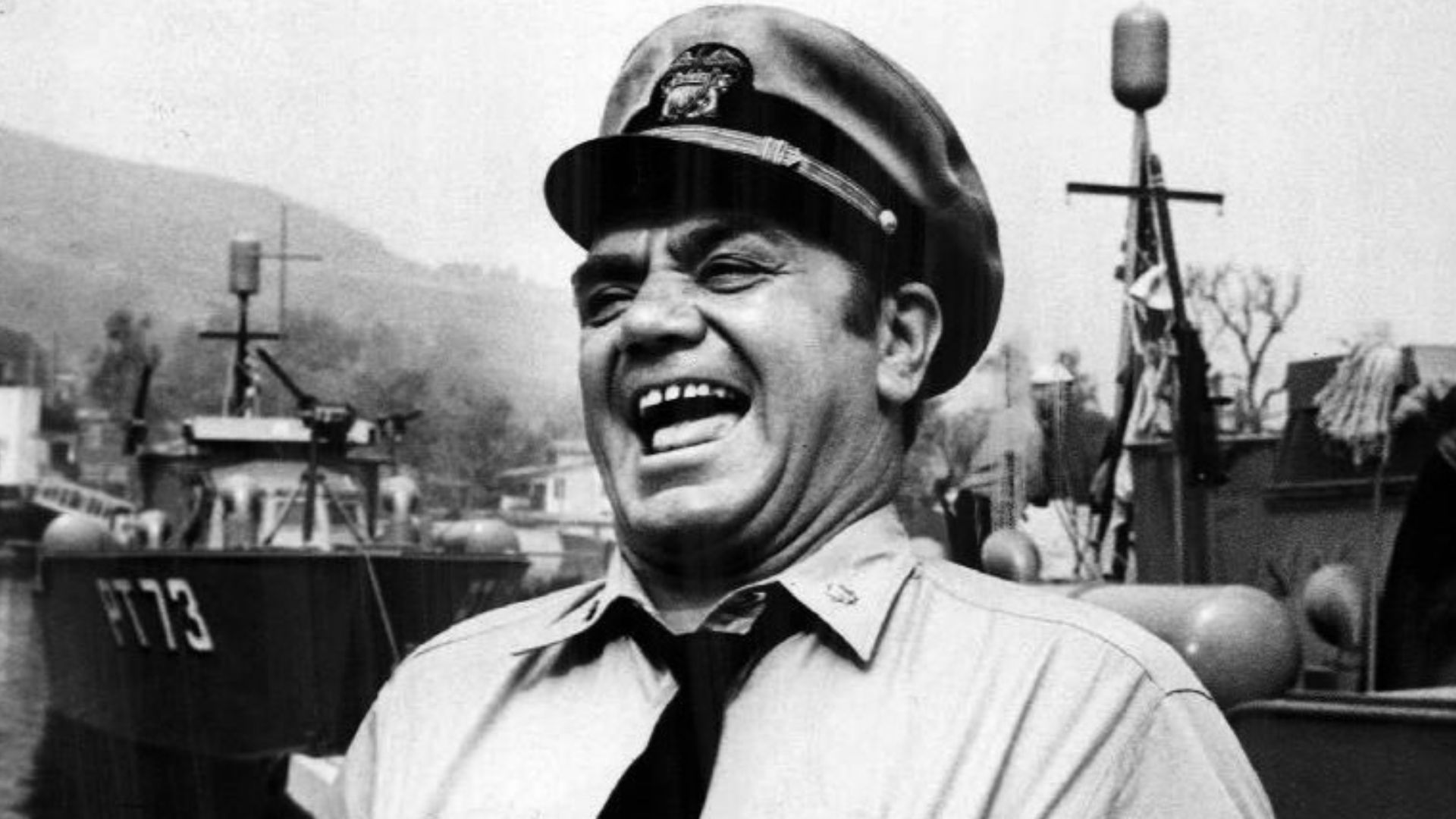 Photographer:Leigh Wiener, Wikimedia Commons
George Kennedy Discovered Deadpan Comedy
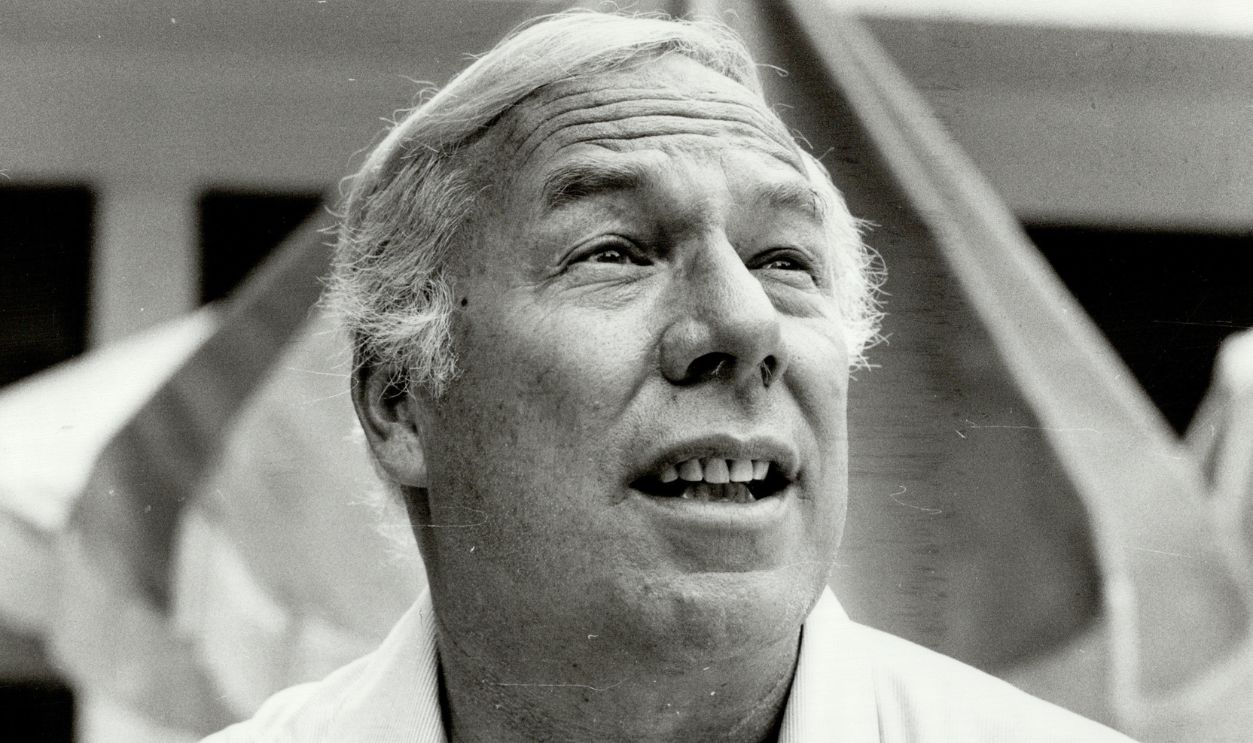
George Kennedy had the face of a man you definitely did not want to argue with. After decades of dramas, westerns, and disaster movies, he joined The Naked Gun series as Captain Ed Hocken. Kennedy played the insanity completely straight, proving that serious actors are often the funniest people in the room.
Jack Palance Became Everyone’s Favorite Cowboy Grandpa
Jack Palance made a career out of looking extremely dangerous, especially when standing in a western doorway. Then City Slickers introduced him to a new generation as Curly. He was still intimidating, but underneath the leather and squinting was a wise old cowboy offering surprisingly thoughtful advice about life.
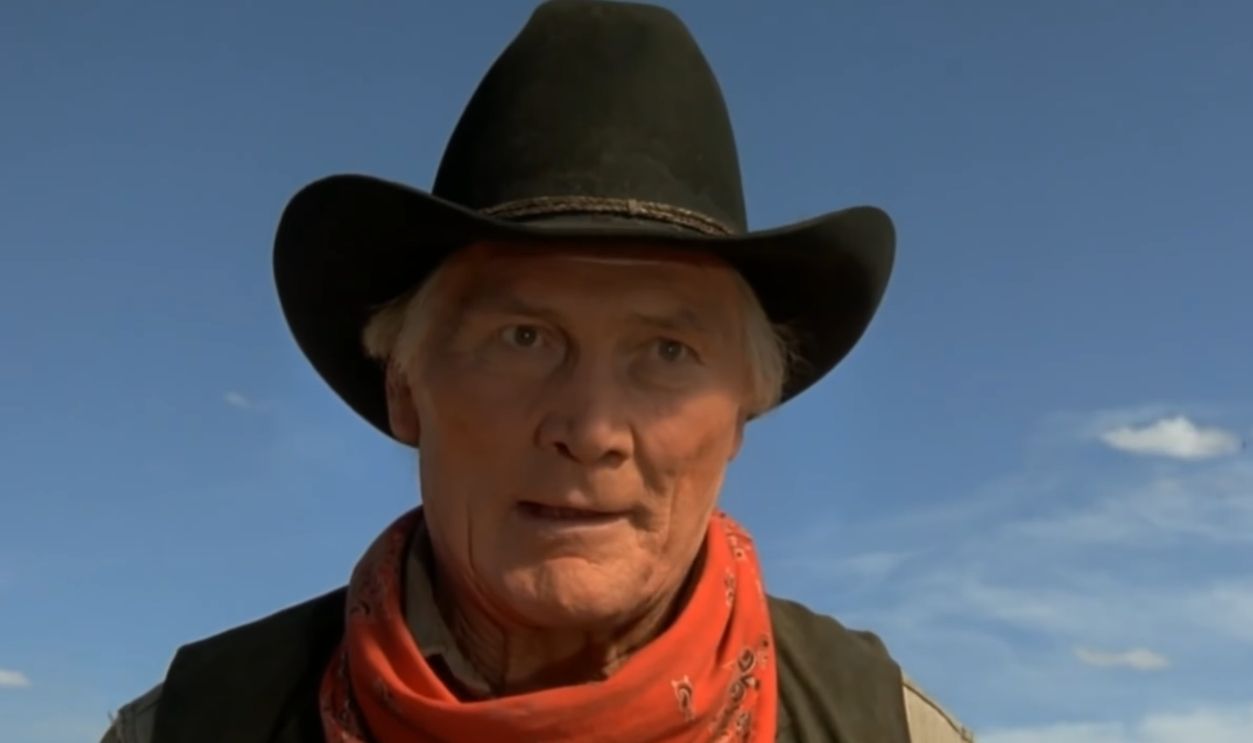 Screenshot from City Slickers, Columbia Pictures (1991)
Robert Stack Let Himself Look Ridiculous
Long before Unsolved Mysteries made Robert Stack the king of ominous television narration, he had been famous for playing stern, commanding men. Then came Airplane!, where Stack cheerfully demolished his own image. Watching such a dignified tough guy participate in ridiculous sight gags made every joke land harder.
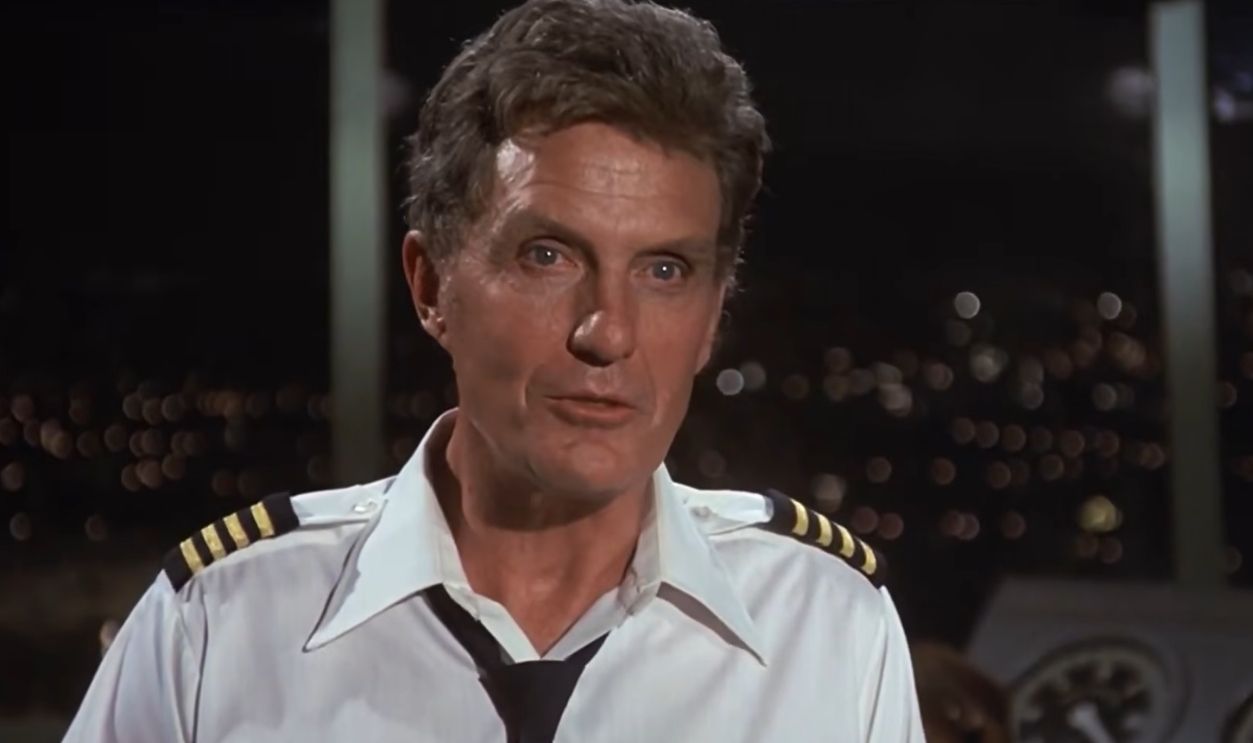 Screenshot from Airplane!, Paramount Pictures (1980)
Lloyd Bridges Went Completely Off The Rails
Lloyd Bridges once symbolized rugged television heroism through Sea Hunt. His later career went in a wildly different direction. In Airplane! and the Hot Shots! movies, Bridges became a master of absurd comedy, delivering increasingly ridiculous lines with total conviction while looking delighted by the chance to misbehave.
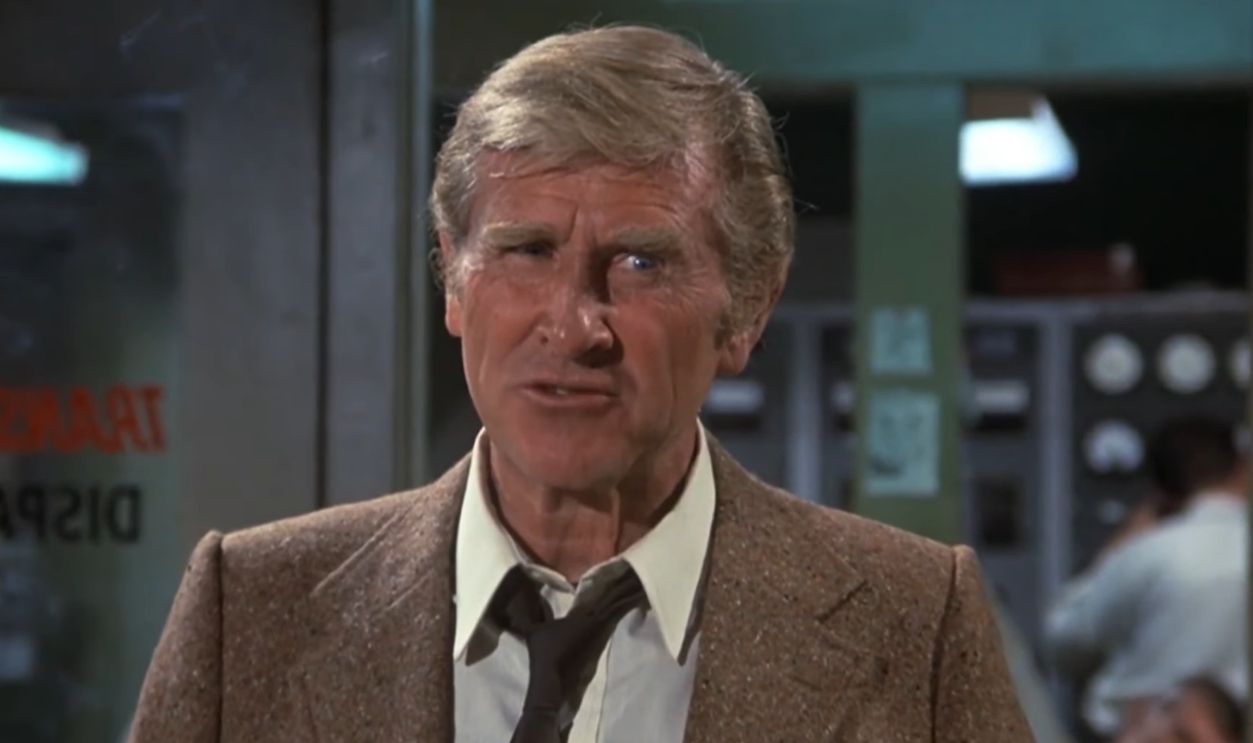 Screenshot from Airplane!, Paramount Pictures (1980)
Peter Graves Joined The Joke
As Jim Phelps on Mission: Impossible, Peter Graves was the picture of cool professional authority. That spotless image made his appearance in Airplane! even funnier. Graves played Captain Oveur with the same straight-faced seriousness he brought to dramatic television, even as virtually everything around him became completely ridiculous.
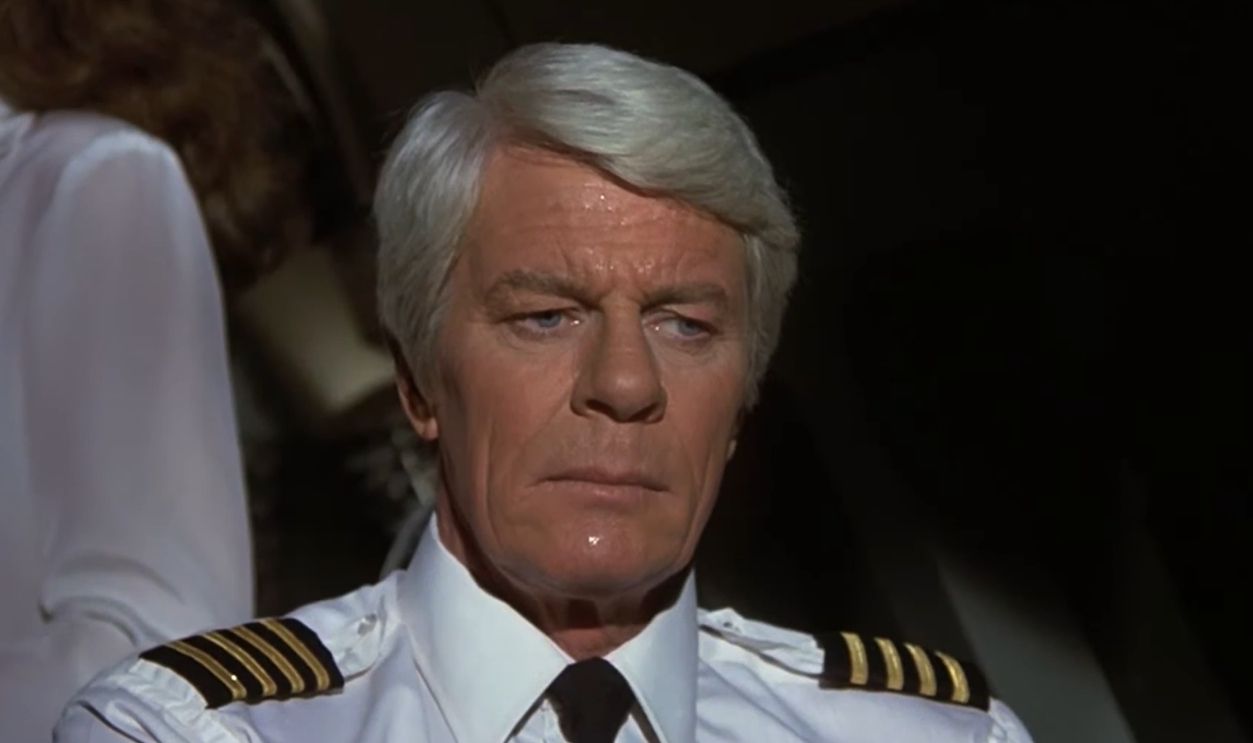 Screenshot from Airplane!, Paramount Pictures (1980)
Sean Connery Turned Into A Lovable Dad
James Bond made Sean Connery an international symbol of masculine cool. Years later, Indiana Jones and the Last Crusade transformed him into Henry Jones Sr., an absent-minded professor constantly embarrassing his action-hero son. Connery’s comic timing was marvelous, especially when his character seemed far more interested in history than heroics.
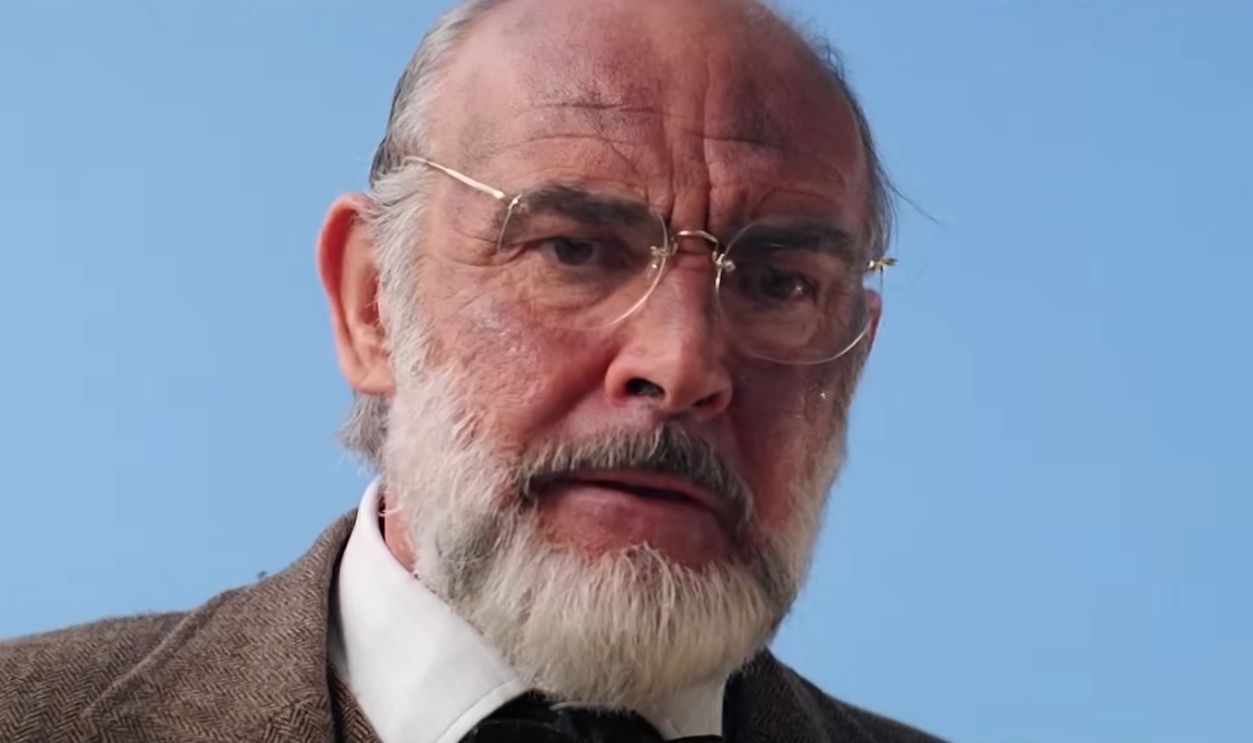 Screenshot from Indiana Jones and the Last Crusade, Paramount Pictures (1989)
Clint Eastwood Made A Full-Blown Romance
For decades, Clint Eastwood barely needed dialogue to frighten bad guys. Then he directed and starred in The Bridges of Madison County. Instead of a revolver, Eastwood carried a camera. His quiet romance with Meryl Streep revealed tenderness and vulnerability audiences rarely associated with the Man With No Name.
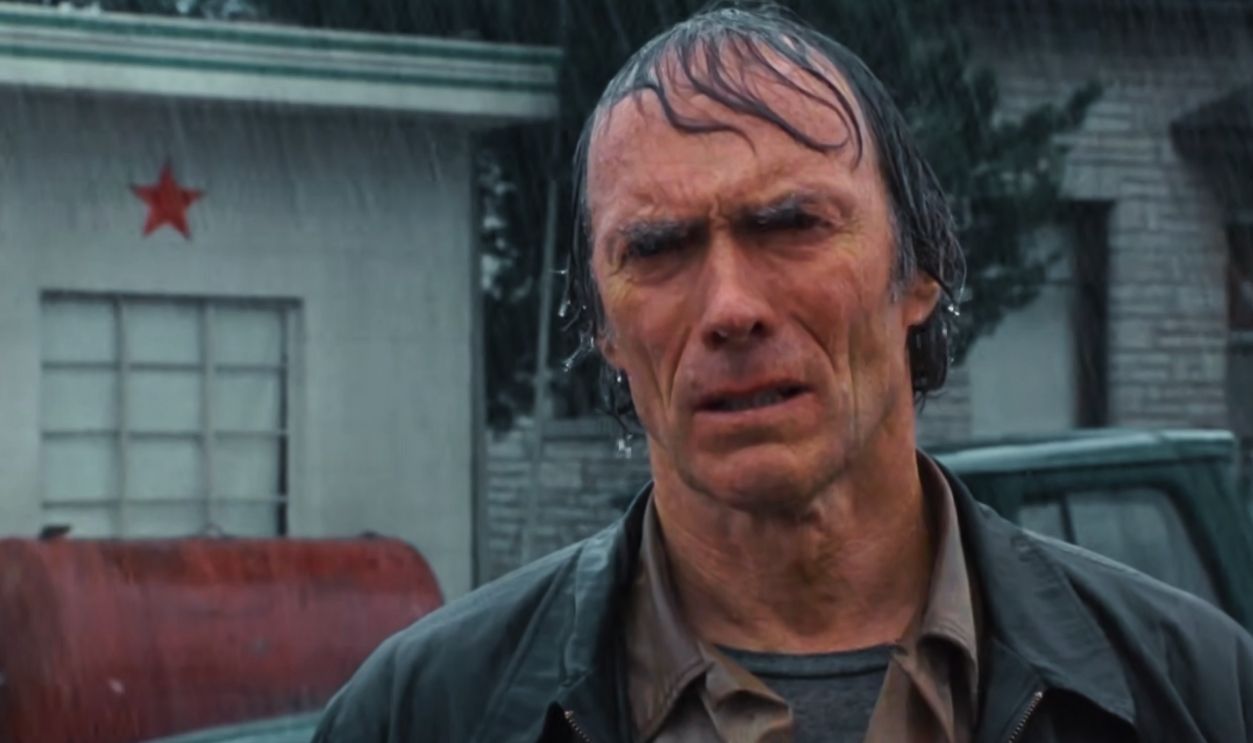 Screenshot from The Bridges of Madison County, Warner Bros. Pictures (1995)
Burt Reynolds Became A TV Family Man
Burt Reynolds once represented speeding cars, big mustaches, and an almost dangerous level of confidence. Later, television’s Evening Shade softened that image considerably. Playing a former football star coaching in a small town, Reynolds became warmer and more reflective while still keeping enough swagger to remind viewers who he was.
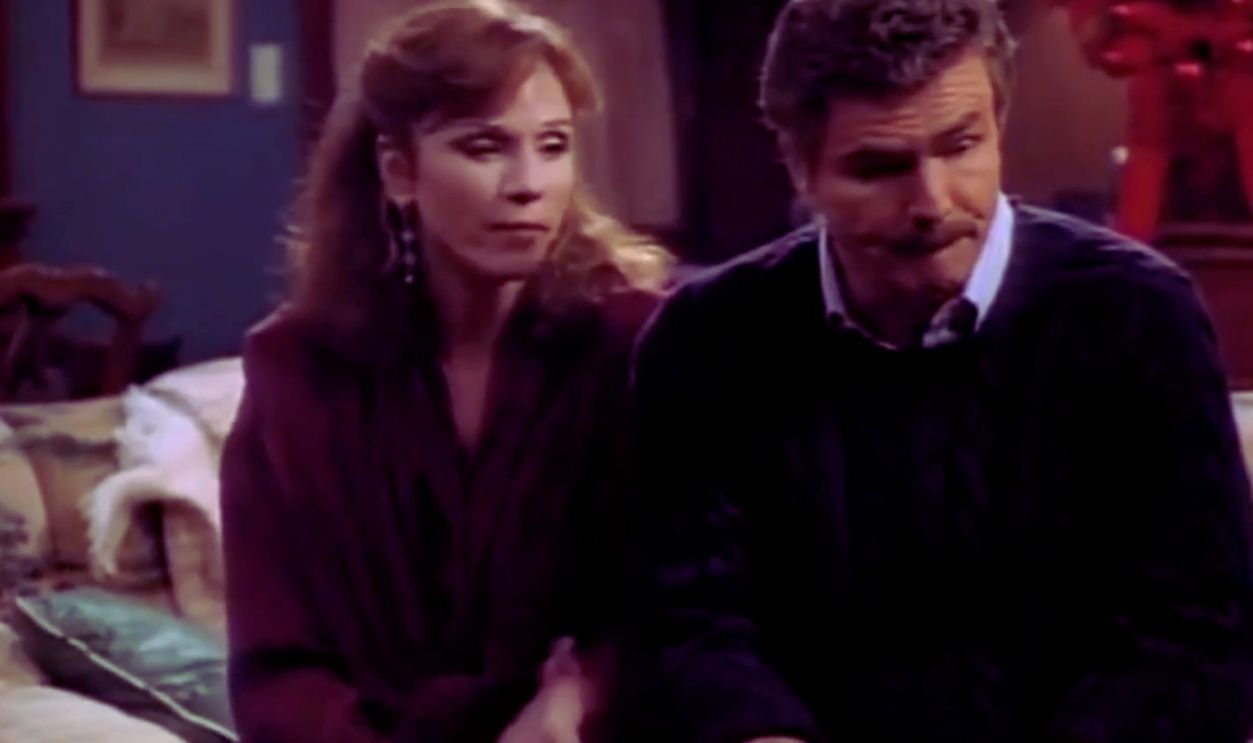 Screenshot from Evening Shade, CBS (1990–1994)
Gene Hackman Embraced Farce
Gene Hackman could dominate the screen as cops, criminals, military officers, and deeply unpleasant authority figures. That history made The Birdcage even more delightful. As ultraconservative Senator Kevin Keeley, Hackman plunged into increasingly outrageous farce and eventually appeared in a disguise nobody who watched The French Connection could have predicted.
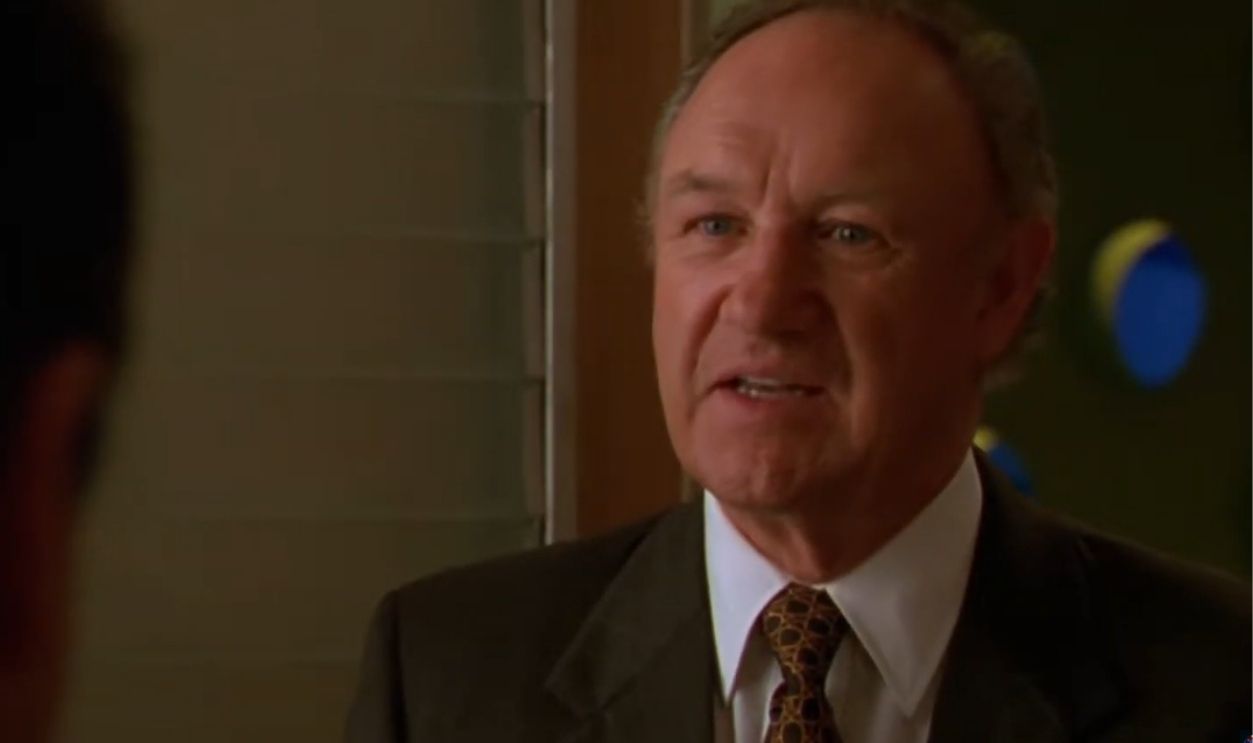 Screenshot from The Birdcage, Metro Goldwyn Mayer (1996)
Robert Duvall Turned Quiet
Robert Duvall could project tremendous toughness without raising his voice. Tender Mercies used that quality differently. Playing a broken-down country singer rebuilding his life, Duvall delivered a restrained, deeply humane performance. The role earned him an Academy Award while showing that quiet emotional strength could be as compelling as aggression.
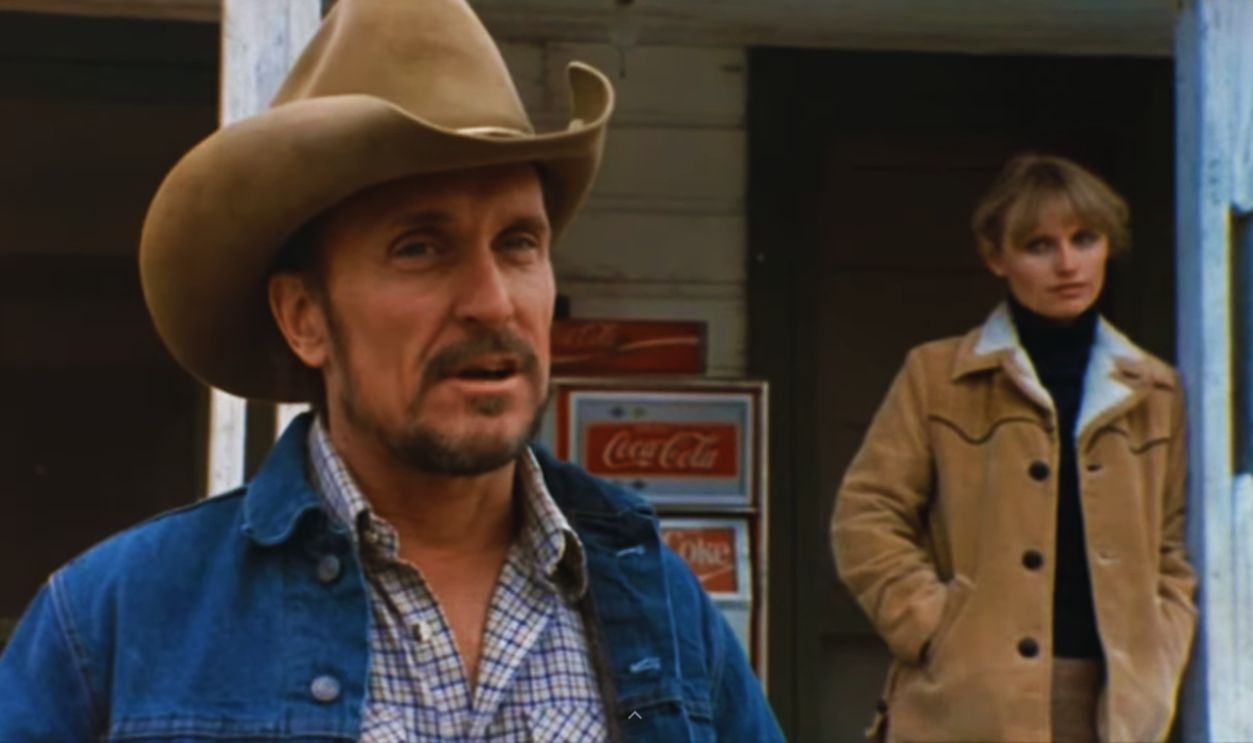 Screenshot from Tender Mercies, Universal Pictures (1983)
James Earl Jones Became Baseball’s Gentle Philosopher
That booming voice helped make Darth Vader terrifying, even though James Earl Jones was never limited to villains. In Field of Dreams, he used the same extraordinary presence very differently. As writer Terence Mann, Jones became a reluctant companion and eventually delivered one of cinema’s warmest speeches about baseball, memory, and America.
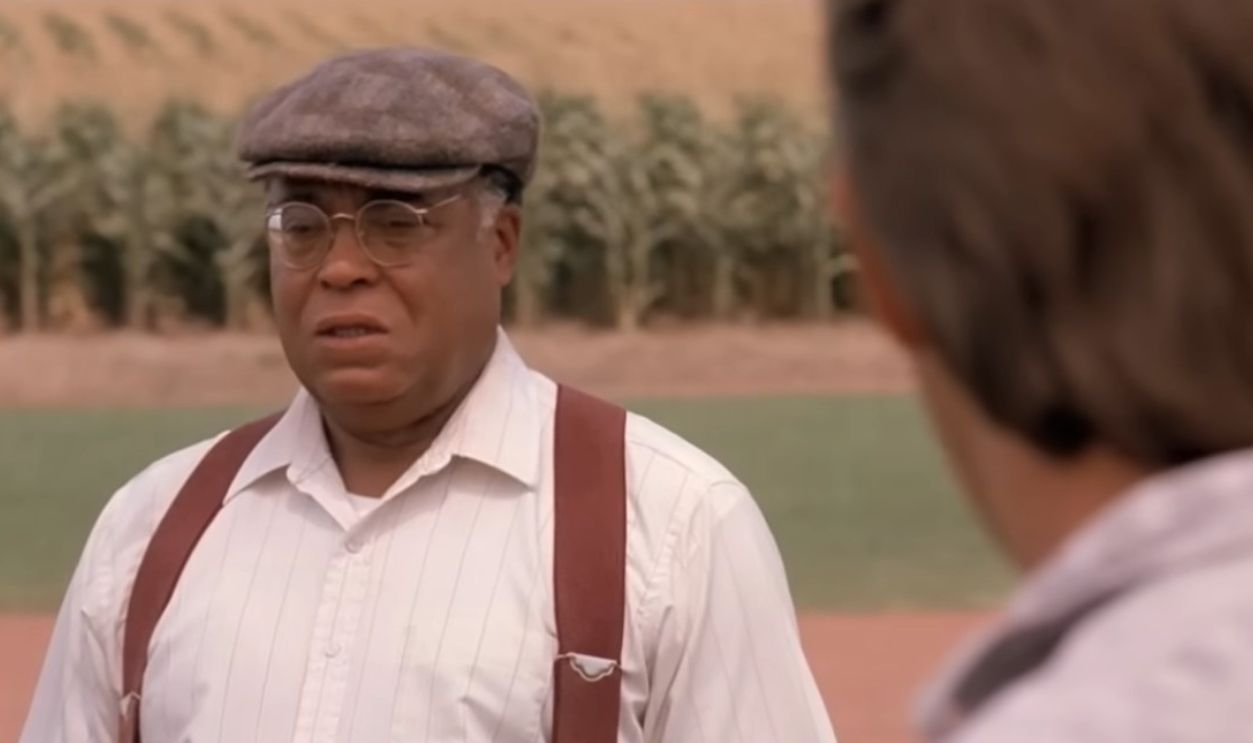 Screenshot from Field of Dreams, Universal Pictures (1989)
Eli Wallach Became Hollywood’s Sweet Old Neighbor
Western fans knew Eli Wallach as Tuco, the endlessly scheming outlaw from The Good, the Bad and the Ugly. Decades later, The Holiday cast him as Arthur Abbott, a retired screenwriter who becomes an unlikely friend to Kate Winslet’s character. Suddenly, Tuco was giving adorable life advice.
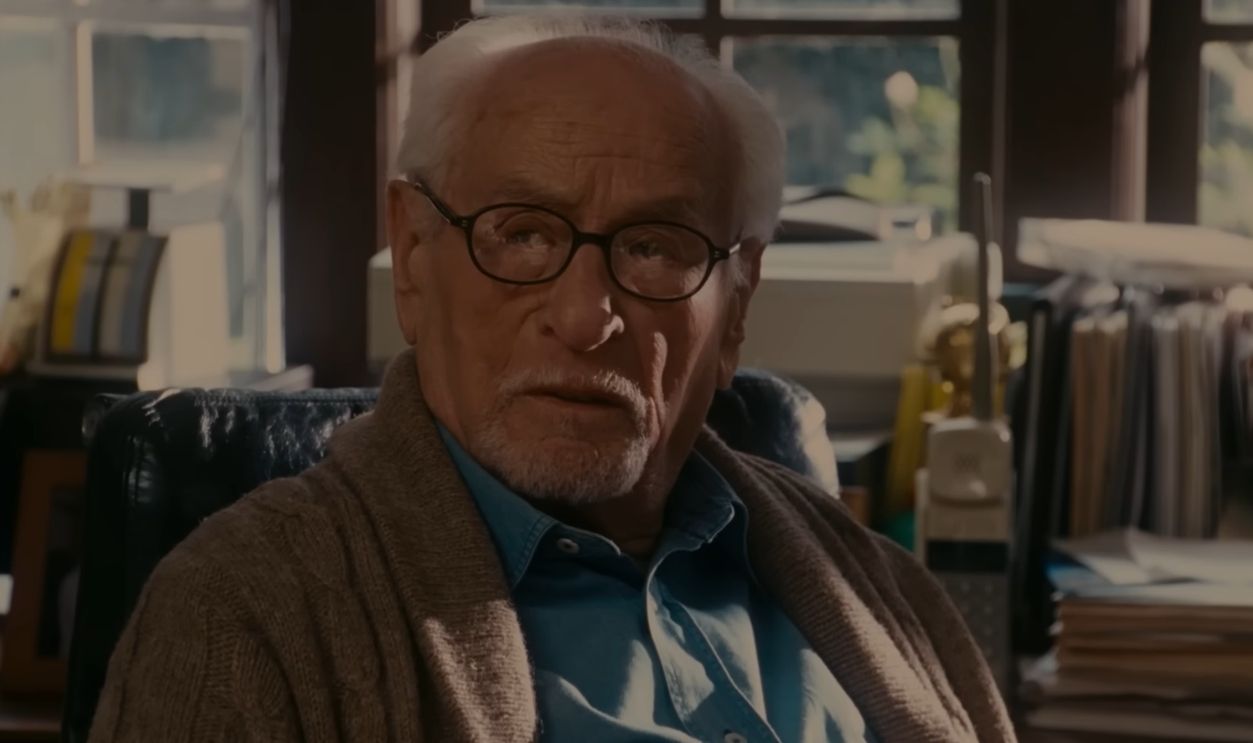 Screenshot from The Holiday, Columbia Pictures (2006)
Brian Dennehy Became A Friendly Alien
Brian Dennehy was terrifyingly effective as Sheriff Teasle in First Blood, the stubborn lawman whose feud with John Rambo explodes disastrously. Just a few years later, Cocoon cast Dennehy as Walter, the leader of a group of peaceful aliens. His imposing presence suddenly felt reassuring instead of threatening.
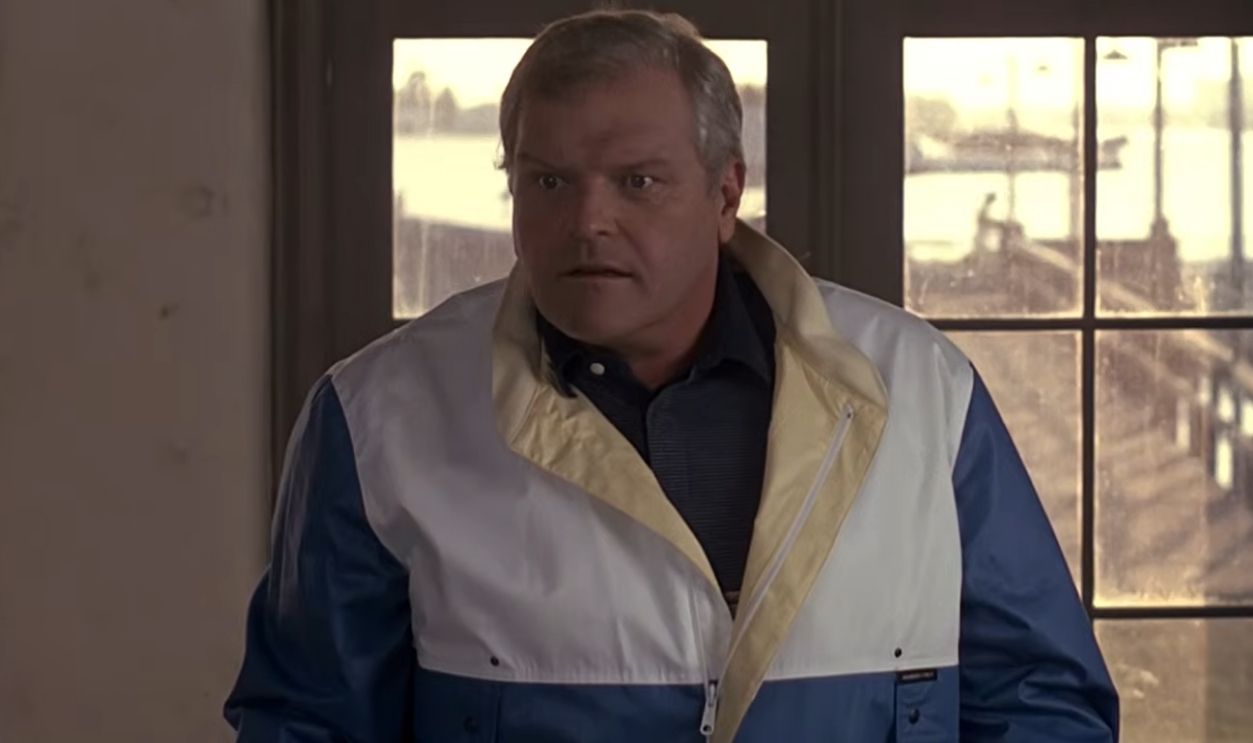 Screenshot from Cocoon, 20th Century Fox (1985)
Robert Loggia Danced On A Giant Piano
Robert Loggia spent years playing cops, gangsters, and intimidating businessmen. Then Big gave him one of his most lovable moments. As toy-company executive MacMillan, Loggia joined Tom Hanks on the giant FAO Schwarz piano. Few things soften a tough-guy reputation faster than happily dancing on enormous keyboard keys.
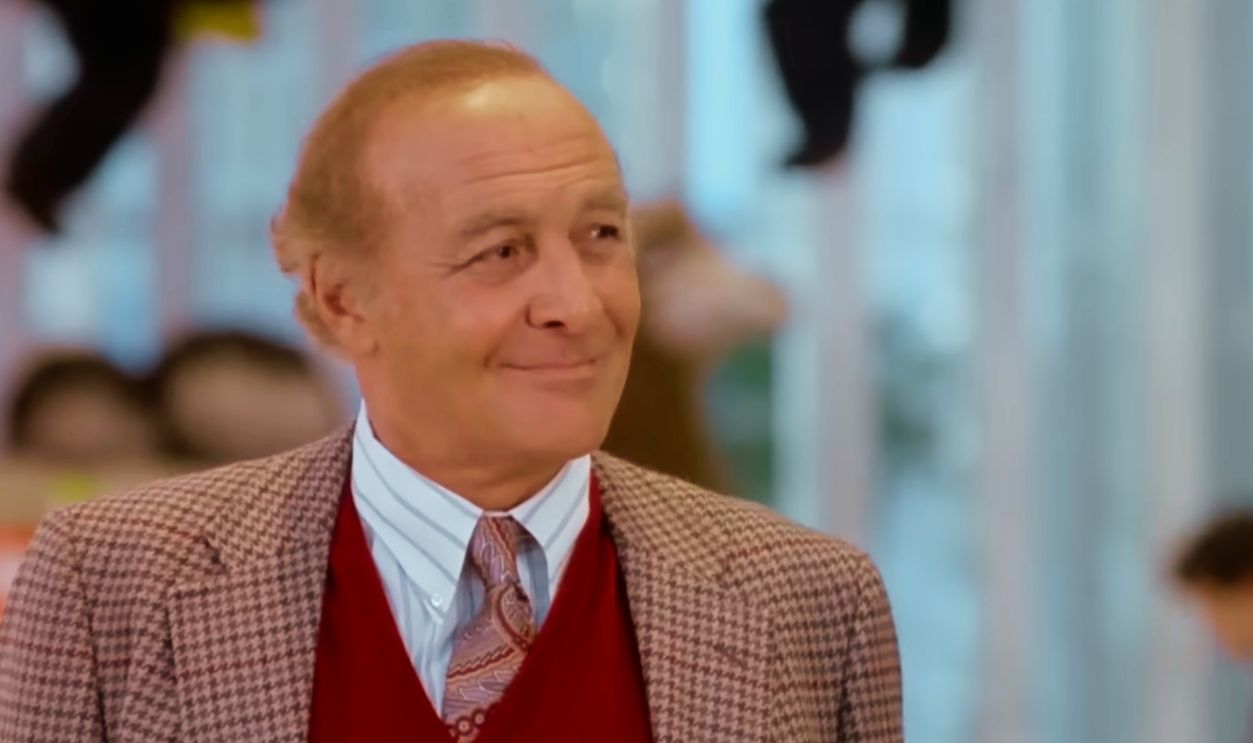 Screenshot from Big, 20th Century Fox (1988)
Robert Forster Became A Quiet Romantic
Robert Forster’s early career leaned heavily on cops, criminals, and hard-edged action. Quentin Tarantino’s Jackie Brown revived his career with something gentler. As bail bondsman Max Cherry, Forster played a decent, patient man quietly falling in love, earning an Oscar nomination through understatement rather than intimidation.
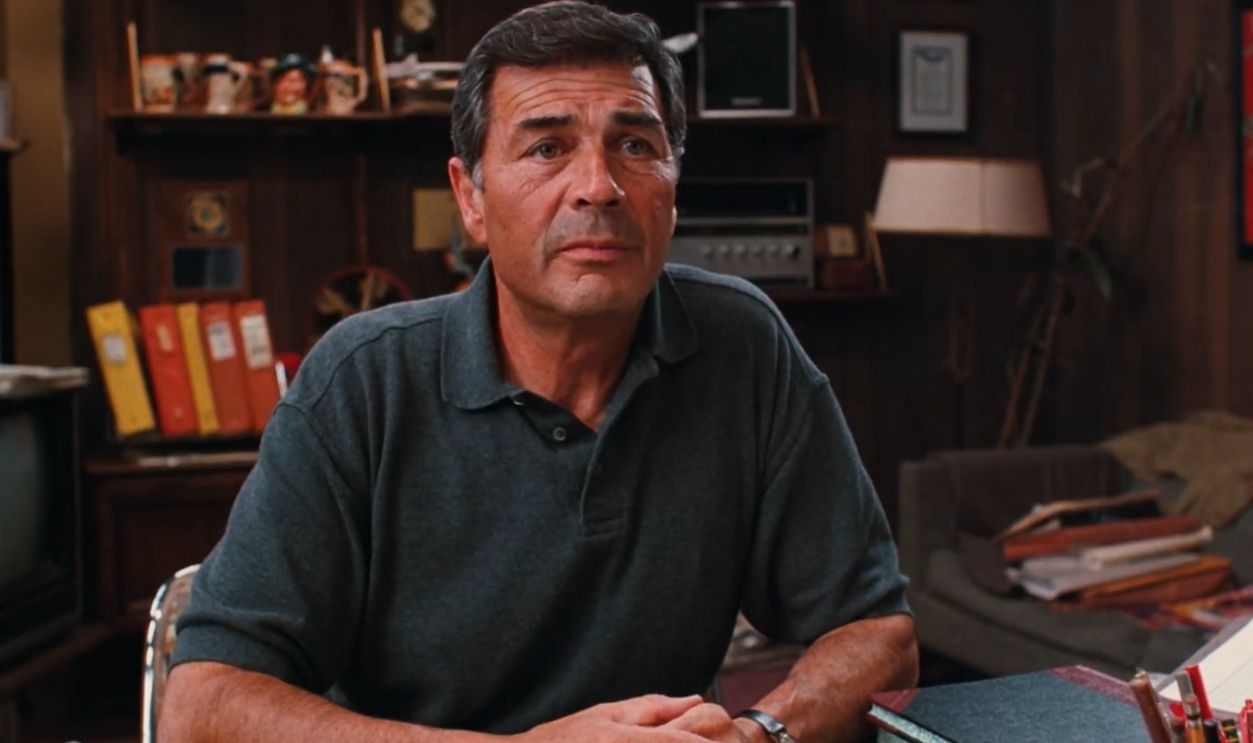 Screenshot from Jackie Brown, Miramax Films (1997)
Bruce Dern Let The Armor Fall Away
Bruce Dern spent decades specializing in unstable villains, dangerous outsiders, and men audiences instinctively distrusted. Then Nebraska handed him Woody Grant, an aging, confused father chasing a questionable sweepstakes prize. Dern stripped away his familiar menace and revealed something fragile, funny, stubborn, and painfully human underneath.
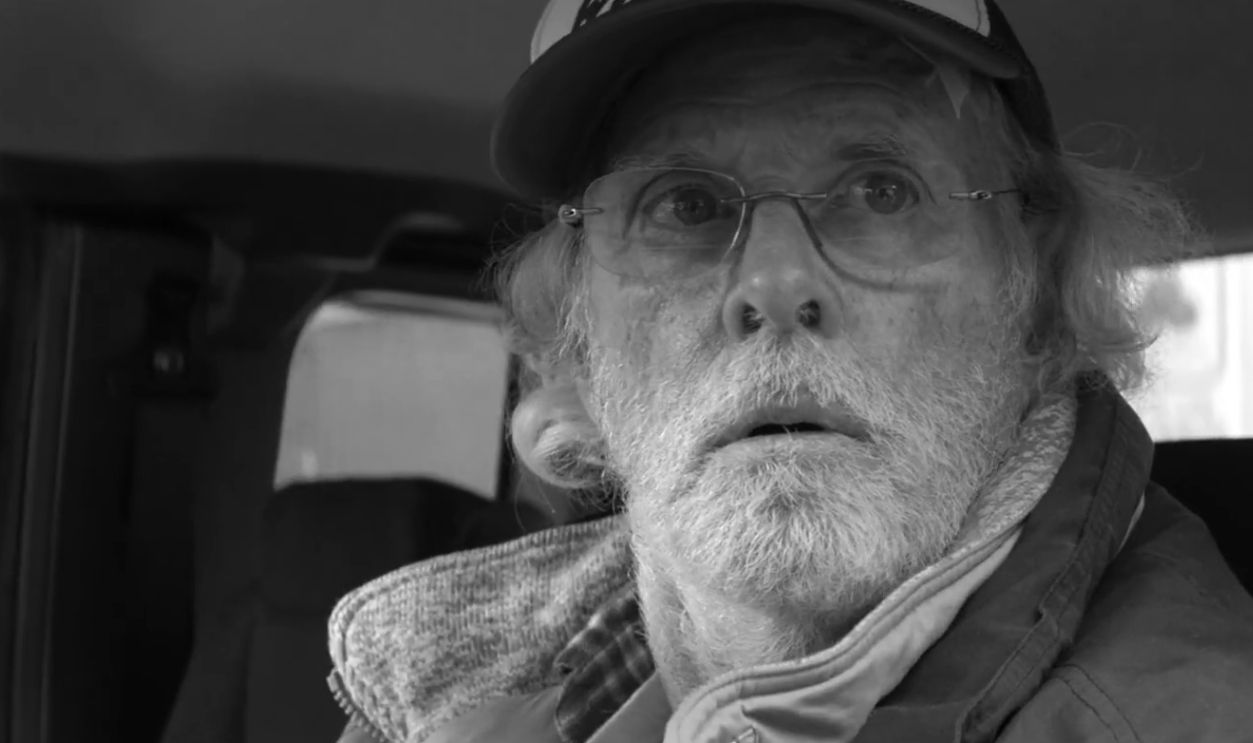 Screenshot from Nebraska, Paramount (2013)
Tough Guys Were More Versatile Than We Remember
Hollywood’s toughest stars rarely became completely cuddly, and that was exactly why their softer roles worked. Audiences already knew the glare, the fists, and the gravelly voices. Seeing those same men become fathers, comedians, mentors, romantics, and cartoon superheroes reminded us that the best tough guys were actors first.
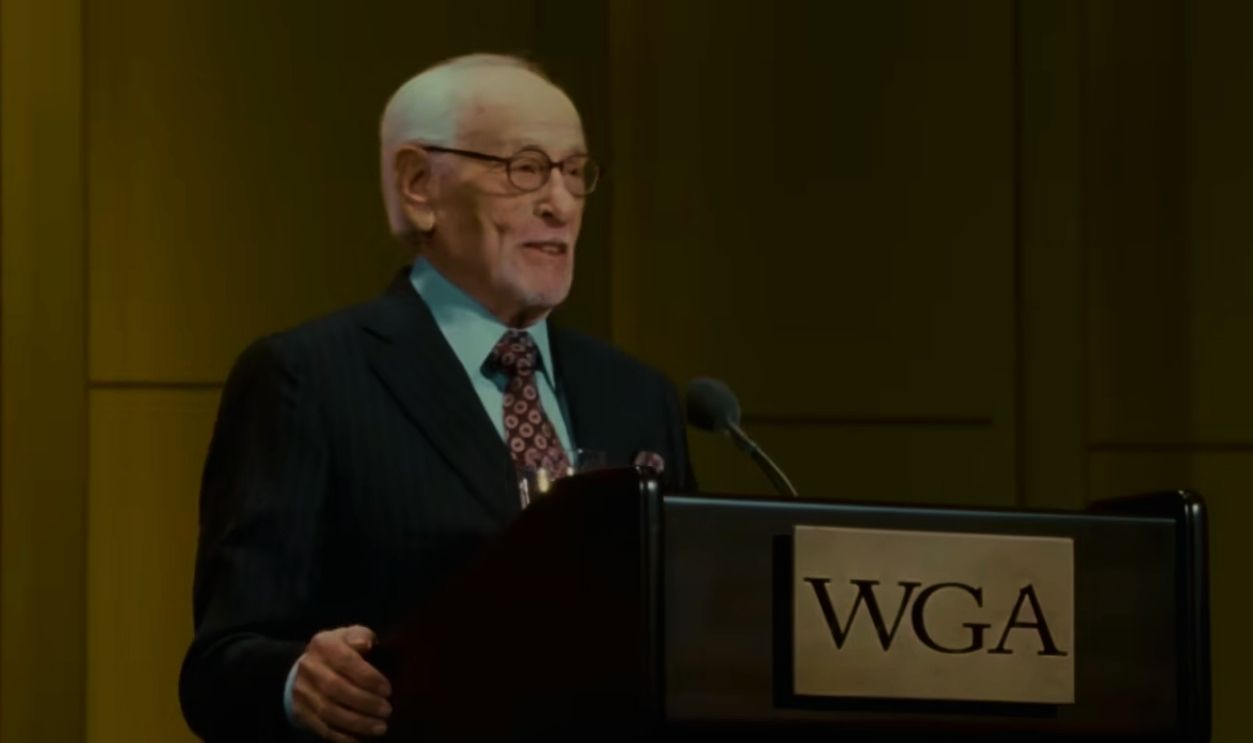 Screenshot from The Holiday, Columbia Pictures (2006)
You May Also Like:
Johnny Carson made America feel like family every night—but his own family barely knew him.