When Hollywood's Wildest Stories Turned Out To Be Real
The 1980s gave audiences unforgettable movie surprises, from terrifying nightmares to mysterious disappearances and shocking family secrets. What makes some of these stories even more fascinating is that their strangest elements came from actual events, documented cases, or experiences described by real people. Hollywood often changed the details, but the original inspirations could be just as unsettling. Here are some remarkable examples, including a few where the truth behind the movie is still disputed.
A Nightmare On Elm Street (1984): The Real Story Behind The Nightmares
In Wes Craven's A Nightmare on Elm Street, teenagers discover that their dreams are connected to a terrifying supernatural mystery. The premise sounds completely fictional, but Craven drew inspiration from reports involving Southeast Asian refugees who experienced unexplained nighttime incidents. Some had described frightening nightmares before the events that attracted medical attention. The connection between sleep, fear, and an unexplained phenomenon gave Craven the foundation for his famous horror movie.
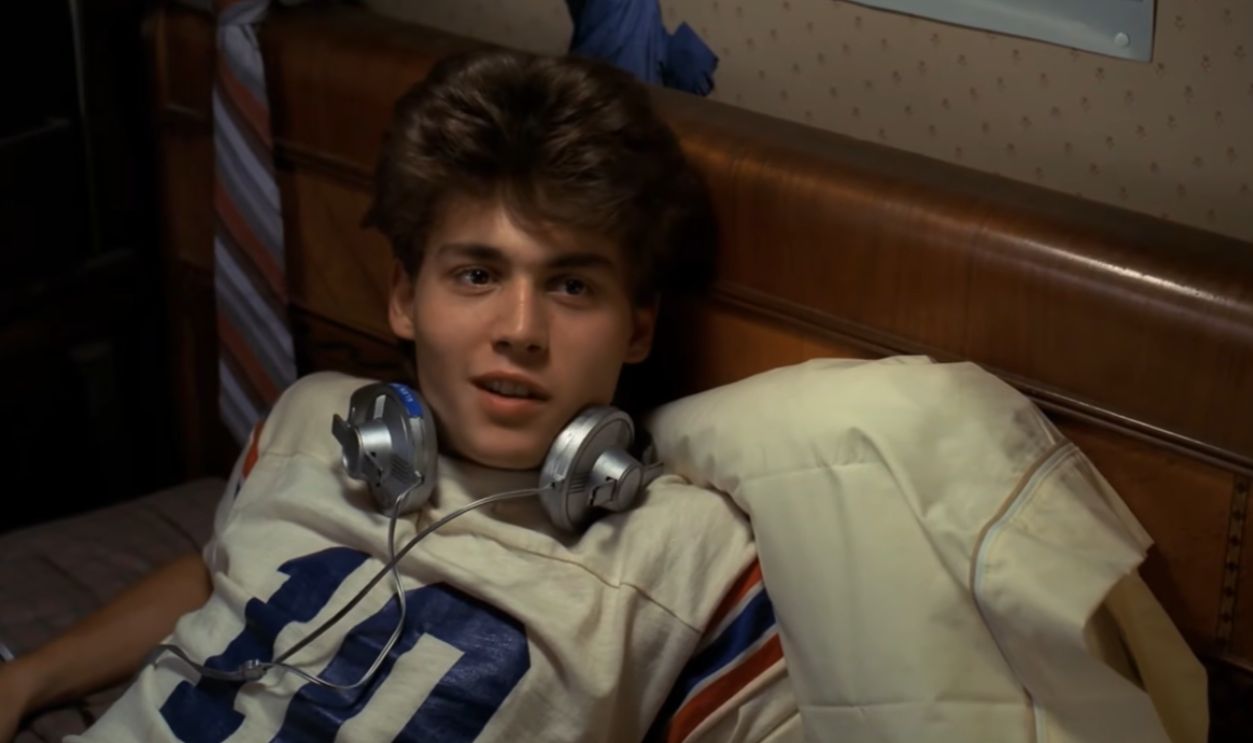 Screenshot from A Nightmare on Elm Street, Warner Bros. (1984)
The Strange Reports That Inspired The Story
During the late 1970s and early 1980s, unusual medical reports emerged among Southeast Asian refugees living in the United States. Many had escaped difficult circumstances before resettling in America. The incidents attracted medical attention because some affected individuals had previously appeared relatively healthy. Researchers investigated the phenomenon, which became associated with sudden unexplained nocturnal death syndrome.
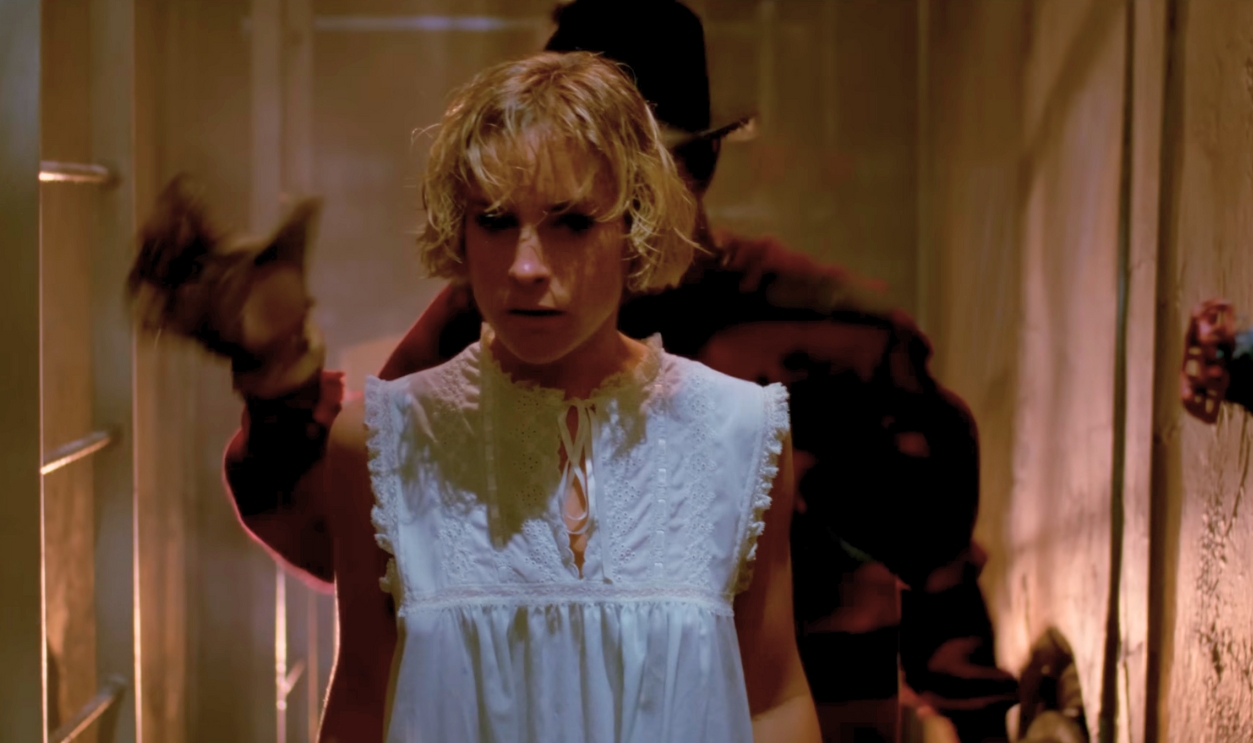 Screenshot from A Nightmare On Elm Street, Warner Bros. Pictures (1984)
One Frightening Account Caught Craven's Attention
Craven recalled reading about a young refugee who was so frightened of his nightmares that he resisted going tosleep. According to the account that inspired the director, the young man believed something terrible might happen if he closed his eyes. Craven recognized the dramatic possibilities of someone becoming frightened of an ordinary human necessity. That idea eventually became one of the central rules of A Nightmare on Elm Street.
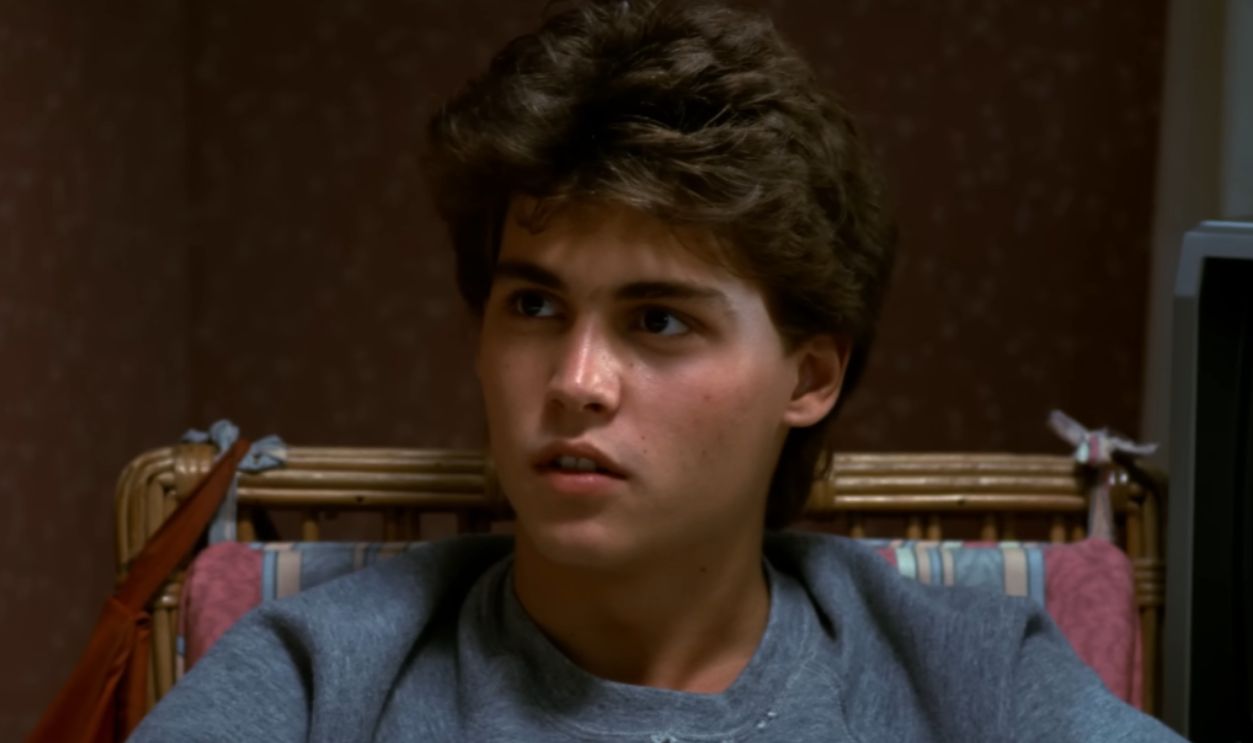 Screenshot from A Nightmare on Elm Street, Warner Bros. (1984)
Freddy's Appearance Had Another Unexpected Origin
The real world inspiration did not stop with the mysterious nighttime incidents. Craven also remembered a disturbing encounter from his childhood involving an older stranger outside his home. The man noticed young Craven watching him and returned an unsettling stare. That memory helped inspire Freddy Krueger's appearance, including his distinctive hat.
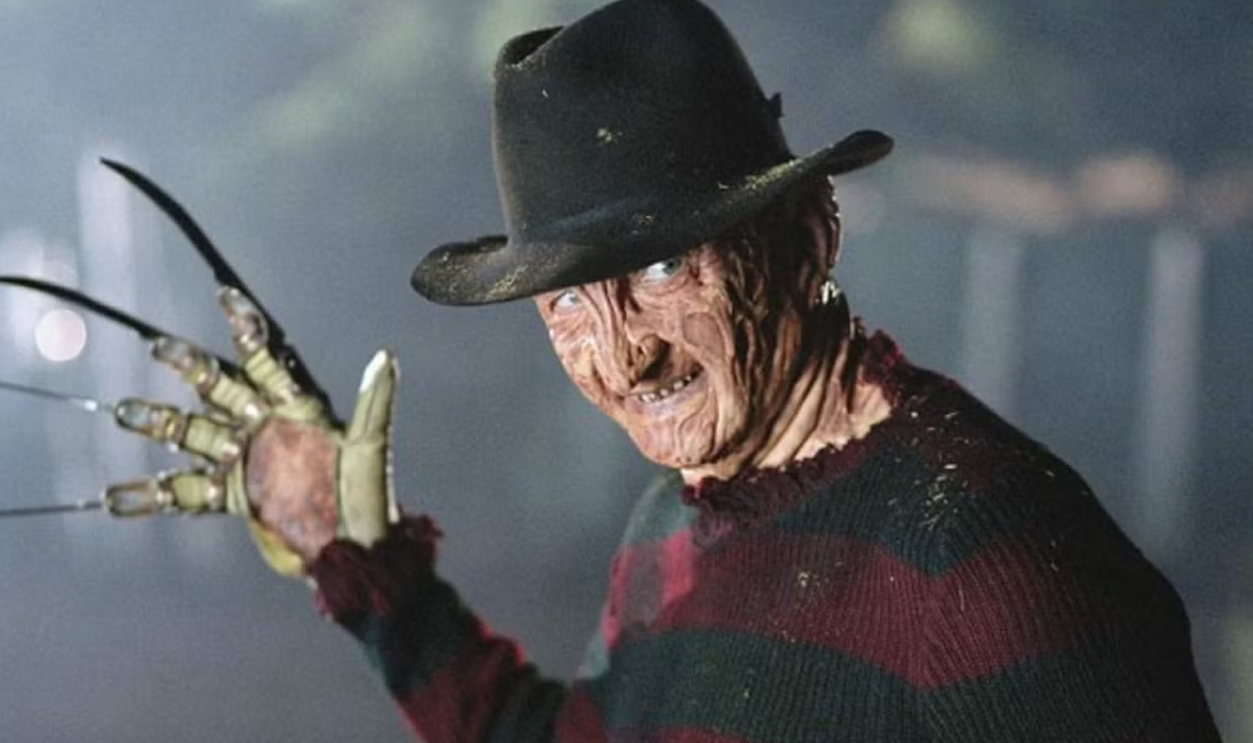 Screenshot from A Nightmare on Elm Street, Warner Bros. (1984)
The Real Mystery Behind Freddy Krueger
Freddy Krueger was entirely fictional, and the movie's supernatural explanation was invented for entertainment. The medical phenomenon behind Craven's inspiration, however, was genuinely investigated. The movie transformed those unusual reports into a story about a mysterious figure who could enter people's dreams. Knowing that distinction makes the film's central idea especially fascinating.
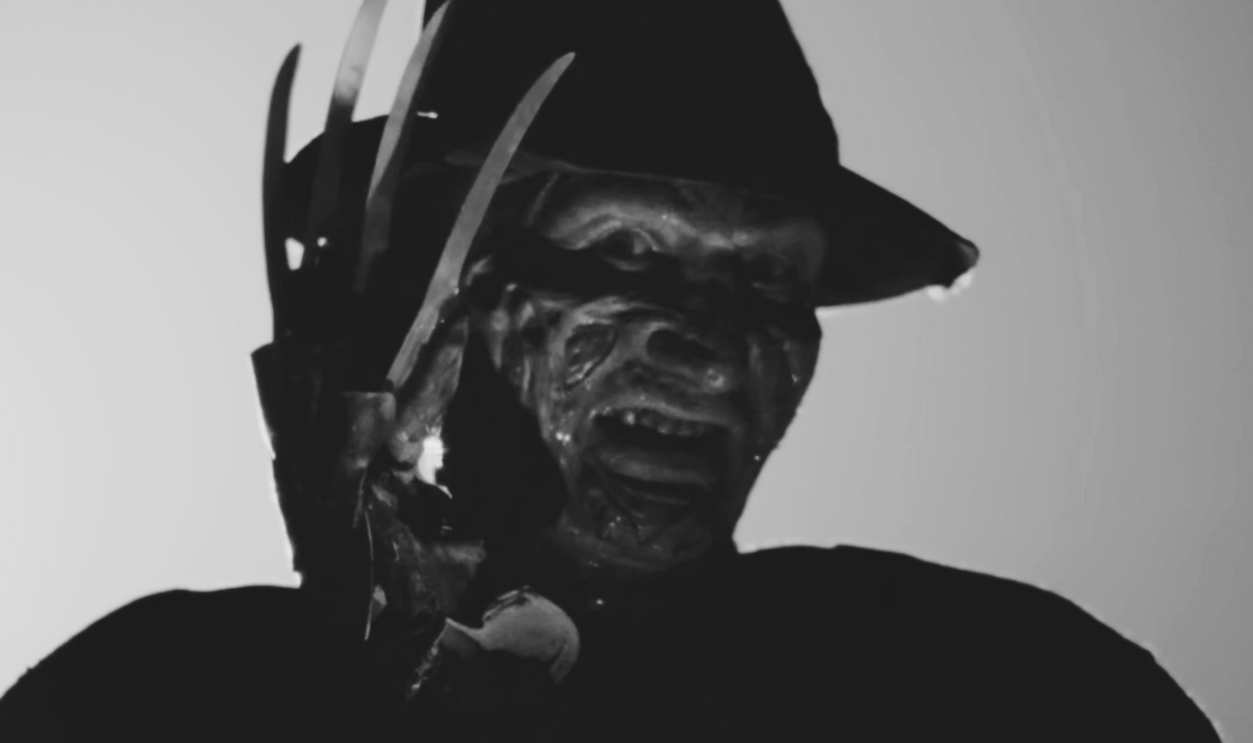 Screenshot from A Nightmare on Elm Street, Warner Bros. Pictures (1984)
The Changeling (1980): A House With An Unexpected History
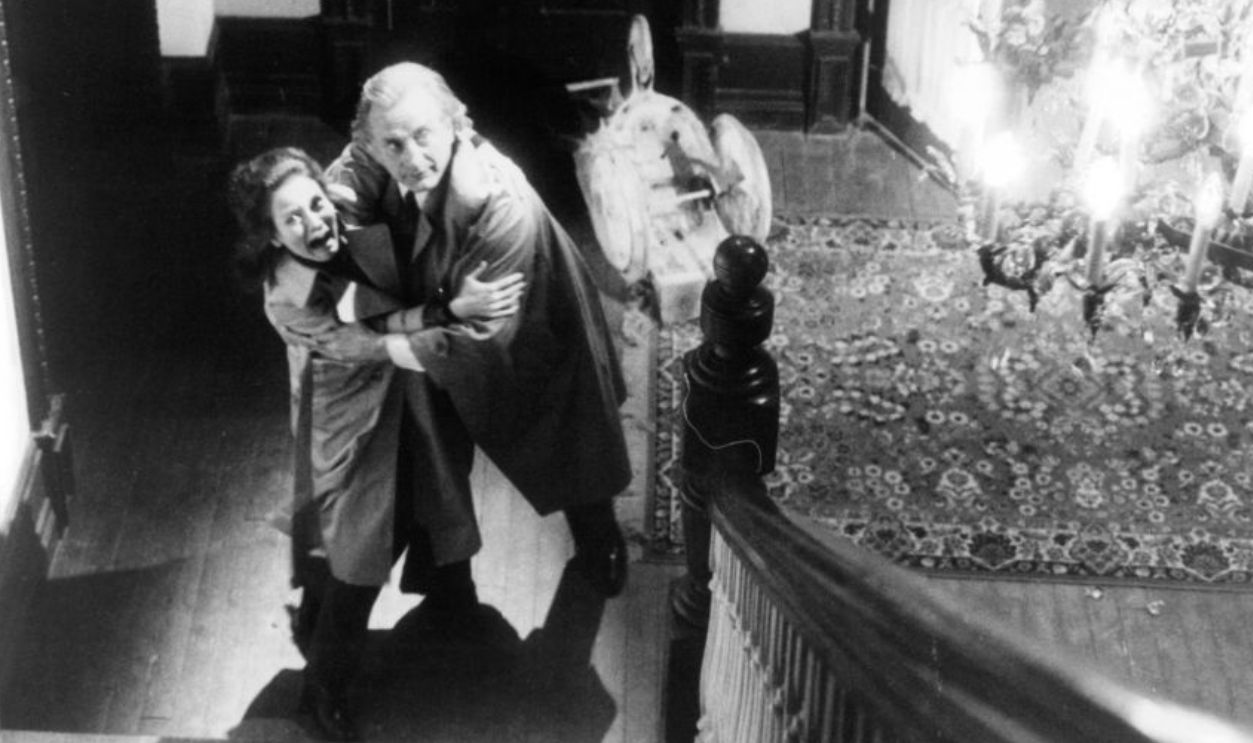
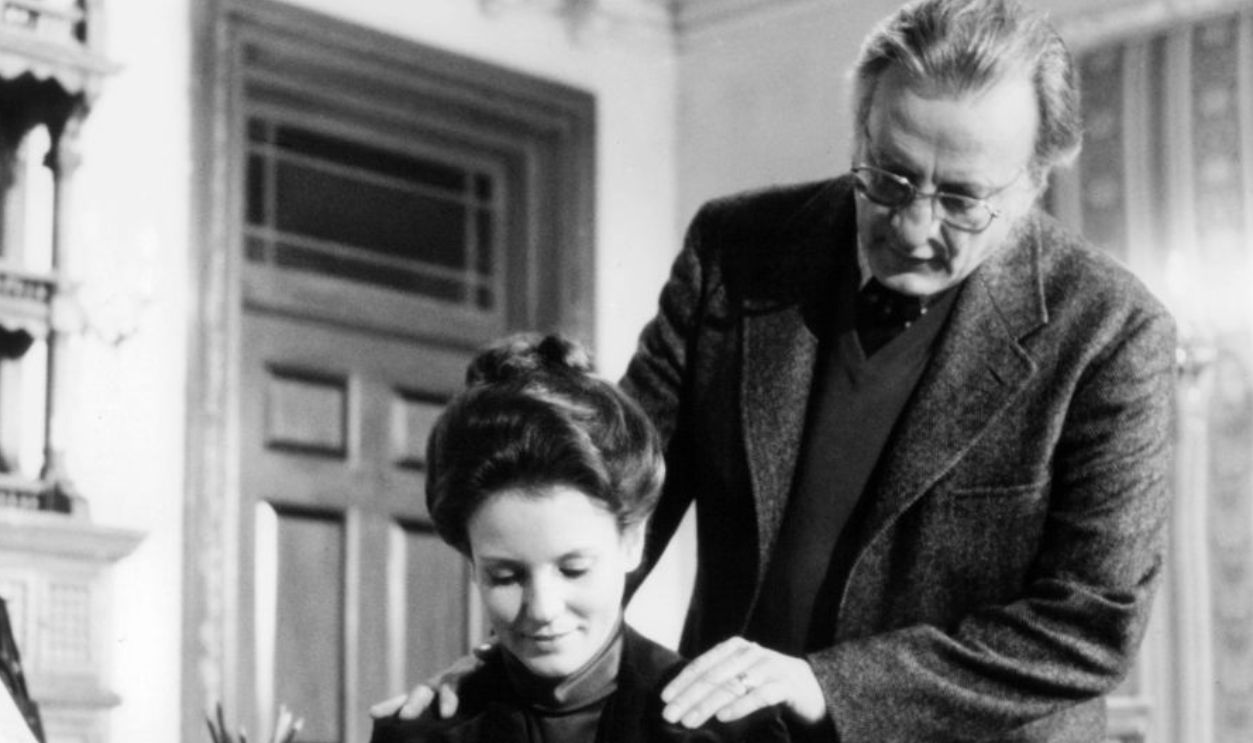
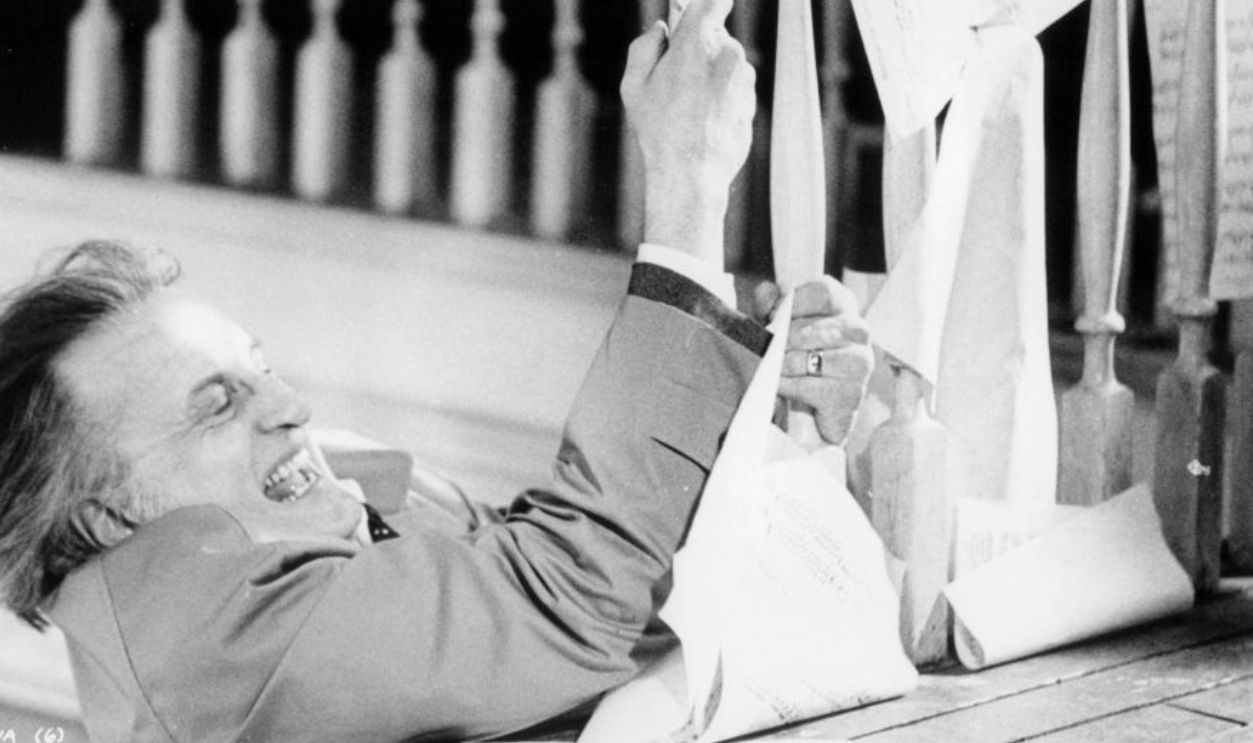
In The Changeling, George C. Scott plays a grieving composer who moves into a mansion and begins experiencing unusual activity. His investigation eventually uncovers a story involving a child, a concealed identity, and a family fortune. The film drew inspiration from paranormal experiences reported by writer Russell Hunter. Hunter claimed that his own time in a Denver residence led him to uncover a remarkably similar mystery.
 Screenshot from The Changeling, Associated Film Distribution (1980)
Strange Noises Started The Mystery
Hunter said he began experiencing unusual disturbances at his Denver residence in February 1969. He described loud banging sounds that occurred early in the morning and stopped when he got out of bed. He also claimed that faucets operated by themselves and doors opened without anyone touching them. These were personal accounts rather than independently established supernatural events, but they became important elements of the film's inspiration.
 Michael Ochs Archives, Getty Images
A Hidden Staircase Changed Everything
According to Hunter, he and an architect friend discovered a concealed staircase inside the house. It supposedly led to an upper room containing an old trunk with schoolbooks and a child's journal. The journal allegedly revealed unusual details about a child who had once lived in the residence. Hunter also claimed that a red rubber ball appeared in the house after he read about a similar toy in the journal.
 Michael Ochs Archives, Getty Images
The Family Secret Was Even Darker
Hunter's account eventually introduced an extraordinary inheritance mystery. He claimed a séance revealed that a wealthy family had secretly substituted one child for another to protect its financial interests. The supposed deception was intended to preserve the family's claim to a substantial inheritance. This alleged arrangement closely resembles the disturbing family secret uncovered in The Changeling.
 Screenshot from The Changeling, Associated Film Distribution (1980), Enhanced
But The Real Story Has A Twist Of Its Own
The Denver Public Library investigated Hunter's account and identified serious historical problems with parts of the story. Historian Phil Goodstein also questioned whether the supposed family fortune and other details matched Denver's historical record. That means the film was inspired by Hunter's claims, not by a verified discovery of supernatural activity. The mystery behind The Changeling remains a fascinating example of how an unproven personal story can become convincing cinema.
 Michael Ochs Archives, Getty Images
Rain Man (1988): The Brother With An Extraordinary Secret
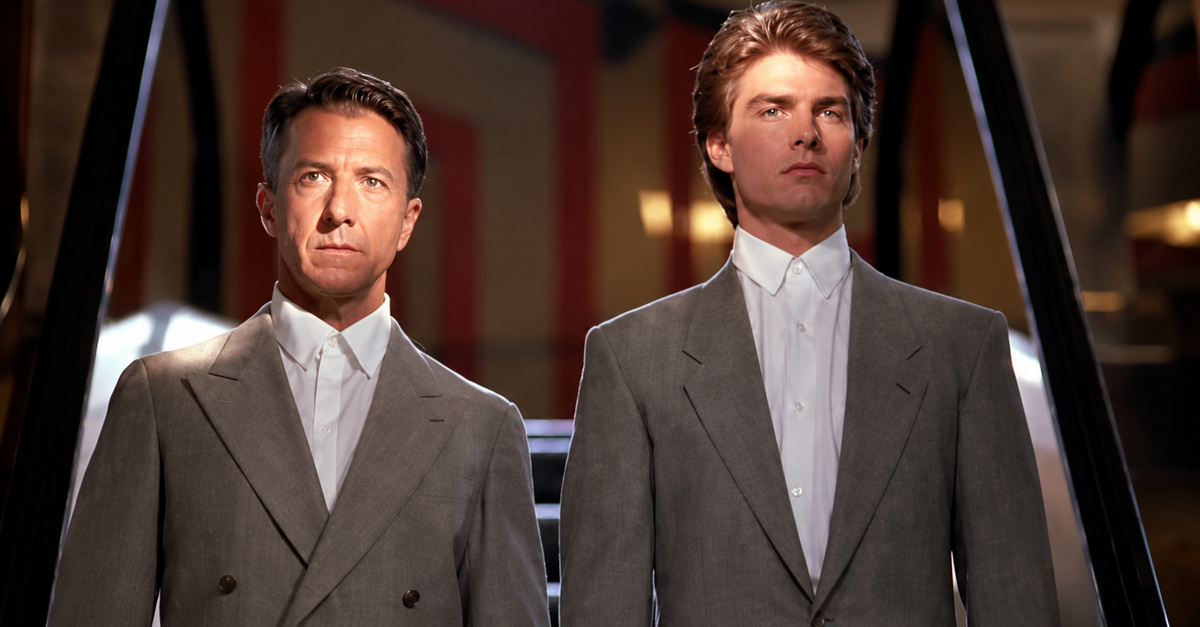
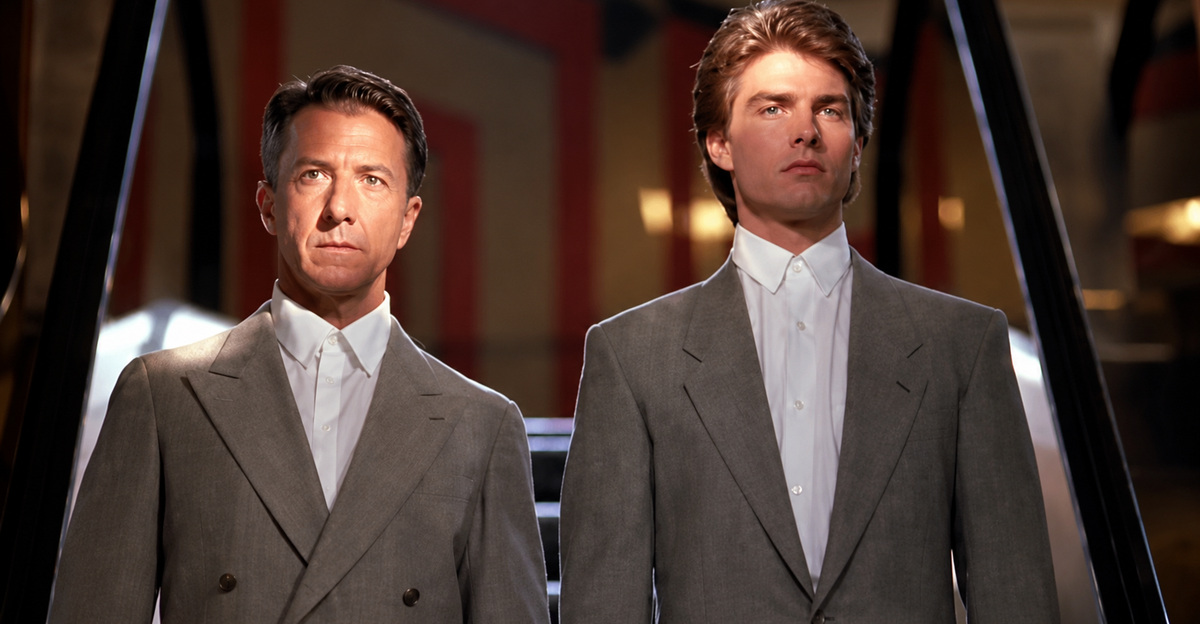
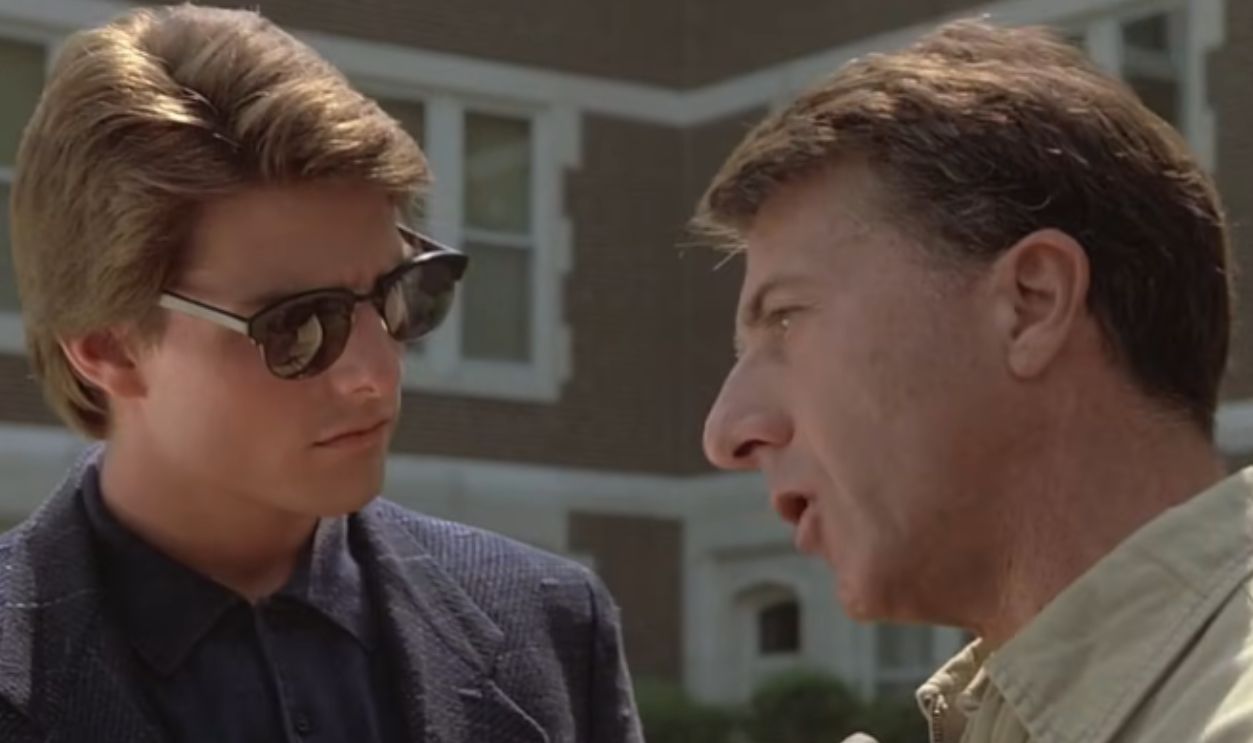
In Rain Man, Tom Cruise plays Charlie Babbitt, a man who discovers that his late father left a substantial inheritance to an older brother he never knew he had. That brother, Raymond, played by Dustin Hoffman, possesses remarkable memory and calculation abilities. Although the inheritance storyline is fictional, Raymond was partly inspired by a real man named Kim Peek. Screenwriter Barry Morrow met Peek in 1984 and was fascinated by his extraordinary abilities.
 Screenshot from Rain Man, MGM (1988)
The Real Rain Man Had An Astonishing Memory
Kim Peek possessed an exceptional ability to remember information from books and other sources. His remarkable knowledge made him the inspiration for one of Hollywood's most recognizable characters. Morrow recognized the cinematic possibilities of a person with such unusual abilities and incorporated elements of Peek's life into Raymond Babbitt. The result was a fictional character whose most surprising talents had a genuine human inspiration.

Dustin Hoffman Actually Met His Inspiration
Hoffman did more than simply read about Kim Peek before playing Raymond. He met Peek and studied aspects of his behavior while preparing for the role. According to the American Film Institute, Hoffman incorporated some of Peek's movements and mannerisms into his performance. The actor also met autistic individuals, their families, and specialists to develop a character informed by several real people.
 Screenshot from Rain Man, MGM (1988)
The Movie Changed One Important Detail
Although Raymond is portrayed as autistic, Kim Peek was not autistic, according to the American Film Institute's account of the film's development. Peek had a different neurological profile, and Raymond was never intended to be an exact biographical portrait. Hoffman drew on multiple people while developing the character. This distinction matters because the movie's extraordinary abilities should not be treated as representative of autism generally.
 Screenshot from Rain Man, MGM (1988)
The Biggest Surprise Was The Man Behind The Character
Audiences remember Rain Man for Charlie's discovery of his brother and Raymond's remarkable talents. Yet the real surprise is that someone with extraordinary memory abilities helped inspire the screenplay. Peek even attended events surrounding the movie's release and became publicly associated with its success. The fictional brothers never existed as depicted, but the person who helped make Raymond unforgettable certainly did.
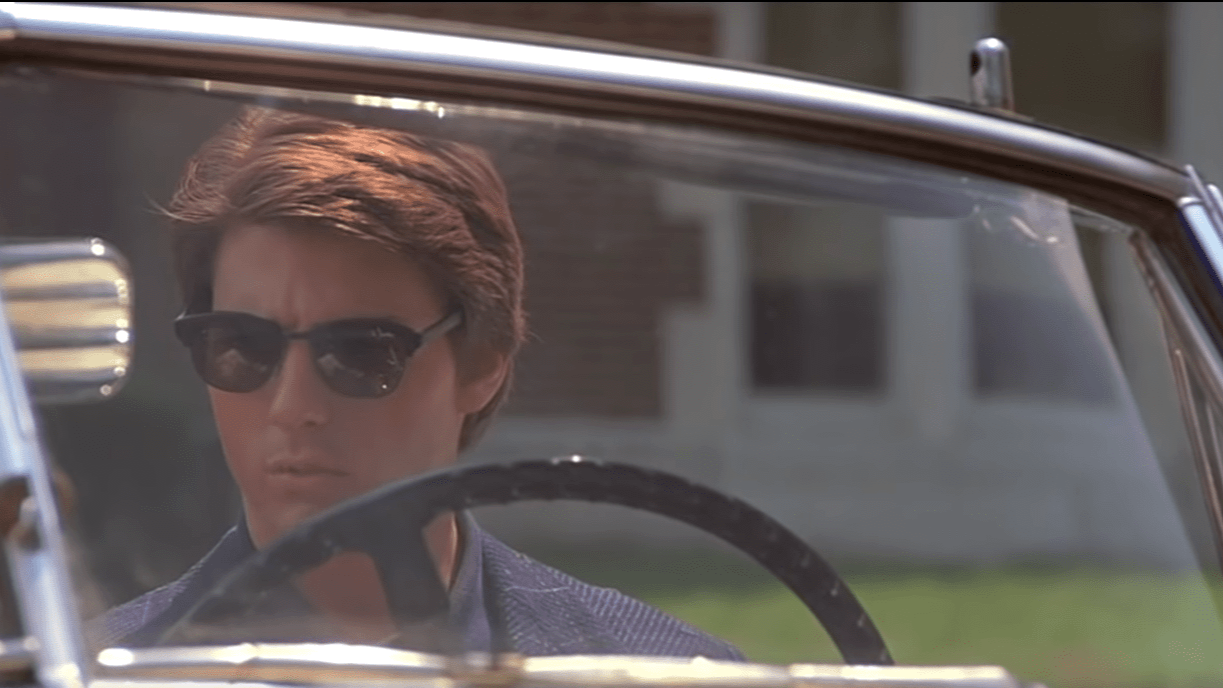 Screenshot from Rain Man, MGM (1988)
Silkwood (1983): The Worker Who Uncovered A Dangerous Problem
Meryl Streep stars as Karen Silkwood, a worker at a nuclear facility who becomes increasingly concerned about safety practices. The film follows her efforts to raise questions about workplace contamination and the treatment of employees. Unlike many Hollywood thrillers, Silkwood was developed from the life of an actual worker. Its most mysterious development was also connected to a real event that remained surrounded by unanswered questions.
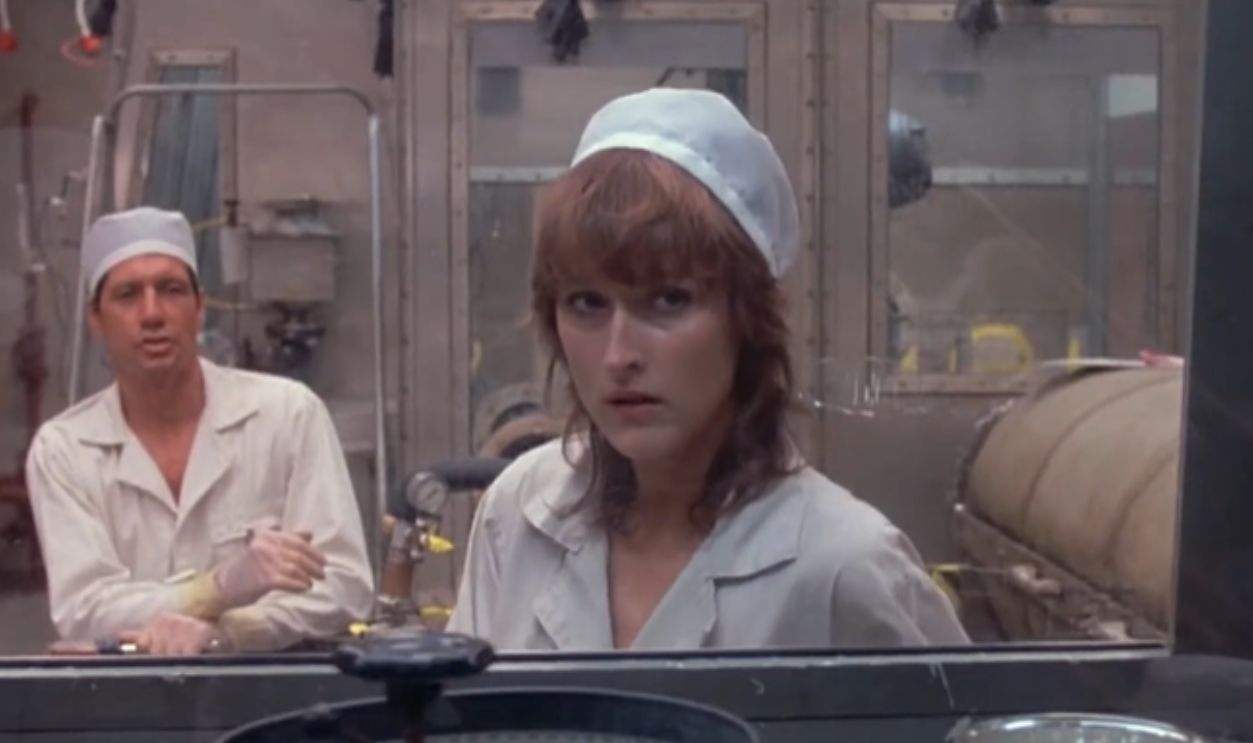 Screenshot from Silkwood, 20th Century Fox (1983)
Her Story Became A Hollywood Project
Karen Silkwood's experiences attracted public attention before the movie reached theaters. A 1975 article in Ms. magazine helped inspire early efforts to develop a film about her case. Producers spent years attempting to bring the story to the screen, and the project went through several changes. Eventually, director Mike Nichols brought it to theaters in December 1983, with Streep portraying Silkwood.

An Unexpected Event Changed Everything
One of the most troubling elements of the story concerns a car accident involving Silkwood in 1974. The film presents the circumstances surrounding her final journey as a major source of tension. Its closing statement acknowledges that the precise circumstances of the incident remained uncertain. Oklahoma police ruled it a single-vehicle accident, but the film did not claim to have established every detail of what happened.
 Screenshot from Silkwood, The Walt Disney Company (1983), enhanced
The Missing Evidence Raised New Questions
The movie's ending also addresses uncertainty about documents Silkwood may have been carrying. According to the film's closing statement, investigators did not know whether she had documents with her during her final journey, and none were recovered. That unresolved question helped make the story particularly compelling. Rather than offering a definitive conspiracy explanation, the film leaves viewers confronting the uncertainty surrounding the real case.
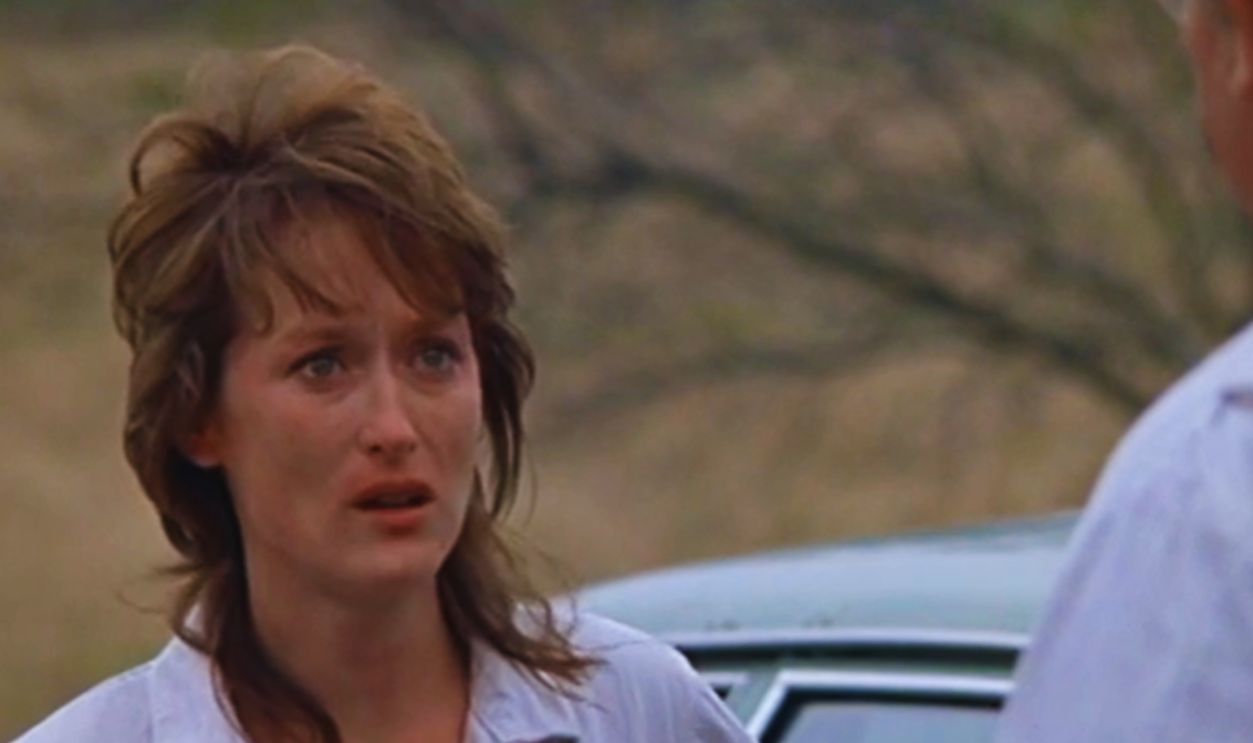 Screenshot from Silkwood, The Walt Disney Company (1983)
Even The Movie's Accuracy Became Controversial
The production generated disagreement about how Silkwood and her employer were portrayed. The American Film Institute records that a representative of Kerr-McGee criticized the film as a highly fictionalized dramatization. Meanwhile, legal proceedings involving Silkwood's estate continued during the movie's development and release. The result was a Hollywood drama in which the real events, their interpretation, and the film itself all became subjects of controversy.
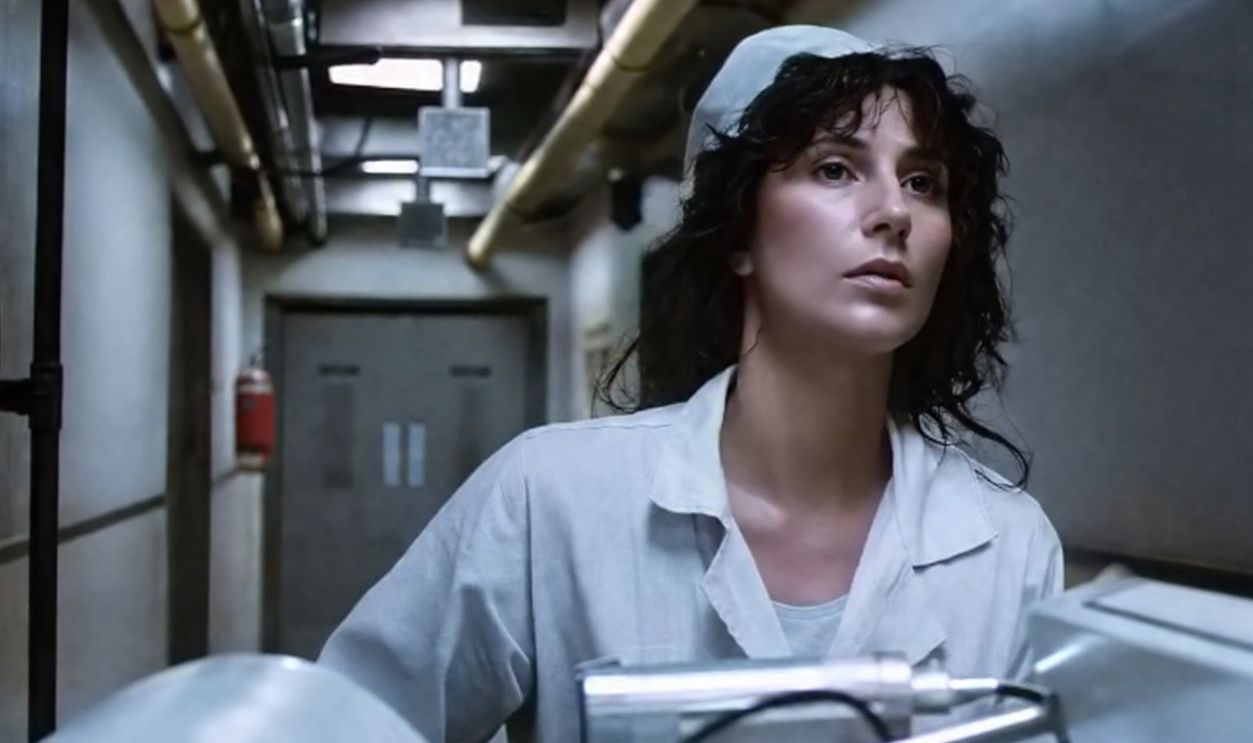 Screenshot from Silkwood, The Walt Disney Company (1983), enhanced
The Serpent And The Rainbow (1988): The Researcher Who Explored An Unusual Mystery
Wes Craven's The Serpent and the Rainbow follows an American researcher investigating mysterious substances and unusual traditions in Haiti. The story sounds like supernatural fiction, but it was adapted from a nonfiction book by researcher Wade Davis. Davis had investigated Haitian beliefs and practices associated with zombies. His claims attracted considerable attention, although important parts of his scientific explanation were disputed.
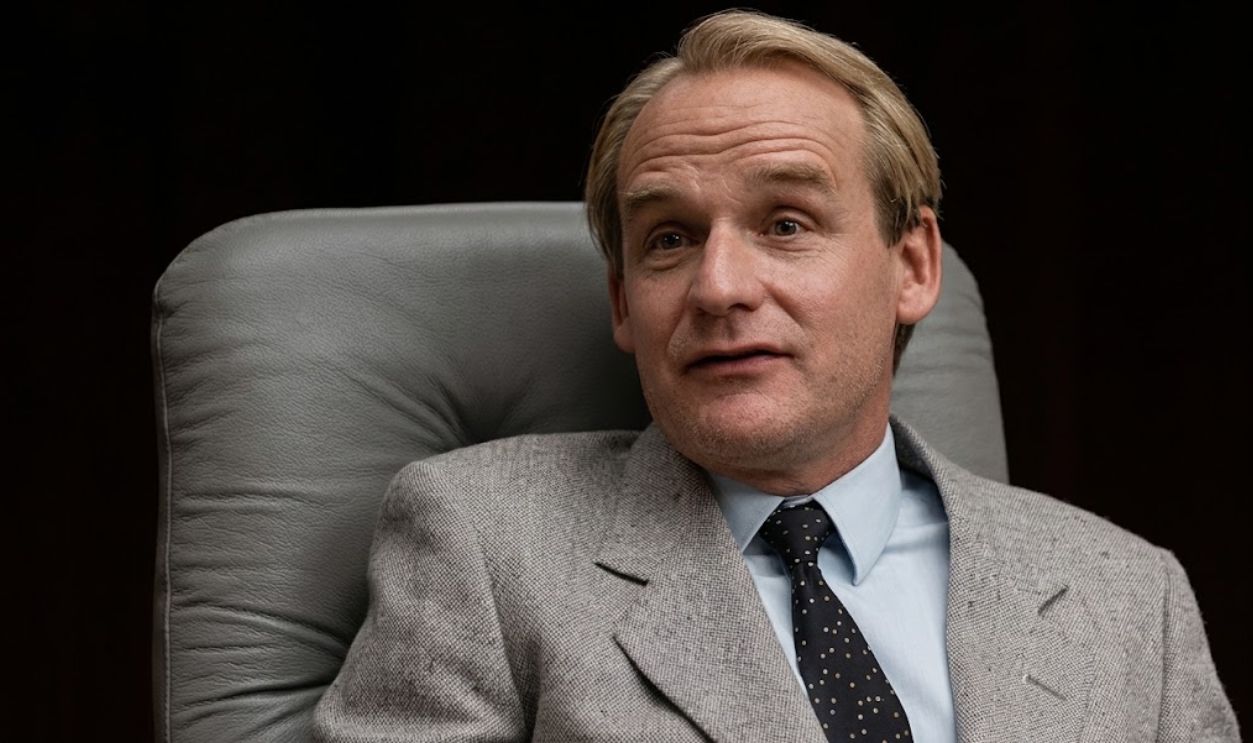 Screenshot from The Serpent and the Rainbow, Universal Pictures (1988), Enhanced
The Original Investigation Was Real
In 1985, Davis published The Serpent and the Rainbow, describing his investigation into Haitian zombie traditions. He proposed that certain substances could produce a physical condition that might be mistaken for something supernatural. According to his theory, a person could appear unresponsive and later recover, creating the impression of an extraordinary event. That possibility gave the story an unusual foundation that Hollywood could develop into a horror movie.
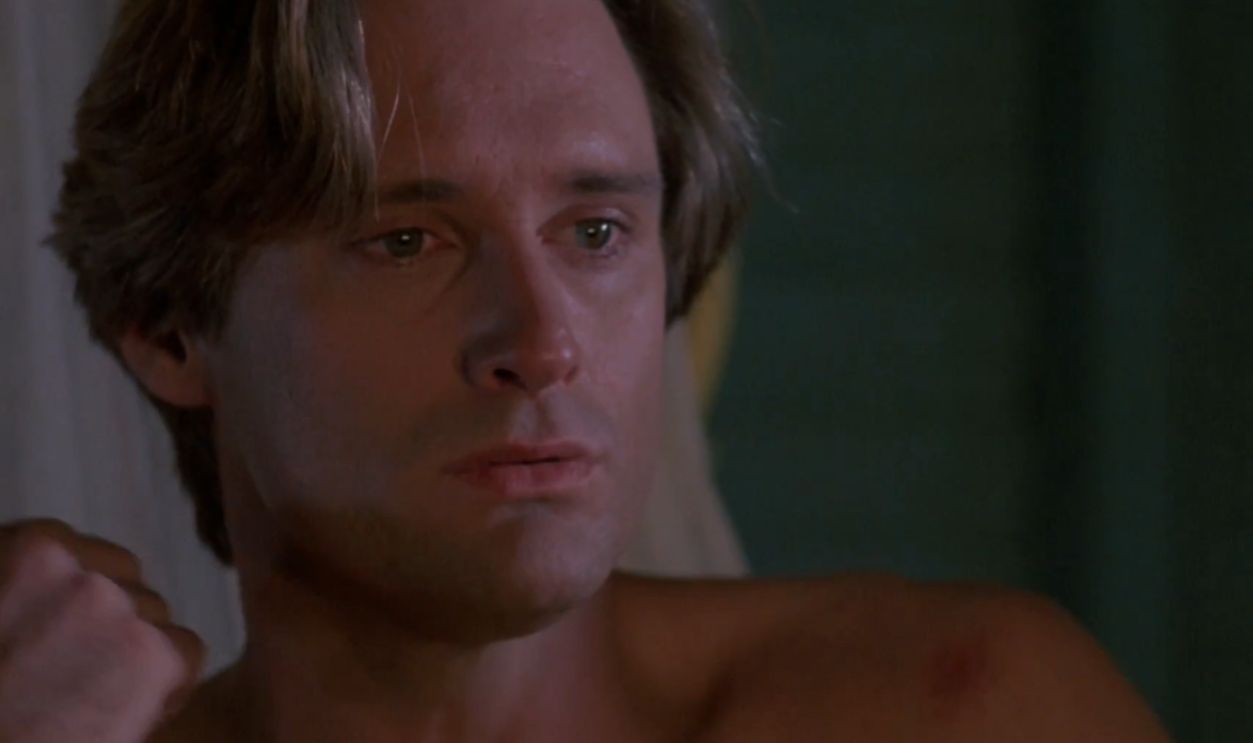 Screenshot from The Serpent and the Rainbow, Universal Pictures (1988)
The Unusual Theory Behind The Movie
Davis suggested that tetrodotoxin, a powerful substance associated with puffer fish, played a role in some alleged zombification practices. His hypothesis proposed that its effects might help explain certain stories without requiring a supernatural explanation. The idea provided a possible scientific interpretation of traditions historically associated with magic and folklore. However, proposing an explanation was not the same as proving that such a process actually worked.
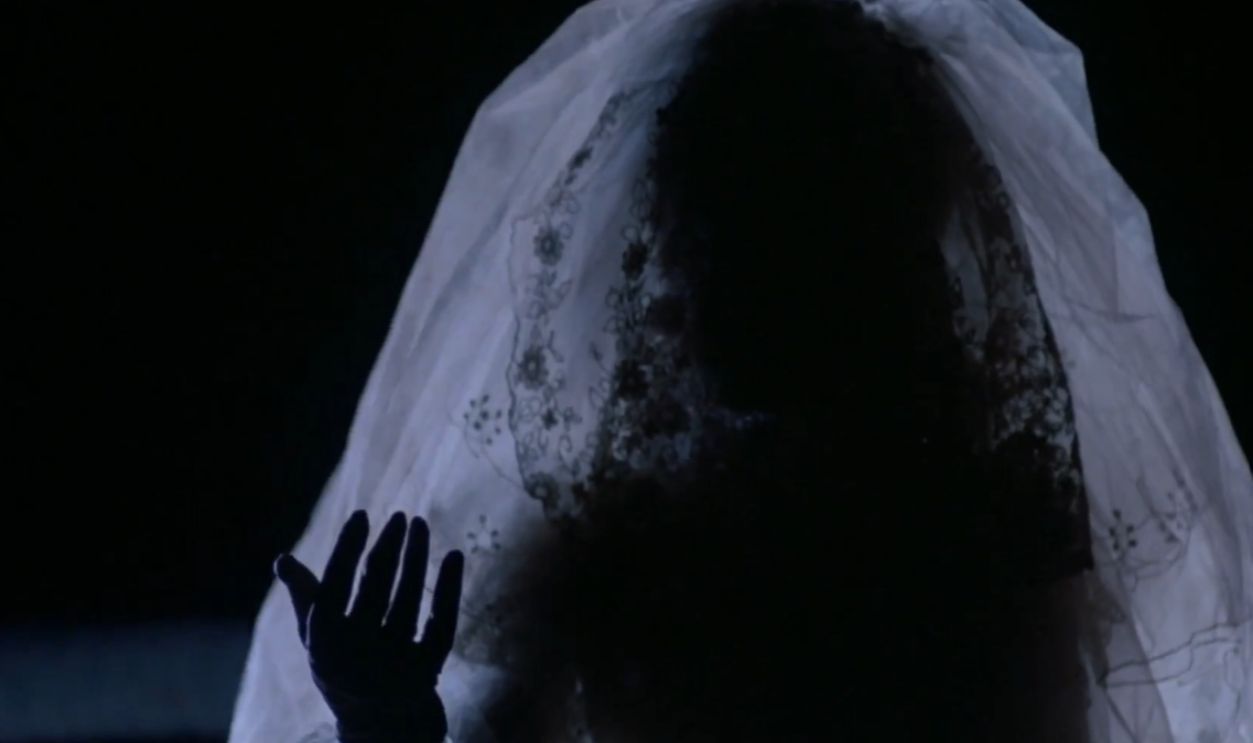 Screenshot from The Serpent and the Rainbow, Universal Pictures (1988)
Scientists Challenged The Shocking Explanation
The scientific response to Davis's theory was far from unanimous. Several researchers strongly criticized his conclusions, including tetrodotoxin specialist C. Y. Kao. Critics questioned whether the proposed chemical explanation was scientifically credible. Consequently, the movie's inspiration should be understood as a real investigation involving controversial claims rather than proof that the phenomenon could be reproduced.
 Screenshot from The Serpent and the Rainbow, Universal Pictures (1988), Enhanced
Hollywood Turned A Controversial Theory Into Horror
Craven adapted Davis's book into the 1988 movie starring Bill Pullman as a researcher loosely based on the author. The film combines elements of Davis's investigation with fictionalized horror and suspense. Its central fascination comes from the possibility that apparently supernatural events might have a physical explanation. The real twist is that the scientific theory behind the story remains disputed, even though the investigation that inspired it genuinely occurred.
 Screenshot from The Serpent and the Rainbow, Universal Pictures (1988), Enhanced
Hide In Plain Sight (1980): A Father's Children Suddenly Disappear
James Caan directed and starred in Hide in Plain Sight, a drama about a father whose attempts to see his children become entangled with a federal witness-protection situation. The film was based on the experiences of Thomas Hacklin Jr., whose family circumstances became the subject of a real legal dispute. Its premise is startling because the separation is connected to government action rather than an ordinary family disagreement. The movie explicitly identifies itself as a dramatization of a true story.
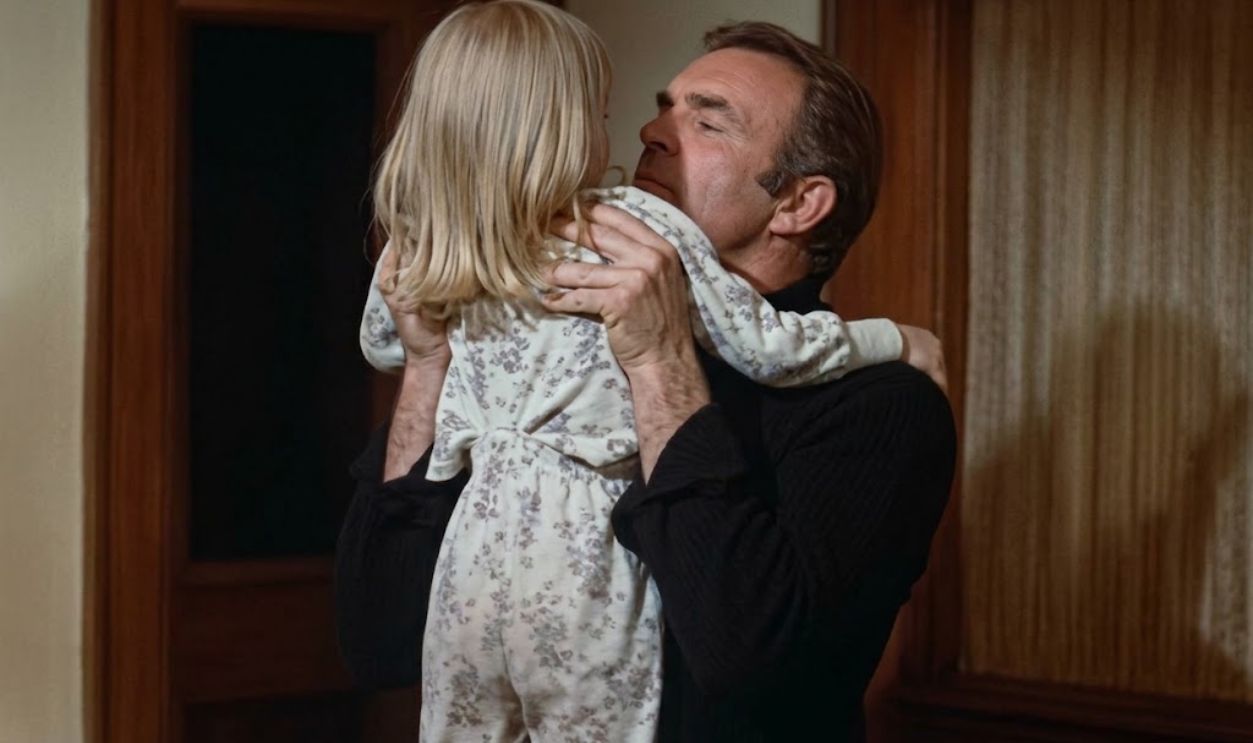 Screenshot from Hide in Plain Sight, Metro-Goldwyn-Mayer (1980), Enhanced
The Story Began With Investigative Journalism
The case reached filmmakers through reporting by Lee Coppola of the Buffalo Evening News. Author Leslie Waller subsequently expanded the story into a book published in 1976. Screenwriter Spencer Eastman adapted that material for the movie, bringing the unusual family dispute to the screen. What might have seemed like an improbable screenplay had already been investigated and documented before Hollywood became involved.
 Screenshot from Hide in Plain Sight, Metro-Goldwyn-Mayer (1980), Enhanced
The Ending Revealed A Real Legal Battle
The film's closing statements describe Hacklin's lawsuit against the United States government over the loss of his ability to raise and maintain a relationship with his children. They also provide updates about several individuals connected to the underlying case. These details distinguish the movie from thrillers that simply borrow a sensational premise from newspaper headlines. Its most extraordinary element was the real family's struggle with the consequences of a federal protection arrangement.
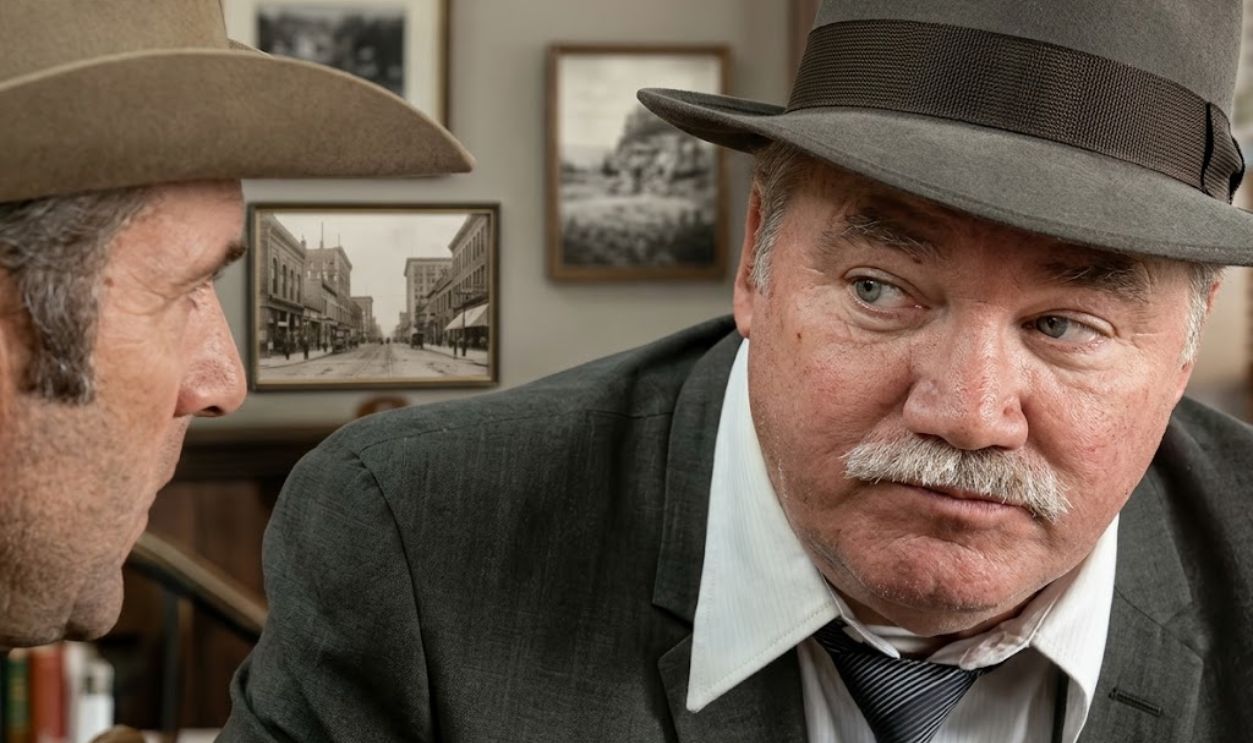 Screenshot from Hide in Plain Sight, Metro-Goldwyn-Mayer (1980), Enhanced
The Most Unbelievable Twists Were Sometimes The Real Ones
These 1980s movies demonstrate how dramatically filmmakers could transform real experiences into suspenseful entertainment. Some drew directly from documented cases, while others borrowed from personal recollections, unusual medical phenomena, or disputed scientific theories. The distinction matters because a movie inspired by actual events is not necessarily a faithful account of them. Sometimes the most surprising revelation comes after the credits, when the real story turns out to be more complicated than Hollywood's version.
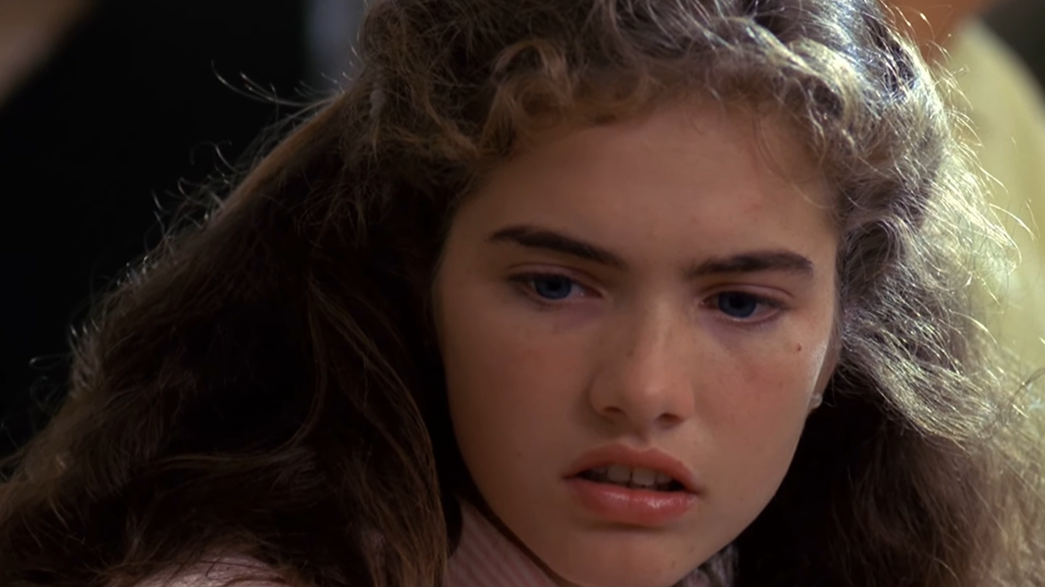 Screenshot from A Nightmare on Elm Street, Warner Bros. (1984)
You May Also Like:
Facts About Classic TV Shows That Will Make You Nostalgic
The Most Influential TV Shows Of All Time
Actors Who Appeared In More Classic TV Shows Than You Realized—How Many Do You Remember?