Do You Say Any Of These Classic Catchphrases?
The 1960s and 1970s were golden decades for television catchphrases. Families watched the same shows at the same time, kids repeated lines at school, and comedians turned short phrases into national habits. Some of those lines now slip into conversation without people even remembering where they came from.
Do you still catch yourself saying any of these classic phrases?
“Yabba Dabba Doo!” From The Flintstones
Fred Flintstone’s joyful yell became one of television’s most recognizable cartoon catchphrases. It was silly, loud, and perfect for a character who lived with modern anxieties in a Stone Age world. People still use it when they want to sound cheerfully ridiculous, even if they have not watched The Flintstones in years.
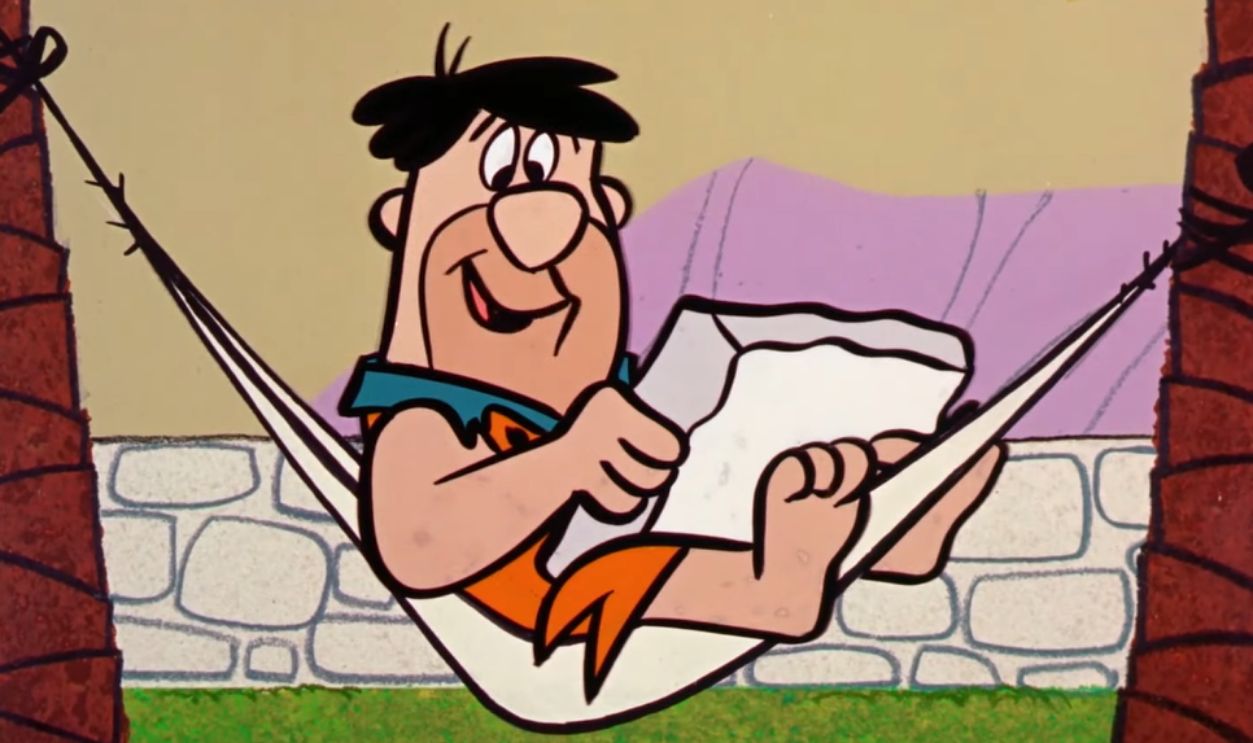 Screenshot from The Flintstones, ABC (1960–1966)
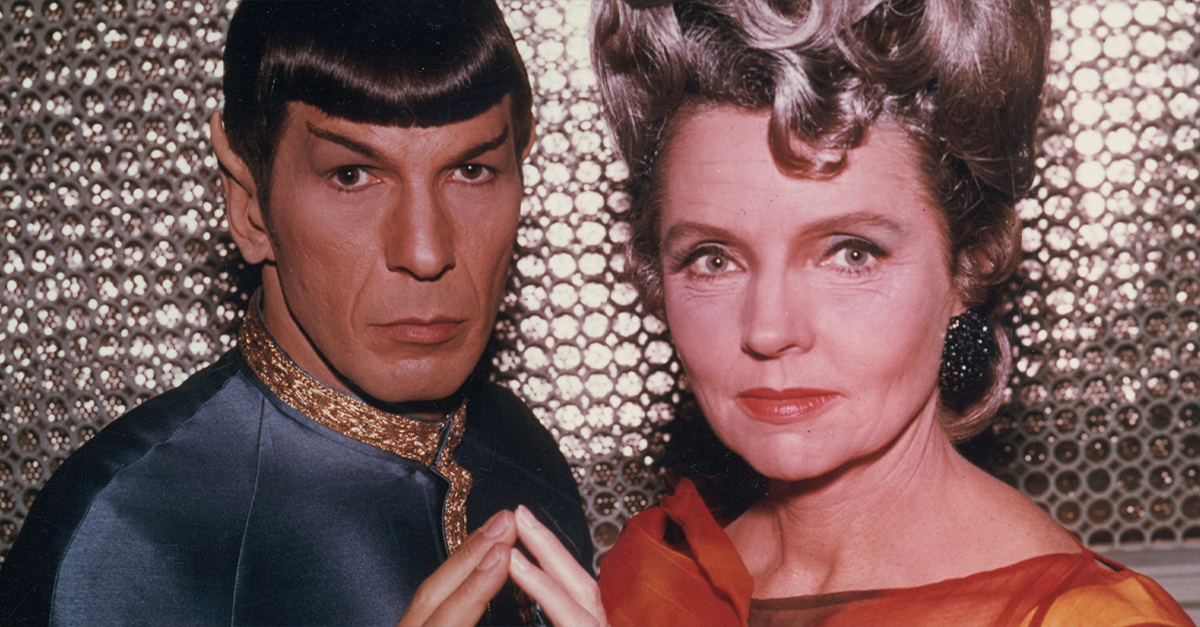
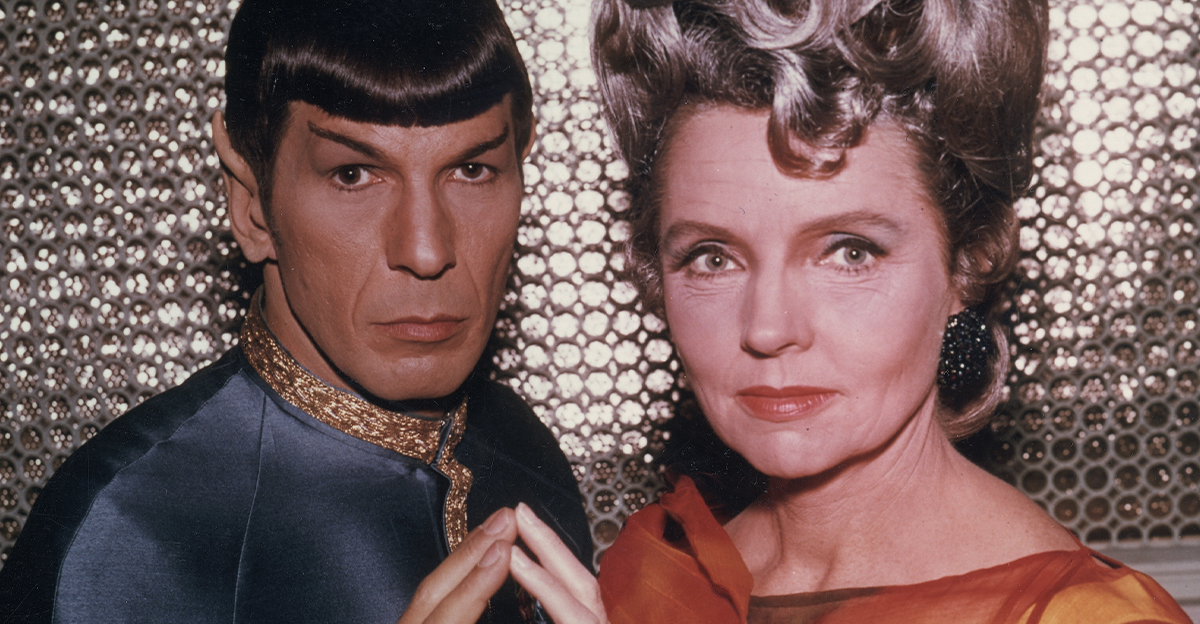
“Live Long And Prosper” From Star Trek
Spock’s Vulcan greeting became much bigger than one science-fiction series. Paired with Leonard Nimoy’s famous hand gesture, “Live long and prosper” turned into a shorthand for calm intelligence, goodwill, and fan devotion. It still appears at conventions, online, and anywhere someone wants to sound politely cosmic.
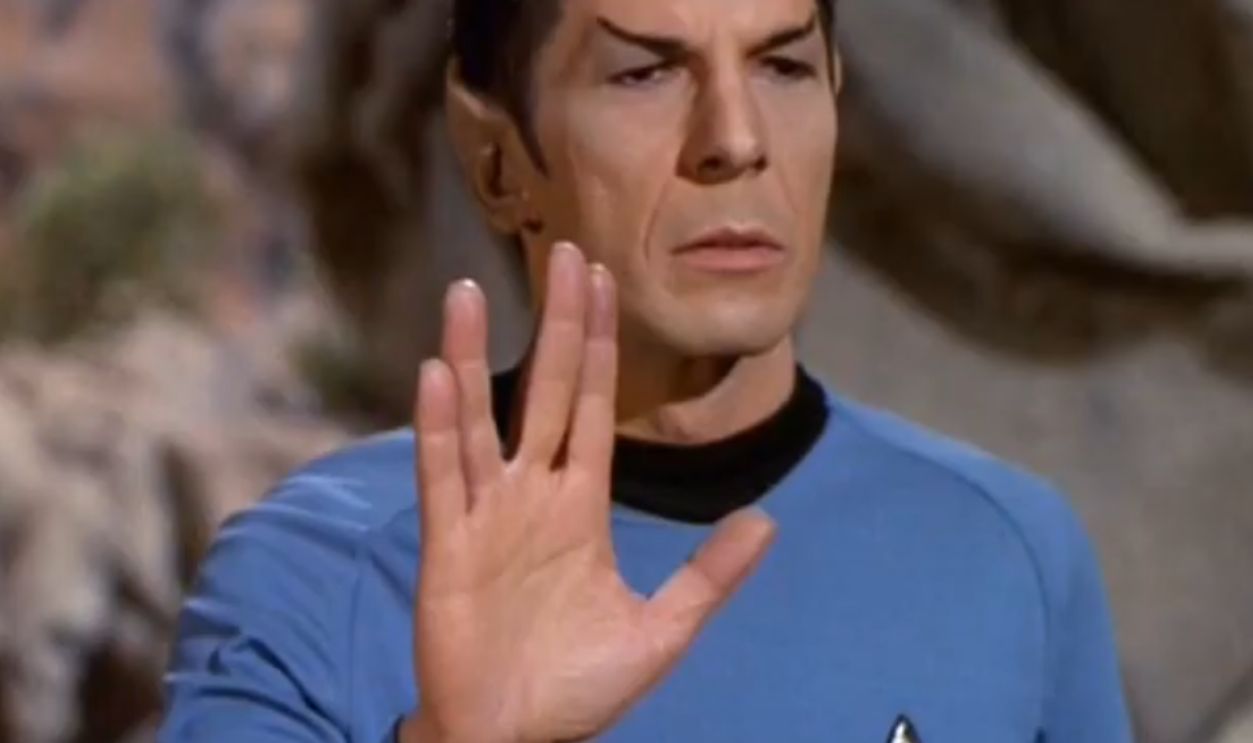 Screenshot from Star Trek, NBC (1966–1969)
“Just The Facts, Ma’am” From Dragnet
Here is the funny thing: the exact phrase “Just the facts, ma’am” is more famous than the way Joe Friday usually spoke onscreen. Still, Dragnet helped create the no-nonsense image behind it. The line survives because it sounds like the perfect answer to exaggeration, drama, and people who take forever to get to the point.
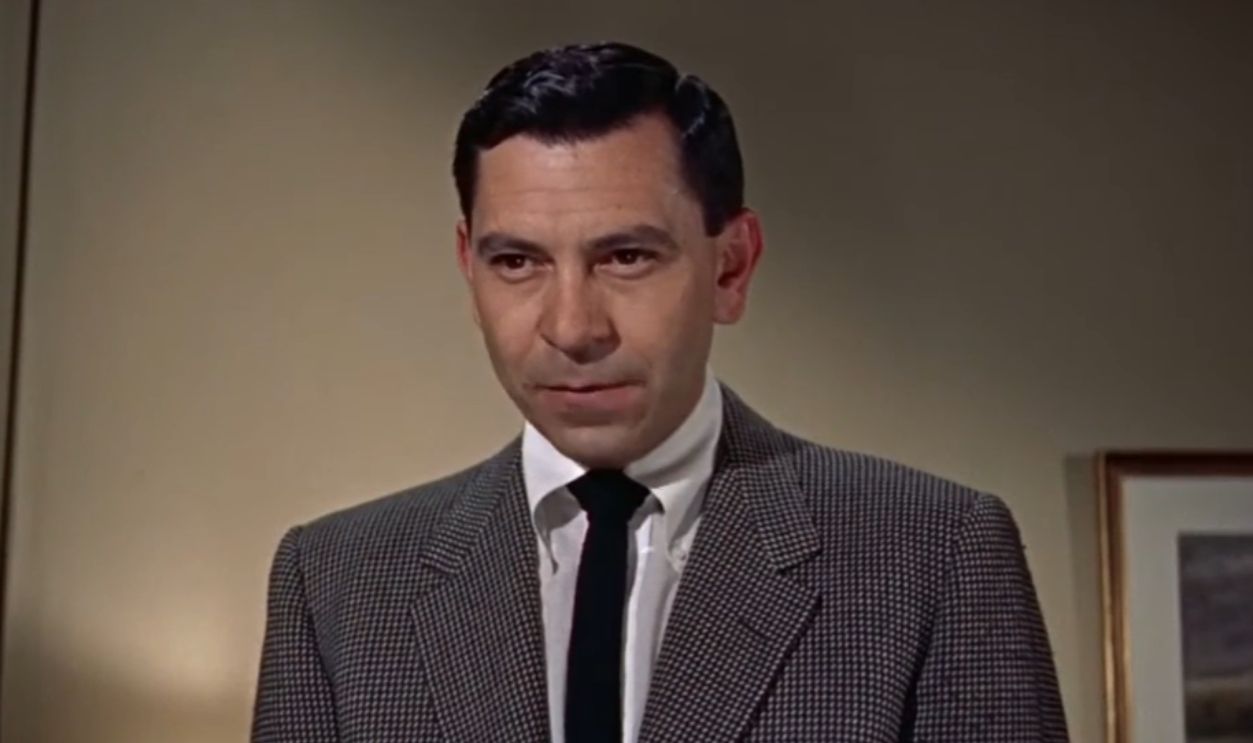 Screenshot from Dragnet, NBC (1967–1970)
“Would You Believe…” From Get Smart
Maxwell Smart’s “Would you believe…” routine turned failure into comedy. He would make a grand claim, then bargain it down when nobody believed him. The phrase still works whenever someone is exaggerating, backpedaling, or trying to save face after being caught in an obvious overstatement.
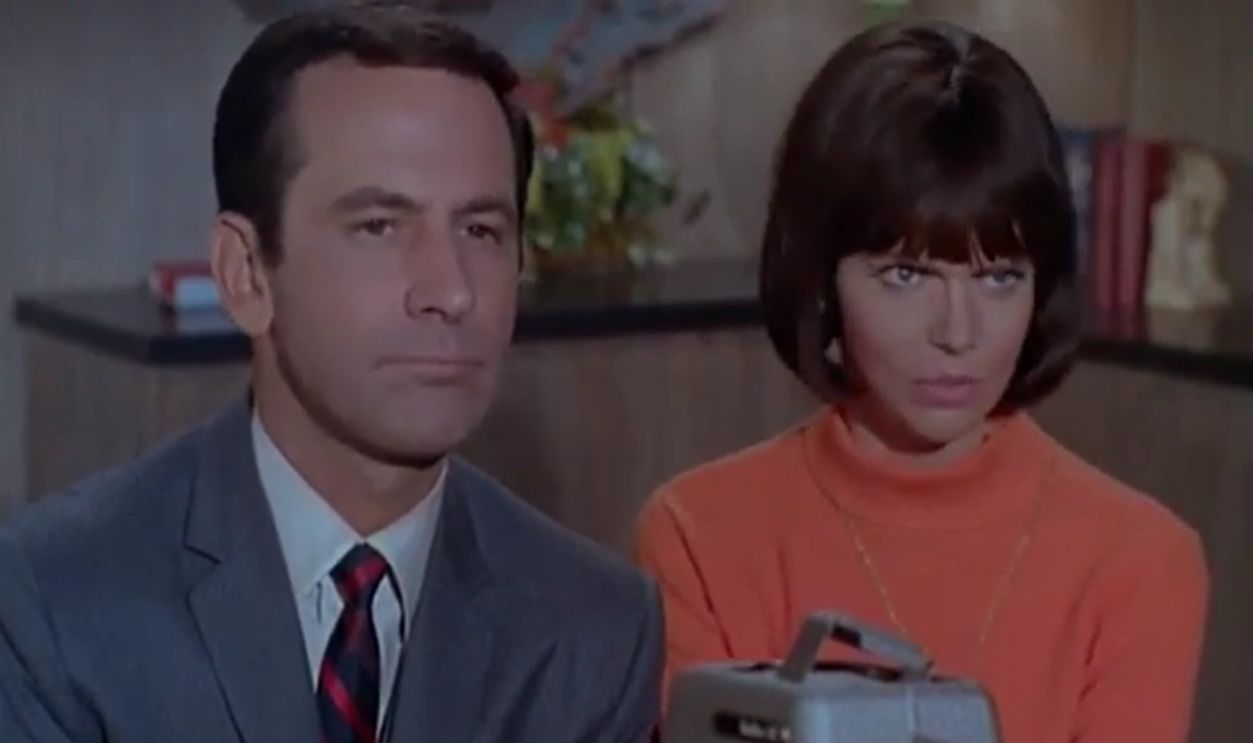 Screenshot from Get Smart, NBC (1965–1970)
“Missed It By That Much” From Get Smart
Don Adams made “missed it by that much” feel like the perfect excuse for being nowhere close. Maxwell Smart was often wildly wrong, but he delivered his failures with total confidence. That is why the line lasted: everyone has had a moment where they wanted to pretend disaster was almost success.
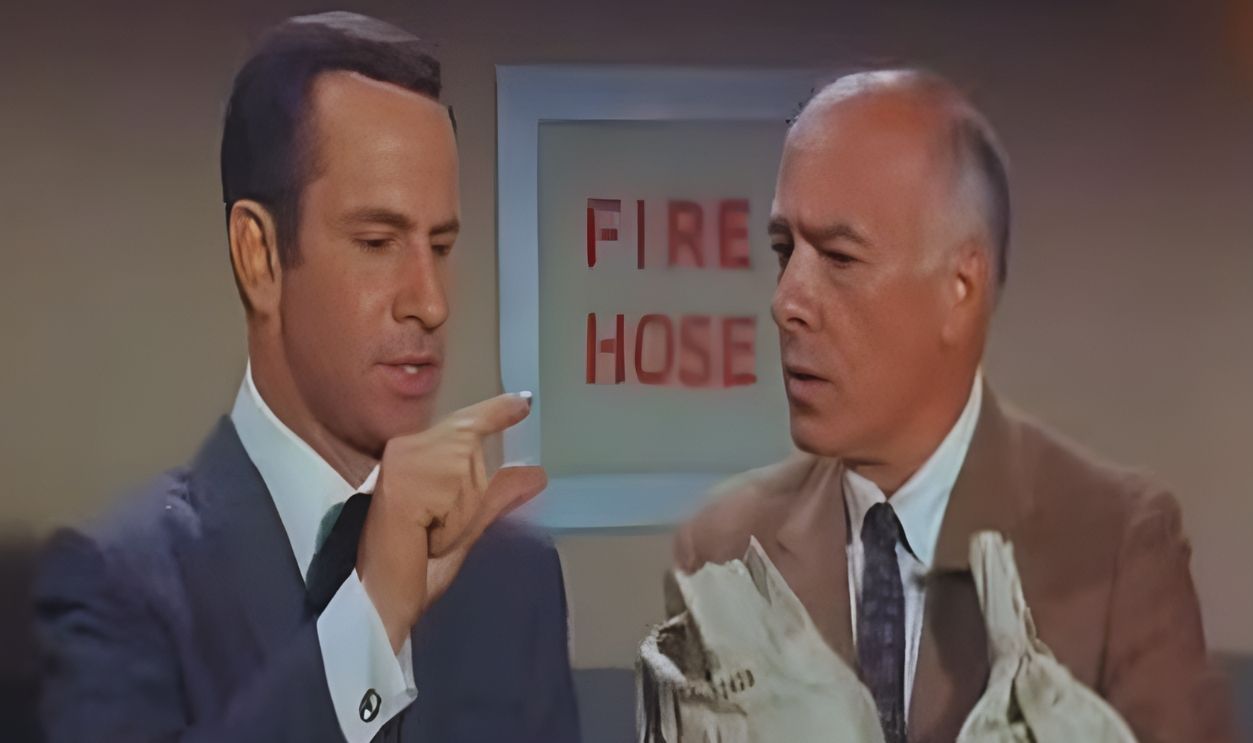 Screenshot from Get Smart, NBC (1965–1970), Modified
“Sorry About That, Chief” From Get Smart
Maxwell Smart’s apology to the Chief became one of the show’s signature phrases. It worked because Smart was both loyal and impossible. He usually meant well, but his mistakes created chaos. The phrase still fits any situation where someone knows they messed up but hopes charm will soften the damage.
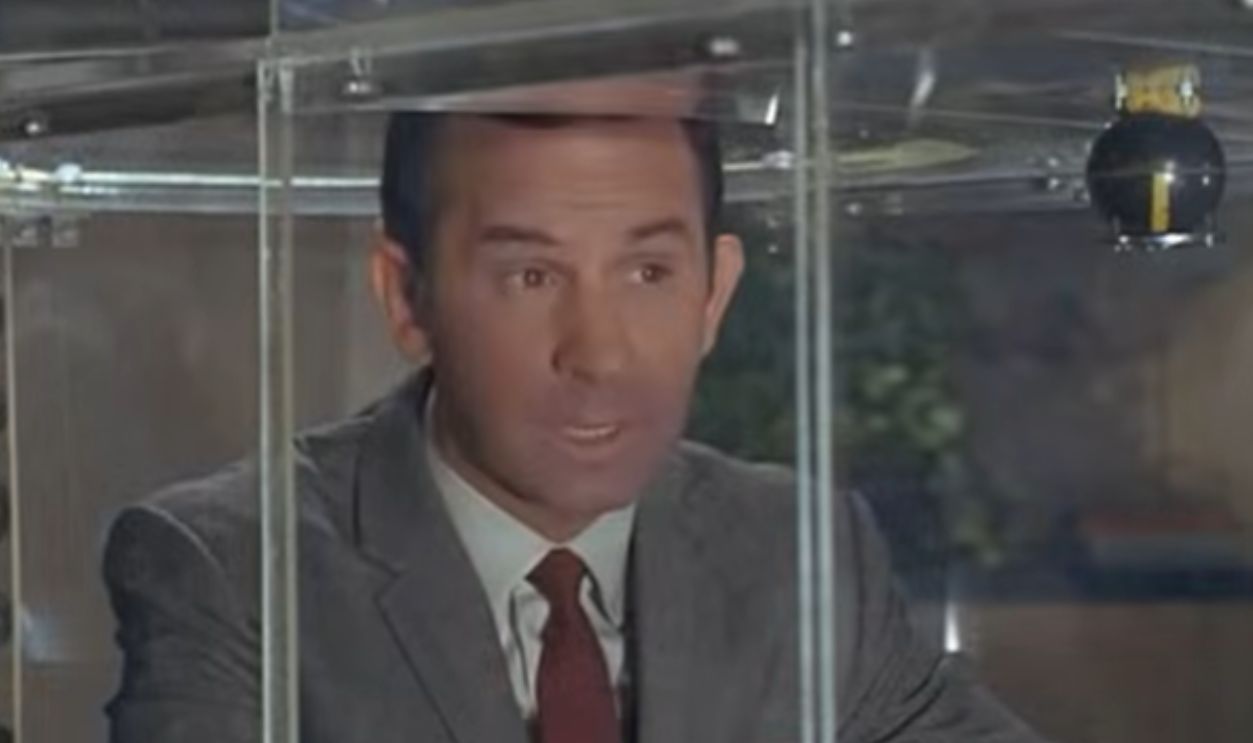 Screenshot from Get Smart, NBC (1965–1970)
“Same Bat-Time, Same Bat-Channel” From Batman
The 1960s Batman series turned episode endings into ritual. Viewers were told to return at the “same Bat-time” and “same Bat-channel,” a phrase that matched the show’s comic-book energy perfectly. It remains a playful way to promise that something will continue, preferably with a little campy drama attached.
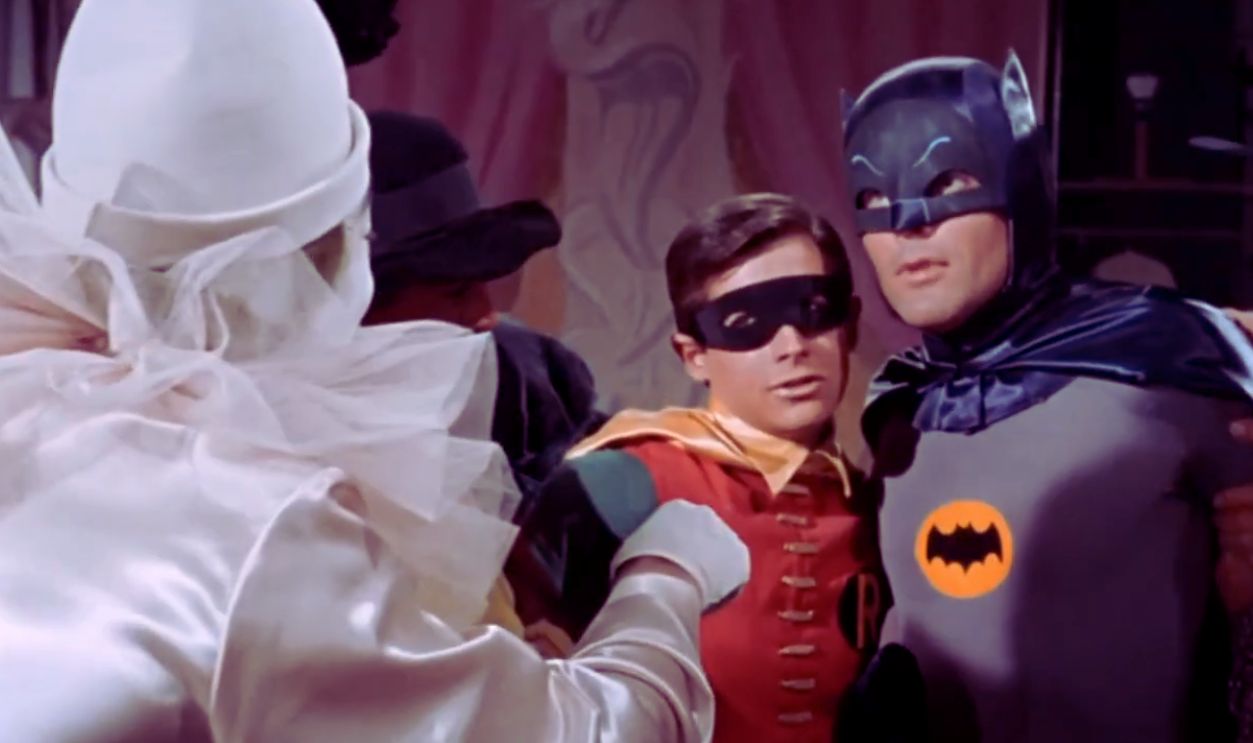 Screenshot from Batman, ABC (1966–1968)
“Holy [Anything], Batman!” From Batman
Robin’s “Holy…” exclamations became one of the most flexible catchphrase patterns on television. The joke was that nearly anything could become a crisis if Robin shouted it dramatically enough. Decades later, people still parody the format whenever they want to make surprise sound cartoonishly urgent.
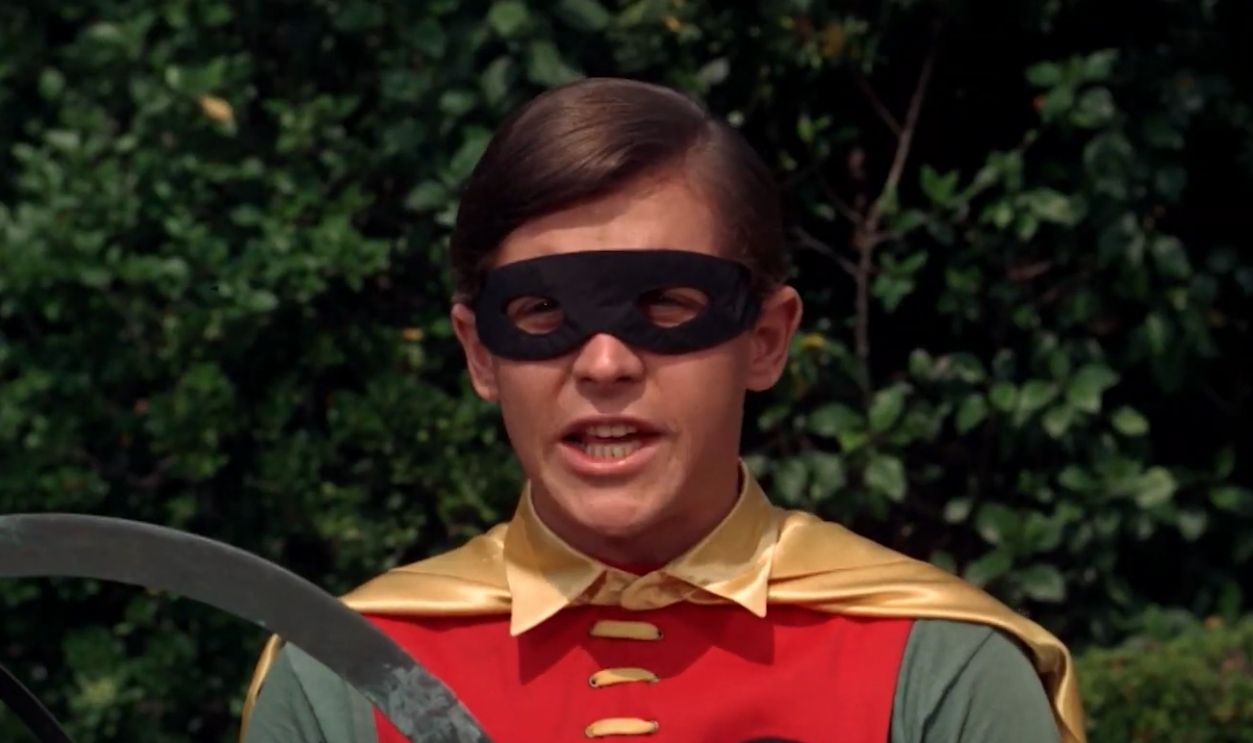 Screenshot from Batman, ABC (1966–1968)
“Sock It To Me!” From Rowan & Martin’s Laugh-In
Rowan & Martin’s Laugh-In turned “Sock it to me!” into a national phrase. The line could mean “give it to me,” “hit me with the joke,” or simply serve as a setup for slapstick. Its real power was rhythm. It sounded fun to say, which is half the battle with any catchphrase.
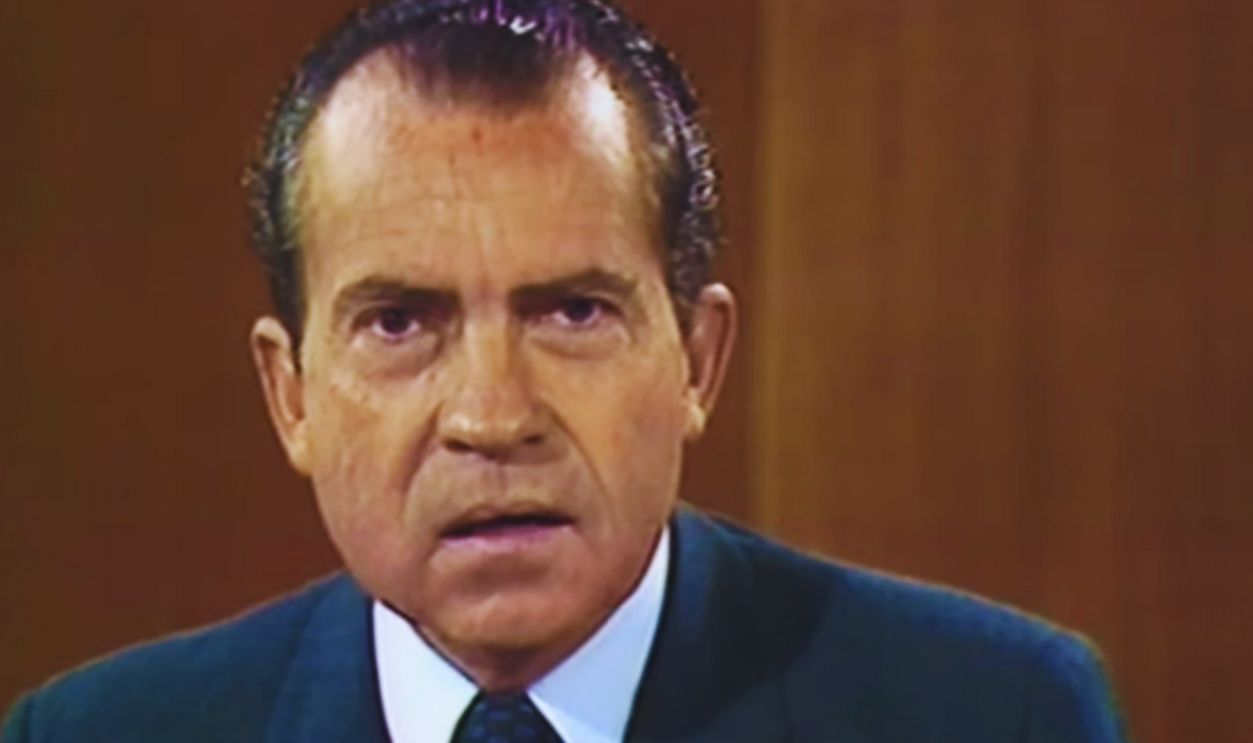 Screenshot from Rowan & Martin’s Laugh-In, NBC (1968-1973)
“You Bet Your Sweet Bippy” From Rowan & Martin’s Laugh-In
“You bet your sweet bippy” was pure Laugh-In: nonsense that somehow made immediate sense. It sounded cheeky without being too rude for network television. Viewers repeated it because it felt like a secret comic password from a show that specialized in quick jokes, bright colors, and verbal weirdness.
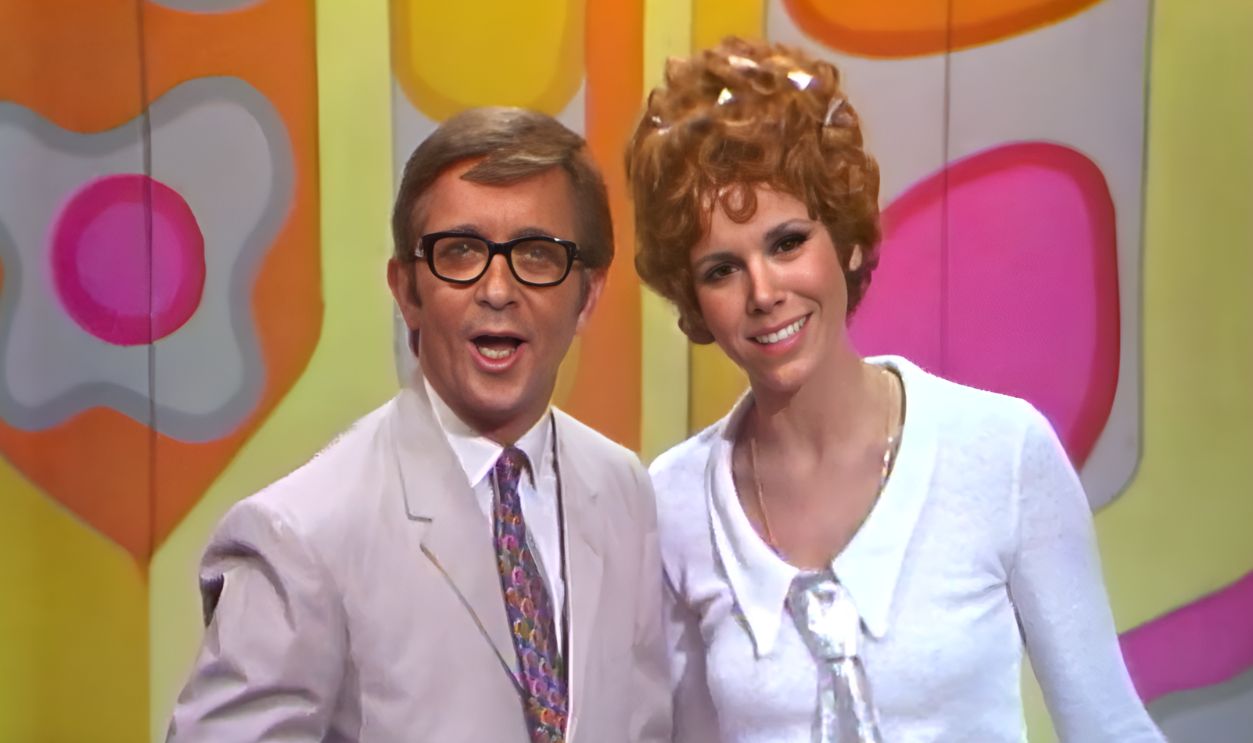 Screenshot from Laugh-In, NBC (1968–1973), Modified
“Very Interesting… But Stupid” From Rowan & Martin’s Laugh-In
Arte Johnson’s German soldier character helped make “Very interesting… but stupid” one of Laugh-In’s most quoted lines. The phrase survived because it works outside the sketch. It is perfect for hearing a plan, theory, or excuse that starts out intriguing before collapsing under its own foolishness.
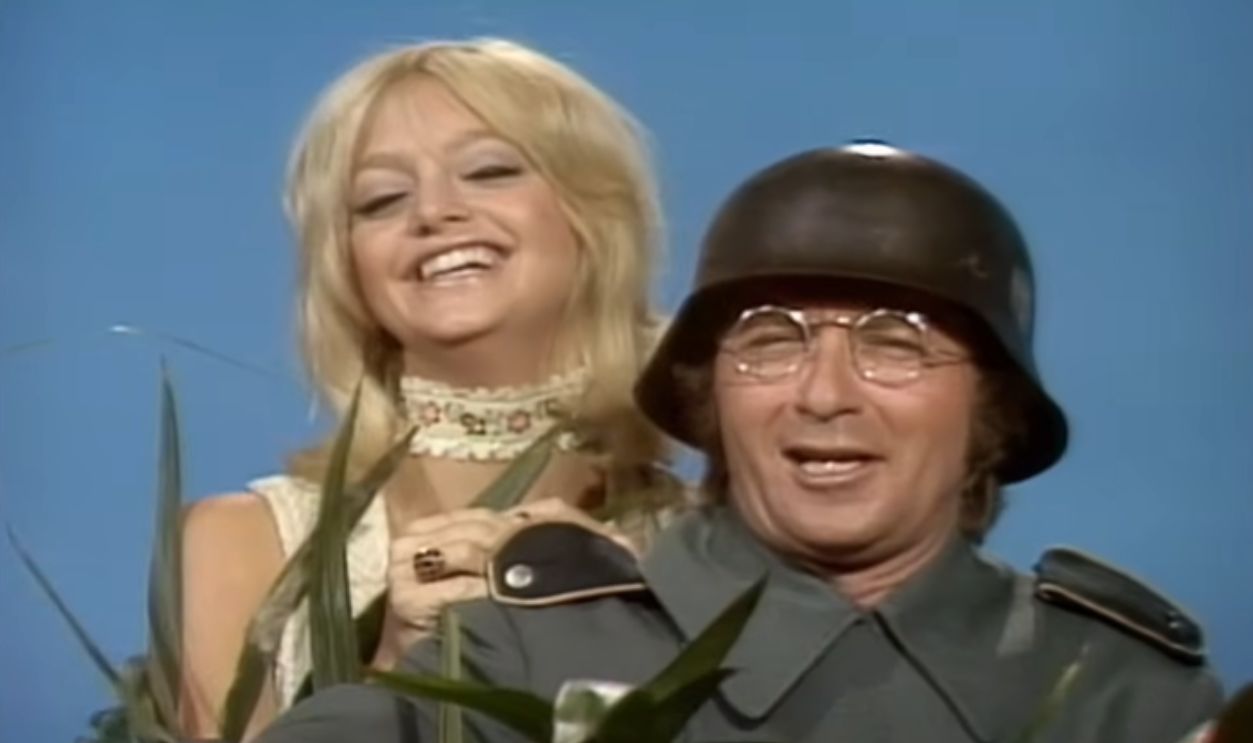 Screenshot from Rowan & Martin's Laugh-In, NBC (1968-1973)
“Book ’Em, Danno” From Hawaii Five-O
Steve McGarrett’s command to “Book ’em, Danno” became the crisp ending audiences expected from Hawaii Five-O. The line felt clean, authoritative, and final. People still use it jokingly whenever someone has been caught, proven wrong, or sentenced in the imaginary courtroom of everyday conversation.
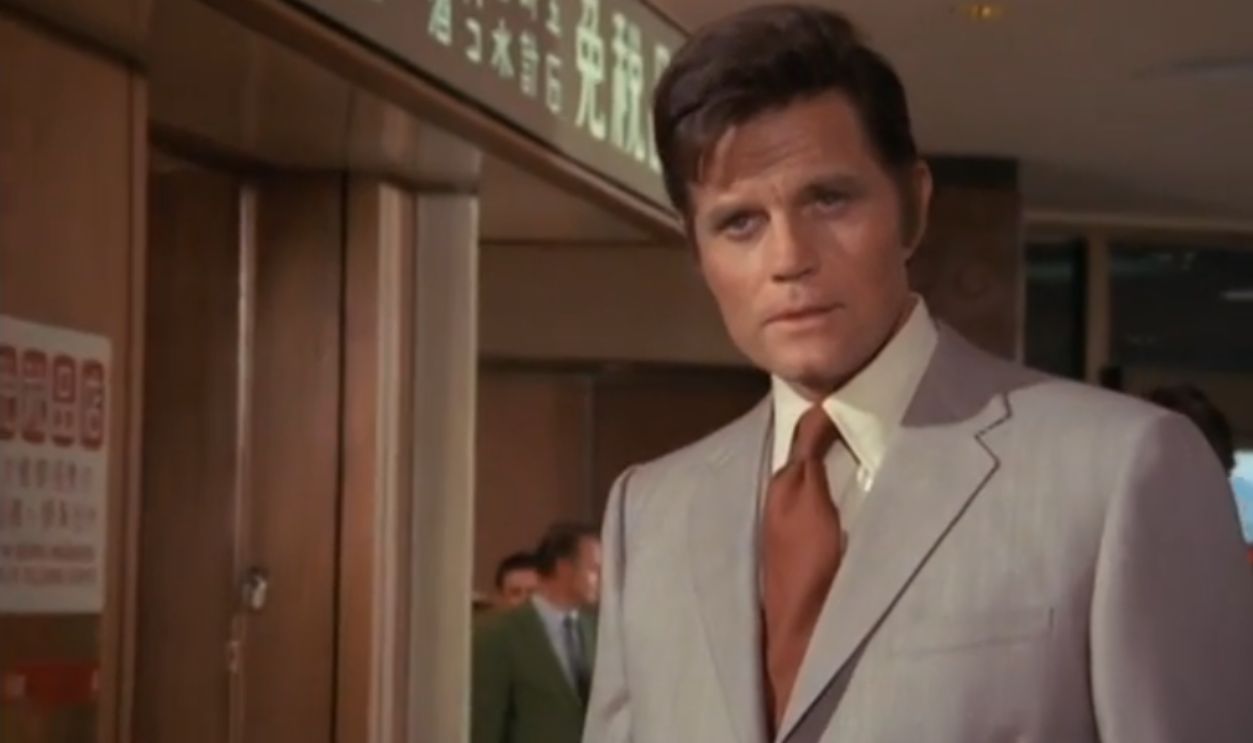 Screenshot from Hawaii Five-O, CBS (1968–1980)
“Here’s Johnny!” From The Tonight Show Starring Johnny Carson
Ed McMahon’s booming introduction turned Johnny Carson’s entrance into a nightly event. “Here’s Johnny!” became linked to late-night television itself, then took on a second life in pop culture. Even people who never watched Carson often recognize the phrase as the sound of someone making a dramatic arrival.
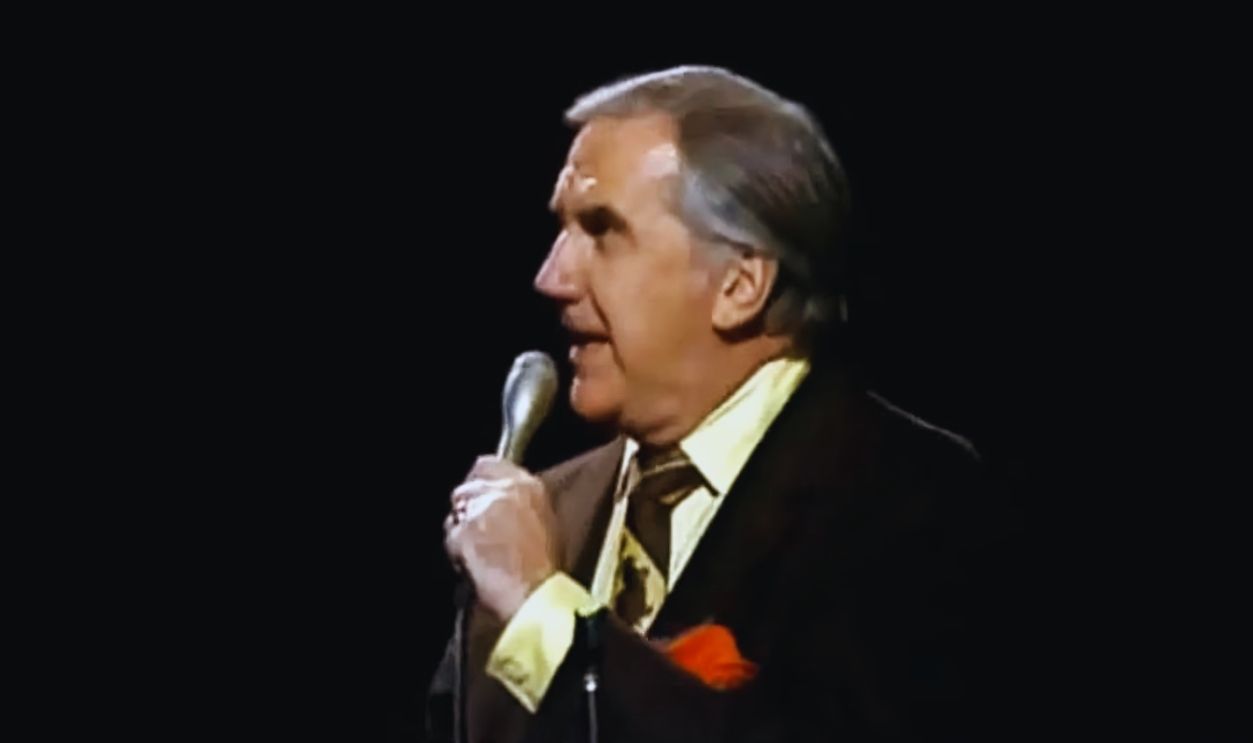 Screenshot from The Tonight Show Starring Johnny Carson, NBC (1962–1992)
“Good Night, John-Boy” From The Waltons
The bedtime roll call on The Waltons became one of the warmest recurring rituals in 1970s television. “Good night, John-Boy” was not just a line; it was a whole mood of family, closeness, and rural nostalgia. People still use it when saying goodnight turns into a chorus.
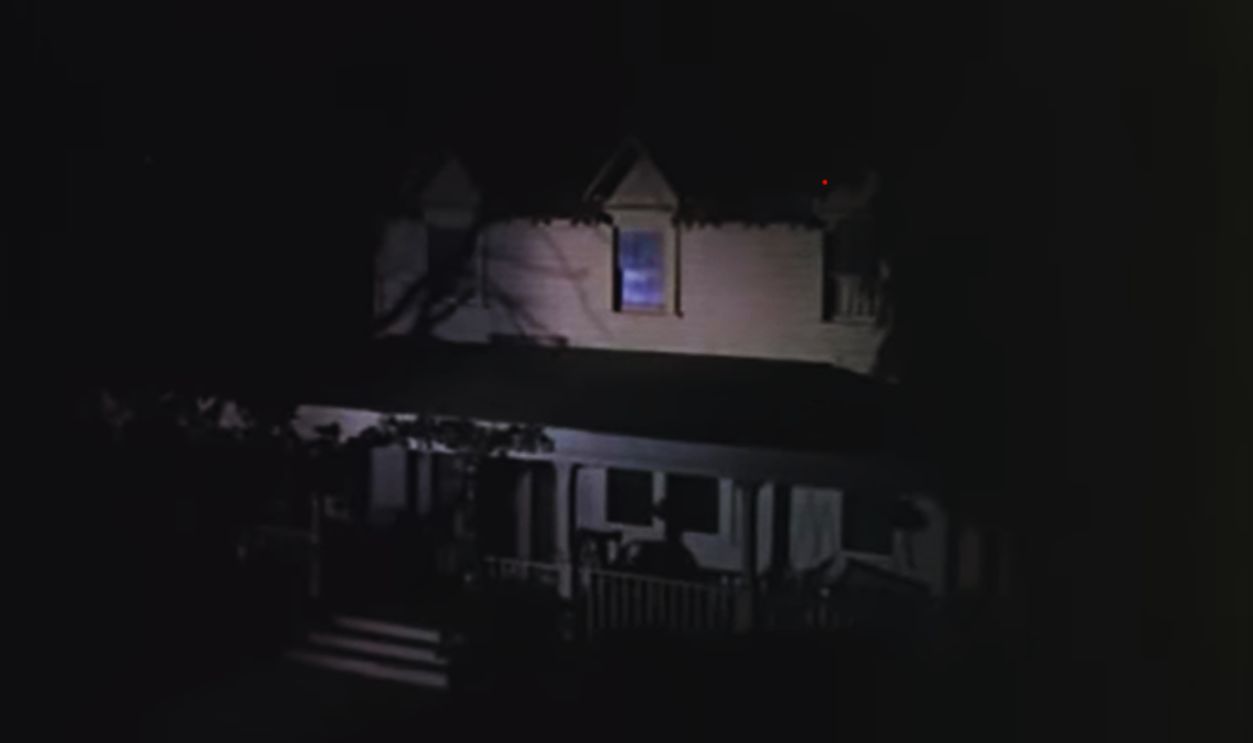 Screenshot from The Waltons, CBS (1972–1981)
“Dyn-o-mite!” From Good Times
Jimmie Walker’s JJ Evans turned “Dyn-o-mite!” into one of the defining catchphrases of the 1970s. The delivery was loud, physical, and impossible to miss. The line became so famous that it sometimes overshadowed the show’s serious side, but it remains one of classic television’s most instantly recognizable shouts.
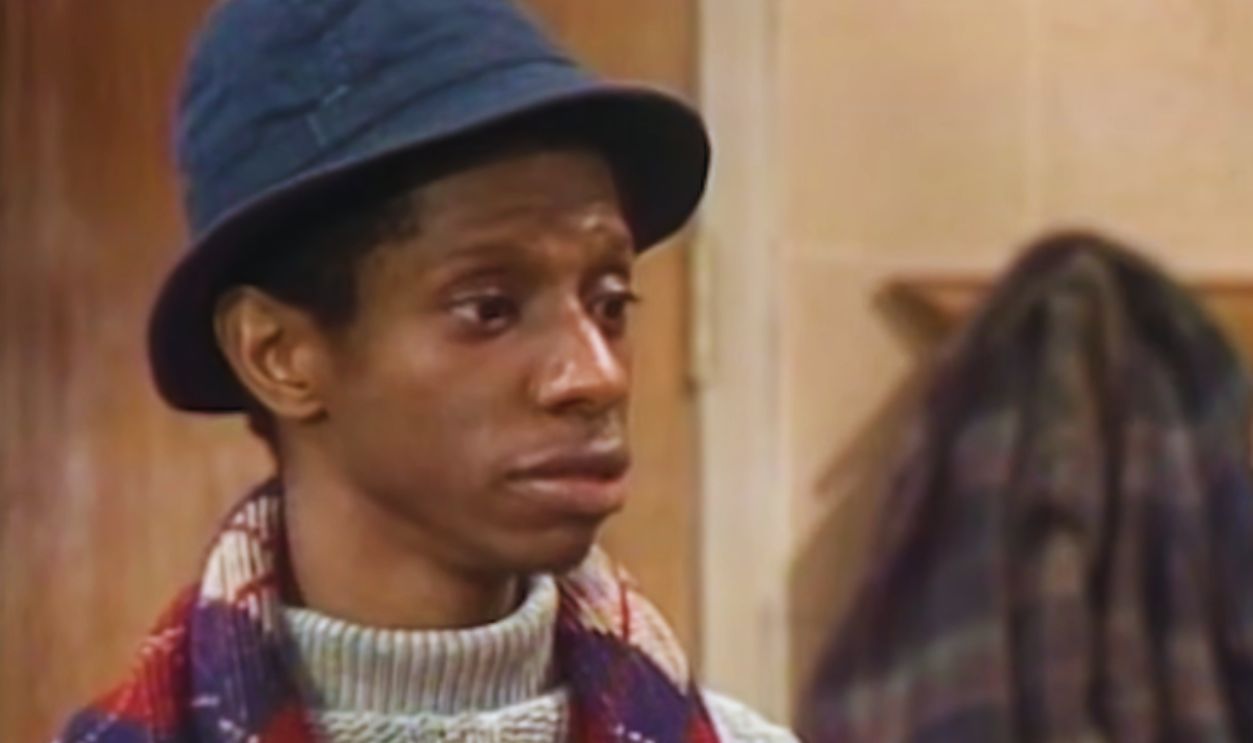 Screenshot from Good Times, CBS (1974–1979)
“Ayyyy!” From Happy Days
Fonzie did not need many words to own a room. Henry Winkler’s “Ayyyy!” came with thumbs, cool confidence, and the sense that Fonzie had already won before anyone else spoke. The phrase still works as a playful burst of approval, especially when someone wants to channel old-school TV cool.
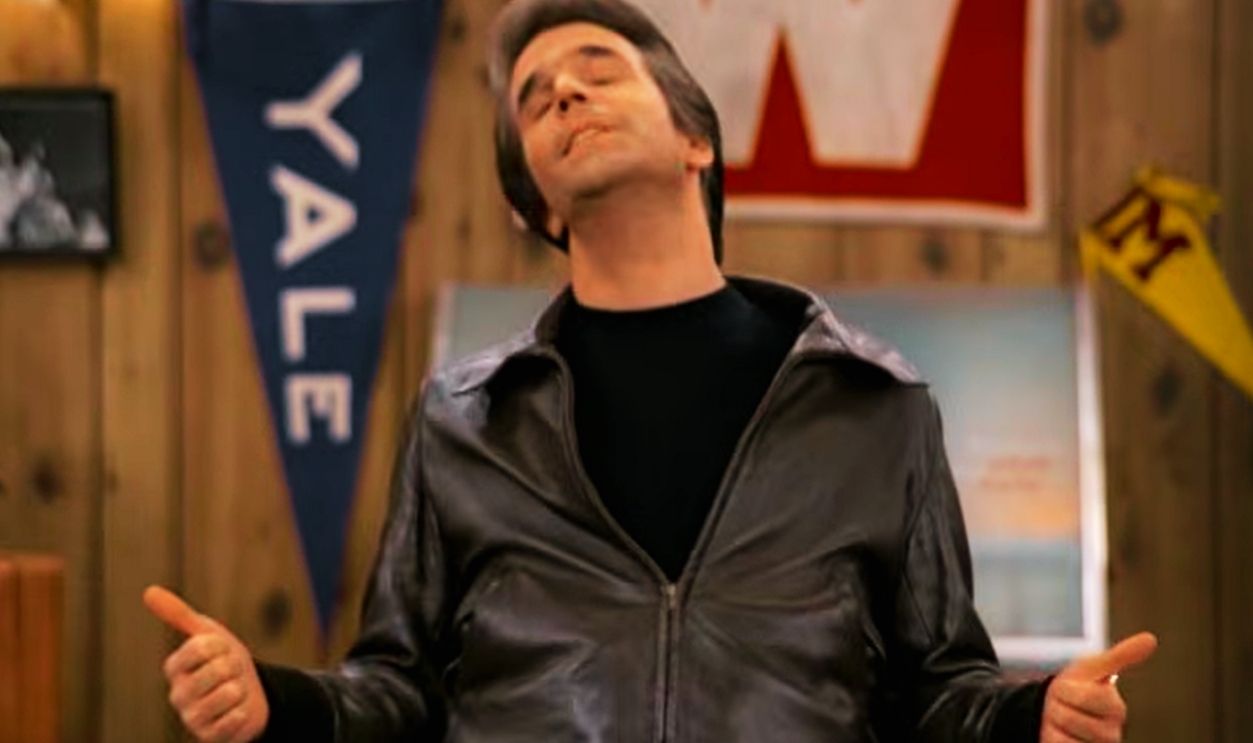 Screenshot from Happy Days, ABC (1974–1984)
“Sit On It” From Happy Days
Happy Days gave viewers more than nostalgia. It also gave them the insult “sit on it,” which sounded rebellious without being too dangerous for family television. The phrase became a playground-friendly comeback, the kind of line kids could repeat without fully understanding why adults found it funny.
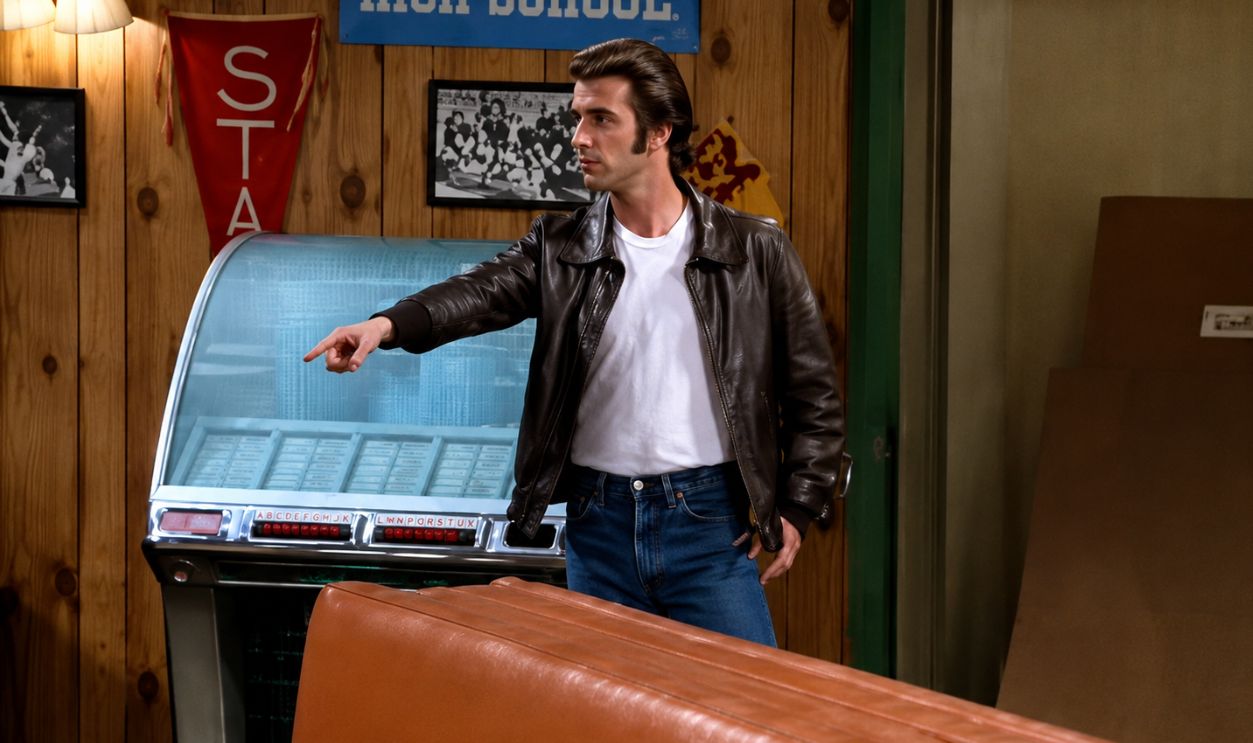 Screenshot from Happy Days, ABC Television (1974-1984), Modified
“Up Your Nose With A Rubber Hose” From Welcome Back, Kotter
Vinnie Barbarino’s strange insult from Welcome Back, Kotter became one of the decade’s oddest schoolyard phrases. It was goofy, mildly rude, and extremely repeatable. The line captured the Sweathogs’ juvenile energy perfectly: not exactly clever, but memorable enough to survive decades of reruns.
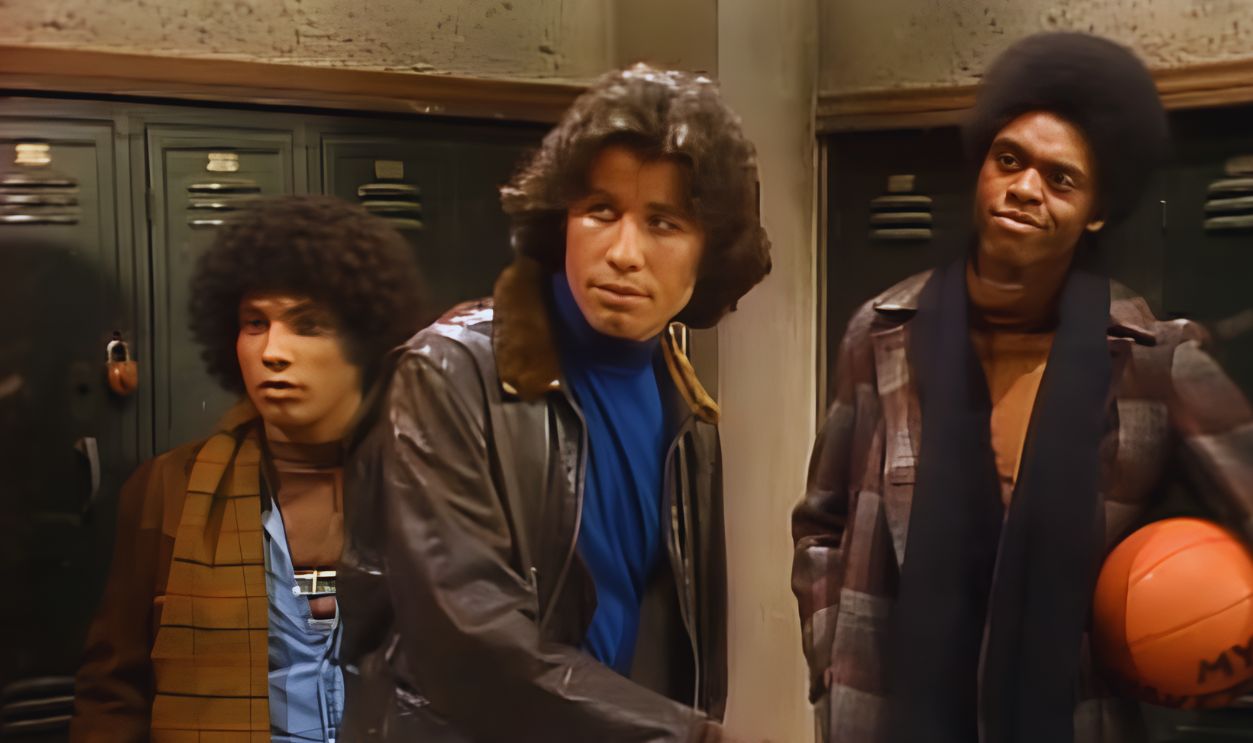 Screenshot from Welcome Back, Kotter, ABC (1975–1979), Modified
Barbarino’s Confused Stalling Became Part Of The Character
Not every remembered Vinnie Barbarino bit was a neat catchphrase. Sometimes it was the way John Travolta stretched confusion itself into comedy, with repeated “what?” and “where?” reactions that helped define the character. It may not be as cleanly documented as “up your nose with a rubber hose,” but it was part of how viewers remembered Barbarino’s comic rhythm.
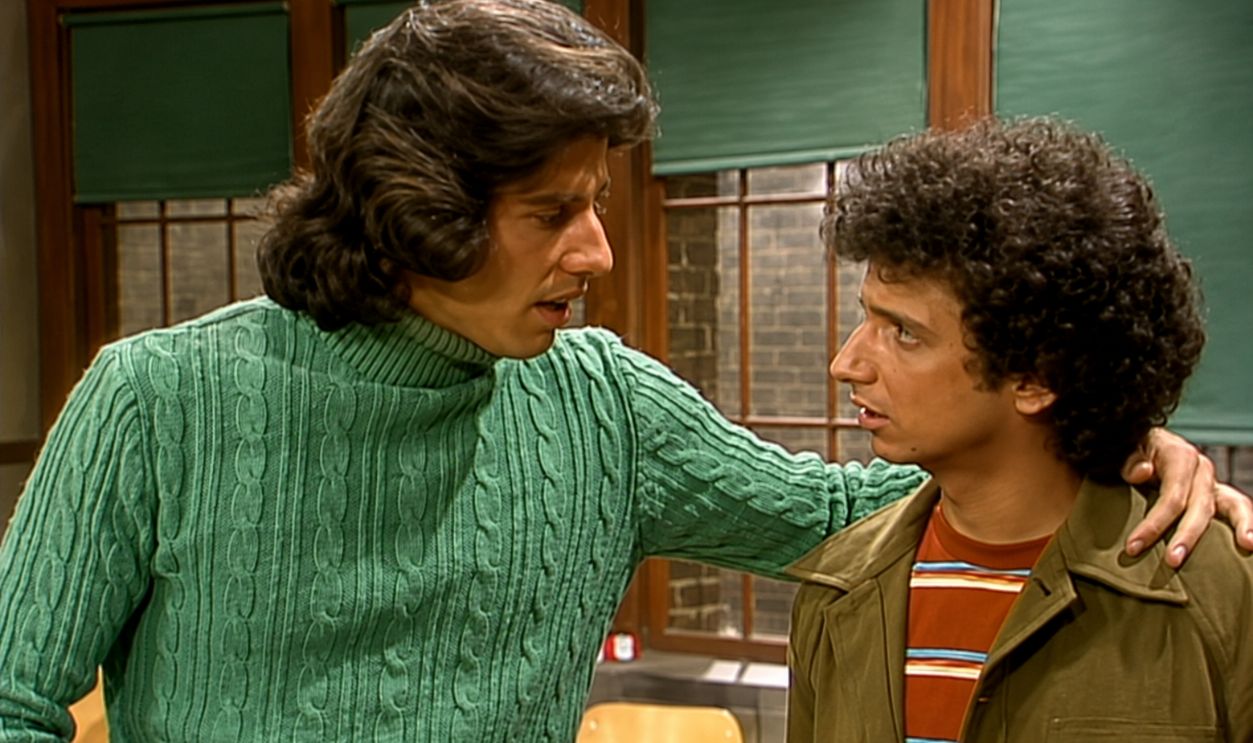 Screenshot from Welcome Back, Kotter, ABC (1975–1979)
“Whatchoo Talkin’ ’Bout, Willis?” From Diff’rent Strokes
Gary Coleman’s delivery made “Whatchoo talkin’ ’bout, Willis?” a late-1970s catchphrase that outlived the show’s original run. Arnold’s disbelief was sharp, funny, and perfectly timed. The line still appears whenever someone wants to challenge nonsense with comic suspicion.
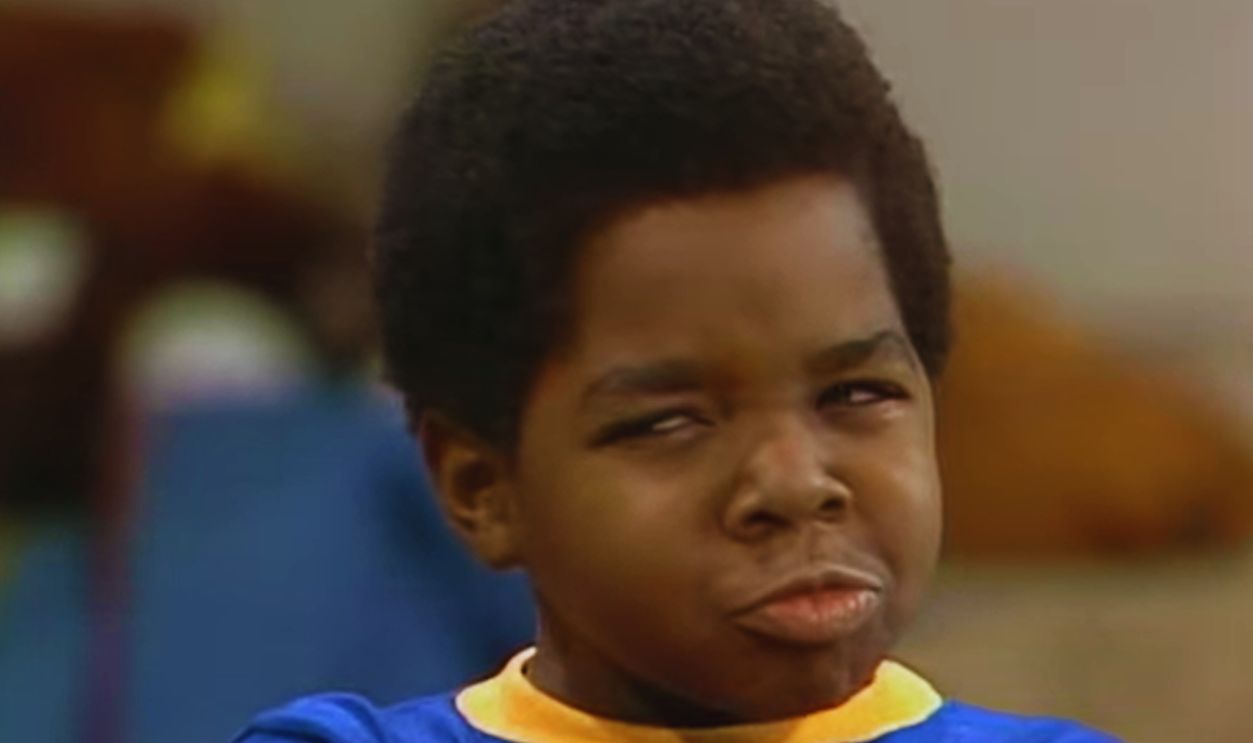 Screenshot from Diff’rent Strokes, NBC (1978–1986)
“Nanu Nanu” From Mork & Mindy
Robin Williams made “Nanu nanu” sound like an alien greeting and a comedy explosion at the same time. Mork & Mindy arrived late in the 1970s, but its catchphrase quickly entered popular culture. People still repeat it when they want to sound weird, friendly, and slightly spacey.
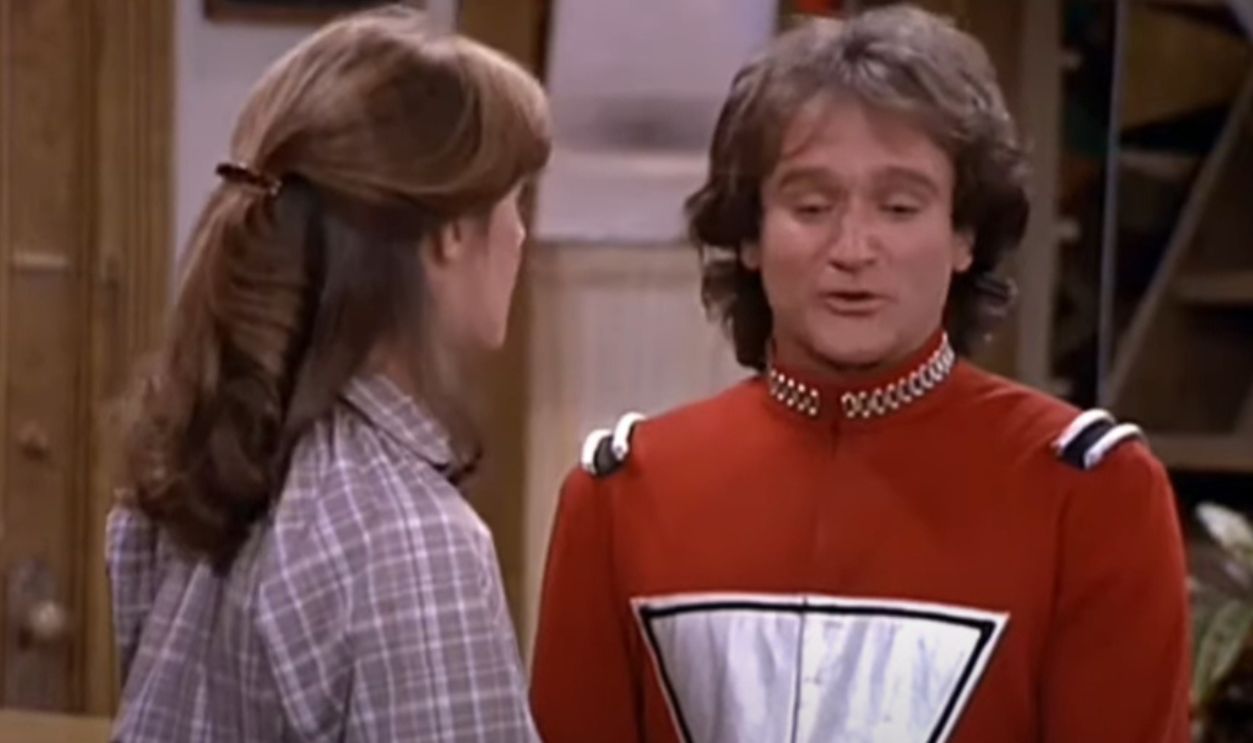 Screenshot from Mork & Mindy, ABC (1978–1982)
“Shazbot!” From Mork & Mindy
Mork’s “Shazbot!” gave viewers a TV-safe exclamation that sounded like alien profanity without actually being profanity. It worked because Robin Williams sold it with total commitment. The word still pops up among fans who want to curse gently while signaling that they remember Mork from Ork.
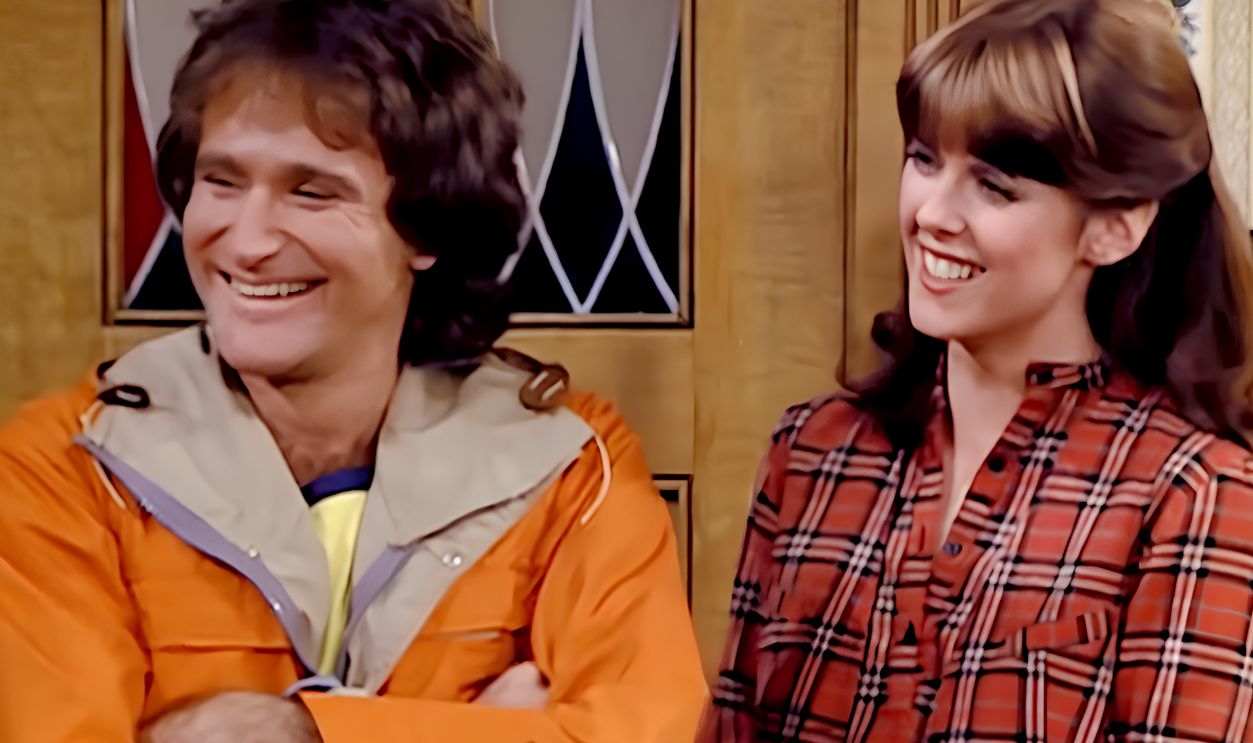 Screenshot from Mork & Mindy, ABC (1978–1982)
“Who Loves Ya, Baby?” From Kojak
Telly Savalas made “Who loves ya, baby?” sound smooth, teasing, and unmistakably his. On Kojak, the phrase matched a detective who could be tough and charming at the same time. People still use it jokingly when they want to sound like they are doing someone a favor with style.
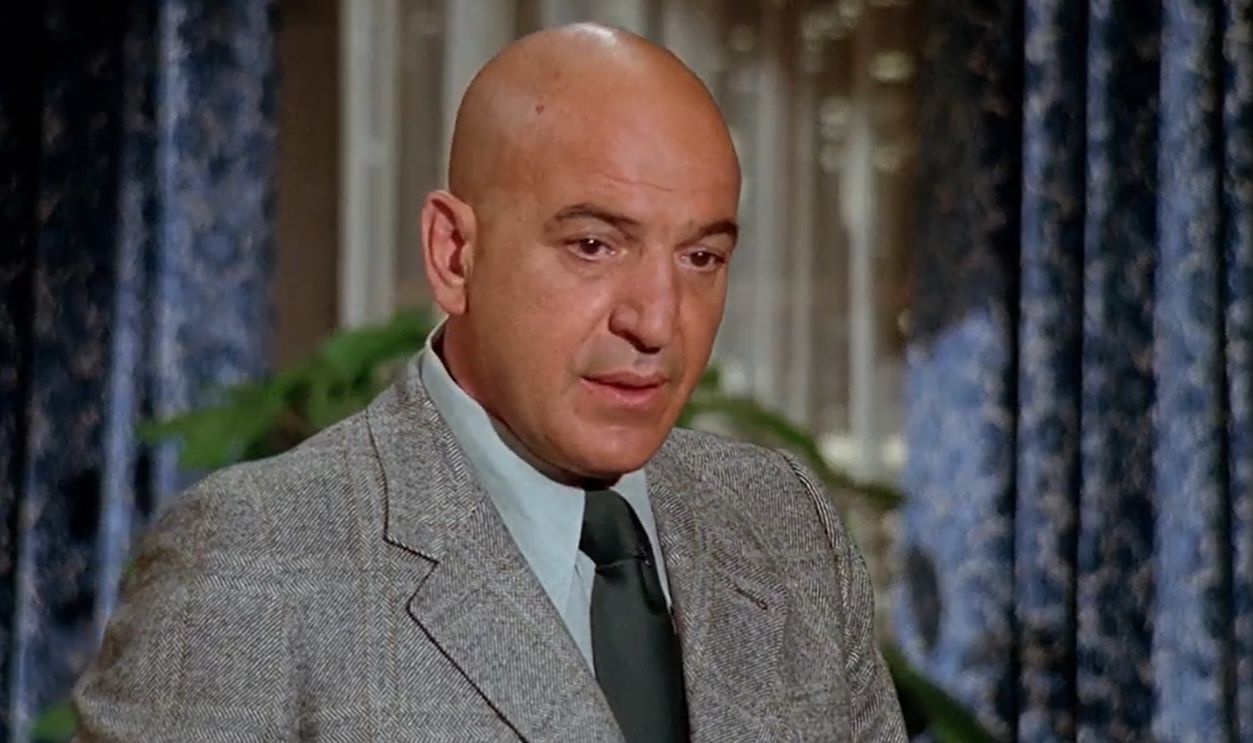 Screenshot from Kojak, CBS (1973–1978)
“We Can Rebuild Him” From The Six Million Dollar Man
The opening narration of The Six Million Dollar Man helped make “We can rebuild him” part of television memory. It promised technology, strength, and second chances. The phrase still comes up whenever someone repairs a broken object, recovers from a setback, or jokingly turns a minor injury into a sci-fi origin story.
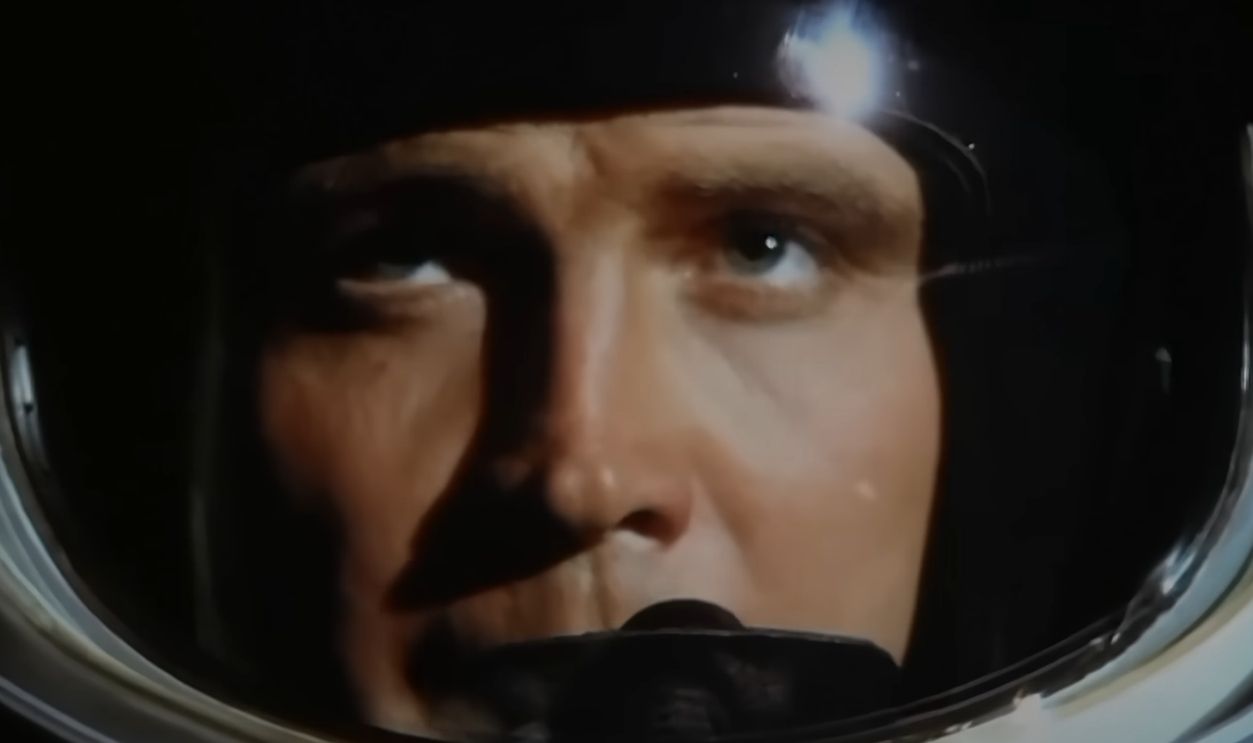 Screenshot from The Six Million Dollar Man, ABC (1973–1978)
“Oh, Rob!” From The Dick Van Dyke Show
Laura Petrie’s “Oh, Rob!” became one of the softer catchphrases of early sitcom history. Mary Tyler Moore could make the line affectionate, exasperated, or worried depending on the scene. It survived because it sounded like the whole marriage in two words: love, frustration, and perfect comic timing.
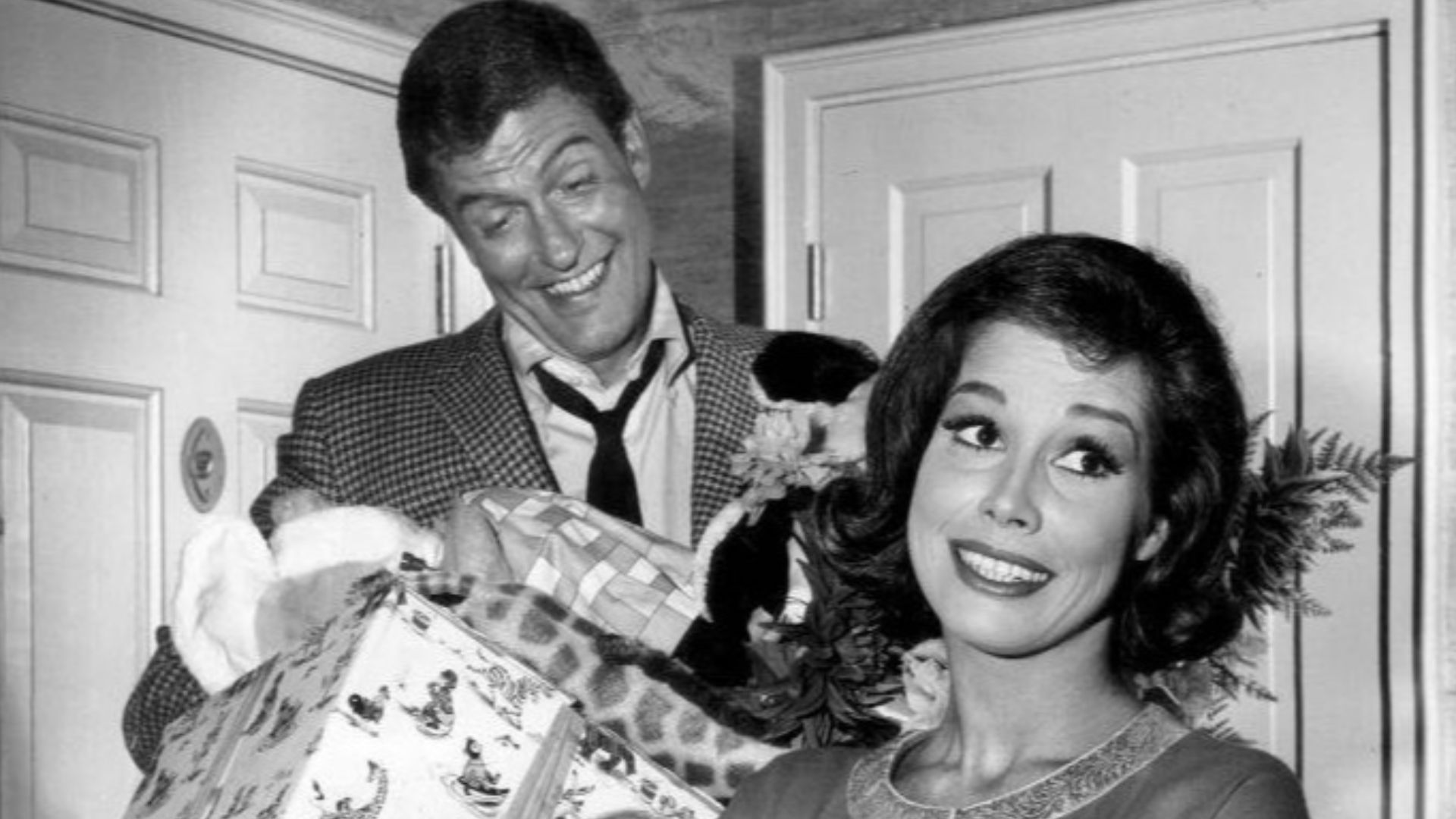 CBS Television, Wikimedia Commons
“Marcia, Marcia, Marcia!” From The Brady Bunch
Jan Brady’s complaint from The Brady Bunch became the forever shorthand for sibling jealousy. The line was funny because it was so specific and so universal at once. Anyone who has felt overshadowed can understand the emotion, even if they have never lived in a blended sitcom family.
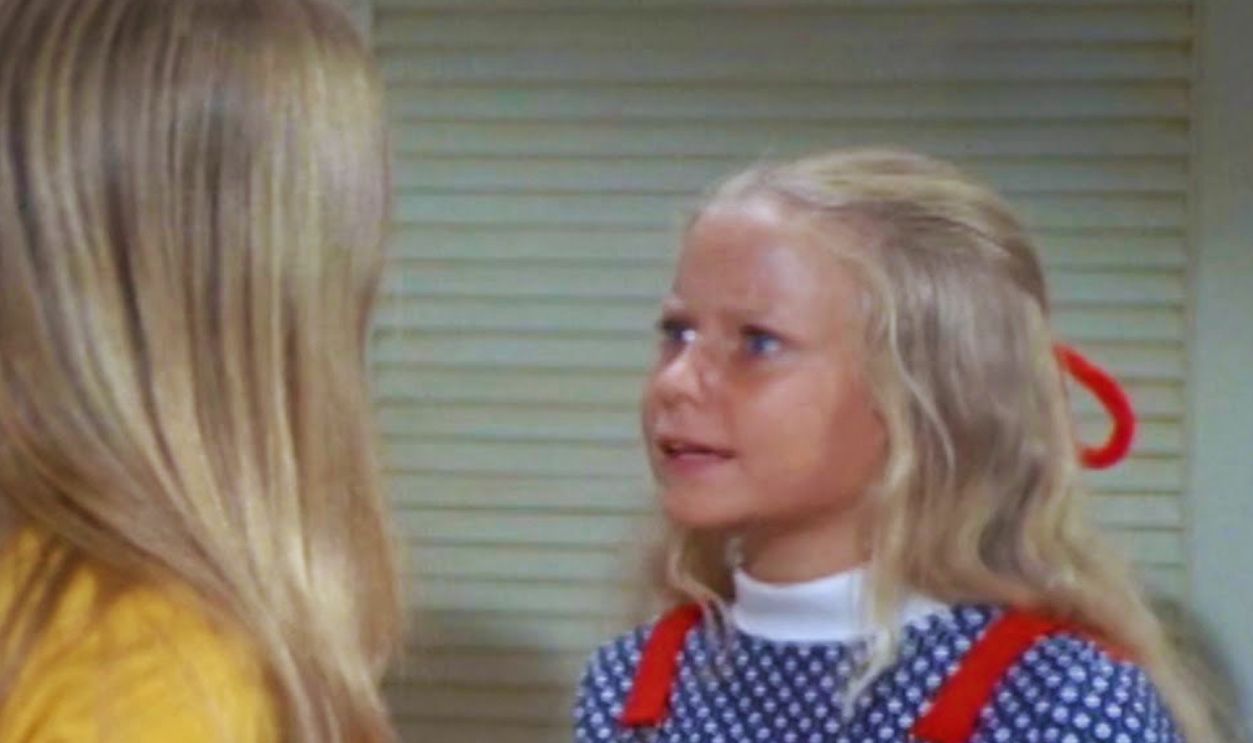 Screenshot from The Brady Bunch, ABC (1969–1974)
“And That’s The Way It Is” From CBS Evening News
Walter Cronkite’s signoff, “And that’s the way it is,” came from news rather than sitcoms, but it became one of television’s most repeated lines. It sounded steady, final, and authoritative. In a turbulent era, the phrase gave viewers a sense that the day’s chaos had at least been put in order.
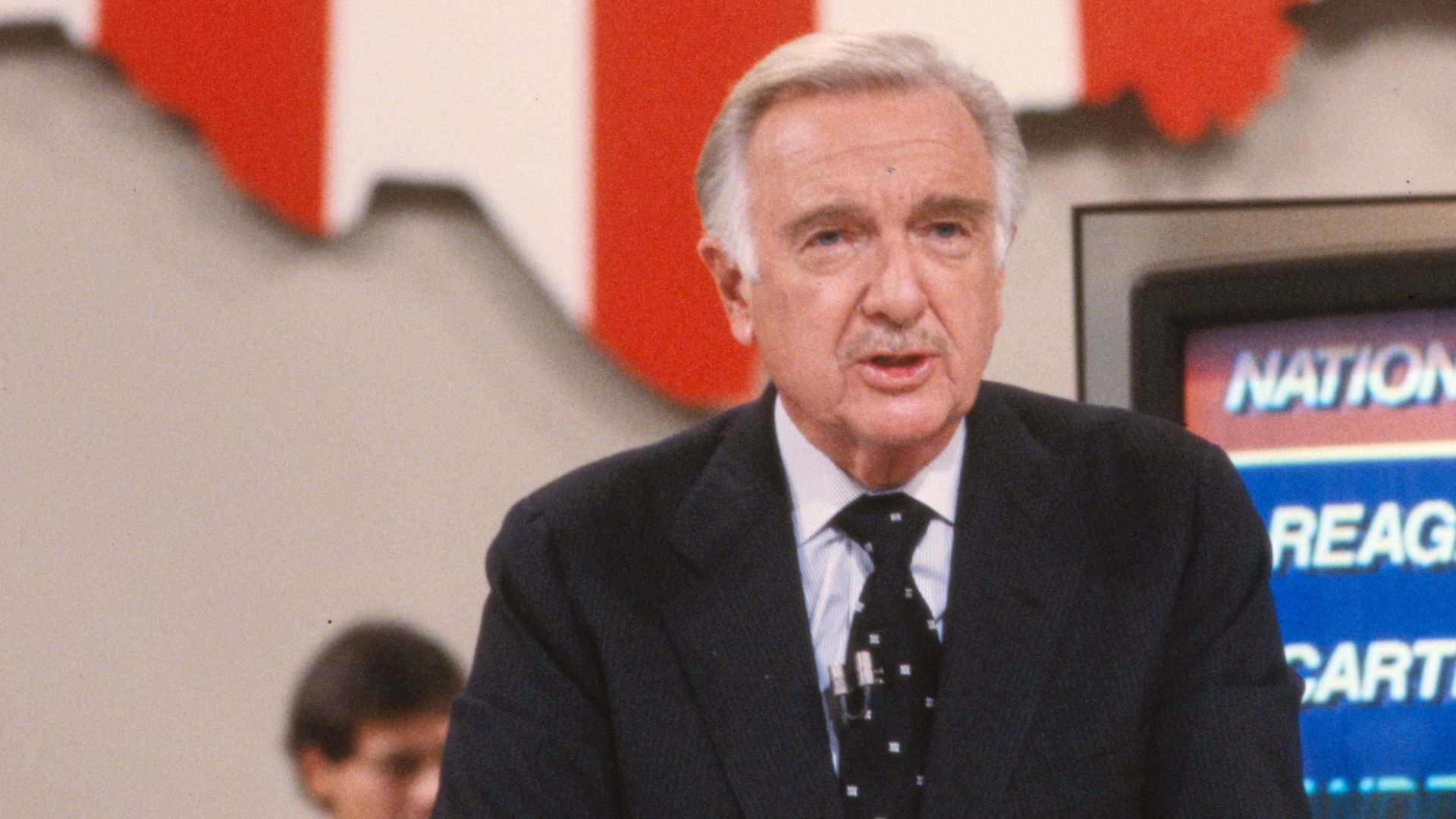 Gotfryd, Bernard, photographer, Wikimedia Commons
“You’ve Got Some ’Splainin’ To Do” From I Love Lucy Reruns
Although I Love Lucy began in the 1950s, its reruns were everywhere in the 1960s and 1970s. Ricky Ricardo’s “you’ve got some ’splainin’ to do” became part of household TV language for generations. Viewers repeated it whenever someone was clearly in trouble and pretending not to know why.
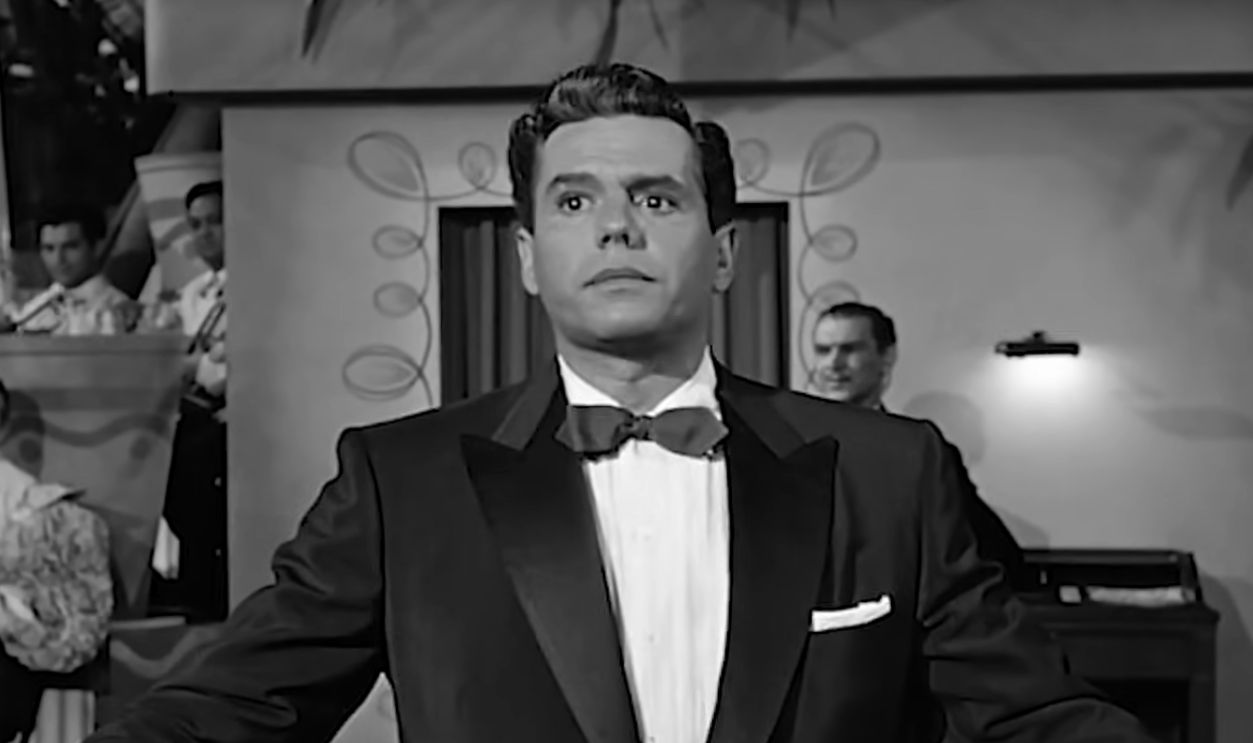 Screenshot from I Love Lucy, CBS (1951–1957)
The Lines Worked Because Everyone Watched Together
These catchphrases lasted because television was once more concentrated. Families watched the same shows, classmates repeated the same jokes, and reruns kept the phrases alive. A good line did not need social media to spread. It needed timing, a memorable character, and millions of people hearing it in the same week.
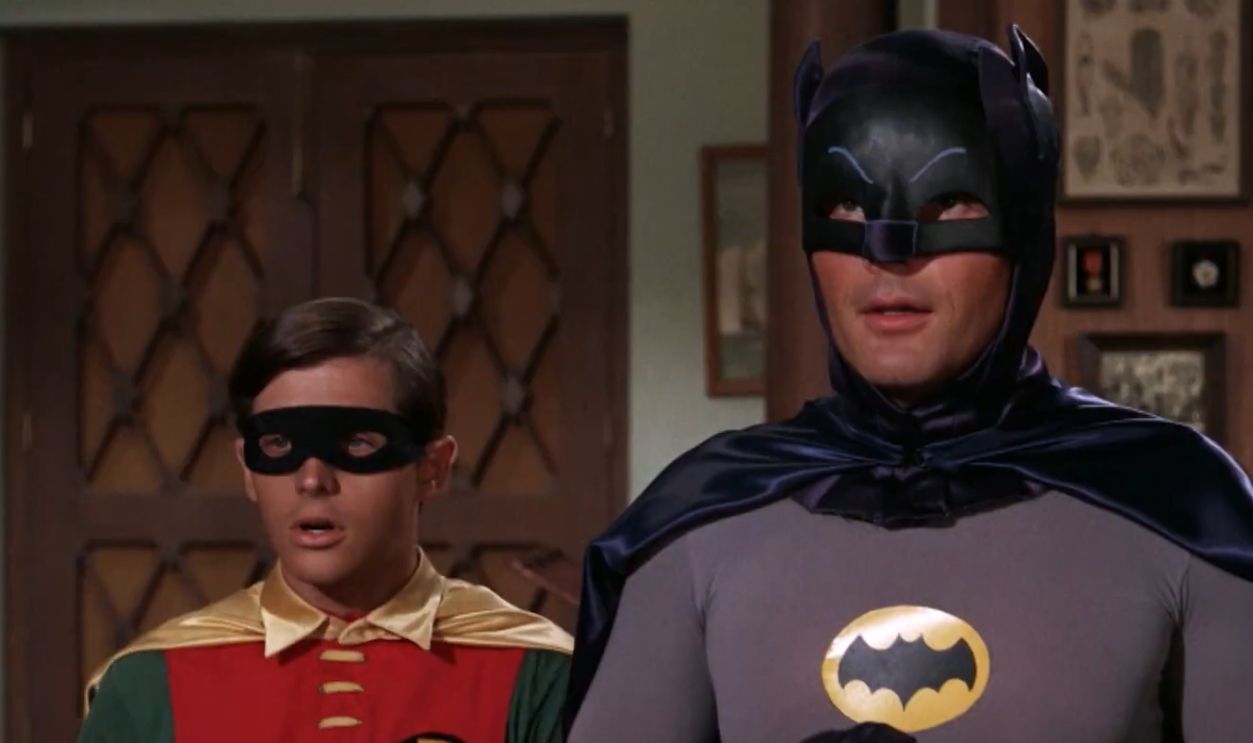 Screenshot from Batman, ABC (1966–1968)
Some Catchphrases Outgrew Their Shows
A few of these lines are now more famous than the episodes that produced them. People quote “Dyn-o-mite!,” “Book ’em, Danno,” or “Marcia, Marcia, Marcia” without always remembering the full context. That is the strange power of a catchphrase: it can break free from the show and become public property.
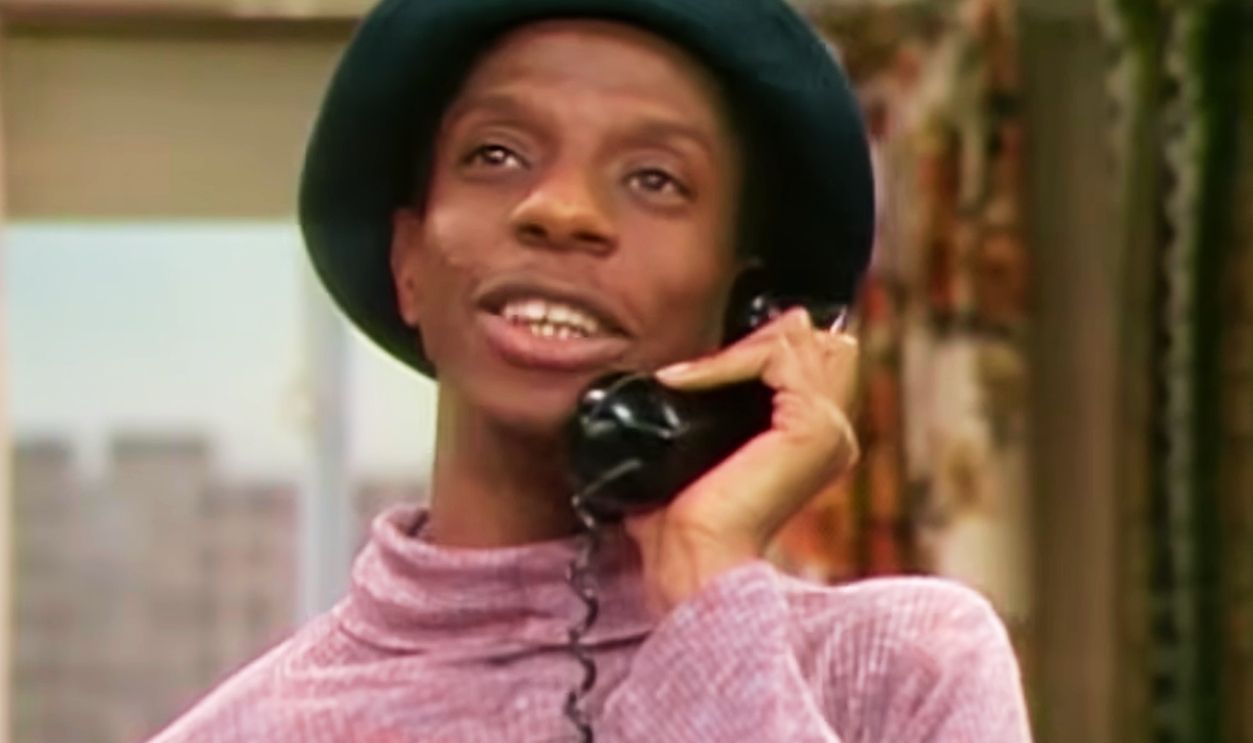 Screenshot from Good Times, CBS (1974–1979)
You May Also Like:
Classic TV Neighbors Who Were Funnier Than The Main Characters
Times People Exploded On Live TV
Doris Roberts Was A Sitcom Legend Long Before Everybody Loves Raymond