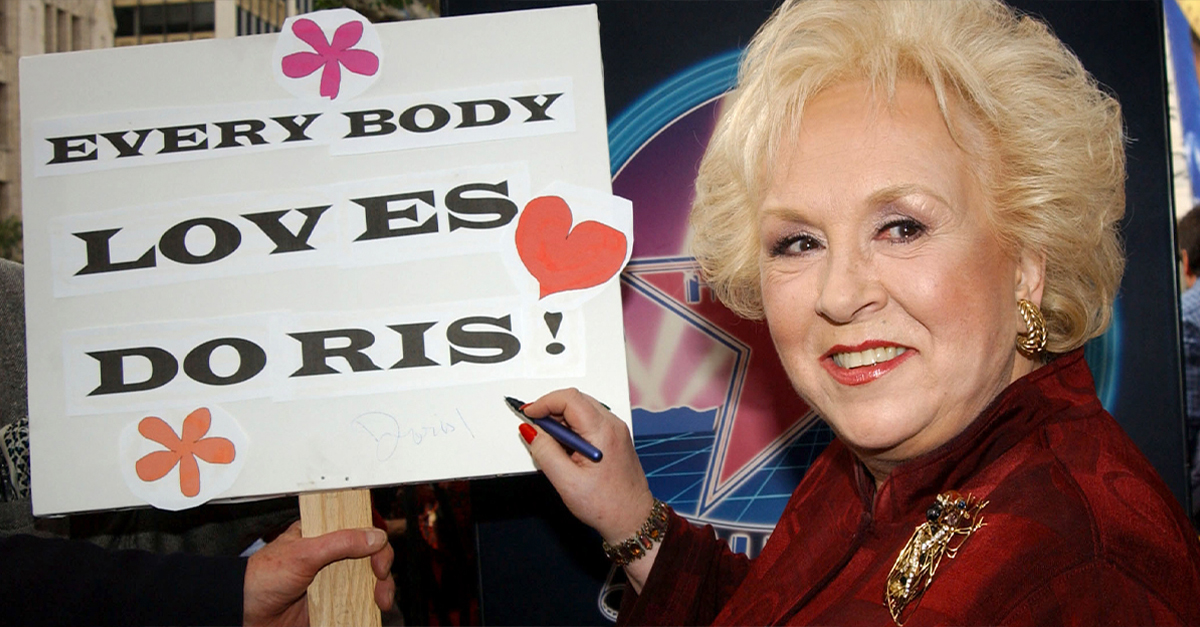
Everybody Loves Doris
For many viewers, Doris Roberts will always be Marie Barone, the loving, intrusive, impossible-to-ignore mother on Everybody Loves Raymond. But by the time she walked into Ray Romano’s television kitchen, Roberts had already spent decades building one of the most durable careers in American comedy.
Raymond made her a household name, but it did not make her great. She already was.
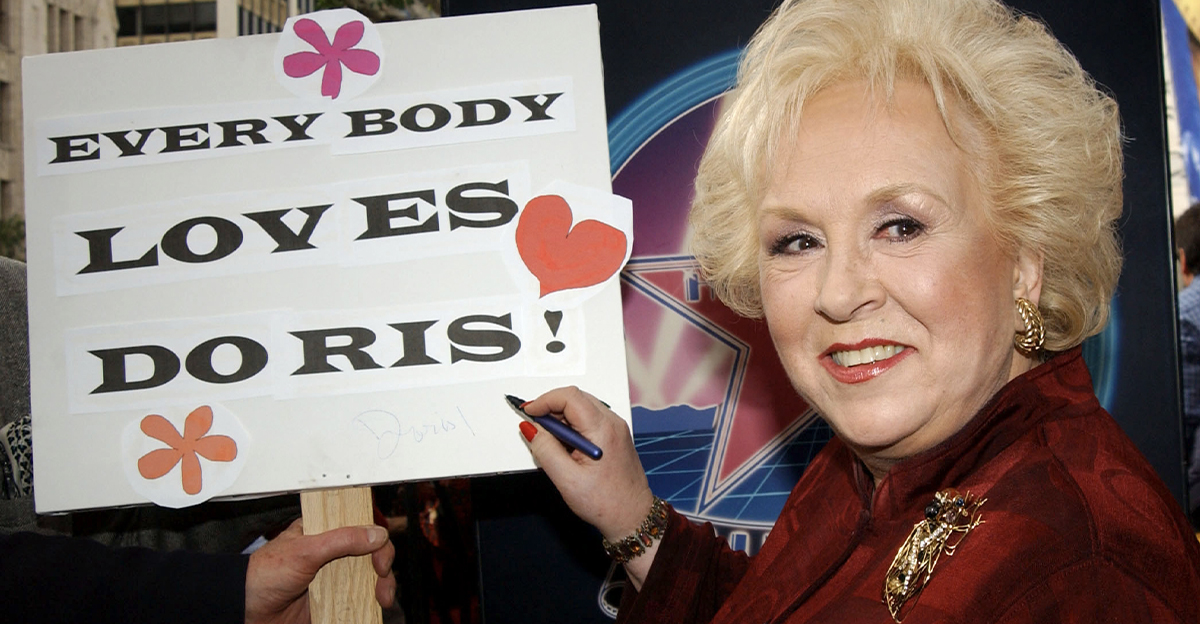
She Was Never An Overnight Success
Doris Roberts’ Raymond fame arrived late enough that some viewers treated her like a sudden discovery. In reality, she had been working steadily for decades across stage, film, and television. Her career is a reminder that some performers become “new” to the public only after years of doing excellent work in plain sight.
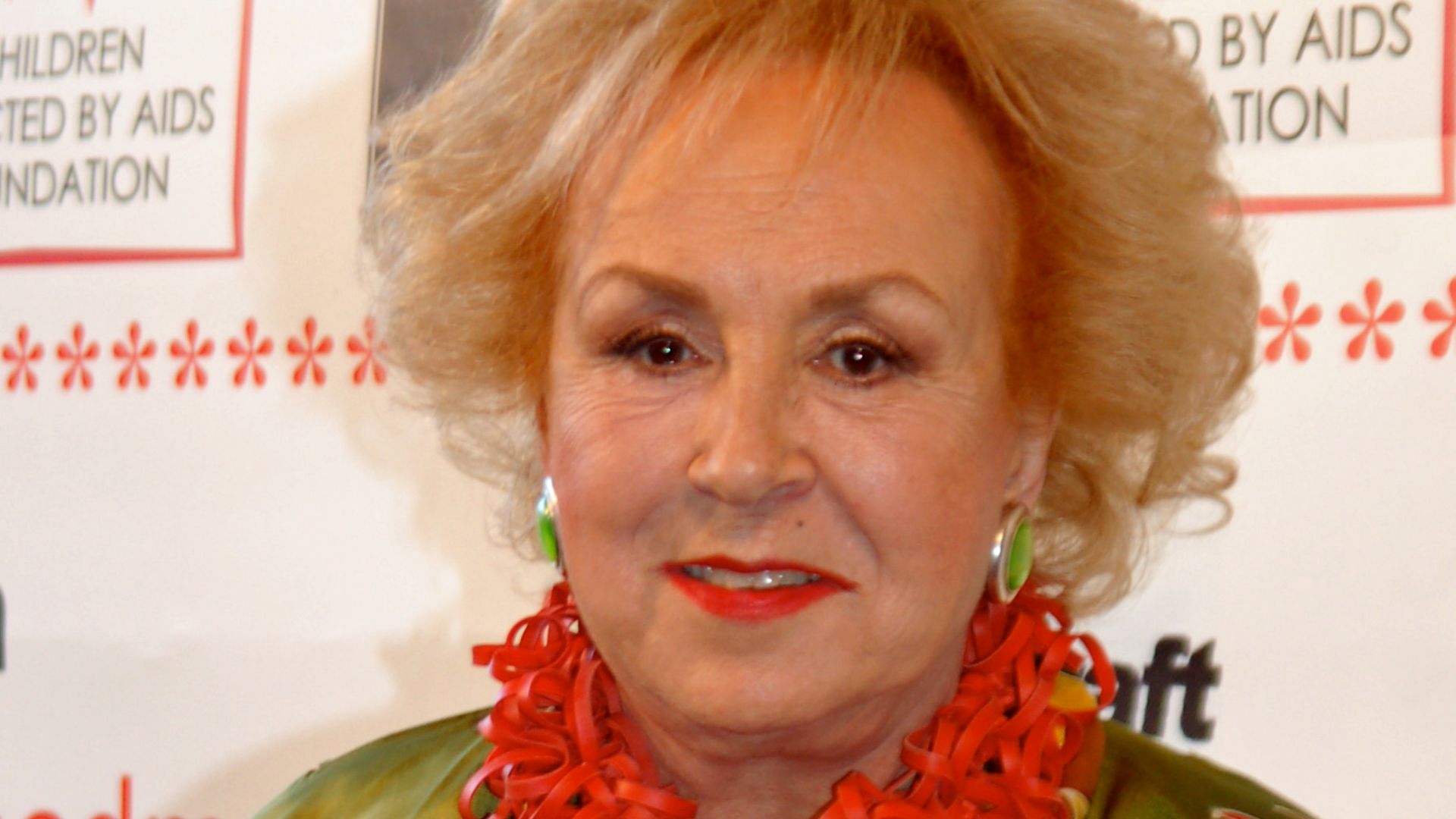 Angela George at https://www.flickr.com/photos/sharongraphics/, Wikimedia Commons
She Came Out Of A New York Acting World
Before sitcom audiences knew her face, Roberts was part of the New York acting scene. She worked on stage, studied acting, and built the kind of character-actor foundation that later made her television work feel so sharp. Her comedy never seemed random because it came from timing, discipline, and years of experience.
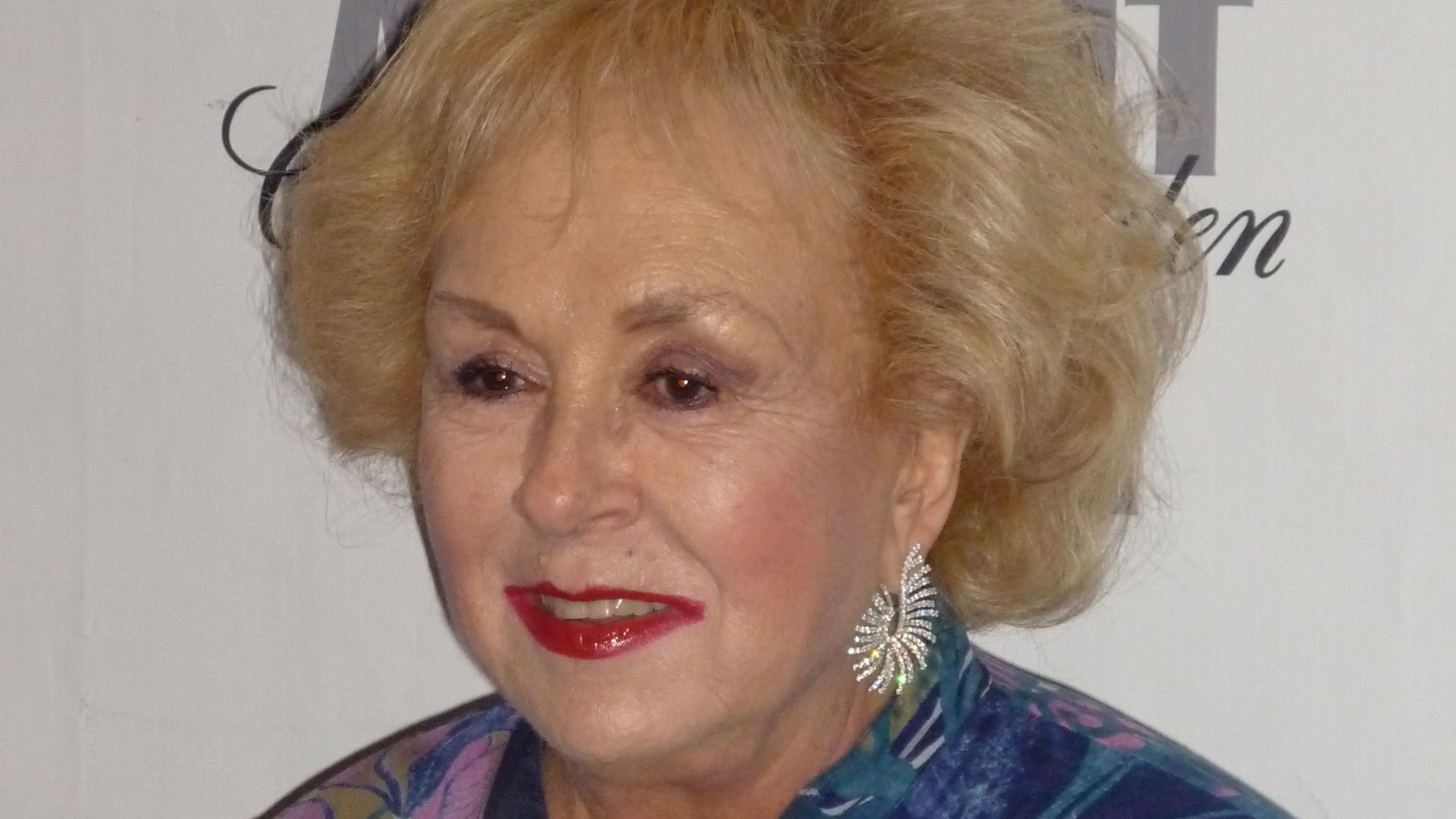 Greg Hernandez, Wikimedia Commons
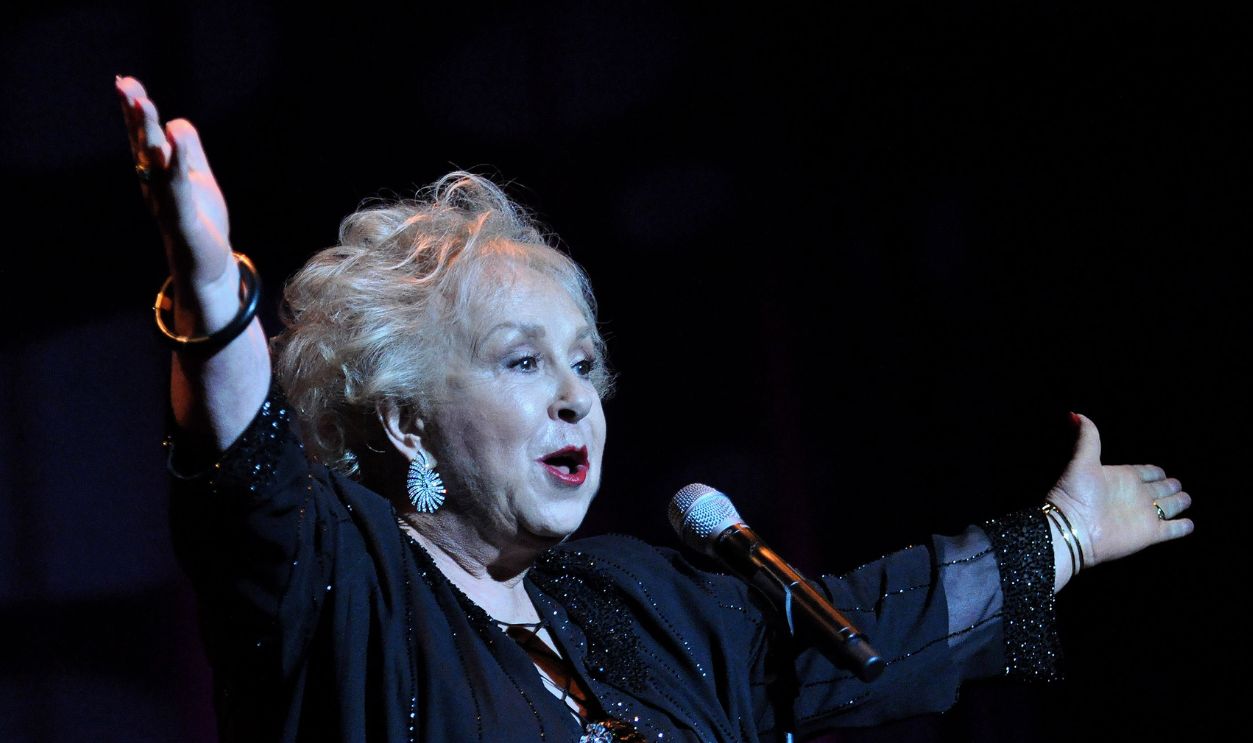
Broadway Came Before Television Fame
Roberts’ Broadway credits began in the 1950s and continued through productions such as The Time of Your Life, The Desk Set, Last of the Red Hot Lovers, Bad Habits, and Cheaters. That stage background mattered. It taught her how to hold attention, land a line, and stay truthful even when the material was broad.
 Michael S. Schwartz, Getty Images
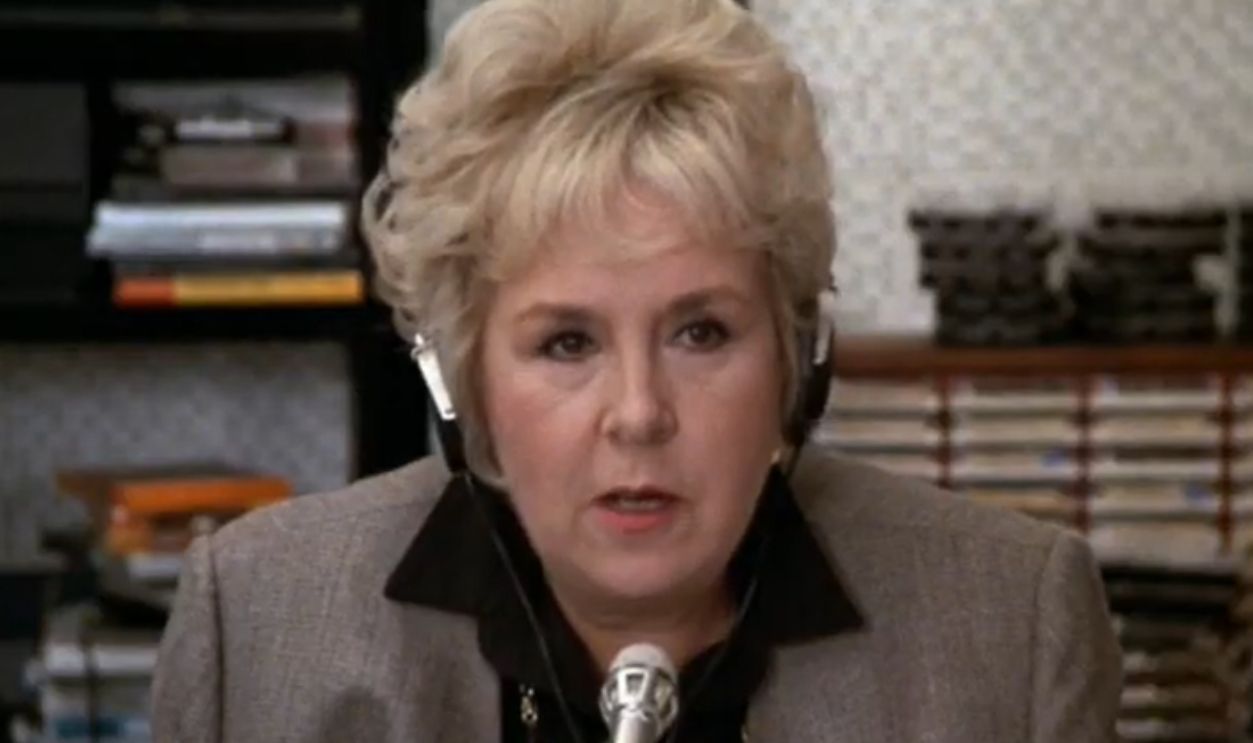
She Knew How To Make Small Roles Stick
Long before Raymond, Roberts became one of those actors who could turn a guest appearance into a memory. She appeared across television in supporting parts that might have vanished in lesser hands. Her gift was making even a short scene feel lived-in, as if the character had a whole life outside the episode.
 Screenshot from Remington Steele, 20th Television (1982-1987)
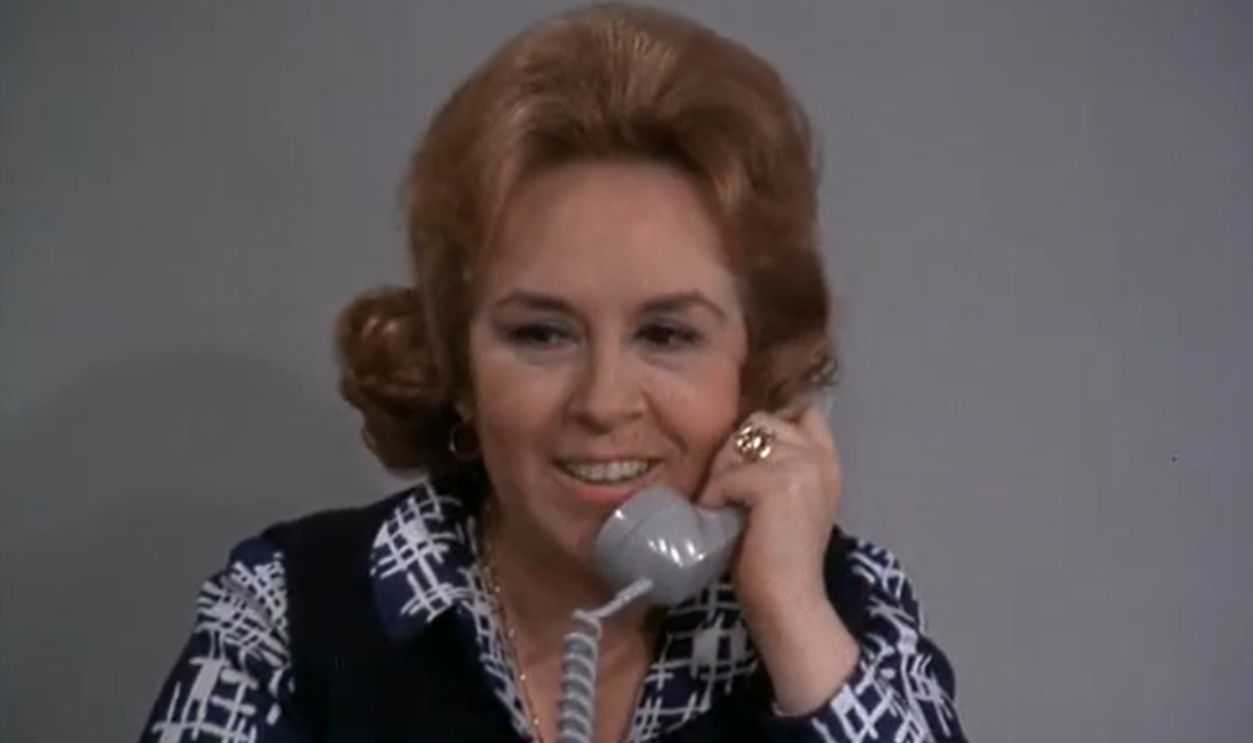
The Mary Tyler Moore Show Gave Her A Memorable Early TV Credit
Roberts appeared on The Mary Tyler Moore Show, one of the defining sitcoms of the 1970s. The appearance fit her perfectly because that series prized smart timing, workplace comedy, and emotional truth. Roberts could be funny without seeming desperate for the laugh.
 Screenshot from The Mary Tyler Moore Show, 20th Television (1970-1977)
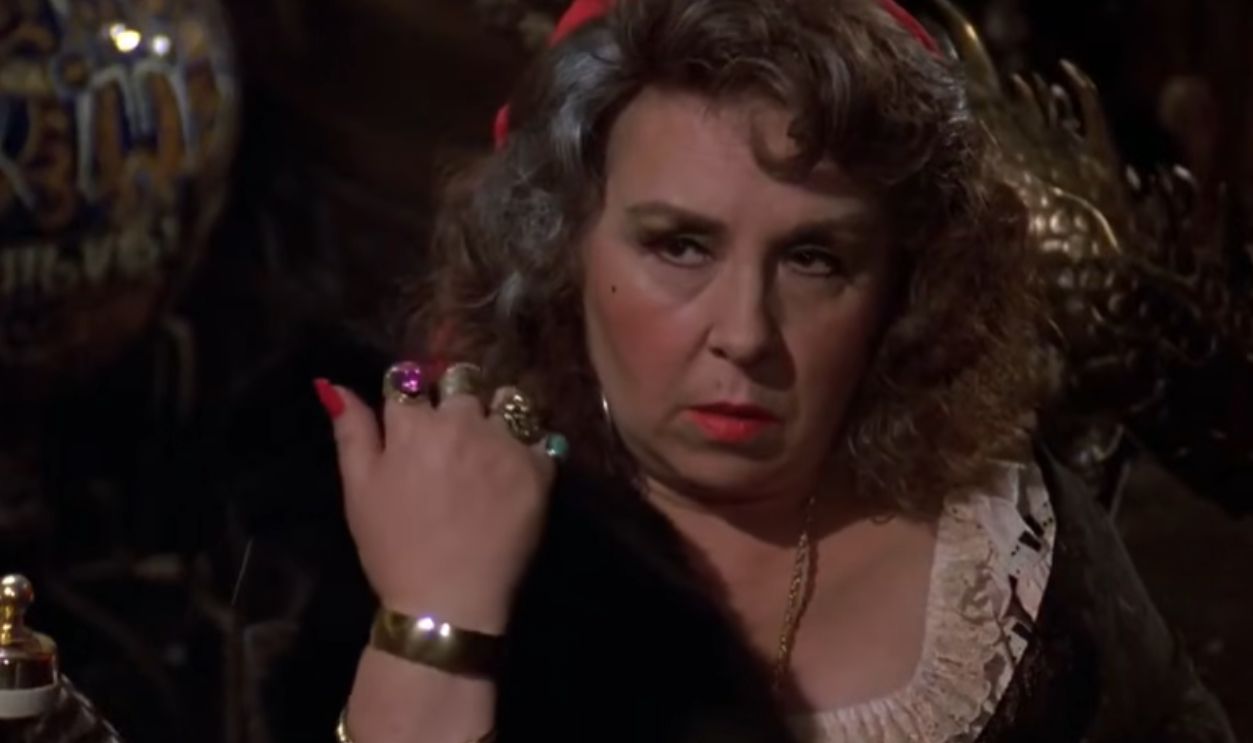
She Built A Resume Across Classic Television
Her pre-Raymond credits stretched through some of the most familiar television titles of the 1970s and 1980s. She appeared on shows including All in the Family, Rhoda, Soap, Barney Miller, Fantasy Island, Alice, The Love Boat, and Cagney & Lacey. Her face was familiar long before everyone knew her name.
 Screenshot from Fantasy Island, Sony Pictures Television (1977-1984)
She Was Funny Because She Played People, Not Jokes
Roberts’ sitcom strength came from how seriously she played her characters. She did not behave as though she was merely delivering punchlines. She played mothers, workers, eccentrics, busybodies, and wounded women with conviction. That is why her comedy aged well: the humor came from recognizable human behavior.
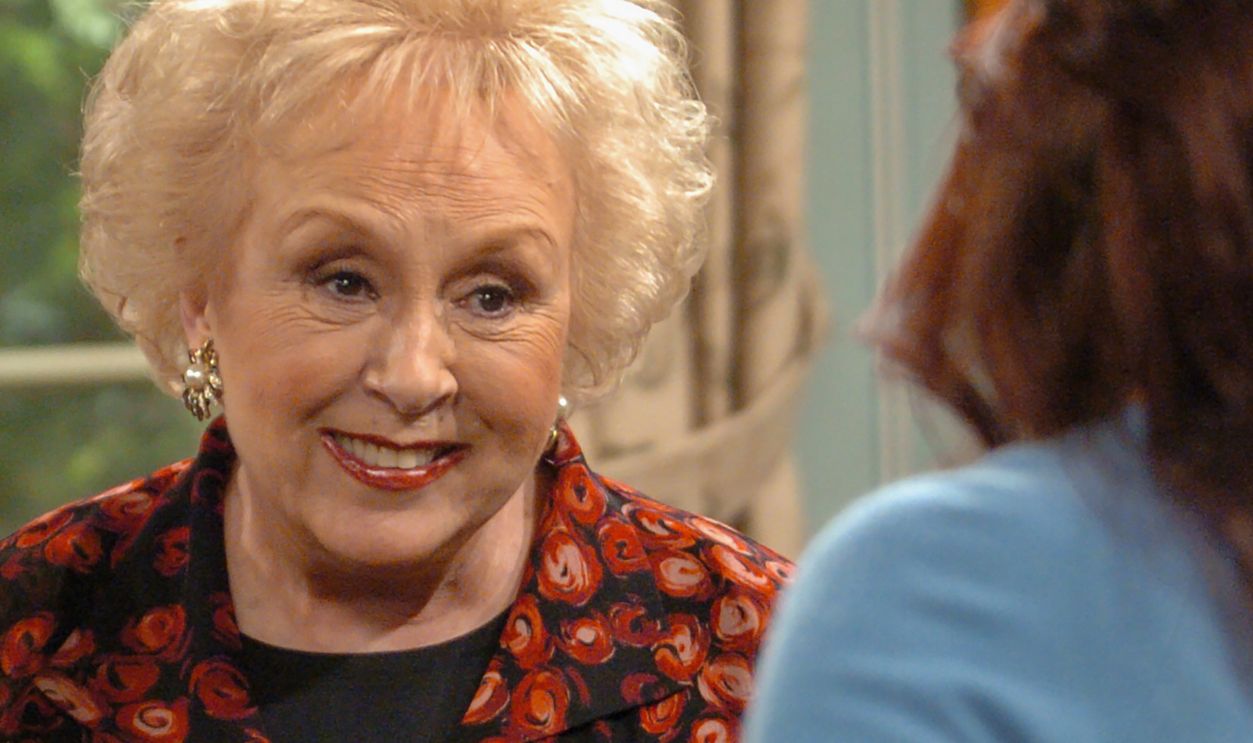
Angie Made Her A Sitcom Regular
Before Marie Barone, Roberts played Theresa Falco on Angie, the ABC sitcom starring Donna Pescow. The show gave her a regular family-comedy role years before Raymond. She already understood how to play a mother whose affection, anxiety, and opinions could crowd a room.
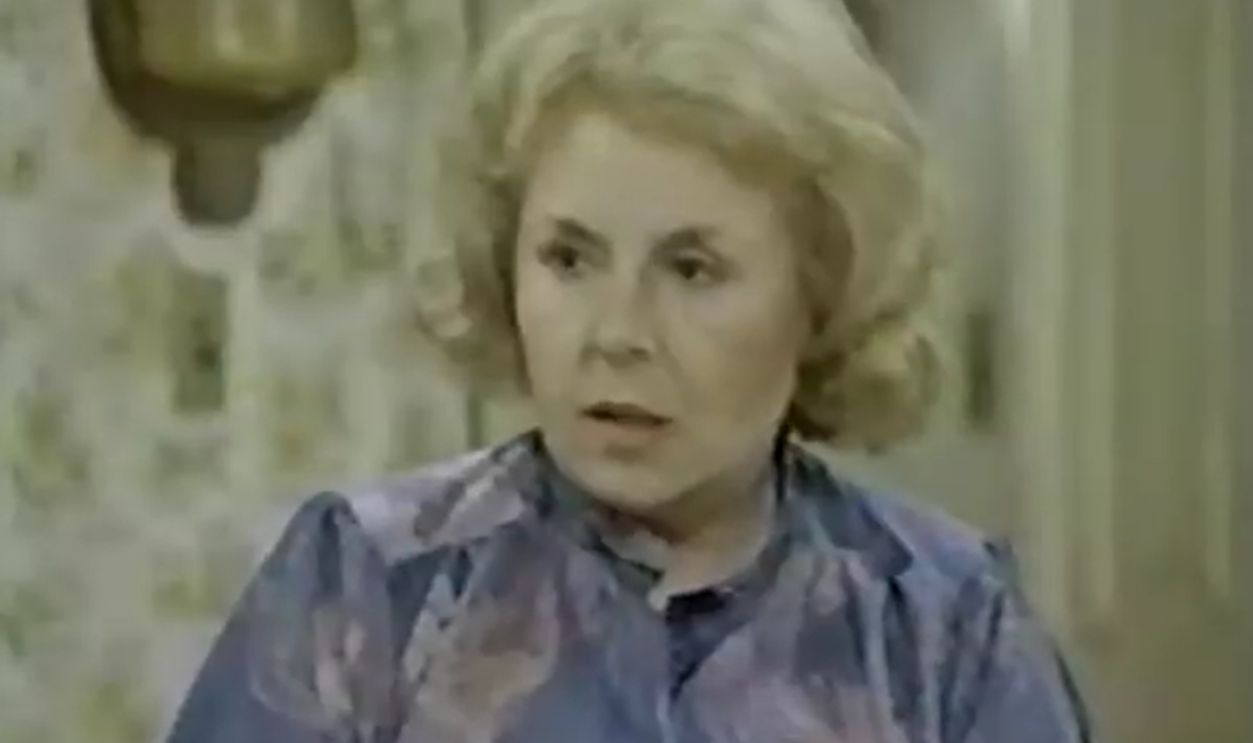 Screenshot from Angie, Paramount Television (1979-1980)
She Had Already Mastered The TV Mother
Roberts’ later success as Marie did not come out of nowhere. Angie showed her ability to play a mother who was funny without becoming cartoonish. She could be bossy, emotional, proud, and interfering, but still recognizable. That balance became one of her great signatures.
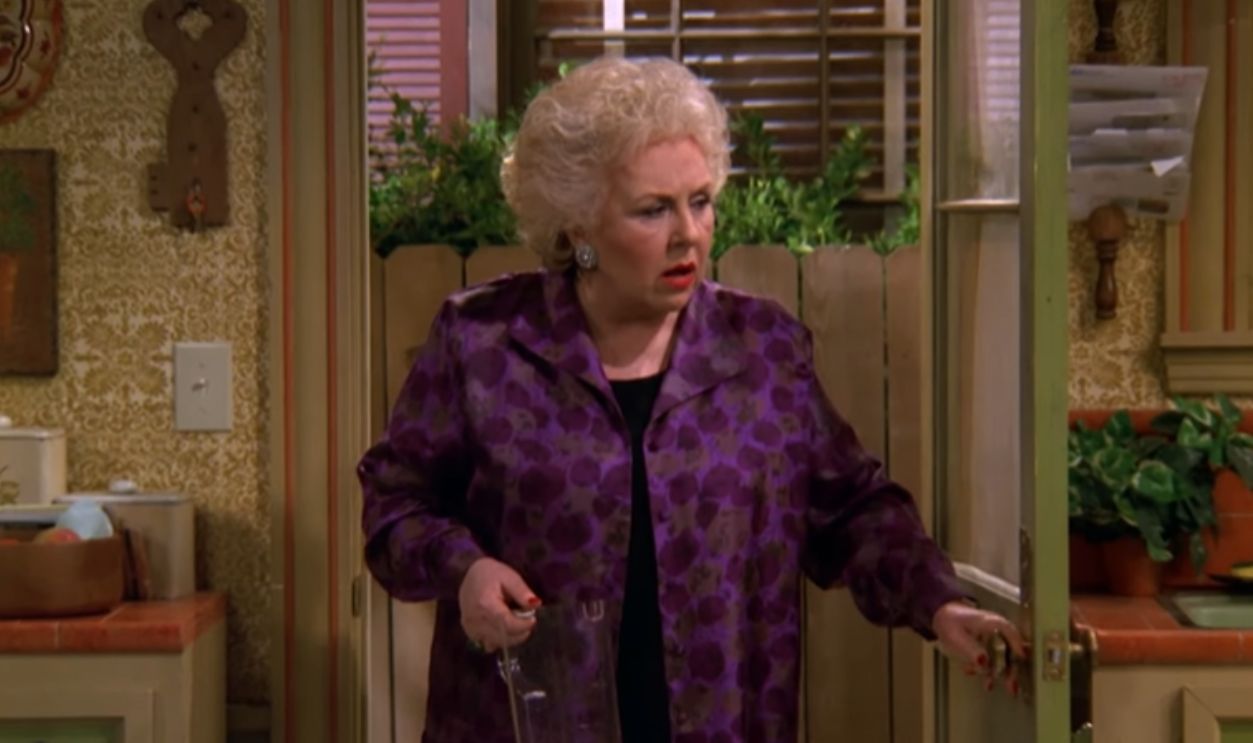 Screenshot from Everybody Loves Raymond, CBS Television Distribution (1996-2005)
She Won An Emmy Before Raymond
Roberts’ first Emmy win came years before Everybody Loves Raymond. In 1983, she won for St. Elsewhere, taking home the award for supporting actress in a drama series. This proved she was not simply a sitcom specialist. Comedy made her famous, but her peers had already recognized her dramatic strength.
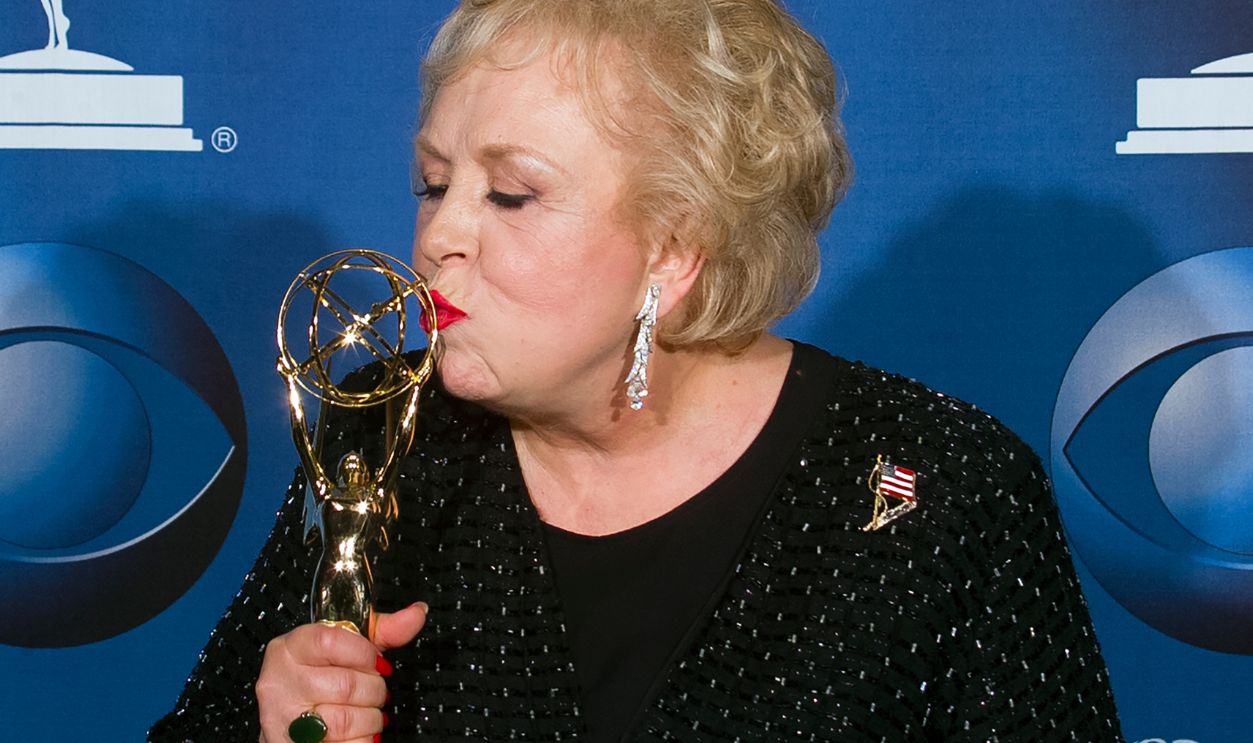
St. Elsewhere Showed Her Range
Her St. Elsewhere work underlined something fans sometimes forgot: Roberts could do much more than play loud relatives. She could bring gravity, sadness, and vulnerability to a role. Her best comedy always had that dramatic intelligence underneath it, which is why her characters rarely felt hollow.
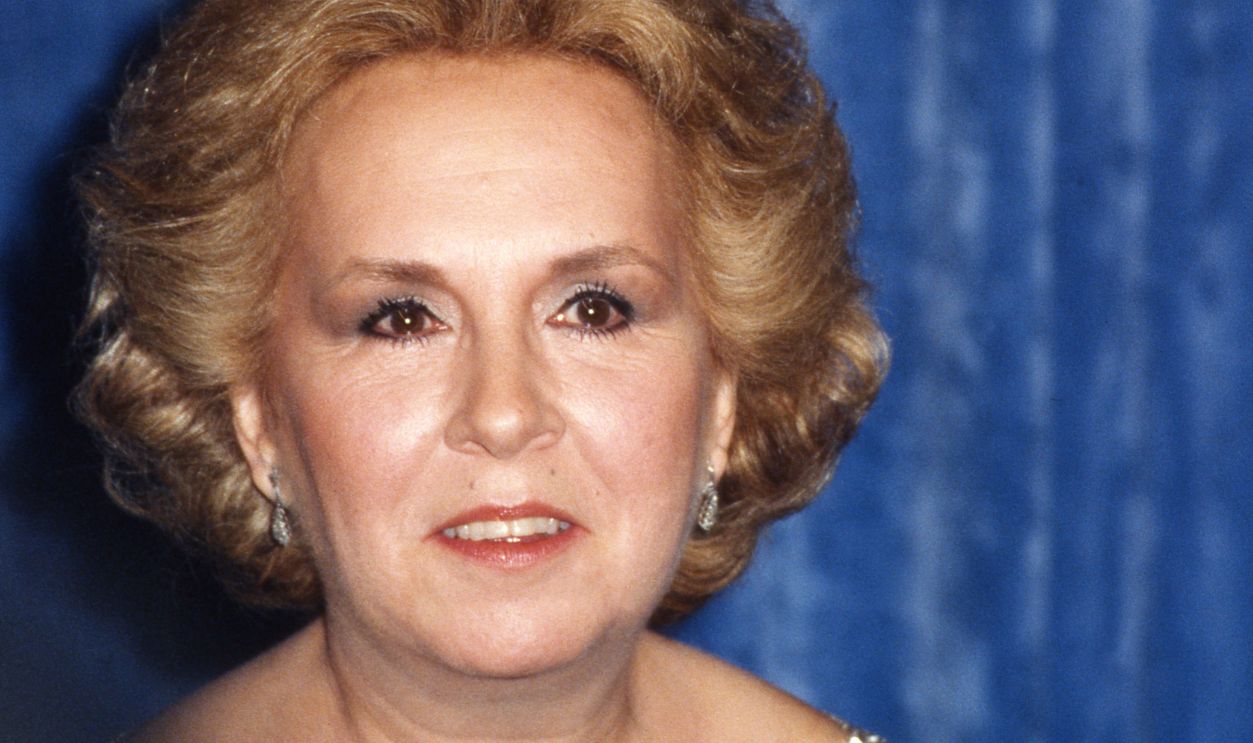 Joan Adlen Photography, Getty Images
Remington Steele Made Her Even More Familiar
In the 1980s, Roberts joined Remington Steele as Mildred Krebs, the detective agency’s receptionist. The series, starring Stephanie Zimbalist and Pierce Brosnan, gave Roberts a regular place in a stylish prime-time hit. Mildred was not the lead, but Roberts made her essential to the show’s rhythm.
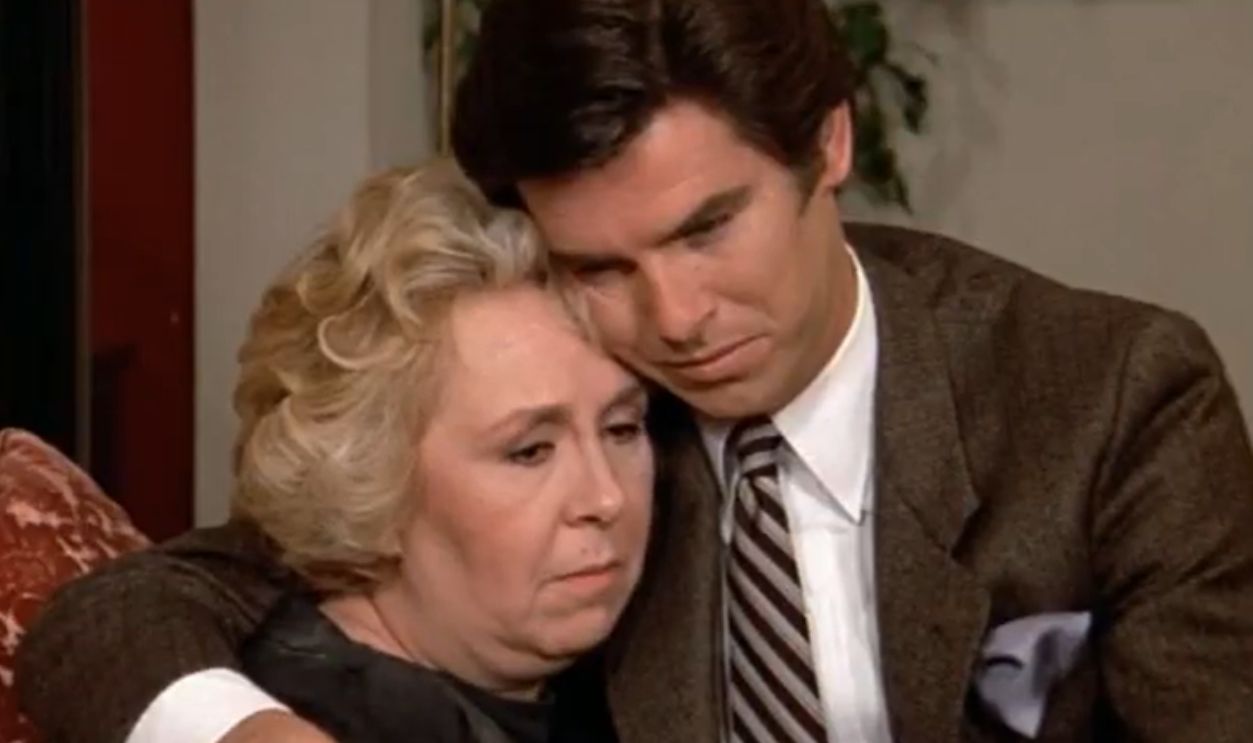 Screenshot from Remington Steele, 20th Television (1982-1987)
Mildred Krebs Was More Than Office Color
Mildred could have been a simple supporting character, but Roberts gave her bite, warmth, and alertness. She made Mildred feel like someone who had seen enough of life to be nobody’s fool. That quality became one of Roberts’ trademarks: even when she played comic characters, they were rarely naïve.
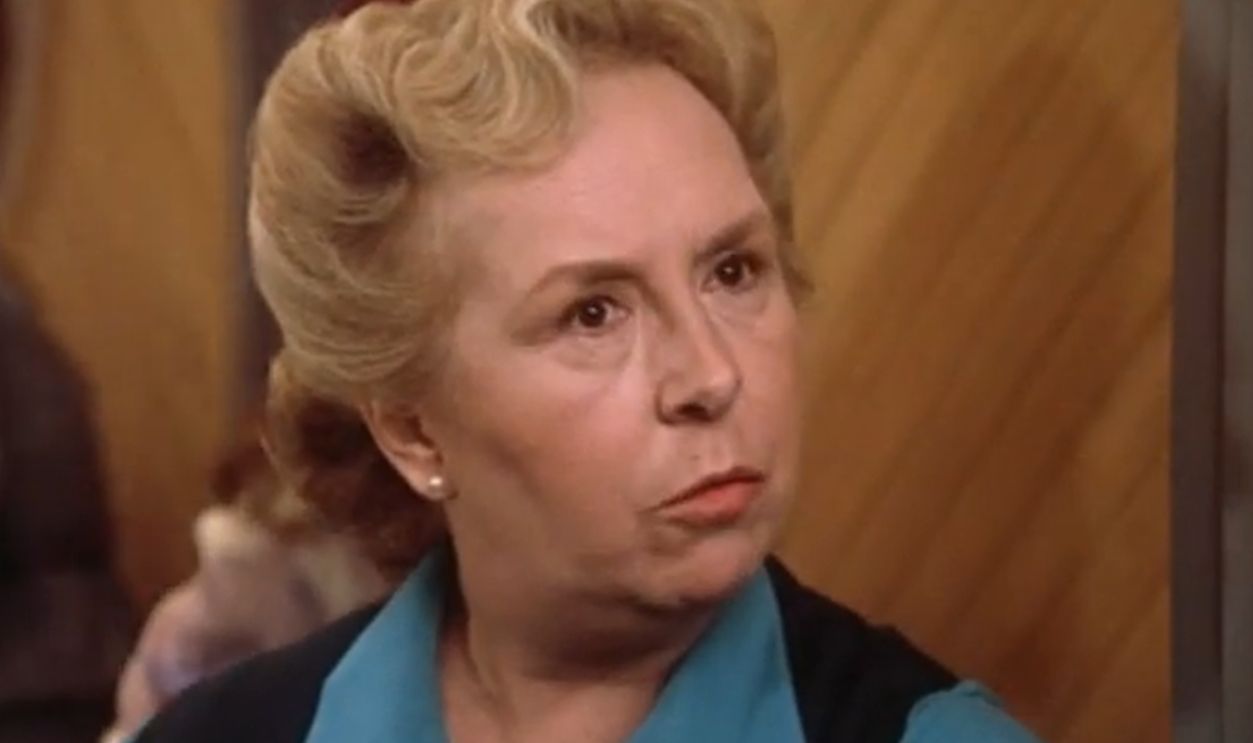 Screenshot from Remington Steele, 20th Television (1982-1987)
She Could Steal A Scene Without Breaking It
Some actors steal scenes by overwhelming everyone around them. Roberts did it differently. She could sharpen a moment, tilt the energy, and make the audience lean toward her while still serving the story. That skill made her valuable on ensemble shows, where comedy depends on rhythm rather than spotlight grabbing.
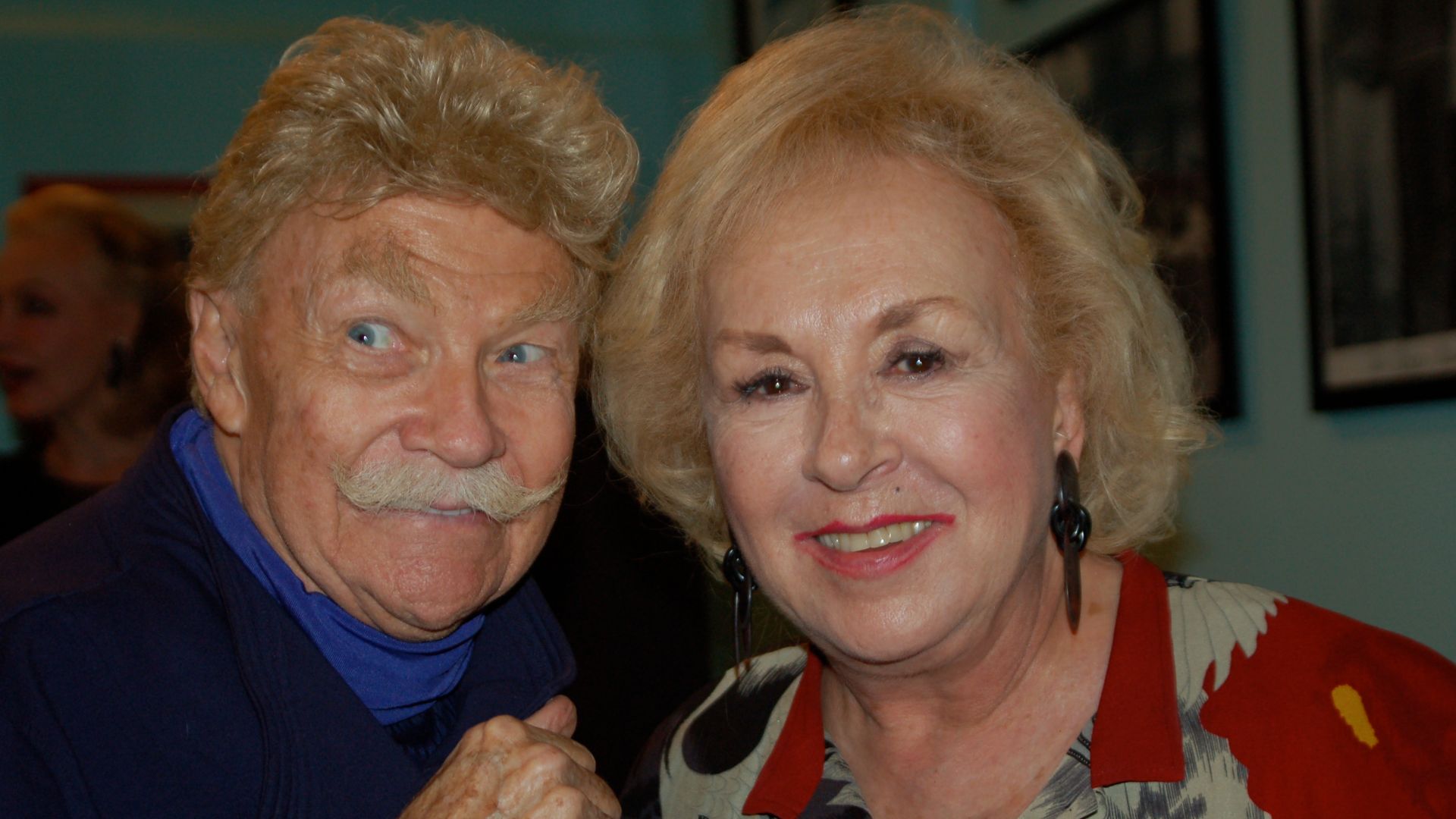 Angela George at https://www.flickr.com/photos/sharongraphics/, Wikimedia Commons
She Was A Natural Ensemble Player
Raymond later worked because its cast felt like a real family argument in motion. Roberts had spent decades learning how to thrive in ensembles. She knew when to attack a line, when to listen, and when silence could be funnier than talking. That experience made her a sitcom weapon.
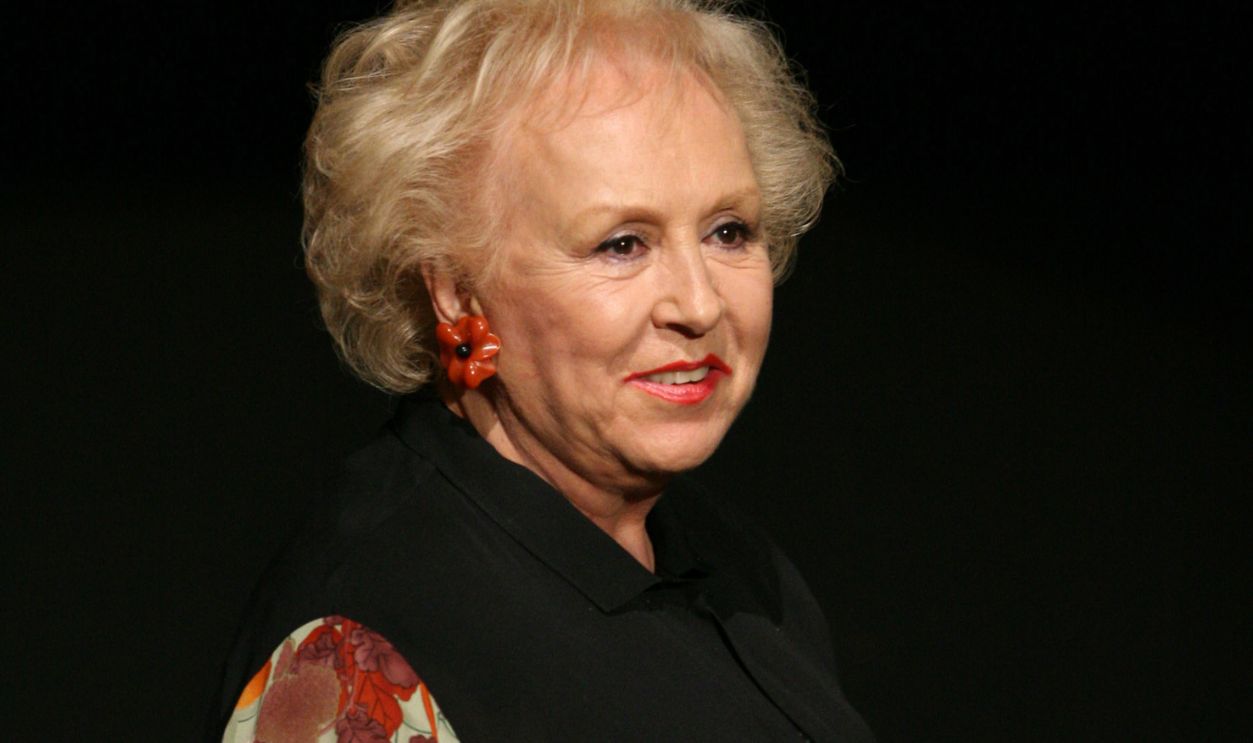
She Had A Long Career In Film, Too
Television made Roberts most familiar, but she also appeared in films before and around her sitcom peak. Her credits included The Taking of Pelham One Two Three and National Lampoon’s Christmas Vacation, along with many other character roles. She brought the same lived-in specificity to movies that she brought to television.
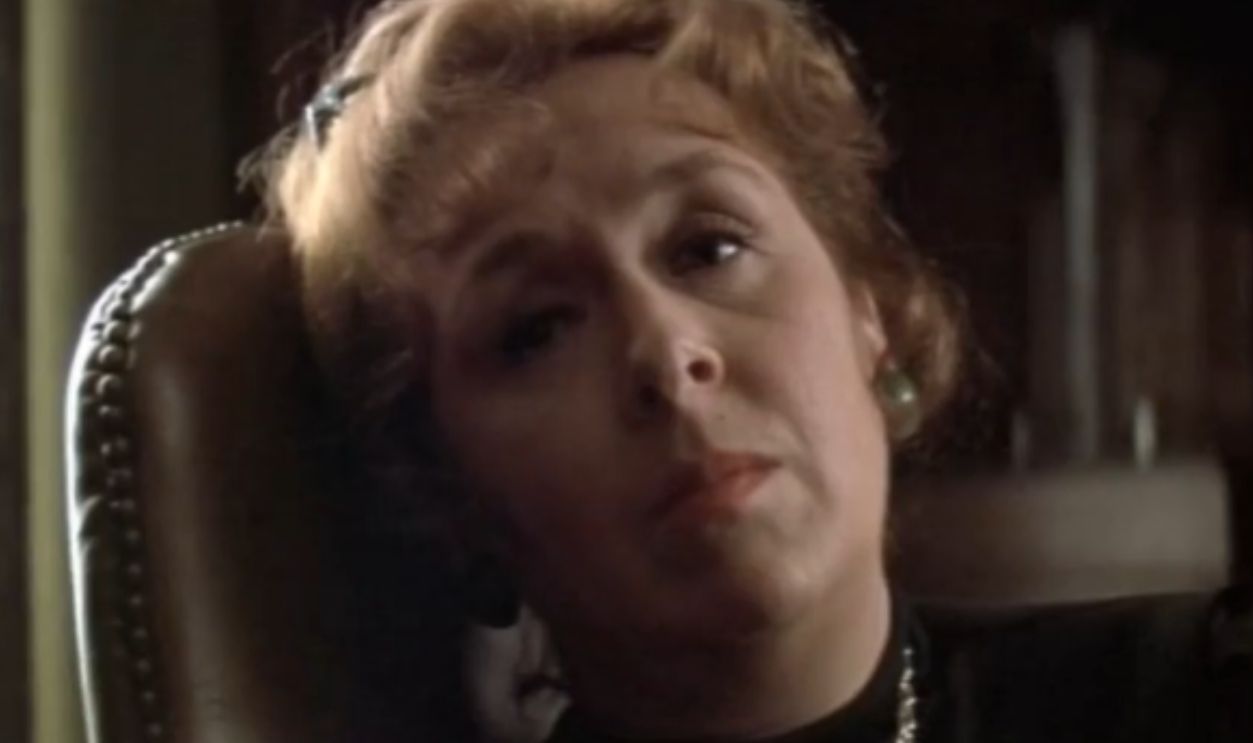 Screenshot from The Taking of Pelham One Two Three, United Artists (1974)
Christmas Vacation Gave Her A Holiday Afterlife
In National Lampoon’s Christmas Vacation, Roberts played Frances Smith, Ellen Griswold’s mother. It was not her largest role, but the movie became a holiday staple. That means many viewers were seeing Roberts every December even before Raymond turned her into one of television’s most famous mothers.
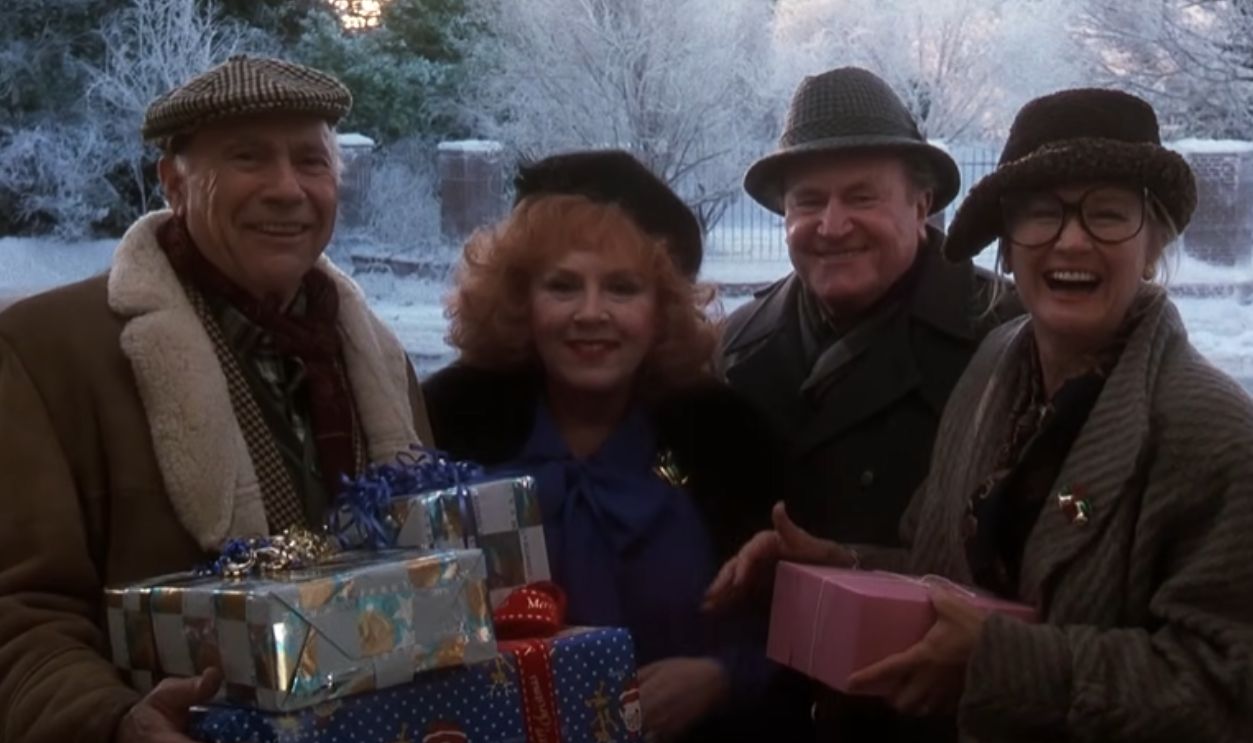 Screenshot from National Lampoon's Christmas Vacation, Warner Bros. (1989)
She Was Often Cast As A Mother For A Reason
Roberts returned again and again to maternal roles because she understood the comedy inside family love. She could play care as control, worry as criticism, and affection as invasion. Her mothers were funny because they often meant well while making everyone around them completely insane.
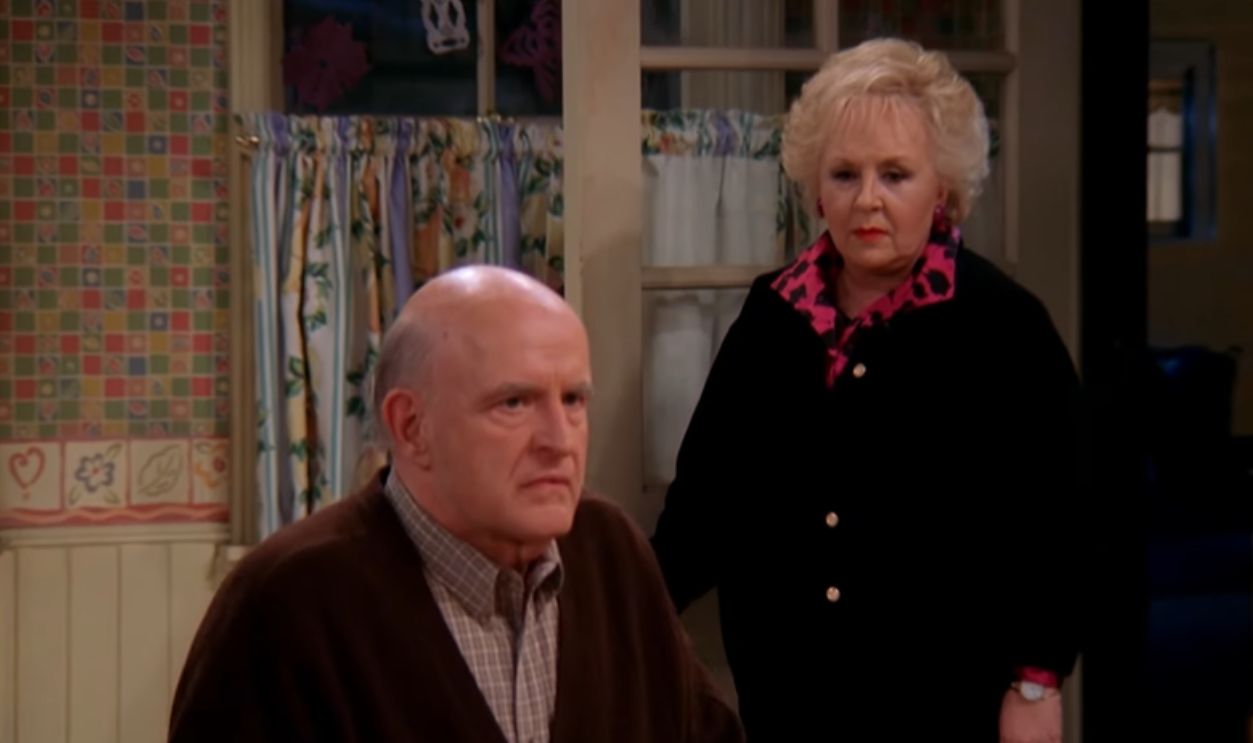 Screenshot from Everybody Loves Raymond, CBS Television Distribution (1996-2005)
She Made Meddling Feel Human
Marie Barone became iconic because Roberts never played her as simply monstrous. Marie manipulated, judged, guilted, and intruded, but she also loved fiercely and needed to be needed. Roberts understood that sitcom parents are funniest when viewers recognize both the irritation and the tenderness.
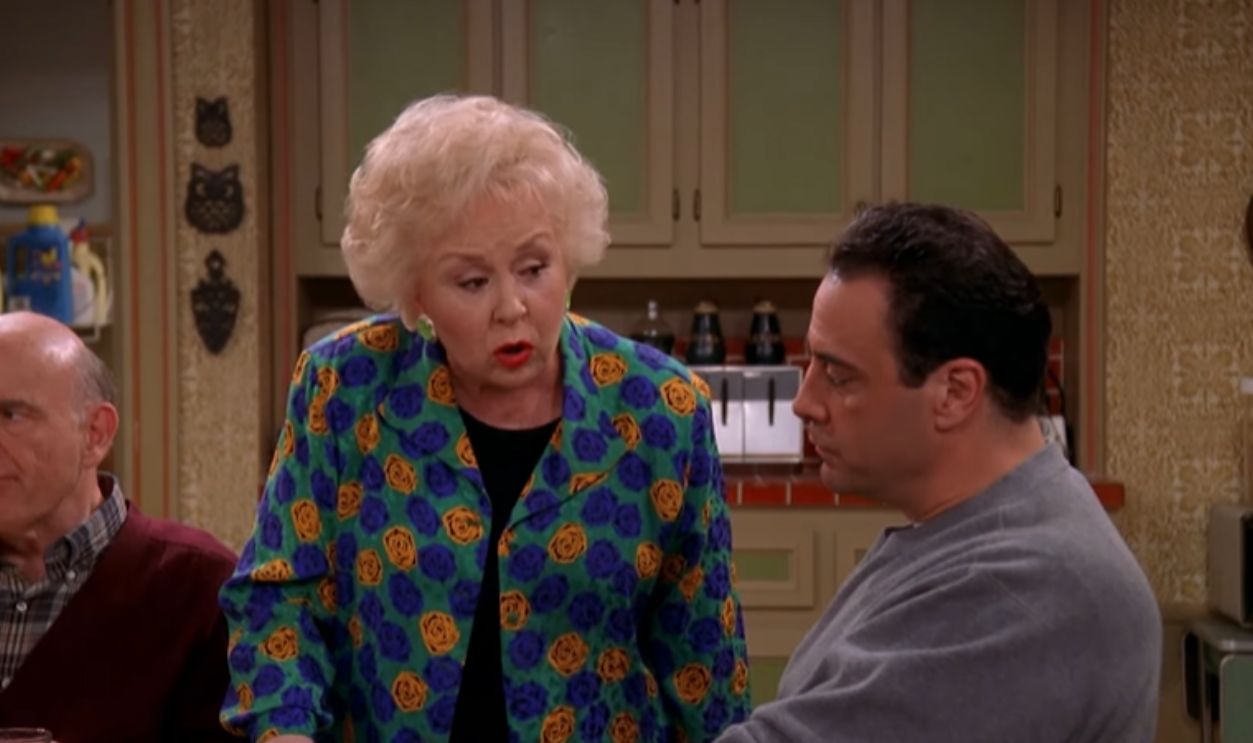 Screenshot from Everybody Loves Raymond, CBS Television Distribution (1996-2005)
Raymond Used What She Already Knew
Everybody Loves Raymond did not ask Roberts to invent a new skill set. It gave her the perfect platform for everything she had spent decades learning: stage timing, family comedy, dramatic shading, ensemble listening, and the ability to make a single look land like a punchline.
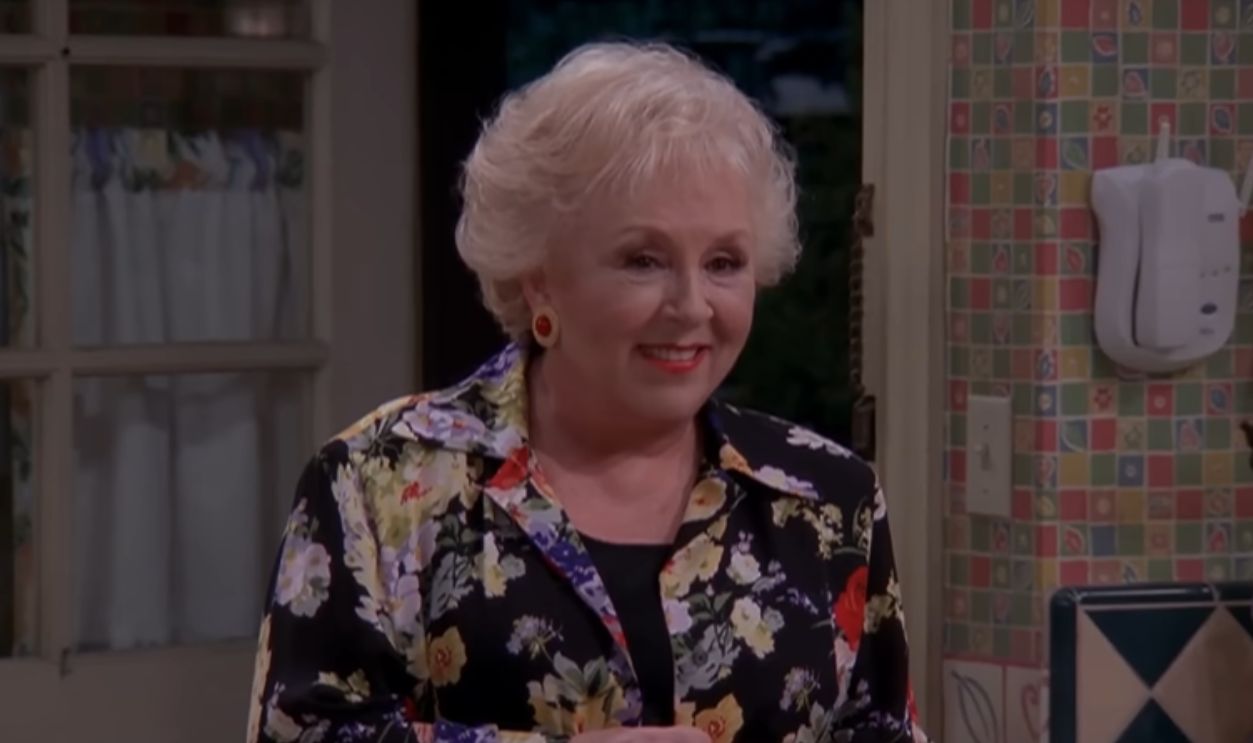 Screenshot from Everybody Loves Raymond, CBS Television Distribution (1996-2005)
Marie Barone Became Her Signature Role
Marie was the role that finally made Roberts unavoidable. She won four additional Emmys for Everybody Loves Raymond, and the character became one of sitcom history’s great mothers. But the role worked because Roberts brought a lifetime of craft to it, not because she suddenly became funny in the 1990s.
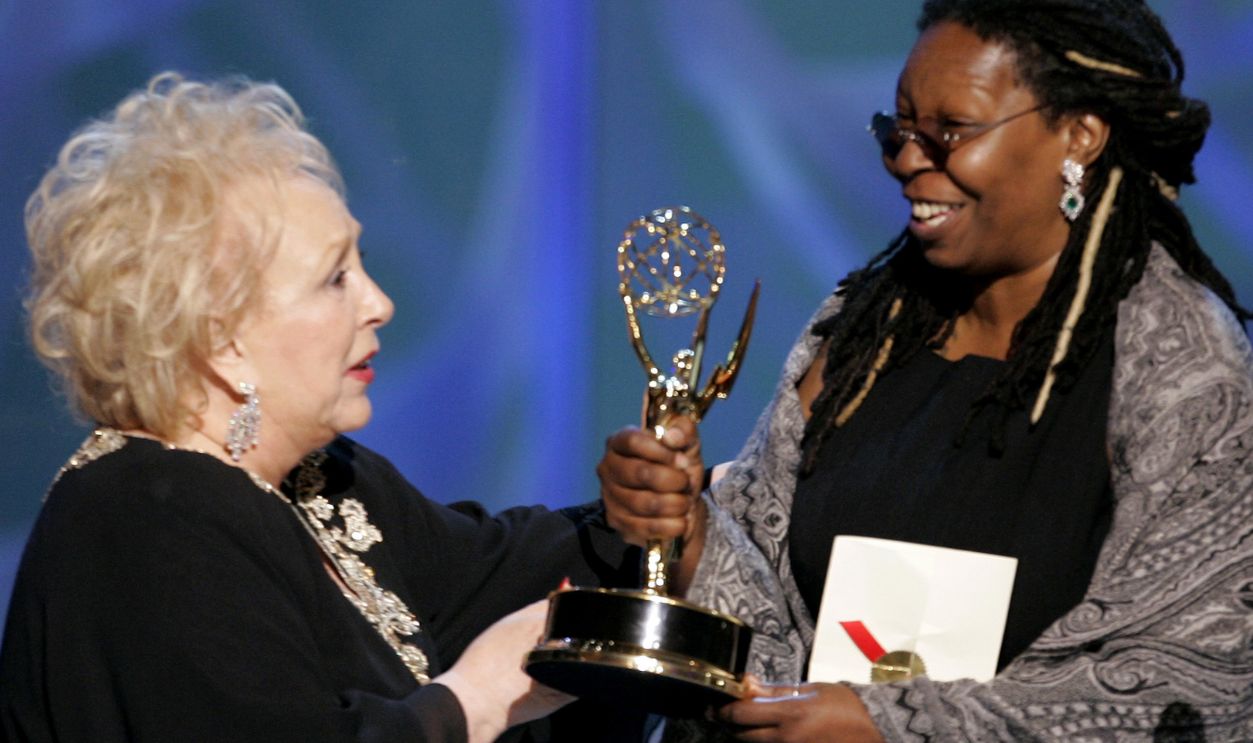
She Turned Domestic Comedy Into High Art
Raymond often built episodes around small family conflicts: cooking, visits, holidays, jealousy, guilt, and who said what at dinner. Roberts made those ordinary situations feel operatic. She understood that in families, a casserole could become a weapon and a compliment could contain three hidden insults.
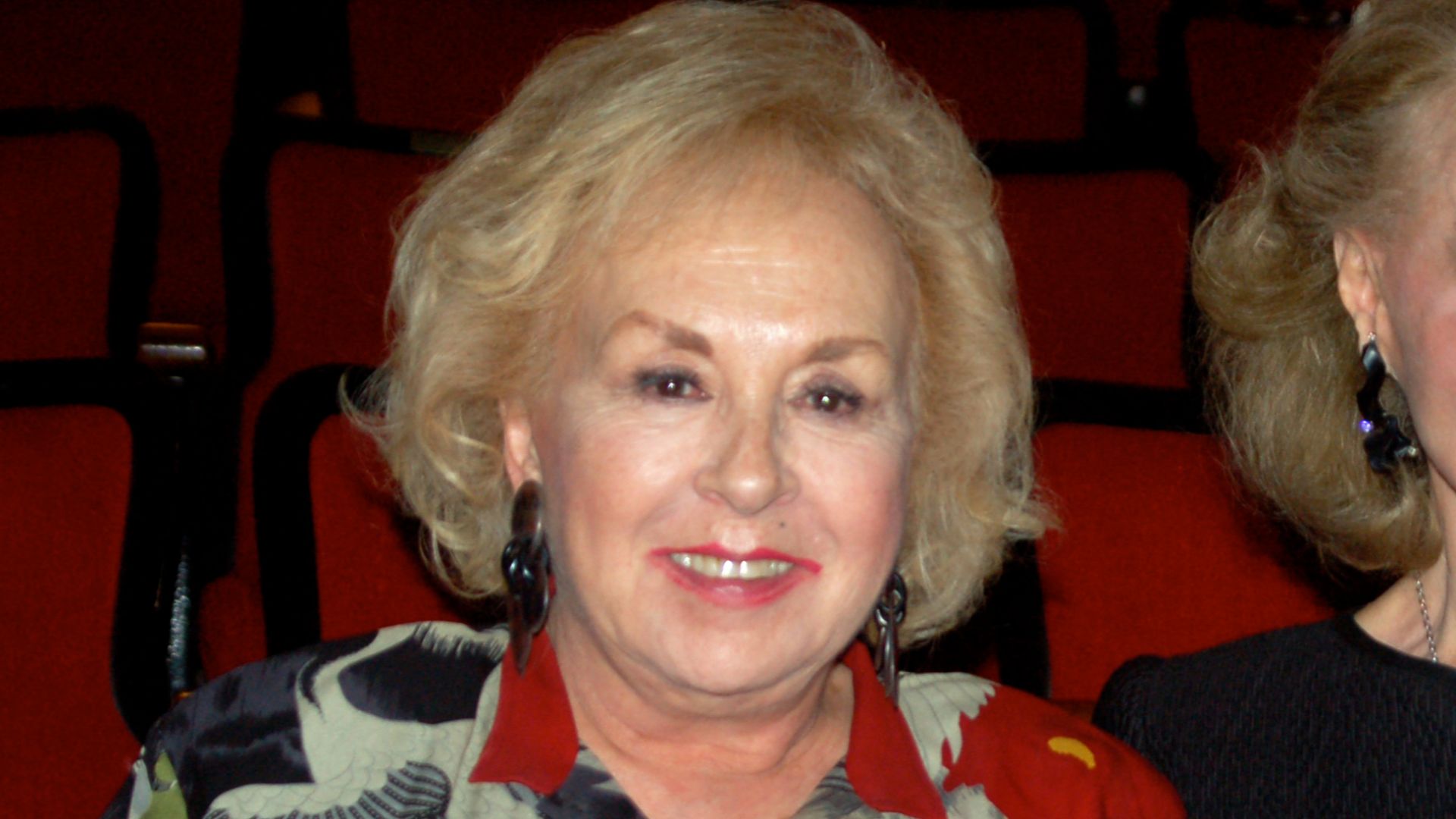 Angela George at https://www.flickr.com/photos/sharongraphics/, Wikimedia Commons
Her Chemistry With Peter Boyle Was Essential
Roberts and Peter Boyle, who played Frank Barone, gave Raymond one of its great comic engines. Their marriage onscreen felt cranky, seasoned, and weirdly affectionate. Marie and Frank bickered constantly, but Roberts helped make their history visible. You believed these two had been arguing for decades.
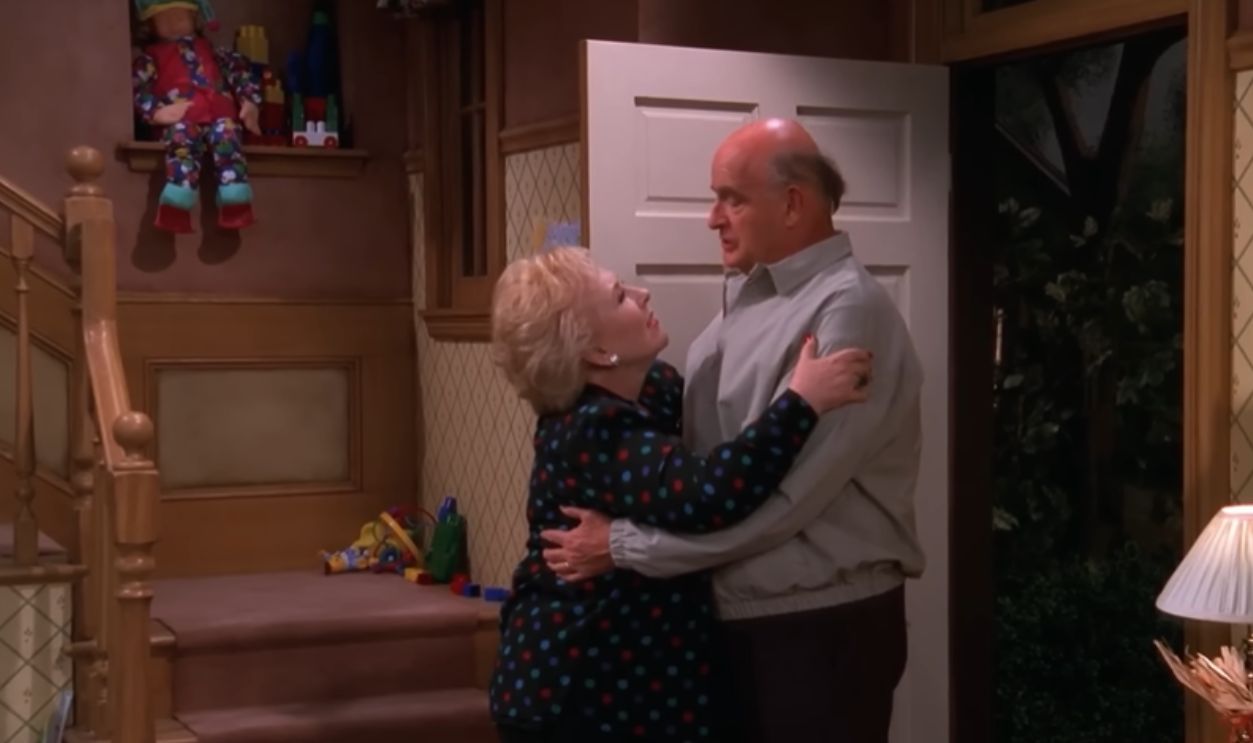 Screenshot from Everybody Loves Raymond, CBS Television Distribution (1996-2005)
She Made Ray Romano Funnier
As Marie, Roberts gave Ray Romano’s character a perfect comic obstacle: a mother who loved him too much, trusted him too little, and refused to stay next door emotionally even when she lived next door physically. Her pressure made his exasperation funnier. She did not just get laughs; she created them for others.
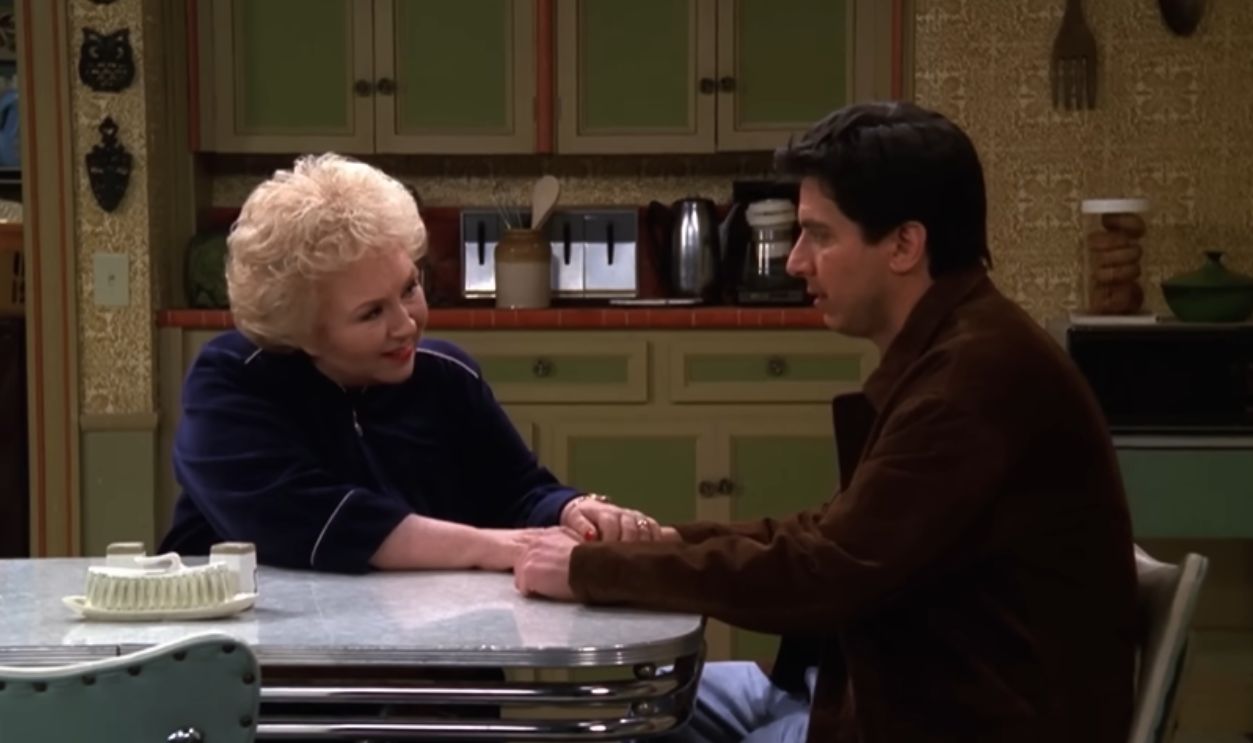 Screenshot from Everybody Loves Raymond, CBS Television Distribution (1996-2005)
She Gave Patricia Heaton A Worthy Rival
One of Raymond’s sharpest dynamics was Marie versus Debra. Roberts and Patricia Heaton turned in-law tension into a long-running comic duel. Roberts made Marie sweet enough to deny everything and sharp enough to make Debra’s frustration completely justified. The comedy came from both women being right in different ways.
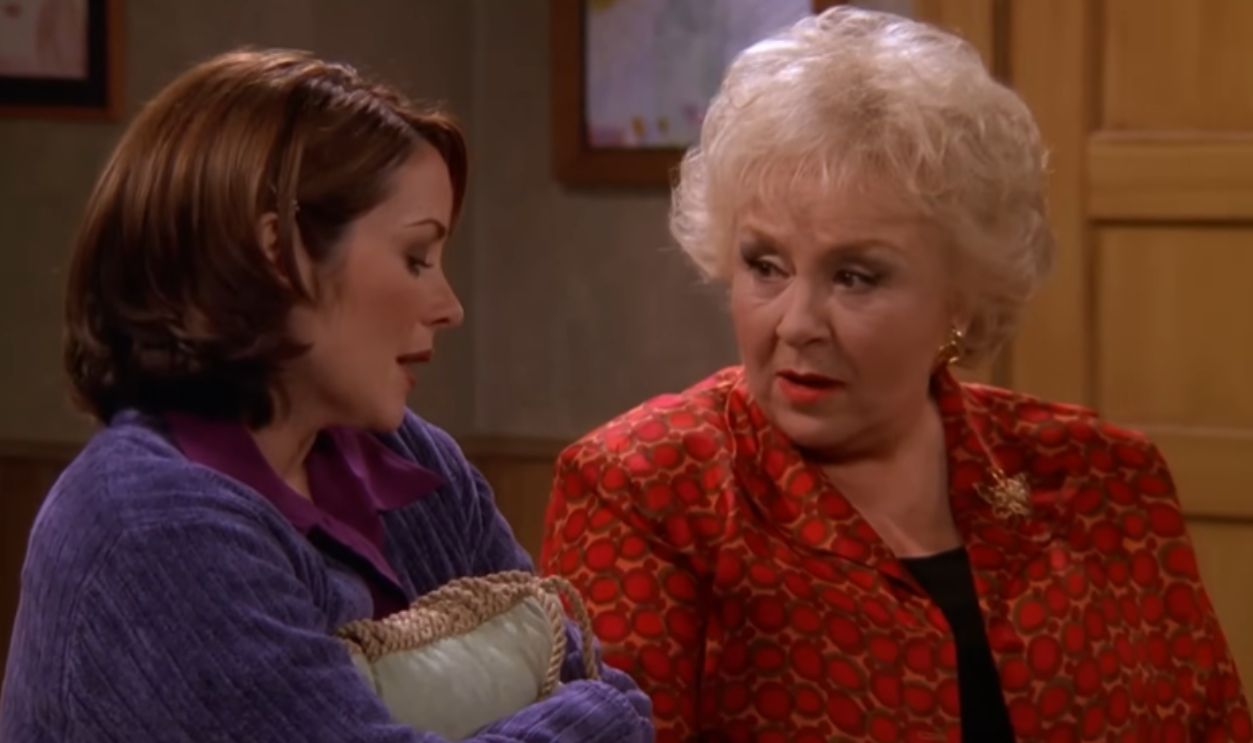 Screenshot from Everybody Loves Raymond, CBS Television Distribution (1996-2005)
She Was Beloved Because She Was Specific
Roberts did not play a generic “mom". She played women with habits, wounds, pride, vanity, loyalty, and tiny strategies for getting what they wanted. Marie Barone became famous, but that specificity had been in Roberts’ work for decades. She knew that the more exact a character is, the more universal she can feel.
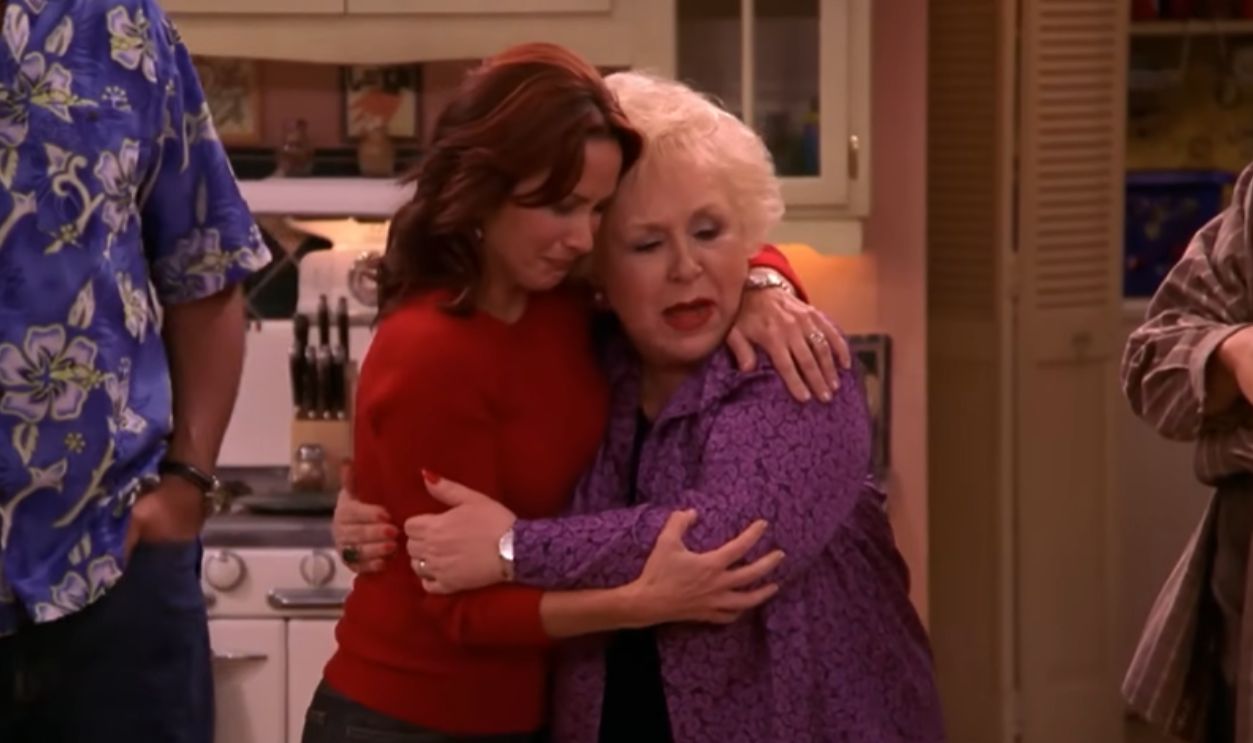 Screenshot from Everybody Loves Raymond, CBS Television Distribution (1996-2005)
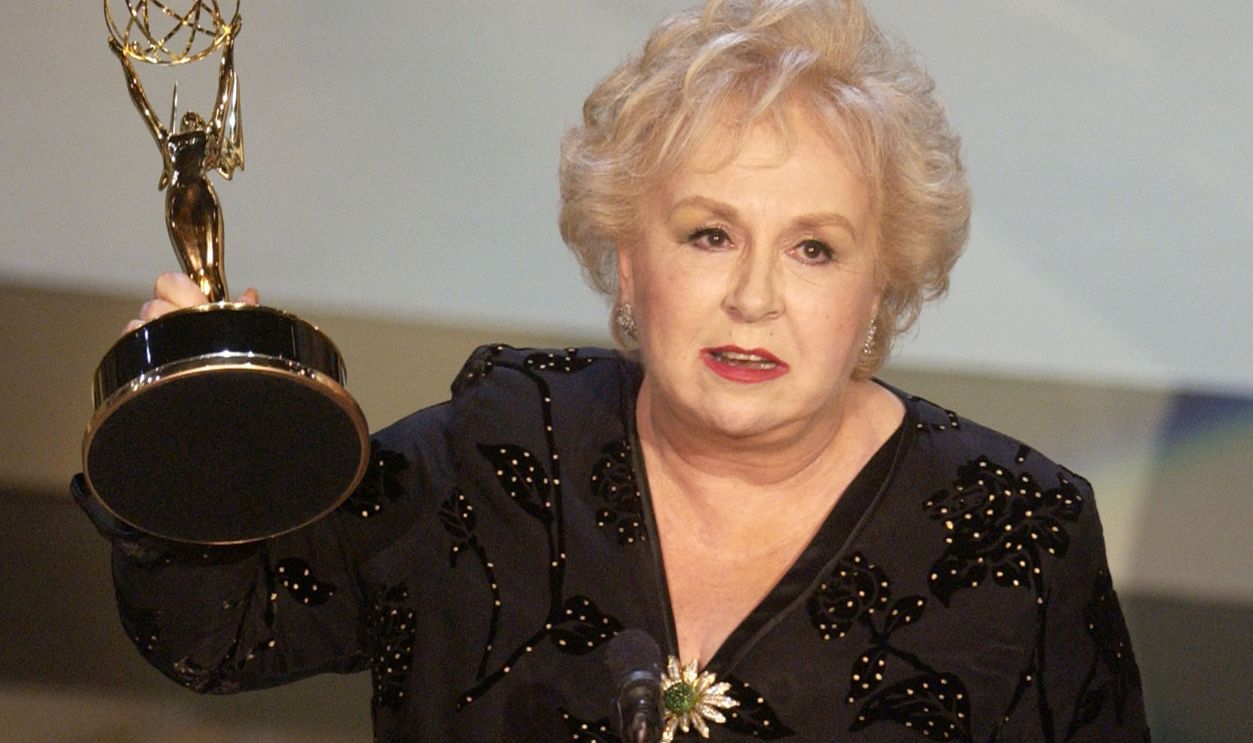
Her Late Fame Was A Victory For Character Actors
Doris Roberts’ rise to household-name status is satisfying because it rewarded a career built on patience. She was not a starlet who became famous overnight. She was a working actor who kept showing up, kept improving, and eventually met the role that let everyone else catch up to what casting directors already knew.
 Michael Caulfield, Getty Images
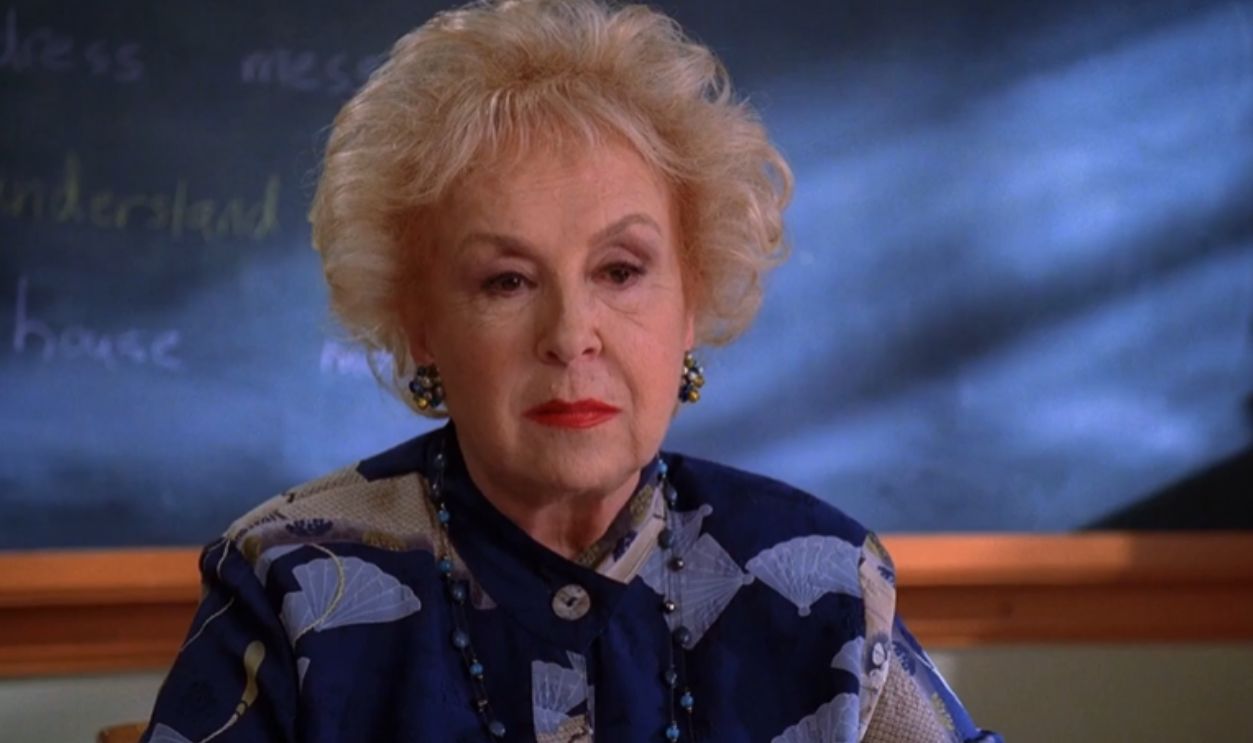
She Remained Active After Raymond
Even after Everybody Loves Raymond ended, Roberts continued appearing on television. Her later credits included shows such as The Middle, Hot in Cleveland, Grey’s Anatomy, and Desperate Housewives. She did not treat Raymond as the finish line. Acting remained her work, her identity, and her pleasure.
 Screenshot from The Middle, Warner Bros. Television (2009-2018)
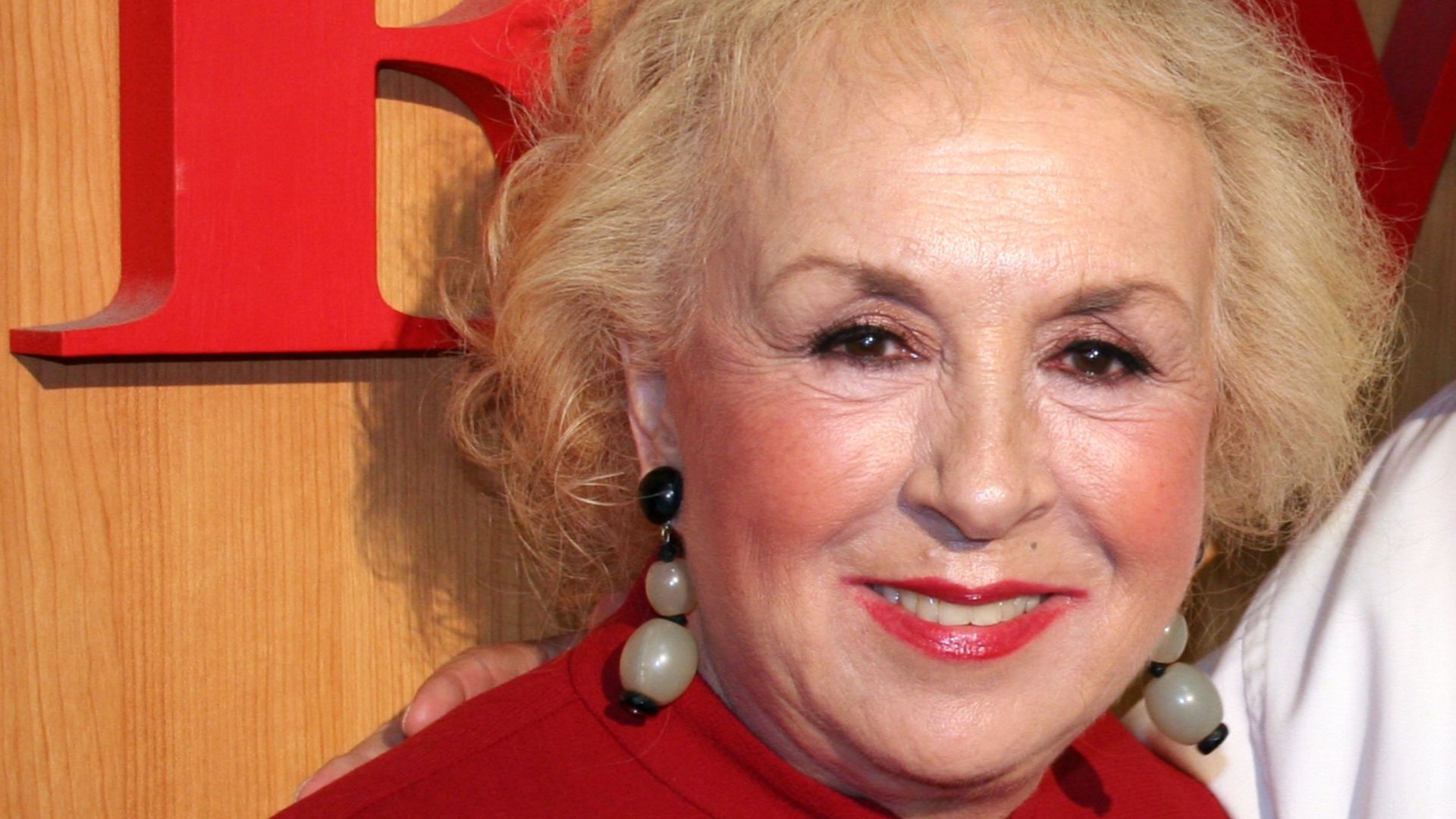
Everybody Loved Raymond, But Television Already Loved Doris
Doris Roberts became a sitcom legend to millions because of Everybody Loves Raymond. But the truth is better than that. She had already spent decades proving how much a character actor could add to a scene, a family, a joke, or an entire show. Raymond did not create her legacy. It finally gave that legacy the spotlight it deserved.
 Philkon Phil Konstantin, Wikimedia Commons
You May Also Like:
TV Character Actors From The 60s And 70s With Faces You Recognize Instantly. How Many Can You Name?
Why The Facts Of Life Star Mindy Cohn Became One Of 1980s America's Most Relatable Teen Stars
Fred Grandy Went From The Love Boat To Congress—And Somehow Both Careers Made Sense