She Looked Like Someone You Knew.
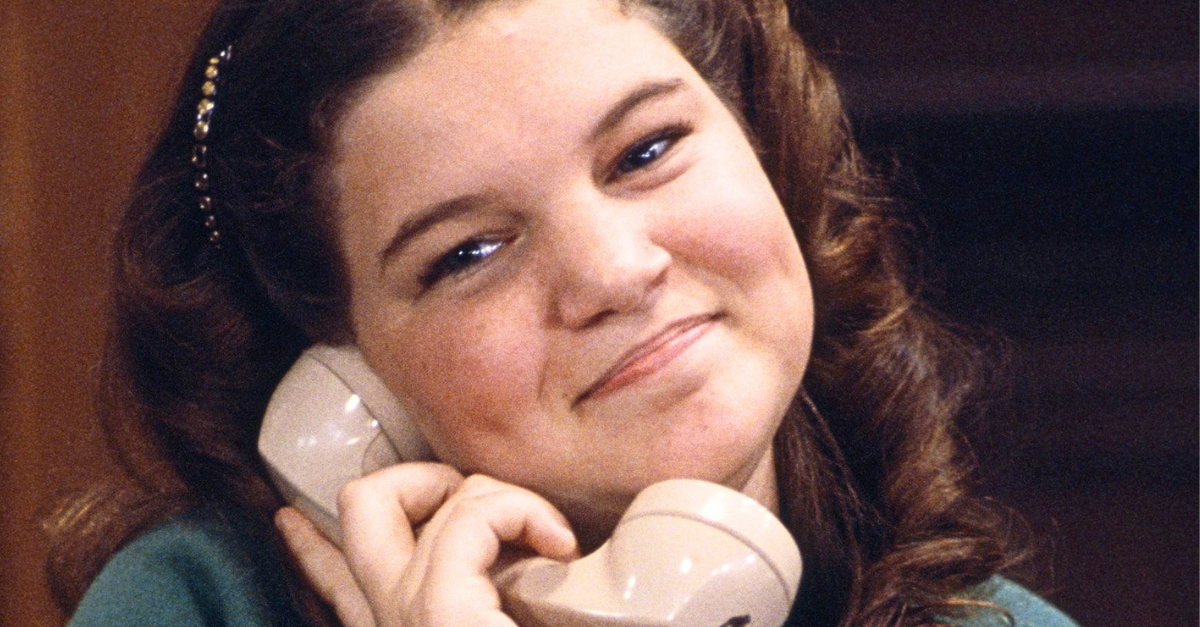
Mindy Cohn never planned to become a television star, yet her wit, warmth, and natural confidence transformed Natalie Green into the girl many viewers recognized in themselves. While other teen characters chased popularity or perfection, Natalie made intelligence, humor, ambition, and an ordinary body feel worthy of the spotlight.
Hollywood Found Her In A Classroom
Cohn was 13 and attending summer classes at the Westlake School for Girls in Los Angeles when Charlotte Rae, Norman Lear, and production executive Alan Horn visited. They were researching how teenage girls actually spoke and behaved for a new series built around Rae’s character from Diff’rent Strokes. Cohn helped show the visitors around and immediately impressed them with her personality. A routine school day unexpectedly became the beginning of a nine-season television career.
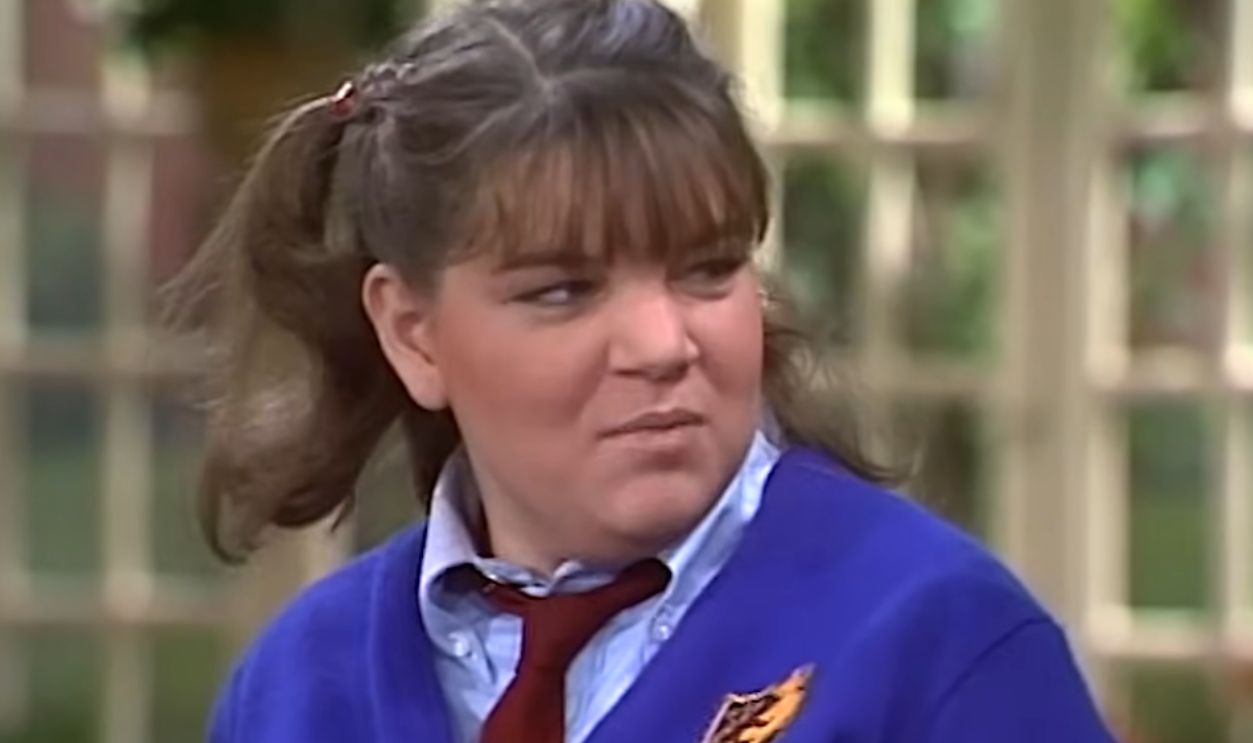 Screenshot from The Facts of Life, Embassy Television / NBC (1979–1988)
She Never Even Planned To Audition
Unlike several of her future castmates, Cohn had not spent her childhood pursuing acting jobs. She later described her casting as surreal and serendipitous because she had not gone through a conventional audition process. Rae and the producers simply believed the funny student they had met should become part of the show. That unusual beginning gave Cohn none of the polished habits of a veteran child performer.
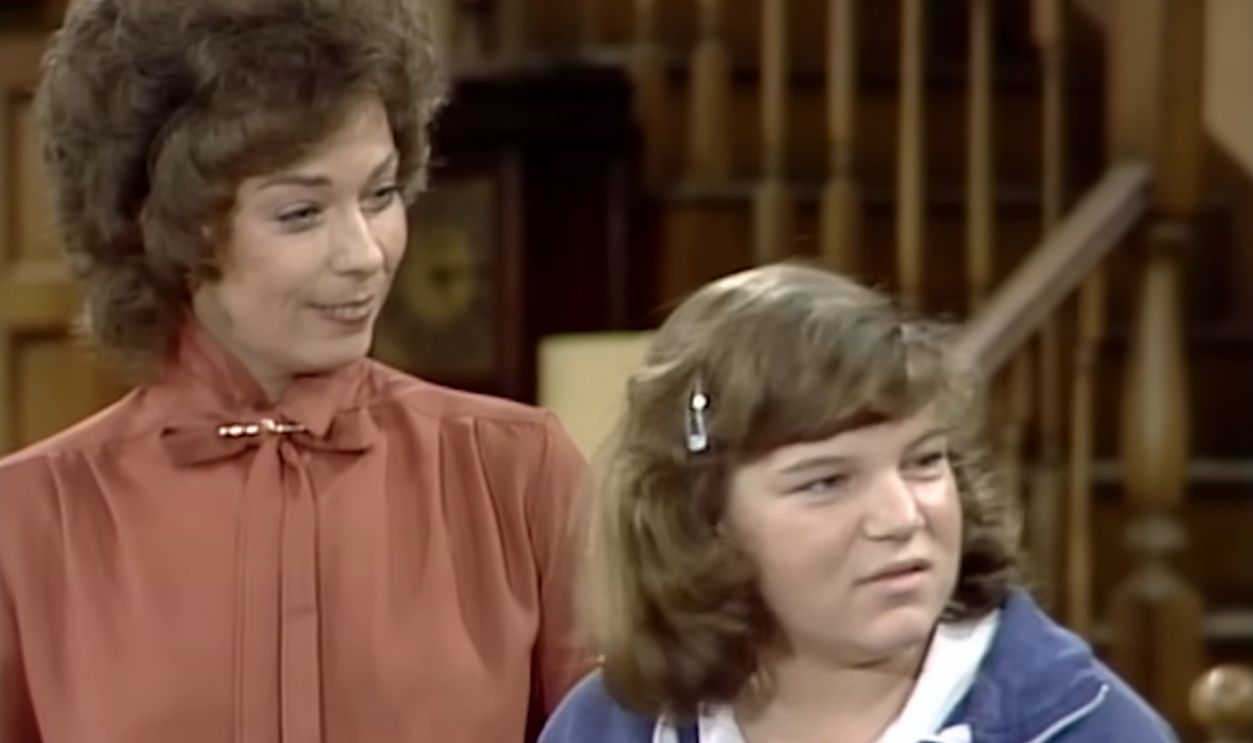 Screenshot from The Facts of Life, Embassy Television / NBC (1979–1988)
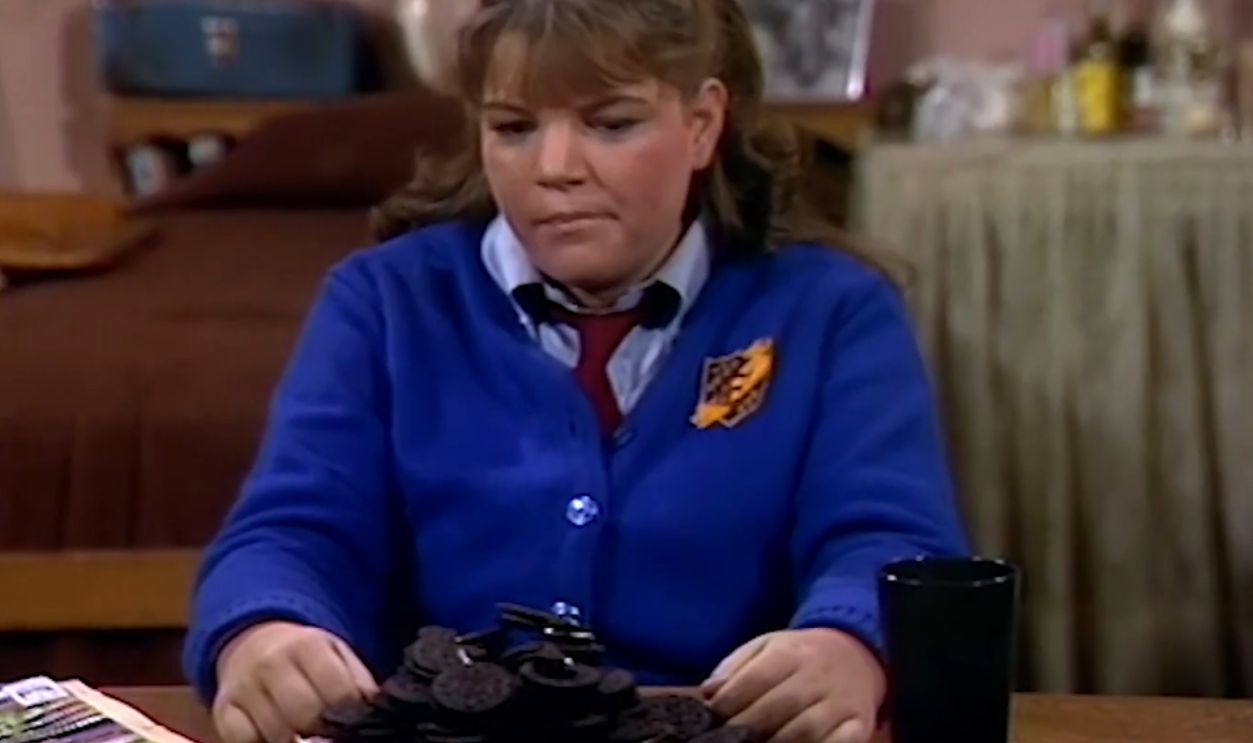
Natalie Borrowed Mindy’s Real Wit
The producers created Natalie Green after responding to Cohn’s quick humor and natural delivery. Executive producer Jerry Mayer remembered that Cohn was the student showing the visitors around and that her personality immediately seemed suitable for television. Julie Piekarski later said Natalie’s fast comebacks reflected Cohn’s real sense of humor. The character worked because audiences were seeing an amplified version of someone who already existed.
 Screenshot from The Facts of Life, Embassy Television / NBC (1979–1988)
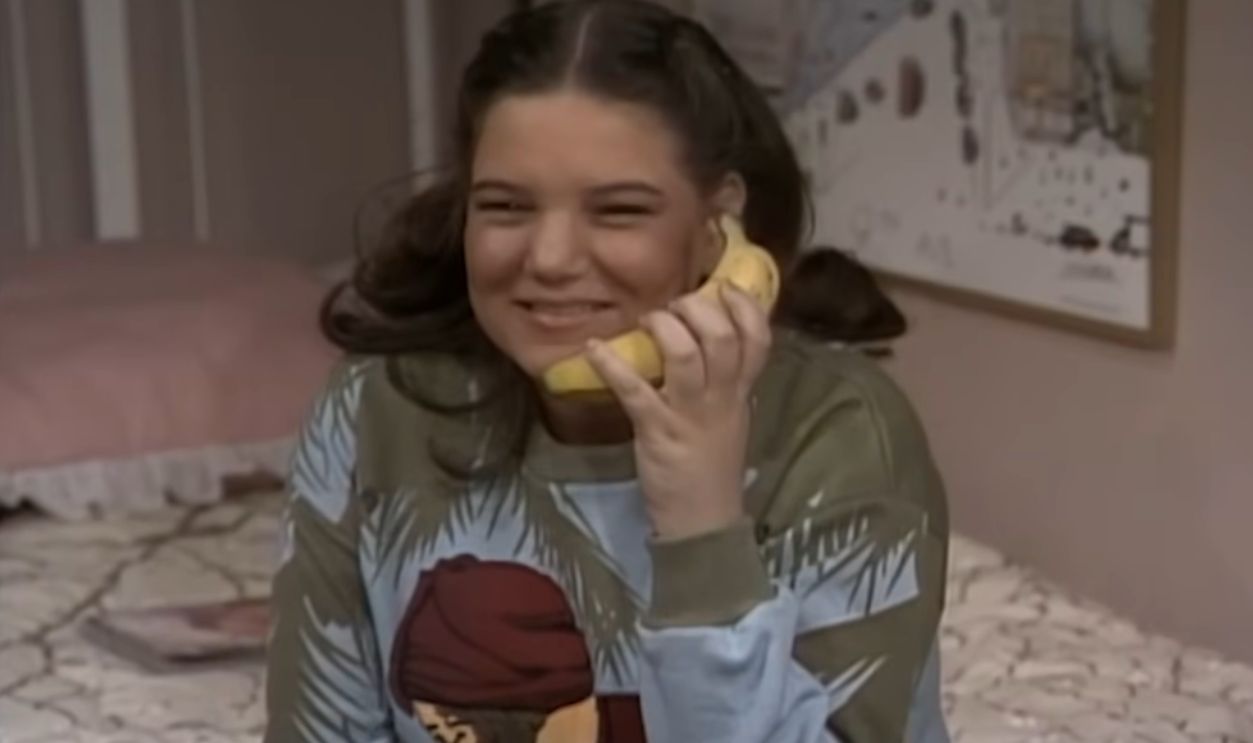
She Did Not Resemble A Manufactured Teen Idol
Cohn entered television before anyone had styled her into a conventional Hollywood ingénue. She had a round face, an expressive smile, and the body of a real adolescent growing up in public. Decades later, she said she had never been told that conventional beauty was the main source of her value. That freedom helped her approach acting as a character performer rather than as someone required to preserve a glamorous image.
 Screenshot from The Facts of Life, Embassy Television / NBC (1979–1988)
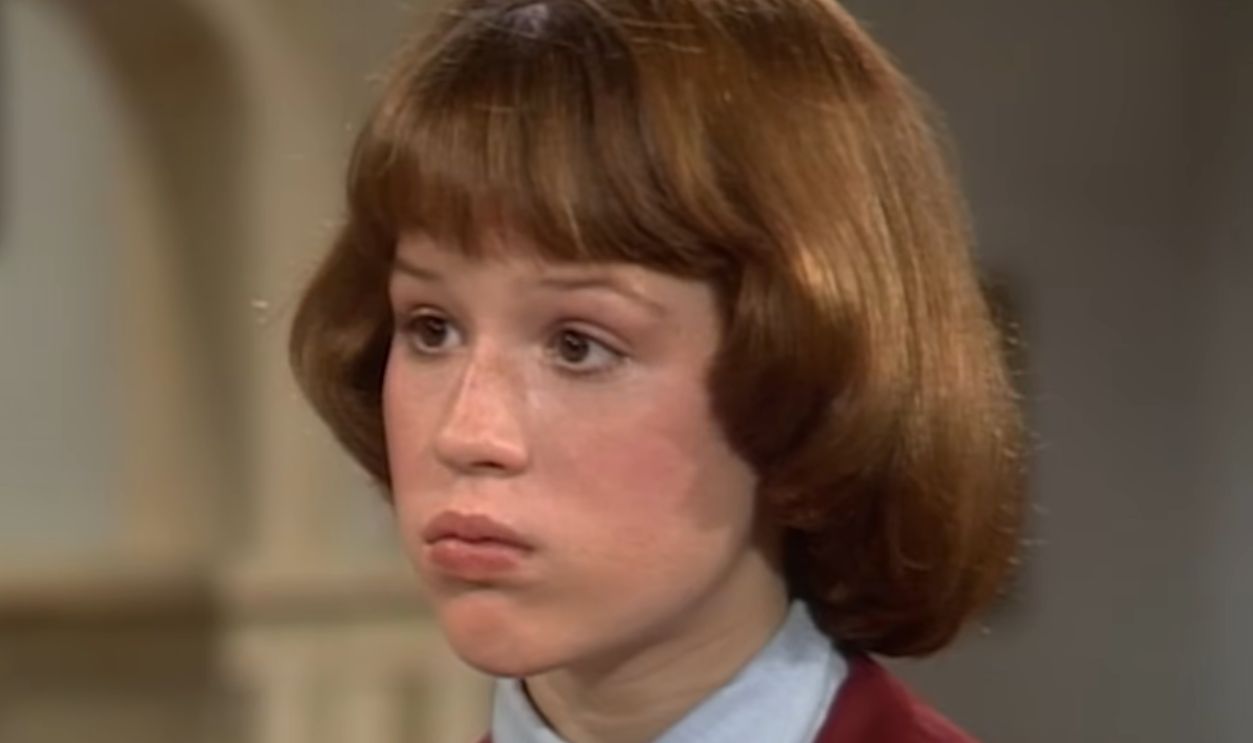
The First Season Was Crowded
When The Facts of Life premiered in 1979, Eastland Academy contained a much larger group of students than the quartet viewers eventually remembered. Molly Ringwald, Julie Piekarski, Felice Schachter, and Julie Anne Haddock appeared alongside Cohn, Lisa Whelchel, and Kim Fields. Charlotte Rae anchored the ensemble as housemother Edna Garrett. Cohn had to make Natalie memorable while competing for stories and screen time within a busy cast.
 Screenshot from The Facts of Life, Embassy Television / NBC (1979–1988)
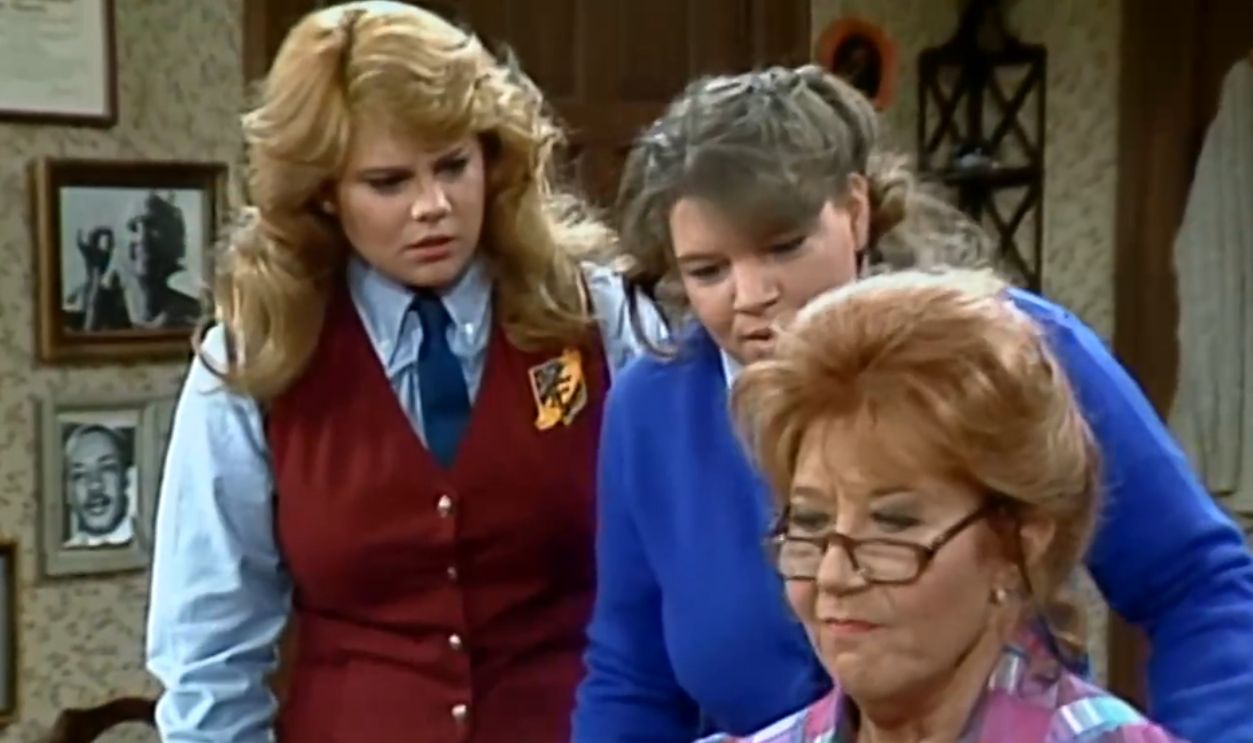
Natalie Survived A Major Overhaul
After the first season, producers dramatically reduced the number of regular students. Natalie, Blair, and Tootie remained, while Nancy McKeon joined the show as Jo Polniaczek. The revised format placed the four girls under Mrs. Garrett’s closer supervision and gave each personality more room to develop. Cohn’s survival was evidence that the producers considered Natalie essential to the show’s future.
 Screenshot from The Facts of Life, Embassy Television / NBC (1979–1988)
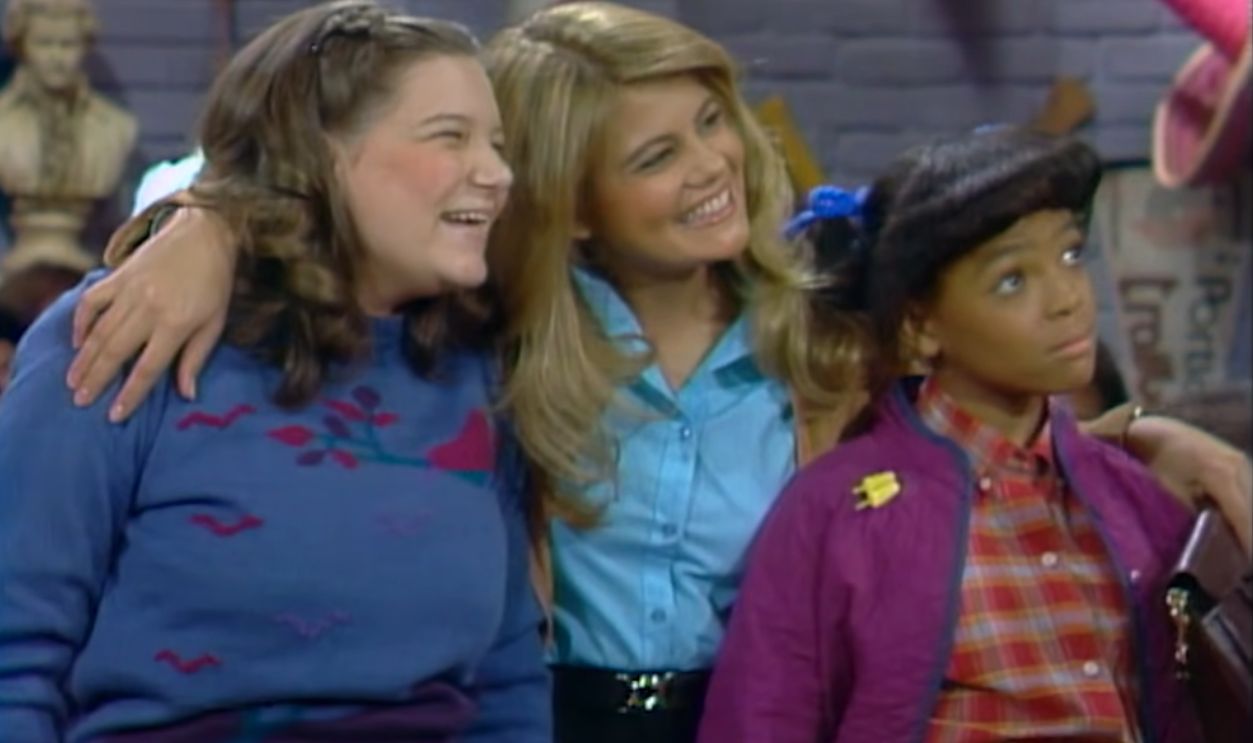
Four Personalities Created The Perfect Mix
Blair was wealthy and image-conscious, Jo was tough and suspicious, Tootie was energetic and curious, and Natalie was witty and observant. The contrast allowed the characters to argue without becoming interchangeable. Natalie often stood slightly outside the strongest conflict and identified the absurdity before anyone else did. Her humor became the social glue holding four very different teenagers together.
 Screenshot from The Facts of Life, Embassy Television / NBC (1979–1988)
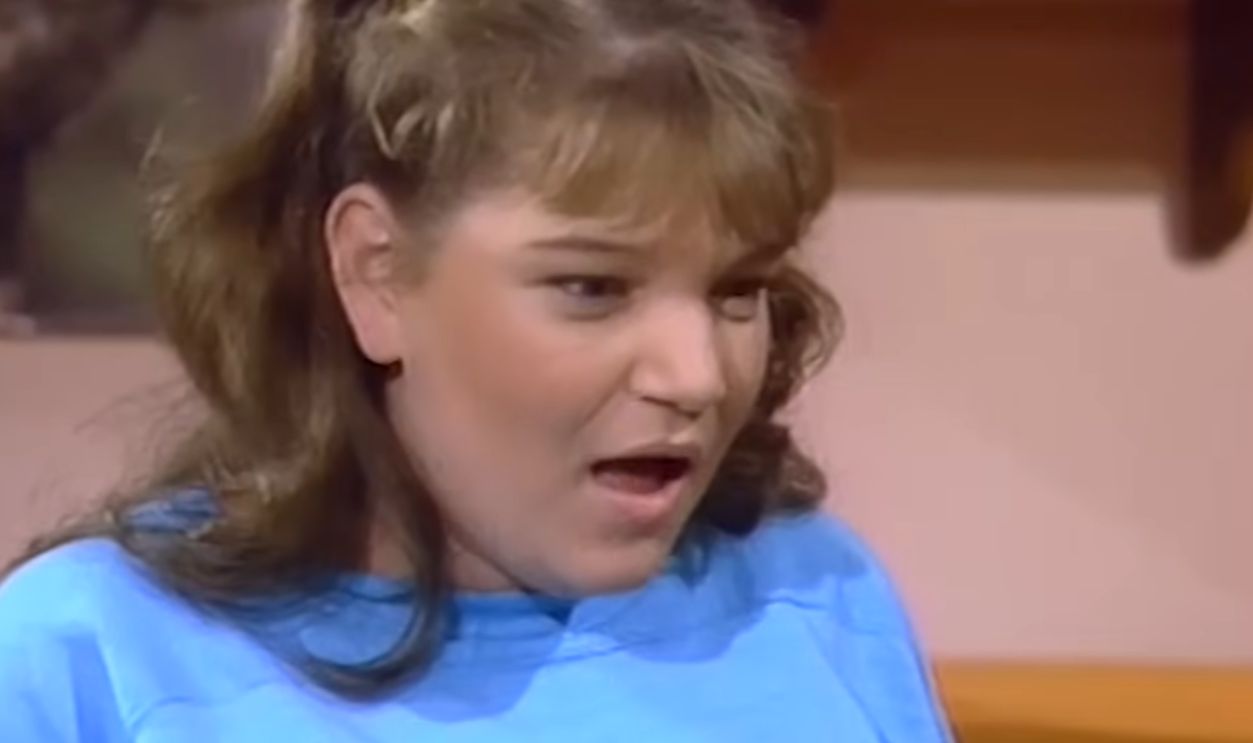
Natalie Was Funny Without Becoming The Joke
Many sitcoms used a heavier character’s body as an automatic punch line. Natalie could make jokes about herself, but Cohn’s delivery usually suggested control rather than humiliation. She was clever, socially active, ambitious, and capable of turning an uncomfortable moment back on the person who created it. Viewers laughed with Natalie because she was frequently the funniest person in the room.
 Screenshot from The Facts of Life, Embassy Television / NBC (1979–1988)
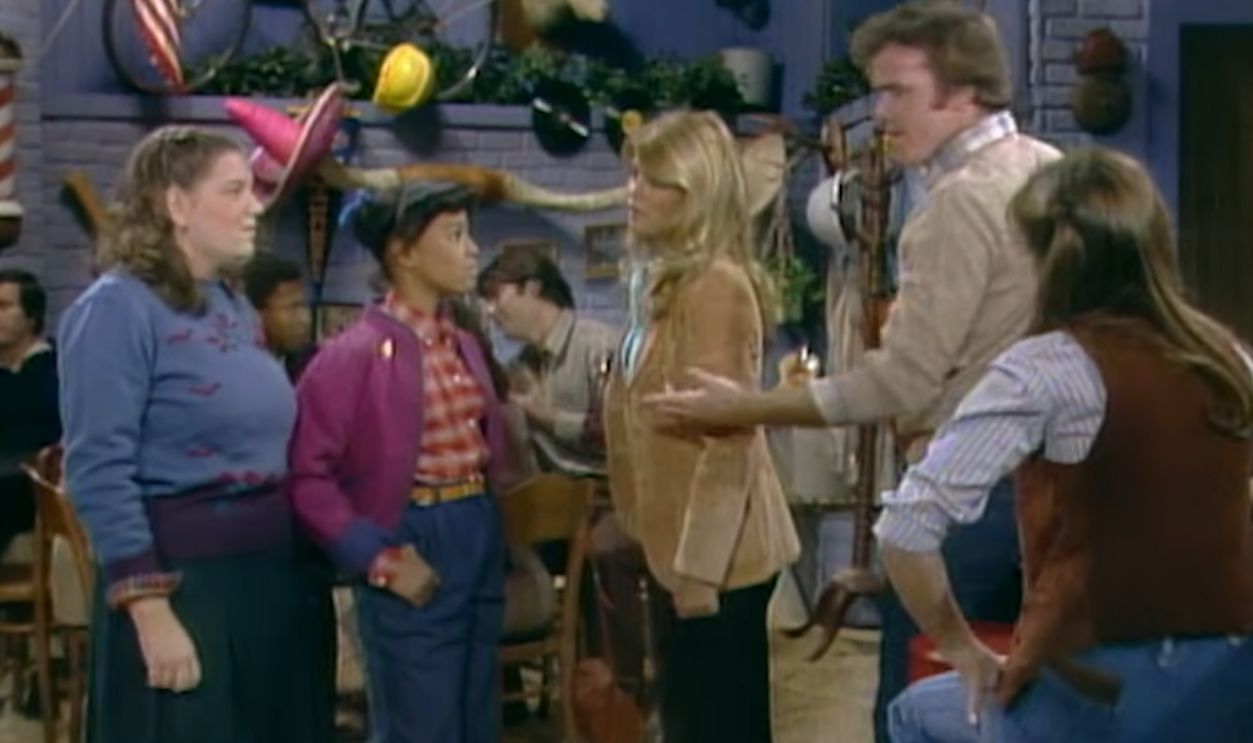
Growing Up On Television Came With Pressure
Cohn and her castmates went through puberty while appearing on a successful network series. Nancy McKeon later recalled that the young actresses faced intense scrutiny concerning their bodies, diets, and changing weight. Lisa Whelchel has also discussed being weighed and sent away to lose weight during the show’s run. The conditions make Cohn’s relaxed and cheerful screen presence even more striking.
 Screenshot from The Facts of Life, Embassy Television / NBC (1979–1988)
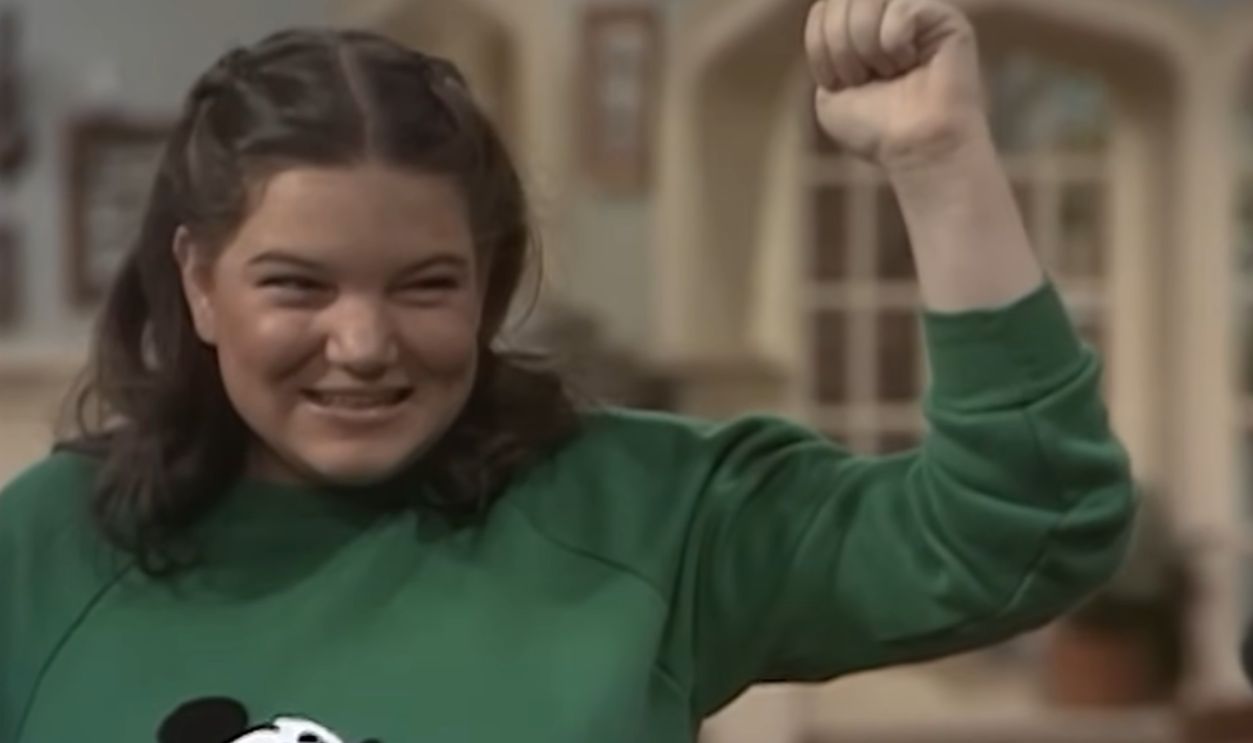
Her Confidence Felt Quietly Radical
Natalie rarely behaved as though happiness would begin only after she changed her appearance. She pursued friendships, school activities, romance, and professional ambitions without waiting to become someone else. That attitude offered viewers a different model from the glamorous teenage ideal commonly sold in magazines and commercials. Cohn made self-acceptance look ordinary rather than like the subject of a special inspirational episode.
 Screenshot from The Facts of Life, Embassy Television / NBC (1979–1988)
She Gave Jewish Girls Rare Visibility
Natalie was Jewish, reflecting an important part of Cohn’s own background. Her family history and faith appeared in episodes, including a story featuring her Russian Jewish grandmother. Although the show could have explored that identity more deeply, Natalie still became an unusually visible Jewish teenager on American television. For some viewers, she was the first contemporary Jewish girl they saw represented in a long-running sitcom.
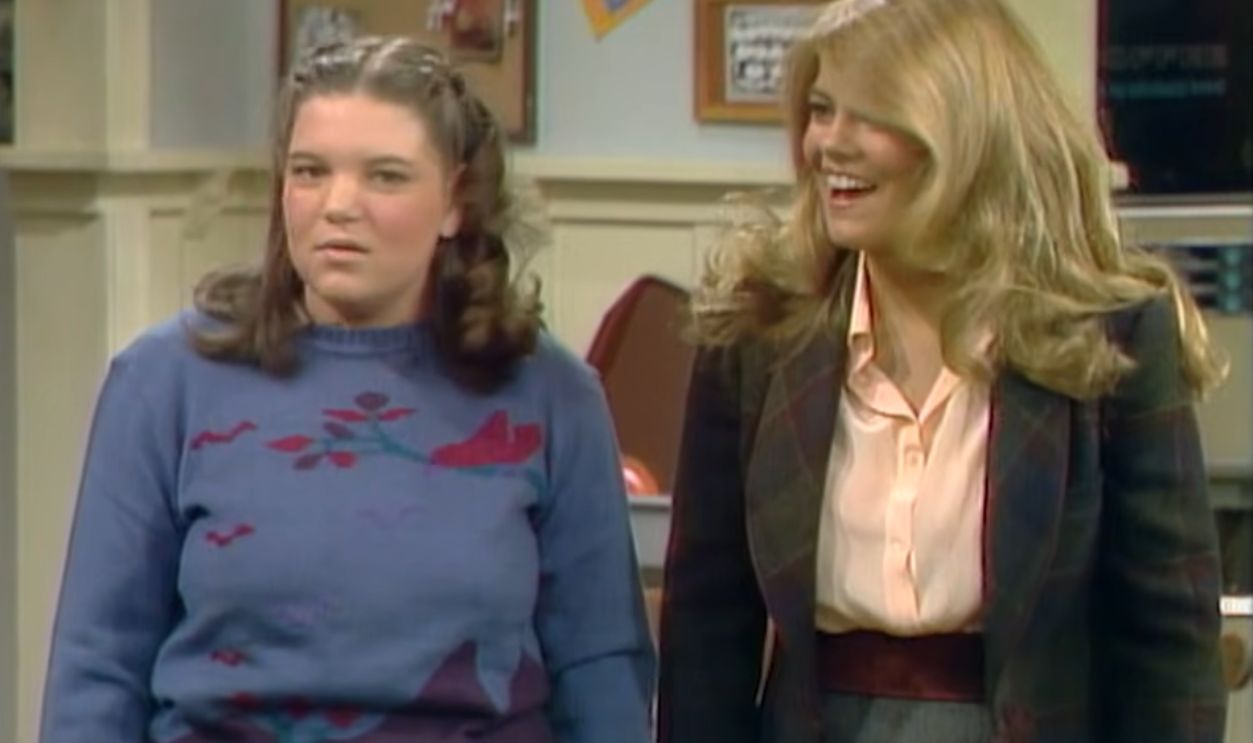 Screenshot from The Facts of Life, Embassy Television / NBC (1979–1988)
Tootie Became Her Closest Companion
Natalie and Tootie shared a friendship that survived jealousy, growing pains, and changing ambitions. Their scenes often felt playful because Cohn and Kim Fields could shift quickly between jokes and genuine hurt. One episode even built conflict around Natalie becoming jealous when Tootie won a role she wanted in a school play. Their eventual reconciliation reflected the complicated but durable friendships many teenagers recognized.
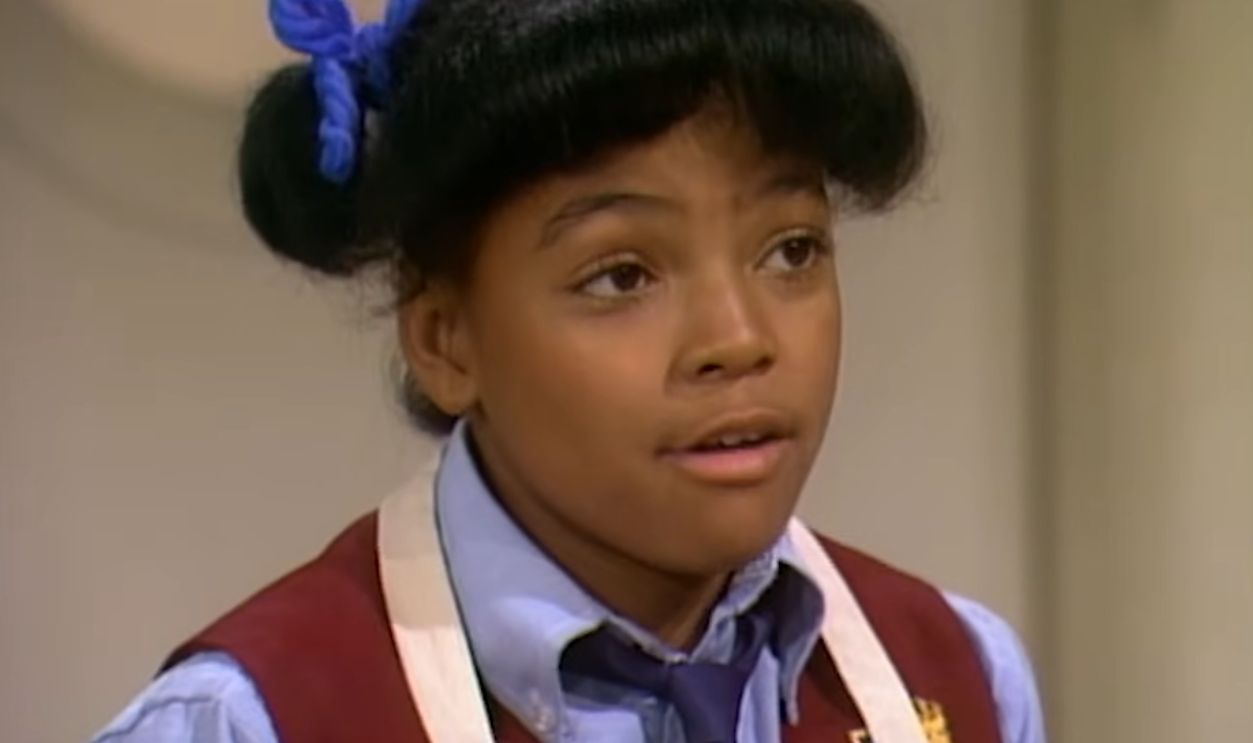 Screenshot from The Facts of Life, Embassy Television / NBC (1979–1988)
Blair Made Natalie’s Humor Sharper
Blair Warner’s confidence in her beauty and wealth created an ideal target for Natalie’s observations. Cohn could puncture Blair’s vanity with one line without making the friendship seem hateful. Natalie occasionally envied Blair, but she did not spend the series wishing she could become her. Their relationship let the show compare two very different kinds of female confidence.
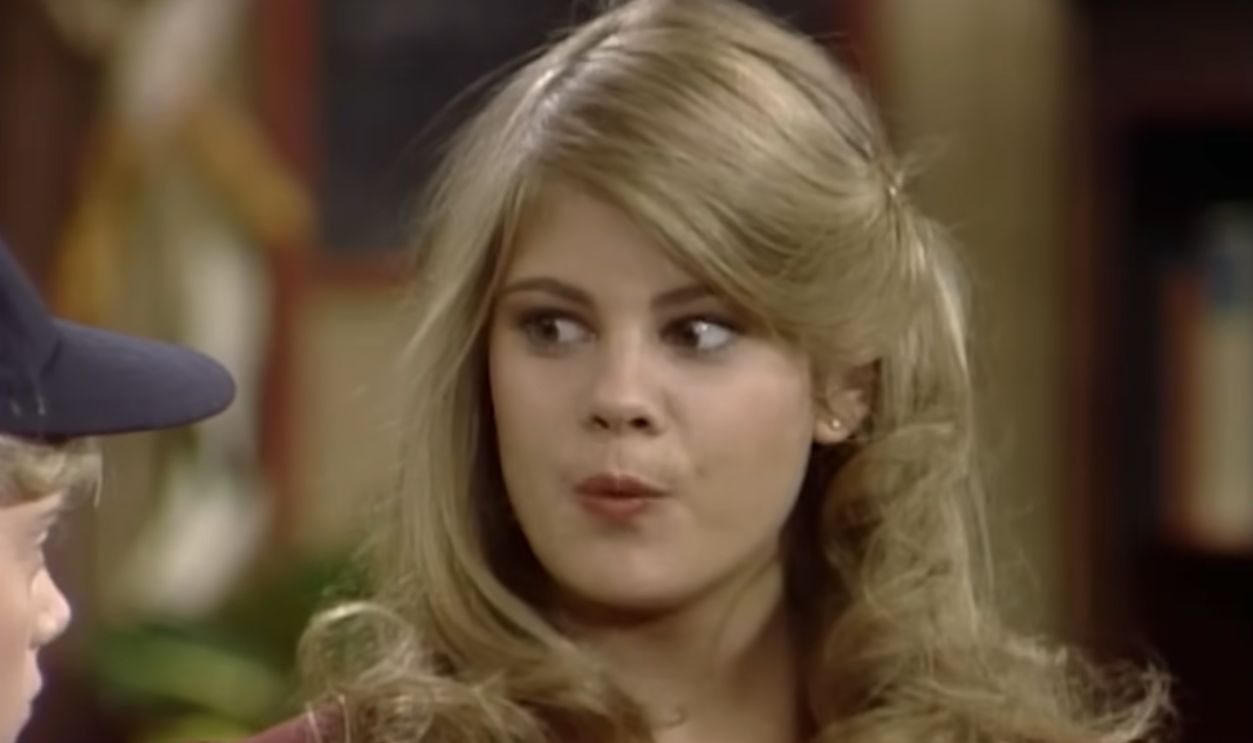 Screenshot from The Facts of Life, Embassy Television / NBC (1979–1988)
Jo Brought Out Her Diplomatic Side
Jo arrived with a confrontational personality and an immediate dislike of Blair’s privilege. Natalie frequently occupied the space between those two extremes. She could appreciate Jo’s toughness while recognizing when it became stubbornness, just as she could enjoy Blair while mocking her self-importance. Cohn’s ability to listen and react made Natalie especially valuable during ensemble scenes.
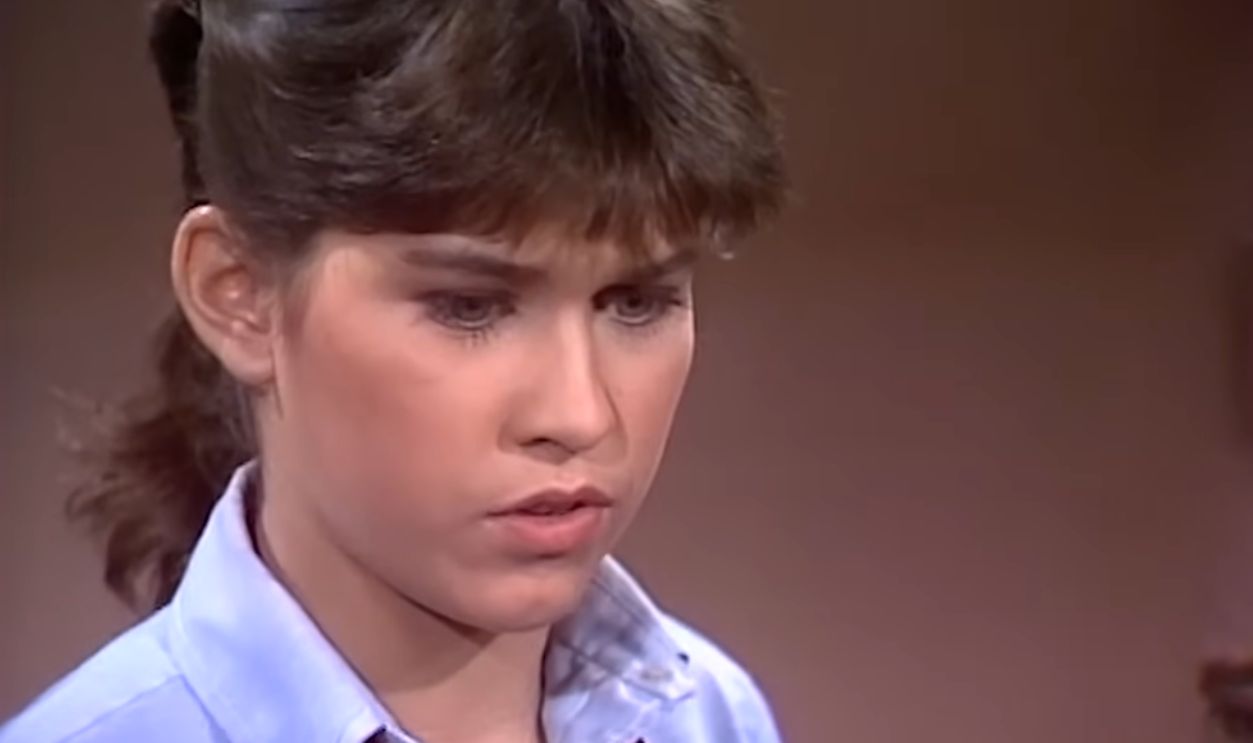 Screenshot from The Facts of Life, Embassy Television / NBC (1979–1988)
Mrs. Garrett Offered More Than Sitcom Advice
Charlotte Rae played Mrs. Garrett as a mentor who could be affectionate without pretending that every adolescent problem had an easy answer. Cohn had a special connection to Rae because the older actress had personally selected her for the series. That history added warmth to Natalie’s trust in Mrs. Garrett. Their scenes carried the feeling of a student being guided by the woman who had already changed her real life.
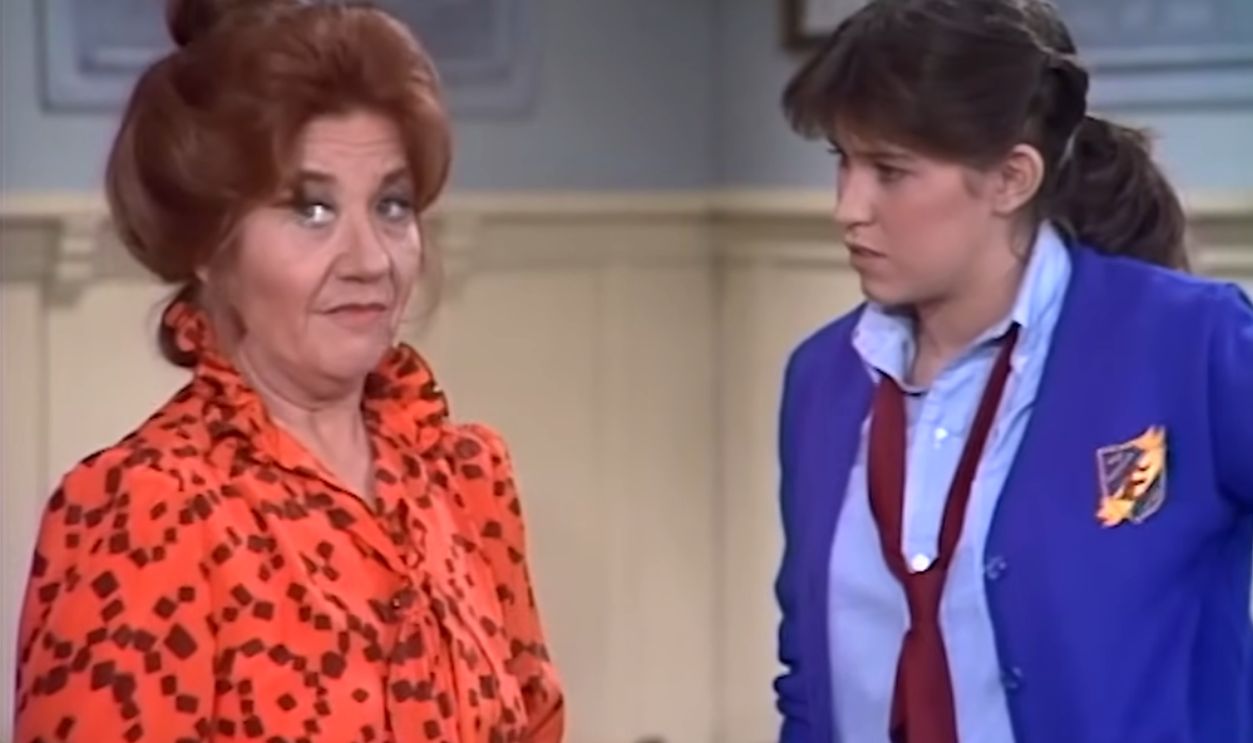 Screenshot from The Facts of Life, Embassy Television / NBC (1979–1988)
Comedy Made The Serious Stories Easier
The Facts of Life addressed subjects including racism, abortion, adoption, drug use, alcoholism, and self-harm during its run. Natalie’s humor helped the show move into difficult territory without becoming relentlessly grim. In “The Source,” her interest in journalism led her to invent a story about an unnamed student having an abortion, creating a serious argument over truth and protecting sources. Cohn could make Natalie impulsive and frightened while preserving the character’s basic intelligence.
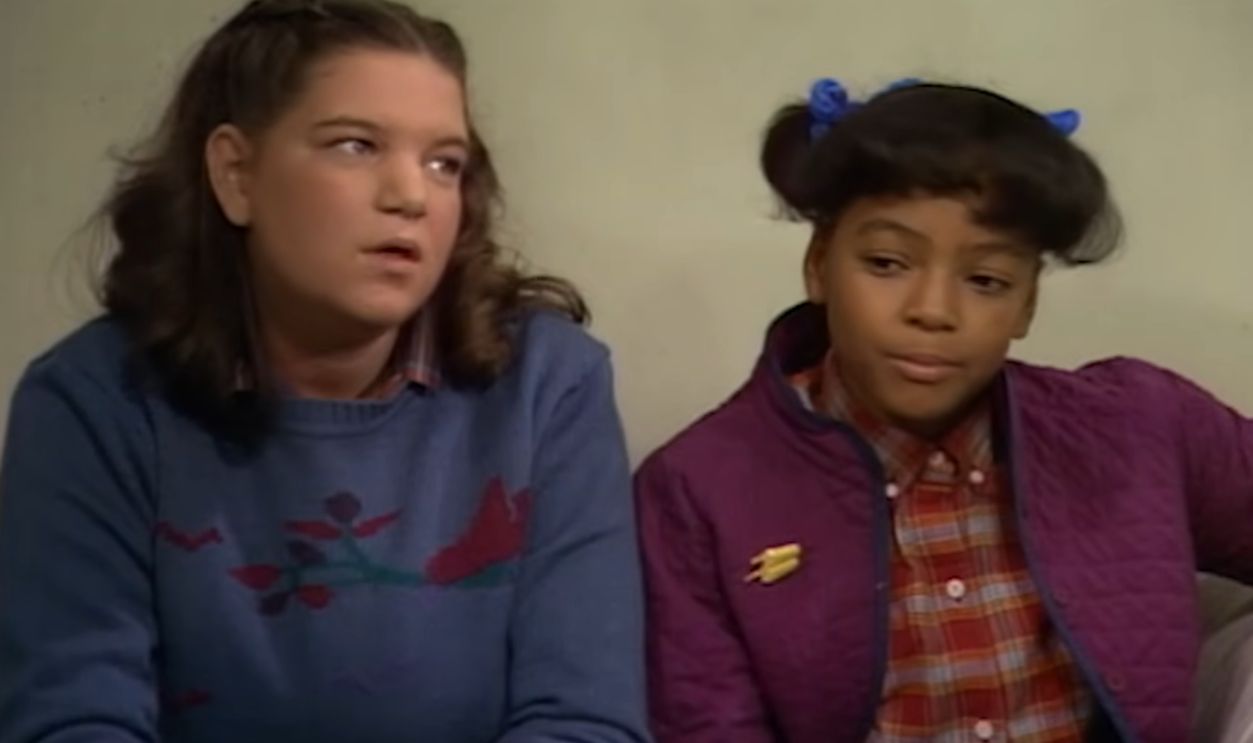 Screenshot from The Facts of Life, Embassy Television / NBC (1979–1988)
Natalie Wanted To Become A Writer
Natalie’s interest in newspapers and journalism gave her an ambition unrelated to popularity or romance. She pursued stories, defended journalistic principles, and imagined a professional future built around observation and language. That goal suited the character who was already studying everyone around her and supplying the smartest commentary. Cohn later described her role as a society reporter on Palm Royale as a satisfying full-circle connection to Natalie.
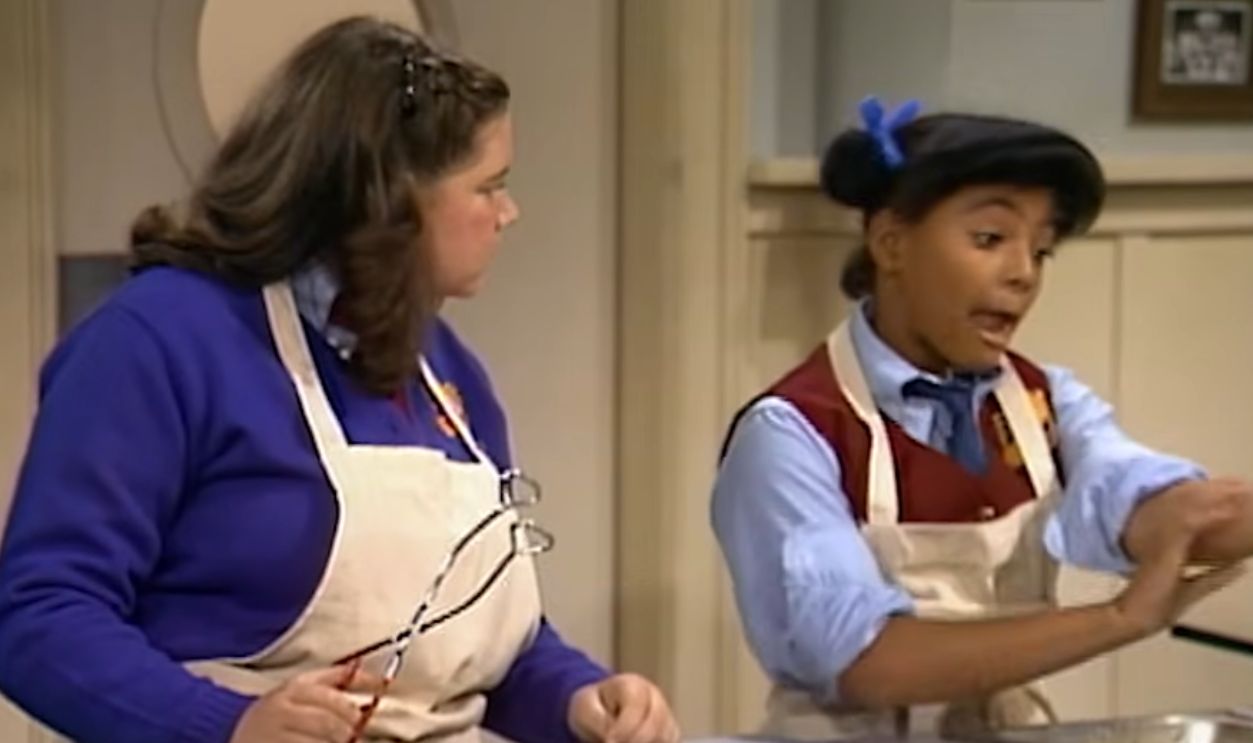 Screenshot from The Facts of Life, Embassy Television / NBC (1979–1988)
Viewers Watched Her Actually Grow Up
The series followed Natalie and her friends from boarding school into college and adult employment. Their hairstyles, clothes, relationships, and responsibilities changed rather than remaining frozen in one school year. Cohn entered the show at 13 and remained through its conclusion in 1988. Audiences therefore watched both Natalie Green and Mindy Cohn mature over nearly a decade.
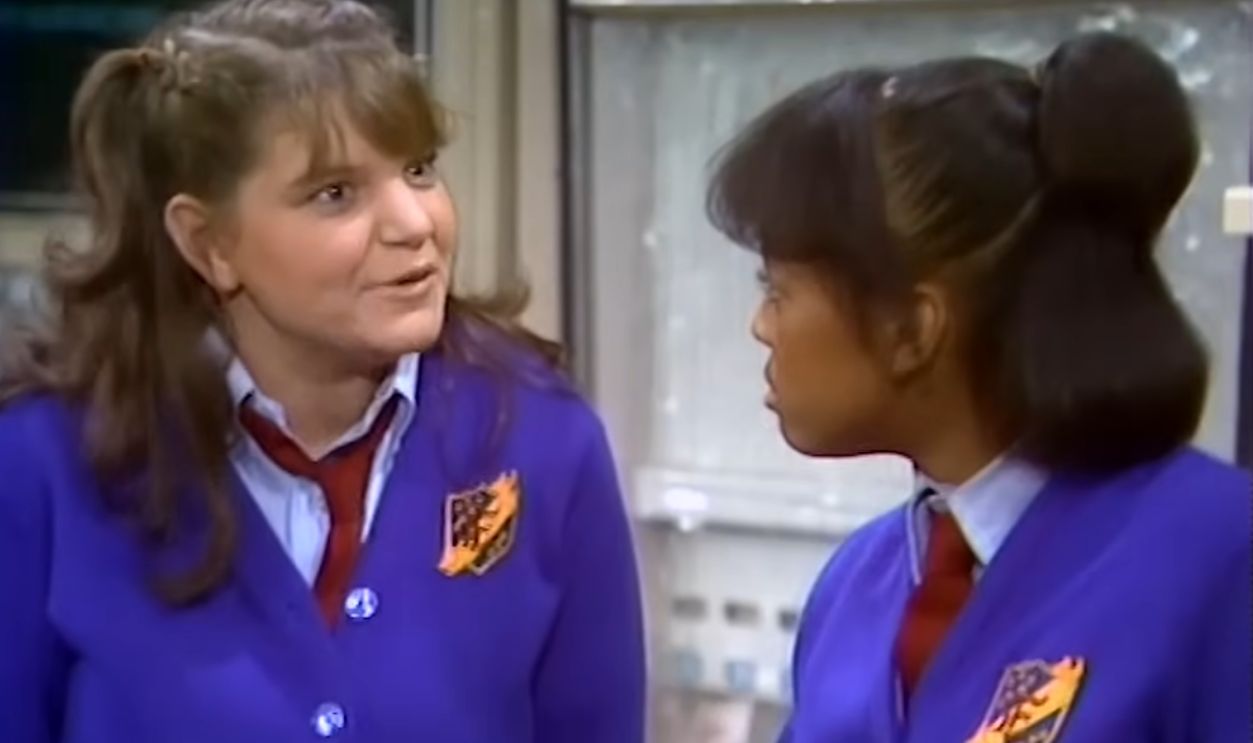 Screenshot from The Facts of Life, Embassy Television / NBC (1979–1988)
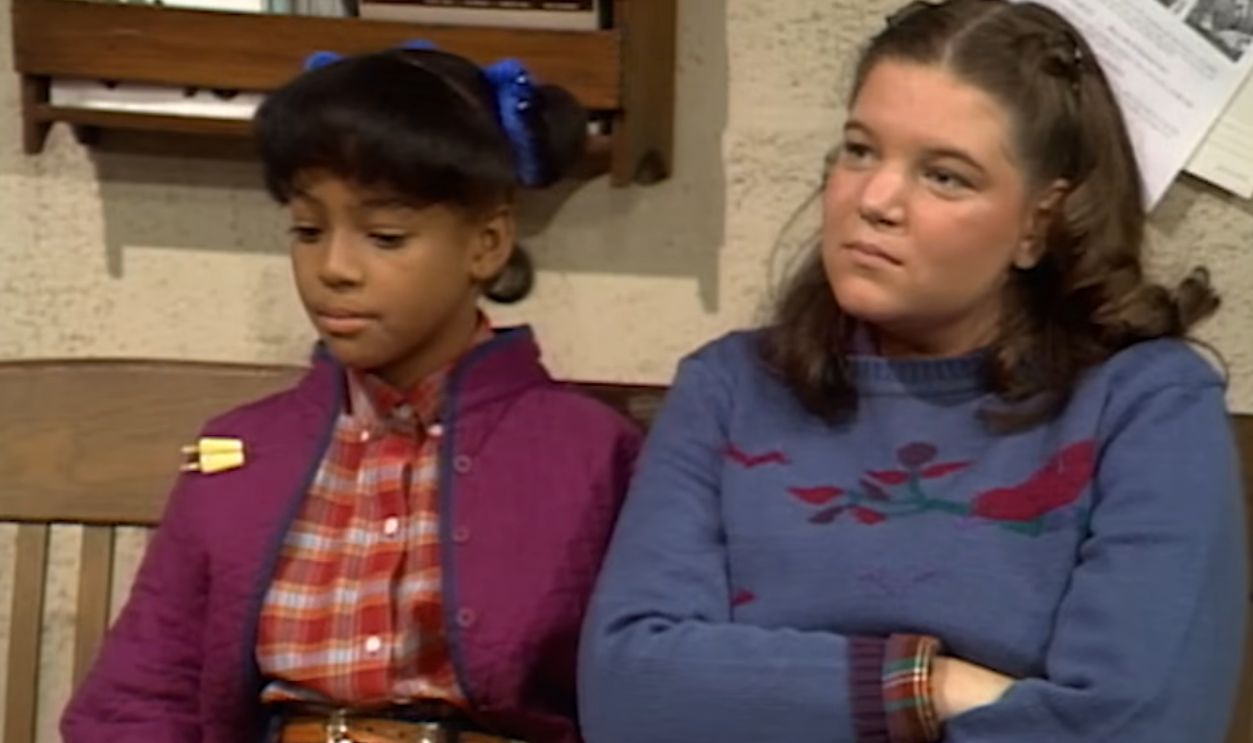
She Had A Voice In Her Wardrobe
Cohn remembered that the young cast members were excited when they were allowed input into clothing selected for a TV Guide photo shoot. Not having to wear their Eastland uniforms felt like an important opportunity to show their own personalities. That reaction captures how closely teenage identity can become tied to clothes and appearance. Cohn understood the excitement because she was experiencing the same stage of life as the viewers watching her.
 Screenshot from The Facts of Life, Embassy Television / NBC (1979–1988)
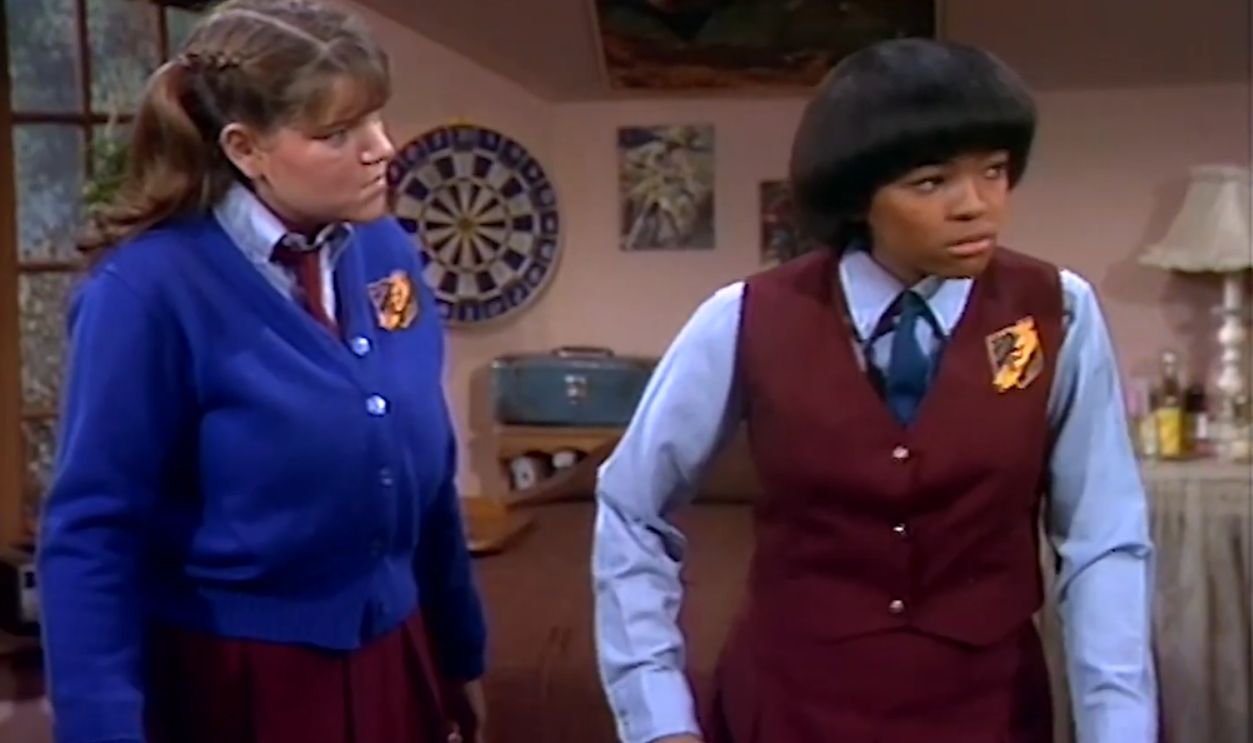
Fame Never Erased Her Normality
Cohn became recognizable across America without presenting herself as unreachable. Natalie’s appeal came from seeming like the funny classmate who might sit beside you at lunch rather than a star descending from another world. Even when the cast appeared in magazines, the program continued to frame the girls through homework, arguments, crushes, and uncertainty. Cohn’s lack of show-business calculation made the fame feel unusually accessible.
 Screenshot from The Facts of Life, Embassy Television / NBC (1979–1988)
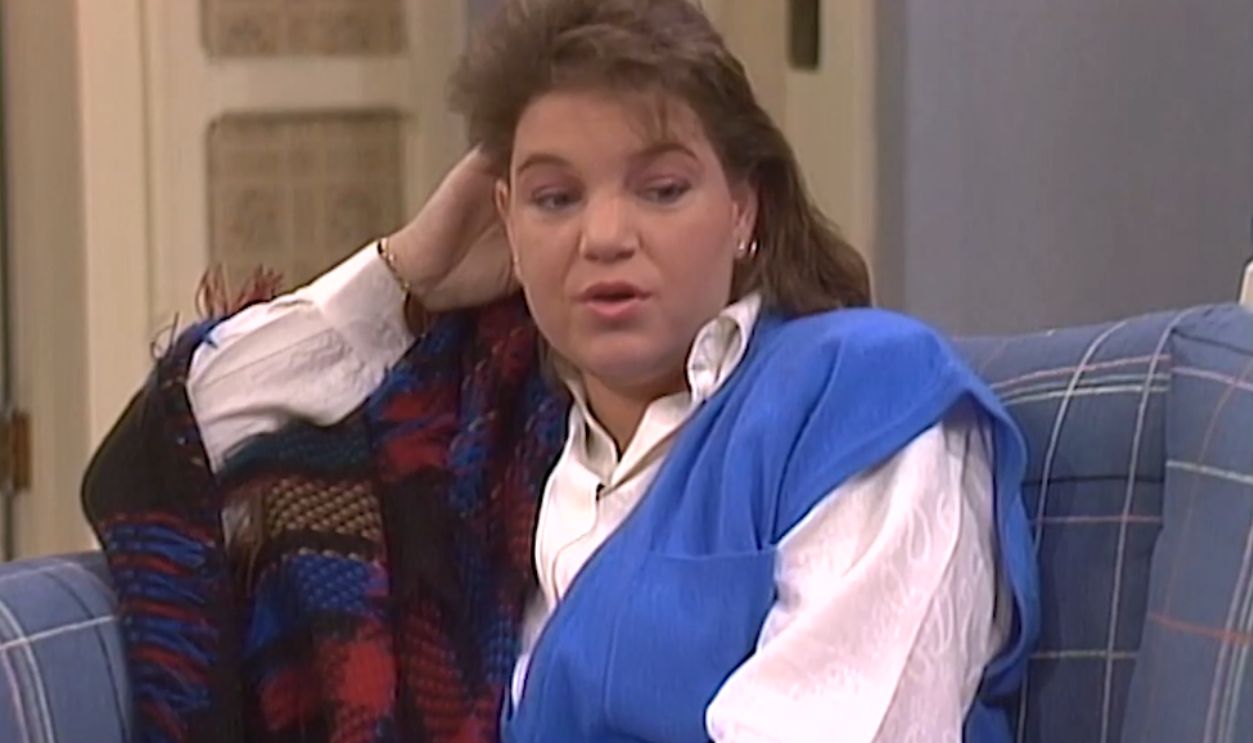
Nine Seasons Made Her A Familiar Friend
The Facts of Life ran from 1979 until 1988 and produced more than 200 episodes. Cohn played Natalie throughout the entire run, surviving changes in cast, setting, and adult supervision. By the finale, viewers had spent a substantial portion of their own adolescence with her. That longevity transformed Natalie from a sitcom character into a reassuring weekly presence.
 Screenshot from The Facts of Life, Embassy Television / NBC (1979–1988)
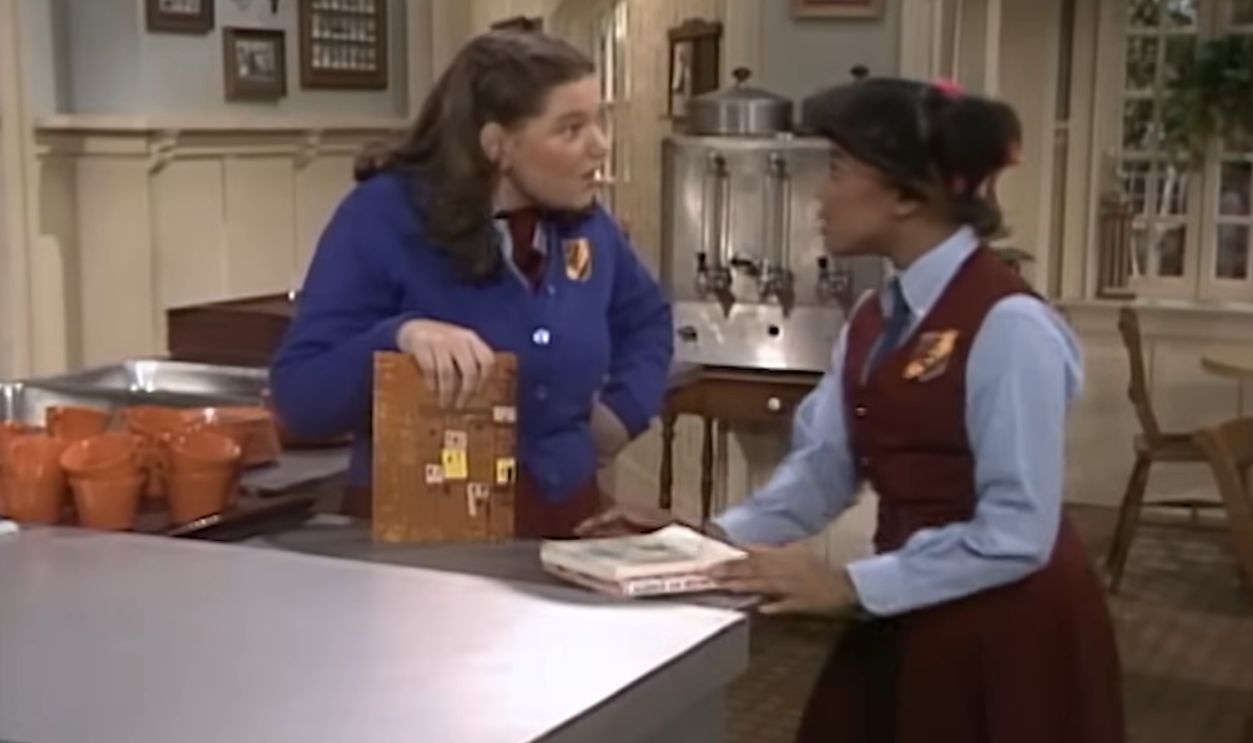
The Cast Built A Lasting Sisterhood
The young actresses experienced fame, scrutiny, and adolescence together under unusual conditions. Their bond continued long after the series ended, with Cohn describing her former costars as part of her chosen family. Kim Fields later brought Cohn, Whelchel, and McKeon together for appearances in the Lifetime movie You Light Up My Christmas. The reunion reflected relationships that had survived far beyond a normal workplace friendship.
 Screenshot from The Facts of Life, Embassy Television / NBC (1979–1988)
She Pursued An Education After Eastland
Cohn eventually earned a degree in cultural anthropology from Loyola Marymount University. The decision reflected an interest in people and culture that felt consistent with Natalie’s observant personality. She did not rely entirely on childhood fame to define her adult life. Education gave her another identity beyond the teenager preserved in reruns.
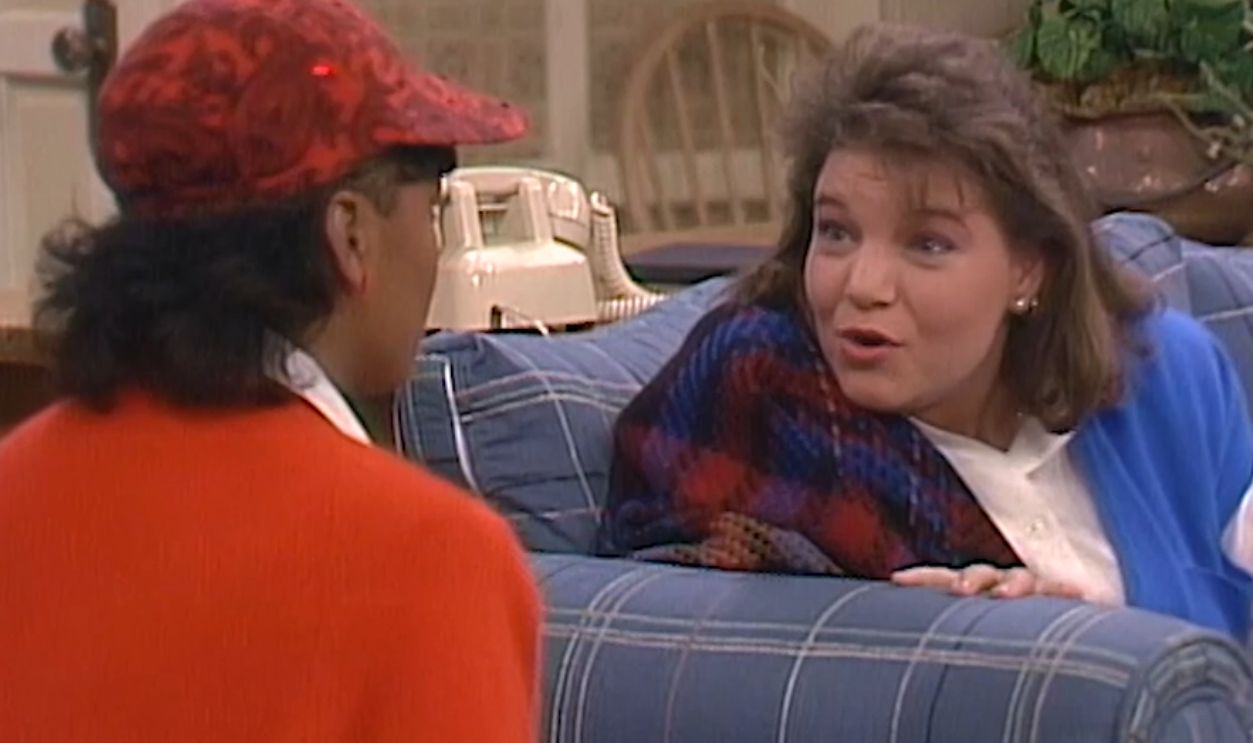 Screenshot from The Facts of Life, Embassy Television / NBC (1979–1988)
Velma Gave Her Another Smart Outsider
Cohn became the voice of Velma Dinkley in numerous Scooby-Doo productions from 2002 until 2015. Velma’s intelligence, dry humor, and lack of concern with conventional glamour made the character a natural fit for Cohn’s strengths. The work introduced her voice to children who had never watched Natalie at Eastland. She had found another beloved character whose intelligence mattered more than her appearance.

Character Roles Kept Finding Her
After The Facts of Life, Cohn continued working in television, film, and voice acting. Her credits included 21 Jump Street, Hot in Cleveland, The Middle, Palm Royale, and several Hallmark productions. Rather than chasing a second teenage-star phenomenon, she developed into the character performer she believed she was suited to become. Her recognizable warmth could make even a small role feel like the arrival of an old friend.
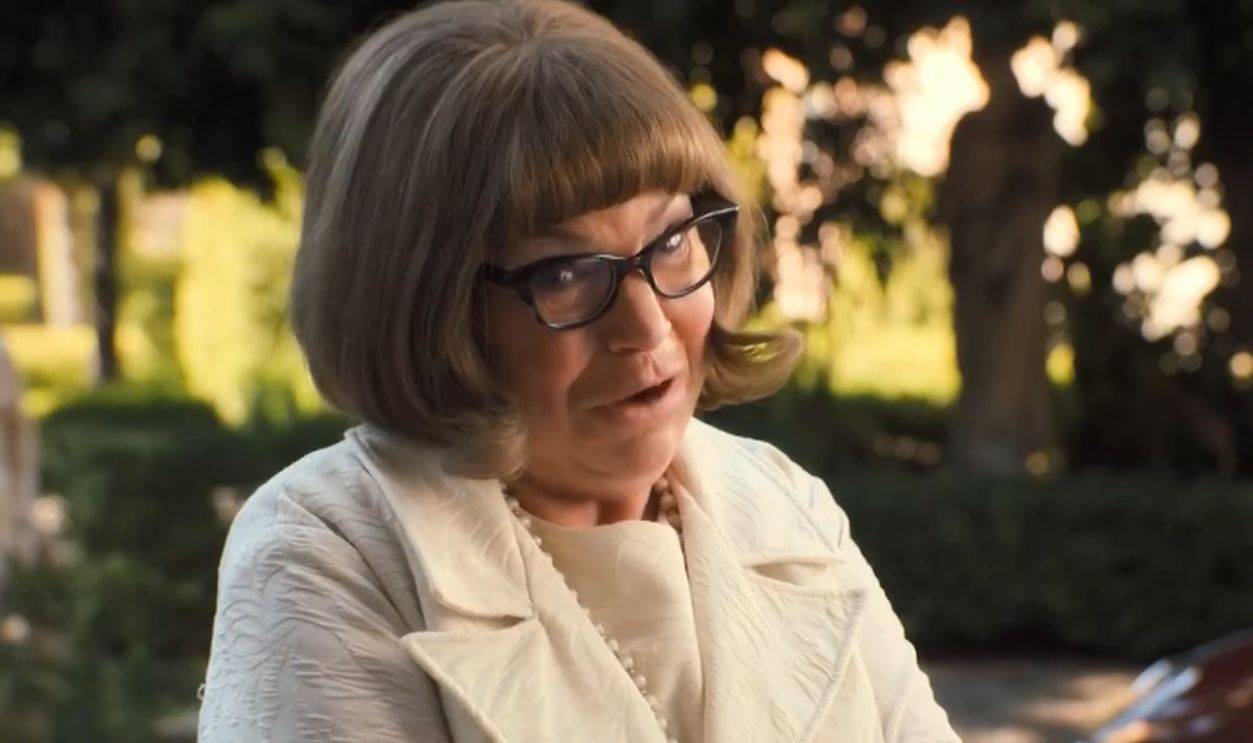 Screenshot from Palm Royale, Apple TV+ (2024–)
Real Life Tested Her Optimism
Cohn revealed that she had endured a long breast-cancer battle involving chemotherapy, radiation, and a double mastectomy. She stepped away from public life during much of the ordeal before returning to acting. Friends, including Nancy McKeon, provided important support during that period. The resilience audiences associated with Natalie had become necessary in Cohn’s adult life.
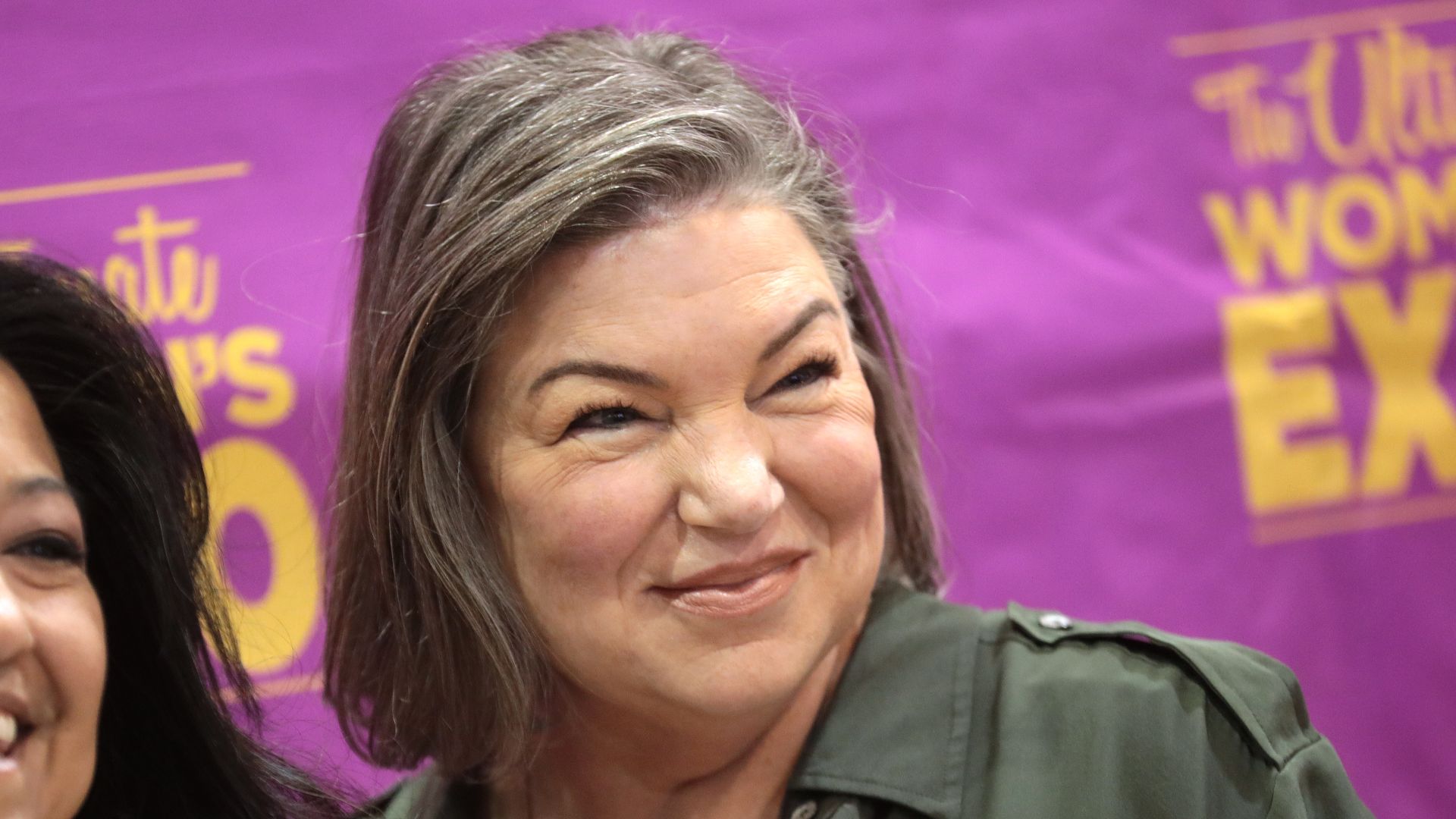 Gage Skidmore from Peoria, AZ, United States of America, Wikimedia Commons
She Refused To Fear Getting Older
Cohn has spoken positively about aging and said she expected her 60s to be an especially rewarding period. She rejected the idea that an actress must constantly fight to look younger than her actual age. That outlook resembles the quality that made Natalie refreshing in the first place. Cohn still appears most comfortable when refusing to measure herself against someone else’s definition of perfection.
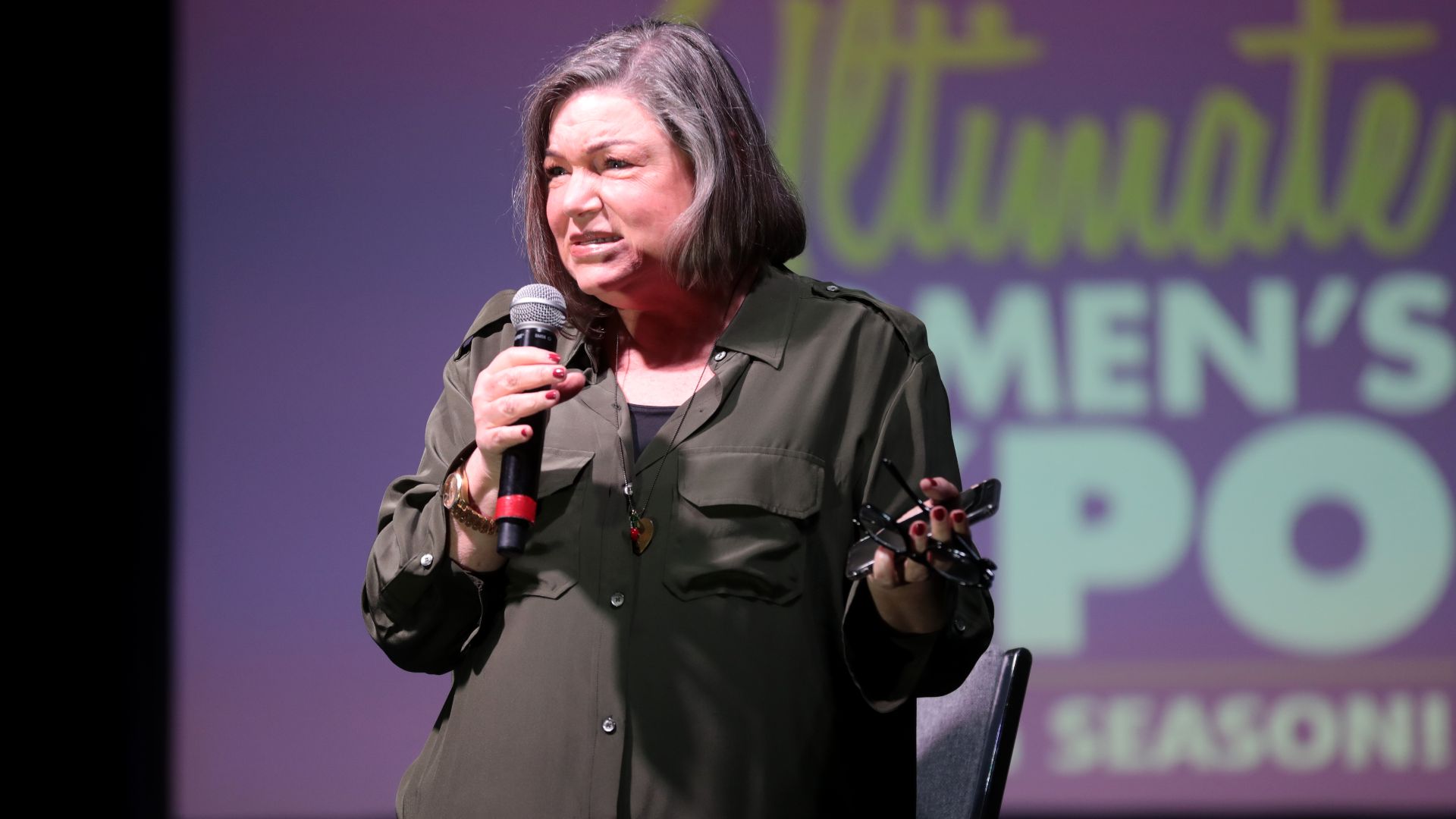 Gage Skidmore from Peoria, AZ, United States of America, Wikimedia Commons
Natalie Made Being Yourself Look Like Enough
Mindy Cohn became relatable because viewers could see the effort behind Natalie’s jokes, mistakes, confidence, and ambition. She was neither the glamorous queen of the school nor the rebellious outsider demanding everyone’s attention. Natalie was funny, imperfect, intelligent, occasionally insecure, and generally comfortable occupying her own space. For countless teenagers, that made her one of the most reassuring stars television had given them.
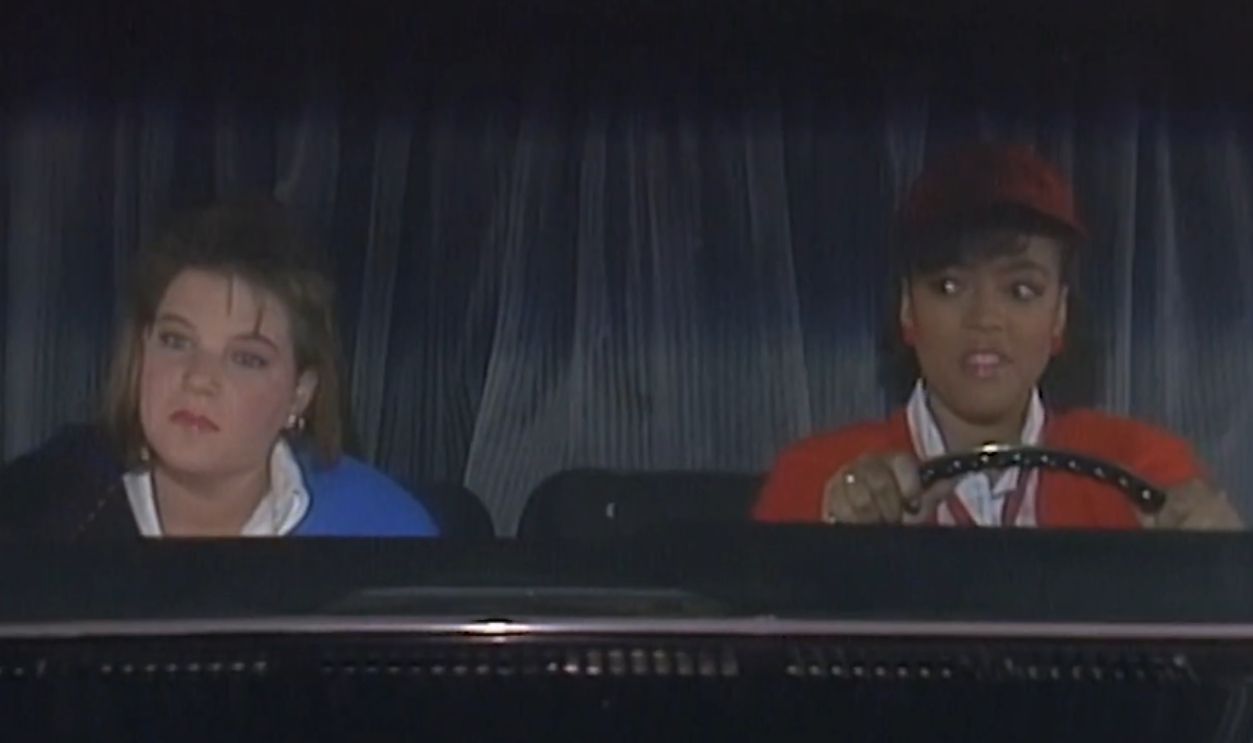 Screenshot from The Facts of Life, Embassy Television / NBC (1979–1988)
You May Also Like:
90s Sitcoms That Are Still Better Than Anything On TV Today
Nostalgic 90s Photos From When The World Made Sense
90s Action Movies That Defined A Generation
Sources: 1, 2, 3, 4, 5, 6, 7, 8, 9, 10, 11, 12, 13, 14, 15, 16