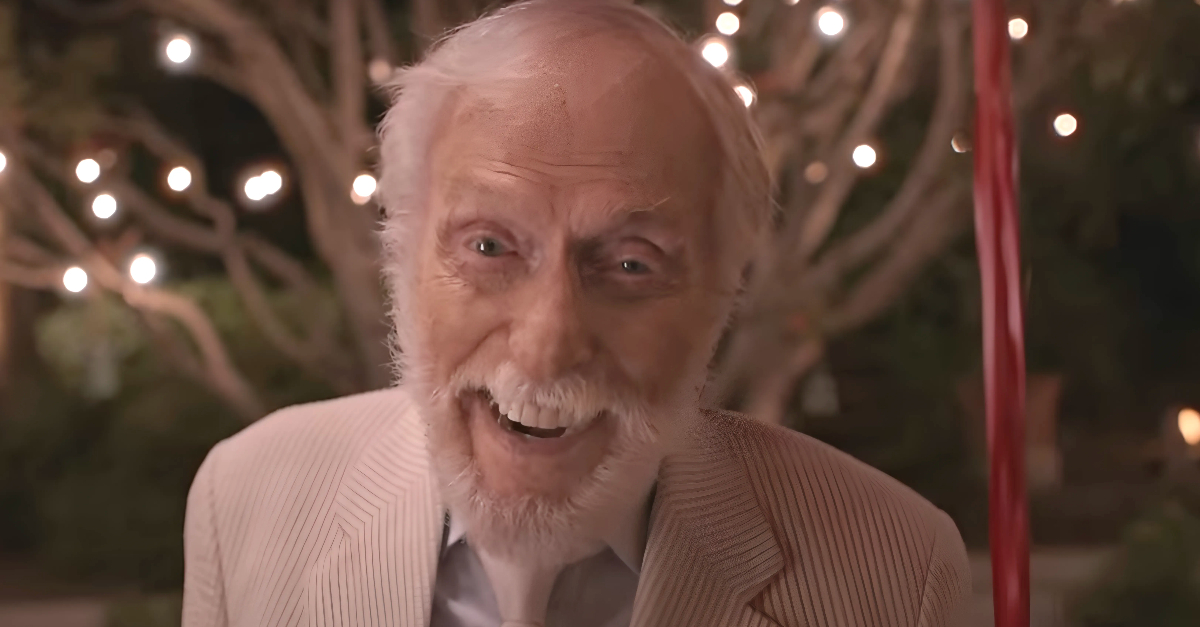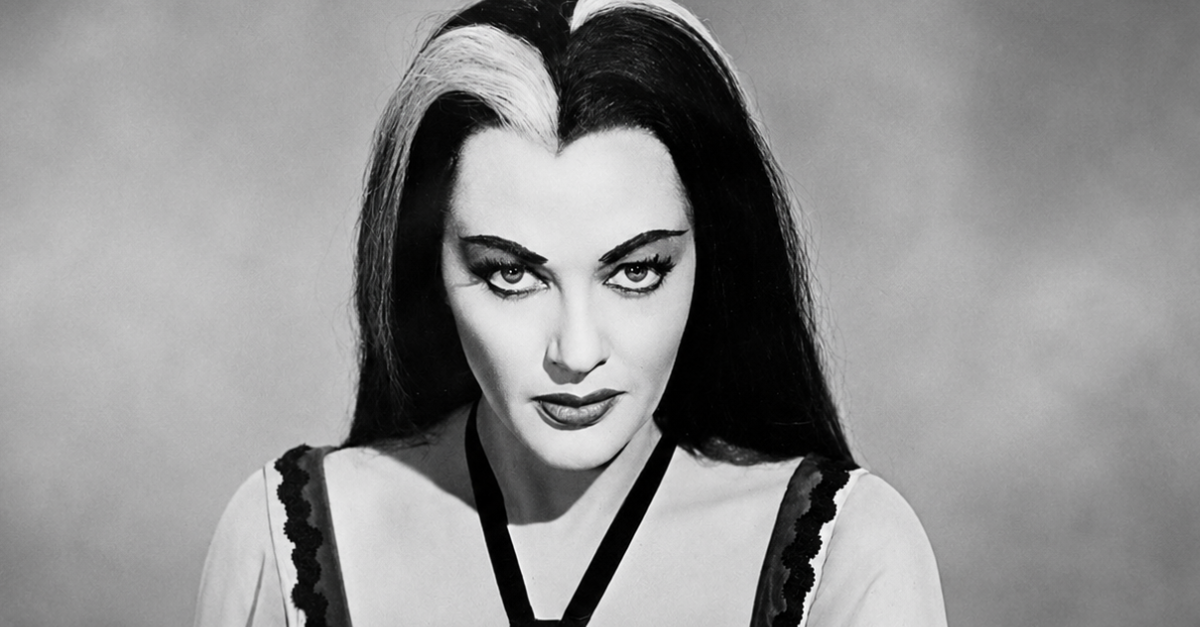
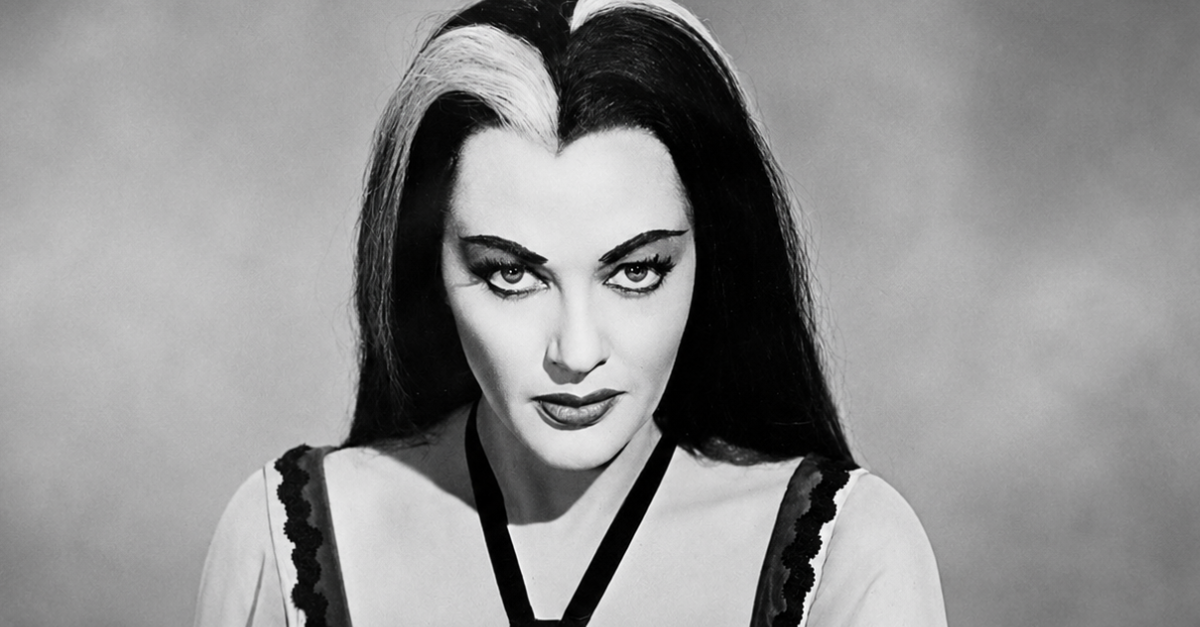
She Made Ghoulish Look Gorgeous.
Yvonne De Carlo had spent two decades playing glamorous adventurers, frontier women, and biblical heroines when television transformed her into Lily Munster, the poised matriarch of America’s strangest suburban household. Instead of destroying her movie-star image, the role revealed how funny, warm, and surprisingly modern she could be.
She Entered Hollywood As A Glamour Girl
Born Margaret Yvonne Middleton in Vancouver, De Carlo moved to Los Angeles with ambitions of becoming a performer. She worked as a dancer and appeared in small film roles before winning her first major opportunity. Her beauty, dark hair, and dancing background made her a natural candidate for the exotic adventures popular during the 1940s. Hollywood initially sold her as a spectacle before it fully recognized her as an actress.
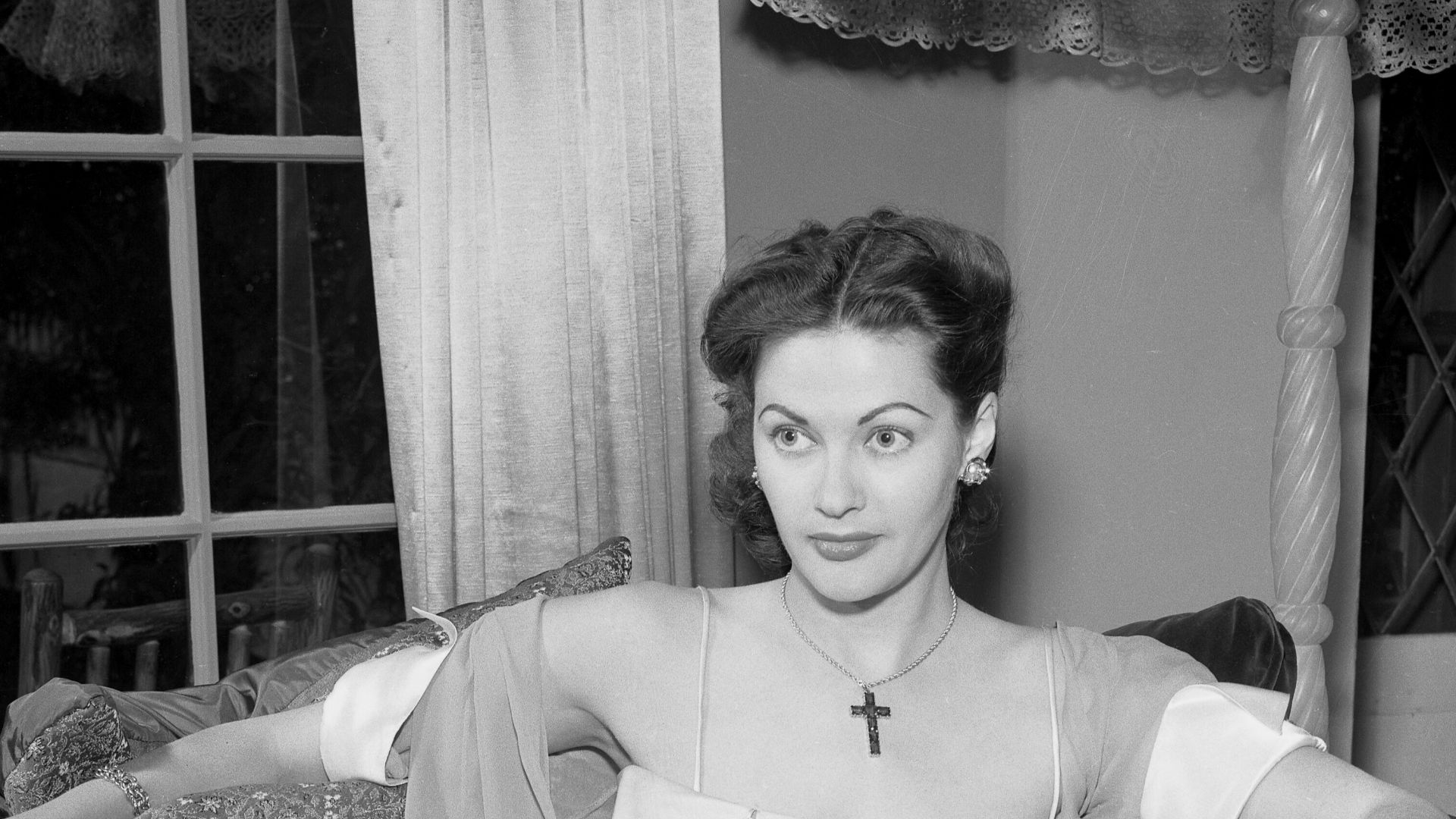 R. L. Oliver, Los Angeles Times, Wikimedia Commons
Salome Made Her A Movie Star
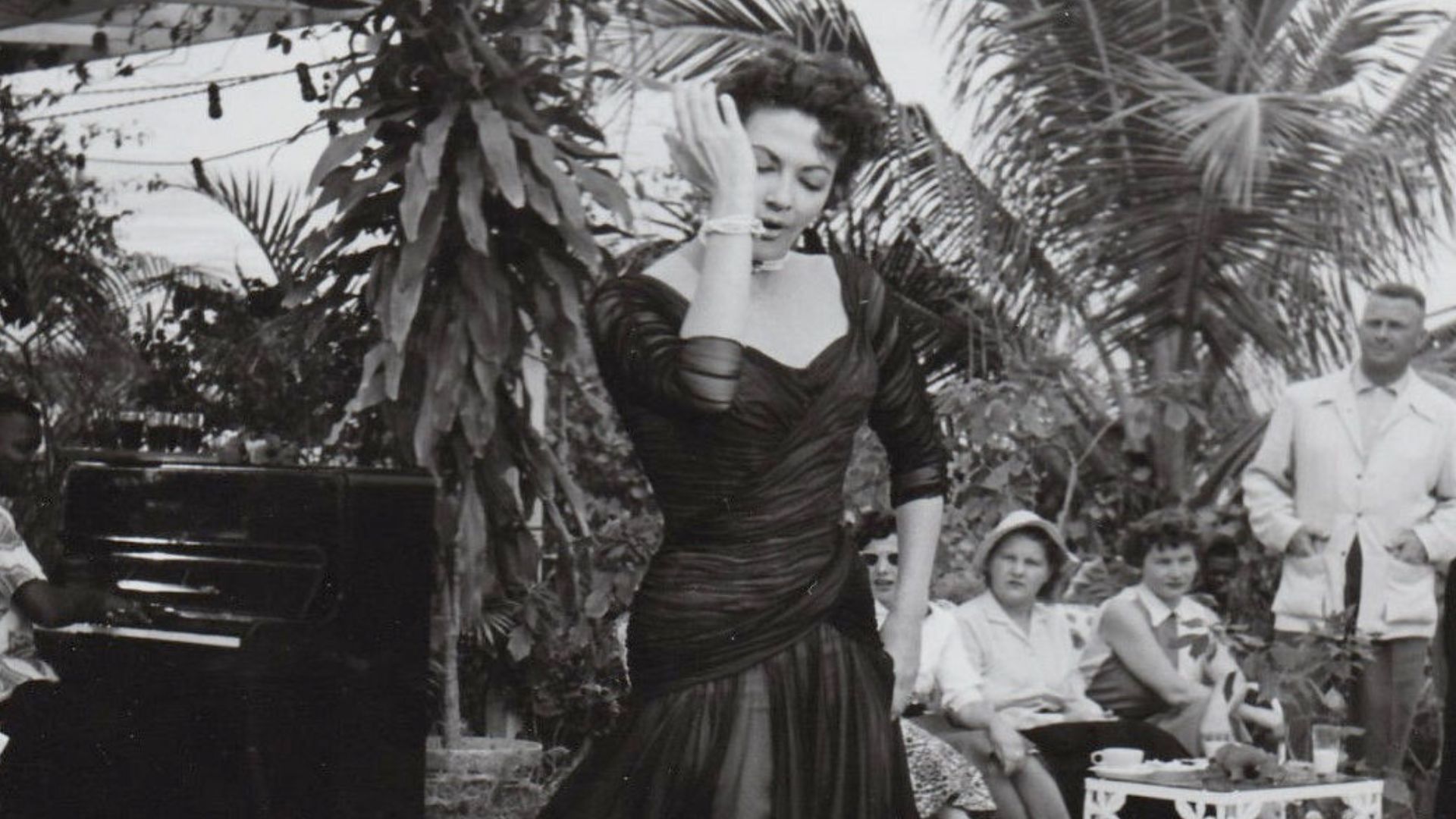
De Carlo’s breakthrough came with the 1945 Technicolor adventure Salome, Where She Danced. The film cast her as a glamorous dancer whose journey carried her from Europe into the American West. Although reviewers were not universally impressed by the movie, it succeeded commercially and established De Carlo as a leading woman. Universal suddenly had a star who could dance, sing, ride, and command a lavish costume.
 Unknown authorUnknown author, Wikimedia Commons
Studios Built Adventures Around Her Beauty
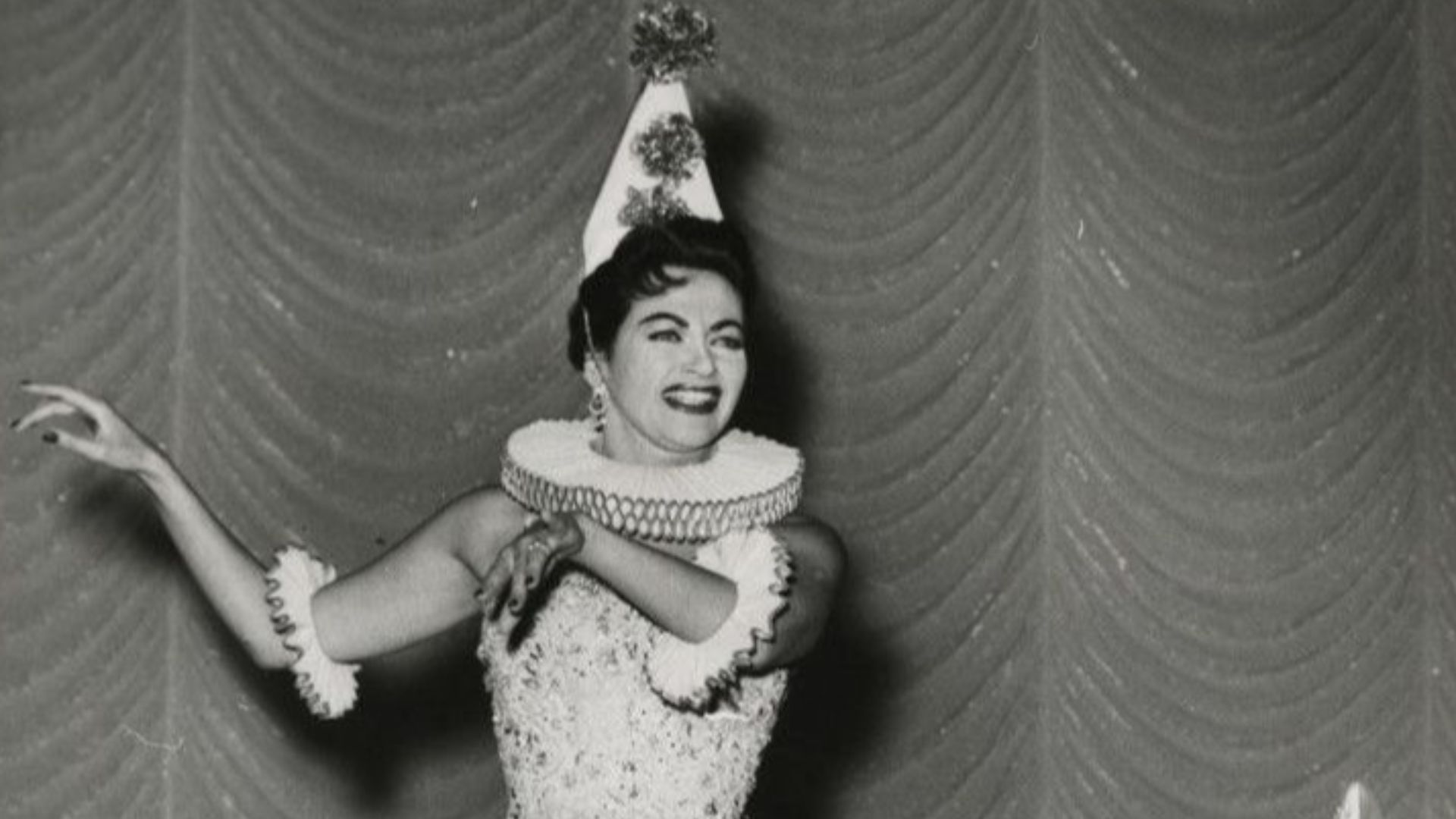
For years, De Carlo appeared in colorful Westerns, costume pictures, and international adventures. Posters and publicity frequently emphasized her appearance, especially when she played dancers, princesses, and women placed in supposedly exotic settings. The parts made her famous, but they often required her to look magnificent before allowing her character much complexity. That history made her eventual embrace of monster makeup particularly unexpected.
 Unknown authorUnknown author, Wikimedia Commons
She Became A Dependable Western Star
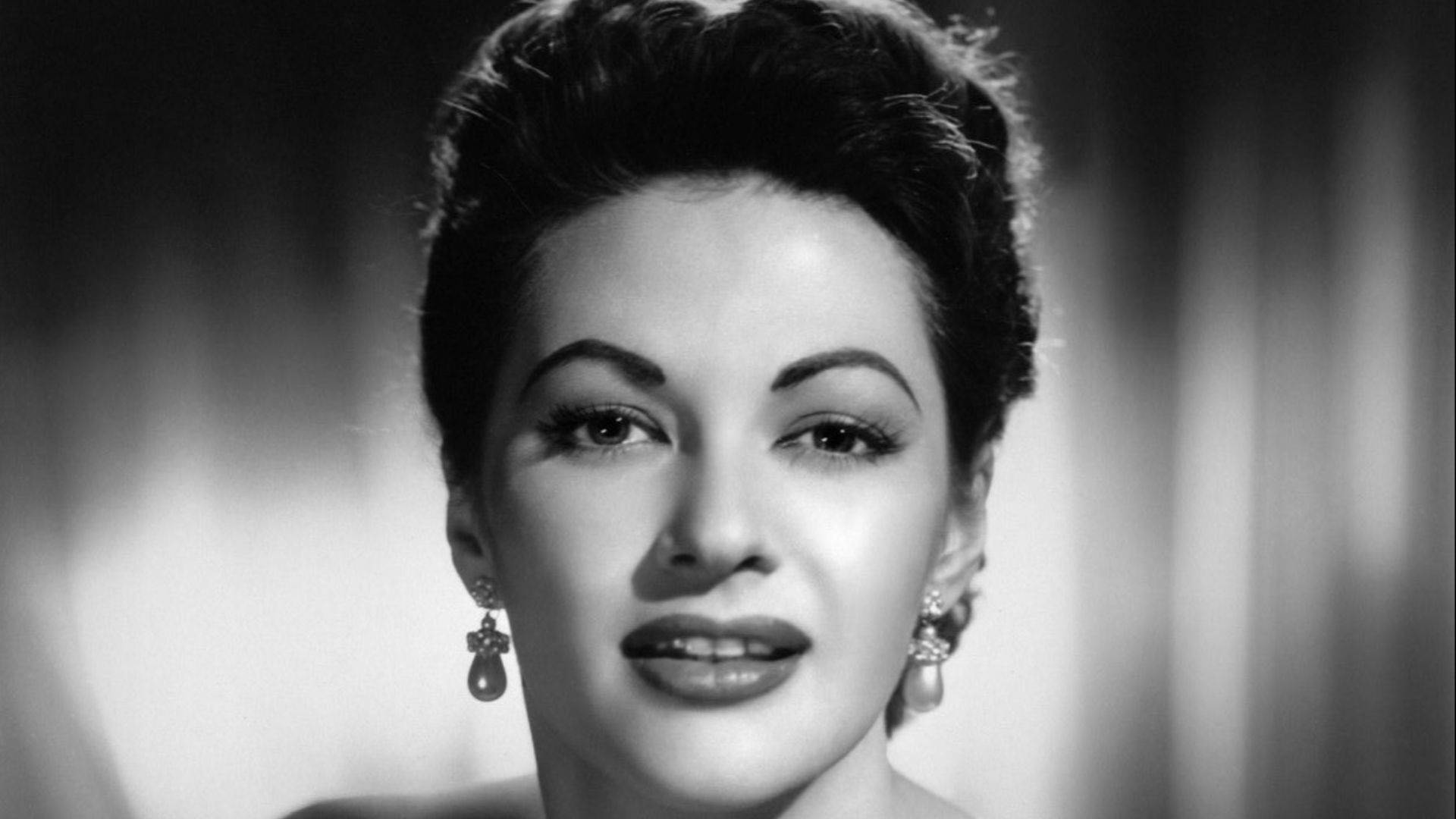
De Carlo was not limited to palace interiors or elaborate gowns. She appeared in numerous Westerns and proved comfortable with riding, outdoor locations, and physically demanding stories. Her frontier films helped establish the toughness that later existed beneath Lily Munster’s graceful manners. Even in the most decorative roles, De Carlo rarely seemed helpless.
 Unknown authorUnknown author, Wikimedia Commons
Film Noir Revealed A Harder Edge
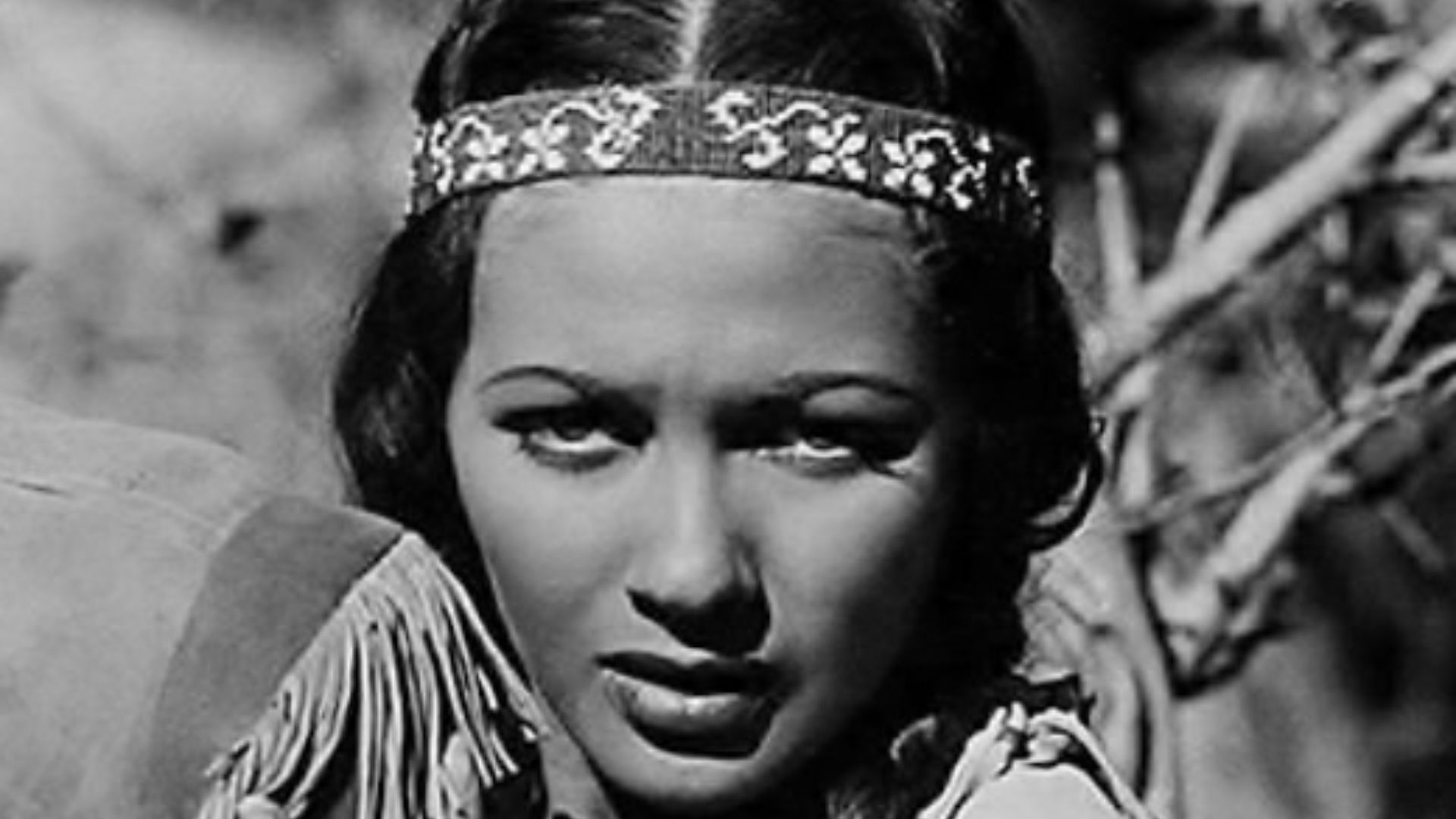
De Carlo also worked opposite Burt Lancaster in the crime dramas Brute Force and Criss Cross. Those films placed her in darker emotional worlds than the adventures that had first made her famous. She could suggest calculation, disappointment, and survival without losing the glamour studios expected from her. That ability to combine elegance with danger would become useful at 1313 Mockingbird Lane.
 Cardinal Pictures / Republic Pictures, Wikimedia Commons
The Ten Commandments Gave Her Prestige
Cecil B. DeMille cast De Carlo as Sephora, the wife of Moses, in the 1956 epic The Ten Commandments. The enormous production placed her opposite Charlton Heston in one of the decade’s most prominent films. Sephora required warmth, dignity, and emotional restraint rather than the flamboyance of De Carlo’s earlier adventures. The role demonstrated that she could bring gravity to a major prestige production.
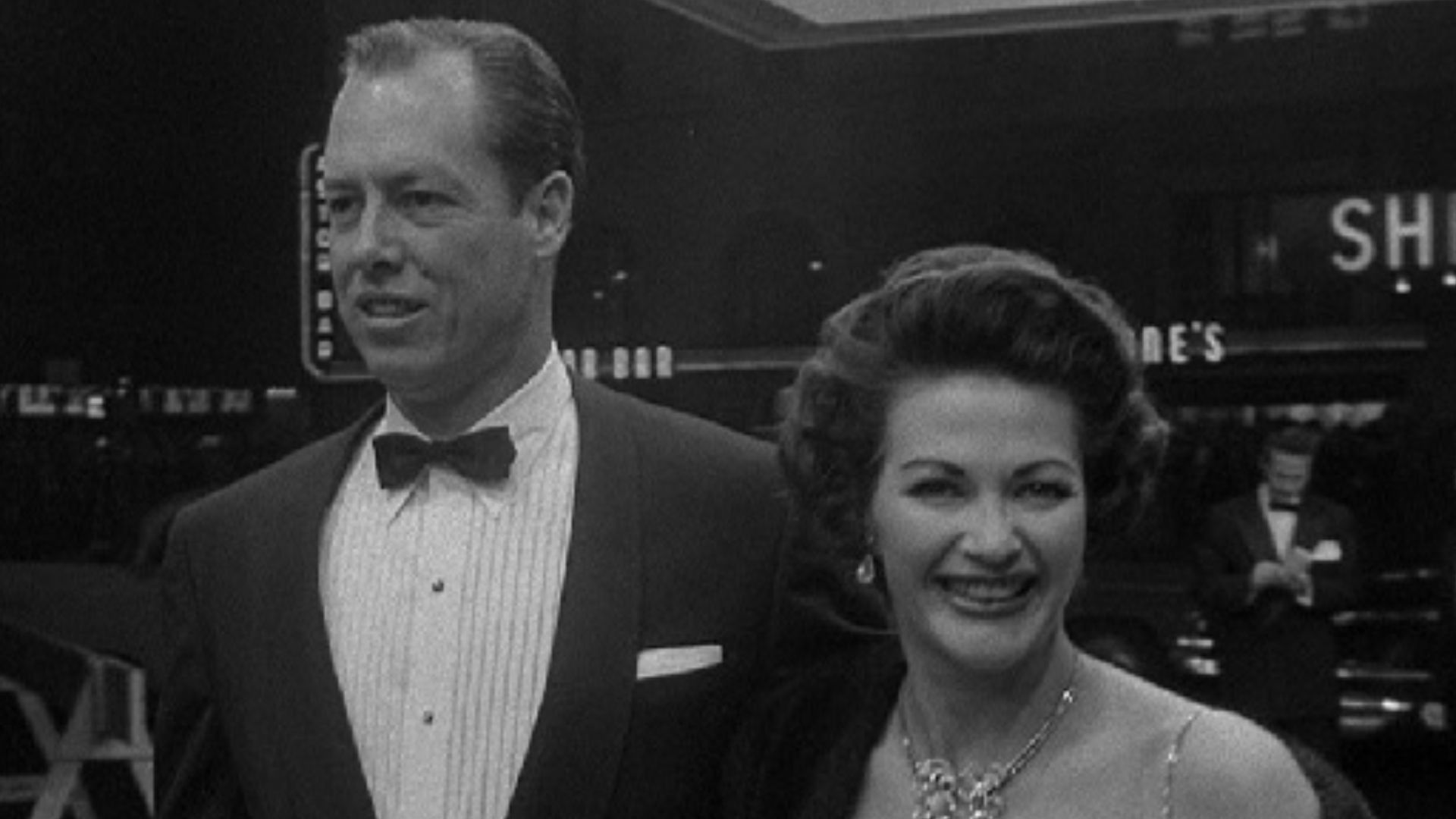
She Had Already Worked With Hollywood Giants
By the late 1950s, De Carlo had appeared with stars including Burt Lancaster, Charlton Heston, Clark Gable, and Sidney Poitier. Her résumé extended across crime pictures, Westerns, biblical epics, musicals, and romantic adventures. She entered the next decade with genuine movie-star credentials rather than as an actress searching for her first important part. That stature made her arrival on a monster sitcom seem almost surreal.
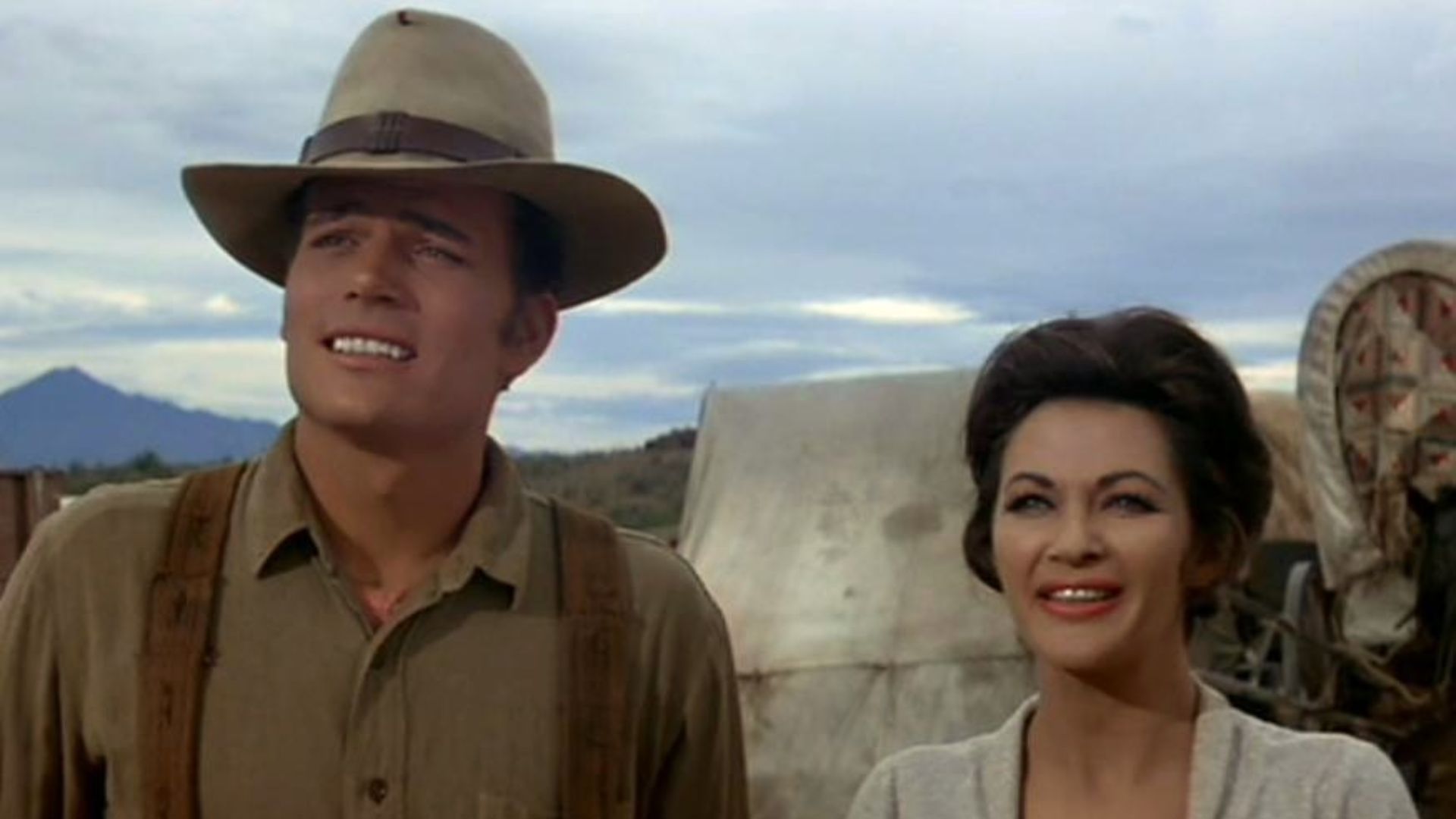 DVD (Batjac-Paramount Pictures), Wikimedia Commons
The Film Roles Began To Slow Down
Hollywood changed as De Carlo moved beyond the ingénue years that had defined much of her stardom. Major leading roles became less frequent, even though she continued working in films and television. Like many actresses of her generation, she faced an industry that had far fewer substantial parts for women entering middle age. Television offered steadier employment, but accepting it meant adjusting the glamorous image she had spent years building.
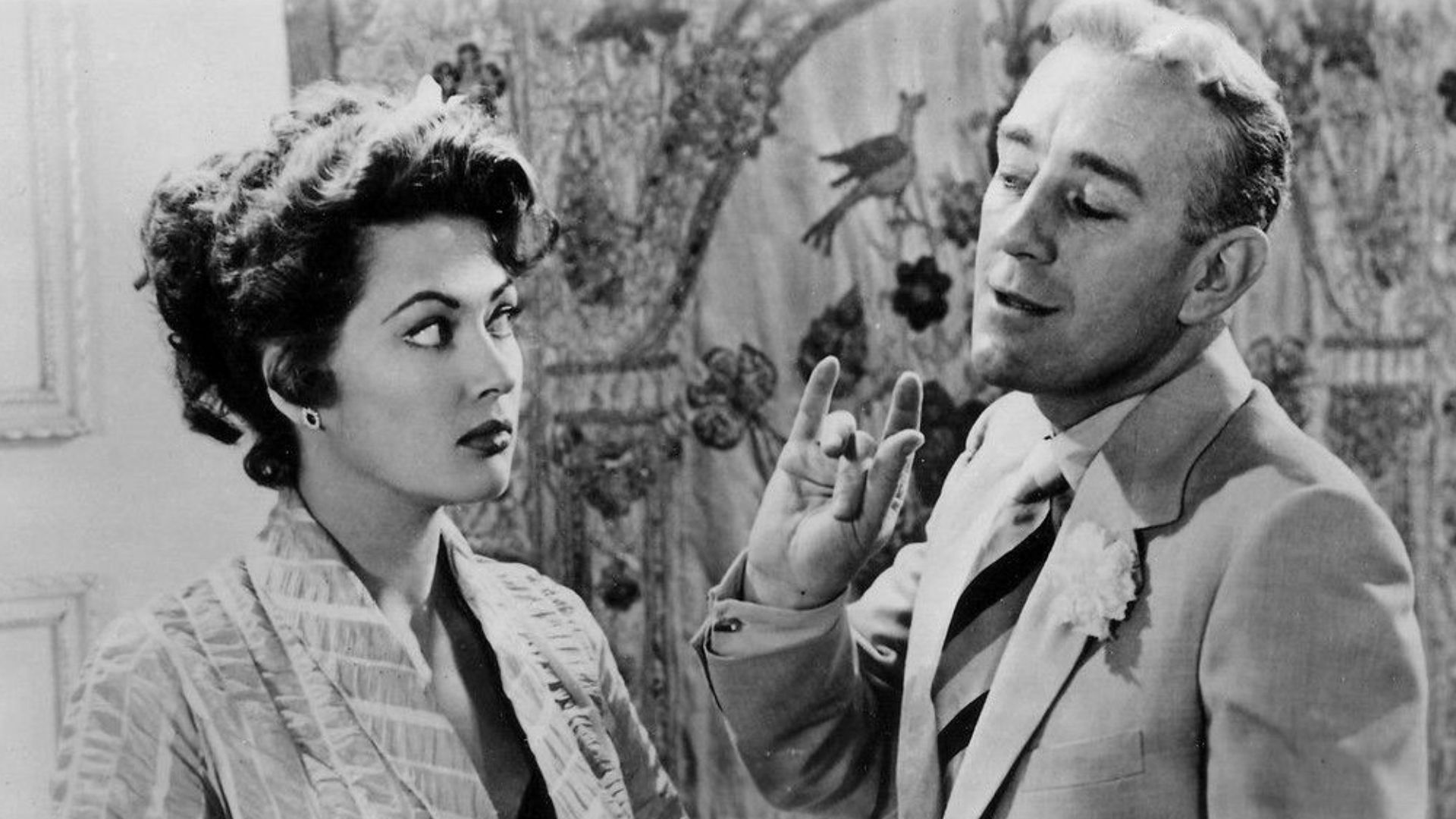 Unknown authorUnknown author, Wikimedia Commons
Lily Munster Was A Startling Offer
The Munsters combined the appearance of Universal’s classic movie monsters with the structure of a wholesome domestic sitcom. De Carlo was asked to play Lily, the vampire-like wife of the Frankenstein-inspired Herman Munster. The character required pale makeup, a dark wig with a white streak, and a gothic wardrobe unlike anything associated with De Carlo’s Technicolor prime. A former biblical heroine was about to become television’s most glamorous ghoul.
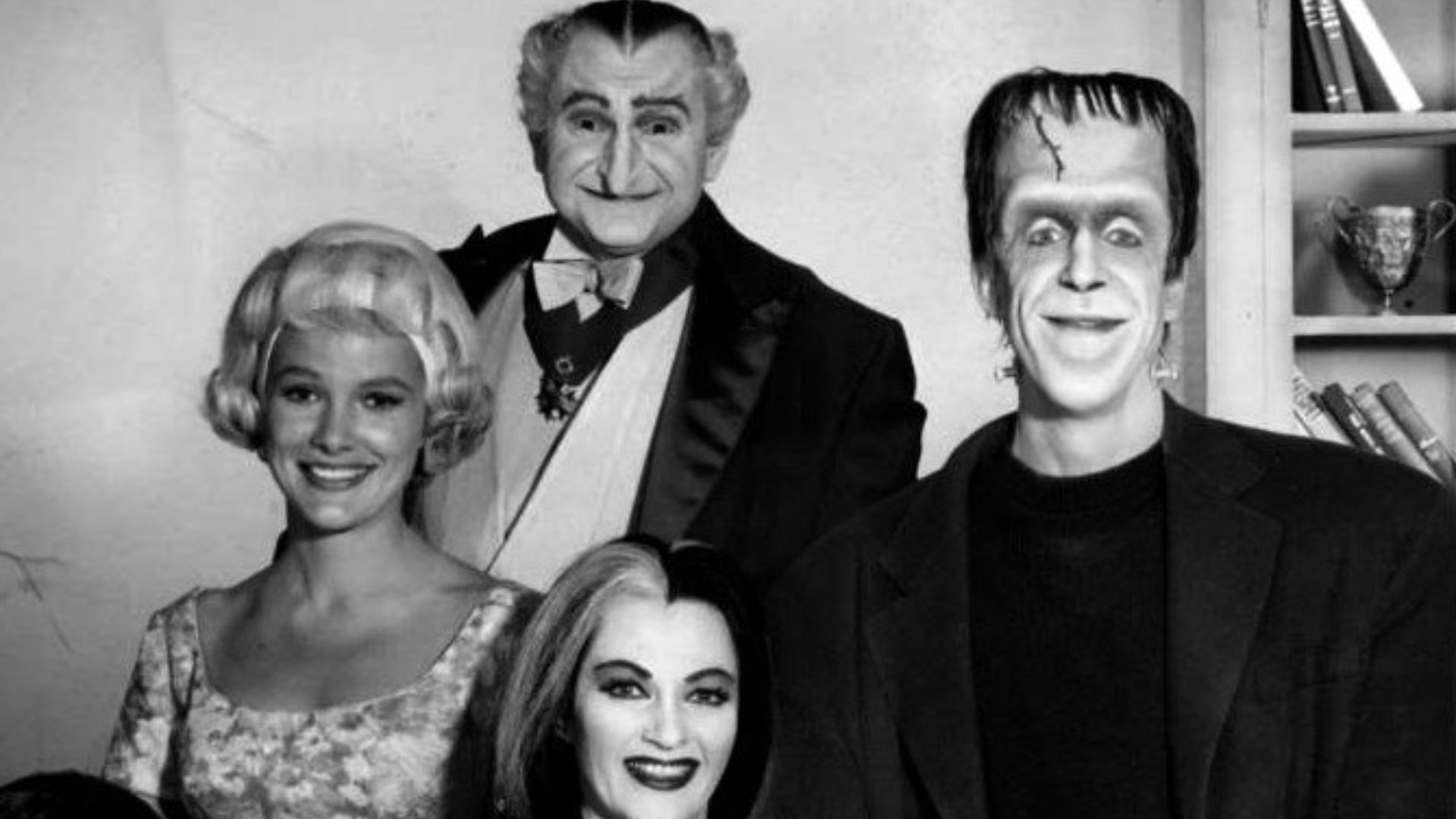 CBS Television, Wikimedia Commons
Her Casting Surprised The Other Actors
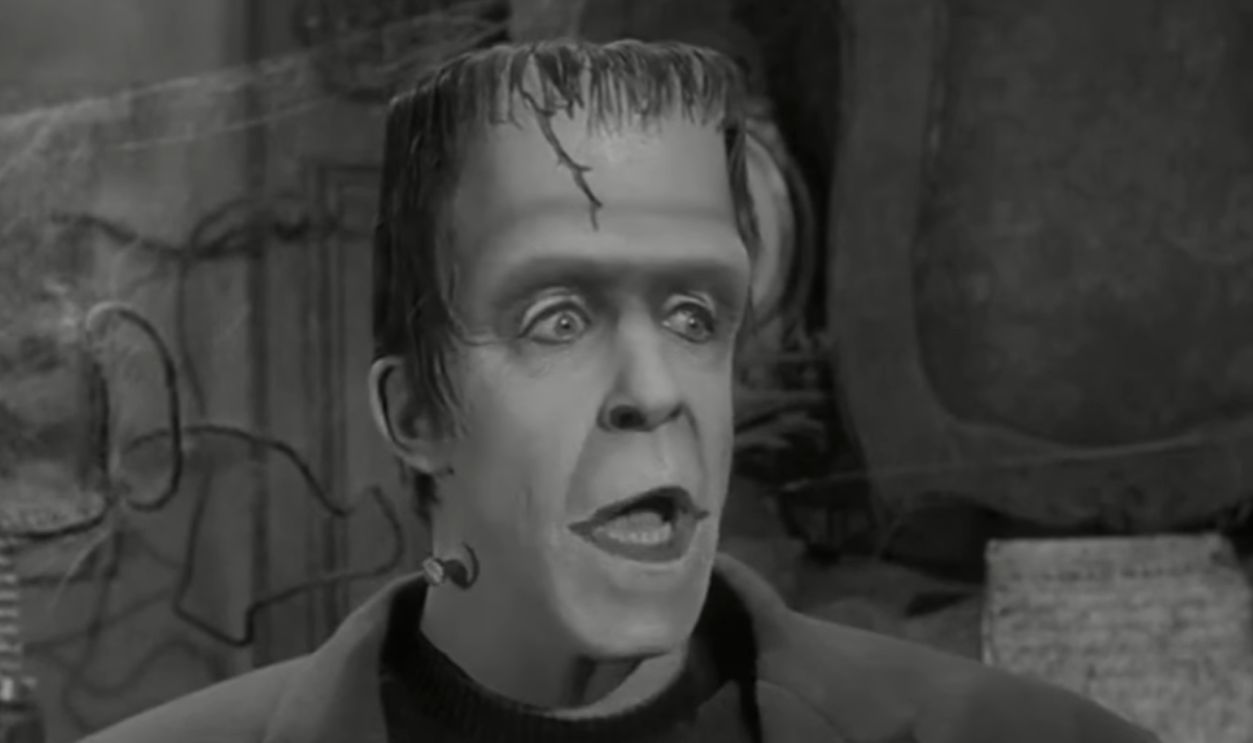
Al Lewis later remembered that he and Fred Gwynne were initially skeptical when they heard that a major Hollywood glamour star would join the series. They came from New York comedy and television, while De Carlo carried the aura of studio-era movies. Their doubts disappeared as the cast discovered that she could match the show’s unusual comic tone. The apparent mismatch became one of the ensemble’s greatest strengths.
 Screenshot from The Munsters, CBS (1964–1966)
She Played Lily Completely Straight
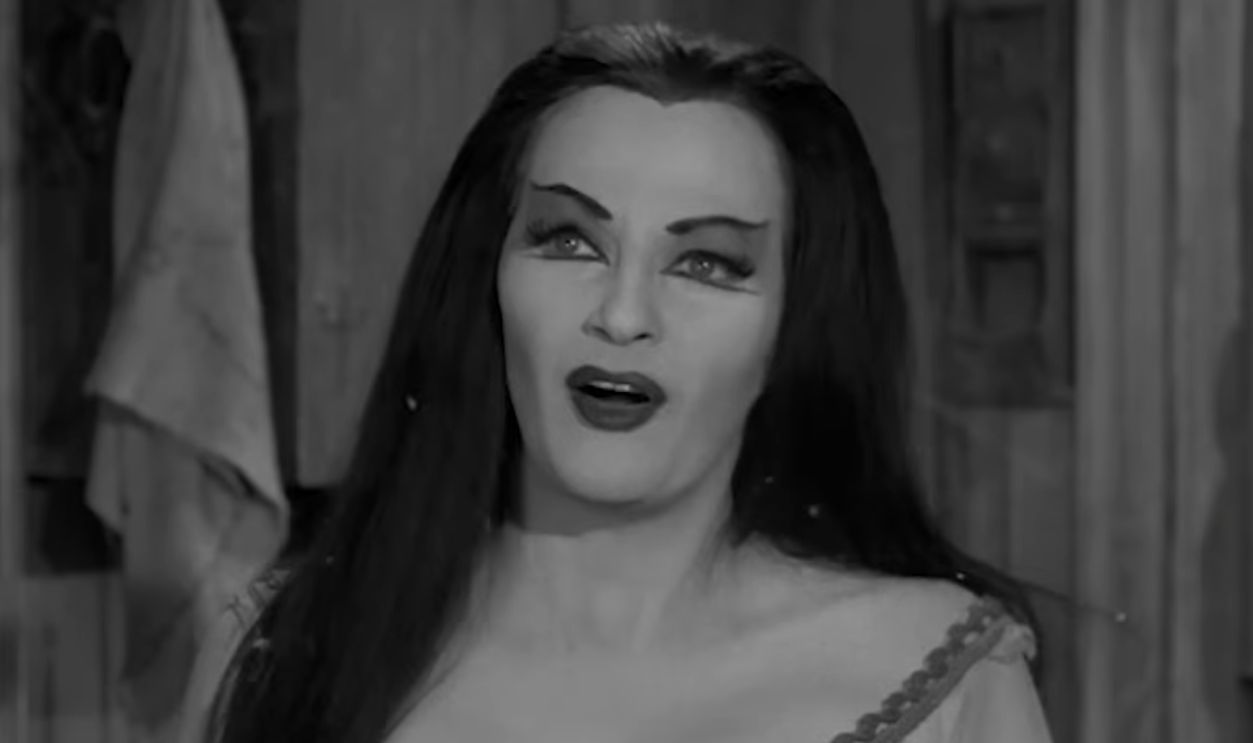
De Carlo understood that Lily would become funnier if she never acted embarrassed by the family’s appearance. Lily behaved like an affectionate suburban wife who happened to sleep in a gothic mansion and consider cobwebs tasteful decoration. She treated Herman’s bolts, Grandpa’s experiments, and Eddie’s werewolf traits as perfectly ordinary. That commitment prevented the character from becoming a performer winking at the audience from beneath the makeup.
 Screenshot from The Munsters, CBS (1964–1966)
The Monster Makeup Could Not Hide Her Elegance
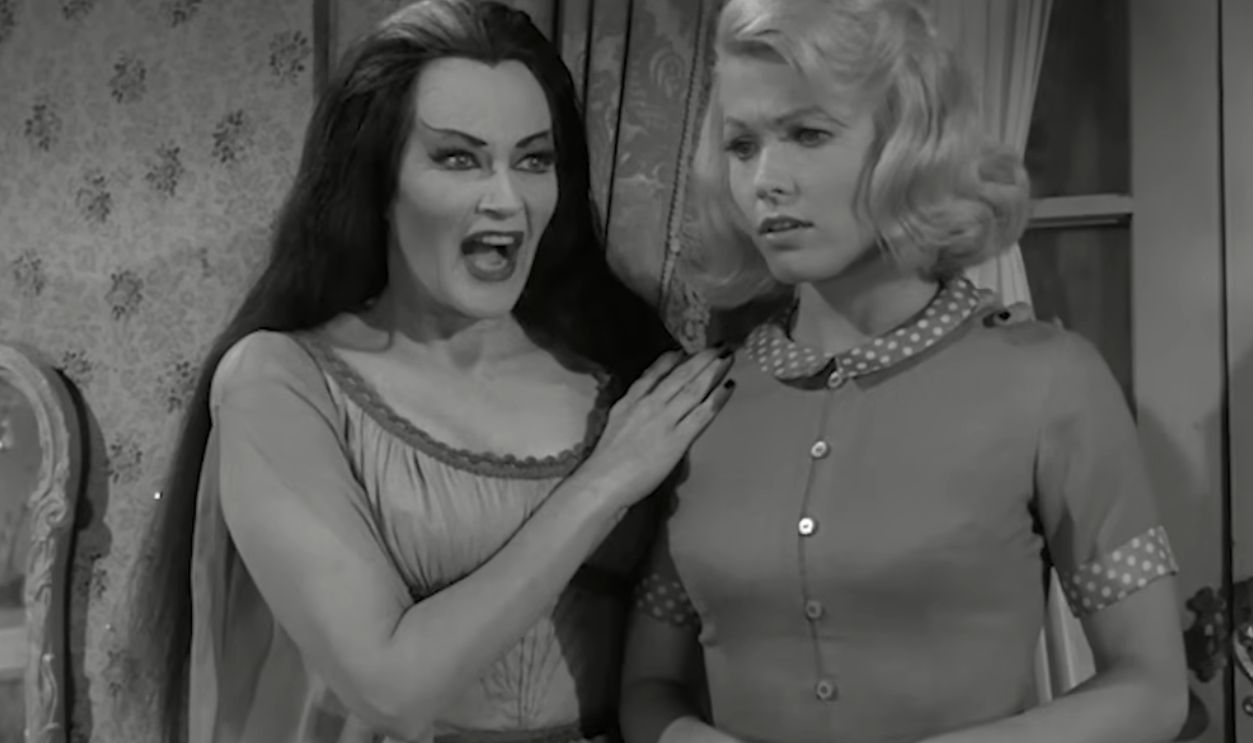
Lily’s pale complexion and dramatic hair made her look supernatural, but De Carlo retained the posture and poise of an old Hollywood star. She moved through the decaying Munster home as if it were a grand drawing room. Her long gowns and calm gestures gave the character a visual refinement that balanced the show’s broader physical comedy. Lily looked like a movie queen who had simply taken a wrong turn into a haunted house.
 Screenshot from The Munsters, CBS (1964–1966)
Lily Was The Household’s Calm Center
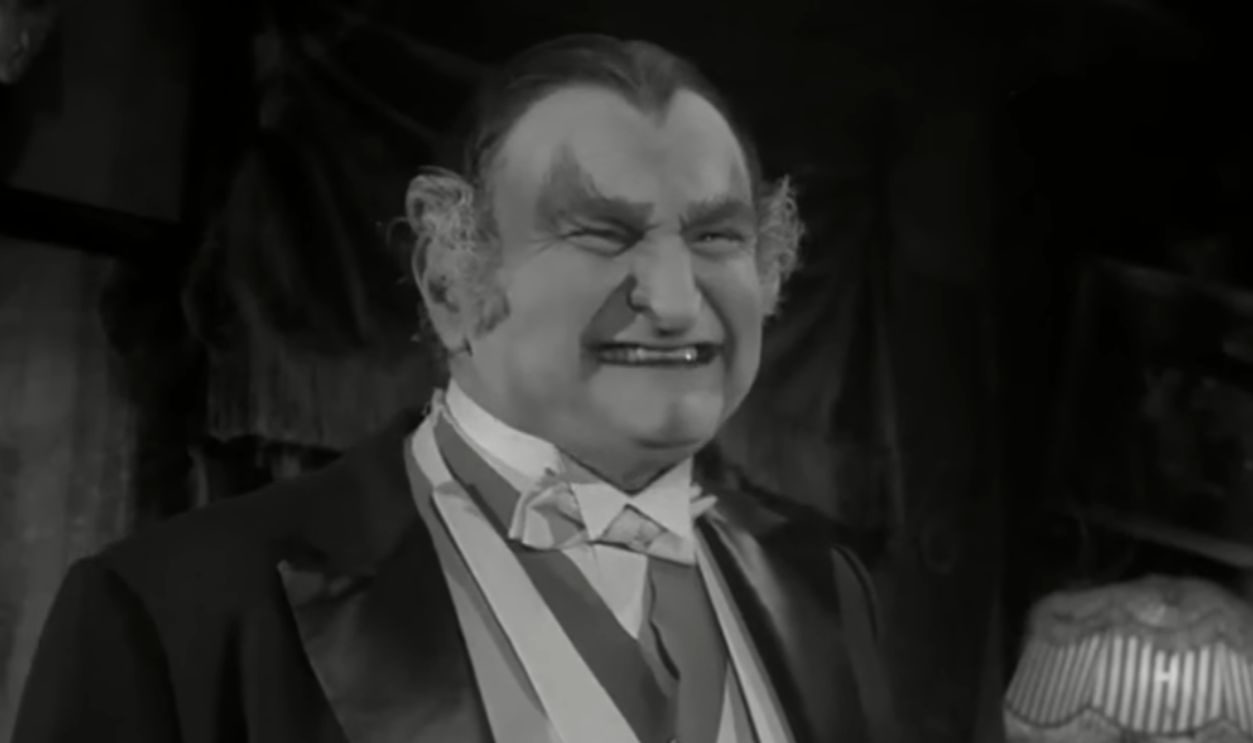
Herman was lovable but impulsive, while Grandpa regularly created chaos through his schemes and experiments. Lily usually responded with patience, practical thinking, and a quiet ability to restore order. De Carlo made her the emotional authority of the family without turning her into a joyless disciplinarian. The Munsters might have looked frightening, but Lily ensured that their home felt safe.
 Screenshot from The Munsters, CBS (1964–1966)
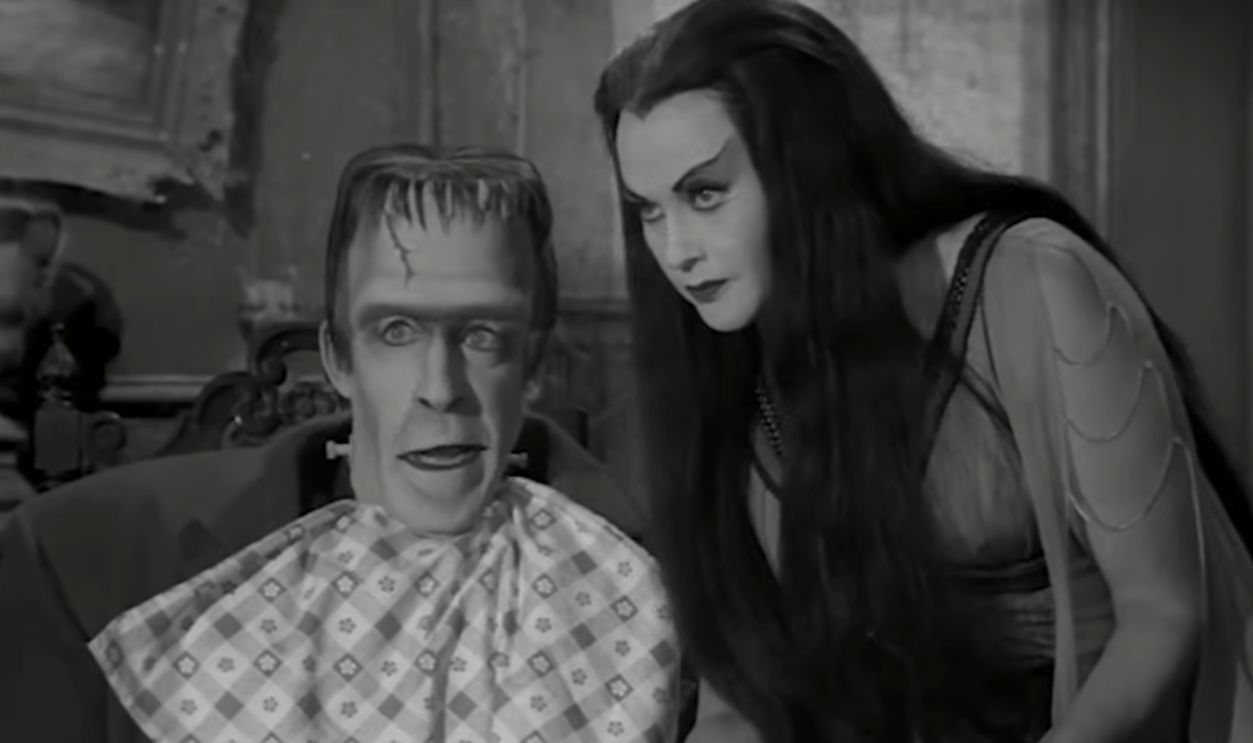
She Loved Herman Without Condescension
Much of the sitcom’s warmth came from Lily’s complete devotion to Herman. She admired him even when his pride, temper, or innocence created another disaster. De Carlo never played the marriage as a sophisticated woman tolerating a foolish husband she secretly disliked. Her affectionate reactions helped make the couple one of television’s strangest but most convincing marriages.
 Screenshot from The Munsters, CBS (1964–1966)
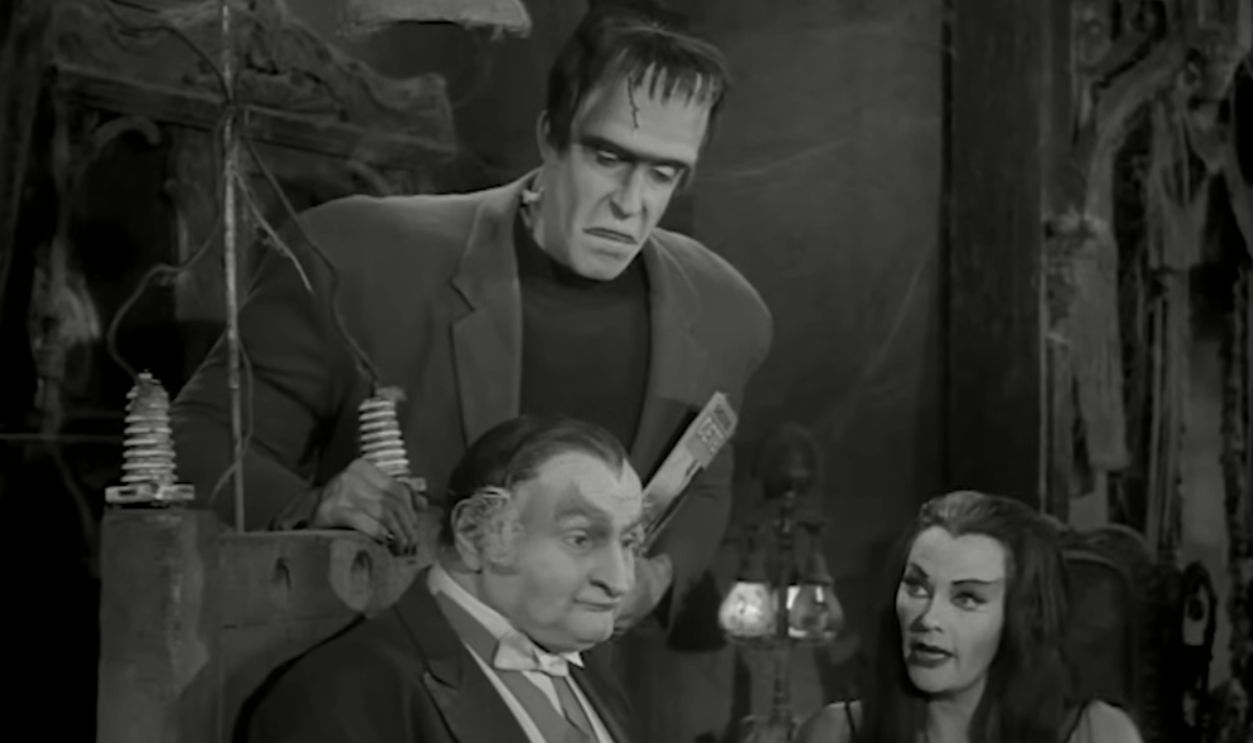
Fred Gwynne Made Her Restraint Funnier
Gwynne’s Herman used enormous physical reactions, booming frustration, and childlike excitement. De Carlo often answered that energy with a controlled glance or a gently delivered correction. The contrast gave both performances greater impact because she never tried to compete with his size or volume. Her stillness made Herman seem bigger, while his chaos made Lily seem even more composed.
 Screenshot from The Munsters, CBS (1964–1966)
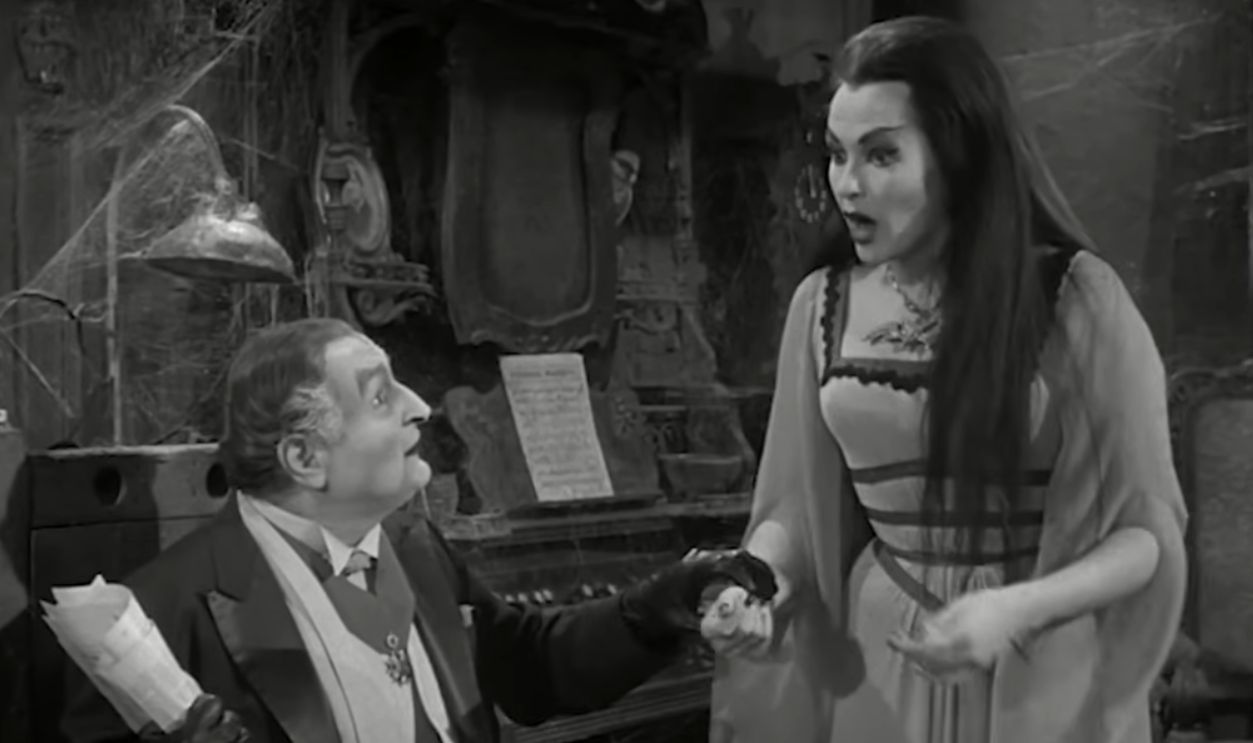
Grandpa Gave Lily Someone To Manage
Al Lewis played Grandpa as a mischievous vampire whose plans regularly complicated family life. As his daughter, Lily could be affectionate while still recognizing exactly how much trouble he was capable of causing. De Carlo’s maternal authority therefore extended beyond Eddie to her own centuries-old father. The arrangement made the Munsters feel like a recognizable multigenerational family beneath all the supernatural decoration.
 Screenshot from The Munsters, CBS (1964–1966)
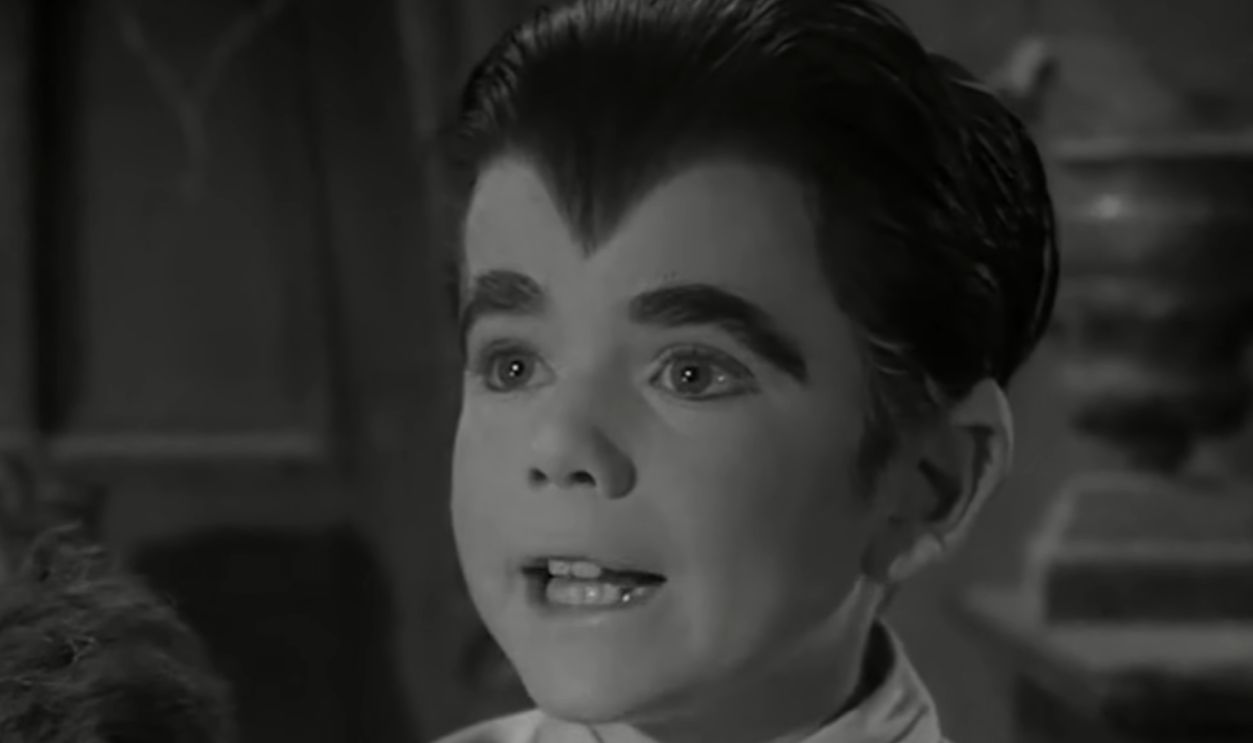
She Made Monster Motherhood Look Normal
Lily packed lunches, worried about Eddie, supported Herman, and tried to guide her family through ordinary suburban problems. The joke was not that she failed to understand motherhood because she was a monster. It was that the Munsters considered themselves a completely normal family surrounded by unusually strange neighbors. De Carlo’s sincerity made that reversal work week after week.
 Screenshot from The Munsters, CBS (1964–1966)
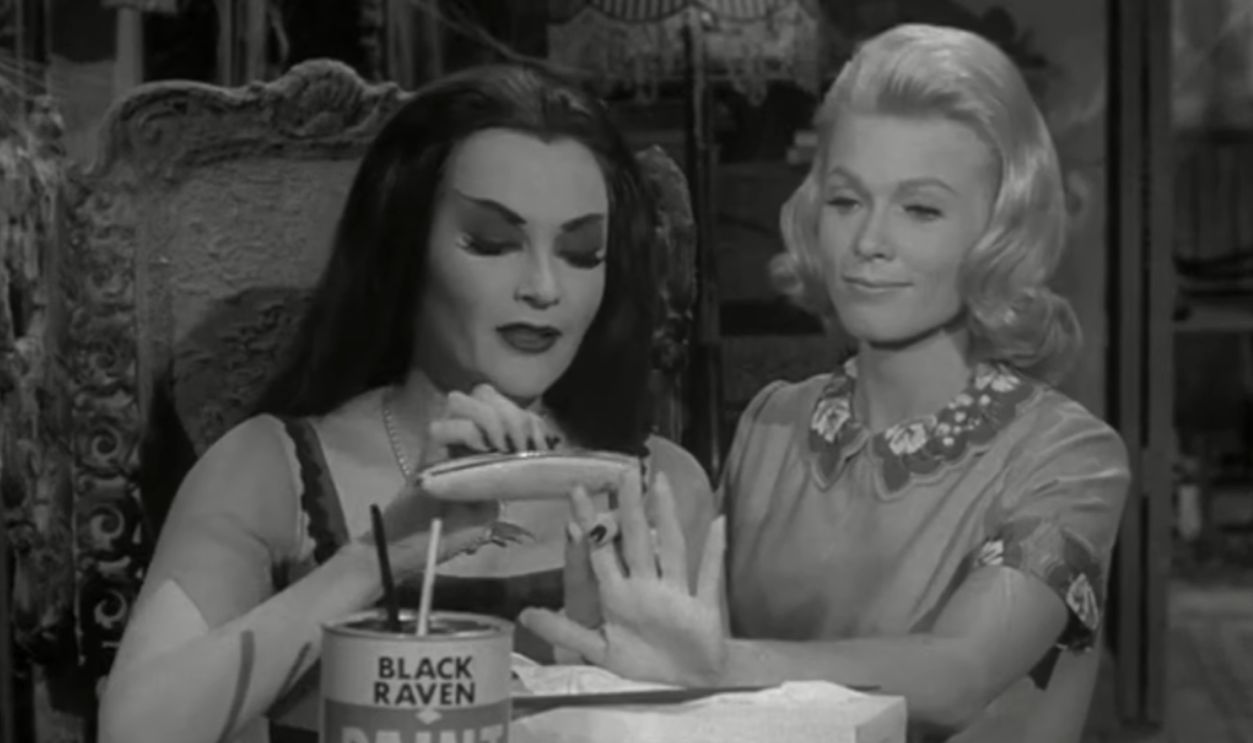
Marilyn Completed The Family Joke
The Munsters viewed their conventionally attractive niece Marilyn as the unfortunate-looking member of the household. Lily treated her with tenderness and worried that the young woman’s appearance might interfere with her happiness. De Carlo played those concerns honestly rather than signaling that Lily understood the visual joke. Her performance kept the satire focused on how arbitrary ideas of normal beauty could be.
 Screenshot from The Munsters, CBS (1964–1966)
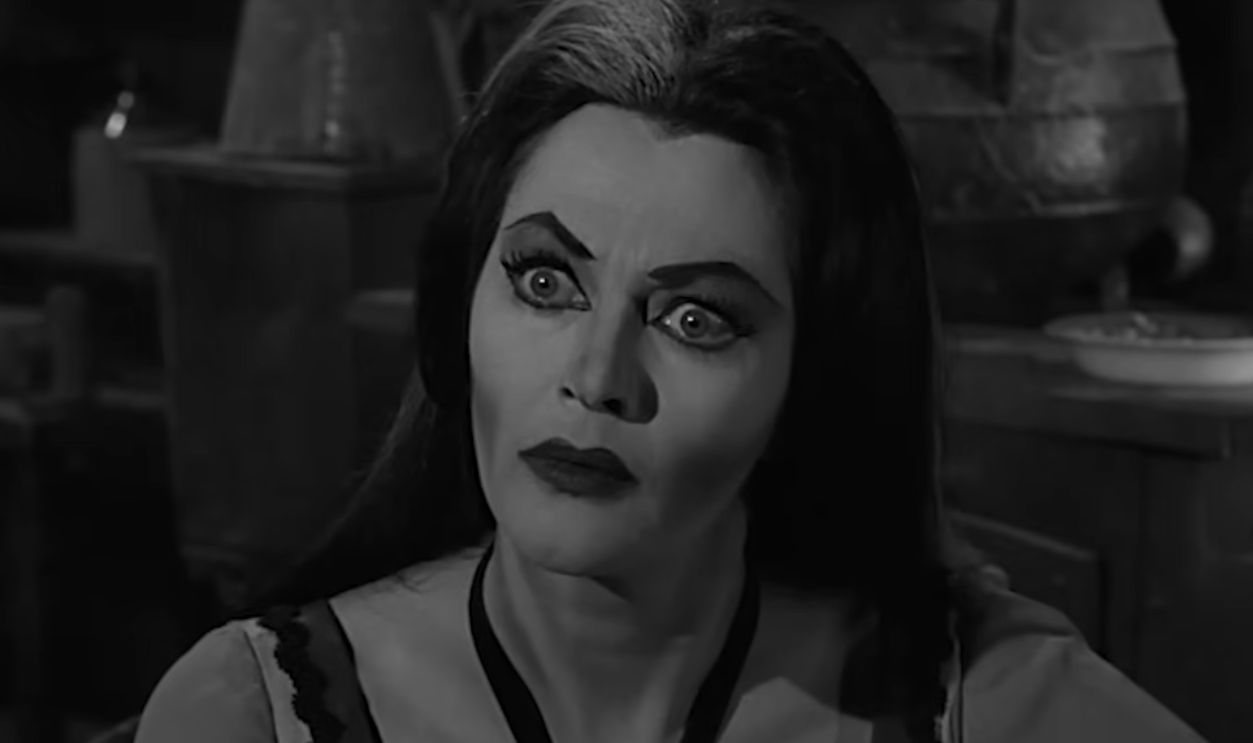
The Costumes Preserved Her Movie-Star Presence
Lily’s wardrobe combined gothic imagery with the flowing shapes and dramatic silhouettes suited to De Carlo. The clothes allowed her to remain glamorous while belonging completely to the Munsters’ cobwebbed world. Her appearance was macabre, but it was never sloppy or grotesque. De Carlo helped create a monster mother who could look eerie and impeccably dressed at the same time.
 Screenshot from The Munsters, CBS (1964–1966)
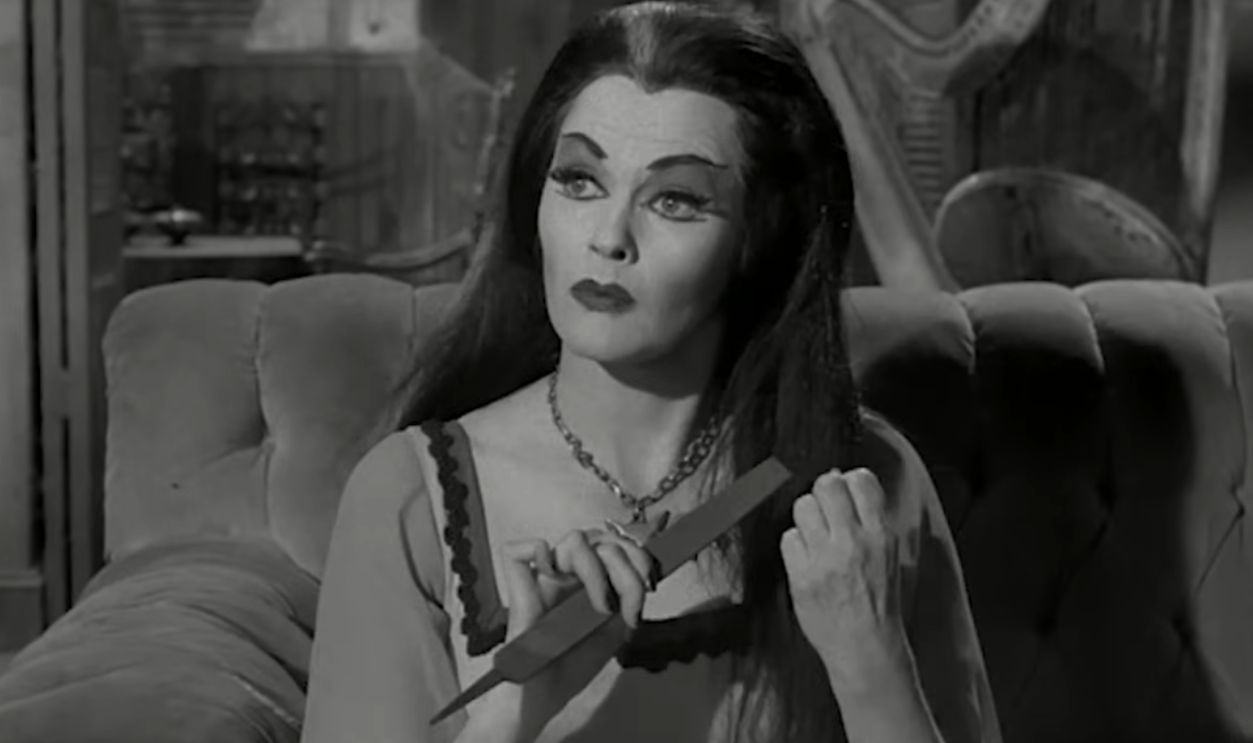
The Makeup Required Real Commitment
Contemporary interviews described lengthy early-morning makeup sessions for the adult Munster cast. De Carlo wore blue-gray makeup, a wig, elaborate nails, and body makeup when costumes exposed additional skin. She reportedly took an active role in completing parts of the transformation herself. The polished final image required far more work than Lily’s effortless composure suggested.
 Screenshot from The Munsters, CBS (1964–1966)
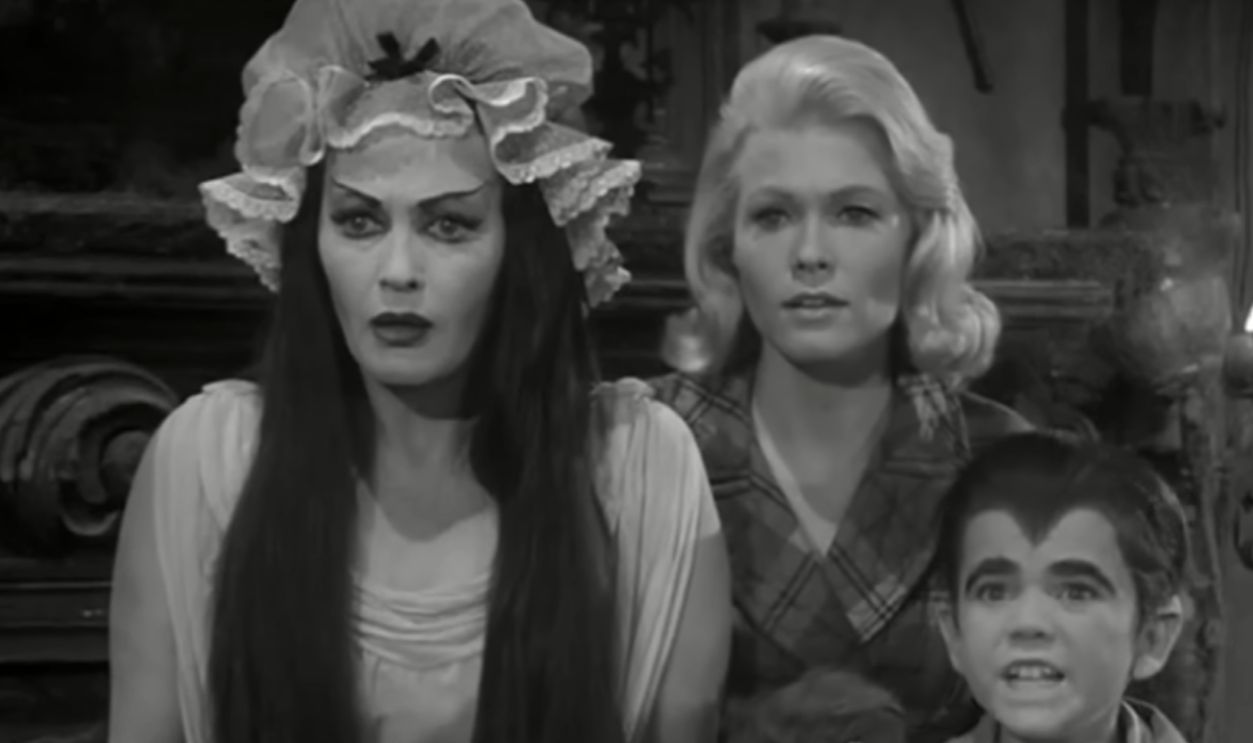
Children Found Her More Fascinating Than Frightening
The series used classic horror imagery but placed it inside gentle family comedy. Herman, Lily, Grandpa, and Eddie looked like creatures from old monster films, yet they were affectionate and rarely malicious. De Carlo’s warmth was crucial because Lily reassured young viewers that the strange household was fundamentally loving. The show helped turn frightening movie archetypes into familiar television companions.
 Screenshot from The Munsters, CBS (1964–1966)
Two Seasons Created A Lasting Icon
The Munsters aired on CBS from 1964 to 1966 and lasted only two seasons. Its relatively brief original run did not prevent Lily, Herman, Grandpa, Eddie, and Marilyn from becoming enduring pop-culture figures. Reruns introduced the family to viewers who had not been born when the series first aired. Lily ultimately reached a far larger multigenerational audience than many of De Carlo’s leading film roles.
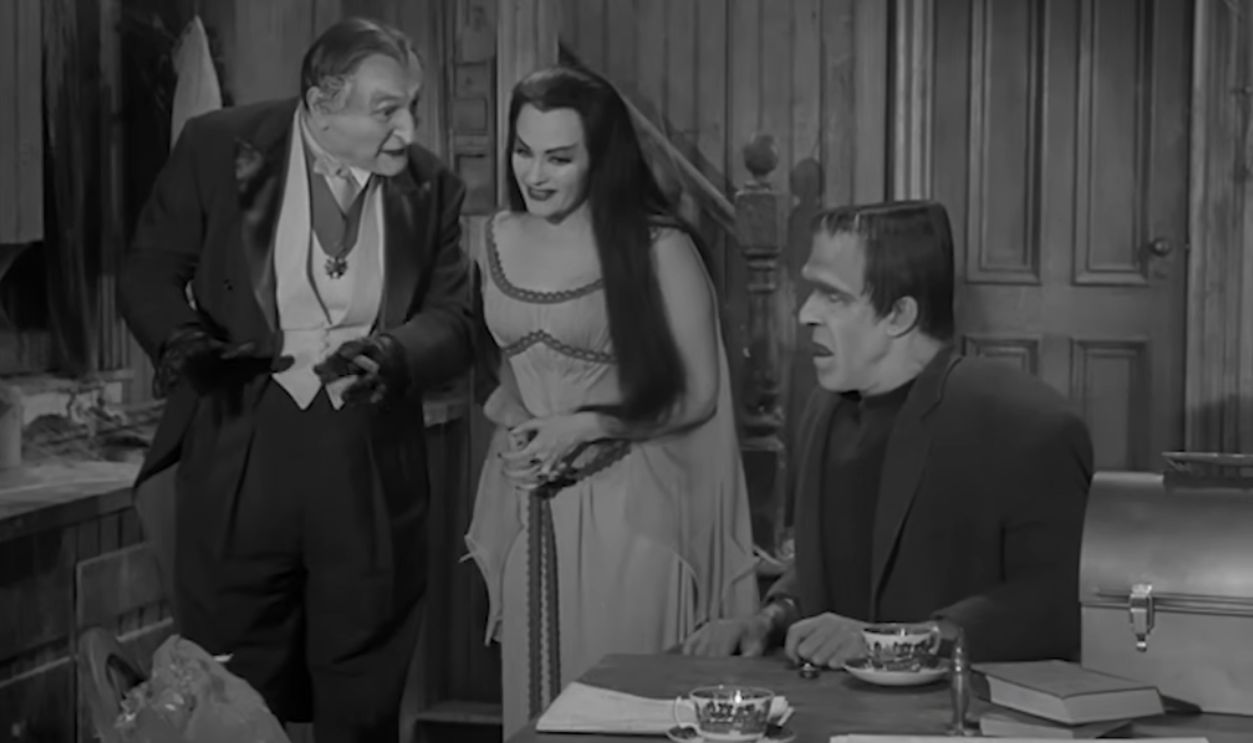 Screenshot from The Munsters, CBS (1964–1966)
The Family Moved Into Color
Soon after the series ended, De Carlo reprised Lily in the 1966 feature Munster, Go Home!. The film presented the family in color after viewers had known them through black-and-white television. Lily’s makeup and costumes gained an entirely different impact in the brighter format. The movie confirmed that De Carlo remained central to the family’s identity beyond the weekly series.
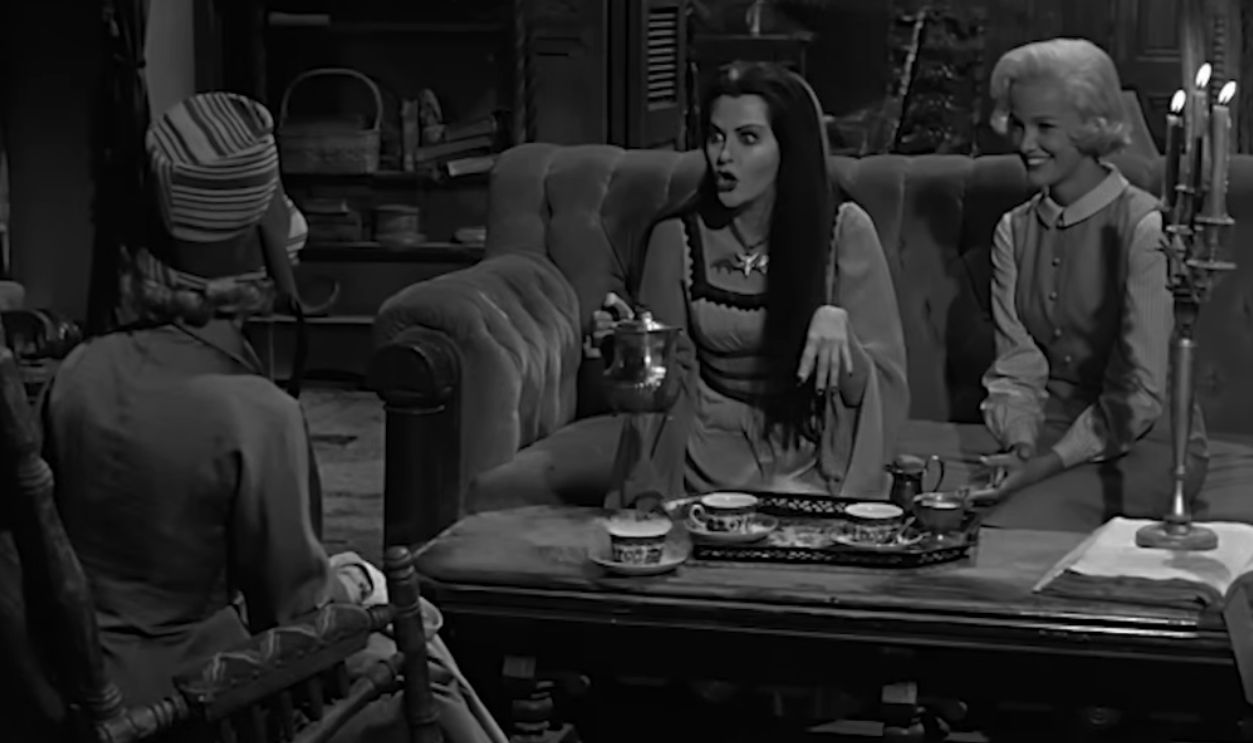 Screenshot from The Munsters, CBS (1964–1966)
She Returned To Lily Years Later
De Carlo again played Lily in the 1981 television movie The Munsters’ Revenge. The reunion brought her back alongside Fred Gwynne and Al Lewis more than a decade after the original program ended. Although later productions recast the family, De Carlo remained the performer most strongly associated with Lily. The character had become too closely connected to her elegance and delivery to be easily duplicated.
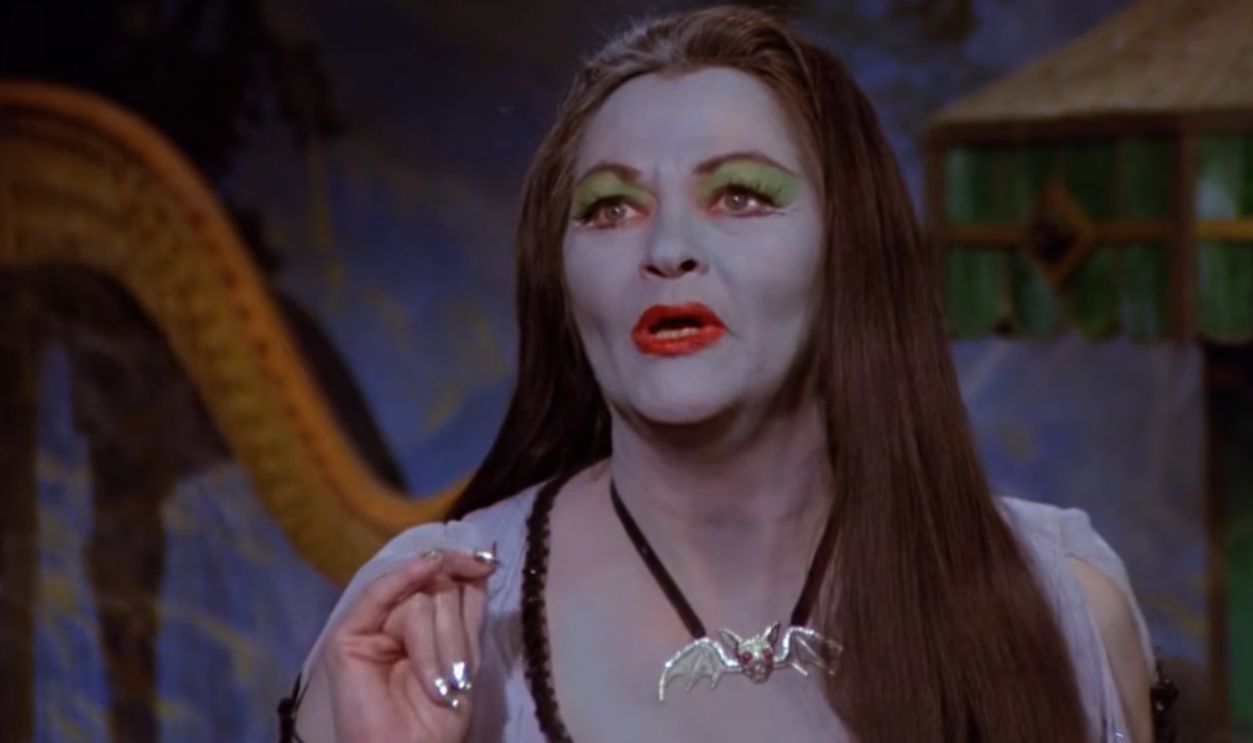 Screenshot from The Munsters' Revenge, NBC (1981)
Broadway Proved She Still Had Surprises
In 1971, De Carlo originated the role of Carlotta Campion in Stephen Sondheim’s Follies. She introduced “I’m Still Here,” a song about surviving changing fashions, professional disappointments, and the passage of time. The number became one of the musical’s most enduring songs and suited a performer who had already reinvented herself repeatedly. Lily Munster had not ended De Carlo’s range because Broadway soon gave her another defining moment.
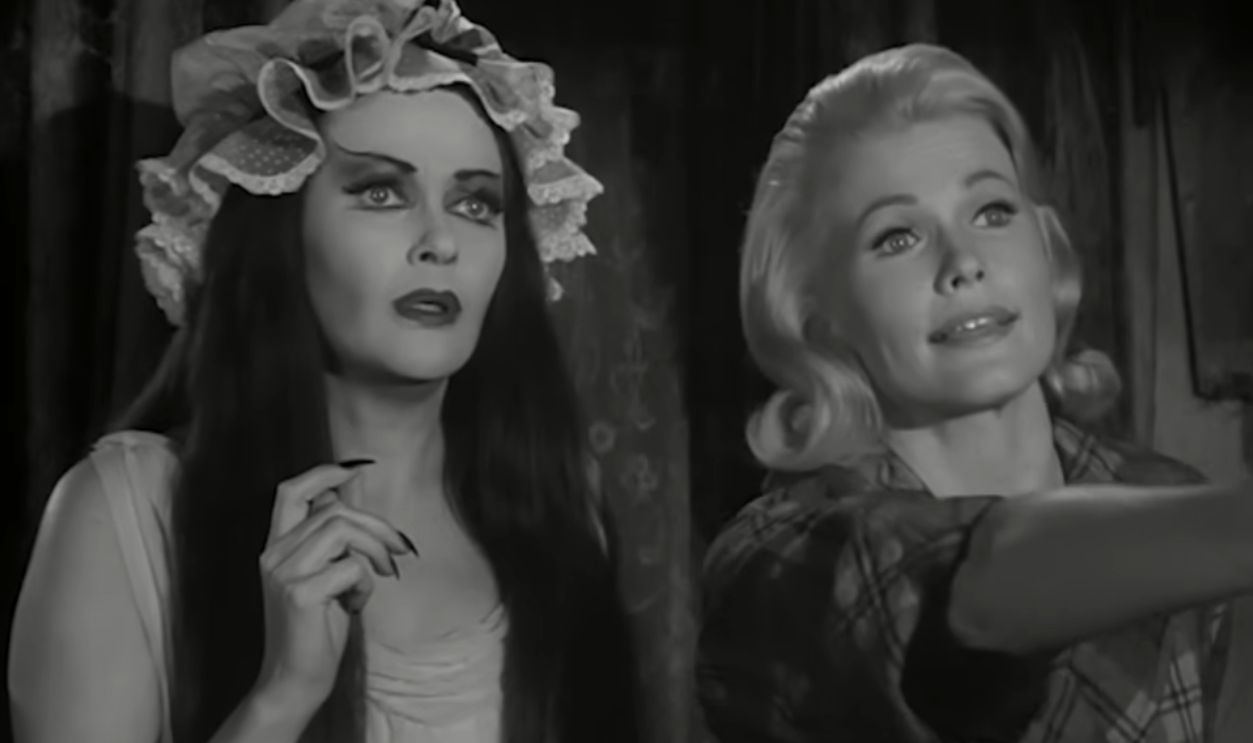 Screenshot from The Munsters, CBS (1964–1966)
Lily Gave Her A Younger Audience
De Carlo later acknowledged that The Munsters brought her to younger viewers who did not know her earlier films. Children who encountered Lily in reruns often learned only afterward that the woman beneath the makeup had once been a major Hollywood glamour star. The sitcom therefore preserved her fame even as it altered the role through which most people recognized her. Television had not erased her past, but it had given her an unexpectedly durable future.
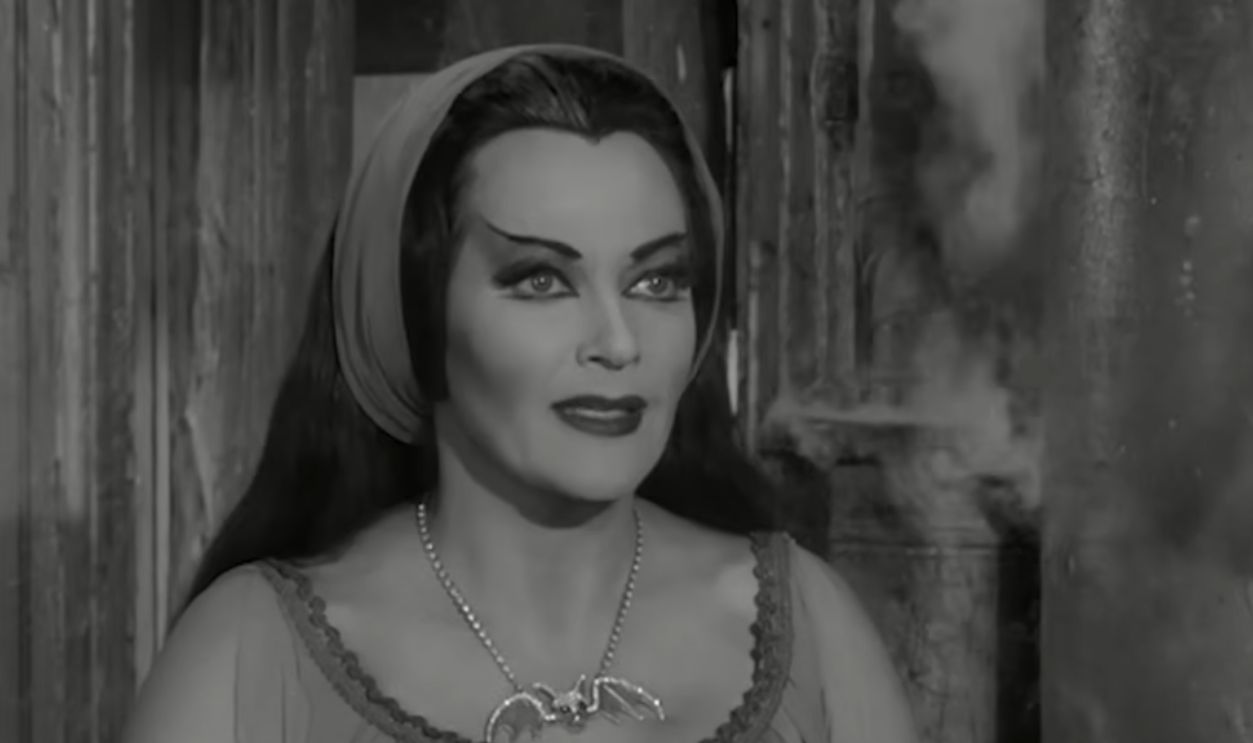 Screenshot from The Munsters, CBS (1964–1966)
The Role Changed How Her Glamour Worked
Before The Munsters, Hollywood often presented De Carlo’s beauty as the primary event. As Lily, glamour became one ingredient in a fuller comic character who was intelligent, maternal, romantic, and capable of controlling an entire household. The monster costume gave De Carlo more room to be funny precisely because it disrupted the serious glamour associated with her movies. She did not stop being elegant, but elegance finally became part of the joke rather than the limit of the role.
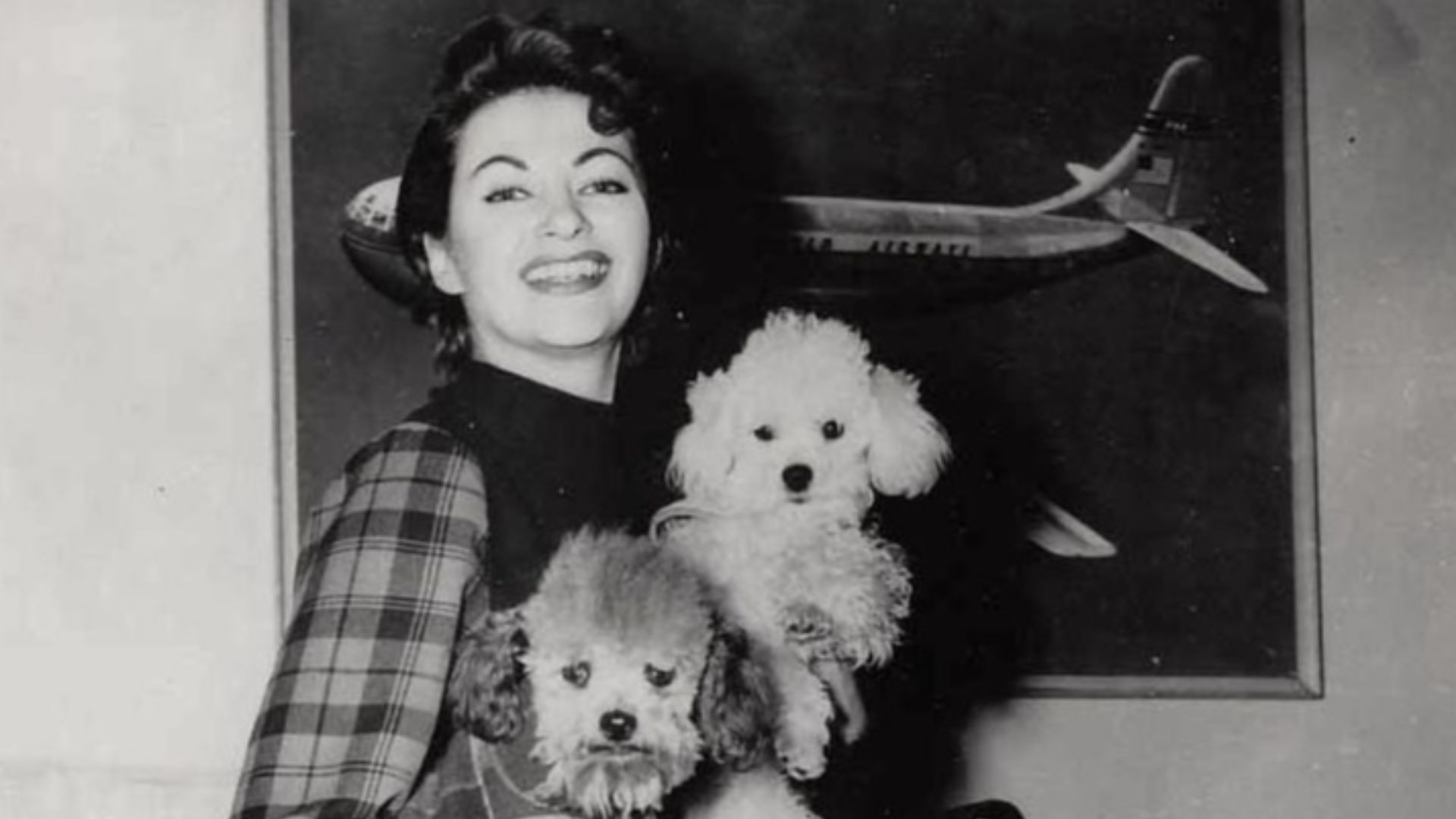 Unknown authorUnknown author, Wikimedia Commons
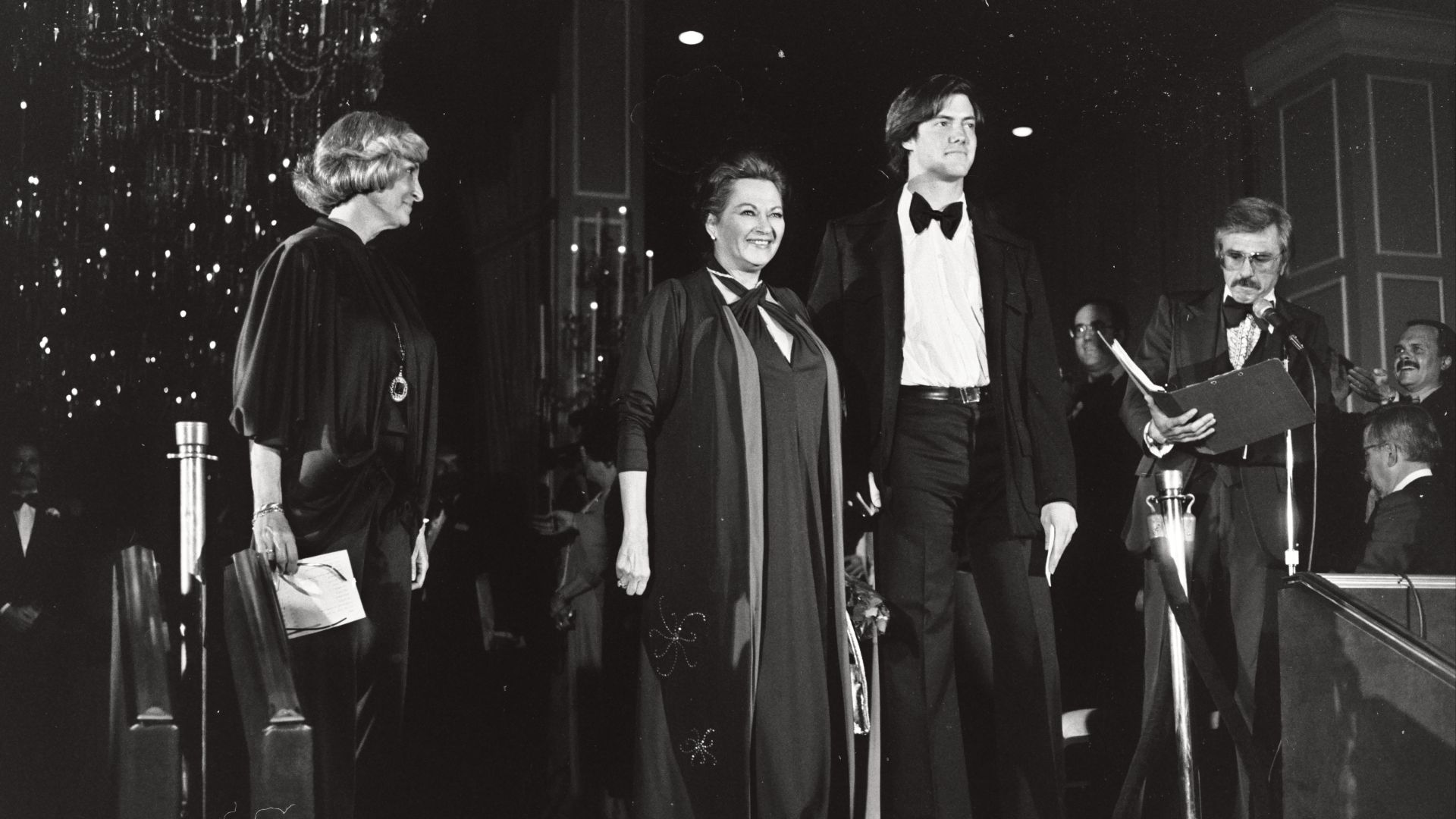
Television Made Her Immortal
De Carlo’s film career included major productions, celebrated costars, and roles far more dramatic than Lily Munster. Yet the affectionate vampire mother became the character that survived most powerfully through reruns, revivals, merchandise, and cultural memory. Lily endured because De Carlo treated a ridiculous premise with complete professionalism and genuine warmth. She left conventional Hollywood glamour behind only to discover a stranger, funnier, and far more permanent form of stardom.
You May Also Like:
Sitcom Dads From The 1960s Who Completely Changed American Television—How Many Do You Remember?
TV Moms From The 1960s & 1970s Who Raised Half Of America
The Quiet Final Years Of The Munsters Star Fred Gwynne
Sources: 1, 2, 3, 4, 5, 6, 7, 8, 9, 10, 11, 12, 13, 14, 15, 16