The Big Softie Behind The Bolts
For millions of viewers, Fred Gwynne would always be Herman Munster—the towering, lovable goof with Frankenstein shoes and a booming laugh. But away from the cameras, Gwynne spent his later years chasing quieter passions, escaping typecasting, and finally finding peace through painting, books, and character acting before his end in 1993.
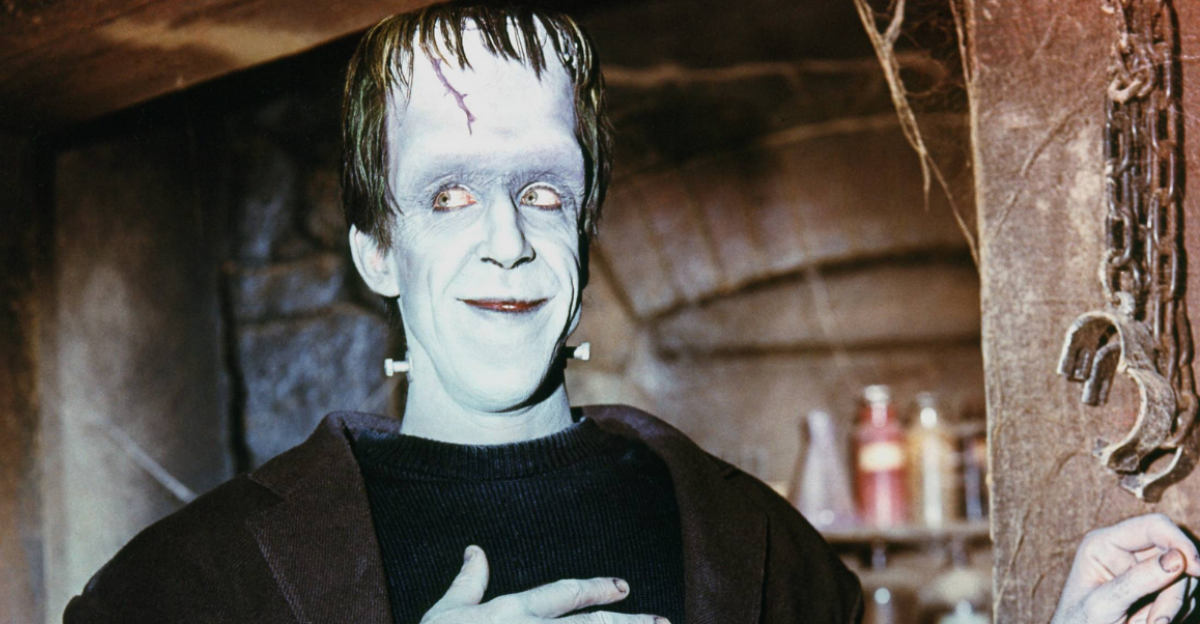 Silver Screen Collection / Contributor, Getty Images
A Childhood Full Of Loss
Fred Gwynne was born in New York City in 1926, but his early life carried more sadness than sitcom charm. He lost siblings at a young age, and after his father passed, Gwynne became shy and withdrawn, pouring much of his energy into sketching and art instead of socializing.
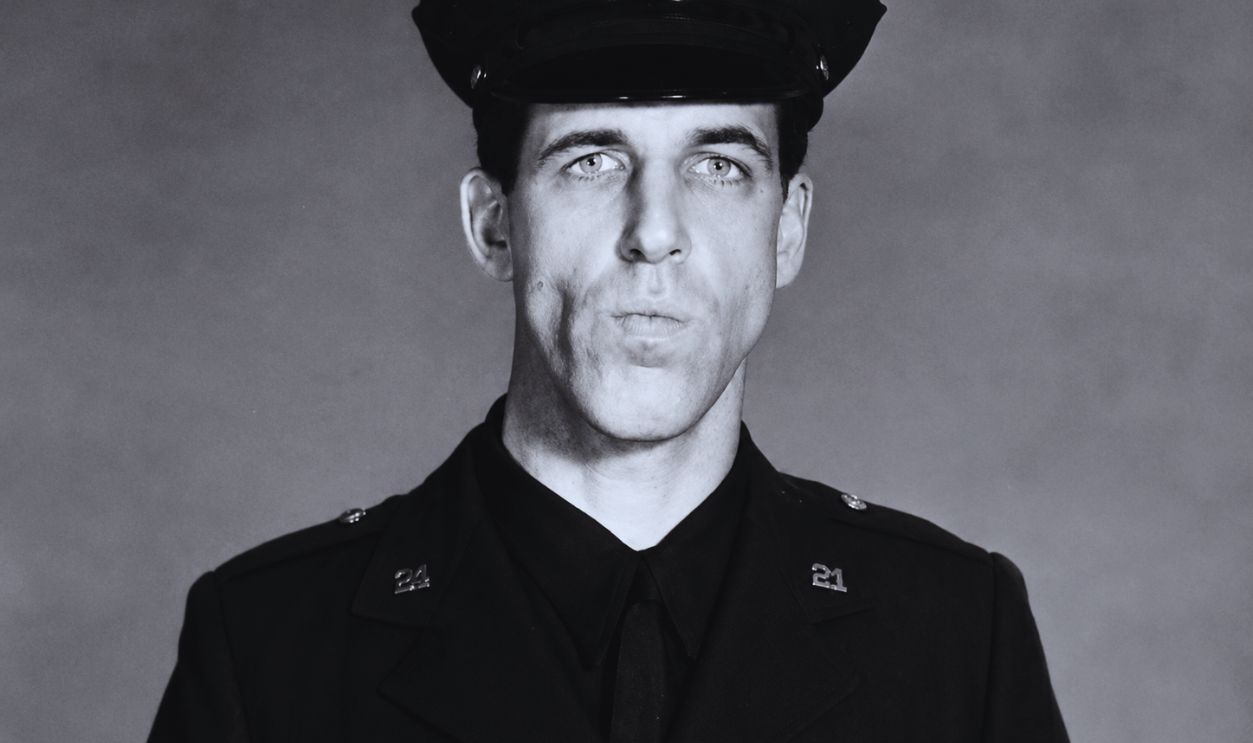 NBC Television, Wikimedia Commons
Boarding School Changed Everything
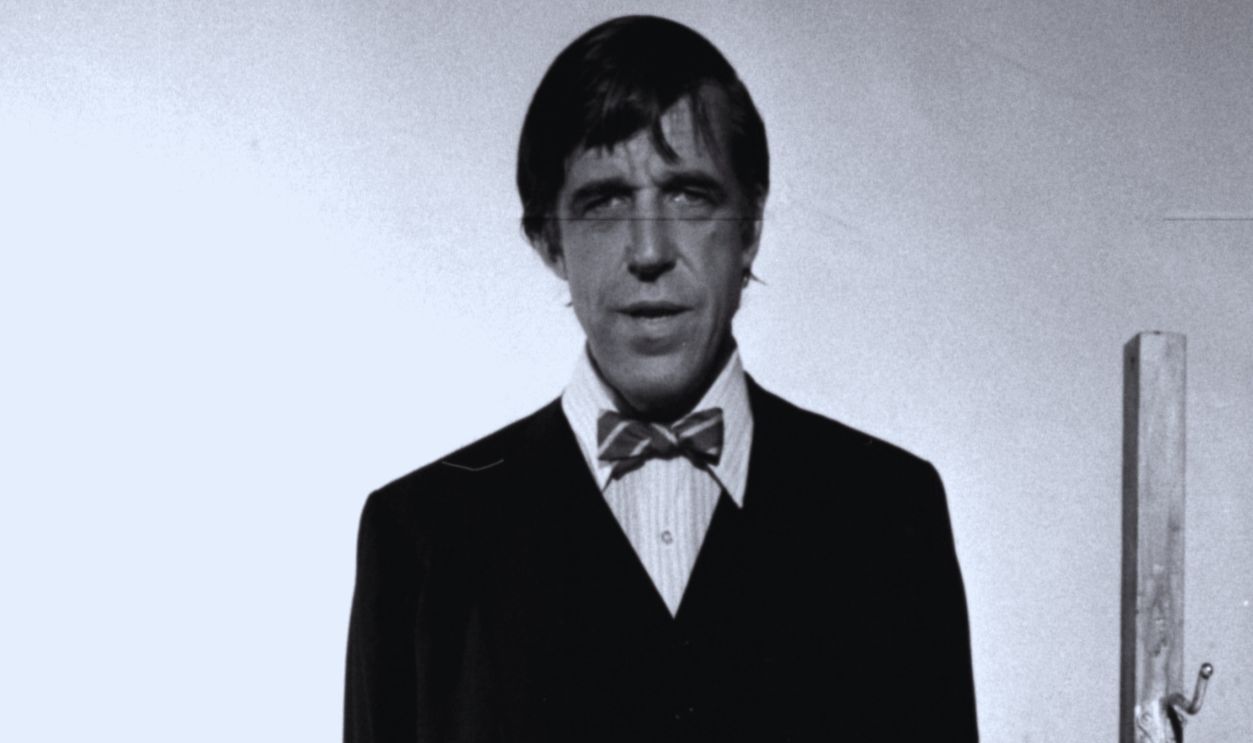
At Groton School, the painfully awkward teenager slowly came out of his shell. His towering height made him impossible to miss, but he also discovered singing, theater, and comedy, which gave him confidence that would later shape his acting career in unexpected ways.
Harvard Turned Him Into A Performer
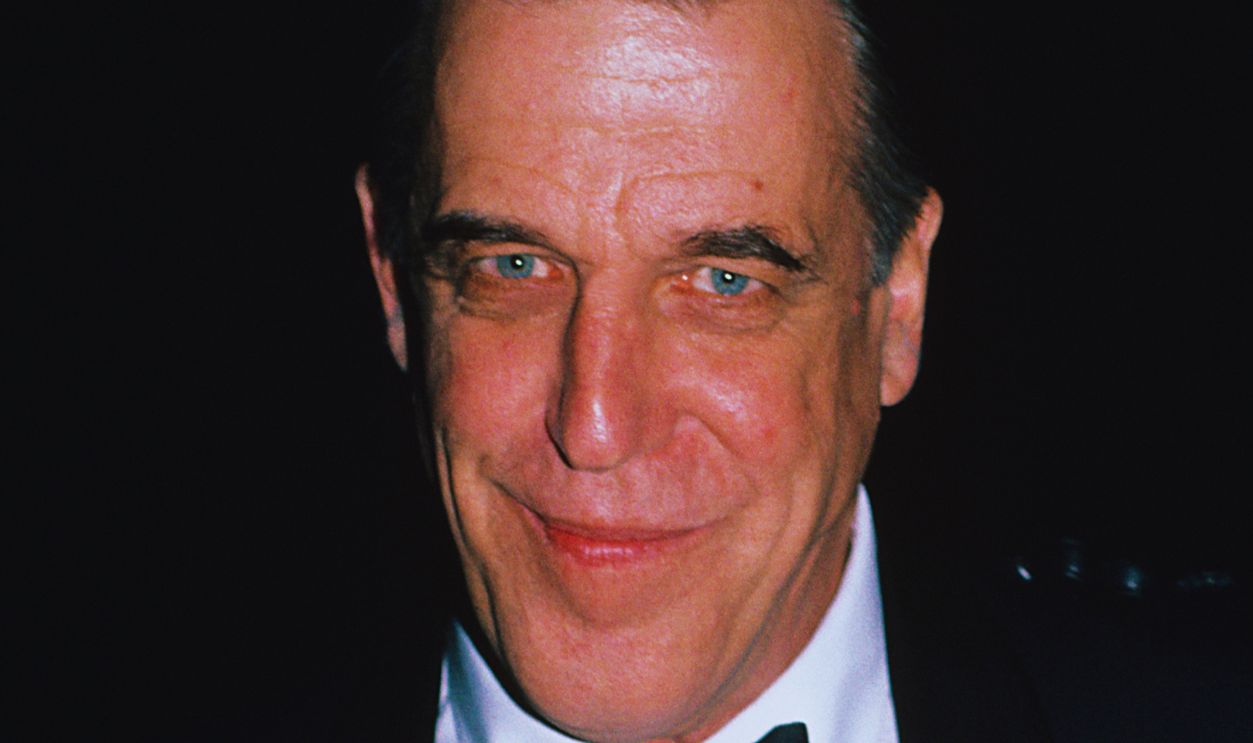
After serving in the Navy during WWII, Gwynne attended Harvard University and became deeply involved in campus theater and comedy groups. The future sitcom icon also worked as a cartoonist, proving early on that acting was only one piece of his creative life.
Broadway Came Before Television
Long before television fame arrived, Gwynne was already building a respectable stage career in New York. He landed roles in productions like Mrs. McThing and Shakespeare plays, balancing theater work with odd jobs while quietly trying to make a living as an actor.
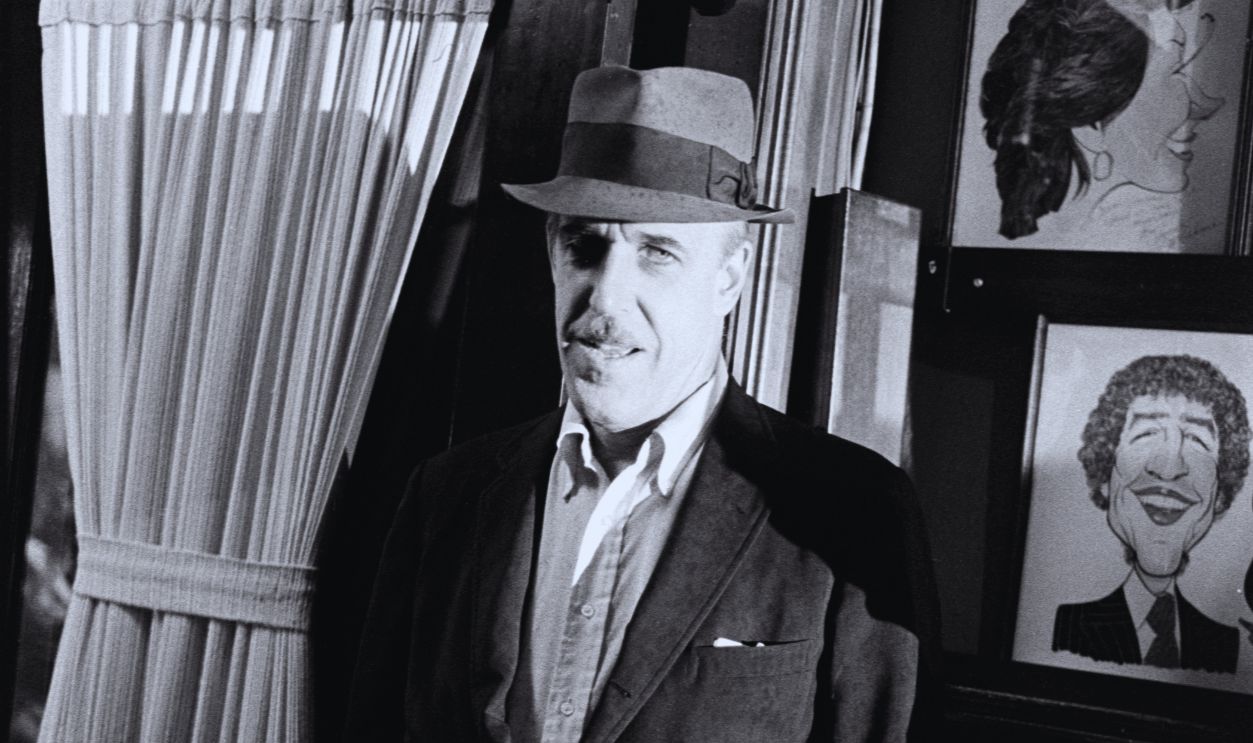
He Had A Face Hollywood Couldn’t Ignore
Gwynne’s height, sharp features, and deep voice made him memorable from the start. Small television appearances and an uncredited role in On the Waterfront helped him get noticed, especially by producers searching for actors who could combine intimidation with surprising comedic timing.
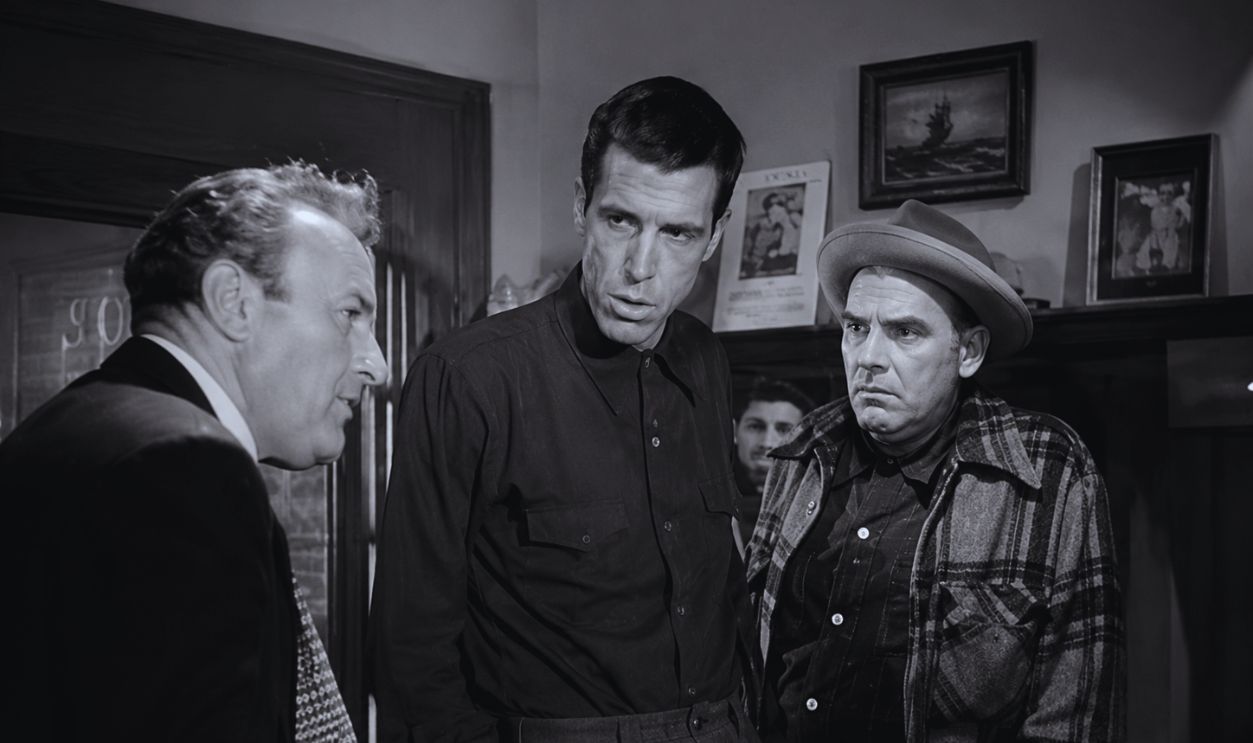 Screenshot from On the Waterfront, Columbia Pictures (1954)
Car 54 Made Him Famous
Television audiences first embraced Gwynne as Officer Francis Muldoon on Car 54, Where Are You? during the early 1960s. His chemistry with co-stars and deadpan delivery made him a breakout star, even though the role also started locking him into very specific character types.
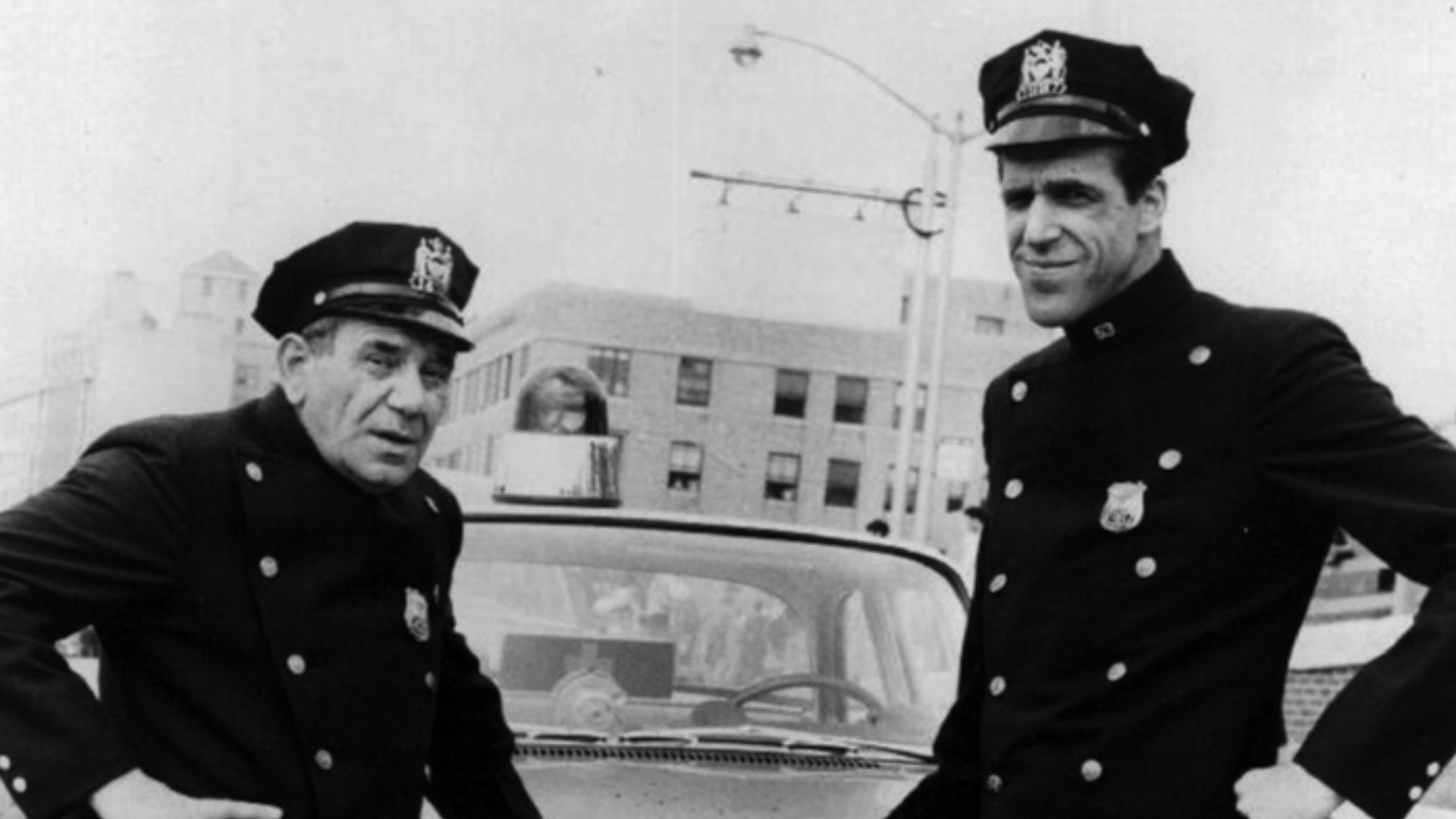
Herman Munster Changed His Life Forever
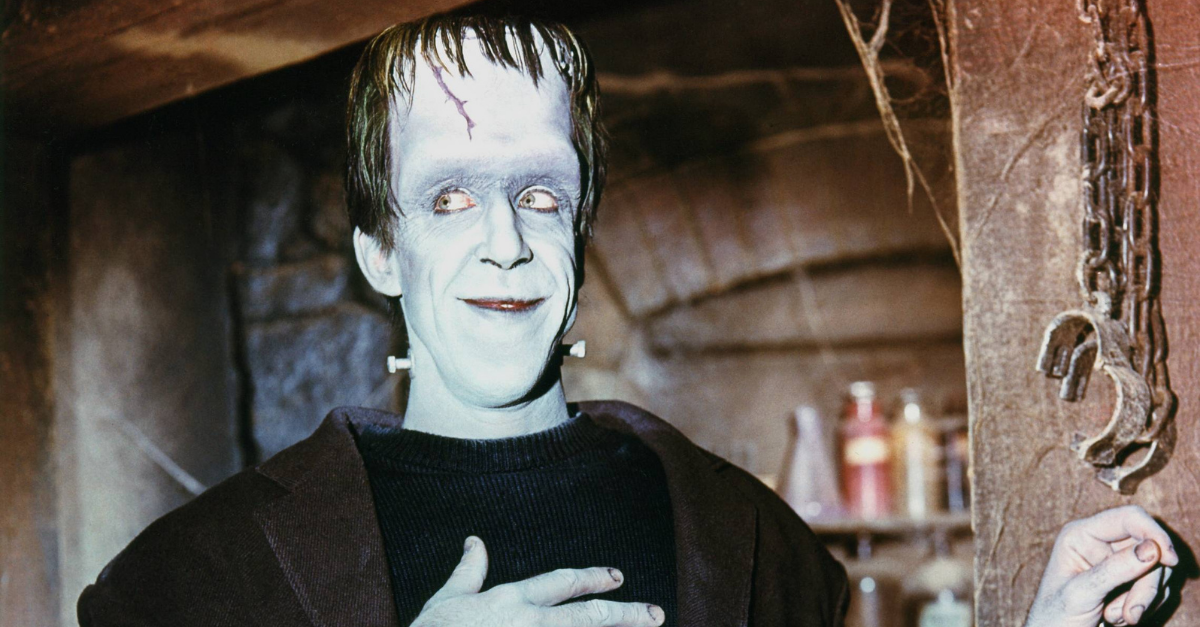
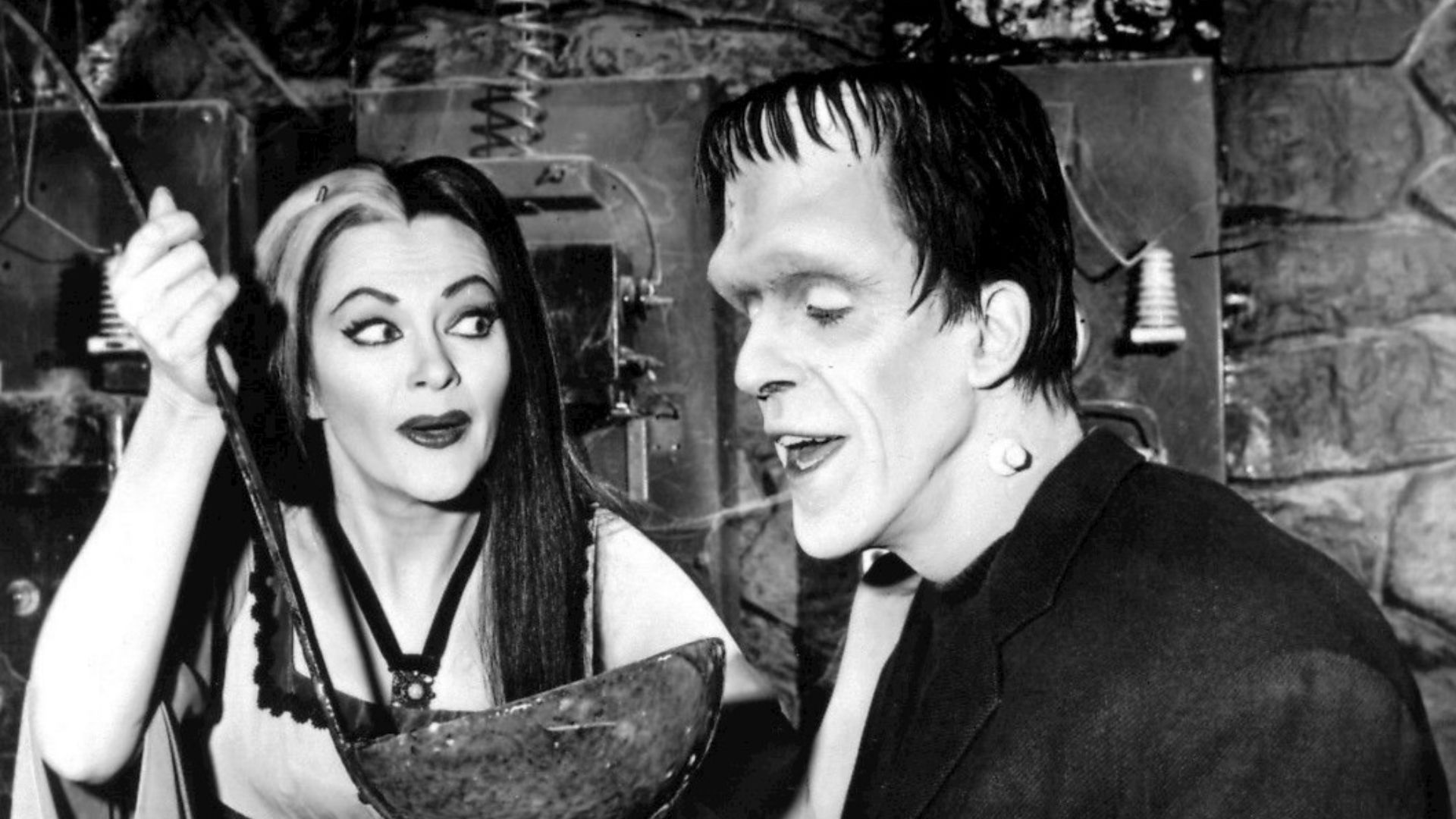
In 1964, Gwynne became television history as Herman Munster on The Munsters. Wearing layers of makeup, heavy boots, and massive padding, he transformed into one of the most recognizable TV characters ever created—even if the role later became both a blessing and a curse.
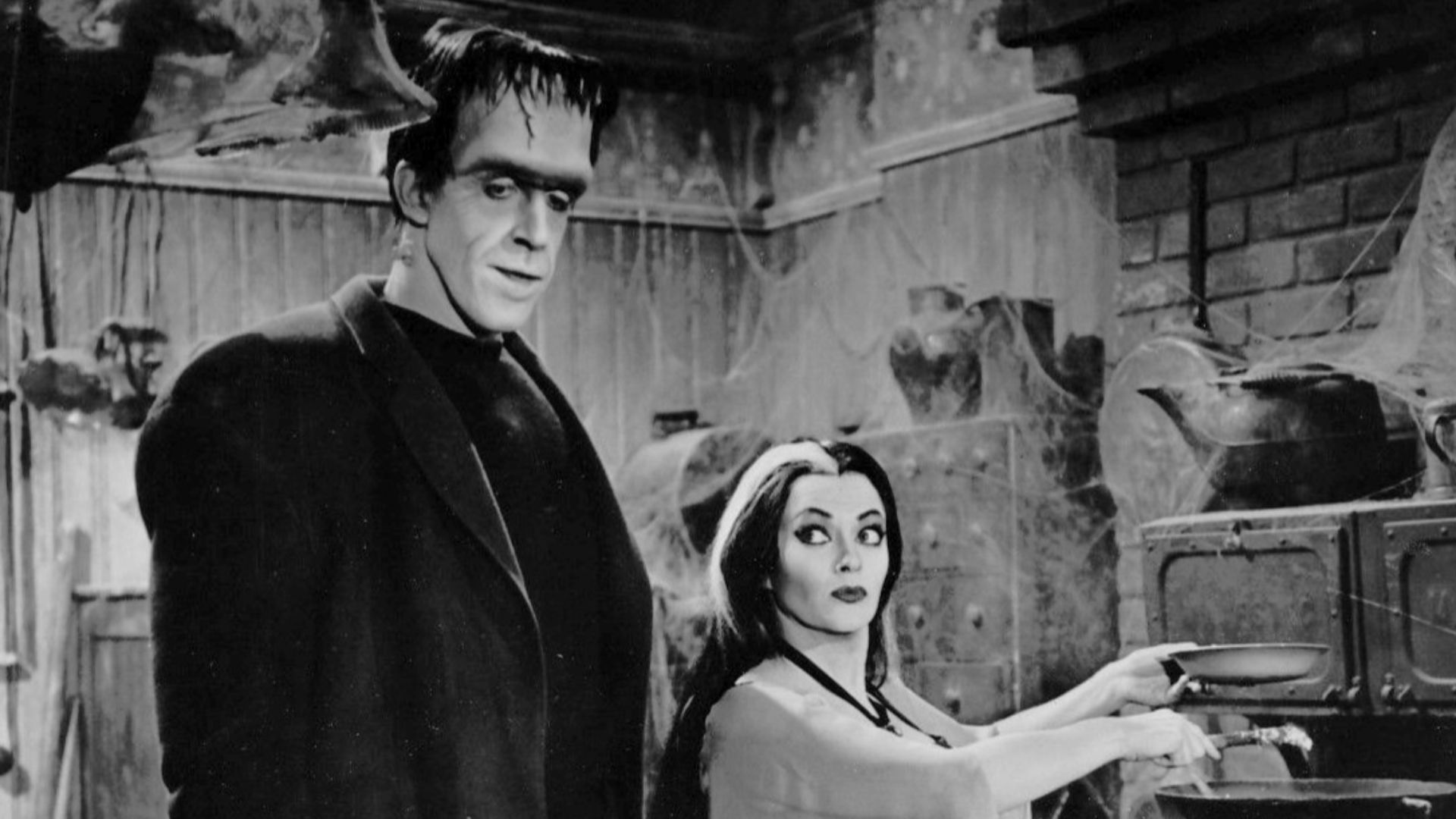 CBS Television, Wikimedia Commons
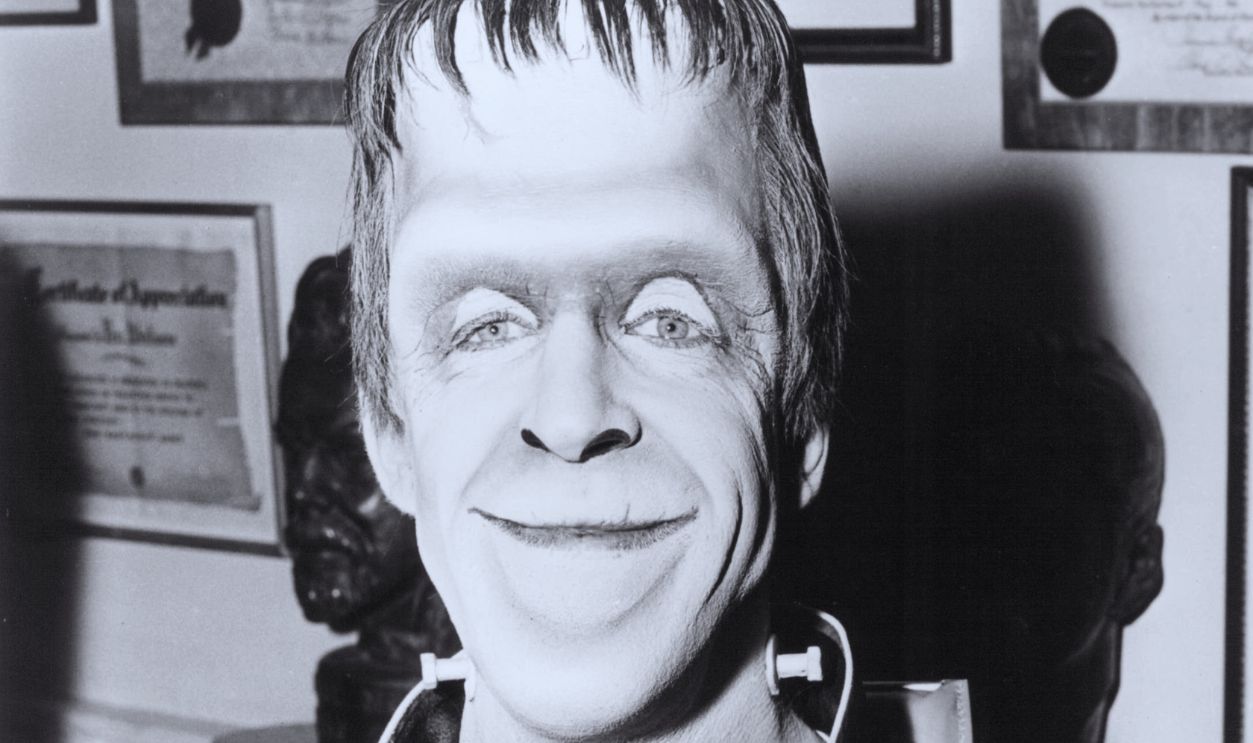
The Makeup Was Miserable
Playing Herman wasn’t exactly glamorous. Gwynne reportedly sweated through long production days under scorching studio lights while carrying nearly fifty pounds of costume materials. The role made him famous, but it also physically exhausted him, especially during the show’s demanding production schedule.
 Silver Screen Collection, Getty Images
He Secretly Struggled With Fame
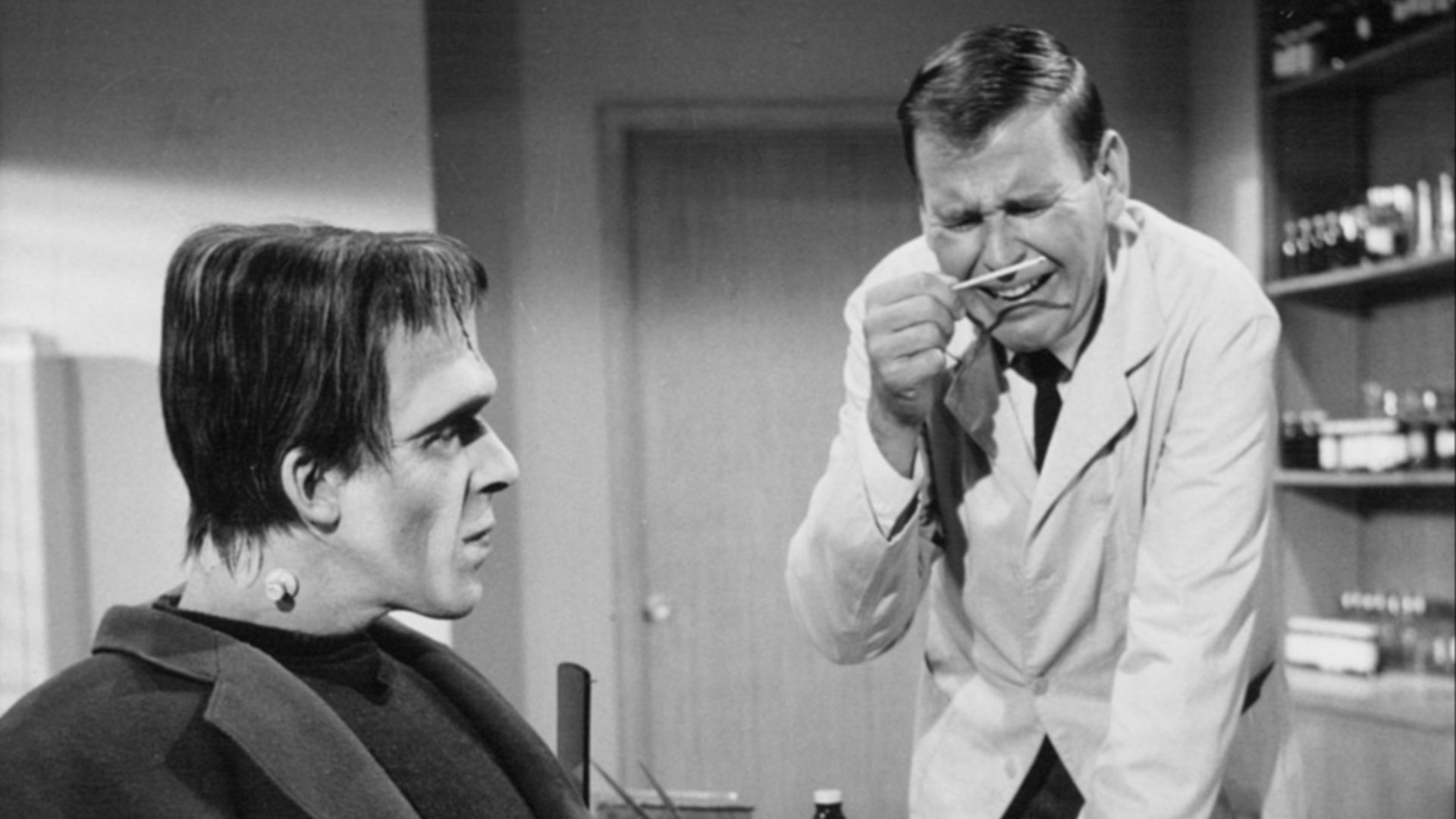
Despite his success, Gwynne was deeply uncomfortable with celebrity culture. He once admitted that being himself in front of strangers embarrassed him, while playing characters felt much safer. That discomfort only grew after The Munsters turned him into a permanent television icon.
 CBS Television, Wikimedia Commons
The End Of The Show Hit Hard
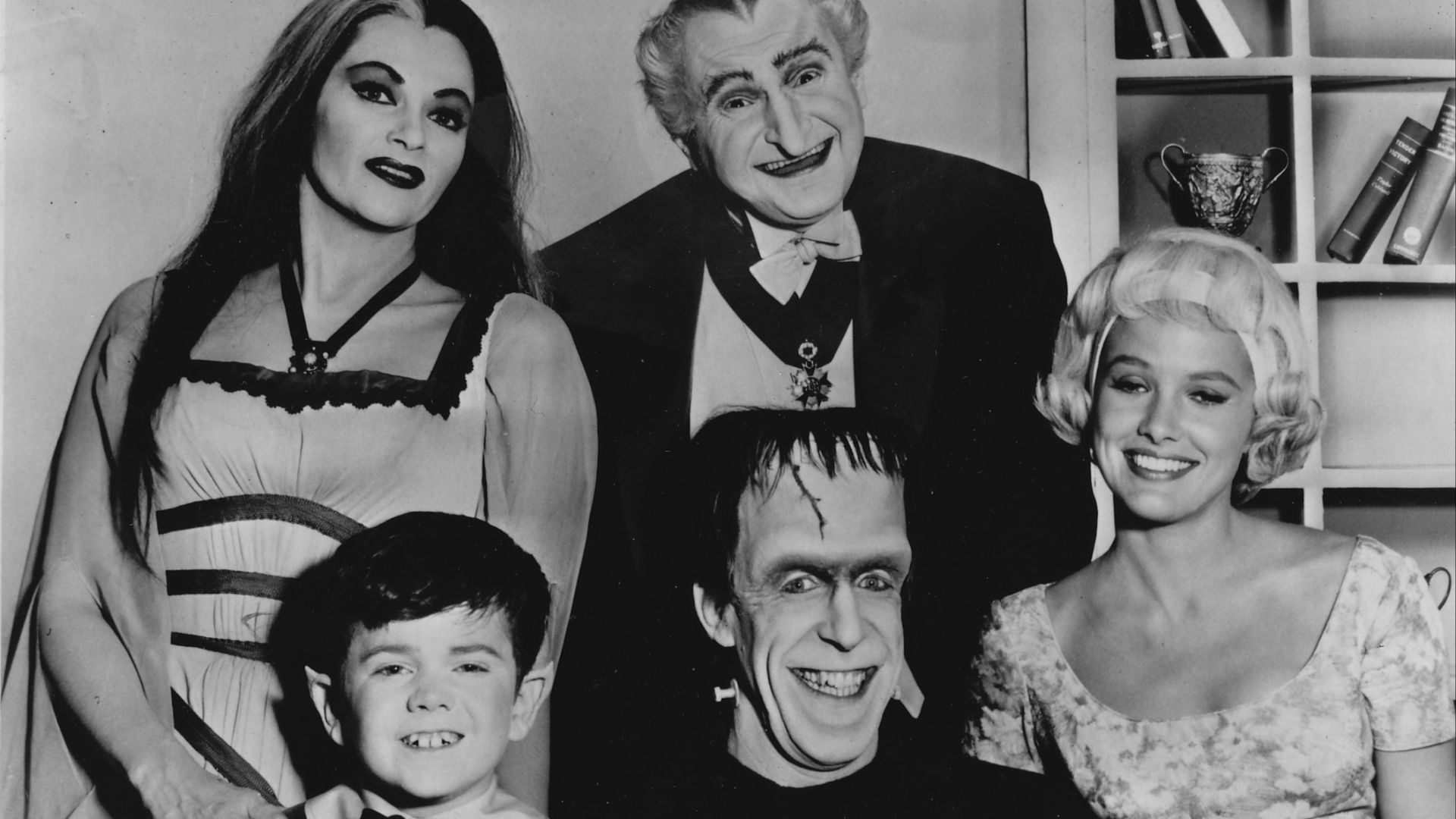
Although The Munsters became a beloved classic through reruns, the original series only lasted from 1964 to 1966. When it ended, Gwynne desperately wanted to move forward, but Hollywood executives struggled to see him as anything other than Herman Munster.
 CBS Television Network., Wikimedia Commons
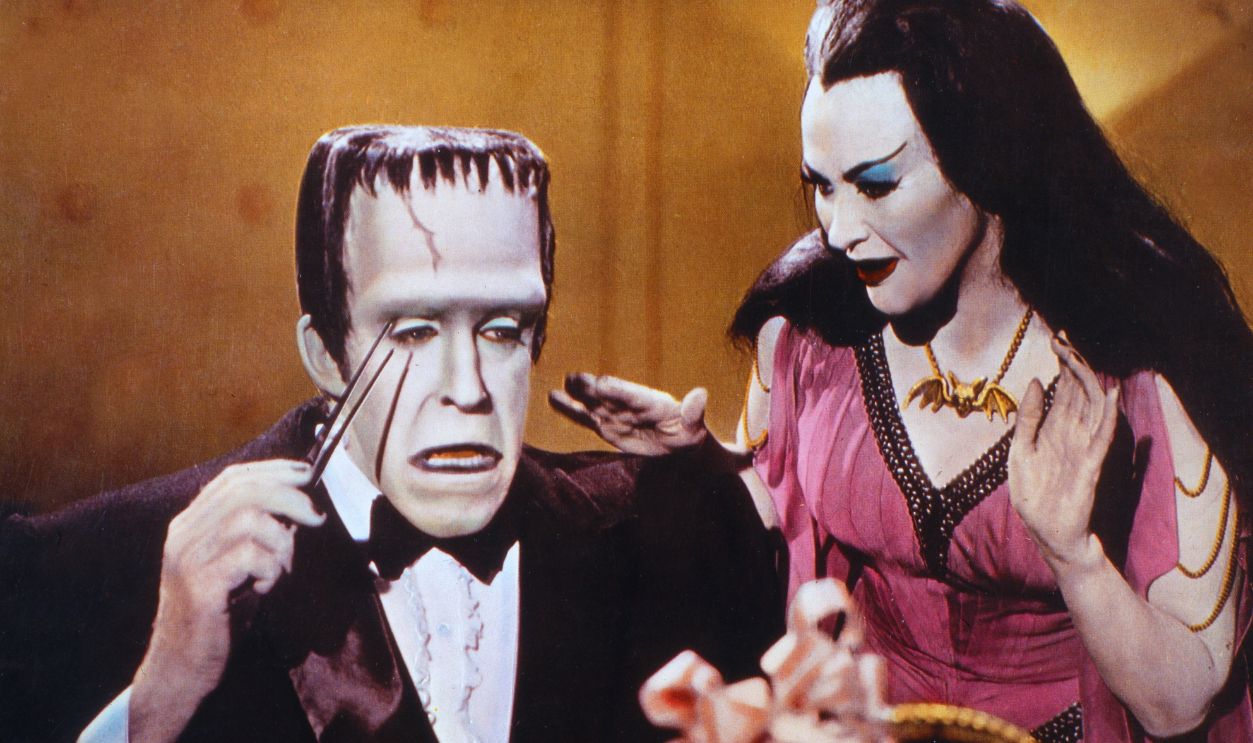
Typecasting Became A Career Nightmare
Throughout the 1970s, Gwynne found television and film opportunities frustratingly limited. Producers constantly linked him to his monster role, which pushed him back toward theater work. Regional stage productions became his creative refuge while Hollywood continued overlooking his range as an actor.
The Stage Quietly Saved Him
Gwynne spent years performing in serious theatrical productions across the United States. Roles in Cat on a Hot Tin Roof, Our Town, and A Texas Trilogy allowed him to prove he could handle dramatic material. Theater audiences saw a completely different Fred Gwynne than sitcom viewers did.
Art Became His Escape
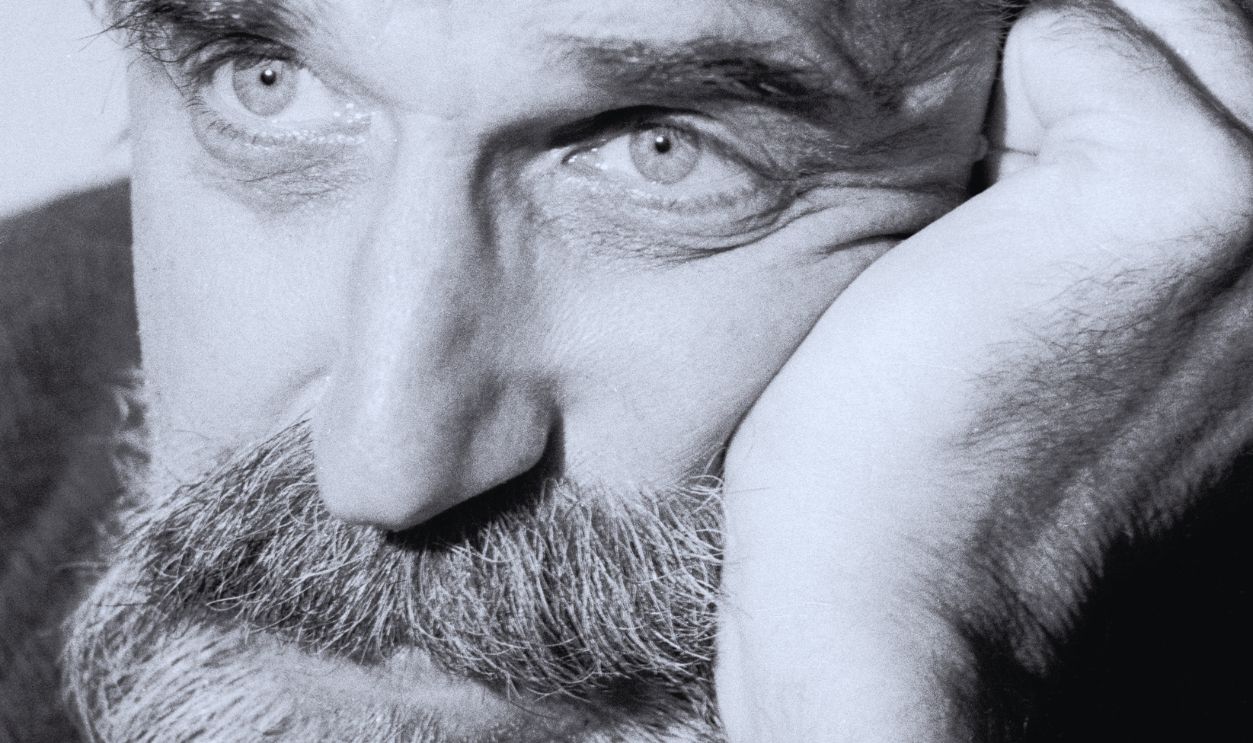
Away from acting, Gwynne found peace in painting, sculpting, and illustration. Friends often described him happiest while sketching in private studios rather than attending Hollywood parties. Creating art gave him a sense of control that the unpredictable entertainment industry rarely provided.
 CBS Television, Wikimedia Commons
Children’s Books Opened A New Chapter
During his later years, Gwynne became surprisingly successful as a children’s author and illustrator. Books like A Chocolate Moose for Dinner and The King Who Rained turned playful language misunderstandings into funny visual stories that introduced his creativity to an entirely new audience.
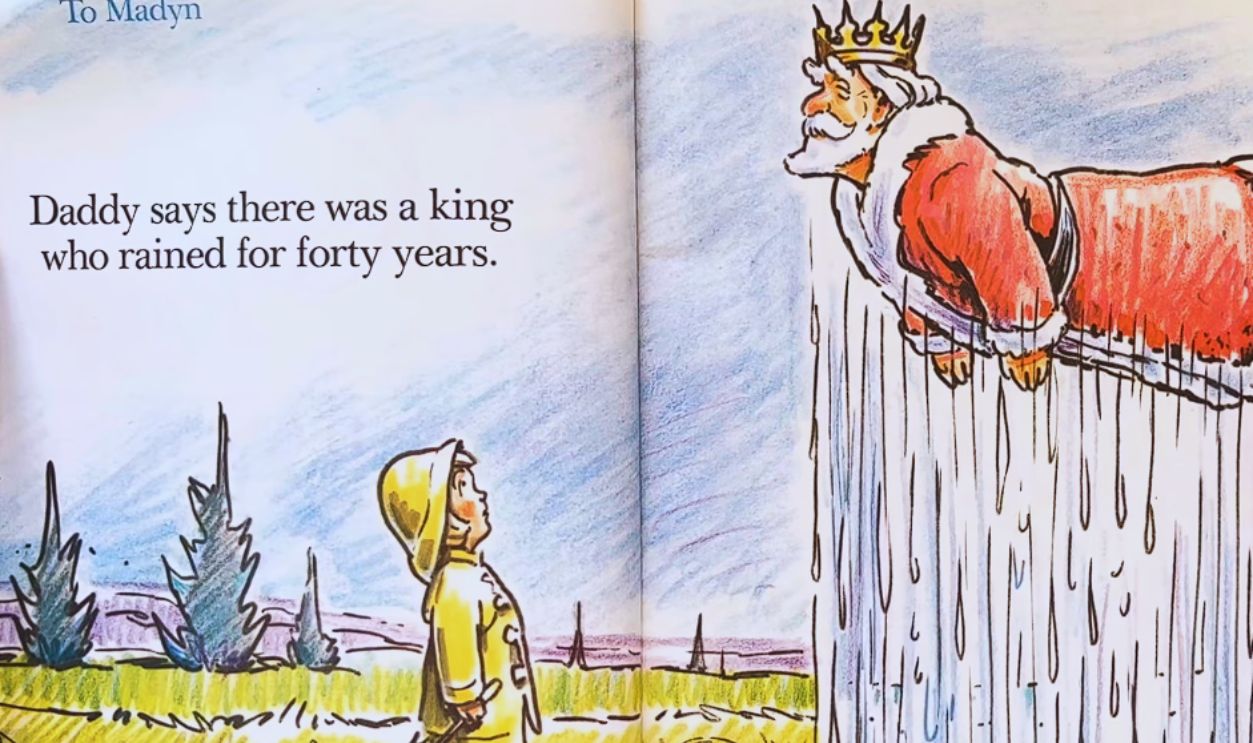 Illustration from The King Who Rained, written and illustrated by Fred Gwynne, Windmill Books (1970)
He Slowly Made Peace With Herman
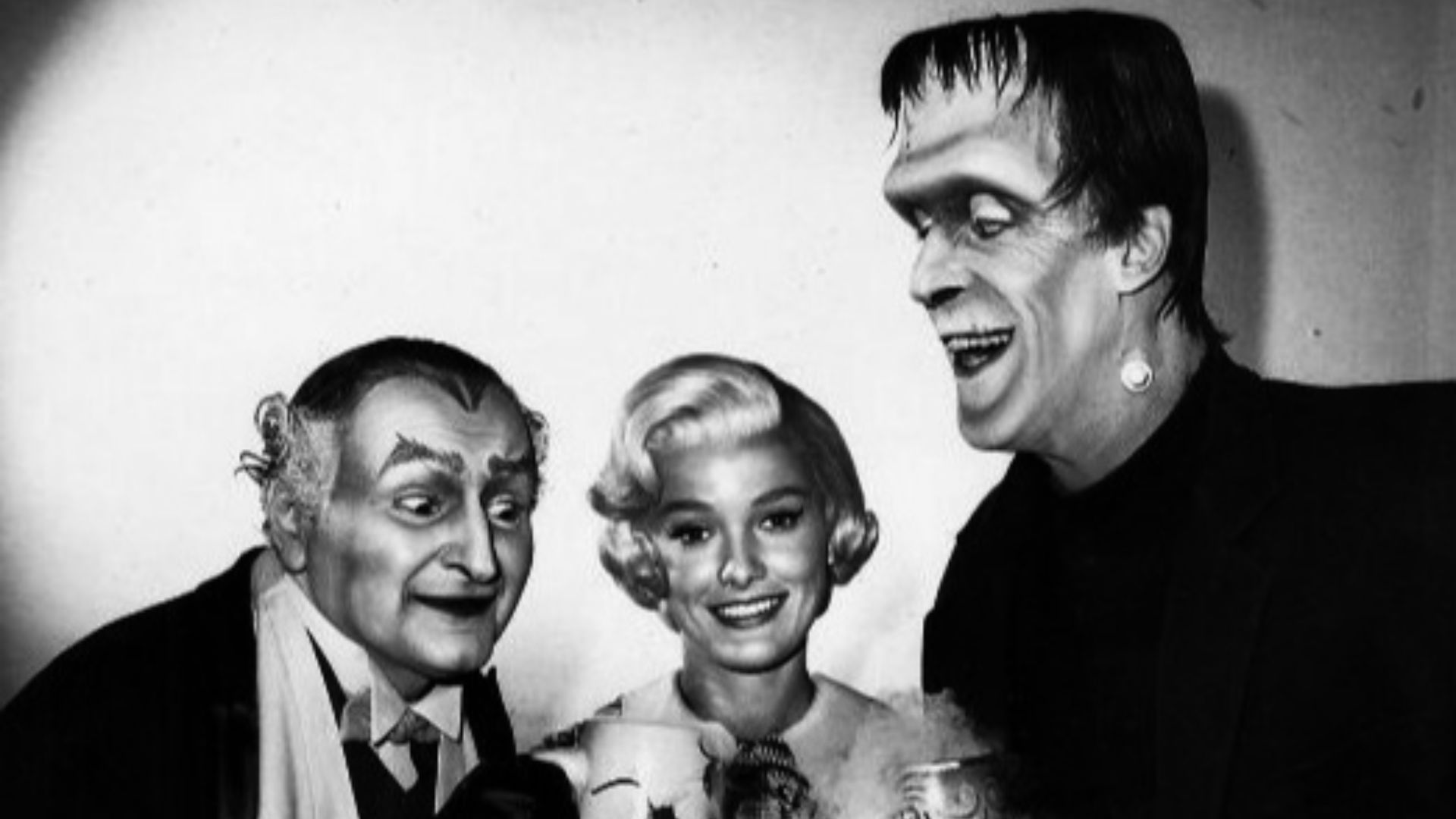
By the 1980s, The Munsters found a whole new generation through cable reruns on networks like Nick at Night. Instead of fighting the show’s popularity, Gwynne gradually embraced the affection audiences still had for Herman, realizing the character genuinely meant something to people.
 CBS Television, Wikimedia Commons
Hollywood Finally Came Calling Again
As nostalgia for classic television grew, filmmakers suddenly recognized Gwynne’s talent beyond monster makeup. He began appearing in movies like The Cotton Club, Fatal Attraction, and The Secret of My Success, proving that age and experience had only strengthened his screen presence.
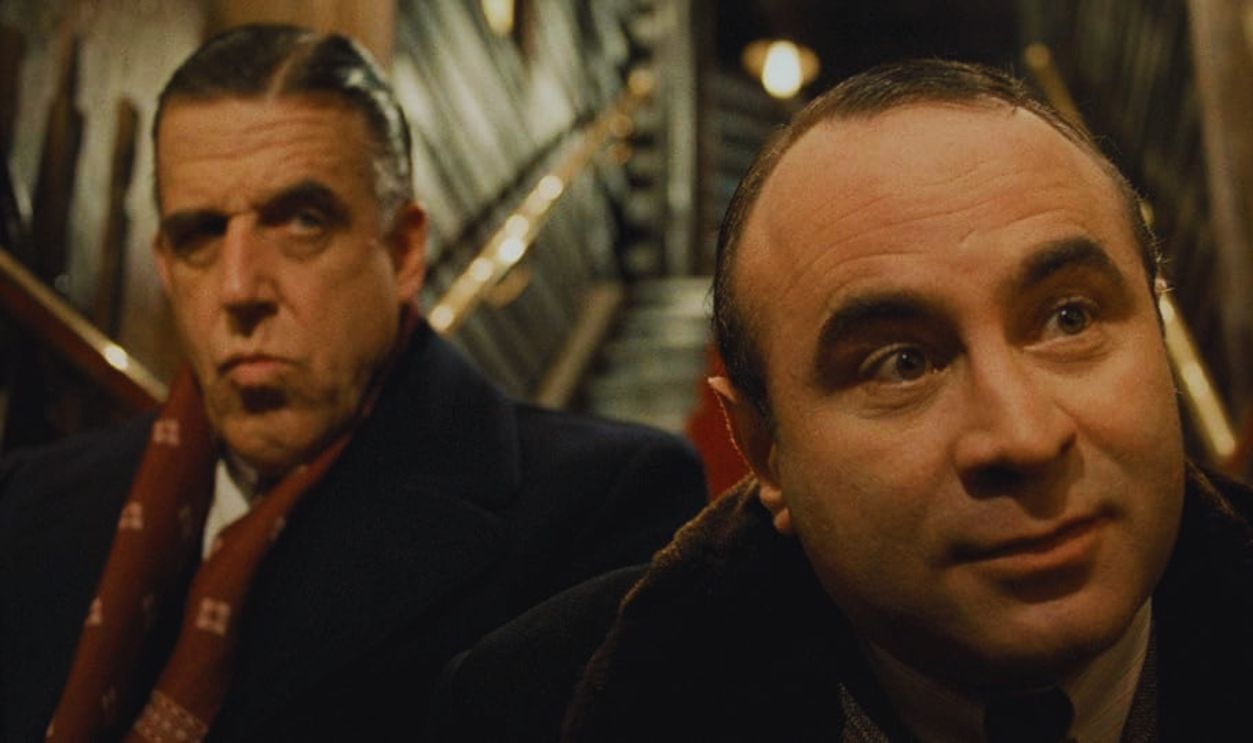 Screenshot from The Cotton Club, Orion Pictures (1984)
Pet Sematary Introduced Him To Horror Fans Again
In 1989, Gwynne delivered one of his most memorable late-career performances as Jud Crandall in Stephen King’s Pet Sematary. His warm Maine accent and eerie storytelling gave the film emotional weight, while introducing him to younger horror audiences unfamiliar with The Munsters.
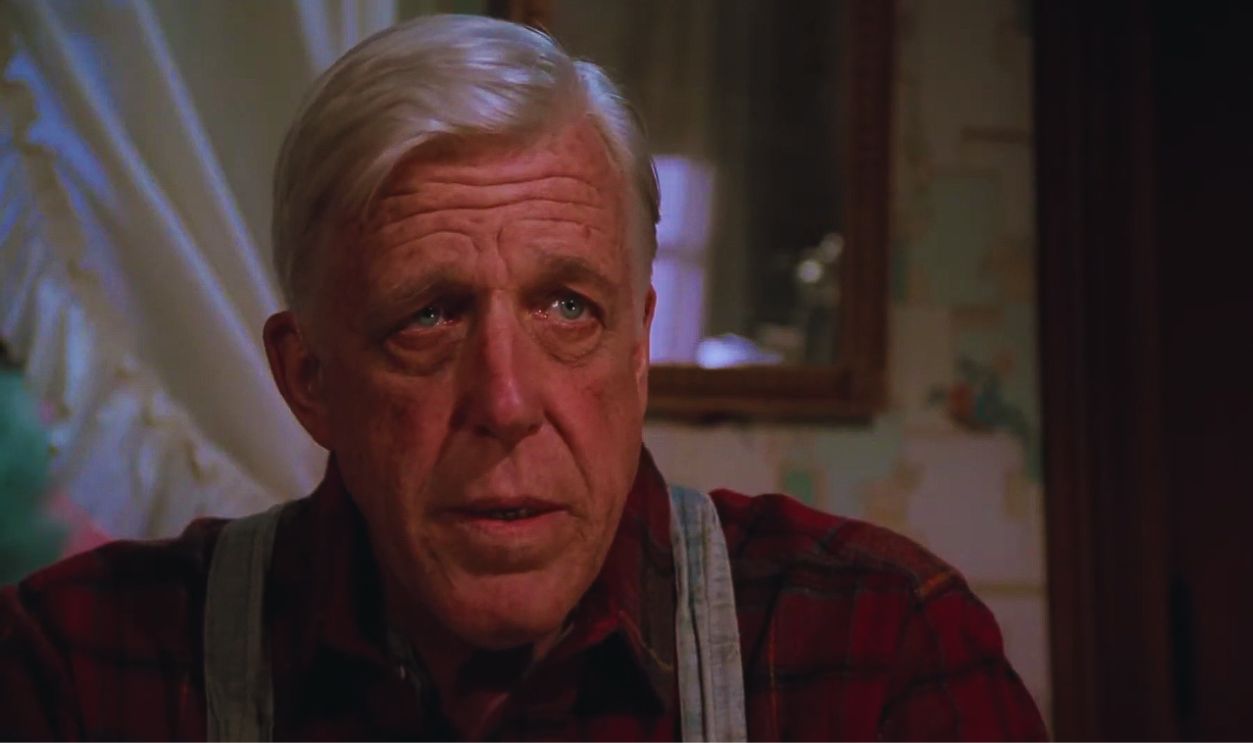 Screenshot from Pet Sematary, Paramount Pictures (1989)
My Cousin Vinny Became His Final Triumph
In 1992, Fred Gwynne delighted filmgoers with his performance as Judge Chamberlain Haller in My Cousin Vinny. His confused reaction to Joe Pesci’s famous “youts” line became comedy gold. After decades of frustration, Fred Gwynne finally enjoyed a true late-career comeback.
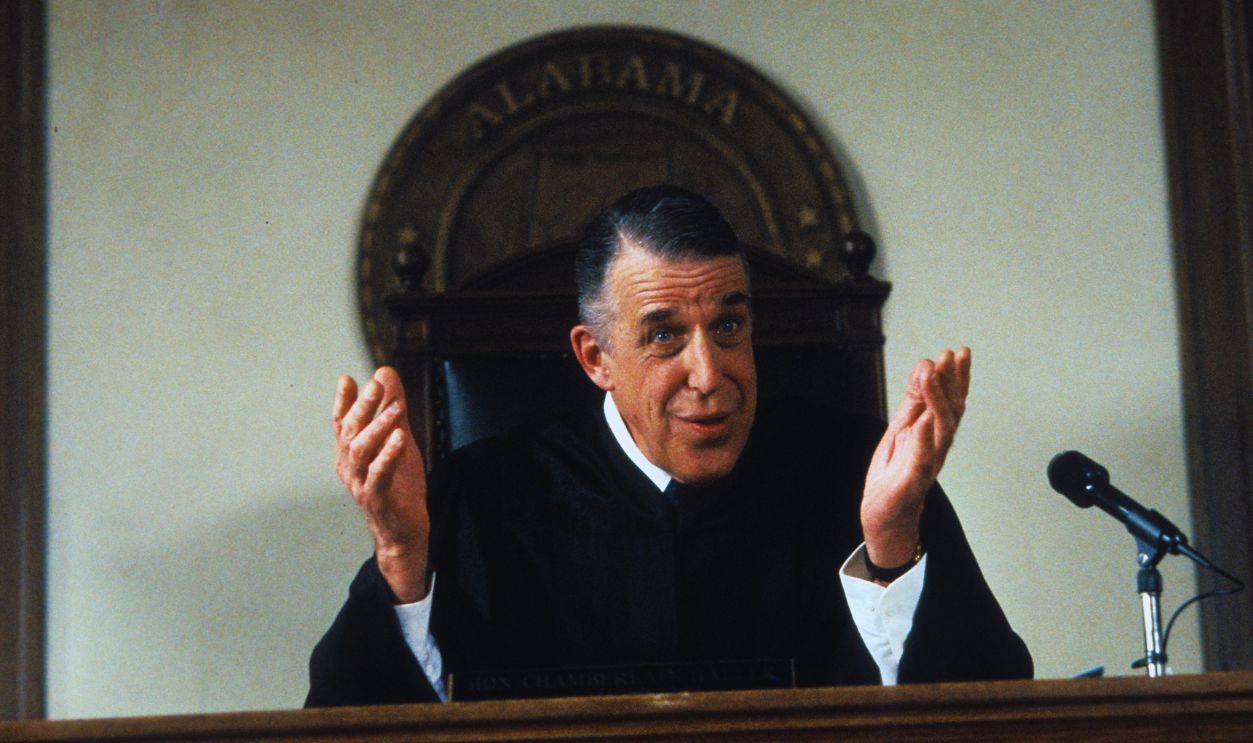
His Final Years Were Surprisingly Quiet
Rather than chasing nonstop fame, Gwynne spent much of his final period living quietly in Maryland with his second wife, Deborah Flater. He focused on painting, writing, and carefully choosing acting projects, appearing far more interested in personal fulfillment than celebrity attention.
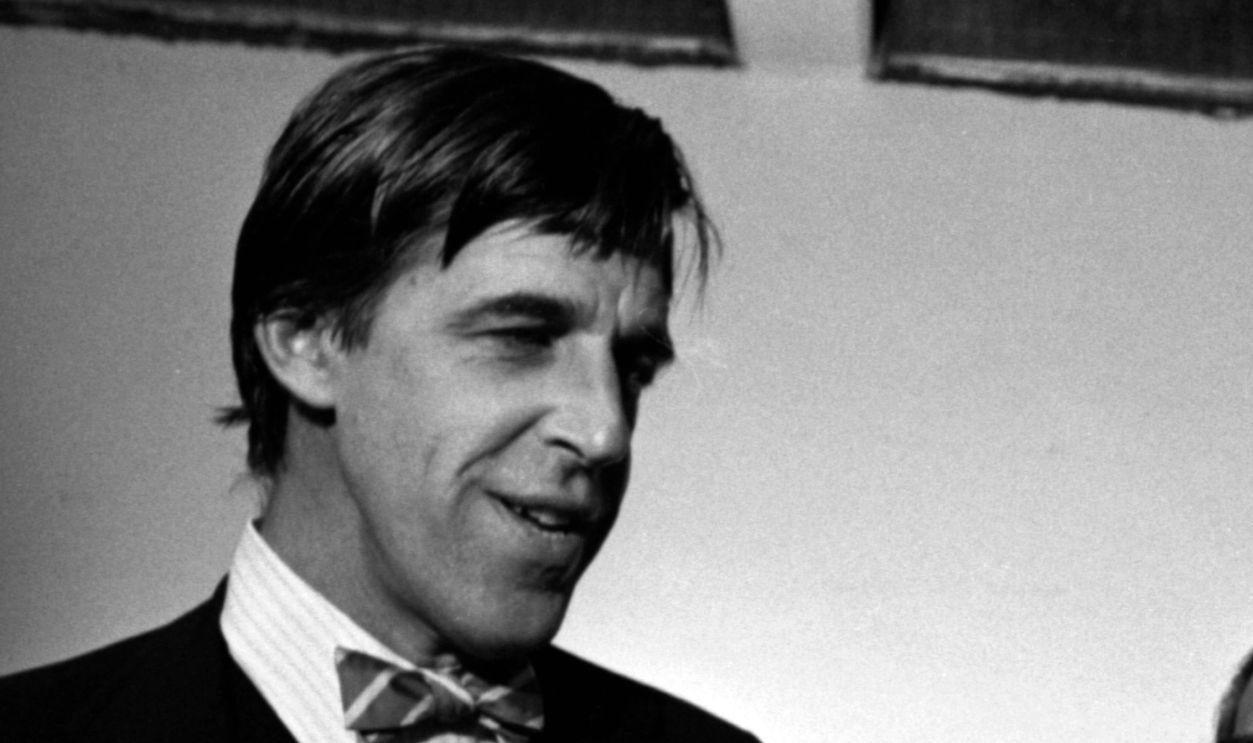
A Quiet Goodbye To A Television Giant
Fred Gwynne passed from pancreatic cancer in 1993 at age 66. Though he spent years trying to outrun Herman Munster’s shadow, audiences never stopped loving him. In the end, the gentle giant who once feared typecasting became one of television’s most unforgettable faces.
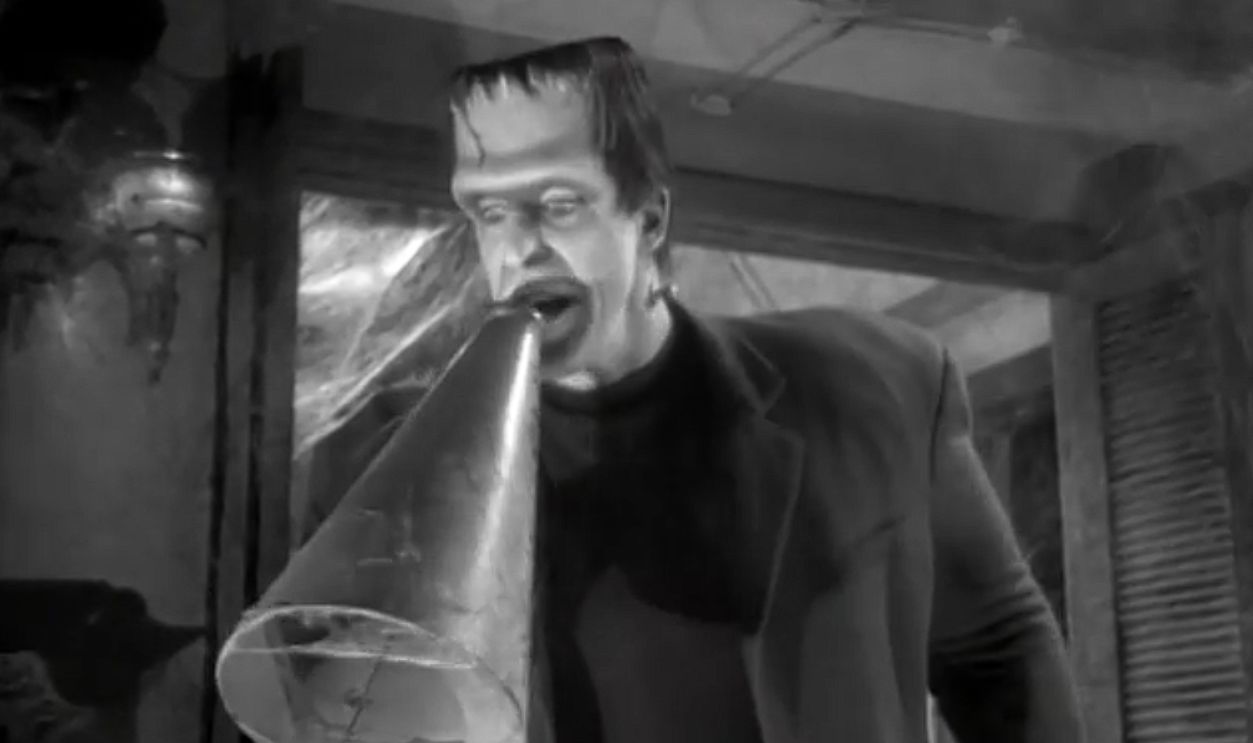 Screenshot from The Munsters, Universal Television (1964–1966)
You May Also Like:
Showy Facts About Ed Sullivan, The Hollywood Starmaker
The Most Anticipated TV Shows Next Year