The TV Dad Was Only Part Of The Story
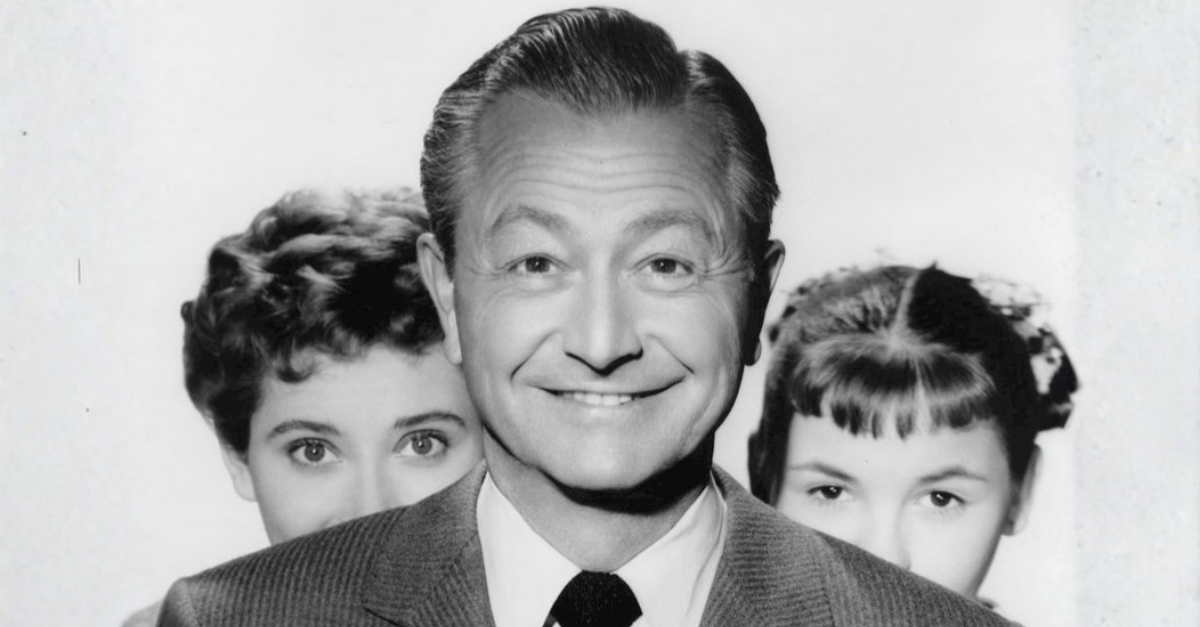
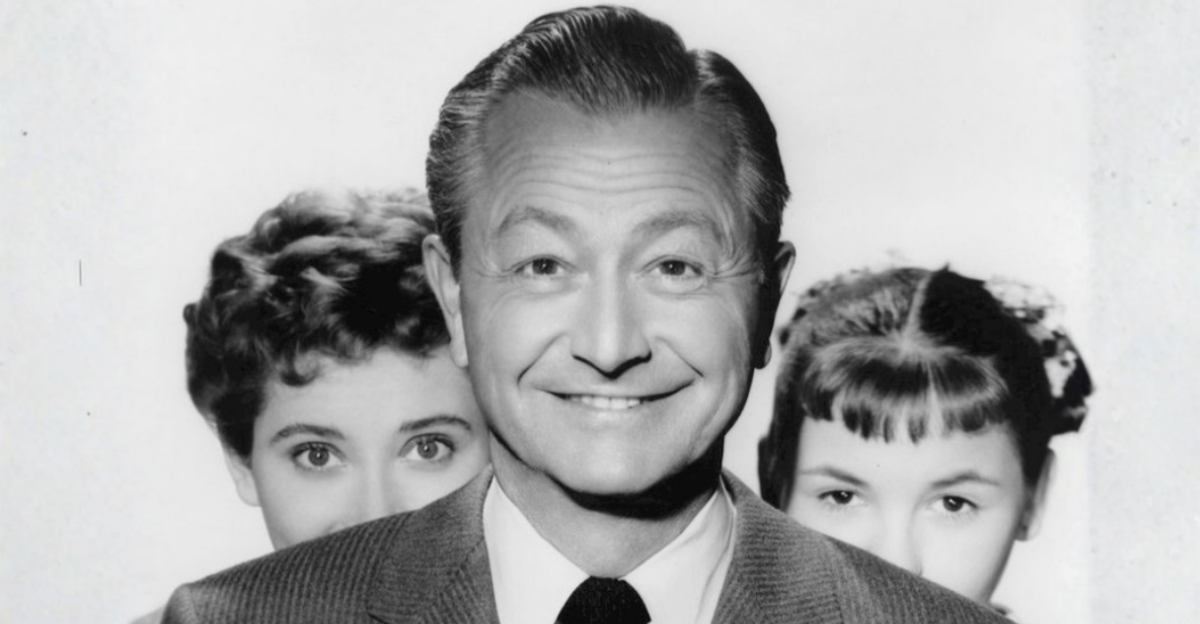
For millions of viewers, Robert Young will always be remembered as the calm, reassuring Jim Anderson from Father Knows Best. But that beloved role was only one chapter in a career that stretched across six decades, more than 100 films, radio, television, and even groundbreaking conversations about mental health. Behind television's most dependable father was an actor whose real life proved far more complex than the characters he portrayed.
 Rogers and Cowan (publicity agency) Beverly Hills, Wikimedia Commons
Growing Up Far From Hollywood Glamour
Robert George Young was born in Chicago on February 22, 1907. His family later moved several times before settling in Southern California, where Young attended Abraham Lincoln High School. Financial struggles during his childhood helped shape the modest, approachable personality that audiences would later find so believable.
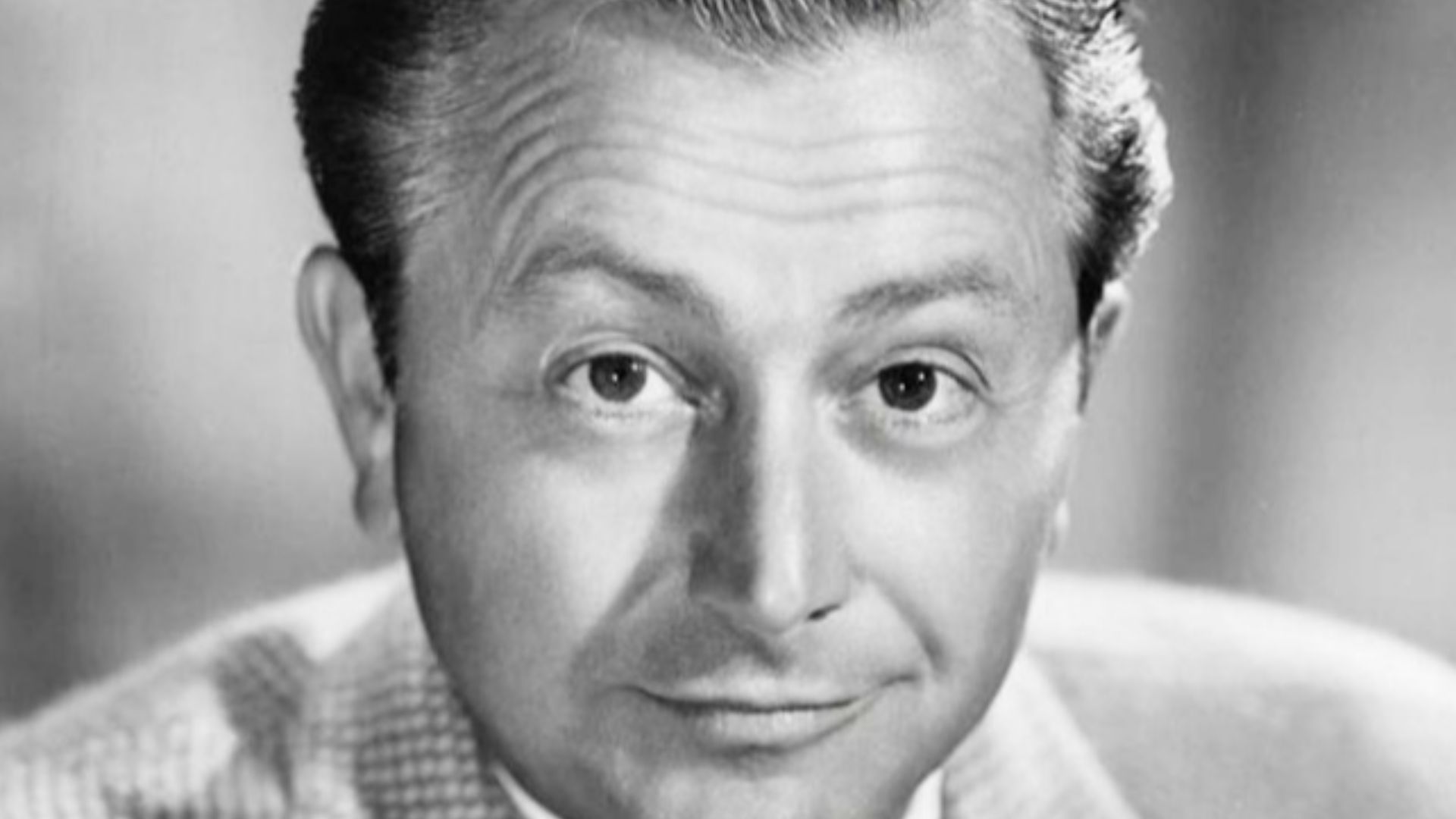 NBC Television, Wikimedia Commons
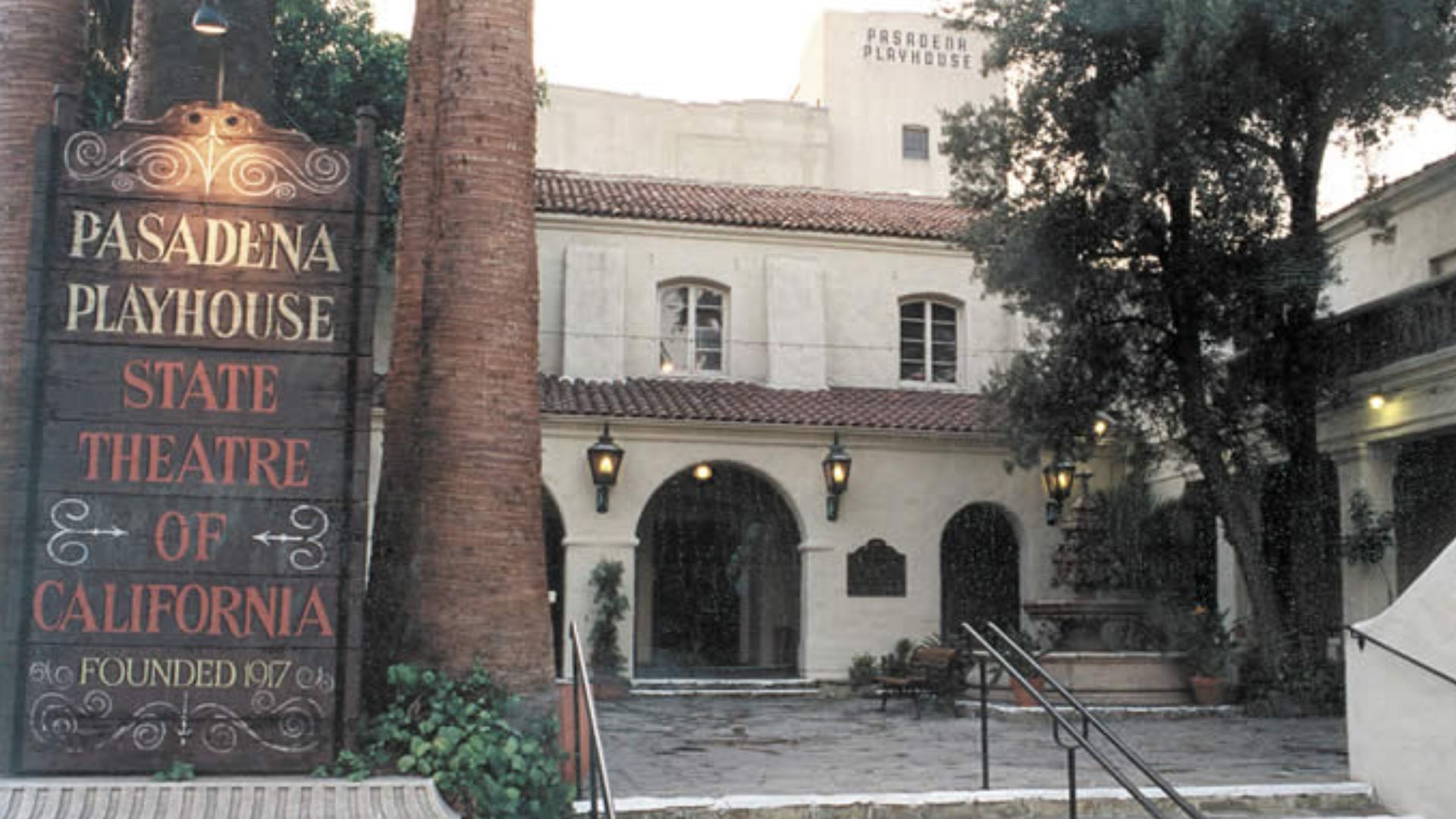
A Pasadena Playhouse Discovery
Young originally planned to study business, but his interests shifted toward acting after becoming involved with the Pasadena Playhouse. An MGM talent scout spotted his potential, leading to a studio contract in the early 1930s. That opportunity launched one of Hollywood's longest-running careers.
Becoming One Of MGM's Reliable Leading Men
Throughout the 1930s and 1940s, Young became one of MGM's dependable stars. He appeared in dozens of films, including Northwest Passage, Journey for Margaret, The Enchanted Cottage, Crossfire, and Secret Agent. While he rarely became a blockbuster headliner, directors valued his natural, likable screen presence.
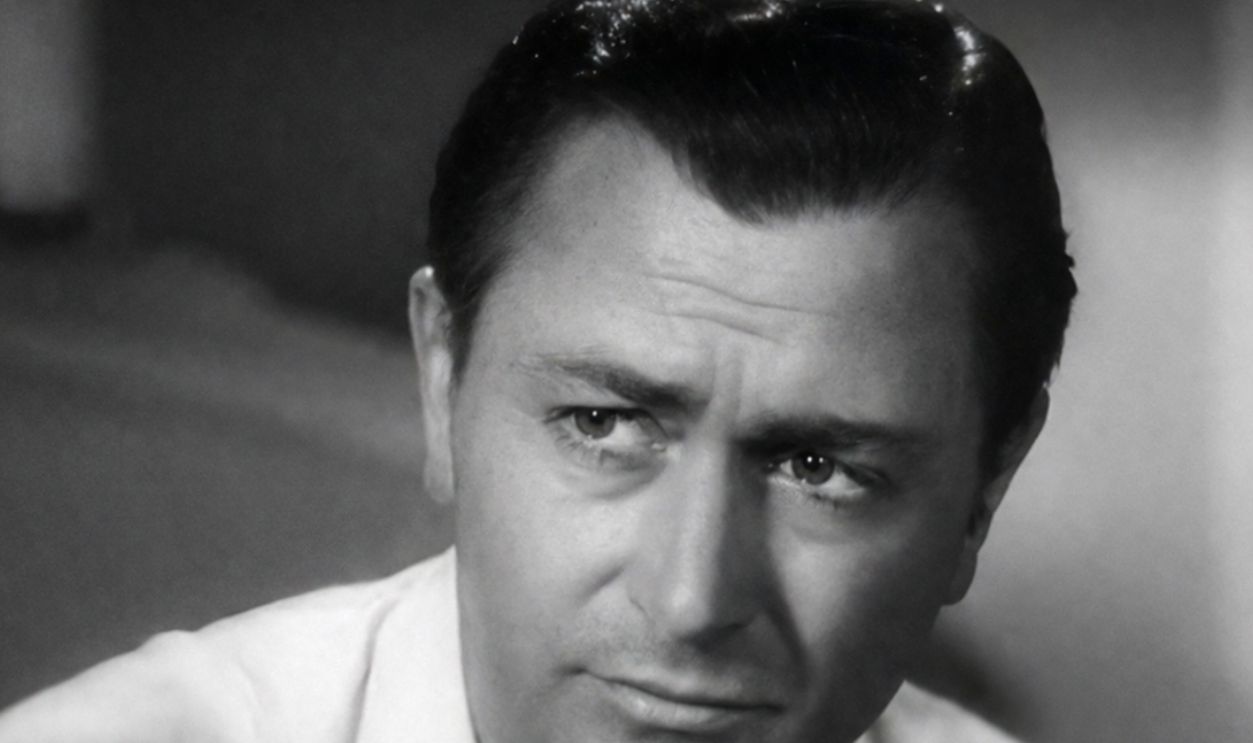 Trailer screenshot, Wikimedia Commons, enhanced
Never Being Trapped In One Genre
Unlike many actors of his era, Young refused to stick to one type of role. He worked in romantic dramas, mysteries, films, comedies, and thrillers, often playing ordinary men placed in extraordinary situations. That versatility helped keep him steadily employed for decades.
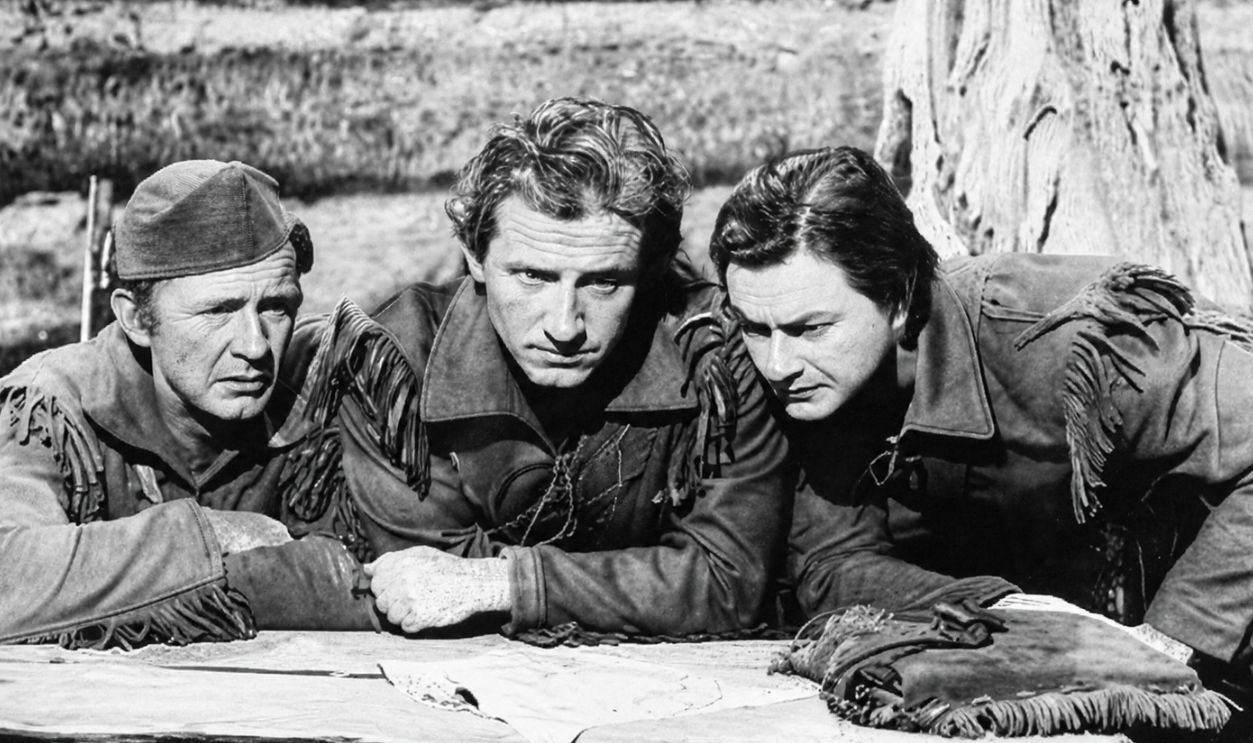 Metro-Goldwyn-Mayer, Wikimedia Commons, enhanced
Radio Opened The Door To Television
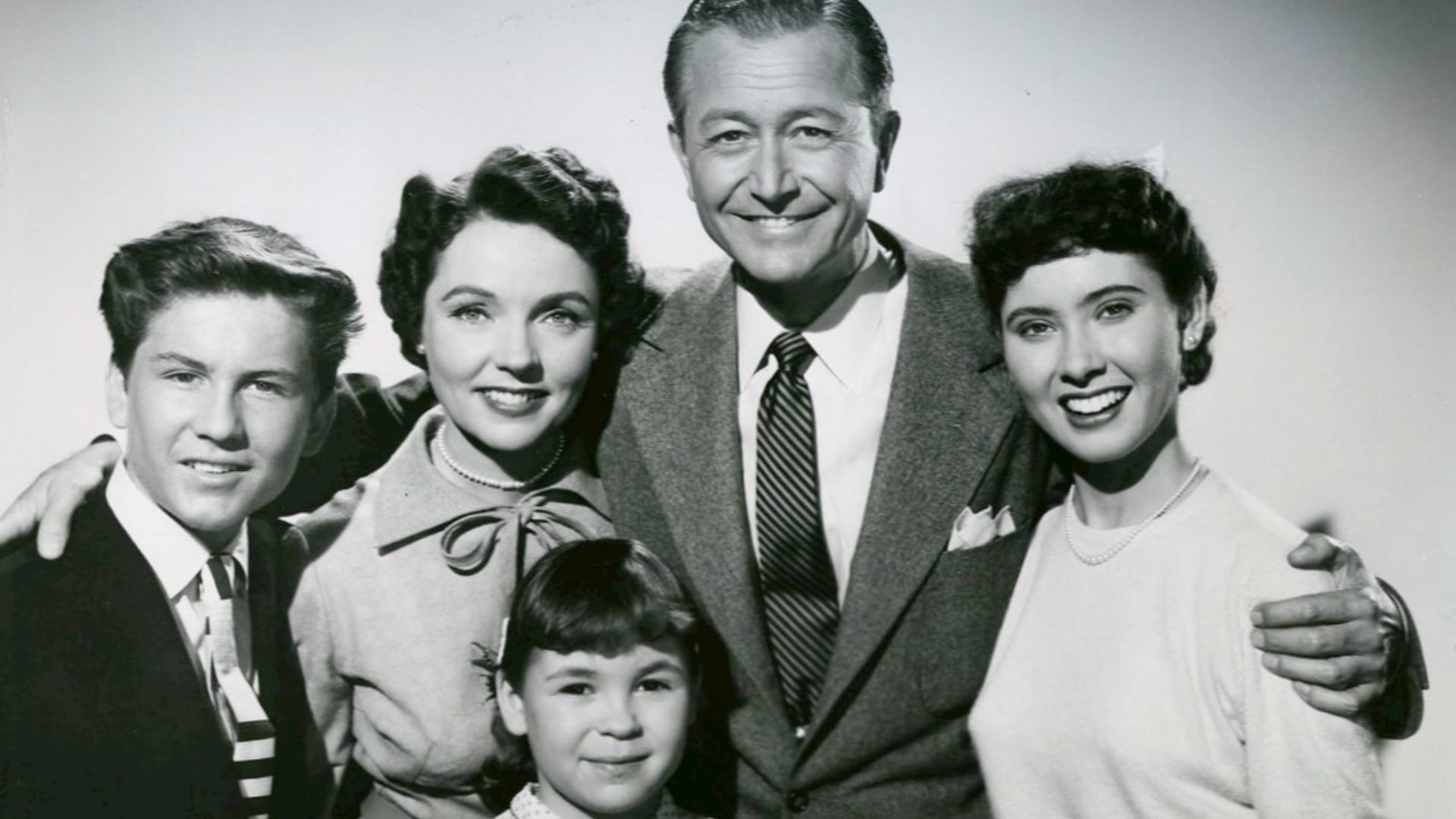
Before television made him famous, Young had already found success on radio. In 1949 he began starring as Jim Anderson in Father Knows Best, a family comedy that became popular enough to transition to television in 1954 with much of the same cast.
 Bureau of Industrial Service, Wikimedia Commons
Father Knows Best Almost Didn't Last
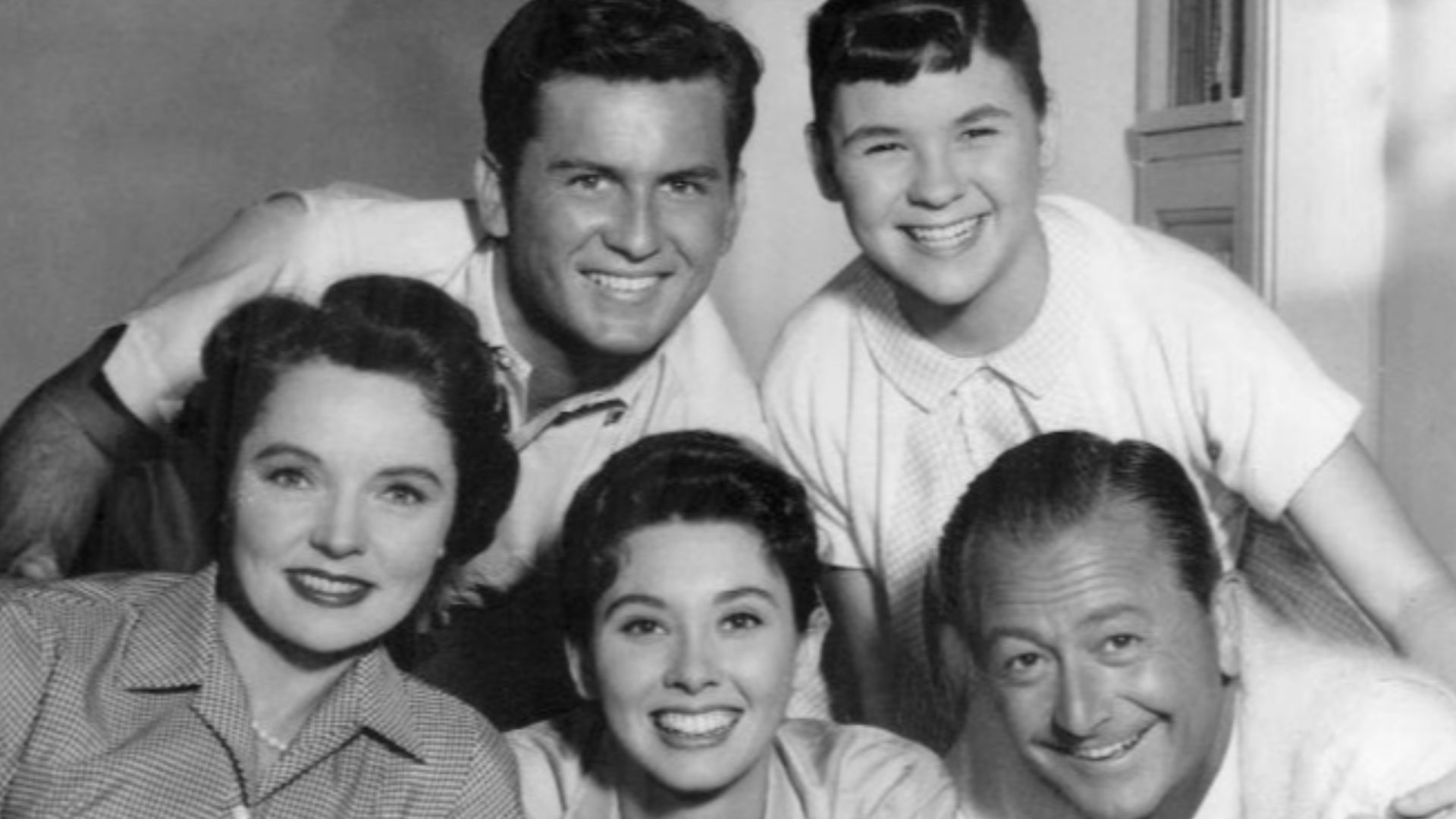
It's hard to imagine today, but Father Knows Best struggled in the ratings during its early television run. The series changed networks before eventually finding a loyal audience, growing into one of the defining family sitcoms of the 1950s and earning Emmy Awards for both Young and co-star Jane Wyatt.
 Rogers and Cowan Public Relations, Wikimedia Commons
Producing His Own Hit Series
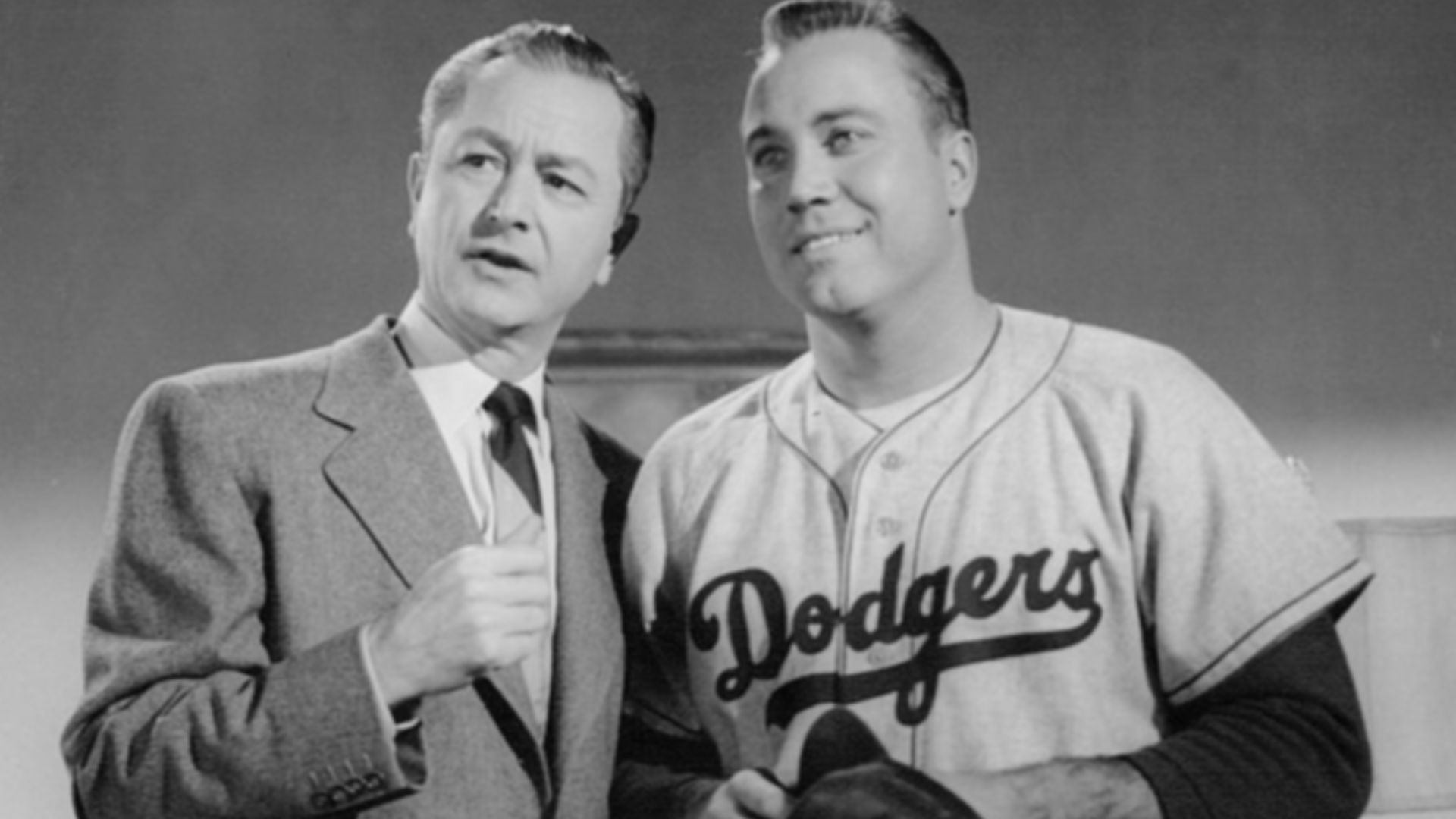
Young wasn't simply the show's star. He also served as a producer, giving him unusual creative control for a television actor of that era. His ownership stake in the series later proved financially rewarding through reruns and syndication.
 Screen Gems, Wikimedia Commons
Walking Away While The Show Was Still Popular
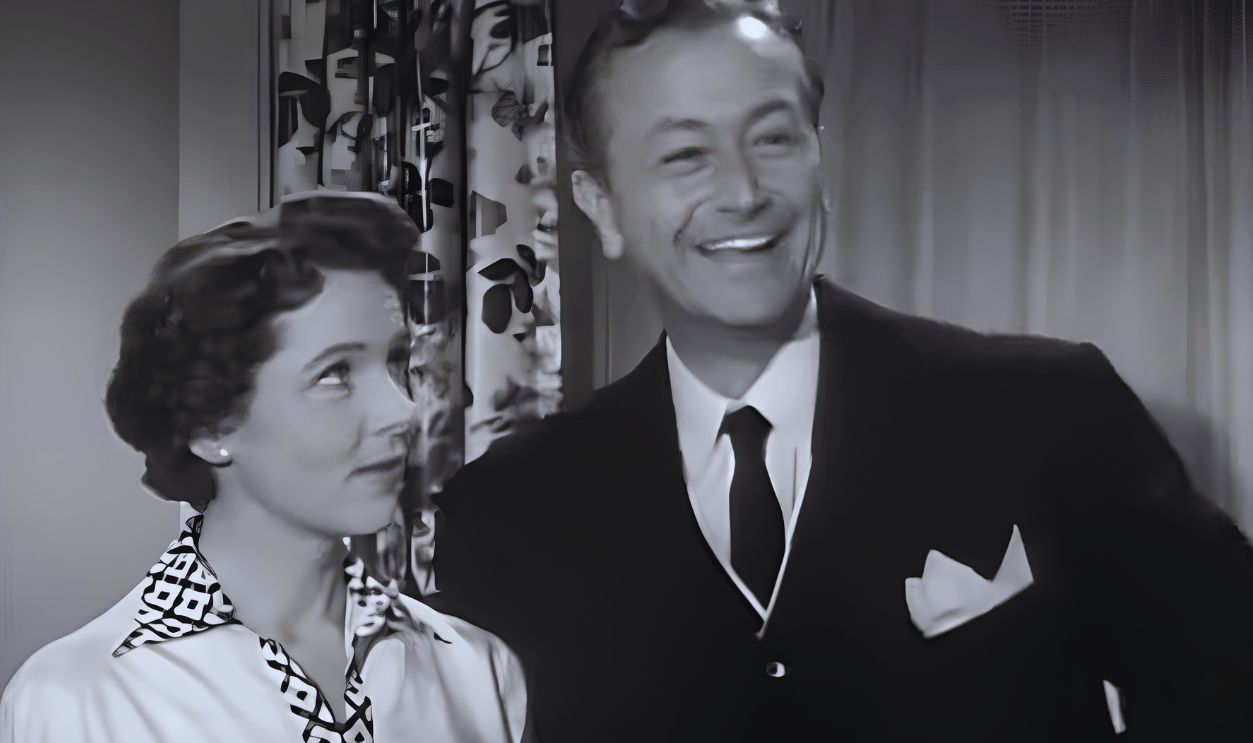
Many stars cling to successful roles, but Young chose a different path. Feeling the Anderson family had reached a natural conclusion as the children grew older, he decided to end Father Knows Best in 1960 despite its continued popularity.
 Screenshot from Father Knows Best, Sony Pictures Entertainment (1954-1960)
A Short-Lived Return To Weekly Television
Young quickly returned with Window on Main Street, a nostalgic small-town series that he also created and produced. Although the show lasted only one season, it demonstrated his continuing interest in shaping television rather than simply starring in it.
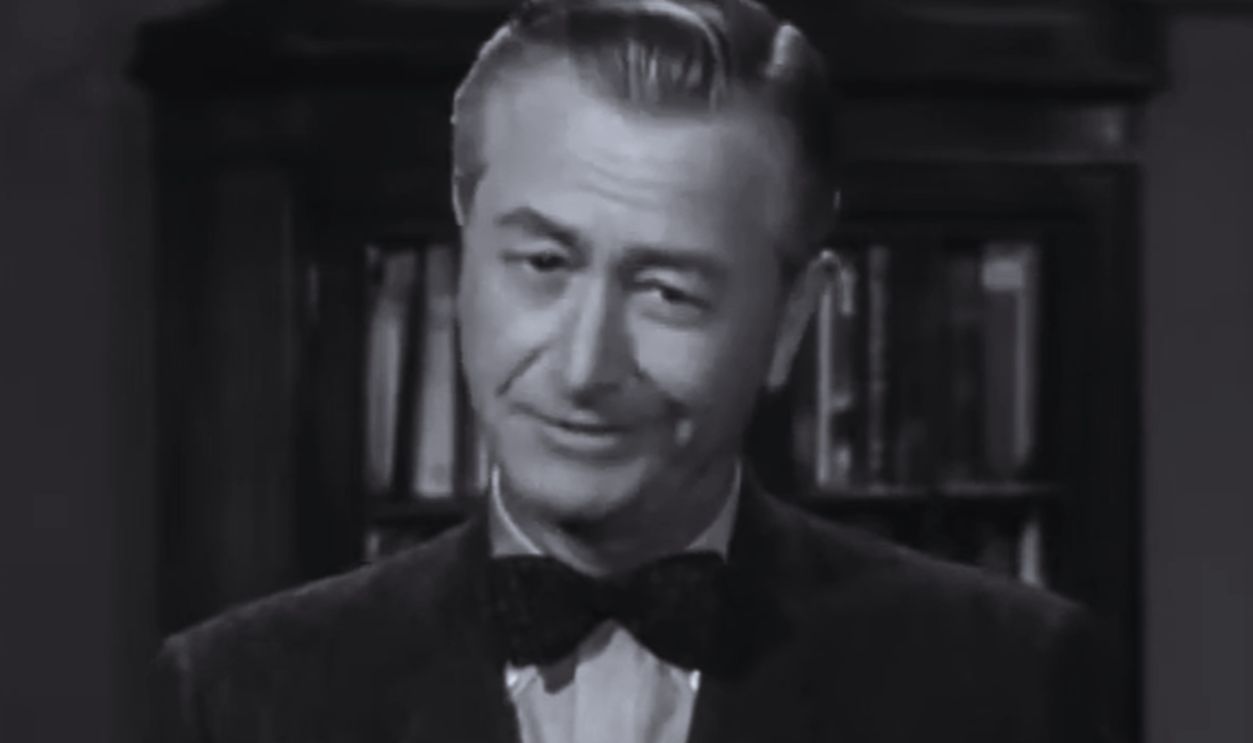 Screenshot from Window on Main Street, Sony Pictures Entertainment (1961-1962)
His Greatest Battle Happened Off Camera
While audiences saw a picture-perfect father, Young privately struggled with depression and alcoholism. After Father Knows Best ended, those issues worsened, eventually leading him to seek professional treatment and join Alcoholics Anonymous.
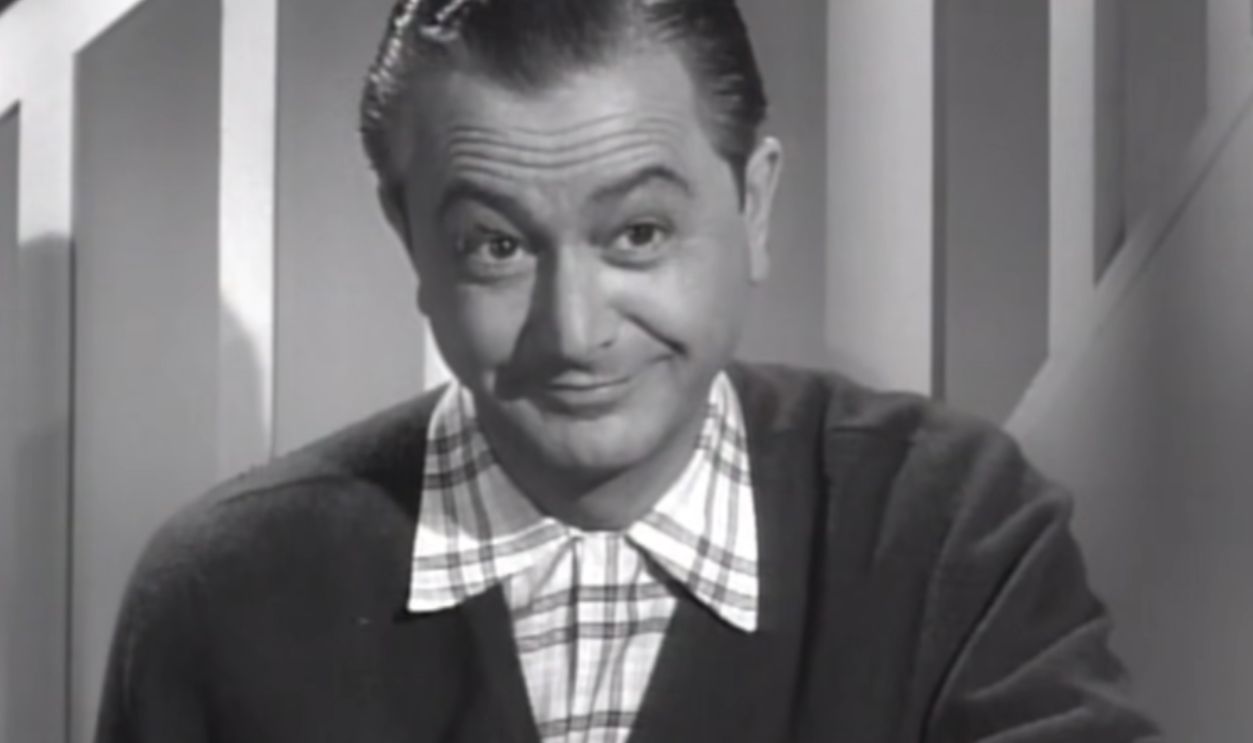 Screenshot from Father Knows Best, Sony Pictures Entertainment (1954-1960)
Marcus Welby Changed Everything Again
In 1969, Young returned to television as Dr. Marcus Welby, a compassionate family physician who emphasized personal relationships with patients. The role connected with audiences immediately and became another enormous hit, running for seven seasons alongside James Brolin.
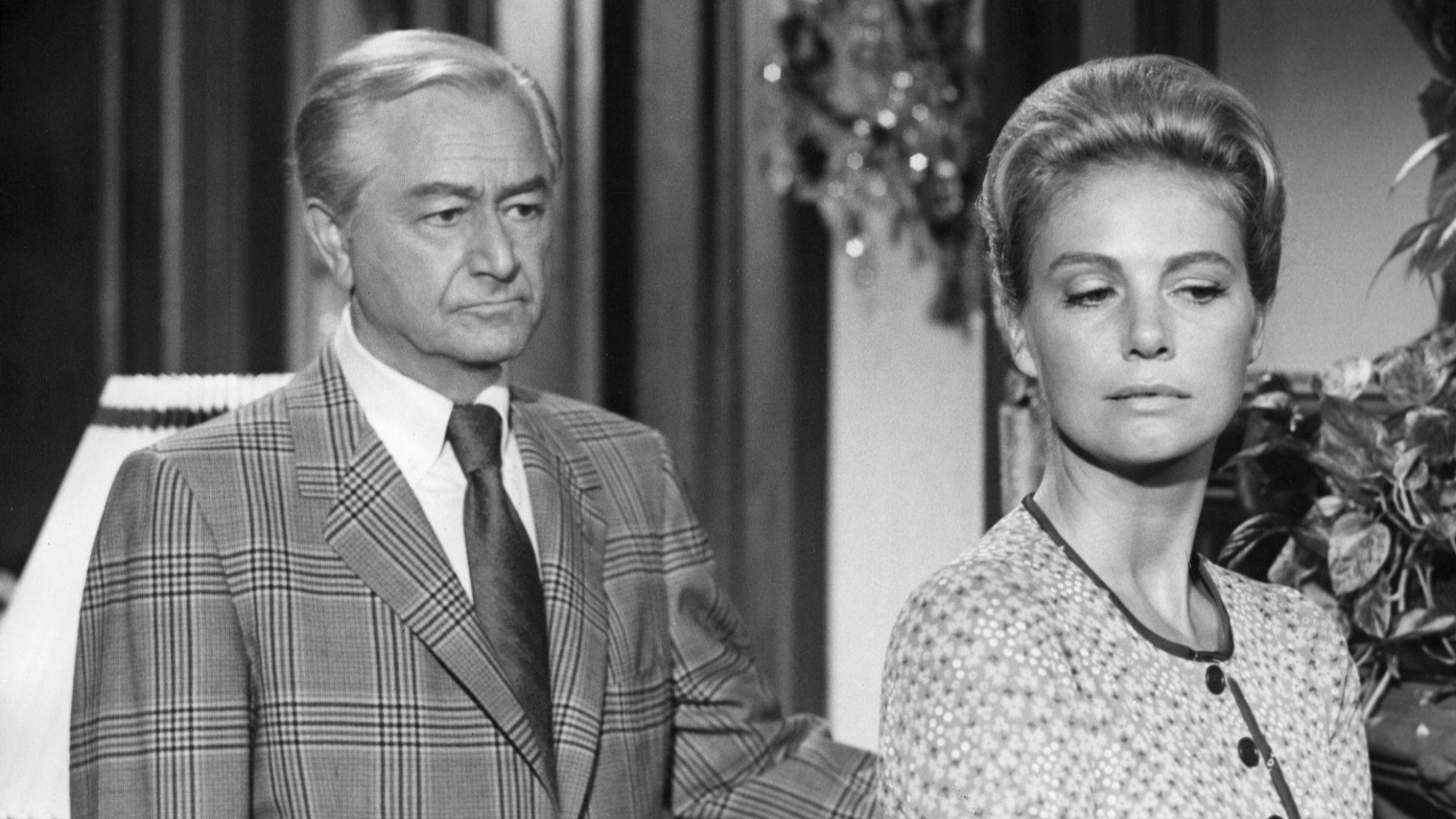 unknown (Universal TV/ABC), Wikimedia Commons
Winning Another Emmy
Young's portrayal of Marcus Welby earned him another Primetime Emmy Award for Outstanding Lead Actor in a Drama Series in 1970. Few performers successfully reinvent themselves with a second iconic television role, making Young's achievement especially unusual.
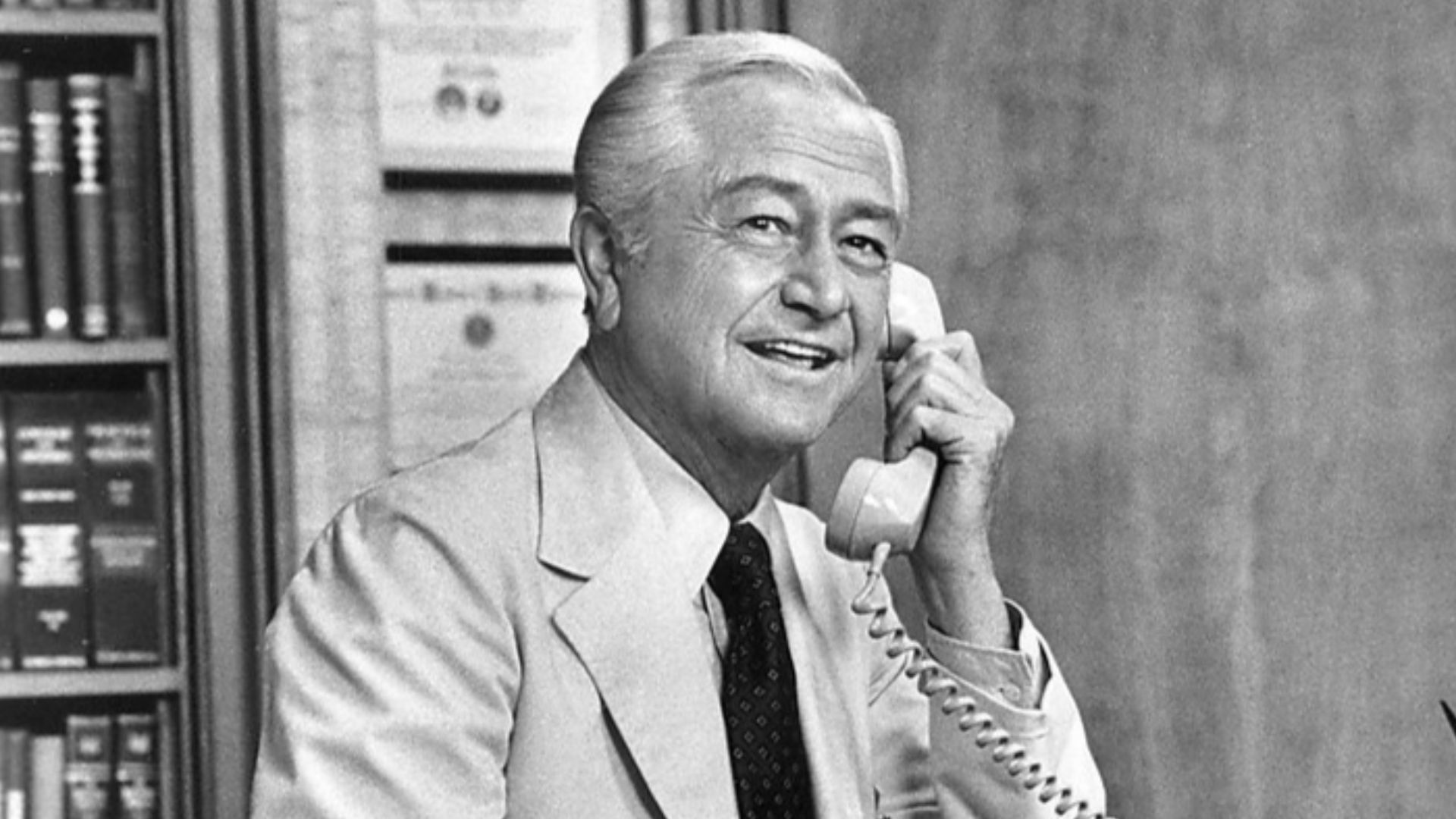 ABC Television, Wikimedia Commons
Inspiring Real Conversations About Medicine
Although Marcus Welby, M.D. was fictional, its stories tackled subjects that television rarely addressed at the time, including addiction, mental illness, aging, and difficult ethical questions. The series helped broaden expectations of what a network medical drama could explore.
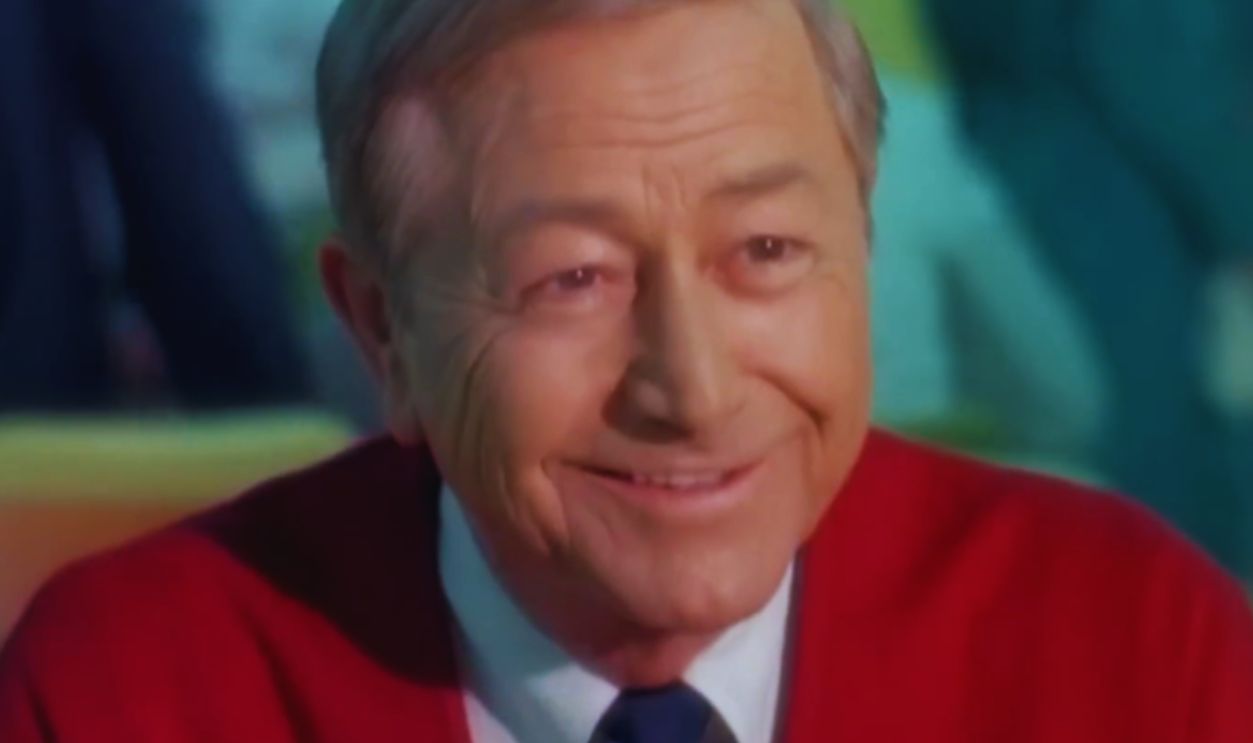 Screenshot from Marcus Welby, M.D., NBCUniversal (1969-1976)
A Familiar Face In American Living Rooms
Even after his major series ended, Young remained highly recognizable through television commercials. He became a longtime spokesman for Sanka coffee, and his trustworthy image made him one of advertising's most effective celebrity endorsers during the 1970s and early 1980s.
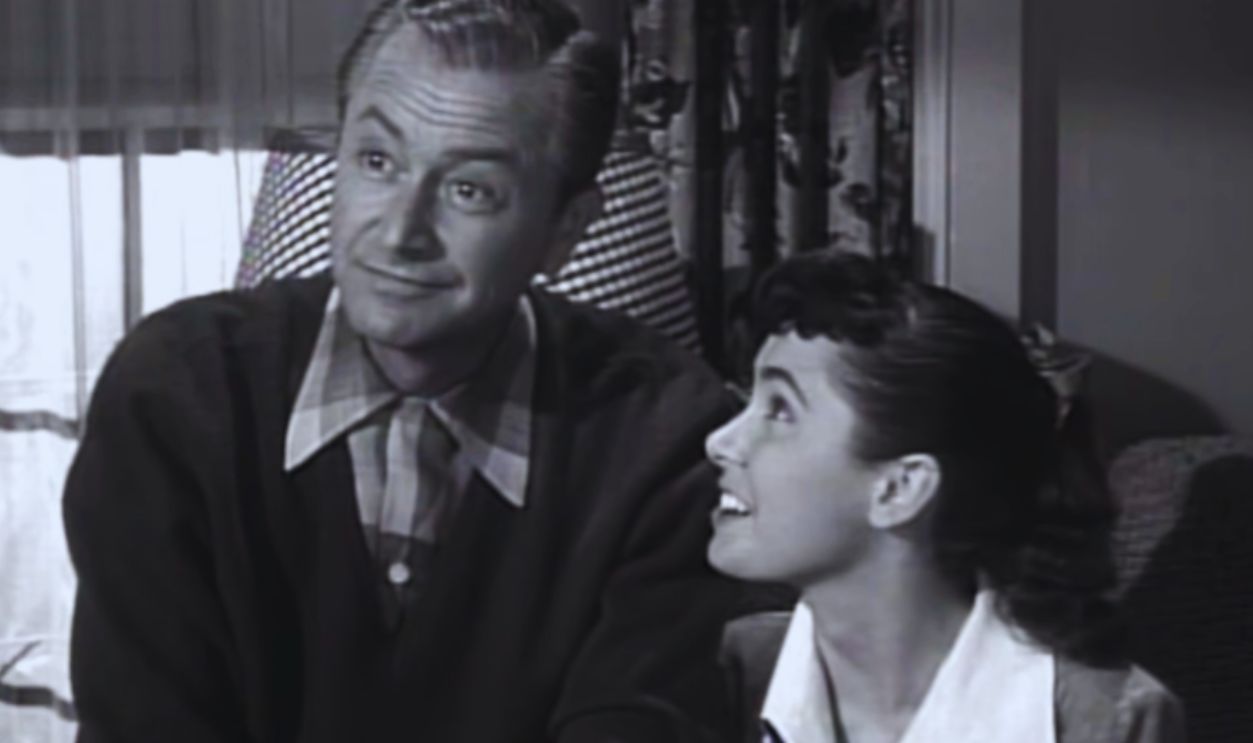 Screenshot from Father Knows Best, Sony Pictures Entertainment (1954-1960)
Returning To The Anderson Family
Fans eventually got to revisit Jim Anderson when reunion movies brought the Father Knows Best cast back together in 1977. The specials allowed audiences to see the family years after the original series had ended and reflected the show's lasting popularity.
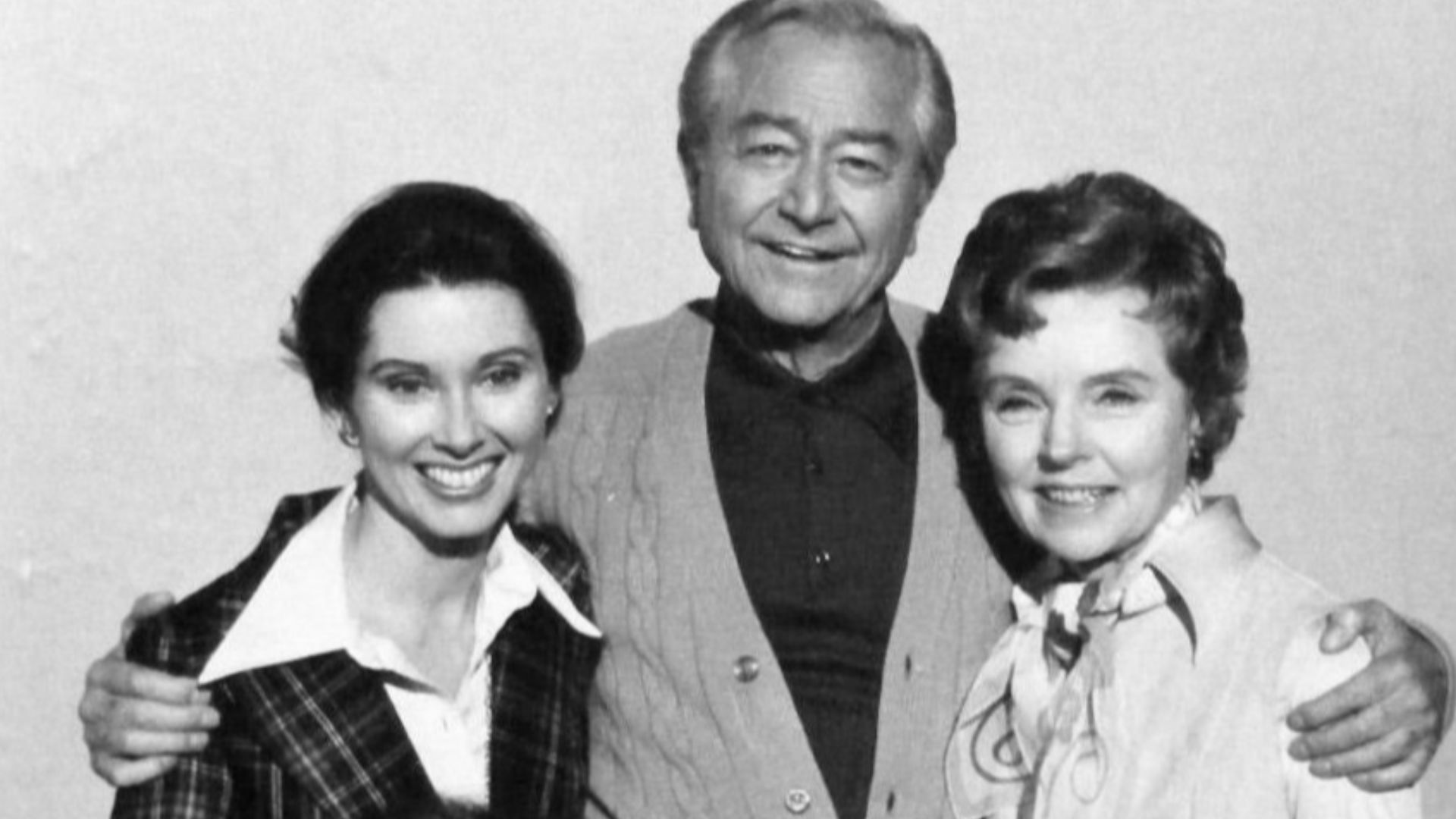 NBC Television, Wikimedia Commons
Speaking Openly About Mental Health
Young's willingness to acknowledge his depression was notable during an era when celebrities rarely discussed emotional struggles publicly. His honesty helped humanize an actor long associated with perfect fathers and perfect doctors, showing that even beloved public figures faced difficult personal challenges.
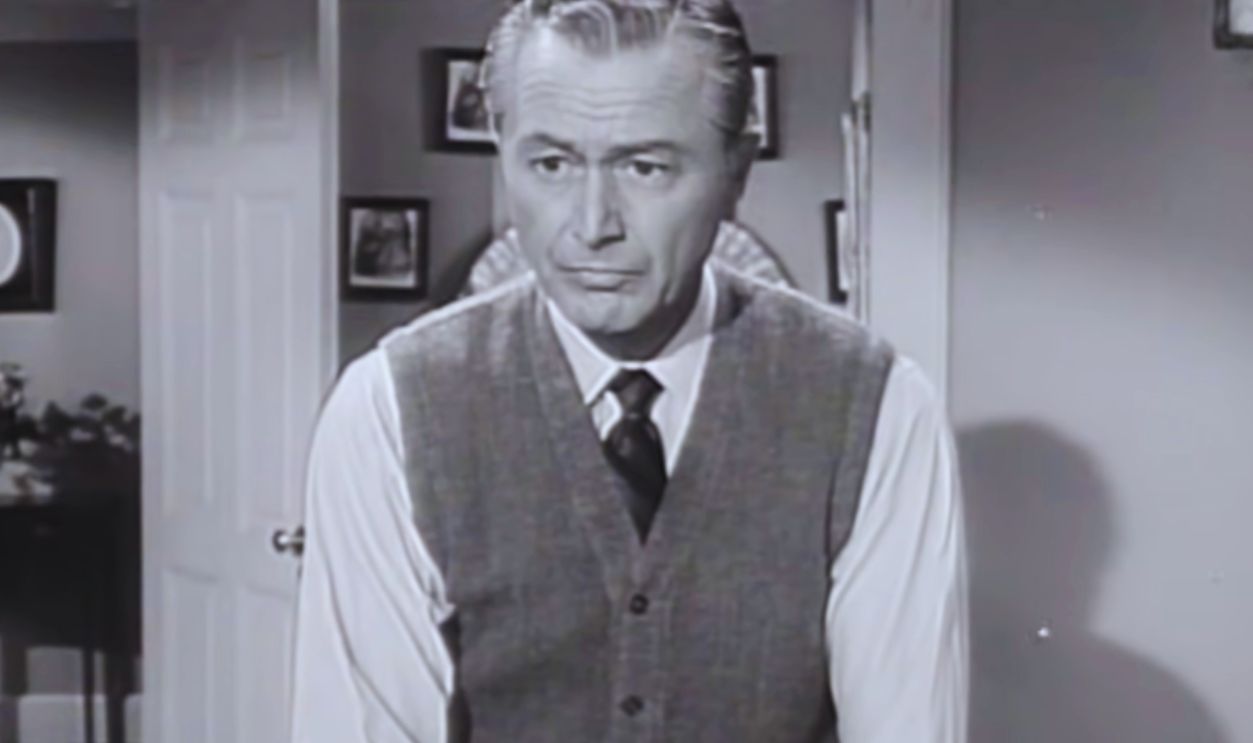 Screenshot from Father Knows Best, Sony Pictures Entertainment (1954-1960)
Hollywood Honored His Contributions
Over the course of his career, Young earned three stars on the Hollywood Walk of Fame recognizing his work in film, radio, and television. Few entertainers have been honored across all three entertainment mediums, reflecting the remarkable breadth of his career.
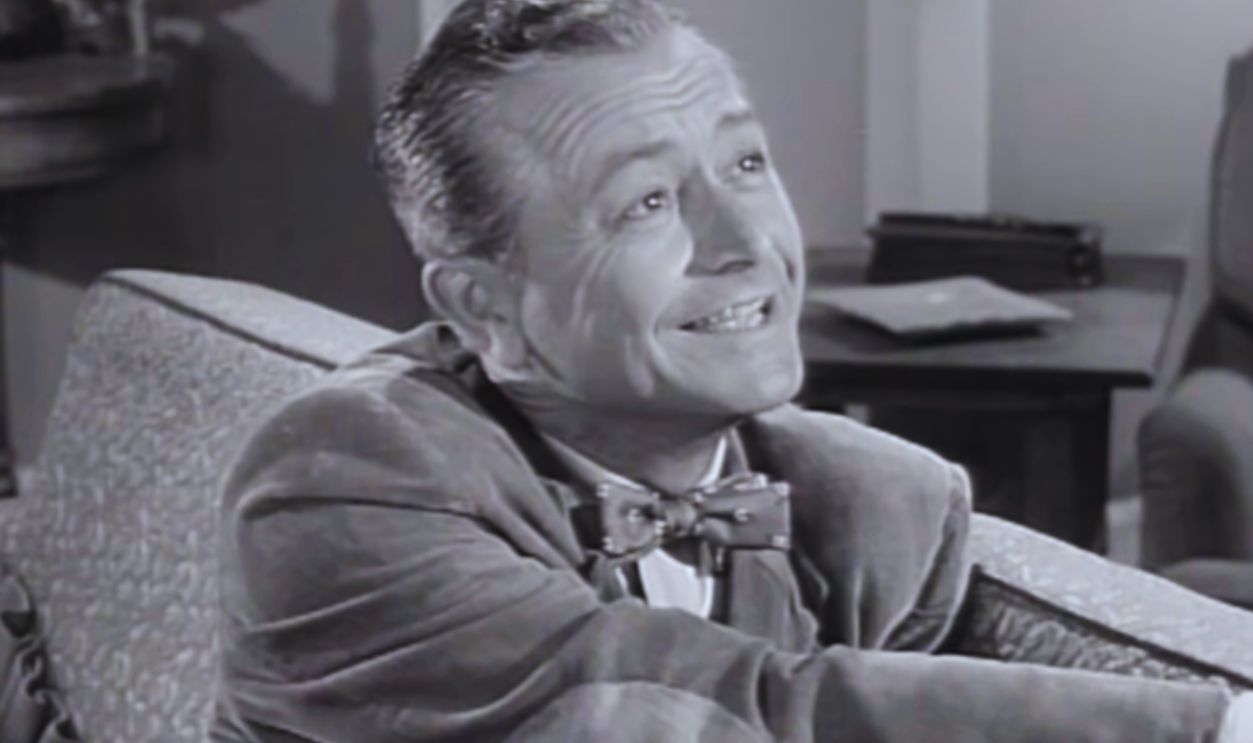 Screenshot from Father Knows Best, Sony Pictures Entertainment (1954-1960)
His Final Years
Young continued making occasional television appearances into the late 1980s before retiring. He spent his later years largely out of the spotlight and passed at his California home on July 21, 1998, at the age of 91 following health issues related to advanced age and previous heart surgery.
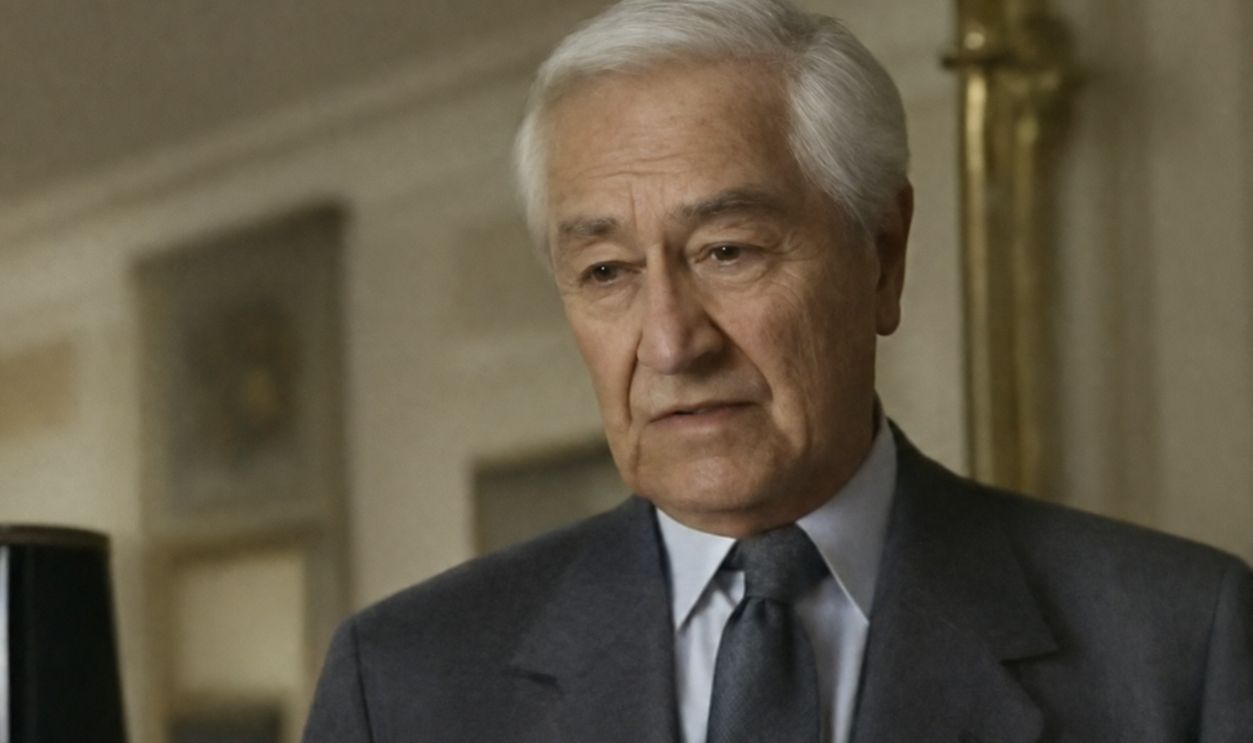 Screenshot from Marcus Welby, M.D.: A Holiday Affair, NBCUniversal (1988), enhanced
Why Robert Young Still Matters
Robert Young left behind far more than nostalgic memories of television's ideal father. He demonstrated remarkable longevity in Hollywood, reinvented himself multiple times, openly confronted personal struggles, and helped shape two of television's most enduring genres. His legacy isn't simply that he played America's dad—it is that he showed audiences, and fellow actors, that even the most familiar faces can have extraordinary stories beyond the screen.
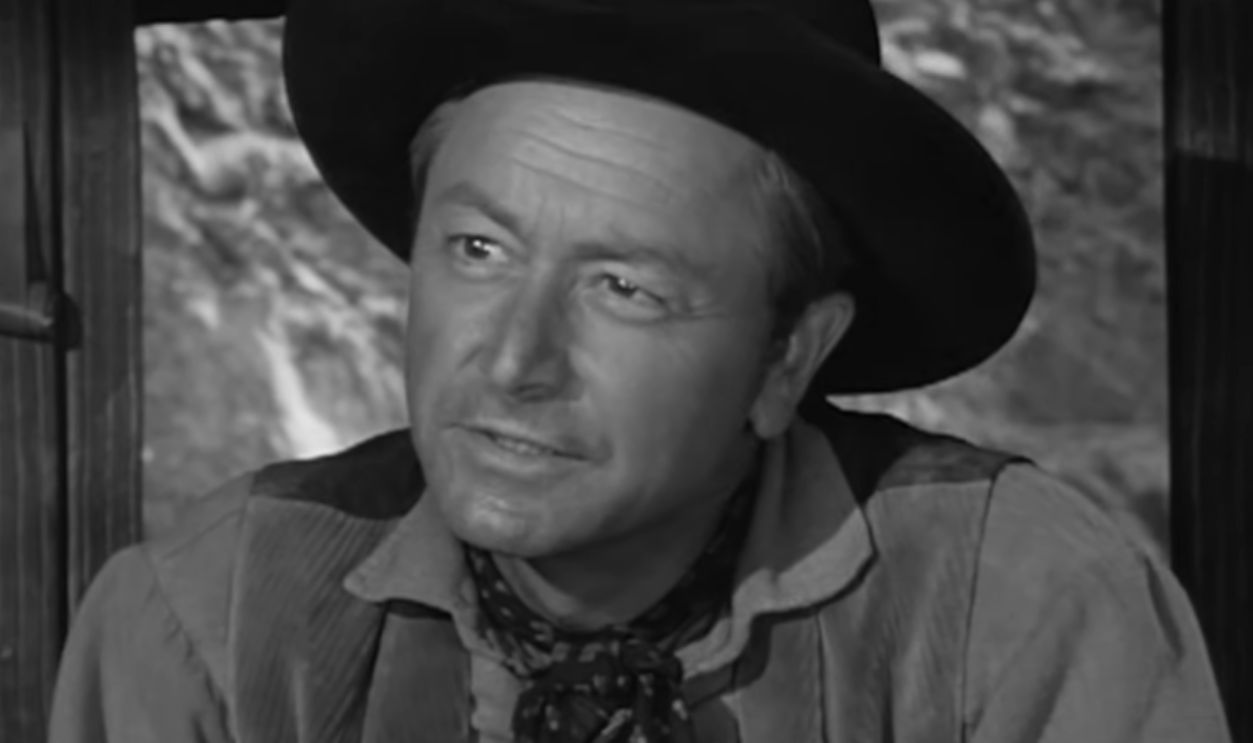 Screenshot from Father Knows Best, Sony Pictures Entertainment (1954-1960)
You May Also Like:
Beloved 70s TV Shows That Deserved More Seasons Than They Got
Judy Garland was controlled by the studios and pushed to exhaustion for years. But when her fame slipped, her life didn’t just decline—it unraveled.