
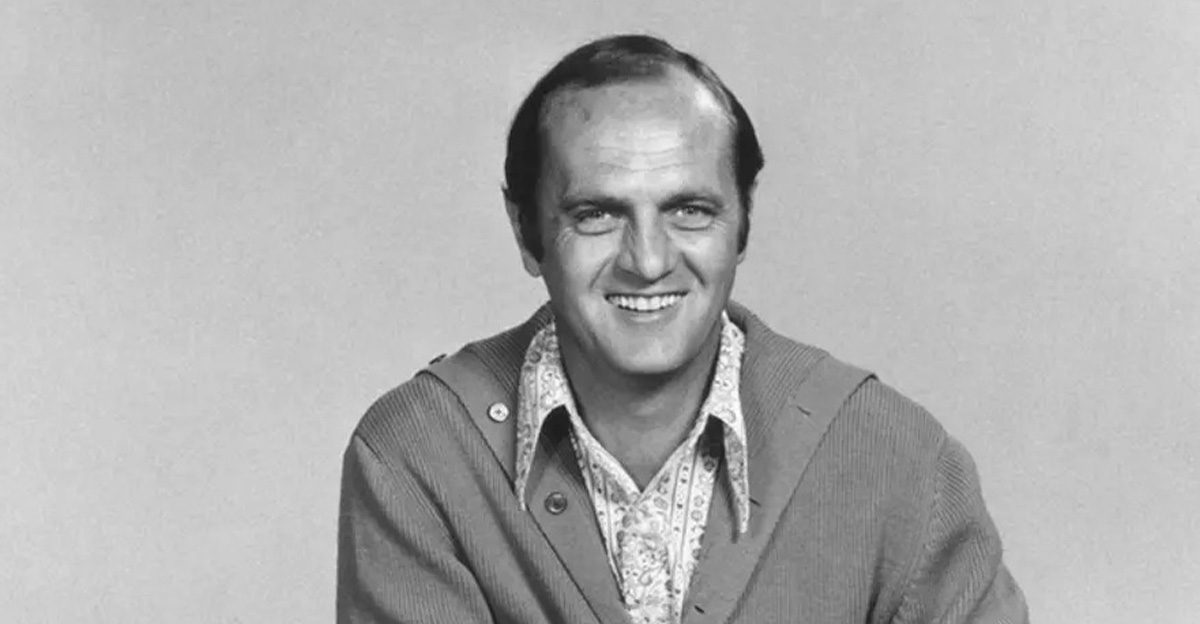
The Quietest Man In The Room
Bob Newhart never needed to shout, leap across a stage, or fire off jokes at machine-gun speed. He could get a laugh by staring at somebody for two seconds too long. Across more than six decades, that calm, slightly confused delivery made him one of American comedy’s most recognizable—and hardest to imitate—stars.
 CBS Television, Public Domain, via Wikimedia Commons
He Started Out Behind A Desk
Before anyone paid Newhart to be funny, he had one of the least show-business jobs imaginable: accounting. After college and military service, the Chicago native worked in offices where his dry sense of humor was already sneaking out. Fortunately for comedy fans, balancing books was not exactly his calling.
 Chrisconkling, Wikimedia Commons
Phone Calls Changed Everything
Newhart and friend Ed Gallagher began amusing themselves by making improvised comedy phone calls. When Gallagher eventually moved away, Newhart kept developing the idea alone. That accident helped create his signature format: Newhart calmly speaking into a telephone while the audience imagined the increasingly ridiculous person on the other end.
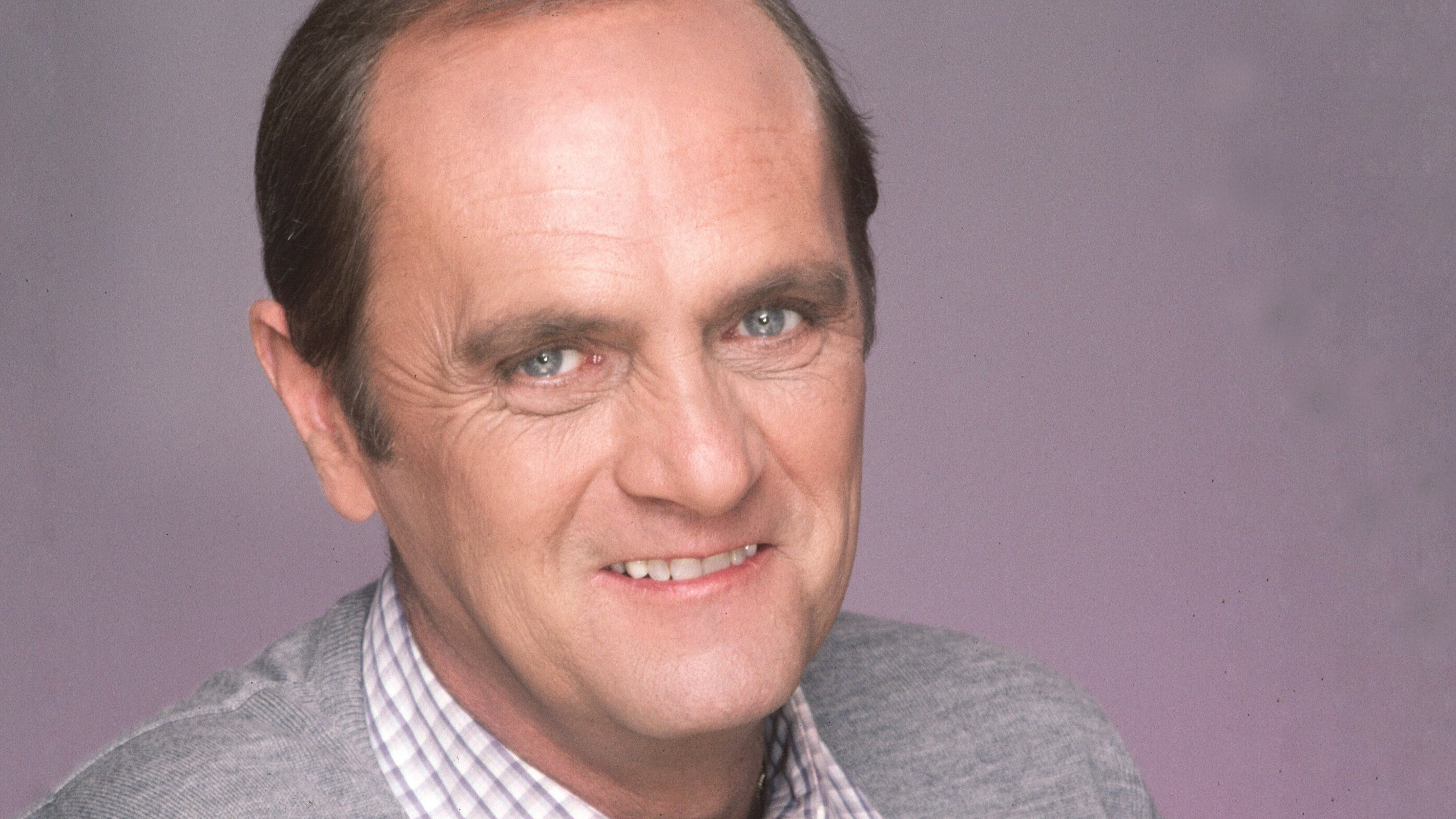
Half The Conversation Was Missing
Most comedians wanted more words. Newhart discovered that fewer could be funnier. In routines about everything from driving instructors to Abraham Lincoln’s press agent, audiences heard only his side of the conversation. The pauses forced them to imagine the replies, making listeners active participants in every joke.
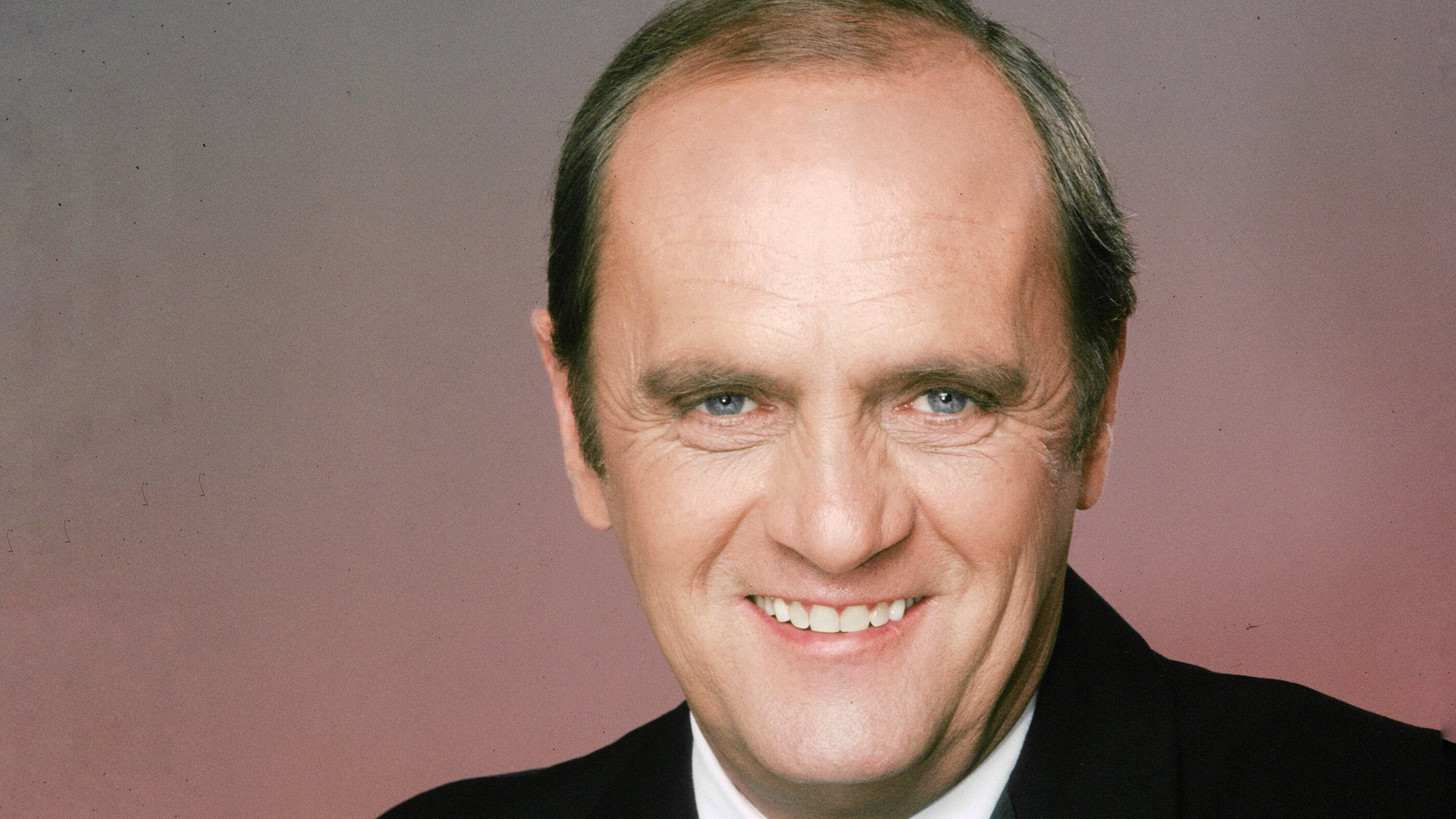
Then His First Album Exploded
In 1960, The Button-Down Mind of Bob Newhart turned a largely unknown Chicago comedian into a national star almost overnight. The album reached No. 1, an extraordinary achievement for a comedy record, and suddenly Newhart’s hesitant voice was competing with the biggest musical acts in America.
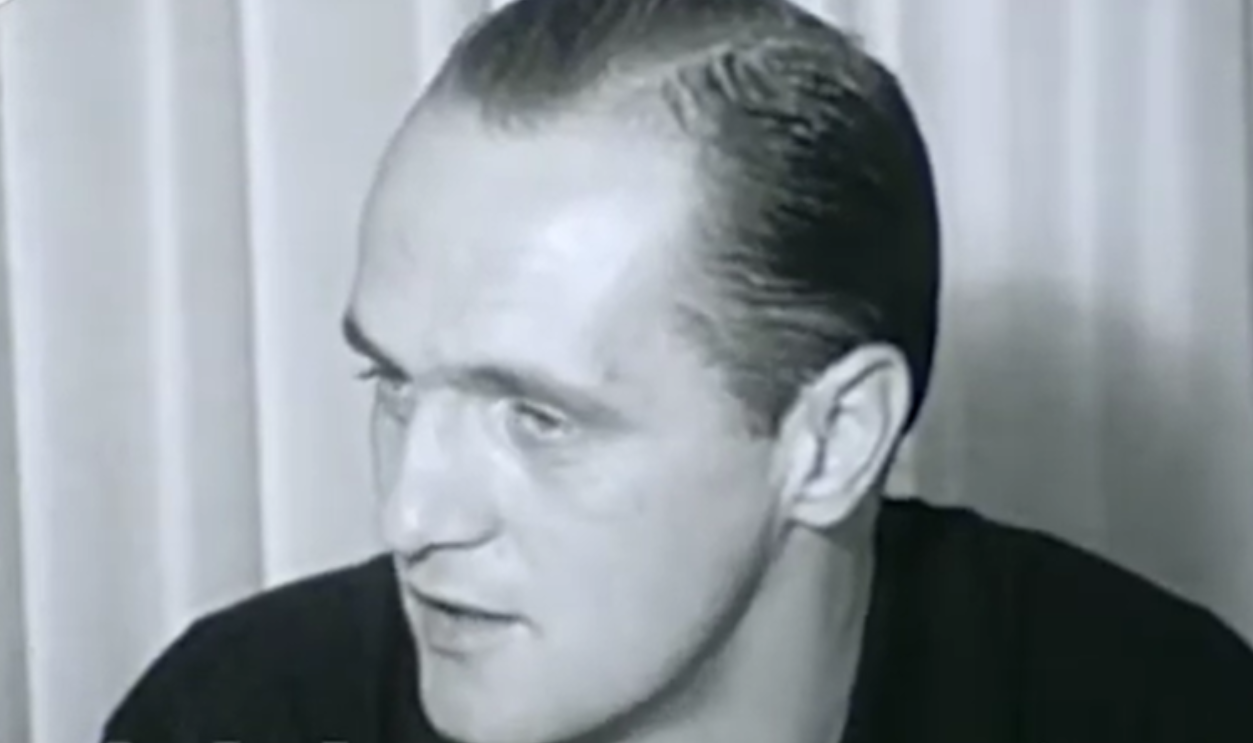 Screenshot from The Button-Down Mind of Bob Newhart, Warner Bros. Records (1960)
Comedy Had A New Superstar
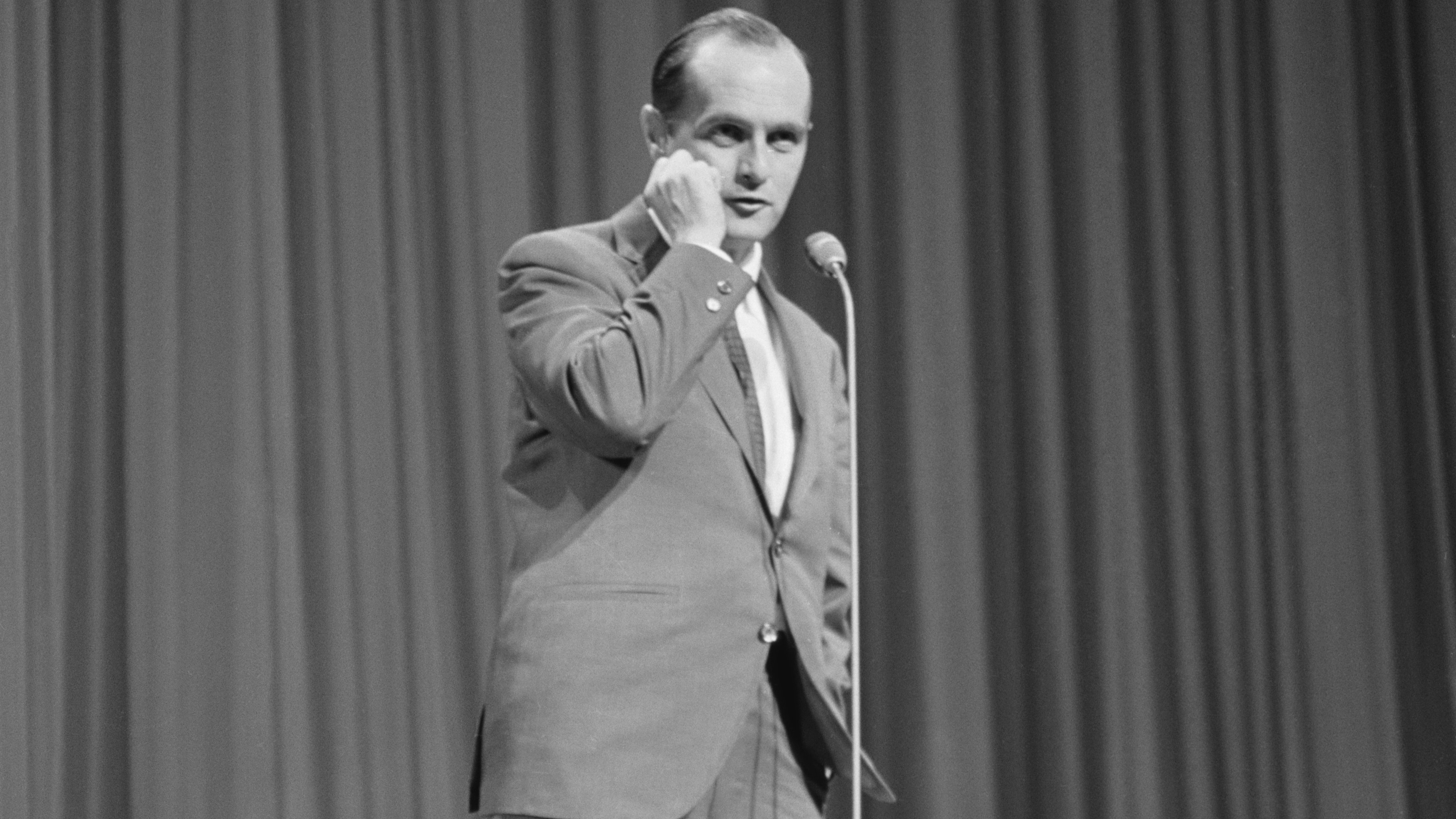
Newhart’s success was not just a comedy-industry curiosity. His debut album won Album of the Year at the Grammys, making him the first comedy artist to take that prize. He ultimately collected three Grammys, proving audiences were perfectly happy listening to a nervous-looking man politely unravel imaginary disasters.
Silence Was His Superpower
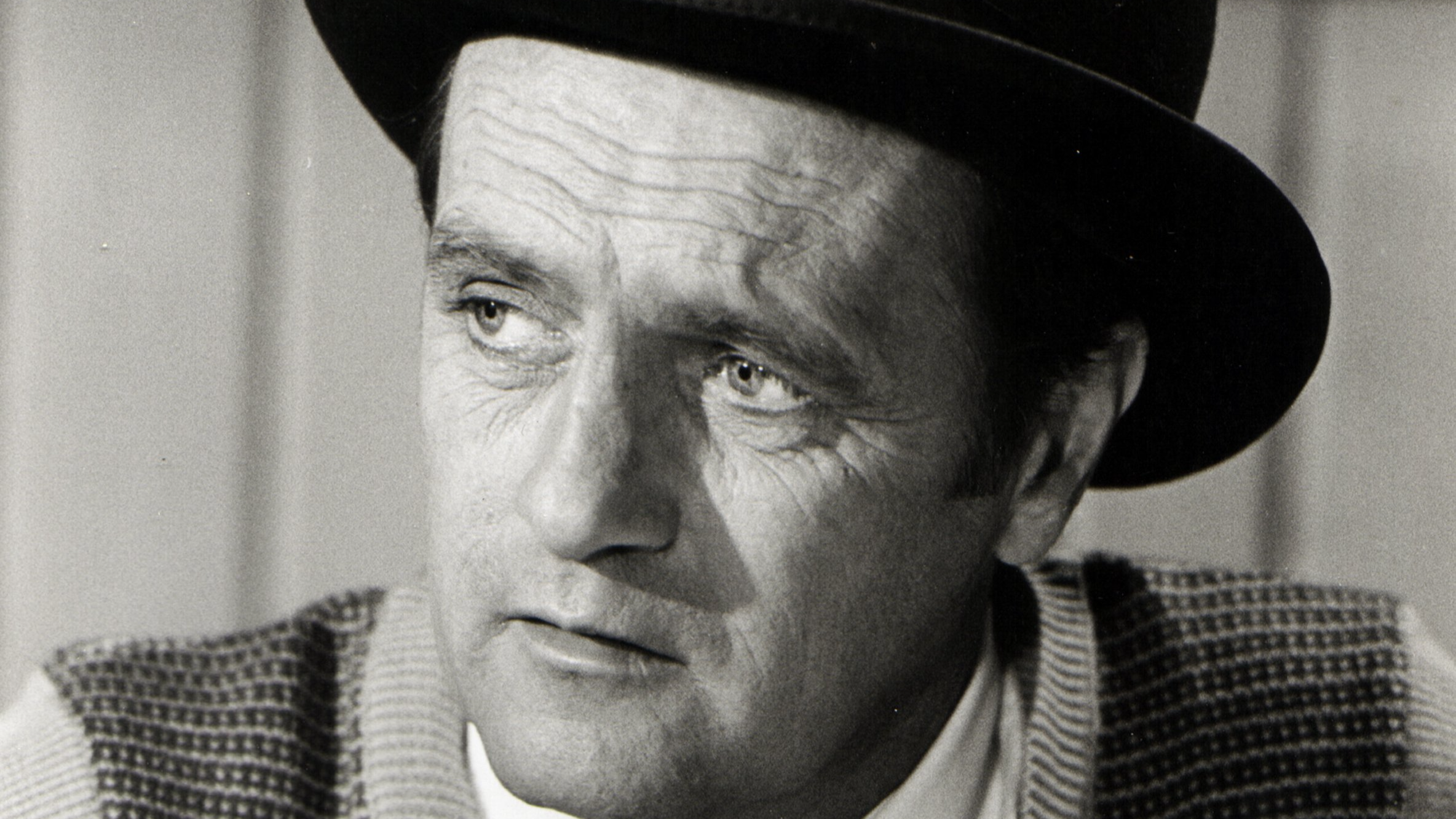
Newhart understood something many performers spend careers trying to learn: silence can be hilarious. He would stop, listen, blink, and let a situation grow more absurd without forcing anything. Those pauses became as recognizable as another comedian’s catchphrase. Nobody waited for a punchline quite like Bob Newhart.
Television Came Calling Quickly
Success brought television almost immediately. In 1961, NBC gave him a variety program called The Bob Newhart Show. It earned critical respect, including an Emmy and Peabody Award, but struggled to find enough viewers. Newhart later joked that it won an Emmy, a Peabody, and a pink slip.
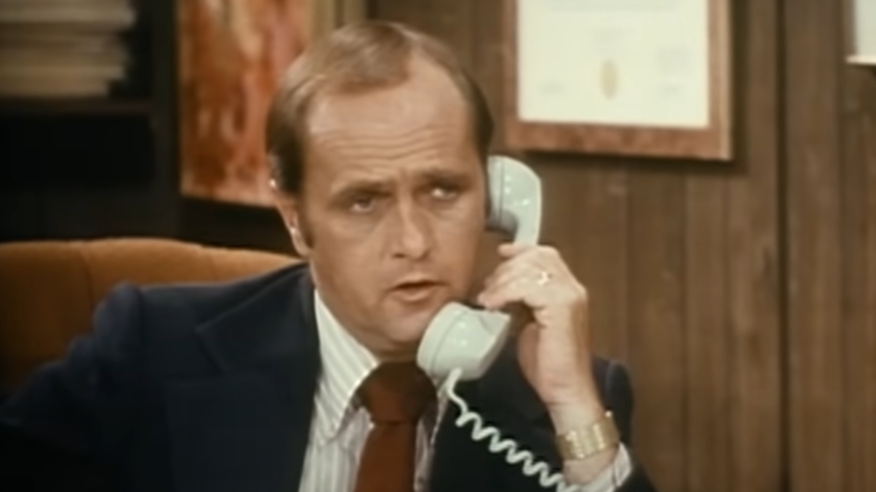 Screenshot of the TV Show The Bob Newhart Show CBS, (1972–1978)
Losing A Show Did Not Hurt Him Much
For another comedian, that cancellation might have been disastrous. Newhart simply returned to stand-up, guest appearances, and movie roles. His style was portable. He did not require an elaborate setup or a giant cast. Give him a microphone, an imaginary telephone, and someone behaving irrationally, and he was ready.
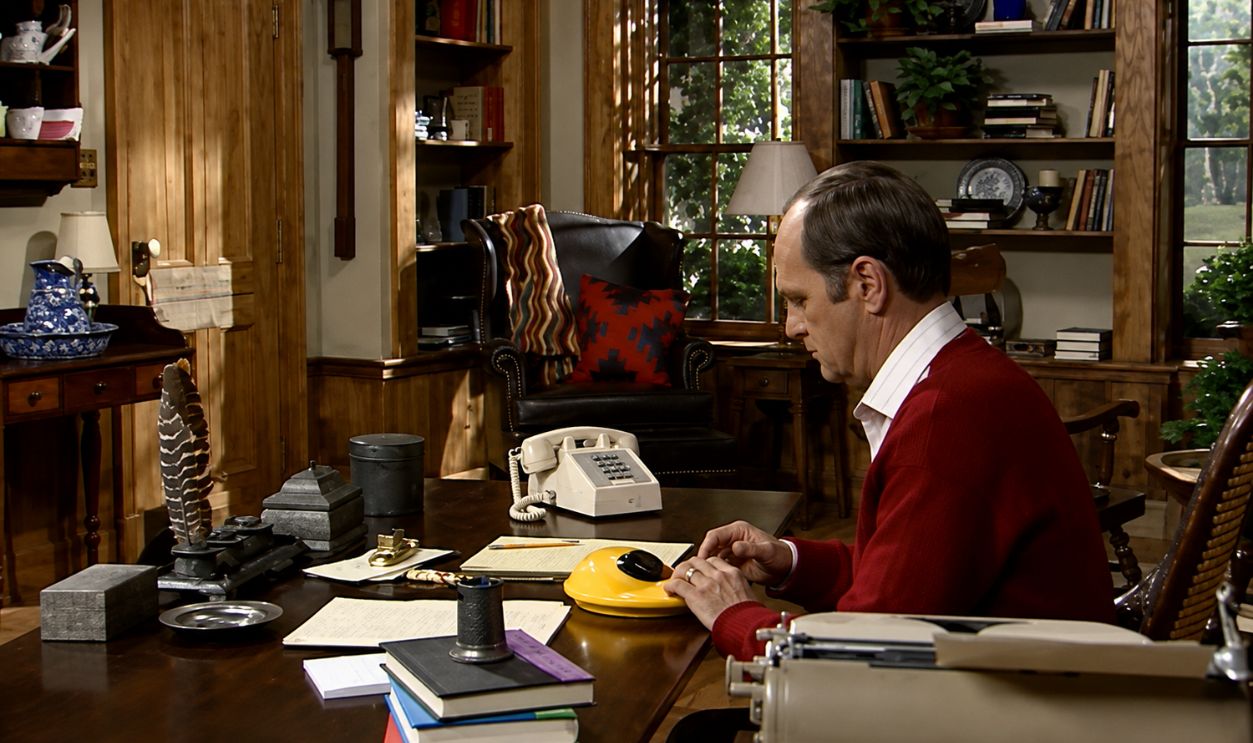 Screenshot from The Bob Newhart Show, CBS (1972-1978)
Hollywood Found Uses For That Face
Newhart also appeared in films including Catch-22 and On a Clear Day You Can See Forever. He rarely seemed like someone desperately trying to become a movie star. Instead, he brought the same ordinary-guy presence that made his comedy work: mildly concerned, quietly intelligent, and permanently surrounded by people making life harder.
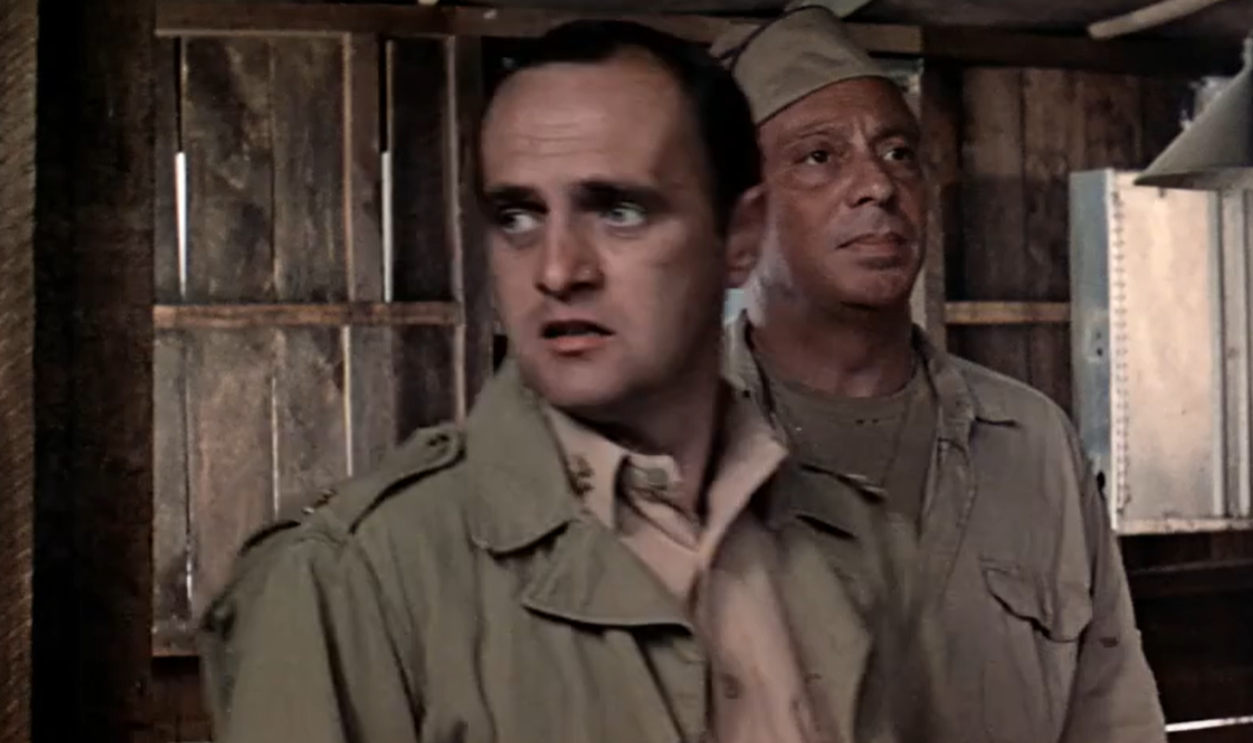 Screenshot from Catch-22, Paramount Pictures (1970)
Then Came Dr. Bob Hartley
In 1972, Newhart returned to series television with another show bearing his name. This time, everything clicked. The Bob Newhart Show cast him as Chicago psychologist Bob Hartley, a role almost suspiciously well suited to a comedian whose greatest talent was listening to ridiculous people talk.
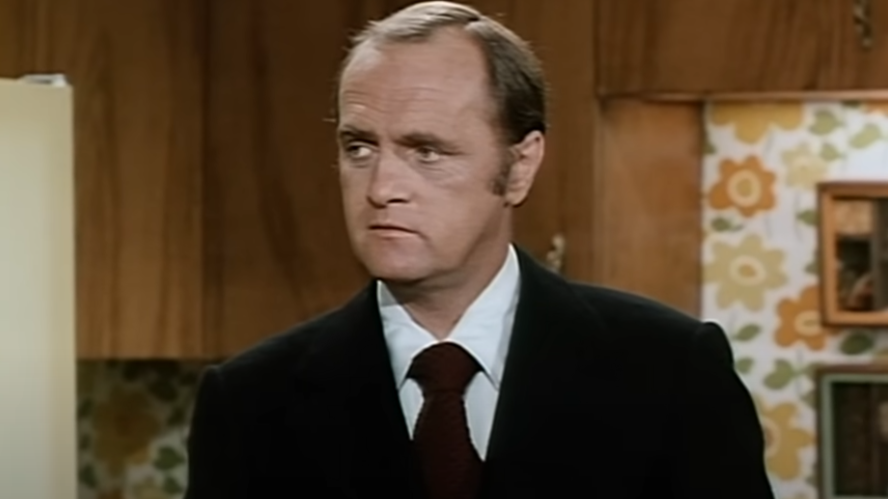 Screenshot from The Bob Newhart Show, CBS (1972–1978)
The Straight Man Became The Star
Sitcoms traditionally gave the biggest laughs to the strangest characters. Newhart flipped that formula. Bob Hartley was usually the normal person in the room, reacting to everyone else’s madness. His tiny expressions and delayed responses could turn another character’s joke into something twice as funny without stealing the scene.
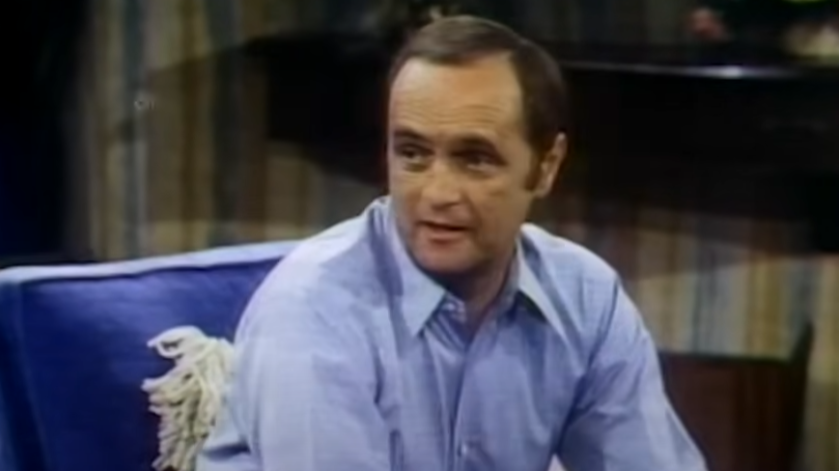 Screenshot from The Bob Newhart Show, CBS (1972–1978)
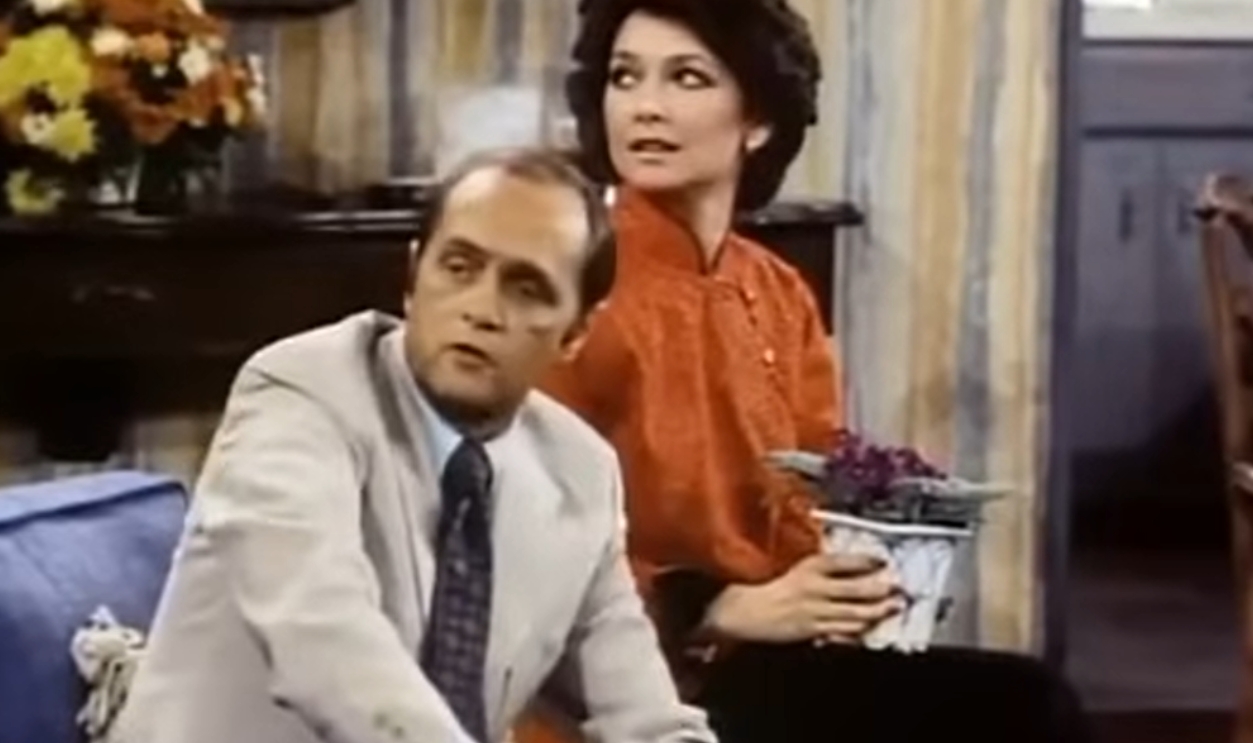
Suzanne Pleshette Was The Perfect Partner
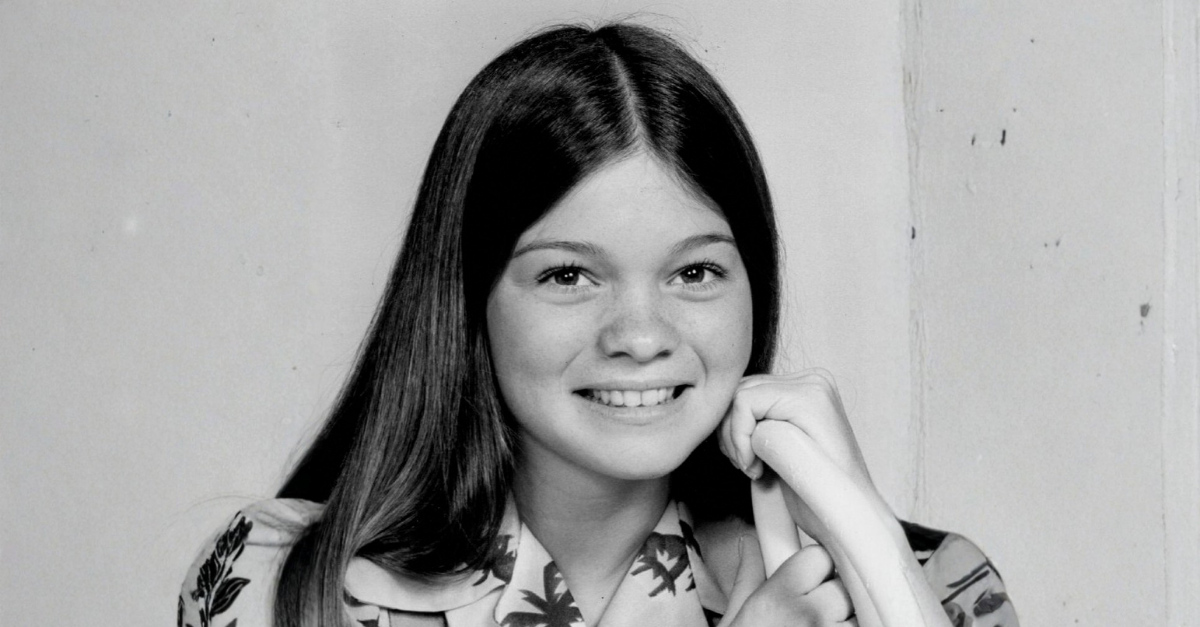
As Bob’s wife Emily, Suzanne Pleshette gave Newhart someone who could match his dryness without copying it. Their marriage felt unusually adult for a sitcom. They teased each other, disagreed, and occasionally became irritated without turning every domestic problem into a screaming match. Their chemistry gave the show its warm center.
 Screenshot from The Bob Newhart Show, CBS (1972–1978)
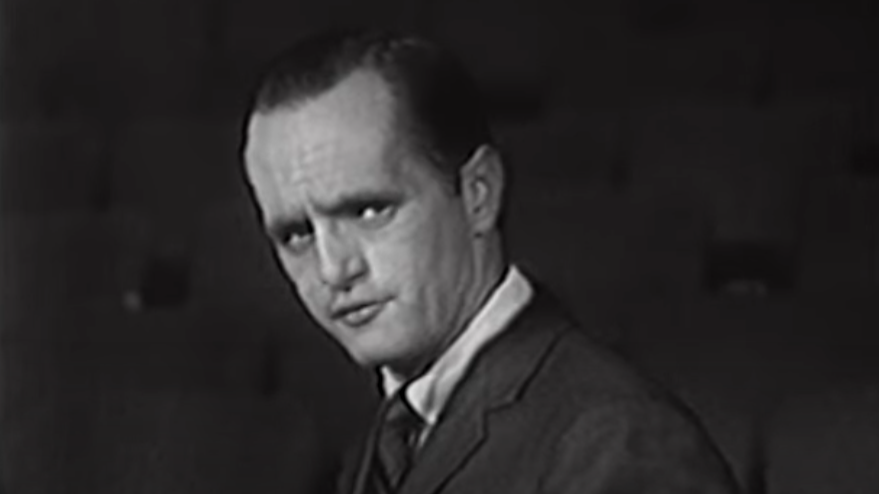
His Office Was A Comedy Gold Mine
Being a psychologist meant Bob Hartley had an endless supply of wonderfully difficult people entering his office. Patients could say almost anything, and Newhart barely had to move. Watching him process what he had just heard became the joke. His face often seemed to say, “I definitely did not train for this.”
 Screenshot from The Bob Newhart Show, CBS (1972–1978)
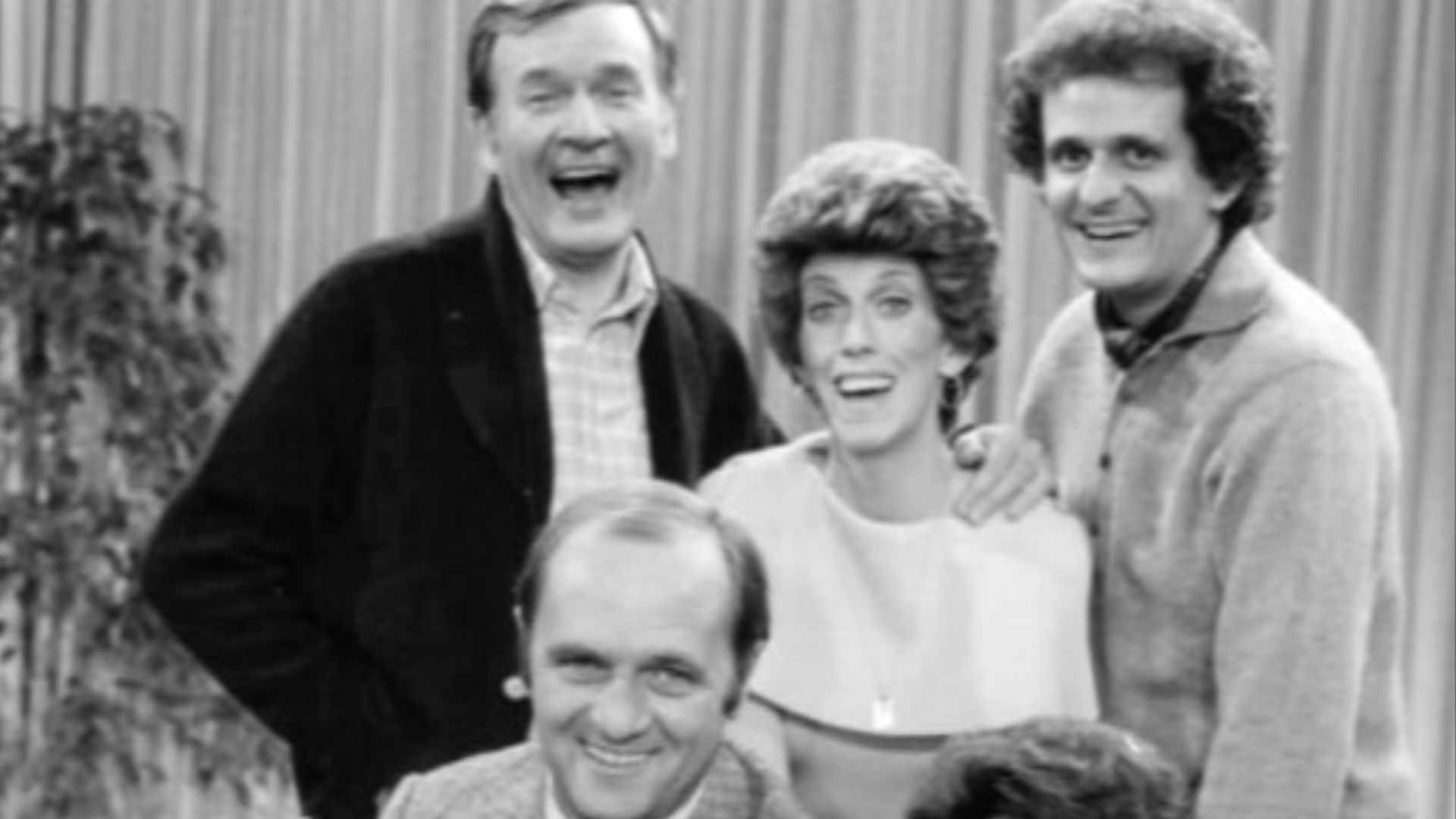
The Supporting Cast Could Go Wild
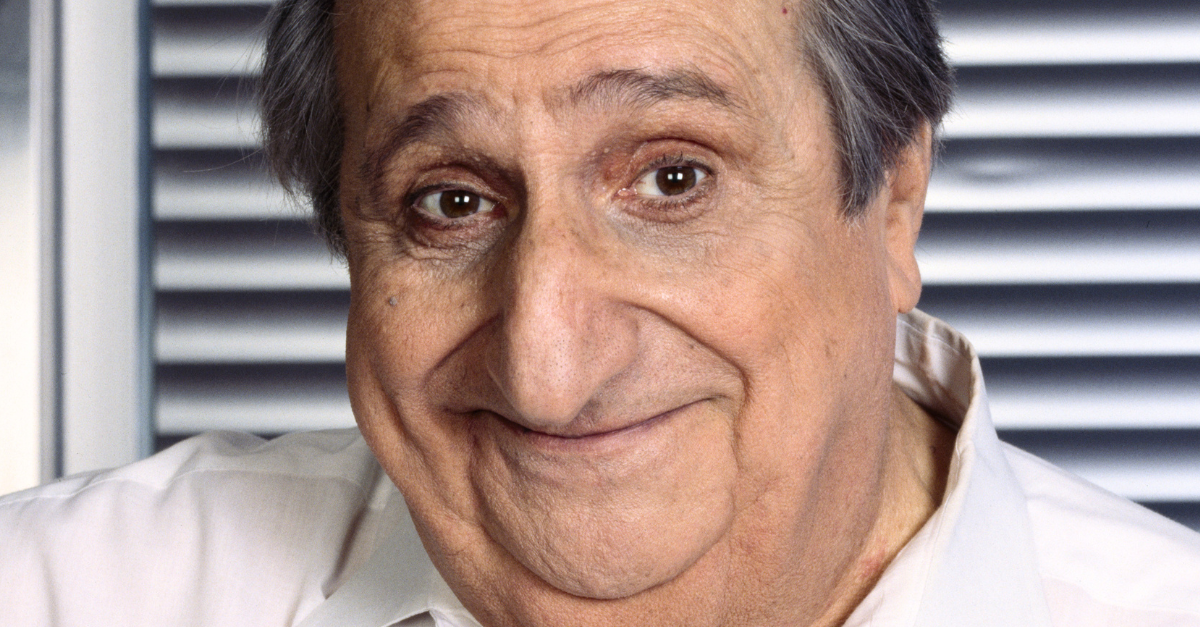
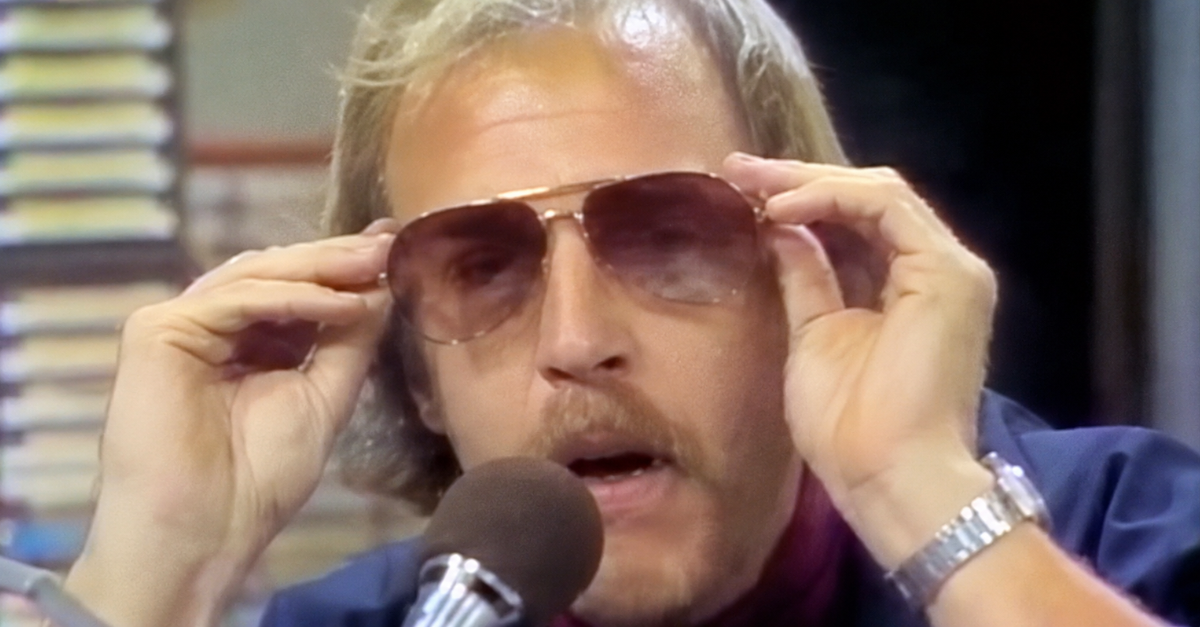
Bill Daily, Marcia Wallace, Peter Bonerz, Jack Riley, and the rest of the ensemble could play bigger because Newhart remained so grounded. The stranger everyone around him became, the funnier his restraint looked. It was one of television’s great comic ecosystems: chaos spinning around a man desperately trying to stay reasonable.
 CBS Television, Wikimedia Commons
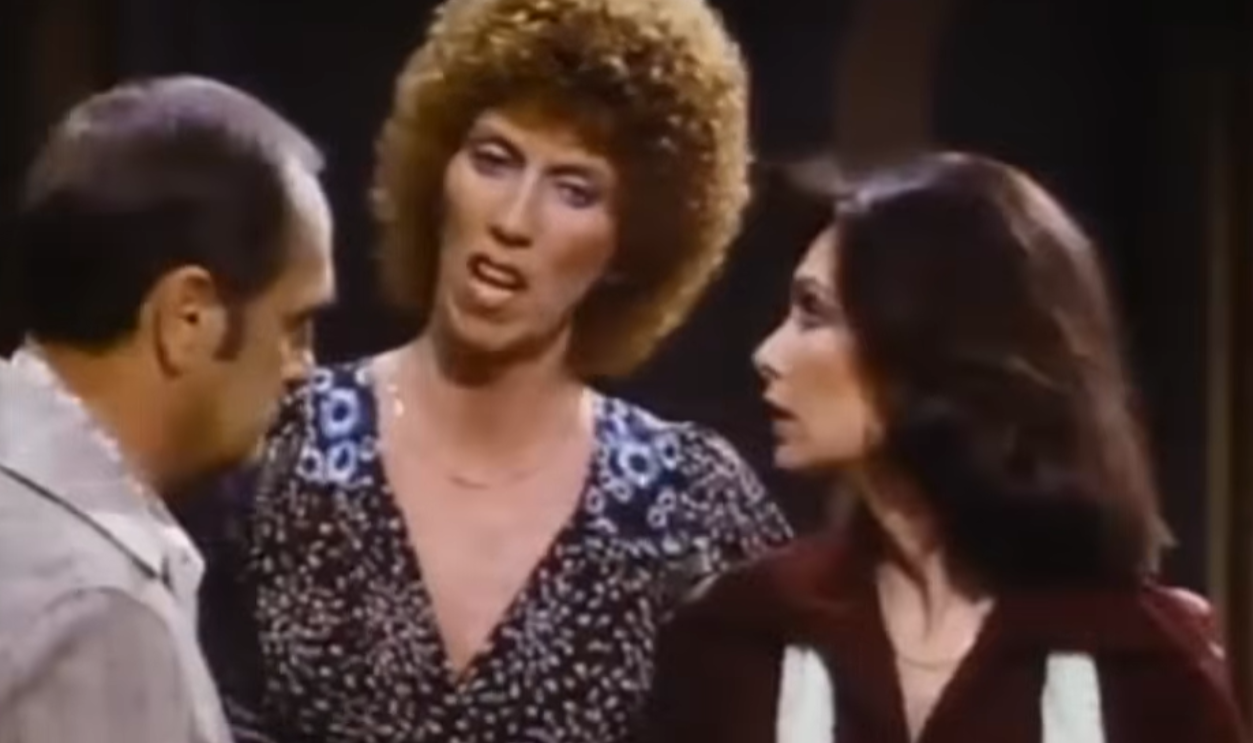
He Knew When To Leave
The Bob Newhart Show lasted six seasons, from 1972 to 1978. Newhart chose not to drag the series endlessly forward simply because it remained successful. That decision became another recurring feature of his career. He appeared remarkably uninterested in squeezing every possible drop from his own fame.
 Screenshot from The Bob Newhart Show, CBS (1972–1978)
Newhart Started All Over Again
Four years later, he returned with Newhart. Instead of a Chicago psychologist, he played Dick Loudon, an author who moved with his wife to Vermont and operated an inn. The location changed. The profession changed. Newhart’s basic predicament did not: once again, a sensible man found himself trapped among eccentrics.
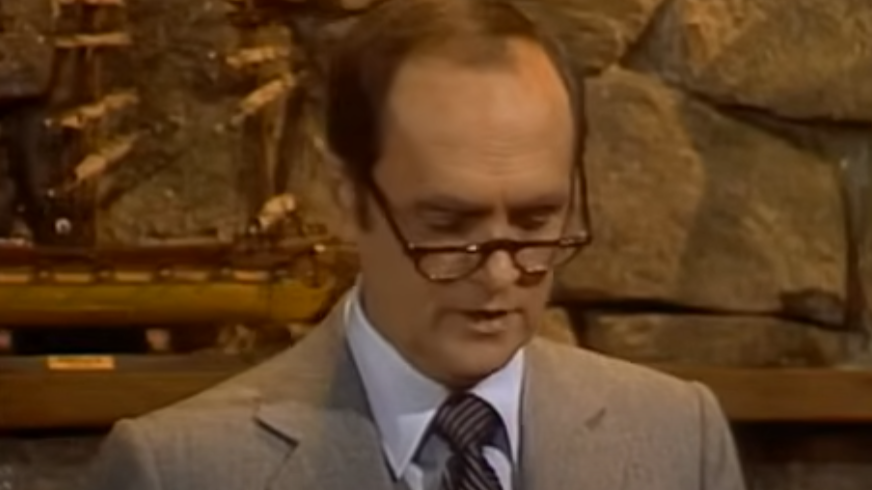 Screensshot from Newhart, CBS (1982–1990)
Vermont Got Stranger Every Year
Early Newhart could be relatively gentle, but the town surrounding Dick Loudon gradually became wonderfully bizarre. Julia Duffy’s Stephanie, Peter Scolari’s Michael, Tom Poston’s George, and increasingly odd townspeople pushed the show into its own surreal little world while Newhart remained the increasingly exhausted voice of reason.
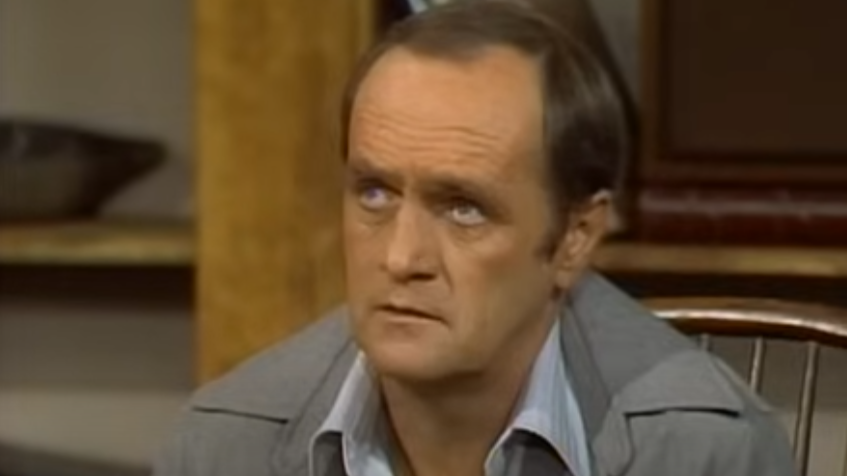 Screensshot from Newhart, CBS (1982–1990)
Then Came Larry, Darryl, And Darryl
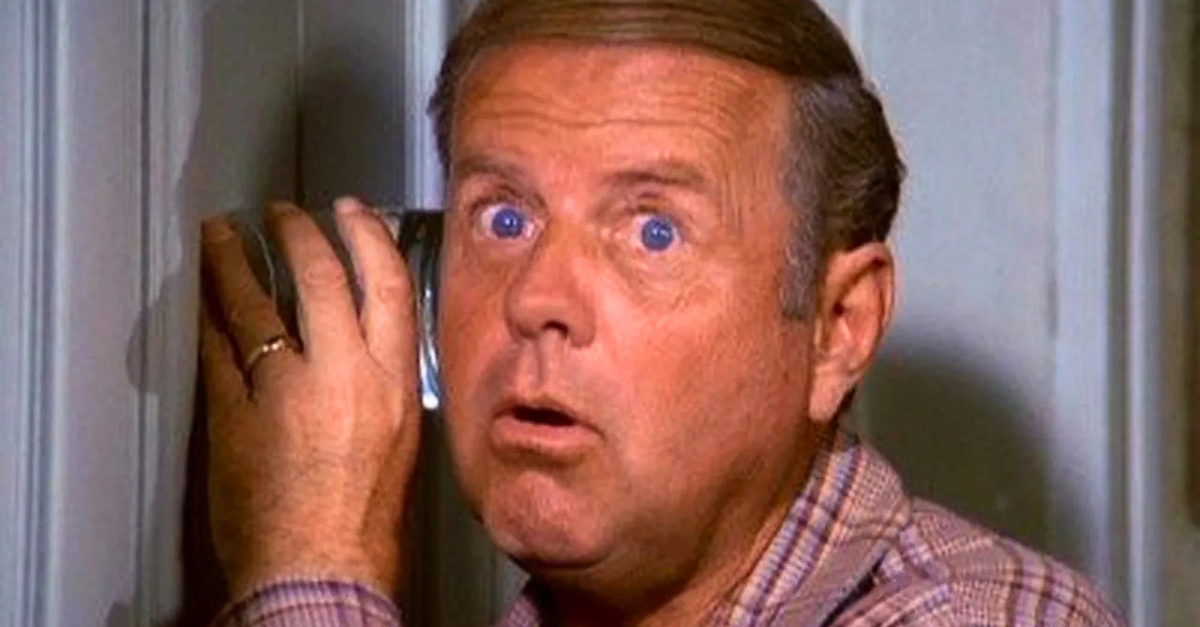
Few recurring characters captured Newhart better than Larry and his silent brothers, Darryl and Darryl. Their famously strange appearances worked because Dick reacted much as viewers did. Newhart did not need to out-crazy them. He simply stood there attempting to understand how these people could possibly exist.
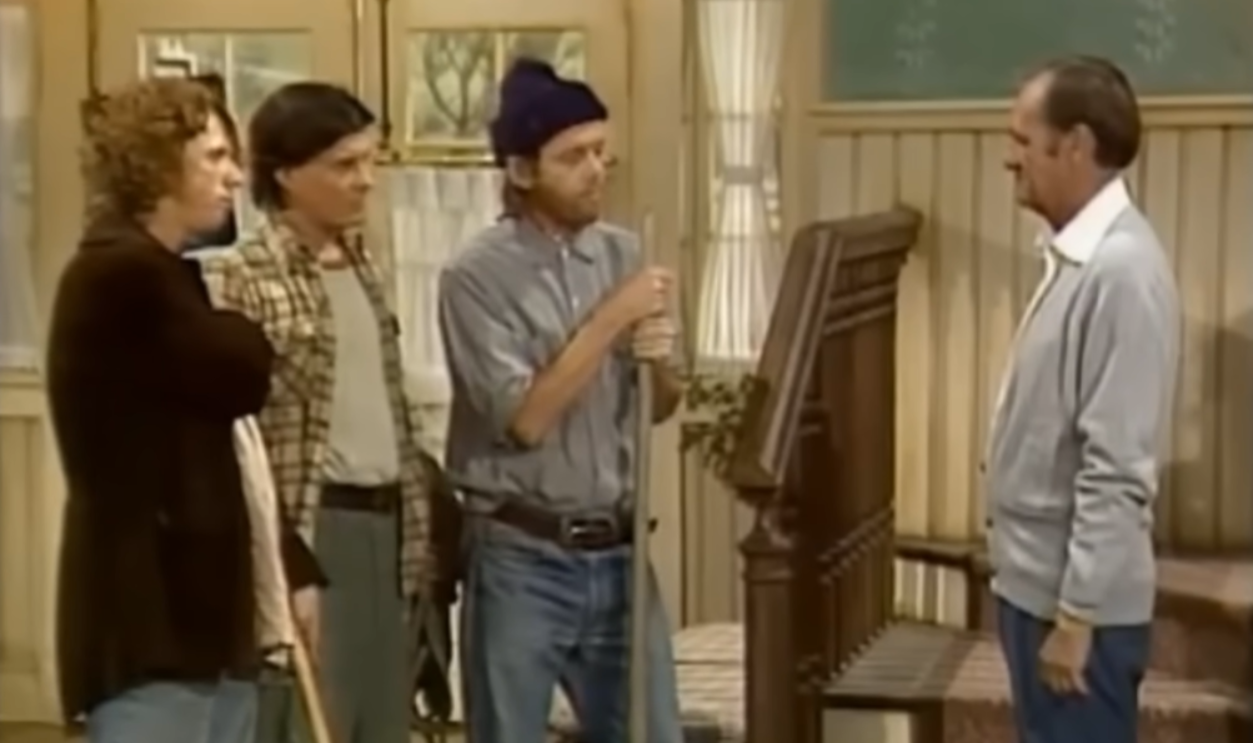 Screensshot from Newhart, CBS (1982–1990)
The Finale Became Television History
When Newhart ended in 1990, it delivered one of television’s most famous finales. Dick Loudon was struck by a golf ball, only for Newhart to wake beside Suzanne Pleshette as Bob Hartley. Apparently, the entire second sitcom had been Bob’s dream. Few shows have ever landed a final joke so perfectly.
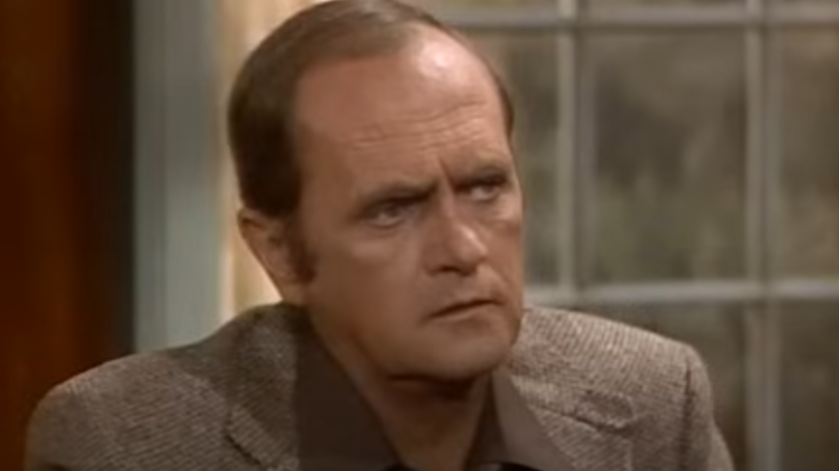 Screensshot from Newhart, CBS (1982–1990)
Not Every Comeback Worked
Newhart tried leading sitcoms again with Bob in the early 1990s and George & Leo later in the decade. Neither became another long-running hit. Yet the failures barely dented his reputation. By then, two beloved sitcoms and decades of stand-up had already placed him somewhere beyond ordinary television success.
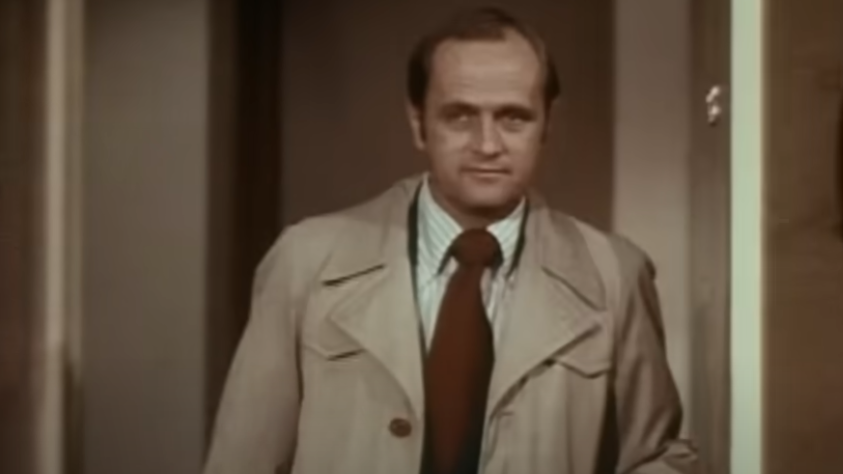 Screenshot from The Bob Newhart Show, CBS (1972–1978)
Younger Audiences Found Him In Elf
One of Newhart’s most charming later movie roles came in 2003’s Elf, where he played Papa Elf, the adoptive father of Will Ferrell’s Buddy. Casting Newhart opposite Ferrell was inspired. Ferrell brought enormous, childlike energy; Newhart barely raised his voice. Once again, doing less made everything around him funnier.
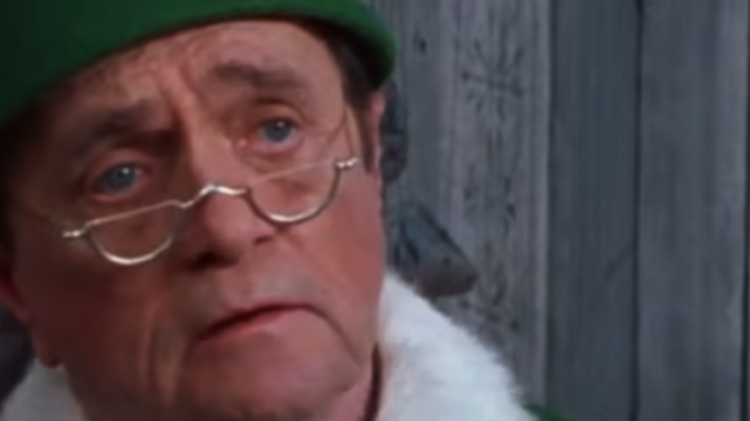 Screenshot from Elf, New Line Cinema (2003)
He Could Handle Serious Material Too
Newhart’s understated style worked outside comedy. A guest appearance on ER as an architect losing his sight earned him an Emmy nomination. Without abandoning his familiar restraint, he showed how naturally his quietness could become moving instead of funny. The same pauses that once built punchlines could suddenly carry sadness.
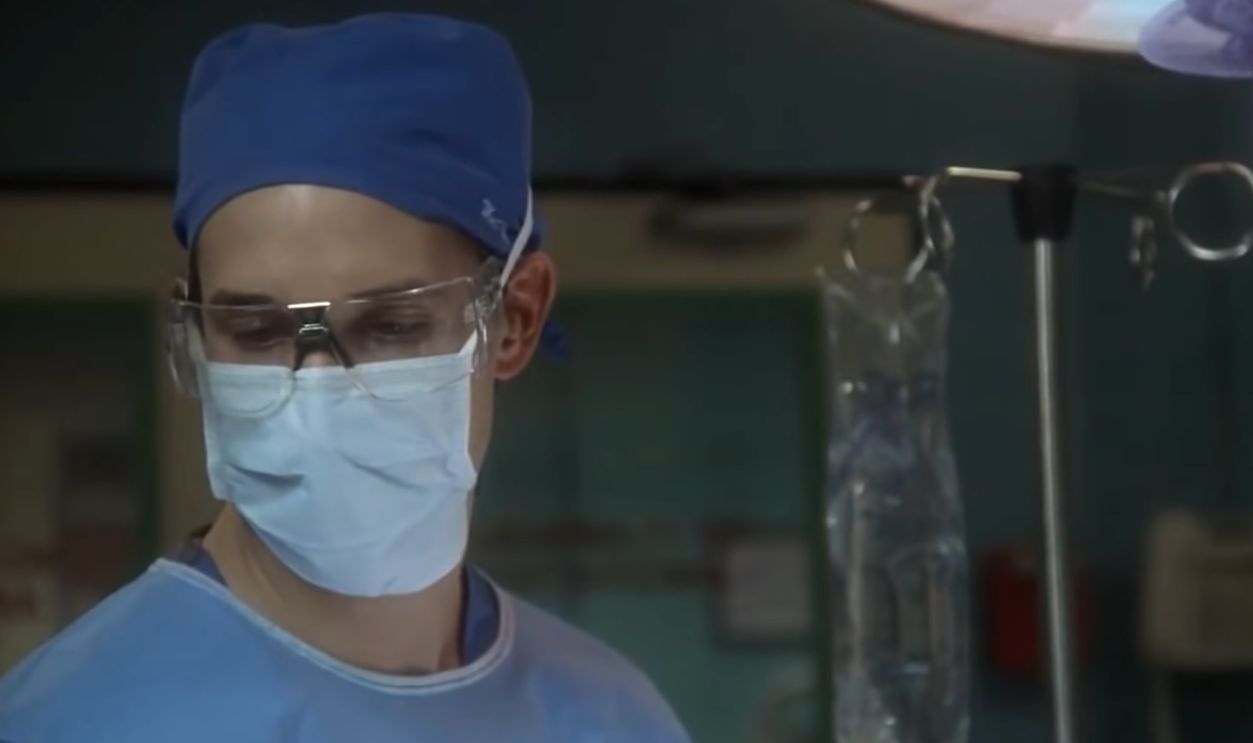 Screenshot from ER, Warner Bros. Television (1994–2009)
Professor Proton Was Perfect Casting
The Big Bang Theory introduced Newhart to yet another generation as Arthur Jeffries, better known as Professor Proton, a worn-down former children’s science host. The character fit Newhart beautifully: tired, sarcastic, slightly baffled, and surrounded by people much more excited about him than he was about himself.
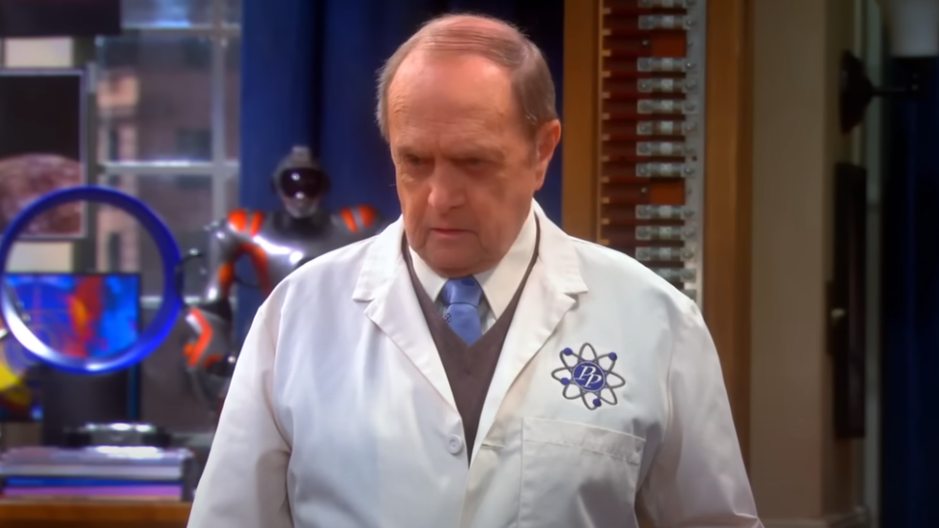 Screenshot from The Big Bang Theory, Warner Bros. Television Distribution (2007-2019)
His First Acting Emmy Came Very Late
Remarkably, Newhart had spent decades as a television icon without winning an acting Emmy. That finally changed in 2013, when his Professor Proton performance earned Outstanding Guest Actor in a Comedy Series. More than 50 years after his first television series, Newhart was still finding new ways to land the same perfect pause.
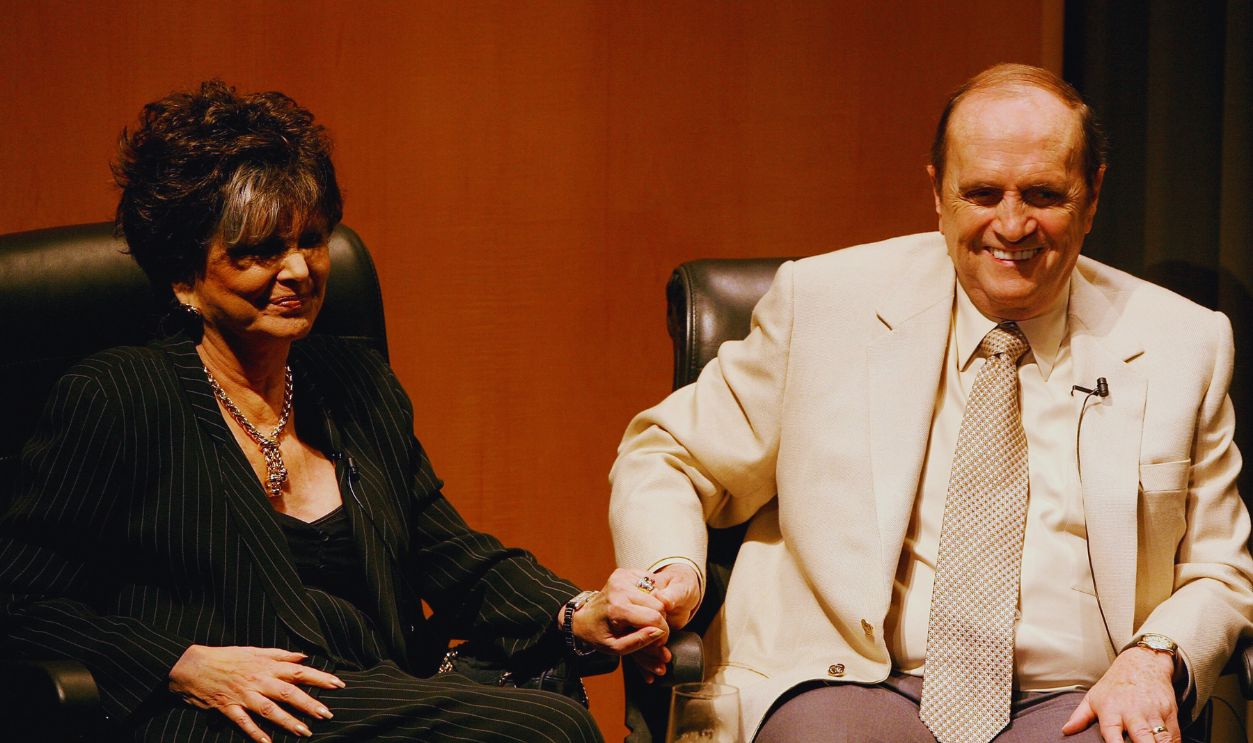
The Awards Eventually Piled Up
Newhart received the Mark Twain Prize for American Humor, entered the Television Academy Hall of Fame in 1993, won Grammys, earned multiple Emmy nominations, and remained a respected stand-up performer long after his sitcom years. The industry eventually found plenty of ways to acknowledge what audiences had understood for decades.
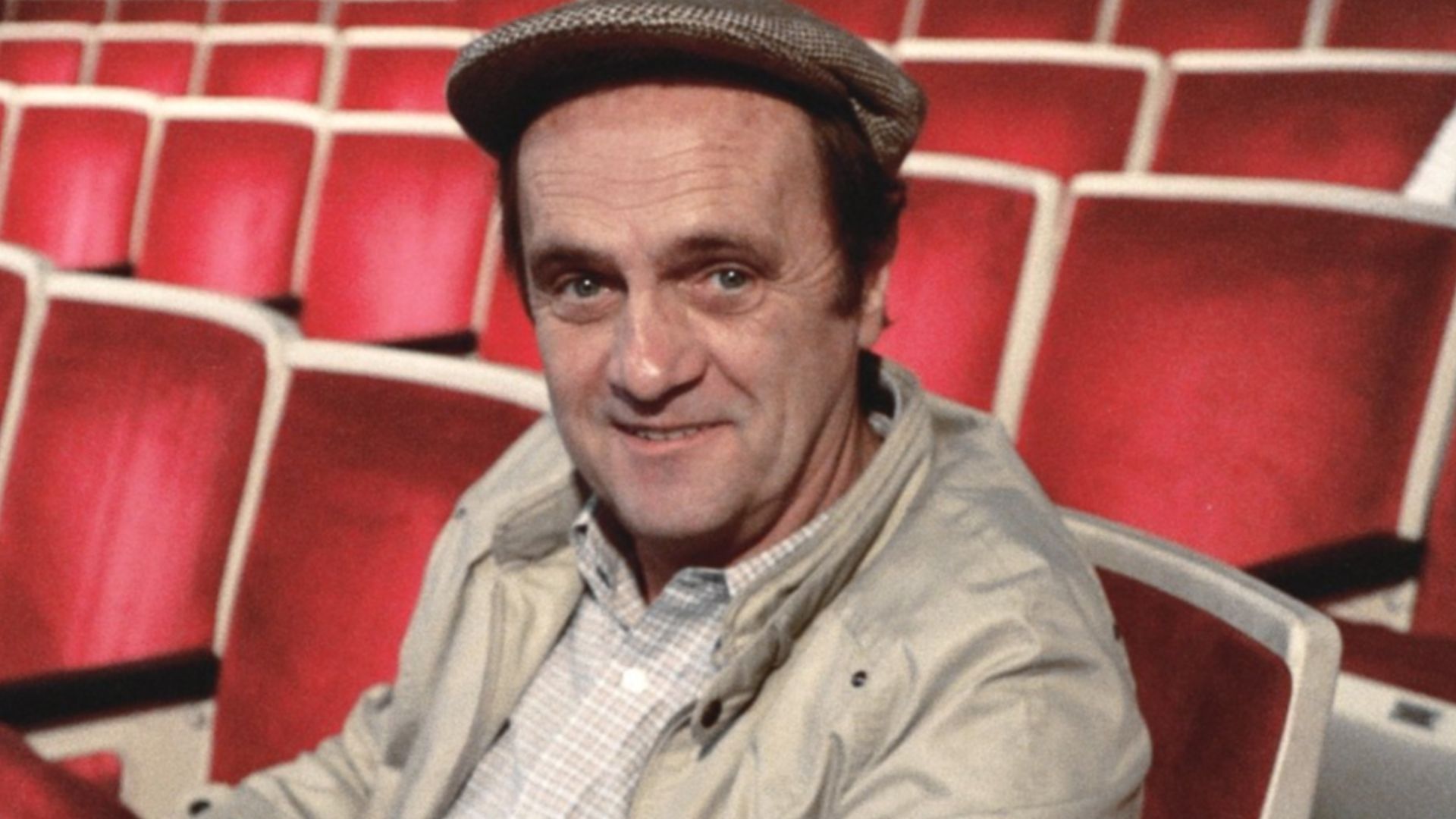
Doing Less Was The Whole Point
Bob Newhart died in 2024 at 94, leaving behind a comedy style that seems simple until someone else tries it. He never needed to overpower a scene. He trusted the writing, trusted the audience, and most importantly, trusted silence. While everyone around him worked harder for the laugh, Newhart often just waited—and got the biggest one.
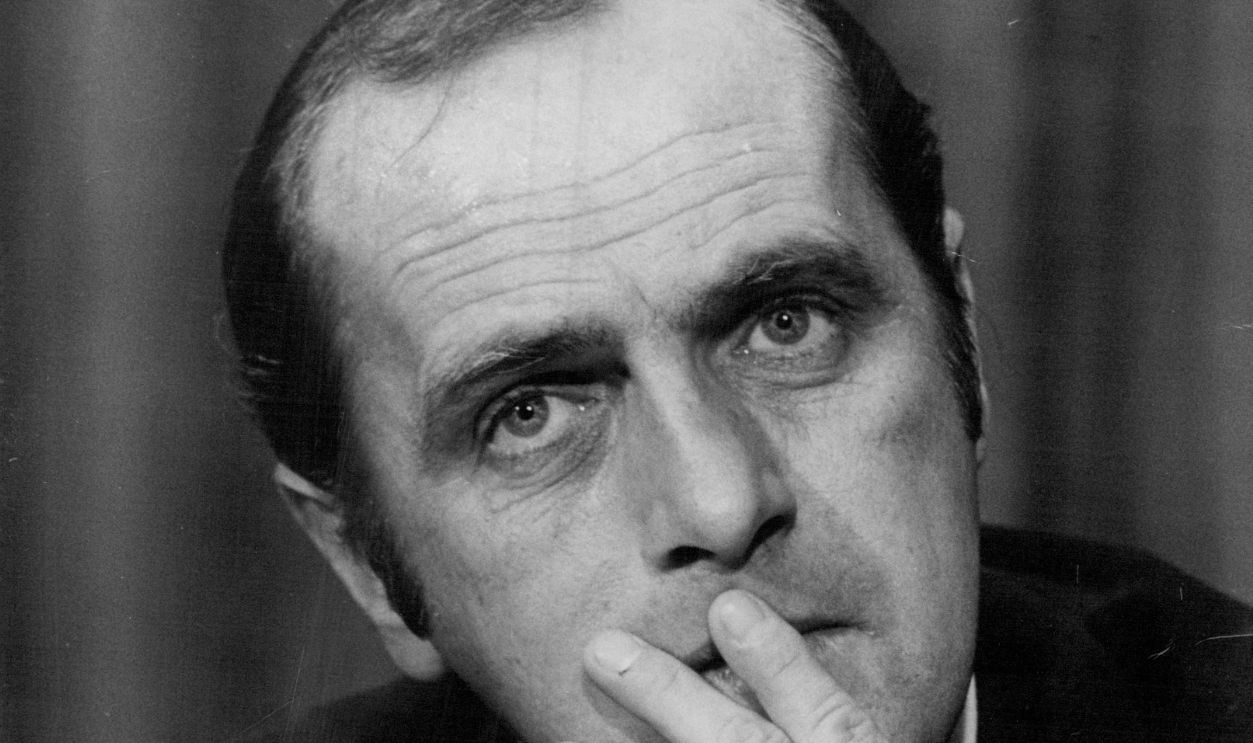 Fairfax Media Archives, Getty Images
You May Also Like:
The Most Overlooked Albums Of The 2000s—Do You Remember Any Of These Records?
.jpg)