Bigger After They Ended
Television history can play tricks on our memories. Some shows became so ubiquitous in reruns that they seem like enormous original hits, yet many struggled, disappeared quickly, or attracted only respectable audiences. Here are the classics whose cultural afterlives became considerably larger than their initial ratings suggested.
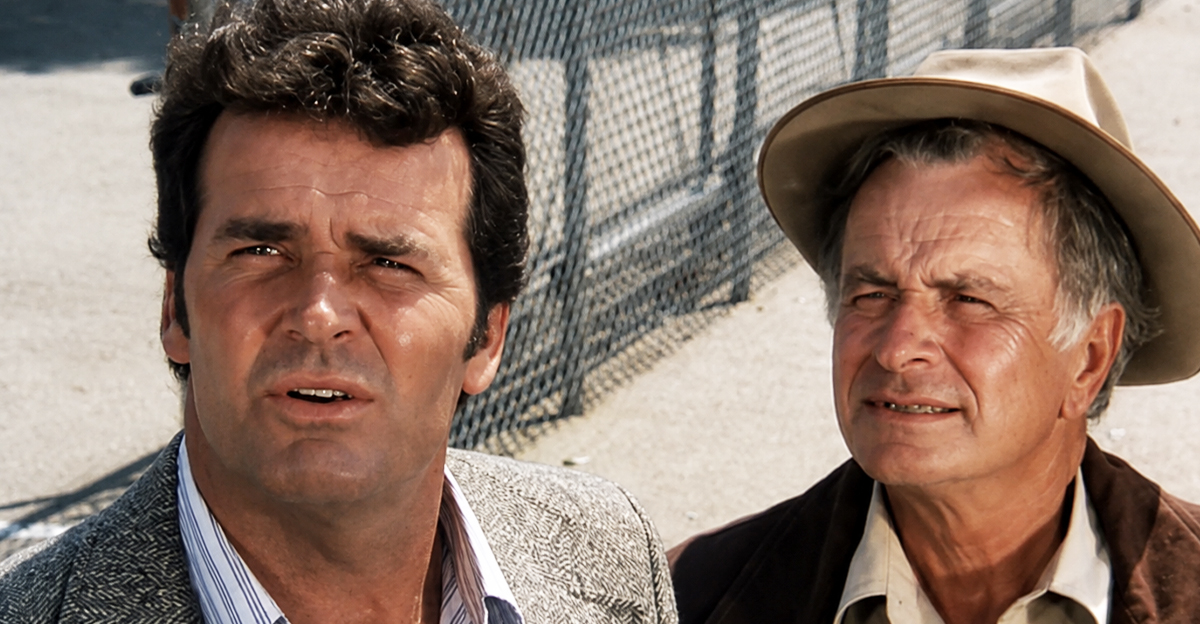 Screenshot of James Garner and Noah Beery in the Rockford Files; NBC (enhanced)
The Avengers
Britain’s The Avengers began in 1961, but American audiences primarily remember the stylish Diana Rigg years (1965–1968) opposite Patrick Macnee’s John Steed. ABC brought the British production to American prime time, but its US ratings never matched its later fame as an enduring symbol of swinging-sixties television.
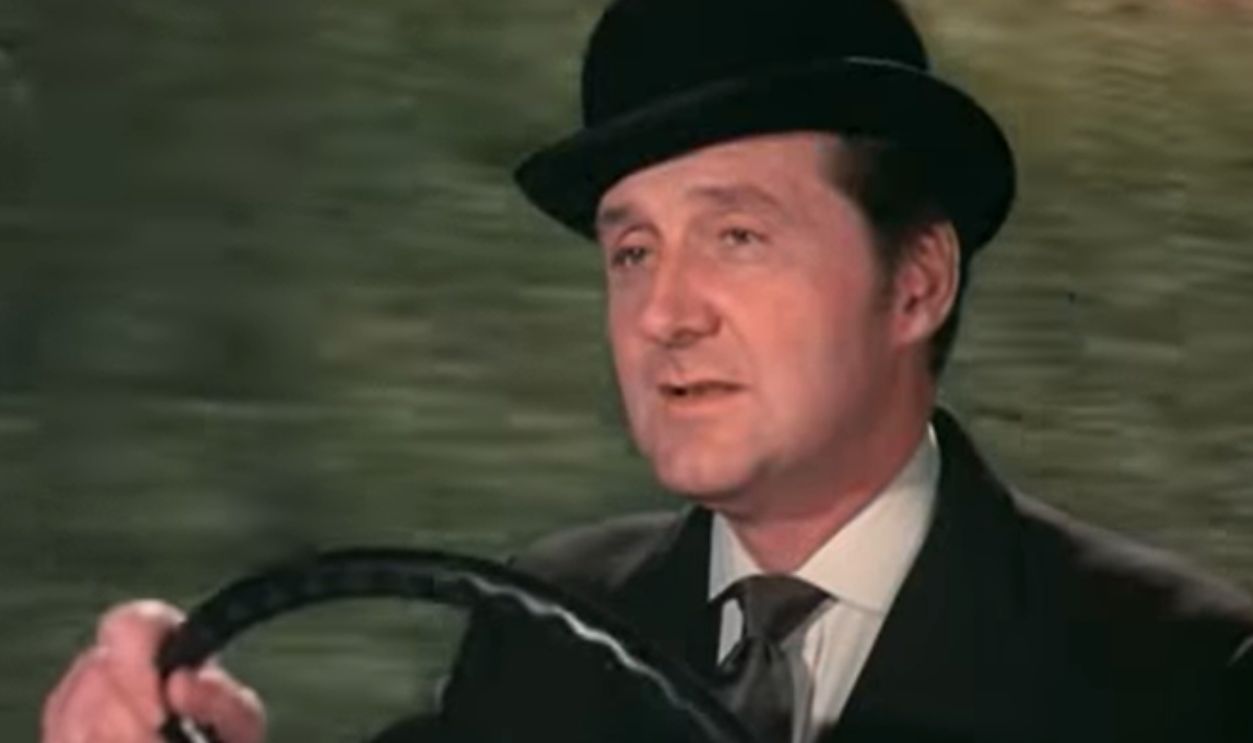 Screenshot from The Avengers, ABC (1961-1969)
The Addams Family
ABC’s The Addams Family debuted in 1964, starring Carolyn Jones and John Astin as Morticia and Gomez. Produced by David Levy, the macabre sitcom ranked 23rd its first season before declining substantially. ABC canceled it after only two seasons and 64 episodes, but syndication made the family immortal.
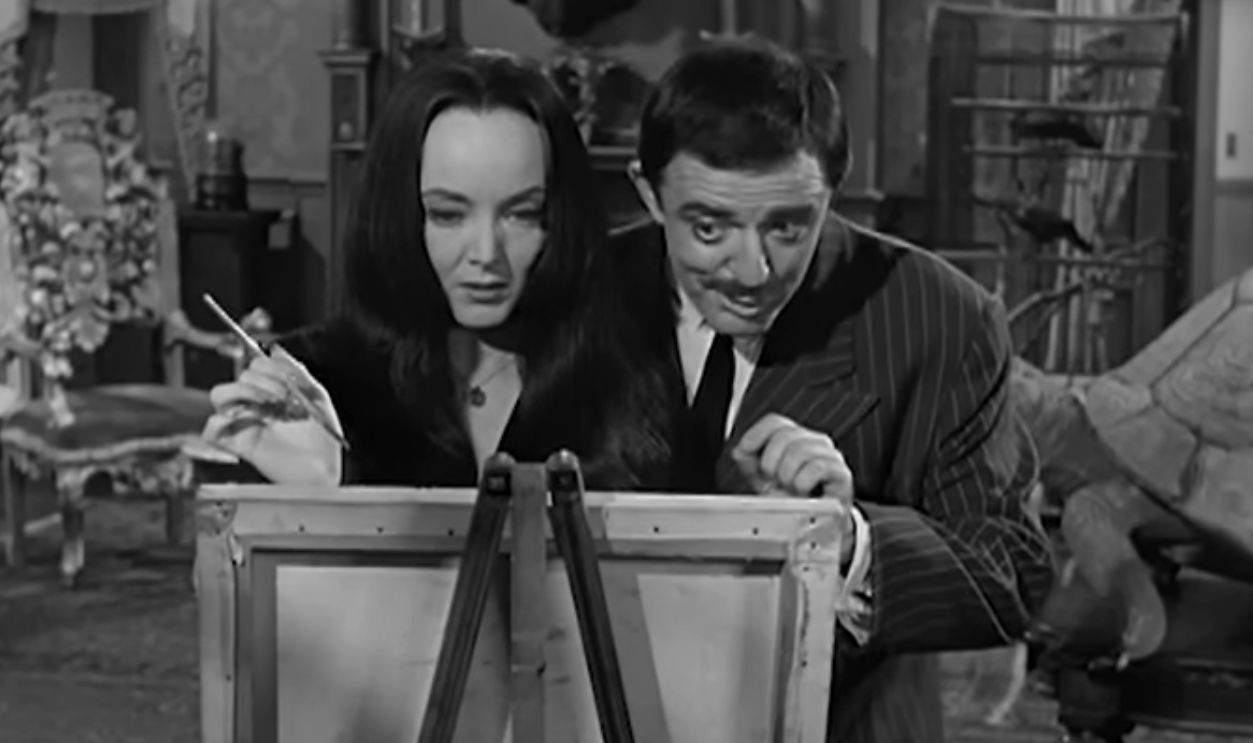 Screenshot from The Addams Family, ABC (1964-1966)
The Munsters
CBS’s Universal-produced The Munsters also arrived in 1964, starring Fred Gwynne and Yvonne De Carlo. It actually ranked 18th during its first season before ratings plunged in year two. CBS canceled it after 70 episodes, yet endless reruns made 1313 Mockingbird Lane a television landmark.
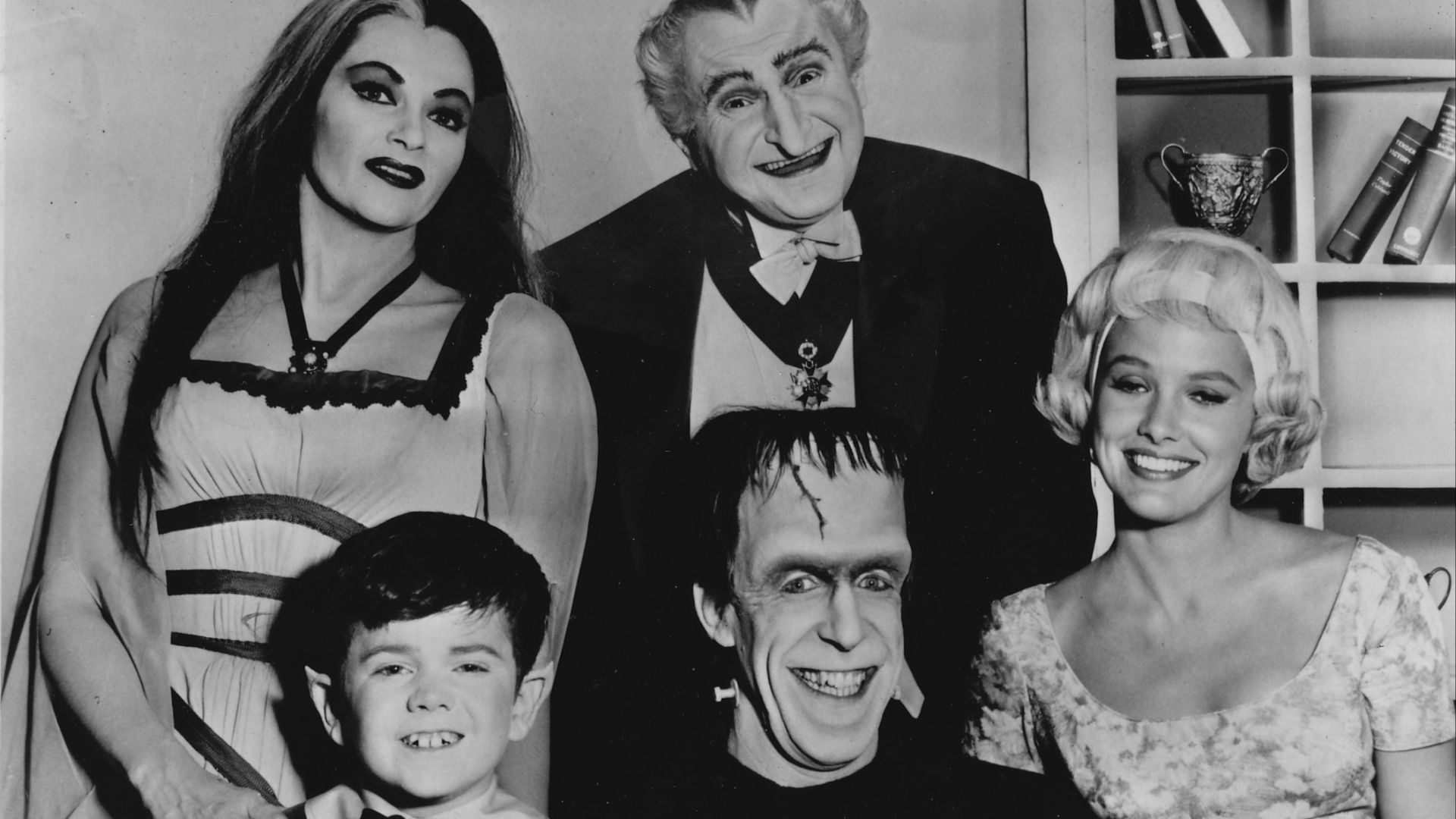 CBS Television Network., Wikimedia Commons
Gilligan’s Island
Sherwood Schwartz’s CBS comedy Gilligan’s Island starred Bob Denver, Alan Hale Jr., Jim Backus, and Tina Louise. It ranked 18th and 22nd during its first two seasons before falling to 49th. Despite still winning its timeslot late in season three, CBS unexpectedly canceled it after 98 episodes.
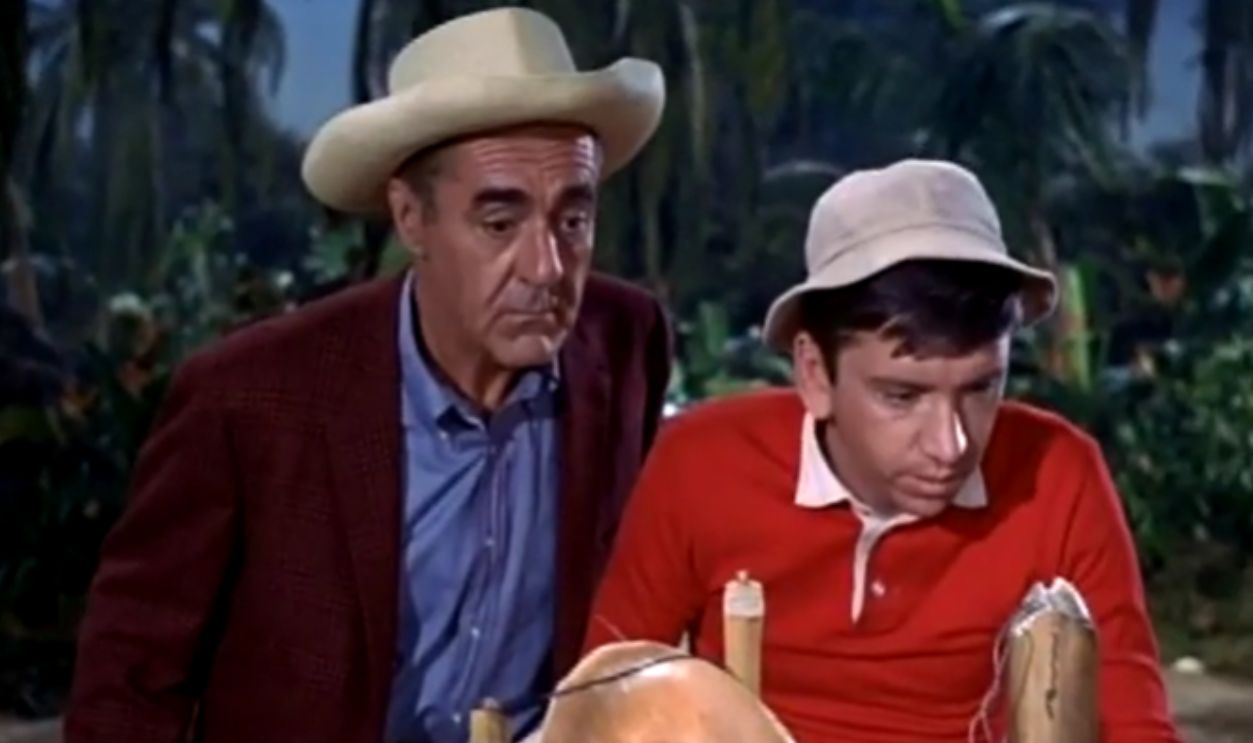 Screenshot from Gilligan's Island, CBS (1964-1967)
The Wild Wild West
CBS premiered Michael Garrison’s The Wild Wild West in 1965, starring Robert Conrad and Ross Martin as government agents James West and Artemus Gordon. It enjoyed respectable ratings, including a top-30 debut season, but its combination of Western adventure, espionage, gadgetry, and fantasy became more influential afterward.
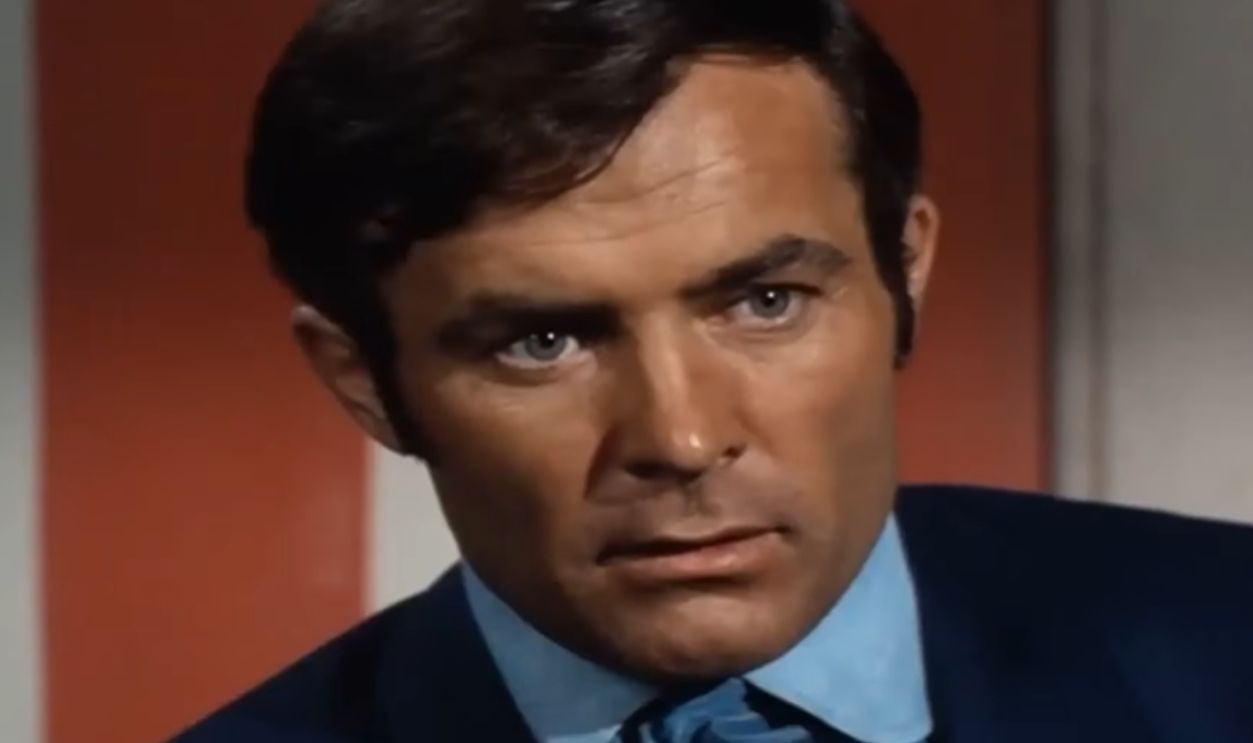 Screenshot from The Wild Wild West, CBS (1965-1969)
Get Smart
Created by Mel Brooks and Buck Henry, NBC’s Get Smart debuted in 1965 with Don Adams and Barbara Feldon. It actually ranked 12th during its first season, but ratings later declined. NBC dropped it after four seasons before CBS picked it up for a fifth and final year.
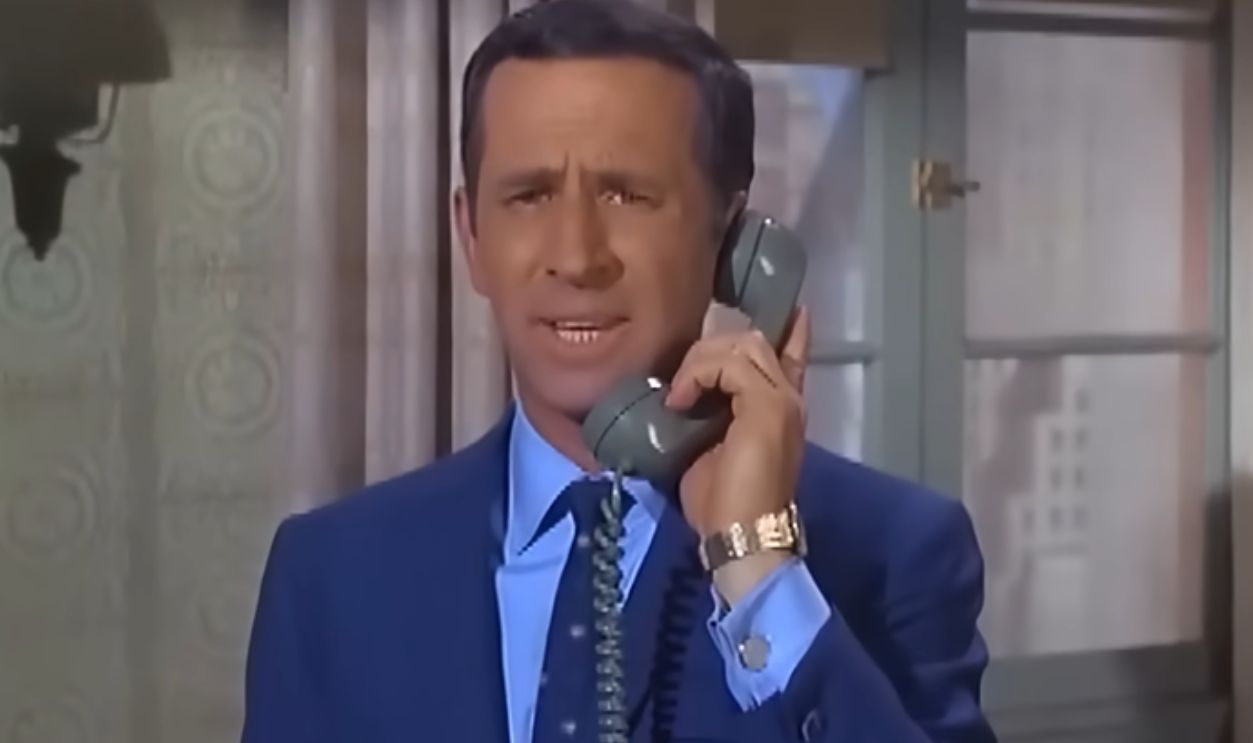 Screenshot from Get Smart, NBC (1965-1970)
Star Trek
Gene Roddenberry’s Desilu-produced Star Trek premiered on NBC in 1966 with William Shatner, Leonard Nimoy, and DeForest Kelley. It never became a major Nielsen hit and survived one cancellation threat before NBC finally pulled the plug after three seasons. Syndication transformed those 79 episodes into an empire.
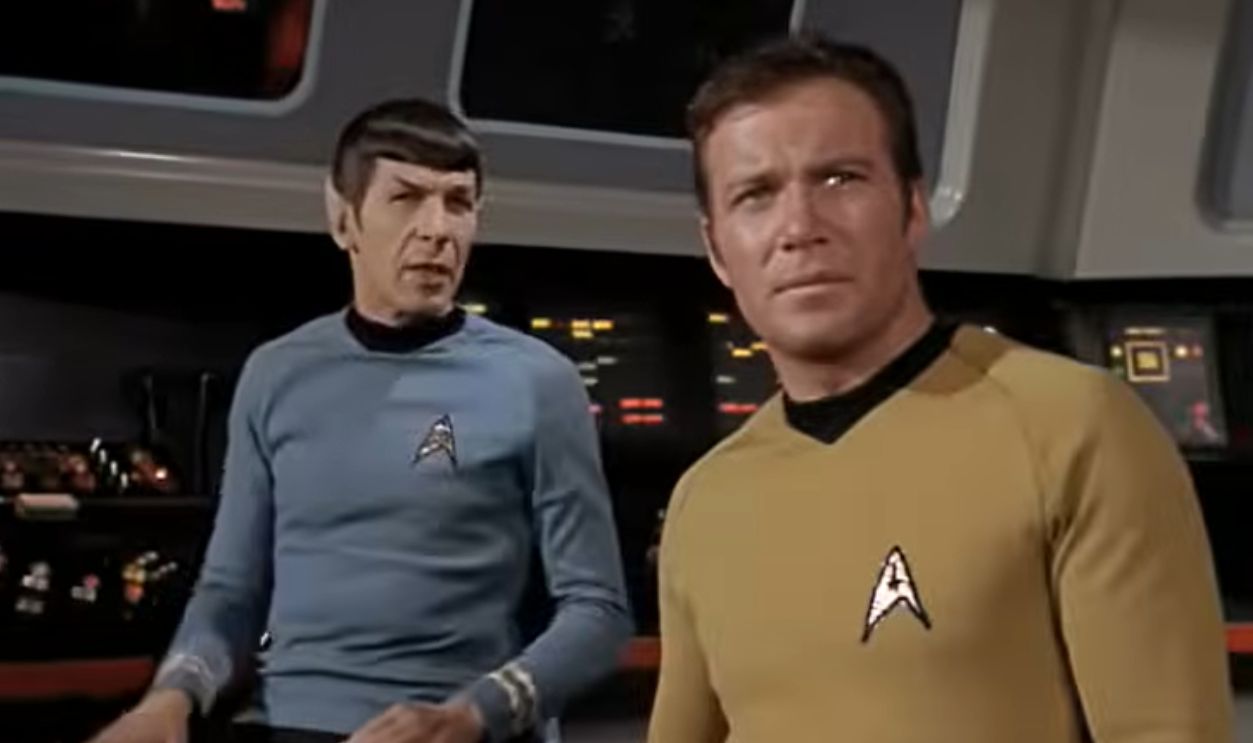 Screenshot from Star Trek, NBC (1966-1969)
The Monkees
NBC’s The Monkees, created by Bob Rafelson and Bert Schneider, starred Davy Jones, Micky Dolenz, Michael Nesmith, and Peter Tork. The group’s records became genuine pop sensations, but the television series lasted only two seasons and 58 episodes. Reruns subsequently gave the comedy a remarkably durable second life.
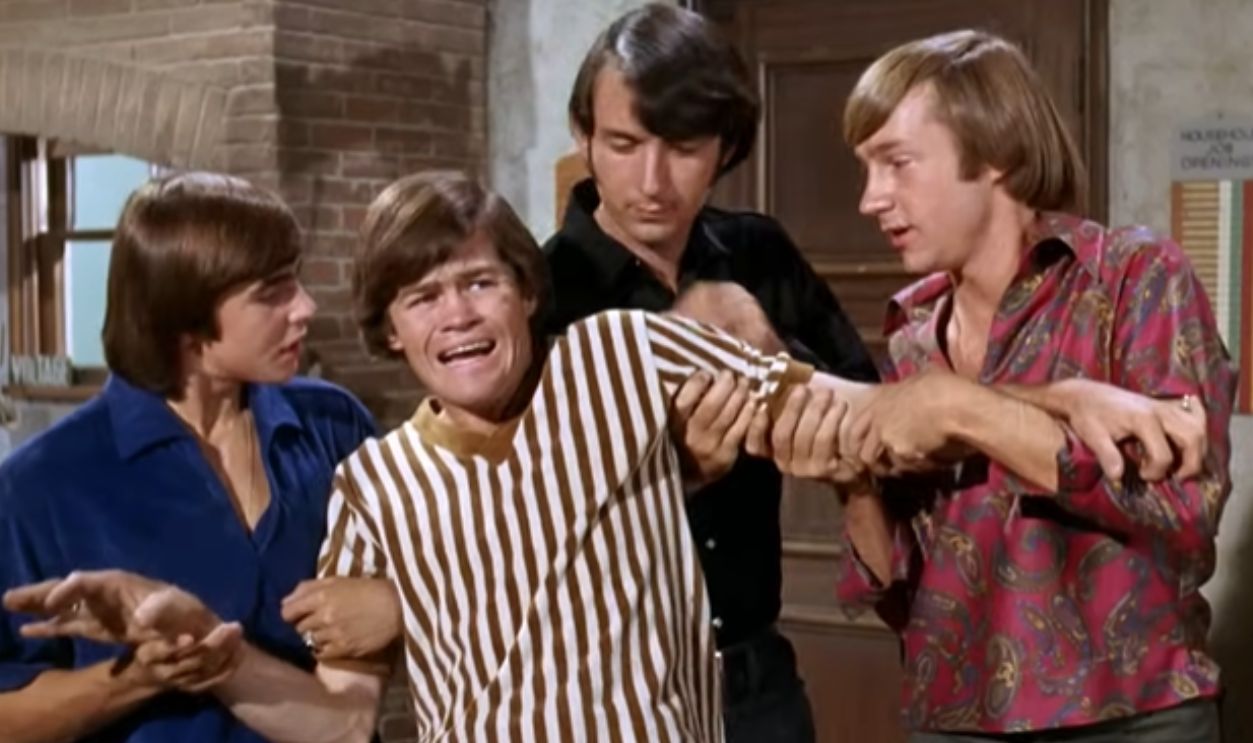 Screenshot from The Monkees, Sony Pictures Television (1966-1968)
The Time Tunnel
Irwin Allen’s The Time Tunnel arrived on ABC in 1966, starring James Darren and Robert Colbert as scientists lost in time. Despite elaborate 20th Century-Fox production values and a memorable premise, it lasted only one season and 30 episodes. Syndication kept the series surprisingly familiar among science-fiction fans.
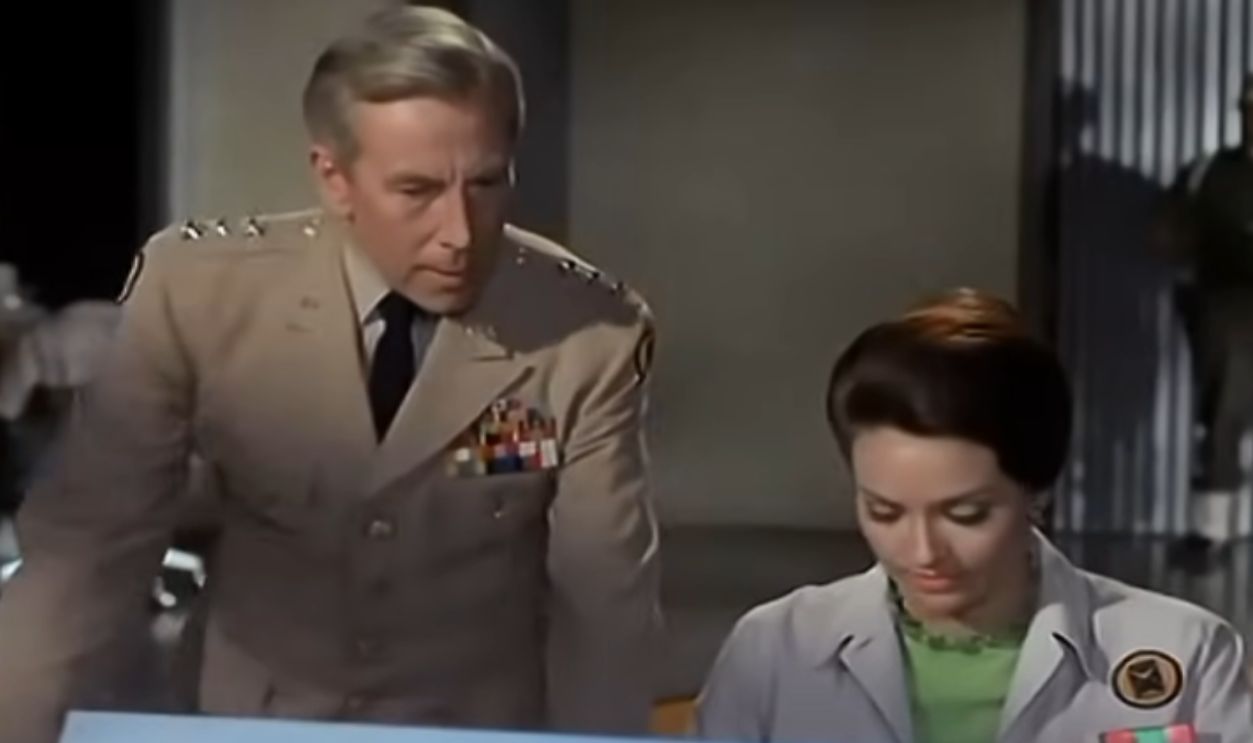 Screenshot from The Time Tunnel, ABC (1966-1967)
The Prisoner
Patrick McGoohan created and starred in Britain’s surreal The Prisoner, produced by Everyman Films and ITC Entertainment. CBS broadcast the unusual series in America during 1968, but its 17 episodes hardly constituted a mainstream American phenomenon. Decades of analysis and cult fandom instead established its formidable television reputation.
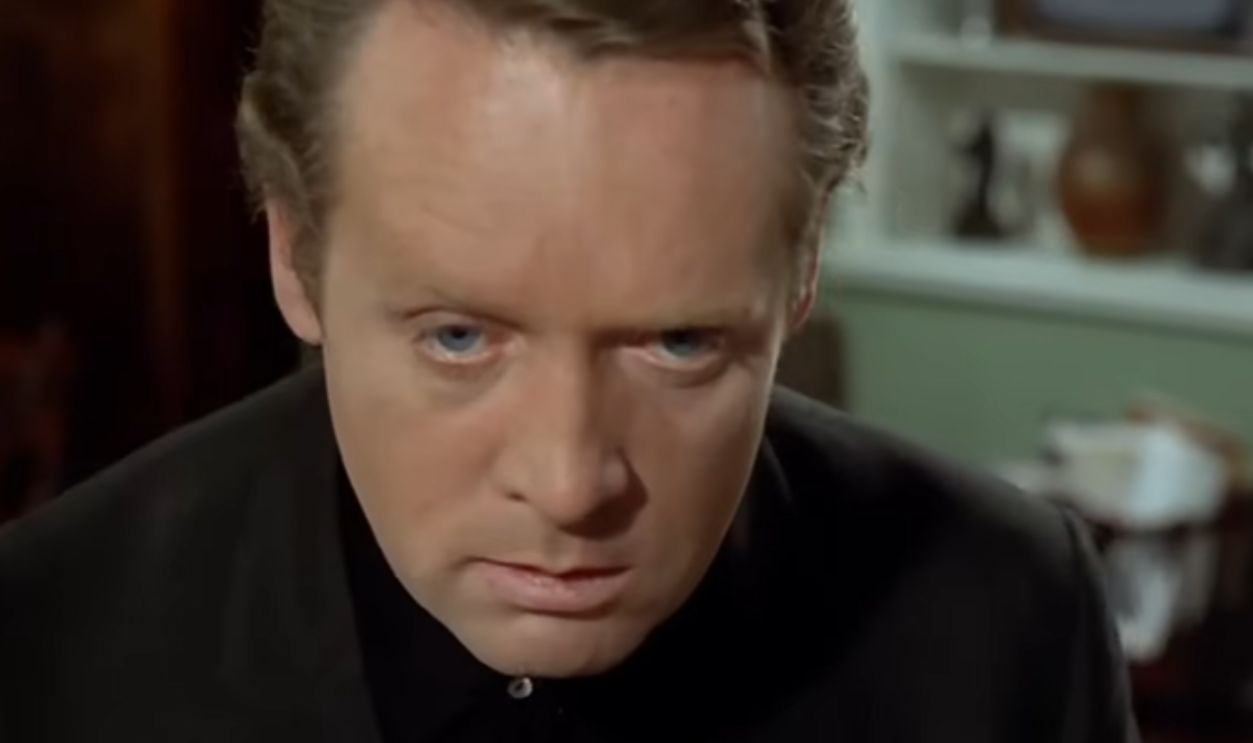 Screenshot from The Prisoner, ITC Entertainment (1967-1968)
Land Of The Giants
ABC’s Land of the Giants was another lavish Irwin Allen science-fiction production, starring Gary Conway and Don Matheson. Produced with 20th Century-Fox Television, its expensive miniature-heavy adventures lasted only two seasons and 51 episodes between 1968 and 1970, yet its spectacular visual concept remained instantly recognizable in reruns.
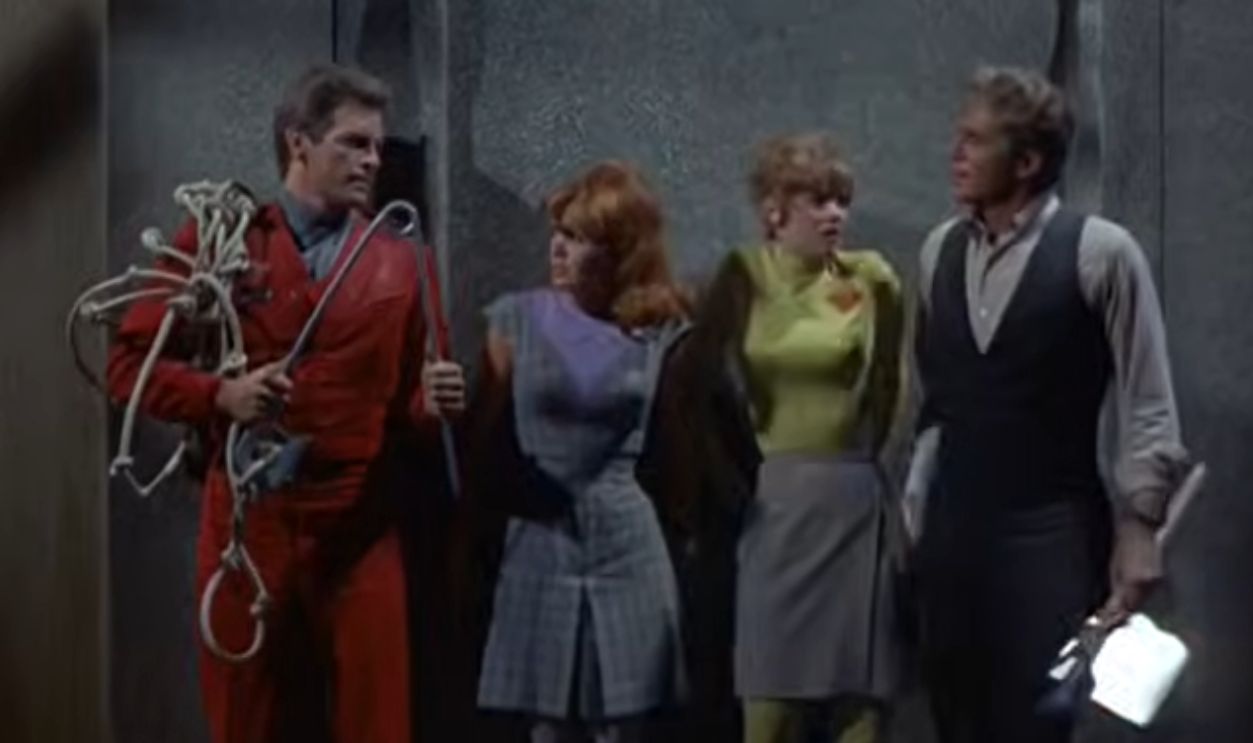 Screenshot from Land of the Giants, 20th Century Fox Television (1968-1970)
The Brady Bunch
Sherwood Schwartz’s The Brady Bunch premiered on ABC in 1969 with Robert Reed and Florence Henderson heading television’s most famous blended family. Remarkably, it never finished among Nielsen’s top 30 during five seasons. After-school syndication, rather than its original ratings, turned the Bradys into cultural fixtures.
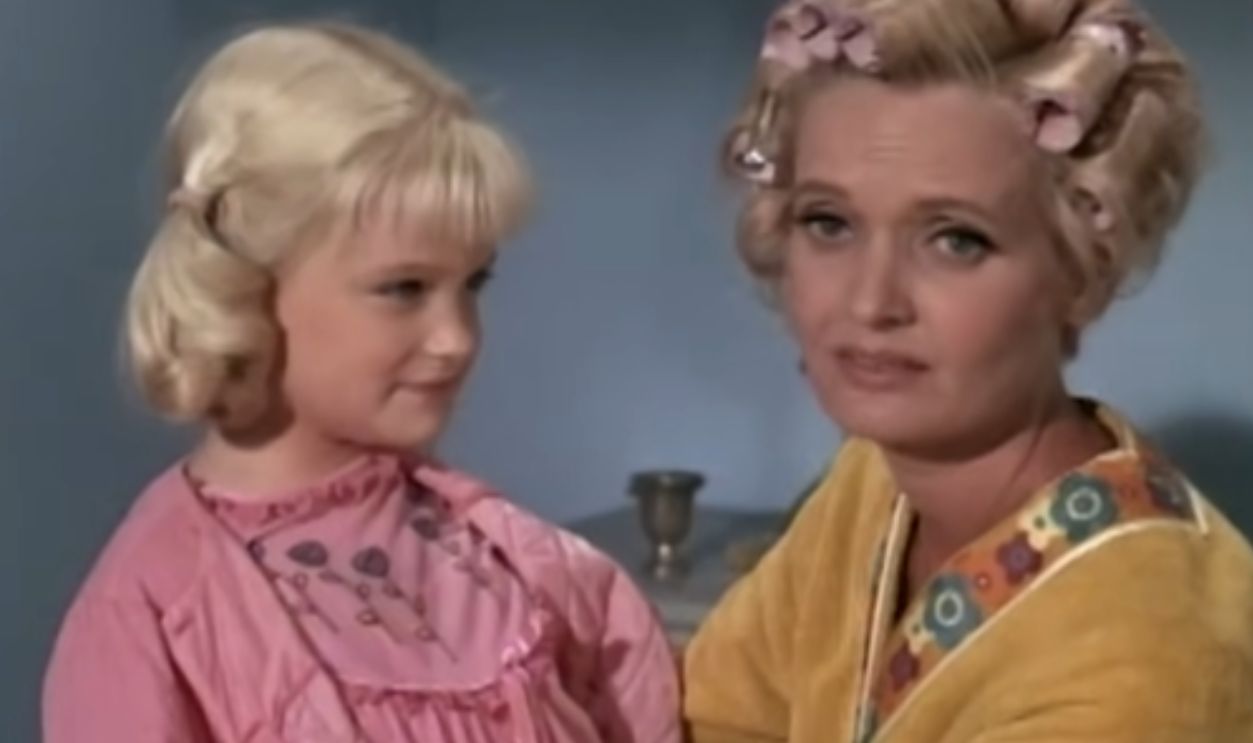 Screenshot from The Brady Bunch, ABC (1969-1974)
The Odd Couple
Developed by Garry Marshall from Neil Simon’s play, ABC’s The Odd Couple paired Jack Klugman and Tony Randall beginning in 1970. Despite their celebrated chemistry and Emmy-winning performances, the comedy repeatedly struggled for viewers and never reached Nielsen’s season-ending top 30. Syndication considerably enhanced its stature.
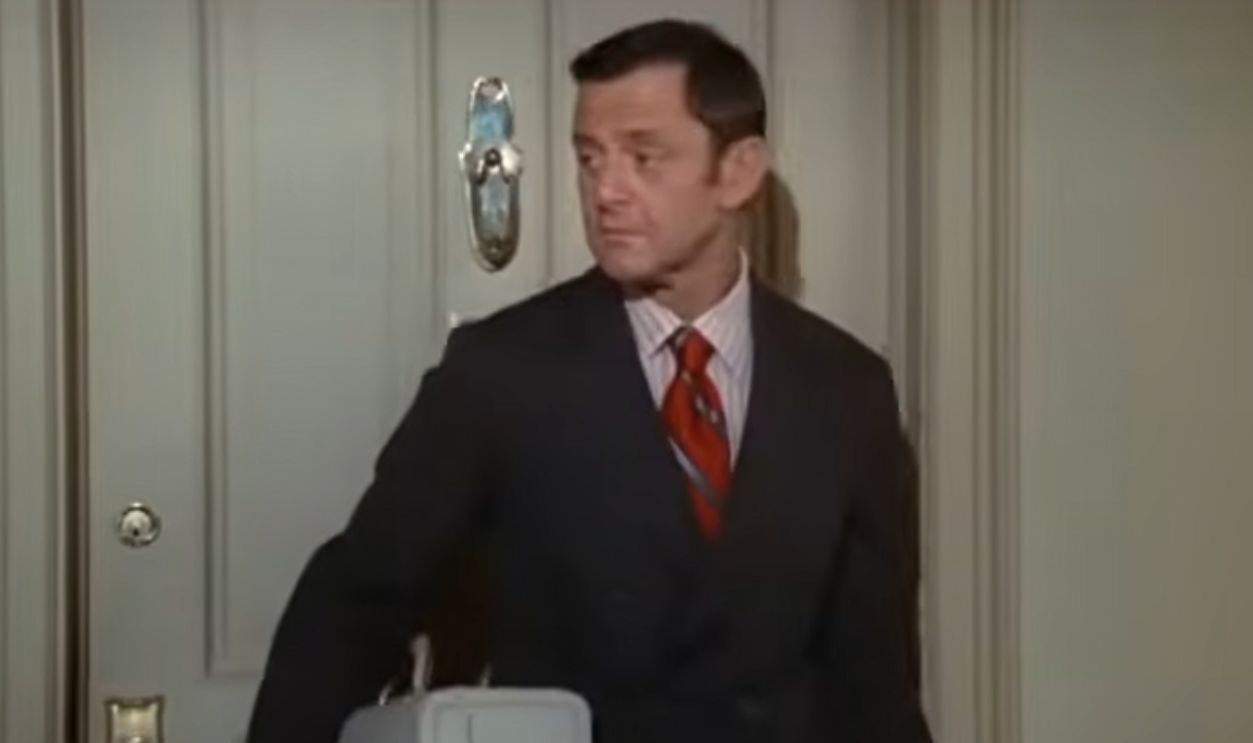 Screenshot from The Odd Couple, ABC (1970-1975)
The Mary Tyler Moore Show
CBS’s The Mary Tyler Moore Show, created by James L. Brooks and Allan Burns, starred Moore alongside Ed Asner and Valerie Harper. It was successful, acclaimed, and occasionally highly rated, but never dominated television like All in the Family. Its extraordinary influence and 29 Emmys ultimately eclipsed its Nielsen performance.
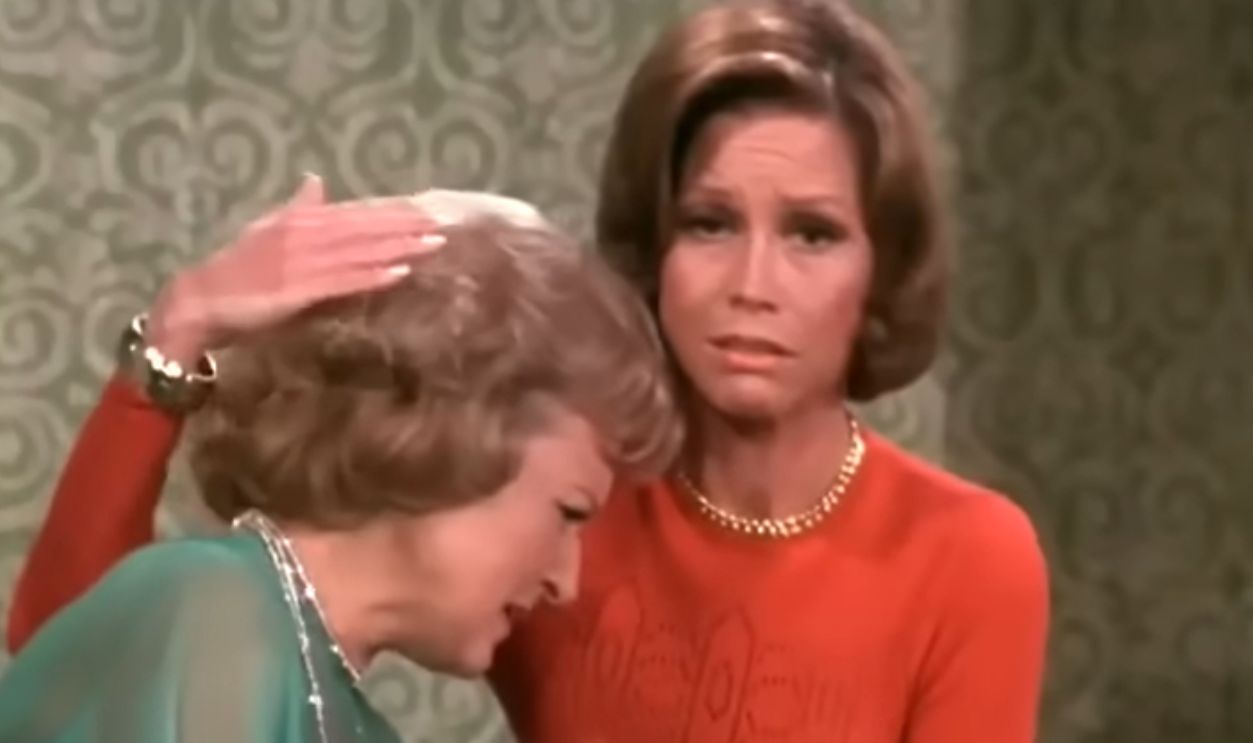 Screenshot from The Mary Tyler Moore Show, 20th Television (1970-1977)
The Partridge Family
ABC’s Screen Gems-produced The Partridge Family debuted in 1970, starring Shirley Jones and David Cassidy. The fictional family’s records and Cassidy’s teen-idol fame became enormous cultural phenomena, arguably overshadowing the sitcom’s own ratings performance. After four seasons, syndication kept the Partridge bus rolling for another generation.
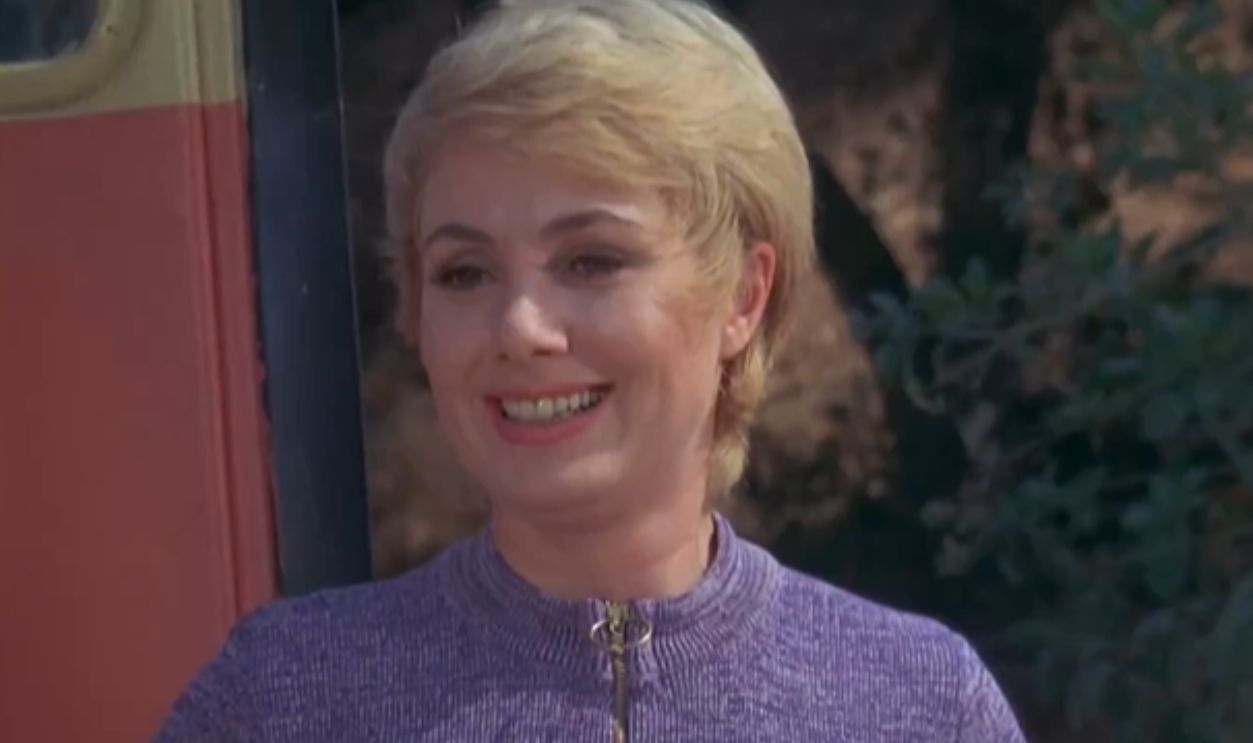 Screenshot from The Partridge Family, Sony Pictures Television (1970-1974)
The Persuaders!
ITC’s lavish The Persuaders! paired Roger Moore and Tony Curtis as wealthy adventurers in 1971. Although successful in several international markets, the expensive British series struggled on ABC in the United States and ended after one season. Its glamorous European locations and charismatic stars later earned it enduring cult affection.
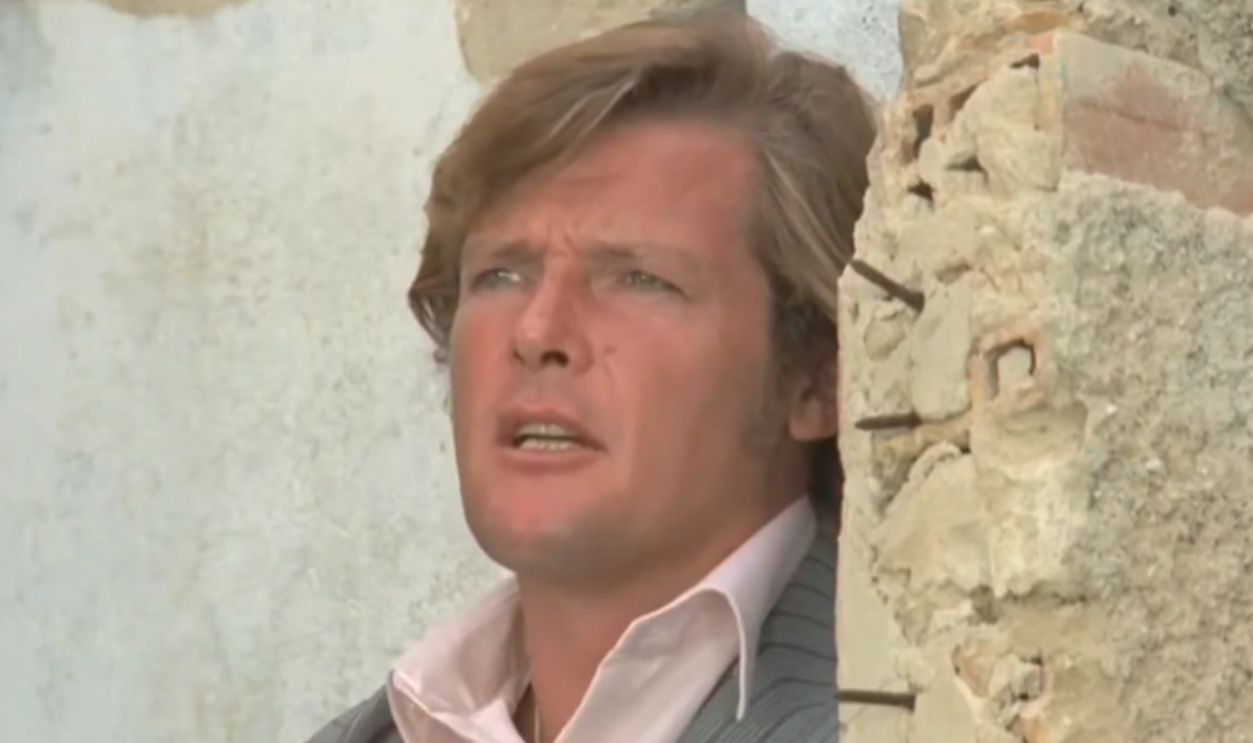 Screenshot from The Persuaders!, ITC Entertainment (1971-1972)
The Bob Newhart Show
CBS introduced MTM Enterprises’ The Bob Newhart Show in 1972, starring Newhart as Chicago psychologist Bob Hartley alongside Suzanne Pleshette. It enjoyed six respectable seasons but never approached the blockbuster ratings of CBS powerhouse All in the Family. Syndicated reruns made Newhart’s understated comedy increasingly familiar afterward.
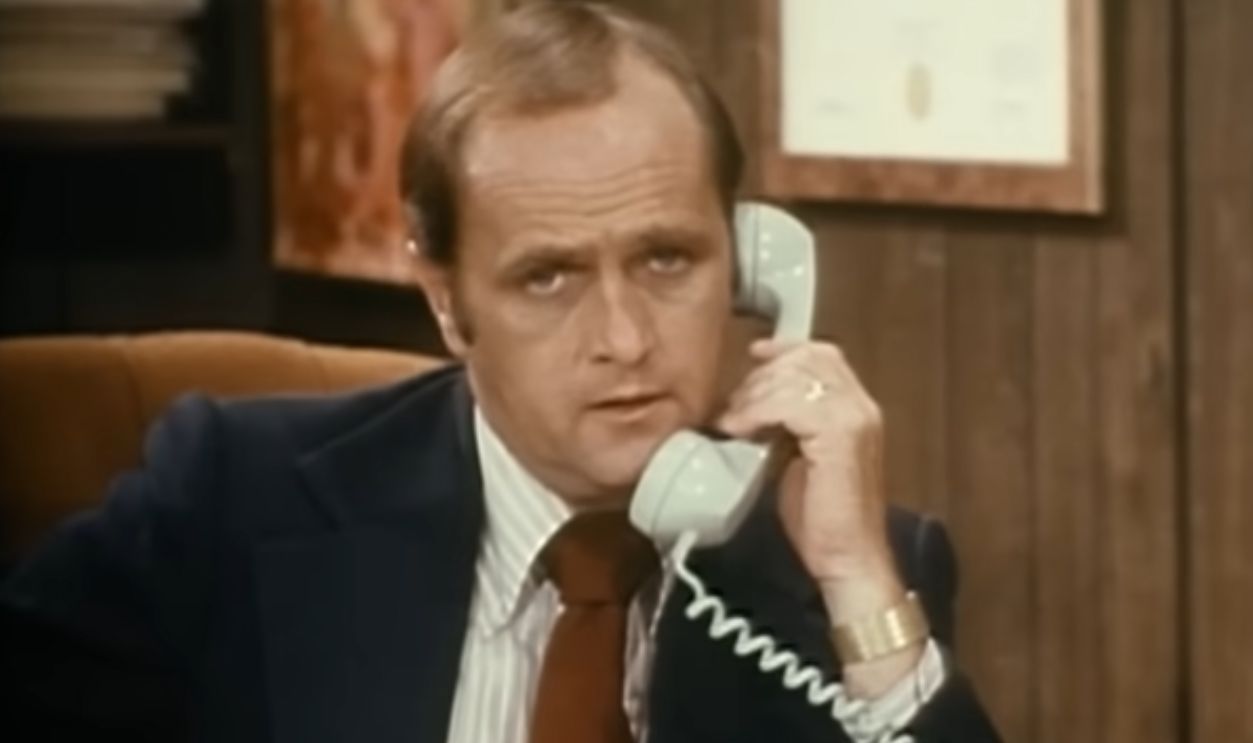 Screenshot from The Bob Newhart Show, 20th Television (1972-1978)
The Rockford Files
NBC’s The Rockford Files, created by Roy Huggins and Stephen J. Cannell, debuted in 1974 with James Garner as private investigator Jim Rockford. The series earned acclaim and respectable audiences without consistently becoming a Nielsen juggernaut. Six seasons of reruns ultimately cemented Rockford as a defining television detective.
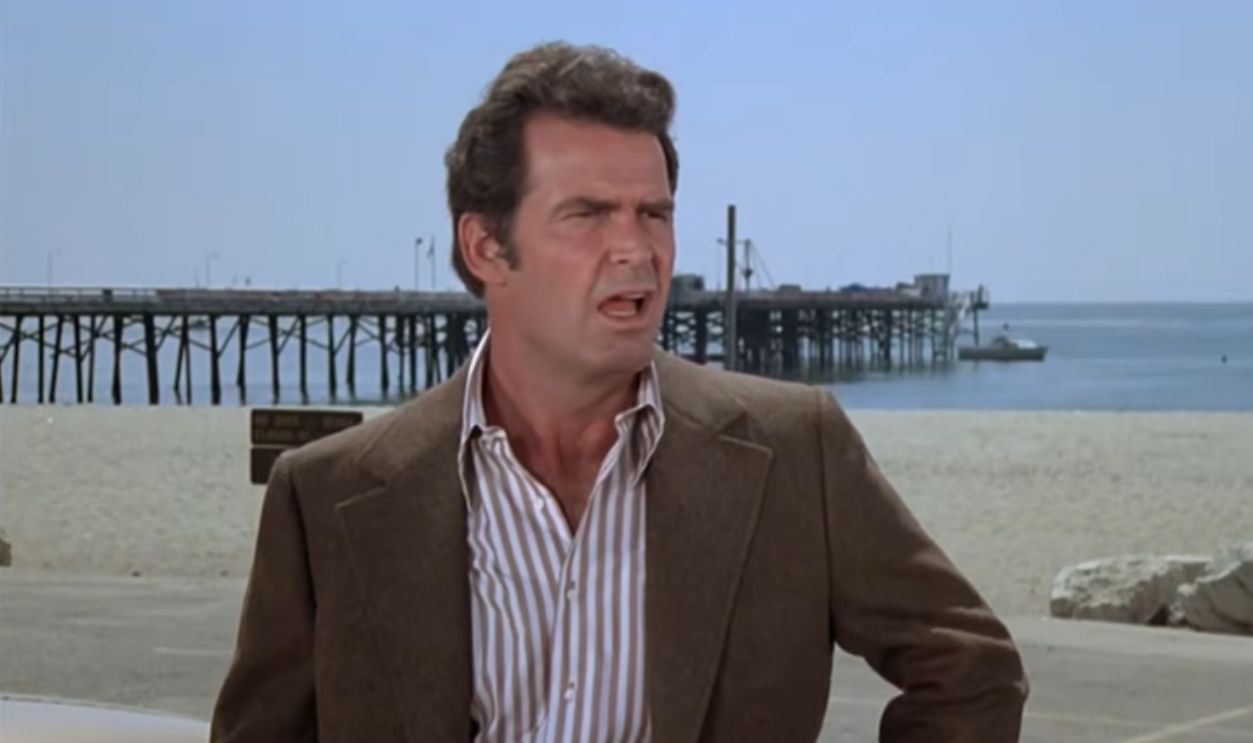 Screenshot from The Rockford Files, NBC (1974-1980)
Kolchak: The Night Stalker
ABC’s Universal Television series Kolchak: The Night Stalker starred Darren McGavin as reporter Carl Kolchak, investigating monsters nobody believed existed. The weekly version struggled, McGavin became frustrated, and only 20 episodes were produced. Its influence nevertheless became enormous, most famously inspiring Chris Carter’s later The X-Files.
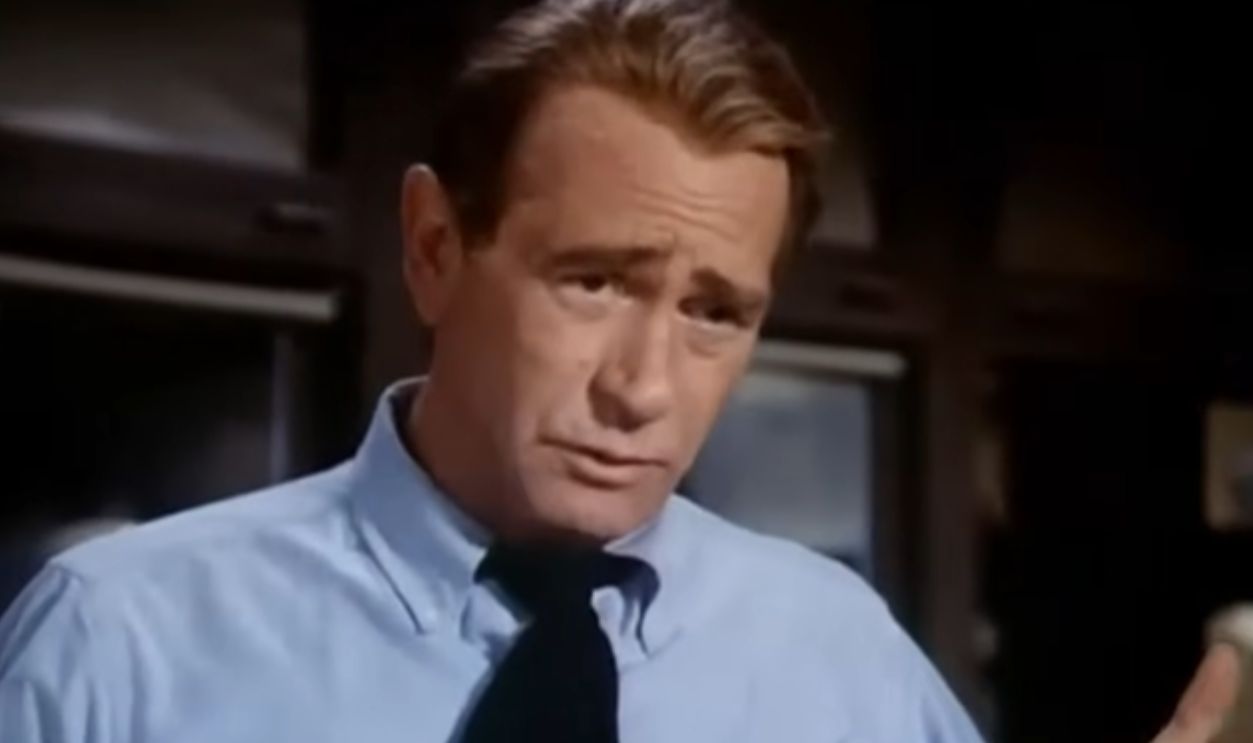 Screenshot from Kolchak: The Night Stalker, ABC (1974-1975)
Mary Hartman, Mary Hartman
Norman Lear’s Mary Hartman, Mary Hartman arrived in first-run syndication in 1976 with Louise Lasser playing an increasingly overwhelmed Ohio housewife. Its unconventional distribution makes Nielsen comparisons difficult, but the deliberately strange soap-opera parody lasted only 325 daily episodes before becoming an influential cult artifact of 1970s television.
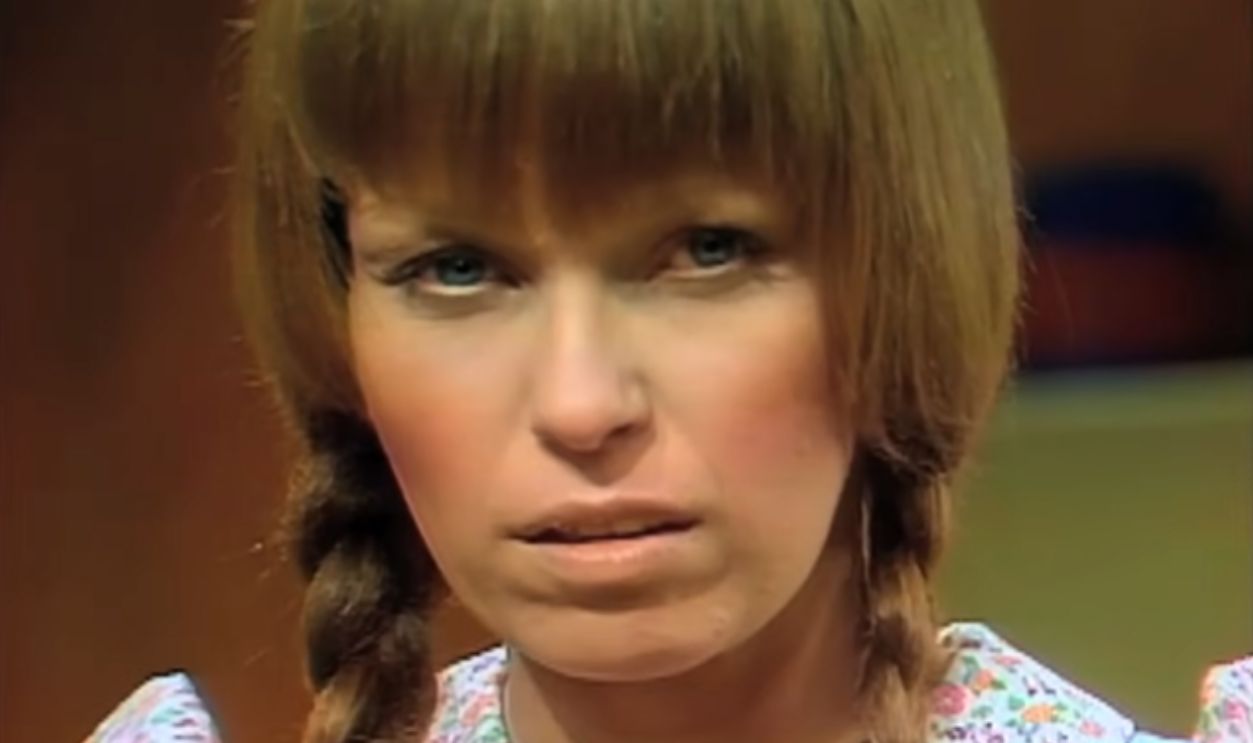 Screenshot from Mary Hartman, Mary Hartman, Sony Pictures Television (1976-1977)
Soap
ABC’s Soap, created by Susan Harris, premiered in 1977 with Katherine Helmond, Richard Mulligan, and Cathryn Damon heading its dysfunctional families. Controversy preceded its debut, while its ratings never matched its notoriety. Four seasons of serialized absurdity nevertheless influenced television comedy and launched breakout character Benson DuBois (Robert Guillaume) into his own sitcom.
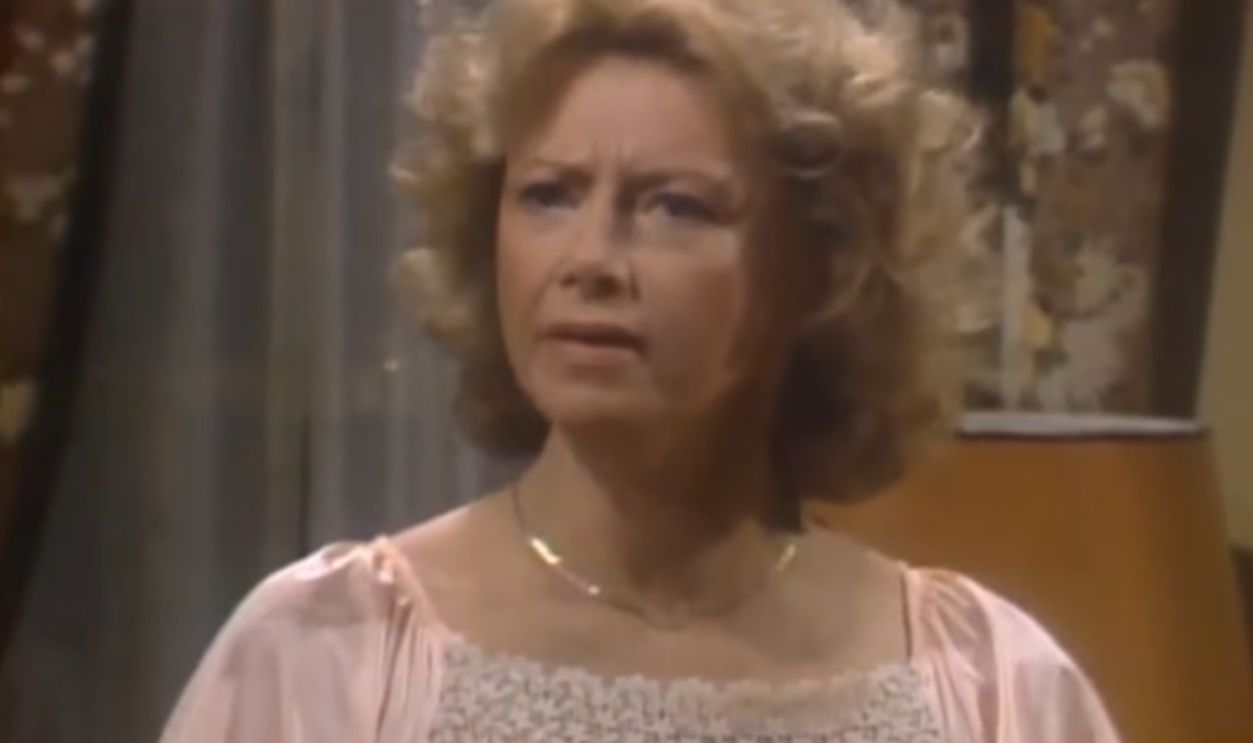 Screenshot from Soap, Sony Pictures Television (1977-1981)
Fernwood 2 Night
Norman Lear’s syndicated Fernwood 2 Night debuted in 1977 as a spinoff from Mary Hartman, Mary Hartman. Martin Mull and Fred Willard played spectacularly inept talk-show hosts Barth Gimble and Jerry Hubbard. Never intended as conventional mass-market television, its deadpan fake-talk-show format now seems strikingly ahead of its time.
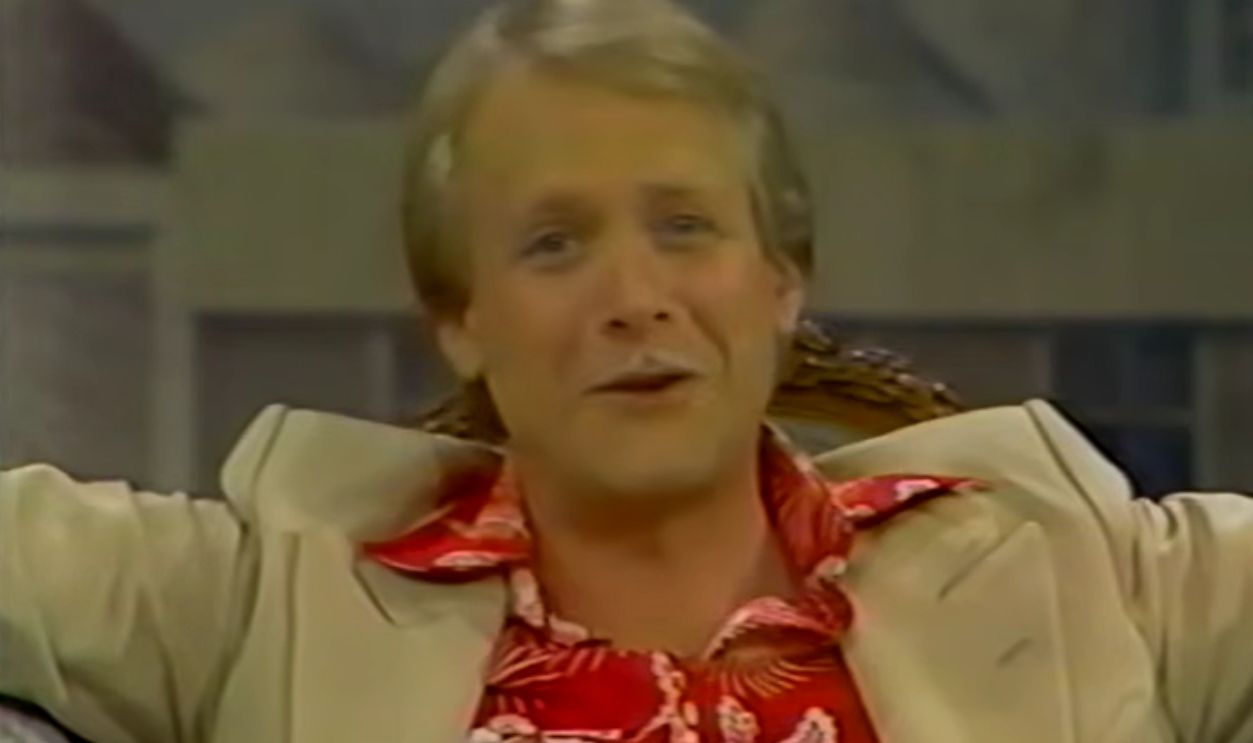 Screenshot from Fernwood 2 Night, Sony Pictures Television (1977)
The Richard Pryor Show
NBC’s The Richard Pryor Show arrived in 1977 with an astonishing comedy ensemble surrounding Pryor, including Robin Williams, Paul Mooney, Marsha Warfield, Sandra Bernhard, and John Witherspoon. Network tensions and disappointing ratings doomed the experiment almost immediately. Only four regular episodes aired, making its later reputation seem almost impossible.
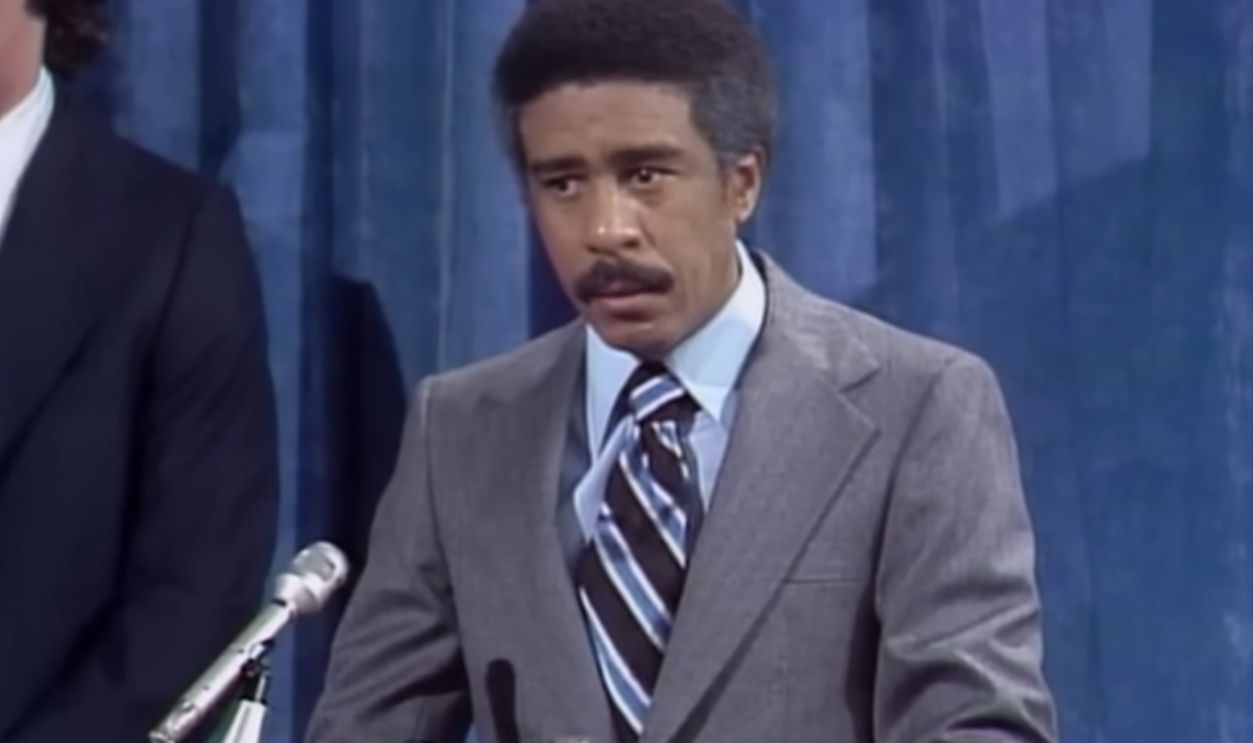 Screenshot from The Richard Pryor Show, NBC (1977)
WKRP In Cincinnati
Hugh Wilson’s MTM-produced WKRP in Cincinnati premiered on CBS in 1978 with Gary Sandy, Gordon Jump, Loni Anderson, and Howard Hesseman. CBS repeatedly shifted its timeslot, contributing to erratic ratings. Cancellation came after four seasons, but syndication turned the station’s eccentric employees into beloved workplace-comedy characters.
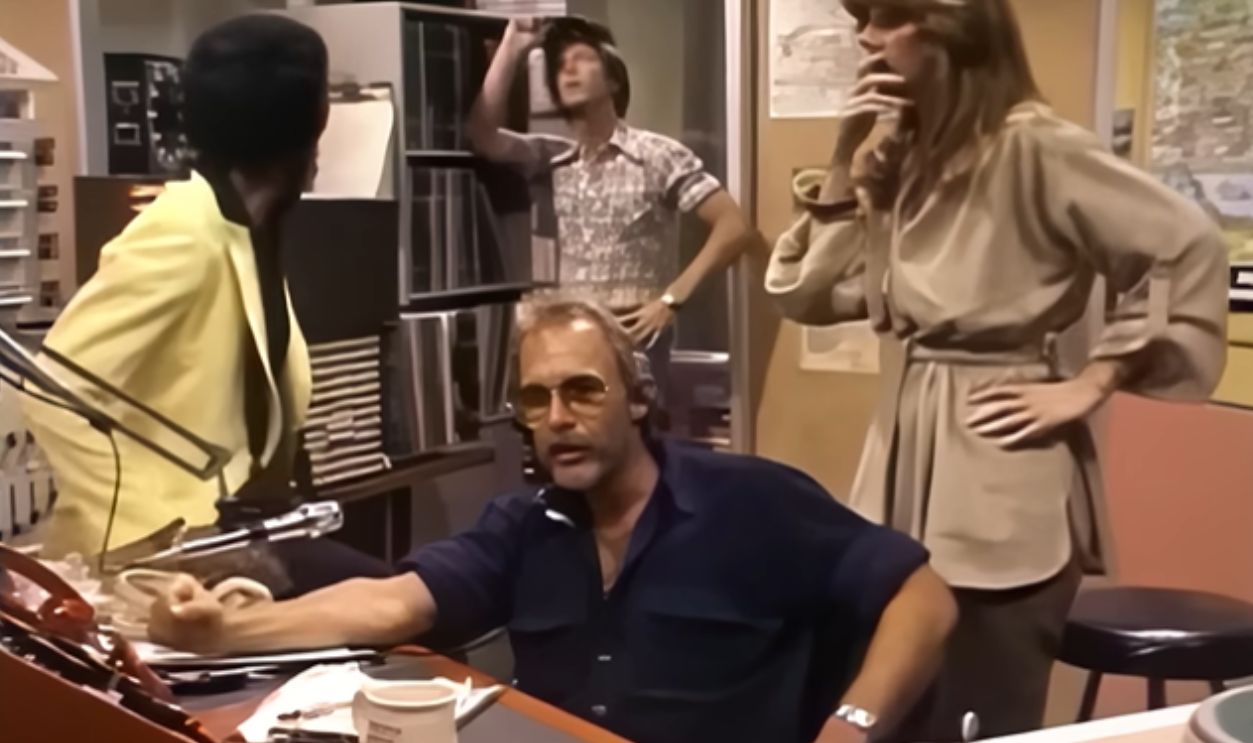 Screenshot from WKRP in Cincinnati, CBS (1978-1982)
Taxi
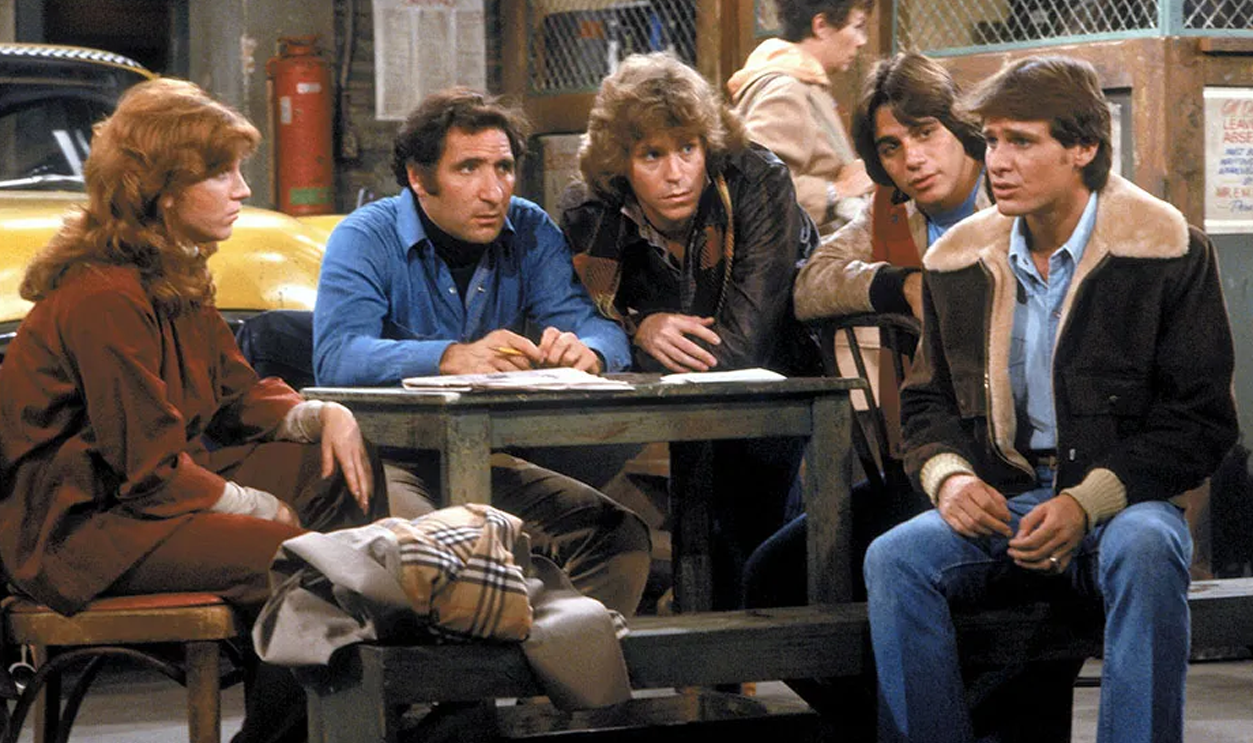
Created by James L. Brooks, Stan Daniels, David Davis, and Ed. Weinberger, Taxi debuted on ABC in 1978 with Judd Hirsch and Danny DeVito. It began as a genuine top-20 hit but later declined sharply. ABC canceled it after four seasons; NBC rescued it for one more.
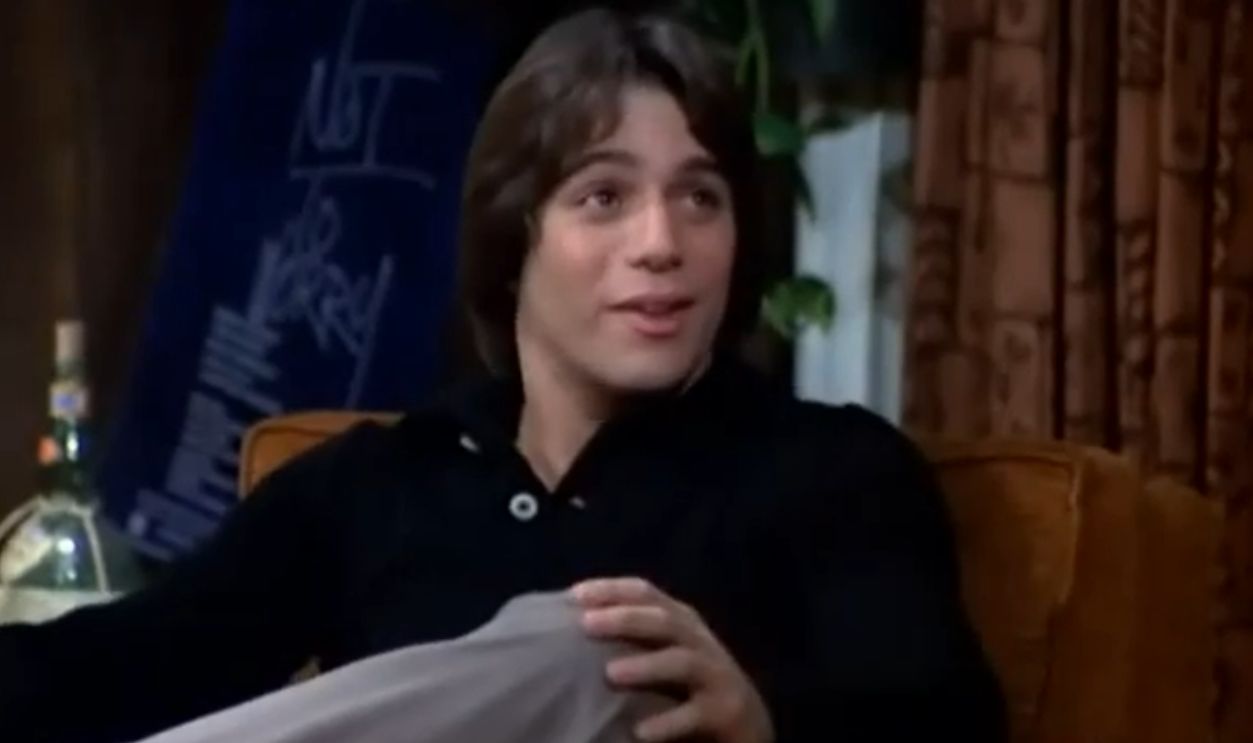 Screenshot from Taxi, Paramount Television (1978-1983)
Battlestar Galactica
Glen A. Larson’s expensive Battlestar Galactica premiered on ABC in 1978, starring Lorne Greene, Richard Hatch, and Dirk Benedict. Its premiere attracted substantial attention, but the series finished only 34th for the season. Production costs helped doom it after one year, while fandom eventually resurrected the entire franchise.
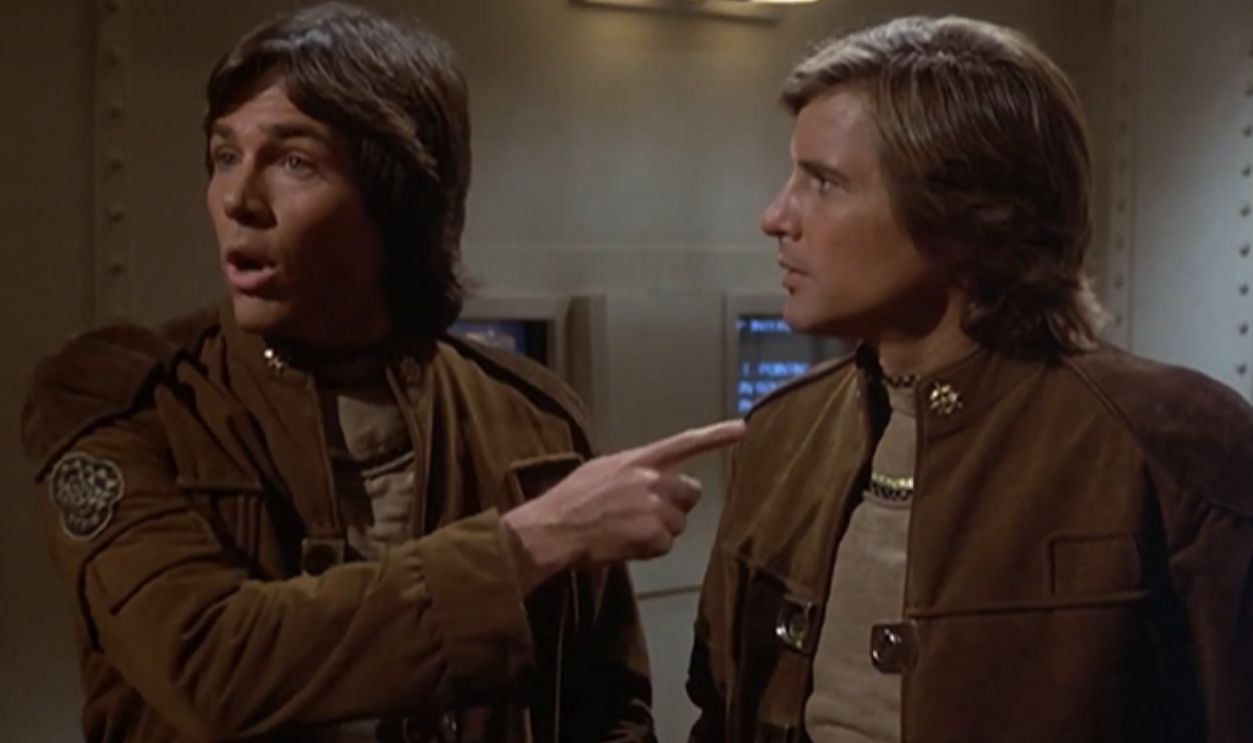 Screenshot from Battlestar Galactica, ABC (1978-1979)
The White Shadow
Bruce Paltrow’s MTM-produced The White Shadow premiered on CBS in 1978 with Ken Howard as former professional basketball player turned inner-city high-school coach Ken Reeves. It never became a major ratings success and lasted three seasons, but its serious treatment of race, poverty, education, and adolescence earned lasting respect.
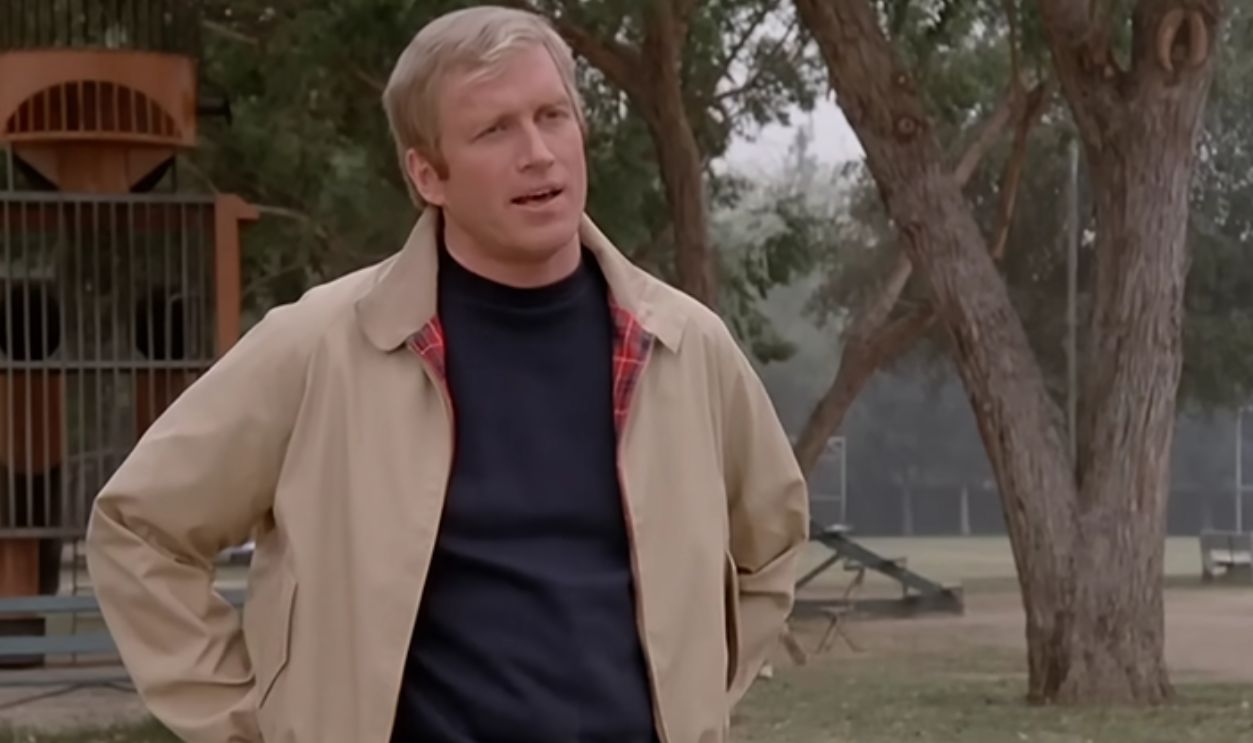 Screenshot from The White Shadow, 20th Century Fox Television (1978-1981)
Police Squad!
ABC’s Police Squad! arrived in 1982 from Jim Abrahams, David Zucker, and Jerry Zucker, starring Leslie Nielsen as Detective Frank Drebin. Viewers apparently weren’t ready for its rapid-fire visual jokes, and ABC canceled it after only six episodes. Hollywood later transformed essentially the same concept into The Naked Gun (1988).
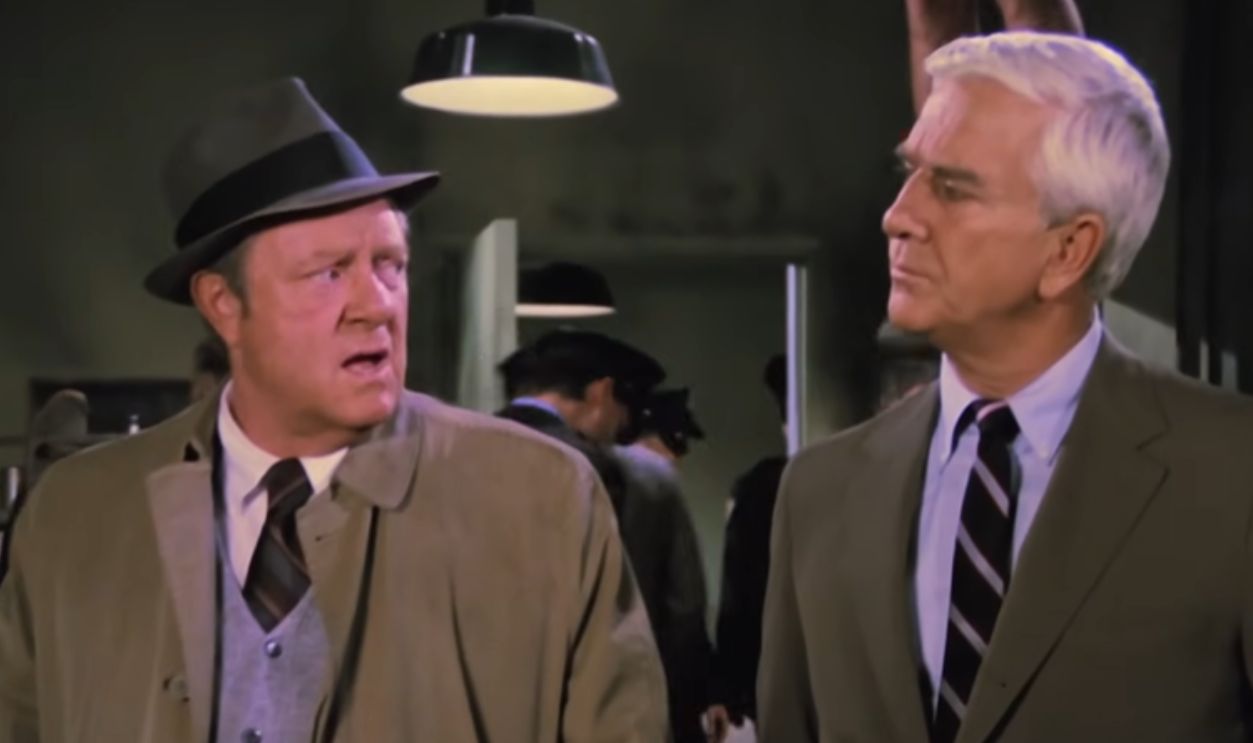 Screenshot from Police Squad!, Paramount Television (1982)
Freaks And Geeks
NBC’s Freaks and Geeks, created by Paul Feig and executive-produced by Judd Apatow, starred Linda Cardellini, John Francis Daley, James Franco, and Seth Rogen. Dismal ratings and scheduling problems ended it after one season in 2000. Its subsequent reputation made cancellation look like one of television’s great miscalculations.
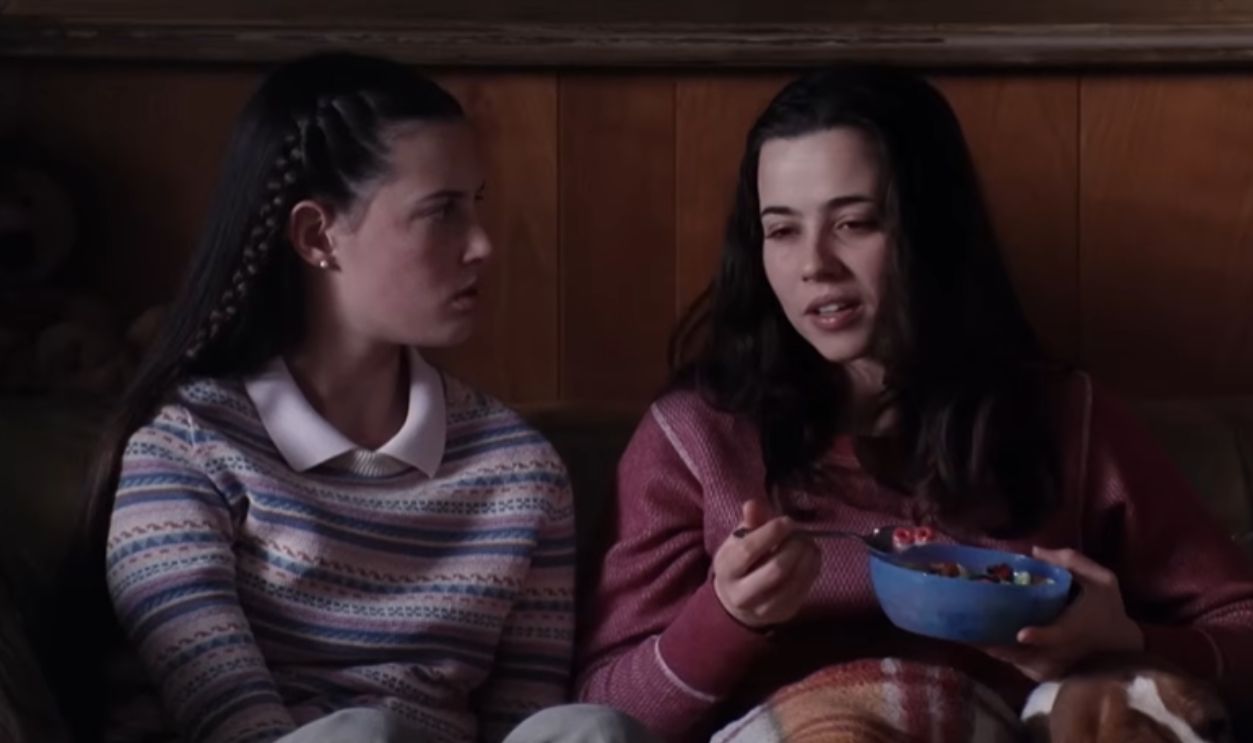 Screenshot from Freaks and Geeks, DreamWorks Television (1999-2000)
Ratings Aren’t Everything
These shows weren’t all failures. Some enjoyed several healthy seasons, while others disappeared almost immediately. What connects them together is the enormous gap between original performance and subsequent reputation. Syndication, fandom, home video, streaming, revivals, and plain old persistence in the popular culture can apparently rewrite television history more effectively than Nielsen ever could.
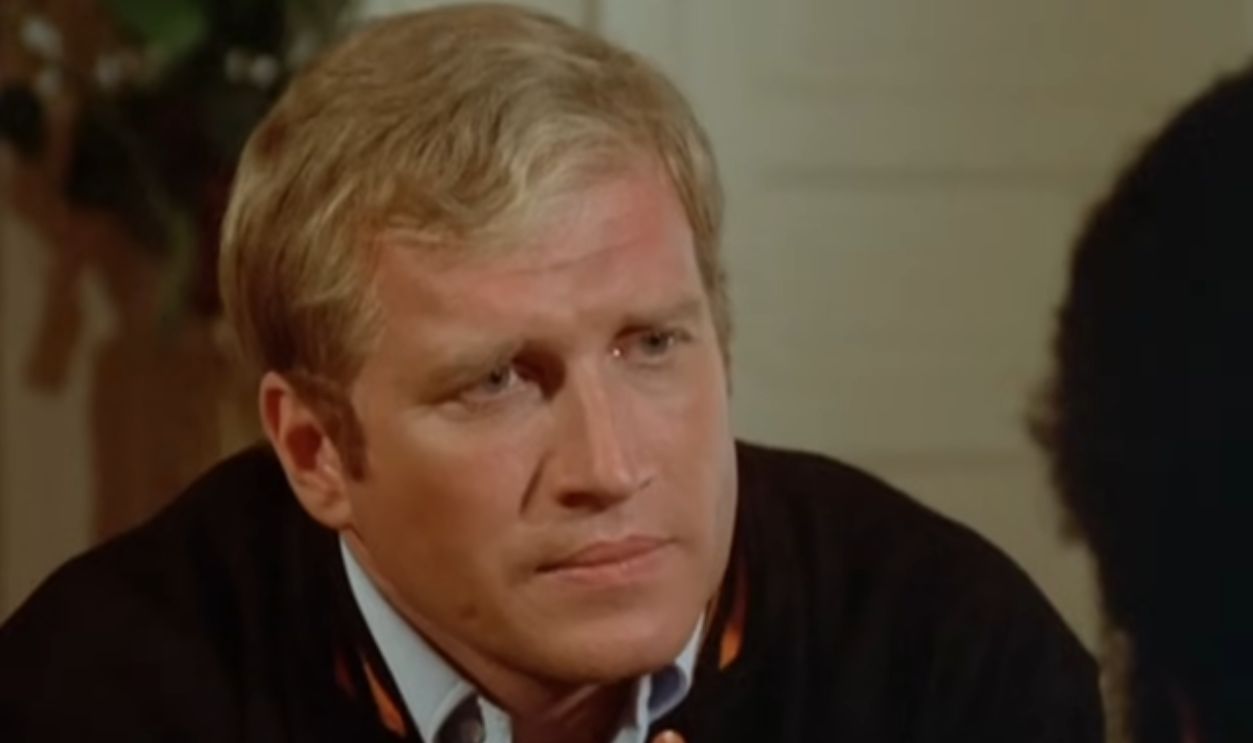 Screenshot from The White Shadow, 20th Century Fox Television (1978-1981)
You May Also Like:
How Do Television Ratings Work?
The Hardest TV Trivia Quiz For Fans Of 1970s Sitcoms—How Many Can You Answer?
Forgotten Detective Shows From The 1980s That Briefly Dominated Television