Before All in the Family became America's most-watched television series, nobody seemed particularly eager to put it on the air. Norman Lear endured rejected pilots, network hesitation, and a disastrous opening night. Yet within months, his controversial sitcom was on its way to transforming American television.
A British Comedy Started It
The story began with the British sitcom Till Death Us Do Part, which premiered in 1965. Its outspoken working-class patriarch, Alf Garnett, inspired Lear to develop an American adaptation. Lear also drew upon his own parents, imagining a family whose political and generational arguments could provide both comedy and social commentary.
 Bettmann Archive, Getty Images
Finding The Perfect Archie
Lear initially approached Mickey Rooney about playing his argumentative patriarch, but the actor declined. Carroll O'Connor, a veteran character actor with extensive theater and television experience, eventually landed the role. O'Connor brought something unexpected to Archie: an ability to make audiences recognize the humanity beneath the character's prejudices.
Two Pilots Went Nowhere
ABC initially supported Lear's project, then called Justice for All. Its first pilot, filmed in 1968, featured O'Connor as Archie Justice and Jean Stapleton as his wife, Edith. ABC financed another attempt, Those Were the Days, in 1969. Despite the revisions, the network ultimately passed on the series. Lear had two pilots but no television show.
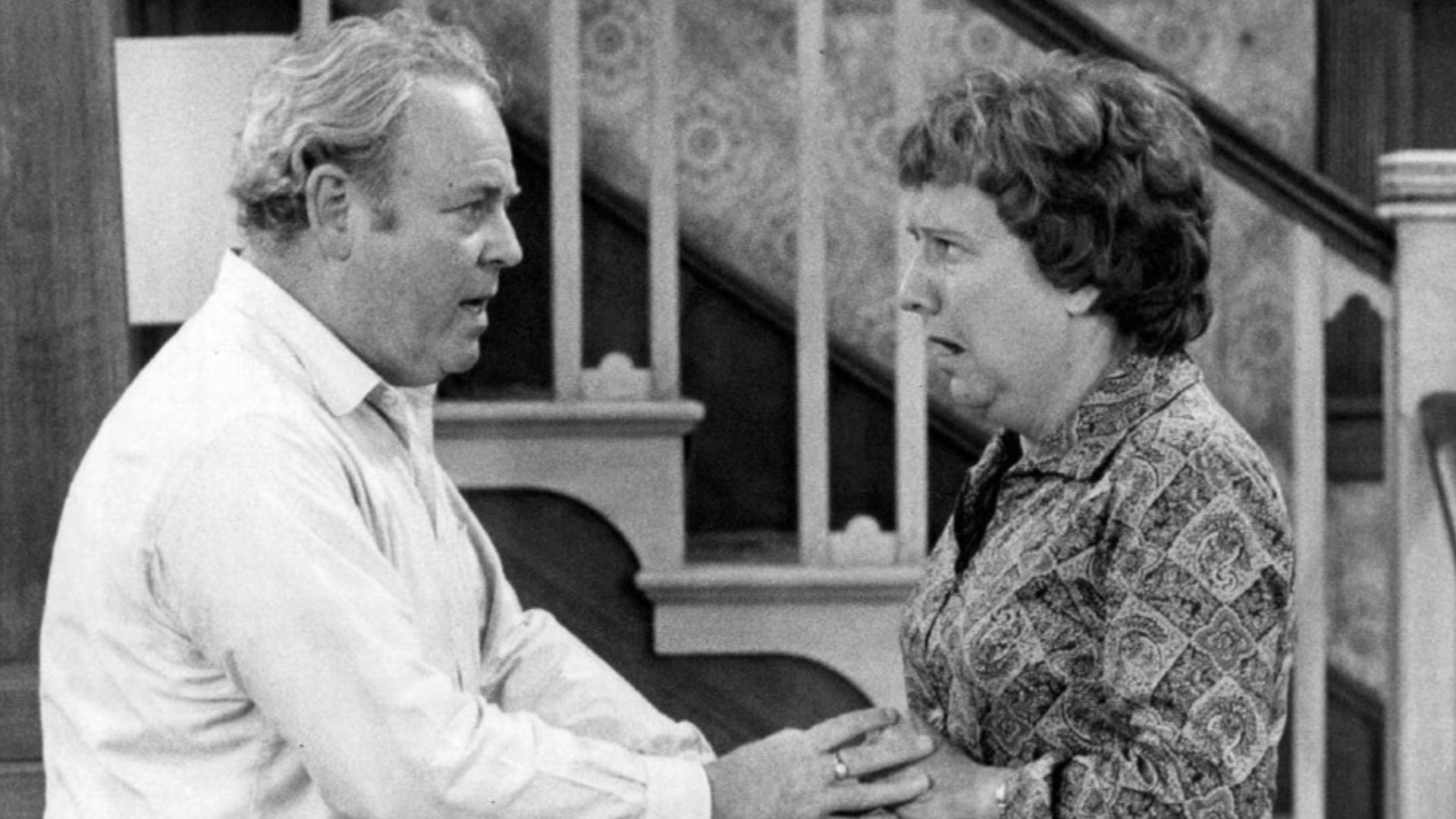 CBS Television, Wikimedia Commons
CBS Took A Chance
CBS eventually acquired the project, which underwent another transformation. Archie and Edith became the Bunkers, and the series acquired its familiar title, All in the Family. The network commissioned 13 episodes, giving Lear an opportunity to demonstrate that a sitcom built around uncomfortable contemporary arguments could attract a mainstream audience.
The Cast Finally Clicked
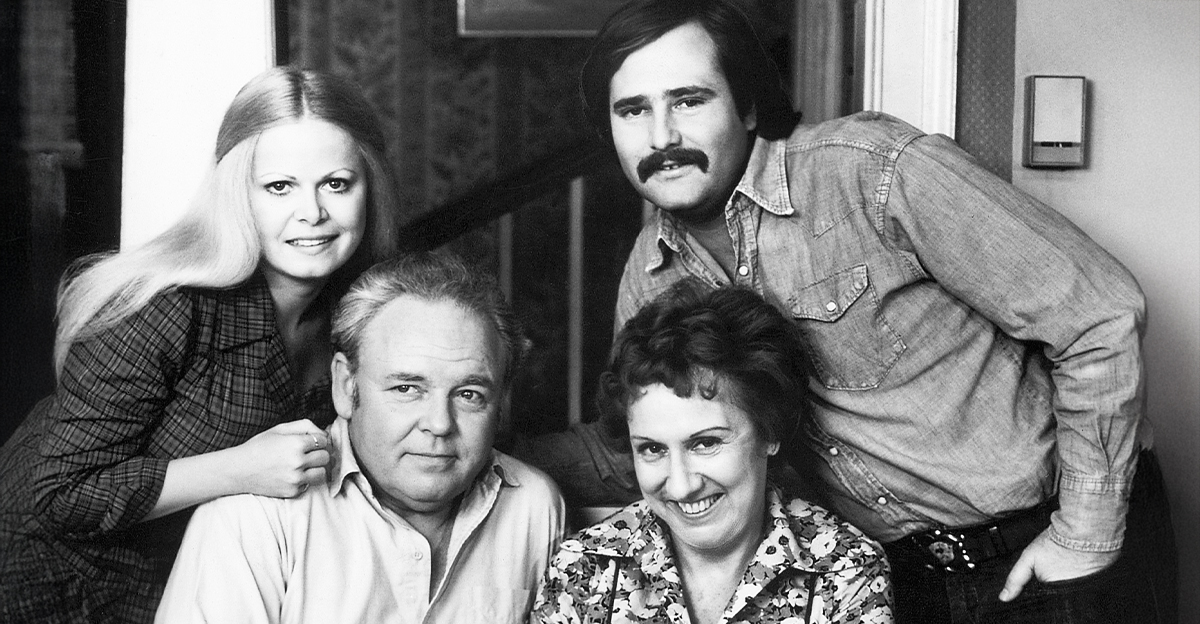
O'Connor and Stapleton remained central to the project, but the younger characters changed. Rob Reiner joined as Michael Stivic, Archie's liberal son-in-law, while Sally Struthers became Gloria, the Bunkers' daughter. Their conflicting personalities created the essential chemistry. The show could now stage America's political and generational divisions around a single family's dinner table.
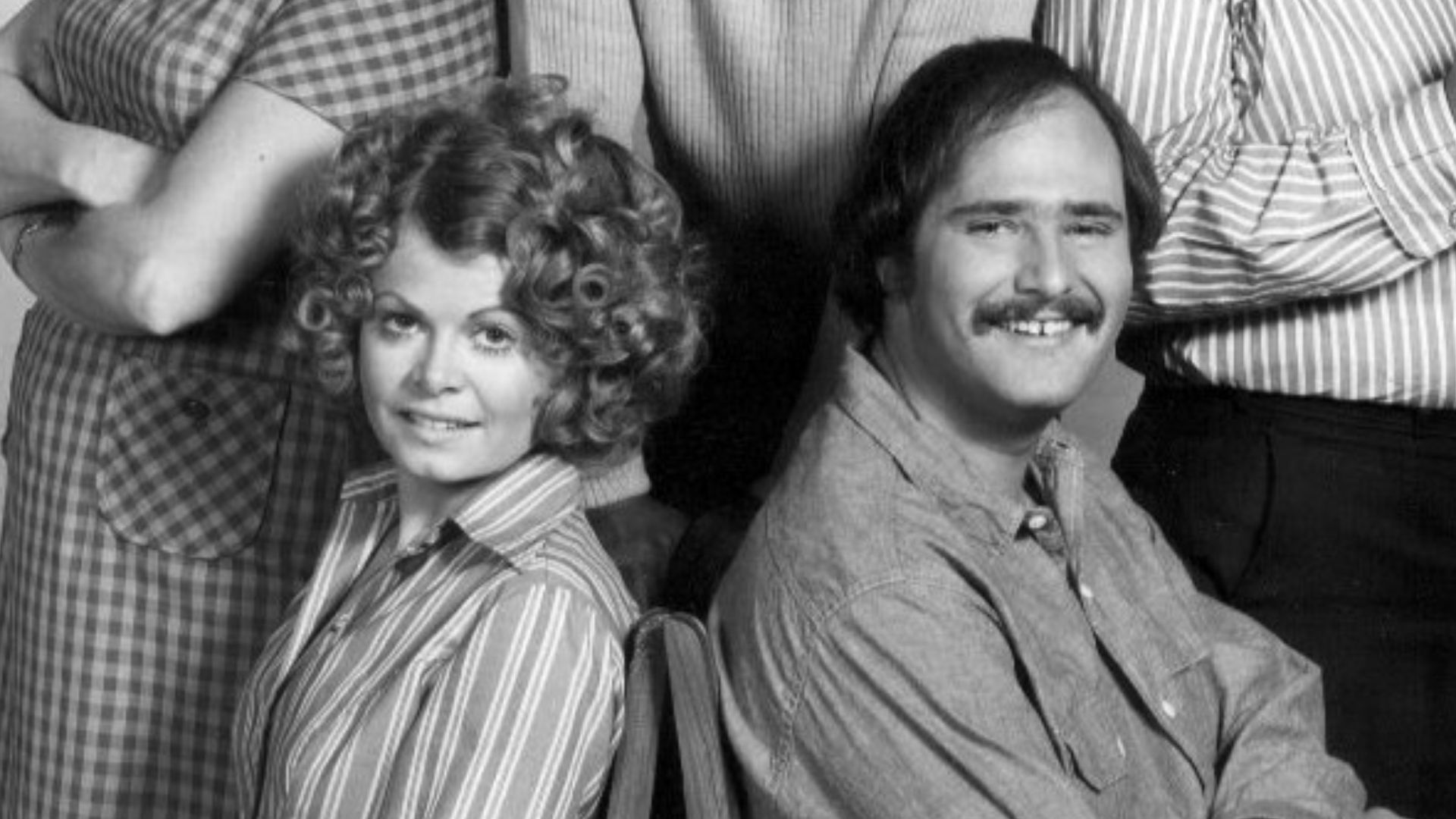 CBS Television, Wikimedia Commons
CBS Prepared For Trouble
When All in the Family premiered on January 12, 1971, CBS knew it was taking a considerable risk. The opening episode featured arguments about race, religion, politics, and sexuality, subjects most American sitcoms carefully avoided. Executives anticipated angry reactions and arranged for extra telephone operators to handle the expected complaints. The network even preceded the premiere with an advisory explaining the show's intentions.
Almost Nobody Was Watching
CBS needn't have worried about an avalanche of complaints. The premiere attracted just a 15% audience share, finishing a distant third in its time slot. The show continued struggling during its first months, and some critics were openly hostile. Others, however, recognized something remarkable in Lear's experiment. Their favorable reviews, combined with enthusiastic word of mouth, gradually began attracting viewers.
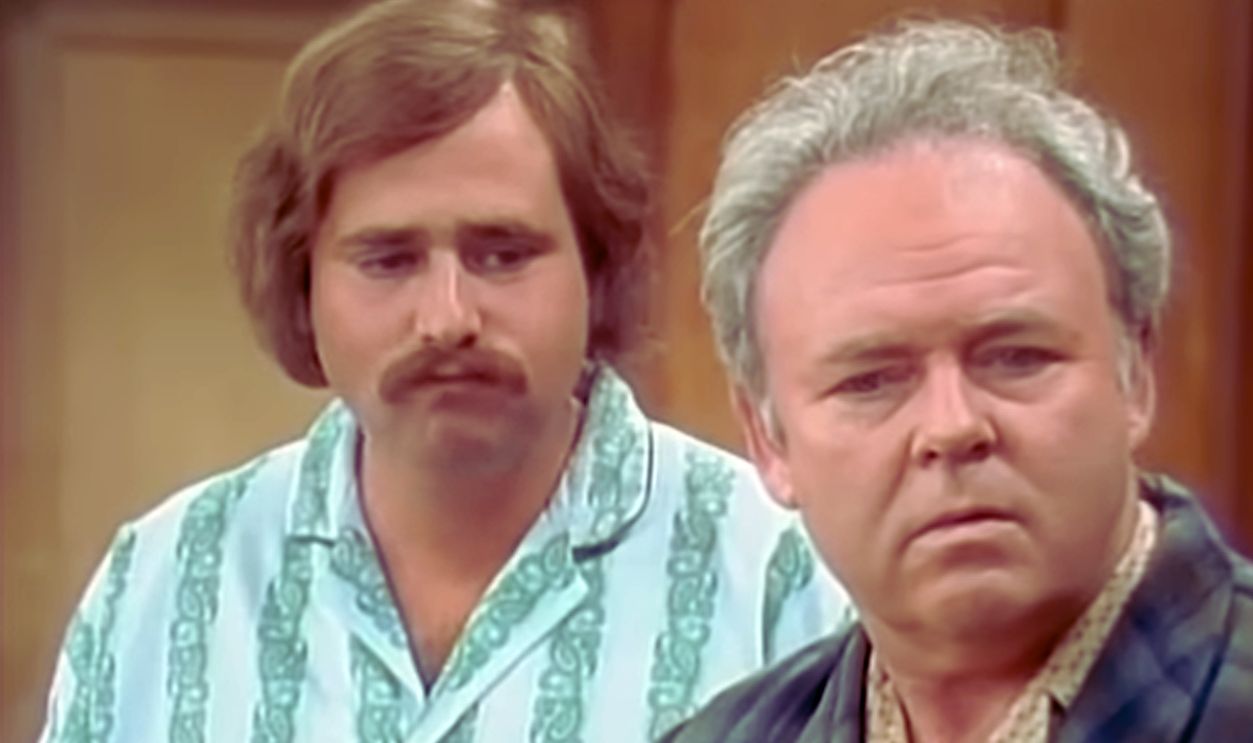 Screenshot from All in the Family, CBS (1971–1979)
The Emmys Changed Everything
The turning point arrived in May 1971. Despite its initially disappointing ratings, All in the Family received major Emmy recognition, winning three awards, including Outstanding Comedy Series. The exposure helped introduce the Bunkers to viewers who had missed their original appearances. Summer reruns brought additional audiences, and by the beginning of its second season, the once-struggling sitcom had developed considerable momentum.
America's Biggest Television Show
The transformation was extraordinary. During the 1971–72 season, All in the Family became America's highest-rated television program. It retained that position for five consecutive seasons, turning its principal performers into household names. The series also generated successful spin-offs, including Maude and The Jeffersons, while demonstrating that American sitcoms could tackle controversial subjects without sacrificing enormous commercial appeal.
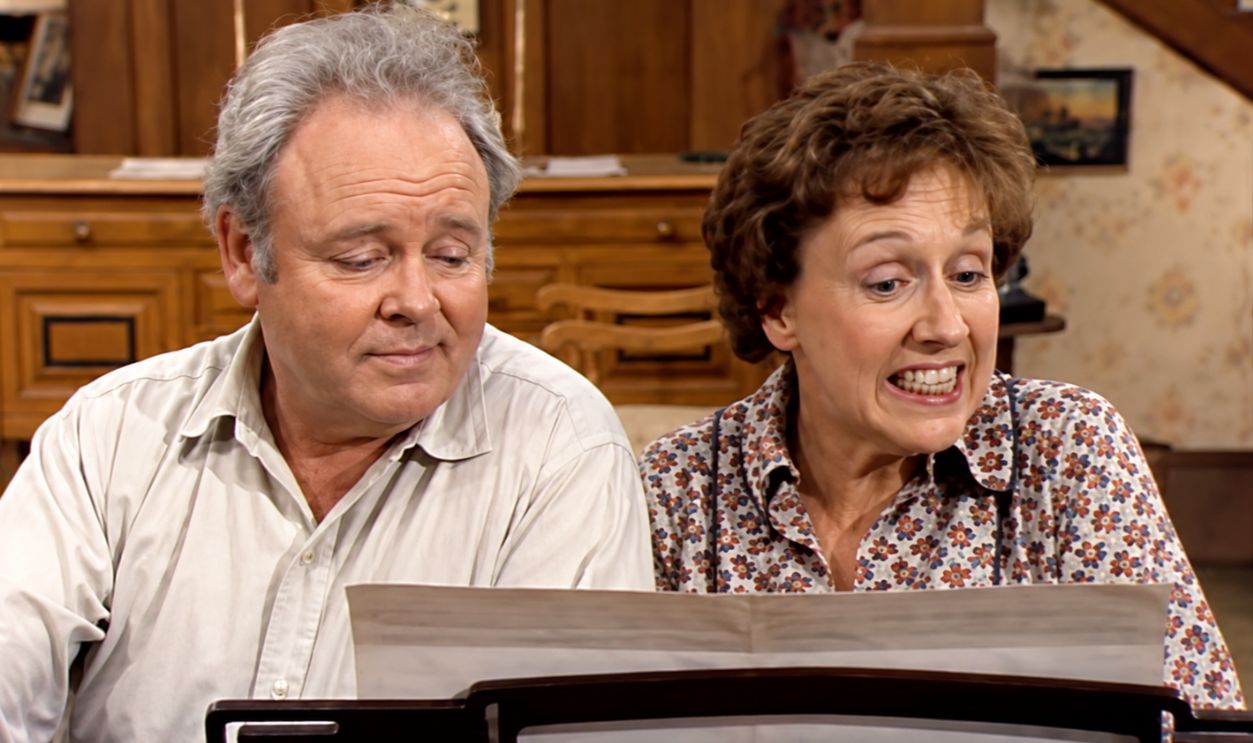 Screenshot from All in the Family, Viacom Enterprises (1971–1979), Modified
The show that ABC had rejected twice ultimately ran for nine seasons, from 1971 to 1979. Archie Bunker's famous armchair eventually entered the Smithsonian's collection, an extraordinary destination for a television character whose first appearance had attracted so little attention. Norman Lear hadn't simply created a successful sitcom. He'd helped change what American television comedy could be.
You May Also Like:
Why Jean Stapleton never expected Edith Bunker to become so famous
How The All In The Family Spin-Off Maude Made Bea Arthur One Of Television’s Boldest Sitcom Stars