When Remakes Get It Right
American remakes of British TV have a reputation—and not always a flattering one. For every awkward cultural transplant, there’s a reinvention that somehow clicks harder, lasts longer, and embeds itself into pop culture in a way the original never quite managed. Sometimes it’s a cast change, sometimes it’s pacing, and sometimes it’s just the confidence to go bigger, louder, and messier.

Three’s Company
The British sitcom Man About the House laid the groundwork, but Three’s Company perfected the formula. By leaning heavily into physical comedy and misunderstanding-fueled chaos, the American version turned simple farce into an art form. John Ritter’s fearless commitment to pratfalls and panic made the show unforgettable and far more enduring than its comparatively restrained predecessor.
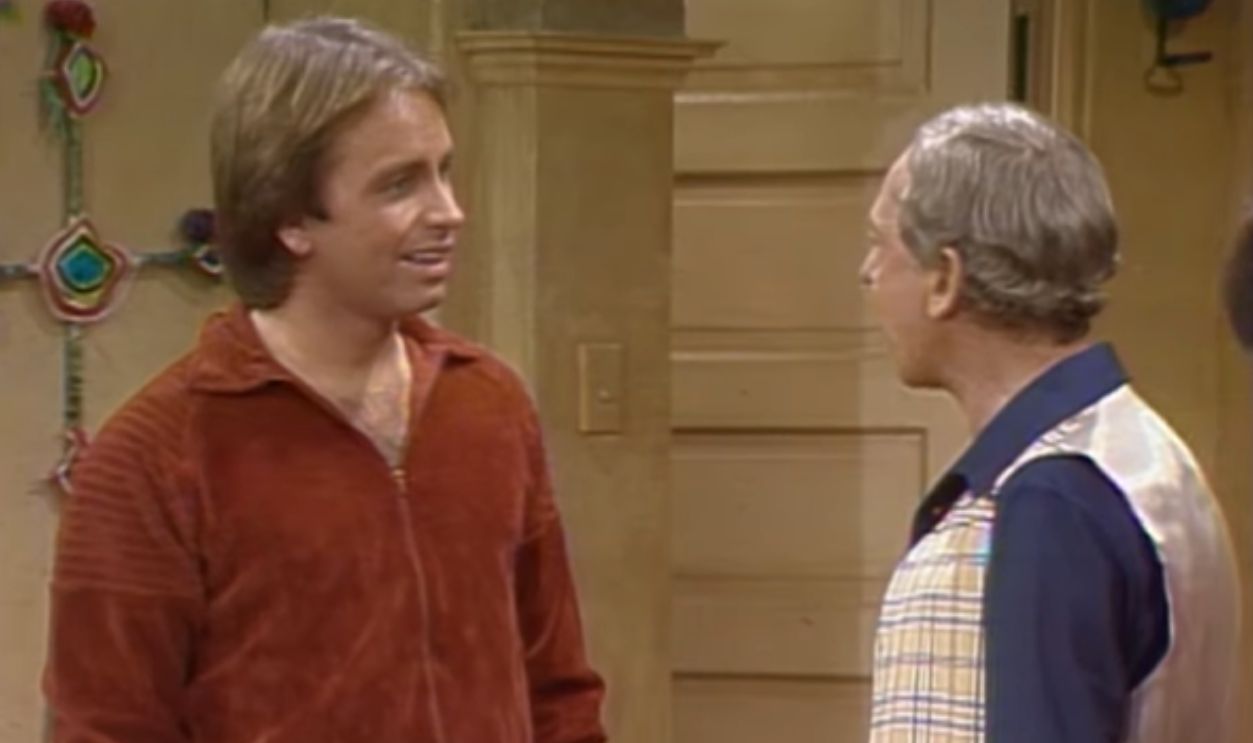 Screenshot from Three's Company, ABC (1977-1984)
Sanford And Son
Steptoe and Son may have been clever, but Sanford and Son gave the premise a pulse. Redd Foxx transformed Fred Sanford into a comedy icon, pairing sharp insults with theatrical flair that felt distinctly American. The US version also reshaped the show’s cultural footprint, becoming a defining sitcom of the 1970s rather than a niche classic.
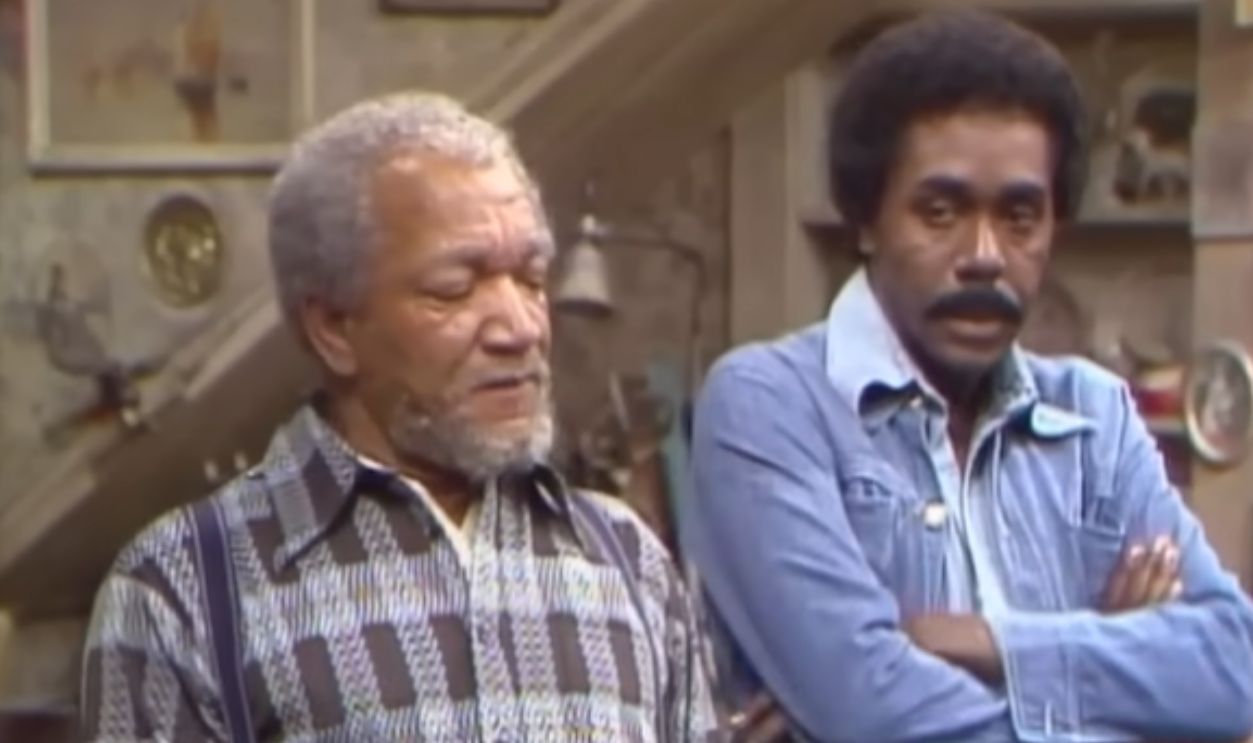 Screenshot from Sanford and Son, NBC (1972-1977)
Too Close For Comfort
While Keep It in the Family stayed relatively obscure, Too Close for Comfort found a groove by leaning into character-driven humor and Ted Knight’s perfectly calibrated grumpiness. The American adaptation softened some of the original’s edges and turned the setup into a dependable, audience-friendly sitcom that quietly outperformed its source.
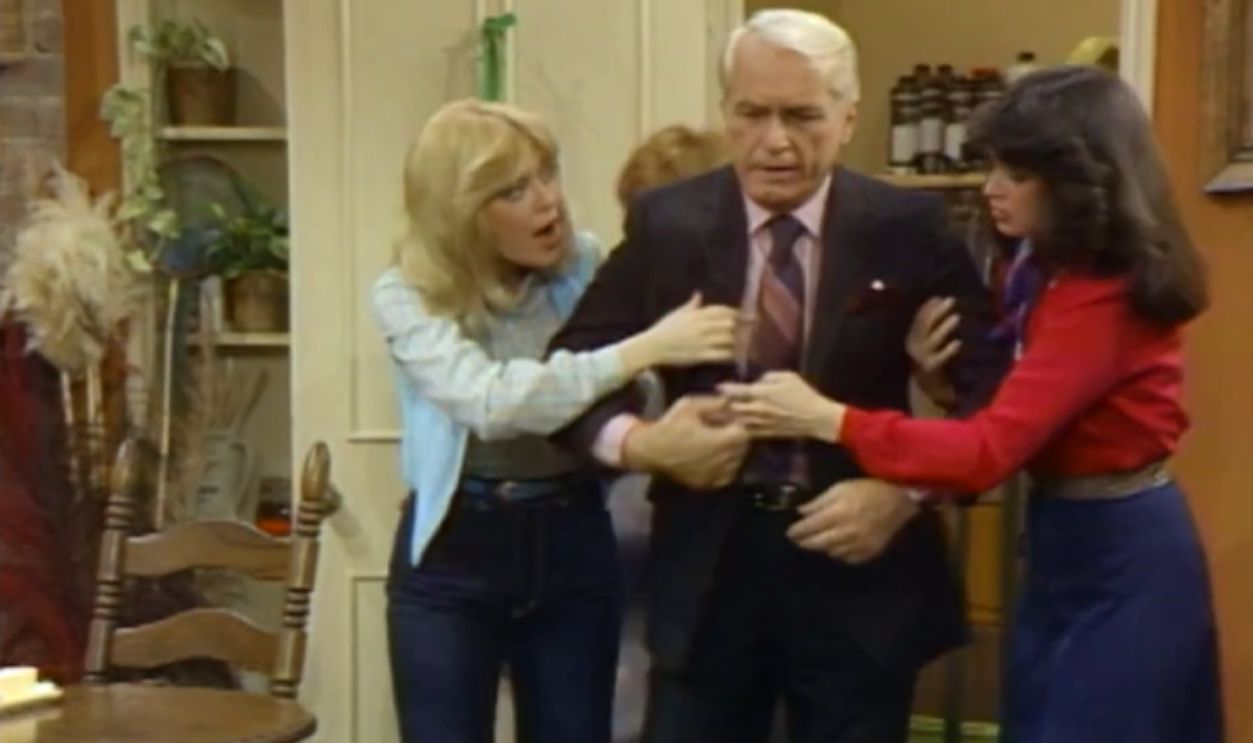 Screenshot from Too Close for Comfort, ABC (1980-1987)
Mistresses
The British Mistresses thrived on restraint and tension, but the American remake leaned unapologetically into melodrama—and that worked. By expanding storylines and embracing serialized storytelling, the US version felt more emotionally immersive. It didn’t just retell scandals—it luxuriated in them, giving viewers exactly what they tuned in for.
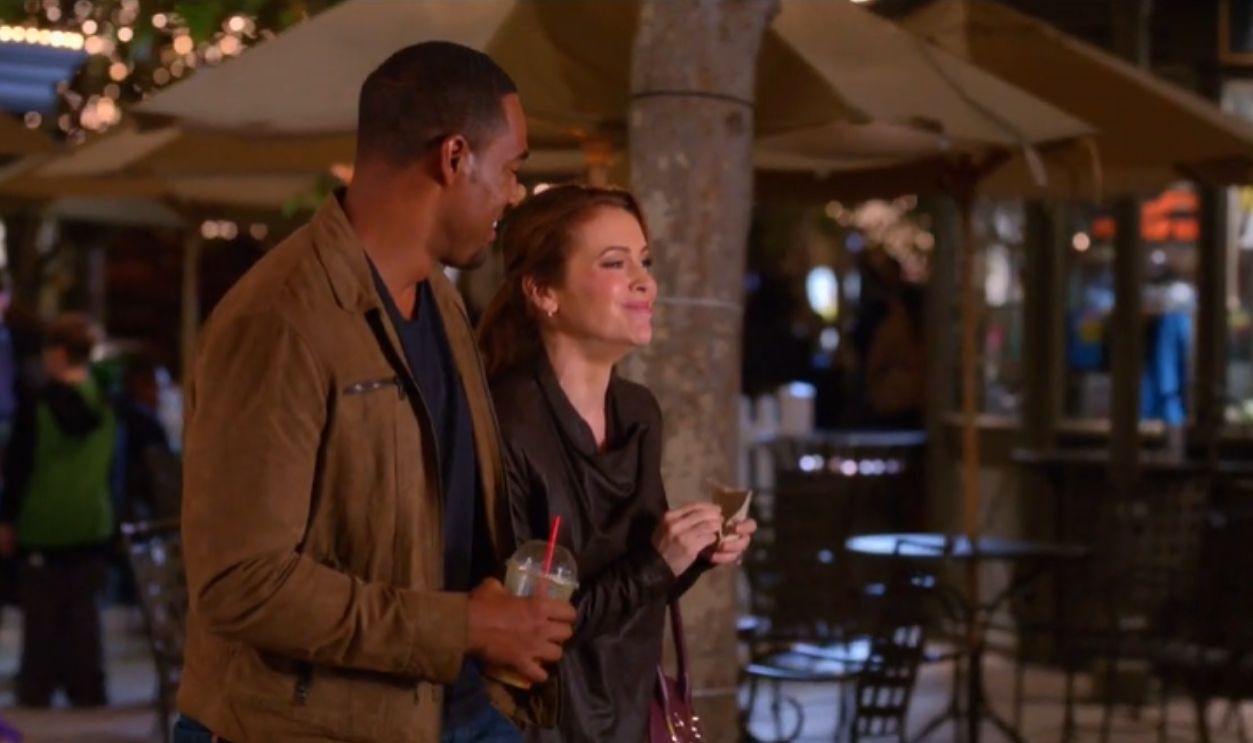 Screenshot from Mistresses, ABC (2013-2016)
All In The Family
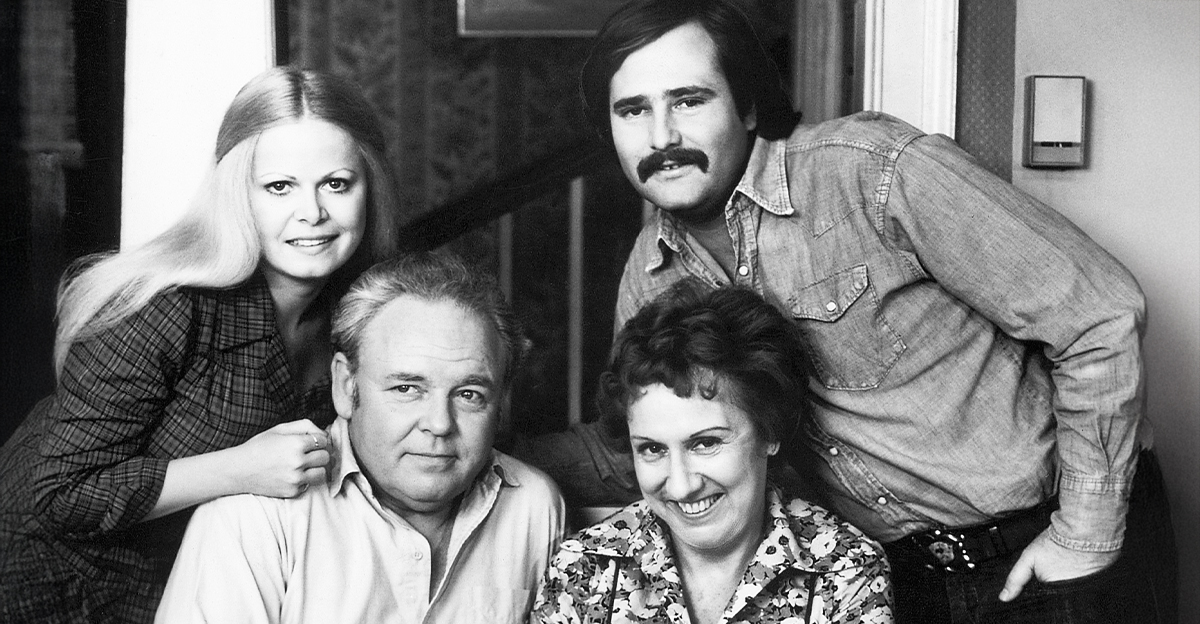
Based on Till Death Us Do Part, this wasn’t just a remake—it was a cultural overhaul. All in the Family took the core idea and dropped it into the center of American social discourse, tackling race, politics, and generational conflict head-on. The result was a sitcom that didn’t just entertain but reshaped what television comedy was allowed to do.
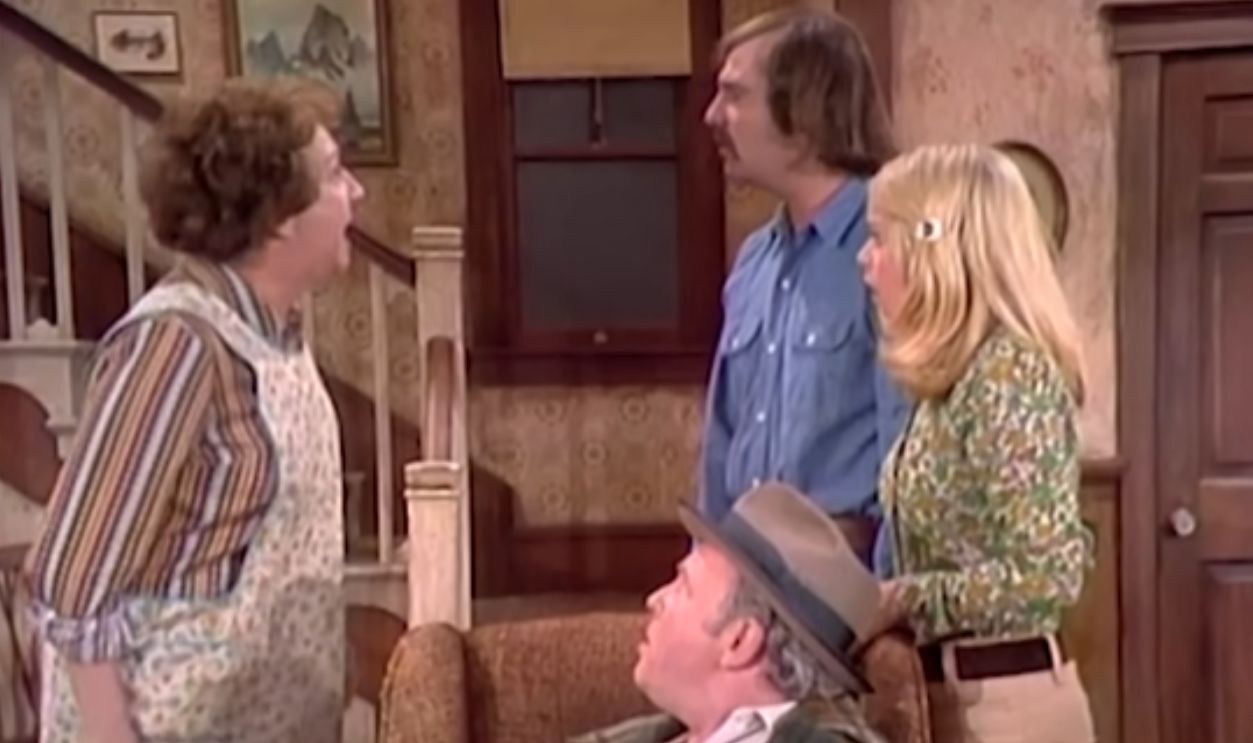 Screenshot from All in the Family, CBS (1971-1979)
Shameless
The British Shameless walked so the American version could sprint. By relocating the story to Chicago and committing fully to character evolution, the US adaptation built a sprawling, long-running saga. Its emotional range—equal parts brutal and heartfelt—gave it staying power the original never matched.
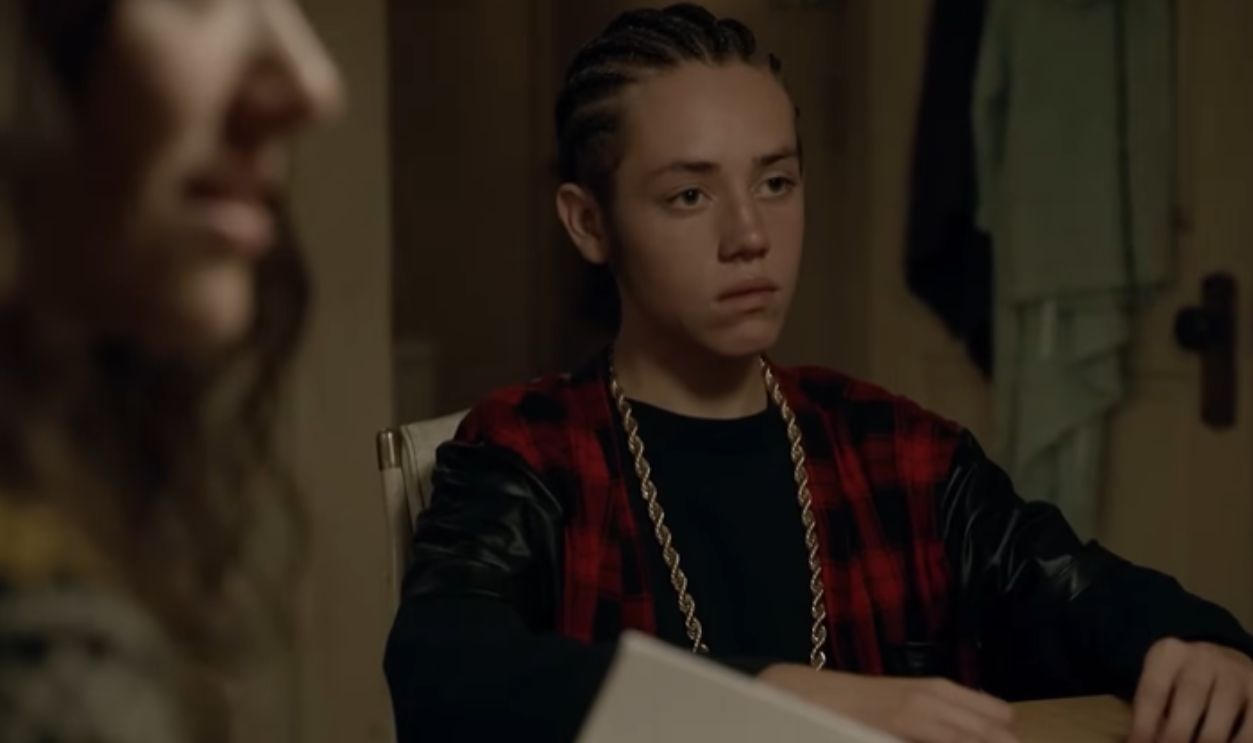 Screenshot from Shameless, Showtime (2011-2021)
Ghosts
The original Ghosts was charming and clever, but the American version broadened the appeal without losing the heart. With a larger ensemble and a warmer tone, the US series found a sweet spot between absurdity and sincerity. It became a rare example of network comedy that felt both accessible and inventive.
 Screenshot from Ghosts, CBS (2021-)
Being Human
The British Being Human was beloved but niche, while the American remake focused on clarity and momentum. By streamlining mythology and deepening character arcs, the US version made supernatural drama feel more emotionally grounded. It traded cult status for broader connection—and it paid off.
 Screenshot from Being Human, Syfy (2011-2014)
Veep
Inspired by The Thick of It, Veep sharpened its knives specifically for American politics. The insults hit faster, the stakes felt higher, and the satire landed closer to home. Julia Louis-Dreyfus turned Selina Meyer into one of television’s most memorably awful leaders, helping the show eclipse its inspiration in both reach and awards.
 Screenshot from Veep, HBO (2012-2019)
The Office
The British Office was painfully precise, but the American version learned how to breathe. By evolving its characters beyond cringe and allowing warmth to seep in, the U.S. adaptation became something richer and more rewatchable. It didn’t just copy the format—it redefined workplace comedy for a generation.
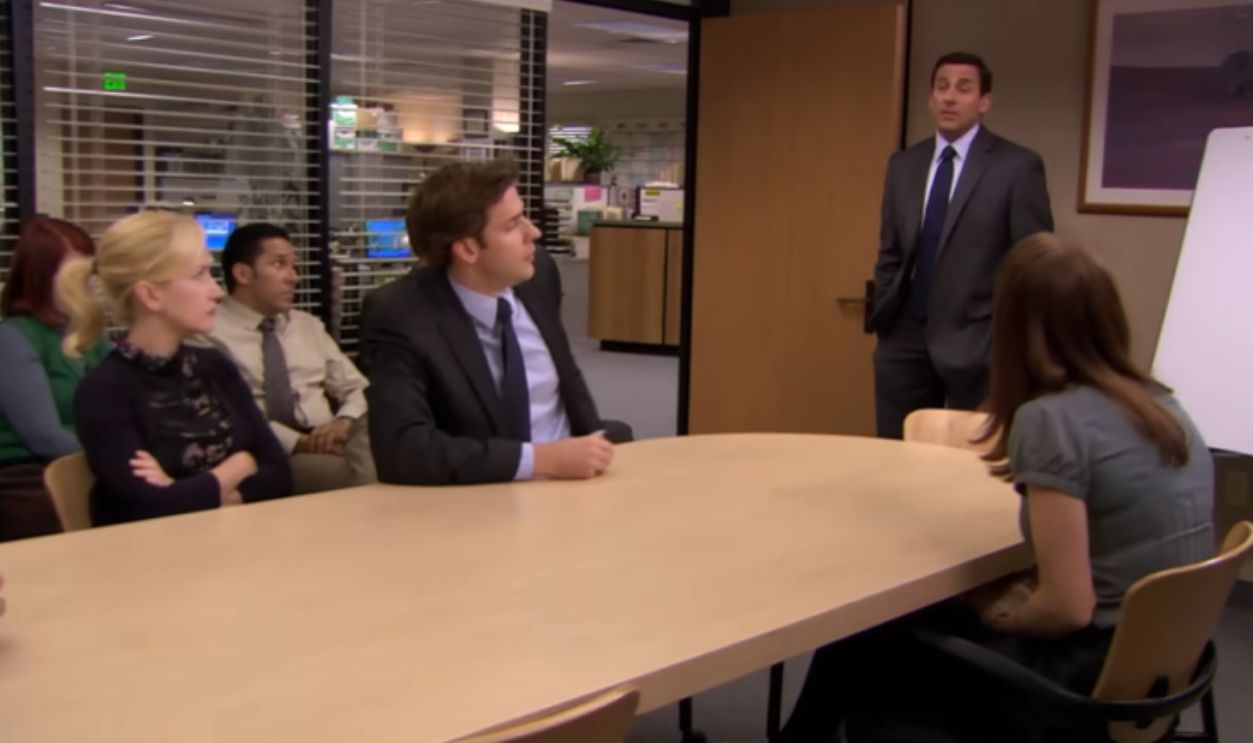 Screenshot from The Office, NBC (2005-2013)
Undercover Boss
The British original leaned documentary, but the American version embraced spectacle. By focusing on emotional reveals and personal transformation, Undercover Boss became comfort television with a corporate twist. Its longevity proved that sincerity, when packaged correctly, could outperform subtlety.
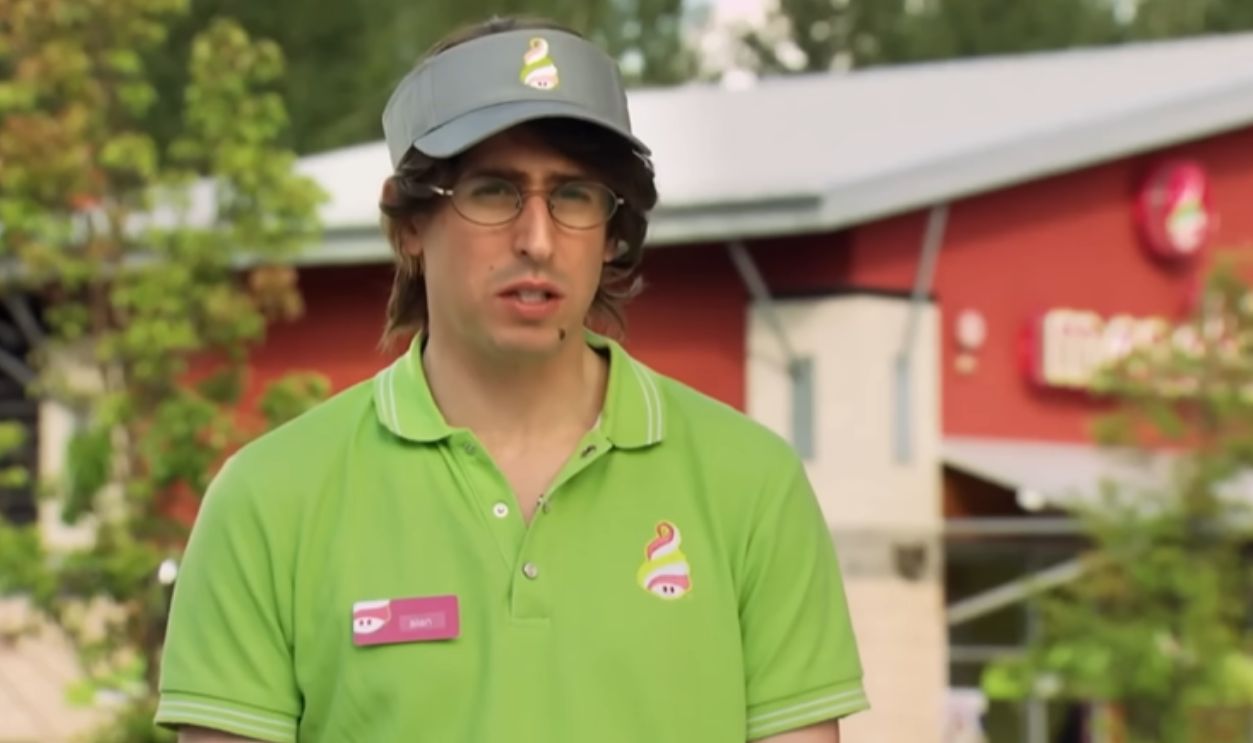 Screenshot from Undercover Boss, CBS (2010-)
The Great American Baking Show
The UK format thrived on gentleness, but the American version balanced that warmth with competitive energy. While maintaining the cozy aesthetic, the US adaptation leaned into personality-driven storytelling. It found a uniquely American rhythm without sacrificing the show’s soul.
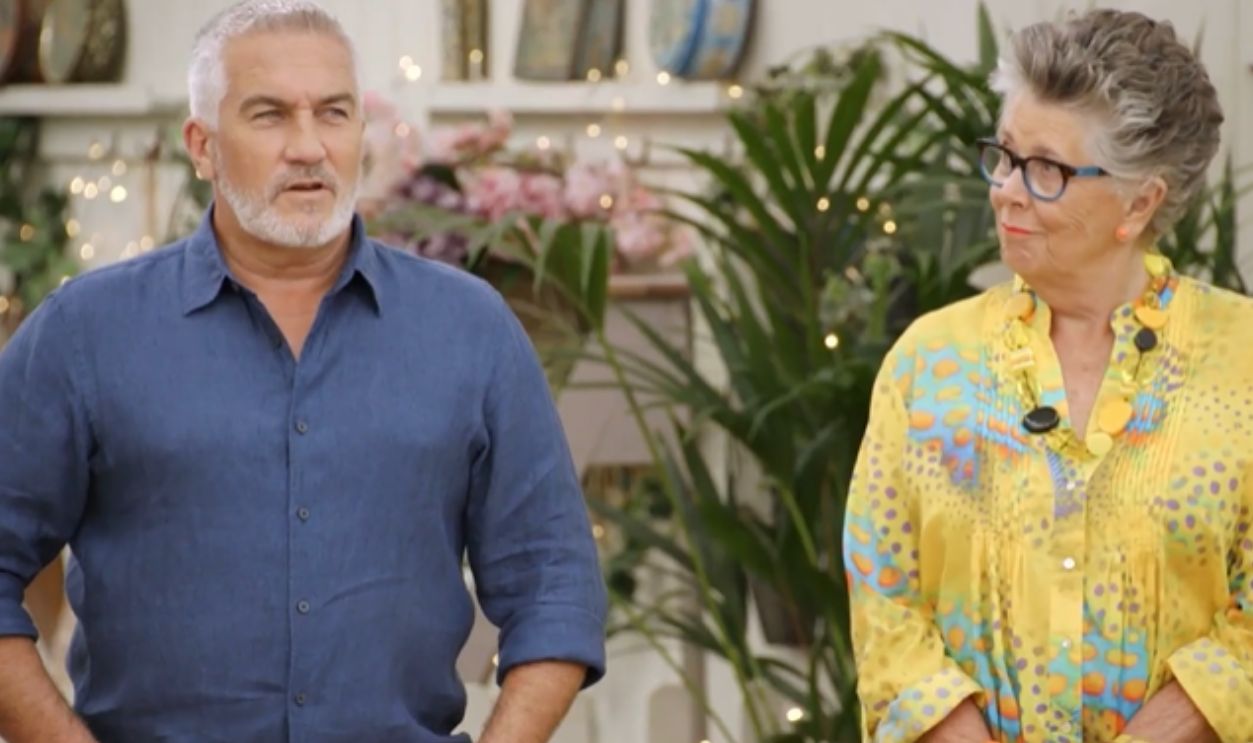 Screenshot from The Great American Baking Show, ABC (2015-)
Dancing With The Stars
Strictly Come Dancing was successful, but Dancing With the Stars turned the concept into an event. Celebrity casting, heightened drama, and relentless promotion transformed ballroom dancing into must-watch television. The American version didn’t just adapt the show—it franchised it.
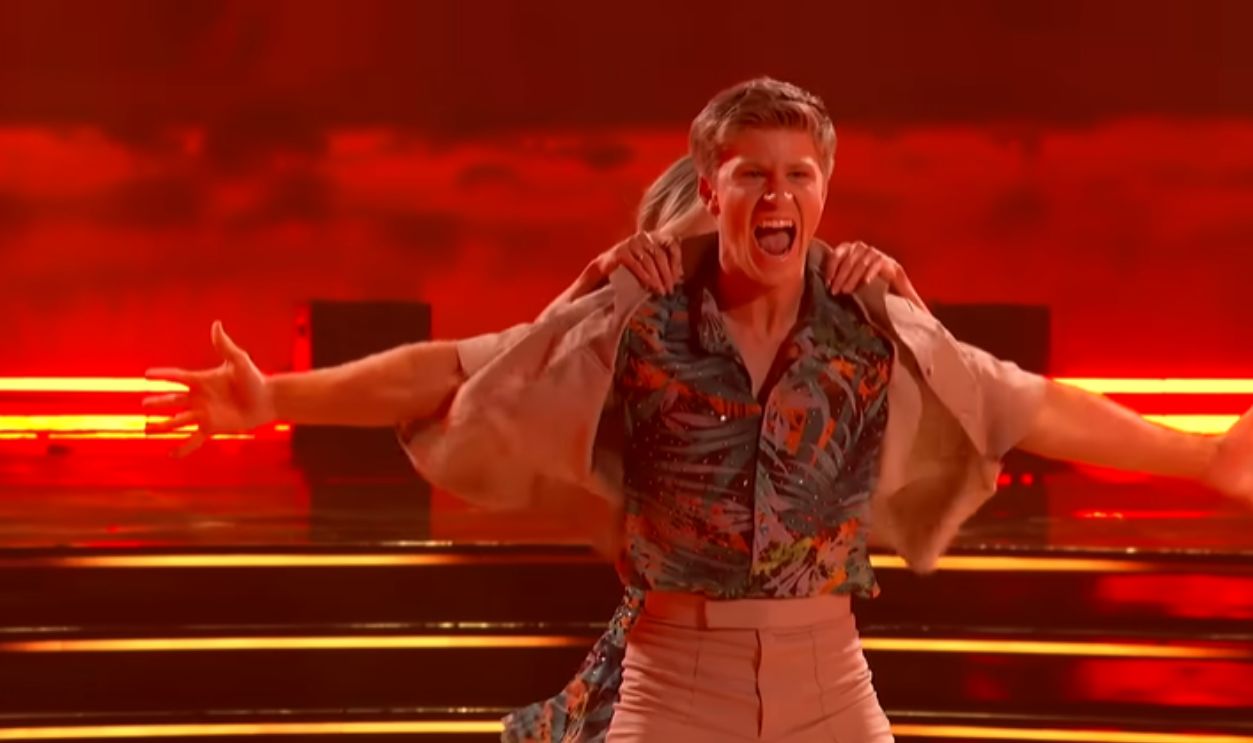 Screenshot from Dancing with the Stars, ABC (2005-)
Who Wants To Be A Millionaire
The British version introduced the format, but the American edition turned it into a cultural phenomenon. Primetime scheduling and heightened tension made every question feel monumental. Its success rewrote the rules of game show television almost overnight.
 Screenshot from Who Wants to Be a Millionaire, ABC (2002-)
Trading Spaces
Adapted from Changing Rooms, Trading Spaces cranked up the chaos. Designers with bold visions, unpredictable reactions, and tight deadlines made the American version far more dramatic. It didn’t just improve on the idea—it sparked an entire home makeover craze.
 Screenshot from Trading Spaces, TLC (2000-2022)
Queer As Folk
The U.S. adaptation expanded the original’s scope, diving deeper into relationships and long-term storytelling. By committing to extended character arcs, the American version became more immersive. It wasn’t just representation—it was sustained, evolving visibility.
 Screenshot from Queer as Folk, Showtime (2000-2005)
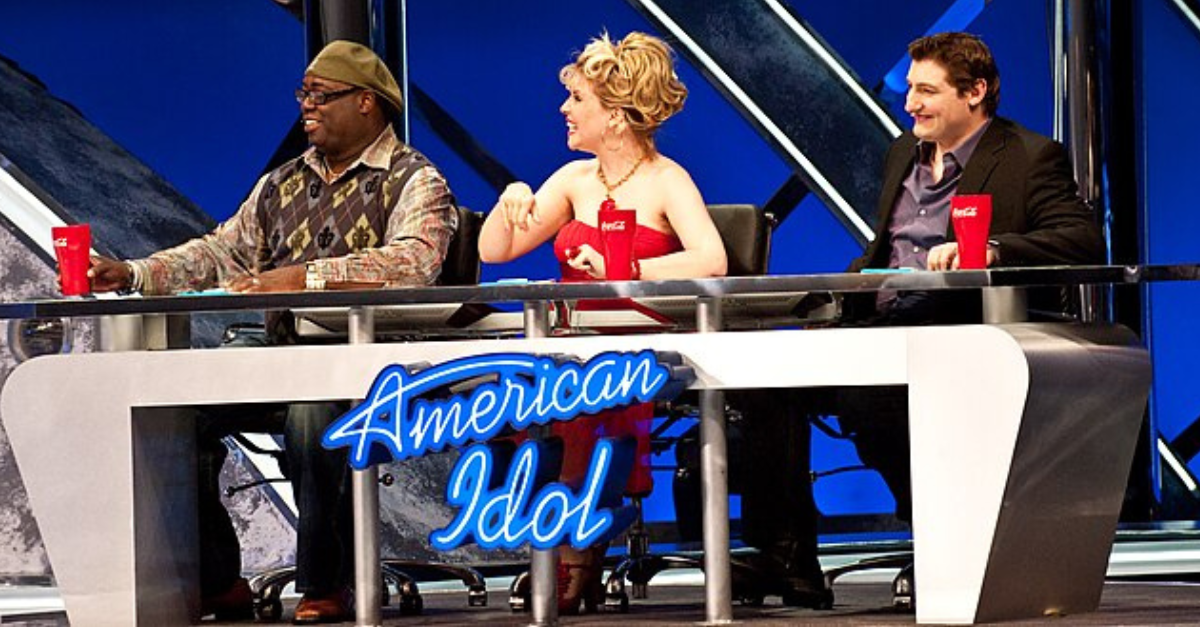
American Idol
Based on Pop Idol, the American version became a pop culture juggernaut. Bigger personalities, harsher critiques, and emotional backstories turned auditions into appointment viewing. It didn’t just find stars—it changed how fame itself was televised.
 Screenshot from American Idol, ABC (2002-)
Skins
This one remains controversial, but the American Skins attempted something bold. By translating the raw energy of the original for a different audience, it took risks—even if they didn’t always land. Ambition alone set it apart from many safer remakes.
 Screenshot from Skins, MTV (2011)
House Of Cards
The British House of Cards was sharp, but the American version went cinematic. With higher stakes, broader arcs, and a darker tone, the U.S. adaptation became prestige television almost immediately. It didn’t just surpass the original—it helped usher in a new era of serialized drama.
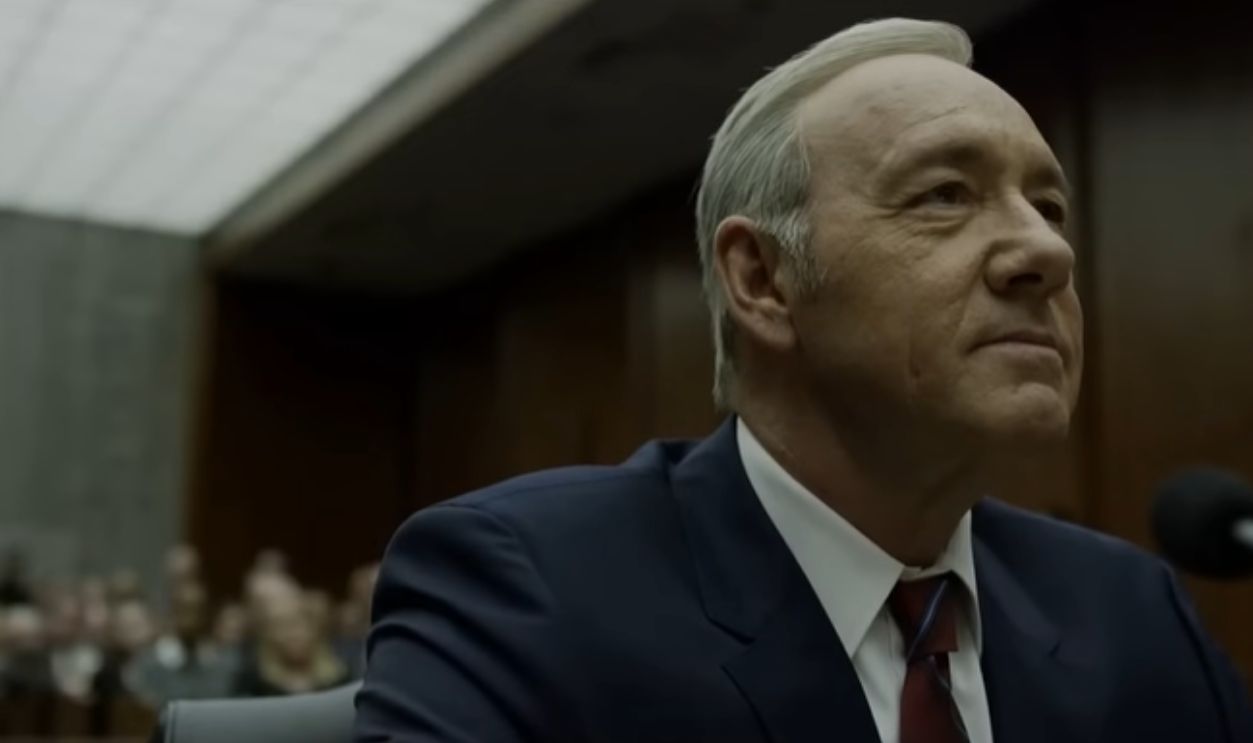 Screenshot from House of Cards, Netflix (2013-2018)
You May Also Like:
Fan Backlash Saved These Shows From Cancellation, But Was It Worth It?
These Might Just Be The Best Christmas TV Episodes Ever Aired