When Motown Told Marvin Gaye to Stay in His Lane—and He Changed the Road Instead
By the time What’s Going On reached the public, it didn’t just sound different from everything else on the radio—it felt different. It asked questions pop music wasn’t supposed to ask. It worried. It listened. And most shockingly of all, it came from Marvin Gaye, Motown’s smoothest romantic voice, the man who’d made a career out of sounding effortlessly in love.
Behind that calm, searching falsetto was a standoff years in the making. Motown executives hated the song. What followed wasn’t just a hit single or even a great album—it was a turning point where soul music grew a conscience and refused to let go.
The Golden Boy Of Motown
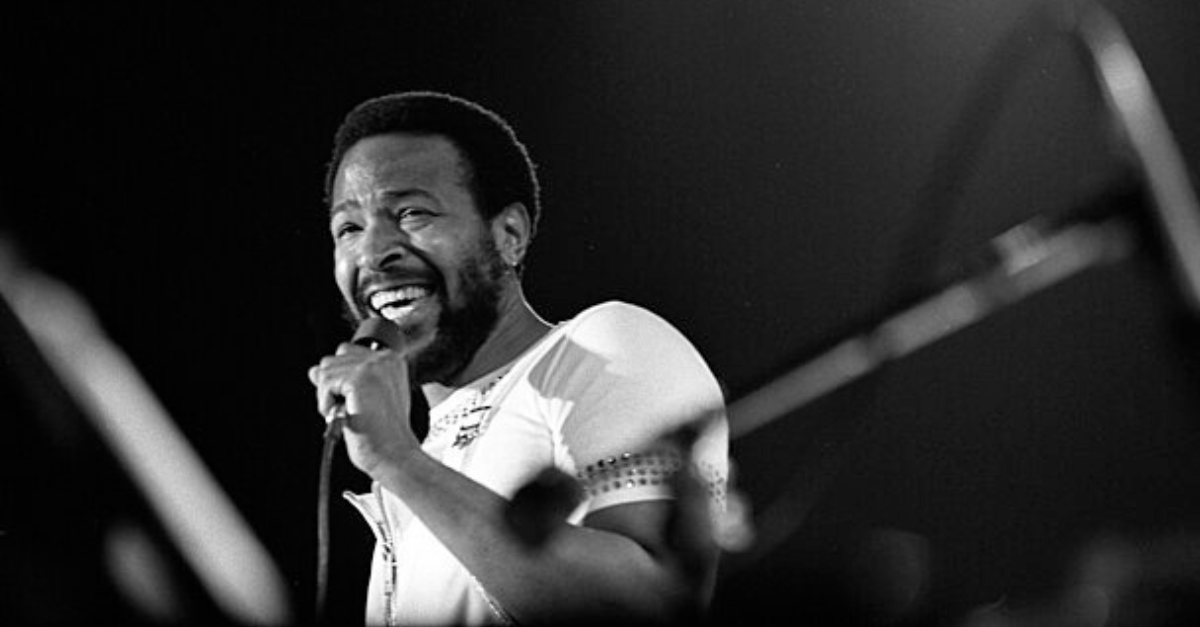
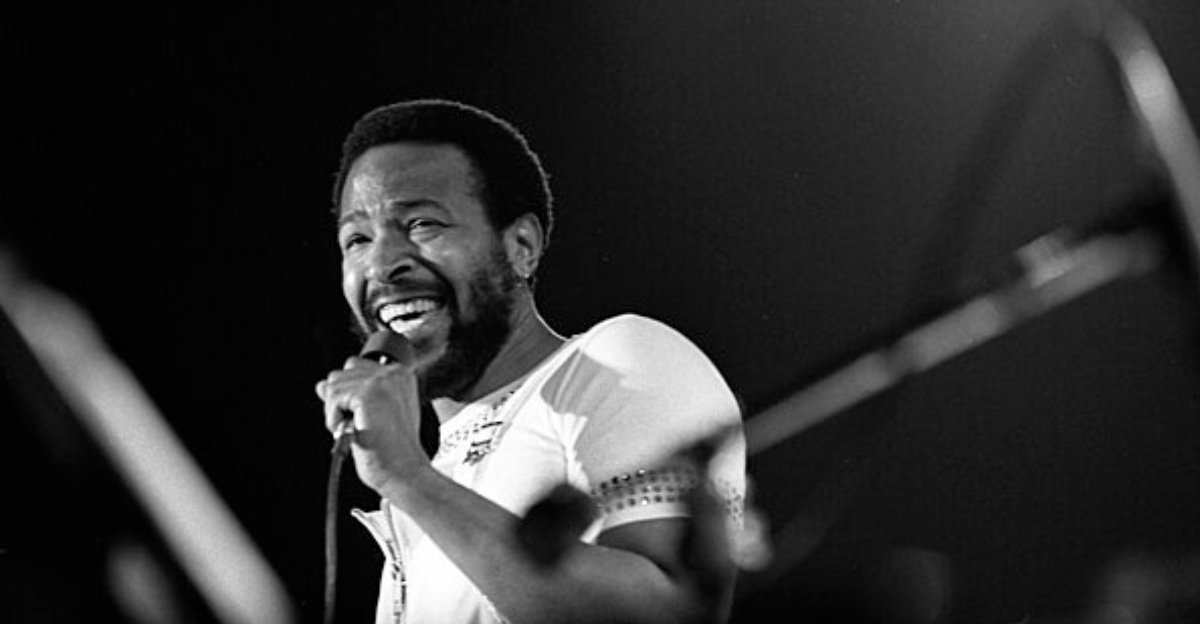
By the late 1960s, Marvin Gaye wasn’t just successful—he was essential. His voice helped define Motown’s crossover sound, blending gospel warmth with pop polish in a way that felt both intimate and universal. He was reliable, elegant, and profitable, which made him exactly the kind of artist the label preferred not to experiment with too much.
 Tamla Records, Wikimedia Commons
A Hitmaker Trapped By His Own Success
Ironically, Gaye’s success became a creative cage. He was expected to keep delivering romantic singles that fit neatly into Motown’s hit-making machine, even as the world around him was unraveling. The more successful he became, the less freedom he felt to say anything that actually mattered to him.
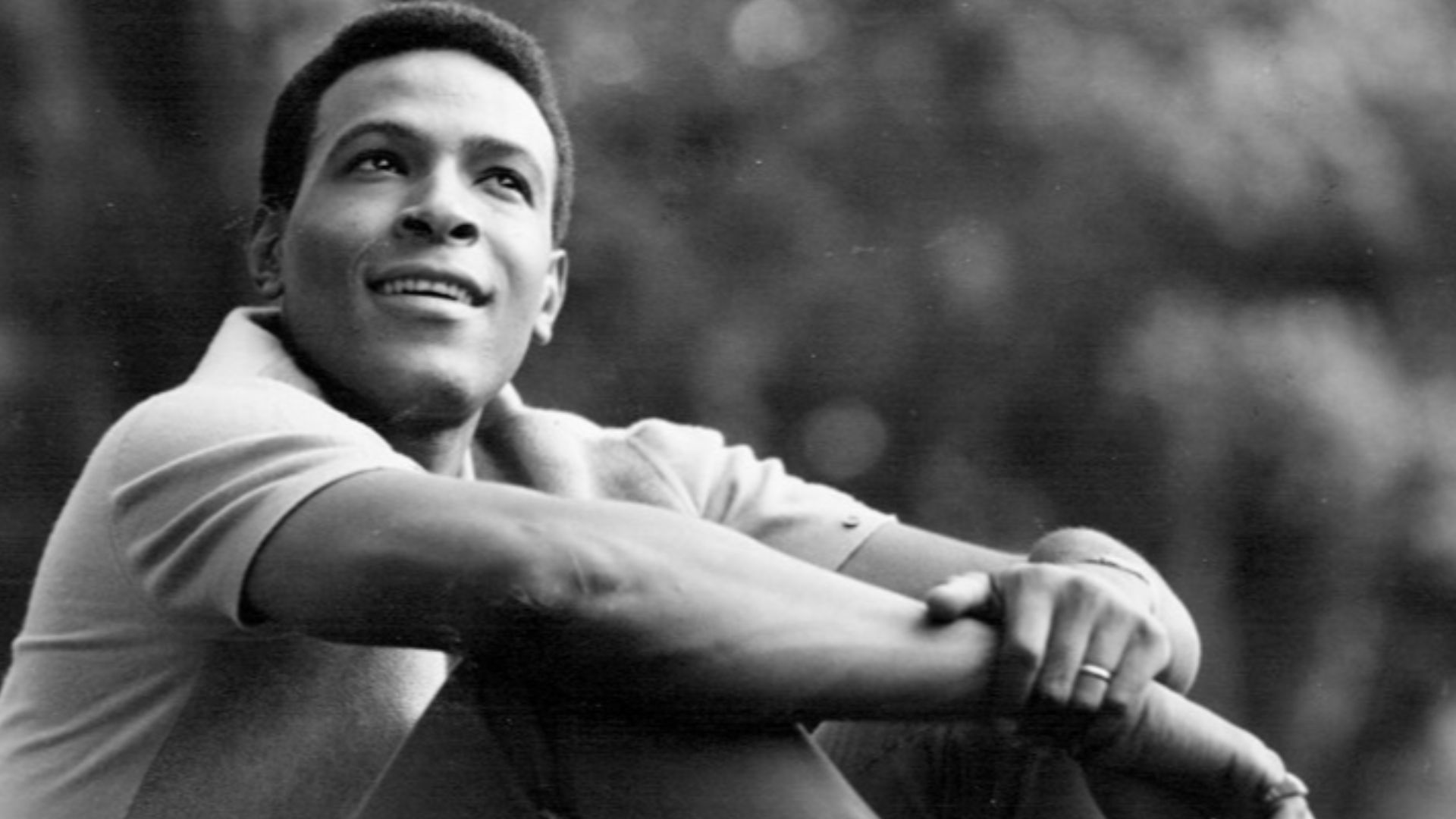 photo by-J. Edward Bailey, Wikimedia Commons
A World That Wouldn’t Stay Quiet
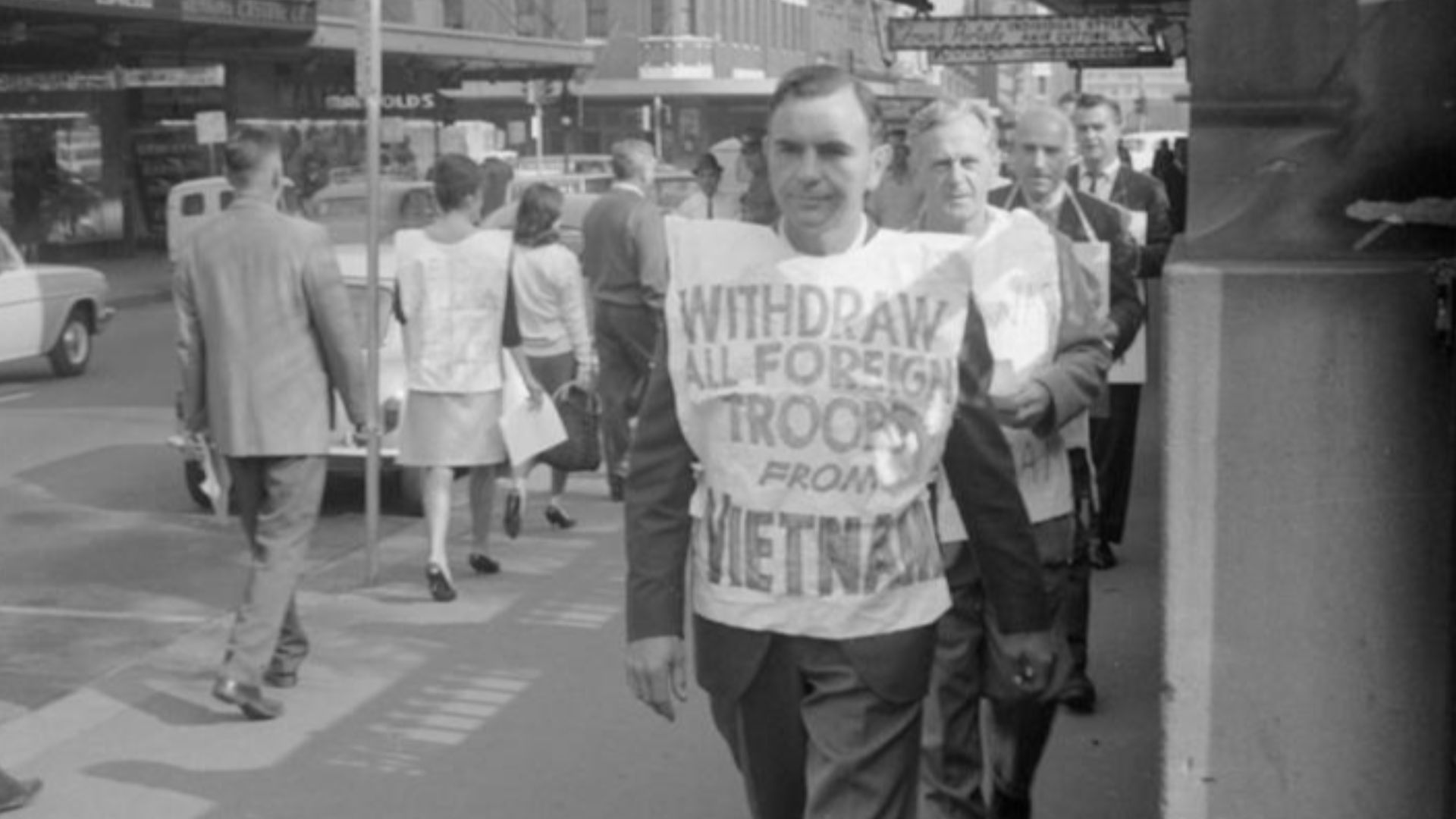
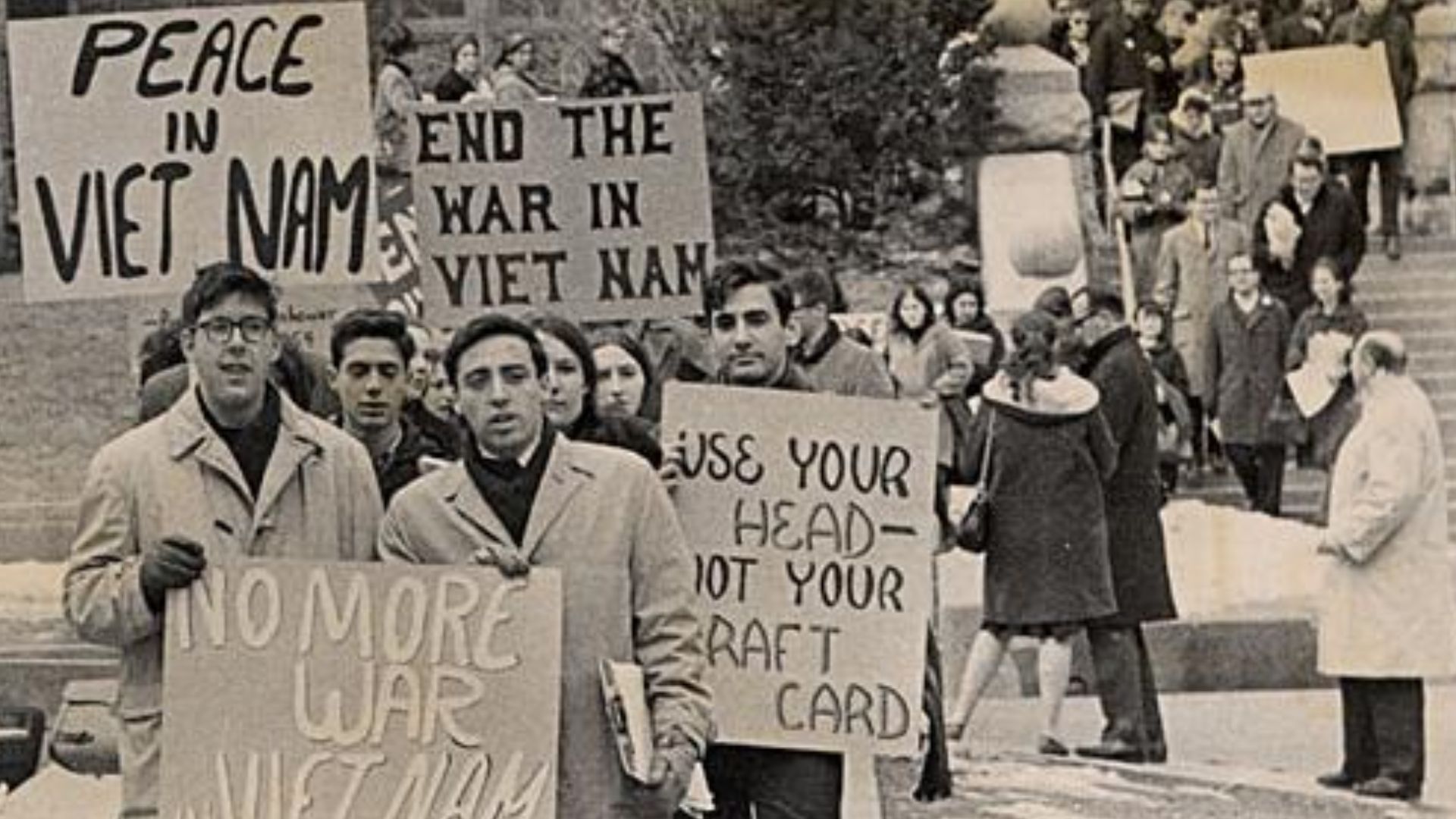
America in the late 1960s was loud with unrest—Vietnam protests, civil rights struggles, and a growing generational divide. Pop music largely avoided these topics, opting instead for escapism. Marvin Gaye, however, found it increasingly impossible to sing love songs while everything else burned.
 The Tribune / SEARCH Foundation, Wikimedia Commons
The Song That Sparked The Shift
The foundation of What’s Going On came from songwriter Obie Benson, who was shaken after witnessing violent clashes between authorities and protesters. When the idea reached Gaye, it hit something raw. He didn’t hear a protest anthem—he heard a plea for understanding.
 uwdigitalcollections, Wikimedia Commons
Personal Pain Beneath The Politics
This wasn’t abstract concern for Marvin Gaye. His brother had returned from Vietnam deeply affected by the conflict, and Gaye himself was struggling with grief, depression, and disillusionment. The questions in the song weren’t rhetorical—they were personal.

Leaving The Love Song Formula Behind
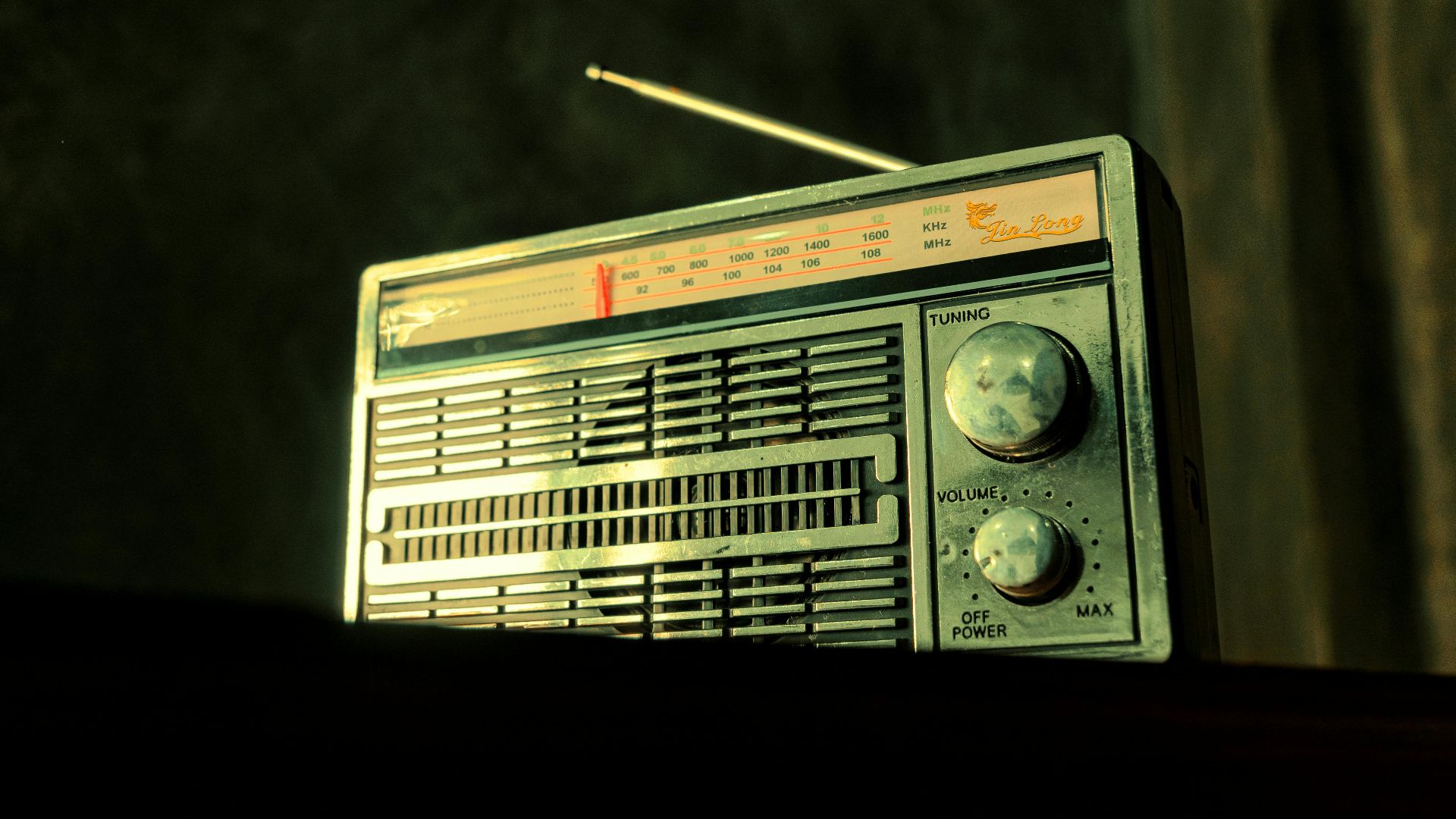
For Motown, this was a problem. The label thrived on concise, upbeat singles that could dominate radio playlists. A reflective song asking why people were suffering didn’t fit the formula. Gaye knew that, and wrote it anyway.
A New Kind Of Studio Session
When Marvin Gaye entered the studio in 1970, he did things differently. He slowed the tempo, loosened the structure, and focused on mood rather than hooks. The result felt conversational, almost like the song was thinking out loud.

The Funk Brothers Caught Off Guard
The legendary Funk Brothers backed the track, but even they sensed this wasn’t business as usual. James Jamerson’s wandering bassline felt less like accompaniment and more like a voice of its own—restless, searching, human.
 Jeff Albert Mandeville, LA, Wikimedia Commons
A Saxophone That Set The Tone
The song opens not with a statement, but a question—delivered by a casually improvised saxophone line. It immediately signals that this isn’t a standard Motown single. It’s reflective, uncertain, and intentionally unresolved.

A Happy Studio Accident
Gaye’s layered vocals were born from a technical mistake, when two takes were accidentally played together. Instead of fixing it, he embraced it. The doubled voice sounded like inner dialogue—perfect for a song built on questioning.

Motown’s Immediate Rejection
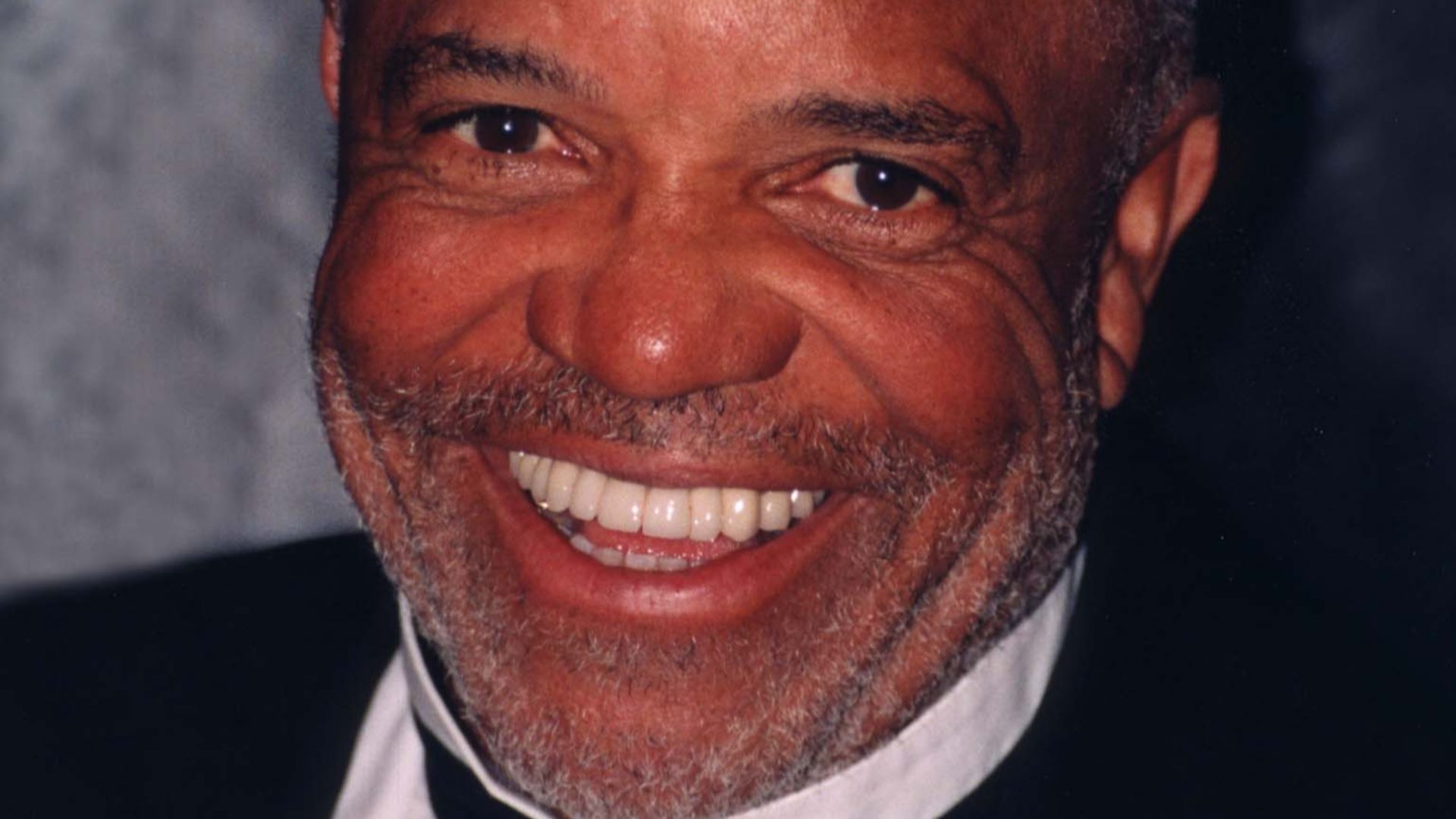
Berry Gordy was not impressed. To him, the song sounded unfinished, confusing, and potentially damaging to the brand. He reportedly dismissed it outright, unable to imagine it succeeding with mainstream audiences.
 Kingkongphoto & www.celebrity-photos.com from Laurel Maryland, USA, Wikimedia Commons
“Too Political” Was The Verdict
The label’s concern wasn’t just musical—it was ideological. Motown had carefully positioned itself as apolitical, universal, and safe. What’s Going On threatened all three, simply by acknowledging reality.

Marvin Gaye Draws A Line
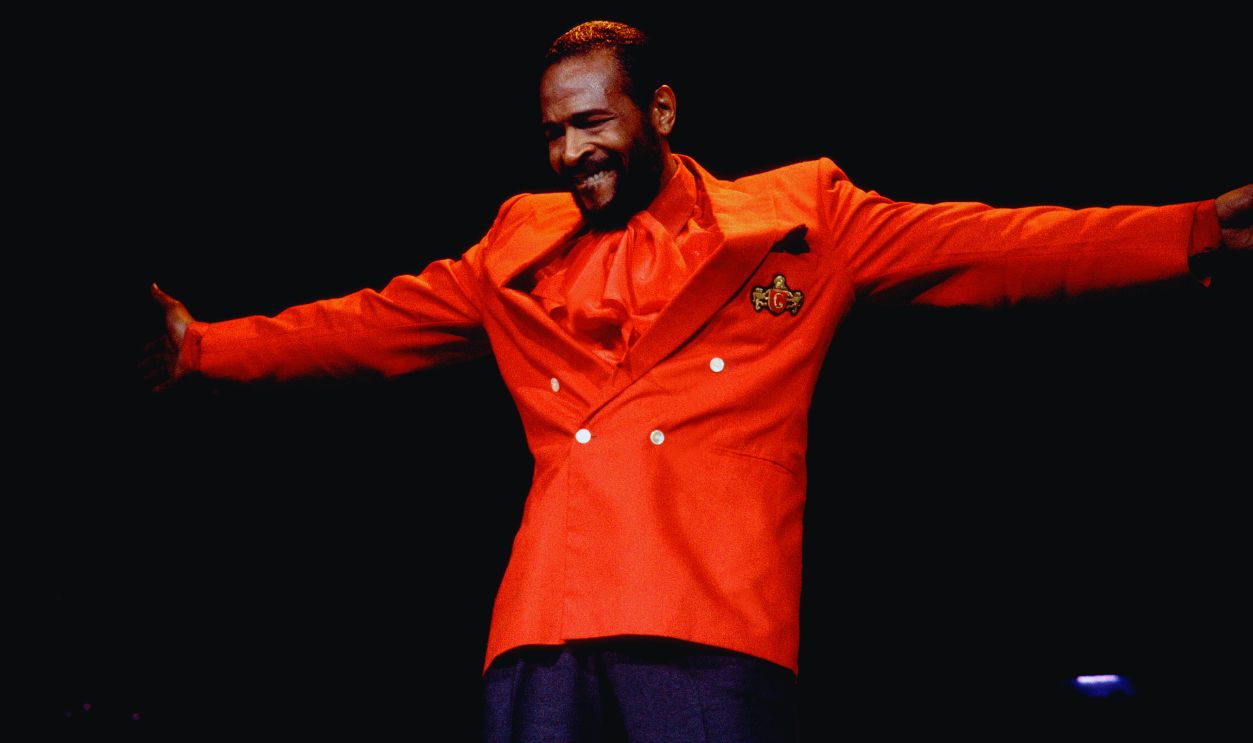
For the first time in his career, Gaye refused to compromise. He made it clear he would not record anything else unless the song was released. It was a risky move—but he was done playing along.
A Quiet Act Of Defiance
While Gordy hesitated, others at Motown believed in the song enough to push it forward. Copies were pressed and sent to radio stations with minimal fanfare, almost as if testing the waters behind closed doors.

The Audience Decides
Listeners responded immediately. Radio stations played it constantly. Sales climbed fast. What executives feared would alienate audiences instead connected with them on a deeper level.

From Rejection To Revelation
Faced with undeniable success, Gordy reversed course. Not only did he embrace the single—he gave Marvin Gaye creative control to make an entire album built around its themes.
A Concept Album At Motown
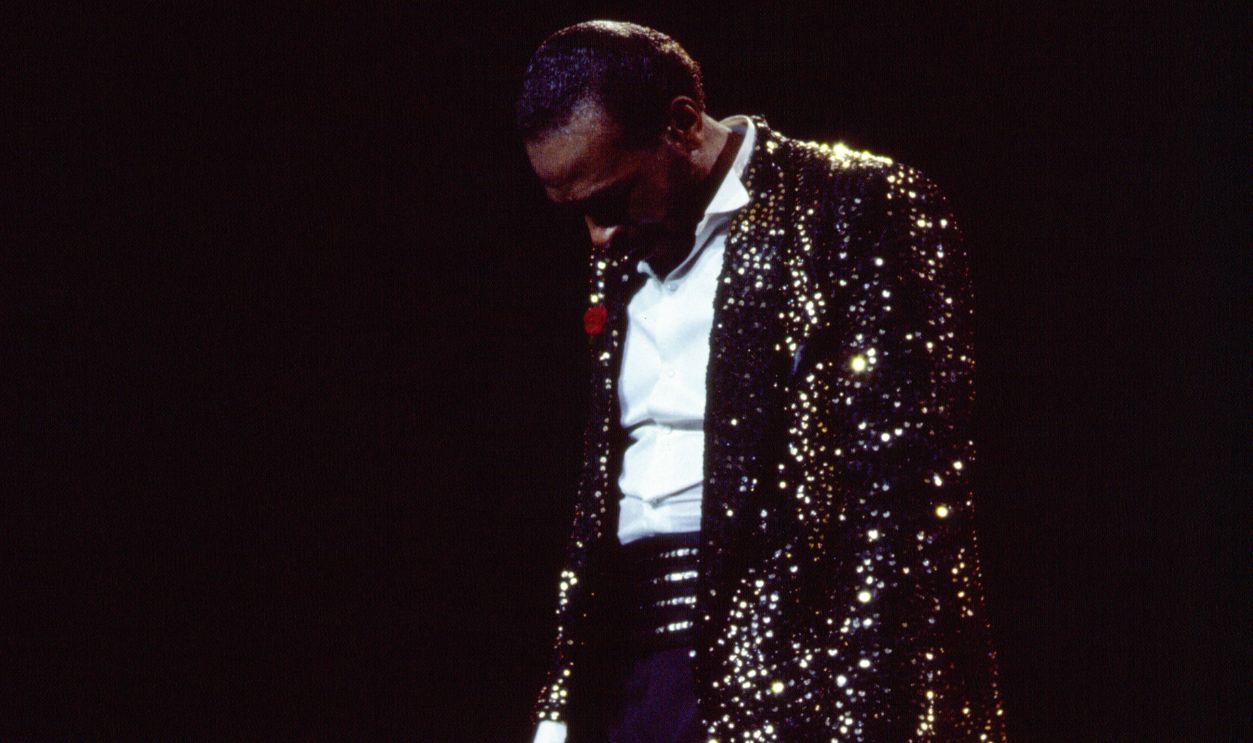
In just days, Gaye recorded the rest of What’s Going On, crafting a seamless album that flowed like a single conversation. Songs bled into each other, reinforcing the sense of shared concern and collective experience.
Motown’s Rules Officially Broken
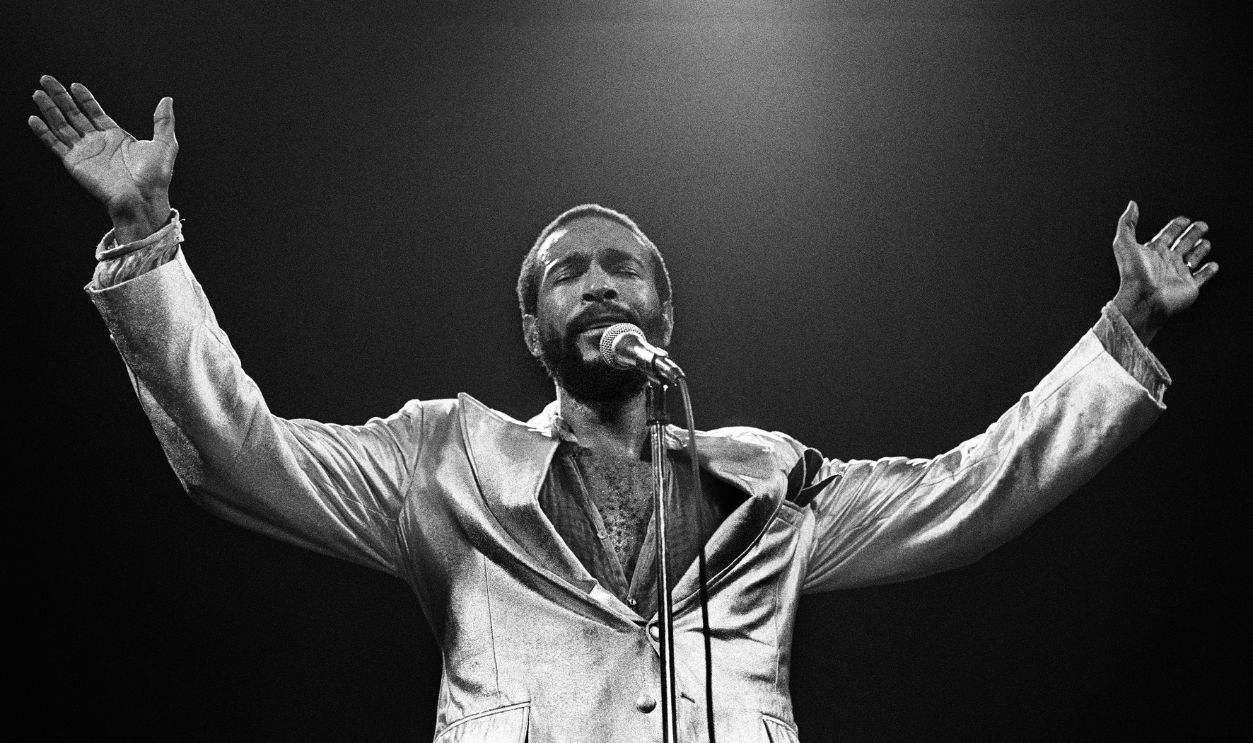
This was a radical shift for the label. An artist-driven album with social commentary at its core was something Motown had never fully embraced before. The success proved that audiences were ready for more than just escapism.

Questions That Refused To Age
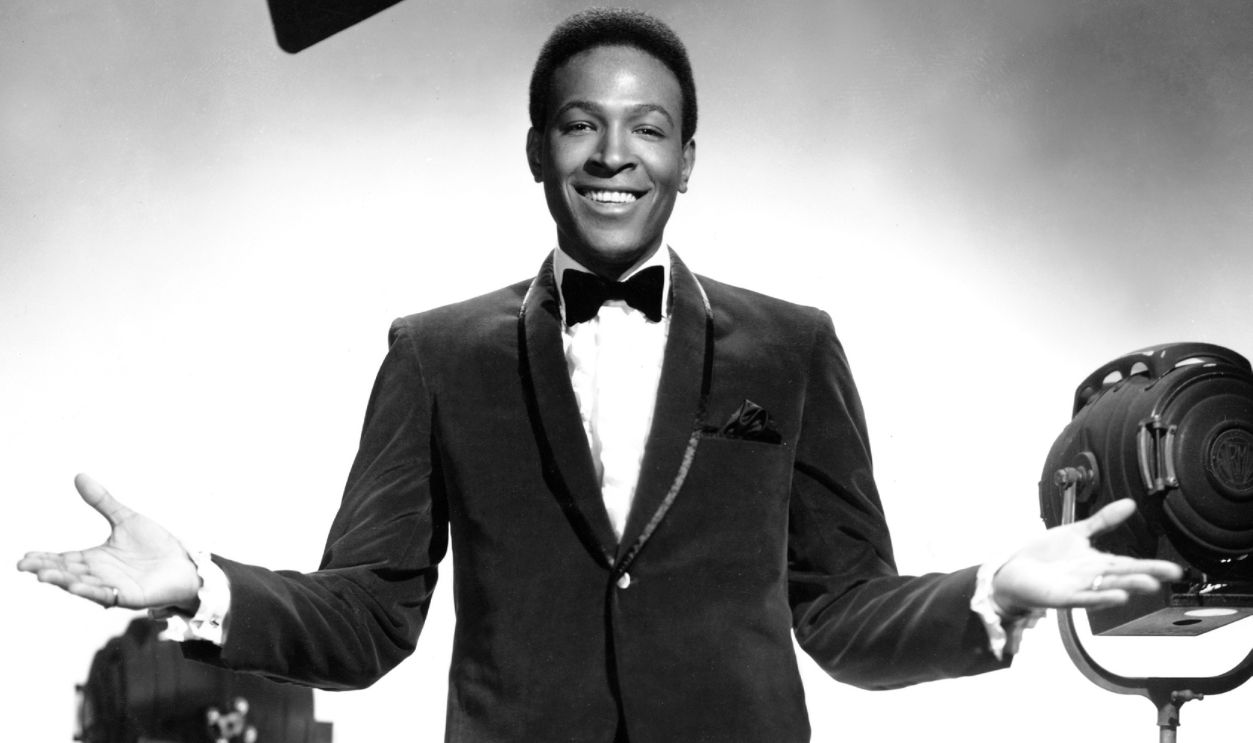
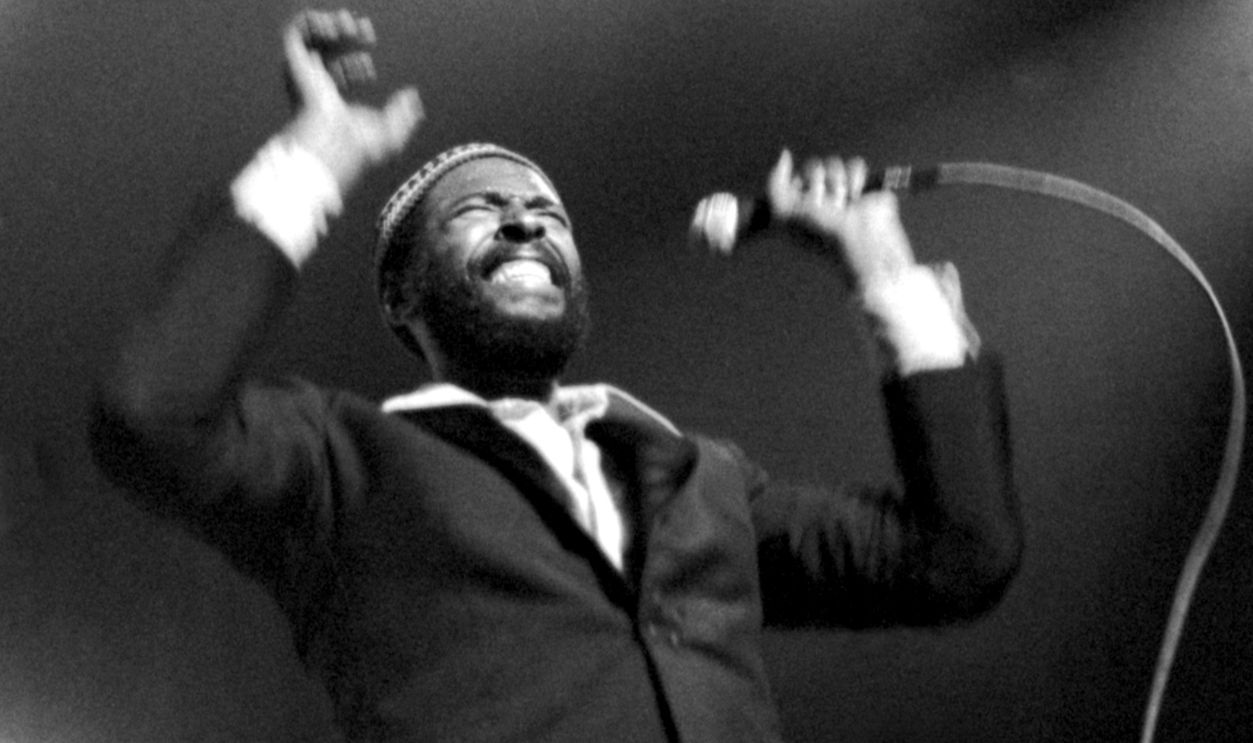
The album tackled war, poverty, environmental damage, and spiritual disconnection—not with anger, but empathy. Gaye didn’t accuse; he asked. That gentleness made the message harder to dismiss.
 Michael Ochs Archives, Getty Images
A Legacy Bigger Than The Charts
Over time, What’s Going On became more than a hit or even a classic—it became a reference point. Critics and musicians alike cited it as proof that popular music could be both beautiful and meaningful.
The Voice That Asked Us To Care
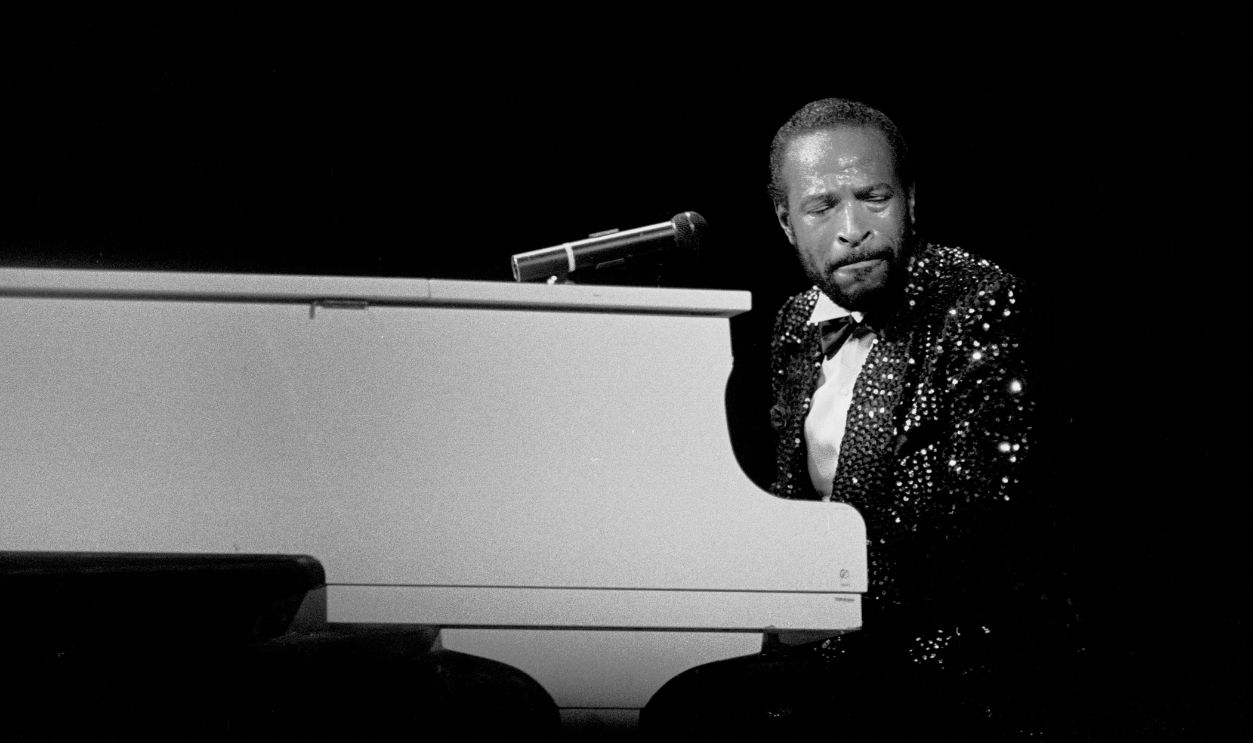
Marvin Gaye didn’t just win an argument with Motown—he changed the expectations of soul music forever. By trusting his instincts, he gave a generation permission to feel, question, and hope. And decades later, the question still hangs in the air, unanswered but impossible to ignore.
 Michael Ochs Archives, Getty Images
You May Also Like:
For These 80s Hair Metal Bands, The Music Wasn't Great—But The Hair Was Amazing