When Garth Brooks Walked Away From The Spotlight
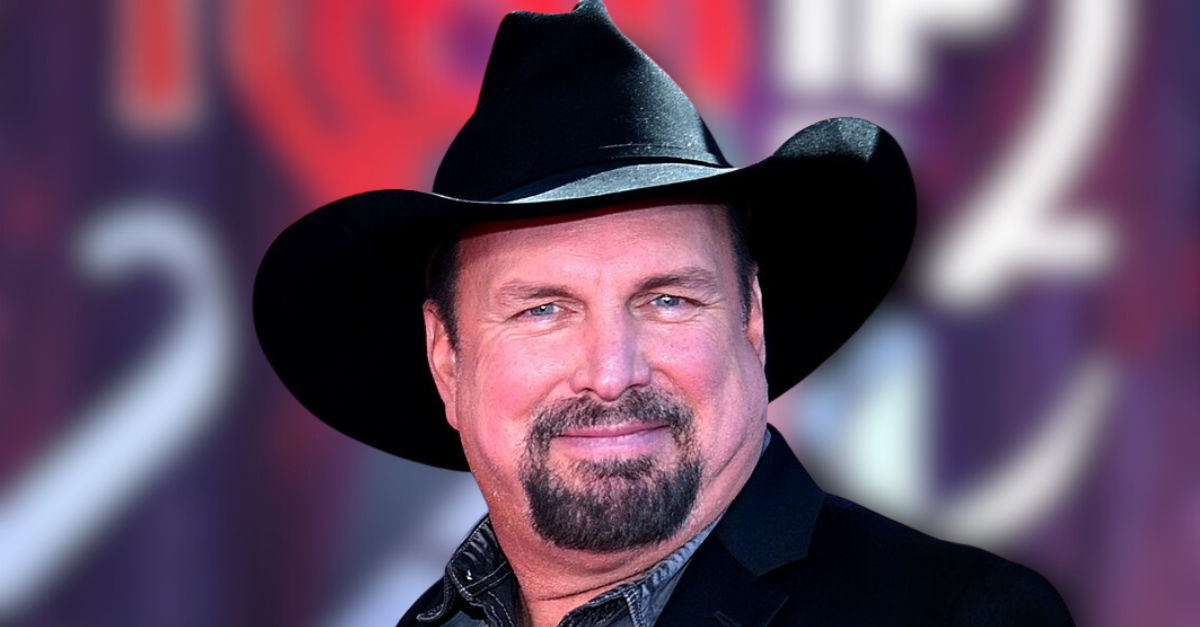
There are plenty of stories in country music about careers that burned out too fast, egos that imploded, and legends who never knew when to stop. Garth Brooks somehow managed to write the opposite kind of ending—one where walking away became the boldest move of all. At the height of his fame, with stadiums still selling out and records still flying off shelves, Brooks made a decision that baffled the industry and quietly rewrote what success could look like.
This is the story of how the biggest star in country music chose fatherhood over fame—and why his choice still feels almost unheard of in the genre.
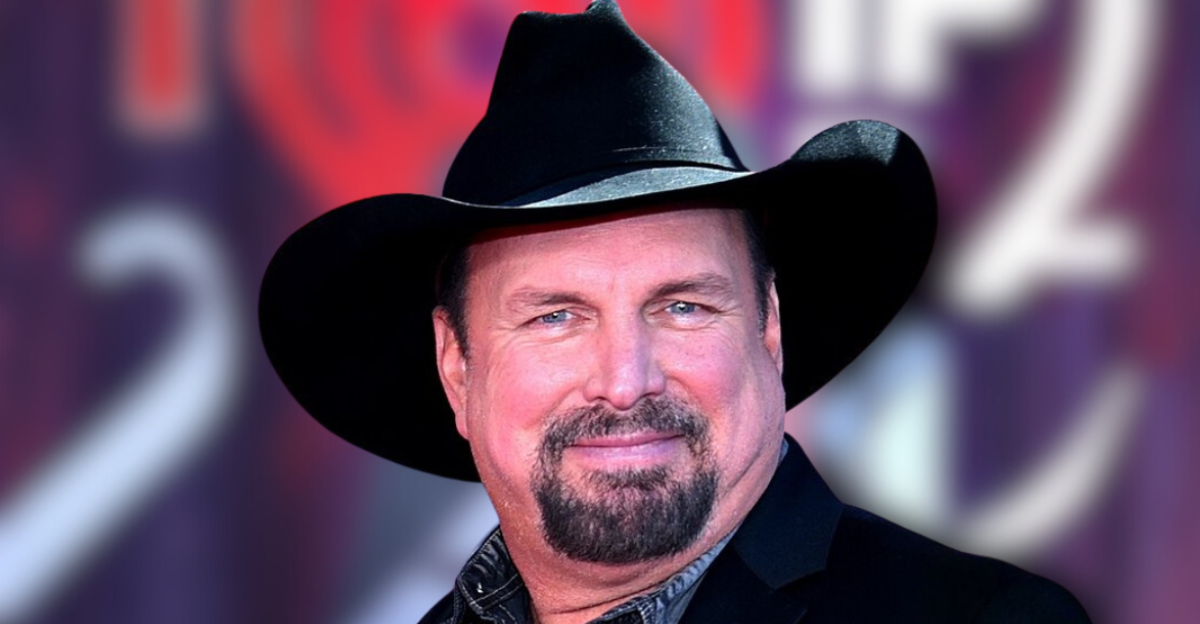
A Meteoric Rise In Country Music
Garth Brooks didn’t ease into superstardom—he exploded into it. After moving to Nashville in the late 1980s, he released his self-titled debut album in 1989, immediately signaling that something different was happening. His blend of traditional country storytelling and arena-sized energy made him stand out almost overnight.
By the early 1990s, Brooks wasn’t just popular—he was dominant. Album after album went multi-platinum, and his concerts began filling venues that country artists simply hadn’t touched before.
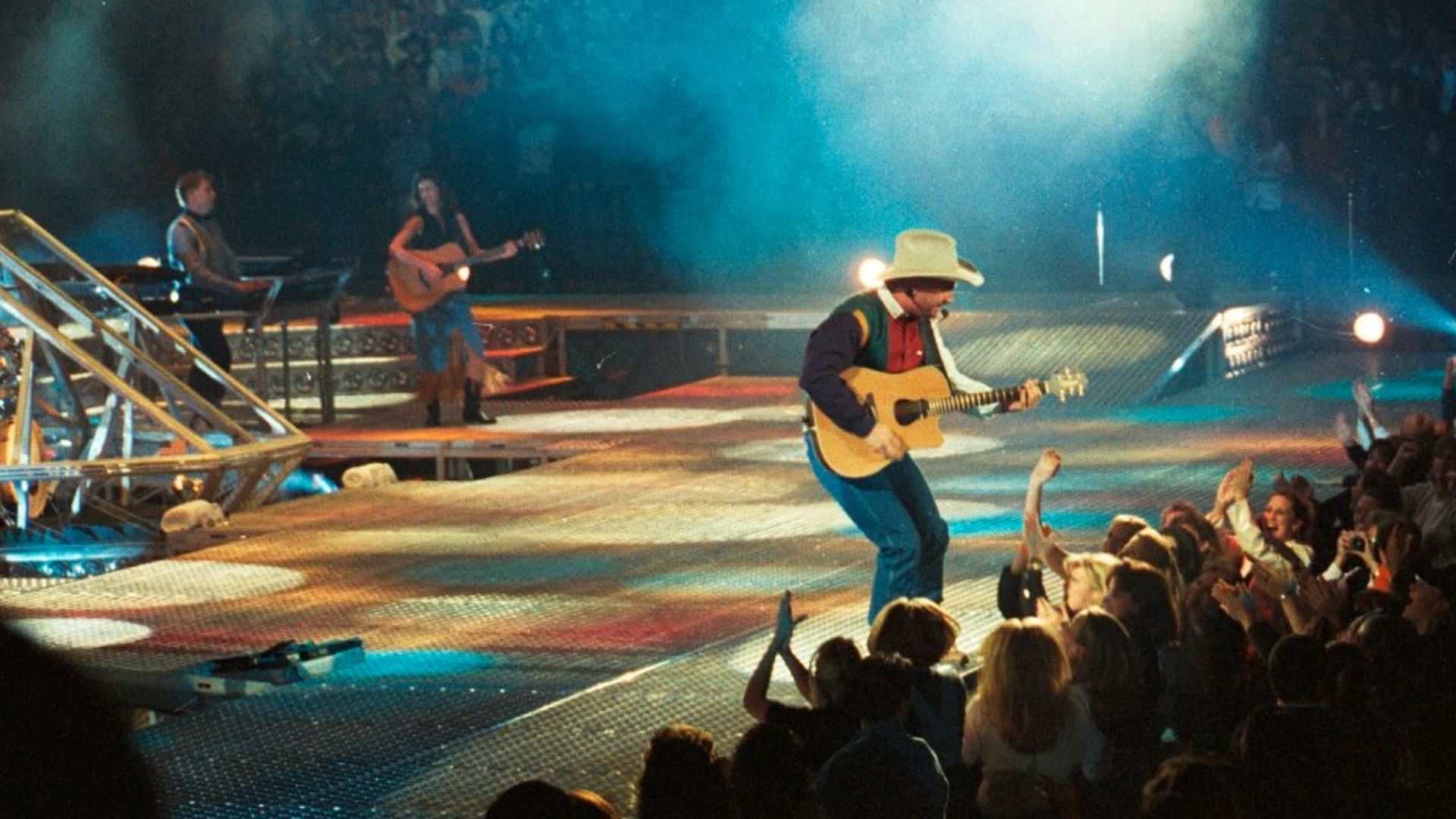 Mark Lopatka from Palos Park, USA, Wikimedia Commons
Turning Country Into A Stadium Sport
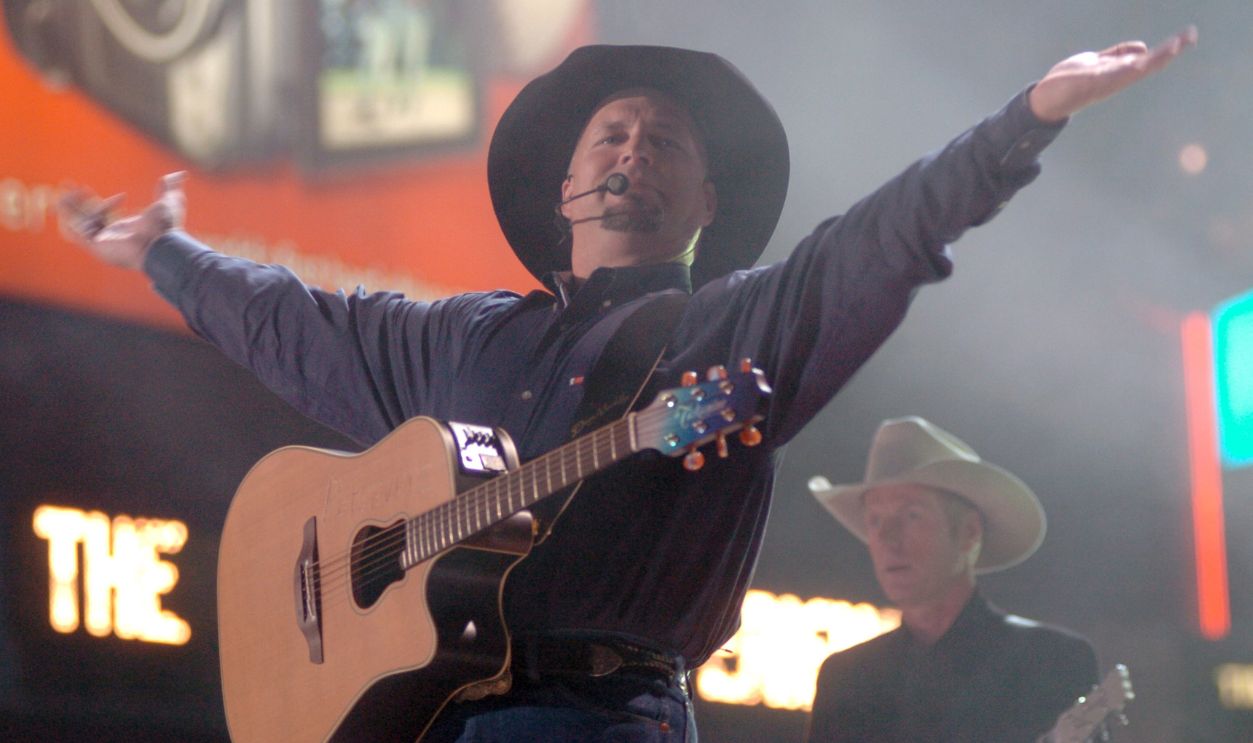
Before Garth Brooks, country music largely lived in theaters, arenas, and festival grounds. Brooks changed that equation completely. He brought rock-style staging, massive crowds, and an almost athletic intensity to his performances.
This shift wasn’t universally loved at first, but it undeniably worked. Brooks became one of the best-selling solo artists in music history, crossing genre boundaries without losing his country identity.
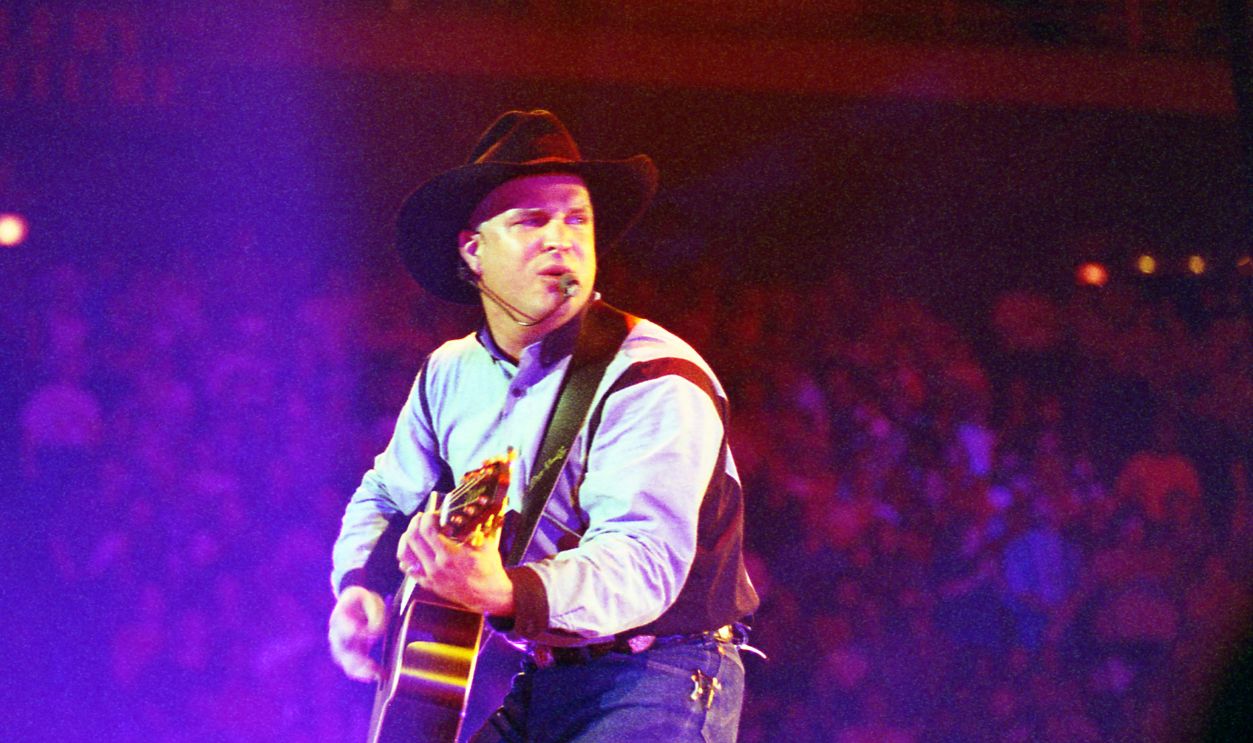 Houston Chronicle/Hearst Newspapers, Getty Images
Fame Came Fast—and Relentless
With that success came an exhausting level of visibility. Brooks wasn’t just a musician anymore—he was a cultural presence. His face, his voice, and his name were everywhere, from radio to television to magazine covers.
Behind the scenes, the pace was punishing. Endless touring, promotion, and recording left little room for anything resembling a normal personal life.
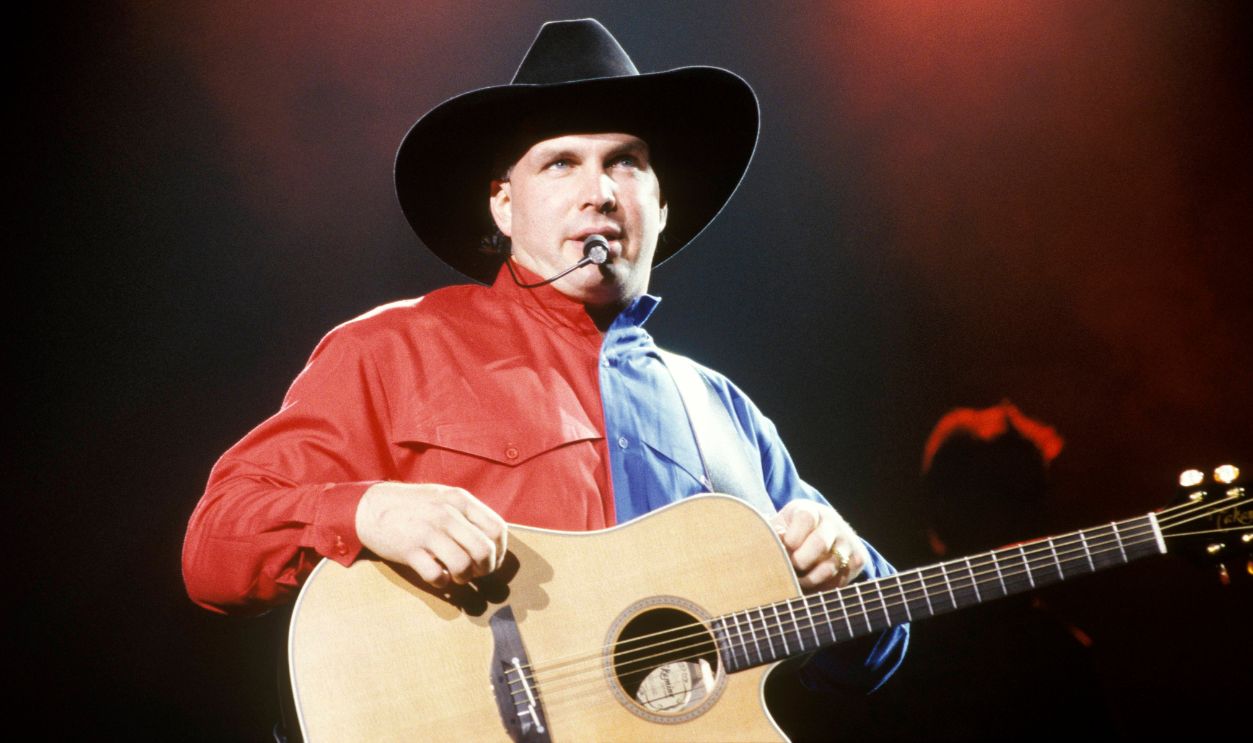
Marriage Under Pressure
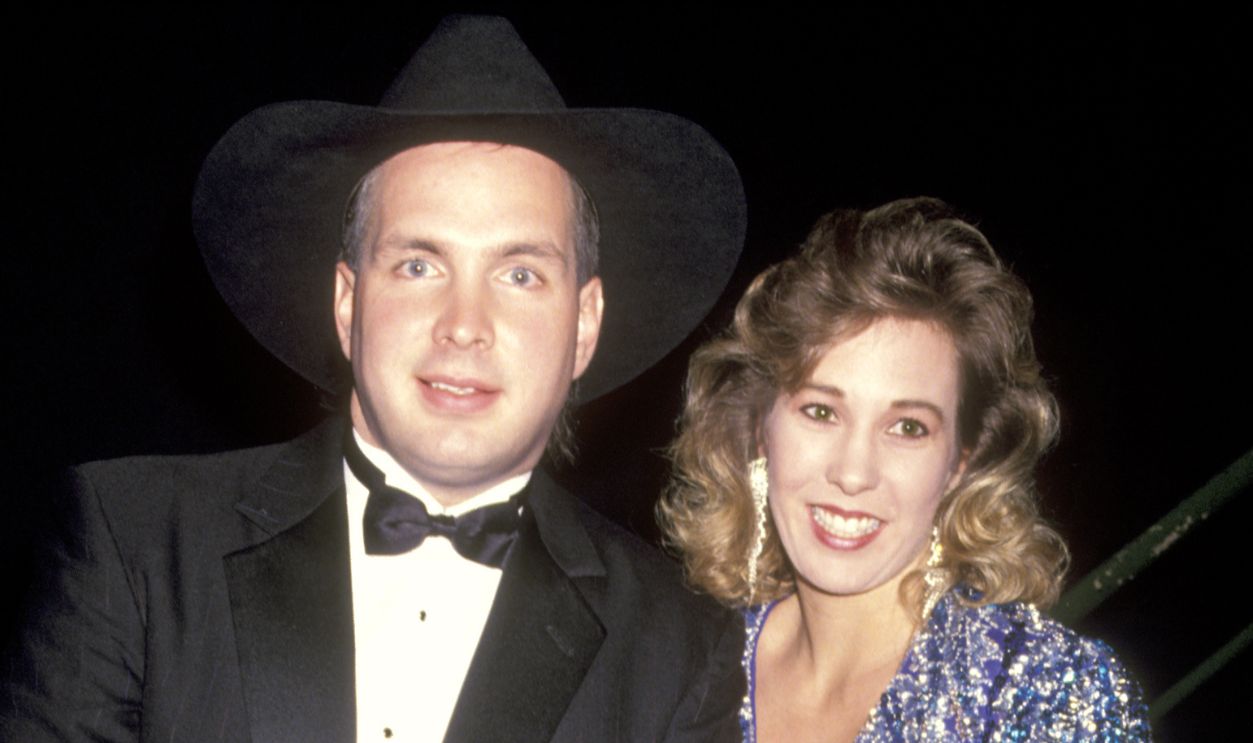
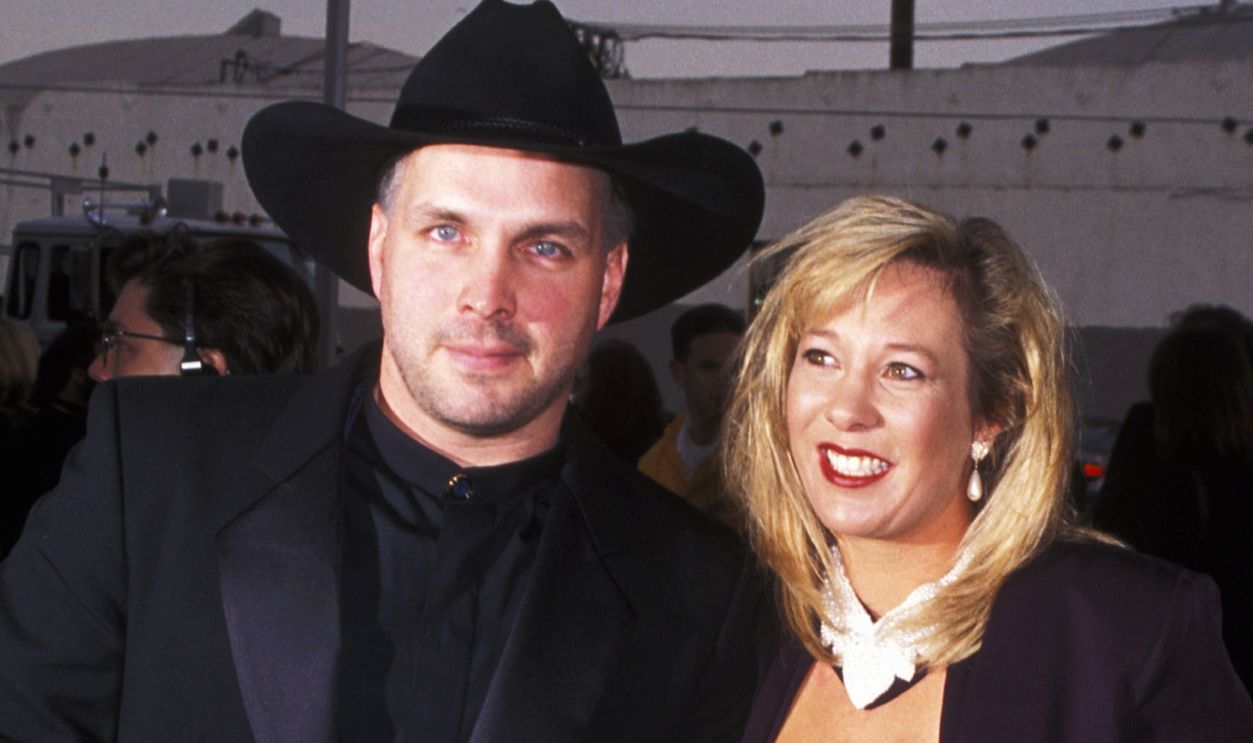
Brooks married his college sweetheart, Sandy Mahl, in 1986, long before superstardom entered the picture. As his fame grew, the strain on their relationship intensified. The demands of his career often kept him away from home for long stretches.
While Brooks has been candid about his own responsibility in the marriage’s breakdown, it became clear that fame had complicated nearly every aspect of his personal life.
Fatherhood Changes Everything
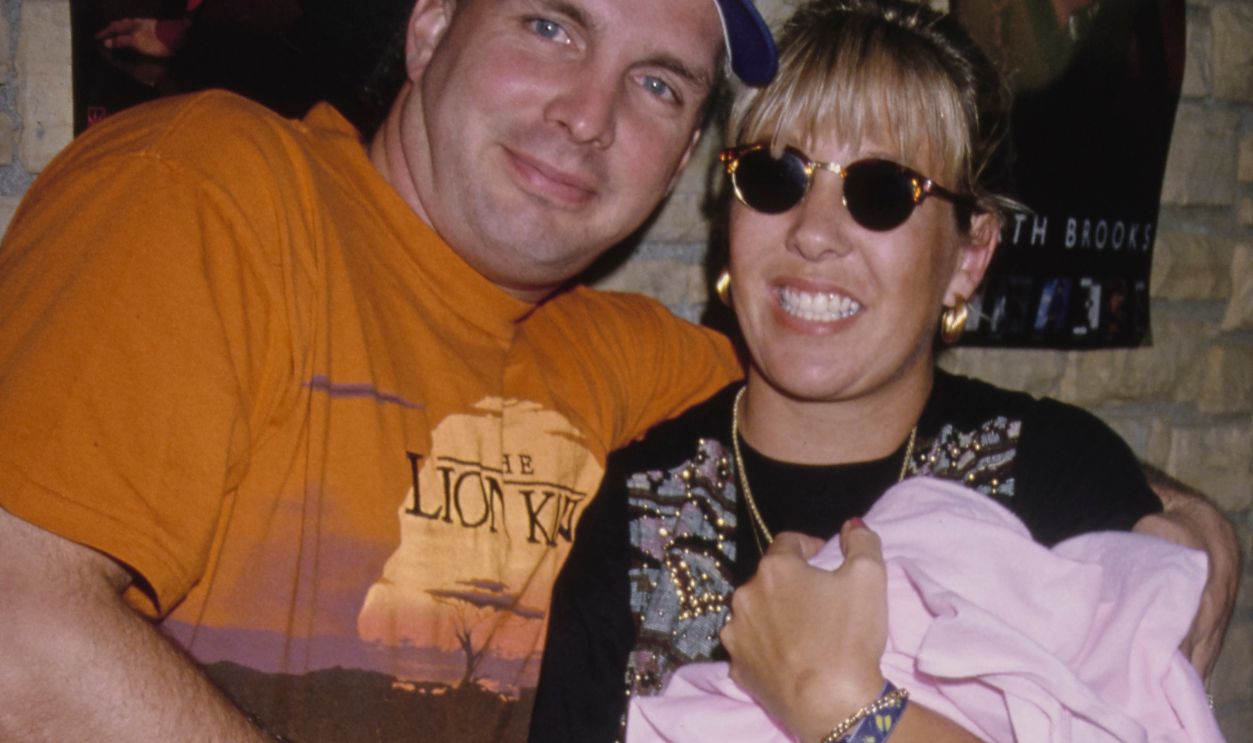
Between 1992 and 1996, Brooks and Mahl had three daughters. Becoming a father shifted his priorities in a way no award or record ever could. Suddenly, success wasn’t just about chart positions—it was about being present.
Brooks later admitted that he felt torn between two roles he deeply valued: global superstar and full-time dad.
The Unthinkable Decision
In 2000, at the height of his career, Garth Brooks announced he was stepping away from recording and touring. The news shocked fans, industry insiders, and fellow musicians alike. Walking away at the top simply wasn’t done.
Brooks made his reasoning clear—his daughters needed him more than the world needed another album.
 Chairman of the Joint Chiefs of Staff from Washington D.C, United States, Wikimedia Commons
Choosing Absence Over Applause
Unlike many artists who “retire” in name only, Brooks largely followed through. He drastically reduced public appearances, halted major tours, and shifted his focus inward. This wasn’t a publicity move—it was a genuine withdrawal.
For an artist fueled by live audiences, the silence was a deliberate sacrifice.
Raising Kids Outside The Spotlight
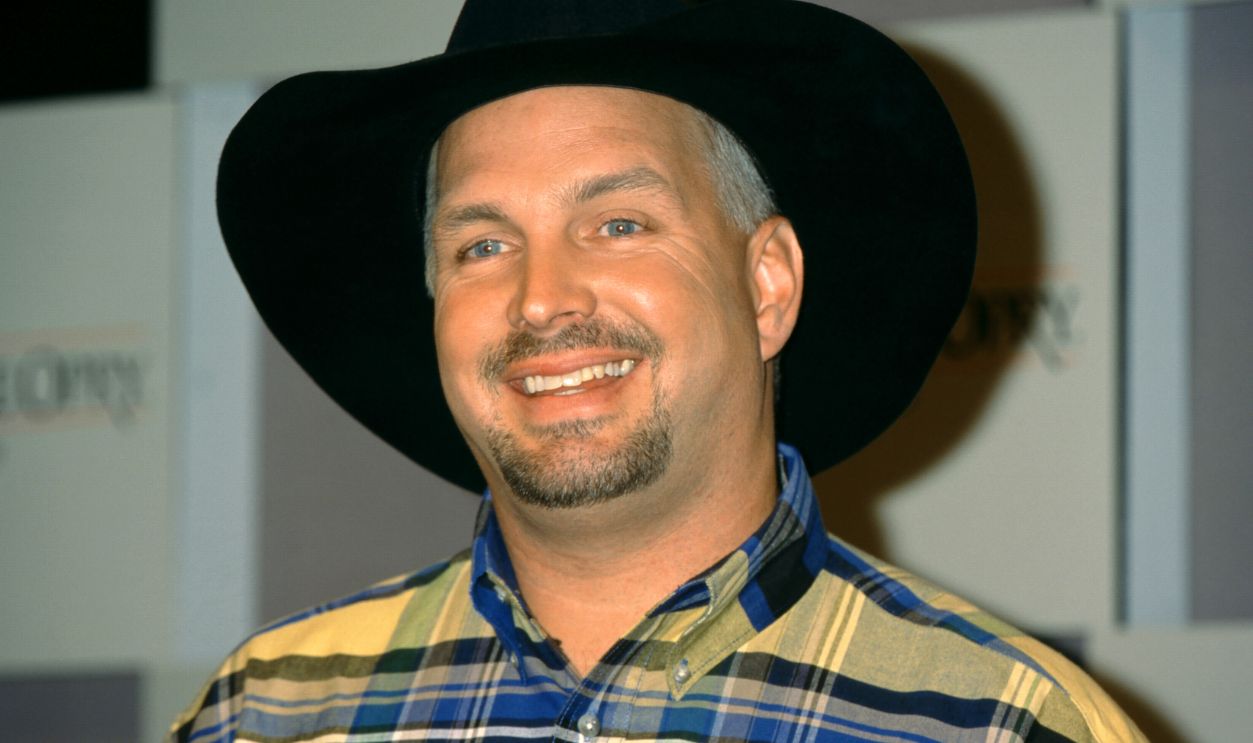
Brooks made a conscious effort to keep his daughters’ lives as normal as possible. He avoided dragging them through media cycles or exposing them to the machinery of fame. In many ways, he became intentionally invisible.
That invisibility, for Brooks, was the reward.
A Divorce Without Public Warfare
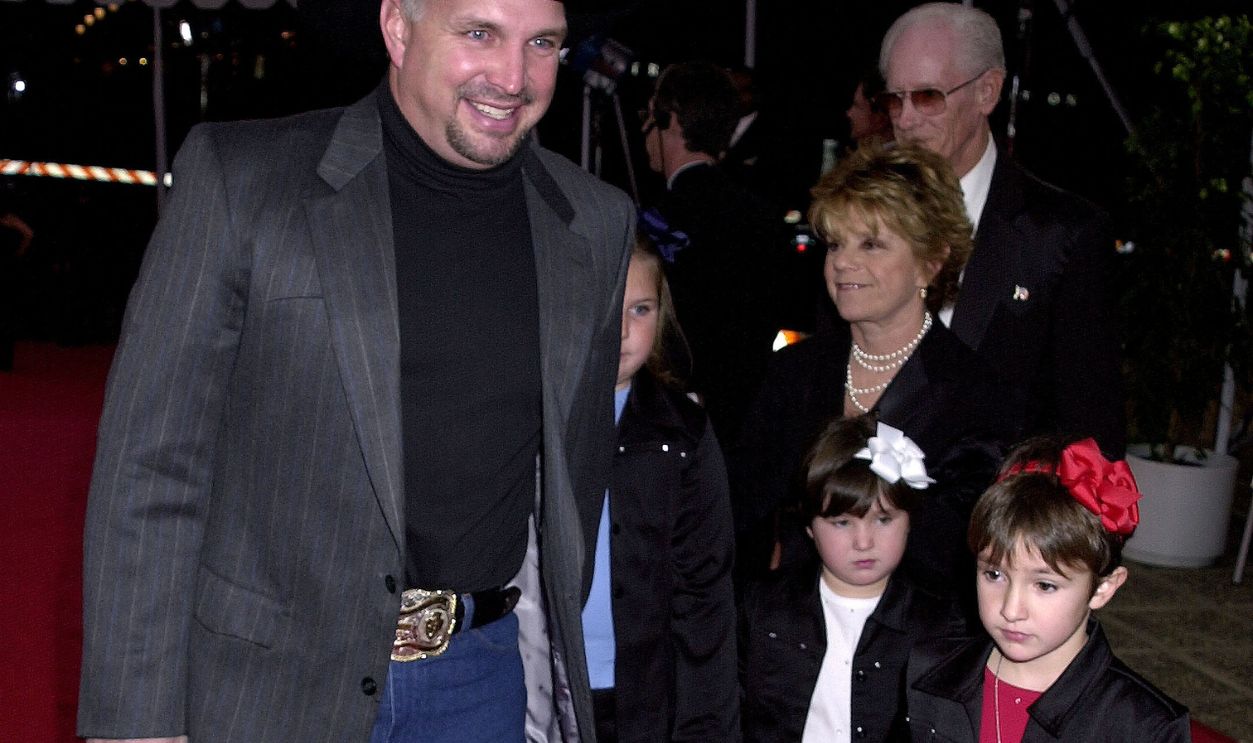
Brooks and Mahl divorced in 2001, but unlike many celebrity splits, it remained largely private and respectful. Both emphasized their shared commitment to co-parenting their daughters.
The lack of scandal stood in stark contrast to the chaos often surrounding celebrity divorces.
 Ron Galella, Ltd., Getty Images
The Long Quiet Years
For much of the 2000s, Brooks existed more as a memory than a presence in music. He occasionally released limited projects and made rare appearances, but nothing resembling a full comeback.
Fans speculated endlessly, but Brooks stayed firm in his priorities.

A Complicated Relationship With The Industry
Brooks’ absence coincided with major changes in the music business. Digital sales, streaming, and new distribution models reshaped the landscape he once dominated. When he eventually returned, it was to a very different industry.
His cautious approach to digital platforms reflected both control and skepticism.
Love Finds Him Again
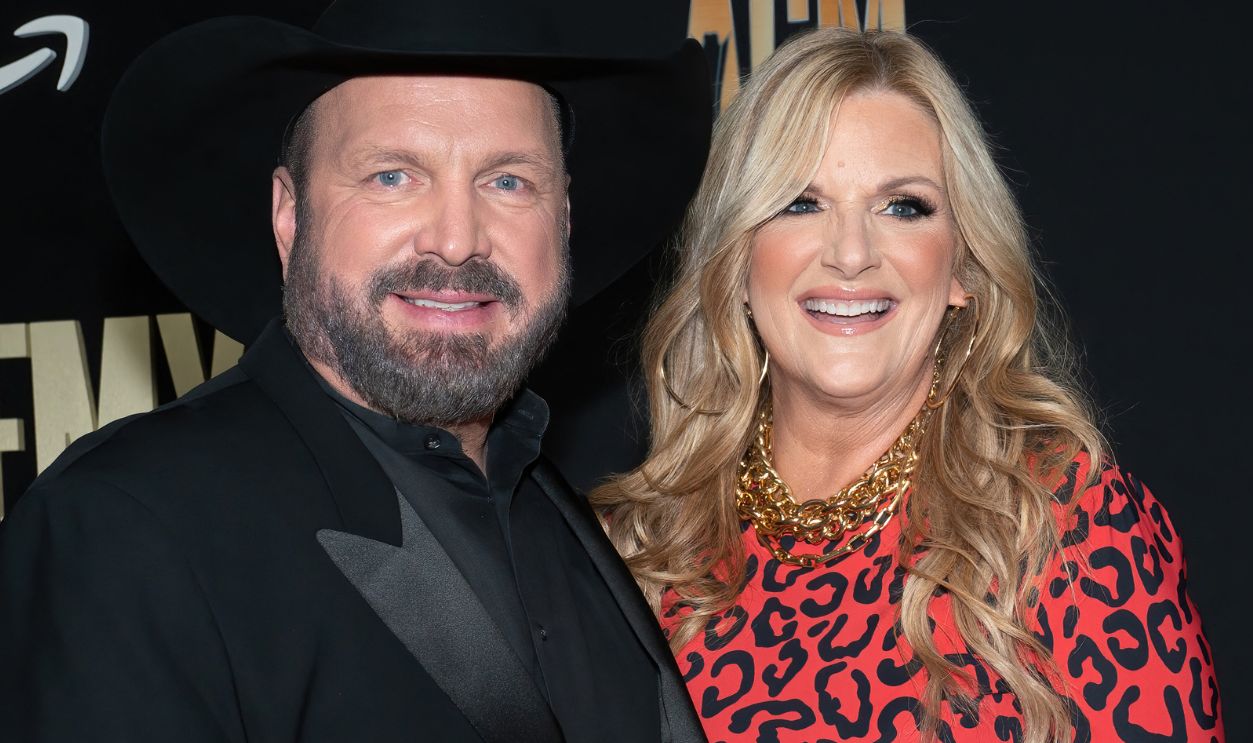
In 2005, Brooks married fellow country star Trisha Yearwood. Their relationship, built on mutual respect and shared experiences in the industry, offered a different dynamic than his first marriage.
Yearwood has often spoken about Brooks’ devotion to his daughters, reinforcing that fatherhood remained central to his identity.
 SUZANNE CORDEIRO, Getty Images
The Gradual Return Begins
As his daughters grew older and more independent, Brooks slowly re-entered the public eye. He tested the waters with select performances and limited engagements rather than jumping straight back into full-scale touring.
This pacing reflected a man unwilling to repeat old mistakes.
The Comeback On His Terms
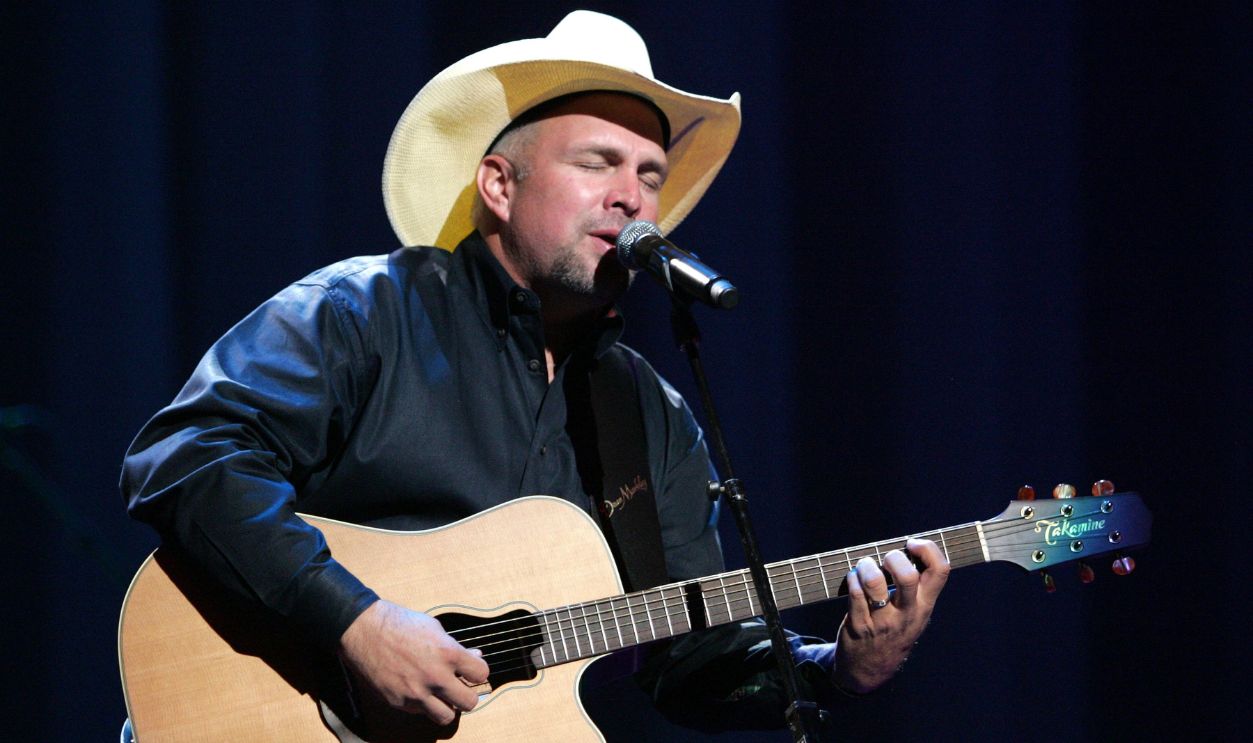
When Brooks officially returned to touring in the mid-2010s, it was massive—but carefully structured. He controlled schedules, locations, and durations in a way that protected his personal life.
The shows proved that the audience never left.
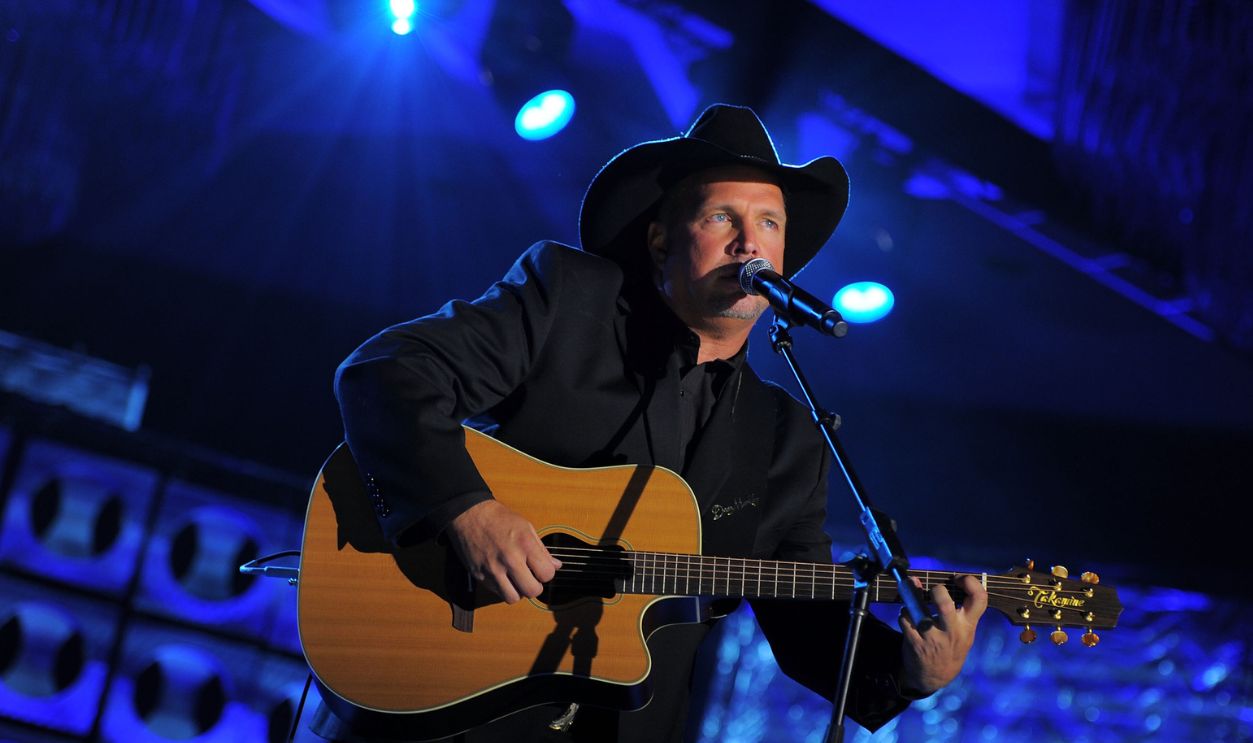
Records Still Falling
Even after years away, Brooks continued breaking records. His tours became some of the highest-grossing in music history, reinforcing his almost unmatched drawing power.
The difference was that success no longer dictated his life—it complemented it.

Rewriting What Success Looks Like
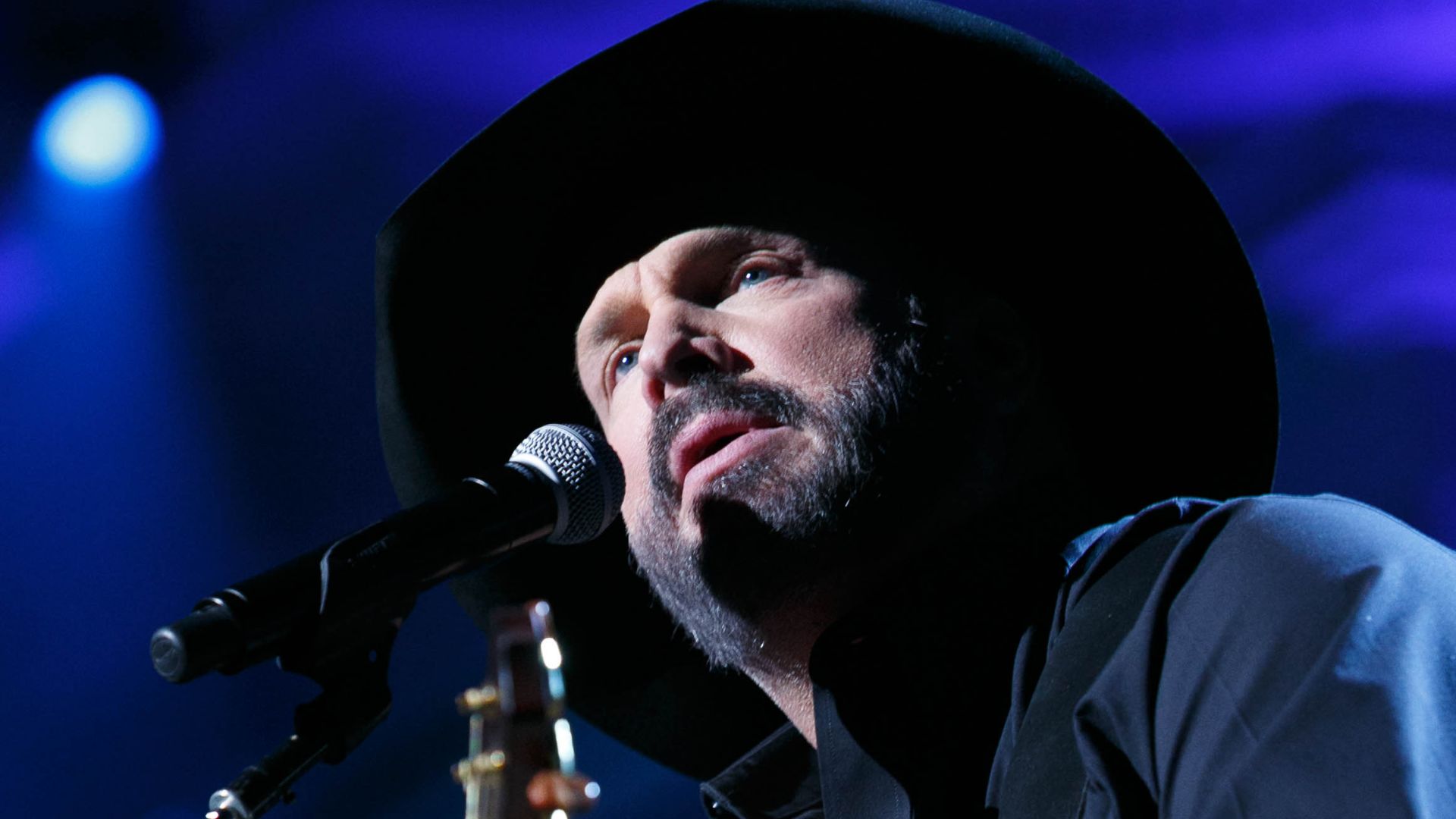
Brooks’ story challenges the idea that constant visibility equals fulfillment. He proved that stepping away doesn’t erase legacy—it can strengthen it.
In a genre that often celebrates grind and sacrifice, his pause felt revolutionary.
 Library of Congress Life, Wikimedia Commons
A Model Rarely Followed
Few artists have attempted—and even fewer have succeeded at—walking away at their peak. Brooks’ financial stability made the decision possible, but the emotional courage made it real.
It’s a path many admire but rarely choose.
 The White House from Washington, DC, Wikimedia Commons
The Daughters At The Center
Brooks has consistently said that raising his daughters was the greatest project of his life. Watching them grow, find independence, and build their own identities validated his decision more than any award ever could.
For him, the math was simple.

Country Music’s Quietly Radical Ending
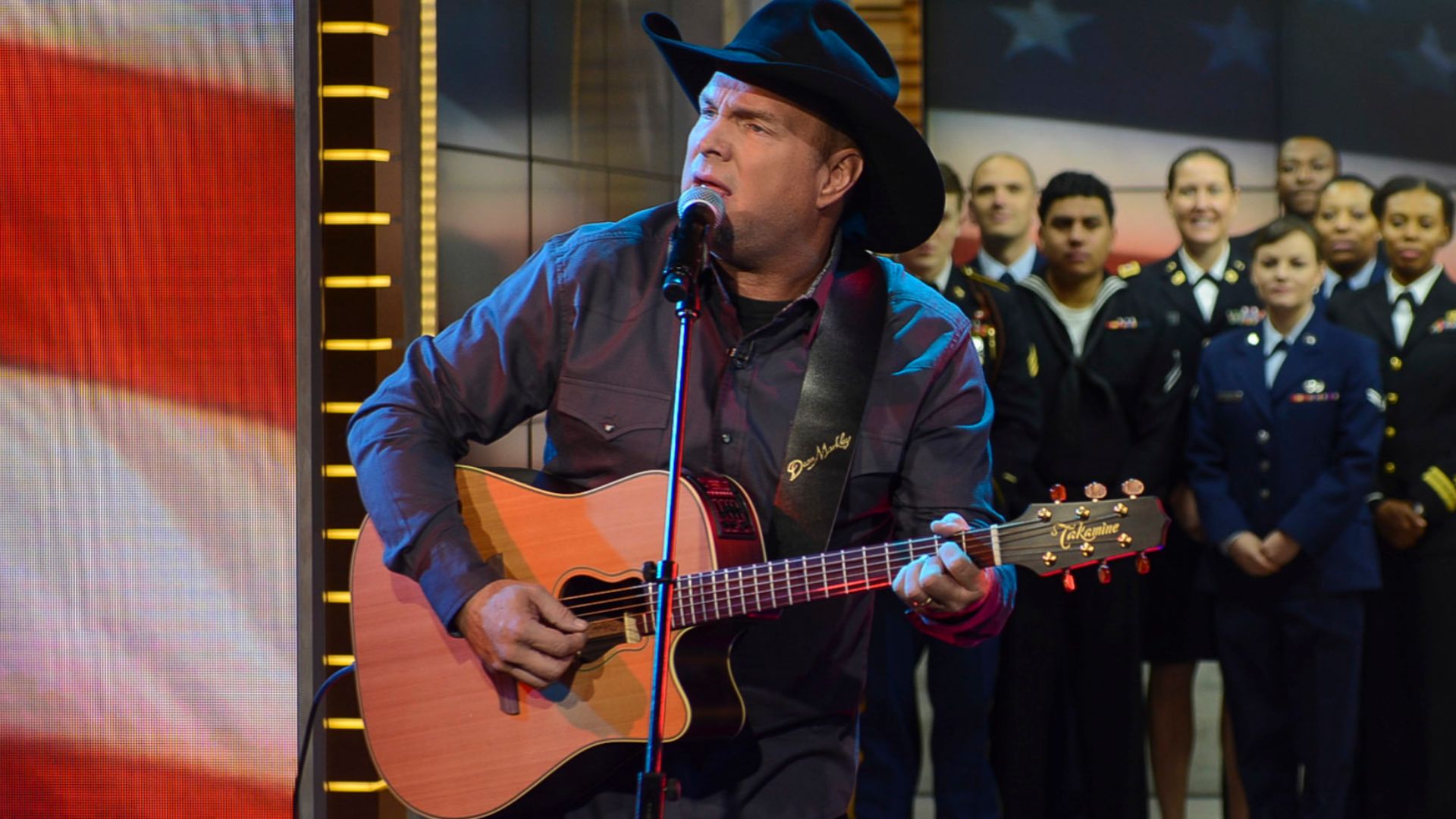
Country music loves tragic arcs—careers cut short, demons left undefeated. Garth Brooks delivered something stranger and more radical: a happy ending built on restraint.
He didn’t outrun fame. He set it down.
 Christopher A Murray, Wikimedia Commons
Why His Story Still Matters
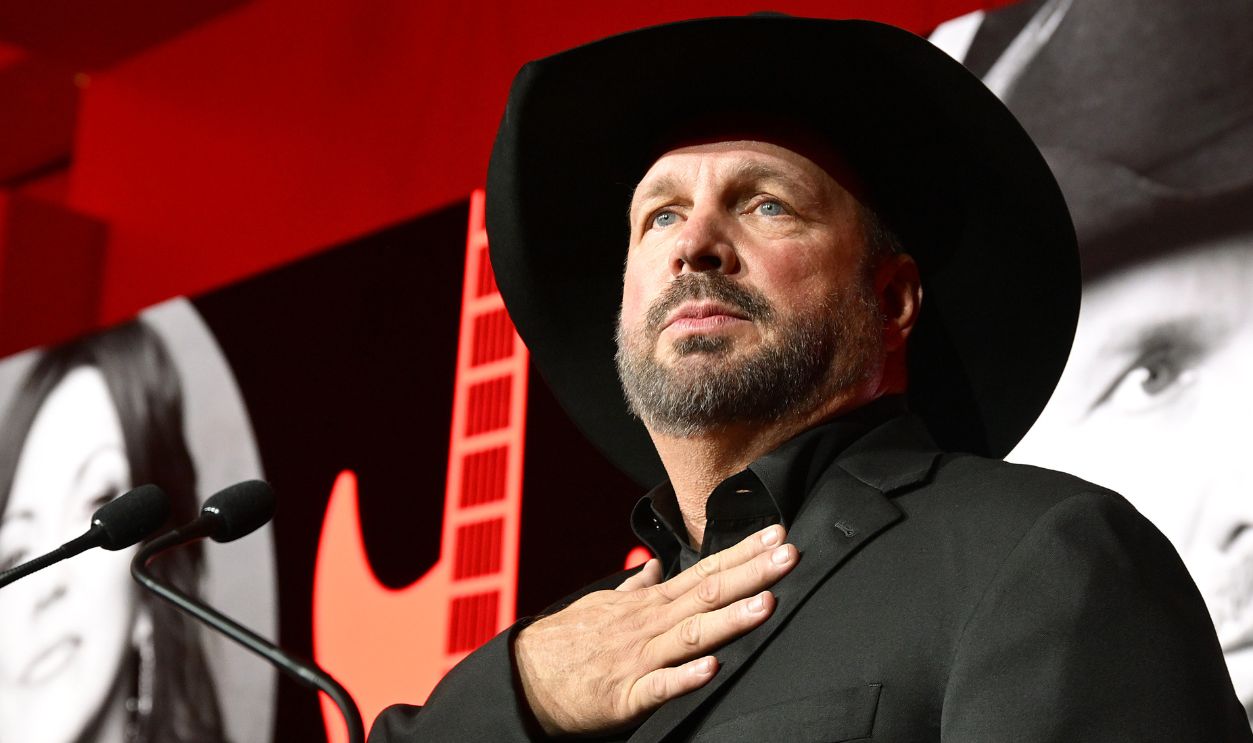
In an era obsessed with constant output and relevance, Brooks’ choice feels increasingly rare. His career stands as proof that legacy isn’t just what you build—but what you’re willing to walk away from.
And in doing so, Garth Brooks didn’t just redefine success. He humanized it.
 Michael Tullberg, Getty Images
Source: 1