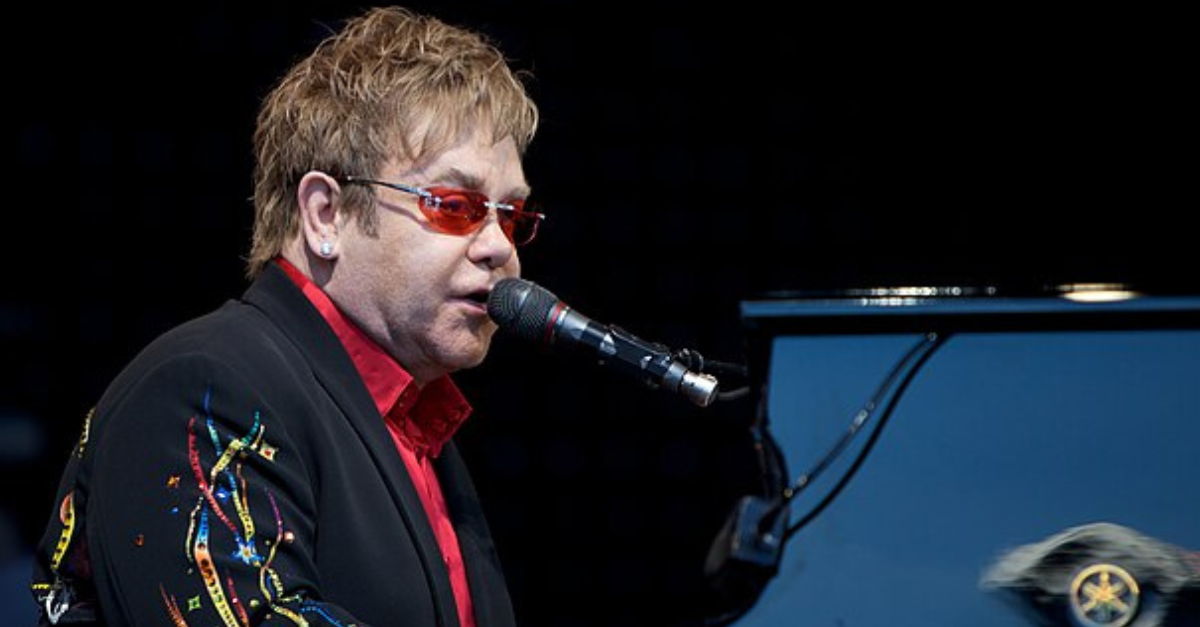
The Piano Man With A Secret
For years, Elton John was already one of the biggest stars on the planet before the public had any real idea who he was offstage. He wore outrageous costumes, wrote intensely emotional songs, and built a persona that felt flamboyant but carefully controlled. In an era that wasn’t exactly welcoming to queer artists, that distance wasn’t accidental—it was survival.
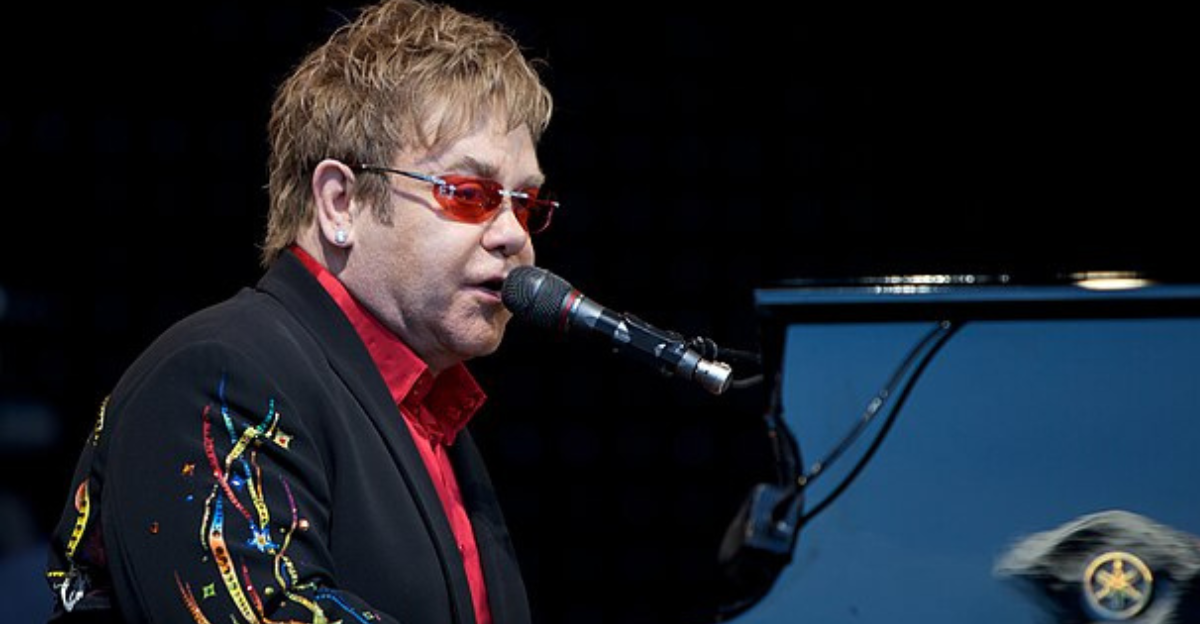 Ernst Vikne, Wikimedia Commons
Fame Arrives Before Freedom
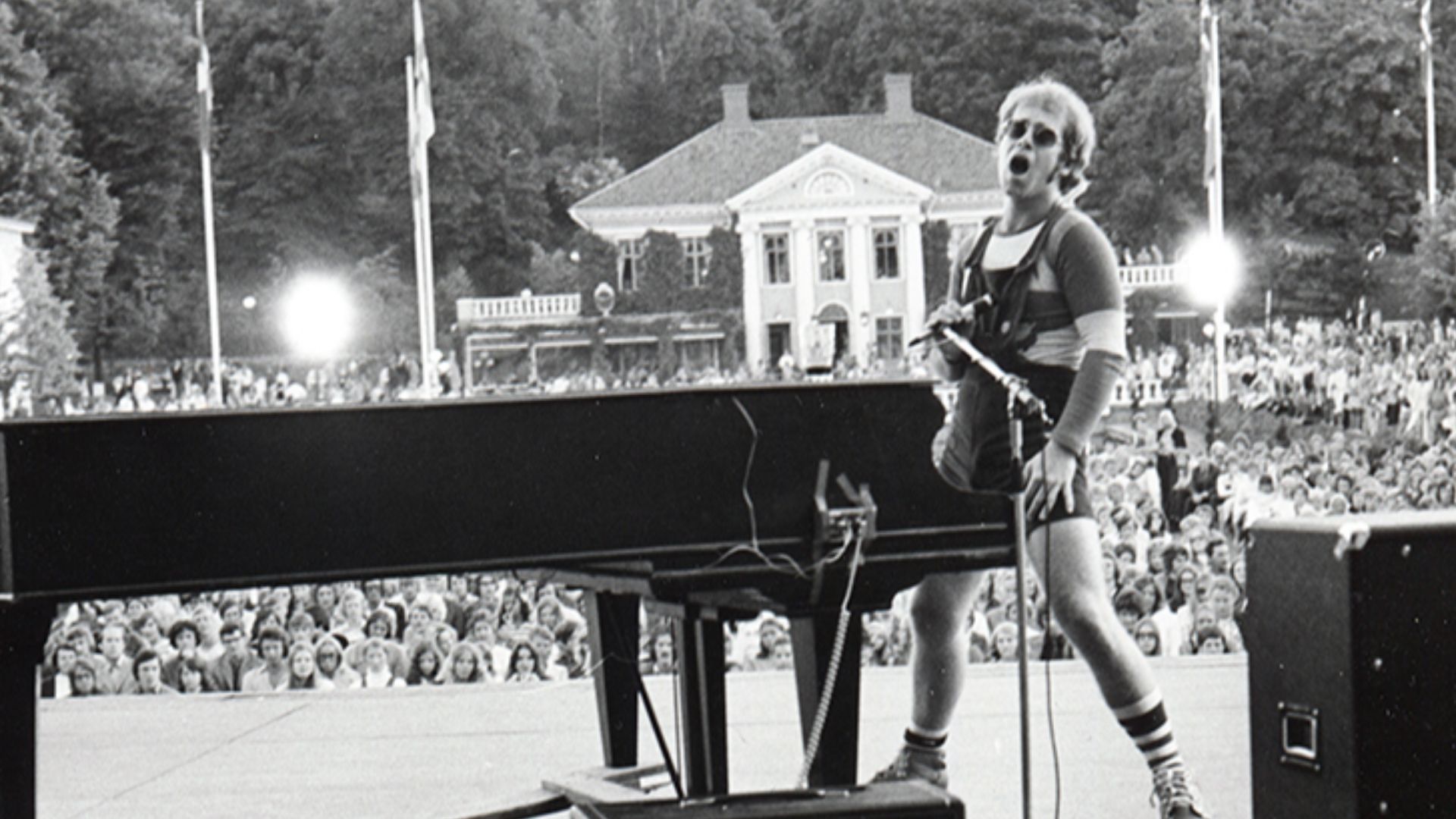
By the early 1970s, Elton wasn’t just famous—he was unavoidable. Hit after hit, sold-out tours, and a sound that blurred rock, pop, and theatrical flair made him untouchable musically. But personally, the pressure to fit an industry-approved image was suffocating, even as his star continued to rise.
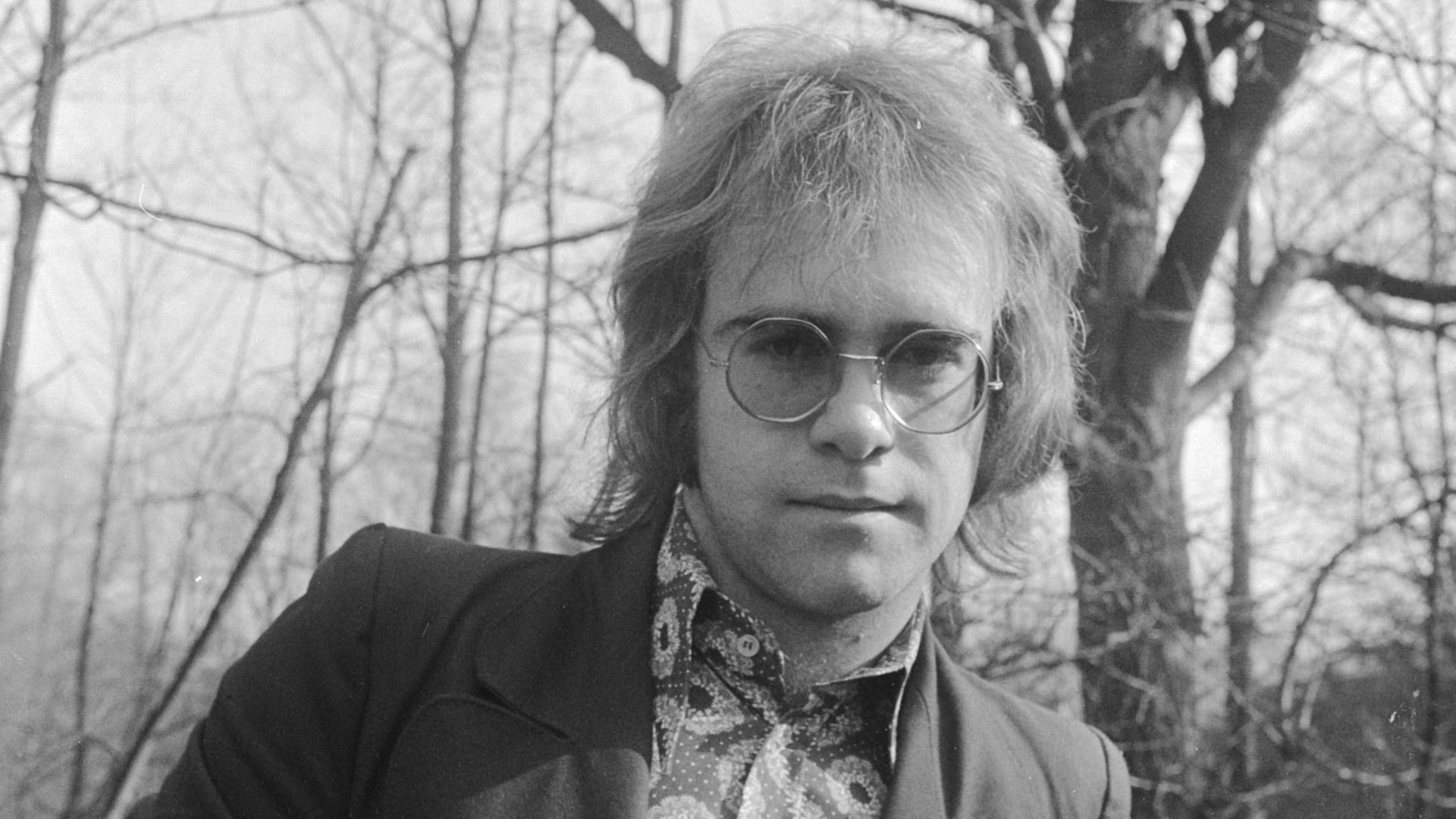 Bert Verhoeff for Anefo, Wikimedia Commons
The First Public Crack In The Image
In 1976, Elton gave an interview that changed everything, openly describing himself as being romantically interested in both men and women. It wasn’t a carefully planned rollout or a PR-approved statement—it was blunt, risky, and nearly unheard of for a star at his level. The industry braced for backlash, and so did he.
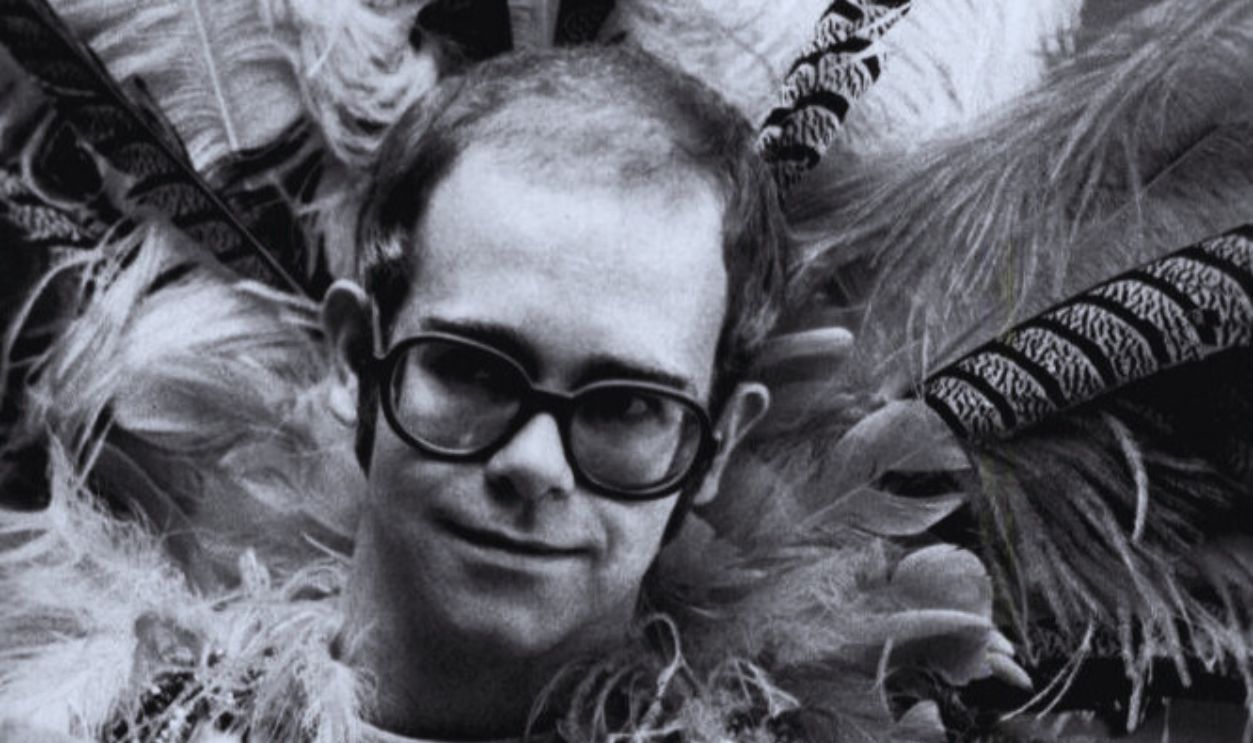 CBS TelevisionUploaded by We hope at en.wikipedia, Wikimedia Commons
A Career That Could’ve Collapsed Overnight
Coming out publicly in the 1970s wasn’t brave in a romantic sense—it was dangerous. Radio airplay, record sales, endorsements, and touring opportunities could disappear instantly. Elton knew all of that, yet chose honesty anyway, even if it meant losing the career he’d worked his entire life to build.
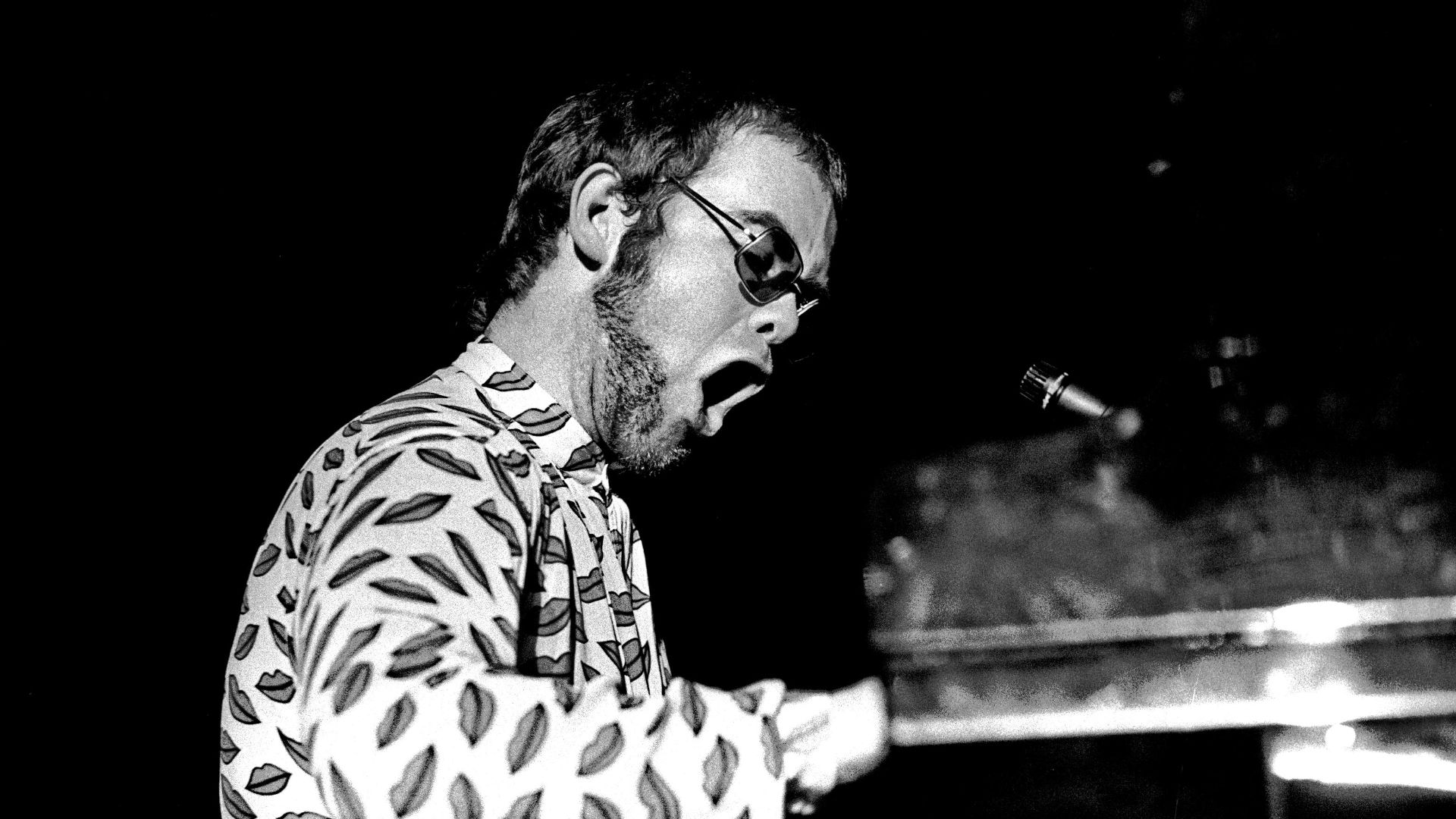 Heinrich Klaffs, Wikimedia Commons
The Media Reaction Was Brutal
Tabloids didn’t handle the news gently. Headlines mocked him, interviews fixated on his sexuality instead of his work, and journalists treated his identity like a scandal instead of a fact. It was a reminder that visibility came with a cost, and Elton paid it in full view of the world.
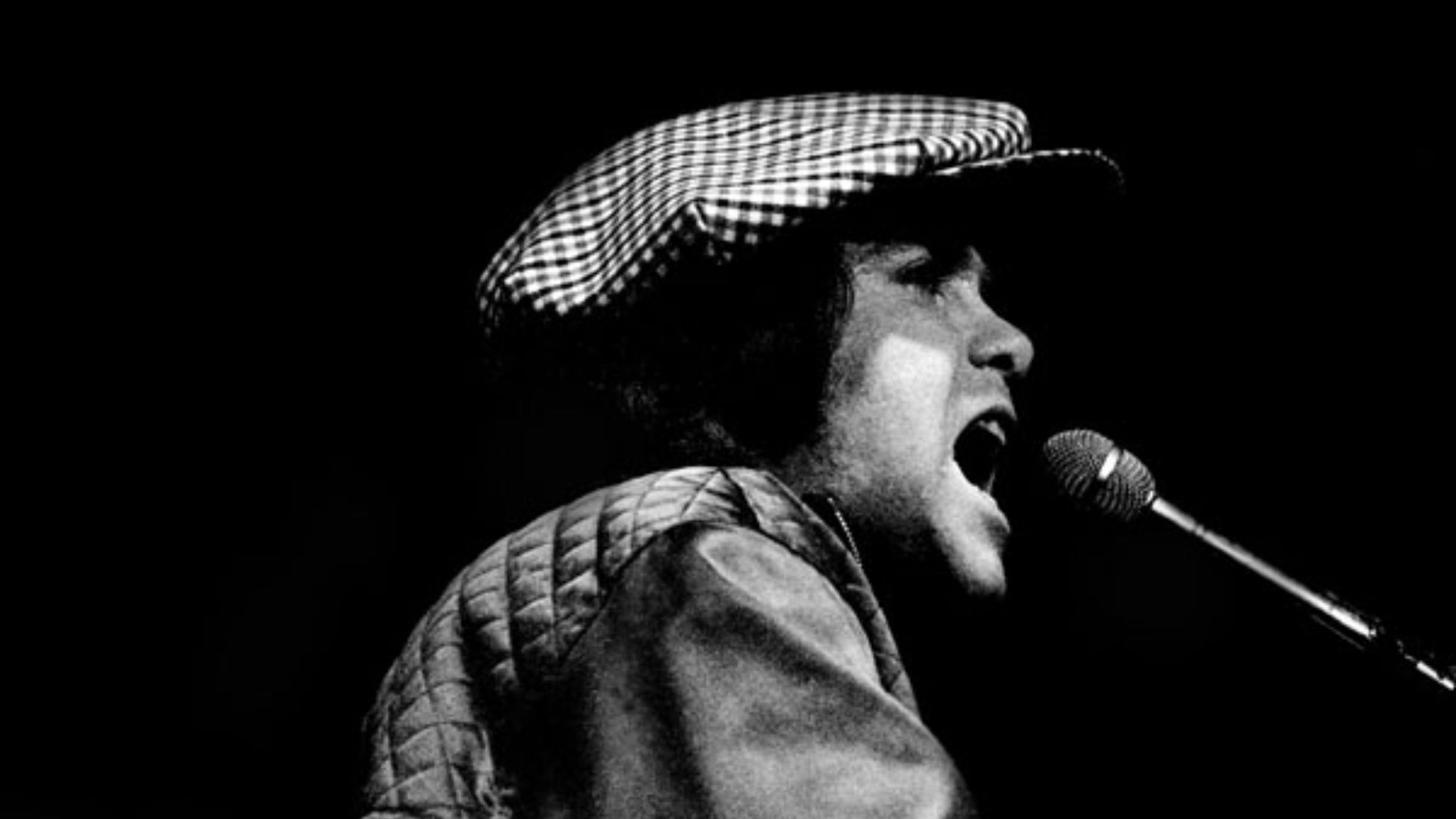
Fans Didn’t Abandon Him
What surprised nearly everyone—including Elton—was that fans largely stayed. The songs still meant something. The performances were still electric. While some corners of the industry pulled back, the audience didn’t disappear the way executives feared they would.
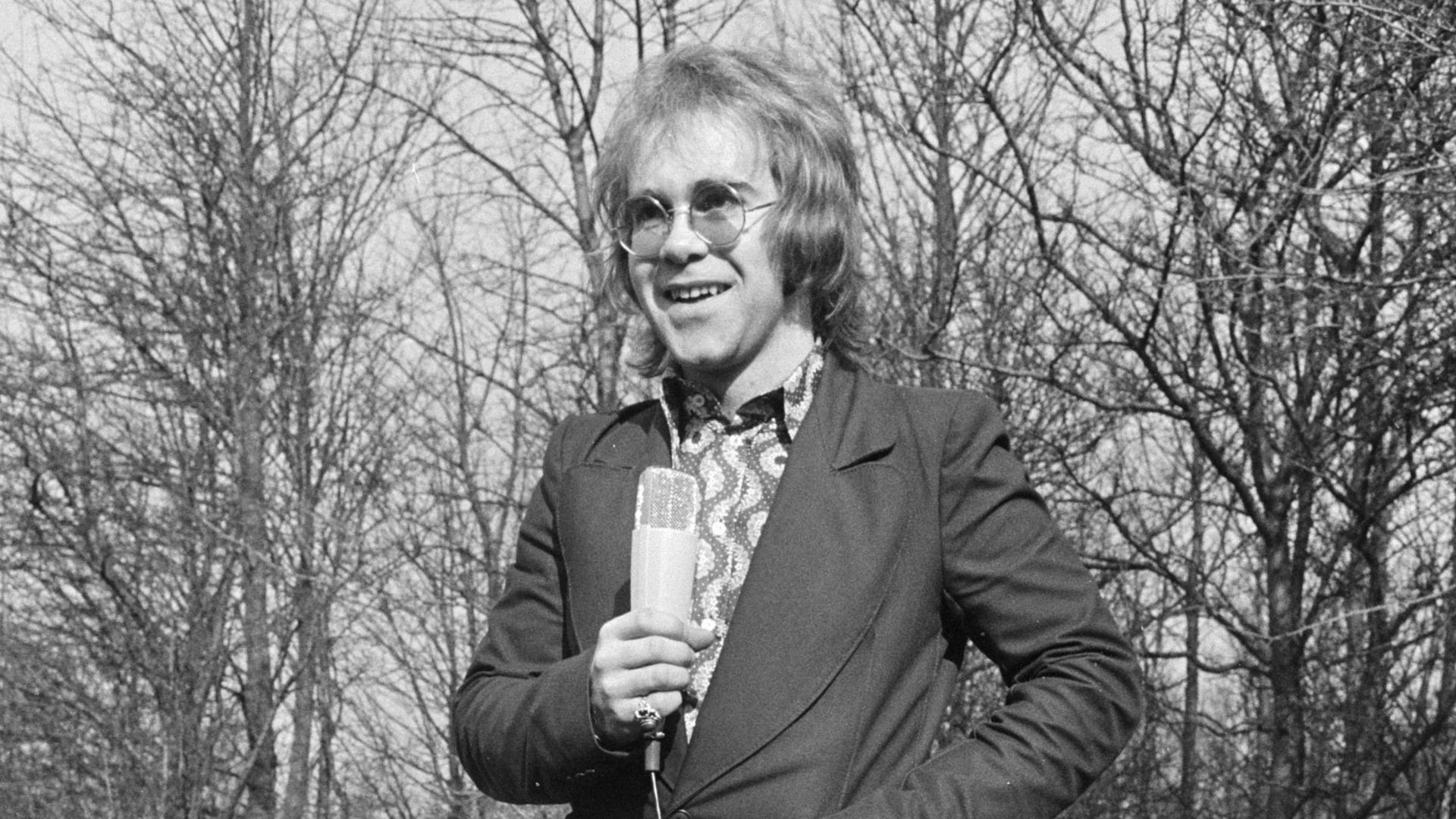 Bert Verhoeff for Anefo, Wikimedia Commons
Private Struggles Got Louder
Public honesty didn’t magically bring personal peace. Substance issues, depression, and isolation worsened as Elton tried to reconcile fame with self-acceptance. The pressure of being both a global icon and a quiet pioneer weighed heavily, even as the applause kept coming.
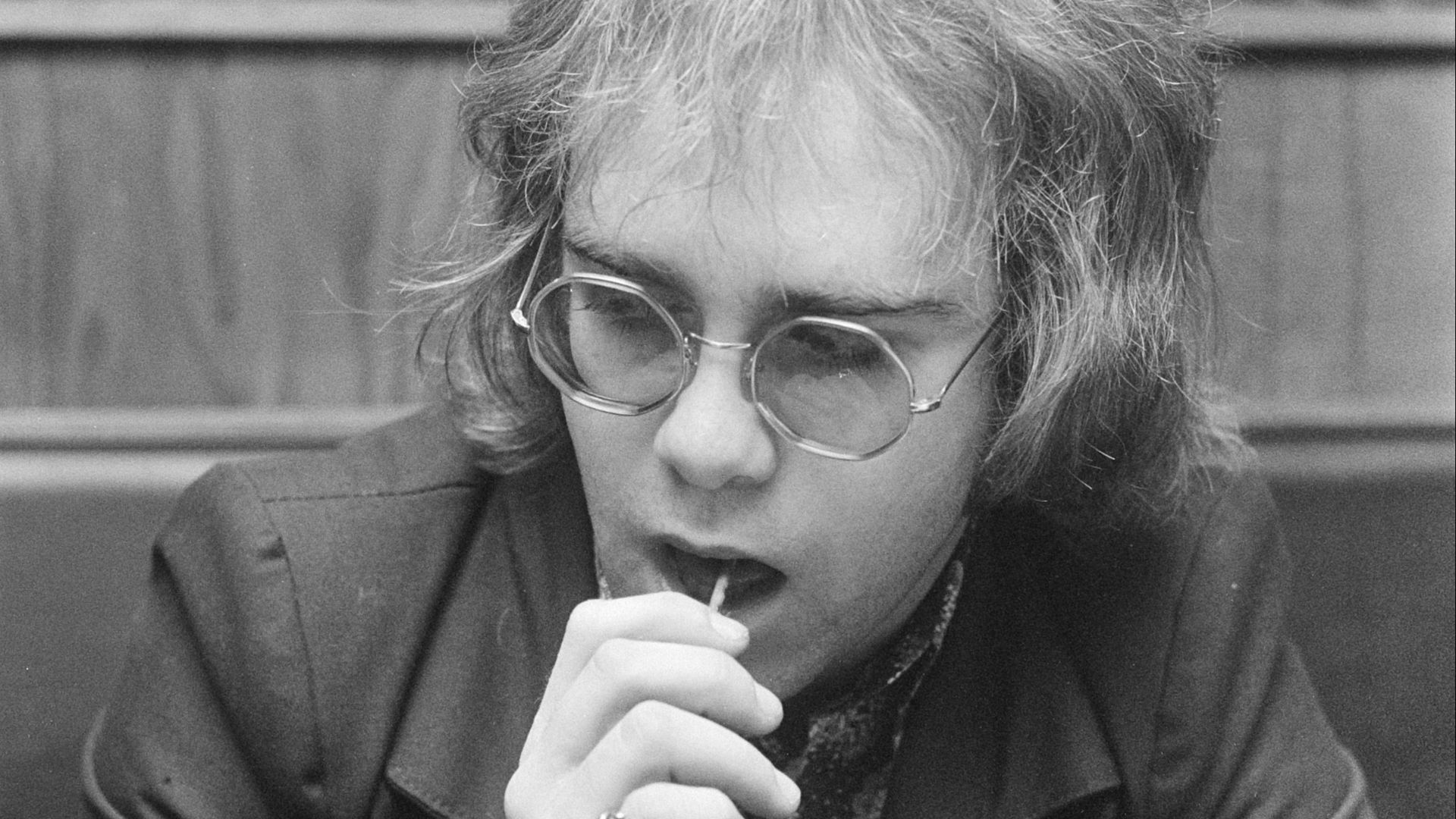 Bert Verhoeff for Anefo, Wikimedia Commons
A Marriage That Didn’t Fix The Problem
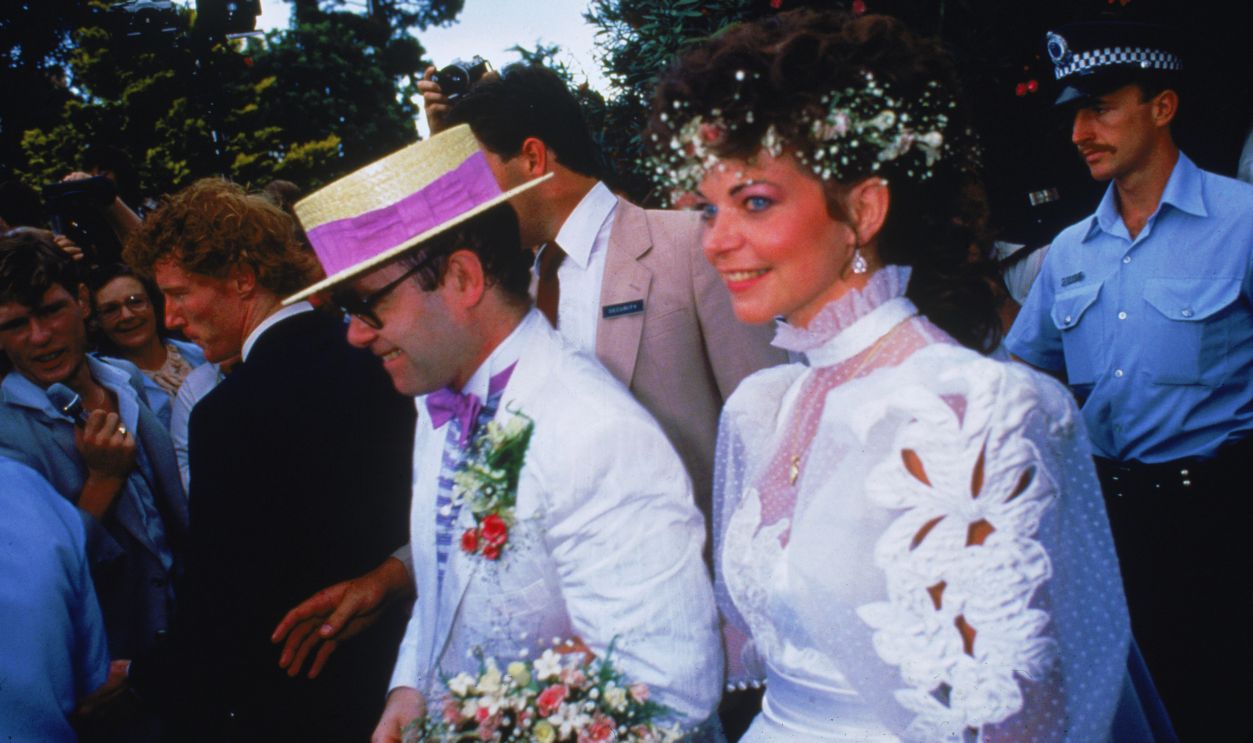
Elton married Renate Blauel in the 1980s, hoping it might quiet the noise—internally and externally. Instead, it highlighted how deeply misaligned his public life and private truth had become. The marriage ended, respectfully but painfully, reinforcing that hiding never leads to healing.
Finally Saying The Quiet Part Out Loud
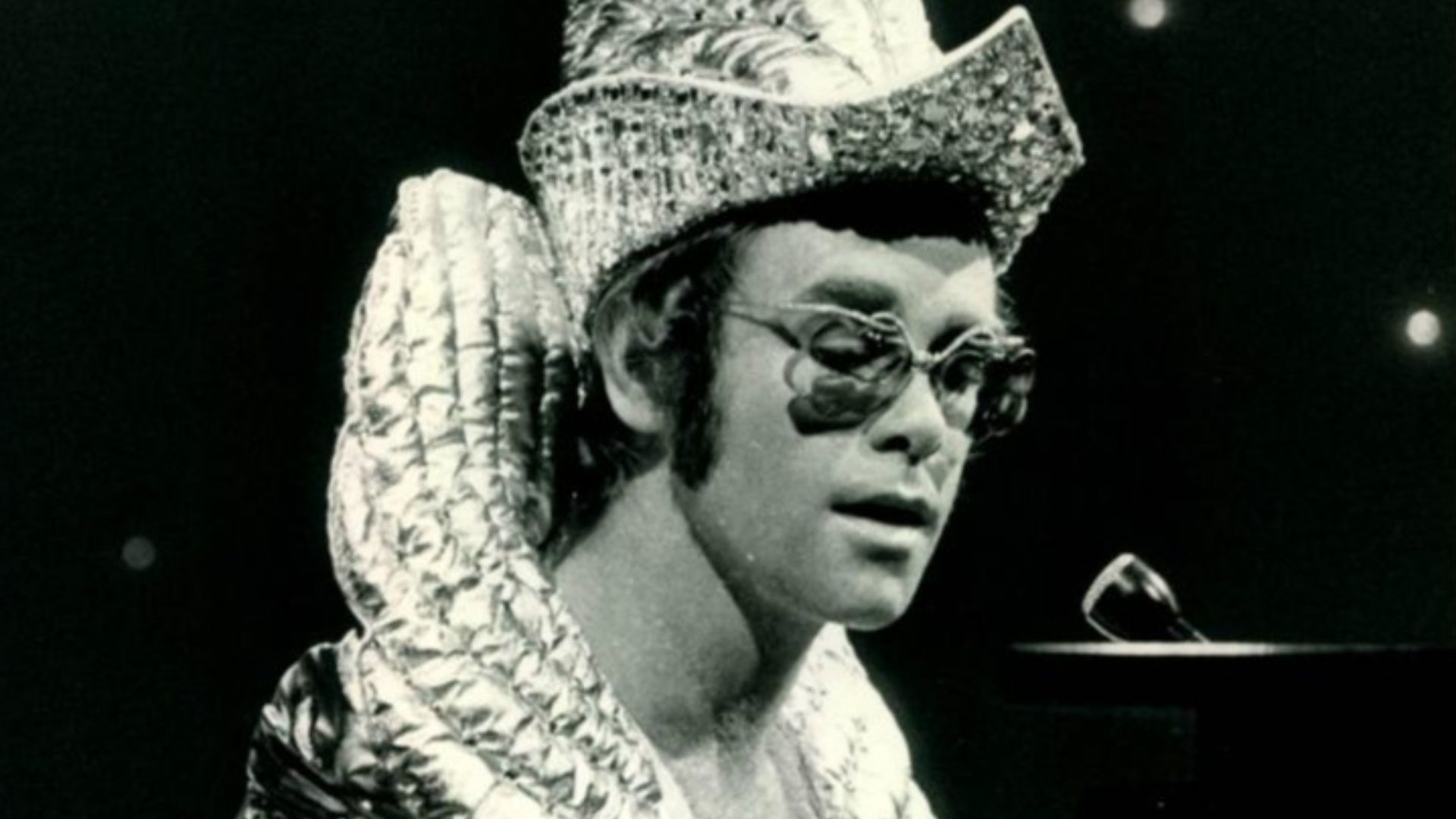
In the early 1990s, Elton spoke openly again—this time identifying as gay without qualification or hedging. It felt less like a revelation and more like a release, a moment of clarity after years of compromise. The difference was that the world had changed just enough to listen.
 CBS Television, Wikimedia Commons
The Music Took On New Weight
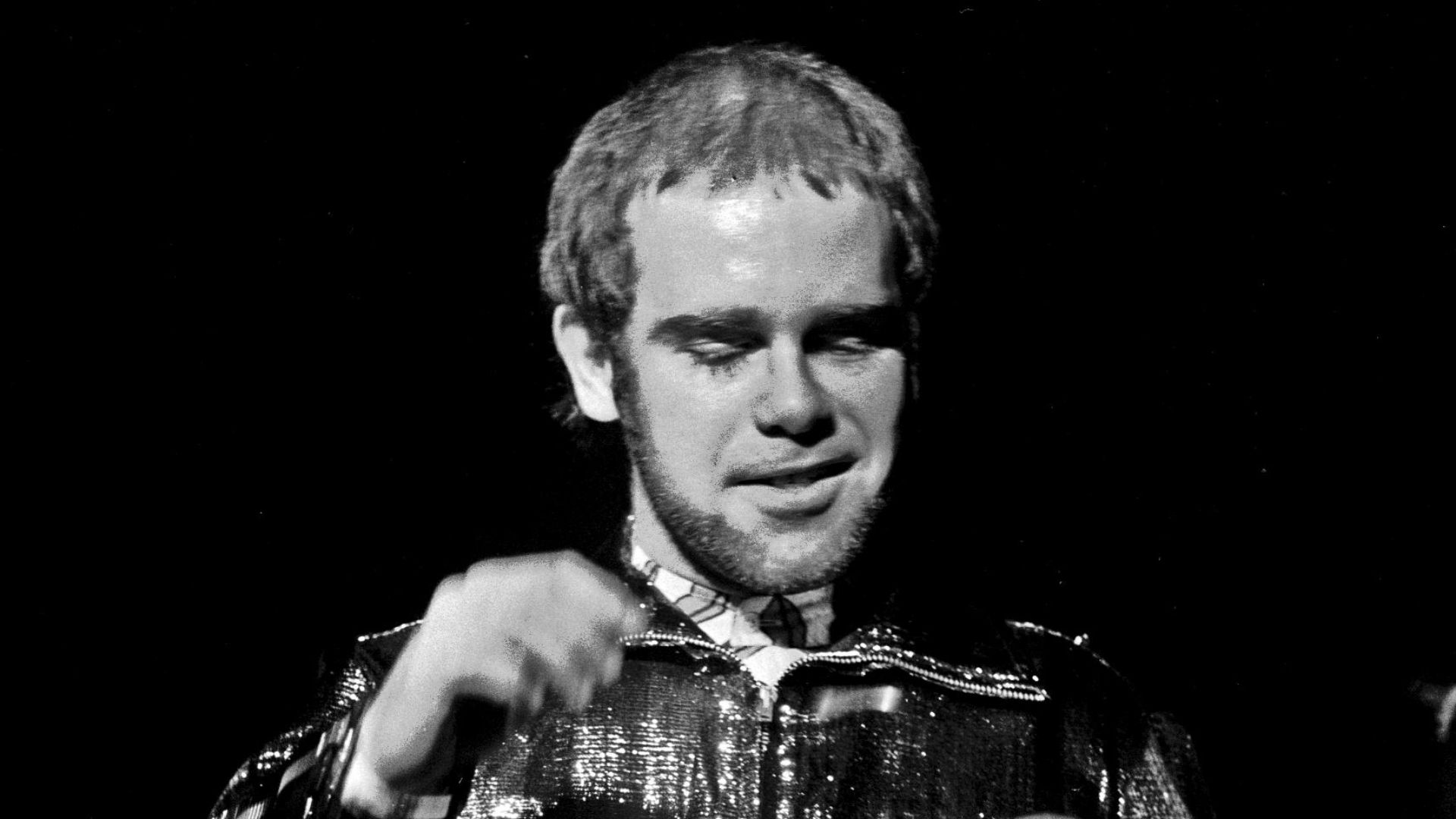
With honesty came vulnerability, and it poured into his work. Songs felt deeper, sadder, and more reflective, as if he was finally writing without armor. The piano ballads didn’t just sound emotional—they were.
 Heinrich Klaffs, Wikimedia Commons
Becoming A Visible Advocate
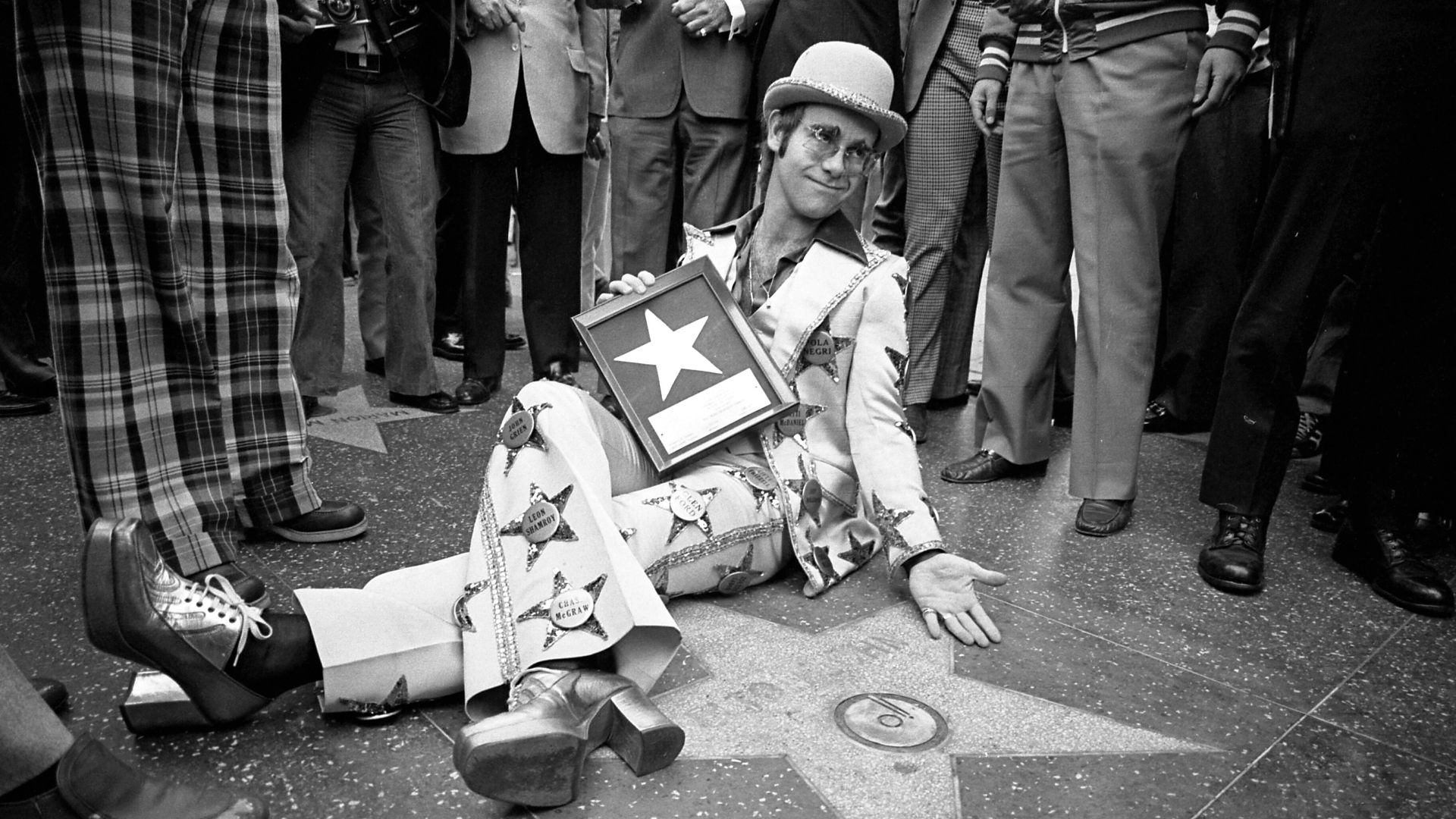
Elton didn’t stop at personal truth. He became outspoken about LGBTQ+ rights, HIV/AIDS awareness, and stigma within both the industry and society at large. His platform shifted from purely entertainment to impact, and he never apologized for using it.
 Los Angeles Times, Wikimedia Commons
Founding The Elton John AIDS Foundation
In 1992, Elton founded what would become one of the most influential AIDS charities in the world. At a time when misinformation and fear still dominated public conversation, he put his name, money, and reputation behind real change. It reframed his legacy in real time.
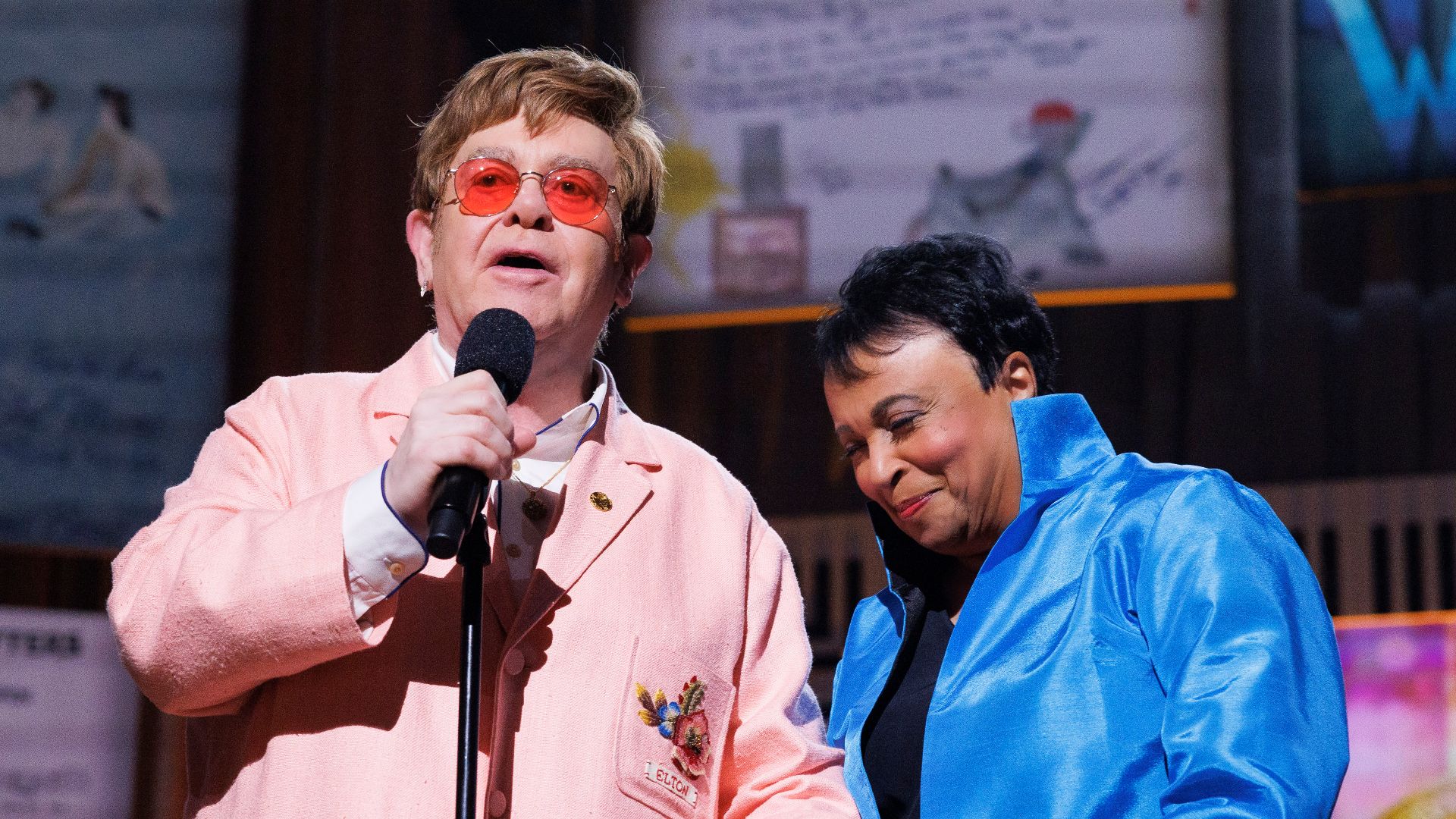 Library of Congress Life, Wikimedia Commons
A New Kind Of Public Figure
Elton wasn’t just a pop star anymore—he was a symbol of survival. His openness gave permission to others who didn’t have his wealth or fame to feel less alone. That influence quietly reshaped how the industry viewed queer artists moving forward.
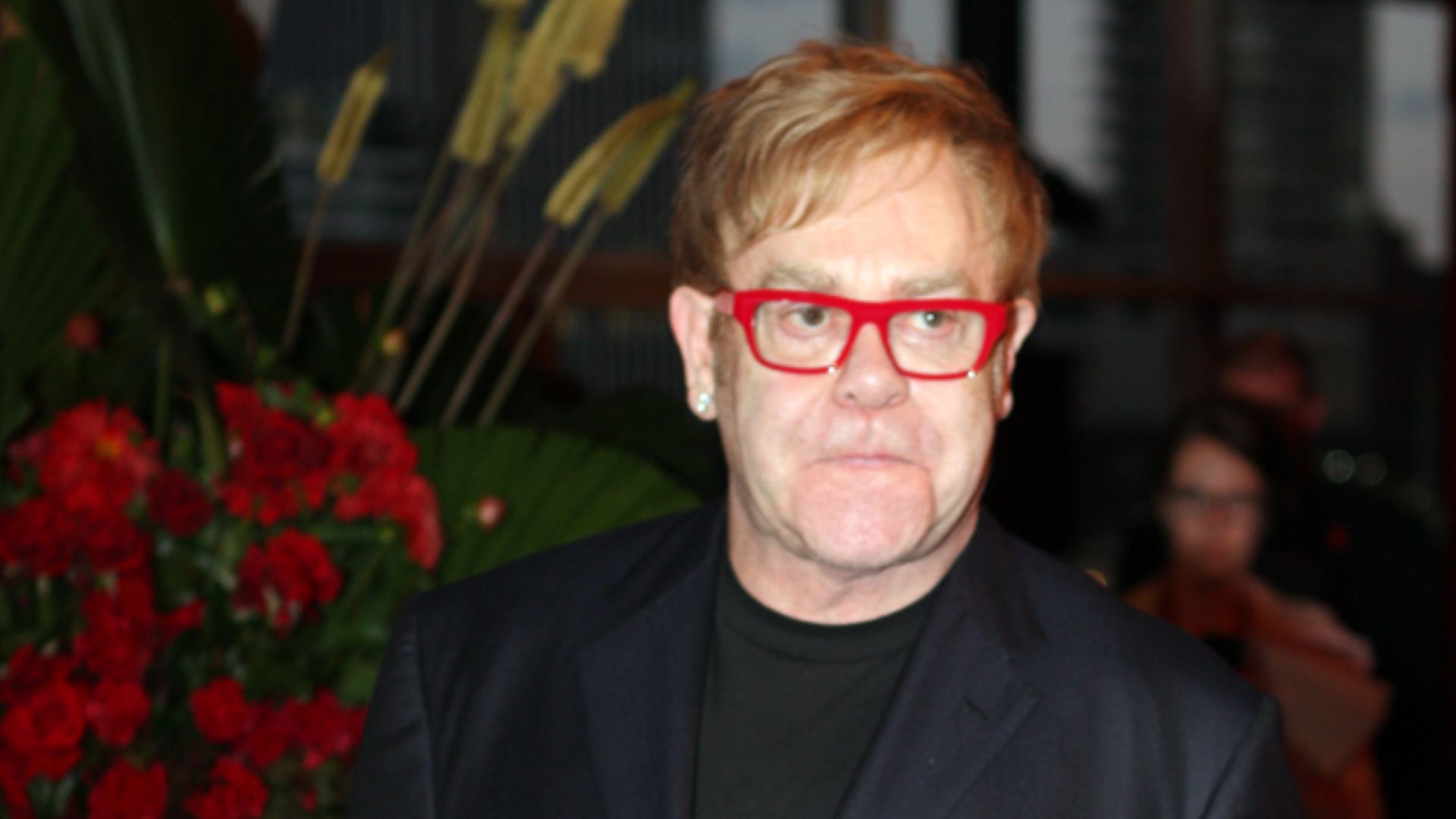 Eva Rinaldi, Wikimedia Commons
The Industry Slowly Caught Up
What once felt career-ending became, over time, part of his mythology. Younger artists cited him as proof that authenticity didn’t have to mean obscurity. Elton went from “risky” to revered without changing who he was—only how comfortable the world became with it.
Love Without Apology
Meeting David Furnish marked a turning point that felt genuinely peaceful. Their relationship wasn’t hidden, reframed, or softened for public consumption. It simply existed, and that normalcy mattered more than any headline.
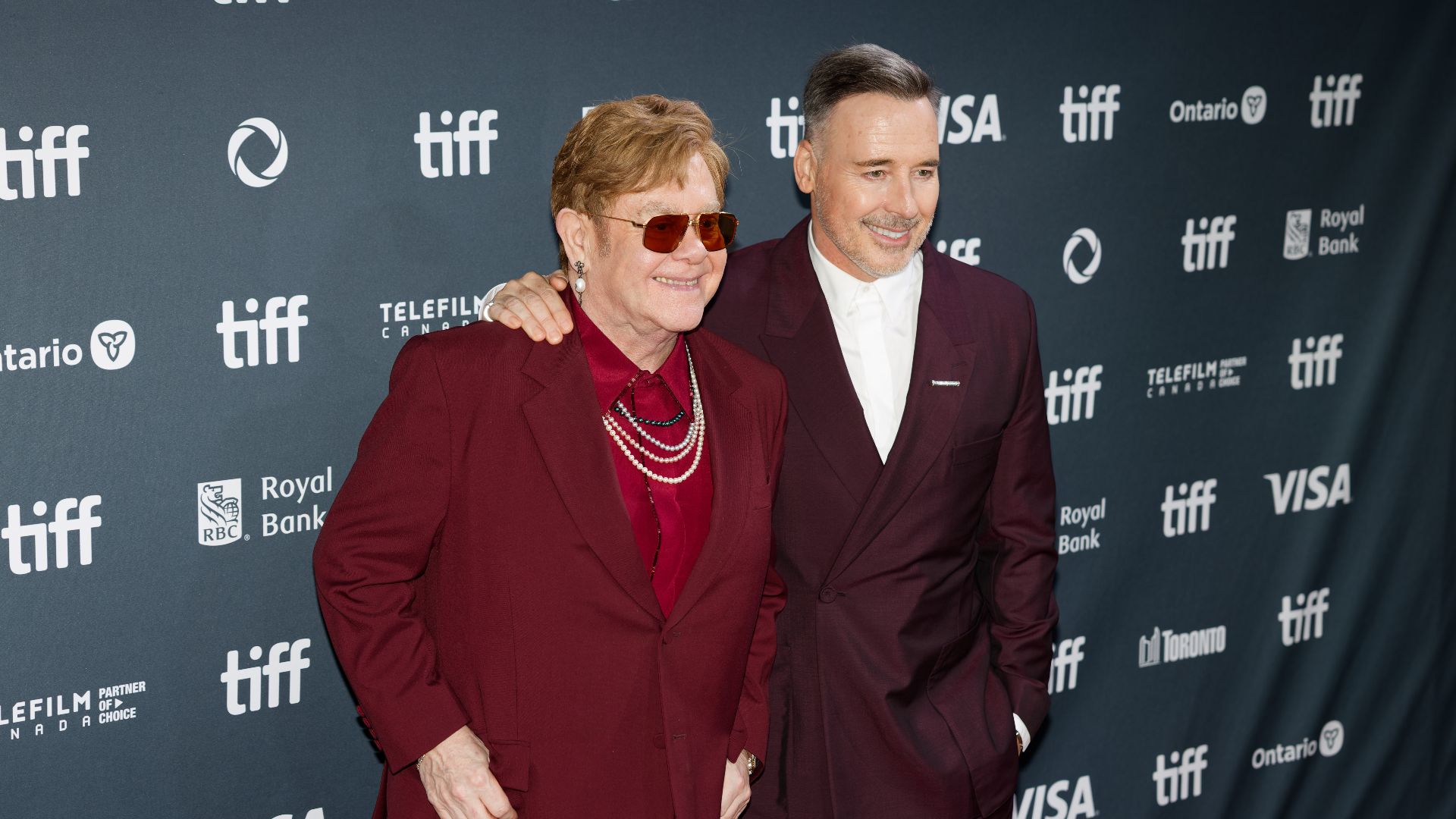 Kevin Payravi, Wikimedia Commons
Family On His Own Terms
Elton became a father later in life, embracing a version of happiness that once seemed impossible. Parenthood didn’t dilute his identity—it grounded it. The man once terrified of honesty was now openly joyful.
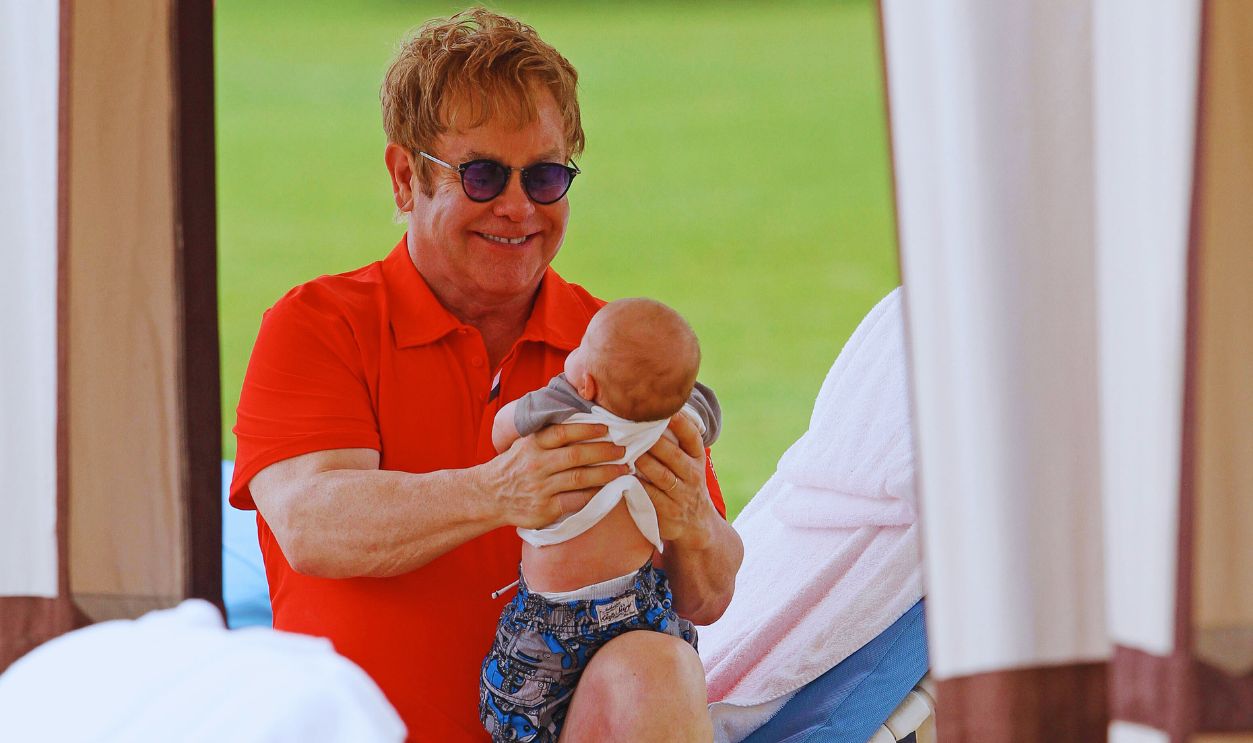
Knighthood And Cultural Redemption
When Elton was knighted, it symbolized more than musical achievement. It marked a complete reversal from the days when his identity was treated as a liability. The same establishment that once side-eyed him now celebrated him.
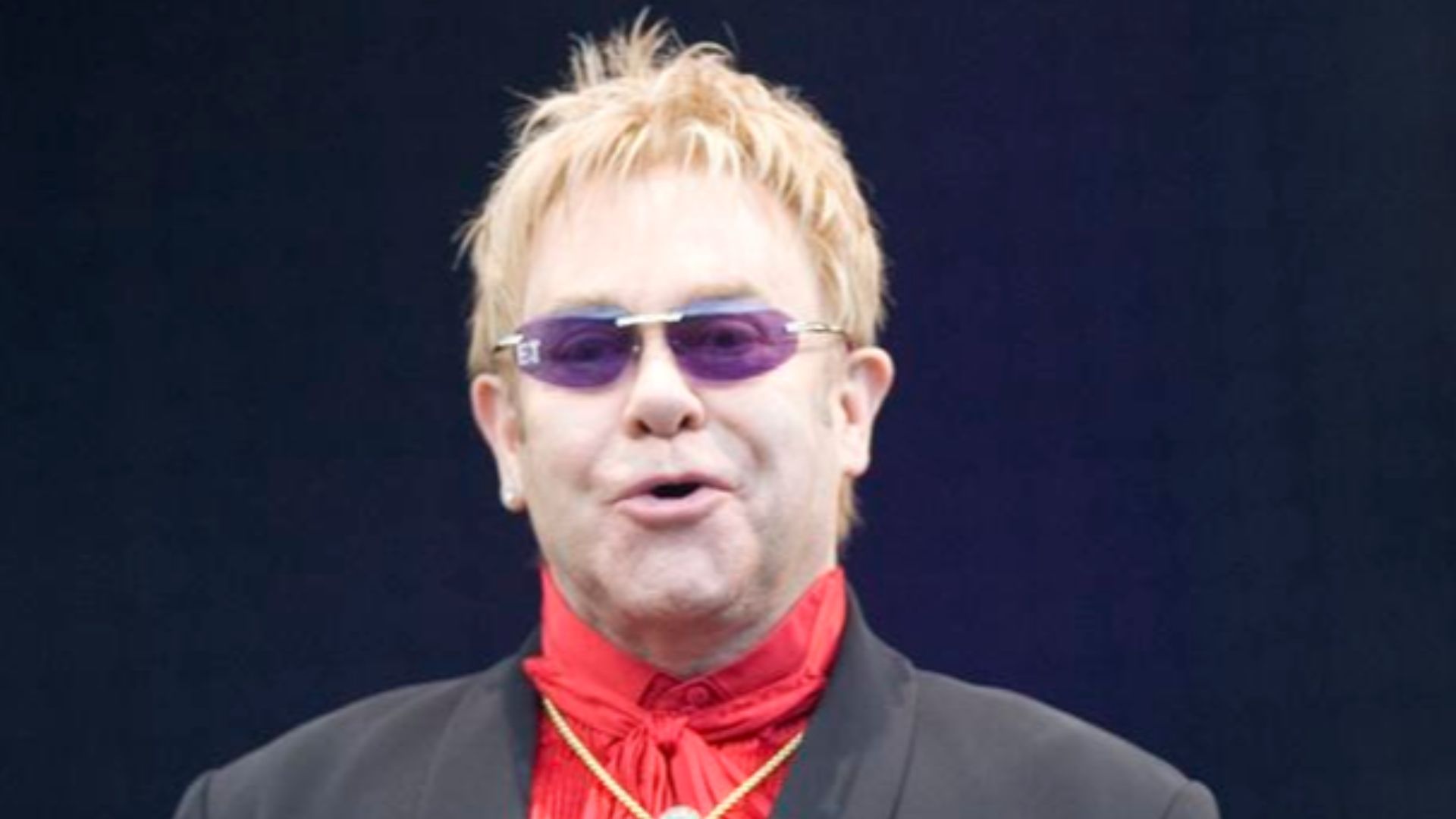 Richard Mushet on Flickr, Wikimedia Commons
Becoming Everyone’s Favorite Uncle
Somewhere along the way, Elton transformed into a beloved cultural fixture—funny, generous, outspoken, and deeply human. His blunt humor and emotional openness made him relatable in a way few megastars ever manage. People didn’t just admire him—they trusted him.
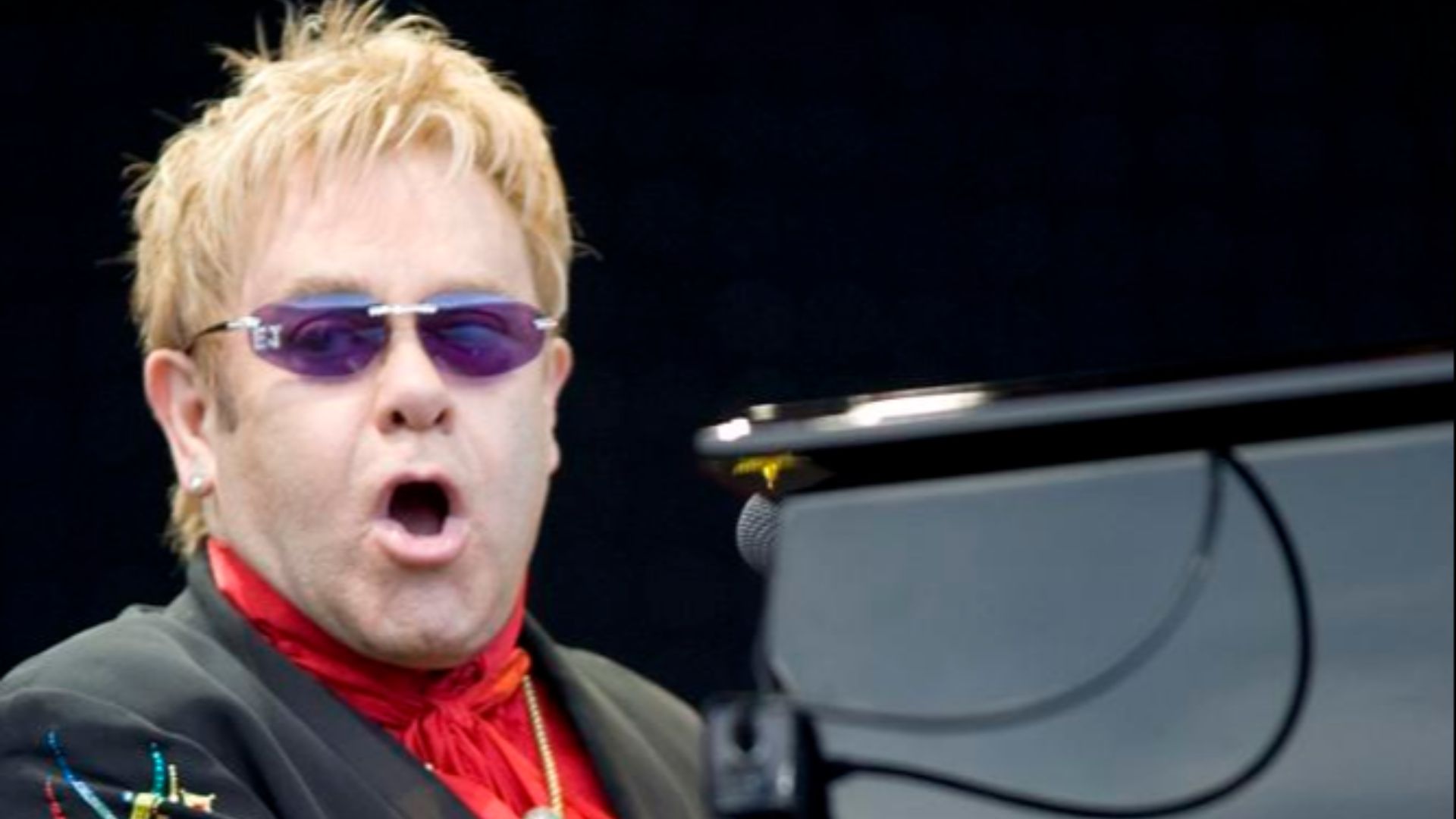 Richard Mushet on Flickr, Wikimedia Commons
The Farewell Tour As A Victory Lap
When Elton announced his farewell tour, it wasn’t framed as an escape or retreat. It felt earned, celebratory, and complete. He wasn’t leaving the stage defeated—he was walking off fulfilled.
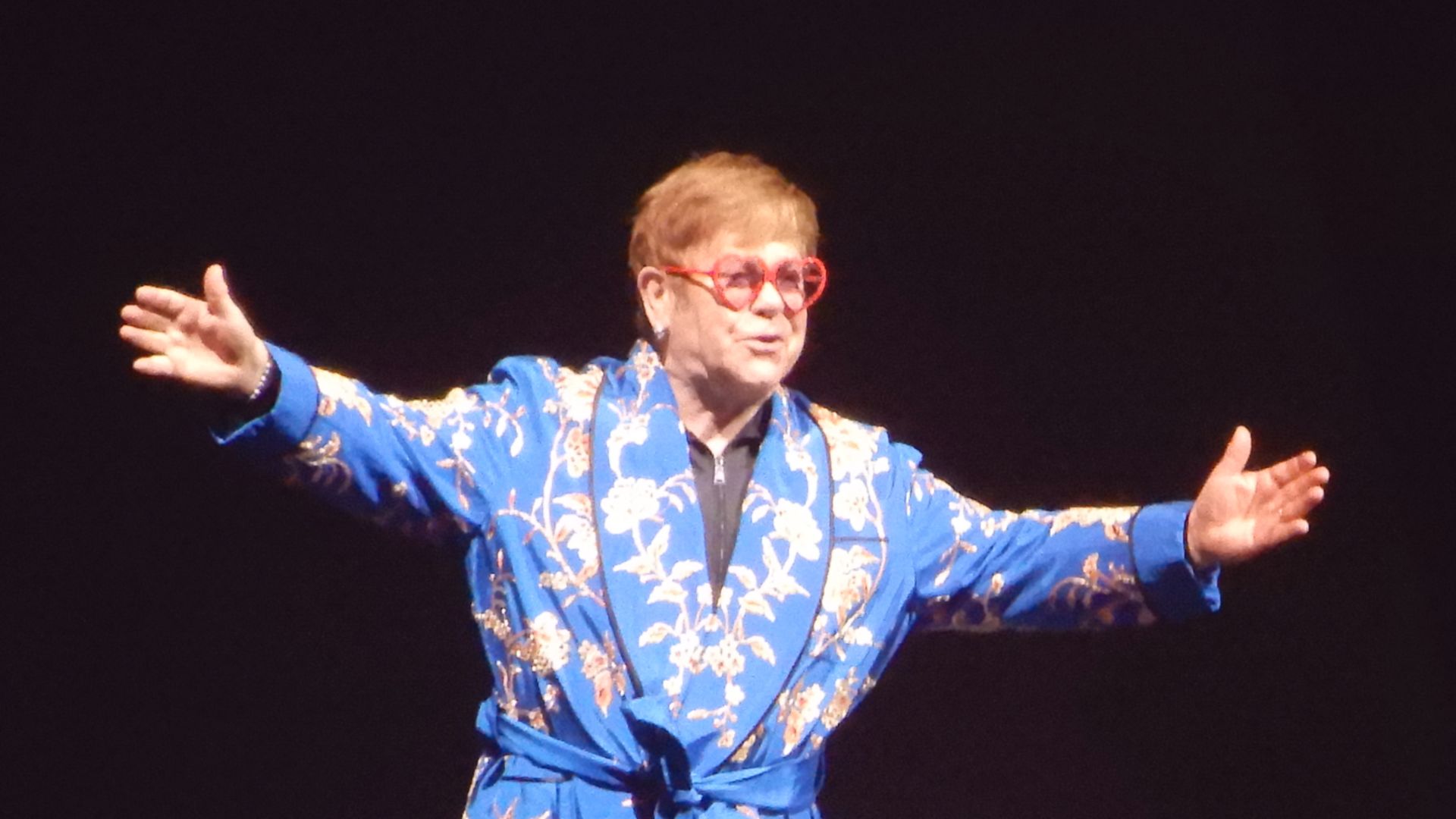
Legacy Bigger Than The Hits
Yes, the songs will last forever. But so will the visibility, the risks he took, and the doors he cracked open for others. His impact stretches far beyond chart positions or costume changes.
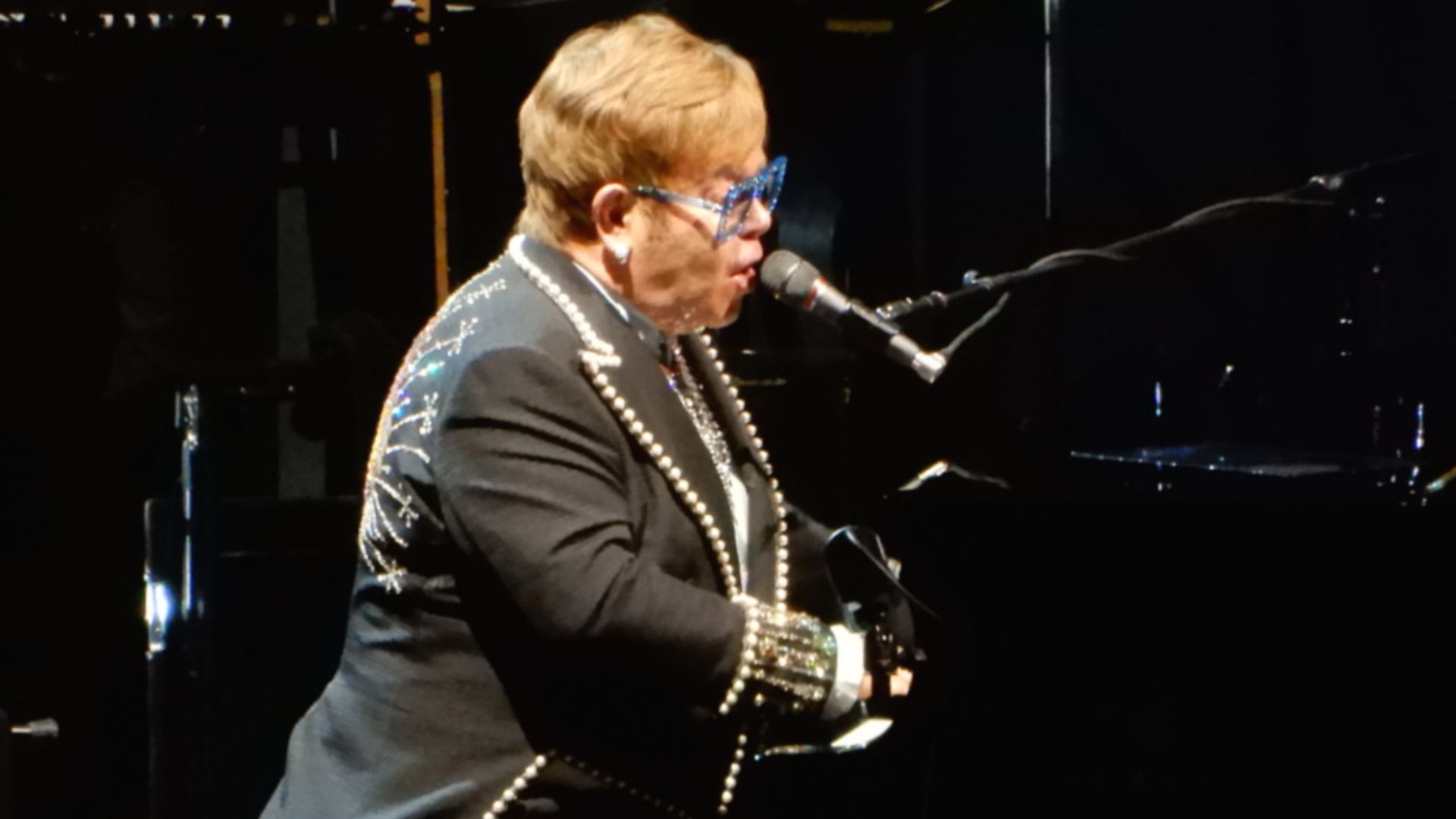
What He Risked Still Matters
It’s easy to forget how much was on the line when Elton first spoke openly. The safety nets didn’t exist yet. The protections weren’t there. He stepped forward anyway, knowing the fall could be permanent.
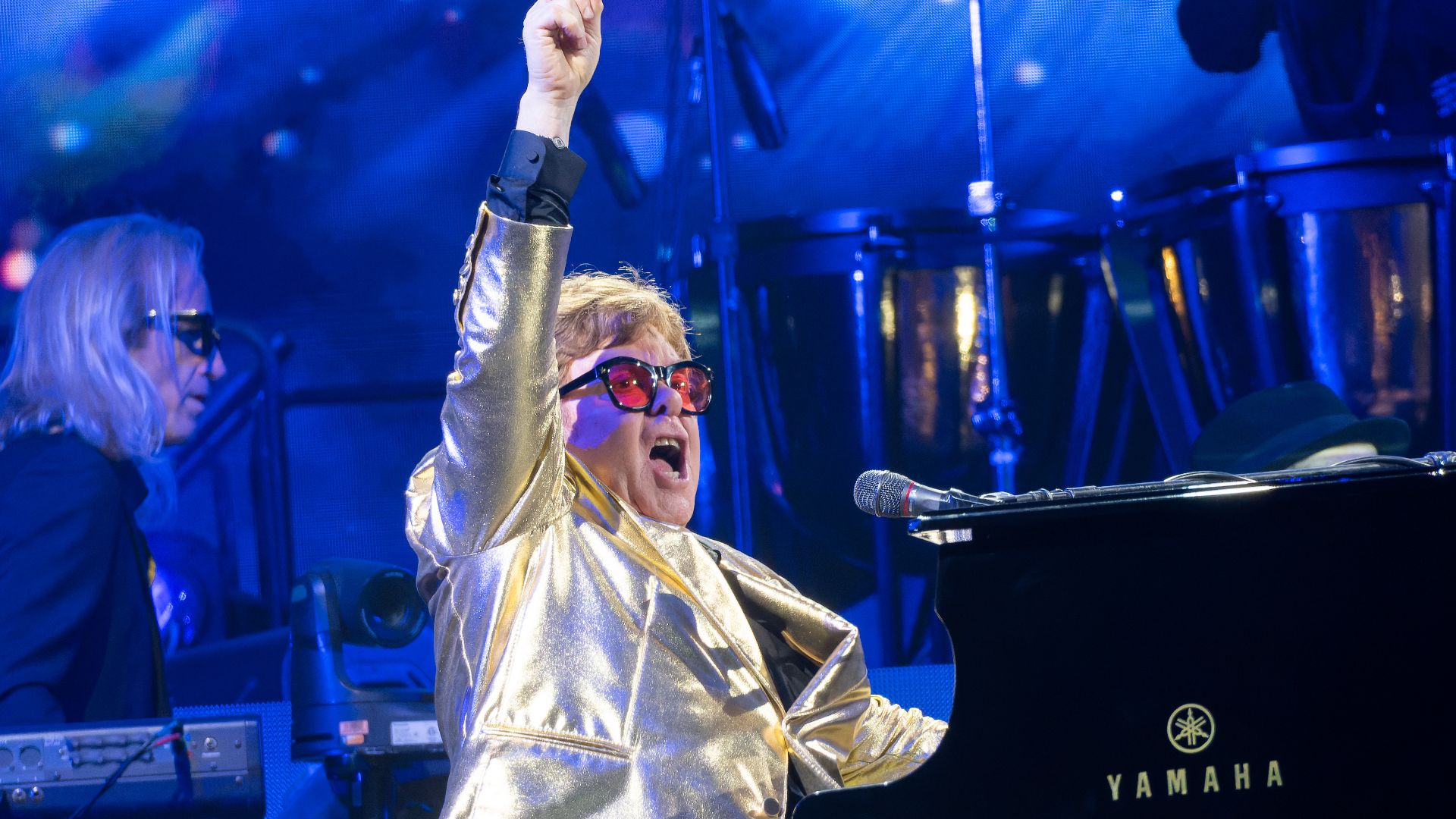
Ending Up Exactly Where He Belonged
By choosing honesty over safety, Elton John didn’t lose everything—he gained it. Respect, love, influence, and a legacy rooted in truth followed him instead. In risking it all, he became something rarer than a legend: a survivor who thrived.
 Rosana Prada, Wikimedia Commons
You May Also Like: