Music Careers Frozen
Stardom once promised longevity, but the rules changed faster than many careers could keep up. As a matter of fact, some artists never noticed the shift. The result: a fascinating disconnect between legacy and how audiences actually engage today.
Ashanti
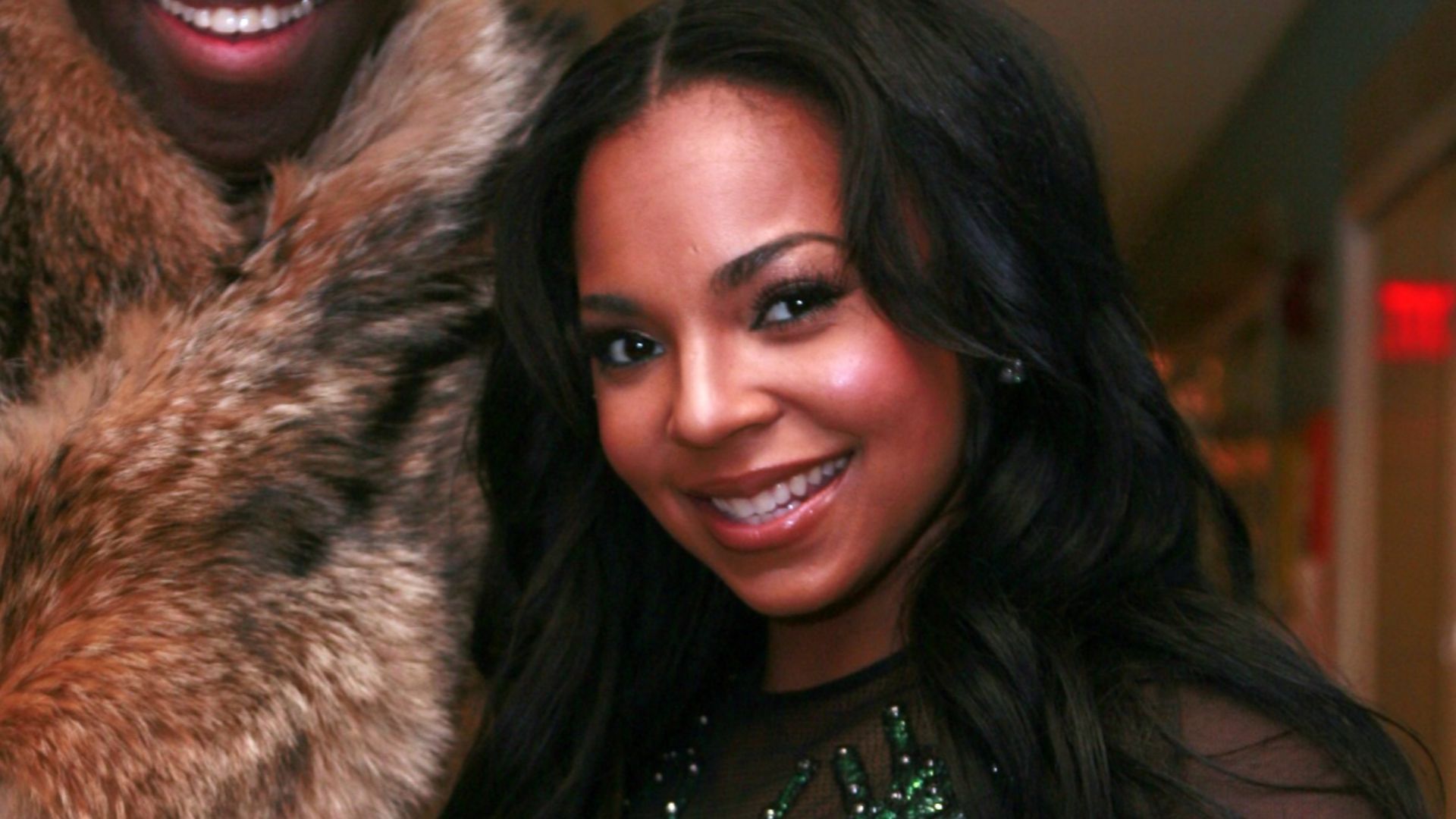
Ashanti’s rise in the early 2000s was swift and undeniable, fueled by her self-titled debut album and dominant singles like “Foolish,” which made her a constant presence on radio and television. That momentum slowed as her sound remained closely tied to an era shaped by specific producers and trends.
 New York City Public Schools Press Office, Wikimedia Commons
Ashanti (Cont.)
Industry shifts and label conflicts limited her ability to evolve commercially. Today, she continues recording and touring, but much of her visibility comes from reunion tours and nostalgia-driven appearances. On the other hand, interviews and promotional efforts often describe her career as unfinished in a belief that mainstream dominance could still return.
 Monique Tatum, Wikimedia Commons
Sean Kingston
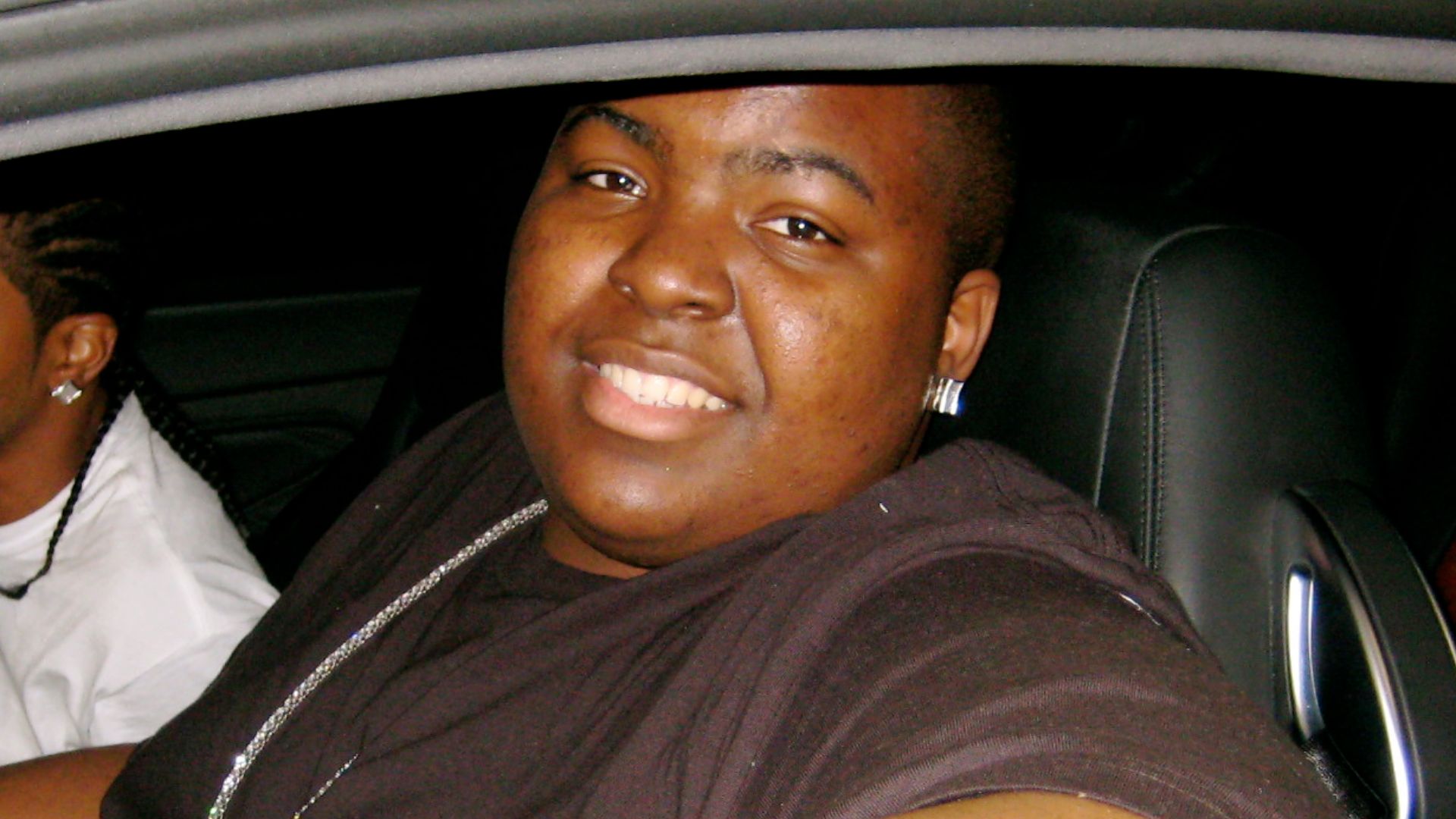
Known for radio staples like “Beautiful Girls” and “Fire Burning,” Sean Kingston once dominated late-2000s playlists. Later comeback attempts and singles have attracted modest attention, even though promotional efforts frequently frame them as full-scale returns to mainstream relevance.
Nelly Furtado
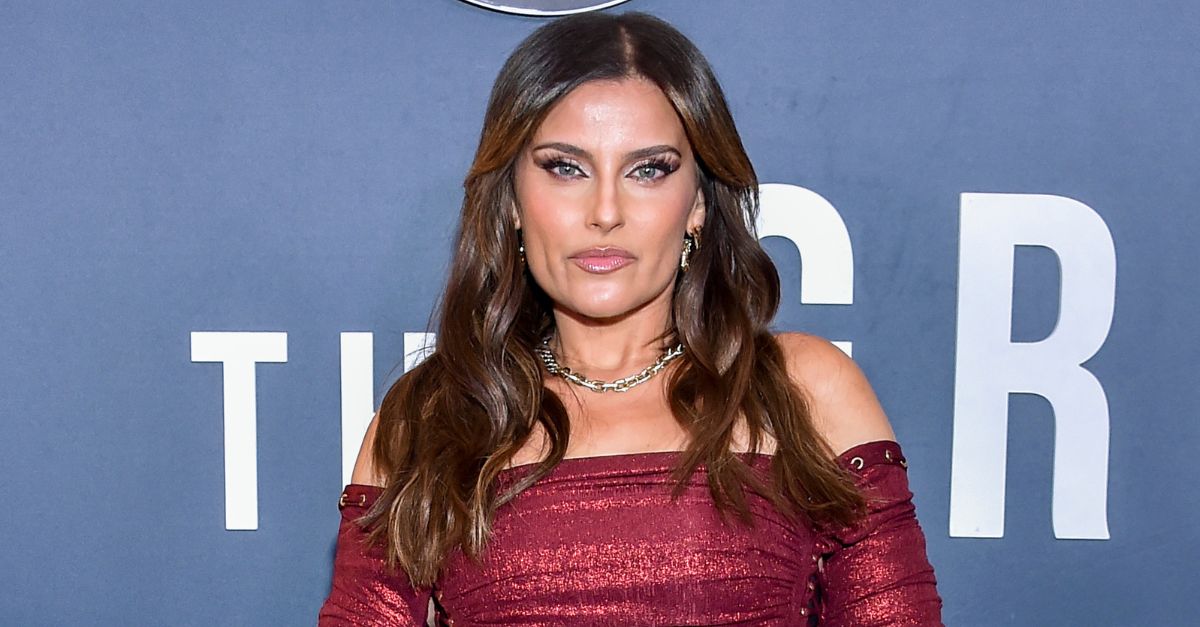
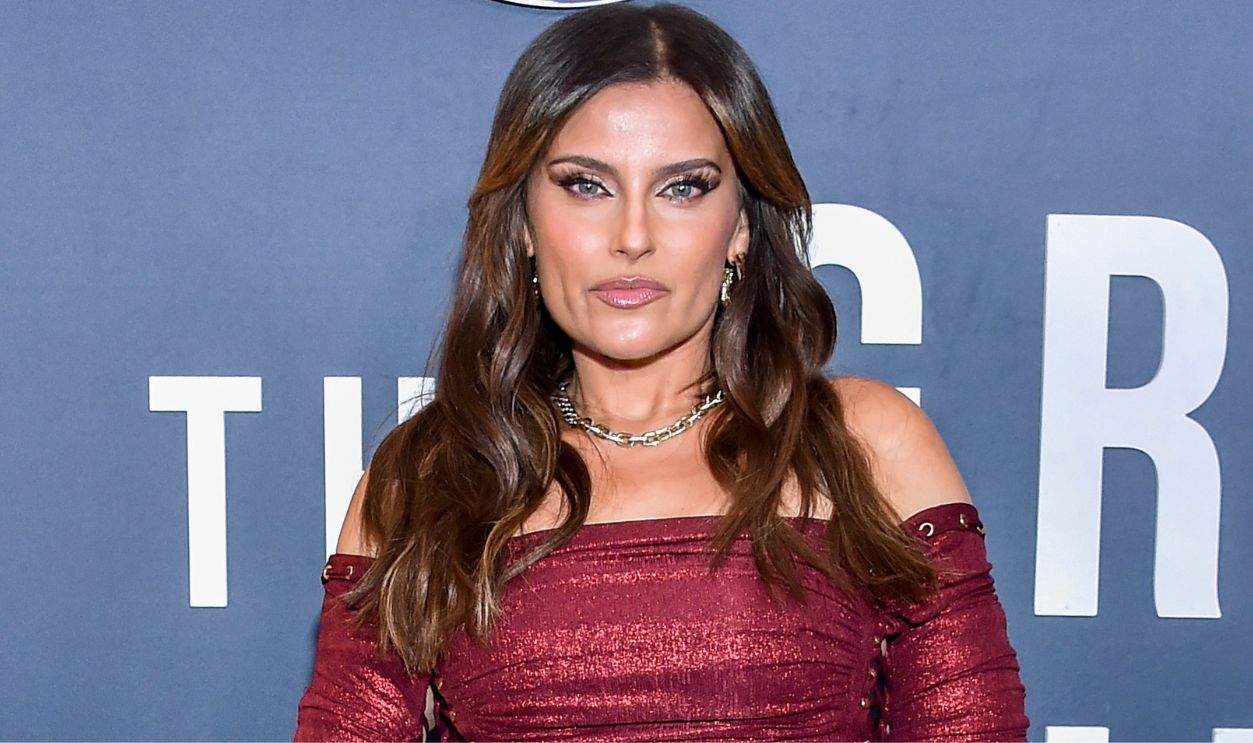
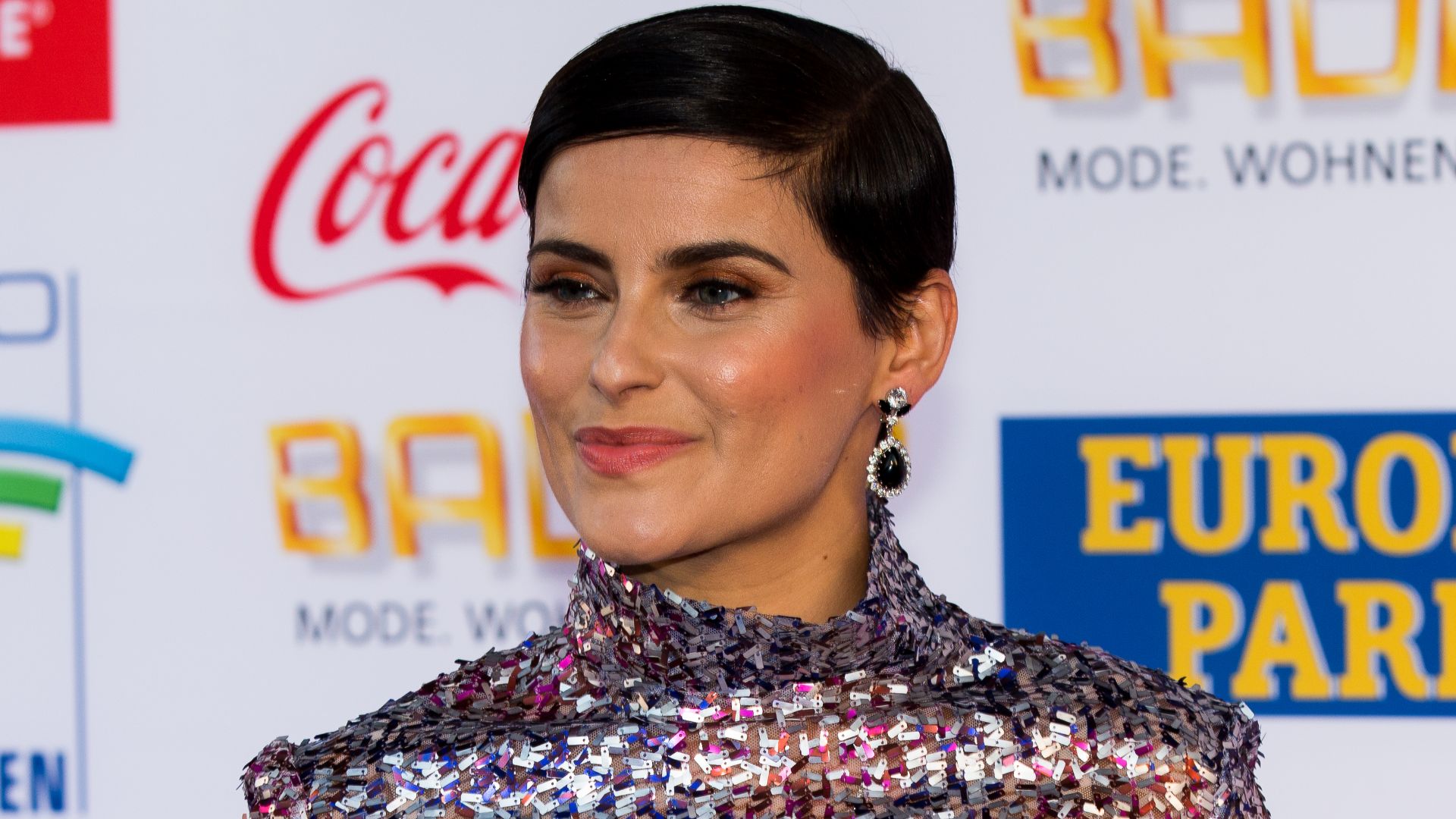
Nelly Furtado achieved global success in the 2000s with stylistic reinventions, particularly on Loose, which produced massive hits like “Promiscuous” and “Say It Right”. That era cemented her as a powerhouse. Later albums, including The Spirit Indestructible and Ride, explored new sounds but received limited commercial response.
 Sven Mandel, Wikimedia Commons
Nelly Furtado (Cont.)
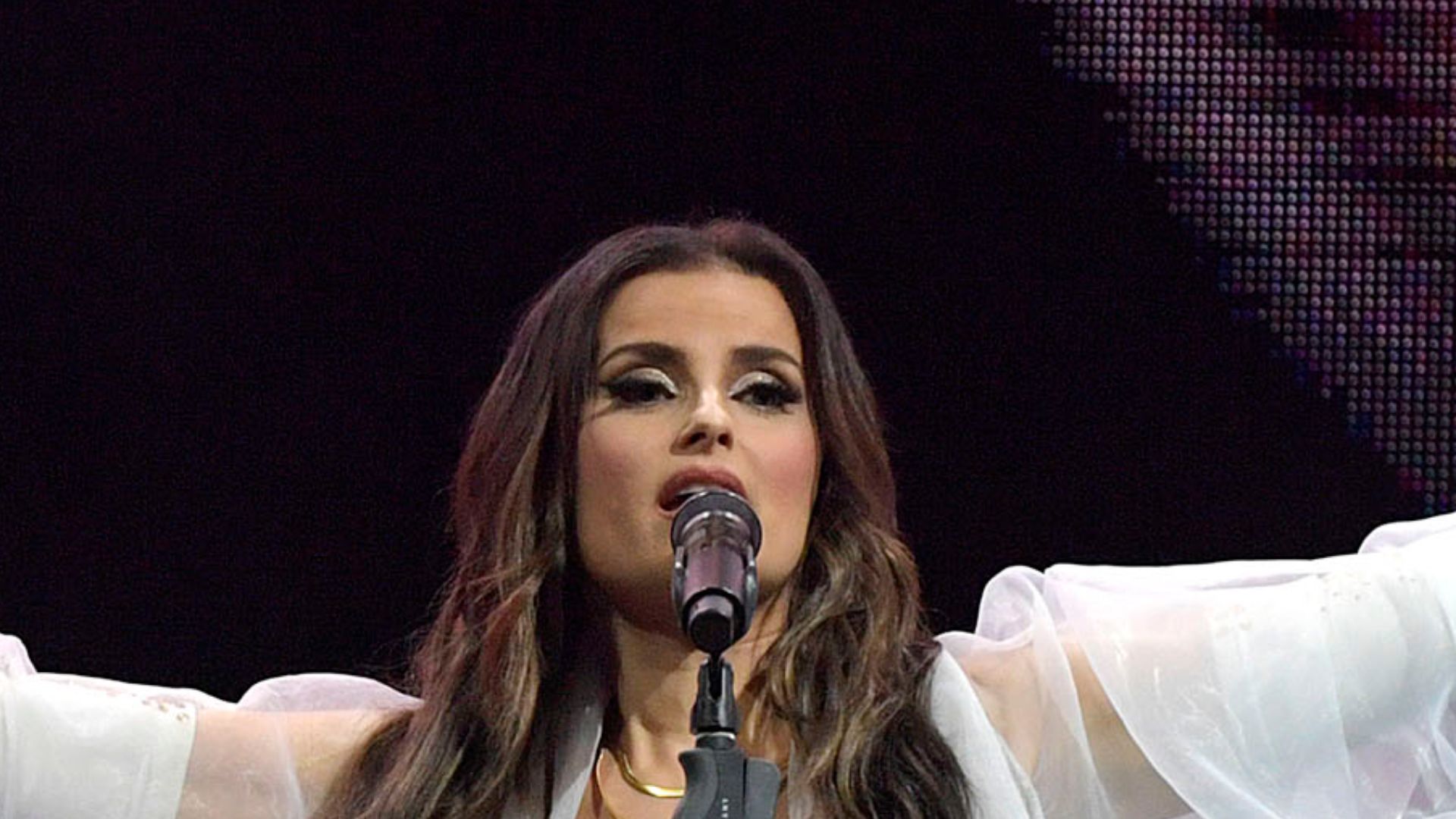
Despite this, public appearances and interviews have occasionally signaled she’s fit for another dominant pop moment. Recent rediscovery through social media has renewed interest in her catalog, but most engagement reflects appreciation for past work rather than demand for new releases.
 Martin Philbey, Wikimedia Commons
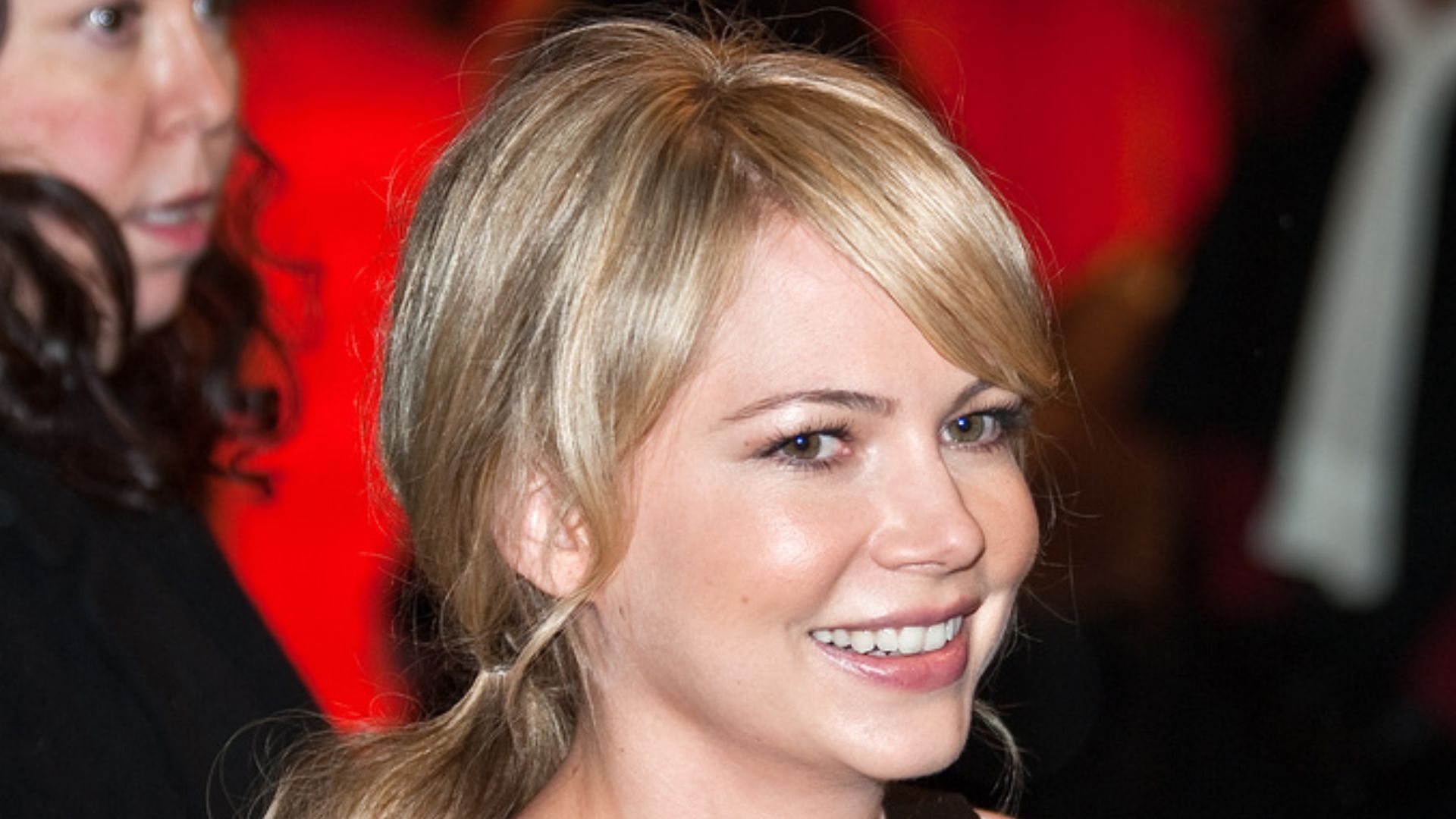
Michelle Williams
As a member of Destiny’s Child, Michelle Williams shared in massive global success. Solo albums such as Heart To Yours found a narrower audience. Nevertheless, interviews sometimes refer to her individual music career as culturally equal to the group’s era-defining impact within 2000s pop and R&B history.
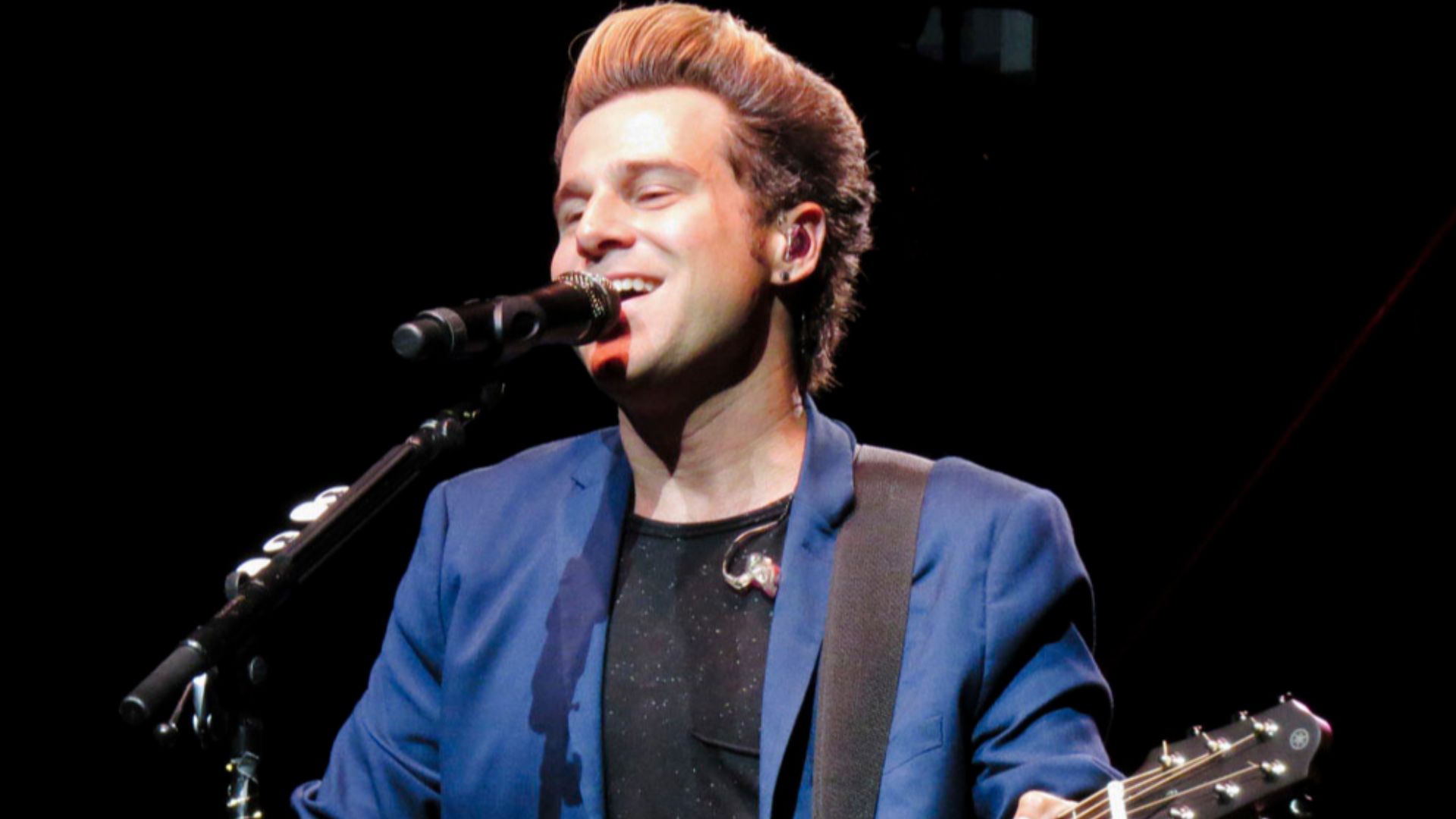
Ryan Cabrera
Early success followed Ryan Cabrera’s hit “On The Way Down” and the album Take It All Away. However, releases that followed drew limited notice. Despite that, promotional interviews often portray new material as major returns, not modest efforts for a reduced fanbase.
 jenniferlinneaphotography from Denver, CO, USA, Wikimedia Commons
Willa Ford
Remembered for early-2000s visibility and the single “I Wanna Be Bad,” Willa Ford briefly occupied pop’s spotlight. Unfortunately, her second single was released on 9/11/2001 and didn’t achieve success. She hasn’t stopped singing but prefers to pursue other creative projects in acting and interior design.
 Danny Bollinger, Wikimedia Commons
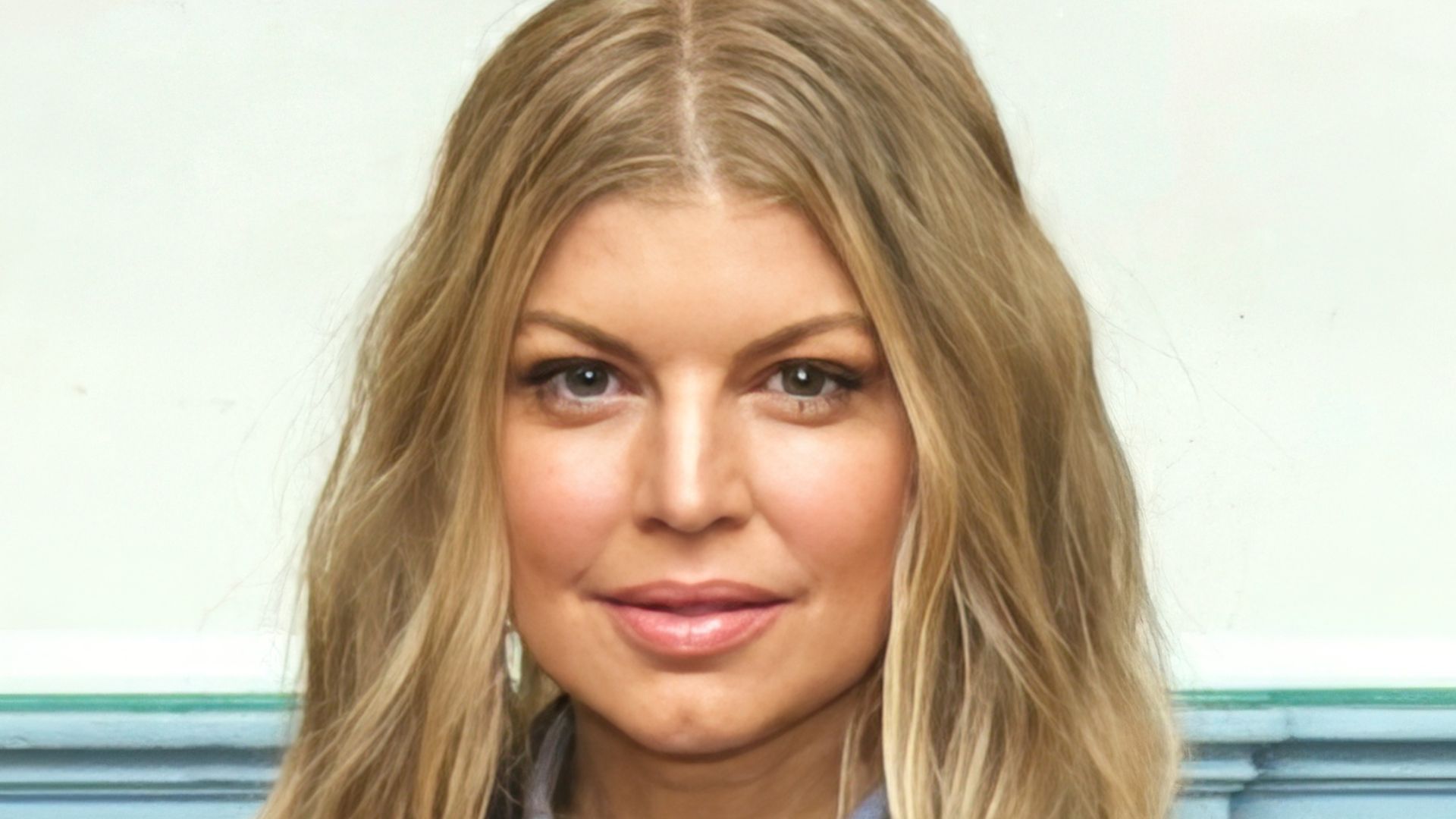
Fergie
As the female lead of the Black Eyed Peas, Fergie’s rise to dominance was unmistakable. Her solo singles from The Dutchess promised more success, but momentum stalled after she stepped away from music for several years. As a result, her 2017 return with Double Dutchess felt disconnected from pop trends.
 U.S. Department of State, Wikimedia Commons
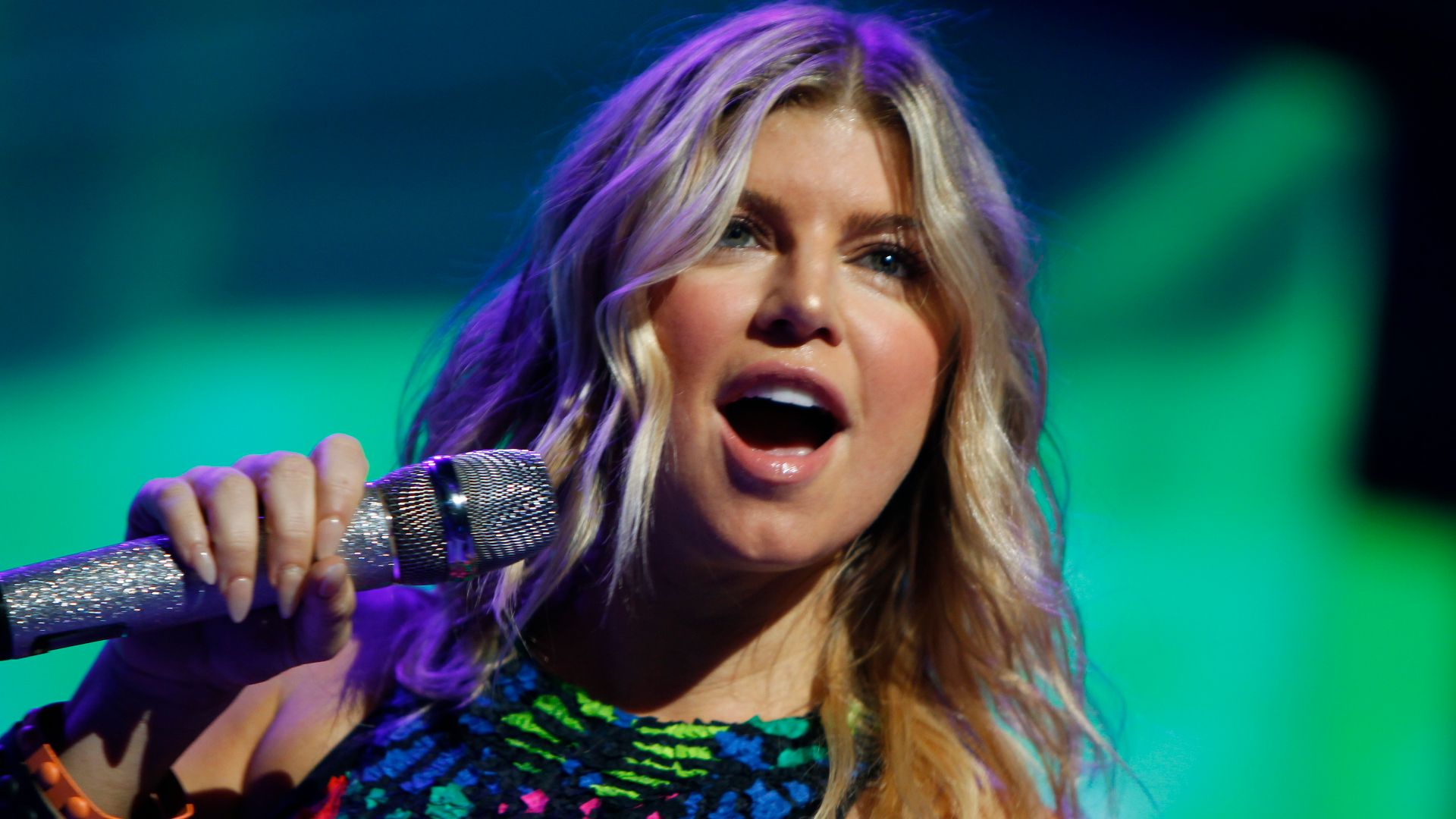
Fergie (Cont.)
Regardless of the heavy promotion, the album underperformed commercially and failed to produce lasting hits. Public perception shifted further after her widely criticized performance of the national anthem at the 2018 NBA All-Star Game, which drew more attention than her music.
 Walmart from Bentonville, USA, Wikimedia Commons
Blu Cantrell
Hits like “Hit ’Em Up Style (Oops!)” and the album So Blu earned Blu Cantrell strong radio play. Later releases failed to maintain that momentum. Occasional interviews and resurfacing moments suggest that her career might be unfinished rather than era-specific, though.
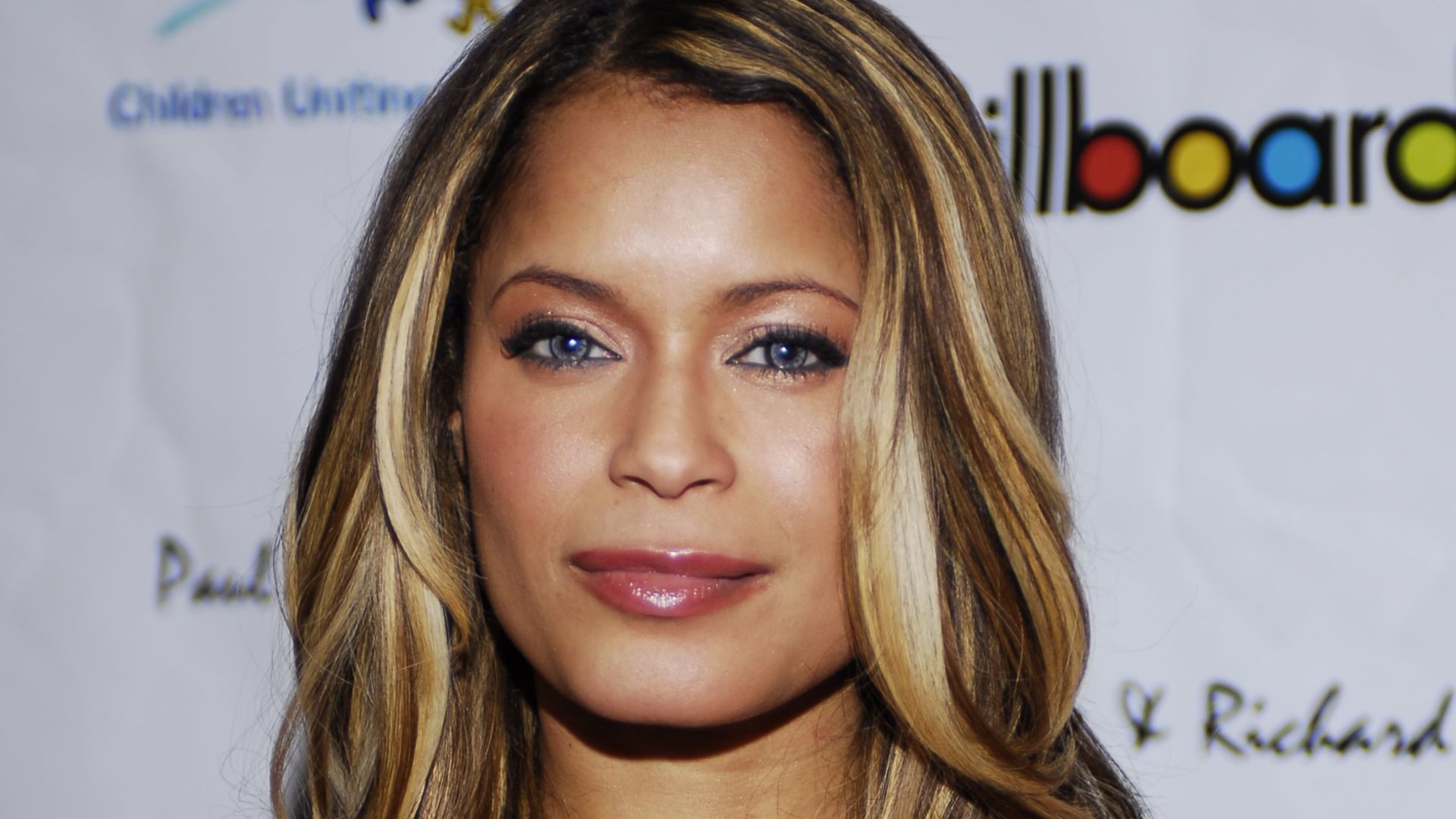 John B. Mueller, Wikimedia Commons
Jay Sean
International fame followed crossover singles such as “Down” and “Do You Remember,” along with the album All Or Nothing. While Jay Sean continues releasing music, audience reach has narrowed considerably, even as promotional language sometimes suggests an ongoing position within mainstream American pop charts.

Omarion
As a member of B2K, Omarion achieved massive teen-pop success before launching a solo career with albums like O. Although he remains visible through nostalgia tours and television, solo music is still framed as culturally central despite limited recent impact.
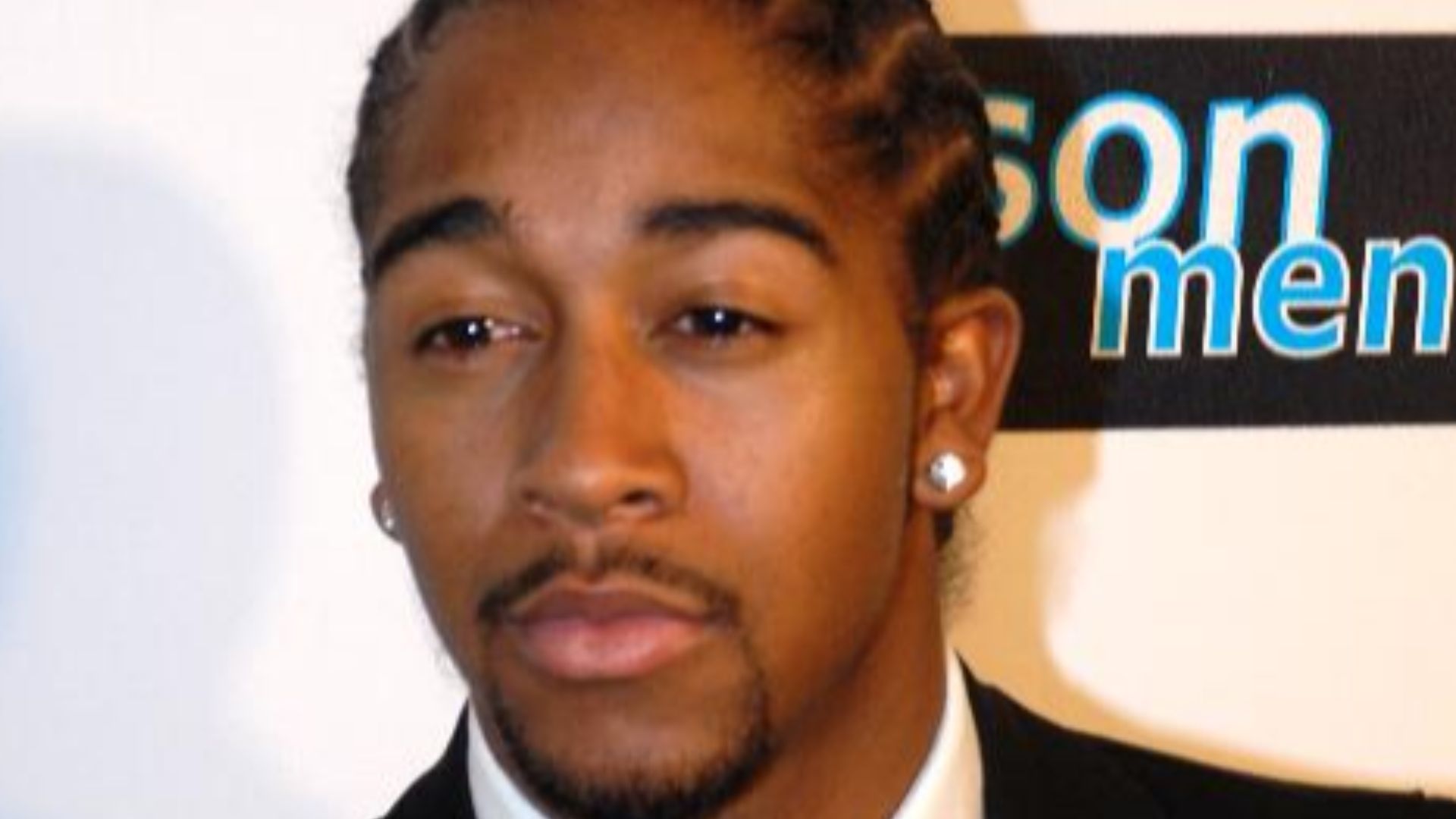 lukeford.net, Wikimedia Commons
JoJo
JoJo broke through as a teenage prodigy with “Leave (Get Out)” and the album JoJo, which earned industry respect for her vocal ability. Unfortunately, legal disputes with her label stalled her momentum during what should have been her peak career years.
 Wes sideman, Wikimedia Commons
JoJo (Cont.)
Albums like Mad Love later showcased artistic growth and critical praise, but commercial reach remained modest. Even so, JoJo is sometimes discussed as an underrecognized pop star rather than an artist operating in a more niche, mature lane. Her story offers value as a case study in how industry barriers can permanently reshape public visibility, regardless of talent.

Jesse McCartney
Teen idol status came with albums like Beautiful Soul and radio staples such as “Leavin’”. Although Jesse McCartney continues releasing polished pop music, most public engagement now stems from nostalgia, even as new projects are referred to as contemporary pop moments.
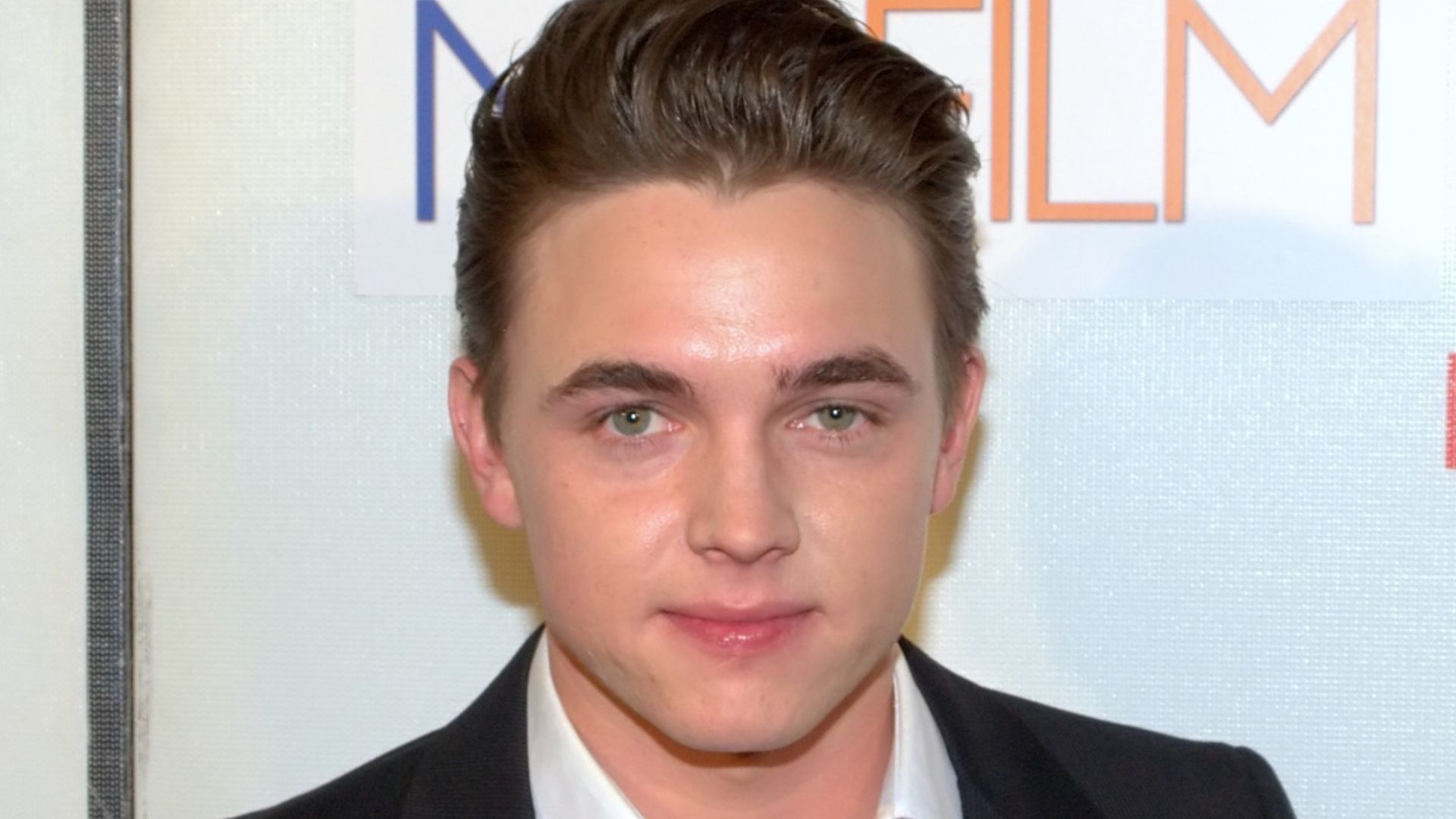 David Shankbone, Wikimedia Commons
Bow Wow
Discovered as a child star, Bow Wow scored major success with albums like Beware of Dog and hits such as “Let Me Hold You”. As adult releases struggled to connect, his public persona has continued to imply top-tier celebrity status in the hip hop scene despite diminished musical influence.
 C. Todd Lopez, Wikimedia Commons
Avril Lavigne
Avril Lavigne emerged in the early 2000s as a defining pop-punk voice with albums like Let Go and Under My Skin, driven by hits such as “Complicated”. Later albums received mixed reviews, although she never fully disappeared. Her cultural position shifted as pop trends moved on.
 Justin Higuchi from Los Angeles, CA, USA, Wikimedia Commons
Avril Lavigne (Cont.)
In recent years, releases like Head Above Water and Love Sux were promoted as major returns, yet their reach was far smaller than her peak era. Although she still tours and collaborates with younger artists, much of the attention centers on nostalgia and legacy rather than chart influence.
 seewhatsee.sg, Wikimedia Commons
Brooke Hogan
Public attention followed reality television exposure and the album Undiscovered, which produced modest chart results. While music never became a lasting focus, Brooke Hogan has continued referencing pop ambitions, despite her recording career remaining a brief side chapter.

Christina Milian
Early-2000s visibility followed hits like “Dip It Low” and her self-titled debut album. But as Christina Milian’s career shifted toward acting and reality television, music output slowed. Nevertheless, occasional references still consider her an active pop artist.
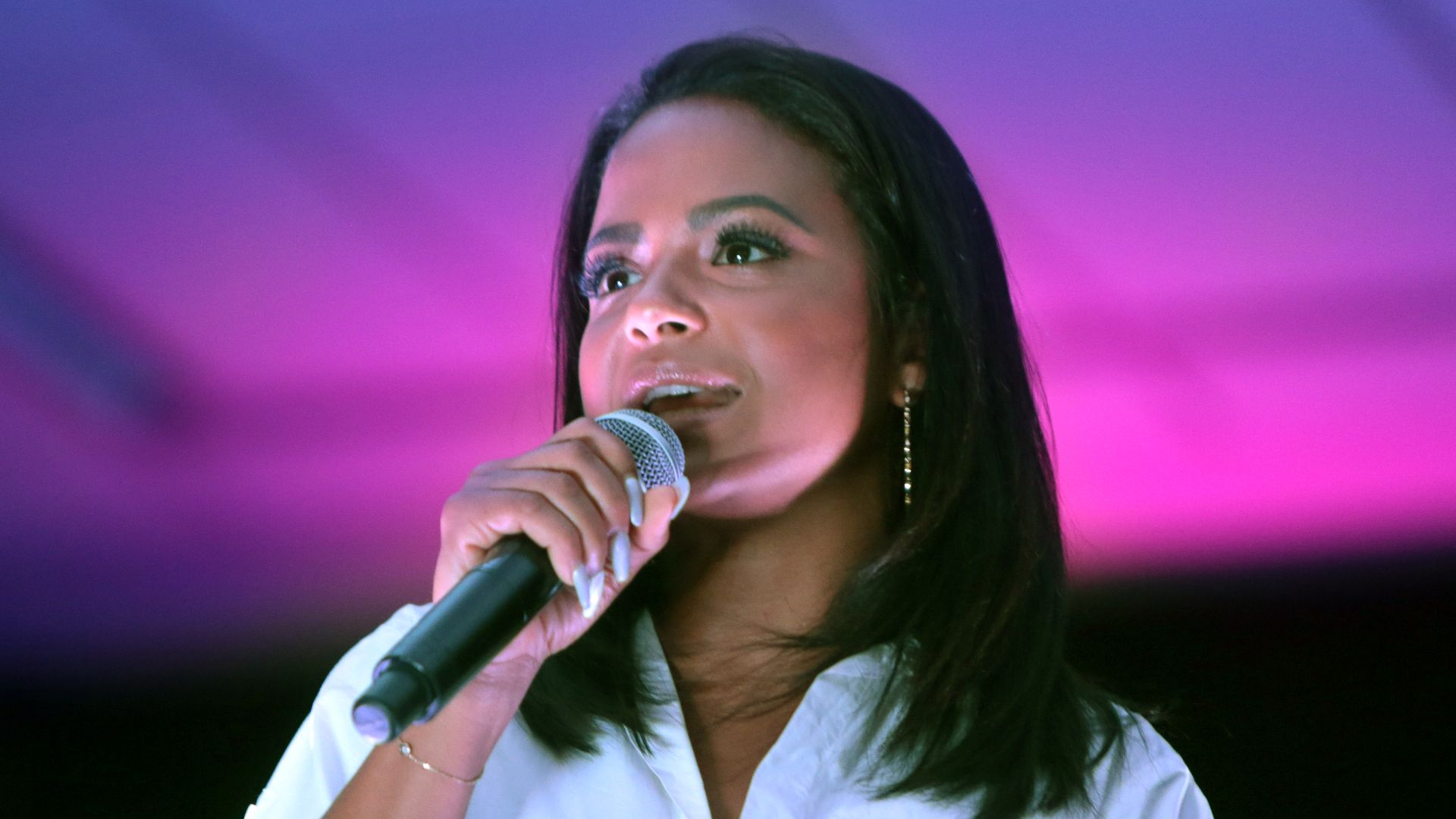 Gage Skidmore from Peoria, AZ, United States of America, Wikimedia Commons
Mya
Critically respected albums like Moodring and hits such as “Case Of The Ex” cemented Mya’s early-2000s success. She remains active creatively, but mainstream attention has faded, even as public commentary sometimes suggests continued chart relevance.

Natasha Bedingfield
Natasha Bedingfield achieved mainstream success with “Unwritten” and the album Unwritten, which defined mid-2000s radio. However, subsequent releases drew far less attention, though occasional viral rediscovery has been thought of as a comeback.
 Sven Mandel, Wikimedia Commons
Aubrey O’Day
Stardom arrived through Danity Kane and hits like “Damaged,” positioning Aubrey O’Day firmly in 2000s pop culture. As music activity declined, reality television sustained visibility. Nevertheless, public self-presentation often implies a standalone career with ongoing relevance.
 Joella Marano from Manhattan, NY, Wikimedia Commons