When the Mic Started Dictating the Dress Code
Hip hop didn’t politely ask the fashion world for permission—it showed up dressed better than everyone else and dared the industry to keep up. From street corners to couture runways, rappers turned personal style into cultural authority, reshaping how luxury, rebellion, and identity look on a global stage. Below are 22 unmistakable looks that helped crown hip hop as the most powerful force in style.
Run-D.M.C. and the Adidas Shell Toe Uniform
Three black tracksuits, unlaced sneakers, and zero jewelry beyond thick gold chains—it was anti-flash flashiness. Run DMC made brand loyalty feel militant and authentic.Their adidas partnership didn't just sell shoes-it rewrote how music and fashion collaborate.
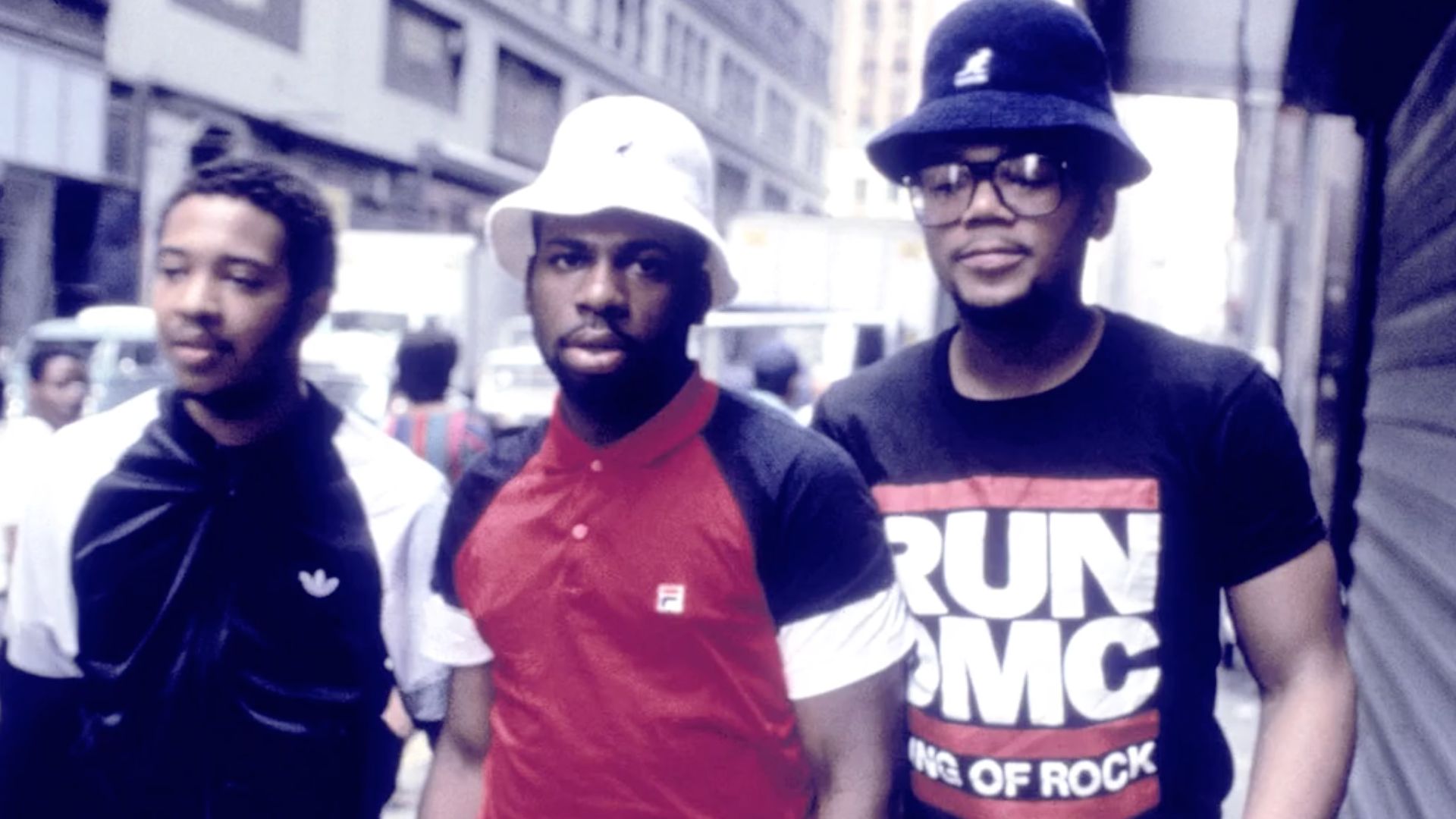 Jeff Pinilla, Wikimedia Commons
LL Cool J’s Kangol Era
LL Cool J didn’t just wear Kangol hats—he owned them. The bucket hat became a symbol of confidence, cool, and effortless swagger. Suddenly, a simple accessory carried an entire genre’s attitude.
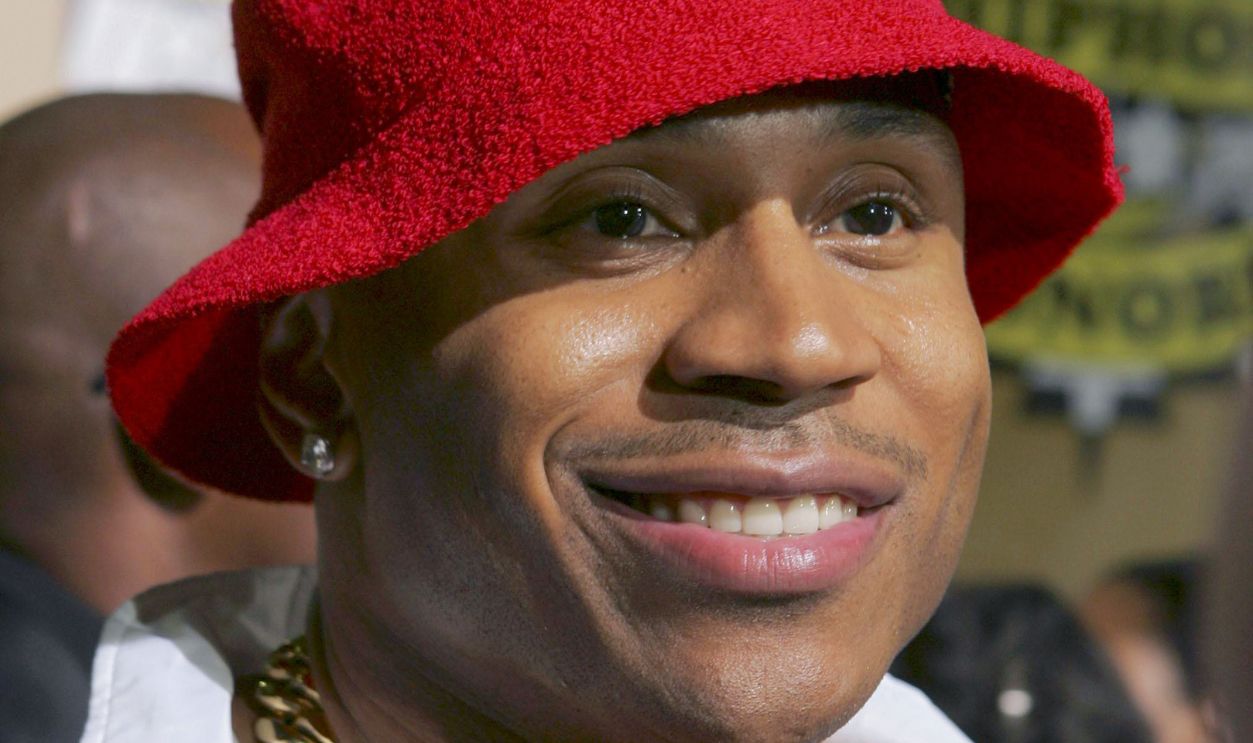 Everett Collection, Shutterstock
Salt-N-Pepa’s Leather-and-Lace Balance
Salt-N-Pepa mastered contrast long before it was a runway buzzword. Leather jackets met high-top fades, jewelry stacked with intention, and femininity never meant softness. They proved women in hip hop didn't need to dress down- or dress "nice"-to dominate.
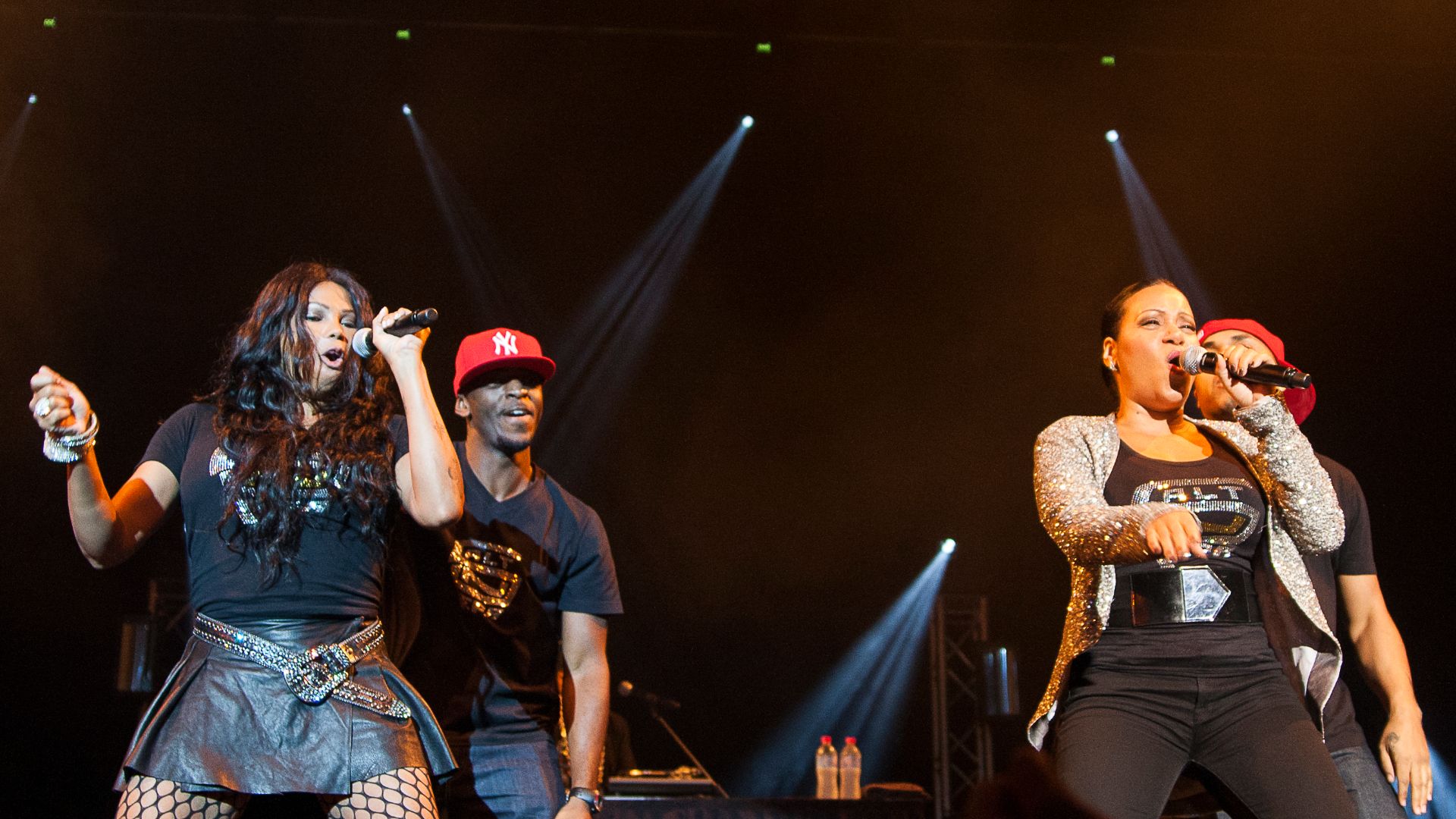 David Burke, Wikimedia Commons
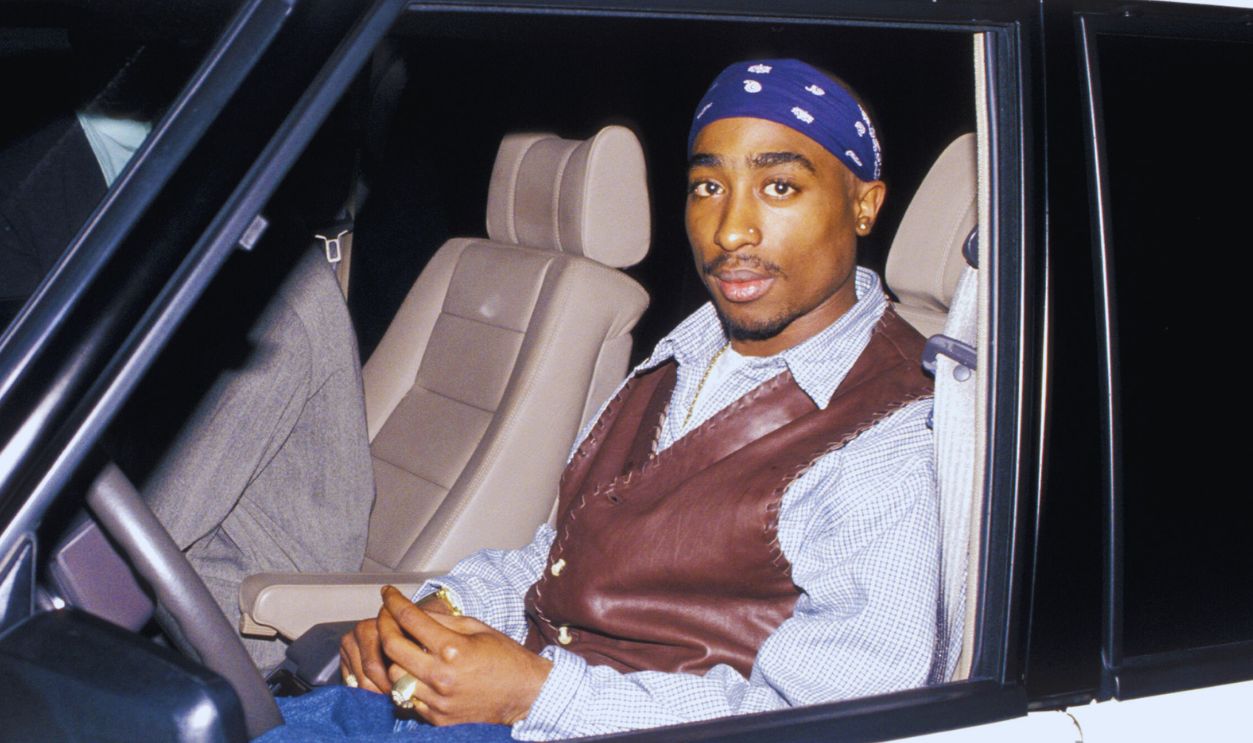
Tupac’s Bandana and Gold Chain Combo
Tupac’s style felt lived-in, not styled. Bandanas, sleeveless tops, and layered gold spoke louder than designer labels ever could. It was raw, political, and deeply personal—fashion as testimony.
The Notorious B.I.G.’s Coogi Sweaters
Biggie turned knitwear into armor. Those bold, colorful Coogi sweaters paired with tailored silhouettes redefined luxury through a hip hop lens. He made wealth look relaxed, not flashy-and the industry noticed.
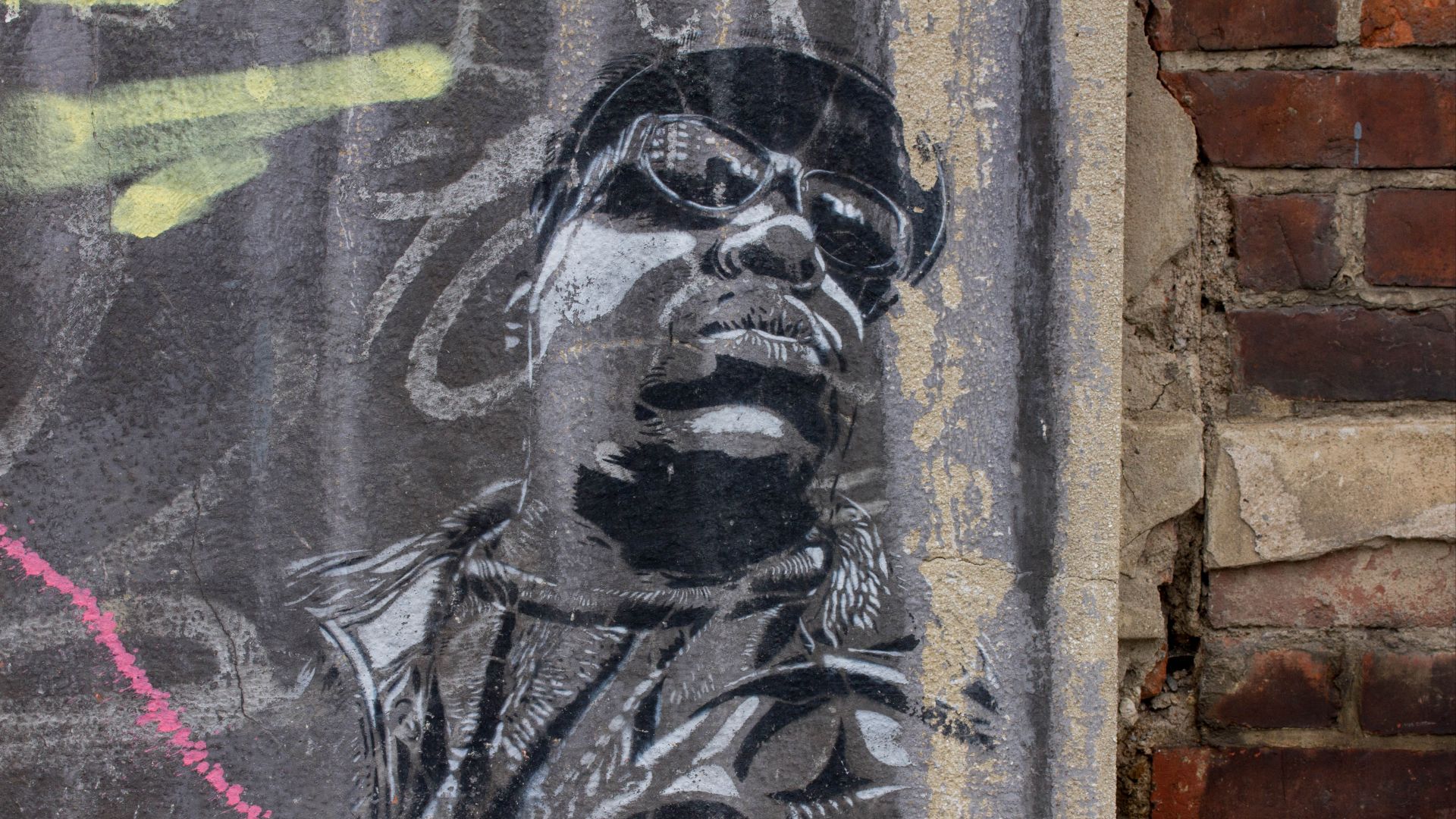 Caroline Léna Becker, Wikimedia Commons
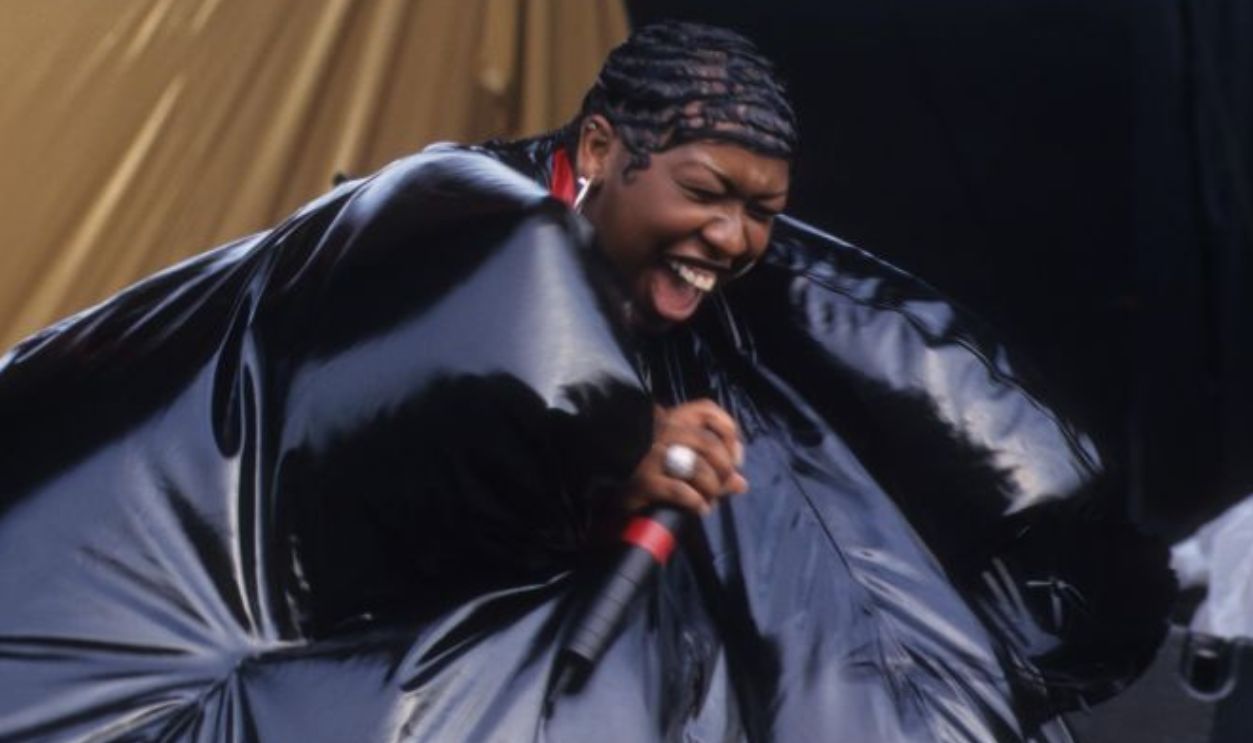
Missy Elliott’s Inflated Vinyl Suit
Missy didn’t just think outside the box—she expanded it. Her oversized vinyl look flipped beauty standards and silhouettes on their head. It was futuristic, fearless, and unapologetically weird.
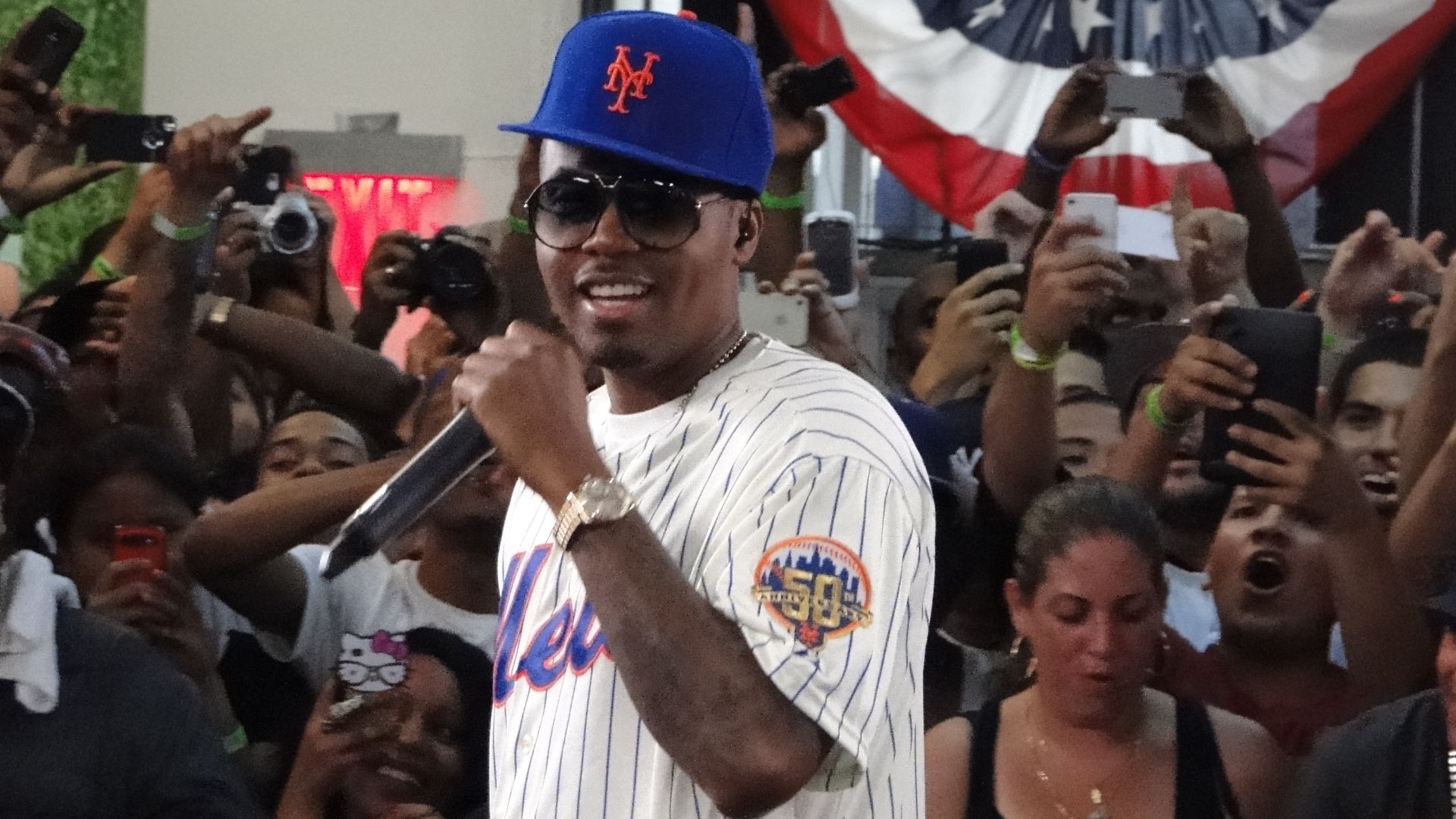
Nas at the Illmatic Era Photo Shoots
Timbs, denim, and a stare that said everything without speaking. Nas made everyday New York style feel poetic and permanent. His looks matched his lyrics-grounded, sharp, and quietly influential.
 Bryan Horowitz, Wikimedia Commons
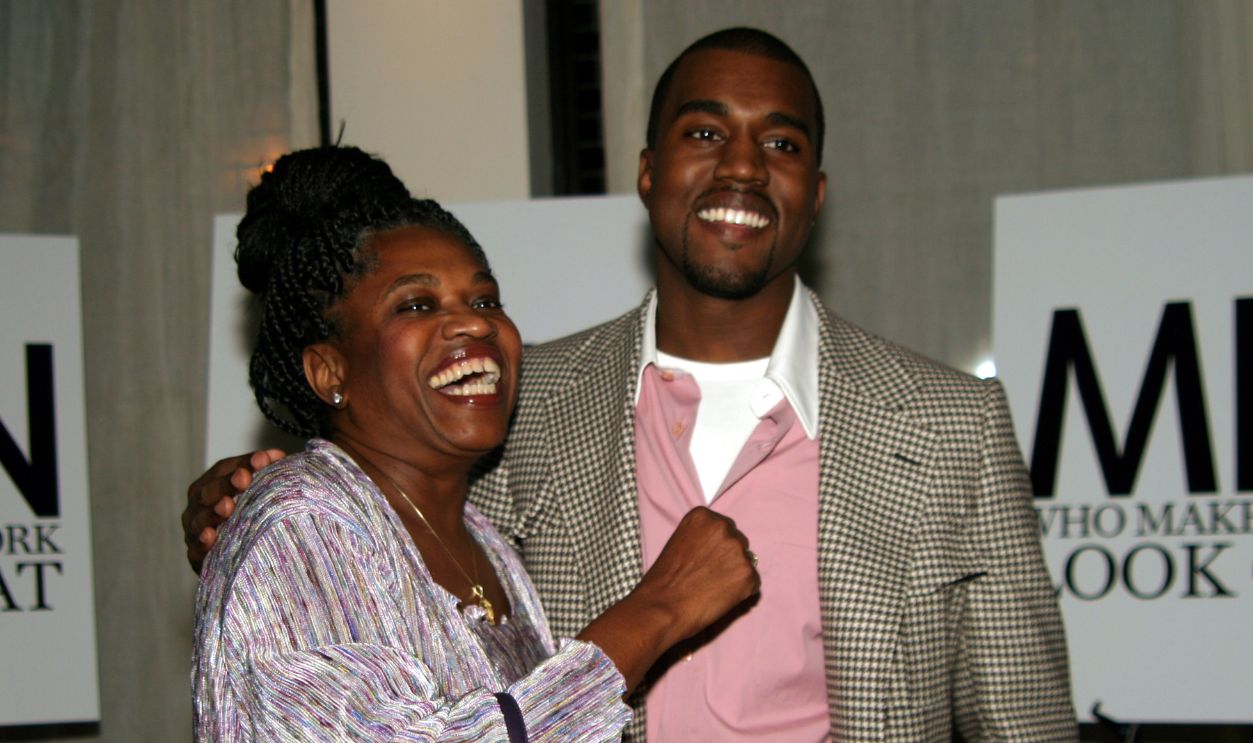
Kanye West’s Pink Polo Phase
Before Yeezy minimalism, Kanye embraced pastel polos and fitted backpacks. It was nerdy, preppy, and controversial in all the right ways. Hip hop suddenly had room for vulnerability and color.
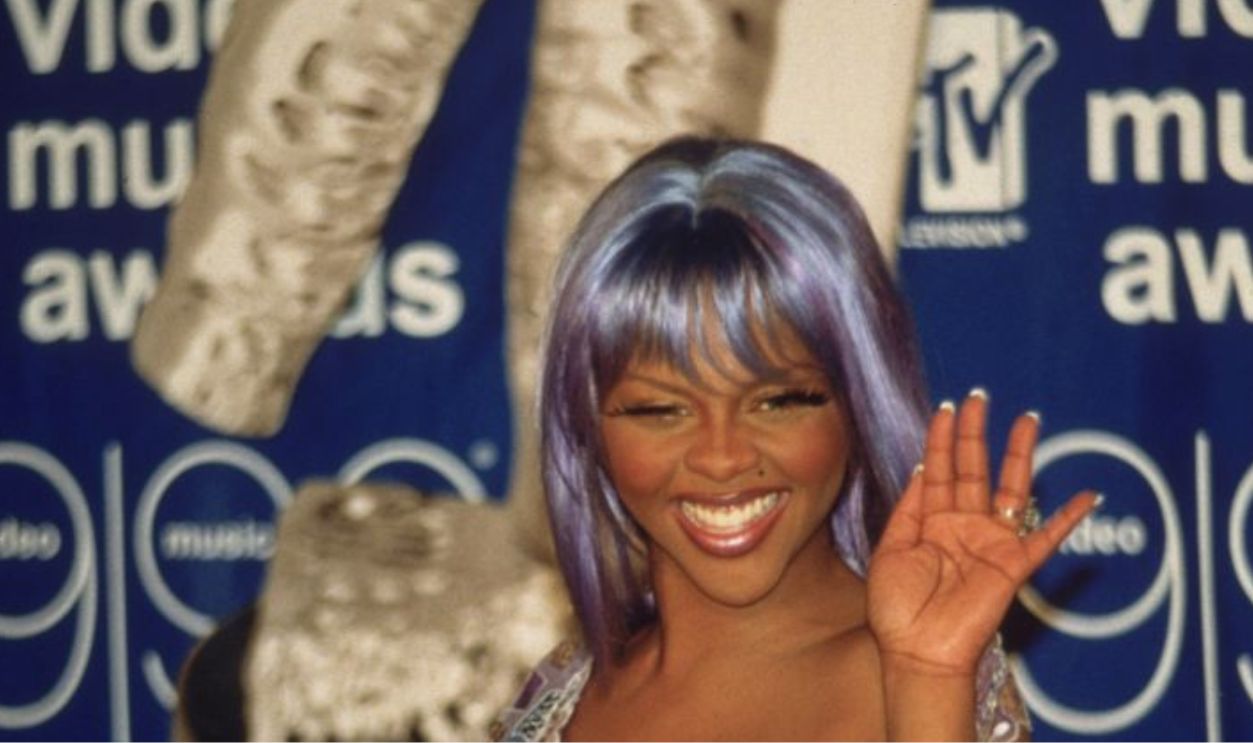
Lil’ Kim’s Purple Pastie Moment
One outfit, one awards show, infinite shockwaves. Lil’ Kim blurred lines between provocation and power with absolute confidence. It wasn't about exposure-it was about control.
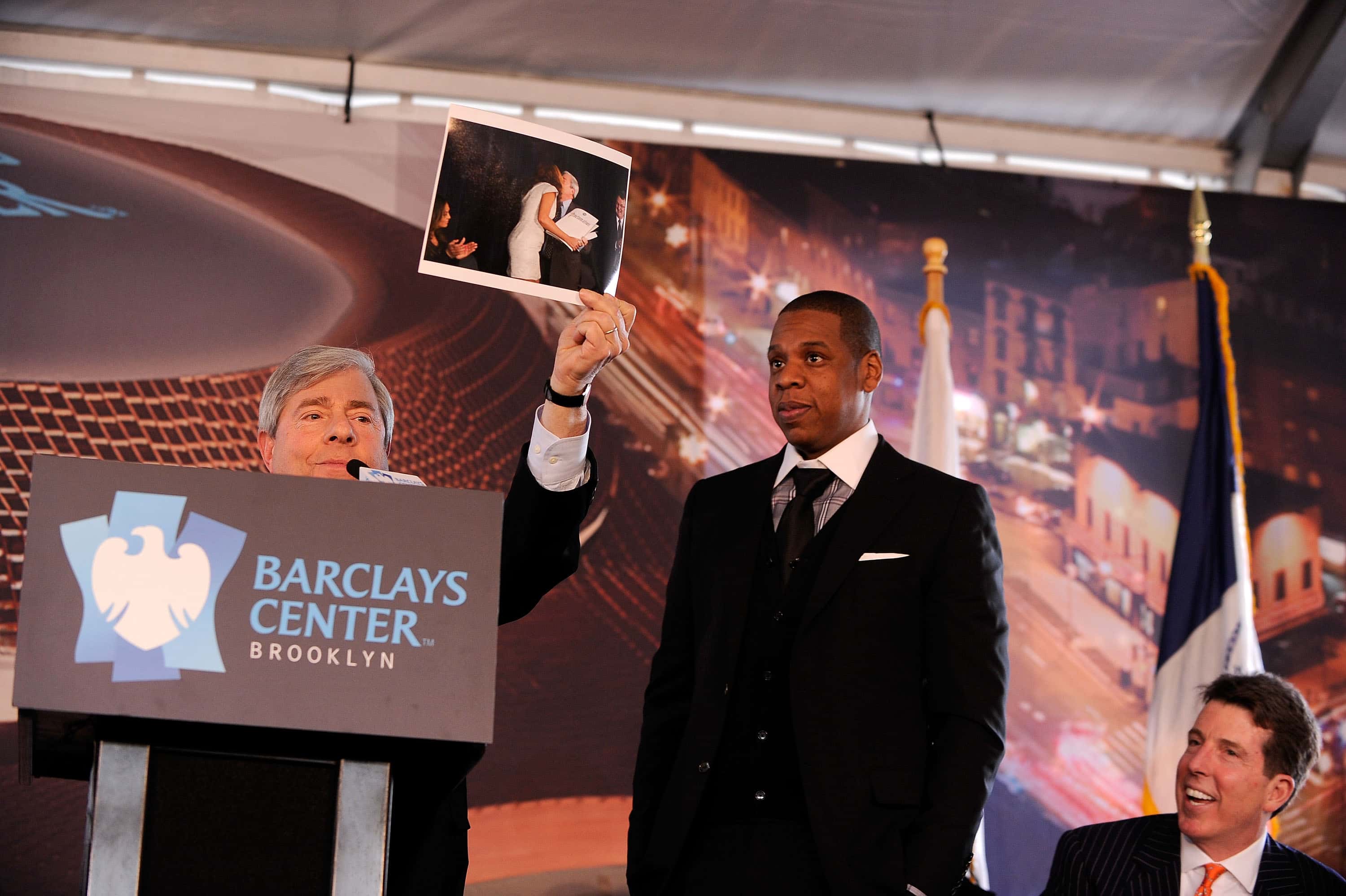
Jay-Z’s Tom Ford Tuxedo Era
When Jay-Z cleaned up, hip hop followed. Tailored suits, luxury watches, and understated elegance marked a new chapter. He proved rap didn’t have to abandon its roots to command elite spaces.
Pharrell’s Billionaire Boys Club Revolution
Skate culture, Japanese streetwear, and playful graphics collided under Pharrell’s vision. His style made curiosity fashionable. He didn't chase trends-He built ecosystems.
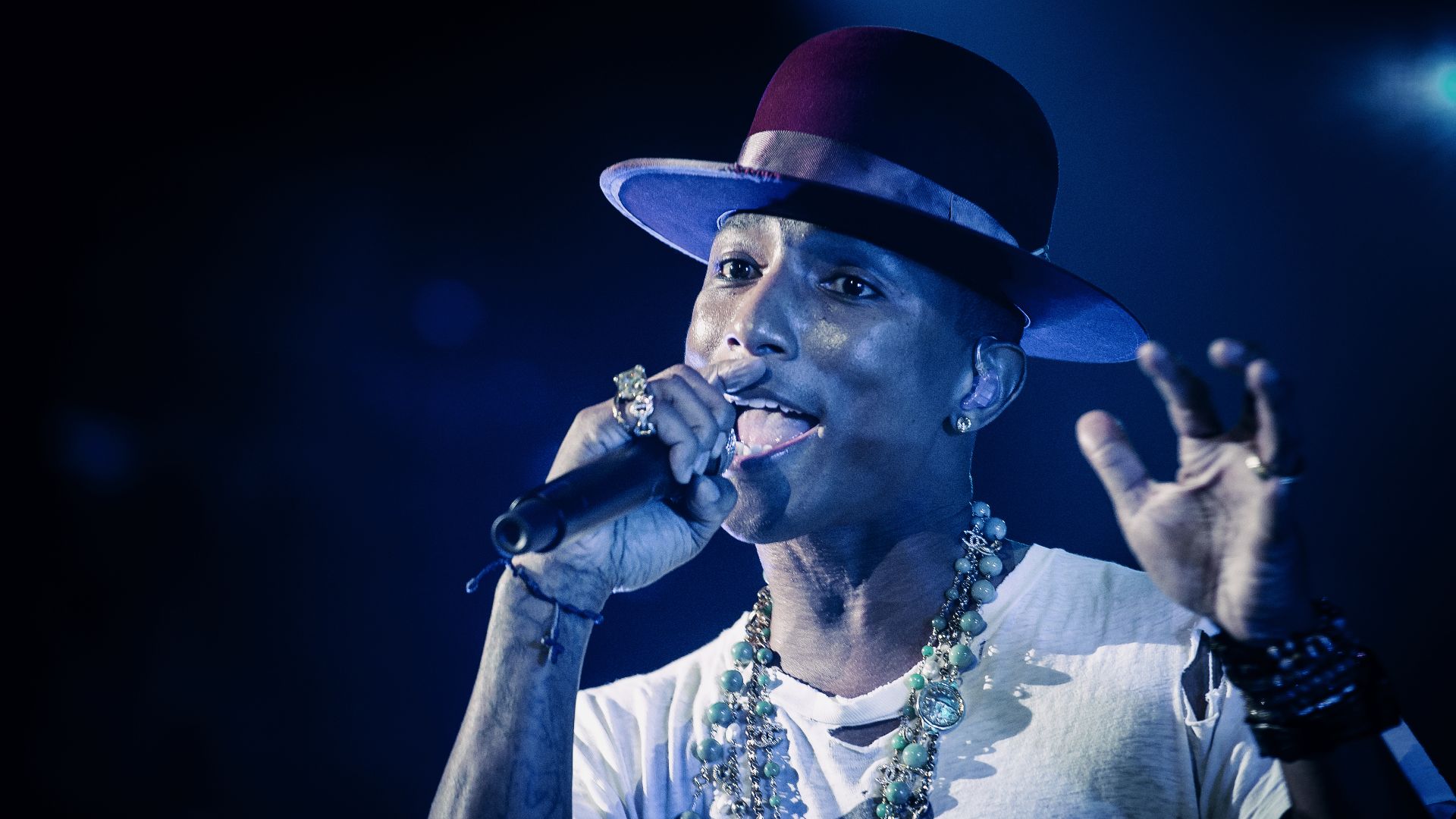 Andreas Meixensperger, Wikimedia Commons
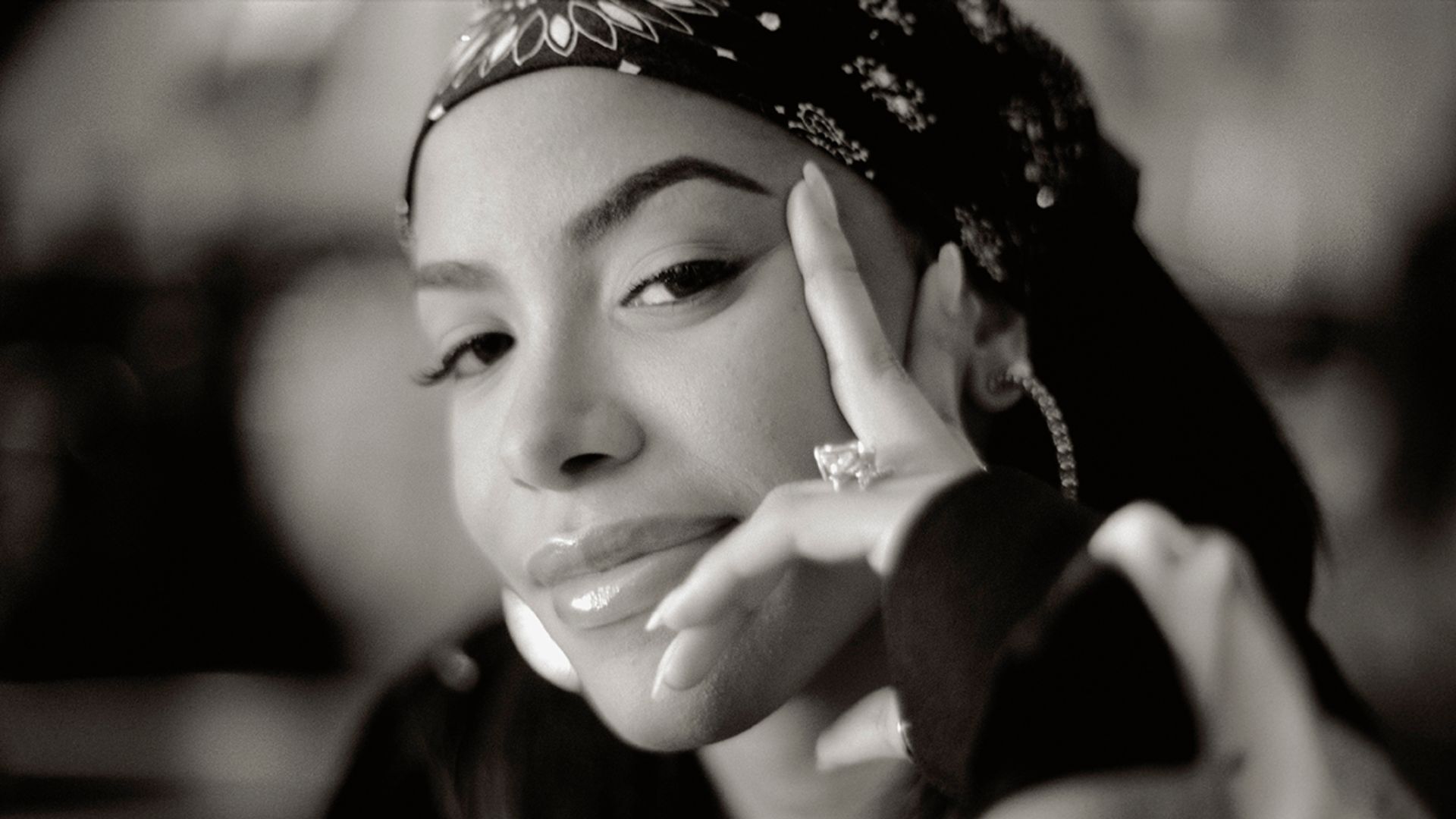
Aaliyah’s Baggy Pants and Bra Tops
Aaliyah mastered masculine-feminine balance without ever trying too hard. Her off-duty looks felt futuristic yet grounded. She set the template for effortless cool that still gets referenced today.
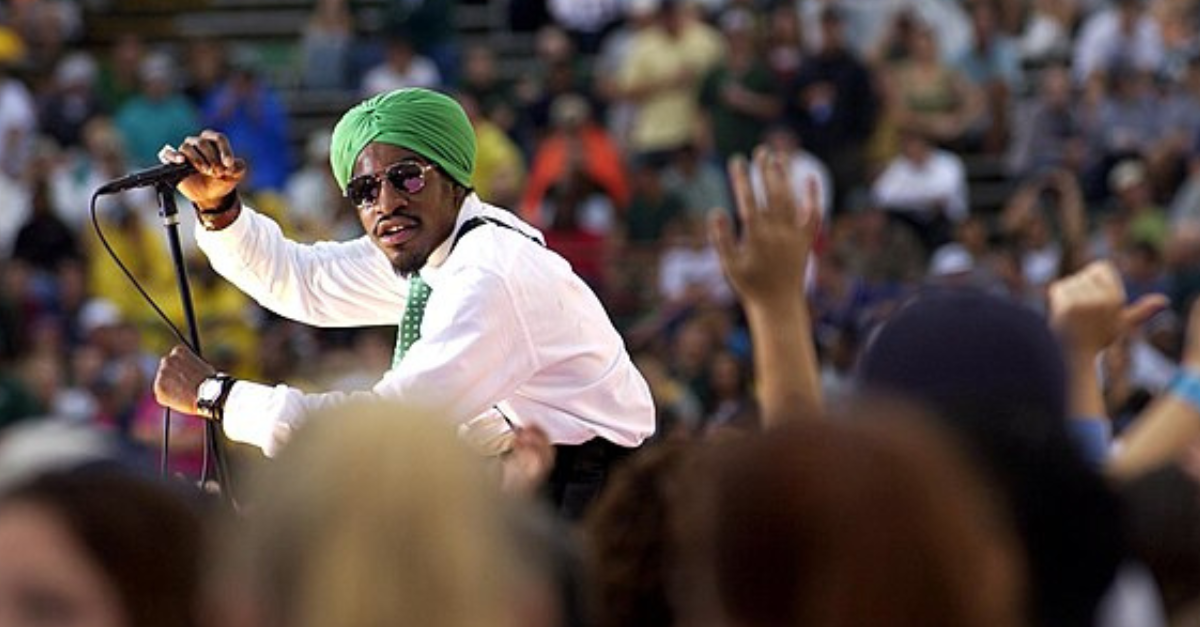
André 3000’s Genre-Defying Wardrobe
There was never a single André look—and that was the point. From bow ties to wigs, his fashion rejected conformity completely. Individuality became the statement.
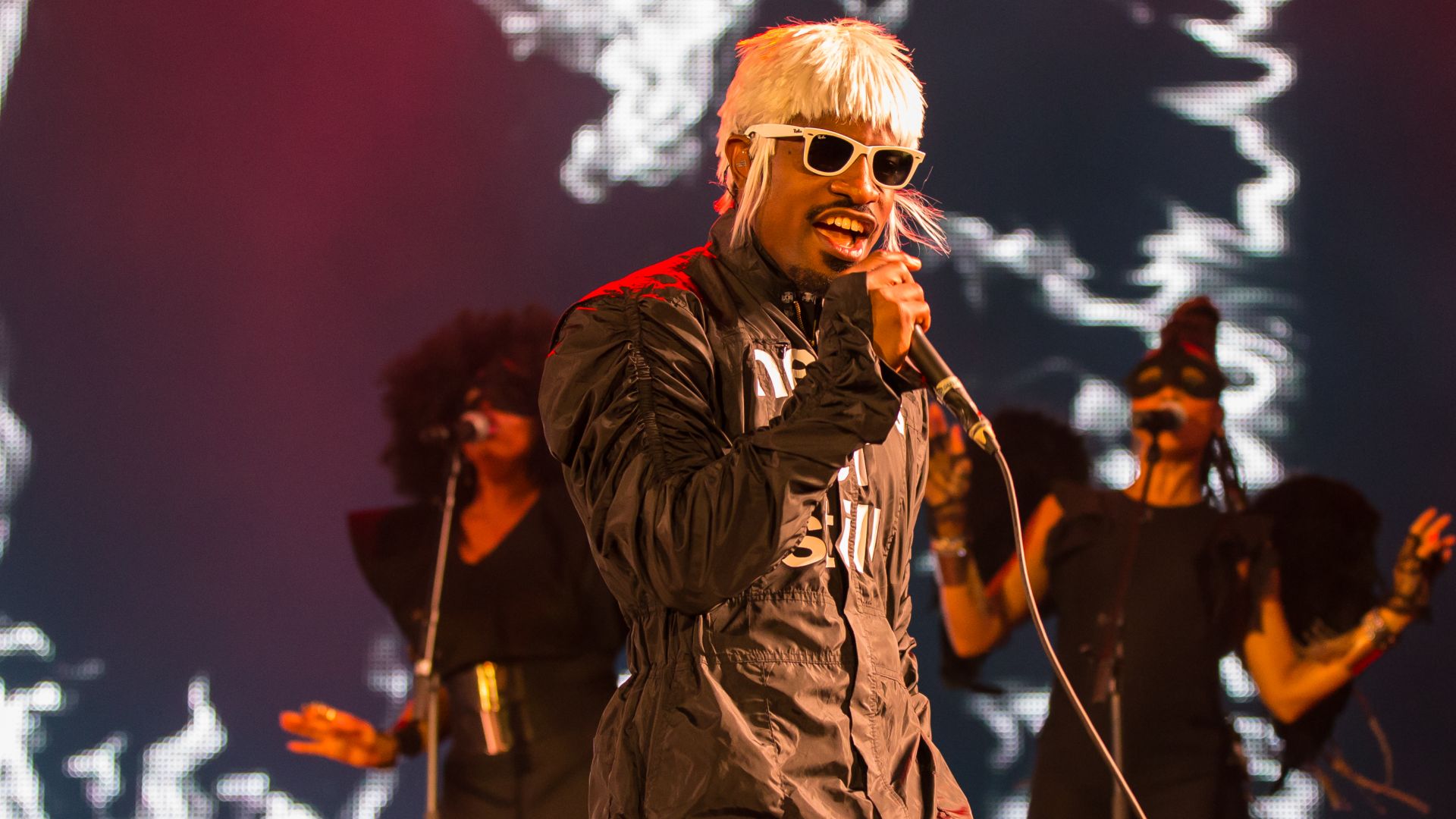 Sven Mandel, Wikimedia Commons
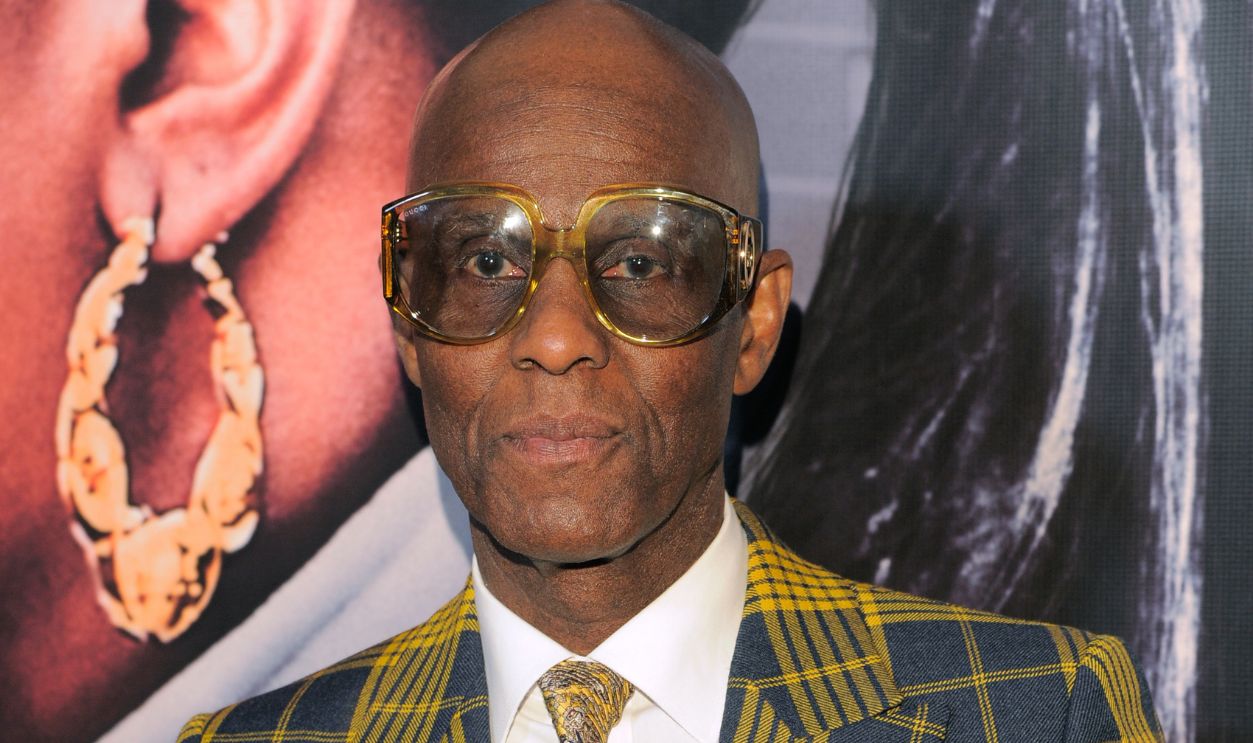
Dapper Dan’s Logo Remix Legacy
Luxury houses didn’t welcome hip hop—so Dapper Dan rebuilt them. Custom logos, bold tailoring, and Harlem craftsmanship changed fashion forever. His influence eventually forced the industry to reckon with itself.
Cardi B’s Couture Takeover
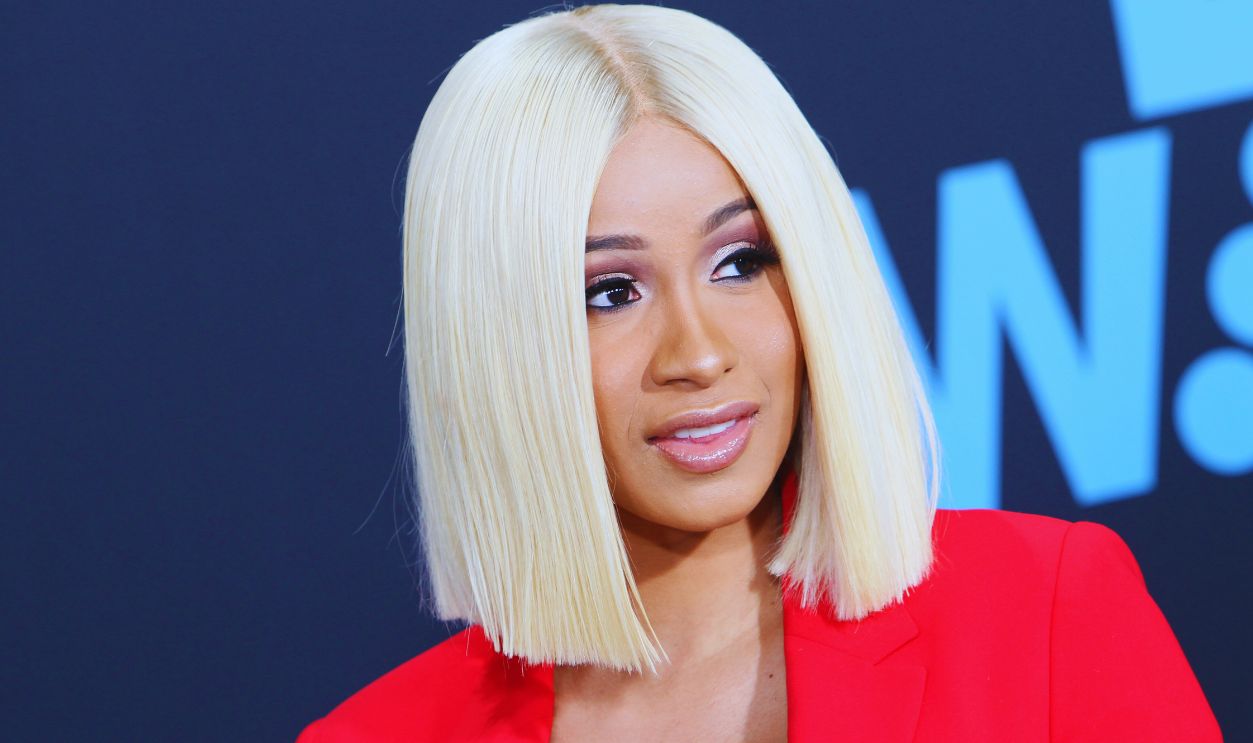
Cardi didn’t ease into high fashion—she kicked the door down. From archival couture to full glam maximalism, she made exclusivity feel accessible. Luxury stopped whispering and started rapping.
Nicki Minaj’s Harajuku Barbie Phase
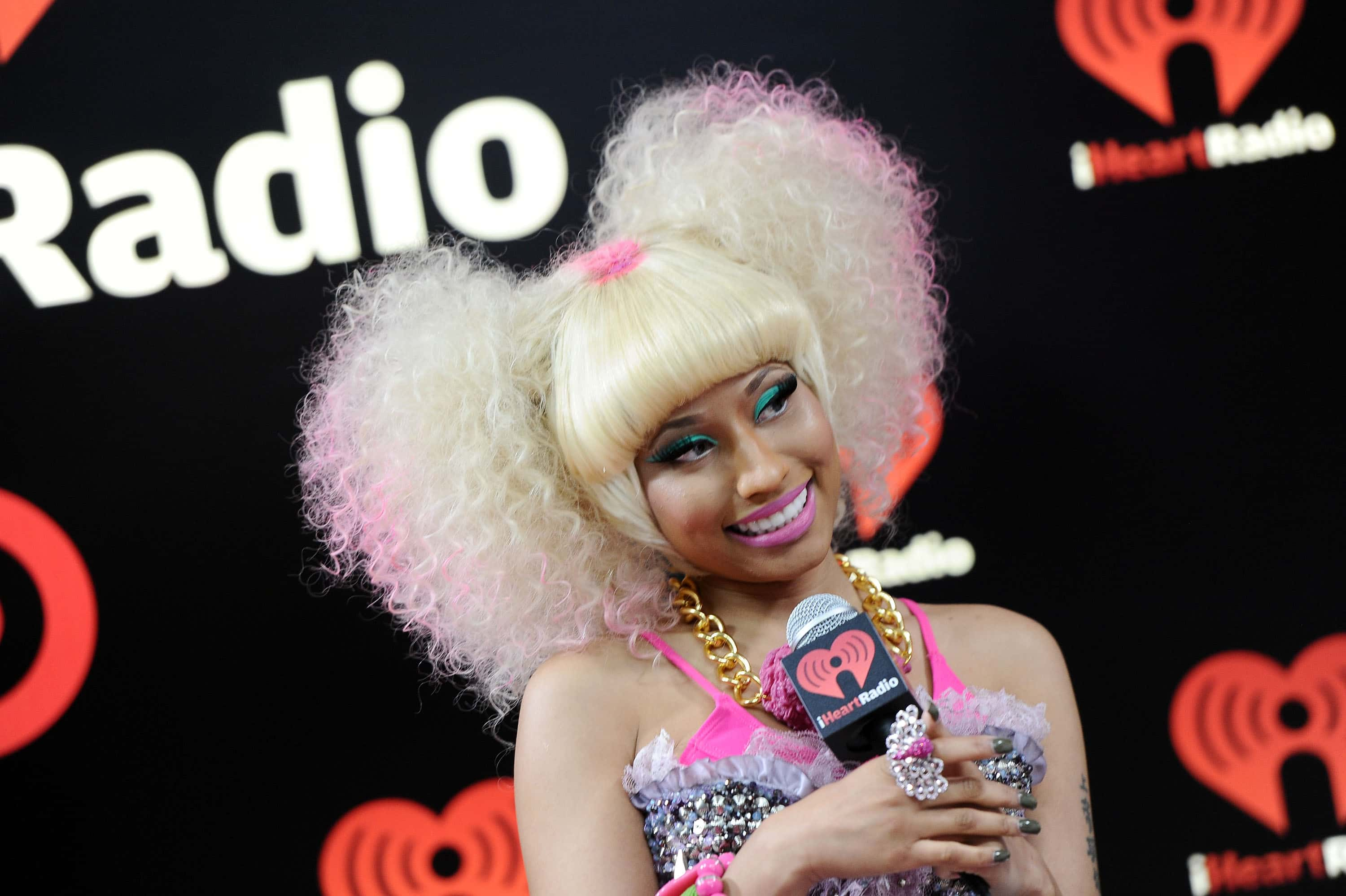
Bright wigs, sculpted outfits, and fearless experimentation defined Nicki’s early visuals. Her looks felt animated, theatrical, and unforgettable. Fashion became performance art.
Snoop Dogg’s Blue Rag Era
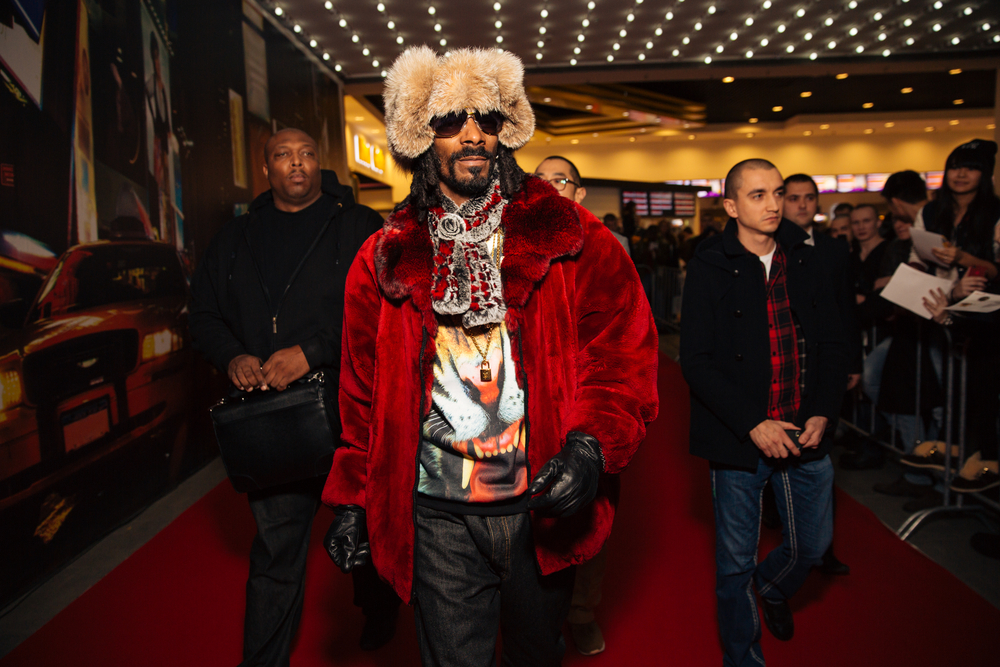
Snoop’s style was unmistakably regional and proudly so. Flannels, braids, and West Coast color codes told a story before he said a word. Authenticity became branding.
Travis Scott’s Grunge-Infused Streetwear
Earth tones, distressed silhouettes, and utilitarian chaos defined Travis’s look. His fashion mirrored his sound—dark, atmospheric, and immersive. He made disorder aspirational.
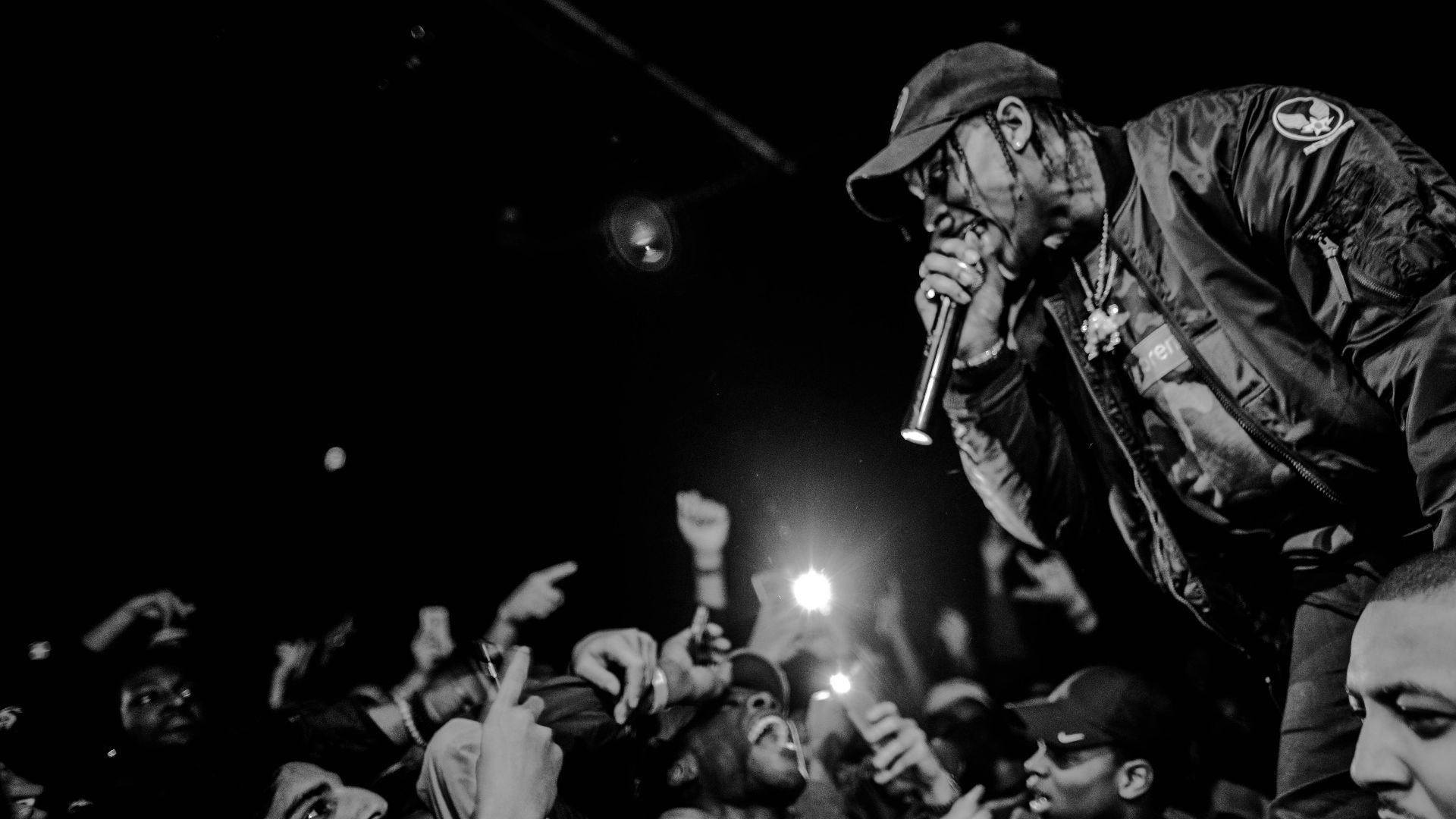 Brandon Dull, Wikimedia Commons
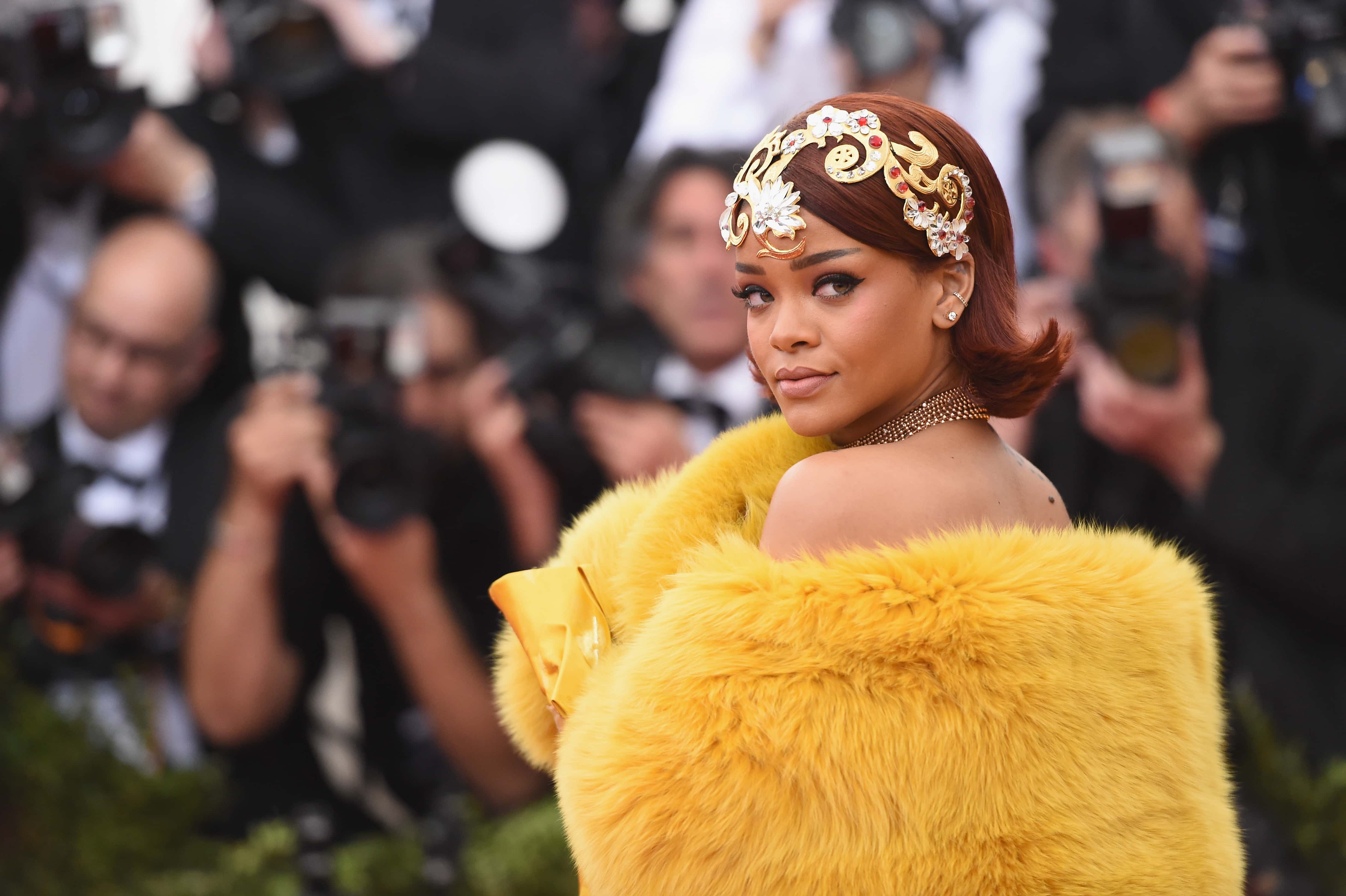
Rihanna’s Streetwear-to-Couture Evolution
Though genre-fluid, Rihanna’s hip hop roots shaped her style authority. From oversized streetwear to high fashion domination, she proved influence matters more than label.
Ice Cube’s Straight-Outta-Authority Uniform
Black Raiders gear, stiff posture, zero frills. Ice Cube dressed like his message—direct and confrontational. Fashion didn’t soften the edge; it sharpened it.
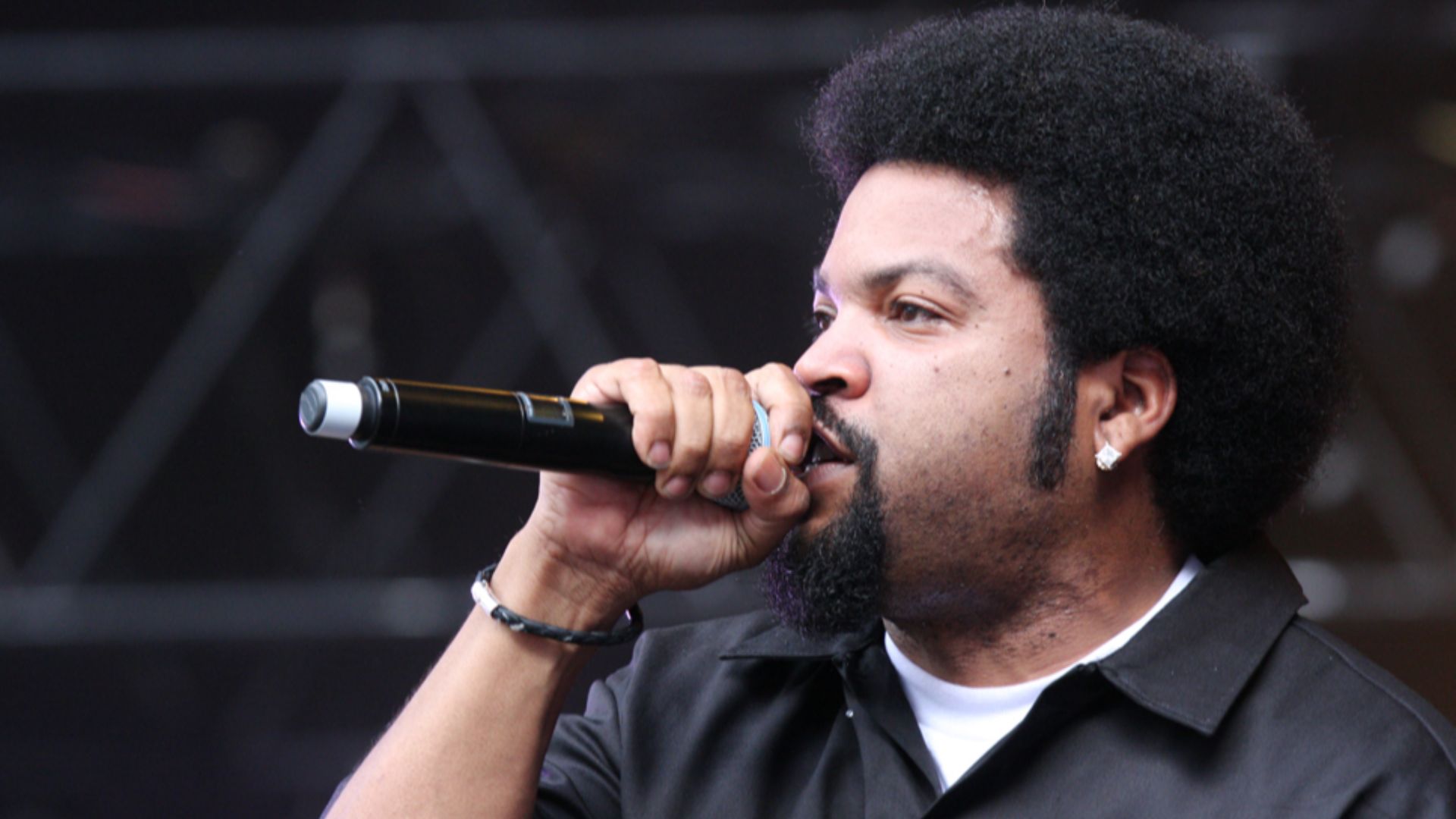 Eva Rinaldi, Wikimedia Commons
Future’s Luxe-Trap Aesthetic
Silk shirts, dark sunglasses, and high-end melancholy. Future’s look blurred luxury and exhaustion into something hypnotic. It wasn’t clean or polished—it was honest.
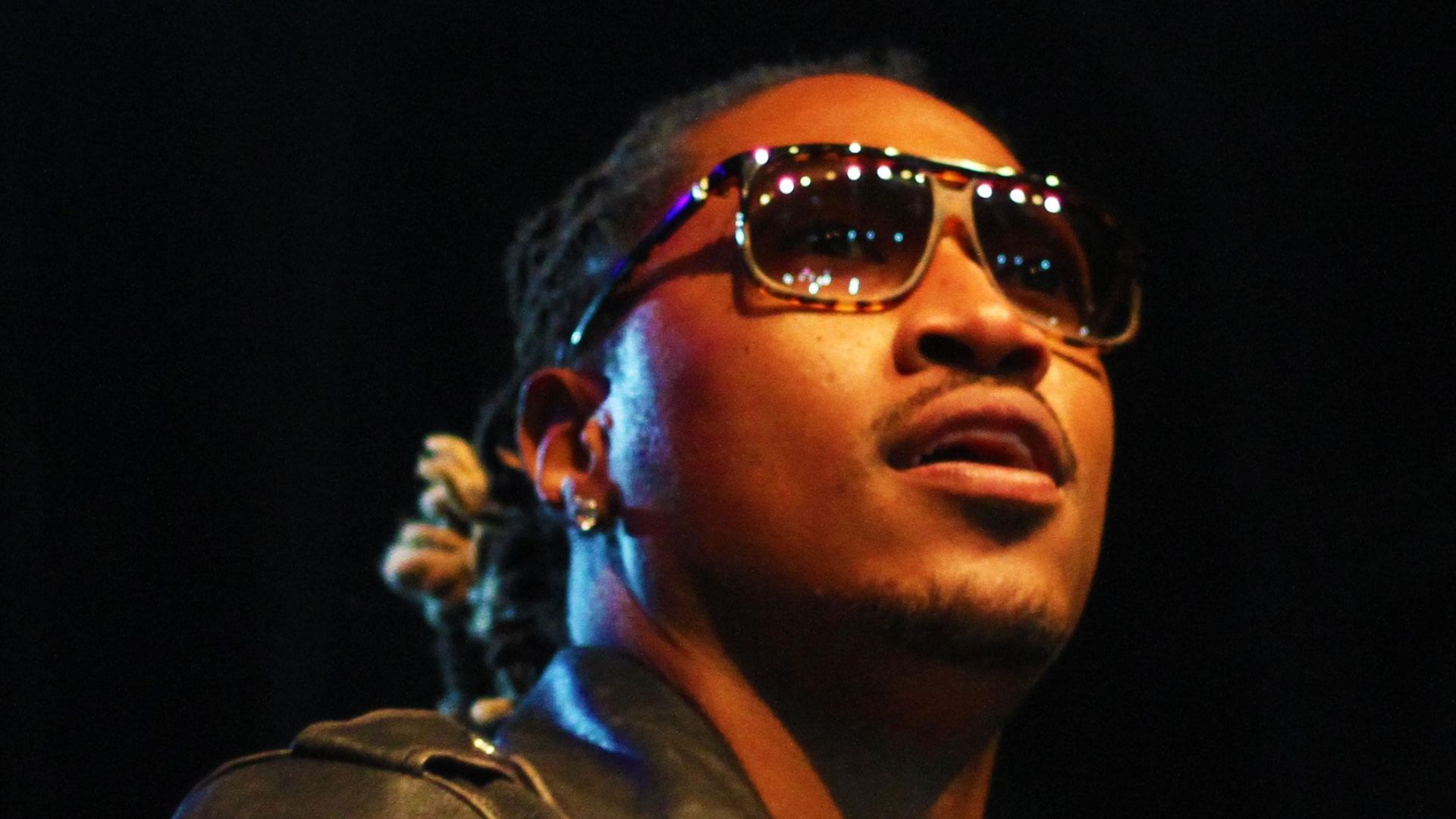 thecomeupshow, Wikimedia Commons
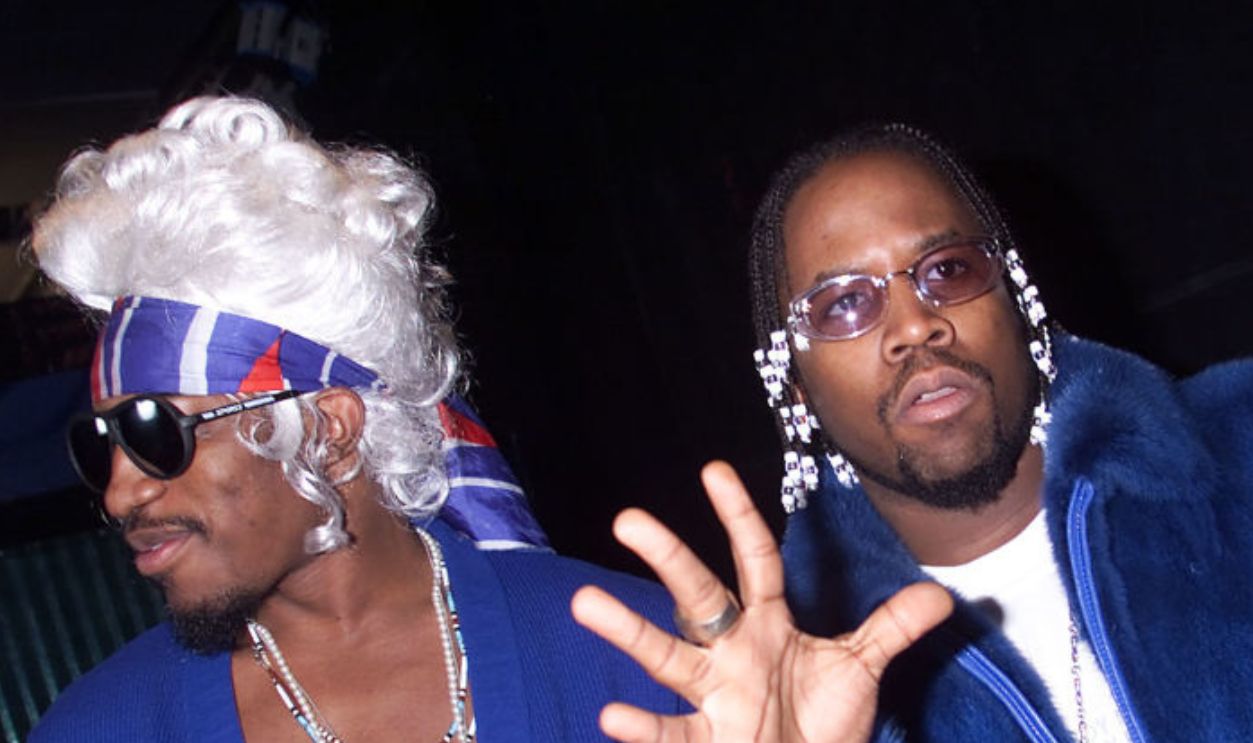
OutKast’s Southern Swagger Statement
OutKast brought color, experimentation, and Southern pride to the mainstream. Their coordinated yet contrasting looks expanded hip hop’s geographic fashion map. Style stopped becoming coastal-and became national.
You May Also Like:
Iconic Songs That Turned Nobody Singers Into Superstars
Source: 1