
When Chaka Khan Took Her Power Back
Before Chaka Khan became a solo force who could not be contained, she had already survived chaos, fear, and abandonment. Leaving Rufus was not her first act of courage. It was simply the most visible one.
 Angela George, CC BY-SA 3.0 , via Wikimedia Commons
Born Into Noise and Need
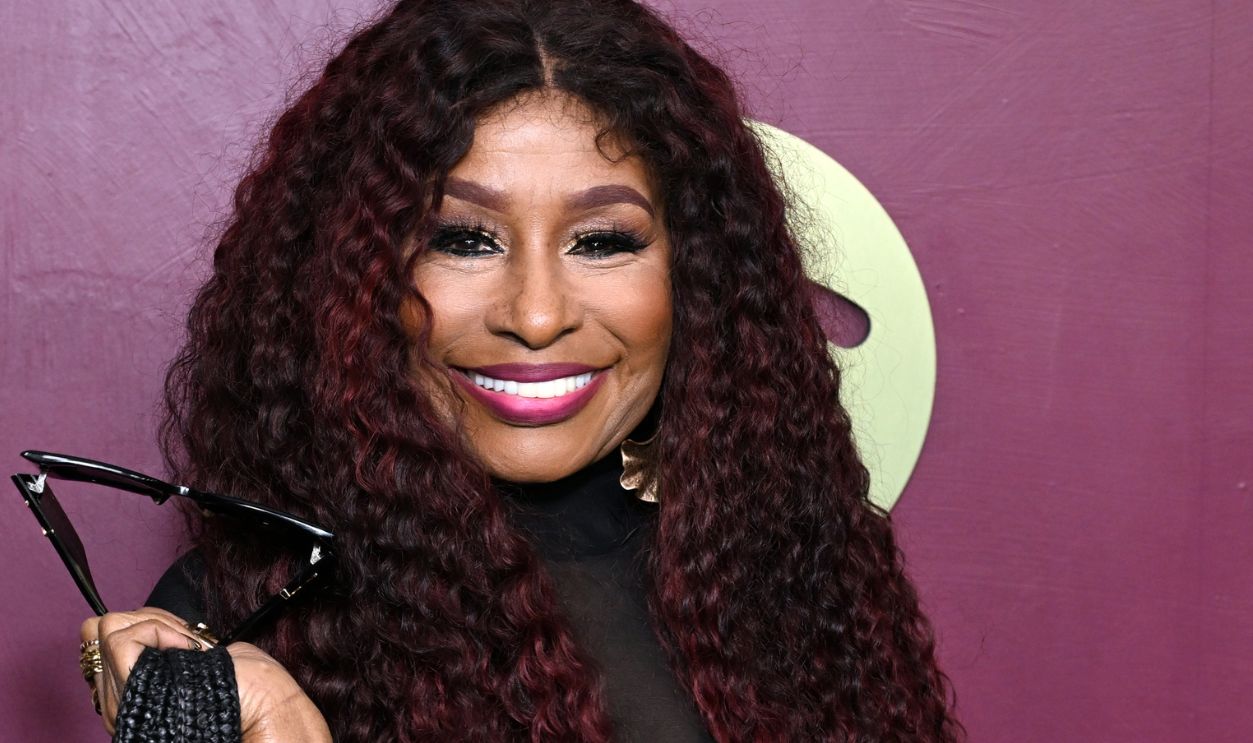
Chaka Khan was born Yvette Marie Stevens on March 23, 1953, in Chicago, Illinois. She was the eldest of five children in a working-class household. Money was tight, and stability was rare. From the beginning, survival required resilience.
A Home Marked by Struggle
Chaka has spoken openly about growing up in a household affected by substance use. Her father struggled deeply, and the environment was unpredictable. Music became a refuge early on, something she could control when everything else felt unstable.
A Childhood Interrupted
As a young girl, Chaka experienced harsh treatment at home. She later recalled a specific incident involving her mother that left her feeling unsafe and unheard. At just 13 years old, Chaka ran away from home, choosing uncertainty over staying where she felt harmed.
Finding Family in the Streets
After running away, Chaka lived briefly on the streets before finding shelter with friends and community members. Those years hardened her, but they also sharpened her instincts. She learned independence early, long before fame demanded it.
Music as Survival, Not a Dream
Chaka joined her first band as a teenager. Singing was not a hobby. It was protection. Performing gave her identity and confidence at a time when she had neither security nor guidance.
The Political Awakening
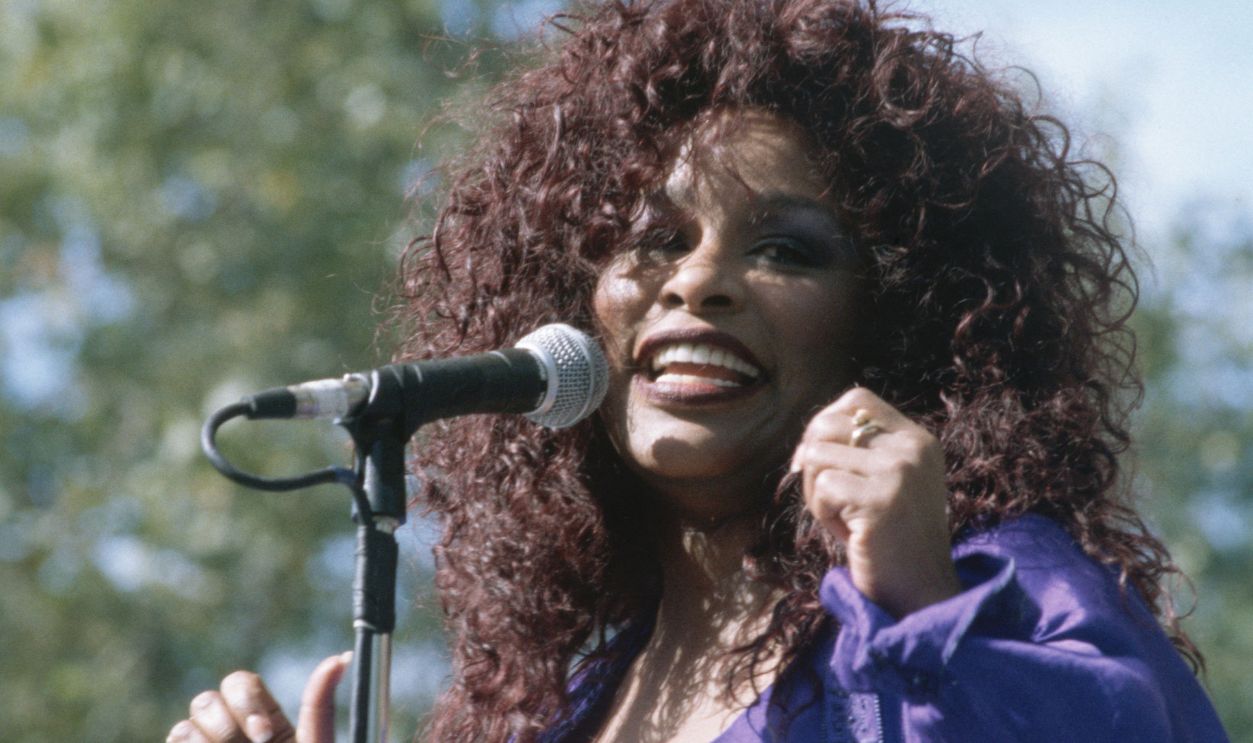
In the late 1960s, Chaka became involved with the Black Panther Party in Chicago. The experience shaped her worldview and reinforced the idea that Black women could be powerful, vocal, and unapologetic. That belief never left her.
 John Mathew Smith & www.celebrity-photos.com from Laurel Maryland, USA, Wikimedia Commons
Rufus Changes Everything
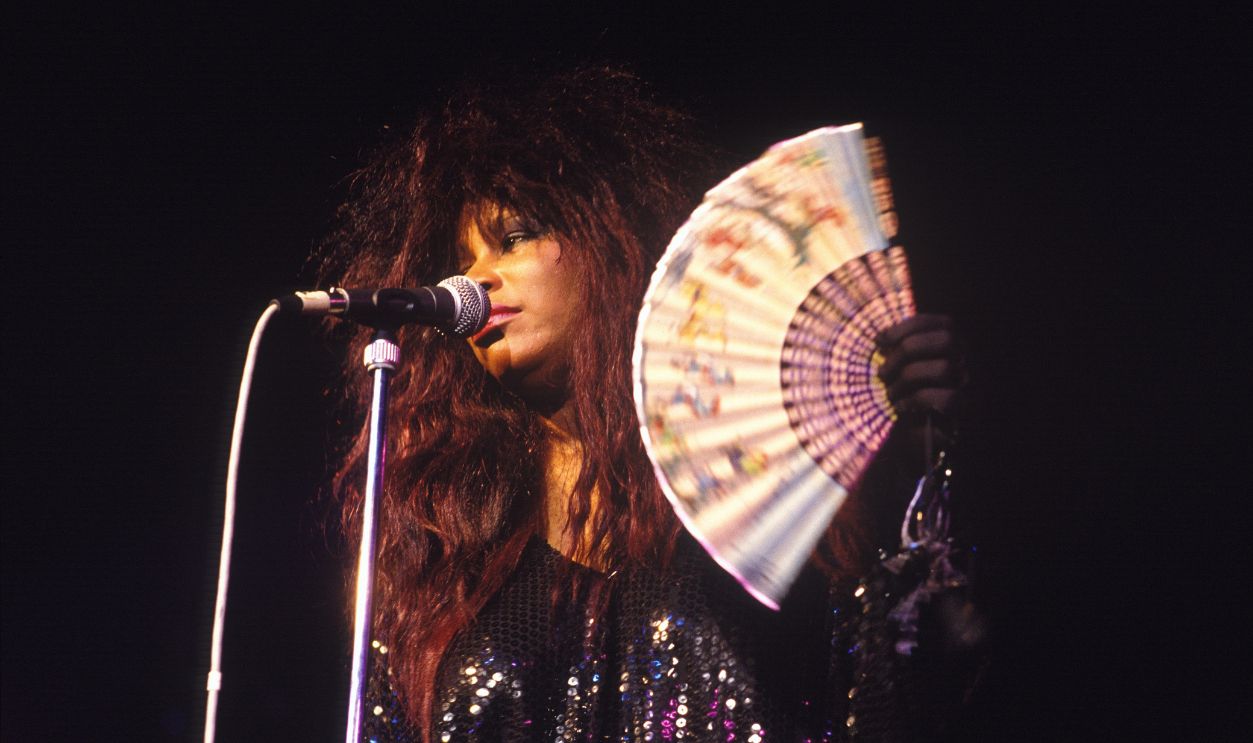
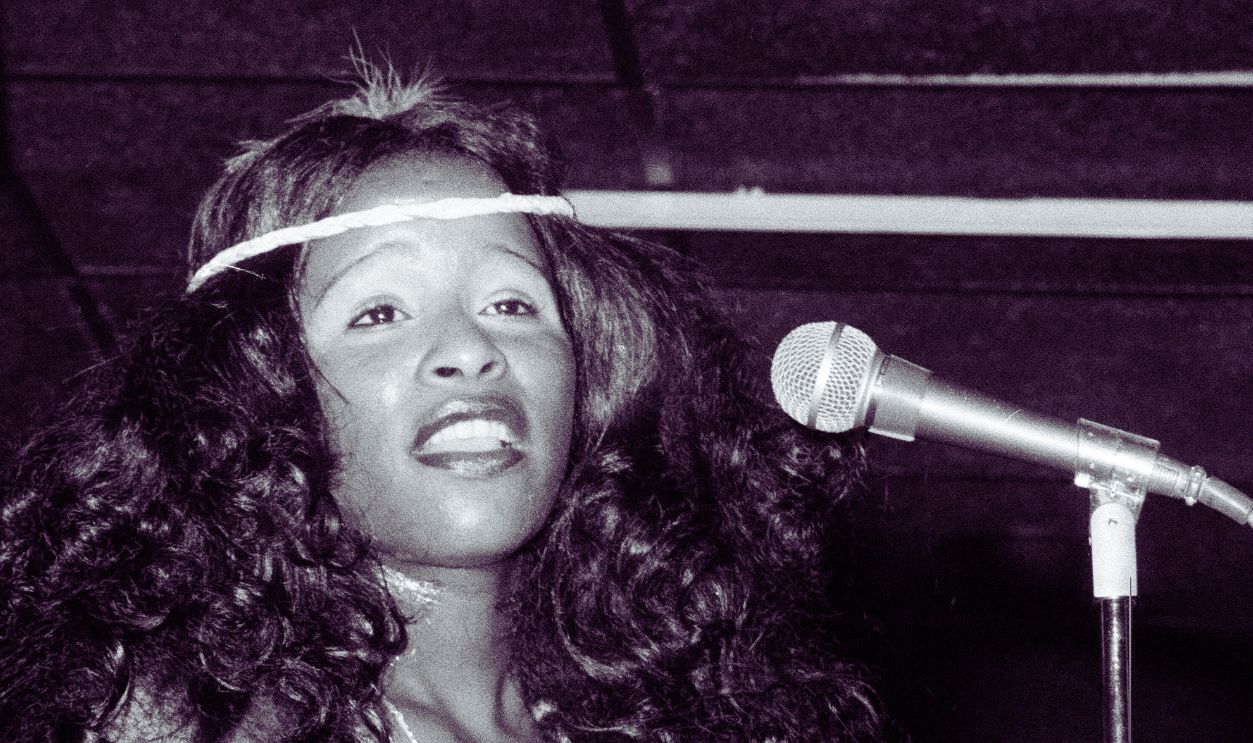
In 1972, Chaka joined the funk band Rufus. Her voice immediately set her apart. When “Tell Me Something Good” became a hit in 1974, it was clear the band had a star at its center.
A Voice Too Big to Ignore
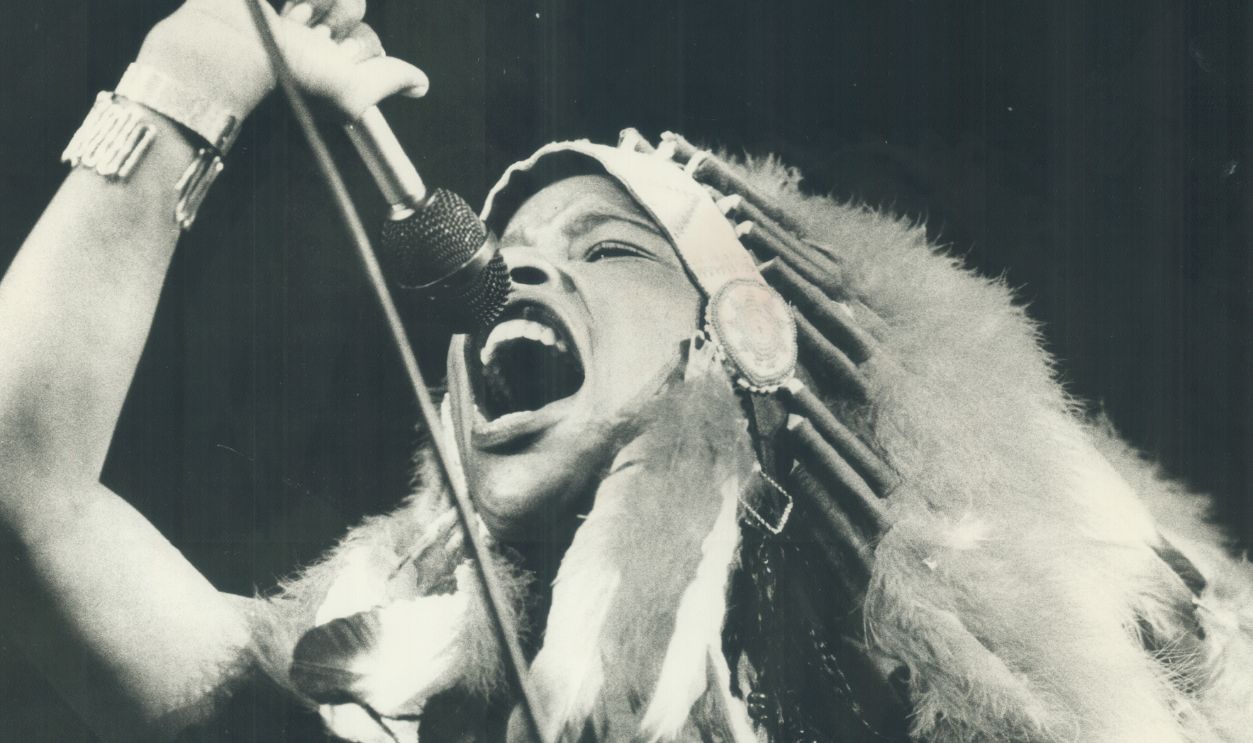
Chaka’s vocals were fierce, emotional, and unmistakable. Songs like “Sweet Thing” and “Ain’t Nobody” carried her energy far beyond the band. But success brought tension. Rufus thrived, but Chaka felt constrained.
Being the Star—and Still Controlled
Despite being the band’s clear focal point, Chaka often felt limited creatively. Decisions were made around her, not with her. She later said she felt her voice was being used while her individuality was being contained.
The Break That Shocked Everyone
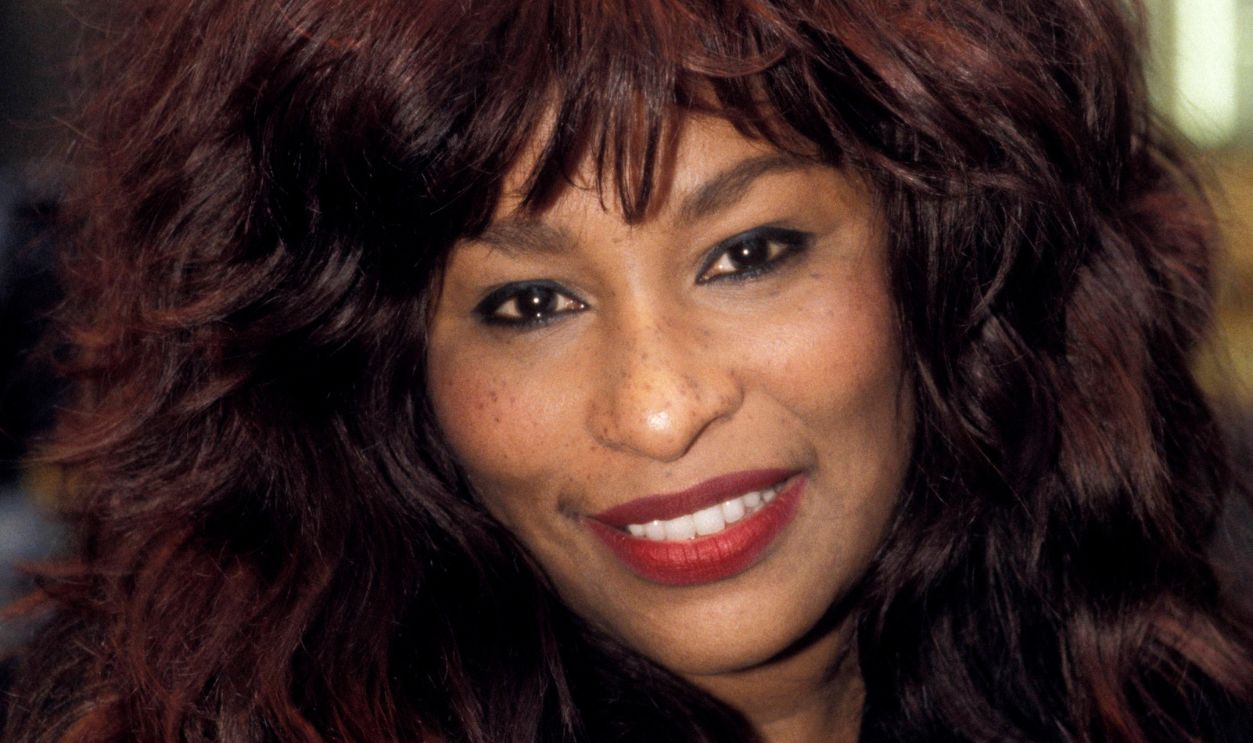
In the late 1970s, Chaka Khan made the risky decision to leave Rufus and pursue a solo career. At the time, many believed it would end her momentum. Walking away from a successful band was seen as dangerous.
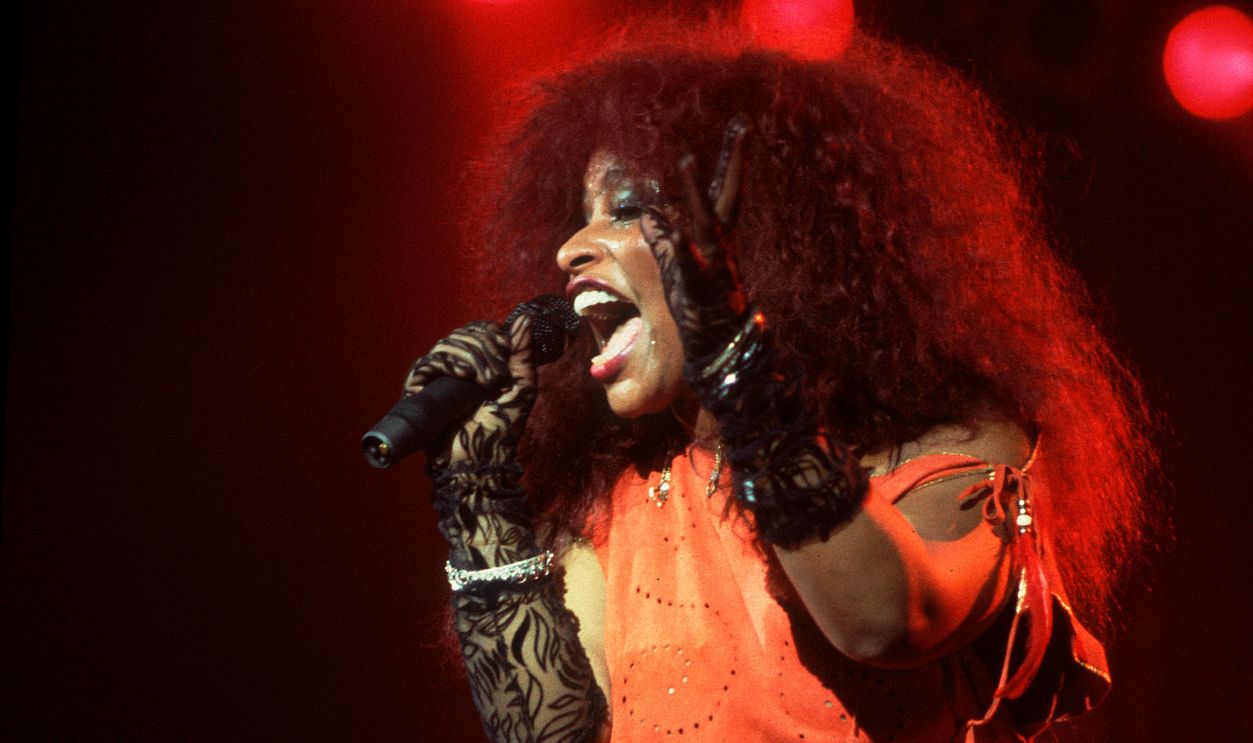
Betting on Herself
Chaka released her solo debut album, Chaka, in 1978. The single “I’m Every Woman” became an anthem almost instantly. It wasn’t just a hit. It was a declaration.
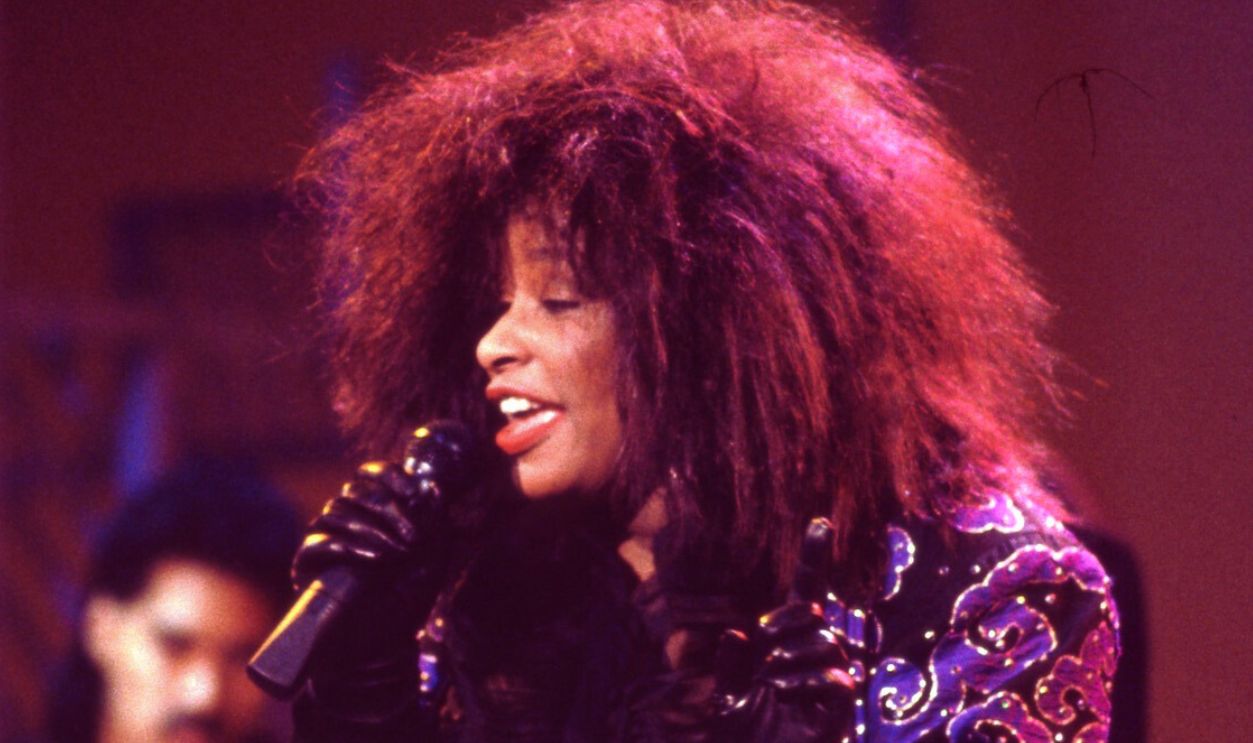
Owning Her Image and Her Truth
As a solo artist, Chaka embraced honesty. She did not hide her struggles or polish her personality. She was loud, vulnerable, funny, and fierce. That authenticity made her untouchable.
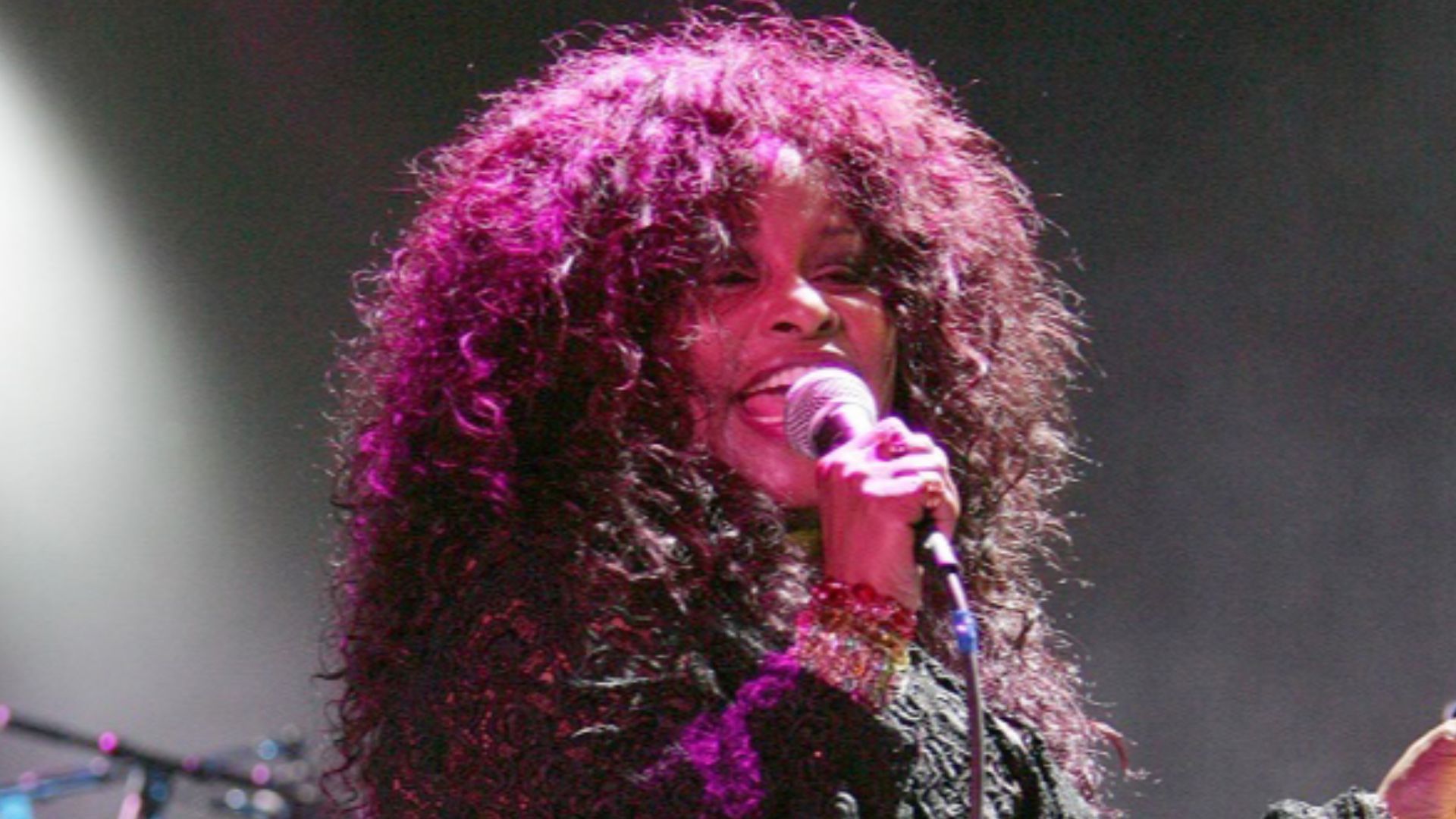 The original uploader was Dwightmccann at English Wikipedia., Wikimedia Commons
Awards Follow the Risk
Over her career, Chaka Khan has won ten Grammy Awards. She became one of the most sampled voices in music history. Her influence stretched across funk, R&B, pop, and hip-hop.
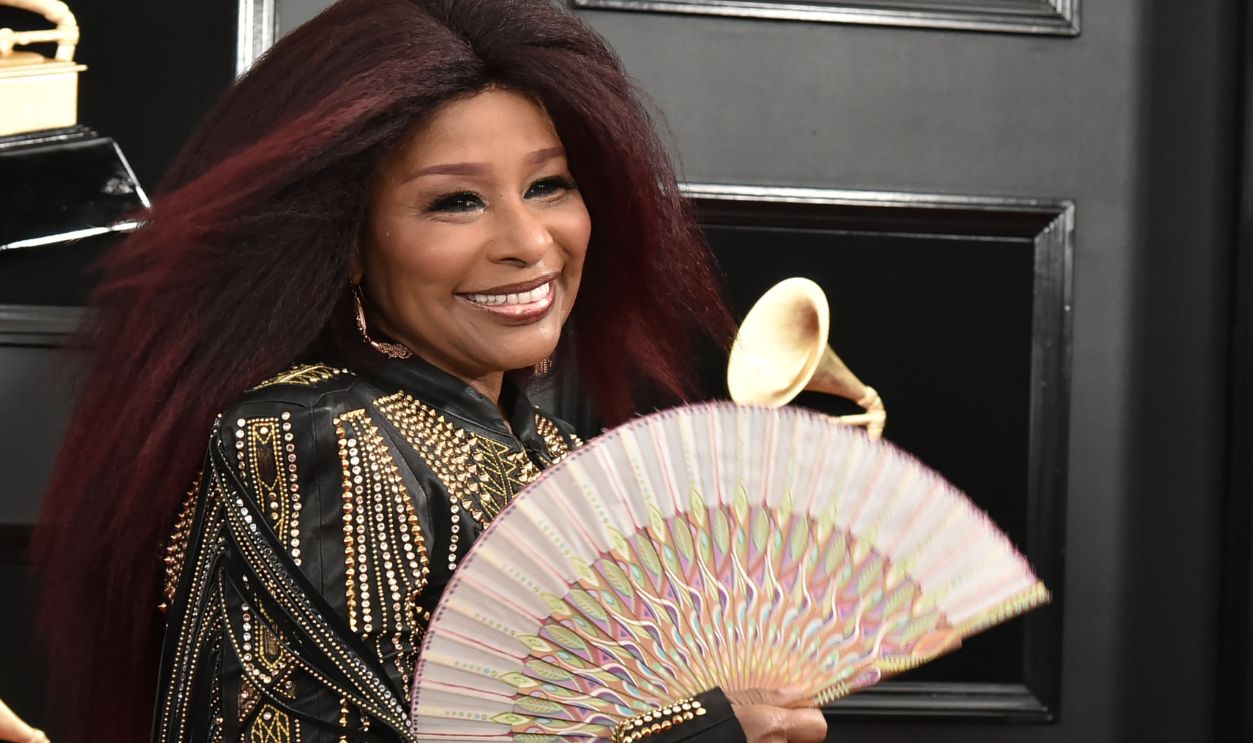
A Woman Who Refused to Be Quiet
Chaka never softened herself to be palatable. She spoke openly about her past, her flaws, and her strength. Other artists admired her fearlessness. Prince once called her voice “one of the greatest instruments God ever created.”
 nicolas genin, Wikimedia Commons
Turning Pain Into Authority
Chaka’s early life did not disappear when she became famous. It informed everything. The girl who ran away became a woman who refused confinement in any form.
 The Heart Truth, Wikimedia Commons
A Legacy of Power
In 2023, Chaka Khan was inducted into the Rock and Roll Hall of Fame. The recognition honored not just her music, but her endurance. She did not survive by shrinking. She survived by expanding.

Why Her Story Still Resonates
Chaka Khan’s journey shows what happens when a Black woman refuses to stay where she is harmed. She walked away. She sang louder. And she built a career on her own terms.

Free, Finally
Leaving Rufus did not make Chaka Khan successful. It revealed who she already was. Her honesty, her voice, and her strength turned survival into legacy—and funk was never the same again.
 Axelle/Bauer-Griffin, Getty Images
You May Also Like: