The Piano Man Who Helped Invent Rock And Roll
Rock and roll would not sound the same without Fats Domino. Long before stadium tours and guitar-smashing antics became part of the genre, Domino was sitting behind a piano in New Orleans, turning rhythm and blues into something the whole country could not stop dancing to. With hits like “Blueberry Hill,” “Ain’t That a Shame,” and “I’m Walkin’,” he became one of the biggest stars of the 1950s while influencing everyone from Elvis Presley to The Beatles. His music sounded joyful and effortless, even as he faced segregation and one of the worst natural disasters in American history.
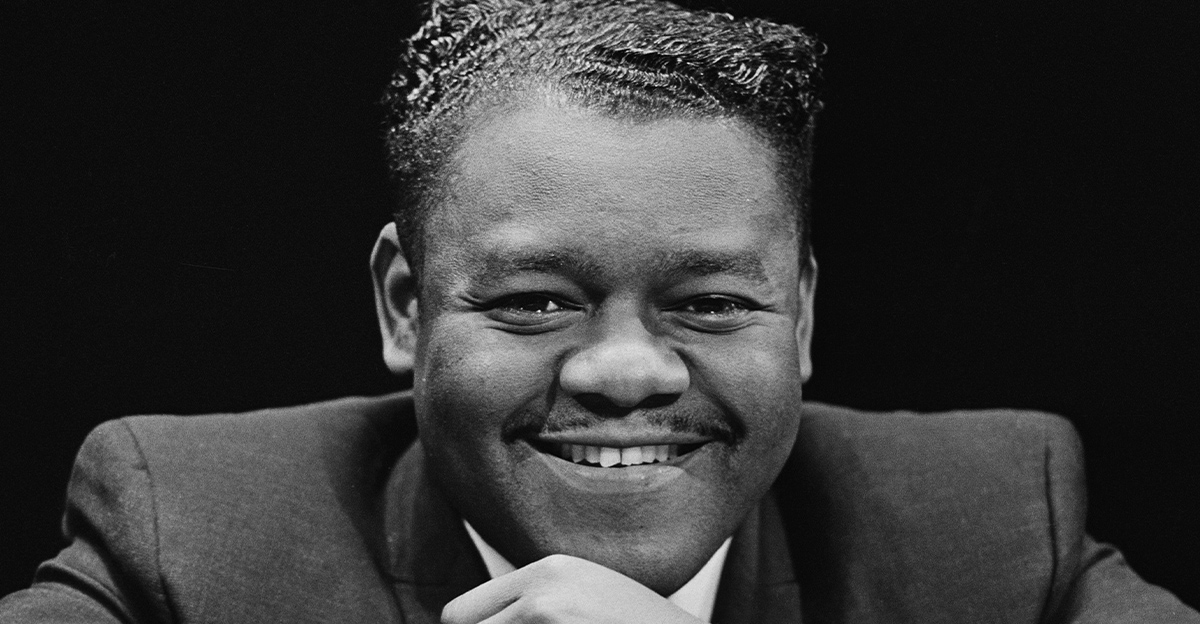
The Big Easy’s Piano King
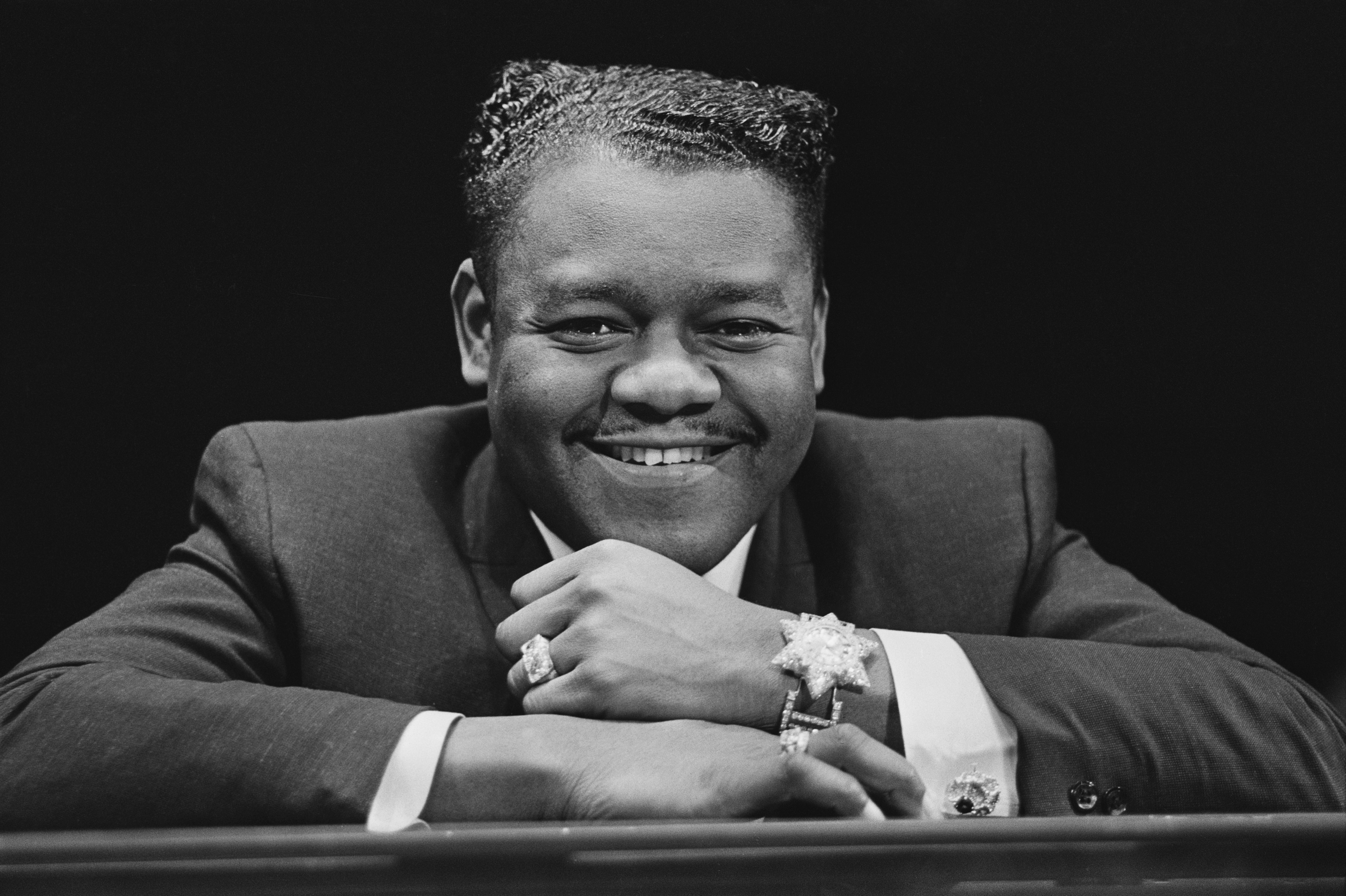
Fats Domino was born Antoine Caliste Domino Jr on February 26, 1928, in New Orleans, Louisiana. He grew up in a French Creole family in the city’s Lower Ninth Ward, surrounded by jazz, blues, gospel, and boogie-woogie piano. Music filled nearly every corner of his childhood, and that relaxed New Orleans rhythm stayed with him for life. Long before he became a rock and roll star, Domino was already absorbing the sounds that would define an entire era.
![Collectie / Archief : Fotocollectie Anefo
Reportage / Serie : [ onbekend ]
Beschrijving : Fats Domino in Amsterdam, Fats tijdens zijn optreden in het Concertgebouw
Datum : 3 november 1962
Locatie : Amsterdam, Noord-Holland
Trefwoorden : CONCERTGEBOUWEN, O](https://www.factinate.com/storage/app/media/theshot/2026/6/2/1780402003d76e7bae667ccd9bc12ee852a8ca81c2ef7d703b.jpg) Hugo van Gelderen / Anefo, Wikimedia Commons
Hugo van Gelderen / Anefo, Wikimedia Commons
A Young Musician With Natural Talent
Domino learned piano from his brother-in-law Harrison Verrett and quickly developed a rolling left-hand style that became his trademark. Friends and family noticed early that he could make complicated rhythms sound effortless. By his teens, he was already playing local clubs and bars around New Orleans. His easy smile and calm personality stood out just as much as his musicianship, which helped audiences connect with him immediately.
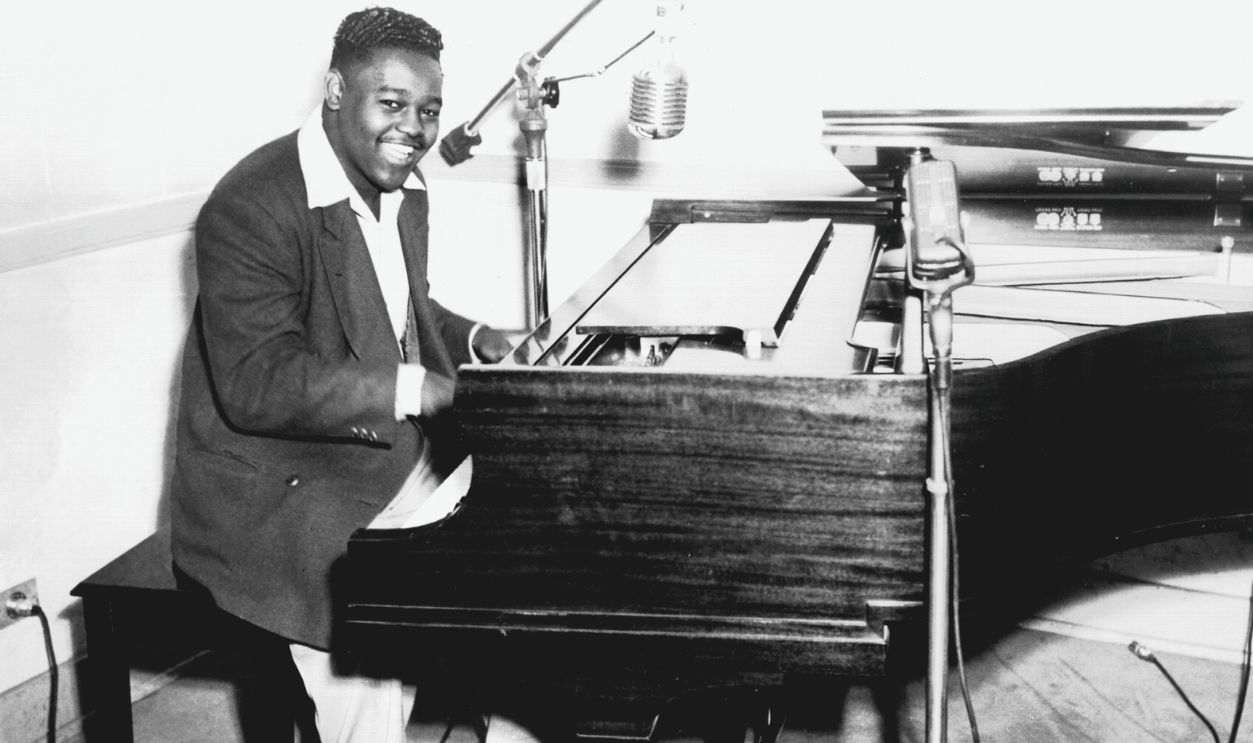 Michael Ochs Archives, Getty Images
Dave Bartholomew Sparked A Revolution
One of the most important moments in Domino’s career came when he met bandleader and producer Dave Bartholomew. Their partnership became one of the defining collaborations in early rock history. Bartholomew helped shape Domino’s sound with sharp horn arrangements and polished recordings, while Domino supplied the irresistible piano grooves and warm vocals. Together, they created hits that bridged rhythm and blues with mainstream pop music.
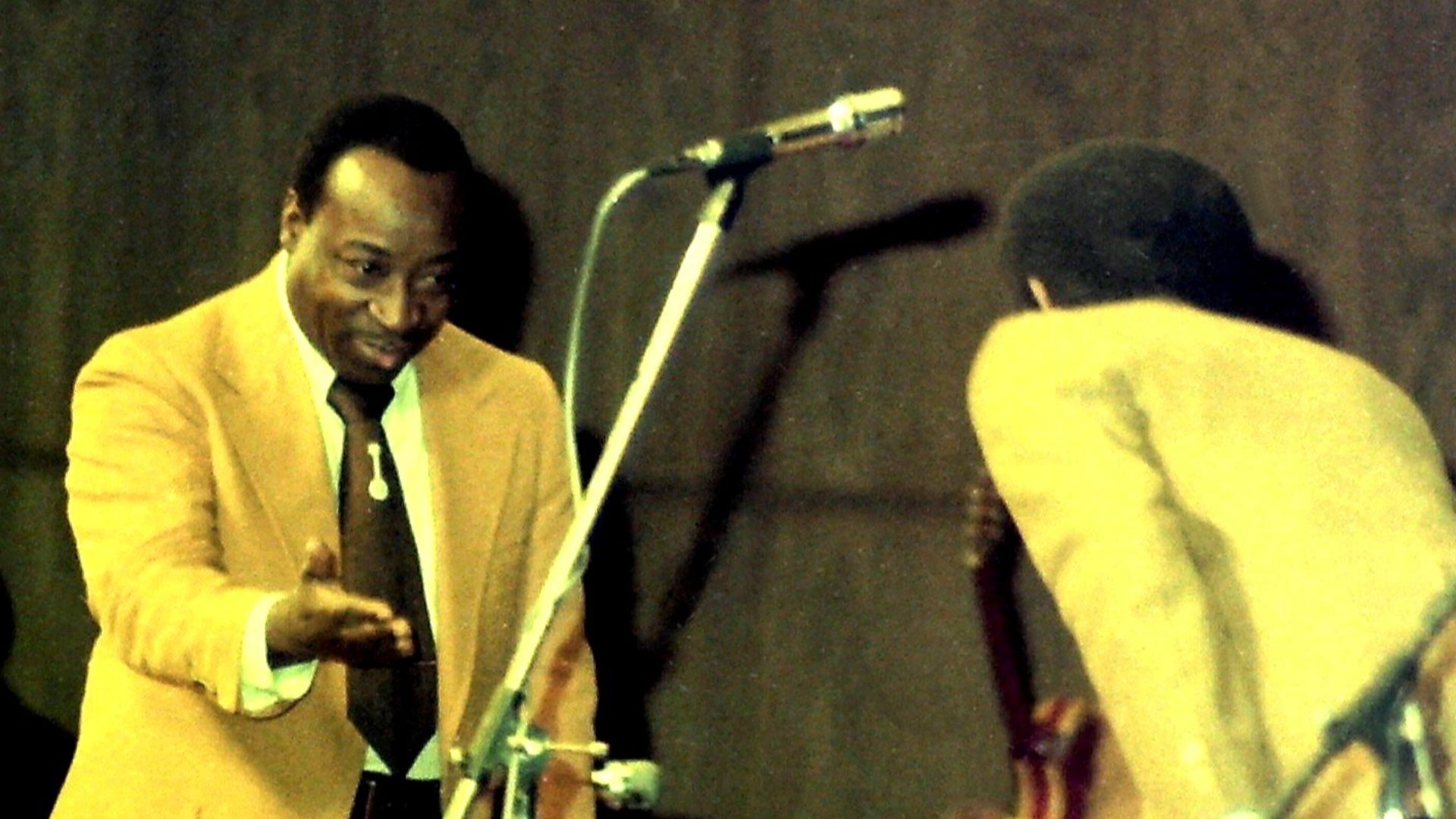 Klaus Hiltscher, Wikimedia Commons
“The Fat Man” Changed Music Forever
In 1949, Domino released “The Fat Man,” a pounding rhythm-and-blues single built around heavy piano and a driving beat. Many music historians consider it one of the first true rock and roll records. The song sold more than a million copies and introduced Domino to a national audience years before rock fully exploded. Even at the start of his career, his records already sounded different from almost everything else on the radio.
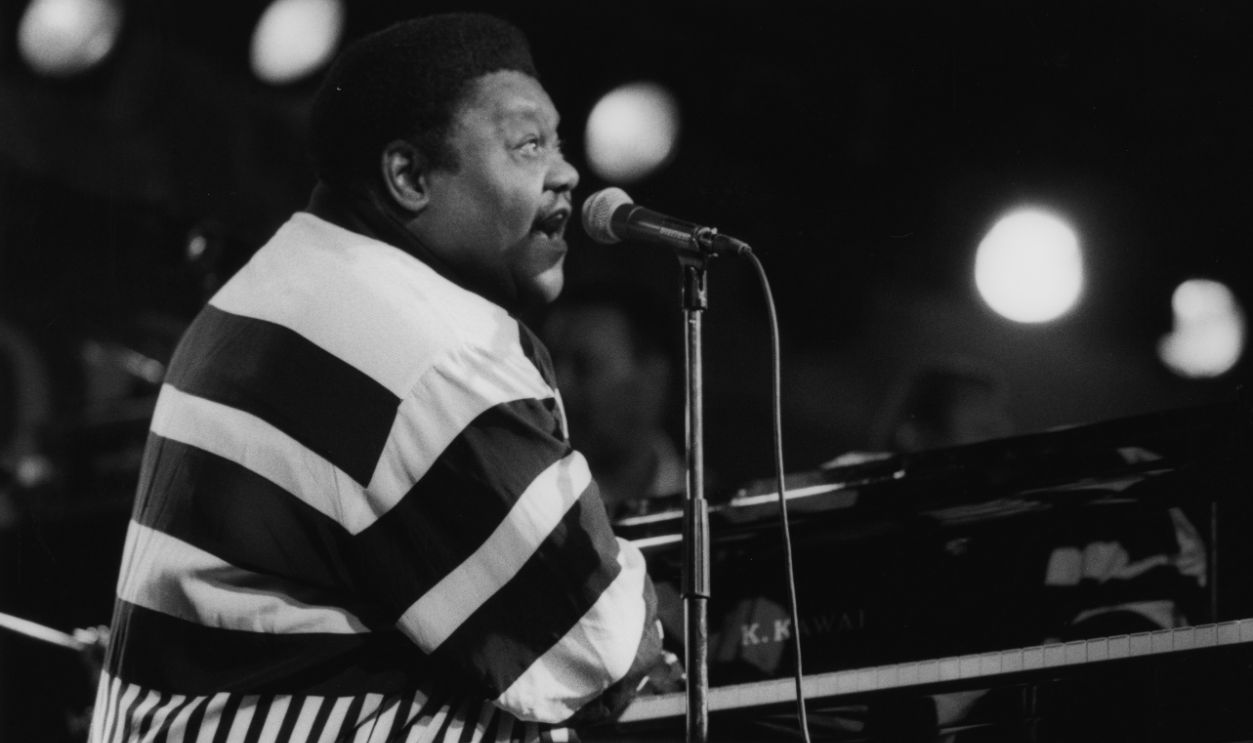
“Ain’t That A Shame” Broke Every Barrier
Domino became a crossover sensation in 1955 with “Ain’t That a Shame”. The song was a massive R&B hit and also climbed the pop charts, helping introduce Black rock performers to white mainstream audiences. Pat Boone famously recorded a softer cover version aimed at white listeners, which highlighted how the music industry often repackaged Black music during segregation. Even so, Domino’s original recording remained the version people remembered most.
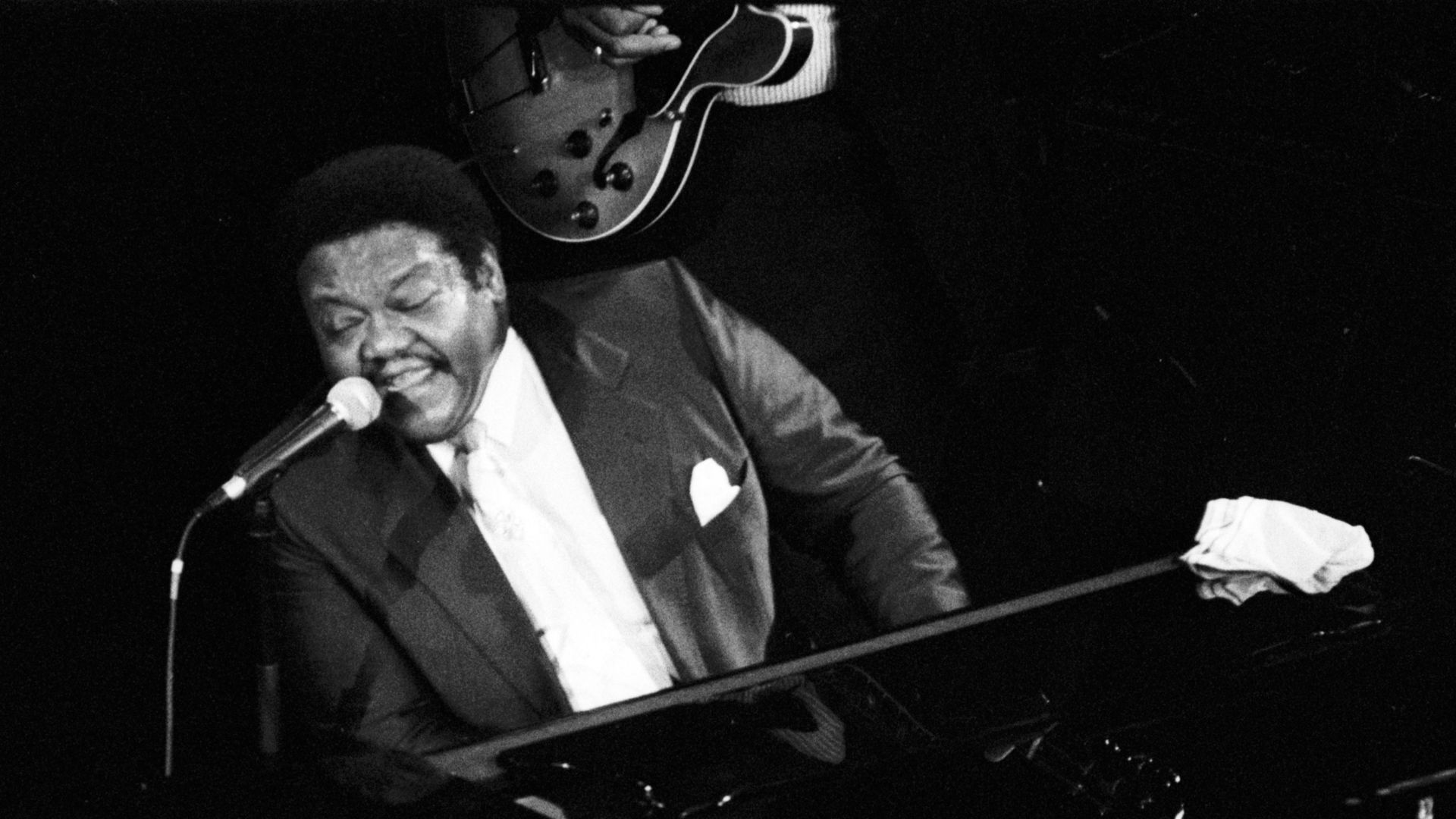 Roland Godefroy, Wikimedia Commons
“Blueberry Hill” Made Him Immortal
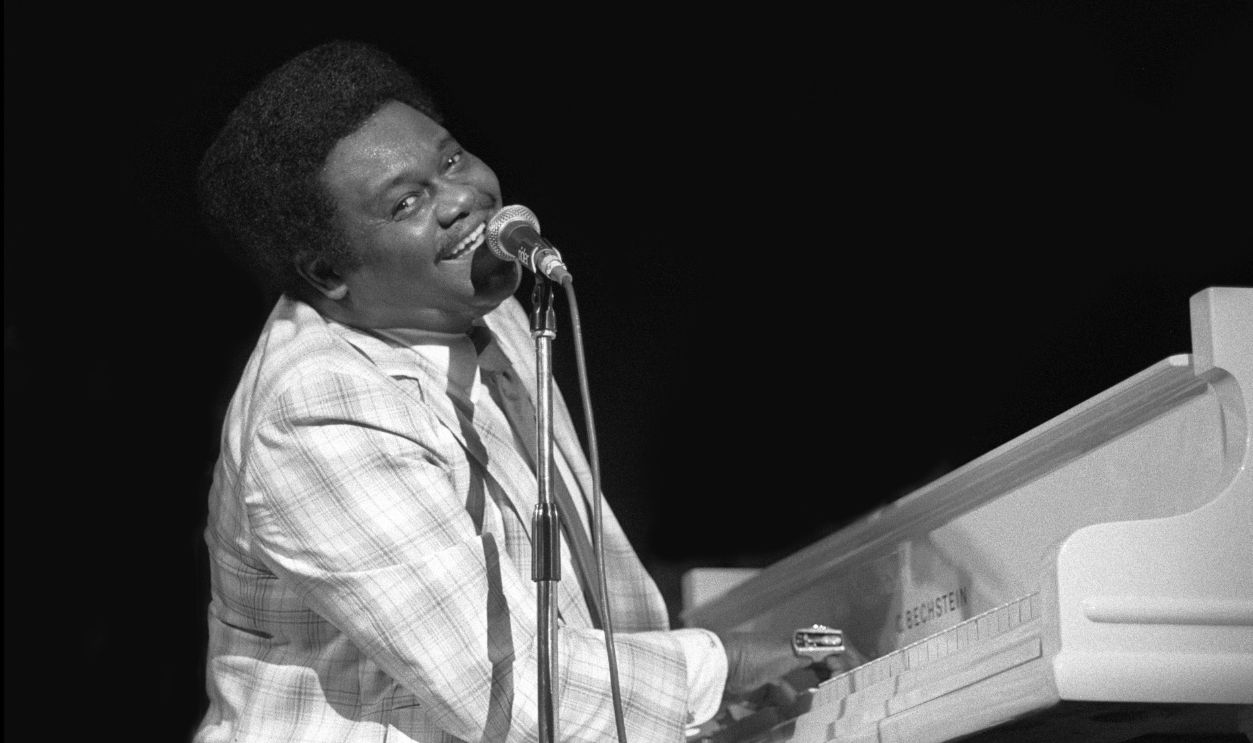
In 1956, Domino transformed “Blueberry Hill” into one of the defining songs of the rock era. The tune had existed for years before he recorded it, but his warm vocals and rolling piano made it unforgettable. Along with songs like “I’m Walkin’,” “Blue Monday,” and “I’m In Love Again,” it helped establish Domino as one of the biggest stars of the decade. His records sounded joyful without ever feeling forced or artificial.
He Outsold Almost Everybody
By the late 1950s, Fats Domino had become one of the best-selling recording artists in America. Sources including Britannica and Pitchfork note that he sold more than 65 million records during his career. During the peak of rock and roll’s first wave, only Elvis Presley outsold him. That success often gets overlooked today because Domino carried himself with such humility and avoided the flashy celebrity image embraced by many other stars.
![Collectie / Archief : Fotocollectie Anefo
Reportage / Serie : [ onbekend ]
Beschrijving : Aankomst Fats Domino op Schiphol i.v.m. aantal concerten in ons land, Fats Domino op Schiphol met bloe (kop)
Datum : 26 maart 1981
Trefwoorden : aankomsten, zangers](https://www.factinate.com/storage/app/media/theshot/2026/6/2/1780403247e78cd12d7832fbfda7750e013b8fd709f39b673a.jpg) Rob Croes for Anefo, Wikimedia Commons
Rob Croes for Anefo, Wikimedia Commons
Fats Domino Never Bought The Rock Label
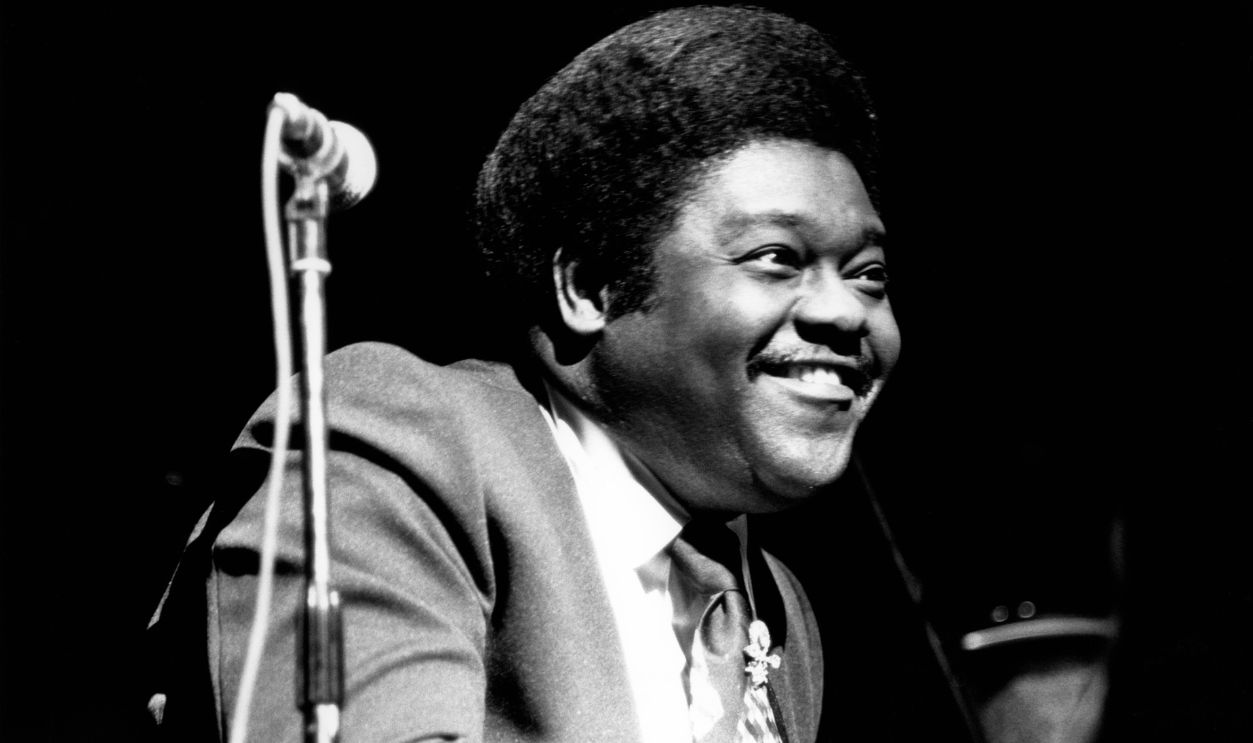
Domino often laughed at the idea that rock and roll was some brand-new invention. In a famous 1957 quote, he said, “What they call rock ’n’ roll now is rhythm and blues”. He believed he had simply been playing New Orleans music all along. That statement mattered because it reminded audiences that early rock came directly from Black American musical traditions that already existed before the genre received a new name.
Elvis Presley Called Him The Real King
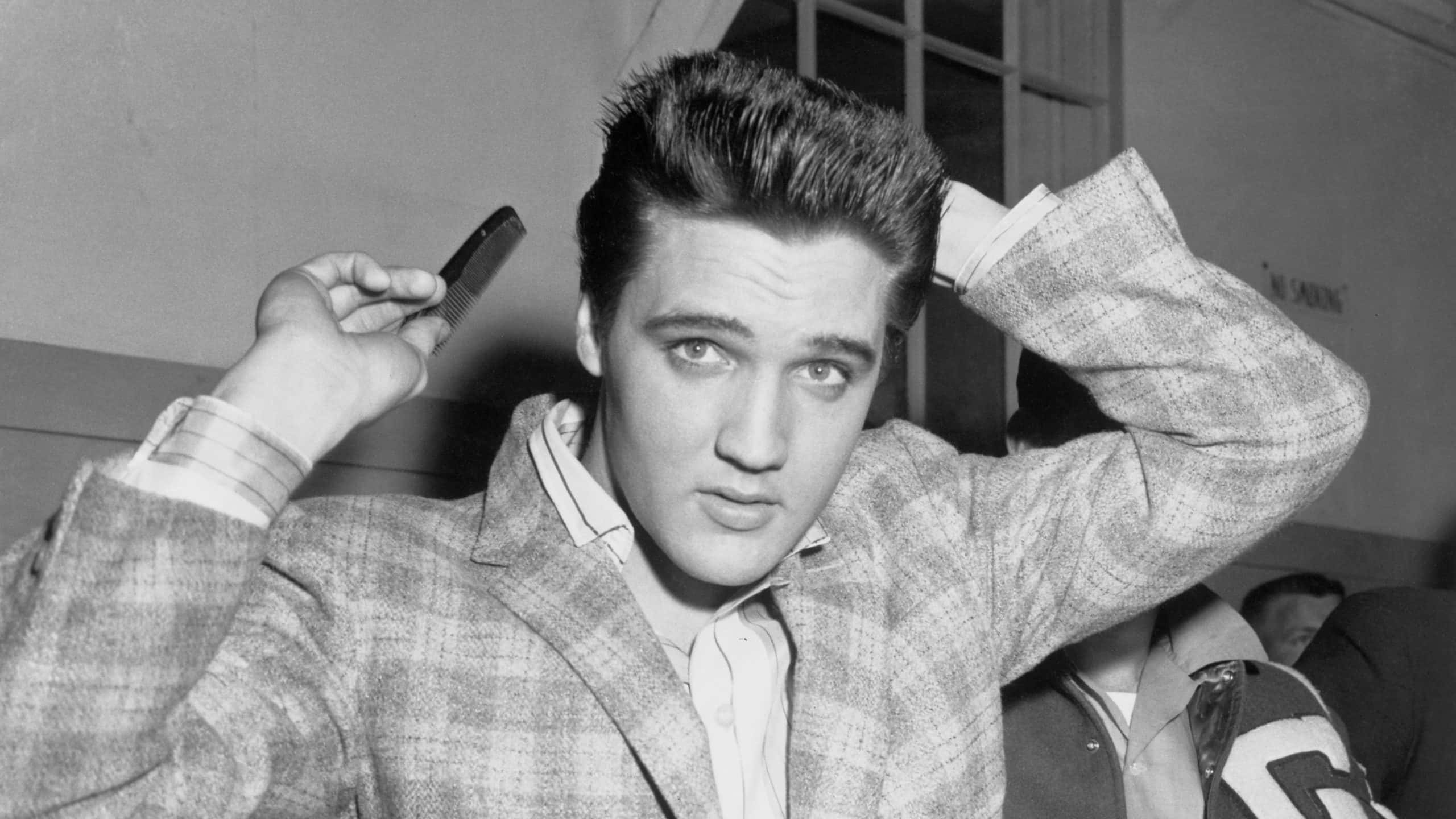
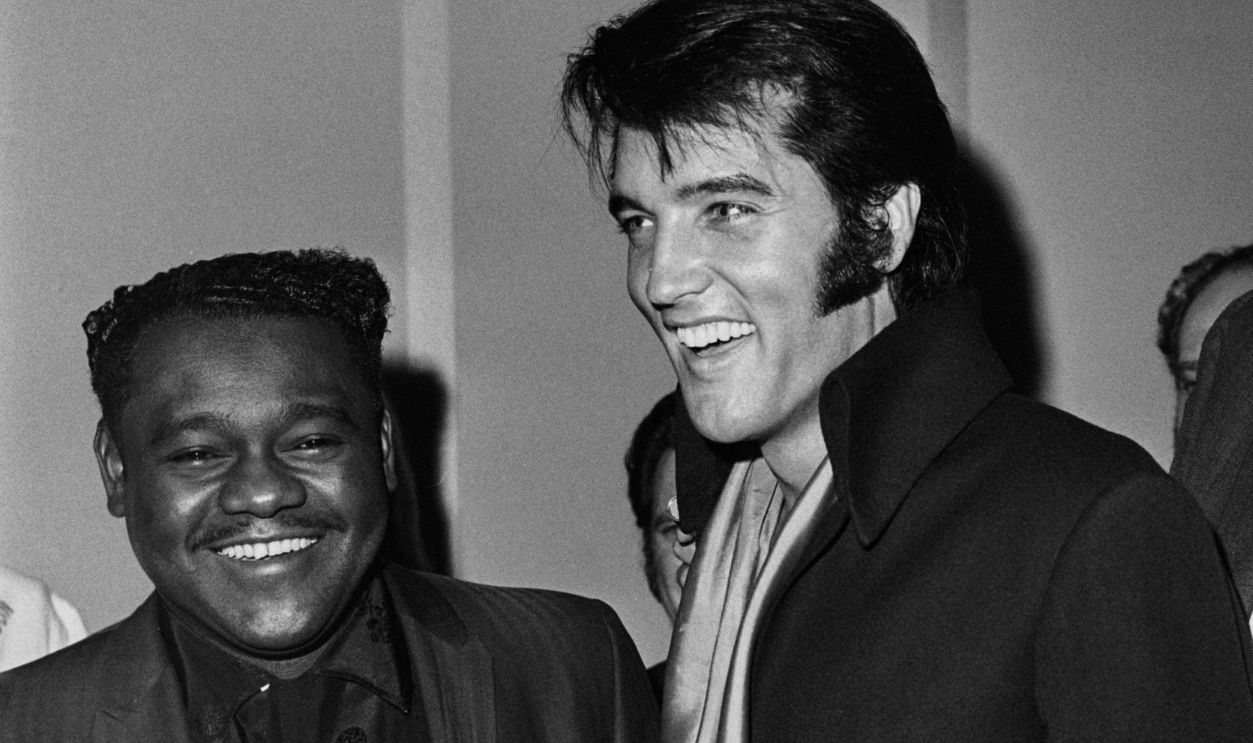
Elvis Presley openly admitted how much Domino influenced him. During a famous moment in Las Vegas in 1969, Elvis reportedly pointed at Domino and told reporters, “This here is the real king of rock and roll”. Presley also described Domino as “a huge influence on me when I started out”. Those comments carried weight because Elvis understood how foundational Domino’s music had been to early rock and roll.
The Beatles Borrowed His Groove
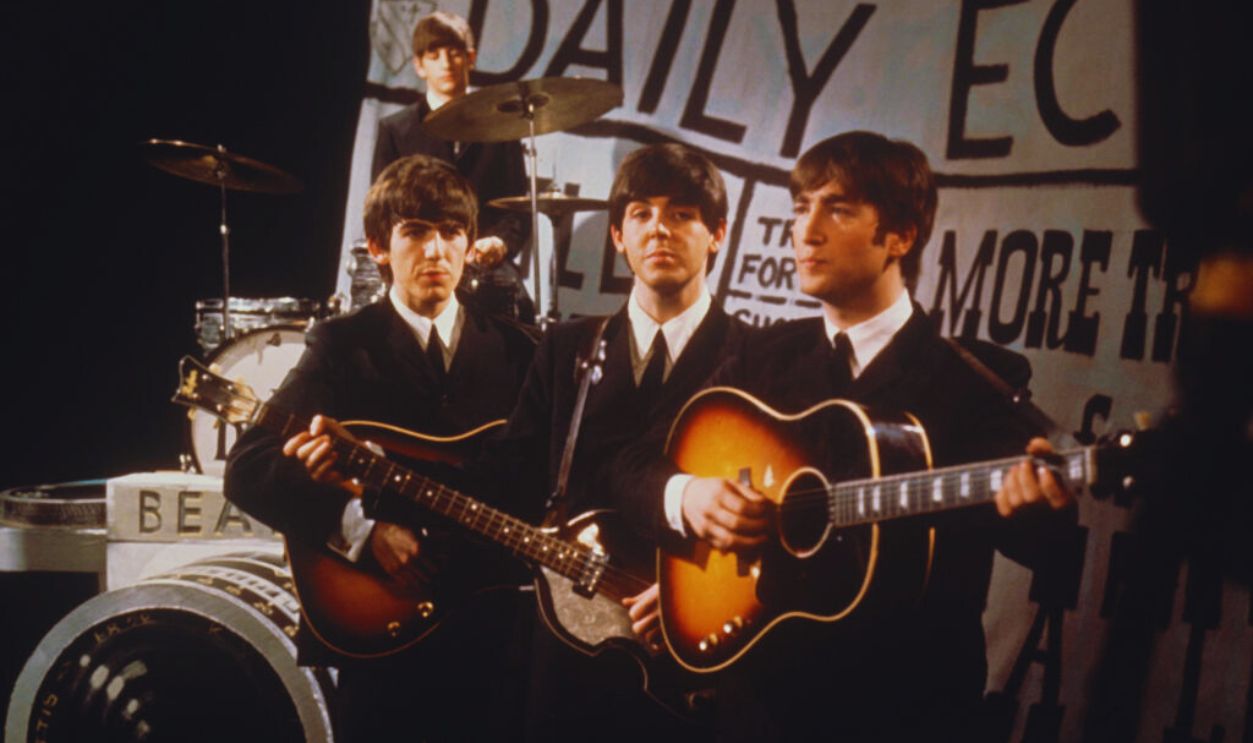
The Beatles were also deeply influenced by Domino’s sound, especially Paul McCartney. McCartney later called Domino “a huge influence” on the band and praised songs like “Blueberry Hill” and “Ain’t That a Shame”. Beatles fans have long pointed out that “Lady Madonna” was heavily inspired by Domino’s rolling piano style and vocal delivery. Domino later covered the song himself, which felt less like a cover and more like a full-circle musical moment.
Segregation Followed Him Everywhere
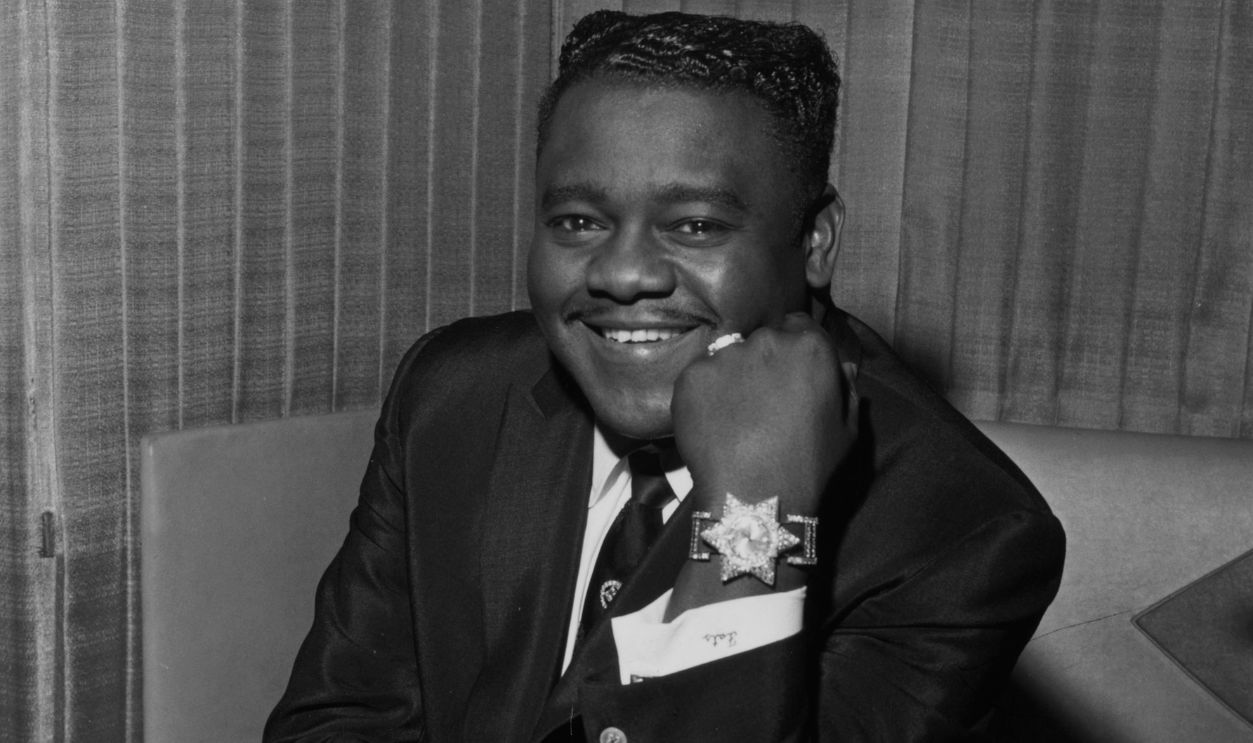
Even as Domino became a national star, segregation shaped nearly every part of his touring life in the 1950s. Black musicians often faced separate hotels, restaurants, and entrances while traveling through the South. Domino performed for integrated crowds at a time when many cities still resisted racial mixing. His success helped challenge those barriers, even if the social system surrounding him remained deeply unfair.
Concert Crowds Terrified Authorities
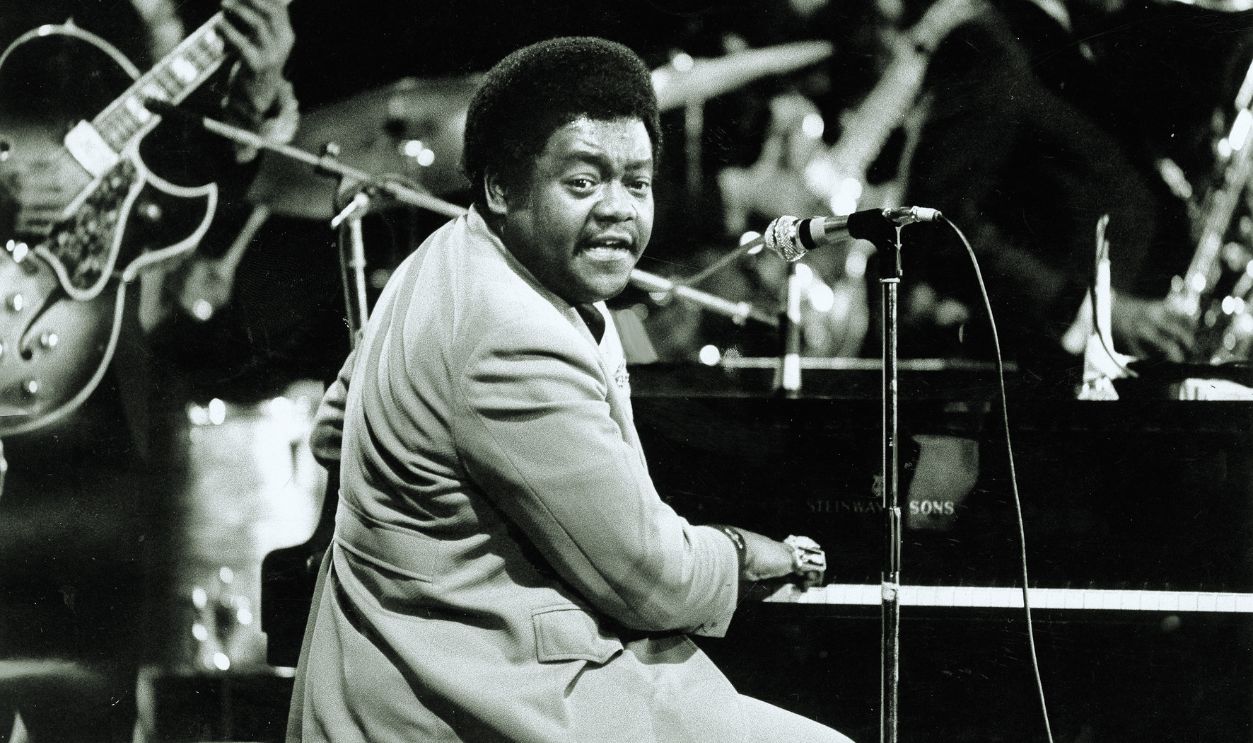
Domino’s concerts became controversial because young Black and white fans danced together during segregation. PBS American Masters reports that four riots broke out at his shows in 1956 alone. In many cases, nervous police and venue owners treated excited teenage crowds like public threats. The panic surrounding rock and roll often revealed deeper racial fears about integration and changing youth culture in America.
His Personality Stayed Surprisingly Gentle
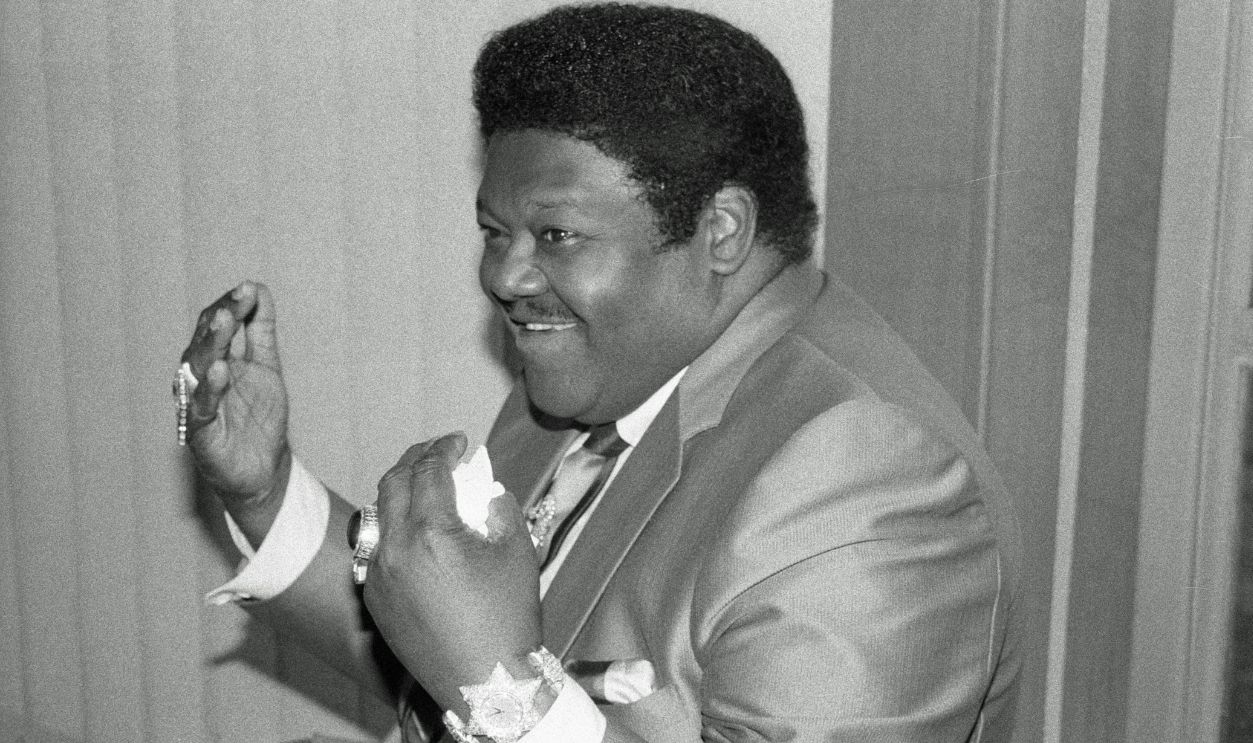
Unlike some rock stars, Fats Domino never built his image around rebellion or scandal. Friends and fellow musicians consistently described him as quiet, polite, and modest. He preferred spending time with family and avoided the chaos of celebrity culture whenever possible. That calm personality made him unusual in a music industry increasingly fascinated with controversy and larger-than-life behavior.
New Orleans Always Came First
Despite worldwide fame, Domino stayed deeply connected to New Orleans throughout his life. He rarely seemed interested in relocating permanently to Los Angeles or New York like many entertainers did. By the 1980s, he had slowed down his touring schedule and focused more on home life in Louisiana. Fans appreciated that he never abandoned the city whose musical traditions shaped him from childhood onward.
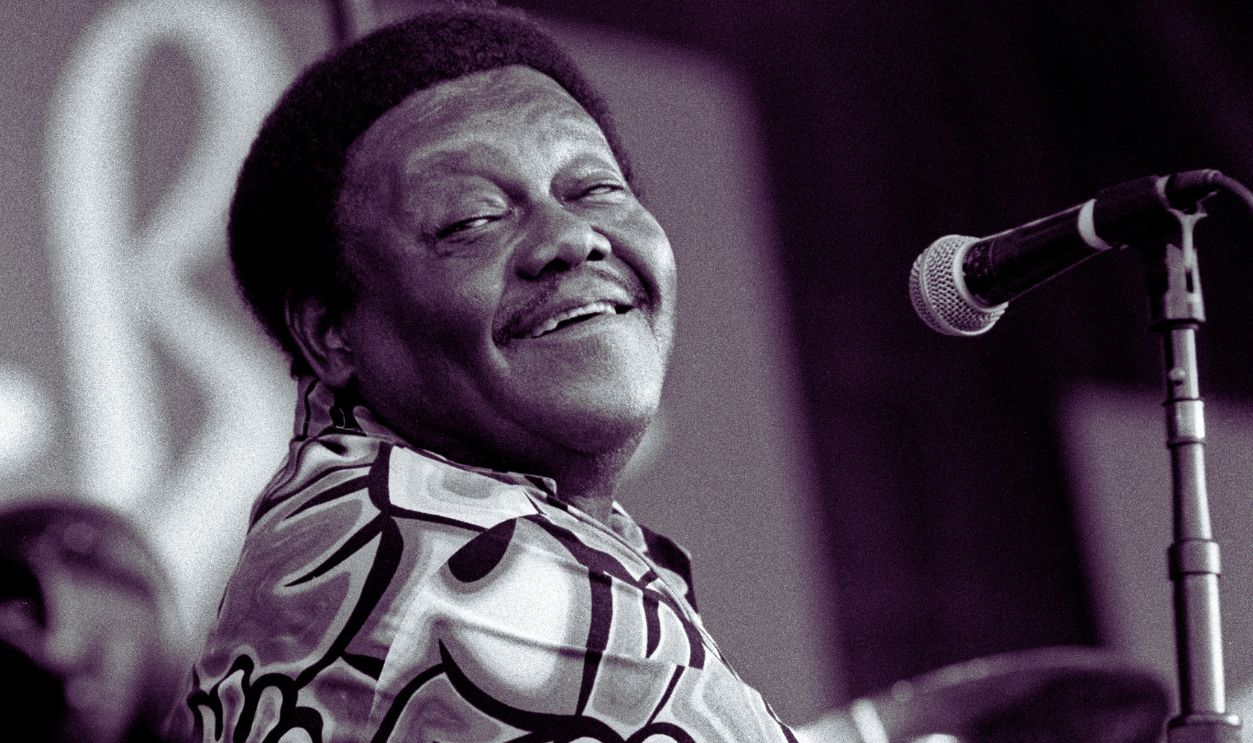
Hurricane Katrina Nearly Became Tragic
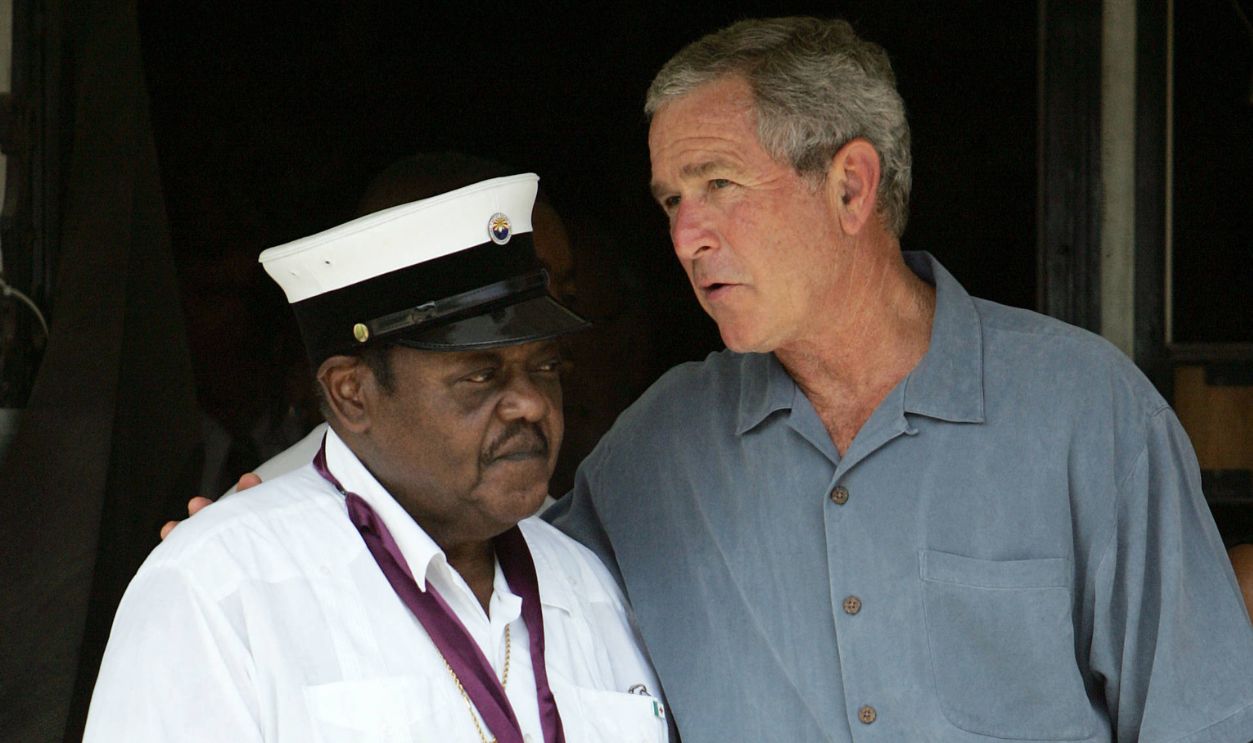
When Hurricane Katrina approached New Orleans in 2005, Domino refused to evacuate because his wife Rosemary was in poor health. Floodwaters overwhelmed the Lower Ninth Ward, where the family lived, and for several days rumors spread that Domino had died. Someone even spray-painted “RIP Fats” on his damaged house. Eventually, rescue crews safely evacuated Domino and his family from the flooded neighborhood.
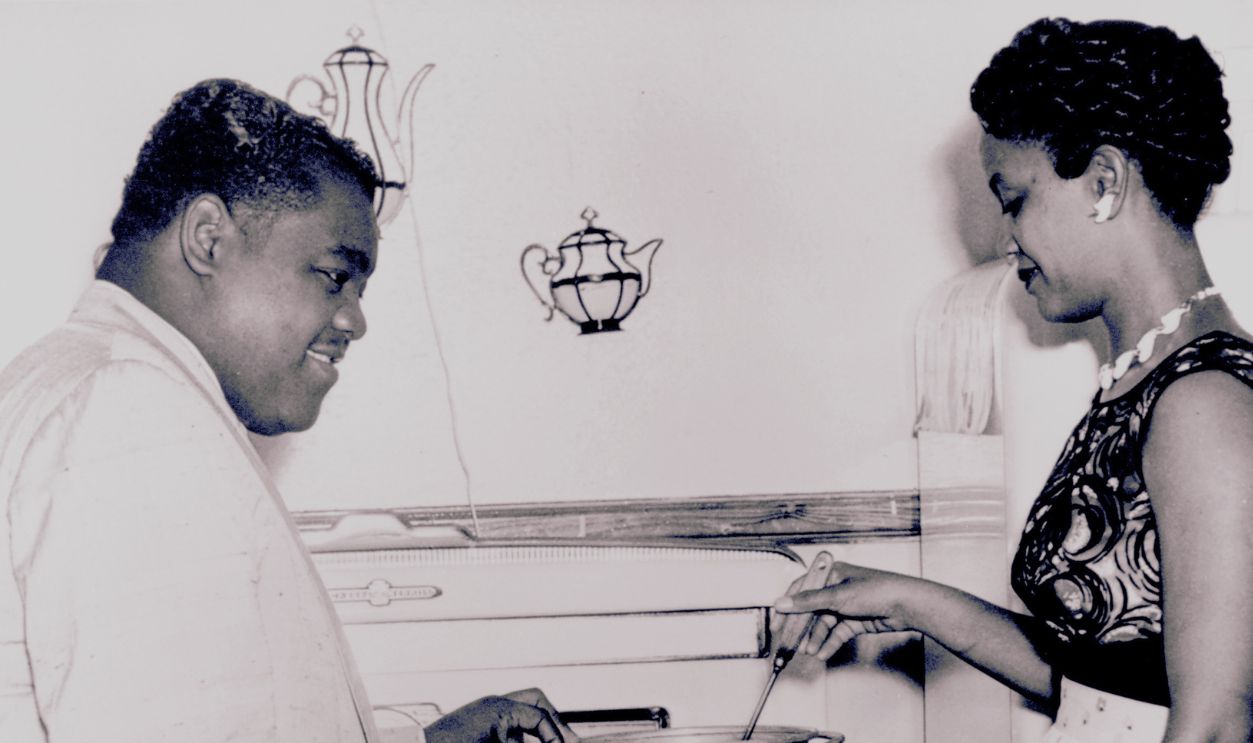 Michael Ochs Archives, Getty Images
The Flood Destroyed Precious Memories
Katrina devastated Domino’s home and destroyed many personal belongings, including awards and treasured keepsakes. His famous white Steinway piano sat underwater for weeks after the levees failed. The New Orleans Jazz Museum later explained how the instrument became a symbol of survival and recovery for the city itself. Domino’s experience during Katrina connected him even more deeply to the struggles faced by ordinary New Orleans residents.

He Became A Symbol Of New Orleans Survival
After Katrina, Domino’s survival carried enormous emotional significance for music fans and New Orleans locals alike. People around the world feared losing one of the city’s greatest cultural figures during the disaster. His eventual rescue felt like a rare moment of hope during an otherwise horrifying national tragedy. Domino later participated in benefit concerts and recovery efforts tied to rebuilding New Orleans communities.
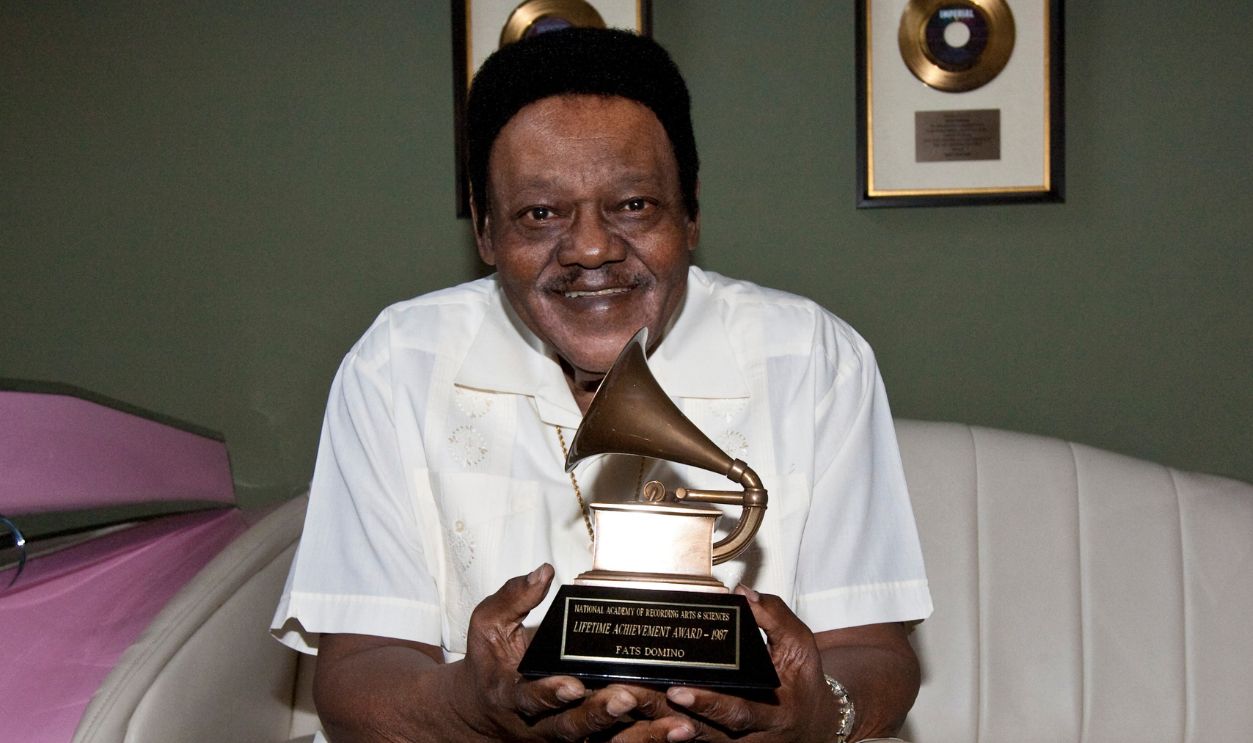
Awards Finally Matched His Influence
Domino entered the Rock and Roll Hall of Fame in its inaugural class in 1986 alongside legends like Elvis Presley, Chuck Berry, and Little Richard. He also received the Grammy Lifetime Achievement Award and the National Medal of Arts. Those honors recognized not only his commercial success, but also his role in shaping modern popular music. By then, musicians across multiple generations openly credited him as a foundational influence.
His Songs Never Really Disappeared
Even decades after his commercial peak, Domino’s songs remained part of movies, television, commercials, and pop culture playlists. Tracks like “Blueberry Hill,” “Walking To New Orleans,” and “I’m Walkin’” kept introducing younger audiences to his music. His records sounded timeless because they balanced rhythm, melody, and warmth without relying on short-lived trends. Very few early rock stars managed to age that gracefully.
Musicians Kept Praising His Influence
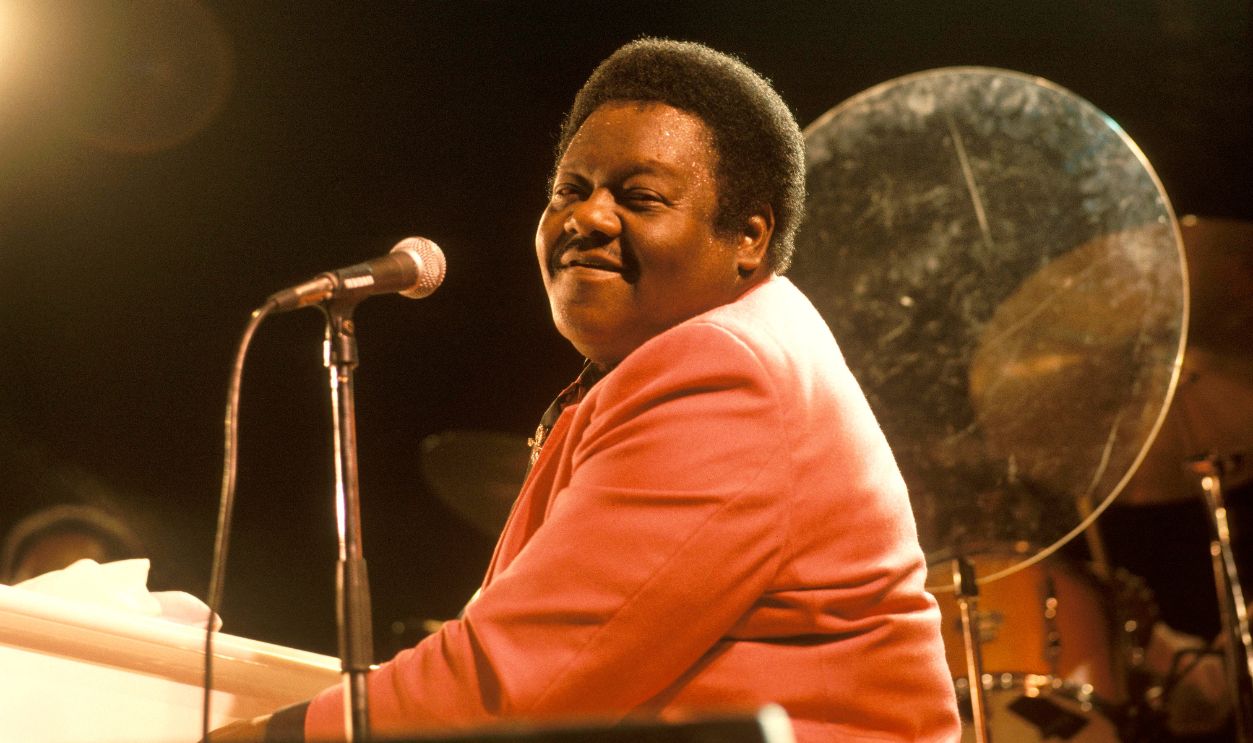
Artists across rock, pop, blues, and ska repeatedly acknowledged Domino’s impact on their music. Paul McCartney, Randy Newman, and Elvis Presley all publicly praised him over the years. Critics often noted that Domino’s relaxed groove influenced countless performers who tried to recreate his effortless feel. Even musicians who sounded very different from him borrowed pieces of his rhythm, phrasing, or piano style.
Fats Domino Left Behind Joy
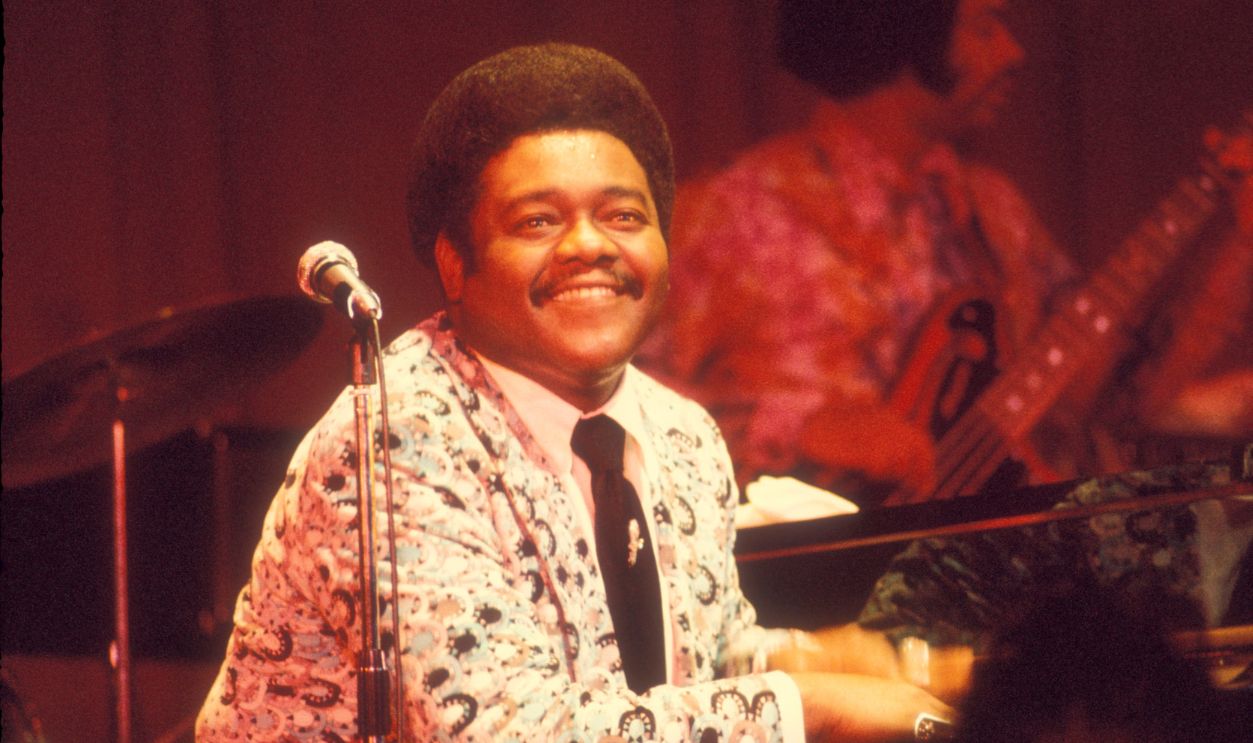
Fats Domino died on October 24, 2017, at age 89, but his music never stopped feeling alive. His recordings still sound welcoming, energetic, and deeply human in a way many classic records do not. He helped invent rock and roll while staying remarkably grounded and kind throughout his career. Few artists shaped American music so profoundly while making it all seem so natural and joyful.
You May Also Like: