Where Neon Lights, Cold Brews, And Three Perfect Minutes Meet
There’s something sacred about a roadhouse jukebox, the way it sets a mood, tells a story, or even settles an argument. The right song can shift the entire room. Boots start tapping. Someone grabs a dance partner. Someone else stares into their drink remembering somebody they shouldn’t.
These are the songs that lived in those glowing machines, the ones you’d hear over the clink of bottles, the scrape of bar stools, and the low hum of highway traffic outside. They weren’t just hits; they were atmosphere.
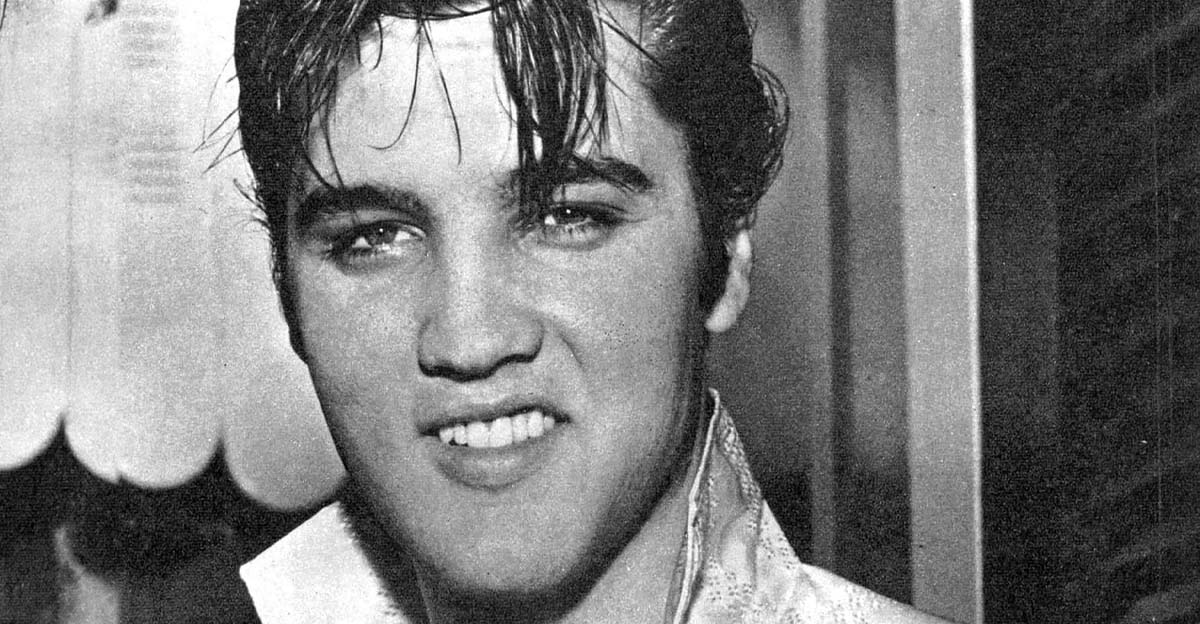
Elvis Presley – “Don’t Be Cruel” / “Hound Dog” (1956)
Few records shook jukeboxes like Elvis in 1956. The flip-side dominance of “Don’t Be Cruel” and “Hound Dog” turned diners and roadhouses into unofficial dance halls. The snarl, the rhythm, and the swagger felt rebellious but still fun. Elvis practically defined what jukebox cool sounded like.
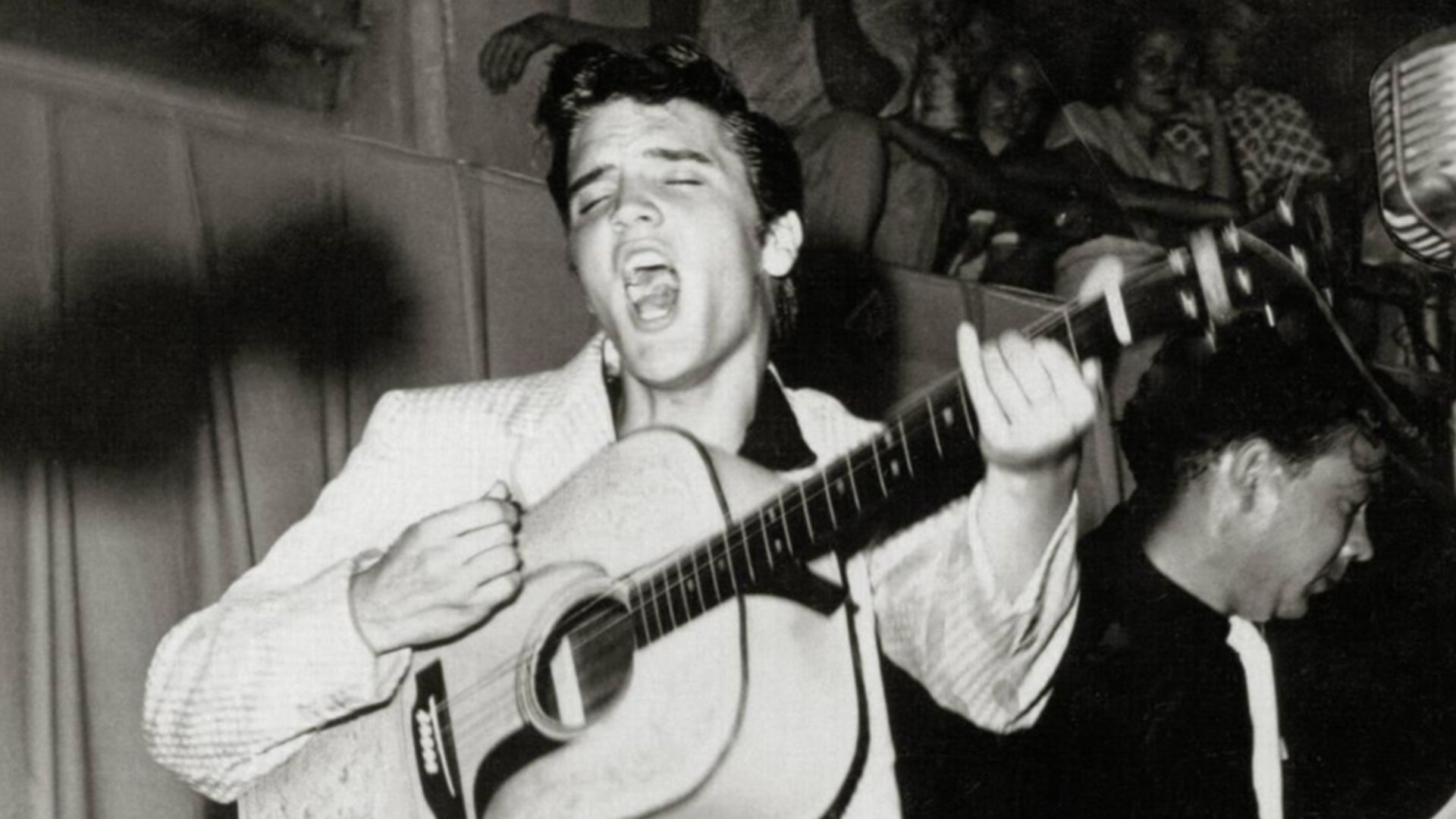 Unknown authorUnknown author, Wikimedia Commons
Patsy Cline – “Crazy” (1961)
When the night slowed down and the conversations got quieter, “Crazy” was the kind of song that filled the space. Patsy Cline’s voice carries heartbreak without theatrics, just clean, aching honesty. It’s the type of track someone plays after their third drink, pretending they’re fine but clearly not.
 Decca Records, Wikimedia Commons
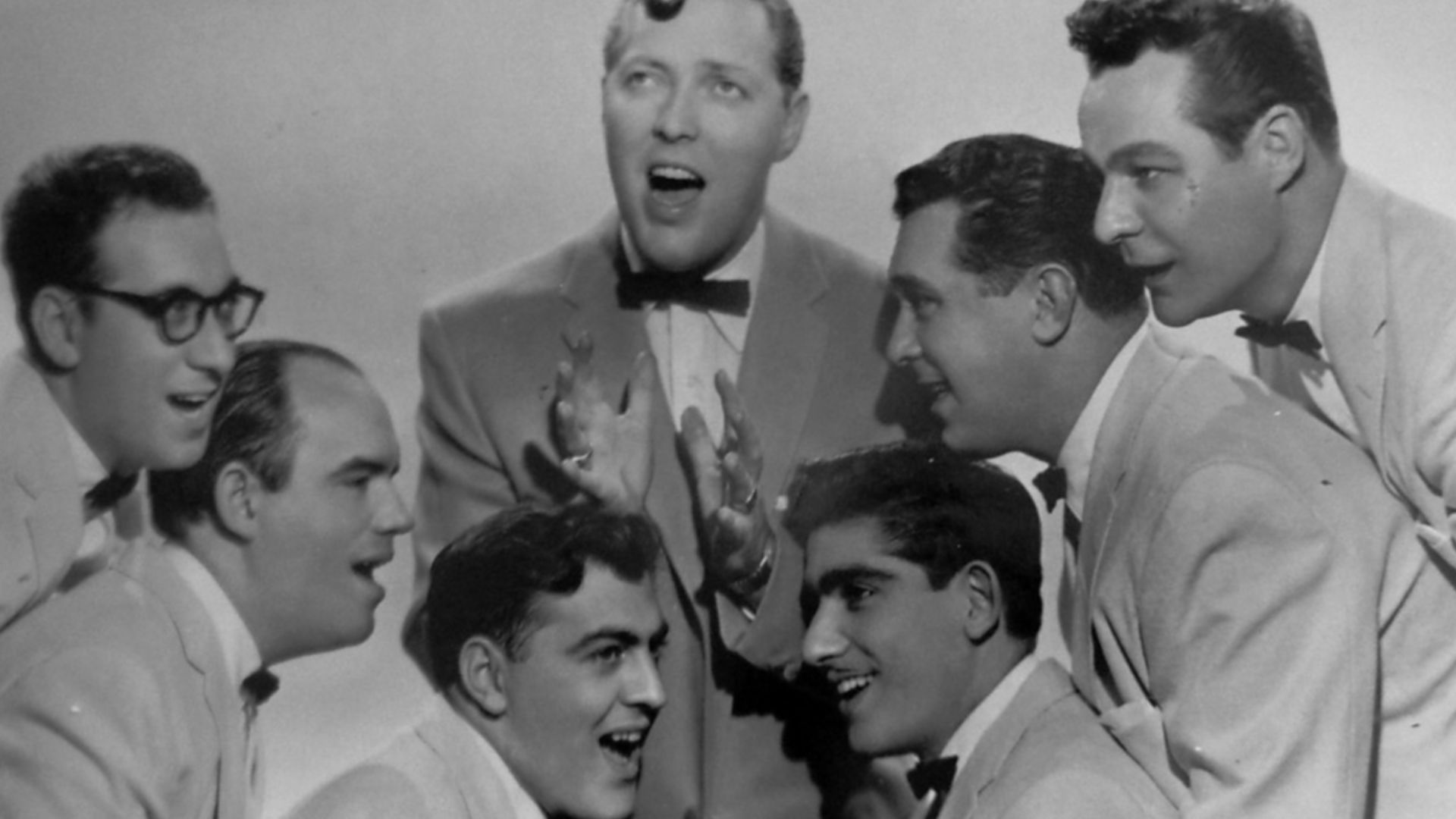
Bill Haley & His Comets – “We’re Gonna Rock Around The Clock” (1954)
Before rock and roll became a genre, this was the ignition. The beat alone feels like it belongs in a roadside bar with a wooden dance floor. It turned jukeboxes into engines of youth culture, encouraging people to get up and move rather than sit politely at their tables.
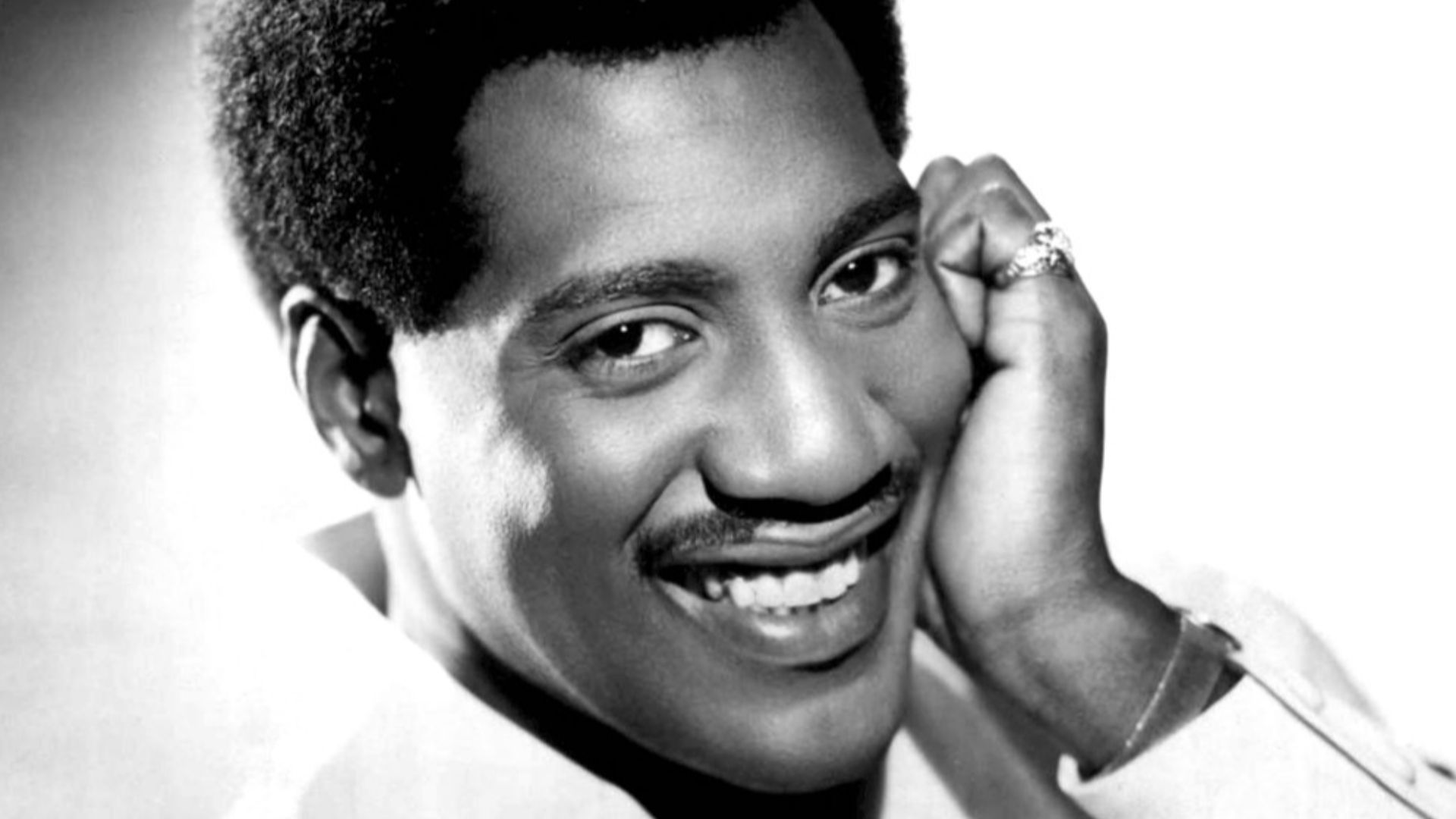
Otis Redding – “(Sittin’ On) The Dock Of The Bay” (1968)
Not every jukebox anthem is loud. Sometimes it’s reflective. That whistle at the end feels like closing time. Otis Redding captured restlessness and longing in a way that fits perfectly in a smoky bar where someone’s staring out the window thinking about the road ahead.
 Stax Records, Wikimedia Commons
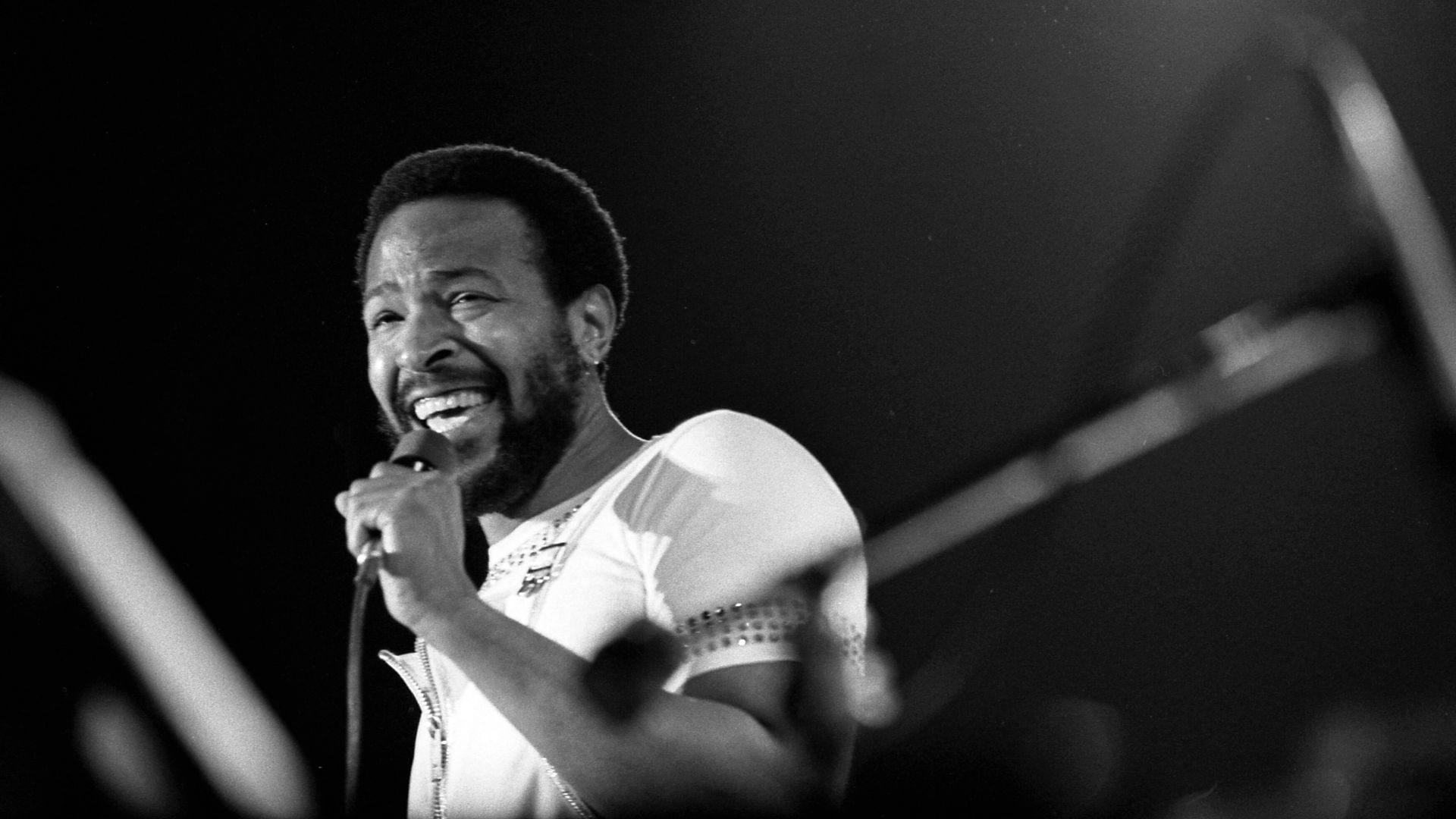
Marvin Gaye – “I Heard It Through The Grapevine” (1968)
There’s tension in this song. Suspicion. Hurt. That slow burn groove makes it ideal for a bar setting, where it creeps in and settles into the room. Marvin Gaye’s vocal performance feels personal, like he’s telling the story directly to whoever dropped the coin in the slot.
 Los Angeles Times, Wikimedia Commons
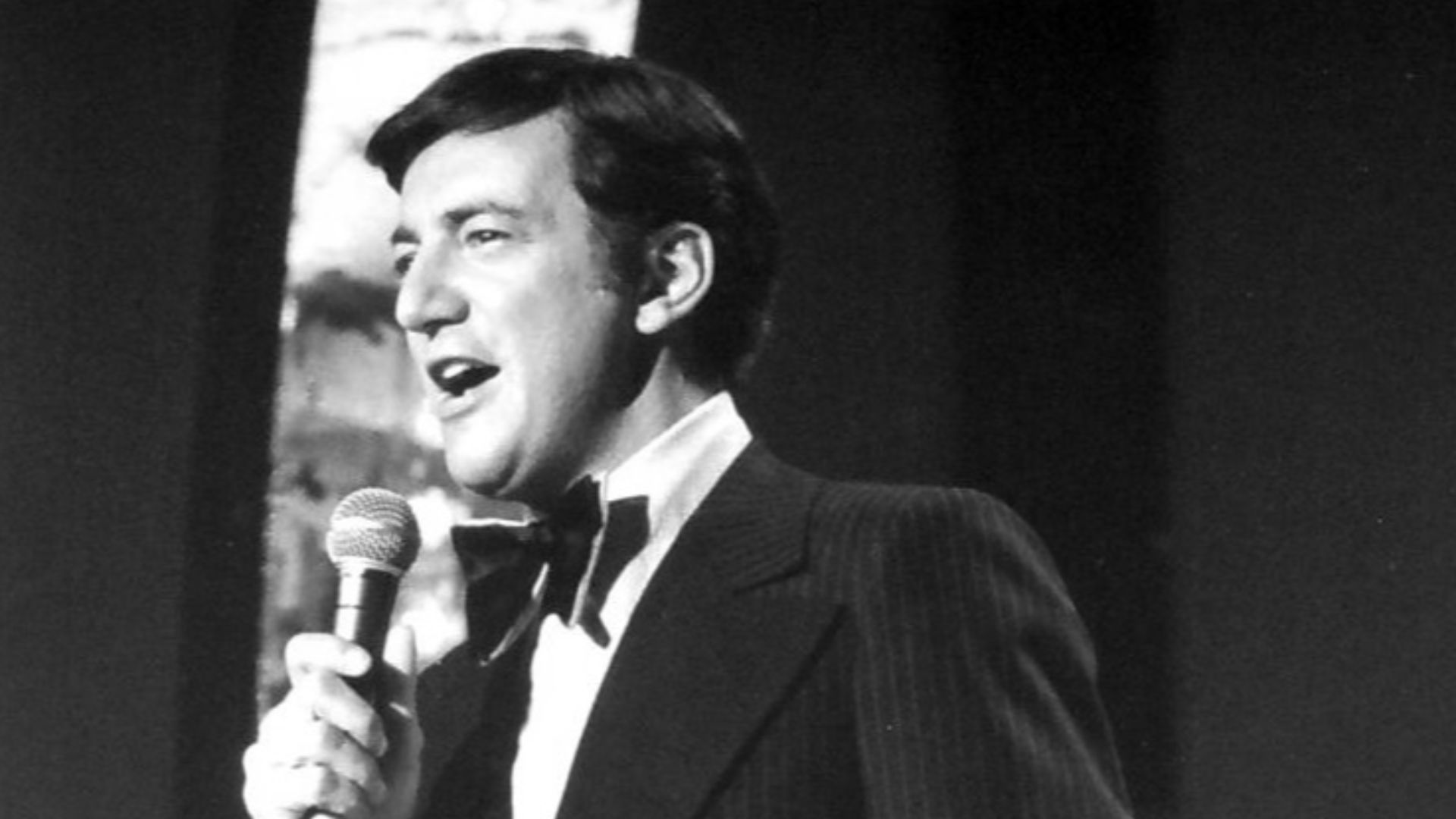
Bobby Darin – “Mack The Knife” (1959)
Smooth, a little dangerous, and full of swagger. “Mack the Knife” carries that polished lounge energy that fits right between classic cocktails and low lighting. It’s playful but sharp, the kind of song that gives a jukebox just enough sophistication without losing its edge.
 NBC Television, Wikimedia Commons
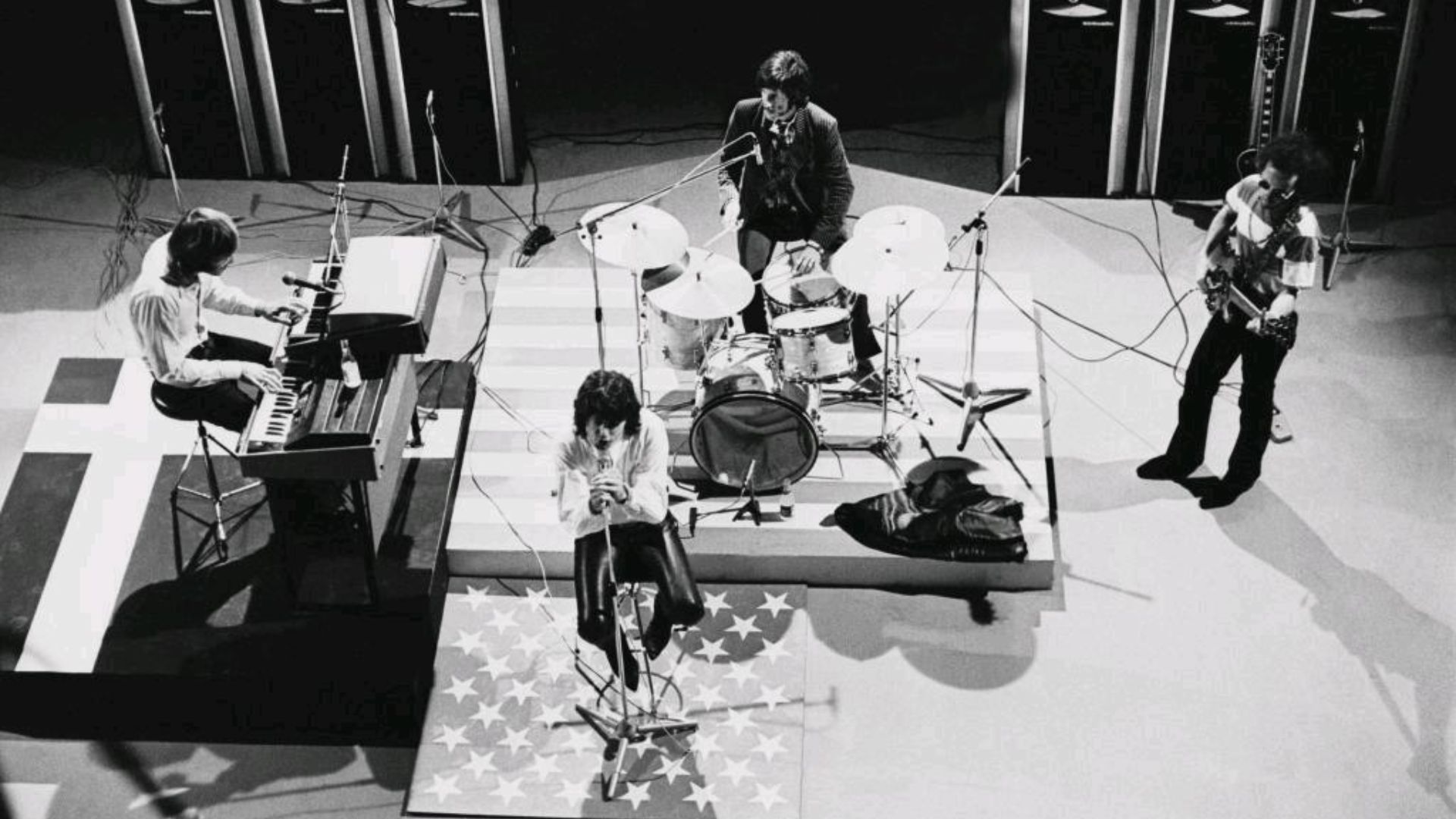
The Doors – “Light My Fire” (1967)
When this one comes on, the mood shifts. It’s longer, looser, and hypnotic. Jim Morrison’s cool detachment mixed with the band’s swirling organ solo gives it a slightly dangerous feel, which was perfect for a place where conversations get unpredictable after midnight.
 Polfoto/Jan Persson, Wikimedia Commons
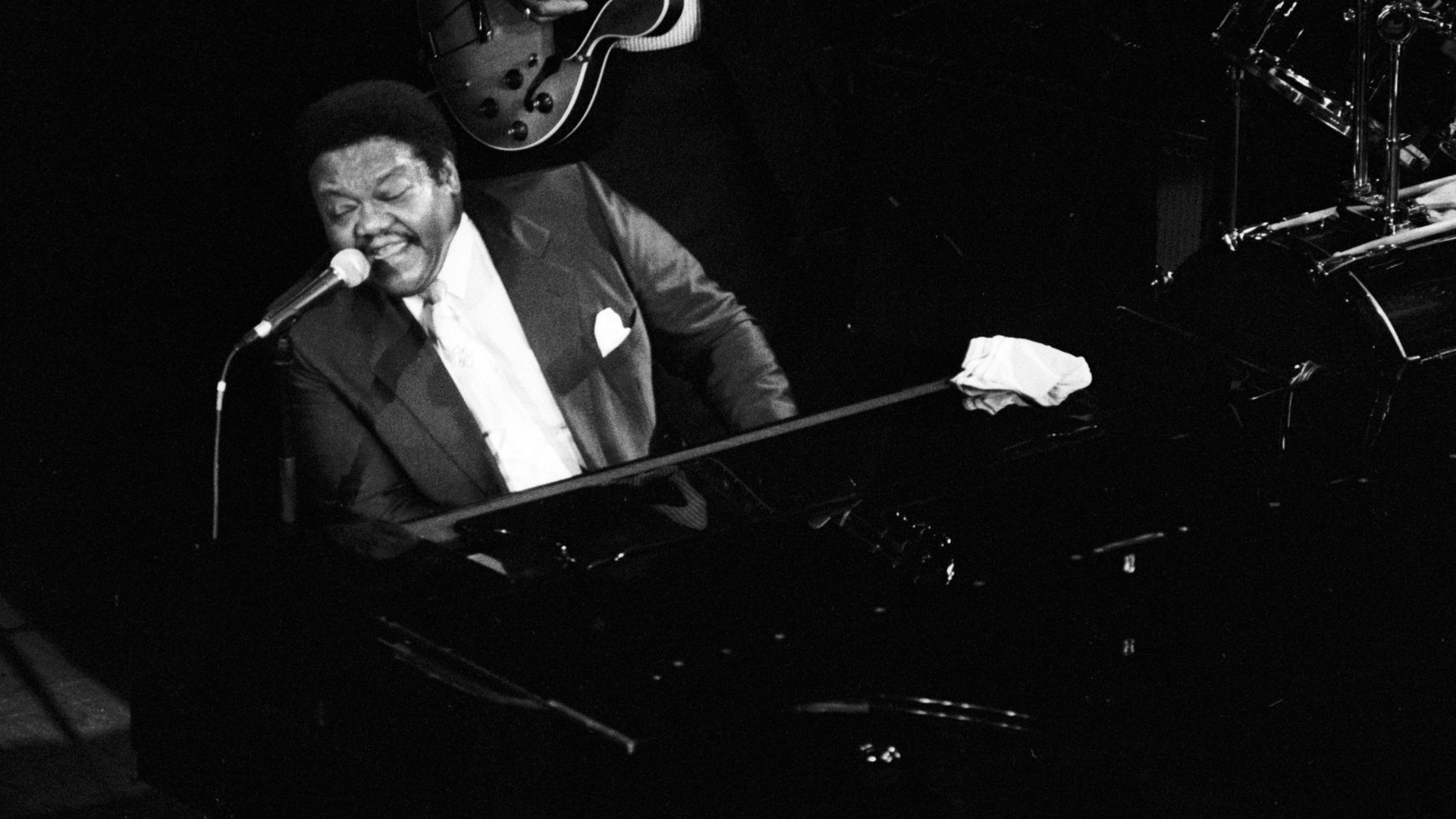
Fats Domino – “Blueberry Hill” (1956)
Warm and instantly recognizable, this is comfort music for a crowded bar. Fats Domino’s easygoing piano and laid-back vocal style feel welcoming. It’s nostalgic without trying too hard, the kind of tune that makes strangers sing along together.
 Roland Godefroy, Wikimedia Commons
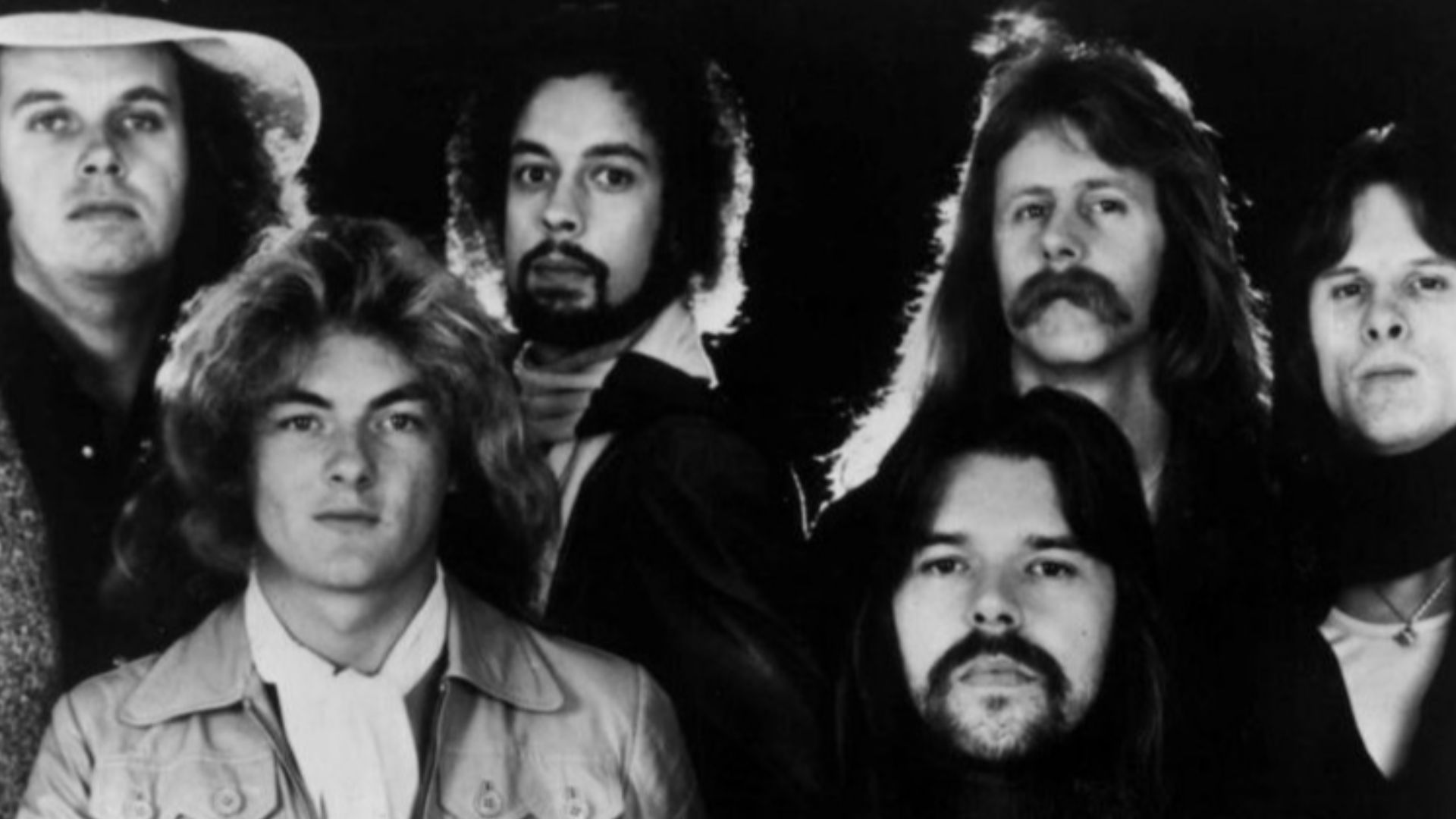
Bob Seger & Silver Bullet Band – “Old Time Rock And Roll” (1978)
This is pure jukebox energy. It’s about the love of jukebox music itself. The piano intro alone signals that the dance floor’s about to fill. Seger’s voice carries grit and sincerity, making it feel like a tribute to every roadside bar that ever kept the lights on late.
 American Talent International (management), Wikimedia Commons
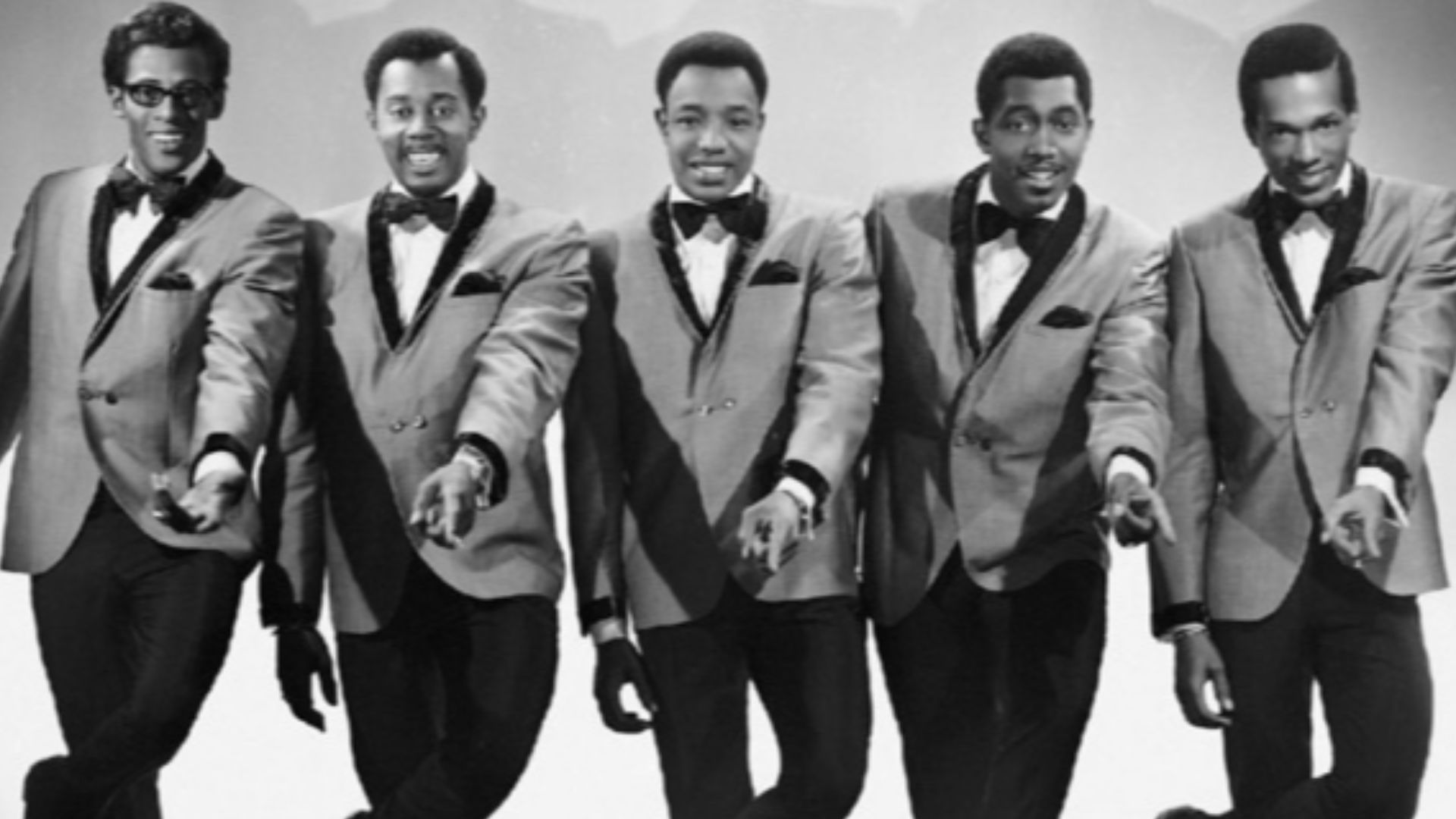
The Temptations – “My Girl” (1965)
That bassline. That intro. It’s impossible not to smile when it starts. “My Girl” feels like a celebration in song form. It’s the kind of track that smooths over arguments and gets couples slow dancing near the pool table.
 Motown Records, Wikimedia Commons
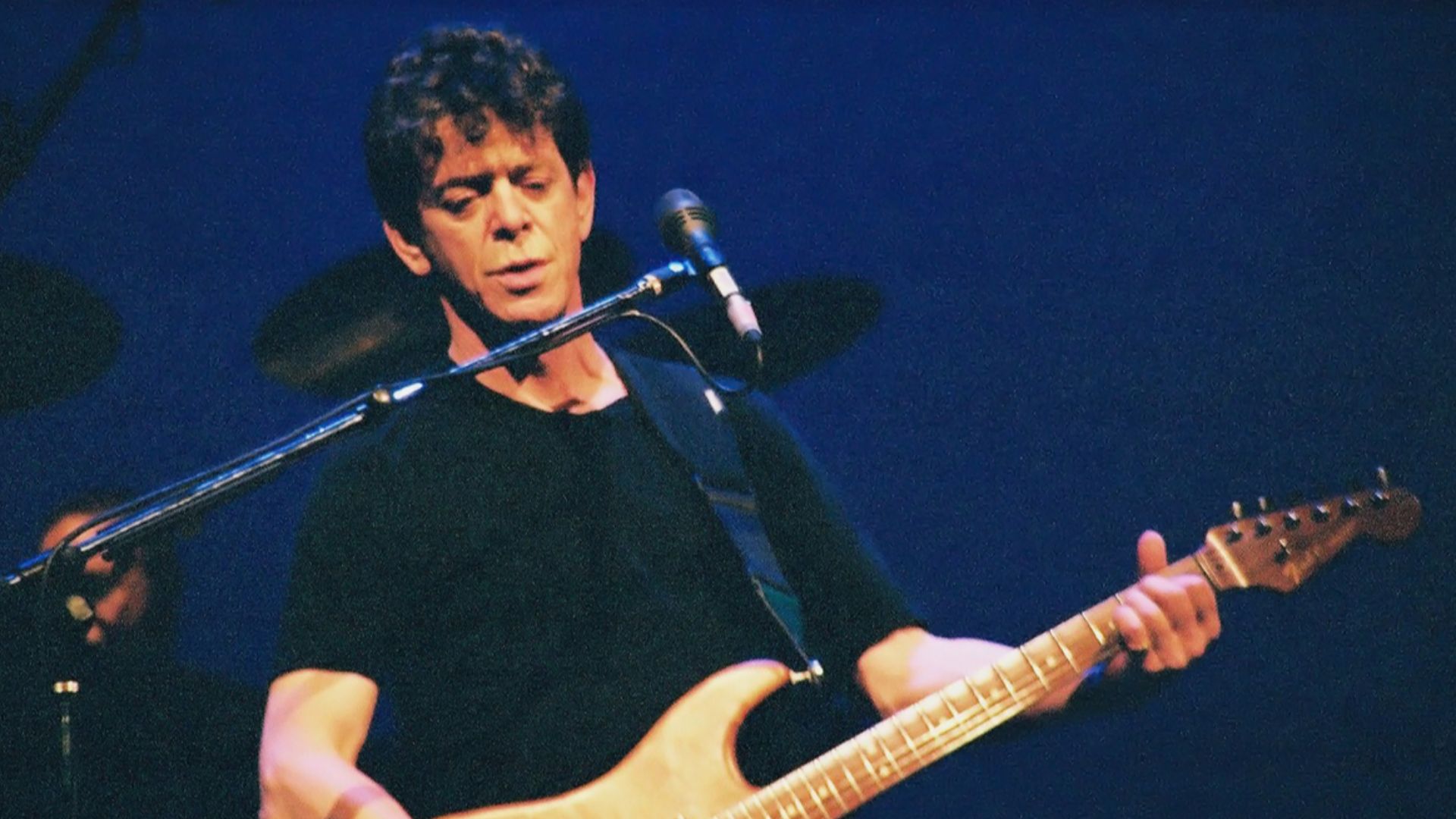
Lou Reed – “Walk On The Wild Side” (1972)
Laid-back but subversive, this one feels like it belongs in a slightly dimmer corner of the bar. Its bassline glides along casually while the lyrics tell stories that aren’t exactly small-town friendly. That tension gives it character.
 .dannynorton, Wikimedia Commons
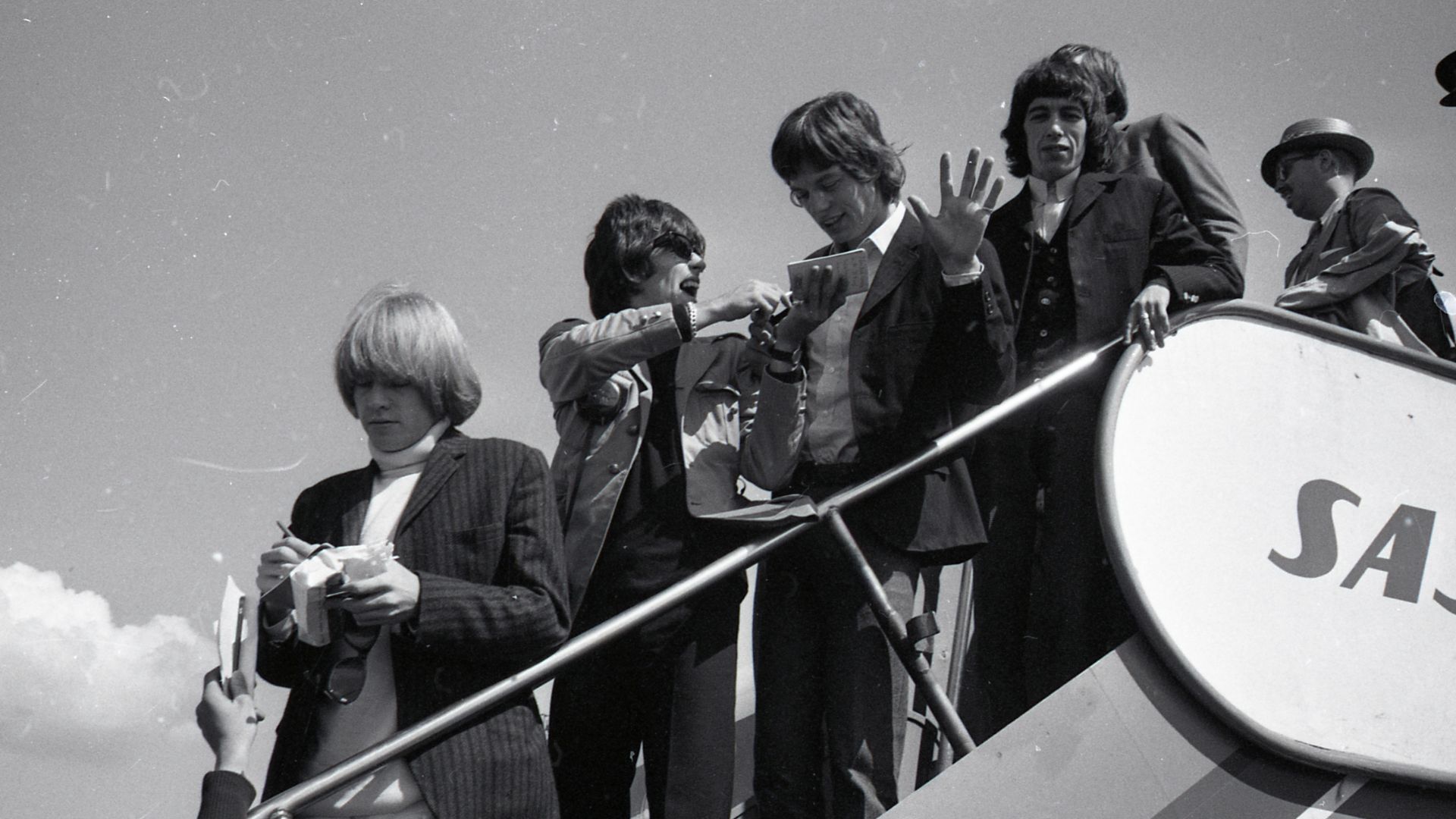
The Rolling Stones – “Honky Tonk Women” (1969)
You can practically hear boots hitting sawdust. The cowbell intro alone sets the scene. It’s loose, rowdy, and a little mischievous—exactly the vibe you’d expect from a jukebox in a place with neon beer signs and chipped bar tops.
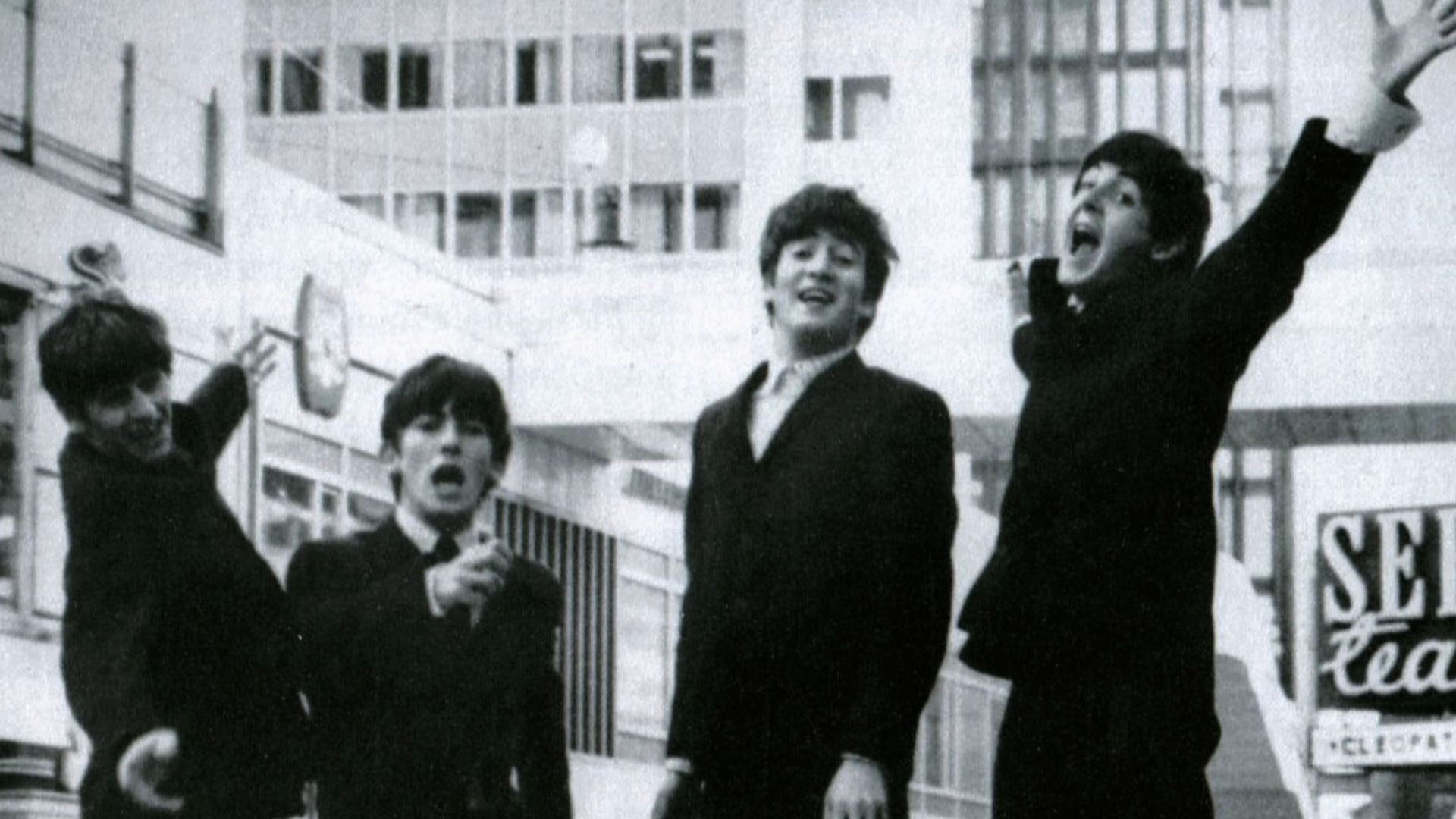
The Beatles – “Can’t Buy Me Love” (1964)
Bright, fast, and built for movement. It’s the kind of song that gets the whole room energized without feeling heavy. The Beatles knew how to write melodies that worked anywhere, and jukeboxes were no exception.
 ingen uppgift, Wikimedia Commons
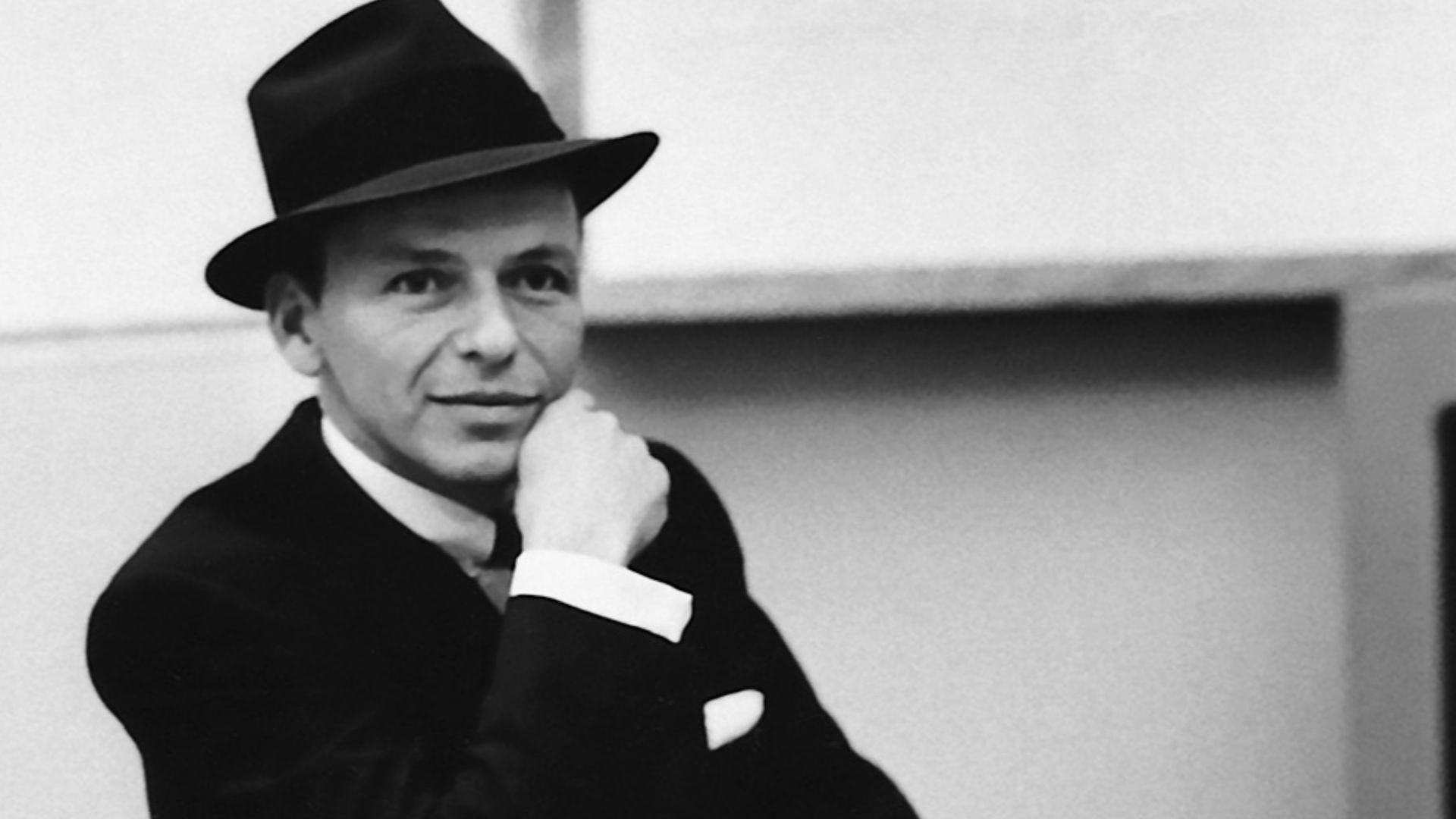
Frank Sinatra – “Theme From New York, New York” (1980)
Big and bold, this is the anthem someone plays when they’re feeling larger than life. It doesn’t just fill a room, it owns it. It’s perfect for that moment when someone stands up, raises a glass, and believes the night still has potential.
 Capitol Records (File No. 3860-25). Photographer unknown., Wikimedia Commons
Steppenwolf – “Born To Be Wild” (1968)
The highway anthem. Loud, gritty, and built for leather jackets and open roads. When this hits, it feels like the bar doors should swing open and let in motorcycle headlights. It captures freedom and noise in equal measure.
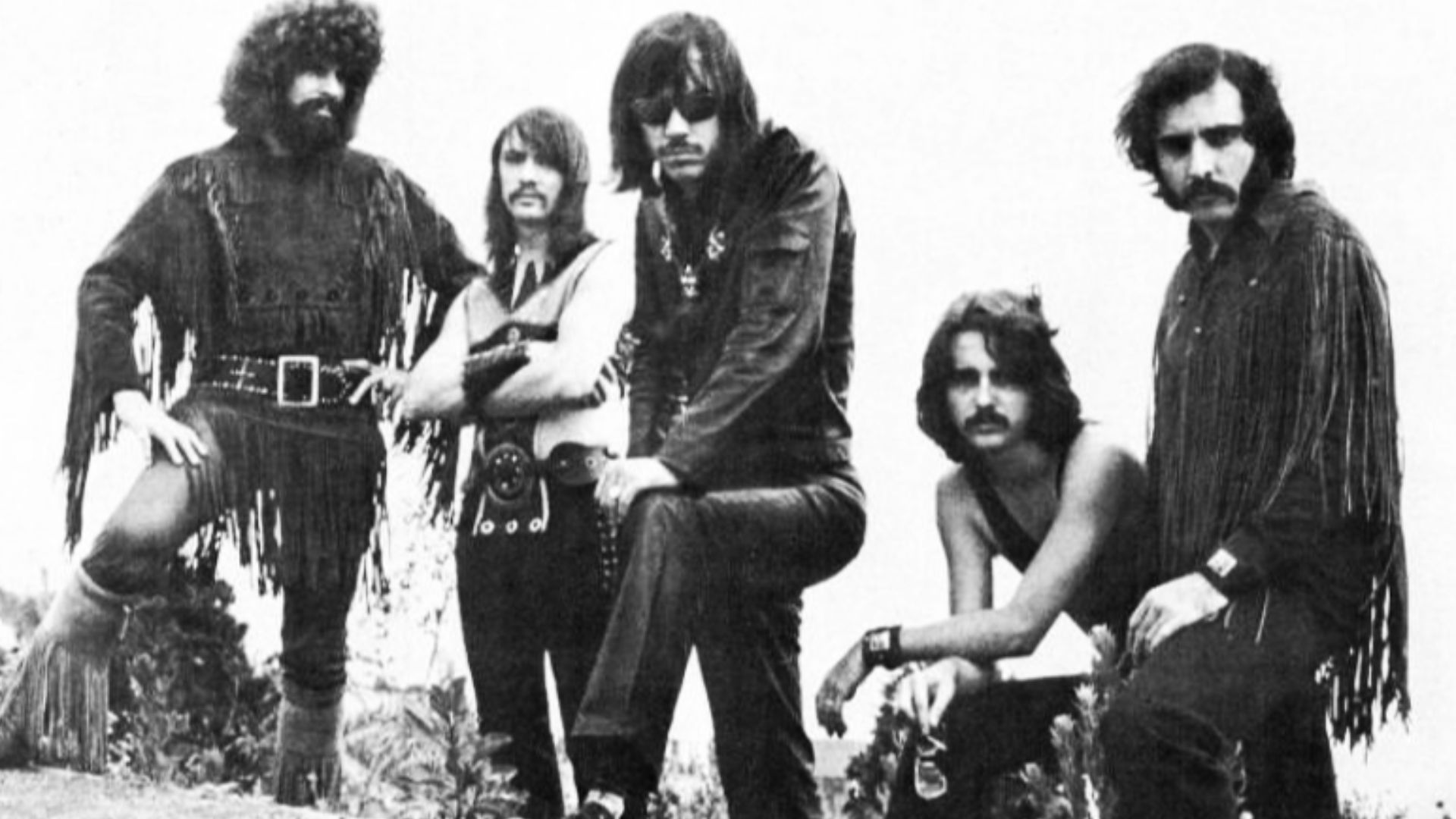 ABC / Dunhill Records, Wikimedia Commons
The Kingsmen – “Louie Louie” (1963)
Raw and messy in the best way. The slightly chaotic recording only adds to its charm. It’s the song that gets shouted more than sung, which is exactly what a crowded bar needs sometimes.
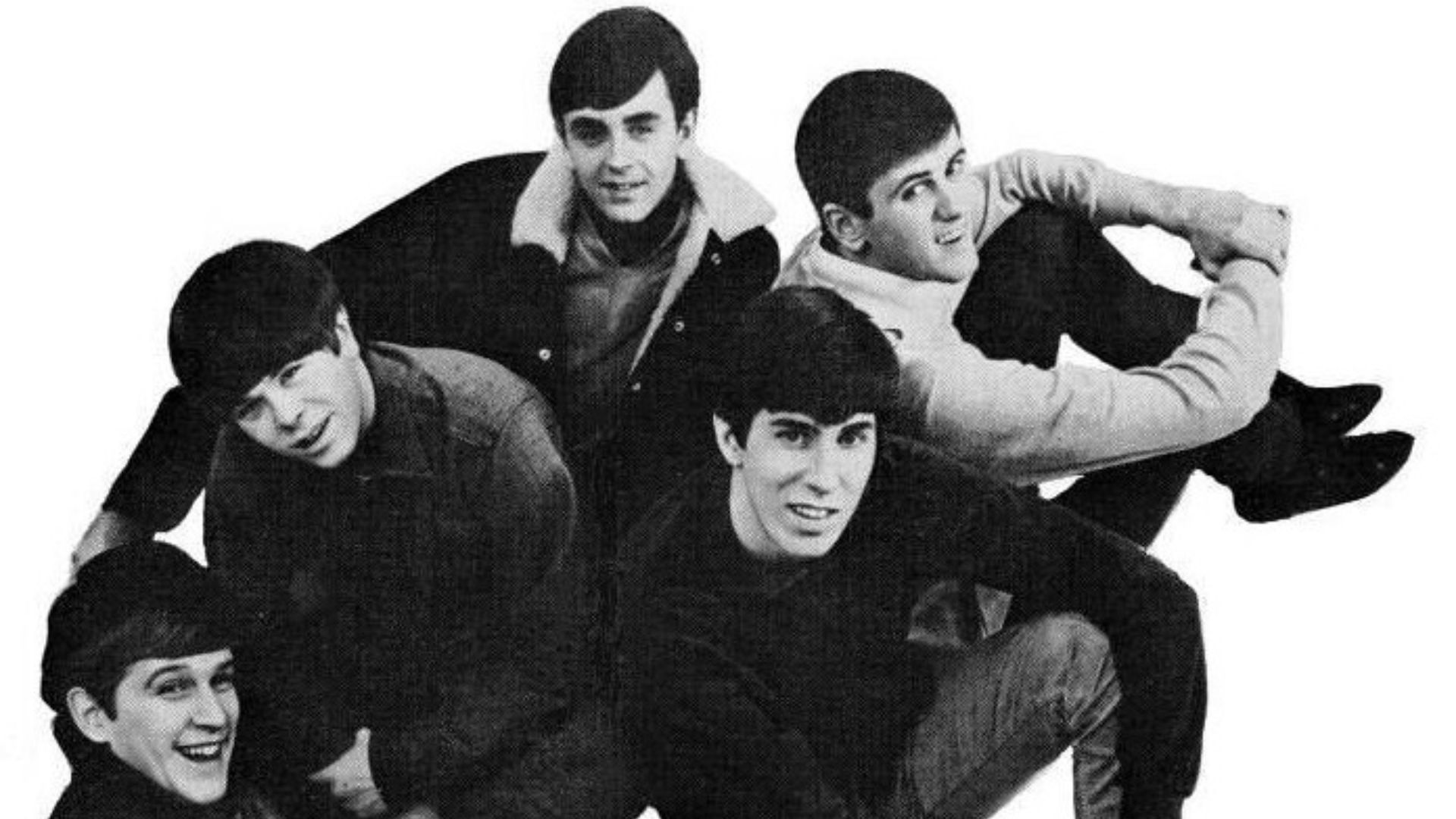 Scandore/Shayne (personal management), Wikimedia Commons
Chuck Berry – “Maybellene” (1955)
Chuck Berry practically wrote the blueprint for rock jukebox hits. “Maybellene” moves fast, with storytelling and rhythm that feel made for dancing. It’s youthful, direct, and endlessly replayable.
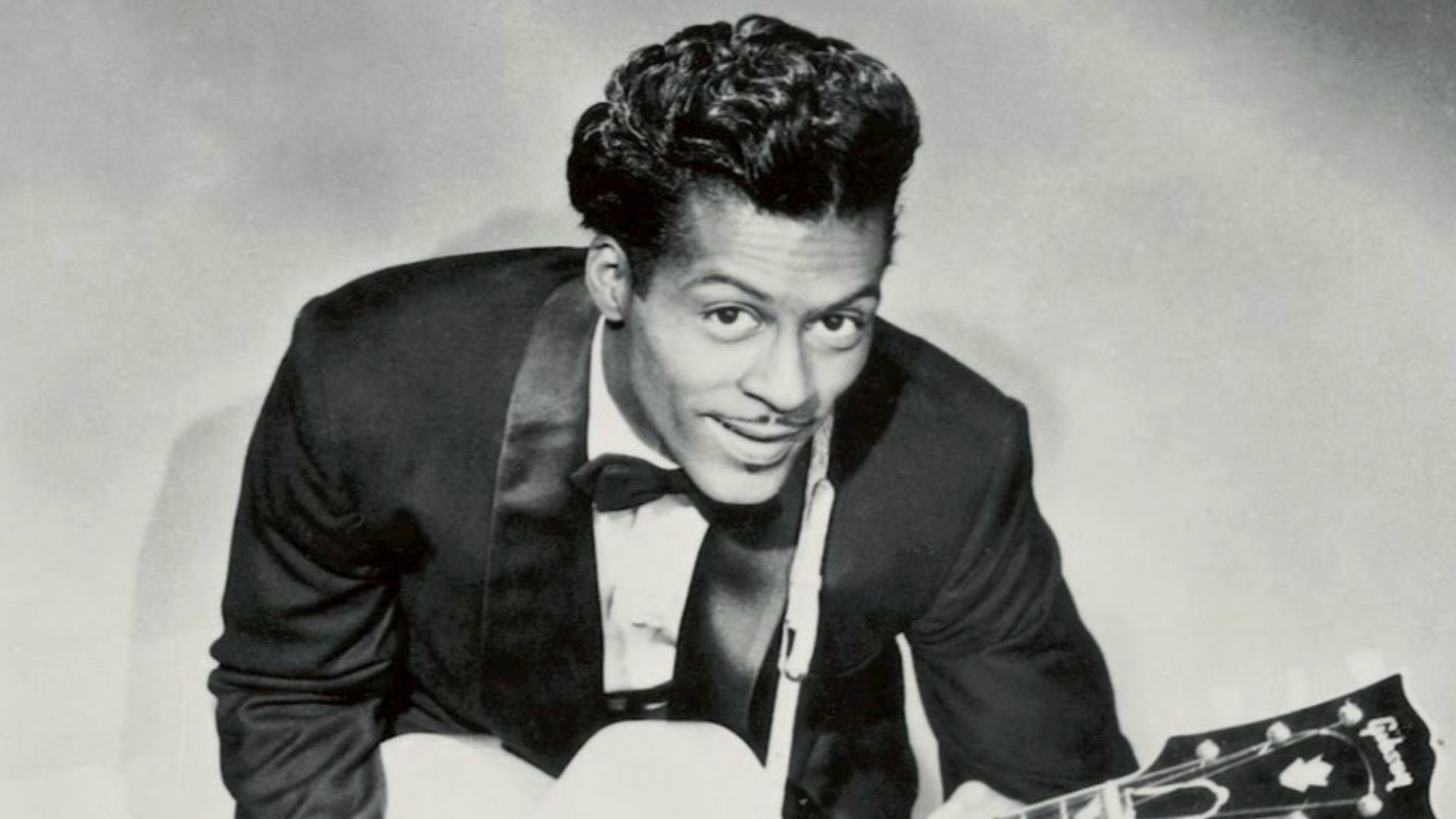 Pickwick Records, Wikimedia Commons
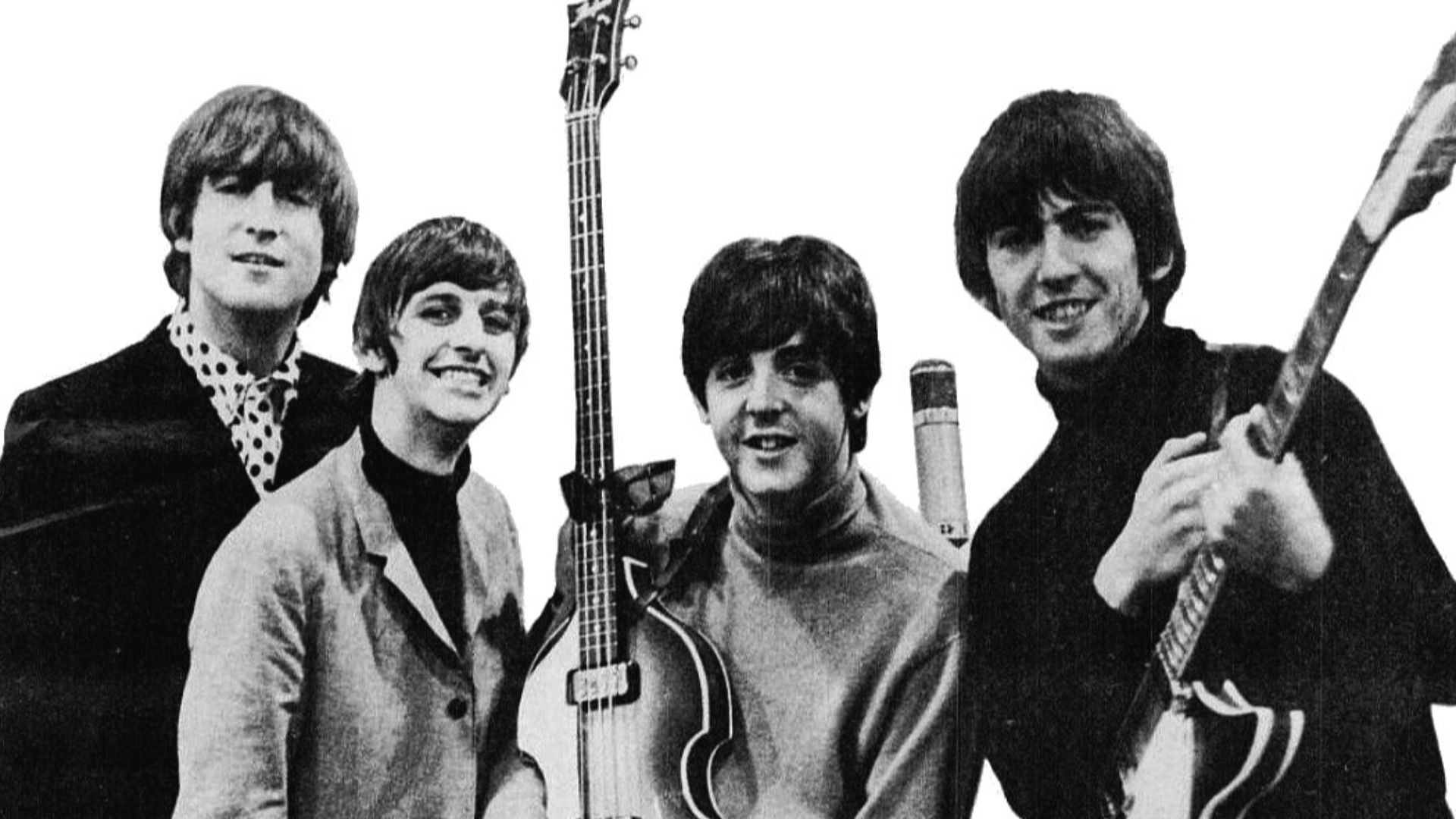
The Beatles – “Hey Jude” (1968)
Not every jukebox song needs to be short. “Hey Jude” builds slowly before turning into a full-room singalong. That long “na-na-na” ending feels like community in real time, strangers becoming a chorus.
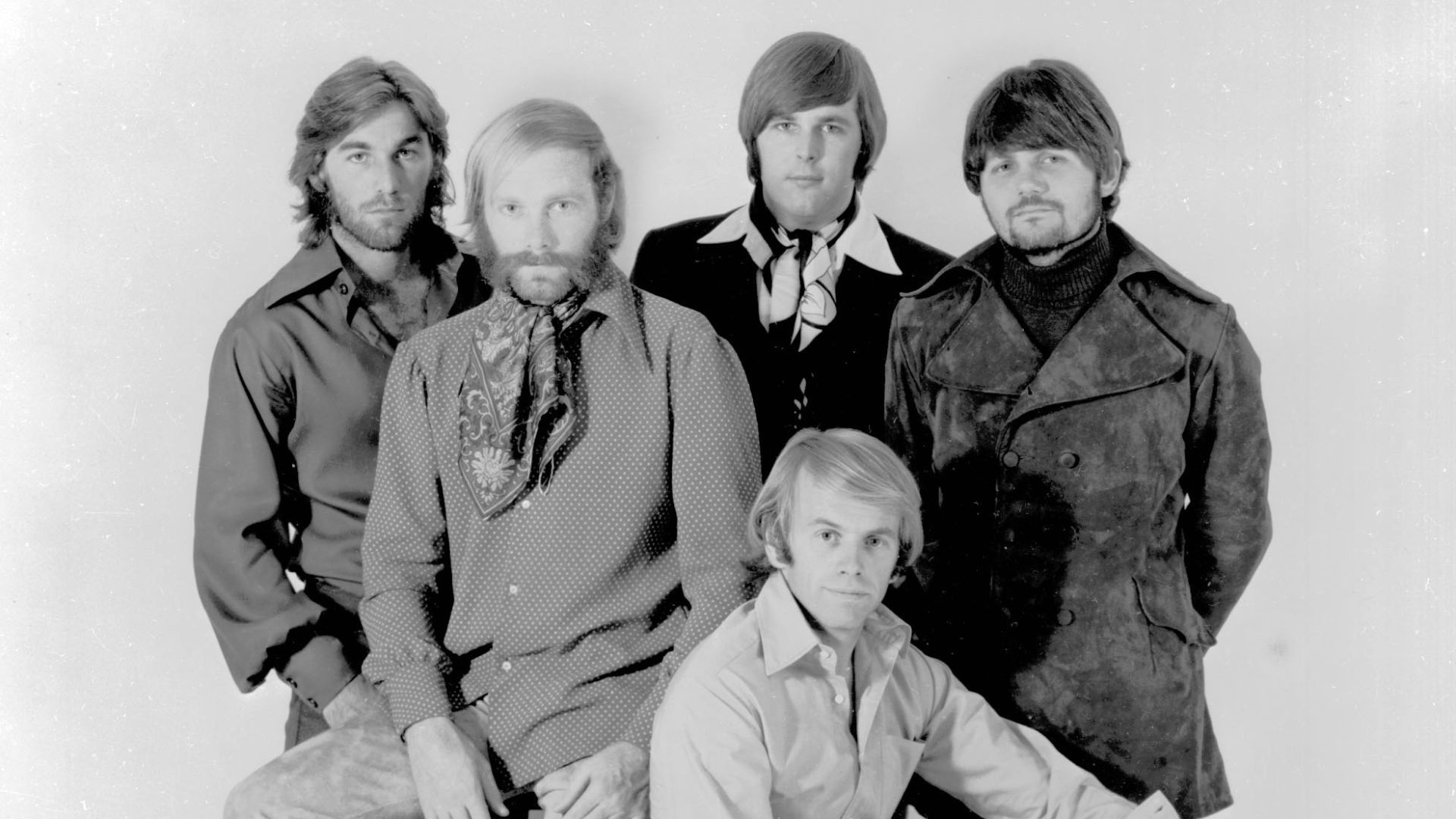
The Beach Boys – “Good Vibrations” (1966)
This one adds a bit of sunshine to even the darkest dive bar. Layered production and upbeat energy make it stand out from simpler rock tracks. It’s vibrant and a little psychedelic without losing its pop accessibility.
 Capitol records, Wikimedia Commons
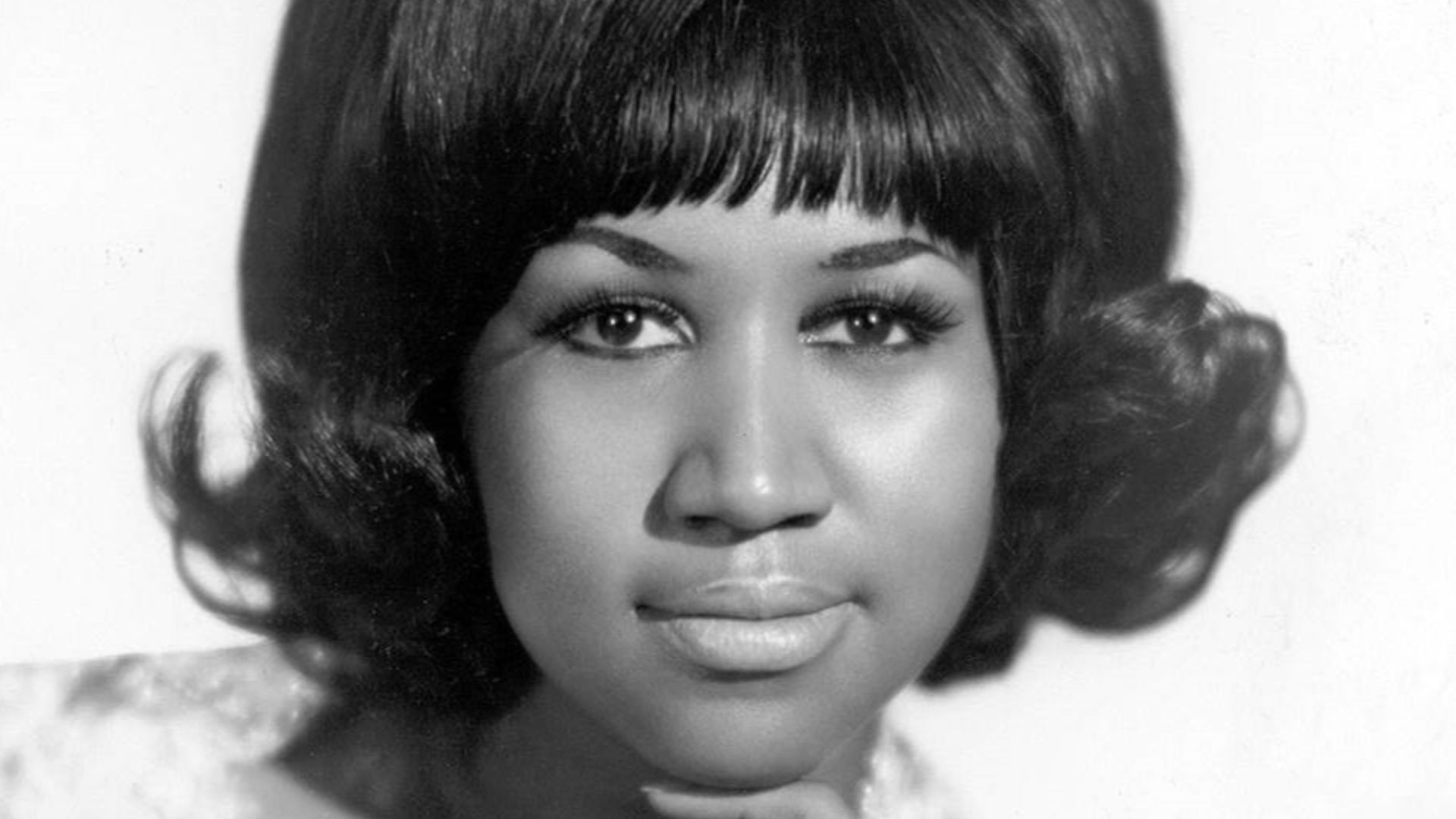
Aretha Franklin – “Respect” (1967)
When “Respect” comes on, the room changes. Aretha’s voice commands attention. It’s empowering, energetic, and impossible to ignore. A jukebox staple that carries both power and groove.
 Atlantic Records (Life time: Published before 1978 without a copyright notice), Wikimedia Commons
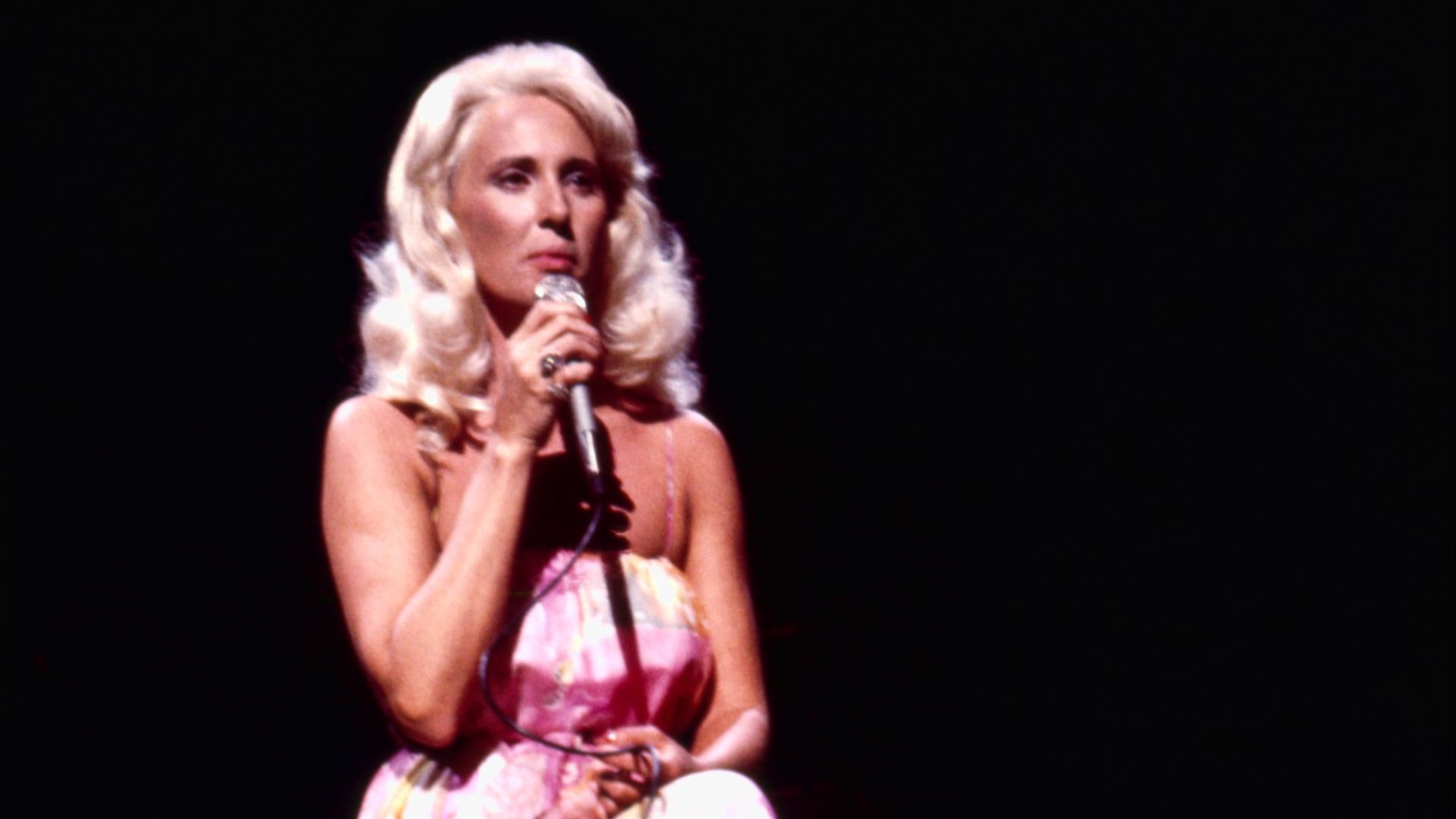
Tammy Wynette – “Stand By Your Man” (1968)
Country heartbreak always has a home in a roadhouse. Wynette’s voice carries loyalty and sadness in equal measure. It’s the kind of song that plays when someone’s thinking about promises made and broken.
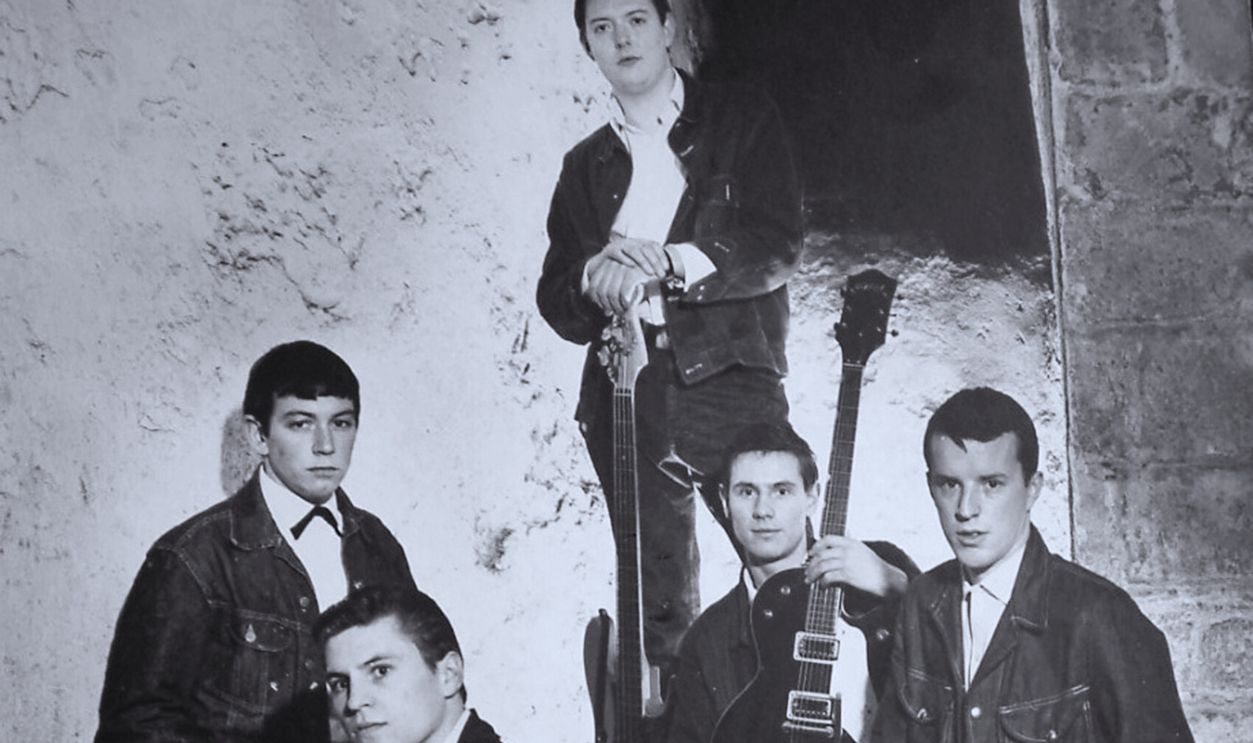
The Animals – “The House Of The Rising Sun” (1964)
Dark, dramatic, and unforgettable. The slow build and haunting vocals feel cinematic, even in a small-town bar. It’s storytelling at its finest, and it lingers long after the last chord fades.
 Richard William Laws, Wikimedia Commons
Glenn Miller – “In The Mood” (1939)
Even decades later, swing found its place in jukebox rotations. That horn-driven rhythm still gets feet moving. It reminds everyone that long before rock, dance floors were already alive.
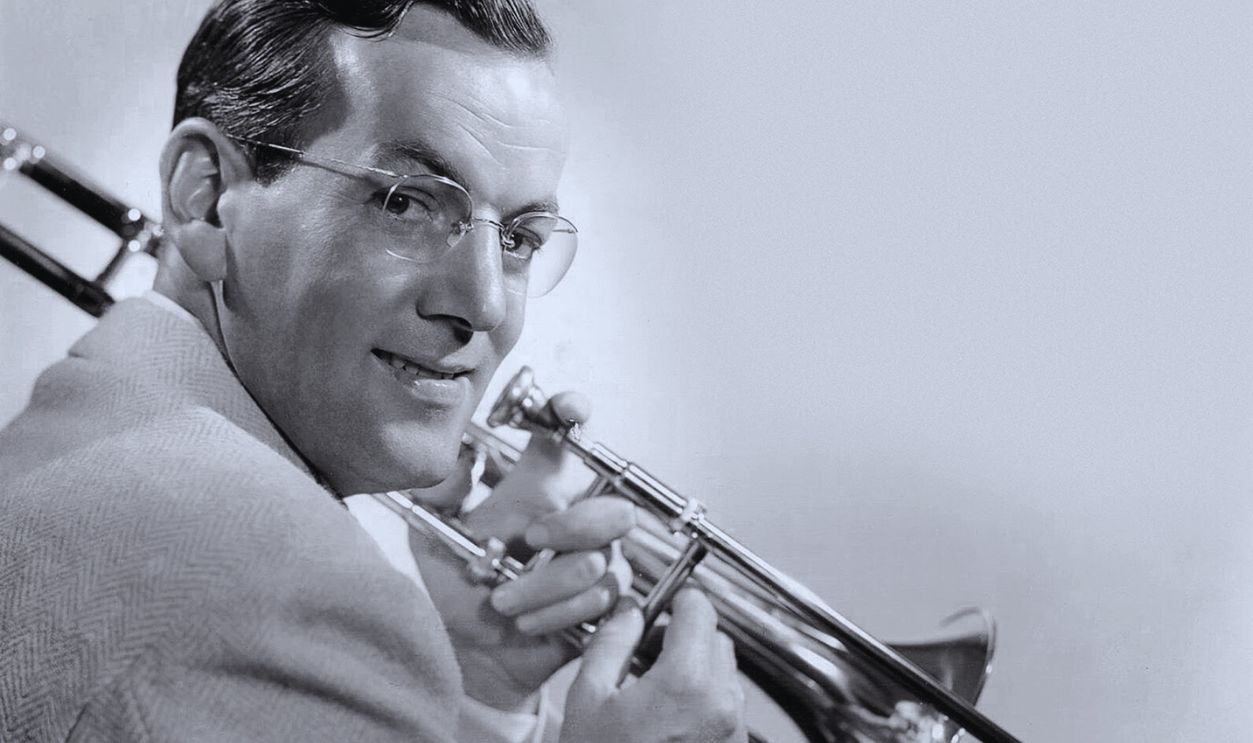 Ad on page 27 of May 16, 1942 Billboard magazine, Wikimedia Commons
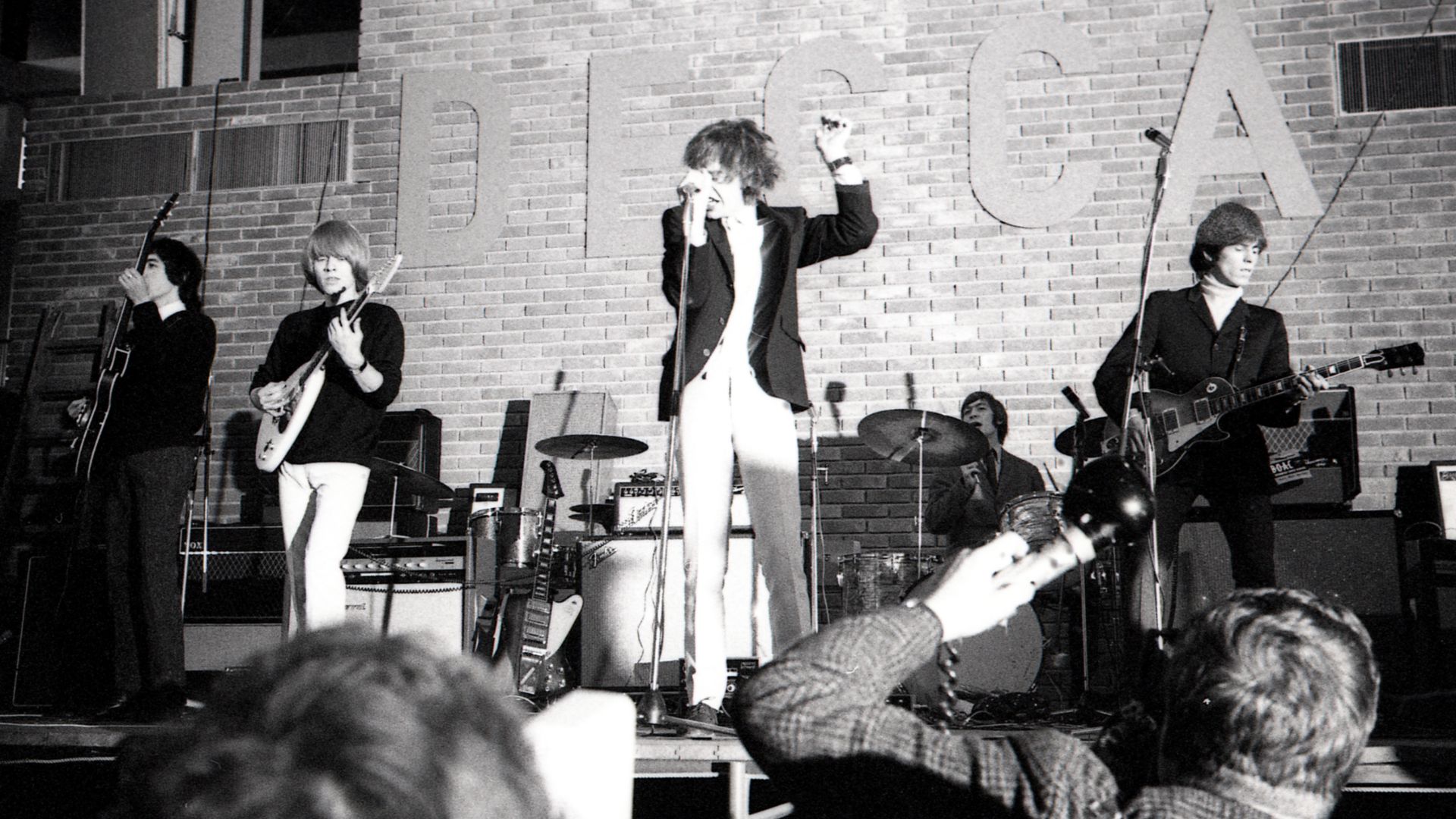
The Rolling Stones – “(I Can’t Get No) Satisfaction” (1965)
That fuzzed-out guitar riff might be one of the most recognizable openings in music history. It’s restless and loud, built for volume and attitude. The kind of song that feels bigger than the room it’s played in.
Talking Heads – “Take Me To The River” (1978)
Groovy and slightly offbeat, this cover blends funk rhythm with new wave cool. It works late at night when the crowd has thinned and the energy shifts from rowdy to reflective but still rhythmic.
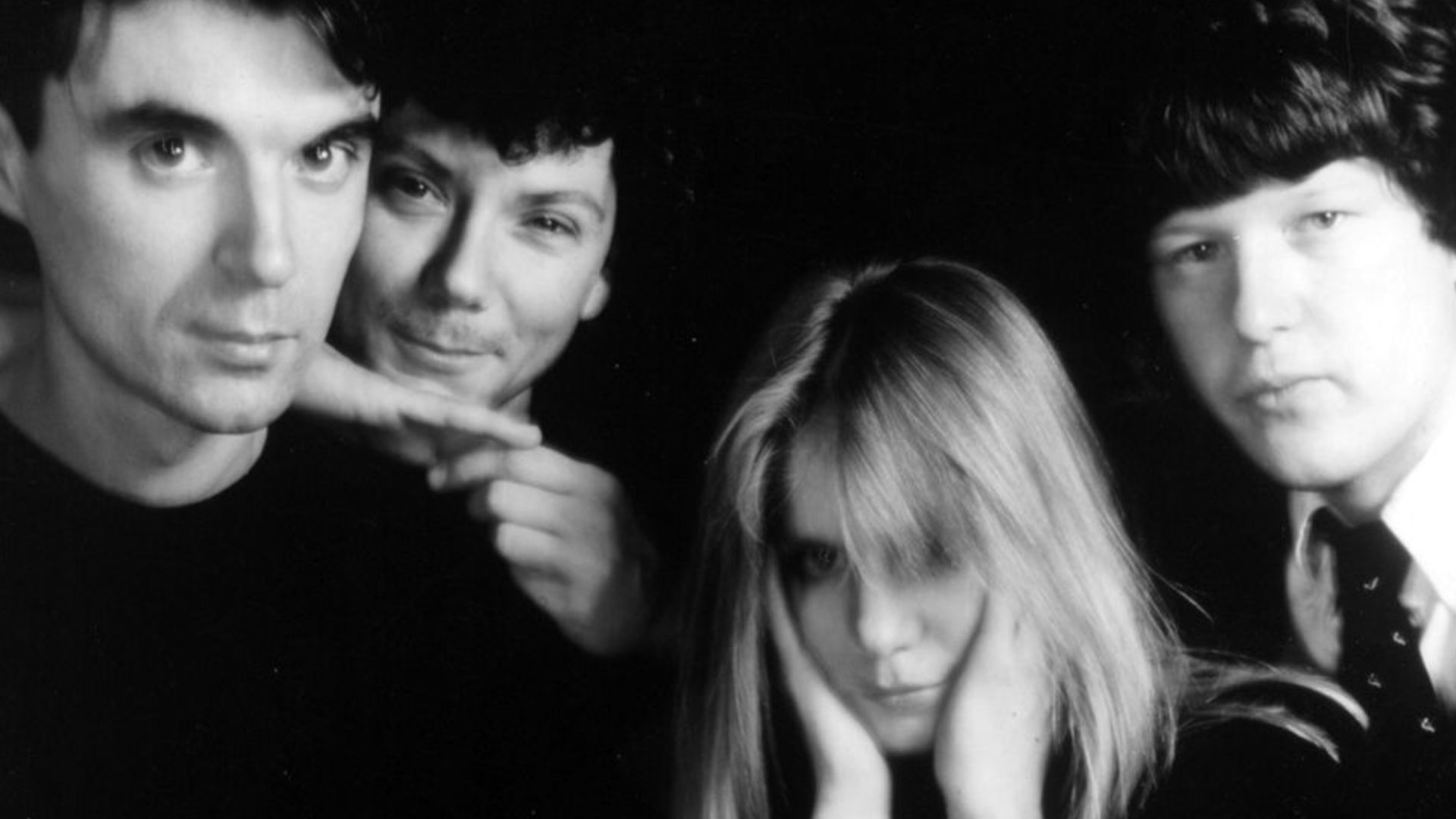 Distributed by Sire Records. Photographer uncredited., Wikimedia Commons
You May Also Like:
Everyone hated these albums at first, but now they’re timeless classics.
Critics Say These Classic Rock Bands Are Overrated, But The Fans Disagree. Do You?