These Shows Inspired Obsessions
Some television series don’t just air and disappear. They live on in forums, conventions, edits, theory threads, cosplay, fan art, and inside jokes shared across the internet. Cult shows usually start with small but passionate audiences who dig deeper than average viewers, turning niche storytelling, quirky tone, or underdog passion into enduring cultural obsession. Whether they were lightning rods for fan creativity or mysterious threading puzzles that begged to be unraveled, these shows built fandoms that refuse to let them be forgotten.
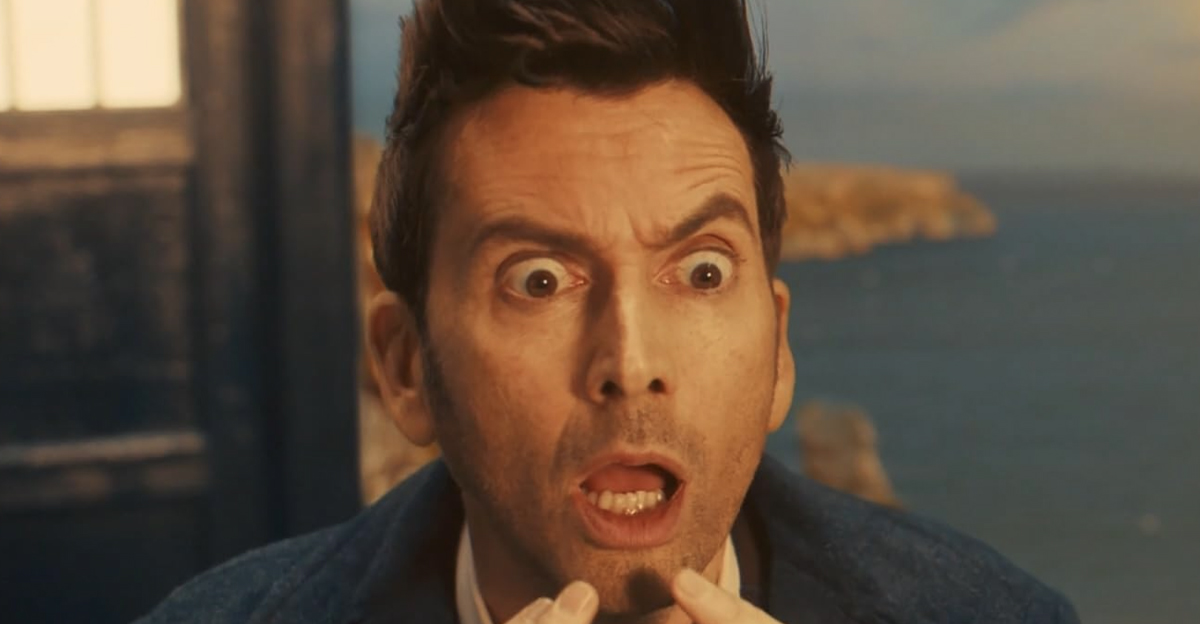 Screenshot from Doctor Who, BBC One (1963–present)
BBC Sherlock
A modern twist on Arthur Conan Doyle’s detective stories, Sherlock became a full-on internet event. Fans dissected every clue and camera angle like it was a crime scene, built elaborate theories between seasons, and turned Tumblr into a never-ending discussion board. The chemistry between Benedict Cumberbatch and Martin Freeman also sparked endless shipping debates and fan fiction, making it one of the biggest online fandoms of the 2010s.
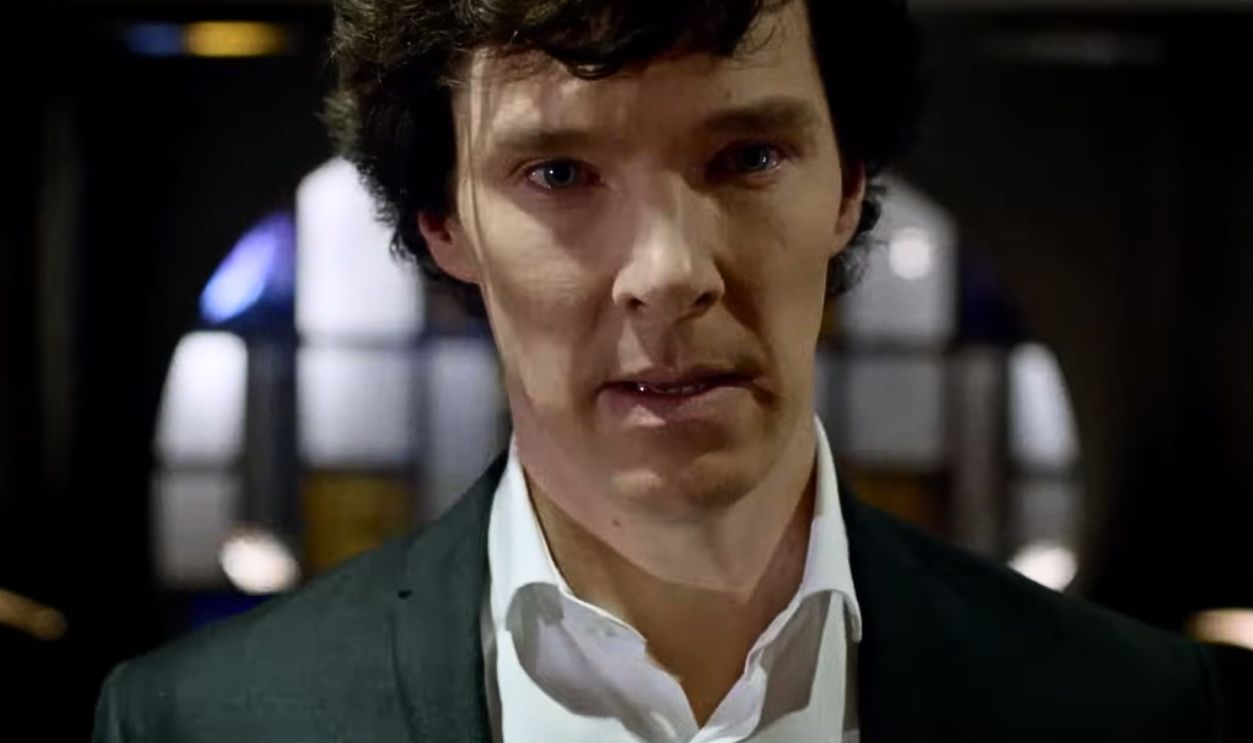 Screenshot from Sherlock, BBC (2010–2017)
Freaks And Geeks
This show lasted one season and still managed to become a generational touchstone, which is honestly kind of impressive. Fans connected to its painfully real portrayal of high school awkwardness, insecurity, and social survival. It also gained extra cult credibility thanks to its stacked cast of future stars. Streaming gave it a second life, and every new viewer seems to join the “how did this get canceled?” club immediately.
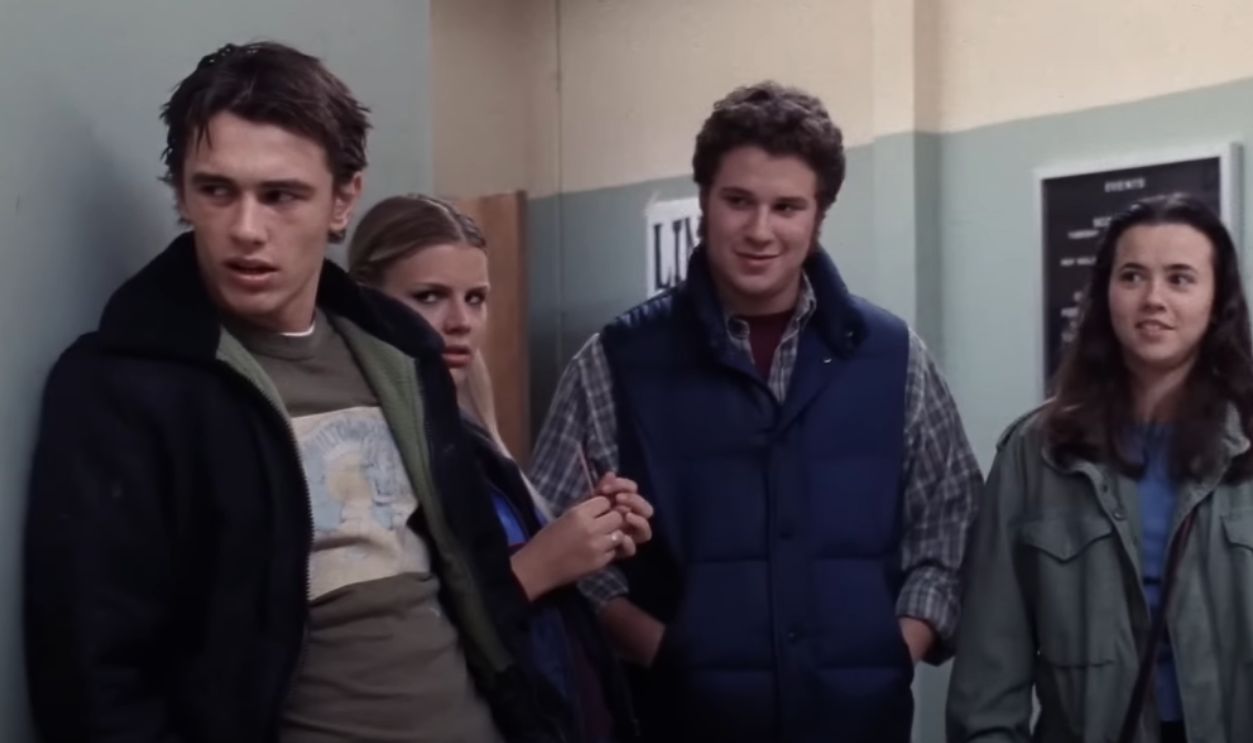 Screenshot from Freaks and Geeks, NBC (1999–2000)
Battlestar Galactica
This reboot turned sci-fi into prestige drama, with politics, moral dilemmas, and end-of-the-world intensity baked into every episode. Fans didn’t just watch it, they studied it, debating character choices and ethical questions like it was a philosophy course. Its mythology encouraged obsessive theorizing, and the show’s darker tone attracted viewers who wanted sci-fi that felt urgent, grown-up, and emotionally brutal.
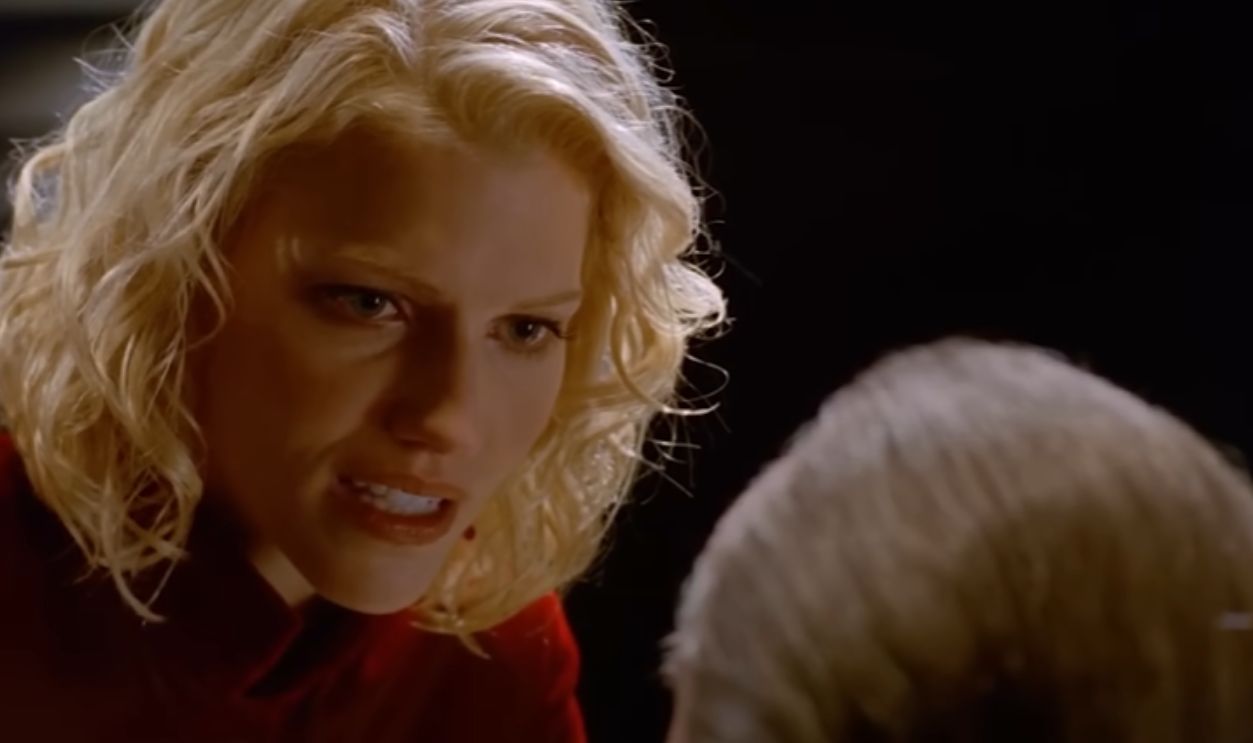 Screenshot from Battlestar Galactica, NBCUniversal Television Distribution (2004-2009)
Buffy The Vampire Slayer
Buffy didn’t just build a fandom, it built a whole ecosystem. Fans latched onto its mix of supernatural action and real emotional stakes, plus its ability to make monsters feel like metaphors for growing up. It inspired endless fan fiction, academic analysis (yes, “Buffy studies” is real), conventions, and rewatch communities. Even decades later, people still debate episodes like “The Body” with the seriousness of a major literary text.
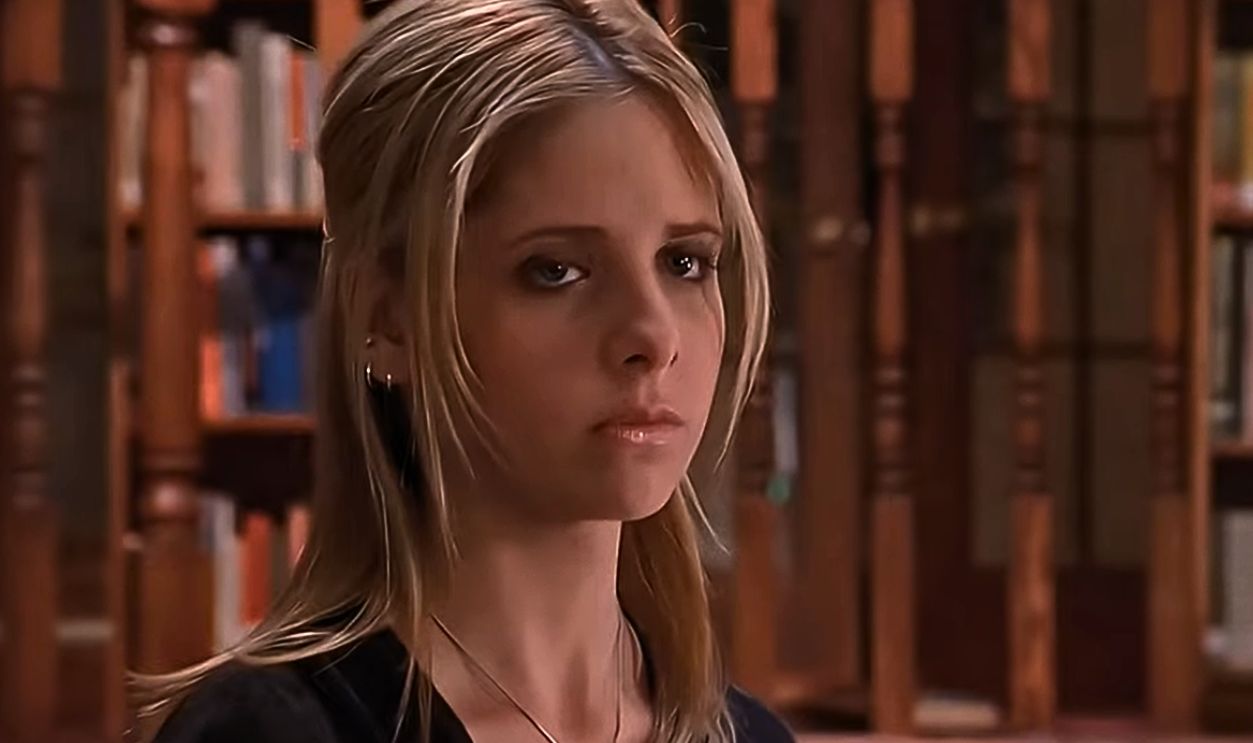 Screenshot from Buffy the Vampire Slayer, 20th Century Fox Television (1997–2003)
Our Flag Means Death
This offbeat pirate comedy about an aristocrat giving up his life for piracy ended up exploding into fan communities, especially online. Its blend of humor, queer representation, found-family themes, and surprisingly heartfelt character relationships inspired passionate support and grassroots fan activity, including fan art, social campaigns, memes, and creative fan naming. The show’s queer pirate romance in particular became something fans rallied around and discussed long after its premiere.
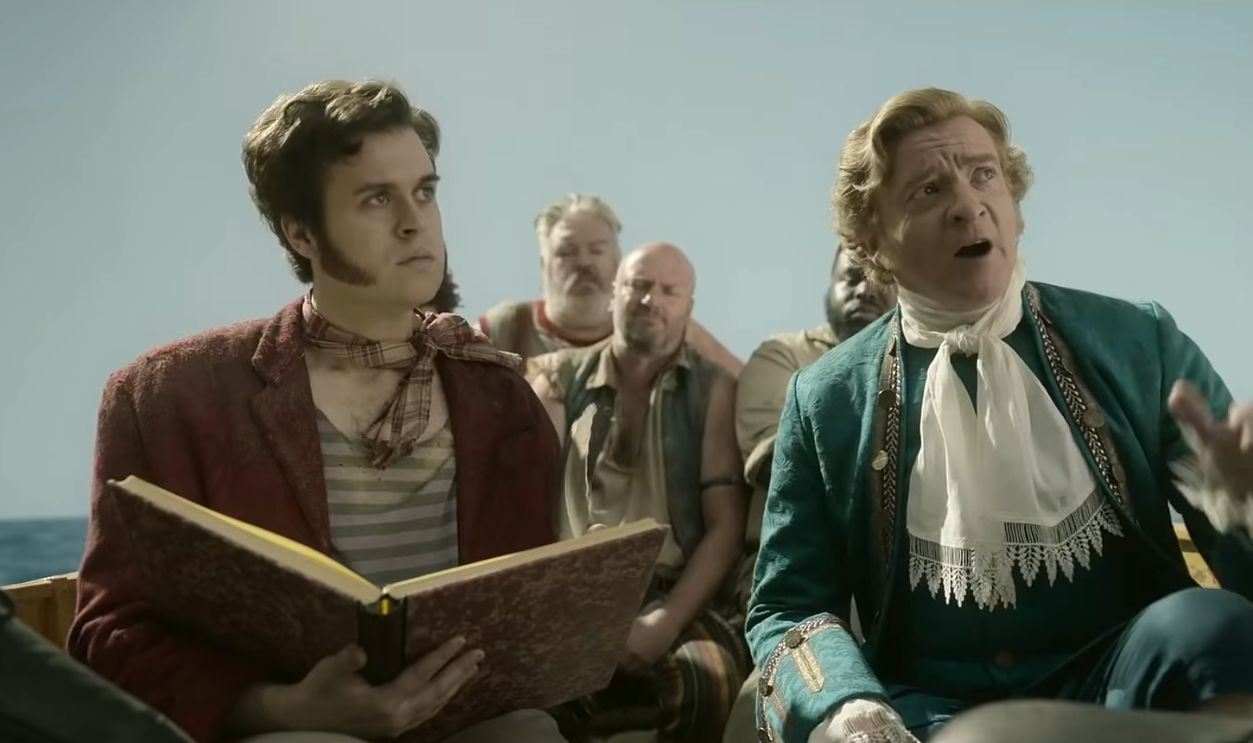 Screenshot from Our Flag Means Death, HBO Max (2022-2023)
Twin Peaks
This is the show that taught viewers how to obsess. Twin Peaks is weird, dreamlike, and loaded with symbolism, which basically guarantees fandom obsession. People still write essays, record podcasts, and rewatch it like it’s a puzzle box. It created the template for “mystery TV” long before the internet made theorizing mainstream, and its surreal imagery has become pop culture shorthand for eerie, Lynchian vibes.
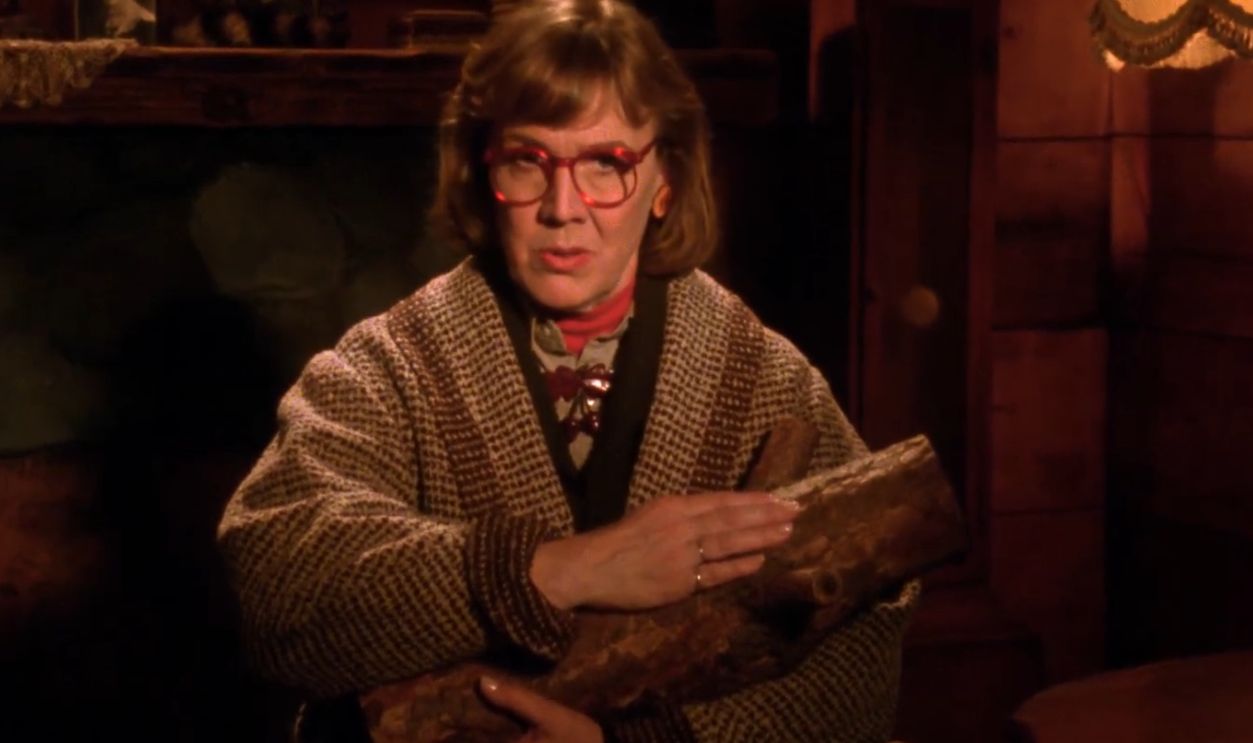 Screenshot from Twin Peaks, ABC (1990–1991)
The X-Files
Before fandom culture became what it is now, The X-Files was already building it. Fans called “X-Philes” formed early online communities to debate the alien mythology, decode government conspiracies, and track every clue across seasons. The Mulder/Scully dynamic also fueled one of TV’s earliest mega-ships, with fans arguing whether it was romance, partnership, or both. It basically helped invent modern fandom behavior.
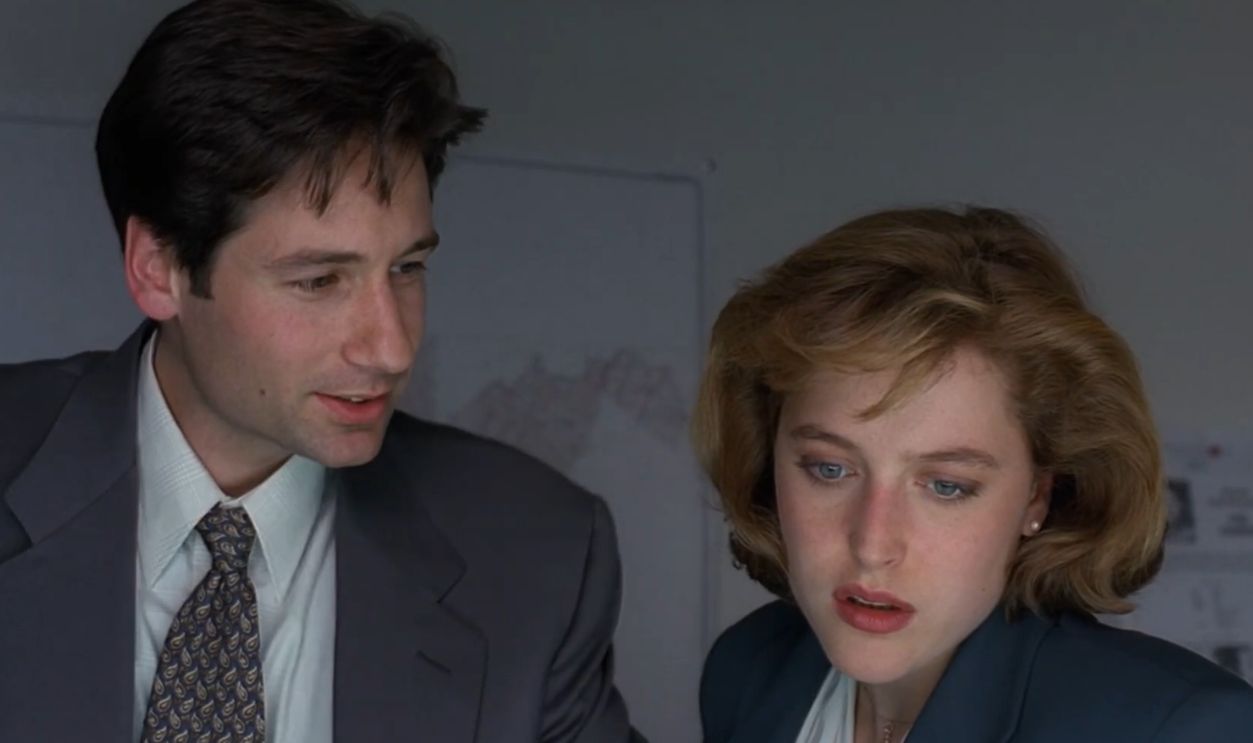 Screenshot from The X-Files, Fox Broadcasting Company (1993–2018)
Chuck
This show is proof that likable characters can create ride-or-die fans. Chuck mixed spy action with rom-com sweetness and built a fandom that actively fought for it during ratings trouble. Fans organized campaigns, pushed online buzz, and treated each season renewal like a victory. The show’s charm comes from its heart: it never forgot that beneath the gadgets and missions, it was really about relationships and found family.
 Screenshot from Chuck, NBC (2007-2012)
The Comeback
This series didn’t blow up immediately, but once people found it, they became obsessed. Lisa Kudrow’s performance as Valerie Cherish is painfully funny and weirdly emotional, and the show’s mockumentary style feels ahead of its time. Fans kept championing it as an underrated gem, and the show’s eventual return years later felt like proof that cult audiences can will a revival into existence.
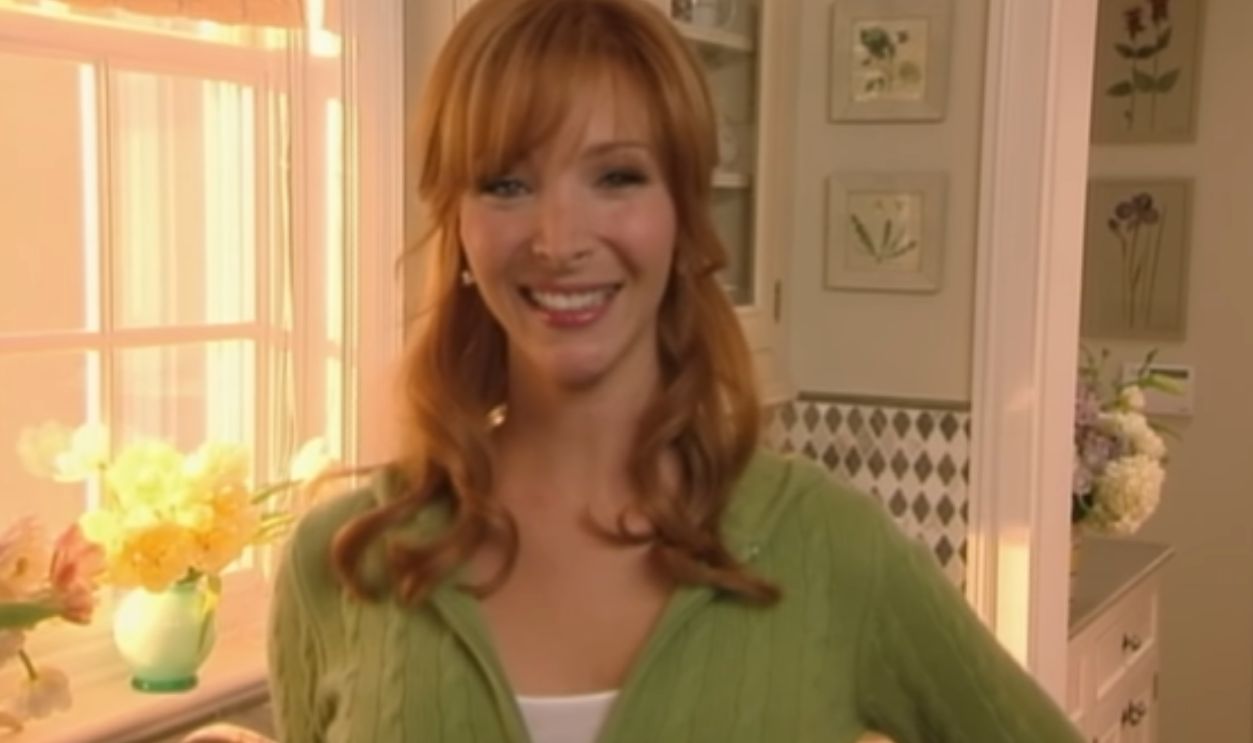 Screenshot from The Comeback, HBO (2005-2014)
My So-Called Life
One season was all it took to make this show legendary. Fans connected to Angela Chase’s inner monologue and the show’s ability to capture teen emotions without mocking them. It’s not flashy, it’s just honest, which is why it hits so hard. The fandom never really faded, it just kept quietly growing as new viewers discovered it and instantly felt seen.
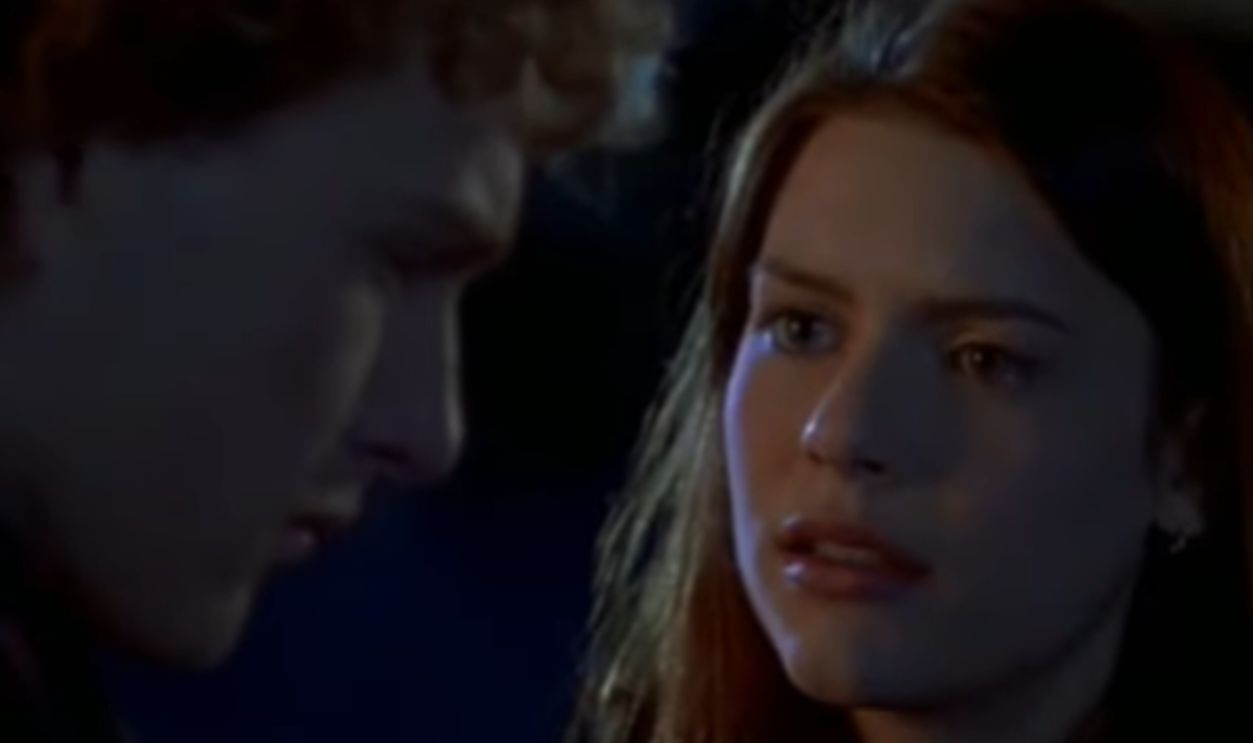 Screenshot from My So-Called Life, ABC (1994-1995)
Firefly
The original cult classic blueprint: canceled too soon, loved forever. Firefly built a passionate fanbase (“Browncoats”) who refused to let it die, organizing campaigns and keeping the show alive through conventions and word-of-mouth. That dedication helped lead to a continuation film (Serenity), which is basically the dream outcome for any canceled show. Its mix of space Western swagger and found-family warmth keeps fans loyal.
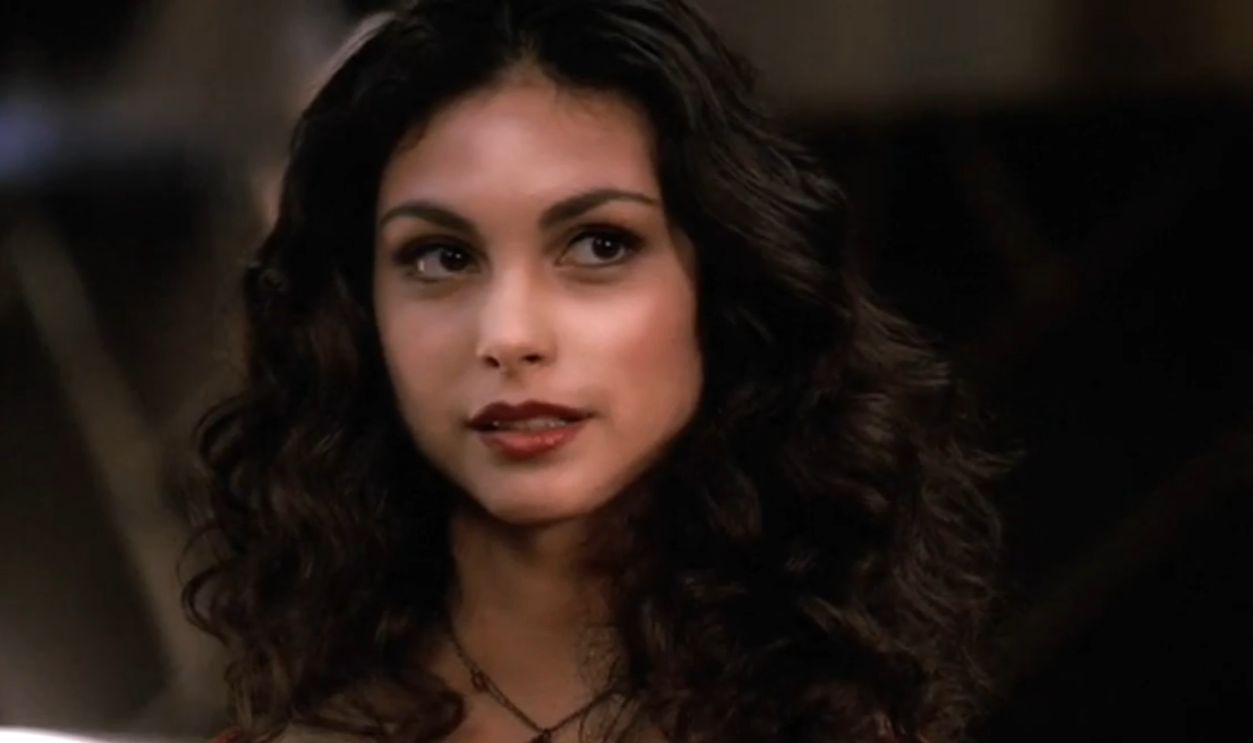 Screenshot from Firefly, Fox (2002)
Farscape
Farscape is for sci-fi fans who like their space adventures weird, emotional, and wildly imaginative. The show’s practical effects and puppetry gave it a unique personality, and its characters felt messy and human in a way that built deep loyalty. Fans rallied hard when cancellation threatened, and the show’s cult reputation only grew with time. It’s the kind of series people recommend like a secret treasure.
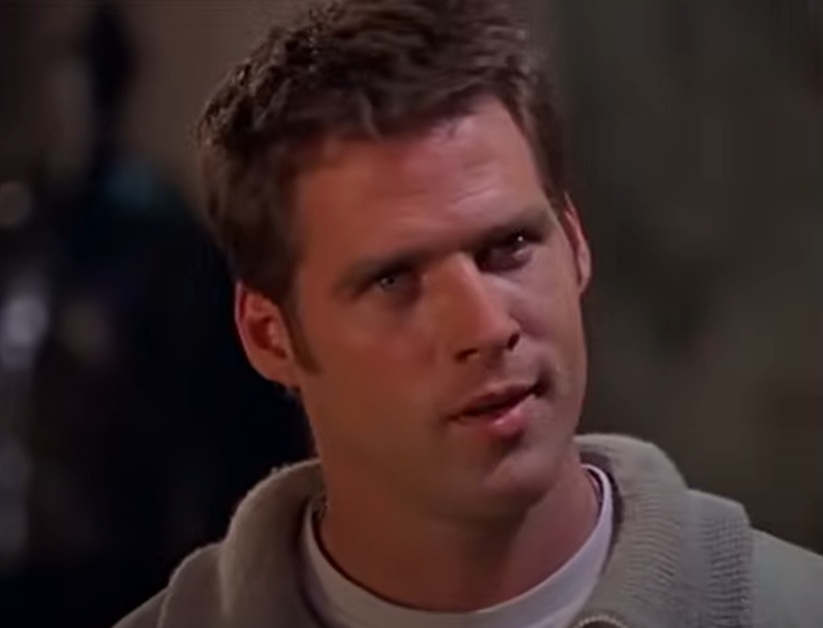 Screenshot from Farscape, NBCUniversal (1999-2003)
Supernatural
Fifteen seasons doesn’t happen without serious fandom fuel. Supernatural built a huge fanbase through humor, emotional brotherhood, monster-of-the-week comfort, and long-running lore. Conventions became a major part of its culture, with fans traveling just to meet cast members and celebrate the show. Online, it became a fan fiction powerhouse, and the shipping debates alone could power a small city.
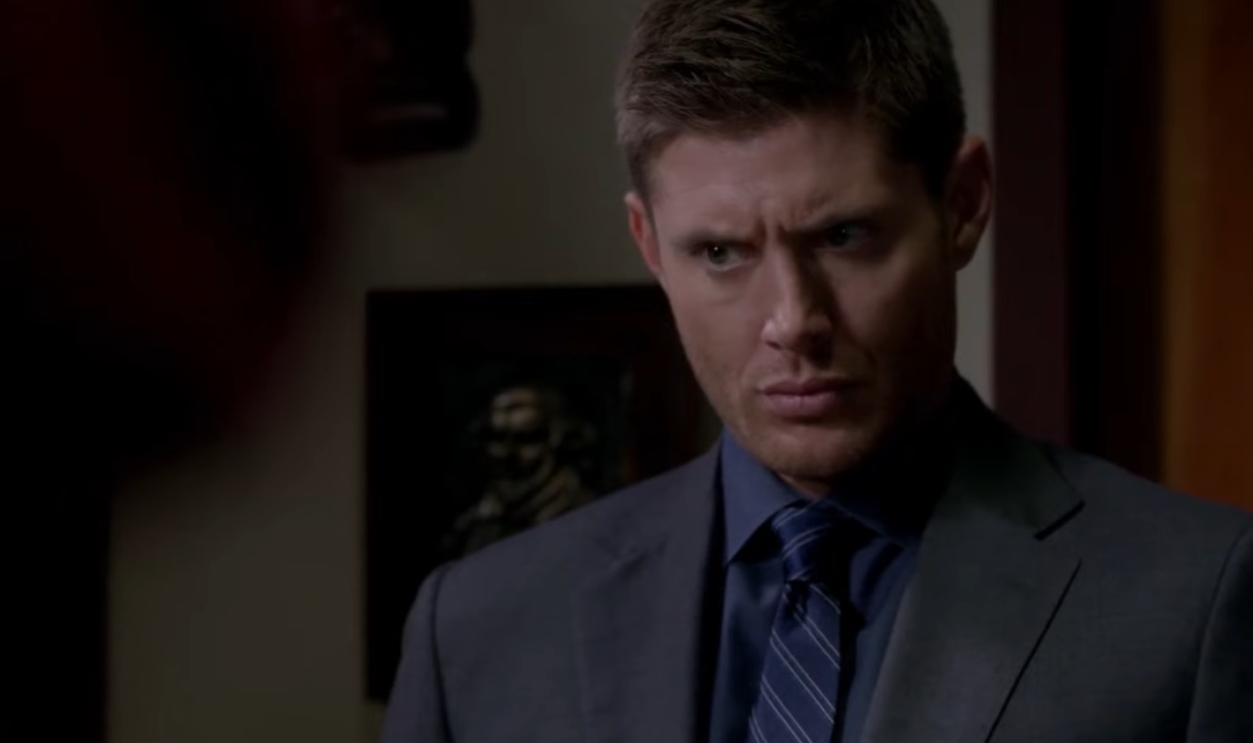 Screenshot from Supernatural, Warner Bros. Television (2005–2020)
Veronica Mars
This fandom is legendary because it actually did things. When the show ended, fans never stopped pushing, and their support eventually helped fund a movie through crowdfunding. That kind of loyalty doesn’t come from nowhere: people loved Veronica’s sharp intelligence, the noir vibe, and the show’s ability to balance mystery with teen drama. It’s still the gold standard for fan-driven revival energy.
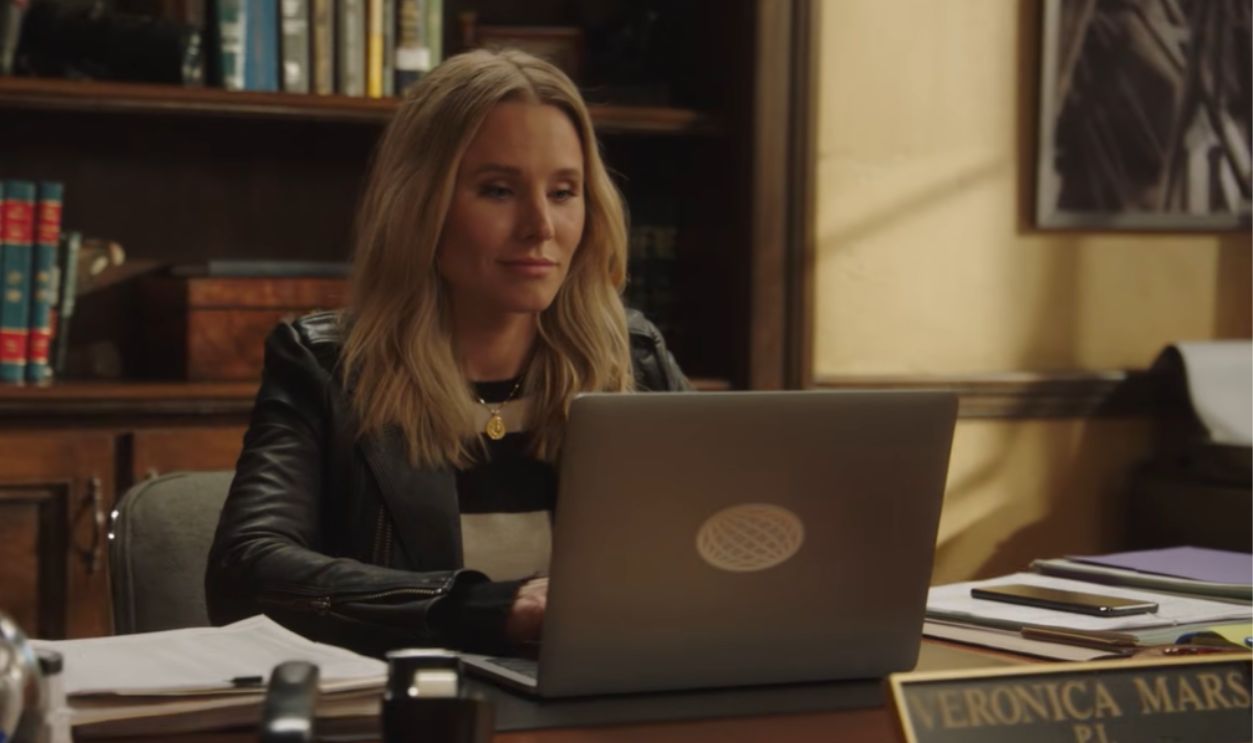 Screenshot from Veronica Mars, Warner Bros. (2004-2019)
Arrested Development
This show’s fandom thrives on rewatches because you literally can’t catch everything the first time. The jokes are layered, callbacks stack on callbacks, and every rewatch reveals something new. Fans kept quoting it long after cancellation, basically refusing to let it disappear. The cult devotion helped bring it back years later, proving that comedy nerds can be surprisingly powerful.
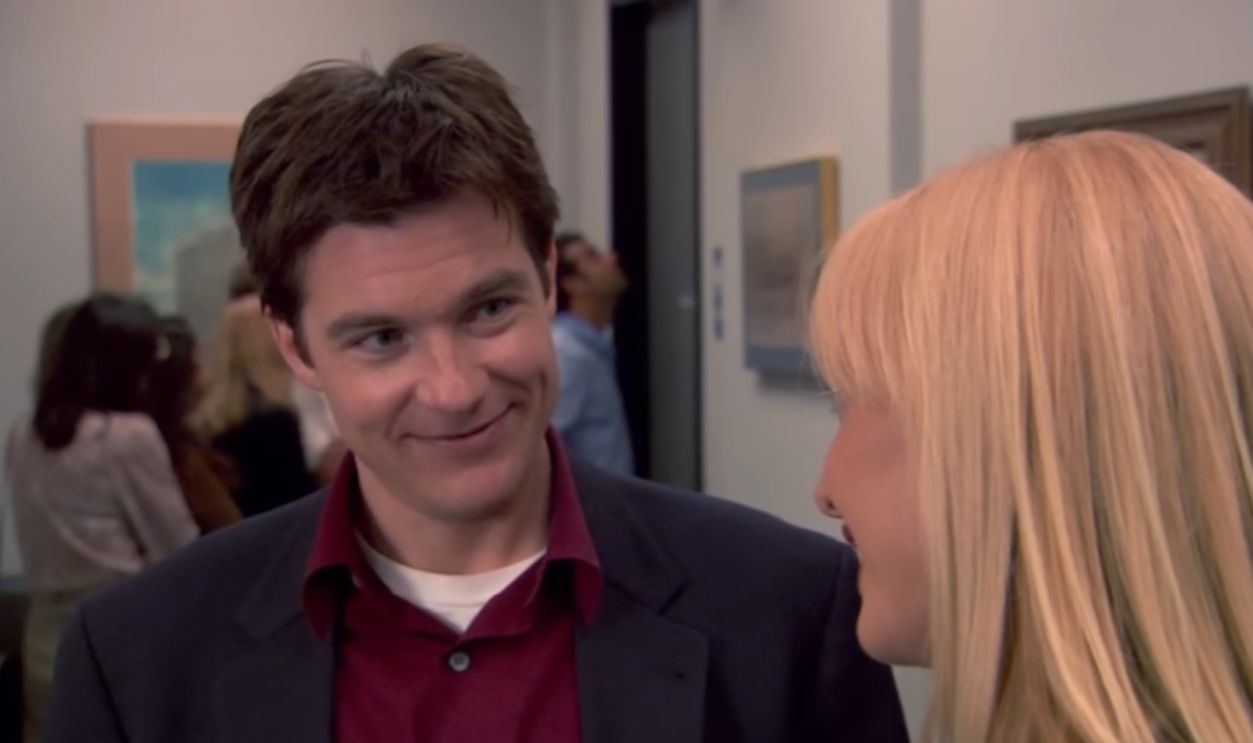 Screenshot from Arrested Development, Netflix (2003-2019)
Pushing Daisies
This show built a fandom on pure aesthetic magic. Everything about it felt like a storybook: bright colors, whimsical narration, romantic melancholy, and quirky mysteries. Fans loved how sincere it was, even when it was strange. Its cancellation still hurts because it felt like it had so much more to give. Even now, it’s one of those shows people recommend like “trust me, you’ll fall in love.”
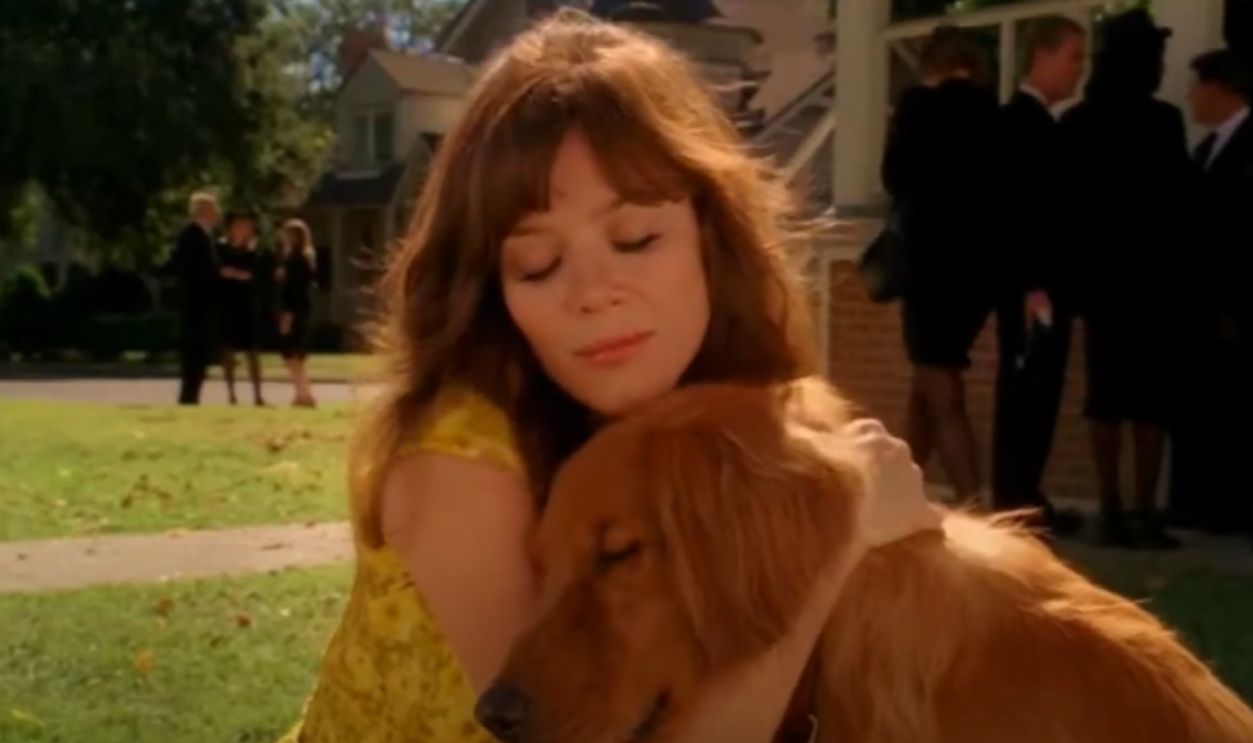 Screenshot from Pushing Daisies, ABC (2007–2009)
It’s Always Sunny in Philadelphia
The fandom here is built on chaos and loyalty. Sunny doesn’t aim to make its characters lovable, it makes them hilariously awful, and fans eat it up. The show’s long-running jokes, memeable moments, and fearless commitment to absurdity created a community that treats episodes like shared mythology. It’s one of those rare comedies that can run forever because fans genuinely don’t want it to stop.
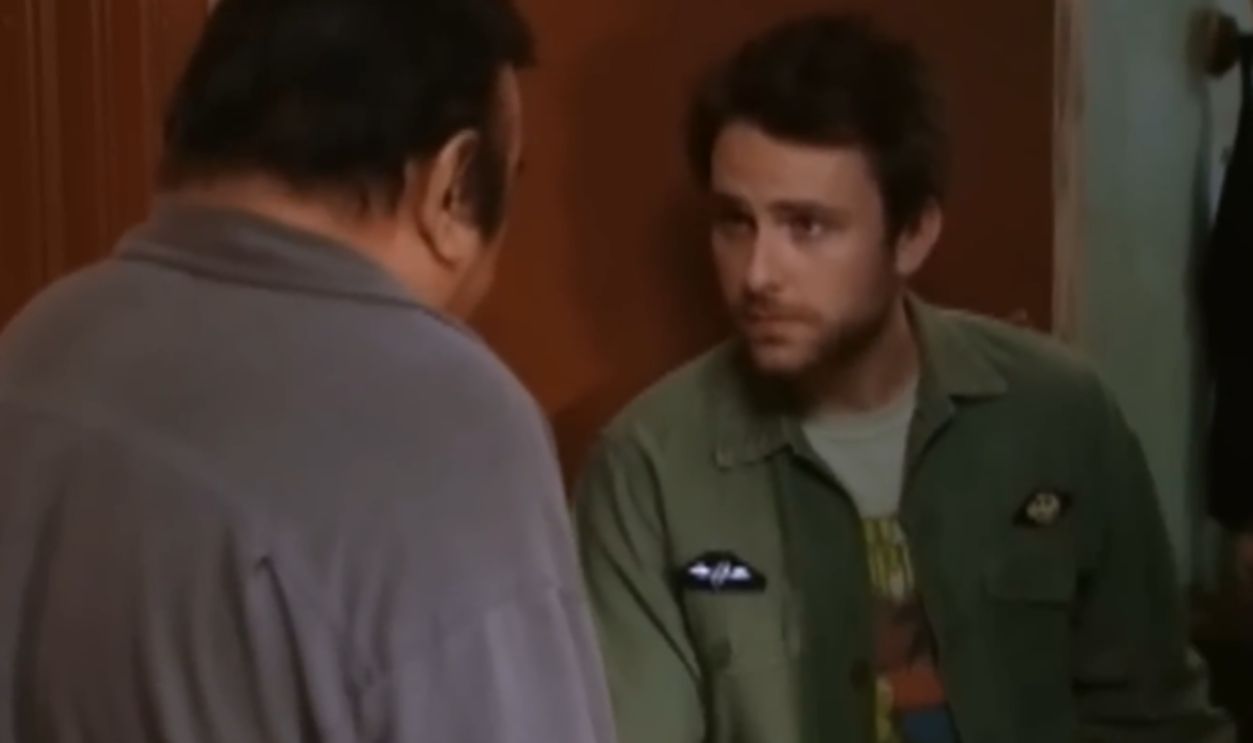 Screenshot from It’s Always Sunny in Philadelphia, FX Networks (2005–present)
Star Trek: The Next Generation
TNG helped expand Star Trek fandom into something massive and lasting. It built a loyal audience through thoughtful sci-fi storytelling, iconic characters, and big philosophical questions wrapped in adventure. Fans embraced it through conventions, novels, and endless debates about favorite captains and episodes. For a lot of viewers, this show wasn’t just entertainment, it was comfort viewing with a moral compass.
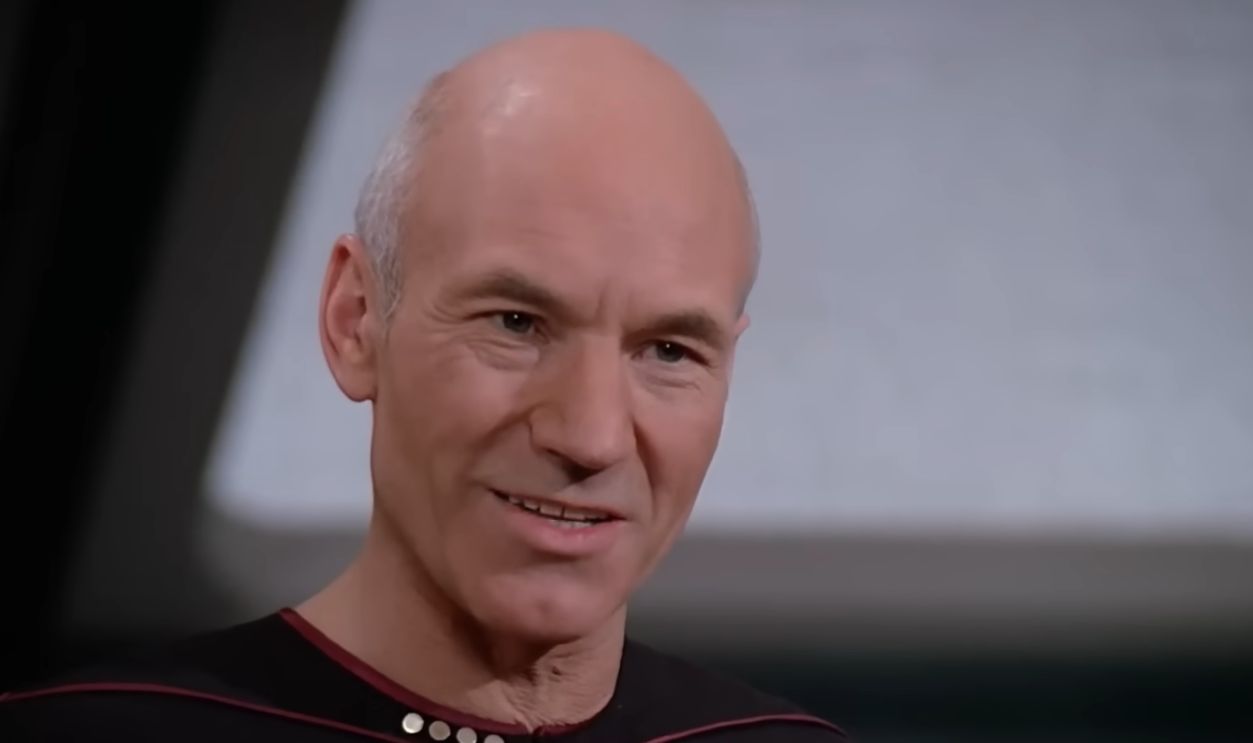 Screenshot from Star Trek: The Next Generation, Paramount Television (1987–1994)
Community
Community fans don’t just love the show, they speak in references. The meta-humor, genre parodies, and emotional found-family core created a fandom that rallied through network drama and constant uncertainty. “Six seasons and a movie” became a battle cry, keeping the show alive in meme form even after it ended. It’s basically the show that taught people how to be fans online.
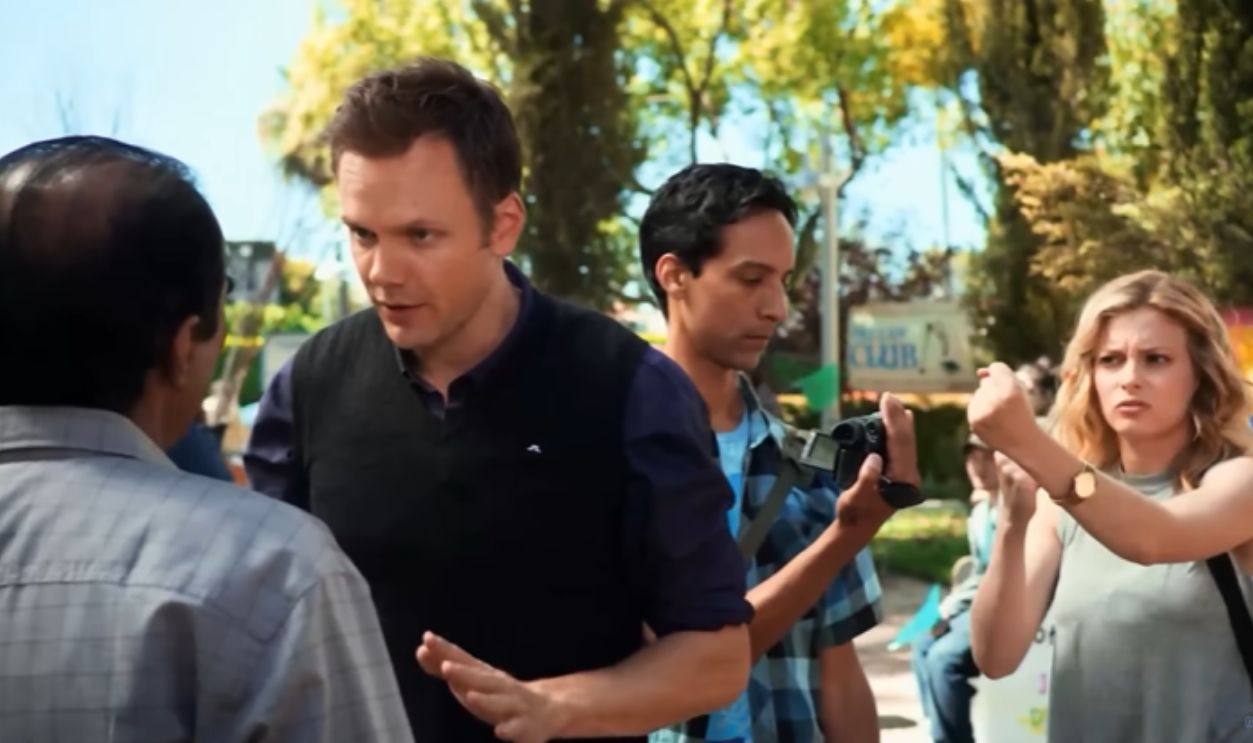 Screenshot from Community, NBC (2009-2015)
Lost
This series was built for obsession. Fans created entire websites, forums, and theory threads to decode the mysteries, symbols, and timelines. Watching Lost wasn’t just watching TV, it was participating in a cultural scavenger hunt. Even now, people argue about the ending like it’s a personal matter. Whether you loved it or hated it, it created a fandom that treated every episode like evidence.
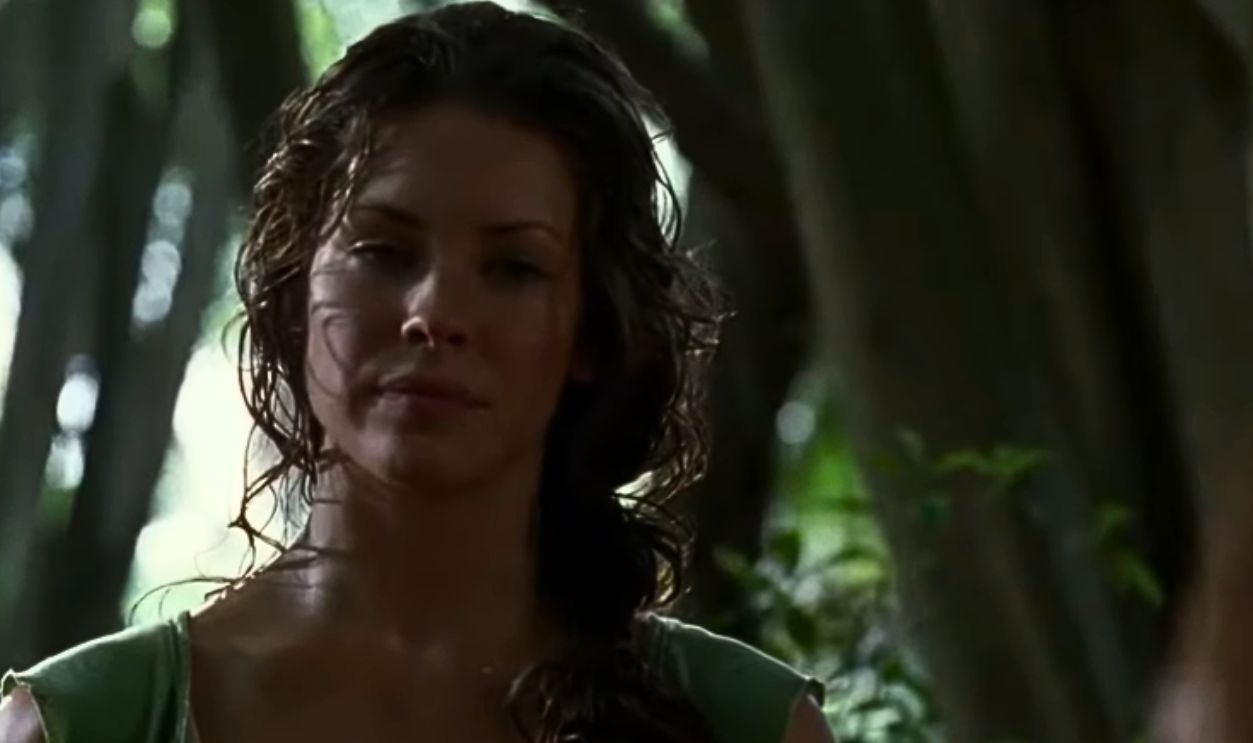 Screenshot from Lost, ABC (2004–2010)
The Wire
The Wire didn’t pull huge ratings at first, but the people who watched it became evangelists. Fans praised its realism, complexity, and slow-burn storytelling, and it gradually earned a reputation as one of the greatest shows ever made. It inspired deep analysis, academic discussion, and intense rewatch culture. People don’t casually “like” The Wire, they recommend it like it’s required reading.
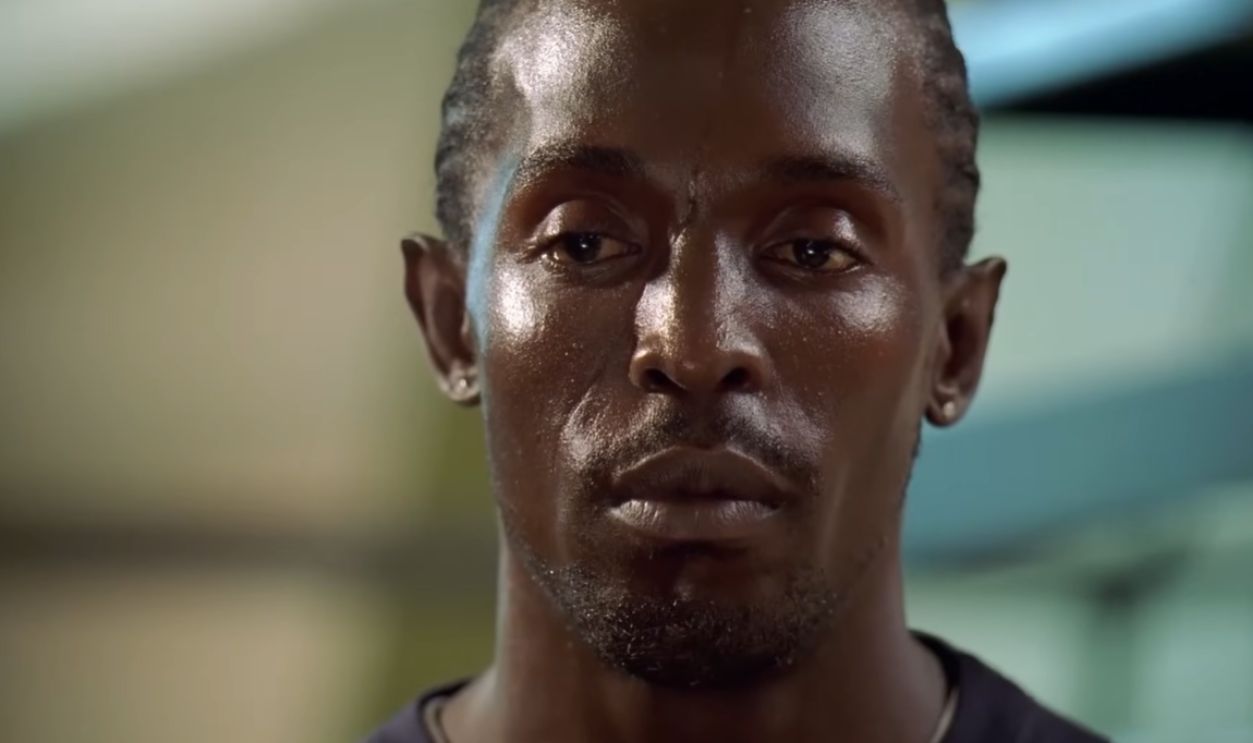 Screenshot from The Wire, HBO (2002-2008)
Doctor Who
This is fandom on a generational scale. Doctor Who has decades of lore, shifting eras, and endless debate fuel, which makes it perfect for obsession. “Whovians” show up with cosplay, conventions, fan art, and strong opinions about Doctors, companions, and villains. The show’s ability to regenerate itself literally keeps the fandom alive, because there’s always a new version to fall in love with.
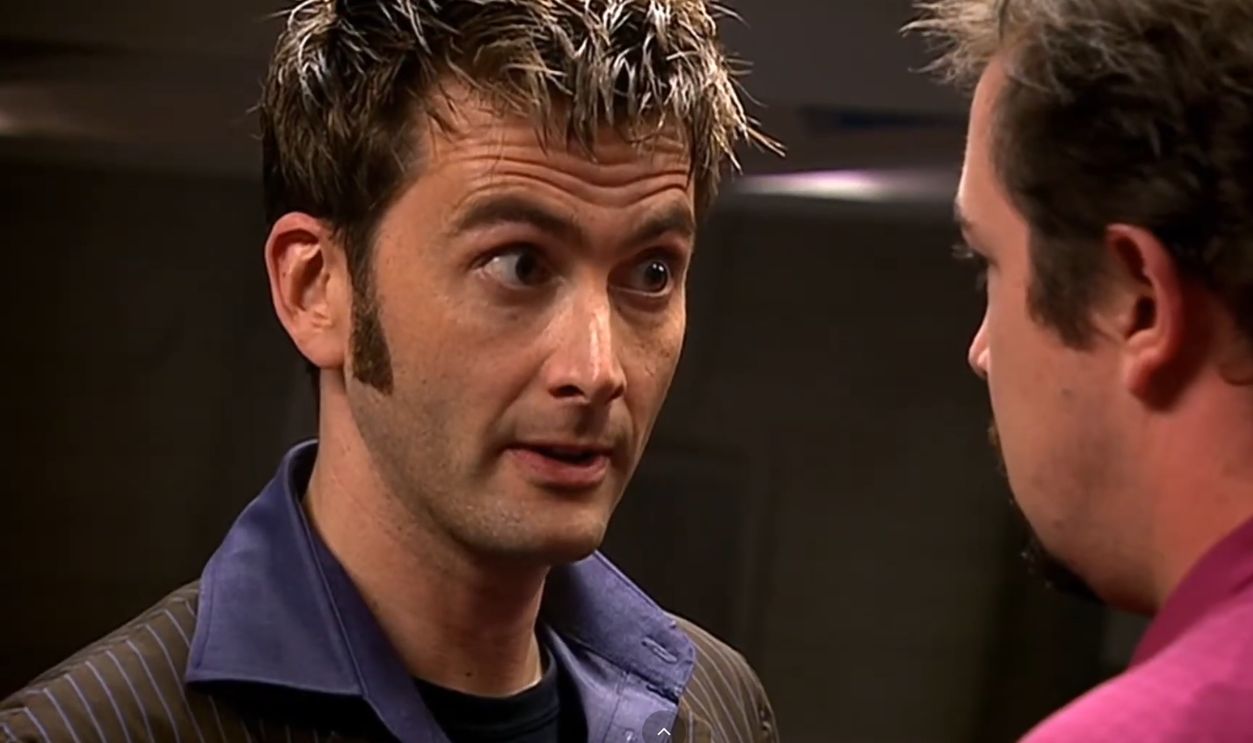 Screenshot from Doctor Who, BBC One (1963–present)
Fringe
Fringe attracted fans who love mystery, sci-fi, and emotional character arcs all tangled together. It started as a “weird cases” show but slowly evolved into a bigger mythology that rewarded attention and rewatching. Fans bonded over its twists, parallel-universe drama, and surprisingly heartfelt relationships. It’s one of those series that grows on you until suddenly you’re all-in.
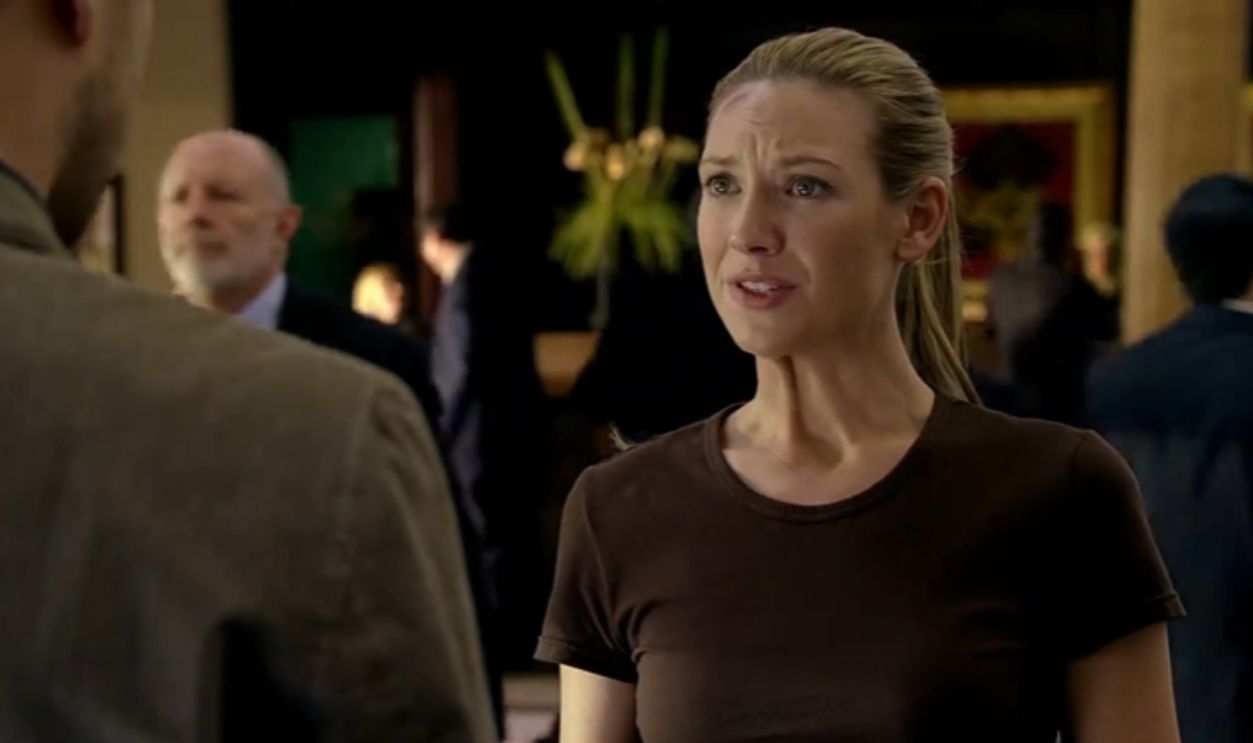 Screenshot from Fringe, Warner Bros. Television (2008-2013)
Better Off Ted
This show never got the ratings it deserved, but its fans never shut up about it (in the best way). Better Off Ted is sharp workplace satire with absurd corporate humor that feels even more relevant now. Viewers loved its fast writing, ridiculous science-gone-wrong vibe, and perfectly deadpan delivery. It’s the kind of comedy people discover years later and instantly wish had five more seasons.
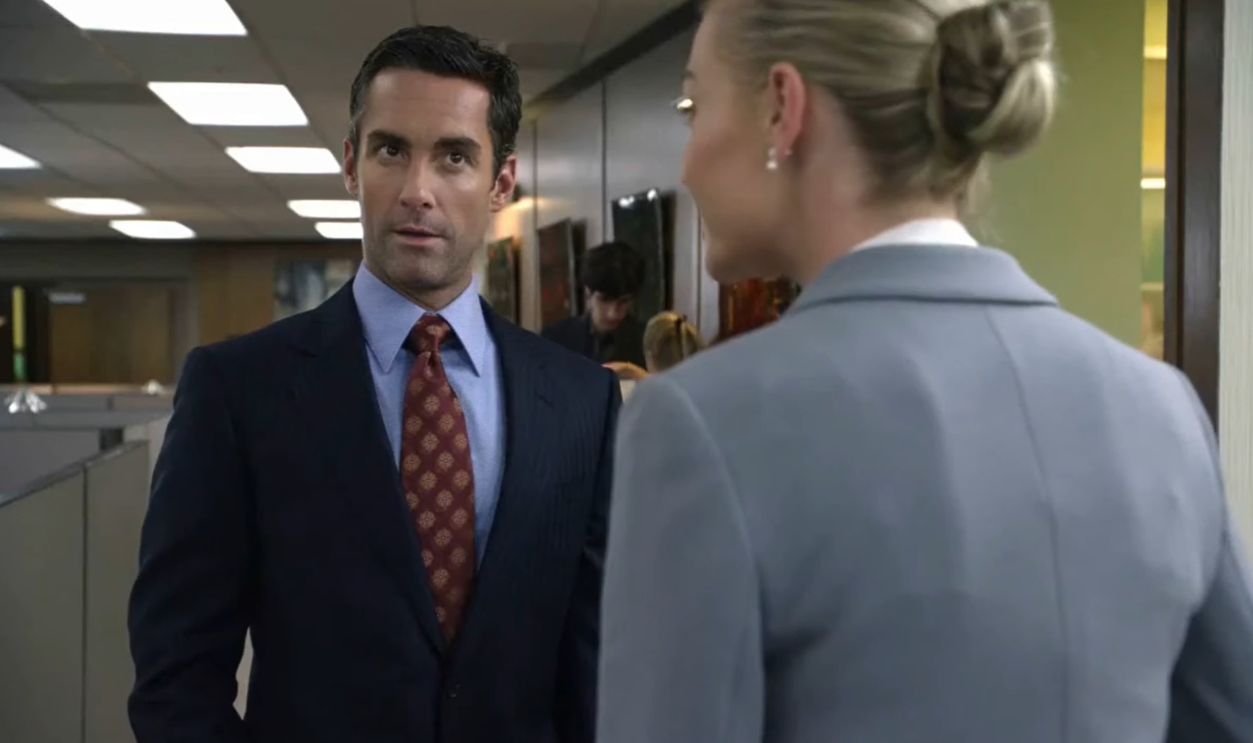 Screenshot from Better Off Ted, ABC (2009–2010)
Archer
Archer built a fandom through quotability alone. The writing is fast, the jokes are layered, and the running gags feel like inside jokes you’re invited into. Fans embraced the characters’ chaos, the spy-movie parody, and the show’s ability to reinvent itself across seasons. It also thrives in meme culture, because basically every line sounds like it was written to be screenshotted.
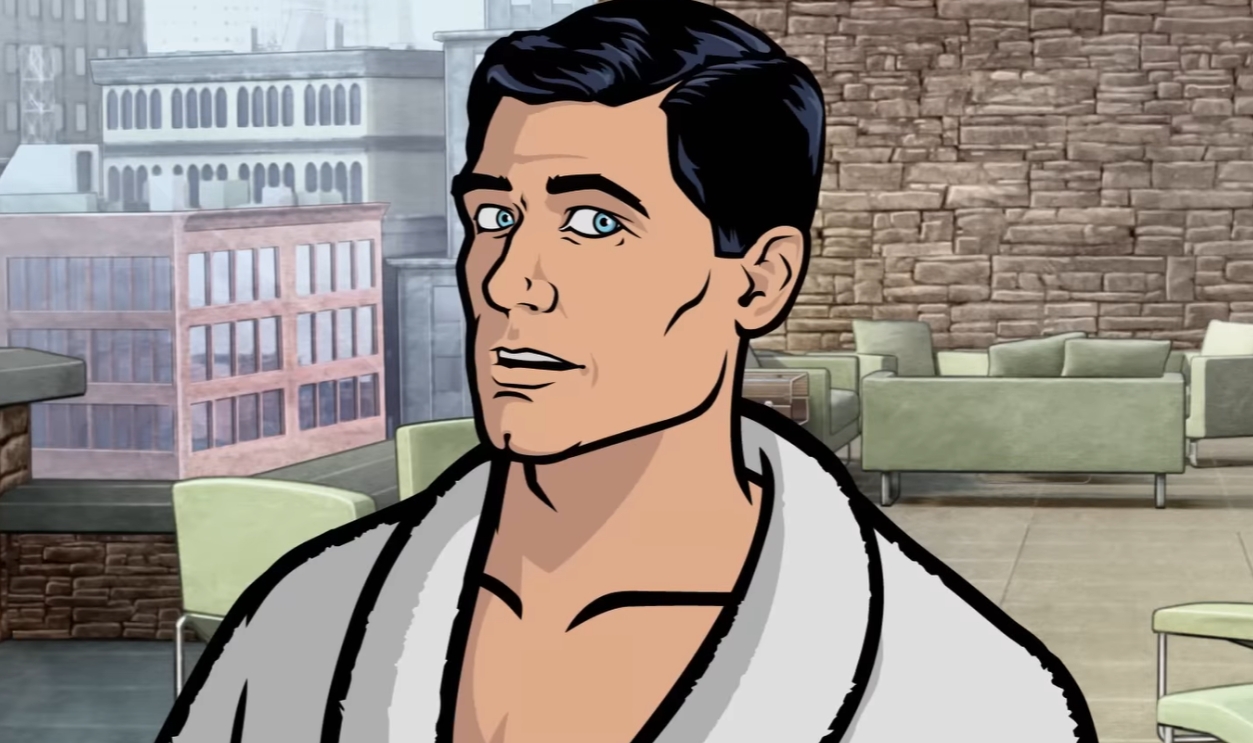 Screenshot from Archer, FX (2009-2023)
You May Also Like:
Unforgettable 90s Cult Classics Everyone Should Watch
Before They Were Classics, Test Audiences Absolutely Hated These Films
Pop Culture References Baby Boomers Love That Most Millennials Wouldn't Understand